

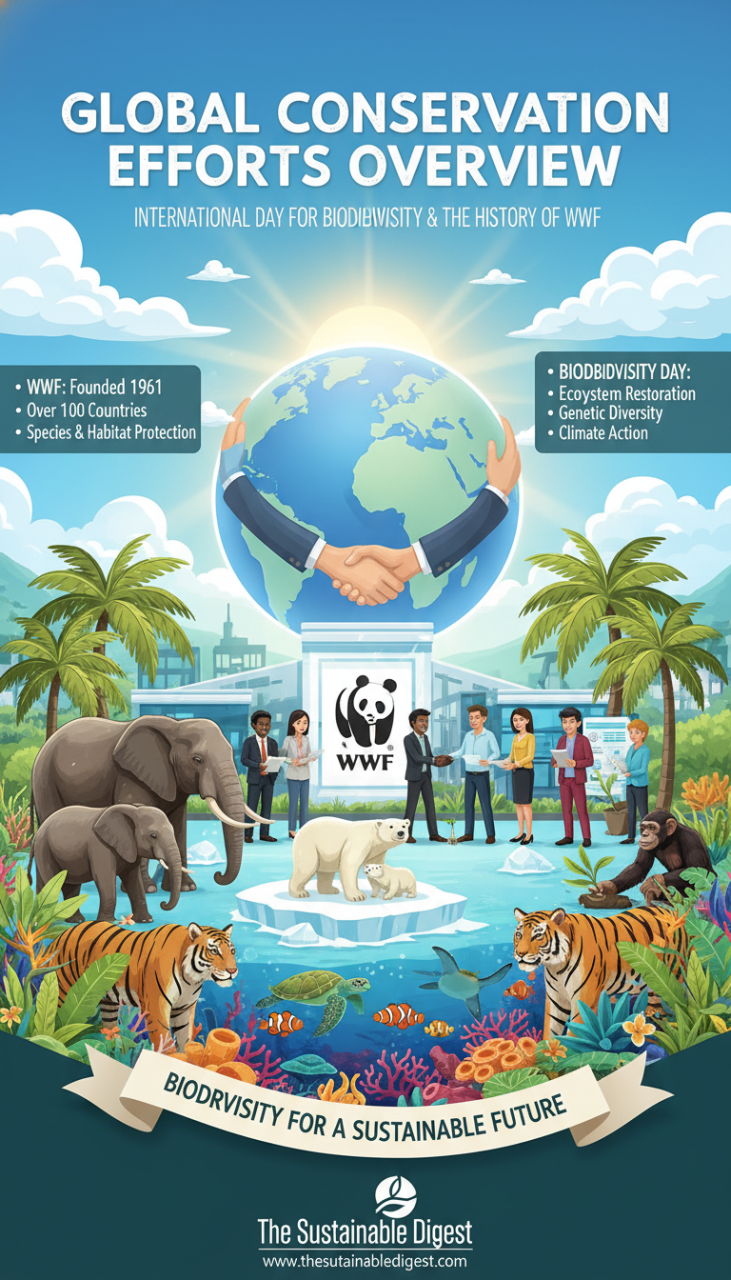
The evolution of conservation efforts has shaped our planet’s future through the International Day for Biodiversity and World Wildlife Fund. This guide delves into the significant role of each global organizations in protecting ecosystems. Established in Zurich, Switzerland, in 1961, the World Wildlife Fund has been at the forefront of these efforts. It has influenced modern environmental policies and fostered awareness about the need for sustainable practices.
In 2000, the UN General Assembly proclaimed a special day to highlight the importance of preserving biodiversity. This annual event serves as a vital reminder of our responsibility towards nature. It encourages reflection on the health of our planet’s biological diversity and promotes actions to protect it.
By examining the historical context of the International Day of Biodiversity and World Wildlife Fund initiatives, we bridge the gap between past milestones and current climate conversations. Understanding these connections is essential for addressing contemporary environmental challenges.
Introduction: The Evolution of Biodiversity and Global Conservation
The progression of environmental protection efforts has been pivotal in determining our planet’s ecological future. Understanding biodiversity is essential as it encompasses the variety of life on Earth, forming the foundation of our ecosystems.
In 1985, Walter G. Rosen coined the term biological diversity to describe this intricate web of life. The term highlights the importance of every species and its role within the ecosystem.
The Convention on Biological Diversity, effective since December 29, 1993, serves as a cornerstone for global initiatives aimed at safeguarding our environment. This agreement emphasizes that biodiversity is not merely a luxury; it is a necessity for the resilience of ecosystems worldwide.
Modern debates on climate change increasingly recognize the significance of biodiversity. A rich variety of species enhances ecosystem stability, making it crucial to address the rapid loss of biological diversity we currently face.
Historical Foundations: The Emergence of the World Wildlife Fund
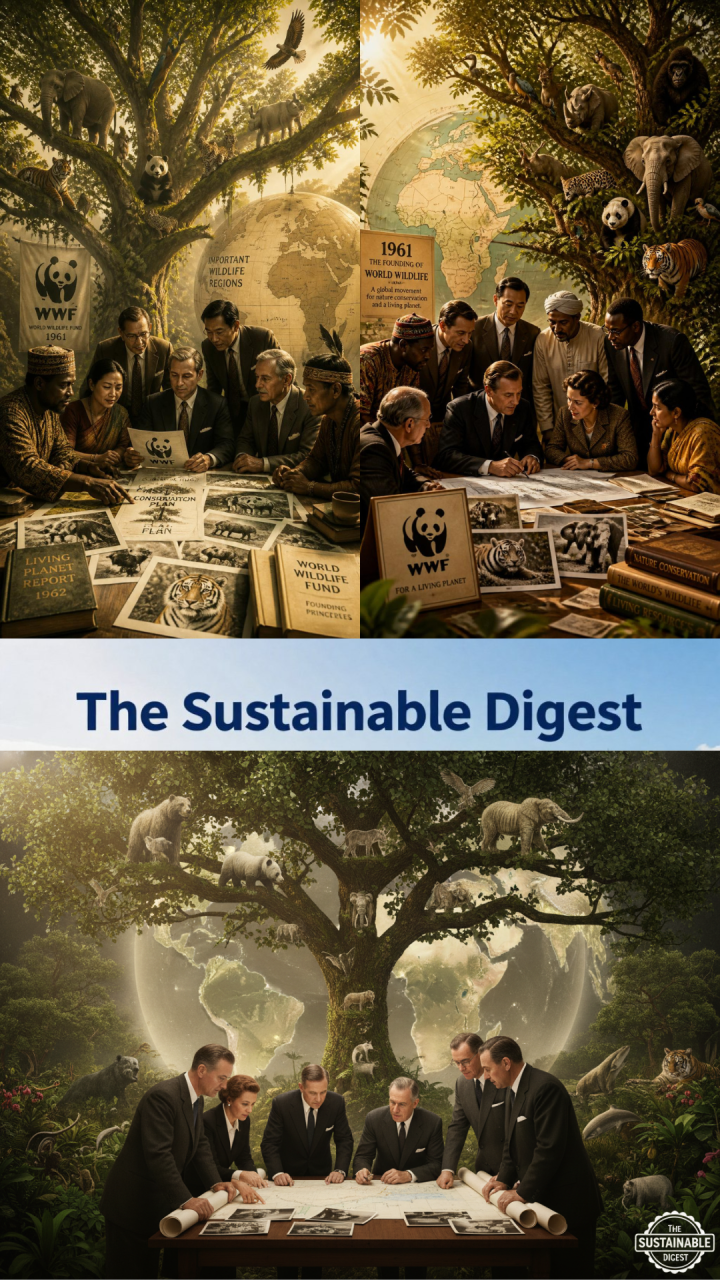
The establishment of conservation organizations marked a significant turning point in ecological protection. One of the most notable is the World Wildlife Fund, founded in 1961. This organization arose after Sir Julian Huxley published impactful articles in The Observer about the alarming destruction of wildlife in Africa.
Sir Peter Scott, a prominent British conservationist, contributed significantly by designing the iconic giant panda logo for the organization. This symbol became synonymous with wildlife preservation efforts worldwide.
In 1962, the WWF hosted a major fundraising dinner at the Waldorf Astoria Hotel in New York. This event aimed to generate support within the United States, showcasing the organization’s commitment to conservation.
These early efforts were crucial for providing necessary funding to organizations dedicated to protecting endangered species and their habitats. The historical relevance of the World Wildlife Fund continues to influence climate science and ecological preservation, setting high standards for global environmental stewardship.
The Genesis and Impact of the International Day for Biodiversity
The introduction of a special day to honor biodiversity has reshaped the landscape of ecological advocacy. Officially proclaimed by the United Nations on May 22 in the year 2000, this observance celebrates the adoption of the Convention on Biological Diversity (CBD).
This annual event serves to raise global awareness about the ongoing loss of species and the urgent need for collective action to protect nature. With 196 Parties currently involved, the CBD provides a robust framework for nations to address environmental threats.
The establishment of this day highlights the importance of international cooperation in monitoring ecosystem health and promoting sustainable development. By focusing on this specific date, the global community reaffirms its commitment to reversing trends of habitat destruction and resource overharvesting.
| Key Aspects | Description |
|---|---|
| Proclamation Year | 2000 |
| Global Awareness | Addressing species loss |
| Participating Parties | 196 |
| Framework | Convention on Biological Diversity |
| Focus | International cooperation and sustainable development |
International Day for Biodiversity prominence World Wildlife Fund history

The intersection of International Day of Biodiversity and World Wildlife Fund is both prominence and historical. The global awareness it creates and dedicated conservation efforts illustrates a dynamic relationship in environmental advocacy. This relationship is evident when comparing the role of the UN-led observance with the action-oriented initiatives of a prominent wildlife organization.
While the wildlife fund emphasizes direct conservation and habitat protection, the awareness day provides a platform for policy alignment among nations. This distinction is crucial in understanding how both entities contribute to the broader conversation on climate change.
Contemporary prominence of the awareness day significantly impacts discussions around species extinction and environmental justice. These efforts are vital for shaping sustainable development agendas that consider the needs of local communities and indigenous peoples.
- The juxtaposition highlights a shift towards integrated land and resource management.
- Both entities play essential roles in raising awareness and driving conservation efforts.
- Global collaboration is necessary to address the ongoing threats to biodiversity.
World Economic Forum and Global Policy Structuring

The World Economic Forum plays a pivotal role in aligning global policies with environmental sustainability. This organization acts as a bridge, integrating the goals of the wildlife fund into broader economic frameworks.
By leveraging the annual observance, the Forum encourages countries to prioritize the sustainable use of natural resources in their long-term development plans. This collaboration highlights the necessity of addressing the threats of habitat loss and species extinction.
Past performance shows that when organizations like the wildlife fund partner with global forums, significant strides can be made in conservation efforts. Future possibilities involve creating stronger ties between private sector activities and the protection of endangered species.
This strategic alignment ensures that the environment is treated as a fundamental part of global economic stability, not merely an afterthought.
| Key Contributions | Description |
|---|---|
| Policy Integration | Aligning conservation goals with economic frameworks |
| Resource Management | Promoting sustainable use of natural resources |
| Collaboration | Partnerships with organizations like the wildlife fund |
| Future Strategies | Strengthening ties with the private sector |
| Environmental Stability | Ensuring the environment is part of economic planning |
Contemporary Impact on Climate Conversations and Environmental Justice

Today’s climate conversations are increasingly acknowledging the critical link between biodiversity and environmental justice. The current prominence of this awareness has prompted a significant shift in how these issues are discussed globally. The International Day of Biodiversity and World Wildlife Fund together provide an outlet for conversion and action for habitat preservation.
Collective sustainable development agendas now integrate the work of the wildlife fund, ensuring that local communities actively participate in conservation efforts. This collaboration is essential, as it empowers communities to protect their natural resources.
By addressing the threats posed by climate change, these organizations play a vital role in safeguarding the land and resources necessary for the survival of diverse plants and animals. This proactive approach helps mitigate the loss of biological diversity.
Furthermore, the influence of these agendas is evident in how governments and organizations collaborate over time to tackle extinction challenges. This holistic strategy ensures that environmental needs are balanced with the development goals of nations worldwide.
Legacy of the WWF: Milestones in Climate Science and Conservation
The legacy of conservation organizations has profoundly influenced climate science and ecological efforts. The World Wildlife Fund has played a pivotal role in several historical achievements that continue to shape our understanding of biodiversity.
In 1973, the wildlife fund led the negotiations for the Convention on International Trade in Endangered Species (CITES). This landmark agreement was essential in protecting vulnerable species from the perils of international trade.
Fast forward to 2016, when a critical report revealed a staggering 58% decline in animal populations since 1970. This alarming statistic underscores the urgent need for conservation efforts and has become a cornerstone in climate science discussions.
Moreover, the launch of Earth Hour in 2007 in Sydney showcased the wildlife fund’s ability to mobilize global awareness. This initiative encourages millions to turn off their lights, symbolizing a commitment to protecting our planet.
These milestones not only highlight the wildlife fund’s dedication but also directly support the United Nations Sustainable Development Goals. By safeguarding critical habitats, the organization ensures that future generations can enjoy the rich diversity of life on Earth.
Biodiversity’s Role in Advancing the United Nations Sustainable Development Goals

Biodiversity serves as a cornerstone for effective global development strategies. The interdependence of nature and human progress is increasingly acknowledged in policy discussions. As countries strive to meet their development goals, integrating conservation into these frameworks is essential.
The 2022 Kunming-Montreal Global Biodiversity Framework outlines urgent objectives that align with the United Nations Sustainable Development Goals. This framework emphasizes the need to use natural resources sustainably, preventing further species extinction.
The World Wildlife Fund plays a crucial role by providing technical expertise to governments. This support is vital for protecting vulnerable habitats and ensuring that conservation efforts are part of national development plans.
- Fostering a better relationship between human activities and nature is essential.
- These efforts contribute to a sustainable plan that balances economic growth with environmental health.
- Maintaining biodiversity is a core component of future development initiatives.
Past Performance and Future Possibilities in Policy Structuring
Examining the past achievements of conservation initiatives reveals a roadmap for future strategies. The success of the wildlife fund demonstrates that effective policy structuring relies on sustained commitment from both governments and private organizations. This collaboration is crucial for creating lasting change.
Looking ahead, the potential for global conservation strategies is promising. The annual observance dedicated to biodiversity can serve as a powerful tool to hold stakeholders accountable for their environmental impact. By emphasizing the need for responsible practices, it encourages nations to align their development plans with ecological preservation.
Moreover, the World Economic Forum can enhance these strategies by integrating species protection into national agendas. Learning from the past fifty years equips us to tackle climate change and habitat loss more effectively in the future.
Ultimately, a continued focus on the relationship between economic activities and biodiversity preservation is essential. This holistic approach will ensure that both nature and communities thrive together.
| Key Insights | Description |
|---|---|
| Past Performance | Successful policies require long-term commitment |
| Future Strategies | Using observances to hold stakeholders accountable |
| Policy Integration | Incorporating species protection into development plans |
| Learning from History | Addressing climate change and habitat loss |
| Holistic Approach | Balancing economic activities with biodiversity |
Global Partnerships Shaping Biodiversity and Conservation Efforts

Uniting various stakeholders is crucial for amplifying the impact of conservation efforts worldwide. Global partnerships between organizations, governments, and NGOs are essential for scaling up initiatives across different countries and regions.
These collaborations enable the sharing of best practices in the sustainable use of resources, which is vital for protecting endangered species and their habitats. By working together, these entities can better address the threats posed by climate change and ensure that biodiversity remains a priority in global discussions.
- Such partnerships facilitate the exchange of knowledge and resources, enhancing conservation strategies.
- They promote awareness of the importance of biodiversity in maintaining healthy ecosystems.
- Over the years, the success of these alliances demonstrates that a unified approach is the most effective way to achieve shared environmental goals.
- Looking to the future, these collaborations will continue to be a key part of the global strategy to protect the diversity of life on Earth.
Conclusion
The relationship between conservation awareness and actionable efforts is key to preserving our ecosystems. By leveraging the legacy of the wildlife fund and the policy framework of the United Nations, we can effectively combat the threats of species extinction.
Continued collaboration between the United States, other countries, and global organizations is essential to meet our ambitious sustainable development goals. Protecting our natural resources and habitat areas remains the most effective way to ensure the long-term survival of all life on Earth.
We must remain committed to these efforts, recognizing that the health of our environment is the foundation for a prosperous and equitable future for all.
FAQ
What is the significance of biodiversity?
Biodiversity is crucial for ecosystem stability, providing essential services such as pollination, climate regulation, and natural resource availability. It supports life on Earth and enhances resilience against environmental changes.
How does the World Wildlife Fund contribute to conservation?
The organization focuses on protecting endangered species and their habitats through advocacy, research, and partnerships with governments and local communities. Their efforts aim to mitigate threats to wildlife and promote sustainable practices.
What are some major threats to biodiversity today?
Key threats include habitat loss, climate change, pollution, overexploitation of resources, and invasive species. These factors contribute to the decline of various species and the overall degradation of ecosystems.
How can individuals support biodiversity conservation?
Individuals can support conservation by reducing waste, using sustainable products, participating in local conservation efforts, and advocating for policies that protect natural habitats and endangered species.
What role do governments play in biodiversity protection?
Governments establish policies and regulations that protect natural resources, enforce conservation laws, and collaborate with international organizations to address global biodiversity challenges.
Why is raising awareness about biodiversity important?
Awareness fosters understanding of the importance of biodiversity and encourages collective action to protect it. Increased public engagement can lead to more robust conservation initiatives and policy changes.
What is the relationship between biodiversity and climate change?
Biodiversity and climate change are interconnected; loss of biodiversity can exacerbate climate change effects, while climate change threatens species and ecosystems. Protecting biodiversity is essential for climate resilience.
How does biodiversity impact human health?
Biodiversity supports the provision of clean air, water, and food, all of which are vital for human health. Additionally, diverse ecosystems can help prevent the spread of diseases and provide medicinal resources.