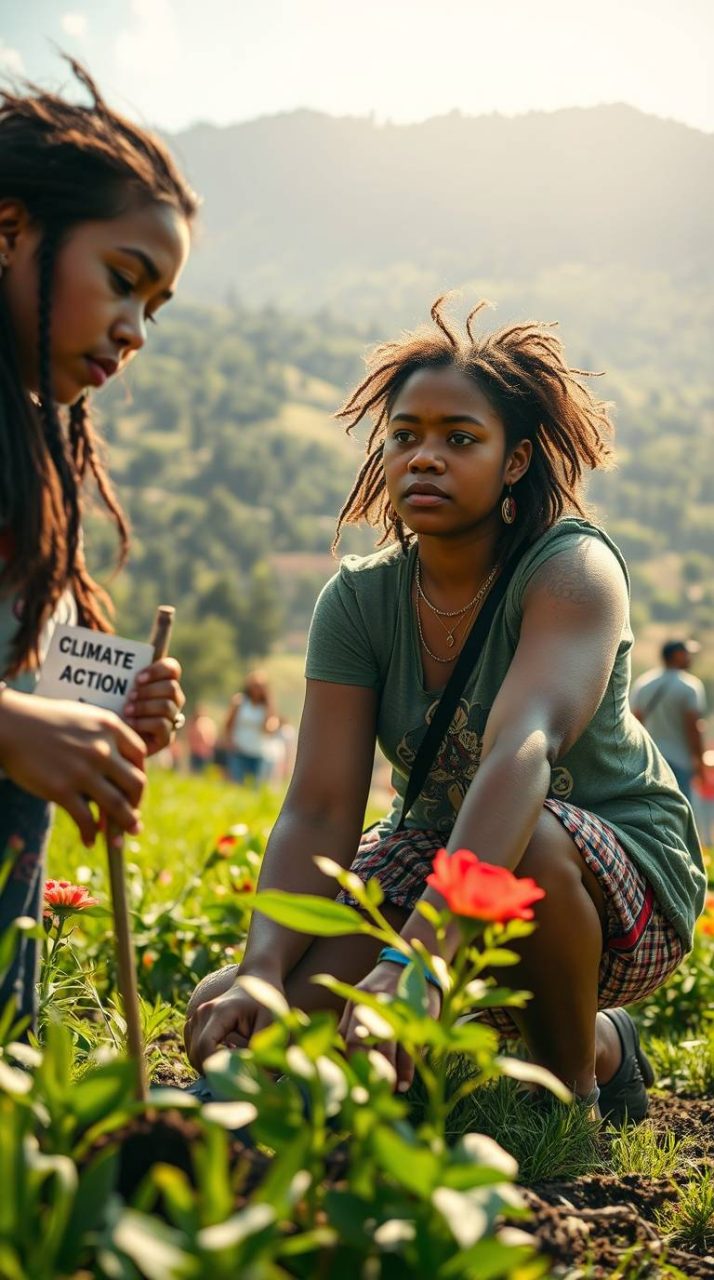
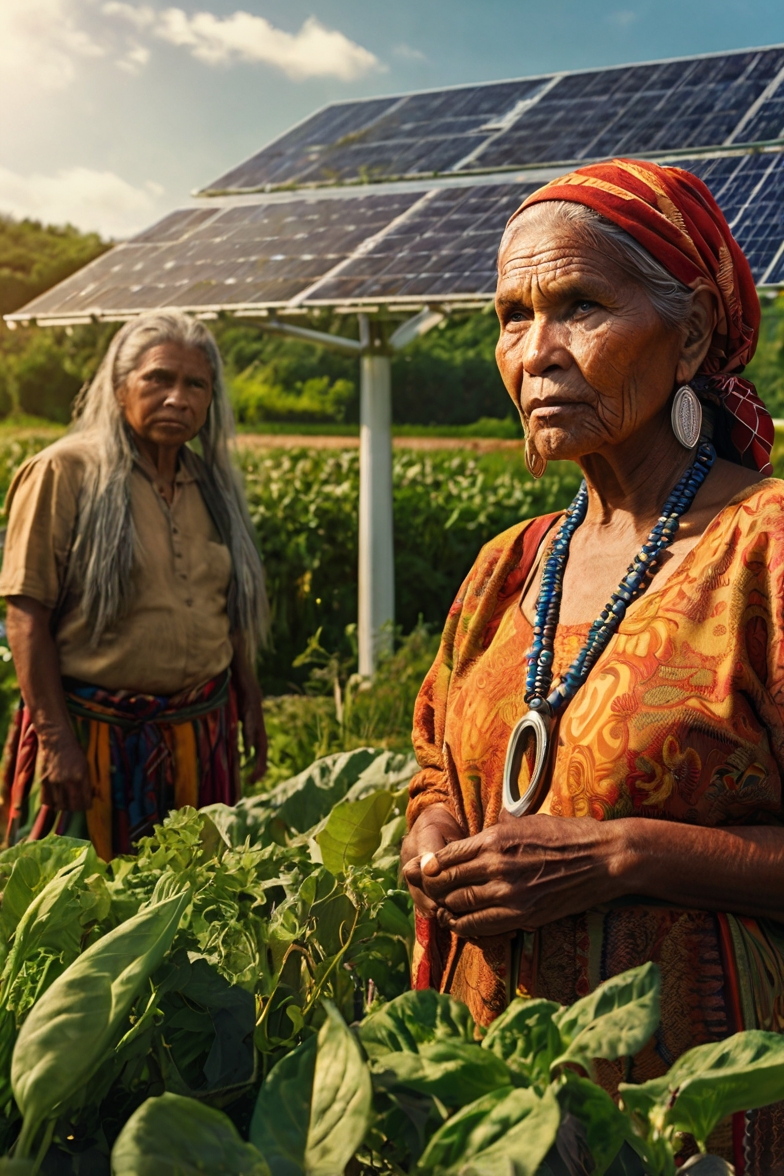
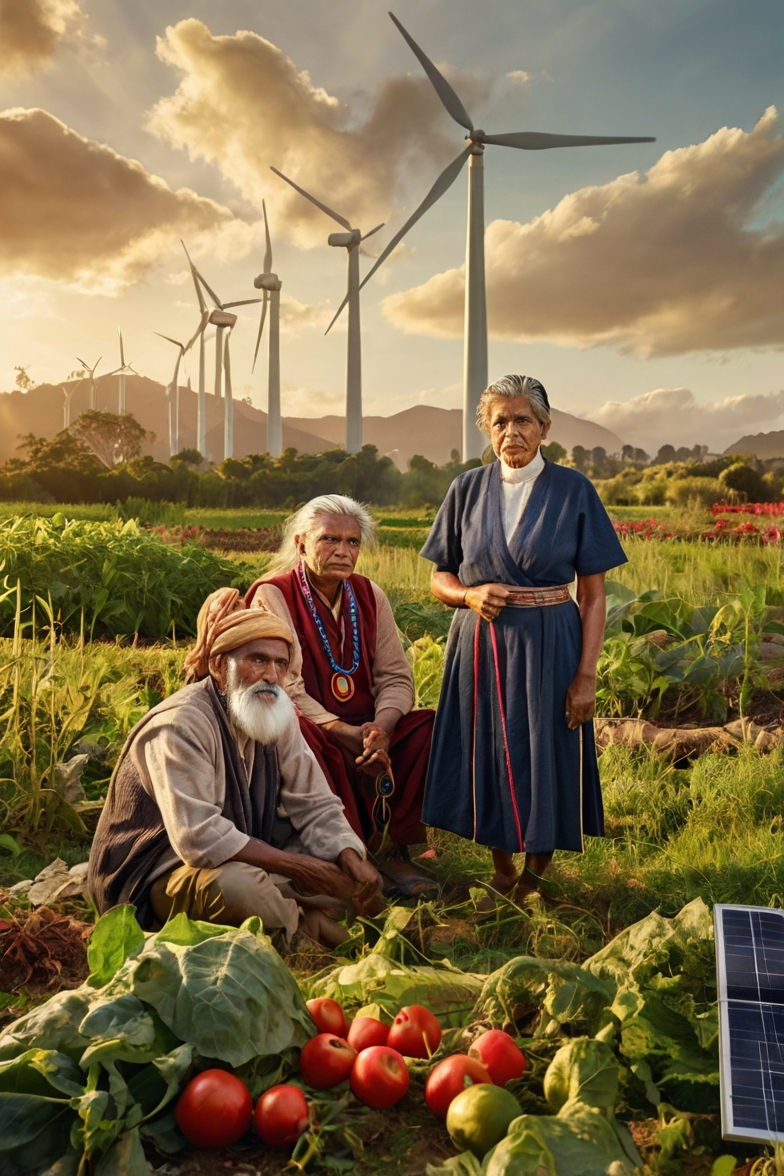
A global financing pact drew delegates from 174 United Nations member states, while 28 senior national leaders attended. That scale shows how much cooperation sustainable development can demand. The scope on the other hand, displays what international relations and global affairs can supply.
In 2015, the Third International Conference on Financing for Development took place in Addis Ababa, Ethiopia. On July 15, heads of state and government adopted the Addis Ababa Action Agenda. Its international conference financing framework set out how public resources, private investment, and global cooperation could support development.
The agreement followed the 2002 Monterrey Consensus and the 2008 Doha Declaration on Financing for Development. Those earlier commitments shaped a wider effort to turn financing development into practical results.
This article explores how funding choices affect communities, environmental justice, and inclusive, eco-friendly growth. For Singapore and other island economies, such choices can influence climate resilience as well as local needs. The agenda’s value rests not only in its goals, but in whether institutions put them to work. Money matters most when it reaches people and places facing real challenges.
How the Addis Ababa Action Agenda Connects Financing to Sustainable Development
The path began with the 2002 Monterrey Consensus, followed by the 2008 Doha Declaration. At the third international conference on financing development in 2015, countries built on those commitments. The Addis Ababa Action Agenda set out a connected system for funding progress, not a single source of cash.
Adopted three months before the 2030 Agenda, it linked development financing to the sustainable development goals. It also extended work beyond the millennium development goals. Its central insight was practical: public revenue, private investment, trade, debt, technology, and cooperation shape one another.
“We commit to a new global framework for financing sustainable development.”
From Earlier Pacts to a Shared Framework
The United Nations Department of Economic and Social Affairs supported follow-up through an inter-agency task force, with partners such as the World Bank. This structure helped track implementation and means of implementation.
Seven Connected Areas
The framework grouped choices into seven areas. Together, they offered countries a way to connect funding decisions with sustainable development targets.
Area
Focus
Contribution
Public resources; private business and finance
Domestic revenue; investment
Funding for public services and enterprise
Development cooperation; international trade
Partnerships; market access
Shared capacity and wider opportunity
Debt; systemic issues
Debt sustainability; financial rules
More stable financing conditions
Science, technology, innovation, capacity building
Knowledge; skills; tools
Practical means to deliver progress
Addis Ababa Action Agenda and 20 reasons why its important
Global financing promises matter when they fund clinics, schools, clean water, plus local climate plans. Reliable commitments help many countries plan around public needs instead of short-term gaps. For Singapore, this offers a useful lens: sound finance links national planning with shared resilience.
Financing Commitments for Communities
The Addis Ababa Action Agenda supports, complements, plus contextualizes the 2030 Agenda’s means of implementation. Through financing development, it links public revenue with community priorities. Funding choices can also advance environmental justice when they reach people facing greater risks.
Connecting Targets to Real Progress
The sustainable development goals set measurable targets, yet delivery lagged. In the 2024 Financing for Sustainable Development Report, only 15% of assessable targets were on track. Nearly 600 million people could still face extreme poverty in 2030; more than half may be women. This gap shows how development goals shape daily life.
Cooperation, Accountability, Shared Results
The 2030 Agenda links follow-up recommendations from the ECOSOC Forum on Financing for Development to the High-Level Political Forum. That reporting path can help developed countries, developing countries, the private sector, plus least developed countries align investment with inclusive growth. Past lessons from the millennium development goals also show that clear review can guide better choices.
Implementation Progress, Financing Gaps, and the Case for Reform
Implementation began in 2016, after the inter-agency task force formed in late 2015. The United Nations Department of Economic and Social Affairs coordinated its work with the World Bank Group, International Monetary Fund, World Trade Organization, UNCTAD, plus UNDP.
Reviewing Commitments Each Year
The ECOSOC Forum on Financing for Development reviewed the Addis Ababa Action Agenda each year. It tracked sustainable development goals, targets, plus means of implementation under the 2030 Agenda. Regular review helped turn conference financing into a public record of progress.
Debt, Climate Risk, and Investment Needs
The 2024 report estimated annual financing gaps had grown from about $2.5 trillion before COVID-19 to around $4 trillion. Poor countries paid twice as much interest on total debt as developed countries. From 2021 to 2025, developing countries averaged just over 4% annual GDP growth, below the roughly 6% rate before the 2009 crisis.
For least developed countries, median debt service rose from 3.1% of revenue in 2010 to 12% in 2023. Such pressure can crowd out climate plans. Green fiscal policy works best when it supports resilience, basic services, plus environmental justice.
Indicator
Earlier level
Later level
Annual financing gap
$2.5 trillion before COVID-19
About $4 trillion in 2024
Least developed countries’ debt service
3.1% of revenue in 2010
12% in 2023
Developing-country GDP growth
About 6% before the 2009 crisis
Just over 4% in 2021–2025
Cooperatives and Community Mobilization for Inclusive, Eco-Friendly Development
Cooperative enterprise gives residents a practical way to shape local priorities. Member-owned farms, shops, credit groups, or energy projects can pool skills, share risk, keep value nearby. Such work can support sustainable development when communities help set the course.
Cooperative Enterprise, Civil Society, and Local Self-Development
The 2015 conference brought governments, business leaders, civil society leaders, plus other stakeholders together. That broad mix showed how community mobilization can guide financing talks. Local groups can weigh domestic public resources against private investment, while international cooperation supports locally chosen goals.
Indigenous Peoples’ climate activism brings lived knowledge into environmental justice debates. Pan-Africanism links shared identity with cooperation among countries; humanitarian solidarity extends that spirit during hardship. For Singapore, the lesson is clear: local voices can guide green enterprise while strengthening regional ties. Cooperative work can build self-reliance without replacing public oversight.
Approach
Community role
Link to local priorities
Cooperative enterprise
Share skills, costs, and risk
Keep value close to residents
Community mobilization
Set goals and review choices
Guide public or private financing
Climate activism
Bring local knowledge to debate
Advance environmental justice
Green Fiscal Policy, Climate Action, and Decent Work and Leisure for a Just Transition
The 2015 framework called for financing flows to reflect economic, social, plus environmental needs. Green taxes, public spending, or incentives can support climate goals when they also protect people facing the greatest risks. This approach links environmental justice with practical development choices.
The 2024 Financing for Sustainable Development Report noted slow progress on climate action. It also described substantial financing needs for the Sustainable Development Goals plus climate work in developing countries. Public revenue, science, technology, innovation, plus skills can help meet those needs; sound plans must still weigh who benefits.
Aligning Public Finance with Environmental Justice
A just transition connects climate investment with decent work, fair access, plus community well-being. The International Labour Organization’s decent-work priorities can inform this discussion. The World Leisure Organization’s agenda and operations also offer a relevant lens on leisure as part of quality of life. This connection does not claim any specific program or policy.
Assess who gains from climate spending.
Include workers in transition planning.
Consider leisure alongside jobs, health, and resilience.
For Singapore, this lens supports a broader view of financing: climate progress should strengthen livelihoods, not treat them as a side issue.
Conclusion
In 2015, the Addis Ababa Action Agenda linked financing choices with economic, social, plus environmental needs. Its seven areas, aligned with the 2030 agenda, gave the United Nations a route to turn commitments into practical development. For Singapore, that model shows how global rules can support local resilience.
Annual ECOSOC reviews plus the Inter-agency Task Force tracked progress; still, wide funding gaps plus debt costs limited room for public investment. Reporting helped, but numbers alone could not ease pressure on households or climate plans.
Cooperatives, civil society, Indigenous activism, plus humanitarian solidarity bring local voices into policy. Lasting climate action depends on fair green taxes, decent work, environmental justice, plus community-led growth—not promises left on paper. Sustained cooperation makes shared goals more than well-worded text.
Key Takeaways
The agreement created a global financing framework in 2015.
Delegates from 174 member states took part.
Twenty-eight senior national leaders attended.
The framework built on earlier global commitments.
Financing choices can support climate resilience, environmental justice, and community needs.
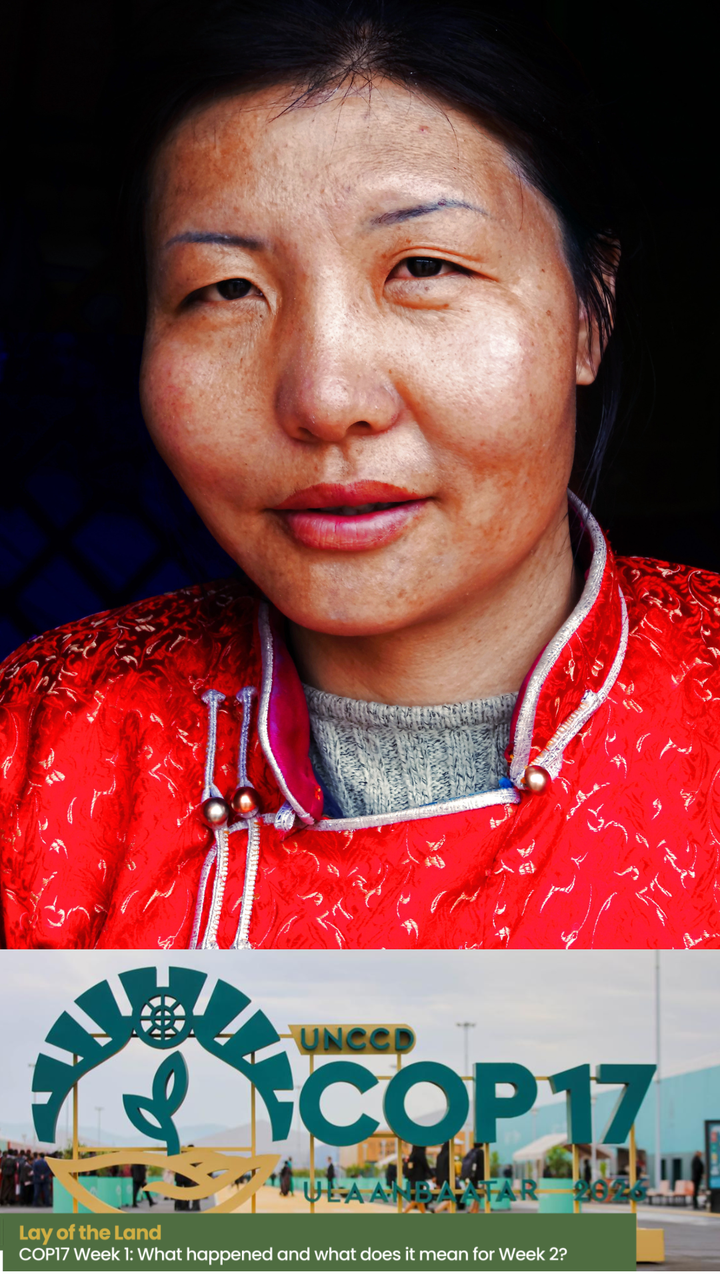
The final six days of United Nations CCD COP17 marked the decisive phase of the August 17–28, 2026, gathering in Ulaanbaatar. This MONGOLIA 2nd week Aug 23-28 review moves beyond the opening discussions to examine how delegates shaped practical decisions on land, drought, finance, and long-term planning.
Under the theme “Restoring Land, Restoring Hope,” the convention combat desertification linked healthy soil with food security, water access, livelihoods, and global stability. That connection gave the conference a wider reach than environmental policy alone; it placed land restoration within global development and international affairs.
The scale of the challenge was clear. Up to 40 percent of the world’s land faced degradation, while nearly 77 percent of the host country’s 1.56 million square kilometers had suffered damage. Representatives from 197 Parties therefore faced more than technical language and careful diplomacy.
Hosting the nations convention combat meeting also carried cultural weight. Pastoral mobility and dryland life gave the host a direct stake in the outcome. The final phase showed whether the conference parties could turn shared concern into durable action.
United Nations CCD COP17 ULAANBAATAR, MONGOLIA 2nd week Aug 23-28 review
By August 23, the conference had moved from broad discussions to tested proposals. The convention combat desertification agenda focused on drought, desertification, land degradation, and practical restoration. Compared with the first week, delegates faced fewer opening statements and more pressure to define results.
What happened during the final six days in Ulaanbaatar
The nations convention combat process brought governments, civil society, pastoralists, and technical experts into difficult negotiations. The conference parties adopted decisions on the Future Strategic Framework and a policy framework on drought. They also continued work on planning beyond 2030.
Key negotiations, decisions, and implementation priorities
Improved procedures strengthened the conference and its subsidiary bodies.
Rangelands, finance, restoration, and international cooperation stayed on the agenda.
The plenary thanked Mongolia for hosting the meeting.
The next two years will test implementation and measurable solutions.
This was a useful moment for the united nations convention combat effort. Success now depends on whether decisions guide funding, national action, and stronger land management—not simply produce another polished document.
How the Second Week Built on the First Week of United Nations CCD COP17
The opening phase of the August 17–28 conference set the political direction. Delegates explored science-policy integration, innovation, digital tools, technology, and financing. Those discussions gave Parties a shared map, but not yet a route to action.
From early ideas to final consensus
In the closing phase, negotiators turned broad priorities into practical language. The agenda shifted toward duties, timelines, funding, and national delivery. Host-country diplomacy helped maintain trust, while Parties retained authority over the final text.
“Opening debate creates options; consensus gives them a duty to act.”
Land, drought, and pastoral resilience
The growing focus on rangelands linked soil health, water security, biodiversity, and pastoral livelihoods. A stronger rangeland policy could also support drought adaptation and resilient food systems.
This approach connected environmental efforts with the needs of society. It showed why implementation takes time: science must inform policy, finance must reach communities, and national plans must produce measurable results. Otherwise, diplomacy becomes an expensive conversation with excellent stationery.
Mongolia’s Culture, Land, and Leadership at the United Nations CCD COP17
Mongolia’s mobile herding culture gave the conference a living example of land stewardship. Pastoralists used seasonal routes and local knowledge of grass, weather, water, and animal movement. This practical experience placed pastoralists at the center of the agenda, not at its margins.
Pastoralism and the International Year
The United Nations General Assembly declared 2026 the International Year of Rangelands and Pastoralists. Rangelands covered more than half of Earth’s land and supported about 500 million people. They supplied one-sixth of global nutrition, while pastoralists protected culture, food systems, and rural livelihoods.
The Ulaanbaatar Declaration
About 300 pastoralists joined Mongolia’s Global Gathering of Pastoralists. On August 20, Anders Oskal presented the Ulaanbaatar Declaration, calling for recognition of pastoralists as knowledge-holders, rights-holders, and land custodians. Its importance reached beyond one nation.
From Trees to Living Landscapes
The Billion Trees Campaign, launched in 2021, targeted one billion trees by 2030. Alongside Youth4Land, it linked restoration with biodiversity and healthy ecosystems. Yet trees work best when matched with resilient rangeland planning; pastoralists must help shape those decisions.
Initiative
Key detail
Why it matters
Rangeland year
Global focus in 2026
Elevates pastoralists
Ulaanbaatar Declaration
Presented August 20
Supports rights and knowledge
Billion Trees Campaign
One billion by 2030
Advances restoration
United Nations CCD COP17 Outcomes for Desertification, Land Degradation, and Drought
The strongest test of unccd cop17 will come after the meeting ends. Its decisions must connect the convention combat desertification agenda with funding, local rights, and measurable results. That bridge can keep land policy relevant to sustainability, development, and international affairs.
A strategic path beyond the current decade
The future strategic framework should guide parties beyond 2030. It needs clear indicators for land degradation, transparent reporting, science-based monitoring, and support for national implementation. With up to 40 percent of global land affected by degradation, broad promises will not be enough.
Finance for resilient rangelands
The adopted drought policy offered a useful base, but finance must reach pastoralists, farmers, and vulnerable regions. Sustainable rangelands can protect water, food supplies, biodiversity, and livelihoods. They support about 500 million people and provide one-sixth of global nutrition.
Mongolia’s Billion Trees Campaign, which aimed to plant one billion trees by 2030, showed national ambition. Yet restoration requires ecological planning, not tree-counting alone. Future efforts should fund locally suitable solutions, protect rights, and track whether each rangeland becomes healthier over time.
Evaluating COP17 Against the Closing Weeks of COP13, COP14, COP15, and COP16
The closing record of the latest land summit gains meaning when viewed across four earlier sessions. Each stage refined global policy, yet the real test remained national delivery. Past decisions often set strong goals; results depended on funding, data, and local leadership after delegates returned home.
How previous conferences shaped global land policy
Sessions 13 through 16 expanded attention from desertification control to drought resilience, land restoration, science, and community rights. This history helped the convention combat agenda mature. It also showed why broad language can lose force without clear measures.
Where the latest session improved delivery
The conference parties adopted decisions on strategic planning, drought, subsidiary bodies, and implementation. That package linked policy design with oversight and reporting. It also gave wider space to local knowledge and vulnerable land users.
The 197 parties now face a practical question: can governments finance restoration and report measurable gains? The united nations convention process will gain credibility only if the answer improves.
Mongolia’s two-year coordination role creates an accountability window. Through the nations convention combat effort, partners can track progress rather than celebrate vocabulary. That is useful work, even if paperwork remains the least glamorous form of environmental action.
United Nations CCD COP17 in the Geo-Economic Climate and Sustainable Development Landscape
The closing phase placed land at the center of economic security. Yasmine Fouad called it vital infrastructure for food, water, stability, and livelihoods. With up to 40% of the world facing land degradation, the issue reached far beyond environmental policy.
Food security, migration, and national security
Soil loss and drought can raise food prices, deepen water stress, and push families to migrate. In this setting, desertification becomes an economic and security risk, not a distant ecological concern. Nearly 77% of Mongolia’s 1.56 million square kilometers faced degradation, making the local stakes plain.
Investment and resilient development
OECD analysis and World Economic Forum priorities both favor risk planning, blended finance, and public-private action. Business4Land, promoted through the Mongolia Business Council, showed how capital could support restoration when safeguards protect communities and ecosystems.
Innovation for a changing economy
The Fourth Industrial Revolution added practical tools to the agenda: satellites, artificial intelligence, sensors, geospatial data, and predictive systems. These solutions can guide restoration, but local governance must shape every decision. That balance marked a useful moment for sustainable development.
Priority: connect finance with measurable results.
Safeguard: protect pastoral rights and local knowledge.
Goal: turn data into resilient action.
New Global Players and the Future of Sustainability Cooperation
Land restoration gained strength when policy opened its doors to wider voices. The gathering connected governments, business, scientists, youth, and local communities around one shared agenda. This broader model made sustainability cooperation more practical and less dependent on official speeches.
Pastoralists, Indigenous Peoples, youth, civil society, and smallholder farmers
About 300 pastoralists joined the Global Gathering of Pastoralists. Their declaration presented local communities as rights-holders and knowledge-holders. It also showed how regional networks can influence formal united nations negotiations.
Youth4Land, Indigenous Peoples, scientists, smallholder farmers, and civil society added public oversight. These groups can test promises, report local results, and challenge slow delivery. Their experience keeps policy connected to daily life.
Private capital, Business4Land, and the World Expo Organization
Business4Land and the Mongolia Business Council brought private investment into the discussion. Capital can support restoration when projects protect community rights, water access, and biodiversity. The World Expo Organization can extend that work through cultural diplomacy, innovation exchange, and public storytelling.
Why cooperation matters
Rangelands support about 500 million people. Cooperation across society is therefore essential, not decorative. Shared action can protect livelihoods, strengthen food systems, and give restoration efforts enough time to mature.
Actor
Contribution
Practical value
Pastoralists
Local land knowledge
Better restoration choices
Youth and civil society
Public accountability
Faster implementation
Business4Land
Private-sector finance
Scalable land projects
Conclusion
A conference earns its legacy only when decisions survive beyond the closing room. For the United Nations CCD COP 17, the final phase showed that combat desertification needs lasting finance, clear measures, and cooperation that reaches communities. Restoration must improve land health, while drought planning protects food, water, and livelihoods.
Mongolia’s leadership linked pastoral knowledge with the International Year of Rangelands and Pastoralists and the Billion Trees Campaign’s 2030 goal. That model gives future meetings a practical base: fund local action, track results, and respect community rights.
Its importance will depend on broad participation. Pastoralists, Indigenous Peoples, youth, civil society, scientists, businesses, and small farmers should help shape delivery.
Future gatherings should pair accountability with workable solutions. Only then can “Restoring Land, Restoring Hope” become measurable progress rather than ceremonial optimism.
FAQ
Q: What was the focus of the final six days in Ulaanbaatar?
A: The closing period focused on negotiations, policy decisions, and practical measures to address desertification, land degradation, and drought. Delegates also examined funding, implementation, pastoralist livelihoods, and cooperation across regions.
Q: How did the second week advance the conference agenda?
A: The second week moved from technical discussions toward decisions and implementation priorities. Governments, civil society, scientists, and land users worked to turn early proposals into a clearer framework for action.
Q: Why were land, drought, and rangeland policy central topics?
A: Healthy land supports food production, water security, biodiversity, and rural livelihoods. Drought and poor rangeland management can increase displacement and economic risk, making coordinated policy essential.
Q: Why was Mongolia an important setting for the conference?
A: Mongolia’s pastoral culture offered a direct connection to rangelands, herder knowledge, and climate resilience. Its landscape also showed why sustainable grazing, ecosystem protection, and local experience matter in global policy.
Q: What role did pastoralists and herder knowledge play?
A: Pastoralists contributed practical knowledge about mobility, grazing cycles, water access, and ecosystem care. Their participation strengthened calls for inclusive decisions that reflect the needs of land-dependent communities.
Q: What is the significance of the Ulaanbaatar Declaration?
A: The declaration provided a platform for stronger global recognition of pastoralists and rangelands. It linked local stewardship with international efforts on biodiversity, climate adaptation, food security, and sustainable development.
Q: How does the Billion Trees Campaign connect with land restoration?
A: The campaign highlights Mongolia’s effort to restore landscapes, improve watershed protection, and strengthen ecological resilience. Its value depends on suitable species, long-term care, local participation, and protection of native ecosystems.
Q: What outcomes were expected for desertification and land degradation?
A: The conference placed greater attention on restoration targets, drought resilience, finance, and measurable implementation. It also encouraged countries to connect national plans with wider environmental and development goals.
Q: Why is drought resilience a major priority?
A: Drought can damage crops, reduce livestock health, weaken water supplies, and increase pressure on migration routes. Resilience measures include early warning systems, better planning, water conservation, and investment in sustainable rangelands.
Q: How did the conference build on earlier global land meetings?
A: Earlier meetings established principles for land neutrality, drought policy, restoration, and public participation. The latest conference placed stronger emphasis on delivery, accountability, finance, and cooperation among national and local actors.
Q: How does land degradation affect global security?
A: Declining land quality can reduce food supplies, intensify competition for water, and increase economic instability. These pressures may contribute to migration and social tension, giving land policy a clear national security dimension.
Q: What role do the OECD and World Economic Forum play in this policy area?
A: Their research and forums help connect land stewardship with investment, economic planning, and resilient development. This approach encourages decision-makers to treat restoration as a productive asset rather than a narrow environmental cost.
Q: How can technology improve land management?
A: Satellite mapping, field sensors, artificial intelligence, and open data can track vegetation, soil health, water stress, and restoration progress. Technology works best when communities can access the findings and apply them locally.
Q: Which groups are gaining influence in sustainability cooperation?
A: Pastoralists, Indigenous Peoples, youth, civil society, smallholder farmers, researchers, and local authorities are receiving greater attention. Their experience can improve policy quality because they often see environmental change before institutions do.
Q: What is Business4Land, and why does it matter?
A: Business4Land represents efforts to involve companies and investors in responsible land use. Its success depends on transparent standards, safeguards for communities, credible impact measures, and finance that supports long-term restoration.
Q: Why is private capital important for land restoration?
A: Public budgets alone may not meet the scale of restoration needs. Private capital can support resilient agriculture, water systems, and nature-based solutions when projects offer clear safeguards and reliable evidence of results.
Q: How can the World Expo Organization support sustainability cooperation?
A: Expo platforms can present restoration projects, responsible technologies, and community-led solutions to a broad international audience. They can also connect governments, businesses, educators, and civil society around practical work.
Q: Why does wider participation matter for future decisions?
A: Inclusive participation improves trust and helps policies reflect different ecological, cultural, and economic conditions. It also makes implementation more realistic; communities are more likely to support measures they helped shape.
Q: What should readers watch after the conference?
A: The most important signals will be new funding, national action plans, drought monitoring, restoration results, and stronger support for pastoralist communities. The real test will come through sustained work after the political moment has passed.
Key Takeaways
The final six days of the United Nations CCD COP17 focused on decisions, not only discussion.
Land restoration supported food security, water access, and livelihoods.
Dryland conditions made the host country a meaningful setting for the meeting.
Delegates addressed drought policy, finance, rangelands, and strategic planning.
The outcome mattered to sustainability, development, and international stability.
Can Data Centers reduce environmental impact? Digital infrastructure now shapes daily life, public budgets, and regional power systems. Yet its physical footprint often remains hidden behind a polished cloud interface. The central question is simple: can technology expand without weakening community power?
On November 12, Dr. Ben Green presented local and electric-grid findings to the DEP Citizens Advisory Council and Environmental Justice Advisory Board. His work shows how AI facilities can affect water, energy costs, neighborhood health, and municipal planning.
OpenAI’s proposed 2.2-million-square-foot project near Saline, Michigan, reveals the remarkable scale behind online services. Meanwhile, a California study reviewed Santa Clara, Los Angeles, Sacramento, Gilroy, and Imperial County; it raised concerns about transparency and water access.
This article examines greenwashing, cultural exploitation, geopolitical conflict, and corporate greed. It also explores cooperative ownership, biomimicry, net-zero practices, renewable technology, accountable policy, and expanded urban open space. Progress need not copy the logic of extraction; communities can help design what comes next.
Data Centers Green Builings Smart Cities Environmental Justice Coop Development
Artificial intelligence is turning computing demand into a major building surge across the United States. Generative tools for images, summaries, and language need far more processing power than basic machine-learning tasks. That pressure is speeding up data center development and reshaping utility plans.
Why the AI Boom Is Accelerating Data Center Development
The U.S. Department of Energy estimates that facilities could use 12% of national electricity by 2028. Other forecasts reach 17% by 2030. For Data Centers, A 2023 market review also projected that power use could double from its 2022 level by 2030. These figures make unchecked growth a costly gamble.
How Connected Municipalities Can Align Digital Growth With Equity
Smart cities need one shared plan for power, housing, schools, transport, and public services. Environmental justice requires honest reporting and protection for neighborhoods with less political influence. Cooperative enterprises, public agencies, and local firms can guide data center development toward jobs, clean power, and community ownership of data centers.
“Digital growth must serve the public, not merely the server rack.”
The goal is not to stop innovation; it is to make its benefits broadly shared.
What Makes a Modern Data Center Hyperscale and Resource Intensive
A modern data center is less like an office and more like an industrial machine. Its scale depends on servers, storage, power systems, and cooling equipment working without pause. Size alone does not tell the full story; computing density matters just as much.
Hyperscale usually describes a facility larger than 10,000 square feet. OpenAI’s proposed project near Saline, Michigan, offers a striking comparison at 2.2 million square feet. Inside, processors, hard drives, CPUs, GPUs, switches, fiber networks, backup batteries, and cooling systems form one tightly linked operation.
Servers, GPUs, Networking Equipment, and Facility Infrastructure
Artificial intelligence raises rack density because GPUs handle demanding workloads at high speed. That design requires stronger electrical systems and faster heat removal. A building may look quiet from the road, yet its equipment runs with industrial intensity.
Rising Electricity Demand From Artificial Intelligence
One 100-word email created by ChatGPT uses roughly the electricity of an LED bulb running for 14 hours. That comparison makes a single request relatable, but millions of requests create a far larger burden. Each data center therefore belongs in a regional grid review, not in an isolated planning file.
The Environmental Impact of Data Center Energy, Water, and Land Use
Every new computing campus places pressure on power lines, local water supplies, and open land. Its benefits may reach far beyond the host town, while its costs remain close to nearby homes.
Electricity Consumption and Grid Capacity
High-power facilities can require new transmission lines, backup turbines, and fossil-fuel generation. In North Omaha, a coal plant stayed open beyond its planned 2023 closure because of rising demand. The decision extended pollution exposure in a predominantly Black neighborhood. In Memphis, xAI operated dozens of unpermitted methane turbines that released formaldehyde and smog-forming pollution.
Water Use for Cooling in Stressed Regions
Cooling systems also consume a major resource. Google reports roughly 6 billion gallons of water use worldwide each year. Gilroy, California, depends on a closed groundwater basin with little replenishment and no backup source. Imperial County relies fully on imported Colorado River water while mandatory cutbacks continue.
Construction Waste, Air Pollution, and Embodied Carbon
Land clearing removes habitat and increases runoff. Concrete, steel, wiring, and discarded equipment add embodied carbon and construction waste. Strong permits should track air emissions, material use, and water use from site preparation through operation; otherwise, “progress” becomes an expensive local experiment.
Greenwashing and the Transparency Gap in Data Center Sustainability
Sustainability claims can shine brightly while the facts remain in the shadows. A polished net-zero promise means little when residents cannot review current information about power use, water demand, emissions, or backup equipment. Credible performance requires facility-level proof, not corporate language alone.
Why Public Information About Energy and Water Use Is Often Limited
A May 2026 report from The Next 10 and Santa Clara University found that about 93% of Los Angeles County facilities had no publicly accessible environmental documents. This gap blocks meaningful review of local risks. Dr. Irina Raicu called the mix of limited information and California’s fragile water supplies a serious planning problem.
Distinguishing Net Zero Claims From Measurable Performance
Operators should publish electricity, water, emissions, generator use, and construction impacts in comparable formats. Independent audits should test each claim. Residents also need timely information before permits are approved, not after contracts are signed.
Net zero becomes credible only when communities can inspect results, question assumptions, and track progress. Otherwise, sustainability may become a label that carries more polish than proof.
Environmental Justice and the Unequal Burden of Data Center Siting
A server site may look efficient on paper, yet its costs can land unevenly across nearby neighborhoods. Location matters as much as technology. Water stress, social vulnerability, and weak air quality protections can turn a local project into a public health concern.
Social Vulnerability, Water Scarcity, and Local Air Quality
A California report examined Santa Clara, Los Angeles, Sacramento, Gilroy, and Imperial County. Imperial County and Sacramento showed the clearest overlap between scarce water and vulnerable residents. In such places, new facilities may compete with farms, homes, and essential services.
North Omaha offers another warning. A coal plant serving a predominantly Black neighborhood remained open as computing demand grew, despite some of the nation’s highest asthma rates. In Memphis, xAI’s unpermitted turbines released formaldehyde and smog-forming pollution linked to asthma, heart disease, and cancer risks.
Who Bears the Health Risk?
Black, Latino, Indigenous, and low-income residents should have equal power in siting decisions. Efficiency cannot excuse unequal exposure.
“A fair site protects health before it promises growth.”
Place
Primary concern
Equity lesson
Imperial County
Water scarcity
Protect basic supply
North Omaha
Coal pollution
Prioritize asthma prevention
Memphis
Turbine emissions
Enforce air permits
Misrepresentation of Marginalized Communities in Development Decisions
Public input loses value when officials invite residents only after key choices have been made. A packed meeting can create the appearance of consent while leaving affected families without technical support or real influence. Ethical participation must continue from early review through final approval.
Token Consultation Versus Meaningful Community Consent
Meaningful consent gives residents access to engineers, legal advisers, and clear project records. It also allows them to question water studies, grid forecasts, air permits, and tax agreements. Iris Stewart-Frey’s Climate Justice Lab at Santa Clara University links climate risk with community voice, offering a useful model for fair review.
Irina Raicu, who directs the university’s Internet Ethics Program, applies rights, justice, care, common-good, and virtue-ethics principles. These lenses help communities weigh competing public interests without treating residents as obstacles.
Building Local Capacity to Review Server Proposals
Local review teams can train residents to examine technical filings and explain them to neighbors. Community mobilizers, nonprofits, NGOs, and “grasstops” leaders can support this work. The people most affected should define their own priorities.
Weak process
Stronger practice
Community benefit
One public meeting
Ongoing consent process
Trust and influence
Complex filings
Local technical training
Informed review
Outside priorities
Resident-led goals
Ethical representation
Exploitation of Under-Represented Cultures, Heritage, and Community Knowledge
Land carries memory, identity, and practical knowledge. A server project can harm all three when planners treat a cultural landscape as empty space. Indigenous rights and local heritage must shape decisions before land is acquired, graded, or linked to new infrastructure.
Protecting Indigenous Rights and Cultural Landscapes
Tribal nations and local residents may understand groundwater, seasonal change, wildlife routes, and heritage sites better than a short survey can show. Their knowledge can improve site review, but only when contributors keep control over its use. Broad stakeholder participation, early consent, and paid cultural advisers create a stronger process.
Using Cultural Assets Through Reciprocity Rather Than Extraction
The California research supports care ethics and the common good. These approaches value relationships, shared resources, and long-term trust over quick approval. Developers can offer reciprocity through local ownership, consent-based research, heritage protection, and lasting community investment.
Cultural symbols should not become decorative branding for benefits that flow elsewhere.
Risk
Protective practice
Community result
Heritage loss
Early cultural review
Sites remain protected
Knowledge extraction
Consent and payment
Local agency grows
Unequal benefits
Shared ownership
Value stays local
Geopolitical Conflicts, Supply Chains, and the Race for Digital Infrastructure
Behind every server campus lies a global contest for chips, minerals, equipment, and electricity. International rivalry can turn local land into a strategic asset, while residents face decisions shaped by forces far beyond their county.
Virginia leads the U.S. market, followed by Texas and California. Reliable grids, fiber networks, land, and tax incentives draw major operators to these regions. As generative AI becomes a central business priority, hyperscalers are raising capital spending sharply. Municipalities may compete so hard for investment that their negotiating power weakens.
Critical Minerals, Equipment Manufacturing, and Energy Security
Chips, transformers, batteries, and rare minerals move through complex supply chains. Conflict, export limits, or labor abuses can delay projects and raise costs. Responsible procurement should test labor rights, human rights, mining practices, and supplier emissions—not just delivery times.
How Global Competition Shapes Local Expansion
Energy security adds another challenge. Some regions retain fossil-fuel plants when renewable capacity, transmission, or storage cannot grow quickly enough. Strong permits should link new campuses to cleaner power, firm deadlines, and public reporting.
Global pressure
Local effect
Responsible response
Mineral shortages
Higher equipment costs
Traceable sourcing
Rising AI investment
Faster land competition
Firm public terms
Grid constraints
Fossil plants remain online
Clean capacity targets
Slow Yet Reluctant Municipal Development and Infrastructure Planning
Local governments often face an awkward bargain: welcome investment quickly or pause to measure its lasting cost. A major server center can bring jobs and tax revenue, yet it may also strain water systems, roads, schools, housing, and public budgets. Careful planning protects residents before construction begins.
Planning Gaps, Confidential Agreements, and Public Accountability
Planning assumptions can change faster than a permit review. In Georgia, projected extra power needs for 2030 rose from about 2 gigawatts to 6 gigawatts as computing demand grew. California researchers mapped operating and proposed facilities across the state, giving officials a clearer view of cumulative pressure.
Private agreements can hide utility promises, public costs, land impacts, and emergency needs. Confidentiality should not become a substitute for accountability. Residents need hearings, accessible records, and enforceable deadlines.
Coordinating Utilities, Schools, Housing, Water, and Transportation
Agencies should review each project together. Gilroy’s closed groundwater basin has limited replenishment and no backup source, making water review urgent. Municipalities should require cumulative-impact studies and coordinate utilities, schools, housing, roads, and transit before approving major center development.
Corporate Greed, Tax Incentives, and the Unequal Economics of Data Centers
Public subsidies can make private expansion look like a public victory. Yet discounted power, generous tax incentives, and weak oversight may leave residents carrying hidden costs. Economic development is fair only when public returns match public support.
Utility Rate Increases and Costs Passed to Residents
Large server facilities often negotiate special utility terms. If a utility builds lines or plants for one customer, households, schools, and small firms may help pay the bill. Bloomberg reported that electricity prices more than doubled in over five years in some areas near these sites. Regulators should require clear cost-sharing rules and rate protection.
Questioning Job Creation and Lost Public Revenue
Construction can create many short-term jobs, but operations usually need far fewer permanent workers. Good Jobs First found that Texas raised its estimated tax breaks from $130 million to $1 billion in two years. Such incentives can drain funds from schools, transit, and public health unless officials measure lasting value.
Designing Community Benefit Agreements With Enforceable Terms
A strong agreement should require local hiring, procurement, tax recapture, air and water monitoring, rate safeguards, and penalties for missed promises. Economic development should build local wealth, not simply reduce corporate costs.
How Cooperative Enterprises Can Create Shared Ownership and Local Value
Ownership can shape whether a large computing project strengthens a region or simply extracts its resources. Member-led models offer a practical way to keep earnings, skills, and decision-making closer to residents. This way, local value becomes part of the plan rather than a late promise.
Energy Cooperatives and Community-Owned Renewable Power
Energy cooperatives can finance solar panels, wind turbines, battery storage, and efficiency upgrades. These assets can serve a facility and nearby households at the same time. Another way to reduce grid pressure is to pair renewable power with demand planning and shared storage.
Worker, Consumer, and Community Investment Models
Workers, consumers, and residents can purchase a financial share in local infrastructure. They can also elect board members and review spending. A second share can support schools, job training, cultural preservation, water resilience, or lower energy bills.
Virtualization offers a related lesson: shared computing resources improve equipment use and limit duplicate hardware. That approach creates a better way to manage capacity. It also shows the way cooperation can support reliable services without endless expansion.
Shared ownership turns public support into public participation.
Cooperation is a governance structure, not decorative branding.
What Policymakers Can Require for Equitable Data Center Growth
Public rules can turn rapid computing expansion into a fairer bargain. The U.S. Department of Energy projects that server facilities could consume 12% of national electricity by 2028. Utilities need clear goals before approving new loads, rather than treating each proposal as an isolated deal.
Standardized Reporting for Energy, Water, and Air Quality
Reporting should cover electricity, water, PUE, CUE, greenhouse gases, backup generators, air emissions, and local effects. The Green Grid metrics help utilities compare energy and carbon performance. Public records also let residents test corporate claims.
Permits, Renewable Rules, and Responsible Incentives
The 2023 German Energy Efficiency Act offers a useful model for binding goals. Utilities can use similar standards when reviewing projects. Permits should assess cumulative effects on water, grid capacity, traffic, housing, and air quality.
Memphis shows why regulators must reject unpermitted methane turbines and monitor formaldehyde and smog-forming emissions. Tax incentives should require renewable additions, local hiring, public revenue, ratepayer protection, and verified results. Utilities must meet renewable goals, while permit terms should include emissions controls and penalties.
“Public support should purchase public accountability, not private silence.”
How NGOs, MSMEs, Nonprofits, and Community Mobilizers Can Collaborate
Local partnerships can turn complex infrastructure debates into practical public action. NGOs, nonprofits, and grassroots support groups may work together, or act independently when urgent needs arise. Their shared goal is clear: help residents understand proposals for data centers before officials approve them.
Grassroots Monitoring, Legal Support, and Public Education
Community groups can translate technical filings, host public meetings, and provide legal services. They can also track water use, air quality, permits, and utility costs through accessible monitoring programs. The California report, co-authored by Santa Clara University students and researchers, urges communities to build local research capacity when information is missing.
Local Procurement, Workforce Training, and Small Business Participation
MSMEs can supply construction services, catering, landscaping, cybersecurity, transport, equipment repair, and renewable-energy services. Construction work also creates openings for electricians, HVAC workers, and other skilled trades.
Community mobilizers organize residents.
Tastemakers build public attention.
Grasstops leaders open institutional doors.
Workforce programs connect residents with lasting technical careers.
Strong collaboration makes public oversight a shared civic skill, not a specialist privilege.
Responsible Data Center Construction and Operations for Sustainable Communities
Responsible construction begins before the first server enters the building. A compact footprint, low-emission materials, and recycled construction inputs can reduce embodied carbon and limit land disturbance. Designers should also plan for repair, reuse, and safe recycling when equipment reaches the end of its service life.
Operations matter just as much. Virtualization lets several virtual servers run on one physical machine, which cuts idle hardware and energy use. Workload scheduling can shift flexible tasks to periods with cleaner power or lower demand. A DCIM platform can track power, lighting, assets, and cooling in real time.
Efficient Cooling, Waste Heat Recovery, and Water Stewardship
Liquid cooling can support dense AI workloads, but it needs skilled maintenance. Hot-aisle and cold-aisle containment also reduces wasted cooling. Combined heat and power may reuse waste heat for electricity or nearby heating. Water-efficient systems and closed-loop designs further protect local supplies.
PUE divides total facility energy by IT equipment energy. CUE compares carbon emissions with IT energy use. Together, these measures reveal whether efficiency claims match performance.
Practice
Primary benefit
Key safeguard
Virtualization
Fewer idle servers
Monitor workload demand
Liquid cooling
Better heat control
Maintain specialized systems
Heat recovery
Useful local energy
Connect to nearby users
Biomimicry, Net Zero Practices, and Renewable Technology in Data Centers
Nature offers useful lessons for climate-conscious computing. A facility can study termite mounds, human circulation, and natural ventilation to move heat with less mechanical effort. Adaptive controls can adjust airflow as temperatures and workloads change. This climate-aware approach treats efficiency as a design principle, not a marketing line.
Designing Cooling and Energy Systems Inspired by Nature
Direct-to-chip and liquid cooling support dense processors, though both require specialized infrastructure. Designers can pair these tools with heat recovery and passive airflow. Such measures reduce climate impact while improving equipment reliability.
Combining Solar, Wind, Storage, and Demand Flexibility
Solar, wind, and hydropower can supply clean energy. Batteries help preserve clean energy when weather shifts or grid supply tightens. Operators can also move nonurgent workloads to hours with lower emissions and stronger renewable output.
Net-zero plans should show absolute cuts, new renewable capacity, storage results, and limits on fossil-fuel backup. Rising hyperscaler emissions after the generative AI boom reveal why climate goals must survive changing business priorities. Transparent accounting keeps clean energy claims tied to real climate commitments.
Strategy
Practical value
Proof required
Biomimicry
Lower cooling demand
Measured efficiency gains
Storage
Firm renewable supply
Output and duration records
Flexible workloads
Less grid stress
Carbon-based scheduling logs
Enhancing Greenspaces, Public Health, and Community Resilience Around Facilities
Thoughtful site design can turn a large computing facility into a better neighbor. Native plants, shade, and public paths can soften its footprint while improving local health. Landscape planning should serve people and wildlife, not merely hide an industrial wall.
Native Landscapes, Stormwater Management, and Biodiversity Corridors
Native trees and grasses need less irrigation and support birds, insects, and pollinators. Wetlands, bioswales, permeable pavement, and tree cover can slow runoff during heavy rain. These features also connect habitat areas and reduce heat near homes.
Public plans should include walking routes, shaded seating, noise buffers, air-quality checks, and safe access. Such features can make facilities less disruptive and help residents manage heat exposure.
Measuring PUE, CUE, Water Performance, and Community Benefits
The Green Grid created PUE and CUE to assess energy and carbon performance. LEED reviews energy, water, materials, and wider site impacts. Energy Star, managed by the EPA and the Department of Energy, adds another verification tool. Yet public records should also track water use, health outcomes, habitat gains, and local investment.
Measure
What it shows
Public value
PUE and CUE
Energy and carbon efficiency
Comparable performance
Water metrics
Consumption and reuse
Resource protection
Community indicators
Health, access, and local benefits
Accountable results
Conclusion
Digital infrastructure can support modern life without becoming a license for unchecked expansion. Forecasts that facilities may use 12% of U.S. electricity by 2028 show why public rules must guide growth.
Water planning matters just as much. Google’s reported six billion gallons of annual use makes efficient cooling, reuse, and local supply reviews essential. The 93% documentation gap in Los Angeles County also proves that open records are a foundation of fair oversight, not a public-relations extra.
A stronger path joins operators with policymakers, NGOs, MSMEs, community groups, and cooperative enterprises. Enforceable benefits, local purchasing, shared ownership, and public monitoring can keep value near affected communities while respecting cultural knowledge.
Biomimicry, renewable power, efficient computing, repairable equipment, and larger public landscapes can improve resilience and health. Equitable growth does not reject technology; it gives communities information, consent, safeguards, ownership, and measurable benefits. That is how sustainable development earns trust—and lasts.
FAQ
Why is artificial intelligence accelerating server-campus growth?
Artificial intelligence requires large computing clusters, advanced GPUs, and constant processing power. This demand increases electricity use, equipment orders, facility construction, and pressure on utility grids.
What makes a modern server facility resource intensive?
A large facility combines servers, networking systems, backup power, cooling equipment, and security services. These systems consume substantial energy, water, land, and construction materials.
How does electricity demand affect local communities?
A major new load can require grid upgrades, new substations, or power-line expansion. If regulators approve projects too quickly, residents may face higher utility costs or weaker reliability.
Why is cooling a major concern?
Computing equipment produces intense heat. Many cooling systems use water, while others increase electricity demand. Regions facing drought must weigh industrial use against household, farm, and ecosystem needs.
What environmental effects can facility construction create?
Construction can generate waste, traffic, dust, noise, air pollution, and embodied carbon. Site selection should also consider wetlands, farmland, wildlife corridors, and nearby homes.
How can the public distinguish real sustainability from greenwashing?
Strong claims should include verified figures for electricity, water, emissions, air quality, and renewable power. A vague net-zero promise means little without a clear baseline, timeline, method, and public report.
What does environmental justice mean in facility siting?
It means no community should carry a disproportionate share of pollution, water stress, noise, or financial risk. Reviews should examine income, race, health, housing, and existing industrial burdens.
Why do Black, Latino, Indigenous, and low-income communities need a strong voice?
These communities have often experienced weaker political influence and higher exposure to pollution. Fair planning requires early notice, accessible information, legal support, and meaningful consent—not a meeting after the decision.
How can local governments prevent token consultation?
Officials can publish agreements, provide independent technical reviews, fund community experts, and allow time for public response. Binding conditions should cover water, jobs, pollution, traffic, and long-term monitoring.
How should Indigenous rights and cultural landscapes shape planning?
Governments and companies should respect tribal sovereignty, sacred places, traditional knowledge, and cultural heritage. Any use of community knowledge should involve reciprocity, permission, fair payment, and shared control.
How do global supply chains affect local facility projects?
Critical minerals, chips, transformers, batteries, and networking equipment come from complex international markets. Geopolitical conflict can raise costs, delay construction, and increase concerns about energy security.
Why do municipal planning gaps create risk?
Local plans may not keep pace with rapid computing growth. Confidential agreements can limit public oversight, while weak coordination can strain schools, housing, roads, water services, and emergency systems.
Do tax incentives always produce broad economic benefits?
Not always. Incentives may reduce public revenue while residents absorb utility upgrades and infrastructure costs. Policymakers should test job quality, local hiring, tax recovery, and the full public return.
What should a community benefit agreement include?
It should set enforceable goals for local procurement, workforce training, air monitoring, water protection, renewable power, public services, and neighborhood investment. Penalties should apply when the operator misses its commitments.
How can cooperative enterprises create shared value?
Energy cooperatives can help residents own renewable projects, storage assets, or efficiency services. Worker, consumer, and community investment models can keep part of the revenue in the region.
What reporting rules should policymakers require?
Operators should disclose electricity use, peak demand, water withdrawal, emissions, cooling methods, air quality, waste, and renewable energy claims. Reports should use common methods and cover the entire facility life cycle.
How can nonprofits and small businesses participate?
Community groups can support legal review, grassroots monitoring, public education, and health research. Small firms can gain opportunities through local procurement, maintenance, catering, construction, and technical services.
Which design choices reduce resource use?
Compact layouts, low-emission materials, repairable equipment, virtualization, workload optimization, and circular purchasing can lower impacts. Infrastructure management tools also help operators track performance and avoid waste.
How can renewable technology support responsible operations?
Solar, wind, batteries, and demand flexibility can reduce reliance on fossil-fuel generation. Nature-inspired design may improve airflow, shade, heat exchange, and resilience without treating technology as a magic wand.
What role do public landscapes play near industrial facilities?
Native plantings, stormwater systems, shade trees, and biodiversity corridors can reduce heat, flooding, and habitat loss. These features should serve nearby residents rather than function as decorative public relations.
Which performance measures matter most?
Power Usage Effectiveness, Carbon Usage Effectiveness, water performance, emissions, outage rates, and community benefits offer useful insight. Results should be measured over time and compared with local health and climate goals.
Key Takeaways
AI infrastructure can reshape local resources and electric grids.
Large facilities create major planning and public-health questions.
California research highlights transparency and water-access gaps.
Municipal hesitation often reflects real fiscal and social risks.
Cooperative ownership can strengthen community power.
Renewables, biomimicry, and open space offer practical alternatives.
With forethought, insight, with CSR and ESG coupled with an intentional sustainable agenda, Data Centers can provide social impact.
The evolution of conservation efforts has shaped our planet’s future through the International Day for Biodiversity and World Wildlife Fund. This guide delves into the significant role of each global organizations in protecting ecosystems. Established in Zurich, Switzerland, in 1961, the World Wildlife Fund has been at the forefront of these efforts. It has influenced modern environmental policies and fostered awareness about the need for sustainable practices.
In 2000, the UN General Assembly proclaimed a special day to highlight the importance of preserving biodiversity. This annual event serves as a vital reminder of our responsibility towards nature. It encourages reflection on the health of our planet’s biological diversity and promotes actions to protect it.
By examining the historical context of the International Day of Biodiversity and World Wildlife Fund initiatives, we bridge the gap between past milestones and current climate conversations. Understanding these connections is essential for addressing contemporary environmental challenges.
Introduction: The Evolution of Biodiversity and Global Conservation
The progression of environmental protection efforts has been pivotal in determining our planet’s ecological future. Understanding biodiversity is essential as it encompasses the variety of life on Earth, forming the foundation of our ecosystems.
In 1985, Walter G. Rosen coined the term biological diversity to describe this intricate web of life. The term highlights the importance of every species and its role within the ecosystem.
The Convention on Biological Diversity, effective since December 29, 1993, serves as a cornerstone for global initiatives aimed at safeguarding our environment. This agreement emphasizes that biodiversity is not merely a luxury; it is a necessity for the resilience of ecosystems worldwide.
Modern debates on climate change increasingly recognize the significance of biodiversity. A rich variety of species enhances ecosystem stability, making it crucial to address the rapid loss of biological diversity we currently face.
Historical Foundations: The Emergence of the World Wildlife Fund
The establishment of conservation organizations marked a significant turning point in ecological protection. One of the most notable is the World Wildlife Fund, founded in 1961. This organization arose after Sir Julian Huxley published impactful articles in The Observer about the alarming destruction of wildlife in Africa.
Sir Peter Scott, a prominent British conservationist, contributed significantly by designing the iconic giant panda logo for the organization. This symbol became synonymous with wildlife preservation efforts worldwide.
In 1962, the WWF hosted a major fundraising dinner at the Waldorf Astoria Hotel in New York. This event aimed to generate support within the United States, showcasing the organization’s commitment to conservation.
These early efforts were crucial for providing necessary funding to organizations dedicated to protecting endangered species and their habitats. The historical relevance of the World Wildlife Fund continues to influence climate science and ecological preservation, setting high standards for global environmental stewardship.
The Genesis and Impact of the International Day for Biodiversity
The introduction of a special day to honor biodiversity has reshaped the landscape of ecological advocacy. Officially proclaimed by the United Nations on May 22 in the year 2000, this observance celebrates the adoption of the Convention on Biological Diversity (CBD).
This annual event serves to raise global awareness about the ongoing loss of species and the urgent need for collective action to protect nature. With 196 Parties currently involved, the CBD provides a robust framework for nations to address environmental threats.
The establishment of this day highlights the importance of international cooperation in monitoring ecosystem health and promoting sustainable development. By focusing on this specific date, the global community reaffirms its commitment to reversing trends of habitat destruction and resource overharvesting.
Key Aspects
Description
Proclamation Year
2000
Global Awareness
Addressing species loss
Participating Parties
196
Framework
Convention on Biological Diversity
Focus
International cooperation and sustainable development
International Day for Biodiversity prominence World Wildlife Fund history
The intersection of International Day of Biodiversity and World Wildlife Fund is both prominence and historical. The global awareness it creates and dedicated conservation efforts illustrates a dynamic relationship in environmental advocacy. This relationship is evident when comparing the role of the UN-led observance with the action-oriented initiatives of a prominent wildlife organization.
While the wildlife fund emphasizes direct conservation and habitat protection, the awareness day provides a platform for policy alignment among nations. This distinction is crucial in understanding how both entities contribute to the broader conversation on climate change.
Contemporary prominence of the awareness day significantly impacts discussions around species extinction and environmental justice. These efforts are vital for shaping sustainable development agendas that consider the needs of local communities and indigenous peoples.
The juxtaposition highlights a shift towards integrated land and resource management.
Both entities play essential roles in raising awareness and driving conservation efforts.
Global collaboration is necessary to address the ongoing threats to biodiversity.
World Economic Forum and Global Policy Structuring
The World Economic Forum plays a pivotal role in aligning global policies with environmental sustainability. This organization acts as a bridge, integrating the goals of the wildlife fund into broader economic frameworks.
By leveraging the annual observance, the Forum encourages countries to prioritize the sustainable use of natural resources in their long-term development plans. This collaboration highlights the necessity of addressing the threats of habitat loss and species extinction.
Past performance shows that when organizations like the wildlife fund partner with global forums, significant strides can be made in conservation efforts. Future possibilities involve creating stronger ties between private sector activities and the protection of endangered species.
This strategic alignment ensures that the environment is treated as a fundamental part of global economic stability, not merely an afterthought.
Key Contributions
Description
Policy Integration
Aligning conservation goals with economic frameworks
Resource Management
Promoting sustainable use of natural resources
Collaboration
Partnerships with organizations like the wildlife fund
Future Strategies
Strengthening ties with the private sector
Environmental Stability
Ensuring the environment is part of economic planning
Contemporary Impact on Climate Conversations and Environmental Justice
Today’s climate conversations are increasingly acknowledging the critical link between biodiversity and environmental justice. The current prominence of this awareness has prompted a significant shift in how these issues are discussed globally. The International Day of Biodiversity and World Wildlife Fund together provide an outlet for conversion and action for habitat preservation.
Collective sustainable development agendas now integrate the work of the wildlife fund, ensuring that local communities actively participate in conservation efforts. This collaboration is essential, as it empowers communities to protect their natural resources.
By addressing the threats posed by climate change, these organizations play a vital role in safeguarding the land and resources necessary for the survival of diverse plants and animals. This proactive approach helps mitigate the loss of biological diversity.
Furthermore, the influence of these agendas is evident in how governments and organizations collaborate over time to tackle extinction challenges. This holistic strategy ensures that environmental needs are balanced with the development goals of nations worldwide.
Legacy of the WWF: Milestones in Climate Science and Conservation
The legacy of conservation organizations has profoundly influenced climate science and ecological efforts. The World Wildlife Fund has played a pivotal role in several historical achievements that continue to shape our understanding of biodiversity.
In 1973, the wildlife fund led the negotiations for the Convention on International Trade in Endangered Species (CITES). This landmark agreement was essential in protecting vulnerable species from the perils of international trade.
Fast forward to 2016, when a critical report revealed a staggering 58% decline in animal populations since 1970. This alarming statistic underscores the urgent need for conservation efforts and has become a cornerstone in climate science discussions.
Moreover, the launch of Earth Hour in 2007 in Sydney showcased the wildlife fund’s ability to mobilize global awareness. This initiative encourages millions to turn off their lights, symbolizing a commitment to protecting our planet.
These milestones not only highlight the wildlife fund’s dedication but also directly support the United Nations Sustainable Development Goals. By safeguarding critical habitats, the organization ensures that future generations can enjoy the rich diversity of life on Earth.
Biodiversity’s Role in Advancing the United Nations Sustainable Development Goals
Biodiversity serves as a cornerstone for effective global development strategies. The interdependence of nature and human progress is increasingly acknowledged in policy discussions. As countries strive to meet their development goals, integrating conservation into these frameworks is essential.
The 2022 Kunming-Montreal Global Biodiversity Framework outlines urgent objectives that align with the United Nations Sustainable Development Goals. This framework emphasizes the need to use natural resources sustainably, preventing further species extinction.
The World Wildlife Fund plays a crucial role by providing technical expertise to governments. This support is vital for protecting vulnerable habitats and ensuring that conservation efforts are part of national development plans.
Fostering a better relationship between human activities and nature is essential.
These efforts contribute to a sustainable plan that balances economic growth with environmental health.
Maintaining biodiversity is a core component of future development initiatives.
Past Performance and Future Possibilities in Policy Structuring
Examining the past achievements of conservation initiatives reveals a roadmap for future strategies. The success of the wildlife fund demonstrates that effective policy structuring relies on sustained commitment from both governments and private organizations. This collaboration is crucial for creating lasting change.
Looking ahead, the potential for global conservation strategies is promising. The annual observance dedicated to biodiversity can serve as a powerful tool to hold stakeholders accountable for their environmental impact. By emphasizing the need for responsible practices, it encourages nations to align their development plans with ecological preservation.
Moreover, the World Economic Forum can enhance these strategies by integrating species protection into national agendas. Learning from the past fifty years equips us to tackle climate change and habitat loss more effectively in the future.
Ultimately, a continued focus on the relationship between economic activities and biodiversity preservation is essential. This holistic approach will ensure that both nature and communities thrive together.
Key Insights
Description
Past Performance
Successful policies require long-term commitment
Future Strategies
Using observances to hold stakeholders accountable
Policy Integration
Incorporating species protection into development plans
Learning from History
Addressing climate change and habitat loss
Holistic Approach
Balancing economic activities with biodiversity
Global Partnerships Shaping Biodiversity and Conservation Efforts
Uniting various stakeholders is crucial for amplifying the impact of conservation efforts worldwide. Global partnerships between organizations, governments, and NGOs are essential for scaling up initiatives across different countries and regions.
These collaborations enable the sharing of best practices in the sustainable use of resources, which is vital for protecting endangered species and their habitats. By working together, these entities can better address the threats posed by climate change and ensure that biodiversity remains a priority in global discussions.
Such partnerships facilitate the exchange of knowledge and resources, enhancing conservation strategies.
They promote awareness of the importance of biodiversity in maintaining healthy ecosystems.
Over the years, the success of these alliances demonstrates that a unified approach is the most effective way to achieve shared environmental goals.
Looking to the future, these collaborations will continue to be a key part of the global strategy to protect the diversity of life on Earth.
Conclusion
The relationship between conservation awareness and actionable efforts is key to preserving our ecosystems. By leveraging the legacy of the wildlife fund and the policy framework of the United Nations, we can effectively combat the threats of species extinction.
Continued collaboration between the United States, other countries, and global organizations is essential to meet our ambitious sustainable development goals. Protecting our natural resources and habitat areas remains the most effective way to ensure the long-term survival of all life on Earth.
We must remain committed to these efforts, recognizing that the health of our environment is the foundation for a prosperous and equitable future for all.
FAQ
What is the significance of biodiversity?
Biodiversity is crucial for ecosystem stability, providing essential services such as pollination, climate regulation, and natural resource availability. It supports life on Earth and enhances resilience against environmental changes.
How does the World Wildlife Fund contribute to conservation?
The organization focuses on protecting endangered species and their habitats through advocacy, research, and partnerships with governments and local communities. Their efforts aim to mitigate threats to wildlife and promote sustainable practices.
What are some major threats to biodiversity today?
Key threats include habitat loss, climate change, pollution, overexploitation of resources, and invasive species. These factors contribute to the decline of various species and the overall degradation of ecosystems.
How can individuals support biodiversity conservation?
Individuals can support conservation by reducing waste, using sustainable products, participating in local conservation efforts, and advocating for policies that protect natural habitats and endangered species.
What role do governments play in biodiversity protection?
Governments establish policies and regulations that protect natural resources, enforce conservation laws, and collaborate with international organizations to address global biodiversity challenges.
Why is raising awareness about biodiversity important?
Awareness fosters understanding of the importance of biodiversity and encourages collective action to protect it. Increased public engagement can lead to more robust conservation initiatives and policy changes.
What is the relationship between biodiversity and climate change?
Biodiversity and climate change are interconnected; loss of biodiversity can exacerbate climate change effects, while climate change threatens species and ecosystems. Protecting biodiversity is essential for climate resilience.
How does biodiversity impact human health?
Biodiversity supports the provision of clean air, water, and food, all of which are vital for human health. Additionally, diverse ecosystems can help prevent the spread of diseases and provide medicinal resources.
Women’s History Month often highlights familiar faces while overlooking the african woman. Wangarĩ Maathai emerged from colonial Kenya to challenge the heavy environmental costs of the machine age. Her pioneering activism successfully bridged the gap between local survival and international policy.
While the Western world celebrates industrial progress, her grassroots approach addressed poverty and gender inequality directly. This legendary figure became the first woman in her region to earn a doctorate before launching a massive movement. The positiveimpact of her work remains a cornerstone of humanitarianism across the Africa continent and far beyond.
She navigated the rise of globalism with a unique brand of eco-activism that empowered local communities. Today, global leaders look to her 2004 Nobel Peace Prize win as a turning point for sustainable development. It is high time we recognize how she reshaped the Global South through democratic governance and grit. Her legacy serves as a roadmap for modern sustainability and international cooperation.
The Making of a Revolutionary: Wangarĩ Maathai’s Journey Through Modernity and African Independence
To grasp the genius of wangari maathai, one must first explore the fertile soil of her early years, where tradition met the sudden gale of modernity. The machine age brought industrial expansion across the globe, yet it often ignored the delicate balance of African ecosystems.
During this era, Western development models promised progress but frequently exported ecological disruption to the Global South. Maathai navigated this shifting landscape, witnessing her nation transition from colonial rule to self-governance. Her journey reflects a unique blend of scientific rigor and deep-rooted cultural wisdom.
Birth in Colonial Kenya and the Dawn of African Independence Movements
wangari muta maathai entered the world in 1940 in Ihithe, a small village nestled in the Nyeri district of Kenya. At that time, the British colonial administration still held a firm grip on the land and its resources. However, the dawn of African independence movements began to stir across the continent during her childhood.
Growing up as a young woman in a colonial setting meant facing limited opportunities and social barriers. The transition from a colonial territory to an independent nation shaped her understanding of power and justice. This period of decolonization provided the backdrop for her later efforts to reclaim both the land and the rights of her people.
Education in the Age of Globalism and Internationalism
Her academic path started at St. Cecilia’s Intermediate Primary School and continued at Loreto High School. During these years, it was incredibly rare for female students to complete secondary education in Kenya. Her exceptional performance eventually caught the attention of international organizations seeking to foster global leadership.
In 1960, the Joseph P. Kennedy Jr. Foundation selected her for a prestigious scholarship to study in the United States. She traveled to Kansas to attend Mount St. Scholastica College, where she earned a biology degree in 1964. Shortly after, she moved to the University of Pittsburgh to complete a Master of Science degree in biological sciences by 1966.
Scholarship to America and the Machine Age Context
Maathai arrived in America during the peak of the Cold War and the civil rights movement. The United States was fully embracing the machine age, characterized by rapid industrial growth and urban expansion. This context allowed her to see how Western nations prioritized technological progress over environmental stability.
She witnessed how industrial development often came at a high cost to natural landscapes. These observations stayed with her as she analyzed how developing nations adopted similar, often destructive, models. This international perspective eventually fueled her desire to find more sustainable paths for her home country.
First East and Central African Woman to Earn a Doctorate
Upon returning to Kenya, she broke significant academic barriers at the university nairobi. In 1971, she made history as the first woman in East and Central Africa to receive a doctorate, specializing in veterinary anatomy. Her persistence in a male-dominated field proved her resilience and intellectual depth.
Her achievements did not stop with her PhD; she also became the first woman to serve as a professor in Kenya in 1976. These milestones allowed her to bridge the gap between high-level scientific research and the practical needs of local communities. She used her position to advocate for a more inclusive approach to science and education.
Women’s History Month: Recognizing Maathai Among Global Female Leaders
As we celebrate Women’s History Month, we must recognize wangari maathai as a pioneer who stood alongside the world’s most influential figures. She redefined leadership by centering the voices of rural women who were often excluded from the halls of power. Her approach showed that true progress requires listening to those who work the land every day.
Unlike other leaders who focused solely on policy, she emphasized the power of grassroots action. “The environment is very central to our lives,” she often reminded her peers. Her legacy continues to inspire millions to take responsibility for the health of their own neighborhoods.
The environment is very central to our lives. If you destroy the environment, you destroy the source of your life.
— Wangarĩ Maathai
From Academia to Activism: Understanding Environmental Degradation and Poverty
Her transition into activism began through her work with the Kenya Red Cross and the National Council of Women of Kenya. While working with these groups, wangari muta maathai noticed a troubling trend among rural families. She saw a clear link between environmental degradation and the increasing poverty in the countryside.
Rural women struggled to find clean water, firewood, and nutritious food because the forests were disappearing. She realized that she could not just teach science while the people’s primary resources were vanishing. As an activist, she decided to use her knowledge from the university nairobi to launch a movement that would heal both the land and the community.
Academic Milestone
Year
Institution
Historical Significance
Bachelor of Science
1964
Mt. St. Scholastica
Part of the “Kennedy Airlift” scholars
Master of Science
1966
University of Pittsburgh
Advanced biological research in the US
Doctorate (PhD)
1971
University of Nairobi
First woman PhD in East/Central Africa
Full Professorship
1976
University of Nairobi
First female professor in Kenyan history
The Green Belt Movement: Revolutionizing Environmental Conservation and Women’s Empowerment
In 1977, Wangarĩ Maathai transformed the act of planting a tree into a revolutionary tool for social change. Her vision proved that environmental conservation could directly empower the most vulnerable populations. By linking the health of the land to human dignity, she created a blueprint for global sustainability.
Founding the Movement: 1977 and the Birth of Grassroots Environmental Action
Maathai established the green belt movement to address Kenya’s rapid deforestation. Rural women struggled daily to find enough firewood and clean water for their families. This scarcity of resources often led to village conflicts and deeper poverty.
The belt movement offered a practical, earth-centered solution to these crises. Through the green belt, Maathai encouraged locals to plant trees to stabilize the environment. This movement soon grew from a small project into a massive national force.
Tree Planting as Political and Social Activism in Post-Modern Kenya
Planting a seedling became a bold act of resistance against state corruption. The green belt movement paid women kenya for every tree that survived past three months. This small income provided financial independence and improved access to firewood and water.
Beyond the soil, the belt movement taught leadership and nutrition to its members. The green belt initiative effectively turned ordinary citizens into active environmental conservation advocates. This movement demonstrated that ecological restoration and poverty relief go hand in hand while planting trees.
Confronting Government Opposition: Uhuru Park and Karura Forest Battles
The green belt movement faced heavy pressure from President Daniel Moi’s regime. In the late 1980s, Maathai successfully blocked a skyscraper project in Uhuru Park. Even when the government labeled the belt movement as “subversive,” she refused to back down.
Maathai later entered parliament after years of being targeted by the state. She also protected the Karura Forest through the green belt, despite physical attacks from guards. Her resilience showed that the movement could challenge powerful political interests and win.
From 30,000 Trained Women to 51 Million Trees: Quantifiable Impact
The green belt movement eventually facilitated the planting of over 51 million trees across Kenya. Over 30,000 women kenya received specialized training in conservation trades like beekeeping. These efforts secured food sources and restored local watersheds through the belt movement and the green belt.
Nobel Peace Prize 2004: Global Recognition of Environmental Humanitarianism
In 2004, Maathai made history by winning the nobel peace prize for her work. She was the first African woman to receive this specific peace prize. This nobel peace award validated her belief that a healthy environment is the foundation of democracy. Through the belt movement and the green belt, she changed the world.
“The planting of trees is the planting of ideas.”
— Wangarĩ Maathai
Achievement
Impact Metric
Key Focus
Green belt movement
51 million trees
Reforestation
Belt movement Training
30,000 Professionals
Female Empowerment
Green belt in Parliament
98% Vote Share
Policy Change
Nobel peace prize
2004 Peace Prize
Nobel peace Legacy
Wangarĩ Maathai Impact Kenya Africa Global South Eco-Activism Humanitarianism and the United Nations Sustainable Development Goals
Examining the vast reach of Maathai’s influence reveals a profound connection between grassroots activism and the united nations Sustainable Development Goals. Achim Steiner, the former Executive Director of UNEP, once famously described her as a “force of nature.” Her vision proved that local efforts could address a global change in how we manage natural resources.
Maathai understood that the health of the environment is inseparable from the stability of peace. Between 1990 and 2015, the world lost 129 million hectares of forest, an area roughly the size of South Africa. This massive degradation contributes heavily to carbon emissions, yet Maathai offered practical solutions through community-led reforestation.
Comprehensive Impact Across Africa’s 54 Nations
The Green Belt movement did not stop at the Kenyan border; it became a template for the entire continent. Maathai’s model of empowerment has since inspired environmental initiatives in over 30 countries, helping to combat rural hunger and water crises.
East African Region: Kenya, Tanzania, Uganda, Rwanda, Burundi, and Beyond
In East Africa, the model addressed regional deforestation and water scarcity directly. Collaborative work among these nations focused on protecting shared watersheds. This approach empowered communities to secure their own ecological futures through tree planting.
West African Nations: Nigeria, Ghana, Senegal, and Green Belt Adaptations
Programs in Nigeria and Senegal adapted her methods to fight desertification. These efforts focused on agricultural land degradation and climate adaptation. Women in these nations received leadership training to manage conservation-based livelihoods effectively.
Southern African Countries: South Africa, Zimbabwe, Botswana, and Conservation Movements
Maathai’s philosophy resonated in Southern Africa by linking protection of the environment to social justice. Activists in South Africa and Zimbabwe used her blueprints to advocate for land rights. They connected ecological health with post-apartheid empowerment agendas.
North African Nations: Environmental Awareness in Egypt, Morocco, and Tunisia
In North Africa, her model demonstrated how grassroots action could address severe climateissues. Organizations in Egypt and Tunisia used her strategies to challenge authoritarian governance. They focused on water security and sustainable resource management.
Transforming the Global South: Asia, Latin America, and Environmental Justice
The impact extended to Asia and Latin America, where communities faced similar environmental degradation. Her integrated approach helped these regions tackle poverty while restoring their landscapes. By centering the rights of the marginalized, she redefined the meaning of environmental justice for the Global South.
Influence on Western World Environmental Movements and Policy
Maathai challenged the narrative that environmentalism was a luxury for the Western world. She urged developed nations to look beyond top-down solutions. Her 10 trees per person philosophy became a global standard for offsetting carbon. This challenged the time-worn idea that only North American or European activists could lead the movement.
Bilateral Relationship with All 17 UN Sustainable Development Goals
Maathai’s work directly aligns with the united nations framework for a sustainable future. Her holistic vision addressed the root causes of poverty and climate change simultaneously. Below is how her legacy supports each specific goal.
“When resources are degraded, we start competing for them, whether at the local level in Kenya, where we had tribal clashes over land and water, or at the global level, where we are fighting over water, oil, and minerals. One way to promote peace is to promote sustainable management and equitable distribution of resources.”
Wangarĩ Maathai
SDG 1 No Poverty: Economic Empowerment Through Sustainable Livelihoods
She fought poverty by providing women with paid work in tree nurseries. This created sustainable income streams for rural families.
SDG 2 Zero Hunger: Food Security and Agricultural Advancement
Planting fruit trees improved food security and advanced local agriculture. Better soil fertility led to higher crop yields for small farmers.
SDG 3 Good Health and Well-Being: Clean Environment and Community Health
A cleaner environment reduced respiratory issues by providing better access to traditional firewood. Protected ecosystems ensured cleaner air for all.
SDG 4 Quality Education: Community Empowerment and Education Seminars
Maathai used education seminars to teach communities about their rights. These sessions provided vital knowledge on ecological preservation.
SDG 5 Gender Equality: Women’s Rights and Leadership Development
Her focus on women’s leadership directly advanced gender equality. She placed women at the center of ecological decision-making.
SDG 6 Clean Water and Sanitation: Watershed Protection and Water Sources
Reforestation protected vital watersheds, ensuring a steady supply of fresh water. This work prevented the drying up of local streams.
SDG 7 Affordable and Clean Energy: Firewood Solutions and Energy Access
She promoted sustainable firewood solutions to meet energy needs. This reduced the time spent by women searching for fuel.
SDG 8 Decent Work and Economic Growth: Green Jobs and Income Generation
The movement created green jobs for over 30,000 trained women. This fostered economic growth in marginalized rural areas.
SDG 10 Reduced Inequalities: Addressing Rural Poverty and Marginalization
By empowering the rural poor, she helped bridge the gap between urban and rural life. This addressed systemic poverty and social exclusion.
SDG 11 Sustainable Cities and Communities: Urban Green Spaces Protection
Her battles for Uhuru Park protected urban green spaces from development. This ensured cities remained livable for future generations.
SDG 12 Responsible Consumption and Production: Reduce, Reuse, Repair Philosophy
She championed a philosophy of reducing and reusing resources. This change in consumption patterns helped preserve natural wealth.
SDG 13 Climate Action: Reforestation and Carbon Sequestration
Planting 51 million trees directly addressed climate change through carbon sequestration. This remains a cornerstone of global climate action.
SDG 15 Life on Land: Biodiversity, Forests, and Desertification Combat
Her work restored forests and fought the degradation of land. This protected biodiversity across various African ecosystems.
SDG 16 Peace, Justice and Strong Institutions: Democracy and Political Accountability
She linked the environment to democratic rights. Her demands for accountability helped build stronger, more transparent institutions.
SDG 17 Partnerships for the Goals: International Collaboration and UN Engagement
Maathai led the Billion Tree Campaign, fostering global partnerships. This effort eventually grew into the Trillion Tree Campaign.
Indirect Connections: SDG 9 Industry, Innovation and Infrastructure
Her innovative grassroots organizing changed how conservation infrastructure is built. She proved that human capital is the best innovation.
Indirect Connections: SDG 14 Life Below Water Through Ecosystem Protection
Protecting upstream watersheds improved the health of downstream marine life. Healthy forests prevent siltation from reaching the oceans.
Impact Category
Primary Strategy
Key Global Result
Climate Change
Massive Reforestation
51 Million Trees Sequestering Carbon
Social Justice
Women’s Leadership
Empowerment of 30,000+ Rural Women
Global Policy
UN Collaboration
Billion Tree Campaign Evolution
Conflict Resolution
Resource Management
Reduction in Local Land and Water Clashes
The Living Legacy: Understudies, Successors, and Disciples Carrying the Torch Forward
While many historical figures leave behind only cold monuments, Maathai left a vibrant, self-sustaining ecosystem of dedicated leaders. Her departure in 2011 was not an end, but a transition to a distributed leadership model. This strategy ensures her mission thrives long after her lifetime.
The movement she started continues to grow through specific individuals and institutional structures. These successors apply her integrated approach to solve modern challenges like climate change and social inequality.
Wanjira Mathai: Continuing Her Mother’s Environmental Mission
Wanjira Mathai serves as the primary steward of her mother’s vision. As a member of the Goldman Prize Jury and a director at the World Resources Institute, she bridges grassroots efforts with global policy. She ensures the movement’s methodology remains central to modern climate discourse.
This family succession provides a unique continuity. Wanjira blends traditional wisdom with contemporary strategic insights to reach international audiences effectively. Her steadfast commitment keeps the original spark of the Green Belt Movement alive in the halls of global power.
Green Belt Movement Leadership and Trained Environmental Champions
The institutional weight of the Green Belt Movement remains a cornerstone of environmental work today. Having expanded to over 30 nations, the movement utilizes community seminars to foster democratic governance. Over 30,000 women have received training in conservation trades across Kenya.
These graduates act as environmental champions within their own communities. They adapt the model to local contexts, creating a multiplier effect. By teaching others about leadership and civic engagement, they prove that environmentalism is inseparable from social justice.
Entity
Scale of Influence
Primary Focus
Wanjira Mathai
Global Leadership
Policy and Resource Strategy
Green Belt Movement
30+ Nations
Community Empowerment
Trained Champions
30,000+ Individuals
Grassroots Conservation
Global Disciples: From Billion Tree Campaign to Trillion Tree Campaign
Maathai’s “Billion Tree Campaign” has evolved into the more ambitious “Trillion Tree Campaign.” This shift reflects a scaling of her original vision from local groves to a planetary necessity. International organizations now treat large-scale reforestation as a primary tool for climate mitigation. Any modern activist following this path owes a debt to her pioneering activists who first proved that small actions could lead to global shifts.
Contemporary African Women Environmental Activists Inspired by Maathai
Today, a new wave of defenders draws inspiration from Maathai’s courage. These individuals address water scarcity and deforestation in almost every country on the continent. They often face government opposition while advocating for human rights and sustainable development. Their resilience mirrors Maathai’s own battles for Uhuru Park and Karura Forest.
“Wangari Maathai’s death left a gaping hole among the ranks of women leaders.”
— Hillary Clinton
The Wangari Maathai Institute for Peace and Environmental Studies now institutionalizes her approach. It combines research with policy advocacy to resolve conflicts through sustainable resource management. This academic foundation ensures that her “distributed leadership” model will continue to train future generations of disciples.
Conclusion: Rising Up and Walking Forward in Maathai’s Footsteps
Though she passed away over a decade ago, Maathai’s call to “rise up and walk” resonates louder than ever. During her life, she proved that a single woman could transform a country by linking green spaces to human rights. In the years since 2011, her vision has become a global directive for those facing rapid change.
Wangarĩ Maathai insisted that humanity must reach a higher moral ground to survive. This shift in consciousness is a necessity for every community member today. Her peace-building efforts showed that environmental justice is the only way to ensure lasting stability for the Global South and beyond.
She spent her final years fighting for environmental conservation despite facing arrests and threats. She left us simple steps: plant ten trees, volunteer, and practice the philosophy of reduce, reuse, and repair. This commitment to life remains her greatest gift, proving that any member of society can protect our future.
We must continue to cherish the peace and life she worked so hard to build. Her legacy is not just a historical chapter; it is an active movement that requires our participation. By following her lead, we can challenge powerful institutions and restore our shared home.
Core Legacy Pillar
Individual Action
Global Outcome
Environmental Stewardship
Plant 10 trees to offset carbon
Climate change mitigation
Democratic Activism
Volunteer time to community
Stronger civic institutions
Sustainable Living
Reduce, reuse, and repair
Resource conservation
Key Takeaways
Wangarĩ Maathai founded the Green Belt Movement in 1977 to combat deforestation.
Became the first woman in Central and East Africa to earn a PhD.
Mobilized communities to plant over 51 million trees across the region.
Received the Nobel Peace Prize in 2004 for her contribution to sustainable development.
Linked environmental conservation directly with women’s rights and democracy.
Influenced global policy by proving that grassroots action drives international change.
January 2026 Sustainability Events & Summits USA is a guide for those with big goals in the U.S. It helps plan domestic flights and explain emissions. It also offers a plan to reduce emissions that can pass a budget meeting.
This guide maps sustainable events across the country. It includes conferences and community days that focus on environmentalism.
The United States sustainability calendar focuses on three areas: learning, influencing, and community action. It lists events from multi-day summits to one-day trainings and eco-friendly observances.
In 2026, sustainability focuses on real actions like decarbonization and climate risk. It’s not just about slogans. This guide looks for venues that use 100% renewables without bragging about it.
To find valuable events, this guide checks credibility. It looks at who organizes the event, the agenda, speakers, and outcomes. The goal is to attend fewer events but get more value and partnerships.
Eco-friendly travel and planning are key. This guide helps find ROI by focusing on networking and clean follow-ups. It’s a practical guide for those who want action, not just tote bags.
January 2026 events observances summits holidays conferences in Sustainability
In the U.S., January is a big month for sustainability. It’s when we start planning, making lists, and setting goals. It’s the time to get serious about making a difference.
For teams, January sets the stage for the first quarter. The best events are those that turn words into action.
What to expect
Summits are for big decisions and announcements. They focus on strategy and partnerships. Conferences offer more variety, with many topics and vendors.
Workshops and trainings are all about getting things done. They teach you how to use tools and follow best practices. Holidays and observances are for connecting with people and building community.
This guide helps you plan for green conferences in January 2026. Start by setting a goal, like learning or making deals. Then, find events that match your goals and audience.
Check the credibility of event organizers. Look at their past events, sponsors, and speakers. Plan your travel to reduce carbon emissions. Use virtual passes or shared rides when possible.
Pick the win: define one outcome that can be measured within 30 days.
Filter by theme: match sessions to your 2026 roadmap and reporting cycle.
Validate the host: confirm track depth, not just big logos.
Plan low-carbon: choose routes, lodging, and attendance modes that reduce emissions.
Capture and share: turn notes into action items, not a forgotten folder.
Key themes
January focuses on three main themes. Sustainable development includes planning and adapting to climate change. Environmentalism is about protecting nature and biodiversity.
Eco-friendly innovation is all about clean energy and sustainable technology. These themes are everywhere in January’s events, helping us stay focused and motivated.
Top environmental conferences January 2026 across the USA
In the U.S. calendar, environmental conferences in January 2026 often seem the same. They have big venues, big claims, and a tote bag that lasts longer than the keynote. To find the best, look for substance over style.
Good agendas dive deep into technical topics. They offer useful takeaways and feature real people on stage, not just presentations. The best events also show results, like working groups and pilots, that last beyond the event.
Climate, clean energy, and decarbonization tracks to prioritize
For climate action, focus on clean energy systems. Look for talks on grid modernization, renewable energy, storage, demand response, and building electrification. These sessions should highlight challenges, not just achievements.
Industrial decarbonization is also key. Look for discussions on industrial heat, process efficiency, and hydrogen. It’s important to check lifecycle emissions too.
Carbon management should go beyond slogans. It should cover Scope 1–3 emissions, supplier engagement, and reductions versus offsets. Real examples should include baselines, timeframes, and what didn’t work the first time.
Corporate sustainability and ESG leadership sessions to look for
Corporate sustainability sessions are worth attending if they focus on governance. Look for clear board oversight, accountability, and plans for when targets are missed. ESG talks should include ways to prevent greenwashing and ensure data accuracy.
Reporting that works for everyone is crucial. Look for practical solutions to meet investor, customer, and regulator demands without overwhelming reports.
Primary data plans; incentives; contract language examples
ESG assurance
Controls, audit trails, materiality, governance
Audit-ready workflows; system boundaries; accountability owners
Research, policy, and cross-sector collaboration opportunities
The best sustainable development events in January 2026 bring together different sectors. Look for university-government-industry partnerships, pilots, and standards work. In the U.S., funding and regional climate alliances are key to turning ideas into action.
For evaluation, check what gets published after the event. Look for proceedings, policy briefs, working groups, and post-event deliverables. When clean energy and decarbonization are treated as operational programs, the next steps are clear, owned, and measurable.
Sustainability summits January 2026 focused on policy, diplomacy, and global affairs
At the sustainability summits in January 2026, sustainability is seen as a way to govern, secure, and develop. It’s not just about adding a green touch to products. The discussions are more like policy talks, with a focus on global issues and carbon limits. For those in the U.S., these meetings are about turning climate goals into real rules and actions.
In U.S.-based events, diplomacy and international relations are very real. The talks often focus on climate promises, energy safety, and finding new resources. They also cover how to deal with climate-related migration, international funding, and trade rules.
These events are important for more than just governments. Companies look for clues on new rules that could affect their business. Non-profits seek chances to work together, and researchers follow the money and the topics that get attention. Cities and states look for ideas to use in their own policies.
To understand the impact, it’s key to know who’s making decisions. Big meetings set the tone, while secret talks shape the policies. Getting ready means having clear, short briefs and solid evidence that can stand up to questions.
Overall Sustainability focused global affairs impact
Stakeholder blocs: federal, state, and local agencies; multilateral institutions; business councils; civil society networks
Where leverage shows up: working groups, ministerial side meetings, draft communiqués, procurement and standards discussions
What to bring: data that travels, a one-page summary, and a realistic timeline for implementation
At these events in January 2026, the main goal is to translate big climate ideas into real policies. It’s about turning climate goals into rules for markets and public systems. This way, diplomacy is not just about talking but about designing systems that make promises real.
Eco-friendly events January 2026 for communities, campuses, and families
In the United States, eco-friendly events in January 2026 are more like neighborhood experiments than lectures. Libraries host repair cafés, and campuses have swap spots. City halls run campaigns that make the bus look cool. The goal is to make low-carbon choices seem normal, not special.
Many events focus on everyday things like food, energy, and materials. This is where we can really make a difference. For example, cooking demos can reduce food waste and improve grocery shopping. Home energy clinics can help you save money by making small changes.
Circular-economy pop-ups also appear in January. They help us think about our spending and what we really need.
Local sustainable living events January 2026 and citywide eco-initiatives
Local events often have practical programs that work well indoors and on a budget. The best events are clear about what to do, how much it costs, and how to measure success.
Low-waste challenges run by campuses or neighborhood groups; tracking is usually weekly, not daily, to keep participation realistic.
Buy-nothing swaps and reuse fairs that keep textiles and small appliances circulating; donation rules matter for safety and sorting.
Transit and commute drives that pair route planning with incentives; behavior change is easier when the schedule is clear.
Home efficiency clinics that cover insulation basics, smart thermostats, and rebate navigation; fewer surprises, fewer abandoned projects.
Nature, conservation, and wildlife observances to spotlight
Wildlife-themed dates anchor community programs without making conservation a fleeting trend. National Bird Day sparks talks about bird-safe buildings. Simple steps like reducing nighttime lighting and adding window markers can help.
SAVE THE EAGLES DAY connects with watershed health and responsible recreation. Eagles help track fish populations and water quality. Monitoring efforts and funding keep these connections real.
SQUIRREL APPRECIATION DAY and NATIONAL HOUSEPLANT APPRECIATION DAY make learning about biodiversity fun. Urban ecology lessons cover native trees and invasive plants. Indoor plant talks focus on care basics and improving air quality.
Volunteer-friendly cleanups, restoration days, and citizen science events
January offers many volunteer opportunities, but they vary by region and weather. Park and beach cleanups, invasive plant removal, and habitat restoration days happen even in cold weather. Tree planting is seasonal and location-dependent. Winter wildlife counts and community science projects also occur, focusing on quality data.
Activity type
Typical January setup
Partners that often host
Impact to track (beyond optics)
Key safety and quality notes
Park or beach cleanup
2–3 hours; check-in, route map, sorting station
City parks departments; watershed groups; Surfrider Foundation chapters
Item counts by category; repeat hotspot trends; disposal method
Gloves, sharps protocol, and disposal coordination; bags collected is not the same as waste prevented
Invasive removal
Small crews; tool briefing; bag-and-haul plan
County conservation districts; local land trusts; campus sustainability offices
Area cleared; regrowth checks; native replant survival rate
Species ID training; permits on protected land; avoid spreading seeds on boots and tools
Habitat restoration
Staged tasks; erosion control; planting where conditions allow
State parks; The Nature Conservancy programs; community nonprofits
Weather plan, PPE, and site boundaries; document methods for continuity
Citizen science (winter counts)
Short survey windows; defined protocols; shared reporting
Nature centers; universities; local conservation nonprofits
Complete checklists; observation effort; data verification rate
Stay on protocol; record conditions; use consistent timing to reduce bias
For organizers, the best collaborations involve parks departments, campus sustainability offices, and watershed groups. They handle permits, access, and data standards. For participants, the key is to show up prepared, follow the protocol, and measure progress seriously. Real progress is not accidental, even at eco-friendly events in January 2026.
Sustainability workshops January 2026 for professionals and teams
The most useful sustainability work is often not glamorous. Workshops in January 2026 focus on the basics: creating routines, cleaning up data, and aligning teams. It’s where good intentions meet the reality of spreadsheets.
In the U.S., these workshops lead to better decision-making and clearer roles. They help teams avoid last-minute scrambles before reports are due. When done right, they create a common language among finance, operations, legal, and sourcing teams, starting the momentum.
Practical trainings: reporting, lifecycle thinking, and sustainable procurement
Good programs treat ESG reporting as a workflow, not just a presentation. They cover data management, internal controls, and audit-ready documents. They also teach how to collect supplier data without it falling apart.
Teams also need to understand lifecycle assessments to make informed choices. A good module explains how to set boundaries, choose units, and interpret results. It helps avoid turning uncertainty into marketing.
For sourcing, training focuses on creating sustainable procurement plans. It teaches how to design policies, score bids, and write contracts that encourage sustainable purchasing. The best sessions use terms buyers understand, like lead time and total cost.
Operations workshops: waste reduction, water stewardship, and energy management
Operations workshops are direct and to the point. Waste reduction starts with audits and tracking contamination. They focus on how sites actually operate, including shifts and vendor constraints.
Water stewardship training begins with risk mapping. It looks at where facilities are, water basin stress, and demand from processes. Teams then create stewardship plans with clear goals and supplier connections.
Energy management workshops focus on systems and practices. They cover metering, baselines, and commissioning. Many also include building performance and fleet electrification planning to go beyond simple posters.
Career-building: certificates, continuing education, and leadership development
Certificates and CEUs are valuable if they lead to real influence. Leadership development helps managers handle challenges like budget tradeoffs and pushback. It teaches how to answer the question: “Is this required, or just nice?”
When picking a program, look for instructor expertise, real-world projects, and a strong peer group. Avoid programs that promise too much, like net-zero in a weekend. It’s best to keep your credit card safe.
Workshop focus
What participants practice
Artifacts to bring back to the job
Signals of a credible program
ESG reporting workflows
Data ownership maps, control checks, supplier data requests
RACI chart, reporting calendar, sample evidence log
Real datasets, scenario drills, review of internal controls
Lifecycle assessment
System boundaries, functional units, interpreting sensitivity
Energy roadmap, measurement plan, project pipeline with payback bands
Operations-friendly playbooks, verified savings methods, toolkits for teams
Prioritize trainings that include templates, datasets, scenario exercises, and outcomes that can be measured within a quarter.
Look for applied capstones that connect reporting, sourcing, and operations instead of treating each team as a separate planet.
Choose formats that fit the work: short sprints for busy teams, or multi-week cohorts when change management is the real constraint.
January 2026 sustainability observances and holidays to include in your content calendar
January observances are great as a content operations tool, not just for fun. They help teams, NGOs, universities, and creators share important messages. These messages should focus on making real changes in our daily lives.
When used right, these dates can make sustainability a part of our daily plans. But, if not, they can just be forgotten by the end of the day.
Clean energy and education
The International Day of Clean Energy is a chance to talk about important issues in the U.S. We can discuss grid reliability, high energy rates, and the slow process of getting permits.
This day also supports topics like training workers for clean energy jobs, managing the grid, and making sure everyone has access to clean energy upgrades.
The International Day of Education is a great time to share how we can make sustainability happen. We can talk about teaching people about sustainability, creating career paths, and quickly training people to adapt to climate change.
Wellness and community
Wellness content is more impactful when it talks about environmental issues like air quality, extreme heat, and safe water. It’s also important to focus on how communities come together during disasters.
World Religion Day and the International Day of Peaceful Coexistence can help us talk about climate action in a way that feels like a shared value. Sustainability is a social project, so it’s important to involve the community in taking care of our planet.
Nature and wildlife
National Bird Day and other animal appreciation days can help us talk about biodiversity. We can discuss creating habitats, monitoring urban wildlife, and planting native plants.
These days also give us a chance to talk about responsible pet and plant care. Even a post about houseplants can mention the importance of not introducing invasive species and using sustainable potting mixes.
Civic, tech, and ethics
DATA PRIVACY DAY is a great time to talk about the tech side of sustainability. We can discuss how smart meters, mobility data, and climate-risk platforms can help us save energy. But we also need to make sure we’re using data ethically, so we don’t turn “green” into surveillance.
National Technology Day and NATIONAL SECURITY TECHNICIAN DAY can help us talk about the impact of digital infrastructure. We can discuss the energy use of data centers, the lifecycle of devices, and the importance of responsible recycling.
NATIONAL HUMAN TRAFFICKING AWARENESS DAY is a chance to talk about the importance of responsible sourcing in our supply chains. We need to make sure we’re protecting workers and being transparent about where our products come from.
Additional January observances
National Green Juice Day is a chance to talk about food systems and packaging waste. It’s also a reminder that “green” doesn’t always mean sustainable.
NATIONAL CUT YOUR ENERGY COSTS DAY is all about sharing tips to save energy and money. We can talk about weatherizing homes, using smart thermostats, and managing energy demand.
National Imagination Day and National Thesaurus Day can help us improve our innovation and communication. When we use clear language and avoid jargon, sustainability can sound like a real plan, not just a buzzword.
Observance
Best content angle
Strong U.S. proof points to include
Simple activation format
International Day of Clean Energy
Reliability, affordability, permitting, and equitable access
Peak demand planning; interconnection timelines; weatherization and electrification tradeoffs
Short explainer series with one metric per post
International Day of Education
Skills-to-jobs bridge for clean tech and adaptation
Apprenticeships; community college programs; employer-led upskilling
Profile a training pathway and its outcomes
DATA PRIVACY DAY
Ethical data governance in sustainability tech
Smart meter protections; mobility data minimization; retention policies
One-page “data trust” checklist in plain language
National Technology Day
Digital sustainability and lifecycle impact
Data center efficiency; device reuse; responsible recycling
Before/after inventory snapshot with reduction targets
NATIONAL HUMAN TRAFFICKING AWARENESS DAY
Supply-chain due diligence and worker protection
Supplier codes of conduct; audits with remediation; traceability controls
Policy explainer with clear commitments and timelines
NATIONAL CUT YOUR ENERGY COSTS DAY
Household and workplace savings with verified actions
“Do three things this week” micro-campaign with tracking
State and heritage observances that can anchor regional sustainability storytelling
State and heritage observances are great for region-specific narrative anchors. They give local groups a timely topic that feels connected. For example, on NATIONAL MISSOURI DAY and NATIONAL ARKANSAS DAY, stories can focus on watershed health and soil resilience.
National Michigan Day and National Florida Day offer different views. Michigan highlights Great Lakes protection and cleaner manufacturing. Florida focuses on coastal resilience and hurricane readiness, which tourists notice.
Use simple, repeatable, and measurable formats. This means tracking water use, grid mix, and waste diversion. Highlighting innovations in utilities, universities, or small manufacturers is also effective.
State and heritage observances continuing
Observance
Regional sustainability angle
Story formats that travel well
Metrics that keep it credible
NATIONAL MISSOURI DAY
Watershed health and floodplain planning along major rivers; cleaner logistics and industrial efficiency
Policy update; community event roundup; place-based climate risk explainer
Nutrient runoff trends; flood loss estimates; facility energy intensity (kWh per unit output)
NATIONAL ARKANSAS DAY
Agriculture and soil resilience; forest stewardship and rural energy upgrades
Local innovation profile; “state of the state” snapshot; farm-to-market decarbonization brief
Coastal resilience; hurricane preparedness; biodiversity conservation and heat adaptation
Destination guide with low-impact options; resilience project roundup; insurance-and-risk explainer
Sea level rise projections; urban tree canopy; resilient building retrofits completed
Heritage and civics observances add depth without being too showy. KOREAN AMERICAN DAY is a chance to talk about diaspora entrepreneurship and clean-tech collaboration. Focus on real programs and outcomes, not just symbols.
RATIFICATION DAY and NATIONAL RELIGIOUS FREEDOM DAY offer a civic view on climate policy. They highlight public participation, community benefits, and fair decision-making.
Lifestyle events can still share important info. NATIONAL SHOP FOR TRAVEL DAY is a good time to discuss low-carbon travel. This includes sustainable hospitality and emissions-aware itineraries.
NATIONAL BALLOON ASCENSION DAY can also share important messages. Celebrations might seem light, but they can focus on waste prevention and sustainability standards.
How to choose the right green conferences January 2026 for your goals
Finding the right green conferences in January 2026 can feel overwhelming. It’s like trying to drink from a firehose while getting calendar invites. A better way is to focus on what fits your role, the total cost, and what you can bring back to work. This way, sustainability summits in January 2026 won’t just be expensive trips with a badge.
Audience fit: practitioners, executives, researchers, students, and advocates
Choosing the right audience is key. Many environmental conferences in January 2026 have different tracks. It’s important to check which tracks are most important and who will be there.
Practitioners benefit most from implementation clinics, vendor demos with hard specs, and peer problem-solving.
Executives should look for governance, risk, and benchmarking sessions that compare real operating models.
Researchers need methods-heavy panels, poster time, and cross-disciplinary critique that holds up under review.
Students gain from career fairs, mentorship hours, and applied case competitions.
Advocates should prioritize coalition spaces, policy access, and community-led programming.
Budgeting and logistics: registration, travel emissions, and eco-friendly lodging
When budgeting, consider the total cost of attending, not just the registration fee. Add travel, lodging, meals, and time away from work. Suddenly, what seemed like a good deal might not be.
Travel emissions should be part of your budget. For sustainability summits in January 2026, reduce emissions by choosing rail or public transit. Also, pick venues with good operations, like energy management and waste diversion.
Finding eco-friendly lodging is easier than you think. Look for venues with clear sustainability policies, efficient buildings, and refill options. These signs show they’re serious about being green.
Networking strategy: speaker outreach, side events, and partnerships
Networking is about making connections, not just collecting business cards. For environmental conferences in January 2026, send a brief note to speakers or organizers. This can lead to side events where real deals and research plans are made.
Request 15-minute meetings tied to a clear purpose (pilot scope, data sharing, procurement fit).
Use attendee lists with care; opt-in norms and respectful follow-ups beat spam every time.
Prioritize partnerships with mutual value, such as field trials, joint grant concepts, or supplier introductions.
Content strategy: how to turn sessions into blog posts, newsletters, and social clips
Planning your content is key to making green conferences in January 2026 useful after they’re over. The best attendees turn sessions into assets. This includes recap posts, executive memos, internal lunch-and-learns, newsletter briefs, and short social clips.
Good governance makes your content credible. Always attribute ideas, confirm permission before quoting, and avoid passing off marketing as analysis. This shortcut rarely ages well.
Decision lens
What to check before registering
Best-fit outcome
Common pitfall
Role alignment
Track depth, speaker mix, workshop vs. keynote balance
Skills, benchmarks, or research feedback matched to the attendee’s job
Choosing by hype instead of agenda density
Total cost
Registration, meals, local transit, time out of office
Blog posts, newsletters, and clips that support ongoing strategy
Publishing quotes without approval or context
Conclusion
This guide sees January as a starting point, not just a feel-good moment. It shows the key events in Sustainability across the U.S. These events include learning, networking, and local actions that make plans real.
It’s wise to pick fewer events with clear goals. For January 2026, aim to make one new partner, learn one new skill, fund one pilot, and close one reporting gap. Track progress in emissions, community hours, and decisions made.
Community actions should be just as serious as attending events. Eco-friendly activities in January help operations and reduce waste. They make a real difference in how we work and live.
Progress may not be dramatic, but it’s steady and team-based. January offers a chance to start fresh and set goals that can be measured. Use Sustainability events in January to create a rhythm that shows in results, not just words.
Key Takeaways
This guide sets January 2026 Sustainability Events & Summits USA as a long-form, U.S.-based planning resource.
The United States sustainability calendar is grouped by learning, influence, and community activation opportunities.
Expect a mix of multi-day conferences, one-day workshops, and eco-friendly observances with strong content value.
Credibility matters; organizers, agendas, speaker mix, and published outcomes help validate events.
The core 2026 focus areas include decarbonization, ESG disclosure, circularity, biodiversity, water stewardship, and tech ethics.
Planning is framed to support networking, partnerships, and content repurposing from sustainable development events January 2026.
For decades, the ground beneath our feet was largely ignored in global discussions. Then came a shift. The United Nations designated December 5th as World Soil Day in 2014. This move transformed soil from a niche concern into a worldwide priority.
Healthy soil is the foundation of our food systems. Approximately 95% of what we eat depends on it. Yet, degradation threatens this vital resource. Proper soil management could boost food production by up to 58%. That’s a game-changer for global nutrition.
Soil also plays a critical role in fighting climate change. It captures around 80% of terrestrial carbon. This makes it a powerful ally for a stable climate. Plus, it hosts nearly 59% of Earth’s species. Biodiversity thrives where we rarely look.
The hidden hunger crisis affects two billion people. Soils supply most essential elements plants need. Without healthy soils, food lacks nutrients. Global Soil Week emerged to turn awareness into action. It brings experts together to create real solutions.
The Historical Foundation of Global Soil Awareness
International policy makers long treated the earth beneath our feet as an afterthought. This oversight persisted despite its fundamental role in human survival. The turning point came when scientific evidence could no longer be ignored.
Origins and UN Designation
The United Nations finally acknowledged this critical resource in 2014. December 5th became the official day of recognition. This designation marked a shift from neglect to global priority.
Before this milestone, farmers and rural communities understood the value of healthy soil. They witnessed its direct impact on food production and quality. Their traditional knowledge often surpassed official policies.
Evolution from Scientific Concern to Global Movement
Researchers had documented soil degradation for decades. Their warnings initially was disregarded. The transformation began when environmental and food security concerns merged.
Scientific data gradually influenced international discourse. Evidence showed how proper management practices could transform agriculture. This created momentum for broader action.
The movement expanded beyond academic circles. It embraced practical solutions for farmers worldwide. This approach recognized that theory alone wouldn’t ensure our future food supply.
FAO’s Role in Establishing International Governance
The Food and Agriculture Organization emerged as a key player. Their 80th anniversary in 2025 celebrates eight decades of work. Their commitment to food security shaped global approaches.
FAO’s Global Soil Partnership supports nations in protection efforts. It helps translate science into actionable policies. The partnership acknowledges different regional challenges.
Several initiatives demonstrate this practical approach:
Initiative
Focus Area
Impact Scale
RECSOIL
Carbon sequestration in agricultural lands
Global climate benefits
Global Soil Doctors
Farmer education and capacity building
Local implementation
Green Cities
Urban soil restoration
300+ cities worldwide
The RECSOIL initiative cleverly addresses climate concerns through agriculture. It makes soil health relevant to carbon-focused policymakers. This strategic framing has increased political support.
Capacity building remains essential for real change. The Global Soil Doctors Programme bridges knowledge gaps. It connects research with practical management practices.
Urban areas now recognize their role in soil health. The Green Cities Initiative involves over 300 municipalities. This expansion shows soil’s relevance beyond traditional agriculture.
International governance developed through incremental steps. This pragmatic approach built consensus gradually. The commitment to long-term food security sometimes conflicts with short-term priorities.
These efforts collectively address our planetary survival needs. They recognize that healthy soil supports not just agriculture but entire ecosystems. The impact extends to urban and rural communities alike.
Looking to the future, these foundations support sustainable agriculture worldwide. They represent a growing understanding of our interdependence with the ground beneath us.
Global Impact and Policy Development Over Time
European policymakers finally acknowledged what farmers knew for centuries: the ground beneath our feet holds the key to our collective future. This realization sparked the most ambitious regional framework for land protection ever attempted.
European Union’s Comprehensive Soil Strategy Framework
The EU Soil Strategy for 2030 represents a monumental shift in environmental policy. It establishes a comprehensive framework for protecting and restoring degraded lands across member states.
Approximately 70% of European soils suffer from poor condition. This startling statistic forced action at the highest levels. The strategy addresses erosion, carbon loss, and biodiversity decline simultaneously.
Implementation faces significant political hurdles. Different nations prioritize farming needs versus conservation goals. The tension between scientific urgency and practical reality shapes final outcomes.
Mission Soil and the 2030 Biodiversity Targets
Mission Soil stands among Horizon Europe’s most critical initiatives. It shares priority with cancer research and climate adaptation—a telling placement.
The mission accelerates the transition to healthy lands through 100 living labs. These practical testing grounds bridge research and real-world application. They represent innovative approaches to age-old problems.
Targets aim for healthy soils by 2050. This long-term vision often conflicts with short political cycles. The mission acknowledges that proper land management requires decades, not election terms.
The Soil Monitoring Directive: A Legislative Milestone
The Soil Monitoring Directive achieved final approval in late 2025. The EU Council adopted it on September 29, followed by European Parliament endorsement on October 23.
This legislation marks a hard-won victory after years of negotiation. Original ambitions became diluted through political compromise. Yet it establishes crucial monitoring standards across the continent.
The directive addresses erosion’s impact on entire ecosystems. It recognizes that conservation efforts must integrate land use, water management, and biodiversity protection. Carbon sequestration presents both opportunity and challenge for modern farming.
European policies increasingly influence global standards. Their approaches may shape international development and trade relationships. The world watches as Europe tackles this fundamental planetary issue.
Regional Implementations and Sustainable Practices
The translation of international land policies into regional practices uncovers a complex tapestry of adaptation and resistance. Local contexts shape conservation outcomes in unexpected ways. This year marks critical milestones for several regional initiatives.
Africa’s Soil Conservation Challenges and AGRA’s Initiatives
African landscapes face unique conservation hurdles. Approximately 65% of the continent’s arable land suffers damage. Soil erosion affects about 30% of African territory.
These challenges demand context-specific solutions. The Alliance for a Green Revolution in Africa (AGRA) bridges policy and practice. Their training programs equip farmers with essential skills.
AGRA promotes sustainable management practices including crop rotation and cover crops. These techniques address food security concerns directly. Smallholder farmers learn methods that protect their livelihoods.
Adoption rates vary across different communities. Economic incentives and cultural traditions influence implementation success. The program’s impact becomes visible over multiple growing seasons.
Urban Soil Management: From Theory to Practice
City expansion creates new conservation dilemmas. Urban growth threatens up to 3% of global food production. This poses direct challenges to future food security.
By 2050, two-thirds of the world’s population will reside in urban areas. This projection makes urban land management essential for collective survival. Cities consume fertile land through relentless expansion.
The tension between development and conservation represents a classic sustainability dilemma. Economic growth often overshadows environmental concerns in rapidly developing regions. Practical solutions must balance competing priorities.
Urban planning increasingly incorporates land health considerations. This year has seen innovative approaches to peri-urban agricultural protection. These efforts demonstrate growing commitment to integrated development.
SPADES Program: Integrating Soil Science into Spatial Planning
The SPADES program exemplifies technical innovation meeting practical application. It works with 17 pilot sites to integrate land considerations into spatial planning. This initiative bridges science and policy effectively.
Collaboration between technical experts and local authorities remains crucial. The program developed two essential tools for implementation:
Tool
Primary Function
Application Scope
Evaluation Framework
Assesses soil-inclusive planning instruments
Policy development and review
Diagnosis Workbook
Practical assessment tool for local conditions
Field implementation and monitoring
These tools help translate complex science into actionable approaches. They address the gap between research findings and practical management practices. The program’s solutions consider diverse regional contexts.
Successful implementations in one region often fail when transplanted without modification. This underscores the importance of localized adaptation strategies. The SPADES approach recognizes that effective conservation requires contextual understanding.
Long-term commitment to land health demands sustained investment in both technical capacity and community engagement. Impacts may take years or decades to manifest in measurable outcomes. This reality tests the patience of policymakers seeking quick solutions.
World Soil Day and Global Soil Week in Context of Sustainability in Retrospect
The decade-long journey from awareness to measurable impact reveals both triumphs and persistent challenges. What began as specialized agricultural concern has matured into comprehensive sustainability thinking. This evolution reflects deeper understanding of our fundamental relationship with the ground beneath us.
Assessing the Tangible Outcomes of Decadal Efforts
Ten years of dedicated effort have yielded concrete results alongside ongoing difficulties. The movement has successfully transitioned from theoretical discussions to practical implementations. Recognition programs now celebrate excellence in land stewardship worldwide.
The Glinka World Soil Prize and King Bhumibol World Soil Day Award exemplify this progress. Supported by Russia and Thailand respectively, these awards incentivize innovative management practices. They transform abstract concepts into competitive achievements.
Urban applications have particularly demonstrated creative problem-solving. The 2025 theme “Healthy Soils for Healthy Cities” captured this expanding vision. It acknowledged that land health matters beyond traditional farming contexts.
The Shift from Awareness to Measurable Action
Moving beyond rhetoric requires implementation mechanisms and accountability frameworks. Many environmental movements struggle with this transition phase. The soil sustainability movement currently faces this implementation gap.
The FAO’s demonstration sponge park illustrates practical urban applications. This transformed space in front of building A shows multiple benefits simultaneously. It manages water, supports biodiversity, and improves local microclimates.
Urban lands perform essential ecosystem services often overlooked. They regulate temperature through natural cooling processes. They filter and store water, reducing flooding risks during heavy rainfall.
These spaces also contribute to food security through urban agriculture. They improve air quality by capturing particulate matter. They support diverse species within city environments.
Urban Soil Function
Practical Benefit
Sustainability Impact
Temperature Regulation
Reduces urban heat island effect
Lowers energy consumption for cooling
Water Filtration
Improves water quality naturally
Reduces treatment costs and pollution
Carbon Sequestration
Stores atmospheric carbon
Contributes to climate change mitigation
Biodiversity Support
Hosts urban wildlife and pollinators
Maintains ecological balance in cities
Food Production
Enables urban agriculture
Enhances local food security
Interconnectedness of Soil Health with Broader Sustainability Goals
Land quality increasingly appears as connecting tissue between sustainability challenges. It links climate action, food security, and urban resilience simultaneously. This interconnectedness makes it strategic leverage point for comprehensive improvement.
Pressure on urban lands continues growing through sealing and contamination. Rapid city expansion creates tension between development and conservation needs. Balancing these competing priorities requires innovative planning approaches.
The integration of land health into broader frameworks represents significant progress. It reflects more holistic environmental understanding than isolated agricultural concern. This maturation signals the movement’s coming of age.
Progress or regression in land quality creates ripple effects across multiple sustainability dimensions. This interconnected reality demands coordinated policy responses. It also offers opportunities for synergistic solutions that address multiple challenges simultaneously.
Conclusion
The journey from awareness to action reveals both progress and persistent gaps. Conservation efforts must expand beyond farms to entire ecosystems. This approach recognizes nature’s interconnected systems.
FAO’s ambitious goal targets 1000 cities by 2030. This year could mark a turning point for urban integration. The One Health framework links land vitality to human wellbeing.
Collaborative solutions are essential for meaningful impact. No single nation can address these challenges alone. Communities worldwide must share knowledge and resources.
Long-term commitment conflicts with short political cycles. Yet farmers‘ survival and global food security depend on healthy lands. The ultimate measure of success will be resilient food systems and thriving ecosystems.
Key Takeaways
World Soil Day, established in 2014, raised global awareness about soil’s importance.
Healthy soils are crucial for food production, providing up to 95% of our food.
Sustainable soil management could increase food output by more than half.
Soil acts as a major carbon sink, capturing 80% of terrestrial carbon.
Soil health directly impacts human nutrition and fights hidden hunger.
Global Soil Week helps translate soil awareness into practical strategies.
Soil biodiversity supports nearly 59% of all species on Earth.
Many Americans know a simple story about this special day. It involves a feast shared long ago. But the real history runs much deeper than that tale.
This holiday is really about gratitude and survival. It connects to ancient wisdom about the land and its bounty. The full narrative honors the role of native cultures and their knowledge.
Today, we can reflect on the true meaning of this time. It is a moment for community, respect, and learning from the past. The celebration is a chance to appreciate family, friends, and the food we share.
Understanding the origins helps us build a more mindful future. It teaches us about interconnectedness with nature and each other. This day carries great significance for conservation and sustainable living.
Unveiling the True History of Thanksgiving
Behind the familiar tale lies a complex tapestry of events that shaped this national observance. The common narrative often overlooks crucial perspectives that complete the picture.
The Myth Versus Reality of the First Thanksgiving
Many believe the first feast was a peaceful gathering between settlers and native communities. In truth, the popular story emerged centuries later during a period of national expansion.
President Lincoln established the holiday during the Civil War era. This timing helped create a unifying national story. The romanticized version served specific political purposes of that time.
Actual historical accounts describe a harvest celebration in 1621. It was not called Thanksgiving then. The event was more practical than ceremonial.
Indigenous Perspectives and the National Day of Mourning
For many native cultures, this day represents something entirely different. Since the 1970s, groups have organized the National Day of Mourning.
This observance honors ancestors lost to colonization. It also protests ongoing challenges facing native people today. The event provides a powerful counter-narrative to traditional celebrations.
“We are not celebrating. We are mourning our ancestors and the destruction of our way of life.”
This perspective reminds us that history contains multiple truths. Listening to these voices deepens our understanding of this complex holiday.
The Role of the Wampanoag in Pilgrim Survival
The Wampanoag people possessed extensive knowledge of the land and its resources. They had already encountered Europeans before the Pilgrims arrived.
Their assistance was based on political strategy rather than simple friendship. The Wampanoag shared crucial survival skills with the newcomers.
They taught farming techniques that worked with local ecosystems. Their wisdom about local wildlife and food sources proved vital. This knowledge exchange allowed the settlers to survive their first years.
Peace between the groups was unfortunately short-lived. Within decades, conflict replaced cooperation. The full story reveals the delicate nature of these early relationships.
Understanding this history helps us appreciate the true origins of this annual observance. It invites us to reflect on the complex relationships that shaped our nation’s story.
The Legacy of Native American Democracy and Governance
While modern political systems claim innovation, many foundational principles trace back to sophisticated indigenous governance models. These systems demonstrate remarkable foresight in balancing individual rights with collective responsibility.
Long before European philosophers debated democracy, native communities practiced complex representative systems. Their approaches integrated ecological wisdom with social organization in ways that still inspire contemporary governance.
The Iroquois Confederacy’s Influence
The Haudenosaunee Confederacy established its Great Law of Peace around 1142 AD. This written constitution created a sophisticated democratic framework that united six distinct nations.
Mohawk, Oneida, Onondaga, Cayuga, Seneca, and later Tuscarora tribal-groups formed this remarkable political union. Their system maintained peace through carefully balanced representation and consensus-based decision-making.
Benjamin Franklin openly admired the Confederacy’s political achievements. He noted how “six Nations of Ignorant Savages” achieved unity that English colonies might emulate.
This governance model challenged colonial assumptions about societal development. It demonstrated political sophistication that directly informed American constitutional principles.
“The framers of the Constitution drew inspiration from the Iroquois model of federalism and balanced power.”
The Confederacy’s structure featured separate branches with checks and balances. Clan mothers held significant authority in selecting and removing leaders.
This system represented one of history’s oldest continuous democracies. It maintained functional governance for centuries before European contact.
Seventh Generation Principle
Perhaps the most profound governance concept involves intergenerational responsibility. The Seventh Generation Principle mandates considering impacts on descendants seven generations future.
This philosophy transforms decision-making from short-term gains to long-term sustainability. It creates accountability systems that prioritize future wellbeing over immediate convenience.
The principle centers relationships between humans, animals, and environments. These connections determine life quality for current and future communities.
Traditional Governance Element
Modern Equivalent
Sustainability Impact
Seventh Generation thinking
Long-term environmental planning
Climate change mitigation strategies
Consensus decision-making
Stakeholder engagement processes
Community-supported sustainability
Clan mother oversight
Independent regulatory bodies
Accountability in resource management
Confederacy structure
Federal systems of government
Balanced regional development
Representative councils
Democratic legislative bodies
Policy development for common good
This governance approach naturally aligns with environmental stewardship. Decisions must account for their effects on the natural world across multiple generations.
Modern sustainability frameworks increasingly adopt this long-term perspective. It offers solutions for addressing complex climate change challenges.
The principle encourages genuine reflection when we give thanks for resources. It reminds us that our actions today shape tomorrow’s sustainable future.
These democratic traditions demonstrate the sophistication of native american political thought. They continue influencing how societies approach governance and environmental responsibility.
The legacy of indigenous peoples‘ governance systems remains relevant today. Their wisdom offers pathways toward more equitable and sustainable societies.
Indigenous Wisdom: Proto-Sustainability Practices
Long before modern agriculture, native communities developed sophisticated methods for living in harmony with nature. These ancient approaches offer powerful lessons for our current environmental challenges.
Their systems demonstrated deep understanding of ecological balance. They maximized food production while preserving the land for future generations. This wisdom remains relevant for creating a sustainable future.
The Three Sisters Planting System
This brilliant agricultural method combines corn, beans, and squash in one growing space. Each plant supports the others in a perfect natural partnership.
Corn stalks provide structure for bean vines to climb. Beans add nitrogen to the soil through their roots. Squash leaves spread across the ground, keeping moisture in and weeds out.
The system produces more food than growing each crop separately. It also maintains soil health year after year. This approach shows incredible understanding of plant relationships.
Plant
Role in System
Benefit to Garden
Corn
Provides structure
Creates support for beans
Beans
Adds nitrogen
Fertilizes soil naturally
Squash
Covers ground
Retains moisture, suppresses weeds
Sacred Reciprocity and Land Stewardship
Native cultures viewed the land as a relative rather than a resource. This relationship required care and respect in exchange for life’s gifts.
They practiced giving back to the earth through ceremonies and sustainable harvesting. This mindset of reciprocity ensured continued abundance for all beings. It stood in sharp contrast to exploitation approaches.
Research shows these communities left minimal ecological footprints before colonization. They managed landscapes without major modifications or deforestation. Their methods preserved ecosystems for countless generations.
Sustainable Foraging, Fishing, and Hunting Techniques
Native groups developed careful rules for gathering wild foods. They took only what they needed and ensured resources could renew themselves.
Hunting followed seasonal patterns and respected animal populations. Fishing methods allowed species to reproduce and thrive. These practices maintained balance within local ecosystems.
Their knowledge of plants and animals was incredibly detailed. They understood migration patterns, growth cycles, and interconnections. This wisdom allowed them to live abundantly without depletion.
These ancient methods offer inspiration for modern conservation efforts. They show how humans can thrive while respecting nature’s limits. The principles remain valuable guides for today’s environmental challenges.
Thanksgiving, Pilgrims, and Indigenous Peoples: A Complex Legacy
The arrival of European settlers marked a turning point in North American history. This period brought dramatic changes to the land and its original inhabitants. The full story reveals a legacy of both conflict and resilience.
Understanding this history helps us appreciate the true meaning of this annual observance. It invites reflection on relationships that shaped our nation’s story.
Ecological Imperialism and Environmental Conquest
Historian Alfred Crosby introduced the term “Ecological Imperialism.” This concept describes how Europeans altered native environments. Their actions helped secure colonial dominance.
They brought diseases that devastated local populations. New animals and plants disrupted established ecosystems. Widespread deforestation changed landscapes forever.
These environmental changes made colonization easier. They weakened native communities through ecological disruption. The land itself became a tool of conquest.
The Impact of Colonization on Indigenous Food Systems
European settlers deliberately targeted native food sources. They burned crops and destroyed food stores. This strategy aimed to subdue resistant communities.
The mass killing of bison had devastating effects. These animals were central to many cultures and economies. Their near-extinction caused widespread hunger and displacement.
Generational knowledge about local foods was lost. Traditional harvesting practices became difficult to maintain. Food sovereignty was dramatically undermined.
Colonial Action
Impact on Food Systems
Long-Term Consequences
Crop Destruction
Immediate food shortages
Loss of agricultural knowledge
Bison Slaughter
Protein source elimination
Cultural and economic collapse
Land Seizure
Access restriction
Forced dietary changes
Seed Replacement
Biodiversity reduction
Dependence on foreign crops
Reclaiming Indigenous Food Systems and Cuisine
The renaissance of native cuisine represents more than culinary innovation—it’s an act of cultural reclamation and environmental healing. This movement challenges colonial food systems while honoring ancestral wisdom about the natural world.
Modern chefs and food activists are rediscovering what colonization systematically suppressed. They’re rebuilding culinary traditions that sustained communities for millennia before European contact.
Decolonizing Diets and Ingredients
Decolonization begins at the plate, rejecting ingredients that arrived with colonization. This means eliminating cane sugar, white flour, dairy, beef, pork, and chicken from traditional recipes.
Sean Sherman, founder of The Sioux Chef and James Beard Award winner, emphasizes this approach. He notes how native americans controlled their destiny through food self-sufficiency before colonial disruption.
The philosophy frames indigenous food as medicine rather than mere sustenance. Mindful connection to ancestral foods nourishes both bodies and souls through cultural reconnection.
Native-Led Food Initiatives Today
NāTIFS (North American Traditional Indigenous Food Systems) leads this culinary revolution. The nonprofit promotes indigenous foodways education and facilitates access to traditional ingredients.
Executive Director Dana Thompson envisions a new North American food system. This system would generate wealth while improving health in Native communities through food-related enterprises.
These initiatives support what Thompson calls “re-identification, reclamation, and revitalization.” They address knowledge gaps created by centuries of colonial disruption.
The movement connects food sovereignty with broader environmental concerns. Traditional food systems offer solutions for climate change and contribute to a more sustainable future.
Colonized Ingredients
Traditional Alternatives
Environmental Impact
Cane sugar
Maple syrup, honey
Local sourcing reduces transport emissions
White flour
Corn, acorn, amaranth flour
Supports biodiversity and soil health
Dairy products
Nut milks, traditional fats
Lower methane production than cattle
Beef, pork, chicken
Bison, venison, traditional game
Regenerative grazing practices
Processed foods
Wild harvested plants
Minimal packaging, seasonal availability
This culinary reclamation occurs year-round, not just during seasonal observances. However, it holds particular significance around the national day often associated with harvest celebrations.
The work of these indigenous peoples represents both cultural preservation and environmental innovation. They’re creating food systems that honor the past while nourishing future generations.
Modern Applications of Indigenous Sustainability
Across the globe, ancient wisdom is finding new purpose in modern environmental protection. Traditional knowledge systems are proving essential for addressing today’s ecological challenges. These time-tested approaches offer powerful solutions for a sustainable future.
Indigenous-Led Conservation Efforts Today
Native communities protect an incredible amount of the world’s biodiversity. They safeguard over 80% of global wildlife despite being less than 5% of the population. Their conservation efforts achieve remarkable results through deep cultural connection to the land.
Programs like Australia’s Indigenous Ranger Program demonstrate this success. Rangers combine traditional knowledge with modern training to manage protected areas. They monitor species, control wildfires, and preserve cultural sites.
Canada’s Indigenous Leadership Initiative (ILI) shows similar innovation. This program integrates millennia of native science with contemporary techniques. The approach creates positive impacts across entire ecosystems.
These initiatives prove that ancestral wisdom remains vitally relevant. They show how traditional stewardship can guide modern conservation. The results often surpass Western methods alone.
Learning from Traditional Land Management
Traditional land management focuses on ecosystem relationships rather than isolated resources. This holistic approach considers how all elements interact and support each other. It emphasizes care for complexity rather than simplification.
Native sciences concentrate on connections and interactions within natural systems. They understand that everything exists in relationship with everything else. This perspective offers complementary approaches to Western scientific methods.
The focus remains on stewardship rather than ownership or exploitation. Land is viewed as a relative to care for, not a resource to consume. This mindset creates sustainable systems that endure for generations.
Modern forestry and conservation efforts are increasingly adopting these principles. They recognize that complexity often indicates health and resilience. This shift represents important progress toward environmental reconciliation.
Integrating Ancient Wisdom into Modern Practices
Guardian programs beautifully reconcile traditional knowledge with contemporary conservation. These initiatives train community members to protect their traditional territories. They blend ancient wisdom with modern monitoring technology.
The integration addresses pressing challenges like climate change and species loss. It applies principles of interconnectedness and reciprocity to current problems. This combination creates innovative solutions that honor both past and future.
These models demonstrate practical benefits and meaningful innovations. They show how different knowledge systems can work together harmoniously. The collaboration produces better outcomes for people and planet.
Everyone can learn from these successful integrations. Supporting these efforts helps build a more sustainable world. It acknowledges the importance of traditional ecological knowledge in modern conservation.
These applications inspire greater respect for native leadership in sustainability movements. They motivate people to engage with and support these vital efforts. This knowledge helps create meaningful change for our shared future.
Decolonizing Your Thanksgiving Celebration
Transforming this annual gathering into a meaningful experience requires conscious choices. It involves rethinking traditional approaches to create deeper connections. This shift honors the true spirit of the occasion while supporting important values.
Incorporating Pre-Colonial Foods and Recipes
Traditional native ingredients create authentic and nutritious meals. The Three Sisters combination remains a brilliant foundation. Corn, beans, and squash work together beautifully in many dishes.
Maple syrup and sumac offer natural sweetness and flavor. They replace refined sugar in recipes. These ingredients connect meals to local ecosystems.
Wild rice and native grains add texture and nutrition. They have deep cultural significance across many regions. These foods support biodiversity and local agriculture.
Simple substitutions make recipes both delicious and meaningful:
Use nut milk instead of dairy products
Choose heritage turkey breeds when including meat
Season with native herbs like sweetgrass and cedar
Feature seasonal squash varieties in multiple courses
Honoring Local Indigenous Tribal-group and Histories
Learning about original inhabitants brings depth to the celebration. The Native Land Map helps identify traditional territories. This knowledge acknowledges the true history of the land.
Supporting native-owned businesses makes a real difference. It contributes to economic sovereignty and cultural preservation. Many organizations offer directories of authentic products.
“When we support native artists and food producers, we help keep traditions alive for future generations.”
Educational resources provide accurate information about local cultures. Museums and cultural centers often share authentic perspectives. These sources offer guidance for respectful recognition.
Promoting Sustainable and Mindful Feasting
Environmental consciousness aligns with traditional values of respect. Reducing waste demonstrates care for natural resources. Thoughtful planning makes feasts both abundant and responsible.
Local sourcing reduces transportation impacts significantly. It also supports regional farmers and food producers. Seasonal ingredients taste better and require less energy to grow.
Plant-based options lower the meal’s environmental footprint. They use less water and produce fewer emissions. Even small changes create meaningful positive impacts.
Practical steps for sustainable celebrations include:
Planning portions carefully to minimize leftovers
Using reusable dishes and natural decorations
Composting food scraps rather than sending to landfill
Donating excess food to community organizations
These approaches transform the meal into an act of gratitude. They honor the interconnectedness of all life. This mindfulness creates celebrations that nourish both people and planet.
Conclusion
The journey through this holiday’s complex past reveals powerful lessons for building a more conscious tomorrow. Understanding the full history transforms how we approach this special time of year.
Honoring native wisdom in our celebrations shows deep respect for the land and its original caretakers. Their sustainable approaches offer vital guidance for today’s environmental challenges.
This knowledge invites us to carry gratitude and mindfulness beyond the annual feast. We can support local communities while preserving precious ecosystems.
Every thoughtful choice contributes to a healthier, more equitable future. The true spirit of this day lives in our ongoing commitment to learning and positive action.
Key Takeaways
The holiday’s history is richer and more complex than common myths suggest.
Native American contributions and wisdom are central to the true story.
Gratitude and community are at the heart of the celebration.
The traditions connect deeply to respect for land and ecosystems.
Learning the full narrative encourages more meaningful observances today.
This time of year highlights themes of heritage and sustainable practices.
Modern celebrations can honor both history and future conservation efforts.
This website is saving the energy of your screen as it is not being used. It's part of a global effort to lower the planet's electrical consumption and CO2 emission level. Resume browsing