Rachel Carson: How one woman birthed the Climate Debate

Rachel Carson Sustainability, Environmentalism Ecosystem Climate Impact

During Women’s History Month, we often celebrate pioneers who broke barriers. One such figure was a marine biologist whose eloquent writing changed how we see the natural world. Her journey in STEM, at a time when few women held such roles, makes her legacy particularly powerful.

She possessed a rare dual expertise. As a rigorous scientist and a gifted writer, she translated complex biology into stories everyone could understand. This skill turned ecological ideas into a mainstream concern.

Her most famous book, Silent Spring, questioned the unchecked use of chemicals. It framed environmental protection as a moral duty to future generations. The work did more than warn about dangers; it sparked a global movement.

Her experience within government, as an editor for the U.S. Fish and Wildlife Service, shaped her view. She believed firmly in the public’s right to know. This principle would later echo in the creation of agencies like the Environmental Protection Agency.

The central question remains: how do her warnings about chemical overreach prefigure today’s crises? Her story is one of intellectual courage against a powerful industrial complex. It provides an ethical blueprint for planetary stewardship that still guides us.

From Marine Biologist to Environmental Prophet

Rachel Carson started as a biodiversity conservation pioneer known for explaining science to everyone. Her books, like “The Sea Around Us,” made science interesting and accurate for all. She showed that science should be for everyone, not just experts.

Carson grew from focusing on oceans to understanding the whole planet. She saw how the ocean’s health reflects our planet’s. This broad view set her apart from others who focused only on parts of the environment.

Her work in marine biology led to new ideas about sustainability. She showed how pesticides harm ecosystems and build up in living things. Her knowledge helped her challenge the chemical industry’s claims.

The massive impact from Rachel Carson went beyond her books. She showed that scientists can serve the public while staying true to their work. Her example encouraged others to question the costs of progress and the safety of chemicals. She taught us that asking tough questions is the duty of scientists.

1. The Making of a Witness for Nature: Education and Early Career in a Changing World

In the shadow of Pittsburgh’s steel mills, a childhood spent exploring a family farm laid the groundwork for a revolutionary career in public science. Rachel Carson was born in 1907 in Springdale, Pennsylvania. Her family’s 65-acre plot near the Allegheny River was her first laboratory.

This pastoral landscape stood in stark contrast to the industrial behemoth nearby. That contrast between the organic and the mechanical would deeply inform her later life.

From Pennsylvania Woods to Marine Biology: A Foundation in Observation

Her early immersion fostered a powerful ethos of observation. By age ten, she had a story published in St. Nicholas magazine. This early literary success hinted at her future path.

At Pennsylvania College for Women, she initially studied English. In a pivotal move, she switched her major to biology. This fusion of literary skill and scientific rigor became her unique signature.

A 1929 summer fellowship at the U.S. Marine Laboratory in Woods Hole was transformative. It was her first sustained encounter with the sea. The experience cemented her academic direction.

She earned a scholarship to Johns Hopkins for graduate work. Her focus was marine zoology. This period built the authoritative foundation she would later use to communicate with the public.

Breaking Barriers: A Woman in the U.S. Fish and Wildlife Service

Her professional break came in 1935. The U.S. Bureau of Fisheries hired her part-time to write a radio series, “Romance Under the Waters.” Her talent for making science engaging was immediately apparent.

By 1936, she was appointed a junior aquatic biologist. She was one of only two women at a professional level in the agency. This was a significant barrier broken in federal government.

During World War II, her research skills were directed to a submarine detection program for the Navy. This work deepened her practical understanding of oceanography and federal priorities.

Promoted to aquatic biologist in 1943, she worked for the renamed U.S. Fish and Wildlife Service. She served as an editor and chief of publications. In this role, she authored public bulletins and the “Conservation in Action” series.

The irony was rich. Here was a woman excelling in a male-dominated agency. She was mastering the very system of public information she would later challenge.

Key Early Career Milestones of Rachel Carson

YearMilestoneSignificance
1929Fellowship at Woods Hole Marine LabFirst direct marine biology research; connection to the coast maine region.
1935Hired by U.S. Fish & Wildlife precursorBegan professional science writing for the public.
1936Appointed Junior Aquatic BiologistBroke gender barriers in federal science.
1943Promoted in Wildlife ServiceGained editorial control and bureaucratic insight.

The Post-WWII Context: Science, Growth, and Unquestioned Progress

Carson’s early career unfolded against a specific historical backdrop. The post-war era was defined by unfettered economic growth and technological optimism. A “machine age” mentality viewed the natural world purely as a resource.

The Cold War and reconstruction efforts fueled a narrative of unquestioned progress. Conflicts like the Korean War reinforced a mindset of dominion. This was the dominant ethos during her time at the U.S. Fish Wildlife Service.

Globally, the 1950s and 60s saw decolonization and new nations gaining independence. Conflicts like the Vietnam War stirred international consciousness. A global audience for messages about planetary care was emerging.

Her insider view seeded a profound ecological caution. She saw the costs of industrial expansion. The impending crises of the 1970s—like the oil embargo—were prefigured in her early work.

This period forged her into a “witness for nature.” She gained scientific authority, literary skill, and an insider’s understanding of policy. These tools would soon be turned toward a critique of the very progress narrative she was immersed in.

Breaking Barriers in a Male-Dominated Scientific World

In the 1940s and 1950s, women in science faced big barriers. The Cold War pushed for more technology and chemicals, ignoring the risks. Yet, Carson’s work earned her respect from her male colleagues.

Being a woman had its advantages and challenges:
Men often doubted her findings on chemical dangers
She worked outside the usual university power structure
Her writing reached more people than usual
Her fresh perspective allowed her to challenge the status quo
She could talk to a wider audience
Carson refused to accept the usual views on progress and safety. While others celebrated synthetic pesticides, she showed their harm. Her courage to disagree made her stronger, not weaker.

2. The Sea Trilogy: Laying the Ecological Foundation for a Public Audience

Rachel Carson's "The Sea Trilogy" books displayed prominently in a natural setting, illustrating her profound influence on ecological awareness. In the foreground, the rugged covers of the trilogy books are neatly arranged on a weathered wooden table, with sunlight gently illuminating their textured surfaces. The middle ground features a serene coastal scene, with gentle waves lapping at a pebbled shore and soft green seaweed peeking through the water. Further back, a tranquil horizon shows an endless blue sea under a clear sky, hinting at the environmental themes Carson championed. The atmosphere is peaceful and reflective, evoking a sense of connection to nature. The entire scene is captured with a warm, soft focus, simulating a late afternoon glow. Designed for "The Sustainable Digest," the image embodies the essence of Carson's writings without any text overlays or distractions.

A trilogy of works about the sea, published between 1941 and 1955, performed a quiet revolution by making ecological science a mainstream literary genre. This series did more than describe marine life; it built a reservoir of public trust and wonder. That trust would prove essential for the more confrontational warnings to come.

Through these books, the biologist translated raw data into compelling narrative. She established ecology as a public science. The global hunger for this wisdom revealed a planet ready to think beyond national borders.

Under the Sea-Wind: Writing the Ocean’s Narrative

Her first major carson book, Under the Sea-Wind (1941), presented intricate science through poetic language. It followed the life cycles of a sea bird, a fish, and an eel. This narrative innovation personified marine creatures, making complex ecology relatable.

The work established her signature style. She blended rigorous research with the pacing of a story. This approach invited readers into the natural world, fostering empathy rather than just delivering facts.

The Sea Around Us: A Bestseller Brings Ocean Science to the World

The monumental success of The Sea Around Us (1951) was unprecedented. It topped the New York Times bestseller list for 81 weeks. Translated into 32 languages, its reach was truly global.

This sea around us phenomenon revealed a public hungry for planetary wisdom. Its focus on the ancient, timeless ocean offered a subtle critique of the era’s frantic, consumption-driven pace. The book’s international reception acted as a form of soft diplomacy, fostering shared wonder across Cold War divides.

The financial independence it provided was critical. Carson published the bestseller and resigned from government service in 1952. This marked her pivotal transition from federal scientist to independent public intellectual.

The Edge of the Sea: Exploring Ecosystems and Interconnectedness

The Edge of the Sea (1955) is a masterclass in interconnected thinking. It explored fragile coastal zones from the coast maine region to Florida. Carson detailed the precise interdependencies within tide pools and shorelines.

This work prefigured core principles of modern conservation biology. It presented an ecosystem as a web of relationships, not a collection of parts. Her observations included early notes on phenomena now central to the climate debate, like rising sea levels.

Her research for this volume utilized emerging post-WWII technologies. She blended findings from submarine studies with literary elegance. This demonstrated her commitment to cutting-edge science served with clarity.

The Sea Trilogy: A Foundational Project

YearTitleCore InnovationPublic Impact
1941Under the Sea-WindNarrative personification of marine lifeEstablished her lyrical, accessible writing style
1951The Sea Around UsBiography of the ocean as a geologic entityGlobal bestseller; built massive public trust and credibility
1955The Edge of the SeaEcosystem analysis of coastal zonesTaught ecosystem thinking to a broad audience

The trilogy’s collective impact was profound. Rachel Carson first invited the world to marvel at the sea‘s wonders. This established her as its most trusted voice. That carefully earned credibility set the stage for her next, revolutionary act: revealing how that same world was being poisoned.

She built the foundation for public ecology in this time. The writing made the ocean‘s story everyone’s story. This global classroom prepared the ground for the urgent lessons that followed.

3. Silent Spring and the Awakening of Modern Environmentalism

The publication of Silent Spring in 1962 did not merely critique agricultural practices. It declared a profound philosophical war on the era’s core belief in technological infallibility. This carson book transformed a specialized scientific concern into a urgent national debate.

It argued that the widespread use of synthetic chemicals was an assault with unforeseen consequences. The work meticulously connected laboratory data to real-world dangers in backyards across America.

Connecting the Dots: From DDT to a “War Against Nature”

Rachel Carson wrote with forensic detail. She traced the journey of pesticides like DDT from crop dusters into the soil, water, and food chain. Her research demonstrated bioaccumulation, where toxins concentrate as they move up the ladder of life.

She linked these poisons to cancer and the thinning of bird eggshells. This was a clear indictment of an entire industry‘s practices. Her central thesis was that this was not progress, but a reckless conflict.

She called it an “uncontrolled lab experiment” on the American public.

Her methodology was formidable. With help from colleagues like Shirley Briggs, she compiled 55 pages of references. She synthesized entomology, oncology, and ecology into a single, damning narrative.

The Firestorm: Industry Backlash and Public Mobilization

The reaction from chemical companies was swift and severe. They mounted a coordinated smear campaign, spending over $250,000 to discredit her. They labeled her “frantic” and anti-science, a tactic meant to undermine her credibility.

What her critics did not know was her private battle. During this time, she was secretly fighting metastasizing breast cancer. She concealed her illness to prevent her science from being dismissed as emotionally motivated.

Her public rebuttal was calm and evidence-based. This stark contrast—between corporate fury and her reasoned authority—galvanized the public. It sparked a grassroots awakening that became the modern environmental movement.

Policy and Paradigm Shift: From Banning DDT to a New Environmental Ethic

The book‘s impact reached the highest levels of government. President John F. Kennedy launched a presidential science advisory committee investigation. In 1963, she testified before Congress, her scientific clarity cutting through political noise.

This direct communication led to tangible policy change. The United States eventually banned DDT for agricultural use. This was a direct result of her advocacy and the public pressure she ignited.

The world context amplified her message. The Cold War created a mindset of invisible threats. Carson’s framing of chemical peril resonated with this vigilance. Simultaneously, the use of Agent Orange in the Vietnam War exemplified the global “war against nature” she condemned.

The paradigm shift was profound. The ideology of total control, born from post-World War II triumphalism, was challenged. It was challenged by a woman using that era’s own tools of science and communication.

The ultimate institutional legacy was the creation of the U.S. Environmental Protection Agency in 1970. Silent Spring provided the ethical blueprint for its mission. It established a new framework for assessing environmental risk.

Key Events: From Publication to Policy (1962-1970)

YearEventOutcome
1962Silent Spring publishedNational bestseller; public alarm raised about pesticides.
1963Carson’s Congressional testimonyScience directly influences federal policy review.
1963-1972Scientific review & public campaignMounting evidence leads to regulatory action.
1970EPA establishedNew federal agency created to manage environmental risks.
1972DDT banned in the U.S.Landmark regulatory victory stemming directly from the book‘s thesis.

The years following 1962 created a new playbook for citizen action. It combined science, litigation, and advocacy to hold power accountable. Rachel Carson‘s quiet study had sparked an unfinished revolution.

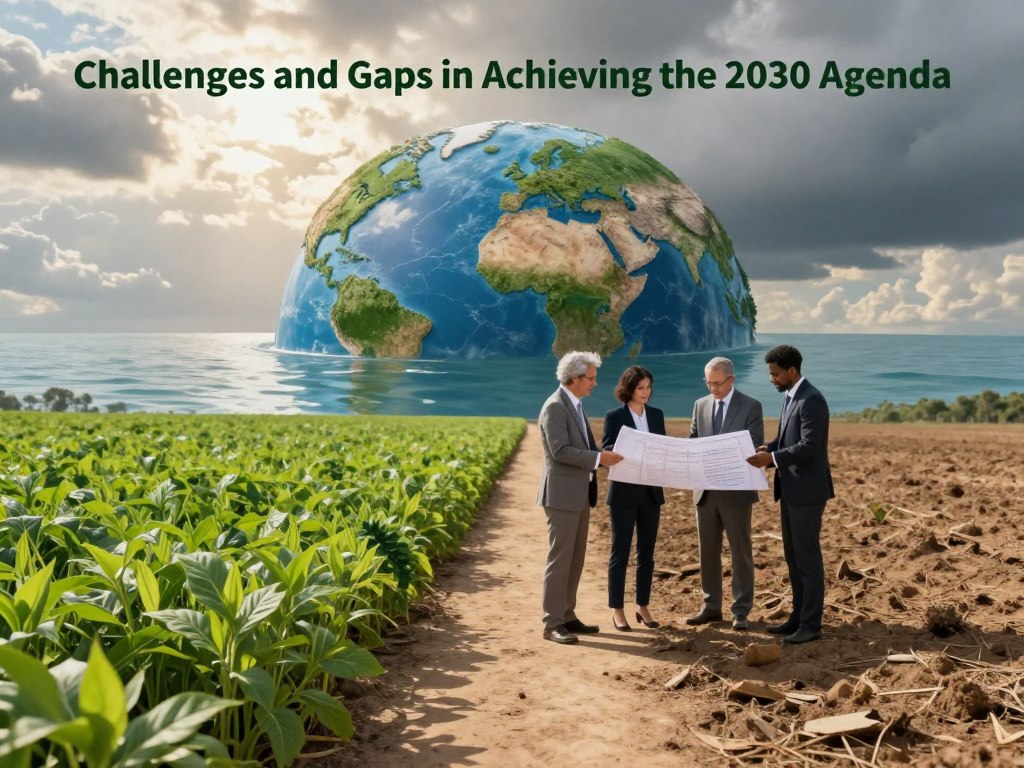
4. Carson’s Enduring Framework: Her Vision and the 2030 UN Sustainable Development Goals

A serene landscape representing the UN Sustainable Development Goals, featuring a lush green environment symbolizing nature's preservation, alongside imagery inspired by Rachel Carson's legacy. In the foreground, a diverse group of professionals in business attire holds a vibrant, oversized depiction of the 17 Sustainable Development Goals icons, conveying collaboration and hope. The middle ground showcases a harmonious balance of nature and clean technology, with wind turbines and solar panels integrated into the landscape. In the background, a clear blue sky illuminates the scene, symbolizing a brighter future. The atmosphere is inspiring and optimistic, reflecting the call for sustainable action aligned with Carson's vision. The image must be suitable for "The Sustainable Digest."

Today’s global sustainability agenda, codified in the UN’s 17 goals, finds a profound precursor in the systemic vision of a mid-century science writer. The Sustainable Development Goals (SDGs) are the modern operational plan for a viable planet. Their ethical and ecological DNA, however, was articulated decades earlier.

Her philosophy was built on several core tenets. These ideas now form the bedrock of integrated global policy.

  • Interconnectedness of all life systems.
  • Moral duty to future generations.
  • The public’s right to know about hazards.
  • The precautionary principle for new technologies.
  • A critique of unchecked economic growth.

This framework refuses to separate planetary health from human justice. It makes her the unacknowledged architect of the SDG structure.

Direct Environmental Stewardship: Goals for Planet

The “Planet” cluster of SDGs (6, 13, 14, 15) has a direct lineage to her research. Her book Silent Spring exposed the poisoning of waterways by agricultural chemicals. This established the scientific urgency for SDG 6: Clean Water and Sanitation.

Her sea trilogy documented atmospheric and oceanic changes. She warned of rising sea levels and collapsing populations. These observations presaged SDG 13: Climate Action and SDG 14: Life Below Water.

Her critique of pesticides like DDT highlighted the collapse of bird populations. It framed terrestrial protection as a survival issue. This moral argument underpins SDG 15: Life on Land.

Foundations for Health, Equity, and Justice: Goals for People

The “People” goals address poverty, health, and inequality. Carson’s work indirectly targeted these root causes. She linked environmental pollution directly to public health, a core of SDG 3: Good Health.

The Silent Spring Institute continues this legacy. It has identified over 900 potential breast cancer-causing chemicals. This ongoing research validates her early warnings and fuels modern advocacy.

Her mission to educate the public embodied SDG 4: Quality Education. She believed informed citizens were essential for change. Furthermore, her success as a woman in a male-dominated field challenged power structures, aligning with SDG 5: Gender Equality.

Enabling Sustainable Systems: Goals for Prosperity and Partnership

Her foresight extended to economic and social models. The “Prosperity” goals seek sustainable industry, energy, and cities. Carson’s critique of irresponsible industry prefigured this need.

She questioned a growth model that sacrificed the natural world. This critique aligns with SDG 8: Decent Work and Economic Growth and SDG 12: Responsible Consumption. It calls for systems that do not externalize their dangers.

The final “Partnership” goals (16 & 17) require transparent governance and collaboration. Her reliance on scientific networks modeled multi-stakeholder action. Her demand for accountable government echoes SDG 16: Peace, Justice, and Strong Institutions.

Mapping Carson’s Core Tenets to the SDG Framework

Carson’s PrincipleSDG ClusterModern Manifestation
InterconnectednessPlanet (14, 15)Integrated ecosystem management policies.
Public’s Right to KnowPeople (3, 4)Community right-to-know laws and health education.
Precautionary PrincipleProsperity (9, 12)Regulations on novel materials and chemicals.
Critique of Unchecked GrowthPartnership (17)Global partnerships for sustainable development.

The relationship is bilateral. Her work informed the goals’ creation. Now, the pursuit of these goals extends her unfinished revolution.

It is deeply ironic. The world is now codifying objectives she identified as necessary over half a century ago. This underscores the protracted pace of institutional change. The vision of Rachel Carson was inherently systemic. It remains the blueprint for a livable future.

5. Conclusion: The Rachel Carson Legacy – Disciples, Movement, and an Unfinished Revolution

Immediate collaborators and later disciples have carried forward the crucial work begun in the mid-20th century. Allies like Shirley Briggs provided vital research for Silent Spring, forming its intellectual core.

This effort spurred tangible government action, including the founding of the U.S. Environmental Protection Agency. The environmental movement she ignited now thrives through organizations and advocates worldwide.

Scientific successors, such as the Silent Spring Institute, continue probing links between chemicals and cancer. Yet, with many pesticides like DDT banned but thousands of novel compounds untested, her revolution remains unfinished.

Rachel Carson‘s legacy endures as a living call for precaution and informed public stewardship. It is a blueprint still guiding the quest for a healthier planet.

Key Takeaways

  • Rachel Carson’s work in the mid-20th century launched the modern environmental movement by making science accessible to the public.
  • Her unique background as both a scientist and a writer allowed her to effectively communicate complex ecological concepts.
  • Silent Spring was instrumental in shifting public policy and raising awareness about the dangers of pesticides.
  • As a woman in STEM during the 1950s and 60s, she overcame significant gender barriers in science and government.
  • Her advocacy established the principle of the public’s right to know about environmental hazards.
  • Carson’s vision of ecological interconnectedness directly informs contemporary frameworks like the UN Sustainable Development Goals.
  • Her legacy demonstrates how a single, powerful voice can challenge industrial norms and inspire global change.

World Soil Day & Global Soil Week in context of sustainability

World Soil Day and Global Soil Week in context of sustainability in retrospect

For decades, the ground beneath our feet was largely ignored in global discussions. Then came a shift. The United Nations designated December 5th as World Soil Day in 2014. This move transformed soil from a niche concern into a worldwide priority.

Healthy soil is the foundation of our food systems. Approximately 95% of what we eat depends on it. Yet, degradation threatens this vital resource. Proper soil management could boost food production by up to 58%. That’s a game-changer for global nutrition.

Soil also plays a critical role in fighting climate change. It captures around 80% of terrestrial carbon. This makes it a powerful ally for a stable climate. Plus, it hosts nearly 59% of Earth’s species. Biodiversity thrives where we rarely look.

The hidden hunger crisis affects two billion people. Soils supply most essential elements plants need. Without healthy soils, food lacks nutrients. Global Soil Week emerged to turn awareness into action. It brings experts together to create real solutions.

The Historical Foundation of Global Soil Awareness

International policy makers long treated the earth beneath our feet as an afterthought. This oversight persisted despite its fundamental role in human survival. The turning point came when scientific evidence could no longer be ignored.

Origins and UN Designation

The United Nations finally acknowledged this critical resource in 2014. December 5th became the official day of recognition. This designation marked a shift from neglect to global priority.

Before this milestone, farmers and rural communities understood the value of healthy soil. They witnessed its direct impact on food production and quality. Their traditional knowledge often surpassed official policies.

Evolution from Scientific Concern to Global Movement

Researchers had documented soil degradation for decades. Their warnings initially was disregarded. The transformation began when environmental and food security concerns merged.

Scientific data gradually influenced international discourse. Evidence showed how proper management practices could transform agriculture. This created momentum for broader action.

The movement expanded beyond academic circles. It embraced practical solutions for farmers worldwide. This approach recognized that theory alone wouldn’t ensure our future food supply.

FAO’s Role in Establishing International Governance

The Food and Agriculture Organization emerged as a key player. Their 80th anniversary in 2025 celebrates eight decades of work. Their commitment to food security shaped global approaches.

FAO’s Global Soil Partnership supports nations in protection efforts. It helps translate science into actionable policies. The partnership acknowledges different regional challenges.

Several initiatives demonstrate this practical approach:

InitiativeFocus AreaImpact Scale
RECSOILCarbon sequestration in agricultural landsGlobal climate benefits
Global Soil DoctorsFarmer education and capacity buildingLocal implementation
Green CitiesUrban soil restoration300+ cities worldwide

The RECSOIL initiative cleverly addresses climate concerns through agriculture. It makes soil health relevant to carbon-focused policymakers. This strategic framing has increased political support.

Capacity building remains essential for real change. The Global Soil Doctors Programme bridges knowledge gaps. It connects research with practical management practices.

Urban areas now recognize their role in soil health. The Green Cities Initiative involves over 300 municipalities. This expansion shows soil’s relevance beyond traditional agriculture.

International governance developed through incremental steps. This pragmatic approach built consensus gradually. The commitment to long-term food security sometimes conflicts with short-term priorities.

These efforts collectively address our planetary survival needs. They recognize that healthy soil supports not just agriculture but entire ecosystems. The impact extends to urban and rural communities alike.

Looking to the future, these foundations support sustainable agriculture worldwide. They represent a growing understanding of our interdependence with the ground beneath us.

Global Impact and Policy Development Over Time

A visually striking representation of EU soil policy development, capturing key elements of sustainability and global impact. In the foreground, a diverse group of professionals in business attire engage in collaborative discussions around a large table filled with soil samples and policy documents. The middle layer presents a backdrop of lush, thriving landscapes, showcasing various soil types and healthy ecosystems transitioning into urban areas. In the background, a stylized map of Europe features overlaid data points symbolizing policy changes and initiatives over time. Soft, natural lighting enhances the scene, creating an optimistic atmosphere, while the focus is sharp on the human interaction, symbolizing collaboration for a sustainable future. This image is designed for "The Sustainable Digest."

European policymakers finally acknowledged what farmers knew for centuries: the ground beneath our feet holds the key to our collective future. This realization sparked the most ambitious regional framework for land protection ever attempted.

European Union’s Comprehensive Soil Strategy Framework

The EU Soil Strategy for 2030 represents a monumental shift in environmental policy. It establishes a comprehensive framework for protecting and restoring degraded lands across member states.

Approximately 70% of European soils suffer from poor condition. This startling statistic forced action at the highest levels. The strategy addresses erosion, carbon loss, and biodiversity decline simultaneously.

Implementation faces significant political hurdles. Different nations prioritize farming needs versus conservation goals. The tension between scientific urgency and practical reality shapes final outcomes.

Mission Soil and the 2030 Biodiversity Targets

Mission Soil stands among Horizon Europe’s most critical initiatives. It shares priority with cancer research and climate adaptation—a telling placement.

The mission accelerates the transition to healthy lands through 100 living labs. These practical testing grounds bridge research and real-world application. They represent innovative approaches to age-old problems.

Targets aim for healthy soils by 2050. This long-term vision often conflicts with short political cycles. The mission acknowledges that proper land management requires decades, not election terms.

The Soil Monitoring Directive: A Legislative Milestone

The Soil Monitoring Directive achieved final approval in late 2025. The EU Council adopted it on September 29, followed by European Parliament endorsement on October 23.

This legislation marks a hard-won victory after years of negotiation. Original ambitions became diluted through political compromise. Yet it establishes crucial monitoring standards across the continent.

The directive addresses erosion’s impact on entire ecosystems. It recognizes that conservation efforts must integrate land use, water management, and biodiversity protection. Carbon sequestration presents both opportunity and challenge for modern farming.

European policies increasingly influence global standards. Their approaches may shape international development and trade relationships. The world watches as Europe tackles this fundamental planetary issue.

Regional Implementations and Sustainable Practices

The translation of international land policies into regional practices uncovers a complex tapestry of adaptation and resistance. Local contexts shape conservation outcomes in unexpected ways. This year marks critical milestones for several regional initiatives.

Africa’s Soil Conservation Challenges and AGRA’s Initiatives

African landscapes face unique conservation hurdles. Approximately 65% of the continent’s arable land suffers damage. Soil erosion affects about 30% of African territory.

These challenges demand context-specific solutions. The Alliance for a Green Revolution in Africa (AGRA) bridges policy and practice. Their training programs equip farmers with essential skills.

AGRA promotes sustainable management practices including crop rotation and cover crops. These techniques address food security concerns directly. Smallholder farmers learn methods that protect their livelihoods.

Adoption rates vary across different communities. Economic incentives and cultural traditions influence implementation success. The program’s impact becomes visible over multiple growing seasons.

Photo by Olu Eletu

Urban Soil Management: From Theory to Practice

City expansion creates new conservation dilemmas. Urban growth threatens up to 3% of global food production. This poses direct challenges to future food security.

By 2050, two-thirds of the world’s population will reside in urban areas. This projection makes urban land management essential for collective survival. Cities consume fertile land through relentless expansion.

The tension between development and conservation represents a classic sustainability dilemma. Economic growth often overshadows environmental concerns in rapidly developing regions. Practical solutions must balance competing priorities.

Urban planning increasingly incorporates land health considerations. This year has seen innovative approaches to peri-urban agricultural protection. These efforts demonstrate growing commitment to integrated development.

SPADES Program: Integrating Soil Science into Spatial Planning

The SPADES program exemplifies technical innovation meeting practical application. It works with 17 pilot sites to integrate land considerations into spatial planning. This initiative bridges science and policy effectively.

Collaboration between technical experts and local authorities remains crucial. The program developed two essential tools for implementation:

ToolPrimary FunctionApplication Scope
Evaluation FrameworkAssesses soil-inclusive planning instrumentsPolicy development and review
Diagnosis WorkbookPractical assessment tool for local conditionsField implementation and monitoring

These tools help translate complex science into actionable approaches. They address the gap between research findings and practical management practices. The program’s solutions consider diverse regional contexts.

Successful implementations in one region often fail when transplanted without modification. This underscores the importance of localized adaptation strategies. The SPADES approach recognizes that effective conservation requires contextual understanding.

Long-term commitment to land health demands sustained investment in both technical capacity and community engagement. Impacts may take years or decades to manifest in measurable outcomes. This reality tests the patience of policymakers seeking quick solutions.

World Soil Day and Global Soil Week in Context of Sustainability in Retrospect

The decade-long journey from awareness to measurable impact reveals both triumphs and persistent challenges. What began as specialized agricultural concern has matured into comprehensive sustainability thinking. This evolution reflects deeper understanding of our fundamental relationship with the ground beneath us.

Assessing the Tangible Outcomes of Decadal Efforts

Ten years of dedicated effort have yielded concrete results alongside ongoing difficulties. The movement has successfully transitioned from theoretical discussions to practical implementations. Recognition programs now celebrate excellence in land stewardship worldwide.

The Glinka World Soil Prize and King Bhumibol World Soil Day Award exemplify this progress. Supported by Russia and Thailand respectively, these awards incentivize innovative management practices. They transform abstract concepts into competitive achievements.

Urban applications have particularly demonstrated creative problem-solving. The 2025 theme “Healthy Soils for Healthy Cities” captured this expanding vision. It acknowledged that land health matters beyond traditional farming contexts.

The Shift from Awareness to Measurable Action

Moving beyond rhetoric requires implementation mechanisms and accountability frameworks. Many environmental movements struggle with this transition phase. The soil sustainability movement currently faces this implementation gap.

The FAO’s demonstration sponge park illustrates practical urban applications. This transformed space in front of building A shows multiple benefits simultaneously. It manages water, supports biodiversity, and improves local microclimates.

Urban lands perform essential ecosystem services often overlooked. They regulate temperature through natural cooling processes. They filter and store water, reducing flooding risks during heavy rainfall.

These spaces also contribute to food security through urban agriculture. They improve air quality by capturing particulate matter. They support diverse species within city environments.

Urban Soil FunctionPractical BenefitSustainability Impact
Temperature RegulationReduces urban heat island effectLowers energy consumption for cooling
Water FiltrationImproves water quality naturallyReduces treatment costs and pollution
Carbon SequestrationStores atmospheric carbonContributes to climate change mitigation
Biodiversity SupportHosts urban wildlife and pollinatorsMaintains ecological balance in cities
Food ProductionEnables urban agricultureEnhances local food security
Photo by Eddie Kopp

Interconnectedness of Soil Health with Broader Sustainability Goals

Land quality increasingly appears as connecting tissue between sustainability challenges. It links climate action, food security, and urban resilience simultaneously. This interconnectedness makes it strategic leverage point for comprehensive improvement.

Pressure on urban lands continues growing through sealing and contamination. Rapid city expansion creates tension between development and conservation needs. Balancing these competing priorities requires innovative planning approaches.

The integration of land health into broader frameworks represents significant progress. It reflects more holistic environmental understanding than isolated agricultural concern. This maturation signals the movement’s coming of age.

Progress or regression in land quality creates ripple effects across multiple sustainability dimensions. This interconnected reality demands coordinated policy responses. It also offers opportunities for synergistic solutions that address multiple challenges simultaneously.

Conclusion

The journey from awareness to action reveals both progress and persistent gaps. Conservation efforts must expand beyond farms to entire ecosystems. This approach recognizes nature’s interconnected systems.

FAO’s ambitious goal targets 1000 cities by 2030. This year could mark a turning point for urban integration. The One Health framework links land vitality to human wellbeing.

Collaborative solutions are essential for meaningful impact. No single nation can address these challenges alone. Communities worldwide must share knowledge and resources.

Long-term commitment conflicts with short political cycles. Yet farmerssurvival and global food security depend on healthy lands. The ultimate measure of success will be resilient food systems and thriving ecosystems.

Key Takeaways

  • World Soil Day, established in 2014, raised global awareness about soil’s importance.
  • Healthy soils are crucial for food production, providing up to 95% of our food.
  • Sustainable soil management could increase food output by more than half.
  • Soil acts as a major carbon sink, capturing 80% of terrestrial carbon.
  • Soil health directly impacts human nutrition and fights hidden hunger.
  • Global Soil Week helps translate soil awareness into practical strategies.
  • Soil biodiversity supports nearly 59% of all species on Earth.

The History of Thanksgiving, Indigenous peoples, Pilgrims, proto-Sustainability practices

Thanksgiving, Indigenous peoples, Piligrims, proto-Sustainability practices

Many Americans know a simple story about this special day. It involves a feast shared long ago. But the real history runs much deeper than that tale.

This holiday is really about gratitude and survival. It connects to ancient wisdom about the land and its bounty. The full narrative honors the role of native cultures and their knowledge.

Today, we can reflect on the true meaning of this time. It is a moment for community, respect, and learning from the past. The celebration is a chance to appreciate family, friends, and the food we share.

Understanding the origins helps us build a more mindful future. It teaches us about interconnectedness with nature and each other. This day carries great significance for conservation and sustainable living.

Unveiling the True History of Thanksgiving

Behind the familiar tale lies a complex tapestry of events that shaped this national observance. The common narrative often overlooks crucial perspectives that complete the picture.

The Myth Versus Reality of the First Thanksgiving

Many believe the first feast was a peaceful gathering between settlers and native communities. In truth, the popular story emerged centuries later during a period of national expansion.

President Lincoln established the holiday during the Civil War era. This timing helped create a unifying national story. The romanticized version served specific political purposes of that time.

Actual historical accounts describe a harvest celebration in 1621. It was not called Thanksgiving then. The event was more practical than ceremonial.

Indigenous Perspectives and the National Day of Mourning

For many native cultures, this day represents something entirely different. Since the 1970s, groups have organized the National Day of Mourning.

This observance honors ancestors lost to colonization. It also protests ongoing challenges facing native people today. The event provides a powerful counter-narrative to traditional celebrations.

“We are not celebrating. We are mourning our ancestors and the destruction of our way of life.”

This perspective reminds us that history contains multiple truths. Listening to these voices deepens our understanding of this complex holiday.

The Role of the Wampanoag in Pilgrim Survival

The Wampanoag people possessed extensive knowledge of the land and its resources. They had already encountered Europeans before the Pilgrims arrived.

Their assistance was based on political strategy rather than simple friendship. The Wampanoag shared crucial survival skills with the newcomers.

They taught farming techniques that worked with local ecosystems. Their wisdom about local wildlife and food sources proved vital. This knowledge exchange allowed the settlers to survive their first years.

Peace between the groups was unfortunately short-lived. Within decades, conflict replaced cooperation. The full story reveals the delicate nature of these early relationships.

Understanding this history helps us appreciate the true origins of this annual observance. It invites us to reflect on the complex relationships that shaped our nation’s story.

The Legacy of Native American Democracy and Governance

Iroquois Confederacy governance system, depicted in a cinematic, impressionistic style. Majestic oaks and birch trees frame a council of Iroquois leaders, dressed in traditional garments, gathered in a grand hall. Warm, earthy tones suffuse the scene, with soft, expressionistic lighting casting gentle shadows. The leaders engage in animated discourse, their hands gesturing as they deliberate on matters of state. In the background, a mural depicting the Great Peacemaker and Hiawatha, the founders of the Iroquois Confederation. The Sustainable Digest.

While modern political systems claim innovation, many foundational principles trace back to sophisticated indigenous governance models. These systems demonstrate remarkable foresight in balancing individual rights with collective responsibility.

Long before European philosophers debated democracy, native communities practiced complex representative systems. Their approaches integrated ecological wisdom with social organization in ways that still inspire contemporary governance.

The Iroquois Confederacy’s Influence

The Haudenosaunee Confederacy established its Great Law of Peace around 1142 AD. This written constitution created a sophisticated democratic framework that united six distinct nations.

Mohawk, Oneida, Onondaga, Cayuga, Seneca, and later Tuscarora tribal-groups formed this remarkable political union. Their system maintained peace through carefully balanced representation and consensus-based decision-making.

Benjamin Franklin openly admired the Confederacy’s political achievements. He noted how “six Nations of Ignorant Savages” achieved unity that English colonies might emulate.

This governance model challenged colonial assumptions about societal development. It demonstrated political sophistication that directly informed American constitutional principles.

“The framers of the Constitution drew inspiration from the Iroquois model of federalism and balanced power.”

The Confederacy’s structure featured separate branches with checks and balances. Clan mothers held significant authority in selecting and removing leaders.

This system represented one of history’s oldest continuous democracies. It maintained functional governance for centuries before European contact.

Seventh Generation Principle

Perhaps the most profound governance concept involves intergenerational responsibility. The Seventh Generation Principle mandates considering impacts on descendants seven generations future.

This philosophy transforms decision-making from short-term gains to long-term sustainability. It creates accountability systems that prioritize future wellbeing over immediate convenience.

The principle centers relationships between humans, animals, and environments. These connections determine life quality for current and future communities.

Traditional Governance ElementModern EquivalentSustainability Impact
Seventh Generation thinkingLong-term environmental planningClimate change mitigation strategies
Consensus decision-makingStakeholder engagement processesCommunity-supported sustainability
Clan mother oversightIndependent regulatory bodiesAccountability in resource management
Confederacy structureFederal systems of governmentBalanced regional development
Representative councilsDemocratic legislative bodiesPolicy development for common good

This governance approach naturally aligns with environmental stewardship. Decisions must account for their effects on the natural world across multiple generations.

Modern sustainability frameworks increasingly adopt this long-term perspective. It offers solutions for addressing complex climate change challenges.

The principle encourages genuine reflection when we give thanks for resources. It reminds us that our actions today shape tomorrow’s sustainable future.

These democratic traditions demonstrate the sophistication of native american political thought. They continue influencing how societies approach governance and environmental responsibility.

The legacy of indigenous peoples‘ governance systems remains relevant today. Their wisdom offers pathways toward more equitable and sustainable societies.

Indigenous Wisdom: Proto-Sustainability Practices

A stunning landscape depicting the ancient "Three Sisters" planting system, a sustainable agricultural practice of the Indigenous peoples. In the foreground, three distinct crops - corn, beans, and squash - grow harmoniously, their vibrant colors and textures blending together. The middle ground features a group of Indigenous people, their traditional garments and tools visible, tending to the plants with reverence. In the background, a hazy, impressionistic vista of rolling hills and a warm, golden sky, evoking a sense of timelessness and connection to the land. The scene is captured with a cinematic, dreamlike quality, as if through the lens of "The Sustainable Digest", a publication celebrating the wisdom of Indigenous practices.

Long before modern agriculture, native communities developed sophisticated methods for living in harmony with nature. These ancient approaches offer powerful lessons for our current environmental challenges.

Their systems demonstrated deep understanding of ecological balance. They maximized food production while preserving the land for future generations. This wisdom remains relevant for creating a sustainable future.

The Three Sisters Planting System

This brilliant agricultural method combines corn, beans, and squash in one growing space. Each plant supports the others in a perfect natural partnership.

Corn stalks provide structure for bean vines to climb. Beans add nitrogen to the soil through their roots. Squash leaves spread across the ground, keeping moisture in and weeds out.

The system produces more food than growing each crop separately. It also maintains soil health year after year. This approach shows incredible understanding of plant relationships.

PlantRole in SystemBenefit to Garden
CornProvides structureCreates support for beans
BeansAdds nitrogenFertilizes soil naturally
SquashCovers groundRetains moisture, suppresses weeds

Sacred Reciprocity and Land Stewardship

Native cultures viewed the land as a relative rather than a resource. This relationship required care and respect in exchange for life’s gifts.

They practiced giving back to the earth through ceremonies and sustainable harvesting. This mindset of reciprocity ensured continued abundance for all beings. It stood in sharp contrast to exploitation approaches.

Research shows these communities left minimal ecological footprints before colonization. They managed landscapes without major modifications or deforestation. Their methods preserved ecosystems for countless generations.

Sustainable Foraging, Fishing, and Hunting Techniques

Native groups developed careful rules for gathering wild foods. They took only what they needed and ensured resources could renew themselves.

Hunting followed seasonal patterns and respected animal populations. Fishing methods allowed species to reproduce and thrive. These practices maintained balance within local ecosystems.

Their knowledge of plants and animals was incredibly detailed. They understood migration patterns, growth cycles, and interconnections. This wisdom allowed them to live abundantly without depletion.

These ancient methods offer inspiration for modern conservation efforts. They show how humans can thrive while respecting nature’s limits. The principles remain valuable guides for today’s environmental challenges.

Thanksgiving, Pilgrims, and Indigenous Peoples: A Complex Legacy

The arrival of European settlers marked a turning point in North American history. This period brought dramatic changes to the land and its original inhabitants. The full story reveals a legacy of both conflict and resilience.

Understanding this history helps us appreciate the true meaning of this annual observance. It invites reflection on relationships that shaped our nation’s story.

Ecological Imperialism and Environmental Conquest

Historian Alfred Crosby introduced the term “Ecological Imperialism.” This concept describes how Europeans altered native environments. Their actions helped secure colonial dominance.

They brought diseases that devastated local populations. New animals and plants disrupted established ecosystems. Widespread deforestation changed landscapes forever.

These environmental changes made colonization easier. They weakened native communities through ecological disruption. The land itself became a tool of conquest.

The Impact of Colonization on Indigenous Food Systems

European settlers deliberately targeted native food sources. They burned crops and destroyed food stores. This strategy aimed to subdue resistant communities.

The mass killing of bison had devastating effects. These animals were central to many cultures and economies. Their near-extinction caused widespread hunger and displacement.

Generational knowledge about local foods was lost. Traditional harvesting practices became difficult to maintain. Food sovereignty was dramatically undermined.

Colonial ActionImpact on Food SystemsLong-Term Consequences
Crop DestructionImmediate food shortagesLoss of agricultural knowledge
Bison SlaughterProtein source eliminationCultural and economic collapse
Land SeizureAccess restrictionForced dietary changes
Seed ReplacementBiodiversity reductionDependence on foreign crops

Reclaiming Indigenous Food Systems and Cuisine

The renaissance of native cuisine represents more than culinary innovation—it’s an act of cultural reclamation and environmental healing. This movement challenges colonial food systems while honoring ancestral wisdom about the natural world.

Modern chefs and food activists are rediscovering what colonization systematically suppressed. They’re rebuilding culinary traditions that sustained communities for millennia before European contact.

Decolonizing Diets and Ingredients

Decolonization begins at the plate, rejecting ingredients that arrived with colonization. This means eliminating cane sugar, white flour, dairy, beef, pork, and chicken from traditional recipes.

Sean Sherman, founder of The Sioux Chef and James Beard Award winner, emphasizes this approach. He notes how native americans controlled their destiny through food self-sufficiency before colonial disruption.

The philosophy frames indigenous food as medicine rather than mere sustenance. Mindful connection to ancestral foods nourishes both bodies and souls through cultural reconnection.

Native-Led Food Initiatives Today

NāTIFS (North American Traditional Indigenous Food Systems) leads this culinary revolution. The nonprofit promotes indigenous foodways education and facilitates access to traditional ingredients.

Executive Director Dana Thompson envisions a new North American food system. This system would generate wealth while improving health in Native communities through food-related enterprises.

These initiatives support what Thompson calls “re-identification, reclamation, and revitalization.” They address knowledge gaps created by centuries of colonial disruption.

The movement connects food sovereignty with broader environmental concerns. Traditional food systems offer solutions for climate change and contribute to a more sustainable future.

Colonized IngredientsTraditional AlternativesEnvironmental Impact
Cane sugarMaple syrup, honeyLocal sourcing reduces transport emissions
White flourCorn, acorn, amaranth flourSupports biodiversity and soil health
Dairy productsNut milks, traditional fatsLower methane production than cattle
Beef, pork, chickenBison, venison, traditional gameRegenerative grazing practices
Processed foodsWild harvested plantsMinimal packaging, seasonal availability
A colonial farmstead nestled amid a lush, verdant landscape, where native food systems once flourished. In the foreground, a weathered wooden table laden with a bountiful harvest of autumnal produce, a testament to the land's fertility. Sunlight filters through the canopy of trees, casting a warm, golden glow over the scene. In the background, the silhouettes of indigenous elders gather, observing the shifting dynamics between their traditional practices and the encroaching colonial influence. The image captures the uneasy coexistence of two worlds, the clash of cultures, and the delicate balance of proto-sustainability practices. Blend of Photo, Cinema, Impressionism, and Expressionism style. "The Sustainable Digest"; expressionistic lighting casting gentle shadows. The leaders engage in animated discourse, their hands gesturing as they deliberate on matters of state. In the background, a mural depicting the Great Peacemaker and Hiawatha, the founders of the Iroquois Confederation.

This culinary reclamation occurs year-round, not just during seasonal observances. However, it holds particular significance around the national day often associated with harvest celebrations.

The work of these indigenous peoples represents both cultural preservation and environmental innovation. They’re creating food systems that honor the past while nourishing future generations.

Modern Applications of Indigenous Sustainability

Vibrant landscape showcasing indigenous-led conservation efforts today. In the foreground, a group of indigenous people working together to preserve their local ecosystem, using traditional ecological knowledge. The middle ground features lush, verdant forests and wildlife thriving in their natural habitat. The background depicts majestic mountains and a warm, golden-hued sky, capturing the sense of harmony and balance. Cinematic lighting and an impressionistic, expressive style create an immersive, visually striking scene. The Sustainable Digest.

Across the globe, ancient wisdom is finding new purpose in modern environmental protection. Traditional knowledge systems are proving essential for addressing today’s ecological challenges. These time-tested approaches offer powerful solutions for a sustainable future.

Indigenous-Led Conservation Efforts Today

Native communities protect an incredible amount of the world’s biodiversity. They safeguard over 80% of global wildlife despite being less than 5% of the population. Their conservation efforts achieve remarkable results through deep cultural connection to the land.

Programs like Australia’s Indigenous Ranger Program demonstrate this success. Rangers combine traditional knowledge with modern training to manage protected areas. They monitor species, control wildfires, and preserve cultural sites.

Canada’s Indigenous Leadership Initiative (ILI) shows similar innovation. This program integrates millennia of native science with contemporary techniques. The approach creates positive impacts across entire ecosystems.

These initiatives prove that ancestral wisdom remains vitally relevant. They show how traditional stewardship can guide modern conservation. The results often surpass Western methods alone.

Learning from Traditional Land Management

Traditional land management focuses on ecosystem relationships rather than isolated resources. This holistic approach considers how all elements interact and support each other. It emphasizes care for complexity rather than simplification.

Native sciences concentrate on connections and interactions within natural systems. They understand that everything exists in relationship with everything else. This perspective offers complementary approaches to Western scientific methods.

The focus remains on stewardship rather than ownership or exploitation. Land is viewed as a relative to care for, not a resource to consume. This mindset creates sustainable systems that endure for generations.

Modern forestry and conservation efforts are increasingly adopting these principles. They recognize that complexity often indicates health and resilience. This shift represents important progress toward environmental reconciliation.

Integrating Ancient Wisdom into Modern Practices

Guardian programs beautifully reconcile traditional knowledge with contemporary conservation. These initiatives train community members to protect their traditional territories. They blend ancient wisdom with modern monitoring technology.

The integration addresses pressing challenges like climate change and species loss. It applies principles of interconnectedness and reciprocity to current problems. This combination creates innovative solutions that honor both past and future.

These models demonstrate practical benefits and meaningful innovations. They show how different knowledge systems can work together harmoniously. The collaboration produces better outcomes for people and planet.

Everyone can learn from these successful integrations. Supporting these efforts helps build a more sustainable world. It acknowledges the importance of traditional ecological knowledge in modern conservation.

These applications inspire greater respect for native leadership in sustainability movements. They motivate people to engage with and support these vital efforts. This knowledge helps create meaningful change for our shared future.

Decolonizing Your Thanksgiving Celebration

Transforming this annual gathering into a meaningful experience requires conscious choices. It involves rethinking traditional approaches to create deeper connections. This shift honors the true spirit of the occasion while supporting important values.

Incorporating Pre-Colonial Foods and Recipes

Traditional native ingredients create authentic and nutritious meals. The Three Sisters combination remains a brilliant foundation. Corn, beans, and squash work together beautifully in many dishes.

Maple syrup and sumac offer natural sweetness and flavor. They replace refined sugar in recipes. These ingredients connect meals to local ecosystems.

Wild rice and native grains add texture and nutrition. They have deep cultural significance across many regions. These foods support biodiversity and local agriculture.

Simple substitutions make recipes both delicious and meaningful:

  • Use nut milk instead of dairy products
  • Choose heritage turkey breeds when including meat
  • Season with native herbs like sweetgrass and cedar
  • Feature seasonal squash varieties in multiple courses

Honoring Local Indigenous Tribal-group and Histories

Learning about original inhabitants brings depth to the celebration. The Native Land Map helps identify traditional territories. This knowledge acknowledges the true history of the land.

Supporting native-owned businesses makes a real difference. It contributes to economic sovereignty and cultural preservation. Many organizations offer directories of authentic products.

“When we support native artists and food producers, we help keep traditions alive for future generations.”

Educational resources provide accurate information about local cultures. Museums and cultural centers often share authentic perspectives. These sources offer guidance for respectful recognition.

Promoting Sustainable and Mindful Feasting

Environmental consciousness aligns with traditional values of respect. Reducing waste demonstrates care for natural resources. Thoughtful planning makes feasts both abundant and responsible.

Local sourcing reduces transportation impacts significantly. It also supports regional farmers and food producers. Seasonal ingredients taste better and require less energy to grow.

Plant-based options lower the meal’s environmental footprint. They use less water and produce fewer emissions. Even small changes create meaningful positive impacts.

Practical steps for sustainable celebrations include:

  • Planning portions carefully to minimize leftovers
  • Using reusable dishes and natural decorations
  • Composting food scraps rather than sending to landfill
  • Donating excess food to community organizations

These approaches transform the meal into an act of gratitude. They honor the interconnectedness of all life. This mindfulness creates celebrations that nourish both people and planet.

Conclusion

The journey through this holiday’s complex past reveals powerful lessons for building a more conscious tomorrow. Understanding the full history transforms how we approach this special time of year.

Honoring native wisdom in our celebrations shows deep respect for the land and its original caretakers. Their sustainable approaches offer vital guidance for today’s environmental challenges.

This knowledge invites us to carry gratitude and mindfulness beyond the annual feast. We can support local communities while preserving precious ecosystems.

Every thoughtful choice contributes to a healthier, more equitable future. The true spirit of this day lives in our ongoing commitment to learning and positive action.

Key Takeaways

  • The holiday’s history is richer and more complex than common myths suggest.
  • Native American contributions and wisdom are central to the true story.
  • Gratitude and community are at the heart of the celebration.
  • The traditions connect deeply to respect for land and ecosystems.
  • Learning the full narrative encourages more meaningful observances today.
  • This time of year highlights themes of heritage and sustainable practices.
  • Modern celebrations can honor both history and future conservation efforts.

Prehistoric Anthropology, Archaeology, and Climate Sustainability and its impact through the ages

Prehistoric anthropology archaeology geography impact climate sustainability

This article treats deep Earth history as a working laboratory. It traces the record from the Hadean to a debated Anthropocene to show how oxygenation, icehouse episodes, and mass extinctions rewired global cycles and habitats.

The narrative links geology, palaeobiology, and human evidence so readers gain a long-run perspective on how systems adapt and fail. Field data and stratigraphy form the core evidence; artifacts and settlement patterns act as behavioral logs across years and millennia.

The aim is practical: to turn deep-time knowledge into clearer models for today’s managers and designers. Readers will see a four-part arc—Precambrian baselines, Phanerozoic pivots, Quaternary shifts and a Holocene case—each offering lessons about feedbacks, resilience, and trade-offs.

Deep-Time Baselines: Precambrian foundations for Earth’s environmental and ecological systems

From core formation to the first oceans, Earth’s early chapters fixed many long-term boundary conditions. These foundational events shaped how atmosphere, hydrosphere, and lithosphere interacted across vast years.

Hadean and Eoarchean: planet assembly and an emerging hydrosphere

Accretion and core differentiation produced a stabilizing crust. Volatile delivery and early outgassing seeded surface waters. Those nascent environments set the stage for later biological experiments.

Archean: first biospheres and continental growth

Microbial mats and stromatolites began biologically mediated carbon cycling. Emergent continental fragments changed weathering, which moderated greenhouse gases and altered ocean redox conditions.

Paleoproterozoic Great Oxidation Event

Rising oxygen rewired surface chemistry: oxidative weathering, methane drawdown, and cooling tendencies followed. These changes restructured nutrient delivery and ecological conditions.

Mesoproterozoic: relative calm and nutrient limits

Tectonic quiescence and low phosphorus in oceans enforced long-lived steady states. Limited oxygen gradients constrained complexity and damped variability in ecosystems over long years.

Neoproterozoic: extremes to multicellularity

Near-global glaciations alternated with greenhouse recoveries, amplifying climate variability. Post-glacial oxygen and micronutrient pulses opened ecological niches and supported multicellular innovations.

Methodological note: Isotopic records (C, S, Sr), sedimentology, and paleobiology together reveal patterns linking tectonics, atmosphere-ocean chemistry, and ecosystems—precursors to later systems and modern interpretations of environmental changes and their impacts.

Phanerozoic pivots: Biodiversity booms, mass extinctions, and ecosystem restructuring

A lush Phanerozoic landscape, teeming with diverse life. In the foreground, a vibrant ecosystem of towering ferns, cycads, and ancient horsetail plants. Across the middle ground, a shimmering prehistoric lake reflects the sky, surrounded by towering gymnosperms and amphibious tetrapods. In the distance, rugged mountains rise, capped with glaciers under a golden-hued, diffuse lighting. Capture the dynamic interplay of life, extinction, and the resilience of the biosphere for "The Sustainable Digest".

Across the Phanerozoic, bursts of innovation and sudden collapses repeatedly reconfigured habitats and resource flows. That long-run record shows how biological novelty and external stressors combine to alter ecosystems, from shallow seas to ancient floodplains.

Cambrian: Novel body plans and trophic intensification

The Cambrian Explosion introduced diverse body plans and new predators. Food webs grew more complex and nutrient cycling sped up.

These changes altered marine environments and set new baselines for ecological stability over geologic years.

Ordovician–Silurian: Marine diversification and the first plants ashore

Marine life diversified further while simple plants colonized land. Weathering increased, drawing down CO2 and triggering early cooling.

Glaciations during this interval illustrate how biological feedbacks can amplify natural variability.

Devonian–Carboniferous: Forests, coal, and oxygen shifts

Expanding forests buried vast carbon in coal seams. Oxygen rose and temperatures trended downward.

Terrestrial landscapes matured, creating new habitats and changing how populations accessed resource and nutrients.

Permian to Mesozoic: Crisis and greenhouse recovery

Siberian Traps volcanism ushered in aridity, ocean anoxia, and the greatest extinction; ecosystems simplified and food webs collapsed.

The Mesozoic greenhouse favored reptilian radiations until a bolide at the end of the Cretaceous reset available niches and landscapes.

Cenozoic cooling: From Paleogene warmth to Neogene preconditioning

Early Paleogene warmth gave way to Oligocene ice initiation and Neogene oscillations. Long-term cooling preconditioned later ice ages.

This perspective emphasizes that carbon burial and mass die-offs are tightly coupled to environmental forcing; rapid change can produce outsized effects on recovery pathways.

Quaternary variability to Holocene stability: Human settlement patterns amid climate change

Quaternary rhythms set the stage for shifting coastlines, retreating ice, and new human routes across northern landscapes.

Pleistocene context: The Gelasian, Calabrian, Chibanian, and Late Pleistocene mark repeated glacial-interglacial swings. Ice sheets carved corridors and shorelines, shaping where groups could move and forage.

Pleistocene (Gelasian–Late)

By 15,000 years ago melting ice sheets warmed North America; rivers reorganized and wetlands formed. A short stasis led to the Younger Dryas reversal near 12,900 years ago, returning near-ice age conditions for centuries.

15,000–11,500 years ago

Temperatures rebounded to near-modern by 11,500 years ago, stabilizing habitability. Excavations in the Roanoke River Valley reveal repeated site use, stone tool manufacture, and charcoal suitable for radiocarbon dating.

“River terraces preserve campsites and sediment records that link local landform change to wider regional signals.”

IntervalKey effectHuman response
PleistoceneGlacial-interglacial shiftsMobility, corridor use
15,000–11,500 years agoRapid warming + Younger DryasSite reuse, opportunistic camps
Holocene (Greenlandian–Meghalayan)Reduced variability, stable riversDenser settlement, early agriculture

Anthropocene frames how human land-use and greenhouse forcing now rival natural drivers, tightening expectations for water, flood risk, and resource planning.

Archaeology in action: Roanoke River Valley evidence for climate-landscape-people dynamics

A picturesque Roanoke River valley landscape, with rolling hills, lush forests, and a meandering river cutting through the terrain. In the foreground, ancient stone tools and pottery shards litter the ground, remnants of past human settlements. The middle ground features a dig site, where archaeologists meticulously uncover clues about the lives and adaptations of the region's prehistoric inhabitants. In the background, a dramatic sky filled with wispy clouds, hinting at the region's dynamic climate history. The scene is captured with a wide-angle lens, creating a sense of depth and immersion. This image, commissioned for "The Sustainable Digest," encapsulates the interplay between archaeology, climate, and the human experience in the Roanoke River valley.

Fieldwork along the Roanoke River reveals how river corridors guided human choices across millennia; terraces and camps tell a story of repeated occupation and strategic location selection.

Repeated occupations over millennia

River terraces preserve campsites used seasonally or yearly for roughly 5,000 years, with key occupations dated about 10,000–13,000 years ago. Stone tool flakes, hearth charcoal, and refitting debris form a robust chain of evidence that these sites were revisited as resources fluctuated.

Data and methods

Excavations by teams from NC State, the Smithsonian, and National Geographic combined radiocarbon dating of charcoal with sediment cores and particle-size analyses. This methodological triangulation lets archaeologists link human layers to episodes of terrace formation or incision.

River dynamics and risk

The pattern shows how groups optimized mobility and resource use; transported lithics indicate regional networks. Comparative work in other valleys clarifies when local river behavior drove site choice versus wider regional shifts.

  • Practical takeaway: Where terrace evidence shows instability, development should respect geomorphic warnings; stable surfaces merit conservation and cultural protection.

Prehistoric anthropology archaeology geography impact climate sustainability

Integrating site finds and landscape signals reveals how people adjusted subsistence and settlement when conditions shifted.

Integrating evidence: Combine artifact and feature-level data with geomorphic maps and proxies (charcoal, particle-size, geochemistry) to reconstruct coupled human–environment systems over long years.

Modeling adaptation: Parameterize settlement patterns and subsistence choices using past variability. Sensitivity tests show small hydrologic or temperature changes can cascade through resource networks and occupations.

Population dynamics and decision-making: Demographic pulses align with stable landscapes; contractions follow channel migration or drought. Comparative, journal anthropological reviews synthesize convergent ways societies reorganize under stress.

Evidence typeSignalManagement cue
Site artifacts & hearthsOccupation intensity, subsistence shiftsProtect cultural sites; integrate into zoning
Geomorphology (terraces, floodplains)Surface stability, channel migrationMap buffers; avoid high-risk development
Environmental proxiesFire, drought, temperature trendsTrigger early-warning and scenario planning

Policy relevance: Align hazard mapping with community rights and land stewardship. Practical tools —multi-criteria analysis and early indicators—translate past knowledge into equitable land-use decisions today.

Conclusion

Deep records from oceans and rocks show repeated environmental turns that shape living systems and human choices. From Precambrian oxygenation through Phanerozoic extinctions and Quaternary ice age cycles, the long view shows that change is recurrent and often abrupt.

The rapid swings 15,000–11,500 years ago remind planners that systems can reorganize within decades; those years ago are a cautionary baseline for today’s accelerated forcing.

Archaeologists and earth scientists together link settlement, grain-size signals, and river behavior to reveal how populations use land and adapt location choices.

Policy must protect adaptive capacity: flexible land use, iterative monitoring, and cultural refugia. Cross-disciplinary groups produce better hazard maps and more equitable outcomes for communities across years to come.

Key Takeaways

  • Deep-time records provide a baseline for understanding long-run system behavior.
  • Oxygenation events and tectonics reshaped carbon and nutrient cycles.
  • Human decisions are recorded in artifacts that bridge environment and policy.
  • Interdisciplinary methods (stratigraphy, geochemistry, settlement studies) strengthen inference.
  • Past variability offers practical lessons for modern resource and risk planning.

Global Carbon: pricing, taxes, crediting, projects, footprint, REC, ESC, storage Explained

Global Carbon: pricing, taxes, crediting, projects, footprint, REC, ESC, storage

This Ultimate Guide frames how price signals, compliance schemes, voluntary credits, and renewables fit for U.S. decision-makers and international planners.

The landscape hit a record in 2022: revenues neared USD 100 billion and EU allowances reached €100. Yet most emissions still trade at modest levels; fewer than 5% face prices near the $50–$100/tCO2 range suggested for 2030.

Readers will get clear, practical steps on procurement choices—unbundled renewables, PPAs, and green tariffs—and guidance on integrity standards such as Core Carbon Principles and CORSIA. The piece contrasts direct instruments (tax and ETS) with hybrid standards and voluntary instruments that complement compliance systems.

Expect concise analysis of supply trends: renewables drove most credit issuance, nature-based registrations rose, and removals technology is growing under stricter quality screens. U.S.-specific notes touch on RGGI, SREC differences by state, and the federal solar ITC through 2032.

Carbon pricing at present: where markets, taxes, and credits stand now

Today’s price signals mix steady market gains with glaring coverage gaps that shape near-term decisions.

What a “price on carbon” means today for climate and energy decisions

A price on carbon is a monetary signal embedded in consumption and production choices; it nudges investment toward low-emitting assets and away from legacy polluters.

The tool works by raising the cost of emissions and making abatement economically visible. In 2022 revenues approached nearly USD 100 billion, while the EU ETS breached a symbolic €100 level — proof that robust signals can persist despite shocks.

Coverage versus price: why both matter for impact

Impact requires two levers: sufficient price levels to change marginal decisions, and broad coverage so a large share of emissions respond.

  • About 23% of global emissions were under ETS or levy systems by April 2023.
  • Fewer than 5% of ghg emissions faced direct prices in the $50–$100/tCO2 band, so many sectors remain exposed.

Markets and credits (compliance vs voluntary) both influence cost curves; only direct pricing enforces statutory abatement. Corporates should set internal price signals, align procurement, and rely on quality offsets to bridge near-term gaps. Solid data tracking is essential to forecast exposure and hedge procurement risks.

The pillars of pricing: carbon taxes, ETS, and hybrid systems

An intricately detailed, photorealistic image depicting the pillars of carbon pricing - a complex system of carbon taxes, emissions trading schemes (ETS), and hybrid systems. Showcase the inner workings of an ETS, with close-up views of emission allowances, trading platforms, and the intricate web of regulations. Capture the macro-level interactions between governments, industries, and the carbon market, set against a backdrop of modern cityscapes and industrial landscapes. Convey a sense of urgency and the high stakes involved, with muted tones and dramatic lighting. Prominently feature the brand "The Sustainable Digest" in the lower right corner.

The policy toolkit breaks into three practical choices: a per‑unit levy, a capped allowance market, and hybrids that mix benchmarks with trading. Each design shapes incentives and risk differently for firms and regulators.

Carbon tax fundamentals and current ranges in practice

A tax sets a transparent per‑ton price on emissions (or fuel). It is easy to administer and makes revenue predictable; governments can return funds as dividends or cut other levies.

Examples include Singapore’s planned rise to about USD 38–60 from 2026 and Canada’s pathway toward roughly USD 127 by 2030. Higher‑income jurisdictions often reach prices above $50 per tonne; middle‑income ones pilot lower levels while building measurement systems.

Emissions Trading Systems: caps, allowances, and trading

ETS create a cap on total emissions; regulators issue allowances (EUAs, UKAs, NZUs, KAU) that firms buy, sell, or bank. The cap delivers quantity certainty while markets reveal marginal abatement costs.

Hybrid models: OBPS, EPS, and regional cap-and-trade like RGGI

Hybrids try to shield trade‑exposed sectors. Output‑based performance standards (OBPS) and emissions performance standards (EPS) set benchmarks instead of pure per‑unit charges.

  • RGGI auctions allowances and directs proceeds to regional programs.
  • Hybrids reduce leakage but add design complexity and reliance on strong MRV for compliance.

Global price signals and coverage by region, based on World Bank 2023

Regional price bands reveal as much about institutional capacity as they do about political will. As of April 2023, 73 instruments covered roughly 23% of emissions worldwide. Yet less than 5% of ghg emissions faced a high‑level signal in the $50–$100/tCO2 range.

High-income versus middle-income bands

High‑income jurisdictions often cluster above $50 per ton; the european union’s ETS even hit €100, reinforcing strong market responses and revenue recycling.

Middle‑income systems mostly price under $10. Exceptions—Beijing and Guangdong pilots, Mexico’s subnational measures, and Latvia’s tax—show how pilots build MRV and administrative muscle.

Why coverage matters as much as price

A high signal on a sliver of emissions is not the same as modest signals applied broadly. A $75/t signal on 5% of emissions underperforms a $25/t signal covering half the economy when the goal is near‑term structural change.

  • Constraints: fossil fuel subsidies and energy volatility can blunt signals.
  • Capacity: MRV and admin readiness are gating factors for expansion.
  • Implication: closing the

Revenues from carbon pricing: record highs and how funds are used

Governments saw nearly USD 100 billion arrive from emissions-related instruments in 2022, shifting the budget conversation.

Most of that cash came from traded allowances rather than direct levies. About 69% of receipts were generated by ETS mechanisms, while roughly 31% came from tax-based schemes. The EU’s system alone produced about $42 billion in 2022 — nearly seven times its 2017 level — as auctioning replaced free allocation.

How countries recycle proceeds

Use of funds varies but trends are clear: roughly 46% of revenue is earmarked for targeted programs, 29% flows to general budgets, 10% serves as direct transfers (social cushioning), and 9% offsets other taxes.

Revenue SourceShare (2022)Main Uses
ETS (auctioning)69%Clean energy, innovation, adaptation
Tax-based levies31%Budget support, rebates, targeted transfers
EU auctioning$42BMarket tightening, transition aid, R&D

Policy implications

Predictable recycling improves public support and compliance. In the U.S., RGGI shows how reinvestment in efficiency and community programs builds durability.

Yet revenues remain price‑sensitive: allowance downturns or tax adjustments can cut fiscal inflows and weaken program credibility. Sound data tracking and transparent use of proceeds help stabilize expectations for investors and households alike.

Compliance markets around the world: EU ETS, China ETS, UK, K-ETS, NZ, Australia

A panoramic landscape showcasing the intricate workings of global carbon markets. In the foreground, a detailed illustration of the EU Emissions Trading System (EU ETS), with its trading platforms, registries, and compliance mechanisms. In the middle ground, smaller vignettes depict the China ETS, UK ETS, K-ETS, NZ ETS, and Australia's carbon pricing schemes. The background features a montage of renewable energy projects, carbon storage facilities, and sustainable technologies. The scene is bathed in warm, golden light, conveying the sense of progress and innovation in the world of climate finance. The brand "The Sustainable Digest" is subtly integrated into the artwork. Photorealistic rendering with a blend of macro and micro perspectives.

Compliance markets now form the backbone of many national climate strategies; each system creates unique signals for firms and regulators.

EU ETS and UK ETS: alignment, divergence, and EUA pricing dynamics

The european union’s ETS remains the largest by value and a global price benchmark. Its auction cadence and market design drive allowance liquidity and long-term expectations.

The UK launched an independent ETS in 2021. Designs share DNA, but governance differences have produced divergent EUA and UKA prices paths and trading patterns.

China’s power-sector ETS and expected sectoral expansion

China’s system started in 2021 and covers roughly 40% of national emissions through the power sector. Authorities plan phased expansion to steel, cement, and other heavy industries.

That expansion will reshape regional supply-demand dynamics and create larger cross-border hedging needs for firms exposed to Asian markets.

K-ETS, NZ ETS, and Australia’s ACCUs: coverage and policy evolution

South Korea’s K-ETS (2015) now covers about 75% of S1+S2 emissions and is in a liquidity-building phase.

New Zealand’s scheme covers more than half the national total; agricultural treatment remains an open policy frontier under review.

Australia relies on ACCUs as domestic offset-like units, with a cost-containment cap rising to AUD $75/tonne (CPI+2). These rules influence corporate hedging, procurement timing, and exposure across both allowances and offsets.

Voluntary carbon market and standardized contracts

A new set of futures—segmented by supply type and verification—lets buyers hedge quality risk ahead of delivery.

N-GEO: nature-based baskets

N-GEO packs verified AFOLU credits (Verra) into a tradable instrument. It aggregates forest and land‑use supply to smooth price swings and capture co‑benefits; buyers get bundled nature exposure with predictable forward quantities.

GEO: CORSIA-aligned aviation units

GEO mirrors ICAO CORSIA rules and draws from Verra, ACR, and CAR. That alignment tightens eligibility and raises baselines for aviation-grade integrity; it helps airlines meet offsets for international emissions while improving market trust.

C-GEO and Core Carbon Principles

C-GEO focuses on tech-based, non-AFOLU units that meet the Integrity Council’s CCPs. The CCPs set a quality floor—MRV rigor, permanence, governance—and narrow seller pools; the result is clearer pricing for high-integrity credits.

ContractSupply TypeKey Benefit
N-GEONature-based (Verra)Co-benefits; cheaper forward supply
GEOCORSIA-eligible (Verra/ACR/CAR)Aviation-grade acceptance; tighter eligibility
C-GEOTech removals (CCP-aligned)Higher integrity; lower permanence risk

Practical advice: blend N-GEO, GEO, and C-GEO to balance cost, quality, and forward certainty; use futures for trading and hedging. Note that some compliance regimes may recognize limited voluntary units under strict rules.

Projects and supply: renewable energy, nature-based solutions, and REDD+

A panoramic landscape showcasing an array of renewable energy projects, bathed in warm, golden hour lighting. In the foreground, a sprawling solar farm with sleek, reflective panels capturing the sun's rays. In the middle ground, towering wind turbines gracefully spinning, their blades cutting through the crisp air. In the distance, a gleaming hydroelectric dam nestled between lush, rolling hills. The scene is punctuated by pops of green foliage, hinting at the integration of nature-based solutions. The entire composition is captured with a cinematic, wide-angle lens, conveying a sense of scale and ambition. The Sustainable Digest brand name is subtly woven into the natural environment.

Patterns of supply now show dominant renewable energy output alongside a surging nature-based pipeline.

Renewable energy projects accounted for roughly 55% of issued units in 2022 and about 52% of retirements; wind and solar led issuance while falling technology costs reduced additionality concerns for large installations.

That decline in cost suggests issuance from new renewable energy schemes may taper as grid parity widens; buyers should expect shifting supply mixes over multi-year horizons.

Nature-based supply and REDD+

Nature-based solutions made up about 54% of new registrations in 2022, driven by biodiversity and livelihoods co-benefits; avoided deforestation (REDD+) and improved forest management remain core AFOLU sources.

  • REDD+ design focuses on avoided loss, leakage controls, and permanence buffers to manage long-term risk.
  • Latin America—Brazil, Colombia, Chile—updated forestry rules in 2023, expanding pipelines and governance.

Risks persist: baseline integrity, permanence, and social safeguards determine investability and unit performance over time.

Buyer advice: match geography and methodology to claimed outcomes (avoided emissions vs removals); prefer blended portfolios and multi-year contracts to hedge supply and quality risk.

Renewable Energy Credits (RECs) and SRECs: how they work and how to buy

Renewable energy certificates certify one megawatt-hour of clean generation; they capture the attribute of green power, not the physical electron. Think of a serial-numbered proof of production.

The issuance process includes a unique registry serial, a generation timestamp, and a formal retirement step to prevent double counting. These tracked credits let buyers claim renewable energy use while grids mix electrons.

Procurement pathways

  • Unbundled certificates deliver speed and flexibility; they are lowest-friction for offsetting consumption.
  • PPAs provide additionality and long-term price certainty for a larger renewable energy project.
  • Utility green tariffs and green pricing are simple on-ramps for organizations that prefer a managed offering.
  • On-site self-generation produces SRECs or surplus certificates that can offset local loads or be sold into the market.

Prices and policy basics

SRECs—solar-specific certificates—vary widely by state, often ranging from about $10 to $400; some wind certificates trade as low as $1–$8. The U.S. federal solar investment tax credit (ITC) is 30% for systems installed through 2032, which affects payback and overall cost.

Practical buyer advice

Match vintage and geography to program rules and distribute purchases across sites for proportional coverage. For compliance users, ensure certificate attributes meet local requirements and that retirement is verifiable to avoid claims that conflict with emissions accounting.

RECs vs carbon credits: different instruments, different impacts

Detailed photorealistic image of a diverse range of renewable energy sources, including wind turbines, solar panels, hydroelectric dams, geothermal plants, and biofuel production facilities. The scene showcases the interconnected nature of these technologies, with clean energy infrastructure seamlessly integrated into natural landscapes. Vibrant colors, sharp focus, and dramatic lighting create a sense of power and progress. In the foreground, a central display prominently features the logo "The Sustainable Digest", highlighting the publication's focus on renewable energy and sustainability. The overall composition conveys the message of a sustainable future powered by clean, renewable sources.

RECs and carbon credits play distinct roles in corporate climate strategy. One documents renewable electricity attributes in kWh; the other represents a tonne of avoided or removed CO2e.

Offsetting electricity (kWh) versus GHG mitigation (tCO2e)

Market-based Scope 2 accounting recognizes renewable energy certificates for electricity use. That helps firms claim green energy consumption without changing grid flows.

By contrast, a carbon credit quantifies a reduction or removal of carbon emissions. Those units address Scope 1 or Scope 3 exposures where allowed.

  • Clarity: RECs = attribute per kWh; carbon credits = tonne-level mitigation.
  • Accounting: use market-based certificates for electricity; apply high-quality offsets for residual emissions.
  • Integrity: disclose boundaries, vintage, and methodology to avoid double claims.

Combine efficiency, on-site renewable energy, and then select verified credits for remaining emissions. Over-reliance on unbundled certificates can look cosmetic and risk reputation. A balanced portfolio gives both energy claims and real emissions results.

ESC and performance-based approaches: EPS, OBPS, and sector benchmarks

Where full economy-wide charges stall, performance approaches offer a pragmatic path for hard-to-abate industries. Canada’s OBPS taxes emissions above output-based benchmarks; the UK operates an EPS model; several U.S. states use similar standards.

How they work: intensity targets tie allowable pollution to production output. Facilities that beat the benchmark can earn tradable compliance units; those that lag must pay or purchase units to meet obligations.

Policy position: hybrids fill gaps where full caps or levies face political or administrative hurdles; they also reduce leakage risk for trade-exposed firms. Benchmarks often sit alongside an ets or free allocation, shaping who gets credits and who pays.

  • Design note: benchmarks reward intensity improvements rather than absolute cuts.
  • Market interaction: over-performance creates supply of compliance units that trade in secondary markets.
  • Industry advice: audit baselines, plan capital upgrades, and register performance early to monetize gains where allowed.

For companies, the practical step is simple: measure ghg and output carefully, test upgrades against benchmarks, and treat these systems as another compliance channel in carbon risk planning.

Carbon storage and removals in markets: from nature to tech

A breathtaking landscape showcasing the future of carbon storage and removal technologies. In the foreground, a towering carbon capture facility stands proud, its sleek design and efficient operation a testament to human ingenuity. The midground reveals lush, verdant forests, nature's own carbon sinks, with intricate leaf structures and vibrant hues. In the distance, rugged mountains rise, their rocky peaks capped with pristine snow, a symbol of the delicate balance between technology and the natural world. Lighting is soft and directional, casting gentle shadows and highlighting the textures of the scene. The overall mood is one of hopeful optimism, a vision of a sustainable future where "The Sustainable Digest" chronicles the progress of carbon management.

Not all removals are created equal; the market is learning to pay a premium for permanence. Nature-based options (afforestation, reforestation, improved forest management) supply broad volumes, while engineered solutions (DACCS, mineralization) deliver durability at higher cost.

Nature-based versus tech-based crediting

Removals remove CO2 from the atmosphere; avoided emissions prevent further releases. Markets now price that difference—true removals command higher rates because they reduce legacy concentration.

Permanence and risk differ sharply. Tech-based removals tend to offer stronger durability; nature-based supply needs buffers, monitoring, and active stewardship to manage reversal risk.

  • Cost profile: tech = premium; nature = larger supply but integrity scrutiny.
  • Procurement tip: match a carbon offset type to your claim—removal vs reduction—and budget limits.
  • Standards matter: CCPs and CORSIA-style rules push clearer disclosure and better MRV.

Buyers should blend units: use nature for volume and tech removals to meet permanence needs and reputation goals.

Measuring your carbon footprint and using credits/RECs credibly

A modern, well-lit office space, with large windows letting in natural light. In the foreground, a desk with a laptop, calculator, and various carbon measurement tools - emissions calculators, energy usage monitors, and carbon accounting software. The mid-ground features a team collaborating, discussing data and analyzing charts on the screen. In the background, a wall-mounted display shows a detailed carbon footprint analysis, with different sectors and emissions sources highlighted. The overall mood is focused, professional, and data-driven. "The Sustainable Digest" logo is subtly incorporated into the scene.

Accurate measurement and clear rules turn good intentions into credible climate claims. Start by defining boundaries for Scope 1, Scope 2 (location vs market-based), and Scope 3 so inventories reflect actual operational exposure.

Scopes, market-based accounting, and avoiding double counting

Market-based Scope 2 accounting recognizes renewable certificates; standardized registries use serial numbers and retirements to prevent duplicate claims. Voluntary retirement reached roughly 196 million units in 2022, showing market maturation.

Document contracts, attestations, and registry retirements clearly; auditors expect traceable records. This practice reduces reputational risk and improves compliance readiness.

Integrating efficiency, renewables, and high-quality offsets

Follow a hierarchy: improve efficiency first, then buy renewables through PPAs or on-site systems (the U.S. solar ITC offers a 30% incentive through 2032), and use high-quality credits only for truly residual emissions.

Practical tip: set an internal carbon price to steer capital and align procurement with expected external signals. Transparent reporting, registry exclusivity, and strong data governance keep claims defensible.

Global Carbon: pricing, taxes, crediting, projects, footprint, REC, ESC, storage

A striking photograph showcasing the diverse forms and textures of carbon in its natural and industrial states. The image features a central close-up of a graphite pencil tip, revealing the intricate, layered structure of this allotrope. Surrounding it, a series of macro and micro shots depict the raw mineral form of graphite, the amorphous structure of activated charcoal, and the geometric patterns of carbon nanotubes. Woven throughout, subtle hints of "The Sustainable Digest" branding create a cohesive, visually compelling narrative about the global carbon cycle. Dramatic lighting and a muted color palette evoke the seriousness and importance of the subject matter.

This section ties price signals, coverage regimes, and procurement tools into a compact playbook for decision-makers. It links major program examples—EU ETS at the €100 milestone, the UK ETS after Brexit, China’s power-sector ETS (~40% coverage), K-ETS (~75% of S1+S2), New Zealand’s economy-wide scheme, and Australia’s ACCUs cap (AUD 75, CPI+2)—to practical buying choices.

Key connections to remember:

  • Compliance and voluntary domains interact; standards like CORSIA and CCPs raise the quality floor for credits.
  • Procurement playbook: unbundled certificates, SRECs/on-site solar, long-term PPAs, green tariffs, and verified offsets or removals.
  • VCM instruments (N-GEO, GEO, C-GEO) provide nature, aviation, and tech pathways for forward coverage.

Practical note: U.S. buyers should watch EU, UK, and China price signals as strategic indicators. A blended approach—using renewables for immediate claims and high-integrity credits for residual co2—keeps plans defensible and aligned with evolving market dynamics.

What U.S. buyers should know now: RGGI pathways, PPAs, and procurement strategy

Expansive aerial view of a diverse renewable energy landscape, featuring gleaming wind turbines, sprawling solar farms, and hydroelectric dams nestled in lush, verdant surroundings. Intricate close-ups showcase the inner workings of these cutting-edge technologies, from the intricate solar panel arrays to the towering wind turbine blades. A sense of clean, efficient power emanates throughout, complemented by a vibrant, optimistic atmosphere. The overall scene conveys a vision of a sustainable future, one where "The Sustainable Digest" celebrates humanity's progress towards a greener, more environmentally conscious world.

For U.S. procurement teams, the key decision is balancing speed, certainty, and reputation when buying renewable energy and complementary credits. This choice affects exposure to allowance costs, wholesale prices, and compliance risk.

Choosing between unbundled certificates, on-site solar, and long-term PPAs

Unbundled certificates are fast and flexible; they suit near-term claims and short windows (21 months for some programs). On-site solar gives operational value and pairs with the 30% federal solar tax credit through 2032.

Long-term PPAs (10–20 years) add additionality and hedge against volatile wholesale prices; they also help finance large energy projects.

OptionSpeedAdditionality / HedgeTypical Tenor
Unbundled certificatesFastLow additionalityShort (0–3 yrs)
On-site solarMediumOperational value; ITC benefitAsset life (20+ yrs)
Long-term PPASlowHigh; price hedge10–20 yrs

Applying CORSIA-grade and nature-based credits in U.S. portfolios

Use GEO (CORSIA-grade) and N-GEO/C-GEO blends to cover residual emissions. Carbon credits that meet CCP standards improve quality signals and reduce reputational risk.

Note RGGI auctions can push allowance costs into retail rates; buyers should model that exposure and consider incentive programs, SREC variability by state, and PPA tenor when planning trade-offs.

Outlook to 2030: scaling prices, coverage, and integrity

An expansive vista of a bustling financial district, towering skyscrapers reaching toward the sky. In the foreground, a close-up of a digital display, showcasing fluctuating carbon prices against a backdrop of cascading numbers and charts. The scene is bathed in warm, golden light, creating a sense of urgency and anticipation. Subtle reflections dance across the sleek, glass facades, hinting at the complex interplay of global markets. The Sustainable Digest logo is discretely embedded within the scene, a testament to the publication's expertise in this domain. A striking balance of micro and macro perspectives, conveying the scale and significance of carbon pricing in the evolving landscape of sustainability.

Expect stronger financial nudges over the next decade as regulators tighten limits and extend coverage into new sectors.

World Bank scenarios point to a $50–$100/tCO2 band by 2030 to align with temperature goals. Today, fewer than 5% of global emissions face that signal; roughly 73 instruments cover about 23% of emissions.

That gap means policy design will determine whether prices actually climb or merely ping regional markets. Key levers include tighter caps, reduced free allocation, escalator fees, and sector expansion into heavy industry and transport.

Implications for markets and supply

Expect three shifts: wider systems coverage, higher per‑ton values, and stronger integrity rules. The EU ETS milestones show how rapid tightening can lift market signals.

  • Coverage: more jurisdictions will add or link trading systems and hybrid benchmarks.
  • Integrity: CCPs and CORSIA-style norms will raise baselines, permanence, and transparency.
  • Supply: AFOLU pipelines will mature while tech removals win a price premium for durability.

For U.S. buyers the practical steps are clear: set an internal price, lock long-term PPAs where possible, and pre-position for higher-quality offset supply to manage exposure and reputational risk.

Conclusion

Total conclusion of carbon and climate context

Policy signals, rising receipts, and stronger standards have nudged the market toward maturity; 2022 revenues neared USD 100 billion while voluntary retirements reached roughly 196 million units.

Coverage remains uneven: about 73 instruments now touch ~23% of global emissions, and fewer than 5% of emissions face the $50–$100 per‑ton band. Nature-based registrations supplied roughly 54% of new supply in recent years.

The practical playbook is unchanged: cut energy use first; deploy renewables and long-term contracts; then buy high-quality credits for residual emissions. Internal pricing, clear governance, and transparent claims will matter as signals tighten.

Integrity and scale must advance together; only that tandem will deliver durable change across the world in the coming years.

Key Takeaways

  • 2022 revenues reached record levels while price exposure remains uneven across regions.
  • Direct pricing (tax/ETS), performance standards, and voluntary credits play different roles.
  • Renewable credits dominate supply; nature-based and tech removals are expanding.
  • U.S. options include RGGI pathways, SREC variability, and the 30% solar ITC.
  • Only a small share of emissions face near-$50–$100 prices today; scale and integrity are urgent for 2030.

This website is saving the energy of your screen as it is not being used. It's part of a global effort to lower the planet's electrical consumption and CO2 emission level. Resume browsing
Click anywhere to resume browsing
Verified by MonsterInsights