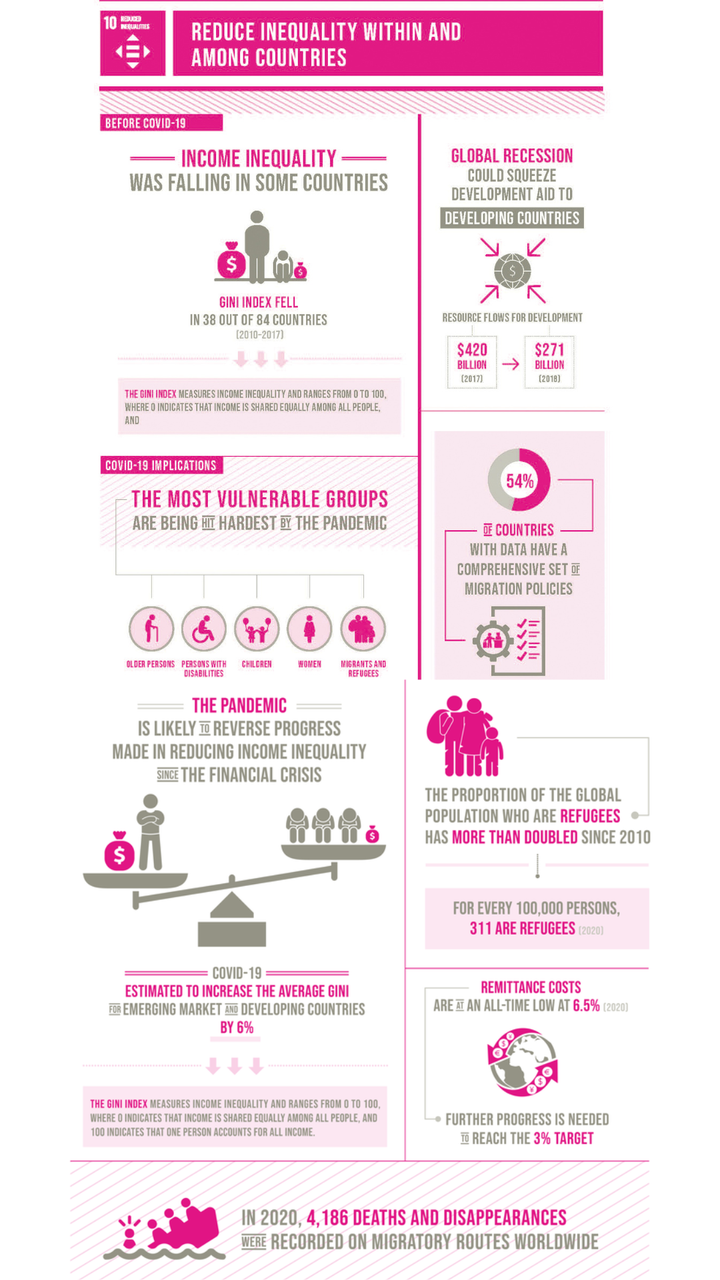
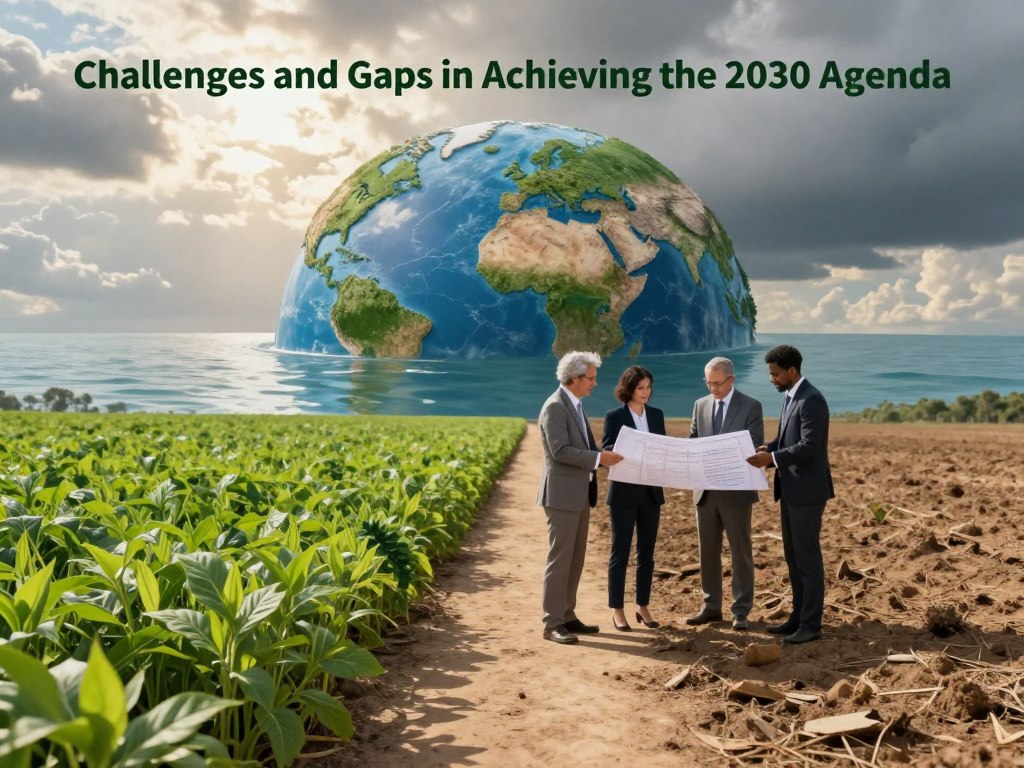
Did you know that the Global South, comprising 134 countries, is home to about 80 percent of the world’s population? Despite generating over 40 percent of global economic output, a staggering 3.4 billion people live in nations where debt payments exceed combined spending on health and education. This stark reality highlights the pressing need for innovative solutions to tackle inequality.
As we delve into the complexities of reducing disparities, it’s crucial to recognize the unique position of South-South partnerships. Unlike traditional aid models, these collaborations are rooted in mutual benefit and respect for national sovereignty. They offer a fresh approach to addressing the persistent challenges faced by developing nations.
Moreover, the emergence of advanced technologies like artificial intelligence and blockchain presents unprecedented opportunities. These tools can empower countries historically sidelined in previous industrial revolutions, enabling them to leapfrog into a more equitable future.
In this article, we will explore how the principles of cooperation and innovation can forge pathways to a more inclusive world, ultimately addressing the elusive goal of reducing inequalities.
Understanding SDG #10 and the United Nations Day of South-South Cooperation
The Global South is a vibrant tapestry of 134 nations, representing about 80% of the world’s population. This region faces significant challenges, particularly regarding inequality. The Sustainable Development Goal of reduced inequalities also known as SDG #10 focuses on reducing inequalities both within and among countries. It emphasizes the need to address income disparities, social exclusion, and unequal representation in global governance.
This goal serves as a crucial link between various sustainable development objectives. Unlike goals that target specific sectors like health or education, SDG #10 confronts the very structure of inequality. It aligns seamlessly with the foundational principles of South-South partnerships, which advocate for equitable knowledge and resource sharing among developing nations.
Overview of SDG #10: Reducing Inequalities
SDG #10 is not merely a standalone target; it is the connective tissue linking all other sustainable development goals. It seeks to address:
Income disparities across nations.
Social exclusion affecting marginalized communities.
Discriminatory policies that perpetuate inequality.
Unequal representation in global governance structures.
The Significance of the United Nations Day for South-South Cooperation
The United Nations Day for South-South Cooperation is pivotal in recognizing the importance of collaborative efforts among developing countries. This day highlights how South-South partnerships can effectively tackle global challenges. The Buenos Aires Plan of Action, established in 1978, laid the groundwork for these cooperative initiatives. It promotes mutual support and knowledge exchange among nations, fostering a spirit of solidarity.
Role of South-South and Triangular Cooperation in Sustainable and International Development
South-South and triangular cooperation play vital roles in implementing the 2030 Agenda. These forms of collaboration are not just supplementary mechanisms; they are strategic means of achieving sustainable development goals. The recent engagement of over 130 countries at the 22nd Session of the High-level Committee on South-South Cooperation illustrates the growing recognition of these partnerships. Member states increasingly view these collaborations as essential to navigating the complexities of global challenges.
Triangular cooperation, which involves partnerships between developing countries supported by developed nations, emphasizes respect for national sovereignty and mutual benefit. This approach complements traditional North-South cooperation by fostering a more inclusive development landscape.
In conclusion, the emphasis on reducing inequalities found in SDG #10 finds its most natural expression in South-South cooperation. This model recognizes that every country is both a provider and a recipient of knowledge, creating a more equitable global community.
The Nexus of 4th Industrial Technologies and Sustainable Development in the Global South
In the rapidly evolving landscape of the Global South, innovative technologies are emerging as key drivers of sustainable development. The convergence of artificial intelligence, machine learning, blockchain, the metaverse, and Web 3.0 presents unique opportunities for developing countries. These technologies are not only reshaping traditional sectors but also offering new solutions to long-standing challenges.
Emerging Technologies: AI, Machine Learning, Blockchain, Metaverse, and Web 3.0
The fourth industrial revolution can be a great equalizer. Unlike past revolutions that concentrated wealth and technology in the Global North, these emerging technologies are inherently distributed. Countries in the Global South can adopt and adapt these innovations without needing extensive legacy infrastructure.
For instance, AI and machine learning applications are transforming agriculture and permaculture. Predictive crop modeling and soil health monitoring are being shared among developing nations through south-south triangular cooperation. This reduces reliance on proprietary technologies from the North.
Integration of Technology with Key Sectors: Data Centers, Ecotourism, and Agriculture
Blockchain technology is enhancing supply chain transparency in ecotourism. Immutable ledgers allow small island developing states to verify sustainable practices and ensure that tourism revenue benefits local communities. This shift is crucial for maintaining the integrity of ecotourism and fostering economic growth.
Data centers are becoming critical infrastructure in the Global South. With foreign direct investment flows quadrupling since the 1990s, countries are increasingly directing resources toward digital infrastructure. This enables them to host their own data, addressing sovereignty issues related to data exportation.
Addressing Challenges in Small Island Developing States and Remote Rural Communities
Small island developing states face unique challenges such as rising sea levels and limited land mass. However, these nations are also motivated to adopt renewable energy microgrids and AI-driven disaster preparedness systems. Such initiatives are often facilitated through south-south triangular cooperation, enabling shared knowledge and resources.
Remote rural communities are leveraging satellite-enabled connectivity and drone-based logistics to bridge infrastructure gaps. These advancements allow isolated populations to engage in digital economies without waiting for traditional infrastructure development.
Technology
Sector Impacted
Key Benefits
AI & Machine Learning
Agriculture
Improved crop yields, climate resilience
Blockchain
Ecotourism
Transparency, local revenue retention
Data Centers
Digital Infrastructure
Data sovereignty, economic growth
Renewable Energy
Energy
Reduced dependence on imports, sustainability
Remote Sensing
Forestry
Deforestation monitoring, conservation
These technological integrations are not just theoretical. The surge in south-south trade, projected to reach US$6.8 trillion by 2025, demonstrates that developing countries are exchanging goods, services, and digital solutions at an unprecedented scale. This evolution transforms south-south cooperation from a mere knowledge-sharing exercise into a vibrant ecosystem of technology transfer and co-innovation.
Environmental and Social Impacts on Inequalities (SDG #10): Challenges and Opportunities
Environmental factors have become critical players in the growing inequalities faced by developing nations. The countries least responsible for historical carbon emissions are suffering the most severe consequences of climate change. This creates a feedback loop where environmental degradation deepens economic and social disparities.
Climate change operates as an inequality multiplier. Droughts destroy agricultural livelihoods in remote rural communities, while floods displace populations in Small Island Developing States. Extreme weather events strain public health systems that are already weakened by debt service obligations exceeding health and education spending for 3.4 billion people.
Forestry presents a dual-edged sword. Deforestation driven by global commodity demand strips developing countries of natural capital. However, reforestation and permaculture initiatives—often shared through south-south cooperation—offer pathways to carbon sequestration, biodiversity restoration, and sustainable livelihoods.
Environmental and Social Impacts on Inequalities (SDG #10): Challenges and Opportunities continuing…
Permaculture is a specifically Southern innovation. Regenerative agricultural practices that mimic natural ecosystems are being exchanged among developing countries through south-south triangular cooperation. This reduces dependence on expensive synthetic inputs and builds climate resilience from the ground up.
Shifting to social dimensions, responsible travel and aviation are not neutral industries. They carry embedded inequalities in who travels, who benefits from tourism revenue, and whose carbon footprint is externalized onto communities that never board a plane.
Community-based ecotourism models can positively affect inequalities. Verified through blockchain-based certification, these models ensure that tourism revenue circulates within local economies rather than leaking to foreign-owned resorts and international tour operators.
Aviation plays a crucial role in global relations. Direct south-south air routes reduce the time and cost of cooperation among developing countries. Sustainable aviation fuel initiatives and carbon offset programs, if designed equitably, can channel resources from high-emitting travelers to conservation projects in the Global South.
…Continuing of Environmental and Social Impacts on Inequalities (SDG #10): Challenges and Opportunities
The Dushanbe Water Conference highlighted that water security is no longer solely an environmental issue but a major socio-economic, peace, and security priority. This illustrates how environmental and social impacts are inseparable in the inequality equation.
At the World Urban Forum in Baku, rapid urbanization in the Global South was discussed. This creates new inequalities related to housing, infrastructure, and services that require south-south triangular cooperation approaches to address effectively.
Social impact can affect inequalities in both directions. Exclusionary policies, discriminatory practices, and unequal access to technology widen gaps. Conversely, inclusive governance, participatory design, and equitable technology deployment can narrow them.
Finally, leveraging technology offers concrete mechanisms to mitigate the environmental and social impacts driving inequality. AI for climate modeling, blockchain for transparent climate finance, renewable energy microgrids for energy access, and telemedicine for public health are all solutions that can be deployed through south-south cooperation frameworks prioritizing equity over extraction.
Conclusion: Advancing SDG #10 through South-South Cooperation and Emerging Technologies
As we navigate the complexities of global development, the role of collaborative frameworks becomes increasingly vital. The Global Alliance for South-South and Triangular Cooperation embodies a structural response to the pressing challenges identified throughout this article. This initiative, launched on the 2026 observance, connects countries with the expertise and resources needed to foster real-world solutions.
By leveraging emerging technologies like AI and blockchain, nations can address inequalities more effectively. The Global Alliance facilitates partnerships that scale proven innovations and supports implementation through knowledge sharing and technical exchanges.
Ultimately, the future of inclusive sustainable development hinges on abandoning outdated models. The collective action emphasized in the 2026 theme, “Solidarity Rising,” reflects the necessity for cooperation across all sectors. The solutions and innovations required to advance these goals already exist within the Global South; the challenge lies in connecting them.
Countries that have contributed least to global inequality are leading the way in pioneering solutions. Through collaboration, there is much to learn from their experiences, paving the path toward a more equitable future.
Key Takeaways
The Global South generates over 40% of global economic output.
3.4 billion people live in countries prioritizing debt service over health and education.
South-South cooperation emphasizes mutual benefit and respect for sovereignty.
Advanced technologies can democratize opportunities for developing nations.
Innovative solutions are essential for addressing persistent inequalities.
Looking ahead, we see a blend of cultural traditions and today’s environmental needs. This guide builds on our earlier work, “Week of Aug 9 to 16: Reflect on Sustainability and Holidays.” It covered Singapore’s independence and Indigenous Peoples’ Day.
We see these August 2026 events as a mix of independence days, remembrance, and cultural highlights. Our aim is to view these through a green lens. This supports local efforts rather than pushing a single environmental message.
Planning travel, education, or community projects? These sustainability initiatives August 2026 guide you. By honoring the unique nature of global observances sustainability August 2026, we can build stronger international ties.
August 2026 sustainability adjacent national holidays and global observances: context from the 2025 calendar
We’re looking at August 2026 with a new lens. Our previous review helped us understand how to mix cultural events with caring for the planet.
How the 2025 sustainability-and-holidays article informs the 2026 edition
Connect independence, remembrance, culture, and environmental stewardship without treating national holidays as interchangeable
Last year, we learned that national holidays August 2026 are more than just dates. Days like the National Day of Benin or Emancipation Day in Guyana have deep meanings. We should respect these days and not just use them for any message.
Independence days often talk about being self-sufficient and managing resources well. By understanding these celebrations, we connect better with global goals.
Using a green lens for a United States audience
Respect local meaning while highlighting community resilience, food systems, biodiversity, energy, water, mobility, and waste reduction
In the U.S., we need to make global events meaningful for our local lives. We focus on August 2026 calendar sustainability events that matter here. This way, we can live in a way that’s good for the planet.
When we talk about things like saving water or protecting nature, we aim to make it real. We want our readers to see how they can make a difference every day.
How to read the August 2026 calendar
Separate fixed dates, movable observances, national holidays, regional celebrations, awareness days, and month-long campaigns
To make the calendar useful, we sort events by type. We need to know the difference between official holidays and community efforts. This helps groups plan their August 2026 eco-friendly holidays well.
Event Category
Primary Focus
Sustainability Potential
National Holidays
Statehood & History
High (Policy & Civic)
Awareness Days
Specific Causes
Very High (Action)
Regional Celebrations
Local Heritage
Moderate (Community)
Month-long Campaigns
Broad Advocacy
High (Educational)
August 1–4: independence, emancipation, regional identity, and sustainable beginnings
As August starts, people around the world celebrate important days. These days remind us of the power of freedom and local traditions. They teach us to think deeply about our communities.
August 1 national and regional celebrations
National Day of Benin and Benin Independence Day
The National Day of Benin and Benin Independence are big moments for West Africa. They celebrate the country’s fight for freedom and its cultural pride.
Colorado Day and Emancipation Day in Guyana
In the U.S., Colorado celebrates becoming a state. Emancipation (Guyana) marks the end of slavery. Both days help us think about freedom and growth.
Guadalcanal Province Day, Switzerland National Day, and Yorkshire Day
Guadalcanal Province and Switzerland National Day focus on local and national unity. Yorkshire Day celebrates the unique culture of a historic English area.
Makira-Ulawa Province Day and Pidjiguiti Day
Makira-Ulawa Province Day is about pride in the Solomon Islands. Pidjiguiti Day is a serious reminder of the fight for freedom in Guinea-Bissau.
August 2–4 civic and cultural milestones
Republic Day in North Macedonia
Republic Day in North Macedonia is key for civic identity. It makes people think about their country’s democracy.
Cook Islands Constitution Day and Founder’s Day
Cook Islands Constitution Day and Founder’s Day worldwide highlight important laws and history. They shape our modern societies.
Matica Slovenska Day and National South Carolina Day
Matice Slovenska Day is about keeping Slovak culture alive. National South Carolina Day celebrates the Palmetto State’s history and beauty.
Making celebrations more sustainable
Support local producers, public transportation, reusable serviceware, cultural preservation, and community-led conservation
To make these holidays greener, we need to act on purpose. Choosing local products and public transport helps reduce waste. It also honors our cultural heritage.
Holiday
Primary Focus
Sustainability Action
Benin Independence
National Sovereignty
Support local artisans
Colorado Day
State Identity
Use public transit
Switzerland National
Cultural Unity
Reusable serviceware
South Carolina Day
Regional Heritage
Community conservation
August 5–8: national independence, landlocked development, and living landscapes
The start of August is a key time. It’s where history meets global teamwork. It makes us think about how our national identity helps us tackle big challenges.
August 5 observances and cultural continuity
Burkina Faso Independence Day
Burkina Faso celebrates its freedom. This day shows the nation’s fight for self-rule. It reminds us of the need for a strong future in the Sahel.
World Wide Web Day, Blogger Day, and International Clouded Leopard Day
We celebrate digital connections and wildlife. International Clouded Leopard Day shows how important it is to protect rare animals. It encourages us to use tech to help endangered species.
August 6 national days and development themes
Bolivia Independence Day and Jamaica Independence Day
The days of Bolivia & Uruguay Independence and Jamaica & Ukraine Independence show different paths to freedom. They help us see how freedom and economic stability connect.
International Day of Awareness of the Special Development Needs and Challenges of Landlocked Developing Countries
This day focuses on the special problems of countries without sea access. Solving these issues is key for strong supply chains and fair global markets.
Farmworker Appreciation Day and Celebrations of San Salvador
Farmworker Appreciation Day honors the people who grow our food. The Battle of Boyaca and San Salvador celebrations remember the struggles that shaped our regions.
August 7–8 remembrance and community observances
Côte d’Ivoire Independence Day and Peace Festival Augsburg
Ivory Coast/Côte d’Ivoire Independence is a time for national pride and looking back on progress. The Peace Festival Augsburg teaches us about solving conflicts and the power of community.
National Tarantula Appreciation Day and National Minority Donor Awareness Day
These days highlight the value of diversity and health. They teach us to appreciate the complex world around us, like the tarantula.
Made in the Philippines Product Week
Made in the Philippines Product Week celebrates local crafts and green production. Buying local goods helps the planet and supports local communities.
Green connections for food, biodiversity, and equitable development
Link farmworker recognition with soil health, fair labor, agroecology, and habitat protection
Real sustainability links farmworkers to the health of our soil. Supporting fair labor helps our soil and protects nature.
“The health of our soil is inextricably linked to the dignity of those who tend it; true progress is measured by how we treat both the land and the worker.”
Observance
Primary Focus
Sustainability Impact
International Clouded Leopard Day
Biodiversity
Habitat preservation
Landlocked Countries Day
Economic Development
Supply chain resilience
Farmworker Appreciation Day
Social Equity
Agroecology support
Made in the Philippines Week
Local Economy
Reduced carbon footprint
August 9–12: Indigenous knowledge, humanitarian action, and healthy ecosystems
Between August 9 and 12, we see a mix of global heritage, humanitarian efforts, and caring for our planet. This time invites us to think about how national and international events help us work towards a sustainable future.
August 9 national and international observances
Singapore National Day
Singapore National Day is a big moment for the country. It shows how a small nation can grow fast while taking care of the environment.
Nagasaki Memorial Day and International Day of the World’s Indigenous Peoples
The Nagasaki Memorial reminds us of the cost of war. The International Day of the World’s Indigenous Peoples focuses on keeping ancient wisdom alive. It’s key to listen to Indigenous leaders for a better environment.
Suriname Indigenous People’s Day
Suriname Indigenous People’s Day is important for recognizing local culture. It helps keep our world diverse and rich.
August 10 national celebrations and nature awareness
Ecuador Independence Day and Abai Day
Ecuador Independence Day celebrates freedom. Abai Day honors Abai Qunanbaiuly’s work. These days show how national pride and cultural history go hand in hand.
International Biodiesel Day and World Lion Day
International Biodiesel Day promotes cleaner energy. World Lion Day highlights the need to protect wildlife and their homes.
Celebrations of Santo Domingo begin
The start of Santo Domingo’s festivities adds color to the calendar. These events help bring communities together for a greener future.
August 11–12 youth, heritage, and humanitarian themes
Chad Independence Day and Steelpan Day
Chad Independence Day shows the nation’s strength. Steelpan Day celebrates Caribbean music. Both days show how culture strengthens communities.
International Youth Day and World Lizard Day
International Youth Day empowers young people to fight climate change. World Lizard Day reminds us to protect all life on Earth.
Hip Hop Day, World Elephant Day, and Mother’s Day in Thailand
Hip Hop Day shows the power of music. World Elephant Day and Mother’s Day in Thailand highlight the importance of caring for our planet and each other.
Glorious Twelfth and Woman Astronomers Day
The Glorious Twelfth starts the hunting season, sparking debates. Woman Astronomers Day celebrates women in science, inspiring the next generation.
Environmental applications for schools and communities
Center Indigenous leadership, youth participation, wildlife corridors, clean fuels, and creative climate communication
Schools can use these dates to teach about sustainability. By centering Indigenous leadership and youth participation, they can create better climate plans.
Communities should work on wildlife corridors and clean fuels. Using creative climate communication can make environmental issues easier to understand.
August 13–16: liberation, migration, food cultures, and shared memory
The middle of August is a time of deep reflection. It’s when we think about history, culture, and freedom. It’s a chance to see how big events and traditions shape our world.
August 13–14 milestones
Anniversary of the Recovery of Oued Ed-Dahab
The Anniversary of the Recovery of Oued Ed-Dahab is a big moment. It reminds us of the complex history of a region. It shows the power of coming together as a nation.
National Lizard Day, National Aviation Week, and Navajo Code Talkers Day
These days show our diverse interests. From National Lizard Day to Navajo Code Talkers Day, they teach us about the world. National Aviation Week makes us think about how we travel and its impact on the planet.
Pramuka Day and Pakistan Independence Day
Pramuka Day celebrates scouting and youth. Pakistan Independence Day honors a nation’s culture and freedom. Both days are about building community and getting involved.
National Aviation Day and National Zoo Awareness Day
National Aviation Day looks at aerospace progress, while National Zoo Awareness Day is about wildlife. These days help us talk about protecting our environment and animals.
August 15 national days and historic foundations
India Independence Day and Liechtenstein National Day
India Independence Day celebrates freedom and democracy. Liechtenstein National Day shows the country’s culture and history.
National Acadian Day and Malaita Province Day
National Acadian Day honors the Acadian people’s strength and heritage. Malaita Province Day celebrates the Solomon Islands’ pride and goals.
Foundation of Old Panama City and Founding of Asunción in Paraguay
The Foundation of Old Panama City and the Founding of Asunción in Paraguay highlight the history of cities in the Americas. They give us a chance to learn about city growth and preserving heritage.
National Liberation Day of Korea and the Parsi New Year
The National Liberation Day of Korea is a symbol of freedom. The Parsi New Year is about renewal, family, and keeping traditions alive.
August 16 cultural and religious observances
Women’s and Family Day
Women’s and Family Day celebrates the role of families in keeping communities strong. It’s a time to honor women’s contributions to our world.
Cook Islands, South Asian, and diaspora celebrations that emphasize food, family, and community ties
These celebrations focus on food and cultural exchange. They show how important it is to keep traditions alive, even when far from home.
Low-impact approaches to large public celebrations
Prioritize accessible transit, heritage conservation, plant-forward menus, water refill stations, and responsible tourism
Big events can be made greener by focusing on accessible transit and heritage conservation. Using plant-forward menus and water refill stations can also help. By encouraging responsible tourism, we protect local cultures and the environment.
Date
Observance
Primary Theme
August 13
Anniversary of the Recovery of Oued Ed-Dahab
National Unity
August 14
Pakistan Independence Day
Sovereignty
August 15
India Independence Day
Freedom
August 15
Parsi New Year
Cultural Renewal
August 16
Women’s and Family Day
Social Cohesion
August 17–20: constitutions, liberation anniversaries, learning, and planetary health
Between August 17 and 20, we see a mix of political freedom, learning, and caring for our planet. These days make us think about how we can balance our national identity with global responsibility in today’s fast-changing world.
August 17 national holidays
Gabon Independence Day and National Massachusetts Day
Gabon Independence Day reminds us of the nation’s path to freedom. National Massachusetts Day celebrates the roots of the United States. Both days teach us to value the systems that keep our societies strong.
Indonesia Independence Day and Slovenians in Prekmurje Incorporated into the Mother Nation Day
Indonesia Independence Day celebrates freedom and unity. Slovenians in Prekmurje Incorporated into the Mother Nation Day honors a people’s culture and land. It shows how shared heritage is key in today’s governance.
August 18–19 civic, cultural, and humanitarian observances
Indonesia Constitution Day and Made in the Philippines Product Week
Indonesia Constitution Day strengthens the laws that protect democracy. Made in the Philippines Product Week boosts local businesses and ethical shopping. Both are crucial for sustainable growth.
International Orangutan Day and National Aviation Day
International Orangutan Day focuses on saving endangered species. National Aviation Day celebrates technology but also talks about travel’s carbon footprint.
World Humanitarian Day and the environmental needs of displaced communities
World Humanitarian Day brings attention to displaced people. It’s important to meet their environmental needs, like safe water and energy.
August 20 environmental and public-health observances
Hungary National Day and World Mosquito Day
Hungary National Day honors the nation’s history. The World Mosquito Day reminds us of the need for disease prevention in a warmer world.
World Distance Learning Day and World Plant Milk Day
Genuially, World Distance Learning Day shows the power of online education. World Plant Milk Day encourages us to choose food that’s better for our planet.
National Zoo Awareness Day and International Biodiesel Day connections
National Zoo Awareness Day connects us with wildlife conservation. International Biodiesel Day promotes cleaner energy to replace fossil fuels.
Sustainability themes for institutions and households
Pair digital access with energy efficiency, responsible disease prevention, habitat protection, and lower-impact food choices
Institutions and homes can make these days part of their daily life for a greener future. By using digital tools wisely and saving energy, we can help the planet while reaching more people.
Observance
Primary Focus
Sustainability Impact
International Orangutan Day
Wildlife Conservation
Habitat Protection
World Plant Milk Day
Dietary Choices
Resource Conservation
International Biodiesel Day
Renewable Energy
Carbon Reduction
World Distance Learning Day
Education
Energy Efficiency
August 21–24: remembrance, religious freedom, flags, and national renewal
The time from August 21 to 24 is a bridge between looking back and moving forward. It’s a time to face global truths and celebrate the strength of countries.
August 21–22 observances
International Day of Remembrance and Tribute to the Victims of Terrorism
August 21 is the International Day of Remembrance and Tribute to the Victims of Terrorism. It’s a day to honor those hurt by violence and to stand together for peace.
Russian Flag Day and Liberian Flag Day
On August 22, we celebrate the Russian & Liberia Flag. These days are about national pride and the symbols of our shared history.
International Day Commemorating the Victims of Acts of Violence Based on Religion or Belief
August 22 also marks the International Day Commemorating the Victims of Acts of Violence Based on Religion or Belief. It reminds us of the fight for human rights and the importance of freedom of belief.
World Plant Milk Day and the Day of the National Flag
Amid serious days, August 22 also celebrates the Day of the National Flag. Plus, World Plant Milk Day encourages us to think about our food’s impact on the planet.
August 23 historical remembrance
International Day for the Remembrance of the Slave Trade and Its Abolition, recognized by UNESCO
August 23 is for the International Day for the Remembrance of the Slave Trade and Its Abolition [UNESCO]. It confronts us with the dark history of slavery and the ongoing fight for equality.
European Day of Remembrance for Victims of Stalinism and Nazism
The European Day of Remembrance for Victims of Stalinism and Nazism is also on this day. It warns us against the dangers of total control and the loss of freedom.
August 24 national and revolutionary milestones
Ukraine Independence Day and Revolution Commemoration
August 24 celebrates Ukraine Independence and Revolution Commemoration. These events show our desire for freedom and the bravery to fight for it.
Anniversary of the Revolution of the King and the People
This day also honors the Anniversary of the Revolution of the King and the People. It shows the bond between leaders and their people.
Turning remembrance into responsible action
Address environmental injustice, protect cultural sites, challenge exclusion, and support peacebuilding organizations
Real remembrance leads to action. By linking past lessons to today’s issues, we can build a fairer world.
Protect cultural sites threatened by war or neglect.
Address environmental injustice by helping communities harmed by pollution.
Challenge exclusion in laws to make sure everyone’s voice is heard.
Support peacebuilding organizations that aim to stop violence before it starts.
August 25–31: independence anniversaries, African heritage, and environmental responsibility
As August ends, we see a mix of national pride, human rights, and caring for our planet. This week, we think about how past events shape our future. We aim for a world that’s both sustainable and fair.
August 25–27 national and regional celebrations
Uruguay Independence Day
On August 25, we celebrate Uruguay Independence Day. It makes us think about the importance of democracy and nature. It shows how a nation’s identity is tied to its culture and environment.
National Zoo Awareness Day and community conservation initiatives
Then, National Zoo Awareness Day focuses on zoos and saving nature. These places are key for learning and research. They help us understand and protect our planet.
August 28–29 civic and international observances
Emirati Women’s Day
Emirati Women’s Day celebrates women’s roles in the UAE. It shows how important it is to include everyone in solving big problems like climate change.
International Day against Nuclear Tests
The International Day against Nuclear Tests looks at how safety and nature are connected. It reminds us of the lasting effects of nuclear tests on our planet and health.
National Diatomaceous Earth Day and science-based environmental education
National Diatomaceous Earth Day teaches us about natural ways to farm and control pests. It promotes learning about the environment. This helps us care for our soil and water.
August 30 remembrance and human rights
International Day of the Victims of Enforced Disappearances
The International Day of the Victims of Enforced Disappearances is a serious day. It highlights the need for human rights in any society. It calls for truth and justice, key for a sustainable future.
Falklands observances and the importance of place-based historical context
Falklands observances show why knowing a place’s history is important. It helps in building peace and a sustainable future, especially in disputed areas.
“True sustainability requires us to honor the past while building a future that respects both human dignity and the natural world.”
August 31 national celebrations
Malaysia Independence Day and Trinidad and Tobago Independence Day
The month ends with Malaysia Independence Day and Trinidad and Tobago Independence Day. These days are great for thinking about how these countries balance growth and protecting the environment.
International Day for People of African Descent
The International Day for People of African Descent celebrates African culture and strength. It’s a time to recognize the important role Africans play in saving our planet.
National Acadian, Caribbean, and Southeast Asian cultural connections
Looking at National Acadian, Caribbean, and Southeast Asian cultural connections shows how diverse traditions help us care for the planet. These cultures share knowledge that’s crucial for solving today’s environmental problems.
End-of-month sustainability actions
Use cultural programming to support environmental justice, ocean protection, biodiversity, and transparent civic participation
As we wrap up the month, think about how culture can lead to change. Here are some ways to make your community more sustainable:
Support environmental justice by talking about local issues in your events.
Promote ocean protection with workshops on marine life.
Encourage transparent civic participation by inviting leaders to talk about green policies.
August 2026 sustainability awareness days for nature, technology, and public health
In August 2026, we find a special mix of days that focus on the environment, health, and tech. These days are more than just dates. They help us live more mindfully and make big changes.
Wildlife and ecosystem observances
World Lion Day, International Clouded Leopard Day, World Elephant Day, International Orangutan Day, and World Lizard Day
These days remind us of the need to protect our planet’s animals and their homes. By focusing on animals like lions and elephants, we learn about the health of our ecosystems.
National Tarantula Appreciation Day, National Zoo Awareness Day, and National Diatomaceous Earth Day
Many people don’t think about the small creatures or the role of places like zoos. National Zoo Awareness Day and National Diatomaceous Earth Day help us understand the importance of conservation and managing pests.
International Lake Day, World Environment Day-related programming, and habitat restoration
Lakes are key to keeping our environment healthy. International Lake Day and World Environment Day help us work together on projects that protect our planet.
Health, food, and household sustainability observances
World Mosquito Day, World Breastfeeding Week, World Plant Milk Day, and International Biodiesel Day
What we eat and how we use energy affects many people. Days like World Plant Milk Day show us how to live in a way that’s better for the planet.
National Minority Donor Awareness Day and humanitarian health initiatives
Health fairness is crucial for a sustainable world. National Minority Donor Awareness Day shows us the need for healthcare that works for everyone.
Technology, learning, and communication
World Distance Learning Day, World Wide Web Day, Blogger Day, and Woman Astronomers Day
Technology can share knowledge widely, but it also uses a lot of energy. World Wide Web Day and Blogger Day teach us that our online actions affect the planet.
Use digital tools to expand environmental education while reducing misinformation and unnecessary energy use
We should use World Distance Learning Day to teach real knowledge, not just digital noise. Celebrating Woman Astronomers Day shows the value of science in fighting misinformation.
August 2026 cultural months, weeks, and community campaigns
August 2026 is filled with community-driven campaigns. They connect cultural heritage with sustainable living. These observances give us a chance to live more eco-friendly while celebrating different traditions.
Month-long observances
Black Business Month and support for environmentally responsible entrepreneurs
Black Business Month is a key time to support minority-owned businesses that focus on green innovation. By backing these companies, we help build a fair and green economy.
American Adventures Month and lower-impact domestic travel
American Adventures Month encourages us to explore our own country. It’s a great time to choose lower-impact domestic travel like trains or local hikes. This helps reduce the carbon footprint of travel.
Week-long observances
World Breastfeeding Week and family-friendly public infrastructure
World Breastfeeding Week stresses the need for public spaces that are family-friendly. Such spaces are key to social sustainability and community health.
National Aviation Week and cleaner aviation, rail, and regional mobility conversations
National Aviation Week is a chance to talk about cleaner travel options. We need to find ways to connect while reducing emissions.
Made in the Philippines Product Week and ethical, durable purchasing
Made in the Philippines Product Week highlights the importance of quality and ethics. Buying durable goods helps reduce waste and supports fair trade.
Clutter Awareness Week and repair, reuse, donation, and responsible disposal
Clutter Awareness Week urges us to think about our buying habits. It encourages us to repair, reuse, donate, and dispose of items responsibly.
Community celebrations with environmental value
Lughnasadh, Parsi New Year, San Salvador celebrations, Santo Domingo celebrations, and regional harvest traditions
Cultural events like Lughnasadh and the Parsi New Year are deeply connected to nature. They often focus on seasonal foods and the natural world’s rhythms.
Build programs around seasonal foods, cultural consent, waste prevention, and local ecological knowledge
When planning events, it’s important to respect cultural consent. Sustainability works best when it’s a community effort. By focusing on waste and traditional wisdom, we keep these celebrations meaningful and green.
U.S. planning guide for August 2026 eco-friendly holidays
Planning eco-friendly events for August 2026 needs careful planning and respect for cultures. By linking local events with global days, we can engage people and care for our planet.
Build a responsible observance calendar
Confirm official dates, distinguish federal holidays from awareness days, and identify local government or cultural authorities
Start by checking the exact dates for important days like International Youth Day or International Day of the World’s Indigenous Peoples. It’s important to know the difference between federal holidays and awareness days, like National Minority Donor Awareness Day or Woman Astronomers Day.
Talking to local government or cultural groups helps make sure your event is respectful. This is especially true for days like the Revolution Commemoration or National Acadian celebrations. Make sure to check the timing for Santo Domingo Celebrations Start to keep your efforts meaningful and respectful.
Choose practical sustainability initiatives
Organize park cleanups, tree care, habitat restoration, food drives, blood donation, climate education, and energy audits
Turn your calendar into action with initiatives that help the local environment. You could have a park cleanup during Clutter Awareness Week or tree care sessions on National Zoo Awareness Day.
Use National Diatomaceous Earth Day for educational workshops or energy audits when needed. These actions, along with food drives and blood donation, make a real difference in your community.
Make sure your events are open to everyone. Provide clear public-transit info and ADA-accessible paths. Use refill stations and composting to reduce waste.
Choose reusable over single-use plastics to show you care about the planet. Also, use multilingual signs to share the importance of days like the International Day for People of African Descent or the Remembrance of the Slave Trade and Its Abolition [UNESCO] with all attendees.
Measure impact without reducing culture to metrics
Track participation, waste avoided, meals donated, habitat improved, and community feedback while honoring cultural meaning
While numbers are important, they shouldn’t be the only focus. Days like the International Day against Nuclear Tests or the International Day of the Victims of Enforced Disappearances carry deep cultural significance. Mix qualitative feedback with numbers like waste reduction or meals given out.
When remembering the International Day of Remembrance and Tribute to the Victims of Terrorism or the International Day Commemorating the Victims of Acts of Violence Based on Religion or Belief, focus on the human stories. Balance Awareness of the Special Development Needs and Challenges of Landlocked Developing Countries with local traditions like National Connecticut events. This way, you leave a lasting, thoughtful mark.
How to connect national holidays with global sustainability goals
August is a mix of human history and caring for our planet. It marks the Foundation of Old Panama City and the Founding of Asuncion in Paraguay. These dates make us think about our common past. It’s important to respect cultures and care for the environment at the same time.
By honoring the past, we help protect the future. Celebrating the Nagasaki Memorial or Ukraine Independence Day shows us the importance of peace. Joining World Humanitarian Day or the International Day for People of African Descent helps fight for fairness worldwide.
Everyone can pick actions that match their values. You might support Black Business Month or help reduce waste with Clutter Awareness Week. Celebrating World Elephant Day or learning about National Diatomaceous Earth Day connects us to our planet.
Every holiday, from the Anniversary of the Revolution of the King and the People to the Parsi New Year, is a chance to grow. Being intentional helps keep cultural traditions alive. Let these events guide you toward a greener, more aware lifestyle this month.
FAQ
Q: How does the August 2026 calendar build upon the sustainability insights from the previous year?
A: The 2026 calendar builds on the 2025 framework, focusing on sustainability and holidays. It links national celebrations like Singapore National Day and India Independence Day with caring for the environment. The 2026 guide also includes more global observances.It shows that sustainability initiatives should fit local needs, not just follow a generic plan. This approach respects cultural differences while promoting environmental care.
Q: Why is it important to distinguish between national independence days and international awareness days?
A: It’s key to keep these days separate to avoid a shallow calendar. National holidays, like National Day of Benin or Bolivia Independence Day, hold deep political and sovereign importance. Awareness days, such as International Biodiesel Day or World Steelpan Day, focus on specific causes.This distinction helps cultural diplomats and global professionals honor historical milestones. It also lets them promote important causes like habitat restoration or clean energy.
Q: How can digital-themed observances like World Wide Web Day and Blogger Day support environmental goals?
A: Digital tools use energy, but World Wide Web Day and Blogger Day can help teach about the environment. In 2026, these days encourage using modern technology to share science-based environmental education.It’s important to also talk about the carbon footprint of data centers and the spread of climate misinformation.
Q: What is the significance of the International Day of Awareness of the Special Development Needs and Challenges of Landlocked Developing Countries?
A: This day highlights the unique challenges faced by countries without sea access. It focuses on market access and equitable development. This day shows how transport costs and infrastructure needs impact sustainability in 32 landlocked nations.It bridges the gap between international relations and environmental justice.
Q: How do wildlife-focused days like World Lion Day and International Clouded Leopard Day intersect with human development?
A: Days like World Lion Day and International Clouded Leopard Day stress the importance of habitat protection and biodiversity. They advocate for wildlife corridors and community-led conservation.These efforts show that healthy ecosystems are vital for the stability of the regions celebrating their national holidays.
Q: In what ways does World Humanitarian Day address environmental concerns in 2026?
A: World Humanitarian Day focuses on the environmental needs of displaced communities. It ensures safe water, sanitation, and energy access for refugees and those affected by conflict or climate disasters.This day reminds us that sustainability is linked to human rights and peacebuilding.
Q: How can households participate in sustainability through dates like World Plant Milk Day and Clutter Awareness Week?
A: These dates offer ways for conscious consumers to reduce waste and make lower-impact food choices. World Plant Milk Day encourages plant-forward menus. Clutter Awareness Week promotes the circular economy through repair, reuse, and responsible disposal.These efforts show that global observances can lead to immediate local action.
Q: Why are cultural milestones like Parsi New Year and Lughnasadh relevant to sustainability?
A: Festivals like Parsi New Year (Navroz) and the Celtic harvest festival Lughnasadh are rooted in local ecological knowledge and seasonal foods. By honoring these traditions, travelers and community planners can support cultural preservation.They also promote biodiversity education and responsible tourism.
Q: What role does public health play in the August 2026 eco-friendly calendar?
A: Days like World Breastfeeding Week and World Mosquito Day connect public health with sustainable infrastructure and responsible disease prevention. National Minority Donor Awareness Day highlights the need for equitable healthcare systems.This is a key part of the United Nations Sustainable Development Goals.
Q: How should U.S.-based organizations plan for niche observances like Woman Astronomers Day or National Diatomaceous Earth Day?
A: Organizers should use these days to build community resilience and science-based learning. Whether celebrating Woman Astronomers Day to promote STEM education or using National Diatomaceous Earth Day to discuss natural pest control, the goal is to have a real impact.It’s important to verify official dates and work with cultural authorities to ensure authenticity and measurable results.
Q: How can the Anniversary of the Revolution of the King and the People or Ukraine Independence Day be observed with a focus on sustainability?
A: These national revolutionary milestones can be honored by addressing environmental injustice and protecting cultural sites during times of change. In 2026, sovereignty is linked to managing natural resources and achieving energy independence.This makes climate resilience a modern form of national liberation.
Key Takeaways
Find a balance between cultural celebrations and caring for the environment.
Use this guide for travel, diplomacy, and community planning in August.
Remember, local needs should come first, not just green messages.
Expand on the insights from our 2025 research series.
Engage with different groups by respecting each celebration’s unique context.
Understanding the modern calendar is more than just tracking dates. It’s about having a practical framework for our global connections. By seeing July 2026 international holidays and observances sustainability as a whole, we go beyond just celebrating. We engage deeply.
This guide helps you understand global events that shape us. Whether you’re looking back at July 2025 or ahead to July 2026, these insights are key. They help us join in with purpose.
True global awareness is about understanding, not just hashtags. As we dive into the second part and the upcoming July 25–27, remember. Calendar dates are just the start. We must focus on caring for our planet, not just partying.
Using the July 2026 Sustainability Calendar Alongside Earlier Guides
Think of this calendar as a tool to connect your values with global actions. It builds on our past work, keeping you informed and engaged with global development.
By using these dates, you join a global movement. This movement focuses on long-term ecological health, not just trends.
How this calendar extends the July 2025 retrospective
This guide is a step forward from our July 2025 analysis. It offers practical steps for this year, building on the past.
We focus on continuity in international affairs. This ensures past lessons guide our current sustainable practices.
Connections to the first week of July 2026 guide and its second installment
For a full view of the month, check our first-week guide and its second part. They lay the groundwork for the entire month.
These articles set the stage for the month’s observances. They link national milestones with global conservation efforts in July’s second half.
Continuing the themes from the July 25–27 holidays and observances article
Our July 25–27 analysis is key to this calendar. It shows how biodiversity and climate justice meet.
See these days as the month’s peak. They remind us that green holidays aim for systemic change, not just personal choices.
How U.S. readers can use international observances for eco-friendly celebrations
In the U.S., international observances can change how we celebrate. Choose local food and public transit for your events.
True eco-friendly celebrations go beyond symbols. Use reusable items and support local initiatives to reduce waste.
Adopting these sustainable practices helps tell a story of global responsibility. It’s time for our celebrations to show our commitment to the planet.
July 1–3: Nationhood, Cultural Identity, and Sustainable Community Traditions
As July starts, people around the world celebrate their heritage. They also think about how to protect the environment. It’s a time to balance pride in our communities with caring for the planet.
Canada Day, Ghana Republic Day, and Hong Kong Special Administrative Region Establishment Day
These days show different ways to celebrate national identity. Yet, they all face a big challenge: reducing waste. Canada Day, Ghana Republic Day, and Hong Kong Special Administrative Region Establishment Day often lead to a lot of trash.
Low-waste public celebrations, public transit, and community-based environmental programs
Organizers are now focusing on low-impact programming. They encourage using public transit instead of cars. This helps cut down on pollution from these big events.
Implementing zero-waste zones at public festivals.
Encouraging the use of reusable service ware for food vendors.
Integrating community-led cleanup initiatives immediately following the festivities.
Keti Koti and the importance of cultural memory, freedom, and responsible consumption
Keti Koti marks the end of slavery in Suriname and the Dutch Caribbean. It’s a time for deep reflection, not just big parties. It’s about remembering our history and valuing human dignity.
Supporting educational programs that teach about our history is key. By choosing meaningful experiences over buying lots of stuff, we keep the spirit of freedom alive.
Madeira Day, Territory Day, and Sir Seretse Khama Day
The start of July also celebrates regional identity with Madeira Day, Territory Day, and Sir Seretse Khama Day. These days remind us that national pride goes hand in hand with protecting our local environments.
Protecting island ecosystems, landscapes, and cultural heritage during national observances
National celebrations can harm our environment if not done carefully. We must protect our island ecosystems and landscapes. This means supporting sustainable tourism and preserving our heritage.
When we care for our natural surroundings, we ensure our celebrations can continue for future generations. Conservation is not an obstacle to celebration; it is the foundation of it.
King’s Birthday in Lesotho and sustainable celebrations centered on local livelihoods
The King’s Birthday in Lesotho shows us how to celebrate sustainably. The focus is on local crafts and farming. This approach supports the local economy and encourages environmental care.
By choosing local products, we reduce waste and help the local economy. This way, we celebrate while taking care of our planet.
International Retainer Day and practical ways to reduce waste from personal-care products
International Retainer Day is a chance to tackle waste in our daily lives. Personal-care products often lead to plastic pollution. But, making small changes can make a big difference.
We should look for brands with biodegradable or refillable packaging. Making these small changes shows our commitment to a cleaner future.
July 4–10: Independence Days, Environmental Responsibility, and Shared Freedom
The first ten days of July are filled with history and urgent needs for our planet. Nations celebrate their freedom, and caring for the earth becomes crucial for everyone.
Fourth of July in the United States: safer, greener alternatives to fireworks and single-use celebrations
The Fourth of July often leads to big energy use and waste. Fireworks release harmful substances into the air, and single-use items add to landfill waste.
Communities can choose greener alternatives. Hosting potlucks with reusable items is a good start. Laser light shows or music festivals are better than fireworks for the environment.
Belarus, Algeria, Venezuela, Malawi, Solomon Islands, Argentina, and Bahamas Independence Days
This week is packed with global events. We celebrate Belarus Independence Day, Algeria Independence Day, and Venezuela Independence Day. We also mark Malawi Independence Day, Solomon Islands Independence Day, Argentina Independence Day, Bahamas Independence Day, and Kiribati Independence Day.
Comparing national celebrations through the lenses of energy use, water conservation, and waste prevention
Nations celebrate differently, but all focus on being resource-efficient. Big gatherings need a lot of water and energy. Sustainable planning is key for the health of nations.
Observance
Primary Focus
Sustainability Impact
Argentina Independence Day
Cultural Heritage
Low-waste public events
Solomon Islands Independence Day
Island Resilience
Marine protection focus
Bahamas Independence Day
Tourism Management
Water conservation efforts
Colombia, Belgium, Liberia, Maldives, Peru, Vanuatu, Burundi, and Virgin Islands Days
The calendar continues with Colombia Day, Belgium Day, Liberia Day, Maldives Day, Peru Day, Vanuatu Day, Burundi Day, and Virgin Islands Day. These days show how nations celebrate their freedom in unique ways.
Island resilience, biodiversity protection, and sustainable tourism connections
For island nations, these celebrations are about their ecosystems. Sustainable tourism helps keep their beauty for future visitors.
Filipino-American Friendship Day and George Town Heritage Day in Penang
Filipino-American Friendship Day and George Town Heritage Day in Penang highlight international bonds. They show that shared history can lead to future cooperation.
Cross-cultural exchange, historic preservation, and respectful heritage tourism
Keeping historic sites safe is a challenge. Respectful tourism helps preserve these places for future admirers.
Harela and the environmental meaning of tree planting and seasonal renewal
Harela celebrates the monsoon season with tree planting. It reminds us of our duty to restore nature.
Don’t Step on a Bee Day, Paper Bag Day, National Be Nice to Bugs Day, and National Rock Day
We end the week with Don’t Step On A Bee Day, Paper Bag Day, National Be Nice to Bugs Day, and National Rock Day. These days encourage us to appreciate the small parts of our environment.
Pollinator protection, reusable shopping habits, and responsible interaction with geological environments
Protecting pollinators is key for food. Using paper bags reduces plastic waste. By caring for the earth, we ensure a sustainable future.
July 11–17: Global Awareness, Nature Conservation, and Community Well-Being
Mid-July is a key time for global reflection. It’s where history meets the need to protect our planet. We’re challenged to make sure our progress is fair and remembers our shared past.
International Day of Reflection and Commemoration of the 1995 Genocide in Srebrenica
The International Day of Reflection and Commemoration of the 1995 Genocide in Srebrenica teaches us that peace is more than just no war. It’s about justice. Remembering past traumas helps us build a future where everyone’s rights are respected.
World Population Day, International Day of Women and Girls of African Descent, and MALALA DAY
These days show how people and the planet are connected. By celebrating World Population Day, International Day of Women and Girls of African Descent, and MALALA DAY, we see that growth must be for everyone.
Linking education, gender equity, demographic change, and sustainable development
Education is key to moving up in society. When we value gender equality, we build stronger communities and stable growth.
International Day of Cooperatives and Rural Development Day
The International Day of Cooperatives and Rural Development Day show the power of working together. They prove that when communities own and share, everyone benefits.
How cooperatives support fair food systems, local employment, and resilient communities
Cooperatives help communities by keeping resources local. They focus on fair food and jobs, not just quick profits.
World Nature Conservation Day, International Ranger Day, and National Tree Day
Then, we celebrate World Nature Conservation Day, International Ranger Day, and National Tree Day. These days honor the heroes who protect our planet’s vital resources.
Forest stewardship, protected areas, restoration work, and responsible volunteering
Good forest care is more than planting trees. It’s about long-term protection and respect for nature and culture.
International Day of Hope, Nelson Mandela International Day, and World Day for International Justice
The International Day of Hope, International Nelson Mandela Day, and World Day for International Justice call for action. They inspire us to do more than just watch; we must participate.
Service projects, restorative justice, and inclusive community action
“It is in your hands to make of our world a better one for all.”
Nelson Mandela
Projects focused on justice help heal our society. By working together, we create a place where everyone’s voice is heard.
International Day of Combating Sand and Dust Storms and Rain Day
The International Day of Combating Sand and Dust Storms and Rain Day show our vulnerability to extreme weather. Understanding our environment is key to managing these challenges.
Soil conservation, drought resilience, stormwater management, and climate adaptation
Protecting soil is crucial to prevent desertification. By managing stormwater wisely, we can adapt to climate change.
Smart Irrigation Month, National Hemp Month, and Hemp History Week
Smart Irrigation Month, National Hemp Month, and Hemp History Week highlight the link between tech and farming. They encourage us to use resources more wisely.
Efficient water use, regenerative agriculture, and evidence-based material choices
Using water wisely is essential in a changing world. By choosing sustainable farming and materials like hemp, we reduce our environmental impact.
National Culture Consciousness Day, First Day of NAIDOC, and New Conversations Day
Finally, National Culture Consciousness Day, the First Day of NAIDOC, and New Conversations Day remind us that sustainability is cultural. We must respect the wisdom of those who have cared for the land for generations.
Centering Indigenous knowledge, cultural continuity, and respectful dialogue in sustainability work
Indigenous knowledge is vital for our future. By valuing cultural continuity and respectful dialogue, we make sure our efforts are truly inclusive.
Observance
Primary Focus
Sustainability Impact
International Day of Cooperatives
Economic Equity
High (Local Resilience)
World Nature Conservation Day
Biodiversity
High (Ecosystem Health)
Smart Irrigation Month
Water Efficiency
Medium (Resource Management)
July 18–24: Peace, Science, Energy, and Sustainable Human Development
The third week of July is a time of global awareness. It focuses on human rights, technology, and preserving our heritage. Peace, science, and energy are key to a sustainable future.
International Nelson Mandela Day, International Retainer Day, and International Day of Judicial Well-being
Building fair institutions, healthy workplaces, and community-centered systems
International Nelson Mandela Day shows us how one person can change the world. It’s linked with International Retainer Day and International Day of Judicial Well-being. These days focus on the health of our legal and work systems.
Fair institutions are crucial for a stable society. They help achieve long-term environmental and social balance.
International Moon Day, World Listening Day, and Global Energy Independence Day
Space science, attentive environmental monitoring, renewable energy, and energy resilience
International Moon Day inspires us to explore and dream. It drives space science and exploration. This curiosity is also reflected in World Listening Day, which encourages us to listen to nature.
Global Energy Independence Day calls for renewable energy. It aims to build energy resilience for the future.
International Chess Day, International Day of Friendship, and Peace & Love Day
Using play, cultural exchange, and nonviolent cooperation to strengthen sustainable communities
International Chess Day celebrates strategic thinking for solving global problems. International Day of Friendship and Peace & Love Day show the power of cooperation. Cultural exchange builds trust among diverse groups.
World Brain Day and International Tofu Day
Brain health, plant-forward diets, food-system emissions, and affordable nutrition
World Brain Day stresses the importance of brain health in today’s world. International Tofu Day promotes plant-based diets. These diets help reduce emissions and ensure everyone can eat affordably.
International Day of Women and Girls of African Descent and International Youth Skills Day
Expanding access to green careers, technical training, and equitable leadership
The International Day of Women and Girls of African Descent honors their contributions. International Youth Skills Day focuses on the future workforce. Equitable leadership and training are needed for green careers for all.
National Disability Independence Day and Bank Employee Day in Guatemala
Accessible public spaces, inclusive employment, and responsible financial participation
National Disability Independence Day emphasizes inclusivity in sustainability. Bank Employee Day (Guatemala) highlights the role of finance in supporting local economies. Responsible financial participation creates accessible spaces and jobs.
Festival of British Archaeology and Captive Nations Week
Protecting archaeological sites, reducing visitor impacts, and learning from historic resource management
The Festival of British Archaeology teaches us to manage resources wisely. Captive Nations Week reminds us of the importance of human rights and civic memory. These observances show that respecting history and future is key to sustainability.
July 25–31: Oceans, Biodiversity, Justice, and Climate Limits
As we end the month, we focus on caring for our planet and its people. This week is key for thinking about how we affect the earth and its ecosystems. It’s also about the social structures that support us all.
World Drowning Prevention Day, International Day for the Conservation of the Mangrove Ecosystem, and International Day of Friendship
Water safety, mangrove restoration, coastal protection, and community preparedness
World Drowning Prevention Day teaches us about keeping our communities safe near water. The International Day for the Conservation of the Mangrove Ecosystem shows us how mangroves protect us from storms. By celebrating International Day of Friendship, we build a global community to protect these vital areas.
International Day of the World’s Indigenous Peoples’ cultural connections and Kiswahili Language Day
Language preservation, traditional ecological knowledge, and inclusive conservation partnerships
Kiswahili Language Day highlights the power of language in connecting cultures. Using traditional knowledge is crucial for saving our planet. We need to work together, respecting ancient wisdom, to protect our lands.
International Day against Trafficking in Persons and International Justice Day
Human rights, ethical supply chains, and the social foundations of sustainability
Human rights are essential for a sustainable world. The International Day against Trafficking in Persons and International Justice Day remind us of the need for fair trade. We must ensure our green efforts don’t harm human dignity.
International Tiger Day, International Snake Day, International Horse Day, and World Ranger Day
Wildlife protection, habitat connectivity, humane treatment, and anti-trafficking enforcement
Biodiversity is vital for a healthy planet. Days like International Tiger Day, International Snake Day, and International Horse Day focus on protecting habitats and treating animals with kindness. World Ranger Day honors those fighting to save wildlife and protect our planet.
International Day for the Conservation of the Mangrove Ecosystem and World Nature Conservation Day
Blue-carbon ecosystems, coastal livelihoods, and restoration actions for U.S. communities
Nature provides services we can’t replace. World Nature Conservation Day encourages us to take action to restore our planet, especially in U.S. coastal areas. Saving mangroves is crucial for our economy and the future.
International Plastic Bag Free Day, Clean Beaches Day, Coral Reef Awareness Week, and National Marine Week
Plastic prevention, shoreline cleanups, reef-safe recreation, and marine habitat protection
Oceans face huge pollution challenges. By joining International Plastic Bag Free Day and Clean Beaches Day, we can make a big difference. Events like Coral Reef Awareness Week and National Marine Week help protect our oceans and marine life.
“The health of our oceans is the health of our future; we must act with urgency to protect the blue heart of our planet.”
— Global Conservation Initiative
National Parks and Recreation Month, Love Parks Week, Shark Week, and National Hop-A-Park Day
Low-impact recreation, wildlife-respectful tourism, and park stewardship
The outdoors are a sanctuary for humans and animals. During National Parks and Recreation Month and Love Parks Week, we’re encouraged to enjoy nature responsibly. Events like Shark Week and National Hop-A-Park Day help us respect our natural spaces.
Earth Overshoot Day and the July 2026 sustainability footprint discussion
Earth Overshoot Day warns us about our planet’s limits. It urges us to make sustainable choices and reduce waste. By cutting down on food waste, we can live more sustainably.
Martyrs’ Day in South Sudan
Remembering sacrifice while emphasizing peacebuilding, resilience, and sustainable development
We end the month with Martyrs’ Day in South Sudan. It’s a time to honor sacrifices and focus on peace and sustainability. Sustainable development thrives in communities built on peace and respect.
Prioritize local, sustainable food sources to reduce your carbon footprint.
Support organizations that protect endangered species and their habitats.
Advocate for policies that promote ethical supply chains and human rights.
July’s Additional Awareness Days for Everyday Green Living
Changing your daily life to be more sustainable is easier than you think. Days like World House Day and Reggae Day show us new ways to live and celebrate. By adding these days to your calendar, you make every day a chance to grow and help the planet.
Every small action counts when it comes to taking care of our planet. Joining in International Jump Day for exercise or National Moth Week for nature is important. Days like Be Nice to Jersey Day and National Roanoke Community Beautification Day teach us to care for our surroundings and community.
Health and inclusivity are key to a sustainable lifestyle. Celebrating National Childhood Obesity Month and Cultural Communities Month keeps your efforts balanced. Remember, Global Energy Independence Day encourages us to find green solutions in our daily lives.
Real change comes from consistent, small steps. By living in line with these sustainability goals, you help create a better world. Every choice you make shows your dedication to a greener, more aware future.
Key Takeaways
See the calendar as a tool for fighting for the environment.
Value deep cultural understanding over social media trends.
Link past events to today’s climate talks.
Use our guides to follow global stories as they unfold.
Can Data Centers reduce environmental impact? Digital infrastructure now shapes daily life, public budgets, and regional power systems. Yet its physical footprint often remains hidden behind a polished cloud interface. The central question is simple: can technology expand without weakening community power?
On November 12, Dr. Ben Green presented local and electric-grid findings to the DEP Citizens Advisory Council and Environmental Justice Advisory Board. His work shows how AI facilities can affect water, energy costs, neighborhood health, and municipal planning.
OpenAI’s proposed 2.2-million-square-foot project near Saline, Michigan, reveals the remarkable scale behind online services. Meanwhile, a California study reviewed Santa Clara, Los Angeles, Sacramento, Gilroy, and Imperial County; it raised concerns about transparency and water access.
This article examines greenwashing, cultural exploitation, geopolitical conflict, and corporate greed. It also explores cooperative ownership, biomimicry, net-zero practices, renewable technology, accountable policy, and expanded urban open space. Progress need not copy the logic of extraction; communities can help design what comes next.
Data Centers Green Builings Smart Cities Environmental Justice Coop Development
Artificial intelligence is turning computing demand into a major building surge across the United States. Generative tools for images, summaries, and language need far more processing power than basic machine-learning tasks. That pressure is speeding up data center development and reshaping utility plans.
Why the AI Boom Is Accelerating Data Center Development
The U.S. Department of Energy estimates that facilities could use 12% of national electricity by 2028. Other forecasts reach 17% by 2030. For Data Centers, A 2023 market review also projected that power use could double from its 2022 level by 2030. These figures make unchecked growth a costly gamble.
How Connected Municipalities Can Align Digital Growth With Equity
Smart cities need one shared plan for power, housing, schools, transport, and public services. Environmental justice requires honest reporting and protection for neighborhoods with less political influence. Cooperative enterprises, public agencies, and local firms can guide data center development toward jobs, clean power, and community ownership of data centers.
“Digital growth must serve the public, not merely the server rack.”
The goal is not to stop innovation; it is to make its benefits broadly shared.
What Makes a Modern Data Center Hyperscale and Resource Intensive
A modern data center is less like an office and more like an industrial machine. Its scale depends on servers, storage, power systems, and cooling equipment working without pause. Size alone does not tell the full story; computing density matters just as much.
Hyperscale usually describes a facility larger than 10,000 square feet. OpenAI’s proposed project near Saline, Michigan, offers a striking comparison at 2.2 million square feet. Inside, processors, hard drives, CPUs, GPUs, switches, fiber networks, backup batteries, and cooling systems form one tightly linked operation.
Servers, GPUs, Networking Equipment, and Facility Infrastructure
Artificial intelligence raises rack density because GPUs handle demanding workloads at high speed. That design requires stronger electrical systems and faster heat removal. A building may look quiet from the road, yet its equipment runs with industrial intensity.
Rising Electricity Demand From Artificial Intelligence
One 100-word email created by ChatGPT uses roughly the electricity of an LED bulb running for 14 hours. That comparison makes a single request relatable, but millions of requests create a far larger burden. Each data center therefore belongs in a regional grid review, not in an isolated planning file.
The Environmental Impact of Data Center Energy, Water, and Land Use
Every new computing campus places pressure on power lines, local water supplies, and open land. Its benefits may reach far beyond the host town, while its costs remain close to nearby homes.
Electricity Consumption and Grid Capacity
High-power facilities can require new transmission lines, backup turbines, and fossil-fuel generation. In North Omaha, a coal plant stayed open beyond its planned 2023 closure because of rising demand. The decision extended pollution exposure in a predominantly Black neighborhood. In Memphis, xAI operated dozens of unpermitted methane turbines that released formaldehyde and smog-forming pollution.
Water Use for Cooling in Stressed Regions
Cooling systems also consume a major resource. Google reports roughly 6 billion gallons of water use worldwide each year. Gilroy, California, depends on a closed groundwater basin with little replenishment and no backup source. Imperial County relies fully on imported Colorado River water while mandatory cutbacks continue.
Construction Waste, Air Pollution, and Embodied Carbon
Land clearing removes habitat and increases runoff. Concrete, steel, wiring, and discarded equipment add embodied carbon and construction waste. Strong permits should track air emissions, material use, and water use from site preparation through operation; otherwise, “progress” becomes an expensive local experiment.
Greenwashing and the Transparency Gap in Data Center Sustainability
Sustainability claims can shine brightly while the facts remain in the shadows. A polished net-zero promise means little when residents cannot review current information about power use, water demand, emissions, or backup equipment. Credible performance requires facility-level proof, not corporate language alone.
Why Public Information About Energy and Water Use Is Often Limited
A May 2026 report from The Next 10 and Santa Clara University found that about 93% of Los Angeles County facilities had no publicly accessible environmental documents. This gap blocks meaningful review of local risks. Dr. Irina Raicu called the mix of limited information and California’s fragile water supplies a serious planning problem.
Distinguishing Net Zero Claims From Measurable Performance
Operators should publish electricity, water, emissions, generator use, and construction impacts in comparable formats. Independent audits should test each claim. Residents also need timely information before permits are approved, not after contracts are signed.
Net zero becomes credible only when communities can inspect results, question assumptions, and track progress. Otherwise, sustainability may become a label that carries more polish than proof.
Environmental Justice and the Unequal Burden of Data Center Siting
A server site may look efficient on paper, yet its costs can land unevenly across nearby neighborhoods. Location matters as much as technology. Water stress, social vulnerability, and weak air quality protections can turn a local project into a public health concern.
Social Vulnerability, Water Scarcity, and Local Air Quality
A California report examined Santa Clara, Los Angeles, Sacramento, Gilroy, and Imperial County. Imperial County and Sacramento showed the clearest overlap between scarce water and vulnerable residents. In such places, new facilities may compete with farms, homes, and essential services.
North Omaha offers another warning. A coal plant serving a predominantly Black neighborhood remained open as computing demand grew, despite some of the nation’s highest asthma rates. In Memphis, xAI’s unpermitted turbines released formaldehyde and smog-forming pollution linked to asthma, heart disease, and cancer risks.
Who Bears the Health Risk?
Black, Latino, Indigenous, and low-income residents should have equal power in siting decisions. Efficiency cannot excuse unequal exposure.
“A fair site protects health before it promises growth.”
Place
Primary concern
Equity lesson
Imperial County
Water scarcity
Protect basic supply
North Omaha
Coal pollution
Prioritize asthma prevention
Memphis
Turbine emissions
Enforce air permits
Misrepresentation of Marginalized Communities in Development Decisions
Public input loses value when officials invite residents only after key choices have been made. A packed meeting can create the appearance of consent while leaving affected families without technical support or real influence. Ethical participation must continue from early review through final approval.
Token Consultation Versus Meaningful Community Consent
Meaningful consent gives residents access to engineers, legal advisers, and clear project records. It also allows them to question water studies, grid forecasts, air permits, and tax agreements. Iris Stewart-Frey’s Climate Justice Lab at Santa Clara University links climate risk with community voice, offering a useful model for fair review.
Irina Raicu, who directs the university’s Internet Ethics Program, applies rights, justice, care, common-good, and virtue-ethics principles. These lenses help communities weigh competing public interests without treating residents as obstacles.
Building Local Capacity to Review Server Proposals
Local review teams can train residents to examine technical filings and explain them to neighbors. Community mobilizers, nonprofits, NGOs, and “grasstops” leaders can support this work. The people most affected should define their own priorities.
Weak process
Stronger practice
Community benefit
One public meeting
Ongoing consent process
Trust and influence
Complex filings
Local technical training
Informed review
Outside priorities
Resident-led goals
Ethical representation
Exploitation of Under-Represented Cultures, Heritage, and Community Knowledge
Land carries memory, identity, and practical knowledge. A server project can harm all three when planners treat a cultural landscape as empty space. Indigenous rights and local heritage must shape decisions before land is acquired, graded, or linked to new infrastructure.
Protecting Indigenous Rights and Cultural Landscapes
Tribal nations and local residents may understand groundwater, seasonal change, wildlife routes, and heritage sites better than a short survey can show. Their knowledge can improve site review, but only when contributors keep control over its use. Broad stakeholder participation, early consent, and paid cultural advisers create a stronger process.
Using Cultural Assets Through Reciprocity Rather Than Extraction
The California research supports care ethics and the common good. These approaches value relationships, shared resources, and long-term trust over quick approval. Developers can offer reciprocity through local ownership, consent-based research, heritage protection, and lasting community investment.
Cultural symbols should not become decorative branding for benefits that flow elsewhere.
Risk
Protective practice
Community result
Heritage loss
Early cultural review
Sites remain protected
Knowledge extraction
Consent and payment
Local agency grows
Unequal benefits
Shared ownership
Value stays local
Geopolitical Conflicts, Supply Chains, and the Race for Digital Infrastructure
Behind every server campus lies a global contest for chips, minerals, equipment, and electricity. International rivalry can turn local land into a strategic asset, while residents face decisions shaped by forces far beyond their county.
Virginia leads the U.S. market, followed by Texas and California. Reliable grids, fiber networks, land, and tax incentives draw major operators to these regions. As generative AI becomes a central business priority, hyperscalers are raising capital spending sharply. Municipalities may compete so hard for investment that their negotiating power weakens.
Critical Minerals, Equipment Manufacturing, and Energy Security
Chips, transformers, batteries, and rare minerals move through complex supply chains. Conflict, export limits, or labor abuses can delay projects and raise costs. Responsible procurement should test labor rights, human rights, mining practices, and supplier emissions—not just delivery times.
How Global Competition Shapes Local Expansion
Energy security adds another challenge. Some regions retain fossil-fuel plants when renewable capacity, transmission, or storage cannot grow quickly enough. Strong permits should link new campuses to cleaner power, firm deadlines, and public reporting.
Global pressure
Local effect
Responsible response
Mineral shortages
Higher equipment costs
Traceable sourcing
Rising AI investment
Faster land competition
Firm public terms
Grid constraints
Fossil plants remain online
Clean capacity targets
Slow Yet Reluctant Municipal Development and Infrastructure Planning
Local governments often face an awkward bargain: welcome investment quickly or pause to measure its lasting cost. A major server center can bring jobs and tax revenue, yet it may also strain water systems, roads, schools, housing, and public budgets. Careful planning protects residents before construction begins.
Planning Gaps, Confidential Agreements, and Public Accountability
Planning assumptions can change faster than a permit review. In Georgia, projected extra power needs for 2030 rose from about 2 gigawatts to 6 gigawatts as computing demand grew. California researchers mapped operating and proposed facilities across the state, giving officials a clearer view of cumulative pressure.
Private agreements can hide utility promises, public costs, land impacts, and emergency needs. Confidentiality should not become a substitute for accountability. Residents need hearings, accessible records, and enforceable deadlines.
Coordinating Utilities, Schools, Housing, Water, and Transportation
Agencies should review each project together. Gilroy’s closed groundwater basin has limited replenishment and no backup source, making water review urgent. Municipalities should require cumulative-impact studies and coordinate utilities, schools, housing, roads, and transit before approving major center development.
Corporate Greed, Tax Incentives, and the Unequal Economics of Data Centers
Public subsidies can make private expansion look like a public victory. Yet discounted power, generous tax incentives, and weak oversight may leave residents carrying hidden costs. Economic development is fair only when public returns match public support.
Utility Rate Increases and Costs Passed to Residents
Large server facilities often negotiate special utility terms. If a utility builds lines or plants for one customer, households, schools, and small firms may help pay the bill. Bloomberg reported that electricity prices more than doubled in over five years in some areas near these sites. Regulators should require clear cost-sharing rules and rate protection.
Questioning Job Creation and Lost Public Revenue
Construction can create many short-term jobs, but operations usually need far fewer permanent workers. Good Jobs First found that Texas raised its estimated tax breaks from $130 million to $1 billion in two years. Such incentives can drain funds from schools, transit, and public health unless officials measure lasting value.
Designing Community Benefit Agreements With Enforceable Terms
A strong agreement should require local hiring, procurement, tax recapture, air and water monitoring, rate safeguards, and penalties for missed promises. Economic development should build local wealth, not simply reduce corporate costs.
How Cooperative Enterprises Can Create Shared Ownership and Local Value
Ownership can shape whether a large computing project strengthens a region or simply extracts its resources. Member-led models offer a practical way to keep earnings, skills, and decision-making closer to residents. This way, local value becomes part of the plan rather than a late promise.
Energy Cooperatives and Community-Owned Renewable Power
Energy cooperatives can finance solar panels, wind turbines, battery storage, and efficiency upgrades. These assets can serve a facility and nearby households at the same time. Another way to reduce grid pressure is to pair renewable power with demand planning and shared storage.
Worker, Consumer, and Community Investment Models
Workers, consumers, and residents can purchase a financial share in local infrastructure. They can also elect board members and review spending. A second share can support schools, job training, cultural preservation, water resilience, or lower energy bills.
Virtualization offers a related lesson: shared computing resources improve equipment use and limit duplicate hardware. That approach creates a better way to manage capacity. It also shows the way cooperation can support reliable services without endless expansion.
Shared ownership turns public support into public participation.
Cooperation is a governance structure, not decorative branding.
What Policymakers Can Require for Equitable Data Center Growth
Public rules can turn rapid computing expansion into a fairer bargain. The U.S. Department of Energy projects that server facilities could consume 12% of national electricity by 2028. Utilities need clear goals before approving new loads, rather than treating each proposal as an isolated deal.
Standardized Reporting for Energy, Water, and Air Quality
Reporting should cover electricity, water, PUE, CUE, greenhouse gases, backup generators, air emissions, and local effects. The Green Grid metrics help utilities compare energy and carbon performance. Public records also let residents test corporate claims.
Permits, Renewable Rules, and Responsible Incentives
The 2023 German Energy Efficiency Act offers a useful model for binding goals. Utilities can use similar standards when reviewing projects. Permits should assess cumulative effects on water, grid capacity, traffic, housing, and air quality.
Memphis shows why regulators must reject unpermitted methane turbines and monitor formaldehyde and smog-forming emissions. Tax incentives should require renewable additions, local hiring, public revenue, ratepayer protection, and verified results. Utilities must meet renewable goals, while permit terms should include emissions controls and penalties.
“Public support should purchase public accountability, not private silence.”
How NGOs, MSMEs, Nonprofits, and Community Mobilizers Can Collaborate
Local partnerships can turn complex infrastructure debates into practical public action. NGOs, nonprofits, and grassroots support groups may work together, or act independently when urgent needs arise. Their shared goal is clear: help residents understand proposals for data centers before officials approve them.
Grassroots Monitoring, Legal Support, and Public Education
Community groups can translate technical filings, host public meetings, and provide legal services. They can also track water use, air quality, permits, and utility costs through accessible monitoring programs. The California report, co-authored by Santa Clara University students and researchers, urges communities to build local research capacity when information is missing.
Local Procurement, Workforce Training, and Small Business Participation
MSMEs can supply construction services, catering, landscaping, cybersecurity, transport, equipment repair, and renewable-energy services. Construction work also creates openings for electricians, HVAC workers, and other skilled trades.
Community mobilizers organize residents.
Tastemakers build public attention.
Grasstops leaders open institutional doors.
Workforce programs connect residents with lasting technical careers.
Strong collaboration makes public oversight a shared civic skill, not a specialist privilege.
Responsible Data Center Construction and Operations for Sustainable Communities
Responsible construction begins before the first server enters the building. A compact footprint, low-emission materials, and recycled construction inputs can reduce embodied carbon and limit land disturbance. Designers should also plan for repair, reuse, and safe recycling when equipment reaches the end of its service life.
Operations matter just as much. Virtualization lets several virtual servers run on one physical machine, which cuts idle hardware and energy use. Workload scheduling can shift flexible tasks to periods with cleaner power or lower demand. A DCIM platform can track power, lighting, assets, and cooling in real time.
Efficient Cooling, Waste Heat Recovery, and Water Stewardship
Liquid cooling can support dense AI workloads, but it needs skilled maintenance. Hot-aisle and cold-aisle containment also reduces wasted cooling. Combined heat and power may reuse waste heat for electricity or nearby heating. Water-efficient systems and closed-loop designs further protect local supplies.
PUE divides total facility energy by IT equipment energy. CUE compares carbon emissions with IT energy use. Together, these measures reveal whether efficiency claims match performance.
Practice
Primary benefit
Key safeguard
Virtualization
Fewer idle servers
Monitor workload demand
Liquid cooling
Better heat control
Maintain specialized systems
Heat recovery
Useful local energy
Connect to nearby users
Biomimicry, Net Zero Practices, and Renewable Technology in Data Centers
Nature offers useful lessons for climate-conscious computing. A facility can study termite mounds, human circulation, and natural ventilation to move heat with less mechanical effort. Adaptive controls can adjust airflow as temperatures and workloads change. This climate-aware approach treats efficiency as a design principle, not a marketing line.
Designing Cooling and Energy Systems Inspired by Nature
Direct-to-chip and liquid cooling support dense processors, though both require specialized infrastructure. Designers can pair these tools with heat recovery and passive airflow. Such measures reduce climate impact while improving equipment reliability.
Combining Solar, Wind, Storage, and Demand Flexibility
Solar, wind, and hydropower can supply clean energy. Batteries help preserve clean energy when weather shifts or grid supply tightens. Operators can also move nonurgent workloads to hours with lower emissions and stronger renewable output.
Net-zero plans should show absolute cuts, new renewable capacity, storage results, and limits on fossil-fuel backup. Rising hyperscaler emissions after the generative AI boom reveal why climate goals must survive changing business priorities. Transparent accounting keeps clean energy claims tied to real climate commitments.
Strategy
Practical value
Proof required
Biomimicry
Lower cooling demand
Measured efficiency gains
Storage
Firm renewable supply
Output and duration records
Flexible workloads
Less grid stress
Carbon-based scheduling logs
Enhancing Greenspaces, Public Health, and Community Resilience Around Facilities
Thoughtful site design can turn a large computing facility into a better neighbor. Native plants, shade, and public paths can soften its footprint while improving local health. Landscape planning should serve people and wildlife, not merely hide an industrial wall.
Native Landscapes, Stormwater Management, and Biodiversity Corridors
Native trees and grasses need less irrigation and support birds, insects, and pollinators. Wetlands, bioswales, permeable pavement, and tree cover can slow runoff during heavy rain. These features also connect habitat areas and reduce heat near homes.
Public plans should include walking routes, shaded seating, noise buffers, air-quality checks, and safe access. Such features can make facilities less disruptive and help residents manage heat exposure.
Measuring PUE, CUE, Water Performance, and Community Benefits
The Green Grid created PUE and CUE to assess energy and carbon performance. LEED reviews energy, water, materials, and wider site impacts. Energy Star, managed by the EPA and the Department of Energy, adds another verification tool. Yet public records should also track water use, health outcomes, habitat gains, and local investment.
Measure
What it shows
Public value
PUE and CUE
Energy and carbon efficiency
Comparable performance
Water metrics
Consumption and reuse
Resource protection
Community indicators
Health, access, and local benefits
Accountable results
Conclusion
Digital infrastructure can support modern life without becoming a license for unchecked expansion. Forecasts that facilities may use 12% of U.S. electricity by 2028 show why public rules must guide growth.
Water planning matters just as much. Google’s reported six billion gallons of annual use makes efficient cooling, reuse, and local supply reviews essential. The 93% documentation gap in Los Angeles County also proves that open records are a foundation of fair oversight, not a public-relations extra.
A stronger path joins operators with policymakers, NGOs, MSMEs, community groups, and cooperative enterprises. Enforceable benefits, local purchasing, shared ownership, and public monitoring can keep value near affected communities while respecting cultural knowledge.
Biomimicry, renewable power, efficient computing, repairable equipment, and larger public landscapes can improve resilience and health. Equitable growth does not reject technology; it gives communities information, consent, safeguards, ownership, and measurable benefits. That is how sustainable development earns trust—and lasts.
FAQ
Why is artificial intelligence accelerating server-campus growth?
Artificial intelligence requires large computing clusters, advanced GPUs, and constant processing power. This demand increases electricity use, equipment orders, facility construction, and pressure on utility grids.
What makes a modern server facility resource intensive?
A large facility combines servers, networking systems, backup power, cooling equipment, and security services. These systems consume substantial energy, water, land, and construction materials.
How does electricity demand affect local communities?
A major new load can require grid upgrades, new substations, or power-line expansion. If regulators approve projects too quickly, residents may face higher utility costs or weaker reliability.
Why is cooling a major concern?
Computing equipment produces intense heat. Many cooling systems use water, while others increase electricity demand. Regions facing drought must weigh industrial use against household, farm, and ecosystem needs.
What environmental effects can facility construction create?
Construction can generate waste, traffic, dust, noise, air pollution, and embodied carbon. Site selection should also consider wetlands, farmland, wildlife corridors, and nearby homes.
How can the public distinguish real sustainability from greenwashing?
Strong claims should include verified figures for electricity, water, emissions, air quality, and renewable power. A vague net-zero promise means little without a clear baseline, timeline, method, and public report.
What does environmental justice mean in facility siting?
It means no community should carry a disproportionate share of pollution, water stress, noise, or financial risk. Reviews should examine income, race, health, housing, and existing industrial burdens.
Why do Black, Latino, Indigenous, and low-income communities need a strong voice?
These communities have often experienced weaker political influence and higher exposure to pollution. Fair planning requires early notice, accessible information, legal support, and meaningful consent—not a meeting after the decision.
How can local governments prevent token consultation?
Officials can publish agreements, provide independent technical reviews, fund community experts, and allow time for public response. Binding conditions should cover water, jobs, pollution, traffic, and long-term monitoring.
How should Indigenous rights and cultural landscapes shape planning?
Governments and companies should respect tribal sovereignty, sacred places, traditional knowledge, and cultural heritage. Any use of community knowledge should involve reciprocity, permission, fair payment, and shared control.
How do global supply chains affect local facility projects?
Critical minerals, chips, transformers, batteries, and networking equipment come from complex international markets. Geopolitical conflict can raise costs, delay construction, and increase concerns about energy security.
Why do municipal planning gaps create risk?
Local plans may not keep pace with rapid computing growth. Confidential agreements can limit public oversight, while weak coordination can strain schools, housing, roads, water services, and emergency systems.
Do tax incentives always produce broad economic benefits?
Not always. Incentives may reduce public revenue while residents absorb utility upgrades and infrastructure costs. Policymakers should test job quality, local hiring, tax recovery, and the full public return.
What should a community benefit agreement include?
It should set enforceable goals for local procurement, workforce training, air monitoring, water protection, renewable power, public services, and neighborhood investment. Penalties should apply when the operator misses its commitments.
How can cooperative enterprises create shared value?
Energy cooperatives can help residents own renewable projects, storage assets, or efficiency services. Worker, consumer, and community investment models can keep part of the revenue in the region.
What reporting rules should policymakers require?
Operators should disclose electricity use, peak demand, water withdrawal, emissions, cooling methods, air quality, waste, and renewable energy claims. Reports should use common methods and cover the entire facility life cycle.
How can nonprofits and small businesses participate?
Community groups can support legal review, grassroots monitoring, public education, and health research. Small firms can gain opportunities through local procurement, maintenance, catering, construction, and technical services.
Which design choices reduce resource use?
Compact layouts, low-emission materials, repairable equipment, virtualization, workload optimization, and circular purchasing can lower impacts. Infrastructure management tools also help operators track performance and avoid waste.
How can renewable technology support responsible operations?
Solar, wind, batteries, and demand flexibility can reduce reliance on fossil-fuel generation. Nature-inspired design may improve airflow, shade, heat exchange, and resilience without treating technology as a magic wand.
What role do public landscapes play near industrial facilities?
Native plantings, stormwater systems, shade trees, and biodiversity corridors can reduce heat, flooding, and habitat loss. These features should serve nearby residents rather than function as decorative public relations.
Which performance measures matter most?
Power Usage Effectiveness, Carbon Usage Effectiveness, water performance, emissions, outage rates, and community benefits offer useful insight. Results should be measured over time and compared with local health and climate goals.
Key Takeaways
AI infrastructure can reshape local resources and electric grids.
Large facilities create major planning and public-health questions.
California research highlights transparency and water-access gaps.
Municipal hesitation often reflects real fiscal and social risks.
Cooperative ownership can strengthen community power.
Renewables, biomimicry, and open space offer practical alternatives.
With forethought, insight, with CSR and ESG coupled with an intentional sustainable agenda, Data Centers can provide social impact.
July 30, 2026, marks a significant moment for the global economy and environmental policy. On this specific date, human civilization officially exhausts the biological budget that our world provides for the entire year. We essentially begin to live on ecological credit, drawing down natural capital that cannot be replaced quickly.
This threshold is widely known as the earth overshoot day. It acts as a primary diagnostic tool for assessing how nations manage their finite resources. By reaching this overshoot day in mid-summer, we demonstrate a persistent gap between our consumption needs and the regenerative capacity of nature.
The irony remains that despite decades of intense sustainability discourse, the date continues to arrive earlier for many developed nations. Our planet currently faces five months of deficit spending every single year. This systemic imbalance reveals deep inequalities in how different countries access and use vital raw materials.
The following 10 critical facts explore the intersection of international development and environmental science. We will analyze the earth overshoot phenomenon to provide actionable insights for global leaders and conscious citizens. Understanding these metrics is essential for building a resilient future within our planetary boundaries.
Understanding Earth Overshoot Day 2026
Global development trends often ignore the hard limits of nature, which is why the Earth Overshoot Day 2026 metric remains so vital for analysis. This measurement reflects international economic patterns and shows how nations consume biological wealth at different speeds.
Wealthier countries typically drive this ecological deficit through high industrial consumption. Meanwhile, developing nations often face the immediate consequences of degraded ecosystems and shrinking natural resources. This gap creates a complex challenge for international affairs and equitable growth.
The metric serves as a global balance sheet for our planet. It translates complex environmental data into a single, understandable calendar date that highlights our systemic overspending.
Fact 1: Earth Overshoot Day 2026 Falls on July 30
The overshoot day 2026 falls on July 30, a threshold that signals a major environmental crisis. On this day, humanity exhausts the entire budget of resources that the earth regenerate can handle in a single year.
The Global Footprint Network officially announces this marks date every June 5 on World Environment Day. For the remaining five months of the year, the world operates in an ecological deficit.
What This Date Means for Global Resource Depletion
This date represents a scientifically grounded accounting system. It tracks the demand of humanity against the biological capacity of the world.
The overshoot day marks the precise moment when our collective footprint outpaces the growth of forests and fisheries. We are essentially spending our capital rather than living off the interest provided by nature.
Historical Context Since the 1970s
The overshoot day has moved progressively earlier since the early 1970s. This was the watershed moment when we first crossed the sustainability threshold.
Despite five decades of environmental treaties, the day 2026 arrives faster than in previous generations. This acceleration coincides with rapid globalization and the expansion of modern economic architectures.
Fact 2: Humanity Currently Consumes Resources Equivalent to 1.73 Earths
The current mathematical reality shows we are living beyond our means. We require 1.73 earths to sustain our current lifestyle and consumption levels.
This means we are using resources nearly three-quarters faster than they can be replaced within year. This 73% overshoot highlights a massive gap in our global sustainability frameworks.
The 73% Overconsumption Reality
This level of resource use leads to a steady decline in global biodiversity. We are currently consuming the future to fuel the present economic engine.
The depletion consequences include deforestation, soil erosion, biodiversity loss, and carbon dioxide accumulation in the atmosphere.
The Two-Decade Recovery Timeline
Even if we stopped all pressure today, it would take more than two decades for the world to regenerate year by year and restore balance. The cumulative nature of environmental damage makes recovery a long and difficult process.
The overshoot day 2026 is not just a day 2026 on a calendar; it is a call for systemic change. Reversing this trend is essential for the stability of international development and earth overshoot day goals.
Global Metric
2026 Statistic
Ecological Impact
Overshoot Date
July 30
5 Months of Deficit
Earth Capacity
1.73 Earths
73% Overconsumption
Recovery Time
20+ Years
Ecological Restoration
Historical Start
Early 1970s
Accelerating Depletion
2026 Earth Overshoot Day Top 10 Facts: Global Calculations and Methodology
Calculating the precise moment our ecological budget runs dry involves a sophisticated dance between global supply and human demand. This mathematical process is not just about numbers; it is about our survival on a finite planet.
By using rigorous scientific methods, we can see how much natural interest we are spending versus how much ecological principal we are draining. This earth overshoot analysis provides a clear mirror for humanity’s resource use.
Fact 3: The Calculation Formula Uses Biocapacity Divided by Ecological Footprint
To determine the date, the global footprint network applies a straightforward yet elegant formula. They divide Earth’s productivity by our total consumption to see how many days the planet can sustain us.
For the year 2026, which has 365 days, the calculation identifies July 30 as the moment of earth overshoot. This standardized metric by the footprint network translates complex accounting into an accessible calendar date.
Breaking Down the Mathematical Formula
The supply side of the equation is earth biocapacity. This represents the planet’s annual budget of renewable resources across forests, croplands, and fishing grounds.
Scientists use “global hectares” as the common currency to measure this productivity. By using standardized data, experts can compare the biological output of a forest in Brazil to a wheat field in Kansas.
Humanity’s ecological footprint tracks our total demand for food, fiber, and timber. It also includes the space needed for houses and roads that make up our modern cities.
A critical part of this footprint is the forest area required to absorb carbon dioxide emissions. When our collective footprint exceeds biocapacity, we enter a state of ecological deficit.
Fact 4: Global Footprint Network Announces the Date Every June 5 on World Environment Day
The global footprint network strategically reveals the overshoot day each year during World Environment Day. This announcement comes just two months before the actual earth overshoot occurs to maximize global attention.
This timing helps the world focus on the data while the consequences are still preventable. It serves as a yearly wake-up call for governments and industries alike.
The Timing and Data Sources
The annual report relies on the National Footprint and Biocapacity Accounts. These accounts use data from the United Nations and other international agencies to ensure high accuracy.
By collaborating with York University, the global footprint team maintains a rigorous database for nearly 200 nations. This ensures that every ecological footprint calculation reflects the most current trade and resource data available.
Media Reach and Global Awareness
The overshoot announcement generates between 7 to 10 billion media impressions every year. This massive reach ensures the message of the global footprint network touches every corner of the globe.
Beyond headlines, this report influences policy from local municipal planning to high-level UN climate negotiations. It provides a quantitative rigor similar to GDP, yet it captures the overshoot reality that traditional economic indicators often ignore.
“The Ecological Footprint provides a way to measure the gap between what nature can provide and what our economies demand.”
Global Footprint Network
Country-Specific Overshoot Days and Global Rankings
Examining the calendar through a national lens reveals that some countries deplete their share of resources before winter even ends. These variations expose a deep divide in how humanity demand for planet assets is met across the world.
National data show that ecological footprints vary wildly based on wealth and geography. While some nations maintain a sustainable resource consumption, others exhaust their natural budget within weeks.
Fact 5: Qatar Has the Earliest Country Overshoot Day at February 4, 2026 Requiring 10 Earths
Qatar effectively wins the race that no one should want to finish first. This country overshoot occurs on February 4, meaning if everyone lived like Qataris, we would need 10 earths to survive. This extreme earth overshoot reflects the high energy needs of a desert country powered by fossil fuel wealth.
Extensive air conditioning and import-heavy lifestyles drive this rapid depletion. The overshoot day would arrive even sooner if not for the nation’s specific biocapacity data. Such dates highlight the massive footprint of petroleum-based economies on our shared environment.
Top Five Highest-Consuming Nations
Rank
Country
Overshoot Date
Earths Required
1
Qatar
February 4
10.0
2
Luxembourg
February 17
7.7
3
Singapore
February 23
6.8
4
Kuwait
March 3
6.0
5
Mongolia
March 5
5.8
International Affairs Implications
These consumption disparities fuel major tensions in climate negotiations. Developing countries often demand fairness while high-consuming nations face pressure to fund global shifts. This imbalance frequently creates a deadlock over emission reduction and finance responsibilities.
Fact 6: The United States Country Overshoot Day Occurs on March 14, 2026
The United States country overshoot happens on March 14, marking a significant ecological deficit early in the year. If the entire world lived like Americans, humanity demand would require 5.1 earths to sustain the population. This overshoot day would fall on the same day every year without drastic systemic changes.
America’s 5.1 Earth Footprint
The American lifestyle serves as a model for advanced industrial economies. High meat consumption, suburban sprawl, and heavy car reliance normalize this unsustainable path. This specific earth overshoot level shows how deeply ingrained resource use is in modern Western cultures.
Balkan Region and European Union Comparisons
The European Union collectively hits its overshoot day on May 3, 2026. Even with progressive green policies, the bloc still consumes as if we had 2.4 planets. This day provides a sobering reality for a region that positions itself as a sustainability leader.
Within the Balkan region, overshoot patterns reveal a development gradient. Montenegro leads with an April 20 date, while Albania manages to wait until September 19. These dates suggest that economic development levels directly dictate how fast a country spends its natural capital.
“Sustainable development must enable low-consuming nations to improve living standards without adopting the destructive patterns of the wealthy.”
Global Ecological Perspective
Contrastingly, thirteen nations like Bangladesh and India still live within their earth overshoot budget. Bangladesh uses only 46% of its biocapacity, illustrating the profound inequality of the modern age. Poor populations often maintain sustainable levels by necessity rather than choice.
Aviation and Airline Industry Impact on Global Overshoot
Modern travel offers a bird’s-eye view of a planet where the carbon cost of flying significantly moves the needle on our collective footprint. While we enjoy the speed of transcontinental journeys, we often ignore the heavy biological debt trailing behind our engines. This sector accelerates the overshoot by burning through our shared ecological budget faster than nature can recover.
Aviation represents a rapidly growing component of human consumption, pushing the date of overshoot day earlier each calendar year. Although planes contribute about 2-3% of global CO2, their total impact is much higher. High-altitude emissions and contrails trap heat more effectively than ground-level pollution, doubling the industry’s warming effect on global ecosystems.
The Airline Industry’s Carbon Contribution
The airline industry’s carbon contribution remains highly concentrated among a small global elite; incredibly, only 10% of the world has ever boarded a plane. A single transatlantic flight can exhaust an individual’s entire sustainable annual budget, creating a massive dent in our global footprint. These emissions further drive ocean acidification, as discussed in the 2025 Earth Overshoot Day National Marine Week SDGs report.
Global Air Traffic and Resource Distribution
While affluent nations generate the majority of air traffic, the environmental consequences disproportionately strike developing regions. The sector demands vast resources for massive airport hubs and the manufacturing of aluminum-heavy aircraft. This uneven distribution of benefits versus burdens highlights the ethical challenges of maintaining such a resource-intensive lifestyle.
Fact 8: Aviation Industry Transformation Is Critical for Reversing Overshoot Trends
Transforming how we move through the skies is a critical leverage point for shifting earth overshoot targets. If the aviation sector continues its current growth trajectory, it will consume a larger share of the global footprint. Strong policy changes and technological shifts are the only ways to align the economy with planetary limits.
Sustainable Aviation Initiatives
The industry is now exploring cleaner energy sources, including hydrogen propulsion and sustainable fuels derived from biomass. Reducing manufacturing waste and improving energy efficiency in flight operations can help slow the overshoot. Waste reduction in the supply chain ensures that every resource used contributes to a more circular economy. Effective energy management is no longer optional for airlines.
International Aviation’s Role in Global Development
Aviation remains vital for global development and connecting distant markets, but this connection comes at a high resource price. As noted in the World Environment Day and Earth Overshoot Day observance for sustainability, the sector is a potent symbol for change. By prioritizing carbon reduction, we can move overshoot day back and protect the earth overshoot thresholds for future generations.
Region
Emission Share
Access to Flying
Impact Vulnerability
North America
High
High
Moderate
Europe
High
High
Moderate
Global South
Low
Very Low
High
Solutions and Path Forward in Global Development
The journey toward a sustainable future hinges on making deliberate choices before nature makes them for us. Turning the tide on resource depletion involves moving from abstract warnings to concrete actions within global development. International affairs must now focus on how humanity can thrive without exhausting the planet.
Addressing the overshoot requires a mix of new technology and shifting social habits. By making smart moves today, we can protect the natural resources that sustain our global economy. It is a race against time, but the solutions are already within our reach.
Fact 9: Cutting Carbon Emissions by 50% Would Push Back Overshoot Day by Three Months
Scientific data shows that cutting carbon dioxide emissions from fossil fuels by 50% would have a massive impact. This single move would shift Earth Overshoot Day backward by almost three months. Since carbon makes up 60% of our footprint, it is the most vital lever for change.
Reducing this burden gives ecosystems more breathing room to recover. It allows the planet to handle humanity and its growing demand for longer periods each year. Delaying these dates by ninety-three days would represent a historic victory for conservation.
The Most Impactful Solution
Transforming the global energy sector stands as the most effective way to reduce the overshoot day. Moving toward renewable energy and cutting waste helps lower the pressure on all resources. Every watt saved is a step toward a more stable climate.
Design Versus Disaster Choice
Mathis Wackernagel, a leader at the Global Footprint Network, notes that physics will eventually end our ecological deficit. He explains that the current resource gap cannot last forever.
It will end either by design or disaster. It should not be too hard to choose which one is preferable, particularly in light of so many possible choices.
— Mathis Wackernagel
Fact 10: Thirteen Countries Live Within Earth’s Biocapacity Budget
While many nations overspend, thirteen countries currently live within what the earth regenerate capacity allows. This means their demand does not exceed what their land can regenerate year after year. These nations provide a unique look at low-footprint living.
Country
Biocapacity Used
Main Focus
Bangladesh
46%
Low Energy Waste
India
75%
Resource Efficiency
Philippines
94%
Sustainable Ecosystems
Learning from Sustainable Consumption Models
We should not romanticize poverty, but we can learn from how these countries manage natural resources. Some regions use circular models to reduce waste and save energy. Identifying these habits can help wealthy nations cut their waste without losing quality of life.
Global Development Perspectives
The path toward a balanced earth overshoot day requires fairness in global development. Emerging nations need the resources to grow, while wealthy ones must lower their overshoot. Balancing these needs is the great challenge of this day and age.
Global cooperation is the only way to fix the overshoot day for good. If we share technology and resources, we can move the date back significantly. We must act now to ensure our planet remains a healthy home for all.
Conclusion
The 2026 Earth Overshoot Day Top 10 facts confirm that humanity is currently living through an era where ecological debt has become a structural norm. With earth overshoot day landing on July 30, we are consuming 1.73 times what our planet can regenerate in a single year. This deficit is not just a metric; it is a diagnostic tool for modern global development and international affairs.
Real solutions exist within the realm of policy and systemic design. Cutting global carbon emissions by half could push overshoot day back by roughly ninety days. This shift represents a deliberate choice for a designed transition rather than waiting for an inevitable ecological disaster to force our hand.
While extreme consumption in some nations remains high, thirteen countries still live within their means. These outcomes prove that humanity can choose lower resource intensity without sacrificing dignity. For every person, the path forward requires moving the date by many days through collective action and a reimagined version of prosperity on a finite earth overshoot day calendar.
FAQ
What does the Earth Overshoot Day milestone signify for global sustainability?
This event represents the specific date when the annual demand of humanity exceeds what our planet can regenerate within a single calendar year. According to the Global Footprint Network, the report highlights how modern consumption levels outstrip the available biocapacity of the world, forcing us to deplete natural resources prematurely.
How do researchers calculate the ecological footprint of various countries?
Analysts utilize a complex data set that divides the total biocapacity of the world by the current humanity demand. This calculation allows the Footprint Network to determine the exact number of days our natural resources last before the global economy begins operating in an ecological deficit.
Why do nations like Qatar and the United States reach their limits so early in the year?
High resource consumption and heavy carbon emissions drive these early dates; for instance, if the world lived like residents of Qatar, we would require several planets to survive. The United States lifestyle also places immense pressure on energy grids and waste management systems, significantly increasing their country overshoot ranking.
What role does the aviation sector play in increasing our global footprint?
The aviation industry contributes heavily to carbon emissions, which remains the fastest-growing component of our ecological debt. Transforming how the international economy manages air travel is essential to ensuring our ecosystems can regenerate year after year without collapsing under the weight of humanity demand.
Can specific economic shifts move the date significantly to protect the planet?
Yes, cutting global carbon output by fifty percent would delay the milestone by ninety days. By prioritizing renewable energy and efficient resource use, the global economy can stay within the limits of our ecosystems while still promoting necessary development and technological discovery.
Key Takeaways
July 30 is the calculated limit for renewable resource consumption in 2026.
Humanity enters an ecological deficit for the final five months of the year.
The Global Footprint Network uses this date to influence international policy.
Wealthy nations often reach their individual consumption limits much earlier.
Resource security now serves as a major driver in modern diplomatic relations.
Aviation and industrial sectors contribute significantly to the accelerating date.
The first week of July 2026 part 2 serves as a remarkable convergence point for national independence days, republic days, and cultural observances across the globe. Part 1 national observances were acknowledge along with other global sustainable practices. It is important finish off these initial week before we close out with the entire month recap. This period not only celebrates cultural heritage but also invites a deeper examination of environmental, social, and developmental narratives. By framing these events through a sustainability lens, we can explore how awareness and action have evolved since 2025.
During this week, over two dozen national and cultural holidays will take place, including significant observances in Africa, North America, the Caribbean, Asia, and the Pacific. Notably, July 2026 features month-long initiatives such as Plastic Free July and National Clean Beaches Week, which run from July 1-7. These initiatives encourage reduced single-use plastic consumption and promote environmental stewardship, showcasing how celebrations can integrate sustainability.
As we delve into these events, it becomes clear that they provide organic opportunities to embed sustainability narratives into existing patriotic and cultural celebrations. This analytical overview will explore each observance as part of a broader global tapestry of cultural expression and ecological responsibility.
Understanding the First Week of July 2026 Sustainability Adjacent Holidays and Observances
As July 2026 unfolds, it marks a pivotal moment for numerous national and cultural celebrations, all intertwined with sustainability narratives. This time offers a unique opportunity to explore how familiar holidays can serve as platforms for raising awareness about environmental and social issues.
Examining the transition from 2025 to 2026 reveals significant trends in how nations communicate sustainability. There has been a measurable increase in official messaging that combines traditional narratives with ecological considerations. For instance, events like the International Day of Cooperatives serve as a natural bridge, linking social sustainability with economic development.
The analytical framework applied to these observances examines three interconnected lenses: the environmental impact of celebrations, the social development narratives embedded in national stories, and the sustainable policy initiatives that emerge during these events. The evolution of awareness from 2025 to 2026 is particularly evident in the prominence of Indigenous ecological knowledge in national narratives.
Countries with strong civil society movements, such as Canada and Rwanda, have shown a greater integration of sustainability themes into their official programming. The shift toward digital and hybrid formats in 2026 further reflects an effort to reduce travel-related emissions while broadening participation in cultural events.
In this context, events like the Hong Kong SAR Establishment Day and CPC Founding Day provide contrasting examples of how different governance models approach the intersection of political commemoration and environmental messaging. For over thirty observances analyzed, food systems, waste management, and energy consumption emerge as significant environmental impact vectors during celebrations.
Ultimately, understanding user intent in this discourse requires recognizing that readers seek both practical strategies for sustainable celebrations and deeper insights into how cultural identity and environmental responsibility can co-evolve.
National Independence and Republic Days in Africa: Burundi, Ghana, Rwanda, Malawi, Comoros, and Zambia
In July, Africa’s independence and republic days highlight a blend of historical legacy and contemporary sustainability efforts. This month serves as a powerful reminder of the journeys these nations have undertaken toward self-determination and ecological awareness.
As mentioned in part 1, Burundi Independence Day on July 1, 2026, marks 64 years of sovereignty. The period from 2025 to 2026 has seen increased investment in agroforestry programs. These initiatives address food security while protecting vital watersheds in this densely populated nation.
Ghana Republic Day celebrations on the same day reflect the country’s evolving position as a West African leader in sustainability. The government uses this occasion to announce expanded renewable energy targets, building upon the commitments made in 2025 regarding solar infrastructure.
Rwanda Liberation Day on July 4 presents perhaps the most dramatic sustainability narrative among African observances. The nation continues to leverage its post-genocide reconstruction ethos to pioneer plastic bans and landscape restoration, which have become international models.
Comparative analysis shows a 15% increase in community-led environmental cooperatives recognized during Liberation Day ceremonies. This demonstrates the institutionalization of grassroots ecological stewardship in Rwanda.
National Independence and Republic Days in Africa: Burundi, Ghana, Rwanda, Malawi, Comoros, and Zambiacontinuing…
Malawi Independence Day on July 6, 2026, occurs amid the nation’s balancing act between agricultural expansion for food security and forest conservation. Anticipated policy announcements for 2026 are expected to address the charcoal economy that drives deforestation.
Comoros National Day also falls on July 6, emphasizing the unique vulnerabilities of small island developing states. The 2026 observances highlight climate adaptation financing and marine biodiversity protection, which were less prominent in 2025 programming.
Zambia’s Heroes’ Day and Unity Day, both occurring within this week, provide platforms for honoring liberation figures while advancing reforestation and wildlife corridor initiatives. These efforts connect patriotic memory with ecological legacy.
Across these six nations, social development progress between 2025 and 2026 reveals common threads: expanded access to clean water through solar-powered infrastructure, increased women’s participation in environmental decision-making, and growing youth movements demanding climate action.
The environmental narratives embedded in these independence observances increasingly acknowledge colonial extraction histories. They chart sovereign paths toward resource stewardship that benefits local communities rather than external interests.
Comparative analysis reveals that nations with stronger decentralization policies—most notably Rwanda and Ghana—demonstrated more effective integration of sustainability messaging into local-level independence celebrations between 2025 and 2026.
North American National Celebrations: Canada Day, Fourth of July, and Virgin Islands Day
As summer unfolds, North America showcases its national celebrations, each rooted in history yet increasingly mindful of their environmental impact. This section examines three major holidays: Canada Day on July 1, the Fourth of July on July 4, and Virgin Islands Day, all of which highlight evolving sustainability practices.
Canada Day 2026 in Ottawa and across the provinces reflects a measurable shift from 2025. Municipalities are increasingly adopting zero-waste event standards. These standards mandate compostable food serviceware and ban single-use plastics at official celebration sites. Such initiatives are essential for reducing waste and promoting sustainability.
When comparing ecological footprints, Canadian celebrations, while smaller in scale, achieve higher per-capita waste diversion rates. This success stems from comprehensive municipal composting infrastructure, which is more advanced than many areas in the U.S.
The Fourth of July 2026 fireworks displays across the United States generate approximately 60,000 metric tons of CO2 emissions. However, a growing number of municipalities are transitioning to drone light shows, building on 2025 pilot programs. These shows eliminate both carbon and particulate pollution, showcasing a commitment to cleaner celebrations.
Virgin Islands Day observances in 2026 highlight the unique sustainability challenges faced by island territories. Imported celebration materials create disproportionate waste burdens, and hurricane resilience increasingly shapes event planning. This context emphasizes the need for sustainable practices tailored to local realities.
Food waste during these three North American celebrations represents the single largest environmental impact vector. An estimated 40% of prepared food goes uneaten, prompting 2026 educational campaigns that were only in nascent stages during 2025. Addressing food waste is crucial for minimizing overall environmental impact.
North American National Celebrations: Canada Day, Fourth of July, and Virgin Islands Daycontinuing…
Community engagement strategies have evolved significantly between 2025 and 2026. Volunteer-led “Green Teams” are now standard at major Canada Day events in Vancouver, Toronto, and Montreal. These teams manage recycling stations and educate attendees about proper waste sorting, fostering a culture of sustainability.
The carbon emission comparison between 2025 and 2026 shows modest reductions in official celebration footprints. This progress is driven primarily by renewable energy-powered stages, electric vehicle shuttle services, and reduced reliance on diesel generators. Such measures illustrate a growing commitment to environmental responsibility.
Other sustainable practices gaining traction include reusable cup deposit systems at beverage stations and bulk water refill stations that eliminate bottled water sales. Additionally, procurement policies favor local food vendors who source within 100 kilometers, supporting local economies while reducing transportation emissions.
The Virgin Islands Day context adds critical perspectives on how colonial histories and tourism-dependent economies complicate sustainability transitions. The 2026 programming more explicitly addresses these structural challenges than the 2025 events, indicating a shift toward greater awareness and action.
Cross-border learning between Canadian and American municipal event planners accelerated between 2025 and 2026. Best practices in sustainable celebration management are shared through organizations like the International Festivals and Events Association, enhancing collaboration and knowledge exchange.
Caribbean and Latin American National Observances: Territory Day, National Hemp Month, Curacao’s National Anthem and Flag Day, Venezuelan Independence Day
In the Caribbean and Latin America, July heralds a series of national observances that intertwine cultural heritage with pressing environmental concerns. These celebrations provide a platform for discussing sustainability while addressing economic challenges faced by the region.
Territory Day in the British Virgin Islands takes on heightened significance in 2026. The territory continues to recover from the devastating impacts of the 2017 hurricane season. Celebration themes increasingly link cultural resilience to climate adaptation infrastructure. As communities come together, the emphasis on environmental recovery resonates deeply.
July also marks National Hemp Month, which celebrates hemp’s role in sustainable agriculture and construction materials. This year, several Caribbean and Latin American nations are exploring hemp cultivation as a sustainable alternative to resource-intensive crops. The policy momentum gained since 2025 reflects a growing awareness of hemp’s potential for soil remediation on degraded agricultural lands.
Curacao’s National Anthem and Flag Day on July 2 provides a platform for discussing the island’s unique sustainability challenges. Freshwater scarcity is a pressing issue, and the expansion of desalination powered by renewable energy has accelerated since 2025. This transition is crucial for ensuring the island’s water security.
Venezuelan Independence Day on July 5 occurs amid ongoing economic and humanitarian challenges. These difficulties have paradoxically reduced the nation’s per-capita carbon footprint. However, they have also created severe social sustainability deficits that 2026 international cooperation efforts are struggling to address.
The environmental context for Caribbean observances in 2026 is dominated by the accelerating impacts of climate change. Sargassum seaweed inundation affects celebration beaches, while coral bleaching threatens marine ecosystems that underpin cultural identity and tourism economies. The need for sustainable practices has never been more urgent.
Caribbean and Latin American National Observances: Territory Day, National Hemp Month, Curacao’s National Anthem and Flag Day, Venezuelan Independence Daycontinuing…
Economic impact analysis between 2025 and 2026 reveals that nations diversifying beyond petroleum-based economies are demonstrating greater resilience. This is particularly true for those focusing on sustainable tourism and regenerative agriculture, where visitor spending supports local businesses during celebration periods.
Social sustainability contexts vary dramatically across these observances. Curacao engages in ongoing dialogue about decolonization and autonomous governance, while Venezuela grapples with maintaining basic social services amid political polarization. These narratives highlight the complex interplay between culture, rights, and environmental stewardship.
National Hemp Month programming in 2026 features significantly more government and industry participation than in 2025. This reflects hemp’s expanding role in sustainable construction materials, biodegradable plastics, and carbon-sequestering agricultural rotations. The focus on awareness and support for these initiatives is essential for fostering sustainable practices.
Development challenges shared across these Caribbean and Latin American observances include vulnerability to external economic shocks and limited fiscal space for green infrastructure investment. The tension between immediate poverty alleviation and long-term environmental protection remains a critical concern.
In conclusion, the 2025 to 2026 comparison shows increased regional cooperation on sustainability standards for celebration events. CARICOM members are developing shared procurement guidelines for eco-friendly festival supplies and waste management protocols, marking a positive step toward collective environmental responsibility.
Observance
Year
Key Focus
Environmental Impact
Territory Day
2026
Cultural resilience and climate adaptation
Linking recovery efforts to sustainability
National Hemp Month
2026
Sustainable agriculture and industry participation
Soil remediation and carbon sequestration
Curacao’s National Anthem and Flag Day
2026
Freshwater scarcity solutions
Renewable energy desalination
Venezuelan Independence Day
2026
Economic and humanitarian challenges
Reduced carbon footprint amidst crises
Asian and Pacific Observances: Hong Kong SAR Establishment Day, Filipino-American Friendship Day, Philippine Republic Day, Solomon Islands Independence Day
July 2026 serves as a crucial period for Asian and Pacific nations, where political commemorations intertwine with sustainability efforts. Each observance carries significant cultural weight while addressing pressing environmental challenges faced by the region.
Hong Kong SAR Establishment Day on July 1 marks the 1997 handover from British to Chinese sovereignty. In 2026, sustainability initiatives—especially around air quality, waste management, and green building standards—remain a focus of policy continuity from 2025. This year, investments in coastal resilience infrastructure have been expanded, reflecting the territory’s vulnerability to typhoon intensification and rising sea levels.
Filipino-American Friendship Day on July 4 provides a unique lens to explore how diaspora communities collaborate on sustainability projects. Notably, remittance-funded renewable energy installations are making a difference in rural Philippine communities. This collaboration underscores the importance of community support in addressing environmental issues.
Philippine Republic Day, also on July 4, increasingly incorporates themes of disaster preparedness. Given the nation’s susceptibility to typhoons, earthquakes, and volcanic activity, these themes resonate deeply with the communities honored during independence celebrations. Awareness of these issues is critical as the country seeks to bolster its resilience.
Asian and Pacific Observances: Hong Kong SAR Establishment Day, Filipino-American Friendship Day, Philippine Republic Day, Solomon Islands Independence Daycontinuing…
On July 7, Solomon Islands Independence Day carries profound environmental implications. The nation confronts existential threats from climate change, with low-lying atolls already experiencing saltwater intrusion into freshwater resources. This year, the programming includes more international climate financing announcements than in 2025, showcasing the Pacific Islands Forum’s advocacy for loss and damage funding mechanisms.
The political significance of these observances in 2026 cannot be overlooked. Governance legitimacy increasingly hinges on the effectiveness of addressing environmental threats to citizen well-being. Moreover, cultural preservation is emerging as a vital sustainability dimension across these observances, with Indigenous knowledge systems recognized as essential for climate adaptation strategies.
Notably, the contrast between 2025 and 2026 reveals a surge in youth leadership within sustainability movements across all four jurisdictions. Young activists are securing formal roles in official observance planning committees, indicating a shift towards more inclusive and forward-thinking approaches to celebration.
Observance
Date
Significance
Sustainability Initiatives
Hong Kong SAR Establishment Day
July 1
Commemoration of the 1997 handover
Investment in coastal resilience infrastructure
Filipino-American Friendship Day
July 4
Celebration of cultural ties
Renewable energy projects in rural areas
Philippine Republic Day
July 4
Recognition of independence
Focus on disaster preparedness
Solomon Islands Independence Day
July 7
Marking independence from Britain
Increased international climate financing
Political Foundation and Constitutional Observance: CPC Founding Day and Armenia Constitution Day
CPC Founding Day, celebrated on July 1, serves as a pivotal moment for discussing China’s commitment to ecological civilization. This observance marks the establishment of the Communist Party of China in 1921. In recent years, the party has framed environmental protection as a vital component of national rejuvenation.
In 2026, the emphasis on carbon neutrality commitments has expanded. Provincial governments are using this occasion to announce specific decarbonization timelines for heavy industry sectors. This shift reflects a growing awareness of sustainability as a priority for the Chinese government.
On the other hand, Armenia Constitution Day on July 5 commemorates the adoption of the post-Soviet constitution in 1995. This observance provides an opportunity to examine how constitutional frameworks can enable or constrain environmental governance. In 2026, Armenia’s programming highlights judicial reforms that strengthen citizens’ rights to seek legal remedies for environmental harms.
Both CPC Founding Day and Armenia Constitution Day play crucial roles in shaping social environments. In 2026, these observances feature policy announcements affecting air quality standards, water resource management, and protected area designations. This demonstrates how governance structures can link directly to sustainable development goals.
Political Foundation and Constitutional Observance: CPC Founding Day and Armenia Constitution Daycontinuing...
The United Nations Sustainable Development Goals serve as a comparative metric for evaluating progress. Both China and Armenia show measurable improvements in indicators related to clean energy and urban air quality between 2025 and 2026. These advancements reflect the ongoing commitment of both nations to align their policies with global sustainability objectives.
Moreover, the narratives surrounding these political foundation observances increasingly emphasize the importance of grassroots engagement. While Armenia appears to offer slightly more space for civil society participation, China’s approach reflects a complex balance between top-down policy implementation and grassroots activism.
In conclusion, the 2026 observances illustrate how constitutional and party structures can accelerate sustainability transitions. When environmental goals are embedded in foundational governance documents, they become integral to national identity and policy direction.
Special Commemorations: Anniversary of the Coronation of King Mindaugas and Foreign Slovaks Day
July is a month rich in cultural celebrations, where history and modern practices intersect to promote awareness and environmental responsibility. Two significant observances during this time are the Anniversary of the Coronation of King Mindaugas on July 6 and Foreign Slovaks Day on July 5. Both holidays highlight the importance of cultural heritage preservation and its connection to contemporary national identity.
The Anniversary of the Coronation of King Mindaugas marks the 1253 coronation of Lithuania’s first and only king, celebrated as Statehood Day. In 2026, this observance transforms Lithuania’s medieval heritage into a platform for discussing how Baltic pagan traditions embedded environmental stewardship values that resonate with modern sustainability principles. Lithuania has emerged as a European leader in renewable energy adoption, particularly in biomass and wind power.
Foreign Slovaks Day honors Slovak diaspora communities worldwide. The 2026 programming emphasizes how traditional Slovak agricultural practices—including small-scale organic farming and forest beekeeping—offer models for sustainable rural development. This observance connects people across the globe to their ancestral homeland, fostering a sense of unity and appreciation for their cultural roots.
During these commemorations, cultural heritage preservation increasingly incorporates environmental dimensions. Historic sites face climate-related threats, and traditional knowledge systems offer adaptive strategies refined over centuries. The evolution from 2025 to 2026 in Lithuania’s Statehood Day celebrations shows expanded use of the occasion to announce protected area expansions and biodiversity conservation initiatives that link national identity to landscape preservation.
Special Commemorations: Anniversary of the Coronation of King Mindaugas and Foreign Slovaks Daycontinuing…
Historic traditions associated with King Mindaugas’s coronation include the singing of the national anthem at a designated hour across all time zones where Lithuanians reside. This creates a global moment of unity that in 2026 incorporates environmental pledges alongside patriotic expression. Similarly, Foreign Slovaks Day programming features significantly more virtual participation options than in 2025, reducing the carbon footprint of diaspora engagement while expanding accessibility for communities unable to travel to Slovakia.
Environmental stewardship narratives in both observances draw on pre-Christian traditions that viewed forests, rivers, and wetlands as sacred entities deserving protection. This framing resonates with contemporary ecological ethics, emphasizing the importance of preserving not only ecosystems but also the physical sites and living traditions that constitute national identity.
Both commemorations demonstrate how smaller nations can leverage cultural diplomacy and diaspora networks to advance sustainability goals. Lithuania and Slovakia are sharing best practices through European Union environmental cooperation frameworks, illustrating a collaborative way forward in promoting awareness and appreciation for their cultural heritage.
Observance
Date
Key Focus
Modern Sustainable Practices
Anniversary of the Coronation of King Mindaugas
July 6
Cultural heritage and national identity
Renewable energy initiatives and biodiversity conservation
Foreign Slovaks Day
July 5
Connection of diaspora communities
Traditional agricultural practices and virtual engagement
Caribbean Community Day and Regional Cooperation for Sustainability
On July 6, Caribbean Community Day highlights the unity of member states in addressing shared environmental challenges. This observance commemorates the signing of the Treaty of Chaguaramas in 1973, establishing CARICOM. With 15 member states and 5 associate members, CARICOM nations face significant climate vulnerabilities, including hurricane intensification and rising sea levels.
The 2025 to 2026 comparative progress reveals accelerated implementation of the Caribbean Community Climate Change Centre’s regional resilience framework. This framework facilitates joint procurement of renewable energy infrastructure, effectively reducing costs for smaller member states. The integration efforts toward environmental sustainability in 2026 include a landmark CARICOM agreement on shared marine protected area management. This agreement enables coordinated conservation across national boundaries for migratory species and interconnected reef systems.
Social sustainability dimensions of Caribbean Community Day programming have expanded between 2025 and 2026. The focus now includes addressing climate migration, as residents from increasingly uninhabitable coastal areas relocate to urban centers in neighboring island states. Regional cooperation mechanisms have also strengthened, featuring a Caribbean catastrophe risk insurance pool that incorporates parametric triggers for slow-onset events like drought and sea level rise.
Caribbean Community Day and Regional Cooperation for Sustainabilitycontinuing…
The policy harmonization agenda advanced during 2026 Caribbean Community Day observances includes common standards for single-use plastic bans and building codes adapted to climate projections. Additionally, sustainable public procurement guidelines are now part of the agenda. Comparative progress metrics show that CARICOM states collectively increased renewable energy capacity by approximately 12% between 2025 and 2026. Several nations used Caribbean Community Day to announce new solar and geothermal projects.
The way regional cooperation supports sustainability extends beyond government action. In 2026, expanded civil society and private sector participation in Caribbean Community Day forums on green business development and community-based adaptation is evident. Rights-based approaches to sustainability gained prominence in 2026 CARICOM discourse, linking environmental protection to the rights of present and future generations.
The impact of regional cooperation is most visible in negotiations with international financial institutions. CARICOM’s collective voice secured improved terms for climate adaptation financing between 2025 and 2026. This reflects a growing recognition of the importance of sustainability in policy discussions and international partnerships.
National Hawaii Day: Environmental and Cultural Preservation Efforts
On July 5, National Hawaii Day emerges as a vibrant celebration of the islands’ rich cultural heritage and environmental legacy. This day not only honors Hawaiian history but also serves as a platform to address pressing ecological challenges. Hawaii faces unique threats, including invasive species, coral bleaching, and the impacts of overtourism on fragile ecosystems.
The commitment to 100% renewable energy by 2045 reflects Hawaii’s dedication to sustainability. Traditional Hawaiian resource management concepts, such as ahupua’a (watershed-based land division) and kapu (temporary resource use restrictions), offer Indigenous frameworks that align with modern sustainability practices.
National Hawaii Day in 2026 provides a platform for examining how the islands’ unique ecological vulnerabilities—from honeycreeper bird extinctions to coral reef collapse—demand sustainability approaches that integrate Western science with Native Hawaiian traditional ecological knowledge.
National Hawaii Day: Environmental and Cultural Preservation Effortscontinuing…
The 2025 to 2026 comparison reveals expanded implementation of ahupua’a-based watershed management. Community-led restoration projects showcase how traditional land division principles improve water quality and reduce erosion.
Sustainable tourism challenges intensified between 2025 and 2026. Programming increasingly addresses the tension between economic dependence on visitor spending and the environmental degradation caused by mass tourism.
Community-led environmental protection initiatives highlighted during 2026 observances include the expansion of community-based marine managed areas. Here, local residents determine resource use rules based on observed ecological conditions.
2025 to 2026 continuing…
Ecological challenges receiving heightened awareness during 2026 National Hawaii Day include Rapid Ohia Death, a fungal disease devastating native forests, and the spread of invasive algae species that smother coral reefs already stressed by warming waters.
The way Hawaii approaches sustainability offers lessons for other island communities and coastal regions. It highlights the integration of cultural preservation with environmental protection as mutually reinforcing rather than competing priorities.
Food sovereignty emerged as a prominent National Hawaii Day theme in 2026. Events showcased traditional taro cultivation, fishpond restoration, and efforts to reduce the islands’ 85-90% dependence on imported food.
National Hawaii Day 2025 to 2026 continuing…
Summer tourism impacts received particular scrutiny during this July observance. 2026 featured expanded voluntourism programs that channel visitor labor into trail maintenance, invasive species removal, and beach cleanups.
Support for Indigenous-led conservation grew measurably between 2025 and 2026. Funding allocations shifted toward Native Hawaiian organizations managing ancestral lands and waters.
The impact of climate change on cultural sites—including coastal heiau (temples) threatened by erosion and sea level rise—received unprecedented attention during 2026 observances. This links heritage preservation to emissions reduction.
Zambia’s Heroes’ Day and Unity Day: Social Cohesion and Environmental Awareness
Zambia’s Heroes’ Day and Unity Day serve as vital platforms for honoring the nation’s heritage while addressing pressing environmental challenges. These observances, occurring in the first week of July, not only commemorate the sacrifices of liberation figures but also promote national cohesion among Zambia’s 72 ethnic groups.
The 2025 to 2026 comparison reveals increased integration of environmental themes into official Heroes’ Day ceremonies. Government speeches now explicitly link the heroes’ legacy to the responsibility of preserving Zambia’s natural heritage. This shift reflects a growing recognition that honoring the past involves safeguarding the environment for future generations.
Social cohesion programming during Unity Day 2026 emphasizes that environmental degradation—particularly deforestation and water scarcity—disproportionately affects rural communities. These areas, where most of Zambia’s ethnic diversity resides, highlight the importance of ecological restoration as a unifying national project.
Programs promoting ecological responsibility expanded between 2025 and 2026. Youth conservation corps initiatives were announced during Heroes’ Day, providing employment opportunities while addressing invasive species removal and reforestation targets. This not only engages young people but also fosters a sense of ownership over their environment.
Zambia’s Heroes’ Day and Unity Day: Social Cohesion and Environmental Awarenesscontinuing…
Honoring heritage with sustainability in mind takes concrete form through the 2026 designation of several historically significant landscapes as protected areas. This preserves both cultural memory and biodiversity in sites associated with the independence struggle.
The way Zambia connects national unity to environmental awareness offers a model for other ethnically diverse nations. It demonstrates that shared ecological challenges can transcend identity divisions when framed as common heritage preservation.
Community-based natural resource management programs highlighted during 2026 observances show measurable improvements in wildlife populations and forest cover.
Support for sustainable charcoal alternatives, including bamboo-based briquettes and improved cookstove distribution, featured prominently in 2026 Unity Day programming.
Rights-based approaches to environmental governance gained traction, with Heroes’ Day speeches acknowledging that environmental protection cannot succeed without respecting communities’ land tenure and resource access rights.
The part played by traditional leaders in bridging cultural heritage and environmental stewardship received formal recognition during 2026 observances.
Mother’s Day in South Sudan: Social Development and Environmental Health
In South Sudan, the observance of Mother’s Day on the first Monday of July brings attention to critical health and environmental issues. This day serves as a poignant reminder of the challenges faced by women in the world’s youngest nation, which struggles with some of the highest maternal mortality rates globally. Coupled with significant environmental challenges, including desertification and water scarcity, the observance becomes a platform for discussing the intersection of maternal health and sustainability.
As we examine the evolving celebrations in 2026, it is evident that there is a growing recognition of how environmental conditions impact maternal health outcomes. For instance, poor water quality can affect pregnancy, while deforestation increases the burden on women who must collect fuelwood. This year, Mother’s Day events are highlighting innovative solutions that link health with environmental practices.
Linking maternal health with sustainable community practices
Mother’s Day in South Sudan provides a lens for examining how maternal health outcomes are linked to environmental conditions.
The 2025 to 2026 comparison reveals expanded integration of environmental health components into maternal health programming.
Initiatives distributing clean cookstoves for women that are with child to reduce indoor air pollution and lessen pressure on forest resources.
Women’s groups are using Mother’s Day gatherings to share traditional knowledge about drought-resistant crops and wild food sources.
Climate change awareness is increasing, as women bear the primary responsibility for water collection and household energy.
Evolving celebrations and environmental consciousness in 2026
The way humanitarian organizations frame Mother’s Day programming has shifted toward emphasizing resilience and agency. This change highlights women’s leadership in community-based natural resource management. In 2026, health infrastructure improvements celebrated include rainwater harvesting systems at rural clinics, addressing water scarcity issues that complicate maternal care.
Support for midwifery training programs announced during 2026 incorporates environmental health education. This equips birth attendants to identify and address environmental risk factors affecting maternal and neonatal outcomes. Furthermore, issues of gender-based violence, exacerbated by environmental scarcity, received more explicit attention this year.
Overall, the impact of prolonged conflict on maternal health services and environmental degradation creates compounding vulnerabilities. Advocacy efforts during Mother’s Day 2026 are addressing these challenges through integrated peacebuilding and sustainability initiatives, emphasizing the need for comprehensive solutions.
Tynwald Day and Saba Saba Day: Unique Historic Celebrations with Sustainable Implications
On July 5 and 7, two unique historic celebrations unfold, each offering insights into cultural legacy and environmental stewardship. Tynwald Day, celebrated on the Isle of Man, honors over a millennium of parliamentary tradition. Meanwhile, Saba Saba Day in Tanzania commemorates the founding of the Tanganyika African National Union, reflecting on the nation’s journey toward self-governance.
The Isle of Man’s Tynwald Day incorporates its UNESCO Biosphere Reserve status into official ceremonies. This connection links democratic tradition to environmental stewardship, showcasing the island’s commitment to sustainability. The celebrations emphasize the importance of community involvement in biosphere management, highlighting how people can play a crucial part in preserving their environment.
Cultural legacy and environmental narratives
Environmental narratives woven into Tynwald Day 2026 emphasize the Isle of Man’s pioneering role in marine carbon sequestration research. Seagrass meadow restoration projects received formal recognition during the open-air parliamentary ceremony at St. John’s. These initiatives demonstrate a strong commitment to integrating cultural heritage with modern environmental practices.
In contrast, Saba Saba Day has evolved from its origins as a trade fair date into a platform for showcasing sustainable industrial development. The 2026 exhibitions emphasize green manufacturing and circular economy business models. This shift reflects Tanzania’s renewed focus on balancing industrialization with conservation, particularly concerning protected areas like the Selous Game Reserve.
Renewed focus on sustainable development from 2025 to 2026
The comparison between 2025 and 2026 reveals expanded programming around marine conservation for Tynwald Day. The Isle of Man used this occasion to announce new fisheries management measures informed by scientific assessments of fish stock sustainability. Similarly, policy announcements in Tanzania include updated environmental impact assessment requirements for industrial projects, ensuring that development does not come at the expense of the environment.
Both celebrations illustrate the universality of environmental concern across cultural contexts. They show that historic governance institutions—whether Viking-derived parliaments or post-colonial trade unions—must adapt to address environmental challenges their founders could not have anticipated. The part played by these historic celebrations in advancing sustainability goals extends beyond symbolism, generating media attention and public engagement that amplify environmental messaging.
National Hemp Month: Industrial, Environmental, and Economic Benefits
July brings National Hemp Month, a time to explore the industrial, environmental, and economic advantages of hemp. This versatile plant is celebrated for its applications in textiles, construction materials, biodegradable plastics, paper, food products, and carbon sequestration. As the world increasingly recognizes the potential of hemp, its cultivation and use are rapidly evolving.
The advancements from 2025 to 2026 reveal significant progress in policy and awareness surrounding hemp. The 2018 U.S. Farm Bill legalized industrial hemp cultivation, and regulatory frameworks continue to evolve globally. These changes have opened the door for new opportunities in sustainable agriculture.
Expanding hemp’s role in sustainable agriculture
In 2026, the adoption of hemp in crop rotation systems is on the rise. Its deep taproots break up compacted soil, while its dense canopy suppresses weeds without the need for herbicides. Furthermore, the biomass produced contributes to soil organic matter, enhancing soil health.
2026 advancements compared to 2025 in policy and awareness
The comparison between 2025 and 2026 highlights substantial policy advancements. Streamlined licensing processes in multiple jurisdictions have made it easier for farmers to grow hemp. Additionally, updated building codes now recognize hempcrete as an approved construction material, known for its superior insulation and carbon storage properties.
Environmental benefits are a key focus during National Hemp Month. Hemp’s phytoremediation capabilities allow it to extract heavy metals and toxins from contaminated soils while producing usable fiber. This unique quality effectively combines land remediation with economic production.
The packaging industry is increasingly embracing hemp-based bioplastics and paper products. This shift represents one of the most significant sustainability developments between 2025 and 2026, offering compostable alternatives to petroleum-based packaging materials.
Awareness campaigns during July 2026 emphasize hemp’s carbon sequestration potential. One hectare of industrial hemp can absorb approximately 15 tons of CO2 during its growing cycle, significantly more than equivalent areas of forest or conventional agricultural crops.
2026 advancements compared to 2025 in policy and awarenesscontinuing….
Food applications of hemp are also receiving expanded attention. With protein-rich seeds, omega-fatty-acid-rich oil, and gluten-free flour, hemp offers nutritionally dense, environmentally friendly protein sources. The way National Hemp Month programming bridges agricultural, industrial, and environmental communities demonstrates hemp’s unique position at the intersection of multiple sustainability priorities.
Support for hemp research has increased measurably between 2025 and 2026. Universities and agricultural extension services are expanding variety trials, processing technology development, and life-cycle assessment studies that quantify hemp’s environmental advantages. The world of sustainable materials increasingly looks to hemp as a scalable solution for reducing dependence on resource-intensive fibers like conventional cotton and synthetic materials derived from fossil fuels.
2025 to 2026 continuing…
Aspect
2025
2026
Key Developments
Policy
Limited licensing
Streamlined processes
Improved access for farmers
Construction
Traditional materials
Hempcrete recognized
Increased insulation and carbon storage
Environmental Impact
Minimal awareness
Phytoremediation highlighted
Combining remediation with production
Food Applications
Limited focus
Expanded attention
Nutritionally dense sources
Environmental and Social Impacts of Observances During the First Week of July 2026
The observances in early July 2026 showcase a remarkable intersection of cultural traditions and environmental awareness. These celebrations highlight the need for responsible planning and execution, particularly regarding waste reduction and eco-friendly practices.
National Clean Beaches Week, running from July 1-7, directly addresses waste impacts from coastal celebrations. This initiative encourages communities to engage in cleanup activities, promoting a culture of responsibility. The NRDC reports that approximately 40% of food is wasted during holiday gatherings, a statistic that underscores the importance of sustainable practices.
Waste reduction and eco-friendly celebrations
Strategies to minimize waste gained traction between 2025 and 2026. For instance, standardized reusable cup systems were adopted at various Canada Day and Fourth of July events, eliminating millions of single-use beverage containers from the waste stream. Furthermore, eco-friendly celebration strategies, such as using reusable dishware and recycled wrapping materials, are becoming more common.
The Plastic Free July movement has significantly influenced how communities plan their national day celebrations. In 2026, municipal event organizers across Canada, the Caribbean, and Pacific island nations increasingly adopted plastic-free procurement policies. This shift not only reduces waste but also raises awareness about sustainable alternatives.
Community engagement in sustainability movements
Community engagement has evolved from passive awareness to active participation. Celebration attendees now expect visible environmental responsibility from event organizers. This change reflects a growing understanding that sustainability is a shared responsibility among people.
Local food sourcing is one way communities integrate sustainability into celebrations. This practice reduces transportation emissions and supports local economies. Additionally, renewable energy increasingly powers stages and lighting, while digital alternatives replace printed programs and disposable decorations.
Planning for sustainable celebrations now begins months in advance. Environmental considerations are embedded in vendor contracts and waste management logistics, ensuring that sustainability is not an afterthought. The seasonality of these July events allows for outdoor celebrations that reduce indoor energy consumption and promote nature-based activities.
In conclusion, the observances during this time frame reflect a growing commitment to sustainability. By addressing waste, engaging communities, and planning responsibly, these celebrations can have a positive impact on both the environment and society.
Aspect
2025
2026
Key Developments
Waste Reduction
Limited strategies
Standardized reusable systems
Millions of single-use containers eliminated
Community Engagement
Passive awareness
Active participation
Increased demand for environmental responsibility
Food Waste
40% uneaten
Initiatives connecting surplus food
Support for food-insecure populations
Energy Consumption
Traditional lighting
Renewable energy sources
Lower carbon footprint for celebrations
Integrating Sustainability Narratives into First Week July 2026 Observances: Reflection and Action
July 2026 stands as a significant moment for reimagining how cultural observances can align with pressing environmental issues. This period offers a unique opportunity for observers, event organizers, and policymakers to reflect on their roles in promoting sustainability.
How can observers align celebration with environmental goals? The answer lies in embracing a framework where environmental responsibility enhances cultural festivities. This approach adds depth and future orientation to national and heritage celebrations.
How observers can align celebration with environmental goals
Event organizers in 2026 increasingly adopt the “sustainability as hospitality” framework. Here, waste reduction, local sourcing, and accessible public transit options are presented as improvements to the guest experience rather than restrictions on celebration.
The way observers align celebration with environmental goals begins with transportation choices. In 2026, we see expanded bike valet services, shuttle systems, and virtual participation options that reduce the single-occupancy vehicle trips dominating previous years.
Promoting education and sustainable practices at events
Promoting education at events has evolved from passive signage to interactive experiences. Celebrations now feature sustainability demonstration zones where attendees engage with renewable energy technologies, composting systems, and traditional ecological knowledge practices.
Communication strategies for sustainability messaging require cultural sensitivity. It is vital to frame environmental action as consistent with the values celebrated on national and cultural holidays. People-centered approaches recognize that behavior change requires making the sustainable choice the easy choice.
Support for sustainable practices at events increasingly comes from sponsorship arrangements. Environmentally responsible companies underwrite the costs of green infrastructure in exchange for visibility, creating financial sustainability for environmental programming.
Planning timelines for 2026 observances demonstrate that effective sustainability integration requires early engagement with vendors, waste haulers, and community partners—ideally beginning six to twelve months before the event date.
The global movement toward sustainable celebrations reflects broader societal shifts in environmental consciousness. Each national observance contributes to a collective reimagining of how humans gather to honor heritage without compromising planetary health.
Programming during the International Day of Cooperatives offers valuable models for aligning celebration with sustainability. Cooperative enterprises balance economic activity with community and environmental well-being.
Time invested in sustainability planning yields compounding returns. Infrastructure improvements, vendor relationships, and community expectations established during 2026 celebrations create foundations for even more sustainable events in subsequent years.
Key Focus
Strategies for Integration
Expected Outcomes
Environmental Responsibility
Adopt sustainability as hospitality
Enhanced guest experience
Transportation Choices
Expand bike valet and shuttle services
Reduced carbon footprint
Education
Interactive sustainability zones
Increased awareness
Communication
Culturally sensitive messaging
Alignment with holiday values
Support
Sponsorship for green infrastructure
Financial sustainability
Planning
Engagement with partners early
Effective integration
Conclusion: Embracing Cultural Heritage and Advancing Sustainable Futures in July 2026
The month of July in 2026 showcases a remarkable blend of cultural festivities and a commitment to ecological responsibility. This convergence illustrates that preserving cultural heritage and advancing sustainable futures are not opposing forces; they are deeply intertwined. Observances across the globe reveal a trajectory toward greater environmental consciousness, seamlessly woven into traditional celebrations.
People around the world demonstrated a desire for events that honor the past while protecting the future. The increasing awareness of environmental impacts during large gatherings marks a significant shift. Celebrations are evolving to incorporate sustainability narratives that resonate with local cultures, enhancing their relevance.
Looking ahead, continued support for these initiatives is crucial. Investments in the infrastructure that enables sustainable celebrations—like composting and renewable energy—will foster a culture of responsibility. As we reflect on these observances, the time is ripe for integrating ecological wisdom into our cherished traditions, ensuring a vibrant and sustainable future for generations to come.
Key Takeaways
The first week of July 2026 part II highlights a dense calendar of national observances linked to cultural heritage and environmental stewardship.
These holidays offer unique opportunities to weave sustainability narratives into traditional celebrations.
Comparative analysis between 2025 and 2026 reveals shifts in how nations incorporate ecological considerations into state-sponsored events.
National Clean Beaches Week aligns with the celebratory atmosphere of national holidays, reinforcing environmental themes.
Plastic Free July has transformed from a grassroots initiative into a global movement influencing observances worldwide.
In May 2020, a viral event in Central Park shook the nation. A Black birder in New York faced a confrontation that revealed hidden tensions within natural spaces. This specific moment in Central Park highlighted how race and social power often collide in the great outdoors.
One pioneering academic has spent thirty years exposing these invisible barriers. Her research fundamentally changed how we view conservation and equity. Even with a Yale degree, she often faces bias from those who question her authority in the classroom.
This expert’s journey through New York proves that environmental justice requires more than just planting trees. It demands a fight for true justice across all public lands. Her history in Central Park and beyond serves as a vital lesson for modern society.
The Pioneering Journey of Dr. Dorceta Taylor
Long before she challenged the ivory towers of American academia, Dorceta Taylor navigated the environmental realities of life in 1950s Jamaica. Her path was not a typical academic climb. Instead, it was a profound transformation that bridged the gap between the Global South and Western conservation circles.
This journey allowed her to see environmentalism through a lens that many of her peers lacked. She did not just study the environment; she lived within its shifting dynamics from a young age. Her immigration to the United States later added a layer of complexity to her analytical perspective.
From Rural Jamaica to Global Environmental Leadership
Born in 1957 in rural Jamaica, Dorceta Taylor grew up with a direct connection to the land. This upbringing provided her with a firsthand understanding of the environmental challenges facing communities outside the Western world. She saw how people relied on natural resources for their daily survival and well-being.
When she transitioned to American academic institutions, the contrast was immediately striking. She observed that Western conservation narratives often ignored the voices of those in the Global South. These stories were predominantly white and focused on preserving wilderness rather than supporting human communities.
Her Jamaican background gave her a critical distance from American assumptions. She began to question the supposed neutrality of environmental movements. This unique vantage point allowed her to reshape how scholars understand the intersection of social class and nature access.
Defining Environmental Justice Through Lived Experience
Taylor’s work became inseparable from her identity as an immigrant woman of color. Navigating white-dominated environmental spaces required a specific kind of resilience. She used these experiences to fuel her academic inquiry into systemic exclusion and institutional race dynamics.
Her scholarly work on environmental justice draws its power from this blend of research and reality. She noticed that different racial groups in American cities experienced nature in vastly different ways. While some enjoyed lush parks, others faced industrial pollution and limited green space.
“One cannot separate the health of the environment from the social conditions of the people who inhabit it.”
By examining history through this lens, she challenged established conservation myths. She proved that personal history is a vital part of professional scholarship. Her life story reminds us that true environmental justice requires looking beyond the surface of traditional activism.
Context
Key Influence
Impact on Scholarship
Rural Jamaica
Global South Perspectives
Critique of Western-centric conservation
US Immigration
Systemic Exclusion
Authenticity in academic analysis
Academic Life
Racial & Class Dynamics
Development of the Justice Paradigm
Educational Foundation and Academic Credentials
To understand Dr. Taylor’s impact, one must first examine the collegiate crucibles that forged her unique analytical perspective. Her path was not merely a pursuit of degrees but a calculated journey through specialized disciplines that rarely communicated with each other.
She meticulously gathered the tools of both the natural scientist and the sociologist. This dual expertise allowed her to see the “why” behind the data, moving beyond simple observation to deep structural critique. Her academic credentials reflect a relentless intellectual rigor that prepared her to challenge established norms.
Northeastern Illinois University: Environmental Studies and Biology
Dr. Taylor began her higher education in Chicago at Northeastern Illinois University. In 1983, she earned her Bachelor of Arts in Environmental studies and Biology, graduating with honors. This early focus provided an interdisciplinary foundation that would define her entire career.
By combining biology with social analysis, she refused to look at nature in a vacuum. She understood early on that the environment is not just a collection of trees and water, but a space where human politics and biology collide. This perspective was radical for its time, especially in a field that often ignored urban social dynamics.
Northeastern Illinois served as the launching point for her scholarship. Here, she developed the analytical tools necessary to question why certain communities were left out of conservation conversations. Her work at this institution proved that academic excellence could coexist with a critical view of social inequality.
Yale University: First African American Woman PhD Graduate
Transitioning to Yale University marked a significant milestone in Dr. Taylor’s career. She entered one of the nation’s most prestigious programs, ready to confront the historical exclusion inherent in Ivy League spaces. Her progress through the graduate ranks was both rapid and record-breaking.
In 1985, she obtained a Master of Forest Science. She followed this with a Master of Arts and a Master of Philosophy in 1988. These degrees were not just symbols of status; they were evidence of her sustained commitment to understanding complex environmental issues through multiple lenses.
Year
Degree Earned
Field of Study
1983
Bachelor of Arts (Honors)
Biology and Environmental Research
1985
Master of Forest Science
Forestry & Natural Resources
1991
Joint Doctoral Degree
Sociology & Environmental Forestry
The pinnacle of her academic preparation arrived in 1991. She received a joint doctoral degree in sociology and forestry and environmental studies from Yale. This achievement made her the first african american woman to earn a doctoral degree from the Yale School of Forestry & Environmental Studies.
This historic milestone foreshadowed her career-long dedication to diversifying the environment sector. By excelling in predominantly white academic spaces, she gained the credibility needed to dismantle systemic barriers from the inside. Her presence at Yale was a quietly revolutionary act that opened doors for many who followed.
Interdisciplinary Mastery: Taylor combined sociology with forestry to analyze social inequalities.
Institutional Pioneer: She navigated elite spaces while maintaining a critical perspective on their limitations.
Historic Achievement: As an african american leader, she shattered a glass ceiling that had existed for over a century.
Early Academic Career and International Research
Transitioning from student to scholar, Dr. Taylor utilized prestigious fellowships to examine environmental justice through a comparative, global lens. Her early career path reflected a deep desire to see if environmental exclusion was a universal phenomenon. By looking past local borders, she began to uncover systemic patterns that define how diverse communities interact with nature.
National Science Foundation Post-Doctoral Fellowship in Britain
In 1991, Dr. Taylor received a National Science Foundation Minority Post-doctoral Fellowship to study ethnic minority environmental activism. This prestigious award allowed her to conduct groundbreaking research across the Atlantic. She affiliated with the University College of London’s Department of Geography during this intensive period.
This international work revealed that racial dynamics in the environment transcended the united states. Her time in London exposed how colonial histories shaped access to green spaces and environmental movements. She observed that the ethnically marginalized in Europe faced barriers remarkably similar to those in American cities.
Her research in Britain illuminated how comparative dimensions of environmental racism manifested across different national contexts. By broadening her analytical framework, she moved beyond American-specific dynamics to identify global trends. This experience proved that environmental movements everywhere struggled with significant diversity failures.
Year
Fellowship Type
Institution
Research Focus
1991
NSF Post-doctoral
University College London
Ethnic Minority Activism
1992
Ford/Rockefeller
University of Michigan
Poverty and Policy
Ford Foundation and Rockefeller Foundation Research at University of Michigan
In 1992, Dr. Taylor returned to the united states to accept a combined fellowship from the Ford and Rockefeller Foundations. This position focused on poverty and the underclass at the University of Michigan. She held joint appointments between the Ford School of Public Policy and the School of Social Work.
This interdisciplinary approach allowed her to connect environmental concerns with social welfare science. By linking public policy with poverty research, she identified how systemic inequality persists in urban planning. Her work at Michigan was enriched by the international perspectives she gained just a year prior.
“The early career experiences of Dr. Taylor established a reputation for rigorous comparative research that identifies systemic patterns rather than isolated incidents.”
These early roles established her as a leader capable of navigating complex institutional landscapes. She successfully bridged the gap between social justice and environmental protection. This foundation prepared her for future leadership roles and global policy contributions.
International Scope: Her research proved environmental exclusion is a global issue.
Interdisciplinary Roots: She successfully merged public policy with social work.
Systemic Analysis: Her findings highlighted patterns of racism across different colonial histories.
Global Readiness: This period prepared her for later work with the United Nations.
Groundbreaking Scholarship on Environmental Racism
The landscape of environmental sociology shifted forever when Dr. Taylor began investigating the racial dynamics of ecological activism. Her early academic work did more than just provide data; it offered a new lens to view civil rights within the context of nature. By analyzing environmental justice through an analytical framework, she challenged the long-held myths of the mainstream movement.
Dr. Taylor’s research highlighted that systemic exclusion was the primary driver of low participation rates among marginalized groups. She moved the conversation away from individual blame and toward institutional accountability. This shift helped scholars understand that environmentalism was never a “white-only” concern but rather a space with high entry barriers.
Blacks and the Environment: Toward Explanation Concern and Action Gap
In 1989, Dr. Taylor published her landmark article regarding racial differences in environmental engagement. She looked toward explanation concern to understand why there was a perceived lack of involvement in green causes. Her findings suggested that the explanation concern action model required a deeper look at social structures rather than cultural values.
Her data revealed that the action gap blacks experienced was not due to a lack of interest in the earth. Instead, it was the result of a self-reinforcing cycle of exclusion within major conservation groups. This concern action gap occurred because many organizations failed to address the specific needs and safety of people of color.
By focusing on the toward explanation concern approach, Taylor dismantled the stereotype that the underrepresented were indifferent to pollution. She showed that the explanation concern action disconnect was a product of limited access to resources. This research documented that the action gap blacks faced was a direct consequence of historical racism in policy and planning.
Ultimately, her work on the concern action gap forced a total rethink of how environmentalism is marketed and managed. She successfully argued that everyone has a stake in the environment, even if they lack a seat at the table. This foundational study paved the way for more inclusive policies in the decades that followed.
The Environmental Justice Paradigm Framework
Dr. Taylor developed the environmental justice paradigm to bridge the gap between social equity and ecological health. This framework transformed environmental problems into human rights issues that could not be ignored. It provided the necessary action steps for activists to demand cleaner air and water based on civil rights laws.
Through this environmental justice framework, she argued that race and class determine who bears the burden of pollution. Her scholarship proved that conservation priorities often ignored urban centers where marginalized people lived. This new action-oriented perspective allowed for a broader coalition of researchers and community leaders to join forces.
Framework Aspect
Traditional Conservation
Environmental Justice Paradigm
Primary Focus
Wildlife and Wilderness
Human Health and Equity
Social View
Often Exclusive
Radically Inclusive
Core Goal
Protection of Nature
Ending Environmental Racism
The environmental justice paradigm is now a standard tool for analyzing how power and privilege shape our world. It moved the scholarly focus from simple preservation to the complex reality of industrial impact. Dr. Taylor’s pioneering vision remains the cornerstone of modern efforts to create a fair and sustainable future for all.
The State of Diversity in Environmental Organizations Report
Dr. Taylor decided to replace anecdotal evidence with hard facts when she investigated the racial composition of leading green groups. She observed a persistent gap between the rhetoric of environmental leaders and the reality of their staff rooms. Many leaders claimed a lack of data prevented them from making systemic changes. She chose to dismantle this excuse through a landmark 2014 report that focused on diversity in the sector.
Commissioned by the Green 2.0 initiative, this study sent shockwaves through the entire conservation movement. It revealed that a minority presence in these organizations stood at only 14.6 percent. This figure was a striking contrast to the general population, where people of color made up 38 percent. The findings suggested that the “green ceiling” was very real and incredibly thick.
The report further exposed a hierarchy that limited where BIPOC employees could work. Most occupied entry-level or mid-level roles in human resources and accounting. Others worked in community organizing, which often kept them away from the central hubs of power. These employees rarely advanced to senior leadership positions where they could influence strategic decisions.
Dr. Taylor’s research highlighted a massive underrepresentation that could no longer be ignored. Environmental leaders had long demanded proof of low inclusivity levels before taking action. By providing this evidence, she forced the industry to look in the mirror. The era of claiming ignorance regarding racial disparities had finally come to an end.
Accountability Transparency and Institutional Resistance
Instead of owning these failures, many groups deflected responsibility. They blamed a perceived lack of qualified applicants or limited job openings. Some cited the absence of specialized managers as the reason for their static demographics. Dr. Taylor’s work showed these were often institutional barriers rather than a lack of available talent.
“The report aroused a firestorm of controversy, establishing essential evidence for advocates demanding concrete steps toward inclusive representation.”
Institutional resistance became even more visible in the years following the first study. The proportion of groups reporting their race and gender data actually declined. In 2014, only 6 percent of groups were transparent about their demographics. By 2018, this figure dropped to a dismal 3 percent, suggesting a retreat from public accountability.
Dr. Taylor responded with an updated 2018 report examining over 2,000 nonprofits via GuideStar. Her findings confirmed that many organizations remained predominantly white despite making public pledges for change. They continued to avoid revealing internal metrics while the American population moved toward a majority-minority future. Key challenges included:
Decreasing Transparency: Fewer groups shared demographic details over time.
Leadership Stagnation: Senior roles remained largely inaccessible to people of color.
Defensive Rhetoric: Groups prioritized excuses over active recruitment strategies.
Metric Category
2014 Key Finding
2018 Progress / Status
Staff Representation
14.6% BIPOC/non-white staff
Persistent “Green Ceiling”
Transparency Data
6% of groups reported
Dropped to 3% reporting
US Population Context
38% people of color
Moving toward majority-minority
Primary Report Focus
Mainstream organizations
Over 2,000 nonprofits analyzed
Major Scholarly Works and Historical Analysis
Dr. Taylor’s prolific literary career has fundamentally altered how we interpret the intersection of social power and the natural world. Her books serve as a rigorous archive of systemic exclusion and resistance. By merging sociology with ecological study, she has exposed the deep-seated roots of inequality in the United States.
The Environment and the People in American Cities 1600s to 1900s
In 2009, Taylor published The Environment and the People in American Cities: 1600s-1900s. This work stands as the first comprehensive history of environmental injustice in America. It meticulously documents five centuries of urban challenges, focusing on how race, class, and gender shaped the urban landscape.
The book earned the 2010 Allan Schnaiberg Outstanding Publication Award for its intersectional analysis. Taylor argues that inequalities were not accidental. Instead, they were built into the fabric of American cities through both deliberate and unintentional mechanisms. This text forces readers to look past simple “progress” narratives to see the struggle of marginalized groups.
Dr. Taylor’s scholarship demands a total re-evaluation of how we view urban development. Her research highlights that the struggle for clean air and water is as old as the nation itself. She bridges the gap between historical data and modern sociology, establishing a new standard for academic inquiry.
Toxic Communities: Environmental Racism Industrial Pollution and Residential Mobility
Published in 2014, Toxic Communities: Environmental Racism, Industrial Pollution, and Residential Mobility became a “standard-bearer” for the field. In this volume, Taylor examines seven distinct theories to explain why racially underrepresented live near hazardous sites. She tackles the complex relationship between environmental racism and industrial pollution.
One major contribution is her challenge to the “mobility” assumption. Many scholars previously assumed that communities could simply move away from danger. Taylor proves that racially discriminatory housing policies often trapped people in high-risk zones. This structural confinement ensures that poor populations bear a disproportionate burden of waste.
She reveals how power and privilege dictate who breathes clean air. Her analysis incorporates urban development studies that many environmental historians previously ignored. This book provides an essential framework for understanding why toxic facilities are often located in specific neighborhoods.
Book Title
Main Theme
Key Contribution
The Environment and the People
Urban Inequality
First multi-century analysis
Toxic Communities
Industrial pollution
Mobility theory critique
Rise of Conservation Movement
Power and Privilege
Social history of parks
The Rise of the American Conservation Movement: Power Privilege and Environmental Protection
In 2016, Taylor released The Rise of the American Conservation Movement: Power, Privilege, and Environmental Protection. This sweeping social history examines the era from the mid-1800s to the early 1900s. It uncovers how elite agendas influenced park establishment and outdoor recreation across the country.
The book demonstrates that race, class, and gender were central to the movement’s formation. Taylor’s history reveals that early conservationists often ignored the needs of diverse communities. This work inspires readers to reconsider everything they thought they knew about protected wilderness and the “founding fathers” of the green movement.
“The trilogy of books represents a systematic effort to rewrite environmental history by centering previously marginalized perspectives.”
These major works have reshaped the academic landscape by centering the voices of those who bore the costs of industrialization. Her systematic effort documents how toxic communities grew out of the direct consequences of environmental racism. Today, her books are standard references for anyone studying the intersection of society and the environment.
University of Michigan: Institutional Leadership and Change
While many scholars study inequality, Dr. Dorceta Taylor used her time at the University of Michigan to actively dismantle it through administrative and academic roles. Her work at this institution proved that academic excellence requires more than just publishing papers. It demands a deep commitment to reshaping the academic environment itself to be truly inclusive and welcoming for everyone.
Through her various positions, she showed that a single faculty member could catalyze massive shifts in institutional culture. She did not just teach about justice; she built the systems that made it possible. This period of her career was marked by a series of high-level honors and the creation of lasting pathways for future scholars of color.
James E. Crowfoot Collegiate Professor of Environmental Justice
In 2015, Dr. Taylor’s appointment to this prestigious professorship marked a historic shift for the university. This role gave environmental justice the legitimacy it deserved as a core academic field. It signaled to the world that the study of social harm and nature was an essential part of a top-tier science education.
She used this platform to bridge the gap between heavy academic research and real-world practice. Her studies on the lack of institutional diversity in green groups informed how she handled her own department. She wanted to ensure that the school did not repeat the mistakes of the past. Her leadership validated the idea that a scholar’s social impact is just as important as their data sets.
Her teaching also prepared many students to enter the workforce with a focus on systemic change. She mentored them to see beyond the surface of conservation issues. In 2018, she received the Distinguished Faculty Achievement Award. This prize proved that work within the environment and sustainability fields is most effective when it includes a social lens.
This professorship was not just a title but a tool for transformation. It allowed her to advocate for more resources and attention toward marginalized communities. By doing so, she helped the university move toward a more modern and equitable academic model.
Director of Diversity Equity and Inclusion at School for Environment and Sustainability
As the Director of Diversity, Equity, and Inclusion (DEI), Dr. Taylor faced the challenge of institutional resistance head-on. She worked hard to transform the recruitment methods used by the school. She also updated the curriculum to reflect a wider range of human experiences and cultural histories.
These changes helped the school better serve students from underrepresented backgrounds who had often felt ignored. She wanted everyone to have a fair chance to thrive in high-level programs. Her 2012 Harold R. Johnson Diversity Service Award honored this long-term dedication to building a better campus even before her official director role began.
Under her guidance, the school adopted new ways to track its progress in equity. She pushed for transparency in how the institution hired its staff and faculty. This effort was not just about reaching quotas; it was about changing the very soul of the institution to promote environmental equity for all people.
Award Name
Organization
Year
Harold R. Johnson Diversity Service Award
University of Michigan
2012
Burton V. Barnes Award for Academic Excellence
Sierra Club Michigan Chapter
2017
Distinguished Faculty Achievement Award
University of Michigan
2018
Her work reached far outside the university walls. In 2017, she earned the Burton V. Barnes Award for Academic Excellence from the Sierra Club Michigan Chapter. This award highlighted her ability to link academic theory with activism. By pushing for equity, she changed how the next generation of leaders approaches diversity and leadership.
Yale School of the Environment: Senior Leadership Role
Transforming institutional structures requires a blend of academic rigor and administrative power, a combination Dr. Taylor brought to Yale in July 2020. This appointment represented a poetic return to the very institution where she broke barriers nearly three decades earlier. As a full professor, she now occupies a space where she once made history as the first African American woman to earn a doctoral degree.
Her presence at the Yale School of Forestry and Environmental Studies marks a new chapter for the university. She uses her position to bridge the gap between historical scholarship and modern institutional policy. This role allows her to mentor a new generation of scholars while reshaping the school’s legacy from the inside out.
Senior Associate Dean of Diversity Equity and Inclusion
In 2021, Dr. Taylor stepped into a newly created role that signaled a massive shift in institutional priorities. She became the first Senior Associate Dean of Diversity, Equity, and Inclusion at the Yale School of the Environment. This senior leadership position serves as a mandate for structural transformation rather than just a symbolic title.
She focuses on embedding equity into the core curriculum and recruitment strategies of the university. Her work ensures that the institutional culture reflects the diversity of the global communities it seeks to protect. By holding this authority, she influences how academic leaders approach diversity within elite scientific circles.
Her leadership helps students understand that leaders cannot solve environmental issues in a social vacuum. She works to dismantle institutional resistance while fostering a sense of belonging for scholars from all backgrounds. This role allows her to build a bridge between theoretical concepts and actual systemic change.
Justice Equity Diversity and Sustainability Initiative JEDSI
Dr. Taylor launched the Justice, Equity, Diversity, and Sustainability Initiative (JEDSI) in 2021 to redefine environmental research. This initiative examines the deep relationships between social inequalities and environmental outcomes. It provides a framework that integrates lived experiences into the scientific and policy-making process.
JEDSI moves beyond simple buzzwords to address the root causes of environmental injustice. By focusing on equity, the program reshapes how future leaders approach the concept of sustainability. It creates a space where students can investigate the ties between history, race, and the natural world.
The initiative covers eight primary areas, including food sovereignty and workforce dynamics. This holistic approach ensures the school views diversity as a vital component of environmental resilience. Through JEDSI, Dr. Taylor has built the necessary infrastructure to keep these issues at the forefront of the academic experience.
She emphasizes that effective sustainability work requires addressing systemic inequalities and centering marginalized voices. This combination of teaching and leadership demonstrates how one scholar can create lasting change. Her vision ensures that equity remains a central pillar of the Yale School of the Environment.
JEDSI Focus Area
Strategic Goal
Core Focus
Environmental History
Analyzing Past Inequities
Historical context and power patterns
Food and Farming
Sovereignty and Access
Food justice and urban agriculture
Workforce Dynamics
Institutional Transparency
Professional pathways for people of color
Outdoor Experiences
Perception and Attitudes
Inclusion in nature and conservation
Multicultural Environmental Leadership Development Initiative
Dr. Taylor’s practical diversity initiatives, such as MELDI, provided the necessary infrastructure to challenge systemic exclusion in the green workforce. She recognized that scholarly papers alone would not dismantle the “green ceiling” found in many environmental organizations. To move the needle, she transitioned from analyzing exclusion to building the very pipelines that could end it.
Her work emphasizes that representation is not a passive outcome but a result of deliberate institutional design. By creating formal programs, she ensured that marginalized voices moved from the periphery of environmentalism to the center of decision-making. These initiatives transformed the way foundations and nonprofits view their own recruitment and retention strategies.
MELDI Foundation and National Conference Organization
In 2003, Dr. Taylor founded the Multicultural Environmental Leadership Development Initiative (MELDI) using critical funding from the Joyce Foundation. This initiative served as a vital hub for assessing the actual state of diversity within the sector. It provided the first real infrastructure to move beyond anecdotal evidence of exclusion toward data-driven strategies for inclusion.
To foster dialogue, she organized a national conference in 2005 and an international gathering in 2007. These events allowed various groups to assess current barriers and plan collective interventions. These were not just talk shops; they were tactical summits where researchers and practitioners mapped out the future of a more equitable movement.
The academic impact of these gatherings was significant and long-lasting. Papers from the 2007 international conference were compiled and published in “Environment and Social Justice: An International Perspective.” This publication disseminated strategic recommendations to a global audience hungry for reform. It ensured that the lessons learned from these conferences influenced both scholars and policymakers alike.
Furthermore, Dr. Taylor led four major diversity studies supported by the Joyce, Ford, and National Science Foundations. These studies created an undeniable evidence base regarding the exclusionary practices of many environmental groups. With hard data in hand, these institutions could no longer pretend that their lack of representation was an accident of geography or interest.
Environmental Fellows Program with Environmental Grantmakers Association
In 2015, Dr. Taylor launched the Environmental Fellows Program (EFP) through a strategic collaboration with the Environmental Grantmakers Association. This national program targets graduate students from underrepresented backgrounds, offering them 12-week paid summer internships. It moves past the “entry-level” trap by preparing professionals for mid-level and senior-level roles in environmental organizations.
The EFP focuses on philanthropy and nonprofit leadership, areas where minority representation has historically been the lowest. By placing fellows in influential positions at partner foundations, the program demystifies the world of environmental funding. This hands-on experience provides the mentorship and social capital necessary for long-term career success in a competitive field.
Success of the program relies on the continued collaboration of major funders who recognize the value of a diverse workforce. This collective investment proves that addressing systemic barriers requires more than just good intentions. It demands a sustained financial commitment to professional development and career placement.
Funding Partner
Contribution Type
Program Goal
C.S. Mott Foundation
Financial Support
Reduce career entry barriers
Island Foundation
Placement Partner
Mentorship and professional experience
New York Community Trust
Strategic Funding
Support mid-level leadership growth
Pisces Foundation
Operational Support
Enhance diversity in philanthropy
Through the Environmental Fellows Program, Dr. Taylor has demonstrated that the “pipeline problem” is often an “access problem.” By providing paid opportunities and high-level networking, she has effectively lowered the hurdles for professionals of color. Her work continues to challenge the environmental movement to evolve into a truly inclusive and representative force for change.
Doris Duke Conservation Scholars Program
Dr. Taylor has long understood that changing the face of the environmental movement requires more than just rhetoric; it requires a paved road for the next generation. She recognized that talent exists in every community, but access to elite networks remains unevenly distributed. By partnering with the Doris Duke Charitable Foundation, she turned this vision into a tangible reality for hundreds of emerging leaders.
Two-Summer Diversification Pipeline at Yale
Dr. Taylor launched the Yale School of the Environment branch of the Doris Duke Conservation Scholars Program in 2015. This initiative creates a unique two-summer internship experience designed to bolster diversity within the environmental sector. When she moved to Yale in 2020, the program followed her, proving how a scholar’s personal mission can transform an entire institution.
The program provides approximately 20 undergraduates each year with a structured path toward professional success. These students spend their first summer engaged in intensive laboratory research to build their technical scientific skills. This foundation ensures they possess the academic rigor required for high-level environmental careers.
The second summer shifts focus toward real-world application through internships with various environmental groups. This dual approach helps participants build professional networks while applying their research to pressing conservation challenges. It effectively bridges the gap between classroom theory and the practical demands of the workforce.
New Horizons in Conservation Conference Annual Gatherings
The New Horizons in Conservation Conference emerged in 2018 as a vital space to celebrate and assess diversity progress. The inaugural gathering in Washington, DC, drew over 200 professionals and scholars, the majority of whom were people of color. Dr. Taylor described these attendees as “multi-faceted and talented” individuals poised for leadership roles.
This event quickly evolved into an annual tradition that attracts a global audience. The 2021 virtual conference, hosted by Yale, saw over 800 participants from multiple countries join the conversation. These gatherings provide a supportive ecosystem where students can find mentors and peers who share their lived experiences.
The conference programming includes extensive speaker series, hands-on workshops, and local field trips. These activities strengthen the critical pipelines built by conservation pathway programs across the United States. By fostering community, the initiative ensures that new professionals do not just enter the field but thrive within it.
Year
Event or Milestone
Primary Impact
2015
DDCSP Branch Launch
Established a 2-summer pipeline for underrepresented undergraduates.
2018
Inaugural New Horizons
Gathered 200+ professionals of color to assess sector diversity.
2021
Virtual Global Forum
Expanded reach to 800+ participants during the global pandemic.
2022
New Haven Gathering
Solidified the conference as a permanent annual professional hub.
Dr. Dorceta Taylor Environmental Justice Scholarship Activism Systemic Issues in Historical Context
Peeling back the layers of pristine wilderness myths, Dr. Taylor exposes the exclusionary foundations of early American environmentalism. Her research acts as a historical mirror, reflecting the often-ignored prejudices that shaped the early days of nature preservation. She meticulously documents how racism, discrimination, sexism, and classism were not just incidental but rampant within the early environmental movement.
By challenging sanitized historical narratives, she forces a confrontation with the ugly truths of the past. Dr. Taylor’s work provides essential context for understanding why contemporary diversity efforts often face institutional resistance. This resistance is frequently rooted in foundational ideologies that historically prioritized race-based privilege over inclusive protection.
Her scholarship bridge the gap between historical analysis and modern activism. It demands a complete reimagining of what it means to protect the earth for everyone, not just a select few. The following sections detail the specific figures and organizations that Dr. Taylor has scrutinized to reveal these systemic issues.
Theodore Roosevelt John James Audubon and Environmental Movement Racism
Dr. Taylor’s research highlights the stark contradictions found in the lives of early conservation icons. Theodore Roosevelt is celebrated for creating national parks, yet his writings reveal a deep-seated animus toward indigenous peoples. In his 1893 book, “The Wilderness Hunter,” he promoted a racial hierarchy that justified the displacement of Native Americans.
The land and resources belonged to white settlers who were tillers of the soil, not mere wilderness wanderers.
— Theodore Roosevelt, 1893
This ideology suggests that the conservation movement was built on the active exclusion of those who had lived on the land for millennia. Dr. Taylor notes that such rhetoric framed white settlers as the only legitimate stewards of nature. This perspective effectively erased the environmental contributions and rights of BIPOC populations.
Similarly, John James Audubon presents a troubling dual legacy that Dr. Taylor illuminates for modern readers. While he documented the decimation of bird species with unmatched detail, he also participated in the buying and selling of human beings. Her analysis shows how racism and environmental concern often coexisted without friction in the 19th century. We cannot ignore his status as a slaveholder when assessing his contributions to the environmental movement today. Recognizing this complexity is vital for a truthful history of race and nature in America.
Sierra Club Save the Redwoods League and Eugenics Legacy
The institutional roots of modern environmentalism are equally complex and often exclusionary. Dr. Taylor’s work exposes that several founders of the Sierra Club and the Save the Redwoods League were prominent eugenicists. These individuals used their platforms to promote ideologies of racial superiority while advocating for forest preservation. This racism was baked into the very structures of these organizations for decades.
Exclusionary Policies: People of color and working-class whites were often barred from membership well into the 20th century.
Ideological Bias: Early leaders viewed nature as a playground for the elite, rather than a common good for all.
Persistent Resistance: Institutional change was slow, even after the heights of the civil rights era.
A pivotal moment in this history occurred in 1972 when Sierra Club members voted on a critical internal issue. They were asked if the Club should concern itself with the environmental problems of the urban poor and ethnically marginalized. Most members voted no, showing how the conservation movement remained detached from social justice. However, Dr. Taylor points out that younger members were more likely to support these urban concerns, hinting at a coming generational shift.
Organization
Foundational Ideology
Demographic Impact on Race
Sierra Club
Elite Preservationism
Excluded BIPOC/non-white members until late 20th century.
Save the Redwoods
Eugenics & Heritage
Promoted racial hierarchies within the conservation movement.
National Parks
Wilderness Myth
Led to the displacement of Native American ethnotribes.
Dr. Taylor’s scholarship has accelerated this generational shift by demanding transparency and accountability. By documenting the race-based barriers of the past, she provides the tools to dismantle them in the present. Her work ensures that the legacy of the environmental movement is no longer sanitized for comfort.
International Work and Global Sustainability Frameworks
While many associate her work with domestic issues, Taylor’s analytical frameworks have significantly altered international sustainability policy. Her research reaches far beyond the borders of the united states to influence how global organizations approach development. Academia notes that her justice-centered insights provide universal tools for identifying exclusionary practices in any nation.
By examining the roots of environmental racism, she has provided a blueprint for international affairs scholars. These experts now use her work to challenge governance structures that replicate colonial patterns. Her influence ensures that global sustainability is not just about ecology, but also about human dignity and equity.
United Nations 2030 Sustainable Development Goals Contributions
Dr. Taylor’s scholarly contributions inform international frameworks like the United Nations 2030 Sustainable Development Goals. Her research demonstrates that effective climate action requires addressing systemic inequalities rather than treating them as separate concerns. This perspective has pushed a change in how international bodies integrate equity with environmental targets.
Academia has embraced her findings to argue that “green” goals are unattainable without social justice. By incorporating her insights on environmental policy, global leaders can better understand the needs of marginalized populations. Her work highlights that sustainability must empower the Global South to be truly successful.
The transition to a sustainable future must be inclusive, ensuring that the most vulnerable populations are not left behind in the pursuit of ecological balance.
— Analysis of Global Equity Trends
Nature-Based Solutions Science-Based Targets and Green Infrastructure
Her work on nature-based solutions has influenced how the international science community approaches ecosystem restoration. She emphasizes that these interventions must benefit local residents rather than causing their displacement. This research informs science-based targets by adding much-needed accountability mechanisms to corporate and governmental commitments.
The green infrastructure movement also reflects Taylor’s scholarship on urban environmental improvements. She demonstrates that new parks or transit can either reduce or exacerbate inequalities based on policy priorities. Her analysis shows that these issues are just as prevalent in Europe and Asia as they are in the united states.
Ultimately, her research catalyzes a change in how global institutions distribute the costs and benefits of conservation. Scholars frequently cite her when examining how urban agriculture and green jobs can revitalize neglected neighborhoods. Her legacy is a world where “green” means fair for every community member.
Framework / Initiative
Dr. Taylor’s Core Influence
Impact on Global Practice
UN 2030 SDGs
Integration of racial equity into climate goals
Prioritizes marginalized voices in development
Nature-Based Solutions
Community-centered restoration models
Prevents displacement during conservation
Science-Based Targets
Social accountability for corporate actors
Ensures equitable distribution of costs
Green Infrastructure
Anti-gentrification urban planning
Protects residents during city improvements
Food Insecurity Research and Community-Based Work
Dr. Dorceta Taylor’s intellectual reach extends beyond broad environmental theory into the tangible, daily realities of food justice in urban settings. Her scholarship proves that environmental justice is not just about pollution; it is about the resources necessary for survival. She bridges the gap between urban planning and public health through a lens of equity.
This focus on food security highlights how systemic inequalities manifest in the most basic human need: nutrition. Her work in this field reveals that where a person lives often determines what they can eat. By engaging directly with residents, she connects historical land-use policies to modern health outcomes.
Food Access in Michigan FAIM Project 2012 to 2018
From 2012 to 2018, Dr. Taylor led a major effort to understand why many households struggle to find healthy food. She acted as the principal investigator for the Food Access in Michigan (FAIM) project. This study received a five-year grant from the United States Department of Agriculture to explore racial and class disparities.
The project brought together many experts from different schools. Collaborators included Grand Valley State University and Michigan State University. Other partners came from the University of Michigan-Flint, Lake Superior State University, and the University of Wisconsin-Madison.
This team effort showed the work required to tackle complex social issues across multiple institutions. The researchers wanted to see how environmental justice relates to the food systems in urban communities. They investigated how demographic traits influence the placement of grocery stores and farmers’ markets.
The FAIM website launched in August 2018 to share these findings with the public. It provided a platform for looking at how location and income affect local food initiatives. The team also studied nutrition interventions to see which methods actually improved resident health. They aimed to move the conversation from individual blame to structural solutions.
Race Class Disparities in 18 Michigan Cities Analysis
The study focused on 18 small and medium-sized cities across the state of Michigan. Researchers looked at places like Flint, Saginaw, and Grand Rapids. They also visited Upper Peninsula towns like Sault Ste. Marie and St. Ignace to ensure a broad geographic scope. These areas have large populations of people of color, including Blacks, Hispanics, Native Americans, Asians, and Arabs.
The data showed a clear link between race and the quality of food outlets available to residents. Predominantly white neighborhoods often had much better access to fresh produce and full-service supermarkets. In contrast, vulnerable communities faced structural barriers that limited their healthy choices to expensive convenience stores.
Region
Key Cities Studied
Primary Research Focus
Southeast
Ypsilanti, Taylor, Dearborn
Racial Disparities
Central
Flint, Lansing, Kalamazoo
Class & Access
West
Benton Harbor, Holland
Food Outlet Density
Her research proved that race and class are the main drivers of food insecurity in these urban centers. The study examined how behavioral interventions fail when people lack the physical means to buy healthy goods. This analysis showed that individual-focused solutions cannot overcome deep-seated systemic inequalities. By documenting these patterns, Dr. Taylor helped communities of color advocate for better resources and fairer food distribution.
Predecessors Contemporaries and the Environmental Justice Movement
While many celebrate the history of conservation, the environmental justice movement actually grew from the cracks where mainstream activism failed marginalized communities. It emerged from an urgent necessity to bridge the gaps between racism, discrimination, and ecological health. Dr. Taylor navigated this complex terrain by synthesizing these once-separate fields into a cohesive narrative of survival and equity.
Robert Bullard Paul Mohai and Foundational Environmental Justice Scholarship
Dr. Robert Bullard and Dr. Paul Mohai stand as Taylor’s most significant contemporaries in the academic world. Together, they established the rigorous analytical frameworks that now anchor the modern justice movement. Their collaborative research demonstrated how environmental racism operates through deliberate institutional policies and spatial arrangements.
These scholars did not limit their efforts to the safe confines of the ivory tower. They actively bridged the gap between university research and grassroots organizing to build a resilient movement. This synergy allowed them to challenge the historical exclusion of vulnerable groups by mainstream environmental organizations.
By documenting how toxic facilities were consistently placed near marginalized homes, they proved that geography is often destiny. Their work provided the empirical evidence needed to fight for social justice within the legal system. This foundational scholarship ensured that people of color could finally see their lived experiences reflected in academic data.
Their collective impact created a paradigm shift that redefined what it means to be an environmentalist. They moved the conversation from simply protecting “the wild” to protecting the “human environment.” This transition was essential for making the field relevant to urban populations and industrial workers alike.
Rachel Carson Silent Spring and United Farm Workers Organizing Gap
Rachel Carson’s Silent Spring, published in 1962, remains a brilliant milestone for the environmental justice movement. It exposed the terrifying dangers of pesticides and helped launch the modern era of ecological awareness. However, her work focused primarily on wildlife and general human health, overlooking specific labor disparities.
This oversight became clear when the United Farm Workers (UFW) began their fight against indiscriminate organophosphate use. These chemicals posed a direct threat to worker safety, particularly for seasonal-immigrant laborers of color. Unfortunately, the contemporary justice movement found itself at a crossroads regarding whose safety mattered most.
Mainstream groups like the Audubon Society and the Sierra Club famously declined to support the UFW’s cause. They preferred organophosphates because these chemicals caused less harm to wildlife than the notorious DDT. This massive organizing gap in the movement illustrated a preference for nature protection over the lives of marginalized human communities.
Dr. Dorceta Taylor intersecting environmental and social justice
Dr. Taylor’s scholarship addresses these historical blindspots by connecting the environmental justice movement with broader social justice advocacy. She acknowledges Carson’s groundbreaking contributions while critiquing the failure to center the experiences of the farmworker. This evolution ensures that the fight for a clean planet does not leave the most vulnerable workers behind.
The historical failure to support the UFW revealed why a dedicated justice movement had to exist. It exposed a world where mainstream environmentalism prioritized scenic landscapes over the health of people of color. Dr. Taylor’s work systematically dismantles these old hierarchies to create a more inclusive future.
Ultimately, the growth of the justice movement reflects a shift toward holistic equity where no community is a “sacrifice zone.” By learning from the limitations of predecessors, modern activists can build stronger coalitions. This progress ensures that environmental protection and civil rights are no longer treated as competing interests.
Key Figure or Group
Primary Focus
Movement Contribution
Rachel Carson
Wildlife and Pesticide Toxicity
Launched modern environmental awareness but missed labor equity.
United Farm Workers
Occupational Safety and Health
Exposed the gap between conservation groups and human rights.
Bullard & Mohai
Environmental Racism Frameworks
Established data-driven links between race and toxic exposure.
Dr. Dorceta Taylor
Institutional Diversity and Equity
Analyzes systemic barriers within environmental organizations and history.
Awards Recognition and Academia’s Response to Impact
Academia’s reaction to Dr. Taylor’s transformative scholarship is best measured by the prestigious awards that have validated her lifelong mission. These honors reflect a significant shift in how institutional leaders view systemic environmental issues. Organizations that once ignored these problems now recognize her trailblazing contributions to the field.
The sheer variety of these accolades demonstrates her influence across many different sectors. From sociological associations to national conservation groups, the recognition has been both broad and deep. This institutional response marks the transition of environmental justice from a niche concern to a central pillar of academic study.
National Science Foundation Presidential Award for Excellence in Mentoring
In 2018, Dr. Taylor received the National Science Foundation Presidential Award for Excellence in Science, Mathematics & Engineering Mentoring. This honor highlighted her extensive work in supporting students from underrepresented backgrounds throughout their academic careers. It validated the idea that mentoring is a core academic responsibility rather than a secondary task.
By fostering diversity in STEM, she changed the professional pipeline for future environmental leaders. This award proves that her impact goes far beyond her own research publications. It acknowledges the human capital she has built within the scientific community over decades.
Her efforts ensure that the next generation of scientists reflects the communities they serve. This presidential recognition remains one of the highest honors for any American educator. It serves as a testament to her dedication to building a more inclusive scientific future.
Award Name
Year
Awarding Institution
Allan Schnaiberg Outstanding Publication Award
2010
American Sociological Association
Harold R. Johnson Diversity Service Award
2012
University of Michigan
Wilbur Cross Medal
2020
Yale Graduate School Alumni Association
Bouchet Leadership Medal
2025
Yale University
National Audubon Society Women in Conservation Rachel Carson Award
The 2018 Women in Conservation Rachel Carson Award from the National Audubon Society carries unique historical weight in her career. Dr. Taylor’s scholarship previously exposed how groups like Audubon often excluded people of color and ignored farmworker safety concerns. Receiving this award signals a meaningful shift in the conservation movement’s internal priorities.
It acknowledges her role in pushing these large organizations toward more inclusive and ethical practices. This recognition bridges the gap between her past sharp criticisms and future institutional change. Her voice has turned from a critique on the outside to a guiding light from within.
It highlights a new era where environmentalism must account for social justice and racial parity. This award remains a symbol of reconciliation between old institutions and modern scholarship. It proves that even established organizations can evolve when confronted with rigorous data and persistent activism.
Freudenburg Lifetime Achievement Award and University of Michigan Distinguished Faculty Achievement
Her disciplinary impact is further confirmed by the 2018 Freudenburg Lifetime Achievement Award from the Association of Environmental Science and Studies. This followed the 2015 Fred Buttel Distinguished Contribution Award from the American Sociological Association. These honors show that both sociology and environmental studies value her unique analytical lens.
At the University of Michigan, her work earned her the Distinguished Faculty Achievement Award in 2018. She consistently fought for equity within the faculty ranks and the broader student body. Her efforts helped rewrite the rules for institutional success in the modern era.
Academia’s response to Dr. Taylor’s impact is reflected in the extraordinary range and prestige of awards she has received, from disciplinary organizations recognizing scholarly contributions to conservation groups acknowledging work they historically marginalized.
These awards reflect a lifetime of challenging status quo thinking in major research universities. She has successfully moved from being a participant to a shaper of academic culture. Her legacy is now firmly embedded in the institutions she once sought to reform.
Wilbur Cross Medal and American College of Environmental Lawyers Fellow
Yale University recognized its first African American woman PhD graduate with the 2020 Wilbur Cross Medal. This award is one of the highest honors a Yale alumnus can receive for exceptional professional achievement. It marks a full-circle moment for a scholar who once challenged the university’s own historical narratives and environmental frameworks.
In 2021, she was inducted as a Fellow in the American College of Environmental Lawyers. This membership shows how her research influences legal frameworks and promotes equity in environmental law. It bridges the gap between theoretical academic research and the practical legal structures governing our world.
Her 2025 Bouchet Leadership Medal further cements her status as a global authority in diversity and social justice leadership. These accolades demonstrate that the legal and academic worlds now treat environmental justice as a cornerstone of the field. Her influence continues to grow as she inspires new scholars to pursue systemic change.
Conclusion
The intersection of race, power, and ecology has found its most rigorous examiner in the work of Dr. Dorceta Taylor. For three decades, her scholarship has fundamentally altered how academia and policy institutions understand the link between race and ecological protection. She has moved the professional needle from simple conservation toward a more rigorous environmental justice framework.
Her body of work spans from deep historical analysis to modern food systems. This comprehensive approach proves that effective action requires facing hard truths about inequality. We cannot achieve lasting change by simply ignoring the historical roots of exclusion.
Despite her many prestigious awards, the path forward remains difficult for many environmental organizations. Transparency regarding internal demographics is actually declining in some sectors. Research shows that reporting on diversity fell from 6 percent to a mere 3 percent in recent years.
Advocates today demand more than just performative statements or polished social media posts. They seek full accountability for past harms and clear, measurable metrics for the future. Genuine justice requires a permanent shift in how power is shared within these legacy groups.
Dr. Taylor’s initiatives, like MELDI and JEDSI, have built vital pathways for a new generation of leaders. These programs ensure that people color are not just participants but primary decision-makers in their communities. The goal is to finally realize the movement’s core adage: “We speak for ourselves.”
ConclusionContinuing…
In a world of intensifying climate crises, the United States is rapidly becoming more diverse. Dr. Taylor insists that sustainability cannot exist without social equity. Her scholarship provides the necessary tools to build a movement that honors both nature and people color.
The future of environmental justice is one where authority is presumed rather than constantly questioned. It is a world where lived experiences carry the same weight as technical scientific data. This is the lasting legacy of a career dedicated to justice and institutional reform.
By ensuring environmental organizations embrace radical transparency, we honor her life’s work. Her insistence on inseparable priorities offers a clear roadmap for future scholars. We must continue to bridge the gap between ecological health and social equity for all.
Dr. Taylor’s tireless activism has created a blueprint for modern advocacy. She has documented exclusions while simultaneously opening doors for those once left outside. Her work serves as a reminder that the environment belongs to everyone, regardless of their background.
As we look toward the future, her influence remains a guiding light for global sustainability. Institutional resistance may remain, but the evidence she has compiled is undeniable. The movement continues to grow, fueled by her analytical depth and unwavering vision.
FAQ
Q: Where did the roots of this green equity mission begin?
A: The journey started in rural Jamaica, where lived experience shaped a unique view on sustainability. This path eventually led to leadership roles within the United States to address socialproblems and change.
Q: What landmark achievement did the researcher reach at Yale University?
A: She became the first African American woman to earn a PhD from that institution. Her studies in biology provided a firm foundation for her later scientificwork analyzing racism and population trends.
Q: What does the toward explanation concern and action gap reveal?
A: This justice paradigm explores why people of color and blacks might show high concern but face a concern action gap. The data helps bridge the explanation concern actionscience within environment socialstudies.
Q: What were the findings regarding diversity in green organizations?
A: A major 2014 report showed that minority representation was only 14.6 percent. This highlighted institutional resistance and a lack of transparency in the conservationmovement.
Q: How does her historical analysis critique early conservation?
A: The professor examines how power and privilege influenced the history of Central Park in New York. She exposes the racism of certain groups within the early environmental movement.
Q: What did the FAIM project discover about food access in Michigan?
A: Research in 18 cities showed race and classdisparities in nutrition. It analyzed how industrial pollution affects the population and their residential mobility patterns.
Q: How do programs like JEDSI create institutional change?
A: These organizations build a pipeline for students to enter policy roles. By fostering collaboration, they ensure equity remains a priority in globalsustainability and the justice movementaction.
Key Takeaways
The 2020 Central Park incident highlighted racial exclusion in nature.
Systemic bias persists even for highly credentialed Ivy League professors.
Environmental advocacy must bridge the gap between research and reality.
Diverse voices have historically been excluded from mainstream conservation.
Scholarly work is necessary to confront uncomfortable institutional truths.
True sustainability requires addressing long-standing social inequities.
The latest edition of the 2026 SDSN Sustainable Development Report marks a significant moment in global efforts toward a more equitable future. It reflects a decade of data and progress since the adoption of the 2030 Agenda by all UN Member States. This document serves as a crucial tool for understanding the trajectory of development across nations.
In this year’s report, the SDSN Sustainable Development Solutions Network has identified eight key priorities aimed at accelerating progress through 2030 and beyond. This strategic shift emphasizes the importance of looking forward, rather than solely reflecting on past achievements.
Moreover, the report features insights from two innovative surveys that gauge both expert opinions and public perceptions regarding the barriers to implementing these vital goals. As nations navigate complex challenges, the findings serve as a guide for policymakers and stakeholders alike.
As we delve into the details, it becomes clear that the rankings of countries such as Finland, Sweden, and Denmark are not just a celebration of their achievements. They represent a commitment to long-term strategies that foster positive impacts both domestically and internationally.
1. Introduction to the SDSN and UN DESA Roles in Sustainable Development
At the forefront of global initiatives, the Sustainable Development Solutions Network and the United Nations Department of Economic and Social Affairs collaborate to advance significant goals. Their combined efforts have shaped the landscape of international development, particularly since the adoption of the 2030 Agenda in 2015.
1.1 Historical Background of the Sustainable Development Solutions Network
The Sustainable Development Solutions Network emerged as a brain trust under UN auspices. Since 2015, it has mobilized global academic and research expertise to tackle the most intractable challenges facing all 193 member states. This initiative emphasizes collaborative approaches to sustainable development.
1.2 Overview of the United Nations Department of Economic and Social Affairs
UN DESA’s long-term history as the Secretariat’s economic social arm stretches back decades. However, its role crystallized dramatically after 2015, when it became the backbone for the High-Level Political Forum. This forum serves as the custodian of the Voluntary National Review process across 193 member states.
1.3 Synergies between SDSN and UN DESA in Global SDG Efforts
The synergy between SDSN and UN DESA is evident in their complementary data collection efforts. SDSN leverages its global network of academics to track the evolving landscape of sustainable development. Meanwhile, UN DESA maintains the official SDG indicator framework that informs monitoring processes.
Since 2016, both organizations have strengthened governance systems through bilateral relationships with national and regional governments. This collaboration is crucial for effective implementation of the sustainable development goals.
Organization
Role
Key Contributions
Sustainable Development Solutions Network
Mobilizes research expertise
Addresses complex challenges in 193 member states
United Nations Department of Economic and Social Affairs
Serves as the Secretariat’s economic social arm
Custodian of Voluntary National Review process
Collaboration
Data collection and governance
Strengthens systems for sustainable development
Short-term progressions have seen both institutions grappling with the declining emphasis on sustainable development in high-level discussions. This trend underscores the urgency of their collaborative efforts in fostering a sustainable future.
2. Evolution and Annual Development of the 2026 SDSN Sustainable Development Report
The evolution of these reports mirrors the dynamic nature of global development efforts and the pressing need for accountability. Since 2015, the series has transformed from a basic scorecard into a comprehensive tool for assessing progress across nations.
2.1 The Report’s Genesis and Long-Term Development Since 2015
The sustainable development report series began its journey in 2015. It aimed to hold all 193 UN Member States accountable to the newly established SDGs. Over the years, it has evolved into a multidimensional analytical framework, as seen in the latest edition.
2.2 Annual Update Process and Collaborative Mechanisms (2016-2026)
Each annual update since 2016 has introduced methodological refinements. The early editions primarily focused on country rankings. However, later versions incorporated spillover indices and trend analyses. By the latest edition, comprehensive survey data from expert networks and the public have been included.
The collaborative mechanisms behind the annual updates involve a well-coordinated effort. SDSN’s secretariat collaborates with regional offices in Asia, Europe, and North America. An expanding network of local chairs and managers ensures the accuracy of data across all 193 countries.
2.3 Integration of Expert and Public Surveys in Report Refinement
The integration of expert and public surveys marks a significant methodological evolution. The latest edition includes the “2026 Expert Survey on Government Efforts for the SDGs,” covering 64 countries and the European Union. Additionally, it features the “2026 Survey on SDG Challenges and Means for Implementation,” which gathered insights from 1,098 respondents across 127 countries.
Annual decisions have been influenced by the shifting landscape of international development. For instance, the 2019 edition introduced the six SDG Transformations framework, while the 2020 edition addressed the impacts of the COVID-19 pandemic. The latest edition now pivots toward priorities beyond 2030 as the deadline approaches.
Initially affiliated with a university press, the report has matured into a globally recognized authority on SDG progress. Each edition builds on the previous year’s lessons, expanding the universe of data available for cross-country comparisons.
Importantly, all report materials—including the full PDF, Excel database with scores and ratings, codebook, and methodology documentation—are available for free. This commitment to democratizing data reflects the guiding principles that have shaped the report’s evolution since 2016.
3. Analysis of SDSN Expert and Large-Scale Surveys on SDG Implementation
The recent expert survey sheds light on the effectiveness of government initiatives related to the SDGs. It highlights how these efforts have been integrated into public management practices. This analysis draws on qualitative data collected from experts across various countries, providing a nuanced understanding of SDG implementation challenges.
3.1 The 2026 Expert Survey on Government Efforts
This year’s expert survey represents a methodological triumph in qualitative data collection. It mobilized 65 responses across 64 countries and the European Union. The survey assessed how deeply the SDG framework has penetrated national public management practices since 2018.
Countries like Canada, Denmark, Ghana, and Italy have made significant strides in incorporating the SDG framework into their governmental practices. In contrast, Australia, the United States, and Venezuela have not prioritized the SDGs in their public management frameworks.
3.2 Insights from the 2026 Large-Scale Survey on SDG Challenges
The large-scale survey, encompassing 1,098 respondents from 127 countries, provides a broader perspective on SDG outcomes. An overwhelming 78% of respondents believe that SDG outcomes in their countries have either improved or stagnated from 2015 to 2025.
However, the survey also identified significant barriers to SDG implementation. Notably, 89% of respondents pointed to the failure to implement approved strategies as a critical challenge. Additionally, 87% highlighted the shifting geopolitical landscape as another major hurdle.
3.3 Implications of Survey Findings on Policy and Implementation Practices
The findings from both surveys underscore the unique value of the SDSN in curating insights for the updated report. By triangulating expert assessments, public perceptions, and quantitative indicators, the network provides a multidimensional picture of government efforts.
This comprehensive approach informs the eight priorities for accelerating SDG progress through 2030 and beyond. It reveals that while bureaucratic structures remain in place, the political commitment at the highest levels is waning, as evidenced by the decline in heads of state referencing the SDGs in official speeches.
4. Role and Impact of Voluntary National and Local Reviews in Global SDG Monitoring
The mechanisms for Voluntary National and Local Reviews have emerged as pivotal tools in tracking global progress. Since 2016, 190 countries have participated in the Voluntary National Review (VNR) process. This achievement represents a remarkable feat of global accountability architecture, particularly in contrast to the three holdouts: Haiti, Myanmar, and the United States.
In 2026, 36 countries are scheduled to present updated reviews of their SDG action plans. Notably, there are no first-time presenters this year. Togo and Uruguay will present their fifth VNRs, showcasing their sustained engagement with this important mechanism. This evolution reflects how the VNR process has transformed from a one-off reporting exercise into an iterative policy learning cycle over the past decade.
The growth of Voluntary Local Reviews (VLRs) tells an equally compelling story. Subnational authorities in 48 countries have produced 386 VLRs from 2016 to 2026. Brazil, Malaysia, Mexico, and Argentina alone account for nearly half of these reviews. The number of VLR submissions surged by 69% from 62 in 2024 to 105 in 2025, indicating a robust local-level momentum for sustainable development.
4.5 Role and Impact of Voluntary National and Local Reviews in Global SDG Monitoring continuing..
UN DESA’s role as the institutional custodian of both VNRs and VLRs has expanded significantly. The Department maintains comprehensive databases tracking participation trends and provides technical support to governments preparing their reviews. This support ensures that these accountability mechanisms feed into the broader SDG implementation monitoring ecosystem.
The absence of the United States from the VNR process, alongside Haiti and Myanmar, highlights a significant gap in global SDG progress monitoring. This is particularly concerning given the country’s influence on international spillover effects, which the SDSN’s spillover index tracks across multiple indicators.
Ultimately, the VNR and VLR mechanisms embody the principle of country-led accountability that underpins the 2030 Agenda. UN DESA’s support infrastructure has evolved from basic reporting templates to sophisticated data platforms, enabling cross-country comparisons and peer learning among the 190 participating countries.
Country
VNR Presentations
VLR Count
Togo
5
15
Uruguay
5
10
Brazil
4
72
Malaysia
4
44
Mexico
4
35
Argentina
4
34
United States
0
0
5. 2026 SDSN Sustainable Development Report Annual Update Review Analysis: Key Findings and Priorities
In this edition, we explore the vital discoveries and strategic priorities emerging from the latest global development evaluations. The 2026 findings reaffirm the Nordic dominance in sustainable development, with Finland, Sweden, and Denmark topping the rankings. However, the sdg index dashboards reveal a more complex narrative.
The spillover index illustrates how the consumption patterns of wealthier nations can negatively impact progress towards achieving the sustainable development goals in the Global South. This nuance is crucial for understanding the interconnectedness of global development efforts.
5.1 Overview of 2026 SDSN Report Rankings and Trends
The rankings from the development report 2026 indicate that while some countries excel, there are underlying issues that need addressing. The interactive maps within the report showcase the performance of nations on each of the 17 goals, providing a clear picture of where efforts are succeeding and where they are lacking.
5.2 Priority Areas and Emerging Issues in the Post-2030 Sustainable Development Agenda
The report identifies eight key priorities for accelerating sdg progress through 2030 and beyond. A remarkable consensus among experts reveals that at least 75% agree on six critical priorities for the post -2030 agenda. These include:
Strengthening means for implementation, focusing on governance and data.
Developing international guidelines on SDG synergies and trade-offs.
Incorporating artificial intelligence into future frameworks.
Reforming the global financial architecture to address budgeting gaps.
Ensuring stability in the framework while maintaining continuity in goals.
Better reflecting and incorporating international spillovers.
5.3 SDSN and UN DESA’s Collaborative Role in Shaping International Development Policies
The collaborative dynamic between SDSN and UN DESA plays a pivotal role in shaping international development policies. Their joint efforts highlight the importance of aligning government strategies with budget allocations. The findings indicate a persistent gap between adopting strategies and allocating necessary resources, which must be addressed in future negotiations.
Dr. Guillaume Lafortune’s recent publication emphasizes the need for a credible framework to guide the post -2030 agenda. This intellectual groundwork will help bridge the gap between academic rigor and practical policy applications, ensuring that future efforts are both informed and effective.
As we look toward 2030 and beyond, the sdg index dashboards serve not just as a report card but as a strategic compass. They provide actionable insights on where government efforts have succeeded and where they have stalled, guiding priorities for the future.
6. Conclusion
The synthesis of findings highlights the intricate tapestry of global initiatives at play. This edition showcases how the collaborative efforts of key organizations have matured over time. The convergence of expertise from various countries and institutions illustrates a commitment to advancing meaningful progress.
Moreover, the eight identified priorities serve as a roadmap for future actions. They not only address past shortcomings but also pave the way for innovative solutions. The free availability of data further exemplifies a dedication to transparency and accessibility.
As we navigate the path toward a more equitable future, the development process between these organizations stands as a model. It demonstrates how ongoing collaboration can yield actionable insights, ensuring that the global dialogue on sustainable development remains vibrant and impactful.
Key Takeaways
This report synthesizes ten years of data since the 2015 adoption of the 2030 Agenda.
It identifies eight priorities to enhance progress toward global goals.
Insights from expert and public surveys inform actionable strategies.
Top-ranking countries showcase effective long-term commitments.
Interactive tools allow for exploration of historical data trends.
This website is saving the energy of your screen as it is not being used. It's part of a global effort to lower the planet's electrical consumption and CO2 emission level. Resume browsing