A global financing pact drew delegates from 174 United Nations member states, while 28 senior national leaders attended. That scale shows how much cooperation sustainable development can demand. The scope on the other hand, displays what international relations and global affairs can supply.
In 2015, the Third International Conference on Financing for Development took place in Addis Ababa, Ethiopia. On July 15, heads of state and government adopted the Addis Ababa Action Agenda. Its international conference financing framework set out how public resources, private investment, and global cooperation could support development.
The agreement followed the 2002 Monterrey Consensus and the 2008 Doha Declaration on Financing for Development. Those earlier commitments shaped a wider effort to turn financing development into practical results.
This article explores how funding choices affect communities, environmental justice, and inclusive, eco-friendly growth. For Singapore and other island economies, such choices can influence climate resilience as well as local needs. The agenda’s value rests not only in its goals, but in whether institutions put them to work. Money matters most when it reaches people and places facing real challenges.
How the Addis Ababa Action Agenda Connects Financing to Sustainable Development
The path began with the 2002 Monterrey Consensus, followed by the 2008 Doha Declaration. At the third international conference on financing development in 2015, countries built on those commitments. The Addis Ababa Action Agenda set out a connected system for funding progress, not a single source of cash.
Adopted three months before the 2030 Agenda, it linked development financing to the sustainable development goals. It also extended work beyond the millennium development goals. Its central insight was practical: public revenue, private investment, trade, debt, technology, and cooperation shape one another.
“We commit to a new global framework for financing sustainable development.”
From Earlier Pacts to a Shared Framework
The United Nations Department of Economic and Social Affairs supported follow-up through an inter-agency task force, with partners such as the World Bank. This structure helped track implementation and means of implementation.
Seven Connected Areas
The framework grouped choices into seven areas. Together, they offered countries a way to connect funding decisions with sustainable development targets.
Area
Focus
Contribution
Public resources; private business and finance
Domestic revenue; investment
Funding for public services and enterprise
Development cooperation; international trade
Partnerships; market access
Shared capacity and wider opportunity
Debt; systemic issues
Debt sustainability; financial rules
More stable financing conditions
Science, technology, innovation, capacity building
Knowledge; skills; tools
Practical means to deliver progress
Addis Ababa Action Agenda and 20 reasons why its important
Global financing promises matter when they fund clinics, schools, clean water, plus local climate plans. Reliable commitments help many countries plan around public needs instead of short-term gaps. For Singapore, this offers a useful lens: sound finance links national planning with shared resilience.
Financing Commitments for Communities
The Addis Ababa Action Agenda supports, complements, plus contextualizes the 2030 Agenda’s means of implementation. Through financing development, it links public revenue with community priorities. Funding choices can also advance environmental justice when they reach people facing greater risks.
Connecting Targets to Real Progress
The sustainable development goals set measurable targets, yet delivery lagged. In the 2024 Financing for Sustainable Development Report, only 15% of assessable targets were on track. Nearly 600 million people could still face extreme poverty in 2030; more than half may be women. This gap shows how development goals shape daily life.
Cooperation, Accountability, Shared Results
The 2030 Agenda links follow-up recommendations from the ECOSOC Forum on Financing for Development to the High-Level Political Forum. That reporting path can help developed countries, developing countries, the private sector, plus least developed countries align investment with inclusive growth. Past lessons from the millennium development goals also show that clear review can guide better choices.
Implementation Progress, Financing Gaps, and the Case for Reform
Implementation began in 2016, after the inter-agency task force formed in late 2015. The United Nations Department of Economic and Social Affairs coordinated its work with the World Bank Group, International Monetary Fund, World Trade Organization, UNCTAD, plus UNDP.
Reviewing Commitments Each Year
The ECOSOC Forum on Financing for Development reviewed the Addis Ababa Action Agenda each year. It tracked sustainable development goals, targets, plus means of implementation under the 2030 Agenda. Regular review helped turn conference financing into a public record of progress.
Debt, Climate Risk, and Investment Needs
The 2024 report estimated annual financing gaps had grown from about $2.5 trillion before COVID-19 to around $4 trillion. Poor countries paid twice as much interest on total debt as developed countries. From 2021 to 2025, developing countries averaged just over 4% annual GDP growth, below the roughly 6% rate before the 2009 crisis.
For least developed countries, median debt service rose from 3.1% of revenue in 2010 to 12% in 2023. Such pressure can crowd out climate plans. Green fiscal policy works best when it supports resilience, basic services, plus environmental justice.
Indicator
Earlier level
Later level
Annual financing gap
$2.5 trillion before COVID-19
About $4 trillion in 2024
Least developed countries’ debt service
3.1% of revenue in 2010
12% in 2023
Developing-country GDP growth
About 6% before the 2009 crisis
Just over 4% in 2021–2025
Cooperatives and Community Mobilization for Inclusive, Eco-Friendly Development
Cooperative enterprise gives residents a practical way to shape local priorities. Member-owned farms, shops, credit groups, or energy projects can pool skills, share risk, keep value nearby. Such work can support sustainable development when communities help set the course.
Cooperative Enterprise, Civil Society, and Local Self-Development
The 2015 conference brought governments, business leaders, civil society leaders, plus other stakeholders together. That broad mix showed how community mobilization can guide financing talks. Local groups can weigh domestic public resources against private investment, while international cooperation supports locally chosen goals.
Indigenous Peoples’ climate activism brings lived knowledge into environmental justice debates. Pan-Africanism links shared identity with cooperation among countries; humanitarian solidarity extends that spirit during hardship. For Singapore, the lesson is clear: local voices can guide green enterprise while strengthening regional ties. Cooperative work can build self-reliance without replacing public oversight.
Approach
Community role
Link to local priorities
Cooperative enterprise
Share skills, costs, and risk
Keep value close to residents
Community mobilization
Set goals and review choices
Guide public or private financing
Climate activism
Bring local knowledge to debate
Advance environmental justice
Green Fiscal Policy, Climate Action, and Decent Work and Leisure for a Just Transition
The 2015 framework called for financing flows to reflect economic, social, plus environmental needs. Green taxes, public spending, or incentives can support climate goals when they also protect people facing the greatest risks. This approach links environmental justice with practical development choices.
The 2024 Financing for Sustainable Development Report noted slow progress on climate action. It also described substantial financing needs for the Sustainable Development Goals plus climate work in developing countries. Public revenue, science, technology, innovation, plus skills can help meet those needs; sound plans must still weigh who benefits.
Aligning Public Finance with Environmental Justice
A just transition connects climate investment with decent work, fair access, plus community well-being. The International Labour Organization’s decent-work priorities can inform this discussion. The World Leisure Organization’s agenda and operations also offer a relevant lens on leisure as part of quality of life. This connection does not claim any specific program or policy.
Assess who gains from climate spending.
Include workers in transition planning.
Consider leisure alongside jobs, health, and resilience.
For Singapore, this lens supports a broader view of financing: climate progress should strengthen livelihoods, not treat them as a side issue.
Conclusion
In 2015, the Addis Ababa Action Agenda linked financing choices with economic, social, plus environmental needs. Its seven areas, aligned with the 2030 agenda, gave the United Nations a route to turn commitments into practical development. For Singapore, that model shows how global rules can support local resilience.
Annual ECOSOC reviews plus the Inter-agency Task Force tracked progress; still, wide funding gaps plus debt costs limited room for public investment. Reporting helped, but numbers alone could not ease pressure on households or climate plans.
Cooperatives, civil society, Indigenous activism, plus humanitarian solidarity bring local voices into policy. Lasting climate action depends on fair green taxes, decent work, environmental justice, plus community-led growth—not promises left on paper. Sustained cooperation makes shared goals more than well-worded text.
Key Takeaways
The agreement created a global financing framework in 2015.
Delegates from 174 member states took part.
Twenty-eight senior national leaders attended.
The framework built on earlier global commitments.
Financing choices can support climate resilience, environmental justice, and community needs.
Nearly 99 percent of banned ozone-depleting chemicals have now been phased out under a global treaty. That rare success shows what shared science, firm policy, and steady public action can achieve.
September 16 carries unusual weight. It marks an international day focused on atmospheric protection, while also recognizing a United Nations observance created through Resolution A/RES/78/259. Together, both themes link planetary health with fair access to knowledge.
Earth’s ozone shield absorbs much harmful ultraviolet radiation. Yet CFCs once used in refrigerators and aerosol cans helped create Antarctic ozone holes during southern-hemisphere winter and spring. That history makes environmental responsibility a practical public-health concern, including across Australia.
Science and technology can also support social progress. Higher-income economies still conduct much global research and development, leaving many communities with fewer tools to solve local challenges.
This article explores how treaty action, inclusive innovation, and Agenda 2030 goals can work together. Progress becomes stronger when clean air, digital skills, research funding, and community needs share one policy table; even bureaucracy occasionally discovers useful chemistry.
World Day of the Preservation of the Ozone Layer/STEM & Innovation for the South: Ozone Action and Shared Progress
September 16 links an international day with practical environmental action. In 1985, 28 countries signed the Vienna Convention. Two years later, they created the Montreal Protocol to control nearly 100 harmful chemicals, including CFCs, halons, methyl bromide, carbon tetrachloride, and HCFCs.
The United Nations General Assembly established this observance in 1994. Universal ratification arrived on September 16, 2009, marking a rare achievement in global cooperation. Science guided policy, while industry developed safer cooling systems.
“The Montreal Protocol is the single most successful international agreement in United Nations history.”
Kofi Annan
Cooling, Climate, and Community Benefits
HCFC removal ends in 2030 across developed countries and in 2040 across developing countries. The Kigali Amendment, agreed in Rwanda in 2016, also reduces HFCs, powerful greenhouse gases linked to climate change. Efficient cooling lowers bills, protects health, and strengthens sustainable development.
For Australia and nearby countries, daily data from Copernicus Atmosphere Monitoring Service supports sound decisions. Better equipment, trained workers, and shared resources help each sector move from policy to measurable change.
Milestone
Action
Benefit
1985
Vienna Convention signed
Research cooperation
1987
Montreal Protocol adopted
Chemical controls
2016
Kigali Amendment agreed
Lower climate risk
International Day of Science, Technology and Innovation for the South and the Rise of Agenda 2030
A new United Nations observance gives research equity a clear place in global policy. Resolution A/RES/78/259, adopted by the General Assembly, links September 16 with Agenda 2030 and the Addis Ababa Action Agenda. Its message is direct: shared knowledge can speed sustainable development.
Closing the Global STEM, Research, Technology, and Innovation Gap
High-income countries fund 77% of global research and development, while low-income countries provide only 0.3%. Global spending reached about $2.5 trillion in 2022, yet access remains uneven. Developing countries need laboratories, skilled teachers, reliable data, and affordable digital tools.
How United Nations Goals Support Inclusive Development
Better research systems can advance health, education, clean energy, climate action, and reduced inequality. United Nations partners—including UNDP, UNESCO, ITU, FAO, and the Technology Bank—help turn policy into local achievements.
Policy Alignment Across Key Institutions
The OECD offers evidence-based advice. The World Economic Forum, US EPA, and IEA connect industry, climate policy, energy, and innovation. Australia benefits when regional cooperation turns these ideas into practical projects.
Priority
Key action
Expected benefit
Research access
Fund local laboratories
Stronger health solutions
Digital skills
Expand technical training
Broader employment
Clean technology
Share proven systems
Lower emissions
Seventeen Global South Nations Linking STI, Ozone Protection, and the Sustainable Development Goals
National priorities shape how science, technology, and innovation support climate action. This group shows why a single policy formula rarely works; even a refrigerator cannot cool an entire city.
Argentina, Brazil, China, Egypt, India, Indonesia, Kenya, and Mexico
These nations span different economies, climates, and research systems. Their plans may focus on public health, digital access, clean energy, farming, or resilient industry. Such variety gives cooperation practical value for Australia and its regional partners.
Nigeria, Pakistan, South Africa, Thailand, Türkiye, Vietnam, Bangladesh, Ethiopia, and Rwanda
These countries also face distinct needs. Rwanda hosted the October 15, 2016, agreement on the Kigali Amendment. That event shows how shared science can support climate policy while strengthening local skills and resources.
Highlighting the 17 Global South Nations Driving Innovation
Additionally here are Seventeen nations that some overlap and are also recognized as leaders in innovation. They contributing significantly to advancements in renewable energy, agricultural technology, and digital infrastructure. These countries include:
Country
Key Contributions
Brazil
Leadership in biofuels and Amazon monitoring technologies.
India
Rapid expansion of solar energy capacity and the International Solar Alliance.
China
Dominance in photovoltaic manufacturing and electric vehicle production.
South Africa
Hub for renewable energy innovation, including independent power programs.
Mexico
Leveraging digital economies and climate-smart agricultural systems.
Indonesia
Building sustainable infrastructure and enhancing digital connectivity.
Nigeria
Innovating in agriculture and renewable energy sectors.
Egypt
Advancing solar energy projects and green technologies.
Argentina
Pioneering lithium extraction and green hydrogen initiatives.
Chile
Leading in biodiversity monitoring and sustainable practices.
Colombia
Innovating in agricultural technology and environmental conservation.
Malaysia
Advancing digital infrastructure and renewable energy projects.
Philippines
Enhancing climate resilience through innovative practices.
Vietnam
Driving sustainable agricultural practices and technology adoption.
Thailand
Investing in renewable energy and climate adaptation strategies.
Kenya
Innovating in mobile technology and renewable energy solutions.
Morocco
Leading in solar energy initiatives and sustainable practices.
The General Assembly resolution supports projects that expand research capacity in developing countries. It complements, rather than replaces, links with developed countries. Direct alignment includes SDG 3 health, SDG 4 education, SDG 7 energy, SDG 9 industry, and SDG 13 climate action. Adjacent priorities include cooling, digital inclusion, and resilient infrastructure.
Focus
SDG link
Practical result
Health and education
SDGs 3 and 4
Skilled, healthier communities
Energy and climate
SDGs 7 and 13
Cleaner cooling systems
Industry and cooperation
SDGs 9 and 17
Stronger regional capacity
Conclusion
September 16 carries a clear shared message: a healthy atmosphere and fair access to knowledge support human well-being. This international day joins environmental duty with science-led progress, giving Australia and partner countries a practical reason to act together.
The Montreal Protocol and Kigali Amendment show what cooperation can achieve. Firm targets, trusted data, skilled workers, and safer cooling can deliver measurable gains in climate protection and public health. Their record also proves that long-term policy can outlast short political cycles.
Agenda 2030 becomes more credible when research funding, digital infrastructure, finance, and technical training reach developing communities. Inclusive science and innovation can strengthen health, education, energy, industry, and environment outcomes across 17 nations. United Nations leadership works best when local expertise shapes each solution. That approach turns shared responsibility into sustainable development and gives every community a stronger stake in tomorrow.
FAQ
Why does ozone protection matter?
Ozone protection reduces harmful ultraviolet exposure, supports public health, and protects crops, oceans, and natural systems. It also shows how international cooperation can address climate change and environmental risks.
What role does the Montreal Protocol play?
The Montreal Protocol phases out ozone-depleting substances through binding targets, technical support, and financial resources. Its Kigali Amendment also targets hydrofluorocarbons, which contribute to global warming.
How can sustainable cooling support development?
Efficient cooling lowers energy demand, cuts emissions, and improves access to safe food, medicine, housing, and workplaces. This approach links environmental action with social and economic progress.
What is International Day for Science, Technology and Innovation for the South?
This international observance highlights research, technology, and innovation across developing countries. It promotes fair access to knowledge, funding, digital tools, and skills that support sustainable development.
How can nations close the STEM and research gap?
Countries can expand science education, strengthen universities, fund local research, and improve digital access. Partnerships between developed and developing countries can also support training, patents, laboratories, and practical technology transfer.
Which nations link science, climate action, and development?
Argentina, Brazil, China, Egypt, India, Indonesia, Kenya, Mexico, Nigeria, Pakistan, South Africa, Thailand, Türkiye, Vietnam, Bangladesh, Ethiopia, and Rwanda connect science policy with health, energy, industry, education, and climate priorities.
How do United Nations Sustainable Development Goals support inclusive development?
The goals provide a shared framework for reducing poverty, improving health, expanding education, protecting ecosystems, and building resilient infrastructure. A General Assembly resolution can help align national plans, finance, and international cooperation.
How do WEF, OECD, US EPA, and IEA efforts support progress?
These organizations contribute research, policy guidance, data, standards, and technical tools. Their work helps governments improve energy systems, reduce emissions, strengthen industry, and measure results across countries.
What practical actions can businesses and travelers take?
Businesses can select efficient cooling systems, reduce harmful refrigerants, and track environmental performance. Travelers can choose responsible operators, limit energy waste, and support local services that protect natural resources.
Why does cooperation matter for climate and technology policy?
Climate issues cross borders, while research capacity and finance remain uneven. Cooperation helps share expertise, improve access, and turn scientific achievements into reliable solutions for communities, industry, and the environment.
Key Takeaways
September 16 joins atmospheric care with inclusive research.
Ozone shields Earth from harmful ultraviolet radiation.
CFC controls offer a strong model for treaty action.
Research access supports fairer social development.
Agenda 2030 gains power through shared technical capacity.
Australia benefits from informed regional cooperation.
Did you know that the Global South, comprising 134 countries, is home to about 80 percent of the world’s population? Despite generating over 40 percent of global economic output, a staggering 3.4 billion people live in nations where debt payments exceed combined spending on health and education. This stark reality highlights the pressing need for innovative solutions to tackle inequality.
As we delve into the complexities of reducing disparities, it’s crucial to recognize the unique position of South-South partnerships. Unlike traditional aid models, these collaborations are rooted in mutual benefit and respect for national sovereignty. They offer a fresh approach to addressing the persistent challenges faced by developing nations.
Moreover, the emergence of advanced technologies like artificial intelligence and blockchain presents unprecedented opportunities. These tools can empower countries historically sidelined in previous industrial revolutions, enabling them to leapfrog into a more equitable future.
In this article, we will explore how the principles of cooperation and innovation can forge pathways to a more inclusive world, ultimately addressing the elusive goal of reducing inequalities.
Understanding SDG #10 and the United Nations Day of South-South Cooperation
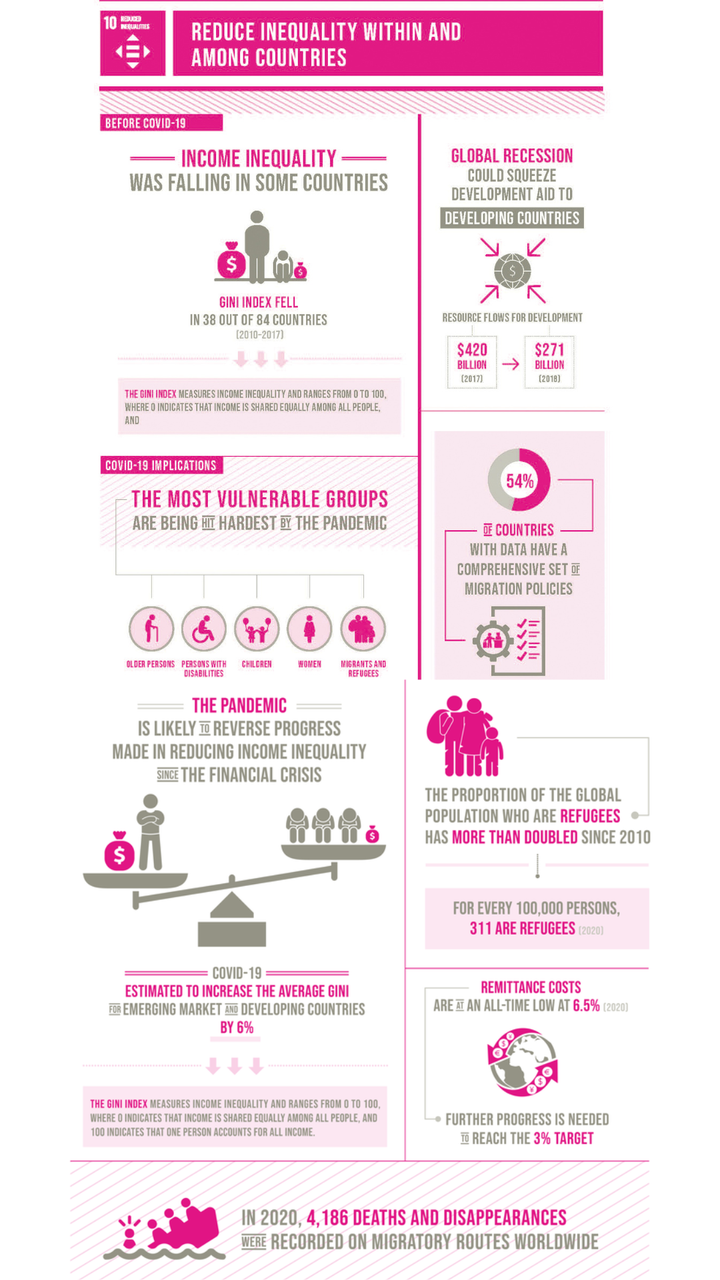
The Global South is a vibrant tapestry of 134 nations, representing about 80% of the world’s population. This region faces significant challenges, particularly regarding inequality. The Sustainable Development Goal of reduced inequalities also known as SDG #10 focuses on reducing inequalities both within and among countries. It emphasizes the need to address income disparities, social exclusion, and unequal representation in global governance.
This goal serves as a crucial link between various sustainable development objectives. Unlike goals that target specific sectors like health or education, SDG #10 confronts the very structure of inequality. It aligns seamlessly with the foundational principles of South-South partnerships, which advocate for equitable knowledge and resource sharing among developing nations.
Overview of SDG #10: Reducing Inequalities
SDG #10 is not merely a standalone target; it is the connective tissue linking all other sustainable development goals. It seeks to address:
Income disparities across nations.
Social exclusion affecting marginalized communities.
Discriminatory policies that perpetuate inequality.
Unequal representation in global governance structures.
The Significance of the United Nations Day for South-South Cooperation
The United Nations Day for South-South Cooperation is pivotal in recognizing the importance of collaborative efforts among developing countries. This day highlights how South-South partnerships can effectively tackle global challenges. The Buenos Aires Plan of Action, established in 1978, laid the groundwork for these cooperative initiatives. It promotes mutual support and knowledge exchange among nations, fostering a spirit of solidarity.
Role of South-South and Triangular Cooperation in Sustainable and International Development
South-South and triangular cooperation play vital roles in implementing the 2030 Agenda. These forms of collaboration are not just supplementary mechanisms; they are strategic means of achieving sustainable development goals. The recent engagement of over 130 countries at the 22nd Session of the High-level Committee on South-South Cooperation illustrates the growing recognition of these partnerships. Member states increasingly view these collaborations as essential to navigating the complexities of global challenges.
Triangular cooperation, which involves partnerships between developing countries supported by developed nations, emphasizes respect for national sovereignty and mutual benefit. This approach complements traditional North-South cooperation by fostering a more inclusive development landscape.
In conclusion, the emphasis on reducing inequalities found in SDG #10 finds its most natural expression in South-South cooperation. This model recognizes that every country is both a provider and a recipient of knowledge, creating a more equitable global community.
The Nexus of 4th Industrial Technologies and Sustainable Development in the Global South
In the rapidly evolving landscape of the Global South, innovative technologies are emerging as key drivers of sustainable development. The convergence of artificial intelligence, machine learning, blockchain, the metaverse, and Web 3.0 presents unique opportunities for developing countries. These technologies are not only reshaping traditional sectors but also offering new solutions to long-standing challenges.
Emerging Technologies: AI, Machine Learning, Blockchain, Metaverse, and Web 3.0
The fourth industrial revolution can be a great equalizer. Unlike past revolutions that concentrated wealth and technology in the Global North, these emerging technologies are inherently distributed. Countries in the Global South can adopt and adapt these innovations without needing extensive legacy infrastructure.
For instance, AI and machine learning applications are transforming agriculture and permaculture. Predictive crop modeling and soil health monitoring are being shared among developing nations through south-south triangular cooperation. This reduces reliance on proprietary technologies from the North.
Integration of Technology with Key Sectors: Data Centers, Ecotourism, and Agriculture
Blockchain technology is enhancing supply chain transparency in ecotourism. Immutable ledgers allow small island developing states to verify sustainable practices and ensure that tourism revenue benefits local communities. This shift is crucial for maintaining the integrity of ecotourism and fostering economic growth.
Data centers are becoming critical infrastructure in the Global South. With foreign direct investment flows quadrupling since the 1990s, countries are increasingly directing resources toward digital infrastructure. This enables them to host their own data, addressing sovereignty issues related to data exportation.
Addressing Challenges in Small Island Developing States and Remote Rural Communities
Small island developing states face unique challenges such as rising sea levels and limited land mass. However, these nations are also motivated to adopt renewable energy microgrids and AI-driven disaster preparedness systems. Such initiatives are often facilitated through south-south triangular cooperation, enabling shared knowledge and resources.
Remote rural communities are leveraging satellite-enabled connectivity and drone-based logistics to bridge infrastructure gaps. These advancements allow isolated populations to engage in digital economies without waiting for traditional infrastructure development.
Technology
Sector Impacted
Key Benefits
AI & Machine Learning
Agriculture
Improved crop yields, climate resilience
Blockchain
Ecotourism
Transparency, local revenue retention
Data Centers
Digital Infrastructure
Data sovereignty, economic growth
Renewable Energy
Energy
Reduced dependence on imports, sustainability
Remote Sensing
Forestry
Deforestation monitoring, conservation
These technological integrations are not just theoretical. The surge in south-south trade, projected to reach US$6.8 trillion by 2025, demonstrates that developing countries are exchanging goods, services, and digital solutions at an unprecedented scale. This evolution transforms south-south cooperation from a mere knowledge-sharing exercise into a vibrant ecosystem of technology transfer and co-innovation.
Environmental and Social Impacts on Inequalities (SDG #10): Challenges and Opportunities
Environmental factors have become critical players in the growing inequalities faced by developing nations. The countries least responsible for historical carbon emissions are suffering the most severe consequences of climate change. This creates a feedback loop where environmental degradation deepens economic and social disparities.
Climate change operates as an inequality multiplier. Droughts destroy agricultural livelihoods in remote rural communities, while floods displace populations in Small Island Developing States. Extreme weather events strain public health systems that are already weakened by debt service obligations exceeding health and education spending for 3.4 billion people.
Forestry presents a dual-edged sword. Deforestation driven by global commodity demand strips developing countries of natural capital. However, reforestation and permaculture initiatives—often shared through south-south cooperation—offer pathways to carbon sequestration, biodiversity restoration, and sustainable livelihoods.
Environmental and Social Impacts on Inequalities (SDG #10): Challenges and Opportunities continuing…
Permaculture is a specifically Southern innovation. Regenerative agricultural practices that mimic natural ecosystems are being exchanged among developing countries through south-south triangular cooperation. This reduces dependence on expensive synthetic inputs and builds climate resilience from the ground up.
Shifting to social dimensions, responsible travel and aviation are not neutral industries. They carry embedded inequalities in who travels, who benefits from tourism revenue, and whose carbon footprint is externalized onto communities that never board a plane.
Community-based ecotourism models can positively affect inequalities. Verified through blockchain-based certification, these models ensure that tourism revenue circulates within local economies rather than leaking to foreign-owned resorts and international tour operators.
Aviation plays a crucial role in global relations. Direct south-south air routes reduce the time and cost of cooperation among developing countries. Sustainable aviation fuel initiatives and carbon offset programs, if designed equitably, can channel resources from high-emitting travelers to conservation projects in the Global South.
…Continuing of Environmental and Social Impacts on Inequalities (SDG #10): Challenges and Opportunities
The Dushanbe Water Conference highlighted that water security is no longer solely an environmental issue but a major socio-economic, peace, and security priority. This illustrates how environmental and social impacts are inseparable in the inequality equation.
At the World Urban Forum in Baku, rapid urbanization in the Global South was discussed. This creates new inequalities related to housing, infrastructure, and services that require south-south triangular cooperation approaches to address effectively.
Social impact can affect inequalities in both directions. Exclusionary policies, discriminatory practices, and unequal access to technology widen gaps. Conversely, inclusive governance, participatory design, and equitable technology deployment can narrow them.
Finally, leveraging technology offers concrete mechanisms to mitigate the environmental and social impacts driving inequality. AI for climate modeling, blockchain for transparent climate finance, renewable energy microgrids for energy access, and telemedicine for public health are all solutions that can be deployed through south-south cooperation frameworks prioritizing equity over extraction.
Conclusion: Advancing SDG #10 through South-South Cooperation and Emerging Technologies
As we navigate the complexities of global development, the role of collaborative frameworks becomes increasingly vital. The Global Alliance for South-South and Triangular Cooperation embodies a structural response to the pressing challenges identified throughout this article. This initiative, launched on the 2026 observance, connects countries with the expertise and resources needed to foster real-world solutions.
By leveraging emerging technologies like AI and blockchain, nations can address inequalities more effectively. The Global Alliance facilitates partnerships that scale proven innovations and supports implementation through knowledge sharing and technical exchanges.
Ultimately, the future of inclusive sustainable development hinges on abandoning outdated models. The collective action emphasized in the 2026 theme, “Solidarity Rising,” reflects the necessity for cooperation across all sectors. The solutions and innovations required to advance these goals already exist within the Global South; the challenge lies in connecting them.
Countries that have contributed least to global inequality are leading the way in pioneering solutions. Through collaboration, there is much to learn from their experiences, paving the path toward a more equitable future.
Key Takeaways
The Global South generates over 40% of global economic output.
3.4 billion people live in countries prioritizing debt service over health and education.
South-South cooperation emphasizes mutual benefit and respect for sovereignty.
Advanced technologies can democratize opportunities for developing nations.
Innovative solutions are essential for addressing persistent inequalities.
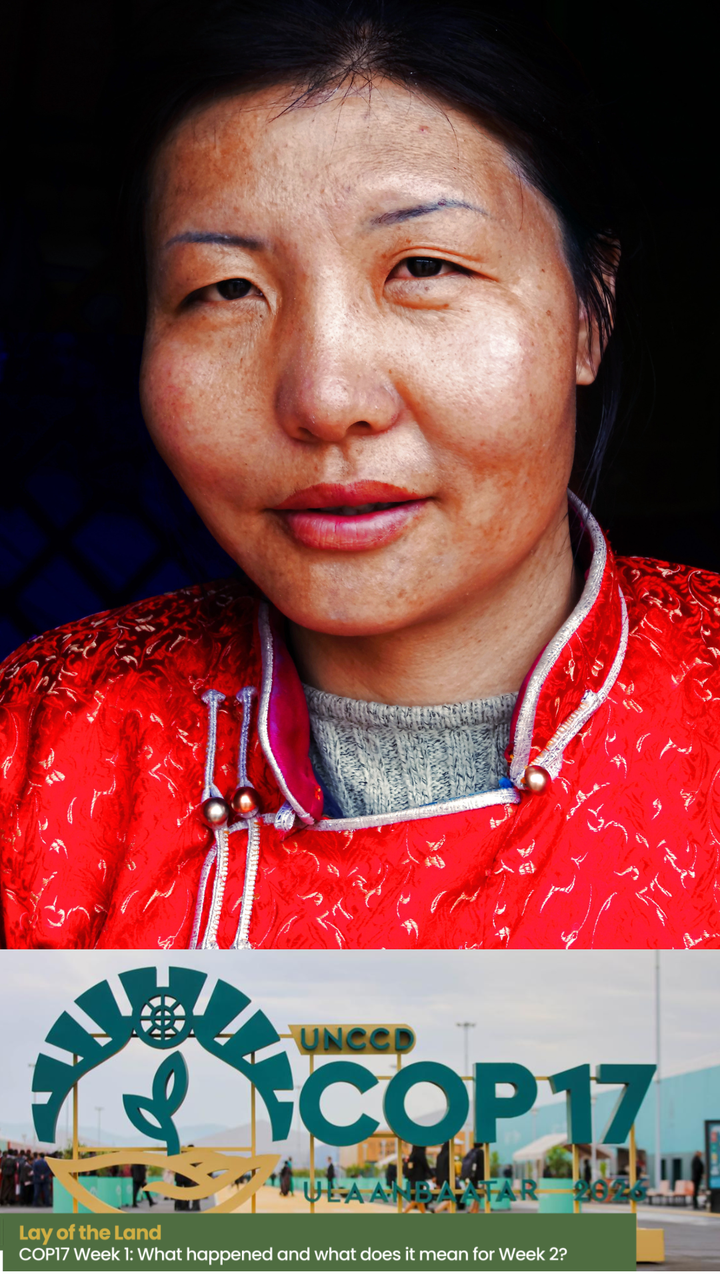
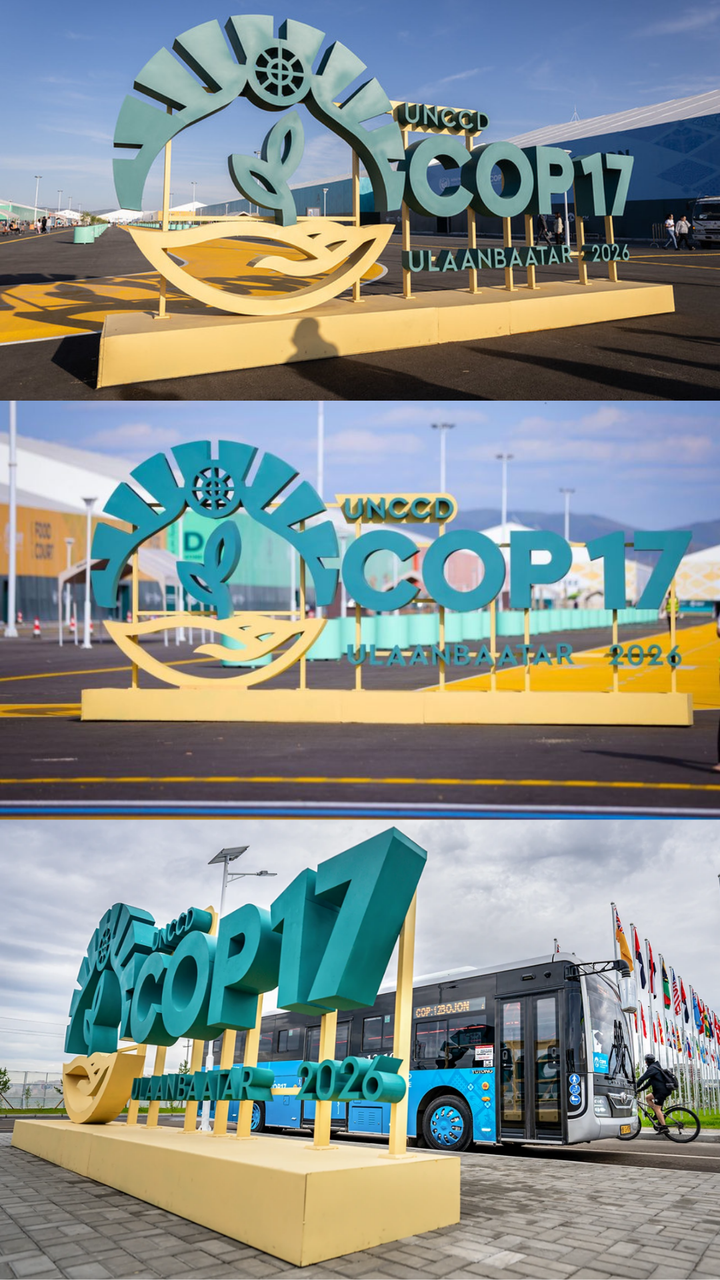
The final six days of United Nations CCD COP17 marked the decisive phase of the August 17–28, 2026, gathering in Ulaanbaatar. This MONGOLIA 2nd week Aug 23-28 review moves beyond the opening discussions to examine how delegates shaped practical decisions on land, drought, finance, and long-term planning.
Under the theme “Restoring Land, Restoring Hope,” the convention combat desertification linked healthy soil with food security, water access, livelihoods, and global stability. That connection gave the conference a wider reach than environmental policy alone; it placed land restoration within global development and international affairs.
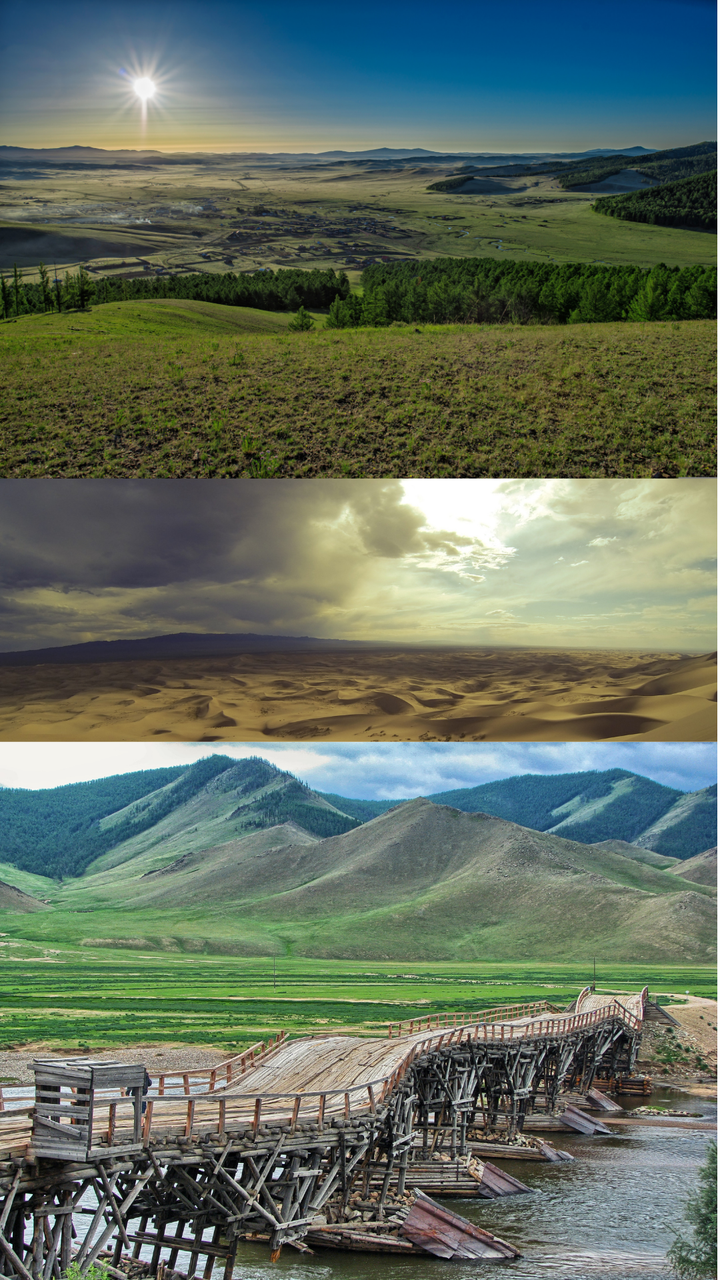
The scale of the challenge was clear. Up to 40 percent of the world’s land faced degradation, while nearly 77 percent of the host country’s 1.56 million square kilometers had suffered damage. Representatives from 197 Parties therefore faced more than technical language and careful diplomacy.
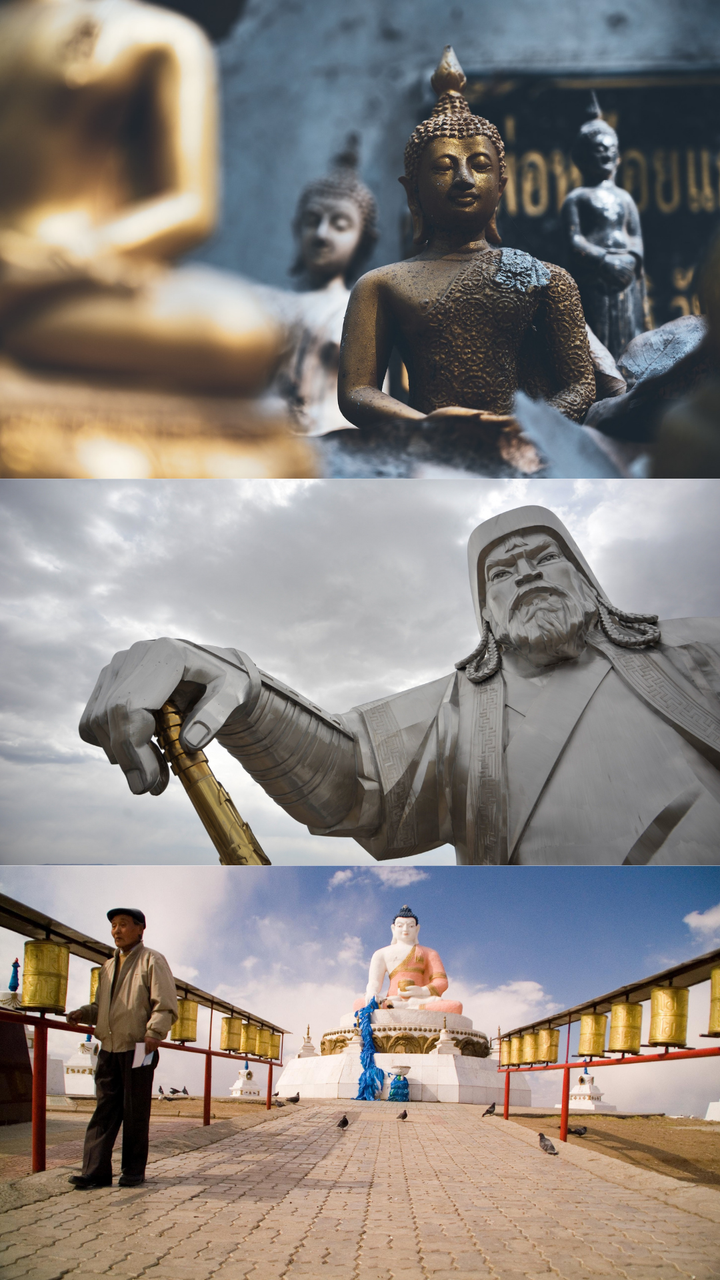
Hosting the nations convention combat meeting also carried cultural weight. Pastoral mobility and dryland life gave the host a direct stake in the outcome. The final phase showed whether the conference parties could turn shared concern into durable action.
United Nations CCD COP17 ULAANBAATAR, MONGOLIA 2nd week Aug 23-28 review
By August 23, the conference had moved from broad discussions to tested proposals. The convention combat desertification agenda focused on drought, desertification, land degradation, and practical restoration. Compared with the first week, delegates faced fewer opening statements and more pressure to define results.
What happened during the final six days in Ulaanbaatar
The nations convention combat process brought governments, civil society, pastoralists, and technical experts into difficult negotiations. The conference parties adopted decisions on the Future Strategic Framework and a policy framework on drought. They also continued work on planning beyond 2030.
Key negotiations, decisions, and implementation priorities
Improved procedures strengthened the conference and its subsidiary bodies.
Rangelands, finance, restoration, and international cooperation stayed on the agenda.
The plenary thanked Mongolia for hosting the meeting.
The next two years will test implementation and measurable solutions.
This was a useful moment for the united nations convention combat effort. Success now depends on whether decisions guide funding, national action, and stronger land management—not simply produce another polished document.
How the Second Week Built on the First Week of United Nations CCD COP17
The opening phase of the August 17–28 conference set the political direction. Delegates explored science-policy integration, innovation, digital tools, technology, and financing. Those discussions gave Parties a shared map, but not yet a route to action.
From early ideas to final consensus
In the closing phase, negotiators turned broad priorities into practical language. The agenda shifted toward duties, timelines, funding, and national delivery. Host-country diplomacy helped maintain trust, while Parties retained authority over the final text.
“Opening debate creates options; consensus gives them a duty to act.”
Land, drought, and pastoral resilience
The growing focus on rangelands linked soil health, water security, biodiversity, and pastoral livelihoods. A stronger rangeland policy could also support drought adaptation and resilient food systems.
This approach connected environmental efforts with the needs of society. It showed why implementation takes time: science must inform policy, finance must reach communities, and national plans must produce measurable results. Otherwise, diplomacy becomes an expensive conversation with excellent stationery.
Mongolia’s Culture, Land, and Leadership at the United Nations CCD COP17
Mongolia’s mobile herding culture gave the conference a living example of land stewardship. Pastoralists used seasonal routes and local knowledge of grass, weather, water, and animal movement. This practical experience placed pastoralists at the center of the agenda, not at its margins.
Pastoralism and the International Year
The United Nations General Assembly declared 2026 the International Year of Rangelands and Pastoralists. Rangelands covered more than half of Earth’s land and supported about 500 million people. They supplied one-sixth of global nutrition, while pastoralists protected culture, food systems, and rural livelihoods.
The Ulaanbaatar Declaration
About 300 pastoralists joined Mongolia’s Global Gathering of Pastoralists. On August 20, Anders Oskal presented the Ulaanbaatar Declaration, calling for recognition of pastoralists as knowledge-holders, rights-holders, and land custodians. Its importance reached beyond one nation.
From Trees to Living Landscapes
The Billion Trees Campaign, launched in 2021, targeted one billion trees by 2030. Alongside Youth4Land, it linked restoration with biodiversity and healthy ecosystems. Yet trees work best when matched with resilient rangeland planning; pastoralists must help shape those decisions.
Initiative
Key detail
Why it matters
Rangeland year
Global focus in 2026
Elevates pastoralists
Ulaanbaatar Declaration
Presented August 20
Supports rights and knowledge
Billion Trees Campaign
One billion by 2030
Advances restoration
United Nations CCD COP17 Outcomes for Desertification, Land Degradation, and Drought
The strongest test of unccd cop17 will come after the meeting ends. Its decisions must connect the convention combat desertification agenda with funding, local rights, and measurable results. That bridge can keep land policy relevant to sustainability, development, and international affairs.
A strategic path beyond the current decade
The future strategic framework should guide parties beyond 2030. It needs clear indicators for land degradation, transparent reporting, science-based monitoring, and support for national implementation. With up to 40 percent of global land affected by degradation, broad promises will not be enough.
Finance for resilient rangelands
The adopted drought policy offered a useful base, but finance must reach pastoralists, farmers, and vulnerable regions. Sustainable rangelands can protect water, food supplies, biodiversity, and livelihoods. They support about 500 million people and provide one-sixth of global nutrition.
Mongolia’s Billion Trees Campaign, which aimed to plant one billion trees by 2030, showed national ambition. Yet restoration requires ecological planning, not tree-counting alone. Future efforts should fund locally suitable solutions, protect rights, and track whether each rangeland becomes healthier over time.
Evaluating COP17 Against the Closing Weeks of COP13, COP14, COP15, and COP16
The closing record of the latest land summit gains meaning when viewed across four earlier sessions. Each stage refined global policy, yet the real test remained national delivery. Past decisions often set strong goals; results depended on funding, data, and local leadership after delegates returned home.
How previous conferences shaped global land policy
Sessions 13 through 16 expanded attention from desertification control to drought resilience, land restoration, science, and community rights. This history helped the convention combat agenda mature. It also showed why broad language can lose force without clear measures.
Where the latest session improved delivery
The conference parties adopted decisions on strategic planning, drought, subsidiary bodies, and implementation. That package linked policy design with oversight and reporting. It also gave wider space to local knowledge and vulnerable land users.
The 197 parties now face a practical question: can governments finance restoration and report measurable gains? The united nations convention process will gain credibility only if the answer improves.
Mongolia’s two-year coordination role creates an accountability window. Through the nations convention combat effort, partners can track progress rather than celebrate vocabulary. That is useful work, even if paperwork remains the least glamorous form of environmental action.
United Nations CCD COP17 in the Geo-Economic Climate and Sustainable Development Landscape
The closing phase placed land at the center of economic security. Yasmine Fouad called it vital infrastructure for food, water, stability, and livelihoods. With up to 40% of the world facing land degradation, the issue reached far beyond environmental policy.
Food security, migration, and national security
Soil loss and drought can raise food prices, deepen water stress, and push families to migrate. In this setting, desertification becomes an economic and security risk, not a distant ecological concern. Nearly 77% of Mongolia’s 1.56 million square kilometers faced degradation, making the local stakes plain.
Investment and resilient development
OECD analysis and World Economic Forum priorities both favor risk planning, blended finance, and public-private action. Business4Land, promoted through the Mongolia Business Council, showed how capital could support restoration when safeguards protect communities and ecosystems.
Innovation for a changing economy
The Fourth Industrial Revolution added practical tools to the agenda: satellites, artificial intelligence, sensors, geospatial data, and predictive systems. These solutions can guide restoration, but local governance must shape every decision. That balance marked a useful moment for sustainable development.
Priority: connect finance with measurable results.
Safeguard: protect pastoral rights and local knowledge.
Goal: turn data into resilient action.
New Global Players and the Future of Sustainability Cooperation
Land restoration gained strength when policy opened its doors to wider voices. The gathering connected governments, business, scientists, youth, and local communities around one shared agenda. This broader model made sustainability cooperation more practical and less dependent on official speeches.
Pastoralists, Indigenous Peoples, youth, civil society, and smallholder farmers
About 300 pastoralists joined the Global Gathering of Pastoralists. Their declaration presented local communities as rights-holders and knowledge-holders. It also showed how regional networks can influence formal united nations negotiations.
Youth4Land, Indigenous Peoples, scientists, smallholder farmers, and civil society added public oversight. These groups can test promises, report local results, and challenge slow delivery. Their experience keeps policy connected to daily life.
Private capital, Business4Land, and the World Expo Organization
Business4Land and the Mongolia Business Council brought private investment into the discussion. Capital can support restoration when projects protect community rights, water access, and biodiversity. The World Expo Organization can extend that work through cultural diplomacy, innovation exchange, and public storytelling.
Why cooperation matters
Rangelands support about 500 million people. Cooperation across society is therefore essential, not decorative. Shared action can protect livelihoods, strengthen food systems, and give restoration efforts enough time to mature.
Actor
Contribution
Practical value
Pastoralists
Local land knowledge
Better restoration choices
Youth and civil society
Public accountability
Faster implementation
Business4Land
Private-sector finance
Scalable land projects
Conclusion
A conference earns its legacy only when decisions survive beyond the closing room. For the United Nations CCD COP 17, the final phase showed that combat desertification needs lasting finance, clear measures, and cooperation that reaches communities. Restoration must improve land health, while drought planning protects food, water, and livelihoods.
Mongolia’s leadership linked pastoral knowledge with the International Year of Rangelands and Pastoralists and the Billion Trees Campaign’s 2030 goal. That model gives future meetings a practical base: fund local action, track results, and respect community rights.
Its importance will depend on broad participation. Pastoralists, Indigenous Peoples, youth, civil society, scientists, businesses, and small farmers should help shape delivery.
Future gatherings should pair accountability with workable solutions. Only then can “Restoring Land, Restoring Hope” become measurable progress rather than ceremonial optimism.
FAQ
Q: What was the focus of the final six days in Ulaanbaatar?
A: The closing period focused on negotiations, policy decisions, and practical measures to address desertification, land degradation, and drought. Delegates also examined funding, implementation, pastoralist livelihoods, and cooperation across regions.
Q: How did the second week advance the conference agenda?
A: The second week moved from technical discussions toward decisions and implementation priorities. Governments, civil society, scientists, and land users worked to turn early proposals into a clearer framework for action.
Q: Why were land, drought, and rangeland policy central topics?
A: Healthy land supports food production, water security, biodiversity, and rural livelihoods. Drought and poor rangeland management can increase displacement and economic risk, making coordinated policy essential.
Q: Why was Mongolia an important setting for the conference?
A: Mongolia’s pastoral culture offered a direct connection to rangelands, herder knowledge, and climate resilience. Its landscape also showed why sustainable grazing, ecosystem protection, and local experience matter in global policy.
Q: What role did pastoralists and herder knowledge play?
A: Pastoralists contributed practical knowledge about mobility, grazing cycles, water access, and ecosystem care. Their participation strengthened calls for inclusive decisions that reflect the needs of land-dependent communities.
Q: What is the significance of the Ulaanbaatar Declaration?
A: The declaration provided a platform for stronger global recognition of pastoralists and rangelands. It linked local stewardship with international efforts on biodiversity, climate adaptation, food security, and sustainable development.
Q: How does the Billion Trees Campaign connect with land restoration?
A: The campaign highlights Mongolia’s effort to restore landscapes, improve watershed protection, and strengthen ecological resilience. Its value depends on suitable species, long-term care, local participation, and protection of native ecosystems.
Q: What outcomes were expected for desertification and land degradation?
A: The conference placed greater attention on restoration targets, drought resilience, finance, and measurable implementation. It also encouraged countries to connect national plans with wider environmental and development goals.
Q: Why is drought resilience a major priority?
A: Drought can damage crops, reduce livestock health, weaken water supplies, and increase pressure on migration routes. Resilience measures include early warning systems, better planning, water conservation, and investment in sustainable rangelands.
Q: How did the conference build on earlier global land meetings?
A: Earlier meetings established principles for land neutrality, drought policy, restoration, and public participation. The latest conference placed stronger emphasis on delivery, accountability, finance, and cooperation among national and local actors.
Q: How does land degradation affect global security?
A: Declining land quality can reduce food supplies, intensify competition for water, and increase economic instability. These pressures may contribute to migration and social tension, giving land policy a clear national security dimension.
Q: What role do the OECD and World Economic Forum play in this policy area?
A: Their research and forums help connect land stewardship with investment, economic planning, and resilient development. This approach encourages decision-makers to treat restoration as a productive asset rather than a narrow environmental cost.
Q: How can technology improve land management?
A: Satellite mapping, field sensors, artificial intelligence, and open data can track vegetation, soil health, water stress, and restoration progress. Technology works best when communities can access the findings and apply them locally.
Q: Which groups are gaining influence in sustainability cooperation?
A: Pastoralists, Indigenous Peoples, youth, civil society, smallholder farmers, researchers, and local authorities are receiving greater attention. Their experience can improve policy quality because they often see environmental change before institutions do.
Q: What is Business4Land, and why does it matter?
A: Business4Land represents efforts to involve companies and investors in responsible land use. Its success depends on transparent standards, safeguards for communities, credible impact measures, and finance that supports long-term restoration.
Q: Why is private capital important for land restoration?
A: Public budgets alone may not meet the scale of restoration needs. Private capital can support resilient agriculture, water systems, and nature-based solutions when projects offer clear safeguards and reliable evidence of results.
Q: How can the World Expo Organization support sustainability cooperation?
A: Expo platforms can present restoration projects, responsible technologies, and community-led solutions to a broad international audience. They can also connect governments, businesses, educators, and civil society around practical work.
Q: Why does wider participation matter for future decisions?
A: Inclusive participation improves trust and helps policies reflect different ecological, cultural, and economic conditions. It also makes implementation more realistic; communities are more likely to support measures they helped shape.
Q: What should readers watch after the conference?
A: The most important signals will be new funding, national action plans, drought monitoring, restoration results, and stronger support for pastoralist communities. The real test will come through sustained work after the political moment has passed.
Key Takeaways
The final six days of the United Nations CCD COP17 focused on decisions, not only discussion.
Land restoration supported food security, water access, and livelihoods.
Dryland conditions made the host country a meaningful setting for the meeting.
Delegates addressed drought policy, finance, rangelands, and strategic planning.
The outcome mattered to sustainability, development, and international stability.
Understanding the modern calendar is more than just tracking dates. It’s about having a practical framework for our global connections. By seeing July 2026 international holidays and observances sustainability as a whole, we go beyond just celebrating. We engage deeply.
This guide helps you understand global events that shape us. Whether you’re looking back at July 2025 or ahead to July 2026, these insights are key. They help us join in with purpose.
True global awareness is about understanding, not just hashtags. As we dive into the second part and the upcoming July 25–27, remember. Calendar dates are just the start. We must focus on caring for our planet, not just partying.
Using the July 2026 Sustainability Calendar Alongside Earlier Guides
Think of this calendar as a tool to connect your values with global actions. It builds on our past work, keeping you informed and engaged with global development.
By using these dates, you join a global movement. This movement focuses on long-term ecological health, not just trends.
How this calendar extends the July 2025 retrospective
This guide is a step forward from our July 2025 analysis. It offers practical steps for this year, building on the past.
We focus on continuity in international affairs. This ensures past lessons guide our current sustainable practices.
Connections to the first week of July 2026 guide and its second installment
For a full view of the month, check our first-week guide and its second part. They lay the groundwork for the entire month.
These articles set the stage for the month’s observances. They link national milestones with global conservation efforts in July’s second half.
Continuing the themes from the July 25–27 holidays and observances article
Our July 25–27 analysis is key to this calendar. It shows how biodiversity and climate justice meet.
See these days as the month’s peak. They remind us that green holidays aim for systemic change, not just personal choices.
How U.S. readers can use international observances for eco-friendly celebrations
In the U.S., international observances can change how we celebrate. Choose local food and public transit for your events.
True eco-friendly celebrations go beyond symbols. Use reusable items and support local initiatives to reduce waste.
Adopting these sustainable practices helps tell a story of global responsibility. It’s time for our celebrations to show our commitment to the planet.
July 1–3: Nationhood, Cultural Identity, and Sustainable Community Traditions
As July starts, people around the world celebrate their heritage. They also think about how to protect the environment. It’s a time to balance pride in our communities with caring for the planet.
Canada Day, Ghana Republic Day, and Hong Kong Special Administrative Region Establishment Day
These days show different ways to celebrate national identity. Yet, they all face a big challenge: reducing waste. Canada Day, Ghana Republic Day, and Hong Kong Special Administrative Region Establishment Day often lead to a lot of trash.
Low-waste public celebrations, public transit, and community-based environmental programs
Organizers are now focusing on low-impact programming. They encourage using public transit instead of cars. This helps cut down on pollution from these big events.
Implementing zero-waste zones at public festivals.
Encouraging the use of reusable service ware for food vendors.
Integrating community-led cleanup initiatives immediately following the festivities.
Keti Koti and the importance of cultural memory, freedom, and responsible consumption
Keti Koti marks the end of slavery in Suriname and the Dutch Caribbean. It’s a time for deep reflection, not just big parties. It’s about remembering our history and valuing human dignity.
Supporting educational programs that teach about our history is key. By choosing meaningful experiences over buying lots of stuff, we keep the spirit of freedom alive.
Madeira Day, Territory Day, and Sir Seretse Khama Day
The start of July also celebrates regional identity with Madeira Day, Territory Day, and Sir Seretse Khama Day. These days remind us that national pride goes hand in hand with protecting our local environments.
Protecting island ecosystems, landscapes, and cultural heritage during national observances
National celebrations can harm our environment if not done carefully. We must protect our island ecosystems and landscapes. This means supporting sustainable tourism and preserving our heritage.
When we care for our natural surroundings, we ensure our celebrations can continue for future generations. Conservation is not an obstacle to celebration; it is the foundation of it.
King’s Birthday in Lesotho and sustainable celebrations centered on local livelihoods
The King’s Birthday in Lesotho shows us how to celebrate sustainably. The focus is on local crafts and farming. This approach supports the local economy and encourages environmental care.
By choosing local products, we reduce waste and help the local economy. This way, we celebrate while taking care of our planet.
International Retainer Day and practical ways to reduce waste from personal-care products
International Retainer Day is a chance to tackle waste in our daily lives. Personal-care products often lead to plastic pollution. But, making small changes can make a big difference.
We should look for brands with biodegradable or refillable packaging. Making these small changes shows our commitment to a cleaner future.
July 4–10: Independence Days, Environmental Responsibility, and Shared Freedom
The first ten days of July are filled with history and urgent needs for our planet. Nations celebrate their freedom, and caring for the earth becomes crucial for everyone.
Fourth of July in the United States: safer, greener alternatives to fireworks and single-use celebrations
The Fourth of July often leads to big energy use and waste. Fireworks release harmful substances into the air, and single-use items add to landfill waste.
Communities can choose greener alternatives. Hosting potlucks with reusable items is a good start. Laser light shows or music festivals are better than fireworks for the environment.
Belarus, Algeria, Venezuela, Malawi, Solomon Islands, Argentina, and Bahamas Independence Days
This week is packed with global events. We celebrate Belarus Independence Day, Algeria Independence Day, and Venezuela Independence Day. We also mark Malawi Independence Day, Solomon Islands Independence Day, Argentina Independence Day, Bahamas Independence Day, and Kiribati Independence Day.
Comparing national celebrations through the lenses of energy use, water conservation, and waste prevention
Nations celebrate differently, but all focus on being resource-efficient. Big gatherings need a lot of water and energy. Sustainable planning is key for the health of nations.
Observance
Primary Focus
Sustainability Impact
Argentina Independence Day
Cultural Heritage
Low-waste public events
Solomon Islands Independence Day
Island Resilience
Marine protection focus
Bahamas Independence Day
Tourism Management
Water conservation efforts
Colombia, Belgium, Liberia, Maldives, Peru, Vanuatu, Burundi, and Virgin Islands Days
The calendar continues with Colombia Day, Belgium Day, Liberia Day, Maldives Day, Peru Day, Vanuatu Day, Burundi Day, and Virgin Islands Day. These days show how nations celebrate their freedom in unique ways.
Island resilience, biodiversity protection, and sustainable tourism connections
For island nations, these celebrations are about their ecosystems. Sustainable tourism helps keep their beauty for future visitors.
Filipino-American Friendship Day and George Town Heritage Day in Penang
Filipino-American Friendship Day and George Town Heritage Day in Penang highlight international bonds. They show that shared history can lead to future cooperation.
Cross-cultural exchange, historic preservation, and respectful heritage tourism
Keeping historic sites safe is a challenge. Respectful tourism helps preserve these places for future admirers.
Harela and the environmental meaning of tree planting and seasonal renewal
Harela celebrates the monsoon season with tree planting. It reminds us of our duty to restore nature.
Don’t Step on a Bee Day, Paper Bag Day, National Be Nice to Bugs Day, and National Rock Day
We end the week with Don’t Step On A Bee Day, Paper Bag Day, National Be Nice to Bugs Day, and National Rock Day. These days encourage us to appreciate the small parts of our environment.
Pollinator protection, reusable shopping habits, and responsible interaction with geological environments
Protecting pollinators is key for food. Using paper bags reduces plastic waste. By caring for the earth, we ensure a sustainable future.
July 11–17: Global Awareness, Nature Conservation, and Community Well-Being
Mid-July is a key time for global reflection. It’s where history meets the need to protect our planet. We’re challenged to make sure our progress is fair and remembers our shared past.
International Day of Reflection and Commemoration of the 1995 Genocide in Srebrenica
The International Day of Reflection and Commemoration of the 1995 Genocide in Srebrenica teaches us that peace is more than just no war. It’s about justice. Remembering past traumas helps us build a future where everyone’s rights are respected.
World Population Day, International Day of Women and Girls of African Descent, and MALALA DAY
These days show how people and the planet are connected. By celebrating World Population Day, International Day of Women and Girls of African Descent, and MALALA DAY, we see that growth must be for everyone.
Linking education, gender equity, demographic change, and sustainable development
Education is key to moving up in society. When we value gender equality, we build stronger communities and stable growth.
International Day of Cooperatives and Rural Development Day
The International Day of Cooperatives and Rural Development Day show the power of working together. They prove that when communities own and share, everyone benefits.
How cooperatives support fair food systems, local employment, and resilient communities
Cooperatives help communities by keeping resources local. They focus on fair food and jobs, not just quick profits.
World Nature Conservation Day, International Ranger Day, and National Tree Day
Then, we celebrate World Nature Conservation Day, International Ranger Day, and National Tree Day. These days honor the heroes who protect our planet’s vital resources.
Forest stewardship, protected areas, restoration work, and responsible volunteering
Good forest care is more than planting trees. It’s about long-term protection and respect for nature and culture.
International Day of Hope, Nelson Mandela International Day, and World Day for International Justice
The International Day of Hope, International Nelson Mandela Day, and World Day for International Justice call for action. They inspire us to do more than just watch; we must participate.
Service projects, restorative justice, and inclusive community action
“It is in your hands to make of our world a better one for all.”
Nelson Mandela
Projects focused on justice help heal our society. By working together, we create a place where everyone’s voice is heard.
International Day of Combating Sand and Dust Storms and Rain Day
The International Day of Combating Sand and Dust Storms and Rain Day show our vulnerability to extreme weather. Understanding our environment is key to managing these challenges.
Soil conservation, drought resilience, stormwater management, and climate adaptation
Protecting soil is crucial to prevent desertification. By managing stormwater wisely, we can adapt to climate change.
Smart Irrigation Month, National Hemp Month, and Hemp History Week
Smart Irrigation Month, National Hemp Month, and Hemp History Week highlight the link between tech and farming. They encourage us to use resources more wisely.
Efficient water use, regenerative agriculture, and evidence-based material choices
Using water wisely is essential in a changing world. By choosing sustainable farming and materials like hemp, we reduce our environmental impact.
National Culture Consciousness Day, First Day of NAIDOC, and New Conversations Day
Finally, National Culture Consciousness Day, the First Day of NAIDOC, and New Conversations Day remind us that sustainability is cultural. We must respect the wisdom of those who have cared for the land for generations.
Centering Indigenous knowledge, cultural continuity, and respectful dialogue in sustainability work
Indigenous knowledge is vital for our future. By valuing cultural continuity and respectful dialogue, we make sure our efforts are truly inclusive.
Observance
Primary Focus
Sustainability Impact
International Day of Cooperatives
Economic Equity
High (Local Resilience)
World Nature Conservation Day
Biodiversity
High (Ecosystem Health)
Smart Irrigation Month
Water Efficiency
Medium (Resource Management)
July 18–24: Peace, Science, Energy, and Sustainable Human Development
The third week of July is a time of global awareness. It focuses on human rights, technology, and preserving our heritage. Peace, science, and energy are key to a sustainable future.
International Nelson Mandela Day, International Retainer Day, and International Day of Judicial Well-being
Building fair institutions, healthy workplaces, and community-centered systems
International Nelson Mandela Day shows us how one person can change the world. It’s linked with International Retainer Day and International Day of Judicial Well-being. These days focus on the health of our legal and work systems.
Fair institutions are crucial for a stable society. They help achieve long-term environmental and social balance.
International Moon Day, World Listening Day, and Global Energy Independence Day
Space science, attentive environmental monitoring, renewable energy, and energy resilience
International Moon Day inspires us to explore and dream. It drives space science and exploration. This curiosity is also reflected in World Listening Day, which encourages us to listen to nature.
Global Energy Independence Day calls for renewable energy. It aims to build energy resilience for the future.
International Chess Day, International Day of Friendship, and Peace & Love Day
Using play, cultural exchange, and nonviolent cooperation to strengthen sustainable communities
International Chess Day celebrates strategic thinking for solving global problems. International Day of Friendship and Peace & Love Day show the power of cooperation. Cultural exchange builds trust among diverse groups.
World Brain Day and International Tofu Day
Brain health, plant-forward diets, food-system emissions, and affordable nutrition
World Brain Day stresses the importance of brain health in today’s world. International Tofu Day promotes plant-based diets. These diets help reduce emissions and ensure everyone can eat affordably.
International Day of Women and Girls of African Descent and International Youth Skills Day
Expanding access to green careers, technical training, and equitable leadership
The International Day of Women and Girls of African Descent honors their contributions. International Youth Skills Day focuses on the future workforce. Equitable leadership and training are needed for green careers for all.
National Disability Independence Day and Bank Employee Day in Guatemala
Accessible public spaces, inclusive employment, and responsible financial participation
National Disability Independence Day emphasizes inclusivity in sustainability. Bank Employee Day (Guatemala) highlights the role of finance in supporting local economies. Responsible financial participation creates accessible spaces and jobs.
Festival of British Archaeology and Captive Nations Week
Protecting archaeological sites, reducing visitor impacts, and learning from historic resource management
The Festival of British Archaeology teaches us to manage resources wisely. Captive Nations Week reminds us of the importance of human rights and civic memory. These observances show that respecting history and future is key to sustainability.
July 25–31: Oceans, Biodiversity, Justice, and Climate Limits
As we end the month, we focus on caring for our planet and its people. This week is key for thinking about how we affect the earth and its ecosystems. It’s also about the social structures that support us all.
World Drowning Prevention Day, International Day for the Conservation of the Mangrove Ecosystem, and International Day of Friendship
Water safety, mangrove restoration, coastal protection, and community preparedness
World Drowning Prevention Day teaches us about keeping our communities safe near water. The International Day for the Conservation of the Mangrove Ecosystem shows us how mangroves protect us from storms. By celebrating International Day of Friendship, we build a global community to protect these vital areas.
International Day of the World’s Indigenous Peoples’ cultural connections and Kiswahili Language Day
Language preservation, traditional ecological knowledge, and inclusive conservation partnerships
Kiswahili Language Day highlights the power of language in connecting cultures. Using traditional knowledge is crucial for saving our planet. We need to work together, respecting ancient wisdom, to protect our lands.
International Day against Trafficking in Persons and International Justice Day
Human rights, ethical supply chains, and the social foundations of sustainability
Human rights are essential for a sustainable world. The International Day against Trafficking in Persons and International Justice Day remind us of the need for fair trade. We must ensure our green efforts don’t harm human dignity.
International Tiger Day, International Snake Day, International Horse Day, and World Ranger Day
Wildlife protection, habitat connectivity, humane treatment, and anti-trafficking enforcement
Biodiversity is vital for a healthy planet. Days like International Tiger Day, International Snake Day, and International Horse Day focus on protecting habitats and treating animals with kindness. World Ranger Day honors those fighting to save wildlife and protect our planet.
International Day for the Conservation of the Mangrove Ecosystem and World Nature Conservation Day
Blue-carbon ecosystems, coastal livelihoods, and restoration actions for U.S. communities
Nature provides services we can’t replace. World Nature Conservation Day encourages us to take action to restore our planet, especially in U.S. coastal areas. Saving mangroves is crucial for our economy and the future.
International Plastic Bag Free Day, Clean Beaches Day, Coral Reef Awareness Week, and National Marine Week
Plastic prevention, shoreline cleanups, reef-safe recreation, and marine habitat protection
Oceans face huge pollution challenges. By joining International Plastic Bag Free Day and Clean Beaches Day, we can make a big difference. Events like Coral Reef Awareness Week and National Marine Week help protect our oceans and marine life.
“The health of our oceans is the health of our future; we must act with urgency to protect the blue heart of our planet.”
— Global Conservation Initiative
National Parks and Recreation Month, Love Parks Week, Shark Week, and National Hop-A-Park Day
Low-impact recreation, wildlife-respectful tourism, and park stewardship
The outdoors are a sanctuary for humans and animals. During National Parks and Recreation Month and Love Parks Week, we’re encouraged to enjoy nature responsibly. Events like Shark Week and National Hop-A-Park Day help us respect our natural spaces.
Earth Overshoot Day and the July 2026 sustainability footprint discussion
Earth Overshoot Day warns us about our planet’s limits. It urges us to make sustainable choices and reduce waste. By cutting down on food waste, we can live more sustainably.
Martyrs’ Day in South Sudan
Remembering sacrifice while emphasizing peacebuilding, resilience, and sustainable development
We end the month with Martyrs’ Day in South Sudan. It’s a time to honor sacrifices and focus on peace and sustainability. Sustainable development thrives in communities built on peace and respect.
Prioritize local, sustainable food sources to reduce your carbon footprint.
Support organizations that protect endangered species and their habitats.
Advocate for policies that promote ethical supply chains and human rights.
July’s Additional Awareness Days for Everyday Green Living
Changing your daily life to be more sustainable is easier than you think. Days like World House Day and Reggae Day show us new ways to live and celebrate. By adding these days to your calendar, you make every day a chance to grow and help the planet.
Every small action counts when it comes to taking care of our planet. Joining in International Jump Day for exercise or National Moth Week for nature is important. Days like Be Nice to Jersey Day and National Roanoke Community Beautification Day teach us to care for our surroundings and community.
Health and inclusivity are key to a sustainable lifestyle. Celebrating National Childhood Obesity Month and Cultural Communities Month keeps your efforts balanced. Remember, Global Energy Independence Day encourages us to find green solutions in our daily lives.
Real change comes from consistent, small steps. By living in line with these sustainability goals, you help create a better world. Every choice you make shows your dedication to a greener, more aware future.
Key Takeaways
See the calendar as a tool for fighting for the environment.
Value deep cultural understanding over social media trends.
Link past events to today’s climate talks.
Use our guides to follow global stories as they unfold.
From August 17–22, 2026, the 17th session of the global land convention placed desertification also known as United Nations COP 17, drought, and land degradation at the center of international policy. Hosted in Ulaanbaatar, Mongolia, the conference connected environmental risk with development, trade, security, and climate finance.
Its theme, “Restoring Land. Restoring Hope.”, carried a practical message. Hope matters, but it must survive budgets, local planning, and measurable results. With nearly 40 percent of the world’s land affected by decline, solutions now require more than speeches. They require investment in water, food systems, rural jobs, and resilience.
Mongolia offered an immediate national context. Its 1.56 million square kilometers face a degradation rate of almost 77 percent, making pastoral livelihoods and water access central concerns. Governments, scientists, youth, Indigenous Peoples, farmers, business leaders, and civil society brought different priorities to the table.
Executive Secretary Yasmine Fouad described land as vital infrastructure for livelihoods, stability, food security, and national security. The opening six days therefore revealed why restoration has become a global development issue, not a niche environmental topic.
United Nations CCD COP 17 ULAANBAATAR, MONGOLIA 1st week Aug 17-22 review
The opening day in August 2026 set a practical tone. Mongolia’s Prime Minister and UNCCD Executive Secretary Yasmine Fouad launched the Convention to Combat Desertification, while the Foreign Affairs Minister took the chair. The first six days focused on rules, evidence, and workable action—not just polished speeches.
“Restoring Land. Restoring Hope.”
The implementation committee and science committee examined land degradation, drought, migration, tenure, water security, and links with climate and biodiversity policy. Their work showed that soil health and food systems cannot sit in separate policy rooms.
Rangelands and Wider Participation
Rangelands cover more than half of Earth’s land, support about 500 million people, and provide one-sixth of global nutrition. Pastoralists, Indigenous Peoples, scientists, youth, farmers, cities, and civil society therefore joined governments and businesses in seeking resilience.
Youth4Land and business groups widened the debate.
The Riyadh-Ulaanbaatar Action Agenda linked finance, technology, water, and value chains.
The Mayors’ Forum connected local management with global goals.
Later thematic days on finance, water, people, food, and soil health were designed to turn this groundwork into investment and measurable restoration.
How COP17 Compares With the First Weeks of COP13, COP14, COP15, and COP16
Five conference cycles show a clear shift in global land policy. Earlier meetings focused on desertification rules, national plans, and formal commitments. The latest 17th session pushed the debate toward finance, technology, partnerships, and measurable results.
From Policy Statements to Practical Solutions
The United Nations Convention process now treats land degradation as an economic and security concern. Drought can affect migration, food prices, water access, and rural jobs. That wider view gives restoration a stronger case before finance ministers and private investors.
The Riyadh-Ulaanbaatar Action Agenda reflected this change. It connected science, value chains, business participation, rangelands, food systems, and soil health. Still, the first six days could not prove final delivery. Later ministerial talks and thematic days would determine whether promises became funded projects.
Meeting cycle
Early emphasis
Growing priority
Practical lesson
13th
Policy alignment
National planning
Rules need local ownership
14th
Drought response
Risk awareness
Preparedness limits losses
15th
Science and targets
Evidence-based action
Measures improve trust
16th
Finance and partnerships
Investment pathways
Capital needs clear returns
17th
Integrated delivery
Restoration value chains
Coalitions can scale solutions
Mongolia’s Geoeconomic and Cultural Role in Global Climate Action
Few places connect pastoral heritage, environmental risk, and diplomacy as clearly as Mongolia. Its 1.56 million square kilometers contain vast rangelands, while nearly 77 percent faces degradation. This vulnerability gives its climate action unusual policy credibility.
Nomadic traditions place stewardship at the heart of daily life. Seasonal movement, livestock care, water access, and local management offer lessons for resilient food systems. In 2026, the United Nations International Year of Rangelands and Pastoralists strengthened this message during the session conference.
The Billion Trees National Campaign, launched in 2021, aims to plant one billion trees by 2030. Its promise is bold, but sound monitoring must protect soil health and native habitats. Youth4Land, the Mongolia Business Council, Business4Land, and the Mayors’ Forum widened participation, with UN-Habitat and ICLEI linking cities and regions.
Cultural dialogues added depth. Michelangelo Pistoletto and Battogtokh Turbat created a land-art installation, while an Italian exhibition explored pastoralism and transhumance. The event showed that investment, trade, water, and rural resilience can share one platform.
Initiative
Primary focus
Strategic value
Billion Trees Campaign
Restoration
Long-term ecological investment
Youth4Land
Participation
New leadership
Mayors’ Forum
Urban management
Local delivery
Conclusion
The first six days formed a strong foundation by linking land recovery with security, livelihoods, food, water, and development. The conference mattered because it placed environmental stewardship inside global development and geoeconomic climate policy, where budgets and trade shape outcomes.
Hosting the event turned Mongolia’s exposure into diplomatic leadership. Its Billion Trees Campaign and the International Year of Rangelands and Pastoralists gave pastoral priorities a visible place in international affairs. Yet the real test followed the speeches: could finance, technology, partnerships, and clear measures turn negotiated language into accountable restoration?
Pastoralists, youth, Indigenous Peoples, cities, businesses, scientists, governments, and civil society all remained essential. Their shared solutions could strengthen resilience, reduce displacement risks, and support stability across vulnerable regions. For the United Nations, the message was direct: “Restoring Land. Restoring Hope.” became credible only through practical action that improved land and daily life.
FAQ
What is the purpose of the land convention’s seventeenth session?
The session will bring governments and partners together to address desertification, land degradation, and drought. Its focus is expected to include practical restoration, stronger resilience, and better land management.
When and where will the 2026 conference take place?
The conference is scheduled for August 17–22, 2026, in Ulaanbaatar, Mongolia. The location gives the event a strong connection to rangelands, pastoral livelihoods, and dryland systems.
What does “Restoring Land. Restoring Hope.” mean?
The theme links healthy land with food security, water security, rural incomes, and community resilience. It also presents restoration as a practical investment rather than a distant environmental ideal.
Which issues are likely to shape the negotiations?
Delegates are expected to discuss drought action, soil health, land degradation, water management, rangeland governance, and restoration finance. The negotiations may also address stronger information systems and measurable results.
Why are drought and water security central to the agenda?
Drought can reduce harvests, weaken livestock systems, increase migration pressure, and intensify competition for water. Coordinated planning can improve early warning, water efficiency, and resilience across regions.
Who is expected to participate?
Government representatives, scientists, youth groups, Indigenous Peoples, pastoralists, civil society, businesses, and development institutions are expected to take part. Their participation can connect formal policy with local knowledge and daily experience.
How will youth and Indigenous Peoples contribute?
Youth may bring new ideas on technology, climate communication, and social action. Indigenous Peoples can contribute long-standing knowledge of ecosystems, customary management, biodiversity, and community-led restoration.
How does this session differ from earlier global land conferences?
Earlier sessions helped establish shared policy on desertification and drought. The new session is expected to place greater emphasis on implementation, investment, measurable outcomes, and solutions that can work across regions.
What are investable land restoration solutions?
These are projects with clear goals, credible financing, and measurable benefits. Examples include soil restoration, sustainable grazing, watershed protection, drought-resilient agriculture, and responsible nature-based investment.
Why is Mongolia important to the conference?
Mongolia offers direct insight into dryland pressures, rangeland use, pastoral livelihoods, and climate risk. Its cultural and geoeconomic role can help connect local practice with global discussions on land stewardship.
What role can technology play in land restoration?
Satellite monitoring, climate information, digital mapping, and mobile advisory tools can help track land change and guide action. Technology is most useful when communities can access it and apply the information locally.
How could the conference affect food systems?
Better land and water management can support soil health, stable crop production, livestock resilience, and rural livelihoods. The strongest policies will link environmental protection with affordable, reliable food systems.
What outcomes should observers watch for?
Observers should look for clear commitments on drought action, restoration finance, rangeland management, community participation, and progress tracking. Strong dialogue matters, but practical delivery will be the real measure of success.
Key Takeaways
The opening six days linked land decline with economic and security risks.
Mongolia’s condition gave the talks a direct and urgent setting.
The central theme called for funded, measurable restoration.
Water, food systems, and rural livelihoods shaped the debate.
Broad participation strengthened the search for workable solutions.
Can Data Centers reduce environmental impact? Digital infrastructure now shapes daily life, public budgets, and regional power systems. Yet its physical footprint often remains hidden behind a polished cloud interface. The central question is simple: can technology expand without weakening community power?
On November 12, Dr. Ben Green presented local and electric-grid findings to the DEP Citizens Advisory Council and Environmental Justice Advisory Board. His work shows how AI facilities can affect water, energy costs, neighborhood health, and municipal planning.
OpenAI’s proposed 2.2-million-square-foot project near Saline, Michigan, reveals the remarkable scale behind online services. Meanwhile, a California study reviewed Santa Clara, Los Angeles, Sacramento, Gilroy, and Imperial County; it raised concerns about transparency and water access.
This article examines greenwashing, cultural exploitation, geopolitical conflict, and corporate greed. It also explores cooperative ownership, biomimicry, net-zero practices, renewable technology, accountable policy, and expanded urban open space. Progress need not copy the logic of extraction; communities can help design what comes next.
Data Centers Green Builings Smart Cities Environmental Justice Coop Development
Artificial intelligence is turning computing demand into a major building surge across the United States. Generative tools for images, summaries, and language need far more processing power than basic machine-learning tasks. That pressure is speeding up data center development and reshaping utility plans.
Why the AI Boom Is Accelerating Data Center Development
The U.S. Department of Energy estimates that facilities could use 12% of national electricity by 2028. Other forecasts reach 17% by 2030. For Data Centers, A 2023 market review also projected that power use could double from its 2022 level by 2030. These figures make unchecked growth a costly gamble.
How Connected Municipalities Can Align Digital Growth With Equity
Smart cities need one shared plan for power, housing, schools, transport, and public services. Environmental justice requires honest reporting and protection for neighborhoods with less political influence. Cooperative enterprises, public agencies, and local firms can guide data center development toward jobs, clean power, and community ownership of data centers.
“Digital growth must serve the public, not merely the server rack.”
The goal is not to stop innovation; it is to make its benefits broadly shared.
What Makes a Modern Data Center Hyperscale and Resource Intensive
A modern data center is less like an office and more like an industrial machine. Its scale depends on servers, storage, power systems, and cooling equipment working without pause. Size alone does not tell the full story; computing density matters just as much.
Hyperscale usually describes a facility larger than 10,000 square feet. OpenAI’s proposed project near Saline, Michigan, offers a striking comparison at 2.2 million square feet. Inside, processors, hard drives, CPUs, GPUs, switches, fiber networks, backup batteries, and cooling systems form one tightly linked operation.
Servers, GPUs, Networking Equipment, and Facility Infrastructure
Artificial intelligence raises rack density because GPUs handle demanding workloads at high speed. That design requires stronger electrical systems and faster heat removal. A building may look quiet from the road, yet its equipment runs with industrial intensity.
Rising Electricity Demand From Artificial Intelligence
One 100-word email created by ChatGPT uses roughly the electricity of an LED bulb running for 14 hours. That comparison makes a single request relatable, but millions of requests create a far larger burden. Each data center therefore belongs in a regional grid review, not in an isolated planning file.
The Environmental Impact of Data Center Energy, Water, and Land Use
Every new computing campus places pressure on power lines, local water supplies, and open land. Its benefits may reach far beyond the host town, while its costs remain close to nearby homes.
Electricity Consumption and Grid Capacity
High-power facilities can require new transmission lines, backup turbines, and fossil-fuel generation. In North Omaha, a coal plant stayed open beyond its planned 2023 closure because of rising demand. The decision extended pollution exposure in a predominantly Black neighborhood. In Memphis, xAI operated dozens of unpermitted methane turbines that released formaldehyde and smog-forming pollution.
Water Use for Cooling in Stressed Regions
Cooling systems also consume a major resource. Google reports roughly 6 billion gallons of water use worldwide each year. Gilroy, California, depends on a closed groundwater basin with little replenishment and no backup source. Imperial County relies fully on imported Colorado River water while mandatory cutbacks continue.
Construction Waste, Air Pollution, and Embodied Carbon
Land clearing removes habitat and increases runoff. Concrete, steel, wiring, and discarded equipment add embodied carbon and construction waste. Strong permits should track air emissions, material use, and water use from site preparation through operation; otherwise, “progress” becomes an expensive local experiment.
Greenwashing and the Transparency Gap in Data Center Sustainability
Sustainability claims can shine brightly while the facts remain in the shadows. A polished net-zero promise means little when residents cannot review current information about power use, water demand, emissions, or backup equipment. Credible performance requires facility-level proof, not corporate language alone.
Why Public Information About Energy and Water Use Is Often Limited
A May 2026 report from The Next 10 and Santa Clara University found that about 93% of Los Angeles County facilities had no publicly accessible environmental documents. This gap blocks meaningful review of local risks. Dr. Irina Raicu called the mix of limited information and California’s fragile water supplies a serious planning problem.
Distinguishing Net Zero Claims From Measurable Performance
Operators should publish electricity, water, emissions, generator use, and construction impacts in comparable formats. Independent audits should test each claim. Residents also need timely information before permits are approved, not after contracts are signed.
Net zero becomes credible only when communities can inspect results, question assumptions, and track progress. Otherwise, sustainability may become a label that carries more polish than proof.
Environmental Justice and the Unequal Burden of Data Center Siting
A server site may look efficient on paper, yet its costs can land unevenly across nearby neighborhoods. Location matters as much as technology. Water stress, social vulnerability, and weak air quality protections can turn a local project into a public health concern.
Social Vulnerability, Water Scarcity, and Local Air Quality
A California report examined Santa Clara, Los Angeles, Sacramento, Gilroy, and Imperial County. Imperial County and Sacramento showed the clearest overlap between scarce water and vulnerable residents. In such places, new facilities may compete with farms, homes, and essential services.
North Omaha offers another warning. A coal plant serving a predominantly Black neighborhood remained open as computing demand grew, despite some of the nation’s highest asthma rates. In Memphis, xAI’s unpermitted turbines released formaldehyde and smog-forming pollution linked to asthma, heart disease, and cancer risks.
Who Bears the Health Risk?
Black, Latino, Indigenous, and low-income residents should have equal power in siting decisions. Efficiency cannot excuse unequal exposure.
“A fair site protects health before it promises growth.”
Place
Primary concern
Equity lesson
Imperial County
Water scarcity
Protect basic supply
North Omaha
Coal pollution
Prioritize asthma prevention
Memphis
Turbine emissions
Enforce air permits
Misrepresentation of Marginalized Communities in Development Decisions
Public input loses value when officials invite residents only after key choices have been made. A packed meeting can create the appearance of consent while leaving affected families without technical support or real influence. Ethical participation must continue from early review through final approval.
Token Consultation Versus Meaningful Community Consent
Meaningful consent gives residents access to engineers, legal advisers, and clear project records. It also allows them to question water studies, grid forecasts, air permits, and tax agreements. Iris Stewart-Frey’s Climate Justice Lab at Santa Clara University links climate risk with community voice, offering a useful model for fair review.
Irina Raicu, who directs the university’s Internet Ethics Program, applies rights, justice, care, common-good, and virtue-ethics principles. These lenses help communities weigh competing public interests without treating residents as obstacles.
Building Local Capacity to Review Server Proposals
Local review teams can train residents to examine technical filings and explain them to neighbors. Community mobilizers, nonprofits, NGOs, and “grasstops” leaders can support this work. The people most affected should define their own priorities.
Weak process
Stronger practice
Community benefit
One public meeting
Ongoing consent process
Trust and influence
Complex filings
Local technical training
Informed review
Outside priorities
Resident-led goals
Ethical representation
Exploitation of Under-Represented Cultures, Heritage, and Community Knowledge
Land carries memory, identity, and practical knowledge. A server project can harm all three when planners treat a cultural landscape as empty space. Indigenous rights and local heritage must shape decisions before land is acquired, graded, or linked to new infrastructure.
Protecting Indigenous Rights and Cultural Landscapes
Tribal nations and local residents may understand groundwater, seasonal change, wildlife routes, and heritage sites better than a short survey can show. Their knowledge can improve site review, but only when contributors keep control over its use. Broad stakeholder participation, early consent, and paid cultural advisers create a stronger process.
Using Cultural Assets Through Reciprocity Rather Than Extraction
The California research supports care ethics and the common good. These approaches value relationships, shared resources, and long-term trust over quick approval. Developers can offer reciprocity through local ownership, consent-based research, heritage protection, and lasting community investment.
Cultural symbols should not become decorative branding for benefits that flow elsewhere.
Risk
Protective practice
Community result
Heritage loss
Early cultural review
Sites remain protected
Knowledge extraction
Consent and payment
Local agency grows
Unequal benefits
Shared ownership
Value stays local
Geopolitical Conflicts, Supply Chains, and the Race for Digital Infrastructure
Behind every server campus lies a global contest for chips, minerals, equipment, and electricity. International rivalry can turn local land into a strategic asset, while residents face decisions shaped by forces far beyond their county.
Virginia leads the U.S. market, followed by Texas and California. Reliable grids, fiber networks, land, and tax incentives draw major operators to these regions. As generative AI becomes a central business priority, hyperscalers are raising capital spending sharply. Municipalities may compete so hard for investment that their negotiating power weakens.
Critical Minerals, Equipment Manufacturing, and Energy Security
Chips, transformers, batteries, and rare minerals move through complex supply chains. Conflict, export limits, or labor abuses can delay projects and raise costs. Responsible procurement should test labor rights, human rights, mining practices, and supplier emissions—not just delivery times.
How Global Competition Shapes Local Expansion
Energy security adds another challenge. Some regions retain fossil-fuel plants when renewable capacity, transmission, or storage cannot grow quickly enough. Strong permits should link new campuses to cleaner power, firm deadlines, and public reporting.
Global pressure
Local effect
Responsible response
Mineral shortages
Higher equipment costs
Traceable sourcing
Rising AI investment
Faster land competition
Firm public terms
Grid constraints
Fossil plants remain online
Clean capacity targets
Slow Yet Reluctant Municipal Development and Infrastructure Planning
Local governments often face an awkward bargain: welcome investment quickly or pause to measure its lasting cost. A major server center can bring jobs and tax revenue, yet it may also strain water systems, roads, schools, housing, and public budgets. Careful planning protects residents before construction begins.
Planning Gaps, Confidential Agreements, and Public Accountability
Planning assumptions can change faster than a permit review. In Georgia, projected extra power needs for 2030 rose from about 2 gigawatts to 6 gigawatts as computing demand grew. California researchers mapped operating and proposed facilities across the state, giving officials a clearer view of cumulative pressure.
Private agreements can hide utility promises, public costs, land impacts, and emergency needs. Confidentiality should not become a substitute for accountability. Residents need hearings, accessible records, and enforceable deadlines.
Coordinating Utilities, Schools, Housing, Water, and Transportation
Agencies should review each project together. Gilroy’s closed groundwater basin has limited replenishment and no backup source, making water review urgent. Municipalities should require cumulative-impact studies and coordinate utilities, schools, housing, roads, and transit before approving major center development.
Corporate Greed, Tax Incentives, and the Unequal Economics of Data Centers
Public subsidies can make private expansion look like a public victory. Yet discounted power, generous tax incentives, and weak oversight may leave residents carrying hidden costs. Economic development is fair only when public returns match public support.
Utility Rate Increases and Costs Passed to Residents
Large server facilities often negotiate special utility terms. If a utility builds lines or plants for one customer, households, schools, and small firms may help pay the bill. Bloomberg reported that electricity prices more than doubled in over five years in some areas near these sites. Regulators should require clear cost-sharing rules and rate protection.
Questioning Job Creation and Lost Public Revenue
Construction can create many short-term jobs, but operations usually need far fewer permanent workers. Good Jobs First found that Texas raised its estimated tax breaks from $130 million to $1 billion in two years. Such incentives can drain funds from schools, transit, and public health unless officials measure lasting value.
Designing Community Benefit Agreements With Enforceable Terms
A strong agreement should require local hiring, procurement, tax recapture, air and water monitoring, rate safeguards, and penalties for missed promises. Economic development should build local wealth, not simply reduce corporate costs.
How Cooperative Enterprises Can Create Shared Ownership and Local Value
Ownership can shape whether a large computing project strengthens a region or simply extracts its resources. Member-led models offer a practical way to keep earnings, skills, and decision-making closer to residents. This way, local value becomes part of the plan rather than a late promise.
Energy Cooperatives and Community-Owned Renewable Power
Energy cooperatives can finance solar panels, wind turbines, battery storage, and efficiency upgrades. These assets can serve a facility and nearby households at the same time. Another way to reduce grid pressure is to pair renewable power with demand planning and shared storage.
Worker, Consumer, and Community Investment Models
Workers, consumers, and residents can purchase a financial share in local infrastructure. They can also elect board members and review spending. A second share can support schools, job training, cultural preservation, water resilience, or lower energy bills.
Virtualization offers a related lesson: shared computing resources improve equipment use and limit duplicate hardware. That approach creates a better way to manage capacity. It also shows the way cooperation can support reliable services without endless expansion.
Shared ownership turns public support into public participation.
Cooperation is a governance structure, not decorative branding.
What Policymakers Can Require for Equitable Data Center Growth
Public rules can turn rapid computing expansion into a fairer bargain. The U.S. Department of Energy projects that server facilities could consume 12% of national electricity by 2028. Utilities need clear goals before approving new loads, rather than treating each proposal as an isolated deal.
Standardized Reporting for Energy, Water, and Air Quality
Reporting should cover electricity, water, PUE, CUE, greenhouse gases, backup generators, air emissions, and local effects. The Green Grid metrics help utilities compare energy and carbon performance. Public records also let residents test corporate claims.
Permits, Renewable Rules, and Responsible Incentives
The 2023 German Energy Efficiency Act offers a useful model for binding goals. Utilities can use similar standards when reviewing projects. Permits should assess cumulative effects on water, grid capacity, traffic, housing, and air quality.
Memphis shows why regulators must reject unpermitted methane turbines and monitor formaldehyde and smog-forming emissions. Tax incentives should require renewable additions, local hiring, public revenue, ratepayer protection, and verified results. Utilities must meet renewable goals, while permit terms should include emissions controls and penalties.
“Public support should purchase public accountability, not private silence.”
How NGOs, MSMEs, Nonprofits, and Community Mobilizers Can Collaborate
Local partnerships can turn complex infrastructure debates into practical public action. NGOs, nonprofits, and grassroots support groups may work together, or act independently when urgent needs arise. Their shared goal is clear: help residents understand proposals for data centers before officials approve them.
Grassroots Monitoring, Legal Support, and Public Education
Community groups can translate technical filings, host public meetings, and provide legal services. They can also track water use, air quality, permits, and utility costs through accessible monitoring programs. The California report, co-authored by Santa Clara University students and researchers, urges communities to build local research capacity when information is missing.
Local Procurement, Workforce Training, and Small Business Participation
MSMEs can supply construction services, catering, landscaping, cybersecurity, transport, equipment repair, and renewable-energy services. Construction work also creates openings for electricians, HVAC workers, and other skilled trades.
Community mobilizers organize residents.
Tastemakers build public attention.
Grasstops leaders open institutional doors.
Workforce programs connect residents with lasting technical careers.
Strong collaboration makes public oversight a shared civic skill, not a specialist privilege.
Responsible Data Center Construction and Operations for Sustainable Communities
Responsible construction begins before the first server enters the building. A compact footprint, low-emission materials, and recycled construction inputs can reduce embodied carbon and limit land disturbance. Designers should also plan for repair, reuse, and safe recycling when equipment reaches the end of its service life.
Operations matter just as much. Virtualization lets several virtual servers run on one physical machine, which cuts idle hardware and energy use. Workload scheduling can shift flexible tasks to periods with cleaner power or lower demand. A DCIM platform can track power, lighting, assets, and cooling in real time.
Efficient Cooling, Waste Heat Recovery, and Water Stewardship
Liquid cooling can support dense AI workloads, but it needs skilled maintenance. Hot-aisle and cold-aisle containment also reduces wasted cooling. Combined heat and power may reuse waste heat for electricity or nearby heating. Water-efficient systems and closed-loop designs further protect local supplies.
PUE divides total facility energy by IT equipment energy. CUE compares carbon emissions with IT energy use. Together, these measures reveal whether efficiency claims match performance.
Practice
Primary benefit
Key safeguard
Virtualization
Fewer idle servers
Monitor workload demand
Liquid cooling
Better heat control
Maintain specialized systems
Heat recovery
Useful local energy
Connect to nearby users
Biomimicry, Net Zero Practices, and Renewable Technology in Data Centers
Nature offers useful lessons for climate-conscious computing. A facility can study termite mounds, human circulation, and natural ventilation to move heat with less mechanical effort. Adaptive controls can adjust airflow as temperatures and workloads change. This climate-aware approach treats efficiency as a design principle, not a marketing line.
Designing Cooling and Energy Systems Inspired by Nature
Direct-to-chip and liquid cooling support dense processors, though both require specialized infrastructure. Designers can pair these tools with heat recovery and passive airflow. Such measures reduce climate impact while improving equipment reliability.
Combining Solar, Wind, Storage, and Demand Flexibility
Solar, wind, and hydropower can supply clean energy. Batteries help preserve clean energy when weather shifts or grid supply tightens. Operators can also move nonurgent workloads to hours with lower emissions and stronger renewable output.
Net-zero plans should show absolute cuts, new renewable capacity, storage results, and limits on fossil-fuel backup. Rising hyperscaler emissions after the generative AI boom reveal why climate goals must survive changing business priorities. Transparent accounting keeps clean energy claims tied to real climate commitments.
Strategy
Practical value
Proof required
Biomimicry
Lower cooling demand
Measured efficiency gains
Storage
Firm renewable supply
Output and duration records
Flexible workloads
Less grid stress
Carbon-based scheduling logs
Enhancing Greenspaces, Public Health, and Community Resilience Around Facilities
Thoughtful site design can turn a large computing facility into a better neighbor. Native plants, shade, and public paths can soften its footprint while improving local health. Landscape planning should serve people and wildlife, not merely hide an industrial wall.
Native Landscapes, Stormwater Management, and Biodiversity Corridors
Native trees and grasses need less irrigation and support birds, insects, and pollinators. Wetlands, bioswales, permeable pavement, and tree cover can slow runoff during heavy rain. These features also connect habitat areas and reduce heat near homes.
Public plans should include walking routes, shaded seating, noise buffers, air-quality checks, and safe access. Such features can make facilities less disruptive and help residents manage heat exposure.
Measuring PUE, CUE, Water Performance, and Community Benefits
The Green Grid created PUE and CUE to assess energy and carbon performance. LEED reviews energy, water, materials, and wider site impacts. Energy Star, managed by the EPA and the Department of Energy, adds another verification tool. Yet public records should also track water use, health outcomes, habitat gains, and local investment.
Measure
What it shows
Public value
PUE and CUE
Energy and carbon efficiency
Comparable performance
Water metrics
Consumption and reuse
Resource protection
Community indicators
Health, access, and local benefits
Accountable results
Conclusion
Digital infrastructure can support modern life without becoming a license for unchecked expansion. Forecasts that facilities may use 12% of U.S. electricity by 2028 show why public rules must guide growth.
Water planning matters just as much. Google’s reported six billion gallons of annual use makes efficient cooling, reuse, and local supply reviews essential. The 93% documentation gap in Los Angeles County also proves that open records are a foundation of fair oversight, not a public-relations extra.
A stronger path joins operators with policymakers, NGOs, MSMEs, community groups, and cooperative enterprises. Enforceable benefits, local purchasing, shared ownership, and public monitoring can keep value near affected communities while respecting cultural knowledge.
Biomimicry, renewable power, efficient computing, repairable equipment, and larger public landscapes can improve resilience and health. Equitable growth does not reject technology; it gives communities information, consent, safeguards, ownership, and measurable benefits. That is how sustainable development earns trust—and lasts.
FAQ
Why is artificial intelligence accelerating server-campus growth?
Artificial intelligence requires large computing clusters, advanced GPUs, and constant processing power. This demand increases electricity use, equipment orders, facility construction, and pressure on utility grids.
What makes a modern server facility resource intensive?
A large facility combines servers, networking systems, backup power, cooling equipment, and security services. These systems consume substantial energy, water, land, and construction materials.
How does electricity demand affect local communities?
A major new load can require grid upgrades, new substations, or power-line expansion. If regulators approve projects too quickly, residents may face higher utility costs or weaker reliability.
Why is cooling a major concern?
Computing equipment produces intense heat. Many cooling systems use water, while others increase electricity demand. Regions facing drought must weigh industrial use against household, farm, and ecosystem needs.
What environmental effects can facility construction create?
Construction can generate waste, traffic, dust, noise, air pollution, and embodied carbon. Site selection should also consider wetlands, farmland, wildlife corridors, and nearby homes.
How can the public distinguish real sustainability from greenwashing?
Strong claims should include verified figures for electricity, water, emissions, air quality, and renewable power. A vague net-zero promise means little without a clear baseline, timeline, method, and public report.
What does environmental justice mean in facility siting?
It means no community should carry a disproportionate share of pollution, water stress, noise, or financial risk. Reviews should examine income, race, health, housing, and existing industrial burdens.
Why do Black, Latino, Indigenous, and low-income communities need a strong voice?
These communities have often experienced weaker political influence and higher exposure to pollution. Fair planning requires early notice, accessible information, legal support, and meaningful consent—not a meeting after the decision.
How can local governments prevent token consultation?
Officials can publish agreements, provide independent technical reviews, fund community experts, and allow time for public response. Binding conditions should cover water, jobs, pollution, traffic, and long-term monitoring.
How should Indigenous rights and cultural landscapes shape planning?
Governments and companies should respect tribal sovereignty, sacred places, traditional knowledge, and cultural heritage. Any use of community knowledge should involve reciprocity, permission, fair payment, and shared control.
How do global supply chains affect local facility projects?
Critical minerals, chips, transformers, batteries, and networking equipment come from complex international markets. Geopolitical conflict can raise costs, delay construction, and increase concerns about energy security.
Why do municipal planning gaps create risk?
Local plans may not keep pace with rapid computing growth. Confidential agreements can limit public oversight, while weak coordination can strain schools, housing, roads, water services, and emergency systems.
Do tax incentives always produce broad economic benefits?
Not always. Incentives may reduce public revenue while residents absorb utility upgrades and infrastructure costs. Policymakers should test job quality, local hiring, tax recovery, and the full public return.
What should a community benefit agreement include?
It should set enforceable goals for local procurement, workforce training, air monitoring, water protection, renewable power, public services, and neighborhood investment. Penalties should apply when the operator misses its commitments.
How can cooperative enterprises create shared value?
Energy cooperatives can help residents own renewable projects, storage assets, or efficiency services. Worker, consumer, and community investment models can keep part of the revenue in the region.
What reporting rules should policymakers require?
Operators should disclose electricity use, peak demand, water withdrawal, emissions, cooling methods, air quality, waste, and renewable energy claims. Reports should use common methods and cover the entire facility life cycle.
How can nonprofits and small businesses participate?
Community groups can support legal review, grassroots monitoring, public education, and health research. Small firms can gain opportunities through local procurement, maintenance, catering, construction, and technical services.
Which design choices reduce resource use?
Compact layouts, low-emission materials, repairable equipment, virtualization, workload optimization, and circular purchasing can lower impacts. Infrastructure management tools also help operators track performance and avoid waste.
How can renewable technology support responsible operations?
Solar, wind, batteries, and demand flexibility can reduce reliance on fossil-fuel generation. Nature-inspired design may improve airflow, shade, heat exchange, and resilience without treating technology as a magic wand.
What role do public landscapes play near industrial facilities?
Native plantings, stormwater systems, shade trees, and biodiversity corridors can reduce heat, flooding, and habitat loss. These features should serve nearby residents rather than function as decorative public relations.
Which performance measures matter most?
Power Usage Effectiveness, Carbon Usage Effectiveness, water performance, emissions, outage rates, and community benefits offer useful insight. Results should be measured over time and compared with local health and climate goals.
Key Takeaways
AI infrastructure can reshape local resources and electric grids.
Large facilities create major planning and public-health questions.
California research highlights transparency and water-access gaps.
Municipal hesitation often reflects real fiscal and social risks.
Cooperative ownership can strengthen community power.
Renewables, biomimicry, and open space offer practical alternatives.
With forethought, insight, with CSR and ESG coupled with an intentional sustainable agenda, Data Centers can provide social impact.
The financial response to climate change gained force after the 2007 United Nations assessment tied global warming to human activity. Soon after, the World Bank and European Investment Bank shaped modern green bond issuance in 2007–2008. Their model helped turn environmental goals into a practical tool within global finance. The top 20 bonds are utilized as more of a baseline tool but not the entire market itself as it grow continuously annually.
This article examines 20 NATO-aligned and Global South market examples. It shows which nations gain the most, how issuers direct capital, and how citizens may benefit through cleaner transport, stronger services, and resilient communities. Each case is judged by its purpose, issuer credibility, measurable results, public reporting, and risk of greenwashing.
By September 2022, global ESG issuance had passed US$3 trillion. That figure matters because the bond market is nearly twice the size of equities. Investors now expect real outcomes, not decorative labels. The review compares different structures and highlights practical solutions that connect capital with public needs.
How Green, Sustainability, Social Impact, and Sustainability-Linked Bonds Compare
Labelled finance now gives investors several ways to connect capital with public goals. Green bonds shaped this language first, while social and sustainability products widened its reach. ICMA’s voluntary principles encourage clear objectives, credible reporting, and estimated results. That structure helps international capital support projects that improve daily life.
Green Bonds and Their Influence Over the Sustainable Bond Market
A green bond directs proceeds to renewable power, efficient buildings, clean transport, wastewater systems, or climate adaptation. Social products support affordable housing, food security, essential services, and basic infrastructure. They may also serve people facing poverty, displacement, unemployment, or exclusion. Sustainability bonds combine eligible environmental and social projects under one issuance.
Use-of-Proceeds Bonds Versus Performance-Based Sustainability-Linked Bonds
Use-of-proceeds structures fund a defined project. By contrast, sustainability-linked bonds support broad corporate needs while tying financial terms to KPIs and targets. A missed target may adjust the coupon. This design measures issuer performance, not only project spending.
Common Benefits, Risks, and Investor Objectives Across the Top 20 Bonds Types
Investors gain alignment, engagement, and risk insight, yet credit, liquidity, and concentration risks remain. Strong due diligence can expose weak reporting and greenwashing; a virtuous label never replaces financial analysis.
Top 20 bonds for Green/Sustainabilit/Social Impact/Sustainability-linked: Scope, cases, and Comparison Framework
Each case is assessed through a clear framework rather than a polished label. The review considers UN Sustainable Development Goal alignment, project selection, issuer type, target groups, financing method, and country-level benefits. It also asks whether citizens gain cleaner energy, transport, housing, water, jobs, or stronger public services.
The analysis separates promised impact from proven performance. It checks proceeds tied to identifiable projects against targets built around key performance indicators (KPIs). Investor protection, reporting quality, verification, and financial structural characteristics also shape each score.
ENEL provides a useful benchmark. In September 2019, the issuer launched a US$1.5 billion, five-year sustainability-linked bond. Its target raised renewable capacity from 45.9% in early 2019 to 55% by 2021; failure would add 25 basis points to the coupon.
ICMA tests KPI selection, target calibration, bond terms, reporting, and verification.
The review weighs climate results, public value, and issuer commitment.
Market context matters: outstanding instruments reached US$135 billion in 2021.
NATO-Aligned Market Cases Driving Sustainable Bond Innovation
Public finance is turning climate goals into roads, power systems, housing, and safer water. Across NATO-aligned markets, issuers use different routes, yet the test remains simple: does capital improve daily life? ICMA principles support clear allocation, reporting, and review.
United States Municipal Debt and ETF Access
Local authorities fund transit, buildings, wastewater, and energy upgrades. ETFs give smaller investors wider access, while residents can track project reports.
Canada’s Climate and Community Financing
Public agencies link proceeds with clean transport, housing, and resilient infrastructure.
United Kingdom Gilts and Transition Funding
Gilts connect national budgets with energy efficiency and emissions goals.
Germany’s Federal Issues
Germany emphasizes matching debt and transparent allocation.
France’s OAT Alignment
France links public spending with Paris Agreement priorities.
Italy, Spain, and the Netherlands
Italy backs renewable power; Spain joins climate work with social services; the Netherlands prioritizes flood defense and water projects. Citizens gain most when reports show affordable, measurable results.
Market
Primary method
Citizen benefit
United States
Municipal issuance and ETFs
Visible local services
Canada and Europe
Sovereign allocation
Resilience and clean infrastructure
Global South Cases Expanding Green and Sustainability-Linked Finance
Emerging markets are using varied debt tools to connect capital with cleaner growth and fairer access. Results depend on climate need, public oversight, and clear outcomes—not on a polished label.
Brazil: Land Use Targets
Brazil links issuer costs to land-use and emissions kpis, supporting forest protection.
India: Clean Power
India’s sovereign bond proceeds support renewable energy and modern transport.
Indonesia: Green Sukuk
Green sukuk finance resilient infrastructure through Sharia-compliant structures.
Mexico: SDG Finance
Mexico directs funds toward inclusive development and essential services.
Chile: Emissions Goals
Chile uses slbs to connect debt terms with measurable reductions.
Colombia: Inclusive Growth
Colombia supports housing, food security, and wider economic participation.
Regional Resilience
South Africa, Nigeria, Egypt, Fiji, Uruguay, and Morocco address clean power, water security, adaptation, and physical climate risk.
Project-based bonds fund visible public assets.
SLBs test issuer performance through verified targets.
Citizens should review allocation reports and independent checks.
The SLB market reached US$135 billion in 2021, with US$46.6 billion added in early 2022. ENEL’s €2.5 billion 2019 deal drew €8.5 billion in orders; its 411-to-125 g/kWh target shows how ambition can shape emerging-market finance.
UN Sustainable Development Goals, ETFs, ETNs, and Development Impact
Capital markets increasingly read the UN agenda as a design map, not a decorative badge. The goals guide project choice, while allocation data shows which needs receive real funding.
How UN SDGs Shape Bond Design, KPIs, and Project Selection
Environmental, social, blended, and performance-linked bonds can support clean energy, housing, health, food security, and inclusion. In October 2019, ENEL tied tranches to affordable clean energy and climate action. Its slbs also aligned corporate targets with the Paris Agreement.
How ETFs and ETNs Shape Market Access
ETF and ETN strategies rely on index rules, eligible holdings, fees, liquidity, and tracking differences. Investors should review issuer concentration, impact reports, verification, and engagement policies. A label alone is hardly a magic wand.
World Economic Forum Insights From IFC and ICMA
WEF discussions link IFC development experience with ICMA standards. Regular reporting and independent checks help protect integrity. ENEL’s September 2019 deal was nearly three times oversubscribed; about 70% of buyers followed an ESG strategy.
Structure
SDG focus
Investor check
Sustainable bonds
Energy and housing
Allocation report
slbs
Climate KPIs
External verification
ETF or ETN bond
Broad market access
Fees and tracking
ICMA’s June and July 2026 Market Updates, Future Forecast, and Investor Conflicts
The source record confirms ICMA’s core principles from June 2020. It does not verify separate June or July 2026 bulletins. Therefore, the 2026 view below is an informed market analysis, not a claim about unpublished history.
The Top 20 Bonds’ Credibility Rules Behind the Next Market Cycle
ICMA’s framework covers KPI selection, SPT calibration, at minimum the top 20 bonds, their terms, reporting, and verification. Issuers should release updated performance information and assurance reports at least every year. Strong key performance indicators, ambitious targets, meaningful financial structural characteristics, and independent checks can attract international capital.
ENEL shows how terms can create accountability. Its 2019 bond added 25 basis points when a renewable-energy goal was missed. One 15-year tranche required emissions to fall from 411 g/kWh in 2017 to 125 g/kWh by December 31, 2030.
Flexibility Versus Investor Protection
Issuers value general-purpose proceeds; investors demand measurable impact, reliable information, and enforceable incentives. Weak KPIs, minor coupon penalties, business-as-usual targets, and loopholes invite greenwashing. The market reached US$135 billion in 2021 and added US$46.6 billion in early 2022. Future growth will depend on integrity, annual review, and financial structural characteristics—not clever labels.
Conclusion
Taken together, these examples show a practical way to direct capital toward cleaner systems and fairer public services. Green bonds offer the clearest project-finance route, while SLBs widen access by linking issuer conduct with measurable targets. The World Bank and European Investment Bank set this model in motion through landmark 2007–2008 transactions.
ENEL’s US$1.5 billion issue shows both the benefits and the discipline required by a 25-basis-point penalty. Strong country cases connect funding with open allocation, ambitious KPIs, independent checks, and visible daily gains. A sustainability-linked bond should meet those tests, not rely on attractive language.
Investors should review the issuer, use of proceeds, KPI method, reporting, liquidity, credit risk, and real-world evidence. They should apply the same care to ETFs and ETNs. Citizens can follow disclosures, join consultations, and support accountable projects. That habit turns finance into development; it also keeps every green bond honest.
Key Takeaways
The 2007 climate assessment helped reshape finance.
Early multilateral issuers set a lasting market model.
Each example links funding with measurable outcomes.
Reporting quality helps limit greenwashing.
Citizens benefit when projects improve daily life.
The top 20 bonds is great tool in the right hands
This website is saving the energy of your screen as it is not being used. It's part of a global effort to lower the planet's electrical consumption and CO2 emission level. Resume browsing