
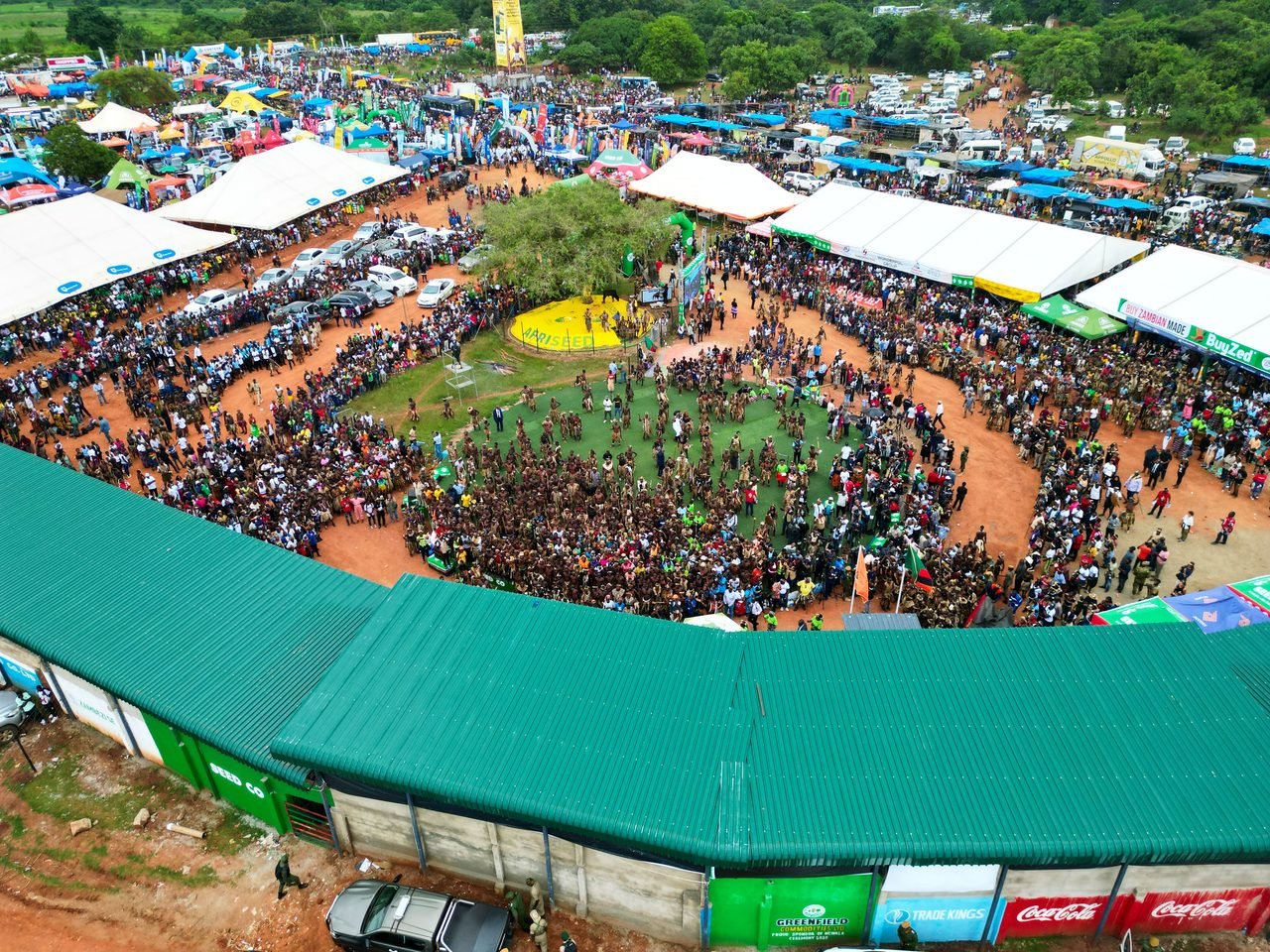
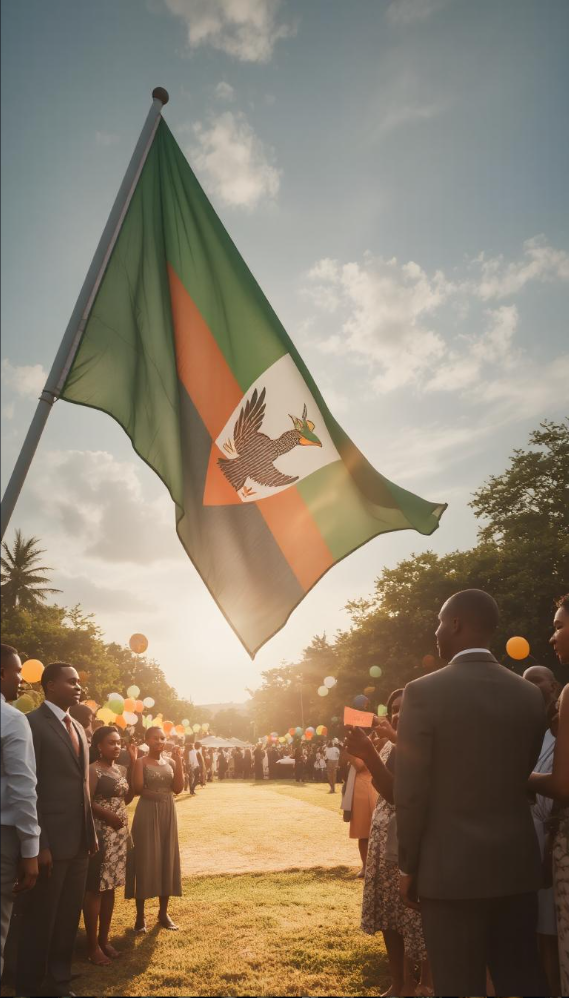
In 2026, Zambia marks 62 years of independence, a milestone that invites both celebration and a practical question about who benefits from national progress. For families, businesses, and visitors, a national anniversary is more than a date on the calendar. It is a chance to consider how national identity connects with global development and daily life.
Green growth is economic growth that limits environmental harm while supporting resilience and inclusion. On Independence Day, that idea turns commemoration into a test: do national priorities expand opportunity while protecting the land and water people rely on? This reflection connects historical context with the United Nations 2030 Agenda and the global goals, the UN Sustainable Development Goals (SDGs).
The retrospective offers a clear promise: a way to assess how sovereignty can shape development choices, community benefits, and environmental care. The anniversary matters most when national pride is matched by wider opportunity and care for the natural systems that sustain it.

How Does Zambia Independence Day 2026, Global Affairs/Development, UNSDGs in Retrospect Connect History to Development?
Zambia’s political history is marked by a clear constitutional arc: multiparty rule at independence, a period of one-party rule, and the restoration of multiparty democracy in 1991. That history gives development a civic dimension: public institutions shape how people participate in decisions and share their gains.
Constitutional changes have shaped the space for political choice. The sequence below sets out 20 historical anchors, from Northern Rhodesia to later presidential elections.
From Northern Rhodesia to the Republic
Five compact groups trace key shifts in the country’s constitutional history and national leadership.
- Northern Rhodesia was under British colonial rule; the 1953 federation joined Northern Rhodesia, Southern Rhodesia, and Nyasaland; the Federation of Rhodesia and Nyasaland was dissolved on December 31, 1963.
- Kenneth Kaunda won the January 1964 election for Prime Minister of Northern Rhodesia; independence came on October 24, 1964; Northern Rhodesia became the Republic of Zambia; Kaunda became its first president.
- The 1964 independence constitution took effect through the Zambia Independence Order-in-Council; it established a multiparty system; the 1973 constitution ended multiparty politics; it recognized UNIP as the only legal party.
- A constitutional amendment promulgated on August 31, 1991, restored multiparty democracy; Kaunda left office on November 2, 1991; he had served since independence; Frederick Chiluba succeeded him.
- Presidential elections brought Levy Mwanawasa to office in 2002, Rupiah Banda in 2008, Michael Sata in 2011, and Hakainde Hichilema in 2021.
Constitutional change and the return to multiparty democracy
The timeline includes both expanded political choice and its restriction. Kaunda’s 1964 election came before he became the independent republic’s first president; the constitutional system later changed sharply.
Constitutional rules can widen civic choice, but their durability depends on continued public responsibility.
Ubuntu, with its emphasis on shared humanity and responsibility, offers an ethical lens for civic life. Sankofa, a principle of learning from the past, encourages reflection before present choices harden into tomorrow’s history. Neither framework should be treated as a direct cause of particular political events.
For development, the lesson is practical: constitutional history helps communities assess how decisions are made and whose needs receive attention. Remembering both constitutional gains and setbacks makes national unity a continuing responsibility, not a finished achievement.
How Can Zambia’s Green-Growth Policy Turn Independence into SDG Progress?

Zambia’s National Green Growth Strategy sets out four pillars for connecting economic activity with climate resilience, resource use, natural capital, and inclusion. The strategy covers 2024-2030 and supports Vision 2030 and the Eighth National Development Plan. Its aim is to make green growth part of development planning, not an ornamental label.
The four pillars are climate-compatible growth, resource efficiency, natural capital, and inclusion. Enabling conditions include stronger policy and regulation, funding, skilled people, and research, technology, and innovation.
Four pillars, one policy framework
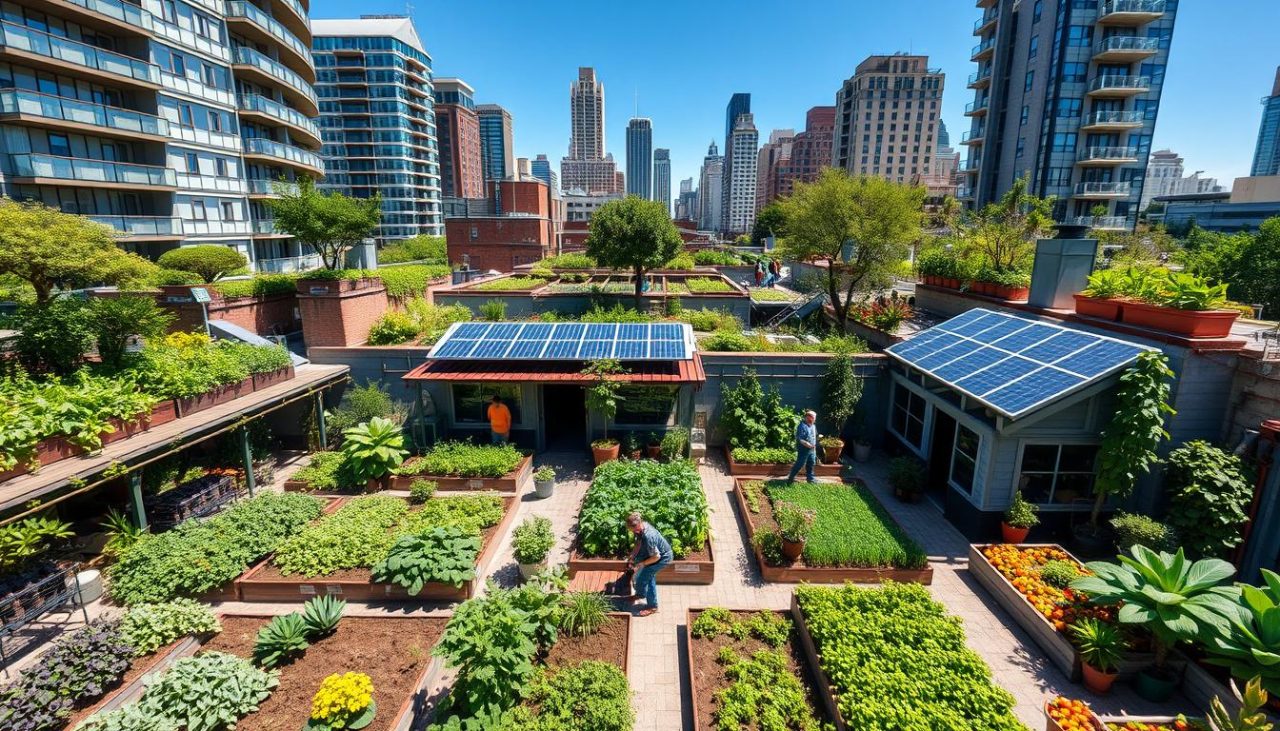
Climate-compatible growth covers agriculture, tourism, energy, water, infrastructure, and climate services. Agriculture can support food security and soil resilience; tourism can connect habitat protection with local enterprise. Energy investment can improve reliable supply, but the strategy does not make every generation source renewable.
Natural capital includes forests, land, water, minerals, and protected and conservation areas. The UN adopted all 17 SDGs in 2015; Zambia completed two voluntary national reviews between 2016 and 2025. In February 2025, Zambia reaffirmed its 2030 Agenda commitment, highlighting sustainable agriculture and disaster preparedness.
Indicators show both progress and unfinished work. Life expectancy rose from 46.6 years in 2000 to 65.2 years in 2023, while 2022 poverty stood at 60% nationally, 78.8% in rural areas, and 31.9% in urban areas. Poverty affected 634 per 1,000 female-headed households and 588 per 1,000 male-headed households.
The Free Education Policy was associated with more than 2.6 million additional learners accessing education since 2021. Constituency Development Fund allocations rose from K1.6 million per constituency in 2021 to K40 million in the 2026 budget. These figures describe important inputs and outcomes, not proof that every household has equal access.
The Grow Zambia Agenda targets 10 million tonnes of maize, 10,000 MW of electricity generation, five million annual tourist arrivals, and three million tonnes of copper. It also sets export targets for soya beans, wheat, sugar, and beef. Real GDP growth was 3.8% in 2024 and 5.2% in 2025; the 2027 projection is 6.3%.
An IMF projection put 2026 growth at 5.6%, September 2026 inflation at 6.1%, and reserves at US$6.1 billion. Proposed IMF financing remained subject to Executive Board approval. Projections and production targets are planned benchmarks, not achieved results.

Ten practical SDG actions for Independence Day
Communities could use the anniversary to review practical steps across the integrated global goals. These are proposed actions, not claims about existing programs.
- Farmers could map climate risks together; local groups could test soil and water conditions.
- Tourism businesses could track local purchasing; residents could record habitat pressures near visitor sites.
- Communities could map clean-energy access; public institutions could report service gaps by location.
- Local monitors could check water quality; residents could report changes in forests and other ecosystems.
- Public bodies could publish inclusion measures; cooperatives could explore joint marketing or shared processing.
Cooperatives may help members share enterprise, equipment, or market access; this is a practical option, not a stated strategy program. Any public progress scorecard should track household access and ecological condition alongside production targets.
How Do Zambia’s Regional Corridors Connect Its Neighbors?
Zambia’s landlocked position makes it a potential trade nexus between central and southern Africa, with routes linking it to seven neighboring countries in this regional picture. The named routes connect it with the Democratic Republic of the Congo, Angola, Botswana, Mozambique, Zimbabwe, Tanzania, and Malawi. They support trade integration as a possibility, not a guaranteed result.
Corridor infrastructure creates potential links; it does not ensure trade, conservation, or community benefits. Africa has 79 ongoing and planned regional economic corridors. The Program for Infrastructure Development in Africa identifies 42 priority corridors, and the African Development Bank has funded 25.
| Corridor | Countries linked | Role |
|---|---|---|
| Lobito Corridor | Democratic Republic of the Congo and Zambia to Angola | Designed route for minerals and other goods to the Atlantic coast |
| Mozambique-Beira Corridor | Mozambique, Zimbabwe, and Zambia | Intended to reduce goods-transport costs |
| Kazangula Bridge and One-Stop Border Post | Zambia and Botswana | Cross-border bridge and border-post link |
| Nacala rail-and-port initiative | Mozambique and Malawi | Regional corridor valued at approximately $2.7 billion |
| Mtwara Development Corridor | Tanzania, Malawi, and Zambia | Planned standard-gauge rail connection |
The regional corridor network also lists the Lobito-Kolwezi-Lubumbashi-Solwezi-Ndola route and the Durban-Lusaka-Lubumbashi route. The Kazangula bridge and One-Stop Border Post link Zambia and Botswana; the other initiatives vary in scope and development stage.
Freight efficiency is only one test of a corridor; local water, habitat, and community needs belong in the assessment too.
Corridors can support sustainable development only when planning assesses environmental conservation and community impacts alongside movement of goods. Corridor planning should test each route against local water, habitat, and community needs, as well as freight efficiency.
Conclusion
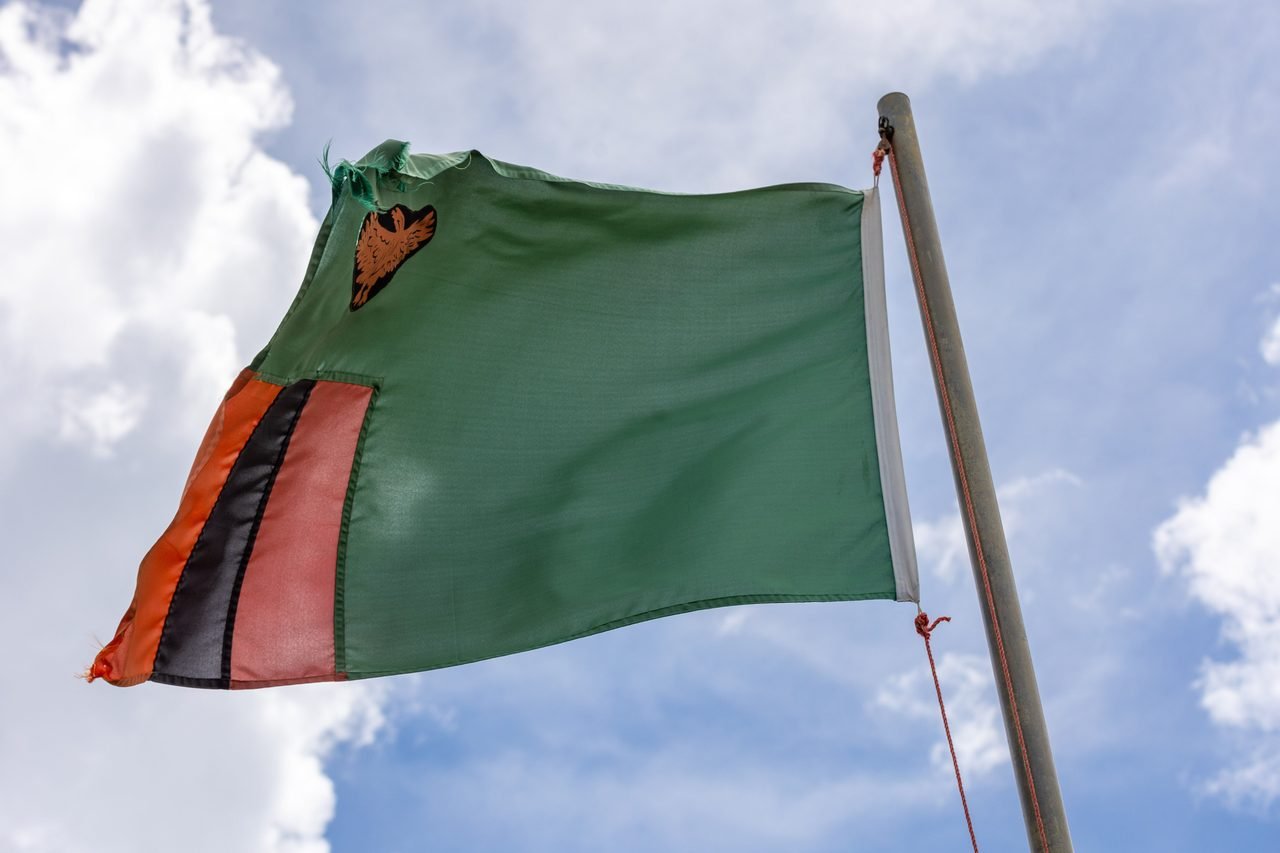
Independence remains a living promise when public choices create broader opportunity and protect the resources future generations will need. Sovereignty creates room for national choices; inclusive delivery determines whether those choices improve lives and protect ecosystems.
That distinction matters in every local budget, service, and enterprise. Production targets can show ambition, but household access and ecological health reveal whether progress reaches beyond headline figures. Community accountability gives residents a way to compare promises with daily experience and raise specific gaps.
Civic groups, local enterprises, and public institutions can review one local development priority against relevant SDG targets each Independence Day. A useful next step is for local institutions and community groups to choose one measurable SDG priority to review together on October 24.

FAQ
Is October 24 always a public holiday in Zambia?
October 24 is Zambia’s Independence Day each year, but the public holiday moves when the date falls on a Sunday. In that case, the following Monday is the public holiday. The observance marks independence in 1964 and remains a fixed date on the national calendar, even when the day off shifts.
What does green growth mean in Zambia’s policy context?
Green growth means economic growth that limits environmental harm while supporting resilience and inclusion. In Zambia’s policy context, it connects resource efficiency, natural capital, and inclusive growth with climate-compatible economic activity. The National Green Growth Strategy covers 2024-2030 and supports Vision 2030 and the Eighth National Development Plan.
Which SDGs are most directly connected to sustainable agriculture?
SDG 2, SDG 6, SDG 12, SDG 13, and SDG 15 have direct ties to sustainable agriculture. They address food security, water, responsible production, climate action, and life on land. The goals are integrated, so farm decisions can affect several at once, including health, livelihoods, and ecosystem protection.
How can Independence Day support local cooperatives?
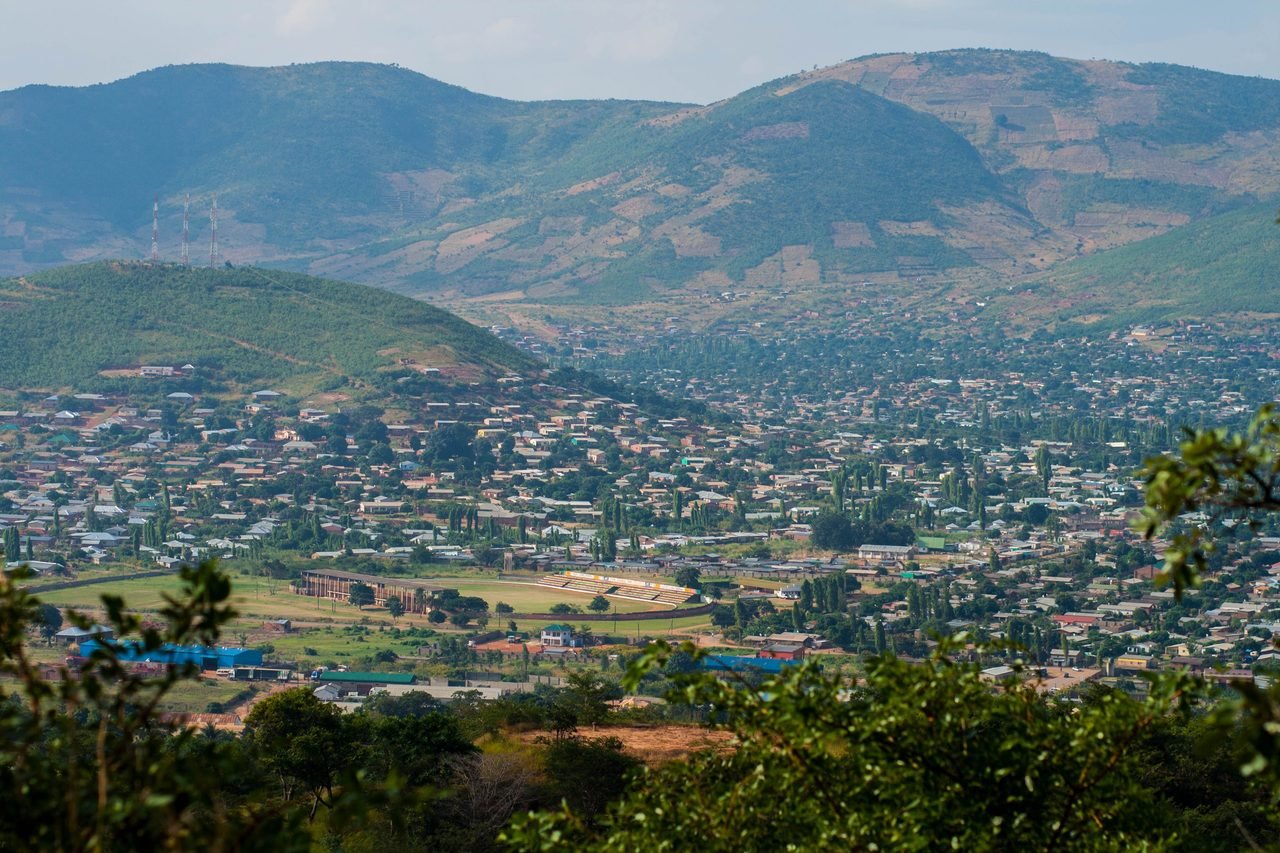
Independence Day could give local cooperatives a public occasion to organize community procurement, joint marketing, or shared processing. These are possible actions, not existing government programs described as established policy. A cooperative might use the occasion to identify a product, agree on shared needs, and discuss how members could reach local buyers.
What does Sankofa add to a discussion of Zambia’s history?
Sankofa offers the principle of learning from the past to inform present choices. Applied to civic reflection, it encourages people to consider how earlier decisions shaped institutions and opportunities. It is an interpretive ethical framework, not an explanation that directly caused particular events in Zambia’s political history.
Does Zambia’s green-growth strategy say all new electricity must be renewable?
No. The strategy includes energy interventions under climate-compatible growth, but a general energy target does not establish a renewable-only requirement. Its framework connects energy with wider development aims, including resilience and resource use. Assessing a power project also requires attention to its generation source, reliability, and environmental effects.
Key Takeaways
- Zambia celebrates 62 years of independence in 2026.
- Its constitutional history includes multiparty rule, one-party rule, and a return to multiparty democracy.
- The National Green Growth Strategy links economic activity with resilience, natural capital, and inclusion.
- SDG progress calls for tracking both household access and environmental conditions.
- Regional corridors create potential trade links, not guaranteed benefits.