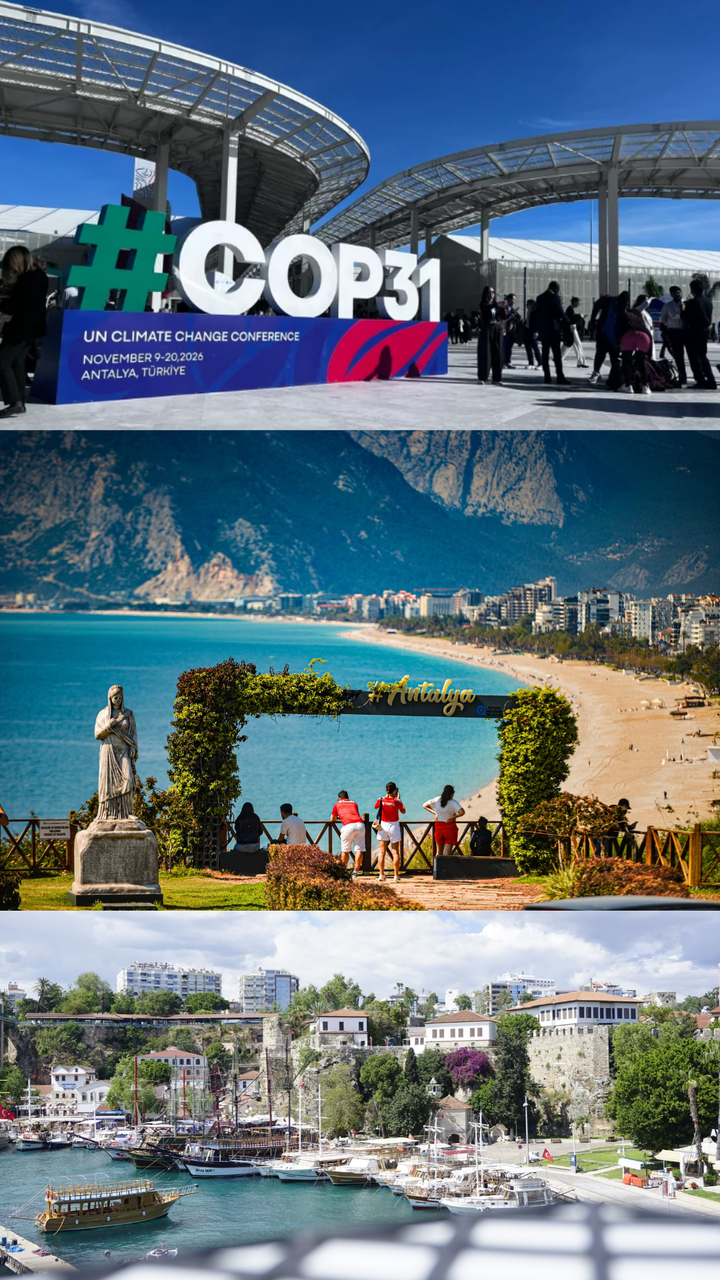
COP31 in Antalya delivered a sobering paradox for global diplomacy: two weeks of fractious negotiations produced no headline political pact, yet technical mandates and commercial clean energy continued their inexorable advance. The summit ended on November 22, 2026, after two full days of overtime. A cover decision is a formal overarching political declaration negotiated at a climate summit that captures collective political consensus beyond routine technical mandates. This gathering marked the first time since Copenhagen in 2009 that formal talks failed to produce such a text.

The machinery of international governance met rising diplomatic deadlock inside the halls. Real progress occurred outside the plenary floor through business deals and practical programs. As multilateral climate talks grapple with deepening geopolitical fractures, the boundary between political posturing and real-world implementation has never been more conspicuous.
The Antalya Summit Breakdown and COP31 Recap Challenges Opportunities in Global Sustainable Development
The marathon summit in Antalya concluded as the longest climate conference in United Nations history, running two full days beyond its scheduled deadline before collapsing without an agreed cover decision. Türkiye hosted the summit under COP31 President Murat Kurum. Australia served as co-host, with Chris Bowen acting as President of Negotiations.
The proposed Antalya pact failed when the European Union, the United Kingdom, and several climate-vulnerable nations rejected the draft pact in the final hours. The dispute centered on weak mitigation wording and an absence of clear financial roadmaps. Several island delegates walked out when draft texts omitted firm language on moving away from fossil fuels.
Diplomatic walkouts proved that vulnerable nations will no longer accept hollow declarations that ignore fossil fuel phase-outs.
Negotiators still preserved basic operations through routine committee decisions. Close to two hundred nations adopted technical texts listed in the official UNFCCC advance unedited decisions before leaving Antalya. These procedural choices kept core workstreams alive across mitigation, finance, and technology transfer.
- Extended the UAE Just Transition Work Programme for three additional years with enhanced guidelines.
- Agreed to launch the global just transition mechanism in distinct stages, targeting formal adoption at COP32.
- Passed procedural rules for the Warsaw International Mechanism to accelerate local disaster support.
- Started procedural work for the second global stocktake across all technical committees.
These smaller steps offered modest relief to negotiators after days of round-the-clock talks. They helped developing countries protect administrative support for urgent adaptation programs. When the gavel finally fell, delegates settled for unglamorous technical survival over a hollow political consensus.
The Fossil Fuel Deadlock and the Strained Machinery of the Paris Agreement
Diplomatic consensus on phasing out hydrocarbons proved remarkably ephemeral in Antalya, where petrostates systematically purged references to moving away from fossil fuels. Negotiators refused to repeat the Dubai language on moving away from fossil energy. That retreat created intense anger among vulnerable states facing direct damage from the climate crisis.

The 2026 synthesis report confirmed that national targets submitted by 154 parties remain dangerously inadequate. The analysis evaluated 127 new NDCs representing 71% of global greenhouse emissions from 2019. Unconditional pledges lower 2035 emissions by only 6% compared to 2019 levels. Conditional plans offer a 9% cut, lowering greenhouse output by an extra 3.5 gigatonnes.
| Framework Metric | Reported Ambition | Projected 2035 Impact | Temperature Path by 2100 |
|---|---|---|---|
| Paris Target | Keep warming within 1.5°C | 45% cut below 2010 levels | 1.5°C limit |
| Unconditional Pledges | Independent national plans | 0% to 12% cut below 2019 | 2.1°C to 2.8°C warming |
| Conditional Elements | Plans backed by climate finance | 9% average cut below 2019 | 1.7°C to 2.3°C warming |
| Adaptation Floor | $120 billion annual proposal | No collective agreement | High adaptation gap |
Major economies also refused to establish a dedicated $120 billion annual adaptation funding floor. Developing states argued that voluntary pledges without money leave poor communities defenseless. Parties formally opened the second global stocktake, which will assess collective progress at COP33 in 2028. A treaty structure that depends entirely on peer pressure and national voluntary plans reveals severe strain when major emitters retreat behind procedural shields.
Action Agenda Breakthroughs Across Global Energy and Nature Finance
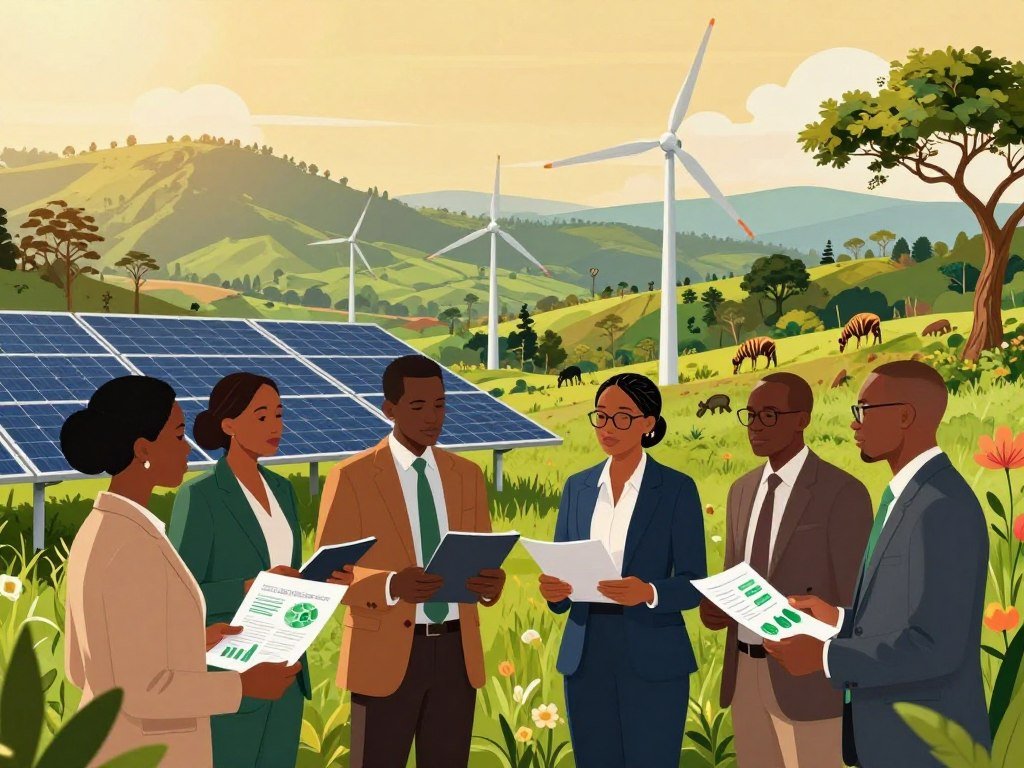
Outside the deadlocked negotiating chambers, commercial momentum and regional coalitions demonstrated that market forces are decoupling from ministerial stalemate. Private investors, cities, and regional coalitions launched powerful projects without waiting for global cover text consensus. These independent programs proved that clean energy expansion continues through pure economic merit.
Around eighty nations joined a historic pact to lift electricity to 35% of total final energy consumption by 2035. The International Energy Agency calculates that hitting this target will cut global emissions by at least eight gigatonnes. This reduction occurs even if nations replace fossil power generation at a moderate speed.
The 35 by 35 Electrification Drive and Grid Upgrades
The electrification drive focuses on heavy transport, home heating, and light industry. Participating governments agreed to upgrade high-voltage transmission grids and back rapid battery storage rollout. Grid modernization helps developing countries bypass dirty fuel systems while cutting local air pollution.
Regional development banks promised fresh loans to support interconnector cables between partner states. These direct wires balance power loads across different borders during peak demand hours. Modern power lines turn clean electricity into a reliable backbone for emerging markets.
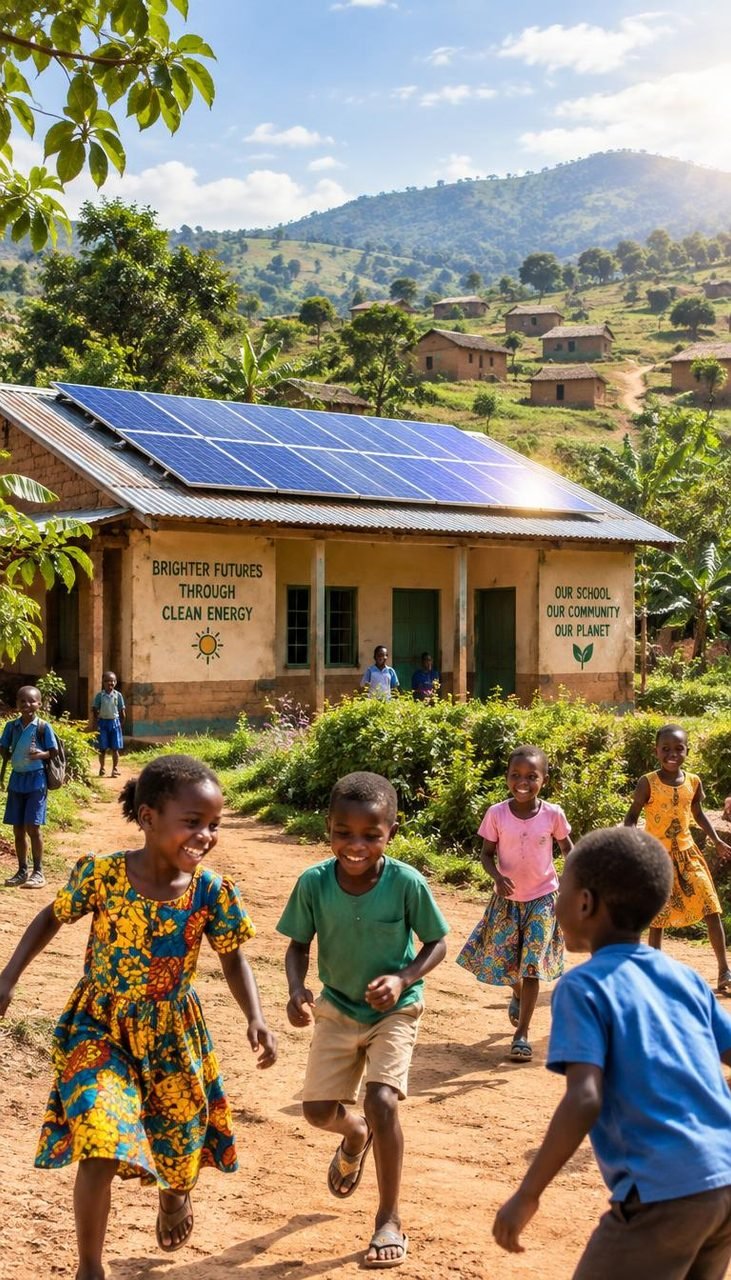
Tropical Forest Forever Facility and Adaptation Roadmaps
Forest protection advanced when sponsor contributions for the nature facility jumped to $8.3 billion. The Tropical Forest Forever Facility rewards developing nations for keeping tropical forest standing through direct yearly payments. Sovereign wealth funds and national treasuries supplied initial equity to guarantee stable returns.
- Secured $8.3 billion in sponsor pledges for the Tropical Forest Forever Facility to reward standing forest conservation.
- Adopted the 59 Belém Adaptation Indicators through a voluntary testing program and expert advisory group.
- Advanced the Baku Adaptation Road Map to speed up infrastructure funding between 2026 and 2028.
- Expanded direct loss and damage grants to ensure fast cash reaches vulnerable island communities.
These voluntary initiatives deliver practical help where official diplomacy falters. They show how targeted finance builds resilience against floods, storms, and rising sea levels. Capital flows increasingly disregard diplomatic squabbling when clean technology offers superior returns and strategic security.
Türkiye’s Domestic Green Transition Between Fossil Dependency and Clean Ambition
Hosting COP31 cast an unforgiving spotlight on Türkiye’s contradictory energy landscape, where ambitious clean technology development clashes with rising fossil fuel consumption. The country raised wind and solar output from 12% in 2020 to 22% by 2025. Yet fossil fuels still generated 56% of total electricity in 2025.

The latest Climate Action Tracker assessment rates Türkiye’s overall climate action as “Critically insufficient” and its domestic policies as “Highly insufficient.” Official forecasts indicate 2035 emissions will rise 7% to 25% above 2018 levels. Reaching a true 1.5°C path demands national cuts of 31% by 2030 and 48% by 2035.
| Energy Sector Metric | Current Turkish Status | Official 2035 Target | 1.5°C Aligned Pathway |
|---|---|---|---|
| Wind and Solar Share | 22% in 2025 | 120 GW capacity | 150 GW minimum capacity |
| Fossil Power Share | 56% of electricity in 2025 | No formal coal exit date | Rapid phase-out by 2035 |
| Electrification Share | 21.8% in 2020 | 24.9% of final energy | Over 35% of final energy |
| ETS Compliance Penalty | Pilot starts in late 2026 | Double allowance price | Strict declining carbon cap |
The Turkish parliament enacted its first Climate Law on July 2, 2025, to build an emissions trading system. Regulated power plants and factories must submit verified carbon credits or face administrative fines equal to twice the market allowance price. The statute channels up to 10% of carbon revenues into community transition funds. Establishing statutory emissions trading provides Türkiye with an institutional foundation, but meaningful decarbonization requires halting the expansion of fossil power.
Bridging NATO Alignment and Global South Climate Diplomacy
Operating at the physical and diplomatic crossroads of East and West, Türkiye pursued a delicate balancing act at COP31 that mirrored its broader foreign policy. The republic joined NATO in 1952 and maintains close military ties with Western governments. Ankara also expands trade and political ties across Africa, the Middle East, and Central Asia.
This dual posture allowed Turkish summit leaders to mediate between wealthy donor states and emerging economies. Developing countries demanded outright grant money rather than loans that increase sovereign debt burdens. Western nations insisted that middle-income economies should also pay into multilateral climate funds.
Turkish diplomats pushed compromise drafts that combined private green bonds with state guarantees. Many developing delegates welcomed Ankara’s willingness to challenge rigid Western positions on climate finance. Others observed that Türkiye hesitated to support swift fossil fuel phase-outs because of its own industrial goals.
Middle powers often find their geopolitical leverage tested when economic interests clash with climate targets. Ankara sought to project regional authority without alienating vital trade partners. Serving as a bridge between competing global blocs carries distinct value, yet middle powers discover that diplomatic goodwill cannot substitute for financial capital.
Geopolitical Fractures and Adjacent Pressures on Global Sustainability
Multilateral climate diplomacy no longer operates in a diplomatic vacuum, as regional conflicts and volatile commodity markets dictated the negotiating atmosphere in Antalya. Shipping disruptions in the Strait of Hormuz created sharp shocks across international oil and gas markets. These energy scares forced many finance ministries to hoard short-term fuel reserves rather than fund international projects.

Clean energy investment reached $2.2 trillion in 2026, which was roughly double the money entering oil, gas, and coal. Economic interest drove this spending rather than United Nations treaties. Cheap solar panels, heat pumps, and batteries offered lower power costs and shield countries from wild market swings.
High-level political interest was noticeably weak throughout the Antalya summit halls. UK Prime Minister Andy Burnham arrived as the only registered head of government from the G7 group. Most major world leaders chose to stay home to manage domestic inflation and regional security disputes.
Trade barriers also cast a long shadow over clean technology supply chains. Disputes over solar manufacturing and minerals caused friction between industrial powerhouses and importing nations. When sovereign energy security aligns with cost-effective electrification, national industrial policies accelerate far faster than treaties can mandate.
Assessing the 2030 Sustainable Development Goals, Green Buildings, and Ecological Initiatives
With only four years remaining before the 2030 deadline for the United Nations Sustainable Development Goals, the international scorecard displays an unmistakable divergence between techno-economic goals and social equity mandates. Clean power deployment broke historical records across major markets. Social programs and poverty reduction measures fell badly behind their stated targets.
Renewables overtook coal as the world’s largest electricity source in 2025, marking an undeniable bright spot for global progress. That milestone proves industrial capacity can shift quickly when prices drop. Progress on ending poverty and reducing wealth inequality remains far too slow.
Clean power broke historical records in 2025, but social equity programs face severe financing deficits across emerging markets.
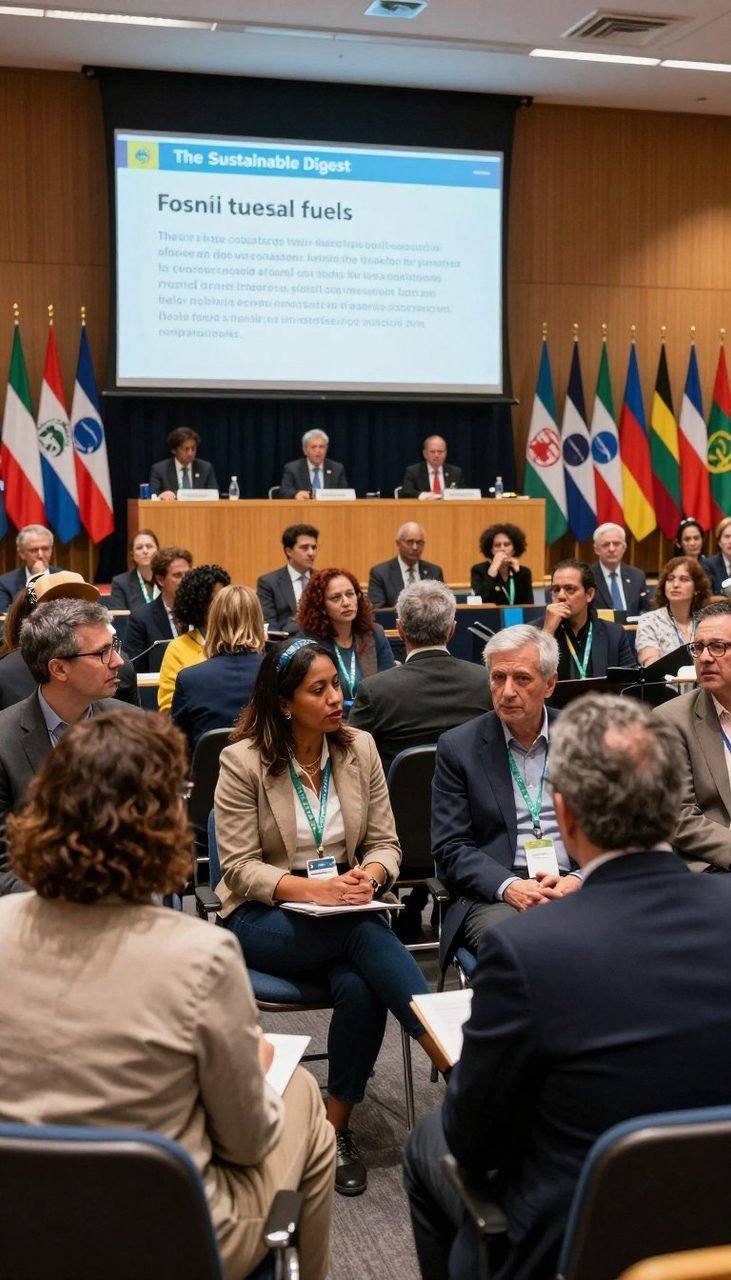
Evaluating SDG Progress and Targets
The United Nations agenda divides into clear winners and lagging mandates as 2030 draws near. Market-driven programs attract massive private capital while public assistance initiatives languish without resources. Governments must confront these uneven results before setting future global priorities.
- SDG 7 Clean Energy advances rapidly as wind, solar, and batteries become the cheapest power options.
- SDG 9 Industry and Innovation expands through electric vehicle manufacturing and battery gigafactories.
- SDG 1 No Poverty lags severely due to debt distress and high food prices across low-income states.
- SDG 10 Reduced Inequalities stalls as clean investment concentrates in North America, Europe, and China.
- SDG 13 Climate Action suffers from weak national targets that leave the planet on a 2°C trajectory.
Green Buildings and Practical Environmental Standards
The built environment produces roughly 37% of worldwide operational and embodied carbon emissions. Slashing energy use in buildings offers quick savings through smart heating, cooling, and heat pumps. Cutting embodied carbon in steel, cement, and glass remains an uphill battle.
Developing nations face severe administrative backlogs when trying to enforce modern green building codes. Municipalities often lack trained inspectors to check thermal insulation and energy efficiency rules. Retrofitting the built environment and enforcing stringent green building codes remains the quiet linchpin that will determine whether sustainable development goals succeed or stagnate.
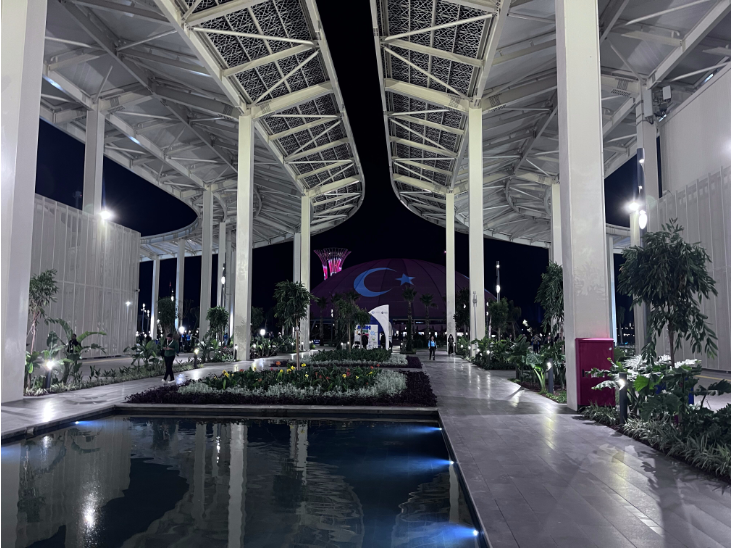
Conclusion
COP31 demonstrated conclusively that while international climate diplomacy remains bogged down in semantic disputes, the economic foundations of the global energy transition are advancing under their own momentum. Market forces now drive clean energy faster than ministerial consensus, as shown by record global investments in solar power, batteries, and industrial electrification. The failure in Antalya shows that international negotiations cannot force fossil fuel reductions without genuine political will from major producers.
International attention now turns to Addis Ababa for COP32, where developing nations and multilateral institutions must resolve the adaptation financing deficit before political trust evaporates entirely.
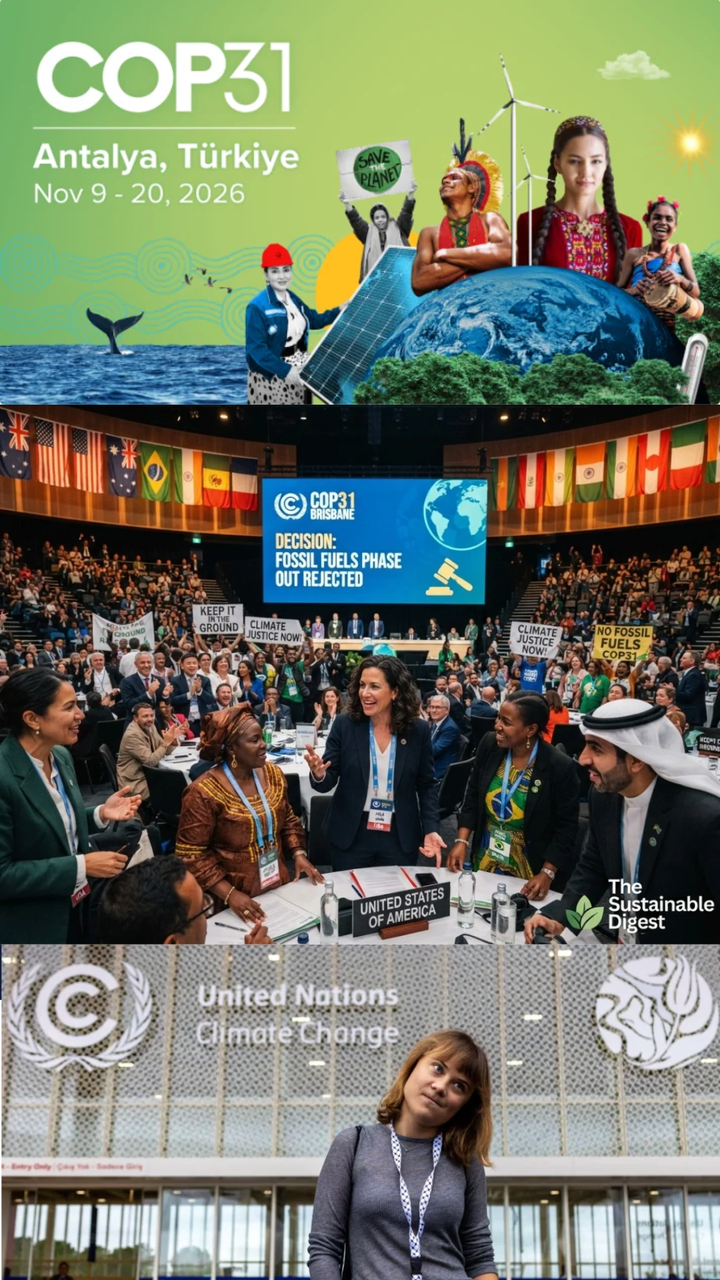
FAQ
Why did COP31 conclude without an official cover decision?
Parties could not agree on omitting language about moving away from fossil fuels and setting adaptation finance targets. The European Union, the United Kingdom, and several climate-vulnerable island nations rejected the draft text during the final hours. Negotiators chose to let the overarching political text collapse rather than accept an agreement that ignored the phase-out of hydrocarbons and lacked firm money commitments.
What was the main energy agreement achieved under the Action Agenda in Antalya?
Around eighty nations signed the 35 by 35 electrification pledge outside the formal treaty negotiations. This coalition committed to securing 35% of final energy consumption from electricity by 2035. The International Energy Agency estimated that hitting this electrification target can cut worldwide carbon emissions by eight gigatonnes, even if nations retire fossil power plants at a modest pace over the coming decade.
How does Türkiye’s domestic climate performance compare to its summit leadership?
Türkiye holds a Critically Insufficient rating from Climate Action Tracker despite hosting the conference. Wind and solar power supplied 22% of Turkish electricity in 2025, but fossil fuels generated 56% of power. National policies point to emissions rising up to 25% above 2018 levels by 2035, which conflicts directly with the cuts needed to match the 1.5°C Paris Agreement warming threshold.
What key progress was made on nature finance during COP31?
The Tropical Forest Forever Facility saw its sponsor commitments rise to $8.3 billion in initial capital pledges. This nature facility rewards tropical nations with annual payments for keeping standing forests intact. It blends sovereign funds and private capital to create predictable income streams for conservation, offering practical protection for ecosystems while political talks on broader finance remain deadlocked.
When will the second global stocktake under the Paris Agreement finish?
The second global stocktake was formally launched at COP31 in Antalya and will conclude at COP33 in November 2028. This multi-year process reviews collective progress toward Paris Agreement goals across mitigation, adaptation, and finance. It will examine updated national targets and tell governments whether their policies are enough to keep global warming from passing dangerous thresholds.
How does Türkiye’s 2025 Climate Law enforce its emissions trading system?
The Climate Law passed in July 2025 sets up an emissions trading system run by a Carbon Market Board. Industrial installations and power plants must surrender verified emissions allowances each year to cover their carbon footprint. Operators that fail to surrender adequate allowances face mandatory administrative fines set at twice the prevailing market allowance price under the statute.
Key Takeaways
- Antalya closed without a Presidency-led cover decision after talks broke down over fossil fuel language.
- Nations approved practical mandates on adaptation metrics, carbon market accounting, and disaster response.
- The 35 by 35 energy target gathered eighty nations pledging 35% electricity in final energy by 2035.
- Sponsor funding for the Tropical Forest Forever Facility climbed to $8.3 billion in capital pledges.
- Türkiye enacted its first Climate Law while facing high reliance on coal and gas power.
- The second global stocktake began its official cycle, aiming to finish at COP33 in 2028.