Zambia Independence Day 2026, Global Affairs/Development, UNSDGs in Retrospect: History

Zambia Independence Day 2026, global affairs/development, UNSDGs in retrospect

In 2026, Zambia marks 62 years of independence, a milestone that invites both celebration and a practical question about who benefits from national progress. For families, businesses, and visitors, a national anniversary is more than a date on the calendar. It is a chance to consider how national identity connects with global development and daily life.

Green growth is economic growth that limits environmental harm while supporting resilience and inclusion. On Independence Day, that idea turns commemoration into a test: do national priorities expand opportunity while protecting the land and water people rely on? This reflection connects historical context with the United Nations 2030 Agenda and the global goals, the UN Sustainable Development Goals (SDGs).

The retrospective offers a clear promise: a way to assess how sovereignty can shape development choices, community benefits, and environmental care. The anniversary matters most when national pride is matched by wider opportunity and care for the natural systems that sustain it.

How Does Zambia Independence Day 2026, Global Affairs/Development, UNSDGs in Retrospect Connect History to Development?

Zambiaโ€™s political history is marked by a clear constitutional arc: multiparty rule at independence, a period of one-party rule, and the restoration of multiparty democracy in 1991. That history gives development a civic dimension: public institutions shape how people participate in decisions and share their gains.

Constitutional changes have shaped the space for political choice. The sequence below sets out 20 historical anchors, from Northern Rhodesia to later presidential elections.

From Northern Rhodesia to the Republic

Five compact groups trace key shifts in the countryโ€™s constitutional history and national leadership.

  • Northern Rhodesia was under British colonial rule; the 1953 federation joined Northern Rhodesia, Southern Rhodesia, and Nyasaland; the Federation of Rhodesia and Nyasaland was dissolved on December 31, 1963.
  • Kenneth Kaunda won the January 1964 election for Prime Minister of Northern Rhodesia; independence came on October 24, 1964; Northern Rhodesia became the Republic of Zambia; Kaunda became its first president.
  • The 1964 independence constitution took effect through the Zambia Independence Order-in-Council; it established a multiparty system; the 1973 constitution ended multiparty politics; it recognized UNIP as the only legal party.
  • A constitutional amendment promulgated on August 31, 1991, restored multiparty democracy; Kaunda left office on November 2, 1991; he had served since independence; Frederick Chiluba succeeded him.
  • Presidential elections brought Levy Mwanawasa to office in 2002, Rupiah Banda in 2008, Michael Sata in 2011, and Hakainde Hichilema in 2021.
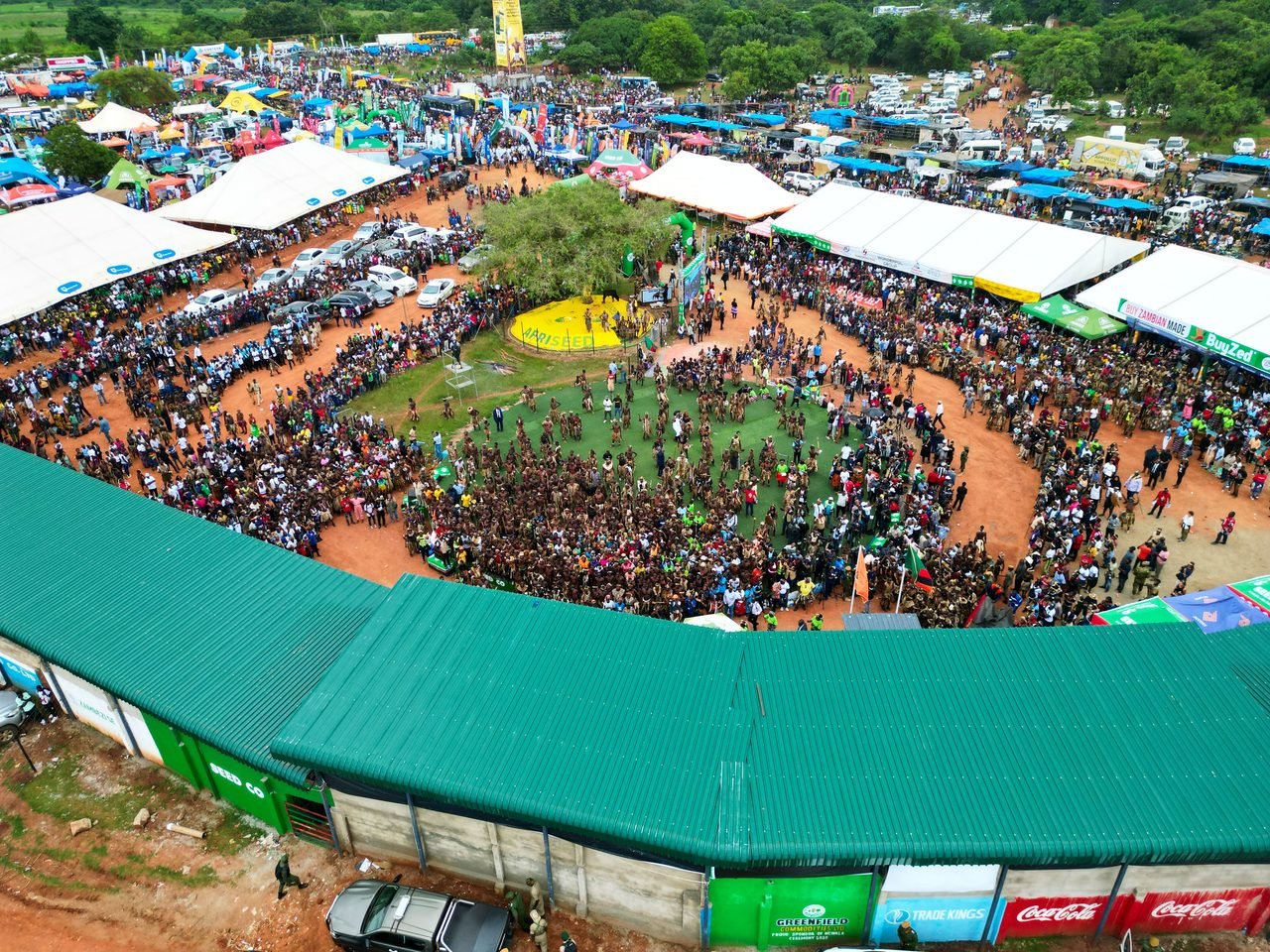
Constitutional change and the return to multiparty democracy

The timeline includes both expanded political choice and its restriction. Kaundaโ€™s 1964 election came before he became the independent republicโ€™s first president; the constitutional system later changed sharply.

Constitutional rules can widen civic choice, but their durability depends on continued public responsibility.

Ubuntu, with its emphasis on shared humanity and responsibility, offers an ethical lens for civic life. Sankofa, a principle of learning from the past, encourages reflection before present choices harden into tomorrowโ€™s history. Neither framework should be treated as a direct cause of particular political events.

For development, the lesson is practical: constitutional history helps communities assess how decisions are made and whose needs receive attention. Remembering both constitutional gains and setbacks makes national unity a continuing responsibility, not a finished achievement.

How Can Zambiaโ€™s Green-Growth Policy Turn Independence into SDG Progress?

Farmers in professional attire, actively reviewing soil and water conditions, focusing on sustainable agricultural practices in a vibrant, lush field. The foreground features two farmers kneeling, inspecting soil samples with tools and notes in hand. In the middle ground, rows of crops stretch towards the horizon, with a backdrop of healthy green fields. The sun is shining brightly, casting a warm golden light, creating a positive and collaborative atmosphere. The scene is framed by a clear blue sky, enhancing the sense of optimism for sustainable development. The image should embody the themes of environmental stewardship and community engagement. The Sustainable Digest logo is subtly integrated into the scene, ensuring a professional presentation.

Zambiaโ€™s National Green Growth Strategy sets out four pillars for connecting economic activity with climate resilience, resource use, natural capital, and inclusion. The strategy covers 2024-2030 and supports Vision 2030 and the Eighth National Development Plan. Its aim is to make green growth part of development planning, not an ornamental label.

The four pillars are climate-compatible growth, resource efficiency, natural capital, and inclusion. Enabling conditions include stronger policy and regulation, funding, skilled people, and research, technology, and innovation.

Four pillars, one policy framework

Climate-compatible growth covers agriculture, tourism, energy, water, infrastructure, and climate services. Agriculture can support food security and soil resilience; tourism can connect habitat protection with local enterprise. Energy investment can improve reliable supply, but the strategy does not make every generation source renewable.

Natural capital includes forests, land, water, minerals, and protected and conservation areas. The UN adopted all 17 SDGs in 2015; Zambia completed two voluntary national reviews between 2016 and 2025. In February 2025, Zambia reaffirmed its 2030 Agenda commitment, highlighting sustainable agriculture and disaster preparedness.

Indicators show both progress and unfinished work. Life expectancy rose from 46.6 years in 2000 to 65.2 years in 2023, while 2022 poverty stood at 60% nationally, 78.8% in rural areas, and 31.9% in urban areas. Poverty affected 634 per 1,000 female-headed households and 588 per 1,000 male-headed households.

The Free Education Policy was associated with more than 2.6 million additional learners accessing education since 2021. Constituency Development Fund allocations rose from K1.6 million per constituency in 2021 to K40 million in the 2026 budget. These figures describe important inputs and outcomes, not proof that every household has equal access.

The Grow Zambia Agenda targets 10 million tonnes of maize, 10,000 MW of electricity generation, five million annual tourist arrivals, and three million tonnes of copper. It also sets export targets for soya beans, wheat, sugar, and beef. Real GDP growth was 3.8% in 2024 and 5.2% in 2025; the 2027 projection is 6.3%.

An IMF projection put 2026 growth at 5.6%, September 2026 inflation at 6.1%, and reserves at US$6.1 billion. Proposed IMF financing remained subject to Executive Board approval. Projections and production targets are planned benchmarks, not achieved results.

Ten practical SDG actions for Independence Day

Communities could use the anniversary to review practical steps across the integrated global goals. These are proposed actions, not claims about existing programs.

  • Farmers could map climate risks together; local groups could test soil and water conditions.
  • Tourism businesses could track local purchasing; residents could record habitat pressures near visitor sites.
  • Communities could map clean-energy access; public institutions could report service gaps by location.
  • Local monitors could check water quality; residents could report changes in forests and other ecosystems.
  • Public bodies could publish inclusion measures; cooperatives could explore joint marketing or shared processing.

Cooperatives may help members share enterprise, equipment, or market access; this is a practical option, not a stated strategy program. Any public progress scorecard should track household access and ecological condition alongside production targets.
How Do Zambiaโ€™s Regional Corridors Connect Its Neighbors?

Zambiaโ€™s landlocked position makes it a potential trade nexus between central and southern Africa, with routes linking it to seven neighboring countries in this regional picture. The named routes connect it with the Democratic Republic of the Congo, Angola, Botswana, Mozambique, Zimbabwe, Tanzania, and Malawi. They support trade integration as a possibility, not a guaranteed result.

Corridor infrastructure creates potential links; it does not ensure trade, conservation, or community benefits. Africa has 79 ongoing and planned regional economic corridors. The Program for Infrastructure Development in Africa identifies 42 priority corridors, and the African Development Bank has funded 25.

CorridorCountries linkedRole
Lobito CorridorDemocratic Republic of the Congo and Zambia to AngolaDesigned route for minerals and other goods to the Atlantic coast
Mozambique-Beira CorridorMozambique, Zimbabwe, and ZambiaIntended to reduce goods-transport costs
Kazangula Bridge and One-Stop Border PostZambia and BotswanaCross-border bridge and border-post link
Nacala rail-and-port initiativeMozambique and MalawiRegional corridor valued at approximately $2.7 billion
Mtwara Development CorridorTanzania, Malawi, and ZambiaPlanned standard-gauge rail connection

The regional corridor network also lists the Lobito-Kolwezi-Lubumbashi-Solwezi-Ndola route and the Durban-Lusaka-Lubumbashi route. The Kazangula bridge and One-Stop Border Post link Zambia and Botswana; the other initiatives vary in scope and development stage.

Freight efficiency is only one test of a corridor; local water, habitat, and community needs belong in the assessment too.

Corridors can support sustainable development only when planning assesses environmental conservation and community impacts alongside movement of goods. Corridor planning should test each route against local water, habitat, and community needs, as well as freight efficiency.
Conclusion

Independence remains a living promise when public choices create broader opportunity and protect the resources future generations will need. Sovereignty creates room for national choices; inclusive delivery determines whether those choices improve lives and protect ecosystems.

That distinction matters in every local budget, service, and enterprise. Production targets can show ambition, but household access and ecological health reveal whether progress reaches beyond headline figures. Community accountability gives residents a way to compare promises with daily experience and raise specific gaps.

Civic groups, local enterprises, and public institutions can review one local development priority against relevant SDG targets each Independence Day. A useful next step is for local institutions and community groups to choose one measurable SDG priority to review together on October 24.

FAQ

Is October 24 always a public holiday in Zambia?

October 24 is Zambiaโ€™s Independence Day each year, but the public holiday moves when the date falls on a Sunday. In that case, the following Monday is the public holiday. The observance marks independence in 1964 and remains a fixed date on the national calendar, even when the day off shifts.

What does green growth mean in Zambiaโ€™s policy context?

Green growth means economic growth that limits environmental harm while supporting resilience and inclusion. In Zambiaโ€™s policy context, it connects resource efficiency, natural capital, and inclusive growth with climate-compatible economic activity. The National Green Growth Strategy covers 2024-2030 and supports Vision 2030 and the Eighth National Development Plan.

Which SDGs are most directly connected to sustainable agriculture?

SDG 2, SDG 6, SDG 12, SDG 13, and SDG 15 have direct ties to sustainable agriculture. They address food security, water, responsible production, climate action, and life on land. The goals are integrated, so farm decisions can affect several at once, including health, livelihoods, and ecosystem protection.
How can Independence Day support local cooperatives?

Independence Day could give local cooperatives a public occasion to organize community procurement, joint marketing, or shared processing. These are possible actions, not existing government programs described as established policy. A cooperative might use the occasion to identify a product, agree on shared needs, and discuss how members could reach local buyers.

What does Sankofa add to a discussion of Zambiaโ€™s history?

Sankofa offers the principle of learning from the past to inform present choices. Applied to civic reflection, it encourages people to consider how earlier decisions shaped institutions and opportunities. It is an interpretive ethical framework, not an explanation that directly caused particular events in Zambiaโ€™s political history.

Does Zambiaโ€™s green-growth strategy say all new electricity must be renewable?

No. The strategy includes energy interventions under climate-compatible growth, but a general energy target does not establish a renewable-only requirement. Its framework connects energy with wider development aims, including resilience and resource use. Assessing a power project also requires attention to its generation source, reliability, and environmental effects.

Key Takeaways

  • Zambia celebrates 62 years of independence in 2026.
  • Its constitutional history includes multiparty rule, one-party rule, and a return to multiparty democracy.
  • The National Green Growth Strategy links economic activity with resilience, natural capital, and inclusion.
  • SDG progress calls for tracking both household access and environmental conditions.
  • Regional corridors create potential trade links, not guaranteed benefits.

2026 SDSN Sustainable Development Report annual review analysis

2026 SDSN Sustainable Development Report annual update review analysis

The latest edition of the 2026 SDSN Sustainable Development Report marks a significant moment in global efforts toward a more equitable future. It reflects a decade of data and progress since the adoption of the 2030 Agenda by all UN Member States. This document serves as a crucial tool for understanding the trajectory of development across nations.

In this year’s report, the SDSN Sustainable Development Solutions Network has identified eight key priorities aimed at accelerating progress through 2030 and beyond. This strategic shift emphasizes the importance of looking forward, rather than solely reflecting on past achievements.

Moreover, the report features insights from two innovative surveys that gauge both expert opinions and public perceptions regarding the barriers to implementing these vital goals. As nations navigate complex challenges, the findings serve as a guide for policymakers and stakeholders alike.

As we delve into the details, it becomes clear that the rankings of countries such as Finland, Sweden, and Denmark are not just a celebration of their achievements. They represent a commitment to long-term strategies that foster positive impacts both domestically and internationally.

1. Introduction to the SDSN and UN DESA Roles in Sustainable Development

At the forefront of global initiatives, the Sustainable Development Solutions Network and the United Nations Department of Economic and Social Affairs collaborate to advance significant goals. Their combined efforts have shaped the landscape of international development, particularly since the adoption of the 2030 Agenda in 2015.

1.1 Historical Background of the Sustainable Development Solutions Network

The Sustainable Development Solutions Network emerged as a brain trust under UN auspices. Since 2015, it has mobilized global academic and research expertise to tackle the most intractable challenges facing all 193 member states. This initiative emphasizes collaborative approaches to sustainable development.

1.2 Overview of the United Nations Department of Economic and Social Affairs

UN DESA’s long-term history as the Secretariat’s economic social arm stretches back decades. However, its role crystallized dramatically after 2015, when it became the backbone for the High-Level Political Forum. This forum serves as the custodian of the Voluntary National Review process across 193 member states.

1.3 Synergies between SDSN and UN DESA in Global SDG Efforts

The synergy between SDSN and UN DESA is evident in their complementary data collection efforts. SDSN leverages its global network of academics to track the evolving landscape of sustainable development. Meanwhile, UN DESA maintains the official SDG indicator framework that informs monitoring processes.

Since 2016, both organizations have strengthened governance systems through bilateral relationships with national and regional governments. This collaboration is crucial for effective implementation of the sustainable development goals.

OrganizationRoleKey Contributions
Sustainable Development Solutions NetworkMobilizes research expertiseAddresses complex challenges in 193 member states
United Nations Department of Economic and Social AffairsServes as the Secretariat’s economic social armCustodian of Voluntary National Review process
CollaborationData collection and governanceStrengthens systems for sustainable development

Short-term progressions have seen both institutions grappling with the declining emphasis on sustainable development in high-level discussions. This trend underscores the urgency of their collaborative efforts in fostering a sustainable future.

2. Evolution and Annual Development of the 2026 SDSN Sustainable Development Report

A dramatic visualization of the evolution of the Sustainable Development Report, featuring a timeline that showcases key milestones with symbolic iconsโ€”like renewable energy, education, and community growthโ€”interwoven through a vibrant landscape. In the foreground, diverse professionals in business attire discuss and analyze reports, radiating a sense of collaboration. The middle ground is filled with visuals representing data visualization elements, such as graphs and charts, seamlessly merging with lush greenery and cityscapes, symbolizing progress. In the background, a warm golden sunset casts dramatic lighting, creating an optimistic atmosphere. The overall mood is one of hope and collective advancement toward sustainability. The image embodies the essence of "The Sustainable Digest" and reflects the themes of evolution and development.

The evolution of these reports mirrors the dynamic nature of global development efforts and the pressing need for accountability. Since 2015, the series has transformed from a basic scorecard into a comprehensive tool for assessing progress across nations.

2.1 The Report’s Genesis and Long-Term Development Since 2015

The sustainable development report series began its journey in 2015. It aimed to hold all 193 UN Member States accountable to the newly established SDGs. Over the years, it has evolved into a multidimensional analytical framework, as seen in the latest edition.

2.2 Annual Update Process and Collaborative Mechanisms (2016-2026)

Each annual update since 2016 has introduced methodological refinements. The early editions primarily focused on country rankings. However, later versions incorporated spillover indices and trend analyses. By the latest edition, comprehensive survey data from expert networks and the public have been included.

The collaborative mechanisms behind the annual updates involve a well-coordinated effort. SDSN’s secretariat collaborates with regional offices in Asia, Europe, and North America. An expanding network of local chairs and managers ensures the accuracy of data across all 193 countries.

2.3 Integration of Expert and Public Surveys in Report Refinement

The integration of expert and public surveys marks a significant methodological evolution. The latest edition includes the “2026 Expert Survey on Government Efforts for the SDGs,” covering 64 countries and the European Union. Additionally, it features the “2026 Survey on SDG Challenges and Means for Implementation,” which gathered insights from 1,098 respondents across 127 countries.

Annual decisions have been influenced by the shifting landscape of international development. For instance, the 2019 edition introduced the six SDG Transformations framework, while the 2020 edition addressed the impacts of the COVID-19 pandemic. The latest edition now pivots toward priorities beyond 2030 as the deadline approaches.

Initially affiliated with a university press, the report has matured into a globally recognized authority on SDG progress. Each edition builds on the previous year’s lessons, expanding the universe of data available for cross-country comparisons.

Importantly, all report materialsโ€”including the full PDF, Excel database with scores and ratings, codebook, and methodology documentationโ€”are available for free. This commitment to democratizing data reflects the guiding principles that have shaped the report’s evolution since 2016.

3. Analysis of SDSN Expert and Large-Scale Surveys on SDG Implementation

The recent expert survey sheds light on the effectiveness of government initiatives related to the SDGs. It highlights how these efforts have been integrated into public management practices. This analysis draws on qualitative data collected from experts across various countries, providing a nuanced understanding of SDG implementation challenges.

3.1 The 2026 Expert Survey on Government Efforts

This year’s expert survey represents a methodological triumph in qualitative data collection. It mobilized 65 responses across 64 countries and the European Union. The survey assessed how deeply the SDG framework has penetrated national public management practices since 2018.

Countries like Canada, Denmark, Ghana, and Italy have made significant strides in incorporating the SDG framework into their governmental practices. In contrast, Australia, the United States, and Venezuela have not prioritized the SDGs in their public management frameworks.

3.2 Insights from the 2026 Large-Scale Survey on SDG Challenges

The large-scale survey, encompassing 1,098 respondents from 127 countries, provides a broader perspective on SDG outcomes. An overwhelming 78% of respondents believe that SDG outcomes in their countries have either improved or stagnated from 2015 to 2025.

However, the survey also identified significant barriers to SDG implementation. Notably, 89% of respondents pointed to the failure to implement approved strategies as a critical challenge. Additionally, 87% highlighted the shifting geopolitical landscape as another major hurdle.

3.3 Implications of Survey Findings on Policy and Implementation Practices

The findings from both surveys underscore the unique value of the SDSN in curating insights for the updated report. By triangulating expert assessments, public perceptions, and quantitative indicators, the network provides a multidimensional picture of government efforts.

This comprehensive approach informs the eight priorities for accelerating SDG progress through 2030 and beyond. It reveals that while bureaucratic structures remain in place, the political commitment at the highest levels is waning, as evidenced by the decline in heads of state referencing the SDGs in official speeches.

4. Role and Impact of Voluntary National and Local Reviews in Global SDG Monitoring

A modern conference room bustling with activity, showcasing a diverse group of professionals engaged in a dynamic discussion about Voluntary National and Local Reviews for Sustainable Development Goals (SDGs). In the foreground, a confident woman in business attire gestures toward a digital presentation displaying colorful charts and maps illustrating global progress. In the middle ground, colleagues (all in professional business attire) collaborate, surrounded by documents and laptops, creating a sense of teamwork and innovation. The background features large windows with a city skyline view, bathed in natural light, symbolizing transparency and hope. The mood is energetic and optimistic, reflecting the importance of collective efforts in global monitoring. The overall atmosphere is professional yet inspiring, encapsulated in a clean, contemporary design, embodying the essence of "The Sustainable Digest."

The mechanisms for Voluntary National and Local Reviews have emerged as pivotal tools in tracking global progress. Since 2016, 190 countries have participated in the Voluntary National Review (VNR) process. This achievement represents a remarkable feat of global accountability architecture, particularly in contrast to the three holdouts: Haiti, Myanmar, and the United States.

In 2026, 36 countries are scheduled to present updated reviews of their SDG action plans. Notably, there are no first-time presenters this year. Togo and Uruguay will present their fifth VNRs, showcasing their sustained engagement with this important mechanism. This evolution reflects how the VNR process has transformed from a one-off reporting exercise into an iterative policy learning cycle over the past decade.

The growth of Voluntary Local Reviews (VLRs) tells an equally compelling story. Subnational authorities in 48 countries have produced 386 VLRs from 2016 to 2026. Brazil, Malaysia, Mexico, and Argentina alone account for nearly half of these reviews. The number of VLR submissions surged by 69% from 62 in 2024 to 105 in 2025, indicating a robust local-level momentum for sustainable development.

4.5 Role and Impact of Voluntary National and Local Reviews in Global SDG Monitoring continuing..

UN DESA’s role as the institutional custodian of both VNRs and VLRs has expanded significantly. The Department maintains comprehensive databases tracking participation trends and provides technical support to governments preparing their reviews. This support ensures that these accountability mechanisms feed into the broader SDG implementation monitoring ecosystem.

The absence of the United States from the VNR process, alongside Haiti and Myanmar, highlights a significant gap in global SDG progress monitoring. This is particularly concerning given the country’s influence on international spillover effects, which the SDSN’s spillover index tracks across multiple indicators.

Ultimately, the VNR and VLR mechanisms embody the principle of country-led accountability that underpins the 2030 Agenda. UN DESA’s support infrastructure has evolved from basic reporting templates to sophisticated data platforms, enabling cross-country comparisons and peer learning among the 190 participating countries.

CountryVNR PresentationsVLR Count
Togo515
Uruguay510
Brazil472
Malaysia444
Mexico435
Argentina434
United States00

5. 2026 SDSN Sustainable Development Report Annual Update Review Analysis: Key Findings and Priorities

In this edition, we explore the vital discoveries and strategic priorities emerging from the latest global development evaluations. The 2026 findings reaffirm the Nordic dominance in sustainable development, with Finland, Sweden, and Denmark topping the rankings. However, the sdg index dashboards reveal a more complex narrative.

The spillover index illustrates how the consumption patterns of wealthier nations can negatively impact progress towards achieving the sustainable development goals in the Global South. This nuance is crucial for understanding the interconnectedness of global development efforts.

5.1 Overview of 2026 SDSN Report Rankings and Trends

The rankings from the development report 2026 indicate that while some countries excel, there are underlying issues that need addressing. The interactive maps within the report showcase the performance of nations on each of the 17 goals, providing a clear picture of where efforts are succeeding and where they are lacking.

5.2 Priority Areas and Emerging Issues in the Post-2030 Sustainable Development Agenda

The report identifies eight key priorities for accelerating sdg progress through 2030 and beyond. A remarkable consensus among experts reveals that at least 75% agree on six critical priorities for the post -2030 agenda. These include:

  • Strengthening means for implementation, focusing on governance and data.
  • Developing international guidelines on SDG synergies and trade-offs.
  • Incorporating artificial intelligence into future frameworks.
  • Reforming the global financial architecture to address budgeting gaps.
  • Ensuring stability in the framework while maintaining continuity in goals.
  • Better reflecting and incorporating international spillovers.

5.3 SDSN and UN DESA’s Collaborative Role in Shaping International Development Policies

The collaborative dynamic between SDSN and UN DESA plays a pivotal role in shaping international development policies. Their joint efforts highlight the importance of aligning government strategies with budget allocations. The findings indicate a persistent gap between adopting strategies and allocating necessary resources, which must be addressed in future negotiations.

Dr. Guillaume Lafortune’s recent publication emphasizes the need for a credible framework to guide the post -2030 agenda. This intellectual groundwork will help bridge the gap between academic rigor and practical policy applications, ensuring that future efforts are both informed and effective.

As we look toward 2030 and beyond, the sdg index dashboards serve not just as a report card but as a strategic compass. They provide actionable insights on where government efforts have succeeded and where they have stalled, guiding priorities for the future.

6. Conclusion

The synthesis of findings highlights the intricate tapestry of global initiatives at play. This edition showcases how the collaborative efforts of key organizations have matured over time. The convergence of expertise from various countries and institutions illustrates a commitment to advancing meaningful progress.

Moreover, the eight identified priorities serve as a roadmap for future actions. They not only address past shortcomings but also pave the way for innovative solutions. The free availability of data further exemplifies a dedication to transparency and accessibility.

As we navigate the path toward a more equitable future, the development process between these organizations stands as a model. It demonstrates how ongoing collaboration can yield actionable insights, ensuring that the global dialogue on sustainable development remains vibrant and impactful.

Key Takeaways

  • This report synthesizes ten years of data since the 2015 adoption of the 2030 Agenda.
  • It identifies eight priorities to enhance progress toward global goals.
  • Insights from expert and public surveys inform actionable strategies.
  • Top-ranking countries showcase effective long-term commitments.
  • Interactive tools allow for exploration of historical data trends.
This website is saving the energy of your screen as it is not being used. It's part of a global effort to lower the planet's electrical consumption and CO2 emission level. Resume browsing
Click anywhere to resume browsing
Verified by MonsterInsights