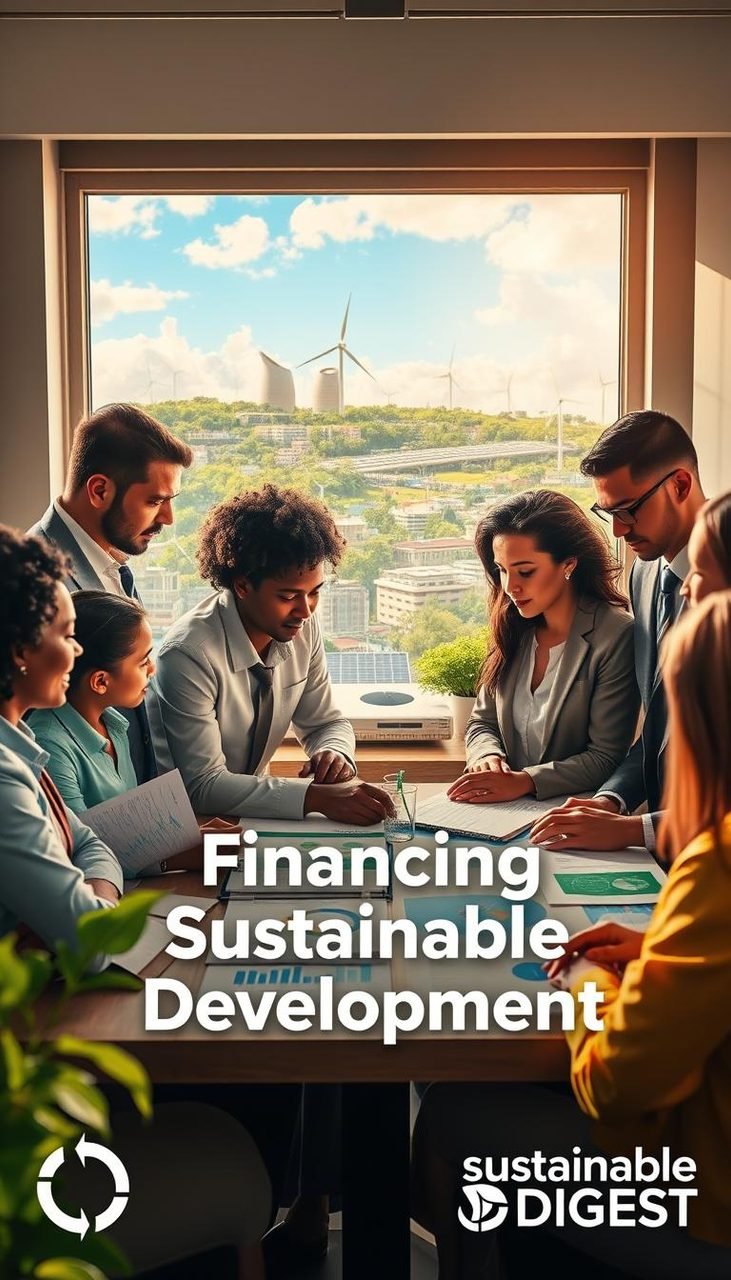
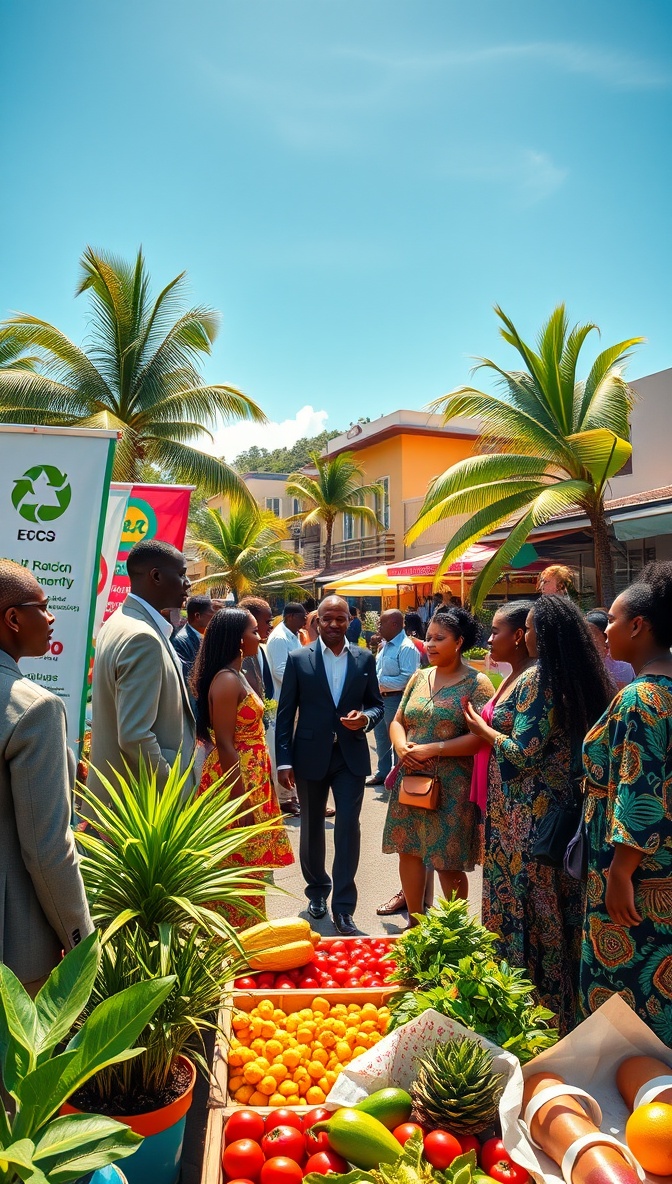
A global financing pact drew delegates from 174 United Nations member states, while 28 senior national leaders attended. That scale shows how much cooperation sustainable development can demand. The scope on the other hand, displays what international relations and global affairs can supply.
In 2015, the Third International Conference on Financing for Development took place in Addis Ababa, Ethiopia. On July 15, heads of state and government adopted the Addis Ababa Action Agenda. Its international conference financing framework set out how public resources, private investment, and global cooperation could support development.
The agreement followed the 2002 Monterrey Consensus and the 2008 Doha Declaration on Financing for Development. Those earlier commitments shaped a wider effort to turn financing development into practical results.
This article explores how funding choices affect communities, environmental justice, and inclusive, eco-friendly growth. For Singapore and other island economies, such choices can influence climate resilience as well as local needs. The agenda’s value rests not only in its goals, but in whether institutions put them to work. Money matters most when it reaches people and places facing real challenges.
How the Addis Ababa Action Agenda Connects Financing to Sustainable Development
The path began with the 2002 Monterrey Consensus, followed by the 2008 Doha Declaration. At the third international conference on financing development in 2015, countries built on those commitments. The Addis Ababa Action Agenda set out a connected system for funding progress, not a single source of cash.
Adopted three months before the 2030 Agenda, it linked development financing to the sustainable development goals. It also extended work beyond the millennium development goals. Its central insight was practical: public revenue, private investment, trade, debt, technology, and cooperation shape one another.
“We commit to a new global framework for financing sustainable development.”
From Earlier Pacts to a Shared Framework
The United Nations Department of Economic and Social Affairs supported follow-up through an inter-agency task force, with partners such as the World Bank. This structure helped track implementation and means of implementation.
Seven Connected Areas
The framework grouped choices into seven areas. Together, they offered countries a way to connect funding decisions with sustainable development targets.
Area
Focus
Contribution
Public resources; private business and finance
Domestic revenue; investment
Funding for public services and enterprise
Development cooperation; international trade
Partnerships; market access
Shared capacity and wider opportunity
Debt; systemic issues
Debt sustainability; financial rules
More stable financing conditions
Science, technology, innovation, capacity building
Knowledge; skills; tools
Practical means to deliver progress
Addis Ababa Action Agenda and 20 reasons why its important
Global financing promises matter when they fund clinics, schools, clean water, plus local climate plans. Reliable commitments help many countries plan around public needs instead of short-term gaps. For Singapore, this offers a useful lens: sound finance links national planning with shared resilience.
Financing Commitments for Communities
The Addis Ababa Action Agenda supports, complements, plus contextualizes the 2030 Agenda’s means of implementation. Through financing development, it links public revenue with community priorities. Funding choices can also advance environmental justice when they reach people facing greater risks.
Connecting Targets to Real Progress
The sustainable development goals set measurable targets, yet delivery lagged. In the 2024 Financing for Sustainable Development Report, only 15% of assessable targets were on track. Nearly 600 million people could still face extreme poverty in 2030; more than half may be women. This gap shows how development goals shape daily life.
Cooperation, Accountability, Shared Results
The 2030 Agenda links follow-up recommendations from the ECOSOC Forum on Financing for Development to the High-Level Political Forum. That reporting path can help developed countries, developing countries, the private sector, plus least developed countries align investment with inclusive growth. Past lessons from the millennium development goals also show that clear review can guide better choices.
Implementation Progress, Financing Gaps, and the Case for Reform
Implementation began in 2016, after the inter-agency task force formed in late 2015. The United Nations Department of Economic and Social Affairs coordinated its work with the World Bank Group, International Monetary Fund, World Trade Organization, UNCTAD, plus UNDP.
Reviewing Commitments Each Year
The ECOSOC Forum on Financing for Development reviewed the Addis Ababa Action Agenda each year. It tracked sustainable development goals, targets, plus means of implementation under the 2030 Agenda. Regular review helped turn conference financing into a public record of progress.
Debt, Climate Risk, and Investment Needs
The 2024 report estimated annual financing gaps had grown from about $2.5 trillion before COVID-19 to around $4 trillion. Poor countries paid twice as much interest on total debt as developed countries. From 2021 to 2025, developing countries averaged just over 4% annual GDP growth, below the roughly 6% rate before the 2009 crisis.
For least developed countries, median debt service rose from 3.1% of revenue in 2010 to 12% in 2023. Such pressure can crowd out climate plans. Green fiscal policy works best when it supports resilience, basic services, plus environmental justice.
Indicator
Earlier level
Later level
Annual financing gap
$2.5 trillion before COVID-19
About $4 trillion in 2024
Least developed countries’ debt service
3.1% of revenue in 2010
12% in 2023
Developing-country GDP growth
About 6% before the 2009 crisis
Just over 4% in 2021–2025
Cooperatives and Community Mobilization for Inclusive, Eco-Friendly Development
Cooperative enterprise gives residents a practical way to shape local priorities. Member-owned farms, shops, credit groups, or energy projects can pool skills, share risk, keep value nearby. Such work can support sustainable development when communities help set the course.
Cooperative Enterprise, Civil Society, and Local Self-Development
The 2015 conference brought governments, business leaders, civil society leaders, plus other stakeholders together. That broad mix showed how community mobilization can guide financing talks. Local groups can weigh domestic public resources against private investment, while international cooperation supports locally chosen goals.
Indigenous Peoples’ climate activism brings lived knowledge into environmental justice debates. Pan-Africanism links shared identity with cooperation among countries; humanitarian solidarity extends that spirit during hardship. For Singapore, the lesson is clear: local voices can guide green enterprise while strengthening regional ties. Cooperative work can build self-reliance without replacing public oversight.
Approach
Community role
Link to local priorities
Cooperative enterprise
Share skills, costs, and risk
Keep value close to residents
Community mobilization
Set goals and review choices
Guide public or private financing
Climate activism
Bring local knowledge to debate
Advance environmental justice
Green Fiscal Policy, Climate Action, and Decent Work and Leisure for a Just Transition
The 2015 framework called for financing flows to reflect economic, social, plus environmental needs. Green taxes, public spending, or incentives can support climate goals when they also protect people facing the greatest risks. This approach links environmental justice with practical development choices.
The 2024 Financing for Sustainable Development Report noted slow progress on climate action. It also described substantial financing needs for the Sustainable Development Goals plus climate work in developing countries. Public revenue, science, technology, innovation, plus skills can help meet those needs; sound plans must still weigh who benefits.
Aligning Public Finance with Environmental Justice
A just transition connects climate investment with decent work, fair access, plus community well-being. The International Labour Organization’s decent-work priorities can inform this discussion. The World Leisure Organization’s agenda and operations also offer a relevant lens on leisure as part of quality of life. This connection does not claim any specific program or policy.
Assess who gains from climate spending.
Include workers in transition planning.
Consider leisure alongside jobs, health, and resilience.
For Singapore, this lens supports a broader view of financing: climate progress should strengthen livelihoods, not treat them as a side issue.
Conclusion
In 2015, the Addis Ababa Action Agenda linked financing choices with economic, social, plus environmental needs. Its seven areas, aligned with the 2030 agenda, gave the United Nations a route to turn commitments into practical development. For Singapore, that model shows how global rules can support local resilience.
Annual ECOSOC reviews plus the Inter-agency Task Force tracked progress; still, wide funding gaps plus debt costs limited room for public investment. Reporting helped, but numbers alone could not ease pressure on households or climate plans.
Cooperatives, civil society, Indigenous activism, plus humanitarian solidarity bring local voices into policy. Lasting climate action depends on fair green taxes, decent work, environmental justice, plus community-led growth—not promises left on paper. Sustained cooperation makes shared goals more than well-worded text.
Key Takeaways
The agreement created a global financing framework in 2015.
Delegates from 174 member states took part.
Twenty-eight senior national leaders attended.
The framework built on earlier global commitments.
Financing choices can support climate resilience, environmental justice, and community needs.
Imagine waking up one day to find your job threatened by rising temperatures and unpredictable weather. For many, this is not just a thought experiment; it’s a daily reality. The world of work is increasingly on the frontlines of an ecological transition. As heatwaves, floods, and pollution disrupt lives, the urgency for change becomes clearer.
This is where the concept of fiscal strategies comes into play. These strategies can serve as powerful tools to reshape our economies while protecting jobs and communities. They hold the promise of creating decent work opportunities and ensuring a just transition for vulnerable groups.
In this article, we will explore how fiscal measures can impact environmental outcomes. We’ll look at the role of these strategies in various regions, from the Pacific Islands to Latin America. Understanding this connection is crucial for anyone interested in sustainability and economic resilience.
User Intent and Overview of Green Fiscal Policy Climate/Carbon Lobbying
Facing the challenges of a warming planet, the urgency for decisive measures is clearer than ever. The integration of effective climate action into fiscal frameworks is essential. This need is underscored by alarming projections, such as the ILO’s estimate that 80 million full-time jobs could be lost by 2030 due to heat stress. Such statistics highlight the direct economic threats posed by climate change to labor markets and national budgets.
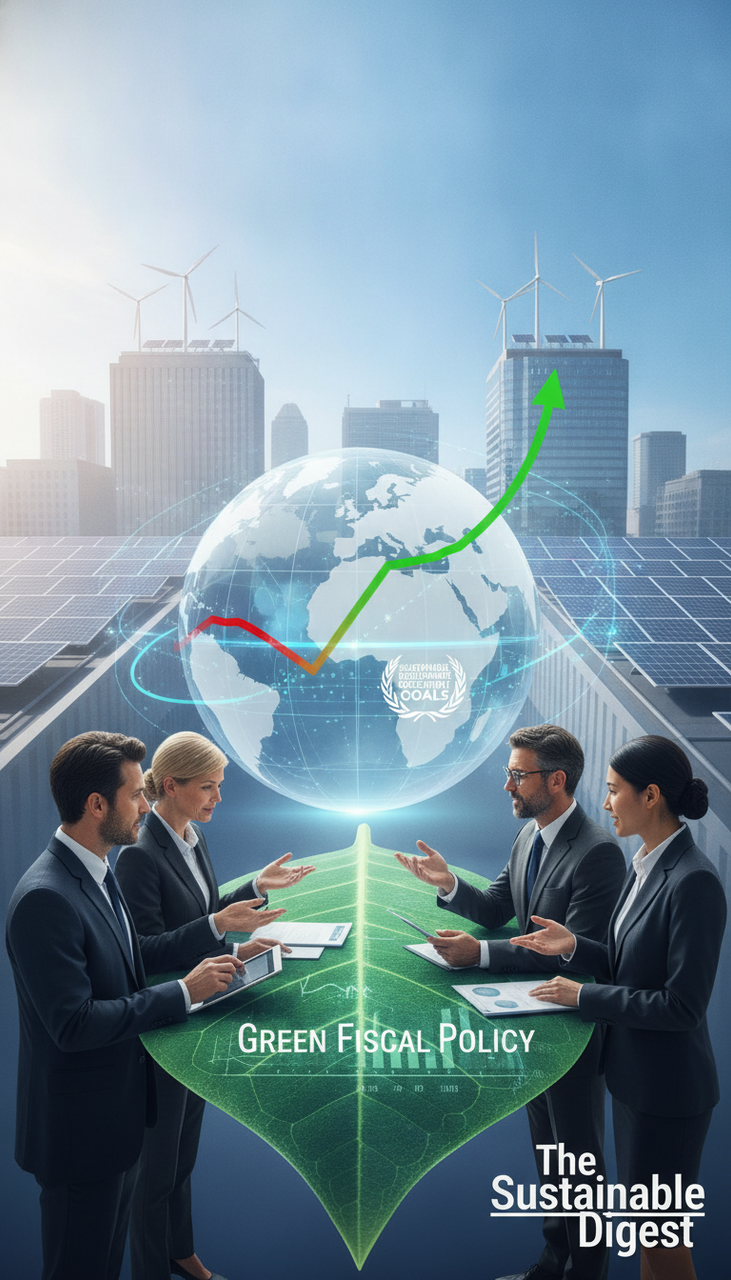
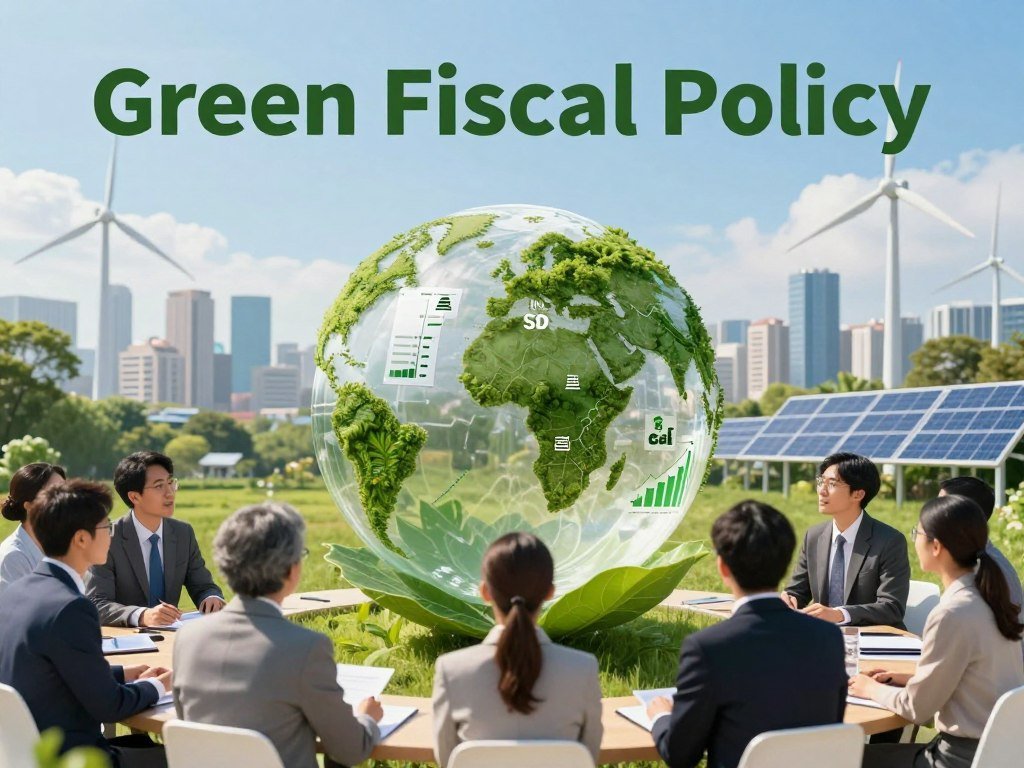
Green fiscal policies represent a transformative approach to government spending, taxation, and investment. This shift aims to promote decarbonization and enhance climate resilience. It moves beyond traditional regulations, embedding sustainability into public finance’s core architecture.
In this context, climate and carbon lobbying act as a double-edged sword. On one side, fossil fuel interests have historically invested heavily to weaken environmental regulations. Conversely, a growing coalition of renewable energy advocates, labor unions, and civil society organizations is pushing for rapid fiscal transitions.
The dynamics of these lobbying efforts are particularly relevant to Canada. The country stands as a significant fossil fuel exporter while also committing to ambitious international climate agreements. This duality creates a tension that reflects broader global struggles between economic growth and environmental sustainability.
ILO vs. WLO Perspectives on Green Fiscal Policy, ESG, and the SDGscontinuing…
For economies worldwide, integrating green fiscal policies into national budgets is no longer a side issue. It has become a critical factor for long-term competitiveness. Capital markets increasingly account for climate risks in sovereign debt and investment decisions.
The spending aspect of these policies encompasses a wide range of initiatives. This includes renewable energy subsidies, public transit investments, and infrastructure for climate adaptation. Additionally, just transition support programs for affected workers and communities are essential.
To understand how climate and carbon lobbying shapes legislative outcomes, one must analyze campaign finance flows and the revolving door between government and industry. The strategic use of economic impact studies by various interest groups also plays a crucial role.
This section establishes the analytical framework for the entire guide. It clarifies that green fiscal policy operates at multiple levels—international, national, and subnational. Effective climate action requires coherence across all these governance scales.
Governments have a range of measures at their disposal. These include carbon taxes, emissions trading schemes, and green procurement standards. Each of these carries distinct consequences that lobbying efforts aim to amplify or mitigate.
Ultimately, this overview positions green fiscal policy as a vital link between climate ambition and economic reality. This analysis will be further developed through regional case studies and institutional comparisons in the following sections.
Impact of Green Fiscal Policy Across Influential Nations
As nations grapple with the pressing demands of sustainability, the impact of fiscal strategies on economies becomes increasingly evident. This section delves into key examples from both developed and developing countries, highlighting the varied approaches and outcomes.
Key examples from developed and developing countries
The comparative analysis of fiscal strategies across influential nations reveals striking differences. Developed economies, such as Germany and Canada, implement sophisticated carbon pricing and green budgeting frameworks. In contrast, developing countries often focus on adaptation spending and mobilizing international climate finance.
Germany’s tripartite agreement on the closure of the Prosper-Haniel coal mine serves as a notable example. This negotiated decarbonization process involved a gradual phase-out of subsidized coal, coupled with a socially acceptable reduction in staff and supportive measures for the affected miners.
In South Africa, the Mpumalanga province illustrates the geographic mismatch between job losses and job creation in the energy transition. This region accounts for 80% of national coal production but lacks the renewable energy employment opportunities found in the Northern Cape.
Comparative analysis of policy effectiveness and economic transition
The ILO projects a net positive balance of 26 million jobs by 2030, stemming from 24 million new positions in renewable energy and sustainable transport, alongside 78 million in circular economy sectors. However, this is offset by the loss of 78 million jobs in traditional sectors. Such data provides a quantitative foundation for assessing policy effectiveness across countries.
Canada’s green fiscal landscape presents a compelling case study of federal-provincial dynamics. National carbon pricing interacts with provincial programs in British Columbia, Quebec, and Alberta, each reflecting distinct political economies and fossil fuel dependencies.
Infrastructure spending also varies dramatically. China’s massive investments in high-speed rail and renewable energy manufacturing contrast sharply with the more incremental approaches of many Western economies. Developing countries tend to prioritize adaptation measures—such as flood defenses and climate-resilient housing—over mitigation strategies, reflecting their unique vulnerabilities.
Research shows that well-designed carbon pricing and green investment programs can stimulate innovation, enhance energy efficiency, and mitigate long-term fiscal risks associated with climate damages. The energy transition is influenced by each country’s resource endowments, political institutions, and social contracts.
This section underscores that no single fiscal strategy template exists. Effective approaches emerge from the interplay of national circumstances, lobbying dynamics, and the political will to prioritize long-term sustainability over short-term economic growth.
Climate Lobbying Dynamics in the US, Latin America, Caribbean, and Pacific Islands
The landscape of environmental advocacy is rapidly evolving, influenced by the unique challenges faced by various regions. This section examines how different areas navigate the complexities of climate change through distinct lobbying efforts and policy responses.
US climate lobbying landscape and policy advocacy
The US climate lobbying arena remains one of the most intensely contested in global environmental politics. Fossil fuel interests invest hundreds of millions of dollars annually to sway federal and state policies. Meanwhile, a growing clean energy lobby counters with its own advocacy campaigns and economic impact analyses.
The Inflation Reduction Act of 2022 significantly reshaped the green fiscal landscape. It directed unprecedented investments into renewable energy, electric vehicles, and domestic manufacturing. However, its implementation faces legal and political challenges from carbon-intensive industries.
Latin America and Caribbean: regional coordination and climate finance initiatives
Latin America and the Caribbean have emerged as laboratories for regional climate finance coordination. The Regional Climate Change Platform of Economy and Finance Ministries, launched in August 2022, includes 21 countries. This platform serves as a model for South-South knowledge exchange on green fiscal strategies.
Within the platform, three working groups focus on debt management and green financing, fiscal incentives, and public expenditure. These groups demonstrate how regional coordination can help overcome capacity constraints faced by individual countries in implementing climate-responsive fiscal policies.
Pacific Islands’ unique challenges and lobbying efforts
The Pacific Islands confront existential risks from climate change that far exceed their negligible contributions to global emissions. Their governments adopt a distinctive lobbying posture, combining moral authority with urgent demands for adaptation financing and compensation for loss and damage from major emitters.
Adaptation spending needs in these nations—such as sea walls, relocation infrastructure, and saltwater intrusion mitigation—far surpass their domestic fiscal capacities. Thus, international climate finance becomes a matter of national survival rather than a mere policy preference.
Similarly, the Caribbean faces significant challenges. The impacts of climate change, including hurricane damage and coral reef degradation, create fiscal pressures that force governments to divert spending from development priorities to emergency responses and reconstruction efforts.
Analysis of climate lobbying across these regions reveals a consistent pattern: policy outcomes are shaped less by scientific consensus than by the political power of affected industries, the mobilization capacity of civil society, and the availability of international financial support.
Region
Key Challenges
Lobbying Dynamics
Adaptation Needs
US
Fossil fuel interests
Intense lobbying from both fossil fuel and clean energy sectors
Investment in renewable energy
Latin America
Debt management
Regional coordination through platforms
Green financing initiatives
Caribbean
Hurricane damage
Pressure on spending due to climate impacts
Emergency response and reconstruction
Pacific Islands
Existential climate risks
Advocacy for international support
Infrastructure for adaptation
Carbon Lobbying and Green Fiscal Policy in the Global South
The intricate balance between economic growth and environmental sustainability presents unique challenges for developing nations. As these countries strive to meet their energy needs, they face the dual pressures of poverty alleviation and the imperative to reduce emissions. This section delves into how these dynamics shape the implementation of effective fiscal strategies.
Addressing equity in carbon pricing is crucial. In many developing nations, the potential regressive impacts of carbon pricing can threaten political legitimacy. Low-income households and small businesses often bear the brunt of increased costs. Thus, embedding compensatory measures from the outset is essential to ensure social justice and maintain public support.
Addressing equity and development in carbon pricing
Emerging economies frequently find themselves navigating the tricky waters of international climate finance. They must balance the demands of funding with domestic pressures to maintain affordable energy. Fossil fuel subsidies often remain in place to protect vulnerable populations, complicating the transition to greener alternatives.
Furthermore, the adaptation spending needs of these countries often overshadow their mitigation investments. The fiscal burdens imposed by climate change—such as floods and droughts—demand immediate attention and resources. Governments with limited borrowing capacities struggle to allocate funds effectively.
Challenges faced by emerging economies in implementing GFP
Green fiscal strategies in the Global South encounter distinctive challenges. Limited administrative capacity and high levels of informality hinder effective tax collection. Moreover, the competition for scarce public spending between climate priorities and urgent social needs creates additional strain.
The ILO’s gender analysis reveals a concerning trend. Of the approximately 20 million new jobs expected in the sustainable energy transition by 2030, only six million will be allocated to women. This highlights the need for active labor market policies to increase women’s participation in the green economy.
Ultimately, the analysis of carbon lobbying in the Global South underscores that climate and development policies must be integrated. Achieving a sustainable future requires fiscal frameworks that advance decarbonization while simultaneously addressing poverty reduction and economic transformation.
The Role of UN Sustainable Development Goals in Shaping Climate Fiscal Policies
As the world confronts the realities of environmental degradation, the importance of aligning economic policies with sustainable goals becomes paramount. The Sustainable Development Goals (SDGs) provide a vital framework for countries to address climate change while promoting broader development objectives.
Integrating these goals into national strategies is essential. Governments must move beyond siloed policymaking. This means creating cross-ministerial coordination that links finance ministries, labor departments, and environmental agencies. Such coherence is crucial for effective fiscal policies.
Integration of SDGs into national climate strategies
Countries that successfully embed SDG targets into their climate strategies often see improved outcomes. This alignment ensures that decarbonization efforts do not undermine poverty reduction, health, education, or gender equality.
SDG targets related to climate, employment, and sustainable development
SDG 8 focuses on decent work and economic growth. The ILO highlights that climate change poses significant risks to achieving full employment. Heat stress alone could threaten 80 million full-time jobs by 2030.
Moreover, the ILO projects that 24 million new jobs could be created in renewable energy and sustainable transport by 2030. However, transitioning to low-carbon economies may also result in the loss of 78 million jobs in carbon-intensive sectors. This creates a net positive balance of 26 million jobs.
To ensure progress, countries must measure and communicate the co-benefits of green fiscal policies. This builds political support by demonstrating that climate measures improve air quality, public health, and job creation.
In conclusion, while the risks of misalignment are significant, especially in developing nations, the SDGs provide a shared vocabulary. They enable ILO, WLO, and national governments to align their climate fiscal policy efforts effectively.
ILO vs. WLO Perspectives on Green Fiscal Policy, ESG, and the SDGs
In a world where environmental challenges are at the forefront, the intersection of labor rights and sustainability has never been more critical. Understanding the roles of the International Labour Organization (ILO) and the World Labour Organization (WLO) is essential for shaping effective transitions.
The ILO has established itself as the leading authority on frameworks for just transitions. Its 2023 Guidelines for a just transition towards environmentally sustainable economies and societies for all provide a vital reference point. These guidelines integrate labor rights into climate fiscal strategies, ensuring that social justice remains at the core of ecological efforts.
Conversely, the WLO offers a complementary perspective. While less prominent in mainstream discussions, it emphasizes worker ownership and cooperative models. This approach highlights grassroots labor organizing as a crucial element in achieving a truly just transition.
The ILO’s tripartite structure fosters collaboration among governments, employers, and workers. This model embeds social dialogue directly into policymaking. In contrast, the WLO prioritizes direct worker participation and community-based decision-making, pushing for deeper engagement in fiscal policy design.
The just transition guidelines advocate for maximizing social and economic opportunities while minimizing challenges during labor market transformations. A notable example is Germany’s closure of the Prosper-Haniel coal mine. This negotiated agreement allowed for a gradual phase-out of subsidized coal, ensuring a socially acceptable reduction in staff and support for the affected miners.
ILO vs. WLO Perspectives on Green Fiscal Policy, ESG, and the SDGscontinuing
According to an analysis by EY, approximately 43% of oil and gas workers will need reskilling, with some unable to be upskilled. This underscores the urgency of embedding labor market policies within green fiscal frameworks rather than treating them as afterthoughts.
Furthermore, Environmental, Social, and Governance (ESG) criteria bridge the perspectives of both organizations. They recognize that the social dimension of sustainability, including labor rights and community impacts, must be weighed equally with environmental outcomes in fiscal decisions.
The renewable energy sector showcases progress, with women making up 32% of the workforce compared to 22% in the broader energy sector. However, persistent gender gaps must be addressed through targeted spending and active labor market measures.
Social dialogue and stakeholder engagement are critical for policy effectiveness. A finding from the International Trade Union Confederation revealed that nine out of ten countries failed to incorporate social dialogue into their nationally determined contributions. This highlights a significant governance gap that needs addressing.
This comparative analysis of ILO and WLO perspectives reveals a productive tension between institutionalized tripartism and more radical worker-centered approaches. Both contribute essential insights to the design of green fiscal strategies that aim to leave no one behind.
Bleed Edge Environmental Policy Development and Innovations
As the global landscape shifts, innovative strategies are emerging to address environmental challenges. Policymakers are increasingly recognizing the importance of effective measures to tackle climate change. This section explores the latest advancements in environmental policy development, focusing on carbon pricing mechanisms, green budgeting, and the role of Nationally Determined Contributions (NDCs).
Carbon pricing mechanisms: taxes, credits, and trading schemes
Numerous carbon pricing mechanisms represent some of the most economically efficient tools for internalizing the social cost of greenhouse gas emissions. Carbon taxes provide price certainty, while emissions trading schemes offer quantity certainty. Each approach carries distinct political implications for policy design.
The evolution of carbon pricing has moved beyond simple taxes. It now includes hybrid systems, border carbon adjustments, and sector-specific crediting mechanisms. These innovations reflect a sophisticated understanding of how market signals interact with industrial competitiveness and distributional equity.
Green budgeting and fiscal transparency approaches
Green budgeting embeds climate considerations directly into the annual budget cycle. This requires finance ministries to assess the climate impact of every spending line and tax measure. Thirteen ministries of finance in Latin America and the Caribbean have adopted this practice through formal climate change action plans.
Moreover, integrating macro-fiscal climate-related risks into budget frameworks represents a bleeding-edge innovation. Governments are beginning to quantify how climate change impacts—from disaster response costs to reduced agricultural productivity—will affect long-term fiscal sustainability and sovereign credit ratings.
Nationally Determined Contributions (NDCs) as policy tools
NDCs under the Paris Agreement have evolved from vague aspirational documents into detailed policy tools. The Regional Climate Change Platform supports countries in designing and implementing NDCs and long-term strategies.
These contributions not only set targets but also outline the measures necessary to achieve them. By aligning NDCs with national priorities, countries can enhance their commitment to climate action while fostering economic growth.
Policy Tool
Description
Benefits
Carbon Pricing
Mechanisms to internalize greenhouse gas costs
Encourages emissions reduction and innovation
Green Budgeting
Integrates climate considerations into budgets
Enhances fiscal transparency and accountability
NDCs
National commitments under the Paris Agreement
Guides climate action and investment strategies
Financing Green Fiscal Policies: Case Studies from Latin America and Caribbean
Investment in sustainable projects is becoming increasingly critical for nations looking to combat environmental challenges. In Latin America and the Caribbean, innovative financing strategies are emerging. These strategies aim to support effective fiscal measures that address pressing climate issues.
Regional platforms and multilateral cooperation play a significant role in this process. They foster collaboration among countries, enabling knowledge sharing and technical assistance. This collective effort is vital for addressing the unique challenges faced by individual nations.
Role of regional platforms and multilateral cooperation
The IKI-funded project “Fostering Fiscal Policy for Climate Change in Latin America and the Caribbean” represents a substantial regional effort. With 27.5 million EUR in funding from November 2021 through December 2027, this initiative is implemented by the Inter-American Development Bank (IADB).
The Regional Climate Change Platform of Economy and Finance Ministries, launched in August 2022, includes approximately 21 countries. This platform serves as a premier forum for knowledge exchange on sustainable fiscal policies, facilitating peer learning and technical cooperation.
Climate finance, investment flows, and capacity building
Thirteen ministries of finance have developed climate change action plans, with three more well advanced in design. The platform’s three working groups focus on debt management and green financing, fiscal incentives, and public expenditure. These groups address specific technical challenges that finance ministries face when integrating climate considerations into budget processes.
Moreover, the platform has published five tailored knowledge products, with eight more in design. These include training materials and analytical reports that build the technical capacity of finance ministry staff to design and implement climate-responsive fiscal policies.
Examples of ongoing programs and their outcomes
Ongoing projects span a remarkable range of applications. For instance, Mexico City and Oaxaca State are developing carbon-neutral transition strategies and climate vulnerability assessments. Guatemala is also receiving support for its new Nationally Determined Contribution (NDC) and Climate Change Action Plan design.
Additionally, Ecuador is updating its National Climate Change Strategy, while Brazil is employing specialized economic modeling for climate impacts through the AdaptaBrasil platform. These examples illustrate the diversity of adaptation and mitigation needs across the region.
Partnerships with organizations such as the UNFCCC and the Coalition of Finance Ministers for Climate Action have expanded opportunities for collaboration. This section’s case study analysis demonstrates that effective financing requires not only capital but also sustained institutional capacity building and political commitment.
Project
Funding
Outcomes
Fostering Fiscal Policy for Climate Change
27.5 million EUR
Thirteen climate action plans developed
Regional Climate Change Platform
N/A
Knowledge exchange among 21 countries
Mexico City & Oaxaca
N/A
Carbon-neutral strategies and assessments
Ecuador’s National Strategy
N/A
Updated climate change strategy
Challenges and Opportunities for Effective Climate and Carbon Lobbying
The quest for a sustainable future hinges on the ability to harmonize growth with social equity and ecological integrity. This balance presents both challenges and opportunities for nations navigating the complexities of climate action.
Addressing inequality and ensuring gender balance are critical components of this journey. The transition to a greener economy demands substantial reskilling of workers, particularly those in sectors vulnerable to change. Without these measures, the risks of job loss could exacerbate existing disparities.
Looking ahead, future directions for effective strategies must focus on innovative investments and supportive frameworks. Governments need to prioritize adaptation measures while fostering an environment conducive to renewable energy growth. By doing so, they can create resilient economies that thrive amidst environmental challenges.
FAQ
What is the importance of integrating fiscal policies with climate action?
Integrating fiscal policies with climate action is crucial for promoting sustainable development. It ensures that financial resources are allocated effectively to support initiatives that mitigate environmental impacts while fostering economic growth.
How does climate lobbying influence environmental policies?
Climate lobbying plays a significant role in shaping environmental policies by advocating for stronger regulations and funding for renewable energy projects. It mobilizes public support and influences government decisions, leading to more robust climate action.
What challenges do emerging economies face in implementing climate initiatives?
Emerging economies often struggle with limited financial resources, inadequate infrastructure, and political instability, which hinder their ability to implement effective climate initiatives. Additionally, they may face pressure to prioritize economic growth over environmental sustainability.
How are the UN Sustainable Development Goals relevant to climate policies?
The UN Sustainable Development Goals provide a framework for countries to align their climate policies with broader social and economic objectives. They emphasize the importance of sustainable development, climate action, and social equity in policy-making.
What are the roles of ILO and WLO in green fiscal policy?
The International Labour Organization (ILO) and the World Labour Organization (WLO) provide guidelines and frameworks for ensuring that labor rights are considered in green fiscal policies. They advocate for just transitions that promote social dialogue and stakeholder engagement.
What are some innovative approaches to carbon pricing?
Innovative approaches to carbon pricing include mechanisms such as carbon taxes, cap-and-trade systems, and credits. These tools aim to incentivize reductions in greenhouse gas emissions while generating revenue for sustainable projects.
How can financing for green fiscal policies be improved?
Financing for green fiscal policies can be improved through regional cooperation, increased investment flows, and capacity building initiatives. Collaboration among multilateral organizations and governments can enhance access to climate finance and support effective implementation.
What future directions are anticipated for climate and carbon lobbying?
Future directions for climate and carbon lobbying may include a stronger focus on addressing social justice issues, promoting gender balance, and facilitating labor reskilling. These strategies aim to create a more equitable and sustainable approach to climate action.
Key Takeaways
This guide unpacks the intricate relationship between fiscal strategies and environmental outcomes.
It emphasizes that climate action is an economic restructuring project.
Readers will learn about mechanisms that drive decarbonization and reshape job markets.
The article bridges international frameworks with real-world lobbying efforts.
It examines the tension between economic growth and environmental sustainability.
Did you know that the Global South, comprising 134 countries, is home to about 80 percent of the world’s population? Despite generating over 40 percent of global economic output, a staggering 3.4 billion people live in nations where debt payments exceed combined spending on health and education. This stark reality highlights the pressing need for innovative solutions to tackle inequality.
As we delve into the complexities of reducing disparities, it’s crucial to recognize the unique position of South-South partnerships. Unlike traditional aid models, these collaborations are rooted in mutual benefit and respect for national sovereignty. They offer a fresh approach to addressing the persistent challenges faced by developing nations.
Moreover, the emergence of advanced technologies like artificial intelligence and blockchain presents unprecedented opportunities. These tools can empower countries historically sidelined in previous industrial revolutions, enabling them to leapfrog into a more equitable future.
In this article, we will explore how the principles of cooperation and innovation can forge pathways to a more inclusive world, ultimately addressing the elusive goal of reducing inequalities.
Understanding SDG #10 and the United Nations Day of South-South Cooperation
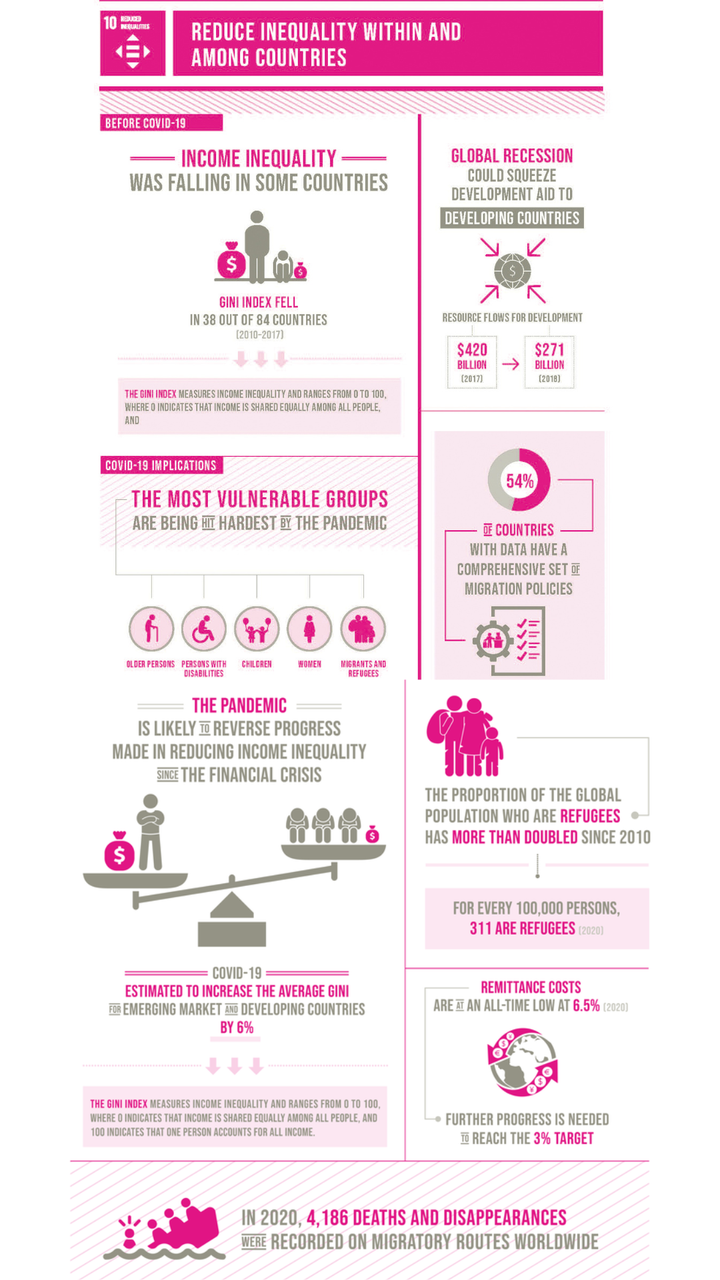
The Global South is a vibrant tapestry of 134 nations, representing about 80% of the world’s population. This region faces significant challenges, particularly regarding inequality. The Sustainable Development Goal of reduced inequalities also known as SDG #10 focuses on reducing inequalities both within and among countries. It emphasizes the need to address income disparities, social exclusion, and unequal representation in global governance.
This goal serves as a crucial link between various sustainable development objectives. Unlike goals that target specific sectors like health or education, SDG #10 confronts the very structure of inequality. It aligns seamlessly with the foundational principles of South-South partnerships, which advocate for equitable knowledge and resource sharing among developing nations.
Overview of SDG #10: Reducing Inequalities
SDG #10 is not merely a standalone target; it is the connective tissue linking all other sustainable development goals. It seeks to address:
Income disparities across nations.
Social exclusion affecting marginalized communities.
Discriminatory policies that perpetuate inequality.
Unequal representation in global governance structures.
The Significance of the United Nations Day for South-South Cooperation
The United Nations Day for South-South Cooperation is pivotal in recognizing the importance of collaborative efforts among developing countries. This day highlights how South-South partnerships can effectively tackle global challenges. The Buenos Aires Plan of Action, established in 1978, laid the groundwork for these cooperative initiatives. It promotes mutual support and knowledge exchange among nations, fostering a spirit of solidarity.
Role of South-South and Triangular Cooperation in Sustainable and International Development
South-South and triangular cooperation play vital roles in implementing the 2030 Agenda. These forms of collaboration are not just supplementary mechanisms; they are strategic means of achieving sustainable development goals. The recent engagement of over 130 countries at the 22nd Session of the High-level Committee on South-South Cooperation illustrates the growing recognition of these partnerships. Member states increasingly view these collaborations as essential to navigating the complexities of global challenges.
Triangular cooperation, which involves partnerships between developing countries supported by developed nations, emphasizes respect for national sovereignty and mutual benefit. This approach complements traditional North-South cooperation by fostering a more inclusive development landscape.
In conclusion, the emphasis on reducing inequalities found in SDG #10 finds its most natural expression in South-South cooperation. This model recognizes that every country is both a provider and a recipient of knowledge, creating a more equitable global community.
The Nexus of 4th Industrial Technologies and Sustainable Development in the Global South
In the rapidly evolving landscape of the Global South, innovative technologies are emerging as key drivers of sustainable development. The convergence of artificial intelligence, machine learning, blockchain, the metaverse, and Web 3.0 presents unique opportunities for developing countries. These technologies are not only reshaping traditional sectors but also offering new solutions to long-standing challenges.
Emerging Technologies: AI, Machine Learning, Blockchain, Metaverse, and Web 3.0
The fourth industrial revolution can be a great equalizer. Unlike past revolutions that concentrated wealth and technology in the Global North, these emerging technologies are inherently distributed. Countries in the Global South can adopt and adapt these innovations without needing extensive legacy infrastructure.
For instance, AI and machine learning applications are transforming agriculture and permaculture. Predictive crop modeling and soil health monitoring are being shared among developing nations through south-south triangular cooperation. This reduces reliance on proprietary technologies from the North.
Integration of Technology with Key Sectors: Data Centers, Ecotourism, and Agriculture
Blockchain technology is enhancing supply chain transparency in ecotourism. Immutable ledgers allow small island developing states to verify sustainable practices and ensure that tourism revenue benefits local communities. This shift is crucial for maintaining the integrity of ecotourism and fostering economic growth.
Data centers are becoming critical infrastructure in the Global South. With foreign direct investment flows quadrupling since the 1990s, countries are increasingly directing resources toward digital infrastructure. This enables them to host their own data, addressing sovereignty issues related to data exportation.
Addressing Challenges in Small Island Developing States and Remote Rural Communities
Small island developing states face unique challenges such as rising sea levels and limited land mass. However, these nations are also motivated to adopt renewable energy microgrids and AI-driven disaster preparedness systems. Such initiatives are often facilitated through south-south triangular cooperation, enabling shared knowledge and resources.
Remote rural communities are leveraging satellite-enabled connectivity and drone-based logistics to bridge infrastructure gaps. These advancements allow isolated populations to engage in digital economies without waiting for traditional infrastructure development.
Technology
Sector Impacted
Key Benefits
AI & Machine Learning
Agriculture
Improved crop yields, climate resilience
Blockchain
Ecotourism
Transparency, local revenue retention
Data Centers
Digital Infrastructure
Data sovereignty, economic growth
Renewable Energy
Energy
Reduced dependence on imports, sustainability
Remote Sensing
Forestry
Deforestation monitoring, conservation
These technological integrations are not just theoretical. The surge in south-south trade, projected to reach US$6.8 trillion by 2025, demonstrates that developing countries are exchanging goods, services, and digital solutions at an unprecedented scale. This evolution transforms south-south cooperation from a mere knowledge-sharing exercise into a vibrant ecosystem of technology transfer and co-innovation.
Environmental and Social Impacts on Inequalities (SDG #10): Challenges and Opportunities
Environmental factors have become critical players in the growing inequalities faced by developing nations. The countries least responsible for historical carbon emissions are suffering the most severe consequences of climate change. This creates a feedback loop where environmental degradation deepens economic and social disparities.
Climate change operates as an inequality multiplier. Droughts destroy agricultural livelihoods in remote rural communities, while floods displace populations in Small Island Developing States. Extreme weather events strain public health systems that are already weakened by debt service obligations exceeding health and education spending for 3.4 billion people.
Forestry presents a dual-edged sword. Deforestation driven by global commodity demand strips developing countries of natural capital. However, reforestation and permaculture initiatives—often shared through south-south cooperation—offer pathways to carbon sequestration, biodiversity restoration, and sustainable livelihoods.
Environmental and Social Impacts on Inequalities (SDG #10): Challenges and Opportunities continuing…
Permaculture is a specifically Southern innovation. Regenerative agricultural practices that mimic natural ecosystems are being exchanged among developing countries through south-south triangular cooperation. This reduces dependence on expensive synthetic inputs and builds climate resilience from the ground up.
Shifting to social dimensions, responsible travel and aviation are not neutral industries. They carry embedded inequalities in who travels, who benefits from tourism revenue, and whose carbon footprint is externalized onto communities that never board a plane.
Community-based ecotourism models can positively affect inequalities. Verified through blockchain-based certification, these models ensure that tourism revenue circulates within local economies rather than leaking to foreign-owned resorts and international tour operators.
Aviation plays a crucial role in global relations. Direct south-south air routes reduce the time and cost of cooperation among developing countries. Sustainable aviation fuel initiatives and carbon offset programs, if designed equitably, can channel resources from high-emitting travelers to conservation projects in the Global South.
…Continuing of Environmental and Social Impacts on Inequalities (SDG #10): Challenges and Opportunities
The Dushanbe Water Conference highlighted that water security is no longer solely an environmental issue but a major socio-economic, peace, and security priority. This illustrates how environmental and social impacts are inseparable in the inequality equation.
At the World Urban Forum in Baku, rapid urbanization in the Global South was discussed. This creates new inequalities related to housing, infrastructure, and services that require south-south triangular cooperation approaches to address effectively.
Social impact can affect inequalities in both directions. Exclusionary policies, discriminatory practices, and unequal access to technology widen gaps. Conversely, inclusive governance, participatory design, and equitable technology deployment can narrow them.
Finally, leveraging technology offers concrete mechanisms to mitigate the environmental and social impacts driving inequality. AI for climate modeling, blockchain for transparent climate finance, renewable energy microgrids for energy access, and telemedicine for public health are all solutions that can be deployed through south-south cooperation frameworks prioritizing equity over extraction.
Conclusion: Advancing SDG #10 through South-South Cooperation and Emerging Technologies
As we navigate the complexities of global development, the role of collaborative frameworks becomes increasingly vital. The Global Alliance for South-South and Triangular Cooperation embodies a structural response to the pressing challenges identified throughout this article. This initiative, launched on the 2026 observance, connects countries with the expertise and resources needed to foster real-world solutions.
By leveraging emerging technologies like AI and blockchain, nations can address inequalities more effectively. The Global Alliance facilitates partnerships that scale proven innovations and supports implementation through knowledge sharing and technical exchanges.
Ultimately, the future of inclusive sustainable development hinges on abandoning outdated models. The collective action emphasized in the 2026 theme, “Solidarity Rising,” reflects the necessity for cooperation across all sectors. The solutions and innovations required to advance these goals already exist within the Global South; the challenge lies in connecting them.
Countries that have contributed least to global inequality are leading the way in pioneering solutions. Through collaboration, there is much to learn from their experiences, paving the path toward a more equitable future.
Key Takeaways
The Global South generates over 40% of global economic output.
3.4 billion people live in countries prioritizing debt service over health and education.
South-South cooperation emphasizes mutual benefit and respect for sovereignty.
Advanced technologies can democratize opportunities for developing nations.
Innovative solutions are essential for addressing persistent inequalities.
Responsible business now reaches far beyond a company’s annual report. This guide maps the 30 Sustainability frameworks & standards & ecological sound global policies shaping decisions across ESG consulting, cooperatives, investment firms, development NGOs, and grassroots groups.
In 2022, 96% of the largest 500 companies by market value published a sustainability report, up from 86% in 2018. That rise shows demand for clear information about climate risk, business goals, and social impacts. Yet more than 600 initiatives and guidelines now compete for attention. Choice can help; it can also create bureaucratic fog.
The guide separates sustainability reporting from daily operations. Data matters only when it changes investment, management, customer choices, or public accountability. Examples span the United States, the European Union, Africa, Asia, Pacific Island states, Caribbean nations, and South America. The result is a practical resource for professionals and communities seeking measurable impact rather than decorative claims.
30 Sustainability frameworks & standards & ecological sound global policies
Choosing a reporting model is less like picking a trophy and more like selecting a useful tool. About 10–15 internationally established standards sit beside more than 600 initiatives and guidelines. Each serves a different tier, sector, and stakeholder.
“Good reporting turns concern into decisions.”
How ESG frameworks differ by tier, sector, stakeholder, and reporting purpose
GRI explains a company’s wider impacts. ISSB gives investors decision-useful risk information, while SASB adds sector detail. CDP centers on climate data. B Corp uses certification, and the sustainability reporting directive creates mandatory European requirements.
A bank may track financed emissions and governance. A manufacturer may focus on energy, waste, and supplier conditions. Cities, cooperatives, and NGOs often need community outcomes, employee input, and public accountability. The best framework matches material issues, available management capacity, and the intended audience.
Choosing standards for companies, investors, governments, and communities
Professionals should build a manageable portfolio. Investors need comparable performance data; customers and employees want clear information. Amazon, Walmart, Nike, Disney, and Target survey vendors and suppliers, extending expectations beyond direct operations. Advocates and practitioners can then select adjacent low-impact practices that fit local needs.
Tier
Primary users
Typical focus
Global or regional
Companies and investors
Comparable disclosure
Sector or company
Finance and operations teams
Material risks and metrics
Community or city
Residents, NGOs, and governments
Local outcomes and accountability
Global Sustainability Reporting Frameworks and Corporate Disclosure Standards
Corporate reporting works best when each measure answers a real business question. The Global Reporting Initiative (GRI) began in 1997 as a third-party reporting initiative for economic, environmental, and social impacts. Its three source-described sets and 34 topic-specific standards help companies explain effects to a broad stakeholder group.
Global Reporting Initiative for economic, environmental, and social impacts
GRI supports impact-focused sustainability reporting. It helps management track labor conditions, resource use, community effects, and governance. That wider view gives customers, workers, and communities useful information—not just investors.
ISSB, IFRS S1, and IFRS S2 for investor-focused sustainability reporting
In June 2023, ISSB released IFRS S1 and IFRS S2. These standards connect climate and other risks with financial disclosures, helping investors compare company exposure and strategy.
SASB, integrated reporting, and sector-specific performance data
SASB adds sector detail, from bank lending to factory energy use. After its 2021 merger with IIRC, the Value Reporting Foundation moved toward ISSB integration. ESG consulting firms can link GRI data, ISSB information, SASB metrics, controls, and assurance evidence in one reporting system.
Mandatory Sustainability Reporting Directives and Corporate Accountability Policies
Regulators are turning sustainability reporting into a duty, not a public-relations option. The European sustainability reporting directive links corporate sustainability with governance, investor information, and stakeholder accountability.
CSRD, ESRS, double materiality, and European requirements
Under revised CSRD thresholds, covered companies have more than 1,000 employees and either over €50 million in turnover or more than €25 million in assets. ESRS disclosures use double materiality: a company reports how issues affect its finances and how its actions affect people and nature.
Wave 2 and Wave 3 dates moved by two years, with first reports expected in 2028 or 2029. The delay changes timing, not the need for reliable data.
CSDDD, SFDR, UK SRS, and supply-chain due diligence
CSDDD reaches EU companies with over 500 employees and €150 million in global turnover. Reviews now focus on direct Tier 1 suppliers, usually once every five years. SFDR began in March 2021; Level 2 rules followed in January 2023. UK SRS and SECR take a separate path.
California climate disclosure laws and the United States
SB 253 covers companies above $1 billion revenue and Scope 1, 2, and 3 emissions.
SB 261 covers firms above $500 million and requires climate-risk reports every two years from 2026.
ESG consulting firms can help companies map evidence, controls, and supplier risks. Regulatory changes may simplify disclosures, but credible governance remains essential.
Climate-Related Financial Disclosures, Carbon Data, and Environmental Reporting
Climate data now shapes lending, insurance, investment, and corporate planning. Clear records help decision-makers test whether a climate claim reflects operating change or polished storytelling.
Task Force on Climate-related Financial Disclosures and its transition to ISSB
The Task Force on Climate-related Financial Disclosures organized information around governance, strategy, risk management, and metrics and targets. Its recommendations helped investors, lenders, and multinational investment firms review physical hazards, transition risks, capital allocation, and long-term finance.
The task force ended its work at the close of 2023. In 2024, ISSB assumed monitoring duties. Companies can still use this framework when preparing climate-related financial disclosures and related financial disclosures.
CDP climate, forests, water, supply chain, and city disclosure programs
CDP’s system serves more than 23,000 companies and covers climate, forests, water security, cities, and governments. Its optional supply-chain module adds vendor information to annual reporting.
ESG consultants and carbon platforms can reconcile inventories, energy records, supplier data, and targets. Strong sustainability reporting depends on evidence; no dashboard can hide incomplete carbon data.
ISO Standards for Environmental Management, Social Responsibility, and Governance
ISO turns ESG goals into repeatable actions. Its practical systems help companies manage risk, improve performance, and connect sustainability reporting with daily business decisions. The paperwork may look serious; the results should be even more so.
ISO 14001, ISO 14064, ISO 50001, water footprints, and greenhouse gas management
Methodologically, the ISO 14001 organizes environmental management and continual improvement across sites. The ISO 14064 supports greenhouse gas inventories, carbon measurement, and emissions reporting. ISO 50001 guides energy management; some companies report energy-cost savings of as much as 30%. So while the ISO 14046 measures water footprints, while ISO 46001 supports water-efficiency systems.
“Operational discipline is where ESG earns trust.”
ISO 26000, ISO 45001, ISO 20400, and responsible workplace practices
Now more importantly, ISO 26000 covers human rights, fair work, community involvement, and social responsibility. ISO 45001 strengthens employee safety; certified firms have reported a 22% drop in workplace incidents over five years. ISO 20400 helps buyers assess suppliers through ethical procurement and clear social criteria.
Credible ESG governance of ISO 37301, ISO 27001, ISO 37001
It is true that the ISO 37301 supports compliance management, ISO 27001 protects information, and ISO 37001 addresses bribery risks. Together, these controls improve data quality, oversight, and governance. They give ESG claims a stronger evidence base and help companies meet changing requirements.
Ecological Policies and Adjacent Practices for Measurable Global Impact
Practical change begins where public goals meet daily choices. The Paris Agreement and United Nations Sustainable Development Goals guide climate action, adaptation, resilience, and community development. They give companies, advocates, and public agencies a shared direction.
Paris Agreement, United Nations Sustainable Development Goals, and climate action
Useful reporting connects emissions, energy use, and social impact to clear targets. ISO IWA 48:2024 offers ESG implementation principles, while ISO 53001 is being developed around the Sustainable Development Goals. ISO 14007 and ISO 14008 help assess environmental costs, benefits, and impacts in financial terms.
Circular economy, renewable energy, biodiversity protection, and nature-positive business
Business leaders can reduce waste through repair, reuse, remanufacturing, efficient design, and less reliance on virgin materials. Energy upgrades, electrification, clean-power purchasing, and community generation improve performance. Consumers and advocates can support ethical buying, habitat restoration, water stewardship, low-carbon travel, and conservation partnerships.
Companies: set measurable targets and publish reliable data.
Communities: expand shared energy and restoration projects.
Practitioners: use conservation results to strengthen sustainability reporting.
Practice
Primary action
Useful measure
Circularity
Repair and reuse products
Material saved
Clean energy
Electrify operations
Energy performance
Nature care
Protect and restore habitat
Land and water impact
Sustainable Finance, Investment Firms, and ESG Market Accountability
Capital markets increasingly test whether a company’s promises can survive closer inspection. Multinational investment firms use sustainability reporting, climate-related financial information, and corporate disclosures to compare risks, opportunity, and long-term value.
Multinational investment firms, green bonds, climate finance, and investor risk analysis
Green bonds should link borrowed funds to clear projects, use-of-proceeds records, and measured impact. ISO 14030 supports credibility in green bonds and loans. ISO 14097 helps investors assess climate-related investment decisions and financial risk, separating credible transition plans from attractive promises with little evidence.
That discipline also strengthens finance. Investors can review carbon trends, project results, and management controls before assigning value. In other words, a glossy claim is not a strategy; markets eventually ask for receipts.
ESG consulting firms, data systems, assurance, and corporate performance
ESG consulting firms build data systems, supplier surveys, assurance trails, and performance dashboards. Amazon, Walmart, Nike, Disney, and Target request supplier information, making corporate sustainability a shared stakeholder task.
B Corp, administered by B Lab, includes more than 4,000 participating companies. Patagonia and Ben & Jerry’s show how private certification can complement formal standards, while governance, evidence, and customer accountability still determine real impact.
Cooperative Business Models and Community-Centered Sustainability
Shared ownership can turn local priorities into daily business choices. Cooperatives give members a voice in how income, risk, and responsibility are managed. This model adds a practical layer to corporate sustainability.
Cooperative enterprises, worker ownership, community finance, and shared governance
Worker-owned firms connect fair pay, safety, local purchasing, and environmental performance through shared governance. Members vote on major decisions, while benefits stay closer to the people who create them. Community finance can then support housing, food systems, renewable power, and conservation.
Cooperative enterprise communities and grassroots support organizations
Grassroots support organizations bring local knowledge into planning. Their data can show impacts that a distant audit may miss, such as access to jobs, clean water, or affordable transport. Clear reporting helps members compare progress with chosen standards and frameworks.
International development NGOs and impactful nonprofits
International development NGOs and avant-garde nonprofits connect health, education, livelihoods, human rights, and climate resilience. Global development liaisons help translate broad goals into useful action. B Lab offers a related example: its nonprofit network supports people, communities, and the planet.
“Participation makes accountability practical.”
Model
Decision power
Community benefit
Worker cooperative
Employees vote
Fair pay and safer work
Community fund
Members guide lending
Local projects gain capital
Development nonprofit
Partners shape programs
Measured social impact
https://youtube.com/watch?v=UQ–oqftaZA%3Frel%3D0
Regional Sustainability Spotlights Across Cities, Islands, and Emerging Markets
Place matters: the same target can mean cleaner transit in one city and safer water in another. Regional examples show how sustainability choices reflect finance, infrastructure, culture, and climate risk. Cities and governments can also share environmental data through systems such as CDP.
Urban priorities across North America and Hawaii
Southeastern and northeastern United States cities, New York City, Vancouver, and Hawaii balance transport, energy, housing, and disaster readiness. Their reporting often links public investment with local air quality and resilience.
African, European, and Gulf development contexts
Nairobi, Lago, Frankfurt, Central Africa, North Africa, and the UAE reveal different needs. Water stress, roads, finance, and governance shape practical choices; imported templates rarely fit every neighborhood.
Asian growth and coastal exposure
Mumbai faces dense growth and air pollution, while New Delhi confronts severe air quality, water, waste, and transport pressures. Sri Lanka, Australia, Malaysia, Indonesia, and Southeast Asia add coastal, supply-chain, biodiversity, and energy concerns.
Islands, tourism, and South American resilience
Pacific Islands, Panama, Dominica, Trinidad and Tobago, and South America emphasize ocean care, tourism, disaster planning, and community leadership. The strongest frameworks pair local knowledge with usable standards.
Region
Priority
Useful measure
North American cities
Transit and energy
Emissions per resident
Africa and Gulf
Water and infrastructure
Reliable service access
Asia-Pacific
Coasts and supply chains
Risk-ready facilities
Islands and South America
Tourism and resilience
Recovery time after shocks
How Professionals, Consumers, Advocates, and Practitioners Can Apply These Standards
Effective action starts with choices that fit the organization, its mission, and its community. A materiality assessment ranks key topics through stakeholder interviews, surveys, sector review, geography, ESG maturity, and business priorities. It keeps teams from copying a checklist that was designed for someone else.
Building materiality assessments, emissions inventories, targets, and metrics
A healthcare company may track access, affordability, innovation, and supply chains. A technology company may focus on privacy, security, and STEM access. A bank may measure financial inclusion and climate finance. Practitioners should build an emissions inventory, set a baseline, document controls, and link results to management and governance. Some firms report energy cuts of up to 40% after ISO 14001 certification.
Using procurement, clean energy, conservation, and ethical consumption
Responsible procurement reviews suppliers, materials, labor conditions, and product life cycles. Low-carbon energy, repair, reuse, conservation, and community finance can reduce impact. Customers, employees, and advocates should request clear information and challenge unsupported claims.
Action
Practical step
Measure
Procurement
Screen suppliers
Verified labor data
Energy
Improve efficiency
Use per unit
Community
Support local projects
Documented outcomes
FAQ
What is the significance of sustainability reporting for businesses?
Sustainability reporting is crucial for businesses as it enhances transparency, meets stakeholder expectations, and demonstrates accountability in environmental, social, and governance (ESG) practices. It helps organizations identify risks and opportunities while aligning with global standards.
How do the Global Reporting Initiative (GRI) and the Sustainability Accounting Standards Board (SASB) differ?
The GRI focuses on comprehensive sustainability reporting across various sectors, emphasizing stakeholder inclusiveness and sustainable development goals. In contrast, SASB provides industry-specific standards that guide companies on ESG disclosures relevant to their financial performance.
Why are cooperative business models important in sustainability?
Cooperative business models promote inclusivity and democratic governance, allowing members to engage in sustainable practices collectively. They foster community involvement and ensure that business operations align with environmental and social objectives.
What role do multinational investment firms play in sustainable finance?
Multinational investment firms are pivotal in directing capital towards sustainable projects. They integrate ESG criteria into their investment strategies, driving positive change and encouraging companies to adopt sustainable practices.
How can grassroots movements contribute to sustainability?
Grassroots movements mobilize communities to advocate for eco-friendly practices and sustainable policies. They raise awareness, drive local initiatives, and influence broader systemic changes through collective action and community engagement.
What are the key challenges in implementing sustainability frameworks?
Key challenges include varying regulatory requirements, lack of standardization, and limited resources for smaller organizations. Additionally, there may be resistance to change within corporate cultures, making it difficult to adopt new practices effectively.
How do regional sustainability practices vary across different global cities?
Regional sustainability practices differ based on local regulations, cultural values, and environmental challenges. For instance, cities in the Americas may prioritize renewable energy, while those in Asia might focus on waste management and urban resilience.
What is the role of transparency in sustainability reporting?
Transparency in sustainability reporting builds trust among stakeholders, including investors, customers, and communities. It ensures that organizations are held accountable for their environmental and social impacts, fostering a culture of integrity and responsibility
Conclusion
Reliable sustainability reporting turns concern into evidence, but evidence needs a purpose. The Global Reporting Initiative, ISSB, ISO, CDP, and CSRD serve distinct audiences, sectors, and levels of accountability. Their standards guide useful comparisons; they do not replace judgment.
For companies, strong results begin with materiality, reliable data, clear governance, credible targets, and steady management improvement. Investors, governments, NGOs, cooperatives, and communities can use disclosures to compare performance, spot risk, direct finance, and strengthen public trust while meeting changing requirements.
Long-term sustainability pairs formal guidance with conservation, circular design, ethical procurement, renewable energy, biodiversity protection, and local action. This approach makes ESG measurable across finance, society, and place.
The finest reporting system still cannot recycle a single bottle. Real progress joins corporate responsibility with cooperative enterprise communities, grassroots groups, development NGOs, and place-based knowledge. Reports should illuminate action—and action should make the report worth reading.
Key Takeaways
Reporting helps stakeholders assess risk and progress.
More than 600 initiatives can confuse decision-makers.
Operational action gives reports real value.
The guide covers diverse regions and sectors.
Measurable results matter more than polished claims.
July 30, 2026, marks a significant moment for the global economy and environmental policy. On this specific date, human civilization officially exhausts the biological budget that our world provides for the entire year. We essentially begin to live on ecological credit, drawing down natural capital that cannot be replaced quickly.
This threshold is widely known as the earth overshoot day. It acts as a primary diagnostic tool for assessing how nations manage their finite resources. By reaching this overshoot day in mid-summer, we demonstrate a persistent gap between our consumption needs and the regenerative capacity of nature.
The irony remains that despite decades of intense sustainability discourse, the date continues to arrive earlier for many developed nations. Our planet currently faces five months of deficit spending every single year. This systemic imbalance reveals deep inequalities in how different countries access and use vital raw materials.
The following 10 critical facts explore the intersection of international development and environmental science. We will analyze the earth overshoot phenomenon to provide actionable insights for global leaders and conscious citizens. Understanding these metrics is essential for building a resilient future within our planetary boundaries.
Understanding Earth Overshoot Day 2026
Global development trends often ignore the hard limits of nature, which is why the Earth Overshoot Day 2026 metric remains so vital for analysis. This measurement reflects international economic patterns and shows how nations consume biological wealth at different speeds.
Wealthier countries typically drive this ecological deficit through high industrial consumption. Meanwhile, developing nations often face the immediate consequences of degraded ecosystems and shrinking natural resources. This gap creates a complex challenge for international affairs and equitable growth.
The metric serves as a global balance sheet for our planet. It translates complex environmental data into a single, understandable calendar date that highlights our systemic overspending.
Fact 1: Earth Overshoot Day 2026 Falls on July 30
The overshoot day 2026 falls on July 30, a threshold that signals a major environmental crisis. On this day, humanity exhausts the entire budget of resources that the earth regenerate can handle in a single year.
The Global Footprint Network officially announces this marks date every June 5 on World Environment Day. For the remaining five months of the year, the world operates in an ecological deficit.
What This Date Means for Global Resource Depletion
This date represents a scientifically grounded accounting system. It tracks the demand of humanity against the biological capacity of the world.
The overshoot day marks the precise moment when our collective footprint outpaces the growth of forests and fisheries. We are essentially spending our capital rather than living off the interest provided by nature.
Historical Context Since the 1970s
The overshoot day has moved progressively earlier since the early 1970s. This was the watershed moment when we first crossed the sustainability threshold.
Despite five decades of environmental treaties, the day 2026 arrives faster than in previous generations. This acceleration coincides with rapid globalization and the expansion of modern economic architectures.
Fact 2: Humanity Currently Consumes Resources Equivalent to 1.73 Earths
The current mathematical reality shows we are living beyond our means. We require 1.73 earths to sustain our current lifestyle and consumption levels.
This means we are using resources nearly three-quarters faster than they can be replaced within year. This 73% overshoot highlights a massive gap in our global sustainability frameworks.
The 73% Overconsumption Reality
This level of resource use leads to a steady decline in global biodiversity. We are currently consuming the future to fuel the present economic engine.
The depletion consequences include deforestation, soil erosion, biodiversity loss, and carbon dioxide accumulation in the atmosphere.
The Two-Decade Recovery Timeline
Even if we stopped all pressure today, it would take more than two decades for the world to regenerate year by year and restore balance. The cumulative nature of environmental damage makes recovery a long and difficult process.
The overshoot day 2026 is not just a day 2026 on a calendar; it is a call for systemic change. Reversing this trend is essential for the stability of international development and earth overshoot day goals.
Global Metric
2026 Statistic
Ecological Impact
Overshoot Date
July 30
5 Months of Deficit
Earth Capacity
1.73 Earths
73% Overconsumption
Recovery Time
20+ Years
Ecological Restoration
Historical Start
Early 1970s
Accelerating Depletion
2026 Earth Overshoot Day Top 10 Facts: Global Calculations and Methodology
Calculating the precise moment our ecological budget runs dry involves a sophisticated dance between global supply and human demand. This mathematical process is not just about numbers; it is about our survival on a finite planet.
By using rigorous scientific methods, we can see how much natural interest we are spending versus how much ecological principal we are draining. This earth overshoot analysis provides a clear mirror for humanity’s resource use.
Fact 3: The Calculation Formula Uses Biocapacity Divided by Ecological Footprint
To determine the date, the global footprint network applies a straightforward yet elegant formula. They divide Earth’s productivity by our total consumption to see how many days the planet can sustain us.
For the year 2026, which has 365 days, the calculation identifies July 30 as the moment of earth overshoot. This standardized metric by the footprint network translates complex accounting into an accessible calendar date.
Breaking Down the Mathematical Formula
The supply side of the equation is earth biocapacity. This represents the planet’s annual budget of renewable resources across forests, croplands, and fishing grounds.
Scientists use “global hectares” as the common currency to measure this productivity. By using standardized data, experts can compare the biological output of a forest in Brazil to a wheat field in Kansas.
Humanity’s ecological footprint tracks our total demand for food, fiber, and timber. It also includes the space needed for houses and roads that make up our modern cities.
A critical part of this footprint is the forest area required to absorb carbon dioxide emissions. When our collective footprint exceeds biocapacity, we enter a state of ecological deficit.
Fact 4: Global Footprint Network Announces the Date Every June 5 on World Environment Day
The global footprint network strategically reveals the overshoot day each year during World Environment Day. This announcement comes just two months before the actual earth overshoot occurs to maximize global attention.
This timing helps the world focus on the data while the consequences are still preventable. It serves as a yearly wake-up call for governments and industries alike.
The Timing and Data Sources
The annual report relies on the National Footprint and Biocapacity Accounts. These accounts use data from the United Nations and other international agencies to ensure high accuracy.
By collaborating with York University, the global footprint team maintains a rigorous database for nearly 200 nations. This ensures that every ecological footprint calculation reflects the most current trade and resource data available.
Media Reach and Global Awareness
The overshoot announcement generates between 7 to 10 billion media impressions every year. This massive reach ensures the message of the global footprint network touches every corner of the globe.
Beyond headlines, this report influences policy from local municipal planning to high-level UN climate negotiations. It provides a quantitative rigor similar to GDP, yet it captures the overshoot reality that traditional economic indicators often ignore.
“The Ecological Footprint provides a way to measure the gap between what nature can provide and what our economies demand.”
Global Footprint Network
Country-Specific Overshoot Days and Global Rankings
Examining the calendar through a national lens reveals that some countries deplete their share of resources before winter even ends. These variations expose a deep divide in how humanity demand for planet assets is met across the world.
National data show that ecological footprints vary wildly based on wealth and geography. While some nations maintain a sustainable resource consumption, others exhaust their natural budget within weeks.
Fact 5: Qatar Has the Earliest Country Overshoot Day at February 4, 2026 Requiring 10 Earths
Qatar effectively wins the race that no one should want to finish first. This country overshoot occurs on February 4, meaning if everyone lived like Qataris, we would need 10 earths to survive. This extreme earth overshoot reflects the high energy needs of a desert country powered by fossil fuel wealth.
Extensive air conditioning and import-heavy lifestyles drive this rapid depletion. The overshoot day would arrive even sooner if not for the nation’s specific biocapacity data. Such dates highlight the massive footprint of petroleum-based economies on our shared environment.
Top Five Highest-Consuming Nations
Rank
Country
Overshoot Date
Earths Required
1
Qatar
February 4
10.0
2
Luxembourg
February 17
7.7
3
Singapore
February 23
6.8
4
Kuwait
March 3
6.0
5
Mongolia
March 5
5.8
International Affairs Implications
These consumption disparities fuel major tensions in climate negotiations. Developing countries often demand fairness while high-consuming nations face pressure to fund global shifts. This imbalance frequently creates a deadlock over emission reduction and finance responsibilities.
Fact 6: The United States Country Overshoot Day Occurs on March 14, 2026
The United States country overshoot happens on March 14, marking a significant ecological deficit early in the year. If the entire world lived like Americans, humanity demand would require 5.1 earths to sustain the population. This overshoot day would fall on the same day every year without drastic systemic changes.
America’s 5.1 Earth Footprint
The American lifestyle serves as a model for advanced industrial economies. High meat consumption, suburban sprawl, and heavy car reliance normalize this unsustainable path. This specific earth overshoot level shows how deeply ingrained resource use is in modern Western cultures.
Balkan Region and European Union Comparisons
The European Union collectively hits its overshoot day on May 3, 2026. Even with progressive green policies, the bloc still consumes as if we had 2.4 planets. This day provides a sobering reality for a region that positions itself as a sustainability leader.
Within the Balkan region, overshoot patterns reveal a development gradient. Montenegro leads with an April 20 date, while Albania manages to wait until September 19. These dates suggest that economic development levels directly dictate how fast a country spends its natural capital.
“Sustainable development must enable low-consuming nations to improve living standards without adopting the destructive patterns of the wealthy.”
Global Ecological Perspective
Contrastingly, thirteen nations like Bangladesh and India still live within their earth overshoot budget. Bangladesh uses only 46% of its biocapacity, illustrating the profound inequality of the modern age. Poor populations often maintain sustainable levels by necessity rather than choice.
Aviation and Airline Industry Impact on Global Overshoot
Modern travel offers a bird’s-eye view of a planet where the carbon cost of flying significantly moves the needle on our collective footprint. While we enjoy the speed of transcontinental journeys, we often ignore the heavy biological debt trailing behind our engines. This sector accelerates the overshoot by burning through our shared ecological budget faster than nature can recover.
Aviation represents a rapidly growing component of human consumption, pushing the date of overshoot day earlier each calendar year. Although planes contribute about 2-3% of global CO2, their total impact is much higher. High-altitude emissions and contrails trap heat more effectively than ground-level pollution, doubling the industry’s warming effect on global ecosystems.
The Airline Industry’s Carbon Contribution
The airline industry’s carbon contribution remains highly concentrated among a small global elite; incredibly, only 10% of the world has ever boarded a plane. A single transatlantic flight can exhaust an individual’s entire sustainable annual budget, creating a massive dent in our global footprint. These emissions further drive ocean acidification, as discussed in the 2025 Earth Overshoot Day National Marine Week SDGs report.
Global Air Traffic and Resource Distribution
While affluent nations generate the majority of air traffic, the environmental consequences disproportionately strike developing regions. The sector demands vast resources for massive airport hubs and the manufacturing of aluminum-heavy aircraft. This uneven distribution of benefits versus burdens highlights the ethical challenges of maintaining such a resource-intensive lifestyle.
Fact 8: Aviation Industry Transformation Is Critical for Reversing Overshoot Trends
Transforming how we move through the skies is a critical leverage point for shifting earth overshoot targets. If the aviation sector continues its current growth trajectory, it will consume a larger share of the global footprint. Strong policy changes and technological shifts are the only ways to align the economy with planetary limits.
Sustainable Aviation Initiatives
The industry is now exploring cleaner energy sources, including hydrogen propulsion and sustainable fuels derived from biomass. Reducing manufacturing waste and improving energy efficiency in flight operations can help slow the overshoot. Waste reduction in the supply chain ensures that every resource used contributes to a more circular economy. Effective energy management is no longer optional for airlines.
International Aviation’s Role in Global Development
Aviation remains vital for global development and connecting distant markets, but this connection comes at a high resource price. As noted in the World Environment Day and Earth Overshoot Day observance for sustainability, the sector is a potent symbol for change. By prioritizing carbon reduction, we can move overshoot day back and protect the earth overshoot thresholds for future generations.
Region
Emission Share
Access to Flying
Impact Vulnerability
North America
High
High
Moderate
Europe
High
High
Moderate
Global South
Low
Very Low
High
Solutions and Path Forward in Global Development
The journey toward a sustainable future hinges on making deliberate choices before nature makes them for us. Turning the tide on resource depletion involves moving from abstract warnings to concrete actions within global development. International affairs must now focus on how humanity can thrive without exhausting the planet.
Addressing the overshoot requires a mix of new technology and shifting social habits. By making smart moves today, we can protect the natural resources that sustain our global economy. It is a race against time, but the solutions are already within our reach.
Fact 9: Cutting Carbon Emissions by 50% Would Push Back Overshoot Day by Three Months
Scientific data shows that cutting carbon dioxide emissions from fossil fuels by 50% would have a massive impact. This single move would shift Earth Overshoot Day backward by almost three months. Since carbon makes up 60% of our footprint, it is the most vital lever for change.
Reducing this burden gives ecosystems more breathing room to recover. It allows the planet to handle humanity and its growing demand for longer periods each year. Delaying these dates by ninety-three days would represent a historic victory for conservation.
The Most Impactful Solution
Transforming the global energy sector stands as the most effective way to reduce the overshoot day. Moving toward renewable energy and cutting waste helps lower the pressure on all resources. Every watt saved is a step toward a more stable climate.
Design Versus Disaster Choice
Mathis Wackernagel, a leader at the Global Footprint Network, notes that physics will eventually end our ecological deficit. He explains that the current resource gap cannot last forever.
It will end either by design or disaster. It should not be too hard to choose which one is preferable, particularly in light of so many possible choices.
— Mathis Wackernagel
Fact 10: Thirteen Countries Live Within Earth’s Biocapacity Budget
While many nations overspend, thirteen countries currently live within what the earth regenerate capacity allows. This means their demand does not exceed what their land can regenerate year after year. These nations provide a unique look at low-footprint living.
Country
Biocapacity Used
Main Focus
Bangladesh
46%
Low Energy Waste
India
75%
Resource Efficiency
Philippines
94%
Sustainable Ecosystems
Learning from Sustainable Consumption Models
We should not romanticize poverty, but we can learn from how these countries manage natural resources. Some regions use circular models to reduce waste and save energy. Identifying these habits can help wealthy nations cut their waste without losing quality of life.
Global Development Perspectives
The path toward a balanced earth overshoot day requires fairness in global development. Emerging nations need the resources to grow, while wealthy ones must lower their overshoot. Balancing these needs is the great challenge of this day and age.
Global cooperation is the only way to fix the overshoot day for good. If we share technology and resources, we can move the date back significantly. We must act now to ensure our planet remains a healthy home for all.
Conclusion
The 2026 Earth Overshoot Day Top 10 facts confirm that humanity is currently living through an era where ecological debt has become a structural norm. With earth overshoot day landing on July 30, we are consuming 1.73 times what our planet can regenerate in a single year. This deficit is not just a metric; it is a diagnostic tool for modern global development and international affairs.
Real solutions exist within the realm of policy and systemic design. Cutting global carbon emissions by half could push overshoot day back by roughly ninety days. This shift represents a deliberate choice for a designed transition rather than waiting for an inevitable ecological disaster to force our hand.
While extreme consumption in some nations remains high, thirteen countries still live within their means. These outcomes prove that humanity can choose lower resource intensity without sacrificing dignity. For every person, the path forward requires moving the date by many days through collective action and a reimagined version of prosperity on a finite earth overshoot day calendar.
FAQ
What does the Earth Overshoot Day milestone signify for global sustainability?
This event represents the specific date when the annual demand of humanity exceeds what our planet can regenerate within a single calendar year. According to the Global Footprint Network, the report highlights how modern consumption levels outstrip the available biocapacity of the world, forcing us to deplete natural resources prematurely.
How do researchers calculate the ecological footprint of various countries?
Analysts utilize a complex data set that divides the total biocapacity of the world by the current humanity demand. This calculation allows the Footprint Network to determine the exact number of days our natural resources last before the global economy begins operating in an ecological deficit.
Why do nations like Qatar and the United States reach their limits so early in the year?
High resource consumption and heavy carbon emissions drive these early dates; for instance, if the world lived like residents of Qatar, we would require several planets to survive. The United States lifestyle also places immense pressure on energy grids and waste management systems, significantly increasing their country overshoot ranking.
What role does the aviation sector play in increasing our global footprint?
The aviation industry contributes heavily to carbon emissions, which remains the fastest-growing component of our ecological debt. Transforming how the international economy manages air travel is essential to ensuring our ecosystems can regenerate year after year without collapsing under the weight of humanity demand.
Can specific economic shifts move the date significantly to protect the planet?
Yes, cutting global carbon output by fifty percent would delay the milestone by ninety days. By prioritizing renewable energy and efficient resource use, the global economy can stay within the limits of our ecosystems while still promoting necessary development and technological discovery.
Key Takeaways
July 30 is the calculated limit for renewable resource consumption in 2026.
Humanity enters an ecological deficit for the final five months of the year.
The Global Footprint Network uses this date to influence international policy.
Wealthy nations often reach their individual consumption limits much earlier.
Resource security now serves as a major driver in modern diplomatic relations.
Aviation and industrial sectors contribute significantly to the accelerating date.
This short guide maps key dates and events during the early summer period, showing how global days can shape local action. It frames the calendar as a chance to measure progress since last year and to turn celebrations into practical activities. This is the first week of July 2026 part 1 guide of 3.
For schools, services, and community groups in Canada, the note highlights creative ideas that reduce environmental impact while boosting awareness. Practical tips and clear guides make participation easy for friends, families, and professionals.
The piece examines festivals, awareness days, and holiday moments as parts of a broader strategy. Expect concise information on dates, small-scale events, and ideas that balance celebration with care for the world.
Understanding First Week of July 2026 part 1 Sustainability adjacent holidays and observances
This analysis compares how public rituals evolved from 2025 to 2026, revealing a shift from short-term fixes to planned, community-led approaches that show measurable gains this year.
Comparative review: municipal guidance and event organizers moved from reactive responses in 2025 to clearer mandates and toolkits in 2026. That change shaped how many holidays and local day events were run across Canada.
Family choices play a key role. More households treated the summer as an opportunity to blend celebration with low-impact methods—reusable supplies, local sourcing, and activity swaps that cut waste.
Looking at the month calendar shows which traditions adopted practical tips and which require more effort. The season now acts as a part of broader public outreach; organizers use events to teach, not just entertain.
“When celebration becomes practice, small acts aggregate into national outcomes.”
Contrast: 2025 relied on quick fixes; 2026 favors prevention and education.
Outcome: holidays function as catalysts for ongoing community action.
National Sovereignty and Environmental Stewardship
National days often mix ceremony with civic goals; they can highlight historic achievement while nudging public policy toward resource care.
This brief review ties three linked dates to social progress and ecological responsibility. The narrative treats each observance as a chance to align local action with global targets.
Burundi Independence Day and Rwanda Liberation Day
Burundi Independence Day (July 1, 1962) remains a marker of sovereignty and long-term development. Communities use the day to promote rural projects, reforestation, and local livelihoods.
Rwanda Liberation Day (July 4) highlights post-1994 social recovery; planners now pair remembrance with programs that address soil loss and forest health, responding to environmental strains documented in 2025.
Canada Day and Environmental Impact
Canada Day on July 1 is a major national holiday. Large-scale events face growing scrutiny for waste, noise, and emissions.
Planners in Canada increasingly set rules: greener supplies, transport hubs, and public messaging that link celebrations to conservation.
These dates are used to raise public awareness about resource limits.
Aligning the calendar with global goals helps protect natural assets while honoring history.
Global Cooperation and Social Development Initiatives
Cooperatives increasingly serve as practical bridges between community needs and international policy targets. This section examines how the International Day of Cooperatives has shaped a more measured approach to social and environmental goals.
International Day of Cooperatives
The International Day of Cooperatives (celebrated each July 4) highlights member-owned firms that build fairer local economies. The day spotlights how shared governance can reduce inequality while strengthening community ties.
Compared with 2025, 2026 shows clearer focus on social development and cutting carbon footprints in local supply chains. Planners now treat this holiday as part of a month-long push to align business events with the United Nations’ sustainable development goals.
Practical outcomes include pooled transport for market days, shared cold storage for producers, and co-op-led training on low-carbon practices. These measures reduce waste linked to individual consumption and make resource use more efficient.
Economic equity: cooperatives support jobs and stable incomes across diverse markets.
Environmental care: member networks promote stewardship through shared assets and longer-term planning.
Policy alignment: a month of coordinated activities helps local groups meet global targets.
Cultural Heritage and Community Identity
Variation A chosen: cultural heritage days anchor community identity while offering practical pathways to greener public life.
Communities now retool Ghana Republic Day, Hong Kong SAR Establishment Day, CPC Founding Day, Territory Day, Virgin Islands Day, Curaçao National Anthem and Flag Day, and Philippine Republic Day to link tradition with resource care.
Schools, family groups, and local organisers stage small events that teach preservation of cultural landscapes while reducing waste; examples include low-waste processions, local sourcing at markets, and native-plant displays.
Historic moments such as the Anniversary of the Coronation of King Mindaugas and Tynwald Day serve as platforms for ecological messaging. Saba Saba Day, Solomon Islands Independence Day, Unity Day Zambia, Heroes’ Day Zambia, Comoros National Day, Cape Verde/Algeria/Venezuela independence observances, Filipino‑American Friendship Day, Armenia Constitution Day, Foreign Slovaks Day, National Hawaii Day, and Mother’s Day South Sudan follow suit.
Adaptation: festivals now include conservation activities and community stewardship.
Engagement: schools host projects that link history with practical environmental skills.
Impact: these celebrations help communities compare past practice with a more sustainable month of action.
“When ritual meets responsibility, culture becomes a vehicle for lasting change.”
Promoting Sustainable Lifestyles and Awareness
Several linked campaigns during the season act as low-cost labs for sustainable living. They connect policy, markets, and daily choices so communities can test greener routines with measurable outcomes.
National Hemp Month
National Hemp Month highlights how resilient crops improve soil health and offer eco-friendly alternatives to synthetic fibres. In Canada, growers and researchers present hemp as a viable part of regional supply chains; the crop supports rural jobs while reducing demand for resource-intensive materials.
Plastic Free July
Plastic Free July has expanded since 2025, prompting millions to cut single-use plastics during the summer. The campaign supplies simple tips: swap disposables, join local refill networks, and plan low-waste picnics that prioritize local food.
World Nature Conservation Day
World Nature Conservation Day provides a formal day to assess biodiversity gains and gaps. These month-long efforts deliver practical activities that boost public health, reduce waste, and weave environmental awareness into the yearly calendar.
Practical benefit: better soil, healthier food systems, and less plastic pollution.
Social gain: local jobs, shared infrastructure, and stronger community networks.
Religious Observances and Ethical Reflection
Religious calendars create regular pauses for moral thinking about consumption, care, and community.
Faith communities often use sacred moments to teach moderation, mindful living, and shared responsibility. These practices link spiritual life with concrete, low-impact choices that benefit local environments in Canada.
Comparing 2026 practice with 2025 shows a clear trend: more congregations now include ecological stewardship in sermons and rituals. That shift turns reflection into action—trees planted after a service, community kitchens that cut food waste, or pooled transport for events.
Ethical reflection during this month helps people weigh the impact of their purchases and diets. The emphasis on compassion and duty supports broader social goals; it nudges households toward lower consumption and stronger neighbour networks.
Teach moderation: short liturgies can promote reuse and repair.
Model care: communal projects link belief with local ecology.
Measure impact: simple tracking turns intention into measurable change.
“Spiritual practice becomes civic practice when it asks what our choices cost the earth.”
Regional Celebrations and Historical Milestones
Celebratory rituals act as practical experiments where heritage meets modern practice; the Calgary Stampede is a clear example.
Calgary Stampede and Western Heritage
The Calgary Stampede (July 3 to 12, 2026) remains a major regional festival that showcases Western heritage while testing greener operations.
Compared with 2025, the 2026 edition improved waste management and shifted to energy-efficient site systems to cut the event’s footprint.
Families visiting the rodeo will find practical tips: use public transit to the grounds, bring reusable drinkware, and choose locally sourced food vendors to support agricultural resilience.
These dates and historical milestones sustain community identity while prompting new practices that respond to climate risks.
The Stampede sets new standards for large-scale events by mixing culture with environmental messaging.
Organizers pair entertainment with training for vendors on low-waste operations.
Local celebrations now appear in the civic calendar as moments for social and sustainable development.
“Big festivals can teach small, repeatable habits that reshape a region’s resource use.”
The Intersection of Independence and Sustainable Development
When countries mark sovereignty, many also announce plans that bind national pride to long-term ecological resilience. These moments now serve as policy stages where leaders link independence with the capacity to steward land, water, and energy for future generations.
This narrative shift reflects a wider recognition: true autonomy depends on natural systems that can support livelihoods and economic stability. Governments that embraced green infrastructure after 2025 now prioritize projects that supply water, protect soils, and expand low-carbon power.
Social equity is part of the equation. Planners report that durable gains require investments in housing, healthcare, and local jobs alongside environmental measures; otherwise, resilience remains fragile.
Independence ceremonies in 2026 highlighted new climate budgets, public transit commitments, and community forestry plans.
Public reporting—more common since 2025—let citizens compare promises with measurable targets.
“Sovereignty tested by resource limits must be answered with practical, equitable stewardship.”
Strategies for Eco-Friendly Holiday Participation
A clear event plan helps hosts focus on food, transport, and waste — the three levers that most affect environmental outcomes. This short guide offers practical steps for community groups, services, and friends who want low-impact celebrations during the summer month.
Sustainable Event Planning
Set standards early. Ask vendors to use reusable or compostable tableware and to source local food where possible. Reserve a central transit hub or suggest pooled rides to cut emissions.
Communicate clearly: add simple rules to the event listing in the calendar so attendees know what to bring and what to avoid.
Reducing Holiday Waste
Design trash stations with clear labels for compost, recycling, and landfill. Train volunteers to guide sorting during busy times.
Small swaps—cloth napkins, bulk condiments, refill stations—reduce single-use items and improve public health by lowering litter and pests.
Action
Why it helps
Expected benefit
Local food vendors
Shorter supply chains; less packaging
Lower emissions; supports regional farms
Transit pooling
Fewer cars; smaller carbon load
Reduced congestion; cleaner air
Reusable serviceware
Cuts single-use waste
Less landfill; cost savings over the year
“Small changes in planning produce outsized gains for communities and the world.”
Provide concise tips in event listings.
Offer curated ideas for low-waste activities that fit the season.
Note that modest shifts since last year can yield measurable improvements.
Conclusion
This is the first week of July 2026 part 1 of Sustainability adjacent observances. The early July period gathers national ceremonies, local festivals, and civic campaigns into a single moment for change.
Comparing 2026 with 2025 shows clearer commitment; planners moved from short fixes to planned measures that yield measurable gains. Small acts—pooled transport, reusable serviceware, local sourcing—scale when communities repeat them.
Readers are encouraged to use the calendar and tips here to make events more meaningful and lower impact. Whether through large festivals or personal routines, each choice helps build a fairer, more resilient future for Canada.
Key Takeaways
Use the calendar to plan low-impact events and community activities.
Blend education with celebration: practical guides for schools and services.
Simple tips help families and friends reduce footprint during festivals.
Compare progress from last year to set measurable goals for the season.
Local events can amplify global awareness with modest resources.
The latest edition of the 2026 SDSN Sustainable Development Report marks a significant moment in global efforts toward a more equitable future. It reflects a decade of data and progress since the adoption of the 2030 Agenda by all UN Member States. This document serves as a crucial tool for understanding the trajectory of development across nations.
In this year’s report, the SDSN Sustainable Development Solutions Network has identified eight key priorities aimed at accelerating progress through 2030 and beyond. This strategic shift emphasizes the importance of looking forward, rather than solely reflecting on past achievements.
Moreover, the report features insights from two innovative surveys that gauge both expert opinions and public perceptions regarding the barriers to implementing these vital goals. As nations navigate complex challenges, the findings serve as a guide for policymakers and stakeholders alike.
As we delve into the details, it becomes clear that the rankings of countries such as Finland, Sweden, and Denmark are not just a celebration of their achievements. They represent a commitment to long-term strategies that foster positive impacts both domestically and internationally.
1. Introduction to the SDSN and UN DESA Roles in Sustainable Development
At the forefront of global initiatives, the Sustainable Development Solutions Network and the United Nations Department of Economic and Social Affairs collaborate to advance significant goals. Their combined efforts have shaped the landscape of international development, particularly since the adoption of the 2030 Agenda in 2015.
1.1 Historical Background of the Sustainable Development Solutions Network
The Sustainable Development Solutions Network emerged as a brain trust under UN auspices. Since 2015, it has mobilized global academic and research expertise to tackle the most intractable challenges facing all 193 member states. This initiative emphasizes collaborative approaches to sustainable development.
1.2 Overview of the United Nations Department of Economic and Social Affairs
UN DESA’s long-term history as the Secretariat’s economic social arm stretches back decades. However, its role crystallized dramatically after 2015, when it became the backbone for the High-Level Political Forum. This forum serves as the custodian of the Voluntary National Review process across 193 member states.
1.3 Synergies between SDSN and UN DESA in Global SDG Efforts
The synergy between SDSN and UN DESA is evident in their complementary data collection efforts. SDSN leverages its global network of academics to track the evolving landscape of sustainable development. Meanwhile, UN DESA maintains the official SDG indicator framework that informs monitoring processes.
Since 2016, both organizations have strengthened governance systems through bilateral relationships with national and regional governments. This collaboration is crucial for effective implementation of the sustainable development goals.
Organization
Role
Key Contributions
Sustainable Development Solutions Network
Mobilizes research expertise
Addresses complex challenges in 193 member states
United Nations Department of Economic and Social Affairs
Serves as the Secretariat’s economic social arm
Custodian of Voluntary National Review process
Collaboration
Data collection and governance
Strengthens systems for sustainable development
Short-term progressions have seen both institutions grappling with the declining emphasis on sustainable development in high-level discussions. This trend underscores the urgency of their collaborative efforts in fostering a sustainable future.
2. Evolution and Annual Development of the 2026 SDSN Sustainable Development Report
The evolution of these reports mirrors the dynamic nature of global development efforts and the pressing need for accountability. Since 2015, the series has transformed from a basic scorecard into a comprehensive tool for assessing progress across nations.
2.1 The Report’s Genesis and Long-Term Development Since 2015
The sustainable development report series began its journey in 2015. It aimed to hold all 193 UN Member States accountable to the newly established SDGs. Over the years, it has evolved into a multidimensional analytical framework, as seen in the latest edition.
2.2 Annual Update Process and Collaborative Mechanisms (2016-2026)
Each annual update since 2016 has introduced methodological refinements. The early editions primarily focused on country rankings. However, later versions incorporated spillover indices and trend analyses. By the latest edition, comprehensive survey data from expert networks and the public have been included.
The collaborative mechanisms behind the annual updates involve a well-coordinated effort. SDSN’s secretariat collaborates with regional offices in Asia, Europe, and North America. An expanding network of local chairs and managers ensures the accuracy of data across all 193 countries.
2.3 Integration of Expert and Public Surveys in Report Refinement
The integration of expert and public surveys marks a significant methodological evolution. The latest edition includes the “2026 Expert Survey on Government Efforts for the SDGs,” covering 64 countries and the European Union. Additionally, it features the “2026 Survey on SDG Challenges and Means for Implementation,” which gathered insights from 1,098 respondents across 127 countries.
Annual decisions have been influenced by the shifting landscape of international development. For instance, the 2019 edition introduced the six SDG Transformations framework, while the 2020 edition addressed the impacts of the COVID-19 pandemic. The latest edition now pivots toward priorities beyond 2030 as the deadline approaches.
Initially affiliated with a university press, the report has matured into a globally recognized authority on SDG progress. Each edition builds on the previous year’s lessons, expanding the universe of data available for cross-country comparisons.
Importantly, all report materials—including the full PDF, Excel database with scores and ratings, codebook, and methodology documentation—are available for free. This commitment to democratizing data reflects the guiding principles that have shaped the report’s evolution since 2016.
3. Analysis of SDSN Expert and Large-Scale Surveys on SDG Implementation
The recent expert survey sheds light on the effectiveness of government initiatives related to the SDGs. It highlights how these efforts have been integrated into public management practices. This analysis draws on qualitative data collected from experts across various countries, providing a nuanced understanding of SDG implementation challenges.
3.1 The 2026 Expert Survey on Government Efforts
This year’s expert survey represents a methodological triumph in qualitative data collection. It mobilized 65 responses across 64 countries and the European Union. The survey assessed how deeply the SDG framework has penetrated national public management practices since 2018.
Countries like Canada, Denmark, Ghana, and Italy have made significant strides in incorporating the SDG framework into their governmental practices. In contrast, Australia, the United States, and Venezuela have not prioritized the SDGs in their public management frameworks.
3.2 Insights from the 2026 Large-Scale Survey on SDG Challenges
The large-scale survey, encompassing 1,098 respondents from 127 countries, provides a broader perspective on SDG outcomes. An overwhelming 78% of respondents believe that SDG outcomes in their countries have either improved or stagnated from 2015 to 2025.
However, the survey also identified significant barriers to SDG implementation. Notably, 89% of respondents pointed to the failure to implement approved strategies as a critical challenge. Additionally, 87% highlighted the shifting geopolitical landscape as another major hurdle.
3.3 Implications of Survey Findings on Policy and Implementation Practices
The findings from both surveys underscore the unique value of the SDSN in curating insights for the updated report. By triangulating expert assessments, public perceptions, and quantitative indicators, the network provides a multidimensional picture of government efforts.
This comprehensive approach informs the eight priorities for accelerating SDG progress through 2030 and beyond. It reveals that while bureaucratic structures remain in place, the political commitment at the highest levels is waning, as evidenced by the decline in heads of state referencing the SDGs in official speeches.
4. Role and Impact of Voluntary National and Local Reviews in Global SDG Monitoring
The mechanisms for Voluntary National and Local Reviews have emerged as pivotal tools in tracking global progress. Since 2016, 190 countries have participated in the Voluntary National Review (VNR) process. This achievement represents a remarkable feat of global accountability architecture, particularly in contrast to the three holdouts: Haiti, Myanmar, and the United States.
In 2026, 36 countries are scheduled to present updated reviews of their SDG action plans. Notably, there are no first-time presenters this year. Togo and Uruguay will present their fifth VNRs, showcasing their sustained engagement with this important mechanism. This evolution reflects how the VNR process has transformed from a one-off reporting exercise into an iterative policy learning cycle over the past decade.
The growth of Voluntary Local Reviews (VLRs) tells an equally compelling story. Subnational authorities in 48 countries have produced 386 VLRs from 2016 to 2026. Brazil, Malaysia, Mexico, and Argentina alone account for nearly half of these reviews. The number of VLR submissions surged by 69% from 62 in 2024 to 105 in 2025, indicating a robust local-level momentum for sustainable development.
4.5 Role and Impact of Voluntary National and Local Reviews in Global SDG Monitoring continuing..
UN DESA’s role as the institutional custodian of both VNRs and VLRs has expanded significantly. The Department maintains comprehensive databases tracking participation trends and provides technical support to governments preparing their reviews. This support ensures that these accountability mechanisms feed into the broader SDG implementation monitoring ecosystem.
The absence of the United States from the VNR process, alongside Haiti and Myanmar, highlights a significant gap in global SDG progress monitoring. This is particularly concerning given the country’s influence on international spillover effects, which the SDSN’s spillover index tracks across multiple indicators.
Ultimately, the VNR and VLR mechanisms embody the principle of country-led accountability that underpins the 2030 Agenda. UN DESA’s support infrastructure has evolved from basic reporting templates to sophisticated data platforms, enabling cross-country comparisons and peer learning among the 190 participating countries.
Country
VNR Presentations
VLR Count
Togo
5
15
Uruguay
5
10
Brazil
4
72
Malaysia
4
44
Mexico
4
35
Argentina
4
34
United States
0
0
5. 2026 SDSN Sustainable Development Report Annual Update Review Analysis: Key Findings and Priorities
In this edition, we explore the vital discoveries and strategic priorities emerging from the latest global development evaluations. The 2026 findings reaffirm the Nordic dominance in sustainable development, with Finland, Sweden, and Denmark topping the rankings. However, the sdg index dashboards reveal a more complex narrative.
The spillover index illustrates how the consumption patterns of wealthier nations can negatively impact progress towards achieving the sustainable development goals in the Global South. This nuance is crucial for understanding the interconnectedness of global development efforts.
5.1 Overview of 2026 SDSN Report Rankings and Trends
The rankings from the development report 2026 indicate that while some countries excel, there are underlying issues that need addressing. The interactive maps within the report showcase the performance of nations on each of the 17 goals, providing a clear picture of where efforts are succeeding and where they are lacking.
5.2 Priority Areas and Emerging Issues in the Post-2030 Sustainable Development Agenda
The report identifies eight key priorities for accelerating sdg progress through 2030 and beyond. A remarkable consensus among experts reveals that at least 75% agree on six critical priorities for the post -2030 agenda. These include:
Strengthening means for implementation, focusing on governance and data.
Developing international guidelines on SDG synergies and trade-offs.
Incorporating artificial intelligence into future frameworks.
Reforming the global financial architecture to address budgeting gaps.
Ensuring stability in the framework while maintaining continuity in goals.
Better reflecting and incorporating international spillovers.
5.3 SDSN and UN DESA’s Collaborative Role in Shaping International Development Policies
The collaborative dynamic between SDSN and UN DESA plays a pivotal role in shaping international development policies. Their joint efforts highlight the importance of aligning government strategies with budget allocations. The findings indicate a persistent gap between adopting strategies and allocating necessary resources, which must be addressed in future negotiations.
Dr. Guillaume Lafortune’s recent publication emphasizes the need for a credible framework to guide the post -2030 agenda. This intellectual groundwork will help bridge the gap between academic rigor and practical policy applications, ensuring that future efforts are both informed and effective.
As we look toward 2030 and beyond, the sdg index dashboards serve not just as a report card but as a strategic compass. They provide actionable insights on where government efforts have succeeded and where they have stalled, guiding priorities for the future.
6. Conclusion
The synthesis of findings highlights the intricate tapestry of global initiatives at play. This edition showcases how the collaborative efforts of key organizations have matured over time. The convergence of expertise from various countries and institutions illustrates a commitment to advancing meaningful progress.
Moreover, the eight identified priorities serve as a roadmap for future actions. They not only address past shortcomings but also pave the way for innovative solutions. The free availability of data further exemplifies a dedication to transparency and accessibility.
As we navigate the path toward a more equitable future, the development process between these organizations stands as a model. It demonstrates how ongoing collaboration can yield actionable insights, ensuring that the global dialogue on sustainable development remains vibrant and impactful.
Key Takeaways
This report synthesizes ten years of data since the 2015 adoption of the 2030 Agenda.
It identifies eight priorities to enhance progress toward global goals.
Insights from expert and public surveys inform actionable strategies.
Top-ranking countries showcase effective long-term commitments.
Interactive tools allow for exploration of historical data trends.
The convergence of significant observances on May 25, 2026, presents a unique moment for reflection and action. This day marks the intersection of Global African, African Liberation, and Memorial Day, creating a profound opportunity for millions worldwide. Each observance carries its own weight, but together, they symbolize a collective journey toward justice and remembrance.
Historically, this date is rich with meaning. It commemorates the first Congress of Independent African States. In which, it was held in 1958 in Accra, Ghana. A half a decade later, the founding of the Organization of African Unity in 1963 took place. These milestones laid the groundwork for a modern understanding of identity and liberation.
As we approach this pivotal day, the solemnity of Memorial Day aligns with the revolutionary spirit of African Liberation. Observers note that this year’s events will resonate deeply. In particularly in light of ongoing discussions about historical justice and systemic reform. By exploring the significance of this Liberation Day, we can appreciate how these movements progressed. Thus having shaped political identities across the diaspora.
Introduction to Global Celebrations on May 25, 2026
On May 25, 2026, a unique convergence of celebrations offers a profound opportunity for communities to engage and reflect. This date will not only mark the observance of Africa Day and African Liberation but also highlight the ongoing journey toward justice and equity.
The significance of this day is amplified by recent events. In 2026, the United Nations General Assembly recognized the transatlantic slave trade as a crime against humanity. This pivotal acknowledgment transforms every Africa Day celebration, urging communities to reflect on historical injustices.
Moreover, the African Union has launched a Decade of Reparations, which will span from 2026 to 2036. This initiative emphasizes that the struggle for sovereignty is an ongoing process. As people around the world prepare for this event, it serves as a reminder that the fight for justice continues today.
Key Points to Consider
The UN’s recognition of the slave trade reshapes the narrative of Africa Day.
Communities in the United States and the diaspora reflect on reparations.
The African Union’s focus on liberation highlights ongoing struggles.
Events in Accra, Ghana, will showcase how the diaspora organizes for change.
This celebration reinforces that justice is a current and active pursuit.
Historical Origins and Unique Significance
A closer look at the historical context of African unity uncovers a rich tapestry of struggle and triumph. The transition from the 1958 African Freedom Day to the 1963 formation of the Organization of African Unity marked a pivotal shift in continental strategy. This evolution demonstrates how African countries moved from fragmented resistance to a unified front against colonial exploitation.
In 1963, 31 independent African heads of state met in Addis Ababa to solidify the foundation for what we now recognize as the African Union. This gathering aimed to support freedom fighters and diminish military access for colonial nations across the continent. By renaming the event to African Liberation Day, the founders ensured that the focus remained on the ongoing struggle for total sovereignty.
Today, the world recognizes that the charter signed by these representatives in 1963 was intended to improve living standards for all member states. This legacy of unity and liberation continues to inspire movements across the globe.
Year
Event
Significance
1958
African Freedom Day Established
Symbolized the determination to end foreign domination
1963
Formation of OAU
Foundation for African unity and cooperation
2002
Establishment of AU
Continued commitment to sovereignty and development
2026 Global African Day 2026 African Liberation Day 2026 Memorial Day: A Convergence of Legacy and Modern Impact
On this pivotal date, various observances converge, creating a rich tapestry of remembrance and activism. The proximity of Memorial Day to Juneteenth sparks essential discussions about the United States’ role in both historical and contemporary oppression.
In 1833, the UK government paid £20 million in compensation to enslavers after abolishing slavery. This act underscores the ongoing economic ramifications of slavery that resonate today.
The close timing of these observances compels a dialogue on historical injustices.
The UK’s abstention from the 2026 UN reparations vote highlights enduring anti-Blackness in institutional frameworks.
For the African diaspora, this year symbolizes a defiance against the narrative that slavery’s end brought immediate equality.
The fight for liberation day recognition addresses not only the past but also the current practices of global governments.
Linking Memorial Day’s tribute to the broader fight for freedom day calls for a more truthful recounting of history.
Awareness is growing that the wealth transferred in 1833 remains central to modern reparations discussions.
Social Impact and Community Mobilization: Ubuntu, Sakofa, and Global Unity
The celebration of liberation serves as a reminder of the strength found in collective action and shared histories. This year’s observance emphasizes the power of community mobilization through the metaphors of Ubuntu and Sakofa.
The summit in Accra, Ghana, under the theme of sustainable peace, illustrates how nationalism and socialism can be harmonized for the collective good. Local initiatives, such as those in Philadelphia, showcase the work of leaders like Dr. Molefi K. Asante, bridging theory and grassroots action.
Moreover, the African Union’s support for the Africans Rising movement aligns with the goal of integrating globalism and internationalism to uplift the diaspora. This event is not just a celebration; it is a platform for cultural empowerment, urging collaboration between government and civil society.
Ubuntu and Sankofa as Cultural Foundations for Global African and Liberation Days
Ubuntu, a Southern African philosophy encapsulated in the phrase “I am because we are,” emphasizes that the liberation of African peoples is a collective endeavor. This principle resonates profoundly during the celebrations, as the freedom of one is intertwined with the freedom of all. The coordinated global mobilization on this day illustrates the collective spirit that Ubuntu embodies.
Sankofa, represented by a bird looking backward while moving forward, serves as a metaphor for the need to learn from the past. This philosophy is particularly relevant in 2026, as it aligns with the UN’s reparations resolution and the African Union’s Decade of Reparations. The insistence on historical accountability is crucial for building a meaningful future.
Intersecting Globalism, Internationalism, Nationalism, and Socialism in the Context of African Unity
The interplay between globalism and African liberation on this day reveals complex dynamics. The Pan-African movement navigates the universal aspirations of global solidarity while addressing the specific demands of African self-determination. This tension highlights the need to resist global power structures that often undermine the very liberation efforts they claim to support.
Nationalism presents another layer of complexity. The Casablanca Group’s vision of immediate continental federation contrasts sharply with the Monrovia Group’s preference for gradual economic cooperation. This ongoing debate shapes the African Union’s Agenda 2063 and the Decade of Reparations, as leaders strive to balance national sovereignty with the quest for unity.
Symbolic and Dynamic Interpretations in Contemporary Diaspora Movements
Contemporary diaspora movements embody these philosophies through what can be termed “Sankofa internationalism.” This practice involves looking back to the organizational models of the Pan-African Congress while building transnational networks. For instance, Africans Rising’s African Liberation Week 2026 connects organizations across the UK, US, Canada, and the Caribbean with groups on the continent.
The symbolic interpretation of the convergence reveals that the presence of Memorial Day alongside African Liberation Day expands the meaning of both observances. Ubuntu challenges us to extend our remembrance beyond national boundaries, recognizing that the sacrifices honored on both days are part of a single, interconnected human struggle for dignity.
As we approach this pivotal moment, the ideological foundations of Ubuntu, Sankofa, globalism, and socialism guide real-world mobilization. From leadership forums in Nairobi to reparations advocacy in Accra, the events of May 25 demand global attention and action.
Sustainability, Environmentalism, and Cooperative Development for the Future
The observances surrounding liberation highlight the urgent need for sustainable practices in our communities. Events such as the African Liberation Walk in Kenya serve as a call to action, emphasizing the necessity for sustainable infrastructure. This walk from KICC to Uhuru Park symbolizes a commitment to environmental stewardship.
Moreover, the Accra summit’s theme of “Assuring Sustainable Water, Technology, Peace & Security for Agenda 2063” directly addresses critical institutional improvements. By focusing on water and technology, leaders aim to ensure that African countries can thrive independently, without the burden of external debt.
As the diaspora in the United States and beyond contributes to funding local environmental initiatives, we must recognize that the legacy of the Organization of African Unity is incomplete without a modern commitment to sustainability. This time of reflection reminds us that the realization of true freedom depends on our ability to build systems that endure beyond any single event.
Conclusion
The intersection of historic observances invites people worldwide to engage in a renewed commitment to liberation. This unique moment offers a chance to integrate lessons from the past with future aspirations, enabling communities to foster resilience and equity.
Africa Day remains a vital institution for promoting unity; however, it must be paired with the radical action inherent in the African Liberation tradition. As we advance, the diaspora must lead the charge in advocating for reparations and sustainable development for all nations.
This liberation day serves as a final call to action, reminding us that our collective destiny is shaped by the work we do today. Together, we can forge a path toward a more just and equitable world.
Key Takeaways
The convergence of these observances creates a unique moment for reflection.
May 25 holds historical significance tied to African independence movements.
This day unites solemn remembrance with a call for liberation.
Ongoing global discourse enhances the relevance of these events.
Understanding this day can illuminate the political identity of the diaspora.
This website is saving the energy of your screen as it is not being used. It's part of a global effort to lower the planet's electrical consumption and CO2 emission level. Resume browsing