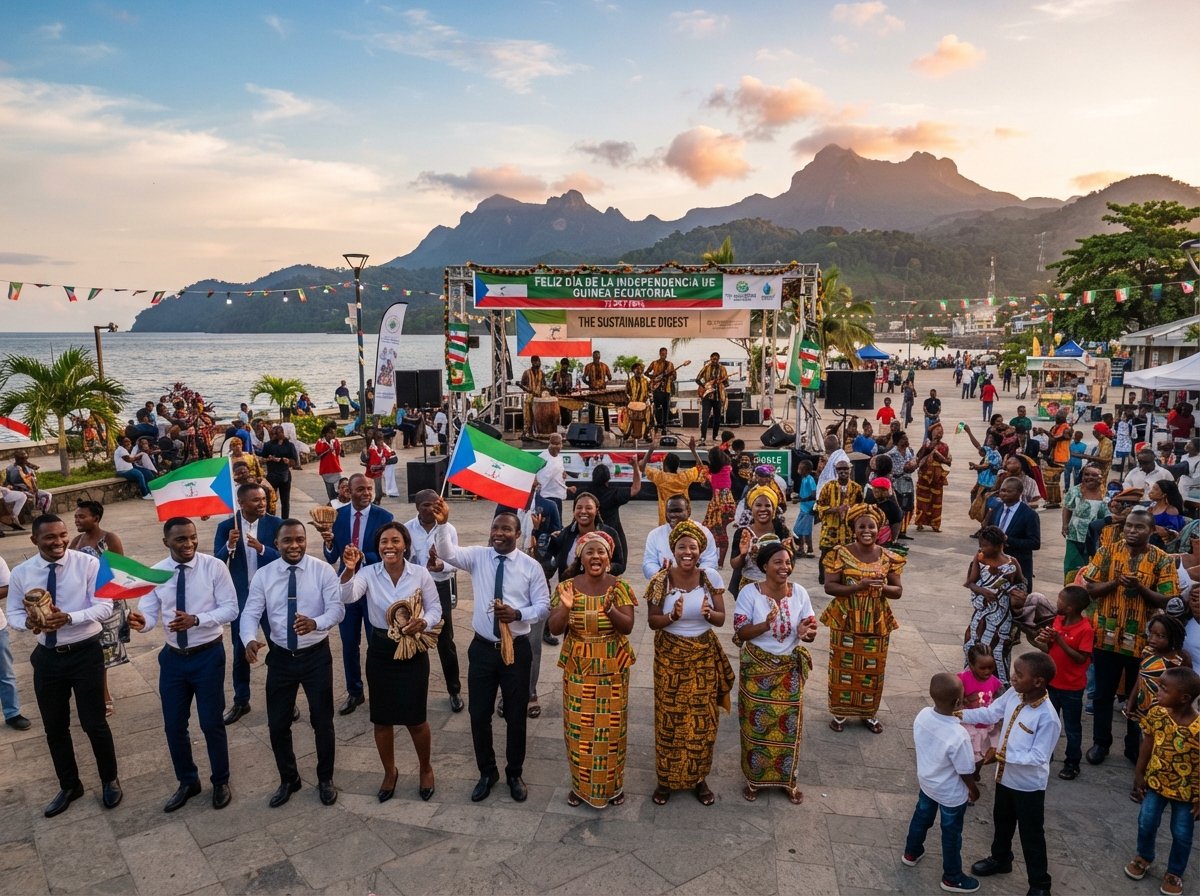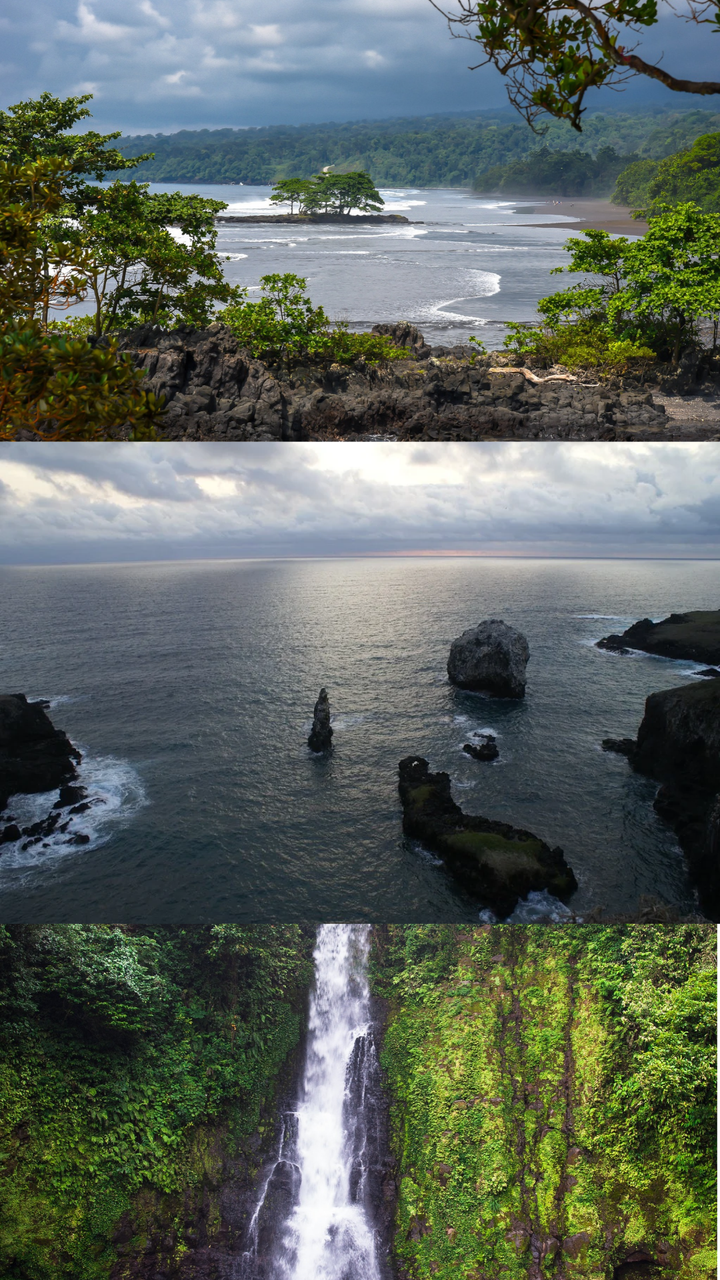
Zambia Independence Day 2026, Global Affairs/Development, UNSDGs in Retrospect: History

Zambia Independence Day 2026, global affairs/development, UNSDGs in retrospect

In 2026, Zambia marks 62 years of independence, a milestone that invites both celebration and a practical question about who benefits from national progress. For families, businesses, and visitors, a national anniversary is more than a date on the calendar. It is a chance to consider how national identity connects with global development and daily life.

Green growth is economic growth that limits environmental harm while supporting resilience and inclusion. On Independence Day, that idea turns commemoration into a test: do national priorities expand opportunity while protecting the land and water people rely on? This reflection connects historical context with the United Nations 2030 Agenda and the global goals, the UN Sustainable Development Goals (SDGs).

The retrospective offers a clear promise: a way to assess how sovereignty can shape development choices, community benefits, and environmental care. The anniversary matters most when national pride is matched by wider opportunity and care for the natural systems that sustain it.

How Does Zambia Independence Day 2026, Global Affairs/Development, UNSDGs in Retrospect Connect History to Development?

Zambia’s political history is marked by a clear constitutional arc: multiparty rule at independence, a period of one-party rule, and the restoration of multiparty democracy in 1991. That history gives development a civic dimension: public institutions shape how people participate in decisions and share their gains.

Constitutional changes have shaped the space for political choice. The sequence below sets out 20 historical anchors, from Northern Rhodesia to later presidential elections.

From Northern Rhodesia to the Republic

Five compact groups trace key shifts in the country’s constitutional history and national leadership.

  • Northern Rhodesia was under British colonial rule; the 1953 federation joined Northern Rhodesia, Southern Rhodesia, and Nyasaland; the Federation of Rhodesia and Nyasaland was dissolved on December 31, 1963.
  • Kenneth Kaunda won the January 1964 election for Prime Minister of Northern Rhodesia; independence came on October 24, 1964; Northern Rhodesia became the Republic of Zambia; Kaunda became its first president.
  • The 1964 independence constitution took effect through the Zambia Independence Order-in-Council; it established a multiparty system; the 1973 constitution ended multiparty politics; it recognized UNIP as the only legal party.
  • A constitutional amendment promulgated on August 31, 1991, restored multiparty democracy; Kaunda left office on November 2, 1991; he had served since independence; Frederick Chiluba succeeded him.
  • Presidential elections brought Levy Mwanawasa to office in 2002, Rupiah Banda in 2008, Michael Sata in 2011, and Hakainde Hichilema in 2021.
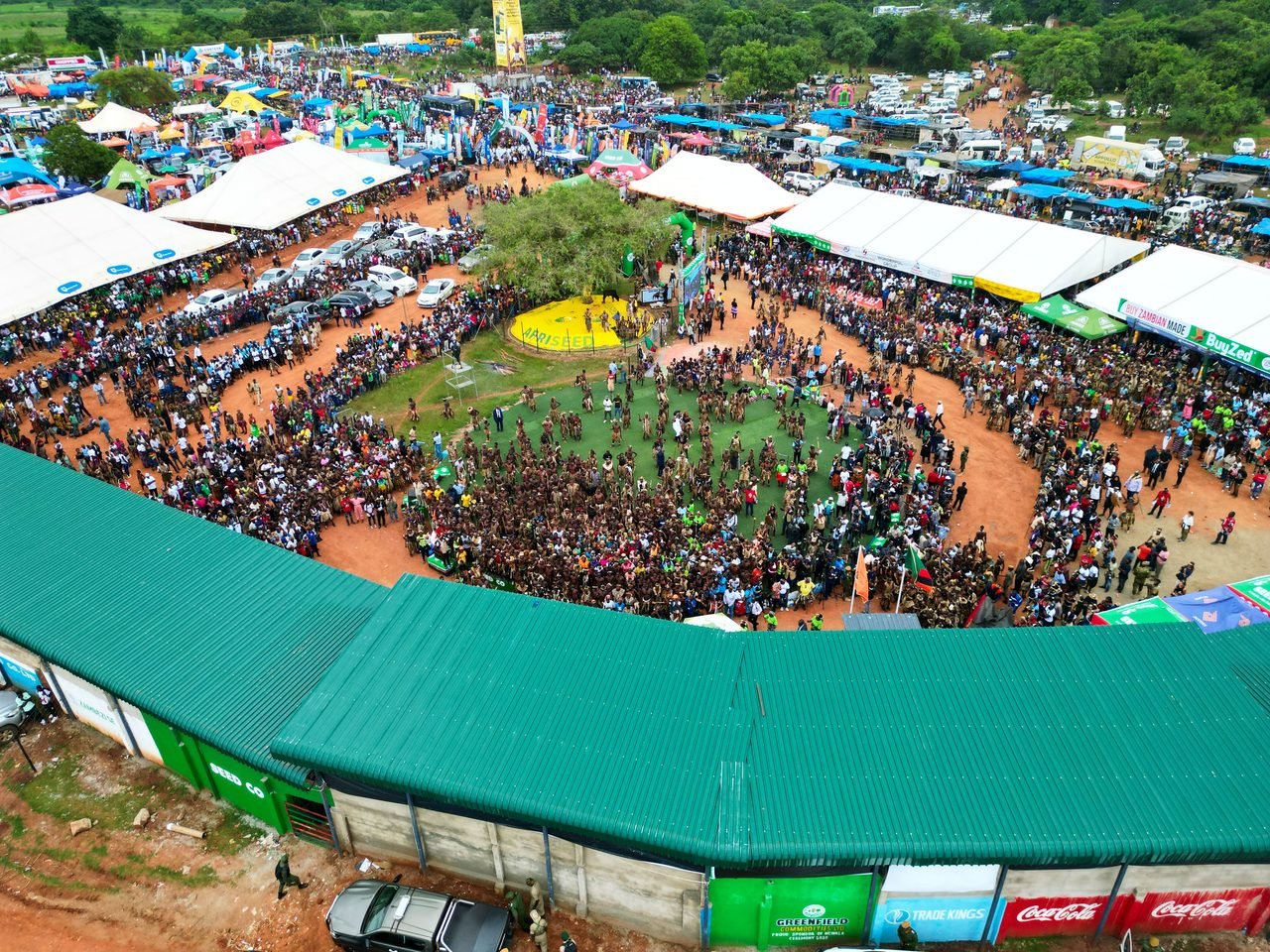
Constitutional change and the return to multiparty democracy

The timeline includes both expanded political choice and its restriction. Kaunda’s 1964 election came before he became the independent republic’s first president; the constitutional system later changed sharply.

Constitutional rules can widen civic choice, but their durability depends on continued public responsibility.

Ubuntu, with its emphasis on shared humanity and responsibility, offers an ethical lens for civic life. Sankofa, a principle of learning from the past, encourages reflection before present choices harden into tomorrow’s history. Neither framework should be treated as a direct cause of particular political events.

For development, the lesson is practical: constitutional history helps communities assess how decisions are made and whose needs receive attention. Remembering both constitutional gains and setbacks makes national unity a continuing responsibility, not a finished achievement.

How Can Zambia’s Green-Growth Policy Turn Independence into SDG Progress?

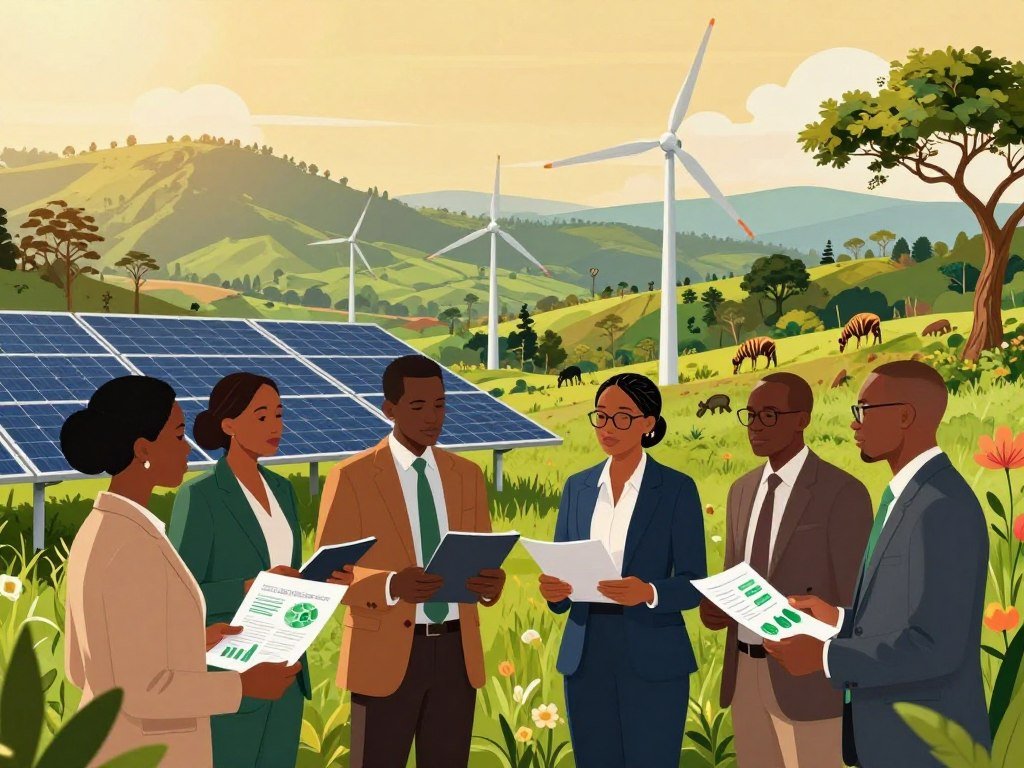
Farmers in professional attire, actively reviewing soil and water conditions, focusing on sustainable agricultural practices in a vibrant, lush field. The foreground features two farmers kneeling, inspecting soil samples with tools and notes in hand. In the middle ground, rows of crops stretch towards the horizon, with a backdrop of healthy green fields. The sun is shining brightly, casting a warm golden light, creating a positive and collaborative atmosphere. The scene is framed by a clear blue sky, enhancing the sense of optimism for sustainable development. The image should embody the themes of environmental stewardship and community engagement. The Sustainable Digest logo is subtly integrated into the scene, ensuring a professional presentation.

Zambia’s National Green Growth Strategy sets out four pillars for connecting economic activity with climate resilience, resource use, natural capital, and inclusion. The strategy covers 2024-2030 and supports Vision 2030 and the Eighth National Development Plan. Its aim is to make green growth part of development planning, not an ornamental label.

The four pillars are climate-compatible growth, resource efficiency, natural capital, and inclusion. Enabling conditions include stronger policy and regulation, funding, skilled people, and research, technology, and innovation.

Four pillars, one policy framework

Climate-compatible growth covers agriculture, tourism, energy, water, infrastructure, and climate services. Agriculture can support food security and soil resilience; tourism can connect habitat protection with local enterprise. Energy investment can improve reliable supply, but the strategy does not make every generation source renewable.

Natural capital includes forests, land, water, minerals, and protected and conservation areas. The UN adopted all 17 SDGs in 2015; Zambia completed two voluntary national reviews between 2016 and 2025. In February 2025, Zambia reaffirmed its 2030 Agenda commitment, highlighting sustainable agriculture and disaster preparedness.

Indicators show both progress and unfinished work. Life expectancy rose from 46.6 years in 2000 to 65.2 years in 2023, while 2022 poverty stood at 60% nationally, 78.8% in rural areas, and 31.9% in urban areas. Poverty affected 634 per 1,000 female-headed households and 588 per 1,000 male-headed households.

The Free Education Policy was associated with more than 2.6 million additional learners accessing education since 2021. Constituency Development Fund allocations rose from K1.6 million per constituency in 2021 to K40 million in the 2026 budget. These figures describe important inputs and outcomes, not proof that every household has equal access.

The Grow Zambia Agenda targets 10 million tonnes of maize, 10,000 MW of electricity generation, five million annual tourist arrivals, and three million tonnes of copper. It also sets export targets for soya beans, wheat, sugar, and beef. Real GDP growth was 3.8% in 2024 and 5.2% in 2025; the 2027 projection is 6.3%.

An IMF projection put 2026 growth at 5.6%, September 2026 inflation at 6.1%, and reserves at US$6.1 billion. Proposed IMF financing remained subject to Executive Board approval. Projections and production targets are planned benchmarks, not achieved results.

Ten practical SDG actions for Independence Day

Communities could use the anniversary to review practical steps across the integrated global goals. These are proposed actions, not claims about existing programs.

  • Farmers could map climate risks together; local groups could test soil and water conditions.
  • Tourism businesses could track local purchasing; residents could record habitat pressures near visitor sites.
  • Communities could map clean-energy access; public institutions could report service gaps by location.
  • Local monitors could check water quality; residents could report changes in forests and other ecosystems.
  • Public bodies could publish inclusion measures; cooperatives could explore joint marketing or shared processing.

Cooperatives may help members share enterprise, equipment, or market access; this is a practical option, not a stated strategy program. Any public progress scorecard should track household access and ecological condition alongside production targets.
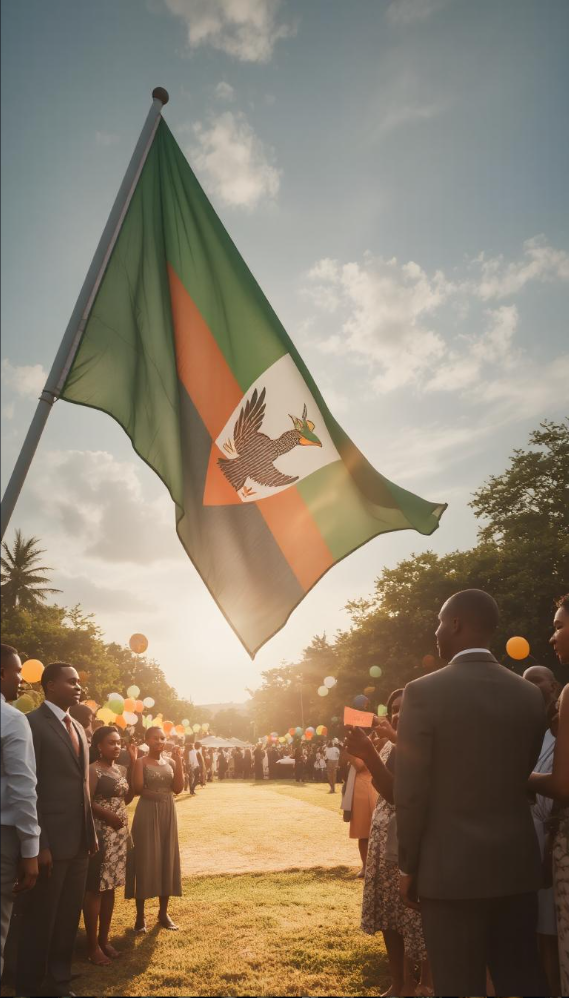
How Do Zambia’s Regional Corridors Connect Its Neighbors?

Zambia’s landlocked position makes it a potential trade nexus between central and southern Africa, with routes linking it to seven neighboring countries in this regional picture. The named routes connect it with the Democratic Republic of the Congo, Angola, Botswana, Mozambique, Zimbabwe, Tanzania, and Malawi. They support trade integration as a possibility, not a guaranteed result.

Corridor infrastructure creates potential links; it does not ensure trade, conservation, or community benefits. Africa has 79 ongoing and planned regional economic corridors. The Program for Infrastructure Development in Africa identifies 42 priority corridors, and the African Development Bank has funded 25.

CorridorCountries linkedRole
Lobito CorridorDemocratic Republic of the Congo and Zambia to AngolaDesigned route for minerals and other goods to the Atlantic coast
Mozambique-Beira CorridorMozambique, Zimbabwe, and ZambiaIntended to reduce goods-transport costs
Kazangula Bridge and One-Stop Border PostZambia and BotswanaCross-border bridge and border-post link
Nacala rail-and-port initiativeMozambique and MalawiRegional corridor valued at approximately $2.7 billion
Mtwara Development CorridorTanzania, Malawi, and ZambiaPlanned standard-gauge rail connection

The regional corridor network also lists the Lobito-Kolwezi-Lubumbashi-Solwezi-Ndola route and the Durban-Lusaka-Lubumbashi route. The Kazangula bridge and One-Stop Border Post link Zambia and Botswana; the other initiatives vary in scope and development stage.

Freight efficiency is only one test of a corridor; local water, habitat, and community needs belong in the assessment too.

Corridors can support sustainable development only when planning assesses environmental conservation and community impacts alongside movement of goods. Corridor planning should test each route against local water, habitat, and community needs, as well as freight efficiency.
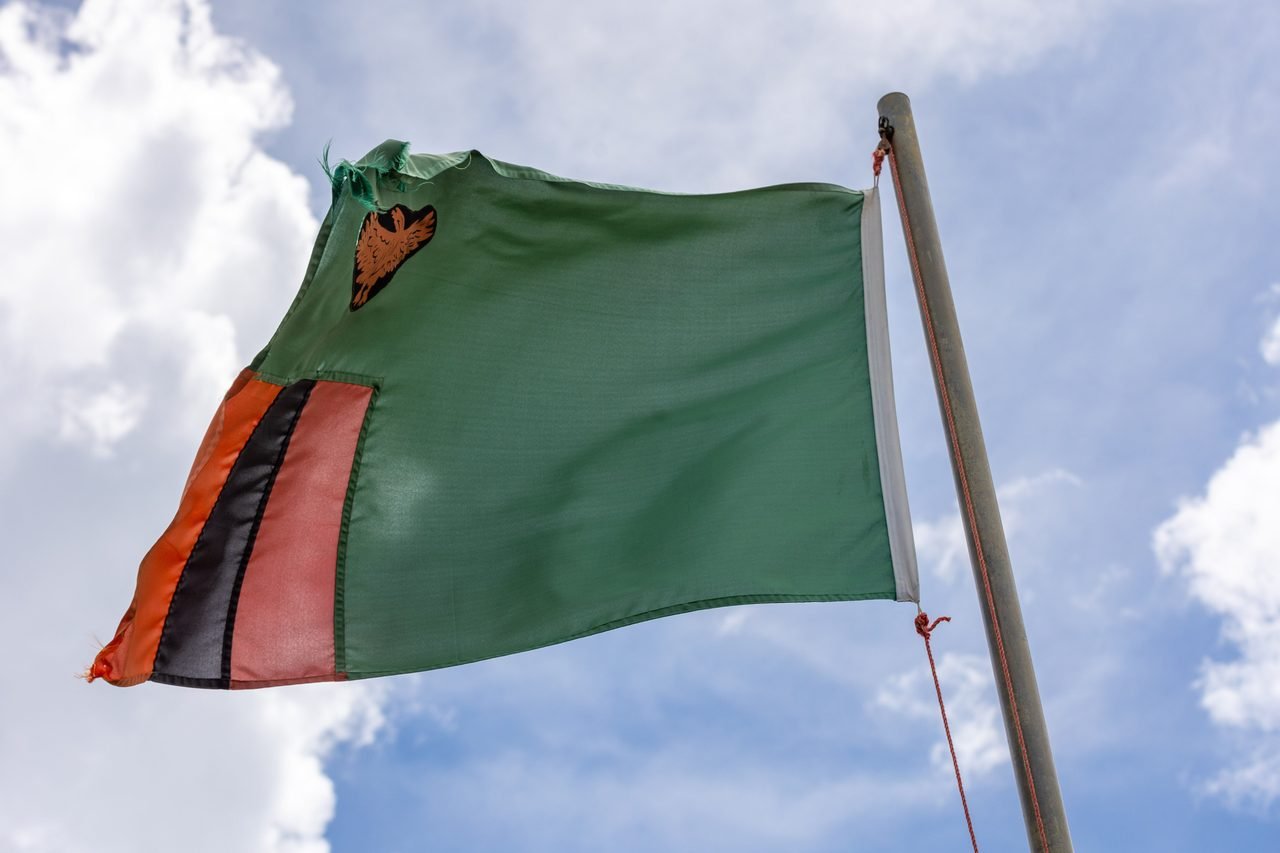
Conclusion

Independence remains a living promise when public choices create broader opportunity and protect the resources future generations will need. Sovereignty creates room for national choices; inclusive delivery determines whether those choices improve lives and protect ecosystems.

That distinction matters in every local budget, service, and enterprise. Production targets can show ambition, but household access and ecological health reveal whether progress reaches beyond headline figures. Community accountability gives residents a way to compare promises with daily experience and raise specific gaps.

Civic groups, local enterprises, and public institutions can review one local development priority against relevant SDG targets each Independence Day. A useful next step is for local institutions and community groups to choose one measurable SDG priority to review together on October 24.

FAQ

Is October 24 always a public holiday in Zambia?

October 24 is Zambia’s Independence Day each year, but the public holiday moves when the date falls on a Sunday. In that case, the following Monday is the public holiday. The observance marks independence in 1964 and remains a fixed date on the national calendar, even when the day off shifts.

What does green growth mean in Zambia’s policy context?

Green growth means economic growth that limits environmental harm while supporting resilience and inclusion. In Zambia’s policy context, it connects resource efficiency, natural capital, and inclusive growth with climate-compatible economic activity. The National Green Growth Strategy covers 2024-2030 and supports Vision 2030 and the Eighth National Development Plan.

Which SDGs are most directly connected to sustainable agriculture?

SDG 2, SDG 6, SDG 12, SDG 13, and SDG 15 have direct ties to sustainable agriculture. They address food security, water, responsible production, climate action, and life on land. The goals are integrated, so farm decisions can affect several at once, including health, livelihoods, and ecosystem protection.
How can Independence Day support local cooperatives?

Independence Day could give local cooperatives a public occasion to organize community procurement, joint marketing, or shared processing. These are possible actions, not existing government programs described as established policy. A cooperative might use the occasion to identify a product, agree on shared needs, and discuss how members could reach local buyers.

What does Sankofa add to a discussion of Zambia’s history?

Sankofa offers the principle of learning from the past to inform present choices. Applied to civic reflection, it encourages people to consider how earlier decisions shaped institutions and opportunities. It is an interpretive ethical framework, not an explanation that directly caused particular events in Zambia’s political history.

Does Zambia’s green-growth strategy say all new electricity must be renewable?

No. The strategy includes energy interventions under climate-compatible growth, but a general energy target does not establish a renewable-only requirement. Its framework connects energy with wider development aims, including resilience and resource use. Assessing a power project also requires attention to its generation source, reliability, and environmental effects.
Key Takeaways

  • Zambia celebrates 62 years of independence in 2026.
  • Its constitutional history includes multiparty rule, one-party rule, and a return to multiparty democracy.
  • The National Green Growth Strategy links economic activity with resilience, natural capital, and inclusion.
  • SDG progress calls for tracking both household access and environmental conditions.
  • Regional corridors create potential trade links, not guaranteed benefits.

Equatorial Guinea Independence Day observance, Sustainability & Global Relations in review

Equatorial Guinea Independence Day observance, Sustainability & Global Relations

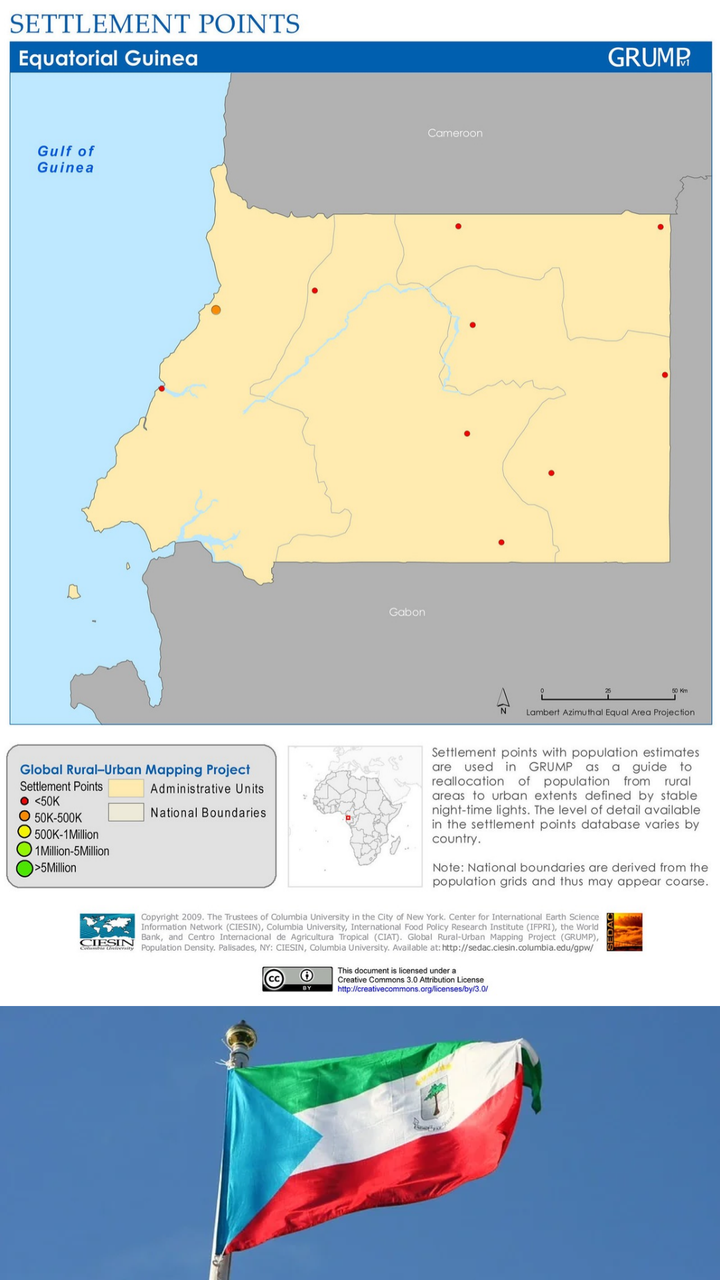
On October 12, a nation of 1,938,431 people marks a milestone that began in 1968. For Equatorial Guinea, the shift to self-rule still shapes national identity and public memory. Its small land area—28,050 square kilometers—holds two distinct settings: Bioko, once called Fernando Poo, and mainland Río Muni, also known as Mbini.

These island and continental landscapes raise different questions about natural resources, infrastructure, and community resilience. Oil has brought wealth, yet turning that income into broad development remains a complex task. The government has cited fiscal discipline, transparent reporting, published accounts, and infrastructure investment as tools to support progress and improve living conditions. Resource wealth matters most when people can see its benefits in daily life.

This overview considers cultural identity, social impact, and regional ties, including links to the 2030 Agenda. It separates documented policy from wider opportunities and recommendations. For Canadian readers, that distinction offers a useful way to assess how national priorities connect with regional cooperation—without treating plans as results.

Equatorial Guinea Independence Day observance, Sustainability & Global Relations

The path from Spanish colonial rule to self-government unfolded in stages. Internal autonomy began in 1963, followed by a referendum on August 11, 1968. About 63% of voters backed independence, which took effect two months later. October 12 became the annual Independence Day, linking a political shift to a lasting public tradition.

October 12 and the transition from Spanish colonial rule

For this country, the vote marked a turning point in the 20th century. It also placed Equatorial Guinea among African nations that reshaped their political futures during the 1960s.

National celebrations and a complex political legacy

Francisco Macías Nguema became the first president in 1968. His role in the transition stands apart from his later authoritarian rule, which lasted nearly eleven consecutive years. History rarely offers a simple celebration; public memory can hold pride and painful lessons at once.

Celebrations move to a different city each year and feature military and popular parades, cultural events, and social activities. In the period covered here, Teodoro Obiang Nguema Mbasogo had led the nation since 1979. For Canadian readers, the annual event offers a view of how civic ritual can express identity while reflecting a longer political story.

MilestoneDate or periodSignificance
Internal autonomy1963Expanded local self-government
ReferendumAugust 11, 196863% supported independence
Annual celebrationOctober 12Marks the formal transition

Ten Essential Facts About Equatorial Guinea’s Sustainability Story

A vibrant depiction of an equatorial island juxtaposed against a lush mainland, showcasing the rich biodiversity of both ecosystems. In the foreground, illustrate a diverse range of flora and fauna, including colorful tropical birds, vibrant flowers, and native trees, harmonizing with each other. The middle ground features a clear blue ocean gently lapping at the sandy beach, with a transition to a dense, green forest on the mainland, signifying the connection between both habitats. In the background, a bright blue sky with soft, wispy clouds enhances the serene atmosphere. The scene is bathed in warm, natural sunlight, casting soft shadows to create depth. This image captures the essence of sustainability and ecological diversity, embodying the spirit of "The Sustainable Digest."

These ten facts link economic choices with the landscapes, people, and traditions that shape the nation. They offer useful context for Canadian readers assessing development priorities and regional cooperation.

Oil wealth, economic diversification, and development priorities

  1. Oil revenue has supported infrastructure plans; diversification matters if growth is to improve daily life.
  2. The nation has seven provinces and 18 districts, with an area of 28,050 square kilometers.
  3. Its population was 1,938,431 in June 2025, with reported annual growth of 2.37%.
  4. A fertility rate of 4.3 children per woman in 2021, and rising immigration since the 1990s, add social context—not proof of progress.

Island and mainland geography, biodiversity, and environmental stewardship

  1. Bioko is an island; Río Muni forms the mainland. Their varied habitats make careful environmental stewardship important.
  2. Spanish, French, and Portuguese are official languages; more than 18 Indigenous languages include Fang, Bubi, Benga, and Annobonese.
  3. Fernão do Pó arrived in 1472. Later cacao plantations relied on forced Indigenous labor, a history that deserves honest attention.

Language, African identity, and community celebrations

  1. The 1960s transition to independence shaped modern identity; Francisco Macías Nguema became the first president.
  2. The 2012 Africa Cup of Nations ran from January 21 to February 12. Malabo hosted the Music Day Festival on July 28; a hip-hop event ran for ten days in December.
  3. Christmas celebrations include Bioko’s balélé dance. Regional partnerships and the UN Sustainable Development Goals offer frameworks for shared action.

“Resource wealth is only a starting point; lasting progress depends on who benefits.”

Conservation, Ecotourism, and Environmental Projects

A visit to wild landscapes can aid conservation, but a scenic itinerary alone proves little. In Equatorial Guinea, ecotourism means lower-impact travel that aims to support nature protection and local livelihoods. Habitat protection is different: it can happen without visitors or tourism businesses.

Travel and habitat protection serve different roles

The country covers 28,050 square kilometers and includes Bioko and mainland Río Muni. These distinct settings may call for different travel plans and conservation choices. The available sources name no specific ecotourism or habitat-protection projects. Claims about established programs therefore need verification before they guide travel or funding decisions.

Local voices help shape responsible travel

In this region, a useful test is whether local people help make decisions, share benefits, and protect natural and cultural assets. Conservation pressures also deserve careful study; the supplied facts do not quantify them. Travelers from Canada can ask who manages a project, how funds are used, and whether residents support it. Responsible travel starts with evidence and local consent, not attractive promises. That simple check can help visitors avoid treating an unverified claim as a conservation result.

Resilience, Cooperatives, and Community Development

A vibrant community scene in Equatorial Guinea, showcasing resilience and cooperative efforts for community development. In the foreground, diverse individuals in professional business attire engage in discussions, collaborating around a large table filled with colorful local produce and handmade crafts. The middle ground features a newly built, eco-friendly community center surrounded by greenery, illustrating sustainable architecture. In the background, lush hills and traditional homes reflect the cultural heritage of the region. Bright, natural lighting illuminates the scene, creating a warm and inviting atmosphere. The mood conveys hope and unity, embodying the spirit of community-driven development. This image should represent the essence of "The Sustainable Digest".

Resilient communities need steady livelihoods, useful public services, and ways to manage economic or environmental shocks. In Equatorial Guinea, these needs can differ across regions; a single plan may miss local priorities. The country has seven provinces and eighteen districts, which makes inclusive planning especially important.

Local livelihoods and community-led resilience

Cooperatives can help people share resources, build enterprises, and shape local decisions. However, the available sources do not identify any named cooperatives in Equatorial Guinea. Their potential should not be confused with evidence of specific local results. The annual independence day may express shared identity, while daily resilience depends on practical choices and access to support.

CAFRAD held capacity-building programs for senior officials at its headquarters and on-site in Malabo. This reflects institutional training, not community-led work; both can matter, but they serve different roles.

Infrastructure, public services, and inclusive development

The government stated that it invested oil revenues in physical infrastructure and better living conditions. That is a stated priority, not proof that every community benefited equally. Roads and services can support livelihoods, but planning must reflect local needs in each city and district.

  • Track who can access new services.
  • Invite residents into planning and review.

Resilience grows when communities help shape the choices that affect them.

How the United Nations Sustainable Development Goals Apply

The 17 UN Sustainable Development Goals offer a framework for asking clear questions about national progress. For Equatorial Guinea, they can guide an assessment, but they do not prove results. Canadian readers can use the same lens to compare stated plans with public evidence.

Human development goals: health, education, equality, and work

Goals 1, 2, 3, 4, 5, and 8 cover poverty, food, health, schooling, gender equality, and decent work. Together, they help assess whether oil income supports wider development and improves daily life.

Environmental goals: energy, climate, land, and water

Goals 6, 7, 11, and 12 frame questions about water, clean energy, cities, and resource use. Goals 13, 14, and 15 focus on climate action, marine life, and land habitats. Available facts do not confirm specific national outcomes.

Institutions and partnerships across all 17 goals

Goals 9, 10, and 16 help examine infrastructure, fairness, and strong institutions. The government stated it was working to improve transparency, fiscal discipline, and published accounts. CAFRAD, a Pan-African intergovernmental organization, trained senior officials in Malabo and at its headquarters. This work connects to Goal 17 and its focus on partnerships among members. These goals are useful measures, not proof of progress.

Assessment areaRelevant goalsKey question
People and work1, 2, 3, 4, 5, 8Are basic needs and opportunities improving?
Services and resources6, 7, 11, 12Are services and resource use responsible?
Nature and climate13, 14, 15Are climate, sea, and land priorities addressed?
Systems and partnerships9, 10, 16, 17Are institutions inclusive and accountable?

Regional Cooperation, Global Ties, and Green Fiscal Policy

A vibrant scene depicting Central African leaders in a professional meeting focused on regional cooperation and sustainability. In the foreground, a diverse group of business-attired individuals, including men and women from various Central African countries, engaged in animated discussion over a large map highlighting regional initiatives for green fiscal policies. In the middle ground, a large conference table with laptops, tablets, and charts showcasing data on sustainability and cooperation. The background features a beautifully designed conference room with large windows revealing lush greenery outside, emphasizing the theme of ecological awareness. Soft, natural light floods the room, creating an optimistic atmosphere. The Sustainable Digest logo subtly integrated into the scene, symbolizing the connection between regional cooperation and global sustainability efforts.

Regional ties can support trade, policy learning, and cultural exchange, but nearby states are not interchangeable. For Canadian readers, clear distinctions help separate geography from confirmed cooperation.

Connections across Central Africa and the Gulf of Guinea

Equatorial Guinea can be compared with Cameroon, São Tomé and Príncipe, Gabon, and the Central African Republic. These countries share a regional frame, yet differ in geography, language, and political context. Nigeria, the Democratic Republic of the Congo, and the Republic of the Congo offer wider reference points; the available details do not confirm specific joint programs.

Oil revenue, public policy, and wider engagement

The government said it pursued fiscal discipline, transparency, published accounts, infrastructure investment, and better living conditions. These steps describe stated oil-revenue reforms, not proof of a formal green fiscal policy. Sustainable competitiveness also calls for open reporting and a more diverse economy.

Spanish is an official language, alongside a distinct African identity. That mix could support dialogue with the African diaspora and the Global South, though the supplied facts identify no specific outreach programs. Under President Teodoro Obiang Nguema Mbasogo, the country’s independence day also offered a public moment to express national identity; it does not, on its own, show how international ties worked.

Conclusion

October 12 marked the 1968 shift to self-rule and remained a meaningful time to reflect on national identity. Each year, Independence Day connected a historic milestone with the country’s public memory.

For Equatorial Guinea, oil wealth posed a hard test: turning revenue into broad gains. The president’s government cited fiscal discipline, transparency, infrastructure, and better living conditions. These commitments still called for clear public evidence.

Bioko and Río Muni offered distinct settings for conservation, responsible travel, and environmental research. Community input, cooperatives, and fair access to public services also mattered, though the sources named no cooperative programs.

The 17 SDGs offered a useful framework for linking national priorities with regional partnerships and the Global South. For Canadian readers, the occasion invited deeper questions about sustainability and who benefited. Independence Day carried meaning beyond ceremony; reliable evidence remained key to judging progress.

FAQ

Q: When did Equatorial Guinea become independent?

A: The country became independent from Spain on October 12, 1968. Francisco Macías Nguema became its first president after the transition.

Q: How do people mark the national anniversary?

A: Celebrations may include official events, music, dance, and community gatherings. These occasions highlight the nation’s cultural identity and shared history.

Q: Who were Francisco Macías Nguema and Teodoro Obiang Nguema Mbasogo?

A: Macías led the country from 1968 until 1979, when a coup brought his rule to an end. Teodoro Obiang Nguema Mbasogo took power that year and later became president. Their time in office remains central to the country’s modern political history.

Q: How has oil shaped the country’s development?

A: Oil production brought major revenue and supported infrastructure investment. It also left the economy exposed to price swings, making diversification, public services, and broader job creation important priorities.

Q: What is the significance of oil revenues in the country’s economy?

A: Oil revenues are critical for economic growth, but there is a pressing need for diversification to ensure a sustainable economic future beyond fossil fuels.

Q: What makes the country’s landscapes and wildlife notable?

A: Its territory includes Bioko Island and the mainland region of Río Muni. Forests, coastal habitats, and marine ecosystems support rich biodiversity; protecting them requires long-term planning and local involvement.

Q: How does ecotourism differ from conservation?

A: Ecotourism aims to limit travel’s impact while supporting local communities and nature-based experiences. Conservation focuses directly on protecting habitats and species; responsible tourism can help, but it cannot replace strong protection.

Q: How can communities benefit from development projects?

A: Cooperatives and community-led projects can support local livelihoods and help residents respond to economic or environmental pressures. Fair access to infrastructure, health care, education, and decent work also shapes lasting progress.

Q: How do the United Nations Sustainable Development Goals apply?

A: The 17 goals offer a framework for work on health, education, equality, jobs, clean energy, climate action, and biodiversity. Progress depends on effective institutions and partnerships that turn plans into measurable results.

Q: Which regional ties matter, and what role can oil-revenue policy play?

A: The country shares regional ties with Cameroon, Gabon, São Tomé and Príncipe, and the Central African Republic; it also connects with Nigeria and both Congos. Transparent oil-revenue rules can support public priorities, while cooperation with the African diaspora can widen expertise and investment.

Q: What historical connections exist with Nigeria & the Republic of the Congo?

A: Historical ties with Nigeria and both the Republic and Democratic Republic of the Congo involve cultural exchanges and economic partnerships that shape regional dynamics.

Key Takeaways

  • The national holiday falls on October 12 and recalls the 1968 transition to self-rule.
  • The nation includes Bioko and mainland Río Muni, each with distinct geographic settings.
  • Oil revenue can support prosperity, but it also creates a challenge for lasting progress.
  • Officials have cited fiscal discipline, public reporting, and infrastructure investment as policy tools.
  • The article examines community resilience, cultural identity, living conditions, and regional ties.

Uganda Independence Day 2026: Global trade, co-ops, agriculture, & Sustainability

Uganda Independence Day 2026 Global trade co-ops agriculture & Sustainability

On October 9, 2026, Uganda marked its 64th Independence anniversary. The milestone offered more than flags and ceremony; it invited a closer look at how national identity can shape a country’s future. For many families, public celebrations bring history into everyday life, linking memories of self-rule with hopes for the next generation.

That future took direction from Uganda Vision 2040, National Development Plan IV, and the NRM Manifesto. Together, these frameworks set aims for economic transformation and development. The government also pointed to peace, security, and stability as foundations for investment, tourism, and long-term programs.

Across the world, the Uganda Embassy in Copenhagen worked with Danish institutions on health, agriculture, emergency services, infrastructure, and the Blue Economy. Its efforts included promoting Explore Uganda and exploring an upgrade to Wakiso Health Centre IV. These ties show how partnerships can turn shared priorities into opportunities. The country remains committed to progress that improves life for its people—a story of interest to readers in China and beyond.

Uganda Independence Day 2026 Global trade co-ops agriculture & Sustainability: Development Priorities and National Identity

National plans—Vision 2040, NDP IV, and the NRM Manifesto—frame the country’s development journey. For Chinese readers, cooperative figures offer useful global context, but they are not local statistics. The available research provides no Uganda-specific measures for climate action, ecotourism, or green aviation; these remain topics for further research, not established results.

Milestones, cultural identity, and national plans

Cooperation can link identity with shared goals. Its record also offers lessons in peacebuilding.

Twenty evidence points and development questions

  1. July 4, 2026, marked the cooperative celebration.
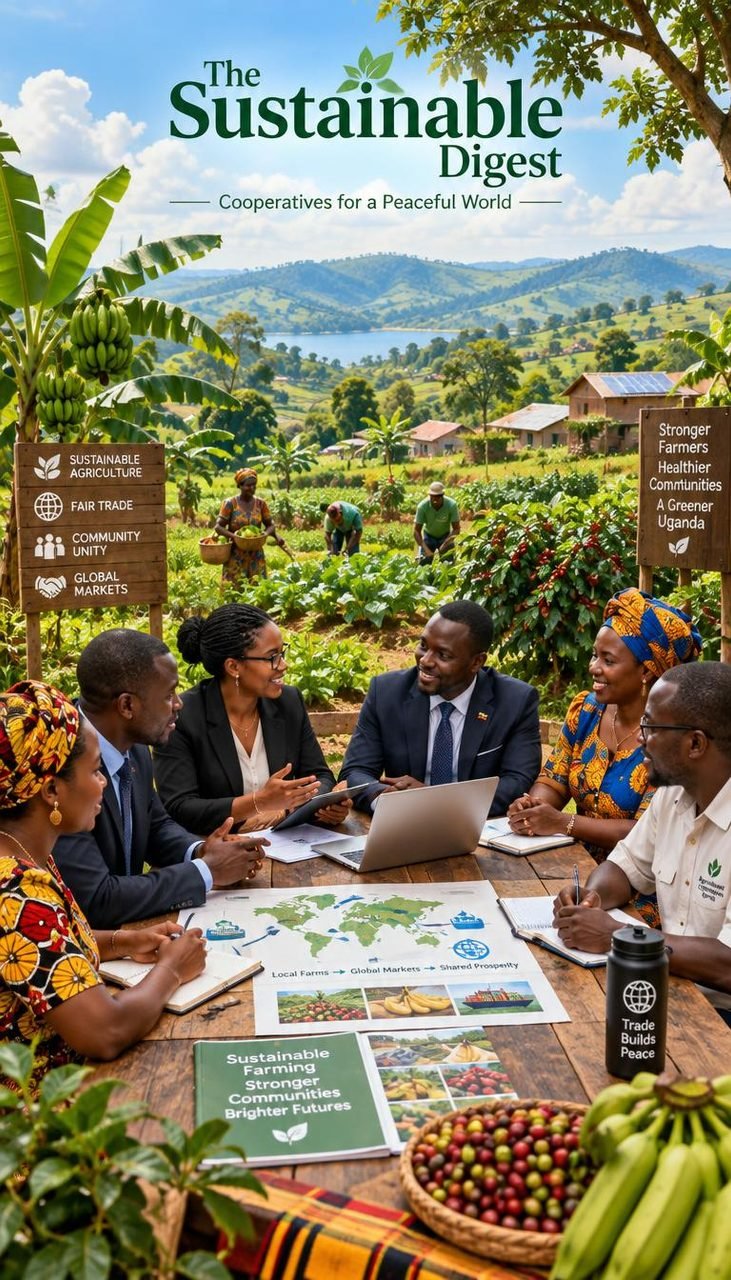
  2. Its theme: “Cooperatives for a Peaceful World.”
  3. It was the movement’s 104th annual observance.
  4. It was the UN’s 32nd observance.
  5. The movement counted over 1 billion members.
  6. It included about 3 million enterprises.
  7. Cooperatives employed 10% of the world’s population.
  8. The top 300 reported $2.8 trillion in turnover.
  9. The ICA began in 1895.
  10. The UN recognized the observance in 1995.
  11. An ICA-COPAC brief linked cooperatives to SDG 16.
  12. Dr. Ariel Guarco cited over 120 armed conflicts.
  13. He cited $2.89 trillion in military spending.
  14. He cited 830 million people in extreme poverty.
  15. Rwanda’s Koakaka united farmers from divided communities.
  16. Environmental stewardship merits evidence-led review.
  17. Ecotourism needs local impact measures.
  18. Green aviation needs project-level proof.
  19. Historical tensions call for careful analysis.
  20. Regional cooperation can support a peaceful economy.

“Cooperatives for a Peaceful World.”

EvidenceWhat it supportsWhat it does not prove
ICA and COPAC brief on SDG 16Cooperative peacebuilding is a policy focus.It does not measure local outcomes.
Koakaka example in RwandaShared work can connect people across divisions.It is not evidence of a Uganda-specific project.
Global cooperative figuresThey show the movement’s scale.They do not describe one country’s sector.

How Agriculture, Democratic Governance, and Cooperatives Are Advancing Development

Avani Global Agri and Avani Smarts Farm invested US$5 million in an agriculture project in Nwoya. More than 700 acres grew turmeric and rosemary. Avani planned to reach 5,000 acres, with a possible 10,000–30,000 acres through outgrower partners. This pathway could involve farmers in processing and create rural jobs.

A vibrant scene depicting an agriculture project focused on outgrower farmers in Uganda, showcasing a group of diverse farmers in professional attire, collaborating in a lush, green field. In the foreground, farmers are examining crops with tools in hand, demonstrating their commitment to sustainable practices. The middle ground features a cooperative processing facility with modern equipment where freshly harvested produce is being sorted and packaged, emphasizing value-added processing. In the background, rolling hills and a bright blue sky capture the essence of rural Uganda. Soft, natural lighting highlights the scene, conveying a sense of hope and progress. This image reflects the themes of growth, community, and sustainable development as represented by "The Sustainable Digest."

Processing and farmer pathways to shared prosperity

The company also planned a Kampala facility to extract life-sciences molecules from raw materials sourced in Uganda and nearby countries. Director Dr. Siva Mahesh described a hub-building goal; the facility remained a plan, not an operating site. MAAIF’s Aacha Mary Orikiriza cited support for innovation, climate-smart methods, irrigation, mechanization, and extension services. Research, field research, and future research could help farmers reach higher-value food markets.

Democratic participation can shape who benefits. SHIPU helped coordinate investment, while public input can give people a voice in project choices. Government also backed motorcycle conversions to electric bikes. Kiira Motors, charging points, and battery swaps could support the mobility transition. For Chinese readers, the case links local production, people, and partners with development and a stronger economy.

FocusStatusPotential value
Nwoya cultivation700-plus acres; expansion plannedOutgrower jobs and processing
Kampala facilityPlanned, not operatingLocal value-added production
Electric mobilityGovernment-backed priorityNew transport options

Green Fiscal Policy and Uganda’s Role as an East African Trade Nexus

Uganda’s position links Rwanda, South Sudan, the Democratic Republic of the Congo, Kenya, and Tanzania. This makes the country a potential hub for regional exchange and cooperation, though it does not prove any specific trade volume. For Chinese readers, the key question is how better links can serve businesses and communities.

Regional links and shared opportunity

Cooperation with Denmark has covered infrastructure, climate, agriculture, private-sector development, and trade. These ties create opportunities to connect expertise with local priorities. The Embassy in Copenhagen also explored investment opportunities and linked Danish and Nordic partners with development goals.

Green policy, mobility, and investment

Investment coordination and MAAIF support are established areas; tax credits or other fiscal tools would need government design and confirmation. Research, climate-smart methods, irrigation, and extension services can help farmers improve food value chains. More research can assess how farmers benefit, while farmers and partners guide practical project choices.

Electric mobility was a stated priority under NDP IV and the Tenfold Growth Strategy. Kiira Motors, charging infrastructure, electric motorcycles, and battery swaps could support this transition. Research can track costs and climate effects as the sector develops; the shift may create work for farmers and firms, but results need evidence.

FocusEvidence-based pathWhat needs confirmation
Regional linksCooperation with five neighboring marketsTrade volumes and outcomes
Green investmentCoordination and agricultural supportNew fiscal incentives
MobilityNational priority and local manufacturingMeasured results at scale

Conclusion

The 64th anniversary, marked on October 9, 2026, offered a timely lens on how national priorities could connect with long-term environmental goals and regional cooperation. For Chinese readers, the case shows how local plans can link with wider partnerships.

Nwoya’s 700-plus acres and planned outgrower growth offered one path for farmers to join value-added production. Yet expansion remained a proposal; results for farmers and rural jobs had not been established.

The cooperative movement’s more than 1 billion members and its SDG 16 focus underscored how shared decisions can strengthen resilient communities. Electric-mobility aims under NDP IV and the Tenfold Growth Strategy also tied investment and charging networks to cleaner transport.

With credible green policy and regional partnerships, Uganda remains committed to development that creates inclusive opportunities for people. Progress will depend on evidence, steady delivery, and benefits that reach beyond plans.

FAQ

Q: What does the national anniversary recognize?

A: It marks a turning point in the country’s history and a chance to reflect on its cultural identity, progress, and development goals. The occasion also highlights the role of people and communities in shaping the future.

Q: How can cooperatives support farmers?

A: Cooperatives can help farmers reach buyers, share services, and improve access to finance and training. They can also support food processing, helping local producers earn more value from each harvest.

Q: How does research help communities respond to climate change?

A: Research can guide better seed choices, soil care, and water use. Groups such as the National Agricultural Research Organisation help turn evidence into practical advice for farmers, while protecting the environment.

Q: What makes the country an important regional trade link?

A: Its location connects Rwanda, South Sudan, the Democratic Republic of the Congo, Kenya, and Tanzania. Better roads, border services, and other infrastructure can help businesses move goods and reach new opportunities.

Q: How can policy encourage a greener economy?

A: Clear rules and well-planned public spending can attract climate investment and support a shift to cleaner production. These tools can strengthen the sector while helping the country manage its economic transition.

Q: How can diaspora groups and other partners contribute?

A: Partners can invest in local projects, share skills, and support research and training. Strong partnerships can help communities grow lasting services and create inclusive development; clear information from trusted media also helps people assess opportunities.

Q: How do regional partnerships support economic development?

A: Links with Rwanda, South Sudan, the Democratic Republic of the Congo, Kenya, and Tanzania can strengthen transport, regional trade, and access to markets. Practical cooperation also helps address shared challenges, from border delays to climate risks.

Q: How do the 17 Sustainable Development Goals connect to national progress?

A: The goals link priorities such as reducing poverty, improving health and education, expanding decent work, and protecting ecosystems. Progress in one area can support gains in others, making coordinated planning important.

Q: How can green fiscal policies improve competitiveness?

A: Well- designed incentives and climate finance can attract investment in clean energy and environmental stewardship. Clear rules help businesses plan, while careful oversight can keep  public benefits ahead of short-term gains.

Q: What sustainable opportunities could connect East Africa with Southeastern Asia?

A: Clean energy, ecotourism, and lower-impact aviation services offer areas for investment and exchange. Strong environmental standards and transparent supply chains can help these opportunities deliver lasting value.

Q: How do cooperatives strengthen communities and food systems?

A: Member-owned cooperatives give people a voice in decisions and can improve access to finance, training, and markets. Their role in resilient food systems can support livelihoods and wider  social development.

Q: What is the International Day of Cooperatives, and why does it matter?

A: Observed each year in July, it raises awareness of the cooperative movement and its contribution to a better world. The International Cooperative Alliance and civil society groups use the occasion to highlight shared ownership, community action, and inclusive  development.

Key Takeaways

  • The 64th anniversary connected national identity with long-term goals.
  • Vision 2040, NDP IV, and the NRM Manifesto guided national plans.
  • Peace and stability supported investment, tourism, and lasting programs.
  • Uganda-Denmark ties covered health, emergency services, research, and the Blue Economy.
  • The article explores cooperative growth, regional exchange, green policy, and sustainable farming.

Lesotho Independence Day observance and its Global Sustainable Development

Lesotho Independence Day observance and its Global Sustainable Development

One striking fact: on October 4, 1966, Basutoland became the Kingdom of Lesotho as British rule ended. A single date marks both a political break and the start of a new national story.

Each year, the October 4 holiday invites more than ceremony. In a mountain country shaped by the Maloti range, the annual commemoration can prompt questions about who benefits from growth, who bears environmental costs, and how local voices shape policy.

For Brazilian readers, this story offers a useful lens on sovereignty, cultural identity, and social impact. Responsible ecotourism, fair access to land and water, and regional cooperation can help turn national pride into lasting gains.

The history also connects with UN goals through practical tests: climate resilience, reliable infrastructure, decent work, and community investment. Progress needs more than a flag or a speech; it calls for steady choices that protect people and place.

Calendar details matter, too: the national date falls on Sunday in 2026, then Monday in 2027. October 4 remains fixed each year, even when the weekday shifts.

Lesotho Independence Day observance and its Global Sustainable Development

October 4, 1966, marked a political turning point. Basutoland became a sovereign state, yet the path there included changing borders, outside rule, and local efforts to protect community life.

A Shift Toward Self-Rule

In 1868, Basutoland became a British protectorate; Britain made it a colony in 1884. Territorial disputes with Boer trekkers led its king to seek British support. That choice offered protection, though foreign rule also limited local control.

Origins of the Modern State

Moshoeshoe I united local communities to face threats from the Zulus. This shared effort helped shape Basotho identity. On October 4, 1966, Basutoland gained independence from Britain, becoming the Kingdom of Lesotho. King Moshoeshoe II became monarch, while Leabua Jonathan served as prime minister.

Sovereignty gave communities greater scope to shape policy, yet it did not settle questions of land, fair access, or local voice. For readers in Brazil, the history offers a clear lesson: self-rule has lasting value when people can influence choices about heritage, water, livelihoods, and environmental justice.

YearStatus or eventHistorical significance
1868British protectorateBritain assumed a formal role in Basutoland.
1884British colonyColonial control replaced protectorate status.
1966Sovereign kingdomKing Moshoeshoe II became monarch; Leabua Jonathan became prime minister.

Twenty Key Facts About Independence Day and Lesotho Today

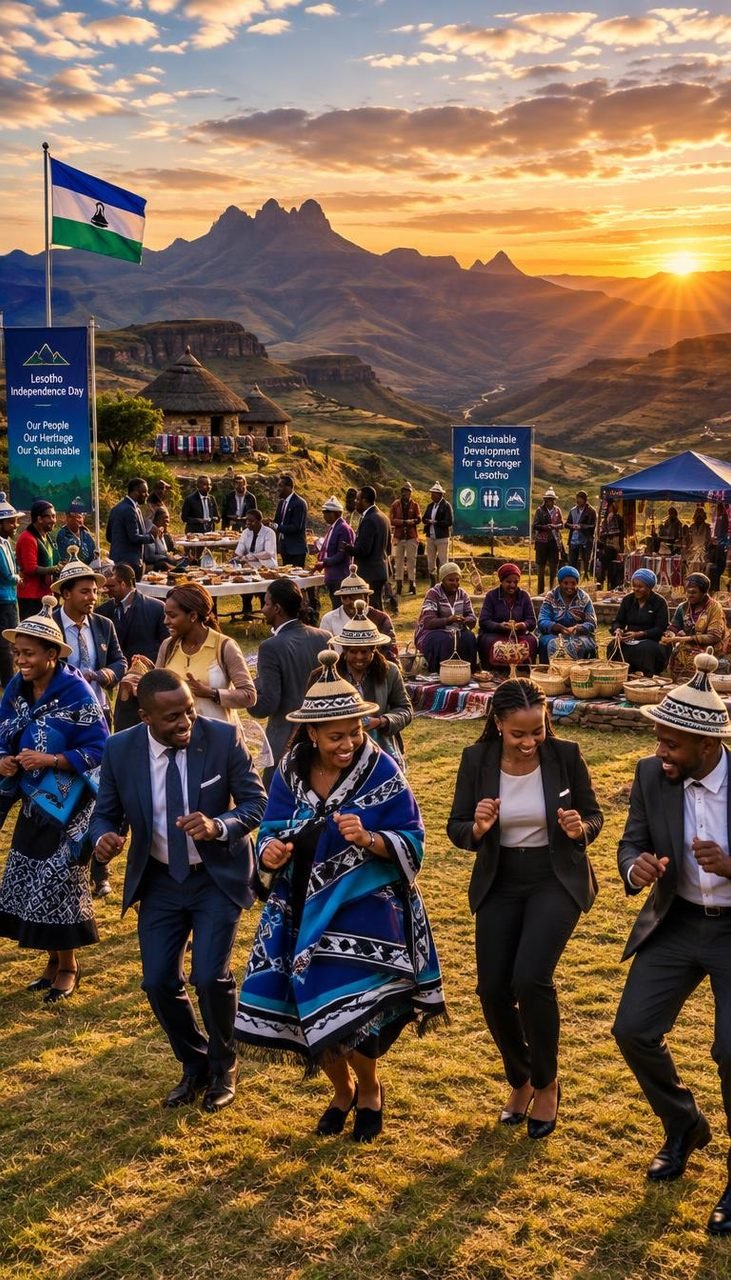
A vibrant Basotho cultural celebration set against the majestic backdrop of the Maloti Mountains. In the foreground, a diverse group of participants dressed in traditional Basotho attire, including colorful blankets and hats, joyfully perform traditional dances. The middle ground features small clusters of people engaging in cultural activities like craft-making and sharing food, embodying a sense of community and festivity. In the background, the sun sets behind dramatic mountain peaks, casting warm golden light over the scene, enhancing the celebratory atmosphere. The image should be captured with a wide-angle lens to emphasize both the participants and the stunning landscape, evoking a sense of pride and cultural heritage, reflecting the theme of sustainable development. This image illustrates the essence of Lesotho Independence Day for The Sustainable Digest.

October 4, 1966, Basutoland gained independence from Britain and became the Kingdom of Lesotho. For Brazilian readers, these facts link national history with today’s social and environmental questions.

The Date, Leaders, and Milestones

  1. October 4 is the fixed date.
  2. Self-rule began in 1966.
  3. Basutoland was the former name.
  4. A sovereign kingdom took shape.
  5. Britain declared a protectorate in 1868.
  6. Colonial status followed in 1884.
  7. King Moshoeshoe II became monarch.
  8. Leabua Jonathan became prime minister.
  9. The Maloti Mountains define much terrain.
  10. About 2.14 million people live there.
  11. The country is landlocked within South Africa.

Public Traditions, People, and Shared Meaning

  1. October 4 is a public holiday.
  2. Many schools, offices, shops close.
  3. Maseru hosts an official procession.
  4. National leaders attend formal ceremonies.
  5. A flag-raising marks the occasion.
  6. Parades, fireworks, music, dance, meals draw crowds.
  7. National dress can express cultural identity.
  8. In 2026, the date falls Sunday; in 2027, Monday.
  9. Environmental justice, ecotourism, cooperation support resilience.

Beyond ceremony, fair access to land, water, services matters. Shared pride has practical value when local voices shape policy.

FocusKey detailSocial link
HistorySelf-rule began in 1966National identity
CelebrationOctober 4 public holidayCommunity gathering
FutureResilience, ecotourism, cooperationFair local benefits

The Five United Nations SDGs With the Greatest Relevance to Lesotho

For Brazilian readers, these UN goals offer a clear way to assess how policy can improve daily life. Water access, clean power, fair work, equal opportunity, and climate readiness connect national priorities with practical needs. The gains matter most when mountain communities help shape local choices.

Climate Action, Clean Energy, Resilient Communities

United Nations SDG #6 focuses on clean water and sanitation, key needs in a country shaped by the Maloti Mountains. UN Sustainable Development Goal #7 supports affordable, clean energy; renewable options merit review, but claims about specific projects need reliable evidence. UN SDG 13 frames climate resilience as a core concern for mountain regions.

Decent Work, Reduced Inequalities

After independence in 1966, livelihoods remain central to national progress. SDG 8 links decent work with responsible investment. SDG 10 asks whether public services, jobs, and infrastructure reach people fairly. Each goal helps turn broad aims into questions that communities can test.

SDGFocusLocal lens
6Clean water, sanitationReliable access
7Affordable, clean energyRenewable options
8Decent work, economic growthJobs, responsible investment
10Reduced inequalitiesFair access to services
13Climate actionMountain resilience

How Projects Across Industries Build Infrastructure and Community Resilience

A vibrant landscape showcasing the infrastructure and community resilience of Lesotho, highlighting a newly built school and solar energy project in the foreground with people of various ages in modest casual clothing engaged in learning and community activities. The middle ground features well-maintained roads and green agricultural fields, symbolizing economic growth and sustainability. In the background, majestic mountains and a blue sky under warm, golden sunlight add a sense of hope and aspiration. Capture the mood of optimism and collaboration, emphasizing the impact of these projects on the local community. Use a wide-angle lens to encompass the entire scene, with soft, natural lighting to highlight the beauty of the environment. The Sustainable Digest.

Infrastructure works best when it solves daily problems, not just when it looks impressive on a map. For Brazil’s development professionals, comparing project types offers a practical way to assess who gains reliable services, better access, or stronger livelihoods.

Renewable Energy and Climate-Resilient Infrastructure

The Maloti Mountains offer geographic context for assessing clean power, sturdy roads, and facilities built to handle harsh weather. These are project options, not claims about completed initiatives. Strong planning can improve service reliability for communities across the country.

Agriculture, Water, and Community Development

Water storage, soil care, and farm access can help households manage dry spells or heavy rain. Local input matters; a well-built system has little value if residents cannot maintain or reach it.

Tourism, Transport, and the Benefits of Sustainable Investment

As a landlocked state surrounded by South Africa, Lesotho depends on strong links within the region. Visitor services plus transport upgrades may widen market access for a population of about 2.14 million. Any named project or outcome needs reliable evidence.

Project typePotential benefitKey test
Clean energyMore reliable powerCan local users afford service?
Farms, waterStronger rural livelihoodsCan residents maintain systems?
Tourism, transportBetter access to marketsDo nearby communities share gains?

Green Fiscal Policies and Lesotho’s Competitiveness

Green fiscal policy can help attract investment while supporting climate goals. For Brazil-based readers, the key question is practical: can public spending, tax incentives, or climate finance create lasting value without placing unfair costs on communities?

Public Spending, Incentives, and Climate Finance

These tools merit careful review, not assumptions about policies already in force. Strong tests include clear public benefits, fair access, sound oversight, plus measurable results. Climate finance may also help fund projects that cut risk or improve essential services.

  • Assess whether public spending builds useful, climate-ready assets.
  • Check if targeted incentives reward real local value.
  • Review climate finance terms, access, accountability.

Connecting With Regional Markets

Because the country is landlocked within South Africa, transport costs plus cross-border access shape competitiveness. Since independence in 1966, policy choices can be assessed against current climate and economic aims. Links with Southern African, Global South markets may open trade or investment options, but results are not guaranteed. Diaspora networks could also support skills, capital, or partnerships; any proposed program needs verification. Clear rules can make green investment more credible.

Environmental Justice, Cultural Identity, Ecotourism, and Regional Cooperation

A beautiful, vibrant scene showcasing Basotho heritage and responsible ecotourism. In the foreground, a diverse group of three individuals in professional business attire participates in an ecotourism activity, such as hiking or observing local wildlife. They are surrounded by traditional Basotho huts, intricately decorated with local patterns. In the middle ground, the landscape features rolling green hills and a rich variety of flora, symbolizing environmental justice. The majestic Maluti mountains rise in the background under a bright blue sky, with soft, natural lighting illuminating the scene, creating a hopeful and peaceful atmosphere. The image encapsulates cultural identity while promoting sustainable practices, resonating with the theme of regional cooperation. The Sustainable Digest logo subtly integrated in the corner.

In the Maloti Mountains, cultural heritage and care for the land belong in the same conversation. Responsible ecotourism can support local livelihoods while protecting the landscapes that shape Basotho identity.

Protecting Basotho Heritage While Sharing the Mountain Landscape

In Maseru, the October 4 holiday includes a procession before the president and prime minister, followed by a flag-raising ceremony. Basotho music, dance, traditional clothing, plus shared meals give public celebrations meaning beyond ceremony. These customs help people connect with shared memory.

Visitors from Brazil can appreciate cultural tourism that invites learning rather than treating traditions as a show. Local communities should help set the terms for tourism and conservation, including where revenue goes and how visitors use sensitive sites. That is a practical test of environmental justice.

Regional cooperation can also support landscape care across borders. Partners can share knowledge on conservation while respecting local leadership and heritage. Tourism works best when cultural dignity and community benefit travel together.

PriorityPractical approachCommunity value
HeritageRespect customs at public eventsStrengthens cultural identity
EcotourismInclude residents in planningShares income more fairly
CooperationCoordinate landscape protectionSupports lasting stewardship

Conclusion

On October 4, 1966, Basutoland became a sovereign kingdom, shaping a national story that continues in Lesotho. The annual independence day links pride in Basotho identity with present questions about fair services, jobs, water, and land.

Five UN goals—6, 7, 8, 10, and 13—offer practical ways to assess water access, clean energy, decent work, equality, and climate action. Green fiscal policy or climate finance may help, but careful analysis must separate proven results from proposals. Good plans need more than polished promises.

For Brazilian readers, the independence day holiday offers a wider lesson: responsible ecotourism and regional cooperation can support livelihoods while respecting cultural heritage. Lasting resilience grows when communities guide choices, investment meets local needs, and partners protect mountain landscapes.

FAQ

Q: When does Lesotho mark Independence Day?

A: The national holiday falls on October 4. In 1966, the country gained independence from Britain after years as a British protectorate.

Q: Who led the country at independence?

A: King Moshoeshoe II became monarch, while Leabua Jonathan served as the first prime minister. The year was 1966.

Q: How do people mark the national holiday?

A: Communities hold official ceremonies, cultural performances, music events, flag displays, and public gatherings. These activities honor sovereignty and Basotho heritage.

Q: Which United Nations goals are especially relevant?

A: Clean water, affordable clean energy, decent work, reduced inequality, and climate action are key priorities. Together, these goals support resilient communities.

Q: How can clean energy and water projects strengthen resilience?

A: Renewable power can improve energy access, while reliable water systems support homes, farms, and local businesses. Climate-ready infrastructure helps communities manage droughts and floods.

Q: Why do regional cooperation and sustainable investment matter?

A: Investment in transport, tourism, agriculture, and renewable energy can create jobs while protecting mountain ecosystems. Regional partnerships also help connect local producers with wider markets.

Key Takeaways

  • Basutoland became the Kingdom of Lesotho on October 4, 1966.
  • The national commemoration takes place on October 4 each year.
  • In 2026, the date falls on Sunday; in 2027, it falls on Monday.
  • Environmental justice, cultural identity, and social impact shape the development conversation.
  • Ecotourism and regional cooperation can support resilient communities.

Guinea Independence Day observance and its Global Sustainable Development

Guinea Independence Day observance and its Global Sustainable Development

Did you know that in 1958, a pivotal moment occurred when a West African nation became the first French-speaking country to break free from colonial rule? This event marked a turning point in the quest for sovereignty and self-determination. The date, October 2, is not merely a ceremonial occasion; it symbolizes a profound rejection of limited autonomy and a commitment to full national independence.

This anniversary serves as a platform to explore pressing issues surrounding resource management, environmental policy, and cultural identity. The connection between political sovereignty and effective governance is crucial. As this nation continues to navigate the complexities of its identity, it remains a focal point for discussions about economic self-determination and social progress.

Moreover, the capital city plays a vital role in shaping the political and cultural landscape. Observances of this anniversary, such as the recent celebration at a military college, emphasize unity and dignity among the people. These events highlight the ongoing journey towards sustainable development and responsible resource management.

Historical and Environmental Significance of Guinea’s Independence on Guinea Independence Day

In 1958, a transformative event reshaped the landscape of West Africa, marking the first significant step towards autonomy for a French-speaking nation. This pivotal moment laid the groundwork for national responsibility over vital resources, such as forests and biodiversity. The implications of this independence resonate deeply, connecting political sovereignty with environmental stewardship.

Top 10 Facts Linking Independence to Environmental Policy and Forestry for Guinea Independence Day

Understanding the connection between independence and environmental policy is essential. Here are ten key facts:

  • Political Foundation: Independence serves as the cornerstone for national responsibility over forests and protected areas.
  • Mount Nimba: The Mount Nimba Strict Nature Reserve symbolizes ecological wealth and the need for balanced economic development.
  • Forest Protection: Safeguarding forests is vital for rural livelihoods, as communities depend on land and water for sustenance.
  • Sustainable Agriculture: This approach can enhance food security through soil conservation and climate-resilient crops.
  • Beyond Expansion: Sustainable farming must prioritize soil and forest protection to maintain economic stability.
  • Cultural Identity: Landscapes and local traditions enrich environmental stewardship, giving it a human dimension.
  • Ecotourism Potential: Responsible tourism can provide income and conservation funding, benefiting local communities.
  • Regional Cooperation: Shared environmental challenges unite nations in West Africa, promoting collaboration.
  • Educational Exchanges: Partnerships with countries like Rwanda foster professional skills and diplomatic ties.
  • Durable Sovereignty: A nation’s ability to protect its natural assets is crucial for improving the lives of its people.

Role of Sustainable Agriculture since Sovereignty

Sustainable agriculture has emerged as a critical component of national development. By prioritizing eco-friendly practices, communities can secure food sources while reducing pressure on forests. This dual approach not only enhances food security but also fosters rural livelihoods, showcasing the interdependence of agriculture and environmental health.

The Role of International Observances in Advancing SDGs

UN observances act as communication tools that simplify complex development targets. They create accessible public conversations in schools, communities, and civil society. By linking national celebrations with measurable SDG commitments, such as tree-planting survival rates and school attendance, awareness can be transformed into action.

However, it is essential to distinguish public awareness from actual progress. While campaigns can spark conversations, only budgets, institutions, and data can drive meaningful change.

SDGDescriptionRelevance to Guinea
SDG 1No PovertyFocus on reducing poverty levels through economic growth.
SDG 2Zero HungerEnsuring food security and improved nutrition.
SDG 3Good Health and Well-BeingPromoting health and well-being for all ages.
SDG 4Quality EducationProviding inclusive and equitable quality education.
SDG 5Gender EqualityAchieving gender equality and empowering women.
SDG 6Clean Water and SanitationEnsuring availability and sustainable management of water.
SDG 7Affordable and Clean EnergyEnsuring access to affordable, reliable energy.
SDG 8Decent Work and Economic GrowthPromoting sustained economic growth and full employment.
SDG 9Industry, Innovation and InfrastructureBuilding resilient infrastructure and fostering innovation.
SDG 13Climate ActionTaking urgent action to combat climate change.

Cultural Identity and Ecotourism Rooted in Independence

The landscapes and heritage of the nation are intertwined with its cultural identity. Historic sites, music, and community traditions enrich the understanding of environmental stewardship. Ecotourism offers a promising avenue for economic growth, provided it is managed responsibly and includes local participation.

Regional Cooperation Shaping Environmental and Political Landscape

Collaboration across West Africa is vital for addressing shared challenges such as climate stress and biodiversity loss. The partnerships formed through educational and defense exchanges enhance diplomatic relations and promote unity among nations. Such cooperation underscores the importance of collective efforts in achieving sustainable development goals.

Guinea Independence Day observance and its Global Sustainable Development: The Role of UN SDGs

A vibrant scene capturing Guinea Independence Day observance, showcasing a diverse group of people in professional attire, joyfully celebrating in an outdoor setting. In the foreground, men and women hold traditional Guinean flags and engage in community activities, all smiles and unity. The middle ground features decorations like colorful banners symbolizing the United Nations Sustainable Development Goals (SDGs), blending seamlessly with local cultural elements. In the background, a historic Guinean monument stands tall, bathed in warm golden light of late afternoon sun. The atmosphere conveys festivity and hope for sustainable development, with lush greenery framing the composition. The image is well-lit with a soft focus that draws attention to the joyful expressions, encapsulating the spirit of celebration and progress. The Sustainable Digest.

The journey towards sustainable development in West Africa has gained momentum, particularly following the significant strides made in the years since the nation achieved sovereignty. This progress aligns closely with the United Nations Sustainable Development Goals (SDGs), which serve as a framework for addressing critical national priorities.

Understanding the ten most impactful SDGs for the nation is essential. These goals not only reflect global aspirations but also resonate with local needs. Here are the key SDGs relevant to the nation:

Impactful Top 10 United Nations Sustainable Development Goals in Guinea

  • SDG 1: Focus on poverty reduction and improving rural livelihoods.
  • SDG 2: Address food security and promote sustainable agriculture to enhance access beyond the capital.
  • SDG 3: Prioritize healthcare improvements, ensuring access to trained professionals and resilient clinics.
  • SDG 4: Enhance education opportunities, emphasizing vocational programs for students.
  • SDG 5: Promote gender equality as a means to strengthen household resilience and community engagement.
  • SDG 6: Ensure water security and sanitation for public health protection.
  • SDG 7: Expand access to reliable electricity and renewable energy sources.
  • SDG 8: Create decent work opportunities and foster responsible industrialization.
  • SDG 13: Focus on climate action, addressing environmental risks and promoting forest protection.
  • SDG 16: Strengthen accountable institutions and transparent resource management.

These goals illustrate a comprehensive approach to development, directly impacting the lives of the people. President Mamadi Doumbouya’s announcement in 2025 of achieving a B+ sovereign credit rating highlights the nation’s growing economic stature in Francophone West Africa. This achievement, along with the establishment of a Guinea Sovereign Fund, reflects a commitment to intergenerational resource management.

Advancements in education and healthcare are crucial post-independence. While progress has been made, gaps still exist in public services and economic opportunities. The emphasis on training professionals and building resilient infrastructures remains vital for future growth.

Advancements in Education, Healthcare, and Economic Growth Post-Independence

Education and healthcare systems have seen notable improvements, yet challenges persist. Expanding access to quality education and healthcare services is essential for empowering the youth and ensuring their contributions to the economy.

Integration of SDGs with National Development Programs like Simandou 2040

The Simandou 2040 national development program aims to bridge mineral wealth with inclusive growth. By aligning resource development with human capital and transparent revenue management, this initiative seeks to foster long-term social value. The president emphasizes that economic sovereignty should support unity, fairness, and sustainable development.

Contemporary Sustainable Projects and Green Fiscal Policies in Guinea

Today, the focus on sustainable initiatives is reshaping the landscape of development in West Africa. These projects are crucial for ensuring long-term resilience and economic stability. The government is actively pursuing a range of sustainable infrastructure projects that aim to enhance the quality of life for its people.

President Mamadi Doumbouya’s vision for the future includes a comprehensive approach to infrastructure and community development. The Simandou 2040 initiative stands out as a transformative program. It aims to link infrastructure investments with human capital development, ensuring that the benefits reach local communities.

Initiatives in Sustainable Infrastructure and Resiliency

Infrastructure projects encompass transport corridors, ports, and energy systems. These systems are essential for economic growth and connectivity. However, resilience planning goes beyond mere infrastructure. It prepares communities for climate, economic, and social shocks, ensuring they can withstand various challenges.

Community Development Programs Empowering Local Populations

Community development programs play a vital role in enhancing local participation. These initiatives focus on employment, health, education, and women’s economic inclusion. By empowering local populations, the government fosters unity and shared prosperity.

Diverse Green Fiscal Policies Supporting Competitiveness in Global South and Diaspora

Green fiscal policies are essential for maintaining competitiveness in the Global South. They include responsible resource revenue management and transparent public procurement. These policies not only attract investment but also ensure that economic transformation improves the lives of ordinary people.

Project TypeDescriptionImpact
Sustainable InfrastructureTransport corridors and energy systemsEnhances connectivity and economic growth
Community DevelopmentPrograms focusing on health and educationEmpowers local populations and fosters unity
Green Fiscal PoliciesResponsible resource managementAttracts investment and improves lives

Conclusion

The anniversary of Guinea independence Day is not just a moment of reflection; it serves as a vital opportunity to assess how sovereignty translates into meaningful progress. This nation’s rich environmental assets—forests, biodiversity, and mineral resources—are crucial for sustainable prosperity. Careful governance is essential to protect these treasures from unchecked exploitation.

Implementing the ten priority SDGs can align national strategies with global standards for poverty reduction, health, and education. Initiatives like Simandou 2040 and the proposed sovereign fund aim to foster long-term transformation, but their success hinges on transparency and community involvement.

As this nation celebrates its journey, it must remember that true independence means enhancing livelihoods, education, and healthcare. Green fiscal policies can attract responsible investment and strengthen regional partnerships, ensuring that the benefits of sovereignty are felt by all. The commitment to political freedom must be matched by ecological stewardship and social dignity, marking this Guinea Independence day as a continuing pledge to progress.

FAQ

Q: What is the significance of Guinea’s national observance?

A: The observance serves as a celebration of national identity, cultural diversity, and historical milestones, fostering unity among the people.

Q: What is the significance of Guinea’s independence in relation to sustainable development?

A: Guinea’s independence marks a pivotal moment in its journey towards sustainable development, emphasizing sovereignty and self-determination. It has led to initiatives that focus on economic growth, environmental stewardship, and social equity.

Q: How has the observance of independence influenced the nation’s infrastructure?

A: The observance of independence has spurred investments in infrastructure, fostering connectivity and access to essential services. This development enhances the quality of life for citizens and supports economic activities.

Q: What are some key Sustainable Development Goals impacting Guinea?

A: Key SDGs include those focused on poverty alleviation, quality education, and environmental sustainability, which are essential for the country’s development trajectory.

Q: How does the observance inspire commitment to these goals?

A: The celebration of independence reinforces the collective responsibility to achieve these goals, motivating citizens and leaders alike to take action.

Q: What role does education play in Guinea’s post-independence development?

A: Education is crucial for Guinea’s development, as it empowers students with knowledge and skills. This investment in human capital is vital for fostering innovation and sustainable economic growth.

Q: How does Guinea’s independence relate to healthcare advancements?

A: Since gaining independence, Guinea has made strides in healthcare, focusing on improving access and quality of services. This commitment is essential for enhancing the dignity and well-being of its people.

Q: What are some key initiatives supporting community development in Guinea?

A: Various community development programs aim to empower local populations through sustainable practices. These initiatives focus on improving livelihoods and fostering unity among diverse groups.

Q: How does Guinea’s independence impact its cultural identity?

A: Independence has played a significant role in shaping Guinea’s cultural identity, promoting pride and unity among its people. This cultural richness is also a foundation for ecotourism, attracting global visitors.

Q: How do green fiscal policies impact Guinea’s competitiveness?

A: Green fiscal policies aim to balance economic growth with environmental responsibility, enhancing Guinea’s global standing and fostering relationships with the diaspora.

Key Takeaways

  • October 2 marks a significant rejection of colonial rule.
  • The anniversary connects to contemporary issues of resource control.
  • Political sovereignty is central to national identity and development.
  • The capital serves as a hub for cultural and political activities.
  • Recent celebrations highlight themes of unity and dignity.

Addis Ababa Action Agenda and 20 reasons why its important

A global financing pact drew delegates from 174 United Nations member states, while 28 senior national leaders attended. That scale shows how much cooperation sustainable development can demand. The scope on the other hand, displays what international relations and global affairs can supply.

In 2015, the Third International Conference on Financing for Development took place in Addis Ababa, Ethiopia. On July 15, heads of state and government adopted the Addis Ababa Action Agenda. Its international conference financing framework set out how public resources, private investment, and global cooperation could support development.

The agreement followed the 2002 Monterrey Consensus and the 2008 Doha Declaration on Financing for Development. Those earlier commitments shaped a wider effort to turn financing development into practical results.

This article explores how funding choices affect communities, environmental justice, and inclusive, eco-friendly growth. For Singapore and other island economies, such choices can influence climate resilience as well as local needs. The agenda’s value rests not only in its goals, but in whether institutions put them to work. Money matters most when it reaches people and places facing real challenges.

Addis Ababa Action Agenda and 20 reasons why its important

How the Addis Ababa Action Agenda Connects Financing to Sustainable Development

The path began with the 2002 Monterrey Consensus, followed by the 2008 Doha Declaration. At the third international conference on financing development in 2015, countries built on those commitments. The Addis Ababa Action Agenda set out a connected system for funding progress, not a single source of cash.

Adopted three months before the 2030 Agenda, it linked development financing to the sustainable development goals. It also extended work beyond the millennium development goals. Its central insight was practical: public revenue, private investment, trade, debt, technology, and cooperation shape one another.

“We commit to a new global framework for financing sustainable development.”

From Earlier Pacts to a Shared Framework

The United Nations Department of Economic and Social Affairs supported follow-up through an inter-agency task force, with partners such as the World Bank. This structure helped track implementation and means of implementation.

Seven Connected Areas

The framework grouped choices into seven areas. Together, they offered countries a way to connect funding decisions with sustainable development targets.

AreaFocusContribution
Public resources; private business and financeDomestic revenue; investmentFunding for public services and enterprise
Development cooperation; international tradePartnerships; market accessShared capacity and wider opportunity
Debt; systemic issuesDebt sustainability; financial rulesMore stable financing conditions
Science, technology, innovation, capacity buildingKnowledge; skills; toolsPractical means to deliver progress

Addis Ababa Action Agenda and 20 reasons why its important

Global financing promises matter when they fund clinics, schools, clean water, plus local climate plans. Reliable commitments help many countries plan around public needs instead of short-term gaps. For Singapore, this offers a useful lens: sound finance links national planning with shared resilience.

A vibrant and dynamic illustration representing "sustainable development goals financing," centered on a multifaceted globe with symbols of finance, sustainability, and collaboration. In the foreground, a diverse group of professionals in business attire, actively discussing and analyzing data on eco-friendly projects, surrounded by charts and digital displays depicting financial growth linked to sustainability. The middle ground features green landscapes and renewable energy sources, like wind turbines and solar panels, harmonizing with community development projects. The background is a clear blue sky with softly lit clouds, conveying optimism and progress. The mood is inspiring and forward-looking, emphasizing the synergy between finance and sustainable development. The image embodies the essence of "The Sustainable Digest," reflecting the importance of global partnerships.

Financing Commitments for Communities

The Addis Ababa Action Agenda supports, complements, plus contextualizes the 2030 Agenda’s means of implementation. Through financing development, it links public revenue with community priorities. Funding choices can also advance environmental justice when they reach people facing greater risks.

Connecting Targets to Real Progress

The sustainable development goals set measurable targets, yet delivery lagged. In the 2024 Financing for Sustainable Development Report, only 15% of assessable targets were on track. Nearly 600 million people could still face extreme poverty in 2030; more than half may be women. This gap shows how development goals shape daily life.

Cooperation, Accountability, Shared Results

The 2030 Agenda links follow-up recommendations from the ECOSOC Forum on Financing for Development to the High-Level Political Forum. That reporting path can help developed countries, developing countries, the private sector, plus least developed countries align investment with inclusive growth. Past lessons from the millennium development goals also show that clear review can guide better choices.

Implementation Progress, Financing Gaps, and the Case for Reform

Implementation began in 2016, after the inter-agency task force formed in late 2015. The United Nations Department of Economic and Social Affairs coordinated its work with the World Bank Group, International Monetary Fund, World Trade Organization, UNCTAD, plus UNDP.

Reviewing Commitments Each Year

The ECOSOC Forum on Financing for Development reviewed the Addis Ababa Action Agenda each year. It tracked sustainable development goals, targets, plus means of implementation under the 2030 Agenda. Regular review helped turn conference financing into a public record of progress.

Debt, Climate Risk, and Investment Needs

The 2024 report estimated annual financing gaps had grown from about $2.5 trillion before COVID-19 to around $4 trillion. Poor countries paid twice as much interest on total debt as developed countries. From 2021 to 2025, developing countries averaged just over 4% annual GDP growth, below the roughly 6% rate before the 2009 crisis.

For least developed countries, median debt service rose from 3.1% of revenue in 2010 to 12% in 2023. Such pressure can crowd out climate plans. Green fiscal policy works best when it supports resilience, basic services, plus environmental justice.

IndicatorEarlier levelLater level
Annual financing gap$2.5 trillion before COVID-19About $4 trillion in 2024
Least developed countries’ debt service3.1% of revenue in 201012% in 2023
Developing-country GDP growthAbout 6% before the 2009 crisisJust over 4% in 2021–2025

Cooperatives and Community Mobilization for Inclusive, Eco-Friendly Development

Cooperative enterprise gives residents a practical way to shape local priorities. Member-owned farms, shops, credit groups, or energy projects can pool skills, share risk, keep value nearby. Such work can support sustainable development when communities help set the course.

A vibrant scene depicting a cooperative enterprise and community mobilization focused on inclusive, eco-friendly development. In the foreground, a diverse group of individuals in professional business attire and modest casual clothing collaborate around a large table, discussing plans with notebooks and digital devices. In the middle ground, lush greenery surrounds small-scale community gardens and renewable energy solutions, such as solar panels and wind turbines, symbolizing sustainability. In the background, a clear blue sky is punctuated by cooperative buildings made of eco-friendly materials, integrating with the natural environment. Soft, warm lighting creates an optimistic atmosphere, showcasing the harmony between community efforts and ecological responsibility. This image reflects the essence of "Cooperatives and Community Mobilization for Inclusive, Eco-Friendly Development" for The Sustainable Digest.

Cooperative Enterprise, Civil Society, and Local Self-Development

The 2015 conference brought governments, business leaders, civil society leaders, plus other stakeholders together. That broad mix showed how community mobilization can guide financing talks. Local groups can weigh domestic public resources against private investment, while international cooperation supports locally chosen goals.

Indigenous Peoples’ climate activism brings lived knowledge into environmental justice debates. Pan-Africanism links shared identity with cooperation among countries; humanitarian solidarity extends that spirit during hardship. For Singapore, the lesson is clear: local voices can guide green enterprise while strengthening regional ties. Cooperative work can build self-reliance without replacing public oversight.

ApproachCommunity roleLink to local priorities
Cooperative enterpriseShare skills, costs, and riskKeep value close to residents
Community mobilizationSet goals and review choicesGuide public or private financing
Climate activismBring local knowledge to debateAdvance environmental justice

Green Fiscal Policy, Climate Action, and Decent Work and Leisure for a Just Transition

The 2015 framework called for financing flows to reflect economic, social, plus environmental needs. Green taxes, public spending, or incentives can support climate goals when they also protect people facing the greatest risks. This approach links environmental justice with practical development choices.

The 2024 Financing for Sustainable Development Report noted slow progress on climate action. It also described substantial financing needs for the Sustainable Development Goals plus climate work in developing countries. Public revenue, science, technology, innovation, plus skills can help meet those needs; sound plans must still weigh who benefits.
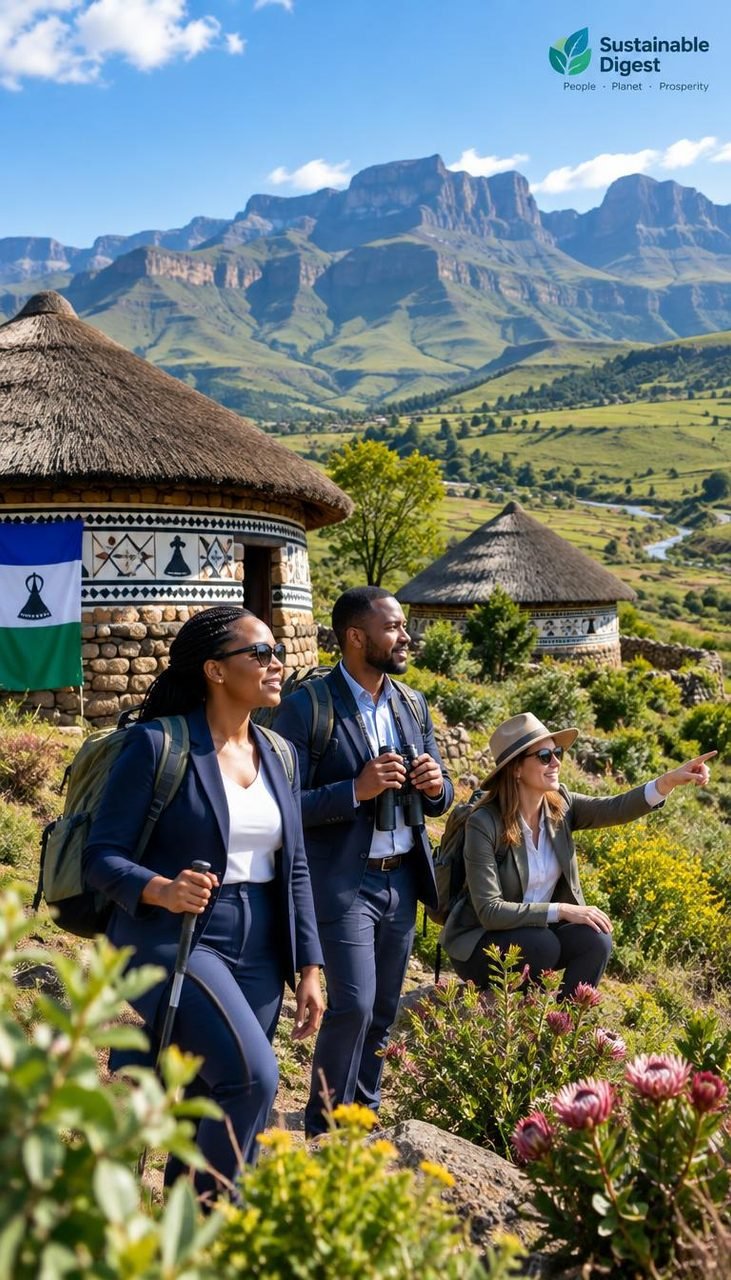
Aligning Public Finance with Environmental Justice

A just transition connects climate investment with decent work, fair access, plus community well-being. The International Labour Organization’s decent-work priorities can inform this discussion. The World Leisure Organization’s agenda and operations also offer a relevant lens on leisure as part of quality of life. This connection does not claim any specific program or policy.

  • Assess who gains from climate spending.
  • Include workers in transition planning.
  • Consider leisure alongside jobs, health, and resilience.

For Singapore, this lens supports a broader view of financing: climate progress should strengthen livelihoods, not treat them as a side issue.

Conclusion

In 2015, the Addis Ababa Action Agenda linked financing choices with economic, social, plus environmental needs. Its seven areas, aligned with the 2030 agenda, gave the United Nations a route to turn commitments into practical development. For Singapore, that model shows how global rules can support local resilience.

Annual ECOSOC reviews plus the Inter-agency Task Force tracked progress; still, wide funding gaps plus debt costs limited room for public investment. Reporting helped, but numbers alone could not ease pressure on households or climate plans.

Cooperatives, civil society, Indigenous activism, plus humanitarian solidarity bring local voices into policy. Lasting climate action depends on fair green taxes, decent work, environmental justice, plus community-led growth—not promises left on paper. Sustained cooperation makes shared goals more than well-worded text.

Key Takeaways

  • The agreement created a global financing framework in 2015.
  • Delegates from 174 member states took part.
  • Twenty-eight senior national leaders attended.
  • The framework built on earlier global commitments.
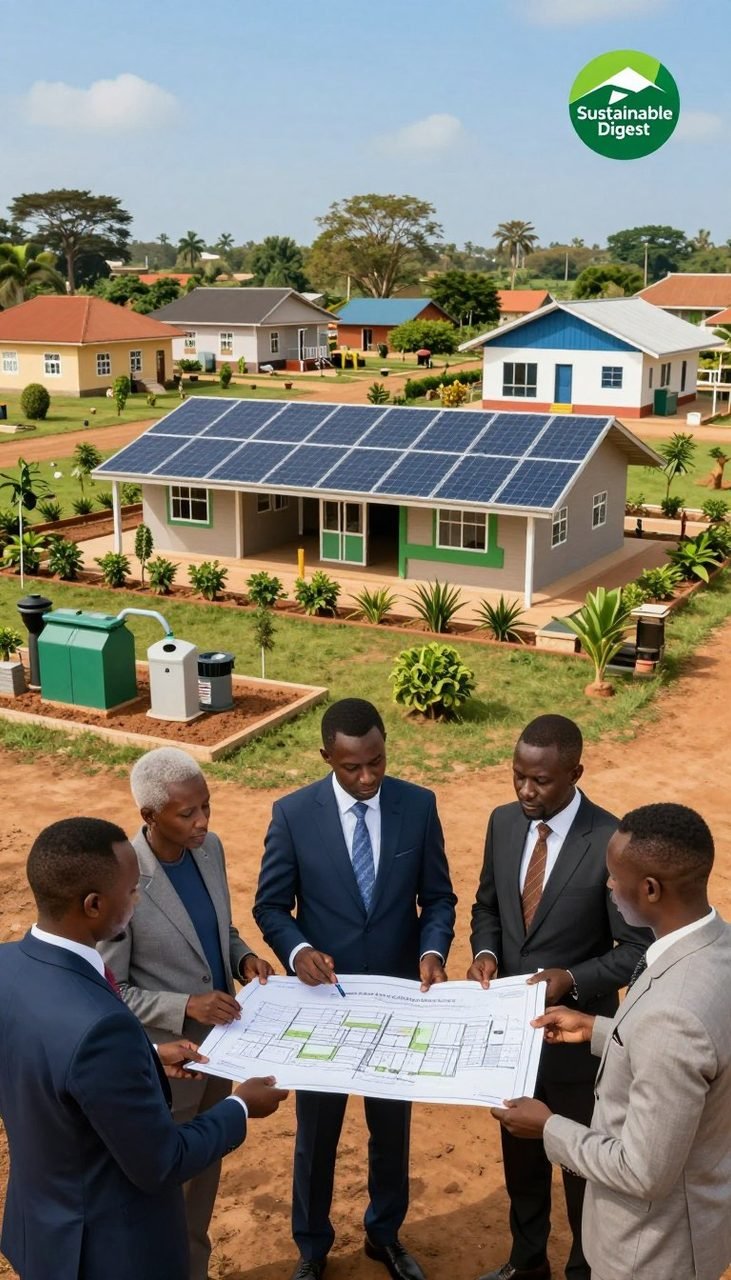
  • Financing choices can support climate resilience, environmental justice, and community needs.
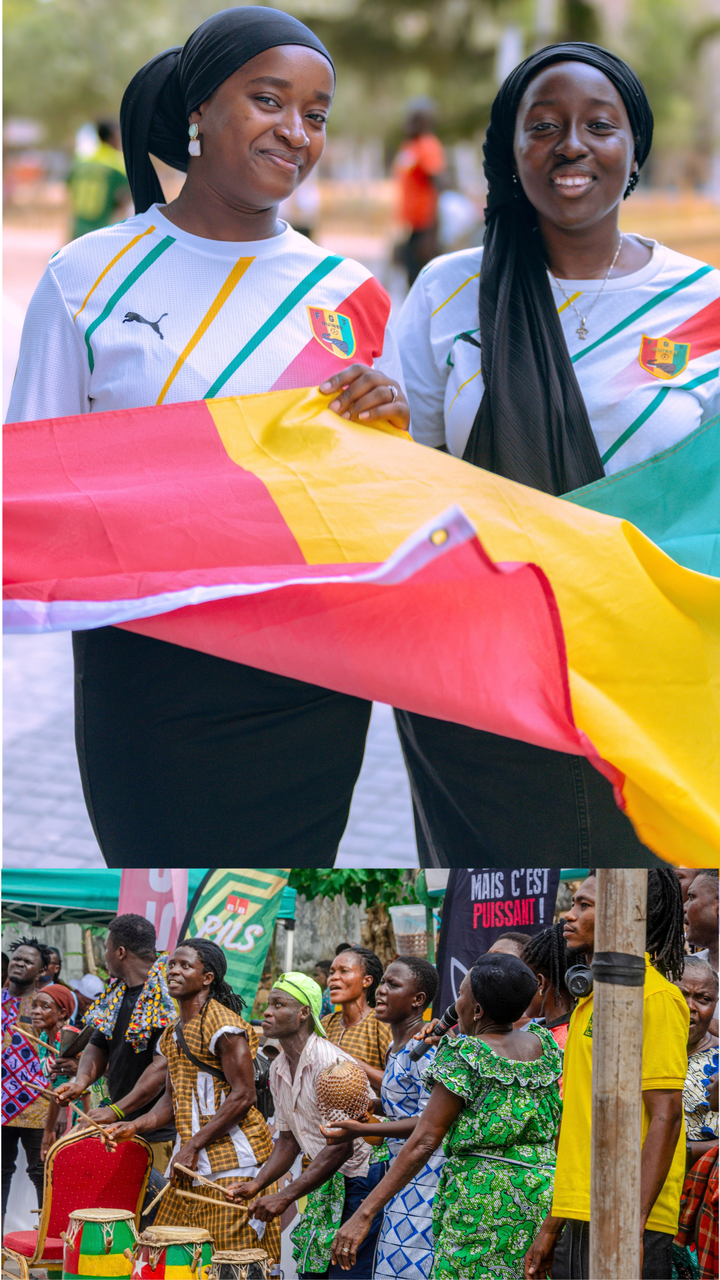
This website is saving the energy of your screen as it is not being used. It's part of a global effort to lower the planet's electrical consumption and CO2 emission level. Resume browsing
Click anywhere to resume browsing
Verified by MonsterInsights