

Annually, September brings national identity, shared memory, and international cooperation into the same month. September 2026 represents the end of summer break and the beginning of the majority of school district calendar year. It also represents the final month of the fiscal year.
September 2026 International observances like similar month that represents a seasonal transition, eclectically it represents so many theme within both sustainability and environmentalism while including much more outside of it. A traveler might find a public parade beside a day devoted to clean air. The contrast matters: a celebration can carry local meaning while raising wider questions about community life. A sustainability connection is a practical way that a celebration’s values or activities relate to environmental care, social equity, or accountable governance.
Celebrations can support social cohesion, public memory, environmental care, or accountable governance, even when no official sustainability mandate exists. For global professionals, travelers, cultural diplomats, and conscious consumers, the calendar offers a way to approach events with curiosity and care. Its entries also need context: a national holiday is not the same as an international awareness day. The September 2025 calendar offered a useful look at how holidays and sustainability can meet; the 2026 calendar brings new dates and comparisons. Observers and practitioners should first distinguish international days from national, regional, and cultural observances.
That distinction helps people plan respectfully and avoid treating every event as a day off. It also gives sustainability claims a fair test: what happens locally, and who benefits?

Which September 2026 Dates Matter Across Borders?
September 2026 and the year before included national and independence days, cultural celebrations, and international observances. Across borders, its calendar includes the International Day of Democracy, International Day of Peace, and International Literacy Day. It goes without saying, both an international observance and/or global holiday is not automatically a public holiday or a day off.
Other major entries include the International Day for the Preservation of the Ozone Layer, International Day of Clean Air for Blue Skies, and International Day of Awareness of Food Loss and Waste. Together, they show how International Celebration days in September 2026 range from civic memory to public awareness. International days in September recur each year, but their official status differs. Calendar holidays in September 2026 depend on the country and observance type.
Peculiarly enough, an international observance does not automatically create a public holiday or a day off.
Important September observances include national, regional, cultural, and international dates. National and International days 2026 therefore need separate labels: some mark statehood, while others invite public learning or action. International holidays in 2026 and the at least, the recent years prior, included fixed annual observances and country-specific celebrations. An international holiday or global observance may receive official recognition without closing schools, offices, or shops.
For travelers, the distinction can shape transport and opening hours. For organizers, it can guide event language and partnerships. The first cluster of September dates concerns statehood and independence, where national histories take center stage.
How Do Early-September Independence and Constitution Days Mark Statehood?
A national independence commemoration marks self-rule, while a constitution-focused date draws attention to civic rules and institutions. Both express identity, but they do not share one history. Public-holiday and cultural observance status and related events can differ by jurisdiction.
Uzbekistan Independence Day, Slovakia Constitution Day, Vietnam Independence Day, and Tajikistan Independence Day each connect public memory with national life. These occasions may prompt reflection on self-determination, public institutions, and inclusive development. The calendar records distinct histories, not a single story of statehood.
- Uzbekistan Independence Day focuses on national independence and identity.
- Slovakia Constitution Day highlights the place of constitutional institutions in civic life.
- Vietnam Independence Day commemorates the country’s independence and national history.
- Tajikistan Independence Day recognizes the country’s independent statehood.
These dates can bring people together through official ceremonies, local events, or family traditions. Their sustainability connection may lie in inclusive participation and public education, rather than in the date itself. Local laws and customs shape whether people receive time off or attend public events.
Constitutional milestones can also raise questions about access, rights, and public trust. Their meaning depends on lived civic experience, not ceremony alone. Other national and community observances require equally careful attention to local names and context.
Which September Observances Reflect European, Mediterranean, and Citizenship Histories?
Malta Independence Day marks national sovereignty, while Ceuta Day reflects a distinct community identity. These meanings differ, even when dates appear close on a calendar. A place name and official local name help explain what an observance recognizes.
National histories and civic milestones
Malta Independence Day and Armenia Independence Day are observed on September 21. Each honors national independence through its own history and public traditions. Slovakia Constitution Day falls on September 1 and focuses on constitutional life; Uzbekistan Independence Day also falls on September 1 and marks national independence.
These dates connect identity with institutions and shared memory. Their sustainability connection can include public access to events, civic learning, or inclusive recognition. Turkmenistan Independence Day falls on October 27, not in September, so it does not belong in this month’s calendar.

Community days and citizenship
Australian Citizenship Day is observed on September 17. The Day of the French Community takes place on September 27, while Ceuta Day is observed on September 2. Each recognizes a different civic or community bond. “Dominion Status” is ambiguous; without a clear jurisdiction and date, it should not appear as a confirmed September public holiday.
| Observance | Place or community | Civic or cultural focus | Sustainability connection |
|---|---|---|---|
| Malta Independence Day | Malta | National sovereignty | Public memory and civic participation |
| Armenia Independence Day | Armenia | Independent statehood | Shared history and inclusive events |
| Australian Citizenship Day | Australia | Citizenship and belonging | Inclusion in community life |
| Day of the French Community | French Community, Belgium | Language and community identity | Cultural access and recognition |
| Ceuta Day | Ceuta | Local identity and history | Community heritage and participation |
Shared heritage can invite public learning, though each event has its own legal and cultural weight. Readers should use the official local name when describing a celebration. The calendar then opens onto a wider set of independence days across Africa, the Americas, and the Pacific.
Which Countries Celebrate Independence in September?
A crowded September independence calendar reflects distinct national histories, not one shared political story. Its range is striking, from South America to the Pacific. An anniversary supports sustainability only when local programs make that link real.
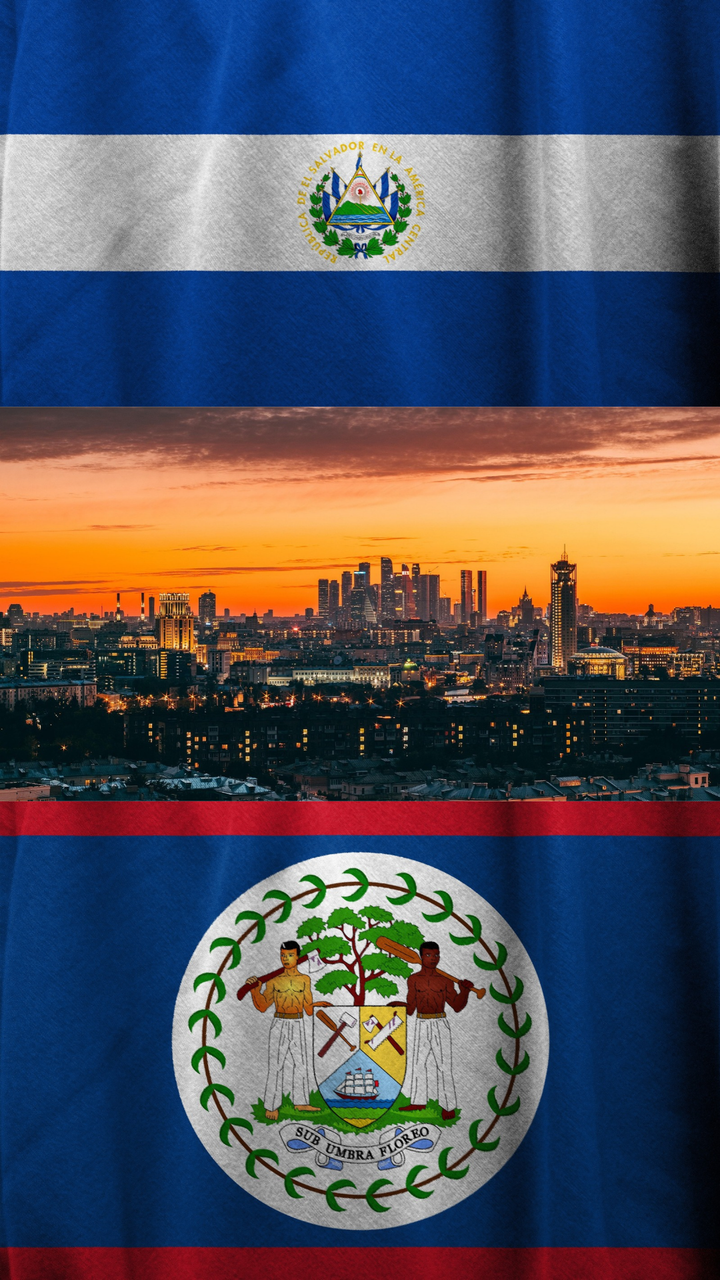
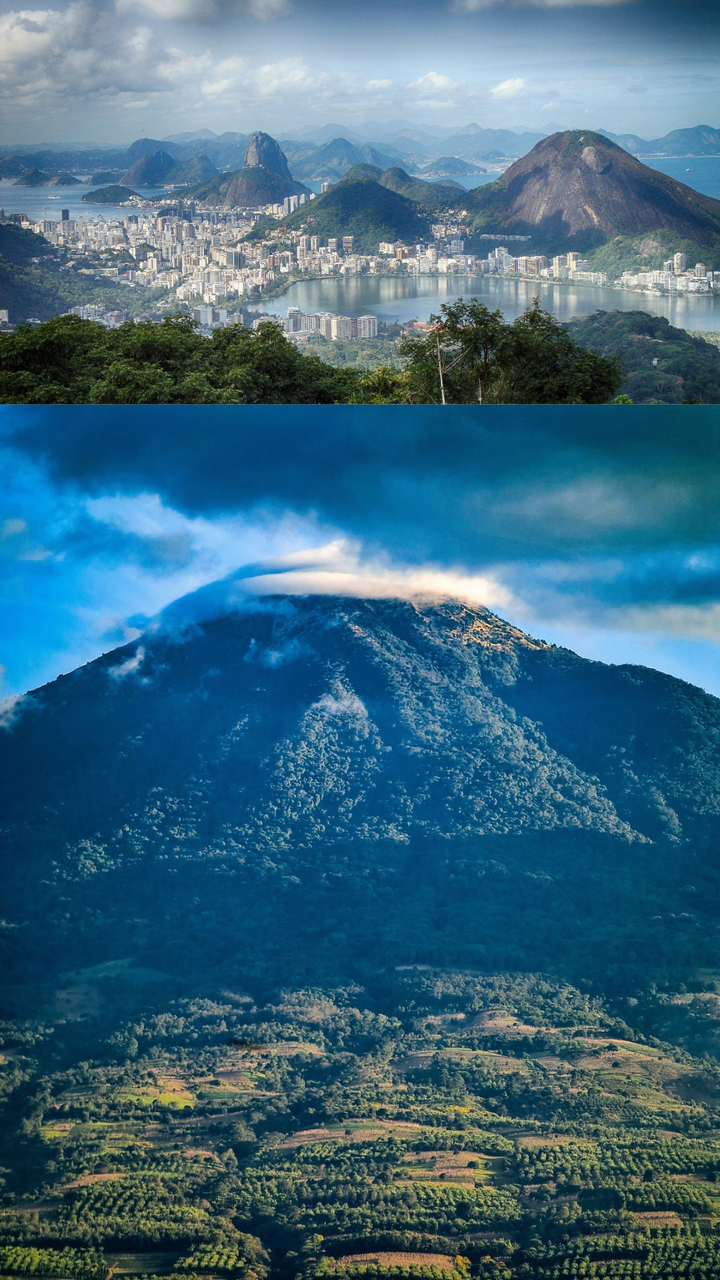
Botswana Independence Day and Mali Independence Day belong to the month’s national observance landscape, as do celebrations associated with Belize, Chile, Papua New Guinea, Mexico, Honduras, Guatemala, El Salvador, Costa Rica, Brazil, and Swaziland, now called Eswatini. Their histories differ in timing, context, and public form.
Some entries have well-established dates. Brazil celebrates on September 7, Chile on September 18, and Mexico on September 16. Central American independence celebrations take place on September 15. The table lists five dated examples without assigning dates to other countries.
| Date | Country | Observance | Sustainability connection |
|---|---|---|---|
| September 7 | Brazil | Brazil Independence Day | Public memory and civic events |
| September 15 | Central America | Independence celebrations | Regional history and participation |
| September 16 | Mexico | Mexican Independence observance | Community gathering and shared memory |
| September 18 | Chile | Chile Independence Day | Public culture and civic identity |
| September 30 | Botswana | Botswana Independence Day | National memory and community events |
Independence anniversaries can support public memory and civic participation. Their sustainability connection may include accessible events, local arts, and responsible use of public spaces. The date alone does not guarantee those outcomes; public choices shape the celebration.
Mali, Belize, Papua New Guinea, Honduras, Guatemala, El Salvador, Costa Rica, and Eswatini also belong in a broad month-level calendar, without assumed dates here. The next cluster joins US civic memory with military and constitutional history.
How Do US September Observances Connect Civic Memory and Public Life?

A US September calendar can place Labor Day beside commemorative dates that do not close workplaces. That mix is normal: a holiday and a day of remembrance carry different legal weight. Labor Day falls on the first Monday in September, September 7 in 2026.
Military memory and service
VJ Day and VFW Day appear in local and organizational calendars, with names and events that can vary. Yamashita Surrender Day is another military remembrance. None should be treated as a nationwide public holiday without a specific local basis.
Constitutional and state traditions
Constitution Day and Mayflower Day connect public memory with constitutional ideas and early settlement. National New Hampshire Day highlights state identity. Patriot Day recalls national loss, while California Admission Day marks state history.
US commemorations can bring different parts of public life into view. A local ceremony may be meaningful without changing work schedules. Four broad groups help readers interpret the dates:
- Military remembrance: VJ Day, VFW Day, and Yamashita Surrender Day.
- Constitutional and early-settlement memory: Constitution Day and Mayflower Day.
- Labor: Labor Day and its focus on workers.
- State and national civic identity: National New Hampshire Day, Patriot Day, and California Admission Day.
Historical or commemorative days do not all have federal public-holiday status. Local programs may still create a sustainability connection through public learning, accessible gatherings, or service. The calendar now shifts from formal civic observances to parades, local heritage, and cultural celebrations.
Which Cultural Celebrations Bring Local Heritage into September?

A public parade can turn an ordinary street into a place of community memory. Shared performance brings people together through music, food, movement, and local history. A cultural celebration is not automatically a national public holiday.
The West Indian Day Parade brings Caribbean heritage into public space through community expression. Gibraltar National Day centers local belonging, while St. George’s Caye Day recalls a Belizean historical tradition. Each can support social connection through participation and public culture.
Day of the Homeland can refer to different local observances, so readers should confirm the place and local calendar before relying on a date. Fiesta de San Jerónimo brings religious and community traditions together in some places. Rumi Day offers a cultural focus shaped by poetry and shared reflection.
These events may create sustainability connections through local artists, inclusive access, and care for shared spaces. Those links are possibilities, not official mandates. A parade can build belonging while also raising practical questions about waste, transit, and access.
Local heritage gains wider meaning when communities can protect it and share it on their own terms. Formal frameworks for democracy and preservation help connect that work with public institutions and lasting stewardship.
How Do Democracy and Heritage Observances Support Sustainable Communities?

A public conversation about institutions can matter beyond the ceremony when people can take part and ask questions. Participation counts, though a commemorative date alone cannot prove democratic performance. Accountable governance depends on practice, not a calendar label.
Democratic participation and public accountability
The International Day of Democracy is observed on September 15. It can prompt discussion of civic voice, public access, and accountable institutions. Malaysia Day, observed on September 16, recognizes shared civic identity and national formation.
These dates can encourage participation and learning, but they do not measure how well institutions serve people. Their sustainability connection rests on open public dialogue, fair access, and meaningful civic roles. A ceremony is a start, not a performance review.
Heritage protection and shared stewardship
European Heritage Days bring attention to built and cultural heritage. Preservation involves choices about care, access, funding, and whose histories receive attention. Public visits and local programs can help people see heritage as a shared responsibility.
What holidays are no longer celebrated? No named event in this calendar can be called discontinued here. Observance names, formats, and local status can change, so readers should check the relevant government or community calendar rather than assume an event has ended.
Democracy and heritage connect social sustainability with public trust and cultural continuity. Their practical value grows when communities can shape decisions about institutions and preservation. Environmental observances make ecological stewardship more visible in daily choices.
Which September Environmental Days Put Sustainability into Practice?
A clean-air observance can prompt a school or workplace to encourage walking, transit, or shared rides. Local choices matter, but awareness days do not impose rules by themselves. Voluntary participation is not a binding policy.
Air, atmosphere, and lower-emission choices
The International Day of Clean Air for Blue Skies is observed on September 7. The International Day for the Preservation of the Ozone Layer falls on September 16. Both can raise awareness of air and atmospheric protection, while public policy and daily choices shape results.
Zero Emissions Day encourages lower-emission choices, but it is not a mandatory fossil-fuel moratorium. World Car Free Day invites people to consider alternatives to driving. Local organizers may set different activities or dates.
Waste, land, rivers, and food systems
World Cleanup Day, National Public Lands Day, and World Rivers Day can draw attention to litter, land care, and healthy waterways. The International Day of Awareness of Food Loss and Waste is observed on September 29. Dates and local activities can vary by organizer and jurisdiction.
| Observance | Sustainability focus | Practical example | Scope or caveat |
|---|---|---|---|
| Clean air | Healthier air | Promote transit or walking | Awareness day, not a law |
| Ozone protection | Atmospheric protection | Share ozone-layer learning | Public awareness and policy |
| Zero Emissions Day | Lower emissions | Choose a low-carbon trip | Voluntary, not a moratorium |
| Car-free mobility | Fewer car trips | Walk, cycle, or take transit | Local schedules may vary |
| Food loss and waste | Food system efficiency | Plan meals and use leftovers | Activities vary by place |
Small actions can make a public theme tangible, while lasting gains require sound systems and shared effort. Ecological stewardship is one part of sustainable development; social and human-development observances address another.
Which September Observances Focus on Equity, Education, Charity, and Peace?
A school that can stay open during a crisis helps a whole community remain resilient. Learning is essential, alongside fair work and safe public life. Awareness can focus attention, but one day cannot resolve a deep challenge.
International awareness days in 2026 include observances for Indigenous women and girls, charity, literacy, protection of education, South-South cooperation, equal pay, and peace. The International Day of the World’s Indigenous Women and Girls and International Day of Charity are observed on September 5. International Literacy Day is September 8; the International Day to Protect Education from Attack is September 9.
The United Nations Day for South-South Cooperation is observed on September 12. International Equal Pay Day falls on September 18, and the International Day of Peace is observed on September 21. The peace observance focuses on nonviolence; no 2026 theme is assumed here.
These dates point to practical needs: safe schools, access to reading, fair pay, and support for people facing hardship. Cooperation can help communities share knowledge and resources. The sustainability connection lies in stronger social systems, not in claiming that awareness solves inequality.
Education, equity, humanitarian support, and nonviolence all shape the conditions in which communities can thrive. The varied themes across September can be read through a sustainability framework that people can apply locally.
How Can Readers Connect These September Observances to Sustainability?

A large public celebration and a small community-led heritage event can be judged through the same three lenses. Scale is not the test; inclusion, impact, and shared responsibility are. A sustainability connection should match what an event actually does.
A sustainability connection may involve environmental stewardship, social inclusion and equity, or accountable public institutions. An event can matter deeply without being labeled sustainable. Claims should reflect real practices rather than polished branding.
Readers can apply three questions to a celebration:
- Who is represented, and who can take part?
- What environmental impact or stewardship action does the event involve?
- Does the event support learning, participation, or shared responsibility?
A city parade might welcome many groups yet create heavy traffic and waste. A small heritage gathering might use local venues and invite residents to shape its program. Neither label settles the question; actual choices do.
This approach keeps celebration and analysis in balance. It respects cultural meaning without turning every tradition into a sustainability campaign. Globally, readers can now apply that care to dates, travel, and local planning.
How Should Global Readers Use a September 2026 Observance Calendar?

An international observance may fall on a normal workday depending on the country, even when a local group plans a public event. Location matters: legal holidays and community schedules are not the same. Check the relevant provincial, territorial, municipal, employer, or community calendar before planning closures or travel.
International observances may fall on ordinary workdays. Check the local calendar before planning closures or travel.
September 2026 and onward international observances and sustainable adjacent holidays nations can include dates that are not statutory holidays in their region. A September 2026 international observances and sustainable adjacent holidays calendar helps readers separate fixed annual dates from events whose schedules or local status vary.
For a cultural program, organizers can confirm the official local name and check whether the community has announced an event. Travelers should also check transit and venue hours; a ceremonial date does not guarantee a closure or parade.
Upcoming international holidays and the next upcoming big holiday cannot be identified from a September-only calendar. The next date depends on the reader’s location and the current date, so a current local calendar is needed. The final reminder is simple: confirm local status, then choose one meaningful way to take part.

Conclusion
Figuratively and literally stating, calendars record public memory and present-day priorities. September holds both, from national identity to calls for wider cooperation. The first takeaway is that observances carry different legal and cultural weight. The second is that their sustainability value depends on meaningful local practice, not a title alone.
A practical next step is to choose one relevant September observance and confirm its local date and community-led activity before sharing or attending. Check a local calendar, then take part with care.

Key Takeaways
- September 2026 includes international awareness days and national celebrations.
- An international observance does not automatically create a public holiday.
- Local names, dates, and legal status can vary by place.
- Sustainability links depend on real activities, not event labels.
- Global and community minded readers should check local calendars before making plans.