May 2026 observances and holidays of world global affairs within Sustainability

May 2026 observances and holidays of world global affairs within Sustainability

Navigating the complex landscape of international milestones requires more than just a calendar; it demands a strategic analytical framework. As we move through the current year, the pace of systemic change continues to accelerate compared to previous benchmarks.

Professionals must now synthesize data on environmental policy, geopolitical shifts, and humanitarian aid to remain relevant. This guide offers a precise roadmap for aligning corporate strategies with critical international priorities.

By examining these touchpoints, stakeholders can better anticipate the evolving needs of modern technology and ecological stewardship. We provide the necessary insight to transform these dates into actionable intelligence for your organization.

Global Sustainability Frameworks and Environmental Awareness

Navigating the complex landscape of global sustainability events requires a keen understanding of how local actions influence international outcomes. These frameworks provide the necessary structure to translate abstract environmental goals into tangible community progress. By bridging the gap between policy and practice, we create a more resilient future for all stakeholders.

The Intersection of Climate Action and Policy

Effective climate policy relies on the integration of diverse sectors, ranging from urban infrastructure to public health. For instance, the UN Global Road Safety initiative demonstrates how transportation planning directly impacts carbon emissions and urban livability. Strategic alignment between these international mandates and local municipal codes is essential for meaningful change.

Policy makers often overlook the fact that sustainable development is a multi-layered endeavor. When we synchronize national goals with global standards, we foster an environment where innovation thrives. This synergy ensures that climate action is not just a top-down directive but a shared responsibility.

World Migratory Bird Day and Ecological Connectivity

Ecological connectivity remains a vital component of biodiversity, particularly when observing events like World Migratory Bird Day. Protecting American Wetlands serves as a critical strategy for maintaining these migratory corridors. These habitats act as natural filters and buffers, proving that environmental health is intrinsically linked to our own survival.

Furthermore, the celebration of Asian American and Pacific Islander Heritage highlights the deep cultural connections to land stewardship and conservation. We must also remember the importance of the Be Kind to Animals movement, which encourages a compassionate approach to wildlife management. These diverse perspectives enrich our understanding of what it means to be a global citizen.

Clean Air and Water Saving Initiatives

Clean air and water are the fundamental pillars of a healthy society, requiring constant vigilance and community-led action. Initiatives such as National Public Gardens provide essential green spaces that improve air quality in densely populated urban centers. These areas serve as living laboratories for sustainable practices and public education.

Transportation and resource management also play a significant role in our environmental footprint. Promoting National Bike programs reduces reliance on fossil fuels, while the preservation of National Mills reminds us of historical water-powered efficiency. Additionally, the National Salvation Army often leads efforts in resource distribution, proving that social welfare and environmental sustainability are deeply intertwined.

Initiative TypePrimary FocusCommunity Impact
Urban Green SpacesAir QualityHigh
Transportation PolicyCarbon ReductionModerate
Wetland ConservationBiodiversityHigh
Resource EfficiencyWater SavingModerate

May 2026 observances and holidays of world global affairs within Sustainability

A vibrant and engaging scene depicting sustainable development observances in May 2026, showcasing a diverse group of professionals in business attire gathered in a lush, green park setting. The foreground features individuals of various ethnicities discussing sustainability solutions and sharing ideas, with eco-friendly materials like reusable containers and electric devices in hand. The middle ground illustrates interactive exhibits promoting renewable energy, recycling initiatives, and community gardening, surrounded by colorful banners representing global partnerships. The background showcases a clear blue sky with gentle sunlight filtering through the trees, creating a warm and optimistic atmosphere. The composition captures a sense of collaboration and hope, reflecting the essence of global sustainability efforts. The artwork embodies The Sustainable Digest brand.

The calendar of May 2026 offers a unique lens through which we can view the integration of community-led initiatives and international sustainability mandates. These sustainable development observances act as vital catalysts, transforming abstract global goals into tangible actions at the local level.

Aligning National Celebrations with Global Goals

Countries often utilize national holidays to reinforce broader international commitments. By integrating Building Safety standards into public infrastructure celebrations, governments demonstrate a commitment to long-term resilience. This alignment ensures that National Law remains responsive to the evolving needs of modern society.

Furthermore, the focus on Public Works during these periods highlights the necessity of robust infrastructure. When national celebrations prioritize these sectors, they create a cohesive framework for international cooperation. This strategy effectively turns routine holidays into opportunities for systemic improvement.

The Role of International Days in Shaping Sustainable Development

International days serve as essential markers for public awareness and policy advocacy. Initiatives focused on Clean Air remind citizens that environmental health is a shared responsibility that transcends borders. Similarly, promoting International Heritage Breeds encourages biodiversity, which is a cornerstone of ecological stability.

Public health also takes center stage through campaigns like National Safe Sun. These observances provide a platform for experts to disseminate critical information regarding climate-related health risks. By standardizing these messages, the global community fosters a more informed and proactive public.

Bridging the Gap Between Local Observances and Global Policy

The true power of these observances lies in their ability to inspire Community Action. Local events, such as the whimsical yet ecologically significant Be Nice to Nettles campaign, demonstrate how small-scale efforts contribute to broader conservation goals. These initiatives prove that local engagement is just as vital as high-level policy mandates.

Safety and sustainability often intersect in unexpected ways, such as the emphasis on Deck Safety during community gatherings. By maintaining safe, sustainable spaces, communities contribute to the overall health of the built environment. The following table illustrates how these diverse observances support global sustainability objectives.

Observance CategoryPrimary FocusGlobal Impact
InfrastructureBuilding SafetyResilient Urban Development
EnvironmentalClean AirClimate Change Mitigation
BiodiversityHeritage BreedsGenetic Conservation
Public HealthNational Safe SunPreventative Wellness

Geopolitical Tensions and International Relations

As we look toward May 2026, the intersection of state-level power struggles and humanitarian ethics demands a closer examination. Global stability is not merely a matter of treaties; it is deeply connected to world sustainability holidays and the social health of nations. When regional tensions rise, the ripple effects often disrupt the very systems designed to foster international cooperation.

Analyzing the Iran Conflict and Regional Stability

The situation in Iran remains a focal point for analysts monitoring regional stability in May 2026. Strategic shifts in this area influence everything from energy markets to the security of the Youth demographic, who are increasingly vocal about their future. Effective Water Saving policies are often the first to suffer when resources are diverted toward defense and security measures.

Regional stability requires more than just military posturing; it demands a commitment to long-term diplomatic engagement. Without such efforts, the potential for escalation threatens to undermine the progress made in sustainable development across the Middle East.

UN Peacekeepers and the Pursuit of Global Security

UN Peacekeepers continue to serve as the thin blue line between fragile ceasefires and renewed conflict. Their presence is essential for maintaining global security, yet their success depends heavily on the support of member states. Promoting National Volunteering initiatives can help build the public consensus needed to sustain these vital international missions.

Furthermore, organizations are increasingly prioritizing Global Employee Health and Fitness to ensure that personnel deployed in high-stress environments remain resilient. A healthy workforce is better equipped to handle the complexities of peacekeeping operations in volatile regions. This focus on wellness reflects a broader understanding that human capital is the most valuable asset in any international endeavor.

Conscientious Objectors and the Ethics of Modern Warfare

The ethics of modern warfare are being challenged by the evolving status of conscientious objectors. As technology changes the nature of combat, the moral burden on individuals to participate in state-sanctioned violence becomes more pronounced. Protecting the rights of those who refuse to bear arms is a cornerstone of a Family Wellness-oriented society that values individual conscience over blind obedience.

The following table outlines key areas where international policy intersects with domestic social initiatives, highlighting the need for a balanced approach to global governance.

InitiativePrimary FocusImpact on Stability
National VegetarianFood SecurityHigh
Gardening for WildlifeBiodiversityModerate
Noise ActionPublic HealthLow

Economic Shifts and Global Trade Dynamics

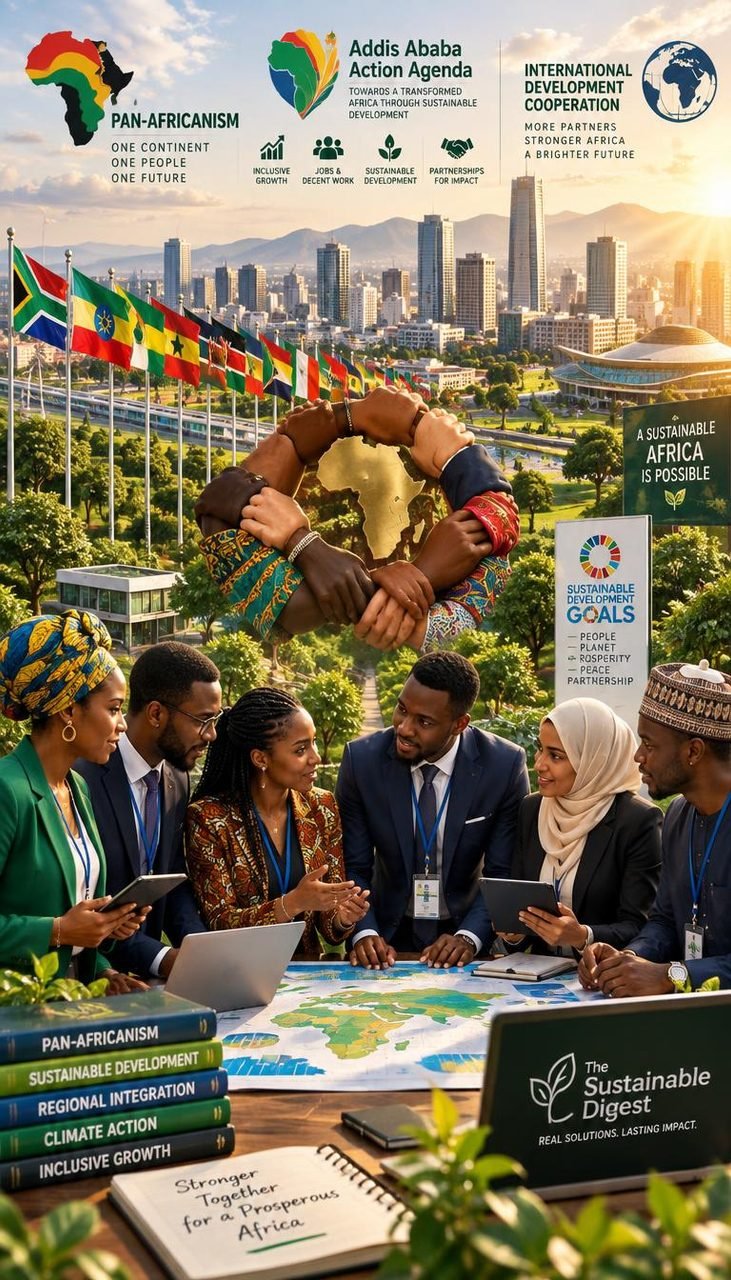
A visually striking calendar page for May 2026 highlighting global affairs, with a strong emphasis on sustainability and economic shifts in global trade dynamics. In the foreground, detailed graphics of world maps and trade routes, overlaid with icons representing key observances and holidays focusing on sustainability initiatives. The middle ground features a stylized depiction of a bustling international market, with diverse professionals in business attire engaging in trade discussions and sustainable practices. The background includes a vibrant skyline of major global cities, symbolizing interconnected economies under a warm, optimistic sunset lighting. The atmosphere conveys a sense of progress and collaboration, aligning with the ethos of "The Sustainable Digest". Aim for a composition that is visually appealing yet informative, without any text or branding overlays.

The global affairs calendar May 2026 reveals a fascinating intersection between labor rights, cultural heritage, and international trade. As markets evolve, understanding these connections becomes essential for professionals navigating the complexities of the modern economy.

Labor Day and the Evolution of Global Workforce Rights

Labor Day celebrations, such as those observed in the Philippines, serve as a poignant reminder of the ongoing struggle for equitable working conditions. These events highlight the evolution of workforce rights, which are increasingly influenced by international trade agreements and global labor standards.

Modern trade dynamics often force a re-evaluation of how nations protect their workers. By observing these historical milestones, policymakers can better align national labor laws with the demands of a competitive, interconnected global market.

Small Business Resilience in a Changing Economic Climate

Small businesses act as the backbone of the economy, yet they remain vulnerable to volatile shifts in trade policy. To maintain resilience, these enterprises must adopt adaptive strategies that prioritize flexibility and community engagement.

Several observances during this period offer opportunities for businesses to connect with their local communities:

  • National Patient Participation: Encouraging health-conscious business models.
  • National Physical Education and Sport Week: Promoting wellness in the workplace.
  • National Childrenโ€™s Gardening and Garden Wildlife: Fostering sustainable, eco-friendly practices.
  • Samoan Language and Global Youth Traffic Safety: Enhancing cultural and social responsibility.

“True economic resilience is not merely about surviving a crisis; it is about the ability to innovate while staying rooted in the values that define our community.”

International Trade and the Impact of May Revolution Day

Historical events like Argentinaโ€™s May Revolution Day continue to influence regional trade dynamics by shaping national identity and economic policy. These milestones provide a framework for understanding how countries negotiate their positions within the global marketplace.

Cultural heritage months also play a vital role in shaping the social fabric of international trade. By celebrating Haitian Heritage, Indian Heritage, and Jewish American Heritage, as well as events like Indian Arrival Day in Guyana, businesses can foster inclusive environments that reflect the diversity of their global partners.

Integrating these cultural narratives into trade strategies allows for more meaningful collaboration. Authentic engagement with diverse histories helps companies build trust and long-term stability in an increasingly fragmented economic landscape.

Technological Frontiers: AI and Digital Infrastructure

As we navigate the complexities of the modern era, technological frontiers like AI are redefining the boundaries of innovation. This shift requires us to look back at Labor History to understand how automation has historically influenced the workforce. By balancing past lessons with future potential, we can better prepare for the digital changes ahead.

World Telecommunication and Information Society Day

This annual observance highlights the critical need for robust digital infrastructure in an interconnected world. While many enjoy high-speed access, we must acknowledge the International Week of Solidarity with the Peoples of Non-Self-Governing Territories to address the persistent digital divide. Equitable access remains a cornerstone of global development, ensuring that no region is left behind in the information age.

Artificial Intelligence and the Future of Sustainable Innovation

Artificial Intelligence serves as a powerful catalyst for sustainable growth, offering solutions that were once considered impossible. Organizations are now looking to the Leaders of Tomorrow to guide the ethical implementation of these complex systems. Much like the cultural depth found in Latino Books, the narrative of AI development must be inclusive and representative of diverse global perspectives.

Drone Technology and Modern Surveillance Ethics

The rise of drone technology presents a unique set of ethical challenges regarding privacy and modern surveillance. While drones can monitor crop healthโ€”even for delicate produce like lettuceโ€”their use in public spaces demands strict regulatory oversight. We must also consider how these tools intersect with traditional practices, such as those celebrated during International Heritage Breeds Week, to ensure that technology supports rather than disrupts local ecological stewardship.

National Sovereignty and Independence Commemorations

A vibrant celebration scene for "National Sovereignty and Independence Commemorations," featuring a diverse group of people in professional business attire, joyfully gathered in a public square adorned with flags symbolizing various nations. In the foreground, individuals are engaging in lively discussions, sharing stories of their cultural heritage. The middle-ground showcases a stage with speakers and performers, highlighting traditional dances and music. The background is filled with a picturesque skyline, complemented by bright blue skies and wisps of white clouds, capturing the essence of a festive atmosphere. The lighting is warm and inviting, casting soft shadows that enhance the scene's vibrancy. The mood is one of unity and pride, reflecting the importance of national identity and the significance of independence. No text or logos present. Image credit: The Sustainable Digest.

While flags wave high during independence celebrations, the true fabric of a nation is woven through both legal frameworks and grassroots environmental stewardship. Understanding local and community history allows us to see how sovereignty is not just a top-down mandate, but a living experience shared by citizens. This dual perspective highlights the importance of balancing state-sanctioned events with the organic growth of community-led initiatives.

Founding of the Democratic Republic of Azerbaijan and Regional Identity

The founding of the Democratic Republic of Azerbaijan serves as a pivotal moment for regional identity and political autonomy. This historical milestone emphasizes the ongoing commitment to national preservation in a complex geopolitical landscape. By honoring these roots, the nation reinforces its unique cultural narrative while navigating modern global challenges.

Constitution Memorial Day and the Rule of Law

Constitutional milestones, such as those observed in the Marshall Islands and Micronesia, provide the essential framework for the rule of law. These days are often marked by family gatherings and community reflections that prioritize stability and justice. Many citizens use this time for quiet meditation on the rights and responsibilities that define their society. Furthermore, the dedication of professionals like midwives and public servants remains a cornerstone of these stable, law-abiding communities.

Independence Days: Jordan, Georgia, Guyana, Paraguay, East Timor, and Eritrea

Independence days across the globe, including those for Jordan, Georgia, Guyana, Paraguay, East Timor, and Eritrea, celebrate the hard-won freedom of diverse populations. These events often highlight the contributions of national inventors who have shaped the technological and social progress of their respective countries. In contrast to these formal state events, modern citizens are increasingly turning to grassroots movements to express their connection to the land.

Innovative practices like International Sunflower Guerrilla Gardening and permaculture demonstrate how individuals take ownership of their local environment. These activities often involve the use of a drone for mapping sustainable plots or protecting local wildlife, such as the wild koala. Whether through a symbolic walk in red sneakers or a community planting day, these actions prove that sovereignty is expressed in both grand gestures and small, meaningful deeds.

  • Jordan: May 25th
  • Georgia: May 26th
  • Guyana: May 26th
  • Paraguay: May 14th
  • East Timor: May 20th
  • Eritrea: May 24th
  • Cameroon: May 20th

Community, Heritage, and Cultural Diversity

Cultural diversity acts as the essential bedrock for sustainable development in an increasingly interconnected world. By fostering an environment where different traditions coexist, societies can leverage unique perspectives to solve complex global challenges. This synergy between heritage and progress ensures that no community is left behind in the pursuit of a more equitable future.

World Day for Cultural Diversity for Dialogue and Development

The World Day for Cultural Diversity for Dialogue and Development serves as a vital reminder that our differences are our greatest strength. Engaging in open dialogue allows us to bridge gaps that often lead to misunderstanding. Whether participating in a National Walking event to connect with neighbors or sharing a National Salad at a community potluck, these small acts build social cohesion.

“Diversity is not about how we differ. Diversity is about embracing one another’s uniqueness.”

โ€” Ola Joseph

Celebrating Heritage: Haitian, Indian, and Jewish American Contributions

The American cultural landscape is profoundly enriched by the enduring legacies of diverse immigrant groups. Haitian, Indian, and Jewish American communities have contributed significantly to the arts, sciences, and economic vitality of the nation. These groups demonstrate how maintaining one’s heritage while integrating into a new society creates a more resilient and innovative culture.

Community GroupPrimary ContributionImpact Area
Haitian AmericanCultural Arts & ResilienceSocial Advocacy
Indian AmericanTechnology & EducationEconomic Growth
Jewish AmericanPhilanthropy & LiteratureCivic Engagement

Preserving Local History and Community Action

Preserving local history is not merely an academic exercise; it is a strategic necessity for community identity. Local Museum institutions play a critical role in documenting the stories of Older Americans and ensuring that their wisdom is passed down. Furthermore, initiatives like the Child Helpline provide essential support systems that protect the most vulnerable members of our society.

Community action often requires a REACT approach to address immediate needs, such as supporting a local Small Business or promoting Kangaroo Care Awareness in neonatal health. Whether it is a farmer raising a Heritage Breed of livestock or a family sharing a quiet moment over Tea, these traditions define our local character. Even the nurturing role of a Coco Mom contributes to the social fabric that sustains us all, proving that even Conscientious Objectors to rapid change can find common ground in shared community values.

Health, Wellness, and Humanitarian Efforts

A vibrant scene depicting the themes of health, wellness, and humanitarian efforts in a harmonious setting. In the foreground, a diverse group of individuals in professional business attire engages in a community wellness activity, sharing healthy meals and participating in group exercises. The middle ground features lush greenery, symbolizing sustainability, with children planting trees and adults practicing yoga on a mat. In the background, a serene blue sky with soft clouds creates a hopeful atmosphere. The lighting is warm and inviting, capturing a golden hour glow, enhancing the elements of joy and togetherness. The composition is framed with a wide-angle lens, providing depth to the image. This artwork is crafted for โ€œThe Sustainable Digestโ€.

True wellness in the modern era demands a holistic approach that integrates individual health with global humanitarian ethics. As we observe Global Employee Health and Fitness Month, professionals are encouraged to look beyond mere physical metrics. Achieving International Business Image Improvement often starts with the internal health of the workforce, proving that a thriving company culture is the ultimate professional asset.

Red Cross and Red Crescent: Humanitarian Responses

The Red Cross and Red Crescent remain the bedrock of global crisis management. Their work during May 2026 highlights the necessity of rapid, neutral intervention in conflict zones and disaster areas. Beyond emergency aid, these organizations foster a culture where we must Be Kind To Animals during evacuations, recognizing that our companions are part of the humanitarian equation.

“The strength of a society is measured not just by its wealth, but by the compassion it extends to the most vulnerable in times of crisis.”

International Humanitarian Council

This commitment to life extends to all living beings, including a growing movement for Respect for Chickens within agricultural humanitarian programs. By ensuring ethical treatment, we reinforce the dignity of all life forms. This perspective creates a more resilient and empathetic global community.

No-Tobacco Day and Global Public Health

Public health initiatives in May focus heavily on the global impact of tobacco consumption. No-Tobacco Day serves as a critical reminder that personal choices have profound systemic consequences. Access to clean Drinking Water remains a parallel priority, as hydration is the foundation of preventing chronic disease and maintaining metabolic health.

Furthermore, awareness campaigns now include Skin Pigmentation Day to educate the public on dermatological health and the risks of environmental exposure. The following table outlines key health indicators for the month:

Health InitiativePrimary GoalImpact Level
No-Tobacco DayDisease PreventionHigh
Clean Water AccessPublic SanitationCritical
Skin HealthEarly DetectionModerate

Mental Health: Meditation and Family Wellness

Mental health is no longer a private struggle but a public priority. Practices like meditation offer a proven path to reducing stress and increasing focus in a chaotic world. Incorporating a rhythmic drum circle or similar communal activities can foster social bonds and improve collective mood.

We must also embrace Civility Awareness to improve our daily interactions and reduce societal friction. Open conversations about Dying Matters help families navigate grief with grace and preparation. Ultimately, prioritizing family wellness ensures that the next generation is equipped with the emotional tools to thrive in an unpredictable future.

Wildlife, Agriculture, and Ecological Stewardship

From the depths of our oceans to the soil in our gardens, May 2026 highlights the urgent need for comprehensive ecological stewardship. This commitment to the environment aligns closely with broader societal goals, such as North American Occupational Safety and Health standards and the ongoing Action on Womenโ€™s Health. By recognizing Victorious Women Month, we acknowledge the essential role women play in leading conservation efforts and shaping sustainable policies across the globe.

World Tuna Day and Sustainable Fishing Practices

World Tuna Day serves as a critical reminder of the fragility of our marine ecosystems. Overfishing threatens not only the species itself but the entire food web that relies on these apex predators. Sustainable fishing practices are no longer optional; they are a requirement for maintaining the balance of our oceans.

Industry leaders must adopt transparent tracking methods to ensure that every catch meets international standards. By prioritizing long-term health over short-term gains, we protect the livelihoods of coastal communities that depend on these waters. Responsible consumption remains the most effective tool for driving change in the global seafood market.

Bee, Parrot, Turtle, and Otter Day: Biodiversity Protection

Biodiversity is the bedrock of a resilient planet, yet species like bees, parrots, turtles, and otters face unprecedented threats. These creatures act as indicators of environmental health, signaling when ecosystems are under stress. Protecting these habitats is essential for maintaining the natural servicesโ€”such as pollination and water filtrationโ€”that we often take for granted.

Conservation initiatives must move beyond simple awareness to active intervention. Whether it is restoring nesting grounds for sea turtles or creating protected corridors for otters, local action creates a ripple effect. Collective stewardship ensures that these species continue to thrive in an increasingly fragmented world.

Permaculture and Gardening for Wildlife

Permaculture offers a transformative approach to agriculture by mimicking natural patterns to create self-sustaining systems. By integrating gardening for wildlife into our urban and rural landscapes, we provide vital sanctuaries for local fauna. This practice also highlights the importance of Plant Health, as healthy soil and native flora form the foundation of a robust food chain.

The International Day of Argania further illustrates how specific agricultural products can drive sustainable economic development while preserving unique ecosystems. As we look toward the future, we must also consider the intersection of these efforts with other global priorities. From Hurricane Preparedness and National Small Business support to the growth of National Tourism, our environmental choices influence every facet of society. Even the way we manage Light pollution in our cities impacts nocturnal wildlife, while the dedication of UN Peacekeepers reminds us that stability is required for any long-term ecological progress.

Conclusion

May 2026 serves as a vital reminder that our collective future relies on balancing complex systems. From the International Day for Biological Diversity to the International Womenโ€™s Day for Peace and Disarmament, these observances highlight the delicate interplay between human progress and ecological health. Whether you are a frequent flyer or a local advocate, your actions shape the global narrative.

National Small Business Day and the focus on Agriculture and Labor Day remind us that economic resilience starts at home. In Washington, policy makers must weigh the impact of technology against the need for human-centric growth. We see this tension in the push for Accessibility Awareness and the implementation of UN Global Road Safety Week. Even the pace of a snail offers a lesson in patience when considering the long-term goals of IEEE Global Engineering.

True progress requires loyalty to our shared values and a commitment to transparency, such as the need to Report Government Contractor Fraud. We must embrace the spirit of Amnesty International Day while fostering Global Love through community initiatives. From the quiet beauty of Public Gardens to the rigor of Wildfire Preparedness, every effort counts. Let the mantra of sustainability guide your path through the complexities of Underground America and beyond.

Whether observing Oak Apple Day in a historic village or testing a new National E-Bike in Utah, your engagement matters. We honor the White Lotus of peace and the dedication of Weather Observers who track our changing climate. As we celebrate Birth Motherโ€™s Day and promote Youth Traffic Safety Month, we build a foundation for lasting change. Do not say sorry for demanding a better world; instead, embrace the spirit of Tourist Appreciation Day to welcome new perspectives into our shared journey.

Key Takeaways

  • Utilize a structured analytical framework to interpret shifting international priorities.
  • Compare current year data against previous benchmarks to measure the velocity of change.
  • Align organizational strategy with critical environmental and humanitarian milestones.
  • Leverage these dates as essential touchpoints for stakeholders in technology and policy.
  • Transform complex information into actionable intelligence for long-term development goals.

Greenwashing Types: Variants You Need to Know

Over 40% of corporate environmental claims might be misleading or not backed up. It’s not just about lies versus truth. It’s a complex world where fake green claims hide many wrongdoings.

For global professionals and eco-aware consumers, it’s not enough to just be skeptical. You need a clear guide. Knowing the variants of greenwashing is key to avoiding them. This detailed breakdown shows us that greenwashing is not one thing, but many, each affecting society in different ways.

Understanding these types helps us move from vague worries to real actions. It lets us tell real progress from fake green promises. This knowledge is crucial for a market where true green efforts, not fake ones, lead the way.

What Is Greenwashing? Defining Modern Environmental Deception

Greenwashing is more than just false advertising. It’s a big problem that makes a huge gap between what companies say they do and what they really do. It uses tricks like unclear information and feelings to make people think companies are doing more for the environment than they are.

The Core Definition of Greenwashing in Today’s Market

The term greenwashing originally meant making false claims about being good for the environment. Now, it’s a complex strategy. It’s when companies make it seem like their products or actions are better for the planet than they actually are.

Greenwashing is the “disinformation disseminated by an organization so as to present an environmentally responsible public image.”

Source: Oxford Languages

This trickery isn’t always a clear lie. Often, it’s about picking and choosing what to say, using vague words, or doing small gestures that don’t really help. The goal is to look good without actually changing much.

Why Greenwashing Has Become Pervasive in Consumer Industries

There are many reasons greenwashing is everywhere. First, people want to buy things that are good for the planet, making companies want to look like they care. Sometimes, companies try to keep up with what people want without really changing.

Second, the rules for being green are not clear everywhere. This lets companies play by different rules in different places. Third, it’s hard to know what’s really going on in complex supply chains. A company might focus on one green thing while ignoring the rest.

Lastly, things meant to help like eco-labels and reports can be used to trick people. If not checked, they can help greenwashing instead of stopping it.

Distinguishing Between Authentic Sustainability and Greenwashing

It’s hard to tell the real deal from just a show. Real sustainability means making big changes and showing how they help. It’s honest and says what it’s going to do to get better.

Here’s how to tell the difference:

  • Specificity vs. Vagueness: Real claims are clear, like “cut carbon emissions by 40% by 2023”. Greenwashing uses vague terms like “eco-friendly” without explaining what it means.
  • Substance vs. Symbolism: True sustainability means changing how things are done and using clean technology. Greenwashing is about looking good with marketing or one-off projects that don’t really help.
  • Lifecycle vs. Highlight Reel: Real efforts look at and improve a product’s whole life, from start to end. Greenwashing picks one good thing to hide the bad.

Knowing the difference is key to spotting greenwashing. It’s about what a company does, not just what it says. And especially, what it proves.

The Evolution and Devolution of Greenwashing Strategies

A visually engaging timeline illustrating the "Evolution of Greenwashing Strategies," created in a sleek, modern style. In the foreground, a series of distinct greenwashing tactics represented by symbolic iconsโ€”like a leaf with a magnifying glass, a recycling logo with a twist, and a facade of a green buildingโ€”each set against vibrant colors. The middle layer features a gradient timeline with milestones in green and gray tones, showing the progression of strategies from simple misleading claims to sophisticated deceptive marketing. In the background, faint silhouettes of cities and forests blend harmoniously, contrasting environmental ideals with corporate symbolism. Soft, diffused lighting casts gentle shadows, enhancing the professional atmosphere. This image reflects both innovation and caution, embodying the theme of evolving environmental marketing. The brand name "The Sustainable Digest" subtly incorporated as a design element in the lower corner.

Greenwashing has evolved, becoming more sophisticated while ethical standards have declined. This shows how technology and ethics have moved in opposite directions. It’s important to understand this to spot hidden environmental harm.

Early greenwashing was obvious. Now, it’s designed to trick people’s minds. This change shows companies are adapting to consumer awareness and rules.

Historical Perspective: How Greenwashing Tactics Have Changed

In the 1970s and 1980s, greenwashing was simple. Companies made big claims without proof. There were no strict rules, making it a free-for-all in environmental marketing.

From Blatant False Claims to Subtle Psychological Manipulation

Old greenwashing was based on false claims. A product might be called “100% eco-friendly” without proof. These claims were easy to spot.

Now, companies use tricks like the halo effect. They link products to nature to seem green. They also use vague terms like “green” to confuse people.

Companies use psychology to sell more. They make offers seem limited to create a sense of urgency. They also make more expensive products seem better for the planet.

Regulatory Attempts and Corporate Counter-Strategies

Regulators have tried to stop greenwashing. The U.S. Federal Trade Commission’s Green Guides aim to stop false claims. They cover topics like biodegradability and carbon offsets.

Companies have found ways to avoid being honest. They make claims that are technically true but misleading. This is called “claim splitting.”

“The most dangerous greenwashing isn’t the lie you can spot, but the half-truth you believe because it contains a fragment of reality.”

Sustainability Analyst, 2023 Corporate Ethics Report

Companies also use “regulation arbitrage.” They follow the weakest environmental rules in different places. This makes them seem green in some markets while polluting in others.

The Increasing Sophistication of Greenwashing Techniques

Digital technology has made greenwashing better and accountability worse. Big data and social media let companies target their lies more effectively. They can tell different stories to different people.

Data-Driven Greenwashing in the Digital Age

Companies use data to tailor their green messages. They look at what you buy and what you like on social media. This way, they can make messages that seem personal.

They test different messages to see what works best. This makes it seem like they care about what you want, when really they just want to sell more.

They even predict what green issues will be big. They use machines to find out before everyone else does. This way, they can seem ahead of the curve.

How Social Media Has Transformed Greenwashing Approaches

Social media has changed greenwashing a lot. Companies use real people to promote their green messages. These people seem genuine, making it hard to tell what’s real.

Platforms like Instagram focus on looks over real change. They show off green products to make it seem like companies care. But, the reality is often different.

Algorithms on social media make certain content more popular. This means small actions get more attention than big changes. It’s all about making a good impression, not really helping the planet.

Historical Greenwashing (Pre-2000)Contemporary Greenwashing (Post-2010)Psychological Mechanism
Blatant false claims (“100% biodegradable”)Technically true but misleading statementsExploits trust in factual accuracy
Generic nature imageryPersonalized environmental narrativesCreates false personal connection
One-size-fits-all messagingDemographically targeted contentConfirms existing biases
Regulatory avoidanceRegulatory loophole exploitationCreates illusion of compliance
Static printed materialsAlgorithmically optimized social contentExploits engagement psychology

The table shows how greenwashing has changed. It’s moved from being obvious to being very subtle. The best lies are those that seem true.

This is a big problem. It shows companies are more interested in tricks than being honest. The battle against greenwashing is getting harder.

Greenwashing Types with Variants: A Complete Framework

To understand greenwashing better, we need a clear framework. Saying a company is “faking it” isn’t enough anymore. This section shows a detailed way to sort out greenwashing into three main types. Knowing this helps us check things more closely and make better choices.

Organizing Greenwashing by Method and Mechanism

Greenwashing isn’t all the same. It changes a lot based on how it’s done. By sorting it by method, we can find it more easily. This way, we go from just guessing to really looking into it.

Communication and Messaging-Based Variants

This type uses words and stories to trick us. It changes how we see environmental info. It uses vague words, feelings, and stories to make us think something is green when it’s not. The goal is to change what we think through what we hear.

Labeling, Certification and Claim Manipulation

This type plays on trust in labels and special terms. It uses fake eco-labels, wrong uses of certifications, and confusing terms. Companies might make their own labels or stretch the meaning of a certification. It tricks us by using trust symbols in the market.

The sneakiest types change how companies act and how we see them. They’re not just about one claim. They hide bad actions, blend in with the crowd, or use small green steps to hide big problems. We need to look at what companies do, not just what they say.

โ€œA taxonomy of greenwashing is not academic; it’s a diagnostic tool. You need to know if you’re dealing with a surface-level marketing lie or a deep, strategic diversion to prescribe the right remedy.โ€

โ€“ Sustainability Governance Analyst

The Importance of Recognizing These Specific Variants

Why is it important to know the different types of greenwashing? A simple approach can’t catch all the tricks. Knowing the greenwashing types helps us become more careful. It lets us match our checks to what companies are doing.

How Different Variants Target Different Consumer Vulnerabilities

Each type uses different ways to trick us. Messaging tricks use stories and pictures. Labeling tricks use symbols of trust and knowledge to make choices easier.

Behavioral tricks, like blaming others, play on our sense of doing the right thing. Knowing what trick is being used helps us defend ourselves better.

Why a One-Size-Fits-All Approach to Detection Fails

Being skeptical of all green claims is not smart. A simple check might miss some tricks. For example, a fake label check won’t catch a company that’s just trying to look good by comparison.

Companies might use many tricks at once. They might use green talk to hide label tricks. To really spot these, we need to look closely. We must figure out if it’s a simple mistake, a fake label, or a big trick. The answer tells us what to do next. Real greenwashing is often a mix of these, and our framework helps sort it out.

Communication Manipulation: Greenhushing, Greenspinning and Greenlighting

A visually striking composition illustrating corporate communication greenwashing tactics. In the foreground, a group of diverse business professionals dressed in smart business attire engaged in animated discussion, holding green-tinted brochures marked with eco-friendly symbols. In the middle ground, a large, modern office space filled with plants and green imagery, showcasing visual contrasts between sincere environmental practices and misleading representations. The background features a sleek skyline, highlighting a juxtaposition of nature versus industrialization. Soft, natural lighting creates a warm, inviting atmosphere, while a slightly elevated angle captures the earnest expressions of the professionals. The overall mood conveys a sense of urgency and critical awareness, representing the insidious nature of greenhushing, greenspinning, and greenlighting, reflecting the brand "The Sustainable Digest."

Companies are getting better at hiding their true environmental impact. They use greenwashing tactics like greenhushing, greenspinning, and greenlighting. These methods distort the truth without making obvious lies. They work by using silence, strategic framing, and selective highlighting.

Unlike old-fashioned greenwashing, these new tactics control what information gets out. They are tricky to spot and challenge. Knowing about these tactics helps us see through fake green claims.

Greenhushing: The Strategic Withholding of Information

Greenhushing means companies hide environmental info to avoid being criticized. This is the opposite of making big green claims but serves the same goal: to fool people about their real impact. Companies fear that being too open would show they’re not doing enough.

How Companies Use Silence to Avoid Scrutiny

Greenhushing uses selective sharing and hiding. Companies might publish reports that just meet the minimum but leave out key details. They might not talk about big climate goals because they’re worried they can’t reach them.

This trick is popular in industries with big carbon footprints or complex supply chains. By saying less, they avoid harsh criticism and activist pressure. The silence is often more helpful than making bold claims that might backfire.

Some common greenhushing tricks include:

  • Leaving out Scope 3 emissions from carbon counts
  • Only sharing positive environmental news while ignoring the bad
  • Not talking about long-term climate risks in talks with investors
  • Using vague language that doesn’t make clear, measurable promises

Real Examples of Greenhushing in Major Corporations

Big tech companies are known for greenhushing. They only report direct emissions from their operations, ignoring the huge carbon footprint of their supply chains and products. This is a common practice.

The car industry also uses greenhushing. Some car makers focus on electric cars but quietly scale back plans to stop using gas engines. They talk about future plans but downplay current actions.

Banks have been accused of greenhushing too. They promote green investments but don’t share how much they still fund fossil fuels. This selective sharing gives a misleading view of their environmental impact.

Greenspinning: Repackaging Environmental Failures as Successes

Greenspinning turns environmental failures into wins. It’s like PR magic that changes how we see things. Unlike outright lies, greenspinning changes how we think by how things are framed.

The Art of Environmental Public Relations Manipulation

Greenspinning uses smart communication tricks. Companies might highlight small wins as big deals. They compare current performance to a worse past, making it seem like they’re doing great.

Language plays a big role in this trick. Words like “transition,” “journey,” and “evolution” make progress seem real, even if it’s not. Vague promises to go “net-zero by 2050” look ambitious but delay real action for decades.

Effective greenspinning often involves:

  1. Calling small pollution cuts “environmental achievements” instead of just meeting rules
  2. Showing delayed phase-outs of harmful practices as “responsible transitions”
  3. Calling small changes “transformational breakthroughs”
  4. Using future language (“we aim to,” “we plan to”) to seem committed without doing much

Case Studies: Greenspinning in Oil and Fashion Industries

The energy sector is great at greenspinning. Big oil companies now call themselves “energy companies” or “energy solutions providers.” They highlight small green investments while still growing fossil fuel use. One big oil company talks about going “net-zero” but keeps finding new oil fields.

Fast fashion is another example of greenspinning. Brands might launch a small “sustainable” line but market it a lot. This makes it seem like they’ve changed their whole business, even though they haven’t.

These examples show how greenspinning lets companies keep doing harm while looking good. It confuses consumers who see mixed messages about green responsibility.

Greenlighting: Emphasizing Minor Green Initiatives

Greenlighting shines a light on small green actions to hide bigger problems. It’s like theater lighting that focuses on some actors while others are in the dark. This tactic uses small steps as distractions from bigger issues.

How Small Actions Are Used to Divert Attention from Larger Issues

The psychology behind greenlighting is based on the “spotlight effect.” By focusing on a small, appealing action, companies draw attention away from bigger problems. This makes them seem more green than they really are.

Airlines are a perfect example of greenlighting. They promote carbon offset programs to make flying seem green. But they keep growing their fleets and routes, increasing emissions.

The food and drink industry uses similar tricks. A big food company might push paper straws or lightweight bottles a lot. These small changes get a lot of attention, hiding bigger environmental issues.

Greenlighting works because it offers clear, appealing actions that match what people want. Removing plastic straws or starting recycling programs are real improvements. But they get all the attention, hiding bigger environmental problems.

This tactic is especially useful in industries that can’t change their whole business model. By focusing on small green steps, companies can look like they’re making progress without really changing.

Labeling Deception: Greenrinsing, Greenlabeling and Greenclaim Inflation

When companies play with words, they also play with symbols. This leads to confusing labels and stats that we all have to deal with. Seals, badges, and promises are often used to trick us.

These tricks target our trust in different ways. Greenrinsing messes with long-term plans, greenlabeling confuses us right away, and greenclaim inflation distorts what we can measure. Together, they make it hard to make smart choices.

Greenrinsing: The Cycle of Changing Sustainability Goals

Imagine running on a treadmill where the finish line keeps moving back. That’s what greenrinsing is like. Companies set big goals but then change them before they have to do anything.

This makes it seem like they’re always making progress, even if they’re not. A goal to be carbon neutral by 2030 becomes 2040. Or, a plan to reduce plastic is replaced by something else. It never ends.

How Companies Repeatedly Reset Targets to Avoid Accountability

Corporate reports often start with big promises. These promises get a lot of attention and approval. But when the deadline comes, they find excuses to change their goals.

They say things like “market changes” or “new science” to justify the changes. This way, they look like they’re making responsible choices, even if they’re not.

Three common ways companies change their goals include:

  • Scope redefinition: Making the goal smaller
  • Timeline extension: Pushing the deadline back
  • Metric substitution: Changing the goal to something easier

Documented Cases of Greenrinsing in Corporate Sustainability Reports

Many big companies have been caught in greenrinsing. For example, a global drink company pushed back its goal to use 100% recycled packaging from 2025 to 2030. This change came after they didn’t make much progress on the original goal.

A fast-fashion brand kept lowering its goal for organic cotton. Each time, they set a new, less ambitious target. This made them less accountable.

“Sustainability targets should be milestones, not moving finish lines. When goals consistently shift further away, we must question whether the commitment is to improvement or merely to the appearance of improvement.”

Sustainability Reporting Analyst

The car industry shows clear examples too. Many car makers have delayed their plans for electric cars while making more SUVs. This shows they’re not really committed to change.

Greenlabeling: Misuse of Environmental Terminology and Certifications

Every supermarket aisle is filled with green promises. Greenlabeling uses confusing terms and fake certifications to trick us. It’s all about looking good without actually doing anything.

This works because we don’t have time to check everything. A quick look at the packaging decides if we buy it. Greenlabeling uses words and symbols to trick us into thinking it’s better than it is.

Common Misleading Labels: “Eco-Friendly,” “Natural,” “Green”

These terms sound good but mean nothing. “Natural” might mean a product has 1% plant stuff and 99% synthetic stuff. “Eco-friendly” could mean they used a little less packaging, but it’s still toxic.

The problem goes beyond just words. Some companies make their own “green” seals without anyone checking them. These fake badges look real but don’t mean much.

Consider these misleading claims:

  • “Contains natural ingredients” (which could be petroleum-derived)
  • “Green technology” (without lifecycle assessment)
  • “Environmentally conscious” (based on undefined criteria)

How to Verify Authentic Environmental Certifications

Real certifications are clear and checked by others. They need regular checks and follow strict rules. The best ones look at the whole life of a product, not just one part.

CertificationGoverning BodyKey Focus AreasVerification Process
Cradle to Cradle CertifiedยฎCradle to Cradle Products Innovation InstituteMaterial health, renewable energy, water stewardship, social fairnessThird-party assessment, multiple achievement levels (Basic to Platinum)
TRUE CertificationGreen Business Certification Inc.Zero waste, diversion from landfills, circular economyOn-site audits, documentation review, performance metrics
Forest Stewardship Council (FSC)Independent international organizationResponsible forest management, chain of custodyAnnual audits, traceability systems, performance monitoring
Energy StarU.S. Environmental Protection AgencyEnergy efficiency, greenhouse gas reductionLaboratory testing, manufacturer verification, random sampling

Look for certifications with clear standards. Make sure the group giving the certification isn’t just friends with the company. Real programs show their numbers and codes online.

Greenclaim Inflation: Exaggerating Environmental Benefits

If greenlabeling tricks us with words, greenclaim inflation tricks us with numbers. It makes big claims about how green a product or company is. A small change is called a “game-changer.”

This trick works because we want to believe our choices help the planet. Companies make these big claims to make us feel good about buying from them.

The Psychology Behind Overstated Sustainability Claims

Research shows these tricks work by playing on our minds. The halo effect makes us think a product is better just because it has one good thing. Saying a product is “30% recycled” might make us think it’s much greener.

Proportional distortion is another trick. Saying a product is “dramatically reduced” might sound big, but it might not be. The language makes it seem like a big change, even if it’s not.

Three ways these tricks work include:

  1. Optimism bias: We want to believe in a greener world
  2. Numerical innumeracy: We struggle to understand numbers and percentages
  3. Trust in authority: We assume companies wouldn’t lie

Quantifying the Gap Between Claims and Reality

There’s a big difference between what companies say and what they actually do. A study found that “carbon neutral” shipping claims only covered 15-40% of emissions. This gap is because of mistakes or on purpose.

Another study looked at “water-saving” appliances. Marketing said they saved 30%, but real use showed only 8-12% savings. This difference is because of ideal lab tests versus real use.

Here’s a comparison of common exaggerated claims:

Claim MadeTypical RealityInflation FactorCommon Justification
“Carbon neutral” productPartially offset emissions2-3x“Based on lifecycle assessment” (using favorable boundaries)
“Significantly reduced waste”5-10% reduction3-4x“Compared to previous version” (without industry context)
“Renewable energy powered”Partial renewable mix1.5-2x“Matching renewable certificates” (not direct procurement)

To spot greenclaim inflation, look for real numbers and context. Don’t trust vague claims like “greener” or “more sustainable.” Look for specific, detailed information.

The tricks of greenrinsing, greenlabeling, and greenclaim inflation are a big problem. They make us trust companies more than we should. But if we know these tricks, we can demand better.

Behavioral Greenwashing: Greenshifting, Greencrowding and Greenmasking

A conceptual illustration depicting "Behavioral Greenwashing" with a focus on greenshifting, greencrowding, and greenmasking. In the foreground, a professional wearing business attire thoughtfully examines a plant, a symbol of environmental concern, with a skeptical expression. In the middle, a bustling urban scene shows crowds of people holding green products, blending with billboards advertising eco-friendly initiatives, reflecting greencrowding. The background features a city skyline shrouded in a subtle green mist, symbolizing deception and greenmasking. Soft, natural lighting creates a sense of hope and awareness, emphasizing the contrast between genuine sustainability and the superficial attempts at eco-friendliness. The overall mood is thought-provoking and insightful, aligning with the theme of "The Sustainable Digest."

Greenwashing has evolved from simple tricks to complex social engineering. It now manipulates behavior and perception at a deep level. This shift targets the psychological and social sides of sustainability.

These tactics include shifting blame to consumers, hiding in a sea of mediocrity, and using charity to hide wrongdoings. It’s key to spot when these tactics are used to hinder progress.

Greenshifting: Transferring Environmental Responsibility to Consumers

Greenshifting is a trick where companies make you think you’re responsible for the environment. It makes big problems seem like they can be solved by changing your own habits.

The “Your Carbon Footprint” Narrative and Its Flaws

The idea of carbon footprints started with BP in 2004. It made people think climate change is all about personal choices. This idea has spread, distracting from the real problem of corporate emissions.

Studies show that just 100 companies cause 71% of global emissions. This makes it clear that greenshifting shifts blame away from big polluters.

“The greatest trick the fossil fuel industry ever pulled was convincing the world that climate change was about your choices, not theirs.”

Environmental Sociologist Dr. Rebecca Jones

How Greenshifting Appears in Advertising and Corporate Messaging

Greenshifting uses certain words and images in ads and messages:

  • Imperative language: “You can make a difference,” “Your choice matters,” “Be part of the solution”
  • Visual framing: Images focusing on consumer actions rather than production processes
  • Product positioning: “Eco-friendly” options that require premium prices from consumers
  • Educational campaigns: Teaching consumers about recycling while opposing extended producer responsibility laws

Fast food companies are a good example. They promote reusable cups and plant-based options but keep unsustainable practices. This makes consumers feel guilty and responsible for environmental issues.

Greencrowding: Hiding Within Industry-Wide Mediocrity

Greencrowding happens when companies all agree on low environmental standards. This way, no one feels pressured to do better. It’s a collective problem where everyone stays stuck in place.

The Collective Action Problem in Environmental Standards

Industries often set their own environmental standards. These standards are usually the lowest common denominator. This way, everyone can meet them easily.

The greencrowding pattern is clear:

  1. Industry leaders resist strict rules by proposing weak standards
  2. These standards are set at levels that even the least progressive members can meet
  3. Companies celebrate “industry-wide progress” while secretly opposing stricter rules
  4. The mediocre standard becomes the new goal, slowing down real progress

This approach turns environmental progress into a collective shield. When everyone moves slowly together, no one gets left behindโ€”and no one gets ahead.

Examples of Greencrowding in Fast Fashion and Plastics Industries

The fashion and plastics industries show classic greencrowding. Major brands set modest goals like 30% recycled content by 2030. Critics say these goals are too easy to achieve.

IndustryCollective InitiativeActual ImpactGreenwashing Mechanism
Fast FashionFashion Pact (2019)Vague commitments with no enforcementSafety in numbers against regulation
PlasticsAlliance to End Plastic WasteFocuses on waste management, not production reductionRedirects attention from source problem
AutomotiveVoluntary fuel efficiency standardsSlower progress than regulatory mandates would achieveIndustry-controlled timeline

The plastics industry is a clear example. Big producers promote recycling while increasing virgin plastic production. This greencrowding strategy has delayed bans on single-use plastics and extended producer responsibility laws in many places.

Greenmasking: Using CSR to Conceal Harmful Practices

Greenmasking uses Corporate Social Responsibility (CSR) to hide environmental harm. It’s the philanthropic side of greenwashing, where good deeds cover up ongoing damage.

Corporate Social Responsibility as a Smokescreen

CSR can be good, but it’s used to hide wrongdoings. Companies might fund reforestation while clear-cutting forests elsewhere. They might support environmental education while fighting climate laws.

Greenmasking works because of several psychological factors:

  • The halo effect: Good deeds in one area make the whole company seem better
  • Attention diversion: Media focuses on charity efforts, not on the company’s wrongdoings
  • Moral licensing: People think they can do wrong because they’ve done something good
  • Complexity overwhelm: Many initiatives make it hard to see the real picture

This creates the CSR paradox. The biggest environmental offenders often have the most visible sustainability efforts.

How to Identify When CSR Is Being Used for Greenmasking

To spot greenmasking, look for these signs:

  1. Strategic alignment: Do CSR efforts really address the company’s environmental impacts?
  2. Proportionality: Is the charity spending meaningful compared to the harm caused?
  3. Transparency: Are both good and bad impacts reported fairly?
  4. Policy consistency: Does the company support environmental laws that match its CSR claims?
  5. Long-term commitment: Are the CSR efforts sustained beyond just publicity?

The fossil fuel industry is a prime example. Big oil companies have renewable divisions and climate funds but still grow their fossil fuel business. Their reports highlight these efforts while downplaying their emissionsโ€”a classic greenmasking tactic that slows down the energy shift.

Greenshifting, greencrowding, and greenmasking are the most advanced greenwashing tactics. They don’t just lie; they change how we see and act. Spotting these tricks is the first step to taking back environmental responsibility.

Additional Greenwashing Variants: Greenwishing and Green Botching

There’s a gray area where good intentions go wrong. Greenwishing and green botching are terms for when plans fail. They can hurt trust as much as lies, needing careful thought to tell them apart.

Greenwishing: Hopeful But Empty Sustainability Promises

Greenwishing is when companies make big environmental promises without a solid plan. They say things like they’ll be carbon-neutral by 2050 or use 100% recyclable packaging. But they don’t show how they’ll get there.

The difference between a good goal and greenwashing is clear. A good goal has steps to follow, money to spend, and progress to report. Greenwashing just promises without showing how it will happen.

The Difference Between Aspiration and Deception

Good goals push us forward. They need clear steps, regular updates, and someone to be accountable. Greenwashing, on the other hand, just promises without showing how it will happen.

“A pledge without a plan is merely a PR statement. It asks for credit today for work that may never be done.”

It’s about claiming to lead in sustainability without doing the hard work. It’s about getting credit now for something that might never happen.

How Greenwishing Manifests in Corporate Planning

Greenwishing shows up in business plans and talks to investors. A company might say they’re going green without actually doing it. They might promise to be carbon-neutral but keep using fossil fuels.

This way, they can keep doing things as usual. They just pretend to be thinking about the future.

Green Botching: Incompetent Implementation of Green Initiatives

Green botching is when good ideas go wrong. It happens when a plan is so poorly done that it hurts the environment. It’s ironic: something meant to help ends up causing harm.

When Poor Execution Becomes a Form of Greenwashing

When does a mistake become greenwashing? It happens when a company chooses to highlight the good idea instead of fixing the problem. They market the failed project as a green success, misleading everyone.

Case Examples of Well-Intentioned But Poorly Executed Sustainability

There are many examples of green botching:

  • Biodegradable Plastics Contaminating Streams: Some plastics are marketed as biodegradable but need special facilities to break down. When thrown away normally, they ruin recyclables.
  • Carbon-Offset Reforestation Failures: Projects that plant trees to capture carbon often harm local ecosystems. They use non-native species that damage soil and biodiversity.
  • Inefficient Green Products: Some energy-saving appliances use more power than they save. Eco-products can also create more waste than regular ones.

These examples show that results matter, not just good intentions. The Explorer looks for new solutions, but the Sage makes sure they work. This way, good ideas don’t turn into failures.

The Greenwashing Effect on Sustainability and UNSDGs

Greenwashing is more than just misleading consumers. It harms the global effort for sustainability, affecting the United Nations Sustainable Development Goals. This damage is what we call the greenwashing effect of sustainability overall. It confuses people and diverts resources away from real progress.

Companies that greenwash are not just bending marketing rules. They are part of a bigger problem that threatens the 2030 Agenda for Sustainable Development. This section looks at how these tricks damage trust, slow down innovation, and hurt key UNSDGs.

Long-Term Consequences of Greenwashing for Sustainable Development

The greenwashing variants’ long term effect in sustainable development goes beyond just tricking consumers. It creates lasting barriers to progress, changing markets and policies in negative ways.

Erosion of Public Trust in Environmental Science and Policy

When people see exaggerated green claims that don’t match reality, they start to doubt everything. This doubt affects both real environmental science and corporate spin. It leads to “claim fatigue,” where even true sustainability information is questioned.

This erosion has real effects. Support for tough environmental policies drops. People are less willing to pay more for sustainable products. As one sustainability analyst said,

“Greenwashing doesn’t just sell a false product; it sells a false narrative about what’s possible, making real solutions seem either insufficient or unnecessarily extreme.”

How Greenwashing Slows Genuine Technological and Social Innovation

Greenwashing creates bad incentives in the market. When companies make superficial changes or make vague “carbon neutral” claims, they don’t have to invest in real innovation. Money goes to marketing instead of research and development.

This hurts breakthrough technologies that need a lot of investment. Why spend on real circular production when just adding a recycling symbol works? The greenwashing effect of sustainability overall acts like a tax on innovation, slowing down the development and use of real solutions.

Greenwashing’s Impact on Specific United Nations Sustainable Development Goals

Greenwashing harms the UNSDGs in specific ways. Each goal has a target that greenwashing can undermine through different means.

UNSDG 12: Responsible Consumption and Production

Goal 12 aims for sustainable consumption and production. Greenwashing tricks like greenlabeling and greenclaim inflation directly harm this goal. They distort the information needed for consumers to make good choices.

When products have misleading environmental certifications or exaggerated claims, the market signals are wrong. Consumers trying to follow UNSDG 12 principles find themselves lost in a sea of false claims.

UNSDG 13: Climate Action

Goal 13 calls for urgent action on climate change. The greenwashing trick greenshifting is a big threat to this goal. It shifts the responsibility for carbon reduction from companies to consumers, letting companies avoid making real changes.

This creates “responsibility diffusion,” where everyone is supposed to be responsible but big polluters don’t change. The greenwashing variants’ long term effect in sustainable development here is especially bad: it keeps emissions high while making it seem like everyone is doing something about climate change.

UNSDG 14: Life Below Water and UNSDG 15: Life on Land

Goals 14 and 15, about aquatic and terrestrial ecosystems, face threats from greenmasking. Companies doing harm to biodiversity often do big conservation projects. They plant trees while cutting down forests elsewhere, or fund coral research while polluting waterways.

These CSR projects create “offset mythology,” the idea that environmental harm in one place can be balanced by benefits in another. This misunderstands ecosystem specifics and undermines the holistic approach needed by UNSDGs 14 and 15.

Greenwashing VariantPrimary UNSDG UnderminedMechanism of Undermining
GreenlabelingUNSDG 12 (Responsible Consumption)Corrupts consumer information needed for sustainable choices
GreenshiftingUNSDG 13 (Climate Action)Transfers corporate responsibility to individuals, avoiding systemic change
GreencrowdingUNSDG 14/15 (Life Below Water/On Land)Allows industry-wide mediocre standards that collectively harm ecosystems
GreenmaskingMultiple UNSDGsUses superficial CSR projects to conceal ongoing harmful practices

Using UNSDGs to Elude Greenwashing Tactics

The UNSDGs can be a powerful tool against greenwashing. Their comprehensive and interconnected nature helps cut through false claims and find real sustainability.

How UNSDG Frameworks Help Identify Authentic vs. Deceptive Efforts

The UNSDGs work as a systemโ€”progress in one goal often depends on progress in others. This interconnectedness shows the narrow, siloed claims of greenwashing. A company claiming sustainability progress should show positive impacts across multiple goals, not just one.

For example, a fashion brand might highlight water reduction (touching UNSDG 6) while ignoring poor labor conditions (contradicting UNSDG 8). The UNSDG framework forces a holistic assessment that reveals such selective reporting. This approach is a strong way to UNSDGs in eluding greenwashingโ€”using the goals’ comprehensive nature as a verification tool.

UNSDGs as Tools to Counter Greencrowding and Greenmasking Specifically

Two variants are especially vulnerable to UNSDG-based analysis. Greencrowdingโ€”hiding in industry-wide mediocrityโ€”falls apart when measured against specific UNSDG targets. While a whole sector might claim “industry average” sustainability, UNSDG metrics demand real progress toward concrete targets like specific emission reductions or conservation areas.

Similarly, UNSDGs for eluding greenmasking work by requiring a real connection between CSR initiatives and core business impacts. A mining company’s tree-planting program doesn’t offset habitat destruction if measured against UNSDG 15’s specific biodiversity indicators. The goals provide the detailed metrics needed to tell real integration from superficial decoration.

Investors and regulators are using UNSDG alignment as a due diligence filter. Funds focused on UNSDGs to elude greencrowding check if companies do better than sector benchmarks. This creates market pressure for real leadership, not just average performance.

The irony is clear: the framework that greenwashing threatens may become its most effective constraint. As UNSDG reporting standards get better, they create “claim accountability”โ€”where environmental claims must show real progress toward global targets, not just sound good.

Conclusion

Greenwashing is a complex issue, not just one trick. It includes many strategies like greenhushing and greenspinning. Knowing these tactics is key to holding companies accountable.

This framework helps us check if companies are really doing what they say. It lets us look beyond their marketing to see if they’re taking real action. The United Nations Sustainable Development Goals are a good way to measure if they’re making progress.

True sustainability means being open and showing real results, not just talking about it. The real impact on the environment is more important than any greenwashing campaign. By carefully checking these claims, we can push for real change.

Key Takeaways

  • Corporate sustainability claims are often misleading, creating a complex landscape of environmental deception.
  • Understanding the specific variants of greenwashing is essential for effective navigation and critical assessment.
  • This knowledge acts as a taxonomy, mapping a diverse ecosystem of deceptive practices beyond a single definition.
  • Recognizing these types empowers professionals and consumers to make informed, responsible choices.
  • The ultimate goal is to advance genuine sustainability progress in line with global frameworks like the UNSDGs.

UN Human Rights Day forcast for events, policy, and diplomacy via the UNSDGs

UN Human Rights Day forcast for events, policy, and diplomacy via the UNSDGs

Every December 10th marks a powerful global observance. It celebrates the adoption of the Universal Declaration of Human Rights in 1948. This document remains a cornerstone for freedom and justice worldwide.

This analysis looks ahead. It explores how this important day shapes upcoming events and global discussions. The focus is on policy shifts and diplomatic efforts linked to the Sustainable Development Goals.

The world faces complex challenges, from climate change to pandemic recovery. These issues test our collective commitment to fundamental freedoms. This report offers a forward-looking view on turning principles into tangible progress.

Photo by Juan Diego Salinas

The Historical Foundation of Human Rights Day and Its Evolution

Out of history’s darkest chapter emerged humanity’s brightest promise. The devastation of global conflict created an unprecedented consensus: fundamental protections must transcend borders. This consensus gave birth to a document that would redefine global norms.

Origins in Post-WWII Trauma and the Universal Declaration

World War II’s staggering tollโ€”approximately 80 million lives lostโ€”created a profound moral imperative. Nations recognized that without universal standards, such atrocities could repeat. The international community embarked on an extraordinary drafting process.

Fifty-eight member states participated in 1,400 discussions spanning 1947-1948. Eleanor Roosevelt chaired the drafting committee, skillfully navigating diverse political and cultural perspectives. The resulting document represented humanity’s collective wisdom.

On December 10, 1948, the General Assembly adopted the Universal Declaration with 50 countries approving. Though non-binding, its moral authority proved immediate and enduring. It established that basic dignity belongs to every person, everywhere.

From Declaration to Global Observance: 75 Years of Progress

The declaration’s influence grew steadily through customary international law. Over seven decades, its principles permeated national constitutions and legal systems. This gradual integration transformed abstract ideals into tangible protections.

The document’s accessibility fueled its global impact. Translated into over 500 languages, it became the most rendered text in history. This linguistic diversity demonstrates its truly universal aspiration.

Annual observance began reinforcing these principles through global campaigns. The “Stand Up for Human Rights” initiative mobilized millions worldwide. These efforts turned philosophical concepts into living movements.

PeriodLegal DevelopmentGlobal Impact
1948-1960sFoundation of international human rights lawDecolonization movements
1970s-1990sIntegration into national constitutionsCivil rights advancements
2000s-PresentSDG incorporationDigital rights expansion

Thematic Evolution: How Human Rights Day Has Adapted to Global Challenges

The celebration’s themes mirror our evolving understanding of freedom. Early observances emphasized basic liberties like speech and assembly. Later years addressed more complex, interconnected challenges.

Recent themes demonstrate remarkable responsiveness to contemporary crises. The 2019 focus on youth engagement recognized new generations as change agents. COVID-19’s emergence prompted 2020’s “Recover Better” emphasis.

2021’s equality theme acknowledged persistent structural discrimination. This adaptability proves the framework’s enduring relevance. Each evolution addresses current threats to human dignity while honoring original principles.

The declaration’s journey from aspiration to action continues inspiring progress. Its foundational trauma informs modern advocacy for vulnerable populations. This historical context remains essential for understanding current efforts.

Current Global Context: Human Rights in a Post-Pandemic World

A poignant scene depicting a diverse group of individuals engaged in a discussion about human rights in a post-pandemic world. In the foreground, a middle-aged woman in professional business attire gestures animatedly, embodying hope and resilience, while across from her, a young man in modest casual clothing listens intently. The background features a city skyline, partially shrouded in soft morning light, symbolizing renewal and challenges ahead. Gentle rays of sunlight break through clouds, casting a warm, hopeful glow over the scene. The atmosphere is contemplative yet optimistic, illustrating the ongoing dialogue around global human rights issues. The image reflects thoughtful engagement and advocacy for a better future. The Sustainable Digest.

Pandemic responses worldwide inadvertently served as a stress test for fundamental freedoms. The crisis revealed both resilience and vulnerability in equal measure. This examination explores the complex landscape that emerged.

Global health measures created paradoxical situations. While intended to protect populations, some restrictions limited essential liberties. This tension between security and freedom defined the era.

COVID-19’s Disproportionate Impact on Vulnerable Populations

The virus exploited existing social fractures with surgical precision. Marginalized communities faced compounded risks from both disease and response measures. Frontline workers, particularly in healthcare and essential services, bore extraordinary burdens.

Economic disparities widened dramatically during lockdown periods. Low-income households experienced job losses at significantly higher rates. Many lacked access to adequate healthcare or social protection systems.

Older populations and people with pre-existing conditions faced heightened health risks. Simultaneously, isolation measures created mental health challenges. The digital divide excluded many from vital information and services.

Minority communities experienced both health and economic impacts more severely. Structural barriers limited their access to resources and support. This reality highlighted persistent inequities in protection systems.

Accelerated Inequalities and Structural Discrimination

 Photo by Samantha Sophia

Educational disruptions created a generational divide in learning opportunities. Students from disadvantaged backgrounds fell further behind peers. The shift to remote learning revealed stark technological inequalities.

Healthcare access became increasingly stratified during crisis periods. Wealthier communities maintained better care access throughout. Resource allocation decisions sometimes reinforced existing biases.

Women and girls faced particular challenges during lockdowns. Domestic responsibilities increased while economic opportunities decreased. Gender-based violence rates rose in many regions during restrictions.

The digital transformation accelerated but excluded many populations. Those without internet access or digital literacy faced isolation. This technological gap became a new frontier for inequality.

The pandemic thrived because of human rights failures.

UN Secretary-General Antรณnio Guterres

The “Recover Better” Framework and Its Implementation Challenges

The 2020 theme emerged as a strategic response to crisis conditions. It advocated for rights-based approaches to recovery planning. This framework aimed to address root causes rather than symptoms.

Implementation faced significant political and economic obstacles. Short-term economic pressures often overshadowed long-term rights considerations. Many governments prioritized rapid recovery over equitable distribution.

Some nations used emergency powers to restrict civic freedoms indefinitely. Security concerns sometimes justified disproportionate limitations on assembly and speech. This created troubling precedents for future governance.

Climate change impacts compounded pandemic effects on vulnerable groups. Environmental justice emerged as intersecting concern. Recovery efforts now must address multiple overlapping crises simultaneously.

Digital engagement became crucial for rights advocacy during restrictions. Virtual events maintained global connectivity despite physical distancing. Online platforms enabled continued awareness campaigns and solidarity movements.

The experience demonstrated that fundamental freedoms form the foundation of resilient societies. Equitable systems proved more effective during crisis conditions. This lesson informs future strategic planning for sustainable development.

Looking ahead, these challenges shape evolving approaches to protection. The next section examines how forecasted initiatives address these complex realities.

UN Human Rights Day Forecast for Events, Policy, and Diplomacy via the UNSDGs

Strategic forecasting reveals how global commemorations translate into concrete action across international platforms. The coming years present particularly rich opportunities for integrating fundamental freedoms with sustainable development frameworks. This forward-looking examination explores specific mechanisms driving this convergence.

Projected 2024-2025 Event Calendar and Strategic Initiatives

Major multilateral gatherings will increasingly incorporate rights-based approaches into their agendas. The High-Level Political Forum in July 2024 will feature dedicated sessions on equitable implementation. These discussions will particularly address pandemic recovery disparities.

September’s General Assembly sessions will likely emphasize protection mechanisms for vulnerable populations. Member states are expected to announce new partnerships during these high-visibility events. The 2025 review of sustainable development goals progress will create additional momentum.

Ongoing campaigns like Stand Up for Human Rights will expand their digital footprint significantly. These initiatives cleverly blend awareness-raising with concrete policy advocacy. Their evolution demonstrates how symbolic gestures evolve into substantive engagement.

Policy Integration: Linking Human Rights Day Themes with SDG Implementation

The 2024 themeโ€”Our Rights, Our Future, Right Nowโ€”creates powerful alignment opportunities. This framing directly connects intergenerational justice with immediate action requirements. Policy makers can leverage this thematic focus to advance gender equality targets.

Climate justice initiatives will increasingly incorporate rights-based language into their frameworks. This represents a significant evolution from purely environmental approaches. The integration acknowledges that ecological protection and human dignity are fundamentally interconnected.

National implementation plans will likely reflect this holistic perspective more prominently. Monitoring mechanisms are being developed to track rights integration across all sustainable development goals. This represents a maturation of the entire framework beyond siloed approaches.

Digital Diplomacy and Virtual Engagement Strategies

Virtual platforms have permanently transformed how international advocacy operates. The Office of the High Commissioner’s innovative digital events during crisis periods demonstrated new possibilities. These approaches will continue evolving even as in-person gatherings resume.

Social media campaigns achieve remarkable reach but face inclusion challenges. The digital divide remains a stubborn barrier to truly universal participation. This ironyโ€”using technology to promote inclusion while potentially excluding someโ€”requires creative solutions.

Hybrid event models will likely become standard practice for major observances. This approach balances the efficiency of digital access with the resonance of physical gatherings. It represents pragmatic adaptation to our increasingly blended reality.

Youth-Led Movements and Civil Society Participation Trends

Young activists continue driving innovation in rights advocacy methodologies. Networks like Amnesty International’s youth programs demonstrate remarkable strategic sophistication. Their approaches often blend online mobilization with targeted local action.

Civil society organizations are developing more sophisticated monitoring capabilities. These groups can track policy implementation where official mechanisms face limitations. This creates valuable accountability through alternative channels.

The UN Youth Envoy’s initiatives successfully bridge institutional and grassroots perspectives. This balancing act demonstrates how formal structures can productively engage with organic movements. The resulting synergy often produces more resilient strategies.

Environmental rights advocacy particularly benefits from these cross-generational collaborations. Young activists bring urgency while established organizations provide institutional memory. Together they create powerful coalitions for climate justice.

Effective advocacy requires both speaking truth to power and building power with truth.

Youth Climate Activist

These forecasted developments suggest an increasingly sophisticated rights ecosystem. The integration of ceremonial observance with practical policy creates unique leverage points. This blending of symbolic and substantive approaches may define the next era of global progress.

Policy Implications: Integrating Human Rights into Sustainable Development

A dynamic and thoughtful scene depicting the integration of human rights into sustainable development, set in a vibrant, modern urban environment. In the foreground, a diverse group of professionals in business attire, engaged in a collaborative discussion around a large, circular table adorned with symbols of the UN Sustainable Development Goals. In the middle ground, a series of transparent screens displaying graphical representations of various human rights and sustainability metrics, casting a colorful glow. In the background, a cityscape with green spaces and solar panels, illustrating a commitment to sustainability. The lighting is bright and hopeful, reminiscent of a sunny day, with soft shadows enhancing the depth of the scene. The mood conveys optimism and collaboration, embodying the theme of "The Sustainable Digest."

The marriage of fundamental freedoms with development frameworks represents perhaps the most sophisticated policy innovation of our era. This integration transforms abstract principles into measurable outcomes across multiple sectors. The approach acknowledges that true progress cannot exist without protecting basic dignity.

SDG Alignment: Cross-Cutting Human Rights Principles

Sustainable development goals embed protection mechanisms throughout their architecture. The “Leave No One Behind” principle serves as both moral compass and practical guideline. This philosophy ensures that advancement benefits all segments of society equally.

Gender equality initiatives demonstrate this integration perfectly. Programs targeting women and girls address both development gaps and historical discrimination. Education campaigns specifically focus on marginalized populations to break cycles of poverty.

Reduced inequalities form another critical intersection point. Policies here combat structural barriers that limit economic participation. The approach recognizes that discrimination undermines overall societal progress.

Peace and justice institutions provide essential protection frameworks. These systems ensure accountability for violations while promoting stability. Their effectiveness directly impacts sustainable development outcomes across all sectors.

National Implementation Frameworks and Accountability Mechanisms

Countries worldwide are developing sophisticated policy architectures. These frameworks translate global commitments into local action plans. Their design reflects unique cultural contexts while maintaining universal standards.

Civil society organizations play crucial monitoring roles. They track implementation where official mechanisms face limitations. This creates valuable accountability through alternative channels and independent verification.

Regular reviews assess progress against established benchmarks. These evaluations identify successful strategies and areas needing improvement. The process creates continuous feedback loops for policy refinement.

Effective policies must speak the language of local communities while upholding universal values.

Development Policy Expert

Technology enables unprecedented monitoring capabilities. Digital platforms track indicators in real-time across diverse regions. Data analytics reveal patterns that might otherwise remain invisible to policymakers.

Climate Justice and Environmental Rights as Emerging Priorities

Environmental protection increasingly frames itself as a fundamental freedom issue. Climate change disproportionately affects vulnerable populations worldwide. This reality demands rights-based approaches to ecological challenges.

Frontline communities experience environmental degradation most acutely. Their livelihoods and health face immediate threats from ecological crises. Policy responses must prioritize these groups while addressing broader systemic issues.

International agreements now explicitly connect sustainability with human dignity. The Paris Agreement acknowledges this interconnection in its implementation guidelines. This represents significant progress from earlier environmental frameworks.

Youth movements powerfully advocate for climate justice. Their campaigns blend environmental awareness with rights education effectively. This generational perspective brings fresh urgency to longstanding challenges.

Future policy must address the ironic tension between economic growth and protection. Some development models inadvertently undermine fundamental freedoms. Balancing these priorities requires sophisticated policy design and vigilant monitoring.

The path forward demands adaptive frameworks responsive to emerging crises. Pandemic recovery and climate adaptation require flexible yet principled approaches. This balancing act will define sustainable development for decades to come.

Successful integration requires coordinated action across all sectors. Governments, private entities, and civil society must collaborate effectively. Their partnership creates the ecosystem necessary for meaningful, lasting progress.

Diplomatic Forecast: Multilateral Efforts and International Cooperation

Global collaboration enters a transformative phase as multilateral institutions adapt to emerging challenges. The coming years will test traditional diplomatic frameworks while creating unprecedented opportunities for innovative partnerships. This evolution reflects our increasingly interconnected yet paradoxically fragmented world.

UN General Assembly and High-Level Political Forum Projections

September’s General Assembly sessions will showcase renewed commitment to fundamental freedoms. Member states are preparing ambitious joint declarations on climate justice and digital inclusion. These documents will likely reference the Universal Declaration’s enduring principles while addressing contemporary threats.

The High-Level Political Forum in July presents another critical opportunity. Expect focused discussions on implementation gaps affecting vulnerable populations. These conversations will emphasize practical solutions rather than theoretical commitments.

Both forums will feature increased youth representation through innovative formats. Young delegates will participate in main sessions rather than side events. This structural change acknowledges their crucial role in shaping sustainable futures.

Bilateral Partnerships for Human Rights Advancement

Country-to-country collaborations are evolving beyond traditional aid models. Nordic and African nations are developing reciprocal learning exchanges. These partnerships focus on sharing successful approaches to inclusion and justice.

Cross-regional initiatives address specific challenges like migration and environmental protection. European and South American countries are creating joint task forces. Their work combines legal expertise with grassroots implementation strategies.

These bilateral efforts often achieve what larger forums cannot: rapid, targeted action. Their flexibility allows for experimentation with innovative protection mechanisms. Successful models frequently scale to multilateral platforms.

The most effective partnerships are those where both parties learn equally.

International Relations Scholar

Monitoring and Evaluation Frameworks for Diplomatic Outcomes

New assessment tools are bringing unprecedented transparency to international commitments. Digital tracking systems monitor policy implementation across borders. These platforms provide real-time data on progress and setbacks.

Civil society organizations play crucial roles in these evaluation processes. Their independent verification complements official reporting mechanisms. This dual-track approach creates more comprehensive accountability.

The ironic challenge remains: those most needing scrutiny often resist monitoring strongest. Authoritarian regimes frequently obstruct evaluation efforts while participating in diplomatic forums. This tension highlights the ongoing struggle between principle and power.

Future frameworks must address this accountability gap through creative mechanisms. Peer review processes and public scoring systems show promise. Their effectiveness depends on genuine political will rather than technical design.

These monitoring systems ultimately serve the world’s population by ensuring commitments translate to tangible progress. Their evolution represents one of the most significant advancements in international cooperation. They transform abstract promises into measurable outcomes.

Conclusion: The Path Forward for Human Rights and Sustainable Development

Looking ahead reveals both promise and paradox in global progress. The Universal Declaration’s wisdom continues guiding our collective journey toward dignity for all people. Its principles form the bedrock of meaningful development.

Recent crises exposed vulnerabilities while sparking innovation. The recover better framework demonstrates how challenges can catalyze positive change. Frontline workers and vulnerable populations deserve particular attention in this process.

Youth engagement and digital campaigns drive contemporary awareness efforts. These approaches amplify voices that might otherwise remain unheard. They create spaces for inclusive participation across generations.

Climate change demands urgent action that respects our shared environment. Sustainable development goals provide the essential framework for this work. Their implementation requires cooperation from every sector of society.

The path forward combines ambition with practical action. It honors past achievements while addressing current realities. Together, we can build a more just world for future generations.

Key Takeaways

  • The day commemorates the historic 1948 Universal Declaration of Human Rights.
  • It serves as a catalyst for global policy discussions and diplomatic initiatives.
  • Recent themes highlight urgent action for our shared future and recovery.
  • Youth engagement and digital diplomacy are growing trends in this space.
  • The Sustainable Development Goals provide a crucial framework for integrating these principles.
  • Crises often disproportionately impact vulnerable populations and frontline workers.
  • This forecast is vital for policymakers and sustainability-focused professionals.

World Soil Day & Global Soil Week in context of sustainability

World Soil Day and Global Soil Week in context of sustainability in retrospect

For decades, the ground beneath our feet was largely ignored in global discussions. Then came a shift. The United Nations designated December 5th as World Soil Day in 2014. This move transformed soil from a niche concern into a worldwide priority.

Healthy soil is the foundation of our food systems. Approximately 95% of what we eat depends on it. Yet, degradation threatens this vital resource. Proper soil management could boost food production by up to 58%. That’s a game-changer for global nutrition.

Soil also plays a critical role in fighting climate change. It captures around 80% of terrestrial carbon. This makes it a powerful ally for a stable climate. Plus, it hosts nearly 59% of Earth’s species. Biodiversity thrives where we rarely look.

The hidden hunger crisis affects two billion people. Soils supply most essential elements plants need. Without healthy soils, food lacks nutrients. Global Soil Week emerged to turn awareness into action. It brings experts together to create real solutions.

The Historical Foundation of Global Soil Awareness

International policy makers long treated the earth beneath our feet as an afterthought. This oversight persisted despite its fundamental role in human survival. The turning point came when scientific evidence could no longer be ignored.

Origins and UN Designation

The United Nations finally acknowledged this critical resource in 2014. December 5th became the official day of recognition. This designation marked a shift from neglect to global priority.

Before this milestone, farmers and rural communities understood the value of healthy soil. They witnessed its direct impact on food production and quality. Their traditional knowledge often surpassed official policies.

Evolution from Scientific Concern to Global Movement

Researchers had documented soil degradation for decades. Their warnings initially was disregarded. The transformation began when environmental and food security concerns merged.

Scientific data gradually influenced international discourse. Evidence showed how proper management practices could transform agriculture. This created momentum for broader action.

The movement expanded beyond academic circles. It embraced practical solutions for farmers worldwide. This approach recognized that theory alone wouldn’t ensure our future food supply.

FAO’s Role in Establishing International Governance

The Food and Agriculture Organization emerged as a key player. Their 80th anniversary in 2025 celebrates eight decades of work. Their commitment to food security shaped global approaches.

FAO’s Global Soil Partnership supports nations in protection efforts. It helps translate science into actionable policies. The partnership acknowledges different regional challenges.

Several initiatives demonstrate this practical approach:

InitiativeFocus AreaImpact Scale
RECSOILCarbon sequestration in agricultural landsGlobal climate benefits
Global Soil DoctorsFarmer education and capacity buildingLocal implementation
Green CitiesUrban soil restoration300+ cities worldwide

The RECSOIL initiative cleverly addresses climate concerns through agriculture. It makes soil health relevant to carbon-focused policymakers. This strategic framing has increased political support.

Capacity building remains essential for real change. The Global Soil Doctors Programme bridges knowledge gaps. It connects research with practical management practices.

Urban areas now recognize their role in soil health. The Green Cities Initiative involves over 300 municipalities. This expansion shows soil’s relevance beyond traditional agriculture.

International governance developed through incremental steps. This pragmatic approach built consensus gradually. The commitment to long-term food security sometimes conflicts with short-term priorities.

These efforts collectively address our planetary survival needs. They recognize that healthy soil supports not just agriculture but entire ecosystems. The impact extends to urban and rural communities alike.

Looking to the future, these foundations support sustainable agriculture worldwide. They represent a growing understanding of our interdependence with the ground beneath us.

Global Impact and Policy Development Over Time

A visually striking representation of EU soil policy development, capturing key elements of sustainability and global impact. In the foreground, a diverse group of professionals in business attire engage in collaborative discussions around a large table filled with soil samples and policy documents. The middle layer presents a backdrop of lush, thriving landscapes, showcasing various soil types and healthy ecosystems transitioning into urban areas. In the background, a stylized map of Europe features overlaid data points symbolizing policy changes and initiatives over time. Soft, natural lighting enhances the scene, creating an optimistic atmosphere, while the focus is sharp on the human interaction, symbolizing collaboration for a sustainable future. This image is designed for "The Sustainable Digest."

European policymakers finally acknowledged what farmers knew for centuries: the ground beneath our feet holds the key to our collective future. This realization sparked the most ambitious regional framework for land protection ever attempted.

European Union’s Comprehensive Soil Strategy Framework

The EU Soil Strategy for 2030 represents a monumental shift in environmental policy. It establishes a comprehensive framework for protecting and restoring degraded lands across member states.

Approximately 70% of European soils suffer from poor condition. This startling statistic forced action at the highest levels. The strategy addresses erosion, carbon loss, and biodiversity decline simultaneously.

Implementation faces significant political hurdles. Different nations prioritize farming needs versus conservation goals. The tension between scientific urgency and practical reality shapes final outcomes.

Mission Soil and the 2030 Biodiversity Targets

Mission Soil stands among Horizon Europe’s most critical initiatives. It shares priority with cancer research and climate adaptationโ€”a telling placement.

The mission accelerates the transition to healthy lands through 100 living labs. These practical testing grounds bridge research and real-world application. They represent innovative approaches to age-old problems.

Targets aim for healthy soils by 2050. This long-term vision often conflicts with short political cycles. The mission acknowledges that proper land management requires decades, not election terms.

The Soil Monitoring Directive: A Legislative Milestone

The Soil Monitoring Directive achieved final approval in late 2025. The EU Council adopted it on September 29, followed by European Parliament endorsement on October 23.

This legislation marks a hard-won victory after years of negotiation. Original ambitions became diluted through political compromise. Yet it establishes crucial monitoring standards across the continent.

The directive addresses erosion’s impact on entire ecosystems. It recognizes that conservation efforts must integrate land use, water management, and biodiversity protection. Carbon sequestration presents both opportunity and challenge for modern farming.

European policies increasingly influence global standards. Their approaches may shape international development and trade relationships. The world watches as Europe tackles this fundamental planetary issue.

Regional Implementations and Sustainable Practices

The translation of international land policies into regional practices uncovers a complex tapestry of adaptation and resistance. Local contexts shape conservation outcomes in unexpected ways. This year marks critical milestones for several regional initiatives.

Africa’s Soil Conservation Challenges and AGRA’s Initiatives

African landscapes face unique conservation hurdles. Approximately 65% of the continent’s arable land suffers damage. Soil erosion affects about 30% of African territory.

These challenges demand context-specific solutions. The Alliance for a Green Revolution in Africa (AGRA) bridges policy and practice. Their training programs equip farmers with essential skills.

AGRA promotes sustainable management practices including crop rotation and cover crops. These techniques address food security concerns directly. Smallholder farmers learn methods that protect their livelihoods.

Adoption rates vary across different communities. Economic incentives and cultural traditions influence implementation success. The program’s impact becomes visible over multiple growing seasons.

Photo by Olu Eletu

Urban Soil Management: From Theory to Practice

City expansion creates new conservation dilemmas. Urban growth threatens up to 3% of global food production. This poses direct challenges to future food security.

By 2050, two-thirds of the world’s population will reside in urban areas. This projection makes urban land management essential for collective survival. Cities consume fertile land through relentless expansion.

The tension between development and conservation represents a classic sustainability dilemma. Economic growth often overshadows environmental concerns in rapidly developing regions. Practical solutions must balance competing priorities.

Urban planning increasingly incorporates land health considerations. This year has seen innovative approaches to peri-urban agricultural protection. These efforts demonstrate growing commitment to integrated development.

SPADES Program: Integrating Soil Science into Spatial Planning

The SPADES program exemplifies technical innovation meeting practical application. It works with 17 pilot sites to integrate land considerations into spatial planning. This initiative bridges science and policy effectively.

Collaboration between technical experts and local authorities remains crucial. The program developed two essential tools for implementation:

ToolPrimary FunctionApplication Scope
Evaluation FrameworkAssesses soil-inclusive planning instrumentsPolicy development and review
Diagnosis WorkbookPractical assessment tool for local conditionsField implementation and monitoring

These tools help translate complex science into actionable approaches. They address the gap between research findings and practical management practices. The program’s solutions consider diverse regional contexts.

Successful implementations in one region often fail when transplanted without modification. This underscores the importance of localized adaptation strategies. The SPADES approach recognizes that effective conservation requires contextual understanding.

Long-term commitment to land health demands sustained investment in both technical capacity and community engagement. Impacts may take years or decades to manifest in measurable outcomes. This reality tests the patience of policymakers seeking quick solutions.

World Soil Day and Global Soil Week in Context of Sustainability in Retrospect

The decade-long journey from awareness to measurable impact reveals both triumphs and persistent challenges. What began as specialized agricultural concern has matured into comprehensive sustainability thinking. This evolution reflects deeper understanding of our fundamental relationship with the ground beneath us.

Assessing the Tangible Outcomes of Decadal Efforts

Ten years of dedicated effort have yielded concrete results alongside ongoing difficulties. The movement has successfully transitioned from theoretical discussions to practical implementations. Recognition programs now celebrate excellence in land stewardship worldwide.

The Glinka World Soil Prize and King Bhumibol World Soil Day Award exemplify this progress. Supported by Russia and Thailand respectively, these awards incentivize innovative management practices. They transform abstract concepts into competitive achievements.

Urban applications have particularly demonstrated creative problem-solving. The 2025 theme “Healthy Soils for Healthy Cities” captured this expanding vision. It acknowledged that land health matters beyond traditional farming contexts.

The Shift from Awareness to Measurable Action

Moving beyond rhetoric requires implementation mechanisms and accountability frameworks. Many environmental movements struggle with this transition phase. The soil sustainability movement currently faces this implementation gap.

The FAO’s demonstration sponge park illustrates practical urban applications. This transformed space in front of building A shows multiple benefits simultaneously. It manages water, supports biodiversity, and improves local microclimates.

Urban lands perform essential ecosystem services often overlooked. They regulate temperature through natural cooling processes. They filter and store water, reducing flooding risks during heavy rainfall.

These spaces also contribute to food security through urban agriculture. They improve air quality by capturing particulate matter. They support diverse species within city environments.

Urban Soil FunctionPractical BenefitSustainability Impact
Temperature RegulationReduces urban heat island effectLowers energy consumption for cooling
Water FiltrationImproves water quality naturallyReduces treatment costs and pollution
Carbon SequestrationStores atmospheric carbonContributes to climate change mitigation
Biodiversity SupportHosts urban wildlife and pollinatorsMaintains ecological balance in cities
Food ProductionEnables urban agricultureEnhances local food security
Photo by Eddie Kopp

Interconnectedness of Soil Health with Broader Sustainability Goals

Land quality increasingly appears as connecting tissue between sustainability challenges. It links climate action, food security, and urban resilience simultaneously. This interconnectedness makes it strategic leverage point for comprehensive improvement.

Pressure on urban lands continues growing through sealing and contamination. Rapid city expansion creates tension between development and conservation needs. Balancing these competing priorities requires innovative planning approaches.

The integration of land health into broader frameworks represents significant progress. It reflects more holistic environmental understanding than isolated agricultural concern. This maturation signals the movement’s coming of age.

Progress or regression in land quality creates ripple effects across multiple sustainability dimensions. This interconnected reality demands coordinated policy responses. It also offers opportunities for synergistic solutions that address multiple challenges simultaneously.

Conclusion

The journey from awareness to action reveals both progress and persistent gaps. Conservation efforts must expand beyond farms to entire ecosystems. This approach recognizes nature’s interconnected systems.

FAO’s ambitious goal targets 1000 cities by 2030. This year could mark a turning point for urban integration. The One Health framework links land vitality to human wellbeing.

Collaborative solutions are essential for meaningful impact. No single nation can address these challenges alone. Communities worldwide must share knowledge and resources.

Long-term commitment conflicts with short political cycles. Yet farmerssurvival and global food security depend on healthy lands. The ultimate measure of success will be resilient food systems and thriving ecosystems.

Key Takeaways

  • World Soil Day, established in 2014, raised global awareness about soil’s importance.
  • Healthy soils are crucial for food production, providing up to 95% of our food.
  • Sustainable soil management could increase food output by more than half.
  • Soil acts as a major carbon sink, capturing 80% of terrestrial carbon.
  • Soil health directly impacts human nutrition and fights hidden hunger.
  • Global Soil Week helps translate soil awareness into practical strategies.
  • Soil biodiversity supports nearly 59% of all species on Earth.
This website is saving the energy of your screen as it is not being used. It's part of a global effort to lower the planet's electrical consumption and CO2 emission level. Resume browsing
Click anywhere to resume browsing
Verified by MonsterInsights