September 2026 International Observances and Sustainble Adjacent Holidays

September 2026 International Observances and Sustainble adjacent Holidays

Annually, September brings national identity, shared memory, and international cooperation into the same month. September 2026 represents the end of summer break and the beginning of the majority of school district calendar year. It also represents the final month of the fiscal year.

September 2026 International observances like similar month that represents a seasonal transition, eclectically it represents so many theme within both sustainability and environmentalism while including much more outside of it. A traveler might find a public parade beside a day devoted to clean air. The contrast matters: a celebration can carry local meaning while raising wider questions about community life. A sustainability connection is a practical way that a celebration’s values or activities relate to environmental care, social equity, or accountable governance.

Celebrations can support social cohesion, public memory, environmental care, or accountable governance, even when no official sustainability mandate exists. For global professionals, travelers, cultural diplomats, and conscious consumers, the calendar offers a way to approach events with curiosity and care. Its entries also need context: a national holiday is not the same as an international awareness day. The September 2025 calendar offered a useful look at how holidays and sustainability can meet; the 2026 calendar brings new dates and comparisons. Observers and practitioners should first distinguish international days from national, regional, and cultural observances.

That distinction helps people plan respectfully and avoid treating every event as a day off. It also gives sustainability claims a fair test: what happens locally, and who benefits?

Which September 2026 Dates Matter Across Borders?

September 2026 and the year before included national and independence days, cultural celebrations, and international observances. Across borders, its calendar includes the International Day of Democracy, International Day of Peace, and International Literacy Day. It goes without saying, both an international observance and/or global holiday is not automatically a public holiday or a day off.

Other major entries include the International Day for the Preservation of the Ozone Layer, International Day of Clean Air for Blue Skies, and International Day of Awareness of Food Loss and Waste. Together, they show how International Celebration days in September 2026 range from civic memory to public awareness. International days in September recur each year, but their official status differs. Calendar holidays in September 2026 depend on the country and observance type.

Peculiarly enough, an international observance does not automatically create a public holiday or a day off.

Important September observances include national, regional, cultural, and international dates. National and International days 2026 therefore need separate labels: some mark statehood, while others invite public learning or action. International holidays in 2026 and the at least, the recent years prior, included fixed annual observances and country-specific celebrations. An international holiday or global observance may receive official recognition without closing schools, offices, or shops.

For travelers, the distinction can shape transport and opening hours. For organizers, it can guide event language and partnerships. The first cluster of September dates concerns statehood and independence, where national histories take center stage.

How Do Early-September Independence and Constitution Days Mark Statehood?

A national independence commemoration marks self-rule, while a constitution-focused date draws attention to civic rules and institutions. Both express identity, but they do not share one history. Public-holiday and cultural observance status and related events can differ by jurisdiction.

Uzbekistan Independence Day, Slovakia Constitution Day, Vietnam Independence Day, and Tajikistan Independence Day each connect public memory with national life. These occasions may prompt reflection on self-determination, public institutions, and inclusive development. The calendar records distinct histories, not a single story of statehood.

  • Uzbekistan Independence Day focuses on national independence and identity.
  • Slovakia Constitution Day highlights the place of constitutional institutions in civic life.
  • Vietnam Independence Day commemorates the country’s independence and national history.
  • Tajikistan Independence Day recognizes the country’s independent statehood.

These dates can bring people together through official ceremonies, local events, or family traditions. Their sustainability connection may lie in inclusive participation and public education, rather than in the date itself. Local laws and customs shape whether people receive time off or attend public events.

Constitutional milestones can also raise questions about access, rights, and public trust. Their meaning depends on lived civic experience, not ceremony alone. Other national and community observances require equally careful attention to local names and context.

Which September Observances Reflect European, Mediterranean, and Citizenship Histories?

Malta Independence Day marks national sovereignty, while Ceuta Day reflects a distinct community identity. These meanings differ, even when dates appear close on a calendar. A place name and official local name help explain what an observance recognizes.

National histories and civic milestones

Malta Independence Day and Armenia Independence Day are observed on September 21. Each honors national independence through its own history and public traditions. Slovakia Constitution Day falls on September 1 and focuses on constitutional life; Uzbekistan Independence Day also falls on September 1 and marks national independence.

These dates connect identity with institutions and shared memory. Their sustainability connection can include public access to events, civic learning, or inclusive recognition. Turkmenistan Independence Day falls on October 27, not in September, so it does not belong in this monthโ€™s calendar.

Community days and citizenship

Australian Citizenship Day is observed on September 17. The Day of the French Community takes place on September 27, while Ceuta Day is observed on September 2. Each recognizes a different civic or community bond. โ€œDominion Statusโ€ is ambiguous; without a clear jurisdiction and date, it should not appear as a confirmed September public holiday.

ObservancePlace or communityCivic or cultural focusSustainability connection
Malta Independence DayMaltaNational sovereigntyPublic memory and civic participation
Armenia Independence DayArmeniaIndependent statehoodShared history and inclusive events
Australian Citizenship DayAustraliaCitizenship and belongingInclusion in community life
Day of the French CommunityFrench Community, BelgiumLanguage and community identityCultural access and recognition
Ceuta DayCeutaLocal identity and historyCommunity heritage and participation

Shared heritage can invite public learning, though each event has its own legal and cultural weight. Readers should use the official local name when describing a celebration. The calendar then opens onto a wider set of independence days across Africa, the Americas, and the Pacific.

Which Countries Celebrate Independence in September?
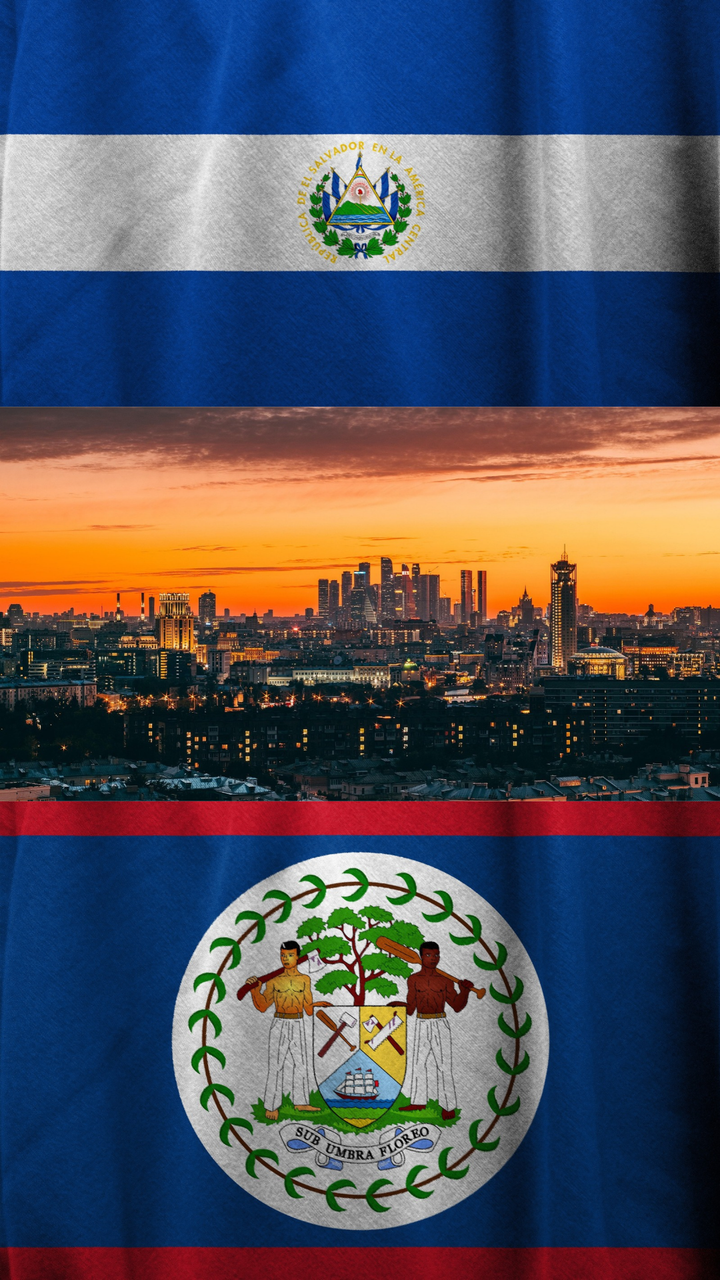
A crowded September independence calendar reflects distinct national histories, not one shared political story. Its range is striking, from South America to the Pacific. An anniversary supports sustainability only when local programs make that link real.

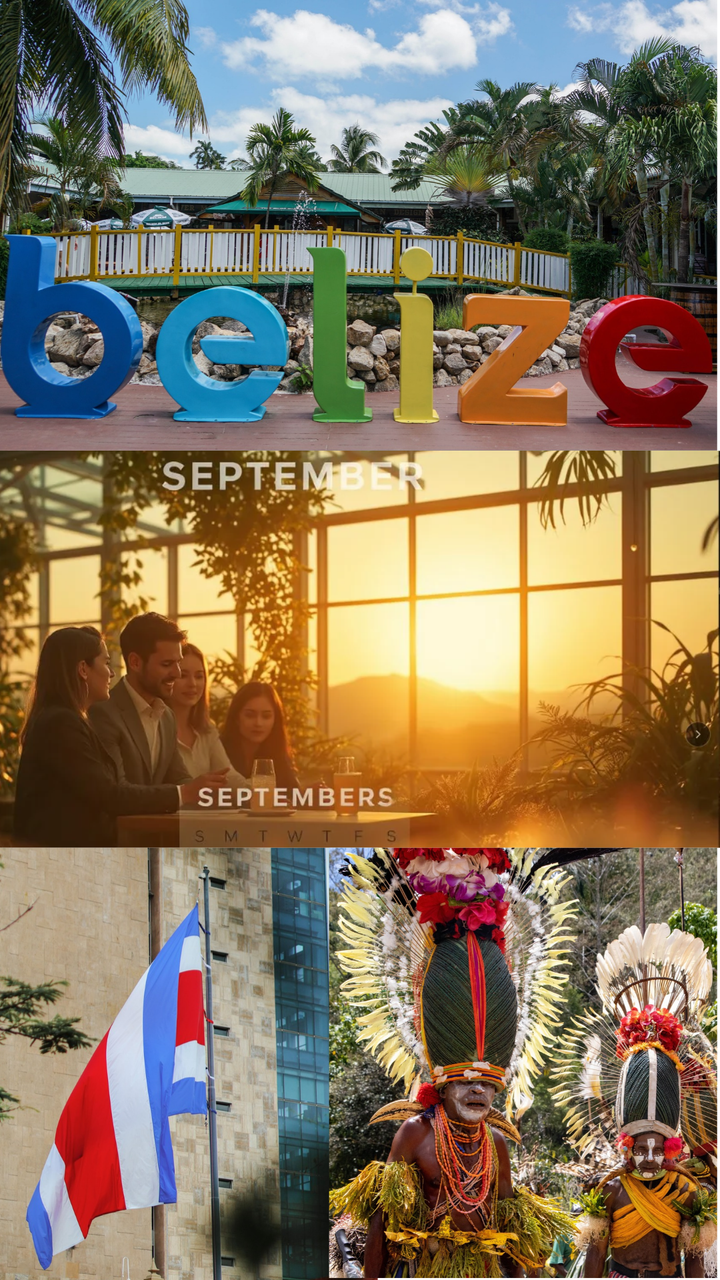
Botswana Independence Day and Mali Independence Day belong to the monthโ€™s national observance landscape, as do celebrations associated with Belize, Chile, Papua New Guinea, Mexico, Honduras, Guatemala, El Salvador, Costa Rica, Brazil, and Swaziland, now called Eswatini. Their histories differ in timing, context, and public form.

Some entries have well-established dates. Brazil celebrates on September 7, Chile on September 18, and Mexico on September 16. Central American independence celebrations take place on September 15. The table lists five dated examples without assigning dates to other countries.

DateCountryObservanceSustainability connection
September 7BrazilBrazil Independence DayPublic memory and civic events
September 15Central AmericaIndependence celebrationsRegional history and participation
September 16MexicoMexican Independence observanceCommunity gathering and shared memory
September 18ChileChile Independence DayPublic culture and civic identity
September 30BotswanaBotswana Independence DayNational memory and community events

Independence anniversaries can support public memory and civic participation. Their sustainability connection may include accessible events, local arts, and responsible use of public spaces. The date alone does not guarantee those outcomes; public choices shape the celebration.

Mali, Belize, Papua New Guinea, Honduras, Guatemala, El Salvador, Costa Rica, and Eswatini also belong in a broad month-level calendar, without assumed dates here. The next cluster joins US civic memory with military and constitutional history.

How Do US September Observances Connect Civic Memory and Public Life?

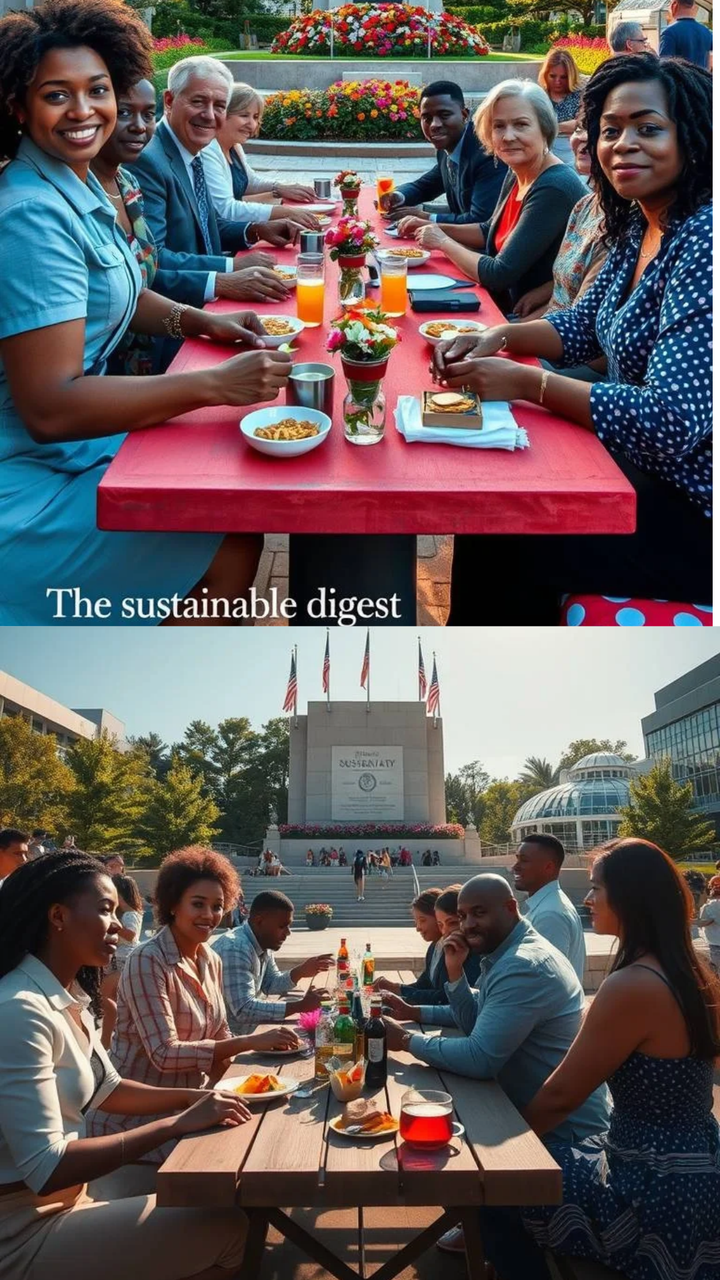
Labor Day gathering beside a local civic memorial, featuring a diverse group of people dressed in professional business attire and modest casual clothing, enjoying a festive atmosphere. In the foreground, families and friends engage in conversation, laughter, and sharing food, with picnic blankets and refreshments laid out. In the middle ground, a beautifully maintained civic memorial stands adorned with flowers and American flags, symbolizing unity and remembrance. The background captures a clear blue sky with soft, warm sunlight filtering through trees, casting gentle shadows on the ground. Use a wide-angle lens to create a sense of depth, encapsulating the vibrant mood of community and celebration. The Sustainable Digest.

A US September calendar can place Labor Day beside commemorative dates that do not close workplaces. That mix is normal: a holiday and a day of remembrance carry different legal weight. Labor Day falls on the first Monday in September, September 7 in 2026.

Military memory and service

VJ Day and VFW Day appear in local and organizational calendars, with names and events that can vary. Yamashita Surrender Day is another military remembrance. None should be treated as a nationwide public holiday without a specific local basis.

Constitutional and state traditions

Constitution Day and Mayflower Day connect public memory with constitutional ideas and early settlement. National New Hampshire Day highlights state identity. Patriot Day recalls national loss, while California Admission Day marks state history.

US commemorations can bring different parts of public life into view. A local ceremony may be meaningful without changing work schedules. Four broad groups help readers interpret the dates:

  • Military remembrance: VJ Day, VFW Day, and Yamashita Surrender Day.
  • Constitutional and early-settlement memory: Constitution Day and Mayflower Day.
  • Labor: Labor Day and its focus on workers.
  • State and national civic identity: National New Hampshire Day, Patriot Day, and California Admission Day.

Historical or commemorative days do not all have federal public-holiday status. Local programs may still create a sustainability connection through public learning, accessible gatherings, or service. The calendar now shifts from formal civic observances to parades, local heritage, and cultural celebrations.

Which Cultural Celebrations Bring Local Heritage into September?
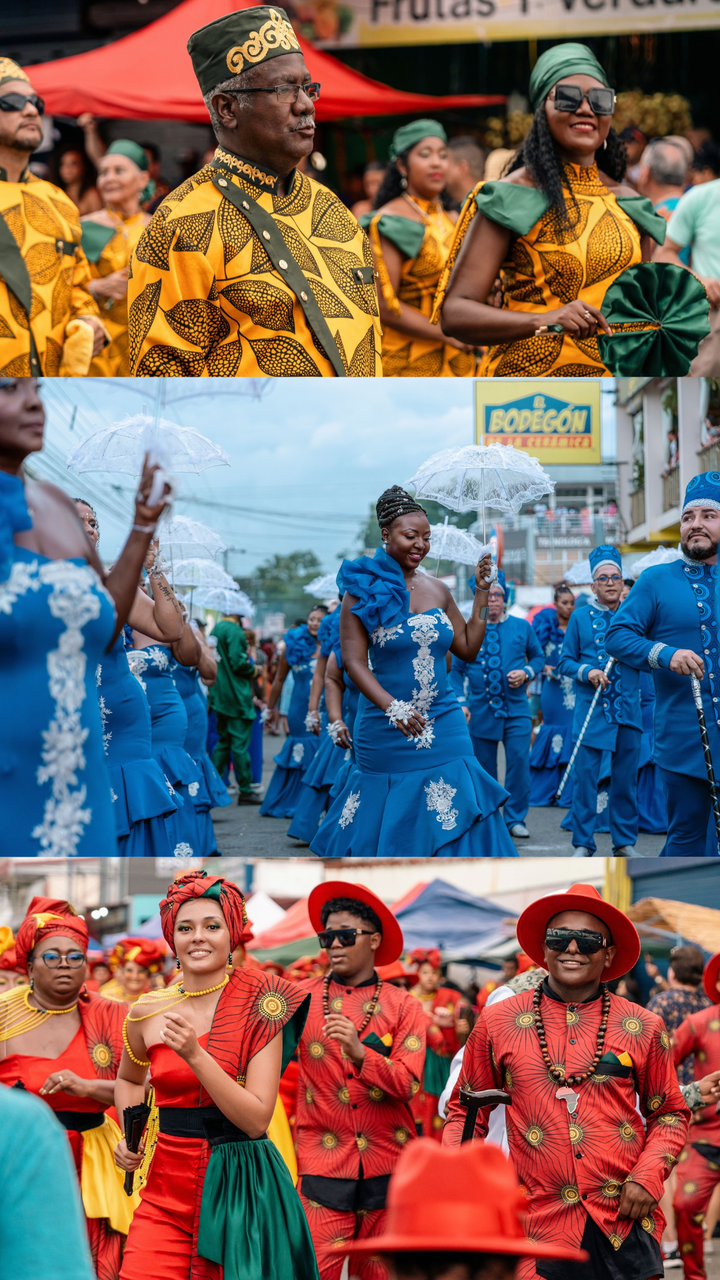
A public parade can turn an ordinary street into a place of community memory. Shared performance brings people together through music, food, movement, and local history. A cultural celebration is not automatically a national public holiday.

The West Indian Day Parade brings Caribbean heritage into public space through community expression. Gibraltar National Day centers local belonging, while St. Georgeโ€™s Caye Day recalls a Belizean historical tradition. Each can support social connection through participation and public culture.

Day of the Homeland can refer to different local observances, so readers should confirm the place and local calendar before relying on a date. Fiesta de San Jerรณnimo brings religious and community traditions together in some places. Rumi Day offers a cultural focus shaped by poetry and shared reflection.

These events may create sustainability connections through local artists, inclusive access, and care for shared spaces. Those links are possibilities, not official mandates. A parade can build belonging while also raising practical questions about waste, transit, and access.

Local heritage gains wider meaning when communities can protect it and share it on their own terms. Formal frameworks for democracy and preservation help connect that work with public institutions and lasting stewardship.

How Do Democracy and Heritage Observances Support Sustainable Communities?

A vibrant community hall filled with engaged individuals discussing the International Day of Democracy. In the foreground, a diverse group of people in professional business attire gather around a round table, animatedly sharing ideas and notes. The middle ground features a presentation on democracy principles projected on a screen, complemented by various informational posters on the walls. The background showcases a welcoming environment with warm lighting, wooden panels, and plants, enhancing the atmosphere of collaboration and open dialogue. Soft, natural light spills through large windows, casting gentle shadows. The mood is one of enthusiasm and hope, reflecting a united community striving for democratic principles. The image should capture this essence with clarity and focus, embodying the spirit of democracy in action. The Sustainable Digest.

A public conversation about institutions can matter beyond the ceremony when people can take part and ask questions. Participation counts, though a commemorative date alone cannot prove democratic performance. Accountable governance depends on practice, not a calendar label.

Democratic participation and public accountability

The International Day of Democracy is observed on September 15. It can prompt discussion of civic voice, public access, and accountable institutions. Malaysia Day, observed on September 16, recognizes shared civic identity and national formation.

These dates can encourage participation and learning, but they do not measure how well institutions serve people. Their sustainability connection rests on open public dialogue, fair access, and meaningful civic roles. A ceremony is a start, not a performance review.

Heritage protection and shared stewardship

European Heritage Days bring attention to built and cultural heritage. Preservation involves choices about care, access, funding, and whose histories receive attention. Public visits and local programs can help people see heritage as a shared responsibility.

What holidays are no longer celebrated? No named event in this calendar can be called discontinued here. Observance names, formats, and local status can change, so readers should check the relevant government or community calendar rather than assume an event has ended.

Democracy and heritage connect social sustainability with public trust and cultural continuity. Their practical value grows when communities can shape decisions about institutions and preservation. Environmental observances make ecological stewardship more visible in daily choices.

Which September Environmental Days Put Sustainability into Practice?

A clean-air observance can prompt a school or workplace to encourage walking, transit, or shared rides. Local choices matter, but awareness days do not impose rules by themselves. Voluntary participation is not a binding policy.

Air, atmosphere, and lower-emission choices

The International Day of Clean Air for Blue Skies is observed on September 7. The International Day for the Preservation of the Ozone Layer falls on September 16. Both can raise awareness of air and atmospheric protection, while public policy and daily choices shape results.

Zero Emissions Day encourages lower-emission choices, but it is not a mandatory fossil-fuel moratorium. World Car Free Day invites people to consider alternatives to driving. Local organizers may set different activities or dates.

Waste, land, rivers, and food systems

World Cleanup Day, National Public Lands Day, and World Rivers Day can draw attention to litter, land care, and healthy waterways. The International Day of Awareness of Food Loss and Waste is observed on September 29. Dates and local activities can vary by organizer and jurisdiction.
ObservanceSustainability focusPractical exampleScope or caveat
Clean airHealthier airPromote transit or walkingAwareness day, not a law
Ozone protectionAtmospheric protectionShare ozone-layer learningPublic awareness and policy
Zero Emissions DayLower emissionsChoose a low-carbon tripVoluntary, not a moratorium
Car-free mobilityFewer car tripsWalk, cycle, or take transitLocal schedules may vary
Food loss and wasteFood system efficiencyPlan meals and use leftoversActivities vary by place

Small actions can make a public theme tangible, while lasting gains require sound systems and shared effort. Ecological stewardship is one part of sustainable development; social and human-development observances address another.

Which September Observances Focus on Equity, Education, Charity, and Peace?

A school that can stay open during a crisis helps a whole community remain resilient. Learning is essential, alongside fair work and safe public life. Awareness can focus attention, but one day cannot resolve a deep challenge.

International awareness days in 2026 include observances for Indigenous women and girls, charity, literacy, protection of education, South-South cooperation, equal pay, and peace. The International Day of the Worldโ€™s Indigenous Women and Girls and International Day of Charity are observed on September 5. International Literacy Day is September 8; the International Day to Protect Education from Attack is September 9.

The United Nations Day for South-South Cooperation is observed on September 12. International Equal Pay Day falls on September 18, and the International Day of Peace is observed on September 21. The peace observance focuses on nonviolence; no 2026 theme is assumed here.

These dates point to practical needs: safe schools, access to reading, fair pay, and support for people facing hardship. Cooperation can help communities share knowledge and resources. The sustainability connection lies in stronger social systems, not in claiming that awareness solves inequality.

Education, equity, humanitarian support, and nonviolence all shape the conditions in which communities can thrive. The varied themes across September can be read through a sustainability framework that people can apply locally.

How Can Readers Connect These September Observances to Sustainability?

A large public celebration and a small community-led heritage event can be judged through the same three lenses. Scale is not the test; inclusion, impact, and shared responsibility are. A sustainability connection should match what an event actually does.

A sustainability connection may involve environmental stewardship, social inclusion and equity, or accountable public institutions. An event can matter deeply without being labeled sustainable. Claims should reflect real practices rather than polished branding.

Readers can apply three questions to a celebration:

  • Who is represented, and who can take part?
  • What environmental impact or stewardship action does the event involve?
  • Does the event support learning, participation, or shared responsibility?

A city parade might welcome many groups yet create heavy traffic and waste. A small heritage gathering might use local venues and invite residents to shape its program. Neither label settles the question; actual choices do.

This approach keeps celebration and analysis in balance. It respects cultural meaning without turning every tradition into a sustainability campaign. Globally, readers can now apply that care to dates, travel, and local planning.

How Should Global Readers Use a September 2026 Observance Calendar?

An international observance may fall on a normal workday depending on the country, even when a local group plans a public event. Location matters: legal holidays and community schedules are not the same. Check the relevant provincial, territorial, municipal, employer, or community calendar before planning closures or travel.

International observances may fall on ordinary workdays. Check the local calendar before planning closures or travel.

September 2026 and onward international observances and sustainable adjacent holidays nations can include dates that are not statutory holidays in their region. A September 2026 international observances and sustainable adjacent holidays calendar helps readers separate fixed annual dates from events whose schedules or local status vary.

For a cultural program, organizers can confirm the official local name and check whether the community has announced an event. Travelers should also check transit and venue hours; a ceremonial date does not guarantee a closure or parade.

Upcoming international holidays and the next upcoming big holiday cannot be identified from a September-only calendar. The next date depends on the readerโ€™s location and the current date, so a current local calendar is needed. The final reminder is simple: confirm local status, then choose one meaningful way to take part.
Conclusion

Figuratively and literally stating, calendars record public memory and present-day priorities. September holds both, from national identity to calls for wider cooperation. The first takeaway is that observances carry different legal and cultural weight. The second is that their sustainability value depends on meaningful local practice, not a title alone.

A practical next step is to choose one relevant September observance and confirm its local date and community-led activity before sharing or attending. Check a local calendar, then take part with care.
Key Takeaways

  • September 2026 includes international awareness days and national celebrations.
  • An international observance does not automatically create a public holiday.
  • Local names, dates, and legal status can vary by place.
  • Sustainability links depend on real activities, not event labels.
  • Global and community minded readers should check local calendars before making plans.

August 2026 sustainability adjacent national holidays and global observances

August 2026 sustainability adjacent national holidays and global observances

Looking ahead, we see a blend of cultural traditions and today’s environmental needs. This guide builds on our earlier work, “Week of Aug 9 to 16: Reflect on Sustainability and Holidays.” It covered Singapore’s independence and Indigenous Peoples’ Day.

We see these August 2026 events as a mix of independence days, remembrance, and cultural highlights. Our aim is to view these through a green lens. This supports local efforts rather than pushing a single environmental message.

Planning travel, education, or community projects? These sustainability initiatives August 2026 guide you. By honoring the unique nature of global observances sustainability August 2026, we can build stronger international ties.

August 2026 sustainability adjacent national holidays and global observances: context from the 2025 calendar

We’re looking at August 2026 with a new lens. Our previous review helped us understand how to mix cultural events with caring for the planet.

How the 2025 sustainability-and-holidays article informs the 2026 edition

Connect independence, remembrance, culture, and environmental stewardship without treating national holidays as interchangeable

Last year, we learned that national holidays August 2026 are more than just dates. Days like the National Day of Benin or Emancipation Day in Guyana have deep meanings. We should respect these days and not just use them for any message.

Independence days often talk about being self-sufficient and managing resources well. By understanding these celebrations, we connect better with global goals.

Using a green lens for a United States audience

Respect local meaning while highlighting community resilience, food systems, biodiversity, energy, water, mobility, and waste reduction

In the U.S., we need to make global events meaningful for our local lives. We focus on August 2026 calendar sustainability events that matter here. This way, we can live in a way that’s good for the planet.

When we talk about things like saving water or protecting nature, we aim to make it real. We want our readers to see how they can make a difference every day.

How to read the August 2026 calendar

Separate fixed dates, movable observances, national holidays, regional celebrations, awareness days, and month-long campaigns

To make the calendar useful, we sort events by type. We need to know the difference between official holidays and community efforts. This helps groups plan their August 2026 eco-friendly holidays well.

Event CategoryPrimary FocusSustainability Potential
National HolidaysStatehood & HistoryHigh (Policy & Civic)
Awareness DaysSpecific CausesVery High (Action)
Regional CelebrationsLocal HeritageModerate (Community)
Month-long CampaignsBroad AdvocacyHigh (Educational)

August 1โ€“4: independence, emancipation, regional identity, and sustainable beginnings

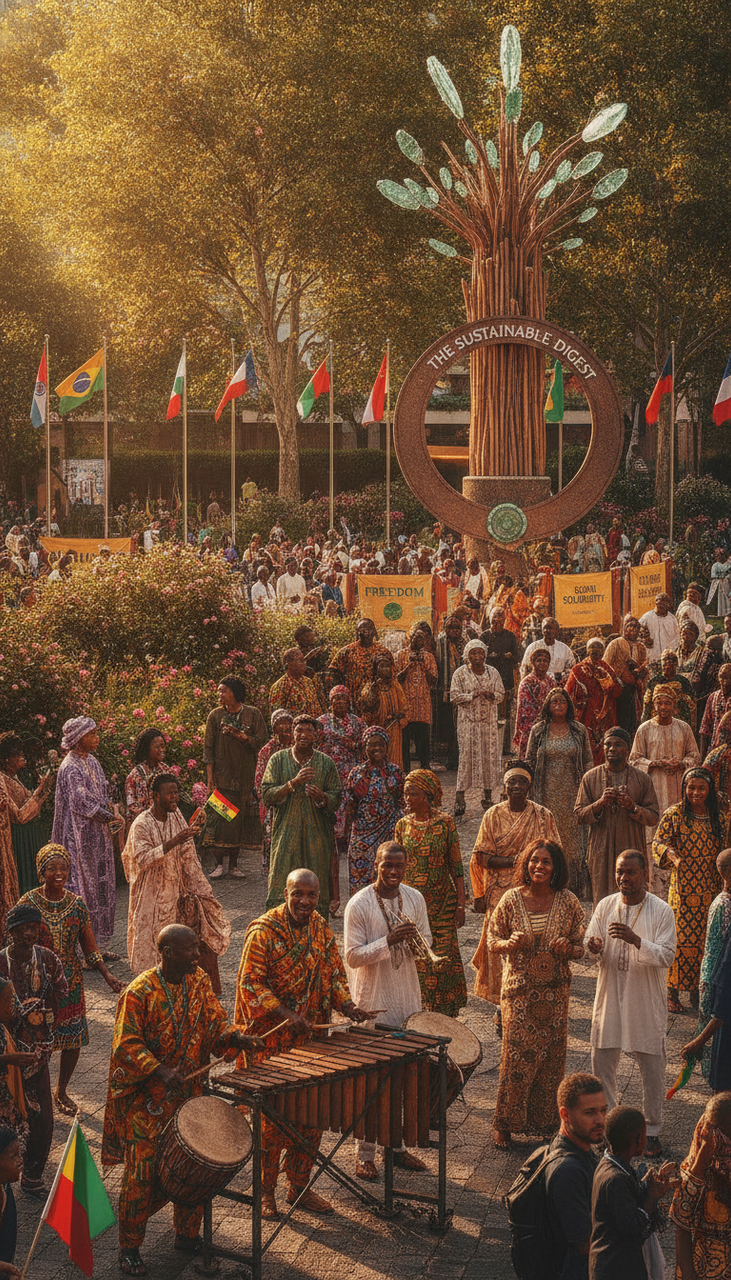
Vibrant celebration scene depicting the National Day of Benin, highlighting independence and global observance festivities. In the foreground, people dressed in traditional Beninese attire and modest casual clothing joyfully engage in dance and music, showcasing regional identity. In the middle, colorful flags and banners wave, symbolizing unity and freedom, along with a diverse group of individuals from around the world participating in the festivities, representing global independence. The background features a sunny park setting with lush greenery and cultural landmarks, bathed in warm, golden sunlight. The atmosphere is uplifting and festive, capturing the spirit of sustainability and new beginnings. Shot with a wide-angle lens to encompass the lively scene, creating a sense of inclusivity and celebration. The Sustainable Digest.

As August starts, people around the world celebrate important days. These days remind us of the power of freedom and local traditions. They teach us to think deeply about our communities.

August 1 national and regional celebrations

National Day of Benin and Benin Independence Day

The National Day of Benin and Benin Independence are big moments for West Africa. They celebrate the country’s fight for freedom and its cultural pride.

Colorado Day and Emancipation Day in Guyana

In the U.S., Colorado celebrates becoming a state. Emancipation (Guyana) marks the end of slavery. Both days help us think about freedom and growth.

Guadalcanal Province Day, Switzerland National Day, and Yorkshire Day

Guadalcanal Province and Switzerland National Day focus on local and national unity. Yorkshire Day celebrates the unique culture of a historic English area.

Makira-Ulawa Province Day and Pidjiguiti Day

Makira-Ulawa Province Day is about pride in the Solomon Islands. Pidjiguiti Day is a serious reminder of the fight for freedom in Guinea-Bissau.

August 2โ€“4 civic and cultural milestones

Republic Day in North Macedonia

Republic Day in North Macedonia is key for civic identity. It makes people think about their country’s democracy.

Cook Islands Constitution Day and Founderโ€™s Day

Cook Islands Constitution Day and Founder’s Day worldwide highlight important laws and history. They shape our modern societies.

Matica Slovenska Day and National South Carolina Day

Matice Slovenska Day is about keeping Slovak culture alive. National South Carolina Day celebrates the Palmetto State’s history and beauty.

Making celebrations more sustainable

Support local producers, public transportation, reusable serviceware, cultural preservation, and community-led conservation

To make these holidays greener, we need to act on purpose. Choosing local products and public transport helps reduce waste. It also honors our cultural heritage.

HolidayPrimary FocusSustainability Action
Benin IndependenceNational SovereigntySupport local artisans
Colorado DayState IdentityUse public transit
Switzerland NationalCultural UnityReusable serviceware
South Carolina DayRegional HeritageCommunity conservation

August 5โ€“8: national independence, landlocked development, and living landscapes

The start of August is a key time. It’s where history meets global teamwork. It makes us think about how our national identity helps us tackle big challenges.

August 5 observances and cultural continuity

Burkina Faso Independence Day

Burkina Faso celebrates its freedom. This day shows the nation’s fight for self-rule. It reminds us of the need for a strong future in the Sahel.

World Wide Web Day, Blogger Day, and International Clouded Leopard Day

We celebrate digital connections and wildlife. International Clouded Leopard Day shows how important it is to protect rare animals. It encourages us to use tech to help endangered species.

August 6 national days and development themes

Bolivia Independence Day and Jamaica Independence Day

The days of Bolivia & Uruguay Independence and Jamaica & Ukraine Independence show different paths to freedom. They help us see how freedom and economic stability connect.

International Day of Awareness of the Special Development Needs and Challenges of Landlocked Developing Countries

This day focuses on the special problems of countries without sea access. Solving these issues is key for strong supply chains and fair global markets.

Farmworker Appreciation Day and Celebrations of San Salvador

Farmworker Appreciation Day honors the people who grow our food. The Battle of Boyaca and San Salvador celebrations remember the struggles that shaped our regions.

August 7โ€“8 remembrance and community observances

Cรดte dโ€™Ivoire Independence Day and Peace Festival Augsburg

Ivory Coast/Cรดte d’Ivoire Independence is a time for national pride and looking back on progress. The Peace Festival Augsburg teaches us about solving conflicts and the power of community.

National Tarantula Appreciation Day and National Minority Donor Awareness Day

These days highlight the value of diversity and health. They teach us to appreciate the complex world around us, like the tarantula.

Made in the Philippines Product Week

Made in the Philippines Product Week celebrates local crafts and green production. Buying local goods helps the planet and supports local communities.

Green connections for food, biodiversity, and equitable development

Link farmworker recognition with soil health, fair labor, agroecology, and habitat protection

Real sustainability links farmworkers to the health of our soil. Supporting fair labor helps our soil and protects nature.

“The health of our soil is inextricably linked to the dignity of those who tend it; true progress is measured by how we treat both the land and the worker.”

ObservancePrimary FocusSustainability Impact
International Clouded Leopard DayBiodiversityHabitat preservation
Landlocked Countries DayEconomic DevelopmentSupply chain resilience
Farmworker Appreciation DaySocial EquityAgroecology support
Made in the Philippines WeekLocal EconomyReduced carbon footprint

August 9โ€“12: Indigenous knowledge, humanitarian action, and healthy ecosystems

A vibrant celebration of the International Day of the World's Indigenous Peoples, depicting a diverse group of Indigenous individuals in traditional, modest clothing engaged in communal activities related to sustainability and environmental stewardship. In the foreground, a woman and a man are planting native trees, embodying the connection to the earth. The middle ground features a lush landscape with diverse flora, showcasing healthy ecosystems, while a small gathering of people share stories and knowledge around a fire. In the background, a serene sunset casts warm amber and soft orange hues across the sky, symbolizing hope and unity. The mood is one of respect, harmony, and cultural richness, perfectly encapsulating the theme of Indigenous knowledge and humanitarian action. This artwork is intended for "The Sustainable Digest."

Between August 9 and 12, we see a mix of global heritage, humanitarian efforts, and caring for our planet. This time invites us to think about how national and international events help us work towards a sustainable future.

August 9 national and international observances

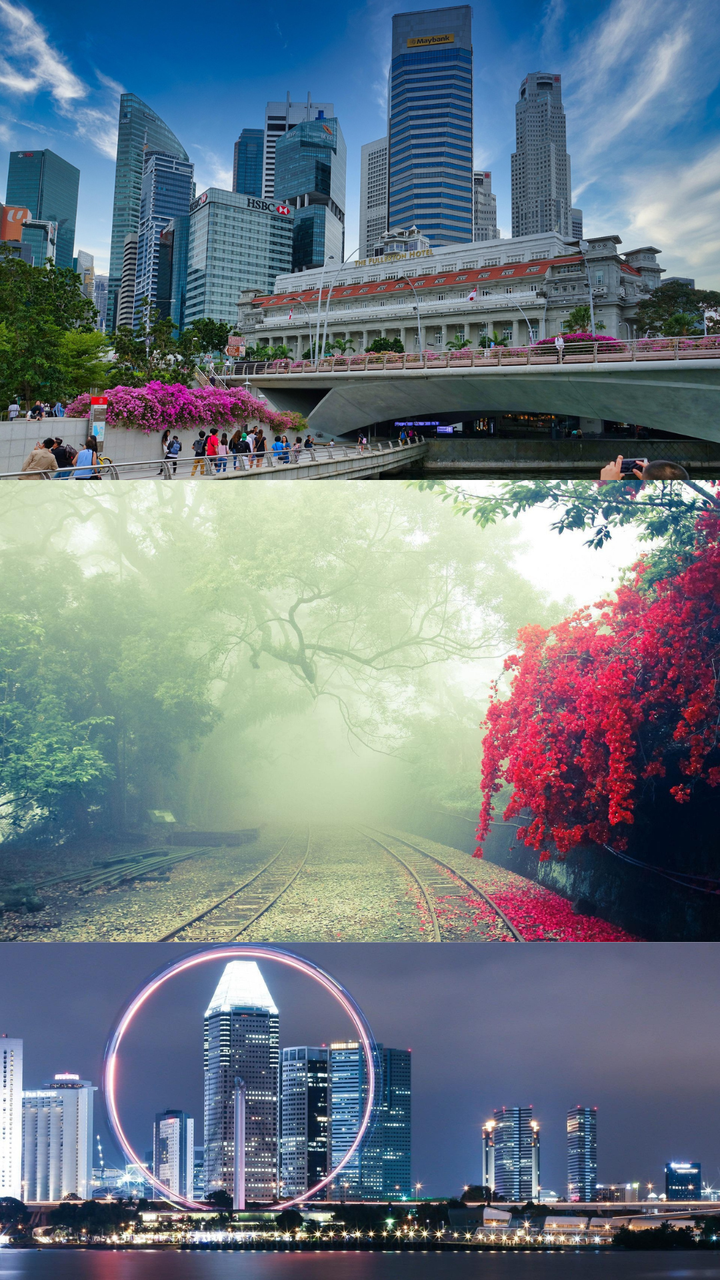
Singapore National Day

Singapore National Day is a big moment for the country. It shows how a small nation can grow fast while taking care of the environment.

Nagasaki Memorial Day and International Day of the Worldโ€™s Indigenous Peoples

The Nagasaki Memorial reminds us of the cost of war. The International Day of the Worldโ€™s Indigenous Peoples focuses on keeping ancient wisdom alive. It’s key to listen to Indigenous leaders for a better environment.

Suriname Indigenous Peopleโ€™s Day

Suriname Indigenous Peopleโ€™s Day is important for recognizing local culture. It helps keep our world diverse and rich.

August 10 national celebrations and nature awareness

Ecuador Independence Day and Abai Day

Ecuador Independence Day celebrates freedom. Abai Day honors Abai Qunanbaiuly’s work. These days show how national pride and cultural history go hand in hand.

International Biodiesel Day and World Lion Day

International Biodiesel Day promotes cleaner energy. World Lion Day highlights the need to protect wildlife and their homes.

Celebrations of Santo Domingo begin

The start of Santo Domingo’s festivities adds color to the calendar. These events help bring communities together for a greener future.

August 11โ€“12 youth, heritage, and humanitarian themes

Chad Independence Day and Steelpan Day

Chad Independence Day shows the nation’s strength. Steelpan Day celebrates Caribbean music. Both days show how culture strengthens communities.

International Youth Day and World Lizard Day

International Youth Day empowers young people to fight climate change. World Lizard Day reminds us to protect all life on Earth.

Hip Hop Day, World Elephant Day, and Motherโ€™s Day in Thailand

Hip Hop Day shows the power of music. World Elephant Day and Motherโ€™s Day in Thailand highlight the importance of caring for our planet and each other.

Glorious Twelfth and Woman Astronomers Day

The Glorious Twelfth starts the hunting season, sparking debates. Woman Astronomers Day celebrates women in science, inspiring the next generation.

Environmental applications for schools and communities

Center Indigenous leadership, youth participation, wildlife corridors, clean fuels, and creative climate communication

Schools can use these dates to teach about sustainability. By centering Indigenous leadership and youth participation, they can create better climate plans.

Communities should work on wildlife corridors and clean fuels. Using creative climate communication can make environmental issues easier to understand.

August 13โ€“16: liberation, migration, food cultures, and shared memory

The middle of August is a time of deep reflection. It’s when we think about history, culture, and freedom. It’s a chance to see how big events and traditions shape our world.

August 13โ€“14 milestones

Anniversary of the Recovery of Oued Ed-Dahab

The Anniversary of the Recovery of Oued Ed-Dahab is a big moment. It reminds us of the complex history of a region. It shows the power of coming together as a nation.

National Lizard Day, National Aviation Week, and Navajo Code Talkers Day

These days show our diverse interests. From National Lizard Day to Navajo Code Talkers Day, they teach us about the world. National Aviation Week makes us think about how we travel and its impact on the planet.

Pramuka Day and Pakistan Independence Day

Pramuka Day celebrates scouting and youth. Pakistan Independence Day honors a nation’s culture and freedom. Both days are about building community and getting involved.

National Aviation Day and National Zoo Awareness Day

National Aviation Day looks at aerospace progress, while National Zoo Awareness Day is about wildlife. These days help us talk about protecting our environment and animals.

August 15 national days and historic foundations

India Independence Day and Liechtenstein National Day

India Independence Day celebrates freedom and democracy. Liechtenstein National Day shows the country’s culture and history.

National Acadian Day and Malaita Province Day

National Acadian Day honors the Acadian people’s strength and heritage. Malaita Province Day celebrates the Solomon Islands’ pride and goals.

Foundation of Old Panama City and Founding of Asunciรณn in Paraguay

The Foundation of Old Panama City and the Founding of Asunciรณn in Paraguay highlight the history of cities in the Americas. They give us a chance to learn about city growth and preserving heritage.

National Liberation Day of Korea and the Parsi New Year

The National Liberation Day of Korea is a symbol of freedom. The Parsi New Year is about renewal, family, and keeping traditions alive.

August 16 cultural and religious observances

Womenโ€™s and Family Day

Womenโ€™s and Family Day celebrates the role of families in keeping communities strong. It’s a time to honor women’s contributions to our world.

Cook Islands, South Asian, and diaspora celebrations that emphasize food, family, and community ties

These celebrations focus on food and cultural exchange. They show how important it is to keep traditions alive, even when far from home.

Low-impact approaches to large public celebrations

Prioritize accessible transit, heritage conservation, plant-forward menus, water refill stations, and responsible tourism

Big events can be made greener by focusing on accessible transit and heritage conservation. Using plant-forward menus and water refill stations can also help. By encouraging responsible tourism, we protect local cultures and the environment.

DateObservancePrimary Theme
August 13Anniversary of the Recovery of Oued Ed-DahabNational Unity
August 14Pakistan Independence DaySovereignty
August 15India Independence DayFreedom
August 15Parsi New YearCultural Renewal
August 16Womenโ€™s and Family DaySocial Cohesion

August 17โ€“20: constitutions, liberation anniversaries, learning, and planetary health

A vibrant scene depicting global observances and sustainability themes, showcasing an outdoor gathering celebrating liberation anniversaries and constitutional achievements. In the foreground, a diverse group of individuals in professional business attire share ideas, surrounded by sustainable decorations like plants and recycling symbols. The middle ground features banners symbolizing global health and learning, with Earth tones and soft greens conveying harmony. In the background, a bright blue sky and a green landscape represent planetary health, with subtle hints of renewable energy sources like wind turbines. The atmosphere is hopeful and uplifting, emphasizing unity and progress. Soft, natural lighting enhances the scene. The Sustainable Digest logo is prominently featured in the center of the image without any text interruptions.

Between August 17 and 20, we see a mix of political freedom, learning, and caring for our planet. These days make us think about how we can balance our national identity with global responsibility in today’s fast-changing world.

August 17 national holidays

Gabon Independence Day and National Massachusetts Day

Gabon Independence Day reminds us of the nation’s path to freedom. National Massachusetts Day celebrates the roots of the United States. Both days teach us to value the systems that keep our societies strong.

Indonesia Independence Day and Slovenians in Prekmurje Incorporated into the Mother Nation Day

Indonesia Independence Day celebrates freedom and unity. Slovenians in Prekmurje Incorporated into the Mother Nation Day honors a people’s culture and land. It shows how shared heritage is key in today’s governance.

August 18โ€“19 civic, cultural, and humanitarian observances

Indonesia Constitution Day and Made in the Philippines Product Week

Indonesia Constitution Day strengthens the laws that protect democracy. Made in the Philippines Product Week boosts local businesses and ethical shopping. Both are crucial for sustainable growth.

International Orangutan Day and National Aviation Day

International Orangutan Day focuses on saving endangered species. National Aviation Day celebrates technology but also talks about travel’s carbon footprint.

World Humanitarian Day and the environmental needs of displaced communities

World Humanitarian Day brings attention to displaced people. It’s important to meet their environmental needs, like safe water and energy.

August 20 environmental and public-health observances

Hungary National Day and World Mosquito Day

Hungary National Day honors the nation’s history. The World Mosquito Day reminds us of the need for disease prevention in a warmer world.

World Distance Learning Day and World Plant Milk Day

Genuially, World Distance Learning Day shows the power of online education. World Plant Milk Day encourages us to choose food that’s better for our planet.

National Zoo Awareness Day and International Biodiesel Day connections

National Zoo Awareness Day connects us with wildlife conservation. International Biodiesel Day promotes cleaner energy to replace fossil fuels.

Sustainability themes for institutions and households

Pair digital access with energy efficiency, responsible disease prevention, habitat protection, and lower-impact food choices

Institutions and homes can make these days part of their daily life for a greener future. By using digital tools wisely and saving energy, we can help the planet while reaching more people.

ObservancePrimary FocusSustainability Impact
International Orangutan DayWildlife ConservationHabitat Protection
World Plant Milk DayDietary ChoicesResource Conservation
International Biodiesel DayRenewable EnergyCarbon Reduction
World Distance Learning DayEducationEnergy Efficiency

August 21โ€“24: remembrance, religious freedom, flags, and national renewal

The time from August 21 to 24 is a bridge between looking back and moving forward. It’s a time to face global truths and celebrate the strength of countries.

August 21โ€“22 observances

International Day of Remembrance and Tribute to the Victims of Terrorism

August 21 is the International Day of Remembrance and Tribute to the Victims of Terrorism. It’s a day to honor those hurt by violence and to stand together for peace.

Russian Flag Day and Liberian Flag Day

On August 22, we celebrate the Russian & Liberia Flag. These days are about national pride and the symbols of our shared history.

International Day Commemorating the Victims of Acts of Violence Based on Religion or Belief

August 22 also marks the International Day Commemorating the Victims of Acts of Violence Based on Religion or Belief. It reminds us of the fight for human rights and the importance of freedom of belief.

World Plant Milk Day and the Day of the National Flag

Amid serious days, August 22 also celebrates the Day of the National Flag. Plus, World Plant Milk Day encourages us to think about our food’s impact on the planet.

August 23 historical remembrance

International Day for the Remembrance of the Slave Trade and Its Abolition, recognized by UNESCO

August 23 is for the International Day for the Remembrance of the Slave Trade and Its Abolition [UNESCO]. It confronts us with the dark history of slavery and the ongoing fight for equality.

European Day of Remembrance for Victims of Stalinism and Nazism

The European Day of Remembrance for Victims of Stalinism and Nazism is also on this day. It warns us against the dangers of total control and the loss of freedom.

August 24 national and revolutionary milestones

Ukraine Independence Day and Revolution Commemoration

August 24 celebrates Ukraine Independence and Revolution Commemoration. These events show our desire for freedom and the bravery to fight for it.

Anniversary of the Revolution of the King and the People

This day also honors the Anniversary of the Revolution of the King and the People. It shows the bond between leaders and their people.

Turning remembrance into responsible action

Address environmental injustice, protect cultural sites, challenge exclusion, and support peacebuilding organizations

Real remembrance leads to action. By linking past lessons to today’s issues, we can build a fairer world.

  • Protect cultural sites threatened by war or neglect.
  • Address environmental injustice by helping communities harmed by pollution.
  • Challenge exclusion in laws to make sure everyone’s voice is heard.
  • Support peacebuilding organizations that aim to stop violence before it starts.

August 25โ€“31: independence anniversaries, African heritage, and environmental responsibility

A vibrant scene depicting National Zoo Awareness Day and community conservation initiatives. In the foreground, eco-friendly exhibits showcasing endangered animals with detailed signage about conservation efforts, alongside families of diverse backgrounds, including individuals in professional business attire observing and interacting. The middle ground features a lush, green zoo landscape with educational booths staffed by enthusiastic conservationists, emphasizing environmental responsibility. Animals roam freely in naturalistic enclosures, while engaged visitors participate in interactive activities. The background presents a clear blue sky with gentle sunlight filtering through trees, creating an inviting and hopeful atmosphere. The composition is captured with a wide-angle lens to emphasize the bustling community spirit and commitment to sustainability, with a focus on harmonious coexistence between people and wildlife. The Sustainable Digest logo is subtly integrated into the layout.

As August ends, we see a mix of national pride, human rights, and caring for our planet. This week, we think about how past events shape our future. We aim for a world that’s both sustainable and fair.

August 25โ€“27 national and regional celebrations

Uruguay Independence Day

On August 25, we celebrate Uruguay Independence Day. It makes us think about the importance of democracy and nature. It shows how a nation’s identity is tied to its culture and environment.

National Zoo Awareness Day and community conservation initiatives

Then, National Zoo Awareness Day focuses on zoos and saving nature. These places are key for learning and research. They help us understand and protect our planet.

August 28โ€“29 civic and international observances

Emirati Womenโ€™s Day

Emirati Womenโ€™s Day celebrates women’s roles in the UAE. It shows how important it is to include everyone in solving big problems like climate change.

International Day against Nuclear Tests

The International Day against Nuclear Tests looks at how safety and nature are connected. It reminds us of the lasting effects of nuclear tests on our planet and health.

National Diatomaceous Earth Day and science-based environmental education

National Diatomaceous Earth Day teaches us about natural ways to farm and control pests. It promotes learning about the environment. This helps us care for our soil and water.

August 30 remembrance and human rights

International Day of the Victims of Enforced Disappearances

The International Day of the Victims of Enforced Disappearances is a serious day. It highlights the need for human rights in any society. It calls for truth and justice, key for a sustainable future.

Falklands observances and the importance of place-based historical context

Falklands observances show why knowing a place’s history is important. It helps in building peace and a sustainable future, especially in disputed areas.

“True sustainability requires us to honor the past while building a future that respects both human dignity and the natural world.”

August 31 national celebrations

Malaysia Independence Day and Trinidad and Tobago Independence Day

The month ends with Malaysia Independence Day and Trinidad and Tobago Independence Day. These days are great for thinking about how these countries balance growth and protecting the environment.

International Day for People of African Descent

The International Day for People of African Descent celebrates African culture and strength. It’s a time to recognize the important role Africans play in saving our planet.

National Acadian, Caribbean, and Southeast Asian cultural connections

Looking at National Acadian, Caribbean, and Southeast Asian cultural connections shows how diverse traditions help us care for the planet. These cultures share knowledge that’s crucial for solving today’s environmental problems.

End-of-month sustainability actions

Use cultural programming to support environmental justice, ocean protection, biodiversity, and transparent civic participation

As we wrap up the month, think about how culture can lead to change. Here are some ways to make your community more sustainable:

  • Support environmental justice by talking about local issues in your events.
  • Promote ocean protection with workshops on marine life.
  • Encourage transparent civic participation by inviting leaders to talk about green policies.

August 2026 sustainability awareness days for nature, technology, and public health

In August 2026, we find a special mix of days that focus on the environment, health, and tech. These days are more than just dates. They help us live more mindfully and make big changes.

Wildlife and ecosystem observances

World Lion Day, International Clouded Leopard Day, World Elephant Day, International Orangutan Day, and World Lizard Day

These days remind us of the need to protect our planet’s animals and their homes. By focusing on animals like lions and elephants, we learn about the health of our ecosystems.

National Tarantula Appreciation Day, National Zoo Awareness Day, and National Diatomaceous Earth Day

Many people don’t think about the small creatures or the role of places like zoos. National Zoo Awareness Day and National Diatomaceous Earth Day help us understand the importance of conservation and managing pests.

International Lake Day, World Environment Day-related programming, and habitat restoration

Lakes are key to keeping our environment healthy. International Lake Day and World Environment Day help us work together on projects that protect our planet.

Health, food, and household sustainability observances

World Mosquito Day, World Breastfeeding Week, World Plant Milk Day, and International Biodiesel Day

What we eat and how we use energy affects many people. Days like World Plant Milk Day show us how to live in a way that’s better for the planet.

National Minority Donor Awareness Day and humanitarian health initiatives

Health fairness is crucial for a sustainable world. National Minority Donor Awareness Day shows us the need for healthcare that works for everyone.

Technology, learning, and communication

World Distance Learning Day, World Wide Web Day, Blogger Day, and Woman Astronomers Day

Technology can share knowledge widely, but it also uses a lot of energy. World Wide Web Day and Blogger Day teach us that our online actions affect the planet.

Use digital tools to expand environmental education while reducing misinformation and unnecessary energy use

We should use World Distance Learning Day to teach real knowledge, not just digital noise. Celebrating Woman Astronomers Day shows the value of science in fighting misinformation.

August 2026 cultural months, weeks, and community campaigns

A vibrant community celebration scene depicting "August 2026 Cultural Months and Community Sustainability Campaigns." In the foreground, diverse individuals in professional business attire engage in interactive booths showcasing local sustainable practices, such as urban gardening and recycling programs. Colorful banners flutter above, symbolizing various cultural observances. The middle ground features a green park setting with families participating in eco-friendly activities, surrounded by art installations made from recycled materials. In the background, a clear blue sky is dotted with fluffy clouds, and the sun casts warm, inviting light to evoke a sense of community spirit and togetherness. This image reflects the optimism and commitment to sustainability emphasized by The Sustainable Digest.

August 2026 is filled with community-driven campaigns. They connect cultural heritage with sustainable living. These observances give us a chance to live more eco-friendly while celebrating different traditions.

Month-long observances

Black Business Month and support for environmentally responsible entrepreneurs

Black Business Month is a key time to support minority-owned businesses that focus on green innovation. By backing these companies, we help build a fair and green economy.

American Adventures Month and lower-impact domestic travel

American Adventures Month encourages us to explore our own country. It’s a great time to choose lower-impact domestic travel like trains or local hikes. This helps reduce the carbon footprint of travel.

Week-long observances

World Breastfeeding Week and family-friendly public infrastructure

World Breastfeeding Week stresses the need for public spaces that are family-friendly. Such spaces are key to social sustainability and community health.

National Aviation Week and cleaner aviation, rail, and regional mobility conversations

National Aviation Week is a chance to talk about cleaner travel options. We need to find ways to connect while reducing emissions.

Made in the Philippines Product Week and ethical, durable purchasing

Made in the Philippines Product Week highlights the importance of quality and ethics. Buying durable goods helps reduce waste and supports fair trade.

Clutter Awareness Week and repair, reuse, donation, and responsible disposal

Clutter Awareness Week urges us to think about our buying habits. It encourages us to repair, reuse, donate, and dispose of items responsibly.

Community celebrations with environmental value

Lughnasadh, Parsi New Year, San Salvador celebrations, Santo Domingo celebrations, and regional harvest traditions

Cultural events like Lughnasadh and the Parsi New Year are deeply connected to nature. They often focus on seasonal foods and the natural world’s rhythms.

Build programs around seasonal foods, cultural consent, waste prevention, and local ecological knowledge

When planning events, it’s important to respect cultural consent. Sustainability works best when it’s a community effort. By focusing on waste and traditional wisdom, we keep these celebrations meaningful and green.

U.S. planning guide for August 2026 eco-friendly holidays

An inviting scene depicting a U.S. planning guide for eco-friendly holidays in August 2026. In the foreground, a neatly arranged picnic setup featuring reusable utensils, eco-friendly food containers, and a soft blanket atop a grassy park. The middle ground should include a diverse group of individuals in professional business attire discussing sustainability strategies, with a laptop and eco-themed materials spread out. In the background, a clear blue sky is complemented by trees and solar panels, symbolizing a commitment to green energy. The lighting should be bright and cheerful, evoking a productive yet relaxing atmosphere. This image conveys optimism about sustainable practices for upcoming holidays, with a modern and fresh aesthetic. Incorporate subtle branding elements from "The Sustainable Digest" throughout the scene without text.

Planning eco-friendly events for August 2026 needs careful planning and respect for cultures. By linking local events with global days, we can engage people and care for our planet.

Build a responsible observance calendar

Confirm official dates, distinguish federal holidays from awareness days, and identify local government or cultural authorities

Start by checking the exact dates for important days like International Youth Day or International Day of the World’s Indigenous Peoples. It’s important to know the difference between federal holidays and awareness days, like National Minority Donor Awareness Day or Woman Astronomers Day.

Talking to local government or cultural groups helps make sure your event is respectful. This is especially true for days like the Revolution Commemoration or National Acadian celebrations. Make sure to check the timing for Santo Domingo Celebrations Start to keep your efforts meaningful and respectful.

Choose practical sustainability initiatives

Organize park cleanups, tree care, habitat restoration, food drives, blood donation, climate education, and energy audits

Turn your calendar into action with initiatives that help the local environment. You could have a park cleanup during Clutter Awareness Week or tree care sessions on National Zoo Awareness Day.

Use National Diatomaceous Earth Day for educational workshops or energy audits when needed. These actions, along with food drives and blood donation, make a real difference in your community.

Make events accessible and low-waste

Offer public-transit information, ADA-accessible routes, refill stations, composting, reusable materials, and multilingual signage

Make sure your events are open to everyone. Provide clear public-transit info and ADA-accessible paths. Use refill stations and composting to reduce waste.

Choose reusable over single-use plastics to show you care about the planet. Also, use multilingual signs to share the importance of days like the International Day for People of African Descent or the Remembrance of the Slave Trade and Its Abolition [UNESCO] with all attendees.

Measure impact without reducing culture to metrics

Track participation, waste avoided, meals donated, habitat improved, and community feedback while honoring cultural meaning

While numbers are important, they shouldn’t be the only focus. Days like the International Day against Nuclear Tests or the International Day of the Victims of Enforced Disappearances carry deep cultural significance. Mix qualitative feedback with numbers like waste reduction or meals given out.

When remembering the International Day of Remembrance and Tribute to the Victims of Terrorism or the International Day Commemorating the Victims of Acts of Violence Based on Religion or Belief, focus on the human stories. Balance Awareness of the Special Development Needs and Challenges of Landlocked Developing Countries with local traditions like National Connecticut events. This way, you leave a lasting, thoughtful mark.

How to connect national holidays with global sustainability goals

August is a mix of human history and caring for our planet. It marks the Foundation of Old Panama City and the Founding of Asuncion in Paraguay. These dates make us think about our common past. It’s important to respect cultures and care for the environment at the same time.

By honoring the past, we help protect the future. Celebrating the Nagasaki Memorial or Ukraine Independence Day shows us the importance of peace. Joining World Humanitarian Day or the International Day for People of African Descent helps fight for fairness worldwide.

Everyone can pick actions that match their values. You might support Black Business Month or help reduce waste with Clutter Awareness Week. Celebrating World Elephant Day or learning about National Diatomaceous Earth Day connects us to our planet.

Every holiday, from the Anniversary of the Revolution of the King and the People to the Parsi New Year, is a chance to grow. Being intentional helps keep cultural traditions alive. Let these events guide you toward a greener, more aware lifestyle this month.

FAQ

Q: How does the August 2026 calendar build upon the sustainability insights from the previous year?

A: The 2026 calendar builds on the 2025 framework, focusing on sustainability and holidays. It links national celebrations like Singapore National Day and India Independence Day with caring for the environment. The 2026 guide also includes more global observances.It shows that sustainability initiatives should fit local needs, not just follow a generic plan. This approach respects cultural differences while promoting environmental care.

Q: Why is it important to distinguish between national independence days and international awareness days?

A: It’s key to keep these days separate to avoid a shallow calendar. National holidays, like National Day of Benin or Bolivia Independence Day, hold deep political and sovereign importance. Awareness days, such as International Biodiesel Day or World Steelpan Day, focus on specific causes.This distinction helps cultural diplomats and global professionals honor historical milestones. It also lets them promote important causes like habitat restoration or clean energy.

Q: How can digital-themed observances like World Wide Web Day and Blogger Day support environmental goals?

A: Digital tools use energy, but World Wide Web Day and Blogger Day can help teach about the environment. In 2026, these days encourage using modern technology to share science-based environmental education.It’s important to also talk about the carbon footprint of data centers and the spread of climate misinformation.

Q: What is the significance of the International Day of Awareness of the Special Development Needs and Challenges of Landlocked Developing Countries?

A: This day highlights the unique challenges faced by countries without sea access. It focuses on market access and equitable development. This day shows how transport costs and infrastructure needs impact sustainability in 32 landlocked nations.It bridges the gap between international relations and environmental justice.

Q: How do wildlife-focused days like World Lion Day and International Clouded Leopard Day intersect with human development?

A: Days like World Lion Day and International Clouded Leopard Day stress the importance of habitat protection and biodiversity. They advocate for wildlife corridors and community-led conservation.These efforts show that healthy ecosystems are vital for the stability of the regions celebrating their national holidays.

Q: In what ways does World Humanitarian Day address environmental concerns in 2026?

A: World Humanitarian Day focuses on the environmental needs of displaced communities. It ensures safe water, sanitation, and energy access for refugees and those affected by conflict or climate disasters.This day reminds us that sustainability is linked to human rights and peacebuilding.

Q: How can households participate in sustainability through dates like World Plant Milk Day and Clutter Awareness Week?

A: These dates offer ways for conscious consumers to reduce waste and make lower-impact food choices. World Plant Milk Day encourages plant-forward menus. Clutter Awareness Week promotes the circular economy through repair, reuse, and responsible disposal.These efforts show that global observances can lead to immediate local action.

Q: Why are cultural milestones like Parsi New Year and Lughnasadh relevant to sustainability?

A: Festivals like Parsi New Year (Navroz) and the Celtic harvest festival Lughnasadh are rooted in local ecological knowledge and seasonal foods. By honoring these traditions, travelers and community planners can support cultural preservation.They also promote biodiversity education and responsible tourism.

Q: What role does public health play in the August 2026 eco-friendly calendar?

A: Days like World Breastfeeding Week and World Mosquito Day connect public health with sustainable infrastructure and responsible disease prevention. National Minority Donor Awareness Day highlights the need for equitable healthcare systems.This is a key part of the United Nations Sustainable Development Goals.

Q: How should U.S.-based organizations plan for niche observances like Woman Astronomers Day or National Diatomaceous Earth Day?

A: Organizers should use these days to build community resilience and science-based learning. Whether celebrating Woman Astronomers Day to promote STEM education or using National Diatomaceous Earth Day to discuss natural pest control, the goal is to have a real impact.It’s important to verify official dates and work with cultural authorities to ensure authenticity and measurable results.

Q: How can the Anniversary of the Revolution of the King and the People or Ukraine Independence Day be observed with a focus on sustainability?

A: These national revolutionary milestones can be honored by addressing environmental injustice and protecting cultural sites during times of change. In 2026, sovereignty is linked to managing natural resources and achieving energy independence.This makes climate resilience a modern form of national liberation.

Key Takeaways

  • Find a balance between cultural celebrations and caring for the environment.
  • Use this guide for travel, diplomacy, and community planning in August.
  • Remember, local needs should come first, not just green messages.
  • Expand on the insights from our 2025 research series.
  • Engage with different groups by respecting each celebration’s unique context.
This website is saving the energy of your screen as it is not being used. It's part of a global effort to lower the planet's electrical consumption and CO2 emission level. Resume browsing
Click anywhere to resume browsing
Verified by MonsterInsights