

The fourth month of the year is key for environmental efforts and global progress. As cultures around the world start new cycles, we have a chance to link old traditions with the April 2026 International Observances Holidays Sustainability 2030 UNSDG goals. This time is not just a list of dates; it’s a chance for professionals to make caring for the environment a main part of their work.
Looking at April international holidays 2026, we can connect old customs with today’s advancements. Our study offers a guide for leaders to match their goals with global events. Understanding how these moments shape public opinion and the economy is crucial. We encourage you to see how these events help build a stronger future for everyone.
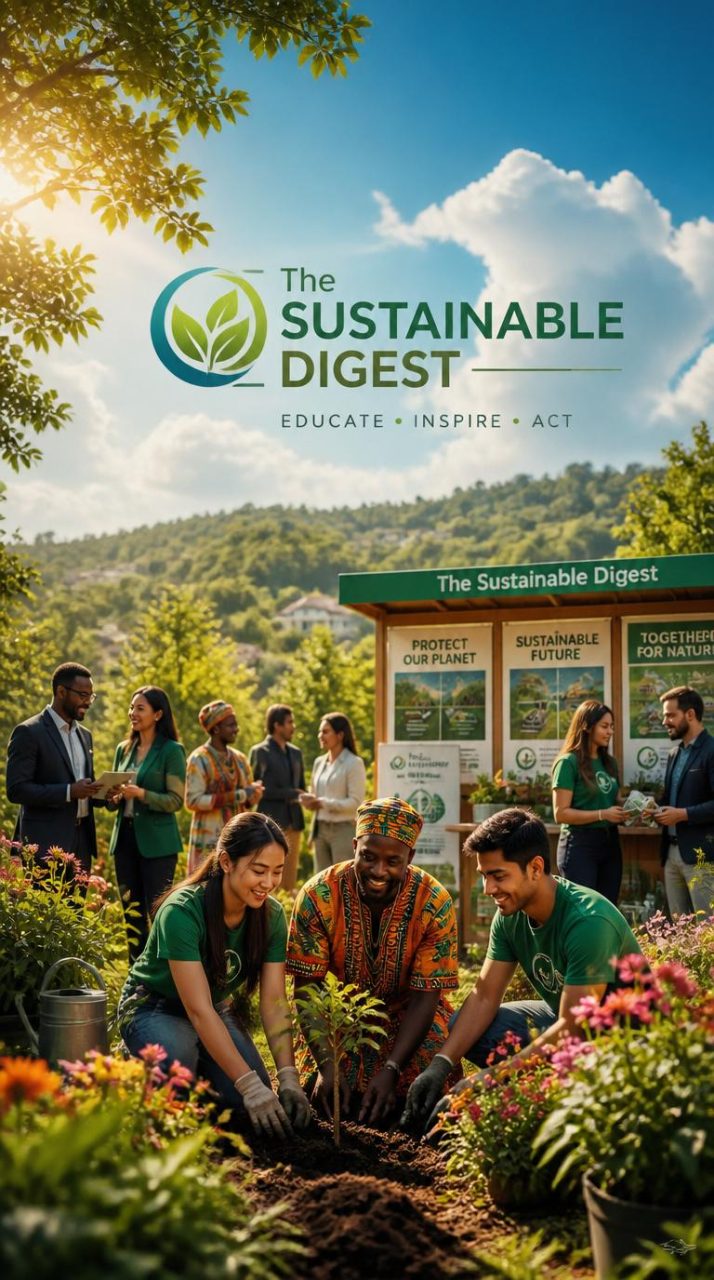
The Pillars of Earth Month and Global Sustainability
As April arrives, the world focuses on important issues. These include fighting unfair systems and working for a sustainable future. This month is a critical juncture for companies to match their actions with global standards of environmental health and social justice.
Earth Month and Fair Housing Month Initiatives
Spring brings us to Earth Month, a time for environmental restoration and action against climate change. This month also connects environmental health with housing rights through Fair Housing Month.
The month starts with Fossil Fools Day, a day to remind us of the need to stop using carbon-heavy industries. By tackling these issues together, supporters show that living sustainably means having equal access to safe, healthy homes.

Financial Capability and Literacy Month
Economic stability is key for a sustainable future. Financial Capability and Literacy Month helps people and organizations get better at managing money through education and smart choices.
Empowering communities to manage resources well is crucial for lasting strength. When people grasp modern finance, they can help build a stable, growing global economy.
Genocide Awareness and Multicultural Communication
April also calls for a serious look at human history through Genocide Awareness Month. It includes days to remember the Rwandan and Armenian genocides, reminding us of the dangers of hate.
Companies are urged to use this time to support Multicultural Communication Month within their teams. By encouraging open talks and integrity, leaders can fight the prejudices that cause violence and exclusion.
April 2026 International Observances Holidays Sustainability 2030 UNSDG

The world is changing how it celebrates holidays to match long-term goals. These April 2026 sustainability events are more than dates on a calendar. They are key to making big changes happen. By focusing on specific themes, everyone can work together to solve big environmental and social problems.
Aligning Global Holidays with the 2030 Agenda
The 2030 United Nations SDGs are a plan for a better, more sustainable world. By linking these goals to holidays, we make sure our talks are based on real targets. This turns big ideas into plans that governments and businesses can follow.
When groups work together with these global events, they make a bigger difference. This means moving from just showing up to actively working towards goals. This way, we make sure our progress is real and based on the 2030 plan.
The Role of UN Global Days in Policy Advocacy
UN Global Days are great for getting people to care and for changing laws. For example, Consumer Awareness Week shows how our buying choices affect the world. These events make companies think about being more open and fair.
Using these days to talk about big issues helps get the attention of lawmakers. This is key for keeping the focus on important sustainability topics, even when things get tough.
International Day of Conscience and Multilateralism
The International Day of Conscience/Multilateralism and Diplomacy for Peace shows we need to work together. True sustainability can’t happen alone; it needs strong teamwork. This day reminds us that talking things out is the best way to solve big problems.
Also, events like the Union Day of Belarus and Russia show different ways countries can work together. Even though they face different challenges, the goal of building stronger relationships is the same. The table below shows how these events help with sustainability.
| Observance | Primary Focus | Sustainability Impact |
|---|---|---|
| International Day of Conscience | Ethical Governance | High |
| Consumer Awareness Week | Market Ethics | Medium |
| Union Day | Regional Cooperation | Moderate |
| UN Global Days | Policy Advocacy | High |

Cultural Heritage and Global Identity
Preserving heritage is more than looking back. It’s key to building a strong global identity today. As we work on international development, it’s crucial to understand the cultural roots of societies. This month, we also celebrate World Landscape Architecture Month, showing how our environment is part of our heritage.
Assyrian New Year and Scottish-American Heritage
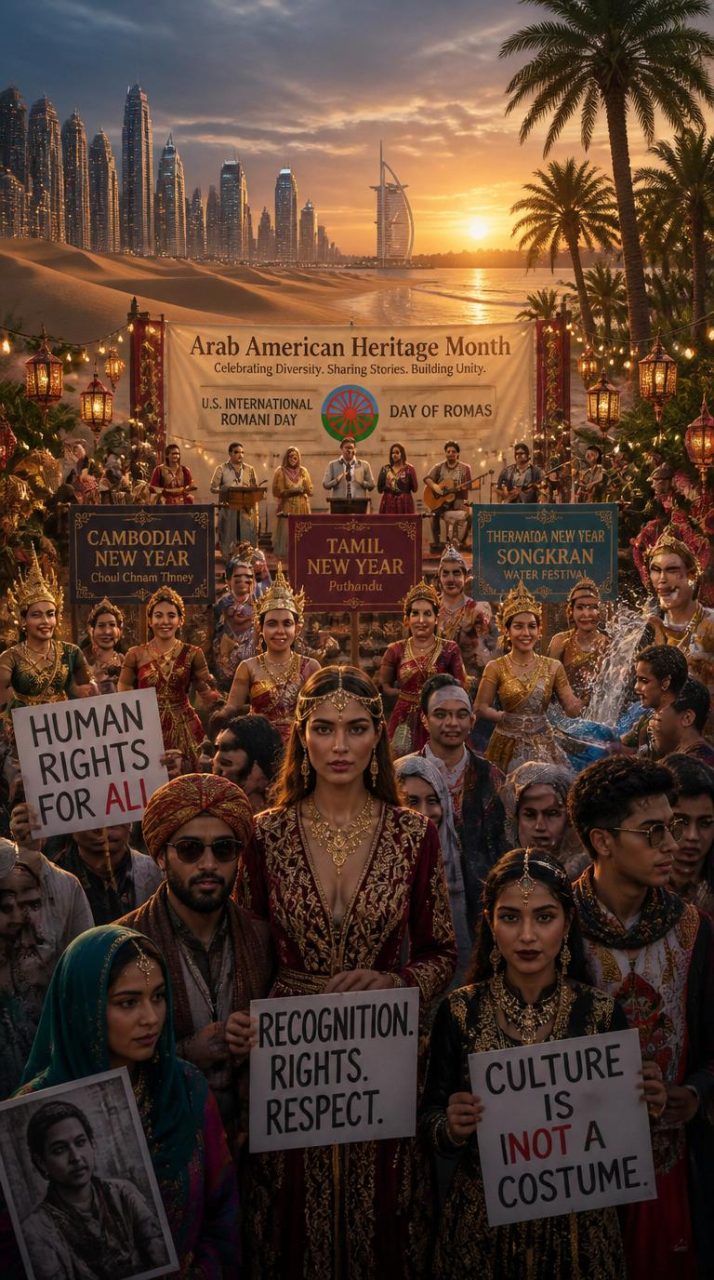
The Assyrian New Year celebrates ancient traditions that have lasted for thousands of years. At the same time, Scottish-American Heritage Month honors the Scottish diaspora’s impact on America. Many also celebrate International Mariachi Week, showing how culture connects us all.
“Culture is the widening of the mind and of the spirit.”
— Jawaharlal Nehru
Arab American Heritage and International Romani Day
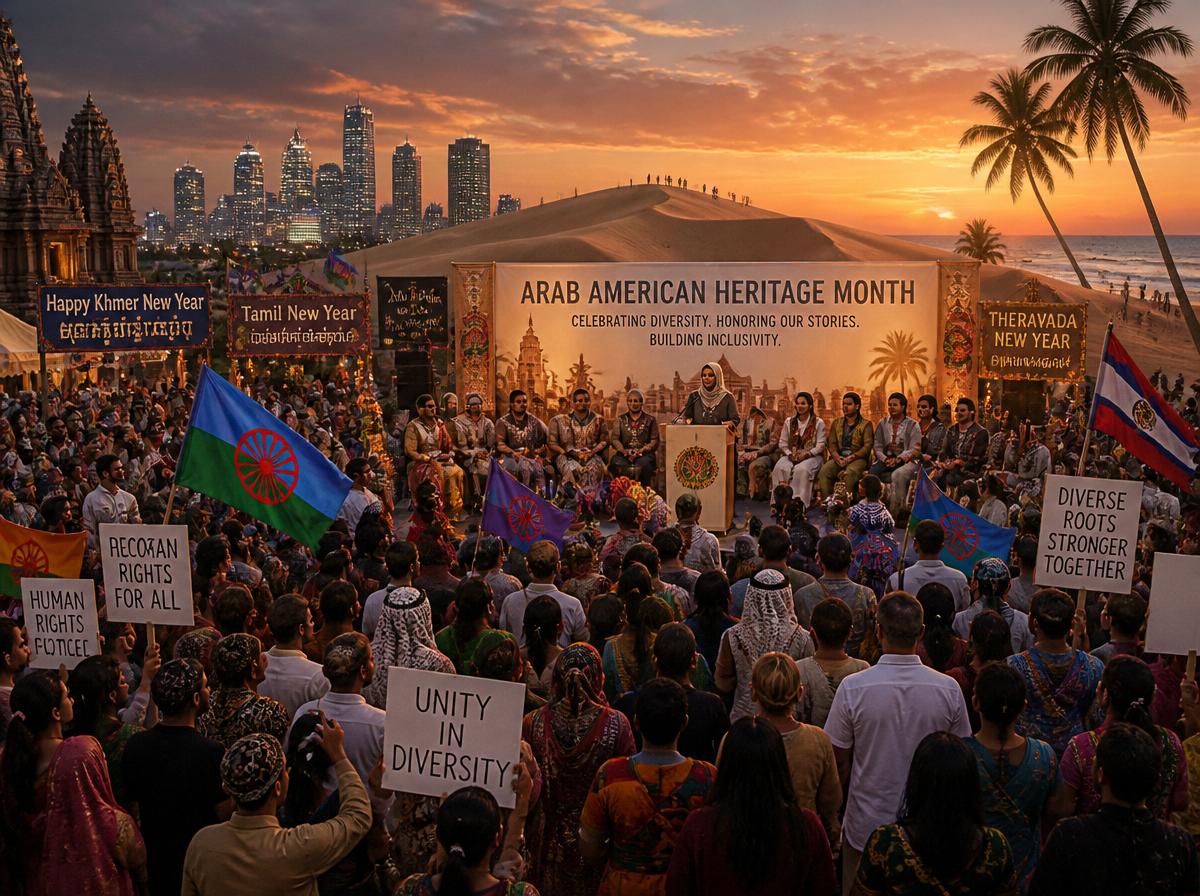
Arab American Heritage Month promotes inclusivity and celebrates diverse stories in the U.S. International Romani Day, or the Day of Romas, fights for human rights and recognition. These events are a Universal Day of Culture, pushing for a fairer future.
Cambodian, Tamil, and Theravada New Year Celebrations
In mid-April, we see colorful New Year celebrations like the Cambodian, Tamil, and Theravada New Years. These festivals often overlap with the Songkran Water Festival, a time for purification and unity. Below, we explore the importance of these cultural events.
| Celebration | Primary Focus | Global Impact |
|---|---|---|
| Assyrian New Year | Historical Continuity | Cultural Preservation |
| Arab American Heritage | Inclusivity | Social Integration |
| Theravada New Year | Spiritual Renewal | Community Solidarity |
| International Romani Day | Human Rights | Historical Recognition |
Religious Observances and Spiritual Reflection

In April, spiritual life is filled with rituals that honor ancestors and celebrate enlightenment. These events help us connect with our heritage and the natural world. They strengthen the bonds that unite diverse communities.
Qingming Festival and Cheng Ming Festival
The Qingming Festival, also known as Tomb-Sweeping Day, is a time for families to honor their ancestors. It’s also a time for environmental stewardship, as people clean graves and plant trees. The Cheng Ming Festival also focuses on honoring our ancestors, showing how our actions today are connected to the past.
“The beauty of tradition lies not in the repetition of the past, but in the wisdom we carry forward to build a more sustainable future.”
Laylatul Qadr and Martyrdom of Imam Sadeq
Laylatul Qadr is a night of deep spiritual significance and prayer. It’s a time for reflection and seeking guidance for the future. The Martyrdom of Imam Sadeq reminds us of the importance of truth and justice.
Vaisakhi, Baisakhi, Vishu, and Ram Navami Day
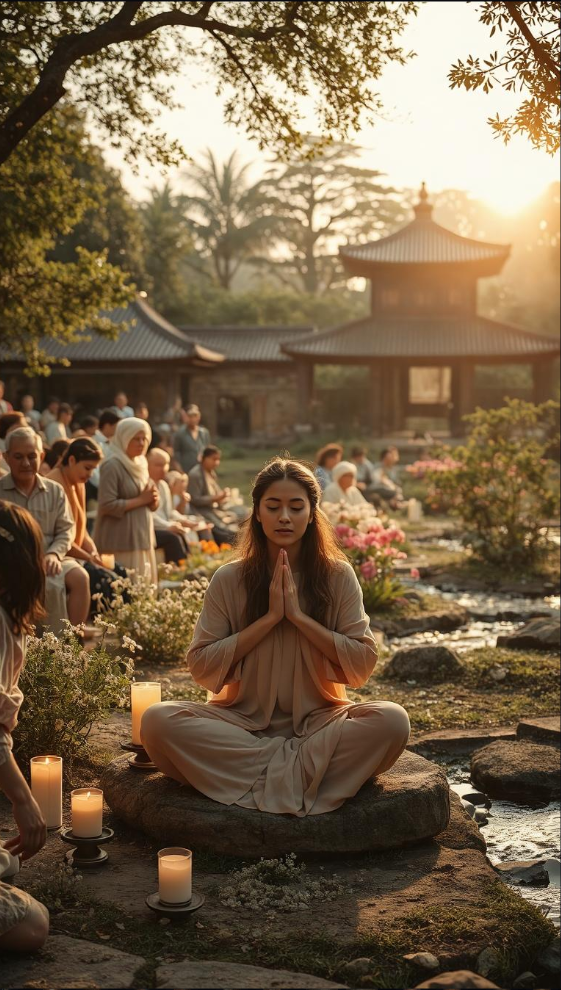
April celebrates vibrant festivals like Vaisakhi and Baisakhi, marking the solar new year and the birth of the Khalsa. These events, along with Vishu and Ram Navami Day, bring joy and renewal of faith. They show the enduring power of community in a world that’s often fragmented.
While big holidays get most of the attention, smaller events like Fresh Tomato Day remind us to appreciate nature’s simple joys. National Bodhi Day and Mahavir Jayanti offer quiet moments for reflection on enlightenment and non-violence. These diverse events make April a month of celebration and inner growth.
| Observance | Primary Focus | Cultural Significance |
|---|---|---|
| Qingming Festival | Ancestral Respect | Environmental Care |
| Vaisakhi | Harvest/New Year | Community Unity |
| Mahavir Jayanti | Non-violence | Spiritual Reflection |
| Ram Navami | Devotion | Virtuous Living |
National Independence and Historical Commemorations
Historical commemorations help us understand how states have evolved. During National Rebuilding Month and Records and Information Management Month, we see the importance of keeping history alive. These times help us see how countries tell their own stories.
Odisha Day, Cyprus National Holiday, and Näfelser Fahrt
The world celebrates many special days that show cultural pride. Events like Odisha Day, Cyprus National Holiday, and Näfelser Fahrt connect people to their heritage.
- National All is Our Day: A time for thinking about shared resources.
- Dutch-American Friendship Day: Honoring the strong bond between nations.
- Regional festivals: Showcasing the unique histories of local communities.
Independence Days: Syria, Senegal, Togo, and Sierra Leone
Independence days show a nation’s fight for freedom. Countries like Syria, Senegal, Togo, and Sierra Leone have shown great strength. We also celebrate National North Dakota Day and the solemn National Oklahome City Bombing Commemoration Day. These days remind us that our identity comes from both victories and losses.
| Nation | Significance | Theme |
|---|---|---|
| Syria | Independence Day | Sovereignty |
| Senegal | Independence Day | Unity |
| Togo | Independence Day | Freedom |
Anniversary of the Battle of Rivas and Appomattox Day
Military history shapes the myths of modern states. The Anniversary of the Battle of Rivas and Appomattox Day show the price of change. These days are marked with other important events like the Battle of San Jacinto, Tiradentes Day, and St. George’s Day.
Looking at these events helps us understand the global fight for freedom. Each commemoration connects the past to the future, teaching us for the next generation.
Environmental Advocacy and Nature Awareness

In April, we focus on taking care of our planet. This month is filled with global events that push for protecting our Earth. These efforts help us understand how our actions affect nature.
International Mother Earth Day and Delegate’s Day
International Mother Earth Day reminds us of the planet’s importance. It shows how our planet gives us life and food. Delegate’s Day highlights the need for global agreements to protect our environment.
Many groups celebrate Earth Week to keep these important days alive. It’s a time for people to come together and:
- Community Garden Week projects to improve local food.
- National Arbor Day tree-planting to fight deforestation.
- Nature Day workshops to teach the next generation about conservation.
International Beaver Day and World Curlew Day
Healthy ecosystems depend on diverse species. International Beaver Day celebrates beavers for their role in wetland restoration. World Curlew Day focuses on protecting bird habitats.
These species show us if our environment is healthy. When they do well, so does our ecosystem. Saving them is crucial for our planet’s balance.
International Dark Sky Week and Teak Awareness

Today, we also fight against invisible threats like light pollution. International Dark Sky Week encourages us to enjoy the stars while reducing light pollution. This is part of Sky Awareness Week, which teaches us about our atmosphere.
Teak Awareness Day reminds us to use wood sustainably. As we face today’s challenges, we must remember these important days:
- Bee Active Bee Healthy Bee Happy Week: Helping pollinators.
- Save the Elephant Day: Fighting poaching and habitat loss.
- World Tapir Day and Pygmy Hippo Day: Saving endangered mammals.
- Big Wind Day: Honoring renewable energy.
“The environment is where we all meet; where we all have a mutual interest; it is the one thing all of us share.”
— Lady Bird Johnson
Health, Education, and Social Equity
In April, the world focuses on health, education, and equity. These are key for a stable society. They ensure everyone has a chance to succeed, no matter their background. By focusing on these areas, countries can create places where everyone can grow and be well.
World Health Day and National Public Health Week
Health and education are key to fairness, shown by World Health Day and National Public Health Week. These days teach us that being healthy means more than just not being sick. It’s about being fully well in body and mind. Investing in public health helps fight unfairness.
“Equity in health is the bedrock of a just society, where every person has the fair opportunity to attain their full health potential.”
World Health Organization
Global Campaign for Education and National Minority Health
Fighting for equal access to health and education is a big challenge today. The Global Campaign for Education Action/National Environmental Education & Freelance Business Week shows how learning forever can empower us. At the same time, National Minority Health Month aims to improve health for those who are often left behind.
These efforts help break down barriers for those who are often overlooked. By using Informed Women Month ideas, we can make sure everyone knows how to stay healthy. This way, we can make the world more fair for everyone.
National African American Women’s Fitness Month
Being active is key for strong, informed communities. National African American Women’s Fitness Month shows how exercise can help us stay healthy and strong. Events like Healthy Kids/Herbalist Day teach kids to live healthy from a young age.
We also need to remember the Global Day to End Child Sexual Abuse. It’s a reminder of the need for safe places for kids. Health and education are not just personal goals. They are things we all work on together to move forward as a world.
| Observance | Primary Focus | Target Impact |
|---|---|---|
| World Health Day | Global Wellness | Universal Health Coverage |
| National Minority Health Month | Equity | Reducing Disparities |
| National African American Women’s Fitness Month | Physical Activity | Community Resilience |
| Global Campaign for Education | Learning Access | Empowerment |
Innovation, Creativity, and Global Diplomacy

In today’s world, we need creative thinking and diplomacy more than ever. Innovative solutions are key to solving global problems. By embracing diverse ideas, we can tackle big challenges and ensure stability.
World Creativity and Innovation Day
The World Creativity and Innovation Day reminds us that our creativity is endless. It’s a time to find new ways to solve old problems. It’s not just about art; it’s about using our minds to make lasting changes.
International Day for Monuments and Sites
Keeping our cultural heritage alive is crucial in today’s world. The International Day for Monuments and Sites celebrates our history. These sites remind us of the diplomatic bridges built by our ancestors.
International Day of Sport for Development and Peace
Sports speak a language everyone can understand, crossing borders and politics. The International Day of Sport for Development and Peace uses sports to unite us. It teaches us about teamwork and fair play, essential for lasting peace and cooperation.
These observances share common goals, like the joy of World Party Day or the unity of International Jazz Appreciation Month. They all aim to bring people together and celebrate our shared humanity.
| Observance | Primary Focus | Global Impact |
|---|---|---|
| World Creativity and Innovation Day | Problem Solving | Economic Growth |
| International Day for Monuments and Sites | Cultural Heritage | Identity Preservation |
| International Day of Sport for Development and Peace | Social Unity | Conflict Resolution |
Conclusion
April 2026 is a key moment for our global community. It shows how important it is to balance culture, nature, and fairness.
Using these important dates in our work helps us make a lasting difference. Companies that work with these global events build stronger connections worldwide. They turn big ideas into real actions every day.
Now, we have the knowledge to make real changes all year. By following this global awareness, we can build a strong future. We encourage everyone to use these lessons in their work and lead the way to success.

Key Takeaways
- The month is a key time for cultural heritage and environmental progress.
- Aligning plans with global events boosts long-term success.
- Old celebrations can help spread new environmental values.
- Professional studies help link policy goals with daily work.
- Planning during this time supports wider economic and social growth.