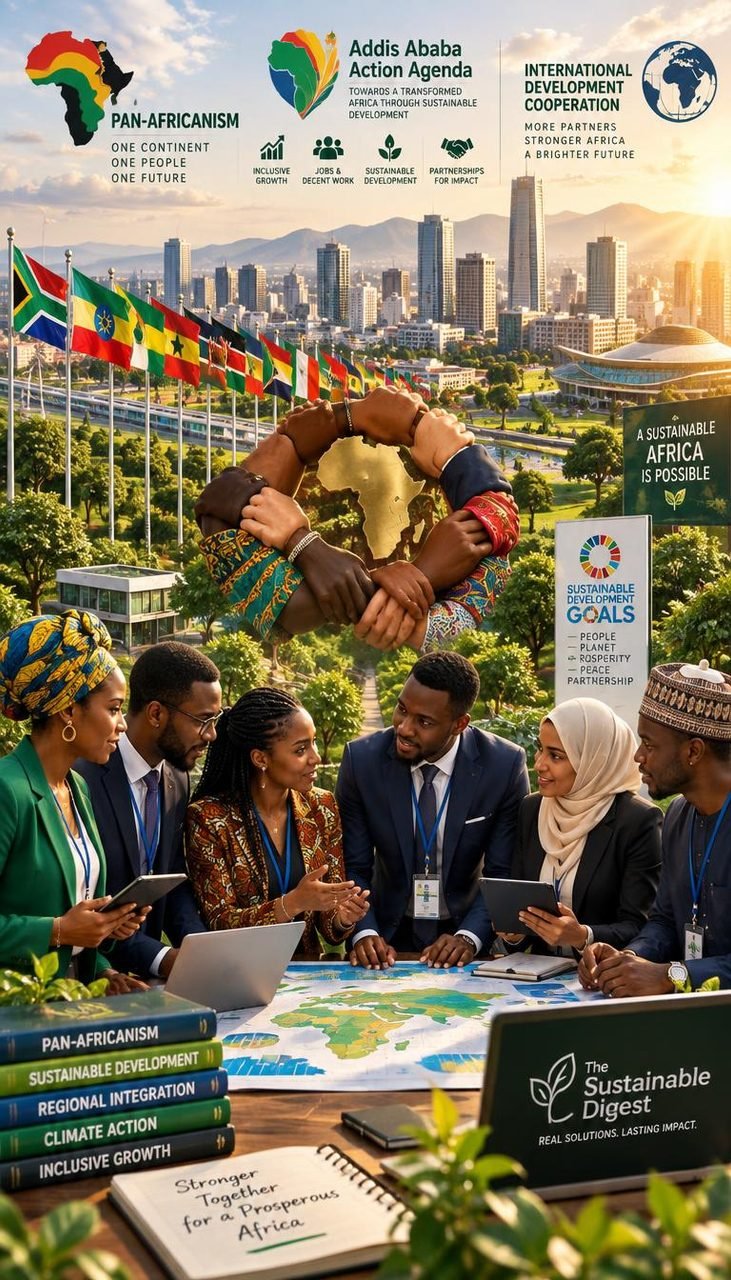
A global financing pact drew delegates from 174 United Nations member states, while 28 senior national leaders attended. That scale shows how much cooperation sustainable development can demand. The scope on the other hand, displays what international relations and global affairs can supply.
In 2015, the Third International Conference on Financing for Development took place in Addis Ababa, Ethiopia. On July 15, heads of state and government adopted the Addis Ababa Action Agenda. Its international conference financing framework set out how public resources, private investment, and global cooperation could support development.
The agreement followed the 2002 Monterrey Consensus and the 2008 Doha Declaration on Financing for Development. Those earlier commitments shaped a wider effort to turn financing development into practical results.
This article explores how funding choices affect communities, environmental justice, and inclusive, eco-friendly growth. For Singapore and other island economies, such choices can influence climate resilience as well as local needs. The agenda’s value rests not only in its goals, but in whether institutions put them to work. Money matters most when it reaches people and places facing real challenges.
How the Addis Ababa Action Agenda Connects Financing to Sustainable Development
The path began with the 2002 Monterrey Consensus, followed by the 2008 Doha Declaration. At the third international conference on financing development in 2015, countries built on those commitments. The Addis Ababa Action Agenda set out a connected system for funding progress, not a single source of cash.
Adopted three months before the 2030 Agenda, it linked development financing to the sustainable development goals. It also extended work beyond the millennium development goals. Its central insight was practical: public revenue, private investment, trade, debt, technology, and cooperation shape one another.
“We commit to a new global framework for financing sustainable development.”
From Earlier Pacts to a Shared Framework
The United Nations Department of Economic and Social Affairs supported follow-up through an inter-agency task force, with partners such as the World Bank. This structure helped track implementation and means of implementation.
Seven Connected Areas
The framework grouped choices into seven areas. Together, they offered countries a way to connect funding decisions with sustainable development targets.
Area
Focus
Contribution
Public resources; private business and finance
Domestic revenue; investment
Funding for public services and enterprise
Development cooperation; international trade
Partnerships; market access
Shared capacity and wider opportunity
Debt; systemic issues
Debt sustainability; financial rules
More stable financing conditions
Science, technology, innovation, capacity building
Knowledge; skills; tools
Practical means to deliver progress
Addis Ababa Action Agenda and 20 reasons why its important
Global financing promises matter when they fund clinics, schools, clean water, plus local climate plans. Reliable commitments help many countries plan around public needs instead of short-term gaps. For Singapore, this offers a useful lens: sound finance links national planning with shared resilience.
Financing Commitments for Communities
The Addis Ababa Action Agenda supports, complements, plus contextualizes the 2030 Agenda’s means of implementation. Through financing development, it links public revenue with community priorities. Funding choices can also advance environmental justice when they reach people facing greater risks.
Connecting Targets to Real Progress
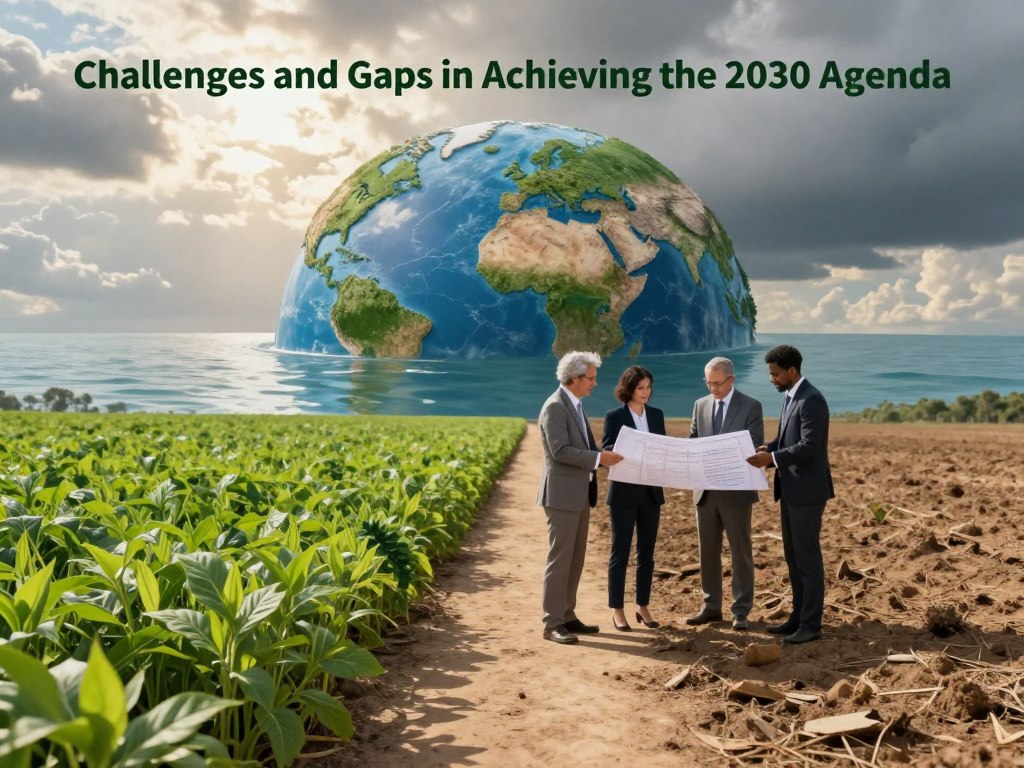
The sustainable development goals set measurable targets, yet delivery lagged. In the 2024 Financing for Sustainable Development Report, only 15% of assessable targets were on track. Nearly 600 million people could still face extreme poverty in 2030; more than half may be women. This gap shows how development goals shape daily life.
Cooperation, Accountability, Shared Results
The 2030 Agenda links follow-up recommendations from the ECOSOC Forum on Financing for Development to the High-Level Political Forum. That reporting path can help developed countries, developing countries, the private sector, plus least developed countries align investment with inclusive growth. Past lessons from the millennium development goals also show that clear review can guide better choices.
Implementation Progress, Financing Gaps, and the Case for Reform
Implementation began in 2016, after the inter-agency task force formed in late 2015. The United Nations Department of Economic and Social Affairs coordinated its work with the World Bank Group, International Monetary Fund, World Trade Organization, UNCTAD, plus UNDP.
Reviewing Commitments Each Year
The ECOSOC Forum on Financing for Development reviewed the Addis Ababa Action Agenda each year. It tracked sustainable development goals, targets, plus means of implementation under the 2030 Agenda. Regular review helped turn conference financing into a public record of progress.
Debt, Climate Risk, and Investment Needs
The 2024 report estimated annual financing gaps had grown from about $2.5 trillion before COVID-19 to around $4 trillion. Poor countries paid twice as much interest on total debt as developed countries. From 2021 to 2025, developing countries averaged just over 4% annual GDP growth, below the roughly 6% rate before the 2009 crisis.
For least developed countries, median debt service rose from 3.1% of revenue in 2010 to 12% in 2023. Such pressure can crowd out climate plans. Green fiscal policy works best when it supports resilience, basic services, plus environmental justice.
Indicator
Earlier level
Later level
Annual financing gap
$2.5 trillion before COVID-19
About $4 trillion in 2024
Least developed countries’ debt service
3.1% of revenue in 2010
12% in 2023
Developing-country GDP growth
About 6% before the 2009 crisis
Just over 4% in 2021–2025
Cooperatives and Community Mobilization for Inclusive, Eco-Friendly Development
Cooperative enterprise gives residents a practical way to shape local priorities. Member-owned farms, shops, credit groups, or energy projects can pool skills, share risk, keep value nearby. Such work can support sustainable development when communities help set the course.
Cooperative Enterprise, Civil Society, and Local Self-Development
The 2015 conference brought governments, business leaders, civil society leaders, plus other stakeholders together. That broad mix showed how community mobilization can guide financing talks. Local groups can weigh domestic public resources against private investment, while international cooperation supports locally chosen goals.
Indigenous Peoples’ climate activism brings lived knowledge into environmental justice debates. Pan-Africanism links shared identity with cooperation among countries; humanitarian solidarity extends that spirit during hardship. For Singapore, the lesson is clear: local voices can guide green enterprise while strengthening regional ties. Cooperative work can build self-reliance without replacing public oversight.
Approach
Community role
Link to local priorities
Cooperative enterprise
Share skills, costs, and risk
Keep value close to residents
Community mobilization
Set goals and review choices
Guide public or private financing
Climate activism
Bring local knowledge to debate
Advance environmental justice
Green Fiscal Policy, Climate Action, and Decent Work and Leisure for a Just Transition
The 2015 framework called for financing flows to reflect economic, social, plus environmental needs. Green taxes, public spending, or incentives can support climate goals when they also protect people facing the greatest risks. This approach links environmental justice with practical development choices.
The 2024 Financing for Sustainable Development Report noted slow progress on climate action. It also described substantial financing needs for the Sustainable Development Goals plus climate work in developing countries. Public revenue, science, technology, innovation, plus skills can help meet those needs; sound plans must still weigh who benefits.
Aligning Public Finance with Environmental Justice
A just transition connects climate investment with decent work, fair access, plus community well-being. The International Labour Organization’s decent-work priorities can inform this discussion. The World Leisure Organization’s agenda and operations also offer a relevant lens on leisure as part of quality of life. This connection does not claim any specific program or policy.
Assess who gains from climate spending.
Include workers in transition planning.
Consider leisure alongside jobs, health, and resilience.
For Singapore, this lens supports a broader view of financing: climate progress should strengthen livelihoods, not treat them as a side issue.
Conclusion
In 2015, the Addis Ababa Action Agenda linked financing choices with economic, social, plus environmental needs. Its seven areas, aligned with the 2030 agenda, gave the United Nations a route to turn commitments into practical development. For Singapore, that model shows how global rules can support local resilience.
Annual ECOSOC reviews plus the Inter-agency Task Force tracked progress; still, wide funding gaps plus debt costs limited room for public investment. Reporting helped, but numbers alone could not ease pressure on households or climate plans.
Cooperatives, civil society, Indigenous activism, plus humanitarian solidarity bring local voices into policy. Lasting climate action depends on fair green taxes, decent work, environmental justice, plus community-led growth—not promises left on paper. Sustained cooperation makes shared goals more than well-worded text.
Key Takeaways
The agreement created a global financing framework in 2015.
Delegates from 174 member states took part.
Twenty-eight senior national leaders attended.
The framework built on earlier global commitments.
Financing choices can support climate resilience, environmental justice, and community needs.
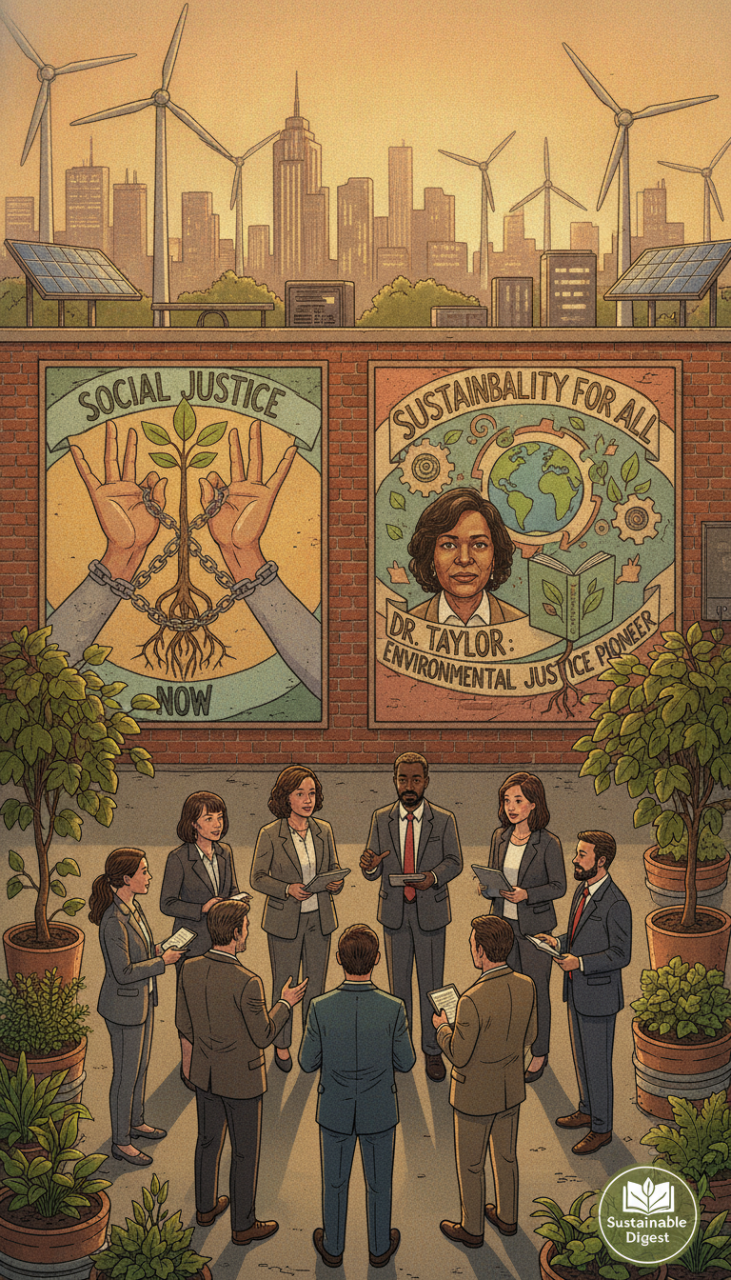
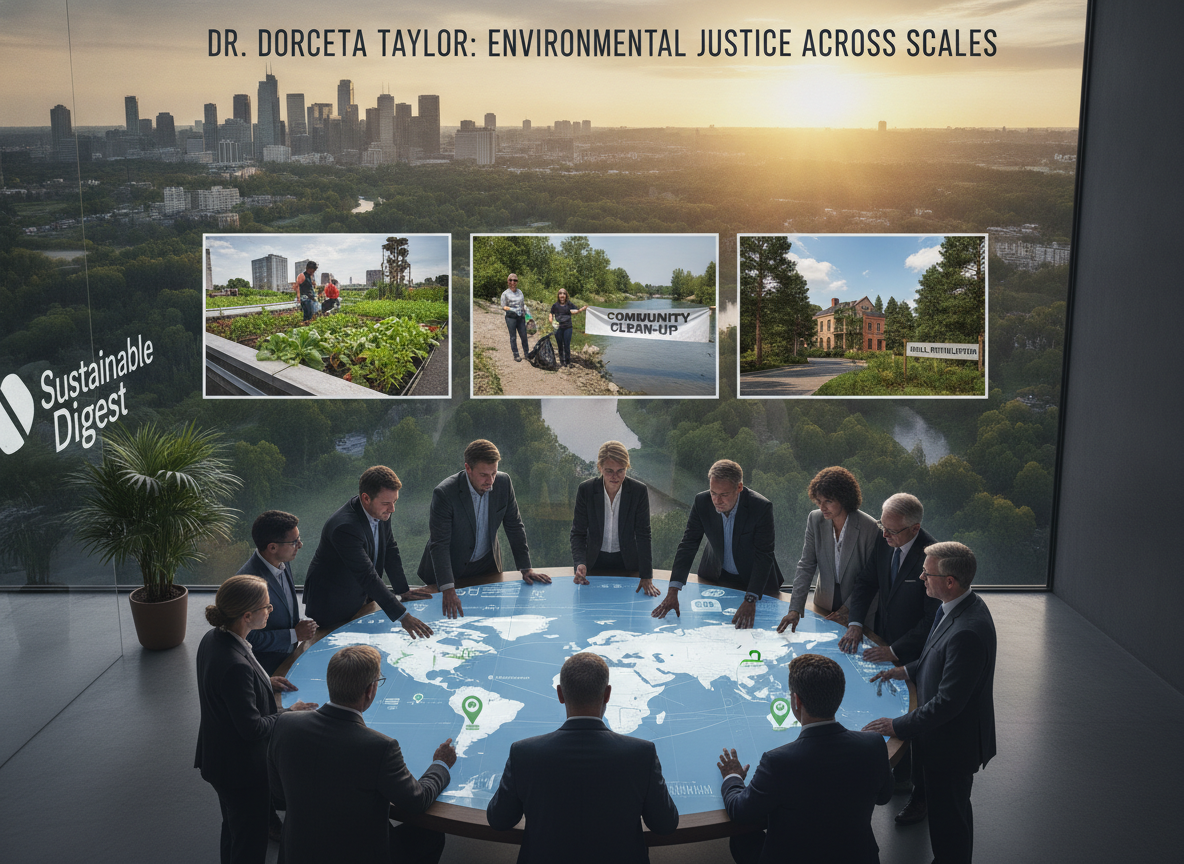
In May 2020, a viral event in Central Park shook the nation. A Black birder in New York faced a confrontation that revealed hidden tensions within natural spaces. This specific moment in Central Park highlighted how race and social power often collide in the great outdoors.
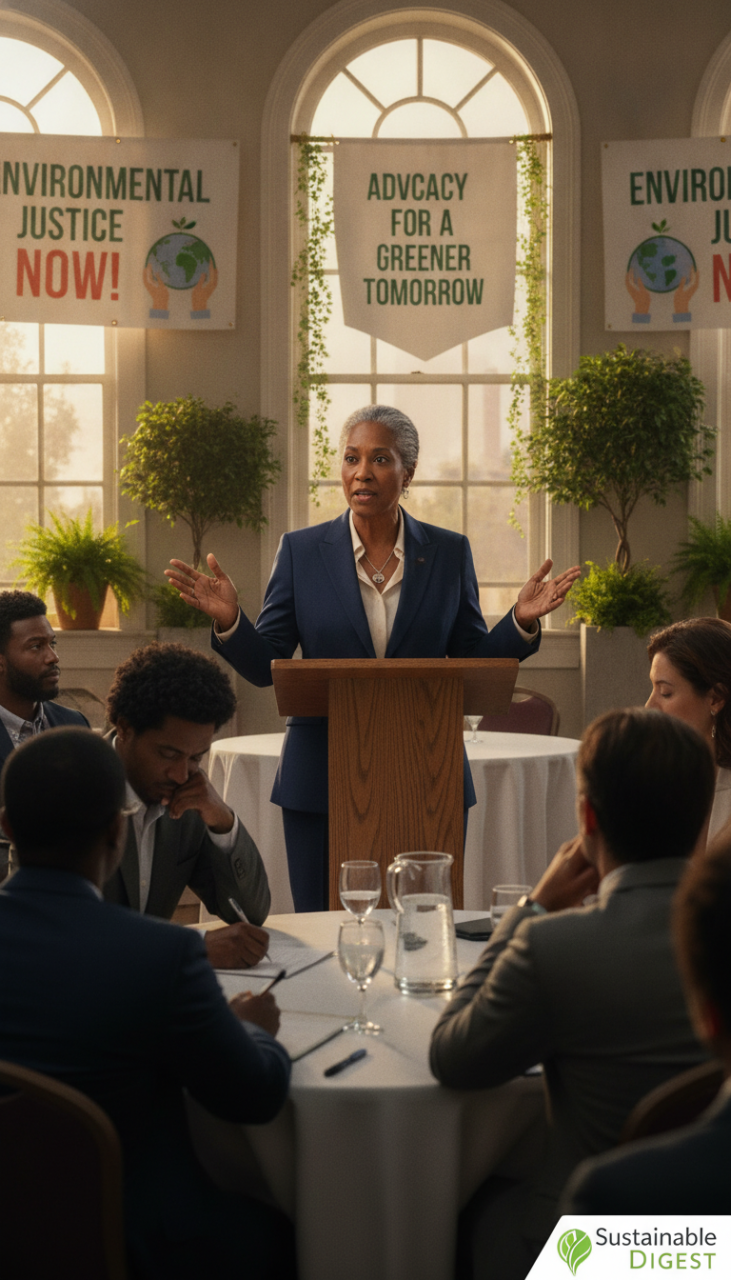
One pioneering academic has spent thirty years exposing these invisible barriers. Her research fundamentally changed how we view conservation and equity. Even with a Yale degree, she often faces bias from those who question her authority in the classroom.
This expert’s journey through New York proves that environmental justice requires more than just planting trees. It demands a fight for true justice across all public lands. Her history in Central Park and beyond serves as a vital lesson for modern society.
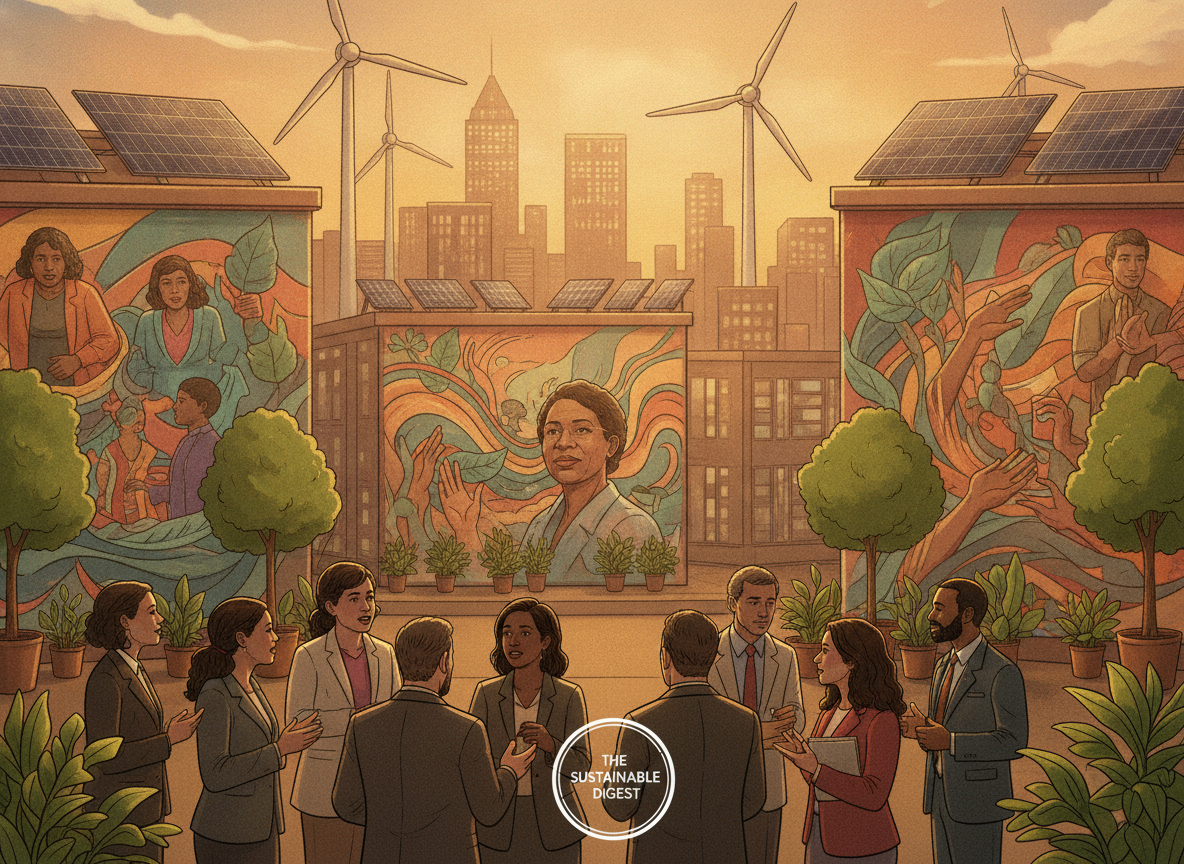
The Pioneering Journey of Dr. Dorceta Taylor
Long before she challenged the ivory towers of American academia, Dorceta Taylor navigated the environmental realities of life in 1950s Jamaica. Her path was not a typical academic climb. Instead, it was a profound transformation that bridged the gap between the Global South and Western conservation circles.
This journey allowed her to see environmentalism through a lens that many of her peers lacked. She did not just study the environment; she lived within its shifting dynamics from a young age. Her immigration to the United States later added a layer of complexity to her analytical perspective.
From Rural Jamaica to Global Environmental Leadership
Born in 1957 in rural Jamaica, Dorceta Taylor grew up with a direct connection to the land. This upbringing provided her with a firsthand understanding of the environmental challenges facing communities outside the Western world. She saw how people relied on natural resources for their daily survival and well-being.
When she transitioned to American academic institutions, the contrast was immediately striking. She observed that Western conservation narratives often ignored the voices of those in the Global South. These stories were predominantly white and focused on preserving wilderness rather than supporting human communities.
Her Jamaican background gave her a critical distance from American assumptions. She began to question the supposed neutrality of environmental movements. This unique vantage point allowed her to reshape how scholars understand the intersection of social class and nature access.
Defining Environmental Justice Through Lived Experience
Taylor’s work became inseparable from her identity as an immigrant woman of color. Navigating white-dominated environmental spaces required a specific kind of resilience. She used these experiences to fuel her academic inquiry into systemic exclusion and institutional race dynamics.
Her scholarly work on environmental justice draws its power from this blend of research and reality. She noticed that different racial groups in American cities experienced nature in vastly different ways. While some enjoyed lush parks, others faced industrial pollution and limited green space.
“One cannot separate the health of the environment from the social conditions of the people who inhabit it.”
By examining history through this lens, she challenged established conservation myths. She proved that personal history is a vital part of professional scholarship. Her life story reminds us that true environmental justice requires looking beyond the surface of traditional activism.
Context
Key Influence
Impact on Scholarship
Rural Jamaica
Global South Perspectives
Critique of Western-centric conservation
US Immigration
Systemic Exclusion
Authenticity in academic analysis
Academic Life
Racial & Class Dynamics
Development of the Justice Paradigm
Educational Foundation and Academic Credentials
To understand Dr. Taylor’s impact, one must first examine the collegiate crucibles that forged her unique analytical perspective. Her path was not merely a pursuit of degrees but a calculated journey through specialized disciplines that rarely communicated with each other.
She meticulously gathered the tools of both the natural scientist and the sociologist. This dual expertise allowed her to see the “why” behind the data, moving beyond simple observation to deep structural critique. Her academic credentials reflect a relentless intellectual rigor that prepared her to challenge established norms.
Northeastern Illinois University: Environmental Studies and Biology
Dr. Taylor began her higher education in Chicago at Northeastern Illinois University. In 1983, she earned her Bachelor of Arts in Environmental studies and Biology, graduating with honors. This early focus provided an interdisciplinary foundation that would define her entire career.
By combining biology with social analysis, she refused to look at nature in a vacuum. She understood early on that the environment is not just a collection of trees and water, but a space where human politics and biology collide. This perspective was radical for its time, especially in a field that often ignored urban social dynamics.
Northeastern Illinois served as the launching point for her scholarship. Here, she developed the analytical tools necessary to question why certain communities were left out of conservation conversations. Her work at this institution proved that academic excellence could coexist with a critical view of social inequality.
Yale University: First African American Woman PhD Graduate
Transitioning to Yale University marked a significant milestone in Dr. Taylor’s career. She entered one of the nation’s most prestigious programs, ready to confront the historical exclusion inherent in Ivy League spaces. Her progress through the graduate ranks was both rapid and record-breaking.
In 1985, she obtained a Master of Forest Science. She followed this with a Master of Arts and a Master of Philosophy in 1988. These degrees were not just symbols of status; they were evidence of her sustained commitment to understanding complex environmental issues through multiple lenses.
Year
Degree Earned
Field of Study
1983
Bachelor of Arts (Honors)
Biology and Environmental Research
1985
Master of Forest Science
Forestry & Natural Resources
1991
Joint Doctoral Degree
Sociology & Environmental Forestry
The pinnacle of her academic preparation arrived in 1991. She received a joint doctoral degree in sociology and forestry and environmental studies from Yale. This achievement made her the first african american woman to earn a doctoral degree from the Yale School of Forestry & Environmental Studies.
This historic milestone foreshadowed her career-long dedication to diversifying the environment sector. By excelling in predominantly white academic spaces, she gained the credibility needed to dismantle systemic barriers from the inside. Her presence at Yale was a quietly revolutionary act that opened doors for many who followed.
Interdisciplinary Mastery: Taylor combined sociology with forestry to analyze social inequalities.
Institutional Pioneer: She navigated elite spaces while maintaining a critical perspective on their limitations.
Historic Achievement: As an african american leader, she shattered a glass ceiling that had existed for over a century.
Early Academic Career and International Research
Transitioning from student to scholar, Dr. Taylor utilized prestigious fellowships to examine environmental justice through a comparative, global lens. Her early career path reflected a deep desire to see if environmental exclusion was a universal phenomenon. By looking past local borders, she began to uncover systemic patterns that define how diverse communities interact with nature.
National Science Foundation Post-Doctoral Fellowship in Britain
In 1991, Dr. Taylor received a National Science Foundation Minority Post-doctoral Fellowship to study ethnic minority environmental activism. This prestigious award allowed her to conduct groundbreaking research across the Atlantic. She affiliated with the University College of London’s Department of Geography during this intensive period.
This international work revealed that racial dynamics in the environment transcended the united states. Her time in London exposed how colonial histories shaped access to green spaces and environmental movements. She observed that the ethnically marginalized in Europe faced barriers remarkably similar to those in American cities.
Her research in Britain illuminated how comparative dimensions of environmental racism manifested across different national contexts. By broadening her analytical framework, she moved beyond American-specific dynamics to identify global trends. This experience proved that environmental movements everywhere struggled with significant diversity failures.
Year
Fellowship Type
Institution
Research Focus
1991
NSF Post-doctoral
University College London
Ethnic Minority Activism
1992
Ford/Rockefeller
University of Michigan
Poverty and Policy
Ford Foundation and Rockefeller Foundation Research at University of Michigan
In 1992, Dr. Taylor returned to the united states to accept a combined fellowship from the Ford and Rockefeller Foundations. This position focused on poverty and the underclass at the University of Michigan. She held joint appointments between the Ford School of Public Policy and the School of Social Work.
This interdisciplinary approach allowed her to connect environmental concerns with social welfare science. By linking public policy with poverty research, she identified how systemic inequality persists in urban planning. Her work at Michigan was enriched by the international perspectives she gained just a year prior.
“The early career experiences of Dr. Taylor established a reputation for rigorous comparative research that identifies systemic patterns rather than isolated incidents.”
These early roles established her as a leader capable of navigating complex institutional landscapes. She successfully bridged the gap between social justice and environmental protection. This foundation prepared her for future leadership roles and global policy contributions.
International Scope: Her research proved environmental exclusion is a global issue.
Interdisciplinary Roots: She successfully merged public policy with social work.
Systemic Analysis: Her findings highlighted patterns of racism across different colonial histories.
Global Readiness: This period prepared her for later work with the United Nations.
Groundbreaking Scholarship on Environmental Racism
The landscape of environmental sociology shifted forever when Dr. Taylor began investigating the racial dynamics of ecological activism. Her early academic work did more than just provide data; it offered a new lens to view civil rights within the context of nature. By analyzing environmental justice through an analytical framework, she challenged the long-held myths of the mainstream movement.
Dr. Taylor’s research highlighted that systemic exclusion was the primary driver of low participation rates among marginalized groups. She moved the conversation away from individual blame and toward institutional accountability. This shift helped scholars understand that environmentalism was never a “white-only” concern but rather a space with high entry barriers.
Blacks and the Environment: Toward Explanation Concern and Action Gap
In 1989, Dr. Taylor published her landmark article regarding racial differences in environmental engagement. She looked toward explanation concern to understand why there was a perceived lack of involvement in green causes. Her findings suggested that the explanation concern action model required a deeper look at social structures rather than cultural values.
Her data revealed that the action gap blacks experienced was not due to a lack of interest in the earth. Instead, it was the result of a self-reinforcing cycle of exclusion within major conservation groups. This concern action gap occurred because many organizations failed to address the specific needs and safety of people of color.
By focusing on the toward explanation concern approach, Taylor dismantled the stereotype that the underrepresented were indifferent to pollution. She showed that the explanation concern action disconnect was a product of limited access to resources. This research documented that the action gap blacks faced was a direct consequence of historical racism in policy and planning.
Ultimately, her work on the concern action gap forced a total rethink of how environmentalism is marketed and managed. She successfully argued that everyone has a stake in the environment, even if they lack a seat at the table. This foundational study paved the way for more inclusive policies in the decades that followed.
The Environmental Justice Paradigm Framework
Dr. Taylor developed the environmental justice paradigm to bridge the gap between social equity and ecological health. This framework transformed environmental problems into human rights issues that could not be ignored. It provided the necessary action steps for activists to demand cleaner air and water based on civil rights laws.
Through this environmental justice framework, she argued that race and class determine who bears the burden of pollution. Her scholarship proved that conservation priorities often ignored urban centers where marginalized people lived. This new action-oriented perspective allowed for a broader coalition of researchers and community leaders to join forces.
Framework Aspect
Traditional Conservation
Environmental Justice Paradigm
Primary Focus
Wildlife and Wilderness
Human Health and Equity
Social View
Often Exclusive
Radically Inclusive
Core Goal
Protection of Nature
Ending Environmental Racism
The environmental justice paradigm is now a standard tool for analyzing how power and privilege shape our world. It moved the scholarly focus from simple preservation to the complex reality of industrial impact. Dr. Taylor’s pioneering vision remains the cornerstone of modern efforts to create a fair and sustainable future for all.
The State of Diversity in Environmental Organizations Report
Dr. Taylor decided to replace anecdotal evidence with hard facts when she investigated the racial composition of leading green groups. She observed a persistent gap between the rhetoric of environmental leaders and the reality of their staff rooms. Many leaders claimed a lack of data prevented them from making systemic changes. She chose to dismantle this excuse through a landmark 2014 report that focused on diversity in the sector.
Commissioned by the Green 2.0 initiative, this study sent shockwaves through the entire conservation movement. It revealed that a minority presence in these organizations stood at only 14.6 percent. This figure was a striking contrast to the general population, where people of color made up 38 percent. The findings suggested that the “green ceiling” was very real and incredibly thick.
The report further exposed a hierarchy that limited where BIPOC employees could work. Most occupied entry-level or mid-level roles in human resources and accounting. Others worked in community organizing, which often kept them away from the central hubs of power. These employees rarely advanced to senior leadership positions where they could influence strategic decisions.
Dr. Taylor’s research highlighted a massive underrepresentation that could no longer be ignored. Environmental leaders had long demanded proof of low inclusivity levels before taking action. By providing this evidence, she forced the industry to look in the mirror. The era of claiming ignorance regarding racial disparities had finally come to an end.
Accountability Transparency and Institutional Resistance
Instead of owning these failures, many groups deflected responsibility. They blamed a perceived lack of qualified applicants or limited job openings. Some cited the absence of specialized managers as the reason for their static demographics. Dr. Taylor’s work showed these were often institutional barriers rather than a lack of available talent.
“The report aroused a firestorm of controversy, establishing essential evidence for advocates demanding concrete steps toward inclusive representation.”
Institutional resistance became even more visible in the years following the first study. The proportion of groups reporting their race and gender data actually declined. In 2014, only 6 percent of groups were transparent about their demographics. By 2018, this figure dropped to a dismal 3 percent, suggesting a retreat from public accountability.
Dr. Taylor responded with an updated 2018 report examining over 2,000 nonprofits via GuideStar. Her findings confirmed that many organizations remained predominantly white despite making public pledges for change. They continued to avoid revealing internal metrics while the American population moved toward a majority-minority future. Key challenges included:
Decreasing Transparency: Fewer groups shared demographic details over time.
Leadership Stagnation: Senior roles remained largely inaccessible to people of color.
Defensive Rhetoric: Groups prioritized excuses over active recruitment strategies.
Metric Category
2014 Key Finding
2018 Progress / Status
Staff Representation
14.6% BIPOC/non-white staff
Persistent “Green Ceiling”
Transparency Data
6% of groups reported
Dropped to 3% reporting
US Population Context
38% people of color
Moving toward majority-minority
Primary Report Focus
Mainstream organizations
Over 2,000 nonprofits analyzed
Major Scholarly Works and Historical Analysis
Dr. Taylor’s prolific literary career has fundamentally altered how we interpret the intersection of social power and the natural world. Her books serve as a rigorous archive of systemic exclusion and resistance. By merging sociology with ecological study, she has exposed the deep-seated roots of inequality in the United States.
The Environment and the People in American Cities 1600s to 1900s
In 2009, Taylor published The Environment and the People in American Cities: 1600s-1900s. This work stands as the first comprehensive history of environmental injustice in America. It meticulously documents five centuries of urban challenges, focusing on how race, class, and gender shaped the urban landscape.
The book earned the 2010 Allan Schnaiberg Outstanding Publication Award for its intersectional analysis. Taylor argues that inequalities were not accidental. Instead, they were built into the fabric of American cities through both deliberate and unintentional mechanisms. This text forces readers to look past simple “progress” narratives to see the struggle of marginalized groups.
Dr. Taylor’s scholarship demands a total re-evaluation of how we view urban development. Her research highlights that the struggle for clean air and water is as old as the nation itself. She bridges the gap between historical data and modern sociology, establishing a new standard for academic inquiry.
Toxic Communities: Environmental Racism Industrial Pollution and Residential Mobility
Published in 2014, Toxic Communities: Environmental Racism, Industrial Pollution, and Residential Mobility became a “standard-bearer” for the field. In this volume, Taylor examines seven distinct theories to explain why racially underrepresented live near hazardous sites. She tackles the complex relationship between environmental racism and industrial pollution.
One major contribution is her challenge to the “mobility” assumption. Many scholars previously assumed that communities could simply move away from danger. Taylor proves that racially discriminatory housing policies often trapped people in high-risk zones. This structural confinement ensures that poor populations bear a disproportionate burden of waste.
She reveals how power and privilege dictate who breathes clean air. Her analysis incorporates urban development studies that many environmental historians previously ignored. This book provides an essential framework for understanding why toxic facilities are often located in specific neighborhoods.
Book Title
Main Theme
Key Contribution
The Environment and the People
Urban Inequality
First multi-century analysis
Toxic Communities
Industrial pollution
Mobility theory critique
Rise of Conservation Movement
Power and Privilege
Social history of parks
The Rise of the American Conservation Movement: Power Privilege and Environmental Protection
In 2016, Taylor released The Rise of the American Conservation Movement: Power, Privilege, and Environmental Protection. This sweeping social history examines the era from the mid-1800s to the early 1900s. It uncovers how elite agendas influenced park establishment and outdoor recreation across the country.
The book demonstrates that race, class, and gender were central to the movement’s formation. Taylor’s history reveals that early conservationists often ignored the needs of diverse communities. This work inspires readers to reconsider everything they thought they knew about protected wilderness and the “founding fathers” of the green movement.
“The trilogy of books represents a systematic effort to rewrite environmental history by centering previously marginalized perspectives.”
These major works have reshaped the academic landscape by centering the voices of those who bore the costs of industrialization. Her systematic effort documents how toxic communities grew out of the direct consequences of environmental racism. Today, her books are standard references for anyone studying the intersection of society and the environment.
University of Michigan: Institutional Leadership and Change
While many scholars study inequality, Dr. Dorceta Taylor used her time at the University of Michigan to actively dismantle it through administrative and academic roles. Her work at this institution proved that academic excellence requires more than just publishing papers. It demands a deep commitment to reshaping the academic environment itself to be truly inclusive and welcoming for everyone.
Through her various positions, she showed that a single faculty member could catalyze massive shifts in institutional culture. She did not just teach about justice; she built the systems that made it possible. This period of her career was marked by a series of high-level honors and the creation of lasting pathways for future scholars of color.
James E. Crowfoot Collegiate Professor of Environmental Justice
In 2015, Dr. Taylor’s appointment to this prestigious professorship marked a historic shift for the university. This role gave environmental justice the legitimacy it deserved as a core academic field. It signaled to the world that the study of social harm and nature was an essential part of a top-tier science education.
She used this platform to bridge the gap between heavy academic research and real-world practice. Her studies on the lack of institutional diversity in green groups informed how she handled her own department. She wanted to ensure that the school did not repeat the mistakes of the past. Her leadership validated the idea that a scholar’s social impact is just as important as their data sets.
Her teaching also prepared many students to enter the workforce with a focus on systemic change. She mentored them to see beyond the surface of conservation issues. In 2018, she received the Distinguished Faculty Achievement Award. This prize proved that work within the environment and sustainability fields is most effective when it includes a social lens.
This professorship was not just a title but a tool for transformation. It allowed her to advocate for more resources and attention toward marginalized communities. By doing so, she helped the university move toward a more modern and equitable academic model.
Director of Diversity Equity and Inclusion at School for Environment and Sustainability
As the Director of Diversity, Equity, and Inclusion (DEI), Dr. Taylor faced the challenge of institutional resistance head-on. She worked hard to transform the recruitment methods used by the school. She also updated the curriculum to reflect a wider range of human experiences and cultural histories.
These changes helped the school better serve students from underrepresented backgrounds who had often felt ignored. She wanted everyone to have a fair chance to thrive in high-level programs. Her 2012 Harold R. Johnson Diversity Service Award honored this long-term dedication to building a better campus even before her official director role began.
Under her guidance, the school adopted new ways to track its progress in equity. She pushed for transparency in how the institution hired its staff and faculty. This effort was not just about reaching quotas; it was about changing the very soul of the institution to promote environmental equity for all people.
Award Name
Organization
Year
Harold R. Johnson Diversity Service Award
University of Michigan
2012
Burton V. Barnes Award for Academic Excellence
Sierra Club Michigan Chapter
2017
Distinguished Faculty Achievement Award
University of Michigan
2018
Her work reached far outside the university walls. In 2017, she earned the Burton V. Barnes Award for Academic Excellence from the Sierra Club Michigan Chapter. This award highlighted her ability to link academic theory with activism. By pushing for equity, she changed how the next generation of leaders approaches diversity and leadership.
Yale School of the Environment: Senior Leadership Role
Transforming institutional structures requires a blend of academic rigor and administrative power, a combination Dr. Taylor brought to Yale in July 2020. This appointment represented a poetic return to the very institution where she broke barriers nearly three decades earlier. As a full professor, she now occupies a space where she once made history as the first African American woman to earn a doctoral degree.
Her presence at the Yale School of Forestry and Environmental Studies marks a new chapter for the university. She uses her position to bridge the gap between historical scholarship and modern institutional policy. This role allows her to mentor a new generation of scholars while reshaping the school’s legacy from the inside out.
Senior Associate Dean of Diversity Equity and Inclusion
In 2021, Dr. Taylor stepped into a newly created role that signaled a massive shift in institutional priorities. She became the first Senior Associate Dean of Diversity, Equity, and Inclusion at the Yale School of the Environment. This senior leadership position serves as a mandate for structural transformation rather than just a symbolic title.
She focuses on embedding equity into the core curriculum and recruitment strategies of the university. Her work ensures that the institutional culture reflects the diversity of the global communities it seeks to protect. By holding this authority, she influences how academic leaders approach diversity within elite scientific circles.
Her leadership helps students understand that leaders cannot solve environmental issues in a social vacuum. She works to dismantle institutional resistance while fostering a sense of belonging for scholars from all backgrounds. This role allows her to build a bridge between theoretical concepts and actual systemic change.
Justice Equity Diversity and Sustainability Initiative JEDSI
Dr. Taylor launched the Justice, Equity, Diversity, and Sustainability Initiative (JEDSI) in 2021 to redefine environmental research. This initiative examines the deep relationships between social inequalities and environmental outcomes. It provides a framework that integrates lived experiences into the scientific and policy-making process.
JEDSI moves beyond simple buzzwords to address the root causes of environmental injustice. By focusing on equity, the program reshapes how future leaders approach the concept of sustainability. It creates a space where students can investigate the ties between history, race, and the natural world.
The initiative covers eight primary areas, including food sovereignty and workforce dynamics. This holistic approach ensures the school views diversity as a vital component of environmental resilience. Through JEDSI, Dr. Taylor has built the necessary infrastructure to keep these issues at the forefront of the academic experience.
She emphasizes that effective sustainability work requires addressing systemic inequalities and centering marginalized voices. This combination of teaching and leadership demonstrates how one scholar can create lasting change. Her vision ensures that equity remains a central pillar of the Yale School of the Environment.
JEDSI Focus Area
Strategic Goal
Core Focus
Environmental History
Analyzing Past Inequities
Historical context and power patterns
Food and Farming
Sovereignty and Access
Food justice and urban agriculture
Workforce Dynamics
Institutional Transparency
Professional pathways for people of color
Outdoor Experiences
Perception and Attitudes
Inclusion in nature and conservation
Multicultural Environmental Leadership Development Initiative
Dr. Taylor’s practical diversity initiatives, such as MELDI, provided the necessary infrastructure to challenge systemic exclusion in the green workforce. She recognized that scholarly papers alone would not dismantle the “green ceiling” found in many environmental organizations. To move the needle, she transitioned from analyzing exclusion to building the very pipelines that could end it.
Her work emphasizes that representation is not a passive outcome but a result of deliberate institutional design. By creating formal programs, she ensured that marginalized voices moved from the periphery of environmentalism to the center of decision-making. These initiatives transformed the way foundations and nonprofits view their own recruitment and retention strategies.
MELDI Foundation and National Conference Organization
In 2003, Dr. Taylor founded the Multicultural Environmental Leadership Development Initiative (MELDI) using critical funding from the Joyce Foundation. This initiative served as a vital hub for assessing the actual state of diversity within the sector. It provided the first real infrastructure to move beyond anecdotal evidence of exclusion toward data-driven strategies for inclusion.
To foster dialogue, she organized a national conference in 2005 and an international gathering in 2007. These events allowed various groups to assess current barriers and plan collective interventions. These were not just talk shops; they were tactical summits where researchers and practitioners mapped out the future of a more equitable movement.
The academic impact of these gatherings was significant and long-lasting. Papers from the 2007 international conference were compiled and published in “Environment and Social Justice: An International Perspective.” This publication disseminated strategic recommendations to a global audience hungry for reform. It ensured that the lessons learned from these conferences influenced both scholars and policymakers alike.
Furthermore, Dr. Taylor led four major diversity studies supported by the Joyce, Ford, and National Science Foundations. These studies created an undeniable evidence base regarding the exclusionary practices of many environmental groups. With hard data in hand, these institutions could no longer pretend that their lack of representation was an accident of geography or interest.
Environmental Fellows Program with Environmental Grantmakers Association
In 2015, Dr. Taylor launched the Environmental Fellows Program (EFP) through a strategic collaboration with the Environmental Grantmakers Association. This national program targets graduate students from underrepresented backgrounds, offering them 12-week paid summer internships. It moves past the “entry-level” trap by preparing professionals for mid-level and senior-level roles in environmental organizations.
The EFP focuses on philanthropy and nonprofit leadership, areas where minority representation has historically been the lowest. By placing fellows in influential positions at partner foundations, the program demystifies the world of environmental funding. This hands-on experience provides the mentorship and social capital necessary for long-term career success in a competitive field.
Success of the program relies on the continued collaboration of major funders who recognize the value of a diverse workforce. This collective investment proves that addressing systemic barriers requires more than just good intentions. It demands a sustained financial commitment to professional development and career placement.
Funding Partner
Contribution Type
Program Goal
C.S. Mott Foundation
Financial Support
Reduce career entry barriers
Island Foundation
Placement Partner
Mentorship and professional experience
New York Community Trust
Strategic Funding
Support mid-level leadership growth
Pisces Foundation
Operational Support
Enhance diversity in philanthropy
Through the Environmental Fellows Program, Dr. Taylor has demonstrated that the “pipeline problem” is often an “access problem.” By providing paid opportunities and high-level networking, she has effectively lowered the hurdles for professionals of color. Her work continues to challenge the environmental movement to evolve into a truly inclusive and representative force for change.
Doris Duke Conservation Scholars Program
Dr. Taylor has long understood that changing the face of the environmental movement requires more than just rhetoric; it requires a paved road for the next generation. She recognized that talent exists in every community, but access to elite networks remains unevenly distributed. By partnering with the Doris Duke Charitable Foundation, she turned this vision into a tangible reality for hundreds of emerging leaders.
Two-Summer Diversification Pipeline at Yale
Dr. Taylor launched the Yale School of the Environment branch of the Doris Duke Conservation Scholars Program in 2015. This initiative creates a unique two-summer internship experience designed to bolster diversity within the environmental sector. When she moved to Yale in 2020, the program followed her, proving how a scholar’s personal mission can transform an entire institution.
The program provides approximately 20 undergraduates each year with a structured path toward professional success. These students spend their first summer engaged in intensive laboratory research to build their technical scientific skills. This foundation ensures they possess the academic rigor required for high-level environmental careers.
The second summer shifts focus toward real-world application through internships with various environmental groups. This dual approach helps participants build professional networks while applying their research to pressing conservation challenges. It effectively bridges the gap between classroom theory and the practical demands of the workforce.
New Horizons in Conservation Conference Annual Gatherings
The New Horizons in Conservation Conference emerged in 2018 as a vital space to celebrate and assess diversity progress. The inaugural gathering in Washington, DC, drew over 200 professionals and scholars, the majority of whom were people of color. Dr. Taylor described these attendees as “multi-faceted and talented” individuals poised for leadership roles.
This event quickly evolved into an annual tradition that attracts a global audience. The 2021 virtual conference, hosted by Yale, saw over 800 participants from multiple countries join the conversation. These gatherings provide a supportive ecosystem where students can find mentors and peers who share their lived experiences.
The conference programming includes extensive speaker series, hands-on workshops, and local field trips. These activities strengthen the critical pipelines built by conservation pathway programs across the United States. By fostering community, the initiative ensures that new professionals do not just enter the field but thrive within it.
Year
Event or Milestone
Primary Impact
2015
DDCSP Branch Launch
Established a 2-summer pipeline for underrepresented undergraduates.
2018
Inaugural New Horizons
Gathered 200+ professionals of color to assess sector diversity.
2021
Virtual Global Forum
Expanded reach to 800+ participants during the global pandemic.
2022
New Haven Gathering
Solidified the conference as a permanent annual professional hub.
Dr. Dorceta Taylor Environmental Justice Scholarship Activism Systemic Issues in Historical Context
Peeling back the layers of pristine wilderness myths, Dr. Taylor exposes the exclusionary foundations of early American environmentalism. Her research acts as a historical mirror, reflecting the often-ignored prejudices that shaped the early days of nature preservation. She meticulously documents how racism, discrimination, sexism, and classism were not just incidental but rampant within the early environmental movement.
By challenging sanitized historical narratives, she forces a confrontation with the ugly truths of the past. Dr. Taylor’s work provides essential context for understanding why contemporary diversity efforts often face institutional resistance. This resistance is frequently rooted in foundational ideologies that historically prioritized race-based privilege over inclusive protection.
Her scholarship bridge the gap between historical analysis and modern activism. It demands a complete reimagining of what it means to protect the earth for everyone, not just a select few. The following sections detail the specific figures and organizations that Dr. Taylor has scrutinized to reveal these systemic issues.
Theodore Roosevelt John James Audubon and Environmental Movement Racism
Dr. Taylor’s research highlights the stark contradictions found in the lives of early conservation icons. Theodore Roosevelt is celebrated for creating national parks, yet his writings reveal a deep-seated animus toward indigenous peoples. In his 1893 book, “The Wilderness Hunter,” he promoted a racial hierarchy that justified the displacement of Native Americans.
The land and resources belonged to white settlers who were tillers of the soil, not mere wilderness wanderers.
— Theodore Roosevelt, 1893
This ideology suggests that the conservation movement was built on the active exclusion of those who had lived on the land for millennia. Dr. Taylor notes that such rhetoric framed white settlers as the only legitimate stewards of nature. This perspective effectively erased the environmental contributions and rights of BIPOC populations.
Similarly, John James Audubon presents a troubling dual legacy that Dr. Taylor illuminates for modern readers. While he documented the decimation of bird species with unmatched detail, he also participated in the buying and selling of human beings. Her analysis shows how racism and environmental concern often coexisted without friction in the 19th century. We cannot ignore his status as a slaveholder when assessing his contributions to the environmental movement today. Recognizing this complexity is vital for a truthful history of race and nature in America.
Sierra Club Save the Redwoods League and Eugenics Legacy
The institutional roots of modern environmentalism are equally complex and often exclusionary. Dr. Taylor’s work exposes that several founders of the Sierra Club and the Save the Redwoods League were prominent eugenicists. These individuals used their platforms to promote ideologies of racial superiority while advocating for forest preservation. This racism was baked into the very structures of these organizations for decades.
Exclusionary Policies: People of color and working-class whites were often barred from membership well into the 20th century.
Ideological Bias: Early leaders viewed nature as a playground for the elite, rather than a common good for all.
Persistent Resistance: Institutional change was slow, even after the heights of the civil rights era.
A pivotal moment in this history occurred in 1972 when Sierra Club members voted on a critical internal issue. They were asked if the Club should concern itself with the environmental problems of the urban poor and ethnically marginalized. Most members voted no, showing how the conservation movement remained detached from social justice. However, Dr. Taylor points out that younger members were more likely to support these urban concerns, hinting at a coming generational shift.
Organization
Foundational Ideology
Demographic Impact on Race
Sierra Club
Elite Preservationism
Excluded BIPOC/non-white members until late 20th century.
Save the Redwoods
Eugenics & Heritage
Promoted racial hierarchies within the conservation movement.
National Parks
Wilderness Myth
Led to the displacement of Native American ethnotribes.
Dr. Taylor’s scholarship has accelerated this generational shift by demanding transparency and accountability. By documenting the race-based barriers of the past, she provides the tools to dismantle them in the present. Her work ensures that the legacy of the environmental movement is no longer sanitized for comfort.
International Work and Global Sustainability Frameworks
While many associate her work with domestic issues, Taylor’s analytical frameworks have significantly altered international sustainability policy. Her research reaches far beyond the borders of the united states to influence how global organizations approach development. Academia notes that her justice-centered insights provide universal tools for identifying exclusionary practices in any nation.
By examining the roots of environmental racism, she has provided a blueprint for international affairs scholars. These experts now use her work to challenge governance structures that replicate colonial patterns. Her influence ensures that global sustainability is not just about ecology, but also about human dignity and equity.
United Nations 2030 Sustainable Development Goals Contributions
Dr. Taylor’s scholarly contributions inform international frameworks like the United Nations 2030 Sustainable Development Goals. Her research demonstrates that effective climate action requires addressing systemic inequalities rather than treating them as separate concerns. This perspective has pushed a change in how international bodies integrate equity with environmental targets.
Academia has embraced her findings to argue that “green” goals are unattainable without social justice. By incorporating her insights on environmental policy, global leaders can better understand the needs of marginalized populations. Her work highlights that sustainability must empower the Global South to be truly successful.
The transition to a sustainable future must be inclusive, ensuring that the most vulnerable populations are not left behind in the pursuit of ecological balance.
— Analysis of Global Equity Trends
Nature-Based Solutions Science-Based Targets and Green Infrastructure
Her work on nature-based solutions has influenced how the international science community approaches ecosystem restoration. She emphasizes that these interventions must benefit local residents rather than causing their displacement. This research informs science-based targets by adding much-needed accountability mechanisms to corporate and governmental commitments.
The green infrastructure movement also reflects Taylor’s scholarship on urban environmental improvements. She demonstrates that new parks or transit can either reduce or exacerbate inequalities based on policy priorities. Her analysis shows that these issues are just as prevalent in Europe and Asia as they are in the united states.
Ultimately, her research catalyzes a change in how global institutions distribute the costs and benefits of conservation. Scholars frequently cite her when examining how urban agriculture and green jobs can revitalize neglected neighborhoods. Her legacy is a world where “green” means fair for every community member.
Framework / Initiative
Dr. Taylor’s Core Influence
Impact on Global Practice
UN 2030 SDGs
Integration of racial equity into climate goals
Prioritizes marginalized voices in development
Nature-Based Solutions
Community-centered restoration models
Prevents displacement during conservation
Science-Based Targets
Social accountability for corporate actors
Ensures equitable distribution of costs
Green Infrastructure
Anti-gentrification urban planning
Protects residents during city improvements
Food Insecurity Research and Community-Based Work
Dr. Dorceta Taylor’s intellectual reach extends beyond broad environmental theory into the tangible, daily realities of food justice in urban settings. Her scholarship proves that environmental justice is not just about pollution; it is about the resources necessary for survival. She bridges the gap between urban planning and public health through a lens of equity.
This focus on food security highlights how systemic inequalities manifest in the most basic human need: nutrition. Her work in this field reveals that where a person lives often determines what they can eat. By engaging directly with residents, she connects historical land-use policies to modern health outcomes.
Food Access in Michigan FAIM Project 2012 to 2018
From 2012 to 2018, Dr. Taylor led a major effort to understand why many households struggle to find healthy food. She acted as the principal investigator for the Food Access in Michigan (FAIM) project. This study received a five-year grant from the United States Department of Agriculture to explore racial and class disparities.
The project brought together many experts from different schools. Collaborators included Grand Valley State University and Michigan State University. Other partners came from the University of Michigan-Flint, Lake Superior State University, and the University of Wisconsin-Madison.
This team effort showed the work required to tackle complex social issues across multiple institutions. The researchers wanted to see how environmental justice relates to the food systems in urban communities. They investigated how demographic traits influence the placement of grocery stores and farmers’ markets.
The FAIM website launched in August 2018 to share these findings with the public. It provided a platform for looking at how location and income affect local food initiatives. The team also studied nutrition interventions to see which methods actually improved resident health. They aimed to move the conversation from individual blame to structural solutions.
Race Class Disparities in 18 Michigan Cities Analysis
The study focused on 18 small and medium-sized cities across the state of Michigan. Researchers looked at places like Flint, Saginaw, and Grand Rapids. They also visited Upper Peninsula towns like Sault Ste. Marie and St. Ignace to ensure a broad geographic scope. These areas have large populations of people of color, including Blacks, Hispanics, Native Americans, Asians, and Arabs.
The data showed a clear link between race and the quality of food outlets available to residents. Predominantly white neighborhoods often had much better access to fresh produce and full-service supermarkets. In contrast, vulnerable communities faced structural barriers that limited their healthy choices to expensive convenience stores.
Region
Key Cities Studied
Primary Research Focus
Southeast
Ypsilanti, Taylor, Dearborn
Racial Disparities
Central
Flint, Lansing, Kalamazoo
Class & Access
West
Benton Harbor, Holland
Food Outlet Density
Her research proved that race and class are the main drivers of food insecurity in these urban centers. The study examined how behavioral interventions fail when people lack the physical means to buy healthy goods. This analysis showed that individual-focused solutions cannot overcome deep-seated systemic inequalities. By documenting these patterns, Dr. Taylor helped communities of color advocate for better resources and fairer food distribution.
Predecessors Contemporaries and the Environmental Justice Movement
While many celebrate the history of conservation, the environmental justice movement actually grew from the cracks where mainstream activism failed marginalized communities. It emerged from an urgent necessity to bridge the gaps between racism, discrimination, and ecological health. Dr. Taylor navigated this complex terrain by synthesizing these once-separate fields into a cohesive narrative of survival and equity.
Robert Bullard Paul Mohai and Foundational Environmental Justice Scholarship
Dr. Robert Bullard and Dr. Paul Mohai stand as Taylor’s most significant contemporaries in the academic world. Together, they established the rigorous analytical frameworks that now anchor the modern justice movement. Their collaborative research demonstrated how environmental racism operates through deliberate institutional policies and spatial arrangements.
These scholars did not limit their efforts to the safe confines of the ivory tower. They actively bridged the gap between university research and grassroots organizing to build a resilient movement. This synergy allowed them to challenge the historical exclusion of vulnerable groups by mainstream environmental organizations.
By documenting how toxic facilities were consistently placed near marginalized homes, they proved that geography is often destiny. Their work provided the empirical evidence needed to fight for social justice within the legal system. This foundational scholarship ensured that people of color could finally see their lived experiences reflected in academic data.
Their collective impact created a paradigm shift that redefined what it means to be an environmentalist. They moved the conversation from simply protecting “the wild” to protecting the “human environment.” This transition was essential for making the field relevant to urban populations and industrial workers alike.
Rachel Carson Silent Spring and United Farm Workers Organizing Gap
Rachel Carson’s Silent Spring, published in 1962, remains a brilliant milestone for the environmental justice movement. It exposed the terrifying dangers of pesticides and helped launch the modern era of ecological awareness. However, her work focused primarily on wildlife and general human health, overlooking specific labor disparities.
This oversight became clear when the United Farm Workers (UFW) began their fight against indiscriminate organophosphate use. These chemicals posed a direct threat to worker safety, particularly for seasonal-immigrant laborers of color. Unfortunately, the contemporary justice movement found itself at a crossroads regarding whose safety mattered most.
Mainstream groups like the Audubon Society and the Sierra Club famously declined to support the UFW’s cause. They preferred organophosphates because these chemicals caused less harm to wildlife than the notorious DDT. This massive organizing gap in the movement illustrated a preference for nature protection over the lives of marginalized human communities.
Dr. Dorceta Taylor intersecting environmental and social justice
Dr. Taylor’s scholarship addresses these historical blindspots by connecting the environmental justice movement with broader social justice advocacy. She acknowledges Carson’s groundbreaking contributions while critiquing the failure to center the experiences of the farmworker. This evolution ensures that the fight for a clean planet does not leave the most vulnerable workers behind.
The historical failure to support the UFW revealed why a dedicated justice movement had to exist. It exposed a world where mainstream environmentalism prioritized scenic landscapes over the health of people of color. Dr. Taylor’s work systematically dismantles these old hierarchies to create a more inclusive future.
Ultimately, the growth of the justice movement reflects a shift toward holistic equity where no community is a “sacrifice zone.” By learning from the limitations of predecessors, modern activists can build stronger coalitions. This progress ensures that environmental protection and civil rights are no longer treated as competing interests.
Key Figure or Group
Primary Focus
Movement Contribution
Rachel Carson
Wildlife and Pesticide Toxicity
Launched modern environmental awareness but missed labor equity.
United Farm Workers
Occupational Safety and Health
Exposed the gap between conservation groups and human rights.
Bullard & Mohai
Environmental Racism Frameworks
Established data-driven links between race and toxic exposure.
Dr. Dorceta Taylor
Institutional Diversity and Equity
Analyzes systemic barriers within environmental organizations and history.
Awards Recognition and Academia’s Response to Impact
Academia’s reaction to Dr. Taylor’s transformative scholarship is best measured by the prestigious awards that have validated her lifelong mission. These honors reflect a significant shift in how institutional leaders view systemic environmental issues. Organizations that once ignored these problems now recognize her trailblazing contributions to the field.
The sheer variety of these accolades demonstrates her influence across many different sectors. From sociological associations to national conservation groups, the recognition has been both broad and deep. This institutional response marks the transition of environmental justice from a niche concern to a central pillar of academic study.
National Science Foundation Presidential Award for Excellence in Mentoring
In 2018, Dr. Taylor received the National Science Foundation Presidential Award for Excellence in Science, Mathematics & Engineering Mentoring. This honor highlighted her extensive work in supporting students from underrepresented backgrounds throughout their academic careers. It validated the idea that mentoring is a core academic responsibility rather than a secondary task.
By fostering diversity in STEM, she changed the professional pipeline for future environmental leaders. This award proves that her impact goes far beyond her own research publications. It acknowledges the human capital she has built within the scientific community over decades.
Her efforts ensure that the next generation of scientists reflects the communities they serve. This presidential recognition remains one of the highest honors for any American educator. It serves as a testament to her dedication to building a more inclusive scientific future.
Award Name
Year
Awarding Institution
Allan Schnaiberg Outstanding Publication Award
2010
American Sociological Association
Harold R. Johnson Diversity Service Award
2012
University of Michigan
Wilbur Cross Medal
2020
Yale Graduate School Alumni Association
Bouchet Leadership Medal
2025
Yale University
National Audubon Society Women in Conservation Rachel Carson Award
The 2018 Women in Conservation Rachel Carson Award from the National Audubon Society carries unique historical weight in her career. Dr. Taylor’s scholarship previously exposed how groups like Audubon often excluded people of color and ignored farmworker safety concerns. Receiving this award signals a meaningful shift in the conservation movement’s internal priorities.
It acknowledges her role in pushing these large organizations toward more inclusive and ethical practices. This recognition bridges the gap between her past sharp criticisms and future institutional change. Her voice has turned from a critique on the outside to a guiding light from within.
It highlights a new era where environmentalism must account for social justice and racial parity. This award remains a symbol of reconciliation between old institutions and modern scholarship. It proves that even established organizations can evolve when confronted with rigorous data and persistent activism.
Freudenburg Lifetime Achievement Award and University of Michigan Distinguished Faculty Achievement
Her disciplinary impact is further confirmed by the 2018 Freudenburg Lifetime Achievement Award from the Association of Environmental Science and Studies. This followed the 2015 Fred Buttel Distinguished Contribution Award from the American Sociological Association. These honors show that both sociology and environmental studies value her unique analytical lens.
At the University of Michigan, her work earned her the Distinguished Faculty Achievement Award in 2018. She consistently fought for equity within the faculty ranks and the broader student body. Her efforts helped rewrite the rules for institutional success in the modern era.
Academia’s response to Dr. Taylor’s impact is reflected in the extraordinary range and prestige of awards she has received, from disciplinary organizations recognizing scholarly contributions to conservation groups acknowledging work they historically marginalized.
These awards reflect a lifetime of challenging status quo thinking in major research universities. She has successfully moved from being a participant to a shaper of academic culture. Her legacy is now firmly embedded in the institutions she once sought to reform.
Wilbur Cross Medal and American College of Environmental Lawyers Fellow
Yale University recognized its first African American woman PhD graduate with the 2020 Wilbur Cross Medal. This award is one of the highest honors a Yale alumnus can receive for exceptional professional achievement. It marks a full-circle moment for a scholar who once challenged the university’s own historical narratives and environmental frameworks.
In 2021, she was inducted as a Fellow in the American College of Environmental Lawyers. This membership shows how her research influences legal frameworks and promotes equity in environmental law. It bridges the gap between theoretical academic research and the practical legal structures governing our world.
Her 2025 Bouchet Leadership Medal further cements her status as a global authority in diversity and social justice leadership. These accolades demonstrate that the legal and academic worlds now treat environmental justice as a cornerstone of the field. Her influence continues to grow as she inspires new scholars to pursue systemic change.
Conclusion
The intersection of race, power, and ecology has found its most rigorous examiner in the work of Dr. Dorceta Taylor. For three decades, her scholarship has fundamentally altered how academia and policy institutions understand the link between race and ecological protection. She has moved the professional needle from simple conservation toward a more rigorous environmental justice framework.
Her body of work spans from deep historical analysis to modern food systems. This comprehensive approach proves that effective action requires facing hard truths about inequality. We cannot achieve lasting change by simply ignoring the historical roots of exclusion.
Despite her many prestigious awards, the path forward remains difficult for many environmental organizations. Transparency regarding internal demographics is actually declining in some sectors. Research shows that reporting on diversity fell from 6 percent to a mere 3 percent in recent years.
Advocates today demand more than just performative statements or polished social media posts. They seek full accountability for past harms and clear, measurable metrics for the future. Genuine justice requires a permanent shift in how power is shared within these legacy groups.
Dr. Taylor’s initiatives, like MELDI and JEDSI, have built vital pathways for a new generation of leaders. These programs ensure that people color are not just participants but primary decision-makers in their communities. The goal is to finally realize the movement’s core adage: “We speak for ourselves.”
ConclusionContinuing…
In a world of intensifying climate crises, the United States is rapidly becoming more diverse. Dr. Taylor insists that sustainability cannot exist without social equity. Her scholarship provides the necessary tools to build a movement that honors both nature and people color.
The future of environmental justice is one where authority is presumed rather than constantly questioned. It is a world where lived experiences carry the same weight as technical scientific data. This is the lasting legacy of a career dedicated to justice and institutional reform.
By ensuring environmental organizations embrace radical transparency, we honor her life’s work. Her insistence on inseparable priorities offers a clear roadmap for future scholars. We must continue to bridge the gap between ecological health and social equity for all.
Dr. Taylor’s tireless activism has created a blueprint for modern advocacy. She has documented exclusions while simultaneously opening doors for those once left outside. Her work serves as a reminder that the environment belongs to everyone, regardless of their background.
As we look toward the future, her influence remains a guiding light for global sustainability. Institutional resistance may remain, but the evidence she has compiled is undeniable. The movement continues to grow, fueled by her analytical depth and unwavering vision.
FAQ
Q: Where did the roots of this green equity mission begin?
A: The journey started in rural Jamaica, where lived experience shaped a unique view on sustainability. This path eventually led to leadership roles within the United States to address socialproblems and change.
Q: What landmark achievement did the researcher reach at Yale University?
A: She became the first African American woman to earn a PhD from that institution. Her studies in biology provided a firm foundation for her later scientificwork analyzing racism and population trends.
Q: What does the toward explanation concern and action gap reveal?
A: This justice paradigm explores why people of color and blacks might show high concern but face a concern action gap. The data helps bridge the explanation concern actionscience within environment socialstudies.
Q: What were the findings regarding diversity in green organizations?
A: A major 2014 report showed that minority representation was only 14.6 percent. This highlighted institutional resistance and a lack of transparency in the conservationmovement.
Q: How does her historical analysis critique early conservation?
A: The professor examines how power and privilege influenced the history of Central Park in New York. She exposes the racism of certain groups within the early environmental movement.
Q: What did the FAIM project discover about food access in Michigan?
A: Research in 18 cities showed race and classdisparities in nutrition. It analyzed how industrial pollution affects the population and their residential mobility patterns.
Q: How do programs like JEDSI create institutional change?
A: These organizations build a pipeline for students to enter policy roles. By fostering collaboration, they ensure equity remains a priority in globalsustainability and the justice movementaction.
Key Takeaways
The 2020 Central Park incident highlighted racial exclusion in nature.
Systemic bias persists even for highly credentialed Ivy League professors.
Environmental advocacy must bridge the gap between research and reality.
Diverse voices have historically been excluded from mainstream conservation.
Scholarly work is necessary to confront uncomfortable institutional truths.
True sustainability requires addressing long-standing social inequities.
The federal landscape for philanthropic groups faced a seismic shift in May 2026. The 2026 U.S. OMB proposal (office management budget) released a plan that fundamentally alters how groups manage their resources.
One might call it a bureaucratic makeover with a sharp edge. It shifts from collaborative partnerships toward a centralized model.
This specific proposal aims to implement executive orders. It focuses on tighter federal grantmaking oversight.
New changes tie funding directly to administration priorities rather than independent ones. Many organizations now face intense scrutiny that could disrupt their daily missions.
These shifts threaten the core regarding cooperative growth plus grassroots support across the nation. This regulatory framework carries profound implications for social equity plus economic cooperation.
A federal grant may soon require navigating complex political gatekeeping to remain active. International networks fear disruption in growth cooperation as American policies evolve.
Understanding the OMB Uniform Grants Regulation Proposal
A significant transformation is coming to the world of federal financial assistance through a new proposal from the Office of Management and Budget. This change signals a shift from a collaborative partnership toward a more rigid, compliance-heavy environment for all recipients.
The proposal would consolidate requirements into a single set of binding rules. This move affects how every organization, from local cooperatives to international nonprofits, interacts with the federal government.
What Is the Office of Management and Budget Proposal
The office management budget plan seeks to reframe federal financial assistance under the new Uniform Grants Regulation. It creates a unified framework that all agencies must adopt without exception.
By centralizing authority, the office management team aims to standardize the entire federal grantmaking lifecycle. This includes everything from the initial program design to the final project delivery and audit phase.
Historical Context: From 2014 Uniform Guidance to 2026 Proposed Regulation
For over a decade, the 2014 uniform guidance (2 CFR Part 200) provided a flexible framework for awards. It allowed universities and nonprofits to balance federal oversight with their own institutional policies.
The uniform guidance era focused on administrative requirements and cost principles through a lens of cooperation. Now, this historical pivot moves the needle toward a much more restrictive and centralized control model.
Timeline and Implementation Schedule for Fiscal Year 2027
The law-making process for these revisions targets an effective date of October 1, 2026. This timeline aligns with the start of federal fiscal year 2027 awards.
Organizations have only a short window to adjust their internal terms and policies before the new rules take effect. Future amendments will then apply government-wide automatically, bypassing individual agency rulemaking entirely.
Transformation from Advisory Guidance to Binding Federal Regulation
The most profound change is the reclassification of guidance into a formal regulation with full legal effect. This shift increases the potential liability for noncompliance across all agencies involved.
Under this regulation, a simple mistake could lead to terminations or even litigation under the False Claims Act. While guidance offered some discretion, these new mandates demand strict adherence to every provision.
The irony is palpable: while officials claim to enhance efficiency, these new layers actually increase administrative complexity and cost.
Feature
2014 Framework
2026 Proposed Shift
Legal Status
Advisory Guidance
Binding Regulation
Control
Agency Discretion
Centralized OMB Authority
Liability Risk
Moderate Flexibility
High / Enforceable Law
Application
Collaborative Approach
Compliance-Focused
U.S. of OMB Proposal Impact on Nonprofits, Sustainable Development, and Co-Ops: Comprehensive Overview
The proposed revisions to federal grant-making represent a departure from mission-based funding toward a more politically filtered resource allocation model. This shift introduces a new era where technical merit might take a backseat to policy alignment. It essentially redefines the relationship between the government and the civic sector.
Executive Order 14332 and Administration Priorities
Executive Order 14332, titled “Improving Oversight of Federal Grantmaking,” acts as the foundational catalyst for this regulatory overhaul. It explicitly ties federal awards to the current administration and its specific policy priorities. This directive signals a transition from needs-based support to a more scrutinized oversight framework.
This policy moves away from traditional mission-aligned funding. It creates a filter that fundamentally alters which entities can secure support for their local communities. The goal appears to be a tighter alignment between federal spending and executive branch goals.
Which Organizations Face the Greatest Impact
The proposal would create a challenging environment for several distinct sectors. While all organizations receiving federal awards face increased scrutiny, those working on controversial social or environmental topics are most at risk. The uncertainty of these changes creates a looming shadow over long-term strategic planning.
Nonprofit Organizations Receiving Federal Awards
Traditional nonprofits often rely on stable, multi-year funding to maintain their daily operations and specialized staff. The proposed changes would likely introduce unpredictability that makes multi-year project management nearly impossible. These groups must now prepare for a landscape where financial stability is no longer guaranteed by performance alone.
Sustainability-Focused Institutions and Environmental Groups
Institutions focused on climate change and environmental justice are particularly vulnerable under these new rules. The proposal flags climate adaptation as a topic for enhanced review and potential disqualification. This specifically targets organizations whose core missions center on the renewable energy transition or ecological protection.
Cooperatives and Cooperative Development Organizations
Cooperatives promote democratic ownership and equitable community wealth. However, these alternative economic models may face skepticism under a regulatory framework that emphasizes narrowly defined national interests. Awards for cooperative development could be restricted if they are viewed as misaligned with current political objectives.
Grassroots Support Organizations and Community Outreach Centers
Community outreach centers often handle sensitive topics like immigration assistance and social equity. These agencies might find their grant eligibility threatened if their work clashes with the administration and its stated priorities. Their reliance on federal support makes them especially susceptible to sudden policy shifts.
Financial Instability and Operational Risks for Grant Recipients
The financial instability stemming from these changes would be significant for both service providers and their constituents. The proposal would allow for the sudden termination of funds without a clear appeal process or demonstrated cause. This creates a precarious environment where essential programs could vanish mid-performance.
Organization Type
Primary Concern
Operational Risk
Environmental NGOs
Climate scrutiny
Immediate disqualification
Community Co-ops
Economic model bias
Restricted awards
Grassroots Centers
Viewpoint alignment
Sudden funding loss
The proposal effectively enables a system where organizations can be disqualified based on political disfavor. This threatens the longevity of awards that have historically supported the most vulnerable populations. Such changes undermine the public-private partnership that has existed for decades.
“The proposal opens the door to government abuse and overreach, by allowing federal agencies to withhold, terminate, or suspend federal grants without cause, add new, onerous terms and conditions mid-performance, disqualify any grantee it disfavors, and threaten federal programs that address racial, social, and other inequities.”
— Diane Yentel, President and CEO of the National Council of Nonprofits
By undermining this partnership, the government jeopardizes essential services including housing, health, and disaster recovery. The operational risks extend beyond money, impacting staff stability and community trust. Organizations must now navigate a world where their mission is subject to the whims of shifting political tides.
Loss of multi-year staffing commitments.
Mid-project termination of critical community aid.
Increased administrative burden for small nonprofits.
Reputational damage from politically motivated disqualification.
How the Grant Application Process Will Change Under the New Rules
Navigating the shifting sands of federal funding requires more than just a solid project plan; it now demands a keen eye for political weather vanes. The proposal would transform the grant landscape from a merit-based evaluation into a politically filtered selection system.
Applicants must look beyond technical excellence to ensure their missions mirror the current executive vision. This shift introduces a new layer of oversight that challenges the traditional independence of administrative reviews.
Political Appointee Pre-Issuance Review Requirements
Under the new framework, senior political appointees would conduct mandatory pre-issuance reviews. This review process ensures that every federal grant aligns with the executive branch’s vision before any funds are released.
While programmatic peer review remains, it effectively becomes advisory. The final decisions rest with officials who prioritize ideological harmony over technical excellence or community impact.
Mandatory Alignment with Presidential Policies and National Interest
Program planning must now mirror the president’s policies rather than just an agency’s mission. Funding opportunities will require applicants to demonstrate how their work supports current administration goals.
This shift means that grants are no longer just about local community needs. Instead, they serve as tools to advance specific national priorities defined by the White House.
Expanded Risk Assessment Criteria and Affiliation Screening
The proposal broadens the risk assessment criteria used by federal agencies. An agency can now deny awards based on an applicant’s affiliation with organizations that supposedly threaten public safety.
These vague standards could be weaponized against advocacy groups or coalitions. Strategic dilemmas now face cooperatives that must decide if their partnerships trigger unwanted scrutiny.
Restrictions on Organizational Eligibility by Tax-Exempt Status
The Office of Management and Budget might categorically exclude certain tax-exempt groups from specific competitions. This includes 501(c)(3) and 501(c)(4) entities that were previously eligible for various grants. This proposal would narrow the field of potential partners based solely on their legal structure.
Topics Subject to Enhanced Scrutiny: Gender, Immigration, Climate Change, and DEI
Projects touching on sensitive cultural issues will face intense review. Any policy involving gender ideology or climate change could be flagged as inconsistent with the law or national interest.
Sensitive Topic
Scrutiny Level
Primary Risk Factor
Alignment Goal
Climate Change
Maximum
Policy Inconsistency
Economic Interests
Diversity (DEI)
Maximum
Ideological Conflict
Anti-American Characterization
Immigration
High
National Security
Enforcement Priorities
Faith-Based Organizations and Viewpoint Neutrality Provisions
Ironically, the new rules mandate that agencies do not discriminate against faith-based groups. They must apply viewpoint neutrality to religious entities while screening other groups for national priorities. This creates a complex environment where some viewpoints are explicitly protected while others are sidelined.
“Award decisions would hinge on alignment with administration priorities… including whether a proposed award involves topics identified as demonstrating anti-American values.”
This chilling effect may lead organizations to modify their mission statements. They might avoid certain language to escape being deemed inconsistent with the current proposal.
New Funding Restrictions on DEI, Gender Ideology, and Disparate Impact Activities
Beneath the surface of administrative updates lies a sharp turn in the regulation of identity-based programming. This proposal signals a new era where social values are closely monitored through financial strings. Organizations must now balance their mission with high-stakes compliance hurdles.
Prohibited Uses of Federal Award Funds
The proposal would prohibit the use of federal awards to “fund, promote, encourage, subsidize, or facilitate” certain social agendas. This includes diversity, equity, and inclusionpolicies that the administration deems in violation of anti-discrimination law. Specifically, it targets “gender ideology” and any assistance for the medical transition of individuals under 19.
This reach extends into systemic analysis as well. A new provision bars support for theories of disparate-impact liability, which addresses unintentional discrimination. These restrictions aim to align recipient behavior with current presidential priorities.
What Constitutes Promotion or Facilitation of Restricted Activities
These restrictions cast a wide net over organizational activities. Even internal equity analysis could face scrutiny if linked to an award. This broad language might encompass everything from cultural competency training to targeted recruitment efforts.
The rules create a compliance minefield for leadership. Promotion is an elastic term that could apply to simple program descriptions or advocacy. Organizations must be cautious about how they frame their social impact goals.
Material Breach Consequences and Enforcement Mechanisms
Violating these terms is not a minor slip; it is a material breach. Such a designation gives agencies the power to terminate a grant immediately. This shift moves disagreements from simple audits to severe legal threats.
Furthermore, these violations could trigger the False Claims Act. This means an organization might face massive financial penalties beyond just losing their funding. The government’s enforcement toolkit has become significantly sharper.
Required Separation Between Federally Funded and Non-Federal Activities
Organizations must keep their federal funds strictly separate from non-federal money. This creates a logistical hurdle for community centers that offer a mix of services. Maintaining these artificial walls requires robust accounting to prove that no prohibited ideology is supported by taxpayer dollars.
Integrated organizations face the hardest path. A cooperative using funds for rural development must ensure its governance principles do not overlap with restricted equity concepts. The administrative burden of this separation is substantial.
Legal Ambiguities and Court-Upheld Practices
Many of these restricted practices remain legal under current court rulings. This creates a profound disconnect between federal mandates and judicial precedents. Nonprofits are often left in the middle of this tug-of-war.
Activity Type
Proposal Status
Legal Context
Immigration Legal Aid
Highly Scrutinized
Upheld by Courts
Gender-Affirming Care
Prohibited
Varies by State
Disparate Impact Analysis
Restricted
Established Legal Doctrine
The proposal purports to bar any federal funding from being used to promote ‘unlawful’ diversity, equity, and inclusion (DEI) efforts or illegal immigration. However, many DEI-related practices and policies that the administration claims are unlawful have been upheld by courts as permissible under the law or can be administered lawfully.
National Council of Nonprofits
This legal grey area forces grantees to decide between their values and their survival. Without clearer definitions, many may avoid these activities entirely to stay safe. Strong legal counsel will be essential for those continuing their work.
Grant Termination and Suspension Powers: New Agency Discretion
Under the new OMB framework, the stability of federal funding becomes remarkably fragile as federal agencies gain the power to end projects at will. This shift transforms the grant relationship from a stable partnership into something far more precarious and unpredictable. Organizations must now navigate a landscape where their long-term survival depends on more than just meeting performance metrics.
Discretionary Termination for Convenience Without Cause
The proposal would grant the government the power to end an award whenever a project no longer fits “national interest” or “program goals.” This “termination for convenience” mimics corporate procurement contracts used in the defense sector. It allows the agency to walk away from grants mid-stream, even if the recipient remains in full compliance with all regulations.
Temporary Stop-Work Suspensions Up to 90 Days
Authorities could also freeze work for up to 90 days through temporary stop-work suspensions. While a defense contractor might easily pause a factory line, a nonprofit providing essential services cannot simply pause its care for a vulnerable community. Such interruptions create operational chaos and risk the safety of populations that rely on daily support.
Carved-Out Funding Categories: Entitlements, Disaster Recovery, and Infrastructure
Not all federal funding faces this constant threat of sudden cancellation. Certain awards remain protected, such as disaster recovery, CHIPS Act initiatives, and infrastructure programs. However, this leaves social services and environmental projects fully exposed to the whims of changing political priorities and administrative shifts.
Limited Appeal Rights and Court of Federal Claims Process
If a termination occurs, the recipient loses the right to a traditional administrative hearing or a standard appeal. Instead, entities must file money claims in the U.S. Court of Federal Claims. The court usually grants money for allowable costs rather than forcing the government to reinstate the program or honor the original timeline.
Funding Category
Termination Risk
Primary Recourse
Discretionary Grants
High / Discretionary
Court of Federal Claims
Disaster Recovery
Low / Carved Out
Administrative Appeal
Infrastructure Projects
Low / Protected
Contractual Remedies
Implications for Multi-Year Projects, Staffing, and Long-Term Commitments
Multi-year projects face an existential crisis under these new terms. Organizations often sign multi-year leases or hire permanent staff based on federal promises. A sudden termination leaves the organization legally bound to its creditors while its federal support simply vanishes into thin air.
Subrecipient and Vendor Contract Vulnerabilities
The impact trickles down through the entire nonprofit ecosystem, creating a domino effect of broken commitments. When a primary recipient loses an award, they must often terminate agreements with smaller local partners. This chain reaction disrupts community stability and can permanently damage the reputation of awards as a reliable source of public good.
Cost Restrictions and Administrative Requirements Affecting Daily Operations
The federal government’s new approach to financial oversight places a heavy emphasis on line-item detail. These changes would transform public service into a meticulous exercise in accounting and granular reporting. Managing a daily budget is now a far more complex task; it is a challenge only a dedicated auditor could truly love.
Elimination of Fixed-Amount Awards and Subawards
The federal proposal would eliminate the use of fixed-amount awards that once simplified documentation by focusing on results. Organizations must now record and justify every minor expense rather than hitting pre-set milestones. This shift moves the administrative focus from helping people to managing endless piles of receipts.
Newly Unallowable Costs: Advertising, Public Relations, and Media Campaigns
New rules list specific costs that are no longer allowed under federal funding. You cannot use these funds for advertising activities unless a specific law requires the outreach. This restriction makes it very difficult for organizations to tell the community about their programs or recruit participants.
Expense Type
New Requirement
Business Impact
Public Relations
Prohibited by default
Reduced community outreach
Staff Training
Prior written approval
Delayed professional growth
Research Papers
Advance permission needed
Barriers to open science
Conference Attendance and Professional Membership Fee Restrictions
Travel and training fees now require express prior approval from the federal agency in charge. Without written consent, staff may be unable to attend industry conferences or keep up their professional memberships. This oversight limits the professional growth needed to deliver high-quality services to the public.
Publication and Open-Access Fee Requirements
Publication fees also become impermissible without getting permission well in advance. This change creates significant hurdles for universities and policy groups that aim to share their research findings. It essentially turns the goal of open science into a long and difficult administrative negotiation.
E-Verify Enrollment for Contractors and Employees
Recipients must now enroll in E-Verify for all personnel performing work under a federal contract. This mandate adds extra layers to the hiring process and may complicate operations for diverse community groups. Compliance is no longer a choice; it is a mandatory prerequisite for participation.
Treasury Do Not Pay System Screening Requirements
Agencies must screen all recipients against the Treasury “Do Not Pay” system before releasing any funds. Such costs associated with vetting payees can delay essential cash flow for local programs and infrastructure projects. This process adds yet another gatekeeper to the already slow federal disbursement cycle.
Enhanced Pass-Through Entity Monitoring and Reporting Duties
Primary recipients, acting as pass-through entities, now face much higher reporting duties on SAM.gov. They must treat transfers to their own affiliates as formal subawards rather than simple internal transactions. Additionally, they must consult agencies before stopping any sub-recipient contract for reputational reasons.
Impact on Smaller Nonprofits with Limited Administrative Capacity
The cumulative costs of compliance often exceed the modest resources of grassroots groups. Without a large finance staff, a small grant or federal award feels like a burden instead of helpful assistance. High operational costs ensure that federal grants remain the domain of large organizations; meanwhile, smaller awards are slowly phased out.
International Ramifications and Perspectives from Global Institutions
As the world becomes more interconnected, the proposed federal regulations could ironically disconnect American researchers from the global knowledge economy. This shift signals a departure from the collaborative spirit that has long defined scientific leadership. The international community now watches as these internal policy changes threaten to ripple across borders.
Impact on International Research Collaborations and Scientific Partnerships
The proposed changes fundamentally disrupt how scientific research happens across national boundaries. Collaborative research efforts often rely on a seamless exchange of data and expertise. Under these new rules, the very act of sharing research findings with a foreign peer could face heavy scrutiny.
Covered Foreign Collaboration Prohibitions and Screening Requirements
The proposal would add a new provision prohibiting the use of federal funds for covered foreign collaborations. This restriction impacts travel, joint research, and technical assistance. Even benign research partnerships might now require extensive screening and prior approvals from federal agencies.
Expansion of Wolf Amendment Beyond NASA to All Federal Agencies
Previously, the Wolf Amendment only restricted NASA from partnering with specific foreign entities. This expansion applies that logic to all federal agencies that distribute research grants. It creates a massive hurdle for university research teams seeking to co-author papers with top global scientists.
Effects on Co-Publication and Joint Technical Assistance Programs
Joint technical assistance programs are vital for global progress but now face a murky future. The administrative burden on organizations could lead to a decline in international co-publications. AAU President Barbara R. Snyder highlights the gravity of this shift in the grantmaking landscape:
Taken together, the changes in the guidance have the potential to reshape the framework within which universities, federal agencies, and other stakeholders conduct and support America’s scientific research.
— Barbara R. Snyder, Association of American Universities
World Economic Forum Perspectives on Sustainability Funding
The World Economic Forum expresses concern that these restrictions undermine global sustainability efforts. Collaborative research is essential for circular economy transitions and green energy innovation. Isolating American research talent slows down the global response to shared ecological challenges.
United Nations and Subsidiary Organizations’ Concerns
United Nations agencies like UNESCO and the FAO rely on partnerships with American nonprofits. These organizations fear that federal funds will no longer support vital global initiatives. The loss of American research participation could weaken international development projects significantly.
Implications for UN Sustainable Development Goals Implementation
Progress on the Sustainable Development Goals (SDGs) requires intense cross-border cooperation. Specifically, Goal 13 on climate action depends on shared climate research data. New restrictions on international research activities could stall progress toward these 2030 targets.
Global Cooperative Networks and International Development Programs
Global cooperative networks thrive on the mutual exchange of governance models and support. When American partners are constrained, the entire international cooperative movement feels the impact. This isolation limits the transfer of knowledge that strengthens cooperative enterprises worldwide.
Local Community Services with International Supply Chains
Even local services with international ties face new compliance hurdles. A food cooperative sourcing fair-trade goods must now navigate complex proposal rules. These regulations impact any entity whose routine activities involve international partners or supply chains.
Impact Area
Institutional Concern
Affected Activity
Scientific Research
Reduced competitiveness and innovation
Co-authoring and joint research
Sustainability
Slowed progress on climate goals
Green technology development
Supply Chains
Increased administrative burdens
Fair-trade and international sourcing
Taking Action: How to Comment and Protect Your Organization
As the regulatory clock ticks toward the July deadline, the collective power of formal feedback remains the most potent tool for organizational survival. Nearly 16,000 stakeholders have already voiced their concerns, yet the Office of Management Budget requires more evidence of real-world disruption. Nonprofits and cooperatives must act now to ensure their missions survive these systemic changes.
Official Comment Submission Process and July 13 Deadline
Stakeholders must submit a comment directly through the federal rulemaking portal before July 13. These comments enter the permanent administrative record and force agencies to respond to specific concerns. Your comments should describe how the proposal would specifically hinder your ability to serve the local community. Agencies often ignore generic templates, so personalized comments carry the most weight.
National Council of Nonprofits Letter and Campaign Resources
Joining a sector-wide response can amplify your individual voice without exhausting your staff. Adding your name to the National Council of Nonprofits letter helps show the breadth of opposition across various organizations. This collective action ensures that even the smallest community groups have their perspectives heard at the highest levels of government.
Congressional Outreach and Legislative Advocacy Strategies
Direct communication with your representatives can trigger much-needed legislative oversight. Explain how shifts in federal funding will impact constituents in their specific districts. Members of Congress can request hearings or demand clarifications that effectively slow down the implementation of restrictive rules.
Documenting Specific Impact on Your Organization’s Programs and Constituents
Generic objections rarely survive a rigorous legal review. Instead, use concrete data, such as the exact number of jobs lost if a cooperative program vanishes. An effective comment provides a clear link between the new rules and a decline in public services.
Organizational Preparedness: Risk Management and Contingency Planning
Preparedness requires identifying alternative revenue streams before the new rules take effect. Organizations should start building cash reserves to handle potential mid-project terminations. Every individual comment submitted now helps build the case for those who manage federal awards under the new framework.
Evaluating your current grant management software is a vital step in staying compliant. New rules often demand better tracking of subrecipients and stricter E-Verify integration. Investing in robust digital tools today prevents costly administrative errors tomorrow.
Legal Resources and Anticipated Court Challenges
Many experts believe parts of this guidance exceed statutory authority and will face litigation. Stay connected with legal alliances to understand how a formal comment can support future lawsuits. Protecting your mission requires both administrative engagement and a readiness to defend your rights in court.
Conclusion
The proposed overhaul of grant rules signifies a departure from collaborative partnership toward a more rigid regulatory environment. This binding federal grant framework forces nonprofits and cooperatives to rethink their daily operations. Such changes would create significant hurdles for organizations that rely on federal grants to survive.
The impact also reaches across borders, potentially stalling global research and sustainable development initiatives. Securing future funding now depends on proactive advocacy and careful planning. Every organization must act before the July 13 deadline to protect its mission and long-term viability.
Protecting the integrity of the sector ensures that public resources serve genuine needs. By submitting comments, we can demand that federal support remains free from political litmus tests. Together, we can shape a future where sustainable development remains a shared priority for all partners.
Action Item
Importance
Key Deadline
Submit Public Comments
Directly influences final regulation language
July 13
Congressional Outreach
Encourages legislative oversight and checks
Ongoing
Internal Risk Assessment
Identifies specific operational vulnerabilities
Immediate
Coalition Building
Strengthens the collective voice of nonprofits
Ongoing
FAQ
What is the main goal regarding the new management budget rules?
The Office Management Budget (OMB) wants to change how federal grantmaking works. This regulation helps align federal awards with national priorities. It ensures funding goes to entities following specific policy goals; however, the law demands strict oversight.
How will these changes affect small organizations plus cooperatives?
Many organizations face high risk regarding financial assistance. The administration plans new criteria for grant eligibility. Smaller entities might struggle with high costs plus compliance. Strict rules will govern all funds distributed by each bureau.
What are the new restrictions regarding diversity plus inclusion?
The proposal would limit spending for diversity plus inclusion activities. New rules focus on preventing certain ideology from receiving federal grant money. Agencies like the Department Labor will review how funds support equity programs.
Can an agency terminate an award without a specific reason?
Yes, the uniform guidance gives an agency power to end a grant for convenience. This means work regarding sustainable development could stop suddenly. This change creates uncertainty for research teams plus global services.
How does this affect international research plus scientific programs?
The Wolf Amendment might expand to more agencies beyond NASA. This restricts work with certain foreign entities. International research projects may face higher fees plus stricter screening to protect national interests.
What should we know about the comment process?
Groups like the National Council Nonprofits urge everyone to submit a comment. The deadline is July 13. Sharing how these changes would affect your work helps the administration understand the real-world impact.
Will there be new requirements for hiring plus staff?
New office management rules require E-Verify for all employees. Agencies will also use the Treasury Do Not Pay System to screen entities. These policies aim to reduce fraud in federal awards.
Key Takeaways
The rule arrived May 29, 2026, to change grant management.
Executive Order 14332 drives these new oversight plus priority shifts.
Nearly 16,000 public comments reflect deep concern from various sectors.
Federal support will align more closely with specific administration goals.
International networks fear disruption in growth cooperation.
New regulations take effect starting October 1, 2026.
The latest edition of the 2026 SDSN Sustainable Development Report marks a significant moment in global efforts toward a more equitable future. It reflects a decade of data and progress since the adoption of the 2030 Agenda by all UN Member States. This document serves as a crucial tool for understanding the trajectory of development across nations.
In this year’s report, the SDSN Sustainable Development Solutions Network has identified eight key priorities aimed at accelerating progress through 2030 and beyond. This strategic shift emphasizes the importance of looking forward, rather than solely reflecting on past achievements.
Moreover, the report features insights from two innovative surveys that gauge both expert opinions and public perceptions regarding the barriers to implementing these vital goals. As nations navigate complex challenges, the findings serve as a guide for policymakers and stakeholders alike.
As we delve into the details, it becomes clear that the rankings of countries such as Finland, Sweden, and Denmark are not just a celebration of their achievements. They represent a commitment to long-term strategies that foster positive impacts both domestically and internationally.
1. Introduction to the SDSN and UN DESA Roles in Sustainable Development
At the forefront of global initiatives, the Sustainable Development Solutions Network and the United Nations Department of Economic and Social Affairs collaborate to advance significant goals. Their combined efforts have shaped the landscape of international development, particularly since the adoption of the 2030 Agenda in 2015.
1.1 Historical Background of the Sustainable Development Solutions Network
The Sustainable Development Solutions Network emerged as a brain trust under UN auspices. Since 2015, it has mobilized global academic and research expertise to tackle the most intractable challenges facing all 193 member states. This initiative emphasizes collaborative approaches to sustainable development.
1.2 Overview of the United Nations Department of Economic and Social Affairs
UN DESA’s long-term history as the Secretariat’s economic social arm stretches back decades. However, its role crystallized dramatically after 2015, when it became the backbone for the High-Level Political Forum. This forum serves as the custodian of the Voluntary National Review process across 193 member states.
1.3 Synergies between SDSN and UN DESA in Global SDG Efforts
The synergy between SDSN and UN DESA is evident in their complementary data collection efforts. SDSN leverages its global network of academics to track the evolving landscape of sustainable development. Meanwhile, UN DESA maintains the official SDG indicator framework that informs monitoring processes.
Since 2016, both organizations have strengthened governance systems through bilateral relationships with national and regional governments. This collaboration is crucial for effective implementation of the sustainable development goals.
Organization
Role
Key Contributions
Sustainable Development Solutions Network
Mobilizes research expertise
Addresses complex challenges in 193 member states
United Nations Department of Economic and Social Affairs
Serves as the Secretariat’s economic social arm
Custodian of Voluntary National Review process
Collaboration
Data collection and governance
Strengthens systems for sustainable development
Short-term progressions have seen both institutions grappling with the declining emphasis on sustainable development in high-level discussions. This trend underscores the urgency of their collaborative efforts in fostering a sustainable future.
2. Evolution and Annual Development of the 2026 SDSN Sustainable Development Report
The evolution of these reports mirrors the dynamic nature of global development efforts and the pressing need for accountability. Since 2015, the series has transformed from a basic scorecard into a comprehensive tool for assessing progress across nations.
2.1 The Report’s Genesis and Long-Term Development Since 2015
The sustainable development report series began its journey in 2015. It aimed to hold all 193 UN Member States accountable to the newly established SDGs. Over the years, it has evolved into a multidimensional analytical framework, as seen in the latest edition.
2.2 Annual Update Process and Collaborative Mechanisms (2016-2026)
Each annual update since 2016 has introduced methodological refinements. The early editions primarily focused on country rankings. However, later versions incorporated spillover indices and trend analyses. By the latest edition, comprehensive survey data from expert networks and the public have been included.
The collaborative mechanisms behind the annual updates involve a well-coordinated effort. SDSN’s secretariat collaborates with regional offices in Asia, Europe, and North America. An expanding network of local chairs and managers ensures the accuracy of data across all 193 countries.
2.3 Integration of Expert and Public Surveys in Report Refinement
The integration of expert and public surveys marks a significant methodological evolution. The latest edition includes the “2026 Expert Survey on Government Efforts for the SDGs,” covering 64 countries and the European Union. Additionally, it features the “2026 Survey on SDG Challenges and Means for Implementation,” which gathered insights from 1,098 respondents across 127 countries.
Annual decisions have been influenced by the shifting landscape of international development. For instance, the 2019 edition introduced the six SDG Transformations framework, while the 2020 edition addressed the impacts of the COVID-19 pandemic. The latest edition now pivots toward priorities beyond 2030 as the deadline approaches.
Initially affiliated with a university press, the report has matured into a globally recognized authority on SDG progress. Each edition builds on the previous year’s lessons, expanding the universe of data available for cross-country comparisons.
Importantly, all report materials—including the full PDF, Excel database with scores and ratings, codebook, and methodology documentation—are available for free. This commitment to democratizing data reflects the guiding principles that have shaped the report’s evolution since 2016.
3. Analysis of SDSN Expert and Large-Scale Surveys on SDG Implementation
The recent expert survey sheds light on the effectiveness of government initiatives related to the SDGs. It highlights how these efforts have been integrated into public management practices. This analysis draws on qualitative data collected from experts across various countries, providing a nuanced understanding of SDG implementation challenges.
3.1 The 2026 Expert Survey on Government Efforts
This year’s expert survey represents a methodological triumph in qualitative data collection. It mobilized 65 responses across 64 countries and the European Union. The survey assessed how deeply the SDG framework has penetrated national public management practices since 2018.
Countries like Canada, Denmark, Ghana, and Italy have made significant strides in incorporating the SDG framework into their governmental practices. In contrast, Australia, the United States, and Venezuela have not prioritized the SDGs in their public management frameworks.
3.2 Insights from the 2026 Large-Scale Survey on SDG Challenges
The large-scale survey, encompassing 1,098 respondents from 127 countries, provides a broader perspective on SDG outcomes. An overwhelming 78% of respondents believe that SDG outcomes in their countries have either improved or stagnated from 2015 to 2025.
However, the survey also identified significant barriers to SDG implementation. Notably, 89% of respondents pointed to the failure to implement approved strategies as a critical challenge. Additionally, 87% highlighted the shifting geopolitical landscape as another major hurdle.
3.3 Implications of Survey Findings on Policy and Implementation Practices
The findings from both surveys underscore the unique value of the SDSN in curating insights for the updated report. By triangulating expert assessments, public perceptions, and quantitative indicators, the network provides a multidimensional picture of government efforts.
This comprehensive approach informs the eight priorities for accelerating SDG progress through 2030 and beyond. It reveals that while bureaucratic structures remain in place, the political commitment at the highest levels is waning, as evidenced by the decline in heads of state referencing the SDGs in official speeches.
4. Role and Impact of Voluntary National and Local Reviews in Global SDG Monitoring
The mechanisms for Voluntary National and Local Reviews have emerged as pivotal tools in tracking global progress. Since 2016, 190 countries have participated in the Voluntary National Review (VNR) process. This achievement represents a remarkable feat of global accountability architecture, particularly in contrast to the three holdouts: Haiti, Myanmar, and the United States.
In 2026, 36 countries are scheduled to present updated reviews of their SDG action plans. Notably, there are no first-time presenters this year. Togo and Uruguay will present their fifth VNRs, showcasing their sustained engagement with this important mechanism. This evolution reflects how the VNR process has transformed from a one-off reporting exercise into an iterative policy learning cycle over the past decade.
The growth of Voluntary Local Reviews (VLRs) tells an equally compelling story. Subnational authorities in 48 countries have produced 386 VLRs from 2016 to 2026. Brazil, Malaysia, Mexico, and Argentina alone account for nearly half of these reviews. The number of VLR submissions surged by 69% from 62 in 2024 to 105 in 2025, indicating a robust local-level momentum for sustainable development.
4.5 Role and Impact of Voluntary National and Local Reviews in Global SDG Monitoring continuing..
UN DESA’s role as the institutional custodian of both VNRs and VLRs has expanded significantly. The Department maintains comprehensive databases tracking participation trends and provides technical support to governments preparing their reviews. This support ensures that these accountability mechanisms feed into the broader SDG implementation monitoring ecosystem.
The absence of the United States from the VNR process, alongside Haiti and Myanmar, highlights a significant gap in global SDG progress monitoring. This is particularly concerning given the country’s influence on international spillover effects, which the SDSN’s spillover index tracks across multiple indicators.
Ultimately, the VNR and VLR mechanisms embody the principle of country-led accountability that underpins the 2030 Agenda. UN DESA’s support infrastructure has evolved from basic reporting templates to sophisticated data platforms, enabling cross-country comparisons and peer learning among the 190 participating countries.
Country
VNR Presentations
VLR Count
Togo
5
15
Uruguay
5
10
Brazil
4
72
Malaysia
4
44
Mexico
4
35
Argentina
4
34
United States
0
0
5. 2026 SDSN Sustainable Development Report Annual Update Review Analysis: Key Findings and Priorities
In this edition, we explore the vital discoveries and strategic priorities emerging from the latest global development evaluations. The 2026 findings reaffirm the Nordic dominance in sustainable development, with Finland, Sweden, and Denmark topping the rankings. However, the sdg index dashboards reveal a more complex narrative.
The spillover index illustrates how the consumption patterns of wealthier nations can negatively impact progress towards achieving the sustainable development goals in the Global South. This nuance is crucial for understanding the interconnectedness of global development efforts.
5.1 Overview of 2026 SDSN Report Rankings and Trends
The rankings from the development report 2026 indicate that while some countries excel, there are underlying issues that need addressing. The interactive maps within the report showcase the performance of nations on each of the 17 goals, providing a clear picture of where efforts are succeeding and where they are lacking.
5.2 Priority Areas and Emerging Issues in the Post-2030 Sustainable Development Agenda
The report identifies eight key priorities for accelerating sdg progress through 2030 and beyond. A remarkable consensus among experts reveals that at least 75% agree on six critical priorities for the post -2030 agenda. These include:
Strengthening means for implementation, focusing on governance and data.
Developing international guidelines on SDG synergies and trade-offs.
Incorporating artificial intelligence into future frameworks.
Reforming the global financial architecture to address budgeting gaps.
Ensuring stability in the framework while maintaining continuity in goals.
Better reflecting and incorporating international spillovers.
5.3 SDSN and UN DESA’s Collaborative Role in Shaping International Development Policies
The collaborative dynamic between SDSN and UN DESA plays a pivotal role in shaping international development policies. Their joint efforts highlight the importance of aligning government strategies with budget allocations. The findings indicate a persistent gap between adopting strategies and allocating necessary resources, which must be addressed in future negotiations.
Dr. Guillaume Lafortune’s recent publication emphasizes the need for a credible framework to guide the post -2030 agenda. This intellectual groundwork will help bridge the gap between academic rigor and practical policy applications, ensuring that future efforts are both informed and effective.
As we look toward 2030 and beyond, the sdg index dashboards serve not just as a report card but as a strategic compass. They provide actionable insights on where government efforts have succeeded and where they have stalled, guiding priorities for the future.
6. Conclusion
The synthesis of findings highlights the intricate tapestry of global initiatives at play. This edition showcases how the collaborative efforts of key organizations have matured over time. The convergence of expertise from various countries and institutions illustrates a commitment to advancing meaningful progress.
Moreover, the eight identified priorities serve as a roadmap for future actions. They not only address past shortcomings but also pave the way for innovative solutions. The free availability of data further exemplifies a dedication to transparency and accessibility.
As we navigate the path toward a more equitable future, the development process between these organizations stands as a model. It demonstrates how ongoing collaboration can yield actionable insights, ensuring that the global dialogue on sustainable development remains vibrant and impactful.
Key Takeaways
This report synthesizes ten years of data since the 2015 adoption of the 2030 Agenda.
It identifies eight priorities to enhance progress toward global goals.
Insights from expert and public surveys inform actionable strategies.
Top-ranking countries showcase effective long-term commitments.
Interactive tools allow for exploration of historical data trends.
The convergence of significant observances on May 25, 2026, presents a unique moment for reflection and action. This day marks the intersection of Global African, African Liberation, and Memorial Day, creating a profound opportunity for millions worldwide. Each observance carries its own weight, but together, they symbolize a collective journey toward justice and remembrance.
Historically, this date is rich with meaning. It commemorates the first Congress of Independent African States. In which, it was held in 1958 in Accra, Ghana. A half a decade later, the founding of the Organization of African Unity in 1963 took place. These milestones laid the groundwork for a modern understanding of identity and liberation.
As we approach this pivotal day, the solemnity of Memorial Day aligns with the revolutionary spirit of African Liberation. Observers note that this year’s events will resonate deeply. In particularly in light of ongoing discussions about historical justice and systemic reform. By exploring the significance of this Liberation Day, we can appreciate how these movements progressed. Thus having shaped political identities across the diaspora.
Introduction to Global Celebrations on May 25, 2026
On May 25, 2026, a unique convergence of celebrations offers a profound opportunity for communities to engage and reflect. This date will not only mark the observance of Africa Day and African Liberation but also highlight the ongoing journey toward justice and equity.
The significance of this day is amplified by recent events. In 2026, the United Nations General Assembly recognized the transatlantic slave trade as a crime against humanity. This pivotal acknowledgment transforms every Africa Day celebration, urging communities to reflect on historical injustices.
Moreover, the African Union has launched a Decade of Reparations, which will span from 2026 to 2036. This initiative emphasizes that the struggle for sovereignty is an ongoing process. As people around the world prepare for this event, it serves as a reminder that the fight for justice continues today.
Key Points to Consider
The UN’s recognition of the slave trade reshapes the narrative of Africa Day.
Communities in the United States and the diaspora reflect on reparations.
The African Union’s focus on liberation highlights ongoing struggles.
Events in Accra, Ghana, will showcase how the diaspora organizes for change.
This celebration reinforces that justice is a current and active pursuit.
Historical Origins and Unique Significance
A closer look at the historical context of African unity uncovers a rich tapestry of struggle and triumph. The transition from the 1958 African Freedom Day to the 1963 formation of the Organization of African Unity marked a pivotal shift in continental strategy. This evolution demonstrates how African countries moved from fragmented resistance to a unified front against colonial exploitation.
In 1963, 31 independent African heads of state met in Addis Ababa to solidify the foundation for what we now recognize as the African Union. This gathering aimed to support freedom fighters and diminish military access for colonial nations across the continent. By renaming the event to African Liberation Day, the founders ensured that the focus remained on the ongoing struggle for total sovereignty.
Today, the world recognizes that the charter signed by these representatives in 1963 was intended to improve living standards for all member states. This legacy of unity and liberation continues to inspire movements across the globe.
Year
Event
Significance
1958
African Freedom Day Established
Symbolized the determination to end foreign domination
1963
Formation of OAU
Foundation for African unity and cooperation
2002
Establishment of AU
Continued commitment to sovereignty and development
2026 Global African Day 2026 African Liberation Day 2026 Memorial Day: A Convergence of Legacy and Modern Impact
On this pivotal date, various observances converge, creating a rich tapestry of remembrance and activism. The proximity of Memorial Day to Juneteenth sparks essential discussions about the United States’ role in both historical and contemporary oppression.
In 1833, the UK government paid £20 million in compensation to enslavers after abolishing slavery. This act underscores the ongoing economic ramifications of slavery that resonate today.
The close timing of these observances compels a dialogue on historical injustices.
The UK’s abstention from the 2026 UN reparations vote highlights enduring anti-Blackness in institutional frameworks.
For the African diaspora, this year symbolizes a defiance against the narrative that slavery’s end brought immediate equality.
The fight for liberation day recognition addresses not only the past but also the current practices of global governments.
Linking Memorial Day’s tribute to the broader fight for freedom day calls for a more truthful recounting of history.
Awareness is growing that the wealth transferred in 1833 remains central to modern reparations discussions.
Social Impact and Community Mobilization: Ubuntu, Sakofa, and Global Unity
The celebration of liberation serves as a reminder of the strength found in collective action and shared histories. This year’s observance emphasizes the power of community mobilization through the metaphors of Ubuntu and Sakofa.
The summit in Accra, Ghana, under the theme of sustainable peace, illustrates how nationalism and socialism can be harmonized for the collective good. Local initiatives, such as those in Philadelphia, showcase the work of leaders like Dr. Molefi K. Asante, bridging theory and grassroots action.
Moreover, the African Union’s support for the Africans Rising movement aligns with the goal of integrating globalism and internationalism to uplift the diaspora. This event is not just a celebration; it is a platform for cultural empowerment, urging collaboration between government and civil society.
Ubuntu and Sankofa as Cultural Foundations for Global African and Liberation Days
Ubuntu, a Southern African philosophy encapsulated in the phrase “I am because we are,” emphasizes that the liberation of African peoples is a collective endeavor. This principle resonates profoundly during the celebrations, as the freedom of one is intertwined with the freedom of all. The coordinated global mobilization on this day illustrates the collective spirit that Ubuntu embodies.
Sankofa, represented by a bird looking backward while moving forward, serves as a metaphor for the need to learn from the past. This philosophy is particularly relevant in 2026, as it aligns with the UN’s reparations resolution and the African Union’s Decade of Reparations. The insistence on historical accountability is crucial for building a meaningful future.
Intersecting Globalism, Internationalism, Nationalism, and Socialism in the Context of African Unity
The interplay between globalism and African liberation on this day reveals complex dynamics. The Pan-African movement navigates the universal aspirations of global solidarity while addressing the specific demands of African self-determination. This tension highlights the need to resist global power structures that often undermine the very liberation efforts they claim to support.
Nationalism presents another layer of complexity. The Casablanca Group’s vision of immediate continental federation contrasts sharply with the Monrovia Group’s preference for gradual economic cooperation. This ongoing debate shapes the African Union’s Agenda 2063 and the Decade of Reparations, as leaders strive to balance national sovereignty with the quest for unity.
Symbolic and Dynamic Interpretations in Contemporary Diaspora Movements
Contemporary diaspora movements embody these philosophies through what can be termed “Sankofa internationalism.” This practice involves looking back to the organizational models of the Pan-African Congress while building transnational networks. For instance, Africans Rising’s African Liberation Week 2026 connects organizations across the UK, US, Canada, and the Caribbean with groups on the continent.
The symbolic interpretation of the convergence reveals that the presence of Memorial Day alongside African Liberation Day expands the meaning of both observances. Ubuntu challenges us to extend our remembrance beyond national boundaries, recognizing that the sacrifices honored on both days are part of a single, interconnected human struggle for dignity.
As we approach this pivotal moment, the ideological foundations of Ubuntu, Sankofa, globalism, and socialism guide real-world mobilization. From leadership forums in Nairobi to reparations advocacy in Accra, the events of May 25 demand global attention and action.
Sustainability, Environmentalism, and Cooperative Development for the Future
The observances surrounding liberation highlight the urgent need for sustainable practices in our communities. Events such as the African Liberation Walk in Kenya serve as a call to action, emphasizing the necessity for sustainable infrastructure. This walk from KICC to Uhuru Park symbolizes a commitment to environmental stewardship.
Moreover, the Accra summit’s theme of “Assuring Sustainable Water, Technology, Peace & Security for Agenda 2063” directly addresses critical institutional improvements. By focusing on water and technology, leaders aim to ensure that African countries can thrive independently, without the burden of external debt.
As the diaspora in the United States and beyond contributes to funding local environmental initiatives, we must recognize that the legacy of the Organization of African Unity is incomplete without a modern commitment to sustainability. This time of reflection reminds us that the realization of true freedom depends on our ability to build systems that endure beyond any single event.
Conclusion
The intersection of historic observances invites people worldwide to engage in a renewed commitment to liberation. This unique moment offers a chance to integrate lessons from the past with future aspirations, enabling communities to foster resilience and equity.
Africa Day remains a vital institution for promoting unity; however, it must be paired with the radical action inherent in the African Liberation tradition. As we advance, the diaspora must lead the charge in advocating for reparations and sustainable development for all nations.
This liberation day serves as a final call to action, reminding us that our collective destiny is shaped by the work we do today. Together, we can forge a path toward a more just and equitable world.
Key Takeaways
The convergence of these observances creates a unique moment for reflection.
May 25 holds historical significance tied to African independence movements.
This day unites solemn remembrance with a call for liberation.
Ongoing global discourse enhances the relevance of these events.
Understanding this day can illuminate the political identity of the diaspora.
The world’s nations agreed on a set of ambitious targets to steer collective progress. Known as the Sustainable Development Goals, this framework aims for a more sustainable and equitable planet by 2030. Among these, the eighth goal, holds a distinct position. The focus on the UN SDG#8 global economy theme is rather important for the aggregation of multi-regional and continental events all at once.
It champions sustained, inclusive, and sustainable economic growth. More importantly, it pushes for full, productive employment and decent work for every person. This focus makes it a cornerstone of the entire global agenda.
Yet, the path to this ideal is fraught with modern challenges. A volatile international landscape, marked by rapid technological change and geopolitical tensions, tests traditional models. Achieving true prosperity now requires a fundamental rethink of how we define growth.
The real test lies in moving from lofty policy to ground-level action. It’s about bridging the gap between international boardrooms and local realities. Major institutions and evolving tech are powerful forces reshaping labor markets.
This analysis digs into that complex transformation. It explores how the unique demands of our era shape the pursuit of dignified work and resilient development.
Overview of UN SDG#8 Global Economy through Volatility
Economic headlines often celebrate falling unemployment, but the deeper story of job quality tells a different tale. Pursuing decent work for all now unfolds against a backdrop of stark recovery and lingering fragility.
Examining the Global Economic Landscape
The global unemployment rate hit a record low of 5.0% in 2024. Yet, this statistic masks a less celebrated reality. Agencies like the International Labour Organization and UNCTAD highlight that over half of all workers—57.8%—remain in informal employment.
This vast informal sector lacks basic social security. It represents a critical gap in achieving true employment decent work.
Indicator
2015 Benchmark
Post-Pandemic Peak (2021)
Recent Trend (2023-2024)
Global Real GDP per Capita Growth
Moderate
5.5%
Slowed to 1.9%
Global Unemployment Rate
6.0%
Improving
5.0% (Record Low)
Workforce in Informal Employment
High
Persistent
57.8%
Post-Pandemic Economic Recovery Trends
The powerful GDP rebound of 2021 proved fleeting. Growth slowed markedly by 2023. Analyses from the UNDP and UNEP point to persistent trade tensions and soaring debt as brakes on sustainable economic growth.
“Recovery must be measured not just in output, but in the security and dignity of jobs created.”
UN Agency Synthesis
Institutions like the WTO and UN Economic and Social Council stress that lasting progress requires fixing structural gaps widened by the crisis. The goal is economic growth that lifts the most vulnerable.
Bodies such as UNIDO and the World Tourism Organization now focus on aligning national policies with this broader vision of decent work.
Decent Work and Economic Growth in Uncertain Times
Social justice in the workplace has become a litmus test for true economic progress. In an era of volatility, the quality of jobs defines resilience more than their quantity.
Worker Protections and Social Justice
Advocacy groups like the Board of Peace argue that protecting labor rights is foundational to social justice. Global compliance with these rights has, ironically, fallen by 7 percent since 2015.
This decline exposes a gap between policy and practice. The stark figure of 160 million children in child labor underscores the urgent need for stronger enforcement.
Linking Productivity to Sustainable Development
True productivity is not just about output. It requires a shift toward productive employment decent models that value people’s well-being.
Consider the 21.7 percent of young people classified as NEET in 2023. Providing them with meaningful decent work is a top priority for lasting economic growth.
Integrating social justice into employment decent work strategies is no longer optional. It is the core of building a workforce that can withstand uncertainty.
Influence of Global Institutions on SDG8 Policies
Policy doesn’t emerge from a vacuum. It’s forged in the meetings of influential global bodies. These institutions set the tone for national labor and growth policies worldwide.
UN Agencies and World Economic Forum Initiatives
The World Economic Forum facilitates high-level dialogues on technology’s role in the future of working. It pushes for digital integration into global frameworks.
UN agencies often collaborate with this forum. Their joint aim is to ensure economic growth doesn’t undermine human rights. The goal is to anchor decent work in tech-driven progress.
Institution
Primary Focus
Key Stakeholders
Policy Influence
World Economic Forum
Tech integration & elite consensus
Corporate leaders, governments
Shapes high-level agenda
World Social Forum
Equity & grassroots advocacy
Civil society, unions
Challenges market-centric models
The Role of the World Social Forum and Regional Alliances
The World Social Forum provides a loud counterpoint. It champions the informal sector and marginalized communities. This platform challenges top-down economic models.
Regional alliances, like ASEAN or the African Union, increasingly adopt international guidelines. They harmonize labor standards to promote sustainable development. Aligning these varied efforts is key to achieving broad decent work targets.
UN SDG#8 global economy’s peculiar adaptationto amulti-layered paradigm shift
Measuring a nation’s health by GDP alone is like judging a book by its cover. The real story of progress is found in the quality of life for its people. This represents a fundamental paradigm shift in how success is defined.
The new approach values unpaid labor, care work, and community support systems. It recognizes the massive, often invisible, informal economy. These elements form the bedrock of social stability, especially in emerging nations.
Fostering decent work is central to this new vision. Jobs must offer security, fair pay, and dignity to build resilient labor markets. This focus on quality, not just quantity, is essential for sustainable growth.
Old Metrics Focus
New Metrics Focus
Gross Domestic Product (GDP) growth rate
Social reproduction & environmental health
Formal employment numbers
Quality of all work, including informal sectors
Short-term financial output
Long-term community & ecosystem resilience
Ultimately, this shift ensures that the pursuit of economic advancement strengthens, rather than depletes, our social and natural foundations. It is the only path to genuine, lasting development.
Geopolitical Impacts on Economic Policy
Recent years have provided stark, real-world lessons on how geopolitics can unravel decades of economic planning. National strategies for prosperity are now rigorously tested by external shocks far beyond any single government’s control.
Sri Lanka vs. Venezuela: A Comparative Analysis
Sri Lanka’s collapse showcased the dangers of unsustainable debt. It damaged and comprised essential public services and shattered job security for millions.
Venezuela’s trajectory highlights a different peril. Deep political instability has systematically corroded labor rights and the state’s ability to foster productive employment. Both cases devastated their national economies.
Consequences of the Ukraine and Iran Wars
The war in Ukraine triggered massive volatility in global energy and food markets. This directly hampered stable economic growth in many developing countries.
Ongoing tensions related to Iran further complicate international trade routes. They create an environment where securing and maintaining decent work becomes a formidable challenge.
These conflicts prove that true development is inextricably linked to global peace. Policymakers must now design national strategies that can withstand such turmoil to protect the pursuit of decent work.
Technological Disruption and the 4th Industrial Revolution
Automation and AI are rewriting the rulebook for what constitutes valuable labour in the 21st century. This era, often called the Fourth Industrial Revolution, merges digital, physical, and biological systems.
Global labour productivity growth rebounded to 1.5 percent in 2024. This signals a shift from the near stagnation of the previous two years.
AI’s Influence on Global Productivity
Artificial intelligence is the central force in this transformation. It drives efficiency in manufacturing and service sectors alike.
This boost in output, however, carries a significant caveat. While AI enhances productivity, it simultaneously threatens traditional job security for millions.
Ensuring decent work in this automated age demands proactive strategy. Policies must prioritize reskilling workforces to meet new technological demands.
Managed carefully, this integration can prevent widened inequality. The benefits of development must be shared broadly to sustain progress.
By leveraging this revolution, nations can unlock new avenues for economic growth. The goal remains a future where the human element of working is not lost but elevated.
Emerging Economic Models and Cooperative Business Approaches
When a major airline teeters on the brink, it reveals more than financial distress—it exposes the fragility of traditional corporate structures. This vulnerability is sparking interest in more resilient alternatives. Cooperative business models, where employees hold ownership stakes, are gaining serious traction.
These approaches fundamentally rewire a company’s priorities. They place the security and dignity of the workforce at the center of operations. This shift is particularly relevant in volatile sectors like aviation.
Case Study: Spirit Airlines and the Cooperative Model
Spirit Airlines’ well-publicized financial struggles led to a radical proposal. Discussions emerged about restructuring not through another merger, but as an airline cooperative. This model would give workers a direct stake in the company’s success.
Such a transition could transform unstable work into more secure, decent work. Employees would gain a voice in decisions affecting their livelihoods. This fosters a sense of ownership that often boosts productivity and service quality.
The cooperative path aligns with broader goals of inclusive economic growth. It ensures the benefits of development are shared more fairly. For industries in flux, it offers a viable blueprint for preserving essential services while creating better opportunities.
The Role of Subsidies and Financial Reforms in Stimulating Growth
Subsidies and financial overhauls are not just economic levers; they’re strategic bets on a nation’s future stability. The right mix can unlock stalled progress, while the wrong one deepens fiscal holes.
Targeted financial support for small businesses is a prime example. It helps informal ventures join the formal economy, creating more decent work opportunities. This direct injection is crucial for local economic growth.
Broader financial reforms are equally vital. They tackle crippling debt burdens that strangle ambition in many regions. Clearing this red tape allows capital to flow toward sustainable development projects.
The goal is a system where businesses thrive and workers gain formal protections. This transition from precarious gigs to secure, decent work is the bedrock of a resilient labor market.
Smart policies must balance support with responsibility. Strategic subsidies for key affiliates, like green tech firms, should avoid long-term debt traps. The fiscal discipline ensures today’s stimulus doesn’t become tomorrow’s crisis.
Subsidy Focus
Primary Target
Intended Outcome
Small Business Grants
Informal Sector SMEs
Formalization & Job Creation
Training & Reskilling
Existing Workforce
Higher Productivity & Security
Green Technology
Sustainable Enterprises
Long-term Ecological Resilience
Regional Alliances Shaping Economic Policies
The chessboard of international economics is increasingly dominated by powerful regional blocs. These alliances move beyond mere trade agreements to craft shared rules for prosperity.
Their collective influence now rivals that of traditional global institutions. They coordinate strategies that directly impact labor markets and investment flows.
BRICS, ASEAN, African Union, and the European Union
The BRICS coalition promotes South-South cooperation, challenging older financial architectures. It offers member countries a platform to advocate for alternative models of development.
ASEAN and the European Union are standard-setters. They export stringent labor and environmental regulations through their vast trade networks.
In Africa, the African Union and the newer Alliance of Sahel States (AES) prioritize market integration. Their goal is to boost regional stability and economic growth by reducing internal barriers.
These blocs provide crucial forums for sharing best practices on worker rights. Harmonizing standards is a key step toward ensuring decent work across diverse economies.
Ultimately, their collaboration amplifies voices in global governance. It ensures policies better reflect local needs, fostering more inclusive progress and decent work opportunities.
Integrating Environmental Sustainability into Economic Policies
True resilience in any economy now depends on its ability to harmonize industrial output with ecological limits. This integration is no longer optional; it’s the foundation for long-term growth environmental stability.
Consider tourism, which contributed 3.1 percent to global GDP in 2022. Its future relies on adopting sustainable practices. More broadly, improving global resourceefficiency consumption production is critical. It decouples economic growth from environmental harm.
Resource Efficiency and Green Technology Initiatives
Green technology is the practical engine of this shift. Initiatives help industries boost their resource efficiency consumption. This reduces waste and lowers operational costs.
The 10-year framework on sustainable consumption and production provides a vital roadmap. It guides nations in enhancing global resourceefficiency while pursuing development.
Prioritizing resource efficiency does more than protect the planet. It sparks innovation and creates new avenues for decent work. Jobs in renewable energy and circular economies offer security and purpose.
Ultimately, smart efficiency consumption strategies build economies that thrive within planetary boundaries. They ensure that progress today doesn’t compromise tomorrow’s decent work opportunities.
Challenges in Formalizing Informal Employment Globally
Formalizing the world’s informal jobs is like trying to map a shadow—the task is enormous and progress is painfully slow. Over two billion workers operated informally in 2023, representing a staggering 58% of the global workforce.
This vast informal sector is the primary barrier to achieving universal decent work. People in these roles typically lack legal contracts, social security, and basic safety protections.
The informality rate has declined by less than one percentage point since 2015. This glacial pace highlights the deep structural roots of the problem.
Governments need targeted development strategies that incentivize formalization. Simplifying business registration and offering tax benefits can encourage the transition.
Key Challenge
Impact on Labour
Potential Policy Lever
Lack of Legal Recognition
No access to justice or minimum wage
Streamlined formalization pathways
Absence of Social Security
High vulnerability to economic shocks
Portable benefit schemes
Limited Access to Finance
Inability to grow or invest
Micro-credit and grant programs
Addressing these root causes is essential. It transforms precarious labour into secure, decent work, fueling more stable and inclusive economic growth.
Bridging the Gender Gap in Decent Work Environments
A 14 percent pay differential might seem like a statistic, but it represents a systemic leak in the global economy’s productivity pipeline. Achieving true decent work for all is impossible while this gap persists.
Promoting Equal Pay and Career Advancement
The median gender pay gap across 102 countries sits at about 14 percent. This isn’t just unfair; it’s inefficient. Equal pay for communities and cultures doing comparable work is a fundamental correction to a flawed market.
Furthermore, women are twice as likely as men to be classified as NEET—not in employment, education, or training. This represents a massive waste of talent and ambition.
Disparity
Impact
Policy Focus
14% Pay Gap
Reduced lifetime earnings & consumption
Transparent salary ranges & audits
2x NEET Rate
Lost productivity & social exclusion
Targeted re-entry programs & childcare
Underrepresentation in Leadership
Narrowed decision-making perspective
Mentorship & inclusive promotion pathways
Bridging these divides is essential for inclusive economic growth. When women advance, economies diversify and strengthen. Smart development strategy must actively dismantle the barriers holding half the workforce back.
This creates more robust and equitable decent work environments for all genders and ethnicities alike.
The Intersection of AI and Economic Development
The quiet revolution in banking isn’t happening on Wall Street; it’s unfolding on smartphones across the developing world. This digital shift is a foundational layer for modern progress.
Access to formal financial services is a powerful catalyst. It moves people from the economic sidelines into the active marketplace.
Digital Transformation of Financial Services
Global account ownership tells a clear story of rapid inclusion. In just seven years, access to banks or regulated institutions jumped significantly.
Year
Adults with an Account
Notable Change
2014
62%
Baseline
2021
76%
+14 percentage points
This isn’t just about storing money. Digital tools are transforming how individuals secure loans and insurance, building personal resilience.
Innovative Strategies for Enhanced Productivity
Artificial intelligence drives the next wave. It powers sophisticated credit assessments, reaching those previously deemed ‘unbankable’.
These AI-driven innovations do more than streamline processes. They create entirely new categories of decent work in the digital economy.
Roles in fintech support, data analysis, and cybersecurity emerge. This expands opportunities for secure, productive work.
Continued investment in digital infrastructure is non-negotiable. It ensures the benefits of this technological leap are shared widely, fueling broader economic growth and more decent work opportunities.
Policy Implications for a Sustainable Future
Effective national reforms are the missing link between ambitious global targets and the lived reality of workers. Moving from paper promises to tangible progress requires a clear-eyed look at what actually works.
Recommendations for National Economic Reforms
Many nations have launched youth employment strategies, but proof of their success remains thin. The next step is rigorous, evidence-based implementation that creates genuine decent work opportunities for young people.
A wholesale reform of the financial system is non-negotiable. It must tackle crippling national debts and ensure equitable pay for the next generation. This fiscal overhaul is the bedrock for sustainable economic growth.
Governments should implement policies that foster innovation and support formalizing the economy. This protects the rights of all working people. Strengthening social safety nets and investing in education are also critical.
These reforms prepare people for the modern labor market. By aligning national policies with broader goals, countries build a more resilient framework. It benefits all people.
A sustainable future hinges on executing these policies effectively. The goal is inclusive development where growth lifts everyone. This is how nations translate high ideals into better lives for their people.
Conclusion
True prosperity is not a statistic; it is the experience of secure and meaningful employment. Reaching this goal demands a concerted global effort to tackle deep structural challenges.
Policies must actively protect worker rights and share the benefits of development widely. Integrating technology and formalizing informal sectors are critical steps.
These actions build a more inclusive and resilient economy. International bodies, regional alliances, and national governments must collaborate.
Their shared commitment can forge a future where work is a universal source of dignity. This is the foundation for sustained economic growth and genuine decent work for all.
Key Takeaways
The Sustainable Development Goals provide a shared blueprint for global progress toward a 2030 deadline.
Goal 8 uniquely ties broad economic advancement to the concrete reality of decent work for all.
Current global volatility necessitates new models for sustainable and inclusive growth.
Successful implementation is as critical as the policy design itself.
International organizations and technological innovation are key drivers changing the future of work.
Building economic systems that are both inclusive and resilient is a modern imperative.
The fourth month of the year is key for environmental efforts and global progress. As cultures around the world start new cycles, we have a chance to link old traditions with the April 2026 International Observances Holidays Sustainability 2030 UNSDG goals. This time is not just a list of dates; it’s a chance for professionals to make caring for the environment a main part of their work.
Looking at April international holidays 2026, we can connect old customs with today’s advancements. Our study offers a guide for leaders to match their goals with global events. Understanding how these moments shape public opinion and the economy is crucial. We encourage you to see how these events help build a stronger future for everyone.
The Pillars of Earth Month and Global Sustainability
As April arrives, the world focuses on important issues. These include fighting unfair systems and working for a sustainable future. This month is a critical juncture for companies to match their actions with global standards of environmental health and social justice.
Earth Month and Fair Housing Month Initiatives
Spring brings us to Earth Month, a time for environmental restoration and action against climate change. This month also connects environmental health with housing rights through Fair Housing Month.
The month starts with Fossil Fools Day, a day to remind us of the need to stop using carbon-heavy industries. By tackling these issues together, supporters show that living sustainably means having equal access to safe, healthy homes.
Financial Capability and Literacy Month
Economic stability is key for a sustainable future. Financial Capability and Literacy Month helps people and organizations get better at managing money through education and smart choices.
Empowering communities to manage resources well is crucial for lasting strength. When people grasp modern finance, they can help build a stable, growing global economy.
Genocide Awareness and Multicultural Communication
April also calls for a serious look at human history through Genocide Awareness Month. It includes days to remember the Rwandan and Armenian genocides, reminding us of the dangers of hate.
Companies are urged to use this time to support Multicultural Communication Month within their teams. By encouraging open talks and integrity, leaders can fight the prejudices that cause violence and exclusion.
April 2026 International Observances Holidays Sustainability 2030 UNSDG
The world is changing how it celebrates holidays to match long-term goals. These April 2026 sustainability events are more than dates on a calendar. They are key to making big changes happen. By focusing on specific themes, everyone can work together to solve big environmental and social problems.
Aligning Global Holidays with the 2030 Agenda
The 2030 United Nations SDGs are a plan for a better, more sustainable world. By linking these goals to holidays, we make sure our talks are based on real targets. This turns big ideas into plans that governments and businesses can follow.
When groups work together with these global events, they make a bigger difference. This means moving from just showing up to actively working towards goals. This way, we make sure our progress is real and based on the 2030 plan.
The Role of UN Global Days in Policy Advocacy
UN Global Days are great for getting people to care and for changing laws. For example, Consumer Awareness Week shows how our buying choices affect the world. These events make companies think about being more open and fair.
Using these days to talk about big issues helps get the attention of lawmakers. This is key for keeping the focus on important sustainability topics, even when things get tough.
International Day of Conscience and Multilateralism
The International Day of Conscience/Multilateralism and Diplomacy for Peace shows we need to work together. True sustainability can’t happen alone; it needs strong teamwork. This day reminds us that talking things out is the best way to solve big problems.
Also, events like the Union Day of Belarus and Russia show different ways countries can work together. Even though they face different challenges, the goal of building stronger relationships is the same. The table below shows how these events help with sustainability.
Observance
Primary Focus
Sustainability Impact
International Day of Conscience
Ethical Governance
High
Consumer Awareness Week
Market Ethics
Medium
Union Day
Regional Cooperation
Moderate
UN Global Days
Policy Advocacy
High
Cultural Heritage and Global Identity
Preserving heritage is more than looking back. It’s key to building a strong global identity today. As we work on international development, it’s crucial to understand the cultural roots of societies. This month, we also celebrate World Landscape Architecture Month, showing how our environment is part of our heritage.
Assyrian New Year and Scottish-American Heritage
The Assyrian New Year celebrates ancient traditions that have lasted for thousands of years. At the same time, Scottish-American Heritage Month honors the Scottish diaspora’s impact on America. Many also celebrate International Mariachi Week, showing how culture connects us all.
“Culture is the widening of the mind and of the spirit.”
— Jawaharlal Nehru
Arab American Heritage and International Romani Day
Arab American Heritage Month promotes inclusivity and celebrates diverse stories in the U.S. International Romani Day, or the Day of Romas, fights for human rights and recognition. These events are a Universal Day of Culture, pushing for a fairer future.
Cambodian, Tamil, and Theravada New Year Celebrations
In mid-April, we see colorful New Year celebrations like the Cambodian, Tamil, and Theravada New Years. These festivals often overlap with the Songkran Water Festival, a time for purification and unity. Below, we explore the importance of these cultural events.
Celebration
Primary Focus
Global Impact
Assyrian New Year
Historical Continuity
Cultural Preservation
Arab American Heritage
Inclusivity
Social Integration
Theravada New Year
Spiritual Renewal
Community Solidarity
International Romani Day
Human Rights
Historical Recognition
Religious Observances and Spiritual Reflection
In April, spiritual life is filled with rituals that honor ancestors and celebrate enlightenment. These events help us connect with our heritage and the natural world. They strengthen the bonds that unite diverse communities.
Qingming Festival and Cheng Ming Festival
The Qingming Festival, also known as Tomb-Sweeping Day, is a time for families to honor their ancestors. It’s also a time for environmental stewardship, as people clean graves and plant trees. The Cheng Ming Festival also focuses on honoring our ancestors, showing how our actions today are connected to the past.
“The beauty of tradition lies not in the repetition of the past, but in the wisdom we carry forward to build a more sustainable future.”
Laylatul Qadr and Martyrdom of Imam Sadeq
Laylatul Qadr is a night of deep spiritual significance and prayer. It’s a time for reflection and seeking guidance for the future. The Martyrdom of Imam Sadeq reminds us of the importance of truth and justice.
Vaisakhi, Baisakhi, Vishu, and Ram Navami Day
April celebrates vibrant festivals like Vaisakhi and Baisakhi, marking the solar new year and the birth of the Khalsa. These events, along with Vishu and Ram Navami Day, bring joy and renewal of faith. They show the enduring power of community in a world that’s often fragmented.
While big holidays get most of the attention, smaller events like Fresh Tomato Day remind us to appreciate nature’s simple joys. National Bodhi Day and Mahavir Jayanti offer quiet moments for reflection on enlightenment and non-violence. These diverse events make April a month of celebration and inner growth.
Observance
Primary Focus
Cultural Significance
Qingming Festival
Ancestral Respect
Environmental Care
Vaisakhi
Harvest/New Year
Community Unity
Mahavir Jayanti
Non-violence
Spiritual Reflection
Ram Navami
Devotion
Virtuous Living
National Independence and Historical Commemorations
Historical commemorations help us understand how states have evolved. During National Rebuilding Month and Records and Information Management Month, we see the importance of keeping history alive. These times help us see how countries tell their own stories.
Odisha Day, Cyprus National Holiday, and Näfelser Fahrt
The world celebrates many special days that show cultural pride. Events like Odisha Day, Cyprus National Holiday, and Näfelser Fahrt connect people to their heritage.
National All is Our Day: A time for thinking about shared resources.
Dutch-American Friendship Day: Honoring the strong bond between nations.
Regional festivals: Showcasing the unique histories of local communities.
Independence Days: Syria, Senegal, Togo, and Sierra Leone
Independence days show a nation’s fight for freedom. Countries like Syria, Senegal, Togo, and Sierra Leone have shown great strength. We also celebrate National North Dakota Day and the solemn National Oklahome City Bombing Commemoration Day. These days remind us that our identity comes from both victories and losses.
Nation
Significance
Theme
Syria
Independence Day
Sovereignty
Senegal
Independence Day
Unity
Togo
Independence Day
Freedom
Anniversary of the Battle of Rivas and Appomattox Day
Military history shapes the myths of modern states. The Anniversary of the Battle of Rivas and Appomattox Day show the price of change. These days are marked with other important events like the Battle of San Jacinto, Tiradentes Day, and St. George’s Day.
Looking at these events helps us understand the global fight for freedom. Each commemoration connects the past to the future, teaching us for the next generation.
Environmental Advocacy and Nature Awareness
In April, we focus on taking care of our planet. This month is filled with global events that push for protecting our Earth. These efforts help us understand how our actions affect nature.
International Mother Earth Day and Delegate’s Day
International Mother Earth Day reminds us of the planet’s importance. It shows how our planet gives us life and food. Delegate’s Day highlights the need for global agreements to protect our environment.
Many groups celebrate Earth Week to keep these important days alive. It’s a time for people to come together and:
Community Garden Week projects to improve local food.
National Arbor Day tree-planting to fight deforestation.
Nature Day workshops to teach the next generation about conservation.
International Beaver Day and World Curlew Day
Healthy ecosystems depend on diverse species. International Beaver Day celebrates beavers for their role in wetland restoration. World Curlew Day focuses on protecting bird habitats.
These species show us if our environment is healthy. When they do well, so does our ecosystem. Saving them is crucial for our planet’s balance.
International Dark Sky Week and Teak Awareness
Today, we also fight against invisible threats like light pollution. International Dark Sky Week encourages us to enjoy the stars while reducing light pollution. This is part of Sky Awareness Week, which teaches us about our atmosphere.
Teak Awareness Day reminds us to use wood sustainably. As we face today’s challenges, we must remember these important days:
Bee Active Bee Healthy Bee Happy Week: Helping pollinators.
Save the Elephant Day: Fighting poaching and habitat loss.
World Tapir Day and Pygmy Hippo Day: Saving endangered mammals.
Big Wind Day: Honoring renewable energy.
“The environment is where we all meet; where we all have a mutual interest; it is the one thing all of us share.”
— Lady Bird Johnson
Health, Education, and Social Equity
In April, the world focuses on health, education, and equity. These are key for a stable society. They ensure everyone has a chance to succeed, no matter their background. By focusing on these areas, countries can create places where everyone can grow and be well.
World Health Day and National Public Health Week
Health and education are key to fairness, shown by World Health Day and National Public Health Week. These days teach us that being healthy means more than just not being sick. It’s about being fully well in body and mind. Investing in public health helps fight unfairness.
“Equity in health is the bedrock of a just society, where every person has the fair opportunity to attain their full health potential.”
World Health Organization
Global Campaign for Education and National Minority Health
Fighting for equal access to health and education is a big challenge today. The Global Campaign for Education Action/National Environmental Education & Freelance Business Week shows how learning forever can empower us. At the same time, National Minority Health Month aims to improve health for those who are often left behind.
These efforts help break down barriers for those who are often overlooked. By using Informed Women Month ideas, we can make sure everyone knows how to stay healthy. This way, we can make the world more fair for everyone.
National AfricanAmerican Women’s Fitness Month
Being active is key for strong, informed communities. National AfricanAmerican Women’s Fitness Month shows how exercise can help us stay healthy and strong. Events like Healthy Kids/Herbalist Day teach kids to live healthy from a young age.
We also need to remember the Global Day to End Child Sexual Abuse. It’s a reminder of the need for safe places for kids. Health and education are not just personal goals. They are things we all work on together to move forward as a world.
Observance
Primary Focus
Target Impact
World Health Day
Global Wellness
Universal Health Coverage
National Minority Health Month
Equity
Reducing Disparities
National African American Women’s Fitness Month
Physical Activity
Community Resilience
Global Campaign for Education
Learning Access
Empowerment
Innovation, Creativity, and Global Diplomacy
In today’s world, we need creative thinking and diplomacy more than ever. Innovative solutions are key to solving global problems. By embracing diverse ideas, we can tackle big challenges and ensure stability.
World Creativity and Innovation Day
The World Creativity and Innovation Day reminds us that our creativity is endless. It’s a time to find new ways to solve old problems. It’s not just about art; it’s about using our minds to make lasting changes.
International Day for Monuments and Sites
Keeping our cultural heritage alive is crucial in today’s world. The International Day for Monuments and Sites celebrates our history. These sites remind us of the diplomatic bridges built by our ancestors.
International Day of Sport for Development and Peace
Sports speak a language everyone can understand, crossing borders and politics. The International Day of Sport for Development and Peace uses sports to unite us. It teaches us about teamwork and fair play, essential for lasting peace and cooperation.
These observances share common goals, like the joy of World Party Day or the unity of International Jazz Appreciation Month. They all aim to bring people together and celebrate our shared humanity.
Observance
Primary Focus
Global Impact
World Creativity and Innovation Day
Problem Solving
Economic Growth
International Day for Monuments and Sites
Cultural Heritage
Identity Preservation
International Day of Sport for Development and Peace
Social Unity
Conflict Resolution
Conclusion
April 2026 is a key moment for our global community. It shows how important it is to balance culture, nature, and fairness.
Using these important dates in our work helps us make a lasting difference. Companies that work with these global events build stronger connections worldwide. They turn big ideas into real actions every day.
Now, we have the knowledge to make real changes all year. By following this global awareness, we can build a strong future. We encourage everyone to use these lessons in their work and lead the way to success.
Key Takeaways
The month is a key time for cultural heritage and environmental progress.
Aligning plans with global events boosts long-term success.
Old celebrations can help spread new environmental values.
Professional studies help link policy goals with daily work.
Planning during this time supports wider economic and social growth.
Women’s History Month often highlights familiar faces while overlooking the african woman. Wangarĩ Maathai emerged from colonial Kenya to challenge the heavy environmental costs of the machine age. Her pioneering activism successfully bridged the gap between local survival and international policy.
While the Western world celebrates industrial progress, her grassroots approach addressed poverty and gender inequality directly. This legendary figure became the first woman in her region to earn a doctorate before launching a massive movement. The positiveimpact of her work remains a cornerstone of humanitarianism across the Africa continent and far beyond.
She navigated the rise of globalism with a unique brand of eco-activism that empowered local communities. Today, global leaders look to her 2004 Nobel Peace Prize win as a turning point for sustainable development. It is high time we recognize how she reshaped the Global South through democratic governance and grit. Her legacy serves as a roadmap for modern sustainability and international cooperation.
The Making of a Revolutionary: Wangarĩ Maathai’s Journey Through Modernity and African Independence
To grasp the genius of wangari maathai, one must first explore the fertile soil of her early years, where tradition met the sudden gale of modernity. The machine age brought industrial expansion across the globe, yet it often ignored the delicate balance of African ecosystems.
During this era, Western development models promised progress but frequently exported ecological disruption to the Global South. Maathai navigated this shifting landscape, witnessing her nation transition from colonial rule to self-governance. Her journey reflects a unique blend of scientific rigor and deep-rooted cultural wisdom.
Birth in Colonial Kenya and the Dawn of African Independence Movements
wangari muta maathai entered the world in 1940 in Ihithe, a small village nestled in the Nyeri district of Kenya. At that time, the British colonial administration still held a firm grip on the land and its resources. However, the dawn of African independence movements began to stir across the continent during her childhood.
Growing up as a young woman in a colonial setting meant facing limited opportunities and social barriers. The transition from a colonial territory to an independent nation shaped her understanding of power and justice. This period of decolonization provided the backdrop for her later efforts to reclaim both the land and the rights of her people.
Education in the Age of Globalism and Internationalism
Her academic path started at St. Cecilia’s Intermediate Primary School and continued at Loreto High School. During these years, it was incredibly rare for female students to complete secondary education in Kenya. Her exceptional performance eventually caught the attention of international organizations seeking to foster global leadership.
In 1960, the Joseph P. Kennedy Jr. Foundation selected her for a prestigious scholarship to study in the United States. She traveled to Kansas to attend Mount St. Scholastica College, where she earned a biology degree in 1964. Shortly after, she moved to the University of Pittsburgh to complete a Master of Science degree in biological sciences by 1966.
Scholarship to America and the Machine Age Context
Maathai arrived in America during the peak of the Cold War and the civil rights movement. The United States was fully embracing the machine age, characterized by rapid industrial growth and urban expansion. This context allowed her to see how Western nations prioritized technological progress over environmental stability.
She witnessed how industrial development often came at a high cost to natural landscapes. These observations stayed with her as she analyzed how developing nations adopted similar, often destructive, models. This international perspective eventually fueled her desire to find more sustainable paths for her home country.
First East and Central African Woman to Earn a Doctorate
Upon returning to Kenya, she broke significant academic barriers at the university nairobi. In 1971, she made history as the first woman in East and Central Africa to receive a doctorate, specializing in veterinary anatomy. Her persistence in a male-dominated field proved her resilience and intellectual depth.
Her achievements did not stop with her PhD; she also became the first woman to serve as a professor in Kenya in 1976. These milestones allowed her to bridge the gap between high-level scientific research and the practical needs of local communities. She used her position to advocate for a more inclusive approach to science and education.
Women’s History Month: Recognizing Maathai Among Global Female Leaders
As we celebrate Women’s History Month, we must recognize wangari maathai as a pioneer who stood alongside the world’s most influential figures. She redefined leadership by centering the voices of rural women who were often excluded from the halls of power. Her approach showed that true progress requires listening to those who work the land every day.
Unlike other leaders who focused solely on policy, she emphasized the power of grassroots action. “The environment is very central to our lives,” she often reminded her peers. Her legacy continues to inspire millions to take responsibility for the health of their own neighborhoods.
The environment is very central to our lives. If you destroy the environment, you destroy the source of your life.
— Wangarĩ Maathai
From Academia to Activism: Understanding Environmental Degradation and Poverty
Her transition into activism began through her work with the Kenya Red Cross and the National Council of Women of Kenya. While working with these groups, wangari muta maathai noticed a troubling trend among rural families. She saw a clear link between environmental degradation and the increasing poverty in the countryside.
Rural women struggled to find clean water, firewood, and nutritious food because the forests were disappearing. She realized that she could not just teach science while the people’s primary resources were vanishing. As an activist, she decided to use her knowledge from the university nairobi to launch a movement that would heal both the land and the community.
Academic Milestone
Year
Institution
Historical Significance
Bachelor of Science
1964
Mt. St. Scholastica
Part of the “Kennedy Airlift” scholars
Master of Science
1966
University of Pittsburgh
Advanced biological research in the US
Doctorate (PhD)
1971
University of Nairobi
First woman PhD in East/Central Africa
Full Professorship
1976
University of Nairobi
First female professor in Kenyan history
The Green Belt Movement: Revolutionizing Environmental Conservation and Women’s Empowerment
In 1977, Wangarĩ Maathai transformed the act of planting a tree into a revolutionary tool for social change. Her vision proved that environmental conservation could directly empower the most vulnerable populations. By linking the health of the land to human dignity, she created a blueprint for global sustainability.
Founding the Movement: 1977 and the Birth of Grassroots Environmental Action
Maathai established the green belt movement to address Kenya’s rapid deforestation. Rural women struggled daily to find enough firewood and clean water for their families. This scarcity of resources often led to village conflicts and deeper poverty.
The belt movement offered a practical, earth-centered solution to these crises. Through the green belt, Maathai encouraged locals to plant trees to stabilize the environment. This movement soon grew from a small project into a massive national force.
Tree Planting as Political and Social Activism in Post-Modern Kenya
Planting a seedling became a bold act of resistance against state corruption. The green belt movement paid women kenya for every tree that survived past three months. This small income provided financial independence and improved access to firewood and water.
Beyond the soil, the belt movement taught leadership and nutrition to its members. The green belt initiative effectively turned ordinary citizens into active environmental conservation advocates. This movement demonstrated that ecological restoration and poverty relief go hand in hand while planting trees.
Confronting Government Opposition: Uhuru Park and Karura Forest Battles
The green belt movement faced heavy pressure from President Daniel Moi’s regime. In the late 1980s, Maathai successfully blocked a skyscraper project in Uhuru Park. Even when the government labeled the belt movement as “subversive,” she refused to back down.
Maathai later entered parliament after years of being targeted by the state. She also protected the Karura Forest through the green belt, despite physical attacks from guards. Her resilience showed that the movement could challenge powerful political interests and win.
From 30,000 Trained Women to 51 Million Trees: Quantifiable Impact
The green belt movement eventually facilitated the planting of over 51 million trees across Kenya. Over 30,000 women kenya received specialized training in conservation trades like beekeeping. These efforts secured food sources and restored local watersheds through the belt movement and the green belt.
Nobel Peace Prize 2004: Global Recognition of Environmental Humanitarianism
In 2004, Maathai made history by winning the nobel peace prize for her work. She was the first African woman to receive this specific peace prize. This nobel peace award validated her belief that a healthy environment is the foundation of democracy. Through the belt movement and the green belt, she changed the world.
“The planting of trees is the planting of ideas.”
— Wangarĩ Maathai
Achievement
Impact Metric
Key Focus
Green belt movement
51 million trees
Reforestation
Belt movement Training
30,000 Professionals
Female Empowerment
Green belt in Parliament
98% Vote Share
Policy Change
Nobel peace prize
2004 Peace Prize
Nobel peace Legacy
Wangarĩ Maathai Impact Kenya Africa Global South Eco-Activism Humanitarianism and the United Nations Sustainable Development Goals
Examining the vast reach of Maathai’s influence reveals a profound connection between grassroots activism and the united nations Sustainable Development Goals. Achim Steiner, the former Executive Director of UNEP, once famously described her as a “force of nature.” Her vision proved that local efforts could address a global change in how we manage natural resources.
Maathai understood that the health of the environment is inseparable from the stability of peace. Between 1990 and 2015, the world lost 129 million hectares of forest, an area roughly the size of South Africa. This massive degradation contributes heavily to carbon emissions, yet Maathai offered practical solutions through community-led reforestation.
Comprehensive Impact Across Africa’s 54 Nations
The Green Belt movement did not stop at the Kenyan border; it became a template for the entire continent. Maathai’s model of empowerment has since inspired environmental initiatives in over 30 countries, helping to combat rural hunger and water crises.
East African Region: Kenya, Tanzania, Uganda, Rwanda, Burundi, and Beyond
In East Africa, the model addressed regional deforestation and water scarcity directly. Collaborative work among these nations focused on protecting shared watersheds. This approach empowered communities to secure their own ecological futures through tree planting.
West African Nations: Nigeria, Ghana, Senegal, and Green Belt Adaptations
Programs in Nigeria and Senegal adapted her methods to fight desertification. These efforts focused on agricultural land degradation and climate adaptation. Women in these nations received leadership training to manage conservation-based livelihoods effectively.
Southern African Countries: South Africa, Zimbabwe, Botswana, and Conservation Movements
Maathai’s philosophy resonated in Southern Africa by linking protection of the environment to social justice. Activists in South Africa and Zimbabwe used her blueprints to advocate for land rights. They connected ecological health with post-apartheid empowerment agendas.
North African Nations: Environmental Awareness in Egypt, Morocco, and Tunisia
In North Africa, her model demonstrated how grassroots action could address severe climateissues. Organizations in Egypt and Tunisia used her strategies to challenge authoritarian governance. They focused on water security and sustainable resource management.
Transforming the Global South: Asia, Latin America, and Environmental Justice
The impact extended to Asia and Latin America, where communities faced similar environmental degradation. Her integrated approach helped these regions tackle poverty while restoring their landscapes. By centering the rights of the marginalized, she redefined the meaning of environmental justice for the Global South.
Influence on Western World Environmental Movements and Policy
Maathai challenged the narrative that environmentalism was a luxury for the Western world. She urged developed nations to look beyond top-down solutions. Her 10 trees per person philosophy became a global standard for offsetting carbon. This challenged the time-worn idea that only North American or European activists could lead the movement.
Bilateral Relationship with All 17 UN Sustainable Development Goals
Maathai’s work directly aligns with the united nations framework for a sustainable future. Her holistic vision addressed the root causes of poverty and climate change simultaneously. Below is how her legacy supports each specific goal.
“When resources are degraded, we start competing for them, whether at the local level in Kenya, where we had tribal clashes over land and water, or at the global level, where we are fighting over water, oil, and minerals. One way to promote peace is to promote sustainable management and equitable distribution of resources.”
Wangarĩ Maathai
SDG 1 No Poverty: Economic Empowerment Through Sustainable Livelihoods
She fought poverty by providing women with paid work in tree nurseries. This created sustainable income streams for rural families.
SDG 2 Zero Hunger: Food Security and Agricultural Advancement
Planting fruit trees improved food security and advanced local agriculture. Better soil fertility led to higher crop yields for small farmers.
SDG 3 Good Health and Well-Being: Clean Environment and Community Health
A cleaner environment reduced respiratory issues by providing better access to traditional firewood. Protected ecosystems ensured cleaner air for all.
SDG 4 Quality Education: Community Empowerment and Education Seminars
Maathai used education seminars to teach communities about their rights. These sessions provided vital knowledge on ecological preservation.
SDG 5 Gender Equality: Women’s Rights and Leadership Development
Her focus on women’s leadership directly advanced gender equality. She placed women at the center of ecological decision-making.
SDG 6 Clean Water and Sanitation: Watershed Protection and Water Sources
Reforestation protected vital watersheds, ensuring a steady supply of fresh water. This work prevented the drying up of local streams.
SDG 7 Affordable and Clean Energy: Firewood Solutions and Energy Access
She promoted sustainable firewood solutions to meet energy needs. This reduced the time spent by women searching for fuel.
SDG 8 Decent Work and Economic Growth: Green Jobs and Income Generation
The movement created green jobs for over 30,000 trained women. This fostered economic growth in marginalized rural areas.
SDG 10 Reduced Inequalities: Addressing Rural Poverty and Marginalization
By empowering the rural poor, she helped bridge the gap between urban and rural life. This addressed systemic poverty and social exclusion.
SDG 11 Sustainable Cities and Communities: Urban Green Spaces Protection
Her battles for Uhuru Park protected urban green spaces from development. This ensured cities remained livable for future generations.
SDG 12 Responsible Consumption and Production: Reduce, Reuse, Repair Philosophy
She championed a philosophy of reducing and reusing resources. This change in consumption patterns helped preserve natural wealth.
SDG 13 Climate Action: Reforestation and Carbon Sequestration
Planting 51 million trees directly addressed climate change through carbon sequestration. This remains a cornerstone of global climate action.
SDG 15 Life on Land: Biodiversity, Forests, and Desertification Combat
Her work restored forests and fought the degradation of land. This protected biodiversity across various African ecosystems.
SDG 16 Peace, Justice and Strong Institutions: Democracy and Political Accountability
She linked the environment to democratic rights. Her demands for accountability helped build stronger, more transparent institutions.
SDG 17 Partnerships for the Goals: International Collaboration and UN Engagement
Maathai led the Billion Tree Campaign, fostering global partnerships. This effort eventually grew into the Trillion Tree Campaign.
Indirect Connections: SDG 9 Industry, Innovation and Infrastructure
Her innovative grassroots organizing changed how conservation infrastructure is built. She proved that human capital is the best innovation.
Indirect Connections: SDG 14 Life Below Water Through Ecosystem Protection
Protecting upstream watersheds improved the health of downstream marine life. Healthy forests prevent siltation from reaching the oceans.
Impact Category
Primary Strategy
Key Global Result
Climate Change
Massive Reforestation
51 Million Trees Sequestering Carbon
Social Justice
Women’s Leadership
Empowerment of 30,000+ Rural Women
Global Policy
UN Collaboration
Billion Tree Campaign Evolution
Conflict Resolution
Resource Management
Reduction in Local Land and Water Clashes
The Living Legacy: Understudies, Successors, and Disciples Carrying the Torch Forward
While many historical figures leave behind only cold monuments, Maathai left a vibrant, self-sustaining ecosystem of dedicated leaders. Her departure in 2011 was not an end, but a transition to a distributed leadership model. This strategy ensures her mission thrives long after her lifetime.
The movement she started continues to grow through specific individuals and institutional structures. These successors apply her integrated approach to solve modern challenges like climate change and social inequality.
Wanjira Mathai: Continuing Her Mother’s Environmental Mission
Wanjira Mathai serves as the primary steward of her mother’s vision. As a member of the Goldman Prize Jury and a director at the World Resources Institute, she bridges grassroots efforts with global policy. She ensures the movement’s methodology remains central to modern climate discourse.
This family succession provides a unique continuity. Wanjira blends traditional wisdom with contemporary strategic insights to reach international audiences effectively. Her steadfast commitment keeps the original spark of the Green Belt Movement alive in the halls of global power.
Green Belt Movement Leadership and Trained Environmental Champions
The institutional weight of the Green Belt Movement remains a cornerstone of environmental work today. Having expanded to over 30 nations, the movement utilizes community seminars to foster democratic governance. Over 30,000 women have received training in conservation trades across Kenya.
These graduates act as environmental champions within their own communities. They adapt the model to local contexts, creating a multiplier effect. By teaching others about leadership and civic engagement, they prove that environmentalism is inseparable from social justice.
Entity
Scale of Influence
Primary Focus
Wanjira Mathai
Global Leadership
Policy and Resource Strategy
Green Belt Movement
30+ Nations
Community Empowerment
Trained Champions
30,000+ Individuals
Grassroots Conservation
Global Disciples: From Billion Tree Campaign to Trillion Tree Campaign
Maathai’s “Billion Tree Campaign” has evolved into the more ambitious “Trillion Tree Campaign.” This shift reflects a scaling of her original vision from local groves to a planetary necessity. International organizations now treat large-scale reforestation as a primary tool for climate mitigation. Any modern activist following this path owes a debt to her pioneering activists who first proved that small actions could lead to global shifts.
Contemporary African Women Environmental Activists Inspired by Maathai
Today, a new wave of defenders draws inspiration from Maathai’s courage. These individuals address water scarcity and deforestation in almost every country on the continent. They often face government opposition while advocating for human rights and sustainable development. Their resilience mirrors Maathai’s own battles for Uhuru Park and Karura Forest.
“Wangari Maathai’s death left a gaping hole among the ranks of women leaders.”
— Hillary Clinton
The Wangari Maathai Institute for Peace and Environmental Studies now institutionalizes her approach. It combines research with policy advocacy to resolve conflicts through sustainable resource management. This academic foundation ensures that her “distributed leadership” model will continue to train future generations of disciples.
Conclusion: Rising Up and Walking Forward in Maathai’s Footsteps
Though she passed away over a decade ago, Maathai’s call to “rise up and walk” resonates louder than ever. During her life, she proved that a single woman could transform a country by linking green spaces to human rights. In the years since 2011, her vision has become a global directive for those facing rapid change.
Wangarĩ Maathai insisted that humanity must reach a higher moral ground to survive. This shift in consciousness is a necessity for every community member today. Her peace-building efforts showed that environmental justice is the only way to ensure lasting stability for the Global South and beyond.
She spent her final years fighting for environmental conservation despite facing arrests and threats. She left us simple steps: plant ten trees, volunteer, and practice the philosophy of reduce, reuse, and repair. This commitment to life remains her greatest gift, proving that any member of society can protect our future.
We must continue to cherish the peace and life she worked so hard to build. Her legacy is not just a historical chapter; it is an active movement that requires our participation. By following her lead, we can challenge powerful institutions and restore our shared home.
Core Legacy Pillar
Individual Action
Global Outcome
Environmental Stewardship
Plant 10 trees to offset carbon
Climate change mitigation
Democratic Activism
Volunteer time to community
Stronger civic institutions
Sustainable Living
Reduce, reuse, and repair
Resource conservation
Key Takeaways
Wangarĩ Maathai founded the Green Belt Movement in 1977 to combat deforestation.
Became the first woman in Central and East Africa to earn a PhD.
Mobilized communities to plant over 51 million trees across the region.
Received the Nobel Peace Prize in 2004 for her contribution to sustainable development.
Linked environmental conservation directly with women’s rights and democracy.
Influenced global policy by proving that grassroots action drives international change.
This website is saving the energy of your screen as it is not being used. It's part of a global effort to lower the planet's electrical consumption and CO2 emission level. Resume browsing