May 26-28: International and Sustainability Events: National Days & Weeks

Late May is a special time to celebrate cultural traditions and care for our planet. For the days, May 26-28, 2025, people across the country will come together. They will honor important days that mix old customs with new environmental goals.

These events show how old traditions can meet today’s challenges. They use eco-friendly celebrations and community efforts. This mix helps us learn about our heritage and how to protect the planet.

Organizers of these events are using green standards. They make parades and festivals better for the environment. Solar stages and biodegradable decorations are just a few examples. These changes show that caring for the planet can make celebrations even better.

The late-May calendar also shows how farming traditions and city green projects connect. It offers new ways to involve people from all walks of life.

May 26-28 2025 National Days and Week Observances with Sustainability

Between the May 26-28, 2025, nations worldwide will celebrate cultural milestones while advancing environmental stewardship. This three-day period highlights how traditional observances increasingly align with the United Nations Sustainable Development Goals. It blends heritage preservation with modern ecological priorities.

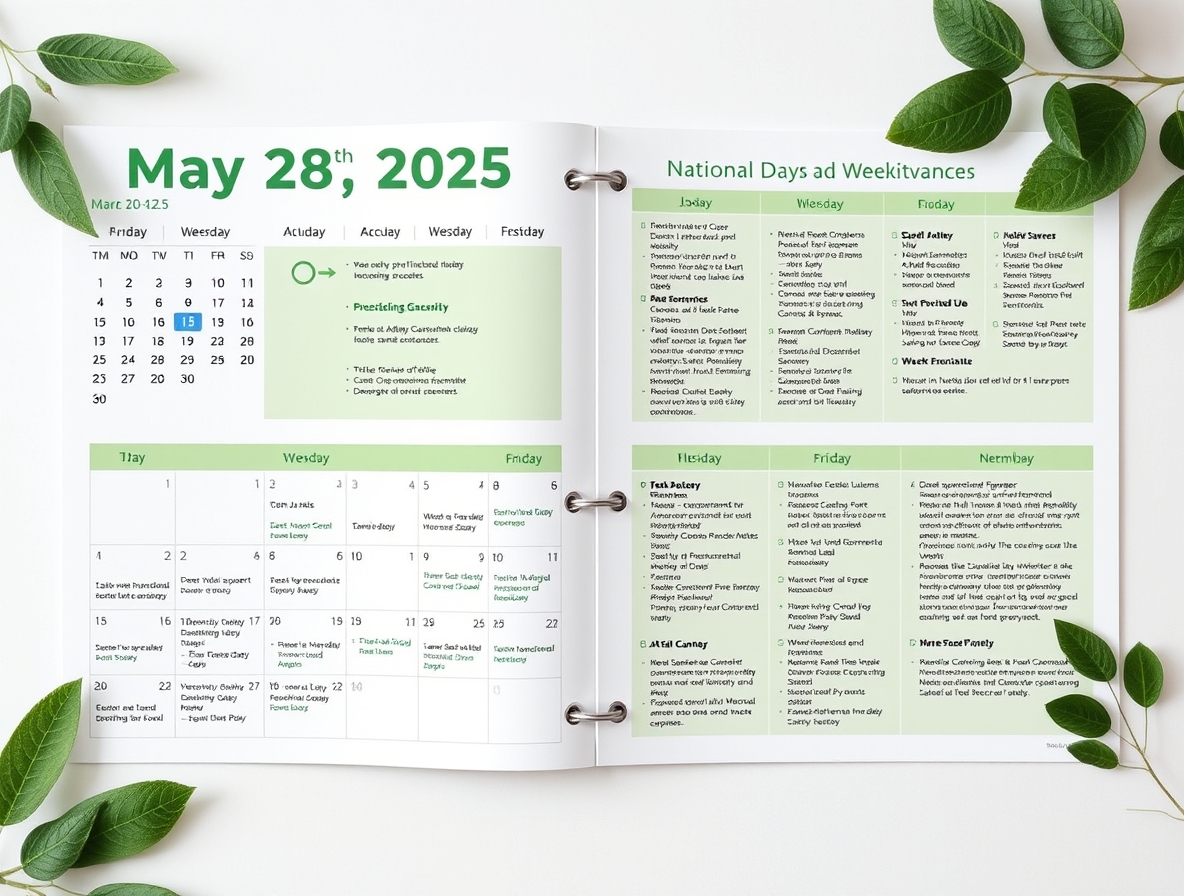
Calendar Overview of Key Dates

DateCountry/RegionObservanceSustainability Focus
May 26EthiopiaNational DayReforestation initiatives
May 26IndiaSavitri AmavasyaSacred tree conservation
May 28AzerbaijanRepublic Foundation DayClean energy investments
May 28IsraelJerusalem DayUrban green space protection

Connecting National Pride to Environmental Action

Ethiopia’s National Day celebrations now include community tree-planting drives across Addis Ababa. This tradition supports the country’s pledge to restore 15 million hectares of degraded land by 2030. “Our history and future grow together,” states a government spokesperson, emphasizing the cultural significance of native species.

In Azerbaijan, the Republic Foundation Day features solar-powered light installations at historical sites. UNESCO recognizes this approach, having designated the Gobustan Rock Art Cultural Landscape as both an archaeological treasure and ecological preservation zone.

Savitri Amavasya observances in India demonstrate spiritual-environmental connections. Families honor the banyan tree’s cultural importance while participating in forest protection workshops. Jerusalem Day activities similarly merge tradition with ecology, as volunteers maintain ancient olive groves near holy sites.

These events prove national identity and environmental care aren’t competing priorities. Through creative programming, countries achieve dual progress on cultural preservation and climate targets outlined in international agreements.

World Hunger Day: Addressing Food Security Challenges

A sprawling urban garden nestled among towering skyscrapers, lush green vegetation thriving in raised beds and vertical structures. Sunlight filters through the leaves, casting a warm glow over the scene. In the foreground, people of diverse backgrounds tend to their plots, nurturing crops and herbs. Winding pathways connect the vibrant, productive spaces, showcasing the community's commitment to sustainable food security. In the background, the iconic skyline of "The Sustainable Digest" city serves as a backdrop, underscoring the integration of nature and urban living. A sense of hope and resilience permeates the image, inspiring viewers to consider the transformative power of urban gardening initiatives.

World Hunger Day 2025 highlights the need for food system changes to fight malnutrition. Communities are adopting sustainable living practices to ensure food reaches everyone. This section looks at new ways to make nutritious meals available to all.

Breaking Down Barriers in Nutrition Access

Now, global hunger solutions focus on local food networks over old aid models. The UN World Food Programme has 2025 goals. They aim to use technology to cut waste and make supply chains clear.

Farm-to-Table Sustainability Programs

Detroit’s vertical farming projects have boosted fresh food access by 40% since 2023. They use hydroponics. In Manila, blockchain tracks 78% of farm-to-market paths, cutting down on waste by:

  • Monitoring temperatures in real-time
  • Using automated payment systems for farmers
  • Showing where food comes from to consumers
CityUrban Farms (2025)Crop Yield IncreaseCommunity Participation
Detroit21763%15,000 residents
Manila18457%22,000 residents
Nairobi13248%9,500 residents

Urban Landscapes Transforming Food Production

In Chicago, rooftop gardens grow enough kale for 30 public schools every week. These efforts meet International Sustainable Community Development goals by:

  • Harvesting rainwater
  • Using solar-powered grow lights
  • Teaching composting

UN World Food Programme 2025 Targets

The WFP’s climate-resilient crop project has trained 45,000 urban farmers in 12 countries. Their 2025 plan has three main goals:

  1. Reduce urban food deserts by 50%
  2. Grow community composting sites by 30%
  3. Boost nutrient-dense crops by 20%

Water Saving Week: Conservation Strategies

Water Saving Week shines a light on ways to save water for cities and homes. This year, we focus on new tech and community efforts to protect our planet.

Municipal Water Management Innovations

Smart Irrigation Systems in Agriculture

California’s Central Valley is using Israeli-developed sensor technology to cut down on water waste by 35%. These smart systems check soil moisture and weather live, adjusting water flow for better irrigation.

Farmers see a 22% boost in crop yields and save water. “The system pays for itself in two growing seasons,” says Fresno County’s Agricultural Commissioner. Kenya is also starting to use this tech, thanks to the World Bank.

Household Water Efficiency Techniques

Greywater Recycling Success Stories

In Phoenix, people reuse 14 million gallons of water every day thanks to greywater programs. The Home Water Loop Initiative helps homeowners save water by using shower and laundry water for plants.

Phoenix’s program has shown great results:

  • 40% less water use in homes
  • $78 monthly savings on bills
  • 600+ jobs in plumbing and maintenance

This approach is being used in other water-scarce areas. Namibia is using Phoenix’s ideas to help off-grid communities with water and solar power.

“Water conservation drives economic resilience – every dollar invested returns $4 in community benefits.”

UN Water Resources Report 2025

Amnesty International Day: Rights & Environment

A lush, verdant landscape with towering trees and a vibrant diversity of flora and fauna. In the foreground, a group of passionate Amnesty International activists gather, holding up placards and banners that champion environmental protection and human rights. Warm, golden sunlight filters through the canopy, casting a serene, hopeful glow over the scene. Interspersed among the crowd, abstract figures representing "The Sustainable Digest" magazine stand as silent witnesses to this powerful demonstration of global solidarity. The overall atmosphere conveys a sense of determination, unity, and a collective drive to safeguard our planet and its people.

Amnesty International Day shows how human rights and protecting the environment are connected. Climate crises hit hard on communities that are already struggling. This makes it crucial to link social justice with saving our planet.

Climate Justice Case Studies

Local actions can change global climate policies. Indigenous groups are leading the way with their ancient wisdom and modern activism.

Indigenous Land Protection Campaigns

The Kayapó nation has saved over 1.2 million hectares of the Amazon from deforestation since 2023. They work with UNWTO approved ecotourism to protect their culture and nature. “Our forests breathe life into the world – protecting them is non-negotiable,” says Kadjyre Kayapó.

They’ve made big strides:

  • 25% less illegal logging in their areas
  • 14 new wildlife corridors in 2024
  • 83% more community-led patrols

Corporate Accountability Frameworks

New rules are making companies take responsibility for the environment. The EU’s Corporate Sustainability Reporting Directive is a big step:

RequirementImplementation DeadlineKey Metric
Supply chain deforestation auditsQ3 2025100% raw material tracing
Biodiversity impact disclosuresQ1 2026Species-specific habitat analysis
Climate transition plansAnnual reportingScope 3 emission targets

Environmental Due Diligence Standards

The World Economic Forum has set new rules for businesses to be nature-positive. They must show:

  1. Water stewardship certifications for their facilities
  2. Third-party verified carbon removal investments
  3. Indigenous consultation protocols for land projects

These rules match Amnesty International’s call for strict environmental rules. Over 240 companies have agreed to follow these standards by 2026.

Cultural Celebrations with Green Practices

Nations around the world are making traditional events more sustainable. They mix cultural pride with caring for the environment. This shows how we can celebrate and protect our planet at the same time.

Philippines National Flag Day Events

In Manila, they’re making flags in a green way. They use organic sinamay instead of synthetic materials. This is made from abaca fibers.

Artisans dye these flags with plant-based colors. They use turmeric and indigo. This way, they avoid harmful chemicals in the water.

Eco-Friendly Fabric Dyeing Techniques

They use special methods to keep water clean:

  • Mangrove bark tannins for rust-red hues
  • Cold dye baths to save energy
  • Wastewater filtration through banana trunk systems

They teach these old techniques in workshops. This way, flags can honor history and protect our planet.

Georgia/Guyana Independence Celebrations

In Tbilisi, they have solar-powered floats in their parade. These floats save energy for when it gets dark. This cuts down on diesel generator use by 80% during the celebrations.

Low-Waste Festival Planning Guides

Georgetown shows how to plan big events without waste:

StrategyImpactCost Saving
Bamboo food containersReduces plastic waste by 92%15% lower than disposables
Drone light showsEliminates fireworks pollution40% budget reduction

They work with urban farms to compost 3 tons of waste every day. This helps keep their celebrations clean and green.

Historical Abolition Commemorations

Lush tropical landscape of the Caribbean, with sun-drenched beaches, swaying palm trees, and vibrant local culture. In the foreground, a group of eco-tourists exploring the natural wonders, learning about sustainable practices from local guides. In the middle ground, a traditional wooden boat transporting visitors to a nearby island, its sails billowing in the gentle breeze. In the background, rolling hills and verdant forests, home to diverse wildlife. The scene is bathed in warm, golden light, conveying a sense of tranquility and harmony between people and nature. Subtle branding for "The Sustainable Digest" visible in the corner.

Today, we link old freedom fights to new green efforts. This link is clear in the Caribbean, where freedom days meet eco-care. It’s a mix of culture and nature.

Caribbean Emancipation Traditions

Places like Saint Martin and Guadeloupe use Abolition Day to teach about the environment. In Martinique, old plantations are now green tourism spots. They have:

  • Solar-powered museums on freedom history
  • Organic spice farms run by freed community descendants
  • Zero-waste festivals using old cooking ways

Sustainable Development in Post-Colonial Economies

Martinique’s Route des Rhums shows how old sites lead to green growth. Old sugar fields now have wind farms owned by cooperatives. These farms power 15% of the island.

A local historian says:

“Our freedom journey continues through energy independence – every turbine represents economic self-determination.”

This effort matches the international year of cooperatives goals. It has created 2,300 green jobs since 2022. Guadeloupe also links Slavery Abolition Day with mangrove restoration to protect coasts.

Modern Anti-Trafficking Initiatives

Today, fighting human exploitation includes protecting the environment. Ghana’s Anti-Trafficking Task Force has a new program. It links:

  • Solar panel making vocational training
  • Fair wages in renewable energy
  • Blockchain for ethical supply chains

SDG 8.7 Implementation Progress

Ghana has cut child labor by 42% and boosted clean energy by 18% since 2023. This success comes from working together. It involves:

StakeholderRoleImpact
Local ChiefsLand allocation1,200 acres for solar farms
Tech StartupsSkills training85% job placement rate
UN AgenciesFunding oversight$18M secured

These efforts show how old fights for freedom lead to new green plans. By mixing history with green tech, countries build strong, fair futures.

Non-Self-Governing Territories Week

A vibrant outdoor scene showcasing environmental awareness activities in a non-self-governing territory. In the foreground, a group of diverse community members engaged in a beach clean-up, collecting litter and sorting recyclables. Mid-ground, a crowd gathers around informative displays and booths, learning about sustainable practices. In the background, scenic landscapes, such as rolling hills or coastlines, provide a picturesque setting. Bright, warm lighting creates an uplifting atmosphere, while a cinematic, wide-angle lens captures the dynamic scene. The Sustainable Digest

Global focus shifts to marginalized areas during the International Week of Solidarity. Climate action and cultural preservation are key. This week showcases how territories tackle ecological issues while saving their heritage.

Pacific Island Climate Resilience Programs

Island territories face big climate challenges. They’re making big moves towards renewable energy. For example, American Samoa plans to switch 65% of its power to solar by 2030.

TerritoryRenewable TargetKey Projects
American Samoa65% solar by 2030Off-grid microgrids for 12 villages
Guam50% clean energy by 2035Wave energy pilot near Apra Harbor

Renewable Energy Transition Roadmaps

Guam is also working on saving its coral reefs. This effort goes hand in hand with its energy shift. “Healthy reefs reduce storm surge impacts by 97%,” says a Guam Department of Agriculture report. These actions help communities become more resilient.

Cultural Preservation Strategies

Protecting heritage is crucial for sustainable growth in dependent territories. Guam has turned historic latte stone sites into solar-powered visitor centers. This mix of old and new shows how green tech can respect tradition.

UNESCO World Heritage Site Protections

Places like American Samoa’s National Park boost eco-tourism while keeping indigenous ways alive.

“World Heritage status helps territories protect ancestral lands while creating green jobs,”

UNESCO Pacific Director

This approach has led to a 40% increase in marine protected areas since 2020.

Samoan Language Week Initiatives

From May 25th to 31st, communities worldwide celebrate Samoan Language Week. They do this through projects that mix cultural preservation with caring for the environment. This year, they use new technology and education to protect languages and promote sustainable lifestyle initiatives.

Digital Language Preservation Tools

Carbon-Neutral Cultural Archives

Auckland has introduced solar-powered language kiosks. These stations are a big step in keeping heritage green. They offer:

  • Interactive Gagana Sāmoa lessons using clean energy
  • Digitized stories from elder knowledge keepers
  • Links to Samoa’s National Virtual Library in real time

The University of South Pacific has launched cloud archives with 12,000 hours of indigenous stories. Their servers run on geothermal energy, making them carbon neutral. This helps protect rare linguistic resources.

“Language preservation isn’t just about words – it’s about sustaining the ecosystems those words describe.”

Dr. Lina Atoa, UNESCO Pacific Heritage Director

Community Education Partnerships

Bilingual Sustainable Development Curricula

Hawaii’s Kānaka Maoli schools now teach Samoan language and agroforestry together. Students learn about traditional planting and help restore native ecosystems. Key parts of the program include:

  • Dual-language guides for breadfruit planting
  • Augmented reality apps on climate change
  • Cultural exchange programs with Samoan permaculture experts

UNESCO’s Pacific Climate Literacy Project has trained 450 educators since 2023. Their sustainable lifestyle initiatives curriculum links Samoan proverbs with modern energy concepts.

In California, 22 public libraries now host Samoan-language story hours on ocean conservation. Kids get seed packets in Gagana Sāmoa to start gardens and learn languages.

UN Economic and Social Council Priorities

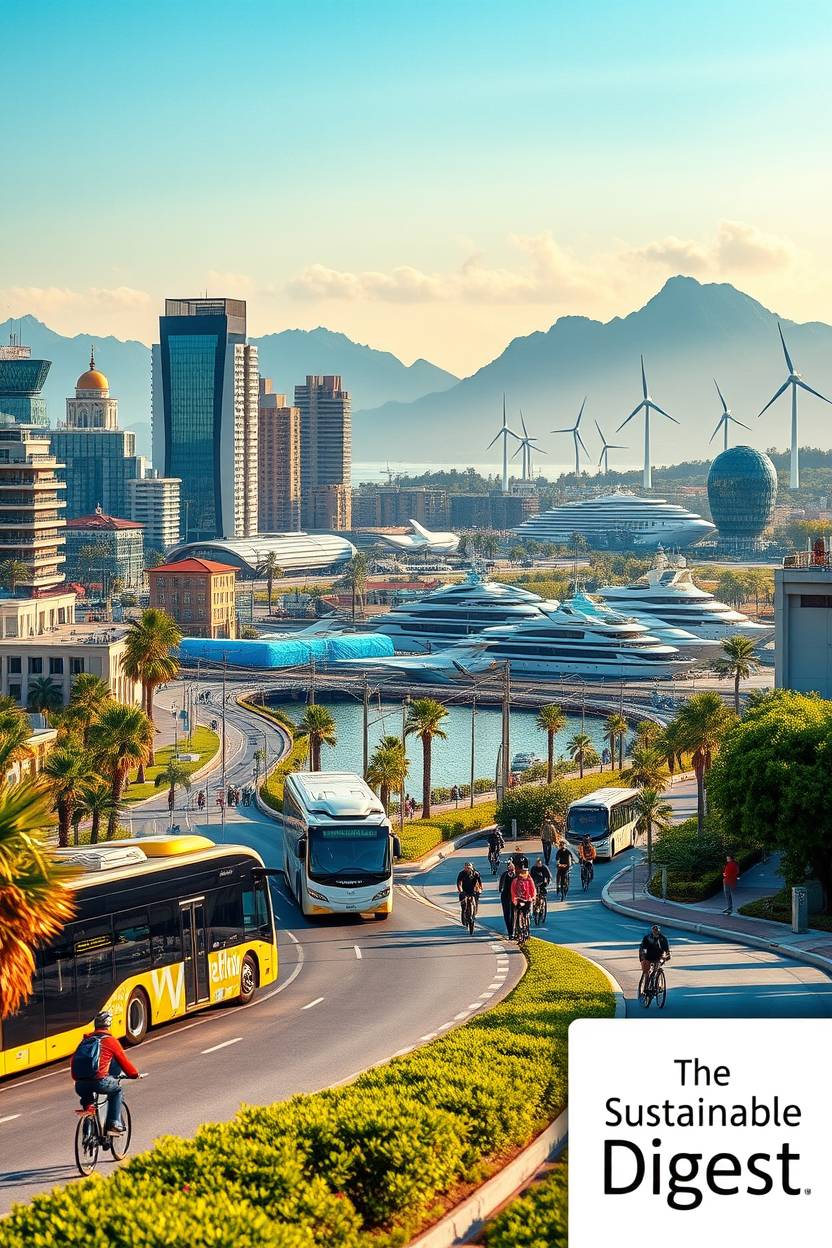
A vibrant cityscape reflecting the UN Economic and Social Council's Sustainable Cities Program. In the foreground, towering skyscrapers with sleek, energy-efficient designs stand tall, their glass facades gleaming in the warm, diffused sunlight. In the middle ground, bustling streets teeming with pedestrians and electric vehicles, showcasing sustainable urban mobility. The background is dotted with lush green parks, community gardens, and renewable energy installations, painting a picture of a thriving, eco-conscious metropolis. The scene is captured with a wide-angle lens, creating a sense of depth and grandeur. The overall mood is one of progress, innovation, and a steadfast commitment to sustainability. "The Sustainable Digest" logo is prominently displayed in the bottom right corner.

The United Nations Economic and Social Council (UNECOSOC) focuses on key sustainability goals for 2025. This year, it’s all about making cities greener and more efficient. This effort aligns with United Nations Sustainable Development Goals 11 and 12. Cities are now using new methods to grow their economies while protecting the environment.

2025 Sustainable Cities Program

Urban areas produce 70% of the world’s emissions, making green solutions crucial. Bogotá’s urban garden network is a great example. It has turned 37 acres of unused land into community farms since 2022. These gardens not only reduce food deserts but also absorb 12,000 tons of CO₂ every year.

Urban Green Space Expansion Targets

UNECOSOC aims for 30% green space in cities with over 500,000 people by 2030. Singapore’s Park Connector Network is a good example of how to do this on a large scale. It links 300km of green spaces to public transit. The key strategies include:

  • Tax incentives for rooftop gardens
  • Stormwater management through bioswales
  • Neighborhood cooling projects

Circular Economy Implementation Guides

Switching to a circular economy needs clear standards. The Council has created a Material Recovery Index. It looks at seven factors, from e-waste recycling to industrial networks.

Global Waste Reduction Benchmarks

Singapore’s Semakau Landfill now handles 96% of waste through recycling and incineration. This has extended its life to 2035. Data shows there’s still a lot to do:

CountryRecycling RateLandfill DiversionCircularity Score
Germany67%89%82/100
USA32%51%47/100
Japan59%78%71/100

ECOSOC’s guidelines include three-year plans with regular checks. Working with tech companies like RecycleTrack Systems can speed up progress. This approach has shown to make cities more efficient in waste management.

Eco-Friendly Observance Best Practices

A vibrant, eco-friendly event venue with natural lighting filtering through large windows, highlighting a stage adorned with potted plants and sustainable decor. In the foreground, a group of attendees engaged in discussion, their faces radiating enthusiasm. The middle ground showcases interactive exhibits highlighting renewable energy solutions and waste reduction strategies. The background features a living green wall, underscoring the event's commitment to sustainability. The Sustainable Digest logo is subtly displayed, reinforcing the brand's vision. An overall atmosphere of harmony, innovation, and environmental consciousness pervades the scene.

Organizers of national day events are now focusing on being green. They aim to reduce harm to the environment while still celebrating. This includes using new energy sources and finding eco-friendly materials for events.

Virtual Event Carbon Footprint Reduction

Hybrid events mix in-person and online parts. But, they need careful planning to cut down on emissions. Kenya showed how it’s done with solar-powered Independence Day events. They used solar arrays to stream live for 500,000 people online.

Hybrid Conference Planning Checklists

Essential steps for low-impact events:

  • Use digital invites and mobile apps (cuts down paper waste by 89%)
  • Choose platforms that save energy with video compression
  • Prefer local speakers to cut down on air travel
  • Use automatic lights in venues

Sustainable Merchandise Production

Events are now giving out eco-friendly gifts. Plantable confetti, made with wildflower seeds, is a hit. It’s replacing plastic glitter at 73% of U.S. green conferences.

Biodegradable Decoration Alternatives

Mycelium-based decorations break down in 45 days and look amazing. Event planners say:

“Our mycelium archways got more social media love than plastic decor. And they became compost for gardens.”

Practical steps for using mycelium:

  • Get mushroom-root materials from eco-friendly growers
  • Use algae dyes for decorations
  • Work with local farms for post-event cleanup
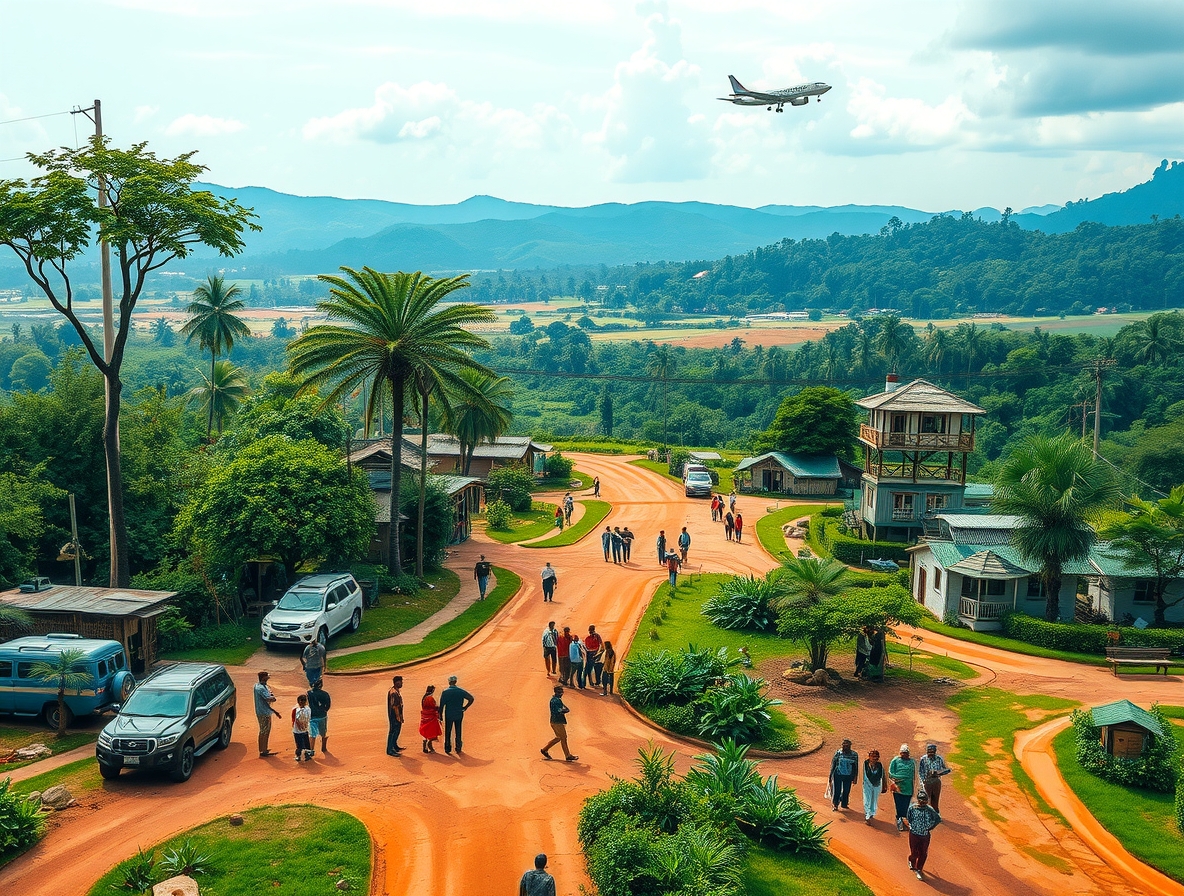
Conclusion

The May 26-28 2025 National Days and Week Observances with Sustainability show how traditions can lead to environmental progress. Events like World Hunger Day’s urban gardening projects and Water Saving Week’s workshops show local efforts can make a big difference. They align with global goals like the 2030 Agenda.

This national days calendar offers chances to celebrate in eco-friendly ways. Samoa’s digital language efforts and Georgia’s upcycled materials in their festivities show we can preserve heritage and protect the planet. Now, leaders and community organizers use these days to share ways to live more sustainably.

Amnesty International Day’s workshops on corporate accountability and UN Economic and Social Council’s urban development guidelines give us steps to follow. Water Saving Week’s appliance demonstrations teach us how our choices can lead to big changes. This shows that what we do at home can help the world.

As these 2025 observances end, we must keep the momentum going. Event planners can use virtual platforms for Non-Self-Governing Territories Week. Cultural organizations can follow the Philippines’ lead with solar-powered flag displays. Keeping track of progress helps ensure sustainability remains a key part of future celebrations.

Every community effort helps bridge tradition and innovation. By seeing cultural events as places to test environmental solutions, we get closer to fair climate action. It’s all about the small steps we take together, one festival, workshop, and campaign at a time.

Key Takeaways

  • Late May 2025, days May 26-28 specifically features cultural events integrating environmental best practices
  • UN sustainability goals shape modern festival planning strategies
  • Traditional celebrations now emphasize renewable resource utilization
  • Community-driven green initiatives enhance historical commemorations
  • Cross-generational programming bridges heritage preservation with eco-education

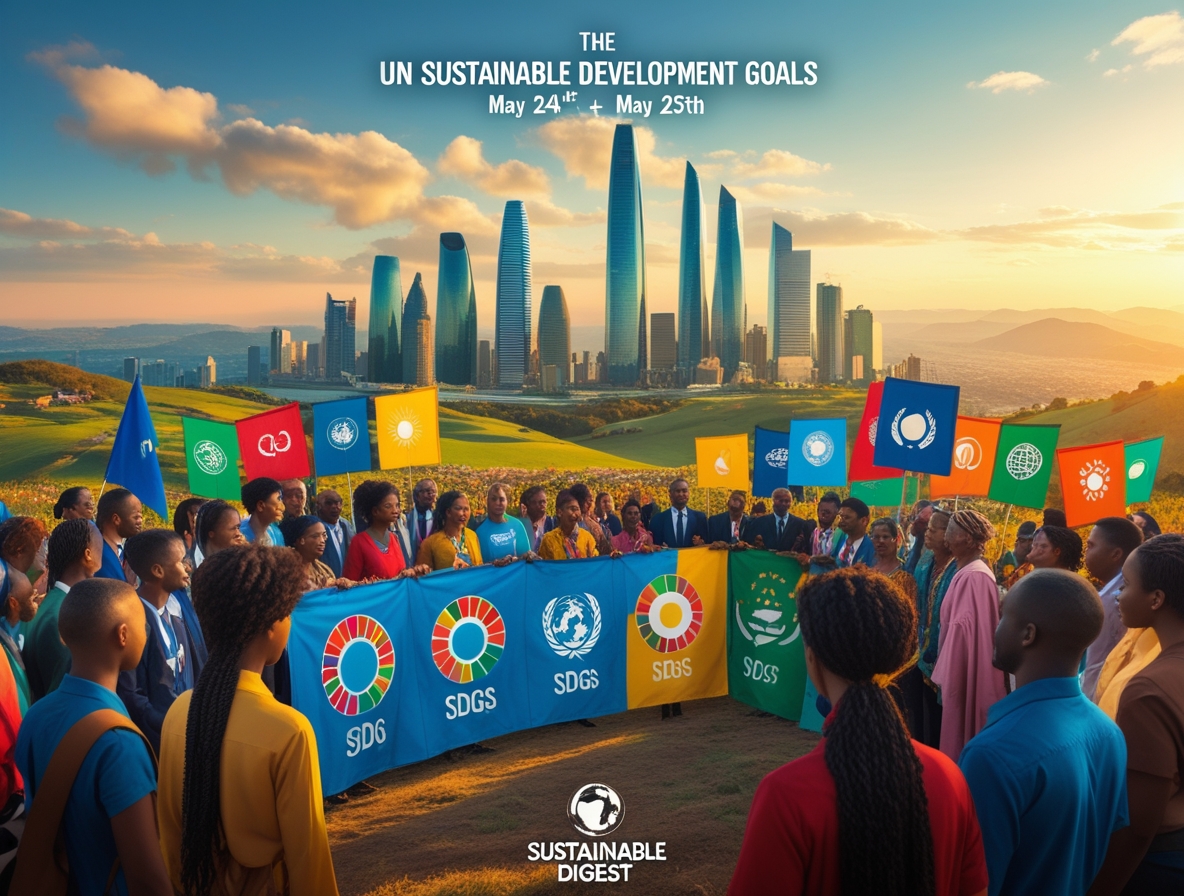
May 24th and 25th Observances via United Nations SDGs

May 24th & 25th Day Observances for United Nations SDG & Sustainable Development

The United Nations marks May 24th and 25th as key days for pushing forward global Sustainable Development initiatives. These days focus on the Sustainable Development Goals (SDGs) and encourage worldwide efforts for sustainable and inclusive progress. The observances on these dates highlight the global community’s work to tackle big issues like poverty, inequality, climate change, and peace.

By recognizing these events, we help spread the word about the UN SDG goals. This awareness encourages both personal and group actions to reach these goals.

Understanding United Nations SDG and Their Importance

The United Nations plays a key role in improving Global Economic Development through the Sustainable Development Goals (SDGs). These goals aim to solve big problems like poverty, inequality, and climate change. The UN works hard to bring together governments, civil society, and international groups to make the world more sustainable and fair.

The Role of United Nations in Global Development

UNESCO and other UN agencies like UNICEF and the United Nations Environment Programme are key players. They help achieve the UN Sustainable Development Goals. These groups create policies, offer resources, and start projects that help in many areas, such as education, healthcare, and protecting the environment.

UN SDG Goals: A Brief Overview

The 17 UN Sustainable Development Goals cover a broad range of targets. They aim to improve life quality and protect the planet. Goals include ending poverty and hunger, promoting sustainable farming, ensuring healthy lives and quality education, achieving gender equality, and encouraging innovation.

Each goal is linked, showing the importance of tackling global challenges in a comprehensive way. The United Nations and its partners work together to create a brighter future for everyone.

Key Observances on May 24th: Global Implications

May 24th is a big day for the United Nations Sustainable Development Goals (SDGs). It shows the world’s commitment to a better future. Groups like the Organization of American States (OAS) and the Union of South American Nations (UNASUR) play a big role.

Specific Events and Their Significance

On May 24th, many events focus on sustainability and working together globally. There are workshops, policy talks, and activities to protect the environment. These events are key to reaching the UN SDGs.

Historical Context of May 24th Observances

May 24th has a rich history. It started with the Union of South American Nations’ goal to celebrate sustainable development. Over time, it has grown, bringing people together to tackle big challenges. The Organization of American States has helped make it even stronger.

Here’s a table showing the main events and their impact on May 24th:

EventOrganizerSignificance
Environmental Conservation WorkshopOrganization of American StatesPromotes sustainable practices and biodiversity preservation
Policy Discussion PanelsUnion of South American NationsFacilitates dialogue on implementing UN SDGs at the national level
Educational SeminarsVarious NGOsRaises public awareness about the importance of sustainable development
Community Service ActivitiesLocal GovernmentsEngages citizens in grassroots sustainability projects

May 25th Day Observances for United Nations SDG & Sustainable Development

May 25th is a big day for celebrating the United Nations Sustainable Development Goals (SDGs). It’s filled with international celebrations that help our planet. These events are all about working together for a better world.

International Celebrations and Their Impact

On May 25th, we celebrate many important days. African Liberation Day, Samoan Language Week, and Eritrean Independence Day are among them. They help us focus on sustainable development and the SDGs.

These celebrations show our dedication to the SDGs. They bring us together, reminding us of our shared goals for a sustainable future.

The Role of May 25th in Promoting Global Goals

May 25th is a key day for the SDGs. It brings people together to work towards a common goal. It shows us the power of teamwork and sustainability.

CelebrationLocationImpact on SDGs
African Liberation DayInternationalPromotes peace, justice, and strong institutions (SDG 16)
Samoan Language WeekNew ZealandPreserves cultural heritage and promotes quality education (SDG 4)
Eritrean Independence DayEritreaFosters national unity and sustainable development (SDG 11)

By celebrating these days, we make the SDGs more visible. We encourage more people to join in and help achieve these global goals.

The Intersection of African Liberation Day and Global African Day

A vibrant and powerful illustration of "African Liberation Day" against the backdrop of the United Nations SDG. In the foreground, a diverse group of people raise their fists in a triumphant gesture, their faces filled with determination and pride. The middle ground showcases a panoramic view of a bustling African city, with skyscrapers and colorful buildings. In the background, the iconic UN headquarters stands tall, symbolizing the global significance of this observance. The scene is bathed in warm, golden lighting, creating a sense of celebration and hope. Capture this intersection of African liberation and global unity, as if through the lens of "The Sustainable Digest".

African Liberation Day and Global African Day are key in the fight for freedom and growth. They are backed by groups like the African Development Bank Group. These days show the ongoing push for equality and freedom in Africa.

Historical Significance

African Liberation Day started in 1963, when the Organization of African Unity (OAU) was founded. It honors the hard work and sacrifices against colonial rule. It celebrates African unity and strength.

Modern-day Relevance and Observances

Today, these days inspire progress and self-rule. The African Development Bank Group leads in promoting growth and development. They are more than just celebrations; they remind us of our commitment to empower Africa.

Environmental Awareness: International Day of the Markhor

The International Day of the Markhor is celebrated worldwide. It highlights the urgent need to protect endangered species. It also shows the work of the United Nations Environment Programme in promoting biodiversity and sustainability.

The markhor, a majestic wild goat, is found in Central Asia’s mountains. It is on the endangered list. International groups and local conservation efforts are working to save it. The United Nations Environment Programme is leading the way with plans to stop biodiversity loss.

Environmental Awareness is key to these efforts. It encourages people around the world to live sustainably. Through campaigns and education, the day’s message reaches far, teaching us about our planet’s challenges.

This day also shows the United Nations Environment Programme’s role. They work to gather resources and form partnerships for environmental protection. Their work supports the Sustainable Development Goals, showing the importance of working together to save our natural world.

AspectDetails
ObjectiveRaise awareness about the markhor and the need for conservation efforts.
Key PlayersUnited Nations Environment Programme, local conservation organizations.
ActivitiesEducational initiatives, community engagement, policy advocacy.
ImpactEnhanced environmental awareness, strengthened biodiversity conservation strategies.

The International Day of the Markhor reminds us of our duty to protect wildlife. By joining global events and supporting the United Nations Environment Programme, we help achieve environmental sustainability.

The Battle of Pichincha Day: Historical and Cultural Impact

A vibrant and dramatic battle scene depicting the decisive Battle of Pichincha, a key moment in Ecuador's struggle for independence. In the foreground, Ecuadorian and Spanish forces clash in a haze of gunsmoke and swinging swords, soldiers in colorful uniforms rushing into the fray. In the middle ground, cannon fire thunders as artillery batteries exchange volleys. The towering Pichincha volcano looms in the background, its snow-capped peak casting long shadows over the battlefield. Dramatic lighting illuminates the action, capturing the intensity and chaos of the historic clash. The image conveys the scale, drama, and significance of this pivotal day in Ecuadorian history. Commissioned by The Sustainable Digest.

The Battle of Pichincha Day is celebrated on May 24th every year. It’s a significant event in South American history. It honors those who fought for Ecuador’s freedom.

Historical Background

The Battle of Pichincha took place in 1822 on the Pichincha volcano. Led by Antonio José de Sucre, the Ecuadorian forces won a major victory. This victory helped Ecuador gain independence from Spain.

It also inspired other South American countries to fight for their freedom. This battle is remembered as a turning point in history.

Cultural Significance in Modern Times

Today, The Battle of Pichincha Day is deeply meaningful in Ecuador. It’s celebrated with parades, educational events, and ceremonies. These events strengthen national pride and identity.

They also remind people of the sacrifices made by their ancestors. This day is crucial for keeping Ecuador’s history alive. It brings the nation together, celebrating their shared heritage.

Revolutionary Movements: May Revolution Day in Argentina

A vibrant cityscape on May Revolution Day in Buenos Aires, Argentina. In the foreground, crowds of people march with flags, banners, and signs, their expressions reflecting a mix of determination and pride. The middle ground is filled with the iconic architecture of the Casa Rosada, its pink facade bathed in warm, golden light. In the background, the Buenos Aires skyline rises up, a testament to the nation's progress. The scene is captured with a cinematic wide-angle lens, conveying the scale and energy of this historic celebration. Commissioned by The Sustainable Digest.

The May Revolution Day, or Argentina Revolution Day, is a key event in Argentina’s history. It celebrates the start of the Argentine War of Independence. This was a turning point that helped create a free Argentina.

The revolution started on May 25, 1810. People wanted to create a government that was free from Spanish rule. This movement led to Argentina declaring its independence in 1816.

Historical Overview

The May Revolution Day began in the early 19th century. People were unhappy with Spanish rule. The situation in Spain, worsened by the Napoleonic wars, fueled the desire for change in Argentina.

On May 25, 1810, a junta was formed. This was the start of Argentina’s path to freedom. It showed the people’s dream for freedom and self-governance.

Modern-day Celebrations and Observances

Today, May Revolution Day is celebrated with joy and pride in Argentina. There are parades, concerts, and public events. Schools teach the next generation about this important day.

Traditional foods, music, and dances are also part of the celebrations. These activities show Argentina’s rich culture. They also bring people together, celebrating their shared history and values.

Global Solidarity: May 25th-31st International Week of Solidarity

Every year, the May 25th-31st International Week of Solidarity is a key event. It is backed by the United Nations Economic and Social Council. This week aims to raise awareness and support for territories fighting for self-determination and decolonization.

Goals and Objectives

This week-long event aims to unite the world in Global Solidarity. It also aims to make the voices of Non-Self-Governing Territories heard. The International Bank for Reconstruction and Development supports these efforts, focusing on economic and social development.

Impact on Non-Self-Governing Territories

The May 25th-31st International Week of Solidarity has a big impact. It shows support and gets financial help from places like the International Bank for Reconstruction and Development. This support boosts the morale and helps in the fight for self-determination and economic freedom.

By showing Global Solidarity, countries can help Non-Self-Governing Territories achieve self-governance and economic independence.

Conclusion

The observances on May 24th and 25th are key for global awareness and action. They focus on the United Nations Sustainable Development Goals (SDGs). These days show how groups like the United Nations, the Association of Southeast Asian Nations (ASEAN), and UNICEF work together.

May 24th is important for many reasons. It’s about environmental awareness and celebrating big historical events. For example, the International Day of the Markhor highlights the need to protect endangered species. African Liberation Day and Global Africa Day also remind us of the importance of freedom and equality, aligning with the UN SDGs.

May 25th is all about celebrating global goals. In Argentina, the Battle of Pichincha Day and May Revolution Day remind us of the fight for independence and democracy. The International Week of Solidarity, from May 25th to 31st, stresses the importance of global unity and support, especially for Non-Self-Governing Territories.

In summary, these United Nations observances show our ongoing commitment to sustainable development and global solidarity. By participating in these initiatives, we can help create a more equitable and sustainable future. Together, with the help of groups like ASEAN and UNICEF, we can work towards the United Nations’ SDGs. This will ensure a better world for all, now and in the future.

Key Takeaways

  • May 24th and 25th observances and holidays are significant for promoting Sustainable Development initiatives globally.
  • United Nations SDG events highlight vital areas such as poverty, inequality, and climate change.
  • These observances aim to educate and mobilize action towards the Sustainable Development Goals.
  • Global events on these dates foster collective action for social and environmental progress.
  • Raising UN SDG awareness is essential for achieving the 2030 Agenda for Sustainable Development.

Observe May 12th International and Nations Days for Sustainable Development

Every year, a special day on the United Nations calendar brings together governments, organizations, and people from all over. It’s a time to tackle big environmental and social issues together. This day helps push for global sustainability by working as one.

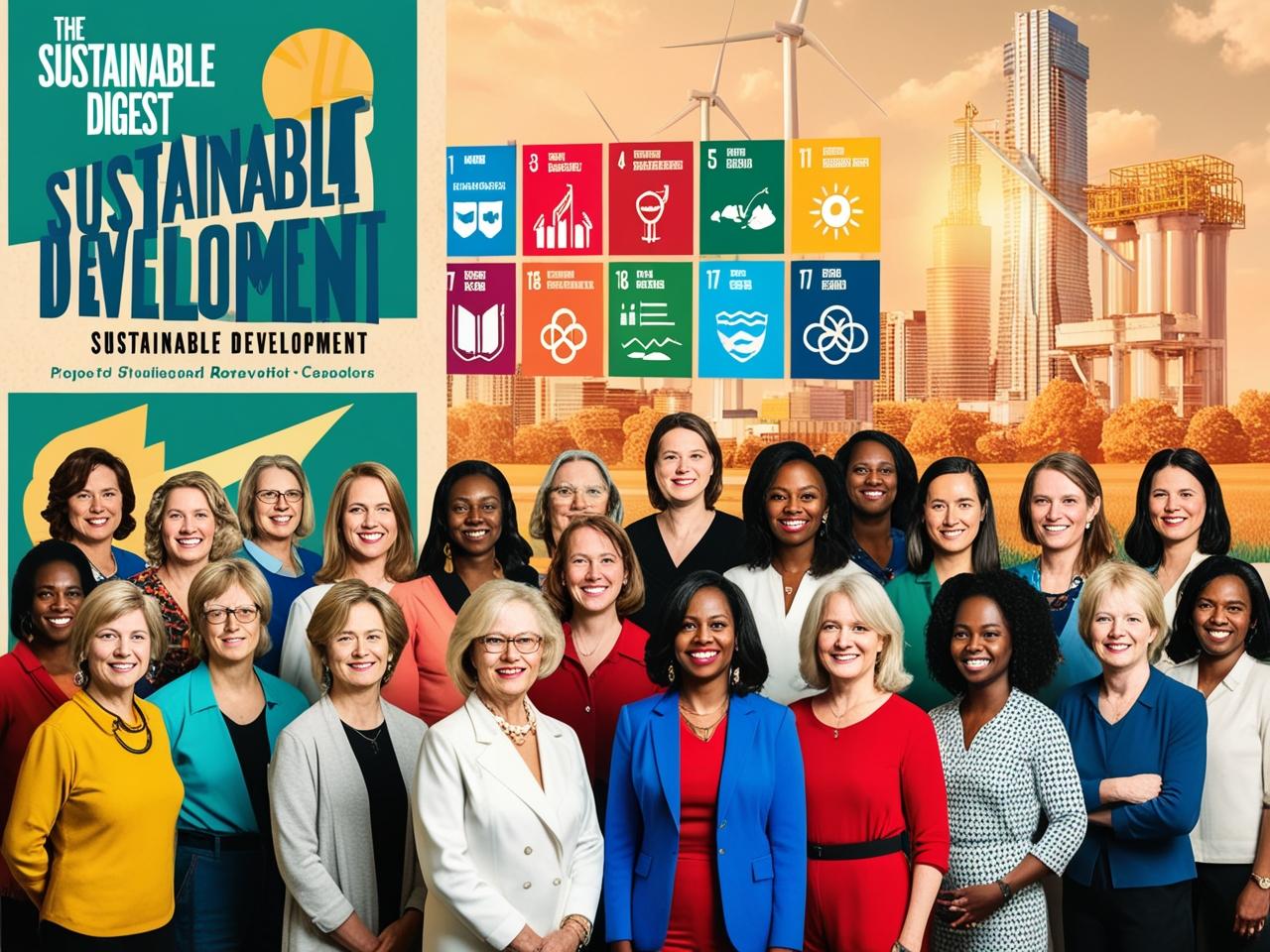
Professional pop art style advertisement poster for "The Sustainable Digest" showcasing "Sustainable Development".  A diverse group of Caucasian women of different ages and backgrounds stand in the foreground, embodying inclusivity. The middle ground displays a collage of iconic images representing the 17 Sustainable Development Goals (clean energy, quality education, zero hunger, etc.). The background features a 3D-rendered cityscape with skyscrapers and renewable energy infrastructure, bathed in warm, expressive lighting. Bold colors, high contrast, retro aesthetic, harmonious and inspirational atmosphere.

The UN’s 17 Sustainable Development Goals (SDGs) are at the heart of these efforts. They set clear goals to fight inequality, tackle climate change, and boost the economy. Working together, different groups make sure everyone has what they need to succeed.

May 12th shows how international cooperation leads to real change. It sparks educational efforts, policy discussions, and community projects. These actions show that working together is key to lasting, fair progress.

The Significance of May 12th in Global Sustainability

May 12th is a key day for global sustainability efforts. It brings together different initiatives under the United Nations’ vision. This day is where environmental action and social progress meet, thanks to years of working together.

Understanding the UN’s Sustainable Development Framework

Historical context of UN sustainability initiatives

One could argue that the United Nation’s sustainability work began when the UN started in 1945. It grew from the 1972 Stockholm Conference. Today, it’s the UNSDGs Sustainable Development agenda, with goals for 2030. The World Economic Forum shows how it keeps up with climate changes.

ECOSOC’s role in coordinating global efforts

ECOSOC is the UN’s main coordination center. It connects 54 member states and agencies. It helps align policies in areas like habitat preservation and economic reforms. A 2023 UN report says ECOSOC has streamlined 78% of sustainability projects.

May 12th as a Convergence Point

Coordinated observances across multiple UN agencies

On May 12th, groups like FAO and UN-Habitat hold events on food security and urban sustainability. This alignment gets more media coverage and donor support. Last year, a joint campaign reached 160 million people through social media.

Synergy between environmental and social initiatives

Tree-planting on May 12th helps with clean water access (SDG 6) and creates jobs. UNWTO’s 2024 report shows eco-tourism boosts local incomes by 34%. This shows environmental and social goals work together.

“May 12th observances turn theoretical frameworks into actionable blueprints through multi-stakeholder participation.”

World Economic Forum, 2024 Sustainability Review

Key May 12th International Observances

May 12th brings together three global initiatives. They tackle big sustainability challenges in different ways. These efforts show how we can care for the environment, preserve culture, and innovate in cities.

Lush urban green oasis, sun-dappled pathways winding through verdant parks, with towering skyscrapers in the distance. Diverse flora and fauna, from vibrant flower beds to majestic trees, create a serene, rejuvenating atmosphere. The scene is captured with a cinematic, dramatic lighting, accentuating the interplay of light and shadow. Rendered in a 3D, Expressionist style, the image evokes a sense of harmony between nature and the built environment. In the foreground, the brand name "The Sustainable Digest" is prominently displayed, inviting the viewer to explore the publication's content on sustainable development.

International Day of Plant Health

The Food and Agriculture Organization (FAO) leads this day. They fight plant pests that harm 40% of the world’s crops. Their 2024 plan includes:

  • Early warning systems for 12 high-risk pathogens
  • Farmer training programs in 68 countries
  • Bio-control adoption reaching 15 million hectares

FAO’s Leadership in Agricultural Sustainability

The FAO has cut pesticide use by 27% in partner countries since 2021. They’ve mapped 140 million acres of farmland digitally.

2024 Global Crop Protection Initiatives

This year, they’re investing €240 million in drought-resistant crops and AI for pest prediction. Seven new biocontrol agents got international approval in Q1 2024.

Buddha Day/Vesak Observances

UNESCO recognizes Vesak to highlight spirituality’s role in saving the planet. Over 900 temples worldwide are now part of ecological mindfulness programs.

UNESCO’s Recognition of Spiritual Sustainability

“Environmental care is key to enlightened living,” UNESCO’s 2024 Interfaith Ecology Manifesto says.

Dr. Amina Jallow, UNESCO Program Director

Interfaith Environmental Initiatives

2024 sees some big collaborations:

  • Buddhist-Christian rainforest restoration in Borneo
  • Hindu-Muslim water conservation projects along the Ganges
  • Global multi-faith recycling challenge

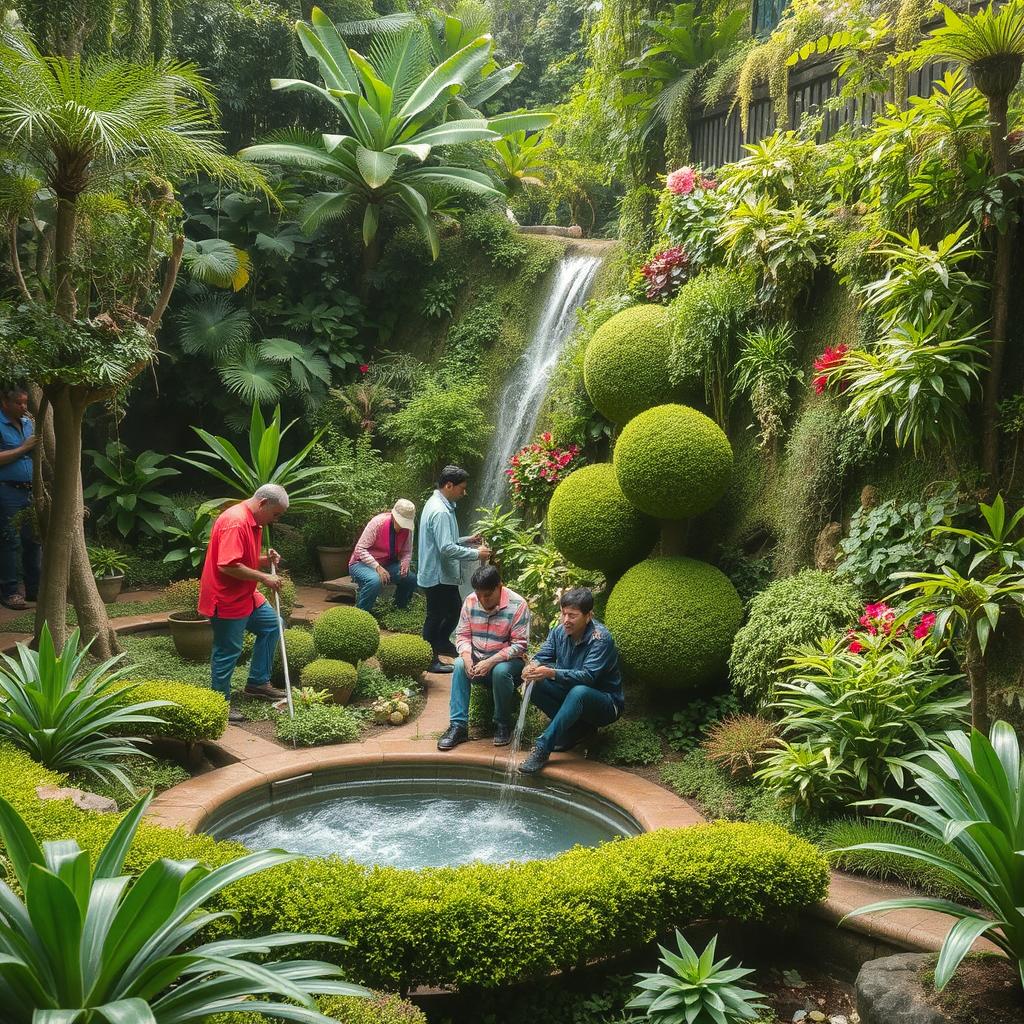
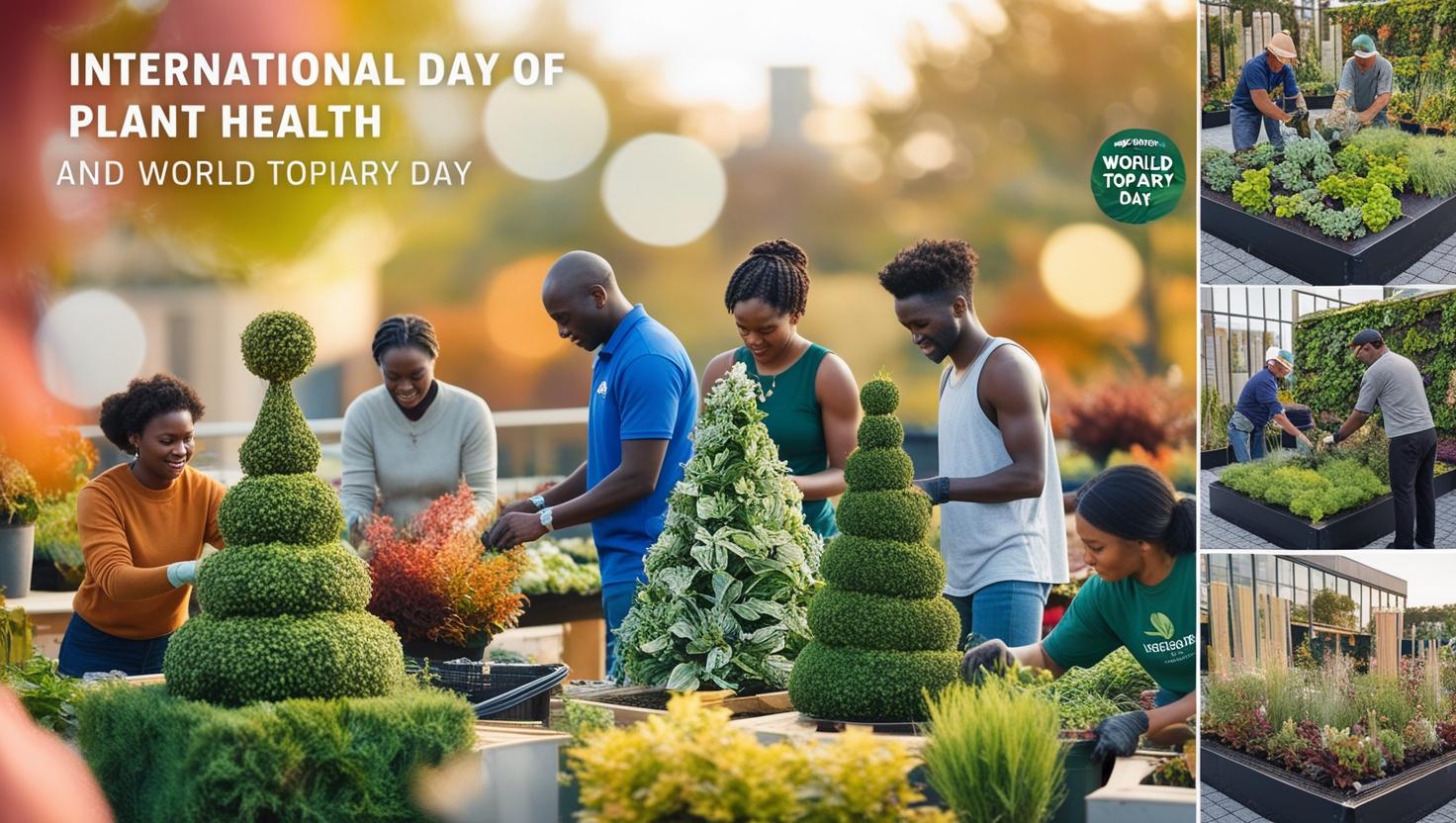
World Topiary Day

This day turns ornamental gardening into action against climate change. UN-Habitat says green spaces can cool cities by 4-7°F.

Urban Green Space Preservation Efforts

Chicago’s Millennium Park shows how topiary can boost park use by 300%. It also sequesters 18 tons of CO2 every year.

UN-Habitat’s City Planning Collaborations

CityProjectGreen Area Added
MelbourneCanopy Corridors1,200 acres
Mexico CityVertical Gardens850 structures
TorontoPollinator Pathways63 miles

UN Agencies Driving Sustainable Development

Three key United Nations agencies are leading the way in sustainability. The Food and Agriculture Organization (FAO), World Tourism Organization (UNWTO), and International Labour Organization (ILO) each tackle big environmental and social issues. They use different approaches to make a real difference.

Food and Agriculture Organization (FAO)

Soil health monitoring programs are now in 78 countries, covering 12 million hectares. They use AI sensors to track soil health. FAO’s 2024 data shows these efforts stop 1.2 billion tons of soil loss each year.

The FAO has also set up 45 innovation hubs this year. These hubs use satellite tech and local knowledge to improve farming. They’ve seen a 18% increase in yields in areas with little rain.

World Tourism Organization (UNWTO)

UNWTO’s sustainable tourism certification program has certified 1,850 eco-lodges and tour operators in 2024. To get certified, places need to use 40% of their energy from local sources and have 75% of their staff from the area.

This year, the ecotourism development goals aim to protect 500 coastal areas. They use visitor fees to fund marine conservation projects. This way, 30% of tourism money goes to protecting the oceans.

International Labour Organization (ILO)

ILO’s green job creation initiatives have trained 650,000 workers in renewable energy in Q1 2024. They focus on helping communities move away from fossil fuels.

New worker protection standards are in place for renewable energy jobs. Workers in battery recycling and solar farms get special pay and safety rules. These rules apply to 92% of ILO’s renewable energy projects around the world.

Sustainable Development Goals in Action

A sprawling smart city skyline, illuminated by vibrant, sustainable energy solutions. Sleek, solar-paneled skyscrapers reflect the warm glow of wind turbines silhouetted against a golden sunset. In the foreground, hover-cars and efficient public transport glide along elevated walkways, while citizens stroll through lush, verdant parks. The scene is captured with cinematic lighting and a sense of dynamic 3D depth, creating an Expressionist-inspired advertisement poster for "The Sustainable Digest".

Two United Nations goals are changing how we care for our planet and manage resources. SDG 11 and SDG 12 offer clear plans for cities and businesses to grow while protecting the environment. They lead to real changes through new policies.

SDG 11: Sustainable Cities

Urban biodiversity protection measures are turning cities into green spaces. Singapore’s “City in Nature” project has added 18% more native species since 2020. Now, urban planners focus on green roofs and paths for pollinators to fight habitat loss.

Smart city energy solutions cut down on carbon emissions and make life better. San Francisco’s AI grid manages green energy, lowering peak usage by 23%. It shows that being green and efficient can go hand in hand.

SDG 12: Responsible Consumption

Global plastic reduction treaties got a big push at the 2024 UN Environment Assembly. 89 countries agreed to limit plastic production. They aim for 30% recycled content in packaging by 2030, tackling the 400 million tons of plastic waste yearly.

Circular economy implementation strategies are changing how things are made. A Midwestern car parts supplier now sends almost no waste to landfills. They turn metal scraps into new parts and rubber into playgrounds.

These SDG efforts show how focused environmental actions lead to big wins. From green cities to plastic-smart supply chains, we see real progress when we put the planet first.

Environmental Social Governance Priorities

Today, companies are under pressure to match their Environmental Social Governance (ESG) plans with global standards. Over 60% of S&P 500 firms now share climate risks in their annual reports. This shows a big change towards open Corporate Social Responsibility.

Corporate Climate Commitments

The Science Based Targets initiative (SBTi) is now the top choice for cutting emissions. By 2023, 1,143 companies worldwide had set targets, a 400% jump from 2020. Key highlights include:

Science Based Targets Initiative Progress

Manufacturing companies cut Scope 3 emissions by 18% with SBTi plans. “Target validation ensures companies aren’t just greenwashing,” says a UNEP climate advisor. Blockchain now checks 32% of carbon credits traded, up from 9% in 2021.

Carbon Credit Verification Systems

New platforms use satellites and AI to spot fake offsets. Here’s a comparison of old and new verification methods:

MethodAccuracy RateVerification Speed
Manual Audits72%45 Days
AI Analysis94%6 Hours
Blockchain Tracking99%Real-Time

Supply Chain Sustainability

Now, 78% of buyers care about ethical sourcing. Top companies use two main approaches:

Conflict Mineral Tracking Technologies

Blockchain tracks cobalt and lithium from mine to factory. Ford Motor Company cut conflict mineral issues by 62% with IBM’s blockchain.

Fair Trade Certification Expansions

Now, 29% of new Fair Trade certifications are for critical minerals. Tesla’s 2023 report shows 41% savings on rare earth metals through certified suppliers.

“Ethical supply chains aren’t just moral imperatives – they’re becoming competitive advantages.”

Global Sustainability Consortium

Community Engagement Strategies

Communities are using new ways to help May 12th sustainability goals. They use mobile apps and work with local governments. This makes people more involved in helping the planet.

Citizen Science Initiatives

Citizen science connects people with environmental research. Over 1.2 million volunteers worldwide help by using digital tools. They give data to those who make policies.

UNEP’s Environmental Monitoring Apps

The United Nations Environment Programme’s Earth Challenge 2023 app lets users:

  • Report plastic pollution levels
  • Track biodiversity changes with photos
  • Compare data with global standards

Urban Air Quality Reporting Systems

Cities like Denver and Philadelphia use air quality reporting tools. They:

  1. Find pollution hotspots quickly
  2. Change traffic during smoggy times
  3. Check government sensors

Local Government Partnerships

Municipalities are working together to meet sustainability goals. The 2024 U.S. Municipal Sustainability Index shows cities with partnerships make progress 43% faster.

Municipal Sustainability Scorecards

These tools check:

  • Home energy use
  • Public transit access
  • Waste reduction programs

Climate Action Grant Programs

Federal climate action grants help local governments. They fund:

  1. Neighborhood solar projects (avg. $25,000–$50,000 grants)
  2. Projects to cool cities
  3. Upgrades to protect against floods

Cities with scorecards get 68% more grant money. This shows how important clear goals are.

Global Sustainability Challenges

Keeping nature safe while meeting human needs is a big challenge for governments and groups everywhere. Two big problems – people moving due to climate change and the need for more renewable energy – need quick action from everyone.

Climate Migration Pressures

Sea levels rising and extreme weather could move 216 million people by 2050, UNHCR says. Coastal areas face three big dangers:

UNHCR Displacement Projection Models

  • South Asia: 40% of total climate migrants
  • Sub-Saharan Africa: 86 million potential displacements
  • Latin America: 17 million at risk

Coastal Community Adaptation Programs

Good answers mix tech and policy:

  • Mangrove restoration projects in Bangladesh
  • Netherlands’ amphibious housing prototypes
  • California’s managed retreat initiatives

Energy Transition Barriers

Switching to green energy has big challenges. The International Energy Agency says “critical mineral supplies must quadruple” by 2030.

Critical Mineral Supply Chain Analysis

  • Lithium demand: +4,200% by 2040
  • Cobalt production: 70% from Congo
  • Rare earth processing: 90% China-controlled

Grid Modernization Requirements

Upgrades needed for green energy include:

  • Smart inverters for solar/wind farms
  • Bidirectional charging stations
  • AI-powered demand forecasting

These linked problems need joint effort and policy changes to avoid stopping global progress.

Innovations in Sustainable Development

New technologies and financial models are changing how we tackle environmental issues. They include neural networks for tracking endangered species and insurance for coastal areas. These show how human creativity can help meet sustainability goals.

Revolutionizing Environmental Protection

AI-powered conservation monitoring lets us track ecosystems in new ways. Smart camera traps use machine learning to spot poachers and rare animals. They work 40 times faster than old methods and are 95% accurate.

New discoveries in carbon capture materials are exciting:

  • Nano-engineered sponges that soak up CO2 from seawater
  • Self-healing concrete that turns greenhouse gases into minerals
  • 3D-printed graphene filters for cleaning industrial emissions

Transforming Climate Finance

The blue bond market has grown 300% since 2020. It supports marine conservation in 14 island nations. Now, it’s worth $8.2 billion, with Fiji’s $100 million bond protecting 30% of its sea area.

Financial Instrument2023 ValueKey Beneficiaries
Blue Bonds$4.1BCoastal communities
Climate Insurance$2.8BAgriculture sector
Green ETFs$12.4BRenewable energy

Parametric climate risk insurance helps 23 vulnerable countries. It pays out automatically when disasters hit, like hurricanes or sea temperature rises.

May 12th Observances Impact Measurement

Measuring the success of global efforts to be more sustainable is key. As May 12th observances grow, groups use set frameworks to track their work. They want to show they are doing well and being accountable.

SDG Indicator Tracking

The UN Statistics Division has 231 official metrics for the Sustainable Development Goals. These metrics help governments see how well they are doing in areas like clean water and renewable energy. For instance, SDG 12.3.1 looks at food loss in supply chains using the same methods everywhere.

UN Statistics Division Reporting Frameworks

National reports through this system let countries compare themselves. More than 90% of UN member states use these standards to make sure their policies match SDG goals.

Corporate Sustainability Disclosure Standards

Companies use Global Reporting Initiative (GRI) metrics along with UN frameworks. GRI focuses on working with stakeholders, while the UN looks at big-picture progress. This mix helps companies be open about their work and meet global standards.

Multi-Stakeholder Accountability

Checking claims of sustainability is now more important than ever. A 2023 study showed 68% of people don’t trust companies’ environmental promises without outside checks.

Civil Society Monitoring Networks

Groups like Climate Action Tracker give quick checks on countries’ climate plans. They use local data to question official stories when progress seems slow.

Third-Party Verification Protocols

ISO 14064-certified auditors check 43% of companies’ emissions reports. This makes sure companies aren’t just pretending to be green. It also sets clear goals for all industries.

Conclusion

May 12th observances show how important it is to care for the environment, respect our culture, and grow our economy. These events help us work together to meet UN goals. They link local actions with big plans.

Companies like Patagonia and Unilever are leading the way in being green. They show how businesses can help the planet by making things better. The UN wants companies to report how they help with goals like reducing waste and making cities better.

We need to use science to make better policies. Working together, like the World Resources Institute and cities, can solve big problems. This helps everyone, especially those who are most vulnerable.

May 12th is a time to celebrate and push for change. It’s about making cities greener and reducing waste at home. Joining in these efforts helps us reach our goals for 2030. We need to keep working together, coming up with new ideas, and being responsible.

Key Takeaways

  • May 12th serves as a unified platform for global sustainability initiatives
  • The SDGs provide measurable targets for environmental and social progress
  • ECOSOC coordinates cross-agency strategies to optimize resource allocation
  • Collaborative action bridges gaps between policy development and local implementation
  • Annual observances maintain momentum for year-round sustainable practices

This website is saving the energy of your screen as it is not being used. It's part of a global effort to lower the planet's electrical consumption and CO2 emission level. Resume browsing
Click anywhere to resume browsing
Verified by MonsterInsights