Every December 10th marks a powerful global observance. It celebrates the adoption of the Universal Declaration of Human Rights in 1948. This document remains a cornerstone for freedom and justice worldwide.
This analysis looks ahead. It explores how this important day shapes upcoming events and global discussions. The focus is on policy shifts and diplomatic efforts linked to the Sustainable Development Goals.
The world faces complex challenges, from climate change to pandemic recovery. These issues test our collective commitment to fundamental freedoms. This report offers a forward-looking view on turning principles into tangible progress.
The Historical Foundation of Human Rights Day and Its Evolution
Out of history’s darkest chapter emerged humanity’s brightest promise. The devastation of global conflict created an unprecedented consensus: fundamental protections must transcend borders. This consensus gave birth to a document that would redefine global norms.
Origins in Post-WWII Trauma and the Universal Declaration
World War II’s staggering toll—approximately 80 million lives lost—created a profound moral imperative. Nations recognized that without universal standards, such atrocities could repeat. The international community embarked on an extraordinary drafting process.
Fifty-eight member states participated in 1,400 discussions spanning 1947-1948. Eleanor Roosevelt chaired the drafting committee, skillfully navigating diverse political and cultural perspectives. The resulting document represented humanity’s collective wisdom.
On December 10, 1948, the General Assembly adopted the Universal Declaration with 50 countries approving. Though non-binding, its moral authority proved immediate and enduring. It established that basic dignity belongs to every person, everywhere.
From Declaration to Global Observance: 75 Years of Progress
The declaration’s influence grew steadily through customary international law. Over seven decades, its principles permeated national constitutions and legal systems. This gradual integration transformed abstract ideals into tangible protections.
The document’s accessibility fueled its global impact. Translated into over 500 languages, it became the most rendered text in history. This linguistic diversity demonstrates its truly universal aspiration.
Annual observance began reinforcing these principles through global campaigns. The “Stand Up for Human Rights” initiative mobilized millions worldwide. These efforts turned philosophical concepts into living movements.
Period
Legal Development
Global Impact
1948-1960s
Foundation of international human rights law
Decolonization movements
1970s-1990s
Integration into national constitutions
Civil rights advancements
2000s-Present
SDG incorporation
Digital rights expansion
Thematic Evolution: How Human Rights Day Has Adapted to Global Challenges
The celebration’s themes mirror our evolving understanding of freedom. Early observances emphasized basic liberties like speech and assembly. Later years addressed more complex, interconnected challenges.
Recent themes demonstrate remarkable responsiveness to contemporary crises. The 2019 focus on youth engagement recognized new generations as change agents. COVID-19’s emergence prompted 2020’s “Recover Better” emphasis.
2021’s equality theme acknowledged persistent structural discrimination. This adaptability proves the framework’s enduring relevance. Each evolution addresses current threats to human dignity while honoring original principles.
The declaration’s journey from aspiration to action continues inspiring progress. Its foundational trauma informs modern advocacy for vulnerable populations. This historical context remains essential for understanding current efforts.
Current Global Context: Human Rights in a Post-Pandemic World
Pandemic responses worldwide inadvertently served as a stress test for fundamental freedoms. The crisis revealed both resilience and vulnerability in equal measure. This examination explores the complex landscape that emerged.
Global health measures created paradoxical situations. While intended to protect populations, some restrictions limited essential liberties. This tension between security and freedom defined the era.
COVID-19’s Disproportionate Impact on Vulnerable Populations
The virus exploited existing social fractures with surgical precision. Marginalized communities faced compounded risks from both disease and response measures. Frontline workers, particularly in healthcare and essential services, bore extraordinary burdens.
Economic disparities widened dramatically during lockdown periods. Low-income households experienced job losses at significantly higher rates. Many lacked access to adequate healthcare or social protection systems.
Older populations and people with pre-existing conditions faced heightened health risks. Simultaneously, isolation measures created mental health challenges. The digital divide excluded many from vital information and services.
Minority communities experienced both health and economic impacts more severely. Structural barriers limited their access to resources and support. This reality highlighted persistent inequities in protection systems.
Accelerated Inequalities and Structural Discrimination
Educational disruptions created a generational divide in learning opportunities. Students from disadvantaged backgrounds fell further behind peers. The shift to remote learning revealed stark technological inequalities.
Healthcare access became increasingly stratified during crisis periods. Wealthier communities maintained better care access throughout. Resource allocation decisions sometimes reinforced existing biases.
Women and girls faced particular challenges during lockdowns. Domestic responsibilities increased while economic opportunities decreased. Gender-based violence rates rose in many regions during restrictions.
The digital transformation accelerated but excluded many populations. Those without internet access or digital literacy faced isolation. This technological gap became a new frontier for inequality.
The pandemic thrived because of human rights failures.
UN Secretary-General António Guterres
The “Recover Better” Framework and Its Implementation Challenges
The 2020 theme emerged as a strategic response to crisis conditions. It advocated for rights-based approaches to recovery planning. This framework aimed to address root causes rather than symptoms.
Implementation faced significant political and economic obstacles. Short-term economic pressures often overshadowed long-term rights considerations. Many governments prioritized rapid recovery over equitable distribution.
Some nations used emergency powers to restrict civic freedoms indefinitely. Security concerns sometimes justified disproportionate limitations on assembly and speech. This created troubling precedents for future governance.
Climate change impacts compounded pandemic effects on vulnerable groups. Environmental justice emerged as intersecting concern. Recovery efforts now must address multiple overlapping crises simultaneously.
Digital engagement became crucial for rights advocacy during restrictions. Virtual events maintained global connectivity despite physical distancing. Online platforms enabled continued awareness campaigns and solidarity movements.
The experience demonstrated that fundamental freedoms form the foundation of resilient societies. Equitable systems proved more effective during crisis conditions. This lesson informs future strategic planning for sustainable development.
Looking ahead, these challenges shape evolving approaches to protection. The next section examines how forecasted initiatives address these complex realities.
UN Human Rights Day Forecast for Events, Policy, and Diplomacy via the UNSDGs
Strategic forecasting reveals how global commemorations translate into concrete action across international platforms. The coming years present particularly rich opportunities for integrating fundamental freedoms with sustainable development frameworks. This forward-looking examination explores specific mechanisms driving this convergence.
Projected 2024-2025 Event Calendar and Strategic Initiatives
Major multilateral gatherings will increasingly incorporate rights-based approaches into their agendas. The High-Level Political Forum in July 2024 will feature dedicated sessions on equitable implementation. These discussions will particularly address pandemic recovery disparities.
September’s General Assembly sessions will likely emphasize protection mechanisms for vulnerable populations. Member states are expected to announce new partnerships during these high-visibility events. The 2025 review of sustainable development goals progress will create additional momentum.
Ongoing campaigns like Stand Up for Human Rights will expand their digital footprint significantly. These initiatives cleverly blend awareness-raising with concrete policy advocacy. Their evolution demonstrates how symbolic gestures evolve into substantive engagement.
Policy Integration: Linking Human Rights Day Themes with SDG Implementation
The 2024 theme—Our Rights, Our Future, Right Now—creates powerful alignment opportunities. This framing directly connects intergenerational justice with immediate action requirements. Policy makers can leverage this thematic focus to advance gender equality targets.
Climate justice initiatives will increasingly incorporate rights-based language into their frameworks. This represents a significant evolution from purely environmental approaches. The integration acknowledges that ecological protection and human dignity are fundamentally interconnected.
National implementation plans will likely reflect this holistic perspective more prominently. Monitoring mechanisms are being developed to track rights integration across all sustainable development goals. This represents a maturation of the entire framework beyond siloed approaches.
Digital Diplomacy and Virtual Engagement Strategies
Virtual platforms have permanently transformed how international advocacy operates. The Office of the High Commissioner’s innovative digital events during crisis periods demonstrated new possibilities. These approaches will continue evolving even as in-person gatherings resume.
Social media campaigns achieve remarkable reach but face inclusion challenges. The digital divide remains a stubborn barrier to truly universal participation. This irony—using technology to promote inclusion while potentially excluding some—requires creative solutions.
Hybrid event models will likely become standard practice for major observances. This approach balances the efficiency of digital access with the resonance of physical gatherings. It represents pragmatic adaptation to our increasingly blended reality.
Youth-Led Movements and Civil Society Participation Trends
Young activists continue driving innovation in rights advocacy methodologies. Networks like Amnesty International’s youth programs demonstrate remarkable strategic sophistication. Their approaches often blend online mobilization with targeted local action.
Civil society organizations are developing more sophisticated monitoring capabilities. These groups can track policy implementation where official mechanisms face limitations. This creates valuable accountability through alternative channels.
The UN Youth Envoy’s initiatives successfully bridge institutional and grassroots perspectives. This balancing act demonstrates how formal structures can productively engage with organic movements. The resulting synergy often produces more resilient strategies.
Environmental rights advocacy particularly benefits from these cross-generational collaborations. Young activists bring urgency while established organizations provide institutional memory. Together they create powerful coalitions for climate justice.
Effective advocacy requires both speaking truth to power and building power with truth.
Youth Climate Activist
These forecasted developments suggest an increasingly sophisticated rights ecosystem. The integration of ceremonial observance with practical policy creates unique leverage points. This blending of symbolic and substantive approaches may define the next era of global progress.
Policy Implications: Integrating Human Rights into Sustainable Development
The marriage of fundamental freedoms with development frameworks represents perhaps the most sophisticated policy innovation of our era. This integration transforms abstract principles into measurable outcomes across multiple sectors. The approach acknowledges that true progress cannot exist without protecting basic dignity.
SDG Alignment: Cross-Cutting Human Rights Principles
Sustainable development goals embed protection mechanisms throughout their architecture. The “Leave No One Behind” principle serves as both moral compass and practical guideline. This philosophy ensures that advancement benefits all segments of society equally.
Gender equality initiatives demonstrate this integration perfectly. Programs targeting women and girls address both development gaps and historical discrimination. Education campaigns specifically focus on marginalized populations to break cycles of poverty.
Reduced inequalities form another critical intersection point. Policies here combat structural barriers that limit economic participation. The approach recognizes that discrimination undermines overall societal progress.
Peace and justice institutions provide essential protection frameworks. These systems ensure accountability for violations while promoting stability. Their effectiveness directly impacts sustainable development outcomes across all sectors.
National Implementation Frameworks and Accountability Mechanisms
Countries worldwide are developing sophisticated policy architectures. These frameworks translate global commitments into local action plans. Their design reflects unique cultural contexts while maintaining universal standards.
Civil society organizations play crucial monitoring roles. They track implementation where official mechanisms face limitations. This creates valuable accountability through alternative channels and independent verification.
Regular reviews assess progress against established benchmarks. These evaluations identify successful strategies and areas needing improvement. The process creates continuous feedback loops for policy refinement.
Effective policies must speak the language of local communities while upholding universal values.
Development Policy Expert
Technology enables unprecedented monitoring capabilities. Digital platforms track indicators in real-time across diverse regions. Data analytics reveal patterns that might otherwise remain invisible to policymakers.
Climate Justice and Environmental Rights as Emerging Priorities
Environmental protection increasingly frames itself as a fundamental freedom issue. Climate change disproportionately affects vulnerable populations worldwide. This reality demands rights-based approaches to ecological challenges.
Frontline communities experience environmental degradation most acutely. Their livelihoods and health face immediate threats from ecological crises. Policy responses must prioritize these groups while addressing broader systemic issues.
International agreements now explicitly connect sustainability with human dignity. The Paris Agreement acknowledges this interconnection in its implementation guidelines. This represents significant progress from earlier environmental frameworks.
Youth movements powerfully advocate for climate justice. Their campaigns blend environmental awareness with rights education effectively. This generational perspective brings fresh urgency to longstanding challenges.
Future policy must address the ironic tension between economic growth and protection. Some development models inadvertently undermine fundamental freedoms. Balancing these priorities requires sophisticated policy design and vigilant monitoring.
The path forward demands adaptive frameworks responsive to emerging crises. Pandemic recovery and climate adaptation require flexible yet principled approaches. This balancing act will define sustainable development for decades to come.
Successful integration requires coordinated action across all sectors. Governments, private entities, and civil society must collaborate effectively. Their partnership creates the ecosystem necessary for meaningful, lasting progress.
Diplomatic Forecast: Multilateral Efforts and International Cooperation
Global collaboration enters a transformative phase as multilateral institutions adapt to emerging challenges. The coming years will test traditional diplomatic frameworks while creating unprecedented opportunities for innovative partnerships. This evolution reflects our increasingly interconnected yet paradoxically fragmented world.
UN General Assembly and High-Level Political Forum Projections
September’s General Assembly sessions will showcase renewed commitment to fundamental freedoms. Member states are preparing ambitious joint declarations on climate justice and digital inclusion. These documents will likely reference the Universal Declaration’s enduring principles while addressing contemporary threats.
The High-Level Political Forum in July presents another critical opportunity. Expect focused discussions on implementation gaps affecting vulnerable populations. These conversations will emphasize practical solutions rather than theoretical commitments.
Both forums will feature increased youth representation through innovative formats. Young delegates will participate in main sessions rather than side events. This structural change acknowledges their crucial role in shaping sustainable futures.
Bilateral Partnerships for Human Rights Advancement
Country-to-country collaborations are evolving beyond traditional aid models. Nordic and African nations are developing reciprocal learning exchanges. These partnerships focus on sharing successful approaches to inclusion and justice.
Cross-regional initiatives address specific challenges like migration and environmental protection. European and South American countries are creating joint task forces. Their work combines legal expertise with grassroots implementation strategies.
These bilateral efforts often achieve what larger forums cannot: rapid, targeted action. Their flexibility allows for experimentation with innovative protection mechanisms. Successful models frequently scale to multilateral platforms.
The most effective partnerships are those where both parties learn equally.
International Relations Scholar
Monitoring and Evaluation Frameworks for Diplomatic Outcomes
New assessment tools are bringing unprecedented transparency to international commitments. Digital tracking systems monitor policy implementation across borders. These platforms provide real-time data on progress and setbacks.
Civil society organizations play crucial roles in these evaluation processes. Their independent verification complements official reporting mechanisms. This dual-track approach creates more comprehensive accountability.
The ironic challenge remains: those most needing scrutiny often resist monitoring strongest. Authoritarian regimes frequently obstruct evaluation efforts while participating in diplomatic forums. This tension highlights the ongoing struggle between principle and power.
Future frameworks must address this accountability gap through creative mechanisms. Peer review processes and public scoring systems show promise. Their effectiveness depends on genuine political will rather than technical design.
These monitoring systems ultimately serve the world’s population by ensuring commitments translate to tangible progress. Their evolution represents one of the most significant advancements in international cooperation. They transform abstract promises into measurable outcomes.
Conclusion: The Path Forward for Human Rights and Sustainable Development
Looking ahead reveals both promise and paradox in global progress. The Universal Declaration’s wisdom continues guiding our collective journey toward dignity for all people. Its principles form the bedrock of meaningful development.
Recent crises exposed vulnerabilities while sparking innovation. The recover better framework demonstrates how challenges can catalyze positive change. Frontline workers and vulnerable populations deserve particular attention in this process.
Youth engagement and digital campaigns drive contemporary awareness efforts. These approaches amplify voices that might otherwise remain unheard. They create spaces for inclusive participation across generations.
Climate change demands urgent action that respects our shared environment. Sustainable development goals provide the essential framework for this work. Their implementation requires cooperation from every sector of society.
The path forward combines ambition with practical action. It honors past achievements while addressing current realities. Together, we can build a more just world for future generations.
Key Takeaways
The day commemorates the historic 1948 Universal Declaration of Human Rights.
It serves as a catalyst for global policy discussions and diplomatic initiatives.
Recent themes highlight urgent action for our shared future and recovery.
Youth engagement and digital diplomacy are growing trends in this space.
The Sustainable Development Goals provide a crucial framework for integrating these principles.
Crises often disproportionately impact vulnerable populations and frontline workers.
This forecast is vital for policymakers and sustainability-focused professionals.
Ten years after the historic Paris Agreement, the world gathered for a monumental climate conference. This event marked a full cycle of implementation for global climate goals. Leaders from across the planet came together to assess progress and chart the path ahead.
The host nation played a crucial role in bridging different perspectives. Their unique position helped foster genuine dialogue between developed and developing nations. This created an environment where real climate action could flourish.
This gathering wasn’t just about looking back at past achievements. It served as a powerful platform for accelerating our response to climate change. The focus shifted from making promises to demonstrating tangible global progress.
The conference showcased humanity’s collective resilience in facing environmental challenges. It reinforced the commitment to keeping temperature goals within reach. Through enhanced cooperation and innovation, nations united for our common purpose.
Introduction: The Stakes for Global Climate Action in Belém
In the heart of the Amazon rainforest, nations united to confront humanity’s greatest challenge with renewed determination. This gathering represented more than just another climate conference—it symbolized our collective commitment to planetary survival. The choice of location spoke volumes about the intimate connection between forest conservation and meaningful climate action.
The stakes couldn’t have been higher. Scientific reports confirmed 2024 as the first year to surpass 1.5°C above pre-industrial levels. This sobering reality hung over every discussion, lending urgency to negotiations and commitments.
A Confluence of Anniversaries and Accountability
Multiple significant milestones converged to make this conference particularly momentous. These anniversaries created a powerful framework for assessing global accountability mechanisms. They provided both reflection points and springboards for ambitious new climate plans.
The gathering occurred amidst growing geopolitical fragmentation worldwide. Yet within the Amazon’s embrace, countries found common ground. This unique environment fostered genuine dialogue between developed and developing nations.
Brazil’s Moment on the Multilateral Stage
Brazil’s presidency represented a strategic advantage in global climate discussions. Fresh from leading both G20 and BRICS+ organizations, the nation brought considerable diplomatic experience. This multilateral momentum created an unprecedented opportunity for bridging perspectives.
The Brazilian presidency skillfully amplified voices often marginalized in climate talks. Indigenous communities and forest guardians found their concerns centered in discussions. This inclusive approach enriched the search for practical solutions.
Belém became a crucible where the most pressing climate challenges met renewed urgency. The inspirational atmosphere reflected both the gravity of the situation and hope for meaningful progress. As one participant noted, “We’re not just negotiating texts—we’re negotiating our future.”
This introduction set the stage for what many considered the most consequential climate gathering since Paris. The outcomes would shape implementation efforts for years to come, testing global resilience and commitment to real action.
The Legacy of Paris: A Foundation for COP30’s Ambition
A decade of climate diplomacy reached its pinnacle as world leaders gathered to honor a groundbreaking achievement. The 2015 Paris accord created the architecture for global cooperation against warming. This framework established clear temperature goals and implementation mechanisms.
Countries developed sophisticated national climate strategies under this system. The journey from initial pledges to comprehensive climate plans represents remarkable progress. Yet significant implementation gaps remained as the anniversary arrived.
The Paris Agreement’s Tenth Anniversary
World leaders celebrated ten years of unprecedented climate cooperation. The agreement transformed how nations approach environmental challenges. It created a flexible system that respected different national circumstances.
This framework enabled both top-down governance and bottom-up action. Non-state actors joined through initiatives like Race to Zero. Thousands of collaborative platforms emerged across all sectors.
The anniversary served as both celebration and sober reflection. Current policies still pointed toward potential 2.7°C warming. This reality underscored the need for dramatically accelerated action.
From Pledges to Implementation: The First Full Cycle
All signatories had submitted their nationally determined contributions by this point. The first complete implementation cycle revealed both strengths and weaknesses. Many countries made genuine progress toward their climate commitments.
The global stocktake process illuminated persistent challenges. Financing gaps and technical barriers slowed many national climate efforts. Developed and developing nations faced different implementation hurdles.
This gathering built upon Paris’s foundation to drive more ambitious action. The focus shifted from creating promises to delivering measurable results. Participants recognized this decade as both learning journey and urgent call.
The growing ambition gap between commitments and scientific demands became increasingly clear. As one climate envoy noted, “We’ve built the systems—now we must make them work at emergency speed.”
Setting the Stage: The Geopolitical and Environmental Context of COP30
Global cooperation faced unprecedented tests as nations prepared for the critical climate gathering. Political divisions created complex challenges for international dialogue. Yet the urgency of environmental crises demanded collective action despite these obstacles.
A World of Fragmentation and Rising Temperatures
The year 2024 shattered temperature records across the planet. Scientists confirmed it as the first year to breach the 1.5°C threshold. Extreme weather events devastated communities worldwide.
This environmental reality created immense pressure for meaningful climate action. Negotiators confronted uncomfortable truths about implementation pace. The scientific urgency forced honest discussions about acceleration needs.
Geopolitical fragmentation intensified due to election outcomes. The United States political landscape created uncertainty for multilateral cooperation. Other nations also faced internal pressures affecting their climate positions.
Trade tensions added complexity to climate discussions. The EU’s carbon border adjustment mechanism created negotiation challenges. Deforestation regulations further complicated international dialogue.
The Challenging Outcomes of COP29 in Baku
The previous climate conference left significant unresolved issues. Climate finance emerged as the most contentious topic. Developing nations expressed frustration over unmet commitments.
Implementation mechanisms remained incomplete from earlier discussions. The gap between developed and developing countries widened. Trust deficits threatened to undermine future cooperation.
Despite these challenges, the climate process demonstrated remarkable resilience. Nations showed determination to find common ground. The inspirational commitment to planetary survival remained strong.
The table below illustrates key challenges facing negotiators:
Challenge Category
Specific Issues
Impact on Negotiations
Political Landscape
Election uncertainties, multilateral tensions
Reduced trust and cooperation willingness
Financial Gaps
Unmet climate finance commitments
Developing nation frustration and skepticism
Environmental Urgency
Record temperatures, extreme weather
Increased pressure for immediate action
Trade Policies
Carbon border measures, deforestation rules
Additional negotiation complexities
Implementation Pace
Slow progress on existing commitments
Credibility challenges for new promises
This complex backdrop made the Belém gathering particularly significant. It represented a testament to what’s possible despite challenging circumstances. The world watched as nations worked to bridge differences for common purpose.
The determination to overcome these obstacles inspired participants throughout the process. As one delegate noted, “When the stakes are this high, we must find ways to work together.”
Brazil’s Triple Presidency: G20, BRICS+, and the Road to COP30
Brazil achieved an extraordinary diplomatic milestone by leading three major international forums consecutively. This unique positioning created powerful momentum for global climate leadership. The nation brought fresh perspectives and innovative approaches to the table.
These presidencies allowed Brazil to test new governance models before the major climate conference. They fostered synergy between different international processes. This approach demonstrated how complementary forums can accelerate climate ambition.
Innovations from the G20 Task Force on Climate
The G20 Task Force for Global Mobilization against Climate Change delivered groundbreaking results. It focused on scaling climate finance and improving access for developing nations. The task force created practical implementation mechanisms.
This initiative emphasized nature-based solutions and bioeconomy development. It strengthened social participation by bringing diverse voices into discussions. The outcomes provided valuable insights for future climate action.
The BRICS+ Dialogue on Climate Finance and Just Transitions
BRICS+ delivered a comprehensive declaration on climate finance during Brazil’s leadership. This dialogue advanced principles for just transitions across developing economies. It addressed the specific needs of emerging nations.
The forum created new pathways for financial cooperation and technology transfer. It emphasized equitable development while accelerating climate progress. These discussions enriched the global conversation about fair solutions.
The Belém Declaration as a Regional Blueprint
The Amazon Summit produced the influential Belém Declaration in 2023. This agreement focused on coordinated action against deforestation across tropical nations. It provided a regional blueprint for forest conservation and climate justice.
The declaration emphasized the connection between environmental protection and sustainable development. It showcased how regional cooperation can drive meaningful climate action. This framework inspired similar initiatives worldwide.
Presidency Forum
Key Climate Contributions
Impact on Global Process
G20 Leadership
Task Force for Climate Mobilization, Finance Access Improvements
Enhanced implementation mechanisms for developing countries
BRICS+ Dialogue
Climate Finance Declaration, Just Transition Principles
Advanced equitable solutions for emerging economies
Amazon Summit
Belém Declaration, Forest Conservation Framework
Created regional blueprint for nature-based solutions
Synergy Effect
Integrated Approaches Across Forums
Demonstrated complementary process acceleration
Brazil’s triple presidency created an inspirational model for climate leadership. It showed how consecutive international roles can build momentum for meaningful action. The nation brought tested ideas and fresh energy to the global stage.
This unique diplomatic achievement strengthened the voice of developing countries in climate discussions. It proved that innovative approaches can emerge from diverse international platforms. As one participant noted, “Brazil’s leadership created bridges where others saw walls.”
The Presidency’s Vision: The “Global Mutirão” for Implementation
Brazil brought a revolutionary concept to global climate governance through its powerful vision. The “Global Mutirão” represented a collective effort that transformed traditional conference approaches. This cultural framework inspired unprecedented collaboration across all participant groups.
The presidency aimed to make this gathering the true “COP of implementation.” They focused on turning promises into measurable climate action. Every discussion centered on practical solutions rather than theoretical debates.
This vision connected climate decisions directly to improving people’s daily lives. It showcased how environmental protection and sustainable development work together. The approach demonstrated that climate progress means better livelihoods for everyone.
Defining the Four Pillars: Leaders, Negotiations, Action, and Mobilization
The conference organized around four distinct but interconnected pillars. Each pillar addressed specific aspects of the climate challenge. Together they created a comprehensive framework for accelerated progress.
The Leaders Summit brought together heads of state for high-level commitments. The Negotiations Agenda focused on formal diplomatic discussions and agreements. The Action Agenda highlighted practical initiatives and voluntary pledges.
The Mobilization pillar engaged civil society and private sector participants. This structure ensured all voices contributed to the solutions. It created multiple pathways for meaningful climate cooperation.
Structural Innovations: Envoys and Thematic Advisory Groups
The Brazilian presidency introduced groundbreaking governance structures. Thematic envoys focused on specific challenge areas like energy and forests. Advisory groups provided expert input throughout the negotiation process.
These innovations drew inspiration from successful G20 organizational models. They made the conference more effective and inclusive than previous gatherings. Non-state actors gained unprecedented access to decision-making channels.
The structural changes created new momentum for implementation acceleration. As one organizer noted, “We’re building bridges between promises and real-world impact.”
This visionary approach reimagined what climate conferences could achieve. It demonstrated how better organization and inclusion drive tangible results. The Global Mutirão concept proved that collective effort creates powerful climate action.
Inside the Negotiations: The Belém Package Outcomes
After days of intense discussions, delegates emerged with a mixed package of climate achievements. The final agreement reflected both groundbreaking progress and difficult compromises. This complex outcome demonstrated what’s possible through determined international cooperation.
Vulnerable nations showed incredible resilience throughout the process. They pushed for stronger commitments despite facing significant resistance. Their inspirational efforts shaped the final agreement in meaningful ways.
The New Collective Quantified Goal: Mobilizing $1.3 Trillion
Countries achieved a major breakthrough in climate finance discussions. They agreed to mobilize $1.3 trillion annually by 2035. This landmark decision set a new benchmark for resource mobilization.
The package included specific targets for adaptation support. Nations committed to doubling adaptation finance by 2025. They also pledged to triple these resources by 2035.
This financial framework represented significant progress. It showed growing recognition of implementation needs. As one delegate noted, “This isn’t just about numbers—it’s about lives and livelihoods.”
Progress and Shortfalls on the Loss and Damage Fund
The gathering confirmed operationalization of the Loss and Damage Fund. This marked an important step forward for climate justice. However, significant challenges remained unresolved.
Delegates failed to agree on scaling mechanisms for the fund. The $400 billion needed for adequate response remained unaddressed. This gap disappointed many vulnerable communities.
The mixed outcomes reflected the complex nature of climate finance. While operationalization represented progress, scaling commitments fell short. This highlighted the ongoing struggle for adequate support.
The Notable Omission: The Fight Over Fossil Fuel Language
One of the most contentious debates centered on fossil fuel language. Earlier momentum suggested strong phase-out provisions might emerge. However, final negotiations saw this language omitted entirely.
This omission represented a significant setback for many participants. It demonstrated the powerful influence of certain interests. The outcome showed how difficult transitions remain politically.
Despite this disappointment, the conversation advanced important discussions. It set the stage for future progress on emission reduction. The fight itself revealed growing determination for meaningful action.
The table below summarizes key negotiation outcomes:
Negotiation Area
Achievements
Shortfalls
Climate Finance
$1.3 trillion annual goal by 2035, adaptation finance doubling/tripling
Insufficient detail on implementation mechanisms
Loss and Damage
Fund operationalization confirmed
No scaling guidance to $400 billion needed
Fossil Fuels
Maintained previous language from earlier agreements
Phase-out language omitted despite momentum
Implementation
Enhanced focus on delivery mechanisms
Limited binding requirements for accelerated action
Final negotiations stretched into overtime as delegates worked toward consensus. A temporary facility fire even disrupted proceedings at one point. These challenges demonstrated the intense pressure surrounding every decision.
The Belém Package moved the needle forward on finance while falling short on transition clarity. It served as both progress reminder and call for greater ambition. As one climate advocate observed, “We celebrate the steps forward while preparing for the longer journey ahead.”
Launching Pads for Action: Key Initiatives Born at COP30
Beyond the formal negotiations, powerful new platforms emerged to drive real-world change. These initiatives created dynamic pathways for accelerated climate progress. They represented innovative approaches to closing the implementation gap.
The conference became a launchpad for practical solutions that transcend political agreements. These mechanisms engaged diverse stakeholders in meaningful climate action. They demonstrated how collective effort can transform promises into tangible results.
The Global Implementation Accelerator
This groundbreaking initiative turbocharges country-level climate action. It provides technical support and resources for national climate plans. The accelerator focuses on turning commitments into measurable progress.
The platform connects governments with implementation partners worldwide. It creates customized solutions for different national circumstances. This approach ensures each country receives tailored support for their climate goals.
One climate expert described its potential: “This isn’t just another talking shop—it’s an action engine for real change.”
The Belém Mission to 1.5°C
This inspirational initiative mobilized renewed commitment to critical temperature goals. It created a framework for enhanced ambition and accelerated action. The mission brings together scientific expertise and political determination.
Participants developed concrete roadmaps for keeping 1.5°C within reach. The mission emphasizes both mitigation and adaptation strategies. It represents a collective pledge to uphold the Paris Agreement’s core objective.
Establishing the Just Transition Mechanism
This innovative framework ensures equity in the shift toward clean energy. It addresses the social and economic dimensions of climate action. The mechanism protects vulnerable communities during the transition away from fossil fuels.
The platform provides financial and technical support for affected workers and regions. It creates pathways for sustainable development while accelerating climate progress. This approach demonstrates that justice and action go hand in hand.
These initiatives directly address gaps identified in the first Global Stocktake. They engage multiple stakeholders beyond national governments. This inclusive design creates additional momentum for implementation.
Social protection, financial support, workforce development
Fair transition ensuring no communities are left behind
These launching pads demonstrate how climate conferences can create actionable pathways. They complement negotiated outcomes with practical implementation tools. The initiatives show tremendous potential for accelerating real-world progress in the coming decade.
As one participant observed: “We’re building bridges between promises and people’s daily lives.”
The Power of the Action Agenda: Voluntary Commitments Beyond the Text
While formal negotiations captured headlines, the real implementation power emerged through voluntary coalitions beyond the conference halls. These initiatives demonstrated how diverse actors can drive tangible climate progress through collective determination.
The action agenda created space for innovation that often surpassed what diplomatic processes could achieve. It showcased the growing role of non-state actors in accelerating real-world implementation.
The Tropical Forests Forever Fund’s $5.5 Billion Raise
An extraordinary coalition of 53 nations launched the Tropical Forests Forever Fund with $5.5 billion in committed resources. This groundbreaking initiative directly supports Indigenous communities as forest guardians.
The fund represents a massive step forward for nature-based climate solutions. It demonstrates how proper financing can transform conservation efforts into meaningful climate action.
The Belém Health Action Plan and Philanthropic Mobilization
Philanthropic organizations united behind the Belém Health Action Plan with $300 million in initial funding. This initiative addresses the crucial connection between climate change and public health.
The plan focuses on building health system resilience against climate impacts. It represents a innovative approach to climate adaptation that protects vulnerable communities.
The UNEZA Alliance’s Pledge for Renewable Energy
The UNEZA Alliance committed $66 billion annually for renewable energy development plus $82 billion for transmission and storage infrastructure. This massive investment could accelerate the global transition to clean energy.
These commitments demonstrate how voluntary action can complement government pledges. They show implementation momentum already building through diverse coalitions.
These initiatives prove that climate progress happens through multiple pathways simultaneously. As one participant observed, “The real work often happens outside the negotiation rooms—where commitments become action.”
The diversity of approaches—from forest conservation to health protection to energy transformation—shows the comprehensive nature of climate implementation. Voluntary commitments create inspirational models for what’s possible through collective effort.
A Deep Dive into the UN FCCC COP30 Brasil Review Retrospect Reflection Advancement
The world reached a critical milestone in environmental cooperation as nations gathered to assess ten years of climate action. This comprehensive evaluation revealed both remarkable achievements and sobering realities about our collective journey. The assessment provided essential insights for designing more effective policies in the coming decade.
Assessing a Decade of NDCs: The Ambition-Implementation Gap
Nationally determined contributions transformed how countries approach climate challenges. These pledges created a framework for global cooperation against warming. Each nation developed customized strategies based on their unique circumstances.
Assessment showed that even with full implementation, warming would reach at least 1.8°C. Current policies pointed toward potential 2.7°C warming. This reality underscored the need for dramatically accelerated action.
The gap between commitments and scientific demands became increasingly clear. Many countries made genuine progress toward their climate goals. Yet significant implementation challenges remained unresolved.
One climate expert reflected: “We’ve built the systems—now we must make them work at emergency speed.”
Reflecting on Finance: The $100 Billion Goal and Beyond
Climate finance emerged as both success story and ongoing challenge. The $100 billion goal was finally met in 2022 with $115.9 billion mobilized. This achievement represented important progress in resource commitment.
Adaptation finance reached $32.4 billion but remained below Glasgow’s doubling goal. Developing nations continued facing significant financial barriers. This gap affected implementation pace across many regions.
The mixed progress revealed both determination and limitations. Financial support improved but adaptation needs grew faster. This dynamic created constant pressure for increased commitment.
The Advancement of the Global Stocktake from Dialogue to Action
The first global stocktake process transformed assessment into actionable guidance. This mechanism evolved from theoretical discussion to practical implementation tool. It identified specific areas needing accelerated action.
The stocktake revealed significant implementation gaps across all sectors. It highlighted both strengths and weaknesses in current approaches. This honest assessment provided essential learning for future efforts.
Assessment mechanisms became more sophisticated in measuring real-world implementation. They now track concrete progress rather than just promises. This advancement represents crucial learning from a decade of climate policy experimentation.
The table below summarizes key findings from the decade assessment:
Assessment Area
Progress Achieved
Persistent Challenges
Temperature Implications
NDC Implementation
Framework established, customized national strategies
Ambition gap, varying implementation pace
1.8°C with full implementation
Climate Finance
$100 billion goal met ($115.9B in 2022)
Adaptation funding below targets ($32.4B)
Financial barriers slowing progress
Emissions Trajectory
Growing climate action and awareness
Emissions continue rising despite efforts
2.7°C with current policies
Assessment Mechanisms
More sophisticated measurement tools
Implementation gaps across sectors
Better data for future policies
This retrospective provided essential learning for the coming decade. It illuminated both inspirational progress and sobering realities. The assessment showed that while emissions continue rising, our understanding and tools have dramatically improved.
Economic understanding developed around feasibility of different climate scenarios. This knowledge will guide more effective policy design in the future. The decade review serves as both celebration of progress and urgent call for greater ambition.
As one delegate noted: “We now know what works—and what needs to work better.”
The Shadow Over the Summit: Lobbying and Absent Delegations
Behind the inspiring speeches and hopeful commitments, powerful forces worked to shape the conference’s direction. These influences created unexpected challenges for meaningful climate progress. The gathering faced both visible and hidden pressures that tested its resilience.
Two significant shadows fell across the negotiations in Belém. An unprecedented number of fossil fuel representatives outnumbered Indigenous voices nearly five to one. Meanwhile, a major geopolitical shift occurred with the absence of a key player.
Unprecedented Fossil Fuel Influence at an Amazon COP
The conference witnessed a staggering imbalance in representation. Over 1,600 fossil fuel lobbyists registered as participants. This contrasted sharply with just 360 Indigenous representatives from frontline communities.
This disproportionate presence created subtle pressure throughout negotiations. Industry representatives worked to dilute ambitious language on emission reductions. Their influence became particularly evident during fossil fuel discussions.
One climate advocate observed the dynamic: “We saw corporate interests outnumbering the voices of those most affected by climate impacts.”
The situation highlighted ongoing challenges in balancing participation. It revealed how economic interests can shape environmental outcomes. This power imbalance tested the integrity of the entire process.
The Impact of the U.S. Absence and the New Geopolitical Void
For the first time in conference history, the United States sent no official delegation. The absence created immediate geopolitical shifts throughout the negotiations. Other nations quickly moved to fill the leadership vacuum.
China stepped forward with increased engagement and financial commitments. Meanwhile, oil-producing countries faced reduced pressure for ambitious action. Saudi Arabia and others resisted stronger climate commitments.
Surprisingly, the absence also brought some positive effects. Negotiations proceeded without deliberate obstruction tactics that had characterized previous gatherings. This allowed more constructive dialogue between developed and developing countries.
The table below illustrates key geopolitical shifts:
Geopolitical Change
Immediate Impact
Long-term Implications
U.S. Absence
Leadership vacuum in negotiations
Reduced pressure on oil producers
Chinese Engagement
Increased financial commitments
Growing influence in climate governance
Oil Producer Position
Resistance to ambitious targets
Slower transition momentum
Negotiation Dynamics
Reduced obstruction tactics
More constructive dialogue
Despite these challenges, vulnerable nations demonstrated remarkable resilience. They formed stronger alliances and pushed for meaningful outcomes. Civil society organizations amplified their voices throughout the process.
These shadows revealed both vulnerabilities and unexpected strengths in global climate governance. They tested the system’s ability to deliver despite powerful opposing forces. The experience showed that multilateral cooperation can withstand significant pressure.
One delegate reflected: “The absence of one player revealed the depth of commitment from others. We discovered new forms of leadership when tested.”
The conference ultimately demonstrated that climate action can advance even under difficult circumstances. It proved the durability of international cooperation against environmental challenges. This resilience became one of the gathering’s most inspirational lessons.
Voices from the Frontlines: Inclusion and Protest at COP30
Amidst the formal negotiations, powerful grassroots movements brought raw authenticity to the climate discussions. Frontline communities transformed the conference with their lived experiences of environmental change. Their presence created a moral compass that guided technical debates toward human-centered solutions.
The Symbolism and Reality of Hosting in the Amazon
Choosing the Amazon as host location carried deep symbolic meaning. It represented recognition that forest guardians hold essential climate wisdom. The setting highlighted the intimate connection between nature protection and meaningful climate action.
Yet stark contrasts emerged between symbolism and on-the-ground reality. Luxury cruise ships housed international delegates along the riverfront. Meanwhile, local communities faced basic infrastructure challenges throughout the event.
This paradox revealed broader inequalities in global climate discussions. Those most affected by environmental changes often had least access to decision-making spaces. The location choice thus created both opportunity and obligation for greater inclusion.
Indigenous Presence vs. Participation in the Blue Zone
Over 5,000 Indigenous participants attended the gathering, representing unprecedented frontline engagement. Their traditional knowledge and climate experiences enriched every conversation. This massive presence brought moral authority to technical negotiations.
However, only 360 Indigenous representatives obtained access to the formal negotiation areas. This restriction limited their direct influence on decision-making processes. The imbalance revealed persistent barriers to meaningful participation.
One Elder shared the frustration: “We bring solutions from centuries of living with nature, but they won’t let us into the rooms where decisions are made.”
Despite these limitations, Indigenous voices powerfully shaped the conference’s ambition level. Their testimonies grounded abstract discussions in human experiences. This influence demonstrated that moral authority sometimes transcends formal access.
The “Great People’s March” and Its Resonating Impact
The largest protest in conference history became a defining moment for climate justice. Thousands marched through Belém demanding greater action and recognition. Their powerful demonstration created immediate pressure for tangible outcomes.
This grassroots mobilization achieved concrete results during the gathering. Brazil announced recognition of four new Indigenous territories directly responding to protest demands. This victory showed how people power can drive real policy change.
The march’s impact extended beyond immediate territorial gains. It reinforced the connection between environmental protection and human rights. This holistic approach influenced broader climate discussions throughout the event.
Protesters highlighted the urgent need for just transition frameworks that protect vulnerable communities. Their voices ensured that climate action remained inseparable from social justice considerations.
Aspect of Inclusion
Symbolic Importance
On-Ground Reality
Resulting Impact
Indigenous Participation
Recognition of traditional knowledge
Limited Blue Zone access (360 of 5,000)
Moral influence despite formal barriers
Host Location Choice
Amazon’s climate significance
Infrastructure inequalities
Highlighted inclusion challenges
Grassroots Mobilization
People-powered climate action
Largest protest in conference history
Concrete policy wins (4 new territories)
Voice Amplification
Frontline experiences centered
Limited negotiation access
Shaped moral compass of discussions
These dynamics revealed both the power and limitations of inclusion efforts. Frontline communities demonstrated extraordinary resilience in making their voices heard. Their persistence ensured that human experiences remained central to climate solutions.
The struggle for meaningful participation created important lessons for future gatherings. It highlighted the need to transform symbolic recognition into practical access. This challenge represents both unfinished business and opportunity for more representative climate governance.
As one organizer reflected: “Those who live the climate crisis daily must help design the solutions—their wisdom is our best guide forward.”
The Belém Roadmaps: Presidency-Led Pathways Forward
When formal negotiations reached their political limits, visionary leadership created new pathways for climate progress. President Corrêa do Lago introduced the groundbreaking Belém Roadmaps to accelerate global implementation efforts. These initiatives demonstrated how creative approaches can build momentum beyond negotiated texts.
The Forest and Climate Roadmap and Transitioning Away From Fossil Fuels Roadmap represented presidential leadership at its most inspirational. They provided concrete strategies for countries to accelerate their climate transitions. These complementary frameworks offered practical guidance for implementing Global Stocktake recommendations.
The Forest and Climate Roadmap
This innovative framework advanced integrated approaches to conservation and climate action. It recognized forests as essential allies in the fight against warming. The roadmap created clear pathways for protecting ecosystems while achieving climate goals.
It emphasized nature-based solutions that benefit both people and planet. Indigenous knowledge and scientific research combined to shape its strategies. This approach demonstrated how environmental protection and sustainable development work together.
The roadmap provided specific guidance for national climate planning. It helped countries design forest conservation strategies that support their climate ambitions. This practical tool showed how implementation can accelerate through better coordination.
The Transitioning Away From Fossil Fuels Roadmap
Despite omission from formal negotiation texts, this roadmap built significant momentum for energy transition. It offered concrete strategies for shifting toward cleaner energy systems. The framework addressed both technical and social dimensions of this complex challenge.
It provided guidance for ensuring equitable transitions that protect vulnerable communities. The roadmap highlighted innovative solutions for accelerating progress toward climate goals. It demonstrated that political challenges need not prevent practical action.
One energy expert observed: “This roadmap shows how we can maintain ambition between formal negotiation cycles. It keeps the conversation moving forward when politics create barriers.”
These presidential initiatives created inspirational models for climate leadership. They proved that creative approaches can drive implementation when negotiations face limitations. The roadmaps offered hope that progress can continue through multiple channels.
Practical tools for Global Stocktake implementation
Maintained ambition between formal conference cycles
The Belém Roadmaps represented Brazil’s inspirational contribution to global climate governance. They showed how presidential leadership can create momentum when negotiations reach difficult moments. These initiatives demonstrated that climate action can advance through multiple pathways simultaneously.
They provided valuable tools for countries developing their next national climate plans. The roadmaps offered concrete strategies for enhancing implementation and accelerating progress. Their influence will likely shape future climate ambition and resilience building.
As one delegate reflected: “Sometimes the most important progress happens outside the negotiation rooms. These roadmaps show what’s possible when leadership meets creativity.”
Science and Policy: Key Reports Informing the COP30 Dialogue
Scientific evidence formed the bedrock of every discussion at the climate gathering. Critical reports from leading organizations shaped negotiation priorities and urgency levels. These assessments provided the factual foundation for ambitious climate action.
Researchers delivered sobering data about our planetary situation. Their findings created unprecedented pressure for meaningful responses. This scientific backdrop transformed technical discussions into urgent calls for action.
IPCC Urgency and the 1.5°C Threshold Breach
The Intergovernmental Panel on Climate Change revealed alarming findings. Human activities have already caused 1.1°C of global warming. Between 3.3 and 3.6 billion people live in highly climate-vulnerable regions.
These numbers translated into real human suffering worldwide. Extreme weather events displaced communities and damaged livelihoods. The scientific community emphasized that every fraction of degree matters.
2024 marked a grim milestone as the first year to surpass 1.5°C warming. This breach changed the conversation from prevention to damage management. Negotiators faced the reality of operating in overshoot scenarios.
One climate scientist noted the significance: “We’re no longer talking about theoretical future risks—we’re documenting current impacts on human systems.”
OECD and IEA Assessments on Finance and Energy Transitions
The Organisation for Economic Co-operation and Development delivered crucial finance data. Developed nations finally met the $100 billion climate finance goal in 2022. This achievement came two years later than originally promised.
The International Energy Agency’s World Energy Outlook 2025 informed critical discussions. Their analysis showed both progress and persistent challenges in energy transitions. Clean energy deployment accelerated while fossil fuel use remained stubbornly high.
These reports revealed implementation gaps across multiple sectors. Financial flows still fell short of adaptation needs in vulnerable regions. Energy system transformations required much faster acceleration.
Economic analyses grew increasingly sophisticated in assessing transition feasibility. They demonstrated that ambitious climate action remains economically achievable. This evidence empowered negotiators to push for stronger commitments.
Specialized pavilions and events directly connected scientists with policymakers. This integration marked significant progress in science-policy collaboration. Yet many participants felt this connection still lagged behind the crisis urgency.
The determination to respond to scientific warnings inspired concrete policy proposals. Negotiators worked tirelessly to translate data into actionable plans. Their efforts demonstrated humanity’s capacity to confront difficult truths with courage and innovation.
Global Reactions: Measuring the Success of the Belém Package
The world watched closely as nations responded to the climate conference outcomes. Reactions revealed deep divisions between hope and frustration. Many saw progress while others demanded greater urgency.
Different groups measured success through their unique lenses. Some celebrated financial breakthroughs. Others lamented missed opportunities for stronger action.
These mixed assessments reflected the complex nature of international cooperation. They showed how diverse perspectives shape climate progress. Every voice contributed to the ongoing conversation.
Climate-Vulnerable Nations and the Push for Ambition
Small island states and developing countries expressed cautious appreciation. They welcomed the $1.3 trillion finance commitment as a significant step forward. This funding could support crucial adaptation projects.
Yet these nations voiced deep disappointment about fossil fuel language. The omission felt like a betrayal to communities facing existential threats. Their survival depends on rapid emission reductions.
One Pacific delegate captured the sentiment: “We celebrate the financial progress but mourn the lack of courage on fossil fuels. Our islands cannot eat money while underwater.”
These countries demonstrated remarkable resilience despite setbacks. They continued pushing for survival-level ambition throughout the event. Their determination inspired many participants.
Civil Society and Analyst Perspectives on Outcomes
Environmental groups offered mixed reviews of the conference results. They acknowledged substantive advances in climate finance architecture. The $1.3 trillion goal represented meaningful progress.
However, organizations criticized the overwhelming fossil fuel lobbyist presence. This influence affected negotiation dynamics and final outcomes. Many felt corporate interests overshadowed planetary needs.
Analysts described the package as incremental rather than transformational. One climate expert noted: “This moves the needle forward but not at the pace the science demands. We’re making progress while falling behind.”
These assessments highlighted the gap between political possibilities and scientific necessities. They served as essential accountability mechanisms for future action.
The table below summarizes key stakeholder reactions:
Stakeholder Group
Positive Assessments
Critical Concerns
Future Implications
Vulnerable Nations
Finance commitment progress, adaptation focus
Fossil fuel language omission, implementation pace
Continued pressure for survival-level ambition
Civil Society
Financial architecture improvements
Lobbyist influence, inadequate emission targets
Enhanced accountability demands
Policy Analysts
Incremental implementation progress
Speed gap versus scientific urgency
Refined measurement of real-world impact
Private Sector
Investment certainty from finance framework
Regulatory uncertainty from mixed signals
Accelerated clean technology deployment
These diverse reactions will influence national implementation efforts worldwide. They demonstrate that climate action requires continuous improvement. Every assessment contributes to better outcomes next year.
The conversation continues beyond conference halls. As one advocate reflected: “We measure success not by documents signed but by lives protected. This work continues every day in communities worldwide.”
Looking Ahead to COP31 in Antalya: The Presidencies Troika
The climate journey continues with renewed determination as the world prepares for its next gathering. Türkiye will host the 2026 conference in the beautiful coastal city of Antalya. This transition represents both continuity and fresh perspectives in global climate leadership.
The Presidencies Troika mechanism creates powerful momentum between hosting nations. UAE, Azerbaijan, and Brazil now guide Türkiye through this important handover. This collaborative approach ensures lessons learned translate into better outcomes.
Carrying the Torch: The Road from UAE to Azerbaijan to Brazil to Türkiye
Each presidency brings unique strengths to the global climate effort. The troika system amplifies this diversity while maintaining consistent ambition. It demonstrates how different regional perspectives enrich the search for solutions.
Pre-COP meetings will occur on a Pacific island before the main event. This location choice amplifies voices often marginalized in climate discussions. It ensures vulnerable nations help shape the agenda from the beginning.
The transition to Türkiye offers exciting opportunities for testing climate diplomacy. Different regional contexts bring fresh approaches to persistent challenges. This variety strengthens the global response through shared learning.
The Ongoing Mission to Keep 1.5°C Within Reach
Despite political changes, the scientific urgency remains unchanged. The mission to limit temperature rise continues driving ambition cycles worldwide. Every nation must enhance their climate plans before the next conference.
Clean energy deployment represents our most powerful tool for progress. The transition away from fossil fuels requires accelerated implementation across all sectors. Mitigation and adaptation efforts must work together for maximum impact.
The global stocktake process will inform better national strategies. Its findings help countries design more effective climate action. This continuous improvement cycle keeps ambition aligned with scientific reality.
Key focus areas for the coming year include:
Enhancing cooperation mechanisms between developed and developing nations
Accelerating the just transition to renewable energy systems
Implementing lessons from previous conferences for better outcomes
Maintaining momentum on finance commitments and adaptation support
Strengthening the connection between policy promises and real-world action
One climate diplomat expressed the collective determination: “We carry forward not just documents but hope—the belief that together we can still secure a livable future.”
The action agenda from previous gatherings provides a strong foundation. Its voluntary commitments show what’s possible beyond negotiated texts. This multifaceted approach creates multiple pathways for progress.
As nations prepare their next climate plans, the troika offers valuable guidance. Its continuity ensures institutional knowledge translates into better implementation. The determination to maintain momentum remains strong despite changing contexts.
This inspirational continuity demonstrates that climate action transcends individual presidencies. It represents humanity’s collective commitment to planetary stewardship. The journey continues with renewed purpose and shared responsibility.
Conclusion: COP30’s Legacy in the Arc of Global Climate Cooperation
The gathering in Belém leaves a complex legacy of both achievement and unfinished business. While financial breakthroughs showed real progress, the omission of stronger fossil fuel language revealed persistent challenges.
This conference demonstrated how implementation mechanisms can accelerate real-world action. The Global Implementation Accelerator and Belém Roadmaps offer practical pathways forward. These innovations show what’s possible beyond negotiated texts.
Frontline communities brought moral authority that shaped discussions profoundly. Their participation, though limited, highlighted the growing role of diverse voices in climate solutions.
The world continues its determined journey toward meaningful climate action. Nations now carry forward both inspiration and urgency from this gathering. Their collective effort demonstrates humanity’s resilience in facing environmental challenges together.
As countries prepare their next nationally determined contributions, this experience informs greater ambition. The arc of global climate cooperation bends toward implementation and impact. Every step forward, however small, builds momentum for the transformative change our world needs.
Key Takeaways
The conference marked ten years since the landmark Paris Agreement was established
It represented the first complete cycle of implementation mechanisms for climate goals
The host country successfully bridged perspectives between Global North and South
Focus shifted from pledges to demonstrating measurable global progress
The event reinforced the commitment to keeping temperature targets achievable
Enhanced cooperation and innovation emerged as critical success factors
The gathering demonstrated what’s possible when nations unite for common purpose
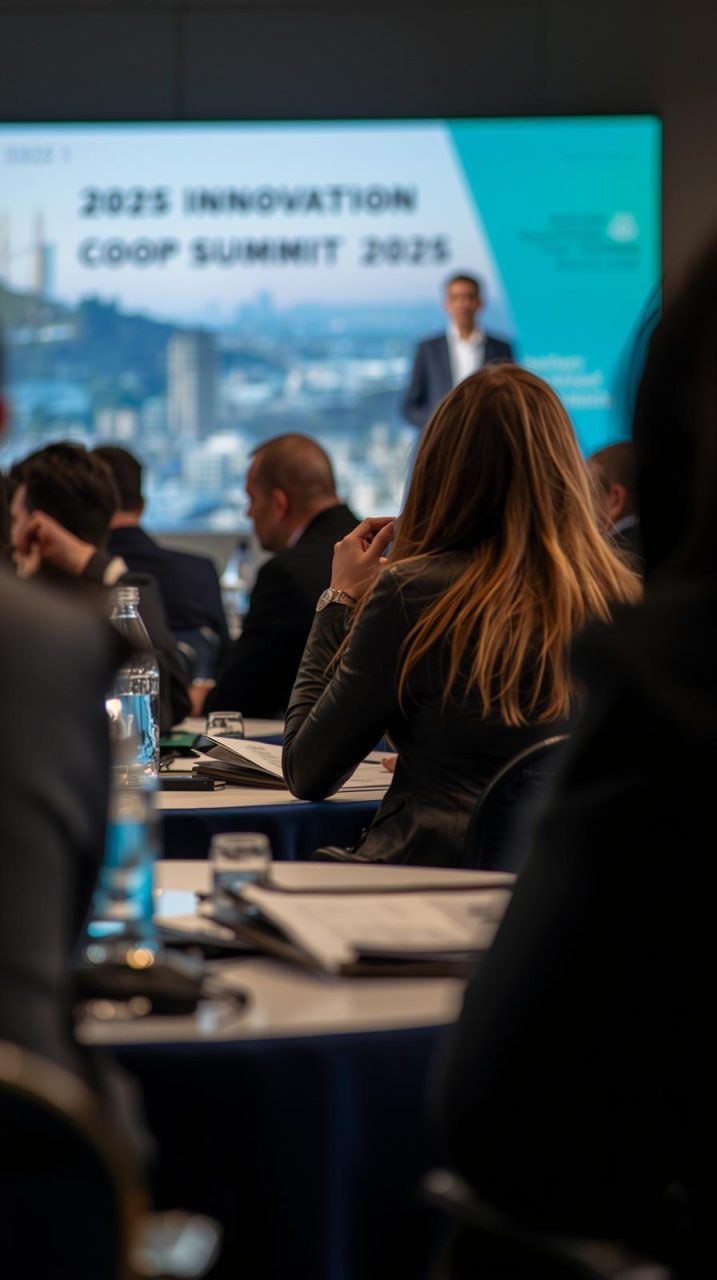
Torres Vedras recently hosted a remarkable gathering of cooperative minds. Around 350 participants from 24 countries came together to explore new solutions. They focused on how cooperatives can tackle today’s biggest challenges.
The event highlighted three powerful phases of cooperative action. First, empowering individuals and communities to drive meaningful change. Second, building trust through complete transparency and accountability. Finally, co-creating inclusive systemic solutions that last.
This convergence demonstrated that cooperatives are far from outdated models. They represent sophisticated social innovation with strong ethical foundations. The gathering ironically blended traditional values with cutting-edge technological solutions.
Cooperatives emerged not as niche enterprises but as structural answers to global inequality. They address climate change and institutional distrust through practical innovation. This approach bridges business success with sustainable development goals.
Event Overview: Global Innovation Coop Summit in Portugal
A diverse assembly of cooperative professionals converged in Torres Vedras for pivotal discussions on October 27-28. This gathering brought together leaders, academics, and practitioners from across the cooperative spectrum.
Summit Attendance and International Participation
The event attracted 350 participants representing 24 different countries. This international composition created a microcosm of worldwide cooperative diversity.
Attendees shared a common purpose despite their geographic differences. The professional mix included cooperative executives, researchers, and field practitioners.
Torres Vedras served as a symbolic setting where traditional Portuguese culture met forward-thinking approaches. The location beautifully balanced historical charm with contemporary cooperative innovation.
Keynote Addresses by Dignitaries and Leaders
Paulo Rangel, Portugal’s Minister of Foreign Affairs, delivered the opening address. He provocatively declared cooperatives as “the most sophisticated form of social innovation.”
International Cooperative Alliance president Ariel Guarco contributed via video message. His remote presentation positioned cooperatives as modern innovation leaders rather than historical artifacts.
Climate expert Yuill Herbert presented on cooperative responses to environmental challenges. He argued that cooperative models offer structural solutions without requiring radical upheaval.
The professional depth of plenary sessions blended academic theory with practical applications. Workshops provided hands-on learning opportunities for all attendees.
Participant Category
Number of Attendees
Primary Focus Areas
Cooperative Leaders
120
Governance & Strategy
Academic Researchers
85
Theory & Development
Field Practitioners
95
Implementation & Operations
Government Representatives
50
Policy & Regulation
The summit’s international scope reflected growing recognition of cooperative solutions. Local models demonstrated clear relevance for global challenges facing modern societies.
There was noticeable irony in government officials praising cooperative structures. These models often challenge conventional economic frameworks yet received official endorsement.
Key Takeaways from the Global Innovation Coop Summit Portugal Review Retrospect Reflection UNSDGs
The assembly’s framework revealed a sophisticated three-part progression. This structure served as both practical roadmap and philosophical statement about cooperative evolution.
Each phase built upon the previous, creating a comprehensive approach to modern challenges. The framework demonstrated how traditional values adapt to contemporary realities.
Empowering Individuals and Communities to Act
Workshops focused on leveraging human capital—because apparently machines haven’t completely replaced people yet. Sessions explored creating cultures of accountability and integrating ESG principles.
Artificial intelligence emerged as a surprising ally in decision-making processes. The technology supported rather than replaced human judgment in cooperative governance.
This phase emphasized that empowerment begins with recognizing individual potential. It then scales this recognition to community-wide impact through structured cooperation.
Building Trust Through Transparency and Accountability
In an era where institutions face widespread distrust, cooperation requires genuine trust. The gathering explored this paradoxical challenge with remarkable candor.
Digital transformation presented both opportunities and obstacles for trust-building. Technology often erodes trust yet offers unprecedented transparency tools.
International partnerships and global knowledge networks emerged as trust amplifiers. These connections demonstrated how shared purpose transcends geographic and cultural boundaries.
“Innovation means promoting human progress,” observed Cooperatives Europe president Giuseppe Guerini. “Cooperatives know how to create real trust among people while meeting regulatory requirements—no small feat.”
Co-Creating Inclusive and Lasting Systemic Change
This final phase moved beyond incremental improvements to transformative redesign. Participants debated integrating ecological solutions and circular economy principles.
Artificial intelligence’s role in energy transition sparked particularly lively discussions. The technology offered pathways to climate solutions without sacrificing cooperative values.
The gathering positioned cooperatives as “schools of democracy” building accountability. This approach addresses misinformation while creating sustainable business models.
European models demonstrated how innovation coexists with regulatory compliance. Their success offers valuable news for organizations navigating complex governance landscapes.
Innovative Cooperative Models Highlighted at the Summit
The summit showcased remarkable cooperative innovations that challenge conventional business paradigms. These models demonstrated how traditional cooperative principles adapt to modern economic realities while maintaining ethical foundations.
Participants examined multi-stakeholder cooperatives that expand mutuality beyond single-stakeholder limitations. This approach creates more inclusive decision-making structures while addressing complex capital requirements.
Renewable Energy and Platform Cooperatives
Renewable energy cooperatives emerged as powerful responses to climate challenges. These organizations democratize energy ownership—because apparently sunlight and wind shouldn’t be corporate monopolies.
Platform cooperatives like Smart Belgium provide social security for independent workers. This innovation actually lives up to its name by prioritizing worker security over investor returns.
These models represent significant advances in how cooperatives approach contemporary energy and employment challenges. They blend social mission with financial sustainability through innovative capital structures.
Case Studies: SOCAPS, Coopernico, and Acodea
Three organizations stood out as living laboratories of cooperative innovation. SOCAPS in France demonstrates how multi-stakeholder models create enlarged mutuality.
Coopernico in Portugal showcases renewable energy democratization in action. This cooperative proves that community-owned energy solutions can compete with traditional utilities.
Acodea in France illustrates innovative approaches to capital management while maintaining cooperative values. These case studies offer practical blueprints for organizations facing similar challenges.
Role of Artificial Intelligence in Cooperative Innovation
Artificial intelligence applications sparked particularly insightful discussions. Workshops explored using AI for optimizing renewable energy solutions and supporting energy transition.
Manuel José Guerreiro, Chair of host Caixa Agricola, argued that digital technology can humanize rather than dehumanize when guided by cooperative principles. His perspective highlighted how artificial intelligence becomes an ally rather than threat.
The technology supports data-driven decision making without compromising cooperative transparency. It promotes regenerative approaches while maintaining community benefits—a delicate balance that many conventional businesses struggle to achieve.
These innovations demonstrate how cooperatives can leverage artificial intelligence while preserving their core values. The approach turns technological challenges into opportunities for strengthened cooperation.
Conclusion
The final plenary transformed insights into commitments. Participants translated cooperative values into actionable pledges extending beyond the event.
Manuel José Guerreiro’s closing remark framed cooperativism as both humane and intelligent. His bridge metaphor resonated deeply with a movement built on connection rather than division.
This gathering demonstrated that local solutions thrive through global networks. The news here isn’t just what was discussed, but what will be implemented.
Cooperatives continue proving business can succeed without destruction. Sometimes the most sophisticated solution is simply human cooperation scaled effectively.
Key Takeaways
Cooperatives from 24 countries demonstrated global relevance in addressing modern challenges
The event highlighted three core phases: empowerment, trust-building, and co-creation of lasting change
Traditional cooperative values effectively combine with contemporary technological solutions
Cooperatives represent structural solutions to inequality, climate issues, and institutional distrust
The summit successfully connected cooperative principles with sustainable development frameworks
Cooperatives offer a business model that creates value without destruction
Community-focused innovation maintains ethical foundations while adapting to new economic realities
Many Americans know a simple story about this special day. It involves a feast shared long ago. But the real history runs much deeper than that tale.
This holiday is really about gratitude and survival. It connects to ancient wisdom about the land and its bounty. The full narrative honors the role of native cultures and their knowledge.
Today, we can reflect on the true meaning of this time. It is a moment for community, respect, and learning from the past. The celebration is a chance to appreciate family, friends, and the food we share.
Understanding the origins helps us build a more mindful future. It teaches us about interconnectedness with nature and each other. This day carries great significance for conservation and sustainable living.
Unveiling the True History of Thanksgiving
Behind the familiar tale lies a complex tapestry of events that shaped this national observance. The common narrative often overlooks crucial perspectives that complete the picture.
The Myth Versus Reality of the First Thanksgiving
Many believe the first feast was a peaceful gathering between settlers and native communities. In truth, the popular story emerged centuries later during a period of national expansion.
President Lincoln established the holiday during the Civil War era. This timing helped create a unifying national story. The romanticized version served specific political purposes of that time.
Actual historical accounts describe a harvest celebration in 1621. It was not called Thanksgiving then. The event was more practical than ceremonial.
Indigenous Perspectives and the National Day of Mourning
For many native cultures, this day represents something entirely different. Since the 1970s, groups have organized the National Day of Mourning.
This observance honors ancestors lost to colonization. It also protests ongoing challenges facing native people today. The event provides a powerful counter-narrative to traditional celebrations.
“We are not celebrating. We are mourning our ancestors and the destruction of our way of life.”
This perspective reminds us that history contains multiple truths. Listening to these voices deepens our understanding of this complex holiday.
The Role of the Wampanoag in Pilgrim Survival
The Wampanoag people possessed extensive knowledge of the land and its resources. They had already encountered Europeans before the Pilgrims arrived.
Their assistance was based on political strategy rather than simple friendship. The Wampanoag shared crucial survival skills with the newcomers.
They taught farming techniques that worked with local ecosystems. Their wisdom about local wildlife and food sources proved vital. This knowledge exchange allowed the settlers to survive their first years.
Peace between the groups was unfortunately short-lived. Within decades, conflict replaced cooperation. The full story reveals the delicate nature of these early relationships.
Understanding this history helps us appreciate the true origins of this annual observance. It invites us to reflect on the complex relationships that shaped our nation’s story.
The Legacy of Native American Democracy and Governance
While modern political systems claim innovation, many foundational principles trace back to sophisticated indigenous governance models. These systems demonstrate remarkable foresight in balancing individual rights with collective responsibility.
Long before European philosophers debated democracy, native communities practiced complex representative systems. Their approaches integrated ecological wisdom with social organization in ways that still inspire contemporary governance.
The Iroquois Confederacy’s Influence
The Haudenosaunee Confederacy established its Great Law of Peace around 1142 AD. This written constitution created a sophisticated democratic framework that united six distinct nations.
Mohawk, Oneida, Onondaga, Cayuga, Seneca, and later Tuscarora tribal-groups formed this remarkable political union. Their system maintained peace through carefully balanced representation and consensus-based decision-making.
Benjamin Franklin openly admired the Confederacy’s political achievements. He noted how “six Nations of Ignorant Savages” achieved unity that English colonies might emulate.
This governance model challenged colonial assumptions about societal development. It demonstrated political sophistication that directly informed American constitutional principles.
“The framers of the Constitution drew inspiration from the Iroquois model of federalism and balanced power.”
The Confederacy’s structure featured separate branches with checks and balances. Clan mothers held significant authority in selecting and removing leaders.
This system represented one of history’s oldest continuous democracies. It maintained functional governance for centuries before European contact.
Seventh Generation Principle
Perhaps the most profound governance concept involves intergenerational responsibility. The Seventh Generation Principle mandates considering impacts on descendants seven generations future.
This philosophy transforms decision-making from short-term gains to long-term sustainability. It creates accountability systems that prioritize future wellbeing over immediate convenience.
The principle centers relationships between humans, animals, and environments. These connections determine life quality for current and future communities.
Traditional Governance Element
Modern Equivalent
Sustainability Impact
Seventh Generation thinking
Long-term environmental planning
Climate change mitigation strategies
Consensus decision-making
Stakeholder engagement processes
Community-supported sustainability
Clan mother oversight
Independent regulatory bodies
Accountability in resource management
Confederacy structure
Federal systems of government
Balanced regional development
Representative councils
Democratic legislative bodies
Policy development for common good
This governance approach naturally aligns with environmental stewardship. Decisions must account for their effects on the natural world across multiple generations.
Modern sustainability frameworks increasingly adopt this long-term perspective. It offers solutions for addressing complex climate change challenges.
The principle encourages genuine reflection when we give thanks for resources. It reminds us that our actions today shape tomorrow’s sustainable future.
These democratic traditions demonstrate the sophistication of native american political thought. They continue influencing how societies approach governance and environmental responsibility.
The legacy of indigenous peoples‘ governance systems remains relevant today. Their wisdom offers pathways toward more equitable and sustainable societies.
Indigenous Wisdom: Proto-Sustainability Practices
Long before modern agriculture, native communities developed sophisticated methods for living in harmony with nature. These ancient approaches offer powerful lessons for our current environmental challenges.
Their systems demonstrated deep understanding of ecological balance. They maximized food production while preserving the land for future generations. This wisdom remains relevant for creating a sustainable future.
The Three Sisters Planting System
This brilliant agricultural method combines corn, beans, and squash in one growing space. Each plant supports the others in a perfect natural partnership.
Corn stalks provide structure for bean vines to climb. Beans add nitrogen to the soil through their roots. Squash leaves spread across the ground, keeping moisture in and weeds out.
The system produces more food than growing each crop separately. It also maintains soil health year after year. This approach shows incredible understanding of plant relationships.
Plant
Role in System
Benefit to Garden
Corn
Provides structure
Creates support for beans
Beans
Adds nitrogen
Fertilizes soil naturally
Squash
Covers ground
Retains moisture, suppresses weeds
Sacred Reciprocity and Land Stewardship
Native cultures viewed the land as a relative rather than a resource. This relationship required care and respect in exchange for life’s gifts.
They practiced giving back to the earth through ceremonies and sustainable harvesting. This mindset of reciprocity ensured continued abundance for all beings. It stood in sharp contrast to exploitation approaches.
Research shows these communities left minimal ecological footprints before colonization. They managed landscapes without major modifications or deforestation. Their methods preserved ecosystems for countless generations.
Sustainable Foraging, Fishing, and Hunting Techniques
Native groups developed careful rules for gathering wild foods. They took only what they needed and ensured resources could renew themselves.
Hunting followed seasonal patterns and respected animal populations. Fishing methods allowed species to reproduce and thrive. These practices maintained balance within local ecosystems.
Their knowledge of plants and animals was incredibly detailed. They understood migration patterns, growth cycles, and interconnections. This wisdom allowed them to live abundantly without depletion.
These ancient methods offer inspiration for modern conservation efforts. They show how humans can thrive while respecting nature’s limits. The principles remain valuable guides for today’s environmental challenges.
Thanksgiving, Pilgrims, and Indigenous Peoples: A Complex Legacy
The arrival of European settlers marked a turning point in North American history. This period brought dramatic changes to the land and its original inhabitants. The full story reveals a legacy of both conflict and resilience.
Understanding this history helps us appreciate the true meaning of this annual observance. It invites reflection on relationships that shaped our nation’s story.
Ecological Imperialism and Environmental Conquest
Historian Alfred Crosby introduced the term “Ecological Imperialism.” This concept describes how Europeans altered native environments. Their actions helped secure colonial dominance.
They brought diseases that devastated local populations. New animals and plants disrupted established ecosystems. Widespread deforestation changed landscapes forever.
These environmental changes made colonization easier. They weakened native communities through ecological disruption. The land itself became a tool of conquest.
The Impact of Colonization on Indigenous Food Systems
European settlers deliberately targeted native food sources. They burned crops and destroyed food stores. This strategy aimed to subdue resistant communities.
The mass killing of bison had devastating effects. These animals were central to many cultures and economies. Their near-extinction caused widespread hunger and displacement.
Generational knowledge about local foods was lost. Traditional harvesting practices became difficult to maintain. Food sovereignty was dramatically undermined.
Colonial Action
Impact on Food Systems
Long-Term Consequences
Crop Destruction
Immediate food shortages
Loss of agricultural knowledge
Bison Slaughter
Protein source elimination
Cultural and economic collapse
Land Seizure
Access restriction
Forced dietary changes
Seed Replacement
Biodiversity reduction
Dependence on foreign crops
Reclaiming Indigenous Food Systems and Cuisine
The renaissance of native cuisine represents more than culinary innovation—it’s an act of cultural reclamation and environmental healing. This movement challenges colonial food systems while honoring ancestral wisdom about the natural world.
Modern chefs and food activists are rediscovering what colonization systematically suppressed. They’re rebuilding culinary traditions that sustained communities for millennia before European contact.
Decolonizing Diets and Ingredients
Decolonization begins at the plate, rejecting ingredients that arrived with colonization. This means eliminating cane sugar, white flour, dairy, beef, pork, and chicken from traditional recipes.
Sean Sherman, founder of The Sioux Chef and James Beard Award winner, emphasizes this approach. He notes how native americans controlled their destiny through food self-sufficiency before colonial disruption.
The philosophy frames indigenous food as medicine rather than mere sustenance. Mindful connection to ancestral foods nourishes both bodies and souls through cultural reconnection.
Native-Led Food Initiatives Today
NāTIFS (North American Traditional Indigenous Food Systems) leads this culinary revolution. The nonprofit promotes indigenous foodways education and facilitates access to traditional ingredients.
Executive Director Dana Thompson envisions a new North American food system. This system would generate wealth while improving health in Native communities through food-related enterprises.
These initiatives support what Thompson calls “re-identification, reclamation, and revitalization.” They address knowledge gaps created by centuries of colonial disruption.
The movement connects food sovereignty with broader environmental concerns. Traditional food systems offer solutions for climate change and contribute to a more sustainable future.
Colonized Ingredients
Traditional Alternatives
Environmental Impact
Cane sugar
Maple syrup, honey
Local sourcing reduces transport emissions
White flour
Corn, acorn, amaranth flour
Supports biodiversity and soil health
Dairy products
Nut milks, traditional fats
Lower methane production than cattle
Beef, pork, chicken
Bison, venison, traditional game
Regenerative grazing practices
Processed foods
Wild harvested plants
Minimal packaging, seasonal availability
This culinary reclamation occurs year-round, not just during seasonal observances. However, it holds particular significance around the national day often associated with harvest celebrations.
The work of these indigenous peoples represents both cultural preservation and environmental innovation. They’re creating food systems that honor the past while nourishing future generations.
Modern Applications of Indigenous Sustainability
Across the globe, ancient wisdom is finding new purpose in modern environmental protection. Traditional knowledge systems are proving essential for addressing today’s ecological challenges. These time-tested approaches offer powerful solutions for a sustainable future.
Indigenous-Led Conservation Efforts Today
Native communities protect an incredible amount of the world’s biodiversity. They safeguard over 80% of global wildlife despite being less than 5% of the population. Their conservation efforts achieve remarkable results through deep cultural connection to the land.
Programs like Australia’s Indigenous Ranger Program demonstrate this success. Rangers combine traditional knowledge with modern training to manage protected areas. They monitor species, control wildfires, and preserve cultural sites.
Canada’s Indigenous Leadership Initiative (ILI) shows similar innovation. This program integrates millennia of native science with contemporary techniques. The approach creates positive impacts across entire ecosystems.
These initiatives prove that ancestral wisdom remains vitally relevant. They show how traditional stewardship can guide modern conservation. The results often surpass Western methods alone.
Learning from Traditional Land Management
Traditional land management focuses on ecosystem relationships rather than isolated resources. This holistic approach considers how all elements interact and support each other. It emphasizes care for complexity rather than simplification.
Native sciences concentrate on connections and interactions within natural systems. They understand that everything exists in relationship with everything else. This perspective offers complementary approaches to Western scientific methods.
The focus remains on stewardship rather than ownership or exploitation. Land is viewed as a relative to care for, not a resource to consume. This mindset creates sustainable systems that endure for generations.
Modern forestry and conservation efforts are increasingly adopting these principles. They recognize that complexity often indicates health and resilience. This shift represents important progress toward environmental reconciliation.
Integrating Ancient Wisdom into Modern Practices
Guardian programs beautifully reconcile traditional knowledge with contemporary conservation. These initiatives train community members to protect their traditional territories. They blend ancient wisdom with modern monitoring technology.
The integration addresses pressing challenges like climate change and species loss. It applies principles of interconnectedness and reciprocity to current problems. This combination creates innovative solutions that honor both past and future.
These models demonstrate practical benefits and meaningful innovations. They show how different knowledge systems can work together harmoniously. The collaboration produces better outcomes for people and planet.
Everyone can learn from these successful integrations. Supporting these efforts helps build a more sustainable world. It acknowledges the importance of traditional ecological knowledge in modern conservation.
These applications inspire greater respect for native leadership in sustainability movements. They motivate people to engage with and support these vital efforts. This knowledge helps create meaningful change for our shared future.
Decolonizing Your Thanksgiving Celebration
Transforming this annual gathering into a meaningful experience requires conscious choices. It involves rethinking traditional approaches to create deeper connections. This shift honors the true spirit of the occasion while supporting important values.
Incorporating Pre-Colonial Foods and Recipes
Traditional native ingredients create authentic and nutritious meals. The Three Sisters combination remains a brilliant foundation. Corn, beans, and squash work together beautifully in many dishes.
Maple syrup and sumac offer natural sweetness and flavor. They replace refined sugar in recipes. These ingredients connect meals to local ecosystems.
Wild rice and native grains add texture and nutrition. They have deep cultural significance across many regions. These foods support biodiversity and local agriculture.
Simple substitutions make recipes both delicious and meaningful:
Use nut milk instead of dairy products
Choose heritage turkey breeds when including meat
Season with native herbs like sweetgrass and cedar
Feature seasonal squash varieties in multiple courses
Honoring Local Indigenous Tribal-group and Histories
Learning about original inhabitants brings depth to the celebration. The Native Land Map helps identify traditional territories. This knowledge acknowledges the true history of the land.
Supporting native-owned businesses makes a real difference. It contributes to economic sovereignty and cultural preservation. Many organizations offer directories of authentic products.
“When we support native artists and food producers, we help keep traditions alive for future generations.”
Educational resources provide accurate information about local cultures. Museums and cultural centers often share authentic perspectives. These sources offer guidance for respectful recognition.
Promoting Sustainable and Mindful Feasting
Environmental consciousness aligns with traditional values of respect. Reducing waste demonstrates care for natural resources. Thoughtful planning makes feasts both abundant and responsible.
Local sourcing reduces transportation impacts significantly. It also supports regional farmers and food producers. Seasonal ingredients taste better and require less energy to grow.
Plant-based options lower the meal’s environmental footprint. They use less water and produce fewer emissions. Even small changes create meaningful positive impacts.
Practical steps for sustainable celebrations include:
Planning portions carefully to minimize leftovers
Using reusable dishes and natural decorations
Composting food scraps rather than sending to landfill
Donating excess food to community organizations
These approaches transform the meal into an act of gratitude. They honor the interconnectedness of all life. This mindfulness creates celebrations that nourish both people and planet.
Conclusion
The journey through this holiday’s complex past reveals powerful lessons for building a more conscious tomorrow. Understanding the full history transforms how we approach this special time of year.
Honoring native wisdom in our celebrations shows deep respect for the land and its original caretakers. Their sustainable approaches offer vital guidance for today’s environmental challenges.
This knowledge invites us to carry gratitude and mindfulness beyond the annual feast. We can support local communities while preserving precious ecosystems.
Every thoughtful choice contributes to a healthier, more equitable future. The true spirit of this day lives in our ongoing commitment to learning and positive action.
Key Takeaways
The holiday’s history is richer and more complex than common myths suggest.
Native American contributions and wisdom are central to the true story.
Gratitude and community are at the heart of the celebration.
The traditions connect deeply to respect for land and ecosystems.
Learning the full narrative encourages more meaningful observances today.
This time of year highlights themes of heritage and sustainable practices.
Modern celebrations can honor both history and future conservation efforts.
Imagine a farmer using fertilizer, not knowing it has tiny synthetic particles. These small pieces start a long journey, ending up in oceans thousands of miles away.
Land activities and ocean damage are linked in a big way. What we do on land affects the ocean in ways we can’t see.
The United Nations has goals to fix these problems. But, tiny particles show we still have a lot to learn. They show how our actions on land affect the whole world.
It’s not just about the ocean or farms. It’s about how our choices affect everything around us. We’re harming our most important resources in ways we can’t even see.
The Microplastic Problem: Defining the Scope and Scale
Humans have made plastics so strong they last for centuries. Yet, they’ve also broken down into tiny pieces that harm our planet. This section explores how microplastics, tiny plastic pieces, have become a big problem worldwide.
What Are Microplastics? Types and Classification
Microplastics are a strange mix of human creation and environmental harm, however, these tiny plastics, smaller than 5mm, have become a big problem in nature. They challenge how we manage our environment.
Primary vs Secondary Microplastic Particles
There are two kinds of microplastics, each with its own story. Primary microplastics are made on purpose for certain uses, but consequently, they often get lost in the environment.
Secondary microplastics come from bigger plastics breaking down. They are the result of weathering and other environmental factors. Knowing the difference is key to solving the problem.
Characteristic
Primary Microplastics
Secondary Microplastics
Origin
Intentionally manufactured small particles
Breakdown of larger plastic items
Common Sources
Microbeads, plastic pellets, synthetic fibers
Plastic bottles, packaging, fishing gear
Size Range
Typically uniform, designed specifications
Highly variable, fragmentation-dependent
Environmental Pathway
Direct release from products/manufacturing
Gradual degradation in natural environments
Prevention Strategy
Product reformulation, manufacturing controls
Waste management, circular economy approaches
Size Ranges and Composition Variations
Microplastics come in all sizes, from big to tiny. The smallest ones are the hardest to track. This makes it tough to manage them.
They are made from many different plastics, each with its own effects on the environment. This makes solving the problem very complex.
Global Production and Distribution Patterns
The story of microplastics is one of pollution and unintended consequences. Some areas produce a lot of plastic waste, while others suffer from it. This pattern shows how plastic waste moves around the world.
Regional Differences in Microplastic Generation
Places with more plastic use often send their waste elsewhere. Asia makes the most plastic waste, while North America and Europe use more per person. This creates a big problem for the environment.
These differences make it hard to manage plastic waste. The result is plastic pollution that knows no borders, showing the economic gaps in our world.
Transport Mechanisms Through Atmospheric and Aquatic Pathways
Microplastics travel the world through air and water. The wind carries them across continents, while the ocean moves them with great precision. This is a big problem for our oceans.
Plastic waste from cities can end up in remote oceans thousands of miles away. This shows how connected our world is and how big our plastic problem is. It’s a challenge that needs global action.
Soil Impact Oceans Plastic Pollution Microplastics Waste Management UN SDGs
Modern farming has made us more efficient but at a cost. It has led to plastic pollution in our environment. This section looks at how farming contributes to microplastic pollution. It also follows the journey of these particles from soil to ocean.
Agricultural Practices Contributing to Microplastic Pollution
Farming methods to increase yields often use synthetic materials. These materials can harm our environment. Two main farming practices show how good intentions can lead to big environmental problems.
Plastic Mulching and Soil Contamination Levels
Plastic mulching helps crops grow but also pollutes soil. These thin sheets break down into microplastics. This happens when they are exposed to sunlight and weather.
Soils in fields with plastic mulching can have up to 300,000 microplastics per kilogram. These particles change how soil holds water and affect the life in the soil. They also make pollution last a long time.
Using treated sewage sludge as fertilizer is another problem. It recycles nutrients but also adds microplastics from wastewater. This creates a cycle of pollution instead of sustainability.
Fields treated with sewage sludge have much more microplastics than untreated ones. This method of solid waste management turns farms into places where urban plastic waste ends up. It’s a cycle of pollution, not sustainability.
Transfer Mechanisms from Land to Marine Environments
Microplastics move easily through water systems. They travel from farms to oceans through efficient pathways. These paths are like a well-organized delivery system.
Watershed Runoff and Riverine Transport
Runoff in watersheds acts like a plastic delivery system. It moves microplastics during rain. These particles ride on soil sediments, flowing into bigger water bodies.
Rivers carry plastic from farms to oceans. Studies show that watersheds from farms add a lot to ocean pollution. This shows how land and sea are connected.
Groundwater Pathways to Coastal Systems
Microplastics also move through groundwater. They travel through aquifers and underground flows. Eventually, they reach coastal areas.
Groundwater moves slowly, so microplastics from farming can reach oceans years later. This creates a problem for the future. It makes it hard to fight agriculture climate change mitigation efforts.
Marine Ecosystem Impacts of Microplastic Pollution
The ocean’s delicate balance is facing a big challenge from tiny synthetic invaders. These microplastics are too small to see but too many to ignore. They change marine ecosystems in big ways, affecting everything from tiny organisms to entire food webs.
Direct Effects on Marine Organisms and Biodiversity
Marine creatures face harm from microplastics in many ways. This harm can be immediate or long-term. It’s like they’re eating plastic with the same eagerness as their natural food.
Ingestion and Physical Damage Across Species
Filter feeders like mussels and whales accidentally eat microplastics along with plankton. Visual predators mistake plastic for food. This leads to:
Internal abrasions and blockages in digestive systems
False satiety leading to malnutrition and starvation
Reduced reproductive success across multiple species
Sea turtles eating plastic bags show the tragic impact. But with microplastics, the damage is at a cellular level.
Bioaccumulation and Trophic Transfer in Food Webs
Microplastics move up through marine ecosystems through predation. Small fish eat contaminated plankton, and so on. This means top predators have the highest plastic levels.
“The biomagnification effect means top predators can contain plastic concentrations thousands of times higher than their environment.”
This process creates hidden threats in marine food chains. It affects species conservation efforts, especially those linked to UN SDGs.

Chemical and Ecological Consequences
Microplastics cause more than just physical harm. They carry chemicals that harm ecosystems. Their synthetic nature leads to unintended consequences for marine life.

Pollutant Adsorption and Toxicity Amplification
Microplastics pick up pollutants from the water. These include:
Pesticides and industrial chemicals
Heavy metals like mercury and lead
Hydrocarbons from fossil fuels
When marine life eats these particles, they get a concentrated dose of toxins. This would otherwise be diluted in the water.
Habitat Alteration and Ecosystem Function Disruption
Microplastics build up in seafloor sediments, changing habitats. These changes affect:
Oxygen exchange in benthic environments
Burrowing behavior of bottom-dwelling organisms
Nutrient cycling processes essential for ecosystem health
The impact is a silent change in marine ecosystems. Synthetic particles are changing natural processes. This challenges global efforts to protect the environment and hinders progress toward UN SDGs related to ocean conservation.
Coral Reef Systems Under Microplastic Stress
Under the ocean’s surface, coral reefs face a new threat from tiny plastic pieces. These ancient ecosystems have survived for millennia but now face a unique challenge. The Coral Reef Alliance shows how these small plastics cause big problems for marine life worldwide.
Physical and Biological Impacts on Coral Health
Microplastics harm coral reefs in many ways. Their small size hides their big impact on these delicate organisms.
Smothering Effects and Reduced Photosynthetic Efficiency
Microplastics settle on coral surfaces, creating a plastic blanket. This blanket stops corals from feeding and breathing. It also blocks sunlight, reducing the energy corals get from algae.
This energy loss slows coral growth and reduces their ability to reproduce. It’s a paradox: tiny plastics cause big damage to ecosystems.
Microplastics carry bacteria and viruses across reefs. Their rough surfaces help microorganisms stick. When corals eat these particles, they get sick quickly.
Studies show microplastics can increase coral disease by up to 89%. They also damage coral tissues, making them more vulnerable to infections. This double threat weakens coral immune systems.
Coral Reef Alliance Research and Conservation Efforts
The Coral Reef Alliance tackles this problem with science and hope. They focus on both quick fixes and long-term plans for a healthy environment.
Monitoring Programs and Impact Assessment
The organization uses advanced tech to track microplastics. They monitor:
Water column sampling at various depths
Coral tissue analysis for plastic buildup
Satellite imaging of pollution paths
Monitoring health of bio-indicator species
This detailed data helps them understand the impact of microplastics. It guides their conservation efforts.
Restoration Strategies for Affected Reef Systems
Restoration efforts face the challenge of ongoing pollution. The Coral Reef Alliance develops strategies that work in this context. They aim for broader solutions too.
Current restoration methods vary in success and practicality:
Technique
Effectiveness Rate
Implementation Cost
Scalability
Coral Fragment Reattachment
75-85% success
Medium-high
Limited
Artificial Reef Structures
60-70% colonization
High
Moderate
Microplastic Filtration Systems
45-55% reduction
Medium
High
Symbiotic Algae Enhancement
80-90% resilience boost
Low-medium
High
These methods are at the forefront of reef restoration. The Coral Reef Alliance keeps innovating. They know the key to success lies in stopping pollution at its source. Their work shows the balance between quick action and lasting change for a sustainable environment.
UN Sustainable Development Goals Framework Overview
The United Nations Sustainable Development Goals are a seventeen-point plan for changing the world. They aim to tackle every big problem facing us, showing how they’re all connected. This plan is both detailed and complex, making it a huge challenge.
This plan is smart because it knows you can’t fight poverty without protecting the environment. It also says you can’t save the oceans without changing how we make money. This way of thinking offers big chances and big challenges, like dealing with tiny plastic pollution.
The 17 Goals and Environmental Interconnections
The seventeen goals show how everything in the environment is connected. It’s like a big web that any systems expert would love. Each goal has targets that affect the environment in different ways, showing how everything is linked.
Environmental Sustainability as Cross-Cutting Theme
Environmental issues run through the SDGs like threads in a tapestry. Goal 6 focuses on clean water, while Goal 12 deals with how we produce things. Even Goal 1, about poverty, has targets that help the environment.
This shows that taking care of the environment is key to all other goals. It’s a big change in how we think about development.
Systems Thinking in SDG Implementation
The SDGs use systems thinking, which is all about how things are connected. This means that changing one thing can affect many goals. It’s a complex way of thinking that policymakers need to understand.
This approach is especially important for dealing with microplastics. They move around and harm many marine ecosystems. It shows why we need to think about everything together, not just one thing at a time.
Historical Development of Environmental SDGs
The SDGs didn’t just come out of nowhere. They’re the result of years of work on environmental issues. They show how we’ve gotten better at understanding and solving ecological problems.
From Millennium Development Goals to SDGs
The Millennium Development Goals (2000-2015) focused on social and economic issues, with the environment playing a smaller role. The SDGs changed this, seeing environmental limits as key to human progress.
This change came from new science on the planet’s limits and realizing we can’t reduce poverty on a dying planet. The SDGs are a big step forward, both building on past work and going further.
Increasing Emphasis on Ocean Conservation
Ocean conservation has become a top priority in global efforts. SDG 14 is the first goal just for the oceans. This shows how important oceans are and the threats they face, like microplastic pollution.
This focus on oceans shows how big environmental problems can’t be ignored. Microplastics are a big problem that won’t go away. They remind us of the importance of healthy marine ecosystems for food, climate, and jobs.
Direct Impact on UNSDG 14: Life Below Water
Previous sections talked about how microplastics harm our environment. Now, we look at how they directly challenge a key marine conservation goal. It’s ironic that tiny particles can stand in the way of big goals for our oceans.
SDG 14 Targets Relevant to Microplastic Pollution
The United Nations set SDG 14 to protect our oceans. But, microplastics are a big challenge. These targets show our goals and the reality of ocean health.
Target 14.1: Prevent and Reduce Marine Pollution
This target aims to stop all marine pollution. But, microplastics are hard to stop because they’re tiny. They spread through water and soil, lasting forever.
It’s ironic that many microplastics come from eco-friendly products. For example, recycled clothes and eco-friendly tires can pollute our oceans.
Target 14.2: Protect and Restore Ecosystems
We try to protect marine areas from pollution. But, microplastics can get everywhere. They move with currents, making it hard to keep areas clean.
Fixing damaged ecosystems is even harder. How can we restore coral reefs or seagrass beds when they’re filled with microplastics? Even tools meant to help can pollute more.
Measurement Challenges and Progress Assessment
Tracking progress towards SDG 14 is tough. It’s like trying to count stars in a cloudy sky. The more we measure, the more pollution we find.
Indicator Frameworks for Marine Pollution
Measuring microplastics is hard. We need to count particles, identify types, and check for toxicity. This makes it hard to see if we’re making progress.
As we get better at measuring, it seems like pollution is getting worse. This makes it hard to make policies and talk to the public.
UNEP’s Global Environmental Monitoring
UNEP is leading the way in monitoring our environment. But, even they face challenges. They’re working on new ways to measure microplastics.
UNEP uses the latest technology but also considers practical needs. They want methods that work everywhere, from Europe to developing countries.
Monitoring Challenge
Current Status
Innovation Needs
Standardized sampling methods
Multiple protocols in use
UNEP-led global standardization
Polymer identification
Laboratory spectroscopy required
Field-deployable identification tools
Ecological impact assessment
Mostly laboratory studies
Field-based impact metrics
Data comparability
Limited between regions
Common reporting frameworks
We may never have perfect data, but we should keep trying. UNEP’s work is key to understanding and solving the microplastic problem.
As we improve our monitoring, we see how big the impact of microplastics is. The success of SDG 14 may depend on managing what we can only partially measure.
UNSDG 12: Responsible Consumption and Production Solutions
UNSDG 12 faces a big challenge: how to use things responsibly while microplastics harm our planet. This goal aims to change how we make and use things to cut down plastic waste. It mixes rules with new ideas, aiming for a “sustainable capitalism with microplastic awareness.”
Circular Economy Approaches to Plastic Waste
The circular economy is a smart idea to fight plastic pollution. It wants to make waste into new resources. But, it’s hard to keep materials from getting lost in the environment.
Design Innovations for Reduced Plastic Usage
New plastics can break down safely or we use things that aren’t plastic. Stuff like mushroom packaging and seaweed wraps show great creativity. But, making these ideas big is hard because of cost and old ways of doing things.
Changing how products are made is another big step. Making cleaning products in smaller amounts cuts down plastic by 80%. Refill systems get rid of single-use plastics. But, people might not want to change, and stores need to help too.
Extended Producer Responsibility Systems
Extended Producer Responsibility (EPR) makes companies pay for what their products do to the environment. It’s a smart way to make companies pay for the mess they make. But, it’s hard to get companies to do this.
In Europe, EPR has helped a lot. It has cut down on packaging waste and made recycling better. But in the US, it’s different in every state, making it hard to follow.
Circular Economy Model
Microplastic Reduction Potential
Implementation Challenges
Current Adoption Status
Closed-loop Recycling
High (prevents new plastic production)
Contamination issues, collection infrastructure
Limited to specific polymers and regions
Biodegradable Alternatives
Medium (reduces persistent plastic)
Cost competitiveness, performance standards
Growing but niche market presence
Product-as-a-Service Models
High (reduces overall material use)
Consumer ownership mindset, business model shift
Early stage in durable goods sector
Digital Product Passports
Medium (improves recycling accuracy)
Standardization needs, data management
Pilot programs in European Union
Waste Management Innovation and Technology
The fight against microplastics is a technological battle. Old ways of dealing with waste can’t handle tiny plastics. New ideas aim to stop and catch these plastics.
Advanced Recycling and Recovery Systems
Chemical recycling breaks plastics down to use them again. It can handle plastics that regular recycling can’t. But, it needs a lot of energy and is expensive.
There are also new ways to catch microplastics. Filters in water treatment plants and devices in stormwater systems help. But, they don’t stop plastics from being made in the first place.
Behavioral Change and Consumer Education
Teaching people about plastic is important. We need to show them why it matters. Good campaigns focus on what people can see and feel.
Apps and social media help people make better choices. They show how products affect the environment. But, we still need to get people to act.
Stores are also helping by making sustainable choices easier. They make products with less packaging more visible. These small changes can make a big difference.
Health and Social SDGs: UNSDG 2, 3, and 6 Impacts
Microplastics are spreading fast and causing big problems for health goals like hunger, wellness, and clean water. These tiny pollutants are making it hard to keep food safe, healthy, and clean water available. It’s ironic that our modern conveniences are getting in the way of basic human needs.
UNSDG 2: Zero Hunger and Food Security Implications
Microplastics are a big problem for our food systems. They help grow more food but also pollute our soil and oceans. This means we might have more food, but it might not be as good for us.
Fisheries Impact and Seafood Safety Concerns
Sea creatures eat microplastics, which then get into our food. Mussels and oysters, for example, have a lot of these tiny particles. This means we might be eating plastic when we eat seafood.
Studies show that microplastics can carry harmful chemicals and germs. But we don’t know for sure how they affect our health. It’s hard for rules to keep our seafood safe from plastic.
Agricultural Soil Quality and Productivity
Soils get microplastics from many places. Plastic mulches, compost, and even the air can add to it. These particles can change how soil holds water and supports life.
Using plastic in farming might not help fight climate change. Soils with plastic might not store carbon as well. We’re not sure how plastic affects the quality and amount of food we grow.
UNSDG 3: Good Health and Well-being Connections
Microplastics can harm our health in many ways. We can breathe them in, eat them, or touch them. Doctors are still learning about the dangers of these tiny particles.
Human Health Risks from Microplastic Exposure
Microplastics can get into our bodies in different ways. Our lungs can take in particles from synthetic clothes and dust. Our digestive system can also absorb them from food and water.
These particles might cause inflammation and release chemicals. Additives in plastics can also get into our bodies. We need more studies to understand the long-term effects of microplastics.
Environmental Health and Community Well-being
People living near plastic factories face higher risks. Workers in waste management also get exposed a lot. It’s important to make sure everyone is treated fairly when it comes to pollution.
Knowing that our environment has hidden pollutants can make people anxious. The uncertainty about health risks makes us worry about what we eat and drink. This can make us lose trust in those who are supposed to keep us safe.
UNSDG 6: Clean Water and Sanitation Challenges
Water treatment systems are struggling to deal with microplastics. Traditional methods can’t catch the tiny particles. What we consider “clean water” is changing as we learn more about these pollutants.
Water Treatment and Microplastic Removal Efficiency
Not all water treatment methods are created equal when it comes to removing microplastics. Some technologies work better than others. But even the best methods can’t catch everything.
Wastewater plants become hotspots for microplastics. They come from our homes and end up in our waterways. This makes it harder to keep our water clean.
Drinking Water Safety Standards and Monitoring
It’s hard to set limits for microplastics in drinking water. We don’t have good ways to measure them yet. It’s also expensive to check for them everywhere.
Right now, we focus on chemicals in water, not particles. But we should be careful and reduce plastic exposure. Water systems are under pressure to address this growing problem.
Sustainable Development Goal
Primary Microplastic Impact
Monitoring Challenges
Mitigation Strategies
UNSDG #2: Zero Hunger
Food chain contamination
Seafood safety testing
Agricultural plastic alternatives
UNSDG #3: Good Health
Human exposure pathways
Health effects assessment
Exposure reduction programs
UNSDG #6: Clean Water
Treatment system limitations
Analytical standardization
Advanced filtration technologies
Major Organizational Initiatives and Responses
Three big environmental groups are leading the fight against microplastics. They use different ways to tackle plastic pollution. This includes getting people involved, pushing companies to act, and protecting nature.
Ocean Conservancy’s Comprehensive Approach
The Ocean Conservancy has a two-part plan. They clean up pollution and work on big policy changes. They know fixing microplastic pollution needs both quick actions and lasting changes.
International Coastal Cleanup and Data Collection
For over 30 years, the International Coastal Cleanup has brought together millions of volunteers. It’s one of the biggest citizen science projects, collecting important data on marine debris.
These cleanups do more than just pick up trash. They teach people about pollution and gather data for policy makers. The data shows how bad plastic waste is getting.
The group also fights for policy changes at all levels. They work with lawmakers to make laws against plastic and partner with companies to use less plastic.
They work with companies to set plastic use standards. This helps reduce plastic pollution before it starts.
Oceana’s Campaign Against Plastic Pollution
Oceana takes a bold stance, focusing on laws and making companies accountable. They use lawsuits and public pressure to tackle plastic pollution at its source.
Legislative Achievements and Policy Influence
Oceana has won big in lawmaking, like banning plastic bags and making companies responsible for their waste. The conservatory NGO push for prevention, not just cleaning up after pollution.
Additionally, they help shape global agreements on plastic waste. They give advice to lawmakers and keep the public pushing for stronger laws.
Corporate Accountability and Transparency Initiatives
Oceana’s campaigns against big plastic makers focus on making them take responsibility. They use shareholder power, raise awareness, and sue to force change.
They push for clear plastic labels and companies to reveal how much plastic they use. This encourages sustainable choices and informs consumers.
The Nature Conservancy’s Ecosystem-Based Strategies
The Nature Conservancy tackles microplastic pollution by managing watersheds and engaging communities. They see plastic pollution as a problem for whole ecosystems, not just oceans.
Watershed Management and Source Reduction
The group’s watershed programs aim to stop plastic pollution before it hits the ocean. They work with farmers, city planners, and factories to reduce waste.
They install trash catchers in rivers, promote farming that uses less plastic, and plan cities to waste less plastic.
Community-Based Conservation Models
The Nature Conservancy’s community programs help locals fight plastic pollution in their own ways. They mix old traditions with new science to solve the problem.
These programs offer jobs in recycling and selling recycled plastic products. They help the environment and local economies.
Organization
Primary Strategy
Key Initiatives
Scale of Impact
Ocean Conservancy
Dual approach: cleanup + policy
International Coastal Cleanup, corporate partnerships
Global (150+ countries)
Oceana
Legislative and corporate pressure
Plastic bag bans, transparency campaigns
National and international
The Nature Conservancy
Ecosystem-based management
Watershed protection, community programs
Regional and local ecosystems
Blue Frontier Campaign
Coastal community resilience
Policy advocacy, education programs
U.S. coastal regions
The Blue Frontier Campaign focuses on helping coastal communities. Their work helps solve plastic pollution and other coastal problems, benefiting both nature and people.
Each group has its own strengths in fighting microplastics. Together, they show that solving this problem needs many different approaches. Their work is a big step towards fixing our environment.
Technological Solutions: The Ocean Cleanup and Beyond
New engineering solutions are coming to fight plastic waste before it hits the ocean. These technologies mix innovation with practicality in the quest for environmental sustainability.
Interceptor River Plastic Capture Systems
The Ocean Cleanup’s river interceptors are engineering wonders in the fight against plastic. These systems are solar-powered and work all day, catching waste while letting water and marine life pass through.
Technology Design and Deployment Strategy
The interceptors have a clever design with a floating barrier. This guides plastic to a conveyor system. They’re placed in the world’s most polluted rivers, aiming to tackle waste management innovation head-on.
Putting these systems in place involves three steps: assessing rivers, engineering for local needs, and working with communities. This approach shows that tech alone can’t fix pollution problems.
Effectiveness Metrics and Performance Data
These systems show promise but also have limits. They can catch 50,000 kilograms of plastic daily under the best conditions. Yet, this is just a small part of the plastic flowing into rivers.
They face challenges during monsoons and with certain plastics. Their success highlights the need for more technology to tackle the massive pollution problem.
Research and Development Initiatives
Alongside deployment, there’s a big push for better ways to detect and measure plastic. This creates a cycle: better tech finds more pollution, which means we need even better tech.
Microplastic Detection and Quantification Methods
New methods like spectroscopy and imaging can spot microplastics at tiny levels. Scientists use these to study plastic in complex samples.
These studies show microplastic levels are much higher than thought. The ability to measure this has shown just how big the problem is.
Partnerships with Academic Institutions
The Ocean Cleanup works with top universities to improve tech and understanding. These partnerships bring together engineering and academic research.
Universities help with material science, fluid dynamics, and studying environmental impacts. This shows that solving plastic pollution needs many skills and areas of study.
These partnerships are a race against time. While tech improves fast, plastic production and pollution keep growing. This makes it tough for researchers and engineers.
Global Policy and International Cooperation Frameworks
International cooperation is key to tackling microplastic pollution that crosses borders. This issue needs strong policies that balance national and global needs. It’s where diplomacy and science come together.
UNEP’s Leadership in Global Plastic Governance
The United Nations Environment Programme leads in fighting plastic pollution worldwide. It uses science and diplomacy to tackle the problem. This approach helps achieve sustainable development goals.
International Agreements and Multilateral Action
Recently, the world has made big strides in fighting plastic pollution through agreements. But, the real challenge is making these agreements work:
Regional treaties with different levels of enforcement
Systems to track plastic waste across borders
Standards for reporting progress
Capacity Building and Technical Assistance
UNEP helps countries turn global agreements into action. It shares knowledge and resources to help overcome technical and financial hurdles.
UNFCCC COP30 Brazil: Climate-Plastic Connections
The climate conference in Brazil is a big moment for linking plastic pollution to climate issues. It shows we can’t tackle environmental problems alone.
Plastic Production Carbon Footprint Considerations
Plastic production’s climate impact is a wake-up call for policymakers. Fossil fuel-based plastics emit a lot of greenhouse gases:
Extracting and refining petroleum
Energy needed for making plastics
Transporting and distributing plastics
Managing plastics at the end of their life
Expected Outcomes and National Commitments
At UNFCCC COP30 Brazil, countries will make stronger promises to fight climate change and plastic pollution. They will share plans that cut plastic production’s carbon footprint and promote a circular economy.
2025 Osaka World Expo: Sustainability Innovation Showcase
The Osaka World Expo in 2025 will showcase solutions to environmental problems, focusing on plastic pollution. It will turn ideas into real-world solutions.
Plastic Pollution Solutions Exhibition
The 2025 Osaka World Expo will display new technologies to tackle plastic waste. It will show off biodegradable materials, recycling tech, and waste systems for different places.
International Knowledge Exchange Platforms
The Expo will also be a place for countries to share knowledge on plastic pollution. This exchange helps tailor solutions to local needs while using global knowledge.
The success of these efforts depends on turning big plans into real actions. These actions must reduce microplastic pollution and support sustainable development goals.
Conclusion: Integrated Approaches for Sustainable Futures
The microplastic problem shows us that big solutions need big efforts. We can’t fix it with just one thing. We need science, policy, and people working together.
The UN SDGs give us a roadmap. Goals like SDG 14 and SDG 12 show us the way. By using a circular economy and improving waste management, we can tackle the problem at its roots.
Real change means breaking down barriers. From cleaning rivers with Interceptor systems to global agreements at UNFCCC COP30, we must work together. The task is huge, but we have many tools and the determination to succeed.
Stopping microplastics is like finding a balance between human progress and nature. It’s not easy or quick, but with teamwork, we can achieve a cleaner world.
Key Takeaways
Land-based activities significantly contribute to marine contamination through unseen pathways
Synthetic particles from agricultural and urban areas travel further than previously understood
Global sustainability frameworks struggle to address these cross-boundary environmental issues
Modern waste management systems often fail to capture microscopic contaminants
The connection between terrestrial actions and marine consequences requires new approaches
Microscopic pollution represents a critical challenge to achieving international sustainability targets
As stated in previous articles as a continuous series, The United Nations designates specific observances to focus global attention and unlock policy windows; these days are more than symbolism when tied to budgets, procurement, and reporting.
This introduction frames an evidence model that draws on UNEP, UNDP, UNESCO and ECOSOC for governance; the World Economic Forum for investment signals; CDC for health burden; and BLS for labor shifts.
When an international day is embedded in planning, it can seed multi-quarter programs that link clean air goals, democratic resilience, and local innovation ecosystems.
Practical constraints exist—short budget cycles and fragmented accountability—but well-designed observances can impose discipline on timelines and boost measurable outcomes.
Executive Brief: Why UN International Days Matter for Clean Air, Democracy, and Peace Today
Designated international days act as accelerators; they compress attention, align communications, and create predictable moments for funding and procurement. General Assembly resolutions (and agency-led declarations) set the date; the follow-up often depends on specialized agencies and ECOSOC review cycles.
The business case is simple: an observance turns diffuse interest into joint action. UNEP, UNDP, and UNESCO provide programmatic evidence; the WEF frames risks that make those calls to fund solutions persuasive.
Health and labor signals matter. CDC tracking shows reduced cardiopulmonary burden when air improves; BLS trends flag jobs shifting as economies decarbonize. These data create co-benefits that observances highlight.
Institutional cadence: pairing a day international with planning years creates RFP and budget milestones.
Governance dividends: hearings, audits, and public participation often cluster around observance dates.
Peace linkages: shared environmental data and protocols reduce cross-border friction.
For U.S. agencies and cities, aligning campaigns with an international day turns communications into policy sprints that deliver measurable community gains across years and issues.
How the United Nations Uses International Days and Decades to Drive Awareness and Action
Member states often start the clock on observances by drafting resolutions that channel attention into action. The General Assembly formalizes an international day; specialized bodies then convert that date into programs and deliverables.
From Member State Resolutions to Specialized Agency Roles
The institutional order is simple and efficient: proposals originate with capitals; the united nations General Assembly ratifies them; then sectoral agencies execute within mandates.
UNEP stewards environmental coherence; UNDP aligns finance and capacity building; UNESCO mobilizes education and research networks; ECOSOC coordinates review cycles and data follow-up.
Linking Observances to Measurable Outcomes
Single days matter less than what agencies deliver on those dates. Pair an international day with indicator drops—emissions inventories, waste audits, or health burden summaries—and the observance becomes a reporting milestone.
Decades extend that momentum, allowing pilots to scale and funding cycles to mature. Cross-agency choreography (policy briefs, dashboards, RFPs) turns attention into budgets and measurable policy adoption.
Map the pipeline: Member state proposal → GA resolution → agency rollout.
Pair communications with indicators to create auditable claims.
Pre-commit deliverables on observance dates to enforce discipline and visibility.
Ozone Layer Preservation: Policy Milestones, Clean Air Gains, and Remaining Risks
Treaties have a track record: negotiated limits spark industry transitions, regulatory scaffolds, and measurable health gains. UNEP and UNDP technical notes document steady declines in controlled substances and outline refrigerant transition plans aligned with Kigali timelines.
Phasing out harmful substances and aligning with climate goals
Diplomacy converted chemistry into compliance; the State Department cites agreements that phase out remaining compounds that harm the stratosphere. IPCC projections (temperature and sea-level ranges over coming years) frame why those controls matter beyond direct UV effects.
Data-driven messaging for the International Day for the Preservation of the Ozone Layer
Communications should quantify co-benefits: CDC-cited health reductions from better air and solvent controls; WEF framing on transition risks; BLS signals on green jobs and technician demand.
“Pair celebration with candid disclosure and next-step commitments.”
Milestones: treaty limits → Kigali refrigerant shifts → national inventories.
Practice: annual reporting, appliance labeling, and workforce training link policy to consumer action.
Peace, Democracy, and Environmental Security: A Governance Nexus
Environmental diplomacy now sits at the center of modern foreign policy, reshaping how embassies operate and how capitals prioritize risks. Five priorities dominate: climate change, toxic chemicals, species extinction, deforestation, and marine degradation.
Environmental diplomacy as mainstream foreign policy
U.S. missions have set up regional environmental hubs that work across years to coordinate science and policy. This reflects a shift toward core statecraft; policy choices now feed bilateral and multilateral order.
Linking institutions, health, and accountability
Transparent institutions reduce corruption in resource sectors; UNDP and UNESCO data show how capacity building improves enforcement. CDC metrics make the health-security link visible—degraded environments raise disease burdens and threaten jobs.
“Publish compliance reports and community feedback on the international day to build trust.”
Frame diplomacy as a tool for long-term risk reduction.
Use observances as governance rituals for audits and hearings.
Align embassy hubs with ECOSOC follow-up to sustain momentum.
World Cleanup and Waste Reduction: Systems Change Beyond a Single Day
Public attention can nudge budgets, but infrastructure and policy lock in durable waste reduction. Short-term volunteer efforts matter; durable change requires contracts, financing, and clear producer duties.
From awareness to infrastructure: waste, food loss, and circular economy priorities
UNEP circular economy guidance and UNDP local systems work recommend pairing audits with procurement milestones. Cities should publish city-level waste audits on an international day to link reports with budgets.
Reducing food loss cuts methane and household costs; audits turn a day into measurable policy steps.
Community mobilization and private sector coalitions under UN observances
Businesses can announce packaging redesigns and take-back targets on day international day moments. Coalitions that report targets avoid greenwashing by committing to finance and timelines.
Addressing toxic chemicals and marine degradation through multilateral agreements
U.S. diplomacy advanced phase-outs of PCBs and chlordane and helped launch POPs negotiations. Publish inventories of legacy contaminants, set time-bound remediation, and use fisheries data (70% fully to over-exploited) as a sobering prompt.
Recast volunteerism into municipal contracts and materials recovery financing.
Tie audits to procurement and certification for recycling jobs tracked by BLS.
Align hazardous-stream actions with multilateral bans and CDC exposure guidance.
Ozone Layer Peace Democracy World Cleanup Science Tech Innovation Global South
Affordable monitoring, distributed power, and nature-based projects offer concrete entry points for measurable change. Small sensors and open data make air and exposure management more democratic; communities can use timely readings to trigger enforcement and public health response.
Agencies should align the international day calendar with pilot grants and procurement windows so that announcements become scalable programs rather than one-off headlines.
Capacity building with UNESCO and UNDP for local innovation ecosystems
UNESCO science networks and UNDP accelerator labs can pre-align curricula, maker spaces, and apprenticeship slots to build a pipeline of green skills.
Prioritize equitable diffusion: affordable sensors, open data, and community monitoring tied to funding commitments.
Pair systems: solar mini-grids plus mangrove or watershed restoration to boost resilience and livelihoods over decades.
Use agency networks: UNEP guidance, UNESCO chairs, UNDP labs, and WEF financing should coordinate deliverables for real action.
Track outcomes with BLS-style metrics adapted for partner jurisdictions and use CDC exposure monitoring to validate health co-benefits. Celebrate (global) south-south exchanges and replicate proven models through united nations platforms to ensure that observances catalyze long-term change, not just press coverage.
Biodiversity and Forests: Protecting Natural Capital to Safeguard Livelihoods
Forests and reefs function as the economy’s hidden infrastructure, and their loss erodes livelihoods fast. UNEP and UNESCO biodiversity programs frame species protection as a public good; UNDP forest governance work links tenure and finance to better outcomes.
Data remain stark: recent estimates count forests the size of four times Switzerland lost each year, a scale that compounds over years.
These are not only environmental issues; they are supply-chain shocks. The WEF flags habitat decline as a material risk to food systems and commodity stability.
Public observances such as an international day offer a simple mechanism: annual checkpoints where governments publish deforestation-free sourcing, restoration targets, and enforcement progress.
Economic framing: forests support water, carbon, and food security—treat them as infrastructure.
Supply chains: disclose sourcing and back restoration promises to protect buyers and producers.
Enforcement: protected areas need budgets, rangers, and community pacts tracked yearly.
Integration: align coral, wetland, and forest plans for unified financing and monitoring.
Livelihoods: celebrate co-managed forest enterprises that raise income and cut clearance pressure.
“Conserve with clear accounts; accountability turns commitments into results.”
Finally, link biodiversity action to public health: CDC guidance underscores that intact habitats reduce zoonotic spillover risk. Use observance dates to publish measurable steps, not just speeches.
U.S. Policy, Labor, and Public Health Implications
Observance moments can do more than mark a date; they can sync federal planning, workforce investments, and public-health messaging to deliver measurable benefits.
Health protection and clean air co-benefits
CDC burden estimates show that tighter standards reduce respiratory illness and avoid premature deaths. Time-limited advisories and dashboards released on an international day can translate those epidemiological gains into action.
Jobs of the transition: skills, sectors, and regional opportunities
BLS data point to growth in environmental compliance, monitoring, recycling, and clean-technology roles; wage gains follow as demand rises. Policy briefs that announce apprenticeships and regional grants on a day international day broaden access and help communities shift from legacy industries.
Translate diplomacy to domestic value: lower healthcare costs and fewer sick days.
Quantify co-benefits with CDC metrics to make budget cases.
Map job creation using BLS categories and fund workforce pipelines.
Prioritize equity so transition grants reach hard-hit regions.
Frame competitiveness with WEF indicators to bolster investment.
Metric
Source
Policy use
Avoided respiratory hospitalizations
CDC
Health advisories timed to observances
Green job growth (yrs 1–5)
BLS
Apprenticeships and retraining funding
Competitiveness score
WEF
Investment case for sustainable industries
Program pilots funded
UNEP / UNDP
Model replication and scale-up
“Align observances with program starts; a public date focuses agencies, funds, and communities.”
Action Roadmap for Agencies, Cities, and Business in the United States
Aligning calendars and data pipelines makes the international day a trigger for procurement, reporting, and measurable results. This section gives a tight playbook U.S. actors can use to convert observances into sustained programs.
Aligning observances with annual planning, reporting, and investment
Schedule discipline matters: agencies should time RFPs, grant awards, and rulemaking notices to cluster around a day international cadence. That concentrates staff effort and raises the odds that announcements become funded programs rather than applause lines.
Standardize deliverables so each observance issues a data update, a progress report, and a community engagement plan. Make independent audits routine; publish KPIs with clear baselines and timelines.
Data partnerships with multilateral institutions for transparency and accountability
Formalize MOUs with UNEP, UNDP, and UNESCO-linked repositories and tie reporting to ECOSOC review cycles. Integrate WEF risk indicators with CDC health metrics and BLS job tracking so independent analysts can validate claims.
“Publish open data on observance dates; transparency is the neatest engine of trust.”
Operationalize city actions: link observances to municipal waste and food recovery targets; include enforcement milestones and dashboards.
Engage business: require supplier audits and third-party assurance around day international events to curb greenwashing.
Resource the work: align staffing, budgets, and communications toolkits to observance peaks to ensure execution.
Action
Lead
KPI
Observance-aligned RFP calendar
Federal agencies
% of grants awarded within 90 days of the day international
Standardized progress report
Cities + Agencies
Annual data update published with baseline metrics
Multilateral data MOU
USG / UNEP / UNDP
Open data feed operational within 12 months
Corporate disclosure push
Private sector
Third-party-verified supplier audits completed
Conclusion
A named day gains traction only when paired with contracts, audits, and verifiable data streams; that converts a date into an operational deadline and a public deliverable for agencies and partners.
The living framework should lean on WEF, CDC, BLS, UNEP, UNDP, UNESCO, and ECOSOC for metrics and verification and be updated annually as a public register of commitments. Use the international day calendar to schedule RFPs, audits, and open-data drops.
Observances are calendar anchors, not confetti. The ozone layer precedent shows how trade measures, finance, and multilateral enforcement solved a hard problem. Apply that template to refrigerant gaps and to reducing loss of biodiversity, food waste, and local livelihoods.
Measure outcomes across comparable years, publish corrections, and tie reports to real budgets and contracts. If a day international day can focus attention, then institutions must focus delivery; the rest is follow-through, data, and governance that earns public trust.
Key Takeaways
UN observances shape policy windows when tied to funding and procurement.
Evidence builds from UN system data, WEF signals, CDC health metrics, and BLS employment trends.
One day can catalyze quarter-to-year programs if embedded in budgets and plans.
Focus on co-creation with local ecosystems increases donor effectiveness.
Expect measurement gaps; design indicators up front to track operational outcomes.
The week of August 9th to the 16th saw major global events. These events showed how sustainability in international affairs is key. Many international observances focused on important sustainability issues that affect the world.
During this time, the world came together to tackle big problems. They showed how sustainable practices can be part of international policies. This showed the need for everyone to work together to solve global challenges.
Looking back, it’s clear that global perspectives on sustainability are vital. The talks and results from this week give us important lessons. They help us understand the challenges of achieving sustainability worldwide.
Global Sustainability Landscape in2023
The year 2023 is a key moment for global sustainability. International cooperation is more crucial than ever. The world faces challenges like climate change, environmental damage, and social inequality. We need to work together more than ever.
Current State of International Sustainability Efforts
International efforts have made big strides, like adopting the United Nations’ Sustainable Development Goals (SDGs). These goals help countries aim for a sustainable future. They tackle poverty, inequality, and climate change. Yet, we still need better international cooperation to tackle these global issues.
The role of sustainable development in national policies is growing. Countries are adding sustainability to their economic plans. They see the long-term benefits of protecting the environment and promoting social equity.
Critical Challenges Facing Global Environmental Governance
Despite progress, global environmental governance has big challenges. A major issue is the lack of strong environmental policies worldwide. The current system is often broken, with many agreements and groups focusing on different environmental issues.
Inadequate enforcement mechanisms for environmental regulations
Limited financial resources for sustainability initiatives
The need for greater international cooperation to address global environmental issues
Overcoming these challenges will take a united effort from governments, international groups, and civil society. Together, we can overcome these hurdles and build a sustainable future.
August 9 to August 16 Reflect Review Retrospect Sustainability International Affairs
The week from August 9th to 16th was key for looking at global sustainability. It showed many important events and plans that show how vital sustainability is in world affairs.
Week’s Significance in the Global Sustainability Calendar
The week of August 9-16 was big in the global sustainability calendar. It included days like the International Day of the World’s Indigenous Peoples and World Elephant Day. These days brought up big sustainability topics, like rights for indigenous people and saving wildlife.
The International Day of the World’s Indigenous Peoples on August 9 showed how important indigenous groups are for the environment. World Elephant Day on August 12 stressed the need to keep working to save endangered animals.
Major Sustainability Developments and Diplomatic Initiatives
During this week, big sustainability news and diplomatic plans were in the spotlight. Working together on environmental issues was a big theme. Many countries showed they are serious about sustainable growth.
Initiative
Description
Impact
Indigenous Peoples’ Day
Recognized indigenous communities’ contributions to sustainability
Raised awareness about indigenous rights
World Elephant Day
Focused on elephant conservation
Highlighted the need for anti-poaching efforts
International Biodiesel Day
Promoted the use of biodiesel as a renewable energy source
Encouraged sustainable energy policies
These efforts show the ongoing work to tackle global sustainability problems. They do this through teamwork and new ideas.
Indigenous Perspectives on Sustainability
As we face sustainability challenges, indigenous views are key. They show us how to care for the environment. Their traditional knowledge helps us find new ways to live sustainably.
International Day of The World’s Indigenous People
The International Day of the World’s Indigenous Peoples is on August 9. It’s a time to think about how indigenous peoples help us achieve sustainability. This day celebrates their role in keeping our planet healthy and diverse.
It also reminds us to respect and support their rights and knowledge.
Suriname Indigenous People’s Day Celebrations
In Suriname, Indigenous People’s Day is a big deal. It shows the community’s work in keeping their culture and traditions alive. These celebrations teach us about the value of indigenous knowledge in protecting our planet.
They also give indigenous communities a chance to share their stories and struggles.
Indigenous Knowledge Systems and Environmental Stewardship
Indigenous knowledge is essential for taking care of our planet. It’s based on centuries of living in harmony with nature. By combining this knowledge with today’s sustainability efforts, we can do better for our environment.
Environmental Commemorations and Their Global Impact
The week of August 9-16 is filled with important environmental events. These events show how crucial global sustainability efforts are. They raise awareness and push for a sustainable future.
World Elephant Day (August 12): Conservation Diplomacy
World Elephant Day on August 12 brings attention to elephants facing poaching and habitat loss. It’s vital to protect them through international efforts and protected areas. Conservation diplomacy helps protect endangered species through global agreements.
International Biodiesel Day (August 10): Renewable Energy Policies
International Biodiesel Day on August 10 celebrates biodiesel’s role in renewable energy. Good policies are key to using more biodiesel and less fossil fuel. Governments and groups can help by supporting policies that encourage biodiesel.
Renewable Energy Source
Benefits
Challenges
Biodiesel
Reduces greenhouse gas emissions; supports agricultural economies
Land use competition; high production costs
Solar Energy
Abundant resource; zero emissions during operation
Intermittent energy supply; high initial investment
Wind Energy
Low operational costs; reduces reliance on fossil fuels
Intermittency; potential environmental impacts on wildlife
World Lizard Day (August 14): Biodiversity Protection Efforts
World Lizard Day on August 14 highlights the importance of lizards and biodiversity. Protecting their habitats and fighting wildlife trafficking are key. These actions help keep ecosystems healthy and strong.
By celebrating these days, we show our dedication to solving environmental problems. Through diplomacy, renewable energy, and protecting biodiversity, we aim for a greener world.
National Celebrations with Sustainability Dimensions
National celebrations are more than just cultural pride. They show the challenges and chances for sustainable growth. Countries worldwide celebrate their independence and national days. These events often show the link between national identity, economic growth, and the environment.
India and Pakistan Independence Days: Sustainable Development Challenges
India’s Independence Day is on August 15, and Pakistan’s is on August 14. These days highlight the sustainable development hurdles these nations face. Both countries have grown economically but struggle with environmental problems like pollution and climate change.
For example, India aims to boost renewable energy but still relies on coal. Pakistan also battles to manage its water resources well.
Key sustainable development challenges for India and Pakistan include:
Reducing carbon emissions while meeting growing energy demands
Managing water resources sustainably
Protecting biodiversity and natural habitats
Singapore National Day: Urban Sustainability Model
Singapore’s National Day on August 9 celebrates its success in urban sustainability. It’s known for making cities livable and green. The city-state has projects like Gardens by the Bay and a good public transport system.
Its urban planning focuses on green spaces, waste management, and energy efficiency. This makes Singapore a leader in urban sustainability.
Some of the key features of Singapore’s urban sustainability model include:
Integration of green spaces into urban planning
Innovative water management systems
Investment in sustainable public transportation
In conclusion, national celebrations in India, Pakistan, and Singapore show the complex relationship between national identity, economic growth, and sustainability. By looking at these events, we can understand the challenges and chances for sustainable development.
Economic Sustainability in the Fourth Industrial Age
The Fourth Industrial Revolution is changing how we think about sustainability. It’s important to understand how this change affects our economy. This knowledge is key to making our economy sustainable.
MSMEs and Sustainable Community Development
Micro, Small, and Medium Enterprises (MSMEs) are crucial for sustainable communities. They create jobs and drive innovation. In the Fourth Industrial Age, MSMEs can use technology to be more sustainable.
They can use green energy, reduce waste, and improve their supply chains. This helps them and their communities thrive.
International Trade Patterns and Environmental Standards
Global trade affects our environment. As trade grows, we need better environmental rules. The Fourth Industrial Revolution is a chance to improve these standards.
More countries and companies are focusing on green trade. They’re using eco-friendly technologies and reducing waste. This helps protect our planet.
Technologies like AI, blockchain, and IoT can make our world more sustainable. They help us use resources better and reduce waste. This is good for the environment and the economy.
For example, IoT helps manage energy use. Blockchain makes supply chains more transparent. These technologies help us grow our economy in a green way.
Social Dimensions of Global Sustainability Efforts
Global efforts to be sustainable are now seeing the big role of social aspects. Success in these efforts isn’t just about the environment. It also depends on the social ties within communities.
Women’s Empowerment in Sustainability Initiatives
Women’s empowerment is key in sustainability. Empowered women can lead change in their areas. They help spread sustainable habits and care for the environment.
National Women’s Day and Gender-Responsive Climate Action
National Women’s Day shows how vital gender-responsive climate action is. Adding gender views to climate plans makes sustainability efforts fairer and more effective.
Women’s and Family Day: Sustainable Household Practices
Women’s and Family Day focuses on household actions for sustainability. Small steps like cutting down on waste and saving energy can make a big difference.
Grassroots Organizations and NGOs Driving Change
Grassroots groups and NGOs lead in sustainability efforts. They work with communities, understanding their needs. They then create specific plans to help.
Cultural Heritage Preservation as Sustainability Practice
Preserving cultural heritage is a key part of sustainability. It keeps community identity alive. It also supports sustainable tourism.
In summary, the social side of global sustainability is complex. By empowering women, supporting local groups, and saving cultural heritage, we can build a better, more sustainable world.
International Cooperation Frameworks for a Sustainable Future
Global challenges need a team effort. International cooperation is key to reaching the UN Sustainable Development Goals. As the world connects more, working together is more important than ever.
Progress Toward 2030 UN Sustainable Development Goals
The UN Sustainable Development Goals (SDGs) are a call to action for everyone. They aim to end poverty, protect our planet, and bring peace and prosperity by 2030. We’ve seen progress, like fewer people living in extreme poverty and more access to education.
But, we still face big challenges. The progress is not even across all regions and goals.
Role of International Organizations in Sustainability Governance
International organizations help a lot with sustainability. They help countries talk, set rules, and get help. The United Nations works with governments, civil society, and businesses to push the SDGs forward.
Other groups, like the World Trade Organization and the International Labour Organization, help too. They deal with trade and labor issues.
Cross-Border Initiatives Highlighted During August 9-16
From August 9-16, many cross-border projects were showcased. They showed how working together can tackle big global problems. These projects focused on fighting climate change, saving biodiversity, and supporting sustainable trade.
These efforts show why countries need to work together for a sustainable future.
Conclusion: Pathways Forward for Global Sustainability
The week of August 9-16 highlights the urgent need for global sustainability efforts. It shows how important international cooperation and commitment to sustainability are. These efforts are key to moving forward.
This week focuses on many global challenges. It includes the International Day of the World’s Indigenous People and World Elephant Day. These days remind us of the need to protect biodiversity and respect indigenous knowledge.
As we move ahead, we must keep working towards the 2030 UN Sustainable Development Goals. We need to work together, using international cooperation and cross-border initiatives. This will involve governments, NGOs, and local groups.
The future of global sustainability depends on our ability to balance different areas. We need to create a culture of sustainability and use new technologies. This will help us build a fair and green world.
Key Takeaways
Significant global events highlighted the importance of sustainability.
International observances drew attention to critical sustainability issues.
The need for unified global action on sustainability was underscored.
Global perspectives are crucial for achieving sustainability.
The week’s events provided insights into the complexities of global sustainability efforts.
Indigenous perspectives are vital for global sustainability efforts.
The International Day of the World’s Indigenous Peoples highlights indigenous contributions.
Indigenous knowledge systems offer valuable insights into environmental stewardship.
The United Nations’ ambitious blueprint for global improvement represents humanity’s most extensive policy experiment. Spanning 193 nations, this initiative tracks progress through over 200,000 data points. The latest findings reveal both breakthroughs and persistent gaps.
Authored by Jeffrey Sachs and the SDSN team, the mid-term review offers a critical snapshot before the 2030 deadline. While advancements in health and education shine, economic disparities continue to widen. The report serves as both a scorecard and a wake-up call.
This analysis blends hard metrics with deeper systemic insights. It highlights where momentum thrives—and where urgent course corrections are needed. The stakes couldn’t be higher for governments, businesses, and communities worldwide.
Introduction to the Sustainable Development Goals Report 2025
Tracking global progress requires more than spreadsheets—it demands a revolution in data diplomacy. The sustainable development report serves as both compass and catalyst, blending hard metrics with policy blueprints. Since 2015, it has morphed from a technical exercise into a rallying cry for systemic change.
Purpose and Scope of the Report
Officially launched as a UN monitoring tool, the 2025 edition zeroes in on financing mechanisms. Its dual identity shines through: 60% progress tracker, 40% activist manifesto. The agenda sustainable development now includes 249 Voluntary Local Reviews—city-level data patches that national reports often miss.
“Without radical transparency in funding, we’re just rearranging deck chairs on a sinking ship.”
Jeffrey Sachs, SDSN
Key Stakeholders and Contributors
UN DESA orchestrates this effort alongside 50+ agencies, from the World Bank to grassroots NGOs. The development solutions network (SDSN) maintains the contentious SDG Index rankings—a leaderboard that sparks equal parts pride and protest.
Data Source
Coverage
Controversies
National Reports
193 member states
Overly optimistic self-assessments
Local Reviews
249 cities/regions
Limited comparability
SDG Index
Rankings
Methodology disputes
The report’s technocratic roots clash with its bold calls for wealth redistribution. Yet this tension fuels its relevance—a rare artifact where dry data meets urgent advocacy.
Global Progress on Sustainable Development Goals
The past decade has witnessed measurable strides in global well-being, though unevenly distributed. From rural clinics to urban classrooms, advancements reveal both momentum and missed opportunities. The data paints a mosaic of hard-won victories alongside persistent blind spots.
Notable Achievements Since 2015
Over 300 million children gained access to education—a leap forward for equity. Maternal mortality rates plunged by 35%, saving countless lives. Yet these gains mask quieter crises: 1 in 9 people still face chronic hunger despite bumper crop yields.
Forty-five nations achieved universal electricity access, while 54 eradicated neglected tropical diseases. Mobile broadband emerged as an unexpected equalizer, connecting remote communities to healthcare and markets. Progress, it seems, favors the adaptable.
Success Stories in Education and Health
Sub-Saharan Africa halved its out-of-school population since 2015. Bangladesh reduced child mortality faster than any country in history. These triumphs stem from targeted investments and community-led solutions.
However, nutrition remains a silent crisis. Vitamin deficiencies affect 2 billion globally—proof that health metrics need deeper scrutiny. The report cautions against celebrating averages when disparities linger.
Expansion of Renewable Energy
Solar and wind capacity grew by 260% this decade, even during economic downturns. This paradox highlights how green energy became cost-competitive. Yet 2.4 billion still rely on polluting cooking fuels—a stark reminder of uneven progress.
Energy Milestone
Progress
Gaps
Electricity Access
45 countries reached 100%
760M remain off-grid
Renewables
30% global power mix
Fossil fuels dominate heating
Clean Cooking
1.5B gained access
2.4B still use harmful fuels
The road ahead demands sharper focus. While some countries sprint, others stumble—proof that global goals require local solutions.
Fragile and Unequal Progress: Major Challenges
Behind the glossy headlines of global advancement lies a fractured reality—one where progress towards equity remains uneven and fragile. The 2025 data exposes gaps that aggregate statistics often obscure, from hunger hotspots to climate-ravaged communities.
Persistent Poverty and Hunger
Over 800 million people still live in extreme poverty, a figure stubbornly resistant to global efforts. Debt servicing now consumes 27% of low-income countries’ budgets—diverting funds from essential services like healthcare and education.
Climate shocks erased $300 billion in development gains last decade. Droughts and floods disproportionately hit regions already struggling with food insecurity. The math is cruel: one step forward, two steps back.
Systemic Disadvantages for Marginalized Groups
Gender parity backslid in 40% of nations surveyed, with informal workers—mostly women—bearing the brunt of pandemic fallout. The SDG framework’s lack of intersectional metrics hides compounded disadvantages for ethnic underserved and rural populations.
Consider this: a girl born in a conflict zone faces 5x higher maternal mortality risks than her urban counterpart. Systemic barriers aren’t just gaps—they’re chasms.
Climate Chaos and Rising Inequalities
While renewables surge, climate disasters amplify wealth divides. Coastal megacities invest in flood defenses; island nations sink into debt. The table below captures this dissonance:
Issue
Advancements
Setbacks
Poverty Reduction
100M lifted out (2015–2025)
800M still in extreme poverty
Climate Adaptation
$100B pledged annually
Only 20% reaches vulnerable nations
Gender Equity
35% more girls in schools
Women’s unpaid labor up 18%
The verdict? Progress towards global goals is real—but so is the fragility of these gains. Without addressing root causes, even hard-won victories may unravel.
Sustainable Development Goals Report 2025: Priority Areas for Action
Six critical fronts demand immediate attention to steer global efforts toward meaningful change. The 2025 review distills a sprawling agenda into six priorities, backed by a $4 trillion annual financing call. Yet critics argue this “kitchen sink” approach risks diluting focus—can the world truly tackle hunger, digital gaps, and climate collapse simultaneously?
Food Systems and Energy Access
Agricultural subsidies remain a paradox: they exacerbate hunger while being touted as solutions. Meanwhile, 760 million lack electricity, stalling economic mobility. The report urges redirecting $700 billion in harmful subsidies toward clean energy and resilient farms.
Digital Transformation and Education
Edtech bridges classrooms where teachers are scarce—but can apps replace mentors? Low-income nations saw 300% growth in digital learning, yet 60% of students lack devices. The education revolution remains half-built, favoring urban hubs over rural villages.
Climate and Biodiversity
Carbon markets often sacrifice biodiversity for quick offsets. The data reveals a stark trade-off: 40% of reforestation projects harm native ecosystems. True climate action requires protecting both carbon sinks and endangered species.
Priority
Progress
Roadblocks
Food Security
25% drop in stunting
800M still hungry
Digital Access
1B new internet users
3B offline by cost
Climate Finance
$100B pledged yearly
Only 35% delivered
The path forward demands ruthless prioritization. As one UN advisor quipped, “We can’t fix everything—but we must fix the right things first.”
Regional Disparities in SDG Progress
Geography dictates destiny in the global race for equitable advancement. The latest metrics reveal a world where postal codes predict outcomes more reliably than policy pledges. From tech-powered leaps in Asia to energy poverty in Africa, regional contrasts define this decade’s development story.
East and South Asia: Leading the Way
State-backed digital revolutions propelled countries like Vietnam and Bangladesh up the rankings. Their secret? Pairing authoritarian efficiency with mobile-first solutions. The region added 18 points to its SDG Index—the highest jump globally.
Yet shadows linger beneath the shine. East North Africa faces water scarcity crises that tech can’t solve. Coastal cities thrive while rural areas battle rising sea levels.
Latin America and the Caribbean: Mixed Results
The Latin America Caribbean bloc presents a paradox. Democratic backsliding coincides with governance gains in health and education. Brazil’s Bolsa Família reduced poverty, yet political instability threatens progress.
Tourism-dependent islands face climate double jeopardy: hurricanes erase infrastructure while debt blocks rebuilding. Regional cooperation remains more aspiration than reality.
Sub-Saharan Africa: Struggling with Poverty
Scoring just 47/100 on the SDG Index, the continent suffers an energy paradox. Solar potential abounds, yet 600 million lack electricity. Off-grid solutions grow—but not fast enough to match population booms.
Mobile money revolutionized banking, yet 40% of countries spend more on debt than healthcare. The data screams for debt relief frameworks.
Europe and Central Asia: Top Performers with Gaps
Europe Central Asia dominates rankings—until climate metrics enter the equation. Nordic nations lead in equality but trail in consumption-based emissions. The EU’s green farming policies? Mostly paperwork, say auditors.
Central Asian states excel in education but suppress civil society. Progress here wears handcuffs.
Region
Strength
Critical Gap
Asia
Digital inclusion (+32%)
Water stress (60% of population)
Latin America
Poverty reduction (-18%)
Political instability (75% of nations)
Africa
Mobile banking (48% adoption)
Energy access (47% deficit)
Europe
Gender equality (89/100)
Resource footprint (4.5x sustainable)
The takeaway? No region has a monopoly on solutions—or problems. The 2025 snapshot proves local context trumps global templates every time.
The Impact of COVID-19 on SDG Progress
COVID-19 didn’t just pause progress towards global goals—it rolled back decades of hard-won gains. The pandemic’s ripple effects disrupted every sector, from healthcare to education, with low-income nations bearing the brunt. Progress, it seems, is fragile when systems are stressed.
Direct and Indirect Effects on Key Goals
The World Health Organization tracked 7 million excess deaths in 2020–2023, diverting resources from routine vaccinations and NCD treatments. Meanwhile, 1.6 billion students faced disruptions—equivalent to losing years of learning. Remote work widened gender gaps; women’s unpaid labor surged 18% globally.
Economically, the pandemic levied a $10 trillion “shadow tax” on development. Debt crises erupted as 54 nations spent more on interest than healthcare. The irony? Digital tools thrived, yet 3 billion remained offline due to cost barriers.
Setbacks in Poverty Eradication and Education
SDG1 (progress towards poverty eradication) slid backward by 7 years. School closures created a “lost generation” in LMICs—only 30% of rural students accessed online classes. Health systems strained under dual burdens: COVID patients and neglected malaria cases.
Economic toll: $10T in lost GDP growth (2020–2025)
Education: 63% of low-income students fell behind grade level
Gender: Remote work helped 20% of women—but hurt 80% juggling caregiving
“Crisis collaboration showed we can move fast—but will we move together when the urgency fades?”
UNDP Policy Brief, 2025
The pandemic proved multilateralism works—until budgets tighten. Whether its lessons fuel reform or fade into memory remains the unanswered question.
Country-Specific Performance Highlights
National scorecards reveal stark contrasts in how countries translate global commitments into local action. The latest SDG index dashboards showcase policy laboratories from Helsinki to Hyderabad, each testing unique approaches to shared challenges.
Finland and European Leadership
Finland’s 85/100 score crowns it the United Nations’ favorite policy petri dish. Its secret? Treating welfare as infrastructure—free education doubles as economic stimulus. The Nordic model proves that equality fuels innovation.
Yet cracks appear in the facade. While leading in gender parity, Finland struggles with consumption-based emissions. Its high-tech forests can’t offset imported goods’ carbon footprints.
China and India: Rising in the Rankings
China cracked the top 50 through authoritarian efficiency—solar farms bloom where dissent withers. Contrast this with India’s messy federalism: 28 states produce 28 climate plans, yet renewables grew faster than China’s last year.
Both giants share a blind spot: air pollution offsets health gains. Beijing’s smog kills more than its poverty reduction saves.
The United States: A Controversial Position
Ranking last in multilateralism, the US treats voluntary local reviews as partisan battlegrounds. Blue cities adopt climate targets; red states sue to block them. This schism explains why America spends more on lawyers than wind farms.
Paradoxically, Silicon Valley drives clean tech while Washington dismantles global frameworks. The result? Private sector progress, public sector paralysis.
Country
Strength
Hypocrisy
Finland
Gender equality (94/100)
Consumption emissions (12t/capita)
China
Renewables (45% capacity)
Coal plants (1,058 operational)
India
Solar growth (300% since 2020)
Air quality (21/100 cities safe)
USA
Clean tech investment ($80B)
Multilateralism score (0/100)
Two outliers defy expectations. The UAE funds solar transitions with oil profits—a cynical yet effective gambit. Costa Rica monetizes ecosystems, proving biodiversity beats GDP. Together, they showcase the art of the possible.
The Role of International Cooperation
Global partnerships face a credibility test as voluntary pledges clash with hard accountability metrics. The 2025 data reveals a paradox: while 190 nations submitted progress reports, only 40% aligned with independent audits. This gap between rhetoric and reality fuels debates about the 2030 agenda’s enforcement mechanisms.
Voluntary National Reviews Under Scrutiny
Dubbed “SDG beauty pageants” by critics, VNRs often prioritize optics over outcomes. Small island states like Mauritius score higher than industrial powers—not from superior policies, but polished storytelling. The reports lack standardized metrics, allowing nations to cherry-pick success stories.
South-South cooperation emerges as an unexpected disruptor. India’s solar tech transfers to Africa bypass traditional donors’ red tape. Yet these alliances risk replicating old power imbalances—just with new players.
Multilateralism’s Trust Deficit
Vaccine hoarding during the pandemic shattered faith in collective health cooperation. High-income nations stockpiled doses while low-income countries waited—a breach of SDG3’s “leave no one behind” pledge. This “vaccine apartheid” lingers in climate finance talks.
Barbados leads UN reform, demanding weighted voting for climate-vulnerable states.
BRICS’ New Development Bank now funds more renewables than the World Bank—but lacks transparency safeguards.
“Multilateralism isn’t dying—it’s being reinvented by those tired of waiting for permission to survive.”
Mia Mottley, Prime Minister of Barbados
The path forward demands tougher love. Peer-review mechanisms for VNRs? Binding climate finance quotas? The sustainable development solutions exist—but require political courage to implement.
Financing the SDGs: Obstacles and Opportunities
Money talks—but in global development, it often speaks in riddles and contradictions. The sustainable development solutions network estimates a $4 trillion annual funding gap, yet 59 nations spend more on debt servicing than healthcare. This financial paradox demands radical transparency and smarter tools.
The Original Sin of Dollar-Dominated Debt
Zambia’s default exposed a cruel irony: nations borrow in dollars but earn in local currencies. When exchange rates fluctuate, debt balloons unpredictably. The African nation now spends 40% of revenue on interest—more than education and clean water combined.
Crypto solutions emerge as disruptive alternatives. El Salvador’s Bitcoin experiment failed, but blockchain-based bonds gain traction. The real innovation? Contracts tied to GDP growth rather than volatile currencies.
Rewriting the Rules at FfD4
The Fourth Financing for Development Conference targets $500B in Special Drawing Rights. Yet critics note these IMF reserves often sit idle in rich nations’ accounts. Proposed reforms include:
Debt-for-climate swaps (Barbados pilots this with blue bonds)
ESG investing quotas (BlackRock now mandates SDG-aligned portfolios)
UN Tax Convention to recoup $500B yearly from profit-shifting
“We’re fighting 21st-century crises with 1944 financial tools—it’s like using a typewriter to code an app.”
Mariana Mazzucato, UN Sustainable Development Solutions Network
Financing Model
Promise
Peril
Traditional Aid
Predictable flows
Strings attached (52% tied to donor contracts)
ESG Investing
$120T in assets
Greenwashing (60% funds fail audits)
Crypto Bonds
Faster settlements
Regulatory voids
The path forward requires acknowledging an uncomfortable truth: current systems protect creditors more than communities. Until risk-sharing replaces conditionality, development finance will remain half the solution—and half the problem.
Success Stories: Lessons from High-Performing Nations
Some nations rewrite development rulebooks while others struggle with basic needs. The past decade reveals pockets of extraordinary progress—blueprints for turning crises into opportunities. These pioneers prove that political will, when paired with smart innovation, can move mountains.
Universal Electricity Access in 45 Countries
Bangladesh’s 97% electrification rate defies its economic ranking. The secret? Microgrids powered by solar home systems—a access revolution bypassing traditional infrastructure. Indonesia’s geothermal leapfrogging shows similar ingenuity, using volcanic heat to power 12 million homes.
Morocco’s trachoma elimination demonstrates how focused efforts conquer ancient scourges. By training local health workers and distributing antibiotics, they achieved what wealthier nations haven’t. Rwanda’s cancer treatment network, built from scratch, now rivals European services at one-tenth the cost.
Elimination of Neglected Tropical Diseases
Brazil’s Bolsa Família 2.0 deserves scrutiny. This anti-poverty program now uses blockchain to cut corruption, delivering cash directly to mothers’ phones. The results? A 28% drop in child malnutrition since 2020.
Rwanda’s health system: Community health workers outnumber doctors 10:1
Indonesia’s energy shift: Geothermal supplies 23% of national power
Brazil’s digital welfare: 14 million families receive instant payments
“Isolated successes inspire—but systemic change requires stealing playbooks, not just applauding them.”
UNDP Innovation Lab
The challenge remains scaling these models. Bangladesh’s solar success relies on dense populations—what works in crowded deltas fails in sparse deserts. Yet each case study offers transferable insights for policymakers willing to adapt rather than adopt.
The Role of Technology and Innovation
The digital revolution promised inclusion—but delivered fragmentation first. Tools that could bridge gaps often widen them initially, creating new hierarchies even as they dismantle old ones. This paradox defines our era: unprecedented technological power coupled with stubborn inequity.
Digital Divide and Inclusive Growth
Kenya’s fintech boom showcases both promise and peril. Mobile money reached 82% of adults—yet 40% lack basic digital literacy to use it safely. AI collects poverty data efficiently but often encodes biases; one algorithm denied loans to entire neighborhoods based on outdated maps.
5G rollout patterns reveal deeper fractures. Urban towers prioritize affluent areas where ROI is higher. Rural clinics wait years for broadband that urban gamers enjoy today. The table below captures this dissonance:
Technology
Access Growth
Equity Gap
Mobile Money
+65% users (2015–2025)
40% lack usage skills
AI Analytics
90% faster surveys
52% bias incidents
5G Networks
120 cities covered
Rural latency 8x higher
“We’re training algorithms on broken systems—then acting surprised when they replicate our flaws.”
UNDP Digital Ethics Report
Renewable Energy Advancements
Solar panel costs dropped 89% since 2015—a victory undercut by storage gaps. Kenya’s microgrids power schools but can’t refrigerate vaccines overnight. Blockchain carbon markets promise transparency yet struggle with fraud; one platform counted the same trees three times.
Fusion hype distracts from boring-but-brilliant solutions. Distributed renewables now provide 34% of global capacity, outpacing nuclear investments 3:1. The real innovation? Business models that make clean energy profitable for slum landlords and rural co-ops alike.
Technology alone won’t fix development gaps—but paired with governance, it’s our most potent equalizer. The next decade demands tools designed for equity first, profit second.
Gender Equality and Social Inclusion
Women’s unpaid labor remains the invisible scaffolding of economies worldwide. The progress towards parity stalls where cultural norms outpace policy reforms. While 127 countries now implement gender budgeting, only 22% of parliamentary seats belong to women—a gap wider than some election margins.
The $11 Trillion Shadow Economy
Care work contributes more to GDP than manufacturing in most nations—yet rarely appears in growth metrics. The Nordic model treats parental leave as infrastructure, with Sweden offering 480 days per child. Meanwhile, 73% of Iranian women engage in feminist cyber-resistance, bypassing physical restrictions with digital activism.
Climate disasters amplify disparities. After hurricanes, women’s unpaid labor spikes 37% as services collapse. Floods in Bangladesh forced girls to abandon schools for water collection—a setback masked by national enrollment stats.
Measurement Blind Spots
SDG5 tracks paid work equality but ignores the care economy. Rwanda’s post-genocide quotas boosted female lawmakers to 61%, yet unpaid domestic hours barely budged. The table below reveals this dissonance:
Indicator
Progress
Reality Check
Political Representation
+15% since 2015
22% global average
Unpaid Care Work
3.2x male hours
0% GDP valuation
Climate Resilience
80% disaster plans gender-blind
Women 14x more likely to die
“We measure equality by who holds power—not who cleans up after it.”
UN Women Policy Brief
The path forward demands radical honesty. Parental leave policies that make American HR departments blush. Cyber-platforms for Afghan girls barred from classrooms. Until metrics capture reality, progress towards inclusion will remain half-measured.
Climate Action and Biodiversity: A Dual Crisis
The planet faces a paradox: record investments in green tech coincide with accelerating ecosystem collapse. While solar panels multiply, so do extinction rates—a disconnect revealing flawed metrics and conflicting priorities. The latest data shows 83% of national climate pledges fall short of limiting warming to 1.5°C.
Short-Term Gains vs. Long-Term Challenges
Guyana exemplifies this tension. Its oil boom funds climate resilience projects while doubling fossil fuel exports. The math is troubling: every dollar spent on seawalls comes from two dollars earned flooding the atmosphere. This “green growth” oxymoron dominates policy debates.
The EU’s Carbon Border Adjustment Mechanism (CBAM) sparks similar contradictions. Designed to curb emissions, it penalizes African manufacturers lacking clean infrastructure. Critics call it climate colonialism—solving Europe’s problems by outsourcing pollution.
Regional Responses to Environmental Goals
Brazil’s 42% drop in Amazon deforestation marks progress, yet illegal mining still poisons rivers. Meanwhile, small island nations pioneer bold moves:
Palau banned reef-toxic sunscreens, boosting marine health
Vanuatu taxes plastic imports at 200%
Maldives mandates solar rooftops for all resorts
Deep-sea mining threatens SDG14’s ocean targets. Companies promise “low-impact” extraction, but scientists warn of irreversible damage. The rush for battery metals could sacrifice entire deep-sea ecosystems.
Initiative
Progress
Trade-Offs
Amazon Protection
Deforestation -42%
Mining deaths +17%
EU CBAM
Carbon leakage down
African exports drop 30%
Deep-Sea Mining
0% operational
500+ species at risk
“We’re treating symptoms while ignoring the disease—our economic system’s addiction to endless extraction.”
UNEP Biodiversity Report
Degrowth enters mainstream discourse, challenging GDP dogma. The question remains: can humanity prosper without perpetual expansion? The dual crisis demands answers—before ecosystems decide for us.
Policy Recommendations for Accelerated Progress
Policy shifts require more than good intentions—they demand precision tools and accountability frameworks. The SDSN’s 10-point action plan targets systemic bottlenecks, from data gaps to financial mismatches. Three priorities emerge: smarter investments, transparent metrics, and antitrust safeguards for the development tech stack.
Real-time monitoring could revolutionize impact tracking. While 193 nations submit voluntary reports, only 12% use IoT sensors for live data streams. This “analog bottleneck” delays course corrections until crises erupt.
The solution? Treat policy like software—iterative, scalable, and open-source. When Rwanda piloted blockchain-based SDG bonds, it attracted 3x more funding than traditional instruments. Proof that innovation trumps inertia.
Scaling Up Investment in Critical Areas
Debt-for-climate swaps are gaining traction, with Barbados converting 30% of sovereign debt into marine conservation funds. The model works because it aligns creditor security with planetary survival—a rare win-win.
“SDG impact passports” could rewrite corporate tax codes. Imagine multinationals earning credits for upskilling suppliers or decarbonizing logistics. Panama already trials this with its maritime registry—lower fees for zero-emission ships.
Investment Tool
Adoption
ROI Multiplier
SDG Bonds
47 countries
2.4x traditional aid
Debt Swaps
9 nations
1.8x conservation funding
Impact Passports
3 pilots
Data pending
Strengthening Data Collection and Reporting
Conflict zones suffer a “data decency gap”—87% lack verified metrics. Citizen science fills this void: Syrian refugees now map water access via encrypted apps, creating alternate reports when official channels fail.
Standardization remains elusive. The table below shows how metrics diverge:
Data Source
Coverage
Accuracy Variance
National Reports
100% countries
±22%
Citizen Science
34% conflict zones
±9% (when verified)
IoT Sensors
8% indicators
±3%
“We’re hosting SDG beauty contests when we need forensic audits. Every dollar spent should pass a simple test: does it reach the furthest behind first?”
Guido Schmidt-Traub, SDSN
Tech giants dominate the development data ecosystem—a risky monopoly. Open-source alternatives like DHIS2 prove public solutions can outperform proprietary systems. The goals agenda needs its own “digital antitrust” framework.
Conclusion: Urgency and Collective Action for 2030
The clock ticks louder as 2030 approaches—will pledges turn into progress? The next five years demand more than polished reports; they require dismantling barriers between policy and people. Technocrats optimize metrics while activists hack systems; both are essential to the 2030 agenda.
Beware “SDG theater”—performative compliance that looks good on dashboards but fails villages. Real change means funding clinics, not just counting them. It’s about scaling Rwanda’s health networks and Brazil’s digital welfare, not just applauding them.
Humanity now charts unknown territories. Like explorers mapping new lands, we must adapt when data contradicts assumptions. The finish line is clear: a world where progress towards equity isn’t measured, but lived.
Key Takeaways
The UN’s framework tracks global improvements across 193 countries.
Latest data reveals progress in health and education sectors.
Economic inequalities remain a pressing challenge.
The 2025 review acts as a pivotal checkpoint before 2030.
Actionable insights target governments, businesses, and local leaders.
This website is saving the energy of your screen as it is not being used. It's part of a global effort to lower the planet's electrical consumption and CO2 emission level. Resume browsing