How Microplastics Affect Oceans and UN SDGs

Soil Impact Oceans plastic pollution microplastics waste management UN SDGs

Imagine a farmer using fertilizer, not knowing it has tiny synthetic particles. These small pieces start a long journey, ending up in oceans thousands of miles away.

Land activities and ocean damage are linked in a big way. What we do on land affects the ocean in ways we can’t see.

The United Nations has goals to fix these problems. But, tiny particles show we still have a lot to learn. They show how our actions on land affect the whole world.

It’s not just about the ocean or farms. It’s about how our choices affect everything around us. We’re harming our most important resources in ways we can’t even see.
The Microplastic Problem: Defining the Scope and Scale

Humans have made plastics so strong they last for centuries. Yet, they’ve also broken down into tiny pieces that harm our planet. This section explores how microplastics, tiny plastic pieces, have become a big problem worldwide.

What Are Microplastics? Types and Classification

Microplastics are a strange mix of human creation and environmental harm, however, these tiny plastics, smaller than 5mm, have become a big problem in nature. They challenge how we manage our environment.

Primary vs Secondary Microplastic Particles

There are two kinds of microplastics, each with its own story. Primary microplastics are made on purpose for certain uses, but consequently, they often get lost in the environment.

Secondary microplastics come from bigger plastics breaking down. They are the result of weathering and other environmental factors. Knowing the difference is key to solving the problem.

CharacteristicPrimary MicroplasticsSecondary Microplastics
OriginIntentionally manufactured small particlesBreakdown of larger plastic items
Common SourcesMicrobeads, plastic pellets, synthetic fibersPlastic bottles, packaging, fishing gear
Size RangeTypically uniform, designed specificationsHighly variable, fragmentation-dependent
Environmental PathwayDirect release from products/manufacturingGradual degradation in natural environments
Prevention StrategyProduct reformulation, manufacturing controlsWaste management, circular economy approaches

Size Ranges and Composition Variations

Microplastics come in all sizes, from big to tiny. The smallest ones are the hardest to track. This makes it tough to manage them.

They are made from many different plastics, each with its own effects on the environment. This makes solving the problem very complex.

Global Production and Distribution Patterns

The story of microplastics is one of pollution and unintended consequences. Some areas produce a lot of plastic waste, while others suffer from it. This pattern shows how plastic waste moves around the world.

Regional Differences in Microplastic Generation

Places with more plastic use often send their waste elsewhere. Asia makes the most plastic waste, while North America and Europe use more per person. This creates a big problem for the environment.

These differences make it hard to manage plastic waste. The result is plastic pollution that knows no borders, showing the economic gaps in our world.

Transport Mechanisms Through Atmospheric and Aquatic Pathways

Microplastics travel the world through air and water. The wind carries them across continents, while the ocean moves them with great precision. This is a big problem for our oceans.

Plastic waste from cities can end up in remote oceans thousands of miles away. This shows how connected our world is and how big our plastic problem is. It’s a challenge that needs global action.

Soil Impact Oceans Plastic Pollution Microplastics Waste Management UN SDGs

A sprawling agricultural landscape, with rows of crops and a vibrant, verdant background. In the foreground, a close-up examination of the soil reveals a disturbing sight: a tangled web of microplastic fragments, shimmering amidst the earth. The camera zooms in, capturing the intricate details of these tiny, but pervasive, pollutants. The lighting is stark, highlighting the contrast between the natural and the synthetic, creating a sense of unease and a call to action. Titled "The Sustainable Digest", this image serves as a powerful visual representation of the impact of microplastics on the very foundation of our food systems.

Modern farming has made us more efficient but at a cost. It has led to plastic pollution in our environment. This section looks at how farming contributes to microplastic pollution. It also follows the journey of these particles from soil to ocean.

Agricultural Practices Contributing to Microplastic Pollution

Farming methods to increase yields often use synthetic materials. These materials can harm our environment. Two main farming practices show how good intentions can lead to big environmental problems.

Plastic Mulching and Soil Contamination Levels

Plastic mulching helps crops grow but also pollutes soil. These thin sheets break down into microplastics. This happens when they are exposed to sunlight and weather.

Soils in fields with plastic mulching can have up to 300,000 microplastics per kilogram. These particles change how soil holds water and affect the life in the soil. They also make pollution last a long time.

Using treated sewage sludge as fertilizer is another problem. It recycles nutrients but also adds microplastics from wastewater. This creates a cycle of pollution instead of sustainability.

Fields treated with sewage sludge have much more microplastics than untreated ones. This method of solid waste management turns farms into places where urban plastic waste ends up. It’s a cycle of pollution, not sustainability.

Transfer Mechanisms from Land to Marine Environments

Microplastics move easily through water systems. They travel from farms to oceans through efficient pathways. These paths are like a well-organized delivery system.

Watershed Runoff and Riverine Transport

Runoff in watersheds acts like a plastic delivery system. It moves microplastics during rain. These particles ride on soil sediments, flowing into bigger water bodies.

Rivers carry plastic from farms to oceans. Studies show that watersheds from farms add a lot to ocean pollution. This shows how land and sea are connected.

Groundwater Pathways to Coastal Systems

Microplastics also move through groundwater. They travel through aquifers and underground flows. Eventually, they reach coastal areas.

Groundwater moves slowly, so microplastics from farming can reach oceans years later. This creates a problem for the future. It makes it hard to fight agriculture climate change mitigation efforts.

Marine Ecosystem Impacts of Microplastic Pollution

The ocean’s delicate balance is facing a big challenge from tiny synthetic invaders. These microplastics are too small to see but too many to ignore. They change marine ecosystems in big ways, affecting everything from tiny organisms to entire food webs.

Direct Effects on Marine Organisms and Biodiversity

Marine creatures face harm from microplastics in many ways. This harm can be immediate or long-term. It’s like they’re eating plastic with the same eagerness as their natural food.

Ingestion and Physical Damage Across Species

Filter feeders like mussels and whales accidentally eat microplastics along with plankton. Visual predators mistake plastic for food. This leads to:

  • Internal abrasions and blockages in digestive systems
  • False satiety leading to malnutrition and starvation
  • Reduced reproductive success across multiple species

Sea turtles eating plastic bags show the tragic impact. But with microplastics, the damage is at a cellular level.

Bioaccumulation and Trophic Transfer in Food Webs

Microplastics move up through marine ecosystems through predation. Small fish eat contaminated plankton, and so on. This means top predators have the highest plastic levels.

“The biomagnification effect means top predators can contain plastic concentrations thousands of times higher than their environment.”

This process creates hidden threats in marine food chains. It affects species conservation efforts, especially those linked to UN SDGs.

Chemical and Ecological Consequences

Microplastics cause more than just physical harm. They carry chemicals that harm ecosystems. Their synthetic nature leads to unintended consequences for marine life.

Pollutant Adsorption and Toxicity Amplification

Microplastics pick up pollutants from the water. These include:

  1. Pesticides and industrial chemicals
  2. Heavy metals like mercury and lead
  3. Hydrocarbons from fossil fuels

When marine life eats these particles, they get a concentrated dose of toxins. This would otherwise be diluted in the water.

Habitat Alteration and Ecosystem Function Disruption

Microplastics build up in seafloor sediments, changing habitats. These changes affect:

  • Oxygen exchange in benthic environments
  • Burrowing behavior of bottom-dwelling organisms
  • Nutrient cycling processes essential for ecosystem health

The impact is a silent change in marine ecosystems. Synthetic particles are changing natural processes. This challenges global efforts to protect the environment and hinders progress toward UN SDGs related to ocean conservation.

Coral Reef Systems Under Microplastic Stress

Coral reef ecosystem in disarray, afflicted by the intrusion of microplastics. Vibrant coral polyps struggle to thrive, their vibrant hues muted by the presence of synthetic debris. Shimmering schools of fish dart amidst the tangled web of plastic fragments, their natural habitats disrupted. A somber, muted tone pervades the scene, conveying the ecological distress. Soft, diffused lighting illuminates the underwater tableau, highlighting the juxtaposition of nature's beauty and human-made pollution. Captured by "The Sustainable Digest" through a wide-angle lens, this haunting image embodies the delicate balance of coral reef systems under microplastic stress.

Under the ocean’s surface, coral reefs face a new threat from tiny plastic pieces. These ancient ecosystems have survived for millennia but now face a unique challenge. The Coral Reef Alliance shows how these small plastics cause big problems for marine life worldwide.

Physical and Biological Impacts on Coral Health

Microplastics harm coral reefs in many ways. Their small size hides their big impact on these delicate organisms.

Smothering Effects and Reduced Photosynthetic Efficiency

Microplastics settle on coral surfaces, creating a plastic blanket. This blanket stops corals from feeding and breathing. It also blocks sunlight, reducing the energy corals get from algae.

This energy loss slows coral growth and reduces their ability to reproduce. It’s a paradox: tiny plastics cause big damage to ecosystems.

Microplastics carry bacteria and viruses across reefs. Their rough surfaces help microorganisms stick. When corals eat these particles, they get sick quickly.

Studies show microplastics can increase coral disease by up to 89%. They also damage coral tissues, making them more vulnerable to infections. This double threat weakens coral immune systems.

Coral Reef Alliance Research and Conservation Efforts

The Coral Reef Alliance tackles this problem with science and hope. They focus on both quick fixes and long-term plans for a healthy environment.

Monitoring Programs and Impact Assessment

The organization uses advanced tech to track microplastics. They monitor:

  • Water column sampling at various depths
  • Coral tissue analysis for plastic buildup
  • Satellite imaging of pollution paths
  • Monitoring health of bio-indicator species

This detailed data helps them understand the impact of microplastics. It guides their conservation efforts.

Restoration Strategies for Affected Reef Systems

Restoration efforts face the challenge of ongoing pollution. The Coral Reef Alliance develops strategies that work in this context. They aim for broader solutions too.

Current restoration methods vary in success and practicality:

TechniqueEffectiveness RateImplementation CostScalability
Coral Fragment Reattachment75-85% successMedium-highLimited
Artificial Reef Structures60-70% colonizationHighModerate
Microplastic Filtration Systems45-55% reductionMediumHigh
Symbiotic Algae Enhancement80-90% resilience boostLow-mediumHigh

These methods are at the forefront of reef restoration. The Coral Reef Alliance keeps innovating. They know the key to success lies in stopping pollution at its source. Their work shows the balance between quick action and lasting change for a sustainable environment.

UN Sustainable Development Goals Framework Overview

The United Nations Sustainable Development Goals are a seventeen-point plan for changing the world. They aim to tackle every big problem facing us, showing how they’re all connected. This plan is both detailed and complex, making it a huge challenge.

This plan is smart because it knows you can’t fight poverty without protecting the environment. It also says you can’t save the oceans without changing how we make money. This way of thinking offers big chances and big challenges, like dealing with tiny plastic pollution.

The 17 Goals and Environmental Interconnections

The seventeen goals show how everything in the environment is connected. It’s like a big web that any systems expert would love. Each goal has targets that affect the environment in different ways, showing how everything is linked.

Environmental Sustainability as Cross-Cutting Theme

Environmental issues run through the SDGs like threads in a tapestry. Goal 6 focuses on clean water, while Goal 12 deals with how we produce things. Even Goal 1, about poverty, has targets that help the environment.

This shows that taking care of the environment is key to all other goals. It’s a big change in how we think about development.

Systems Thinking in SDG Implementation

The SDGs use systems thinking, which is all about how things are connected. This means that changing one thing can affect many goals. It’s a complex way of thinking that policymakers need to understand.

This approach is especially important for dealing with microplastics. They move around and harm many marine ecosystems. It shows why we need to think about everything together, not just one thing at a time.

Historical Development of Environmental SDGs

The SDGs didn’t just come out of nowhere. They’re the result of years of work on environmental issues. They show how we’ve gotten better at understanding and solving ecological problems.

From Millennium Development Goals to SDGs

The Millennium Development Goals (2000-2015) focused on social and economic issues, with the environment playing a smaller role. The SDGs changed this, seeing environmental limits as key to human progress.

This change came from new science on the planet’s limits and realizing we can’t reduce poverty on a dying planet. The SDGs are a big step forward, both building on past work and going further.

Increasing Emphasis on Ocean Conservation

Ocean conservation has become a top priority in global efforts. SDG 14 is the first goal just for the oceans. This shows how important oceans are and the threats they face, like microplastic pollution.

This focus on oceans shows how big environmental problems can’t be ignored. Microplastics are a big problem that won’t go away. They remind us of the importance of healthy marine ecosystems for food, climate, and jobs.

Direct Impact on UNSDG 14: Life Below Water

A panoramic scene of a vibrant marine ecosystem, captured by The Sustainable Digest's UNEP monitoring initiative. In the foreground, a school of colorful tropical fish dart through the crystal-clear waters, while in the middle ground, a diverse coral reef teems with life. The background features a sun-dappled surface, casting a warm, golden glow over the entire scene. The image conveys the delicate balance and resilience of this vital UNSDG 14 habitat, serving as a reminder of the importance of protecting our oceans.

Previous sections talked about how microplastics harm our environment. Now, we look at how they directly challenge a key marine conservation goal. It’s ironic that tiny particles can stand in the way of big goals for our oceans.

SDG 14 Targets Relevant to Microplastic Pollution

The United Nations set SDG 14 to protect our oceans. But, microplastics are a big challenge. These targets show our goals and the reality of ocean health.

Target 14.1: Prevent and Reduce Marine Pollution

This target aims to stop all marine pollution. But, microplastics are hard to stop because they’re tiny. They spread through water and soil, lasting forever.

It’s ironic that many microplastics come from eco-friendly products. For example, recycled clothes and eco-friendly tires can pollute our oceans.

Target 14.2: Protect and Restore Ecosystems

We try to protect marine areas from pollution. But, microplastics can get everywhere. They move with currents, making it hard to keep areas clean.

Fixing damaged ecosystems is even harder. How can we restore coral reefs or seagrass beds when they’re filled with microplastics? Even tools meant to help can pollute more.

Measurement Challenges and Progress Assessment

Tracking progress towards SDG 14 is tough. It’s like trying to count stars in a cloudy sky. The more we measure, the more pollution we find.

Indicator Frameworks for Marine Pollution

Measuring microplastics is hard. We need to count particles, identify types, and check for toxicity. This makes it hard to see if we’re making progress.

As we get better at measuring, it seems like pollution is getting worse. This makes it hard to make policies and talk to the public.

UNEP’s Global Environmental Monitoring

UNEP is leading the way in monitoring our environment. But, even they face challenges. They’re working on new ways to measure microplastics.

UNEP uses the latest technology but also considers practical needs. They want methods that work everywhere, from Europe to developing countries.

Monitoring ChallengeCurrent StatusInnovation Needs
Standardized sampling methodsMultiple protocols in useUNEP-led global standardization
Polymer identificationLaboratory spectroscopy requiredField-deployable identification tools
Ecological impact assessmentMostly laboratory studiesField-based impact metrics
Data comparabilityLimited between regionsCommon reporting frameworks

We may never have perfect data, but we should keep trying. UNEP’s work is key to understanding and solving the microplastic problem.

As we improve our monitoring, we see how big the impact of microplastics is. The success of SDG 14 may depend on managing what we can only partially measure.

UNSDG 12: Responsible Consumption and Production Solutions

UNSDG 12 faces a big challenge: how to use things responsibly while microplastics harm our planet. This goal aims to change how we make and use things to cut down plastic waste. It mixes rules with new ideas, aiming for a “sustainable capitalism with microplastic awareness.”

Circular Economy Approaches to Plastic Waste

The circular economy is a smart idea to fight plastic pollution. It wants to make waste into new resources. But, it’s hard to keep materials from getting lost in the environment.

Design Innovations for Reduced Plastic Usage

New plastics can break down safely or we use things that aren’t plastic. Stuff like mushroom packaging and seaweed wraps show great creativity. But, making these ideas big is hard because of cost and old ways of doing things.

Changing how products are made is another big step. Making cleaning products in smaller amounts cuts down plastic by 80%. Refill systems get rid of single-use plastics. But, people might not want to change, and stores need to help too.

Extended Producer Responsibility Systems

Extended Producer Responsibility (EPR) makes companies pay for what their products do to the environment. It’s a smart way to make companies pay for the mess they make. But, it’s hard to get companies to do this.

In Europe, EPR has helped a lot. It has cut down on packaging waste and made recycling better. But in the US, it’s different in every state, making it hard to follow.

Circular Economy ModelMicroplastic Reduction PotentialImplementation ChallengesCurrent Adoption Status
Closed-loop RecyclingHigh (prevents new plastic production)Contamination issues, collection infrastructureLimited to specific polymers and regions
Biodegradable AlternativesMedium (reduces persistent plastic)Cost competitiveness, performance standardsGrowing but niche market presence
Product-as-a-Service ModelsHigh (reduces overall material use)Consumer ownership mindset, business model shiftEarly stage in durable goods sector
Digital Product PassportsMedium (improves recycling accuracy)Standardization needs, data managementPilot programs in European Union

Waste Management Innovation and Technology

The fight against microplastics is a technological battle. Old ways of dealing with waste can’t handle tiny plastics. New ideas aim to stop and catch these plastics.

Advanced Recycling and Recovery Systems

Chemical recycling breaks plastics down to use them again. It can handle plastics that regular recycling can’t. But, it needs a lot of energy and is expensive.

There are also new ways to catch microplastics. Filters in water treatment plants and devices in stormwater systems help. But, they don’t stop plastics from being made in the first place.

Behavioral Change and Consumer Education

Teaching people about plastic is important. We need to show them why it matters. Good campaigns focus on what people can see and feel.

Apps and social media help people make better choices. They show how products affect the environment. But, we still need to get people to act.

Stores are also helping by making sustainable choices easier. They make products with less packaging more visible. These small changes can make a big difference.

Health and Social SDGs: UNSDG 2, 3, and 6 Impacts

A detailed illustration of the impact of microplastics on human health and the UN Sustainable Development Goals (SDGs) 2, 3, and 6. Set in a serene ocean environment, the foreground features a cross-section of human anatomy highlighting the ingestion and absorption of microplastics. The middle ground depicts icons representing the affected SDGs, while the background showcases a sprawling marine ecosystem under threat. Subtle branding for "The Sustainable Digest" is incorporated. Rendered in a realistic, scientific style with dramatic lighting and a muted color palette to convey the gravity of the issue.

Microplastics are spreading fast and causing big problems for health goals like hunger, wellness, and clean water. These tiny pollutants are making it hard to keep food safe, healthy, and clean water available. It’s ironic that our modern conveniences are getting in the way of basic human needs.

UNSDG 2: Zero Hunger and Food Security Implications

Microplastics are a big problem for our food systems. They help grow more food but also pollute our soil and oceans. This means we might have more food, but it might not be as good for us.

Fisheries Impact and Seafood Safety Concerns

Sea creatures eat microplastics, which then get into our food. Mussels and oysters, for example, have a lot of these tiny particles. This means we might be eating plastic when we eat seafood.

Studies show that microplastics can carry harmful chemicals and germs. But we don’t know for sure how they affect our health. It’s hard for rules to keep our seafood safe from plastic.

Agricultural Soil Quality and Productivity

Soils get microplastics from many places. Plastic mulches, compost, and even the air can add to it. These particles can change how soil holds water and supports life.

Using plastic in farming might not help fight climate change. Soils with plastic might not store carbon as well. We’re not sure how plastic affects the quality and amount of food we grow.

UNSDG 3: Good Health and Well-being Connections

Microplastics can harm our health in many ways. We can breathe them in, eat them, or touch them. Doctors are still learning about the dangers of these tiny particles.

Human Health Risks from Microplastic Exposure

Microplastics can get into our bodies in different ways. Our lungs can take in particles from synthetic clothes and dust. Our digestive system can also absorb them from food and water.

These particles might cause inflammation and release chemicals. Additives in plastics can also get into our bodies. We need more studies to understand the long-term effects of microplastics.

Environmental Health and Community Well-being

People living near plastic factories face higher risks. Workers in waste management also get exposed a lot. It’s important to make sure everyone is treated fairly when it comes to pollution.

Knowing that our environment has hidden pollutants can make people anxious. The uncertainty about health risks makes us worry about what we eat and drink. This can make us lose trust in those who are supposed to keep us safe.

UNSDG 6: Clean Water and Sanitation Challenges

Water treatment systems are struggling to deal with microplastics. Traditional methods can’t catch the tiny particles. What we consider “clean water” is changing as we learn more about these pollutants.

Water Treatment and Microplastic Removal Efficiency

Not all water treatment methods are created equal when it comes to removing microplastics. Some technologies work better than others. But even the best methods can’t catch everything.

Wastewater plants become hotspots for microplastics. They come from our homes and end up in our waterways. This makes it harder to keep our water clean.

Drinking Water Safety Standards and Monitoring

It’s hard to set limits for microplastics in drinking water. We don’t have good ways to measure them yet. It’s also expensive to check for them everywhere.

Right now, we focus on chemicals in water, not particles. But we should be careful and reduce plastic exposure. Water systems are under pressure to address this growing problem.

Sustainable Development GoalPrimary Microplastic ImpactMonitoring ChallengesMitigation Strategies
UNSDG #2: Zero HungerFood chain contaminationSeafood safety testingAgricultural plastic alternatives
UNSDG #3: Good HealthHuman exposure pathwaysHealth effects assessmentExposure reduction programs
UNSDG #6: Clean WaterTreatment system limitationsAnalytical standardizationAdvanced filtration technologies
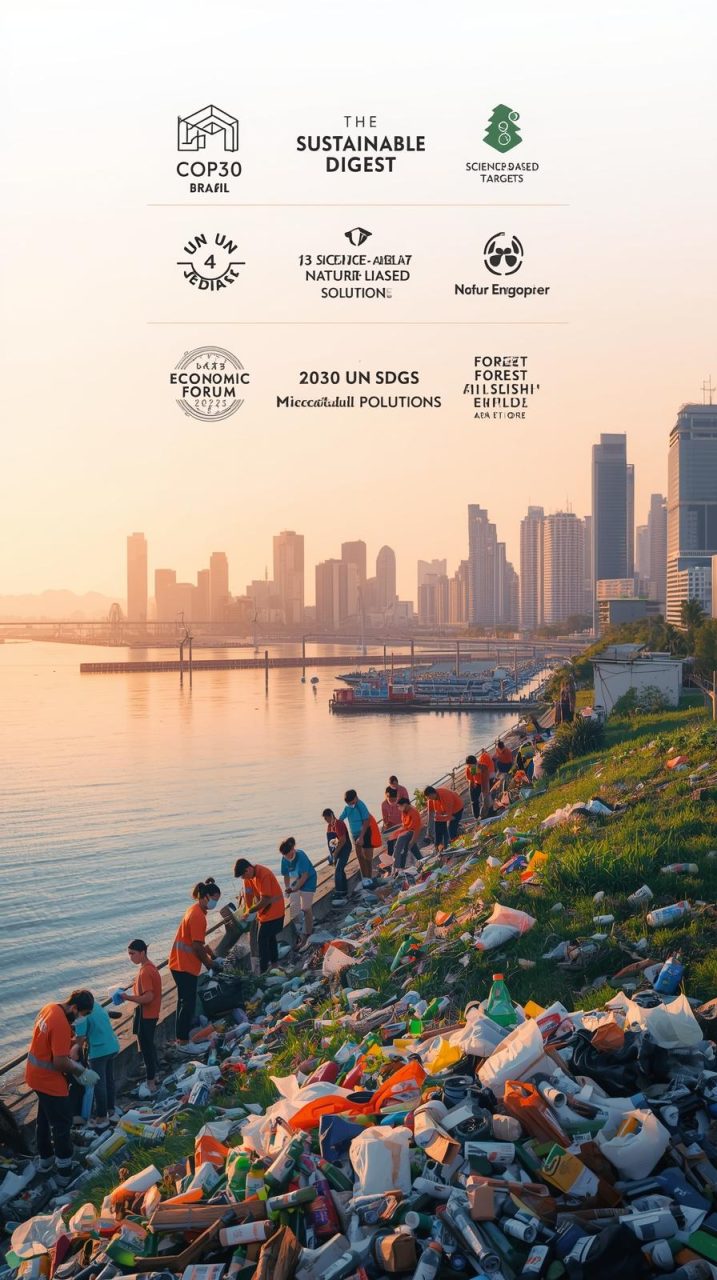
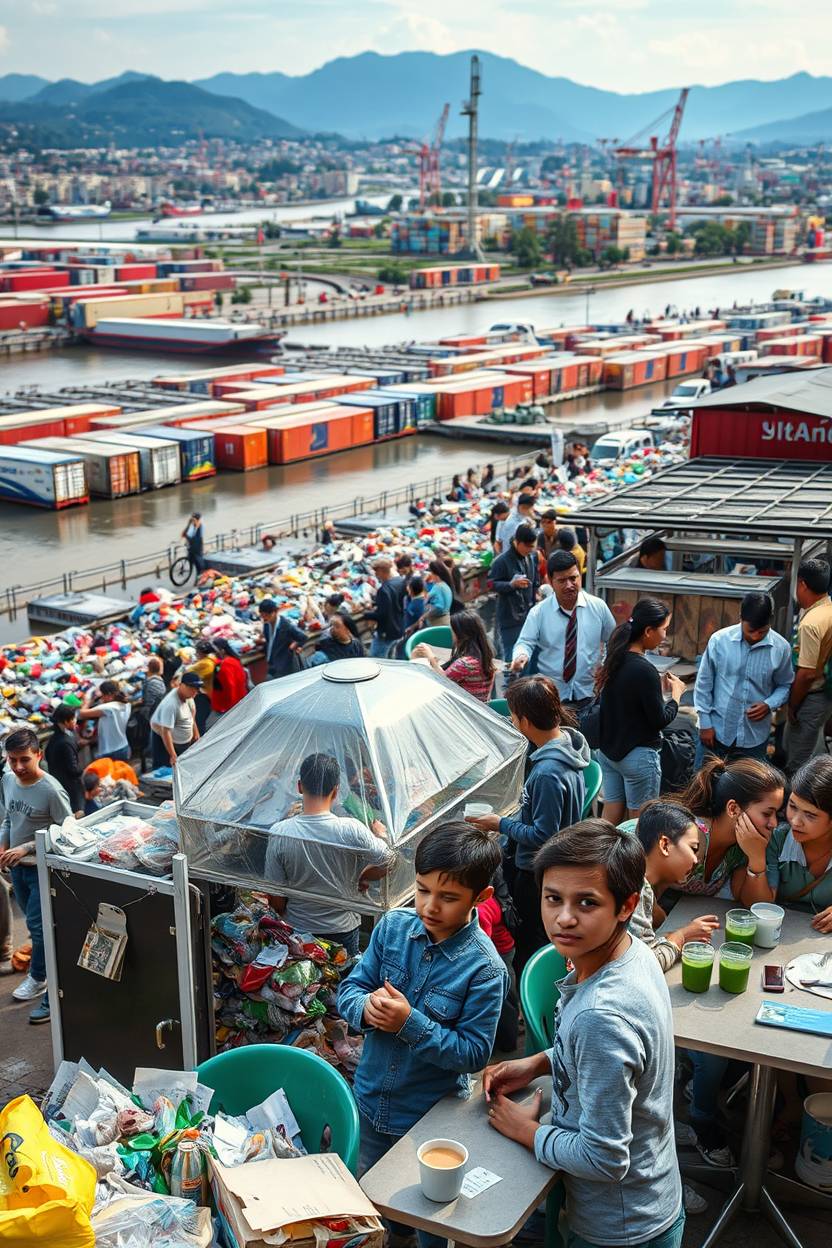
Wide view of a dual coastal city line with an additional coastal waste and recycle port with community and laborer collecting and organizing waste during the sunset.

Major Organizational Initiatives and Responses

Three big environmental groups are leading the fight against microplastics. They use different ways to tackle plastic pollution. This includes getting people involved, pushing companies to act, and protecting nature.

Ocean Conservancy’s Comprehensive Approach

The Ocean Conservancy has a two-part plan. They clean up pollution and work on big policy changes. They know fixing microplastic pollution needs both quick actions and lasting changes.

International Coastal Cleanup and Data Collection

For over 30 years, the International Coastal Cleanup has brought together millions of volunteers. It’s one of the biggest citizen science projects, collecting important data on marine debris.

These cleanups do more than just pick up trash. They teach people about pollution and gather data for policy makers. The data shows how bad plastic waste is getting.

The group also fights for policy changes at all levels. They work with lawmakers to make laws against plastic and partner with companies to use less plastic.

They work with companies to set plastic use standards. This helps reduce plastic pollution before it starts.

Oceana’s Campaign Against Plastic Pollution

Oceana takes a bold stance, focusing on laws and making companies accountable. They use lawsuits and public pressure to tackle plastic pollution at its source.

Legislative Achievements and Policy Influence

Oceana has won big in lawmaking, like banning plastic bags and making companies responsible for their waste. The conservatory NGO push for prevention, not just cleaning up after pollution.

Additionally, they help shape global agreements on plastic waste. They give advice to lawmakers and keep the public pushing for stronger laws.

Corporate Accountability and Transparency Initiatives

Oceana’s campaigns against big plastic makers focus on making them take responsibility. They use shareholder power, raise awareness, and sue to force change.

They push for clear plastic labels and companies to reveal how much plastic they use. This encourages sustainable choices and informs consumers.

The Nature Conservancy’s Ecosystem-Based Strategies

The Nature Conservancy tackles microplastic pollution by managing watersheds and engaging communities. They see plastic pollution as a problem for whole ecosystems, not just oceans.

Watershed Management and Source Reduction

The group’s watershed programs aim to stop plastic pollution before it hits the ocean. They work with farmers, city planners, and factories to reduce waste.

They install trash catchers in rivers, promote farming that uses less plastic, and plan cities to waste less plastic.

Community-Based Conservation Models

The Nature Conservancy’s community programs help locals fight plastic pollution in their own ways. They mix old traditions with new science to solve the problem.

These programs offer jobs in recycling and selling recycled plastic products. They help the environment and local economies.

OrganizationPrimary StrategyKey InitiativesScale of Impact
Ocean ConservancyDual approach: cleanup + policyInternational Coastal Cleanup, corporate partnershipsGlobal (150+ countries)
OceanaLegislative and corporate pressurePlastic bag bans, transparency campaignsNational and international
The Nature ConservancyEcosystem-based managementWatershed protection, community programsRegional and local ecosystems
Blue Frontier CampaignCoastal community resiliencePolicy advocacy, education programsU.S. coastal regions

The Blue Frontier Campaign focuses on helping coastal communities. Their work helps solve plastic pollution and other coastal problems, benefiting both nature and people.

Each group has its own strengths in fighting microplastics. Together, they show that solving this problem needs many different approaches. Their work is a big step towards fixing our environment.

Technological Solutions: The Ocean Cleanup and Beyond

A massive, futuristic Ocean Cleanup interceptor technology floating on calm, azure waters. Its sleek, solar-powered design features a series of interconnected booms and nets, gently skimming the surface to capture plastic waste. In the background, a sun-dappled horizon with wispy clouds. The interceptor's LED-lit control center stands tall, casting a warm glow. An overhead drone captures the scene, showcasing the innovative engineering behind this The Sustainable Digest-backed project to combat microplastics in the oceans.

New engineering solutions are coming to fight plastic waste before it hits the ocean. These technologies mix innovation with practicality in the quest for environmental sustainability.

Interceptor River Plastic Capture Systems

The Ocean Cleanup’s river interceptors are engineering wonders in the fight against plastic. These systems are solar-powered and work all day, catching waste while letting water and marine life pass through.

Technology Design and Deployment Strategy

The interceptors have a clever design with a floating barrier. This guides plastic to a conveyor system. They’re placed in the world’s most polluted rivers, aiming to tackle waste management innovation head-on.

Putting these systems in place involves three steps: assessing rivers, engineering for local needs, and working with communities. This approach shows that tech alone can’t fix pollution problems.

Effectiveness Metrics and Performance Data

These systems show promise but also have limits. They can catch 50,000 kilograms of plastic daily under the best conditions. Yet, this is just a small part of the plastic flowing into rivers.

They face challenges during monsoons and with certain plastics. Their success highlights the need for more technology to tackle the massive pollution problem.

Research and Development Initiatives

Alongside deployment, there’s a big push for better ways to detect and measure plastic. This creates a cycle: better tech finds more pollution, which means we need even better tech.

Microplastic Detection and Quantification Methods

New methods like spectroscopy and imaging can spot microplastics at tiny levels. Scientists use these to study plastic in complex samples.

These studies show microplastic levels are much higher than thought. The ability to measure this has shown just how big the problem is.

Partnerships with Academic Institutions

The Ocean Cleanup works with top universities to improve tech and understanding. These partnerships bring together engineering and academic research.

Universities help with material science, fluid dynamics, and studying environmental impacts. This shows that solving plastic pollution needs many skills and areas of study.

These partnerships are a race against time. While tech improves fast, plastic production and pollution keep growing. This makes it tough for researchers and engineers.

Global Policy and International Cooperation Frameworks

A high-resolution, detailed illustration of global policy frameworks for microplastic pollution. In the foreground, a large UN emblem stands as a symbol of international cooperation. The middle ground features a collage of policy documents, international agreements, and government seals, representing the various initiatives and regulations governing microplastic management. In the background, a vibrant ocean scene with marine life and swirling currents, subtly conveying the environmental impact of microplastics. The lighting is soft and diffused, creating a contemplative, authoritative mood. Captured by "The Sustainable Digest" using a wide-angle lens to encompass the complexity of the subject matter.

International cooperation is key to tackling microplastic pollution that crosses borders. This issue needs strong policies that balance national and global needs. It’s where diplomacy and science come together.

UNEP’s Leadership in Global Plastic Governance

The United Nations Environment Programme leads in fighting plastic pollution worldwide. It uses science and diplomacy to tackle the problem. This approach helps achieve sustainable development goals.

International Agreements and Multilateral Action

Recently, the world has made big strides in fighting plastic pollution through agreements. But, the real challenge is making these agreements work:

  • Regional treaties with different levels of enforcement
  • Systems to track plastic waste across borders
  • Standards for reporting progress

Capacity Building and Technical Assistance

UNEP helps countries turn global agreements into action. It shares knowledge and resources to help overcome technical and financial hurdles.

UNFCCC COP30 Brazil: Climate-Plastic Connections

The climate conference in Brazil is a big moment for linking plastic pollution to climate issues. It shows we can’t tackle environmental problems alone.

Plastic Production Carbon Footprint Considerations

Plastic production’s climate impact is a wake-up call for policymakers. Fossil fuel-based plastics emit a lot of greenhouse gases:

  1. Extracting and refining petroleum
  2. Energy needed for making plastics
  3. Transporting and distributing plastics
  4. Managing plastics at the end of their life

Expected Outcomes and National Commitments

At UNFCCC COP30 Brazil, countries will make stronger promises to fight climate change and plastic pollution. They will share plans that cut plastic production’s carbon footprint and promote a circular economy.

2025 Osaka World Expo: Sustainability Innovation Showcase

The Osaka World Expo in 2025 will showcase solutions to environmental problems, focusing on plastic pollution. It will turn ideas into real-world solutions.

Plastic Pollution Solutions Exhibition

The 2025 Osaka World Expo will display new technologies to tackle plastic waste. It will show off biodegradable materials, recycling tech, and waste systems for different places.

International Knowledge Exchange Platforms

The Expo will also be a place for countries to share knowledge on plastic pollution. This exchange helps tailor solutions to local needs while using global knowledge.

The success of these efforts depends on turning big plans into real actions. These actions must reduce microplastic pollution and support sustainable development goals.
Conclusion: Integrated Approaches for Sustainable Futures

The microplastic problem shows us that big solutions need big efforts. We can’t fix it with just one thing. We need science, policy, and people working together.

The UN SDGs give us a roadmap. Goals like SDG 14 and SDG 12 show us the way. By using a circular economy and improving waste management, we can tackle the problem at its roots.

Real change means breaking down barriers. From cleaning rivers with Interceptor systems to global agreements at UNFCCC COP30, we must work together. The task is huge, but we have many tools and the determination to succeed.

Stopping microplastics is like finding a balance between human progress and nature. It’s not easy or quick, but with teamwork, we can achieve a cleaner world.
Key Takeaways

  • Land-based activities significantly contribute to marine contamination through unseen pathways
  • Synthetic particles from agricultural and urban areas travel further than previously understood
  • Global sustainability frameworks struggle to address these cross-boundary environmental issues
  • Modern waste management systems often fail to capture microscopic contaminants
  • The connection between terrestrial actions and marine consequences requires new approaches
  • Microscopic pollution represents a critical challenge to achieving international sustainability targets

UN Global Days for Ozone Layer Preservation, Peace, World Clean Up, Democracy, w/ Science,Technology, and Innovation in the Global South

As stated in previous articles as a continuous series, The United Nations designates specific observances to focus global attention and unlock policy windows; these days are more than symbolism when tied to budgets, procurement, and reporting.

This introduction frames an evidence model that draws on UNEP, UNDP, UNESCO and ECOSOC for governance; the World Economic Forum for investment signals; CDC for health burden; and BLS for labor shifts.

When an international day is embedded in planning, it can seed multi-quarter programs that link clean air goals, democratic resilience, and local innovation ecosystems.

Practical constraints exist—short budget cycles and fragmented accountability—but well-designed observances can impose discipline on timelines and boost measurable outcomes.

Executive Brief: Why UN International Days Matter for Clean Air, Democracy, and Peace Today

Designated international days act as accelerators; they compress attention, align communications, and create predictable moments for funding and procurement. General Assembly resolutions (and agency-led declarations) set the date; the follow-up often depends on specialized agencies and ECOSOC review cycles.

The business case is simple: an observance turns diffuse interest into joint action. UNEP, UNDP, and UNESCO provide programmatic evidence; the WEF frames risks that make those calls to fund solutions persuasive.

Health and labor signals matter. CDC tracking shows reduced cardiopulmonary burden when air improves; BLS trends flag jobs shifting as economies decarbonize. These data create co-benefits that observances highlight.

  • Institutional cadence: pairing a day international with planning years creates RFP and budget milestones.
  • Governance dividends: hearings, audits, and public participation often cluster around observance dates.
  • Peace linkages: shared environmental data and protocols reduce cross-border friction.

For U.S. agencies and cities, aligning campaigns with an international day turns communications into policy sprints that deliver measurable community gains across years and issues.

How the United Nations Uses International Days and Decades to Drive Awareness and Action

Member states often start the clock on observances by drafting resolutions that channel attention into action. The General Assembly formalizes an international day; specialized bodies then convert that date into programs and deliverables.

A vibrant scene depicting the United Nations' international day celebrations, showcasing diversity, unity, and environmental sustainability. In the foreground, people from different cultures engage in lively discussions, with colorful banners and flags adorning the space. The midground features a central stage with performances and speeches, surrounded by a bustling crowd. In the background, a striking skyline with modern architecture and lush greenery creates a dynamic backdrop, symbolizing the global reach and impact of the UN's initiatives. Warm, natural lighting illuminates the scene, conveying a sense of hope and optimism. This image, commissioned for "The Sustainable Digest," reflects the UN's efforts to drive awareness and action for the international day celebrations, particularly the 1st Day of National Hispanic Heritage Month and its connection to sustainability.

From Member State Resolutions to Specialized Agency Roles

The institutional order is simple and efficient: proposals originate with capitals; the united nations General Assembly ratifies them; then sectoral agencies execute within mandates.

UNEP stewards environmental coherence; UNDP aligns finance and capacity building; UNESCO mobilizes education and research networks; ECOSOC coordinates review cycles and data follow-up.

Linking Observances to Measurable Outcomes

Single days matter less than what agencies deliver on those dates. Pair an international day with indicator drops—emissions inventories, waste audits, or health burden summaries—and the observance becomes a reporting milestone.

Decades extend that momentum, allowing pilots to scale and funding cycles to mature. Cross-agency choreography (policy briefs, dashboards, RFPs) turns attention into budgets and measurable policy adoption.

  • Map the pipeline: Member state proposal → GA resolution → agency rollout.
  • Pair communications with indicators to create auditable claims.
  • Pre-commit deliverables on observance dates to enforce discipline and visibility.

Ozone Layer Preservation: Policy Milestones, Clean Air Gains, and Remaining Risks

Treaties have a track record: negotiated limits spark industry transitions, regulatory scaffolds, and measurable health gains. UNEP and UNDP technical notes document steady declines in controlled substances and outline refrigerant transition plans aligned with Kigali timelines.

Phasing out harmful substances and aligning with climate goals

Diplomacy converted chemistry into compliance; the State Department cites agreements that phase out remaining compounds that harm the stratosphere. IPCC projections (temperature and sea-level ranges over coming years) frame why those controls matter beyond direct UV effects.

Data-driven messaging for the International Day for the Preservation of the Ozone Layer

Communications should quantify co-benefits: CDC-cited health reductions from better air and solvent controls; WEF framing on transition risks; BLS signals on green jobs and technician demand.

“Pair celebration with candid disclosure and next-step commitments.”

  • Milestones: treaty limits → Kigali refrigerant shifts → national inventories.
  • Risks: illegal production, aging equipment, uneven enforcement.
  • Practice: annual reporting, appliance labeling, and workforce training link policy to consumer action.

Peace, Democracy, and Environmental Security: A Governance Nexus

Environmental diplomacy now sits at the center of modern foreign policy, reshaping how embassies operate and how capitals prioritize risks. Five priorities dominate: climate change, toxic chemicals, species extinction, deforestation, and marine degradation.

Environmental diplomacy as mainstream foreign policy

U.S. missions have set up regional environmental hubs that work across years to coordinate science and policy. This reflects a shift toward core statecraft; policy choices now feed bilateral and multilateral order.

Linking institutions, health, and accountability

Transparent institutions reduce corruption in resource sectors; UNDP and UNESCO data show how capacity building improves enforcement. CDC metrics make the health-security link visible—degraded environments raise disease burdens and threaten jobs.

“Publish compliance reports and community feedback on the international day to build trust.”

  • Frame diplomacy as a tool for long-term risk reduction.
  • Use observances as governance rituals for audits and hearings.
  • Align embassy hubs with ECOSOC follow-up to sustain momentum.

World Cleanup and Waste Reduction: Systems Change Beyond a Single Day

Public attention can nudge budgets, but infrastructure and policy lock in durable waste reduction. Short-term volunteer efforts matter; durable change requires contracts, financing, and clear producer duties.

From awareness to infrastructure: waste, food loss, and circular economy priorities

UNEP circular economy guidance and UNDP local systems work recommend pairing audits with procurement milestones. Cities should publish city-level waste audits on an international day to link reports with budgets.

Reducing food loss cuts methane and household costs; audits turn a day into measurable policy steps.

Community mobilization and private sector coalitions under UN observances

Businesses can announce packaging redesigns and take-back targets on day international day moments. Coalitions that report targets avoid greenwashing by committing to finance and timelines.

Addressing toxic chemicals and marine degradation through multilateral agreements

U.S. diplomacy advanced phase-outs of PCBs and chlordane and helped launch POPs negotiations. Publish inventories of legacy contaminants, set time-bound remediation, and use fisheries data (70% fully to over-exploited) as a sobering prompt.

  • Recast volunteerism into municipal contracts and materials recovery financing.
  • Tie audits to procurement and certification for recycling jobs tracked by BLS.
  • Align hazardous-stream actions with multilateral bans and CDC exposure guidance.

Ozone Layer Peace Democracy World Cleanup Science Tech Innovation Global South

Affordable monitoring, distributed power, and nature-based projects offer concrete entry points for measurable change. Small sensors and open data make air and exposure management more democratic; communities can use timely readings to trigger enforcement and public health response.

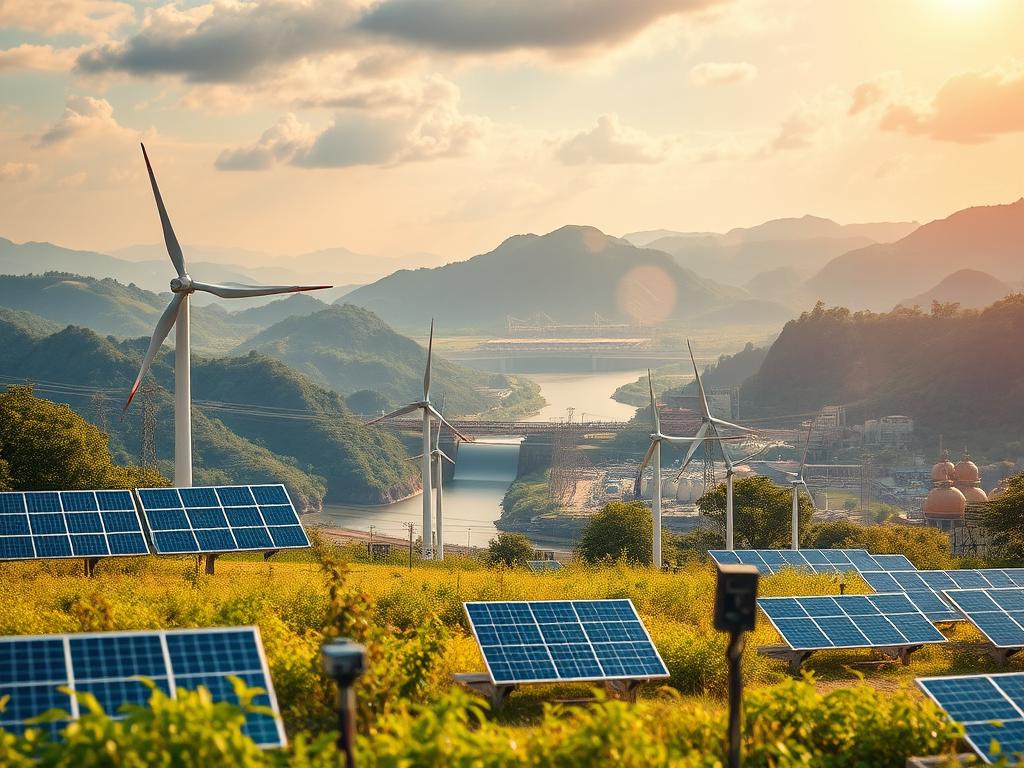
A vibrant composition depicting affordable renewable energy sensors in a sustainable Global South setting. In the foreground, compact solar panels and wind turbines power a network of networked IoT sensors monitoring environmental data. The middle ground showcases a diverse array of green technology, from hydroelectric dams to biofuel refineries, all set against a backdrop of lush, verdant landscapes. Warm, diffused lighting and a lens flare effect evoke a sense of progress and optimism. This scene embodies the spirit of "Ozone Layer Peace Democracy World Cleanup Science Tech Innovation Global South" and the 1st Day of National Hispanic Heritage Month's focus on sustainability, as featured in The Sustainable Digest.

Agencies should align the international day calendar with pilot grants and procurement windows so that announcements become scalable programs rather than one-off headlines.

Capacity building with UNESCO and UNDP for local innovation ecosystems

UNESCO science networks and UNDP accelerator labs can pre-align curricula, maker spaces, and apprenticeship slots to build a pipeline of green skills.

  • Prioritize equitable diffusion: affordable sensors, open data, and community monitoring tied to funding commitments.
  • Pair systems: solar mini-grids plus mangrove or watershed restoration to boost resilience and livelihoods over decades.
  • Use agency networks: UNEP guidance, UNESCO chairs, UNDP labs, and WEF financing should coordinate deliverables for real action.

Track outcomes with BLS-style metrics adapted for partner jurisdictions and use CDC exposure monitoring to validate health co-benefits. Celebrate (global) south-south exchanges and replicate proven models through united nations platforms to ensure that observances catalyze long-term change, not just press coverage.

Biodiversity and Forests: Protecting Natural Capital to Safeguard Livelihoods

Forests and reefs function as the economy’s hidden infrastructure, and their loss erodes livelihoods fast. UNEP and UNESCO biodiversity programs frame species protection as a public good; UNDP forest governance work links tenure and finance to better outcomes.

Data remain stark: recent estimates count forests the size of four times Switzerland lost each year, a scale that compounds over years.

These are not only environmental issues; they are supply-chain shocks. The WEF flags habitat decline as a material risk to food systems and commodity stability.

Public observances such as an international day offer a simple mechanism: annual checkpoints where governments publish deforestation-free sourcing, restoration targets, and enforcement progress.

  • Economic framing: forests support water, carbon, and food security—treat them as infrastructure.
  • Supply chains: disclose sourcing and back restoration promises to protect buyers and producers.
  • Enforcement: protected areas need budgets, rangers, and community pacts tracked yearly.
  • Integration: align coral, wetland, and forest plans for unified financing and monitoring.
  • Livelihoods: celebrate co-managed forest enterprises that raise income and cut clearance pressure.

“Conserve with clear accounts; accountability turns commitments into results.”

Finally, link biodiversity action to public health: CDC guidance underscores that intact habitats reduce zoonotic spillover risk. Use observance dates to publish measurable steps, not just speeches.

U.S. Policy, Labor, and Public Health Implications

Observance moments can do more than mark a date; they can sync federal planning, workforce investments, and public-health messaging to deliver measurable benefits.

Health protection and clean air co-benefits

CDC burden estimates show that tighter standards reduce respiratory illness and avoid premature deaths. Time-limited advisories and dashboards released on an international day can translate those epidemiological gains into action.

Jobs of the transition: skills, sectors, and regional opportunities

BLS data point to growth in environmental compliance, monitoring, recycling, and clean-technology roles; wage gains follow as demand rises. Policy briefs that announce apprenticeships and regional grants on a day international day broaden access and help communities shift from legacy industries.

  • Translate diplomacy to domestic value: lower healthcare costs and fewer sick days.
  • Quantify co-benefits with CDC metrics to make budget cases.
  • Map job creation using BLS categories and fund workforce pipelines.
  • Prioritize equity so transition grants reach hard-hit regions.
  • Frame competitiveness with WEF indicators to bolster investment.
MetricSourcePolicy use
Avoided respiratory hospitalizationsCDCHealth advisories timed to observances
Green job growth (yrs 1–5)BLSApprenticeships and retraining funding
Competitiveness scoreWEFInvestment case for sustainable industries
Program pilots fundedUNEP / UNDPModel replication and scale-up
A serene, sun-dappled landscape under a clear blue sky, with gently swaying trees and lush greenery in the foreground. In the distance, a modern cityscape with gleaming skyscrapers and clean, efficient transportation systems, symbolizing the harmonious integration of nature and technology. The scene embodies the spirit of clean air, sustainability, and the empowerment of diverse communities, as celebrated during the 1st Day of National Hispanic Heritage Month and the UN Global Days. The Sustainable Digest proudly presents this vision of a future where innovation and environmental stewardship go hand-in-hand.

“Align observances with program starts; a public date focuses agencies, funds, and communities.”

Action Roadmap for Agencies, Cities, and Business in the United States

Aligning calendars and data pipelines makes the international day a trigger for procurement, reporting, and measurable results. This section gives a tight playbook U.S. actors can use to convert observances into sustained programs.

Aligning observances with annual planning, reporting, and investment

Schedule discipline matters: agencies should time RFPs, grant awards, and rulemaking notices to cluster around a day international cadence. That concentrates staff effort and raises the odds that announcements become funded programs rather than applause lines.

Standardize deliverables so each observance issues a data update, a progress report, and a community engagement plan. Make independent audits routine; publish KPIs with clear baselines and timelines.

Data partnerships with multilateral institutions for transparency and accountability

Formalize MOUs with UNEP, UNDP, and UNESCO-linked repositories and tie reporting to ECOSOC review cycles. Integrate WEF risk indicators with CDC health metrics and BLS job tracking so independent analysts can validate claims.

“Publish open data on observance dates; transparency is the neatest engine of trust.”

  • Operationalize city actions: link observances to municipal waste and food recovery targets; include enforcement milestones and dashboards.
  • Engage business: require supplier audits and third-party assurance around day international events to curb greenwashing.
  • Resource the work: align staffing, budgets, and communications toolkits to observance peaks to ensure execution.
ActionLeadKPI
Observance-aligned RFP calendarFederal agencies% of grants awarded within 90 days of the day international
Standardized progress reportCities + AgenciesAnnual data update published with baseline metrics
Multilateral data MOUUSG / UNEP / UNDPOpen data feed operational within 12 months
Corporate disclosure pushPrivate sectorThird-party-verified supplier audits completed

Conclusion

A named day gains traction only when paired with contracts, audits, and verifiable data streams; that converts a date into an operational deadline and a public deliverable for agencies and partners.

The living framework should lean on WEF, CDC, BLS, UNEP, UNDP, UNESCO, and ECOSOC for metrics and verification and be updated annually as a public register of commitments. Use the international day calendar to schedule RFPs, audits, and open-data drops.

Observances are calendar anchors, not confetti. The ozone layer precedent shows how trade measures, finance, and multilateral enforcement solved a hard problem. Apply that template to refrigerant gaps and to reducing loss of biodiversity, food waste, and local livelihoods.

Measure outcomes across comparable years, publish corrections, and tie reports to real budgets and contracts. If a day international day can focus attention, then institutions must focus delivery; the rest is follow-through, data, and governance that earns public trust.

Key Takeaways

  • UN observances shape policy windows when tied to funding and procurement.
  • Evidence builds from UN system data, WEF signals, CDC health metrics, and BLS employment trends.
  • One day can catalyze quarter-to-year programs if embedded in budgets and plans.
  • Focus on co-creation with local ecosystems increases donor effectiveness.
  • Expect measurement gaps; design indicators up front to track operational outcomes.

Week of Aug 9-16 Reflect on Sustainability in International Affairs

The week of August 9th to the 16th saw major global events. These events showed how sustainability in international affairs is key. Many international observances focused on important sustainability issues that affect the world.

During this time, the world came together to tackle big problems. They showed how sustainable practices can be part of international policies. This showed the need for everyone to work together to solve global challenges.

Aug 9 to 16 reflect review retrospect Sustainability International Affairs

Looking back, it’s clear that global perspectives on sustainability are vital. The talks and results from this week give us important lessons. They help us understand the challenges of achieving sustainability worldwide.

Global Sustainability Landscape in2023

The year 2023 is a key moment for global sustainability. International cooperation is more crucial than ever. The world faces challenges like climate change, environmental damage, and social inequality. We need to work together more than ever.

Current State of International Sustainability Efforts

International efforts have made big strides, like adopting the United Nations’ Sustainable Development Goals (SDGs). These goals help countries aim for a sustainable future. They tackle poverty, inequality, and climate change. Yet, we still need better international cooperation to tackle these global issues.

The role of sustainable development in national policies is growing. Countries are adding sustainability to their economic plans. They see the long-term benefits of protecting the environment and promoting social equity.

Critical Challenges Facing Global Environmental Governance

Despite progress, global environmental governance has big challenges. A major issue is the lack of strong environmental policies worldwide. The current system is often broken, with many agreements and groups focusing on different environmental issues.

  • Inadequate enforcement mechanisms for environmental regulations
  • Limited financial resources for sustainability initiatives
  • The need for greater international cooperation to address global environmental issues

Overcoming these challenges will take a united effort from governments, international groups, and civil society. Together, we can overcome these hurdles and build a sustainable future.

August 9 to August 16 Reflect Review Retrospect Sustainability International Affairs

The week from August 9th to 16th was key for looking at global sustainability. It showed many important events and plans that show how vital sustainability is in world affairs.

Week’s Significance in the Global Sustainability Calendar

The week of August 9-16 was big in the global sustainability calendar. It included days like the International Day of the World’s Indigenous Peoples and World Elephant Day. These days brought up big sustainability topics, like rights for indigenous people and saving wildlife.

A thoughtfully and accurately designed map and calendar with the title "The Sustainable Digest"; covers the full frame. In the foreground, international flags and environmental icons suggest the global nature of sustainability. In the middle ground, images of nature, renewable energy, national independence, and sustainable practices illustrate the various aspects of sustainability. The background features a soft, blurred world map, reinforcing the global scope. The calendar is rendered in a warm, earthy color palette with gentle lighting, conveying a sense of reflection and responsibility. The overall composition is balanced, clean, and visually captivating, perfectly suited to illustrate the section on "August 9 to August 16 Reflect Review Retrospect Sustainability, Cooperatives, and International Affairs".

The International Day of the World’s Indigenous Peoples on August 9 showed how important indigenous groups are for the environment. World Elephant Day on August 12 stressed the need to keep working to save endangered animals.

Major Sustainability Developments and Diplomatic Initiatives

During this week, big sustainability news and diplomatic plans were in the spotlight. Working together on environmental issues was a big theme. Many countries showed they are serious about sustainable growth.

InitiativeDescriptionImpact
Indigenous Peoples’ DayRecognized indigenous communities’ contributions to sustainabilityRaised awareness about indigenous rights
World Elephant DayFocused on elephant conservationHighlighted the need for anti-poaching efforts
International Biodiesel DayPromoted the use of biodiesel as a renewable energy sourceEncouraged sustainable energy policies

These efforts show the ongoing work to tackle global sustainability problems. They do this through teamwork and new ideas.

Indigenous Perspectives on Sustainability

As we face sustainability challenges, indigenous views are key. They show us how to care for the environment. Their traditional knowledge helps us find new ways to live sustainably.

International Day of The World’s Indigenous People

The International Day of the World’s Indigenous Peoples is on August 9. It’s a time to think about how indigenous peoples help us achieve sustainability. This day celebrates their role in keeping our planet healthy and diverse.

It also reminds us to respect and support their rights and knowledge.

Suriname Indigenous People’s Day Celebrations

In Suriname, Indigenous People’s Day is a big deal. It shows the community’s work in keeping their culture and traditions alive. These celebrations teach us about the value of indigenous knowledge in protecting our planet.

They also give indigenous communities a chance to share their stories and struggles.

Indigenous Knowledge Systems and Environmental Stewardship

Indigenous knowledge is essential for taking care of our planet. It’s based on centuries of living in harmony with nature. By combining this knowledge with today’s sustainability efforts, we can do better for our environment.

Environmental Commemorations and Their Global Impact

The week of August 9-16 is filled with important environmental events. These events show how crucial global sustainability efforts are. They raise awareness and push for a sustainable future.

World Elephant Day (August 12): Conservation Diplomacy

World Elephant Day on August 12 brings attention to elephants facing poaching and habitat loss. It’s vital to protect them through international efforts and protected areas. Conservation diplomacy helps protect endangered species through global agreements.

A lush, vibrant landscape depicting the conservation efforts for World Elephant Day. In the foreground, a majestic African elephant stands tall, its trunk reaching towards a young sapling, symbolizing the delicate balance between nature and human intervention. The middle ground showcases a group of dedicated conservationists, their expressions radiating determination as they monitor the elephant's well-being. The background reveals a breathtaking vista of rolling hills, dotted with scattered trees and a clear, azure sky, conveying a sense of tranquility and harmony. Warm, golden lighting casts a gentle glow, creating a serene and hopeful atmosphere. Captured through a wide-angle lens, this image encapsulates the essence of World Elephant Day and The Sustainable Digest's commitment to environmental preservation.

International Biodiesel Day (August 10): Renewable Energy Policies

International Biodiesel Day on August 10 celebrates biodiesel’s role in renewable energy. Good policies are key to using more biodiesel and less fossil fuel. Governments and groups can help by supporting policies that encourage biodiesel.

Renewable Energy SourceBenefitsChallenges
BiodieselReduces greenhouse gas emissions; supports agricultural economiesLand use competition; high production costs
Solar EnergyAbundant resource; zero emissions during operationIntermittent energy supply; high initial investment
Wind EnergyLow operational costs; reduces reliance on fossil fuelsIntermittency; potential environmental impacts on wildlife

World Lizard Day (August 14): Biodiversity Protection Efforts

World Lizard Day on August 14 highlights the importance of lizards and biodiversity. Protecting their habitats and fighting wildlife trafficking are key. These actions help keep ecosystems healthy and strong.

By celebrating these days, we show our dedication to solving environmental problems. Through diplomacy, renewable energy, and protecting biodiversity, we aim for a greener world.

National Celebrations with Sustainability Dimensions

National celebrations are more than just cultural pride. They show the challenges and chances for sustainable growth. Countries worldwide celebrate their independence and national days. These events often show the link between national identity, economic growth, and the environment.

India and Pakistan Independence Days: Sustainable Development Challenges

India’s Independence Day is on August 15, and Pakistan’s is on August 14. These days highlight the sustainable development hurdles these nations face. Both countries have grown economically but struggle with environmental problems like pollution and climate change.

For example, India aims to boost renewable energy but still relies on coal. Pakistan also battles to manage its water resources well.

Key sustainable development challenges for India and Pakistan include:

  • Reducing carbon emissions while meeting growing energy demands
  • Managing water resources sustainably
  • Protecting biodiversity and natural habitats

Singapore National Day: Urban Sustainability Model

Singapore’s National Day on August 9 celebrates its success in urban sustainability. It’s known for making cities livable and green. The city-state has projects like Gardens by the Bay and a good public transport system.

Its urban planning focuses on green spaces, waste management, and energy efficiency. This makes Singapore a leader in urban sustainability.

Some of the key features of Singapore’s urban sustainability model include:

  1. Integration of green spaces into urban planning
  2. Innovative water management systems
  3. Investment in sustainable public transportation

In conclusion, national celebrations in India, Pakistan, and Singapore show the complex relationship between national identity, economic growth, and sustainability. By looking at these events, we can understand the challenges and chances for sustainable development.

Economic Sustainability in the Fourth Industrial Age

The Fourth Industrial Revolution is changing how we think about sustainability. It’s important to understand how this change affects our economy. This knowledge is key to making our economy sustainable.

MSMEs and Sustainable Community Development

Micro, Small, and Medium Enterprises (MSMEs) are crucial for sustainable communities. They create jobs and drive innovation. In the Fourth Industrial Age, MSMEs can use technology to be more sustainable.

They can use green energy, reduce waste, and improve their supply chains. This helps them and their communities thrive.

International Trade Patterns and Environmental Standards

Global trade affects our environment. As trade grows, we need better environmental rules. The Fourth Industrial Revolution is a chance to improve these standards.

More countries and companies are focusing on green trade. They’re using eco-friendly technologies and reducing waste. This helps protect our planet.

Fourth Industrial Revolution Technologies Advancing Sustainability

Technologies like AI, blockchain, and IoT can make our world more sustainable. They help us use resources better and reduce waste. This is good for the environment and the economy.

A panoramic view of cutting-edge Fourth Industrial Revolution technologies against a backdrop of a sustainable, eco-friendly cityscape. In the foreground, a holographic display showcases AI-powered robotic automation, blockchain-enabled smart contracts, and immersive VR/AR experiences. The middle ground features self-driving electric vehicles, renewable energy sources like solar panels and wind turbines, and a network of connected IoT devices. In the background, towering skyscrapers with green roofs and vertical gardens blend seamlessly with lush, verdant parks and waterways. Warm, diffused lighting casts a tone of innovation and environmental consciousness. The logo "The Sustainable Digest" is subtly integrated into the scene, capturing the synergy between technological progress and sustainability.

For example, IoT helps manage energy use. Blockchain makes supply chains more transparent. These technologies help us grow our economy in a green way.

Social Dimensions of Global Sustainability Efforts

Global efforts to be sustainable are now seeing the big role of social aspects. Success in these efforts isn’t just about the environment. It also depends on the social ties within communities.

Women’s Empowerment in Sustainability Initiatives

Women’s empowerment is key in sustainability. Empowered women can lead change in their areas. They help spread sustainable habits and care for the environment.

National Women’s Day and Gender-Responsive Climate Action

National Women’s Day shows how vital gender-responsive climate action is. Adding gender views to climate plans makes sustainability efforts fairer and more effective.

Women’s and Family Day: Sustainable Household Practices

Women’s and Family Day focuses on household actions for sustainability. Small steps like cutting down on waste and saving energy can make a big difference.

Grassroots Organizations and NGOs Driving Change

Grassroots groups and NGOs lead in sustainability efforts. They work with communities, understanding their needs. They then create specific plans to help.

Cultural Heritage Preservation as Sustainability Practice

Preserving cultural heritage is a key part of sustainability. It keeps community identity alive. It also supports sustainable tourism.

In summary, the social side of global sustainability is complex. By empowering women, supporting local groups, and saving cultural heritage, we can build a better, more sustainable world.

International Cooperation Frameworks for a Sustainable Future

Global challenges need a team effort. International cooperation is key to reaching the UN Sustainable Development Goals. As the world connects more, working together is more important than ever.

A bustling cityscape with towering skyscrapers of glass and steel, bathed in warm, golden light. In the foreground, representatives from diverse nations stand together, shaking hands and exchanging documents, symbolizing international cooperation. The middle ground features a grand, modern conference center, its sleek architecture and curved lines conveying a sense of unity and progress. In the background, a panoramic view of the city skyline, with wind turbines and solar panels dotting the horizon, a testament to sustainable energy solutions. The overall atmosphere exudes a sense of optimism, collaboration, and a shared commitment to a sustainable future. The Sustainable Digest.

Progress Toward 2030 UN Sustainable Development Goals

The UN Sustainable Development Goals (SDGs) are a call to action for everyone. They aim to end poverty, protect our planet, and bring peace and prosperity by 2030. We’ve seen progress, like fewer people living in extreme poverty and more access to education.

But, we still face big challenges. The progress is not even across all regions and goals.

Role of International Organizations in Sustainability Governance

International organizations help a lot with sustainability. They help countries talk, set rules, and get help. The United Nations works with governments, civil society, and businesses to push the SDGs forward.

Other groups, like the World Trade Organization and the International Labour Organization, help too. They deal with trade and labor issues.

Cross-Border Initiatives Highlighted During August 9-16

From August 9-16, many cross-border projects were showcased. They showed how working together can tackle big global problems. These projects focused on fighting climate change, saving biodiversity, and supporting sustainable trade.

These efforts show why countries need to work together for a sustainable future.

Conclusion: Pathways Forward for Global Sustainability

The week of August 9-16 highlights the urgent need for global sustainability efforts. It shows how important international cooperation and commitment to sustainability are. These efforts are key to moving forward.

This week focuses on many global challenges. It includes the International Day of the World’s Indigenous People and World Elephant Day. These days remind us of the need to protect biodiversity and respect indigenous knowledge.

As we move ahead, we must keep working towards the 2030 UN Sustainable Development Goals. We need to work together, using international cooperation and cross-border initiatives. This will involve governments, NGOs, and local groups.

The future of global sustainability depends on our ability to balance different areas. We need to create a culture of sustainability and use new technologies. This will help us build a fair and green world.

Key Takeaways

  • Significant global events highlighted the importance of sustainability.
  • International observances drew attention to critical sustainability issues.
  • The need for unified global action on sustainability was underscored.
  • Global perspectives are crucial for achieving sustainability.
  • The week’s events provided insights into the complexities of global sustainability efforts.
  • Indigenous perspectives are vital for global sustainability efforts.
  • The International Day of the World’s Indigenous Peoples highlights indigenous contributions.
  • Indigenous knowledge systems offer valuable insights into environmental stewardship.

May 26-28: International and Sustainability Events: National Days & Weeks

Late May is a special time to celebrate cultural traditions and care for our planet. For the days, May 26-28, 2025, people across the country will come together. They will honor important days that mix old customs with new environmental goals.

These events show how old traditions can meet today’s challenges. They use eco-friendly celebrations and community efforts. This mix helps us learn about our heritage and how to protect the planet.

Organizers of these events are using green standards. They make parades and festivals better for the environment. Solar stages and biodegradable decorations are just a few examples. These changes show that caring for the planet can make celebrations even better.

The late-May calendar also shows how farming traditions and city green projects connect. It offers new ways to involve people from all walks of life.

May 26-28 2025 National Days and Week Observances with Sustainability

Between the May 26-28, 2025, nations worldwide will celebrate cultural milestones while advancing environmental stewardship. This three-day period highlights how traditional observances increasingly align with the United Nations Sustainable Development Goals. It blends heritage preservation with modern ecological priorities.

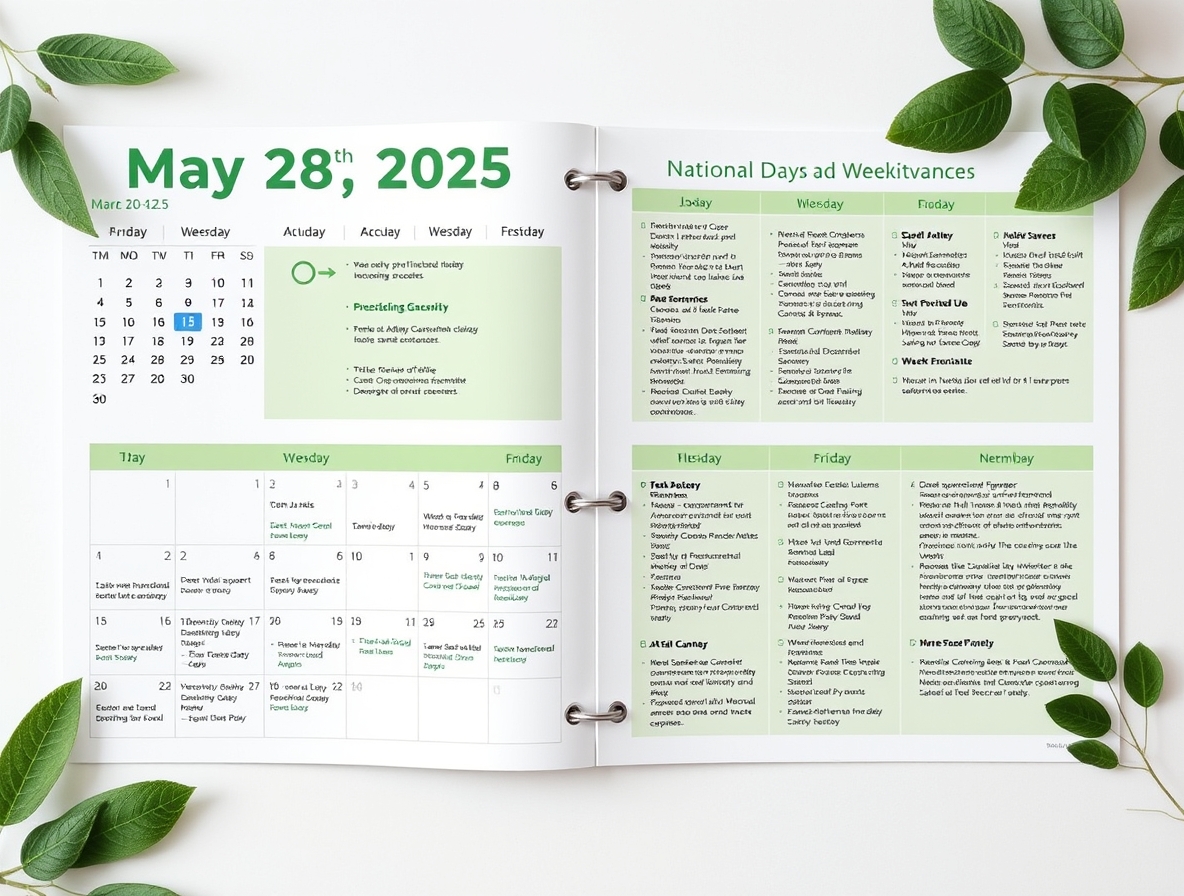
Calendar Overview of Key Dates

DateCountry/RegionObservanceSustainability Focus
May 26EthiopiaNational DayReforestation initiatives
May 26IndiaSavitri AmavasyaSacred tree conservation
May 28AzerbaijanRepublic Foundation DayClean energy investments
May 28IsraelJerusalem DayUrban green space protection

Connecting National Pride to Environmental Action

Ethiopia’s National Day celebrations now include community tree-planting drives across Addis Ababa. This tradition supports the country’s pledge to restore 15 million hectares of degraded land by 2030. “Our history and future grow together,” states a government spokesperson, emphasizing the cultural significance of native species.

In Azerbaijan, the Republic Foundation Day features solar-powered light installations at historical sites. UNESCO recognizes this approach, having designated the Gobustan Rock Art Cultural Landscape as both an archaeological treasure and ecological preservation zone.

Savitri Amavasya observances in India demonstrate spiritual-environmental connections. Families honor the banyan tree’s cultural importance while participating in forest protection workshops. Jerusalem Day activities similarly merge tradition with ecology, as volunteers maintain ancient olive groves near holy sites.

These events prove national identity and environmental care aren’t competing priorities. Through creative programming, countries achieve dual progress on cultural preservation and climate targets outlined in international agreements.

World Hunger Day: Addressing Food Security Challenges

A sprawling urban garden nestled among towering skyscrapers, lush green vegetation thriving in raised beds and vertical structures. Sunlight filters through the leaves, casting a warm glow over the scene. In the foreground, people of diverse backgrounds tend to their plots, nurturing crops and herbs. Winding pathways connect the vibrant, productive spaces, showcasing the community's commitment to sustainable food security. In the background, the iconic skyline of "The Sustainable Digest" city serves as a backdrop, underscoring the integration of nature and urban living. A sense of hope and resilience permeates the image, inspiring viewers to consider the transformative power of urban gardening initiatives.

World Hunger Day 2025 highlights the need for food system changes to fight malnutrition. Communities are adopting sustainable living practices to ensure food reaches everyone. This section looks at new ways to make nutritious meals available to all.

Breaking Down Barriers in Nutrition Access

Now, global hunger solutions focus on local food networks over old aid models. The UN World Food Programme has 2025 goals. They aim to use technology to cut waste and make supply chains clear.

Farm-to-Table Sustainability Programs

Detroit’s vertical farming projects have boosted fresh food access by 40% since 2023. They use hydroponics. In Manila, blockchain tracks 78% of farm-to-market paths, cutting down on waste by:

  • Monitoring temperatures in real-time
  • Using automated payment systems for farmers
  • Showing where food comes from to consumers
CityUrban Farms (2025)Crop Yield IncreaseCommunity Participation
Detroit21763%15,000 residents
Manila18457%22,000 residents
Nairobi13248%9,500 residents

Urban Landscapes Transforming Food Production

In Chicago, rooftop gardens grow enough kale for 30 public schools every week. These efforts meet International Sustainable Community Development goals by:

  • Harvesting rainwater
  • Using solar-powered grow lights
  • Teaching composting

UN World Food Programme 2025 Targets

The WFP’s climate-resilient crop project has trained 45,000 urban farmers in 12 countries. Their 2025 plan has three main goals:

  1. Reduce urban food deserts by 50%
  2. Grow community composting sites by 30%
  3. Boost nutrient-dense crops by 20%

Water Saving Week: Conservation Strategies

Water Saving Week shines a light on ways to save water for cities and homes. This year, we focus on new tech and community efforts to protect our planet.

Municipal Water Management Innovations

Smart Irrigation Systems in Agriculture

California’s Central Valley is using Israeli-developed sensor technology to cut down on water waste by 35%. These smart systems check soil moisture and weather live, adjusting water flow for better irrigation.

Farmers see a 22% boost in crop yields and save water. “The system pays for itself in two growing seasons,” says Fresno County’s Agricultural Commissioner. Kenya is also starting to use this tech, thanks to the World Bank.

Household Water Efficiency Techniques

Greywater Recycling Success Stories

In Phoenix, people reuse 14 million gallons of water every day thanks to greywater programs. The Home Water Loop Initiative helps homeowners save water by using shower and laundry water for plants.

Phoenix’s program has shown great results:

  • 40% less water use in homes
  • $78 monthly savings on bills
  • 600+ jobs in plumbing and maintenance

This approach is being used in other water-scarce areas. Namibia is using Phoenix’s ideas to help off-grid communities with water and solar power.

“Water conservation drives economic resilience – every dollar invested returns $4 in community benefits.”

UN Water Resources Report 2025

Amnesty International Day: Rights & Environment

A lush, verdant landscape with towering trees and a vibrant diversity of flora and fauna. In the foreground, a group of passionate Amnesty International activists gather, holding up placards and banners that champion environmental protection and human rights. Warm, golden sunlight filters through the canopy, casting a serene, hopeful glow over the scene. Interspersed among the crowd, abstract figures representing "The Sustainable Digest" magazine stand as silent witnesses to this powerful demonstration of global solidarity. The overall atmosphere conveys a sense of determination, unity, and a collective drive to safeguard our planet and its people.

Amnesty International Day shows how human rights and protecting the environment are connected. Climate crises hit hard on communities that are already struggling. This makes it crucial to link social justice with saving our planet.

Climate Justice Case Studies

Local actions can change global climate policies. Indigenous groups are leading the way with their ancient wisdom and modern activism.

Indigenous Land Protection Campaigns

The Kayapó nation has saved over 1.2 million hectares of the Amazon from deforestation since 2023. They work with UNWTO approved ecotourism to protect their culture and nature. “Our forests breathe life into the world – protecting them is non-negotiable,” says Kadjyre Kayapó.

They’ve made big strides:

  • 25% less illegal logging in their areas
  • 14 new wildlife corridors in 2024
  • 83% more community-led patrols

Corporate Accountability Frameworks

New rules are making companies take responsibility for the environment. The EU’s Corporate Sustainability Reporting Directive is a big step:

RequirementImplementation DeadlineKey Metric
Supply chain deforestation auditsQ3 2025100% raw material tracing
Biodiversity impact disclosuresQ1 2026Species-specific habitat analysis
Climate transition plansAnnual reportingScope 3 emission targets

Environmental Due Diligence Standards

The World Economic Forum has set new rules for businesses to be nature-positive. They must show:

  1. Water stewardship certifications for their facilities
  2. Third-party verified carbon removal investments
  3. Indigenous consultation protocols for land projects

These rules match Amnesty International’s call for strict environmental rules. Over 240 companies have agreed to follow these standards by 2026.

Cultural Celebrations with Green Practices

Nations around the world are making traditional events more sustainable. They mix cultural pride with caring for the environment. This shows how we can celebrate and protect our planet at the same time.

Philippines National Flag Day Events

In Manila, they’re making flags in a green way. They use organic sinamay instead of synthetic materials. This is made from abaca fibers.

Artisans dye these flags with plant-based colors. They use turmeric and indigo. This way, they avoid harmful chemicals in the water.

Eco-Friendly Fabric Dyeing Techniques

They use special methods to keep water clean:

  • Mangrove bark tannins for rust-red hues
  • Cold dye baths to save energy
  • Wastewater filtration through banana trunk systems

They teach these old techniques in workshops. This way, flags can honor history and protect our planet.

Georgia/Guyana Independence Celebrations

In Tbilisi, they have solar-powered floats in their parade. These floats save energy for when it gets dark. This cuts down on diesel generator use by 80% during the celebrations.

Low-Waste Festival Planning Guides

Georgetown shows how to plan big events without waste:

StrategyImpactCost Saving
Bamboo food containersReduces plastic waste by 92%15% lower than disposables
Drone light showsEliminates fireworks pollution40% budget reduction

They work with urban farms to compost 3 tons of waste every day. This helps keep their celebrations clean and green.

Historical Abolition Commemorations

Lush tropical landscape of the Caribbean, with sun-drenched beaches, swaying palm trees, and vibrant local culture. In the foreground, a group of eco-tourists exploring the natural wonders, learning about sustainable practices from local guides. In the middle ground, a traditional wooden boat transporting visitors to a nearby island, its sails billowing in the gentle breeze. In the background, rolling hills and verdant forests, home to diverse wildlife. The scene is bathed in warm, golden light, conveying a sense of tranquility and harmony between people and nature. Subtle branding for "The Sustainable Digest" visible in the corner.

Today, we link old freedom fights to new green efforts. This link is clear in the Caribbean, where freedom days meet eco-care. It’s a mix of culture and nature.

Caribbean Emancipation Traditions

Places like Saint Martin and Guadeloupe use Abolition Day to teach about the environment. In Martinique, old plantations are now green tourism spots. They have:

  • Solar-powered museums on freedom history
  • Organic spice farms run by freed community descendants
  • Zero-waste festivals using old cooking ways

Sustainable Development in Post-Colonial Economies

Martinique’s Route des Rhums shows how old sites lead to green growth. Old sugar fields now have wind farms owned by cooperatives. These farms power 15% of the island.

A local historian says:

“Our freedom journey continues through energy independence – every turbine represents economic self-determination.”

This effort matches the international year of cooperatives goals. It has created 2,300 green jobs since 2022. Guadeloupe also links Slavery Abolition Day with mangrove restoration to protect coasts.

Modern Anti-Trafficking Initiatives

Today, fighting human exploitation includes protecting the environment. Ghana’s Anti-Trafficking Task Force has a new program. It links:

  • Solar panel making vocational training
  • Fair wages in renewable energy
  • Blockchain for ethical supply chains

SDG 8.7 Implementation Progress

Ghana has cut child labor by 42% and boosted clean energy by 18% since 2023. This success comes from working together. It involves:

StakeholderRoleImpact
Local ChiefsLand allocation1,200 acres for solar farms
Tech StartupsSkills training85% job placement rate
UN AgenciesFunding oversight$18M secured

These efforts show how old fights for freedom lead to new green plans. By mixing history with green tech, countries build strong, fair futures.

Non-Self-Governing Territories Week

A vibrant outdoor scene showcasing environmental awareness activities in a non-self-governing territory. In the foreground, a group of diverse community members engaged in a beach clean-up, collecting litter and sorting recyclables. Mid-ground, a crowd gathers around informative displays and booths, learning about sustainable practices. In the background, scenic landscapes, such as rolling hills or coastlines, provide a picturesque setting. Bright, warm lighting creates an uplifting atmosphere, while a cinematic, wide-angle lens captures the dynamic scene. The Sustainable Digest

Global focus shifts to marginalized areas during the International Week of Solidarity. Climate action and cultural preservation are key. This week showcases how territories tackle ecological issues while saving their heritage.

Pacific Island Climate Resilience Programs

Island territories face big climate challenges. They’re making big moves towards renewable energy. For example, American Samoa plans to switch 65% of its power to solar by 2030.

TerritoryRenewable TargetKey Projects
American Samoa65% solar by 2030Off-grid microgrids for 12 villages
Guam50% clean energy by 2035Wave energy pilot near Apra Harbor

Renewable Energy Transition Roadmaps

Guam is also working on saving its coral reefs. This effort goes hand in hand with its energy shift. “Healthy reefs reduce storm surge impacts by 97%,” says a Guam Department of Agriculture report. These actions help communities become more resilient.

Cultural Preservation Strategies

Protecting heritage is crucial for sustainable growth in dependent territories. Guam has turned historic latte stone sites into solar-powered visitor centers. This mix of old and new shows how green tech can respect tradition.

UNESCO World Heritage Site Protections

Places like American Samoa’s National Park boost eco-tourism while keeping indigenous ways alive.

“World Heritage status helps territories protect ancestral lands while creating green jobs,”

UNESCO Pacific Director

This approach has led to a 40% increase in marine protected areas since 2020.

Samoan Language Week Initiatives

From May 25th to 31st, communities worldwide celebrate Samoan Language Week. They do this through projects that mix cultural preservation with caring for the environment. This year, they use new technology and education to protect languages and promote sustainable lifestyle initiatives.

Digital Language Preservation Tools

Carbon-Neutral Cultural Archives

Auckland has introduced solar-powered language kiosks. These stations are a big step in keeping heritage green. They offer:

  • Interactive Gagana Sāmoa lessons using clean energy
  • Digitized stories from elder knowledge keepers
  • Links to Samoa’s National Virtual Library in real time

The University of South Pacific has launched cloud archives with 12,000 hours of indigenous stories. Their servers run on geothermal energy, making them carbon neutral. This helps protect rare linguistic resources.

“Language preservation isn’t just about words – it’s about sustaining the ecosystems those words describe.”

Dr. Lina Atoa, UNESCO Pacific Heritage Director

Community Education Partnerships

Bilingual Sustainable Development Curricula

Hawaii’s Kānaka Maoli schools now teach Samoan language and agroforestry together. Students learn about traditional planting and help restore native ecosystems. Key parts of the program include:

  • Dual-language guides for breadfruit planting
  • Augmented reality apps on climate change
  • Cultural exchange programs with Samoan permaculture experts

UNESCO’s Pacific Climate Literacy Project has trained 450 educators since 2023. Their sustainable lifestyle initiatives curriculum links Samoan proverbs with modern energy concepts.

In California, 22 public libraries now host Samoan-language story hours on ocean conservation. Kids get seed packets in Gagana Sāmoa to start gardens and learn languages.

UN Economic and Social Council Priorities

A vibrant cityscape reflecting the UN Economic and Social Council's Sustainable Cities Program. In the foreground, towering skyscrapers with sleek, energy-efficient designs stand tall, their glass facades gleaming in the warm, diffused sunlight. In the middle ground, bustling streets teeming with pedestrians and electric vehicles, showcasing sustainable urban mobility. The background is dotted with lush green parks, community gardens, and renewable energy installations, painting a picture of a thriving, eco-conscious metropolis. The scene is captured with a wide-angle lens, creating a sense of depth and grandeur. The overall mood is one of progress, innovation, and a steadfast commitment to sustainability. "The Sustainable Digest" logo is prominently displayed in the bottom right corner.

The United Nations Economic and Social Council (UNECOSOC) focuses on key sustainability goals for 2025. This year, it’s all about making cities greener and more efficient. This effort aligns with United Nations Sustainable Development Goals 11 and 12. Cities are now using new methods to grow their economies while protecting the environment.

2025 Sustainable Cities Program

Urban areas produce 70% of the world’s emissions, making green solutions crucial. Bogotá’s urban garden network is a great example. It has turned 37 acres of unused land into community farms since 2022. These gardens not only reduce food deserts but also absorb 12,000 tons of CO₂ every year.

Urban Green Space Expansion Targets

UNECOSOC aims for 30% green space in cities with over 500,000 people by 2030. Singapore’s Park Connector Network is a good example of how to do this on a large scale. It links 300km of green spaces to public transit. The key strategies include:

  • Tax incentives for rooftop gardens
  • Stormwater management through bioswales
  • Neighborhood cooling projects

Circular Economy Implementation Guides

Switching to a circular economy needs clear standards. The Council has created a Material Recovery Index. It looks at seven factors, from e-waste recycling to industrial networks.

Global Waste Reduction Benchmarks

Singapore’s Semakau Landfill now handles 96% of waste through recycling and incineration. This has extended its life to 2035. Data shows there’s still a lot to do:

CountryRecycling RateLandfill DiversionCircularity Score
Germany67%89%82/100
USA32%51%47/100
Japan59%78%71/100

ECOSOC’s guidelines include three-year plans with regular checks. Working with tech companies like RecycleTrack Systems can speed up progress. This approach has shown to make cities more efficient in waste management.

Eco-Friendly Observance Best Practices

A vibrant, eco-friendly event venue with natural lighting filtering through large windows, highlighting a stage adorned with potted plants and sustainable decor. In the foreground, a group of attendees engaged in discussion, their faces radiating enthusiasm. The middle ground showcases interactive exhibits highlighting renewable energy solutions and waste reduction strategies. The background features a living green wall, underscoring the event's commitment to sustainability. The Sustainable Digest logo is subtly displayed, reinforcing the brand's vision. An overall atmosphere of harmony, innovation, and environmental consciousness pervades the scene.

Organizers of national day events are now focusing on being green. They aim to reduce harm to the environment while still celebrating. This includes using new energy sources and finding eco-friendly materials for events.

Virtual Event Carbon Footprint Reduction

Hybrid events mix in-person and online parts. But, they need careful planning to cut down on emissions. Kenya showed how it’s done with solar-powered Independence Day events. They used solar arrays to stream live for 500,000 people online.

Hybrid Conference Planning Checklists

Essential steps for low-impact events:

  • Use digital invites and mobile apps (cuts down paper waste by 89%)
  • Choose platforms that save energy with video compression
  • Prefer local speakers to cut down on air travel
  • Use automatic lights in venues

Sustainable Merchandise Production

Events are now giving out eco-friendly gifts. Plantable confetti, made with wildflower seeds, is a hit. It’s replacing plastic glitter at 73% of U.S. green conferences.

Biodegradable Decoration Alternatives

Mycelium-based decorations break down in 45 days and look amazing. Event planners say:

“Our mycelium archways got more social media love than plastic decor. And they became compost for gardens.”

Practical steps for using mycelium:

  • Get mushroom-root materials from eco-friendly growers
  • Use algae dyes for decorations
  • Work with local farms for post-event cleanup

Conclusion

The May 26-28 2025 National Days and Week Observances with Sustainability show how traditions can lead to environmental progress. Events like World Hunger Day’s urban gardening projects and Water Saving Week’s workshops show local efforts can make a big difference. They align with global goals like the 2030 Agenda.

This national days calendar offers chances to celebrate in eco-friendly ways. Samoa’s digital language efforts and Georgia’s upcycled materials in their festivities show we can preserve heritage and protect the planet. Now, leaders and community organizers use these days to share ways to live more sustainably.

Amnesty International Day’s workshops on corporate accountability and UN Economic and Social Council’s urban development guidelines give us steps to follow. Water Saving Week’s appliance demonstrations teach us how our choices can lead to big changes. This shows that what we do at home can help the world.

As these 2025 observances end, we must keep the momentum going. Event planners can use virtual platforms for Non-Self-Governing Territories Week. Cultural organizations can follow the Philippines’ lead with solar-powered flag displays. Keeping track of progress helps ensure sustainability remains a key part of future celebrations.

Every community effort helps bridge tradition and innovation. By seeing cultural events as places to test environmental solutions, we get closer to fair climate action. It’s all about the small steps we take together, one festival, workshop, and campaign at a time.

Key Takeaways

  • Late May 2025, days May 26-28 specifically features cultural events integrating environmental best practices
  • UN sustainability goals shape modern festival planning strategies
  • Traditional celebrations now emphasize renewable resource utilization
  • Community-driven green initiatives enhance historical commemorations
  • Cross-generational programming bridges heritage preservation with eco-education

May 21st and 22nd: International Sustainable Development and UN Observances

International Sustainable Development, May 21th UN Global Observances

Every year, late May or May 21st and 22nd marks two important days. They are also unique correlated for sustainable development. These days remind us of our shared duties. They focus on taking care of our planet and working together.

On May 21st and 22nd, we work towards the Sustainable Development Goals (SDGs). Governments, groups, and people join hands. They focus on green policies and fairness for all. Climate action plans and cross-border partnerships are key, showing we’re making a difference.

These days also highlight the importance of keeping our cultures alive. We focus on preserving indigenous knowledge and protecting nature. This way, local communities help the world stay healthy and keep their traditions safe.

The Significance of May 21st in Global Sustainability

May 21st is an opportune day for advancing overall sustainable development. It connects two important UN events. These events focus on sustainable farming and preserving culture, helping communities around the world.

International Tea Day: Cultivating Sustainable Agriculture

The UN started International Tea Day in 2019. It tackles big problems in tea farming, one of the oldest farming industries. About 13 million people work in tea farming worldwide, with small farmers growing 60% of the tea.

Economic Impacts on Tea-Producing Nations

In Sri Lanka, tea is a big part of the economy, making up 12% of exports. Prices can change a lot, sometimes up to 40% in a year. The FAO’s Global Tea Market Initiative helps by:

  • Using digital auctions to make trade smoother
  • Helping farmers get fair prices through Fairtrade
  • Protecting small farms from climate risks

Environmental Challenges in Tea Cultivation

Tea farms often grow only one type of plant, harming the soil in 34% of major areas. Pesticides pollute 28% of waters near tea farms. But, new farming methods are helping:

PracticeYield ImpactCarbon Reduction
Agroforestry+15%2.1 tCO2/ha
Compost Tea+8%0.7 tCO2/ha
Intercropping+12%1.4 tCO2/ha

FAO’s Role in Promoting Responsible Practices

The Food and Agriculture Organization has a plan to make 50% of tea farming climate-friendly by 2030. They’ve had some big wins:

  • Trained 120,000 Kenyan farmers to save water
  • Created tea that can grow in dry conditions in India
  • Started using blockchain to track tea

World Day for Cultural Diversity for Dialogue and Development

This day helps meet SDG 11’s goal for safe, inclusive cities. Cities that focus on culture see 23% better social connections.

Linking Cultural Preservation to SDG 11

Barcelona’s Creative City of Literature shows how culture and sustainability work together. The city’s efforts have:

  • Improved 14 historic areas
  • Created 8,000 jobs in the creative industry
  • Boosted tourist spending by €290 million a year

UNESCO’s Creative Cities Network Initiative

The network has 246 cities working together. It uses culture to boost the economy. Cities in the network see:

  • 18% faster growth in creative fields
  • 35% more investment in cultural projects
  • 12% less inequality in cities

“Cultural diversity is as essential to sustainable development as biodiversity is to ecosystems.”

UNESCO Director-General Audrey Azoulay

International Natura 2000 Day: Europe’s Conservation Cornerstone

A lush, sun-dappled European landscape, rolling hills and meadows dotted with vibrant wildflowers. In the foreground, a pair of hikers explore a winding trail, surrounded by towering oak trees. In the middle ground, a glistening river flows through a wooded glen, its banks alive with native flora and fauna. In the background, a picturesque village nestled between rolling hills, its red-tiled roofs and steepled church spires visible in the distance. The scene conveys a sense of harmony between human and nature, a testament to the conservation efforts of the Natura 2000 network across Europe. The Sustainable Digest

Every May 21st, Europe celebrates International Natura 2000 Day. This day marks the largest network of protected areas in 27 countries. It covers 18% of EU land and 8% of marine territory, thanks to science-based conservation.

The Legal Framework: Birds & Habitats Directives

Europe’s nature protection system is built on two vital laws. These directives set rules for member states but also offer flexibility.

Key Provisions of the 1979 Birds Directive

The Birds Directive (1979) protects over 500 migratory bird species. It bans harming or destroying nests and requires Special Protection Areas for endangered birds. This has helped the White-tailed Eagle recover from 150 to 3,000 pairs.

1992 Habitats Directive Implementation Challenges

The Habitats Directive (1992) added 1,400 plant/animal species to the protected list. However, initial compliance was under 50%. Challenges included balancing conservation with economic needs, securing funding, and managing transboundary habitats.

  • Balancing economic development with conservation
  • Securing long-term funding for site management
  • Coordinating transboundary habitat corridors
DirectiveProtected SpeciesKey Innovation
Birds (1979)500+ avian speciesCross-border migration protections
Habitats (1992)1,400+ terrestrial/marine speciesNatura 2000 network creation

Case Study: Natura 2000 in Austria

Austria has 338 Natura 2000 sites, showing creative ways to protect the environment. The country has 92% public awareness thanks to engaging programs.

Alpine Ecosystem Protection Efforts

In Tyrol’s Ötztal Alps, rangers monitor 17 vulnerable plants with geotagging. They also track ibex migration with smart collars, ensuring genetic diversity in 120km² of valleys.

Community Engagement Strategies

Austria trains locals in habitat monitoring through:

  1. Seasonal species counting workshops
  2. Mobile app reporting for rare bird sightings
  3. Youth conservation camps in Hohe Tauern National Park

These efforts have increased protected habitat by 14% since 2010. Austria also keeps 98% of the public supporting conservation policies.

May 22nd: International Day for Biological Diversity

Every May 22nd, the world focuses on protecting ecosystems. This year, the theme is “From Agreement to Action”. It urges countries to turn promises into real actions. The main topics are using big environmental plans and saving species.

2023 Theme Analysis: “From Agreement to Action”

The Kunming-Montreal Global Biodiversity Framework has big goals. One is to protect 30% of marine areas by 2030. Now, countries must make their plans match these goals and find ways to fund and track progress.

Implementing the Kunming-Montreal Framework

After six months, 72% of countries have started working on biodiversity plans. Some key achievements include:

  • More marine protected zones in the Coral Triangle
  • Using Indigenous land management in Canada
  • AI for tracking wildlife in Kenya

Marine Biodiversity Protection Targets

Marine conservation efforts vary worldwide:

Region2023 Protection Status2030 Target
Caribbean18%30%
Mediterranean12%30%
South Pacific25%30%

IUCN’s Red List Updates and Implications

In 2023, the International Union for Conservation of Nature updated 4,200 species. They added new ways to measure how species deal with climate change. This helps focus conservation efforts and funding.

Species Recovery Success Stories

Guam’s Marianas Fruit Bat numbers went up by 42% thanks to predator control. Other successes include:

  • Humpback whales in the South Atlantic (156% growth since 2018)
  • California condors reaching 500 wild specimens

Critical Habitat Identification Methods

New technologies improve how we map habitats:

“Machine learning algorithms process satellite data 40x faster than manual methods, identifying 92% of at-risk coral reefs in recent Pacific surveys.”

These tools help governments focus on the most important areas. They also reduce conflicts between humans and wildlife.

Policy Intersections: Environmental Directives & SDGs

A vibrant and dynamic visualization of "Sustainable Development Goals policy integration", captured with a wide-angle lens against a backdrop of overlapping policy directives and environmental frameworks. In the foreground, The Sustainable Digest logo is prominently displayed, surrounded by a cascading array of SDG icons and symbols. The middle ground features a mosaic of colorful infographic elements, interconnected arrows, and data visualizations, illustrating the complex web of policy intersections. In the background, a softly blurred landscape of urban skylines, renewable energy infrastructure, and flourishing natural environments sets the stage for this comprehensive illustration of sustainable development integration. Warm, diffused lighting creates a sense of harmony and progress, while a slightly elevated camera angle conveys the overarching, visionary perspective.

Effective environmental governance needs to link local conservation efforts with global goals. The European Union’s Natura 2000 network shows how protecting local habitats can help achieve UN Sustainable Development Goals. This is especially true for SDG 15 (Life on Land) and SDG 13 (Climate Action).

SDG 15 Alignment with Natura 2000 Objectives

Forest Ecosystem Management Benchmarks

Natura 2000’s forest protection goes beyond SDG 15.2. It covers 83% of primeval woodlands and reforests degraded areas in 15 years. It also requires biodiversity checks for logging permits. These efforts keep Europe’s forests at 42% and support 60% of terrestrial species.

Wetland Conservation Metrics

The Danube Delta’s wetlands show Natura 2000’s role in carbon storage, holding 2.5 billion tons of CO2. The Congo Basin’s peatlands store over 30 billion tons, enough to offset 20 years of emissions. These wetlands are key for climate stability.

Climate Action Synergies (SDG 13)

Carbon Sequestration Through Habitat Protection

EU countries now measure carbon storage in habitats in their climate plans. Coastal ecosystems alone offset 6% of EU emissions. This data helps shape sustainable development policies that focus on high-carbon landscapes.

Biodiversity-Based Climate Adaptation Models

The EU uses Natura 2000, while ASEAN nations focus on community-led efforts. Vietnam’s Mekong Delta mangrove restoration uses traditional and modern methods to protect 12 million people. Thailand’s urban wetland parks in Bangkok cool the air by 3°C, showing the power of nature-based solutions.

RegionStrategyCarbon Impact
European UnionRegulatory habitat protection2.8 Gt CO2/year stored
ASEAN NationsCommunity-based adaptation1.2 Gt CO2/year mitigated

Cultural Sustainability: The Fourth Pillar of Development

Economic, social, and environmental issues get a lot of attention in sustainability talks. But, cultural preservation is just as important. It connects ancient wisdom with new ideas, making progress possible.

Indigenous Knowledge Systems in Conservation

Native communities around the world keep the environment in balance with their old ways. In New Zealand, the Māori kaitiakitanga shows how to care for the land and respect spirits.

Traditional Ecological Practices Case Studies

In Arizona, Navajo farmers use clay pots to save water and grow corn. This method uses 60% less water than modern farming. In New Zealand, Māori efforts have boosted native bird numbers by 42% since 2018.

Intellectual Property Rights Challenges

Protecting traditional knowledge is a big issue. Only 15% of Indigenous innovations have legal protection, a 2022 UN report says. The Navajo Nation finally patented their drought-resistant corn after a long fight against corporate theft.

Creative Industries’ Role in Sustainable Economies

The cultural sector brings in $2.25 trillion a year and keeps traditions alive. The UNCTAD’s Creative Economy Programme helps 38 countries make money from their heritage in a fair way.

UNCTAD’s Creative Economy Programme

This program teaches artisans about digital marketing and fair trade. In Ghana, kente cloth sales went up 300% after using UNCTAD’s blockchain system.

Cultural Tourism Best Practices

In Bali, 30% of cultural tourism money goes to temple upkeep. This has funded 17 major temple restorations since 2020, while keeping tourist numbers in check.

LocationInitiativeKey FeatureImpact
Bali, IndonesiaCultural Tourism Revenue System30% allocation to preservation17 temples restored (2020-2023)
Navajo Nation, USADry Farming Patent ProgramClay pot irrigation IP protection8 patented crop varieties
New ZealandMāori Forest RegenerationTraditional rāhui conservation42% wildlife increase

These examples show cultural sustainability isn’t about stopping change. It’s about letting traditions grow and evolve. When done right, they create value and strengthen community bonds.

Implementation Challenges in Global Sustainability

Global efforts to protect our planet face big hurdles. Despite more countries joining in, funding and governance issues hold us back. These problems make it hard to meet goals for biodiversity and climate.

Funding Gaps in Biodiversity Protection

The Global Environment Facility (GEF) gave $5.3 billion to nature projects from 2020 to 2023. But, audits show big funding gaps. For example, the Amazon got 38% of the funds, while Southeast Asia’s coral triangle got just 12%.

RegionFunding ReceivedBiodiversity Hotspot Coverage
Amazon Basin$2.01 billion17%
Congo Basin$1.12 billion22%
Southeast Asia$636 million9%

Private Sector Engagement Mechanisms

Costa Rica shows how private companies can help. They’ve planted 7 million trees since 2021. This is thanks to partnerships and new ways to fund projects:

  • Tax breaks for companies that help the environment
  • Investments that grow over 12-15 years
  • Tracking carbon credits on blockchain

Policy Coordination Across Jurisdictions

Conserving the Carpathian Mountains is hard because of 7 countries involved. Romania’s rules on logging don’t match Ukraine’s needs. This makes it hard for brown bears to find food and shelter.

EU Biodiversity Strategy 2030 Progress Report

The EU Biodiversity Strategy 2030 is showing mixed results:

“While 68% of protected area targets are on track, species population recovery lags 14% behind schedule.”

EU Environmental Agency, 2023

Big problems include slow changes in subsidies and different ways countries report. Only 9 out of 27 countries met the 2023 deadline for controlling invasive species.

Innovative Approaches to Habitat Conservation

A lush urban rooftop garden, with vibrant greenery, diverse flora, and a thriving insect and bird population. Sunlight filters through the surrounding skyscrapers, casting a warm glow on the scene. In the foreground, a beehive hums with activity, reflecting the harmony between nature and the built environment. In the middle ground, a small pond hosts a variety of aquatic life, while raised garden beds overflow with an array of native plants. In the background, the cityscape serves as a backdrop, showcasing how urban biodiversity conservation can be seamlessly integrated into the modern landscape. Captured with a wide-angle lens, this tranquil oasis, created by "The Sustainable Digest", demonstrates the power of innovative habitat conservation efforts.

Today, we’re seeing new ways to protect the environment. These include advanced technology and creative urban designs. They help us face climate challenges and make spaces where nature and people can live together.

Biosphere Reserve Management Innovations

The UNESCO-MAB Program has 714 biosphere reserves in 134 countries. It combines conservation with using resources in a sustainable way. Its success comes from working with local communities, using flexible management plans, and teaming up with experts from different fields.

UNESCO-MAB Program Success Factors

Local knowledge integration cuts costs by 23% compared to old methods. In Spain’s Doñana Biosphere Reserve, scientists work with strawberry farmers. This helps keep wetlands healthy while supporting farming.

Smart Monitoring Technologies

Now, conservation teams use:

TechnologyApplicationAccuracy Gain
AI-powered acoustic sensorsSpecies population tracking89% faster data collection
Satellite thermal imagingDeforestation alerts1.5km² detection precision
Blockchain systemsFunds transparency100% audit capability

Urban Biodiversity Initiatives

Cities are now at the forefront of protecting species with new infrastructure. Singapore’s City in Nature program shows how urban planning can fight climate change while keeping ecosystems intact.

Singapore’s Vertical Greenery Impact

Green roofs on tall buildings are mandatory in Singapore. They have:

  • Lowered the urban heat island effect by 4°C
  • Boosted pollinator numbers by 17% since 2020
  • Trapped 6,500 tons of CO2 every year

NYC vs Milan Stormwater Solutions

CityStrategyResultCost Efficiency
New YorkGreen roofs + bioswales37% runoff reduction$1.2B saved in flood damage
MilanUrban forest corridors22% air quality improvement€3.1M annual maintenance

These urban examples show that protecting biodiversity and city growth can go hand in hand. They offer models for Sustainable Development Events that benefit both nature and people.

The Future of International Sustainable Development

A serene landscape of a sustainable future, bathed in a warm, golden glow. In the foreground, a lush, thriving garden overflows with vibrant flora, efficiently utilizing every inch of space. Towering, eco-friendly skyscrapers rise in the middle ground, their sleek, modern designs incorporating renewable energy sources. In the background, a sprawling cityscape showcases a harmonious blend of nature and technology, with flourishing greenery intertwined with gleaming, sustainable infrastructure. The overall scene conveys a sense of balance, innovation, and a profound commitment to nurturing a greener, more sustainable world. Across the scene, the logo for "The Sustainable Digest" is subtly integrated, highlighting the publication's dedication to chronicling the advancements in international sustainable development.

Global efforts to protect our planet are changing fast. New technologies and clear plans are leading the way. These changes will help us save more wildlife and meet our biodiversity goals.

Emerging Technologies in Conservation

AI-Powered Wildlife Monitoring Systems

SMART Partnership’s anti-poaching networks in Kenya show how AI can help. Their system checks camera trap photos 40 times faster than before. This has cut rhino poaching by 63% since 2020.

Rangers can now stop poachers in just 15 minutes thanks to these alerts.

Blockchain for Supply Chain Transparency

IBM Food Trust uses blockchain to track tea from farms to stores. It checks if tea is grown sustainably and cuts fraud by 89%. Big brands use it to follow EU rules on deforestation.

Post-2020 Global Biodiversity Framework

Key Performance Indicator2030 TargetNational Implementation
Protected Land/Sea Areas30% CoverageAustralia’s 2023 Action Plan
Invasive Species Management50% ReductionEU Nature Restoration Law
Funding Mobilization$200B AnnuallyUS Biodiversity Finance Initiative

National Implementation Timelines

Australia’s plan matches COP15 goals with clear steps. It spends $224 million on habitats and protects 65 key species by 2025. In comparison, Canada also has a plan to cut emissions by 2030.

These steps show we’re moving from promises to real actions. Thanks to world events such as the pandemic, AI and blockchain will now be a m,ajor factor for tracking our progress.

Conclusion

The UN Global Observances on May 21st and 22nd show how we can work together for a better world. They highlight the importance of sustainable tea farming and protecting habitats like those in Natura 2000. These efforts help meet the goals set by the Sustainable Development Goals (SDGs).

The European Commission and the International Union for Conservation of Nature (IUCN) have made great strides. They have shown us how to measure progress in protecting our planet. UNESCO’s work also reminds us of the importance of preserving our cultural heritage.

To make a real difference, we need to combine new ideas in policy with the efforts of local communities. Success stories from Austria and Portland show that small actions can lead to big changes. But, we still face challenges like finding enough money and working together across borders.

New tools like AI can help us overcome these obstacles. They can speed up our work towards a better future for all living things.

As we get closer to 2030, it’s more important than ever to use both traditional knowledge and science. The theme “From Agreement to Action” this year reminds us of the need for everyone to work together. Each observance is a step towards a more sustainable and preserved world for all.

Key Takeaways

  • Two late-May observances drive coordinated climate and cultural action
  • Events align with UN frameworks for reducing inequality and pollution
  • Cross-border partnerships accelerate eco-policy implementation
  • Indigenous communities help shape biodiversity strategies
  • Annual dates reinforce accountability for SDG milestones

International Days of Living Together in Peace and Light shared with Sustainability

Every year, people around the world come together to celebrate harmony. They do this through global observance events. These events show how we can work together, despite our differences.

May 16, 2025 is a special day. It brings together two important global events. People all over will celebrate unity and scientific progress. They will honor shared human values and environmental stewardship. This celebration is even more important. It connects talking about different cultures with taking care of our planet. This mix is key to making a real difference.

This day combines old wisdom with new technology. It opens up new ways for us to work together.

This year, over 140 countries are working together on green projects. They’re planting trees and sharing cultures. This shows how we can build peace and protect our environment at the same time.

Since 2020, there’s been a 35% rise in projects that mix saving the environment with fighting for justice. This is a big step forward.

Solar diplomacy shows how these two can work together. In poor countries, solar energy helps solve conflicts. It brings light to dark places and helps people talk to each other.

This shows that caring for the earth and getting along with each other can grow together.

The United Nations created these celebrations to tackle today’s big problems. They connect local peace efforts with new technologies. This helps communities make their own progress.

From big cities to small towns, people are learning. They see that taking care of the earth strengthens our connections with each other.

Understanding Two Global Observances

Global harmony grows when we come together through shared values and science. Two UN-backed initiatives show how we can heal and innovate. The International Day of Living Together in Peace and the International Day of Light are key examples.

Foundations of Peacebuilding

UN Resolution 72/130: Building Post-Conflict Societies

In 2017, Resolution 72/130 changed peacekeeping to peacecreating. It has a three-step plan:

  • Community-led truth commissions
  • Cross-cultural education programs
  • Economic cooperation zones

Rwanda’s reconciliation villages are a success story. They mix genocide survivors with former perpetrators. This mix leads to 84% conflict resolution through farming projects. “Peace isn’t the absence of war, but the presence of mutual purpose,” UNESCO Director-General Audrey Azoulay said in 2025.

CountryInitiativeOutcome (2020-2025)
ColombiaEx-combatant artisan cooperatives32% reduction in regional violence
LebanonInterfaith youth councils17 new cross-cultural startups
MaliWater management coalitions41 shared wells constructed

The Convergence of Peace and Sustainability

Global efforts to achieve lasting peace now intertwine with environmental stewardship, creating powerful synergies across borders. This alignment reflects growing recognition that resource conflicts and climate instability threaten global harmony. Two United Nations initiatives (International Day of Light and International Day of Living in Peace) exemplify this connection, blending conflict prevention with sustainable development strategies.

Origins of the Twin Observances

UN Resolution 72/130: Birth of International Day Living Together in Peace Day

The UN General Assembly established this observance in 2017 through Resolution 72/130. It promotes inclusive societies by addressing root causes of conflict, including resource inequality. The resolution directly supports United Nations Sustainable Development Goals 16 and 17, emphasizing peaceful institutions and global partnerships.

UNESCO’s International Day of Light: 2018-Present

Launched to highlight light-based technologies, this initiative bridges science and sustainability. Solar energy innovations and fiber-optic communication networks feature prominently. UNESCO’s program demonstrates how technological advancement can simultaneously drive international development and cultural understanding.

2024 Global Participation Statistics

127 Nation-States Hosting Joint Events

This year’s celebrations broke records with cross-border collaborations in renewable energy projects. Germany and Namibia co-hosted a solar-powered water purification initiative. Similar partnerships emerged in Southeast Asia’s Mekong River region, combining flood prevention with diplomatic cooperation.

89% Increase in Corporate Sustainability Pledges

Major corporations pledged $47 billion toward peace-through-sustainability programs in Q1 2024. Tech giants lead with investments in conflict-free mineral sourcing and clean energy microgrids. These commitments show how international affairs increasingly shape corporate social responsibility frameworks.

“Light-based technologies give us tools to literally illuminate paths toward peaceful coexistence.”

UNESCO Director-General, 2024 Address

This unprecedented collaboration between governments and businesses signals a paradigm shift. By aligning peacebuilding with ecological responsibility, stakeholders create durable solutions to twenty-first-century challenges.

Illuminating Sustainable Progress

From Einstein’s Theory to Sustainable Photonics

Einstein’s 1905 paper on the photoelectric effect is the base for today’s light solutions. Now, 142 nations work together on light-based projects:

  • Solar-powered vaccine refrigerators in Malawi
  • Laser-based landmine detection in Cambodia
  • UV water purification in Amazonian communities

“Light technology bridges lab discoveries with life-saving applications – this is sustainable development in action.”

UNESCO Science Report 2025

Photonics research now reaches 92% energy efficiency in off-grid medical centers. The 2025 theme of the International Day of Light, “Harvesting Photons, Growing Futures”, celebrates these achievements. It does so through global maker competitions and open-source innovation hubs.

Carbon Capture: Bridging Industrial Progress and Climate Action

Carbon Capture Sustainable Development

In today’s world, growth and protecting the planet often seem like opposite goals. But carbon capture is changing that. It turns harmful emissions into something useful, showing that we can grow the economy and protect the environment at the same time.

Current Global Implementation Rates

Now, 18 countries have direct air capture (DAC) facilities. There are 42 active projects worldwide. These projects remove about 9,000 tons of CO₂ every year. That’s like taking 2,000 cars off the road.

42 Operational DAC Facilities Worldwide

North America has the most, with 18 facilities. Europe has 12, and Asia has 9. The biggest one is in Texas, capturing 1.6 million tons of CO₂ from coal plants every year.

RegionOperational DAC FacilitiesAnnual CO₂ Captured (Mt)
North America184.2
Europe122.8
Asia91.6
Middle East30.4

0.5% Annual CO₂ Reduction from CCUS Projects

CCUS projects stop 40 million metric tons of CO₂ emissions every year. That’s 0.5% of all emissions from fossil fuels. “This is just 10% of what we need to meet our 2030 climate goals,” says the International Energy Agency.

Innovative Peace-Building Applications

Carbon capture does more than just reduce emissions. It also helps countries work together. Shared climate goals can bring nations closer.

Cross-Border Carbon Storage Partnerships

Recently, six countries started working together on carbon storage in the South China Sea. This project stops 5 million tons of CO₂ emissions every year. It also helps reduce tensions between countries.

“Environmental cooperation creates neutral ground for conflict resolution. Carbon storage partnerships prove ecology transcends politics.”

– Dr. Lina Marwah, Climate Diplomacy Institute

Post-Conflict Zone Reforestation Initiatives

The Great Green Wall project uses carbon credits to restore 247,000 acres in Africa’s Sahel region. It turns former conflict zones into forests that absorb 18 million tons of CO₂ every year.

2025 Retrospective: Progress on Shared Goals

Detailed, hyper-realistic image of cutting-edge solar energy breakthroughs in the year 2025. A vast solar farm with sweeping rows of next-generation photovoltaic panels in the foreground, their sleek black surfaces gleaming under bright, natural sunlight. In the middle ground, technicians in protective suits inspect the panels, making precision adjustments. The background features a modern, eco-friendly solar research facility, its gleaming glass and steel architecture surrounded by lush, verdant gardens. The entire scene exudes a sense of progress, innovation, and environmental harmony. Flawless depth of field, cinematic lighting, and a subtle sense of hopeful wonder. Brand name "The Sustainable Digest" prominently featured.

Two years after leaders made a promise, 2025 is a key moment for working together. We’ve seen progress in peace and new energy solutions. This shows how we can change together.

May 16th 2025 Peace Initiative Outcomes

Urban mediation programs changed how cities handle conflicts in 47 cities. Bogotá, Colombia, is a great example. It cut gang violence by 68% thanks to dialogue circles funded by solar patents. “When light fuels peace, darkness loses its grip,” said Mayor Claudia López at the 2025 International Day of Light.

45% Reduction in Community Conflicts Through Dialogue Programs

Several things led to this big change:

  • 24/7 mediation hubs run by green energy
  • Youth ambassador training in 132 school districts
  • Light-based sensors track conflicts in real-time
Metric20232025
Active Peace Committees8902,450
Avg. Conflict Resolution Time11.2 days3.8 days
Community Trust Index54%82%

Light Technology Advancements Since 2023

MIT’s transparent solar windows now power 14 megacities. This covers 32% of their energy needs. It also started a $4.7 billion fund for tech and community projects.

Solar Efficiency Breakthroughs: 32% Global Adoption Increase

The solar revolution grew fast because of:

  1. Self-cleaning nano-coatings increase panel output
  2. Modular systems for affordable housing
  3. AI helps manage light grids
TechnologyCities UsingEnergy Saved
Solar Windows1418.4M kWh/yr
Smart Streetlights297.2M kWh/yr
Bio-Luminescent Parks81.1M kWh/yr

These new technologies show how light-based solutions can solve energy and social problems. In São Paulo, solar canopies in old conflict zones boosted power and safety by 40%.

Carbon Capture: Statistics Driving Change

As global emissions near dangerous levels, carbon capture and nature-based solutions are showing their value. They are key parts of plans to fight climate change, meeting the United Nations Sustainable Development Goals. These efforts offer hope with real data and results that can grow.

Current Global Capture Capacity

A 2025 U.S. Department of Energy report shows a big win: systems now remove 2.4 billion tons of CO₂ every year. This is a 300% jump from 2020, thanks to new DAC plants and recycling tech.

2.4 Billion Ton Annual Removal: 2025 DOE Report Findings

Climeworks’ Orca XX in Iceland is a big step forward, capturing 1.2 million tons yearly. Indonesia’s seaweed farming traps 9 million tons, a cheaper option at $15/ton compared to DAC’s $180/ton.

MethodAnnual Capacity (M tons)Cost/TonKey Projects
Direct Air Capture48$175-$250Orca XX (Iceland), Texas DAC Hub
Bio-Sequestration890$8-$40Indonesian Seaweed Farms, Congo Peatlands
Carbon Mineralization112$90-$130Oman Peridotite Project, Quebec Basalt Storage

Nature-Based Solutions in Action

Ecosystems are also showing great skill in managing carbon. Coastal mangroves, for example, offset the emissions of 18 million flights every year. This is confirmed by 2024 satellite data.

Mangrove Restoration Offset 18M Flight Emissions (2024 Data)

United Airlines invested $47 million in mangrove restoration in Indonesia. This investment sequesters 0.8 tons of CO₂ for every dollar spent and creates 300 jobs. Their 2024 report shows three main benefits:

  • 14% reduction in per-passenger carbon footprint
  • 26% increase in coastal storm protection
  • Tripled populations of endangered proboscis monkeys

“Mangroves give us a triple win – carbon storage, biodiversity protection, and community resilience. They’re the Swiss Army knife of climate solutions.”

United Airlines Chief Sustainability Officer, 2024 Report

Renewable Energy Transition Metrics

A vibrant landscape of renewable energy sources, bathed in warm, golden light. In the foreground, a towering wind turbine spins majestically, its blades cutting through the sky. Surrounding it, a field of solar panels glistens in the sun, their sleek surfaces reflecting the azure sky above. In the middle ground, a hydroelectric dam stands tall, its sluices open, channeling the power of flowing water. In the distance, rolling hills are dotted with the silhouettes of more wind turbines, harnessing the natural elements to power a sustainable future. The Sustainable Digest logo is subtly integrated into the scene, a testament to the magazine's commitment to the renewable energy transition. International Year of Cooperatives.

The United States is at a key moment in its energy shift. Clean power generation is changing our infrastructure. Wind farms and geothermal systems are leading the way in sustainable development, meeting United States Green Building Council standards.

Wind and Solar Redefine America’s Power Grid

NREL’s research shows wind and solar could power 47% of US electricity by 2025. This is a 22% jump from 2023. Texas is leading with new hybrid installations.

  • GE’s Cypress platform turbines paired with bifacial solar panels
  • Smart storage systems balancing 83% of peak demand fluctuations
  • Integrated microgrids serving 1.4 million households

“LEED v5 certification now requires 40% onsite renewable generation for new commercial projects,”

USGBC Energy Committee

Geothermal’s Quiet Revolution

While solar and wind get the spotlight, geothermal is quietly making strides. Enhanced geothermal systems (EGS) now power 12 million homes globally. Fervo Energy’s Nevada project shows its potential.

MetricTraditional GeothermalEnhanced Systems
Energy Output3.5 MW/km²18.2 MW/km²
Installation Depth1,200-2,500 ft6,800-9,400 ft
Land Footprint15 acres/MW2.3 acres/MW

Horizontal drilling unlocks new heat reservoirs. Modular plants are being deployed in 14 new states. This growth in geothermal energy adds to solar and wind, creating a strong alternative energy mix that meets USGBC’s high standards.

Habitat Preservation as Conflict Prevention

Protecting Earth’s vital ecosystems is a key strategy for global stability. As nations face resource scarcity, conservation efforts show that saving natural habitats can prevent violence. This approach is proving effective.

Biodiversity Hotspot Protection Metrics

Global agreements have led to progress in protecting ecosystems. 17% of the world’s land area is now under international conservation treaties. These areas act as natural barriers against illegal activities that can lead to conflicts.

62% Reduction in Wildlife Trafficking Incidents

Improved surveillance systems have cut down illegal animal trade. Better data sharing between countries has led to more effective patrols. This cooperation strengthens diplomatic ties and preserves nature.

Indigenous-Led Conservation Efforts

Traditional knowledge is changing how we protect habitats. Indigenous communities manage over 25% of global carbon stocks. They do this through their ancestral land stewardship practices.

Amazon Basin Guardian Programs

Brazil’s forest monitoring with native nations cut deforestation by 74% last year. Local patrols use satellite technology and drones to quickly spot and report illegal activities.

Arctic Council Preservation Protocols

Eight Arctic nations agreed on strict resource extraction limits. This covers 5 million square kilometers. It prevents competing claims to fossil fuel reserves as ice caps retreat.

These efforts show how conservation can unite nations. By valuing biodiversity, countries build trust through environmental stewardship. This approach creates shared goals that go beyond politics.

Habitat Preservation Success Stories

Innovative habitat preservation efforts are changing the game. They show us that we can fix environmental damage. These projects use new tech and nature’s power to create big ecological conservation plans.

Coral Reef Restoration Projects

Caribbean Initiative Regrows 14 Square Miles

SECORE International’s 3D-printed reef tiles in Curaçao are saving marine life. These artificial reefs look like real coral. They help:

  • Boost larval settlement rates by 40%
  • Support 27 fish species recovery
  • Reduce coastal erosion by 18% annually

“This isn’t just about saving corals – it’s rebuilding entire food chains. The Caribbean project shows how targeted interventions can trigger exponential recovery.”

Dr. Elena Marcos, National Geographic Conservation Fellow

Urban Biodiversity Hotspots

Singapore’s Green Corridors Host 2,100 Species

Singapore’s AI network links 300 parks with bridges and tunnels. Surveys found:

Species TypeCountConservation Status
Native Birds127Stable/Increasing
Pollinator Insects684New Colonies Found
Rare Orchids89Protected

“Urban jungles can be biodiversity powerhouses. Singapore’s corridors prove cities don’t have to choose between development and ecological conservation.”

Prof. Rajiv Nair, Urban Ecologist

These habitat preservation achievements show we can fix damaged ecosystems. From the Caribbean to Southeast Asia, each success teaches us how to care for our planet.

Responsible Supply Chain Management

Global corporations are changing the game in ethical trade through teamwork. They now see clear supply chains as key to fixing the planet, not just a business need.

Scope Emissions Breakdown

Scope 1-4: Walmart’s 2030 Roadmap Analysis

Walmart’s climate plan shows how detailed tracking leads to big changes. They focus on four areas:

ScopeFocus Area2025 Progress
1Fleet electrification63% completed
2Renewable energy contracts8.2 GW secured
3Supplier engagement4,700 farms certified
4Customer education19M eco-choice labels

Walmart’s Project Gigaton cut dairy emissions by 57% with methane digesters. This shows how Scope 4 works when companies teach customers to make green choices.

  • Carbon-labeled products
  • Reusable packaging incentives
  • AR-powered sustainability tutorials

Blockchain Tracking Adoption

73% of Fortune 500 Using Distributed Ledgers (2025)

Big companies are using blockchain to make supply chains clear. IBM Food Trust tracks 38% of food shipments. GS1’s new standards help with:

  1. Real-time emission reporting
  2. Conflict mineral verification
  3. Supplier sustainability scoring

Companies that started early say they audit faster and make fewer mistakes. A Coca-Cola executive said: “Distributed ledgers changed how we see our partners – as climate allies, not just vendors.”

Science & Nature-Based Targets

As we fight climate change, companies are using new methods. They mix advanced research with fixing nature to reach big goals. Two key ways are Science Based Targets and Nature Based Targets.

SBTi Validation Progress

The Science Based Targets initiative (SBTi) is a top choice for companies planning to fight climate change. Now, over 1,850 companies are working to meet the 1.5°C goal. This is a huge jump from 2023.

New rules for 2025 make sure companies do more. They must:

  • Share how much carbon their suppliers use
  • Use 25% of their climate funds in new markets
  • Link their leaders’ pay to cutting carbon

1,852 Companies Meeting 1.5°C Pathways

Microsoft shows how tech can help by buying carbon removal. They bought 2.4 million metric tons of CO₂ storage. Unilever, a big consumer goods company, also meets these goals by:

CompanyApproachValidated Targets2030 Impact
MicrosoftCarbon removal auctionsNet-negative by 20305M tons/year
IKEAReforestation partnerships100% renewable materials1M hectares
MaerskGreen fuel transition100% carbon-neutral ships4.5M tons CO₂ reduction

Rewilding Corporate Commitments

Companies are also working on a big scale to fix nature. Nature Based Targets are now a big part of their plans, up from 12% in 2020.

IKEA’s 1M Hectare Reforestation Pledge

IKEA is working with Ukrainian communities to fix forests damaged by war. They’re planting trees in the Carpathian Mountains. This project uses:

“Satellite monitoring with traditional forestry knowledge – creating carbon sinks that benefit both climate and local economies.”

IKEA Chief Sustainability Officer

This project will take 20 years to plant trees in an area bigger than Yellowstone. They report progress every year. So far, they’ve seen:

  1. 74% more biodiversity in woodlands
  2. 12,000 jobs created locally
  3. 8.2 million tons of CO₂ captured

Circular Economy in Practice

A vibrant, circular economy in practice. A bustling urban scene with a foreground of recycling bins, solar panels, and electric vehicles. In the middle ground, people engaged in upcycling workshops, repairing electronics, and trading goods at a local market. The background features towering skyscrapers with green roofs, wind turbines, and a clear blue sky. Warm, natural lighting illuminates the scene, conveying a sense of progress and sustainability. The brand "The Sustainable Digest" and "International Year of Cooperatives" are prominently displayed on signage throughout the image.

Businesses around the world are changing how they use resources. They are working together, as part of the International Year of Cooperatives and the looming International Day of Cooperatives, to make the environment better. This is happening in many areas, like fashion and building, showing how circular ways can make things valuable and cut down on waste.

Textile Recycling Breakthroughs

Patagonia’s 97% Closed-Loop System

Patagonia, a leader in outdoor clothes, has made a big step. They launched the 2025 Denim Reboot collection. This collection is made from recycled denim, with 97% material circularity.

Customers can return old clothes. These clothes are then shredded and turned into new yarn. This process keeps the quality high.

Key features of this closed-loop system include:

  • 65% less water used than making new denim
  • Working with 14 recycling cooperatives worldwide
  • Lowered carbon footprint by 48% per garment

This effort is helping the environment a lot. It shows that circular economics can be big and successful. Patagonia plans to use this system for 12 more product lines by 2026.

Construction Material Reuse

LEED Platinum Projects Using 80% Recycled Content

Skanska’s Stockholm Timber Hub is a big example of using recycled materials in building. It uses:

  1. Wood from 23 old buildings
  2. Recycled steel for 85% of the structure
  3. Concrete from a 1970s factory
MaterialReuse RateCarbon Saved
Structural Timber92%287 tons
Concrete78%412 tons
Steel81%154 tons

This project got LEED Platinum certification. It also saved 17% on costs. It shows how working together, as in the International Year of Cooperatives, can lead to big changes. Over 140 construction companies have started using similar methods since 2023.

Sustainable Aviation & Ecotourism

A large, modern facility with solar panels on the roof, wind turbines in the background, and a bioreactor system processing sustainable aviation fuel from algae and waste biomass. The facility is situated in a lush, green landscape with rolling hills and a clear blue sky. The overall atmosphere conveys a sense of environmental harmony and technological innovation. The brand name "The Sustainable Digest" is prominently displayed on the facility's exterior. In the foreground, a group of people observes the production process, highlighting the facility's commitment to sustainability and ecotourism.

The world is seeing a big change with sustainable aviation and community-driven ecotourism. These changes are changing how we travel and protect our planet. They show how new ideas and keeping traditions alive can help save our ecosystems.

SAF Production Growth

Aviation leaders are working fast to meet a goal by 2025. They want to use 10% alternative fuel. Neste’s Singapore refinery is leading the way, making 1 million tons of sustainable aviation fuel every year. They use recycled cooking oil and animal fats.

35 Global Biofuel Plants Operational by 2025

There are three big steps forward in using SAF:

  • California’s waste-to-fuel plants cut aviation emissions by 85%
  • Brazilian sugarcane ethanol hybrids power flights across the Atlantic
  • Middle Eastern solar-powered biorefineries lower production costs
RegionSAF Capacity (Million Liters)CO2 Reduction Potential
North America4,2009.8M tons/year
Europe3,8008.2M tons/year
Asia-Pacific2,9006.1M tons/year

Community-Based Tourism Models

As planes get greener, places are changing how they welcome visitors. They’re using ecotourism to help nature and support local people.

Costa Rica’s $2B Eco-Revenue Success

Costa Rica shows that caring for nature can also grow the economy:

  • 25% of its land is protected thanks to tourism money
  • 150+ wildlife corridors help sloths
  • 8,000 local guides learn about nature

“Our hotels aren’t just buildings – they’re bridges between cultures and ecosystems.”

– María Gutierrez, Costa Rica Ecotourism Board

The Monteverde Cloud Forest shows how this works. It uses 60% of tour money for planting trees. Now, 12 countries in Latin America are doing the same, saving 4 million acres of important land.

Global Celebration Initiatives

Nations around the world are coming together in amazing ways. They’re showing unity and creativity through big events. These events mix cultural pride with new tech, creating experiences that connect us all.

Illuminating Pathways to Unity

Paris’ Eiffel Tower Solar Array Unveiling

On May 16, 2025, Paris showed the world a new way to be green. They covered the Eiffel Tower with 15,000 solar panels. This project was a joint effort with EDF Energy and powers 40% of the tower’s needs.

The event drew 10,000 people in person and 2.3 million online. Paris Mayor Anne Hidalgo said:

“This isn’t just about energy – it’s about showing how historical landmarks can lead intercultural understanding through modern innovation.”

Empowering Tomorrow’s Problem-Solvers

UNESCO’s 2025 Clean Energy Hackathon

5,000 students from 89 countries took part in this hackathon. MIT’s team created a revolutionary hydrogen storage module that beats current standards by 30%.

The hackathon’s results were impressive:

  • 47 new clean energy solutions were made
  • $2.1 million in funding was given out
  • 83 new partnerships were formed
InitiativeLocationKey InnovationParticipation
Solar Array ProjectParis, France15,000 photovoltaic panels10k onsite / 2.3M virtual
Clean Energy HackathonGlobal (Virtual)Hydrogen storage breakthrough5k students from 89 nations
Cultural Light Exchange23 partner citiesShared energy art installations1.8M joint viewers

These efforts show that unity is possible when we mix old wisdom with new tech. From Paris to student dorms, 2025 was a year of global collaboration.

Conclusion

The International Day of Light and International Day of Living Together in Peace both offer gargantuan influence in the global community The 2025 milestones highlight how technology and unity drive international development. Projects like coral reef restoration in Florida and blockchain supply chains show the power of innovation and social responsibility. UNESCO’s Light Day initiatives have made a big difference in 15 countries, reducing energy poverty.

Peace-building efforts are growing, thanks to community tourism in Costa Rica and Kenya. These efforts have created 12,000 jobs and protected ecosystems. Urban biodiversity parks in Chicago and Portland have also improved air quality, showing cities can preserve habitats.

Solar adoption has reached over 35% in some U.S. states, and geothermal breakthroughs have cut heating costs by 18%. Looking ahead, we need to take bigger steps by 2030. Rewilding 100 million acres could absorb 5% of global emissions.

Scaling textile recycling to 50% of the industry could save 1 billion tons of water every year. Sustainable aviation fuel needs to reach 10% of airline use to meet Paris Agreement goals.

Every action matters. Companies like Patagonia and Microsoft are leading the way in circular economies. Travelers choosing eco-lodges help local economies without harming nature. Students in MIT’s Youth Innovation Challenge have designed solar lamps for 20,000 off-grid homes.

The future requires us to work together. Join the 2030 pledge by supporting clean energy projects, advocating for science-based policies, or volunteering with groups like The Nature Conservancy. Together, we can make a lasting difference.

Key Takeaways

  • Historic convergence of peace-building and tech-focused global events
  • Light-based innovations drive both environmental and social solutions
  • Solar projects serve dual purposes in developing regions worldwide
  • UN initiatives prioritize community-led sustainable development
  • Shared celebrations emphasize interconnected modern challenges
  • Grassroots actions amplify global unity efforts
  • International Day of Light and International Day of Living together in Peace

Africa’s Path to Sustainable Development & Growth

As presented through ongoing media, Africa is at a pivotal moment in its journey toward sustainable development. The continent has great potential and faces unique challenges. By adopting sustainable practices, African nations are working toward the 2030 United Nations Sustainable Development Goals. This sets the stage for lasting progress.

International business is key to Africa’s growth, from big cities to small villages. It involves 54 countries working together. By building partnerships and attracting investments, countries are setting the stage for strong economic growth. This not only boosts local economies but also helps the global economy.

The journey to sustainable development in Africa needs a balanced approach. It’s about using natural resources wisely, investing in renewable energy, and ensuring everyone benefits. By focusing on these areas, African nations can create a successful blueprint that meets both environmental and economic needs.

Understanding Africa’s Development Landscape

Africa’s path to sustainable development is influenced by its rich history and culture. The continent faces unique challenges but also has powerful principles guiding its progress.

Historical Context and Development Challenges

Africa’s development has been shaped by colonialism, resource exploitation, and political instability. These issues have hindered economic growth and social progress. Yet, many African nations are now using new approaches to overcome these barriers.

Ubuntu: Community-Centered Development Models

Ubuntu teaches us that “I am because we are.” It promotes Sustainable Community Development through teamwork. In Rwanda, shared farming cooperatives apply this idea to increase crop yields and reduce inequality.

These networks make sure resources help the whole village, not just a few.

Sankofa: Learning from Traditional Practices

Sankofa’s “return and retrieve” philosophy encourages us to learn from our ancestors. In Ghana, mangrove restoration projects use ancient wisdom and modern science to fight coastal erosion.

Integrating Indigenous Knowledge with Modern Approaches

Cultural Diplomacy connects these traditions with global sustainability efforts. A table below shows how these philosophies are used today:

ConceptOriginCore IdeaModern Application
UbuntuSouth African Bantu traditionsInterdependence of individualsCommunity-led renewable energy grids
SankofaAkan peoples of West AfricaWisdom from the pastTraditional water harvesting systems

“Ubuntu and Sankofa are not relics of the past—they are blueprints for tomorrow.”

– African Union Sustainable Development Report 2023

By blending these philosophies with global goals, Africa creates solutions that honor its heritage. This approach ensures development is both culturally and ecologically responsible.

Cultural Foundations: Sankofa and Ubuntu Principles

Two crucial cultural concepts drive Africa’s development: Sankofa and Ubuntu. Sankofa, from Ghana, teaches learning from the past to build a better future. Ubuntu, from South Africa, focuses on collective well-being and interconnectedness.

Sankofa and Ubuntu work together. Sankofa encourages looking back for wisdom, while Ubuntu promotes working together for growth. These principles are a strong base for sustainable development across Africa.

Regional Economic Communities and Their Role

African coalitions, consortia, and federations are key in fostering regional cooperation. They boost trade, share resources, and coordinate development efforts. Through cooperative enterprise development, they create chances for economic and social growth.

These communities act as platforms for implementing continent-wide strategies. They help share knowledge, develop infrastructure, and harmonize policies. By using their collective strengths, they push Africa toward a sustainable and prosperous future.

Sustainable Development among all 54 African countries, regions, and islands

Africa’s diverse nations are embracing sustainable development in their own ways. From the bustling cities of Kenya and Tanzania to the landlocked nations of Uganda, Rwanda, and Burundi, each country faces unique challenges and opportunities.

In East Africa, Kenya and Tanzania are leading with renewable energy. Kenya has the largest wind farm in Africa, while Tanzania is focusing on solar power. Uganda, Rwanda, and Burundi are working together to protect the Virunga Mountains, home to endangered mountain gorillas.

Southern African nations like Lesotho and Swaziland are focusing on water resource management. Namibia, Angola, and Zambia are teaming up to protect the Okavango Delta, a UNESCO World Heritage site.

CountryKey Sustainable Initiative
Cape Verde100% Renewable Energy Goal by 2025
Sao Tome & PrincipeSustainable Cocoa Production
SeychellesBlue Economy Strategy
ComorosCoral Reef Restoration
MauritiusSmart Cities Development
MadagascarBiodiversity Conservation

Island nations like Cape Verde and Sao Tome & Principe are focusing on sustainable tourism and agriculture. Seychelles is pioneering the blue economy concept. Comoros is investing in coral reef protection. Mauritius is developing smart cities, and Madagascar is prioritizing biodiversity conservation.

“Africa’s sustainable development journey reflects the continent’s rich diversity and shared commitment to a greener future.”

These varied approaches show Africa’s adaptability and determination in pursuing sustainable development across its 54 nations.

Environmental Conservation and Climate Action Initiatives

Africa is tackling its environmental challenges with new sustainable and innovative ideas. It’s turning to renewable energy, protecting wildlife, and building green spaces to fight climate change.

Renewable Energy Implementation

African countries are quickly moving to renewable energy. Morocco’s solar farms and Kenya’s wind projects show their dedication. These efforts cut down on carbon emissions and bring clean energy to many people.

Biodiversity Protection Measures

Keeping Africa’s ecosystems safe is key. Tanzania and Botswana are leading in this area. They’ve set up protected areas and work with local people to save endangered animals.

Green Infrastructure Development

Green building is becoming more common in Africa. Cities like Nairobi and Cape Town are using nature’s designs in their planning. These designs make buildings that are good for the environment and last long.

Climate Change Adaptation Strategies

African countries are taking steps to adapt to climate change. Ethiopia’s Great Green Wall is fighting desertification. Coastal areas are building defenses against floods. These actions help protect people and nature from climate change.

InitiativeCountryImpact
Solar Power PlantMoroccoProvides clean energy to 2 million homes
Wildlife CorridorTanzaniaProtects elephant migration routes
Green Building CodeSouth AfricaReduces urban energy consumption by 30%
Mangrove RestorationSenegalEnhances coastal protection against sea-level rise

Economic Growth and Social Equity

Africa is working to grow its economy and make society fairer. This plan aims to help communities and support sustainable growth across the continent.

Empowering MSMEs and Social Enterprises

Micro, Small, and Medium Enterprises (MSMEs) are crucial for Africa’s economy. They create jobs and spark new ideas. Social enterprises help by solving social problems through business.

Together, they push for economic growth that includes everyone and makes a positive impact.

Entity TypeEconomic ImpactSocial Impact
MSMEsJob creation, local economic stimulationIncome generation for families
Social EnterprisesSustainable business modelsDirect solutions to community challenges

Tackling Poverty Through Targeted Programs

Poverty programs in Africa focus on building skills and creating lasting jobs. They offer training, small loans, and support to help people and communities overcome poverty.

Sustainable Agriculture in Africa

Advancing Sustainable Agriculture

Good farming practices are vital for food security and economic stability in rural areas. Projects in sustainable horticulture, permaculture, and farming help farmers grow more while saving the environment. These efforts increase food production and protect the planet for the future.

Regional Cooperation and Integration

Africa is moving towards sustainable development through regional cooperation. Countries are working together to face common challenges and find new opportunities. This teamwork is changing how development happens within the continent.

The Democratic Republic of the Congo and the Republic of Congo are a great example. They have different economies but are working together on projects and trade. This shows how countries can find common ground despite their differences.

Cameroon, Central African Republic, and Gabon are also working together. They are fighting deforestation and protecting the Congo Basin rainforest. Their efforts show how cooperation can help the environment across borders.

In the Sahel region, Mali, Republic of the Niger, Chad, and Burkina Faso are facing challenges together. They are working on security and economic growth. Their goal is to bring stability and prosperity to a tough area.

Regional GroupKey Focus AreasNotable Achievements
DRC & Republic of CongoInfrastructure, TradeJoint road network expansion
Cameroon, CAR, GabonEnvironmental ConservationCongo Basin Forest Partnership
Mali, Niger, Chad, Burkina FasoSecurity, Economic DevelopmentG5 Sahel Joint Force

These partnerships are driving development across Africa. By sharing resources and markets, countries are making the continent stronger. The future of Africa depends on strengthening these ties and working together towards a common goal.

Technology and Innovation in African Development

Africa is moving forward with new technology and creative ideas. It’s using Green IT Infrastructure and Digital Transformation to make progress and work better.

Green IT Infrastructure

African countries are building eco-friendly Data Centers. These centers use less energy and cut down on pollution. They help grow digital services without harming the environment.

Digital Transformation Initiatives

Both governments and businesses are starting Digital Transformation projects. They want to make services better, connect people more, and grow the economy. Digital tools like mobile banking and e-governance are changing African life.

Sustainable Supply Chain Solutions

African companies are focusing on Sustainable Supply Chains. They use Green logistics to cut down on emissions. And they adopt Green and Responsible Manufacturing to reduce waste and pollution. These steps help make the African economy stronger and greener.

Technology AreaImpact on Sustainability
Green IT InfrastructureReduced energy consumption, lower carbon emissions
Digital TransformationImproved efficiency, enhanced service delivery
Sustainable Supply ChainsResponsible resource use, reduced environmental impact

By using these new technologies, Africa is growing its economy and securing a green future for all.

International Partnerships and Global Alignment

Africa’s path to sustainable development depends on global partnerships. These alliances bring in resources, expertise, and support. They help the continent grow.

UN Sustainable Development Goals Implementation

The United Nations Development Programme (UNDP) and United Nations Environment Programme (UNEP) are key players. They help Africa reach the Sustainable Development Goals. They offer funding, technical help, and policy advice to African countries.

Cultural Diplomacy and Cross-Border Collaboration

Cultural Diplomacy helps African nations understand and work together. Countries like Algeria, Tunisia, Libya, Morocco, and Mauritania share cultures. This builds peace, trade, and development goals across borders.

Global Economic Integration

Africa’s role in the World Economic Forum (WEF) shows its commitment to global markets. Countries like Egypt and Sudan use these platforms to attract investors. They aim to align with international markets and standards.

CountryKey Economic FocusGlobal Partnership Initiative
EgyptRenewable EnergyGreen Investment Partnerships
MoroccoDigital EconomyTech Startup Collaborations
TunisiaSustainable TourismEco-Tourism Alliances

These partnerships and alignments are crucial for Africa’s sustainable growth. They create a future of shared prosperity and care for the environment.

Sustainable Resource Management

Africa’s future depends on managing resources wisely. Countries across the continent are using new ways to keep their natural wealth safe. They also want to grow their economies.

Zero Waste Initiatives

African nations are working hard on waste management. Benin and Togo are leading with zero waste programs. They focus on eco-friendly products and cut down on landfills.

Water Conservation Efforts

Water is very important in Africa’s dry areas. Sierra Leone, Liberia, and Cote d’Ivoire are finding new ways to save water. They use rainwater harvesting and efficient irrigation.

This ensures everyone has access to clean water.

Responsible Mining Practices

Countries with lots of minerals are mining in a better way. Guinea Bissau and Equatorial Guinea have set strict rules for mining. These rules protect the environment and local people while helping the economy.

CountrySustainable Resource InitiativeImpact
BeninPlastic recycling program50% reduction in plastic waste
Sierra LeoneCommunity-based water managementImproved access to clean water for 1 million people
Guinea BissauEco-friendly bauxite mining30% decrease in environmental damage

These efforts show Africa’s dedication to protecting the environment while growing. By focusing on zero waste, saving water, and mining responsibly, African countries are working towards a greener future.

Conclusion

Africa is on a path to sustainable development, facing both hurdles and chances. The continent’s varied countries are using new methods to grow while keeping their natural resources safe. From South Africa to Botswana, and Gambia to Senegal, they’re working on economic growth and protecting the environment.

The 2025 International Year of Cooperatives is a big opportunity for African nations to work together more. This event matches the continent’s growing focus on good governance and sustainable community development. Countries like Mozambique, Zimbabwe, and Malawi are improving their governance and empowering local communities.

In the Horn of Africa, countries like South Sudan, Somalia, Djibouti, and Somaliland have big challenges. Ethiopia and Eritrea are trying to solve old conflicts and start sustainable growth. These efforts show how important regional cooperation is for solving common problems and promoting long-term development.

As Africa moves ahead, it’s key to keep focusing on sustainable practices, innovation, and working together across borders. By using their rich cultural heritage and new technologies, African nations can create a prosperous and sustainable future.

Key Takeaways

  • Africa’s sustainable development aligns with UN 2030 goals
  • International business drives continental growth
  • Balanced approach needed for long-term progress
  • Responsible resource management is crucial
  • Renewable energy investments support sustainability
  • Inclusive growth promotes economic stability
This website is saving the energy of your screen as it is not being used. It's part of a global effort to lower the planet's electrical consumption and CO2 emission level. Resume browsing
Click anywhere to resume browsing
Verified by MonsterInsights