Differentiating Science-Based Targets and Nature-Based Solutions

The relationship between science-based targets and nature-based solutions provides a rich area for exploration in sustainable reporting. Understanding how these frameworks differ and overlap is essential for organizations aiming to align their sustainability efforts with established standards. By examining these elements through SWOT analysis, one can unveil the strengths and weaknesses of each approach, as well as their opportunities for synergy and potential conflicts.

Science-based targets focus primarily on quantifiable climate goals that guide corporate sustainability strategies. In contrast, nature-based solutions emphasize the role of ecosystems and natural processes in achieving environmental objectives. Both frameworks are increasingly important in the context of sustainable reporting, yet they present unique challenges and advantages that organizations must navigate for effective implementation.

As businesses strive for transparency and accountability in their sustainability practices, a comparative analysis of these concepts can yield valuable insights. Recognizing the conflicts and synergies in sustainability reporting can help corporate leaders make informed decisions that advance their environmental goals while aligning with global standards.

Overview of Sustainable Reporting Standards and Frameworks

Sustainable reporting standards and frameworks provide guidelines for organizations to disclose their environmental, social, and governance (ESG) performance. They aim to enhance transparency and accountability.

Several key frameworks exist, including:

  • Global Reporting Initiative (GRI): Focuses on sustainability reporting across various sectors.
  • Sustainability Accounting Standards Board (SASB): Offers industry-specific guidance on financially material sustainability issues.
  • Task Force on Climate-related Financial Disclosures (TCFD): Emphasizes climate-related financial risks and opportunities.

These frameworks help companies communicate their sustainability efforts. They support organizations in setting measurable goals and assessing performance over time.

Standards and frameworks vary in their approaches. Some promote a stakeholder-inclusive model, while others prioritize financial metrics. This diversity allows organizations to choose a framework that aligns with their specific needs.

The integration of science-based targets and nature-based solutions falls under these frameworks. Both aim to address climate change, but they approach it differently. Science-based targets focus on precise emissions reductions, while nature-based solutions emphasize ecosystem preservation and restoration.

These frameworks play a crucial role in guiding businesses through the complexities of sustainability reporting. They also facilitate the comparison of sustainability performance across different organizations and sectors.

Fundamentals of Science-Based Targets

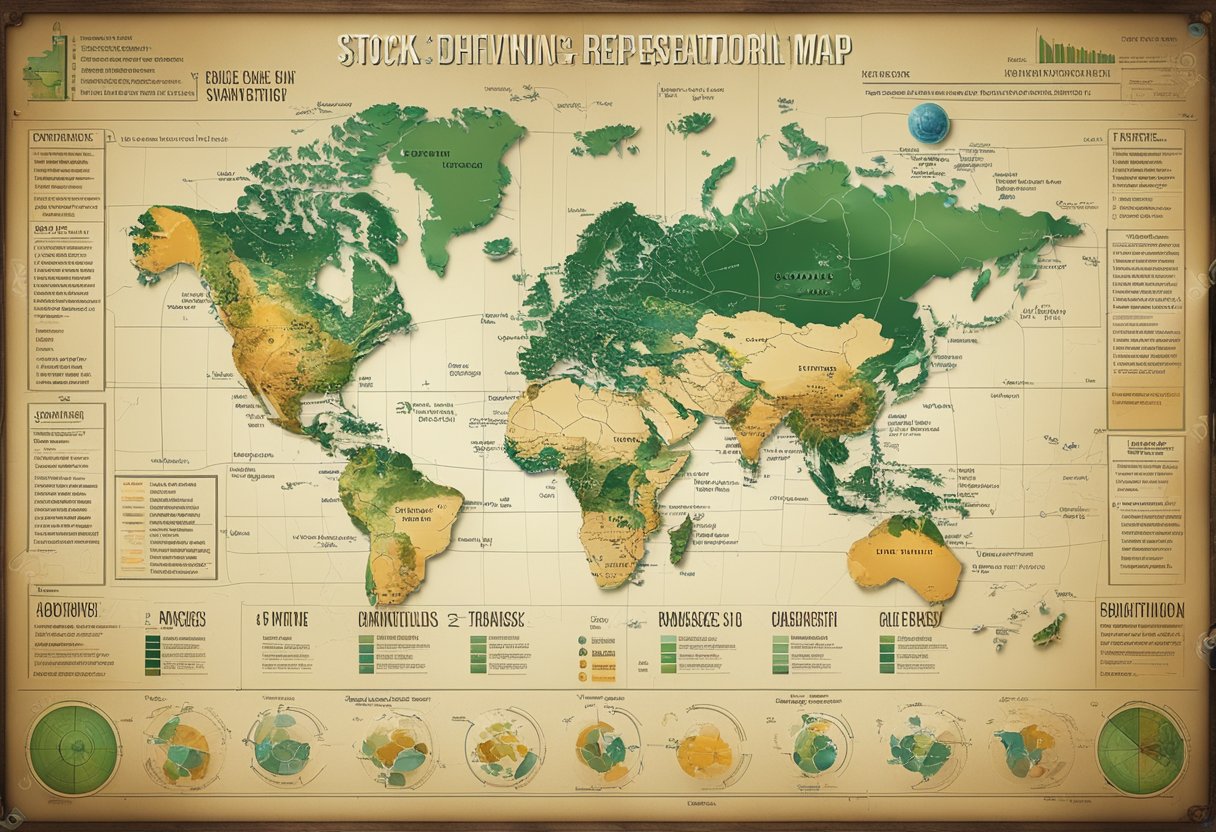
A vibrant double material map overlaid with a SWOT analysis, showcasing the intersection of Science-Based Targets and Nature

Science-based targets are essential for organizations aiming to reduce their environmental impacts. They provide a clear framework for setting goals aligned with climate science. This section explores the definition and purpose of science-based targets as well as guidelines for setting and implementing them effectively.

Definition and Purpose

Science-based targets are specific greenhouse gas emissions reductions that organizations commit to. These targets are based on the latest climate science, aiming to limit global warming to 1.5 or 2 degrees Celsius above pre-industrial levels.

The purpose of these targets is to ensure that companies take meaningful action to mitigate climate change. By aligning their goals with scientific recommendations, organizations demonstrate commitment to sustainability and guide their operations toward lower emissions.

Key aspects include:

  • Target Setting: Goals are determined based on a company’s emissions profile.
  • Transparency: Organizations must disclose their targets for accountability.

Setting and Implementation

Setting science-based targets involves several steps. First, an organization assesses its current greenhouse gas emissions. This assessment helps identify key areas for improvement.

Next, the company chooses an appropriate target. This could be a percentage reduction in emissions or a specific timeline for achieving sustainability goals.

Implementation involves integrating these targets into operational and strategic planning. Companies often engage stakeholders and employees to ensure broad commitment.

  • Monitoring Progress: Regular evaluations are crucial for staying on track.
  • Adjusting Targets: Companies may need to revise their targets based on new scientific findings or operational changes.

This structured approach ensures that organizations make progress toward their climate objectives effectively.

Nature-Based Solutions Explained

Nature-Based Solutions (NbS) refer to strategies that utilize natural processes and ecosystems to tackle societal challenges. These solutions aim to provide environmental benefits while also addressing issues like climate change and biodiversity loss.

Core Principles

Nature-Based Solutions are built on four core principles:

  1. Sustainability: NbS should enhance and not degrade natural resources. Efforts must be made to ensure long-term viability.
  2. Inclusivity: Engaging local communities in planning and decision-making is essential. Their knowledge and needs should shape solutions.
  3. Adaptability: Solutions must be flexible to adapt to changing conditions. This helps ensure they remain effective over time.
  4. Ecosystem Resilience: Strengthening ecosystem functions is critical. Healthy ecosystems are better at providing services like clean water and carbon storage.

Application in Sustainability

Nature-Based Solutions find application in various areas of sustainability. They can help mitigate climate change effects, enhance water management, and improve urban environments.

For instance, mangrove restoration serves dual purposes: it protects coastlines and absorbs carbon. Similarly, urban green spaces contribute to improved air quality and community well-being.

Implementing these solutions requires collaboration across sectors. Policymakers, businesses, and communities should work together to maximize impacts.

By aligning NbS with sustainable development goals, stakeholders can amplify the benefits, making their efforts more effective and far-reaching.

SWOT Analysis of Science-Based Targets

A SWOT analysis and double material map of Science-Based Targets and Nature, showing strengths, weaknesses, opportunities, and threats in a visual representation

This section explores the strengths, opportunities, weaknesses, and threats associated with Science-Based Targets (SBTs). These aspects provide insights into how SBTs align with sustainable reporting standards.

Strengths and Opportunities

Science-Based Targets leverage scientific data to set realistic and measurable goals for reducing greenhouse gas emissions. This method enhances credibility and creates accountability among companies. Many organizations adopt SBTs to demonstrate their commitment to sustainability, which can improve their public image.

An important opportunity lies in collaboration. By aligning with global climate goals, SBTs encourage partnerships among businesses, governments, and non-profits. Companies utilizing SBTs can attract investors interested in sustainable practices. Additionally, frameworks such as the Science Based Targets Initiative (SBTi) provide guidance and resources, making it easier for organizations to establish and achieve these targets.

Weaknesses and Threats

Despite their benefits, SBTs face certain weaknesses. One issue is that some organizations may struggle to implement the required changes due to resource constraints or a lack of technical knowledge. This challenge can lead to incomplete or inaccurate reporting on emissions reductions.

Furthermore, there is a threat of greenwashing. Companies may adopt SBTs while failing to implement real change, which undermines the concept’s credibility. Regulatory pressures and evolving standards can also create challenges, as organizations must adapt to new requirements continuously. Lastly, competition among companies may lead to “race to the bottom” practices, where some focus on meeting minimum standards rather than striving for impactful change.

SWOT Analysis of Nature-Based Solutions

Nature-based solutions (NbS) offer various benefits for sustainable practices while also presenting some challenges. This analysis explores the strengths and opportunities of NbS, as well as their weaknesses and threats within the context of sustainable reporting standards.

Strengths and Opportunities

Nature-based solutions provide multiple advantages. They enhance biodiversity by restoring natural ecosystems. This leads to improved environmental health and can help mitigate climate change effects.

NbS often require less maintenance than traditional infrastructure. This reduces ongoing costs, making them attractive to policymakers.

Additionally, these approaches can promote community involvement. Engaging local communities fosters a sense of ownership and stewardship of natural resources.

There are significant opportunities as well. Increased global focus on sustainability means that funding for NbS is expanding. Policymakers increasingly recognize NbS as effective strategies for meeting international climate goals.

The potential for innovative partnerships and collaborations is strong, creating a united approach to sustainability challenges.

Weaknesses and Threats

Despite their advantages, nature-based solutions face notable weaknesses. Implementation can be inconsistent across regions due to varying local practices and governance.

Limited public awareness can hinder support for NbS projects. Without community buy-in, initiatives may struggle to succeed.

There are also threats from competing interests, such as traditional infrastructure solutions that promise quicker outcomes. These solutions might overshadow NbS due to their perceived immediate benefits.

Climate change itself poses a significant threat, as more extreme weather can undermine the long-term effectiveness of NbS.

These factors require careful consideration when integrating NbS into broader sustainability frameworks.

Comparative Analysis

The comparison between Science-Based Targets (SBTs) and Nature-Based Solutions (NBS) reveals important insights into their roles within sustainable reporting standards. Both approaches aim to enhance environmental outcomes, yet they approach sustainability through different lenses.

Similarities Between SBTs and NBS

SBTs and NBS both focus on addressing climate change and promoting sustainability. They align with global environmental goals, such as those outlined in the Paris Agreement.

Both frameworks emphasize measurable targets, encouraging organizations to set specific, science-backed objectives. This structured approach facilitates accountability and transparency in reporting.

Science-based Targets and Nature-based Solutions both promote collaboration among stakeholders. SBTs and NBS rely on partnerships between businesses, governments, and communities to achieve their goals. This collective action is essential for driving meaningful progress and tackling environmental challenges effectively.

Key Differences and Distinct Features

SBTs primarily focus on reducing greenhouse gas emissions in line with scientific guidance. These targets are quantitative and time-bound, directly aimed at mitigating climate risks.

In contrast, NBS center on leveraging natural ecosystems to address environmental issues. They involve practices like afforestation, wetland restoration, and sustainable land management. NBS aim for broader ecological benefits, including biodiversity enhancement and ecosystem resilience.

Moreover, while SBTs require compliance with specific metrics and thresholds, NBS offer more flexibility in implementation. This allows organizations to tailor their approaches based on local environmental contexts and stakeholder needs, fostering more holistic environmental strategies.

Conflict Points in Sustainable Reporting

A double material map with Science Based Targets and Nature, showing strengths, weaknesses, opportunities, and threats in sustainable reporting

Sustainable reporting faces various challenges, particularly when comparing Science-Based Targets (SBTs) and Nature-Based Solutions (NbS). While both aim for environmental improvements, they often have different approaches, leading to conflict points.

Science-Based Targets vs. Nature-Based Solutions

SBTs focus on measurable reductions in greenhouse gas emissions aligned with global climate goals. They use scientific data to set specific targets for companies. This approach emphasizes quantitative metrics, which supplement businesses track their progress.

In contrast, NbS keenly prioritizes ecosystem services and natural processes to address environmental issues. These solutions, such as reforestation, may not have standardized metrics for success. Their qualitative nature can lead to differences in evaluation methods.

The lack of a common framework for measuring NbS can result in discrepancies when comparing performance between SBTs and NbS in sustainability reports. Companies may struggle to reconcile these differing methodologies, leading to confusion for stakeholders.

Resolution Strategies

To address the conflicts between SBTs and NbS, companies can adopt integrated reporting frameworks. These frameworks can help align goals and metrics, offering a more comprehensive view of sustainability efforts.

Stakeholder engagement is crucial. Involving diverse groups in strategy discussions ensures that there are consideration of various perspectives. This can lead to improved understanding and acceptance of different approaches.

Lastly, developing standardized metrics for NbS can facilitate better comparisons with SBTs. This involves collaborating with industry leaders and scientists to create benchmarks. Clear guidelines could promote accountability and transparency across reporting practices. Implementing these strategies can enhance the effectiveness of sustainable reporting.

Synergy in Sustainability Reporting

A double material map and SWOT analysis visually represent the synergy between Science Based Targets and Nature in sustainability reporting

Sustainability reporting is increasingly evolving to create a more integrated approach that highlights the importance of both Science-Based Targets (SBT) and Nature-Based Solutions (NbS). As organizations strive for greater accountability, collaborative opportunities and beneficial overlaps are crucial for effective sustainability outcomes.

Collaborative Opportunities

Organizations can enhance their sustainability reporting by embracing collaborative opportunities between SBT and NbS. Science-based targets set measurable goals for reducing greenhouse gas emissions, aligning corporate strategies with climate science. Meanwhile, nature-based solutions focus on leveraging ecosystems to address social and environmental challenges.

By integrating these two approaches, companies can create comprehensive sustainability strategies. For instance, corporations might set SBTs while implementing NbS, such as reforestation projects, that simultaneously reduce emissions and enhance biodiversity. Collaborating with non-profits or governmental organizations can also optimize resources and expertise. This yields not only environmental benefits but strengthens stakeholder trust through demonstrable and actionable commitments.

Beneficial Overlaps

There are significant, beneficial overlaps between SBT and NbS in sustainability reporting. Both frameworks aim for long-term impact, yet approach it from different angles. While SBT focuses on reducing emissions, NbS addresses how natural ecosystems can absorb and store carbon.

Organizations can report on synergistic initiatives where emissions reduction goals are met through ecosystem restoration or conservation efforts. For example, a company might restore wetlands as part of its NbS strategy, contributing to both climate mitigation and habitat preservation. This dual reporting approach allows for richer narratives and demonstrates holistic corporate responsibility. Clear metrics can be developed to assess progress in both areas, providing stakeholders with valuable insights.

Double Materiality Map Analysis

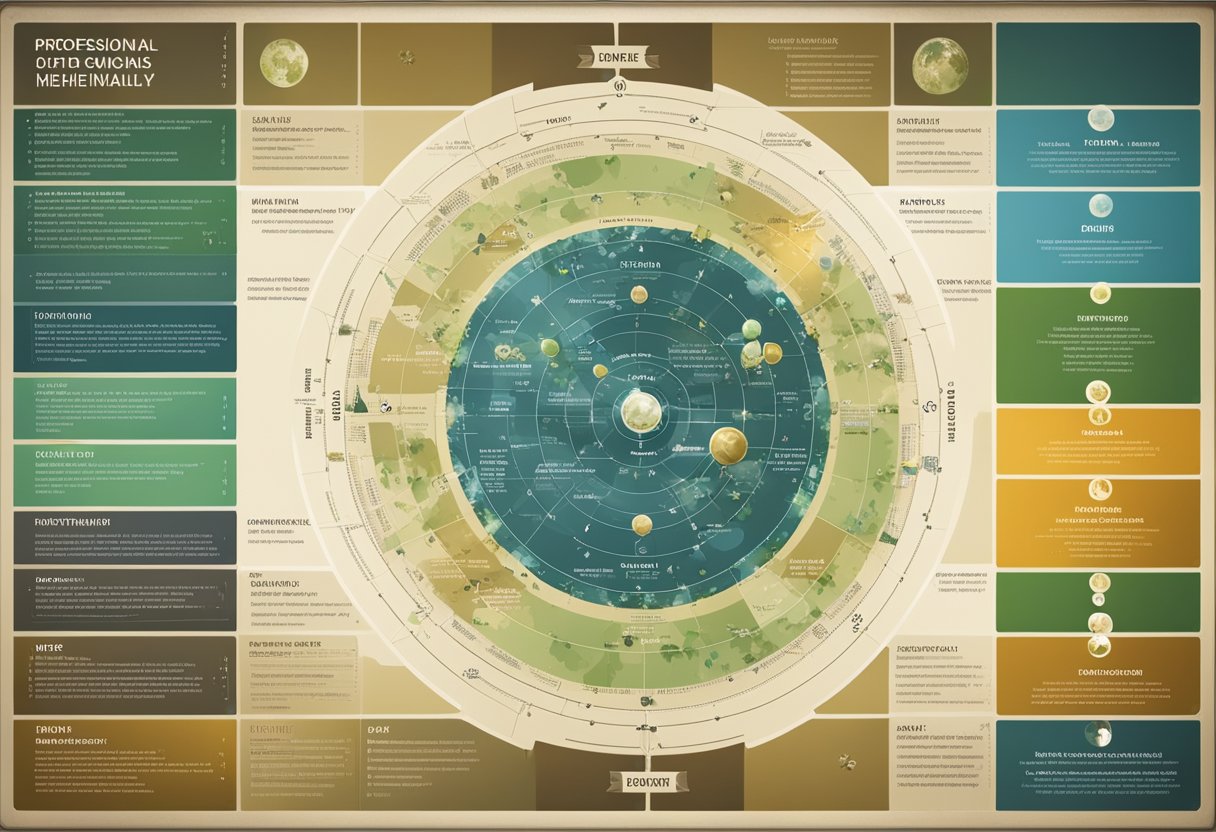
A double materiality map with Science based Targets and Nature, showing strengths, weaknesses, opportunities, and threats in a clear and organized format

Double materiality mapping is essential for understanding the interactions between financial and non-financial factors. This analysis allows organizations to assess both their impacts on sustainability and how those sustainability issues affect their financial performance. It brings clarity to the complexities of integrating Science-Based Targets (SBTs) and Nature-Based Solutions (NBS) into sustainable reporting frameworks.

Financial vs Non-Financial Impacts

In the double materiality map, financial impacts refer to how sustainability issues affect a company’s economic performance. This includes risks like regulatory changes, resource scarcity, and potential reputational damage.

Examples of financial impacts:

  • Decreased revenue due to regulatory fines.
  • Increased costs from resource shortages.
  • Potential losses from negative consumer perception.

Non-financial impacts focus on environmental and social outcomes. These include the effects of a company’s operations on the climate, ecosystems, and local communities.

Examples of non-financial impacts:

  • Improvement in biodiversity through effective NBS.
  • Community health benefits from reduced emissions.
  • Enhanced public image due to sustainable practices.

Understanding both impact types is crucial for developing robust sustainability strategies.

Materiality in the Context of SBTs and NBS

When analyzing materiality for SBTs and NBS, it is vital to recognize the differences and overlaps. SBTs primarily focus on greenhouse gas emissions and their financial consequences. They set clear targets for companies to reduce emissions in line with climate science.
In contrast, NBS emphasize restoring ecosystems to address both climate change and biodiversity loss. They not only deliver environmental benefits but can also present financial opportunities, such as eco-tourism or carbon credits.

SBTs and NBS can complement each other. For instance, implementing NBS can help achieve SBTs by sequestering carbon while also providing community benefits. Companies should evaluate how both approaches can interact within their sustainable reporting frameworks, ensuring a comprehensive understanding of materiality.

Corporate Case Studies

Corporate case studies highlight both successful implementations and challenges faced by companies in adopting Science Based Targets (SBT) and Nature-Based Solutions (NbS). These examples provide insight into how organizations incorporate sustainability into their reporting standards.

Success Stories

Many companies have effectively used Science Based Targets to reduce their greenhouse gas emissions. For instance, H&M Group committed to cutting emissions by 36% by 2030 based on its climate science targets. They have implemented various strategies, including using sustainable materials and enhancing energy efficiency in production processes.

Similarly, Unilever shows how Nature-Based Solutions can complement SBT. The company has invested in restoring ecosystems for its sourcing, aiming to improve biodiversity alongside reducing its carbon footprint. Their initiatives on sustainable sourcing have led to a more resilient supply chain.

Challenges and Lessons Learned

Despite successes, companies often face obstacles in aligning SBT and NbS. Nestlé encountered difficulties with data collection for emissions reporting. Ensuring accurate metrics is crucial, but can be resource-intensive.

Additionally, Coca-Cola found integrating nature-based projects into existing strategies challenging. Conflicts between short-term financial goals and long-term sustainability targets often arose. Companies learned that strong leadership and clear communication are vital for overcoming these hurdles.

Future Trends in Sustainable Reporting

A futuristic city skyline with a double material map and SWOT analysis overlay, showcasing Science Based Targets and Nature

As the landscape of sustainability continues to strengthen, various trends are shaping the future of reporting. Key aspects include the development of new standards and frameworks, along with innovative approaches to target setting and solutions.

The ever-evolving Standards and Frameworks

Sustainable reporting is moving towards more standardized practices. New regulations, such as the Corporate Sustainability Reporting Directive (CSRD), demand clearer and more comprehensive disclosure from companies. This shift promotes transparency in both financial and non-financial reporting.


Additional to the CSRD, organizations are adopting the Global Reporting Initiative (GRI) and Sustainability Accounting Standards Board (SASB) frameworks. These frameworks help businesses align their reporting with global sustainability goals.

Companies are now focusing on double materiality, which considers the impact of sustainability efforts on both the business and broader societal goals. This approach allows for a more holistic view of a company’s sustainability performance.

Innovations in Target Setting and Solutions

Innovations in sustainability reporting are driven by advances in technology and data analysis. Organizations are increasingly setting science-based targets that are rooted in real-time data. This ensures that targets are not only ambitious but also achievable.

Nature-based solutions are also gaining attention, encouraging companies to incorporate environmental actions into their strategies. These solutions enhance biodiversity and combat climate change by restoring ecosystems.

Tools like carbon calculators and sustainability dashboards enable companies to track their progress effectively. As industries adopt these innovations, they foster greater accountability in sustainable practices and improve engagement with stakeholders.

Key Takeaways

  • Science-based targets and nature-based solutions provide different frameworks for sustainability alignment.
  • Both approaches reveal unique strengths and opportunities in corporate sustainability strategies.
  • Understanding their relationships can enhance effective reporting and accountability in environmental practices.

UNSDGs 13-14-15 Interconnecting Impact

Jellyfish, Animals, Underwater image. https://pixabay.com/photos/jellyfish-animals-underwater-381659/

The United Nations Sustainable Development Goals (SDGs) aim to make the world better while keeping it safe. Sadly, only 15% of SDG targets are on track halfway to the 2030 deadline1. These goals are about ending poverty and growing the economy, while also protecting the environment.

They say we must fight climate change and protect our planet. The work on UNSDGs 13-14-15 is key to reaching these goals. It’s about making sure our actions help the environment and support sustainable development.

Greenhouse gas emissions keep going up, making the climate crisis worse1. We’re seeing more extreme weather like heatwaves, droughts, and wildfires1. Yet, many businesses are working on plans to help the planet, showing they care about the environment and society2.

The United Nations set 17 global goals for 2015–2030. These goals are a blueprint for companies to tackle big issues like poverty and pollution worldwide2.

CSR efforts help companies and their stakeholders, showing a positive impact2. Working together is essential to meet the SDGs. Shareholders are important in pushing companies to do more for the planet and society2.

Understanding the Trilogy of Environmental SDGs

The United Nations Environment Programme (UNEP) stresses the need to tackle climate change and protect our oceans and forests. They focus on climate action, marine conservation, and biodiversity protection. This helps keep our planet healthy.

These goals are linked and need each other. For example, saving ecosystems is key to a healthy planet. This can be done through teamwork between governments, groups, and people. The UNEP says we must work together to solve environmental problems.

The Foundation of Environmental Sustainability Goals

The base of environmental goals is climate action, marine conservation, and biodiversity protection. These are vital for a healthy planet and a sustainable future. As points out, tackling environmental issues is crucial.

Interconnected Nature of Climate, Marine, and Terrestrial Goals

Climate, marine, and terrestrial goals are all connected. Climate change affects our oceans and biodiversity. So, we need a complete approach to solve these problems.

Global Implementation Challenges and Opportunities

There are challenges but also chances to achieve these goals worldwide. Through teamwork and action, we can tackle environmental issues. As notes, global cooperation is vital.

Some key strategies include:

  • Promoting climate action and cutting down on greenhouse gases
  • Starting marine conservation efforts and protecting marine life
  • Supporting biodiversity protection and keeping ecosystem services safe
  • Building collaborative partnerships and working together globally

Together, we can overcome environmental challenges and secure a sustainable future for everyone.

Climate Action (SDG 13): The Catalyst for Environmental Change

Climate action is key to reaching the Sustainable Development Goals (SDGs). It means changing how we make, use, and consume energy3. Renewable energy and clean tech are vital for cutting down on harmful emissions and supporting green growth. The United Nations says fighting climate change is essential. It impacts our environment, health, economy, and fairness3.

We need to make climate action a part of our national plans and global efforts. This means using more renewable energy, being more energy-efficient, and using land wisely4. Education and environmental checks can also help us make better choices3.

Some important steps for tackling climate change include:

  • Using more solar and wind power
  • Improving energy use in buildings and factories
  • Practicing sustainable land use, like planting trees and farming together with forests
  • Building climate-ready cities and buildings

Acting fast to fight climate change can lower the dangers it poses, like more extreme weather, rising seas, and less water4. It’s not just the right thing to do; it also opens doors for growth, jobs, and fairness3.

StrategyBenefits
Renameable energyLess pollution, cleaner air
Energy efficiencySave money, use less energy
Sustainable land useSave nature, better soil

Marine Ecosystem Protection (SDG 14): Preserving Our Oceans

The ocean is key to making Earth livable for humans. Managing it well is vital for a sustainable future5. Marine conservation helps keep marine ecosystems balanced and protects biodiversity. It also supports the health of our oceans and sustainable fishing.

Threats like overfishing, pollution, and climate change harm marine life. To fight these, we need sustainable fishing and marine protected areas. Saving coral reefs is also crucial, as they support many marine species and people’s livelihoods6.

The World Health Organization says clean water and sanitation are key for human health. Without them, marine ecosystems suffer5. Climate change also affects water, making it harder to find, clean, and share, leading to food shortages6.

Threats to Marine BiodiversityConsequences
OverfishingDepletion of fish populations, damage to marine ecosystems
PollutionHarm to marine life, contamination of the food chain
Climate ChangeRising sea temperatures, ocean acidification, coral bleaching

Life on Land (SDG 15): Safeguarding Terrestrial Ecosystems

The health of our planet is key to preventing zoonotic diseases. Human actions like deforestation harm millions of people’s lives and livelihoods2. It’s vital to use land sustainably and protect forests for biodiversity and ecosystem health. The Sustainable Development Goals (SDGs) from 2015 to 2030 aim to meet today’s needs without harming future generations7.

Some key strategies for safeguarding terrestrial ecosystems include:

  • Promoting sustainable land use practices
  • Implementing forest conservation initiatives
  • Addressing the root causes of deforestation and desertification

These efforts help preserve biodiversity, protect ecosystems, and support human and planetary well-being2.

The United Nations supports countries in achieving the SDGs, focusing on environmental, transport, statistics, and more7. By working together, we can create a healthier, more sustainable future for everyone.

Safeguarding terrestrial ecosystems needs a collective effort. We must prioritize biodiversity, ecosystem preservation, and sustainable land use. Together, we can ensure a healthier, more sustainable future for all2.

SDGGoalTarget
SDG 15Life on LandSustainably manage forests, combat desertification, halt biodiversity loss

Cross-sectional and Inter-operational Influence for UNSDGs 13-14-15

The goals of UNSDGs 13-14-15 are key to a sustainable future. They work together to help the environment. For example, cutting down on greenhouse gases (SDG 13) can protect oceans (SDG 14) and land biodiversity (SDG 15)8.

These goals are connected in many ways. Chapter 4 of the Cooperation Framework shows how important it is to understand the financial side9. This helps find ways to invest in sustainable growth, jobs, and protecting the environment.

Measuring the impact of these goals together is crucial. We can use indicators and frameworks like the UN Common Country Analysis (UN CCA)9. Here’s a table showing how SDGs 13, 14, and 15 (UNSDGs 13-14-15) are connected:

SDGGoalInter-connectedness
13Climate ActionInfluences SDG 14 (Marine Ecosystems) and SDG 15 (Terrestrial Ecosystems)
14Marine Ecosystem ProtectionInfluenced by SDG 13 (Climate Action) and influences SDG 15 (Terrestrial Ecosystems)
15Life on LandInfluenced by SDG 13 (Climate Action) and SDG 14 (Marine Ecosystems)

Carbon Management Strategies Across Ecosystems

Managing carbon is key to fighting climate change. It requires different approaches in various ecosystems. Forests and oceans are crucial in soaking up carbon dioxide from the air10. The United Nations says 2019 saw record levels of greenhouse gases in the atmosphere. Climate change is now affecting every country and continent10.

New ways to price carbon are being tried to cut down emissions. Programs for trading carbon credits help countries work together to lower emissions. These efforts are vital for meeting the Sustainable Development Goals (SDGs) and fighting climate change11.

Some important parts of managing carbon include:

  • Carbon sequestration in forests and oceans
  • Innovative carbon pricing mechanisms
  • International carbon trading programs

These methods can decrease greenhouse gas emissions and support sustainable growth10.

By using effective carbon management, we can lessen climate change risks. This leads to a more sustainable future11.

Collaborative Partnerships for Environmental Success

Collaborative partnerships are key to environmental success, especially in cross-sectoral approach and ecotourism efforts. They help us work together more effectively towards the SDGs12. For example, teams of governments, international groups, businesses, and civil society can fill policy gaps and make development fair12.

In small island states, partnerships are vital for green growth and conservation. They help get the resources needed, like money and tech, and support ecotourism13. The Joint SDG Fund says 188 million people got new or better social services thanks to these partnerships13.

The table below shows why partnerships are crucial for environmental wins:

Partnership TypeBenefits
Government-Business PartnershipsImproved policy design, increased investment in sustainable initiatives
Civil Society-International Organization PartnershipsEnhanced community engagement, better access to international expertise and resources

By using a cross-sectoral approach and teaming up, we can speed up SDG achievements and protect the environment in small island states and more14. It takes a united effort from governments, businesses, civil society, and global groups to reach environmental success12.

Technology and Innovation in Environmental Protection

The United Nations highlights the role of technology and innovation in reaching the SDGs15. This led to the creation of the UN Inter-Agency Task Team on STI for the SDGs in 201515. The world has seen progress towards the SDGs, with a 0.5 point increase each year from 2015 to 2019, as noted by Sachs et al16.

Technology and innovation are key in protecting our environment. Digital solutions help with monitoring, blockchain aids in conservation, and AI supports climate action7. These technologies are making a big difference in several areas:

  • Digital solutions for environmental monitoring, such as satellite imaging and sensor technologies
  • Blockchain in environmental conservation, such as tracking sustainable supply chains and verifying eco-friendly products
  • AI-powered climate action, such as predicting climate-related disasters and optimizing renewable energy systems

Having good statistics is crucial for tracking progress towards the SDGs7. The use of technology and innovation in environmental protection is set to grow. It has the potential to help achieve the SDGs and create a more sustainable future16.

Economic Implications of Integrated Environmental Action

The economic effects of acting together for the environment are complex. They balance growth, social progress, and protecting nature17. As we aim for the Sustainable Development Goals (SDGs), we must weigh the good and bad sides of a green economy. The SDGs say we need to fight poverty while growing the economy and improving health and education17.

Some key points about the economic effects of environmental action are:

  • More people can get financial help through green practices, helping industries grow18
  • New jobs and economic growth come from green tech and sustainable industries16
  • Health and happiness improve as pollution and damage to nature go down17
  • We become more ready to face climate change and natural disasters16

But, there are also hurdles like higher costs and less competition in some fields18. To beat these, we need a complete plan for sustainable growth. This plan must think about the economy, society, and nature together17. This way, we can build a better, fairer world and still grow the economy16.

Switching to a green economy means changing how we see growth and protecting the environment16. We must use green methods, invest in new tech, and support eco-friendly laws17. Together, we can make a greener, wealthier future for everyone and keep our planet healthy18.

Canna lily, Pattern, Botany image. https://pixabay.com/photos/canna-lily-pattern-botany-leaf-6474252/

Conclusion: Forging a Sustainable Future Through Integrated Action

The United Nations’ Sustainable Development Goals (SDGs) offer a detailed plan for a better future for everyone19. Looking at our progress and the hurdles we face, it’s clear that working together is key20. By joining forces across different areas, we can make a bigger difference in protecting our planet.

The goals of SDGs 13, 14, and 15 (UNSDGs 13-14-15) are deeply connected20. Tackling climate change, saving marine life, and preserving land are all linked19. Using new ways to manage carbon, technology, and aligning money with green goals are essential for change.

Our dedication to teamwork and action must stay strong20. By coming together, we can gather the needed help, skills, and support to fight environmental harm19. It’s time to act, and together, we can make a lasting impact for future generations.

School strike 4 climate, Demonstrations, Zagreb image. https://pixabay.com/photos/school-strike-4-climate-4059175/

Key Takeaways

  • The SDGs are a call for action by all countries to promote prosperity while protecting the planet.
  • Only 15% of SDG targets are on track halfway to the deadline for the 2030 Agenda1.
  • The cross-sectional and inter-operational influence for UNSDG# 13, 14, and 15 (UNSDGs 13-14-15) is crucial for achieving sustainability goals.
  • Greenhouse gas emissions continue to rise, worsening the climate crisis1.
  • The percentage of businesses that have invested in socially responsible plans is substantial, contributing to the CSR landscape in the industry2.
  • Achieving the SDGs requires a collaborative approach, focusing on sustainable development and environmental impact assessment.

Source Links

  1. PDF – https://sdgs.un.org/sites/default/files/2023-09/UN Climate SDG Synergies Report-091223B.pdf
  2. Sustainable Development Goals (SDGs) as a Framework for Corporate Social Responsibility (CSR) – https://www.mdpi.com/2071-1050/14/3/1222
  3. PDF – https://unece.org/sites/default/files/2021-06/Mainstreaming guidance 28.6.2021.pdf
  4. Risk management and decision making in relation to sustainable development — Special Report on Climate Change and Land – https://www.ipcc.ch/srccl/chapter/chapter-7/
  5. The system of radiological protection and the UN sustainable development goals – Radiation and Environmental Biophysics – https://link.springer.com/article/10.1007/s00411-024-01089-w
  6. Water and the Sustainable Development Goals of the United Nations 2030 Agenda – https://www.linkedin.com/pulse/water-sustainable-development-goals-united-nations-2030-sturniolo
  7. PDF – https://unece.org/sites/default/files/2021-04/2012761_E_web.pdf
  8. PDF – https://unsdg.un.org/sites/default/files/2021-07/Bangladesh_Cooperation_Framework_2022-2026.pdf
  9. PDF – https://unsdg.un.org/download/1512/687
  10. CL 170/4 – FAO Strategy on Climate Change 2022–2031 – https://openknowledge.fao.org/server/api/core/bitstreams/331de79f-cb7d-4550-85ff-f95f379c78e6/content
  11. PDF – https://unsceb.org/sites/default/files/2021-05/HLCP41-CRP.2-A common approach to integrating biodiversity and nature-based solutions.unedited[8].pdf
  12. A framework to harness effective partnerships for the sustainable development goals – Sustainability Science – https://link.springer.com/article/10.1007/s11625-021-01070-2
  13. 2022 – Global Context and SDG Impact – annualreport.jointsdgfund.org – https://annualreport.jointsdgfund.org/2022-global-context-and-sdg-impact/
  14. Achieving the UN Agenda 2030: Overall actions for the successful implementation of the Sustainable Development Goals before and after the 2030 deadline – https://www.europarl.europa.eu/RegData/etudes/IDAN/2022/702576/EXPO_IDA(2022)702576_EN.pdf
  15. PDF – https://sdgs.un.org/sites/default/files/2022-06/ONLINE_STI_SGDs_GUIDELINES_EN_v3_0.pdf
  16. The Impact of COVID-19 on the Sustainable Development Goals: Achievements and Expectations – https://pmc.ncbi.nlm.nih.gov/articles/PMC9739062/
  17. PDF – https://unsdg.un.org/download/24/557
  18. Microsoft Word – 1.1_Annexes_CF_V3.docx – https://www.undp.org/sites/g/files/zskgke326/files/2021-07/UNDP-UNCDF-TP-1-1-Annexes1-6-BigFintechs-and-Their-Impacts-on-Sustainable-Development-EN.pdf
  19. The Future We Want | Department of Economic and Social Affairs – https://sdgs.un.org/future-we-want
  20. Fast-tracking action on the Sustainable Development Goals by enhancing national institutional arrangements – https://pmc.ncbi.nlm.nih.gov/articles/PMC10954137/

The who, what, when, where, why, and how of Sustainability

Sustainability is a word that holds many definitions that create a broad scope of its many concepts. Along with its many definitions and concepts, there are levels of denotation and connotation it presents as well. Sustainability is, however, not as fluid when applied to practical solutions and methodologies. For social impact, environmentalism or environmental preservation, and capital allocation strategies, sustainability is the ecosystem to draw from.

When one closes their eyes, how does the mind perceive what sustainability is? Can you imagine what colors come to mind? How about the textures or objects? Can we articulate what are the overall types of 5 senses that one would associate with sustainability, such as scent, taste, small, sound, and sight? What does it sound like, and what time of day is most associated with sustainability? How about the term sustainable? Does it seem more of a perceived focus? Does that term function as an enhancement to content that orbits sustainability? Are concepts of sustainability sustainable, or does the sustainable content belong within sustainability?

Understanding Sustainability is key

Welcome to our digest as we unpack how sustainability in scope expands through concepts. In addition to unpacking, we will explore what these concepts are and how we can relate to and apply them for a sustainable future. From a high-brow layman to the high-ranking delegate seeking to increase influence in a foreign administration, anyone can apply these tools. From the citizen climate lobbyist who advocates locally to Capital Hill to the at-home matriarch wife or patriarch uncle. Access to leveraging both nuclear and extended family duties on how a systematic approach to sustainable living can be beneficial.

The premiere definition of what sustainability is as a subject matter, application, and form of a multi-tier policy that synthesizes an eclectic set of disciplines. This understanding includes that earth and its ecosystem of lifeforms are included. By sustaining equilibrium from the plant’s origin billions of years to the establishment of the United States of America, sustainability is ensured by not comprising today at the expense of future generations.

We’ll continue to answer all these questions as we explore more how this concept materializes as a buzzword and an institutional ideology.

Sustainable Development History in Review

Within our discussion of this topic, we will feature a set of time periods that will also be featured. They will be referenced as milestones in the history of sustainability. Here are several listed here:

  • The pre-colonial years, when various indigenous cultures across the world practiced sustainable methods that were intrinsic for survival and adaptability.
  • The advent of proto-sustainability, both the 1st industrial revolution and the 1st machine age
  • Post-World War II and the effects of pre-civil rights/mid-cold war international economic development across developed, 2nd world, and 3rd world nations
  • Post-civil rights, in conjunction with both the U.S. relinquishment from the gold standard to the fiat platform and the environmental regulation standards
  • The modern interpretation of classical sustainability began with UN Conference on the Human Environment during both the cold war and the environmental regulation framework shaped fractionally to partially the gold to fiat U.S. dollar transition
  • The ‘term’sustainable development’ was established also a decade after the executive branch instituted the fiat standard.
  • During the final quarter of the Cold War era, various thought leaders from Gro Harlem Brundtland to Bill McDonough over the course of 15 years prior to the beginning of the Afghanistan war, the NATO expansion, the Canadian G8 summit, the scheduled Yucca Mountain nuclear waste repository, and the South African Earth Summit.

Sustainable Development History Continuing

What we can deduce is that sustainability evolved this way in regards to the passage of time for the long term. We can easily reason that this is because of the decades of accumulation of adverse environmental impact. Another factor is the inequalities and inequities of the human condition. This observation applies across all spectrums of human activity: education, entertainment, economics, law, politics, labor, religion, sex, and war.

Sustainability means to remain durable over periods of time. Durability is to sustainability what resilience is to adaptability in some respects. Another way of looking at defining it would be to state or understand that sustainability is to renew or be everlasting for generations to come. Regeneration within nature is a sustainable state in concept due to sustaining its essence.

The Sustainable triple bottom line broken down

In the context of modern, contemporary, and postmodern sustainability, it is defined by a trinity of social and institutional outcomes of the triple bottom line. Sustainability extends past the dynamic of achieving the bottom line to remain in the black by restructuring to be only 33.3% of the outcome. The other 66.6% are split into two unique channels that engage the human or social component that separates itself from the more capitalist-driven single bottom line. While the final 33.3% of the triple bottom line redirects to the living environment. The final bottom line, which is the living environment, includes the more non-sentient life and material via the science-based order of the planet.

This creates a synthesis of three subjective opposing constructs from one another that forms a cohesive system. Having these systems is beneficial for institutions, businesses, and communities to leverage. When working together as the triple bottom line, to remain functional, they work within a checks and balance framework. We’ll have a more real-world angle when we go into more detail and explain the progenitor of the triple bottom line and other platforms.

Rather, the term sustainable or sustainability is used; the greater understanding is how and why sustainable development is applied. The purposes of attracting better public and social engagement and environmental stewardship through both conservation and preservation. Positioning strategically in the free market in spreading prosperity. It is essential to development that’s sustainable for the long(er) term of any institution, organization, or MSME (micro, small, medium enterprise).

What does sustainability mean to you? How has sustainability served in a historical context? How can we educate and train to bring sustainable results? What comes to mind when you see and hear the word ‘sustainability’?

This website is saving the energy of your screen as it is not being used. It's part of a global effort to lower the planet's electrical consumption and CO2 emission level. Resume browsing
Click anywhere to resume browsing
Verified by MonsterInsights