
Imagine waking up one day to find your job threatened by rising temperatures and unpredictable weather. For many, this is not just a thought experiment; it’s a daily reality. The world of work is increasingly on the frontlines of an ecological transition. As heatwaves, floods, and pollution disrupt lives, the urgency for change becomes clearer.
This is where the concept of fiscal strategies comes into play. These strategies can serve as powerful tools to reshape our economies while protecting jobs and communities. They hold the promise of creating decent work opportunities and ensuring a just transition for vulnerable groups.
In this article, we will explore how fiscal measures can impact environmental outcomes. We’ll look at the role of these strategies in various regions, from the Pacific Islands to Latin America. Understanding this connection is crucial for anyone interested in sustainability and economic resilience.
User Intent and Overview of Green Fiscal Policy Climate/Carbon Lobbying

Facing the challenges of a warming planet, the urgency for decisive measures is clearer than ever. The integration of effective climate action into fiscal frameworks is essential. This need is underscored by alarming projections, such as the ILO’s estimate that 80 million full-time jobs could be lost by 2030 due to heat stress. Such statistics highlight the direct economic threats posed by climate change to labor markets and national budgets.
Green fiscal policies represent a transformative approach to government spending, taxation, and investment. This shift aims to promote decarbonization and enhance climate resilience. It moves beyond traditional regulations, embedding sustainability into public finance’s core architecture.
In this context, climate and carbon lobbying act as a double-edged sword. On one side, fossil fuel interests have historically invested heavily to weaken environmental regulations. Conversely, a growing coalition of renewable energy advocates, labor unions, and civil society organizations is pushing for rapid fiscal transitions.
The dynamics of these lobbying efforts are particularly relevant to Canada. The country stands as a significant fossil fuel exporter while also committing to ambitious international climate agreements. This duality creates a tension that reflects broader global struggles between economic growth and environmental sustainability.
ILO vs. WLO Perspectives on Green Fiscal Policy, ESG, and the SDGs continuing…
For economies worldwide, integrating green fiscal policies into national budgets is no longer a side issue. It has become a critical factor for long-term competitiveness. Capital markets increasingly account for climate risks in sovereign debt and investment decisions.
The spending aspect of these policies encompasses a wide range of initiatives. This includes renewable energy subsidies, public transit investments, and infrastructure for climate adaptation. Additionally, just transition support programs for affected workers and communities are essential.
To understand how climate and carbon lobbying shapes legislative outcomes, one must analyze campaign finance flows and the revolving door between government and industry. The strategic use of economic impact studies by various interest groups also plays a crucial role.
This section establishes the analytical framework for the entire guide. It clarifies that green fiscal policy operates at multiple levels—international, national, and subnational. Effective climate action requires coherence across all these governance scales.
Governments have a range of measures at their disposal. These include carbon taxes, emissions trading schemes, and green procurement standards. Each of these carries distinct consequences that lobbying efforts aim to amplify or mitigate.
Ultimately, this overview positions green fiscal policy as a vital link between climate ambition and economic reality. This analysis will be further developed through regional case studies and institutional comparisons in the following sections.
Impact of Green Fiscal Policy Across Influential Nations

As nations grapple with the pressing demands of sustainability, the impact of fiscal strategies on economies becomes increasingly evident. This section delves into key examples from both developed and developing countries, highlighting the varied approaches and outcomes.
Key examples from developed and developing countries
The comparative analysis of fiscal strategies across influential nations reveals striking differences. Developed economies, such as Germany and Canada, implement sophisticated carbon pricing and green budgeting frameworks. In contrast, developing countries often focus on adaptation spending and mobilizing international climate finance.
Germany’s tripartite agreement on the closure of the Prosper-Haniel coal mine serves as a notable example. This negotiated decarbonization process involved a gradual phase-out of subsidized coal, coupled with a socially acceptable reduction in staff and supportive measures for the affected miners.
In South Africa, the Mpumalanga province illustrates the geographic mismatch between job losses and job creation in the energy transition. This region accounts for 80% of national coal production but lacks the renewable energy employment opportunities found in the Northern Cape.
Comparative analysis of policy effectiveness and economic transition
The ILO projects a net positive balance of 26 million jobs by 2030, stemming from 24 million new positions in renewable energy and sustainable transport, alongside 78 million in circular economy sectors. However, this is offset by the loss of 78 million jobs in traditional sectors. Such data provides a quantitative foundation for assessing policy effectiveness across countries.
Canada’s green fiscal landscape presents a compelling case study of federal-provincial dynamics. National carbon pricing interacts with provincial programs in British Columbia, Quebec, and Alberta, each reflecting distinct political economies and fossil fuel dependencies.
Infrastructure spending also varies dramatically. China’s massive investments in high-speed rail and renewable energy manufacturing contrast sharply with the more incremental approaches of many Western economies. Developing countries tend to prioritize adaptation measures—such as flood defenses and climate-resilient housing—over mitigation strategies, reflecting their unique vulnerabilities.
Research shows that well-designed carbon pricing and green investment programs can stimulate innovation, enhance energy efficiency, and mitigate long-term fiscal risks associated with climate damages. The energy transition is influenced by each country’s resource endowments, political institutions, and social contracts.
This section underscores that no single fiscal strategy template exists. Effective approaches emerge from the interplay of national circumstances, lobbying dynamics, and the political will to prioritize long-term sustainability over short-term economic growth.

Climate Lobbying Dynamics in the US, Latin America, Caribbean, and Pacific Islands
The landscape of environmental advocacy is rapidly evolving, influenced by the unique challenges faced by various regions. This section examines how different areas navigate the complexities of climate change through distinct lobbying efforts and policy responses.
US climate lobbying landscape and policy advocacy
The US climate lobbying arena remains one of the most intensely contested in global environmental politics. Fossil fuel interests invest hundreds of millions of dollars annually to sway federal and state policies. Meanwhile, a growing clean energy lobby counters with its own advocacy campaigns and economic impact analyses.
The Inflation Reduction Act of 2022 significantly reshaped the green fiscal landscape. It directed unprecedented investments into renewable energy, electric vehicles, and domestic manufacturing. However, its implementation faces legal and political challenges from carbon-intensive industries.
Latin America and Caribbean: regional coordination and climate finance initiatives
Latin America and the Caribbean have emerged as laboratories for regional climate finance coordination. The Regional Climate Change Platform of Economy and Finance Ministries, launched in August 2022, includes 21 countries. This platform serves as a model for South-South knowledge exchange on green fiscal strategies.
Within the platform, three working groups focus on debt management and green financing, fiscal incentives, and public expenditure. These groups demonstrate how regional coordination can help overcome capacity constraints faced by individual countries in implementing climate-responsive fiscal policies.
Pacific Islands’ unique challenges and lobbying efforts

The Pacific Islands confront existential risks from climate change that far exceed their negligible contributions to global emissions. Their governments adopt a distinctive lobbying posture, combining moral authority with urgent demands for adaptation financing and compensation for loss and damage from major emitters.
Adaptation spending needs in these nations—such as sea walls, relocation infrastructure, and saltwater intrusion mitigation—far surpass their domestic fiscal capacities. Thus, international climate finance becomes a matter of national survival rather than a mere policy preference.
Similarly, the Caribbean faces significant challenges. The impacts of climate change, including hurricane damage and coral reef degradation, create fiscal pressures that force governments to divert spending from development priorities to emergency responses and reconstruction efforts.
Analysis of climate lobbying across these regions reveals a consistent pattern: policy outcomes are shaped less by scientific consensus than by the political power of affected industries, the mobilization capacity of civil society, and the availability of international financial support.
| Region | Key Challenges | Lobbying Dynamics | Adaptation Needs |
|---|---|---|---|
| US | Fossil fuel interests | Intense lobbying from both fossil fuel and clean energy sectors | Investment in renewable energy |
| Latin America | Debt management | Regional coordination through platforms | Green financing initiatives |
| Caribbean | Hurricane damage | Pressure on spending due to climate impacts | Emergency response and reconstruction |
| Pacific Islands | Existential climate risks | Advocacy for international support | Infrastructure for adaptation |
Carbon Lobbying and Green Fiscal Policy in the Global South

The intricate balance between economic growth and environmental sustainability presents unique challenges for developing nations. As these countries strive to meet their energy needs, they face the dual pressures of poverty alleviation and the imperative to reduce emissions. This section delves into how these dynamics shape the implementation of effective fiscal strategies.
Addressing equity in carbon pricing is crucial. In many developing nations, the potential regressive impacts of carbon pricing can threaten political legitimacy. Low-income households and small businesses often bear the brunt of increased costs. Thus, embedding compensatory measures from the outset is essential to ensure social justice and maintain public support.
Addressing equity and development in carbon pricing
Emerging economies frequently find themselves navigating the tricky waters of international climate finance. They must balance the demands of funding with domestic pressures to maintain affordable energy. Fossil fuel subsidies often remain in place to protect vulnerable populations, complicating the transition to greener alternatives.
Furthermore, the adaptation spending needs of these countries often overshadow their mitigation investments. The fiscal burdens imposed by climate change—such as floods and droughts—demand immediate attention and resources. Governments with limited borrowing capacities struggle to allocate funds effectively.
Challenges faced by emerging economies in implementing GFP
Green fiscal strategies in the Global South encounter distinctive challenges. Limited administrative capacity and high levels of informality hinder effective tax collection. Moreover, the competition for scarce public spending between climate priorities and urgent social needs creates additional strain.
The ILO’s gender analysis reveals a concerning trend. Of the approximately 20 million new jobs expected in the sustainable energy transition by 2030, only six million will be allocated to women. This highlights the need for active labor market policies to increase women’s participation in the green economy.
Ultimately, the analysis of carbon lobbying in the Global South underscores that climate and development policies must be integrated. Achieving a sustainable future requires fiscal frameworks that advance decarbonization while simultaneously addressing poverty reduction and economic transformation.
The Role of UN Sustainable Development Goals in Shaping Climate Fiscal Policies
As the world confronts the realities of environmental degradation, the importance of aligning economic policies with sustainable goals becomes paramount. The Sustainable Development Goals (SDGs) provide a vital framework for countries to address climate change while promoting broader development objectives.
Integrating these goals into national strategies is essential. Governments must move beyond siloed policymaking. This means creating cross-ministerial coordination that links finance ministries, labor departments, and environmental agencies. Such coherence is crucial for effective fiscal policies.
Integration of SDGs into national climate strategies
Countries that successfully embed SDG targets into their climate strategies often see improved outcomes. This alignment ensures that decarbonization efforts do not undermine poverty reduction, health, education, or gender equality.
SDG targets related to climate, employment, and sustainable development
SDG 8 focuses on decent work and economic growth. The ILO highlights that climate change poses significant risks to achieving full employment. Heat stress alone could threaten 80 million full-time jobs by 2030.
Moreover, the ILO projects that 24 million new jobs could be created in renewable energy and sustainable transport by 2030. However, transitioning to low-carbon economies may also result in the loss of 78 million jobs in carbon-intensive sectors. This creates a net positive balance of 26 million jobs.
To ensure progress, countries must measure and communicate the co-benefits of green fiscal policies. This builds political support by demonstrating that climate measures improve air quality, public health, and job creation.
In conclusion, while the risks of misalignment are significant, especially in developing nations, the SDGs provide a shared vocabulary. They enable ILO, WLO, and national governments to align their climate fiscal policy efforts effectively.

ILO vs. WLO Perspectives on Green Fiscal Policy, ESG, and the SDGs
In a world where environmental challenges are at the forefront, the intersection of labor rights and sustainability has never been more critical. Understanding the roles of the International Labour Organization (ILO) and the World Labour Organization (WLO) is essential for shaping effective transitions.
The ILO has established itself as the leading authority on frameworks for just transitions. Its 2023 Guidelines for a just transition towards environmentally sustainable economies and societies for all provide a vital reference point. These guidelines integrate labor rights into climate fiscal strategies, ensuring that social justice remains at the core of ecological efforts.
Conversely, the WLO offers a complementary perspective. While less prominent in mainstream discussions, it emphasizes worker ownership and cooperative models. This approach highlights grassroots labor organizing as a crucial element in achieving a truly just transition.
The ILO’s tripartite structure fosters collaboration among governments, employers, and workers. This model embeds social dialogue directly into policymaking. In contrast, the WLO prioritizes direct worker participation and community-based decision-making, pushing for deeper engagement in fiscal policy design.
The just transition guidelines advocate for maximizing social and economic opportunities while minimizing challenges during labor market transformations. A notable example is Germany’s closure of the Prosper-Haniel coal mine. This negotiated agreement allowed for a gradual phase-out of subsidized coal, ensuring a socially acceptable reduction in staff and support for the affected miners.
ILO vs. WLO Perspectives on Green Fiscal Policy, ESG, and the SDGs continuing
According to an analysis by EY, approximately 43% of oil and gas workers will need reskilling, with some unable to be upskilled. This underscores the urgency of embedding labor market policies within green fiscal frameworks rather than treating them as afterthoughts.
Furthermore, Environmental, Social, and Governance (ESG) criteria bridge the perspectives of both organizations. They recognize that the social dimension of sustainability, including labor rights and community impacts, must be weighed equally with environmental outcomes in fiscal decisions.
The renewable energy sector showcases progress, with women making up 32% of the workforce compared to 22% in the broader energy sector. However, persistent gender gaps must be addressed through targeted spending and active labor market measures.
Social dialogue and stakeholder engagement are critical for policy effectiveness. A finding from the International Trade Union Confederation revealed that nine out of ten countries failed to incorporate social dialogue into their nationally determined contributions. This highlights a significant governance gap that needs addressing.
This comparative analysis of ILO and WLO perspectives reveals a productive tension between institutionalized tripartism and more radical worker-centered approaches. Both contribute essential insights to the design of green fiscal strategies that aim to leave no one behind.
Bleed Edge Environmental Policy Development and Innovations
As the global landscape shifts, innovative strategies are emerging to address environmental challenges. Policymakers are increasingly recognizing the importance of effective measures to tackle climate change. This section explores the latest advancements in environmental policy development, focusing on carbon pricing mechanisms, green budgeting, and the role of Nationally Determined Contributions (NDCs).
Carbon pricing mechanisms: taxes, credits, and trading schemes
Numerous carbon pricing mechanisms represent some of the most economically efficient tools for internalizing the social cost of greenhouse gas emissions. Carbon taxes provide price certainty, while emissions trading schemes offer quantity certainty. Each approach carries distinct political implications for policy design.
The evolution of carbon pricing has moved beyond simple taxes. It now includes hybrid systems, border carbon adjustments, and sector-specific crediting mechanisms. These innovations reflect a sophisticated understanding of how market signals interact with industrial competitiveness and distributional equity.
Green budgeting and fiscal transparency approaches
Green budgeting embeds climate considerations directly into the annual budget cycle. This requires finance ministries to assess the climate impact of every spending line and tax measure. Thirteen ministries of finance in Latin America and the Caribbean have adopted this practice through formal climate change action plans.
Moreover, integrating macro-fiscal climate-related risks into budget frameworks represents a bleeding-edge innovation. Governments are beginning to quantify how climate change impacts—from disaster response costs to reduced agricultural productivity—will affect long-term fiscal sustainability and sovereign credit ratings.
Nationally Determined Contributions (NDCs) as policy tools
NDCs under the Paris Agreement have evolved from vague aspirational documents into detailed policy tools. The Regional Climate Change Platform supports countries in designing and implementing NDCs and long-term strategies.
These contributions not only set targets but also outline the measures necessary to achieve them. By aligning NDCs with national priorities, countries can enhance their commitment to climate action while fostering economic growth.
| Policy Tool | Description | Benefits |
|---|---|---|
| Carbon Pricing | Mechanisms to internalize greenhouse gas costs | Encourages emissions reduction and innovation |
| Green Budgeting | Integrates climate considerations into budgets | Enhances fiscal transparency and accountability |
| NDCs | National commitments under the Paris Agreement | Guides climate action and investment strategies |
Financing Green Fiscal Policies: Case Studies from Latin America and Caribbean
Investment in sustainable projects is becoming increasingly critical for nations looking to combat environmental challenges. In Latin America and the Caribbean, innovative financing strategies are emerging. These strategies aim to support effective fiscal measures that address pressing climate issues.
Regional platforms and multilateral cooperation play a significant role in this process. They foster collaboration among countries, enabling knowledge sharing and technical assistance. This collective effort is vital for addressing the unique challenges faced by individual nations.
Role of regional platforms and multilateral cooperation
The IKI-funded project “Fostering Fiscal Policy for Climate Change in Latin America and the Caribbean” represents a substantial regional effort. With 27.5 million EUR in funding from November 2021 through December 2027, this initiative is implemented by the Inter-American Development Bank (IADB).
The Regional Climate Change Platform of Economy and Finance Ministries, launched in August 2022, includes approximately 21 countries. This platform serves as a premier forum for knowledge exchange on sustainable fiscal policies, facilitating peer learning and technical cooperation.
Climate finance, investment flows, and capacity building
Thirteen ministries of finance have developed climate change action plans, with three more well advanced in design. The platform’s three working groups focus on debt management and green financing, fiscal incentives, and public expenditure. These groups address specific technical challenges that finance ministries face when integrating climate considerations into budget processes.
Moreover, the platform has published five tailored knowledge products, with eight more in design. These include training materials and analytical reports that build the technical capacity of finance ministry staff to design and implement climate-responsive fiscal policies.
Examples of ongoing programs and their outcomes
Ongoing projects span a remarkable range of applications. For instance, Mexico City and Oaxaca State are developing carbon-neutral transition strategies and climate vulnerability assessments. Guatemala is also receiving support for its new Nationally Determined Contribution (NDC) and Climate Change Action Plan design.
Additionally, Ecuador is updating its National Climate Change Strategy, while Brazil is employing specialized economic modeling for climate impacts through the AdaptaBrasil platform. These examples illustrate the diversity of adaptation and mitigation needs across the region.
Partnerships with organizations such as the UNFCCC and the Coalition of Finance Ministers for Climate Action have expanded opportunities for collaboration. This section’s case study analysis demonstrates that effective financing requires not only capital but also sustained institutional capacity building and political commitment.
| Project | Funding | Outcomes |
|---|---|---|
| Fostering Fiscal Policy for Climate Change | 27.5 million EUR | Thirteen climate action plans developed |
| Regional Climate Change Platform | N/A | Knowledge exchange among 21 countries |
| Mexico City & Oaxaca | N/A | Carbon-neutral strategies and assessments |
| Ecuador’s National Strategy | N/A | Updated climate change strategy |
Challenges and Opportunities for Effective Climate and Carbon Lobbying
The quest for a sustainable future hinges on the ability to harmonize growth with social equity and ecological integrity. This balance presents both challenges and opportunities for nations navigating the complexities of climate action.
Addressing inequality and ensuring gender balance are critical components of this journey. The transition to a greener economy demands substantial reskilling of workers, particularly those in sectors vulnerable to change. Without these measures, the risks of job loss could exacerbate existing disparities.
Looking ahead, future directions for effective strategies must focus on innovative investments and supportive frameworks. Governments need to prioritize adaptation measures while fostering an environment conducive to renewable energy growth. By doing so, they can create resilient economies that thrive amidst environmental challenges.
FAQ

What is the importance of integrating fiscal policies with climate action?
Integrating fiscal policies with climate action is crucial for promoting sustainable development. It ensures that financial resources are allocated effectively to support initiatives that mitigate environmental impacts while fostering economic growth.
How does climate lobbying influence environmental policies?
Climate lobbying plays a significant role in shaping environmental policies by advocating for stronger regulations and funding for renewable energy projects. It mobilizes public support and influences government decisions, leading to more robust climate action.
What challenges do emerging economies face in implementing climate initiatives?
Emerging economies often struggle with limited financial resources, inadequate infrastructure, and political instability, which hinder their ability to implement effective climate initiatives. Additionally, they may face pressure to prioritize economic growth over environmental sustainability.
How are the UN Sustainable Development Goals relevant to climate policies?
The UN Sustainable Development Goals provide a framework for countries to align their climate policies with broader social and economic objectives. They emphasize the importance of sustainable development, climate action, and social equity in policy-making.

What are the roles of ILO and WLO in green fiscal policy?
The International Labour Organization (ILO) and the World Labour Organization (WLO) provide guidelines and frameworks for ensuring that labor rights are considered in green fiscal policies. They advocate for just transitions that promote social dialogue and stakeholder engagement.
What are some innovative approaches to carbon pricing?
Innovative approaches to carbon pricing include mechanisms such as carbon taxes, cap-and-trade systems, and credits. These tools aim to incentivize reductions in greenhouse gas emissions while generating revenue for sustainable projects.
How can financing for green fiscal policies be improved?
Financing for green fiscal policies can be improved through regional cooperation, increased investment flows, and capacity building initiatives. Collaboration among multilateral organizations and governments can enhance access to climate finance and support effective implementation.
What future directions are anticipated for climate and carbon lobbying?
Future directions for climate and carbon lobbying may include a stronger focus on addressing social justice issues, promoting gender balance, and facilitating labor reskilling. These strategies aim to create a more equitable and sustainable approach to climate action.
Key Takeaways
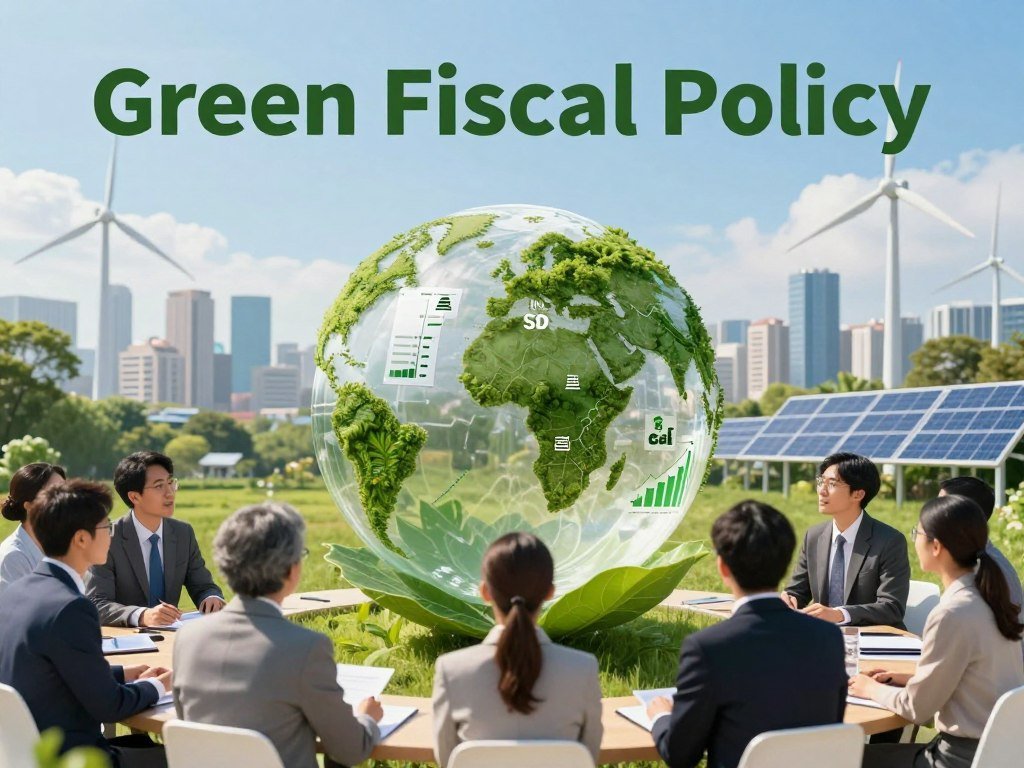
- This guide unpacks the intricate relationship between fiscal strategies and environmental outcomes.
- It emphasizes that climate action is an economic restructuring project.
- Readers will learn about mechanisms that drive decarbonization and reshape job markets.
- The article bridges international frameworks with real-world lobbying efforts.
- It examines the tension between economic growth and environmental sustainability.