September 2026 International Observances and Sustainble Adjacent Holidays

September 2026 International Observances and Sustainble adjacent Holidays

Annually, September brings national identity, shared memory, and international cooperation into the same month. September 2026 represents the end of summer break and the beginning of the majority of school district calendar year. It also represents the final month of the fiscal year.

September 2026 International observances like similar month that represents a seasonal transition, eclectically it represents so many theme within both sustainability and environmentalism while including much more outside of it. A traveler might find a public parade beside a day devoted to clean air. The contrast matters: a celebration can carry local meaning while raising wider questions about community life. A sustainability connection is a practical way that a celebration’s values or activities relate to environmental care, social equity, or accountable governance.

Celebrations can support social cohesion, public memory, environmental care, or accountable governance, even when no official sustainability mandate exists. For global professionals, travelers, cultural diplomats, and conscious consumers, the calendar offers a way to approach events with curiosity and care. Its entries also need context: a national holiday is not the same as an international awareness day. The September 2025 calendar offered a useful look at how holidays and sustainability can meet; the 2026 calendar brings new dates and comparisons. Observers and practitioners should first distinguish international days from national, regional, and cultural observances.

That distinction helps people plan respectfully and avoid treating every event as a day off. It also gives sustainability claims a fair test: what happens locally, and who benefits?

Which September 2026 Dates Matter Across Borders?

September 2026 and the year before included national and independence days, cultural celebrations, and international observances. Across borders, its calendar includes the International Day of Democracy, International Day of Peace, and International Literacy Day. It goes without saying, both an international observance and/or global holiday is not automatically a public holiday or a day off.

Other major entries include the International Day for the Preservation of the Ozone Layer, International Day of Clean Air for Blue Skies, and International Day of Awareness of Food Loss and Waste. Together, they show how International Celebration days in September 2026 range from civic memory to public awareness. International days in September recur each year, but their official status differs. Calendar holidays in September 2026 depend on the country and observance type.

Peculiarly enough, an international observance does not automatically create a public holiday or a day off.

Important September observances include national, regional, cultural, and international dates. National and International days 2026 therefore need separate labels: some mark statehood, while others invite public learning or action. International holidays in 2026 and the at least, the recent years prior, included fixed annual observances and country-specific celebrations. An international holiday or global observance may receive official recognition without closing schools, offices, or shops.

For travelers, the distinction can shape transport and opening hours. For organizers, it can guide event language and partnerships. The first cluster of September dates concerns statehood and independence, where national histories take center stage.

How Do Early-September Independence and Constitution Days Mark Statehood?

A national independence commemoration marks self-rule, while a constitution-focused date draws attention to civic rules and institutions. Both express identity, but they do not share one history. Public-holiday and cultural observance status and related events can differ by jurisdiction.

Uzbekistan Independence Day, Slovakia Constitution Day, Vietnam Independence Day, and Tajikistan Independence Day each connect public memory with national life. These occasions may prompt reflection on self-determination, public institutions, and inclusive development. The calendar records distinct histories, not a single story of statehood.

  • Uzbekistan Independence Day focuses on national independence and identity.
  • Slovakia Constitution Day highlights the place of constitutional institutions in civic life.
  • Vietnam Independence Day commemorates the country’s independence and national history.
  • Tajikistan Independence Day recognizes the country’s independent statehood.

These dates can bring people together through official ceremonies, local events, or family traditions. Their sustainability connection may lie in inclusive participation and public education, rather than in the date itself. Local laws and customs shape whether people receive time off or attend public events.

Constitutional milestones can also raise questions about access, rights, and public trust. Their meaning depends on lived civic experience, not ceremony alone. Other national and community observances require equally careful attention to local names and context.

Which September Observances Reflect European, Mediterranean, and Citizenship Histories?

Malta Independence Day marks national sovereignty, while Ceuta Day reflects a distinct community identity. These meanings differ, even when dates appear close on a calendar. A place name and official local name help explain what an observance recognizes.

National histories and civic milestones

Malta Independence Day and Armenia Independence Day are observed on September 21. Each honors national independence through its own history and public traditions. Slovakia Constitution Day falls on September 1 and focuses on constitutional life; Uzbekistan Independence Day also falls on September 1 and marks national independence.

These dates connect identity with institutions and shared memory. Their sustainability connection can include public access to events, civic learning, or inclusive recognition. Turkmenistan Independence Day falls on October 27, not in September, so it does not belong in this monthโ€™s calendar.

Community days and citizenship

Australian Citizenship Day is observed on September 17. The Day of the French Community takes place on September 27, while Ceuta Day is observed on September 2. Each recognizes a different civic or community bond. โ€œDominion Statusโ€ is ambiguous; without a clear jurisdiction and date, it should not appear as a confirmed September public holiday.

ObservancePlace or communityCivic or cultural focusSustainability connection
Malta Independence DayMaltaNational sovereigntyPublic memory and civic participation
Armenia Independence DayArmeniaIndependent statehoodShared history and inclusive events
Australian Citizenship DayAustraliaCitizenship and belongingInclusion in community life
Day of the French CommunityFrench Community, BelgiumLanguage and community identityCultural access and recognition
Ceuta DayCeutaLocal identity and historyCommunity heritage and participation

Shared heritage can invite public learning, though each event has its own legal and cultural weight. Readers should use the official local name when describing a celebration. The calendar then opens onto a wider set of independence days across Africa, the Americas, and the Pacific.

Which Countries Celebrate Independence in September?
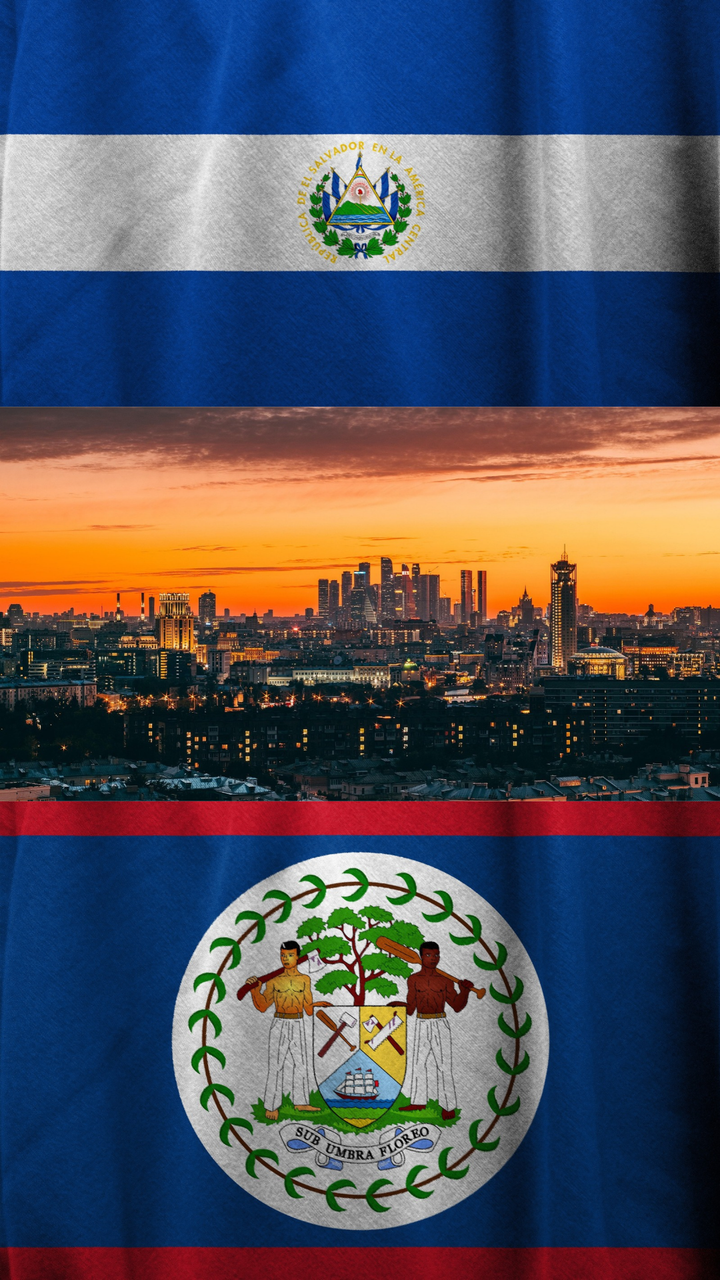
A crowded September independence calendar reflects distinct national histories, not one shared political story. Its range is striking, from South America to the Pacific. An anniversary supports sustainability only when local programs make that link real.

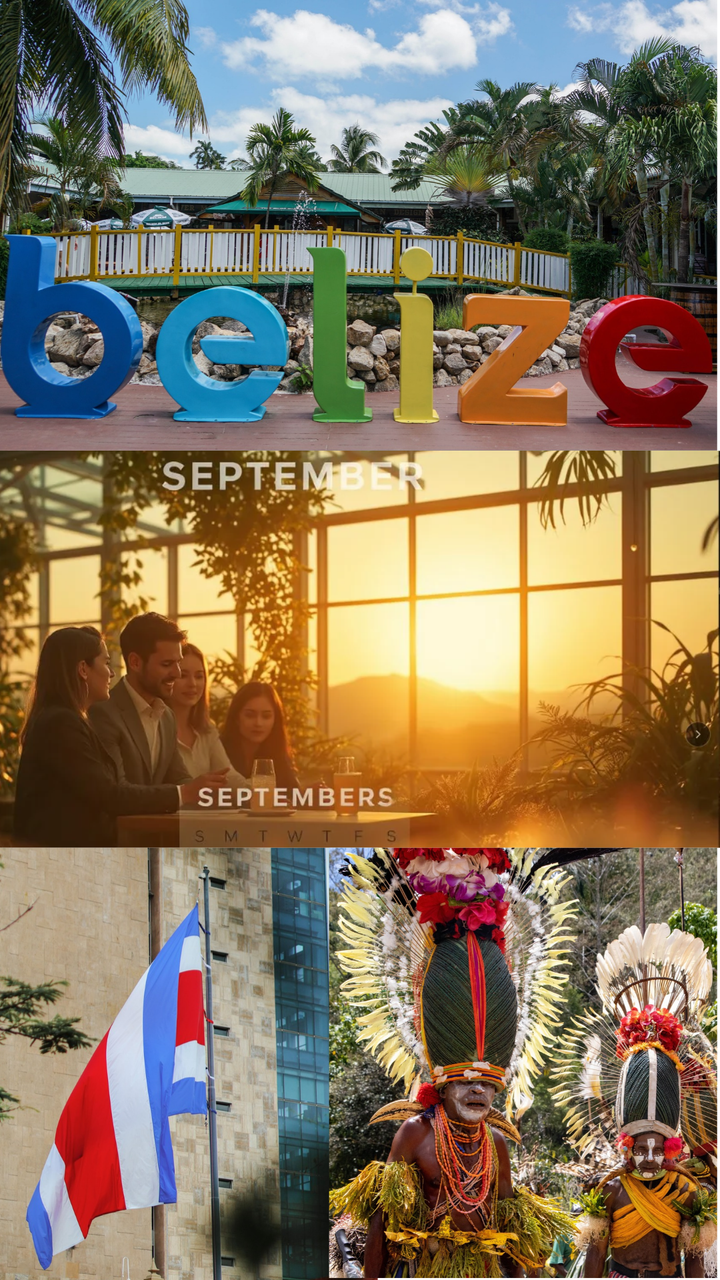
Botswana Independence Day and Mali Independence Day belong to the monthโ€™s national observance landscape, as do celebrations associated with Belize, Chile, Papua New Guinea, Mexico, Honduras, Guatemala, El Salvador, Costa Rica, Brazil, and Swaziland, now called Eswatini. Their histories differ in timing, context, and public form.

Some entries have well-established dates. Brazil celebrates on September 7, Chile on September 18, and Mexico on September 16. Central American independence celebrations take place on September 15. The table lists five dated examples without assigning dates to other countries.

DateCountryObservanceSustainability connection
September 7BrazilBrazil Independence DayPublic memory and civic events
September 15Central AmericaIndependence celebrationsRegional history and participation
September 16MexicoMexican Independence observanceCommunity gathering and shared memory
September 18ChileChile Independence DayPublic culture and civic identity
September 30BotswanaBotswana Independence DayNational memory and community events

Independence anniversaries can support public memory and civic participation. Their sustainability connection may include accessible events, local arts, and responsible use of public spaces. The date alone does not guarantee those outcomes; public choices shape the celebration.

Mali, Belize, Papua New Guinea, Honduras, Guatemala, El Salvador, Costa Rica, and Eswatini also belong in a broad month-level calendar, without assumed dates here. The next cluster joins US civic memory with military and constitutional history.

How Do US September Observances Connect Civic Memory and Public Life?

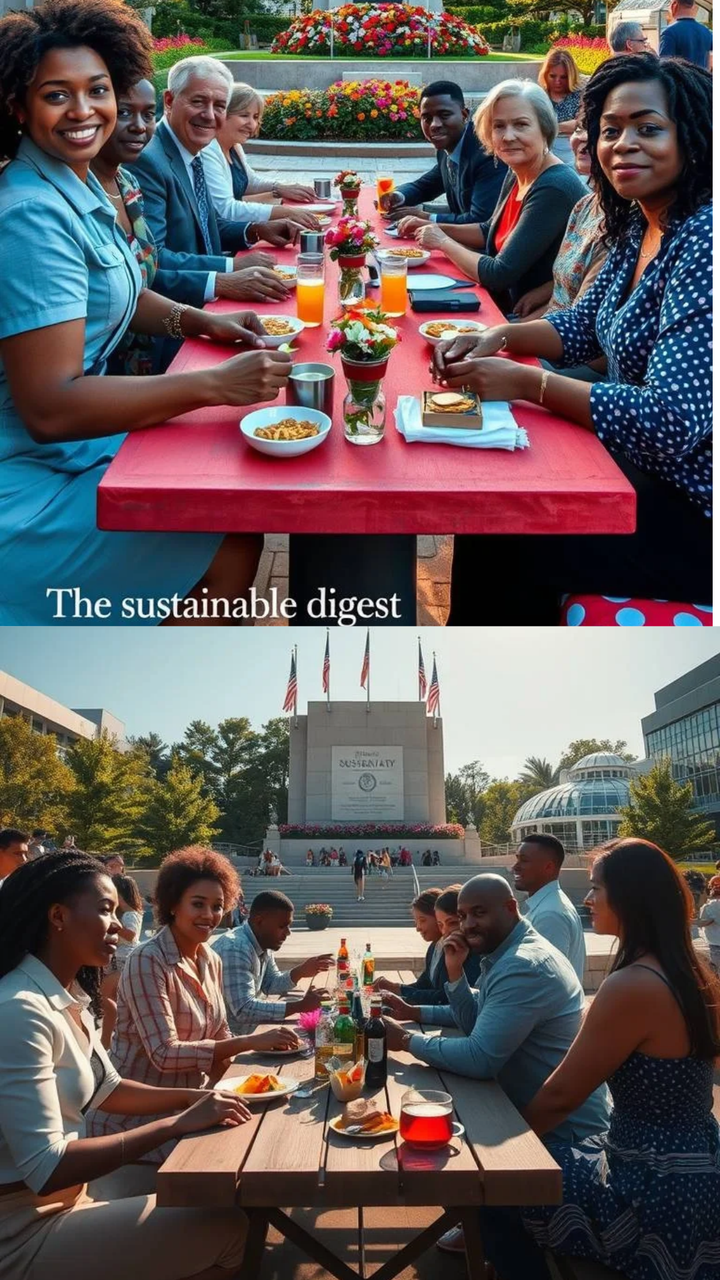
Labor Day gathering beside a local civic memorial, featuring a diverse group of people dressed in professional business attire and modest casual clothing, enjoying a festive atmosphere. In the foreground, families and friends engage in conversation, laughter, and sharing food, with picnic blankets and refreshments laid out. In the middle ground, a beautifully maintained civic memorial stands adorned with flowers and American flags, symbolizing unity and remembrance. The background captures a clear blue sky with soft, warm sunlight filtering through trees, casting gentle shadows on the ground. Use a wide-angle lens to create a sense of depth, encapsulating the vibrant mood of community and celebration. The Sustainable Digest.

A US September calendar can place Labor Day beside commemorative dates that do not close workplaces. That mix is normal: a holiday and a day of remembrance carry different legal weight. Labor Day falls on the first Monday in September, September 7 in 2026.

Military memory and service

VJ Day and VFW Day appear in local and organizational calendars, with names and events that can vary. Yamashita Surrender Day is another military remembrance. None should be treated as a nationwide public holiday without a specific local basis.

Constitutional and state traditions

Constitution Day and Mayflower Day connect public memory with constitutional ideas and early settlement. National New Hampshire Day highlights state identity. Patriot Day recalls national loss, while California Admission Day marks state history.

US commemorations can bring different parts of public life into view. A local ceremony may be meaningful without changing work schedules. Four broad groups help readers interpret the dates:

  • Military remembrance: VJ Day, VFW Day, and Yamashita Surrender Day.
  • Constitutional and early-settlement memory: Constitution Day and Mayflower Day.
  • Labor: Labor Day and its focus on workers.
  • State and national civic identity: National New Hampshire Day, Patriot Day, and California Admission Day.

Historical or commemorative days do not all have federal public-holiday status. Local programs may still create a sustainability connection through public learning, accessible gatherings, or service. The calendar now shifts from formal civic observances to parades, local heritage, and cultural celebrations.

Which Cultural Celebrations Bring Local Heritage into September?

A public parade can turn an ordinary street into a place of community memory. Shared performance brings people together through music, food, movement, and local history. A cultural celebration is not automatically a national public holiday.

The West Indian Day Parade brings Caribbean heritage into public space through community expression. Gibraltar National Day centers local belonging, while St. Georgeโ€™s Caye Day recalls a Belizean historical tradition. Each can support social connection through participation and public culture.

Day of the Homeland can refer to different local observances, so readers should confirm the place and local calendar before relying on a date. Fiesta de San Jerรณnimo brings religious and community traditions together in some places. Rumi Day offers a cultural focus shaped by poetry and shared reflection.

These events may create sustainability connections through local artists, inclusive access, and care for shared spaces. Those links are possibilities, not official mandates. A parade can build belonging while also raising practical questions about waste, transit, and access.

Local heritage gains wider meaning when communities can protect it and share it on their own terms. Formal frameworks for democracy and preservation help connect that work with public institutions and lasting stewardship.

How Do Democracy and Heritage Observances Support Sustainable Communities?

A vibrant community hall filled with engaged individuals discussing the International Day of Democracy. In the foreground, a diverse group of people in professional business attire gather around a round table, animatedly sharing ideas and notes. The middle ground features a presentation on democracy principles projected on a screen, complemented by various informational posters on the walls. The background showcases a welcoming environment with warm lighting, wooden panels, and plants, enhancing the atmosphere of collaboration and open dialogue. Soft, natural light spills through large windows, casting gentle shadows. The mood is one of enthusiasm and hope, reflecting a united community striving for democratic principles. The image should capture this essence with clarity and focus, embodying the spirit of democracy in action. The Sustainable Digest.

A public conversation about institutions can matter beyond the ceremony when people can take part and ask questions. Participation counts, though a commemorative date alone cannot prove democratic performance. Accountable governance depends on practice, not a calendar label.

Democratic participation and public accountability

The International Day of Democracy is observed on September 15. It can prompt discussion of civic voice, public access, and accountable institutions. Malaysia Day, observed on September 16, recognizes shared civic identity and national formation.

These dates can encourage participation and learning, but they do not measure how well institutions serve people. Their sustainability connection rests on open public dialogue, fair access, and meaningful civic roles. A ceremony is a start, not a performance review.

Heritage protection and shared stewardship

European Heritage Days bring attention to built and cultural heritage. Preservation involves choices about care, access, funding, and whose histories receive attention. Public visits and local programs can help people see heritage as a shared responsibility.

What holidays are no longer celebrated? No named event in this calendar can be called discontinued here. Observance names, formats, and local status can change, so readers should check the relevant government or community calendar rather than assume an event has ended.

Democracy and heritage connect social sustainability with public trust and cultural continuity. Their practical value grows when communities can shape decisions about institutions and preservation. Environmental observances make ecological stewardship more visible in daily choices.

Which September Environmental Days Put Sustainability into Practice?

A clean-air observance can prompt a school or workplace to encourage walking, transit, or shared rides. Local choices matter, but awareness days do not impose rules by themselves. Voluntary participation is not a binding policy.

Air, atmosphere, and lower-emission choices

The International Day of Clean Air for Blue Skies is observed on September 7. The International Day for the Preservation of the Ozone Layer falls on September 16. Both can raise awareness of air and atmospheric protection, while public policy and daily choices shape results.

Zero Emissions Day encourages lower-emission choices, but it is not a mandatory fossil-fuel moratorium. World Car Free Day invites people to consider alternatives to driving. Local organizers may set different activities or dates.

Waste, land, rivers, and food systems

World Cleanup Day, National Public Lands Day, and World Rivers Day can draw attention to litter, land care, and healthy waterways. The International Day of Awareness of Food Loss and Waste is observed on September 29. Dates and local activities can vary by organizer and jurisdiction.
ObservanceSustainability focusPractical exampleScope or caveat
Clean airHealthier airPromote transit or walkingAwareness day, not a law
Ozone protectionAtmospheric protectionShare ozone-layer learningPublic awareness and policy
Zero Emissions DayLower emissionsChoose a low-carbon tripVoluntary, not a moratorium
Car-free mobilityFewer car tripsWalk, cycle, or take transitLocal schedules may vary
Food loss and wasteFood system efficiencyPlan meals and use leftoversActivities vary by place

Small actions can make a public theme tangible, while lasting gains require sound systems and shared effort. Ecological stewardship is one part of sustainable development; social and human-development observances address another.

Which September Observances Focus on Equity, Education, Charity, and Peace?

A school that can stay open during a crisis helps a whole community remain resilient. Learning is essential, alongside fair work and safe public life. Awareness can focus attention, but one day cannot resolve a deep challenge.

International awareness days in 2026 include observances for Indigenous women and girls, charity, literacy, protection of education, South-South cooperation, equal pay, and peace. The International Day of the Worldโ€™s Indigenous Women and Girls and International Day of Charity are observed on September 5. International Literacy Day is September 8; the International Day to Protect Education from Attack is September 9.

The United Nations Day for South-South Cooperation is observed on September 12. International Equal Pay Day falls on September 18, and the International Day of Peace is observed on September 21. The peace observance focuses on nonviolence; no 2026 theme is assumed here.

These dates point to practical needs: safe schools, access to reading, fair pay, and support for people facing hardship. Cooperation can help communities share knowledge and resources. The sustainability connection lies in stronger social systems, not in claiming that awareness solves inequality.

Education, equity, humanitarian support, and nonviolence all shape the conditions in which communities can thrive. The varied themes across September can be read through a sustainability framework that people can apply locally.

How Can Readers Connect These September Observances to Sustainability?

A large public celebration and a small community-led heritage event can be judged through the same three lenses. Scale is not the test; inclusion, impact, and shared responsibility are. A sustainability connection should match what an event actually does.

A sustainability connection may involve environmental stewardship, social inclusion and equity, or accountable public institutions. An event can matter deeply without being labeled sustainable. Claims should reflect real practices rather than polished branding.

Readers can apply three questions to a celebration:

  • Who is represented, and who can take part?
  • What environmental impact or stewardship action does the event involve?
  • Does the event support learning, participation, or shared responsibility?

A city parade might welcome many groups yet create heavy traffic and waste. A small heritage gathering might use local venues and invite residents to shape its program. Neither label settles the question; actual choices do.

This approach keeps celebration and analysis in balance. It respects cultural meaning without turning every tradition into a sustainability campaign. Globally, readers can now apply that care to dates, travel, and local planning.

How Should Global Readers Use a September 2026 Observance Calendar?

An international observance may fall on a normal workday depending on the country, even when a local group plans a public event. Location matters: legal holidays and community schedules are not the same. Check the relevant provincial, territorial, municipal, employer, or community calendar before planning closures or travel.

International observances may fall on ordinary workdays. Check the local calendar before planning closures or travel.

September 2026 and onward international observances and sustainable adjacent holidays nations can include dates that are not statutory holidays in their region. A September 2026 international observances and sustainable adjacent holidays calendar helps readers separate fixed annual dates from events whose schedules or local status vary.

For a cultural program, organizers can confirm the official local name and check whether the community has announced an event. Travelers should also check transit and venue hours; a ceremonial date does not guarantee a closure or parade.

Upcoming international holidays and the next upcoming big holiday cannot be identified from a September-only calendar. The next date depends on the readerโ€™s location and the current date, so a current local calendar is needed. The final reminder is simple: confirm local status, then choose one meaningful way to take part.
Conclusion

Figuratively and literally stating, calendars record public memory and present-day priorities. September holds both, from national identity to calls for wider cooperation. The first takeaway is that observances carry different legal and cultural weight. The second is that their sustainability value depends on meaningful local practice, not a title alone.

A practical next step is to choose one relevant September observance and confirm its local date and community-led activity before sharing or attending. Check a local calendar, then take part with care.

Key Takeaways

  • September 2026 includes international awareness days and national celebrations.
  • An international observance does not automatically create a public holiday.
  • Local names, dates, and legal status can vary by place.
  • Sustainability links depend on real activities, not event labels.
  • Global and community minded readers should check local calendars before making plans.

Week of Aug 9-16 Reflect on Sustainability in International Affairs

The week of August 9th to the 16th saw major global events. These events showed how sustainability in international affairs is key. Many international observances focused on important sustainability issues that affect the world.

During this time, the world came together to tackle big problems. They showed how sustainable practices can be part of international policies. This showed the need for everyone to work together to solve global challenges.

Aug 9 to 16 reflect review retrospect Sustainability International Affairs

Looking back, it’s clear that global perspectives on sustainability are vital. The talks and results from this week give us important lessons. They help us understand the challenges of achieving sustainability worldwide.

Global Sustainability Landscape in2023

The year 2023 is a key moment for global sustainability. International cooperation is more crucial than ever. The world faces challenges like climate change, environmental damage, and social inequality. We need to work together more than ever.

Current State of International Sustainability Efforts

International efforts have made big strides, like adopting the United Nations’ Sustainable Development Goals (SDGs). These goals help countries aim for a sustainable future. They tackle poverty, inequality, and climate change. Yet, we still need better international cooperation to tackle these global issues.

The role of sustainable development in national policies is growing. Countries are adding sustainability to their economic plans. They see the long-term benefits of protecting the environment and promoting social equity.

Critical Challenges Facing Global Environmental Governance

Despite progress, global environmental governance has big challenges. A major issue is the lack of strong environmental policies worldwide. The current system is often broken, with many agreements and groups focusing on different environmental issues.

  • Inadequate enforcement mechanisms for environmental regulations
  • Limited financial resources for sustainability initiatives
  • The need for greater international cooperation to address global environmental issues

Overcoming these challenges will take a united effort from governments, international groups, and civil society. Together, we can overcome these hurdles and build a sustainable future.

August 9 to August 16 Reflect Review Retrospect Sustainability International Affairs

The week from August 9th to 16th was key for looking at global sustainability. It showed many important events and plans that show how vital sustainability is in world affairs.

Week’s Significance in the Global Sustainability Calendar

The week of August 9-16 was big in the global sustainability calendar. It included days like the International Day of the World’s Indigenous Peoples and World Elephant Day. These days brought up big sustainability topics, like rights for indigenous people and saving wildlife.

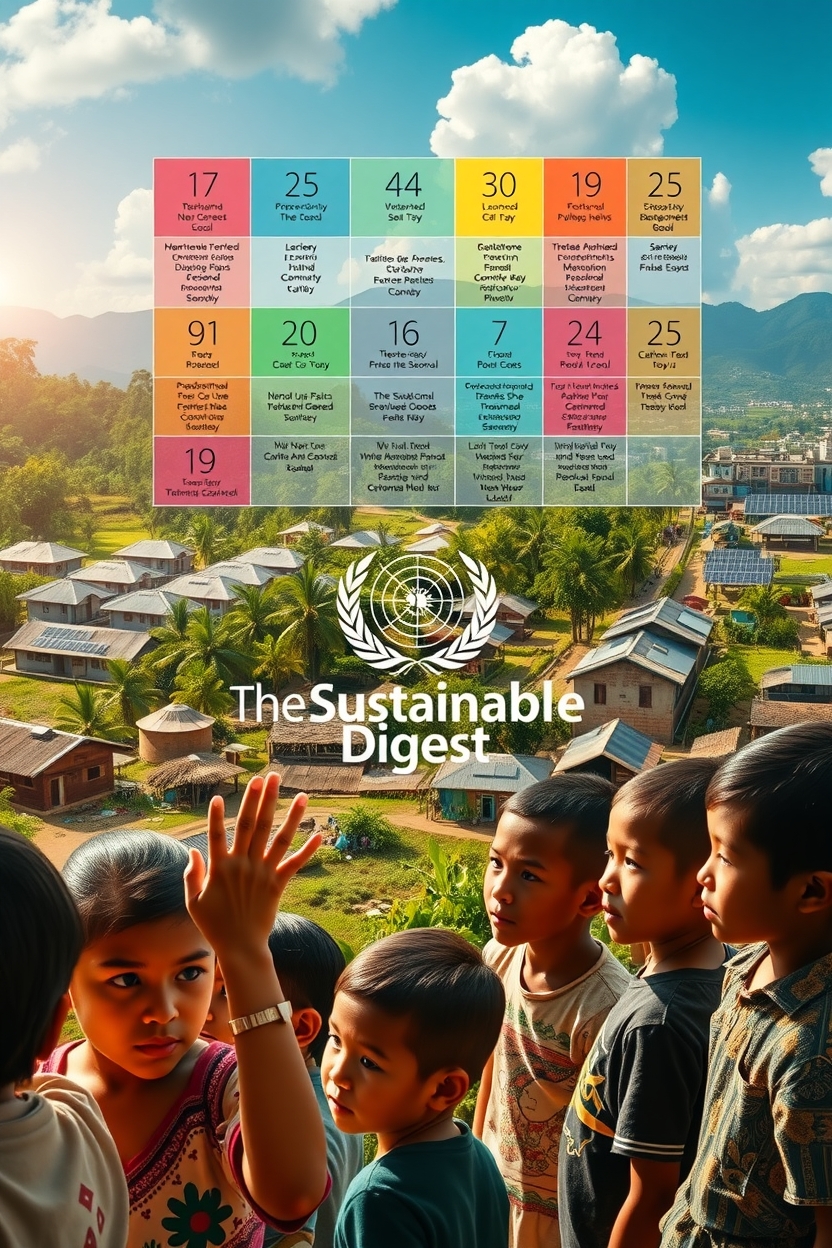
A thoughtfully and accurately designed map and calendar with the title "The Sustainable Digest"; covers the full frame. In the foreground, international flags and environmental icons suggest the global nature of sustainability. In the middle ground, images of nature, renewable energy, national independence, and sustainable practices illustrate the various aspects of sustainability. The background features a soft, blurred world map, reinforcing the global scope. The calendar is rendered in a warm, earthy color palette with gentle lighting, conveying a sense of reflection and responsibility. The overall composition is balanced, clean, and visually captivating, perfectly suited to illustrate the section on "August 9 to August 16 Reflect Review Retrospect Sustainability, Cooperatives, and International Affairs".

The International Day of the World’s Indigenous Peoples on August 9 showed how important indigenous groups are for the environment. World Elephant Day on August 12 stressed the need to keep working to save endangered animals.

Major Sustainability Developments and Diplomatic Initiatives

During this week, big sustainability news and diplomatic plans were in the spotlight. Working together on environmental issues was a big theme. Many countries showed they are serious about sustainable growth.

InitiativeDescriptionImpact
Indigenous Peoples’ DayRecognized indigenous communities’ contributions to sustainabilityRaised awareness about indigenous rights
World Elephant DayFocused on elephant conservationHighlighted the need for anti-poaching efforts
International Biodiesel DayPromoted the use of biodiesel as a renewable energy sourceEncouraged sustainable energy policies

These efforts show the ongoing work to tackle global sustainability problems. They do this through teamwork and new ideas.

Indigenous Perspectives on Sustainability

As we face sustainability challenges, indigenous views are key. They show us how to care for the environment. Their traditional knowledge helps us find new ways to live sustainably.

International Day of The World’s Indigenous People

The International Day of the World’s Indigenous Peoples is on August 9. It’s a time to think about how indigenous peoples help us achieve sustainability. This day celebrates their role in keeping our planet healthy and diverse.

It also reminds us to respect and support their rights and knowledge.

Suriname Indigenous People’s Day Celebrations

In Suriname, Indigenous People’s Day is a big deal. It shows the community’s work in keeping their culture and traditions alive. These celebrations teach us about the value of indigenous knowledge in protecting our planet.

They also give indigenous communities a chance to share their stories and struggles.

Indigenous Knowledge Systems and Environmental Stewardship

Indigenous knowledge is essential for taking care of our planet. It’s based on centuries of living in harmony with nature. By combining this knowledge with today’s sustainability efforts, we can do better for our environment.

Environmental Commemorations and Their Global Impact

The week of August 9-16 is filled with important environmental events. These events show how crucial global sustainability efforts are. They raise awareness and push for a sustainable future.

World Elephant Day (August 12): Conservation Diplomacy

World Elephant Day on August 12 brings attention to elephants facing poaching and habitat loss. It’s vital to protect them through international efforts and protected areas. Conservation diplomacy helps protect endangered species through global agreements.

A lush, vibrant landscape depicting the conservation efforts for World Elephant Day. In the foreground, a majestic African elephant stands tall, its trunk reaching towards a young sapling, symbolizing the delicate balance between nature and human intervention. The middle ground showcases a group of dedicated conservationists, their expressions radiating determination as they monitor the elephant's well-being. The background reveals a breathtaking vista of rolling hills, dotted with scattered trees and a clear, azure sky, conveying a sense of tranquility and harmony. Warm, golden lighting casts a gentle glow, creating a serene and hopeful atmosphere. Captured through a wide-angle lens, this image encapsulates the essence of World Elephant Day and The Sustainable Digest's commitment to environmental preservation.

International Biodiesel Day (August 10): Renewable Energy Policies

International Biodiesel Day on August 10 celebrates biodiesel’s role in renewable energy. Good policies are key to using more biodiesel and less fossil fuel. Governments and groups can help by supporting policies that encourage biodiesel.

Renewable Energy SourceBenefitsChallenges
BiodieselReduces greenhouse gas emissions; supports agricultural economiesLand use competition; high production costs
Solar EnergyAbundant resource; zero emissions during operationIntermittent energy supply; high initial investment
Wind EnergyLow operational costs; reduces reliance on fossil fuelsIntermittency; potential environmental impacts on wildlife

World Lizard Day (August 14): Biodiversity Protection Efforts

World Lizard Day on August 14 highlights the importance of lizards and biodiversity. Protecting their habitats and fighting wildlife trafficking are key. These actions help keep ecosystems healthy and strong.

By celebrating these days, we show our dedication to solving environmental problems. Through diplomacy, renewable energy, and protecting biodiversity, we aim for a greener world.

National Celebrations with Sustainability Dimensions

National celebrations are more than just cultural pride. They show the challenges and chances for sustainable growth. Countries worldwide celebrate their independence and national days. These events often show the link between national identity, economic growth, and the environment.

India and Pakistan Independence Days: Sustainable Development Challenges

India’s Independence Day is on August 15, and Pakistan’s is on August 14. These days highlight the sustainable development hurdles these nations face. Both countries have grown economically but struggle with environmental problems like pollution and climate change.

For example, India aims to boost renewable energy but still relies on coal. Pakistan also battles to manage its water resources well.

Key sustainable development challenges for India and Pakistan include:

  • Reducing carbon emissions while meeting growing energy demands
  • Managing water resources sustainably
  • Protecting biodiversity and natural habitats

Singapore National Day: Urban Sustainability Model

Singapore’s National Day on August 9 celebrates its success in urban sustainability. It’s known for making cities livable and green. The city-state has projects like Gardens by the Bay and a good public transport system.

Its urban planning focuses on green spaces, waste management, and energy efficiency. This makes Singapore a leader in urban sustainability.

Some of the key features of Singapore’s urban sustainability model include:

  1. Integration of green spaces into urban planning
  2. Innovative water management systems
  3. Investment in sustainable public transportation

In conclusion, national celebrations in India, Pakistan, and Singapore show the complex relationship between national identity, economic growth, and sustainability. By looking at these events, we can understand the challenges and chances for sustainable development.

Economic Sustainability in the Fourth Industrial Age

The Fourth Industrial Revolution is changing how we think about sustainability. It’s important to understand how this change affects our economy. This knowledge is key to making our economy sustainable.

MSMEs and Sustainable Community Development

Micro, Small, and Medium Enterprises (MSMEs) are crucial for sustainable communities. They create jobs and drive innovation. In the Fourth Industrial Age, MSMEs can use technology to be more sustainable.

They can use green energy, reduce waste, and improve their supply chains. This helps them and their communities thrive.

International Trade Patterns and Environmental Standards

Global trade affects our environment. As trade grows, we need better environmental rules. The Fourth Industrial Revolution is a chance to improve these standards.

More countries and companies are focusing on green trade. They’re using eco-friendly technologies and reducing waste. This helps protect our planet.

Fourth Industrial Revolution Technologies Advancing Sustainability

Technologies like AI, blockchain, and IoT can make our world more sustainable. They help us use resources better and reduce waste. This is good for the environment and the economy.

A panoramic view of cutting-edge Fourth Industrial Revolution technologies against a backdrop of a sustainable, eco-friendly cityscape. In the foreground, a holographic display showcases AI-powered robotic automation, blockchain-enabled smart contracts, and immersive VR/AR experiences. The middle ground features self-driving electric vehicles, renewable energy sources like solar panels and wind turbines, and a network of connected IoT devices. In the background, towering skyscrapers with green roofs and vertical gardens blend seamlessly with lush, verdant parks and waterways. Warm, diffused lighting casts a tone of innovation and environmental consciousness. The logo "The Sustainable Digest" is subtly integrated into the scene, capturing the synergy between technological progress and sustainability.

For example, IoT helps manage energy use. Blockchain makes supply chains more transparent. These technologies help us grow our economy in a green way.

Social Dimensions of Global Sustainability Efforts

Global efforts to be sustainable are now seeing the big role of social aspects. Success in these efforts isn’t just about the environment. It also depends on the social ties within communities.

Women’s Empowerment in Sustainability Initiatives

Women’s empowerment is key in sustainability. Empowered women can lead change in their areas. They help spread sustainable habits and care for the environment.

National Women’s Day and Gender-Responsive Climate Action

National Women’s Day shows how vital gender-responsive climate action is. Adding gender views to climate plans makes sustainability efforts fairer and more effective.

Women’s and Family Day: Sustainable Household Practices

Women’s and Family Day focuses on household actions for sustainability. Small steps like cutting down on waste and saving energy can make a big difference.

Grassroots Organizations and NGOs Driving Change

Grassroots groups and NGOs lead in sustainability efforts. They work with communities, understanding their needs. They then create specific plans to help.

Cultural Heritage Preservation as Sustainability Practice

Preserving cultural heritage is a key part of sustainability. It keeps community identity alive. It also supports sustainable tourism.

In summary, the social side of global sustainability is complex. By empowering women, supporting local groups, and saving cultural heritage, we can build a better, more sustainable world.

International Cooperation Frameworks for a Sustainable Future

Global challenges need a team effort. International cooperation is key to reaching the UN Sustainable Development Goals. As the world connects more, working together is more important than ever.

A bustling cityscape with towering skyscrapers of glass and steel, bathed in warm, golden light. In the foreground, representatives from diverse nations stand together, shaking hands and exchanging documents, symbolizing international cooperation. The middle ground features a grand, modern conference center, its sleek architecture and curved lines conveying a sense of unity and progress. In the background, a panoramic view of the city skyline, with wind turbines and solar panels dotting the horizon, a testament to sustainable energy solutions. The overall atmosphere exudes a sense of optimism, collaboration, and a shared commitment to a sustainable future. The Sustainable Digest.

Progress Toward 2030 UN Sustainable Development Goals

The UN Sustainable Development Goals (SDGs) are a call to action for everyone. They aim to end poverty, protect our planet, and bring peace and prosperity by 2030. We’ve seen progress, like fewer people living in extreme poverty and more access to education.

But, we still face big challenges. The progress is not even across all regions and goals.

Role of International Organizations in Sustainability Governance

International organizations help a lot with sustainability. They help countries talk, set rules, and get help. The United Nations works with governments, civil society, and businesses to push the SDGs forward.

Other groups, like the World Trade Organization and the International Labour Organization, help too. They deal with trade and labor issues.

Cross-Border Initiatives Highlighted During August 9-16

From August 9-16, many cross-border projects were showcased. They showed how working together can tackle big global problems. These projects focused on fighting climate change, saving biodiversity, and supporting sustainable trade.

These efforts show why countries need to work together for a sustainable future.

Conclusion: Pathways Forward for Global Sustainability

The week of August 9-16 highlights the urgent need for global sustainability efforts. It shows how important international cooperation and commitment to sustainability are. These efforts are key to moving forward.

This week focuses on many global challenges. It includes the International Day of the World’s Indigenous People and World Elephant Day. These days remind us of the need to protect biodiversity and respect indigenous knowledge.

As we move ahead, we must keep working towards the 2030 UN Sustainable Development Goals. We need to work together, using international cooperation and cross-border initiatives. This will involve governments, NGOs, and local groups.

The future of global sustainability depends on our ability to balance different areas. We need to create a culture of sustainability and use new technologies. This will help us build a fair and green world.

Key Takeaways

  • Significant global events highlighted the importance of sustainability.
  • International observances drew attention to critical sustainability issues.
  • The need for unified global action on sustainability was underscored.
  • Global perspectives are crucial for achieving sustainability.
  • The week’s events provided insights into the complexities of global sustainability efforts.
  • Indigenous perspectives are vital for global sustainability efforts.
  • The International Day of the World’s Indigenous Peoples highlights indigenous contributions.
  • Indigenous knowledge systems offer valuable insights into environmental stewardship.

Celebrating the weekend of the Fourth of July, International Observances, and Sustainable Development

Fourth of July, International country observances, and Sustainable Development

The weekend of the Fourth of July is a big deal in the United States. It’s a time to celebrate American independence. Around the same time, many international observances happen worldwide. They focus on different cultural and environmental issues.

When people gather to celebrate, thinking about sustainable development becomes important. It’s a chance to think about how we can have fun and protect the environment at the same time.

These themes come together in a beautiful way. They create a chance for cultural sharing and caring for our planet. This sets the stage for a deeper look at their effects.

The Historical Significance of the Fourth of July

The United States celebrates the Fourth of July with great pride. This day marks the adoption of the Declaration of Independence on July 4, 1776.

The Declaration of Independence and Its Legacy

The Declaration of Independence is a symbol of freedom and democracy. It was adopted by the Continental Congress. It declared the 13 American colonies’ freedom from Great Britain.

This document has greatly influenced American History. It has shaped the nation’s identity and inspired democratic movements globally.

Evolution of Fourth of July Celebrations Through American History

How Americans celebrate the Fourth of July has changed over time. It started with solemn ceremonies. Now, it’s celebrated with parades, fireworks, and family gatherings.

Other countries also celebrate important days around this time. For example, the Philippine Republic Day and Filipino-American Friendship Day are on July 4. These celebrations highlight the global themes of independence and friendship.

The Fourth of July is a key part of American culture. It represents the nation’s values and history. Knowing its historical significance helps us appreciate the celebrations and the country’s heritage more.

Modern Fourth of July Celebrations in America

A vibrant display of fireworks illuminates the night sky, casting a warm glow over a bustling Fourth of July celebration in a quintessential American town. In the foreground, families gather on lush, green lawns, laughing and enjoying picnic spreads, while children play with sparklers and wave miniature flags. The middle ground features a parade of colorful floats, marching bands, and costumed performers, capturing the festive spirit of the occasion. In the background, a historic town square with towering colonial-style buildings sets the scene, evoking a sense of timeless Americana. Capture the essence of modern Fourth of July celebrations in America for "The Sustainable Digest" with a cinematic, photorealistic style.

The United States celebrates its independence with a mix of old and new traditions. People from all over come together for events that honor the country’s birthday. These celebrations show the country’s rich history and its diverse culture today.

Traditional Festivities and Regional Variations

Traditional Fourth of July events include parades, barbecues, and patriotic tunes. But, these activities change a lot from one place to another. For example, coastal areas have beach parties, while mountain towns might have hikes and concerts. Regional variations make each place’s celebration special.

Fireworks Displays and Their Environmental Impact

Fireworks are a big part of the Fourth of July, reminding us of the Declaration of Independence’s reading. But, fireworks also harm the environment, causing pollution. To be greener, some places are using drones or laser shows instead of fireworks.

Community Events and Gatherings

At the core of Fourth of July celebrations are community events. These events bring people together, showing patriotism and unity. They include community events like fairs, concerts, and fireworks. Also, days like National Hawaii Day and National Outdoor Lights Day add to the summer’s cultural richness.

In summary, Fourth of July celebrations in America today are full of tradition, community spirit, and new cultural practices. As the country grows and changes, these celebrations evolve. They keep the spirit of American independence alive for everyone.

Fourth of July, International Country Observances, and Sustainable Development: Finding the Balance

It’s important to balance the fun of national celebrations like the Fourth of July with sustainable development. As countries celebrate their holidays, they’re also thinking about the planet. They want to make sure these celebrations don’t harm the environment.

Eco-Friendly Celebration Practices

Using eco-friendly celebration practices is key to reducing the environmental impact of holidays. This means choosing biodegradable materials, cutting down on waste, and finding green alternatives to fireworks.

Sustainable Event Planning for National Holidays

Sustainable event planning is about thinking of the environment, society, and economy. It’s about using local materials, encouraging public transport, and making sure everyone can join in. This way, celebrations can be fun and inclusive without harming the planet.

Balancing Tradition with Environmental Responsibility

Finding a balance between tradition and caring for the environment is a big challenge. Some traditions are very important to us, but we can still make changes. For example, using drones instead of fireworks or setting up recycling programs at big events.

The United Nations Sustainable Development Goals help countries make their celebrations more sustainable. By adopting eco-friendly practices and sustainable event planning, we can honor our heritage and help the planet at the same time.

International Observances Coinciding with July4-6

A vibrant, sweeping celebration of global cultures and shared ideals, showcasing a diverse array of international observances. A central focal point depicts a globe surrounded by symbolic icons and flags, bathed in warm, inviting lighting. In the foreground, a mosaic of people from various backgrounds engage in joyful festivities, each representing the shared humanity that unites us. The middle ground features stylized architectural elements, drawing inspiration from diverse cultural traditions. In the background, a panoramic landscape unfolds, revealing breathtaking natural vistas that underscore our interconnectedness. The overall composition emanates a sense of unity, diversity, and The Sustainable Digest's commitment to celebrating our global community.

The Fourth of July is a big day for the United States. But it’s also a time for other countries to celebrate their own national days. This shows how different cultures around the world come together to mark important dates.

Philippine Republic Day and Filipino-American Friendship Day

The Philippines celebrates Republic Day on July 4. This day marks when the country became a republic in 1946. It also honors Filipino-American Friendship Day, showing the deep bond between the Philippines and the United States.

Rwanda Liberation Day and Algeria Independence Day

Rwanda remembers Liberation Day on July 4. This day is to honor the end of the 1994 genocide. Algeria, on the other hand, celebrates Independence Day on July 5. This day marks when Algeria gained freedom from France in 1962.

Venezuela Independence Day and Other National Celebrations

Venezuela celebrates its Independence Day on July 5. This day is to remember when Venezuela declared freedom from Spain in 1811. Other countries also have their own national days around this time. This shows the rich tapestry of global celebrations.

These international observances highlight the unique stories and cultures of different nations. They also show the universal values of freedom and independence. By celebrating these national days, the world comes together, sharing a sense of community and common goals.

Cultural Significance of July Observances Worldwide

July is filled with cultural celebrations from around the world. Each event has its own special history. These celebrations show the rich heritage of various countries and the traditions that have lasted through time.

Anniversary of the Coronation of King Mindaugas in Lithuania

In Lithuania, July is special for the Anniversary of the Coronation of King Mindaugas. This day remembers when Lithuania’s first king, Mindaugas, was crowned in 1253. It’s a key moment in Lithuania’s history, marking the start of the Kingdom of Lithuania.

The day is celebrated with cultural events. These include historical reenactments and traditional folk festivals. They highlight the importance of Lithuania’s heritage.

Kupala Night Celebrations in Eastern Europe

Kupala Night is a big event in Eastern Europe, like Russia, Ukraine, and Belarus. It’s on the eve of Ivan Kupala (July 6-7). This ancient Slavic festival celebrates the summer solstice and is linked to fertility, love, and the supernatural.

People come together to sing, dance around bonfires, and do rituals for a good harvest. It’s a lively way to show off the region’s folklore and cultural identity.

The Day of Dombyra in Kazakhstan

In Kazakhstan, July 1 is The Day of Dombyra. It honors the traditional Kazakh instrument, the dombyra. The dombyra is more than a musical instrument; it’s a symbol of Kazakh culture and identity.

On this day, musicians and culture lovers play the dombyra. They show its importance in Kazakh culture. The event helps keep traditional music alive and teaches younger people about their cultural heritage.

These July celebrations worldwide show the rich cultural diversity and heritage of different nations. By understanding and valuing these traditions, we can build global unity and respect for what makes each culture special.

Religious and Spiritual Observances in Early July

A sweeping vista of a serene temple nestled among lush hills, bathed in warm golden light. In the foreground, a group of worshippers in traditional attire perform a ritual, their movements graceful and reverent. In the middle ground, ornate architecture with intricate carvings and domes glistens. The background is a panorama of rolling landscapes, with distant mountains silhouetted against a vibrant sky. Capture the tranquility and spirituality of this religious observance, conveying a sense of timelessness. The Sustainable Digest.

In early July, people from different religions come together to celebrate important spiritual events. These events show the rich variety of religious practices around the world. They also highlight the cultural and spiritual diversity that makes our world unique.

Ashura and Tassoua Observances

Ashura is on the 10th day of Muharram in the Islamic calendar. It remembers the death of Imam Hussein, a grandson of the Prophet Muhammad. Many Muslims, especially Shi’a Muslims, mourn on this day with processions and self-mortification.

Tassoua is a time of mourning for Shi’a Muslims, happening on the 9th day of Muharram. It’s a day to deepen their mourning rituals before Ashura.

Guru Rinpoche Day Celebrations

Guru Rinpoche Day, or Padmasambhava Day, is on the 10th day of the sixth month of the Tibetan lunar calendar. It often falls in early July. This day honors Padmasambhava, who brought Buddhism to Tibet. People celebrate with meditation, rituals, and festivities.

Saints Cyril and Methodius Commemorations

Saints Cyril and Methodius are celebrated on July 5th. They were Byzantine brothers who spread Christianity among the Slavs. Their work in Slavic literature and liturgy is honored in many Orthodox and Eastern Catholic traditions.

The early July observances show the global nature of religious and spiritual practices. They highlight the unity and diversity within and across faith communities. Through these celebrations, people reaffirm their faith, connect with their heritage, and enrich the global cultural and religious mosaic.

The Role of United Nations in Promoting Sustainable Development

The United Nations is key in pushing for sustainable development globally. It uses many initiatives and programs to help achieve a better future for everyone.

United Nations Sustainable Development Goals

The UN’s Sustainable Development Goals (SDGs) are 17 goals to end poverty, protect the planet, and ensure peace and prosperity. These goals give countries a framework to work towards a sustainable future.

Key SDGs include:

  • Goal 1: No Poverty
  • Goal 6: Clean Water and Sanitation
  • Goal 13: Climate Action

UNEP and UNDP Initiatives

The United Nations Environment Programme (UNEP) and the United Nations Development Programme (UNDP) are vital in the UN’s efforts for sustainable development.

ProgrammeFocus AreaKey Initiatives
UNEPEnvironmental ProtectionClean Seas, Sustainable Forest Management
UNDPDevelopment and Poverty ReductionSustainable Development Goals, Crisis Response

Global Partnerships for Sustainability

The UN works with global partners to achieve sustainable development. These partnerships involve governments, businesses, and civil society to tackle common challenges.

Examples of global partnerships include:

  • The Global Environment Facility
  • The Green Climate Fund

Through collaboration, the UN and its partners can make great strides towards a sustainable future.

Regional Organizations and Their Sustainability Efforts

A sprawling cityscape with towering skyscrapers, bustling streets, and lush greenery, showcasing the sustainability efforts of regional organizations. In the foreground, a modern office building with the logo "The Sustainable Digest" prominently displayed. Surrounding it, various architectural styles representing diverse cultures and traditions, each with renewable energy sources, urban gardens, and eco-friendly infrastructure. The middle ground features a public plaza with people of all ages engaged in sustainable activities, such as recycling, urban farming, and clean energy demonstrations. In the background, a panoramic view of the city skyline bathed in warm, golden light, conveying a sense of progress and optimism towards a greener future. The image captures the harmonious integration of technology, nature, and community, embodying the collective efforts of regional organizations towards a sustainable tomorrow.

As the world faces environmental challenges, regional groups are leading the way. They focus on green practices and lowering environmental harm. This is happening across various areas.

North American Initiatives: NAFTA and Environmental Considerations

The North American Free Trade Agreement (NAFTA) has been key for the U.S., Canada, and Mexico. Now, talks are shifting to include more environmental rules. The new deal, the United States-Mexico-Canada Agreement (USMCA), aims to cut pollution and protect wildlife.

  • Enhanced environmental cooperation among member countries
  • Increased focus on reducing pollution and protecting biodiversity
  • Promotion of sustainable trade practices

European Approaches to Sustainable Development

The European Union (EU) leads in sustainable development. It has launched many projects to cut carbon emissions and boost green energy. The EU’s Green Deal aims to make Europe carbon-neutral by 2050.

  1. Reducing greenhouse gas emissions through the Emissions Trading System (ETS)
  2. Promoting renewable energy sources and improving energy efficiency
  3. Protecting biodiversity through the Natura 2000 network

Asian and African Regional Cooperation for Sustainability

In Asia and Africa, groups are working hard on sustainability. The Association of Southeast Asian Nations (ASEAN) has set goals to tackle environmental issues. The African Union’s Agenda 2063 also focuses on sustainable development and protecting the environment.

Regional groups worldwide are key in pushing for a greener future. By looking at their efforts, we can see the global effort towards sustainability.

Environmental Conservation During National Celebrations

The environmental impact of national celebrations is a big issue that needs quick action. When people gather to celebrate their heritage and freedom, we can’t ignore the harm to the environment.

Reducing Waste During Large Public Events

Managing waste from celebrations is a big challenge. Starting recycling programs and using biodegradable materials can help a lot. Event planners can also push for reusable items like cloth flags and banners to cut down on waste.

Air and Noise Pollution Concerns

Fireworks, common at many celebrations, pollute the air and make noise. To lessen these problems, some places use eco-friendly fireworks that are cleaner and quieter. Laser light shows are also a good alternative to fireworks.

Wildlife Protection During Festivities

Fireworks and celebrations can hurt local wildlife. The noise can scare animals, and trash can physically harm them. To help wildlife, communities can plan fireworks at less disturbing times and make sure trash is disposed of safely.

By choosing eco-friendly ways to celebrate, we can enjoy our national events and protect the environment. This is a step towards sustainable celebrations that keep our planet safe for the future.

Economic Aspects of National Holidays and Sustainable Practices

A bustling scene of tourists exploring a vibrant city during a national holiday. In the foreground, families stroll along a bustling boulevard, admiring local vendors and street performers. In the middle ground, a grand public square is alive with festivities, with colorful decorations, lively music, and a diverse crowd of revelers. In the background, iconic landmarks and skyscrapers create a striking skyline, bathed in warm, golden sunlight. The mood is one of joyful celebration, as people from all walks of life come together to embrace the spirit of the occasion. Stylized in The Sustainable Digest's signature artistic flair, capturing the economic dynamism and sustainable practices that define this national holiday experience.

National holidays have a special economic impact. They bring in tourists, help local businesses, and promote sustainable practices. For example, the Fourth of July in the United States draws millions of visitors. This boosts local economies through increased spending on hotels, food, and fun activities.

Tourism and Local Economic Benefits

Tourism during national holidays is good for local economies. Visitors spend on places to stay, eat, and have fun. This money helps the local economy grow. Small businesses like family restaurants and local shops see a big jump in sales during holidays.

Sustainable Business Opportunities During Celebrations

National holidays are also great for sustainable businesses. Companies that sell eco-friendly items, like reusable decorations and green party supplies, see more demand. This helps the planet and brings in new money for businesses.

Cost-Benefit Analysis of Eco-Friendly Event Planning

Eco-friendly event planning might cost more at first. But, the long-term savings and benefits are worth it. Using less waste and renewable energy can save money over time. Plus, it makes your brand look good and attracts green-conscious customers.

By choosing sustainable practices during national holidays, we can help our economy and protect the environment. This way, we ensure a better future for all.

The Future of National Celebrations in a Sustainability-Focused World

A majestic town square bustling with a diverse crowd celebrating national holidays in a sustainable manner. In the foreground, families gather around a central stage with performers showcasing traditional dance and music. In the middle ground, eco-friendly stalls offer locally sourced cuisine and crafts. In the background, modern architecture with green roofs and solar panels sets the scene for a future-focused, environmentally-conscious celebration. Warm, diffused lighting casts a celebratory glow, as participants of all ages engage with the festivities. Capture the spirit of "The Sustainable Digest" - a harmonious blend of cultural heritage and environmental responsibility.

National celebrations are changing with the focus on sustainability. The world is facing big environmental challenges. This is making us rethink how we celebrate holidays.

Technological Innovations for Greener Celebrations

New tech is helping make celebrations more eco-friendly. For example, drone displays are now used instead of fireworks. They cut down on noise and pollution.

Changing Public Attitudes Toward Environmental Responsibility

More people are realizing how celebrations affect the environment. This awareness is pushing for greener practices at events.

“The way we celebrate our national holidays reflects our values as a society. As we move forward, it’s crucial that we prioritize sustainability.” – Environmental Advocate

Balancing Cultural Heritage with Environmental Concerns

It’s hard to make celebrations sustainable while keeping cultural traditions alive. We need creative ways to honor our heritage without harming the environment.

Traditional PracticesSustainable Alternatives
FireworksDrones or laser shows
Plastic decorationsBiodegradable or reusable decorations

Conclusion: Harmonizing Celebration and Conservation

When we celebrate national holidays like the Fourth of July, we must find a balance. This balance is between enjoying the festivities and taking care of our environment. The article looked at the history of the Fourth of July, how we celebrate today, and how big events affect our planet.

Other countries also have important days around the Fourth of July. For example, the Philippines and Rwanda celebrate their national days. It’s important to use sustainable practices during these times. This helps reduce waste, pollution, and protects animals.

To move forward, we need to mix celebration with conservation. Using eco-friendly materials and saving energy can lessen the harm of national holidays. This way, we help the environment and support sustainability for the future.

It’s crucial to make sustainability a part of our celebrations. This way, we can keep our cultural traditions alive while also caring for our planet. By doing this, we can build a better, greener world for all.

Key Takeaways

  • The Fourth of July is a significant celebration in the United States.
  • International observances around the same time highlight global issues.
  • Sustainable development is crucial for environmentally conscious celebrations.
  • Cultural exchange and environmental awareness are intertwined during these events.
  • Understanding the intersection of these themes is essential for a more sustainable future.
This website is saving the energy of your screen as it is not being used. It's part of a global effort to lower the planet's electrical consumption and CO2 emission level. Resume browsing
Click anywhere to resume browsing
Verified by MonsterInsights