UN Human Rights Day forcast for events, policy, and diplomacy via the UNSDGs

UN Human Rights Day forcast for events, policy, and diplomacy via the UNSDGs

Every December 10th marks a powerful global observance. It celebrates the adoption of the Universal Declaration of Human Rights in 1948. This document remains a cornerstone for freedom and justice worldwide.

This analysis looks ahead. It explores how this important day shapes upcoming events and global discussions. The focus is on policy shifts and diplomatic efforts linked to the Sustainable Development Goals.

The world faces complex challenges, from climate change to pandemic recovery. These issues test our collective commitment to fundamental freedoms. This report offers a forward-looking view on turning principles into tangible progress.

Photo by Juan Diego Salinas

The Historical Foundation of Human Rights Day and Its Evolution

Out of history’s darkest chapter emerged humanity’s brightest promise. The devastation of global conflict created an unprecedented consensus: fundamental protections must transcend borders. This consensus gave birth to a document that would redefine global norms.

Origins in Post-WWII Trauma and the Universal Declaration

World War II’s staggering toll—approximately 80 million lives lost—created a profound moral imperative. Nations recognized that without universal standards, such atrocities could repeat. The international community embarked on an extraordinary drafting process.

Fifty-eight member states participated in 1,400 discussions spanning 1947-1948. Eleanor Roosevelt chaired the drafting committee, skillfully navigating diverse political and cultural perspectives. The resulting document represented humanity’s collective wisdom.

On December 10, 1948, the General Assembly adopted the Universal Declaration with 50 countries approving. Though non-binding, its moral authority proved immediate and enduring. It established that basic dignity belongs to every person, everywhere.

From Declaration to Global Observance: 75 Years of Progress

The declaration’s influence grew steadily through customary international law. Over seven decades, its principles permeated national constitutions and legal systems. This gradual integration transformed abstract ideals into tangible protections.

The document’s accessibility fueled its global impact. Translated into over 500 languages, it became the most rendered text in history. This linguistic diversity demonstrates its truly universal aspiration.

Annual observance began reinforcing these principles through global campaigns. The “Stand Up for Human Rights” initiative mobilized millions worldwide. These efforts turned philosophical concepts into living movements.

PeriodLegal DevelopmentGlobal Impact
1948-1960sFoundation of international human rights lawDecolonization movements
1970s-1990sIntegration into national constitutionsCivil rights advancements
2000s-PresentSDG incorporationDigital rights expansion

Thematic Evolution: How Human Rights Day Has Adapted to Global Challenges

The celebration’s themes mirror our evolving understanding of freedom. Early observances emphasized basic liberties like speech and assembly. Later years addressed more complex, interconnected challenges.

Recent themes demonstrate remarkable responsiveness to contemporary crises. The 2019 focus on youth engagement recognized new generations as change agents. COVID-19’s emergence prompted 2020’s “Recover Better” emphasis.

2021’s equality theme acknowledged persistent structural discrimination. This adaptability proves the framework’s enduring relevance. Each evolution addresses current threats to human dignity while honoring original principles.

The declaration’s journey from aspiration to action continues inspiring progress. Its foundational trauma informs modern advocacy for vulnerable populations. This historical context remains essential for understanding current efforts.

Current Global Context: Human Rights in a Post-Pandemic World

A poignant scene depicting a diverse group of individuals engaged in a discussion about human rights in a post-pandemic world. In the foreground, a middle-aged woman in professional business attire gestures animatedly, embodying hope and resilience, while across from her, a young man in modest casual clothing listens intently. The background features a city skyline, partially shrouded in soft morning light, symbolizing renewal and challenges ahead. Gentle rays of sunlight break through clouds, casting a warm, hopeful glow over the scene. The atmosphere is contemplative yet optimistic, illustrating the ongoing dialogue around global human rights issues. The image reflects thoughtful engagement and advocacy for a better future. The Sustainable Digest.

Pandemic responses worldwide inadvertently served as a stress test for fundamental freedoms. The crisis revealed both resilience and vulnerability in equal measure. This examination explores the complex landscape that emerged.

Global health measures created paradoxical situations. While intended to protect populations, some restrictions limited essential liberties. This tension between security and freedom defined the era.

COVID-19’s Disproportionate Impact on Vulnerable Populations

The virus exploited existing social fractures with surgical precision. Marginalized communities faced compounded risks from both disease and response measures. Frontline workers, particularly in healthcare and essential services, bore extraordinary burdens.

Economic disparities widened dramatically during lockdown periods. Low-income households experienced job losses at significantly higher rates. Many lacked access to adequate healthcare or social protection systems.

Older populations and people with pre-existing conditions faced heightened health risks. Simultaneously, isolation measures created mental health challenges. The digital divide excluded many from vital information and services.

Minority communities experienced both health and economic impacts more severely. Structural barriers limited their access to resources and support. This reality highlighted persistent inequities in protection systems.

Accelerated Inequalities and Structural Discrimination

 Photo by Samantha Sophia

Educational disruptions created a generational divide in learning opportunities. Students from disadvantaged backgrounds fell further behind peers. The shift to remote learning revealed stark technological inequalities.

Healthcare access became increasingly stratified during crisis periods. Wealthier communities maintained better care access throughout. Resource allocation decisions sometimes reinforced existing biases.

Women and girls faced particular challenges during lockdowns. Domestic responsibilities increased while economic opportunities decreased. Gender-based violence rates rose in many regions during restrictions.

The digital transformation accelerated but excluded many populations. Those without internet access or digital literacy faced isolation. This technological gap became a new frontier for inequality.

The pandemic thrived because of human rights failures.

UN Secretary-General António Guterres

The “Recover Better” Framework and Its Implementation Challenges

The 2020 theme emerged as a strategic response to crisis conditions. It advocated for rights-based approaches to recovery planning. This framework aimed to address root causes rather than symptoms.

Implementation faced significant political and economic obstacles. Short-term economic pressures often overshadowed long-term rights considerations. Many governments prioritized rapid recovery over equitable distribution.

Some nations used emergency powers to restrict civic freedoms indefinitely. Security concerns sometimes justified disproportionate limitations on assembly and speech. This created troubling precedents for future governance.

Climate change impacts compounded pandemic effects on vulnerable groups. Environmental justice emerged as intersecting concern. Recovery efforts now must address multiple overlapping crises simultaneously.

Digital engagement became crucial for rights advocacy during restrictions. Virtual events maintained global connectivity despite physical distancing. Online platforms enabled continued awareness campaigns and solidarity movements.

The experience demonstrated that fundamental freedoms form the foundation of resilient societies. Equitable systems proved more effective during crisis conditions. This lesson informs future strategic planning for sustainable development.

Looking ahead, these challenges shape evolving approaches to protection. The next section examines how forecasted initiatives address these complex realities.

UN Human Rights Day Forecast for Events, Policy, and Diplomacy via the UNSDGs

Strategic forecasting reveals how global commemorations translate into concrete action across international platforms. The coming years present particularly rich opportunities for integrating fundamental freedoms with sustainable development frameworks. This forward-looking examination explores specific mechanisms driving this convergence.

Projected 2024-2025 Event Calendar and Strategic Initiatives

Major multilateral gatherings will increasingly incorporate rights-based approaches into their agendas. The High-Level Political Forum in July 2024 will feature dedicated sessions on equitable implementation. These discussions will particularly address pandemic recovery disparities.

September’s General Assembly sessions will likely emphasize protection mechanisms for vulnerable populations. Member states are expected to announce new partnerships during these high-visibility events. The 2025 review of sustainable development goals progress will create additional momentum.

Ongoing campaigns like Stand Up for Human Rights will expand their digital footprint significantly. These initiatives cleverly blend awareness-raising with concrete policy advocacy. Their evolution demonstrates how symbolic gestures evolve into substantive engagement.

Policy Integration: Linking Human Rights Day Themes with SDG Implementation

The 2024 theme—Our Rights, Our Future, Right Now—creates powerful alignment opportunities. This framing directly connects intergenerational justice with immediate action requirements. Policy makers can leverage this thematic focus to advance gender equality targets.

Climate justice initiatives will increasingly incorporate rights-based language into their frameworks. This represents a significant evolution from purely environmental approaches. The integration acknowledges that ecological protection and human dignity are fundamentally interconnected.

National implementation plans will likely reflect this holistic perspective more prominently. Monitoring mechanisms are being developed to track rights integration across all sustainable development goals. This represents a maturation of the entire framework beyond siloed approaches.

Digital Diplomacy and Virtual Engagement Strategies

Virtual platforms have permanently transformed how international advocacy operates. The Office of the High Commissioner’s innovative digital events during crisis periods demonstrated new possibilities. These approaches will continue evolving even as in-person gatherings resume.

Social media campaigns achieve remarkable reach but face inclusion challenges. The digital divide remains a stubborn barrier to truly universal participation. This irony—using technology to promote inclusion while potentially excluding some—requires creative solutions.

Hybrid event models will likely become standard practice for major observances. This approach balances the efficiency of digital access with the resonance of physical gatherings. It represents pragmatic adaptation to our increasingly blended reality.

Youth-Led Movements and Civil Society Participation Trends

Young activists continue driving innovation in rights advocacy methodologies. Networks like Amnesty International’s youth programs demonstrate remarkable strategic sophistication. Their approaches often blend online mobilization with targeted local action.

Civil society organizations are developing more sophisticated monitoring capabilities. These groups can track policy implementation where official mechanisms face limitations. This creates valuable accountability through alternative channels.

The UN Youth Envoy’s initiatives successfully bridge institutional and grassroots perspectives. This balancing act demonstrates how formal structures can productively engage with organic movements. The resulting synergy often produces more resilient strategies.

Environmental rights advocacy particularly benefits from these cross-generational collaborations. Young activists bring urgency while established organizations provide institutional memory. Together they create powerful coalitions for climate justice.

Effective advocacy requires both speaking truth to power and building power with truth.

Youth Climate Activist

These forecasted developments suggest an increasingly sophisticated rights ecosystem. The integration of ceremonial observance with practical policy creates unique leverage points. This blending of symbolic and substantive approaches may define the next era of global progress.

Policy Implications: Integrating Human Rights into Sustainable Development

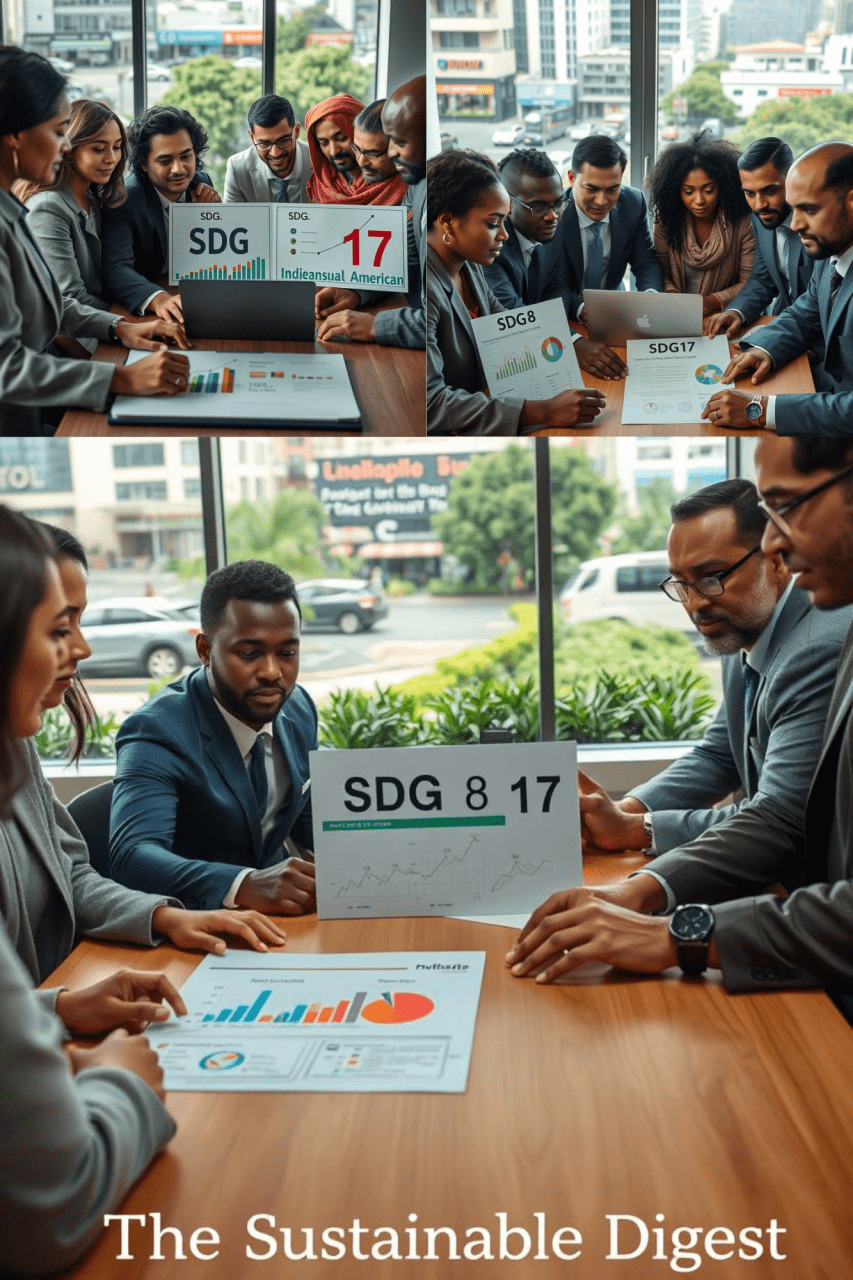
A dynamic and thoughtful scene depicting the integration of human rights into sustainable development, set in a vibrant, modern urban environment. In the foreground, a diverse group of professionals in business attire, engaged in a collaborative discussion around a large, circular table adorned with symbols of the UN Sustainable Development Goals. In the middle ground, a series of transparent screens displaying graphical representations of various human rights and sustainability metrics, casting a colorful glow. In the background, a cityscape with green spaces and solar panels, illustrating a commitment to sustainability. The lighting is bright and hopeful, reminiscent of a sunny day, with soft shadows enhancing the depth of the scene. The mood conveys optimism and collaboration, embodying the theme of "The Sustainable Digest."

The marriage of fundamental freedoms with development frameworks represents perhaps the most sophisticated policy innovation of our era. This integration transforms abstract principles into measurable outcomes across multiple sectors. The approach acknowledges that true progress cannot exist without protecting basic dignity.

SDG Alignment: Cross-Cutting Human Rights Principles

Sustainable development goals embed protection mechanisms throughout their architecture. The “Leave No One Behind” principle serves as both moral compass and practical guideline. This philosophy ensures that advancement benefits all segments of society equally.

Gender equality initiatives demonstrate this integration perfectly. Programs targeting women and girls address both development gaps and historical discrimination. Education campaigns specifically focus on marginalized populations to break cycles of poverty.

Reduced inequalities form another critical intersection point. Policies here combat structural barriers that limit economic participation. The approach recognizes that discrimination undermines overall societal progress.

Peace and justice institutions provide essential protection frameworks. These systems ensure accountability for violations while promoting stability. Their effectiveness directly impacts sustainable development outcomes across all sectors.

National Implementation Frameworks and Accountability Mechanisms

Countries worldwide are developing sophisticated policy architectures. These frameworks translate global commitments into local action plans. Their design reflects unique cultural contexts while maintaining universal standards.

Civil society organizations play crucial monitoring roles. They track implementation where official mechanisms face limitations. This creates valuable accountability through alternative channels and independent verification.

Regular reviews assess progress against established benchmarks. These evaluations identify successful strategies and areas needing improvement. The process creates continuous feedback loops for policy refinement.

Effective policies must speak the language of local communities while upholding universal values.

Development Policy Expert

Technology enables unprecedented monitoring capabilities. Digital platforms track indicators in real-time across diverse regions. Data analytics reveal patterns that might otherwise remain invisible to policymakers.

Climate Justice and Environmental Rights as Emerging Priorities

Environmental protection increasingly frames itself as a fundamental freedom issue. Climate change disproportionately affects vulnerable populations worldwide. This reality demands rights-based approaches to ecological challenges.

Frontline communities experience environmental degradation most acutely. Their livelihoods and health face immediate threats from ecological crises. Policy responses must prioritize these groups while addressing broader systemic issues.

International agreements now explicitly connect sustainability with human dignity. The Paris Agreement acknowledges this interconnection in its implementation guidelines. This represents significant progress from earlier environmental frameworks.

Youth movements powerfully advocate for climate justice. Their campaigns blend environmental awareness with rights education effectively. This generational perspective brings fresh urgency to longstanding challenges.

Future policy must address the ironic tension between economic growth and protection. Some development models inadvertently undermine fundamental freedoms. Balancing these priorities requires sophisticated policy design and vigilant monitoring.

The path forward demands adaptive frameworks responsive to emerging crises. Pandemic recovery and climate adaptation require flexible yet principled approaches. This balancing act will define sustainable development for decades to come.

Successful integration requires coordinated action across all sectors. Governments, private entities, and civil society must collaborate effectively. Their partnership creates the ecosystem necessary for meaningful, lasting progress.

Diplomatic Forecast: Multilateral Efforts and International Cooperation

Global collaboration enters a transformative phase as multilateral institutions adapt to emerging challenges. The coming years will test traditional diplomatic frameworks while creating unprecedented opportunities for innovative partnerships. This evolution reflects our increasingly interconnected yet paradoxically fragmented world.

UN General Assembly and High-Level Political Forum Projections

September’s General Assembly sessions will showcase renewed commitment to fundamental freedoms. Member states are preparing ambitious joint declarations on climate justice and digital inclusion. These documents will likely reference the Universal Declaration’s enduring principles while addressing contemporary threats.

The High-Level Political Forum in July presents another critical opportunity. Expect focused discussions on implementation gaps affecting vulnerable populations. These conversations will emphasize practical solutions rather than theoretical commitments.

Both forums will feature increased youth representation through innovative formats. Young delegates will participate in main sessions rather than side events. This structural change acknowledges their crucial role in shaping sustainable futures.

Bilateral Partnerships for Human Rights Advancement

Country-to-country collaborations are evolving beyond traditional aid models. Nordic and African nations are developing reciprocal learning exchanges. These partnerships focus on sharing successful approaches to inclusion and justice.

Cross-regional initiatives address specific challenges like migration and environmental protection. European and South American countries are creating joint task forces. Their work combines legal expertise with grassroots implementation strategies.

These bilateral efforts often achieve what larger forums cannot: rapid, targeted action. Their flexibility allows for experimentation with innovative protection mechanisms. Successful models frequently scale to multilateral platforms.

The most effective partnerships are those where both parties learn equally.

International Relations Scholar

Monitoring and Evaluation Frameworks for Diplomatic Outcomes

New assessment tools are bringing unprecedented transparency to international commitments. Digital tracking systems monitor policy implementation across borders. These platforms provide real-time data on progress and setbacks.

Civil society organizations play crucial roles in these evaluation processes. Their independent verification complements official reporting mechanisms. This dual-track approach creates more comprehensive accountability.

The ironic challenge remains: those most needing scrutiny often resist monitoring strongest. Authoritarian regimes frequently obstruct evaluation efforts while participating in diplomatic forums. This tension highlights the ongoing struggle between principle and power.

Future frameworks must address this accountability gap through creative mechanisms. Peer review processes and public scoring systems show promise. Their effectiveness depends on genuine political will rather than technical design.

These monitoring systems ultimately serve the world’s population by ensuring commitments translate to tangible progress. Their evolution represents one of the most significant advancements in international cooperation. They transform abstract promises into measurable outcomes.

Conclusion: The Path Forward for Human Rights and Sustainable Development

Looking ahead reveals both promise and paradox in global progress. The Universal Declaration’s wisdom continues guiding our collective journey toward dignity for all people. Its principles form the bedrock of meaningful development.

Recent crises exposed vulnerabilities while sparking innovation. The recover better framework demonstrates how challenges can catalyze positive change. Frontline workers and vulnerable populations deserve particular attention in this process.

Youth engagement and digital campaigns drive contemporary awareness efforts. These approaches amplify voices that might otherwise remain unheard. They create spaces for inclusive participation across generations.

Climate change demands urgent action that respects our shared environment. Sustainable development goals provide the essential framework for this work. Their implementation requires cooperation from every sector of society.

The path forward combines ambition with practical action. It honors past achievements while addressing current realities. Together, we can build a more just world for future generations.

Key Takeaways

  • The day commemorates the historic 1948 Universal Declaration of Human Rights.
  • It serves as a catalyst for global policy discussions and diplomatic initiatives.
  • Recent themes highlight urgent action for our shared future and recovery.
  • Youth engagement and digital diplomacy are growing trends in this space.
  • The Sustainable Development Goals provide a crucial framework for integrating these principles.
  • Crises often disproportionately impact vulnerable populations and frontline workers.
  • This forecast is vital for policymakers and sustainability-focused professionals.

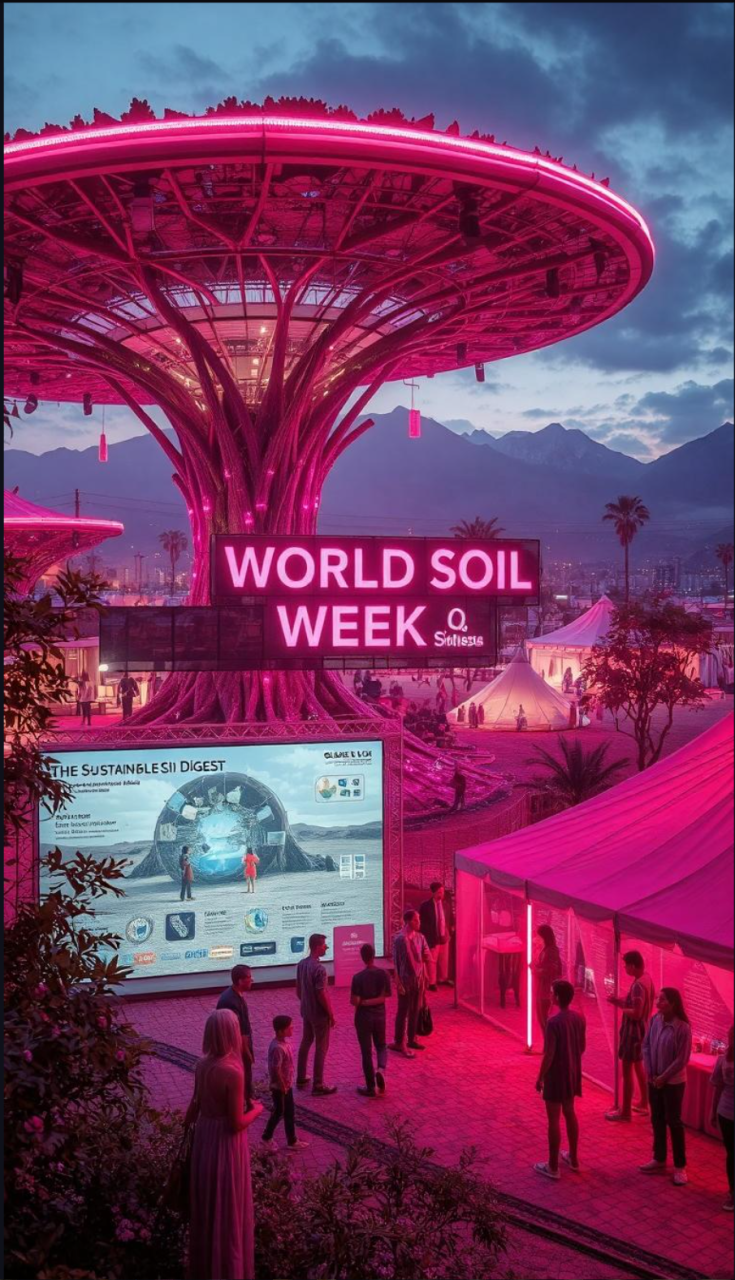
World Soil Day & Global Soil Week in context of sustainability

World Soil Day and Global Soil Week in context of sustainability in retrospect

For decades, the ground beneath our feet was largely ignored in global discussions. Then came a shift. The United Nations designated December 5th as World Soil Day in 2014. This move transformed soil from a niche concern into a worldwide priority.

Healthy soil is the foundation of our food systems. Approximately 95% of what we eat depends on it. Yet, degradation threatens this vital resource. Proper soil management could boost food production by up to 58%. That’s a game-changer for global nutrition.

Soil also plays a critical role in fighting climate change. It captures around 80% of terrestrial carbon. This makes it a powerful ally for a stable climate. Plus, it hosts nearly 59% of Earth’s species. Biodiversity thrives where we rarely look.

The hidden hunger crisis affects two billion people. Soils supply most essential elements plants need. Without healthy soils, food lacks nutrients. Global Soil Week emerged to turn awareness into action. It brings experts together to create real solutions.

The Historical Foundation of Global Soil Awareness

International policy makers long treated the earth beneath our feet as an afterthought. This oversight persisted despite its fundamental role in human survival. The turning point came when scientific evidence could no longer be ignored.

Origins and UN Designation

The United Nations finally acknowledged this critical resource in 2014. December 5th became the official day of recognition. This designation marked a shift from neglect to global priority.

Before this milestone, farmers and rural communities understood the value of healthy soil. They witnessed its direct impact on food production and quality. Their traditional knowledge often surpassed official policies.

Evolution from Scientific Concern to Global Movement

Researchers had documented soil degradation for decades. Their warnings initially was disregarded. The transformation began when environmental and food security concerns merged.

Scientific data gradually influenced international discourse. Evidence showed how proper management practices could transform agriculture. This created momentum for broader action.

The movement expanded beyond academic circles. It embraced practical solutions for farmers worldwide. This approach recognized that theory alone wouldn’t ensure our future food supply.

FAO’s Role in Establishing International Governance

The Food and Agriculture Organization emerged as a key player. Their 80th anniversary in 2025 celebrates eight decades of work. Their commitment to food security shaped global approaches.

FAO’s Global Soil Partnership supports nations in protection efforts. It helps translate science into actionable policies. The partnership acknowledges different regional challenges.

Several initiatives demonstrate this practical approach:

InitiativeFocus AreaImpact Scale
RECSOILCarbon sequestration in agricultural landsGlobal climate benefits
Global Soil DoctorsFarmer education and capacity buildingLocal implementation
Green CitiesUrban soil restoration300+ cities worldwide

The RECSOIL initiative cleverly addresses climate concerns through agriculture. It makes soil health relevant to carbon-focused policymakers. This strategic framing has increased political support.

Capacity building remains essential for real change. The Global Soil Doctors Programme bridges knowledge gaps. It connects research with practical management practices.

Urban areas now recognize their role in soil health. The Green Cities Initiative involves over 300 municipalities. This expansion shows soil’s relevance beyond traditional agriculture.

International governance developed through incremental steps. This pragmatic approach built consensus gradually. The commitment to long-term food security sometimes conflicts with short-term priorities.

These efforts collectively address our planetary survival needs. They recognize that healthy soil supports not just agriculture but entire ecosystems. The impact extends to urban and rural communities alike.

Looking to the future, these foundations support sustainable agriculture worldwide. They represent a growing understanding of our interdependence with the ground beneath us.

Global Impact and Policy Development Over Time

A visually striking representation of EU soil policy development, capturing key elements of sustainability and global impact. In the foreground, a diverse group of professionals in business attire engage in collaborative discussions around a large table filled with soil samples and policy documents. The middle layer presents a backdrop of lush, thriving landscapes, showcasing various soil types and healthy ecosystems transitioning into urban areas. In the background, a stylized map of Europe features overlaid data points symbolizing policy changes and initiatives over time. Soft, natural lighting enhances the scene, creating an optimistic atmosphere, while the focus is sharp on the human interaction, symbolizing collaboration for a sustainable future. This image is designed for "The Sustainable Digest."

European policymakers finally acknowledged what farmers knew for centuries: the ground beneath our feet holds the key to our collective future. This realization sparked the most ambitious regional framework for land protection ever attempted.

European Union’s Comprehensive Soil Strategy Framework

The EU Soil Strategy for 2030 represents a monumental shift in environmental policy. It establishes a comprehensive framework for protecting and restoring degraded lands across member states.

Approximately 70% of European soils suffer from poor condition. This startling statistic forced action at the highest levels. The strategy addresses erosion, carbon loss, and biodiversity decline simultaneously.

Implementation faces significant political hurdles. Different nations prioritize farming needs versus conservation goals. The tension between scientific urgency and practical reality shapes final outcomes.

Mission Soil and the 2030 Biodiversity Targets

Mission Soil stands among Horizon Europe’s most critical initiatives. It shares priority with cancer research and climate adaptation—a telling placement.

The mission accelerates the transition to healthy lands through 100 living labs. These practical testing grounds bridge research and real-world application. They represent innovative approaches to age-old problems.

Targets aim for healthy soils by 2050. This long-term vision often conflicts with short political cycles. The mission acknowledges that proper land management requires decades, not election terms.

The Soil Monitoring Directive: A Legislative Milestone

The Soil Monitoring Directive achieved final approval in late 2025. The EU Council adopted it on September 29, followed by European Parliament endorsement on October 23.

This legislation marks a hard-won victory after years of negotiation. Original ambitions became diluted through political compromise. Yet it establishes crucial monitoring standards across the continent.

The directive addresses erosion’s impact on entire ecosystems. It recognizes that conservation efforts must integrate land use, water management, and biodiversity protection. Carbon sequestration presents both opportunity and challenge for modern farming.

European policies increasingly influence global standards. Their approaches may shape international development and trade relationships. The world watches as Europe tackles this fundamental planetary issue.

Regional Implementations and Sustainable Practices

The translation of international land policies into regional practices uncovers a complex tapestry of adaptation and resistance. Local contexts shape conservation outcomes in unexpected ways. This year marks critical milestones for several regional initiatives.

Africa’s Soil Conservation Challenges and AGRA’s Initiatives

African landscapes face unique conservation hurdles. Approximately 65% of the continent’s arable land suffers damage. Soil erosion affects about 30% of African territory.

These challenges demand context-specific solutions. The Alliance for a Green Revolution in Africa (AGRA) bridges policy and practice. Their training programs equip farmers with essential skills.


AGRA promotes sustainable management practices including crop rotation and cover crops. These techniques address food security concerns directly. Smallholder farmers learn methods that protect their livelihoods.

Adoption rates vary across different communities. Economic incentives and cultural traditions influence implementation success. The program’s impact becomes visible over multiple growing seasons.

Photo by Olu Eletu

Urban Soil Management: From Theory to Practice

City expansion creates new conservation dilemmas. Urban growth threatens up to 3% of global food production. This poses direct challenges to future food security.

By 2050, two-thirds of the world’s population will reside in urban areas. This projection makes urban land management essential for collective survival. Cities consume fertile land through relentless expansion.

The tension between development and conservation represents a classic sustainability dilemma. Economic growth often overshadows environmental concerns in rapidly developing regions. Practical solutions must balance competing priorities.

Urban planning increasingly incorporates land health considerations. This year has seen innovative approaches to peri-urban agricultural protection. These efforts demonstrate growing commitment to integrated development.

SPADES Program: Integrating Soil Science into Spatial Planning

The SPADES program exemplifies technical innovation meeting practical application. It works with 17 pilot sites to integrate land considerations into spatial planning. This initiative bridges science and policy effectively.

Collaboration between technical experts and local authorities remains crucial. The program developed two essential tools for implementation:

ToolPrimary FunctionApplication Scope
Evaluation FrameworkAssesses soil-inclusive planning instrumentsPolicy development and review
Diagnosis WorkbookPractical assessment tool for local conditionsField implementation and monitoring

These tools help translate complex science into actionable approaches. They address the gap between research findings and practical management practices. The program’s solutions consider diverse regional contexts.

Successful implementations in one region often fail when transplanted without modification. This underscores the importance of localized adaptation strategies. The SPADES approach recognizes that effective conservation requires contextual understanding.

Long-term commitment to land health demands sustained investment in both technical capacity and community engagement. Impacts may take years or decades to manifest in measurable outcomes. This reality tests the patience of policymakers seeking quick solutions.

World Soil Day and Global Soil Week in Context of Sustainability in Retrospect

The decade-long journey from awareness to measurable impact reveals both triumphs and persistent challenges. What began as specialized agricultural concern has matured into comprehensive sustainability thinking. This evolution reflects deeper understanding of our fundamental relationship with the ground beneath us.

Assessing the Tangible Outcomes of Decadal Efforts

Ten years of dedicated effort have yielded concrete results alongside ongoing difficulties. The movement has successfully transitioned from theoretical discussions to practical implementations. Recognition programs now celebrate excellence in land stewardship worldwide.

The Glinka World Soil Prize and King Bhumibol World Soil Day Award exemplify this progress. Supported by Russia and Thailand respectively, these awards incentivize innovative management practices. They transform abstract concepts into competitive achievements.

Urban applications have particularly demonstrated creative problem-solving. The 2025 theme “Healthy Soils for Healthy Cities” captured this expanding vision. It acknowledged that land health matters beyond traditional farming contexts.

The Shift from Awareness to Measurable Action

Moving beyond rhetoric requires implementation mechanisms and accountability frameworks. Many environmental movements struggle with this transition phase. The soil sustainability movement currently faces this implementation gap.

The FAO’s demonstration sponge park illustrates practical urban applications. This transformed space in front of building A shows multiple benefits simultaneously. It manages water, supports biodiversity, and improves local microclimates.

Urban lands perform essential ecosystem services often overlooked. They regulate temperature through natural cooling processes. They filter and store water, reducing flooding risks during heavy rainfall.

These spaces also contribute to food security through urban agriculture. They improve air quality by capturing particulate matter. They support diverse species within city environments.

Urban Soil FunctionPractical BenefitSustainability Impact
Temperature RegulationReduces urban heat island effectLowers energy consumption for cooling
Water FiltrationImproves water quality naturallyReduces treatment costs and pollution
Carbon SequestrationStores atmospheric carbonContributes to climate change mitigation
Biodiversity SupportHosts urban wildlife and pollinatorsMaintains ecological balance in cities
Food ProductionEnables urban agricultureEnhances local food security
Photo by Eddie Kopp

Interconnectedness of Soil Health with Broader Sustainability Goals

Land quality increasingly appears as connecting tissue between sustainability challenges. It links climate action, food security, and urban resilience simultaneously. This interconnectedness makes it strategic leverage point for comprehensive improvement.

Pressure on urban lands continues growing through sealing and contamination. Rapid city expansion creates tension between development and conservation needs. Balancing these competing priorities requires innovative planning approaches.

The integration of land health into broader frameworks represents significant progress. It reflects more holistic environmental understanding than isolated agricultural concern. This maturation signals the movement’s coming of age.

Progress or regression in land quality creates ripple effects across multiple sustainability dimensions. This interconnected reality demands coordinated policy responses. It also offers opportunities for synergistic solutions that address multiple challenges simultaneously.

Conclusion

The journey from awareness to action reveals both progress and persistent gaps. Conservation efforts must expand beyond farms to entire ecosystems. This approach recognizes nature’s interconnected systems.

FAO’s ambitious goal targets 1000 cities by 2030. This year could mark a turning point for urban integration. The One Health framework links land vitality to human wellbeing.

Collaborative solutions are essential for meaningful impact. No single nation can address these challenges alone. Communities worldwide must share knowledge and resources.

Long-term commitment conflicts with short political cycles. Yet farmerssurvival and global food security depend on healthy lands. The ultimate measure of success will be resilient food systems and thriving ecosystems.

Key Takeaways

  • World Soil Day, established in 2014, raised global awareness about soil’s importance.
  • Healthy soils are crucial for food production, providing up to 95% of our food.
  • Sustainable soil management could increase food output by more than half.
  • Soil acts as a major carbon sink, capturing 80% of terrestrial carbon.
  • Soil health directly impacts human nutrition and fights hidden hunger.
  • Global Soil Week helps translate soil awareness into practical strategies.
  • Soil biodiversity supports nearly 59% of all species on Earth.

The who, what, when, where, why, and how of greenwashing

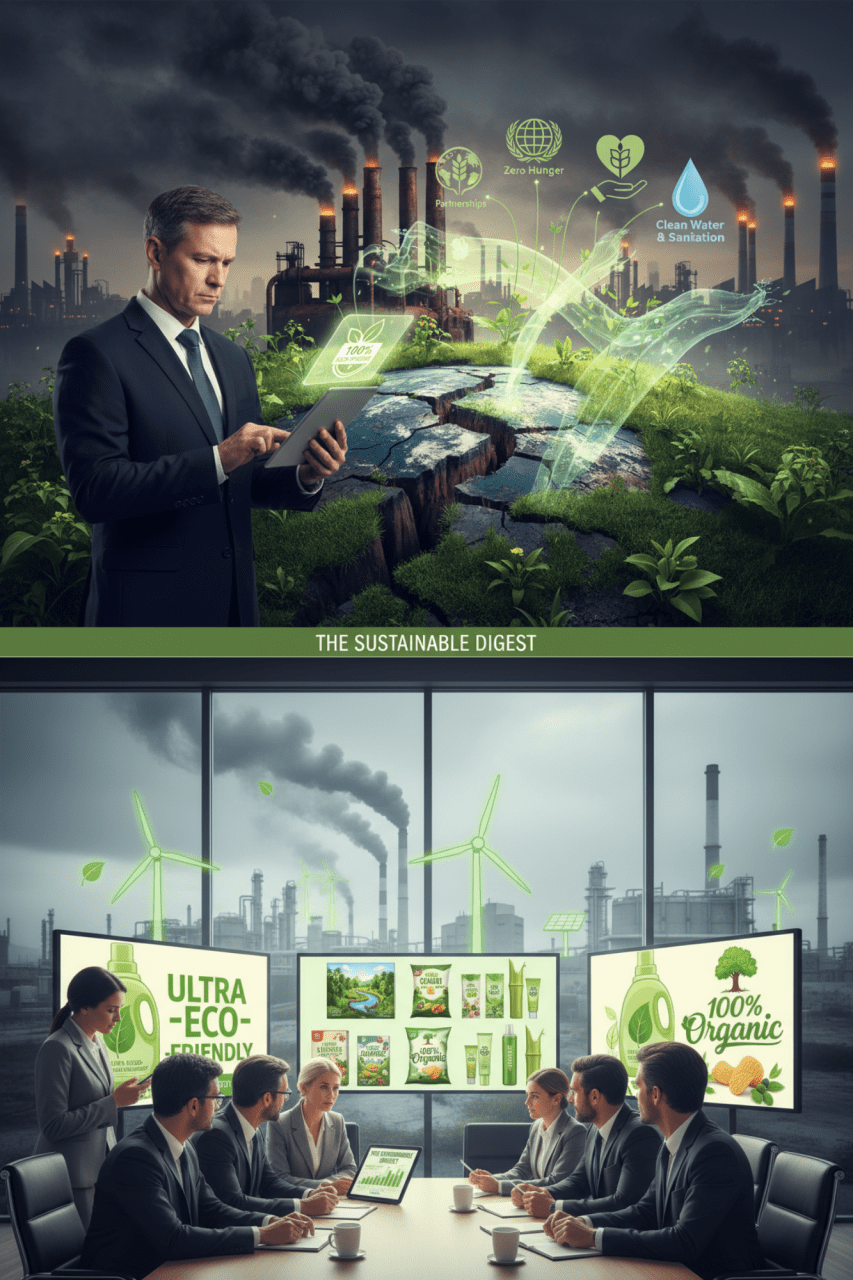
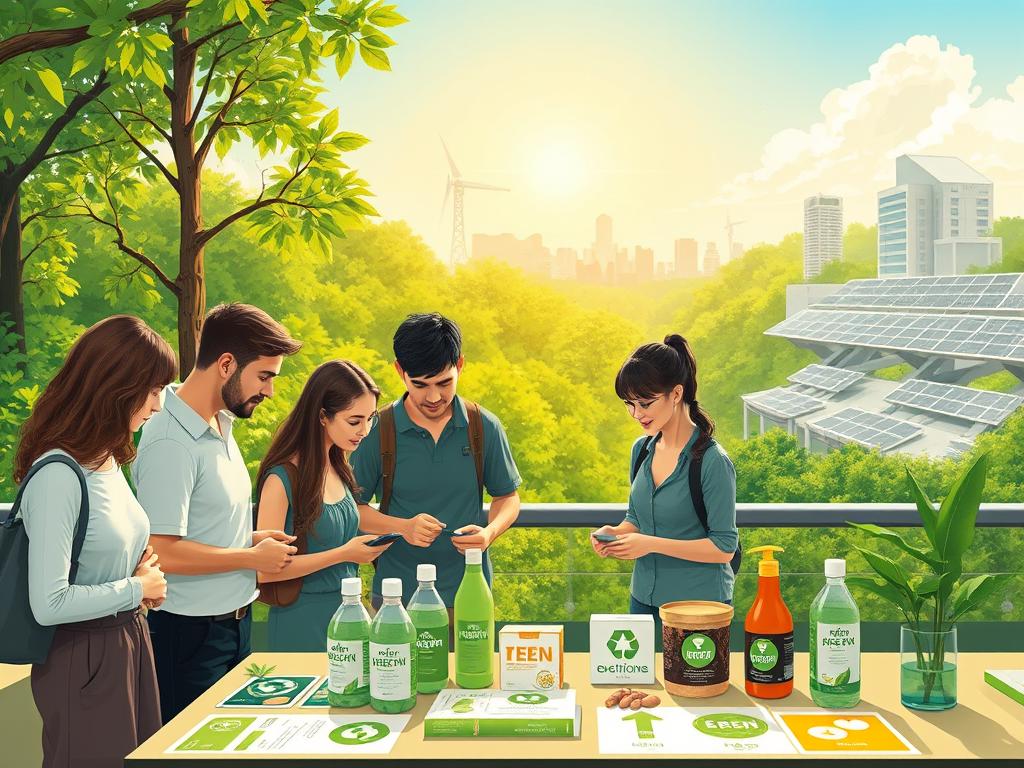
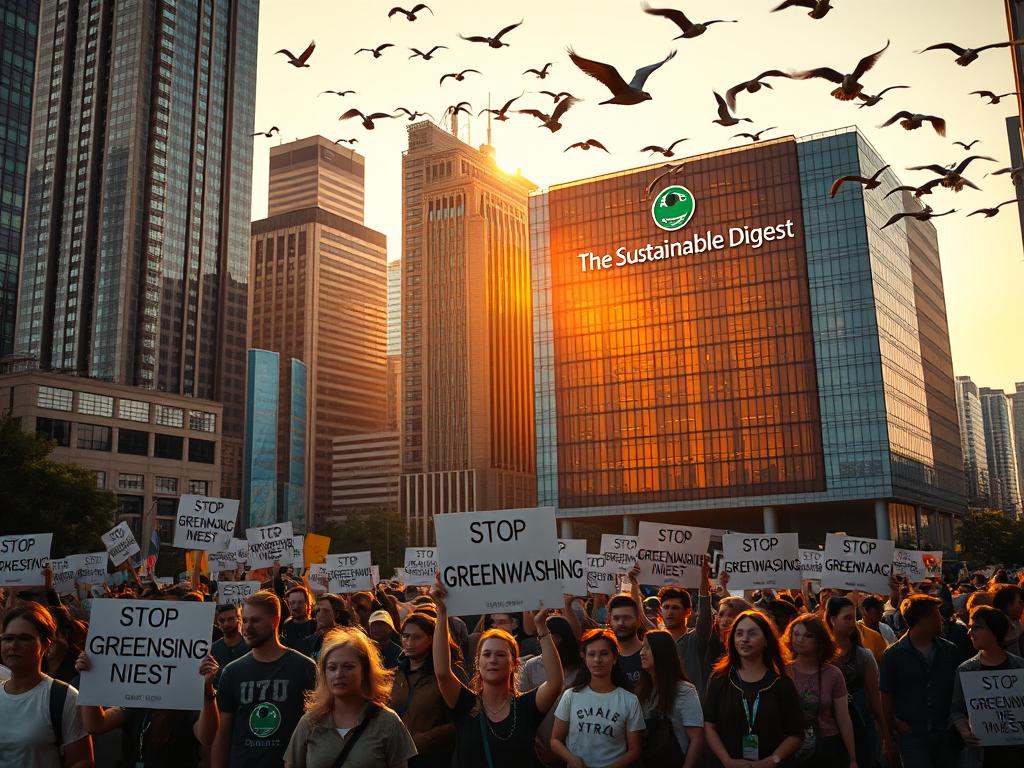
Greenwashing is when companies make false claims about their products being good for the environment and the great ecosystem. This is a major problem in the world of green and eco-friendly marketing and advertising. It tricks people into thinking products and supply chain are better for the planet than they really are.

Companies use greenwashing to make more money and sometimes peer approval. They want to sell and generate revenue by making their products seem eco-friendly. This can harm both consumers, stakeholders, and the environment.

In green marketing, greenwashing can be very subtle and manipulative. Companies might say in advertising production or state in their marketing materials that their products are much better for the environment than they actually are. It’s important to know how companies lie to the but the public and private customers and how to spot these lies.

By learning and understanding about greenwashing, we can make better choices. We can support companies and institutions that truly care about the environment. This helps to promote real ethical green marketing.

Understanding the Green Deception: What is Greenwashing?

To reinerate, Greenwashing is when companies make false claims about their goods or services being good for sustainability and sustainable principles. They might say they’re eco-friendly but falsely use labeling or catch phrases to draw in the consumer and/or the customer. Or they might talk and promote via labels and press material about corporate social responsibility, but it’s just for show. As people care more about the planet, companies use green marketing strategies to seem better or often superior to other products, but neither of those practices is true.

Studies show greenwashing hurts trust with customers and ultimately the end users. If a company not matter how large or small, is caught and exposed to lying, people lose faith and buy less. It is important to note, companies that really care about the planet gain loyal customers and other stakeholders, thus accessing more money.

  • Misleading labeling: Using labels or certifications that are not recognized by reputable third-party organizations.
  • Hidden trade-offs: Focusing on one environmental benefit while ignoring other negative environmental impacts.
  • Vagueness: Making general claims about environmental benefits without providing specific details or evidence.

As consumers, we need to know about these tricks. We should support companies that are truly eco-friendly and care about corporate social responsibility. This way, we help make marketing that’s real and helps our planet.

CompanyGreenwashing PracticeImpact on Consumer Trust
Company AMisleading labelingLoss of credibility
Company BHidden trade-offsDecrease in sales
Company CVaguenessLoss of customer loyalty

The Major Players Behind Greenwashing Practices

Many companies have been accused of greenwashing. This is when they make false claims about their products or services being good for the environment. This environmental deception hurts both consumers and the planet, making people doubt sustainable marketing.

ExxonMobil, Chevron, and BP are some big names accused of greenwashing. They’ve faced criticism for lying about their products’ environmental benefits.

  • Unsubstantiated claims about environmental benefits
  • Lack of transparency about production processes
  • Use of misleading or false labeling

Knowing these signs helps you choose better. You can support companies that really care about the planet and are honest in their marketing.

Companies must be transparent and honest in their marketing efforts, and avoid engaging in greenwashing practices that can damage consumer trust and harm the environment.

CompanyAccusation
ExxonMobilFalse claims about climate change
ChevronMisleading labeling of products
BPLack of transparency about production processes

The Psychology of Green Marketing Manipulation

Green marketing is a big deal for companies today. It helps them look good to people who care about the planet. But, some companies use it to trick people into buying things they don’t really need.

They play on our feelings and make us feel guilty or nostalgic. This makes us more likely to buy their products. For instance, they might show pictures of nature to make us feel good about buying their stuff.

Consumer Vulnerability Points

Some companies take advantage of people who don’t know much about the environment. They use hard-to-understand language to make their products seem better than they are. It’s important for us to learn about eco-friendly practices so we can spot these tricks.

The Power of Eco-Friendly Imagery

Images of recycling or green energy are very powerful in marketing. Companies use them to make their brand look good. By doing good for the planet and using these images, companies can win our trust and build a strong reputation.

Essential Greenwashing Identifying Tactics, Greenwashing Avoidance Strategies and Methods

To spot and dodge greenwashing, you need to think critically and understand media well. This means checking if companies’ claims are true or just tricks. Greenwashing can be sneaky, but you can spot it by looking for vague or unproven claims about being green.

Here are some ways to avoid greenwashing:

  • Research companies and their environmental records
  • Look for third-party checks on their green claims
  • Be cautious of claims that seem too good to be true

By doing these things, you can choose better and avoid supporting greenwashing. Remember, greenwashing hurts the environment too. It makes people doubt real green efforts and slows down our move towards a greener future. Environmental deception is serious, and we all must watch out and demand truth from companies.

In short, fighting greenwashing needs critical thinking, media smarts, and research. By knowing how companies greenwash and checking their claims, we can help the planet. We can also support real green marketing.

CompanyGreenwashing ClaimReality
Example Company“Eco-friendly packaging”Packaging is not biodegradable and contributes to waste
Another Company“Sustainable sourcing practices”Sources materials from suppliers with poor environmental track records

The Seven Sins of Greenwashing

Companies often try to look good by doing eco-friendly things. But, some might lie to make their brand seem better. The seven sins of greenwashing help spot when they do this.

These sins include hidden trade-offs. This means a product might be good in one way but bad in another. For instance, a product might say it’s biodegradable, but it only breaks down under certain conditions. These conditions are not always clear.

Other sins are no proof and vagueness. Companies might say their products are eco-friendly without showing any proof. Or, they might use terms like “eco-friendly” without explaining what they mean. False labels are also a problem, where companies make up labels to look green.

  • Hidden trade-offs
  • No proof
  • Vagueness
  • False labels

Knowing these seven sins helps us make better choices. We can choose to support companies that really care about the environment. This way, we help them use honest green marketing.

FAQ

Q: What is greenwashing and why is it important?

A: Greenwashing is when companies make their products seem more eco-friendly than they really are. It’s a big deal because it breaks trust with customers. It also stops real efforts to be green and causes more harm to the environment.

Q: What are some common greenwashing tactics?

A: Companies use tricks like making vague claims or picking only the good parts of their impact. They might also use fake labels or certifications. This way, they hide their true environmental harm.

Q: How can consumers spot greenwashing?

A: To spot greenwashing, look for vague or unverifiable claims. Also, watch for a big gap between what a company says and what it does. Checking for real certifications and doing your homework can help too.

Q: What are the consequences of greenwashing?

A: Greenwashing can hurt trust in companies. It also makes it harder for real green efforts to succeed. Plus, it makes the environment worse by making it seem like companies are doing good when they’re not.

Q: How can companies avoid being accused of greenwashing?

A: Companies can stay clear of greenwashing by being open about their environmental impact. They should set clear goals and get third-party checks to prove their claims. Being honest and authentic is key to earning trust.

Q: What are the “seven sins of greenwashing”?

A: The “seven sins of greenwashing” are: hiding the bad, no proof, being vague, using fake labels, being irrelevant, choosing the lesser evil, and lying. These tricks make it hard to believe a company’s green claims.

Q: What resources are available to help identify and combat greenwashing?

A: To fight greenwashing, use online tools, check for real certifications, and talk to environmental groups. You can also report greenwashing and support real green efforts. These steps help keep companies honest.

Real-World Examples of Corporate Greenwashing

Companies often use sustainable marketing to look green but are actually greenwashing. This trick can be found in many fields, like energy and consumer goods.

Some examples include:

  • Volkswagen’s emission scandal, where they said their diesel cars were green but they were really polluting.
  • ExxonMobil’s claims of investing in green energy, but they only spent a tiny part of their budget on it.
  • Procter & Gamble’s false claims about eco-friendly packaging, which turned out to be greenwashing.

These cases show how crucial it is to hold companies accountable in sustainable marketing. They also highlight the need for consumers to spot environmental deception.

Learning from these greenwashing examples helps consumers make better choices. It encourages them to support companies that really care about the planet.

Tools and Resources for Spotting Green Marketing Deception

To spot greenwashing, you need the right tools and resources. Today, eco-friendly practices are key, not just a trend. Companies must show corporate social responsibility and use green marketing strategies that are clear and reliable.

Digital Verification Tools

There are many digital tools to help find greenwashing. These tools include online platforms that share info on companies’ green efforts and certifications. Some top ones are:

  • Environmental Defense Fund’s Scorecard
  • Greenpeace’s Guide to Greener Electronics
  • ClimateWorks Foundation’s Climate Scorecard

Certification Standards

Certification standards are key to proving eco-friendly practices are real. Some well-known ones are:

CertificationDescription
ISO 14001International standard for environmental management systems
LEEDLeadership in Energy and Environmental Design certification for buildings
Energy StarCertification for energy-efficient products

Environmental Watch Groups

Environmental watch groups keep an eye on companies’ green actions. They offer useful info and resources for smart choices. Some notable groups are:

  • Sierra Club
  • World Wildlife Fund
  • Friends of the Earth

Taking Action Against Greenwashing

To fight greenwashing and support sustainable marketing, we can all do something. It’s key to report any false environmental claims. You can tell the Federal Trade Commission (FTC) or your local consumer protection agency about any ads that seem off.

It’s also important to back real green initiatives. Look for products with the EPA’s Safer Choice label. This shows the company cares about the environment. Supporting groups that uncover environmental deception helps too.

Here are some ways to fight greenwashing:

  • Check if companies’ green claims are backed by third-party certifications.
  • Support laws that make marketing more honest and accountable.
  • Help your loved ones make smart choices about what they buy.

Together, we can make a better future and stop greenwashing. As more people spot environmental deception, companies will have to be more open and green in their marketing.

Conclusion: Building a Greener Future Through Informed Choices

The world of green marketing and corporate social responsibility is complex. It’s often clouded by greenwashing. But, a greener future is possible with informed consumers who seek truth and hold companies to their promises.

Knowing how greenwashing works helps us make better choices. We can support real green initiatives by using digital tools and checking for certifications. This way, we can spot false claims and back up the real deal.

It’s a team effort between businesses and consumers to create a better world. When companies are open and focus on the environment, and we choose to buy from them, we’re all moving forward. Together, we can make a brighter, greener future.

Key Takeaways

  • Greenwashing is a form of environmental deception used to manipulate the end user/customer’s perception.
  • It can have serious consequences for long term revenue generation, consumers and the planet.
  • Understanding and identifying greenwashing tactics is essential for making informed choices.
  • Sustainable marketing practices can be promoted and advertised by avoiding greenwashing.
  • Ongoing education is key to recognizing and preventing greenwashing.
  • Greenwashing can take many forms, including exaggerated or lofty claims, and outright lies.
This website is saving the energy of your screen as it is not being used. It's part of a global effort to lower the planet's electrical consumption and CO2 emission level. Resume browsing
Click anywhere to resume browsing
Verified by MonsterInsights