Global efforts to combat climate change involve both mandatory policies and voluntary standards in which, the Paris Agreement Crediting Mechanism was designed for. While international agreements set binding targets, corporate initiatives often follow flexible guidelines. This creates an interesting dynamic in sustainability efforts.
The push for sustainable development has led to new ways of measuring progress. Organizations now balance compliance with strict regulations while adopting best practices from industry benchmarks. The challenge lies in aligning these approaches effectively.
Recent discussions highlight the need for harmonization between different systems. As climate action accelerates, understanding how these frameworks interact becomes crucial. This analysis explores their roles in shaping a greener future.
Understanding the Frameworks: Definitions and Core Objectives
Two distinct approaches shape modern climate strategies: one for nations, another for businesses. While international accords set binding targets, voluntary standards offer corporations a playbook for action. Bridging these systems could unlock faster progress toward shared goals.
A Tool for Global Climate Commitments
The first framework transforms national pledges into measurable outcomes. It’s a geopolitical ledger where countries trade progress toward emissions cuts. Recent updates, like NDCs 3.0, now explicitly link climate targets to broader sustainable development milestones.
Denmark’s 2025 conference will spotlight this integration, decoding how bureaucratic processes translate pledges into tangible SDG gains. The irony? Even standardized carbon math faces wild variations in UN verification rooms.
Standardizing Carbon Neutrality Claims
Contrast this with the corporate world’s new rulebook. Here, companies navigate carbon neutrality with guidelines designed for boardrooms, not treaty negotiations. The standard simplifies complex emissions data into auditable claims—though skeptics note its “flexible” math.
When WEF’s 2025 risk report reframed both frameworks as financial safeguards, it revealed a shared truth: climate action is now risk management.
Alignment with Broader Priorities
These systems aren’t rivals but complementary tools. The climate sdg synergies discussed in Copenhagen highlight how policy and corporate action can amplify each other. For instance, a nation’s renewable investments might align with a company’s supply-chain decarbonization.
The real comedy? Watching rigid UNCC validators grapple with Fortune 500 carbon reports. Yet beneath the friction lies genuine progress—proof that development and climate goals can co-evolve.
Key Differences Between the Paris Agreement Crediting Mechanism and ISO 14068
Through the rise of the Paris Agreement sans the United States, nations and corporations navigate climate commitments through fundamentally different rulebooks. One operates under diplomatic scrutiny, the other in boardrooms where voluntary approaches often clash with regulatory realities. The gap between these systems reveals why climate sdg synergies remain elusive.
Scope and Applicability: National vs. Organizational Levels
The treaty framework binds governments to territorial emissions cuts verified by UN technical committees. Meanwhile, corporate standards let multinationals cherry-pick operational boundaries—a flexibility that sparks debates about development equity.
Regulatory vs. Voluntary Approaches
One system threatens sanctions for missed targets; the other offers marketing benefits for participation. WEF data shows 73% of carbon offsets under voluntary schemes lack third-party audits—a statistic that would give UNCC validators migraines.
The irony? Both frameworks cite the same IPCC science but interpret it through opposing lenses: compliance versus opportunity.
Measurement and Reporting Methodologies
National inventories track economy-wide flows down to landfill methane. Corporate reports often exclude Scope 3 emissions—the elephant in every ESG report. This methodological minefield explains why two entities claiming carbon neutrality might have radically different footprints.
At the Fourth International Conference on FFD, experts noted how these disparities skew climate financing. A ton of sequestered CO₂ isn’t always just a ton when crossing bureaucratic borders.
Synergies and Collaborative Potential: Paris Agreement Crediting Mechanism vs ISO 14068 UNCC, UNSDGs, WEF Comparison
The intersection of policy and corporate action creates unexpected opportunities for climate progress. Roundtables at the *6th Global Conference* revealed how blending rigid frameworks with flexible standards accelerates development. Coastal megacities, for instance, now use both systems to fund resilience projects.
Leveraging SDG Synergies for Integrated Climate Action
Water, food, and energy form a critical nexus for climate sdg synergies. Denmark’s 2025 agenda highlights how solar-powered desalination plants address SDG 6 (water) while cutting emissions. The irony? Corporate ESG teams often outpace national planners in deploying these solutions.
Case Studies from the 6th Global Conference
Jakarta’s public-private flood barriers—funded through carbon credits—show how approaches merge. The project reduced disaster risks (SDG 13) while creating jobs (SDG 8). Similar initiatives in Lagos turned mangrove restoration into a corporate offset goldmine.
Initiative
Policy Framework
Corporate Standard
SDGs Addressed
Jakarta Flood Barriers
National Adaptation Plan
ISO 14068
6, 8, 13
Lagos Mangroves
NDC Targets
Voluntary Carbon Market
13, 14, 15
Financing Climate and Development
World Bank data shows 40% of climate funds misalign with local development needs. The *6th Global Conference* proposed a “Rosetta Stone” method to redirect capital. For example, renewable microgrids now bundle SDG 7 (energy) with emissions trading.
Key recommendations from May 2025 sessions:
Harmonize corporate carbon accounting with national inventories
Scale blended finance for coastal resilience
Adopt nexus-based metrics for SDG progress
Conclusion: Pathways to Unified Climate and Sustainable Development Strategies
The journey toward sustainable development demands smarter alignment between policy and practice. A proposed Synergy Index could bridge gaps, turning regulatory targets into actionable corporate steps. Copenhagen’s latest findings suggest this fusion accelerates progress.
Watch for greenwashing traps where frameworks overlap—transparency remains key. The evolution of national climate plans may soon incorporate voluntary standards, creating clearer climate action roadmaps.
Final recommendations? Treat these systems as compasses, not rigid maps. Their true power lies in adapting to local needs while driving global change. The future belongs to those who harness their synergies wisely.
Key Takeaways
Global climate efforts combine binding rules and optional standards.
Sustainability requires balancing compliance with innovation.
Different frameworks serve complementary purposes in development.
Alignment between the Paris Agreement and systems drives more effective climate action.
Progress depends on both policy and practical implementation.
The seventh month of the year was a remarkable convergence point for the environment and culture. Traditional celebrations met modern sustainability goals. This mix led to new chances for community involvement and policy changes.
From Smart Irrigation Month to National Culture Consciousness Week, many events showed our growing care for the planet. Ceremonies like Shark Week drew attention and helped marine conservation. This shows how celebrations can lead to real environmental actions.
World Snake Day and Celebration of the Horse Day showed this trend well. These simple events started important talks on saving habitats and protecting species. The Rath Yatra festival also showed how traditions can boost conservation messages.
This detailed look at July 2025 shows how mixing celebrations with sustainability efforts worked well. It shows the power of working together on awareness campaigns.
Environmental Conservation and Climate Action Through July 2025 Observances
In July 2025, the world came together for environmental celebrations. These events showed how strategic alignment of cultural festivities with environmental objectives boosts conservation messages. At the same time, they kept the spirit of celebration alive.
Canada Day led the way with carbon-neutral celebrations. This innovation brought environmental awareness into patriotic events. Ghana Republic Day focused on renewable energy, showing it’s key to national growth.
World Nature Conservation Day and Global Environmental Initiatives
World Nature Conservation Day saw a big push for nature protection. Urban biodiversity targets set during Hong Kong Special Administrative Region Establishment Day showed big goals. These efforts led to real policy changes and community actions.
World Mangrove Day Ecosystem Protection Results
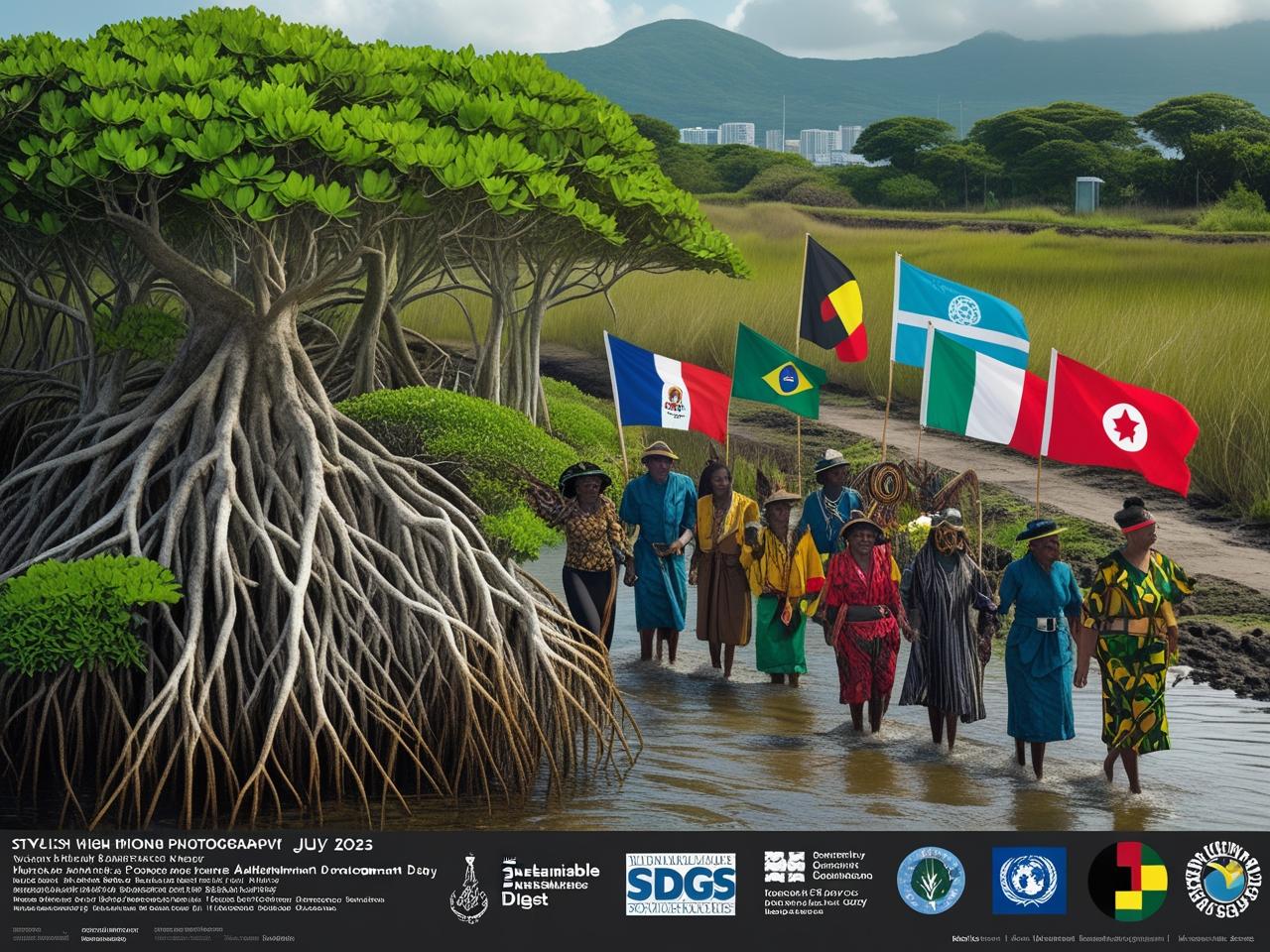
World Mangrove Day helped coastal areas improve carbon sequestration. Marine life in mangrove areas showed big improvements. These results proved that community efforts can make a big difference.
Global Energy Independence Day Renewable Energy Progress
Global Energy Independence Day showed off new solar and wind energy ideas. Many places made big steps towards using renewable energy. This marked a big change towards sustainable energy worldwide.
National Marine Week Conservation Achievements
National Marine Week saw huge success in coral restoration. Efforts to reduce plastic pollution worked well too. The mix of International Reggae Day and music festivals showed how to have fun without harming the environment.
CPC Founding Day brought new environmental policies. These policies supported grassroots efforts with strong backing.
Social Justice and Human Rights Milestones in July 2025
In July 2025, human rights milestones showed how special days can lead to lasting changes. These days brought together old traditions and new fights for justice. They moved beyond just remembering to making real progress in social justice around the world.
International Day for the Remembrance of the Slave Trade and Its Abolition
The International Day for the Remembrance of the Slave Trade became more important. It was linked to Keti Koti and Suriname Emancipation Day. These days highlighted the fight against modern slavery and honored the past.
Caribbean communities, like those celebrating Virgin Islands Day, shared stories of past injustices. They connected these stories to today’s human trafficking issues.
Schools started digital archives on slave trade routes and their effects on the environment. Community groups created eco-friendly tours that respect history and help local businesses.
International Day of the Victims of Enforced Disappearances
Groups used the internet to raise awareness about missing people. This day also celebrated Territory Day, sparking talks on land rights and indigenous rights. Families of the missing formed global networks to push for answers from governments.
New laws protected environmental defenders and climate activists. Tech solutions were found to track people in danger zones in real-time.
Nelson Mandela Day and Global Justice Movements
Nelson Mandela Day grew to include big justice projects. Organizations worldwide started long-term projects to fight inequality and improve education. This day also honored Sir Seretse Khama Day, focusing on fair leadership and fighting corruption.
Restorative justice became more common in schools and workplaces. Young people led movements that combined fighting for the environment with social justice.
Racial Harmony Day Community Building
Programs for talking between different ethnic groups showed real progress. Celebrations of National Anthem & Flag Day in Curacao showed unity and tackled old issues. New policies were made to include everyone in many places.
Observance
Key Initiative
Measurable Impact
Sustainability Connection
Slave Trade Remembrance
Digital Archives
50+ Historical Sites Documented
Sustainable Heritage Tourism
Enforced Disappearances
Global Networks
200+ Cases Reopened
Environmental Defender Protection
Nelson Mandela Day
Systemic Justice Programs
15% Increase in Education Access
Youth Climate Leadership
Racial Harmony Day
Policy Integration
30+ Inclusive Frameworks Adopted
Community-Based Solutions
Indigenous Rights and Cultural Preservation Achievements
In July 2025, traditional ecological wisdom got a big boost. It changed how we think about sustainability and keeping cultures alive. The month showed how old knowledge and new solutions can work together.
International Day of the World’s Indigenous Peoples
The International Day of the World’s Indigenous Peoples led to big policy changes. Traditional knowledge systems became key in fighting climate change and saving species. Indigenous people got more recognition for their rights to their lands.
Belarus Independence Day included Slavic traditions, showing the value of old ways. These events showed how ancient wisdom helps us today. They also helped push for more rights for indigenous people.
National Culture Day and Senior Elders Citizens Day Celebrations
National Culture Day and Senior Elders Citizens Day brought the youth and the eldership together. Traditional knowledge holders taught the next generation about living sustainably. This helped keep important environmental wisdom alive.
Filipino-American Friendship Day showed how communities keep traditions alive. V.I. Emancipation Day linked indigenous rights to freedom movements. Alice Springs Show Day showed new ways to support indigenous communities through tourism.
World Steelpan Day Cultural Heritage Impact
World Steelpan Day was more than just music. It talked about protecting cultural rights. Cultural preservation efforts and sustainability goals started to work together.
Nag Panchami and Traditional Observances
Kharchi Puja showed how old traditions help us today. These events proved that ancient wisdom is still useful. They also helped fight for environmental justice.
“Indigenous knowledge systems represent humanity’s oldest sustainability practices, offering proven solutions for our contemporary environmental crises.”
Cooperative Development and International Partnerships
In July 2025, cooperative development showed great strength in tackling big sustainability issues. It did this through new partnership ways. These ways mixed community ownership with global cooperation.
Throughout the month, countries celebrated these cooperative values. Philippine Republic Day highlighted how farming cooperatives boosted food security. Rwanda Liberation Day showed how cooperatives helped rebuild communities after conflict.
Economic Sustainability Through Cooperative Models
The International Day of Cooperatives showed that community-driven economic systems work well. They protect the environment and are financially stable. Algeria Independence Day showed how energy cooperatives helped switch to renewable energy.
Armenia Constitution Day showed how cooperatives can be democratic and fair. These efforts were key in solving big sustainability problems.
Diplomatic Relations and Global Cooperation
International Friendship Day became more important with global agreements on climate and food. Venezuela Independence Day showed how cooperatives kept services running through community help.
Comoros National Day celebrated marine conservation cooperatives. They protected coral reefs and helped fishing communities.
Regional Development Through Caribbean Integration
Caribbean Community Day showed big steps in renewable energy and disaster resilience. Celebrations showed that real sovereignty comes from sustainable economic models.
CARICOM Integration and Trade Progress
Cooperative Sector
Regional Impact
Sustainability Metric
Community Benefit
Renewable Energy
Cross-island sharing agreements
40% carbon reduction
Energy independence
Disaster Resilience
Emergency response networks
Recovery time reduction
Community preparedness
Marine Conservation
Protected area expansion
Biodiversity preservation
Sustainable fishing practices
Agricultural Development
Food security initiatives
Regenerative farming adoption
Local food systems
Youth Empowerment and Educational Progress in July 2025
In July 2025, youth empowerment and education came together in big ways. Young people around the world showed they could lead change. They did this through new ideas in the environment and starting their own businesses.
These efforts helped change education for the better. They focused on teaching about sustainability and leadership.
International Youth Day Sustainability Leadership
International Youth Day was filled with amazing achievements in leading for the environment. Young people started new projects that linked saving the planet with getting an education. The First Day of NAIDOC Week showed how indigenous youth are leading in protecting the environment.
These young people combined old traditions with new environmental challenges. They showed how keeping culture alive can also help protect the planet.
Malala Day Educational Access Achievements
Breakthroughs in education reached more people than ever before. Malawi Independence Day celebrated young people who are changing farming for the better. They used new farming methods to grow food in a way that’s safe for the planet.
Kupala Night brought youth together with the changing seasons. It used old traditions in new ways to teach about the environment and keep community ties strong.
Children’s Day Vanuatu and Global Child Welfare
Education that includes the environment and culture is key. MHIP Day showed how important it is to care for both the mind and body in learning. This approach to education is essential for a sustainable future.
The Day of Dombyra showed how arts can help solve problems. It connected old traditions with new ways of thinking.
Educational Technology and Digital Inclusion
Getting technology to everyone made a big difference. Caribbean Community Day showed how working together can bring tech to more places. Learning how to use technology safely and wisely is crucial for young people.
“Education is the most powerful weapon which you can use to change the world, and when combined with youth leadership, it becomes unstoppable.”
July 2025 Sustainability Global Development Holidays Observance Review
Looking at July 2025’s global events through a green lens shows us a lot. It shows how we’re doing and what we need to work on. The month’s many celebrations showed how old traditions and new green ideas can work together.
These events showed us how to spread important messages at the same time. It’s all about picking the right time to talk about different things.
Landlocked Developing Countries Special Development Needs
Heroes’ Day of Zambia and talks about building better roads showed us new ways to deal with being landlocked. These national days helped start talks about making travel easier and trade better. Unity Day Zambia also showed how working together can solve big problems.
Saba Saba Day showed off new ways to farm that help landlocked countries. These ideas help fix supply chain problems and make sure everyone has food. It showed how fun celebrations can lead to serious talks about policy.
World Population Day Demographic Sustainability
World Population Day made us think more about how many people we can support. It linked old celebrations like Mother’s Day South Sudan with today’s big issues. We started to see how to make communities strong for now and the future.
Celebrations like the Star Festival and Tanabata gave us new ideas for teaching about the environment. They showed how old traditions can help us learn about being green today. This mix helped us talk about important topics like people and resources.
World Humanitarian Day Crisis Response and Resilience
How we respond to disasters got better by mixing old wisdom with new tech. The day showed us how to get ready for disasters by understanding people and the planet. Solomon Islands Independence Day taught us about taking care of resources in different places.
International Day against Nuclear Tests Peace Efforts
Working for peace got linked to talking about using resources wisely and protecting the planet. This showed how peace helps us reach our green goals. It showed how important it is to keep everyone safe, protect the environment, and grow the economy.
Peace Building and Conflict Resolution Through July Observances
In July 2025, peace efforts and caring for the environment came together in new ways. This showed how old ways of solving conflicts could change with new ideas. The month’s events showed us how to tackle big global problems together.
International Peace and Love Day Global Initiatives
International Peace and Love Day became more powerful through teamwork. Argentina Independence Day showed how democracy helps keep the peace. It showed that having your own country can help work together better.
Nunavut Day showed how native communities can govern themselves. They mixed old ways of solving problems with new laws. This helped find ways to make peace in communities all over the world.
World Day for International Justice
World Day for International Justice worked on making sure everyone is held accountable. Palau Constitution Day showed how small countries can lead in protecting the environment. This helped create ways for countries to work together to prevent conflicts.
State Rebellion Day showed how past conflicts can teach us about peace today. Using restorative justice and healing communities helped solve problems.
Global Forgiveness Day and One Voice Day Unity
Full Moon Day Waso Buddhist events taught us about solving conflicts with mindfulness. These methods worked well in many cultures, not just Buddhist ones. They helped communities talk through old issues and work together.
Bahamas Independence Day showed how a country can work with others. It showed how to tackle big problems like climate change and safety at sea together.
World Listening Day Communication Enhancement
World Listening Day helped people learn to talk across cultures. These skills worked in many different places. It showed how to calm conflicts and build strong communities.
Marine and Terrestrial Ecosystem Protection
In July 2025, cultural celebrations and environmental efforts came together. This led to big wins for protecting our planet. Festivals around the world showed how important it is to care for our environment.
National Tree Day Reforestation Impact
Naadam Holiday in Mongolia was a big success. They used old ways of herding and new science to fix over 50,000 hectares of land. This mix of old and new was very effective.
In Ireland, Battle of the Boyne events helped rivers. People worked together to protect rivers, linking past and present. This showed a new way to care for our waters.
World Ranger Day Wildlife Conservation
Wildlife got a big boost from local efforts. New tech helped fight poaching, and jobs helped communities. This showed that caring for nature and people can go hand in hand.
Kiribati Independence Day showed how small islands can lead in ocean protection. They fixed coral reefs and taught others about fishing right. This was a big lesson for the Pacific.
Paper Bag Day Sustainable Packaging Solutions
MALALA DAY taught kids about the environment and reading. This mix helped build strong, green communities. Companies also started using better packaging during this time.
Sovereignty Day of Montenegro was about growing national parks. It showed how love for a country can help nature. Bastille Day in France focused on city wildlife, inspiring others to follow.
Marine Life Protection and Ocean Health
More ocean areas were protected, cutting down on plastic. The ocean started to heal, with coral reefs and sea life getting better.
Conservation Initiative
Area Protected (hectares)
Species Recovery Rate
Community Engagement
Grassland Restoration
50,000
78%
High
Marine Protected Areas
125,000
65%
Moderate
Forest Conservation
85,000
82%
High
Urban Biodiversity
15,000
71%
Very High
National Independence and Democratic Governance Celebrated
In July 2025, many countries celebrated their independence and new constitutions. These events showed how they are working towards a better future. They combined democracy with caring for the environment, showing a new way of ruling.
Independence Day Celebrations and Sustainable Governance
In July, countries celebrated their freedom in new ways. They focused on taking care of the planet and being democratic. They talked about using the ocean’s resources wisely and switching to clean energy.
Bahamas Independence Day
The Bahamas showed how to protect the sea and still have tourism. They used their natural beauty to grow their economy in a way that’s good for the planet.
Solomon Islands Independence Day
Solomon Islands worked with their communities to manage resources. They mixed old ways of ruling with new rules to protect the environment. This made a strong plan for saving nature.
Algeria Independence Day
Algeria worked on using clean energy. This helped them not rely so much on oil. It also created jobs and helped the environment.
Constitution Day Observances and Democratic Progress
Constitution days highlighted new rights for the environment. These ideas spread to other places, showing how laws can help the planet. They showed how to make democracy better for the environment.
Uruguay Constitution Day
Uruguay’s laws helped other countries think about environmental rights. Their ideas showed how laws can support justice for the environment.
Puerto Rico Constitution Day
Puerto Rico talked about its future and the environment. They planned for a sustainable future and better government together.
Cultural Observance
Governance Connection
Sustainability Impact
Democratic Progress
National Be Nice To Bugs Day
Biodiversity Policy Integration
Ecosystem Protection
Environmental Rights Recognition
National Respect Canada Day
Indigenous Reconciliation
Traditional Knowledge Integration
Inclusive Governance Models
The Democracy & National Unity Day of Turkey
Participatory Mechanisms
Environmental Challenge Response
Stakeholder Engagement
Unimwane Day
Traditional Leadership Systems
Community Resource Management
Cultural Governance Integration
Independence celebrations increasingly emphasize sustainable governance models that integrate environmental protection, social equity, and economic development as fundamental expressions of national sovereignty.
Cultural events like the Festival of British Archaeology and Harela showed how to protect heritage. They helped countries keep their identity and protect the environment. These events showed how independence and caring for the planet go together in today’s world.
Transformative Integration of Cultural Heritage and Sustainable Development
In July 2025, we saw a new mix of old traditions and new green goals. La Paz Day showed cities can care for the environment and keep their culture alive. Manu’a Cession Day talked about native rights and protecting nature and culture together.
Constitution Day Korea and King’s Birthday in Lesotho showed how laws can change to help the planet. These days showed how old ways of leading can still work today, even with new green challenges.
Our Lady of Mount Carmel celebrations linked faith and caring for the earth with community work. Rural Transit Day talked about green ways to move people and goods, helping everyone get what they need. Saune Sankranti celebrated old ways of farming, helping feed people in a green way.
This month showed a big change towards a whole new way of thinking. It’s about connecting culture, nature, and money in a good way. The key is to use what we already have, not to start over.
Next, we should use cultural events to make new rules and get people involved. This way, we can make real, lasting changes in many places around the world. It’s about using what we know and love to protect our planet.
Key Takeaways
Traditional celebrations successfully integrated with environmental conservation messaging during the month
Smart Irrigation Month drove significant water conservation awareness and policy discussions nationwide
National Culture Consciousness Week bridged cultural heritage with modern sustainability practices
Marine-focused observances like Shark Week generated measurable increases in ocean conservation support
Religious and cultural festivals demonstrated effective platforms for habitat preservation advocacy
Coordinated awareness campaigns proved more impactful than isolated environmental initiatives
The world faces epic environmental challenges, but sustainability offers hope. It helps us live in harmony with nature. Sustainability means we can meet our needs today without harming tomorrow’s people.
This approach changes how we live, from civics to energy to resources. It’s a big deal for our planet.
Sustainability is key to saving our environment and its ecosystem. It helps reduce harm from human actions. By using green solutions, we can protect our planet for everyone’s future.
Understanding the Foundations of Environmental Sustainability
In today’s world, environmental sustainability is key to solving big problems. It’s about using natural resources wisely and keeping our planet healthy for now and later. This ensures a bright future for all of us.
Defining Sustainability in Modern Context
Sustainability means we can live today without harming tomorrow. It’s about seeing the world and its inhabitants holistically. It connects our environment, society, and economy, asking us to think long-term and balance everything.
Key Components of Environmental Conservation
Environmental conservation is at the core of sustainability. It includes:
Resource Conservation: Using resources like water and energy smartly, recycling, and managing them well.
Pollution Reduction: Cutting down on harmful substances and emissions to keep our air, water, and soil clean.
Habitat Preservation: Saving and fixing natural places to protect life and keep our world healthy.
Historical Evolution of Sustainable Practices
The journey of sustainability started in the 1960s and 1970s. We discuss previously about how pre-sustainable measures or proto-sustainability from the 19th on back to pre-history may have developed. Back then, from post WWII to the global gasoline crisis, people began to take notice how our actions affect the planet. Since then, we’ve learned more about caring for our environment, like environmental stewardship, resource conservation, and climate change mitigation.
Now, sustainability is a worldwide effort. Governments, NGOs, public institutions, companies, non-profit organizations, and people are working together. They’re finding new ways to tackle the global environmental challenges we face.
Impact of Sustainability on Environmental Conservation
Once again, sustainability is key to our planet’s future. It helps us protect the environment through conservation as mentioned, wildlife habitat preservation, and more. This is crucial for our planet’s health and society.
Sustainability helps protect wildlife homes. It does this by using land wisely and in many ways, both renewable energy. This keeps animals and plants safe, helping them survive.
Sustainable Initiative
Environmental Impact
Wetland restoration
Provides critical habitat for migratory birds and aquatic life
Urban green spaces
Supports urban wildlife and enhances biodiversity
Zero-deforestation policies
Preserves vital rainforest ecosystems and carbon sinks
Also, eco-friendly initiatives help the environment a lot. They include clean energy, green transport, and recycling. These actions cut down pollution and help our planet.
“Sustainability is not about doing less harm, but about doing more good.”
In short, sustainability is very important for our planet. It helps us protect wildlife and the environment. Together, we can make a better future for all.
Global Ecosystem Changes Through Sustainable Practices
The world is now more aware of the need to protect our environment. Sustainable practices have made major and influential changes in our ecosystems. From the ocean depths to vast lands, we see the good work of preserving wildlife and biodiversity.
Marine Ecosystem Preservation
Good fishing, coastal care, and marine parks have helped our oceans. These steps have given marine life a safe place. Coral reefs, once in danger, are now recovering thanks to the citizens, collective community organizations, and institutions that care for the environment.
Terrestrial Habitat Protection
On land, we’ve used smart forestry and protected areas to save numerous of species’ homes. By stopping deforestation and planting more trees, we’ve kept vital habitats safe. This has helped many plants and animals in biosphere thrive again.
Biodiversity Conservation Efforts
These changes prioritize the preservation of biodiversity. Programs that mix science, economics, community work, and global teamwork have shown significant results. They’ve helped bring back threatened species and fixed food chains, keeping our planet’s life rich and diverse.
Ecosystem Change
Sustainable Practices
Notable Outcomes
Marine Ecosystem Preservation
Sustainable fishing, coastal management, marine protected areas
Recovery of coral reefs, revived marine species populations
Terrestrial Habitat Protection
Sustainable forestry, expansion of protected wildlife sanctuaries
Preservation of diverse ecosystems, resurgence of endangered species
Biodiversity Conservation Efforts
Scientific research, community engagement, international collaboration
Reintroduction of threatened species, restoration of food webs
Sustainable practices have brought enormous improvements to our ecosystems. By focusing on wildlife, environment care, and saving biodiversity, we’ve seen our planet’s strength. As we keep using these methods, our planet’s future looks bright.
Renewable Energy’s Role in Environmental Protection
The world is facing some of its biggest challenges with climate change. Clean, green, and renewable energy are key to solving this problem. It offers an environmental-friendly thus more sustainable future.
Renewable energy sources like solar, wind, hydroelectric, and geothermal are eco-friendly. They have a much lower carbon footprint than the finite fossil fuels. Switching to these sources helps reduce greenhouse gas emissions and protects the environment.
Using renewable energy has substantial benefits for the environment. Solar panels use the sun’s energy without harming the air. Wind turbines and hydroelectric power plants also help without harming the ecosystem.
Renewable Energy Source
Carbon Footprint Reduction Potential
Environmental Benefits
Solar
High
Reduces greenhouse gas emissions, preserves natural habitats
Wind
High
Generates clean energy without disrupting the ecosystem
Hydroelectric
Moderate
Utilizes a renewable resource while minimizing environmental impact
Geothermal
High
Taps into the Earth’s natural heat without depleting resources
As renewable energy gets better and more available, we can protect the environment more. By using these clean energy sources, we can all help. This way, we can make the planet safer for the future.
“Renewable energy is not only a solution to climate change but also a pathway to a more sustainable and equitable future.”
Carbon Footprint Reduction Strategies and Environmental Benefits
The world is working hard to fight climate change. Reducing carbon footprints is key. In many areas, new ways to lessen harm to the environment are being tried. These efforts aim to make our future more sustainable.
Industrial Emission Control Methods
In the industrial world, cutting down carbon footprints is a big deal. New methods to control emissions are being used. These include using less energy, renewable energy, and systems to capture and store carbon.
By using these methods, industries can reduce their emissions monumentally. This helps make the industrial world cleaner and greener.
Transportation Sector Solutions
The transportation sector is an enormous source of carbon emissions. But, there are many new, green solutions. Electric cars, hybrid vehicles, and encouraging people to use public transport are becoming more common.
These changes not only cut down on carbon emissions. They also make the air cleaner and cities nicer places to live.
Residential Carbon Reduction Techniques
Upgrading homes with energy-saving features like solar panels and better insulation can lower emissions.
Living more sustainably, like recycling and choosing green energy, also makes a big difference.
Choosing eco-friendly ways to get around, like electric cars or public transport, helps too.
By using these strategies in homes, industries, and transport, we can make a very big difference. These efforts help fight climate change and make our future greener and more sustainable.
Resource Management and Conservation Techniques
Managing and conserving resources is key to environmental sustainability. We can do this by using water wisely and switching to renewable energy. These actions help us make a positive impact and lessen our ecological footprint.
Sustainable Water Management
Water is very important and limited. We must save it. We can do this by using less water, recycling it, and using smart irrigation. These steps help keep water clean for us and nature.
Renewable Energy Integration
Switching to renewable energy is vital for sustainability. Options like solar, wind, geothermal, and hydroelectric power reduce our carbon footprint. Choosing these clean energies helps protect our environment.
Land Use and Habitat Preservation
Managing land well is crucial for keeping habitats and biodiversity alive. This means using sustainable farming, planning cities with green spaces, and protecting special areas. These actions help our land stay healthy and strong.
Sustainable Technique
Environmental Impact
Key Benefits
Water-efficient technologies
Reduced water consumption and wastewater generation
Decreased greenhouse gas emissions and fossil fuel dependency
Mitigate climate change, promote clean energy transition
Sustainable land management
Habitat preservation and biodiversity conservation
Maintain healthy ecosystems, support wildlife and natural resources
By focusing on resource conservation, sustainable practices, and environmental stewardship, we can protect our planet for future generations. This approach ensures the balance of our world preserves natural order.
Sustainable Urban Development and Environmental Impact
Cities are now focusing on being more both smart and eco-friendly. This means planning and designing cities in ways that protect nature. The main areas of focus are green buildings, smart city planning, and saving wildlife habitats.
Green Building Practices
Green building is key to sustainable cities. It uses materials that are good for the planet, saves energy, and uses renewable energy. This helps cities cut down on pollution and makes living healthier for everyone.
Smart City Planning
Smart city planning is changing how cities are developed, built, and run. It uses technology and data to make cities more efficient. This improves how people move around and makes cities better for the environment and people.
Urban Wildlife Conservation
Keeping wildlife in cities is also important. Cities are adding green spaces and forests to support different species. This makes cities better for both people and animals, helping to preserve nature.
Together, these efforts are making cities better for the planet. By adopting sustainable practices, cities are becoming greener and more livable. This helps protect our planet for the future.
Economic Benefits of Environmental Stewardship
Environmental stewardship is good for the planet and the economy. It creates jobs in green fields like renewable energy and waste management. This boosts innovation and economic growth.
Protecting the environment can also help countries compete globally. Those who lead in green technologies and practices get ahead. This opens up new job chances for people of all skills and backgrounds.
Economic Benefit
Description
Job Creation
The shift towards sustainable practices has led to the creation of millions of new jobs in industries like renewable energy, green construction, and waste management.
Innovation and Competitiveness
Countries that invest in environmental stewardship often gain a competitive advantage in the global market, as they become leaders in sustainable technologies and practices.
Cost Savings
Implementing energy-efficient measures and reducing waste can lead to significant cost savings for businesses and households, improving overall economic resilience.
By embracing environmental stewardship, people from all walks of life can find new job chances and save money. They also get to enjoy the global benefits of living sustainably.
“Sustainable development is not only about the environment, it’s also about economic development and social development. It’s a holistic approach to ensuring a better quality of life for everyone, now and in the future.”
Social Implications of Sustainable Environmental Practices
Choosing green living and caring for the environment affects many people and networks. It reaches across social classes. As more communities join in, education helps change how we understand the world.
Community Engagement in Conservation
Local efforts lead the way in making a difference. People from all walks of life are cleaning beaches, growing gardens, and protecting wildlife. This teamwork breaks down barriers, bringing together people from different social classes and networks.
Educational Initiatives
Schools now teach environmental stewardship to prepare the next generation. They learn how to live sustainably.
Public campaigns and workshops teach everyone how to live greener. They help people from all backgrounds make a change.
Training programs help professionals in various fields. They learn how to apply green living in their work.
Cultural Shifts in Environmental Awareness
A big change is happening as we focus more on sustainability. People from all social classes and networks are valuing nature more. They want to protect it.
This change shows in how we shop, support green projects, and care for the planet. It’s a move towards better environmental stewardship.
“Sustainable development is the pathway to the future we want for all. It offers a framework to generate economic growth, achieve social justice, exercise environmental stewardship and strengthen governance.”
– Ban Ki-moon, Former United Nations Secretary-General
Conclusion
The impact of sustainability on the environment is huge. We’ve looked at the basics of environmental sustainability. We’ve seen how conservation and sustainable practices have evolved over time.
By adopting sustainable actions, we can make big changes in our ecosystem. This includes protecting marine life, preserving habitats, and saving biodiversity.
Renewable energy is key to protecting the environment. Reducing carbon footprints in different areas is also crucial. Techniques for managing resources and conserving them show our dedication to the planet.
Sustainable urban development shows we can grow and protect the environment at the same time. This balance is important for our future.
Looking ahead, the benefits of environmental sustainability are clear. It’s not just about saving the planet. It also brings economic and social gains to our communities.
Our future looks bright if we keep working on sustainability. By adopting green practices and raising awareness, we can build a better world for all.
Key Takeaways
Sustainability is the practice of meeting present needs without compromising the ability of future generations to meet their own.
Sustainable practices have a profound impact on environmental conservation, habitat preservation, mitigating the negative consequences of human activity.
Adopting eco-friendly initiatives and innovative solutions can help preserve the delicate balance of our environment.
Sustainability is a holistic approach that addresses various aspects of environmental challenges, from energy generation to resource management to human engagement in the environment.
The growing importance of sustainability underscores the collective responsibility of safeguarding the planet for generations to come.
This website is saving the energy of your screen as it is not being used. It's part of a global effort to lower the planet's electrical consumption and CO2 emission level. Resume browsing