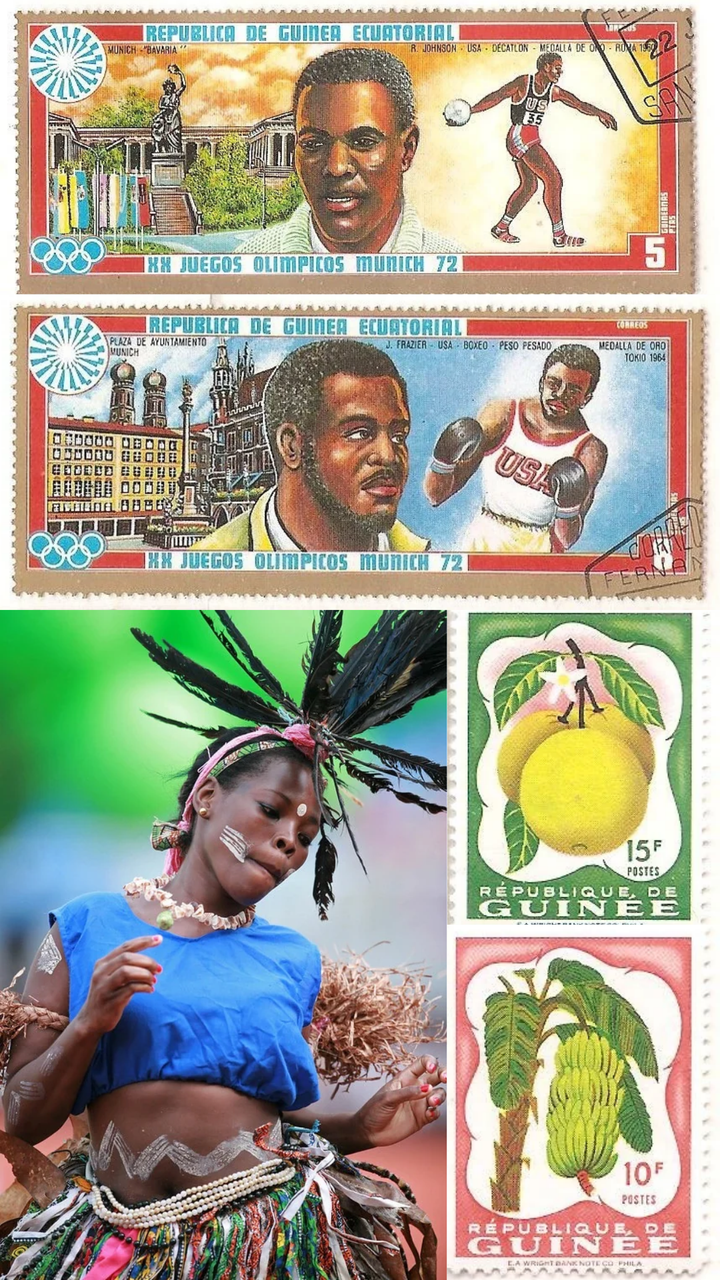
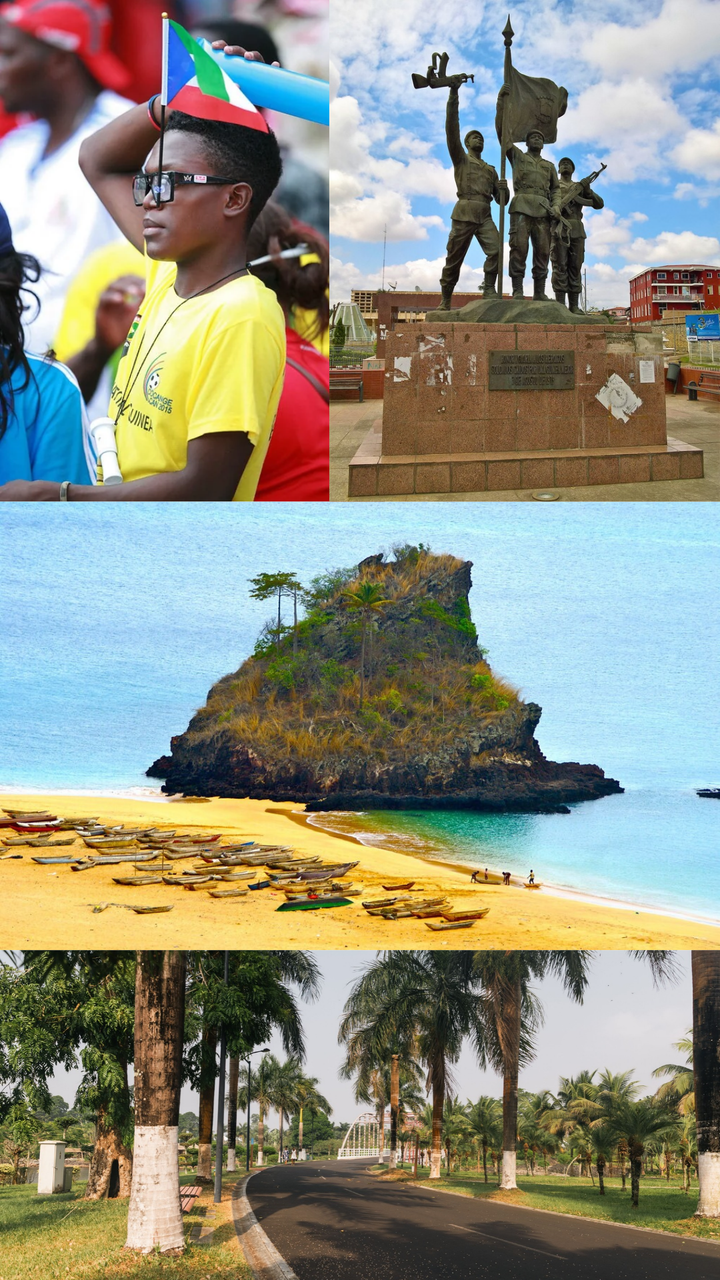
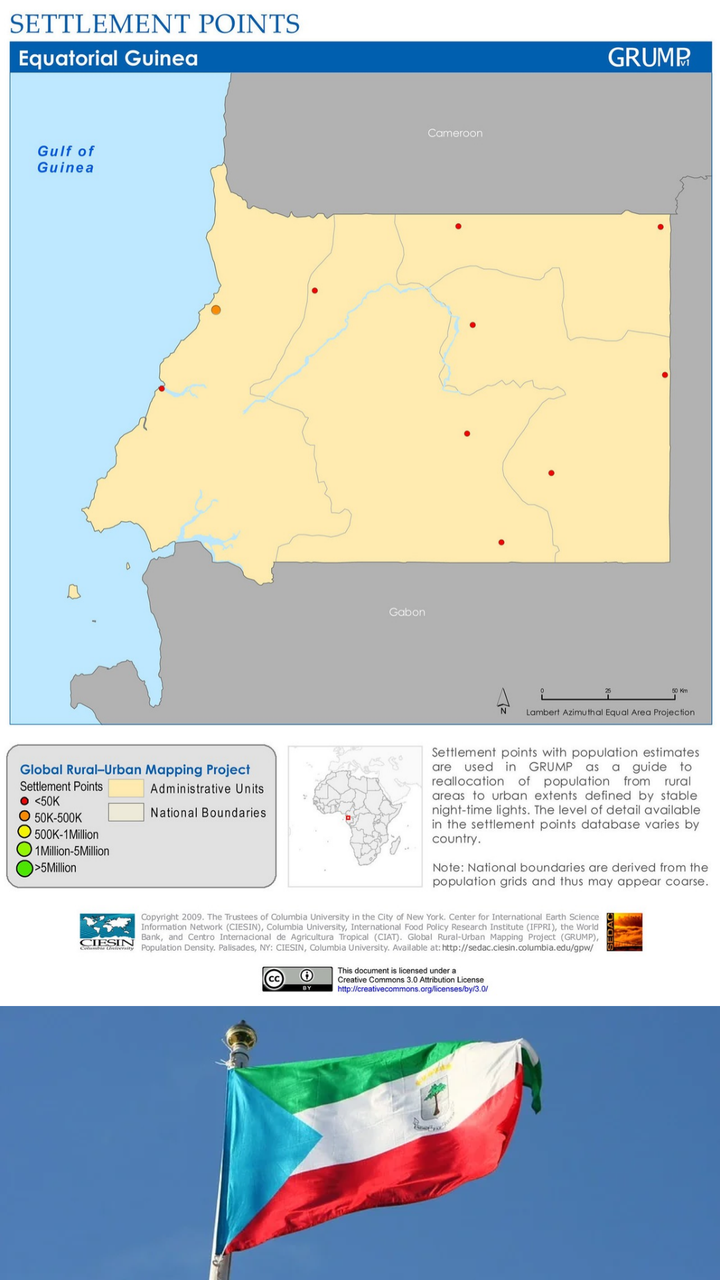
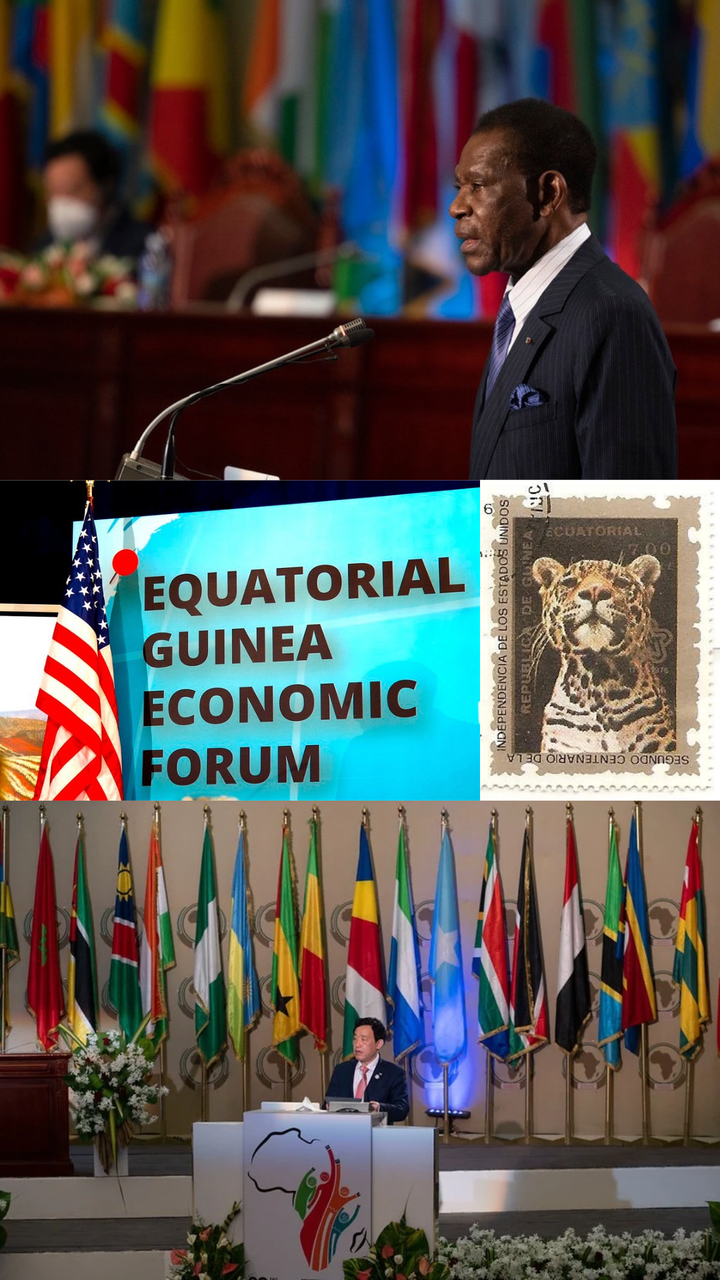
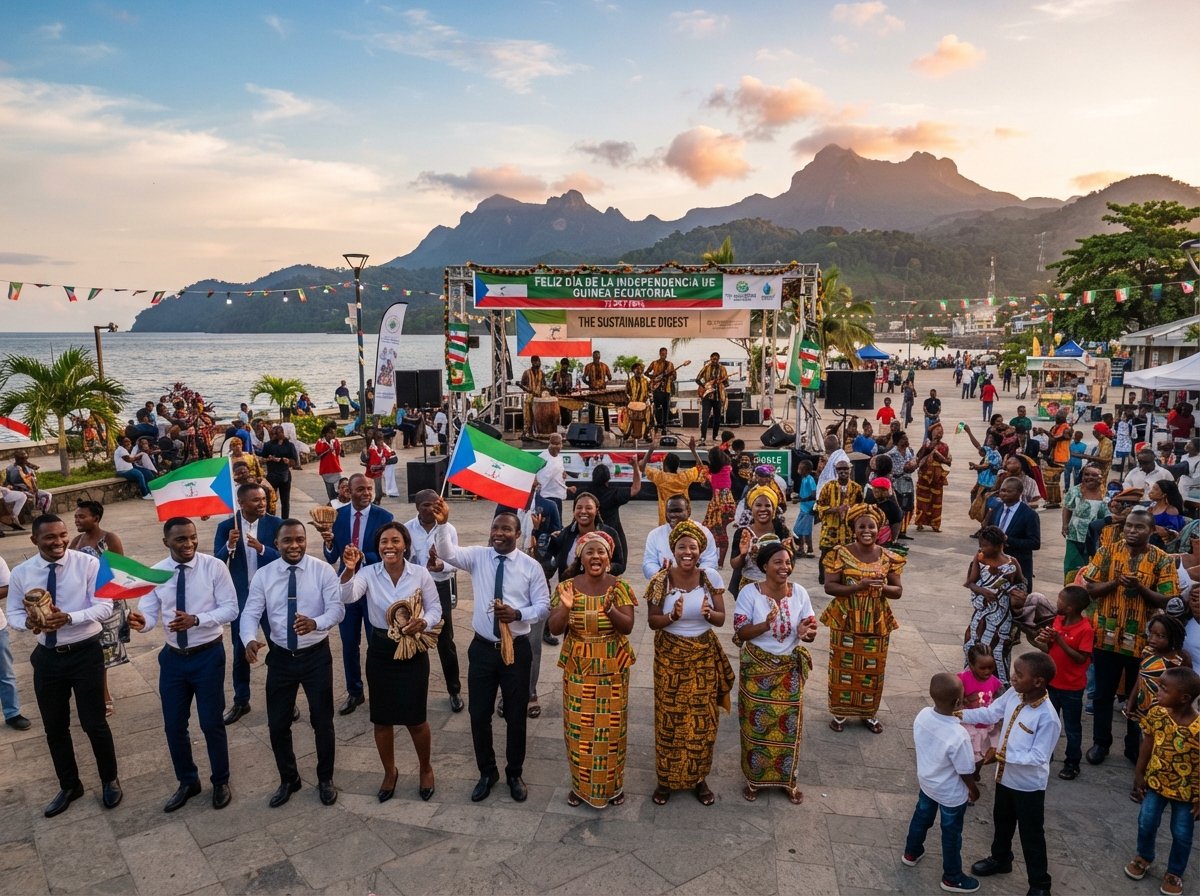
On October 12, a nation of 1,938,431 people marks a milestone that began in 1968. For Equatorial Guinea, the shift to self-rule still shapes national identity and public memory. Its small land area—28,050 square kilometers—holds two distinct settings: Bioko, once called Fernando Poo, and mainland Río Muni, also known as Mbini.
These island and continental landscapes raise different questions about natural resources, infrastructure, and community resilience. Oil has brought wealth, yet turning that income into broad development remains a complex task. The government has cited fiscal discipline, transparent reporting, published accounts, and infrastructure investment as tools to support progress and improve living conditions. Resource wealth matters most when people can see its benefits in daily life.
This overview considers cultural identity, social impact, and regional ties, including links to the 2030 Agenda. It separates documented policy from wider opportunities and recommendations. For Canadian readers, that distinction offers a useful way to assess how national priorities connect with regional cooperation—without treating plans as results.
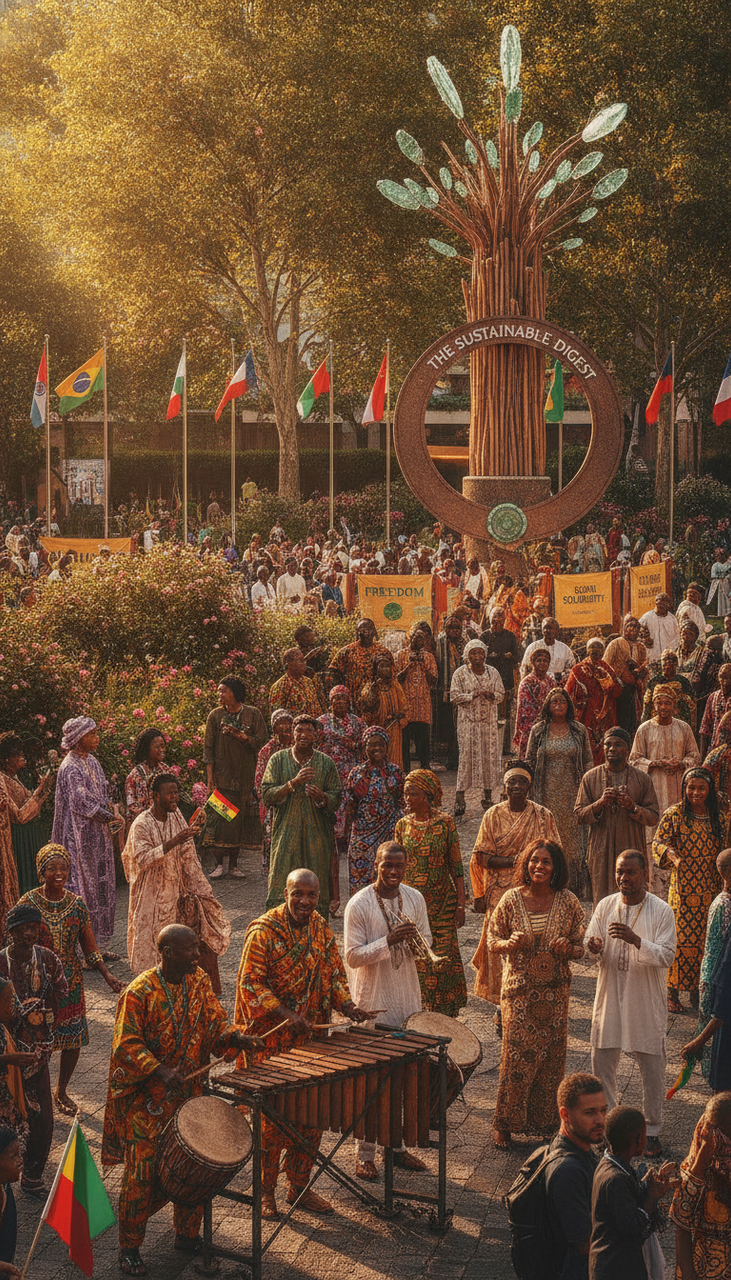
Equatorial Guinea Independence Day observance, Sustainability & Global Relations
The path from Spanish colonial rule to self-government unfolded in stages. Internal autonomy began in 1963, followed by a referendum on August 11, 1968. About 63% of voters backed independence, which took effect two months later. October 12 became the annual Independence Day, linking a political shift to a lasting public tradition.
October 12 and the transition from Spanish colonial rule
For this country, the vote marked a turning point in the 20th century. It also placed Equatorial Guinea among African nations that reshaped their political futures during the 1960s.
National celebrations and a complex political legacy
Francisco Macías Nguema became the first president in 1968. His role in the transition stands apart from his later authoritarian rule, which lasted nearly eleven consecutive years. History rarely offers a simple celebration; public memory can hold pride and painful lessons at once.
Celebrations move to a different city each year and feature military and popular parades, cultural events, and social activities. In the period covered here, Teodoro Obiang Nguema Mbasogo had led the nation since 1979. For Canadian readers, the annual event offers a view of how civic ritual can express identity while reflecting a longer political story.
Milestone
Date or period
Significance
Internal autonomy
1963
Expanded local self-government
Referendum
August 11, 1968
63% supported independence
Annual celebration
October 12
Marks the formal transition
Ten Essential Facts About Equatorial Guinea’s Sustainability Story
These ten facts link economic choices with the landscapes, people, and traditions that shape the nation. They offer useful context for Canadian readers assessing development priorities and regional cooperation.
Oil wealth, economic diversification, and development priorities
Oil revenue has supported infrastructure plans; diversification matters if growth is to improve daily life.
The nation has seven provinces and 18 districts, with an area of 28,050 square kilometers.
Its population was 1,938,431 in June 2025, with reported annual growth of 2.37%.
A fertility rate of 4.3 children per woman in 2021, and rising immigration since the 1990s, add social context—not proof of progress.
Island and mainland geography, biodiversity, and environmental stewardship
Bioko is an island; Río Muni forms the mainland. Their varied habitats make careful environmental stewardship important.
Spanish, French, and Portuguese are official languages; more than 18 Indigenous languages include Fang, Bubi, Benga, and Annobonese.
Fernão do Pó arrived in 1472. Later cacao plantations relied on forced Indigenous labor, a history that deserves honest attention.
Language, African identity, and community celebrations
The 1960s transition to independence shaped modern identity; Francisco Macías Nguema became the first president.
The 2012 Africa Cup of Nations ran from January 21 to February 12. Malabo hosted the Music Day Festival on July 28; a hip-hop event ran for ten days in December.
Christmas celebrations include Bioko’s balélé dance. Regional partnerships and the UN Sustainable Development Goals offer frameworks for shared action.
“Resource wealth is only a starting point; lasting progress depends on who benefits.”
Conservation, Ecotourism, and Environmental Projects
A visit to wild landscapes can aid conservation, but a scenic itinerary alone proves little. In Equatorial Guinea, ecotourism means lower-impact travel that aims to support nature protection and local livelihoods. Habitat protection is different: it can happen without visitors or tourism businesses.
Travel and habitat protection serve different roles
The country covers 28,050 square kilometers and includes Bioko and mainland Río Muni. These distinct settings may call for different travel plans and conservation choices. The available sources name no specific ecotourism or habitat-protection projects. Claims about established programs therefore need verification before they guide travel or funding decisions.
Local voices help shape responsible travel
In this region, a useful test is whether local people help make decisions, share benefits, and protect natural and cultural assets. Conservation pressures also deserve careful study; the supplied facts do not quantify them. Travelers from Canada can ask who manages a project, how funds are used, and whether residents support it. Responsible travel starts with evidence and local consent, not attractive promises. That simple check can help visitors avoid treating an unverified claim as a conservation result.
Resilience, Cooperatives, and Community Development
Resilient communities need steady livelihoods, useful public services, and ways to manage economic or environmental shocks. In Equatorial Guinea, these needs can differ across regions; a single plan may miss local priorities. The country has seven provinces and eighteen districts, which makes inclusive planning especially important.
Local livelihoods and community-led resilience
Cooperatives can help people share resources, build enterprises, and shape local decisions. However, the available sources do not identify any named cooperatives in Equatorial Guinea. Their potential should not be confused with evidence of specific local results. The annual independence day may express shared identity, while daily resilience depends on practical choices and access to support.
CAFRAD held capacity-building programs for senior officials at its headquarters and on-site in Malabo. This reflects institutional training, not community-led work; both can matter, but they serve different roles.
Infrastructure, public services, and inclusive development
The government stated that it invested oil revenues in physical infrastructure and better living conditions. That is a stated priority, not proof that every community benefited equally. Roads and services can support livelihoods, but planning must reflect local needs in each city and district.
Track who can access new services.
Invite residents into planning and review.
Resilience grows when communities help shape the choices that affect them.
How the United Nations Sustainable Development Goals Apply
The 17 UN Sustainable Development Goals offer a framework for asking clear questions about national progress. For Equatorial Guinea, they can guide an assessment, but they do not prove results. Canadian readers can use the same lens to compare stated plans with public evidence.
Human development goals: health, education, equality, and work
Goals 1, 2, 3, 4, 5, and 8 cover poverty, food, health, schooling, gender equality, and decent work. Together, they help assess whether oil income supports wider development and improves daily life.
Environmental goals: energy, climate, land, and water
Goals 6, 7, 11, and 12 frame questions about water, clean energy, cities, and resource use. Goals 13, 14, and 15 focus on climate action, marine life, and land habitats. Available facts do not confirm specific national outcomes.
Institutions and partnerships across all 17 goals
Goals 9, 10, and 16 help examine infrastructure, fairness, and strong institutions. The government stated it was working to improve transparency, fiscal discipline, and published accounts. CAFRAD, a Pan-African intergovernmental organization, trained senior officials in Malabo and at its headquarters. This work connects to Goal 17 and its focus on partnerships among members. These goals are useful measures, not proof of progress.
Assessment area
Relevant goals
Key question
People and work
1, 2, 3, 4, 5, 8
Are basic needs and opportunities improving?
Services and resources
6, 7, 11, 12
Are services and resource use responsible?
Nature and climate
13, 14, 15
Are climate, sea, and land priorities addressed?
Systems and partnerships
9, 10, 16, 17
Are institutions inclusive and accountable?
Regional Cooperation, Global Ties, and Green Fiscal Policy
Regional ties can support trade, policy learning, and cultural exchange, but nearby states are not interchangeable. For Canadian readers, clear distinctions help separate geography from confirmed cooperation.
Connections across Central Africa and the Gulf of Guinea
Equatorial Guinea can be compared with Cameroon, São Tomé and Príncipe, Gabon, and the Central African Republic. These countries share a regional frame, yet differ in geography, language, and political context. Nigeria, the Democratic Republic of the Congo, and the Republic of the Congo offer wider reference points; the available details do not confirm specific joint programs.
Oil revenue, public policy, and wider engagement
The government said it pursued fiscal discipline, transparency, published accounts, infrastructure investment, and better living conditions. These steps describe stated oil-revenue reforms, not proof of a formal green fiscal policy. Sustainable competitiveness also calls for open reporting and a more diverse economy.
Spanish is an official language, alongside a distinct African identity. That mix could support dialogue with the African diaspora and the Global South, though the supplied facts identify no specific outreach programs. Under President Teodoro Obiang Nguema Mbasogo, the country’s independence day also offered a public moment to express national identity; it does not, on its own, show how international ties worked.
Conclusion
October 12 marked the 1968 shift to self-rule and remained a meaningful time to reflect on national identity. Each year, Independence Day connected a historic milestone with the country’s public memory.
For Equatorial Guinea, oil wealth posed a hard test: turning revenue into broad gains. The president’s government cited fiscal discipline, transparency, infrastructure, and better living conditions. These commitments still called for clear public evidence.
Bioko and Río Muni offered distinct settings for conservation, responsible travel, and environmental research. Community input, cooperatives, and fair access to public services also mattered, though the sources named no cooperative programs.
The 17 SDGs offered a useful framework for linking national priorities with regional partnerships and the Global South. For Canadian readers, the occasion invited deeper questions about sustainability and who benefited. Independence Day carried meaning beyond ceremony; reliable evidence remained key to judging progress.
FAQ
Q: When did Equatorial Guinea become independent?
A: The country became independent from Spain on October 12, 1968. Francisco Macías Nguema became its first president after the transition.
Q: How do people mark the national anniversary?
A: Celebrations may include official events, music, dance, and community gatherings. These occasions highlight the nation’s cultural identity and shared history.
Q: Who were Francisco Macías Nguema and Teodoro Obiang Nguema Mbasogo?
A: Macías led the country from 1968 until 1979, when a coup brought his rule to an end. Teodoro Obiang Nguema Mbasogo took power that year and later became president. Their time in office remains central to the country’s modern political history.
Q: How has oil shaped the country’s development?
A: Oil production brought major revenue and supported infrastructure investment. It also left the economy exposed to price swings, making diversification, public services, and broader job creation important priorities.
Q: What is the significance of oil revenues in the country’s economy?
A: Oil revenues are critical for economic growth, but there is a pressing need for diversification to ensure a sustainable economic future beyond fossil fuels.
Q: What makes the country’s landscapes and wildlife notable?
A: Its territory includes Bioko Island and the mainland region of Río Muni. Forests, coastal habitats, and marine ecosystems support rich biodiversity; protecting them requires long-term planning and local involvement.
Q: How does ecotourism differ from conservation?
A: Ecotourism aims to limit travel’s impact while supporting local communities and nature-based experiences. Conservation focuses directly on protecting habitats and species; responsible tourism can help, but it cannot replace strong protection.
Q: How can communities benefit from development projects?
A: Cooperatives and community-led projects can support local livelihoods and help residents respond to economic or environmental pressures. Fair access to infrastructure, health care, education, and decent work also shapes lasting progress.
Q: How do the United Nations Sustainable Development Goals apply?
A: The 17 goals offer a framework for work on health, education, equality, jobs, clean energy, climate action, and biodiversity. Progress depends on effective institutions and partnerships that turn plans into measurable results.
Q: Which regional ties matter, and what role can oil-revenue policy play?
A: The country shares regional ties with Cameroon, Gabon, São Tomé and Príncipe, and the Central African Republic; it also connects with Nigeria and both Congos. Transparent oil-revenue rules can support public priorities, while cooperation with the African diaspora can widen expertise and investment.
Q: What historical connections exist with Nigeria & the Republic of the Congo?
A: Historical ties with Nigeria and both the Republic and Democratic Republic of the Congo involve cultural exchanges and economic partnerships that shape regional dynamics.
Key Takeaways
The national holiday falls on October 12 and recalls the 1968 transition to self-rule.
The nation includes Bioko and mainland Río Muni, each with distinct geographic settings.
Oil revenue can support prosperity, but it also creates a challenge for lasting progress.
Officials have cited fiscal discipline, public reporting, and infrastructure investment as policy tools.
The article examines community resilience, cultural identity, living conditions, and regional ties.
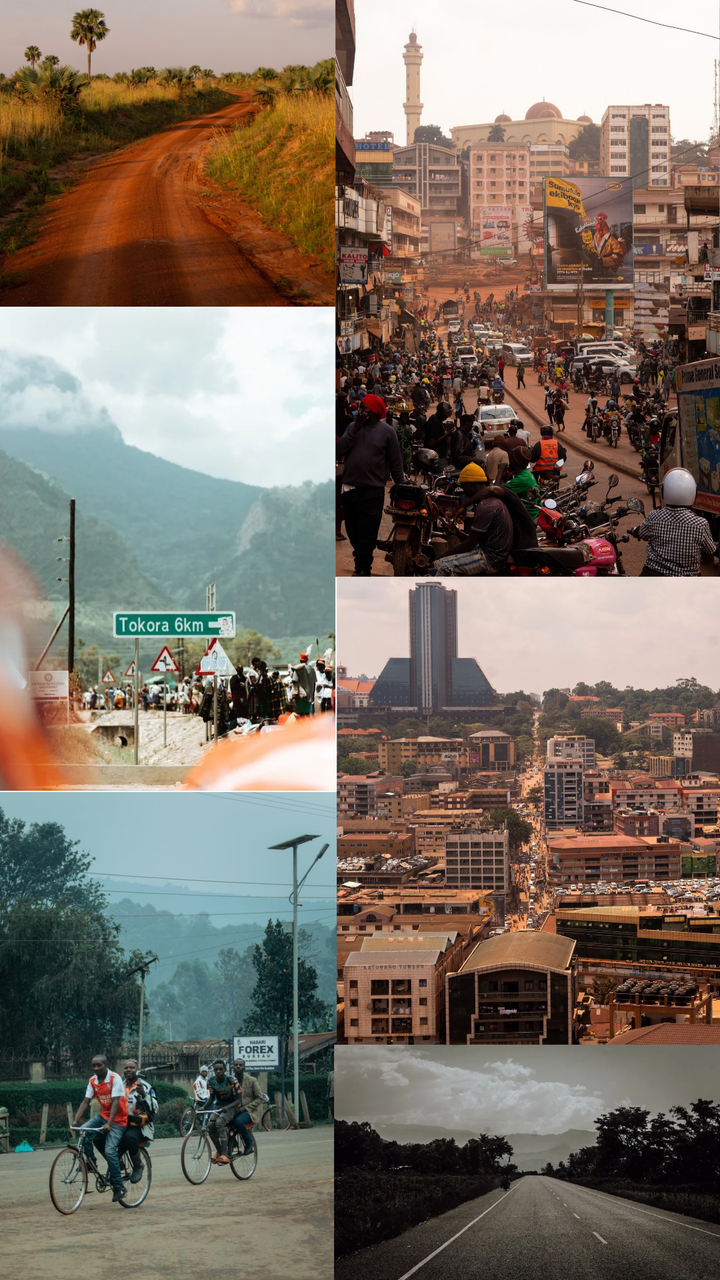
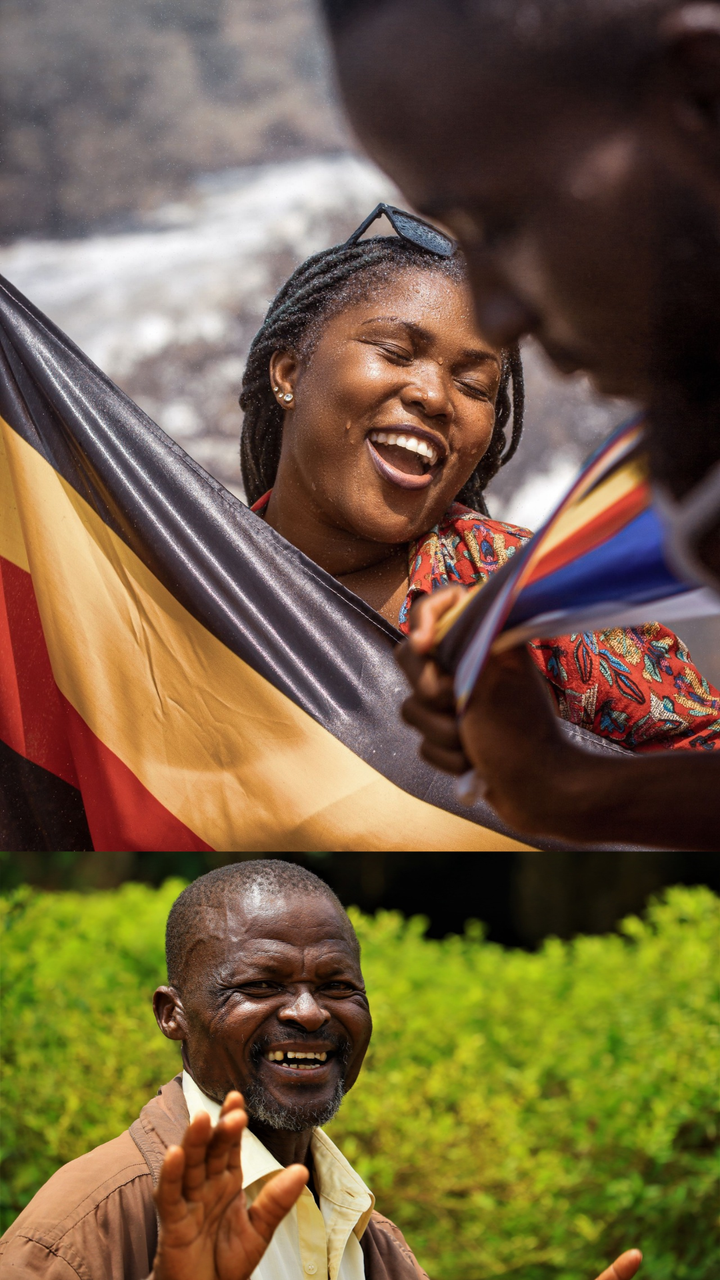
On October 9, 2026, Uganda marked its 64th Independence anniversary. The milestone offered more than flags and ceremony; it invited a closer look at how national identity can shape a country’s future. For many families, public celebrations bring history into everyday life, linking memories of self-rule with hopes for the next generation.
That future took direction from Uganda Vision 2040, National Development Plan IV, and the NRM Manifesto. Together, these frameworks set aims for economic transformation and development. The government also pointed to peace, security, and stability as foundations for investment, tourism, and long-term programs.
Across the world, the Uganda Embassy in Copenhagen worked with Danish institutions on health, agriculture, emergency services, infrastructure, and the Blue Economy. Its efforts included promoting Explore Uganda and exploring an upgrade to Wakiso Health Centre IV. These ties show how partnerships can turn shared priorities into opportunities. The country remains committed to progress that improves life for its people—a story of interest to readers in China and beyond.
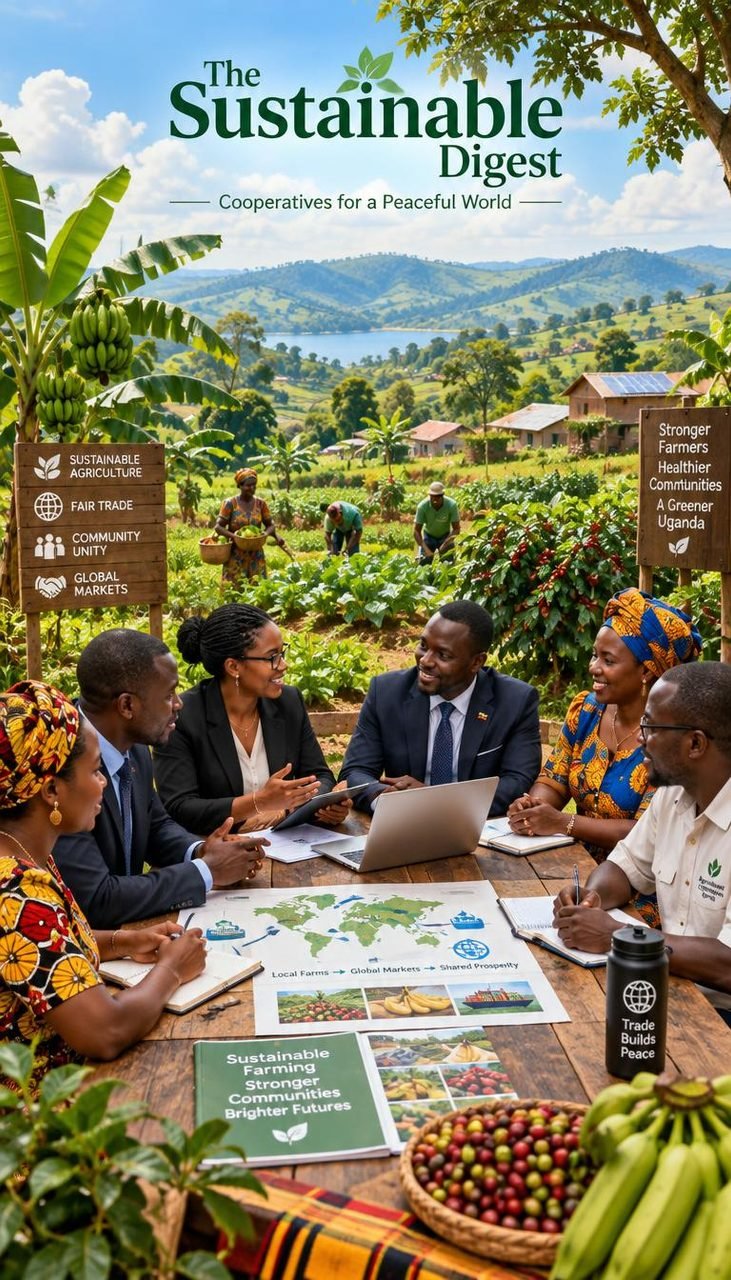
Uganda Independence Day 2026 Global trade co-ops agriculture & Sustainability: Development Priorities and National Identity
National plans—Vision 2040, NDP IV, and the NRM Manifesto—frame the country’s development journey. For Chinese readers, cooperative figures offer useful global context, but they are not local statistics. The available research provides no Uganda-specific measures for climate action, ecotourism, or green aviation; these remain topics for further research, not established results.
Milestones, cultural identity, and national plans
Cooperation can link identity with shared goals. Its record also offers lessons in peacebuilding.
Twenty evidence points and development questions
July 4, 2026, marked the cooperative celebration.
Its theme: “Cooperatives for a Peaceful World.”
It was the movement’s 104th annual observance.
It was the UN’s 32nd observance.
The movement counted over 1 billion members.
It included about 3 million enterprises.
Cooperatives employed 10% of the world’s population.
The top 300 reported $2.8 trillion in turnover.
The ICA began in 1895.
The UN recognized the observance in 1995.
An ICA-COPAC brief linked cooperatives to SDG 16.
Dr. Ariel Guarco cited over 120 armed conflicts.
He cited $2.89 trillion in military spending.
He cited 830 million people in extreme poverty.
Rwanda’s Koakaka united farmers from divided communities.
Regional cooperation can support a peaceful economy.
“Cooperatives for a Peaceful World.”
Evidence
What it supports
What it does not prove
ICA and COPAC brief on SDG 16
Cooperative peacebuilding is a policy focus.
It does not measure local outcomes.
Koakaka example in Rwanda
Shared work can connect people across divisions.
It is not evidence of a Uganda-specific project.
Global cooperative figures
They show the movement’s scale.
They do not describe one country’s sector.
How Agriculture, Democratic Governance, and Cooperatives Are Advancing Development
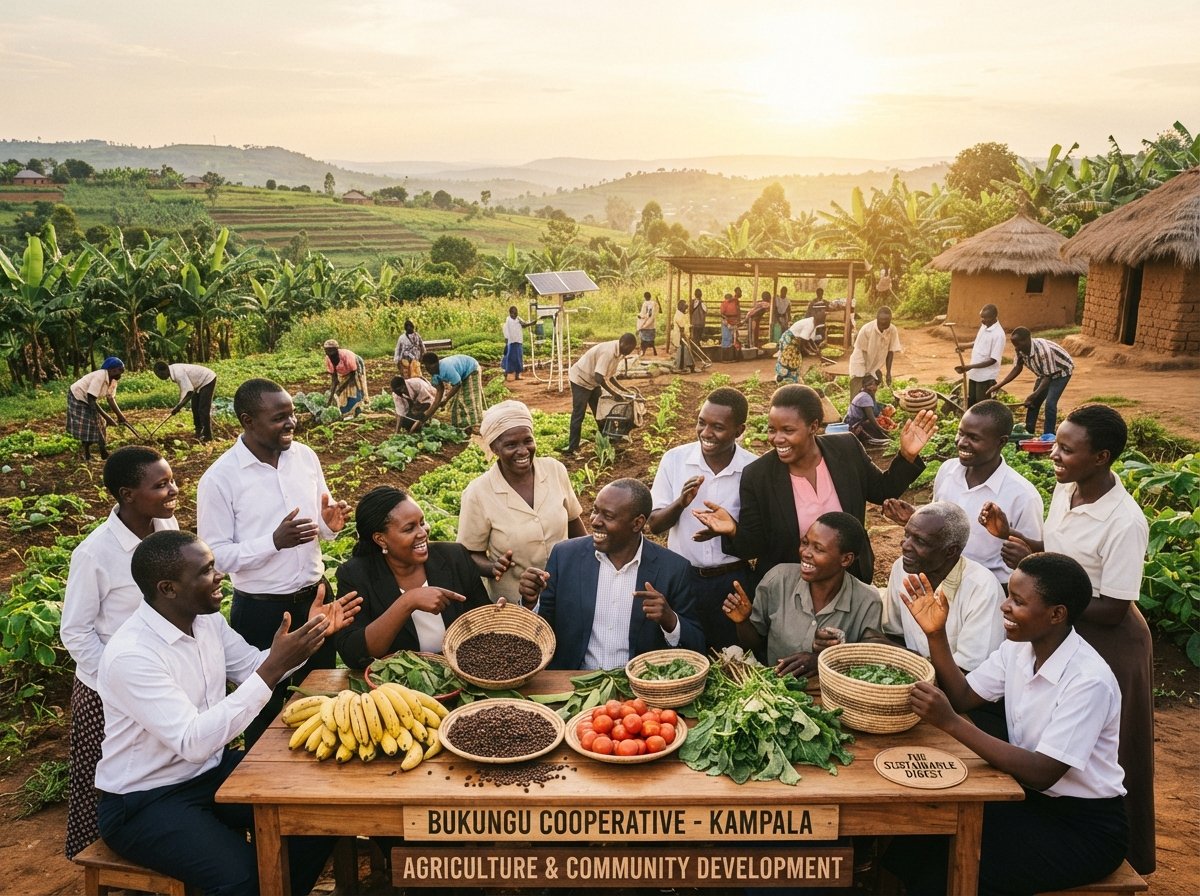
Avani Global Agri and Avani Smarts Farm invested US$5 million in an agriculture project in Nwoya. More than 700 acres grew turmeric and rosemary. Avani planned to reach 5,000 acres, with a possible 10,000–30,000 acres through outgrower partners. This pathway could involve farmers in processing and create rural jobs.
Processing and farmer pathways to shared prosperity
The company also planned a Kampala facility to extract life-sciences molecules from raw materials sourced in Uganda and nearby countries. Director Dr. Siva Mahesh described a hub-building goal; the facility remained a plan, not an operating site. MAAIF’s Aacha Mary Orikiriza cited support for innovation, climate-smart methods, irrigation, mechanization, and extension services. Research, field research, and future research could help farmers reach higher-value food markets.
Democratic participation can shape who benefits. SHIPU helped coordinate investment, while public input can give people a voice in project choices. Government also backed motorcycle conversions to electric bikes. Kiira Motors, charging points, and battery swaps could support the mobility transition. For Chinese readers, the case links local production, people, and partners with development and a stronger economy.
Focus
Status
Potential value
Nwoya cultivation
700-plus acres; expansion planned
Outgrower jobs and processing
Kampala facility
Planned, not operating
Local value-added production
Electric mobility
Government-backed priority
New transport options
Green Fiscal Policy and Uganda’s Role as an East African Trade Nexus
Uganda’s position links Rwanda, South Sudan, the Democratic Republic of the Congo, Kenya, and Tanzania. This makes the country a potential hub for regional exchange and cooperation, though it does not prove any specific trade volume. For Chinese readers, the key question is how better links can serve businesses and communities.
Regional links and shared opportunity
Cooperation with Denmark has covered infrastructure, climate, agriculture, private-sector development, and trade. These ties create opportunities to connect expertise with local priorities. The Embassy in Copenhagen also explored investment opportunities and linked Danish and Nordic partners with development goals.
Green policy, mobility, and investment
Investment coordination and MAAIF support are established areas; tax credits or other fiscal tools would need government design and confirmation. Research, climate-smart methods, irrigation, and extension services can help farmers improve food value chains. More research can assess how farmers benefit, while farmers and partners guide practical project choices.
Electric mobility was a stated priority under NDP IV and the Tenfold Growth Strategy. Kiira Motors, charging infrastructure, electric motorcycles, and battery swaps could support this transition. Research can track costs and climate effects as the sector develops; the shift may create work for farmers and firms, but results need evidence.
Focus
Evidence-based path
What needs confirmation
Regional links
Cooperation with five neighboring markets
Trade volumes and outcomes
Green investment
Coordination and agricultural support
New fiscal incentives
Mobility
National priority and local manufacturing
Measured results at scale
Conclusion
The 64th anniversary, marked on October 9, 2026, offered a timely lens on how national priorities could connect with long-term environmental goals and regional cooperation. For Chinese readers, the case shows how local plans can link with wider partnerships.
Nwoya’s 700-plus acres and planned outgrower growth offered one path for farmers to join value-added production. Yet expansion remained a proposal; results for farmers and rural jobs had not been established.
The cooperative movement’s more than 1 billion members and its SDG 16 focus underscored how shared decisions can strengthen resilient communities. Electric-mobility aims under NDP IV and the Tenfold Growth Strategy also tied investment and charging networks to cleaner transport.
With credible green policy and regional partnerships, Uganda remains committed to development that creates inclusive opportunities for people. Progress will depend on evidence, steady delivery, and benefits that reach beyond plans.
FAQ
Q: What does the national anniversary recognize?
A: It marks a turning point in the country’s history and a chance to reflect on its cultural identity, progress, and development goals. The occasion also highlights the role of people and communities in shaping the future.
Q: How can cooperatives support farmers?
A: Cooperatives can help farmers reach buyers, share services, and improve access to finance and training. They can also support food processing, helping local producers earn more value from each harvest.
Q: How does research help communities respond to climate change?
A: Research can guide better seed choices, soil care, and water use. Groups such as the National Agricultural Research Organisation help turn evidence into practical advice for farmers, while protecting the environment.
Q: What makes the country an important regional trade link?
A: Its location connects Rwanda, South Sudan, the Democratic Republic of the Congo, Kenya, and Tanzania. Better roads, border services, and other infrastructure can help businesses move goods and reach new opportunities.
Q: How can policy encourage a greener economy?
A: Clear rules and well-planned public spending can attract climate investment and support a shift to cleaner production. These tools can strengthen the sector while helping the country manage its economic transition.
Q: How can diaspora groups and other partners contribute?
A: Partners can invest in local projects, share skills, and support research and training. Strong partnerships can help communities grow lasting services and create inclusive development; clear information from trusted media also helps people assess opportunities.
Q: How do regional partnerships support economic development?
A: Links with Rwanda, South Sudan, the Democratic Republic of the Congo, Kenya, and Tanzania can strengthen transport, regional trade, and access to markets. Practical cooperation also helps address shared challenges, from border delays to climate risks.
Q: How do the 17 Sustainable Development Goals connect to national progress?
A: The goals link priorities such as reducing poverty, improving health and education, expanding decent work, and protecting ecosystems. Progress in one area can support gains in others, making coordinated planning important.
Q: How can green fiscal policies improve competitiveness?
A: Well- designed incentives and climate finance can attract investment in clean energy and environmental stewardship. Clear rules help businesses plan, while careful oversight can keep public benefits ahead of short-term gains.
Q: What sustainable opportunities could connect East Africa with Southeastern Asia?
A: Clean energy, ecotourism, and lower-impact aviation services offer areas for investment and exchange. Strong environmental standards and transparent supply chains can help these opportunities deliver lasting value.
Q: How do cooperatives strengthen communities and food systems?
A: Member-owned cooperatives give people a voice in decisions and can improve access to finance, training, and markets. Their role in resilient food systems can support livelihoods and wider social development.
Q: What is the International Day of Cooperatives, and why does it matter?
A: Observed each year in July, it raises awareness of the cooperative movement and its contribution to a better world. The International Cooperative Alliance and civil society groups use the occasion to highlight shared ownership, community action, and inclusive development.
Key Takeaways
The 64th anniversary connected national identity with long-term goals.
Vision 2040, NDP IV, and the NRM Manifesto guided national plans.
Peace and stability supported investment, tourism, and lasting programs.
Uganda-Denmark ties covered health, emergency services, research, and the Blue Economy.
The article explores cooperative growth, regional exchange, green policy, and sustainable farming.
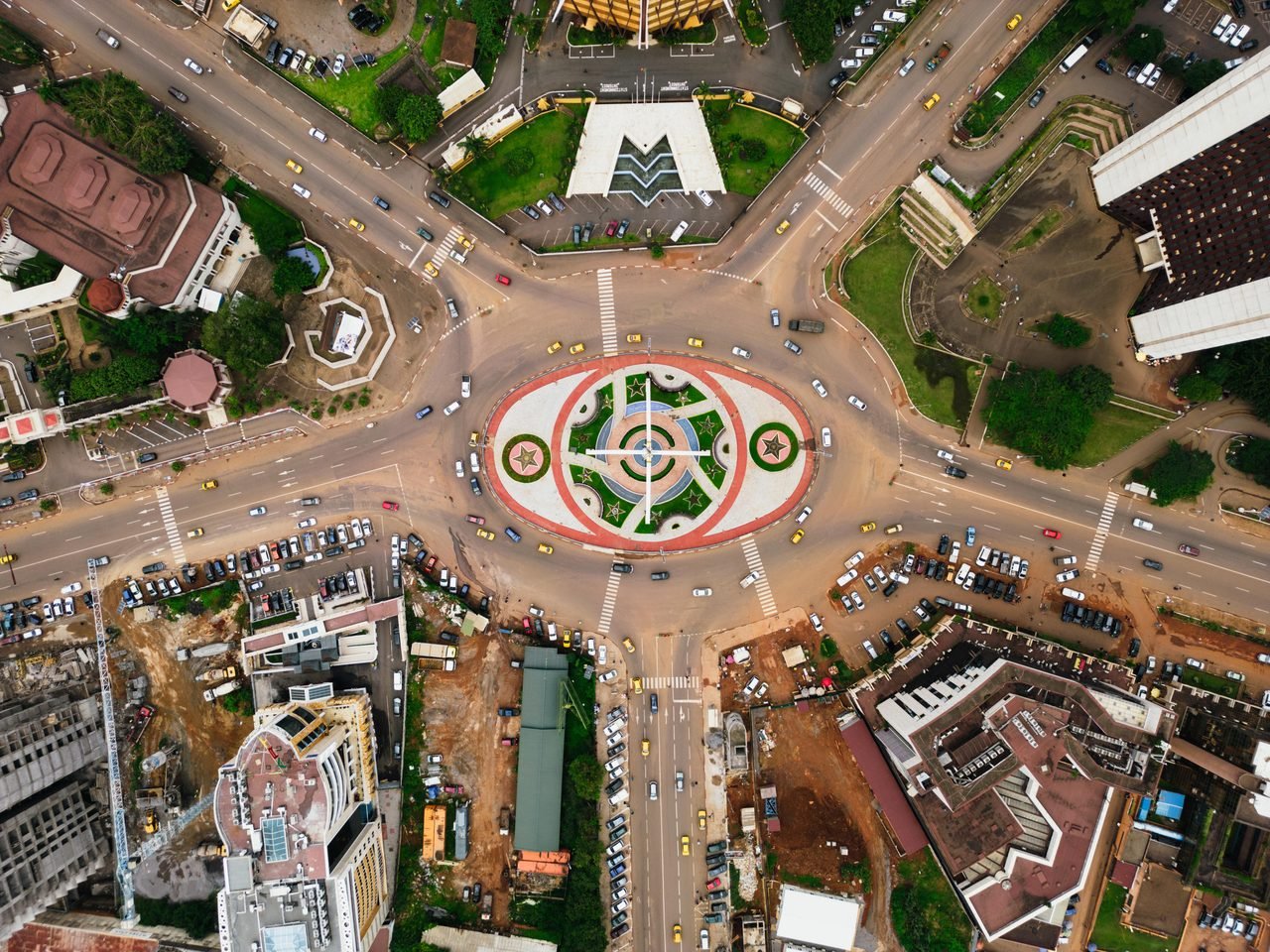
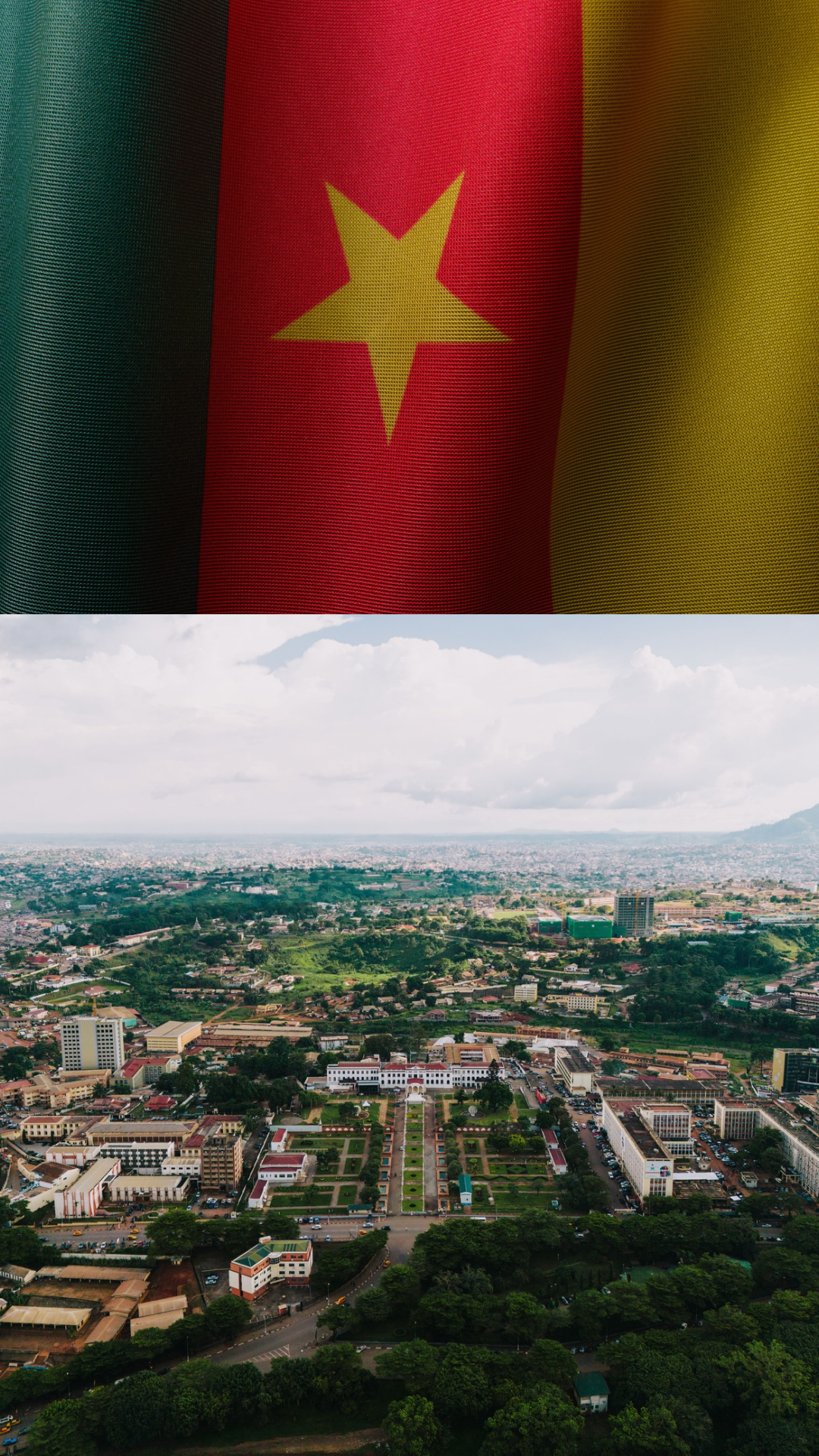
Cameroon marks its national day on May 20, yet French-administered Cameroon gained independence on January 1, 1960. The date now celebrated came more than 12 years later. That gap points to a bigger story: May 20 recalls the 1972 referendum that formed a unitary state, not the start of independence.
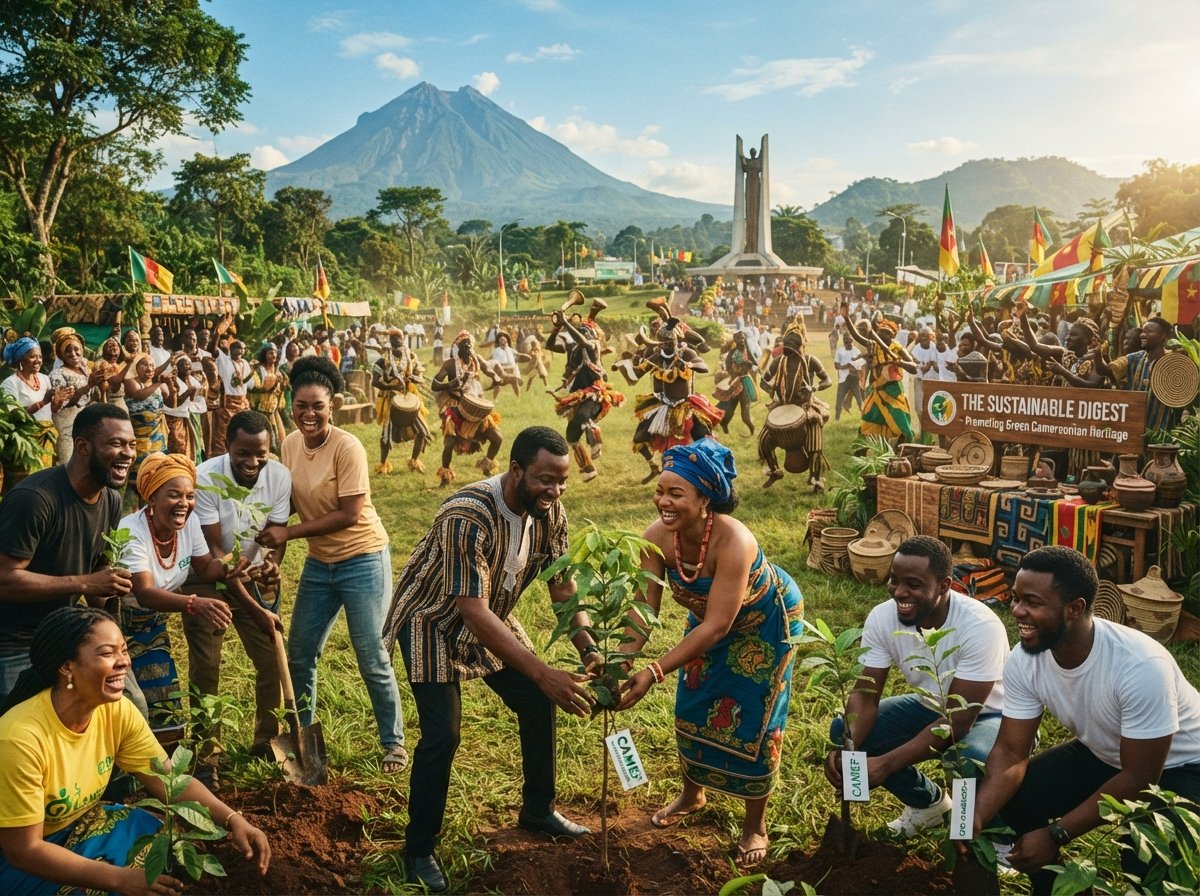
For Cameroon national identity, this history connects unity with questions of representation and inclusive growth. The country is often called “Africa in miniature” for its varied landscapes, languages, and cultures. That mix can shape conservation, tourism, sustainable infrastructure, and development planning; it also makes community participation vital.
This beginner-friendly guide explores how a national holiday can carry meaning beyond ceremony. It links environmental stewardship with social impact, cultural identity, and international cooperation. Readers in the United States will gain context on the nation’s history, diaspora ties, and role in global discussions. The aim is to show how local priorities can inform practical, sustainable development—while keeping people and their home at the center.
Cameroon Independence Day observance, Environmentalism and Global Development
For beginners, the Cameroon national day marks a change in constitutional structure, not the country’s first independence milestone. A referendum on May 20, 1972 replaced the federal system with a unitary state. The annual national day falls on May 20; in 2026, it arrives on Wednesday.
How public celebrations connect history with sustainability
Schools, government offices, plus most businesses typically close for this public holiday. Ceremonies, public events, traditional music, and media coverage can open space for conversation about sustainability. Still, a celebration is not a development program; it can prompt reflection on public services, inclusion, and the needs of citizens.
What beginners should know about national holidays
The nation includes more than 200 ethnic groups plus over 230 spoken languages, including French and English. This cultural diversity helps explain the phrase “Africa in miniature.” Its traditions enrich national identity, while unity remains an ongoing goal. The guide considers social, cultural, and environmental questions at a practical level.
Topic
Key detail
Why it matters
History
1972 referendum
Changed the state structure
Calendar
May 20 each year
2026 falls on Wednesday
Culture
Many languages, communities
Shapes identity, public life
From French Cameroun and British Cameroons to a United Republic
A colonial map shaped the republic long before its residents could choose its political future. Germany colonized Kamerun in 1884. After World War I, France governed the larger eastern area; Britain administered the western territory beside Nigeria.
German Kamerun, World War I, and the division under French and British rule
French Cameroun became independent on January 1, 1960. Ahmadou Ahidjo became its first president. In February 1961, a UN-supervised vote led Southern Cameroons to join the republic; Northern Cameroons chose Nigeria. The union formed the Federal Republic of Cameroon.
Independence in 1960 and the Southern Cameroons plebiscite
The 1961 union created a federal system. It joined two territories, but it was not the 1960 independence milestone. Ahmadou Ahidjo served as president from 1960 to 1982.
Why May 20 marks the move from a federal system to a unitary state
On May 20, 1972, a second vote replaced the federation with a unitary state. The national day marks that constitutional shift, not the earlier independence date or union. The change reshaped the state structure in the name of unity.
1960: French Cameroun gained independence.
1961: Southern Cameroons joined the republic.
1972: The vote established a unitary state.
Essential Facts About Cameroon National Day and Sustainable Development
Ten quick facts show how a public celebration can reflect culture, civic life, plus future choices. The ceremony has clear customs; its wider meaning depends on what people build afterward.
Parades, traditional music, and cultural identity across the regions
The May 20 vote of 1972 created a unitary state; independence came in 1960, followed by union in 1961.
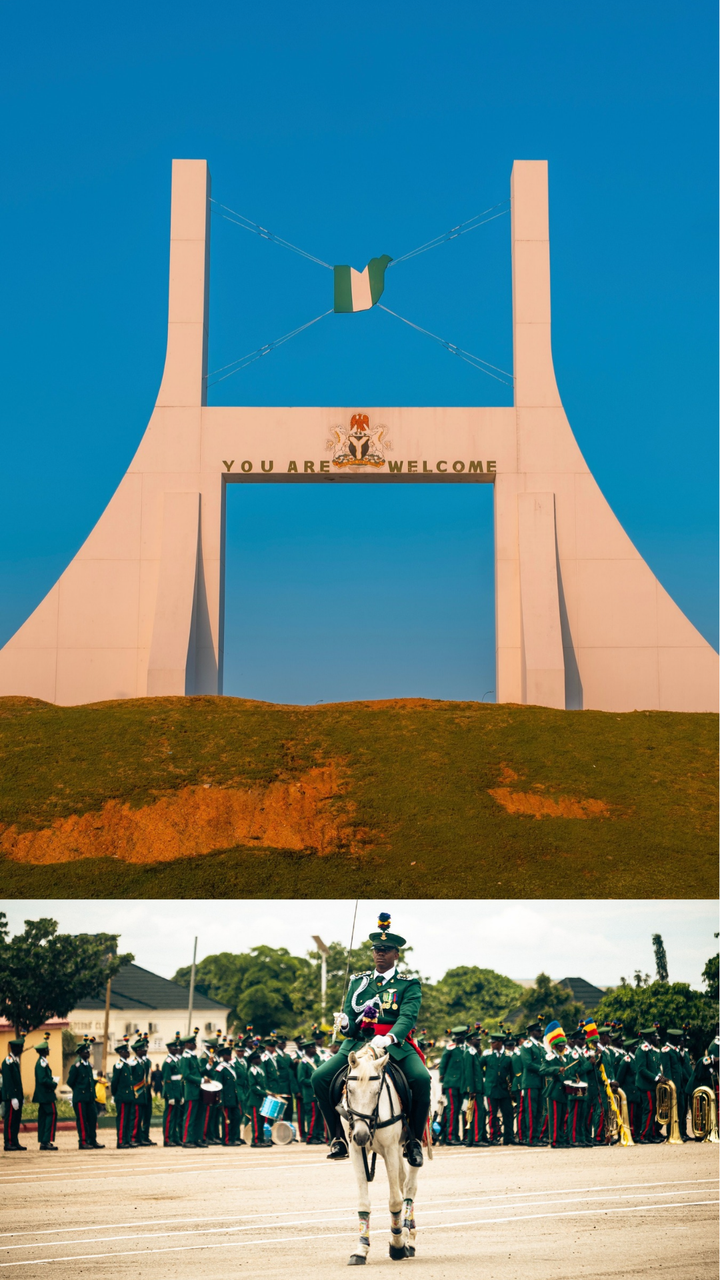
The President leads the main parade at Yaoundé’s 20th of May Boulevard.
Regional capitals, towns, schools, police, youth groups, soldiers, plus political groups hold events.
Regional dances, the balafon, local drums, Bamenda’s Toghu, ndolé, achu, and eru showcase cultural heritage.
Cameroon National Day can spotlight cultural diversity; ecotourism and green aviation remain development aims, not parade customs.
Unity, political inclusion, and the continuing Anglophone question
The Anglophone crisis intensified in 2016, affecting the anglophone regions.
A 2019 national dialogue set special status for both English-speaking regions.
More than 270,000 people faced displacement by the 2018 election period.
Human rights, inclusion, and peace matter to lasting unity; a holiday alone cannot resolve conflict.
Cooperatives, regional cooperation, plus community-led projects can turn civic hopes into practical gains.
For citizens, the national day honors shared history while leaving room for honest debate. The Cameroonian people’s traditions enrich the nation; lasting progress also calls for inclusive choices by government, businesses, and communities.
How Sustainable Infrastructure Differs Across Cameroon’s Industries
The national day can prompt reflection on what durable progress looks like. Since 1960, the country has expanded hydroelectric capacity plus transport facilities. Yet access, reliability, and resilience remain separate tests. Local needs shape the best choice.
Hydropower, energy access, and resilient electricity systems
Hydropower can provide low-carbon electricity, but dams alone cannot ensure steady service. The government can pair generation with grid links, maintenance, and backup options. A resilient system matters most when homes, clinics, and firms can rely on it.
Transport, roads, ports, and greener aviation connections
Roads connect farms with markets; ports support trade; aviation links distant communities. Greener aviation is a useful planning lens, not a documented national project. Each investment should fit the needs of its region.
Agriculture, forestry, and infrastructure designed for local needs
The 1973 Green Revolution aimed for food self-sufficiency plus sales to neighboring markets. Petroleum became the country’s most valuable export in the 1970s, while local agribusinesses and small firms also grew. Storage, farm roads, and careful forest access can support livelihoods across regions without treating every place alike.
Sector
Infrastructure priority
Community benefit
Energy
Reliable grids, resilient supply
Steadier power for homes, services
Transport
Roads, ports, lower-impact links
Better access to jobs, markets
Agriculture and forestry
Storage, local roads, managed access
Stronger producers, protected livelihoods
Environmental Stewardship, Ecotourism, and Climate Resilience
Healthy forests store carbon, protect water, shelter wildlife, plus support livelihoods. The “Africa miniature” label reflects the country’s varied landscapes; conservation connects regions through shared natural systems.
Protecting forests, biodiversity, and the Korup landscape
Korup National Park Forest is described as 60 million years old. This long history gives forest protection real weight. Its biodiversity supports ecological balance, while local care can ease pressure on habitats.
Connecting community livelihoods with responsible ecotourism
Debundscha reportedly receives 405.5 inches of rain each year, making it one of Earth’s wettest places. Such exposure calls for local drainage plans, safer routes, plus early warnings. Climate resilience starts with each region’s needs.
Responsible ecotourism can support guides, food producers, plus craft makers. The community should help set visitor limits, share revenue fairly, protect traditions. These choices can strengthen unity without turning living culture into a show.
National day events may raise awareness, but conservation takes steady work over time. Lasting benefits depend on local choices beyond a single celebration.
Priority
Practical action
Local benefit
Forest protection
Support habitat care
Safeguard biodiversity
Climate resilience
Plan for heavy rain
Improve safety
Responsible tourism
Share decisions and income
Support livelihoods
United Nations SDGs With the Greatest Potential Impact in Cameroon
For Cameroon, the UN Sustainable Development Goals offer a framework for setting priorities, not proof of results. Ten goals merit close attention as the nation plans for fair, lasting progress.
Priorities for health, education, clean water, and reduced inequalities
Education grew after 1960, offering useful context for SDG 4. That history does not measure current access or teaching quality. Health care, safe water, plus reduced inequality also depend on services reaching each community.
Paths to clean energy, decent work, climate action, and strong institutions
Hydroelectric capacity can support cleaner power, while local enterprise can create jobs. Yet reliable services, fair work, climate planning, strong institutions matter more than resources alone. Human rights should guide public choices; the national assembly can help shape oversight.
In 1987, the government recognized the need for an IMF structural adjustment program with budget cuts. In 2006, Paris Club relief canceled most debt owed to that creditor group. These events inform debate on fiscal space, not a simple measure of outcomes.
Focus
Related goals
Practical measure
Public services
Health, education, water
Track access across regions
Work, energy
Clean power, decent jobs
Assess reliability, job quality
Climate, institutions
Climate action, justice
Review plans, public accountability
Cameroon as a Regional Nexus Between West and Central Africa
Cameroon became a union in 1961, after Southern Cameroons voted to join the Republic of Cameroon. Its location links coastal trade routes with inland markets. The national day can prompt reflection on how cross-border ties shape unity across varied regions.
Comparing ties with Equatorial Guinea, Gabon, Chad, and the Central African Republic
Equatorial Guinea, Gabon, Chad, plus the Central African Republic each bring distinct borders, institutions, resources, and trade needs. These neighbors are not one political bloc. Their links with the country reflect local geography, shared infrastructure, commerce, migration, plus diplomacy.
Regional connections with Nigeria and the Republics of Congo
Nigeria shares a key border with Cameroon. The ICJ awarded the Bakassi Peninsula to Cameroon in October 2002. Its transfer was largely complete by August 2006; leaders marked completion on August 14, 2008.
The Democratic Republic of the Congo is separate from the Republic of the Congo; each has its own political context.
In 2015, Cameroon joined an African Union-approved multinational force with nearby countries to coordinate action against Boko Haram. Cooperation also matters to the anglophone regions, where diplomacy can support stability across the wider region.
Legal agreements plus regional coordination can turn shared borders into practical ties.
Green Fiscal Policies That Can Keep Cameroon Competitive
Fiscal policy can help local firms compete in African markets, the global South, plus export trade. The proposals here are analysis, not confirmed programs. Predictable rules matter to investors; public value matters too.
Public investment, taxes, and incentives
Public investment in power, roads, storage, clean transport can cut costs. The government could use clear tax rules plus time-limited incentives for efficient equipment. These proposals need national assembly review; they do not describe verified current measures.
Balancing resource income with productive sectors
Petroleum became the country’s top export in the 1970s. Revenue raised prices paid to farmers, funded imports of materials plus technology, then built reserves. Poorly planned, costly projects also lost capital. The lesson: test projects, publish budgets, track returns.
Financing resilience for communities, firms
Balanced rules should support farms, managed forestry, conservation, agribusinesses, local makers. Climate finance could shield each region’s roads, homes, shops from floods, heat, supply shocks. Reliable standards can help local products reach international buyers.
Fiscal choice
Potential benefit
Key safeguard
Clean infrastructure
Lower costs
Track project results
Farm, forest support
Protect livelihoods
Set clear standards
Climate finance
Stronger local services
Report spending openly
Community Development, Cooperative Economics, and Social Impact
Durable services work better when residents help set priorities, shape plans, review costs, and track results. In this country, traditional chiefs and fons may help settle disputes when their authority aligns with national law. Their local knowledge can guide projects, while citizens retain a voice in public decisions.
How local participation can shape durable projects and services
The legal system combines civil law, common law, and customary law. Service teams that understand these systems can work with local institutions instead of overlooking them. Clear roles also help the government respond to concerns before they grow.
Supporting small businesses, cooperatives, and fair access to opportunity
Cooperatives can pool purchases, share production tools, and reach wider markets. These gains depend on fair rules, open accounts, and real demand. Reports of growing agribusinesses and small firms making goods for local use show how enterprise can create opportunity.
“Durable services begin with local knowledge, clear roles, and public trust.”
For the Cameroonian people, local enterprise can strengthen livelihoods. Cameroon people in each region benefit when support reaches small producers, not only major firms. Strong community ties, transparent choices, and peaceful dispute resolution can help progress last.
Approach
Practical value
Key safeguard
Local consultation
Plans reflect lived needs
Include varied voices
Cooperatives
Shared buying, production, market access
Use clear accounts
Small businesses
Local jobs, useful goods
Keep opportunity fair
Cameroonian Diaspora, Cultural Heritage, and Global Partnerships
Across France, the United States, plus Canada, diaspora networks keep close ties with home while building civic links. The Cameroonian diaspora can turn cultural exchange into practical partnerships, not just warm memories. On the national day, embassies and community groups may welcome wider audiences through local programs.
Connecting communities through culture and trade
Embassies and diaspora associations may host cultural events, educational forums, and gatherings. These can share history, traditions, and the story of French Cameroun’s path toward unity. Online media, including documentaries, can help younger generations explore these stories from abroad.
Strong ties can also bring direct value to communities. Support for Cameroonian-owned businesses and cultural groups links heritage with economic participation. The best partnerships give people in host countries and those in the country a voice in shared priorities.
Share cultural heritage through public programs and digital resources.
Build business links that respond to local needs.
Keep exchange reciprocal, with learning flowing both ways.
A holiday can open the door; lasting ties depend on steady work after the gathering ends.
Connection
Practical role
Shared value
Associations
Host forums, gatherings
Stronger community ties
Digital media
Share historical resources
Younger audiences engage
Business networks
Link firms with partners
Heritage meets commerce
How to Read Cameroon’s Progress Through a Beginner’s Lens
Readers in the United States can assess a country by separating its history, public events, policy promises, and measured results. The May 20, 1972 referendum replaced the federal arrangement with a unitary state. The national day recalls that constitutional shift; it does not prove that every public goal has been met.
Political context matters. The Anglophone crisis intensified in 2016, followed by a national dialogue in 2019. By the 2018 election period, insecurity had displaced more than 270,000 people. A holiday can honor shared symbols, yet it cannot resolve every dispute.
At each review, compare government statements with visible change over time. Are local services reliable? Can roads and power systems withstand shocks? Are livelihoods improving? Do women, youth, and language communities shape decisions? These questions turn broad claims into checks readers can track.
Use the day as a starting point, not a final score. Look for evidence across several areas before judging progress.
What to assess
Evidence to check
Useful question
Essential services
Access to health care, schools, clean water
Are services reaching local communities?
Resilience
Reliable power, safer roads, climate plans
Can systems withstand disruption?
Inclusion
Public input, fair access to livelihoods
Who helps shape decisions?
Conclusion
History gives the Cameroon national day its deeper meaning: May 20 recalls the 1972 referendum, while independence came in 1960, followed by union in 1961. That timeline helps readers in the United States see unity as an ongoing civic task, shaped by cultural diversity, political inclusion, plus continuing challenges in the Anglophone regions.
Looking ahead, resilient infrastructure, habitat care, and community-led projects can turn national aims into gains people feel in daily life. Regional partnerships link local priorities with neighboring states; the Cameroonian diaspora extends those ties to wider networks.
Ultimately, this holiday offers a moment to reflect, not a measure of success. The nation’s future depends on accountable choices, reliable services, protected ecosystems, and fair opportunities. A meaningful holiday rests on action, not ceremony alone.
FAQ
Q: Why does May 20 hold national significance?
A: Cameroon marks its National Day on May 20. In 1972, voters approved a change from a federal republic to a unitary state. The date highlights national unity, though debates about inclusion remain.
Q: Did the country gain independence in 1960?
A: French Cameroun became independent on January 1, 1960. In 1961, voters in Southern Cameroons chose to join the new republic as a federated state. Ahmadou Ahidjo led the country during its early years.
Q: What changed when the federal system ended?
A: A 1972 vote replaced the federal structure with a unitary state. The change reshaped regional governance. The national assembly, public institutions, plus citizens continue to shape discussion about representation.
Q: What do national ceremonies usually include?
A: Events may feature parades, speeches, traditional music, local dress, plus school or community groups. These traditions express cultural heritage across the regions; they can also prompt discussion of human rights, peace, political inclusion.
Q: How does environmental care support local livelihoods?
A: Forest protection can preserve biodiversity, support clean water, help communities maintain livelihoods. Korup National Park is known for rich tropical ecosystems. Responsible ecotourism can create income while limiting harm to habitats.
Q: Which infrastructure projects can support sustainable progress?
A: Reliable hydropower, stronger electricity networks, safer roads, efficient ports, plus climate-resilient farms can improve access to jobs, services, markets. Good planning should reflect local needs, not just large project goals.
Q: How can the United Nations goals guide public priorities?
A: The SDGs offer a framework for health, schooling, clean water, fair opportunity, decent work, clean energy, climate action, strong institutions. Clear measures help residents track results over time.
Q: Why does the country matter to nearby states?
A: Its position links West Africa with Central Africa. Trade ties connect it with Nigeria, Chad, Equatorial Guinea, Gabon, the Central African Republic, plus the Republic of the Congo. Diaspora networks also support cultural exchange, investment, skills sharing.
Q: What role can cooperatives play in community progress?
A: Cooperatives can help small businesses pool resources, reach markets, share skills. Local participation can make projects more useful; fair access can help more people benefit from services, finance, training.
Key Takeaways
May 20 marks a 1972 constitutional shift, not the start of independence.
The 1972 referendum placed national unity at the center of public debate.
Cameroon’s varied regions offer lessons for conservation, tourism, and planning.
Community participation helps make infrastructure more inclusive and sustainable.
The date links cultural identity with diaspora ties and international cooperation.
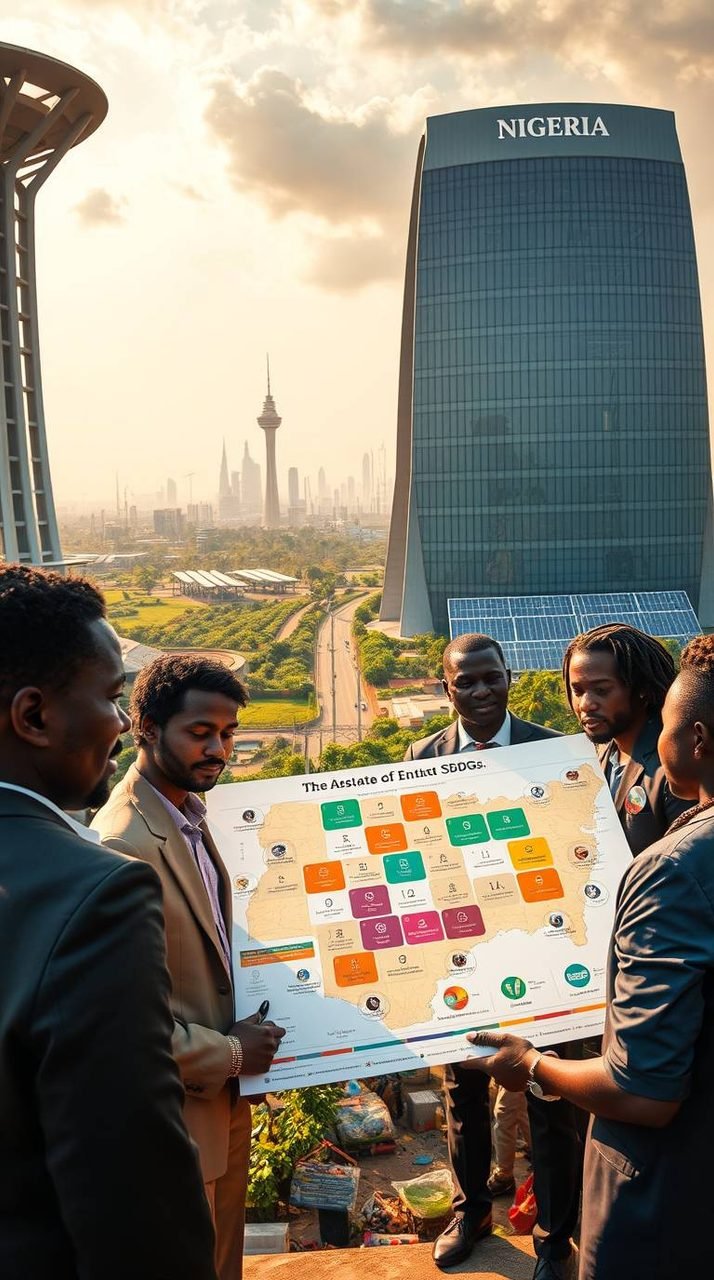
Nigeria Independence Day is not merely a date on the calendar; it serves as a powerful reminder of a nation’s journey toward self-determination. Each year, on October 1, citizens reflect on the progress made since breaking free from colonial rule in 1960. This day embodies a unique blend of celebration and introspection.
As the green-white-green flag rises, it symbolizes more than just sovereignty; it calls for an examination of how that independence has shaped economic opportunities, social inclusion, and environmental stewardship. It is a moment for both pride and honest discussion about the challenges that remain.
This article will delve into the milestones of history, the importance of community resilience, and the role of the diaspora in shaping the future. The focus will be on how the principles of sustainable development are intertwined with national identity, as the nation seeks to forge a path that leaves no community behind.
1. Historical Significance of Nigeria Independence Day
The journey toward self-governance in this nation is a tale woven with struggle, resilience, and determination. The path to autonomy was paved with significant milestones, beginning with the amalgamation of the Northern and Southern Protectorates along with the Lagos Colony in 1914. This unification set the stage for increased political participation through subsequent constitutional reforms.
Political engagement expanded with the Richards Constitution of 1946, followed by the Macpherson Constitution in 1951, and the Lyttleton Constitution of 1954. These reforms gradually introduced a federal structure, allowing the Western and Eastern regions to achieve self-government in 1957, with the Northern Region following in 1959.
Prominent figures such as Nnamdi Azikiwe, Obafemi Awolowo, Herbert Macaulay, Ahmadu Bello, and Abubakar Tafawa Balewa played crucial roles in this national narrative. Their contributions were instrumental in shaping the country’s political landscape, leading to independence on October 1, 1960. This momentous occasion was marked by a ceremony in Lagos, where Princess Alexandra of Kent represented Queen Elizabeth II.
During the handover, the Union Jack was lowered, and the Nigerian flag was raised, symbolizing the end of British colonial rule. The presentation of constitutional instruments marked the formal assumption of authority by the new federal government.
The inaugural ceremonies were a blend of official pageantry and public culture. They featured military displays, highlife music, exhibitions, fireworks, sporting events, and traditional performances, showcasing the rich cultural heritage of the nation. These celebrations not only honored the past but also laid the groundwork for future observances.
Historical Significance of Nigeria Independence Day continuing…
Independence Day has always had a global dimension. Delegations from the Commonwealth, the United Nations, and newly independent African and Asian states attended the inaugural events, highlighting the international significance of this achievement.
Today, celebrations extend beyond borders. In the United Kingdom, cities like London, Manchester, and Birmingham host church services, cultural festivals, food events, and music programs. These gatherings connect Nigerian communities across generations, fostering a sense of belonging and cultural continuity.
Worldwide observances in places like New York City, Canada, Europe, and neighboring West African countries demonstrate how the story of independence continues to resonate with the diaspora. These events not only commemorate the past but also inspire future generations to uphold the values of resilience and unity.
2. Top Facts About Nigeria’s Independence and Sustainability Progress
The evolution of this nation showcases a unique interplay between independence and sustainability, shaping its present and future. Since achieving political autonomy on October 1, 1960, the country has made significant strides in various sectors. These advancements highlight the connection between freedom and sustainable development.
Independence Day serves as a public holiday that allows citizens to reflect on these milestones. Celebrations often include parades, cultural events, and public addresses, emphasizing the importance of community engagement.
Major environmental and social sustainability milestones since 1960
Here are some key facts linking independence to sustainability and community development:
Fact 1: Political autonomy enabled the establishment of domestic development priorities and public institutions.
Fact 2: The first independence celebrations showcased Nigerian products through exhibitions and cultural events.
Fact 3: Highlife music and traditional dances made early celebrations accessible to all citizens.
Fact 4: The federal structure has allowed diverse approaches to agriculture, education, and community development.
Fact 5: Environmental sustainability has gained importance, addressing issues like coastal erosion and pollution.
Fact 6: Renewable energy initiatives are expanding access to electricity for underserved communities.
Fact 7: Sustainable agriculture programs focus on climate-smart practices and food security.
Fact 8: Public health and education initiatives underscore the importance of community well-being.
Fact 9: Community-led organizations often fill service gaps where formal institutions are lacking.
Fact 10: Independence Day allows for assessing whether development benefits all segments of society.
Fact 11: Nigerian communities abroad contribute through remittances and cultural exchange.
Fact 12: Diaspora celebrations support local designers and small businesses, promoting sustainable consumption.
Fact 13: Progress remains uneven, with challenges such as energy shortages and infrastructure deficits.
Fact 14: A credible sustainability agenda must combine environmental action with governance and community participation.
Fact 15: Independence ideals are most meaningful when they inspire practical action in communities.
Integration of sustainability principles in Nigeria’s post-independence development
As the nation continues to grow, integrating sustainability into development strategies is essential. This involves creating policies that support environmental protection, energy efficiency, and community engagement.
Community-led initiatives stemming from independence ideals
Community-led initiatives have emerged as vital components of sustainable development. These grassroots movements often reflect the values of independence, emphasizing self-reliance and local solutions.
Sector
Key Initiatives
Impact
Energy
Decentralized solar systems
Improved electricity access
Agriculture
Climate-smart farming
Enhanced food security
Health
Community health programs
Better health outcomes
Education
Literacy initiatives
Increased literacy rates
3. Nigeria Independence Day Observance and its Global Sustainable Development
This annual event transcends mere festivities, becoming a pivotal moment for addressing sustainability challenges. The celebrations on October 1 serve as a public education platform for the Sustainable Development Goals (SDGs). They highlight the importance of aligning national identity with measurable commitments, particularly in areas like poverty reduction, health, and education.
Nigeria’s president traditionally delivers a national address on this significant public holiday. This speech often discusses the current conditions of the country and outlines government priorities. Such addresses can effectively connect the themes of independence with sustainable development policies.
Engagement of diaspora communities plays a crucial role in promoting sustainability. Observances in the United Kingdom and beyond include church services, parades, cultural exhibitions, and professional gatherings. These events foster connections among Nigerian communities and emphasize the importance of responsible investment and knowledge transfer.
In cities like London, Manchester, and Birmingham, cultural events allow Nigerians abroad to celebrate their heritage while promoting sustainability. The Organization for the Advancement of Nigerians has organized annual parades in New York City since 1991, showcasing the global reach of these celebrations.
Nigeria Independence Day Observance and its Global Sustainable Development continuing…
Independence Day ceremonies can incorporate accessible information about the SDGs. Local project showcases and youth innovation exhibitions during these events can inspire community participation. Schools and universities can also leverage this holiday to teach the relationship between political autonomy, environmental stewardship, and global citizenship.
National and state governments can utilize this occasion to report on progress while acknowledging unfinished work. Sustainability reporting gains credibility when it includes transparent updates on development indicators. Additionally, events can focus on reducing waste through the use of reusable materials and local procurement.
Nigerian communities in the United Kingdom can further support sustainability through professional mentoring and social entrepreneurship. Diaspora groups serve as knowledge bridges, connecting Nigerian innovators with British universities and investors. Encouraging cultural associations to include climate discussions and food-security workshops can enhance the impact of these celebrations.
Ultimately, global sustainable development is strengthened when the narrative of independence is treated as an ongoing responsibility. This perspective ensures that the ideals of autonomy continue to inspire practical action within communities.
4. Impactful United Nations Sustainable Development Goals in Nigeria
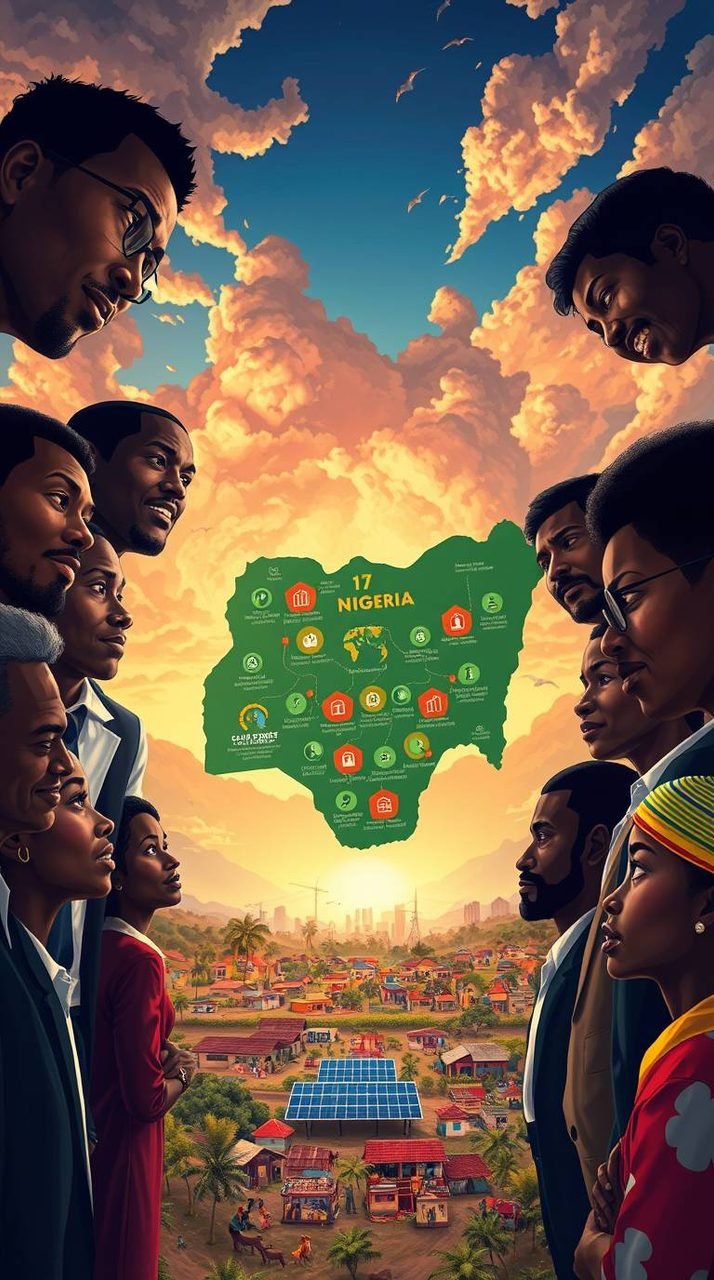
The principles of the United Nations Sustainable Development Goals serve as a guiding framework for addressing critical issues within the nation. These goals provide a structured approach to tackling pressing challenges such as poverty, healthcare, education, and environmental sustainability.
Each goal connects to practical national needs and measurable policy concerns. This alignment is essential for community outcomes, especially during celebrations like the independence day, when citizens reflect on progress and future aspirations.
SDG 1: No Poverty – Progress and Challenges
Reducing poverty requires a focus on decent work, social protection, and financial inclusion. It’s not just about immediate relief; it’s about building resilient local economies. This goal is crucial for enhancing the quality of life for all citizens.
SDG 3: Good Health and Well-being – Healthcare Access and Innovations
Access to primary healthcare, maternal and child health, and disease prevention are vital components of this goal. Innovations like digital health tools and community health workers are essential for reducing geographic inequality in healthcare access.
SDG 4: Quality Education – Literacy and Education Reforms
Quality education is foundational for empowering young people. It includes literacy programs, teacher training, and vocational education. These initiatives help young Nigerians participate in a rapidly changing labor market.
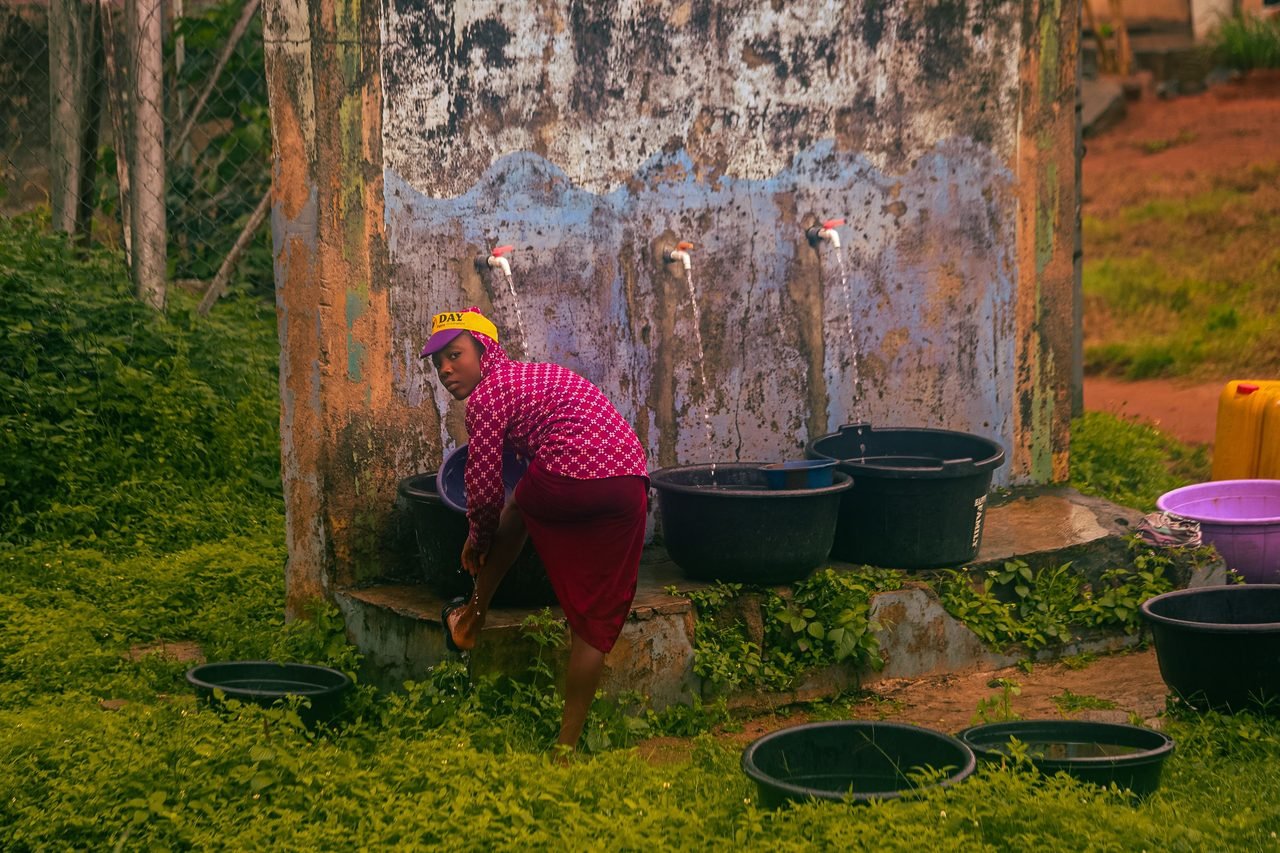
SDG 6: Clean Water and Sanitation – Infrastructural Improvements
Reliable water treatment and distribution networks are crucial for public health. Community ownership of sanitation infrastructure fosters responsibility and ensures better hygiene practices.
SDG 7: Affordable and Clean Energy – Renewable Energy Initiatives
Renewable energy projects, such as solar mini-grids and clean cooking solutions, are vital for providing reliable electricity. This energy access is essential for healthcare, education, and economic growth.
SDG 11: Sustainable Cities and Communities – Urban Development Examples
Urban planning must focus on public transport, affordable housing, and resilient infrastructure. Initiatives in cities like Lagos and Abuja highlight the importance of sustainable urban development.
Climate action includes flood defenses, reforestation, and climate-smart agriculture. These efforts are crucial for adapting to environmental challenges and ensuring community resilience.
These goals are interconnected; for instance, poor electricity access can limit education and healthcare. Celebrations like independence day can use exhibitions and community events to make these goals practical and relatable.
Moreover, the nigerian diaspora in the united kingdom and the united states can play a significant role. By investing in health, education, and climate initiatives, they can help drive progress and innovation.
Ultimately, national progress should be measured by lived outcomes—safer water, better schools, reliable electricity, healthier families, and more resilient communities—not merely by policy announcements.
5. Sustainable Infrastructure and Community Development Projects Across Industries in Nigeria
In the quest for a more resilient future, the interplay of infrastructure and community development emerges as a critical factor. Various sectors are collaborating to address the pressing needs of both urban and rural communities. This collaborative approach ensures that projects are not only built but are also sustainable and beneficial to all.
Renewable energy projects and green technology adoption
Renewable energy initiatives are pivotal in reducing electricity gaps. The nation is investing in:
Utility-scale solar: Large solar farms generating power for the grid.
Solar mini-grids: Providing localized energy solutions.
Household solar systems: Enabling families to harness solar power directly.
Clean cooking technologies: Reducing reliance on harmful fuels.
Youth innovation hubs: Fostering creativity and entrepreneurship.
Vocational training programs: Enhancing employability.
Social enterprises: Addressing community needs.
Participatory budgeting: Ensuring community voices are heard.
When residents participate in planning, projects become more sustainable and aligned with local needs.
Funding models for these projects vary, incorporating public budgets, development finance, and diaspora contributions. This collaboration ensures that infrastructure is not only newly built but also maintained, affordable, and environmentally sound.
6. Green Fiscal Policies Enhancing Nigeria’s Competitiveness in Diaspora and the Global South
Green fiscal policies are essential for fostering economic growth while addressing environmental challenges. These policies not only support sustainability but also enhance Nigeria’s competitiveness in the diaspora and the Global South.
To achieve these goals, the government can implement various environmental taxation and incentives. These measures can make pollution and resource damage visible in economic decision-making. Moreover, they can protect low-income households from disproportionate costs.
Overview of environmental taxation and incentives
Possible fiscal tools include:
Pollution charges: Fees imposed on emissions to discourage harmful practices.
Landfill levies: Charges for waste disposal that encourage recycling.
Plastic-related measures: Taxes on single-use plastics to reduce waste.
Carbon-pricing mechanisms: Financial incentives for reducing carbon footprints.
Environmental compliance fees: Costs associated with meeting environmental regulations.
Tax treatment: Rewards for verified emissions reductions.
Fiscal measures supporting clean energy investments
Fiscal measures can significantly support clean energy investments. Incentives should be:
Transparent: Clear criteria for eligibility.
Time-bound: Limited duration to encourage timely investments.
Technology-neutral: Applicable to various clean technologies.
Linked to measurable outcomes: Ensuring effectiveness and accountability.
Examples of clean-energy incentives include:
Accelerated depreciation: Allowing faster write-offs for renewable energy equipment.
Import-duty relief: Reducing taxes on qualifying clean technology.
Investment tax credits: Encouraging investments in renewable energy projects.
Concessional finance: Lower interest rates for green projects.
Support for solar mini-grids: Enhancing energy access in rural areas.
Policies to encourage sustainable business practices and green innovation
Green public procurement can create demand for:
Energy-efficient buildings
Low-emission transport
Recycled materials
Sustainable construction
Locally manufactured clean technologies
Additionally, mechanisms like green bonds, sustainability-linked loans, and blended finance can reduce the cost of capital for infrastructure and small businesses.
Impact of these policies on Nigerian diaspora investment and global partnerships
Predictable policies can attract Nigerian diaspora investors seeking both financial returns and measurable social or environmental impact. Networks in cities like London and New York can connect Nigerian businesses with:
International buyers
Engineering expertise
Venture capital
Development banks
Research institutions
Responsible green taxation must be paired with public transparency, anti-corruption safeguards, and clear reporting standards. This approach will ensure that the benefits of these policies are broadly shared.
Ultimately, Nigeria’s competitiveness in the Global South will depend on whether green policies can reduce business risk, improve infrastructure, create jobs, and deliver visible benefits to communities.
Moreover, the role of remittances and responsible financial transfers is crucial. Diaspora members often send money for household needs, education, healthcare, and community projects. Investment channels should provide clear information and consumer protection.
In conclusion, green fiscal policy can transform sustainability from a compliance obligation into an economic advantage. Implementation must be credible, ensuring that benefits are shared across all sectors of society.
Policy Area
Key Measures
Expected Impact
Environmental Taxation
Pollution charges, landfill levies
Reduced pollution levels
Clean Energy
Investment tax credits, import-duty relief
Increased renewable energy adoption
Sustainable Business
Green public procurement
Enhanced demand for sustainable products
Innovation Support
Grants, research incentives
Boosted local innovation
7. Conclusion
The significance of this day extends beyond mere celebration; it invites an evaluation of national progress and aspirations. Each October 1, citizens reflect on their journey toward freedom from colonial rule while assessing the inclusiveness of development efforts.
This occasion highlights that true independence is intertwined with access to clean energy, safe water, quality education, and healthcare. The Sustainable Development Goals offer a practical framework to connect national pride with measurable outcomes.
Moreover, sustainable infrastructure must be affordable and community-driven, ensuring local participation in development projects. Green fiscal policies can attract investment and foster innovation, positioning the nation as a leader in sustainability.
Recognizing the role of diaspora communities in the United States, New York, and beyond is crucial. These individuals act as cultural ambassadors and partners in sustainable initiatives.
As we celebrate, let us strive to make events more sustainable and inclusive. The legacy of independence will be measured not just by annual ceremonies but by the opportunities and dignity experienced by people across communities.
FAQ
Q: What is the significance of Nigeria’s independence celebrations?
A: The celebrations mark the end of British colonial rule and the beginning of self-governance, reflecting national pride and unity.
Q: How do Nigerian communities abroad celebrate independence?
A: Diaspora communities often organize parades, cultural events, and gatherings to honor their heritage and promote awareness of their home country’s progress.
Q: What role do sustainability initiatives play in Nigeria’s development?
A: Sustainability initiatives are integral to Nigeria’s development strategy, focusing on environmental conservation, social equity, and economic growth.
Q: How has Nigeria progressed in terms of sustainability since independence?
A: Significant strides have been made in areas such as renewable energy, sustainable agriculture, and community-led development projects.
Q: What are the key Sustainable Development Goals (SDGs) impacting Nigeria?
A: Goals such as No Poverty, Good Health and Well-being, and Clean Water and Sanitation are particularly relevant, guiding national policies and initiatives.
Q: How does Nigeria’s independence relate to global sustainability efforts?
A: The observance of independence fosters awareness of global sustainability challenges and encourages participation in international efforts to address them.
Q: What fiscal policies support sustainability in Nigeria?
A: Policies include environmental taxation, incentives for clean energy investments, and measures promoting sustainable business practices.
Q: How do Nigerian diaspora communities contribute to sustainability?
A: They engage in investments, knowledge sharing, and advocacy, helping to promote sustainable practices and policies in Nigeria and abroad.
Key Takeaways
The significance of Nigeria Independence Day extends beyond celebration; it invites reflection on national progress.
October 1 is a fixed public holiday, offering a unique opportunity for community engagement.
Sovereignty has allowed for the establishment of development priorities, yet challenges persist.
The national flag symbolizes a commitment to sustainability and responsible resource management.
This article explores historical milestones and the role of the diaspora in sustainable initiatives.
A global financing pact drew delegates from 174 United Nations member states, while 28 senior national leaders attended. That scale shows how much cooperation sustainable development can demand. The scope on the other hand, displays what international relations and global affairs can supply.
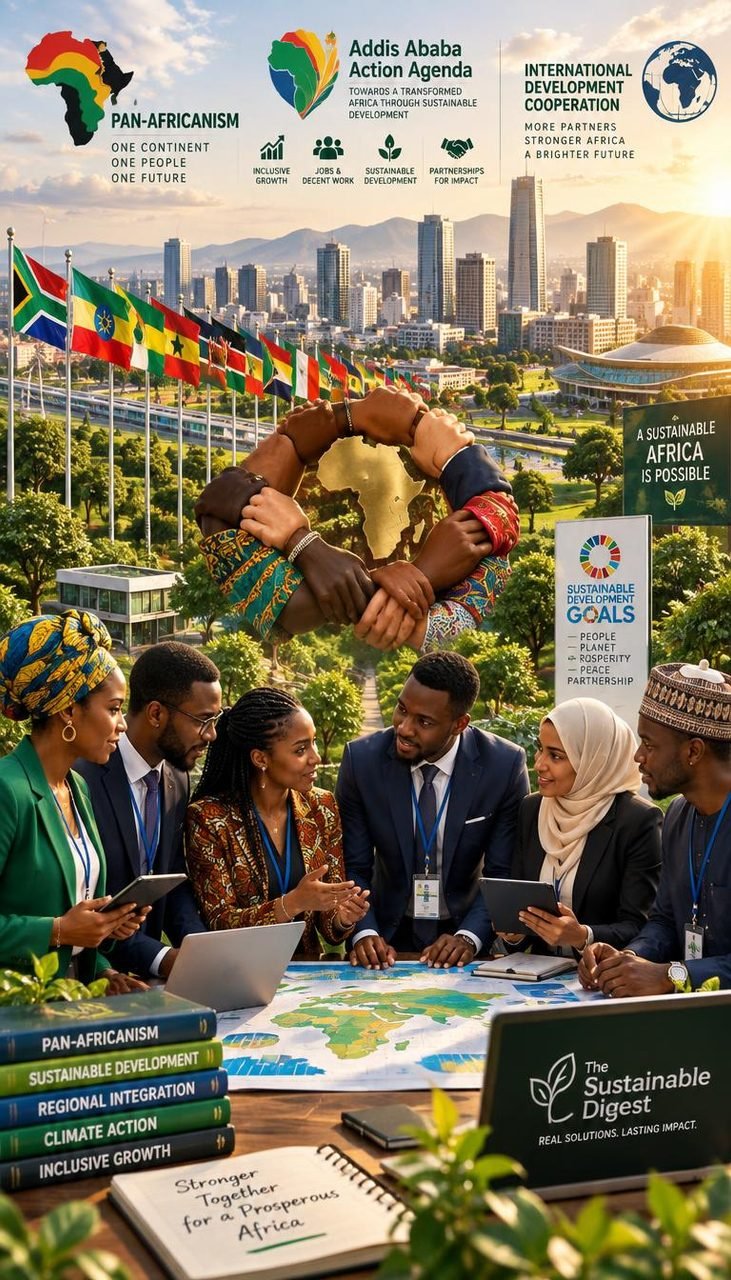
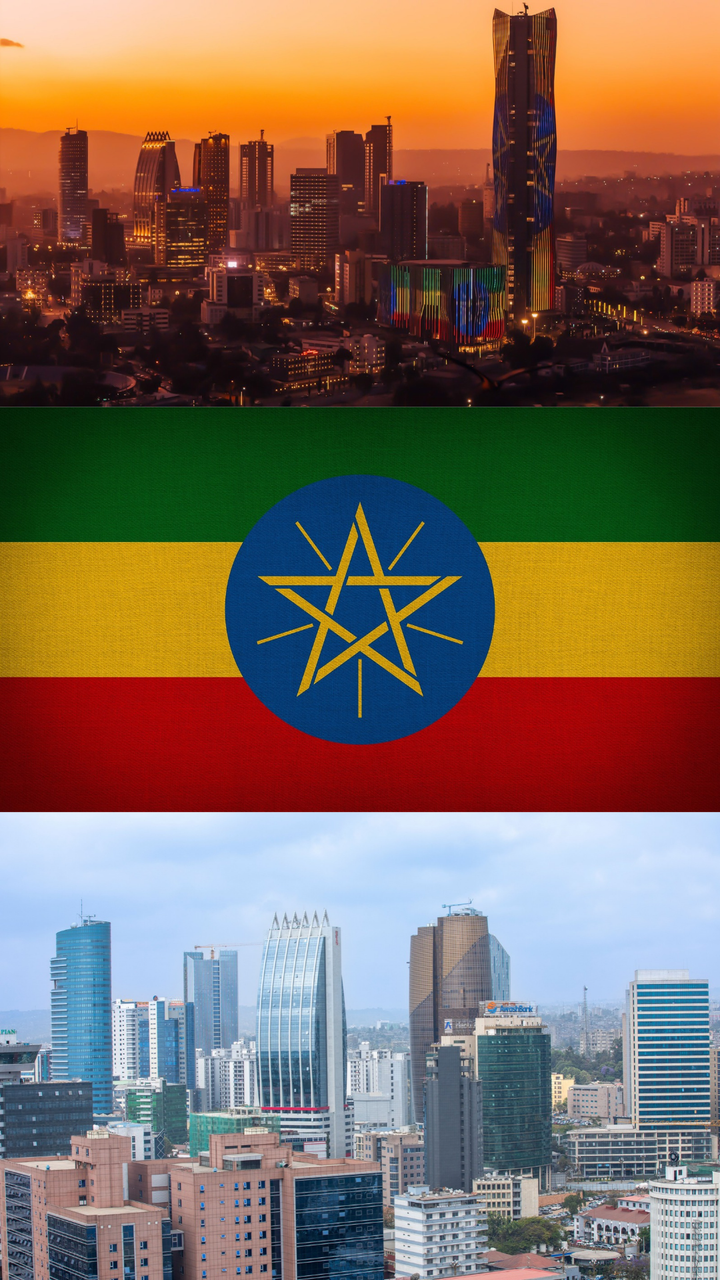
In 2015, the Third International Conference on Financing for Development took place in Addis Ababa, Ethiopia. On July 15, heads of state and government adopted the Addis Ababa Action Agenda. Its international conference financing framework set out how public resources, private investment, and global cooperation could support development.
The agreement followed the 2002 Monterrey Consensus and the 2008 Doha Declaration on Financing for Development. Those earlier commitments shaped a wider effort to turn financing development into practical results.
This article explores how funding choices affect communities, environmental justice, and inclusive, eco-friendly growth. For Singapore and other island economies, such choices can influence climate resilience as well as local needs. The agenda’s value rests not only in its goals, but in whether institutions put them to work. Money matters most when it reaches people and places facing real challenges.
How the Addis Ababa Action Agenda Connects Financing to Sustainable Development
The path began with the 2002 Monterrey Consensus, followed by the 2008 Doha Declaration. At the third international conference on financing development in 2015, countries built on those commitments. The Addis Ababa Action Agenda set out a connected system for funding progress, not a single source of cash.
Adopted three months before the 2030 Agenda, it linked development financing to the sustainable development goals. It also extended work beyond the millennium development goals. Its central insight was practical: public revenue, private investment, trade, debt, technology, and cooperation shape one another.
“We commit to a new global framework for financing sustainable development.”
From Earlier Pacts to a Shared Framework
The United Nations Department of Economic and Social Affairs supported follow-up through an inter-agency task force, with partners such as the World Bank. This structure helped track implementation and means of implementation.
Seven Connected Areas
The framework grouped choices into seven areas. Together, they offered countries a way to connect funding decisions with sustainable development targets.
Area
Focus
Contribution
Public resources; private business and finance
Domestic revenue; investment
Funding for public services and enterprise
Development cooperation; international trade
Partnerships; market access
Shared capacity and wider opportunity
Debt; systemic issues
Debt sustainability; financial rules
More stable financing conditions
Science, technology, innovation, capacity building
Knowledge; skills; tools
Practical means to deliver progress
Addis Ababa Action Agenda and 20 reasons why its important
Global financing promises matter when they fund clinics, schools, clean water, plus local climate plans. Reliable commitments help many countries plan around public needs instead of short-term gaps. For Singapore, this offers a useful lens: sound finance links national planning with shared resilience.
Financing Commitments for Communities
The Addis Ababa Action Agenda supports, complements, plus contextualizes the 2030 Agenda’s means of implementation. Through financing development, it links public revenue with community priorities. Funding choices can also advance environmental justice when they reach people facing greater risks.
Connecting Targets to Real Progress
The sustainable development goals set measurable targets, yet delivery lagged. In the 2024 Financing for Sustainable Development Report, only 15% of assessable targets were on track. Nearly 600 million people could still face extreme poverty in 2030; more than half may be women. This gap shows how development goals shape daily life.
Cooperation, Accountability, Shared Results
The 2030 Agenda links follow-up recommendations from the ECOSOC Forum on Financing for Development to the High-Level Political Forum. That reporting path can help developed countries, developing countries, the private sector, plus least developed countries align investment with inclusive growth. Past lessons from the millennium development goals also show that clear review can guide better choices.
Implementation Progress, Financing Gaps, and the Case for Reform
Implementation began in 2016, after the inter-agency task force formed in late 2015. The United Nations Department of Economic and Social Affairs coordinated its work with the World Bank Group, International Monetary Fund, World Trade Organization, UNCTAD, plus UNDP.
Reviewing Commitments Each Year
The ECOSOC Forum on Financing for Development reviewed the Addis Ababa Action Agenda each year. It tracked sustainable development goals, targets, plus means of implementation under the 2030 Agenda. Regular review helped turn conference financing into a public record of progress.
Debt, Climate Risk, and Investment Needs
The 2024 report estimated annual financing gaps had grown from about $2.5 trillion before COVID-19 to around $4 trillion. Poor countries paid twice as much interest on total debt as developed countries. From 2021 to 2025, developing countries averaged just over 4% annual GDP growth, below the roughly 6% rate before the 2009 crisis.
For least developed countries, median debt service rose from 3.1% of revenue in 2010 to 12% in 2023. Such pressure can crowd out climate plans. Green fiscal policy works best when it supports resilience, basic services, plus environmental justice.
Indicator
Earlier level
Later level
Annual financing gap
$2.5 trillion before COVID-19
About $4 trillion in 2024
Least developed countries’ debt service
3.1% of revenue in 2010
12% in 2023
Developing-country GDP growth
About 6% before the 2009 crisis
Just over 4% in 2021–2025
Cooperatives and Community Mobilization for Inclusive, Eco-Friendly Development
Cooperative enterprise gives residents a practical way to shape local priorities. Member-owned farms, shops, credit groups, or energy projects can pool skills, share risk, keep value nearby. Such work can support sustainable development when communities help set the course.
Cooperative Enterprise, Civil Society, and Local Self-Development
The 2015 conference brought governments, business leaders, civil society leaders, plus other stakeholders together. That broad mix showed how community mobilization can guide financing talks. Local groups can weigh domestic public resources against private investment, while international cooperation supports locally chosen goals.
Indigenous Peoples’ climate activism brings lived knowledge into environmental justice debates. Pan-Africanism links shared identity with cooperation among countries; humanitarian solidarity extends that spirit during hardship. For Singapore, the lesson is clear: local voices can guide green enterprise while strengthening regional ties. Cooperative work can build self-reliance without replacing public oversight.
Approach
Community role
Link to local priorities
Cooperative enterprise
Share skills, costs, and risk
Keep value close to residents
Community mobilization
Set goals and review choices
Guide public or private financing
Climate activism
Bring local knowledge to debate
Advance environmental justice
Green Fiscal Policy, Climate Action, and Decent Work and Leisure for a Just Transition
The 2015 framework called for financing flows to reflect economic, social, plus environmental needs. Green taxes, public spending, or incentives can support climate goals when they also protect people facing the greatest risks. This approach links environmental justice with practical development choices.
The 2024 Financing for Sustainable Development Report noted slow progress on climate action. It also described substantial financing needs for the Sustainable Development Goals plus climate work in developing countries. Public revenue, science, technology, innovation, plus skills can help meet those needs; sound plans must still weigh who benefits.
Aligning Public Finance with Environmental Justice
A just transition connects climate investment with decent work, fair access, plus community well-being. The International Labour Organization’s decent-work priorities can inform this discussion. The World Leisure Organization’s agenda and operations also offer a relevant lens on leisure as part of quality of life. This connection does not claim any specific program or policy.
Assess who gains from climate spending.
Include workers in transition planning.
Consider leisure alongside jobs, health, and resilience.
For Singapore, this lens supports a broader view of financing: climate progress should strengthen livelihoods, not treat them as a side issue.
Conclusion
In 2015, the Addis Ababa Action Agenda linked financing choices with economic, social, plus environmental needs. Its seven areas, aligned with the 2030 agenda, gave the United Nations a route to turn commitments into practical development. For Singapore, that model shows how global rules can support local resilience.
Annual ECOSOC reviews plus the Inter-agency Task Force tracked progress; still, wide funding gaps plus debt costs limited room for public investment. Reporting helped, but numbers alone could not ease pressure on households or climate plans.
Cooperatives, civil society, Indigenous activism, plus humanitarian solidarity bring local voices into policy. Lasting climate action depends on fair green taxes, decent work, environmental justice, plus community-led growth—not promises left on paper. Sustained cooperation makes shared goals more than well-worded text.
Key Takeaways
The agreement created a global financing framework in 2015.
Delegates from 174 member states took part.
Twenty-eight senior national leaders attended.
The framework built on earlier global commitments.
Financing choices can support climate resilience, environmental justice, and community needs.
Looking ahead, we see a blend of cultural traditions and today’s environmental needs. This guide builds on our earlier work, “Week of Aug 9 to 16: Reflect on Sustainability and Holidays.” It covered Singapore’s independence and Indigenous Peoples’ Day.
We see these August 2026 events as a mix of independence days, remembrance, and cultural highlights. Our aim is to view these through a green lens. This supports local efforts rather than pushing a single environmental message.
Planning travel, education, or community projects? These sustainability initiatives August 2026 guide you. By honoring the unique nature of global observances sustainability August 2026, we can build stronger international ties.
August 2026 sustainability adjacent national holidays and global observances: context from the 2025 calendar
We’re looking at August 2026 with a new lens. Our previous review helped us understand how to mix cultural events with caring for the planet.
How the 2025 sustainability-and-holidays article informs the 2026 edition
Connect independence, remembrance, culture, and environmental stewardship without treating national holidays as interchangeable
Last year, we learned that national holidays August 2026 are more than just dates. Days like the National Day of Benin or Emancipation Day in Guyana have deep meanings. We should respect these days and not just use them for any message.
Independence days often talk about being self-sufficient and managing resources well. By understanding these celebrations, we connect better with global goals.
Using a green lens for a United States audience
Respect local meaning while highlighting community resilience, food systems, biodiversity, energy, water, mobility, and waste reduction
In the U.S., we need to make global events meaningful for our local lives. We focus on August 2026 calendar sustainability events that matter here. This way, we can live in a way that’s good for the planet.
When we talk about things like saving water or protecting nature, we aim to make it real. We want our readers to see how they can make a difference every day.
How to read the August 2026 calendar
Separate fixed dates, movable observances, national holidays, regional celebrations, awareness days, and month-long campaigns
To make the calendar useful, we sort events by type. We need to know the difference between official holidays and community efforts. This helps groups plan their August 2026 eco-friendly holidays well.
Event Category
Primary Focus
Sustainability Potential
National Holidays
Statehood & History
High (Policy & Civic)
Awareness Days
Specific Causes
Very High (Action)
Regional Celebrations
Local Heritage
Moderate (Community)
Month-long Campaigns
Broad Advocacy
High (Educational)
August 1–4: independence, emancipation, regional identity, and sustainable beginnings
As August starts, people around the world celebrate important days. These days remind us of the power of freedom and local traditions. They teach us to think deeply about our communities.
August 1 national and regional celebrations
National Day of Benin and Benin Independence Day
The National Day of Benin and Benin Independence are big moments for West Africa. They celebrate the country’s fight for freedom and its cultural pride.
Colorado Day and Emancipation Day in Guyana
In the U.S., Colorado celebrates becoming a state. Emancipation (Guyana) marks the end of slavery. Both days help us think about freedom and growth.
Guadalcanal Province Day, Switzerland National Day, and Yorkshire Day
Guadalcanal Province and Switzerland National Day focus on local and national unity. Yorkshire Day celebrates the unique culture of a historic English area.
Makira-Ulawa Province Day and Pidjiguiti Day
Makira-Ulawa Province Day is about pride in the Solomon Islands. Pidjiguiti Day is a serious reminder of the fight for freedom in Guinea-Bissau.
August 2–4 civic and cultural milestones
Republic Day in North Macedonia
Republic Day in North Macedonia is key for civic identity. It makes people think about their country’s democracy.
Cook Islands Constitution Day and Founder’s Day
Cook Islands Constitution Day and Founder’s Day worldwide highlight important laws and history. They shape our modern societies.
Matica Slovenska Day and National South Carolina Day
Matice Slovenska Day is about keeping Slovak culture alive. National South Carolina Day celebrates the Palmetto State’s history and beauty.
Making celebrations more sustainable
Support local producers, public transportation, reusable serviceware, cultural preservation, and community-led conservation
To make these holidays greener, we need to act on purpose. Choosing local products and public transport helps reduce waste. It also honors our cultural heritage.
Holiday
Primary Focus
Sustainability Action
Benin Independence
National Sovereignty
Support local artisans
Colorado Day
State Identity
Use public transit
Switzerland National
Cultural Unity
Reusable serviceware
South Carolina Day
Regional Heritage
Community conservation
August 5–8: national independence, landlocked development, and living landscapes
The start of August is a key time. It’s where history meets global teamwork. It makes us think about how our national identity helps us tackle big challenges.
August 5 observances and cultural continuity
Burkina Faso Independence Day
Burkina Faso celebrates its freedom. This day shows the nation’s fight for self-rule. It reminds us of the need for a strong future in the Sahel.
World Wide Web Day, Blogger Day, and International Clouded Leopard Day
We celebrate digital connections and wildlife. International Clouded Leopard Day shows how important it is to protect rare animals. It encourages us to use tech to help endangered species.
August 6 national days and development themes
Bolivia Independence Day and Jamaica Independence Day
The days of Bolivia & Uruguay Independence and Jamaica & Ukraine Independence show different paths to freedom. They help us see how freedom and economic stability connect.
International Day of Awareness of the Special Development Needs and Challenges of Landlocked Developing Countries
This day focuses on the special problems of countries without sea access. Solving these issues is key for strong supply chains and fair global markets.
Farmworker Appreciation Day and Celebrations of San Salvador
Farmworker Appreciation Day honors the people who grow our food. The Battle of Boyaca and San Salvador celebrations remember the struggles that shaped our regions.
August 7–8 remembrance and community observances
Côte d’Ivoire Independence Day and Peace Festival Augsburg
Ivory Coast/Côte d’Ivoire Independence is a time for national pride and looking back on progress. The Peace Festival Augsburg teaches us about solving conflicts and the power of community.
National Tarantula Appreciation Day and National Minority Donor Awareness Day
These days highlight the value of diversity and health. They teach us to appreciate the complex world around us, like the tarantula.
Made in the Philippines Product Week
Made in the Philippines Product Week celebrates local crafts and green production. Buying local goods helps the planet and supports local communities.
Green connections for food, biodiversity, and equitable development
Link farmworker recognition with soil health, fair labor, agroecology, and habitat protection
Real sustainability links farmworkers to the health of our soil. Supporting fair labor helps our soil and protects nature.
“The health of our soil is inextricably linked to the dignity of those who tend it; true progress is measured by how we treat both the land and the worker.”
Observance
Primary Focus
Sustainability Impact
International Clouded Leopard Day
Biodiversity
Habitat preservation
Landlocked Countries Day
Economic Development
Supply chain resilience
Farmworker Appreciation Day
Social Equity
Agroecology support
Made in the Philippines Week
Local Economy
Reduced carbon footprint
August 9–12: Indigenous knowledge, humanitarian action, and healthy ecosystems
Between August 9 and 12, we see a mix of global heritage, humanitarian efforts, and caring for our planet. This time invites us to think about how national and international events help us work towards a sustainable future.
August 9 national and international observances
Singapore National Day
Singapore National Day is a big moment for the country. It shows how a small nation can grow fast while taking care of the environment.
Nagasaki Memorial Day and International Day of the World’s Indigenous Peoples
The Nagasaki Memorial reminds us of the cost of war. The International Day of the World’s Indigenous Peoples focuses on keeping ancient wisdom alive. It’s key to listen to Indigenous leaders for a better environment.
Suriname Indigenous People’s Day
Suriname Indigenous People’s Day is important for recognizing local culture. It helps keep our world diverse and rich.
August 10 national celebrations and nature awareness
Ecuador Independence Day and Abai Day
Ecuador Independence Day celebrates freedom. Abai Day honors Abai Qunanbaiuly’s work. These days show how national pride and cultural history go hand in hand.
International Biodiesel Day and World Lion Day
International Biodiesel Day promotes cleaner energy. World Lion Day highlights the need to protect wildlife and their homes.
Celebrations of Santo Domingo begin
The start of Santo Domingo’s festivities adds color to the calendar. These events help bring communities together for a greener future.
August 11–12 youth, heritage, and humanitarian themes
Chad Independence Day and Steelpan Day
Chad Independence Day shows the nation’s strength. Steelpan Day celebrates Caribbean music. Both days show how culture strengthens communities.
International Youth Day and World Lizard Day
International Youth Day empowers young people to fight climate change. World Lizard Day reminds us to protect all life on Earth.
Hip Hop Day, World Elephant Day, and Mother’s Day in Thailand
Hip Hop Day shows the power of music. World Elephant Day and Mother’s Day in Thailand highlight the importance of caring for our planet and each other.
Glorious Twelfth and Woman Astronomers Day
The Glorious Twelfth starts the hunting season, sparking debates. Woman Astronomers Day celebrates women in science, inspiring the next generation.
Environmental applications for schools and communities
Center Indigenous leadership, youth participation, wildlife corridors, clean fuels, and creative climate communication
Schools can use these dates to teach about sustainability. By centering Indigenous leadership and youth participation, they can create better climate plans.
Communities should work on wildlife corridors and clean fuels. Using creative climate communication can make environmental issues easier to understand.
August 13–16: liberation, migration, food cultures, and shared memory
The middle of August is a time of deep reflection. It’s when we think about history, culture, and freedom. It’s a chance to see how big events and traditions shape our world.
August 13–14 milestones
Anniversary of the Recovery of Oued Ed-Dahab
The Anniversary of the Recovery of Oued Ed-Dahab is a big moment. It reminds us of the complex history of a region. It shows the power of coming together as a nation.
National Lizard Day, National Aviation Week, and Navajo Code Talkers Day
These days show our diverse interests. From National Lizard Day to Navajo Code Talkers Day, they teach us about the world. National Aviation Week makes us think about how we travel and its impact on the planet.
Pramuka Day and Pakistan Independence Day
Pramuka Day celebrates scouting and youth. Pakistan Independence Day honors a nation’s culture and freedom. Both days are about building community and getting involved.
National Aviation Day and National Zoo Awareness Day
National Aviation Day looks at aerospace progress, while National Zoo Awareness Day is about wildlife. These days help us talk about protecting our environment and animals.
August 15 national days and historic foundations
India Independence Day and Liechtenstein National Day
India Independence Day celebrates freedom and democracy. Liechtenstein National Day shows the country’s culture and history.
National Acadian Day and Malaita Province Day
National Acadian Day honors the Acadian people’s strength and heritage. Malaita Province Day celebrates the Solomon Islands’ pride and goals.
Foundation of Old Panama City and Founding of Asunción in Paraguay
The Foundation of Old Panama City and the Founding of Asunción in Paraguay highlight the history of cities in the Americas. They give us a chance to learn about city growth and preserving heritage.
National Liberation Day of Korea and the Parsi New Year
The National Liberation Day of Korea is a symbol of freedom. The Parsi New Year is about renewal, family, and keeping traditions alive.
August 16 cultural and religious observances
Women’s and Family Day
Women’s and Family Day celebrates the role of families in keeping communities strong. It’s a time to honor women’s contributions to our world.
Cook Islands, South Asian, and diaspora celebrations that emphasize food, family, and community ties
These celebrations focus on food and cultural exchange. They show how important it is to keep traditions alive, even when far from home.
Low-impact approaches to large public celebrations
Prioritize accessible transit, heritage conservation, plant-forward menus, water refill stations, and responsible tourism
Big events can be made greener by focusing on accessible transit and heritage conservation. Using plant-forward menus and water refill stations can also help. By encouraging responsible tourism, we protect local cultures and the environment.
Date
Observance
Primary Theme
August 13
Anniversary of the Recovery of Oued Ed-Dahab
National Unity
August 14
Pakistan Independence Day
Sovereignty
August 15
India Independence Day
Freedom
August 15
Parsi New Year
Cultural Renewal
August 16
Women’s and Family Day
Social Cohesion
August 17–20: constitutions, liberation anniversaries, learning, and planetary health
Between August 17 and 20, we see a mix of political freedom, learning, and caring for our planet. These days make us think about how we can balance our national identity with global responsibility in today’s fast-changing world.
August 17 national holidays
Gabon Independence Day and National Massachusetts Day
Gabon Independence Day reminds us of the nation’s path to freedom. National Massachusetts Day celebrates the roots of the United States. Both days teach us to value the systems that keep our societies strong.
Indonesia Independence Day and Slovenians in Prekmurje Incorporated into the Mother Nation Day
Indonesia Independence Day celebrates freedom and unity. Slovenians in Prekmurje Incorporated into the Mother Nation Day honors a people’s culture and land. It shows how shared heritage is key in today’s governance.
August 18–19 civic, cultural, and humanitarian observances
Indonesia Constitution Day and Made in the Philippines Product Week
Indonesia Constitution Day strengthens the laws that protect democracy. Made in the Philippines Product Week boosts local businesses and ethical shopping. Both are crucial for sustainable growth.
International Orangutan Day and National Aviation Day
International Orangutan Day focuses on saving endangered species. National Aviation Day celebrates technology but also talks about travel’s carbon footprint.
World Humanitarian Day and the environmental needs of displaced communities
World Humanitarian Day brings attention to displaced people. It’s important to meet their environmental needs, like safe water and energy.
August 20 environmental and public-health observances
Hungary National Day and World Mosquito Day
Hungary National Day honors the nation’s history. The World Mosquito Day reminds us of the need for disease prevention in a warmer world.
World Distance Learning Day and World Plant Milk Day
Genuially, World Distance Learning Day shows the power of online education. World Plant Milk Day encourages us to choose food that’s better for our planet.
National Zoo Awareness Day and International Biodiesel Day connections
National Zoo Awareness Day connects us with wildlife conservation. International Biodiesel Day promotes cleaner energy to replace fossil fuels.
Sustainability themes for institutions and households
Pair digital access with energy efficiency, responsible disease prevention, habitat protection, and lower-impact food choices
Institutions and homes can make these days part of their daily life for a greener future. By using digital tools wisely and saving energy, we can help the planet while reaching more people.
Observance
Primary Focus
Sustainability Impact
International Orangutan Day
Wildlife Conservation
Habitat Protection
World Plant Milk Day
Dietary Choices
Resource Conservation
International Biodiesel Day
Renewable Energy
Carbon Reduction
World Distance Learning Day
Education
Energy Efficiency
August 21–24: remembrance, religious freedom, flags, and national renewal
The time from August 21 to 24 is a bridge between looking back and moving forward. It’s a time to face global truths and celebrate the strength of countries.
August 21–22 observances
International Day of Remembrance and Tribute to the Victims of Terrorism
August 21 is the International Day of Remembrance and Tribute to the Victims of Terrorism. It’s a day to honor those hurt by violence and to stand together for peace.
Russian Flag Day and Liberian Flag Day
On August 22, we celebrate the Russian & Liberia Flag. These days are about national pride and the symbols of our shared history.
International Day Commemorating the Victims of Acts of Violence Based on Religion or Belief
August 22 also marks the International Day Commemorating the Victims of Acts of Violence Based on Religion or Belief. It reminds us of the fight for human rights and the importance of freedom of belief.
World Plant Milk Day and the Day of the National Flag
Amid serious days, August 22 also celebrates the Day of the National Flag. Plus, World Plant Milk Day encourages us to think about our food’s impact on the planet.
August 23 historical remembrance
International Day for the Remembrance of the Slave Trade and Its Abolition, recognized by UNESCO
August 23 is for the International Day for the Remembrance of the Slave Trade and Its Abolition [UNESCO]. It confronts us with the dark history of slavery and the ongoing fight for equality.
European Day of Remembrance for Victims of Stalinism and Nazism
The European Day of Remembrance for Victims of Stalinism and Nazism is also on this day. It warns us against the dangers of total control and the loss of freedom.
August 24 national and revolutionary milestones
Ukraine Independence Day and Revolution Commemoration
August 24 celebrates Ukraine Independence and Revolution Commemoration. These events show our desire for freedom and the bravery to fight for it.
Anniversary of the Revolution of the King and the People
This day also honors the Anniversary of the Revolution of the King and the People. It shows the bond between leaders and their people.
Turning remembrance into responsible action
Address environmental injustice, protect cultural sites, challenge exclusion, and support peacebuilding organizations
Real remembrance leads to action. By linking past lessons to today’s issues, we can build a fairer world.
Protect cultural sites threatened by war or neglect.
Address environmental injustice by helping communities harmed by pollution.
Challenge exclusion in laws to make sure everyone’s voice is heard.
Support peacebuilding organizations that aim to stop violence before it starts.
August 25–31: independence anniversaries, African heritage, and environmental responsibility
As August ends, we see a mix of national pride, human rights, and caring for our planet. This week, we think about how past events shape our future. We aim for a world that’s both sustainable and fair.
August 25–27 national and regional celebrations
Uruguay Independence Day
On August 25, we celebrate Uruguay Independence Day. It makes us think about the importance of democracy and nature. It shows how a nation’s identity is tied to its culture and environment.
National Zoo Awareness Day and community conservation initiatives
Then, National Zoo Awareness Day focuses on zoos and saving nature. These places are key for learning and research. They help us understand and protect our planet.
August 28–29 civic and international observances
Emirati Women’s Day
Emirati Women’s Day celebrates women’s roles in the UAE. It shows how important it is to include everyone in solving big problems like climate change.
International Day against Nuclear Tests
The International Day against Nuclear Tests looks at how safety and nature are connected. It reminds us of the lasting effects of nuclear tests on our planet and health.
National Diatomaceous Earth Day and science-based environmental education
National Diatomaceous Earth Day teaches us about natural ways to farm and control pests. It promotes learning about the environment. This helps us care for our soil and water.
August 30 remembrance and human rights
International Day of the Victims of Enforced Disappearances
The International Day of the Victims of Enforced Disappearances is a serious day. It highlights the need for human rights in any society. It calls for truth and justice, key for a sustainable future.
Falklands observances and the importance of place-based historical context
Falklands observances show why knowing a place’s history is important. It helps in building peace and a sustainable future, especially in disputed areas.
“True sustainability requires us to honor the past while building a future that respects both human dignity and the natural world.”
August 31 national celebrations
Malaysia Independence Day and Trinidad and Tobago Independence Day
The month ends with Malaysia Independence Day and Trinidad and Tobago Independence Day. These days are great for thinking about how these countries balance growth and protecting the environment.
International Day for People of African Descent
The International Day for People of African Descent celebrates African culture and strength. It’s a time to recognize the important role Africans play in saving our planet.
National Acadian, Caribbean, and Southeast Asian cultural connections
Looking at National Acadian, Caribbean, and Southeast Asian cultural connections shows how diverse traditions help us care for the planet. These cultures share knowledge that’s crucial for solving today’s environmental problems.
End-of-month sustainability actions
Use cultural programming to support environmental justice, ocean protection, biodiversity, and transparent civic participation
As we wrap up the month, think about how culture can lead to change. Here are some ways to make your community more sustainable:
Support environmental justice by talking about local issues in your events.
Promote ocean protection with workshops on marine life.
Encourage transparent civic participation by inviting leaders to talk about green policies.
August 2026 sustainability awareness days for nature, technology, and public health
In August 2026, we find a special mix of days that focus on the environment, health, and tech. These days are more than just dates. They help us live more mindfully and make big changes.
Wildlife and ecosystem observances
World Lion Day, International Clouded Leopard Day, World Elephant Day, International Orangutan Day, and World Lizard Day
These days remind us of the need to protect our planet’s animals and their homes. By focusing on animals like lions and elephants, we learn about the health of our ecosystems.
National Tarantula Appreciation Day, National Zoo Awareness Day, and National Diatomaceous Earth Day
Many people don’t think about the small creatures or the role of places like zoos. National Zoo Awareness Day and National Diatomaceous Earth Day help us understand the importance of conservation and managing pests.
International Lake Day, World Environment Day-related programming, and habitat restoration
Lakes are key to keeping our environment healthy. International Lake Day and World Environment Day help us work together on projects that protect our planet.
Health, food, and household sustainability observances
World Mosquito Day, World Breastfeeding Week, World Plant Milk Day, and International Biodiesel Day
What we eat and how we use energy affects many people. Days like World Plant Milk Day show us how to live in a way that’s better for the planet.
National Minority Donor Awareness Day and humanitarian health initiatives
Health fairness is crucial for a sustainable world. National Minority Donor Awareness Day shows us the need for healthcare that works for everyone.
Technology, learning, and communication
World Distance Learning Day, World Wide Web Day, Blogger Day, and Woman Astronomers Day
Technology can share knowledge widely, but it also uses a lot of energy. World Wide Web Day and Blogger Day teach us that our online actions affect the planet.
Use digital tools to expand environmental education while reducing misinformation and unnecessary energy use
We should use World Distance Learning Day to teach real knowledge, not just digital noise. Celebrating Woman Astronomers Day shows the value of science in fighting misinformation.
August 2026 cultural months, weeks, and community campaigns
August 2026 is filled with community-driven campaigns. They connect cultural heritage with sustainable living. These observances give us a chance to live more eco-friendly while celebrating different traditions.
Month-long observances
Black Business Month and support for environmentally responsible entrepreneurs
Black Business Month is a key time to support minority-owned businesses that focus on green innovation. By backing these companies, we help build a fair and green economy.
American Adventures Month and lower-impact domestic travel
American Adventures Month encourages us to explore our own country. It’s a great time to choose lower-impact domestic travel like trains or local hikes. This helps reduce the carbon footprint of travel.
Week-long observances
World Breastfeeding Week and family-friendly public infrastructure
World Breastfeeding Week stresses the need for public spaces that are family-friendly. Such spaces are key to social sustainability and community health.
National Aviation Week and cleaner aviation, rail, and regional mobility conversations
National Aviation Week is a chance to talk about cleaner travel options. We need to find ways to connect while reducing emissions.
Made in the Philippines Product Week and ethical, durable purchasing
Made in the Philippines Product Week highlights the importance of quality and ethics. Buying durable goods helps reduce waste and supports fair trade.
Clutter Awareness Week and repair, reuse, donation, and responsible disposal
Clutter Awareness Week urges us to think about our buying habits. It encourages us to repair, reuse, donate, and dispose of items responsibly.
Community celebrations with environmental value
Lughnasadh, Parsi New Year, San Salvador celebrations, Santo Domingo celebrations, and regional harvest traditions
Cultural events like Lughnasadh and the Parsi New Year are deeply connected to nature. They often focus on seasonal foods and the natural world’s rhythms.
Build programs around seasonal foods, cultural consent, waste prevention, and local ecological knowledge
When planning events, it’s important to respect cultural consent. Sustainability works best when it’s a community effort. By focusing on waste and traditional wisdom, we keep these celebrations meaningful and green.
U.S. planning guide for August 2026 eco-friendly holidays
Planning eco-friendly events for August 2026 needs careful planning and respect for cultures. By linking local events with global days, we can engage people and care for our planet.
Build a responsible observance calendar
Confirm official dates, distinguish federal holidays from awareness days, and identify local government or cultural authorities
Start by checking the exact dates for important days like International Youth Day or International Day of the World’s Indigenous Peoples. It’s important to know the difference between federal holidays and awareness days, like National Minority Donor Awareness Day or Woman Astronomers Day.
Talking to local government or cultural groups helps make sure your event is respectful. This is especially true for days like the Revolution Commemoration or National Acadian celebrations. Make sure to check the timing for Santo Domingo Celebrations Start to keep your efforts meaningful and respectful.
Choose practical sustainability initiatives
Organize park cleanups, tree care, habitat restoration, food drives, blood donation, climate education, and energy audits
Turn your calendar into action with initiatives that help the local environment. You could have a park cleanup during Clutter Awareness Week or tree care sessions on National Zoo Awareness Day.
Use National Diatomaceous Earth Day for educational workshops or energy audits when needed. These actions, along with food drives and blood donation, make a real difference in your community.
Make sure your events are open to everyone. Provide clear public-transit info and ADA-accessible paths. Use refill stations and composting to reduce waste.
Choose reusable over single-use plastics to show you care about the planet. Also, use multilingual signs to share the importance of days like the International Day for People of African Descent or the Remembrance of the Slave Trade and Its Abolition [UNESCO] with all attendees.
Measure impact without reducing culture to metrics
Track participation, waste avoided, meals donated, habitat improved, and community feedback while honoring cultural meaning
While numbers are important, they shouldn’t be the only focus. Days like the International Day against Nuclear Tests or the International Day of the Victims of Enforced Disappearances carry deep cultural significance. Mix qualitative feedback with numbers like waste reduction or meals given out.
When remembering the International Day of Remembrance and Tribute to the Victims of Terrorism or the International Day Commemorating the Victims of Acts of Violence Based on Religion or Belief, focus on the human stories. Balance Awareness of the Special Development Needs and Challenges of Landlocked Developing Countries with local traditions like National Connecticut events. This way, you leave a lasting, thoughtful mark.
How to connect national holidays with global sustainability goals
August is a mix of human history and caring for our planet. It marks the Foundation of Old Panama City and the Founding of Asuncion in Paraguay. These dates make us think about our common past. It’s important to respect cultures and care for the environment at the same time.
By honoring the past, we help protect the future. Celebrating the Nagasaki Memorial or Ukraine Independence Day shows us the importance of peace. Joining World Humanitarian Day or the International Day for People of African Descent helps fight for fairness worldwide.
Everyone can pick actions that match their values. You might support Black Business Month or help reduce waste with Clutter Awareness Week. Celebrating World Elephant Day or learning about National Diatomaceous Earth Day connects us to our planet.
Every holiday, from the Anniversary of the Revolution of the King and the People to the Parsi New Year, is a chance to grow. Being intentional helps keep cultural traditions alive. Let these events guide you toward a greener, more aware lifestyle this month.
FAQ
Q: How does the August 2026 calendar build upon the sustainability insights from the previous year?
A: The 2026 calendar builds on the 2025 framework, focusing on sustainability and holidays. It links national celebrations like Singapore National Day and India Independence Day with caring for the environment. The 2026 guide also includes more global observances.It shows that sustainability initiatives should fit local needs, not just follow a generic plan. This approach respects cultural differences while promoting environmental care.
Q: Why is it important to distinguish between national independence days and international awareness days?
A: It’s key to keep these days separate to avoid a shallow calendar. National holidays, like National Day of Benin or Bolivia Independence Day, hold deep political and sovereign importance. Awareness days, such as International Biodiesel Day or World Steelpan Day, focus on specific causes.This distinction helps cultural diplomats and global professionals honor historical milestones. It also lets them promote important causes like habitat restoration or clean energy.
Q: How can digital-themed observances like World Wide Web Day and Blogger Day support environmental goals?
A: Digital tools use energy, but World Wide Web Day and Blogger Day can help teach about the environment. In 2026, these days encourage using modern technology to share science-based environmental education.It’s important to also talk about the carbon footprint of data centers and the spread of climate misinformation.
Q: What is the significance of the International Day of Awareness of the Special Development Needs and Challenges of Landlocked Developing Countries?
A: This day highlights the unique challenges faced by countries without sea access. It focuses on market access and equitable development. This day shows how transport costs and infrastructure needs impact sustainability in 32 landlocked nations.It bridges the gap between international relations and environmental justice.
Q: How do wildlife-focused days like World Lion Day and International Clouded Leopard Day intersect with human development?
A: Days like World Lion Day and International Clouded Leopard Day stress the importance of habitat protection and biodiversity. They advocate for wildlife corridors and community-led conservation.These efforts show that healthy ecosystems are vital for the stability of the regions celebrating their national holidays.
Q: In what ways does World Humanitarian Day address environmental concerns in 2026?
A: World Humanitarian Day focuses on the environmental needs of displaced communities. It ensures safe water, sanitation, and energy access for refugees and those affected by conflict or climate disasters.This day reminds us that sustainability is linked to human rights and peacebuilding.
Q: How can households participate in sustainability through dates like World Plant Milk Day and Clutter Awareness Week?
A: These dates offer ways for conscious consumers to reduce waste and make lower-impact food choices. World Plant Milk Day encourages plant-forward menus. Clutter Awareness Week promotes the circular economy through repair, reuse, and responsible disposal.These efforts show that global observances can lead to immediate local action.
Q: Why are cultural milestones like Parsi New Year and Lughnasadh relevant to sustainability?
A: Festivals like Parsi New Year (Navroz) and the Celtic harvest festival Lughnasadh are rooted in local ecological knowledge and seasonal foods. By honoring these traditions, travelers and community planners can support cultural preservation.They also promote biodiversity education and responsible tourism.
Q: What role does public health play in the August 2026 eco-friendly calendar?
A: Days like World Breastfeeding Week and World Mosquito Day connect public health with sustainable infrastructure and responsible disease prevention. National Minority Donor Awareness Day highlights the need for equitable healthcare systems.This is a key part of the United Nations Sustainable Development Goals.
Q: How should U.S.-based organizations plan for niche observances like Woman Astronomers Day or National Diatomaceous Earth Day?
A: Organizers should use these days to build community resilience and science-based learning. Whether celebrating Woman Astronomers Day to promote STEM education or using National Diatomaceous Earth Day to discuss natural pest control, the goal is to have a real impact.It’s important to verify official dates and work with cultural authorities to ensure authenticity and measurable results.
Q: How can the Anniversary of the Revolution of the King and the People or Ukraine Independence Day be observed with a focus on sustainability?
A: These national revolutionary milestones can be honored by addressing environmental injustice and protecting cultural sites during times of change. In 2026, sovereignty is linked to managing natural resources and achieving energy independence.This makes climate resilience a modern form of national liberation.
Key Takeaways
Find a balance between cultural celebrations and caring for the environment.
Use this guide for travel, diplomacy, and community planning in August.
Remember, local needs should come first, not just green messages.
Expand on the insights from our 2025 research series.
Engage with different groups by respecting each celebration’s unique context.
The final six days of United Nations CCD COP17 marked the decisive phase of the August 17–28, 2026, gathering in Ulaanbaatar. This MONGOLIA 2nd week Aug 23-28 review moves beyond the opening discussions to examine how delegates shaped practical decisions on land, drought, finance, and long-term planning.
Under the theme “Restoring Land, Restoring Hope,” the convention combat desertification linked healthy soil with food security, water access, livelihoods, and global stability. That connection gave the conference a wider reach than environmental policy alone; it placed land restoration within global development and international affairs.
The scale of the challenge was clear. Up to 40 percent of the world’s land faced degradation, while nearly 77 percent of the host country’s 1.56 million square kilometers had suffered damage. Representatives from 197 Parties therefore faced more than technical language and careful diplomacy.
Hosting the nations convention combat meeting also carried cultural weight. Pastoral mobility and dryland life gave the host a direct stake in the outcome. The final phase showed whether the conference parties could turn shared concern into durable action.
United Nations CCD COP17 ULAANBAATAR, MONGOLIA 2nd week Aug 23-28 review
By August 23, the conference had moved from broad discussions to tested proposals. The convention combat desertification agenda focused on drought, desertification, land degradation, and practical restoration. Compared with the first week, delegates faced fewer opening statements and more pressure to define results.
What happened during the final six days in Ulaanbaatar
The nations convention combat process brought governments, civil society, pastoralists, and technical experts into difficult negotiations. The conference parties adopted decisions on the Future Strategic Framework and a policy framework on drought. They also continued work on planning beyond 2030.
Key negotiations, decisions, and implementation priorities
Improved procedures strengthened the conference and its subsidiary bodies.
Rangelands, finance, restoration, and international cooperation stayed on the agenda.
The plenary thanked Mongolia for hosting the meeting.
The next two years will test implementation and measurable solutions.
This was a useful moment for the united nations convention combat effort. Success now depends on whether decisions guide funding, national action, and stronger land management—not simply produce another polished document.
How the Second Week Built on the First Week of United Nations CCD COP17
The opening phase of the August 17–28 conference set the political direction. Delegates explored science-policy integration, innovation, digital tools, technology, and financing. Those discussions gave Parties a shared map, but not yet a route to action.
From early ideas to final consensus
In the closing phase, negotiators turned broad priorities into practical language. The agenda shifted toward duties, timelines, funding, and national delivery. Host-country diplomacy helped maintain trust, while Parties retained authority over the final text.
“Opening debate creates options; consensus gives them a duty to act.”
Land, drought, and pastoral resilience
The growing focus on rangelands linked soil health, water security, biodiversity, and pastoral livelihoods. A stronger rangeland policy could also support drought adaptation and resilient food systems.
This approach connected environmental efforts with the needs of society. It showed why implementation takes time: science must inform policy, finance must reach communities, and national plans must produce measurable results. Otherwise, diplomacy becomes an expensive conversation with excellent stationery.
Mongolia’s Culture, Land, and Leadership at the United Nations CCD COP17
Mongolia’s mobile herding culture gave the conference a living example of land stewardship. Pastoralists used seasonal routes and local knowledge of grass, weather, water, and animal movement. This practical experience placed pastoralists at the center of the agenda, not at its margins.
Pastoralism and the International Year
The United Nations General Assembly declared 2026 the International Year of Rangelands and Pastoralists. Rangelands covered more than half of Earth’s land and supported about 500 million people. They supplied one-sixth of global nutrition, while pastoralists protected culture, food systems, and rural livelihoods.
The Ulaanbaatar Declaration
About 300 pastoralists joined Mongolia’s Global Gathering of Pastoralists. On August 20, Anders Oskal presented the Ulaanbaatar Declaration, calling for recognition of pastoralists as knowledge-holders, rights-holders, and land custodians. Its importance reached beyond one nation.
From Trees to Living Landscapes
The Billion Trees Campaign, launched in 2021, targeted one billion trees by 2030. Alongside Youth4Land, it linked restoration with biodiversity and healthy ecosystems. Yet trees work best when matched with resilient rangeland planning; pastoralists must help shape those decisions.
Initiative
Key detail
Why it matters
Rangeland year
Global focus in 2026
Elevates pastoralists
Ulaanbaatar Declaration
Presented August 20
Supports rights and knowledge
Billion Trees Campaign
One billion by 2030
Advances restoration
United Nations CCD COP17 Outcomes for Desertification, Land Degradation, and Drought
The strongest test of unccd cop17 will come after the meeting ends. Its decisions must connect the convention combat desertification agenda with funding, local rights, and measurable results. That bridge can keep land policy relevant to sustainability, development, and international affairs.
A strategic path beyond the current decade
The future strategic framework should guide parties beyond 2030. It needs clear indicators for land degradation, transparent reporting, science-based monitoring, and support for national implementation. With up to 40 percent of global land affected by degradation, broad promises will not be enough.
Finance for resilient rangelands
The adopted drought policy offered a useful base, but finance must reach pastoralists, farmers, and vulnerable regions. Sustainable rangelands can protect water, food supplies, biodiversity, and livelihoods. They support about 500 million people and provide one-sixth of global nutrition.
Mongolia’s Billion Trees Campaign, which aimed to plant one billion trees by 2030, showed national ambition. Yet restoration requires ecological planning, not tree-counting alone. Future efforts should fund locally suitable solutions, protect rights, and track whether each rangeland becomes healthier over time.
Evaluating COP17 Against the Closing Weeks of COP13, COP14, COP15, and COP16
The closing record of the latest land summit gains meaning when viewed across four earlier sessions. Each stage refined global policy, yet the real test remained national delivery. Past decisions often set strong goals; results depended on funding, data, and local leadership after delegates returned home.
How previous conferences shaped global land policy
Sessions 13 through 16 expanded attention from desertification control to drought resilience, land restoration, science, and community rights. This history helped the convention combat agenda mature. It also showed why broad language can lose force without clear measures.
Where the latest session improved delivery
The conference parties adopted decisions on strategic planning, drought, subsidiary bodies, and implementation. That package linked policy design with oversight and reporting. It also gave wider space to local knowledge and vulnerable land users.
The 197 parties now face a practical question: can governments finance restoration and report measurable gains? The united nations convention process will gain credibility only if the answer improves.
Mongolia’s two-year coordination role creates an accountability window. Through the nations convention combat effort, partners can track progress rather than celebrate vocabulary. That is useful work, even if paperwork remains the least glamorous form of environmental action.
United Nations CCD COP17 in the Geo-Economic Climate and Sustainable Development Landscape
The closing phase placed land at the center of economic security. Yasmine Fouad called it vital infrastructure for food, water, stability, and livelihoods. With up to 40% of the world facing land degradation, the issue reached far beyond environmental policy.
Food security, migration, and national security
Soil loss and drought can raise food prices, deepen water stress, and push families to migrate. In this setting, desertification becomes an economic and security risk, not a distant ecological concern. Nearly 77% of Mongolia’s 1.56 million square kilometers faced degradation, making the local stakes plain.
Investment and resilient development
OECD analysis and World Economic Forum priorities both favor risk planning, blended finance, and public-private action. Business4Land, promoted through the Mongolia Business Council, showed how capital could support restoration when safeguards protect communities and ecosystems.
Innovation for a changing economy
The Fourth Industrial Revolution added practical tools to the agenda: satellites, artificial intelligence, sensors, geospatial data, and predictive systems. These solutions can guide restoration, but local governance must shape every decision. That balance marked a useful moment for sustainable development.
Priority: connect finance with measurable results.
Safeguard: protect pastoral rights and local knowledge.
Goal: turn data into resilient action.
New Global Players and the Future of Sustainability Cooperation
Land restoration gained strength when policy opened its doors to wider voices. The gathering connected governments, business, scientists, youth, and local communities around one shared agenda. This broader model made sustainability cooperation more practical and less dependent on official speeches.
Pastoralists, Indigenous Peoples, youth, civil society, and smallholder farmers
About 300 pastoralists joined the Global Gathering of Pastoralists. Their declaration presented local communities as rights-holders and knowledge-holders. It also showed how regional networks can influence formal united nations negotiations.
Youth4Land, Indigenous Peoples, scientists, smallholder farmers, and civil society added public oversight. These groups can test promises, report local results, and challenge slow delivery. Their experience keeps policy connected to daily life.
Private capital, Business4Land, and the World Expo Organization
Business4Land and the Mongolia Business Council brought private investment into the discussion. Capital can support restoration when projects protect community rights, water access, and biodiversity. The World Expo Organization can extend that work through cultural diplomacy, innovation exchange, and public storytelling.
Why cooperation matters
Rangelands support about 500 million people. Cooperation across society is therefore essential, not decorative. Shared action can protect livelihoods, strengthen food systems, and give restoration efforts enough time to mature.
Actor
Contribution
Practical value
Pastoralists
Local land knowledge
Better restoration choices
Youth and civil society
Public accountability
Faster implementation
Business4Land
Private-sector finance
Scalable land projects
Conclusion
A conference earns its legacy only when decisions survive beyond the closing room. For the United Nations CCD COP 17, the final phase showed that combat desertification needs lasting finance, clear measures, and cooperation that reaches communities. Restoration must improve land health, while drought planning protects food, water, and livelihoods.
Mongolia’s leadership linked pastoral knowledge with the International Year of Rangelands and Pastoralists and the Billion Trees Campaign’s 2030 goal. That model gives future meetings a practical base: fund local action, track results, and respect community rights.
Its importance will depend on broad participation. Pastoralists, Indigenous Peoples, youth, civil society, scientists, businesses, and small farmers should help shape delivery.
Future gatherings should pair accountability with workable solutions. Only then can “Restoring Land, Restoring Hope” become measurable progress rather than ceremonial optimism.
FAQ
Q: What was the focus of the final six days in Ulaanbaatar?
A: The closing period focused on negotiations, policy decisions, and practical measures to address desertification, land degradation, and drought. Delegates also examined funding, implementation, pastoralist livelihoods, and cooperation across regions.
Q: How did the second week advance the conference agenda?
A: The second week moved from technical discussions toward decisions and implementation priorities. Governments, civil society, scientists, and land users worked to turn early proposals into a clearer framework for action.
Q: Why were land, drought, and rangeland policy central topics?
A: Healthy land supports food production, water security, biodiversity, and rural livelihoods. Drought and poor rangeland management can increase displacement and economic risk, making coordinated policy essential.
Q: Why was Mongolia an important setting for the conference?
A: Mongolia’s pastoral culture offered a direct connection to rangelands, herder knowledge, and climate resilience. Its landscape also showed why sustainable grazing, ecosystem protection, and local experience matter in global policy.
Q: What role did pastoralists and herder knowledge play?
A: Pastoralists contributed practical knowledge about mobility, grazing cycles, water access, and ecosystem care. Their participation strengthened calls for inclusive decisions that reflect the needs of land-dependent communities.
Q: What is the significance of the Ulaanbaatar Declaration?
A: The declaration provided a platform for stronger global recognition of pastoralists and rangelands. It linked local stewardship with international efforts on biodiversity, climate adaptation, food security, and sustainable development.
Q: How does the Billion Trees Campaign connect with land restoration?
A: The campaign highlights Mongolia’s effort to restore landscapes, improve watershed protection, and strengthen ecological resilience. Its value depends on suitable species, long-term care, local participation, and protection of native ecosystems.
Q: What outcomes were expected for desertification and land degradation?
A: The conference placed greater attention on restoration targets, drought resilience, finance, and measurable implementation. It also encouraged countries to connect national plans with wider environmental and development goals.
Q: Why is drought resilience a major priority?
A: Drought can damage crops, reduce livestock health, weaken water supplies, and increase pressure on migration routes. Resilience measures include early warning systems, better planning, water conservation, and investment in sustainable rangelands.
Q: How did the conference build on earlier global land meetings?
A: Earlier meetings established principles for land neutrality, drought policy, restoration, and public participation. The latest conference placed stronger emphasis on delivery, accountability, finance, and cooperation among national and local actors.
Q: How does land degradation affect global security?
A: Declining land quality can reduce food supplies, intensify competition for water, and increase economic instability. These pressures may contribute to migration and social tension, giving land policy a clear national security dimension.
Q: What role do the OECD and World Economic Forum play in this policy area?
A: Their research and forums help connect land stewardship with investment, economic planning, and resilient development. This approach encourages decision-makers to treat restoration as a productive asset rather than a narrow environmental cost.
Q: How can technology improve land management?
A: Satellite mapping, field sensors, artificial intelligence, and open data can track vegetation, soil health, water stress, and restoration progress. Technology works best when communities can access the findings and apply them locally.
Q: Which groups are gaining influence in sustainability cooperation?
A: Pastoralists, Indigenous Peoples, youth, civil society, smallholder farmers, researchers, and local authorities are receiving greater attention. Their experience can improve policy quality because they often see environmental change before institutions do.
Q: What is Business4Land, and why does it matter?
A: Business4Land represents efforts to involve companies and investors in responsible land use. Its success depends on transparent standards, safeguards for communities, credible impact measures, and finance that supports long-term restoration.
Q: Why is private capital important for land restoration?
A: Public budgets alone may not meet the scale of restoration needs. Private capital can support resilient agriculture, water systems, and nature-based solutions when projects offer clear safeguards and reliable evidence of results.
Q: How can the World Expo Organization support sustainability cooperation?
A: Expo platforms can present restoration projects, responsible technologies, and community-led solutions to a broad international audience. They can also connect governments, businesses, educators, and civil society around practical work.
Q: Why does wider participation matter for future decisions?
A: Inclusive participation improves trust and helps policies reflect different ecological, cultural, and economic conditions. It also makes implementation more realistic; communities are more likely to support measures they helped shape.
Q: What should readers watch after the conference?
A: The most important signals will be new funding, national action plans, drought monitoring, restoration results, and stronger support for pastoralist communities. The real test will come through sustained work after the political moment has passed.
Key Takeaways
The final six days of the United Nations CCD COP17 focused on decisions, not only discussion.
Land restoration supported food security, water access, and livelihoods.
Dryland conditions made the host country a meaningful setting for the meeting.
Delegates addressed drought policy, finance, rangelands, and strategic planning.
The outcome mattered to sustainability, development, and international stability.
Understanding the modern calendar is more than just tracking dates. It’s about having a practical framework for our global connections. By seeing July 2026 international holidays and observances sustainability as a whole, we go beyond just celebrating. We engage deeply.
This guide helps you understand global events that shape us. Whether you’re looking back at July 2025 or ahead to July 2026, these insights are key. They help us join in with purpose.
True global awareness is about understanding, not just hashtags. As we dive into the second part and the upcoming July 25–27, remember. Calendar dates are just the start. We must focus on caring for our planet, not just partying.
Using the July 2026 Sustainability Calendar Alongside Earlier Guides
Think of this calendar as a tool to connect your values with global actions. It builds on our past work, keeping you informed and engaged with global development.
By using these dates, you join a global movement. This movement focuses on long-term ecological health, not just trends.
How this calendar extends the July 2025 retrospective
This guide is a step forward from our July 2025 analysis. It offers practical steps for this year, building on the past.
We focus on continuity in international affairs. This ensures past lessons guide our current sustainable practices.
Connections to the first week of July 2026 guide and its second installment
For a full view of the month, check our first-week guide and its second part. They lay the groundwork for the entire month.
These articles set the stage for the month’s observances. They link national milestones with global conservation efforts in July’s second half.
Continuing the themes from the July 25–27 holidays and observances article
Our July 25–27 analysis is key to this calendar. It shows how biodiversity and climate justice meet.
See these days as the month’s peak. They remind us that green holidays aim for systemic change, not just personal choices.
How U.S. readers can use international observances for eco-friendly celebrations
In the U.S., international observances can change how we celebrate. Choose local food and public transit for your events.
True eco-friendly celebrations go beyond symbols. Use reusable items and support local initiatives to reduce waste.
Adopting these sustainable practices helps tell a story of global responsibility. It’s time for our celebrations to show our commitment to the planet.
July 1–3: Nationhood, Cultural Identity, and Sustainable Community Traditions
As July starts, people around the world celebrate their heritage. They also think about how to protect the environment. It’s a time to balance pride in our communities with caring for the planet.
Canada Day, Ghana Republic Day, and Hong Kong Special Administrative Region Establishment Day
These days show different ways to celebrate national identity. Yet, they all face a big challenge: reducing waste. Canada Day, Ghana Republic Day, and Hong Kong Special Administrative Region Establishment Day often lead to a lot of trash.
Low-waste public celebrations, public transit, and community-based environmental programs
Organizers are now focusing on low-impact programming. They encourage using public transit instead of cars. This helps cut down on pollution from these big events.
Implementing zero-waste zones at public festivals.
Encouraging the use of reusable service ware for food vendors.
Integrating community-led cleanup initiatives immediately following the festivities.
Keti Koti and the importance of cultural memory, freedom, and responsible consumption
Keti Koti marks the end of slavery in Suriname and the Dutch Caribbean. It’s a time for deep reflection, not just big parties. It’s about remembering our history and valuing human dignity.
Supporting educational programs that teach about our history is key. By choosing meaningful experiences over buying lots of stuff, we keep the spirit of freedom alive.
Madeira Day, Territory Day, and Sir Seretse Khama Day
The start of July also celebrates regional identity with Madeira Day, Territory Day, and Sir Seretse Khama Day. These days remind us that national pride goes hand in hand with protecting our local environments.
Protecting island ecosystems, landscapes, and cultural heritage during national observances
National celebrations can harm our environment if not done carefully. We must protect our island ecosystems and landscapes. This means supporting sustainable tourism and preserving our heritage.
When we care for our natural surroundings, we ensure our celebrations can continue for future generations. Conservation is not an obstacle to celebration; it is the foundation of it.
King’s Birthday in Lesotho and sustainable celebrations centered on local livelihoods
The King’s Birthday in Lesotho shows us how to celebrate sustainably. The focus is on local crafts and farming. This approach supports the local economy and encourages environmental care.
By choosing local products, we reduce waste and help the local economy. This way, we celebrate while taking care of our planet.
International Retainer Day and practical ways to reduce waste from personal-care products
International Retainer Day is a chance to tackle waste in our daily lives. Personal-care products often lead to plastic pollution. But, making small changes can make a big difference.
We should look for brands with biodegradable or refillable packaging. Making these small changes shows our commitment to a cleaner future.
July 4–10: Independence Days, Environmental Responsibility, and Shared Freedom
The first ten days of July are filled with history and urgent needs for our planet. Nations celebrate their freedom, and caring for the earth becomes crucial for everyone.
Fourth of July in the United States: safer, greener alternatives to fireworks and single-use celebrations
The Fourth of July often leads to big energy use and waste. Fireworks release harmful substances into the air, and single-use items add to landfill waste.
Communities can choose greener alternatives. Hosting potlucks with reusable items is a good start. Laser light shows or music festivals are better than fireworks for the environment.
Belarus, Algeria, Venezuela, Malawi, Solomon Islands, Argentina, and Bahamas Independence Days
This week is packed with global events. We celebrate Belarus Independence Day, Algeria Independence Day, and Venezuela Independence Day. We also mark Malawi Independence Day, Solomon Islands Independence Day, Argentina Independence Day, Bahamas Independence Day, and Kiribati Independence Day.
Comparing national celebrations through the lenses of energy use, water conservation, and waste prevention
Nations celebrate differently, but all focus on being resource-efficient. Big gatherings need a lot of water and energy. Sustainable planning is key for the health of nations.
Observance
Primary Focus
Sustainability Impact
Argentina Independence Day
Cultural Heritage
Low-waste public events
Solomon Islands Independence Day
Island Resilience
Marine protection focus
Bahamas Independence Day
Tourism Management
Water conservation efforts
Colombia, Belgium, Liberia, Maldives, Peru, Vanuatu, Burundi, and Virgin Islands Days
The calendar continues with Colombia Day, Belgium Day, Liberia Day, Maldives Day, Peru Day, Vanuatu Day, Burundi Day, and Virgin Islands Day. These days show how nations celebrate their freedom in unique ways.
Island resilience, biodiversity protection, and sustainable tourism connections
For island nations, these celebrations are about their ecosystems. Sustainable tourism helps keep their beauty for future visitors.
Filipino-American Friendship Day and George Town Heritage Day in Penang
Filipino-American Friendship Day and George Town Heritage Day in Penang highlight international bonds. They show that shared history can lead to future cooperation.
Cross-cultural exchange, historic preservation, and respectful heritage tourism
Keeping historic sites safe is a challenge. Respectful tourism helps preserve these places for future admirers.
Harela and the environmental meaning of tree planting and seasonal renewal
Harela celebrates the monsoon season with tree planting. It reminds us of our duty to restore nature.
Don’t Step on a Bee Day, Paper Bag Day, National Be Nice to Bugs Day, and National Rock Day
We end the week with Don’t Step On A Bee Day, Paper Bag Day, National Be Nice to Bugs Day, and National Rock Day. These days encourage us to appreciate the small parts of our environment.
Pollinator protection, reusable shopping habits, and responsible interaction with geological environments
Protecting pollinators is key for food. Using paper bags reduces plastic waste. By caring for the earth, we ensure a sustainable future.
July 11–17: Global Awareness, Nature Conservation, and Community Well-Being
Mid-July is a key time for global reflection. It’s where history meets the need to protect our planet. We’re challenged to make sure our progress is fair and remembers our shared past.
International Day of Reflection and Commemoration of the 1995 Genocide in Srebrenica
The International Day of Reflection and Commemoration of the 1995 Genocide in Srebrenica teaches us that peace is more than just no war. It’s about justice. Remembering past traumas helps us build a future where everyone’s rights are respected.
World Population Day, International Day of Women and Girls of African Descent, and MALALA DAY
These days show how people and the planet are connected. By celebrating World Population Day, International Day of Women and Girls of African Descent, and MALALA DAY, we see that growth must be for everyone.
Linking education, gender equity, demographic change, and sustainable development
Education is key to moving up in society. When we value gender equality, we build stronger communities and stable growth.
International Day of Cooperatives and Rural Development Day
The International Day of Cooperatives and Rural Development Day show the power of working together. They prove that when communities own and share, everyone benefits.
How cooperatives support fair food systems, local employment, and resilient communities
Cooperatives help communities by keeping resources local. They focus on fair food and jobs, not just quick profits.
World Nature Conservation Day, International Ranger Day, and National Tree Day
Then, we celebrate World Nature Conservation Day, International Ranger Day, and National Tree Day. These days honor the heroes who protect our planet’s vital resources.
Forest stewardship, protected areas, restoration work, and responsible volunteering
Good forest care is more than planting trees. It’s about long-term protection and respect for nature and culture.
International Day of Hope, Nelson Mandela International Day, and World Day for International Justice
The International Day of Hope, International Nelson Mandela Day, and World Day for International Justice call for action. They inspire us to do more than just watch; we must participate.
Service projects, restorative justice, and inclusive community action
“It is in your hands to make of our world a better one for all.”
Nelson Mandela
Projects focused on justice help heal our society. By working together, we create a place where everyone’s voice is heard.
International Day of Combating Sand and Dust Storms and Rain Day
The International Day of Combating Sand and Dust Storms and Rain Day show our vulnerability to extreme weather. Understanding our environment is key to managing these challenges.
Soil conservation, drought resilience, stormwater management, and climate adaptation
Protecting soil is crucial to prevent desertification. By managing stormwater wisely, we can adapt to climate change.
Smart Irrigation Month, National Hemp Month, and Hemp History Week
Smart Irrigation Month, National Hemp Month, and Hemp History Week highlight the link between tech and farming. They encourage us to use resources more wisely.
Efficient water use, regenerative agriculture, and evidence-based material choices
Using water wisely is essential in a changing world. By choosing sustainable farming and materials like hemp, we reduce our environmental impact.
National Culture Consciousness Day, First Day of NAIDOC, and New Conversations Day
Finally, National Culture Consciousness Day, the First Day of NAIDOC, and New Conversations Day remind us that sustainability is cultural. We must respect the wisdom of those who have cared for the land for generations.
Centering Indigenous knowledge, cultural continuity, and respectful dialogue in sustainability work
Indigenous knowledge is vital for our future. By valuing cultural continuity and respectful dialogue, we make sure our efforts are truly inclusive.
Observance
Primary Focus
Sustainability Impact
International Day of Cooperatives
Economic Equity
High (Local Resilience)
World Nature Conservation Day
Biodiversity
High (Ecosystem Health)
Smart Irrigation Month
Water Efficiency
Medium (Resource Management)
July 18–24: Peace, Science, Energy, and Sustainable Human Development
The third week of July is a time of global awareness. It focuses on human rights, technology, and preserving our heritage. Peace, science, and energy are key to a sustainable future.
International Nelson Mandela Day, International Retainer Day, and International Day of Judicial Well-being
Building fair institutions, healthy workplaces, and community-centered systems
International Nelson Mandela Day shows us how one person can change the world. It’s linked with International Retainer Day and International Day of Judicial Well-being. These days focus on the health of our legal and work systems.
Fair institutions are crucial for a stable society. They help achieve long-term environmental and social balance.
International Moon Day, World Listening Day, and Global Energy Independence Day
Space science, attentive environmental monitoring, renewable energy, and energy resilience
International Moon Day inspires us to explore and dream. It drives space science and exploration. This curiosity is also reflected in World Listening Day, which encourages us to listen to nature.
Global Energy Independence Day calls for renewable energy. It aims to build energy resilience for the future.
International Chess Day, International Day of Friendship, and Peace & Love Day
Using play, cultural exchange, and nonviolent cooperation to strengthen sustainable communities
International Chess Day celebrates strategic thinking for solving global problems. International Day of Friendship and Peace & Love Day show the power of cooperation. Cultural exchange builds trust among diverse groups.
World Brain Day and International Tofu Day
Brain health, plant-forward diets, food-system emissions, and affordable nutrition
World Brain Day stresses the importance of brain health in today’s world. International Tofu Day promotes plant-based diets. These diets help reduce emissions and ensure everyone can eat affordably.
International Day of Women and Girls of African Descent and International Youth Skills Day
Expanding access to green careers, technical training, and equitable leadership
The International Day of Women and Girls of African Descent honors their contributions. International Youth Skills Day focuses on the future workforce. Equitable leadership and training are needed for green careers for all.
National Disability Independence Day and Bank Employee Day in Guatemala
Accessible public spaces, inclusive employment, and responsible financial participation
National Disability Independence Day emphasizes inclusivity in sustainability. Bank Employee Day (Guatemala) highlights the role of finance in supporting local economies. Responsible financial participation creates accessible spaces and jobs.
Festival of British Archaeology and Captive Nations Week
Protecting archaeological sites, reducing visitor impacts, and learning from historic resource management
The Festival of British Archaeology teaches us to manage resources wisely. Captive Nations Week reminds us of the importance of human rights and civic memory. These observances show that respecting history and future is key to sustainability.
July 25–31: Oceans, Biodiversity, Justice, and Climate Limits
As we end the month, we focus on caring for our planet and its people. This week is key for thinking about how we affect the earth and its ecosystems. It’s also about the social structures that support us all.
World Drowning Prevention Day, International Day for the Conservation of the Mangrove Ecosystem, and International Day of Friendship
Water safety, mangrove restoration, coastal protection, and community preparedness
World Drowning Prevention Day teaches us about keeping our communities safe near water. The International Day for the Conservation of the Mangrove Ecosystem shows us how mangroves protect us from storms. By celebrating International Day of Friendship, we build a global community to protect these vital areas.
International Day of the World’s Indigenous Peoples’ cultural connections and Kiswahili Language Day
Language preservation, traditional ecological knowledge, and inclusive conservation partnerships
Kiswahili Language Day highlights the power of language in connecting cultures. Using traditional knowledge is crucial for saving our planet. We need to work together, respecting ancient wisdom, to protect our lands.
International Day against Trafficking in Persons and International Justice Day
Human rights, ethical supply chains, and the social foundations of sustainability
Human rights are essential for a sustainable world. The International Day against Trafficking in Persons and International Justice Day remind us of the need for fair trade. We must ensure our green efforts don’t harm human dignity.
International Tiger Day, International Snake Day, International Horse Day, and World Ranger Day
Wildlife protection, habitat connectivity, humane treatment, and anti-trafficking enforcement
Biodiversity is vital for a healthy planet. Days like International Tiger Day, International Snake Day, and International Horse Day focus on protecting habitats and treating animals with kindness. World Ranger Day honors those fighting to save wildlife and protect our planet.
International Day for the Conservation of the Mangrove Ecosystem and World Nature Conservation Day
Blue-carbon ecosystems, coastal livelihoods, and restoration actions for U.S. communities
Nature provides services we can’t replace. World Nature Conservation Day encourages us to take action to restore our planet, especially in U.S. coastal areas. Saving mangroves is crucial for our economy and the future.
International Plastic Bag Free Day, Clean Beaches Day, Coral Reef Awareness Week, and National Marine Week
Plastic prevention, shoreline cleanups, reef-safe recreation, and marine habitat protection
Oceans face huge pollution challenges. By joining International Plastic Bag Free Day and Clean Beaches Day, we can make a big difference. Events like Coral Reef Awareness Week and National Marine Week help protect our oceans and marine life.
“The health of our oceans is the health of our future; we must act with urgency to protect the blue heart of our planet.”
— Global Conservation Initiative
National Parks and Recreation Month, Love Parks Week, Shark Week, and National Hop-A-Park Day
Low-impact recreation, wildlife-respectful tourism, and park stewardship
The outdoors are a sanctuary for humans and animals. During National Parks and Recreation Month and Love Parks Week, we’re encouraged to enjoy nature responsibly. Events like Shark Week and National Hop-A-Park Day help us respect our natural spaces.
Earth Overshoot Day and the July 2026 sustainability footprint discussion
Earth Overshoot Day warns us about our planet’s limits. It urges us to make sustainable choices and reduce waste. By cutting down on food waste, we can live more sustainably.
Martyrs’ Day in South Sudan
Remembering sacrifice while emphasizing peacebuilding, resilience, and sustainable development
We end the month with Martyrs’ Day in South Sudan. It’s a time to honor sacrifices and focus on peace and sustainability. Sustainable development thrives in communities built on peace and respect.
Prioritize local, sustainable food sources to reduce your carbon footprint.
Support organizations that protect endangered species and their habitats.
Advocate for policies that promote ethical supply chains and human rights.
July’s Additional Awareness Days for Everyday Green Living
Changing your daily life to be more sustainable is easier than you think. Days like World House Day and Reggae Day show us new ways to live and celebrate. By adding these days to your calendar, you make every day a chance to grow and help the planet.
Every small action counts when it comes to taking care of our planet. Joining in International Jump Day for exercise or National Moth Week for nature is important. Days like Be Nice to Jersey Day and National Roanoke Community Beautification Day teach us to care for our surroundings and community.
Health and inclusivity are key to a sustainable lifestyle. Celebrating National Childhood Obesity Month and Cultural Communities Month keeps your efforts balanced. Remember, Global Energy Independence Day encourages us to find green solutions in our daily lives.
Real change comes from consistent, small steps. By living in line with these sustainability goals, you help create a better world. Every choice you make shows your dedication to a greener, more aware future.
Key Takeaways
See the calendar as a tool for fighting for the environment.
Value deep cultural understanding over social media trends.
Link past events to today’s climate talks.
Use our guides to follow global stories as they unfold.
Balance work with doing good for society.
This website is saving the energy of your screen as it is not being used. It's part of a global effort to lower the planet's electrical consumption and CO2 emission level. Resume browsing