

Nigeria Independence Day is not merely a date on the calendar; it serves as a powerful reminder of a nation’s journey toward self-determination. Each year, on October 1, citizens reflect on the progress made since breaking free from colonial rule in 1960. This day embodies a unique blend of celebration and introspection.
As the green-white-green flag rises, it symbolizes more than just sovereignty; it calls for an examination of how that independence has shaped economic opportunities, social inclusion, and environmental stewardship. It is a moment for both pride and honest discussion about the challenges that remain.
This article will delve into the milestones of history, the importance of community resilience, and the role of the diaspora in shaping the future. The focus will be on how the principles of sustainable development are intertwined with national identity, as the nation seeks to forge a path that leaves no community behind.
1. Historical Significance of Nigeria Independence Day
The journey toward self-governance in this nation is a tale woven with struggle, resilience, and determination. The path to autonomy was paved with significant milestones, beginning with the amalgamation of the Northern and Southern Protectorates along with the Lagos Colony in 1914. This unification set the stage for increased political participation through subsequent constitutional reforms.
Political engagement expanded with the Richards Constitution of 1946, followed by the Macpherson Constitution in 1951, and the Lyttleton Constitution of 1954. These reforms gradually introduced a federal structure, allowing the Western and Eastern regions to achieve self-government in 1957, with the Northern Region following in 1959.
Prominent figures such as Nnamdi Azikiwe, Obafemi Awolowo, Herbert Macaulay, Ahmadu Bello, and Abubakar Tafawa Balewa played crucial roles in this national narrative. Their contributions were instrumental in shaping the country’s political landscape, leading to independence on October 1, 1960. This momentous occasion was marked by a ceremony in Lagos, where Princess Alexandra of Kent represented Queen Elizabeth II.
During the handover, the Union Jack was lowered, and the Nigerian flag was raised, symbolizing the end of British colonial rule. The presentation of constitutional instruments marked the formal assumption of authority by the new federal government.
The inaugural ceremonies were a blend of official pageantry and public culture. They featured military displays, highlife music, exhibitions, fireworks, sporting events, and traditional performances, showcasing the rich cultural heritage of the nation. These celebrations not only honored the past but also laid the groundwork for future observances.

Historical Significance of Nigeria Independence Day continuing…
Independence Day has always had a global dimension. Delegations from the Commonwealth, the United Nations, and newly independent African and Asian states attended the inaugural events, highlighting the international significance of this achievement.
Today, celebrations extend beyond borders. In the United Kingdom, cities like London, Manchester, and Birmingham host church services, cultural festivals, food events, and music programs. These gatherings connect Nigerian communities across generations, fostering a sense of belonging and cultural continuity.
Worldwide observances in places like New York City, Canada, Europe, and neighboring West African countries demonstrate how the story of independence continues to resonate with the diaspora. These events not only commemorate the past but also inspire future generations to uphold the values of resilience and unity.
2. Top Facts About Nigeria’s Independence and Sustainability Progress

The evolution of this nation showcases a unique interplay between independence and sustainability, shaping its present and future. Since achieving political autonomy on October 1, 1960, the country has made significant strides in various sectors. These advancements highlight the connection between freedom and sustainable development.
Independence Day serves as a public holiday that allows citizens to reflect on these milestones. Celebrations often include parades, cultural events, and public addresses, emphasizing the importance of community engagement.
Major environmental and social sustainability milestones since 1960

Here are some key facts linking independence to sustainability and community development:
- Fact 1: Political autonomy enabled the establishment of domestic development priorities and public institutions.
- Fact 2: The first independence celebrations showcased Nigerian products through exhibitions and cultural events.
- Fact 3: Highlife music and traditional dances made early celebrations accessible to all citizens.
- Fact 4: The federal structure has allowed diverse approaches to agriculture, education, and community development.
- Fact 5: Environmental sustainability has gained importance, addressing issues like coastal erosion and pollution.
- Fact 6: Renewable energy initiatives are expanding access to electricity for underserved communities.
- Fact 7: Sustainable agriculture programs focus on climate-smart practices and food security.
- Fact 8: Public health and education initiatives underscore the importance of community well-being.
- Fact 9: Community-led organizations often fill service gaps where formal institutions are lacking.
- Fact 10: Independence Day allows for assessing whether development benefits all segments of society.
- Fact 11: Nigerian communities abroad contribute through remittances and cultural exchange.
- Fact 12: Diaspora celebrations support local designers and small businesses, promoting sustainable consumption.
- Fact 13: Progress remains uneven, with challenges such as energy shortages and infrastructure deficits.
- Fact 14: A credible sustainability agenda must combine environmental action with governance and community participation.
- Fact 15: Independence ideals are most meaningful when they inspire practical action in communities.
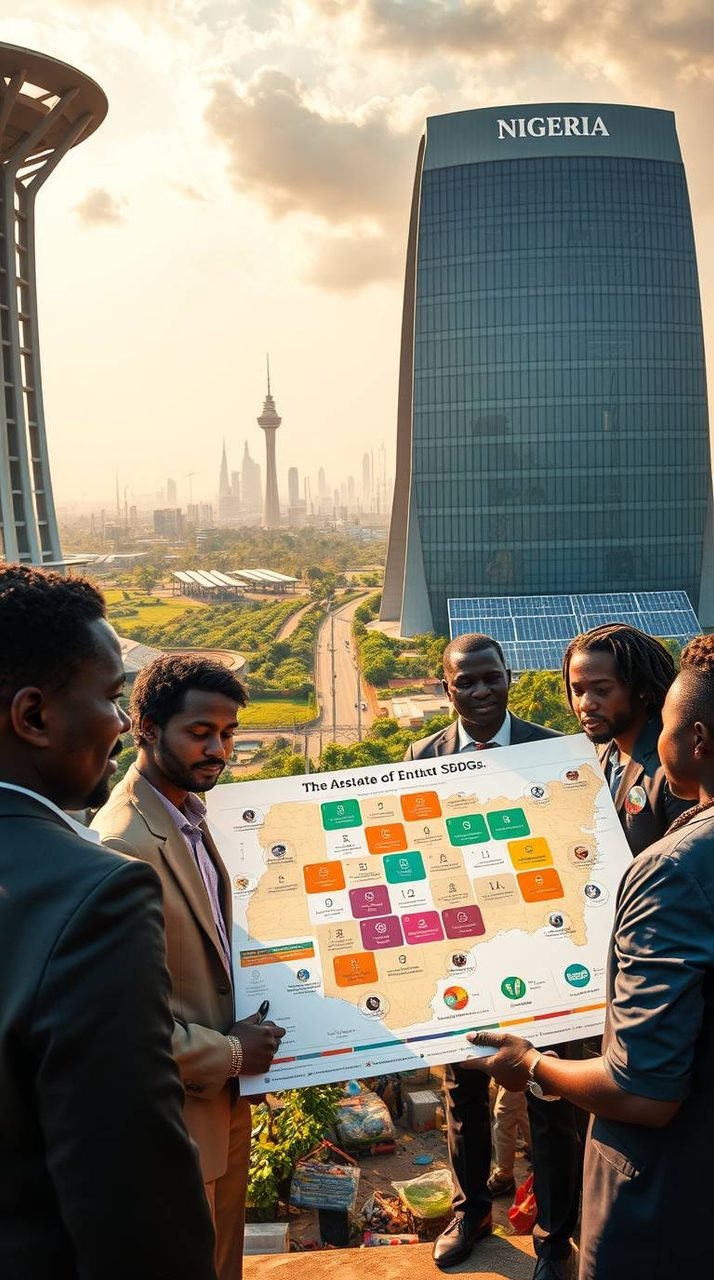
Integration of sustainability principles in Nigeria’s post-independence development
As the nation continues to grow, integrating sustainability into development strategies is essential. This involves creating policies that support environmental protection, energy efficiency, and community engagement.
Community-led initiatives stemming from independence ideals
Community-led initiatives have emerged as vital components of sustainable development. These grassroots movements often reflect the values of independence, emphasizing self-reliance and local solutions.
| Sector | Key Initiatives | Impact |
|---|---|---|
| Energy | Decentralized solar systems | Improved electricity access |
| Agriculture | Climate-smart farming | Enhanced food security |
| Health | Community health programs | Better health outcomes |
| Education | Literacy initiatives | Increased literacy rates |

3. Nigeria Independence Day Observance and its Global Sustainable Development
This annual event transcends mere festivities, becoming a pivotal moment for addressing sustainability challenges. The celebrations on October 1 serve as a public education platform for the Sustainable Development Goals (SDGs). They highlight the importance of aligning national identity with measurable commitments, particularly in areas like poverty reduction, health, and education.
Nigeria’s president traditionally delivers a national address on this significant public holiday. This speech often discusses the current conditions of the country and outlines government priorities. Such addresses can effectively connect the themes of independence with sustainable development policies.
Engagement of diaspora communities plays a crucial role in promoting sustainability. Observances in the United Kingdom and beyond include church services, parades, cultural exhibitions, and professional gatherings. These events foster connections among Nigerian communities and emphasize the importance of responsible investment and knowledge transfer.
In cities like London, Manchester, and Birmingham, cultural events allow Nigerians abroad to celebrate their heritage while promoting sustainability. The Organization for the Advancement of Nigerians has organized annual parades in New York City since 1991, showcasing the global reach of these celebrations.

Nigeria Independence Day Observance and its Global Sustainable Development continuing…
Independence Day ceremonies can incorporate accessible information about the SDGs. Local project showcases and youth innovation exhibitions during these events can inspire community participation. Schools and universities can also leverage this holiday to teach the relationship between political autonomy, environmental stewardship, and global citizenship.
National and state governments can utilize this occasion to report on progress while acknowledging unfinished work. Sustainability reporting gains credibility when it includes transparent updates on development indicators. Additionally, events can focus on reducing waste through the use of reusable materials and local procurement.
Nigerian communities in the United Kingdom can further support sustainability through professional mentoring and social entrepreneurship. Diaspora groups serve as knowledge bridges, connecting Nigerian innovators with British universities and investors. Encouraging cultural associations to include climate discussions and food-security workshops can enhance the impact of these celebrations.
Ultimately, global sustainable development is strengthened when the narrative of independence is treated as an ongoing responsibility. This perspective ensures that the ideals of autonomy continue to inspire practical action within communities.
4. Impactful United Nations Sustainable Development Goals in Nigeria

The principles of the United Nations Sustainable Development Goals serve as a guiding framework for addressing critical issues within the nation. These goals provide a structured approach to tackling pressing challenges such as poverty, healthcare, education, and environmental sustainability.
Each goal connects to practical national needs and measurable policy concerns. This alignment is essential for community outcomes, especially during celebrations like the independence day, when citizens reflect on progress and future aspirations.
SDG 1: No Poverty – Progress and Challenges
Reducing poverty requires a focus on decent work, social protection, and financial inclusion. It’s not just about immediate relief; it’s about building resilient local economies. This goal is crucial for enhancing the quality of life for all citizens.
SDG 3: Good Health and Well-being – Healthcare Access and Innovations
Access to primary healthcare, maternal and child health, and disease prevention are vital components of this goal. Innovations like digital health tools and community health workers are essential for reducing geographic inequality in healthcare access.
SDG 4: Quality Education – Literacy and Education Reforms
Quality education is foundational for empowering young people. It includes literacy programs, teacher training, and vocational education. These initiatives help young Nigerians participate in a rapidly changing labor market.
SDG 6: Clean Water and Sanitation – Infrastructural Improvements
Reliable water treatment and distribution networks are crucial for public health. Community ownership of sanitation infrastructure fosters responsibility and ensures better hygiene practices.
SDG 7: Affordable and Clean Energy – Renewable Energy Initiatives
Renewable energy projects, such as solar mini-grids and clean cooking solutions, are vital for providing reliable electricity. This energy access is essential for healthcare, education, and economic growth.
SDG 11: Sustainable Cities and Communities – Urban Development Examples
Urban planning must focus on public transport, affordable housing, and resilient infrastructure. Initiatives in cities like Lagos and Abuja highlight the importance of sustainable urban development.
SDG 13: Climate Action – Nigeria’s Climate Resilience Efforts
Climate action includes flood defenses, reforestation, and climate-smart agriculture. These efforts are crucial for adapting to environmental challenges and ensuring community resilience.
These goals are interconnected; for instance, poor electricity access can limit education and healthcare. Celebrations like independence day can use exhibitions and community events to make these goals practical and relatable.
Moreover, the nigerian diaspora in the united kingdom and the united states can play a significant role. By investing in health, education, and climate initiatives, they can help drive progress and innovation.
Ultimately, national progress should be measured by lived outcomes—safer water, better schools, reliable electricity, healthier families, and more resilient communities—not merely by policy announcements.
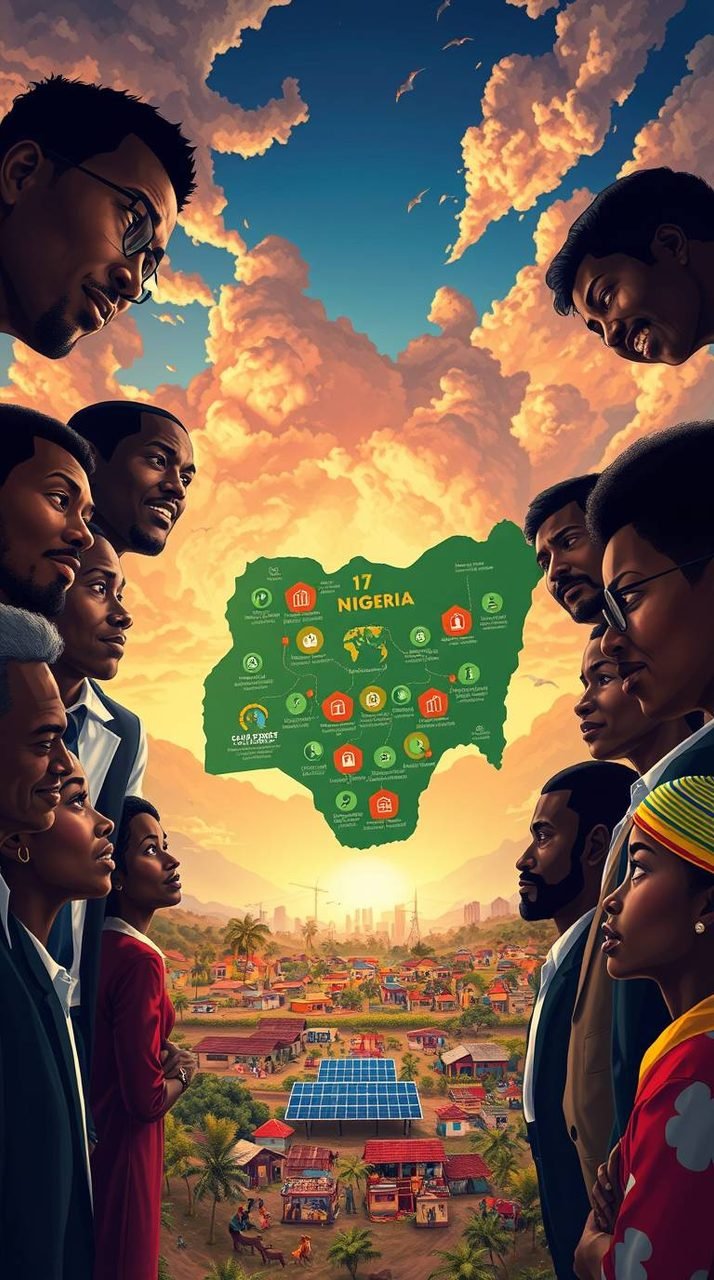
5. Sustainable Infrastructure and Community Development Projects Across Industries in Nigeria
In the quest for a more resilient future, the interplay of infrastructure and community development emerges as a critical factor. Various sectors are collaborating to address the pressing needs of both urban and rural communities. This collaborative approach ensures that projects are not only built but are also sustainable and beneficial to all.
Renewable energy projects and green technology adoption
Renewable energy initiatives are pivotal in reducing electricity gaps. The nation is investing in:
- Utility-scale solar: Large solar farms generating power for the grid.
- Solar mini-grids: Providing localized energy solutions.
- Household solar systems: Enabling families to harness solar power directly.
- Clean cooking technologies: Reducing reliance on harmful fuels.
- Battery storage: Enhancing energy management.
- Energy-efficient appliances: Promoting sustainable consumption.
These decentralized energy solutions support essential services like clinics and schools while minimizing dependence on diesel generators.
Sustainable agriculture and rural development programs
In agriculture, sustainable practices are vital for food security and rural livelihoods. Key interventions include:
- Climate-smart seeds: Enhancing crop resilience.
- Irrigation systems: Ensuring consistent water supply.
- Agroforestry: Combining trees with crops for better yields.
- Soil restoration techniques: Improving land health.
- Farmer cooperatives: Empowering local producers.
These initiatives not only improve household income but also foster environmental resilience.
Water management and sanitation infrastructure advancements
Water and sanitation projects are crucial for public health. Distinctions in these systems include:
- Boreholes: Providing direct access to groundwater.
- Piped networks: Ensuring consistent water supply.
- Water treatment facilities: Safeguarding water quality.
- Drainage systems: Reducing flooding risks.
- Solid-waste collection: Promoting hygiene.
Each of these elements addresses different stages of public health and environmental sustainability.
Transportation and urban planning focused on sustainability
Transportation initiatives are designed to reduce congestion and emissions. Key projects include:
- Bus rapid transit systems: Improving public transport efficiency.
- Rail development: Enhancing connectivity.
- Nonmotorized transport options: Encouraging walking and cycling.
- Integrated land-use planning: Promoting compact urban growth.
- Flood-control systems: Protecting urban areas from climate impacts.
These efforts are essential for sustainable urban development.
Community empowerment and social inclusion initiatives
Empowering communities is vital for sustainable development. Initiatives include:
- Women-led cooperatives: Promoting gender equality.
- Youth innovation hubs: Fostering creativity and entrepreneurship.
- Vocational training programs: Enhancing employability.
- Social enterprises: Addressing community needs.
- Participatory budgeting: Ensuring community voices are heard.
When residents participate in planning, projects become more sustainable and aligned with local needs.
Funding models for these projects vary, incorporating public budgets, development finance, and diaspora contributions. This collaboration ensures that infrastructure is not only newly built but also maintained, affordable, and environmentally sound.
6. Green Fiscal Policies Enhancing Nigeria’s Competitiveness in Diaspora and the Global South

Green fiscal policies are essential for fostering economic growth while addressing environmental challenges. These policies not only support sustainability but also enhance Nigeria’s competitiveness in the diaspora and the Global South.
To achieve these goals, the government can implement various environmental taxation and incentives. These measures can make pollution and resource damage visible in economic decision-making. Moreover, they can protect low-income households from disproportionate costs.
Overview of environmental taxation and incentives
Possible fiscal tools include:
- Pollution charges: Fees imposed on emissions to discourage harmful practices.
- Landfill levies: Charges for waste disposal that encourage recycling.
- Plastic-related measures: Taxes on single-use plastics to reduce waste.
- Carbon-pricing mechanisms: Financial incentives for reducing carbon footprints.
- Environmental compliance fees: Costs associated with meeting environmental regulations.
- Tax treatment: Rewards for verified emissions reductions.
Fiscal measures supporting clean energy investments
Fiscal measures can significantly support clean energy investments. Incentives should be:
- Transparent: Clear criteria for eligibility.
- Time-bound: Limited duration to encourage timely investments.
- Technology-neutral: Applicable to various clean technologies.
- Linked to measurable outcomes: Ensuring effectiveness and accountability.
Examples of clean-energy incentives include:
- Accelerated depreciation: Allowing faster write-offs for renewable energy equipment.
- Import-duty relief: Reducing taxes on qualifying clean technology.
- Investment tax credits: Encouraging investments in renewable energy projects.
- Concessional finance: Lower interest rates for green projects.
- Support for solar mini-grids: Enhancing energy access in rural areas.
- Clean cooking initiatives: Promoting sustainable cooking methods.
Policies to encourage sustainable business practices and green innovation
Green public procurement can create demand for:
- Energy-efficient buildings
- Low-emission transport
- Recycled materials
- Sustainable construction
- Locally manufactured clean technologies
Additionally, mechanisms like green bonds, sustainability-linked loans, and blended finance can reduce the cost of capital for infrastructure and small businesses.
Impact of these policies on Nigerian diaspora investment and global partnerships
Predictable policies can attract Nigerian diaspora investors seeking both financial returns and measurable social or environmental impact. Networks in cities like London and New York can connect Nigerian businesses with:
- International buyers
- Engineering expertise
- Venture capital
- Development banks
- Research institutions
Responsible green taxation must be paired with public transparency, anti-corruption safeguards, and clear reporting standards. This approach will ensure that the benefits of these policies are broadly shared.
Ultimately, Nigeria’s competitiveness in the Global South will depend on whether green policies can reduce business risk, improve infrastructure, create jobs, and deliver visible benefits to communities.
Moreover, the role of remittances and responsible financial transfers is crucial. Diaspora members often send money for household needs, education, healthcare, and community projects. Investment channels should provide clear information and consumer protection.
In conclusion, green fiscal policy can transform sustainability from a compliance obligation into an economic advantage. Implementation must be credible, ensuring that benefits are shared across all sectors of society.
| Policy Area | Key Measures | Expected Impact |
|---|---|---|
| Environmental Taxation | Pollution charges, landfill levies | Reduced pollution levels |
| Clean Energy | Investment tax credits, import-duty relief | Increased renewable energy adoption |
| Sustainable Business | Green public procurement | Enhanced demand for sustainable products |
| Innovation Support | Grants, research incentives | Boosted local innovation |
7. Conclusion
The significance of this day extends beyond mere celebration; it invites an evaluation of national progress and aspirations. Each October 1, citizens reflect on their journey toward freedom from colonial rule while assessing the inclusiveness of development efforts.
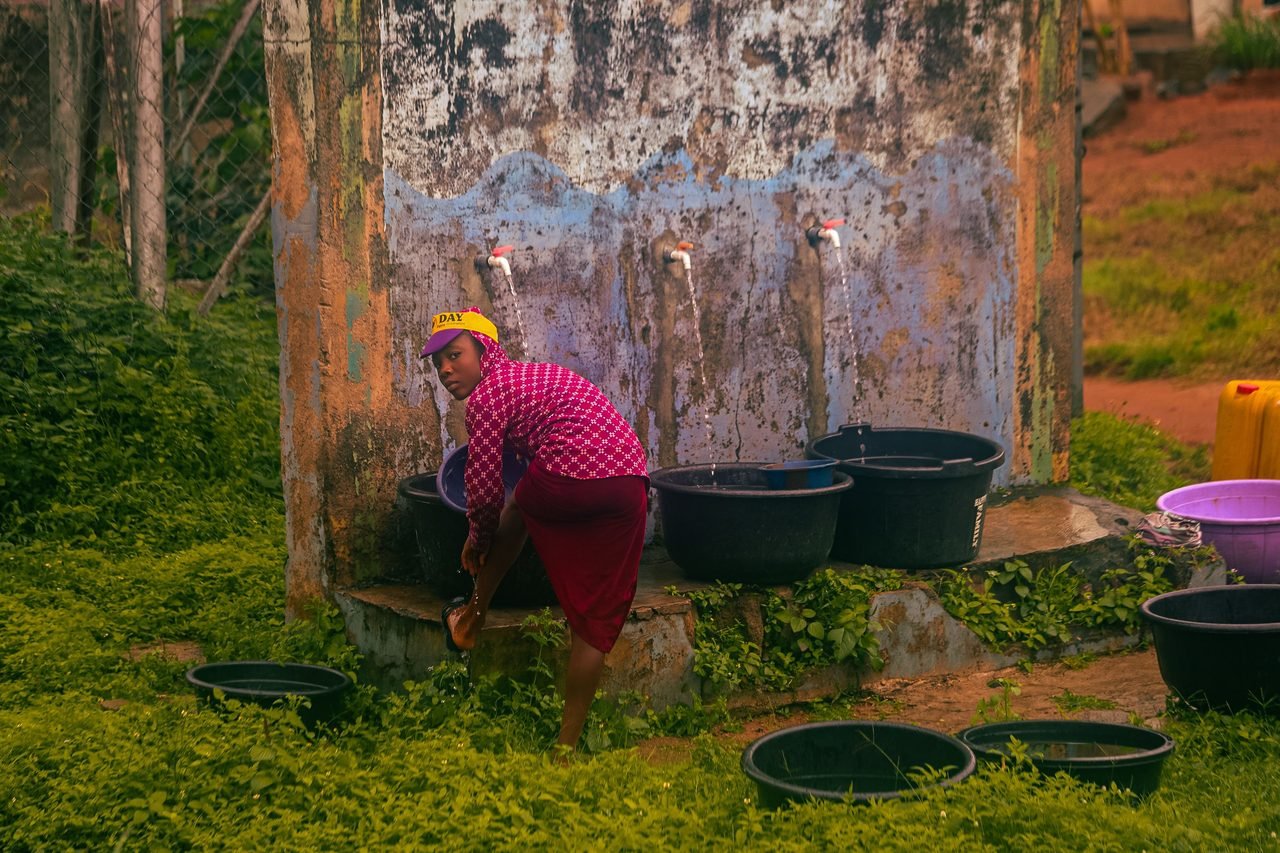
This occasion highlights that true independence is intertwined with access to clean energy, safe water, quality education, and healthcare. The Sustainable Development Goals offer a practical framework to connect national pride with measurable outcomes.
Moreover, sustainable infrastructure must be affordable and community-driven, ensuring local participation in development projects. Green fiscal policies can attract investment and foster innovation, positioning the nation as a leader in sustainability.
Recognizing the role of diaspora communities in the United States, New York, and beyond is crucial. These individuals act as cultural ambassadors and partners in sustainable initiatives.
As we celebrate, let us strive to make events more sustainable and inclusive. The legacy of independence will be measured not just by annual ceremonies but by the opportunities and dignity experienced by people across communities.

FAQ
Q: What is the significance of Nigeria’s independence celebrations?
A: The celebrations mark the end of British colonial rule and the beginning of self-governance, reflecting national pride and unity.
Q: How do Nigerian communities abroad celebrate independence?
A: Diaspora communities often organize parades, cultural events, and gatherings to honor their heritage and promote awareness of their home country’s progress.
Q: What role do sustainability initiatives play in Nigeria’s development?
A: Sustainability initiatives are integral to Nigeria’s development strategy, focusing on environmental conservation, social equity, and economic growth.
Q: How has Nigeria progressed in terms of sustainability since independence?
A: Significant strides have been made in areas such as renewable energy, sustainable agriculture, and community-led development projects.
Q: What are the key Sustainable Development Goals (SDGs) impacting Nigeria?
A: Goals such as No Poverty, Good Health and Well-being, and Clean Water and Sanitation are particularly relevant, guiding national policies and initiatives.
Q: How does Nigeria’s independence relate to global sustainability efforts?
A: The observance of independence fosters awareness of global sustainability challenges and encourages participation in international efforts to address them.
Q: What fiscal policies support sustainability in Nigeria?
A: Policies include environmental taxation, incentives for clean energy investments, and measures promoting sustainable business practices.
Q: How do Nigerian diaspora communities contribute to sustainability?
A: They engage in investments, knowledge sharing, and advocacy, helping to promote sustainable practices and policies in Nigeria and abroad.

Key Takeaways
- The significance of Nigeria Independence Day extends beyond celebration; it invites reflection on national progress.
- October 1 is a fixed public holiday, offering a unique opportunity for community engagement.
- Sovereignty has allowed for the establishment of development priorities, yet challenges persist.
- The national flag symbolizes a commitment to sustainability and responsible resource management.
- This article explores historical milestones and the role of the diaspora in sustainable initiatives.