

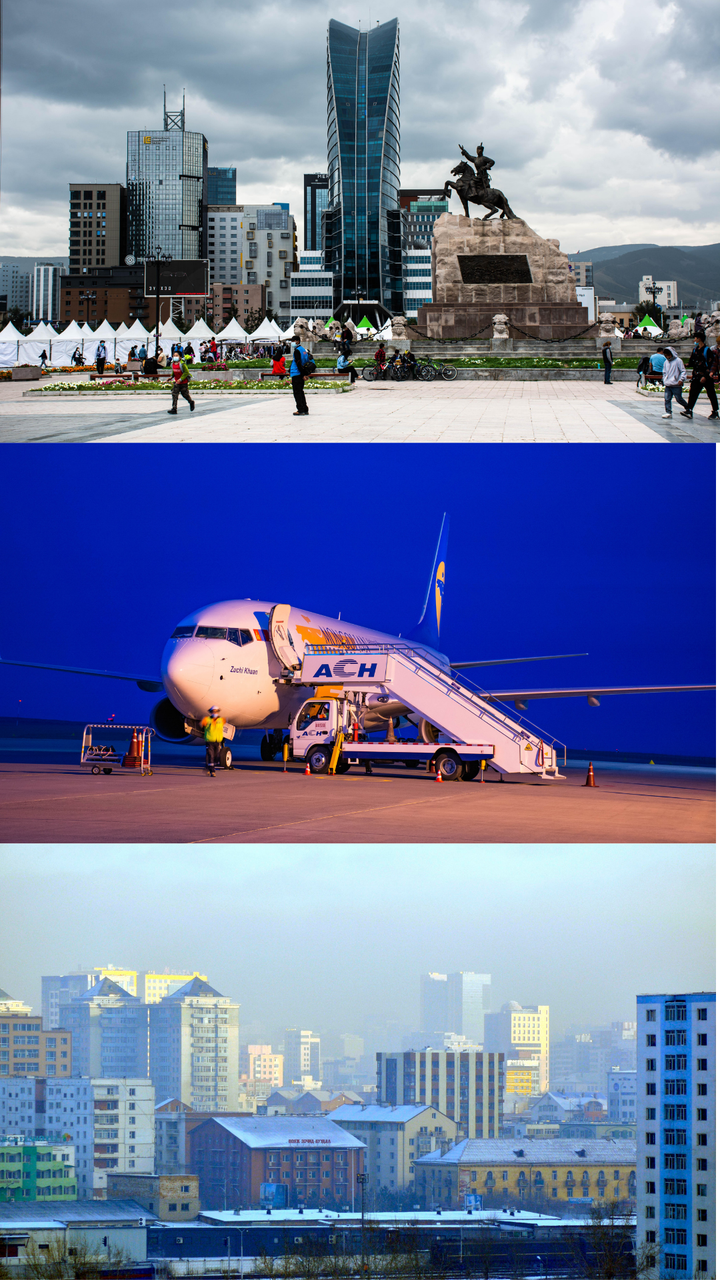
From August 17–22, 2026, the 17th session of the global land convention placed desertification also known as United Nations COP 17, drought, and land degradation at the center of international policy. Hosted in Ulaanbaatar, Mongolia, the conference connected environmental risk with development, trade, security, and climate finance.
Its theme, “Restoring Land. Restoring Hope.”, carried a practical message. Hope matters, but it must survive budgets, local planning, and measurable results. With nearly 40 percent of the world’s land affected by decline, solutions now require more than speeches. They require investment in water, food systems, rural jobs, and resilience.
Mongolia offered an immediate national context. Its 1.56 million square kilometers face a degradation rate of almost 77 percent, making pastoral livelihoods and water access central concerns. Governments, scientists, youth, Indigenous Peoples, farmers, business leaders, and civil society brought different priorities to the table.
Executive Secretary Yasmine Fouad described land as vital infrastructure for livelihoods, stability, food security, and national security. The opening six days therefore revealed why restoration has become a global development issue, not a niche environmental topic.
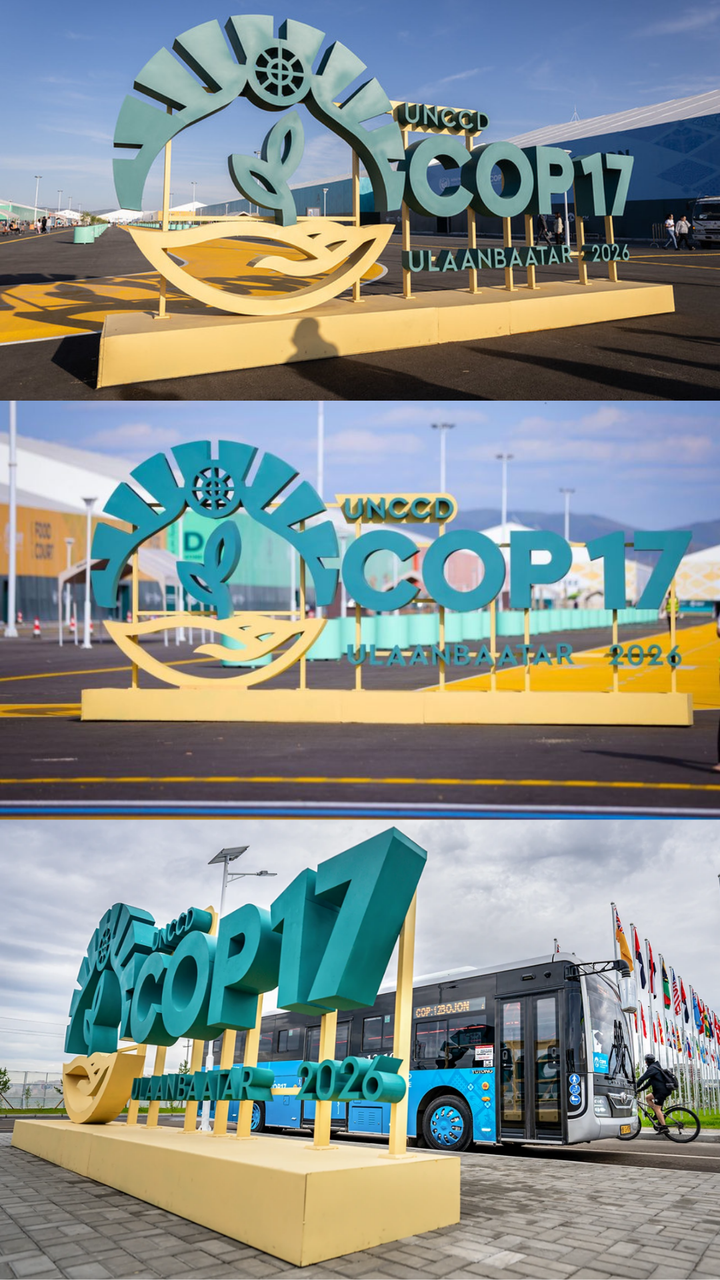
United Nations CCD COP 17 ULAANBAATAR, MONGOLIA 1st week Aug 17-22 review
The opening day in August 2026 set a practical tone. Mongolia’s Prime Minister and UNCCD Executive Secretary Yasmine Fouad launched the Convention to Combat Desertification, while the Foreign Affairs Minister took the chair. The first six days focused on rules, evidence, and workable action—not just polished speeches.
“Restoring Land. Restoring Hope.”
The implementation committee and science committee examined land degradation, drought, migration, tenure, water security, and links with climate and biodiversity policy. Their work showed that soil health and food systems cannot sit in separate policy rooms.
Rangelands and Wider Participation
Rangelands cover more than half of Earth’s land, support about 500 million people, and provide one-sixth of global nutrition. Pastoralists, Indigenous Peoples, scientists, youth, farmers, cities, and civil society therefore joined governments and businesses in seeking resilience.
- Youth4Land and business groups widened the debate.
- The Riyadh-Ulaanbaatar Action Agenda linked finance, technology, water, and value chains.
- The Mayors’ Forum connected local management with global goals.
Later thematic days on finance, water, people, food, and soil health were designed to turn this groundwork into investment and measurable restoration.
How COP17 Compares With the First Weeks of COP13, COP14, COP15, and COP16

Five conference cycles show a clear shift in global land policy. Earlier meetings focused on desertification rules, national plans, and formal commitments. The latest 17th session pushed the debate toward finance, technology, partnerships, and measurable results.
From Policy Statements to Practical Solutions
The United Nations Convention process now treats land degradation as an economic and security concern. Drought can affect migration, food prices, water access, and rural jobs. That wider view gives restoration a stronger case before finance ministers and private investors.
The Riyadh-Ulaanbaatar Action Agenda reflected this change. It connected science, value chains, business participation, rangelands, food systems, and soil health. Still, the first six days could not prove final delivery. Later ministerial talks and thematic days would determine whether promises became funded projects.
| Meeting cycle | Early emphasis | Growing priority | Practical lesson |
|---|---|---|---|
| 13th | Policy alignment | National planning | Rules need local ownership |
| 14th | Drought response | Risk awareness | Preparedness limits losses |
| 15th | Science and targets | Evidence-based action | Measures improve trust |
| 16th | Finance and partnerships | Investment pathways | Capital needs clear returns |
| 17th | Integrated delivery | Restoration value chains | Coalitions can scale solutions |
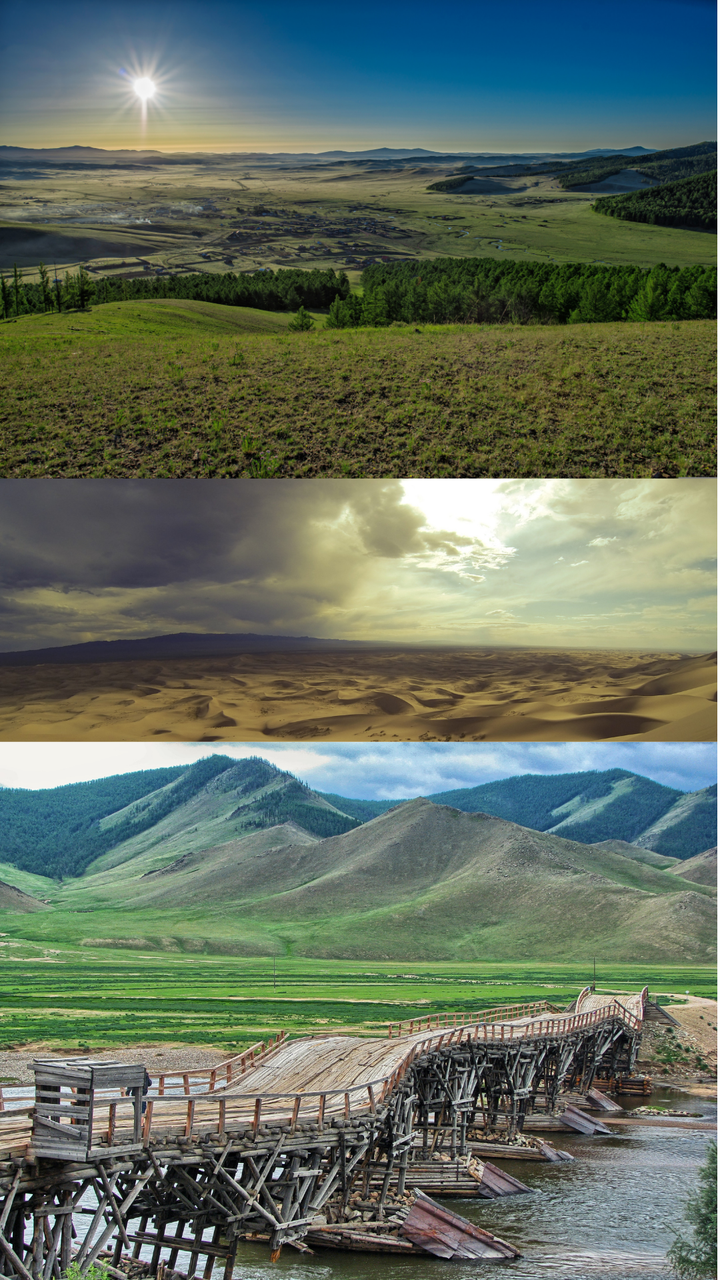
Mongolia’s Geoeconomic and Cultural Role in Global Climate Action
Few places connect pastoral heritage, environmental risk, and diplomacy as clearly as Mongolia. Its 1.56 million square kilometers contain vast rangelands, while nearly 77 percent faces degradation. This vulnerability gives its climate action unusual policy credibility.
Nomadic traditions place stewardship at the heart of daily life. Seasonal movement, livestock care, water access, and local management offer lessons for resilient food systems. In 2026, the United Nations International Year of Rangelands and Pastoralists strengthened this message during the session conference.
The Billion Trees National Campaign, launched in 2021, aims to plant one billion trees by 2030. Its promise is bold, but sound monitoring must protect soil health and native habitats. Youth4Land, the Mongolia Business Council, Business4Land, and the Mayors’ Forum widened participation, with UN-Habitat and ICLEI linking cities and regions.
Cultural dialogues added depth. Michelangelo Pistoletto and Battogtokh Turbat created a land-art installation, while an Italian exhibition explored pastoralism and transhumance. The event showed that investment, trade, water, and rural resilience can share one platform.
| Initiative | Primary focus | Strategic value |
|---|---|---|
| Billion Trees Campaign | Restoration | Long-term ecological investment |
| Youth4Land | Participation | New leadership |
| Mayors’ Forum | Urban management | Local delivery |
Conclusion
The first six days formed a strong foundation by linking land recovery with security, livelihoods, food, water, and development. The conference mattered because it placed environmental stewardship inside global development and geoeconomic climate policy, where budgets and trade shape outcomes.
Hosting the event turned Mongolia’s exposure into diplomatic leadership. Its Billion Trees Campaign and the International Year of Rangelands and Pastoralists gave pastoral priorities a visible place in international affairs. Yet the real test followed the speeches: could finance, technology, partnerships, and clear measures turn negotiated language into accountable restoration?
Pastoralists, youth, Indigenous Peoples, cities, businesses, scientists, governments, and civil society all remained essential. Their shared solutions could strengthen resilience, reduce displacement risks, and support stability across vulnerable regions. For the United Nations, the message was direct: “Restoring Land. Restoring Hope.” became credible only through practical action that improved land and daily life.
FAQ
What is the purpose of the land convention’s seventeenth session?
The session will bring governments and partners together to address desertification, land degradation, and drought. Its focus is expected to include practical restoration, stronger resilience, and better land management.
When and where will the 2026 conference take place?
The conference is scheduled for August 17–22, 2026, in Ulaanbaatar, Mongolia. The location gives the event a strong connection to rangelands, pastoral livelihoods, and dryland systems.
What does “Restoring Land. Restoring Hope.” mean?
The theme links healthy land with food security, water security, rural incomes, and community resilience. It also presents restoration as a practical investment rather than a distant environmental ideal.
Which issues are likely to shape the negotiations?
Delegates are expected to discuss drought action, soil health, land degradation, water management, rangeland governance, and restoration finance. The negotiations may also address stronger information systems and measurable results.
Why are drought and water security central to the agenda?
Drought can reduce harvests, weaken livestock systems, increase migration pressure, and intensify competition for water. Coordinated planning can improve early warning, water efficiency, and resilience across regions.
Who is expected to participate?
Government representatives, scientists, youth groups, Indigenous Peoples, pastoralists, civil society, businesses, and development institutions are expected to take part. Their participation can connect formal policy with local knowledge and daily experience.
How will youth and Indigenous Peoples contribute?
Youth may bring new ideas on technology, climate communication, and social action. Indigenous Peoples can contribute long-standing knowledge of ecosystems, customary management, biodiversity, and community-led restoration.
How does this session differ from earlier global land conferences?
Earlier sessions helped establish shared policy on desertification and drought. The new session is expected to place greater emphasis on implementation, investment, measurable outcomes, and solutions that can work across regions.
What are investable land restoration solutions?
These are projects with clear goals, credible financing, and measurable benefits. Examples include soil restoration, sustainable grazing, watershed protection, drought-resilient agriculture, and responsible nature-based investment.
Why is Mongolia important to the conference?
Mongolia offers direct insight into dryland pressures, rangeland use, pastoral livelihoods, and climate risk. Its cultural and geoeconomic role can help connect local practice with global discussions on land stewardship.
What role can technology play in land restoration?
Satellite monitoring, climate information, digital mapping, and mobile advisory tools can help track land change and guide action. Technology is most useful when communities can access it and apply the information locally.
How could the conference affect food systems?
Better land and water management can support soil health, stable crop production, livestock resilience, and rural livelihoods. The strongest policies will link environmental protection with affordable, reliable food systems.
What outcomes should observers watch for?
Observers should look for clear commitments on drought action, restoration finance, rangeland management, community participation, and progress tracking. Strong dialogue matters, but practical delivery will be the real measure of success.

Key Takeaways
- The opening six days linked land decline with economic and security risks.
- Mongolia’s condition gave the talks a direct and urgent setting.
- The central theme called for funded, measurable restoration.
- Water, food systems, and rural livelihoods shaped the debate.
- Broad participation strengthened the search for workable solutions.
