World Cities Day 2026 for Cooperatives, Global Development, & International Affairs

World Cities Day 2026 for Cooperatives, Global Sustainability Development

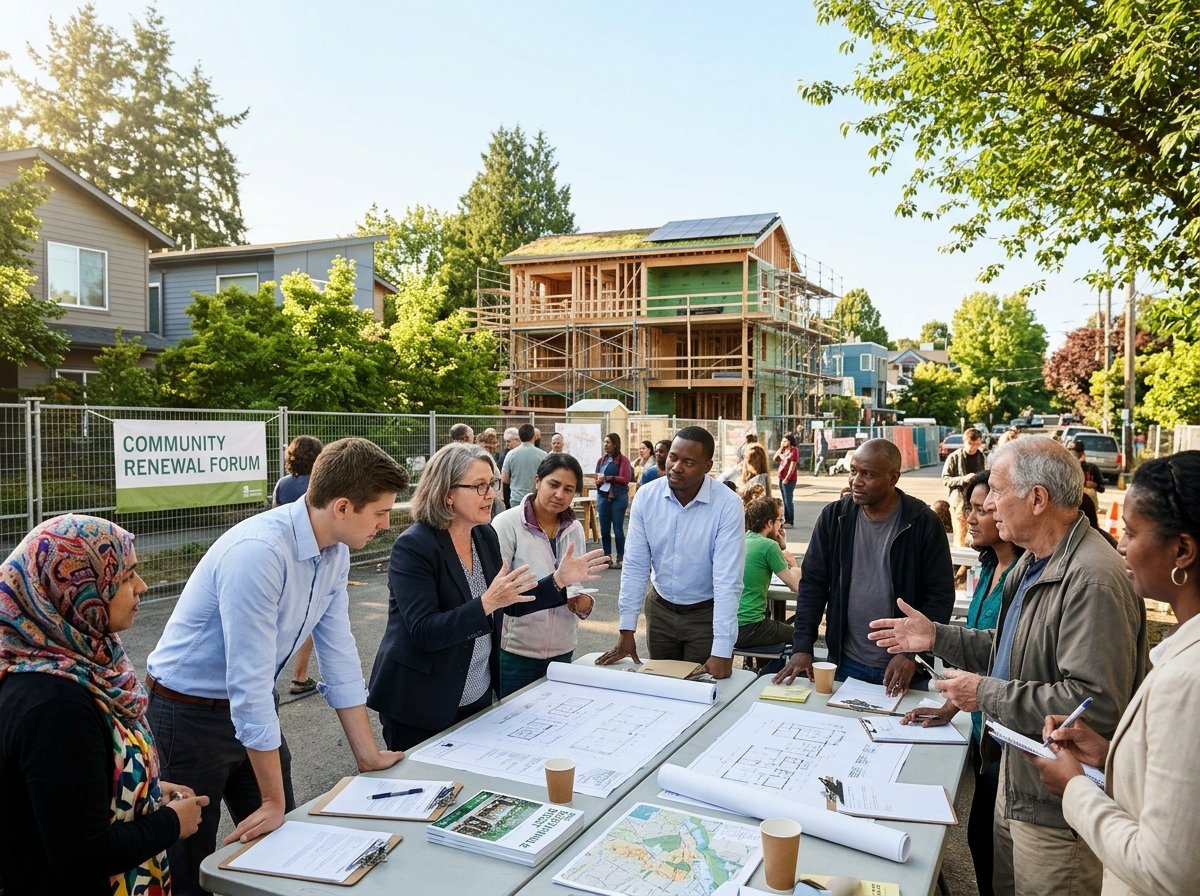
A cityโ€™s housing plan can reshape access to work, services, and civic life long before it changes the skyline. A family may gain a new home nearby, or lose a familiar route to school and work. Renewal looks different from each front door.

This week we take structurally how the observance of World Cities Day 2026 cross pollinate various sustainability adjacent movements and institutions. Utilize this week’s blog as both a framework and perspective the ongoing value of sustainable development. As the month of international cooperatives came to a conclusion, World Cities Day provides the ideal dialog for infrastructure scaling and advancing community scope.
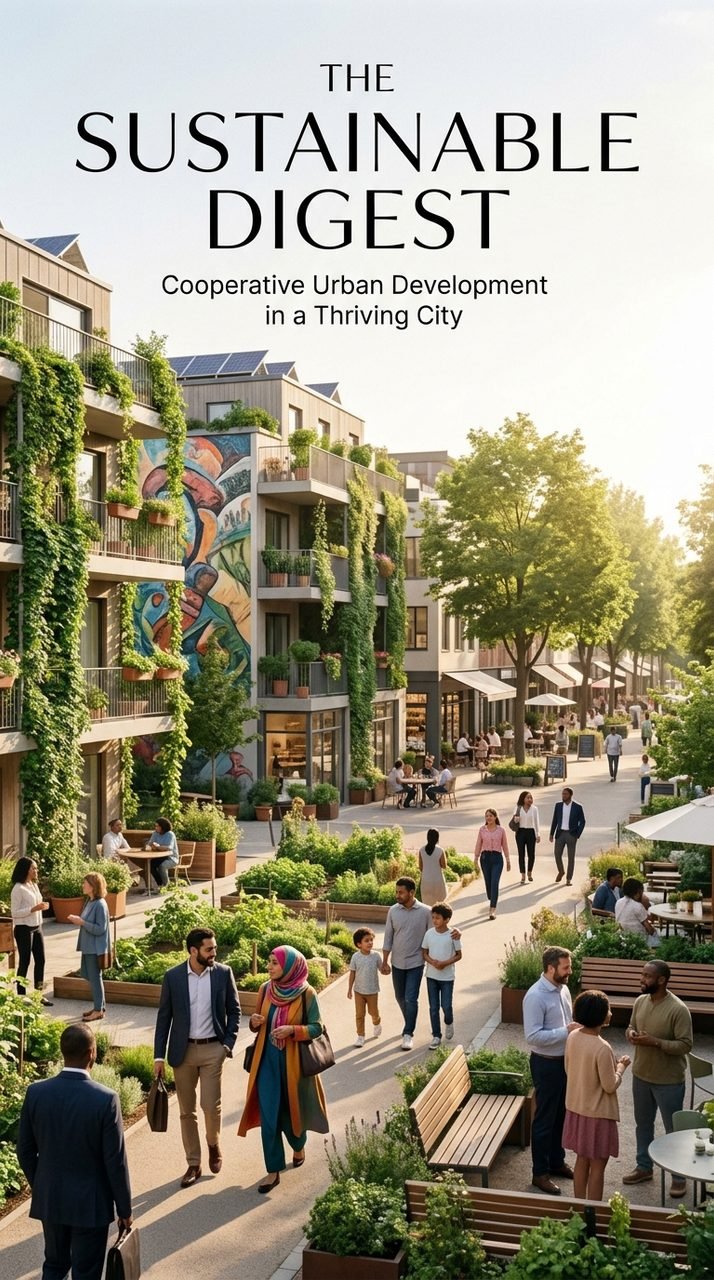
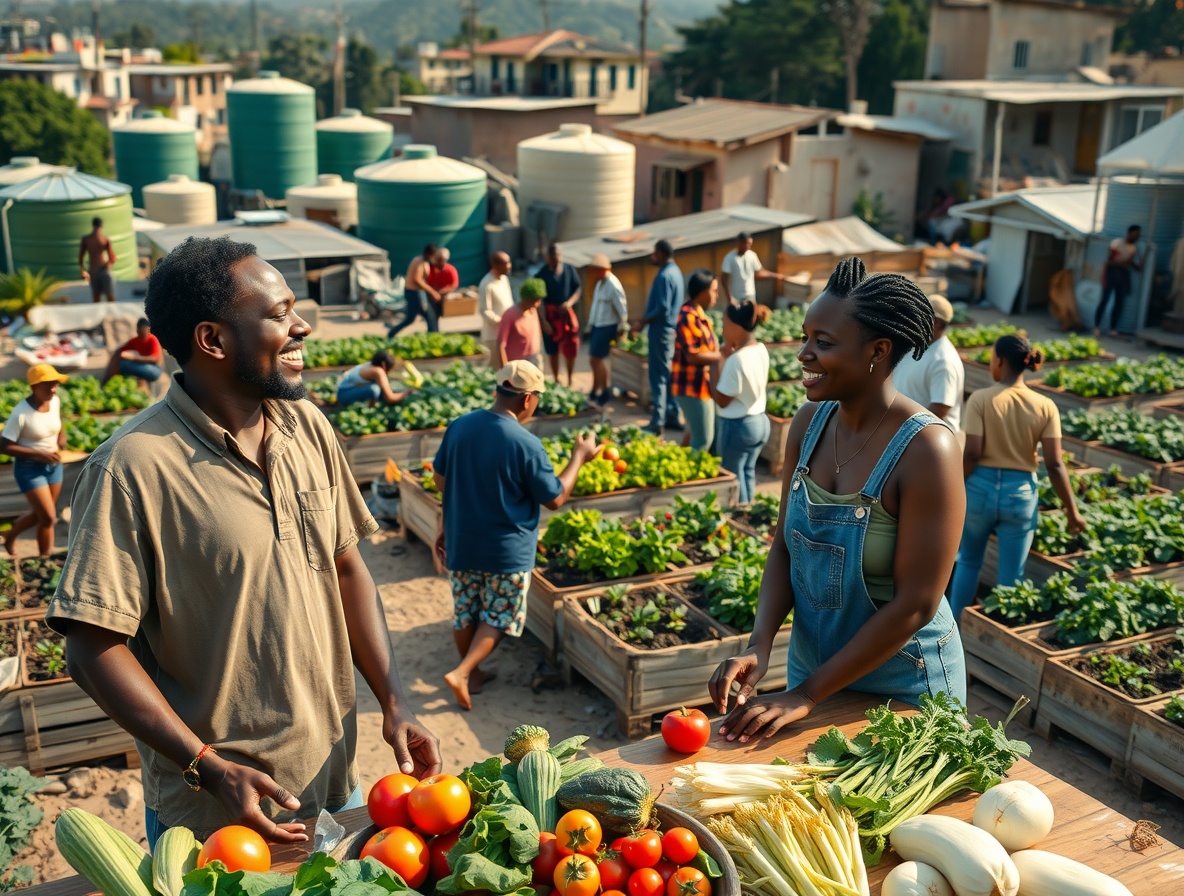
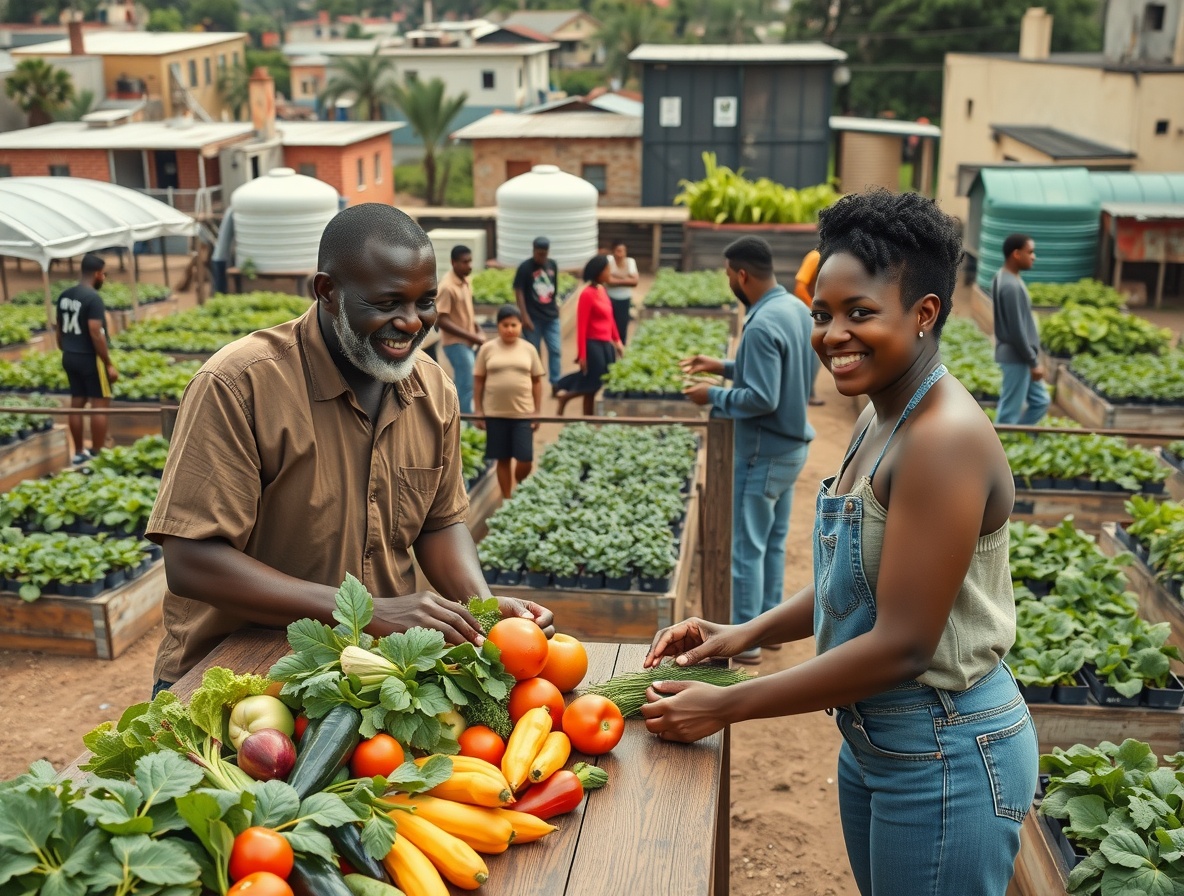
The 2026 observance puts housing, diplomacy, cooperatives, and digital governance into one urban debate. It asks how global development can support better homes without making residents pay for progress through displacement. That question matters across the Global South, where cities and communities face varied needs.

The fourth industrial revolution, or 4IR, integrates digital, physical, and data technologies into production, infrastructure, and services. Those tools can guide housing choices, but they cannot decide whose needs count. The practical test is whether residents can gain a secure home and better services without being pushed out by the renewal meant to help.

What Is World Cities Day 2026 for Cooperatives, Global Sustainability Development?

World Cities Day is the United Nationsโ€™ annual urban observance, held on October 31. It began in 2014, and its 2026 theme is โ€œRegenerating the City: Adequate Housing for All.โ€ The housing challenge reaches up to 3.4 billion people who lack adequate homes, secure tenure, basic services, or affordable living conditions.

The observance puts housing access at the center of urban development. CoopsDay is a separate international day for cooperatives, not a second name or date for this event.

The date, origin, and 2026 focus

The United Nations designated October 31 through General Assembly resolution 68/239. The first observance took place in 2014. In 2026, the program framework runs October 31-November 2, with adequate housing as its central concern.

World Cities Day and CoopsDay are separate observances, with different dates and agendas.

Ten facts that frame the observance

  • 1. The United Nations designated October 31. 2. The first observance took place in 2014.
  • 3. The 2026 theme is โ€œRegenerating the City: Adequate Housing for All.โ€ 4. Up to 3.4 billion people lack adequate housing or related essentials.
  • 5. The program framework runs October 31-November 2. 6. World Cities Day concludes Urban October, which begins with World Habitat Day.
  • 7. SDG 11 calls for inclusive, safe, resilient, and sustainable cities. 8. November 1 forums cover housing delivery, New Urban Agenda reporting, and inclusive housing finance.
  • 9. The opening ceremony will present the fourth-cycle Shanghai Award for Sustainable Development in Cities. 10. CoopsDay 2026 falls on July 4, the first Saturday of July.

CoopsDay has its own history and calendar; the international day cooperatives observe is not part of the October urban program. The November 1 discussions connect local housing plans with wider policy and funding choices.

For event planning, label a local activity as part of the official global program only when its organizer confirms that status.

How Can Cities Connect All 17 SDGs to Housing and Regeneration?

Housing planners collaborate around a large table in a modern urban office, analyzing a detailed map showcasing sustainable development goals for a city. In the foreground, diverse planners in professional business attire point at various highlighted areas of the map, discussing strategies. The middle ground features a digital screen displaying charts and graphs related to ecological impact and community growth. The background includes large windows with cityscape views, bathed in warm, natural light that creates an inviting atmosphere. The mood is focused and collaborative, emphasizing innovation in urban planning. The overall composition highlights the importance of strategic development, symbolizing progress towards sustainability. This image is designed for "The Sustainable Digest."

A housing decision can connect several global goals at once, from health and water access to climate resilience. Policy choices shape those links, but no single project delivers all 17 goals by itself.

More than half the worldโ€™s population lives in cities, and that share may reach two-thirds by 2050. The international day cooperatives discuss can bring urban needs into a wider sustainable development debate.

Map the goals to everyday urban needs

  • SDGs 1-3 link housing to poverty reduction, food access, and health.
  • SDGs 4-6 connect safe homes with education, gender equality, and clean water.
  • SDGs 7-9 involve energy, decent work, and resilient infrastructure.
  • SDGs 10-12 address inequality, inclusive cities, and responsible consumption.
  • SDGs 13-17 connect climate action, oceans, ecosystems, strong institutions, and partnerships.

These are possible policy links, not a claim that every urban project affects every goal equally. A home near transit may support work access; a poorly planned renewal may weaken existing ties.

Turn global goals into accountable local decisions

UN-Habitatโ€™s 2026 SDG 11 Global Report runs 108 pages and finds that SDG 11 remains off track overall. It includes an experimental AI-assisted review of Voluntary National Reviews, offering a supplementary view of how countries frame SDG 11 priorities.

Public bodies can turn those broad aims into decisions with named duties and clear checks:

Governance levelTypical leverHousing or regeneration decisionAccountability route
Local or municipalZoning and permitsSet affordable housing termsPublic hearings and council votes
State, provincial, or regionalLand rules and grantsFund repairs across districtsLegislative review and audits
National or federalHousing law and budgetsSet tenure protectionsParliamentary review and reporting
International or multilateralShared goals and financeGuide inclusive regeneration fundingCountry reports and public review

A regeneration proposal is stronger when each mapped goal has an accountable public body and a measurable local outcome.

What Roles Do Cooperatives, Diplomacy, and the 4IR Play?

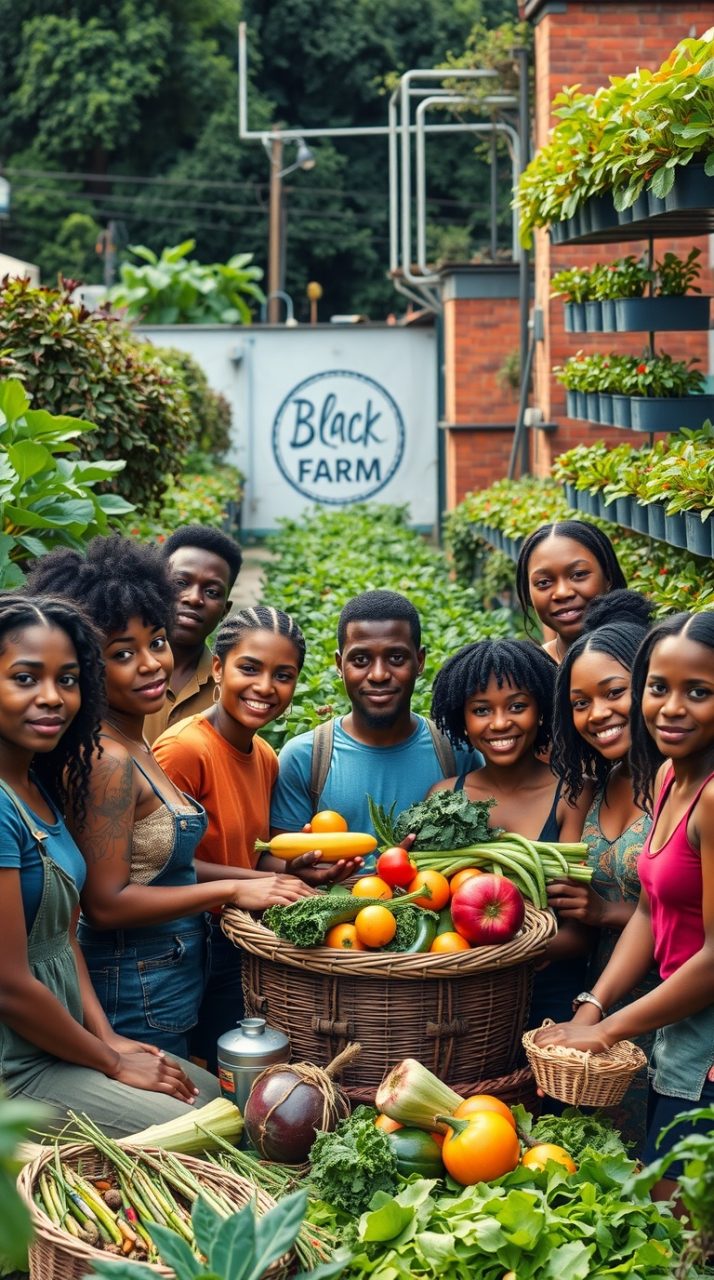
A housing cooperative can make residents participants in local decisions, not only recipients of services. Shared control can support housing, local services, and social cohesion, while grassroots groups bring neighborhood needs into public debate.

CoopsDay has been celebrated since 1923; the United Nations proclaimed the International Day of Cooperatives in 1995. Its 2026 theme, โ€œCooperatives for a Peaceful World,โ€ aligns with SDG 16. The International Cooperative Alliance, or ICA, works on CoopsDay through COPAC, the Committee for the Promotion and Advancement of Cooperatives. COPAC includes UN DESA, the International Labour Organization, FAO, ITC, UNRISD, and ICA.

Those documented cooperative links do not make every civic group an event organizer. Sister Cities International, the World Affairs Council of America, and the World Leisure Organization offer useful civic or international-affairs lenses. The UN sets agreed development goals; the World Economic Forum convenes public and private leaders. They are not inherently opposed, but priority-setting and accountability still matter.

NATO offers a security-policy lens, not an organizing role. Global South cities have varied priorities, from housing access to climate risk. Dubai shows how an AI-enabled digital city model can test housing policy before spending is committed or families are displaced. A model informs choices; it cannot replace public participation.

A digital model is a tool for testing choices, not a substitute for public consent.

The ICA Global Conference 2026 theme is โ€œBuilding Bridges: Cooperative Contributions to a Peaceful World.โ€ Before endorsing digital regeneration, residents should be able to see the modelโ€™s assumptions and know who can challenge them.
Conclusion

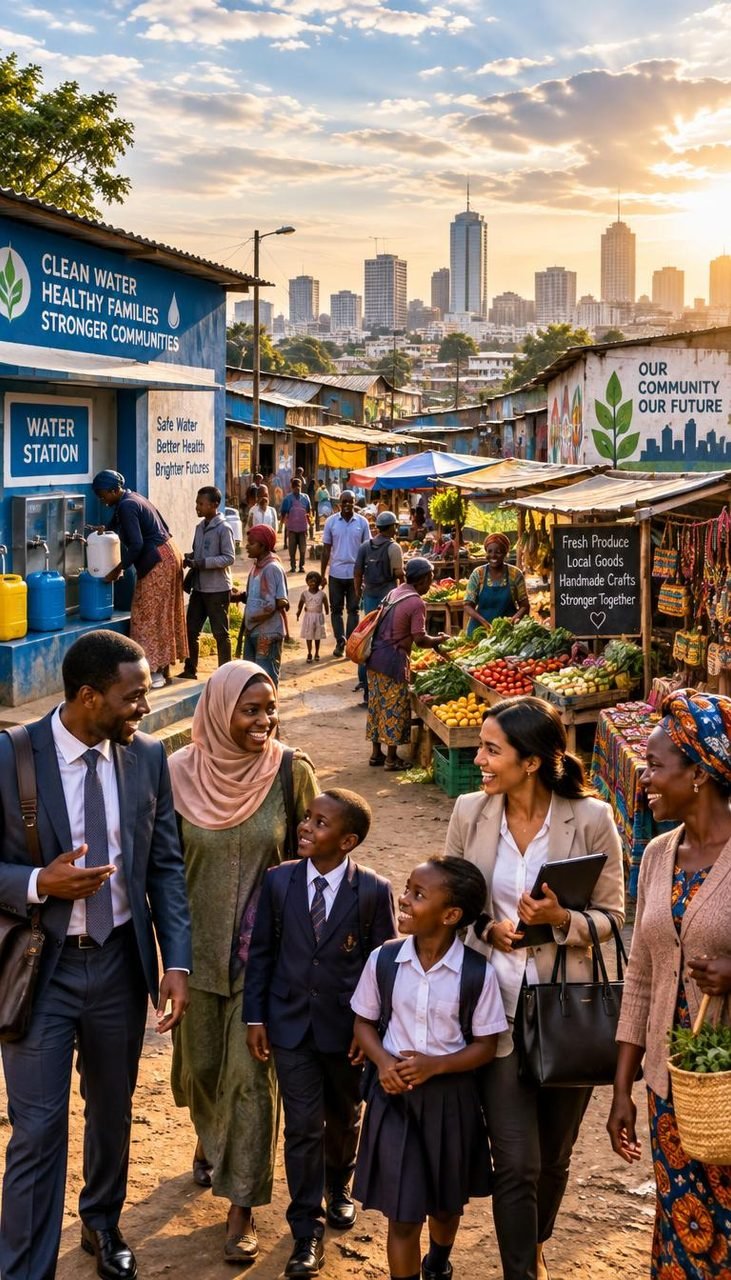
Urban renewal is most credible when residents gain security and opportunity, not just a redesigned skyline. New tools matter only when they support affordable homes, reliable services, and meaningful resident participation.

A cooperative or neighborhood group can compare a local plan against four tests: secure tenure, affordability, service access, and participation. That check can make a public consultation more useful than a polished rendering alone.

A cooperative or neighborhood group can begin by checking one local plan against those four tests before the next public consultation.

FAQ

What does adequate housing mean in the World Cities Day theme?

Adequate housing means more than building enough homes. It includes secure tenure, affordability, basic services, and living conditions fit for people. A home may exist on paper yet remain inadequate if residents face unsafe conditions or lack water and essential services. The theme looks at whether housing supports daily life, not only the number of units built.

Is World Cities Day the same as CoopsDay?

No, World Cities Day and CoopsDay are separate observances. World Cities Day takes place on October 31 and focuses on urban issues. CoopsDay 2026 is July 4, the first Saturday of July, and highlights cooperatives. Their dates, themes, and organizing links differ, even when both observances touch on housing and community needs.

What is the New Urban Agenda?

The New Urban Agenda is the United Nationsโ€™ global framework for sustainable urban development, adopted in 2016. It sets broad guidance for how countries and cities can plan inclusive, safe, resilient, and sustainable communities. Its focus is wider than housing alone, but housing policy can shape how well cities meet those aims.

Can a housing cooperative contribute to SDG 11?

Yes, a housing cooperative can contribute to SDG 11 when it supports inclusive, safe, resilient, and sustainable communities. Secure, affordable housing can help residents stay connected to local services and one another. Resident participation also gives people a role in shaping decisions that affect their homes and neighborhoods.

Can an AI-enabled city model guarantee that regeneration will not displace residents?

No, an AI-enabled city model cannot guarantee that regeneration will avoid displacement. It can test policy scenarios before spending or relocation begins, helping decision-makers compare possible effects. Outcomes still depend on public choices and safeguards. A model can show risks, but it cannot enforce protections or replace residentsโ€™ voices.

Does NATO organize World Cities Day?

No, NATO does not organize World Cities Day. The observance is a United Nations urban event, while NATO may offer a security-policy lens on city issues. That lens is distinct from the observanceโ€™s housing agenda. Treating NATO as an organizer would confuse a possible analytical connection with a formal event role.

Key Takeaways

  • World Cities Day 2026 focuses on adequate housing and urban regeneration.
  • Cooperatives can support housing, services, and resident participation.
  • Housing policy can connect to several Sustainable Development Goals.
  • Digital city models can test policy choices before major spending.
  • Residents need a real role in plans that may reshape their neighborhoods.

Sustainable Development Observances: Insights for Sept. 21st Week

Sustainable Development through observances during the week of Sept. 21st

The week of September 21st is key for global sustainability initiatives. It matches the United Nations’ 2030 Sustainable Development Goals, while many events and observances during this week show our progress and challenges in reaching these goals.

As the world works together on sustainability, this week is a crucial time. It’s a moment for us to reflect and take action. It shows how important it is for governments, businesses, and civil society to work together for real change.

The Significance of September’s Global Observances

Global observances in September remind us of the ongoing efforts to meet the United Nations’ Sustainable Development Goals. These events highlight the need for sustainability and taking care of our environment. They align with the 2030 Sustainable Development Goals.

Alignment with United Nations 2030 Sustainable Development Goals

The global observances in September focus on the United Nations Sustainable Development Goals. They especially focus on climate action, life on land, and sustainable cities. These events aim to raise awareness and encourage action towards these goals.

Historical Context of September Environmental Awareness Events

September has always been a key month for environmental awareness. The growth of these events shows how global concern for the environment has increased over time.

Evolution of Global Sustainability Initiatives

Global sustainability efforts have grown a lot over the years. The table below shows important milestones in this growth.

YearEventSignificance
2015Adoption of SDGsGlobal commitment to sustainable development
2020Climate Action SummitAccelerating climate action
2023Global Sustainability ForumPromoting sustainable practices worldwide

The importance of September’s global observances is in their power to drive action towards a sustainable future. They align with the United Nations 2030 Sustainable Development Goals.

Sustainable Development through Observances During the Week of Sept.21st

Global sustainability shines in the week of September 21st. This week is filled with observances that encourage eco-friendly actions. It includes international days focused on various aspects of sustainable development.

Overview of Key Sustainability Themes

The week of September 21st covers many sustainability topics. These include environmental conservation, sustainable transportation, and protecting biodiversity. World Car-Free Day, World Rhino Day, and Fall Equinox celebrations are just a few highlights.

Global Participation and Measurable Impact

People all over the world join in these observances. Their efforts make a real difference. Cities see less carbon emissions on car-free days and learn more about endangered species.

Role of International Organizations: UNEP, UNESCO, and UNDP

Groups like the United Nations Environment Programme (UNEP), the United Nations Educational, Scientific and Cultural Organization (UNESCO), and the United Nations Development Programme (UNDP) are key. They help countries by offering guidance, resources, and support.

OrganizationRole in SustainabilityNotable Initiatives
UNEPEnvironmental conservation and climate change mitigationClean seas campaign, climate action
UNESCOPromoting cultural heritage and sustainable developmentWorld Heritage Sites, Education for Sustainable Development
UNDPSupporting countries in achieving the SDGsSustainable Development Goals (SDGs) implementation, poverty reduction

World Car-Free Day: Promoting Sustainable Transportation

World Car-Free Day is an annual event that shows the need for better transportation. It encourages cities to think differently about how they move people. This leads to healthier environments and better places to live.

Environmental Benefits of Reducing Vehicle Usage

Using fewer cars is good for the planet. It cuts down on air pollution and greenhouse gases. Cities that go car-free on certain days can make the air cleaner and improve health.

It also means less noise pollution. This makes cities nicer places to be.

Car-free Sunday Initiatives Across American Cities

Many American cities now have car-free Sundays. These days turn public spaces into fun places for people to gather. For example, New York and San Francisco have special car-free days.

These events help people see the value of using other ways to get around. It’s all about living more sustainably.

Urban Planning Innovations for Pedestrian-Friendly Communities

Good urban planning is key to making cities better for walkers. Cities are making paths wider and easier to use. They’re also using smart traffic systems and adding green spaces.

These changes make life better for people living there. They also help the environment.

CityCar-Free InitiativeImpact
New YorkSummer StreetsClosed roads for pedestrian and cyclist use
San FranciscoCivic Center Car-Free DayIncreased community engagement and reduced emissions
ChicagoCongress Parkway Car-Free DayPromoted alternative transportation modes

By starting car-free days and improving urban planning, cities can become better places. Leveraging World Car-Free Day is a big step towards making the world a greener place.

World Rhino Day: Conservation Efforts and Biodiversity

A vibrant scene of World Rhino Day conservation efforts in a lush, sun-dappled African savanna. In the foreground, a dedicated ranger carefully monitors a majestic black rhinoceros, its horn proudly displayed. Conservationists in the middle ground work diligently to protect the endangered species, their faces resolved. In the background, a herd of zebras and antelopes graze peacefully, symbolizing the interconnected ecosystem. Warm, natural lighting casts a golden glow, creating an atmosphere of hope and determination. The Sustainable Digest.

The observance, World Rhino Day reminds us of the fight to save rhinos. It’s a time to look at how rhinos are doing and what we’re doing to help them. We must think about their future and how we can protect it.

Current Status of Global Rhino Populations

Rhinos face big threats like poaching and losing their homes. Even with efforts to save them, some are very close to disappearing. The black rhino has seen some good news in some places, but they’re still in danger.

Conservation Status: The International Union for Conservation of Nature (IUCN) says many rhinos are in big trouble. This shows we need to keep working hard to save them.

Conservation Strategies and Challenges

There are many ways to help rhinos, like protecting their homes and stopping poachers. But, we face big challenges like not having enough money and the demand for rhino horn.

“The fight to save the rhino is far from over; it requires sustained commitment and innovative solutions,” said a leading conservationist.

Community-Based Conservation Programs and Success Stories

Community programs are key in saving rhinos. They involve local people in protecting rhinos and give them jobs. This helps both the rhinos and the people living nearby.

  • Community-led conservation initiatives have shown significant success in reducing human-wildlife conflict.
  • Ecotourism has become a vital source of income for communities living near rhino habitats, promoting the value of conservation.

World Rhino Day shows us that while there are still big challenges, we can make a difference. We can do this by working together and involving local communities in our efforts.

Fall Equinox: Traditional Ecological Knowledge and Sustainability

The Fall Equinox marks a balance between day and night. It’s a time to look at traditional ecological knowledge. This season has been important for many cultures, marking harvest and reflection.

Indigenous Perspectives on Seasonal Changes

Indigenous communities see the Fall Equinox as a key time. They prepare for winter and live in harmony with nature. They celebrate with rituals that honor the seasons and the harvest.

Sustainable Harvest Practices and Food Security

Sustainable harvests are key for food security as seasons change. Practices like crop rotation and organic farming are important. They keep soil healthy and reduce harm to the environment, ensuring food all year.

Celebrating the First Day of Autumn Through Eco-Friendly Activities

We can celebrate the Fall Equinox with eco-friendly activities. This includes community clean-ups and local harvest festivals.

By embracing the Fall Equinox and traditional ecological knowledge, we can work towards a sustainable future.

Cultural Celebrations and Sustainable Practices

Navratri eco-friendly celebrations with vibrant displays of handmade paper lanterns, eco-friendly rangoli designs, and clay Ganesha idols. A joyous gathering of families and communities, bathed in warm golden light, amidst lush greenery and natural elements. The Sustainable Digest logo subtly visible in the corner.

Looking at September 21st, we see a mix of cultural celebrations. These events show us how to live sustainably. Each celebration has its own traditions and values that help us care for the planet.

Navratri and Eco-friendly Celebration Guidelines

Navratri is a big cultural event. To make it greener, people can use clay idols instead of plastic ones. They can also cut down on plastic and support dances that are good for the environment.

“By going green during Navratri, we honor the goddess and help our planet,” says an environmental activist.

Mabon and Sustainable Living Principles

Mabon is a celebration that focuses on balance. It makes us think about our use of resources. By living sustainably, we can lessen our impact on the earth and live in harmony with nature.

Bathukamma Starting Day: Traditional Ecological Wisdom

Bathukamma Starting Day celebrates nature’s beauty. It’s about arranging flowers in a special way. This shows us the importance of preserving nature.

Maharaja Agrasen Jayanti and Historical Sustainability Lessons

Maharaja Agrasen Jayanti honors a leader who promoted sustainability. This day teaches us about community, cooperation, and caring for the environment.

In summary, these celebrations add to our cultural richness and teach us about living sustainably. By following their values, we can create a greener future.

Independence Days and National Sustainability Initiatives

Nations around the world celebrate their independence in unique ways. Countries like Armenia, Belize, Malta, and Mali highlight their commitment to the environment. They focus on environmental stewardship and sustainable development.

Armenia’s Environmental Policies and Progress

Armenia has made big steps in protecting the environment since gaining independence. It has set policies to cut pollution, save biodiversity, and boost renewable energy. Armenia’s dedication to sustainability shows in its work on energy efficiency and sustainable farming.

Belize’s Marine Conservation Efforts

Belize is famous for its marine life and has been working hard to protect it. Its independence celebrations show its dedication to coral reefs and marine life. Belize’s green tourism helps protect its natural beauty.

Malta’s Sustainable Development Strategies

Malta leads in sustainable development in the Mediterranean. Its independence day shows its balance between economic growth and environmental care. Malta invests in clean energy and improves waste management.

Mali’s Environmental Challenges and Community Solutions

Mali faces big environmental problems like deforestation and desertification. But, it also has community-led solutions. Mali’s work on sustainable land use and conservation shows its commitment to solving these issues.

These countries’ independence days are more than celebrations. They highlight their dedication to a sustainable future. By making sustainability a key part of their plans, they inspire the world to care for the environment.

Business and Economic Dimensions of Sustainable Development

A bustling city skyline with towering glass skyscrapers, their facades gleaming in the warm afternoon sunlight. In the foreground, a thriving green business district featuring modern eco-friendly office buildings, solar panels adorning their rooftops. Lush, verdant trees and well-manicured gardens surround the structures, creating a sense of harmony between nature and technology. In the middle ground, electric vehicles and bicycles populate the streets, reflecting the sustainable transportation choices of the "The Sustainable Digest" organization. The overall scene conveys a progressive, forward-thinking vision of a green, eco-conscious urban landscape.

The world of business and sustainability is seeing big changes. Companies are finding new ways to make a positive impact. This is thanks to initiatives that aim to drive change.

American Business Women’s Day: Female Leadership in Sustainability

American Business Women’s Day celebrates women’s leadership in business. Women are playing a key role in making companies more sustainable. They are leading the way in environmental care and social responsibility.

For example, women-led companies are more likely to focus on sustainable supply chains. They also prioritize making eco-friendly products.

  • Promoting diversity and inclusion
  • Driving innovation in sustainable products
  • Fostering community engagement

World Fair Trade Organization Practices

The World Fair Trade Organization works to promote fair trade worldwide. It helps ensure that trade is fair and supports the livelihoods of producers in developing countries. Fair trade certification pushes businesses to be transparent and ethical.

“Fair trade is not just about trade; it’s about creating a more just and equitable world.”

World Fair Trade Organization

Case Studies of Successful Green Businesses in the United States

In the United States, some green businesses are leading by example. Companies like Patagonia and Seventh Generation are making eco-friendly products. They show that being green and profitable can go together.

International Day for the Total Elimination of Nuclear Weapons

The International Day for the Total Elimination of Nuclear Weapons reminds us of nuclear weapons’ harm. It’s a day to act together for nuclear disarmament. Various of nations from developed to emerging and frontier observes this day every year.

Environmental Impact of Nuclear Weapons and Testing

Nuclear weapons and tests harm the environment a lot. They make soil, water, and air radioactive. This is bad for people now and in the future.

The damage from nuclear tests is huge. We need strong rules to stop these tests.

  • Radioactive contamination of ecosystems
  • Health risks due to radiation exposure
  • Long-term environmental damage

Sustainable Security Frameworks for the Future

To live without nuclear weapons, we need sustainable security frameworks. These should focus on diplomacy and working together. We also need to use clean energy instead of nuclear power.

Community Advocacy for Nuclear Disarmament

Community efforts are key for nuclear disarmament. By spreading the word and getting people involved, we can push for disarmament. Important steps include:

  1. Teaching people about nuclear dangers
  2. Working with global groups to get the word out
  3. Supporting disarmament laws and agreements

Indigenous Perspectives on Environmental Stewardship

A serene forest landscape, sunlight filtering through the lush canopy, as indigenous elders guide a group of children on a path of environmental stewardship. In the foreground, the elders gesticulate, sharing ancient wisdom about the delicate balance of nature. The middle ground showcases native flora and fauna, a subtle nod to the interconnectedness of all living things. In the background, a distant vista of rolling hills and a clear sky, conveying a sense of harmony and tranquility. Captured with a wide-angle lens, this image from "The Sustainable Digest" celebrates the enduring legacy of indigenous environmental stewardship.

The world faces many environmental challenges. Indigenous knowledge systems offer a key to solving these problems. For a long time, indigenous communities have taken care of the land. They share special insights on how to balance human needs and protect the environment.

Observances and Celebrations

Celebrations like American Aboriginal Indian Day, Indigenous American Day, and Native American Day are very important. They remind us of the value of indigenous views on caring for the environment. These days honor Native American culture and their role in saving our planet.

Traditional Knowledge and Modern Conservation

Traditional knowledge is very valuable for today’s conservation efforts. Indigenous ways often mean living with nature, not against it. This way of thinking can help us use land better and protect wildlife.

Michigan Indian Day: Local Initiatives

Michigan Indian Day shows how local efforts can make a big difference. It mixes old traditions with new ideas about environmental justice. This highlights the power of community-led conservation and the role of indigenous peoples in making policies better.

Important parts of indigenous environmental care include:

  • Holistic approaches to land management
  • Traditional ecological knowledge
  • Community-led conservation initiatives

By listening to indigenous views on caring for the environment, we can make conservation more inclusive and effective. This helps us all work together to protect our planet.

Wildlife Conservation Awareness Days

A lush, verdant forest backdrop, with towering trees and a canopy of green foliage. In the foreground, a majestic deer stands alert, its eyes glistening with intelligence. Surrounding the deer, smaller animals such as rabbits, squirrels, and birds create a sense of harmony and balance in the natural ecosystem. Warm, diffused lighting filters through the leaves, casting a soft, ethereal glow over the scene. The overall atmosphere conveys a message of wildlife conservation awareness, underscoring the importance of preserving these precious habitats. In the bottom right corner, the text "The Sustainable Digest" is discreetly displayed.

Awareness days for wildlife conservation are key in saving our planet. They focus on different species and why we must protect them. This helps us understand the importance of keeping our world diverse.

Save The Koala Day: Lessons for Global Species Protection

Save The Koala Day is on the third Wednesday of October. It sheds light on koalas’ struggles with habitat loss and climate change. It teaches us the importance of working by together to save not just koalas but all endangered animals.

Habitat preservation and community engagement are crucial. These methods can help protect many species worldwide.

Elephant Appreciation Day: Conservation Challenges

Elephant Appreciation Day celebrates elephants and their struggles. These include poaching and losing their homes. Efforts to save elephants include anti-poaching patrols, habitat restoration, and community-based programs.

These strategies can also help other large, famous animals.

Shamu the Whale Day: Marine Conservation Education

Shamu the Whale Day honors the orca whale and teaches us about marine conservation. It stresses the need for marine protected areas and responsible wildlife viewing. As

“The ocean is the lifeblood of our planet, and protecting it is crucial for the health of all species.”

Teaching people about marine conservation is essential. It helps protect orcas and other sea creatures.

Together, these days help us understand wildlife conservation better. They show us the need for ongoing efforts to save our planet’s biodiversity.

Conclusion: Integrating Sustainable Development into Daily Life

Reflecting on September 21st’s events shows us how vital it is to live sustainably. World Car-Free Day, World Rhino Day, and the Fall Equinox remind us of our connection to the planet. They highlight the need for caring for our environment, respecting cultures, and adopting green practices.

By choosing eco-friendly transport, protecting wildlife, and valuing traditional knowledge, we help our planet. Business and economic efforts, like American Business Women’s Day and Fair Trade practices, show us the value of fairness and inclusion in sustainability.

Let’s keep pushing for a sustainable lifestyle by building a culture that’s both local and global. This way, we can create a better, fairer world for everyone. Our goal is to meet the United Nations’ 2030 Sustainable Development Goals.

Key Takeaways

  • September 21st week is crucial for global sustainability initiatives.
  • Events during the week align with the UN’s 2030 Sustainable Development Goals.
  • The period is marked by reflection and action on sustainability challenges.
  • Collaboration among stakeholders is emphasized as a key driver of change.
  • Progress and challenges in achieving SDGs are highlighted during the week.

This website is saving the energy of your screen as it is not being used. It's part of a global effort to lower the planet's electrical consumption and CO2 emission level. Resume browsing
Click anywhere to resume browsing
Verified by MonsterInsights