World Cities Day 2026 for Cooperatives, Global Development, & International Affairs

World Cities Day 2026 for Cooperatives, Global Sustainability Development

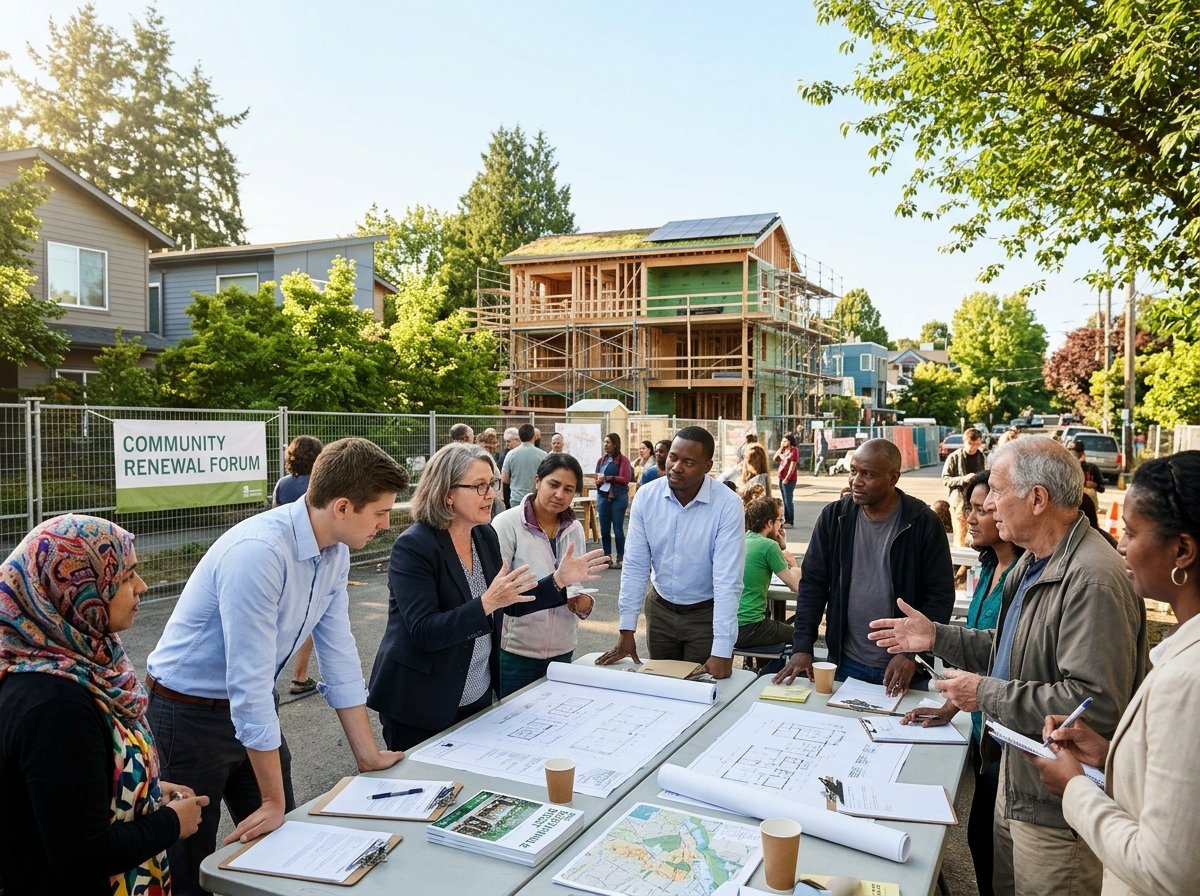
A cityโ€™s housing plan can reshape access to work, services, and civic life long before it changes the skyline. A family may gain a new home nearby, or lose a familiar route to school and work. Renewal looks different from each front door.

This week we take structurally how the observance of World Cities Day 2026 cross pollinate various sustainability adjacent movements and institutions. Utilize this week’s blog as both a framework and perspective the ongoing value of sustainable development. As the month of international cooperatives came to a conclusion, World Cities Day provides the ideal dialog for infrastructure scaling and advancing community scope.
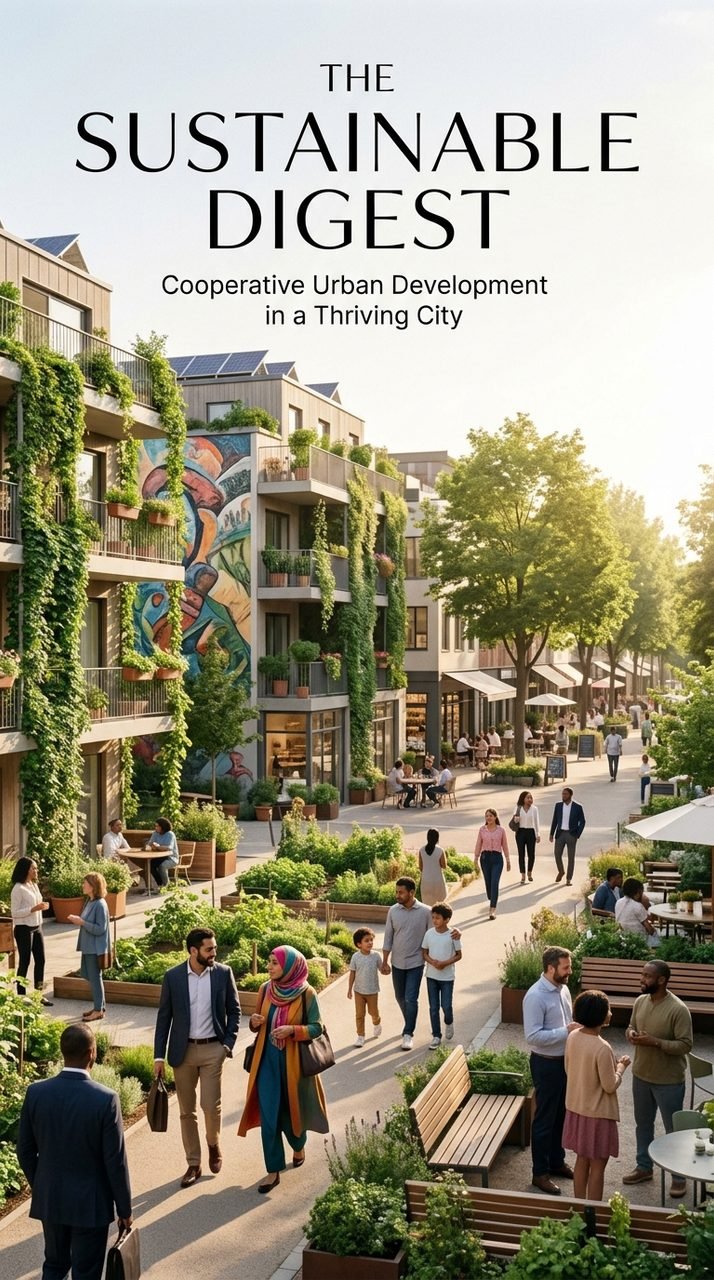
The 2026 observance puts housing, diplomacy, cooperatives, and digital governance into one urban debate. It asks how global development can support better homes without making residents pay for progress through displacement. That question matters across the Global South, where cities and communities face varied needs.

The fourth industrial revolution, or 4IR, integrates digital, physical, and data technologies into production, infrastructure, and services. Those tools can guide housing choices, but they cannot decide whose needs count. The practical test is whether residents can gain a secure home and better services without being pushed out by the renewal meant to help.

What Is World Cities Day 2026 for Cooperatives, Global Sustainability Development?

World Cities Day is the United Nationsโ€™ annual urban observance, held on October 31. It began in 2014, and its 2026 theme is โ€œRegenerating the City: Adequate Housing for All.โ€ The housing challenge reaches up to 3.4 billion people who lack adequate homes, secure tenure, basic services, or affordable living conditions.

The observance puts housing access at the center of urban development. CoopsDay is a separate international day for cooperatives, not a second name or date for this event.

The date, origin, and 2026 focus

The United Nations designated October 31 through General Assembly resolution 68/239. The first observance took place in 2014. In 2026, the program framework runs October 31-November 2, with adequate housing as its central concern.

World Cities Day and CoopsDay are separate observances, with different dates and agendas.

Ten facts that frame the observance

  • 1. The United Nations designated October 31. 2. The first observance took place in 2014.
  • 3. The 2026 theme is โ€œRegenerating the City: Adequate Housing for All.โ€ 4. Up to 3.4 billion people lack adequate housing or related essentials.
  • 5. The program framework runs October 31-November 2. 6. World Cities Day concludes Urban October, which begins with World Habitat Day.
  • 7. SDG 11 calls for inclusive, safe, resilient, and sustainable cities. 8. November 1 forums cover housing delivery, New Urban Agenda reporting, and inclusive housing finance.
  • 9. The opening ceremony will present the fourth-cycle Shanghai Award for Sustainable Development in Cities. 10. CoopsDay 2026 falls on July 4, the first Saturday of July.

CoopsDay has its own history and calendar; the international day cooperatives observe is not part of the October urban program. The November 1 discussions connect local housing plans with wider policy and funding choices.

For event planning, label a local activity as part of the official global program only when its organizer confirms that status.

How Can Cities Connect All 17 SDGs to Housing and Regeneration?

Housing planners collaborate around a large table in a modern urban office, analyzing a detailed map showcasing sustainable development goals for a city. In the foreground, diverse planners in professional business attire point at various highlighted areas of the map, discussing strategies. The middle ground features a digital screen displaying charts and graphs related to ecological impact and community growth. The background includes large windows with cityscape views, bathed in warm, natural light that creates an inviting atmosphere. The mood is focused and collaborative, emphasizing innovation in urban planning. The overall composition highlights the importance of strategic development, symbolizing progress towards sustainability. This image is designed for "The Sustainable Digest."

A housing decision can connect several global goals at once, from health and water access to climate resilience. Policy choices shape those links, but no single project delivers all 17 goals by itself.

More than half the worldโ€™s population lives in cities, and that share may reach two-thirds by 2050. The international day cooperatives discuss can bring urban needs into a wider sustainable development debate.

Map the goals to everyday urban needs

  • SDGs 1-3 link housing to poverty reduction, food access, and health.
  • SDGs 4-6 connect safe homes with education, gender equality, and clean water.
  • SDGs 7-9 involve energy, decent work, and resilient infrastructure.
  • SDGs 10-12 address inequality, inclusive cities, and responsible consumption.
  • SDGs 13-17 connect climate action, oceans, ecosystems, strong institutions, and partnerships.

These are possible policy links, not a claim that every urban project affects every goal equally. A home near transit may support work access; a poorly planned renewal may weaken existing ties.

Turn global goals into accountable local decisions

UN-Habitatโ€™s 2026 SDG 11 Global Report runs 108 pages and finds that SDG 11 remains off track overall. It includes an experimental AI-assisted review of Voluntary National Reviews, offering a supplementary view of how countries frame SDG 11 priorities.

Public bodies can turn those broad aims into decisions with named duties and clear checks:

Governance levelTypical leverHousing or regeneration decisionAccountability route
Local or municipalZoning and permitsSet affordable housing termsPublic hearings and council votes
State, provincial, or regionalLand rules and grantsFund repairs across districtsLegislative review and audits
National or federalHousing law and budgetsSet tenure protectionsParliamentary review and reporting
International or multilateralShared goals and financeGuide inclusive regeneration fundingCountry reports and public review

A regeneration proposal is stronger when each mapped goal has an accountable public body and a measurable local outcome.

What Roles Do Cooperatives, Diplomacy, and the 4IR Play?

A housing cooperative can make residents participants in local decisions, not only recipients of services. Shared control can support housing, local services, and social cohesion, while grassroots groups bring neighborhood needs into public debate.

CoopsDay has been celebrated since 1923; the United Nations proclaimed the International Day of Cooperatives in 1995. Its 2026 theme, โ€œCooperatives for a Peaceful World,โ€ aligns with SDG 16. The International Cooperative Alliance, or ICA, works on CoopsDay through COPAC, the Committee for the Promotion and Advancement of Cooperatives. COPAC includes UN DESA, the International Labour Organization, FAO, ITC, UNRISD, and ICA.

Those documented cooperative links do not make every civic group an event organizer. Sister Cities International, the World Affairs Council of America, and the World Leisure Organization offer useful civic or international-affairs lenses. The UN sets agreed development goals; the World Economic Forum convenes public and private leaders. They are not inherently opposed, but priority-setting and accountability still matter.

NATO offers a security-policy lens, not an organizing role. Global South cities have varied priorities, from housing access to climate risk. Dubai shows how an AI-enabled digital city model can test housing policy before spending is committed or families are displaced. A model informs choices; it cannot replace public participation.

A digital model is a tool for testing choices, not a substitute for public consent.

The ICA Global Conference 2026 theme is โ€œBuilding Bridges: Cooperative Contributions to a Peaceful World.โ€ Before endorsing digital regeneration, residents should be able to see the modelโ€™s assumptions and know who can challenge them.
Conclusion

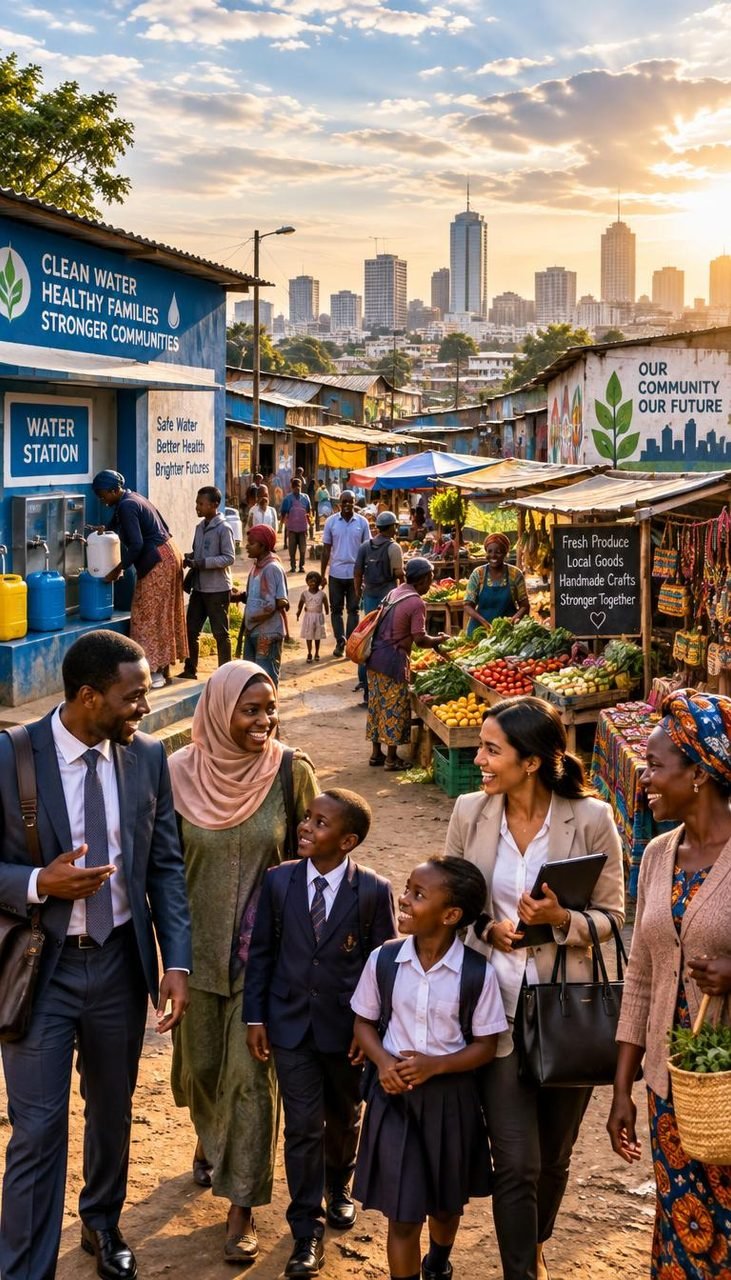
Urban renewal is most credible when residents gain security and opportunity, not just a redesigned skyline. New tools matter only when they support affordable homes, reliable services, and meaningful resident participation.

A cooperative or neighborhood group can compare a local plan against four tests: secure tenure, affordability, service access, and participation. That check can make a public consultation more useful than a polished rendering alone.

A cooperative or neighborhood group can begin by checking one local plan against those four tests before the next public consultation.

FAQ

What does adequate housing mean in the World Cities Day theme?

Adequate housing means more than building enough homes. It includes secure tenure, affordability, basic services, and living conditions fit for people. A home may exist on paper yet remain inadequate if residents face unsafe conditions or lack water and essential services. The theme looks at whether housing supports daily life, not only the number of units built.

Is World Cities Day the same as CoopsDay?

No, World Cities Day and CoopsDay are separate observances. World Cities Day takes place on October 31 and focuses on urban issues. CoopsDay 2026 is July 4, the first Saturday of July, and highlights cooperatives. Their dates, themes, and organizing links differ, even when both observances touch on housing and community needs.

What is the New Urban Agenda?

The New Urban Agenda is the United Nationsโ€™ global framework for sustainable urban development, adopted in 2016. It sets broad guidance for how countries and cities can plan inclusive, safe, resilient, and sustainable communities. Its focus is wider than housing alone, but housing policy can shape how well cities meet those aims.

Can a housing cooperative contribute to SDG 11?

Yes, a housing cooperative can contribute to SDG 11 when it supports inclusive, safe, resilient, and sustainable communities. Secure, affordable housing can help residents stay connected to local services and one another. Resident participation also gives people a role in shaping decisions that affect their homes and neighborhoods.

Can an AI-enabled city model guarantee that regeneration will not displace residents?

No, an AI-enabled city model cannot guarantee that regeneration will avoid displacement. It can test policy scenarios before spending or relocation begins, helping decision-makers compare possible effects. Outcomes still depend on public choices and safeguards. A model can show risks, but it cannot enforce protections or replace residentsโ€™ voices.

Does NATO organize World Cities Day?

No, NATO does not organize World Cities Day. The observance is a United Nations urban event, while NATO may offer a security-policy lens on city issues. That lens is distinct from the observanceโ€™s housing agenda. Treating NATO as an organizer would confuse a possible analytical connection with a formal event role.

Key Takeaways

  • World Cities Day 2026 focuses on adequate housing and urban regeneration.
  • Cooperatives can support housing, services, and resident participation.
  • Housing policy can connect to several Sustainable Development Goals.
  • Digital city models can test policy choices before major spending.
  • Residents need a real role in plans that may reshape their neighborhoods.
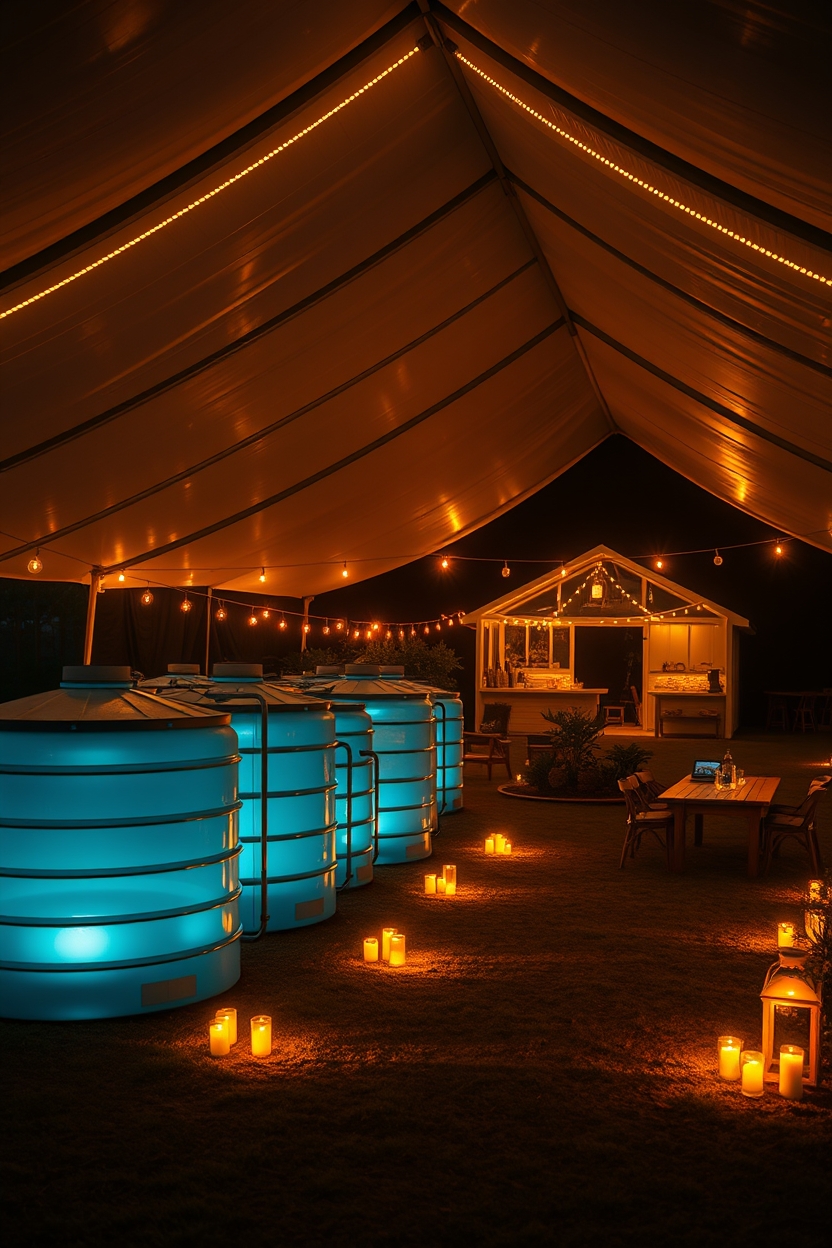
Eco-Friendly Building Materials for Rainwater Harvesting

Water conservation is key in sustainable construction. Rainwater harvesting systems are a smart way to tackle water scarcity. They use eco-friendly materials to be efficient and kind to the environment.

Modern rainwater collection focuses on low-impact development. It uses natural materials and processes to manage stormwater. This approach helps replenish groundwater and promotes harmony with nature.

As cities grow and weather changes, managing water becomes more critical. Sustainable construction with rainwater harvesting saves water and eases the load on city water systems. This makes eco-friendly rainwater collection vital for urban planning.

Understanding the Fundamentals of Sustainable Rainwater Collectio

Sustainable rainwater collection is key to saving water. It supports UNSDG# 6, which focuses on clean water and sanitation for everyone. By using stormwater management systems, we can cut down on water waste and help the environment.

The Science Behind Water Conservation Systems

Water conservation systems capture, filter, and store rainwater for later use. They use gravity and natural processes to gather water from rooftops and other areas. This water can be used for irrigation and other purposes.

Environmental Impact of Traditional vs. Eco-Friendly Materials

Traditional materials for rainwater collection harm the environment. Eco-friendly options, however, have many advantages:

  • They produce less carbon emissions during production.
  • They improve water quality.
  • They last longer and are more durable.
  • They have less impact on local ecosystems.

Key Components of Sustainable Harvesting Systems

Sustainable harvesting systems have important parts:

  1. Collection surfaces (e.g., roofs, pavements)
  2. Gutters and downspouts
  3. First-flush diverters
  4. Filtration systems
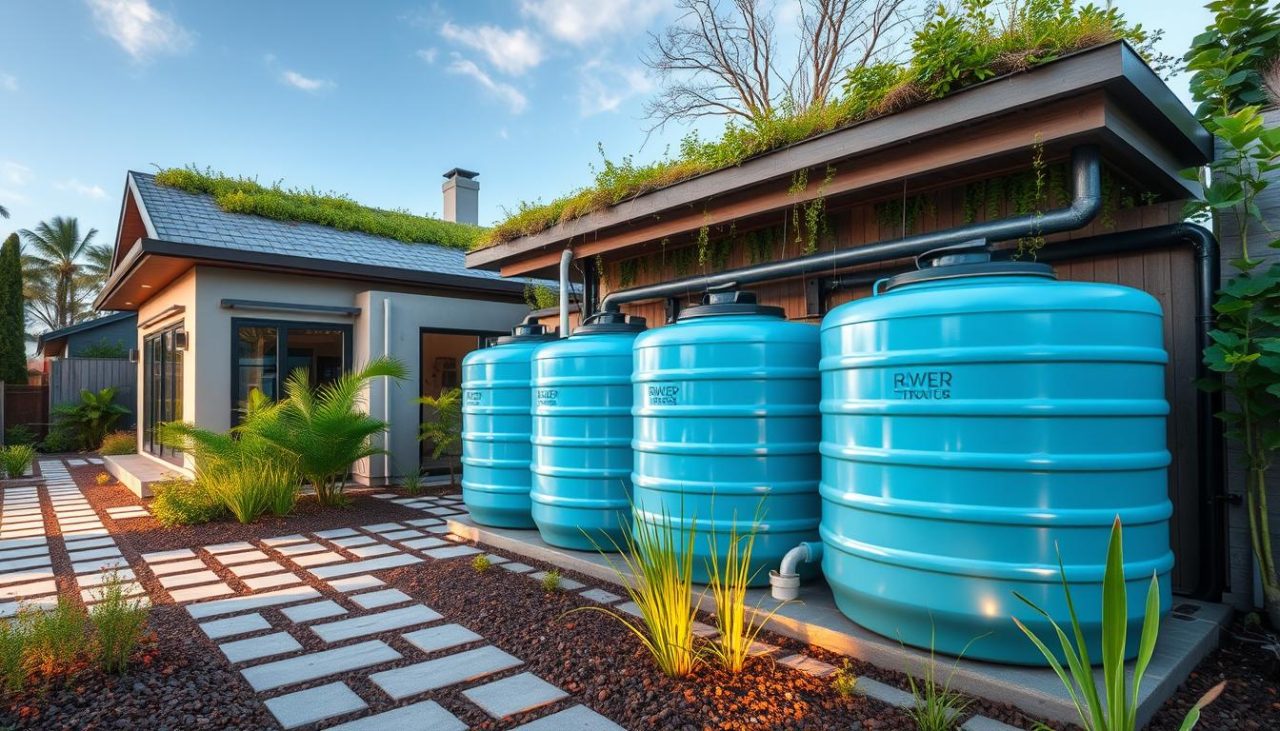
  5. Storage tanks
  6. Distribution systems for greywater reuse

These elements help capture, store, and distribute rainwater. This promotes sustainable water use and conservation.

Eco-Friendly Building Materials for Rainwater Harvesting Systems

Rainwater harvesting systems are getting a green makeover. They now use materials that are good for the planet. Green roofing is a big part of this change. It collects rainwater and keeps buildings cool.

Construction is turning to recycled materials for rainwater systems. Think reclaimed wood, recycled plastic, and repurposed metal. These choices cut down on waste and help the environment.

Choosing the right materials is key. We look at how durable, safe, and green they are. This makes sure the water stays clean and safe to use.

  • Recycled plastic for pipes and storage tanks
  • Reclaimed wood for support structures
  • Repurposed metal for gutters and downspouts

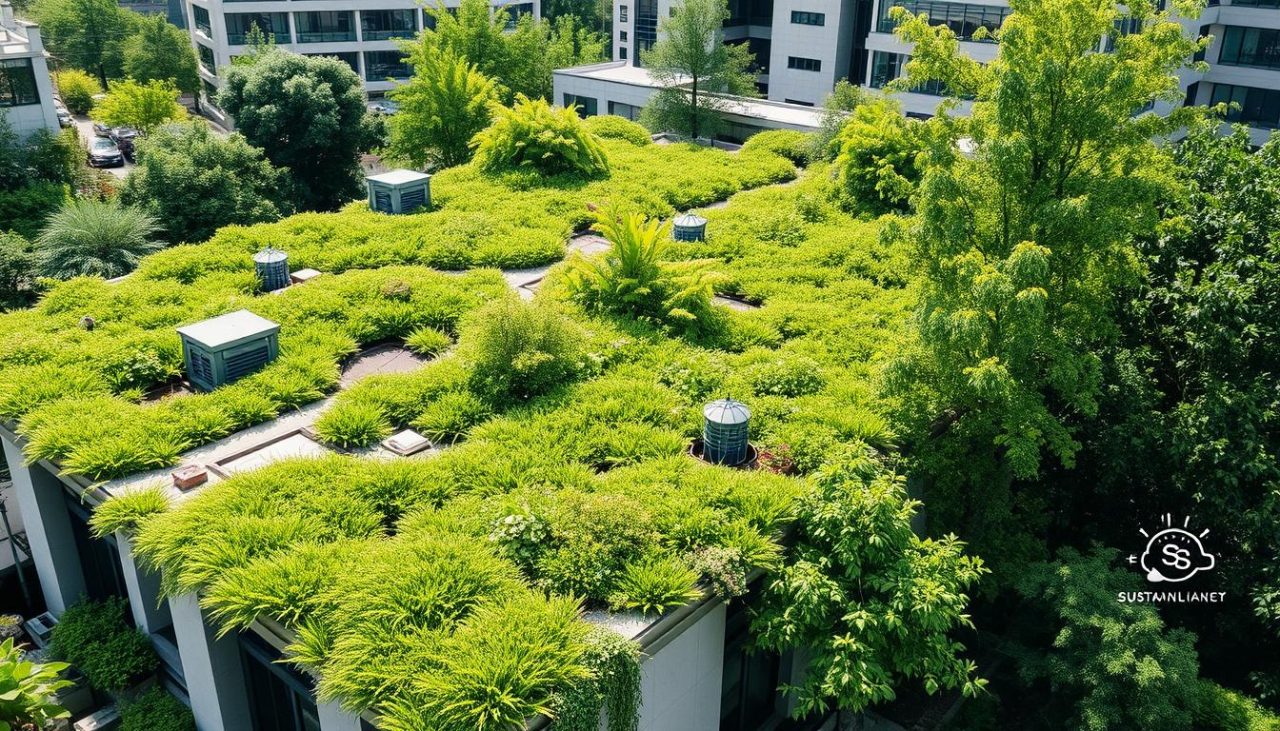
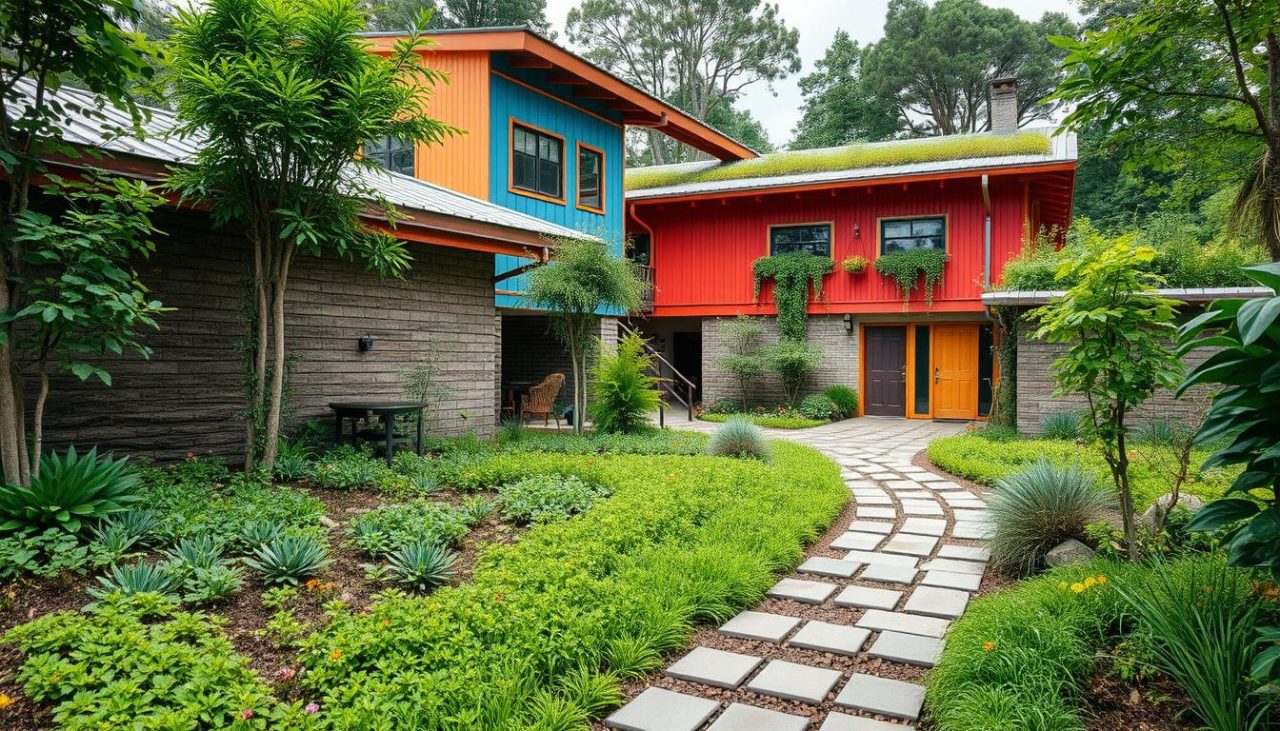
Green roofing uses plants like sedum and moss. These plants clean the rainwater and add beauty. They also help local wildlife.

“Eco-friendly materials in rainwater harvesting not only conserve water but also promote sustainable living practices.”

These materials make rainwater systems work better and greener. They help the environment and save water. As technology grows, we’ll see even more green solutions.

Green Roofing Solutions for Optimal Water Collection

Green roofs are a smart way to collect rainwater and make buildings look good. They work like nature, using plants to manage water. This helps meet UNSDG#14, which supports sustainable water use and protects marine life.

Living Roof Technologies and Materials

Living roofs have layers of plants and soil to soak up rain. This slows down water flow, cutting down on runoff and flood risks. They use waterproof membranes, drainage mats, and light soil to hold water.

Sustainable Drainage Layer Options

Drainage layers in green roofs are a vital component process for managing water. They can be made from recycled plastics or natural materials like gravel. These layers help water move away from roots, preventing waterlogging. Some designs even store water for dry times, keeping plants healthy all year.

Plant Selection for Green Roof Systems

Picking the right plants is essential for a green roof. Look for drought-resistant plants with shallow roots. Succulents like Sedum are popular for their toughness. Native plants are also good because they fit local climates. A mix of plants can create a diverse ecosystem, supporting local wildlife and biodiversity.

Plant TypeWater NeedsRoot DepthClimate Suitability
SedumLowShallowWide range
Native GrassesMediumMediumRegion-specific
WildflowersLow to MediumVariedRegion-specific

Permeable Pavement Technologies and Applications

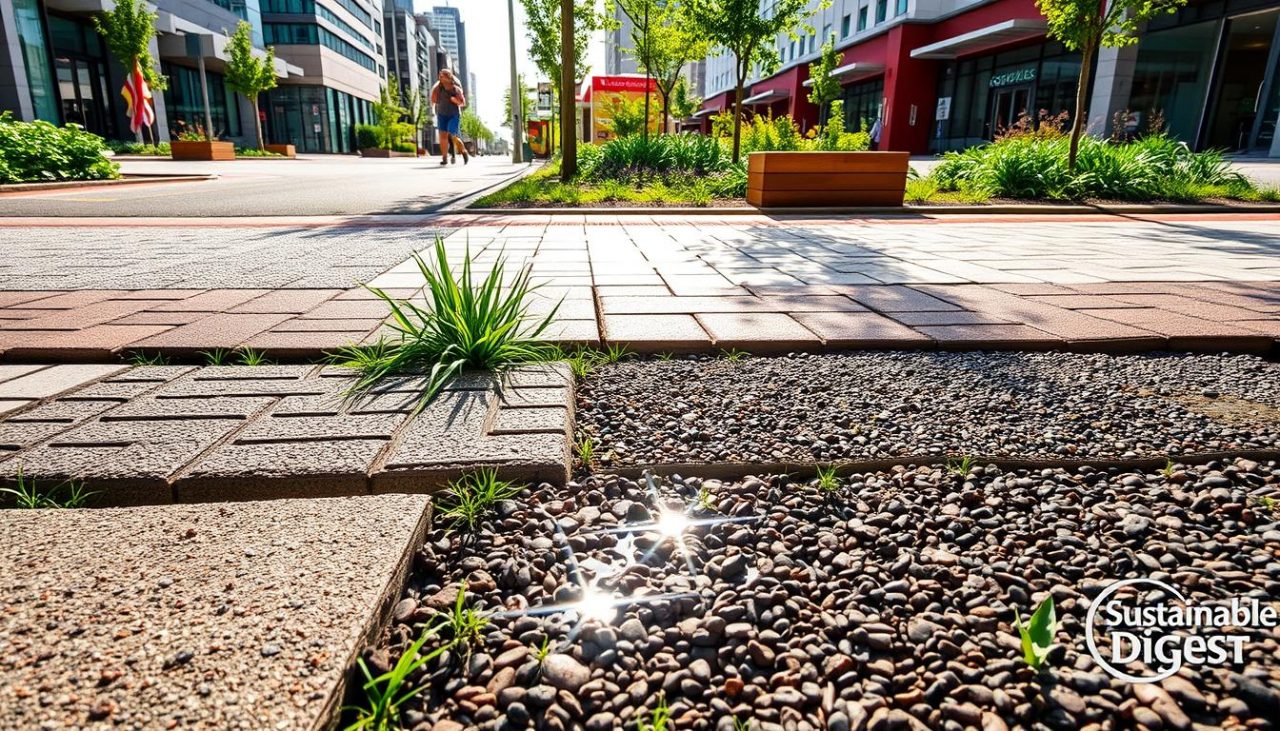
Permeable pavement is a key part of modern stormwater management. It lets water through, cutting down on runoff and boosting groundwater. Let’s look at the types, how to install, and how to keep them up.

Types of Eco-Friendly Permeable Materials

There are many kinds of permeable pavement, each with its own benefits:

  • Porous asphalt
  • Pervious concrete
  • Interlocking pavers
  • Plastic grid systems

Installation Techniques for Maximum Efficiency

Getting permeable pavement right is key. The steps include:

  1. Site prep and grading
  2. Adding a base layer of crushed stone
  3. Putting in the chosen material
  4. Checking drainage connections

Material Mapping helps plan the layout for best water flow.

Maintenance Requirements and Longevity

To keep permeable pavement working well:

  • Regular sweeping to remove debris
  • Annual check-ups on drainage
  • Pressure washing every now and then
  • Fixing cracks or damage quickly

With the right care, permeable pavement can last 20-30 years. It’s a solid choice for managing stormwater.

Permeable MaterialLifespan (Years)Maintenance Frequency
Porous Asphalt15-20Annually
Pervious Concrete20-30Bi-annually
Interlocking Pavers25-35Quarterly
Plastic Grid Systems20-25Semi-annually

Recycled Materials in Modern Water Conservation

The push for sustainable construction has led to new uses of recycled materials in water conservation projects. These eco-friendly alternatives not only reduce waste but also make rainwater harvesting systems more efficient.

Recycled plastics, once headed for landfills, now help in rainwater collection systems. In a uniquely efficient fashion, they are converted into durable pipes, gutters, and tanks. This transformation massively reduces the carbon footprint of water conservation infrastructure.

Reclaimed wood is great for making rain barrels and decorative catchment systems. It naturally resists water damage, making it perfect for outdoor use. Builders often pick cedar or redwood for their durability and beauty.

Material assessment is key in choosing recycled components for water conservation projects. Engineers check the durability, chemical makeup, and potential for leaching contaminants before using recycled materials in designs.

  • Recycled rubber from tires forms permeable pavement
  • Crushed glass becomes a filtration medium
  • Repurposed metal forms sturdy support structures

By using these recycled materials, sustainable construction in water conservation saves natural resources. It also creates strong, affordable solutions for communities around the world.

Advanced Filtration Systems Using Natural Materials

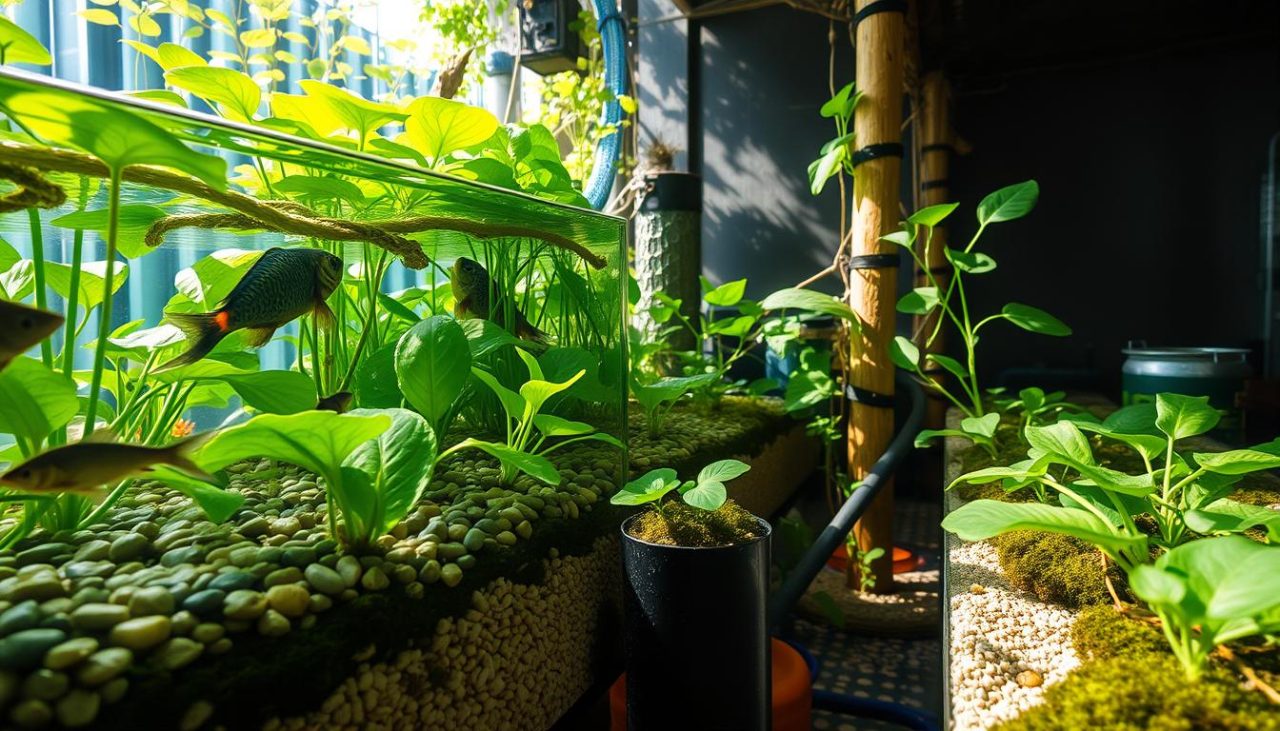
Natural filtration systems are a new way to harvest rainwater. They are good for the environment and provide clean water for things like hydroponics and aquaponics.

Biological Filtration Methods

Biological filtration uses nature to clean water. It uses living things to break down bad stuff. This method works well in aquaponics, where fish waste helps plants grow.

Sustainable Filter Media Options

There are eco-friendly ways to filter water. Materials like sand, gravel, and activated carbon are great at removing bad stuff. They are perfect for keeping water clean for hydroponics.

Filter MediaEffectivenessLifespan
SandHigh2-3 years
Activated CarbonVery High6-12 months
GravelMedium3-5 years

Integration with Existing Systems

Adding natural filtration to your setup makes it better. For hydroponics fans, it means cleaner water and healthier plants. In aquaponics, it helps create a balanced home for fish and plants.

“Natural filtration systems are not just eco-friendly; they’re the future of sustainable water management.”

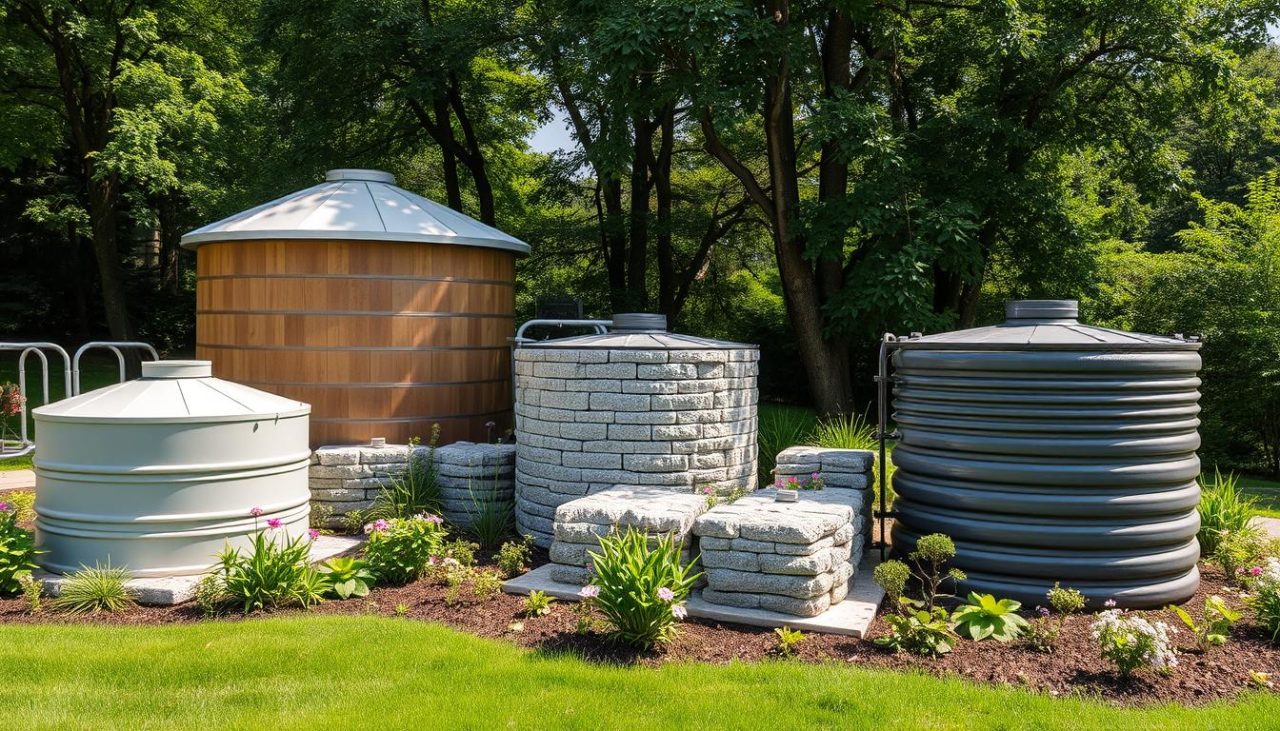
Storage Solutions: Sustainable Tank Materials

Choosing the right storage solution for rainwater harvesting is key. Sustainable tank materials help keep water quality high and systems working long-term. Think about the type of water you’re collecting, like greenwater or blackwater.

Greenwater, usually from rooftops, needs less treatment. It can be stored in many eco-friendly tanks. Some top picks include:

  • Recycled plastic tanks
  • Food-grade polyethylene containers
  • Concrete cisterns with non-toxic sealants
  • Fiberglass tanks with UV-resistant coatings

Blackwater, with higher contamination, needs stronger solutions. Stainless steel or treated concrete tanks are best for their strength and resistance to corrosion.

Doing a Material Assessment is vital when picking tank materials. This step looks at things like:

  • Chemical leaching potential
  • UV resistance
  • Structural integrity
  • Thermal properties
  • Environmental impact

With a detailed Material Assessment, you can pick a tank that meets your sustainability goals. The right tank material affects water storage and your system’s efficiency.

Low-Impact Development Strategies for Water Management

Low-impact development strategies are changing how we manage water in cities. They aim to copy nature’s water flow, reducing harm to the environment and encouraging water use that lasts.

Natural Water Flow Patterns

Knowing how water flows naturally is crucial for harvesting rainwater. Today, urban planners design systems that work with nature, not against it. This keeps water tables healthy and stops flooding.

Biomimicry in System Design

Biomimicry uses nature’s solutions for human problems. In water management, it leads to new, green, and efficient ideas. For instance, surfaces inspired by leaves can direct water better than old gutters.

Natural FeatureBiomimetic ApplicationBenefit
Tree rootsBranched drain pipesBetter water distribution
Lotus leafSelf-cleaning surfacesReduced maintenance
River meandersCurved water channelsSlowed water flow, less erosion

Integration with Local Ecosystems

Connecting rainwater harvesting with local ecosystems helps UNSDG#14, life below water. These systems cut down on runoff and pollution, protecting oceans. They also help local wildlife, making cities more diverse.

“Nature-based solutions are not just good for the environment; they’re smart economics. They save money, create jobs, and build resilience.”

Low-impact development strategies are a way to manage water sustainably. By learning from nature, we can build systems that help both people and the planet.

Implementation and Installation Guidelines

Planning and execution are key for green construction projects. This includes setting up eco-friendly rainwater harvesting systems. Here are the main steps for a successful installation.

Material Assessment Protocols

Start with a detailed material assessment in any green construction project. This step looks at the environmental impact, how long it lasts, and its cost. It helps find the best eco-friendly parts for your rainwater system.

System Integration Best Practices

Adding a rainwater system to buildings needs careful planning. Here are some tips:

  • Look at the site’s layout and how water flows
  • Make sure the system fits with the building’s design
  • Check if it works with the building’s plumbing and electricity
  • Add filters and purifiers for clean water

Maintenance Schedules

Keeping your rainwater system in good shape is crucial. Create a detailed maintenance plan. It should include:

  1. Check gutters and downspouts every month
  2. Clean filters and tanks every three months
  3. Check pumps and controls once a year
  4. Test water quality every six months

By following these steps, your rainwater system will work well. It will help manage water sustainably in your area.

Cost Analysis and Long-term Benefits

Investing in eco-friendly rainwater harvesting systems brings big long-term wins. They help meet UNSDG# 6 by ensuring clean water and sanitation. Plus, they save money over time.

The cost to start up these systems depends on size and complexity. Home systems cost between $5,000 and $15,000. Commercial setups can go up to $50,000 or more.

Benefits include lower water bills and less pressure on public water supplies. You might also save on energy with hydropower. Here’s a look at costs between old and new systems:

FactorTraditional SystemEco-Friendly System
Initial Cost$3,000 – $8,000$5,000 – $15,000
Annual Maintenance$200 – $500$100 – $300
Lifespan10-15 years20-30 years
Water Savings30-50%50-80%
Energy SavingsMinimalUp to 30% with hydropower

Eco-friendly systems cost more upfront but save more water and energy. Adding hydropower can cut costs even more. These systems are smart choices for the planet and your wallet.

Conclusion

Eco-friendly building materials are key to a sustainable future. They help save water and reduce construction’s environmental harm. Using green roofing, permeable pavements, and recycled materials makes water management systems efficient and natural.

Sustainable construction tackles water scarcity head-on. It includes living roofs and natural filtration systems. These methods benefit the environment and property owners over time. They also boost biodiversity and community health.

Water conservation will grow more critical in the future. Adopting eco-friendly materials and sustainable designs is essential. This approach makes rainwater harvesting systems effective and green. It saves water and supports a sustainable, resilient future.

Key Takeaways

  • Rainwater harvesting systems use eco-friendly materials for sustainability
  • Low-impact development integrates natural processes in water management
  • Sustainable construction practices are crucial for water conservation
  • Eco-friendly systems reduce dependence on municipal water supplies
  • Urban planning benefits from incorporating rainwater harvesting techniques
This website is saving the energy of your screen as it is not being used. It's part of a global effort to lower the planet's electrical consumption and CO2 emission level. Resume browsing
Click anywhere to resume browsing
Verified by MonsterInsights