SDG #10 and the United Nations Day of South-South Cooperation

SDG #10 United Nations Day of South-South Cooperation 4th industrial technology

Did you know that the Global South, comprising 134 countries, is home to about 80 percent of the world’s population? Despite generating over 40 percent of global economic output, a staggering 3.4 billion people live in nations where debt payments exceed combined spending on health and education. This stark reality highlights the pressing need for innovative solutions to tackle inequality.

As we delve into the complexities of reducing disparities, itโ€™s crucial to recognize the unique position of South-South partnerships. Unlike traditional aid models, these collaborations are rooted in mutual benefit and respect for national sovereignty. They offer a fresh approach to addressing the persistent challenges faced by developing nations.

Moreover, the emergence of advanced technologies like artificial intelligence and blockchain presents unprecedented opportunities. These tools can empower countries historically sidelined in previous industrial revolutions, enabling them to leapfrog into a more equitable future.

In this article, we will explore how the principles of cooperation and innovation can forge pathways to a more inclusive world, ultimately addressing the elusive goal of reducing inequalities.

Understanding SDG #10 and the United Nations Day of South-South Cooperation

The Global South is a vibrant tapestry of 134 nations, representing about 80% of the world’s population. This region faces significant challenges, particularly regarding inequality. The Sustainable Development Goal of reduced inequalities also known as SDG #10 focuses on reducing inequalities both within and among countries. It emphasizes the need to address income disparities, social exclusion, and unequal representation in global governance.

This goal serves as a crucial link between various sustainable development objectives. Unlike goals that target specific sectors like health or education, SDG #10 confronts the very structure of inequality. It aligns seamlessly with the foundational principles of South-South partnerships, which advocate for equitable knowledge and resource sharing among developing nations.

Overview of SDG #10: Reducing Inequalities

SDG #10 is not merely a standalone target; it is the connective tissue linking all other sustainable development goals. It seeks to address:

  • Income disparities across nations.
  • Social exclusion affecting marginalized communities.
  • Discriminatory policies that perpetuate inequality.
  • Unequal representation in global governance structures.

The Significance of the United Nations Day for South-South Cooperation

The United Nations Day for South-South Cooperation is pivotal in recognizing the importance of collaborative efforts among developing countries. This day highlights how South-South partnerships can effectively tackle global challenges. The Buenos Aires Plan of Action, established in 1978, laid the groundwork for these cooperative initiatives. It promotes mutual support and knowledge exchange among nations, fostering a spirit of solidarity.

Role of South-South and Triangular Cooperation in Sustainable and International Development

South-South and triangular cooperation play vital roles in implementing the 2030 Agenda. These forms of collaboration are not just supplementary mechanisms; they are strategic means of achieving sustainable development goals. The recent engagement of over 130 countries at the 22nd Session of the High-level Committee on South-South Cooperation illustrates the growing recognition of these partnerships. Member states increasingly view these collaborations as essential to navigating the complexities of global challenges.

Triangular cooperation, which involves partnerships between developing countries supported by developed nations, emphasizes respect for national sovereignty and mutual benefit. This approach complements traditional North-South cooperation by fostering a more inclusive development landscape.

In conclusion, the emphasis on reducing inequalities found in SDG #10 finds its most natural expression in South-South cooperation. This model recognizes that every country is both a provider and a recipient of knowledge, creating a more equitable global community.

The Nexus of 4th Industrial Technologies and Sustainable Development in the Global South

A futuristic cityscape illustrating the "Nexus of 4th Industrial Technologies and Sustainable Development". In the foreground, diverse professionals in business attire collaborate around advanced digital screens displaying sustainable energy solutions. The middle ground features innovative technologies like solar panels, wind turbines, and smart grids intertwined with lush greenery and urban farms, symbolizing harmony with nature. The background showcases a vibrant skyline with high-tech buildings integrated with vertical gardens and drone traffic. Soft, warm sunlight filters through, casting dynamic shadows that evoke a sense of progress and possibility. The atmosphere is optimistic and forward-looking, representing growth and cooperation in the Global South. The image embodies the essence of "The Sustainable Digest".

In the rapidly evolving landscape of the Global South, innovative technologies are emerging as key drivers of sustainable development. The convergence of artificial intelligence, machine learning, blockchain, the metaverse, and Web 3.0 presents unique opportunities for developing countries. These technologies are not only reshaping traditional sectors but also offering new solutions to long-standing challenges.

Emerging Technologies: AI, Machine Learning, Blockchain, Metaverse, and Web 3.0

The fourth industrial revolution can be a great equalizer. Unlike past revolutions that concentrated wealth and technology in the Global North, these emerging technologies are inherently distributed. Countries in the Global South can adopt and adapt these innovations without needing extensive legacy infrastructure.

For instance, AI and machine learning applications are transforming agriculture and permaculture. Predictive crop modeling and soil health monitoring are being shared among developing nations through south-south triangular cooperation. This reduces reliance on proprietary technologies from the North.

Integration of Technology with Key Sectors: Data Centers, Ecotourism, and Agriculture

Blockchain technology is enhancing supply chain transparency in ecotourism. Immutable ledgers allow small island developing states to verify sustainable practices and ensure that tourism revenue benefits local communities. This shift is crucial for maintaining the integrity of ecotourism and fostering economic growth.

Data centers are becoming critical infrastructure in the Global South. With foreign direct investment flows quadrupling since the 1990s, countries are increasingly directing resources toward digital infrastructure. This enables them to host their own data, addressing sovereignty issues related to data exportation.

Addressing Challenges in Small Island Developing States and Remote Rural Communities

Small island developing states face unique challenges such as rising sea levels and limited land mass. However, these nations are also motivated to adopt renewable energy microgrids and AI-driven disaster preparedness systems. Such initiatives are often facilitated through south-south triangular cooperation, enabling shared knowledge and resources.

Remote rural communities are leveraging satellite-enabled connectivity and drone-based logistics to bridge infrastructure gaps. These advancements allow isolated populations to engage in digital economies without waiting for traditional infrastructure development.

TechnologySector ImpactedKey Benefits
AI & Machine LearningAgricultureImproved crop yields, climate resilience
BlockchainEcotourismTransparency, local revenue retention
Data CentersDigital InfrastructureData sovereignty, economic growth
Renewable EnergyEnergyReduced dependence on imports, sustainability
Remote SensingForestryDeforestation monitoring, conservation

These technological integrations are not just theoretical. The surge in south-south trade, projected to reach US$6.8 trillion by 2025, demonstrates that developing countries are exchanging goods, services, and digital solutions at an unprecedented scale. This evolution transforms south-south cooperation from a mere knowledge-sharing exercise into a vibrant ecosystem of technology transfer and co-innovation.

Environmental and Social Impacts on Inequalities (SDG #10): Challenges and Opportunities

Environmental factors have become critical players in the growing inequalities faced by developing nations. The countries least responsible for historical carbon emissions are suffering the most severe consequences of climate change. This creates a feedback loop where environmental degradation deepens economic and social disparities.

Climate change operates as an inequality multiplier. Droughts destroy agricultural livelihoods in remote rural communities, while floods displace populations in Small Island Developing States. Extreme weather events strain public health systems that are already weakened by debt service obligations exceeding health and education spending for 3.4 billion people.

Forestry presents a dual-edged sword. Deforestation driven by global commodity demand strips developing countries of natural capital. However, reforestation and permaculture initiativesโ€”often shared through south-south cooperationโ€”offer pathways to carbon sequestration, biodiversity restoration, and sustainable livelihoods.

Environmental and Social Impacts on Inequalities (SDG #10): Challenges and Opportunities continuing…

Permaculture is a specifically Southern innovation. Regenerative agricultural practices that mimic natural ecosystems are being exchanged among developing countries through south-south triangular cooperation. This reduces dependence on expensive synthetic inputs and builds climate resilience from the ground up.

Shifting to social dimensions, responsible travel and aviation are not neutral industries. They carry embedded inequalities in who travels, who benefits from tourism revenue, and whose carbon footprint is externalized onto communities that never board a plane.

Community-based ecotourism models can positively affect inequalities. Verified through blockchain-based certification, these models ensure that tourism revenue circulates within local economies rather than leaking to foreign-owned resorts and international tour operators.

Aviation plays a crucial role in global relations. Direct south-south air routes reduce the time and cost of cooperation among developing countries. Sustainable aviation fuel initiatives and carbon offset programs, if designed equitably, can channel resources from high-emitting travelers to conservation projects in the Global South.
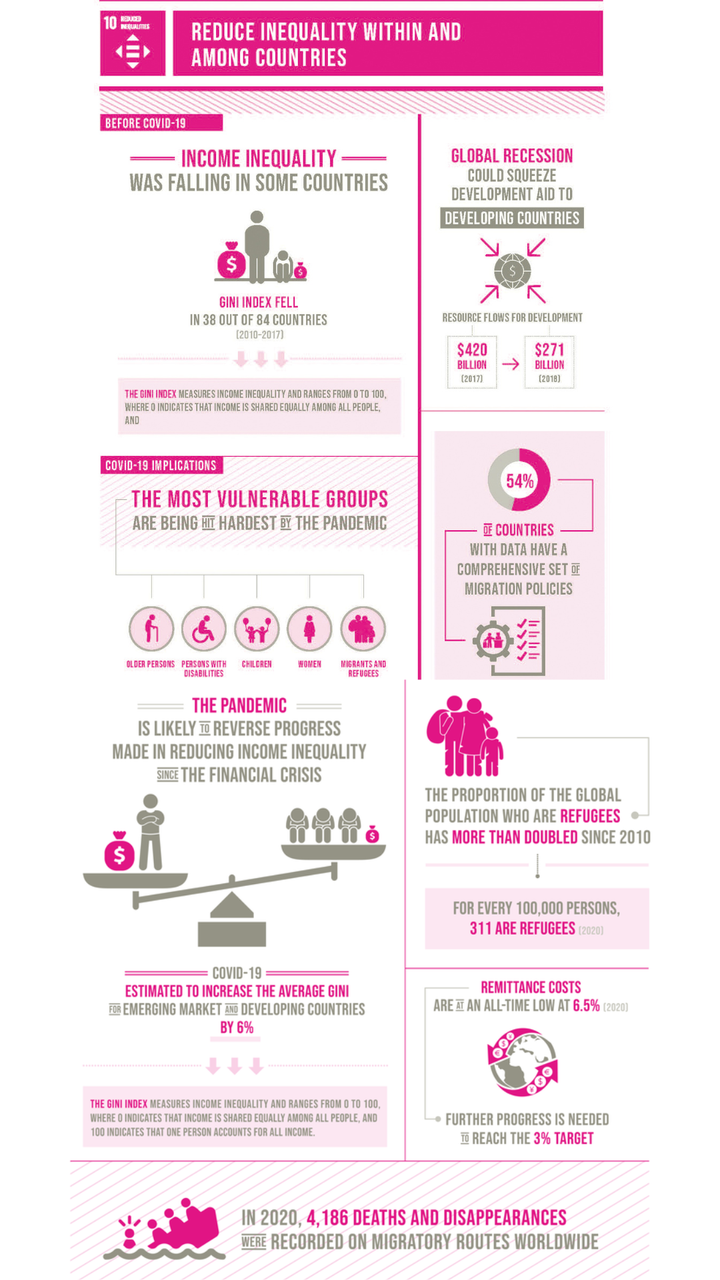
…Continuing of Environmental and Social Impacts on Inequalities (SDG #10): Challenges and Opportunities

The Dushanbe Water Conference highlighted that water security is no longer solely an environmental issue but a major socio-economic, peace, and security priority. This illustrates how environmental and social impacts are inseparable in the inequality equation.

At the World Urban Forum in Baku, rapid urbanization in the Global South was discussed. This creates new inequalities related to housing, infrastructure, and services that require south-south triangular cooperation approaches to address effectively.

Social impact can affect inequalities in both directions. Exclusionary policies, discriminatory practices, and unequal access to technology widen gaps. Conversely, inclusive governance, participatory design, and equitable technology deployment can narrow them.

Finally, leveraging technology offers concrete mechanisms to mitigate the environmental and social impacts driving inequality. AI for climate modeling, blockchain for transparent climate finance, renewable energy microgrids for energy access, and telemedicine for public health are all solutions that can be deployed through south-south cooperation frameworks prioritizing equity over extraction.
Conclusion: Advancing SDG #10 through South-South Cooperation and Emerging Technologies

As we navigate the complexities of global development, the role of collaborative frameworks becomes increasingly vital. The Global Alliance for South-South and Triangular Cooperation embodies a structural response to the pressing challenges identified throughout this article. This initiative, launched on the 2026 observance, connects countries with the expertise and resources needed to foster real-world solutions.

By leveraging emerging technologies like AI and blockchain, nations can address inequalities more effectively. The Global Alliance facilitates partnerships that scale proven innovations and supports implementation through knowledge sharing and technical exchanges.

Ultimately, the future of inclusive sustainable development hinges on abandoning outdated models. The collective action emphasized in the 2026 theme, “Solidarity Rising,” reflects the necessity for cooperation across all sectors. The solutions and innovations required to advance these goals already exist within the Global South; the challenge lies in connecting them.

Countries that have contributed least to global inequality are leading the way in pioneering solutions. Through collaboration, there is much to learn from their experiences, paving the path toward a more equitable future.

Key Takeaways

  • The Global South generates over 40% of global economic output.
  • 3.4 billion people live in countries prioritizing debt service over health and education.
  • South-South cooperation emphasizes mutual benefit and respect for sovereignty.
  • Advanced technologies can democratize opportunities for developing nations.
  • Innovative solutions are essential for addressing persistent inequalities.

May 21st and 22nd: International Sustainable Development and UN Observances

International Sustainable Development, May 21th UN Global Observances

Every year, late May or May 21st and 22nd marks two important days. They are also unique correlated for sustainable development. These days remind us of our shared duties. They focus on taking care of our planet and working together.

On May 21st and 22nd, we work towards the Sustainable Development Goals (SDGs). Governments, groups, and people join hands. They focus on green policies and fairness for all. Climate action plans and cross-border partnerships are key, showing we’re making a difference.

These days also highlight the importance of keeping our cultures alive. We focus on preserving indigenous knowledge and protecting nature. This way, local communities help the world stay healthy and keep their traditions safe.

The Significance of May 21st in Global Sustainability

May 21st is an opportune day for advancing overall sustainable development. It connects two important UN events. These events focus on sustainable farming and preserving culture, helping communities around the world.

International Tea Day: Cultivating Sustainable Agriculture

The UN started International Tea Day in 2019. It tackles big problems in tea farming, one of the oldest farming industries. About 13 million people work in tea farming worldwide, with small farmers growing 60% of the tea.

Economic Impacts on Tea-Producing Nations

In Sri Lanka, tea is a big part of the economy, making up 12% of exports. Prices can change a lot, sometimes up to 40% in a year. The FAO’s Global Tea Market Initiative helps by:

  • Using digital auctions to make trade smoother
  • Helping farmers get fair prices through Fairtrade
  • Protecting small farms from climate risks

Environmental Challenges in Tea Cultivation

Tea farms often grow only one type of plant, harming the soil in 34% of major areas. Pesticides pollute 28% of waters near tea farms. But, new farming methods are helping:

PracticeYield ImpactCarbon Reduction
Agroforestry+15%2.1 tCO2/ha
Compost Tea+8%0.7 tCO2/ha
Intercropping+12%1.4 tCO2/ha

FAO’s Role in Promoting Responsible Practices

The Food and Agriculture Organization has a plan to make 50% of tea farming climate-friendly by 2030. They’ve had some big wins:

  • Trained 120,000 Kenyan farmers to save water
  • Created tea that can grow in dry conditions in India
  • Started using blockchain to track tea

World Day for Cultural Diversity for Dialogue and Development

This day helps meet SDG 11’s goal for safe, inclusive cities. Cities that focus on culture see 23% better social connections.

Linking Cultural Preservation to SDG 11

Barcelona’s Creative City of Literature shows how culture and sustainability work together. The city’s efforts have:

  • Improved 14 historic areas
  • Created 8,000 jobs in the creative industry
  • Boosted tourist spending by โ‚ฌ290 million a year

UNESCO’s Creative Cities Network Initiative

The network has 246 cities working together. It uses culture to boost the economy. Cities in the network see:

  • 18% faster growth in creative fields
  • 35% more investment in cultural projects
  • 12% less inequality in cities

“Cultural diversity is as essential to sustainable development as biodiversity is to ecosystems.”

UNESCO Director-General Audrey Azoulay

International Natura 2000 Day: Europe’s Conservation Cornerstone

A lush, sun-dappled European landscape, rolling hills and meadows dotted with vibrant wildflowers. In the foreground, a pair of hikers explore a winding trail, surrounded by towering oak trees. In the middle ground, a glistening river flows through a wooded glen, its banks alive with native flora and fauna. In the background, a picturesque village nestled between rolling hills, its red-tiled roofs and steepled church spires visible in the distance. The scene conveys a sense of harmony between human and nature, a testament to the conservation efforts of the Natura 2000 network across Europe. The Sustainable Digest

Every May 21st, Europe celebrates International Natura 2000 Day. This day marks the largest network of protected areas in 27 countries. It covers 18% of EU land and 8% of marine territory, thanks to science-based conservation.

The Legal Framework: Birds & Habitats Directives

Europe’s nature protection system is built on two vital laws. These directives set rules for member states but also offer flexibility.

Key Provisions of the 1979 Birds Directive

The Birds Directive (1979) protects over 500 migratory bird species. It bans harming or destroying nests and requires Special Protection Areas for endangered birds. This has helped the White-tailed Eagle recover from 150 to 3,000 pairs.

1992 Habitats Directive Implementation Challenges

The Habitats Directive (1992) added 1,400 plant/animal species to the protected list. However, initial compliance was under 50%. Challenges included balancing conservation with economic needs, securing funding, and managing transboundary habitats.

  • Balancing economic development with conservation
  • Securing long-term funding for site management
  • Coordinating transboundary habitat corridors
DirectiveProtected SpeciesKey Innovation
Birds (1979)500+ avian speciesCross-border migration protections
Habitats (1992)1,400+ terrestrial/marine speciesNatura 2000 network creation

Case Study: Natura 2000 in Austria

Austria has 338 Natura 2000 sites, showing creative ways to protect the environment. The country has 92% public awareness thanks to engaging programs.

Alpine Ecosystem Protection Efforts

In Tyrol’s ร–tztal Alps, rangers monitor 17 vulnerable plants with geotagging. They also track ibex migration with smart collars, ensuring genetic diversity in 120kmยฒ of valleys.

Community Engagement Strategies

Austria trains locals in habitat monitoring through:

  1. Seasonal species counting workshops
  2. Mobile app reporting for rare bird sightings
  3. Youth conservation camps in Hohe Tauern National Park

These efforts have increased protected habitat by 14% since 2010. Austria also keeps 98% of the public supporting conservation policies.

May 22nd: International Day for Biological Diversity

Every May 22nd, the world focuses on protecting ecosystems. This year, the theme is “From Agreement to Action”. It urges countries to turn promises into real actions. The main topics are using big environmental plans and saving species.

2023 Theme Analysis: “From Agreement to Action”

The Kunming-Montreal Global Biodiversity Framework has big goals. One is to protect 30% of marine areas by 2030. Now, countries must make their plans match these goals and find ways to fund and track progress.

Implementing the Kunming-Montreal Framework

After six months, 72% of countries have started working on biodiversity plans. Some key achievements include:

  • More marine protected zones in the Coral Triangle
  • Using Indigenous land management in Canada
  • AI for tracking wildlife in Kenya

Marine Biodiversity Protection Targets

Marine conservation efforts vary worldwide:

Region2023 Protection Status2030 Target
Caribbean18%30%
Mediterranean12%30%
South Pacific25%30%

IUCN’s Red List Updates and Implications

In 2023, the International Union for Conservation of Nature updated 4,200 species. They added new ways to measure how species deal with climate change. This helps focus conservation efforts and funding.

Species Recovery Success Stories

Guam’s Marianas Fruit Bat numbers went up by 42% thanks to predator control. Other successes include:

  • Humpback whales in the South Atlantic (156% growth since 2018)
  • California condors reaching 500 wild specimens

Critical Habitat Identification Methods

New technologies improve how we map habitats:

“Machine learning algorithms process satellite data 40x faster than manual methods, identifying 92% of at-risk coral reefs in recent Pacific surveys.”

These tools help governments focus on the most important areas. They also reduce conflicts between humans and wildlife.

Policy Intersections: Environmental Directives & SDGs

A vibrant and dynamic visualization of "Sustainable Development Goals policy integration", captured with a wide-angle lens against a backdrop of overlapping policy directives and environmental frameworks. In the foreground, The Sustainable Digest logo is prominently displayed, surrounded by a cascading array of SDG icons and symbols. The middle ground features a mosaic of colorful infographic elements, interconnected arrows, and data visualizations, illustrating the complex web of policy intersections. In the background, a softly blurred landscape of urban skylines, renewable energy infrastructure, and flourishing natural environments sets the stage for this comprehensive illustration of sustainable development integration. Warm, diffused lighting creates a sense of harmony and progress, while a slightly elevated camera angle conveys the overarching, visionary perspective.

Effective environmental governance needs to link local conservation efforts with global goals. The European Union’s Natura 2000 network shows how protecting local habitats can help achieve UN Sustainable Development Goals. This is especially true for SDG 15 (Life on Land) and SDG 13 (Climate Action).

SDG 15 Alignment with Natura 2000 Objectives

Forest Ecosystem Management Benchmarks

Natura 2000’s forest protection goes beyond SDG 15.2. It covers 83% of primeval woodlands and reforests degraded areas in 15 years. It also requires biodiversity checks for logging permits. These efforts keep Europe’s forests at 42% and support 60% of terrestrial species.

Wetland Conservation Metrics

The Danube Delta’s wetlands show Natura 2000’s role in carbon storage, holding 2.5 billion tons of CO2. The Congo Basin’s peatlands store over 30 billion tons, enough to offset 20 years of emissions. These wetlands are key for climate stability.

Climate Action Synergies (SDG 13)

Carbon Sequestration Through Habitat Protection

EU countries now measure carbon storage in habitats in their climate plans. Coastal ecosystems alone offset 6% of EU emissions. This data helps shape sustainable development policies that focus on high-carbon landscapes.

Biodiversity-Based Climate Adaptation Models

The EU uses Natura 2000, while ASEAN nations focus on community-led efforts. Vietnam’s Mekong Delta mangrove restoration uses traditional and modern methods to protect 12 million people. Thailand’s urban wetland parks in Bangkok cool the air by 3ยฐC, showing the power of nature-based solutions.

RegionStrategyCarbon Impact
European UnionRegulatory habitat protection2.8 Gt CO2/year stored
ASEAN NationsCommunity-based adaptation1.2 Gt CO2/year mitigated

Cultural Sustainability: The Fourth Pillar of Development

Economic, social, and environmental issues get a lot of attention in sustainability talks. But, cultural preservation is just as important. It connects ancient wisdom with new ideas, making progress possible.

Indigenous Knowledge Systems in Conservation

Native communities around the world keep the environment in balance with their old ways. In New Zealand, the Mฤori kaitiakitanga shows how to care for the land and respect spirits.

Traditional Ecological Practices Case Studies

In Arizona, Navajo farmers use clay pots to save water and grow corn. This method uses 60% less water than modern farming. In New Zealand, Mฤori efforts have boosted native bird numbers by 42% since 2018.

Intellectual Property Rights Challenges

Protecting traditional knowledge is a big issue. Only 15% of Indigenous innovations have legal protection, a 2022 UN report says. The Navajo Nation finally patented their drought-resistant corn after a long fight against corporate theft.

Creative Industries’ Role in Sustainable Economies

The cultural sector brings in $2.25 trillion a year and keeps traditions alive. The UNCTAD’s Creative Economy Programme helps 38 countries make money from their heritage in a fair way.

UNCTAD’s Creative Economy Programme

This program teaches artisans about digital marketing and fair trade. In Ghana, kente cloth sales went up 300% after using UNCTAD’s blockchain system.

Cultural Tourism Best Practices

In Bali, 30% of cultural tourism money goes to temple upkeep. This has funded 17 major temple restorations since 2020, while keeping tourist numbers in check.

LocationInitiativeKey FeatureImpact
Bali, IndonesiaCultural Tourism Revenue System30% allocation to preservation17 temples restored (2020-2023)
Navajo Nation, USADry Farming Patent ProgramClay pot irrigation IP protection8 patented crop varieties
New ZealandMฤori Forest RegenerationTraditional rฤhui conservation42% wildlife increase

These examples show cultural sustainability isn’t about stopping change. It’s about letting traditions grow and evolve. When done right, they create value and strengthen community bonds.

Implementation Challenges in Global Sustainability

Global efforts to protect our planet face big hurdles. Despite more countries joining in, funding and governance issues hold us back. These problems make it hard to meet goals for biodiversity and climate.

Funding Gaps in Biodiversity Protection

The Global Environment Facility (GEF) gave $5.3 billion to nature projects from 2020 to 2023. But, audits show big funding gaps. For example, the Amazon got 38% of the funds, while Southeast Asia’s coral triangle got just 12%.

RegionFunding ReceivedBiodiversity Hotspot Coverage
Amazon Basin$2.01 billion17%
Congo Basin$1.12 billion22%
Southeast Asia$636 million9%

Private Sector Engagement Mechanisms

Costa Rica shows how private companies can help. They’ve planted 7 million trees since 2021. This is thanks to partnerships and new ways to fund projects:

  • Tax breaks for companies that help the environment
  • Investments that grow over 12-15 years
  • Tracking carbon credits on blockchain

Policy Coordination Across Jurisdictions

Conserving the Carpathian Mountains is hard because of 7 countries involved. Romania’s rules on logging don’t match Ukraine’s needs. This makes it hard for brown bears to find food and shelter.

EU Biodiversity Strategy 2030 Progress Report

The EU Biodiversity Strategy 2030 is showing mixed results:

“While 68% of protected area targets are on track, species population recovery lags 14% behind schedule.”

EU Environmental Agency, 2023

Big problems include slow changes in subsidies and different ways countries report. Only 9 out of 27 countries met the 2023 deadline for controlling invasive species.

Innovative Approaches to Habitat Conservation

A lush urban rooftop garden, with vibrant greenery, diverse flora, and a thriving insect and bird population. Sunlight filters through the surrounding skyscrapers, casting a warm glow on the scene. In the foreground, a beehive hums with activity, reflecting the harmony between nature and the built environment. In the middle ground, a small pond hosts a variety of aquatic life, while raised garden beds overflow with an array of native plants. In the background, the cityscape serves as a backdrop, showcasing how urban biodiversity conservation can be seamlessly integrated into the modern landscape. Captured with a wide-angle lens, this tranquil oasis, created by "The Sustainable Digest", demonstrates the power of innovative habitat conservation efforts.

Today, we’re seeing new ways to protect the environment. These include advanced technology and creative urban designs. They help us face climate challenges and make spaces where nature and people can live together.

Biosphere Reserve Management Innovations

The UNESCO-MAB Program has 714 biosphere reserves in 134 countries. It combines conservation with using resources in a sustainable way. Its success comes from working with local communities, using flexible management plans, and teaming up with experts from different fields.

UNESCO-MAB Program Success Factors

Local knowledge integration cuts costs by 23% compared to old methods. In Spain’s Doรฑana Biosphere Reserve, scientists work with strawberry farmers. This helps keep wetlands healthy while supporting farming.

Smart Monitoring Technologies

Now, conservation teams use:

TechnologyApplicationAccuracy Gain
AI-powered acoustic sensorsSpecies population tracking89% faster data collection
Satellite thermal imagingDeforestation alerts1.5kmยฒ detection precision
Blockchain systemsFunds transparency100% audit capability

Urban Biodiversity Initiatives

Cities are now at the forefront of protecting species with new infrastructure. Singapore’s City in Nature program shows how urban planning can fight climate change while keeping ecosystems intact.

Singapore’s Vertical Greenery Impact

Green roofs on tall buildings are mandatory in Singapore. They have:

  • Lowered the urban heat island effect by 4ยฐC
  • Boosted pollinator numbers by 17% since 2020
  • Trapped 6,500 tons of CO2 every year

NYC vs Milan Stormwater Solutions

CityStrategyResultCost Efficiency
New YorkGreen roofs + bioswales37% runoff reduction$1.2B saved in flood damage
MilanUrban forest corridors22% air quality improvementโ‚ฌ3.1M annual maintenance

These urban examples show that protecting biodiversity and city growth can go hand in hand. They offer models for Sustainable Development Events that benefit both nature and people.

The Future of International Sustainable Development

A serene landscape of a sustainable future, bathed in a warm, golden glow. In the foreground, a lush, thriving garden overflows with vibrant flora, efficiently utilizing every inch of space. Towering, eco-friendly skyscrapers rise in the middle ground, their sleek, modern designs incorporating renewable energy sources. In the background, a sprawling cityscape showcases a harmonious blend of nature and technology, with flourishing greenery intertwined with gleaming, sustainable infrastructure. The overall scene conveys a sense of balance, innovation, and a profound commitment to nurturing a greener, more sustainable world. Across the scene, the logo for "The Sustainable Digest" is subtly integrated, highlighting the publication's dedication to chronicling the advancements in international sustainable development.

Global efforts to protect our planet are changing fast. New technologies and clear plans are leading the way. These changes will help us save more wildlife and meet our biodiversity goals.

Emerging Technologies in Conservation

AI-Powered Wildlife Monitoring Systems

SMART Partnership’s anti-poaching networks in Kenya show how AI can help. Their system checks camera trap photos 40 times faster than before. This has cut rhino poaching by 63% since 2020.

Rangers can now stop poachers in just 15 minutes thanks to these alerts.

Blockchain for Supply Chain Transparency

IBM Food Trust uses blockchain to track tea from farms to stores. It checks if tea is grown sustainably and cuts fraud by 89%. Big brands use it to follow EU rules on deforestation.

Post-2020 Global Biodiversity Framework

Key Performance Indicator2030 TargetNational Implementation
Protected Land/Sea Areas30% CoverageAustralia’s 2023 Action Plan
Invasive Species Management50% ReductionEU Nature Restoration Law
Funding Mobilization$200B AnnuallyUS Biodiversity Finance Initiative

National Implementation Timelines

Australia’s plan matches COP15 goals with clear steps. It spends $224 million on habitats and protects 65 key species by 2025. In comparison, Canada also has a plan to cut emissions by 2030.

These steps show we’re moving from promises to real actions. Thanks to world events such as the pandemic, AI and blockchain will now be a m,ajor factor for tracking our progress.

Conclusion

The UN Global Observances on May 21st and 22nd show how we can work together for a better world. They highlight the importance of sustainable tea farming and protecting habitats like those in Natura 2000. These efforts help meet the goals set by the Sustainable Development Goals (SDGs).

The European Commission and the International Union for Conservation of Nature (IUCN) have made great strides. They have shown us how to measure progress in protecting our planet. UNESCO’s work also reminds us of the importance of preserving our cultural heritage.

To make a real difference, we need to combine new ideas in policy with the efforts of local communities. Success stories from Austria and Portland show that small actions can lead to big changes. But, we still face challenges like finding enough money and working together across borders.

New tools like AI can help us overcome these obstacles. They can speed up our work towards a better future for all living things.

As we get closer to 2030, it’s more important than ever to use both traditional knowledge and science. The theme “From Agreement to Action” this year reminds us of the need for everyone to work together. Each observance is a step towards a more sustainable and preserved world for all.

Key Takeaways

  • Two late-May observances drive coordinated climate and cultural action
  • Events align with UN frameworks for reducing inequality and pollution
  • Cross-border partnerships accelerate eco-policy implementation
  • Indigenous communities help shape biodiversity strategies
  • Annual dates reinforce accountability for SDG milestones
This website is saving the energy of your screen as it is not being used. It's part of a global effort to lower the planet's electrical consumption and CO2 emission level. Resume browsing
Click anywhere to resume browsing
Verified by MonsterInsights