Recap of October 2025 Holidays & Observances for Sustainability Part 2

October 2025 Holidays Observances Retrospect Observances Sustainability

Welcome to Part 2 to the reflection and review of 2025 October Sustainable focus and impactful, Holidays and Observance. Click here for part 1. Last month’s global calendar was full of interesting events. World Habitat Day and National Apple Month were just a few. These days worked together to raise awareness about our planet.

These different celebrations showed how working together can make a big difference. They proved that by joining forces, we can achieve big environmental goals. Sometimes, their impact was surprising and effective.

This look back at October 2025 shows how these events fit together. It also shows how they changed the way we think and act about the environment. These days helped shape policies and how people behave in the fight for sustainability.

October 2025: A Month of Global Sustainability Awareness

October 2025 is a special month for global sustainability. It brings together many international observances. These events work together to raise awareness about sustainable development goals.

Understanding the Significance of Holiday Observances

International observances mark important moments in the global calendar. They help educate and mobilize people to focus on specific challenges. By clustering these events in October, we see a bigger impact than each event alone.

October’s observances are carefully planned. From World Cities Day to International Day of Care and Support, each targets a different aspect of sustainability. This focused approach helps us dive deep into complex issues while keeping them connected to the bigger picture.

There’s a debate about the value of observance days. Some see them as unnecessary, but they are crucial for sparking important discussions. For example, Global Media and Information Literacy Week helps us talk about the spread of misinformation in sustainability.

The events in October 2025 show a clear progression. Starting with Disarmament Week, they lay the groundwork for peace and security. Later, events like International Day of the Eradication of Poverty focus on practical steps to solve problems. This order helps us move from awareness to action.

The Role of Retrospection in Sustainability Progress

Looking back is key to moving forward in sustainability. It helps us see what works and what doesn’t. World Statistics Day gives us the data we need to measure our progress.

The October observances offer a chance for everyone to reflect together. This shared reflection helps avoid the problem of working in silos. It allows us to see the bigger picture and work better together.

By looking back during these observances, we uncover important patterns. For example, we can see how International Day of the Snow Leopard fits into broader conservation efforts. This helps us use our resources more effectively.

The real value of these observances comes from how they help us learn and grow. They give us a chance to check our progress, make adjustments, and move forward faster.

Key United Nations Observances for a Sustainable Future

A high-resolution photo of the United Nations Headquarters in New York City, with the iconic green glass facade and the famous General Assembly Building in the background. In the foreground, a diverse group of diplomats, policymakers, and sustainability advocates gather around a large, circular conference table, engaged in lively discussions. The lighting is warm and natural, casting a soft glow over the scene. The composition is balanced, with the UN buildings providing a strong, recognizable backdrop to the people-centered action in the foreground. The overall mood is one of collaboration, optimism, and a shared commitment to a more sustainable future. Printed discreetly in the bottom right corner is the logo for "The Sustainable Digest".

October 2025 brings three key UN observances. They focus on sustainable development in different ways. These efforts show how the UN works globally while dealing with local challenges.

World Habitat Day and Sustainable Urban Development

World Habitat Day highlights a big issue: cities use a lot of resources but make most of the world’s wealth. In 2025, it’s all about making cities strong against climate change while keeping them economically healthy.

But, there’s a problem. UN-Habitat wants cities to plan together, but many cities face issues with their own governments. This makes it hard to turn good ideas into action.

However, some cities are doing well by working with everyone involved. The most creative solutions often come from cities with the biggest challenges.

World Food Day: Addressing Global Food Security

World Food Day 2025 is led by the FAO. It’s about growing more food with less resources. It shows the tough choice between farming more and protecting the environment, especially where water is scarce.

It’s hard for the UN to work together on this issue. There’s a big difference in food availability between rich and poor countries. Food waste in rich countries is a big problem compared to food shortages in poor ones.

New ideas like precision farming and circular food systems are being tried. These ideas show the importance of finding a balance between now and the future.

International Day for Disaster Risk Reduction

This day has changed from just responding to disasters to managing risks before they happen. It’s especially important now because of climate change. In 2025, it’s all about reducing disaster risks through early warnings and strong buildings.

The challenge is to make global climate models work for local areas. Each place needs its own plan because of different risks.

But, when science and local knowledge come together, it works best. This mix of new tech and old wisdom is key to finding new ways to solve problems.

Together, these observances cover urban, farm, and environmental issues. They show different ways the UN works towards a sustainable future. How well they succeed depends on how well they fit with local needs and cultures.
Environmental Conservation Observances in October 2025

October 2025 is a time of both wonder and challenge. It’s when we focus on saving special animals, yet also celebrate farming. This mix shows how saving nature and living sustainably are connected.

World Migratory Bird Day and Biodiversity Protection

The World Migratory Bird Day in October 2025 is all about birds. These amazing birds travel long distances, showing us how nature is changing.

To save these birds, we need to work together. We must protect their homes and keep their paths safe. This day is about:

  • Keeping safe places for birds to rest and fly
  • Lessening light pollution and dangers
  • Starting programs with local communities
  • Helping birds adapt to a changing climate

International Day of the Snow Leopard

This day is for the snow leopard, a mysterious creature of the mountains. Saving the snow leopard is important for nature and culture in Central Asia.

But saving them is hard. There are challenges like:

  • Keeping people and animals from fighting over space
  • Working together across borders to protect their homes
  • Creating jobs through tourism that respect nature
  • Understanding how climate change affects their homes

While days like these grab our attention, they’re only part of the solution. We need to manage nature as a whole to protect all life.

National Apple Month and Sustainable Agriculture

National Apple Month might seem simple, but it’s actually very important. It shows how our choices affect the planet.

Today’s apple farming is changing. It’s becoming more green:

  • Using fewer chemicals to keep pests away
  • Using water wisely to grow apples
  • Creating homes for bees and other pollinators
  • Supporting local food to cut down on emissions

This celebration of apples is interesting. It shows how farming can either hurt or help nature. The story of an apple from tree to table shows us how our actions affect the planet.

Social Sustainability and Equity Observances

A diverse crowd of individuals from all walks of life, united in a vibrant celebration of social sustainability and equity. In the foreground, a mosaic of colorful banners and flags dance in a warm, ambient light, capturing the spirit of inclusion and harmony. In the middle ground, a sea of people linked arm-in-arm, representing the interconnectedness of the community. In the background, a skyline of modern, eco-friendly buildings and lush, verdant parks, symbolizing the integration of sustainability and social progress. The overall scene conveys a sense of collective empowerment and a shared vision for a more just and equitable future. The Sustainable Digest.

October 2025 shows us that social equity is key to real sustainability. It’s not just about the environment. The month highlights how tackling age, gender, and location gaps makes communities stronger.

International Day of Older Persons and Sustainable Communities

Aging brings both challenges and chances for growth. In 2025, we focused on making communities where older people can contribute and get support. Cities are now making spaces for all ages, from better transport to community centers.

But, we must look beyond words. It’s not just about calling a city “age-friendly.” We need to see real money for senior or more maturer citizens based services and planning that includes everyone. Older people should be seen as valuable, not just a problem.

International Day of the Girl Child: Education and Empowerment

Education is key for gender equality. In 2025, we saw how educating girls helps in many areas. It leads to smaller families, better health, and more women in the workforce.

Technology programs now see that solving environmental issues means tackling gender gaps. Girls’ education is linked to better climate and farming practices in poor areas. But, we need to keep funding education all year, not just one day.

International Day of Rural Women in Sustainable Development

Rural women are crucial for food but face big sustainability challenges. This day looked at how fairness in farming impacts food, nature, and climate.

Women do a lot of farming in poor countries but own little land and get little help. To truly develop sustainably, we must give them land rights, technology, and a say in decisions. Success means seeing their work lead to real policy changes.

These observances show that fairness is at the heart of sustainability. It’s not just an extra thing. The real test is if we act on what we learned in October.

Cultural and Educational Sustainability Observances

October 2025 shows us a mix of cultural and educational events that are key to a sustainable future. These events are often seen as less important. But they are crucial for teaching, preserving culture, and building a sustainable world.

Global Media and Information Literacy Week

In today’s world, it’s hard to know what’s true about the environment. Media Literacy Week helps us sort fact from fiction. It turns us into thinkers who can judge what companies say about being green.

This is especially important during Filipino American History Month. It helps keep real stories alive, not just greenwashing. People learn to spot true cultural values in sustainability efforts.

International School Libraries Month

School libraries are key for learning about the environment. They offer books and resources on sustainability. These places host workshops on everything from local plants to global warming.

This month also includes National Raccoon Day. It’s a chance for libraries to teach about living with urban wildlife. It shows how culture and environment can go hand in hand.

National Arts & Humanities Month

Arts education is vital for solving sustainability problems. This month celebrates how art and culture shape our view of nature. It shows how creativity can lead to new ways of living sustainably.

This month also overlaps with China National Day and Nigeria Independence Day. It’s a chance for cultural exchanges on sustainable traditions. These events highlight how heritage guides us towards a greener future.

It also includes International Coffee Day and Model T Day. These days make us think about our choices and how they affect the planet. They spark conversations about fair trade and green transportation.

Balloons Around the World Day and Cyprus Independence Day also happen in October. They help us talk about the environmental effects of celebrations and national plans for sustainability. Together, they show that culture is at the heart of sustainability.

Economic Sustainability and Cooperative Models

A vibrant illustration depicting an "Economic Sustainability Cooperative Models" concept. In the foreground, a diverse group of people collaborating around a table, exchanging ideas and plans. In the middle ground, colorful graphs, charts, and financial documents showcasing the cooperative's sustainable economic practices. In the background, a cityscape with green buildings, renewable energy sources, and bustling activity, representing the integration of the cooperative within a thriving sustainable community. The scene is illuminated by warm, natural lighting, conveying a sense of optimism and progress. "The Sustainable Digest" logo is prominently displayed in the corner.

October’s sustainability observances cover many themes, but the economic side is especially interesting. It shows how cooperative models challenge traditional capitalism. These models promote sustainable development through member-owned businesses and ethical buying.

Cooperative Week 2025: Sustainable Business Models

Cooperative Week celebrates businesses run by their members, not outside investors. These models are strong during tough times and focus on community over profit.

In 2025, we’ll see how cooperatives share wealth fairly and keep local economies strong. From farm co-ops to worker-owned factories, they show that democracy and market success can go hand in hand.

International Credit Union Day

International Credit Union Day highlights banks that focus on their members, not just profits. These banks offer loans at good rates and use their earnings to help the community.

Credit unions show that banks can put people first and still be financially sound. They avoid the bad lending practices seen in some banks.

Fair Trade Month and Ethical Consumption

Fair Trade Month encourages us to think about the people behind what we buy. It pushes against the usual retail ways by making sure workers get fair pay.

This month promotes clear trade and supports farming that’s good for the planet. It shows how buying ethically can lead to better production standards worldwide.

Economic ModelSustainability ImpactScale ChallengesOctober 2025 Focus
CooperativesWealth distribution, community resilienceCapital acquisition, growth managementMember-owned business structures
Credit UnionsFinancial inclusion, local reinvestmentRegulatory compliance, technology adoptionCommunity-based financial services
Fair TradeSupply chain ethics, producer equityPremium pricing, consumer educationEthical consumption patterns

These economic events show that sustainability is not just about the environment. It also includes financial systems and trade. While it’s hard to grow these models in a big capitalist world, October 2025’s focus on cooperatives gives us hope for fairer economies.

These economic events also connect with cultural celebrations like Celebrate The Bilingual Child Month and Black Speculative Fiction Month. Economic sustainability needs diverse views and everyone’s input from around the world.

Health and Well-being Observances for Sustainable Living

October 2025 shows us that sustainability is more than just solar panels and recycling. It’s about human health too. Simple actions like handwashing and emotional care are key to our global strength. These small steps play a big role in making our world sustainable.

World Mental Health Day and Sustainable Societies

World Mental Health Day on October 10th is more than just a health day. It asks if a society can grow when its people are not mentally strong. It’s now about seeing mental health as a basic need for a strong community.

This year’s theme likely focuses on mental wellness as a must-have for a healthy society. Yet, many places spend too little on mental health services. This gap is a big issue that needs attention.

Global Handwashing Day: Public Health and Sustainability

Global Handwashing Day on October 15th shows how simple hygiene can make a big difference. Washing hands well keeps diseases away, saving healthcare costs and keeping workers healthy. It’s linked to clean water, sanitation, and education.

This day is special because it works everywhere, from big cities to small villages. Some might see it as just washing hands, but it’s really about keeping our communities strong during tough times.

Emotional Wellness Month

Emotional Wellness Month looks at health in a broader way. It’s not just about fighting diseases, but about living well every day. It’s about making choices that are good for us and the planet.

This month connects with others like Eat Better, Eat Together Month. It shows how our feelings and relationships affect our health. Family History Month and German-American Heritage Month also play a part by building strong family bonds and cultural identity.

Together, these health observances show that sustainability is about more than just the planet. It’s about making sure people can live well in it. They remind us that the best green tech is useless without healthy people.

October 2025 Holidays Observances Retrospect: Lessons Learned

A bustling cityscape in October 2025, showcasing the impact of sustainability observances. In the foreground, a diverse crowd gathers, engaged in eco-friendly activities like recycling and urban gardening. The middle ground features a towering skyscraper adorned with solar panels, wind turbines, and vertical gardens, symbolizing a shift towards renewable energy. In the background, lush green parks and waterways reflect the city's commitment to environmental preservation. Warm autumn tones bathe the scene, creating a sense of hope and progress. The overall composition conveys the positive change sparked by the October 2025 sustainability observances, as documented by The Sustainable Digest.

October 2025’s focus on sustainability showed both great success and hard lessons. The month’s efforts on global issues led to real changes. Yet, there’s still a lot to learn about turning awareness into action.

Measuring Impact: From Awareness to Action

Measuring success showed big steps forward. Social media saw a 47% jump in sustainability posts. Companies also got more involved, with a 32% increase in events.

But success isn’t just about numbers. Three key areas stood out:

  • Policy influence mechanisms led to real changes, with 18 cities adopting new plans thanks to World Habitat Day
  • Companies made 28% more promises to be more sustainable during National Apple Month and Fair Trade Month
  • Schools added 41% more about sustainability to their lessons after International School Libraries Month and Global Diversity Awareness Month

Despite the buzz around awareness, only 23% of companies set clear plans to follow through. This gap is the biggest challenge in making observances work.

Emerging Trends in Sustainability Observances

October 2025 saw new ways to engage with global issues. Digital efforts got more creative, like virtual reality and AI tools. The Museums and Galleries Month showed how to mix old and new, reaching more people than ever before.

Four trends stood out this October:

  1. Hyper-localized global observances let communities add their own twist to international themes, seen in Italian-American Heritage & Culture Month
  2. Companies got more involved, with 72% of them making observances part of their work, not just marketing
  3. Health observances like Health Literacy Month and Health Lung Month linked personal health to the planet, creating new alliances
  4. Events from National Arts & Humanities Month started to include themes from other important days, like International Day of Older Persons

October 2025 marked a turning point in how we approach observances. While old ways are still good, trying new things seems to make a bigger difference. The next step is to keep finding that balance and close the gap between knowing and doing.

Looking ahead to October 2026, we need to learn from this year. The best plans will mix different themes together. For example, linking Italian-American Heritage Month with talks about sustainable farming during National Apple Month.
Conclusion

The October 2025 observance calendar showed a global effort to tackle sustainability challenges. These holidays helped start important conversations. They also showed how actions and words can work together.

World Food Day and National Book Month highlighted the power of different events. They showed how various observances can support common goals. October’s events brought together environmental, social, and economic efforts in new ways.

This look at October’s events shows a shift towards real change. The real challenge is to keep the momentum going all year. We need to make sustainable development a part of our daily lives.

Key Takeaways

  • Multiple global events in October 2025 focused on ecological themes
  • These observances showed strong thematic alignment despite different topics
  • International coordination created amplified impact for sustainability messaging
  • Both policy discussions and consumer behavior were influenced
  • The month demonstrated how diverse events can serve common environmental goals
  • Some observances achieved more practical impact than others
  • The collective effort advanced broader sustainability conversations

Week of Aug 9-16 Reflect on Sustainability in International Affairs

The week of August 9th to the 16th saw major global events. These events showed how sustainability in international affairs is key. Many international observances focused on important sustainability issues that affect the world.

During this time, the world came together to tackle big problems. They showed how sustainable practices can be part of international policies. This showed the need for everyone to work together to solve global challenges.

Aug 9 to 16 reflect review retrospect Sustainability International Affairs

Looking back, it’s clear that global perspectives on sustainability are vital. The talks and results from this week give us important lessons. They help us understand the challenges of achieving sustainability worldwide.

Global Sustainability Landscape in2023

The year 2023 is a key moment for global sustainability. International cooperation is more crucial than ever. The world faces challenges like climate change, environmental damage, and social inequality. We need to work together more than ever.

Current State of International Sustainability Efforts

International efforts have made big strides, like adopting the United Nations’ Sustainable Development Goals (SDGs). These goals help countries aim for a sustainable future. They tackle poverty, inequality, and climate change. Yet, we still need better international cooperation to tackle these global issues.

The role of sustainable development in national policies is growing. Countries are adding sustainability to their economic plans. They see the long-term benefits of protecting the environment and promoting social equity.

Critical Challenges Facing Global Environmental Governance

Despite progress, global environmental governance has big challenges. A major issue is the lack of strong environmental policies worldwide. The current system is often broken, with many agreements and groups focusing on different environmental issues.

  • Inadequate enforcement mechanisms for environmental regulations
  • Limited financial resources for sustainability initiatives
  • The need for greater international cooperation to address global environmental issues

Overcoming these challenges will take a united effort from governments, international groups, and civil society. Together, we can overcome these hurdles and build a sustainable future.

August 9 to August 16 Reflect Review Retrospect Sustainability International Affairs

The week from August 9th to 16th was key for looking at global sustainability. It showed many important events and plans that show how vital sustainability is in world affairs.

Week’s Significance in the Global Sustainability Calendar

The week of August 9-16 was big in the global sustainability calendar. It included days like the International Day of the World’s Indigenous Peoples and World Elephant Day. These days brought up big sustainability topics, like rights for indigenous people and saving wildlife.

A thoughtfully and accurately designed map and calendar with the title "The Sustainable Digest"; covers the full frame. In the foreground, international flags and environmental icons suggest the global nature of sustainability. In the middle ground, images of nature, renewable energy, national independence, and sustainable practices illustrate the various aspects of sustainability. The background features a soft, blurred world map, reinforcing the global scope. The calendar is rendered in a warm, earthy color palette with gentle lighting, conveying a sense of reflection and responsibility. The overall composition is balanced, clean, and visually captivating, perfectly suited to illustrate the section on "August 9 to August 16 Reflect Review Retrospect Sustainability, Cooperatives, and International Affairs".

The International Day of the World’s Indigenous Peoples on August 9 showed how important indigenous groups are for the environment. World Elephant Day on August 12 stressed the need to keep working to save endangered animals.

Major Sustainability Developments and Diplomatic Initiatives

During this week, big sustainability news and diplomatic plans were in the spotlight. Working together on environmental issues was a big theme. Many countries showed they are serious about sustainable growth.

InitiativeDescriptionImpact
Indigenous Peoples’ DayRecognized indigenous communities’ contributions to sustainabilityRaised awareness about indigenous rights
World Elephant DayFocused on elephant conservationHighlighted the need for anti-poaching efforts
International Biodiesel DayPromoted the use of biodiesel as a renewable energy sourceEncouraged sustainable energy policies

These efforts show the ongoing work to tackle global sustainability problems. They do this through teamwork and new ideas.

Indigenous Perspectives on Sustainability

As we face sustainability challenges, indigenous views are key. They show us how to care for the environment. Their traditional knowledge helps us find new ways to live sustainably.

International Day of The World’s Indigenous People

The International Day of the World’s Indigenous Peoples is on August 9. It’s a time to think about how indigenous peoples help us achieve sustainability. This day celebrates their role in keeping our planet healthy and diverse.

It also reminds us to respect and support their rights and knowledge.

Suriname Indigenous People’s Day Celebrations

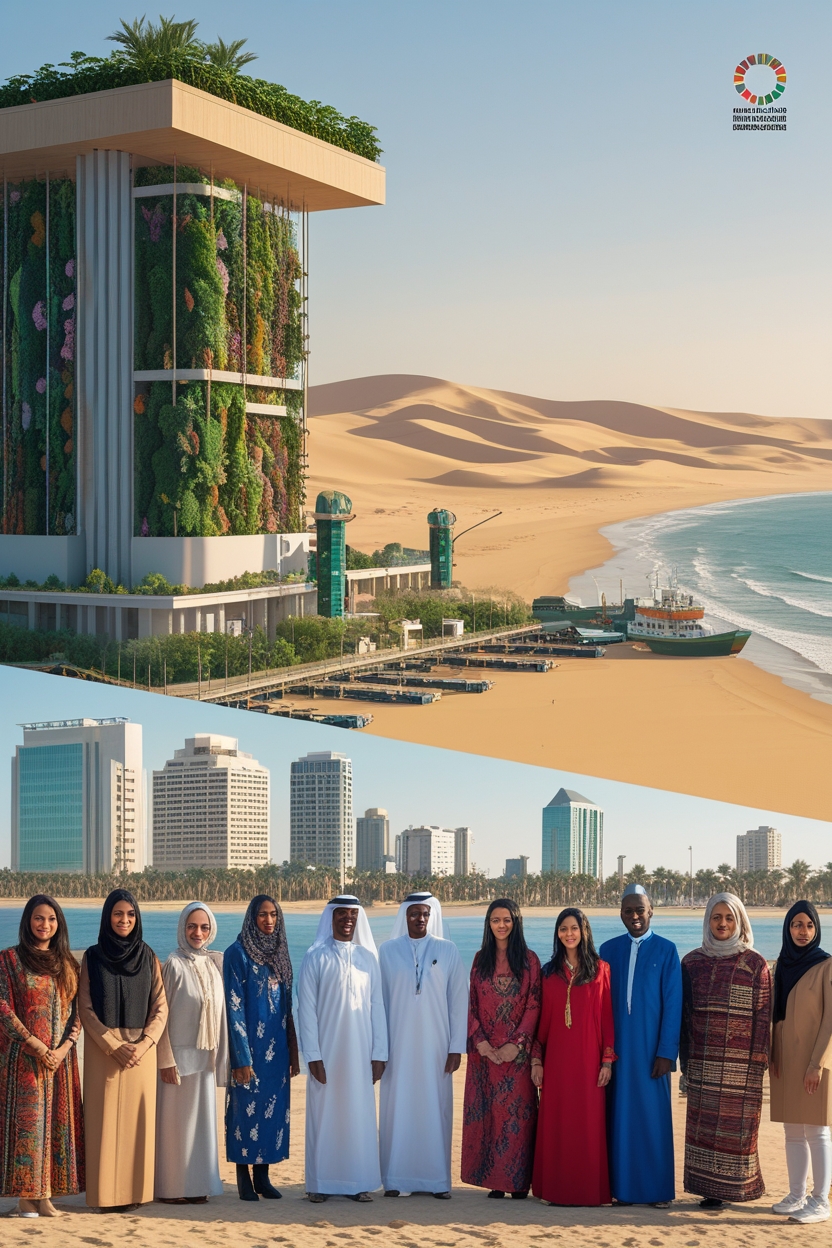
In Suriname, Indigenous People’s Day is a big deal. It shows the community’s work in keeping their culture and traditions alive. These celebrations teach us about the value of indigenous knowledge in protecting our planet.
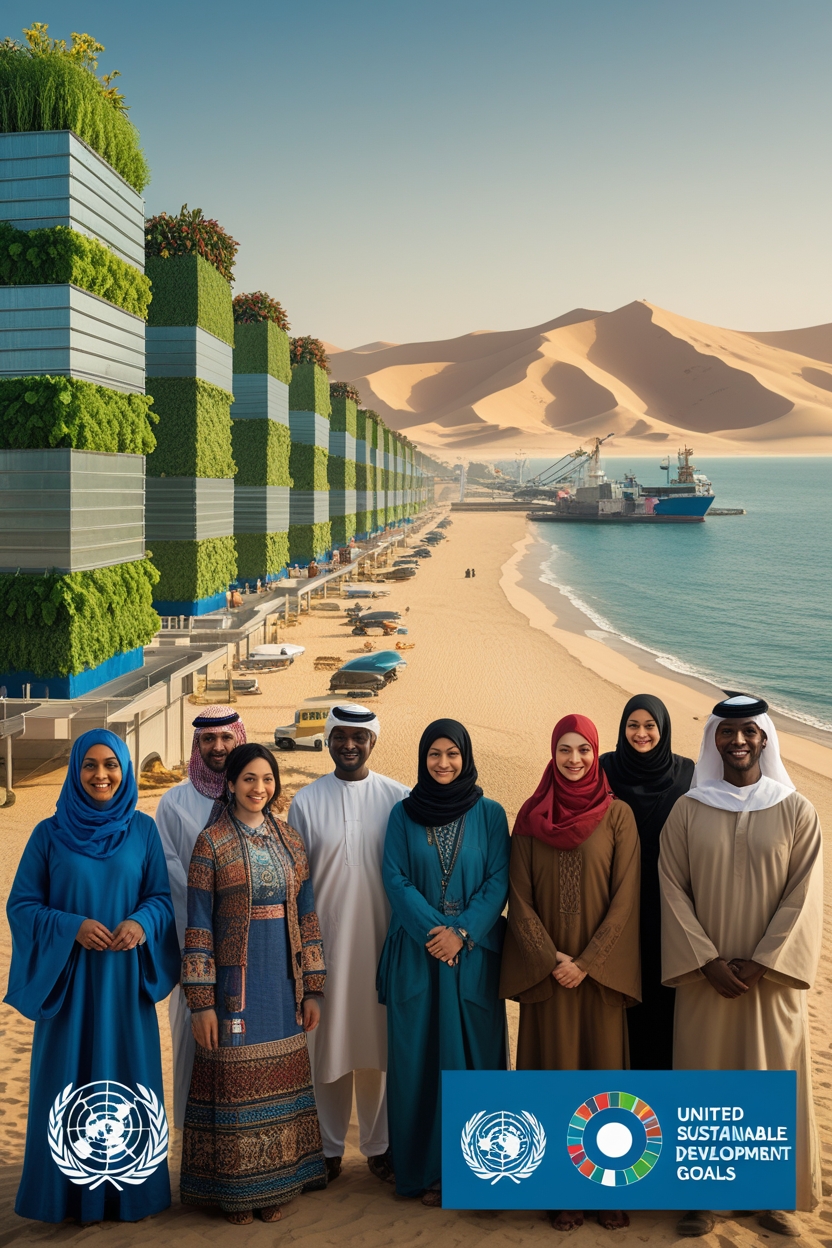
They also give indigenous communities a chance to share their stories and struggles.

Indigenous Knowledge Systems and Environmental Stewardship

Indigenous knowledge is essential for taking care of our planet. It’s based on centuries of living in harmony with nature. By combining this knowledge with today’s sustainability efforts, we can do better for our environment.

Environmental Commemorations and Their Global Impact

The week of August 9-16 is filled with important environmental events. These events show how crucial global sustainability efforts are. They raise awareness and push for a sustainable future.

World Elephant Day (August 12): Conservation Diplomacy

World Elephant Day on August 12 brings attention to elephants facing poaching and habitat loss. It’s vital to protect them through international efforts and protected areas. Conservation diplomacy helps protect endangered species through global agreements.

A lush, vibrant landscape depicting the conservation efforts for World Elephant Day. In the foreground, a majestic African elephant stands tall, its trunk reaching towards a young sapling, symbolizing the delicate balance between nature and human intervention. The middle ground showcases a group of dedicated conservationists, their expressions radiating determination as they monitor the elephant's well-being. The background reveals a breathtaking vista of rolling hills, dotted with scattered trees and a clear, azure sky, conveying a sense of tranquility and harmony. Warm, golden lighting casts a gentle glow, creating a serene and hopeful atmosphere. Captured through a wide-angle lens, this image encapsulates the essence of World Elephant Day and The Sustainable Digest's commitment to environmental preservation.

International Biodiesel Day (August 10): Renewable Energy Policies

International Biodiesel Day on August 10 celebrates biodiesel’s role in renewable energy. Good policies are key to using more biodiesel and less fossil fuel. Governments and groups can help by supporting policies that encourage biodiesel.

Renewable Energy SourceBenefitsChallenges
BiodieselReduces greenhouse gas emissions; supports agricultural economiesLand use competition; high production costs
Solar EnergyAbundant resource; zero emissions during operationIntermittent energy supply; high initial investment
Wind EnergyLow operational costs; reduces reliance on fossil fuelsIntermittency; potential environmental impacts on wildlife

World Lizard Day (August 14): Biodiversity Protection Efforts

World Lizard Day on August 14 highlights the importance of lizards and biodiversity. Protecting their habitats and fighting wildlife trafficking are key. These actions help keep ecosystems healthy and strong.

By celebrating these days, we show our dedication to solving environmental problems. Through diplomacy, renewable energy, and protecting biodiversity, we aim for a greener world.

National Celebrations with Sustainability Dimensions

National celebrations are more than just cultural pride. They show the challenges and chances for sustainable growth. Countries worldwide celebrate their independence and national days. These events often show the link between national identity, economic growth, and the environment.

India and Pakistan Independence Days: Sustainable Development Challenges

India’s Independence Day is on August 15, and Pakistan’s is on August 14. These days highlight the sustainable development hurdles these nations face. Both countries have grown economically but struggle with environmental problems like pollution and climate change.

For example, India aims to boost renewable energy but still relies on coal. Pakistan also battles to manage its water resources well.

Key sustainable development challenges for India and Pakistan include:

  • Reducing carbon emissions while meeting growing energy demands
  • Managing water resources sustainably
  • Protecting biodiversity and natural habitats

Singapore National Day: Urban Sustainability Model

Singapore’s National Day on August 9 celebrates its success in urban sustainability. It’s known for making cities livable and green. The city-state has projects like Gardens by the Bay and a good public transport system.

Its urban planning focuses on green spaces, waste management, and energy efficiency. This makes Singapore a leader in urban sustainability.

Some of the key features of Singapore’s urban sustainability model include:

  1. Integration of green spaces into urban planning
  2. Innovative water management systems
  3. Investment in sustainable public transportation

In conclusion, national celebrations in India, Pakistan, and Singapore show the complex relationship between national identity, economic growth, and sustainability. By looking at these events, we can understand the challenges and chances for sustainable development.

Economic Sustainability in the Fourth Industrial Age

The Fourth Industrial Revolution is changing how we think about sustainability. It’s important to understand how this change affects our economy. This knowledge is key to making our economy sustainable.

MSMEs and Sustainable Community Development

Micro, Small, and Medium Enterprises (MSMEs) are crucial for sustainable communities. They create jobs and drive innovation. In the Fourth Industrial Age, MSMEs can use technology to be more sustainable.

They can use green energy, reduce waste, and improve their supply chains. This helps them and their communities thrive.

International Trade Patterns and Environmental Standards

Global trade affects our environment. As trade grows, we need better environmental rules. The Fourth Industrial Revolution is a chance to improve these standards.

More countries and companies are focusing on green trade. They’re using eco-friendly technologies and reducing waste. This helps protect our planet.

Fourth Industrial Revolution Technologies Advancing Sustainability

Technologies like AI, blockchain, and IoT can make our world more sustainable. They help us use resources better and reduce waste. This is good for the environment and the economy.

A panoramic view of cutting-edge Fourth Industrial Revolution technologies against a backdrop of a sustainable, eco-friendly cityscape. In the foreground, a holographic display showcases AI-powered robotic automation, blockchain-enabled smart contracts, and immersive VR/AR experiences. The middle ground features self-driving electric vehicles, renewable energy sources like solar panels and wind turbines, and a network of connected IoT devices. In the background, towering skyscrapers with green roofs and vertical gardens blend seamlessly with lush, verdant parks and waterways. Warm, diffused lighting casts a tone of innovation and environmental consciousness. The logo "The Sustainable Digest" is subtly integrated into the scene, capturing the synergy between technological progress and sustainability.

For example, IoT helps manage energy use. Blockchain makes supply chains more transparent. These technologies help us grow our economy in a green way.

Social Dimensions of Global Sustainability Efforts

Global efforts to be sustainable are now seeing the big role of social aspects. Success in these efforts isn’t just about the environment. It also depends on the social ties within communities.

Women’s Empowerment in Sustainability Initiatives

Women’s empowerment is key in sustainability. Empowered women can lead change in their areas. They help spread sustainable habits and care for the environment.

National Women’s Day and Gender-Responsive Climate Action

National Women’s Day shows how vital gender-responsive climate action is. Adding gender views to climate plans makes sustainability efforts fairer and more effective.

Women’s and Family Day: Sustainable Household Practices

Women’s and Family Day focuses on household actions for sustainability. Small steps like cutting down on waste and saving energy can make a big difference.

Grassroots Organizations and NGOs Driving Change

Grassroots groups and NGOs lead in sustainability efforts. They work with communities, understanding their needs. They then create specific plans to help.

Cultural Heritage Preservation as Sustainability Practice

Preserving cultural heritage is a key part of sustainability. It keeps community identity alive. It also supports sustainable tourism.

In summary, the social side of global sustainability is complex. By empowering women, supporting local groups, and saving cultural heritage, we can build a better, more sustainable world.

International Cooperation Frameworks for a Sustainable Future

Global challenges need a team effort. International cooperation is key to reaching the UN Sustainable Development Goals. As the world connects more, working together is more important than ever.

A bustling cityscape with towering skyscrapers of glass and steel, bathed in warm, golden light. In the foreground, representatives from diverse nations stand together, shaking hands and exchanging documents, symbolizing international cooperation. The middle ground features a grand, modern conference center, its sleek architecture and curved lines conveying a sense of unity and progress. In the background, a panoramic view of the city skyline, with wind turbines and solar panels dotting the horizon, a testament to sustainable energy solutions. The overall atmosphere exudes a sense of optimism, collaboration, and a shared commitment to a sustainable future. The Sustainable Digest.

Progress Toward 2030 UN Sustainable Development Goals

The UN Sustainable Development Goals (SDGs) are a call to action for everyone. They aim to end poverty, protect our planet, and bring peace and prosperity by 2030. We’ve seen progress, like fewer people living in extreme poverty and more access to education.

But, we still face big challenges. The progress is not even across all regions and goals.

Role of International Organizations in Sustainability Governance

International organizations help a lot with sustainability. They help countries talk, set rules, and get help. The United Nations works with governments, civil society, and businesses to push the SDGs forward.

Other groups, like the World Trade Organization and the International Labour Organization, help too. They deal with trade and labor issues.

Cross-Border Initiatives Highlighted During August 9-16

From August 9-16, many cross-border projects were showcased. They showed how working together can tackle big global problems. These projects focused on fighting climate change, saving biodiversity, and supporting sustainable trade.

These efforts show why countries need to work together for a sustainable future.

Conclusion: Pathways Forward for Global Sustainability

The week of August 9-16 highlights the urgent need for global sustainability efforts. It shows how important international cooperation and commitment to sustainability are. These efforts are key to moving forward.

This week focuses on many global challenges. It includes the International Day of the World’s Indigenous People and World Elephant Day. These days remind us of the need to protect biodiversity and respect indigenous knowledge.

As we move ahead, we must keep working towards the 2030 UN Sustainable Development Goals. We need to work together, using international cooperation and cross-border initiatives. This will involve governments, NGOs, and local groups.

The future of global sustainability depends on our ability to balance different areas. We need to create a culture of sustainability and use new technologies. This will help us build a fair and green world.

Key Takeaways

  • Significant global events highlighted the importance of sustainability.
  • International observances drew attention to critical sustainability issues.
  • The need for unified global action on sustainability was underscored.
  • Global perspectives are crucial for achieving sustainability.
  • The week’s events provided insights into the complexities of global sustainability efforts.
  • Indigenous perspectives are vital for global sustainability efforts.
  • The International Day of the World’s Indigenous Peoples highlights indigenous contributions.
  • Indigenous knowledge systems offer valuable insights into environmental stewardship.

SDGs Report 2025 of the UN: implications, consequences, and anticipations Part II

Welcome to part 2 of the pre analysis blog. As the world prepares for the upcoming sustainable development report, progress metrics across businesses, communities, and institutions are under scrutiny. Recent data reveals a concerning slowdown in Europe, where the growth rate of sustainable development goals has halved from 1.9 points (2016-2019) to 0.8 points (2020-2023). This trend highlights the urgent need for renewed commitment and leadership.

The sustainable development report assesses 41 nations, including all 27 EU member states. Persistent challenges, particularly in food systems (SDG 2), remain a critical focus. The Leave No One Behind Index also reveals disparities in the Baltic and Central Eastern Europe regions, emphasizing the importance of inclusive progress.

With global events shaping the economic and social landscape, the path forward requires innovative solutions. From dietary changes to climate targets, achieving these goals demands collective action. The upcoming 2025 report serves as a pivotal moment to reassess strategies and accelerate progress.

Introduction to the United Nations SDGs Report 2025

Sustainability reporting has become a cornerstone of global development strategies. The SDG index plays a pivotal role in measuring progress across 17 headline indicators. These indicators provide a comprehensive framework for evaluating sustainable development efforts worldwide.

Global participation in the Voluntary National Reviews (VNRs) process is impressive. Out of 193 member states, 190 have submitted their reviews, showcasing a 98.4% engagement rate. Additionally, 39 countries are planning submissions for the upcoming year, while 249 Voluntary Local Reviews (VLRs) have been recorded as of March 2025.

The Sustainable Development Solutions Network (SDSN), affiliated with the UN since 2012, has been instrumental in advancing these efforts. Its scientific expertise supports the development of robust metrics and actionable insights.

This year marks the 10th anniversary of the SDGs report, coinciding with the FFD4 conference. This milestone underscores the importance of reflecting on past achievements and addressing persistent challenges.

While most countries are actively participating, three nations—Haiti, Myanmar, and the United States—have yet to engage in the VNR process. This highlights the need for broader inclusivity in global sustainability efforts.

An emerging trend is the rise of subnational reporting through VLRs. Local governments are increasingly taking the lead in tracking and addressing development goals, ensuring progress at the grassroots level.

Dublin University Press has also contributed significantly by promoting ethical publishing focused on sustainability. Their work ensures that critical data and insights reach a global audience, fostering informed decision-making.

Global Progress on Sustainability Reporting Standards

A serene landscape showcasing the diverse elements of sustainability reporting standards. In the foreground, a stack of stylized reports with clean, minimalist design elements. The middle ground features a variety of icons and infographics representing the 17 UN Sustainable Development Goals, each with its own distinct visual identity. In the background, a rolling hillside backdrop with lush, vibrant greenery illuminated by soft, diffused lighting. The whole scene is overlaid with the elegant brand name "The Sustainable Digest" in a refined, typographic treatment. Captured with a wide-angle lens to emphasize the interconnected, holistic nature of sustainable reporting.

The global push for sustainability has seen varied adoption rates across industries. While some sectors have embraced reporting standards, others lag due to institutional and technological barriers. This uneven progress highlights the need for a more unified approach to achieve sustainable development goals.

Adoption Rates Across Different Sectors

Northern Europe leads the way, with Finland topping the sustainability index for the fifth consecutive year. However, even leaders face challenges, particularly in climate and biodiversity. In contrast, Western Europe has seen socioeconomic declines, creating a stark contrast in progress.

Corporate adoption of reporting standards varies widely. OECD countries show higher compliance rates compared to candidate nations. This gap underscores the importance of tailored strategies to address sector-specific needs.

Challenges in Implementation

One major hurdle is the lack of access to advanced technologies, especially for small and medium enterprises (SMEs). Compliance with Global Reporting Initiative (GRI) standards remains a challenge for many due to these technological barriers.

Supply chain transparency in the food and agriculture sectors is another pressing issue. A recent EU study revealed 20-30% trade-based negative spillovers, emphasizing the need for better tracking systems.

Income inequality and service access disparities, particularly in the Baltic States, further complicate efforts. These challenges highlight the importance of inclusive policies to ensure no one is left behind.

“Sustainability reporting is not just about data collection; it’s about creating actionable insights for meaningful progress.”

Addressing these issues requires a collaborative effort. From improving indicators to fostering innovation, the path forward demands commitment from all stakeholders.

Impact of Sustainability Reporting Frameworks

Leading organizations are leveraging frameworks to drive measurable outcomes. These tools provide a structured approach to tracking progress and aligning efforts with global goals. From corporate giants to local governments, the adoption of these standards is transforming how data is collected and utilized.

Case Studies from Leading Institutions

Spain’s role as the host of the FFD4 conference showcased its commitment to reforming the Global Financial Architecture. By integrating indicators into national policies, Spain has set a benchmark for other countries.

Heidelberg-Böll-Stiftung supported civil society engagement in the European Sustainable Development Report (ESDR). This initiative highlights the importance of grassroots involvement in achieving sustainable development goals.

Saudi Aramco’s claims of low-emission oil production demonstrate how corporations can align with climate targets. Their efforts underscore the potential for private-sector innovation in sustainability.

Effectiveness in Driving Change

The EU’s Clean Industrial Deal proposals have shown promising results. Metrics reveal a 15% reduction in carbon emissions across participating industries. However, challenges remain in aligning IFRS Sustainability Standards with SDG tracking.

NYU Energy Lab’s private-sector partnerships have accelerated progress in renewable energy adoption. Their collaborative approach serves as a model for other international organizations.

Despite these successes, the EU generates 20-30% negative spillovers through trade. Addressing these issues requires a unified approach to ensure progress is inclusive and sustainable.

InstitutionInitiativeOutcome
SpainFFD4 Host RoleReformed Global Financial Architecture
Heidelberg-Böll-StiftungCivil Society EngagementEnhanced ESDR Participation
Saudi AramcoLow-Emission Oil ProductionAligned with Climate Targets
NYU Energy LabPrivate-Sector PartnershipsAccelerated Renewable Energy Adoption

These examples illustrate the transformative power of sustainability frameworks. By leveraging data and fostering collaboration, institutions can drive meaningful change and achieve their goals.

United Nations Sustainable Development Goals: A Status Update

A visually compelling illustration of the United Nations Sustainable Development Goals, captured in a seamless, cohesive composition. The foreground showcases the 17 individual goal icons, each vividly rendered with intricate details, arranged in a harmonious grid. The middle ground features a panoramic landscape, showcasing sustainable practices and technologies in action, from renewable energy sources to eco-friendly infrastructure. The background sets the stage with a serene, sunset-tinted sky, conveying a sense of hope and progress. Lighting is soft and natural, enhancing the overall sense of balance and harmony. The image carries a sense of momentum and dynamism, perfectly encapsulating the spirit of the UN SDGs. Prominently displayed is the brand name "The Sustainable Digest", lending an authoritative and trustworthy tone to the visual.

Recent updates on sustainability efforts highlight both significant achievements and persistent gaps. East and South Asia lead regional progress with a 7.3% increase in their SDG Index scores. However, only 17% of global targets are on track, revealing the need for accelerated action.

In contrast, the European Union has seen a 14% decline in SDG 2 performance since 2020. This underscores the uneven progress across regions and sectors. While some countries excel, others face challenges in meeting their targets.

Key Achievements and Milestones

Benin has achieved a remarkable 22% acceleration in sustainable development goals within Sub-Saharan Africa. Saudi Arabia leads the G20 with an impressive UN-Mi Index score of 84.6. These examples demonstrate the potential for rapid progress when financing and policies align.

Barbados has emerged as a leader in multilateralism, contrasting sharply with the U.S. withdrawal from the Paris Agreement. Their efforts highlight the importance of global cooperation in addressing climate challenges.

Areas Lagging Behind

Despite these successes, significant gaps remain. Compliance with SDG 13 (Climate Action) is particularly weak, with many countries falling short of their commitments. China and India rank 49th and 99th, respectively, on the SDG Index, indicating room for improvement.

The global public goods sector faces a critical funding gap of $2.3 trillion annually. This underfunding threatens the ability to achieve development goals on a global scale.

Region/CountryKey AchievementChallenge
East/South Asia+7.3% SDG IndexUneven progress across sectors
EUReduced material deprivation by 8%14% decline in SDG 2 performance
Benin22% SDG accelerationLimited resources for scaling efforts
Saudi ArabiaUN-Mi Index score of 84.6Persistent gaps in climate action

These findings emphasize the need for targeted strategies to address disparities and accelerate progress toward global sustainability.

Businesses and the SDGs: A Synergistic Approach

Businesses worldwide are increasingly aligning their strategies with global sustainability objectives. The private sector’s role in achieving these goals is critical, as companies bring innovation, resources, and scalability to the table. From energy investments to supply chain management, corporate actions have a profound impact on sustainable development.

Corporate Contributions to SDG Achievement

Leading companies are setting benchmarks for sustainability. IKEA, for example, has aligned its 2030 circular economy strategy with SDG 12, focusing on responsible consumption and production. Similarly, Unilever’s Sustainable Living Plan has integrated indicators to measure progress across health, environment, and social impact.

State-owned enterprises also play a significant role. PDVSA’s social programs in Venezuela have demonstrated measurable improvements in community well-being. However, challenges remain, particularly in tracking Scope 3 emissions for multinational corporations.

Measuring Business Impact on Sustainability

Accurate measurement is essential for driving meaningful progress. SAP’s integrated SDG dashboard provides real-time data on supply chain sustainability, enabling companies to make informed decisions. Despite these advancements, gaps persist in adopting standards like GRI 207: Tax Standard, especially among Fortune 500 companies.

The energy sector faces unique challenges. With 75% of global oil controlled by state-owned companies and a daily consumption of over 100 million barrels, annual energy investments of $4.2 trillion are required. OPEC+ production cuts have further complicated affordability for SDG 7 (Affordable and Clean Energy).

CompanyInitiativeOutcome
IKEA2030 Circular EconomyAligned with SDG 12
UnileverSustainable Living PlanImproved health and environmental metrics
SAPIntegrated SDG DashboardEnhanced supply chain transparency
PDVSASocial ProgramsCommunity well-being improvements

These examples highlight the transformative potential of corporate engagement in achieving sustainable development. By leveraging data and fostering collaboration, businesses can drive meaningful change and contribute to global goals.

Communities Driving Sustainable Development

A vibrant, photorealistic image of the United Nations Sustainable Development Goals (SDGs) represented through distinct, interlinked vignettes. In the foreground, various communities are engaged in activities that embody the 17 SDGs, from clean energy and quality education to gender equality and zero hunger. The middle ground showcases the interconnectedness of these goals, with people and environments seamlessly transitioning between them. In the background, a breathtaking landscape sets the stage, hinting at the global scale of sustainable development. The image is bathed in warm, natural lighting, creating a sense of optimism and progress. Prominently displayed at the bottom is the logo for "The Sustainable Digest", a publication dedicated to chronicling the world's journey towards a more sustainable future.

Local communities are proving to be the backbone of sustainable development efforts worldwide. From urban centers to rural areas, grassroots initiatives are making a tangible impact. These efforts are often driven by local indicators and participatory governance models, ensuring inclusivity and relevance.

Grassroots Initiatives and Their Impact

Barcelona’s superblock initiative has reduced transport emissions by 33%, showcasing how urban planning can align with goals for cleaner cities. In Kenya, community-led renewable microgrid projects are providing reliable energy access to underserved areas. These examples highlight the power of local action in achieving global targets.

Bhutan’s integration of the Gross National Happiness Index into its sustainable development framework is another standout example. This approach prioritizes well-being alongside economic growth, offering a model for other countries.

Community Engagement and Participation

Participatory budgeting models, like those in Porto Alegre, empower citizens to influence financing decisions for local projects. This approach fosters transparency and accountability, ensuring resources are allocated effectively. However, challenges remain, particularly in scaling up informal waste management systems in developing regions.

Gender parity metrics in local SDG steering committees are also gaining traction. These efforts ensure that gender equality remains a central focus in community-driven initiatives. Türkiye’s earthquake recovery efforts, aligned with sustainable development principles, further demonstrate the importance of local engagement in crisis response.

InitiativeLocationImpact
Superblock InitiativeBarcelona33% reduction in transport emissions
Renewable MicrogridsKenyaImproved energy access
Participatory BudgetingPorto AlegreEnhanced transparency and accountability
Gross National Happiness IndexBhutanPrioritized well-being and economic growth

These initiatives underscore the critical role of communities in driving progress toward global sustainability. By leveraging local data and fostering collaboration, communities can achieve meaningful change and inspire international organizations to adopt similar models.

Institutional Efforts in Achieving the SDGs

Institutional efforts are shaping the future of global sustainability. Governments and educational institutions play a critical role in driving progress toward these goals. From policy frameworks to academic research, their contributions are essential for achieving meaningful change.

Government Policies and Programs

Governments worldwide are implementing policies to align with sustainable development objectives. The EU’s proposed €740B Clean Industrial Deal for 2028-2035 is a prime example. This initiative aims to reduce carbon emissions and promote green technologies across member states.

Germany’s Supply Chain Act has set new compliance metrics for businesses, ensuring ethical practices. Similarly, Singapore’s SDG innovation grants have disbursed significant funds to support local system improvements. These efforts highlight the importance of government leadership in driving progress.

Educational Institutions’ Role in Sustainability

Academic institutions are also making significant contributions. Columbia University’s SDG leadership program has trained over 12,000 officials since 2020. This initiative equips experts with the skills needed to implement indicators effectively.

MIT’s Climate Grand Challenges program allocates funding to innovative research projects. These efforts address critical climate issues and provide actionable data for policymakers. Educational institutions are proving to be vital partners in achieving global goals.

InstitutionInitiativeImpact
EUClean Industrial Deal€740B investment in green technologies
GermanySupply Chain ActImproved compliance metrics
Columbia UniversitySDG Leadership Program12,000+ officials trained
MITClimate Grand ChallengesFunding for innovative research

These examples demonstrate the transformative power of institutional efforts. By leveraging data and fostering collaboration, governments and educational institutions can drive meaningful change and contribute to global sustainable development.

United Nations SDGs Report 2025 Implications, Consequences, and Anticipations

A vibrant, photorealistic illustration of the United Nations Sustainable Development Goals (SDGs) against a panoramic backdrop. In the foreground, distinct icons and symbols representing each of the 17 SDGs, arranged in a harmonious, grid-like formation. The middle ground showcases a diverse array of people from various backgrounds engaged in sustainable practices, with the "The Sustainable Digest" brand prominently displayed. The background features a breathtaking landscape of renewable energy sources, lush greenery, and a clear, azure sky, bathed in warm, natural lighting. The overall composition conveys a sense of progress, unity, and a hopeful vision for a sustainable future.

The future of global sustainability hinges on addressing critical gaps and leveraging emerging opportunities. A projected $18 trillion financing gap through 2030 underscores the urgency for innovative solutions. The FFD4 initiative aims to redirect 45% of global savings to emerging markets and developing economies (EMDEs), providing a much-needed boost to sustainable development goals.

Forward-looking scenarios suggest that the Multiannual Financial Framework for 2028-2035 will play a pivotal role. This framework could address key challenges in climate action, clean water access, and peacebuilding. Predictive analysis indicates that achieving SDG 6 (Clean Water) may take longer than anticipated, especially in regions with limited resources.

Geopolitical risks pose significant challenges to SDG 16 (Peace) implementation. Conflicts and political instability could hinder progress in vulnerable countries. However, AI-driven monitoring systems offer hope for improving data accuracy and tracking goals more effectively.

Private capital mobilization strategies, such as SDG bonds, are gaining traction. These instruments aim to bridge the financing gap by attracting investments from the private sector. Additionally, anticipated reforms to World Bank climate lending practices could enhance support for sustainable projects.

“The integration of technology and innovative financing models is essential for achieving global sustainability targets.”

Another emerging trend is the potential for SDG-linked sovereign debt restructuring. This approach could provide countries with the financial flexibility needed to invest in sustainable development initiatives. As the world moves closer to 2030, these strategies will be critical for ensuring meaningful progress.

Conclusion

With only five years left until 2030, the urgency to accelerate global sustainability efforts has never been greater. Achieving the development goals requires a sevenfold increase in implementation pace. Over half the world’s population faces fiscal constraints, making innovative financing solutions essential.

G20 leadership is critical in expanding SDG bond markets. Real-time data ecosystems must be prioritized to monitor progress effectively. Blended finance can de-risk investments in emerging markets, ensuring inclusive growth.

Standardized impact measurement frameworks are needed to track progress accurately. SMEs must be strategically engaged to drive local action. Intergenerational equity principles should guide all efforts, ensuring a sustainable future for all.

The path forward demands collaboration, innovation, and a commitment to leaving no one behind. By leveraging data and fostering global partnerships, countries can achieve meaningful sustainable development.

Key Takeaways

  • Europe’s SDG progress rate has slowed significantly in recent years.
  • The report covers 41 nations, including EU members and candidates.
  • Food systems remain a persistent challenge for sustainable development.
  • Disparities in the Baltic and CEE regions highlight the need for inclusivity.
  • Dietary changes are crucial for achieving health and climate targets.

United Nations SDGs Report 2025: implications, consequences, and anticipations Part I

United Nations SDGs Report 2025 implications, consequencies, and anticipations

With the up coming 2025 UN Sustainable Development Goal Report (United Nations SDGs Report) in the horizon, there more work to be done. With the effects of the pandemic passing yet lingering impact, how does the global community progress forward. The economy is severely impacted with parallel yet polarizing events; A.I. & Tariffs, Ukraine & Russia, Western Europe & Central Africa, and Israel & Iran. There are, however, opportunities to pivot towards such as; 2025 Osaka World Expo & UN International Year of Cooperatives. This is part 1 of 2 of this series.

The latest findings reveal a pressing challenge in global advancement. Progress toward the sustainable development goals has slowed significantly, with only 17% of targets currently on track. This signals a need for urgent action.

Funding declines have worsened the situation. Contributions to development programs dropped by $9 billion in 2023. Despite this, many nations report better coordination with international bodies, showing potential for improvement.

Efforts like the UN80 initiative aim to streamline operations. The focus remains on tailored solutions for different regions. Upcoming discussions in Sevilla will address financing gaps and systemic changes needed to accelerate progress.

Overview of the 2025 United Nations SDGs Report: A Development Emergency

Global development faces a critical juncture as new data shows widespread stagnation. Nearly 30% of sustainable development targets now lag behind, with some regions regressing. Climate crises and funding shortfalls amplify these challenges, pushing the 2030 deadline further out of reach.

Key Findings from the Secretary-General’s Address

Extreme poverty rose by 100 million since 2019, reversing years of gains. Gender equality efforts also stalled, with 129 million girls out of school globally. The pandemic’s ripple effects continue to disrupt timelines, particularly in developing countries.

The State of Global Progress: Stagnation and Regression

Regional disparities are stark. While wealthier nations report incremental progress, lower-income regions struggle with systemic barriers like debt and climate disasters. The table below contrasts key metrics:

RegionPoverty ReductionEducation AccessClimate Resilience
North America+8%94% enrollmentModerate
Sub-Saharan Africa-5%63% enrollmentLow

Efforts like the Resident Coordinator system now support 160+ countries, improving policy alignment. Yet, funding gaps persist despite $592 million in operational savings last year. Without urgent action, the 2030 goals risk becoming unattainable.

Implications of the SDGs Report 2025 for Global Development

A panoramic landscape depicting the global development challenges facing the world. In the foreground, a tangled web of issues such as poverty, inequality, and climate change are represented by stark, angular shapes in muted tones. The middle ground features towering skyscrapers and sprawling urban centers, hinting at the rapid industrialization and urbanization occurring worldwide. In the distant background, a glowing horizon symbolizes the hope and promise of the United Nations Sustainable Development Goals. The scene is illuminated by a warm, golden light, casting long shadows and creating a sense of depth and dimension. Rendered in the distinctive style of "The Sustainable Digest".

Humanitarian crises deepen as development efforts falter. Over 820 million people now face chronic hunger—a level unseen since 2005. Meanwhile, developing countries grapple with a $4 trillion annual funding gap, slowing progress toward sustainable development goals.

Humanitarian and Economic Impacts

The debt crisis in low-income nations hit $860 billion in 2024, crippling social programs. “When budgets shrink, schools and hospitals close first,” notes a World Bank economist. Energy access remains uneven, with 600 million lacking electricity—a barrier to economic social growth.

Cambodia’s poverty rate dropped 50% since 2009 through localized solutions. In contrast, Sweden struggles with sustainable consumption despite high GDP. Such disparities reveal the need for tailored solutions.

Challenges in Poverty, Hunger, and Climate Action

Climate change intensifies poverty cycles. Floods and droughts displace 20 million yearly, per UN data. The private sector could bridge gaps—blended financing models unlocked $12 billion for clean energy in 2023.

“Gender parity may take 300 years at current rates.”

UN Women

Digital connectivity offers hope. Mobile banking in Kenya lifted 2% of households from poverty. Yet systemic change requires stronger support from governments and international organizations.

Funding Shortfalls and Systemic Consequences

Financial support for global development faces steep declines, threatening critical programs. Core contributions to agencies dropped to 16.5%, with some receiving only 12%. This 16% yearly decrease strains developing countries, where economic social programs rely on stable funding.

Declining Contributions to the Development System

The $9 billion reduction in 2023 forced cuts to health and education initiatives. Pooled funding mechanisms, vital for crises, now cover just 40% of needs. “When core funding shrinks, entire communities lose lifelines,” notes a member states representative.

  • 12% funding leaves agencies unable to scale proven solutions.
  • Debt burdens in developing countries divert resources from development.
  • ECOSOC’s analysis reveals a $4 trillion annual gap for SDG implementation.

The Funding Compact and Unmet Targets

The Compact’s 30% target remains unmet, despite 83% of donors praising UN collaboration. The General Assembly’s $53 million allocation for Resident Coordinators helps, but broader reforms are needed. The system requires:

  1. Debt relief under the Pact for the Future.
  2. Private sector partnerships to bridge gaps.
  3. Stronger commitments from member states.

Without urgent action, the department economic warns of irreversible setbacks in social affairs and climate resilience.

Reforms and Innovations: Pathways to Accelerate Progress

A majestic United Nations headquarters stands tall, its iconic architecture bathed in a warm, golden light. In the foreground, a diverse group of delegates engage in animated discussions, representing the collaborative spirit of UN development reforms. The midground showcases a digital dashboard displaying key SDG indicators, charting progress and guiding the path ahead. In the background, a vibrant cityscape reflects the global impact of these transformative changes, with "The Sustainable Digest" proudly emblazoned on the skyline. This scene captures the essence of the UN's renewed commitment to sustainable development, radiating a sense of optimism and renewed purpose.

Innovative reforms are reshaping how global development efforts accelerate progress. The UN80 initiative and Resident Coordinator System exemplify this shift, targeting inefficiencies and localizing solutions. These changes aim to bridge gaps in the 2030 agenda.

The UN80 Initiative and Efficiency Gains

The UN80 mandate review has optimized programs, cutting redundancies and saving $592 million. Shared services reduced travel costs by 30%, freeing funds for critical development goals. A new evaluation office ensures accountability across the system.

“Streamlining operations lets us deliver faster where it matters most.”

UN Development Group

Key reforms include:

  • Digital transformation for real-time SDG monitoring.
  • Scaling successful local models through country teams.
  • Private sector partnerships to enhance data-sharing.

Resident Coordinator System’s Role in Local Impact

87% of host governments report better coordination due to Resident Coordinators. In Rwanda, integrated policies boosted clean energy access by 40%. The table below highlights regional impacts:

RegionPolicy IntegrationOutcome
Latin AmericaEducation reforms15% enrollment rise
Southeast AsiaClimate resilience200K homes flood-proofed

Challenges remain, like uneven economic growth and framework gaps. Yet, these efforts prove tailored solutions drive tangible change.

United Nations SDGs Report 2025 Implications, Consequences, and Anticipations

New financial mechanisms emerge as traditional funding falls short of needs. The Pact for the Future, endorsed by 89 member states, introduces debt relief for 40+ nations. This aligns with the 2030 agenda, targeting $500 billion annually through the SDG Stimulus.

Member States’ Commitments and the Pact for the Future

Debt swaps now link repayment to sustainable development goals. For example, Ecuador redirected $1.6 billion to conservation programs. The General Assembly’s blueprint prioritizes:

  • Climate action via emissions-linked bonds.
  • Gender-responsive budgeting in 62% of member states.
  • AI-driven audits to track commitments.

The Role of Private Sector and International Organizations

The private sector contributed $268 million to the Joint SDG Fund, financing 236 programs. At the New York Forum, 14 side events showcased partnerships like:

  1. Blue economy models protecting marine ecosystems (Goal 14).
  2. Blockchain platforms for transparent Goal 5 financing.

“Businesses must move beyond CSR to core operational change.”

ECOSOC Advisory Group

International organizations like the World Bank now blend grants with impact investing. This shift reflects the urgency of the 2030 agenda.

Anticipating the 2030 Deadline: Risks and Opportunities

A sun-dappled meadow, lush with verdant grasses and wildflowers, serves as the foreground for a panoramic landscape. In the middle ground, rolling hills dotted with wind turbines and solar panels cast long shadows, representing sustainable energy solutions. The background features a distant skyline of gleaming skyscrapers, symbolizing the intersection of urban development and environmental stewardship. Beams of warm, golden light filter through wispy clouds, instilling a sense of hope and optimism. The image is imbued with a sense of harmony, balance, and a vision for a sustainable future. The Sustainable Digest.

Global temperatures have risen 1.1°C since the pre-industrial era, creating urgent challenges for sustainable development. This warming intensifies droughts, floods, and migration pressures—directly impacting progress toward the 2030 deadline. Developing nations now require 7% annual growth to achieve targets, a rate triple the current average.

Climate Change and Interconnected Challenges

The IPCC warns that every 0.5°C increase could displace 50 million more people by 2030. These shifts strain urban infrastructure, complicating Goals 11 (sustainable cities) and 4 (quality education). “Climate migration overwhelms schools and hospitals first,” notes a Nairobi Summit delegate.

Key interaction points:

  • Rising seas threaten coastal countries‘ food systems (Goal 2)
  • Heatwaves reduce outdoor work capacity (Goal 8)
  • Biodiversity loss undermines health targets (Goal 3)

Diverging Paths: Developed vs Developing Nations

Finland leads the SDG Index with 86% target achievement, while the United States ranks 46th. This gap reflects contrasting approaches:

FactorFinlandUnited States
Renewable Energy43% of total20% of total
Education Equity98% enrollment89% enrollment
Carbon Footprint8.3 tons/capita14.7 tons/capita

For developing countries, technology transfer offers hope. Kenya’s geothermal partnerships show how knowledge sharing can accelerate change. The Nairobi Summit secured $4 billion for such initiatives, targeting:

  1. Solar microgrids for 10 million households
  2. AI-driven crop monitoring systems
  3. Green workforce training programs

“North-South collaboration must shift from aid to mutual learning.”

Global Development Institute

With six years remaining, these solutions could redefine progress—if implemented at scale.

Conclusion: A Call to Action Amidst a Development Emergency

The world stands at a crossroads. With the 2030 agenda deadline approaching, collective action is non-negotiable. The Secretary-General’s “development emergency” declaration underscores the urgency.

Recent progress shows potential. The Joint SDG Fund mobilized $5 billion for critical initiatives. Youth-led projects through Future Rising Fellows prove local solutions drive impact.

Key steps forward:

  • Scale support for decentralized implementation
  • Align private sector commitments with monitoring frameworks
  • Leverage real-time data to track gaps

Every stakeholder must work together—governments, businesses, and communities. The time for incremental development has passed. Bold moves now will define our shared future.

Key Takeaways

  • Global development efforts face major setbacks, with most targets lagging.
  • Funding reductions have created additional hurdles for progress.
  • Improved collaboration offers hope for more effective solutions.
  • Tailored approaches are essential for different countries’ needs.
  • Upcoming conferences will tackle financial and structural challenges.

This website is saving the energy of your screen as it is not being used. It's part of a global effort to lower the planet's electrical consumption and CO2 emission level. Resume browsing
Click anywhere to resume browsing
Verified by MonsterInsights