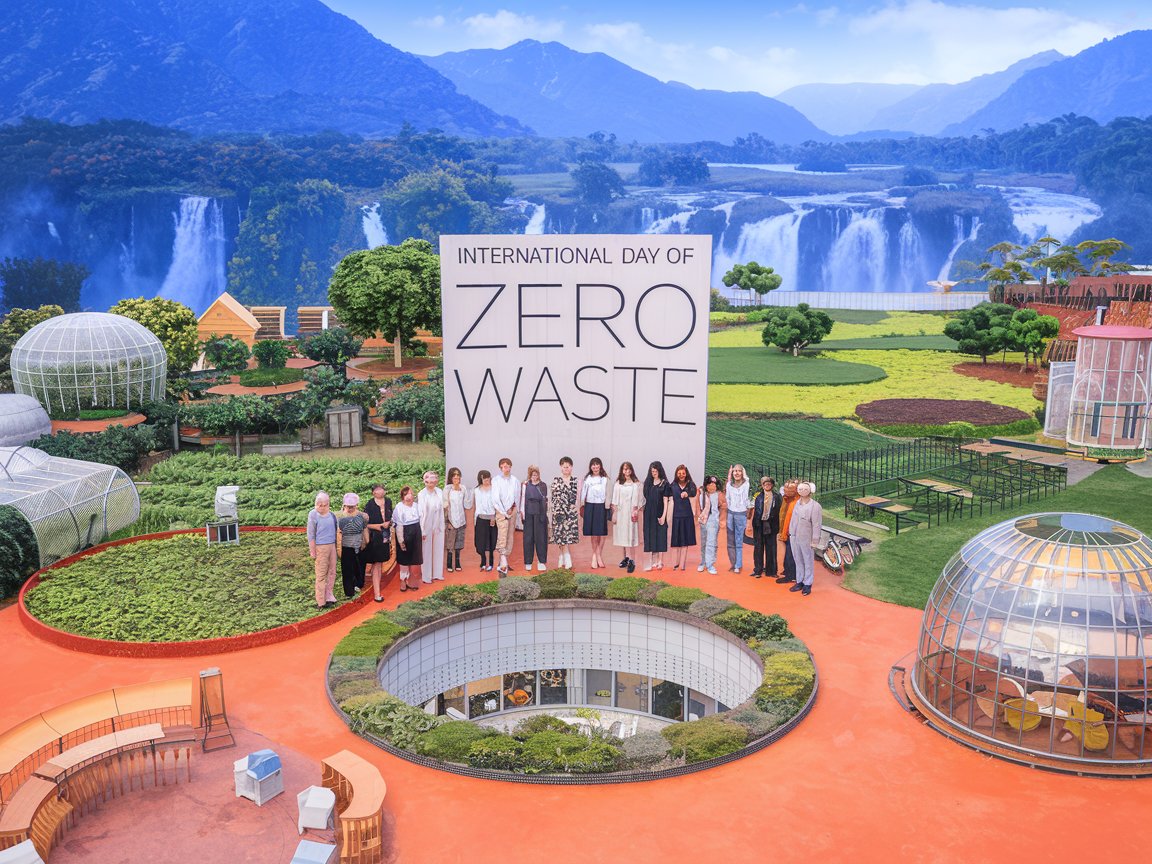
The International Day of Zero Waste focuses on promoting sustainable practices to reduce waste and shift towards circular economy models. This observance aims to merge sustainable development goals with zero waste initiatives to enhance environmental health globally. Collaborations between countries, NGOs, and regions, which address various types of pollution, including air, water, and soil mark efforts on this day.

Different regions, from the developed world to the global south, use standardized metrics for waste collection to highlight their progress in sustainability. Quantitative data from 2020 to 2025 reflects ongoing shifts in waste management practices, demonstrating both achievements and areas needing improvement. The 2030 UN Sustainable Development Goals align closely with the objectives of Zero Waste, aiming for broad environmental and societal benefits. Industry and zero waste certifications play a crucial role in formalizing these goals and encouraging responsible practices.
Purpose Of International Day Of Zero Waste
The International Day of Zero Waste is designed to promote sustainable consumption and production. It encourages the shift towards a circular economy, where resources are reused and recycled. This focus aims to reduce waste globally, impacting both consumers and industries.
By raising awareness, this day highlights the importance of responsible waste management. It is a call to action for individuals, communities, and governments to rethink how they handle waste. Awareness activities include educational programs and community initiatives.
The day also supports the reduction of environmental pollution by emphasizing strategies that prevent waste generation. It strives to foster a culture where waste is minimized, ensuring cleaner air, water, and soil.
International organizations, like the United Nations, play a central role in this initiative. Various non-governmental organizations (NGOs) and countries organize events to motivate citizens and businesses to adopt zero-waste practices.
Overall, the International Day of Zero Waste signifies a commitment to a more sustainable future. By addressing waste issues, it aligns with multiple Sustainable Development Goals (SDGs), driving global efforts for a more eco-friendly planet.
Global Waste Collection Metrics
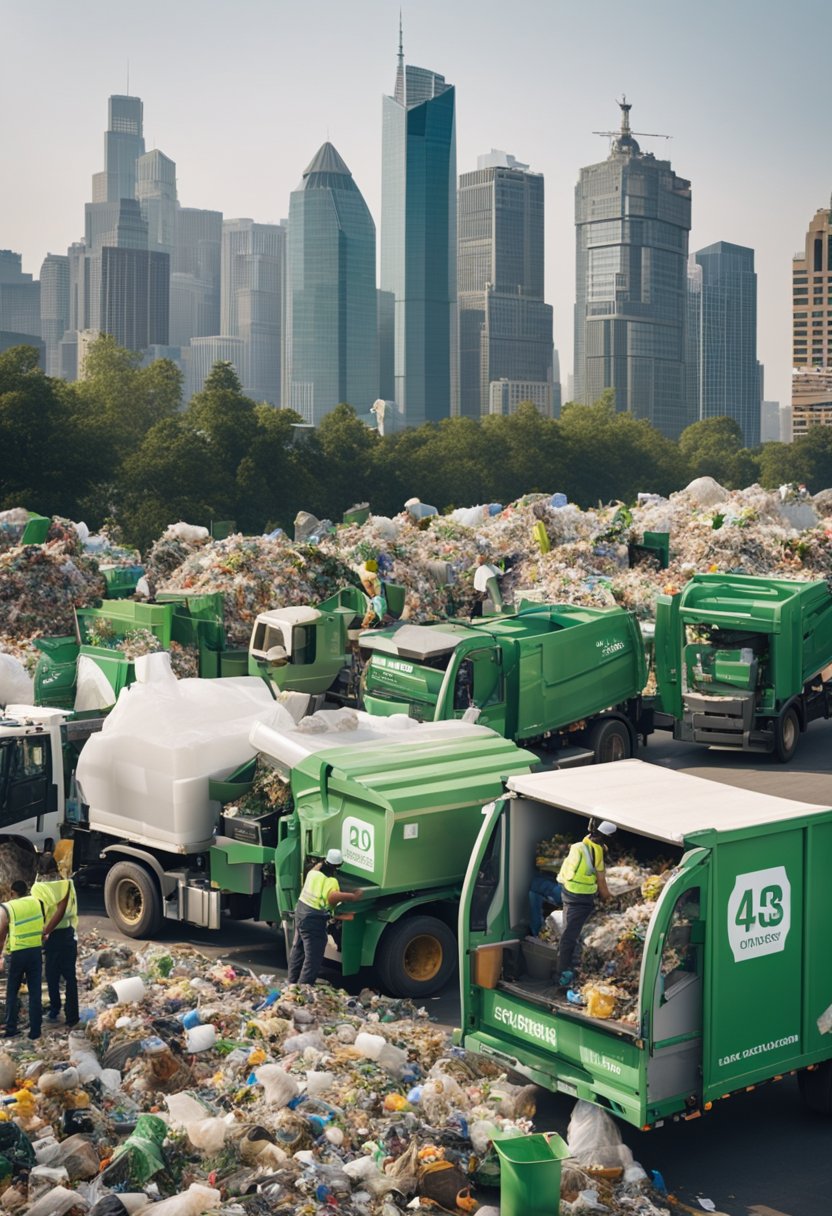
To understand the impacts of International Day of Zero Waste, it’s essential to examine waste collection metrics. Both the developed world and the Global South have unique challenges and achievements in this area, influencing sustainable development efforts worldwide.
Developed World Sustainability Metrics
In developed countries, efficient waste collection is crucial. These nations often have extensive systems to manage waste and promote recycling. Recycling rates in these regions are typically high, with countries like Germany leading with rates over 65%.
Composting is another critical aspect, where organic waste is transformed into useful products like fertilizer. Developed nations invest in technology to enhance waste processing, aiming for reduced landfill use.
The adoption of circular economy principles, such as encouraging businesses to design products for longer use or easier recycling, is prevalent. These practices help cut down waste, conserving resources and minimizing environmental impact.
Global South Sustainability Metrics
The Global South faces distinct waste management challenges. Many countries grapple with limited infrastructure and resources, leading to lower recycling rates. For instance, only about 10% of waste in sub-Saharan Africa gets recycled.
Informal waste sectors are significant in these regions, with many individuals involved in collecting and sorting waste materials. These communities play crucial roles in recycling efforts but often lack adequate support.
Efforts to improve waste management often focus on building infrastructure and providing education about sustainable practices. More support and investment are crucial for these countries to enhance sustainable development and waste reduction.
General Waste Collection Overview
Waste collection is fundamental in achieving sustainable development goals globally. It involves various processes, including collection, transportation, processing, and disposal of waste. Proper waste management helps reduce pollution in air, water, and soil.
Globally, there is a shift towards more sustainable waste practices. Waste-to-energy technologies and enhanced recycling systems are being adopted to lessen landfill reliance. International cooperation and sharing best practices are essential for advancing global waste management.
Public awareness campaigns and increased governmental regulations also play significant roles in driving improvement. These efforts collectively shape a more sustainable future, aligned with international goals and commitments.
Participatory Efforts

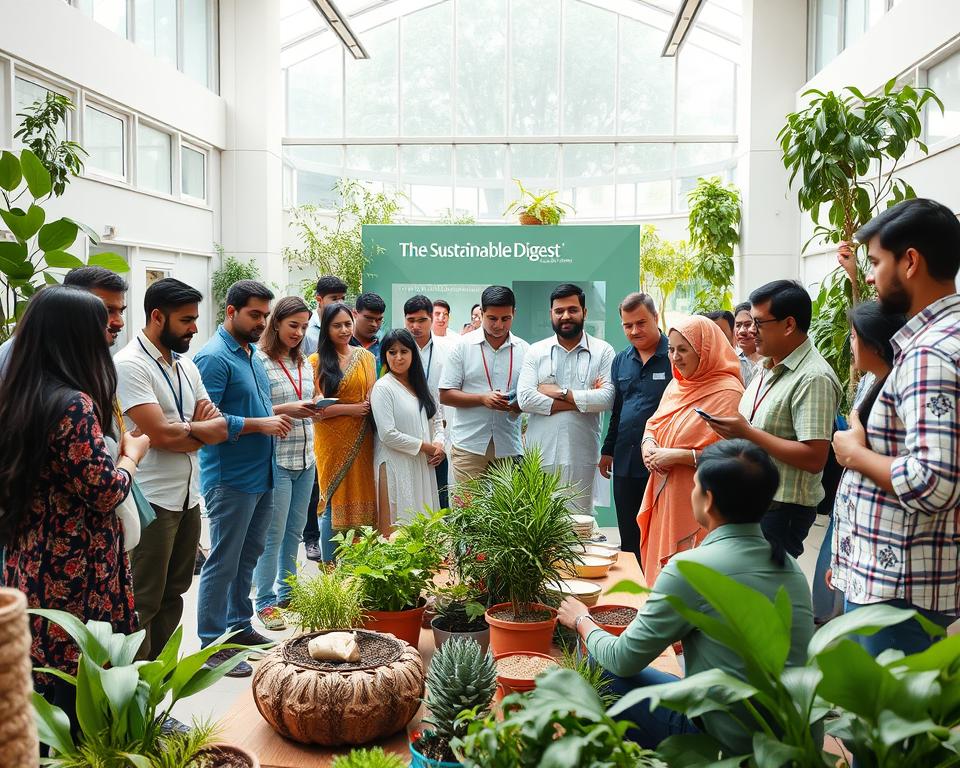
International Day of Zero Waste encourages actions across various levels to promote sustainable waste management. Countries, NGOs, and regions play pivotal roles by implementing community-focused projects and creating innovative solutions to reduce waste.
Country-Level Initiatives
Countries around the world actively participate in promoting zero waste. Governments implement national policies aimed at reducing, reusing, and recycling materials. Some countries offer incentives to companies that minimize waste, while others engage with citizens through awareness campaigns and educational programs.
In regions like Europe, stricter regulations and targets encourage businesses to adopt circular economy practices. Meanwhile, in the Global South, initiatives may focus on improving waste management infrastructure and community engagement to reduce waste and its impact on the environment.
Non-Governmental Organizations’ Roles
NGOs play a crucial role in the success of the International Day of Zero Waste. They organize events, workshops, and outreach programs to educate the public on sustainable waste practices. NGOs often collaborate with local communities to develop tailored solutions that meet specific waste management needs.
Some organizations work on global initiatives by advocating for policy changes, while others focus on grassroots efforts. They are vital in providing resources such as toolkits and best practices to smaller communities. Their work often bridges the gap between government efforts and local action.
Regional Contributions And Innovations
Regions contribute to zero waste initiatives by developing innovative strategies. Cities across the globe have implemented waste sorting technologies and smart recycling systems to enhance efficiency. These innovations not only reduce waste but also save costs and resources.
In some areas, regional partnerships lead to shared best practices and resources, improving overall waste management. Collaborative efforts often result in pilot projects that test new methods for reducing waste. Sustainable practices adopted in one region can inspire others, leading to widespread positive environmental impact.
Impact On Pollution
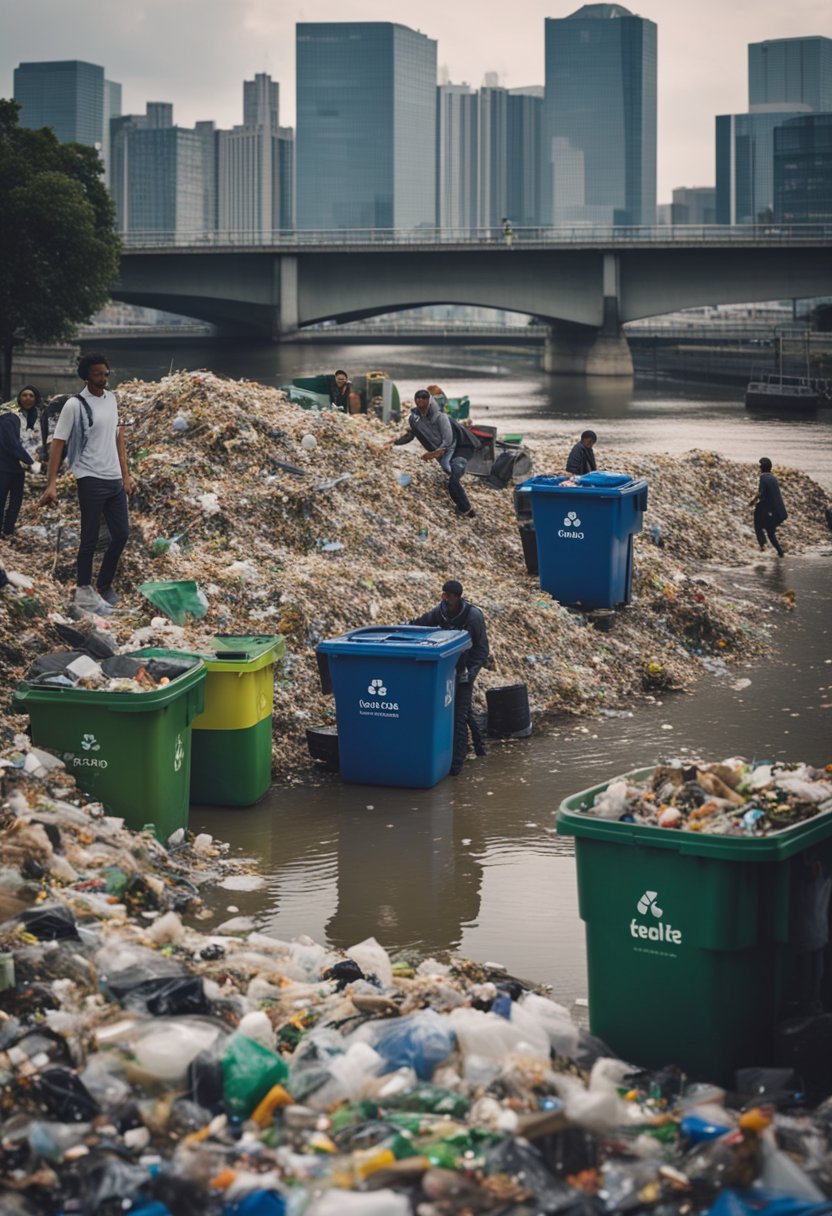
The International Day of Zero Waste aims to significantly reduce various forms of pollution through reduced waste. Addressing these issues helps improve air, water, and soil quality while also tackling other types of pollution.
Air Pollution
Reducing waste plays a crucial role in decreasing air pollution. Waste incineration is a major source of air pollutants, including carbon dioxide, which contributes to greenhouse gas emissions. By minimizing waste, countries aim to cut down on incineration rates.
Implementing zero waste initiatives helps improve air quality by promoting recycling and composting over incineration. This change can lead to cleaner air and healthier communities, as fewer pollutants are released into the atmosphere.
Water Pollution
Zero waste practices focus on reducing the amount of waste entering water systems. Plastics and other non-biodegradable materials can severely impact aquatic environments. By promoting waste reduction, less debris finds its way into rivers and oceans, protecting marine life.
Efforts to minimize waste also target reducing chemical runoffs from landfills into water bodies. These practices align with promoting sustainable waste management, directly benefiting water quality for both human and ecological health.
Soil Pollution
Waste reduction directly influences soil health by minimizing the dumping of hazardous materials. Landfills contribute to soil pollution through leachate production which may contain harmful chemicals. Implementing better waste management practices helps control these threats.
Zero waste strategies encourage composting of organic materials, enriching the soil rather than harming it. This not only prevents harmful contaminants from leaking into the ground but also enhances soil fertility for agriculture.
Noise Pollution
Waste management processes can inadvertently contribute to noise pollution, primarily through transportation and processing activities. Zero Waste Day addresses this by urging the adoption of quieter technologies and practices.
Reducing the volume of waste also decreases the need for frequent waste collection and processing, which helps in reducing noise levels in urban and rural areas, making living conditions more pleasant.
Light Pollution
Light pollution is often an overlooked aspect of waste management sites that operate at night. By reducing the need for around-the-clock waste processing, zero waste initiatives help decrease unnecessary lighting.
Addressing light pollution not only benefits human health by reducing disruptions to sleep patterns but also supports wildlife by minimizing artificial lighting impacts on natural behaviors.
Thermal Pollution
Thermal pollution can occur in bodies of water because of changes in temperature from industrial waste disposal. Zero waste approaches work to prevent the discharge of warm water and other heated waste products.
By reducing industrial waste, zero waste initiatives help lessen thermal pollution, protecting aquatic ecosystems from harmful temperature fluctuations that can disturb marine life.
Radioactive Pollution
Although rare, radioactive pollution remains a significant concern in waste management. Zero waste initiatives focus on responsible disposal and reduction methods for radioactive materials.
Through improved handling and zero waste principles, the risk of radioactive pollution can be minimized, ensuring that communities remain safe from potential radiation hazards.
Data Analysis 2020-2025

The International Day of Zero Waste has led to significant efforts in measuring waste reduction and its impacts. Quantitative data reveals trends in waste collection metrics, while qualitative observations provide insights into changing societal behaviors.
Quantitative Insights
From 2020 to 2025, waste reduction initiatives have gained traction globally. Data indicate a notable decrease in municipal solid waste (MSW) generation in both developed countries and the global South.
Developed regions: Waste generation per capita has reduced by approximately 5% due to stricter regulations and improved recycling technologies.
Global South: Adoption of zero-waste strategies has varied, with some countries reducing waste by up to 10%. Collaborative projects between governments and NGOs are key factors in this progress.
The sustainable development initiatives have also tracked reduced landfill usage, with several regions reporting an increase in recycling rates by around 15% over five years. These quantitative achievements underscore the growing alignment with the UN Sustainable Development Goals.
Qualitative Observations
Qualitative assessments highlight increasing community awareness and engagement in zero-waste practices. Education campaigns and social media efforts are crucial to changing perceptions and habits around waste management.
In the developed world, public participation in recycling programs has improved, as seen in expanded curbside collection services and more accessible drop-off points. Additionally, businesses are actively pursuing zero-waste certifications to demonstrate their commitment.
In the global South, partnerships with NGOs have educated communities on waste separation and reduction. Progress is evident in local markets where the use of single-use plastics has significantly diminished.
Public attitude shifts have paved the way for more sustainable consumption and production patterns across different regions, supporting long-term environmental goals.
Sustainable Development Goals And Zero Waste

International Day of Zero Waste encourages the alignment of zero waste initiatives with the 2030 UN Sustainable Development Goals (SDGs). Goals like responsible consumption and production are central to these initiatives, aiming to minimize waste and enhance sustainability.
SDG Alignment With Zero Waste Initiatives
Zero waste initiatives directly support SDG 12: Responsible Consumption and Production. They focus on reducing waste generated by reusing materials, recycling, and promoting sustainable practices. These efforts lessen the demand for natural resources.
Zero waste impacts SDG 13: Climate Action. By minimizing waste, they reduce emissions from landfills. This approach decreases greenhouse gas emissions, playing a role in climate change mitigation.
Furthermore, these initiatives intersect with SDG 11: Sustainable Cities and Communities. By managing waste effectively, urban areas become cleaner and healthier, enhancing the living standards of residents.
Zero Waste Certifications
Zero Waste certifications help guide organizations in minimizing waste while promoting sustainable practices. These certifications involve rigorous processes and offer numerous benefits for companies striving for sustainability.
Certification Processes
Zero Waste certifications focus on reducing waste to landfill, incineration, and the environment. The process begins with an in-depth waste audit to understand what waste a company produces. After identifying waste streams, businesses must implement strategies to reduce, reuse, and recycle materials.
Certification also requires documenting and tracking this data over time. This helps to assess the progress and ensures practices are consistently followed. External audits and evaluations by certification bodies verify compliance with standards before awarding certification.
Benefits Of Certification
Achieving Zero Waste certification offers several advantages. It enhances an organization’s reputation by showcasing its commitment to sustainability, which can attract eco-conscious customers. It also encourages cost savings through better resource efficiency, as less waste means using materials more effectively.
Moreover, certifications often lead to innovations in waste management strategies. These improvements can drive long-term benefits, such as reduced environmental footprint and compliance with international sustainability standards, aligning with global efforts like the UN Sustainable Development Goals.
Industry Certifications And Zero Waste

Industry certifications play a vital role in advancing zero waste initiatives. They provide clear standards for businesses to minimize waste and encourage sustainable practices. Understanding and implementing these certifications can help companies reduce their environmental impact across various sectors.
Comparison Of Certifications
Several certifications focus on zero waste standards. The Zero Waste International Alliance (ZWIA) provides guidelines for companies to achieve true zero waste status, which involves diverting at least 90% of waste from landfills. LEED (Leadership in Energy and Environmental Design) also includes waste reduction as a part of its green building standards. Another notable certification is B Corporation, which assesses overall social and environmental performance, including waste management.
Each certification has unique criteria and focuses. ZWIA centers on waste diversion rates, while LEED takes a broader approach, including energy usage and building design. B Corporation uses a holistic view, measuring impacts on workers, community, and the environment. Companies often choose certifications based on their specific sustainability goals and the requirements of their industry.
Application In Various Industries
Zero waste certifications are applied differently across industries. In the fashion sector, certifications help tackle textile waste by encouraging recycling and sustainable materials. The food and beverage industry uses these certifications to promote biodegradable packaging and reduce food waste through improved supply chain practices.
In manufacturing, certifications emphasize the reduction of production waste and encourage the use of renewable materials. Retail businesses focus on decreasing packaging waste and promoting recycling programs. Each industry adapts zero waste principles to fit its specific needs and challenges, leading to innovative solutions and practices that support a circular economy.
Conclusion
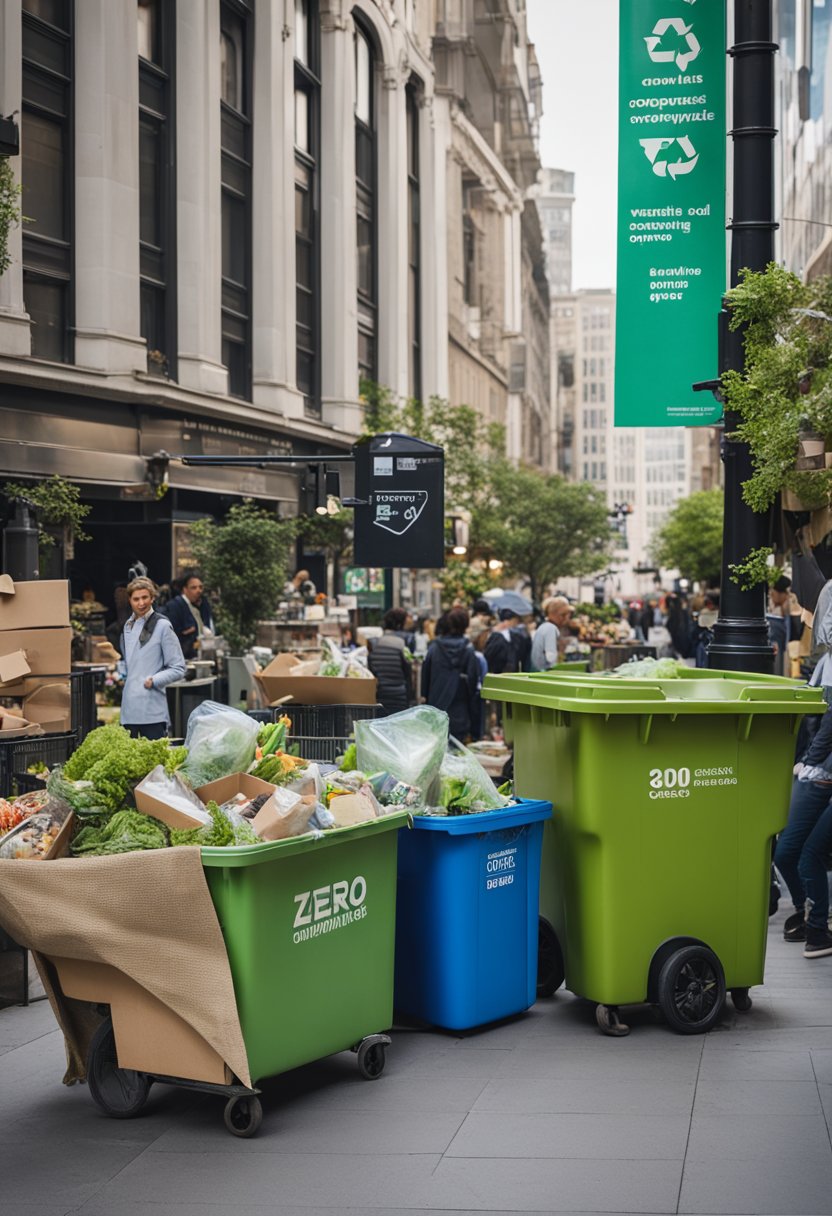
International Day of Zero Waste plays a crucial role in encouraging sustainable consumption and production patterns worldwide. It fosters a collective effort towards a more circular economy, emphasizing the reduction of waste, particularly in the fashion and textile industries.
In both developed nations and the global south, waste collection metrics reflect varied success rates in sustainable development. Developed countries often have more advanced systems in place, while developing regions work towards scalable solutions. The progress can be seen in tangible improvements in waste management practices.
Countries, NGOs, and regions actively participate in this initiative. Collaborative efforts are evident in the numerous zero-waste campaigns and projects implemented by diverse organizations. These initiatives raise awareness and drive policy changes needed to support a zero-waste future.
The impact on pollution, including air, water, and soil, is significant. By reducing waste, these efforts can help lower pollution levels, potentially leading to cleaner environments and healthier communities. Addressing different types of pollution supports overall ecosystem preservation.

From 2020 to 2025, quantitative and qualitative data show that the zero-waste movement gains momentum. Various metrics illustrate progress in reducing waste output and increasing recycling rates. These data points highlight the ongoing dedication to achieving zero waste.
Zero-waste goals align closely with the 2030 UN Sustainable Development Goals. Each goal addressing responsible consumption, environmental protection, and economic growth resonates with the mission of reducing waste globally. This alignment underscores the importance of integrated sustainability efforts.
Zero Waste certifications, alongside industry-specific certifications, provide a framework for businesses and communities. These standards guide effective implementation of zero-waste practices, ensuring accountability and transparency as organizations work towards minimizing their environmental impact.
Frequently Asked Questions

The International Day of Zero Waste promotes sustainable practices to tackle waste and environmental pollution. It engages different regions, organizations, and communities in global efforts aiming for a more sustainable future.
What are the key objectives of celebrating the International Day of Zero Waste?
The event aims to inspire sustainable consumption and production patterns. It encourages communities to adopt circular economy models to minimize waste, conserve resources, and protect the environment.
How do waste management practices differ between developed countries and the global south in the context of sustainable development?
Developed countries usually have advanced waste management systems that prioritize recycling and energy recovery. In contrast, the global south may face challenges with infrastructure and resources, often relying on informal waste collection and recycling efforts.
Which organizations and regions are actively participating in the International Day of Zero Waste, and what actions are they taking?
Various countries, non-governmental organizations (NGOs), and regions participate by hosting events, workshops, and campaigns. They focus on educating the public about waste reduction, implementing community clean-up drives, and creating policies to limit waste generation.
What effect does the International Day of Zero Waste have on different types of environmental pollution?
Efforts on this day help reduce air, water, and soil pollution by promoting waste reduction and responsible resource use. It also raises awareness of less visible pollutants like noise, light, and thermal pollution, fostering cleaner and healthier environments.
Can you provide a summary of both qualitative and quantitative outcomes from International Day of Zero Waste events between 2020 to 2025?
Though specific data may vary, many events result in measurable reductions in waste sent to landfills and increased public awareness. Communities often report positive changes in waste management attitudes, with more individuals and organizations adopting sustainable practices.
What is the relationship between the UN Sustainable Development Goals and the principles of the International Day of Zero Waste?
The day aligns with several UN Sustainable Development Goals (SDGs), especially those promoting responsible consumption, resource efficiency, and reduced pollution. It supports SDGs focused on sustainable cities, economic growth, and climate action.

Key Takeaways
- International Day of Zero Waste promotes sustainable consumption.
- Waste management metrics show varied progress globally.
- Zero Waste efforts align with UN Sustainable Development Goals.