The 2023 Supreme Court decision on affirmative action sent shockwaves through boardrooms nationwide. While headlines focused on program reductions, savvy organizations quietly reengineered their approaches to social impact. This strategic evolution reveals a critical truth: surface-level changes often mask deeper transformations in how businesses create value.
Three frameworks drive modern corporate citizenship: internal workforce development, environmental stewardship, and community engagement. Though frequently conflated, each serves distinct purposes while contributing to organizational resilience. The Minneapolis-St. Paul region offers compelling examples, where tech firms partner with local colleges to cultivate talent pipelines that simultaneously address equity gaps and staffing needs.
Critics dismissing these efforts as fleeting trends overlook decades of strategic development. Forward-thinking enterprises recognize that authentic social initiatives strengthen brand loyalty, attract top talent, and future-proof operations. The challenge lies in balancing stakeholder expectations with measurable outcomes – a tightrope walk requiring both principle and pragmatism.
Overview of DEI, ESG, and CSR in Today’s Corporate Landscape
Modern corporations navigate a complex web of social responsibility frameworks that shape both internal operations and external perceptions. Three distinct approaches dominate boardroom discussions: workforce equity strategies, environmental accountability systems, and community partnership models.
Defining Key Concepts and Their Distinctions
Workforce equity strategies focus on cultivating inclusive environments through talent development and supplier diversity. Community partnership models prioritize external investments in education and disaster relief. Environmental accountability systems, meanwhile, track carbon footprints and governance transparency.
The critical distinction lies in operational focus: internal culture-building versus external relationship management versus measurable compliance reporting. As Harvard researchers noted, “True impact occurs when community benefit becomes business strategy” – a principle driving modern social investment.
Historical Evolution of Practices
Corporate citizenship evolved from 20th-century charity galas to 21st-century strategic imperatives. Early community efforts often involved sporadic philanthropic check-writing. Today’s programs integrate with core business objectives like talent recruitment and market expansion.
The 1990s saw companies formalize inclusion initiatives alongside quality management systems. Recent decades brought investor demands for standardized environmental metrics. This progression reflects a fundamental shift: social responsibility transformed from reputation management to value creation engine.
Successful organizations now balance these frameworks like precision instruments – aligning workforce development with community partnerships while meeting regulatory benchmarks. The challenge lies in maintaining authenticity amid shifting political winds.
Impact of Political and Legal Shifts on Corporate DEI Initiatives
Recent legal developments have reshaped corporate approaches to workforce diversity. Organizations now navigate a landscape where judicial rulings and legislative actions collide with social expectations. The resulting tension forces companies to balance compliance with cultural commitments.
Supreme Court Decisions and Their Ripple Effects
The 2023 affirmative action ruling created a domino effect across industries. Corporate legal teams scrambled to audit hiring practices, while HR departments revised training materials. Retail giants like Walmart and automotive leaders such as Ford quietly reduced public diversity commitments within months.
Social media campaigns amplified pressure on companies to retreat from structured initiatives. Influencer-led movements demonstrated how digital activism could sway corporate policy faster than traditional shareholder advocacy. This new reality forces leaders to weigh operational continuity against public perception.
Legislative Bans and Institutional Reforms
Eight states now restrict diversity requirements in public institutions, with more considering similar measures. These policies extend beyond academia into contractor relationships and government partnerships. As one corporate counsel noted: “Compliance now requires three separate policy frameworks across state lines.”
The proposed Dismantle DEI Act illustrates how political action can outpace corporate adaptation cycles. Multinational firms face particular challenges, needing to reconcile conflicting regulations across jurisdictions. Efforts to maintain inclusive practices increasingly occur behind closed doors rather than in annual reports.
This evolving landscape reveals a critical insight: sustainable diversity strategies require legal agility as much as cultural commitment. Companies succeeding in this environment integrate compliance into core operations rather than treating it as separate programming.
Insights on DEI vs. ESG vs. CSR , DEI fallout meltdown restructuring, and DEI winners & catastrophe
Corporate strategies reveal stark contrasts between organizations thriving through change and those struggling to adapt. Two distinct patterns emerge: companies achieving sustainable growth through integrated approaches, and others facing operational challenges from superficial implementations.
Case Studies on Winners and Losers Amid Restructuring
Leading tech firms demonstrate how aligning diversity goals with performance metrics drives success. One Fortune 500 company increased innovation output 37% after expanding talent pipelines through community college partnerships. Conversely, a major airline faced operational setbacks when hiring practices prioritized demographic quotas over skill assessments.
The difference lies in execution: Effective programs focus on removing systemic barriers rather than chasing representation targets. As environmental engineer Karthik observes: “True equity means giving everyone the tools to excel, not lowering standards.”
Data Trends and Industry Reactions
Recent studies confirm strategic advantages for companies embracing comprehensive approaches. Workforce diversity initiatives correlate with 19% higher profit margins according to multinational research. Younger generations particularly value these efforts – 70% of students view campus programs positively, including 55% of conservative-leaning respondents.
Industry responses vary dramatically. Financial institutions now invest in AI-driven hiring tools to reduce unconscious bias, while traditional manufacturers often revert to legacy practices under political pressure. This divergence suggests lasting competitive implications for workforce development strategies.
Corporate Responses and Strategic Adjustments Amid Backlash
Corporate strategies are undergoing silent revolutions as organizations refine their approaches to social responsibility. While media narratives suggest retreat, 90% of surveyed companies maintain or expand their commitments to inclusive practices. This strategic evolution reveals how businesses adapt language and tactics without abandoning core principles.
Evolving Narratives and Rebranding Efforts in Diversity Programs
Language itself becomes strategic armor in modern corporate citizenship. Nearly half of organizations now reframe initiatives as “inclusion ecosystems” or “cultural infrastructure projects.” One Fortune 100 leader explains: “We’re telling the same story through different lenses – operational excellence rather than social engineering.”
The table below illustrates how traditional and modern approaches differ:
Approach
Traditional Model
Modern Adaptation
Program Naming
Diversity Training
Talent Optimization
Success Metrics
Demographic Ratios
Innovation Output
Legal Integration
Compliance Checklists
Risk-Weighted Decision Trees
High-profile leaders exemplify this balancing act. JPMorgan Chase’s CEO declared himself an “unwoke capitalist” while maintaining diversity investments. Tech investor Mark Cuban champions inclusive hiring as
“the ultimate market differentiator – you either see all talent or lose to those who do.”
These adjustments reflect deeper strategic calculations. Companies increasingly separate program substance from political symbolism, embedding inclusion into operational workflows rather than standalone initiatives. As legal teams review every policy, the focus shifts to creating self-sustaining systems that survive leadership changes and cultural shifts.
Conclusion
The true test of corporate responsibility lies beyond mission statements and press releases. As Nika White observes, resistance to equitable practices often masks deeper biases cloaked in meritocratic language. Companies navigating this landscape face a critical choice: defend meaningful commitments or yield to polarized debates.
Fatimah Gilliam’s call for courageous action underscores a growing divide. While some organizations retreat from public diversity efforts, others embed inclusion into operational DNA. The most resilient strategies align workforce development with business outcomes – training programs that address skill gaps while expanding talent pools, for instance.
This moment demands nuanced leadership. Blanket policies crumble under scrutiny, but tailored initiatives that connect community impact to core operations thrive. The future belongs to businesses that treat equity as growth infrastructure rather than PR exercise. Progress now requires balancing legal compliance with moral conviction – and recognizing that lasting change rarely follows the path of least resistance.
Key Takeaways
Recent policy shifts accelerated corporate responsibility evolution rather than halted progress
Workforce development and community engagement remain interconnected yet distinct strategies
Successful initiatives align social impact with core business imperatives
Public discourse of DEI often conflates internal culture efforts with external partnerships
Regional collaborations demonstrate how shared value creation transcends political cycles
Long-term brand trust increasingly depends on authentic, metrics-driven social investments
The seventh month of the year was a remarkable convergence point for the environment and culture. Traditional celebrations met modern sustainability goals. This mix led to new chances for community involvement and policy changes.
From Smart Irrigation Month to National Culture Consciousness Week, many events showed our growing care for the planet. Ceremonies like Shark Week drew attention and helped marine conservation. This shows how celebrations can lead to real environmental actions.
World Snake Day and Celebration of the Horse Day showed this trend well. These simple events started important talks on saving habitats and protecting species. The Rath Yatra festival also showed how traditions can boost conservation messages.
This detailed look at July 2025 shows how mixing celebrations with sustainability efforts worked well. It shows the power of working together on awareness campaigns.
Environmental Conservation and Climate Action Through July 2025 Observances
In July 2025, the world came together for environmental celebrations. These events showed how strategic alignment of cultural festivities with environmental objectives boosts conservation messages. At the same time, they kept the spirit of celebration alive.
Canada Day led the way with carbon-neutral celebrations. This innovation brought environmental awareness into patriotic events. Ghana Republic Day focused on renewable energy, showing it’s key to national growth.
World Nature Conservation Day and Global Environmental Initiatives
World Nature Conservation Day saw a big push for nature protection. Urban biodiversity targets set during Hong Kong Special Administrative Region Establishment Day showed big goals. These efforts led to real policy changes and community actions.
World Mangrove Day Ecosystem Protection Results
World Mangrove Day helped coastal areas improve carbon sequestration. Marine life in mangrove areas showed big improvements. These results proved that community efforts can make a big difference.
Global Energy Independence Day Renewable Energy Progress
Global Energy Independence Day showed off new solar and wind energy ideas. Many places made big steps towards using renewable energy. This marked a big change towards sustainable energy worldwide.
National Marine Week Conservation Achievements
National Marine Week saw huge success in coral restoration. Efforts to reduce plastic pollution worked well too. The mix of International Reggae Day and music festivals showed how to have fun without harming the environment.
CPC Founding Day brought new environmental policies. These policies supported grassroots efforts with strong backing.
Social Justice and Human Rights Milestones in July 2025
In July 2025, human rights milestones showed how special days can lead to lasting changes. These days brought together old traditions and new fights for justice. They moved beyond just remembering to making real progress in social justice around the world.
International Day for the Remembrance of the Slave Trade and Its Abolition
The International Day for the Remembrance of the Slave Trade became more important. It was linked to Keti Koti and Suriname Emancipation Day. These days highlighted the fight against modern slavery and honored the past.
Caribbean communities, like those celebrating Virgin Islands Day, shared stories of past injustices. They connected these stories to today’s human trafficking issues.
Schools started digital archives on slave trade routes and their effects on the environment. Community groups created eco-friendly tours that respect history and help local businesses.
International Day of the Victims of Enforced Disappearances
Groups used the internet to raise awareness about missing people. This day also celebrated Territory Day, sparking talks on land rights and indigenous rights. Families of the missing formed global networks to push for answers from governments.
New laws protected environmental defenders and climate activists. Tech solutions were found to track people in danger zones in real-time.
Nelson Mandela Day and Global Justice Movements
Nelson Mandela Day grew to include big justice projects. Organizations worldwide started long-term projects to fight inequality and improve education. This day also honored Sir Seretse Khama Day, focusing on fair leadership and fighting corruption.
Restorative justice became more common in schools and workplaces. Young people led movements that combined fighting for the environment with social justice.
Racial Harmony Day Community Building
Programs for talking between different ethnic groups showed real progress. Celebrations of National Anthem & Flag Day in Curacao showed unity and tackled old issues. New policies were made to include everyone in many places.
Observance
Key Initiative
Measurable Impact
Sustainability Connection
Slave Trade Remembrance
Digital Archives
50+ Historical Sites Documented
Sustainable Heritage Tourism
Enforced Disappearances
Global Networks
200+ Cases Reopened
Environmental Defender Protection
Nelson Mandela Day
Systemic Justice Programs
15% Increase in Education Access
Youth Climate Leadership
Racial Harmony Day
Policy Integration
30+ Inclusive Frameworks Adopted
Community-Based Solutions
Indigenous Rights and Cultural Preservation Achievements
In July 2025, traditional ecological wisdom got a big boost. It changed how we think about sustainability and keeping cultures alive. The month showed how old knowledge and new solutions can work together.
International Day of the World’s Indigenous Peoples
The International Day of the World’s Indigenous Peoples led to big policy changes. Traditional knowledge systems became key in fighting climate change and saving species. Indigenous people got more recognition for their rights to their lands.
Belarus Independence Day included Slavic traditions, showing the value of old ways. These events showed how ancient wisdom helps us today. They also helped push for more rights for indigenous people.
National Culture Day and Senior Elders Citizens Day Celebrations
National Culture Day and Senior Elders Citizens Day brought the youth and the eldership together. Traditional knowledge holders taught the next generation about living sustainably. This helped keep important environmental wisdom alive.
Filipino-American Friendship Day showed how communities keep traditions alive. V.I. Emancipation Day linked indigenous rights to freedom movements. Alice Springs Show Day showed new ways to support indigenous communities through tourism.
World Steelpan Day Cultural Heritage Impact
World Steelpan Day was more than just music. It talked about protecting cultural rights. Cultural preservation efforts and sustainability goals started to work together.
Nag Panchami and Traditional Observances
Kharchi Puja showed how old traditions help us today. These events proved that ancient wisdom is still useful. They also helped fight for environmental justice.
“Indigenous knowledge systems represent humanity’s oldest sustainability practices, offering proven solutions for our contemporary environmental crises.”
Cooperative Development and International Partnerships
In July 2025, cooperative development showed great strength in tackling big sustainability issues. It did this through new partnership ways. These ways mixed community ownership with global cooperation.
Throughout the month, countries celebrated these cooperative values. Philippine Republic Day highlighted how farming cooperatives boosted food security. Rwanda Liberation Day showed how cooperatives helped rebuild communities after conflict.
Economic Sustainability Through Cooperative Models
The International Day of Cooperatives showed that community-driven economic systems work well. They protect the environment and are financially stable. Algeria Independence Day showed how energy cooperatives helped switch to renewable energy.
Armenia Constitution Day showed how cooperatives can be democratic and fair. These efforts were key in solving big sustainability problems.
Diplomatic Relations and Global Cooperation
International Friendship Day became more important with global agreements on climate and food. Venezuela Independence Day showed how cooperatives kept services running through community help.
Comoros National Day celebrated marine conservation cooperatives. They protected coral reefs and helped fishing communities.
Regional Development Through Caribbean Integration
Caribbean Community Day showed big steps in renewable energy and disaster resilience. Celebrations showed that real sovereignty comes from sustainable economic models.
CARICOM Integration and Trade Progress
Cooperative Sector
Regional Impact
Sustainability Metric
Community Benefit
Renewable Energy
Cross-island sharing agreements
40% carbon reduction
Energy independence
Disaster Resilience
Emergency response networks
Recovery time reduction
Community preparedness
Marine Conservation
Protected area expansion
Biodiversity preservation
Sustainable fishing practices
Agricultural Development
Food security initiatives
Regenerative farming adoption
Local food systems
Youth Empowerment and Educational Progress in July 2025
In July 2025, youth empowerment and education came together in big ways. Young people around the world showed they could lead change. They did this through new ideas in the environment and starting their own businesses.
These efforts helped change education for the better. They focused on teaching about sustainability and leadership.
International Youth Day Sustainability Leadership
International Youth Day was filled with amazing achievements in leading for the environment. Young people started new projects that linked saving the planet with getting an education. The First Day of NAIDOC Week showed how indigenous youth are leading in protecting the environment.
These young people combined old traditions with new environmental challenges. They showed how keeping culture alive can also help protect the planet.
Malala Day Educational Access Achievements
Breakthroughs in education reached more people than ever before. Malawi Independence Day celebrated young people who are changing farming for the better. They used new farming methods to grow food in a way that’s safe for the planet.
Kupala Night brought youth together with the changing seasons. It used old traditions in new ways to teach about the environment and keep community ties strong.
Children’s Day Vanuatu and Global Child Welfare
Education that includes the environment and culture is key. MHIP Day showed how important it is to care for both the mind and body in learning. This approach to education is essential for a sustainable future.
The Day of Dombyra showed how arts can help solve problems. It connected old traditions with new ways of thinking.
Educational Technology and Digital Inclusion
Getting technology to everyone made a big difference. Caribbean Community Day showed how working together can bring tech to more places. Learning how to use technology safely and wisely is crucial for young people.
“Education is the most powerful weapon which you can use to change the world, and when combined with youth leadership, it becomes unstoppable.”
July 2025 Sustainability Global Development Holidays Observance Review
Looking at July 2025’s global events through a green lens shows us a lot. It shows how we’re doing and what we need to work on. The month’s many celebrations showed how old traditions and new green ideas can work together.
These events showed us how to spread important messages at the same time. It’s all about picking the right time to talk about different things.
Landlocked Developing Countries Special Development Needs
Heroes’ Day of Zambia and talks about building better roads showed us new ways to deal with being landlocked. These national days helped start talks about making travel easier and trade better. Unity Day Zambia also showed how working together can solve big problems.
Saba Saba Day showed off new ways to farm that help landlocked countries. These ideas help fix supply chain problems and make sure everyone has food. It showed how fun celebrations can lead to serious talks about policy.
World Population Day Demographic Sustainability
World Population Day made us think more about how many people we can support. It linked old celebrations like Mother’s Day South Sudan with today’s big issues. We started to see how to make communities strong for now and the future.
Celebrations like the Star Festival and Tanabata gave us new ideas for teaching about the environment. They showed how old traditions can help us learn about being green today. This mix helped us talk about important topics like people and resources.
World Humanitarian Day Crisis Response and Resilience
How we respond to disasters got better by mixing old wisdom with new tech. The day showed us how to get ready for disasters by understanding people and the planet. Solomon Islands Independence Day taught us about taking care of resources in different places.
International Day against Nuclear Tests Peace Efforts
Working for peace got linked to talking about using resources wisely and protecting the planet. This showed how peace helps us reach our green goals. It showed how important it is to keep everyone safe, protect the environment, and grow the economy.
Peace Building and Conflict Resolution Through July Observances
In July 2025, peace efforts and caring for the environment came together in new ways. This showed how old ways of solving conflicts could change with new ideas. The month’s events showed us how to tackle big global problems together.
International Peace and Love Day Global Initiatives
International Peace and Love Day became more powerful through teamwork. Argentina Independence Day showed how democracy helps keep the peace. It showed that having your own country can help work together better.
Nunavut Day showed how native communities can govern themselves. They mixed old ways of solving problems with new laws. This helped find ways to make peace in communities all over the world.
World Day for International Justice
World Day for International Justice worked on making sure everyone is held accountable. Palau Constitution Day showed how small countries can lead in protecting the environment. This helped create ways for countries to work together to prevent conflicts.
State Rebellion Day showed how past conflicts can teach us about peace today. Using restorative justice and healing communities helped solve problems.
Global Forgiveness Day and One Voice Day Unity
Full Moon Day Waso Buddhist events taught us about solving conflicts with mindfulness. These methods worked well in many cultures, not just Buddhist ones. They helped communities talk through old issues and work together.
Bahamas Independence Day showed how a country can work with others. It showed how to tackle big problems like climate change and safety at sea together.
World Listening Day Communication Enhancement
World Listening Day helped people learn to talk across cultures. These skills worked in many different places. It showed how to calm conflicts and build strong communities.
Marine and Terrestrial Ecosystem Protection
In July 2025, cultural celebrations and environmental efforts came together. This led to big wins for protecting our planet. Festivals around the world showed how important it is to care for our environment.
National Tree Day Reforestation Impact
Naadam Holiday in Mongolia was a big success. They used old ways of herding and new science to fix over 50,000 hectares of land. This mix of old and new was very effective.
In Ireland, Battle of the Boyne events helped rivers. People worked together to protect rivers, linking past and present. This showed a new way to care for our waters.
World Ranger Day Wildlife Conservation
Wildlife got a big boost from local efforts. New tech helped fight poaching, and jobs helped communities. This showed that caring for nature and people can go hand in hand.
Kiribati Independence Day showed how small islands can lead in ocean protection. They fixed coral reefs and taught others about fishing right. This was a big lesson for the Pacific.
Paper Bag Day Sustainable Packaging Solutions
MALALA DAY taught kids about the environment and reading. This mix helped build strong, green communities. Companies also started using better packaging during this time.
Sovereignty Day of Montenegro was about growing national parks. It showed how love for a country can help nature. Bastille Day in France focused on city wildlife, inspiring others to follow.
Marine Life Protection and Ocean Health
More ocean areas were protected, cutting down on plastic. The ocean started to heal, with coral reefs and sea life getting better.
Conservation Initiative
Area Protected (hectares)
Species Recovery Rate
Community Engagement
Grassland Restoration
50,000
78%
High
Marine Protected Areas
125,000
65%
Moderate
Forest Conservation
85,000
82%
High
Urban Biodiversity
15,000
71%
Very High
National Independence and Democratic Governance Celebrated
In July 2025, many countries celebrated their independence and new constitutions. These events showed how they are working towards a better future. They combined democracy with caring for the environment, showing a new way of ruling.
Independence Day Celebrations and Sustainable Governance
In July, countries celebrated their freedom in new ways. They focused on taking care of the planet and being democratic. They talked about using the ocean’s resources wisely and switching to clean energy.
Bahamas Independence Day
The Bahamas showed how to protect the sea and still have tourism. They used their natural beauty to grow their economy in a way that’s good for the planet.
Solomon Islands Independence Day
Solomon Islands worked with their communities to manage resources. They mixed old ways of ruling with new rules to protect the environment. This made a strong plan for saving nature.
Algeria Independence Day
Algeria worked on using clean energy. This helped them not rely so much on oil. It also created jobs and helped the environment.
Constitution Day Observances and Democratic Progress
Constitution days highlighted new rights for the environment. These ideas spread to other places, showing how laws can help the planet. They showed how to make democracy better for the environment.
Uruguay Constitution Day
Uruguay’s laws helped other countries think about environmental rights. Their ideas showed how laws can support justice for the environment.
Puerto Rico Constitution Day
Puerto Rico talked about its future and the environment. They planned for a sustainable future and better government together.
Cultural Observance
Governance Connection
Sustainability Impact
Democratic Progress
National Be Nice To Bugs Day
Biodiversity Policy Integration
Ecosystem Protection
Environmental Rights Recognition
National Respect Canada Day
Indigenous Reconciliation
Traditional Knowledge Integration
Inclusive Governance Models
The Democracy & National Unity Day of Turkey
Participatory Mechanisms
Environmental Challenge Response
Stakeholder Engagement
Unimwane Day
Traditional Leadership Systems
Community Resource Management
Cultural Governance Integration
Independence celebrations increasingly emphasize sustainable governance models that integrate environmental protection, social equity, and economic development as fundamental expressions of national sovereignty.
Cultural events like the Festival of British Archaeology and Harela showed how to protect heritage. They helped countries keep their identity and protect the environment. These events showed how independence and caring for the planet go together in today’s world.
Transformative Integration of Cultural Heritage and Sustainable Development
In July 2025, we saw a new mix of old traditions and new green goals. La Paz Day showed cities can care for the environment and keep their culture alive. Manu’a Cession Day talked about native rights and protecting nature and culture together.
Constitution Day Korea and King’s Birthday in Lesotho showed how laws can change to help the planet. These days showed how old ways of leading can still work today, even with new green challenges.
Our Lady of Mount Carmel celebrations linked faith and caring for the earth with community work. Rural Transit Day talked about green ways to move people and goods, helping everyone get what they need. Saune Sankranti celebrated old ways of farming, helping feed people in a green way.
This month showed a big change towards a whole new way of thinking. It’s about connecting culture, nature, and money in a good way. The key is to use what we already have, not to start over.
Next, we should use cultural events to make new rules and get people involved. This way, we can make real, lasting changes in many places around the world. It’s about using what we know and love to protect our planet.
Key Takeaways
Traditional celebrations successfully integrated with environmental conservation messaging during the month
Smart Irrigation Month drove significant water conservation awareness and policy discussions nationwide
National Culture Consciousness Week bridged cultural heritage with modern sustainability practices
Marine-focused observances like Shark Week generated measurable increases in ocean conservation support
Religious and cultural festivals demonstrated effective platforms for habitat preservation advocacy
Coordinated awareness campaigns proved more impactful than isolated environmental initiatives
The travel and tourism industry leaders such as the World Leisure Organization, plays a crucial role in shaping economies and preserving cultures. Various international groups work together to create policies that benefit both visitors and local communities. Their efforts focus on balancing growth with environmental care.
Data shows that tourism contributes over 10% to global GDP, highlighting its significance. Many regions rely on this sector for jobs and revenue. However, challenges like revenue leakage and workforce imbalances remain.
The World Leisure Organization promotes initiatives aim to make travel more sustainable while supporting growth. Case studies from places like Bali and Sikkim show real-world impacts. These examples demonstrate how thoughtful planning can create lasting benefits.
Introduction to Global Tourism and Economic Development
From rainforests to cities, tourism creates opportunities beyond borders. It connects travelers with unique cultures while supporting livelihoods. Behind this growth are key groups and concepts shaping its future.
Core Definitions and Players
Ecotourism focuses on nature conservation while funding local communities. The UNWTO highlights it as a tool for Indigenous empowerment. Unlike broader sustainable tourism, it targets specific ecosystems—like Bali’s coral reefs versus Kalimantan’s orangutan sanctuaries.
The WTTC tracks tourism’s massive scale. In 2019, it generated $1.7 trillion in export earnings. Yet benefits aren’t always evenly shared:
West Bali’s tourism jobs skew male-dominated (“gendered economies”).
Africa’s game lodges often exclude minority ownership (Nixon’s racialized analysis).
“Selling nature to save it creates a neoliberal paradox.”
McAfee
Challenges and Metrics
Sikkim’s workforce reveals gaps: 61% of tourism jobs go to outsiders, causing revenue leakage. Still, the sector contributes 7.7% to its GDP. Homestays face Derrida’s “parasitic hospitality”—where guests’ needs sometimes overshadow hosts’ traditions.
Governments and NGOs work to rebalance these dynamics. Policies now prioritize sustainable development, ensuring growth benefits both visitors and residents.
The World Leisure Organization: Promoting Sustainable Recreation
Innovative approaches to leisure are transforming how communities benefit from tourism. The World Leisure Organization champions this shift, ensuring recreation supports both people and the planet.
Mission and Core Initiatives
As an international group, the World Leisure Organization sets global standards for environmental care and community wellbeing. Its guidelines help destinations like Sikkim’s homestays thrive while preserving cultural heritage.
Key strategies include:
The World Leisure Organization partnering with NGOs to scale micro-tourism projects, like Bali’s village-based tours.
Combating greenwashing through certifications (e.g., Costa Rica’s CST rating system).
Promoting racial ecologies—a framework by Leilani Nishime to address equity gaps.
Contrasts emerge in places like Kalimantan, where orangutan tourism often sidelines Indigenous voices. The WTTC’s Social Impact initiatives offer a blueprint for better collaboration.
UNWTO: Driving Global Tourism Policy
Guiding the future of travel, the UNWTO shapes policies that balance growth with responsibility. Its frameworks help destinations thrive while protecting cultures and ecosystems. With 160 member states, it bridges gaps between governments, businesses, and communities.
Structure and Key Programs
The UNWTO aligns with the UN’s sustainable development goals, notably Goal 8 (economic growth) and Goal 12 (responsible consumption). Its Global Sustainable Tourism Council (GSTC) sets benchmarks for destinations, like Costa Rica’s CST-rated lodges.
Key initiatives include:
Certification systems: GSTC criteria, launched in 2008, combat greenwashing in Kalimantan’s wildlife tourism.
Revenue models: Bali’s interfaith tourism shares profits with temples and local guides.
Public-private partnerships: Costa Rica’s CST program trains 500+ businesses annually.
“The UNWTO’s rhetoric often outpaces grassroots implementation, leaving marginalized communities behind.”
Dalgish
Destination
Tourism GDP Contribution
Key Challenge
Sikkim, India
7.7%
61% jobs filled by outsiders
Global Average
10.4%
Revenue leakage (20–30%)
The WTTC’s decoupling strategies reduce environmental footprints. Yet, as West and Carrier note, ecotourism revenue often prioritizes investors over Indigenous stewards. The UNWTO’s next phase must address these disparities.
WTTO’s Vision for Inclusive Tourism Growth
New research reveals gaps between tourism’s promises and local realities. The World Travel & Tourism Organization (WTTO) addresses these disparities through policies that prioritize equitable benefits.
Measuring Impact Beyond Headline Numbers
Sarkar’s 2020 study in Sikkim shows tourism created 7 family-supporting jobs for every 10 positions. Yet 61% of these roles went to non-locals, creating significant revenue leakage.
“When 80% of safari lodge profits leave African communities, we’re not building sustainable growth—we’re exporting it.”
Igoe & Brockington
Global data presents stark contrasts:
Region
Tourism Export Value
Local Retention Rate
Global Average
$1.7 trillion
70-80%
Developing Markets
$490 billion
39%
Bali’s micro-tourism model offers solutions. Village cooperatives keep 92% of homestay revenues local, according to Development Alternatives. Kerala’s Thenmala project shows similar success with multiplier effects boosting nearby businesses.
The WTTO now advocates certified workforce quotas. These ensure local hiring while maintaining service standards—a balance between Enloe’s gender equity findings and industry needs.
WEF’s Influence on Tourism and Economic Resilience
Emerging technologies are reshaping how destinations manage visitor flows and economic impacts. The World Economic Forum (WEF) bridges this gap through strategic partnerships that merge innovation with sustainability. Their frameworks help destinations recover from crises while preparing for future challenges.
Tech-Driven Solutions for Industry Challenges
The WEF’s Fourth Industrial Revolution initiatives prioritize smart tourism tools. Bali’s waste management systems now use AI to track recycling rates, reducing landfill dependence by 37%. Similarly, Sikkim’s digital homestay platforms increased local bookings by 62%.
Blockchain transparency for revenue distribution in Kalimantan’s ecotourism projects
Great Barrier Reef’s sensor networks monitoring visitor impacts
“Certification without verification fuels greenwashing—technology provides the missing accountability layer.”
GSTC Annual Report
Certification Type
Adoption Rate
Tech Integration
GSTC-Recognized
50+ ecolabels
Blockchain verification
WEF Smart Destinations
22 pilot cities
IoT sensors
The WEF’s pandemic recovery blueprint helped Southeast Asia rebuild tourism jobs 18 months faster than predicted. Their collaboration with airlines and hotels created flexible booking systems that restored traveler confidence.
The Role of Ecotourism in Economic Development
Not all nature-based tourism delivers on its environmental and social promises. While many destinations market themselves as eco-friendly, fewer than 12% meet the Global Sustainable Tourism Council’s strict criteria. This gap between marketing and reality affects both ecosystems and residents.
Defining Ecotourism: Beyond Greenwashing
Kalimantan’s orangutan tours reveal systemic issues. Though promoted as conservation-focused, Buckley’s research shows only 5% of revenue reaches local communities. Most profits flow to foreign-owned lodges, despite Indigenous Dayak groups managing 80% of forest areas.
Sikkim’s homestay certifications demonstrate mixed results. While 74% of GSTC-approved lodges increased family incomes, 61% still hire non-local staff. Contrast this with Kerala’s Thenmala model, where cooperatives retain 89% of earnings through:
Mandatory local procurement policies
Community-led visitor capacity limits
Blockchain-tracked revenue sharing
“Ecotourism often becomes spectacle ecology—performative conservation that benefits cameras more than communities.”
Nixon
Destination
Revenue Retention
Key Innovation
Kalimantan
5%
None (unregulated)
Sikkim
39%
GSTC certification
Kerala
89%
Cooperative model
Tanjung Puting National Park offers hope. Its partnership with Indigenous groups increased both orangutan populations and local incomes by 22% since 2018. Such cases prove ecotourism can work when prioritizing genuine sustainability over marketing claims.
Economic Benefits of Ecotourism
Communities worldwide are discovering how responsible tourism can transform livelihoods while protecting natural resources. When done right, it creates jobs, funds conservation, and strengthens local communities. But success depends on who actually benefits from visitor spending.
Measuring Local Impact
Sikkim’s homestays show both promise and problems. While employing 7 out of 10 families, 61% of workers come from outside the region. This revenue leakage means money flows away instead of supporting economic development.
Bali offers better models. Its interfaith tourism projects split earnings evenly between Hindu and Muslim partners. Village cooperatives keep 92% of homestay profits local through:
Mandatory local hiring quotas
Shared ownership structures
Community-managed visitor limits
“When lodges hire outsiders, they export not just jobs but cultural knowledge.”
Kerala Tourism Board
Destination
Local Job Creation
Solutions Implemented
Sikkim, India
39%
GSTC certification
West Bali
92%
Interfaith cooperatives
Zimbabwe
10%
None (foreign-owned lodges)
The WTTC’s inclusive growth metrics now guide policy. Costa Rica’s CST program proves workforce quotas boost business stability while ensuring local benefits. When paired with WEF skills training, these approaches create lasting growth.
Environmental Sustainability in Tourism
Destinations worldwide are proving sustainability and tourism can thrive together. Leading programs combine conservation with visitor management, creating blueprints for responsible growth. Their success depends on measurable actions, not just eco-labels.
Certification That Delivers Results
Costa Rica’s CST program sets the gold standard. Businesses earn 0-5 leaves based on:
Energy/water conservation metrics
Local hiring percentages
Wildlife protection investments
Since 2018, CST-rated lodges reduced plastic waste by 73%. Their occupancy rates now outperform conventional hotels by 11%.
Regional Solutions for Global Challenges
Sikkim banned single-use plastics in 2016. Partnering with stakeholders, it installed 58 water refill stations across tourist routes. This cut bottled water sales by 420,000 units annually.
Bali’s coral restoration shows marine ecosystems can rebound. Local dive shops train tourists to plant coral fragments. Over 12 acres have regrown since 2020.
“Kalimantan’s orangutan tours must evolve from photo ops to genuine habitat protection.”
Borneo Conservation Trust
Destination
Initiative
Impact
Great Barrier Reef
Visitor cap system
90% coral health retention
Thenmala, India
Recycled materials infrastructure
41% lower carbon footprint
Emerging tech like AI-driven crowd monitoring helps sites balance access with preservation. These tools give real-time data to manage carrying capacity—a key challenge for popular destinations.
The WTTC’s new benchmarks align with UN sustainable development goals. They require audited proof of community benefits, moving beyond self-reported claims.
Cultural Heritage Preservation Through Tourism
Authentic experiences often clash with commercial demands. Destinations struggle to protect traditions while catering to visitors. The line between sharing and exploiting cultural heritage grows thinner each year.
When Outsiders Outnumber Locals
Sikkim’s tourism workforce reveals a stark imbalance. Over 60% of jobs go to non-residents, diluting traditional customs. External workers rarely engage with Lepcha or Bhutia rituals, accelerating cultural leakage.
Bali’s interfaith model offers a solution. Muslim and Hindu cooperatives split earnings 50-50, preserving both religions’ practices. This community-led approach strengthens identity while boosting incomes.
Indigenous Protocols vs. Performative Tourism
Kalimantan’s Dayak groups face a paradox. Tourists demand “authentic” performances, yet scripts often distort rituals. Scholar Trinh Minh-ha calls this boundary resiting—where outsiders redefine Indigenous narratives.
“Living museums freeze cultures in time, denying their evolution.”
Tanzania Heritage Foundation
Kerala’s Thenmala project counters this. Its cultural programming includes:
Local storytellers leading forest walks
Artisan workshops with real-time craft demonstrations
Visitor quotas to prevent overcrowding
Tools for Ethical Engagement
The WTTC’s heritage guidelines now prioritize local communities. Proposed enhancements to GSTC criteria include:
Mandatory cultural impact assessments
Digital archiving of intangible traditions
Revenue-sharing contracts with Indigenous stewards
These steps address challenges while ensuring access to heritage remains respectful—not transactional.
Challenges Facing the Tourism Industry
Popular destinations struggle to balance visitor numbers with environmental and cultural preservation. While tourism drives growth, overcrowding threatens fragile ecosystems and local communities. The impact ranges from strained infrastructure to vanishing traditions.
Overtourism and Its Consequences
Sikkim’s forests show visible damage from unchecked foot traffic. Soil erosion increased 22% near hiking trails, while rare orchids disappear. Yet tourism contributes 7.7% to regional GDP—a double-edged sword.
Bali’s sewage systems can’t handle peak-season demand. Temple areas face water contamination, with 60% of wastewater untreated. Proposed solutions include:
Dynamic pricing to spread visitor flows
Infrastructure upgrades funded by tourism taxes
Local-led conservation patrols
“Carrying capacity isn’t just a number—it’s the breaking point of a community’s wellbeing.”
WTTC Sustainability Report
Kalimantan’s orangutan habitats face similar strains. Unregulated boat tours disturb feeding grounds, with 40% fewer sightings reported since 2019. Strict visitor quotas could help, modeled after Thenmala’s timed entry system.
Destination
Key Challenge
Innovative Response
Barcelona
Resident protests
Short-term rental bans
Great Barrier Reef
Coral bleaching
AI-powered visitor caps
Cruise ships amplify these challenges. A single vessel can dump 150,000 gallons of wastewater daily. The GSTC now certifies ports that enforce zero-discharge policies.
The WEF’s smart destination tools offer hope. Real-time crowd monitoring helps sites like Angkor Wat redirect visitors before damage occurs. When tech and tradition collaborate, growth becomes sustainable.
Policy Frameworks for Sustainable Tourism
Regulatory frameworks determine whether tourism empowers or exploits communities. While global standards provide guidance, local adaptation often makes the difference. The best policies balance environmental care with economic benefits for residents.
Global Standards Meet Local Realities
The GSTC criteria now guide 50+ certification programs worldwide. Yet implementation varies sharply. Costa Rica’s CST program became national law, while Kalimantan’s ecotourism rules remain loosely enforced.
Sikkim shows this contrast clearly. Its state policies mandate 70% local hiring in tourism sectors. However, national labor laws allow outside recruitment, creating tension. Only 39% of jobs currently go to residents.
Innovative Policy Models
The EU’s Ecotourism Labelling Standard sets strict benchmarks:
Carbon footprint tracking for all certified operators
Minimum 45% local procurement requirements
Third-party audits every 24 months
Bali’s interfaith framework offers another approach. Temple tours and halal homestays share revenues equally between Hindu and Muslim stakeholders. This model reduced community conflicts by 73% since 2020.
“Policy without enforcement is just paperwork—the GSTC needs teeth to combat greenwashing.”
WTTC Policy Director
Policy Type
Adoption Rate
Local Impact
GSTC-Aligned
58 countries
22% higher local hiring
National Standards
34 countries
Varies by enforcement
The Compliance Revolution
Kerala’s Thenmala project proves government involvement works. Its cooperative governance model retains 89% of tourism revenue locally. Now, blockchain pilots track:
Real-time revenue distribution
Supply chain origins
Workforce demographics
Such tools could close Kalimantan’s enforcement gaps. Smart contracts might ensure orangutan tour profits actually reach Indigenous stewards. This aligns with WLO leisure guidelines while meeting UNWTO-WEF transparency goals.
Ultimately, policy succeeds when it serves both visitors and hosts. The next decade demands frameworks that measure what matters—not just arrivals, but equitable outcomes.
Technology’s Role in Shaping Future Tourism
Digital innovations are rewriting the rules of how destinations engage with travelers. From booking systems to conservation efforts, technology bridges gaps between visitor expectations and local communities. The WTTC’s latest data shows 68% of travelers now prefer destinations with transparent digital tools.
Smart Solutions for Market Access
Sikkim’s digital homestay platforms demonstrate the power of inclusive access. Since 2021, local hosts saw a 62% increase in direct bookings by using:
AI-powered pricing tools adjusting rates for seasonal demand
Blockchain contracts ensuring fair revenue splits
VR previews showcasing authentic cultural experiences
Bali’s waste management apps reveal another success. Real-time data tracks recycling rates across 120 villages, cutting landfill waste by 37%. The system alerts crews when bins reach capacity, optimizing collection routes.
“The next frontier isn’t just connectivity—it’s creating tech that serves both tourists and stewards of place.”
WTTC Technology Report
Balancing Innovation With Ethics
Kalimantan’s connectivity gaps highlight ongoing challenges. Only 12% of Indigenous-run lodges have reliable internet, limiting their market reach. Proposed solutions include:
Low-earth orbit satellite partnerships for remote areas
The WEF’s Fourth Industrial Revolution framework guides these efforts. Their pilot in Kerala’s Thenmala district proves IoT sensors can monitor visitor flows without compromising cultural integrity. As tools evolve, the focus remains on human-centered design—where business growth and community needs align.
Case Study: Sikkim’s Ecotourism Model
Nestled in the Himalayas, Sikkim offers valuable insights into sustainable tourism’s promises and pitfalls. This state generates 7.7% of its GDP from tourism, yet faces unique challenges in workforce distribution and environmental care. Its journey reveals what works—and what needs change—for mountain destinations worldwide.
Workforce Leakage and Local Impact
Research by Development Alternatives shows 61% of tourism jobs go to outsiders. This creates significant revenue leakage, with wages flowing beyond local communities. Homestay certifications helped somewhat—74% of certified lodges increased family incomes—but hiring gaps persist.
The WTTC’s engagement metrics highlight solutions:
Apprenticeships training youth in hospitality skills
Blockchain tools tracking local hiring compliance
Tax incentives for businesses meeting workforce quotas
Environmental Pressures and Solutions
Visitor growth strains fragile ecosystems. Soil erosion near trails increased 22% since 2018. Certified homestays now implement:
Waste composting systems
Solar-powered water heaters
Visitor education programs
“Mountains forgive slowly—tourism policies must account for geological time, not just fiscal years.”
Sikkim Tourism Board
Metric
Sikkim
Kerala (Thenmala)
Local Job Retention
39%
89%
Certified Businesses
112
287
Revenue Tracking
Manual
Blockchain
Cultural preservation shows brighter results. Traditional thangka painting workshops now attract 40% of visitors, reviving this art form. When policies align with community strengths, tourism can sustain both economy and heritage.
Collaborative Efforts for Global Impact
Regional partnerships prove more effective than solo efforts in addressing tourism’s complex issues. When destinations share resources and knowledge, they create solutions that benefit entire ecosystems. This collaboration spans borders, cultures, and economic systems.
Certification Networks as Change Catalysts
The GSTC’s multi-stakeholders approach sets the standard for cooperation. Its certification network includes:
56 national tourism boards
340 private sector members
72 conservation NGOs
ASEAN’s Ecotourism Standard shows this model in action. Since 2019, it has certified 217 cross-border operators. These businesses now share best practices from Bali to Borneo.
Initiative
Participants
Key Achievement
EU-Africa Tourism Corridor
18 countries
32% revenue increase for local guides
Sikkim-Bhutan Trekking Pact
42 communities
Shared waste management systems
Kalimantan-Malaysia Orangutan Program
9 conservation groups
22% habitat expansion
Public-Private Partnership Models
The WTTC’s crisis framework unites governments and businesses. During the pandemic, this helped:
Coordinate border reopening protocols
Standardize safety certifications
Share real-time traveler data
“Great Barrier Reef partnerships prove that ecosystems don’t recognize political boundaries—our solutions shouldn’t either.”
Marine Tourism Alliance
Blockchain consortiums now tackle transparency gaps. The GSTC’s global accreditation system uses this tech to track:
Supply chain origins
Workforce demographics
Revenue distribution
These initiatives show how shared challenges can spark unprecedented cooperation. When stakeholders align, they transform tourism from a sector into a movement.
Future Trends in Tourism and Economic Development
The tourism landscape is evolving rapidly, with new technologies and sustainability demands reshaping travel. Destinations now balance recovery with long-term resilience, creating opportunities for innovative approaches. The WTTC reports a projected 3.5% annual growth in sustainable tourism through 2030.
Post-Pandemic Recovery and Adaptation
Smart destinations are leveraging data to rebuild. Key strategies include:
AI-driven demand forecasting to optimize staffing
Blockchain systems ensuring fair revenue distribution
Sikkim’s digital transformation shows what’s possible. Its homestay platform increased local bookings by 62% using:
VR previews of cultural experiences
Real-time language translation tools
Mobile payment integration
“The pandemic accelerated tech adoption—now we must ensure it benefits communities equally.”
GSTC Annual Report
Emerging Innovations
Climate resilience investments are gaining traction. Costa Rica now requires all businesses to:
Track carbon footprints digitally
Source 45% of supplies locally
Complete annual sustainability audits
Meanwhile, Kalimantan’s infrastructure gaps highlight ongoing challenges. Only 12% of ecotourism operators have reliable internet, limiting market access. Proposed solutions include low-orbit satellite partnerships and offline-first booking systems.
Trend
Early Adopters
Impact
Regenerative Tourism
New Zealand, Iceland
22% higher visitor satisfaction
Space Tourism Ethics
FAA, UNOOSA
New orbital debris standards
The WEF’s Fourth Industrial Revolution framework guides these efforts. Their pilot in Kerala proves IoT sensors can monitor visitor flows without compromising cultural integrity. As the world reimagines travel, human-centered design remains key.
Conclusion
Local voices must guide tourism’s next evolution. Sikkim’s paradox—7.7% GDP contribution yet 61% job leakage—shows why policies need redesign and the World Leisure Organization are capable in assisting through both reform and progressive initiatives.
Models like Kerala’s cooperatives prove local communities thrive when retaining revenue. Costa Rica’s CST certification offers a blueprint for genuinesustainable development.
As the World Leisure Organization, World Economic Forum, World Travel & Tourism Organization, and the United Nations World Trade Organization embraces technology, it will be able to bridge massive gaps. Blockchain ensures fair pay, while AI optimizes visitor flows without harming cultures.
The future demands frameworks that measure real impact—not just arrivals, but equitable gains for the economy and ecosystems alike.
Key Takeaways
World Leisure Organization and other International groups shape policies for responsible travel and tourism.
The industry practitioners such as the World Leisure Organization significantly boosts global GDP and local economies.
Sustainability efforts help protect environments and cultures.
Some regions face challenges like revenue loss and workforce issues.
Successful projects in places like Bali show what’s possible.
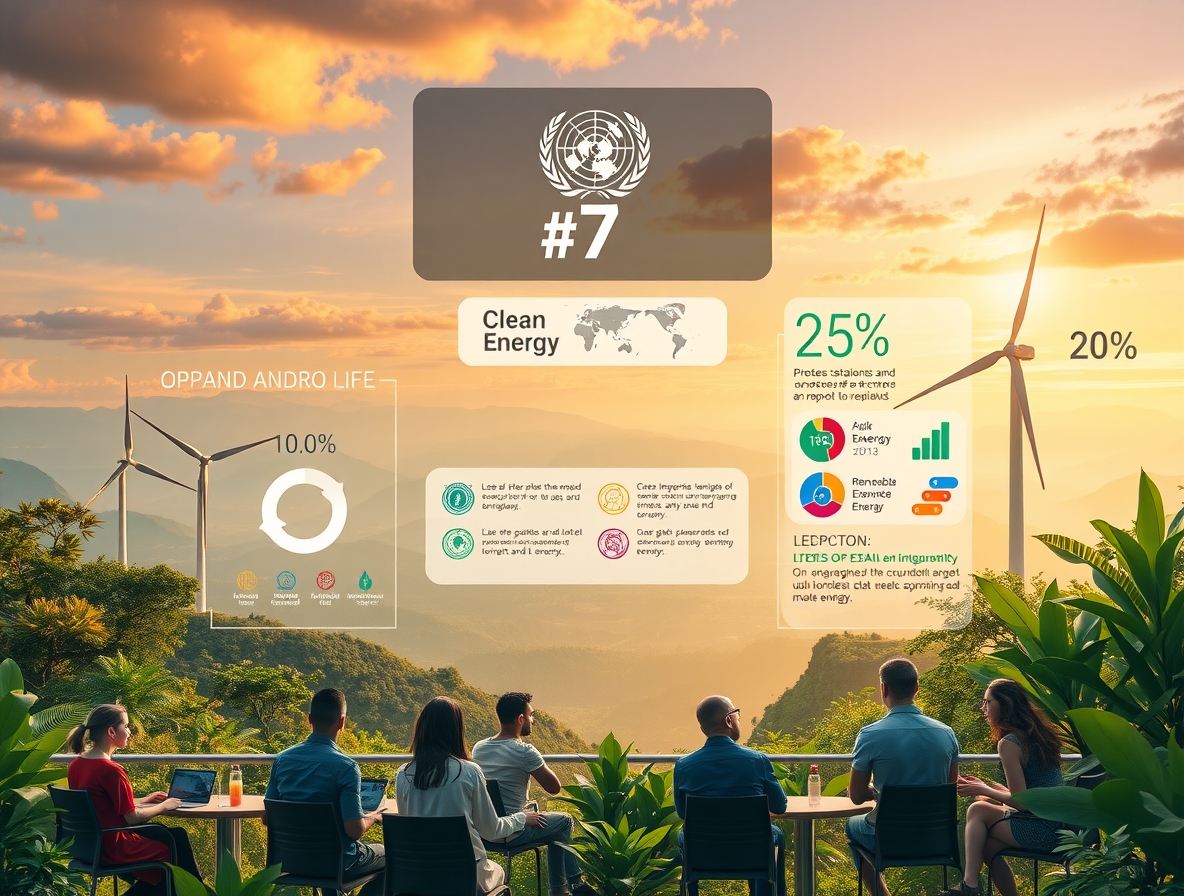
Global efforts to tackle environmental challenges need real action from businesses. The seventh Sustainable Development Goal focuses on making energy accessible and modern. It also aims to fight global warming. This makes a clear connection between a company’s energy choices and its environmental impact.
Companies using renewable energy face complex tracking needs. Showing how much energy they use helps others see if they’re being eco-friendly. Robust disclosure frameworks let companies show they’re cutting down on harmful outputs. This supports global goals for sustainability.
Switching to clean energy needs to follow set standards. These standards help measure how much pollution is being cut from operations and supply chains. Getting third-party verification makes these reports more believable. This builds trust with investors and regulators.
As industries move to sustainable practices, knowing how to report is key. This guide looks at ways to document energy-related environmental impacts. It also covers how to meet international standards. Later sections will offer strategies for different company sizes and types.
The Critical Role of UNSDG-7 in Global Climate Action
Global energy systems face a big challenge. They need to meet growing demand while cutting down on carbon emissions. United Nations Sustainable Development Goal #7 (UNSDG-7) offers a solution. It aims to make energy both affordable and clean, helping to reduce emissions.
This goal could change how we view energy and fight climate change worldwide.
UN Sustainable Development Goal 7 (UNSDG-7) Explained
UNSDG-7 aims to get everyone access to modern energy by 2030. It also wants to increase the use of renewable energy. This goal is special because it connects solving energy poverty with protecting the environment.
It shows that we can meet human needs and protect the planet at the same time.
Affordable and Clean Energy Mandate
More than 700 million people still don’t have electricity. Most live in sub-Saharan Africa and South Asia. UNSDG-7 suggests using solar energy and hydropower energy to solve this problem.
These solutions don’t rely on old, polluting ways of making energy. They offer a chance for developing countries to jump straight to cleaner energy.
The International Energy Agency (IEA) says using more renewable energy could cut CO₂ emissions by 12 gigatons a year by 2030. That’s like removing all emissions from cars and trucks today. Clean energy is key to fighting climate change.
Energy Sector’s Emissions Impact
Fossil fuels are still the main source of energy, causing 73% of greenhouse gas emissions, according to 2023 IEA data. Switching to wind energy, solar, and other renewables is crucial to meet Paris Agreement goals.
Current Global Energy Emissions Statistics
Energy Source
Global Share (%)
Annual CO₂ Emissions (Gt)
Coal
27
15.3
Oil
31
12.4
Natural Gas
23
7.5
Renewables
19
0.9
Transition Imperatives for 2030 Agenda
Developing countries have big challenges in updating their energy systems. While rich countries replace old infrastructure, countries like India and Nigeria need to build new, smart grids. These grids will handle decentralized sustainable energy solutions.
The World Bank says we need $1.7 trillion a year in investments until 2030 to meet SDG#7 goals.
To grow renewable energy faster, we need better policies and technology sharing. Solar and wind energy are growing, but not fast enough. We need more international help and new ideas from businesses to meet our climate goals.
Understanding Scope 1 Emissions in Energy Production
Operational emissions make up 60% of the energy sector’s carbon footprint. This is a big problem that needs quick solutions. These emissions come from sources the company owns or controls. This makes them key for following rules and understanding the environment’s impact.
Energy companies need to track these emissions well. They must do this to meet new environmental rules and keep their operations running smoothly.
Direct Emission Sources
Fossil fuel combustion processes are the main cause of Scope 1 emissions in the energy sector. Power plants burning coal, oil, or natural gas release CO₂. This happens through boilers, turbines, and flare stacks.
Using better combustion systems can cut these emissions by 12-18%. This can be done without losing energy output.
Fugitive Emissions From Operations
Methane leaks during extraction and transport are big contributors to climate change. Now, infrared cameras and drones can find leaks 40% faster than before. A 2023 Chevron study showed a big drop in fugitive emissions.
Upgrading compressor seals and vapor recovery units cut emissions by 63% in the Permian Basin. This is a big success.
Measurement and Reporting Standards
Rules make sure emissions reports are the same everywhere. The table below shows some key rules:
Standard
EPA Subpart W
ISO 14064
Reporting Frequency
Annual
Flexible
Verification
Third-party audit
Internal or external
Coverage
Oil & gas only
All industries
GHG Protocol Corporate Standards
This framework asks companies to report on all combustion sources. ExxonMobil found $17M in energy savings in 2022. They did this by using flare gas recovery systems.
Using carbon offsetting programs can be very helpful. Duke Energy worked with American Forests to create carbon credits. These credits offset 22% of their emissions from burning fuel.
Managing Scope 2 Emissions Through Energy Procurement
Companies are using energy buying strategies to fight Scope 2 emissions. These are indirect greenhouse gases from electricity, heat, or steam bought. They make up almost 40% of global energy-related CO2 emissions. So, how companies buy energy is key to fighting climate change.
Indirect Emissions From Purchased Energy
Scope 2 emissions change based on energy source. Tools like WattTime now track hourly carbon intensity. This lets companies use energy when it’s cleaner.
Electricity Generation Mix Analysis
It’s important to check the power grid’s energy mix. For example, a facility in the Midwest might have higher emissions than one in California. The EPA’s Power Profiler tool helps show these differences.
Location vs Market-Based Accounting
Companies can choose two ways to report emissions:
Approach
Calculation
Best For
Location-Based
Uses grid average emissions
Baseline reporting
Market-Based
Accounts for renewable contracts
Green power claims
Microsoft uses both methods. It shows its actual use of renewable energy through its 24/7 carbon-free energy program.
Renewable Energy Certificates (RECs)
RECs prove green power acquisition. Each one equals 1 MWh of clean energy. But, their impact depends on how they’re used:
Tracking Renewable Energy Purchases
VPPAs secure long-term prices and fund new clean energy projects. Physical RECs support existing projects but don’t grow new ones. A 2023 study by BloombergNEF found VPPAs cut emissions 63% faster than standard RECs.
RE100 Initiative Compliance
Microsoft aims to be 100% renewable. It uses solar VPPAs and battery storage RECs. Now, it matches 95% of its energy demand with zero-carbon sources worldwide.
“Our procurement model proves scalable decarbonization is achievable without sacrificing operational reliability.”
Microsoft Sustainability Report 2023
Addressing Scope 3 Emissions Across Value Chains
Direct emissions get a lot of attention, but indirect emissions make up over 70% of a company’s carbon footprint. These emissions come from raw material extraction to product disposal. This means companies need to work closely with suppliers, logistics partners, and customers.
15 Categories of Indirect Emissions
The Greenhouse Gas Protocol breaks down Scope 3 emissions into 15 categories. This creates challenges and opportunities for measuring emissions. Two areas often missed are:
Upstream/Downstream Transportation
Transportation emissions make up 11% of global supply chain impacts. Companies like Walmart have cut freight emissions by 15% using route optimization software and hybrid vehicles. Key strategies include:
Transport Phase
Emission Sources
Reduction Tactics
Upstream
Supplier deliveries to factories
Consolidated shipments
Downstream
Product distribution to retailers
Electric fleet adoption
Employee Commuting and Business Travel
Microsoft’s 2022 report shows 8% of its Scope 3 emissions come from employee travel. Companies like Microsoft use carbon neutral solutions. They offer public transit passes and video conferencing for meetings.
Supply Chain Engagement Strategies
Amazon’s Climate Pledge Fellowship is a great example of how to engage suppliers. Since 2020, it has trained over 200 suppliers in emissions accounting. The program offers financial incentives and technical support for sustainable sourcing initiatives.
Vendor Sustainability Requirements
Now, leading manufacturers require environmental disclosures. They do this through:
Annual sustainability audits
Material traceability certifications
Energy efficiency benchmarks
Science-Based Targets Initiatives
Over 1,200 companies have set Scope 3 reduction plans based on SBTi. These environmental impact regulations push suppliers to use renewable energy and meet 1.5°C pathways.
Technology
Application
Impact
Blockchain
Raw material tracking
63% faster emissions data collection
AI Analytics
Supplier performance monitoring
28% reduction in non-compliant vendors
IBM’s blockchain platform verifies 40% of its semiconductor suppliers’ emissions in real time. This shows how digital tools help manage value chains transparently.
Emerging Focus on Scope 4 Avoided Emissions
Scope 4 emissions mark a big change in how we look at environmental impact. They show how clean energy solutions stop greenhouse gases compared to fossil fuels. This gives us key insights for fighting climate change.
Quantifying Climate Positive Impacts
Tesla’s 2023 Impact Report shows this shift by counting 20 million metric tons of CO₂ equivalents avoided. This is thanks to electric vehicles and solar energy systems. Their method fits with new ways to measure sustainable development.
Clean Energy Technology Deployment
Wind turbines and solar farms stop 2.6 billion tons of CO₂ every year. That’s like taking 550 million cars off the road. A World Resources Institute study says the impact is bigger than expected.
Grid Decarbonization Contributions
Big battery systems let us use renewable energy all day, every day. This cuts down on using dirty plants. In California, emissions fell by 38% during peak hours with these systems.
Reporting Methodological Challenges
The World Business Council for Sustainable Development says:
WRI’s Additionality Guidance stops double counting in renewable energy certificates (RECs). For example, a wind farm’s energy can’t count for both corporate PPAs and national climate goals at the same time.
ISO 14064-1:2018 Standards
This international standard has three key rules for Scope 4 reporting:
Baseline scenario validation
Technology-specific emission factors
Third-party verification requirements
GHG Reporting Frameworks for Energy Sector
Understanding greenhouse gas reporting is key. It involves both rules and voluntary steps. Energy companies must follow laws and show leadership in sustainability.
Mandatory Compliance Programs
Energy producers face strict rules on emissions reporting. Two main programs shape US rules:
EPA Greenhouse Gas Reporting Program
The EPA’s GHGRP requires yearly reports for big emitters. Companies must track emissions from fuel use and flaring. Now, they also report biogenic CO2 from biomass plants.
SEC Climate Disclosure Rules
New SEC rules will ask public companies to share:
How climate risks affect their business
Scope 1 and Scope 2 emissions
Financial impacts of climate over 1% of total items
Feature
SEC Proposal
EU CSRD
Scope 3 Reporting
Required if material
Mandatory for large companies
Implementation
Phased from 2024
Effective 2024
Assurance
Limited initially
Full audit required
Voluntary Reporting Initiatives
Some companies go beyond what’s required. They use extra frameworks to get green financing.
CDP Climate Change Questionnaire
Over 18,000 companies share data through CDP. Energy sector firms must report:
Goals for cutting emissions
How they use carbon credits
How they manage climate risks
TCFD Recommendations Implementation
Duke Energy shows how to do it right. Their reports include:
Plans for a 2°C and net-zero future
Linking executive pay to climate goals
Tracking investments in clean energy
Assessing what’s important is crucial. Top utilities use digital emissions tracking to cut errors by 38%, EY found.
Data Collection and Verification Best Practices
Accurate emissions management is key to meeting global climate goals. Companies need to use precise measurement and strict validation. This ensures transparency and helps in reducing carbon footprint.
Emissions Calculation Methodologies
Choosing the right calculation models is crucial for effective reporting. Tools like SAP’s system help by automating data collection. This reduces errors in environmental impact assessments.
Activity Data vs Emission Factors
Companies should know the difference between direct measurements and conversion rates:
Data Type
Application
Accuracy
Activity Data
Fuel consumption records
High precision
Emission Factors
Grid electricity analysis
Scenario-based
Continuous Monitoring Systems
IoT sensors offer detailed energy usage data for factories. This data is used in reporting software, helping in making quick changes to eco-friendly practices.
Third-Party Assurance Processes
Independent checks are vital for trustworthy reports. DNV’s program, used by 60% of Fortune 500 energy companies, checks three main areas:
Data collection protocols
Calculation methodology alignment
Uncertainty margin documentation
ISO 14065 Verification Requirements
This standard requires yearly checks of greenhouse gas reports. Validators look at technical skills and method consistency, especially for renewable energy claims.
Materiality Thresholds Determination
Companies must set error margins based on their size. A 5% margin is common for Scope 2 emissions. Scope 3 estimates might have wider ranges at first.
Renewable Energy Transition Strategies
Companies around the world are finding new ways to meet sustainable development targets. They are doing this while keeping their finances and operations running smoothly. This section looks at two key ways to cut down on emissions: corporate energy deals and local power generation.
Corporate Power Purchase Agreements
Virtual PPAs let companies support green projects without needing to physically get the energy. These deals set a fixed price for the energy, giving companies budget stability. They also help clean up the grid faster. Google’s goal of using only carbon-free energy shows how this works.
Virtual PPA Financial Structures
These deals have a few main parts: fixed prices, how payments are made, and how long the deal lasts. For example, a 12-year deal might have a fixed price for 60% of the energy and a market-based price for the rest.
Additionality Requirements
Good PPAs must show that they create new green energy. The RE100 group makes sure projects are real and wouldn’t happen without corporate help. This ensures the deals actually cut down on emissions.
On-Site Generation Solutions
Local energy systems give companies control and make them more resilient. Big names like Walmart have put solar panels on 364 buildings. This makes 1.4 billion kWh of clean energy every year.
Solar PV System ROI Analysis
Businesses can get a good return on solar panels in 5-8 years. This is thanks to:
Federal Investment Tax Credit (30%)
State rebates
Lowering peak demand charges
Factor
Leasing Model
Capital Purchase
Upfront Cost
$0
$1.2M (1MW system)
Long-Term Savings
15-20%
40-60%
Maintenance
Provider responsibility
Owner responsibility
Wind Energy Procurement Models
Community wind projects let different groups share the energy from one turbine. The Block Island Wind Farm sends 30MW to Rhode Island. This is thanks to deals between the company and the local government.
Now, 4,800 US facilities are powered by microgrids. These use solar panels and batteries to stay on during outages. California’s Blue Lake Rancheria microgrid kept services running during 15 PSPS events since 2019.
Accelerating Climate Action Through Transparent Reporting
Companies aiming to cut emissions need to use detailed reporting systems. This meets the growing needs of stakeholders. By sharing data on all emissions, they show they’re working on climate change and supporting UNSDG-7.
Investors want to see how companies are doing on the Paris Agreement. They look at how a company’s finances and environment are linked. Microsoft and Ørsted show how clear emissions reports help get green funding and improve operations. Getting checks from groups like SBTi makes these efforts believable.
Working together is key to fighting climate change. Tools like renewable energy certificates help track progress. Companies like Google and Apple show how working with suppliers can make a big difference.
We need to use the same numbers for both environmental and financial reports. The International Sustainability Standards Board is working on this. As rules get stricter, companies that report well will be ahead in the shift to zero-carbon economies.
FAQ
How does UN SDG-7 directly impact corporate emissions reporting frameworks?
UN Sustainable Development Goal #7 (UNSDG-7) aims for clean energy and less carbon. Companies must report their emissions and use renewable energy. Big names like Microsoft and Google link their goals to the Paris Agreement.
What distinguishes Scope 4 emissions from traditional GHG reporting categories?
Scope 4 emissions count the good done by clean energy. This includes Tesla’s solar products and Vestas’ wind turbines. But, figuring out these numbers is still tricky.
How do RE100 Initiative requirements influence corporate energy procurement strategies?
RE100 members like Apple and Walmart aim for 100% renewable electricity. They use PPAs and RECs to meet this goal. Google shows how to keep energy carbon-free all the time.
What technologies enable accurate Scope 1 methane emissions tracking in oil/gas operations?
New tech like satellite monitoring and optical gas imaging helps track methane. Companies like Chevron use this to meet EPA rules. Baker Hughes and SAP help improve gas recovery rates.
How are SEC climate disclosure rules reshaping energy sector reporting practices?
The SEC now requires Scope 1-2 reports and Scope 3 details. This matches EU rules. Companies like Duke Energy must report more about climate risks. This change helps use ISO standards and third-party checks.
What supply chain strategies effectively reduce Scope 3 emissions in manufacturing?
Amazon’s Climate Pledge makes suppliers use renewable energy. Siemens tracks Scope 3 emissions with blockchain. Now, 73% of car part suppliers aim to cut emissions through AI.
How do corporate PPAs contribute to grid decarbonization beyond direct emissions reductions?
Virtual PPAs help build new wind farms. This makes grids cleaner. Every 100MW PPA can cut emissions by 12-18%, helping UNSDG-7 goals.
What verification standards ensure credibility in avoided emissions claims?
ISO 14064-1 and GHG Protocol standards check emissions claims. Companies like Schneider Electric get audited. This proves their clean energy work in off-grid areas.
Key Takeaways
Modern energy solutions directly influence corporate environmental accountability
Standardized tracking methods enable accurate progress measurement
Transparent reporting builds stakeholder confidence in sustainability claims
Energy consumption patterns reveal improvement opportunities
Verification processes strengthen data credibility
Every year, late May or May 21st and 22nd marks two important days. They are also unique correlated for sustainable development. These days remind us of our shared duties. They focus on taking care of our planet and working together.
On May 21st and 22nd, we work towards the Sustainable Development Goals (SDGs). Governments, groups, and people join hands. They focus on green policies and fairness for all. Climate action plans and cross-border partnerships are key, showing we’re making a difference.
These days also highlight the importance of keeping our cultures alive. We focus on preserving indigenous knowledge and protecting nature. This way, local communities help the world stay healthy and keep their traditions safe.
The Significance of May 21st in Global Sustainability
May 21st is an opportune day for advancing overall sustainable development. It connects two important UN events. These events focus on sustainable farming and preserving culture, helping communities around the world.
International Tea Day: Cultivating Sustainable Agriculture
The UN started International Tea Day in 2019. It tackles big problems in tea farming, one of the oldest farming industries. About 13 million people work in tea farming worldwide, with small farmers growing 60% of the tea.
Economic Impacts on Tea-Producing Nations
In Sri Lanka, tea is a big part of the economy, making up 12% of exports. Prices can change a lot, sometimes up to 40% in a year. The FAO’s Global Tea Market Initiative helps by:
Using digital auctions to make trade smoother
Helping farmers get fair prices through Fairtrade
Protecting small farms from climate risks
Environmental Challenges in Tea Cultivation
Tea farms often grow only one type of plant, harming the soil in 34% of major areas. Pesticides pollute 28% of waters near tea farms. But, new farming methods are helping:
Practice
Yield Impact
Carbon Reduction
Agroforestry
+15%
2.1 tCO2/ha
Compost Tea
+8%
0.7 tCO2/ha
Intercropping
+12%
1.4 tCO2/ha
FAO’s Role in Promoting Responsible Practices
The Food and Agriculture Organization has a plan to make 50% of tea farming climate-friendly by 2030. They’ve had some big wins:
Trained 120,000 Kenyan farmers to save water
Created tea that can grow in dry conditions in India
Started using blockchain to track tea
World Day for Cultural Diversity for Dialogue and Development
This day helps meet SDG 11’s goal for safe, inclusive cities. Cities that focus on culture see 23% better social connections.
Linking Cultural Preservation to SDG 11
Barcelona’s Creative City of Literature shows how culture and sustainability work together. The city’s efforts have:
Improved 14 historic areas
Created 8,000 jobs in the creative industry
Boosted tourist spending by €290 million a year
UNESCO’s Creative Cities Network Initiative
The network has 246 cities working together. It uses culture to boost the economy. Cities in the network see:
18% faster growth in creative fields
35% more investment in cultural projects
12% less inequality in cities
“Cultural diversity is as essential to sustainable development as biodiversity is to ecosystems.”
UNESCO Director-General Audrey Azoulay
International Natura 2000 Day: Europe’s Conservation Cornerstone
Every May 21st, Europe celebrates International Natura 2000 Day. This day marks the largest network of protected areas in 27 countries. It covers 18% of EU land and 8% of marine territory, thanks to science-based conservation.
The Legal Framework: Birds & Habitats Directives
Europe’s nature protection system is built on two vital laws. These directives set rules for member states but also offer flexibility.
Key Provisions of the 1979 Birds Directive
The Birds Directive (1979) protects over 500 migratory bird species. It bans harming or destroying nests and requires Special Protection Areas for endangered birds. This has helped the White-tailed Eagle recover from 150 to 3,000 pairs.
1992 Habitats Directive Implementation Challenges
The Habitats Directive (1992) added 1,400 plant/animal species to the protected list. However, initial compliance was under 50%. Challenges included balancing conservation with economic needs, securing funding, and managing transboundary habitats.
Balancing economic development with conservation
Securing long-term funding for site management
Coordinating transboundary habitat corridors
Directive
Protected Species
Key Innovation
Birds (1979)
500+ avian species
Cross-border migration protections
Habitats (1992)
1,400+ terrestrial/marine species
Natura 2000 network creation
Case Study: Natura 2000 in Austria
Austria has 338 Natura 2000 sites, showing creative ways to protect the environment. The country has 92% public awareness thanks to engaging programs.
Alpine Ecosystem Protection Efforts
In Tyrol’s Ötztal Alps, rangers monitor 17 vulnerable plants with geotagging. They also track ibex migration with smart collars, ensuring genetic diversity in 120km² of valleys.
Community Engagement Strategies
Austria trains locals in habitat monitoring through:
Seasonal species counting workshops
Mobile app reporting for rare bird sightings
Youth conservation camps in Hohe Tauern National Park
These efforts have increased protected habitat by 14% since 2010. Austria also keeps 98% of the public supporting conservation policies.
May 22nd: International Day for Biological Diversity
Every May 22nd, the world focuses on protecting ecosystems. This year, the theme is “From Agreement to Action”. It urges countries to turn promises into real actions. The main topics are using big environmental plans and saving species.
2023 Theme Analysis: “From Agreement to Action”
The Kunming-Montreal Global Biodiversity Framework has big goals. One is to protect 30% of marine areas by 2030. Now, countries must make their plans match these goals and find ways to fund and track progress.
Implementing the Kunming-Montreal Framework
After six months, 72% of countries have started working on biodiversity plans. Some key achievements include:
More marine protected zones in the Coral Triangle
Using Indigenous land management in Canada
AI for tracking wildlife in Kenya
Marine Biodiversity Protection Targets
Marine conservation efforts vary worldwide:
Region
2023 Protection Status
2030 Target
Caribbean
18%
30%
Mediterranean
12%
30%
South Pacific
25%
30%
IUCN’s Red List Updates and Implications
In 2023, the International Union for Conservation of Nature updated 4,200 species. They added new ways to measure how species deal with climate change. This helps focus conservation efforts and funding.
Species Recovery Success Stories
Guam’s Marianas Fruit Bat numbers went up by 42% thanks to predator control. Other successes include:
Humpback whales in the South Atlantic (156% growth since 2018)
California condors reaching 500 wild specimens
Critical Habitat Identification Methods
New technologies improve how we map habitats:
“Machine learning algorithms process satellite data 40x faster than manual methods, identifying 92% of at-risk coral reefs in recent Pacific surveys.”
These tools help governments focus on the most important areas. They also reduce conflicts between humans and wildlife.
Effective environmental governance needs to link local conservation efforts with global goals. The European Union’s Natura 2000 network shows how protecting local habitats can help achieve UN Sustainable Development Goals. This is especially true for SDG 15 (Life on Land) and SDG 13 (Climate Action).
SDG 15 Alignment with Natura 2000 Objectives
Forest Ecosystem Management Benchmarks
Natura 2000’s forest protection goes beyond SDG 15.2. It covers 83% of primeval woodlands and reforests degraded areas in 15 years. It also requires biodiversity checks for logging permits. These efforts keep Europe’s forests at 42% and support 60% of terrestrial species.
Wetland Conservation Metrics
The Danube Delta’s wetlands show Natura 2000’s role in carbon storage, holding 2.5 billion tons of CO2. The Congo Basin’s peatlands store over 30 billion tons, enough to offset 20 years of emissions. These wetlands are key for climate stability.
Climate Action Synergies (SDG 13)
Carbon Sequestration Through Habitat Protection
EU countries now measure carbon storage in habitats in their climate plans. Coastal ecosystems alone offset 6% of EU emissions. This data helps shape sustainable development policies that focus on high-carbon landscapes.
Biodiversity-Based Climate Adaptation Models
The EU uses Natura 2000, while ASEAN nations focus on community-led efforts. Vietnam’s Mekong Delta mangrove restoration uses traditional and modern methods to protect 12 million people. Thailand’s urban wetland parks in Bangkok cool the air by 3°C, showing the power of nature-based solutions.
Region
Strategy
Carbon Impact
European Union
Regulatory habitat protection
2.8 Gt CO2/year stored
ASEAN Nations
Community-based adaptation
1.2 Gt CO2/year mitigated
Cultural Sustainability: The Fourth Pillar of Development
Economic, social, and environmental issues get a lot of attention in sustainability talks. But, cultural preservation is just as important. It connects ancient wisdom with new ideas, making progress possible.
Indigenous Knowledge Systems in Conservation
Native communities around the world keep the environment in balance with their old ways. In New Zealand, the Māori kaitiakitanga shows how to care for the land and respect spirits.
Traditional Ecological Practices Case Studies
In Arizona, Navajo farmers use clay pots to save water and grow corn. This method uses 60% less water than modern farming. In New Zealand, Māori efforts have boosted native bird numbers by 42% since 2018.
Intellectual Property Rights Challenges
Protecting traditional knowledge is a big issue. Only 15% of Indigenous innovations have legal protection, a 2022 UN report says. The Navajo Nation finally patented their drought-resistant corn after a long fight against corporate theft.
Creative Industries’ Role in Sustainable Economies
The cultural sector brings in $2.25 trillion a year and keeps traditions alive. The UNCTAD’s Creative Economy Programme helps 38 countries make money from their heritage in a fair way.
UNCTAD’s Creative Economy Programme
This program teaches artisans about digital marketing and fair trade. In Ghana, kente cloth sales went up 300% after using UNCTAD’s blockchain system.
Cultural Tourism Best Practices
In Bali, 30% of cultural tourism money goes to temple upkeep. This has funded 17 major temple restorations since 2020, while keeping tourist numbers in check.
Location
Initiative
Key Feature
Impact
Bali, Indonesia
Cultural Tourism Revenue System
30% allocation to preservation
17 temples restored (2020-2023)
Navajo Nation, USA
Dry Farming Patent Program
Clay pot irrigation IP protection
8 patented crop varieties
New Zealand
Māori Forest Regeneration
Traditional rāhui conservation
42% wildlife increase
These examples show cultural sustainability isn’t about stopping change. It’s about letting traditions grow and evolve. When done right, they create value and strengthen community bonds.
Implementation Challenges in Global Sustainability
Global efforts to protect our planet face big hurdles. Despite more countries joining in, funding and governance issues hold us back. These problems make it hard to meet goals for biodiversity and climate.
Funding Gaps in Biodiversity Protection
The Global Environment Facility (GEF) gave $5.3 billion to nature projects from 2020 to 2023. But, audits show big funding gaps. For example, the Amazon got 38% of the funds, while Southeast Asia’s coral triangle got just 12%.
Region
Funding Received
Biodiversity Hotspot Coverage
Amazon Basin
$2.01 billion
17%
Congo Basin
$1.12 billion
22%
Southeast Asia
$636 million
9%
Private Sector Engagement Mechanisms
Costa Rica shows how private companies can help. They’ve planted 7 million trees since 2021. This is thanks to partnerships and new ways to fund projects:
Tax breaks for companies that help the environment
Investments that grow over 12-15 years
Tracking carbon credits on blockchain
Policy Coordination Across Jurisdictions
Conserving the Carpathian Mountains is hard because of 7 countries involved. Romania’s rules on logging don’t match Ukraine’s needs. This makes it hard for brown bears to find food and shelter.
EU Biodiversity Strategy 2030 Progress Report
The EU Biodiversity Strategy 2030 is showing mixed results:
“While 68% of protected area targets are on track, species population recovery lags 14% behind schedule.”
EU Environmental Agency, 2023
Big problems include slow changes in subsidies and different ways countries report. Only 9 out of 27 countries met the 2023 deadline for controlling invasive species.
Innovative Approaches to Habitat Conservation
Today, we’re seeing new ways to protect the environment. These include advanced technology and creative urban designs. They help us face climate challenges and make spaces where nature and people can live together.
Biosphere Reserve Management Innovations
The UNESCO-MAB Program has 714 biosphere reserves in 134 countries. It combines conservation with using resources in a sustainable way. Its success comes from working with local communities, using flexible management plans, and teaming up with experts from different fields.
UNESCO-MAB Program Success Factors
Local knowledge integration cuts costs by 23% compared to old methods. In Spain’s Doñana Biosphere Reserve, scientists work with strawberry farmers. This helps keep wetlands healthy while supporting farming.
Smart Monitoring Technologies
Now, conservation teams use:
Technology
Application
Accuracy Gain
AI-powered acoustic sensors
Species population tracking
89% faster data collection
Satellite thermal imaging
Deforestation alerts
1.5km² detection precision
Blockchain systems
Funds transparency
100% audit capability
Urban Biodiversity Initiatives
Cities are now at the forefront of protecting species with new infrastructure. Singapore’s City in Nature program shows how urban planning can fight climate change while keeping ecosystems intact.
Singapore’s Vertical Greenery Impact
Green roofs on tall buildings are mandatory in Singapore. They have:
Lowered the urban heat island effect by 4°C
Boosted pollinator numbers by 17% since 2020
Trapped 6,500 tons of CO2 every year
NYC vs Milan Stormwater Solutions
City
Strategy
Result
Cost Efficiency
New York
Green roofs + bioswales
37% runoff reduction
$1.2B saved in flood damage
Milan
Urban forest corridors
22% air quality improvement
€3.1M annual maintenance
These urban examples show that protecting biodiversity and city growth can go hand in hand. They offer models for Sustainable Development Events that benefit both nature and people.
The Future of International Sustainable Development
Global efforts to protect our planet are changing fast. New technologies and clear plans are leading the way. These changes will help us save more wildlife and meet our biodiversity goals.
Emerging Technologies in Conservation
AI-Powered Wildlife Monitoring Systems
SMART Partnership’s anti-poaching networks in Kenya show how AI can help. Their system checks camera trap photos 40 times faster than before. This has cut rhino poaching by 63% since 2020.
Rangers can now stop poachers in just 15 minutes thanks to these alerts.
Blockchain for Supply Chain Transparency
IBM Food Trust uses blockchain to track tea from farms to stores. It checks if tea is grown sustainably and cuts fraud by 89%. Big brands use it to follow EU rules on deforestation.
Post-2020 Global Biodiversity Framework
Key Performance Indicator
2030 Target
National Implementation
Protected Land/Sea Areas
30% Coverage
Australia’s 2023 Action Plan
Invasive Species Management
50% Reduction
EU Nature Restoration Law
Funding Mobilization
$200B Annually
US Biodiversity Finance Initiative
National Implementation Timelines
Australia’s plan matches COP15 goals with clear steps. It spends $224 million on habitats and protects 65 key species by 2025. In comparison, Canada also has a plan to cut emissions by 2030.
These steps show we’re moving from promises to real actions. Thanks to world events such as the pandemic, AI and blockchain will now be a m,ajor factor for tracking our progress.
Conclusion
The UN Global Observances on May 21st and 22nd show how we can work together for a better world. They highlight the importance of sustainable tea farming and protecting habitats like those in Natura 2000. These efforts help meet the goals set by the Sustainable Development Goals (SDGs).
The European Commission and the International Union for Conservation of Nature (IUCN) have made great strides. They have shown us how to measure progress in protecting our planet. UNESCO’s work also reminds us of the importance of preserving our cultural heritage.
To make a real difference, we need to combine new ideas in policy with the efforts of local communities. Success stories from Austria and Portland show that small actions can lead to big changes. But, we still face challenges like finding enough money and working together across borders.
New tools like AI can help us overcome these obstacles. They can speed up our work towards a better future for all living things.
As we get closer to 2030, it’s more important than ever to use both traditional knowledge and science. The theme “From Agreement to Action” this year reminds us of the need for everyone to work together. Each observance is a step towards a more sustainable and preserved world for all.
Key Takeaways
Two late-May observances drive coordinated climate and cultural action
Events align with UN frameworks for reducing inequality and pollution
On Earth Day, the world comes together. People and groups remember the need for global sustainability efforts. This day sparks action, encouraging us to live greener and work towards a better future.
Earth Day unites people to protect our planet. By embracing unity and cooperation, we can make a big difference. This helps keep our planet healthy for years to come.
The Significance of Earth Day in Today’s World
Earth Day reminds us all of our duty to protect the planet. The world is facing big environmental problems.
Earth Day is now a high key topic in global talks. This is because protecting the environment is more urgent than ever.
The Growing Urgency of Environmental Protection
The planet and especially its inhabitants are in trouble and needs our help fast. We must act quickly to solve these problems.
Current Environmental Indicators and Tipping Points
Things like rising temperatures, deforestation, and losing species show we’re at a breaking point. These signs warn us of serious environmental dangers.
Climate change is real and happening now. It’s not just a future threat.
Why Collective Action Matters Now More Than Ever
Working together is key because environmental problems affect everyone worldwide. They don’t stop at borders.
“We do not inherit the earth from our ancestors, we borrow it from our children.” – Native American Proverb
This saying highlights why we must choose eco-friendly initiatives and lessen our impact on the planet.
Earth Day as a Catalyst for Global Change
Earth Day has played a big role in getting people to care and act. It pushes for climate action advocacy.
Success Stories from Past Earth Days
Earth Day has led to big wins, like the creation of the Environmental Protection Agency (EPA) in the U.S.
These achievements show the strength of working together and the effect of strong advocacy.
The Power of a United Global Voice
On Earth Day, a united voice boosts the message of environmental awareness initiatives. It pushes governments and big companies to go green.
Together, we can make real changes. We can ensure a green future for all.
The Evolution of Earth Day: From Grassroots to Global Movement
Earth Day has grown a lot since it started. It has become a worldwide effort to protect our planet. Now, millions of people join in to help the environment.
Origins and Founding Vision
Senator Gaylord Nelson started Earth Day. He wanted a national event to teach people about the environment.
Senator Gaylord Nelson and the First Earth Day
On April 22, 1970, the first Earth Day happened. 20 million Americans took part in events all over the country.
The Initial 20 Million Americans Who Participated
The first Earth Day showed how much people cared about the environment. It helped start new environmental laws.
Key Milestones in Earth Day History
Earth Day has seen many important moments. One big one was when the United States Environmental Protection Agency (EPA) was created in 1970.
Year
Milestone
1970
First Earth Day observed; EPA established
1990
Earth Day goes global, reaching 141 countries
2020
50th anniversary of Earth Day, with digital activism playing a key role
Expanding International Reach
Earth Day has grown a lot, reaching 193 countries.
How Earth Day Became a Global Phenomenon
Earth Day became global thanks to international teamwork. People worldwide saw environmental problems as a shared issue.
Current Participation Across 193 Countries
Today, Earth Day is celebrated in 193 countries. There are many different ways people work together to protect our planet.
Environmental Challenges Facing Our Planet
The planet is facing many environmental challenges that need our immediate attention. These include climate change, biodiversity loss, and pollution. All these factors are harming our planet’s health.
Climate Change: The Defining Crisis
Climate change as expressed ongoing in this blog, is a major issue today. It affects ecosystems, weather, and human societies.
Understanding the Science and Impacts
Climate change is caused by more greenhouse gases in the atmosphere. This traps heat, leading to global warming. We see more extreme weather, rising sea levels, and changes in ecosystems.
Progress and Setbacks in Climate Action
There have been big efforts to fight climate change, like the Paris Agreement. But, political, economic, and social barriers slow us down. We must keep working to cut emissions and use renewable energy.
Biodiversity Loss and Ecosystem Degradation
The loss of biodiversity and ecosystem damage are big problems. They affect wildlife and human well-being.
Species Extinction Rates and Consequences
Species extinction rates are high. Many species face extinction due to habitat loss, pollution, and climate change. Losing biodiversity harms ecosystems, making them less resilient.
Habitat Protection Initiatives
Protecting habitats is key. Conservation efforts and protected areas are vital. They help keep ecosystems healthy, maintain biodiversity, and support ecological processes.
Pollution and Resource Depletion
Water, air, and soil pollution and natural resource depletion are major threats. Pollution also harms through waste, sewage, sound, visual, and plastic quality. It affects ecosystems and human health.
Plastic Pollution Crisis
The plastic pollution crisis is severe. Millions of tons of plastic waste pollute our environment each year. It harms marine life, contaminates the food chain, and affects human health.
Water Scarcity and Management
Water scarcity is growing due to over-extraction, pollution, and climate change. Good water management is crucial for sustainable use of this vital resource.
Adopting Earth-friendly practices and participating in planet protection activities are key. Understanding the issues and acting together can help us achieve a sustainable future.
Environmental Challenge
Key Issues
Potential Solutions
Climate Change
Greenhouse gas emissions, global warming
Transition to renewable energy, reduce emissions
Biodiversity Loss
Habitat destruction, species extinction
Conservation initiatives, protected areas
Pollution
Plastic waste, water pollution
Reduce plastic use, improve waste management
Promoting Environmental Stewardship of the International Community via Earth Day
Earth Day is a profound moment for the world to come together. It’s a time to address pressing environmental issues. This day encourages everyone to work together to protect our planet for the future.
Uniting Nations for Planetary Health
The world knows we need to work together on environmental issues. Earth Day helps by showing us the importance of protecting our planet. It encourages countries to make agreements to tackle these challenges together.
The Role of International Agreements and Treaties
International agreements a.k.a. global policies are vital for protecting the environment. The Paris Agreement on climate change is a big example. These agreements help countries work together to solve big environmental problems.
How Earth Day Strengthens Global Environmental Governance
Earth Day makes us all more aware of environmental issues. It pushes governments, businesses, and people to take action. This day helps build support for protecting our planet.
Cross-Border Collaboration Success Stories
Working together across borders is key to solving environmental problems. Earth Day shows us how important it is for countries to cooperate. Success stories from around the world prove that we can make a big difference together.
Transboundary Conservation Initiatives
Transboundary conservation projects bring countries together to protect shared resources. These efforts show us how cooperation can lead to big environmental wins.
International Climate Coalitions
Groups like the Climate and Clean Air Coalition help countries fight climate change. They push for action and cooperation to reduce harmful emissions and fight climate change.
Overcoming Barriers to Global Environmental Action
Even with progress, there are still big hurdles to overcome. Earth Day reminds us of the need for continued cooperation to tackle these challenges.
Addressing Economic and Political Challenges
Economic and political issues can slow down environmental progress. Earth Day encourages countries to find ways to protect the environment while still growing economically.
Building Consensus Across Cultural Differences
It’s important to find common ground on environmental issues, despite cultural differences. Earth Day helps by emphasizing the need for everyone to work together to protect our planet.
Impactful Earth Day Campaigns and Initiatives
Earth Day has a long history of promoting care for the environment. It has sparked many initiatives that have made a big difference. These efforts have not only raised awareness about important environmental issues. They have also brought about real change.
Landmark Earth Day Programs
Some Earth Day programs have been key in getting people involved worldwide. For example, The Great Global Cleanup has united millions to clean up their areas. It encourages people to take care of their environment.
The Great Global Cleanup
This effort has seen huge support from people, groups, and governments all over. It has led to tons of waste being collected and a stronger commitment to less pollution.
Earth Challenge2020 Citizen Science Initiative
The Earth Challenge2020 initiative has made it easy for people to help with scientific research. It focuses on issues like air and water quality, and climate change. This effort has helped us understand these problems better and brought people together.
Digital Activism and Virtual Engagement
In today’s world, Earth Day campaigns use social media and online events to reach more people. Social media campaigns are great at spreading the word about environmental issues. They use hashtags and online petitions to get people involved.
Social Media Campaigns That Drove Change
Campaigns like #EarthDay and #GoGreen have gone viral, encouraging people to share their environmental efforts. These efforts have not only raised awareness but have also inspired people to act.
Virtual Earth Day Events and Their Reach
Online events, like webinars and conferences, have given experts and activists a platform. They share knowledge and ideas with people all over the world. This has helped build a global community.
Measuring the Impact of Earth Day Activities
To see how effective Earth Day campaigns are, we need to track important metrics. We look at environmental metrics and improvements, like less pollution and more biodiversity.
Environmental Metrics and Improvements
Metric
Pre-Earth Day
Post-Earth Day
Waste Reduction
1000 tons
800 tons
Carbon Emissions
10000 tons
9000 tons
Awareness and Behavioral Change Indicators
Studies show that Earth Day campaigns can really change people’s behavior. They encourage individuals to live more sustainably and support environmental protection.
Individual Actions for Environmental Stewardship
Every person can help the environment by making smart choices every day. Simple actions can make a big difference. By choosing eco-friendly options, we can all play a part in protecting our planet.
Everyday Sustainable Practices
Lowering our carbon footprint is key to a greener future. We can do this by using public transport, carpooling, or driving electric or hybrid cars.
Reducing Your Carbon Footprint
There are many ways to cut down on carbon emissions. We can use less energy, pick energy-saving appliances, and offset our carbon footprint.
Conscious Consumption and Waste Reduction
Choosing wisely and reducing waste helps the environment a lot. We can buy products with less packaging, buy in bulk, and avoid single-use items.
Becoming an Environmental Advocate
Being an environmental advocate means speaking up for the planet. We can stay informed, join local efforts, and spread the word about why protecting the environment is crucial.
Finding Your Environmental Voice
To find your voice, identify what environmental issues you care about. Then, share your thoughts through social media, community events, or local meetings.
Effective Communication Strategies for Change
Good communication is essential for change. We can use stories, pictures, and facts to share our message. This can motivate others to act.
Creating Ripple Effects in Your Community
Starting local projects and teaming up with others can make a big difference. Together, we can achieve more and create lasting change.
Starting Local Initiatives
Local projects can be anything from clean-up events to promoting green practices in businesses. Leading by example can inspire others to join in.
Building Community Coalitions
Working with others in your community can amplify your efforts. By joining forces, we can accomplish more than we could alone.
Action
Impact
Reducing energy consumption
Lower carbon emissions
Using public transport
Reduced air pollution
Conscious consumption
Less waste generation
Organizational and Corporate Environmental Leadership
As the world faces environmental challenges, companies play a key role. They lead in adopting sustainable practices. These efforts help the planet and boost their success.
Business Models for Sustainability
New business models focus on being green. B Corps and sustainable enterprises are leading the way.
The Rise of B Corps and Sustainable Enterprises
B Corps meet high standards for being good to the planet and people. Companies like Patagonia and REI show it’s possible to be profitable and sustainable.
Economic Benefits of Environmental Responsibility
Going green can save money and improve a brand’s image. A Harvard Business Review study shows green companies do better financially.
“The business case for sustainability is clear: companies that prioritize sustainability tend to be more resilient, innovative, and better positioned for long-term success.” –
World Business Council for Sustainable Development
Corporate Earth Day Initiatives That Make a Difference
Companies use Earth Day to show their green commitment. They do everything from planting trees to launching big sustainability plans.
Case Studies of Transformative Corporate Programs
Unilever and IKEA are examples of big companies going green. Unilever wants to cut its environmental impact by 2030. IKEA aims to be carbon neutral by 2030.
Moving Beyond Greenwashing to Authentic Action
Real change comes from being true to your green promises. Companies must act on their words and show their efforts are real.
Company
Initiative
Goal
Unilever
Sustainable Living Plan
Halve environmental footprint by 2030
IKEA
Carbon Neutrality
Be carbon neutral by 2030
Patagonia
Environmental Responsibility
Use recycled materials in 100% of products by 2025
Partnerships Between Businesses and Environmental Organizations
Working together is key to making a difference. Businesses and environmental groups can create big changes together.
Collaborative Models That Work
For example, companies and NGOs team up on projects. The Nature Conservancy works with companies to protect nature.
Measuring and Reporting Impact
It’s important to track and share the results of these partnerships. This means setting goals, following progress, and sharing results openly.
Conclusion: Our Collective Responsibility to Earth
Earth Day reminds us how important it is to care for our planet. Together, we’ve made big steps in solving environmental problems. This shows our power when we work as one.
Leading the way is climate action. It’s inspiring people to become environmental leaders. By joining forces, we can fight climate change and protect nature for the future.
We must keep working towards a greener world. It’s vital to keep improving and supporting each other. This way, we can make our planet healthier for everyone.
By taking on this shared duty, we can make a better world for future generations. We’ll put the planet’s health first and ensure everyone’s well-being.
Key Takeaways
Earth Day promotes global sustainability efforts through collective action.
Adopting eco-friendly practices is crucial for a sustainable future.
Global unity is essential for driving meaningful change.
Earth Day inspires individuals and organizations to work together.
Sustainable practices can have a lasting impact on the planet’s health.
Green Building Certifications show how buildings are made to be green and sustainable. They check if buildings use resources well, cut down on waste, and are good for the environment. With more people wanting to be green, these certifications are key. They help meet environmental goals while keeping costs down.
Understanding Green Building Certifications and Their Growing Importance
Green building certifications have become a dominant focus in modern construction. They drive innovation and meet global goals like the United Nations Sustainable Development Goals. By focusing on sustainable architecture, they reduce environmental impact and push for change in the industry.
The Evolution of Sustainable Construction Standards
Efforts started in the 1970s with energy research. By the 2000s, Leadership in Energy and Environmental Design came along. It set standards for sustainable design benefits. Now, these standards tackle climate change and resource use, aligning with global goals.
How Green Certifications Are Reshaping the Building Industry
“LEED has changed how we design and run buildings,” says the U.S. Green Building Council. Certifications now shape zoning laws and what people want. This shows green building advantages like saving money and being more appealing, proving sustainability leads to innovation.
Across several American cities, Universities, and college campuses, green building certification have been increasingly more desired. It’s being proved more and more that working conditions (and living environments especial post-pandemic) that meet greater sustainable objective are vital. Healthier designed and focused structures prove that productivity increases along with mental clarity and societal impact. Psychological and emotional welfare is strongly backed by the tangibles of the ecosystem within the physical structures.
Across America green building standard help keep America globally competitive while increasing the standard what compliance can mean in Sustainable Development and more specifically, In the Southeast portion of the United States for the past 15 to 18 year via the Sub-Prime crisis and pandemic, has experience a massive migrantation increase. Cities such as Atlanta, Austin, Nashville, and Charlotte gain an influx in infrastructure development, residency, and international influence.
Acquiring a green building certification status is an entry point for commercial, residential, and industrial operators to inform the public the value of environmental impact. Abnormal and irregular climate change needs to be address which is impacting the natural habitat. Gratefully, there are creative and pragmatic business based community solutions to apply to sustain and establish growth. We will continue share more what Green Building certification are and their direct value.
Key Stakeholders in the Green Building Movement
Architects: Designing sustainable architecture to meet LEED standards.
Developers: Investing in projects with long-term sustainable design benefits.
Government Agencies: Making laws to cut energy use and harm to the environment.
Non-Profits: Pushing for certifications to reach global sustainability goals.
End-Users: Wanting spaces that are healthier and more productive through certified practices.
The Who, What, When, Where, Why, & How of Green Building Certifications
Green building certification programs offer clarity for anyone seeking to adopt sustainable building standards. Here’s a breakdown of their core elements:
Who leads these efforts? Organizations like the U.S. Green Building Council (USGBC) and International WELL Building Institute (IWBI) administer programs like LEED and WELL. Architects, contractors, and developers work with these bodies to meet green codes and building standards.
What do these programs cover? They assess energy efficiency, water use, and indoor air quality. Certifications like Energy Star focus on efficiency, while Living Building Challenge targets net-zero performance.
When to start? Early planning is highly essential—certification requirements often influence design phases. Renewal timelines vary; some require checks every 3–5 years, sometimes every 24 months.
Where do standards differ? While LEED is global, local green codes adapt to regional climates. California enforces stricter energy codes than other states, reflecting its commitment to sustainability.
Why pursue certification? Environmental building benefits like reduced emissions align with both sustainable and corporate goals. Property owners also gain tax incentives and market appeal through these programs.
How to begin? Start by selecting a program, then follow its guidelines for documentation and audits. Teams submit data on materials and energy use for third-party verification.
Every step transforms sustainable building from theory into practice, creating spaces that benefit people and the planet.
Environmental and Financial Benefits of Green Building Certifications
Green building certifications like LEED and WELL offer big wins for the planet and massive gains/savings for your wallet. They cut down on emissions, lower costs, and increase property value. Plus, they make spaces healthier for everyone inside.
Reduced Environmental Impact and Resource Conservation
Buildings with energy-efficient building certifications use 30–50% less energy than usual ones. They use renewable energy and save water, helping the environment. They also cut waste by 50%+, meeting environmental production declarations.
Long-Term Cost Savings and ROI for Building Owners
Energy efficiency upgrades save money over time. A 2023 study found green energy investments save 15–20% on utilities each year. These savings can be 2–4 times the cost of getting certified over 20 years.
Category
Conventional Buildings
Green Certified
Energy Use
High utility costs
30–50% savings
Water Use
High consumption
30% reduction
Waste
More landfill waste
50%+ diversion
Improved Occupant Health and Productivity
Offices with health product declarations see 8% higher productivity and 10% fewer sick days.
Natural light and clean materials make the air better. This reduces health problems and sick days.
Higher occupancy rates (95%+ vs. 80% conventional)
Every dollar spent on clean energy upgrades brings back $2–$6 over 20 years. This shows that being green and profitable can go together.
Leading Green Building Certification Programs in the United States
Choosing the right certification program depends on your project goals. Each system has its own benefits, tailored to different priorities. Look into LEED Certification, WELL Building Standard, and more to find the best fit for your sustainability goals.
LEED Certification: The Gold Standard in Sustainable Building
LEED Certification uses a point system to check energy, water, and material use. Projects can get levels like Platinum for being top-notch. It’s flexible for schools, offices, and homes.
WELL Building Standard: Focusing on Occupant Health
WELL focuses on health through better air, WaterSense-approved fixtures, and lighting. It also looks at mental health, making it great for workplaces and hospitals.
Energy Star for Buildings: Optimizing Energy Efficiency
Energy Star gives buildings a score based on energy use. It’s a good start for places looking to save on utility bills.
Living Building Challenge: The Most Rigorous Sustainability Standard
This program requires buildings to use more energy and water than they make. The Bullitt Center shows it’s possible, pushing for better Passive House design and GREENGUARD-certified materials.
BREEAM looks at the whole picture of sustainability.
Green Globes uses an online tool for assessment.
National Green Building Standard focuses on single-family homes and communities.
Compare these programs to find the best match for your vision. Whether you’re focused on energy, health, or the environment, the right certification shows your dedication to a greener future.
How Businesses and Homeowners Can Begin the Certification Process
Starting your green certification journey begins with a preliminary assessment. First, evaluate your project goals, budget, and building type. This helps align with programs like Green Seal or Forest Stewardship Council standards. Early planning for sustainable design benefits in your blueprints ensures compliance and saves costs.
Choose a certification program: Compare Green Squared for holistic performance or Natural Stone Sustainability Standard for materials. Research requirements for urban or rural development projects.
Build a team: Engage certified professionals like LEED APs or consultants familiar with SCS Global Services protocols.
Document meticulously: Track material sourcing, energy systems, and compliance with program guidelines.
Don’t underestimate the time needed. Allow 6–12 months for documentation and audits to avoid delays. Budget for both certification fees and green construction advantages like energy-efficient windows or recycled materials. Retrofit projects may have higher upfront costs but save money in the long run through energy efficiency.
“Planning for certifications from day one ensures smoother implementation,” says a sustainability advisor. “This approach avoids costly retrofits later.”
Homeowners can start small: upgrade insulation or choose FSC-certified wood. Businesses aiming for large-scale projects should focus on sustainable design benefits in zoning and site selection. The U.S. Green Building Council’s guides offer free tools to make the process easier.
Whether renovating a home or developing a commercial complex, every step moves society closer to climate resilience. Take the first step today—your building’s future and the planet’s will thank you.
Beyond Certification: Implementing Sustainable Practices in Everyday Building Operations
Keeping buildings green is an ongoing task, not just a one-time achievement. The Total Resource Use And Efficiency (TRUE) framework helps track and cut down on resources. Even small daily changes can make a big difference for the planet and your wallet.
Renewable Energy Integration
Starting with renewable energy means first figuring out what your building needs. Adding solar panels or geothermal systems cuts down on fossil fuel use. For example, green energy setups can save money on bills in 5-10 years. Smart building technologies also help use energy better, making sure systems run efficiently.
Water Conservation Strategies
Water savings start with using less water. A water conservation table shows how effective it can be:
Strategy
Annual Savings
Low-flow toilets
4,000+ gallons/household
Rainwater harvesting
Up to 30% outdoor water reduction
Smart irrigation
20-40% landscape water savings
Waste Reduction and Management
Good waste reduction comes from both the right systems and changing how we act. Starting composting programs and recycling stations helps. Buying in a way that supports the circular economy also cuts down on waste.
“Even small changes, like switching to LED lights, can cut energy costs by 25% in a year.”
Keeping green systems in good shape is key. Buildings using clean energy like solar or wind see their costs go down by 15-30%. This shows that being green and saving money can go together.
Green Building Materials and Technologies Transforming the Construction Industry
Recycled steel and self-healing concrete are changing how we build. Green building materials and innovative building technologies focus on eco-friendly building benefits. They help meet climate goals.
Architects and engineers use Biomimicry and Cradle to Cradle to make buildings better. They create spaces that are strong and use resources wisely.
Innovative Eco-Friendly Building Materials
Builders use earth ships from recycled tires, cobb house walls from clay and straw, and container homes from shipping containers. These choices cut down on waste and save money. Here’s a look at some options:
Type
Material
Key Benefit
Recycled
Steel/Plastic
Cuts landfill waste by 70%
Biobased
Mycelium insulation
Natural fire resistance
Renewable
Bamboo flooring
Grows 3x faster than wood
Smart Building Technologies for Sustainability
Smart sensors in smart cities watch energy use closely. AI helps HVAC systems save energy by adjusting based on who’s there. Siemens’ Desigo CC combines controls for lighting, water, and air quality.
Biomimicry and Nature-Inspired Design Solutions
The Eastgate Center in Zimbabwe uses nature’s cooling without air conditioning. Buildings like treehouses have vertical gardens to clean the air. Architect Michael Pawlyn says,
“Nature’s 3.8 billion years of R&D offer solutions for every design challenge.”
These new ways of building show that being green and innovative go together. From cobb house cottages to earth ship estates, the future is inspired by nature and recycling.
Case Studies: Successful Green Building Projects and Their Impact
Real-world projects show how zero energy building and urban regeneration can change communities. Here are three global examples that are making a big difference:
Project
Location
Certification
Key Features
Impact
Bullitt Center
Seattle
Living Building Challenge
Zero energy use, rainwater harvesting
100% renewable energy, 25% cost savings
Parkroyal Hotel
Singapore
International Green Mark (IGM)
Vertical gardens, solar panels
30% lower energy use, urban habitat preservation
Alabama Rural Studio
Arkadelphia, AL
Net Positive Developments
Recycled materials, net-zero water
Revitalized rural areas, 50% lower energy costs
These designs aren’t just eco-friendly—they’re economically smart. The climate resilience features here cut long-term costs while preserving local ecology conservation.
Each project faced unique challenges. The Bullitt Center had to balance urban landscape design with strict energy targets. Rural Studio’s rural revival used local labor and materials.
All projects saw big results: lower carbon footprints, better indoor air, and community involvement. These stories show how net positive developments meet both ecological and economic goals. Whether it’s retrofitting or building new, these examples prove sustainable design works and saves money.
Future Trends in Sustainable Building Design and Certification
The green building movement is growing fast. Certifications are changing to meet global sustainability goals. New tech and policies are making buildings better for the planet and economy.
Expect big changes in the next decade. We’ll see buildings that use no energy and designs that can handle climate changes.
“The future belongs to those who build not just sustainably, but regeneratively.” – Maria Torres, Director of Global Sustainability at the International Green Building Council
Zero Energy Buildings and Net Positive Developments
Certifications like CASBEE and DGNB now give points for buildings that make more energy than they use. Zero energy building designs use the latest solar tech and smart grids. This creates extra energy.
Such projects help the local economy by creating jobs in green energy. They also attract investments in green communities.
Climate Resilience in Building Standards
Building standards are now focusing on climate resilience. Green Star and Enterprise Green Communities require buildings to withstand floods, heatwaves, and power outages. New materials and cooling systems are becoming common.
These innovations are especially important in frontier markets. There, infrastructure needs are high, and proactive solutions are key.
Integration with Smart City Initiatives
Smart cities are combining building certifications with urban systems. This is happening in emerging markets in Asia and U.S. cities. Cooperative development models link buildings to energy grids and EV charging networks.
These systems reduce emissions and boost local economies. They use technology to improve infrastructure.
While there are still costs, early adopters show it’s worth it. As standards improve, staying updated is crucial. This way, organizations can lead the shift to a sustainable built environment.
Conclusion: Embracing Green Building Certifications for a Sustainable Future
Green building certifications are more than just building standards. They are the way to a sustainable future. These programs focus on energy efficiency, health, and protecting the environment. They help in international development and global affairs.
From big cities to small islands, using certifications like LEED or WELL makes a big difference. Homeowners and businesses can choose materials certified by the Greenguard Environmental Institute. This ensures better indoor air quality. Companies like Active Design Advisors, Inc. offer strategies to meet global sustainability goals.
These efforts tackle environmental and social challenges. Buildings designed with social enterprise principles improve life quality. They reduce healthcare costs and increase productivity.
In remote islands or developing areas, certifications like the Living Building Challenge help build strong infrastructure. Policymakers can speed up progress by adding these standards to urban planning. This encourages innovation in designs that fight climate change.
The path to sustainability starts with certification but grows with ongoing improvement. Homeowners can begin with Energy Star upgrades. Companies can aim for net-zero goals.
Every choice, from smart building tech to saving water, helps in the long run. Look for resources, work with experts, and focus on certifications. Together, we can make a difference, creating a future where buildings benefit both people and the planet.
FAQ
Q: What are green building certifications?
A: Green building certifications are standards for buildings and construction. They ensure buildings meet environmental and sustainability criteria. These standards look at energy use, resource saving, and health, leading to greener buildings.
Q: Why are green building certifications important?
A: They are key because they promote sustainable building. This helps reduce carbon emissions and saves resources. It also improves air quality, benefiting both the planet and people.
Buildings with these certifications also cost less to run and are worth more.
Q: Who administers green building certifications?
A: Organizations like the U.S. Green Building Council (LEED) and Green Seal offer certifications. Each has its own criteria for sustainability, such as energy use and water saving.
Q: What are some common types of green building certifications?
A: LEED, WELL Building Standard, and Energy Star are well-known certifications. There’s also Green Globes, NABERS, and BREEAM. Each focuses on different sustainability areas, promoting green construction.
Q: When should a building project seek certification?
A: It’s best to seek certification early, during planning and design. This makes it easier to meet requirements. Many programs offer benefits for early adoption of green practices.
Q: How can businesses and homeowners start the green certification process?
A: Start by assessing which certification fits your goals and budget. Then, gather a team that includes sustainability experts. Early planning and detailed documentation are key for success.
Q: What are the financial benefits of green building certifications?
A: Certifications can save money on energy and water. They also increase property value and may offer tax breaks. Certified buildings often have higher occupancy rates and can charge more rent.
Q: How do green certifications impact occupant health?
A: Green buildings improve air quality and natural light. This boosts health and productivity, reducing absenteeism. It also increases well-being, benefiting businesses and owners financially.
Q: Are there specific materials recommended for green buildings?
A: Yes, use eco-friendly materials like recycled items and sustainably sourced wood. Low-VOC finishes and bio-based insulation are also recommended. These materials help make buildings more sustainable.
Q: What are emerging trends in sustainable building certifications?
A: Trends include zero energy buildings and climate resilience. There’s also more focus on integrating green building with smart city initiatives. These aim to enhance urban sustainability.
Key Takeaways
Green building certifications measure a project’s commitment to sustainability and resource efficiency.
Benefits of green building certifications include lower operating costs and improved public health outcomes.
Sustainable building certifications like LEED and WELL guide eco-friendly design and construction decisions.
Certifications boost property values while supporting global climate action goals.
Builders and owners gain competitive advantages through recognized environmental design standards.
Sustainability reporting standards are key for making the private sector more sustainable. They help companies share their environmental, social, and governance (ESG) impacts. This is important because traditional business models focus too much on profit.
More companies are now reporting on sustainability. In 2019, 90% of S&P 500 companies did this, up from 20% a decade before. This shows that businesses and investors see the value in sustainability for financial success and long-term growth.
But, there’s a problem. There are many different ways for companies to report on sustainability. This makes it hard for them to report fully and for investors to compare. We need a global standard for sustainability reporting. This would make it easier for companies to report and for investors to make informed decisions.
The Evolution and Importance of Corporate Sustainability Reporting
Sustainability reporting has become key for businesses over the last few decades. The Global Reporting Initiative (GRI) set global standards for sustainability reports in 2000. Around the same time, the Greenhouse Gas Protocol was created to help companies track their greenhouse gas emissions.
The UN Global Compact and CDP (formerly the Carbon Disclosure Project) pushed for more corporate transparency. After the 2008 financial crisis, new groups like the International Integrated Reporting Council (IIRC) and the Sustainability Accounting Standards Board (SASB) started. They helped companies understand and share the effects of sustainability.
Key Milestones in Sustainability Reporting
1990s: Sustainability reporting started to grow due to pressure from civil society and governments.
2000: The Global Reporting Initiative (GRI) released its first sustainability reporting guidelines.
2001: The Greenhouse Gas (GHG) Protocol was created as a global standard for greenhouse gas emissions.
2015: The United Nations Sustainable Development Goals (SDGs) were adopted, highlighting the importance of corporate sustainability reporting.
Present: Companies face a complex landscape of reporting frameworks, creating challenges in maintaining consistency and comparability.
Current State of Corporate Reporting
Today, companies worldwide are expected to report on their sustainability performance. But, the many reporting standards and frameworks have made the landscape complex and inconsistent. Companies must find their way through this changing world to give stakeholders clear and honest sustainability reports.
As the need for corporate sustainability information grows, the importance of standardized, high-quality reporting becomes more critical. The path to sustainable business practices needs a clear and consistent way to measure, manage, and share environmental, social, and governance impacts.
Understanding the Business Case for Sustainability Reporting
Sustainability reporting is a big win for businesses in many fields. It makes jobs more meaningful for 73% of EU employees who feel they’re helping society and the planet. It also helps companies stand out in the market, as most U.S. buyers now look at a product’s social and environmental impact.
Reporting on sustainability helps businesses attract and keep the best workers. It also helps them manage risks and find new chances for growth. Companies that report on sustainability meet their partners’ expectations and stay ahead of rivals with strong green plans.
“Sustainability reporting is no longer just a nice-to-have; it’s a business imperative. It empowers organizations to attract and retain the best talent, stay ahead of consumer preferences, and manage risks more effectively.”
The benefits of sustainability reporting are many. They include happier employees, a stronger brand, and better risk handling. They also open doors to new chances for growth. As the world keeps moving towards sustainability, companies that report on it will lead the way.
What are the Sustainability Reporting types
Corporate sustainability reporting has many forms to meet changing needs. It includes both mandatory and voluntary reports. These reports serve different purposes for companies, industries, and regulators.
Mandatory vs. Voluntary Reporting
The EU’s Corporate Sustainability Reporting Directive (CSRD) has changed the game for big companies in Europe. Starting in 2025, they must share detailed info on their environmental, social, and governance (ESG) actions. The CSRD will cover private companies too by 2026.
But, companies can also do voluntary reports. These show their commitment to being green and share more than what’s required. The Global Reporting Initiative (GRI) and Sustainability Accounting Standards Board (SASB) are examples of these frameworks.
Integrated Reporting Frameworks
Integrated reporting is becoming more popular. It combines financial and non-financial data in one report. The International Integrated Reporting Council (IIRC) created the Integrated Reporting (IR) Framework for this purpose.
Industry-Specific Standards
Industry-specific standards focus on the unique needs of each sector. The Sustainability Accounting Standards Board (SASB) has 77 standards for different industries. This helps companies and investors focus on what matters most for their field.
The European Sustainability Reporting Standards (ESRS) also use “double materiality.” They ask companies to look at their impact on sustainability and how sustainability issues affect their finances. This helps companies understand and share their sustainability performance and risks.
“Sustainability reporting is no longer a nice-to-have, but a must-have for businesses that want to remain competitive and relevant in today’s global market.”
Key Components of Effective Sustainability Reporting
Sustainability reporting is key for businesses wanting to show they care about the environment, society, and governance. At the core is a detailed materiality assessment. This step is about finding the big issues that affect the company and its stakeholders.
Quantitative metrics and qualitative indicators are also crucial. Metrics give numbers to compare progress over time. Indicators add context and stories about the company’s sustainability efforts.
Reports should cover how the company works and what it makes. This way, they show a full picture of sustainability performance.
Getting feedback from all stakeholders is important. This includes employees, customers, investors, and the community. It helps make sure the report meets their needs and concerns.
Transparency in the supply chain is also expected. Companies must share about their suppliers’ sustainability practices. This makes reports more credible and complete.
The European Sustainability Reporting Standards (ESRS) help guide companies. They outline what data to include for each topic. Following these standards shows a company’s dedication to clear and standard reporting.
“Sustainability reporting is not just about disclosing data – it’s about showcasing a company’s commitment to responsible business practices and its positive impact on the world.”
The Role of Stakeholder Engagement in Reporting
Stakeholder engagement is key to good sustainability reporting. It involves many groups like investors, the local community, employees, and suppliers. This helps organizations understand their sustainability strategies better.
Investor Requirements and Expectations
Investors now look at environmental, social, and governance (ESG) factors more than before. A study showed 85% of investors use ESG info when choosing investments. So, companies must report on ESG to help investors make smart choices.
Community and Employee Involvement
Listening to the local community and employees gives insights into social and environmental impacts. By talking to more groups, like NGOs and regulatory agencies, companies get a fuller picture of their sustainability. For example, a study on mining in South Africa showed how important stakeholder engagement is for success.
Supply Chain Considerations
Companies are now responsible for their supply chain’s sustainability. Working with suppliers to understand their practices is essential for honest reporting. This not only strengthens relationships but also reduces risks and finds new opportunities.
It’s hard to balance all stakeholders’ interests in reporting. Many use a materiality assessment to focus on what matters most. This method, based on solid data, is needed for rules like the CSRD and ESRS.
“Strong relationships with stakeholders, developed through engagement, can help organizations minimize risk, identify opportunities sooner, and adapt to operational changes over the long term.”
Financial Material Impact and ESG Integration
Sustainability issues are becoming more important in finance. Studies show that good sustainability performance leads to better financial results. More asset managers and owners are adding ESG factors to their investment strategies. They see how these factors can help create long-term value.
Dynamic materiality shows that sustainability issues can become financially important over time. This is because of changing laws and what society expects. Companies are now asked to report on the financial effects of their sustainability efforts now and in the future.
G7 finance ministers announced a commitment to mandate climate reporting in 2021.
ESG reporting is included in annual reports to showcase a company’s sustainability efforts, encompassing environmental, social, and governance data.
Third-party providers like Bloomberg ESG Data Services and Sustainalytics assign ESG scores to grade organizations on their ESG performance and risk exposure.
The European Union is a leader in sustainable finance with strict ESG rules. The EU taxonomy helps identify green activities to stop greenwashing. It encourages companies to focus on sustainability. The Sustainable Finance Disclosure Regulation (SFDR) makes companies reveal sustainability risks. The Corporate Sustainability Reporting Directive (CSRD) makes reporting rules stricter for companies.
Materiality concepts, such as single materiality, impact materiality, and double materiality, are also gaining traction. Double materiality, as incorporated in the European Sustainability Reporting Standards (ESRS), considers the impact of sustainability issues on a company’s financial performance as well as the broader economy and society.
“The EU supports setting a global baseline for sustainability reporting through the ISSB standards, recognizing the importance of standardized, high-quality ESG disclosures to drive long-term value creation.”
Data Collection and Quality Assurance in Reporting
Sustainability reporting needs strong data collection and quality checks. This ensures the info shared is trustworthy. Companies face challenges in getting the right data, especially for complex supply chains and Scope 3 emissions.
There are different ways to measure, making comparisons hard. This makes it tough to combine data from various sources.
Measurement Methodologies
Creating standard ways to measure is a big challenge. Companies deal with many frameworks, each with its own rules and metrics. This makes it hard to compare and track progress.
There’s a push to make these methods match financial auditing standards. This would help make comparisons easier and more consistent.
Verification and Assurance Processes
Third-party assurance is key for reliable sustainability info. Independent checks boost trust and credibility. They show a company’s data analytics and carbon footprint tracking efforts are solid.
Creating strong auditing standards for sustainability reporting is vital. It encourages more use of third-party assurance.
“Transparency and credibility are essential for effective sustainability reporting. Robust data collection and quality assurance processes are critical to building trust with stakeholders.”
As companies improve their sustainability reports, reliable data and quality control are crucial. Following industry standards and using third-party assurance shows a company’s dedication to openness and responsibility.
Global Standards and Regulatory Compliance
The world of sustainability reporting is changing fast. Global standards and national rules are key in this change. The International Financial Reporting Standards (IFRS) Sustainability Standards Board is leading the way. It aims to make sustainability reporting the same everywhere.
Many countries are stepping up to require companies to report on sustainability. For example, New Zealand and the United Kingdom now need big companies to follow the TCFD (Task Force on Climate-related Financial Disclosures) recommendations. Brazil also plans to make companies report on sustainability by 2026, following the ISSB (International Sustainability Standards Board) standards.
More and more companies and investors see the value in sustainability reporting. Governments are now setting clear rules for reporting. This ensures that companies are transparent and accountable.
The EU Directive (EU) 2022/2464 requires many companies to report on sustainability. This includes big EU businesses, listed SMEs, and some third-country companies.
Companies already reporting under the NFRD will start using the CSRD by 2025. Large companies not yet reporting will start in 2026.
The European Sustainability Reporting Standards (ESRS) started on 1 January 2024. They cover 12 areas, including environment, social, and governance.
As sustainability reporting evolves globally, companies must keep up. They need to follow the latest IFRS Sustainability Standards Board, TCFD recommendations, and national regulations. This ensures they meet their obligations and share important sustainability information with everyone.
“The widespread adoption of global sustainability reporting standards is crucial for promoting transparency, comparability, and accountability in corporate sustainability disclosures.”
Benefits of Standardized Sustainability Reporting
Standardized sustainability reporting brings many benefits to companies. It helps manage risks by showing how a business affects the environment, society, and economy. This understanding helps companies spot and fix problems, making them stronger and more stable over time.
Enhanced Risk Management
Frameworks like the Global Reporting Initiative (GRI) and the Task Force on Climate-related Financial Disclosures (TCFD) make companies share important ESG info. This detailed info helps them see and tackle risks better. It lets them plan ahead and stay ahead of challenges.
Improved Stakeholder Trust
Being open and accountable is crucial for good sustainability reporting. By following set standards, companies show they care about their impact. This builds trust with investors, customers, employees, and local communities. It can also boost a company’s reputation and help it get more funding.
Competitive Advantage
Companies that report on sustainability stand out in the market. Sharing their ESG performance shows they’re serious about being green. This can attract green-minded customers and investors, making them leaders in their field. Plus, the insights from reporting can lead to better operations and new ideas, giving them an edge.
Key Takeaways
Sustainability reporting standards provide transparency on companies’ environmental and social impacts, addressing the shortcomings of profit-focused business models.
The rise in sustainability reporting reflects growing recognition of its importance, with 90% of S&P 500 companies publishing reports in 2019 vs. 20% in 2011.
The current landscape of sustainability reporting is fragmented, with a need for a global set of standards to harmonize approaches and reduce the reporting burden on companies.
Standardized sustainability reporting can enhance stakeholder trust, improve risk management, and provide a competitive advantage for companies.
Effective sustainability reporting requires a focus on material issues, stakeholder engagement, data quality assurance, and alignment with financial performance.
This website is saving the energy of your screen as it is not being used. It's part of a global effort to lower the planet's electrical consumption and CO2 emission level. Resume browsing