Equatorial Guinea Independence Day observance, Sustainability & Global Relations in review

Equatorial Guinea Independence Day observance, Sustainability & Global Relations

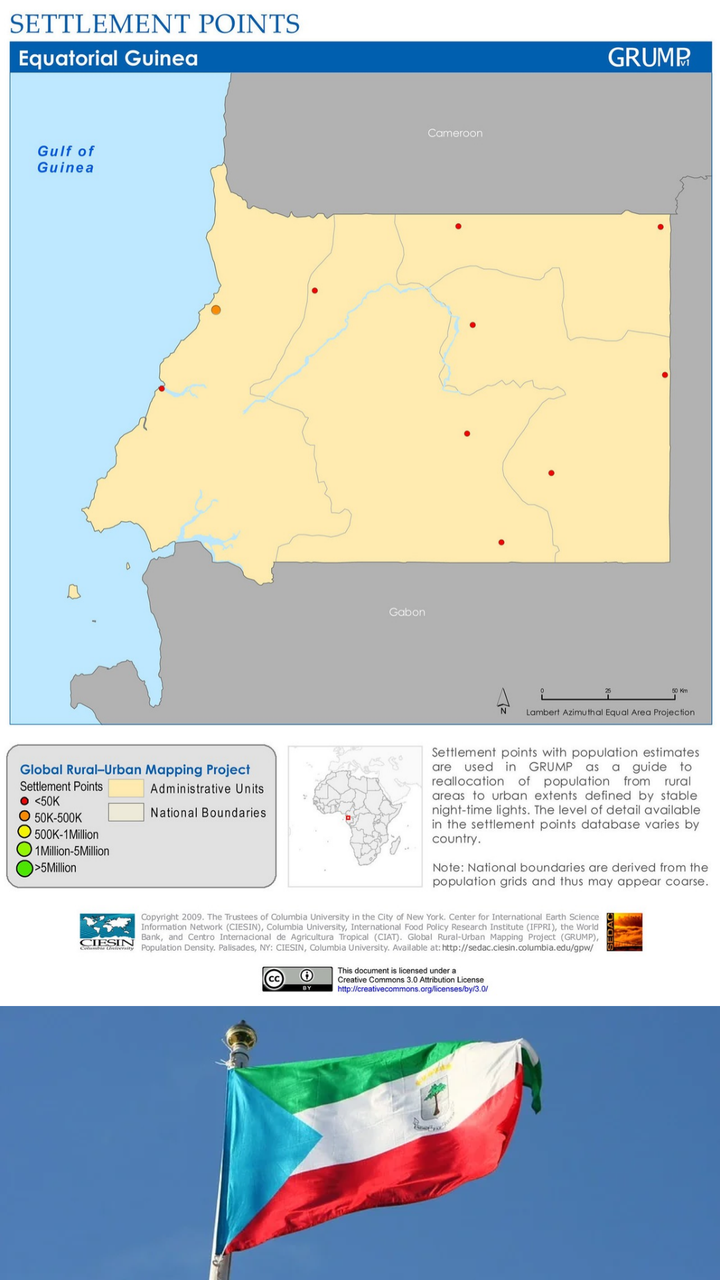
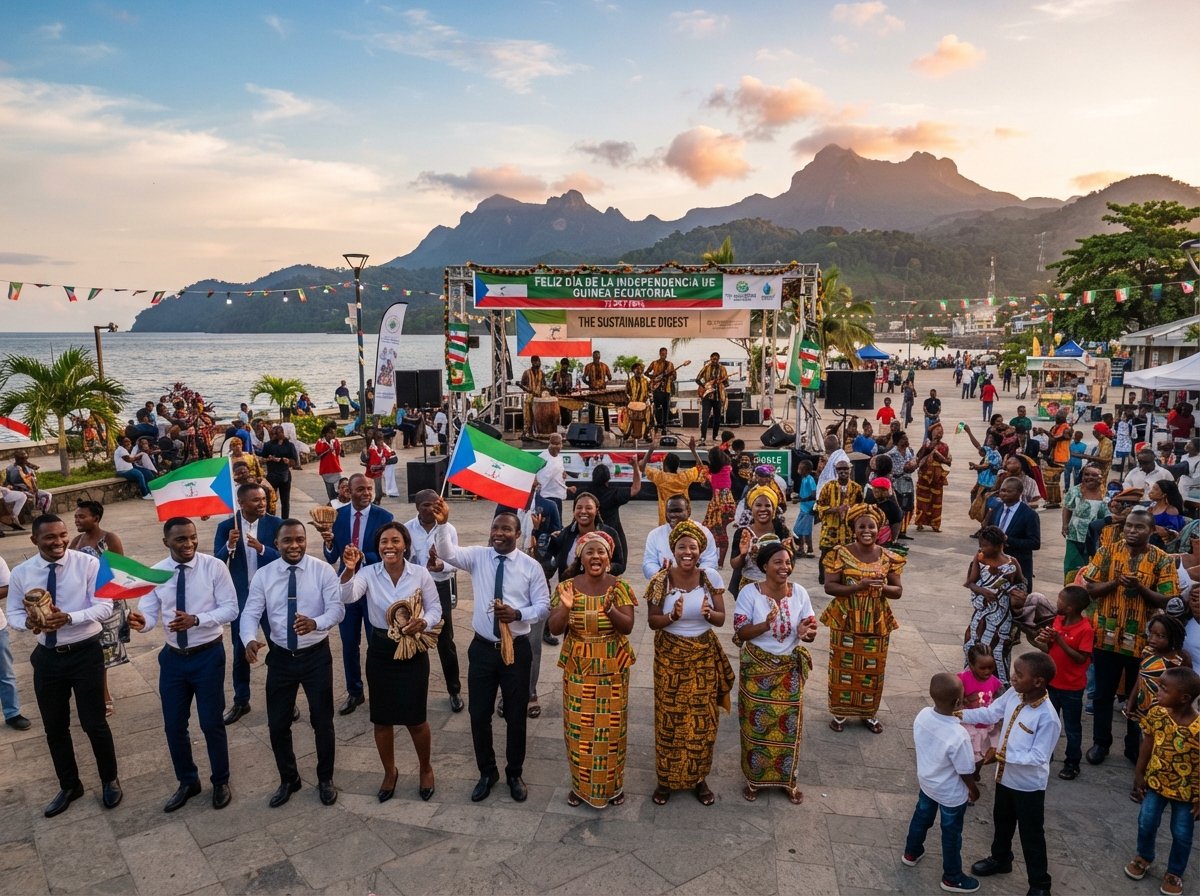
On October 12, a nation of 1,938,431 people marks a milestone that began in 1968. For Equatorial Guinea, the shift to self-rule still shapes national identity and public memory. Its small land areaโ€”28,050 square kilometersโ€”holds two distinct settings: Bioko, once called Fernando Poo, and mainland Rรญo Muni, also known as Mbini.

These island and continental landscapes raise different questions about natural resources, infrastructure, and community resilience. Oil has brought wealth, yet turning that income into broad development remains a complex task. The government has cited fiscal discipline, transparent reporting, published accounts, and infrastructure investment as tools to support progress and improve living conditions. Resource wealth matters most when people can see its benefits in daily life.

This overview considers cultural identity, social impact, and regional ties, including links to the 2030 Agenda. It separates documented policy from wider opportunities and recommendations. For Canadian readers, that distinction offers a useful way to assess how national priorities connect with regional cooperationโ€”without treating plans as results.

Equatorial Guinea Independence Day observance, Sustainability & Global Relations

The path from Spanish colonial rule to self-government unfolded in stages. Internal autonomy began in 1963, followed by a referendum on August 11, 1968. About 63% of voters backed independence, which took effect two months later. October 12 became the annual Independence Day, linking a political shift to a lasting public tradition.

October 12 and the transition from Spanish colonial rule

For this country, the vote marked a turning point in the 20th century. It also placed Equatorial Guinea among African nations that reshaped their political futures during the 1960s.

National celebrations and a complex political legacy

Francisco Macรญas Nguema became the first president in 1968. His role in the transition stands apart from his later authoritarian rule, which lasted nearly eleven consecutive years. History rarely offers a simple celebration; public memory can hold pride and painful lessons at once.

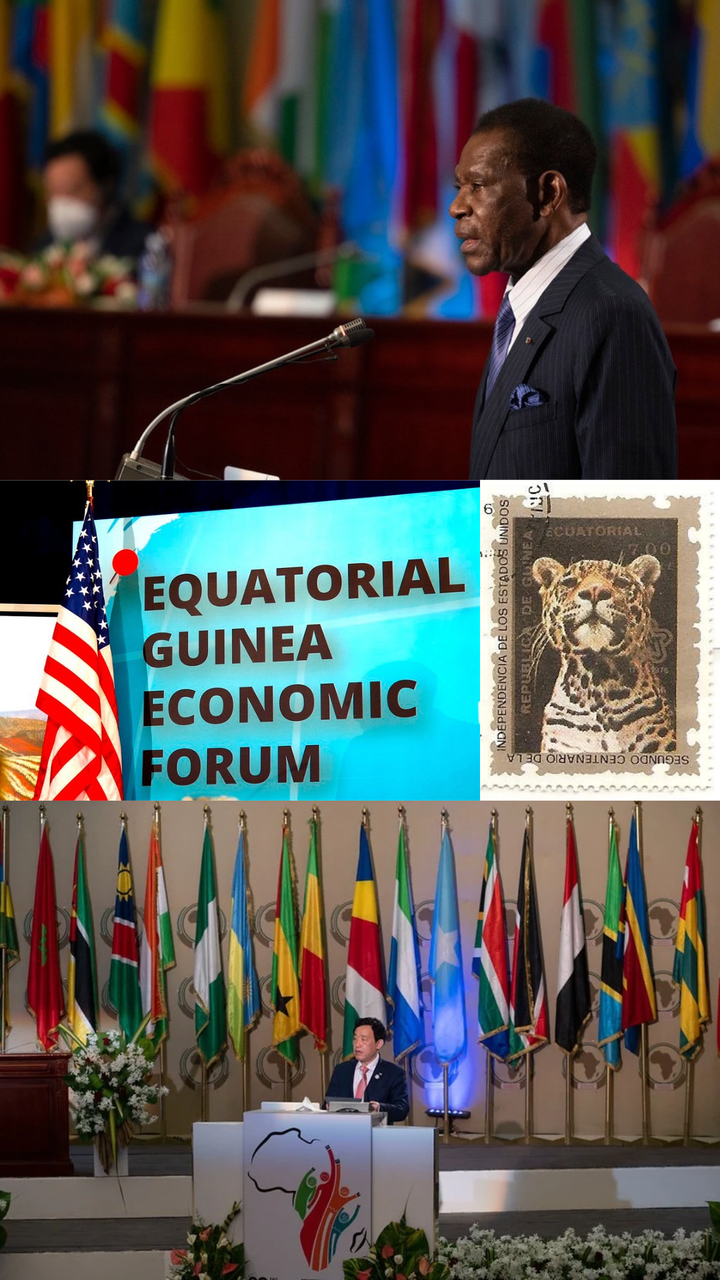
Celebrations move to a different city each year and feature military and popular parades, cultural events, and social activities. In the period covered here, Teodoro Obiang Nguema Mbasogo had led the nation since 1979. For Canadian readers, the annual event offers a view of how civic ritual can express identity while reflecting a longer political story.

MilestoneDate or periodSignificance
Internal autonomy1963Expanded local self-government
ReferendumAugust 11, 196863% supported independence
Annual celebrationOctober 12Marks the formal transition

Ten Essential Facts About Equatorial Guineaโ€™s Sustainability Story

A vibrant depiction of an equatorial island juxtaposed against a lush mainland, showcasing the rich biodiversity of both ecosystems. In the foreground, illustrate a diverse range of flora and fauna, including colorful tropical birds, vibrant flowers, and native trees, harmonizing with each other. The middle ground features a clear blue ocean gently lapping at the sandy beach, with a transition to a dense, green forest on the mainland, signifying the connection between both habitats. In the background, a bright blue sky with soft, wispy clouds enhances the serene atmosphere. The scene is bathed in warm, natural sunlight, casting soft shadows to create depth. This image captures the essence of sustainability and ecological diversity, embodying the spirit of "The Sustainable Digest."

These ten facts link economic choices with the landscapes, people, and traditions that shape the nation. They offer useful context for Canadian readers assessing development priorities and regional cooperation.

Oil wealth, economic diversification, and development priorities

  1. Oil revenue has supported infrastructure plans; diversification matters if growth is to improve daily life.
  2. The nation has seven provinces and 18 districts, with an area of 28,050 square kilometers.
  3. Its population was 1,938,431 in June 2025, with reported annual growth of 2.37%.
  4. A fertility rate of 4.3 children per woman in 2021, and rising immigration since the 1990s, add social contextโ€”not proof of progress.

Island and mainland geography, biodiversity, and environmental stewardship

  1. Bioko is an island; Rรญo Muni forms the mainland. Their varied habitats make careful environmental stewardship important.
  2. Spanish, French, and Portuguese are official languages; more than 18 Indigenous languages include Fang, Bubi, Benga, and Annobonese.
  3. Fernรฃo do Pรณ arrived in 1472. Later cacao plantations relied on forced Indigenous labor, a history that deserves honest attention.

Language, African identity, and community celebrations

  1. The 1960s transition to independence shaped modern identity; Francisco Macรญas Nguema became the first president.
  2. The 2012 Africa Cup of Nations ran from January 21 to February 12. Malabo hosted the Music Day Festival on July 28; a hip-hop event ran for ten days in December.
  3. Christmas celebrations include Biokoโ€™s balรฉlรฉ dance. Regional partnerships and the UN Sustainable Development Goals offer frameworks for shared action.

โ€œResource wealth is only a starting point; lasting progress depends on who benefits.โ€

Conservation, Ecotourism, and Environmental Projects

A visit to wild landscapes can aid conservation, but a scenic itinerary alone proves little. In Equatorial Guinea, ecotourism means lower-impact travel that aims to support nature protection and local livelihoods. Habitat protection is different: it can happen without visitors or tourism businesses.

Travel and habitat protection serve different roles

The country covers 28,050 square kilometers and includes Bioko and mainland Rรญo Muni. These distinct settings may call for different travel plans and conservation choices. The available sources name no specific ecotourism or habitat-protection projects. Claims about established programs therefore need verification before they guide travel or funding decisions.

Local voices help shape responsible travel

In this region, a useful test is whether local people help make decisions, share benefits, and protect natural and cultural assets. Conservation pressures also deserve careful study; the supplied facts do not quantify them. Travelers from Canada can ask who manages a project, how funds are used, and whether residents support it. Responsible travel starts with evidence and local consent, not attractive promises. That simple check can help visitors avoid treating an unverified claim as a conservation result.

Resilience, Cooperatives, and Community Development

A vibrant community scene in Equatorial Guinea, showcasing resilience and cooperative efforts for community development. In the foreground, diverse individuals in professional business attire engage in discussions, collaborating around a large table filled with colorful local produce and handmade crafts. The middle ground features a newly built, eco-friendly community center surrounded by greenery, illustrating sustainable architecture. In the background, lush hills and traditional homes reflect the cultural heritage of the region. Bright, natural lighting illuminates the scene, creating a warm and inviting atmosphere. The mood conveys hope and unity, embodying the spirit of community-driven development. This image should represent the essence of "The Sustainable Digest".

Resilient communities need steady livelihoods, useful public services, and ways to manage economic or environmental shocks. In Equatorial Guinea, these needs can differ across regions; a single plan may miss local priorities. The country has seven provinces and eighteen districts, which makes inclusive planning especially important.

Local livelihoods and community-led resilience

Cooperatives can help people share resources, build enterprises, and shape local decisions. However, the available sources do not identify any named cooperatives in Equatorial Guinea. Their potential should not be confused with evidence of specific local results. The annual independence day may express shared identity, while daily resilience depends on practical choices and access to support.

CAFRAD held capacity-building programs for senior officials at its headquarters and on-site in Malabo. This reflects institutional training, not community-led work; both can matter, but they serve different roles.

Infrastructure, public services, and inclusive development

The government stated that it invested oil revenues in physical infrastructure and better living conditions. That is a stated priority, not proof that every community benefited equally. Roads and services can support livelihoods, but planning must reflect local needs in each city and district.

  • Track who can access new services.
  • Invite residents into planning and review.

Resilience grows when communities help shape the choices that affect them.
How the United Nations Sustainable Development Goals Apply

The 17 UN Sustainable Development Goals offer a framework for asking clear questions about national progress. For Equatorial Guinea, they can guide an assessment, but they do not prove results. Canadian readers can use the same lens to compare stated plans with public evidence.

Human development goals: health, education, equality, and work

Goals 1, 2, 3, 4, 5, and 8 cover poverty, food, health, schooling, gender equality, and decent work. Together, they help assess whether oil income supports wider development and improves daily life.

Environmental goals: energy, climate, land, and water

Goals 6, 7, 11, and 12 frame questions about water, clean energy, cities, and resource use. Goals 13, 14, and 15 focus on climate action, marine life, and land habitats. Available facts do not confirm specific national outcomes.

Institutions and partnerships across all 17 goals

Goals 9, 10, and 16 help examine infrastructure, fairness, and strong institutions. The government stated it was working to improve transparency, fiscal discipline, and published accounts. CAFRAD, a Pan-African intergovernmental organization, trained senior officials in Malabo and at its headquarters. This work connects to Goal 17 and its focus on partnerships among members. These goals are useful measures, not proof of progress.

Assessment areaRelevant goalsKey question
People and work1, 2, 3, 4, 5, 8Are basic needs and opportunities improving?
Services and resources6, 7, 11, 12Are services and resource use responsible?
Nature and climate13, 14, 15Are climate, sea, and land priorities addressed?
Systems and partnerships9, 10, 16, 17Are institutions inclusive and accountable?

Regional Cooperation, Global Ties, and Green Fiscal Policy

A vibrant scene depicting Central African leaders in a professional meeting focused on regional cooperation and sustainability. In the foreground, a diverse group of business-attired individuals, including men and women from various Central African countries, engaged in animated discussion over a large map highlighting regional initiatives for green fiscal policies. In the middle ground, a large conference table with laptops, tablets, and charts showcasing data on sustainability and cooperation. The background features a beautifully designed conference room with large windows revealing lush greenery outside, emphasizing the theme of ecological awareness. Soft, natural light floods the room, creating an optimistic atmosphere. The Sustainable Digest logo subtly integrated into the scene, symbolizing the connection between regional cooperation and global sustainability efforts.

Regional ties can support trade, policy learning, and cultural exchange, but nearby states are not interchangeable. For Canadian readers, clear distinctions help separate geography from confirmed cooperation.

Connections across Central Africa and the Gulf of Guinea

Equatorial Guinea can be compared with Cameroon, Sรฃo Tomรฉ and Prรญncipe, Gabon, and the Central African Republic. These countries share a regional frame, yet differ in geography, language, and political context. Nigeria, the Democratic Republic of the Congo, and the Republic of the Congo offer wider reference points; the available details do not confirm specific joint programs.

Oil revenue, public policy, and wider engagement

The government said it pursued fiscal discipline, transparency, published accounts, infrastructure investment, and better living conditions. These steps describe stated oil-revenue reforms, not proof of a formal green fiscal policy. Sustainable competitiveness also calls for open reporting and a more diverse economy.

Spanish is an official language, alongside a distinct African identity. That mix could support dialogue with the African diaspora and the Global South, though the supplied facts identify no specific outreach programs. Under President Teodoro Obiang Nguema Mbasogo, the countryโ€™s independence day also offered a public moment to express national identity; it does not, on its own, show how international ties worked.
Conclusion

October 12 marked the 1968 shift to self-rule and remained a meaningful time to reflect on national identity. Each year, Independence Day connected a historic milestone with the countryโ€™s public memory.

For Equatorial Guinea, oil wealth posed a hard test: turning revenue into broad gains. The presidentโ€™s government cited fiscal discipline, transparency, infrastructure, and better living conditions. These commitments still called for clear public evidence.

Bioko and Rรญo Muni offered distinct settings for conservation, responsible travel, and environmental research. Community input, cooperatives, and fair access to public services also mattered, though the sources named no cooperative programs.

The 17 SDGs offered a useful framework for linking national priorities with regional partnerships and the Global South. For Canadian readers, the occasion invited deeper questions about sustainability and who benefited. Independence Day carried meaning beyond ceremony; reliable evidence remained key to judging progress.
FAQ

Q: When did Equatorial Guinea become independent?

A: The country became independent from Spain on October 12, 1968. Francisco Macรญas Nguema became its first president after the transition.

Q: How do people mark the national anniversary?

A: Celebrations may include official events, music, dance, and community gatherings. These occasions highlight the nationโ€™s cultural identity and shared history.

Q: Who were Francisco Macรญas Nguema and Teodoro Obiang Nguema Mbasogo?

A: Macรญas led the country from 1968 until 1979, when a coup brought his rule to an end. Teodoro Obiang Nguema Mbasogo took power that year and later became president. Their time in office remains central to the countryโ€™s modern political history.

Q: How has oil shaped the countryโ€™s development?

A: Oil production brought major revenue and supported infrastructure investment. It also left the economy exposed to price swings, making diversification, public services, and broader job creation important priorities.

Q:ย Whatย isย theย significanceย ofย oilย revenuesย inย theย country’sย economy?

A: Oil revenues are critical for economic growth, but there is a pressing need for diversification to ensure a sustainable economic future beyond fossil fuels.

Q: What makes the countryโ€™s landscapes and wildlife notable?

A: Its territory includes Bioko Island and the mainland region of Rรญo Muni. Forests, coastal habitats, and marine ecosystems support rich biodiversity; protecting them requires long-term planning and local involvement.

Q: How does ecotourism differ from conservation?

A: Ecotourism aims to limit travelโ€™s impact while supporting local communities and nature-based experiences. Conservation focuses directly on protecting habitats and species; responsible tourism can help, but it cannot replace strong protection.

Q: How can communities benefit from development projects?

A: Cooperatives and community-led projects can support local livelihoods and help residents respond to economic or environmental pressures. Fair access to infrastructure, health care, education, and decent work also shapes lasting progress.

Q: How do the United Nations Sustainable Development Goals apply?

A: The 17 goals offer a framework for work on health, education, equality, jobs, clean energy, climate action, and biodiversity. Progress depends on effective institutions and partnerships that turn plans into measurable results.

Q: Which regional ties matter, and what role can oil-revenue policy play?

A: The country shares regional ties with Cameroon, Gabon, Sรฃo Tomรฉ and Prรญncipe, and the Central African Republic; it also connects with Nigeria and both Congos. Transparent oil-revenue rules can support public priorities, while cooperation with the African diaspora can widen expertise and investment.

Q:ย Whatย historicalย connectionsย existย withย Nigeriaย &ย theย Republicย ofย theย Congo?

A: Historical ties with Nigeria and both the Republic and Democratic Republic of the Congo involve cultural exchanges and economic partnerships that shape regional dynamics.
Key Takeaways

  • The national holiday falls on October 12 and recalls the 1968 transition to self-rule.
  • The nation includes Bioko and mainland Rรญo Muni, each with distinct geographic settings.
  • Oil revenue can support prosperity, but it also creates a challenge for lasting progress.
  • Officials have cited fiscal discipline, public reporting, and infrastructure investment as policy tools.
  • The article examines community resilience, cultural identity, living conditions, and regional ties.

Cameroon Independence Day observance, Environmentalism and Global Development

Cameroon Independence Day observance, Environmentalism and Global Development

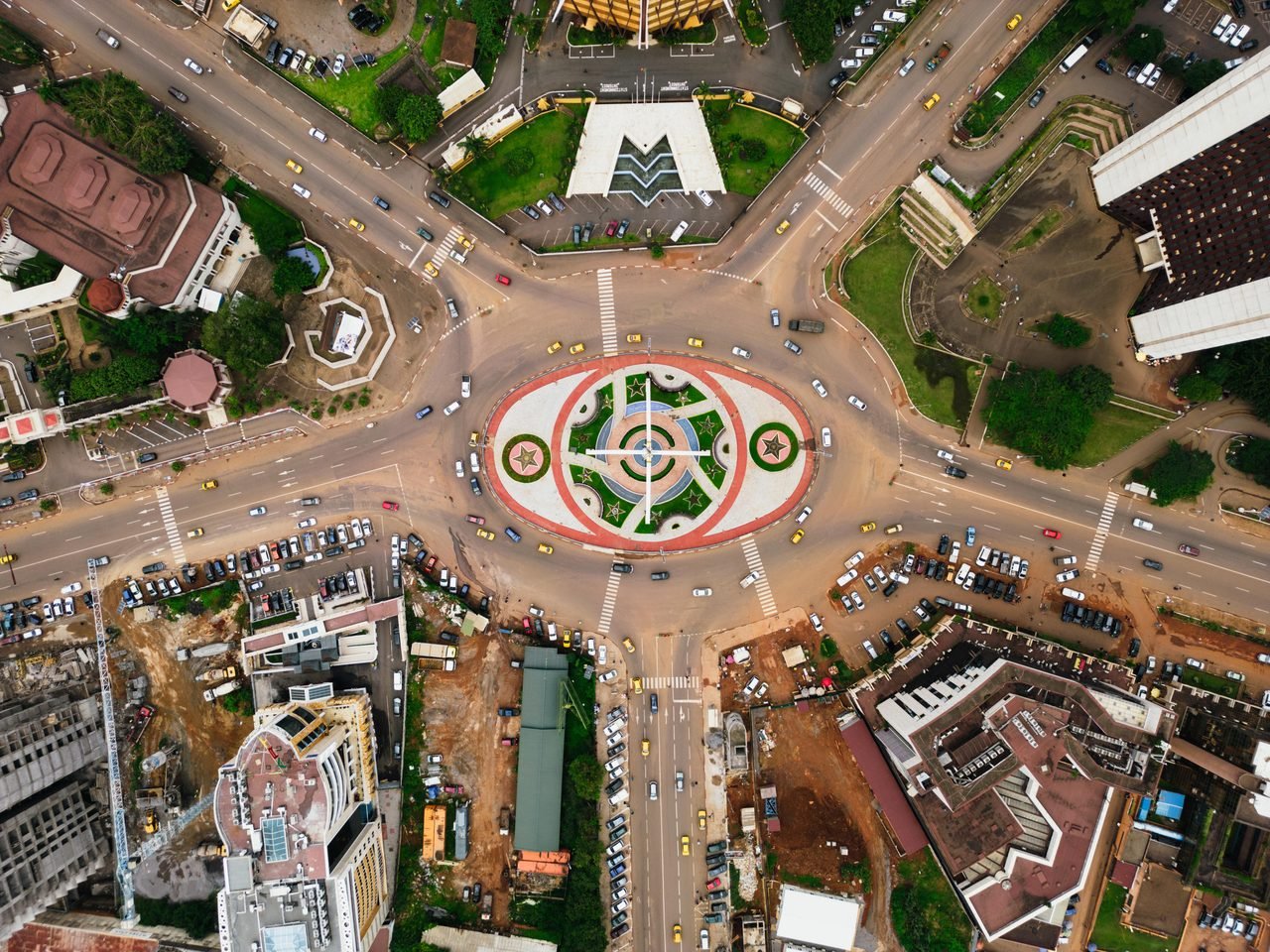
Cameroon marks its national day on May 20, yet French-administered Cameroon gained independence on January 1, 1960. The date now celebrated came more than 12 years later. That gap points to a bigger story: May 20 recalls the 1972 referendum that formed a unitary state, not the start of independence.

For Cameroon national identity, this history connects unity with questions of representation and inclusive growth. The country is often called โ€œAfrica in miniatureโ€ for its varied landscapes, languages, and cultures. That mix can shape conservation, tourism, sustainable infrastructure, and development planning; it also makes community participation vital.

This beginner-friendly guide explores how a national holiday can carry meaning beyond ceremony. It links environmental stewardship with social impact, cultural identity, and international cooperation. Readers in the United States will gain context on the nationโ€™s history, diaspora ties, and role in global discussions. The aim is to show how local priorities can inform practical, sustainable developmentโ€”while keeping people and their home at the center.

Cameroon Independence Day observance, Environmentalism and Global Development

For beginners, the Cameroon national day marks a change in constitutional structure, not the countryโ€™s first independence milestone. A referendum on May 20, 1972 replaced the federal system with a unitary state. The annual national day falls on May 20; in 2026, it arrives on Wednesday.

How public celebrations connect history with sustainability

Schools, government offices, plus most businesses typically close for this public holiday. Ceremonies, public events, traditional music, and media coverage can open space for conversation about sustainability. Still, a celebration is not a development program; it can prompt reflection on public services, inclusion, and the needs of citizens.

What beginners should know about national holidays

The nation includes more than 200 ethnic groups plus over 230 spoken languages, including French and English. This cultural diversity helps explain the phrase โ€œAfrica in miniature.โ€ Its traditions enrich national identity, while unity remains an ongoing goal. The guide considers social, cultural, and environmental questions at a practical level.

TopicKey detailWhy it matters
History1972 referendumChanged the state structure
CalendarMay 20 each year2026 falls on Wednesday
CultureMany languages, communitiesShapes identity, public life

From French Cameroun and British Cameroons to a United Republic

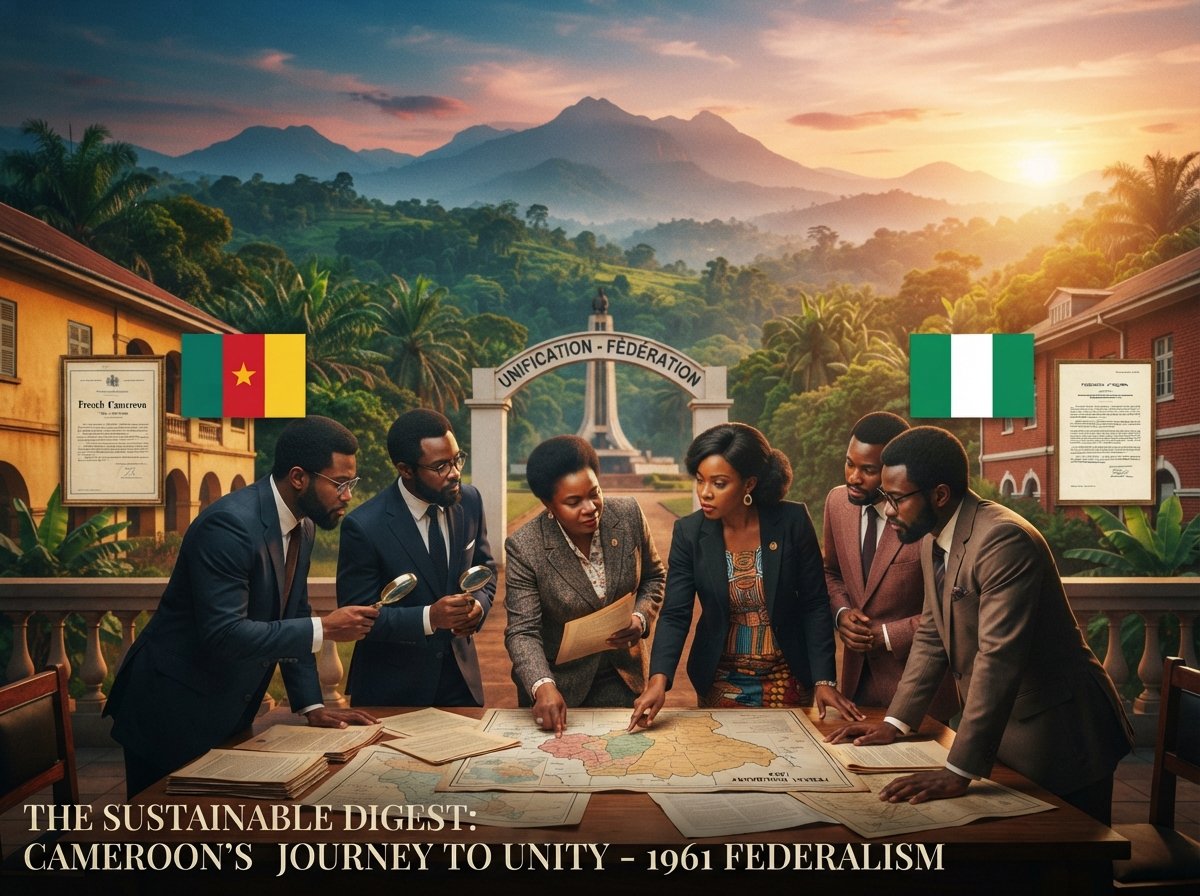
A historical depiction of the evolution of Cameroonโ€™s federal system, focusing on the transition from French Cameroun and British Cameroons to a united republic. In the foreground, showcase a group of diverse individuals in professional business attire, engaging in discussions or examining historical maps and documents. In the middle ground, highlight a split scene showing symbolic elements of both French and British influences, such as flags, architecture, and cultural artifacts. The background should portray a vibrant landscape of Cameroon, with its lush greenery and mountainous terrains, under a warm, golden sunset lighting. The atmosphere should evoke a sense of unity, progress, and reflection on heritage. This image is for The Sustainable Digest, encapsulating the essence of Cameroonโ€™s journey toward independence and development.

A colonial map shaped the republic long before its residents could choose its political future. Germany colonized Kamerun in 1884. After World War I, France governed the larger eastern area; Britain administered the western territory beside Nigeria.

German Kamerun, World War I, and the division under French and British rule

French Cameroun became independent on January 1, 1960. Ahmadou Ahidjo became its first president. In February 1961, a UN-supervised vote led Southern Cameroons to join the republic; Northern Cameroons chose Nigeria. The union formed the Federal Republic of Cameroon.

Independence in 1960 and the Southern Cameroons plebiscite

The 1961 union created a federal system. It joined two territories, but it was not the 1960 independence milestone. Ahmadou Ahidjo served as president from 1960 to 1982.

Why May 20 marks the move from a federal system to a unitary state

On May 20, 1972, a second vote replaced the federation with a unitary state. The national day marks that constitutional shift, not the earlier independence date or union. The change reshaped the state structure in the name of unity.

  • 1960: French Cameroun gained independence.
  • 1961: Southern Cameroons joined the republic.
  • 1972: The vote established a unitary state.

Essential Facts About Cameroon National Day and Sustainable Development

Ten quick facts show how a public celebration can reflect culture, civic life, plus future choices. The ceremony has clear customs; its wider meaning depends on what people build afterward.

Parades, traditional music, and cultural identity across the regions

  1. The May 20 vote of 1972 created a unitary state; independence came in 1960, followed by union in 1961.
  2. The President leads the main parade at Yaoundรฉโ€™s 20th of May Boulevard.
  3. Regional capitals, towns, schools, police, youth groups, soldiers, plus political groups hold events.
  4. Regional dances, the balafon, local drums, Bamendaโ€™s Toghu, ndolรฉ, achu, and eru showcase cultural heritage.
  5. Cameroon National Day can spotlight cultural diversity; ecotourism and green aviation remain development aims, not parade customs.

Unity, political inclusion, and the continuing Anglophone question

  1. The Anglophone crisis intensified in 2016, affecting the anglophone regions.
  2. A 2019 national dialogue set special status for both English-speaking regions.
  3. More than 270,000 people faced displacement by the 2018 election period.
  4. Human rights, inclusion, and peace matter to lasting unity; a holiday alone cannot resolve conflict.
  5. Cooperatives, regional cooperation, plus community-led projects can turn civic hopes into practical gains.

For citizens, the national day honors shared history while leaving room for honest debate. The Cameroonian peopleโ€™s traditions enrich the nation; lasting progress also calls for inclusive choices by government, businesses, and communities.

How Sustainable Infrastructure Differs Across Cameroonโ€™s Industries

A panoramic view depicting sustainable infrastructure planning in Cameroon, showcasing a blend of industries such as agriculture, renewable energy, and urban development. In the foreground, diverse professionals dressed in modest, professional attire collaborate over blueprints on a table, surrounded by green plants and eco-friendly materials. The middle ground features a solar farm with wind turbines, alongside modern buildings featuring green roofs, sustainably designed to harmonize with nature. The background reveals a vibrant Cameroon landscape with rolling hills and clear skies, emphasizing an eco-conscious approach. Soft, natural lighting filters through, casting gentle shadows, evoking a hopeful and progressive atmosphere. The Sustainable Digest logo subtly integrated into the scene, enhancing the feel of innovation and commitment to environmentalism.

The national day can prompt reflection on what durable progress looks like. Since 1960, the country has expanded hydroelectric capacity plus transport facilities. Yet access, reliability, and resilience remain separate tests. Local needs shape the best choice.

Hydropower, energy access, and resilient electricity systems

Hydropower can provide low-carbon electricity, but dams alone cannot ensure steady service. The government can pair generation with grid links, maintenance, and backup options. A resilient system matters most when homes, clinics, and firms can rely on it.

Transport, roads, ports, and greener aviation connections

Roads connect farms with markets; ports support trade; aviation links distant communities. Greener aviation is a useful planning lens, not a documented national project. Each investment should fit the needs of its region.

Agriculture, forestry, and infrastructure designed for local needs

The 1973 Green Revolution aimed for food self-sufficiency plus sales to neighboring markets. Petroleum became the countryโ€™s most valuable export in the 1970s, while local agribusinesses and small firms also grew. Storage, farm roads, and careful forest access can support livelihoods across regions without treating every place alike.

SectorInfrastructure priorityCommunity benefit
EnergyReliable grids, resilient supplySteadier power for homes, services
TransportRoads, ports, lower-impact linksBetter access to jobs, markets
Agriculture and forestryStorage, local roads, managed accessStronger producers, protected livelihoods

Environmental Stewardship, Ecotourism, and Climate Resilience

Healthy forests store carbon, protect water, shelter wildlife, plus support livelihoods. The โ€œAfrica miniatureโ€ label reflects the countryโ€™s varied landscapes; conservation connects regions through shared natural systems.

Protecting forests, biodiversity, and the Korup landscape

Korup National Park Forest is described as 60 million years old. This long history gives forest protection real weight. Its biodiversity supports ecological balance, while local care can ease pressure on habitats.

Connecting community livelihoods with responsible ecotourism

Debundscha reportedly receives 405.5 inches of rain each year, making it one of Earthโ€™s wettest places. Such exposure calls for local drainage plans, safer routes, plus early warnings. Climate resilience starts with each regionโ€™s needs.

Responsible ecotourism can support guides, food producers, plus craft makers. The community should help set visitor limits, share revenue fairly, protect traditions. These choices can strengthen unity without turning living culture into a show.

National day events may raise awareness, but conservation takes steady work over time. Lasting benefits depend on local choices beyond a single celebration.

PriorityPractical actionLocal benefit
Forest protectionSupport habitat careSafeguard biodiversity
Climate resiliencePlan for heavy rainImprove safety
Responsible tourismShare decisions and incomeSupport livelihoods

United Nations SDGs With the Greatest Potential Impact in Cameroon

A vibrant illustration of the UN Sustainable Development Goals (SDGs) symbolically represented for Cameroon. In the foreground, a diverse group of professionals in formal business attire collaborate around a table filled with iconographic representations of the goals, showcasing vibrant colors and designs. In the middle ground, lush landscapes of Cameroon blend with urban elements, illustrating the balance between nature and development. The background features the iconic Mount Cameroon under a sunny sky, enhancing the atmosphere of hope and progress. Soft, natural lighting illuminates the scene, casting gentle shadows and emphasizing the unity and collaboration among individuals. The overall mood conveys optimism and commitment to sustainable development, aligned with The Sustainable Digest brand ethos.

For Cameroon, the UN Sustainable Development Goals offer a framework for setting priorities, not proof of results. Ten goals merit close attention as the nation plans for fair, lasting progress.

Priorities for health, education, clean water, and reduced inequalities

  • No Poverty; Zero Hunger
  • Good Health, Well-Being; Quality Education
  • Gender Equality; Clean Water, Sanitation
  • Affordable, Clean Energy; Decent Work, Economic Growth
  • Climate Action; Peace, Justice, Strong Institutions

Education grew after 1960, offering useful context for SDG 4. That history does not measure current access or teaching quality. Health care, safe water, plus reduced inequality also depend on services reaching each community.

Paths to clean energy, decent work, climate action, and strong institutions

Hydroelectric capacity can support cleaner power, while local enterprise can create jobs. Yet reliable services, fair work, climate planning, strong institutions matter more than resources alone. Human rights should guide public choices; the national assembly can help shape oversight.

In 1987, the government recognized the need for an IMF structural adjustment program with budget cuts. In 2006, Paris Club relief canceled most debt owed to that creditor group. These events inform debate on fiscal space, not a simple measure of outcomes.

FocusRelated goalsPractical measure
Public servicesHealth, education, waterTrack access across regions
Work, energyClean power, decent jobsAssess reliability, job quality
Climate, institutionsClimate action, justiceReview plans, public accountability

Cameroon as a Regional Nexus Between West and Central Africa

Cameroon became a union in 1961, after Southern Cameroons voted to join the Republic of Cameroon. Its location links coastal trade routes with inland markets. The national day can prompt reflection on how cross-border ties shape unity across varied regions.

Comparing ties with Equatorial Guinea, Gabon, Chad, and the Central African Republic

Equatorial Guinea, Gabon, Chad, plus the Central African Republic each bring distinct borders, institutions, resources, and trade needs. These neighbors are not one political bloc. Their links with the country reflect local geography, shared infrastructure, commerce, migration, plus diplomacy.

Regional connections with Nigeria and the Republics of Congo

  • Nigeria shares a key border with Cameroon. The ICJ awarded the Bakassi Peninsula to Cameroon in October 2002. Its transfer was largely complete by August 2006; leaders marked completion on August 14, 2008.
  • The Democratic Republic of the Congo is separate from the Republic of the Congo; each has its own political context.
  • In 2015, Cameroon joined an African Union-approved multinational force with nearby countries to coordinate action against Boko Haram. Cooperation also matters to the anglophone regions, where diplomacy can support stability across the wider region.

Legal agreements plus regional coordination can turn shared borders into practical ties.

Green Fiscal Policies That Can Keep Cameroon Competitive

A vibrant and dynamic scene depicting green fiscal policy in action, set against a backdrop symbolic of Cameroon. In the foreground, a diverse group of professionals in business attire collaboratively analyze eco-friendly funding plans and financial charts on a digital tablet. The middle ground features lush greenery, including native plants and trees, alongside a modern building with solar panels and green roofs, representing sustainable development. In the background, the iconic Mount Cameroon rises majestically under a bright blue sky, symbolizing the nationโ€™s natural wealth. The lighting is bright and optimistic, portraying hope and progress. The atmosphere is energetic and focused, reflecting innovation in environmental economics. Incorporate the logo of "The Sustainable Digest" subtly in the scene, ensuring it enhances rather than dominates the visual composition.

Fiscal policy can help local firms compete in African markets, the global South, plus export trade. The proposals here are analysis, not confirmed programs. Predictable rules matter to investors; public value matters too.

Public investment, taxes, and incentives

Public investment in power, roads, storage, clean transport can cut costs. The government could use clear tax rules plus time-limited incentives for efficient equipment. These proposals need national assembly review; they do not describe verified current measures.

Balancing resource income with productive sectors

Petroleum became the countryโ€™s top export in the 1970s. Revenue raised prices paid to farmers, funded imports of materials plus technology, then built reserves. Poorly planned, costly projects also lost capital. The lesson: test projects, publish budgets, track returns.

Financing resilience for communities, firms

Balanced rules should support farms, managed forestry, conservation, agribusinesses, local makers. Climate finance could shield each regionโ€™s roads, homes, shops from floods, heat, supply shocks. Reliable standards can help local products reach international buyers.

Fiscal choicePotential benefitKey safeguard
Clean infrastructureLower costsTrack project results
Farm, forest supportProtect livelihoodsSet clear standards
Climate financeStronger local servicesReport spending openly

Community Development, Cooperative Economics, and Social Impact

Durable services work better when residents help set priorities, shape plans, review costs, and track results. In this country, traditional chiefs and fons may help settle disputes when their authority aligns with national law. Their local knowledge can guide projects, while citizens retain a voice in public decisions.

How local participation can shape durable projects and services

The legal system combines civil law, common law, and customary law. Service teams that understand these systems can work with local institutions instead of overlooking them. Clear roles also help the government respond to concerns before they grow.

Supporting small businesses, cooperatives, and fair access to opportunity

Cooperatives can pool purchases, share production tools, and reach wider markets. These gains depend on fair rules, open accounts, and real demand. Reports of growing agribusinesses and small firms making goods for local use show how enterprise can create opportunity.

โ€œDurable services begin with local knowledge, clear roles, and public trust.โ€

For the Cameroonian people, local enterprise can strengthen livelihoods. Cameroon people in each region benefit when support reaches small producers, not only major firms. Strong community ties, transparent choices, and peaceful dispute resolution can help progress last.

ApproachPractical valueKey safeguard
Local consultationPlans reflect lived needsInclude varied voices
CooperativesShared buying, production, market accessUse clear accounts
Small businessesLocal jobs, useful goodsKeep opportunity fair

Cameroonian Diaspora, Cultural Heritage, and Global Partnerships

A vibrant scene of Cameroonian diaspora members engaging in a cultural exchange, showcasing traditional attire blended with contemporary styles. In the foreground, a diverse group of adults, both men and women, dressed in professional business attire and modest casual clothing, are participating in an animated discussion, sharing artworks and crafts that celebrate their heritage. The middle background features a colorful display of Cameroonian flags and handcrafted artifacts, symbolizing cultural pride. In the background, a lush green landscape with silhouettes of urban and natural elements highlights environmental consciousness. The lighting is soft and warm, creating an inviting atmosphere. The composition uses a slightly elevated angle to capture the interactions effectively. This artwork reflects the spirit of "The Sustainable Digest," emphasizing global partnerships and cultural heritage.

Across France, the United States, plus Canada, diaspora networks keep close ties with home while building civic links. The Cameroonian diaspora can turn cultural exchange into practical partnerships, not just warm memories. On the national day, embassies and community groups may welcome wider audiences through local programs.

Connecting communities through culture and trade

Embassies and diaspora associations may host cultural events, educational forums, and gatherings. These can share history, traditions, and the story of French Camerounโ€™s path toward unity. Online media, including documentaries, can help younger generations explore these stories from abroad.

Strong ties can also bring direct value to communities. Support for Cameroonian-owned businesses and cultural groups links heritage with economic participation. The best partnerships give people in host countries and those in the country a voice in shared priorities.

  • Share cultural heritage through public programs and digital resources.
  • Build business links that respond to local needs.
  • Keep exchange reciprocal, with learning flowing both ways.
A holiday can open the door; lasting ties depend on steady work after the gathering ends.

ConnectionPractical roleShared value
AssociationsHost forums, gatheringsStronger community ties
Digital mediaShare historical resourcesYounger audiences engage
Business networksLink firms with partnersHeritage meets commerce

How to Read Cameroonโ€™s Progress Through a Beginnerโ€™s Lens

A visually engaging infographic-style image portraying "Cameroon progress indicators." In the foreground, vibrant icons representing agriculture, education, and technology, illustrating key statistics with graphs and charts. The middle ground features lush landscapes of Cameroon, showcasing diverse environments, including forests, mountains, and urban areas, reflecting sustainability and development. The background includes a clear blue sky and subtle outlines of the iconic Mount Cameroon. The lighting should be bright and inviting, emphasizing a hopeful atmosphere. The lens angle should provide a dynamic view, slightly elevated to encompass a wide area. The overall mood is optimistic and forward-looking, suitable for an article by "The Sustainable Digest," focusing on emerging progress and environmental awareness in Cameroon.

Readers in the United States can assess a country by separating its history, public events, policy promises, and measured results. The May 20, 1972 referendum replaced the federal arrangement with a unitary state. The national day recalls that constitutional shift; it does not prove that every public goal has been met.

Political context matters. The Anglophone crisis intensified in 2016, followed by a national dialogue in 2019. By the 2018 election period, insecurity had displaced more than 270,000 people. A holiday can honor shared symbols, yet it cannot resolve every dispute.

At each review, compare government statements with visible change over time. Are local services reliable? Can roads and power systems withstand shocks? Are livelihoods improving? Do women, youth, and language communities shape decisions? These questions turn broad claims into checks readers can track.

Use the day as a starting point, not a final score. Look for evidence across several areas before judging progress.

What to assessEvidence to checkUseful question
Essential servicesAccess to health care, schools, clean waterAre services reaching local communities?
ResilienceReliable power, safer roads, climate plansCan systems withstand disruption?
InclusionPublic input, fair access to livelihoodsWho helps shape decisions?

Conclusion

History gives the Cameroon national day its deeper meaning: May 20 recalls the 1972 referendum, while independence came in 1960, followed by union in 1961. That timeline helps readers in the United States see unity as an ongoing civic task, shaped by cultural diversity, political inclusion, plus continuing challenges in the Anglophone regions.

Looking ahead, resilient infrastructure, habitat care, and community-led projects can turn national aims into gains people feel in daily life. Regional partnerships link local priorities with neighboring states; the Cameroonian diaspora extends those ties to wider networks.

Ultimately, this holiday offers a moment to reflect, not a measure of success. The nationโ€™s future depends on accountable choices, reliable services, protected ecosystems, and fair opportunities. A meaningful holiday rests on action, not ceremony alone.

FAQ

Q: Why does May 20 hold national significance?

A: Cameroon marks its National Day on May 20. In 1972, voters approved a change from a federal republic to a unitary state. The date highlights national unity, though debates about inclusion remain.

Q: Did the country gain independence in 1960?

A: French Cameroun became independent on January 1, 1960. In 1961, voters in Southern Cameroons chose to join the new republic as a federated state. Ahmadou Ahidjo led the country during its early years.

Q: What changed when the federal system ended?

A: A 1972 vote replaced the federal structure with a unitary state. The change reshaped regional governance. The national assembly, public institutions, plus citizens continue to shape discussion about representation.

Q: What do national ceremonies usually include?

A: Events may feature parades, speeches, traditional music, local dress, plus school or community groups. These traditions express cultural heritage across the regions; they can also prompt discussion of human rights, peace, political inclusion.

Q: How does environmental care support local livelihoods?

A: Forest protection can preserve biodiversity, support clean water, help communities maintain livelihoods. Korup National Park is known for rich tropical ecosystems. Responsible ecotourism can create income while limiting harm to habitats.

Q: Which infrastructure projects can support sustainable progress?

A: Reliable hydropower, stronger electricity networks, safer roads, efficient ports, plus climate-resilient farms can improve access to jobs, services, markets. Good planning should reflect local needs, not just large project goals.

Q: How can the United Nations goals guide public priorities?

A: The SDGs offer a framework for health, schooling, clean water, fair opportunity, decent work, clean energy, climate action, strong institutions. Clear measures help residents track results over time.

Q: Why does the country matter to nearby states?

A: Its position links West Africa with Central Africa. Trade ties connect it with Nigeria, Chad, Equatorial Guinea, Gabon, the Central African Republic, plus the Republic of the Congo. Diaspora networks also support cultural exchange, investment, skills sharing.

Q: What role can cooperatives play in community progress?

A: Cooperatives can help small businesses pool resources, reach markets, share skills. Local participation can make projects more useful; fair access can help more people benefit from services, finance, training.

Key Takeaways

  • May 20 marks a 1972 constitutional shift, not the start of independence.
  • The 1972 referendum placed national unity at the center of public debate.
  • Cameroonโ€™s varied regions offer lessons for conservation, tourism, and planning.
  • Community participation helps make infrastructure more inclusive and sustainable.
  • The date links cultural identity with diaspora ties and international cooperation.

Lesotho Independence Day observance and its Global Sustainable Development

Lesotho Independence Day observance and its Global Sustainable Development

One striking fact: on October 4, 1966, Basutoland became the Kingdom of Lesotho as British rule ended. A single date marks both a political break and the start of a new national story.

Each year, the October 4 holiday invites more than ceremony. In a mountain country shaped by the Maloti range, the annual commemoration can prompt questions about who benefits from growth, who bears environmental costs, and how local voices shape policy.

For Brazilian readers, this story offers a useful lens on sovereignty, cultural identity, and social impact. Responsible ecotourism, fair access to land and water, and regional cooperation can help turn national pride into lasting gains.

The history also connects with UN goals through practical tests: climate resilience, reliable infrastructure, decent work, and community investment. Progress needs more than a flag or a speech; it calls for steady choices that protect people and place.

Calendar details matter, too: the national date falls on Sunday in 2026, then Monday in 2027. October 4 remains fixed each year, even when the weekday shifts.

Lesotho Independence Day observance and its Global Sustainable Development

October 4, 1966, marked a political turning point. Basutoland became a sovereign state, yet the path there included changing borders, outside rule, and local efforts to protect community life.

A Shift Toward Self-Rule

In 1868, Basutoland became a British protectorate; Britain made it a colony in 1884. Territorial disputes with Boer trekkers led its king to seek British support. That choice offered protection, though foreign rule also limited local control.

Origins of the Modern State

Moshoeshoe I united local communities to face threats from the Zulus. This shared effort helped shape Basotho identity. On October 4, 1966, Basutoland gained independence from Britain, becoming the Kingdom of Lesotho. King Moshoeshoe II became monarch, while Leabua Jonathan served as prime minister.

Sovereignty gave communities greater scope to shape policy, yet it did not settle questions of land, fair access, or local voice. For readers in Brazil, the history offers a clear lesson: self-rule has lasting value when people can influence choices about heritage, water, livelihoods, and environmental justice.

YearStatus or eventHistorical significance
1868British protectorateBritain assumed a formal role in Basutoland.
1884British colonyColonial control replaced protectorate status.
1966Sovereign kingdomKing Moshoeshoe II became monarch; Leabua Jonathan became prime minister.

Twenty Key Facts About Independence Day and Lesotho Today

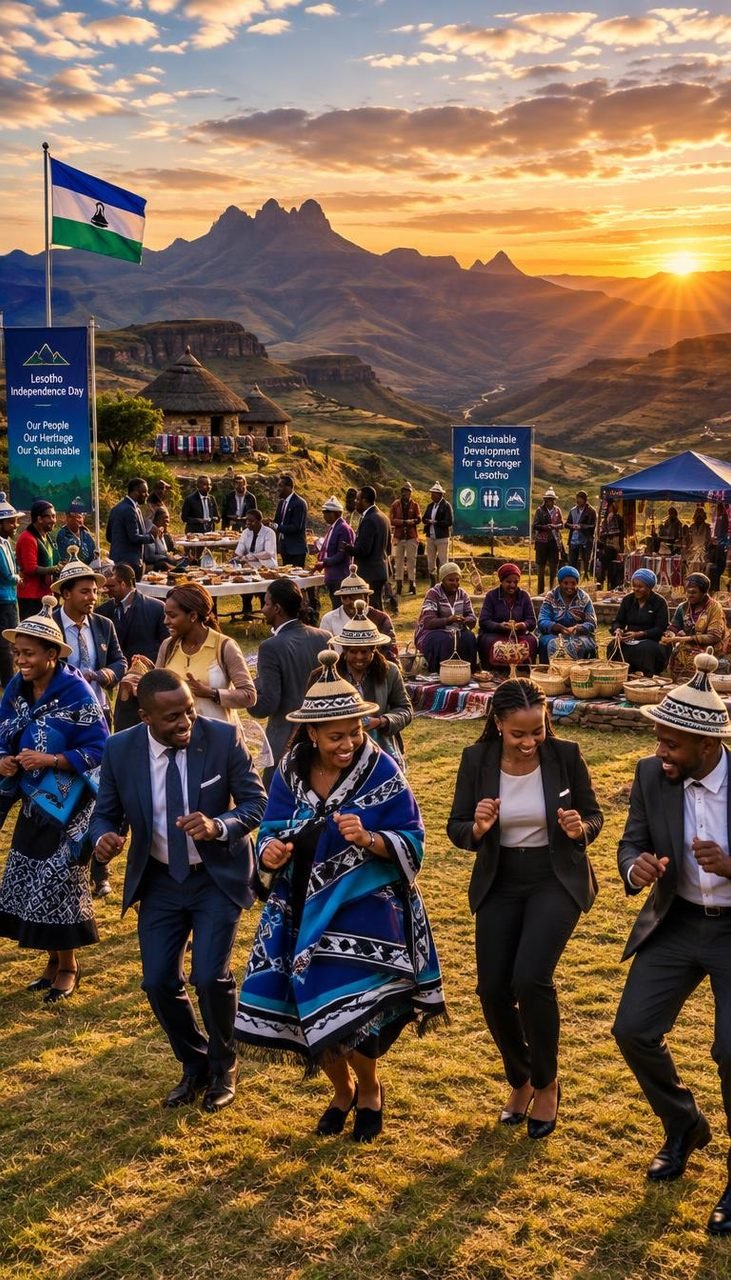
A vibrant Basotho cultural celebration set against the majestic backdrop of the Maloti Mountains. In the foreground, a diverse group of participants dressed in traditional Basotho attire, including colorful blankets and hats, joyfully perform traditional dances. The middle ground features small clusters of people engaging in cultural activities like craft-making and sharing food, embodying a sense of community and festivity. In the background, the sun sets behind dramatic mountain peaks, casting warm golden light over the scene, enhancing the celebratory atmosphere. The image should be captured with a wide-angle lens to emphasize both the participants and the stunning landscape, evoking a sense of pride and cultural heritage, reflecting the theme of sustainable development. This image illustrates the essence of Lesotho Independence Day for The Sustainable Digest.

October 4, 1966, Basutoland gained independence from Britain and became the Kingdom of Lesotho. For Brazilian readers, these facts link national history with todayโ€™s social and environmental questions.

The Date, Leaders, and Milestones

  1. October 4 is the fixed date.
  2. Self-rule began in 1966.
  3. Basutoland was the former name.
  4. A sovereign kingdom took shape.
  5. Britain declared a protectorate in 1868.
  6. Colonial status followed in 1884.
  7. King Moshoeshoe II became monarch.
  8. Leabua Jonathan became prime minister.
  9. The Maloti Mountains define much terrain.
  10. About 2.14 million people live there.
  11. The country is landlocked within South Africa.

Public Traditions, People, and Shared Meaning

  1. October 4 is a public holiday.
  2. Many schools, offices, shops close.
  3. Maseru hosts an official procession.
  4. National leaders attend formal ceremonies.
  5. A flag-raising marks the occasion.
  6. Parades, fireworks, music, dance, meals draw crowds.
  7. National dress can express cultural identity.
  8. In 2026, the date falls Sunday; in 2027, Monday.
  9. Environmental justice, ecotourism, cooperation support resilience.

Beyond ceremony, fair access to land, water, services matters. Shared pride has practical value when local voices shape policy.

FocusKey detailSocial link
HistorySelf-rule began in 1966National identity
CelebrationOctober 4 public holidayCommunity gathering
FutureResilience, ecotourism, cooperationFair local benefits

The Five United Nations SDGs With the Greatest Relevance to Lesotho

For Brazilian readers, these UN goals offer a clear way to assess how policy can improve daily life. Water access, clean power, fair work, equal opportunity, and climate readiness connect national priorities with practical needs. The gains matter most when mountain communities help shape local choices.

Climate Action, Clean Energy, Resilient Communities

United Nations SDG #6 focuses on clean water and sanitation, key needs in a country shaped by the Maloti Mountains. UN Sustainable Development Goal #7 supports affordable, clean energy; renewable options merit review, but claims about specific projects need reliable evidence. UN SDG 13 frames climate resilience as a core concern for mountain regions.

Decent Work, Reduced Inequalities

After independence in 1966, livelihoods remain central to national progress. SDG 8 links decent work with responsible investment. SDG 10 asks whether public services, jobs, and infrastructure reach people fairly. Each goal helps turn broad aims into questions that communities can test.

SDGFocusLocal lens
6Clean water, sanitationReliable access
7Affordable, clean energyRenewable options
8Decent work, economic growthJobs, responsible investment
10Reduced inequalitiesFair access to services
13Climate actionMountain resilience

How Projects Across Industries Build Infrastructure and Community Resilience

A vibrant landscape showcasing the infrastructure and community resilience of Lesotho, highlighting a newly built school and solar energy project in the foreground with people of various ages in modest casual clothing engaged in learning and community activities. The middle ground features well-maintained roads and green agricultural fields, symbolizing economic growth and sustainability. In the background, majestic mountains and a blue sky under warm, golden sunlight add a sense of hope and aspiration. Capture the mood of optimism and collaboration, emphasizing the impact of these projects on the local community. Use a wide-angle lens to encompass the entire scene, with soft, natural lighting to highlight the beauty of the environment. The Sustainable Digest.

Infrastructure works best when it solves daily problems, not just when it looks impressive on a map. For Brazilโ€™s development professionals, comparing project types offers a practical way to assess who gains reliable services, better access, or stronger livelihoods.

Renewable Energy and Climate-Resilient Infrastructure

The Maloti Mountains offer geographic context for assessing clean power, sturdy roads, and facilities built to handle harsh weather. These are project options, not claims about completed initiatives. Strong planning can improve service reliability for communities across the country.

Agriculture, Water, and Community Development

Water storage, soil care, and farm access can help households manage dry spells or heavy rain. Local input matters; a well-built system has little value if residents cannot maintain or reach it.

Tourism, Transport, and the Benefits of Sustainable Investment

As a landlocked state surrounded by South Africa, Lesotho depends on strong links within the region. Visitor services plus transport upgrades may widen market access for a population of about 2.14 million. Any named project or outcome needs reliable evidence.

Project typePotential benefitKey test
Clean energyMore reliable powerCan local users afford service?
Farms, waterStronger rural livelihoodsCan residents maintain systems?
Tourism, transportBetter access to marketsDo nearby communities share gains?

Green Fiscal Policies and Lesothoโ€™s Competitiveness

Green fiscal policy can help attract investment while supporting climate goals. For Brazil-based readers, the key question is practical: can public spending, tax incentives, or climate finance create lasting value without placing unfair costs on communities?

Public Spending, Incentives, and Climate Finance

These tools merit careful review, not assumptions about policies already in force. Strong tests include clear public benefits, fair access, sound oversight, plus measurable results. Climate finance may also help fund projects that cut risk or improve essential services.

  • Assess whether public spending builds useful, climate-ready assets.
  • Check if targeted incentives reward real local value.
  • Review climate finance terms, access, accountability.

Connecting With Regional Markets

Because the country is landlocked within South Africa, transport costs plus cross-border access shape competitiveness. Since independence in 1966, policy choices can be assessed against current climate and economic aims. Links with Southern African, Global South markets may open trade or investment options, but results are not guaranteed. Diaspora networks could also support skills, capital, or partnerships; any proposed program needs verification. Clear rules can make green investment more credible.

Environmental Justice, Cultural Identity, Ecotourism, and Regional Cooperation

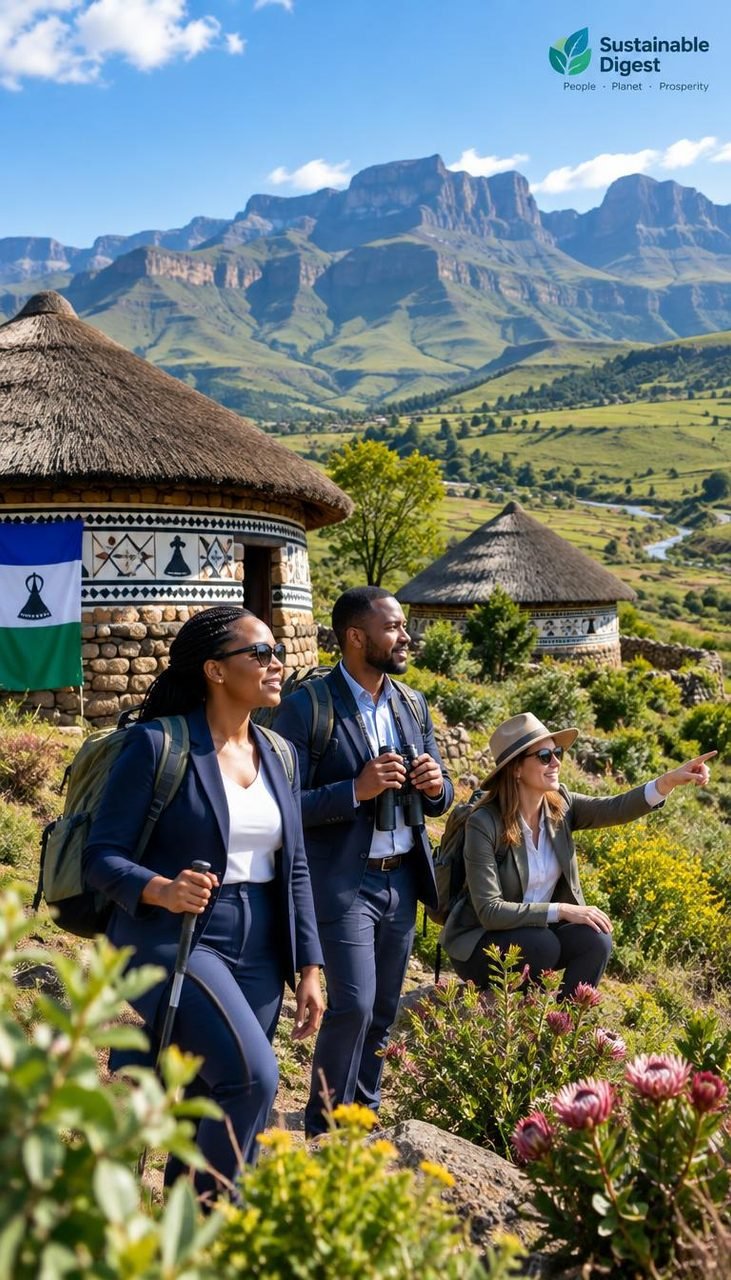
A beautiful, vibrant scene showcasing Basotho heritage and responsible ecotourism. In the foreground, a diverse group of three individuals in professional business attire participates in an ecotourism activity, such as hiking or observing local wildlife. They are surrounded by traditional Basotho huts, intricately decorated with local patterns. In the middle ground, the landscape features rolling green hills and a rich variety of flora, symbolizing environmental justice. The majestic Maluti mountains rise in the background under a bright blue sky, with soft, natural lighting illuminating the scene, creating a hopeful and peaceful atmosphere. The image encapsulates cultural identity while promoting sustainable practices, resonating with the theme of regional cooperation. The Sustainable Digest logo subtly integrated in the corner.

In the Maloti Mountains, cultural heritage and care for the land belong in the same conversation. Responsible ecotourism can support local livelihoods while protecting the landscapes that shape Basotho identity.

Protecting Basotho Heritage While Sharing the Mountain Landscape

In Maseru, the October 4 holiday includes a procession before the president and prime minister, followed by a flag-raising ceremony. Basotho music, dance, traditional clothing, plus shared meals give public celebrations meaning beyond ceremony. These customs help people connect with shared memory.

Visitors from Brazil can appreciate cultural tourism that invites learning rather than treating traditions as a show. Local communities should help set the terms for tourism and conservation, including where revenue goes and how visitors use sensitive sites. That is a practical test of environmental justice.

Regional cooperation can also support landscape care across borders. Partners can share knowledge on conservation while respecting local leadership and heritage. Tourism works best when cultural dignity and community benefit travel together.

PriorityPractical approachCommunity value
HeritageRespect customs at public eventsStrengthens cultural identity
EcotourismInclude residents in planningShares income more fairly
CooperationCoordinate landscape protectionSupports lasting stewardship

Conclusion

On October 4, 1966, Basutoland became a sovereign kingdom, shaping a national story that continues in Lesotho. The annual independence day links pride in Basotho identity with present questions about fair services, jobs, water, and land.

Five UN goalsโ€”6, 7, 8, 10, and 13โ€”offer practical ways to assess water access, clean energy, decent work, equality, and climate action. Green fiscal policy or climate finance may help, but careful analysis must separate proven results from proposals. Good plans need more than polished promises.

For Brazilian readers, the independence day holiday offers a wider lesson: responsible ecotourism and regional cooperation can support livelihoods while respecting cultural heritage. Lasting resilience grows when communities guide choices, investment meets local needs, and partners protect mountain landscapes.

FAQ

Q: When does Lesotho mark Independence Day?

A: The national holiday falls on October 4. In 1966, the country gained independence from Britain after years as a British protectorate.

Q: Who led the country at independence?

A: King Moshoeshoe II became monarch, while Leabua Jonathan served as the first prime minister. The year was 1966.

Q: How do people mark the national holiday?

A: Communities hold official ceremonies, cultural performances, music events, flag displays, and public gatherings. These activities honor sovereignty and Basotho heritage.

Q: Which United Nations goals are especially relevant?

A: Clean water, affordable clean energy, decent work, reduced inequality, and climate action are key priorities. Together, these goals support resilient communities.

Q: How can clean energy and water projects strengthen resilience?

A: Renewable power can improve energy access, while reliable water systems support homes, farms, and local businesses. Climate-ready infrastructure helps communities manage droughts and floods.

Q: Why do regional cooperation and sustainable investment matter?

A: Investment in transport, tourism, agriculture, and renewable energy can create jobs while protecting mountain ecosystems. Regional partnerships also help connect local producers with wider markets.

Key Takeaways

  • Basutoland became the Kingdom of Lesotho on October 4, 1966.
  • The national commemoration takes place on October 4 each year.
  • In 2026, the date falls on Sunday; in 2027, it falls on Monday.
  • Environmental justice, cultural identity, and social impact shape the development conversation.
  • Ecotourism and regional cooperation can support resilient communities.

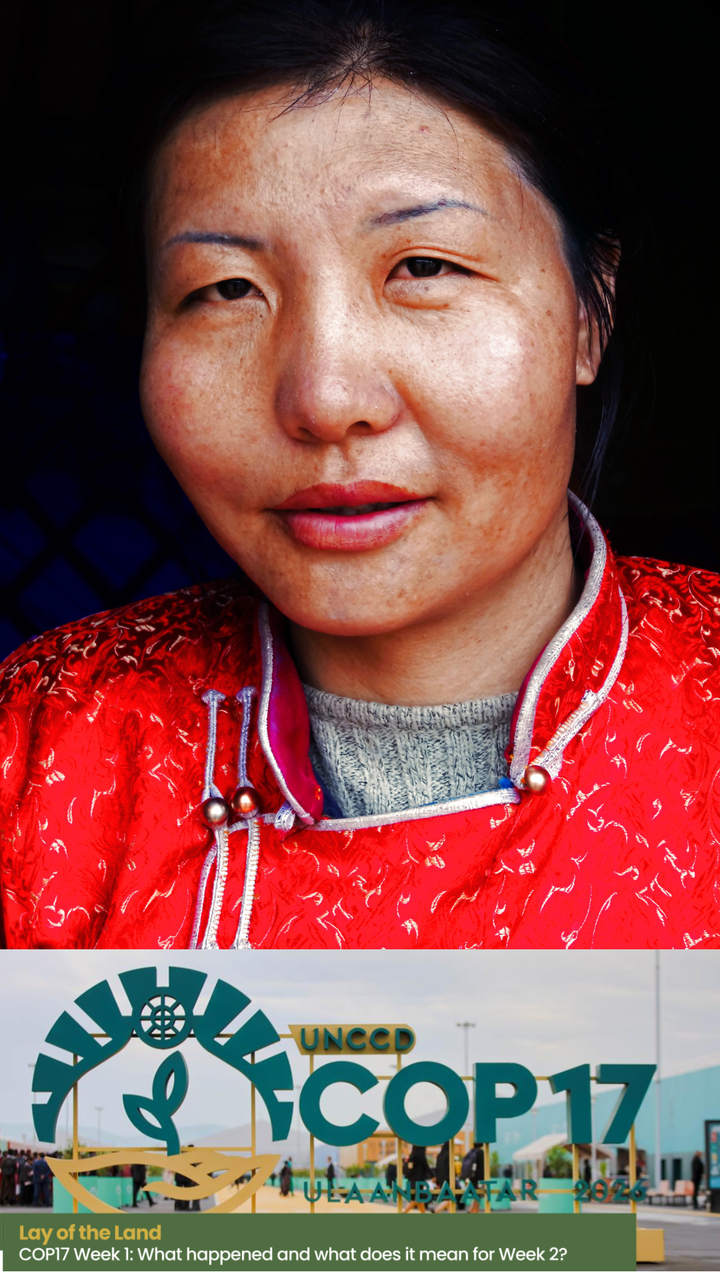
United Nations CCD COP17 MONGOLIA 2nd week review

United Nations CCD COP 17 ULAANBAATAR, MONGOLIA 2nd week Aug 23-28 review

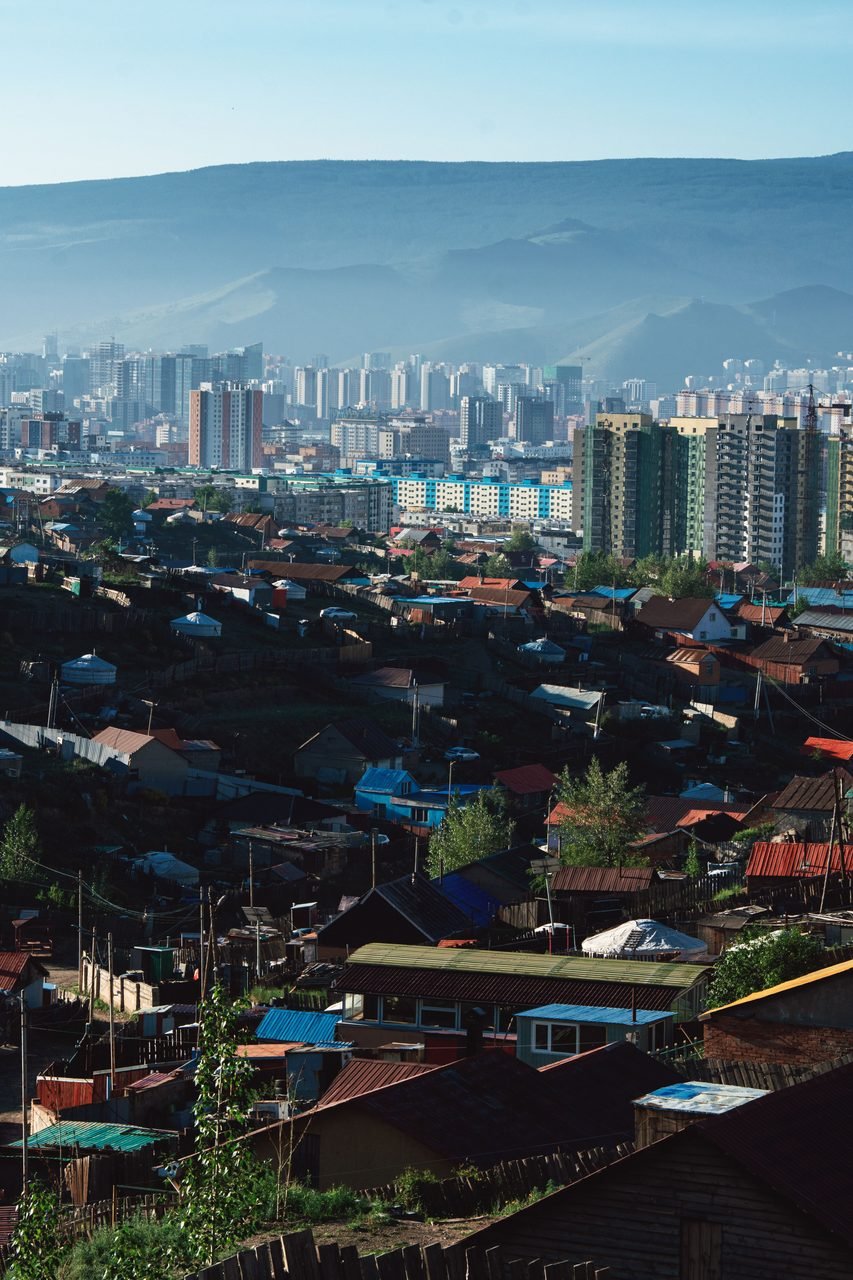
The final six days of United Nations CCD COP17 marked the decisive phase of the August 17โ€“28, 2026, gathering in Ulaanbaatar. This MONGOLIA 2nd week Aug 23-28 review moves beyond the opening discussions to examine how delegates shaped practical decisions on land, drought, finance, and long-term planning.

Under the theme โ€œRestoring Land, Restoring Hope,โ€ the convention combat desertification linked healthy soil with food security, water access, livelihoods, and global stability. That connection gave the conference a wider reach than environmental policy alone; it placed land restoration within global development and international affairs.

The scale of the challenge was clear. Up to 40 percent of the worldโ€™s land faced degradation, while nearly 77 percent of the host countryโ€™s 1.56 million square kilometers had suffered damage. Representatives from 197 Parties therefore faced more than technical language and careful diplomacy.

Hosting the nations convention combat meeting also carried cultural weight. Pastoral mobility and dryland life gave the host a direct stake in the outcome. The final phase showed whether the conference parties could turn shared concern into durable action.

United Nations CCD COP17 ULAANBAATAR, MONGOLIA 2nd week Aug 23-28 review

By August 23, the conference had moved from broad discussions to tested proposals. The convention combat desertification agenda focused on drought, desertification, land degradation, and practical restoration. Compared with the first week, delegates faced fewer opening statements and more pressure to define results.

What happened during the final six days in Ulaanbaatar

The nations convention combat process brought governments, civil society, pastoralists, and technical experts into difficult negotiations. The conference parties adopted decisions on the Future Strategic Framework and a policy framework on drought. They also continued work on planning beyond 2030.

Key negotiations, decisions, and implementation priorities

  • Improved procedures strengthened the conference and its subsidiary bodies.
  • Rangelands, finance, restoration, and international cooperation stayed on the agenda.
  • The plenary thanked Mongolia for hosting the meeting.
  • The next two years will test implementation and measurable solutions.

This was a useful moment for the united nations convention combat effort. Success now depends on whether decisions guide funding, national action, and stronger land managementโ€”not simply produce another polished document.

How the Second Week Built on the First Week of United Nations CCD COP17

A panoramic view of a sustainable rangeland landscape, showcasing a harmonious blend of grazing livestock and vibrant flora, symbolizing resilience in land policy. In the foreground, a diverse group of professionals in business attire discusses land strategies, using maps and digital devices, exuding collaboration and innovation. The middle ground features rolling green hills with a healthy balance of pasture and wildflowers, while a clear blue sky bathes the scene in natural light. In the background, a distant mountain range adds depth. The atmosphere is optimistic and forward-looking, reflecting the progress made during COP17. The image conveys a sense of unity and commitment to sustainable development, branded with "The Sustainable Digest."

The opening phase of the August 17โ€“28 conference set the political direction. Delegates explored science-policy integration, innovation, digital tools, technology, and financing. Those discussions gave Parties a shared map, but not yet a route to action.

From early ideas to final consensus

In the closing phase, negotiators turned broad priorities into practical language. The agenda shifted toward duties, timelines, funding, and national delivery. Host-country diplomacy helped maintain trust, while Parties retained authority over the final text.

โ€œOpening debate creates options; consensus gives them a duty to act.โ€

Land, drought, and pastoral resilience

The growing focus on rangelands linked soil health, water security, biodiversity, and pastoral livelihoods. A stronger rangeland policy could also support drought adaptation and resilient food systems.

This approach connected environmental efforts with the needs of society. It showed why implementation takes time: science must inform policy, finance must reach communities, and national plans must produce measurable results. Otherwise, diplomacy becomes an expensive conversation with excellent stationery.

Mongoliaโ€™s Culture, Land, and Leadership at the United Nations CCD COP17

Mongoliaโ€™s mobile herding culture gave the conference a living example of land stewardship. Pastoralists used seasonal routes and local knowledge of grass, weather, water, and animal movement. This practical experience placed pastoralists at the center of the agenda, not at its margins.

Pastoralism and the International Year

The United Nations General Assembly declared 2026 the International Year of Rangelands and Pastoralists. Rangelands covered more than half of Earthโ€™s land and supported about 500 million people. They supplied one-sixth of global nutrition, while pastoralists protected culture, food systems, and rural livelihoods.

The Ulaanbaatar Declaration

About 300 pastoralists joined Mongoliaโ€™s Global Gathering of Pastoralists. On August 20, Anders Oskal presented the Ulaanbaatar Declaration, calling for recognition of pastoralists as knowledge-holders, rights-holders, and land custodians. Its importance reached beyond one nation.

From Trees to Living Landscapes

The Billion Trees Campaign, launched in 2021, targeted one billion trees by 2030. Alongside Youth4Land, it linked restoration with biodiversity and healthy ecosystems. Yet trees work best when matched with resilient rangeland planning; pastoralists must help shape those decisions.

InitiativeKey detailWhy it matters
Rangeland yearGlobal focus in 2026Elevates pastoralists
Ulaanbaatar DeclarationPresented August 20Supports rights and knowledge
Billion Trees CampaignOne billion by 2030Advances restoration

United Nations CCD COP17 Outcomes for Desertification, Land Degradation, and Drought

A panoramic view of a barren landscape affected by drought in the foreground, featuring cracked earth and sparse vegetation. In the middle ground, a group of diverse professionals in business attire, gathered around a table, analyzing land restoration finance strategies, with charts and graphs highlighting positive outcomes. The background displays a distant sun setting behind arid hills, casting warm golden light across the scene, creating a hopeful atmosphere. Lush green flora is emerging in specific areas, symbolizing successful land restoration efforts. Soft, natural lighting emphasizes the seriousness of the discussion and the urgency of the drought policy. This scene reflects the collaborative outcomes of the UNCCD COP17 and aims to inspire sustainable solutions. The Sustainable Digest.

The strongest test of unccd cop17 will come after the meeting ends. Its decisions must connect the convention combat desertification agenda with funding, local rights, and measurable results. That bridge can keep land policy relevant to sustainability, development, and international affairs.

A strategic path beyond the current decade

The future strategic framework should guide parties beyond 2030. It needs clear indicators for land degradation, transparent reporting, science-based monitoring, and support for national implementation. With up to 40 percent of global land affected by degradation, broad promises will not be enough.

Finance for resilient rangelands

The adopted drought policy offered a useful base, but finance must reach pastoralists, farmers, and vulnerable regions. Sustainable rangelands can protect water, food supplies, biodiversity, and livelihoods. They support about 500 million people and provide one-sixth of global nutrition.

Mongoliaโ€™s Billion Trees Campaign, which aimed to plant one billion trees by 2030, showed national ambition. Yet restoration requires ecological planning, not tree-counting alone. Future efforts should fund locally suitable solutions, protect rights, and track whether each rangeland becomes healthier over time.

Evaluating COP17 Against the Closing Weeks of COP13, COP14, COP15, and COP16

The closing record of the latest land summit gains meaning when viewed across four earlier sessions. Each stage refined global policy, yet the real test remained national delivery. Past decisions often set strong goals; results depended on funding, data, and local leadership after delegates returned home.

How previous conferences shaped global land policy

Sessions 13 through 16 expanded attention from desertification control to drought resilience, land restoration, science, and community rights. This history helped the convention combat agenda mature. It also showed why broad language can lose force without clear measures.

Where the latest session improved delivery

The conference parties adopted decisions on strategic planning, drought, subsidiary bodies, and implementation. That package linked policy design with oversight and reporting. It also gave wider space to local knowledge and vulnerable land users.

The 197 parties now face a practical question: can governments finance restoration and report measurable gains? The united nations convention process will gain credibility only if the answer improves.

Mongoliaโ€™s two-year coordination role creates an accountability window. Through the nations convention combat effort, partners can track progress rather than celebrate vocabulary. That is useful work, even if paperwork remains the least glamorous form of environmental action.

United Nations CCD COP17 in the Geo-Economic Climate and Sustainable Development Landscape

A panoramic landscape depicting data-driven land management and innovative drought solutions. In the foreground, a diverse team of professionals in business attire collaborates around a digital table displaying interactive maps and analytics. In the middle ground, sustainable agricultural practices are illustrated with thriving crops and efficient irrigation systems. A backdrop of rolling hills and a vibrant sunset highlights the blend of technology and nature, creating a warm, hopeful atmosphere. The sky features hues of orange and purple, casting soft light over the scene. The image captures the dynamic intersection of geo-economics and sustainable development, symbolizing progress and cooperation. The Sustainable Digest logo prominently displayed within the composition.

The closing phase placed land at the center of economic security. Yasmine Fouad called it vital infrastructure for food, water, stability, and livelihoods. With up to 40% of the world facing land degradation, the issue reached far beyond environmental policy.

Food security, migration, and national security

Soil loss and drought can raise food prices, deepen water stress, and push families to migrate. In this setting, desertification becomes an economic and security risk, not a distant ecological concern. Nearly 77% of Mongoliaโ€™s 1.56 million square kilometers faced degradation, making the local stakes plain.

Investment and resilient development

OECD analysis and World Economic Forum priorities both favor risk planning, blended finance, and public-private action. Business4Land, promoted through the Mongolia Business Council, showed how capital could support restoration when safeguards protect communities and ecosystems.

Innovation for a changing economy

The Fourth Industrial Revolution added practical tools to the agenda: satellites, artificial intelligence, sensors, geospatial data, and predictive systems. These solutions can guide restoration, but local governance must shape every decision. That balance marked a useful moment for sustainable development.

  • Priority: connect finance with measurable results.
  • Safeguard: protect pastoral rights and local knowledge.
  • Goal: turn data into resilient action.

New Global Players and the Future of Sustainability Cooperation

Land restoration gained strength when policy opened its doors to wider voices. The gathering connected governments, business, scientists, youth, and local communities around one shared agenda. This broader model made sustainability cooperation more practical and less dependent on official speeches.

Pastoralists, Indigenous Peoples, youth, civil society, and smallholder farmers

About 300 pastoralists joined the Global Gathering of Pastoralists. Their declaration presented local communities as rights-holders and knowledge-holders. It also showed how regional networks can influence formal united nations negotiations.

Youth4Land, Indigenous Peoples, scientists, smallholder farmers, and civil society added public oversight. These groups can test promises, report local results, and challenge slow delivery. Their experience keeps policy connected to daily life.

Private capital, Business4Land, and the World Expo Organization

Business4Land and the Mongolia Business Council brought private investment into the discussion. Capital can support restoration when projects protect community rights, water access, and biodiversity. The World Expo Organization can extend that work through cultural diplomacy, innovation exchange, and public storytelling.

Why cooperation matters

Rangelands support about 500 million people. Cooperation across society is therefore essential, not decorative. Shared action can protect livelihoods, strengthen food systems, and give restoration efforts enough time to mature.

ActorContributionPractical value
PastoralistsLocal land knowledgeBetter restoration choices
Youth and civil societyPublic accountabilityFaster implementation
Business4LandPrivate-sector financeScalable land projects

Conclusion

A conference earns its legacy only when decisions survive beyond the closing room. For the United Nations CCD COP 17, the final phase showed that combat desertification needs lasting finance, clear measures, and cooperation that reaches communities. Restoration must improve land health, while drought planning protects food, water, and livelihoods.

Mongoliaโ€™s leadership linked pastoral knowledge with the International Year of Rangelands and Pastoralists and the Billion Trees Campaignโ€™s 2030 goal. That model gives future meetings a practical base: fund local action, track results, and respect community rights.

Its importance will depend on broad participation. Pastoralists, Indigenous Peoples, youth, civil society, scientists, businesses, and small farmers should help shape delivery.

Future gatherings should pair accountability with workable solutions. Only then can โ€œRestoring Land, Restoring Hopeโ€ become measurable progress rather than ceremonial optimism.

FAQ

Q: What was the focus of the final six days in Ulaanbaatar?

A: The closing period focused on negotiations, policy decisions, and practical measures to address desertification, land degradation, and drought. Delegates also examined funding, implementation, pastoralist livelihoods, and cooperation across regions.

Q: How did the second week advance the conference agenda?

A: The second week moved from technical discussions toward decisions and implementation priorities. Governments, civil society, scientists, and land users worked to turn early proposals into a clearer framework for action.

Q: Why were land, drought, and rangeland policy central topics?

A: Healthy land supports food production, water security, biodiversity, and rural livelihoods. Drought and poor rangeland management can increase displacement and economic risk, making coordinated policy essential.

Q: Why was Mongolia an important setting for the conference?

A: Mongoliaโ€™s pastoral culture offered a direct connection to rangelands, herder knowledge, and climate resilience. Its landscape also showed why sustainable grazing, ecosystem protection, and local experience matter in global policy.

Q: What role did pastoralists and herder knowledge play?

A: Pastoralists contributed practical knowledge about mobility, grazing cycles, water access, and ecosystem care. Their participation strengthened calls for inclusive decisions that reflect the needs of land-dependent communities.

Q: What is the significance of the Ulaanbaatar Declaration?

A: The declaration provided a platform for stronger global recognition of pastoralists and rangelands. It linked local stewardship with international efforts on biodiversity, climate adaptation, food security, and sustainable development.

Q: How does the Billion Trees Campaign connect with land restoration?

A: The campaign highlights Mongoliaโ€™s effort to restore landscapes, improve watershed protection, and strengthen ecological resilience. Its value depends on suitable species, long-term care, local participation, and protection of native ecosystems.

Q: What outcomes were expected for desertification and land degradation?

A: The conference placed greater attention on restoration targets, drought resilience, finance, and measurable implementation. It also encouraged countries to connect national plans with wider environmental and development goals.

Q: Why is drought resilience a major priority?

A: Drought can damage crops, reduce livestock health, weaken water supplies, and increase pressure on migration routes. Resilience measures include early warning systems, better planning, water conservation, and investment in sustainable rangelands.

Q: How did the conference build on earlier global land meetings?

A: Earlier meetings established principles for land neutrality, drought policy, restoration, and public participation. The latest conference placed stronger emphasis on delivery, accountability, finance, and cooperation among national and local actors.

Q: How does land degradation affect global security?

A: Declining land quality can reduce food supplies, intensify competition for water, and increase economic instability. These pressures may contribute to migration and social tension, giving land policy a clear national security dimension.

Q: What role do the OECD and World Economic Forum play in this policy area?

A: Their research and forums help connect land stewardship with investment, economic planning, and resilient development. This approach encourages decision-makers to treat restoration as a productive asset rather than a narrow environmental cost.

Q: How can technology improve land management?

A: Satellite mapping, field sensors, artificial intelligence, and open data can track vegetation, soil health, water stress, and restoration progress. Technology works best when communities can access the findings and apply them locally.

Q: Which groups are gaining influence in sustainability cooperation?

A: Pastoralists, Indigenous Peoples, youth, civil society, smallholder farmers, researchers, and local authorities are receiving greater attention. Their experience can improve policy quality because they often see environmental change before institutions do.

Q: What is Business4Land, and why does it matter?

A: Business4Land represents efforts to involve companies and investors in responsible land use. Its success depends on transparent standards, safeguards for communities, credible impact measures, and finance that supports long-term restoration.

Q: Why is private capital important for land restoration?

A: Public budgets alone may not meet the scale of restoration needs. Private capital can support resilient agriculture, water systems, and nature-based solutions when projects offer clear safeguards and reliable evidence of results.

Q: How can the World Expo Organization support sustainability cooperation?

A: Expo platforms can present restoration projects, responsible technologies, and community-led solutions to a broad international audience. They can also connect governments, businesses, educators, and civil society around practical work.

Q: Why does wider participation matter for future decisions?

A: Inclusive participation improves trust and helps policies reflect different ecological, cultural, and economic conditions. It also makes implementation more realistic; communities are more likely to support measures they helped shape.

Q: What should readers watch after the conference?

A: The most important signals will be new funding, national action plans, drought monitoring, restoration results, and stronger support for pastoralist communities. The real test will come through sustained work after the political moment has passed.

Key Takeaways

  • The final six days of the United Nations CCD COP17 focused on decisions, not only discussion.
  • Land restoration supported food security, water access, and livelihoods.
  • Dryland conditions made the host country a meaningful setting for the meeting.
  • Delegates addressed drought policy, finance, rangelands, and strategic planning.
  • The outcome mattered to sustainability, development, and international stability.
This website is saving the energy of your screen as it is not being used. It's part of a global effort to lower the planet's electrical consumption and CO2 emission level. Resume browsing
Click anywhere to resume browsing
Verified by MonsterInsights