Sustainable Architecture Techniques for Urban Farming

Urban areas in cosmopolitan and downtown settings are changing to meet the need for fresh, local food. Sustainable architecture for biomimicry, habitat preservation, urban farming and green roofs are turning cities into green spaces. These new methods mix eco-friendly farming with smart design, blending city life with permaculture and food production.

Cities all over are using urban both agriculture and permaculture to solve food security while reducing carbon emissions. Architects, urban landscape designers, and planners are finding new ways to use space in both smaller and crowded cities. This change not only increases food access but also draws communities together and helps the environment.
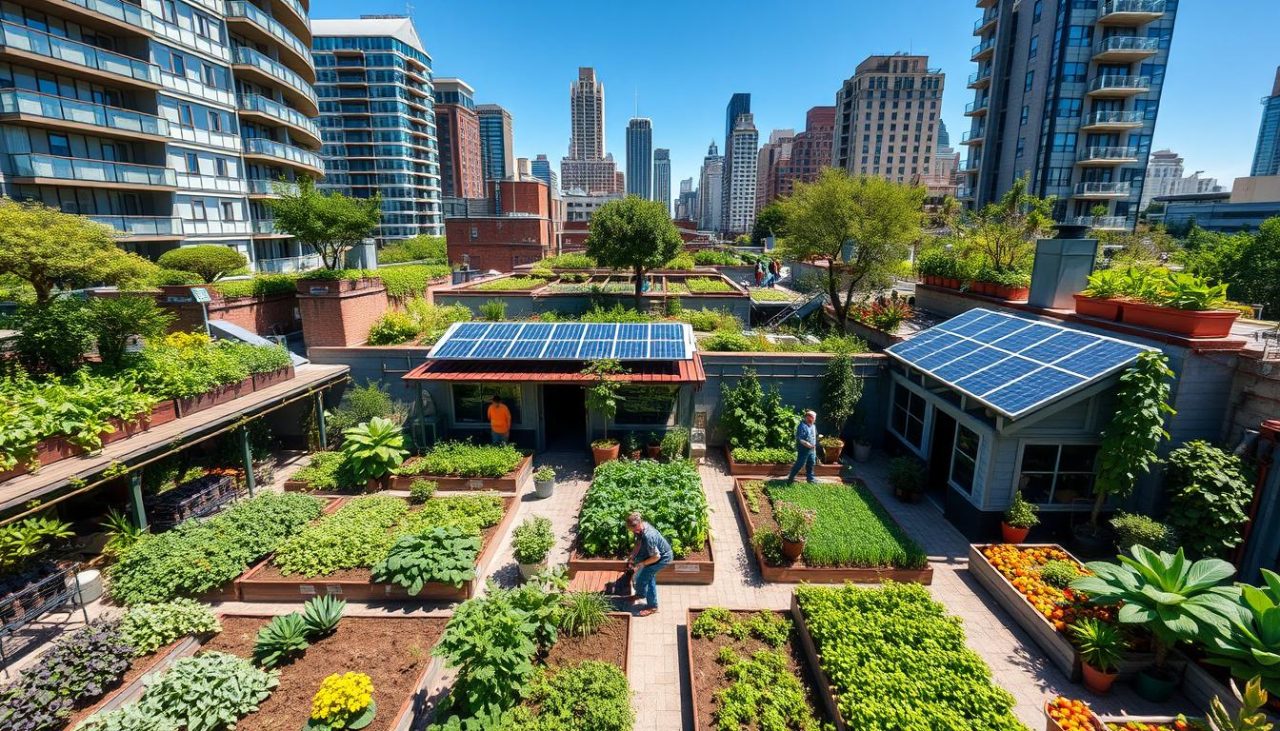
Vertical gardens, rooftop farms, and new growing systems showcase the power of sustainable architecture in urban food making and permaculture. These methods use resources wisely, cut down on waste, and make green spots in the city. As cities expand, adding urban farming to building design is key for strong, self-sufficient communities.
Understanding the Evolution of Urban Agricultural Architecture

Urban farming has a long history. It started with ancient Mesopotamian and ancient Central and South America hanging gardens and now includes skyscrapers with greenhouses. This shows our desire for sustainable food in cities.

Historical Development of Urban Farming Structures

Early farming in cities were simpler. Ancient people used rooftops and courtyards for gardens. As cities expanded, so did the need for new farming ideas. The 1st Industrial Revolution introduced materials and methods for bigger urban farms.

Modern Challenges in Metropolitan Food Production

Today, cities face big challenges in growing food. Space is limited, pollution is high, and the weather is changing. To solve these problems, cities are using rooftop gardens and green roofs. These methods use space wisely and help the environment.

The Rise of Architectural Innovation in Urban Agriculture

Architecture is changing urban farming. Vertical farming is becoming popular, allowing food to be grown in tall buildings. Green roofs are also being used, turning buildings into green spaces.

Urban Farming MethodSpace EfficiencyWater UsageYield Potential
Rooftop GardensMediumHighMedium
Green Roof SystemsHighLowLow
Vertical FarmsVery HighVery LowHigh

As cities grow, these new farming methods are key to food security and sustainability. The future of urban farming is in smart, integrated designs that are both beautiful and functional.

Sustainable Architecture Techniques for Urban Farming & Green Roofs

Urban farming is getting a boost from new architectural ideas. Eco-friendly urban agriculture turns empty spaces into green areas. These spaces not only grow food but also make cities better.
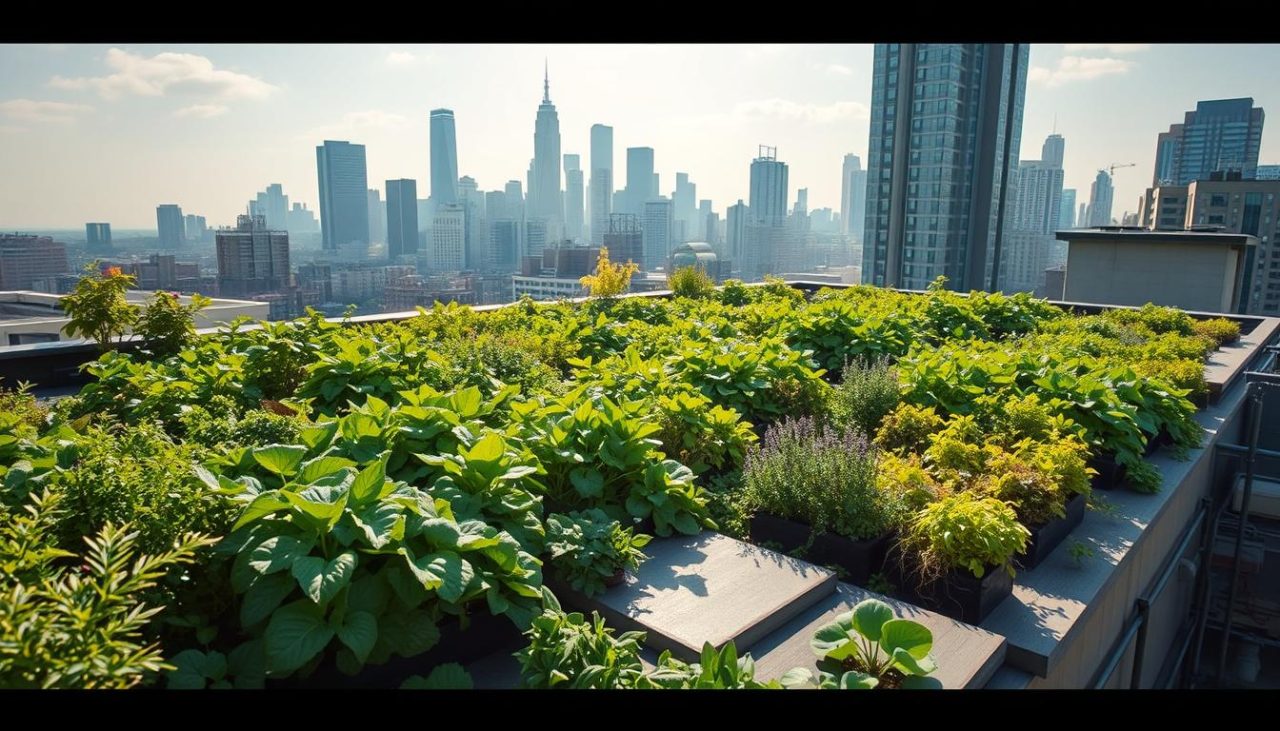
Green roof systems are a key part of sustainable city design. They use rooftops for growing plants, keeping buildings warm, and handling rainwater. This turns unused space into lively, useful areas.

Architects are adding vertical gardens to buildings. These walls grow food, clean the air, and look good. They help cities become more diverse and green.

“Urban farming architecture is not just about food production; it’s about creating resilient, livable cities for the future.”

New materials are important in these designs. They help plants grow without harming buildings. Smart water systems also save water, making these farms very efficient.

TechniqueBenefitsChallenges
Green RoofsInsulation, Stormwater Management, Food ProductionStructural Load, Maintenance
Vertical GardensSpace Efficiency, Air Purification, AestheticsIrrigation, Plant Selection
Integrated GreenhousesYear-round Production, Energy EfficiencyInitial Cost, Climate Control

These green architecture methods are changing cities. They mix growing food with helping the environment. This makes cities greener and stronger for the future.

Vertical Farming Integration in Contemporary Building Design

Vertical farming is changing urban agriculture. It makes the most of space in busy cities, bringing food closer to people. Let’s see how modern buildings use these new growing systems.

Space-Efficient Growing Systems

Vertical farms stack layers to grow crops up. This way, they produce more food per square foot than traditional farming. Architects now design buildings with growing spaces, turning walls and unused areas into farms.

Hydroponic and Aeroponic Technologies

Hydroponics and aeroponics are big changes in farming. They use water or mist to feed plants, saving water and speeding up growth. They also let plants grow all year in controlled spaces.

SystemWater UsageGrowth RateSpace Efficiency
Traditional SoilHighNormalLow
HydroponicsLowFastHigh
AeroponicsVery LowVery FastVery High

Light Management and Natural Ventilation Strategies

Good light is key for plants. Designers use solar energy for LED grow lights, giving plants the best light. They also use cooling systems and natural air flow to keep temperatures right and save energy. These work together to make urban farms in modern buildings.

Rooftop Gardening: Advanced Design and Implementation

Rooftop gardens are changing urban farming. They turn empty rooftops into green spaces, helping cities grow food sustainably. New designs make these gardens productive and eco-friendly.
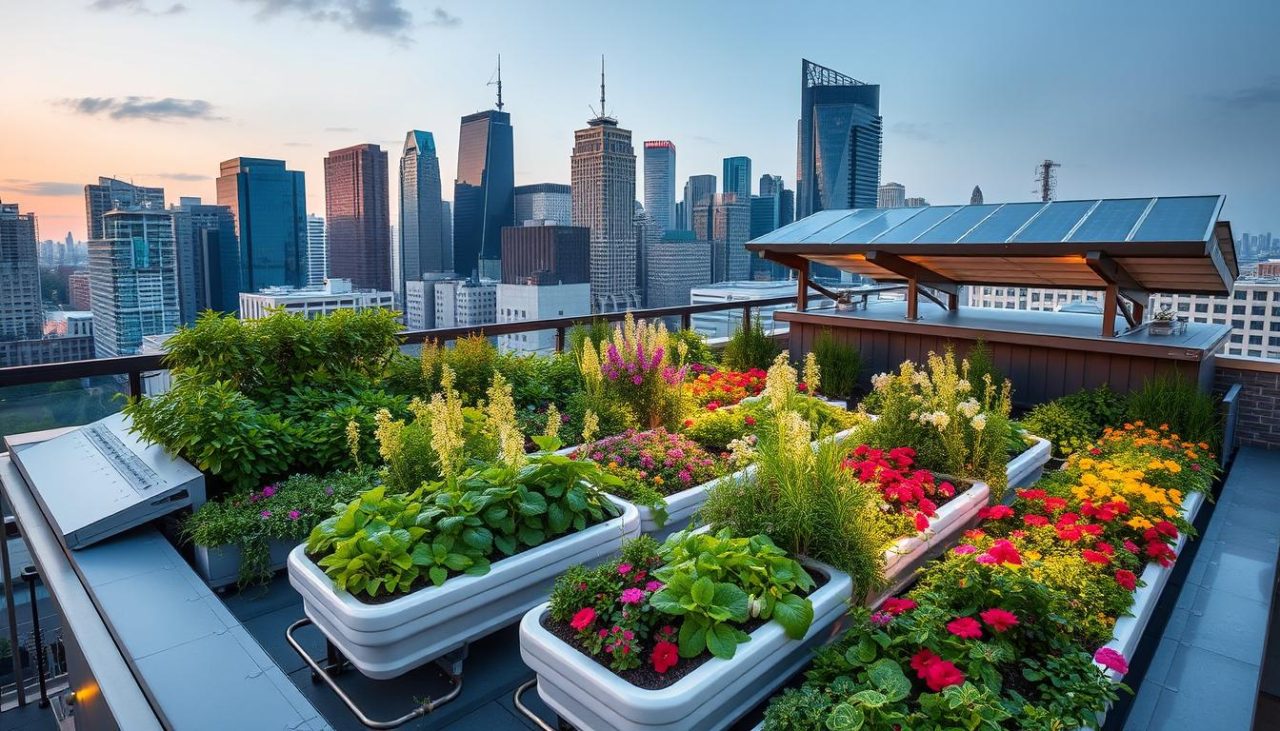
Urban permaculture is key in rooftop garden design. It creates gardens that work like nature, needing little care. Techniques like companion planting and vertical growing are used.

“Rooftop gardens are not just about growing food; they’re about creating interconnected urban ecosystems that benefit both people and the environment.”

Soil is vital for rooftop gardens. Special soils support plants without harming buildings. Composting helps keep the soil healthy and cuts down on waste.

Choosing the right plants is important. Plants that handle heat and wind well do best. Dwarf varieties and plants with shallow roots are perfect for containers.

Rooftop gardens help meet UNSDG#12 goals. They cut down on food transport, reduce packaging, and promote green living in cities.

Rooftop Gardening ElementBenefitsChallenges
Vertical Growing SystemsSpace efficiency, increased yieldIrrigation complexity, weight considerations
Rainwater HarvestingWater conservation, reduced costsStorage limitations, filtration needs
Permaculture DesignEcosystem balance, low maintenanceInitial planning complexity, specialized knowledge required

Advanced rooftop gardening is changing cities. It turns rooftops into green spaces that help make cities more sustainable.

Smart Water Management and Rainwater Harvesting Systems

Urban farming in big cities faces big water challenges. Smart water systems and rainwater harvesting are new ways to help. They save water and support growing food in cities.
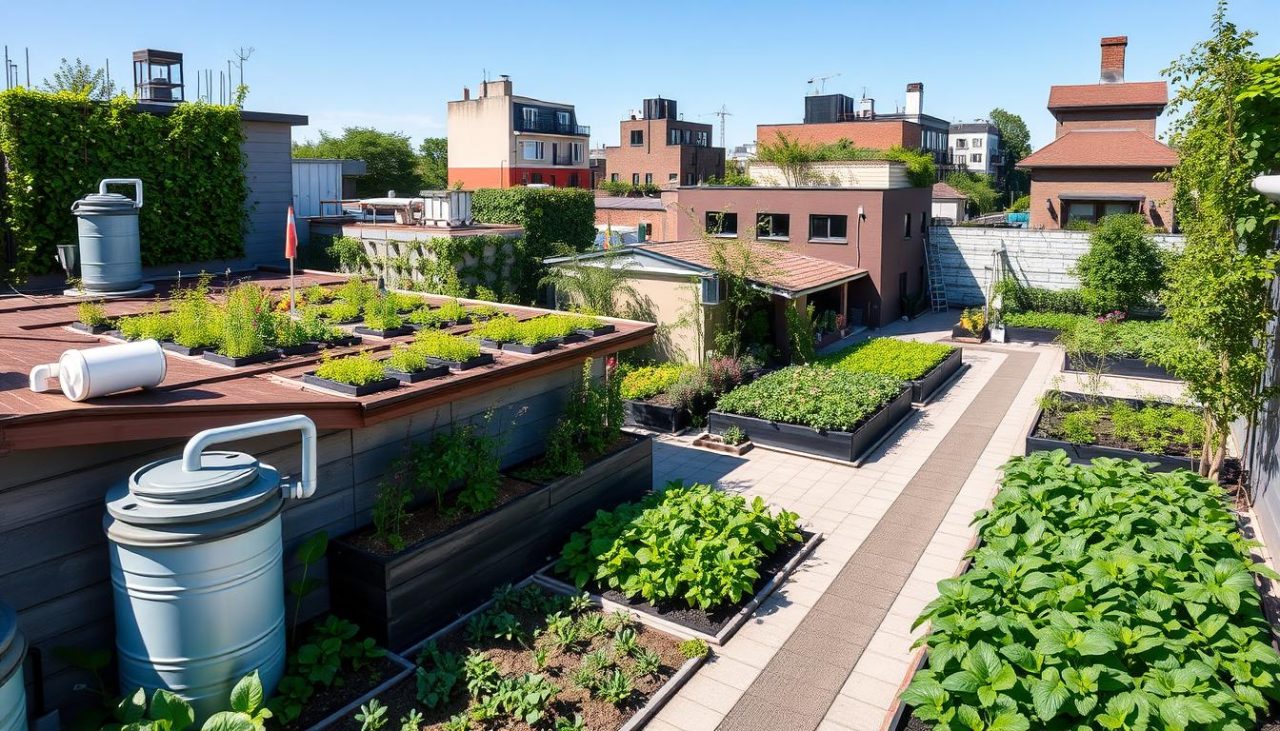
Automated Irrigation Technologies

Modern urban farms use smart irrigation. Sensors check soil moisture and plant needs. This ensures plants get the right water amount.

Greywater Recycling Methods

Greywater recycling is becoming more common. It uses treated water from sinks and showers for plants. It’s a great way to save water in crowded cities.

Water Conservation Techniques

Urban farmers use many ways to conserve water. These include:

  • Vertical and horizontal Drip irrigation systems
  • Mulching to keep soil moist
  • Choosing plants that are minimal water efficient
  • Using surfaces that allow water to soak in

These methods assist urban farms to grow well while using less water.

Water Management MethodWater SavingsImplementation Cost
Rainwater HarvestingUp to 40%Medium
Automated Irrigation20-30%High
Greywater Recycling30-50%Medium-High

By leveraging these water-saving methods, urban farms and by city planner’s influence can lessen their impact on the environment. This supports growth in major cities and promotes green farming practices.

Energy-Efficient Solutions for Urban Agricultural Spaces

Urban agriculture is slowly turning cities into future green food production centers. There is more work to be done regarding both public policy, greenways, and advocacy for urban garden innovation. To be truly sustainable, resource-efficient solutions are essential. Let’s continue to explore new ways to make urban farming greener and more productive.

Solar Integration for Growing Systems

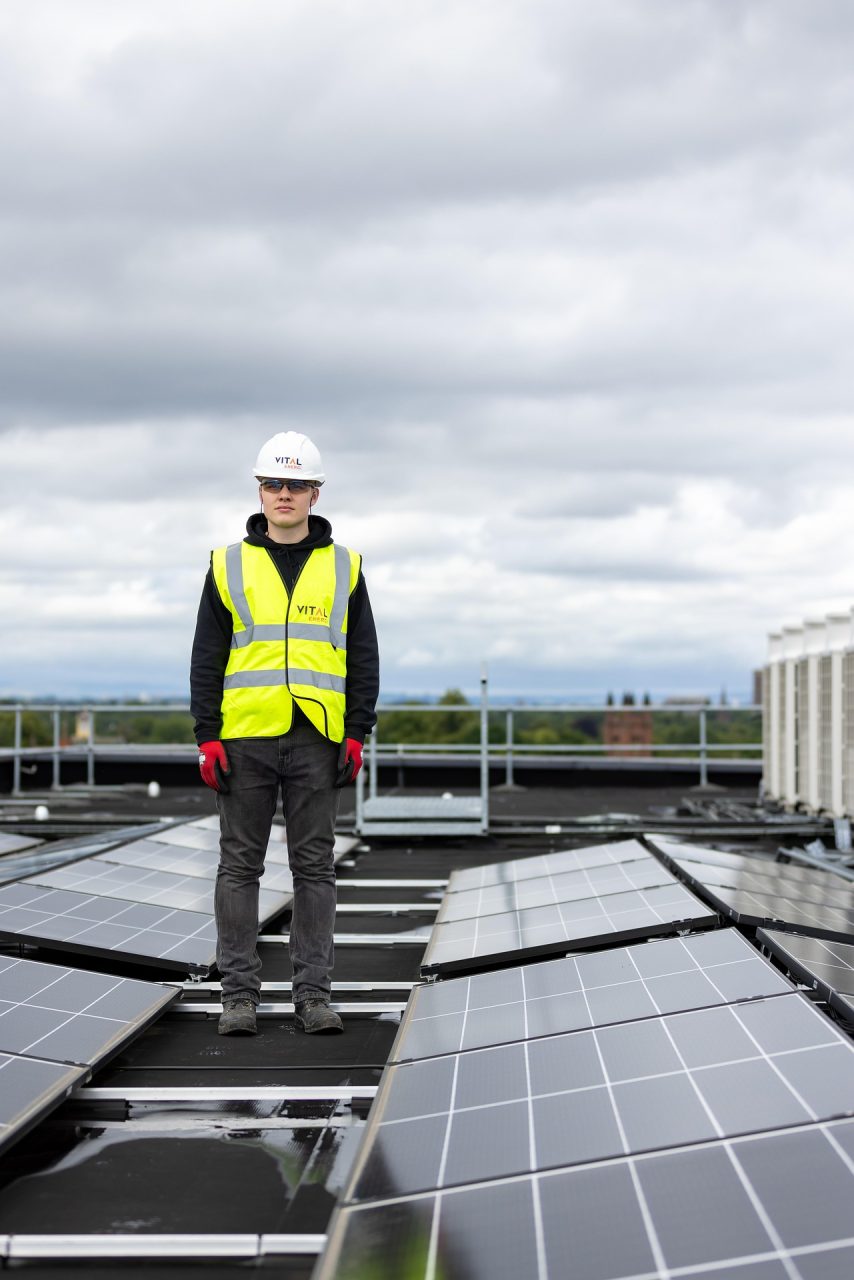
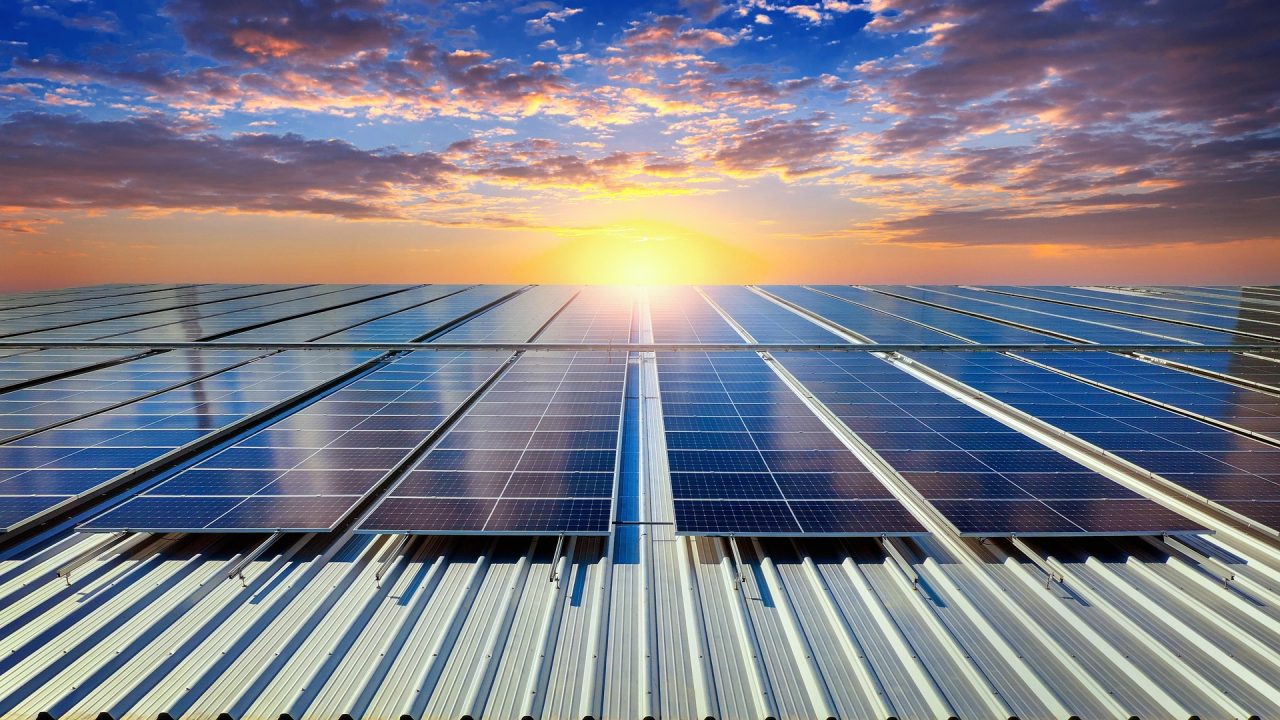
Solar energy is helping to advance urban agriculture at a rapid rate. Rooftop gardens, and vertical farms maximize sunlight for natural lighting, irrigation, and climate control. This reduces dependance on grid electricity use and lowers costs.
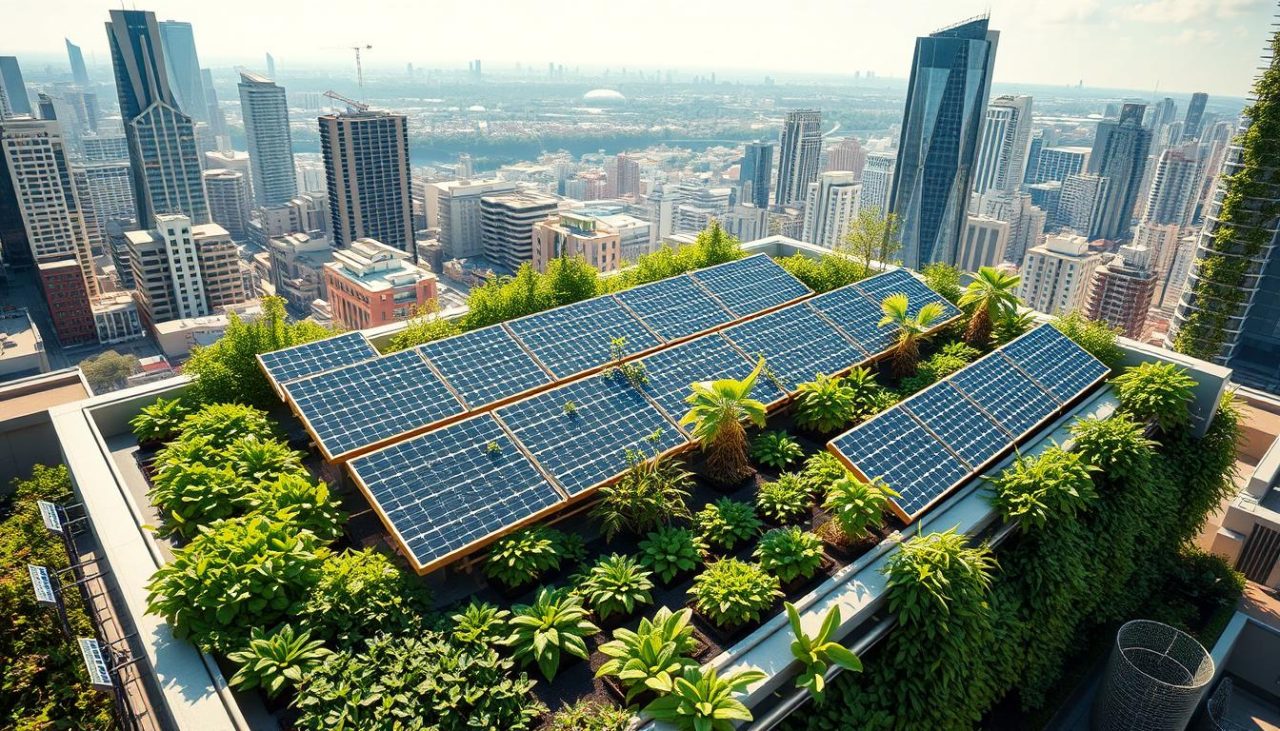
Passive Climate Control Methods

Passive cooling systems, like urban agriculture, are changing urban farming for the better. They use natural airflow and thermal mass for temperature control with no need of ample amount of energy. Green walls and roof gardens help keep temperatures stable, reducing the need for HVAC heating and cooling.

Reliable energy storage is an invaluable component for urban farming. Advanced batteries save renewable energy for cloudy days or nighttime. Smart grids and solar power spread this energy around, making sure it’s used well and not wasted.

Energy SolutionBenefitsApplication
Solar PanelsRenewable energy source, reduced electricity costsRooftop gardens, vertical farms
Passive CoolingLower energy consumption, natural temperature regulationGreenhouse designs, building integrated agriculture
Energy StorageContinuous power supply, energy independenceOff-grid urban farms, community gardens

These energy-saving solutions are both accessible and scalable beyond small urban farms. They’re also used in industrial size projects, such as sustainable aviation. As cities scale vertically, these technologies will help create resilient, self-sustaining food systems.

Biodiversity Enhancement Through Architectural Design
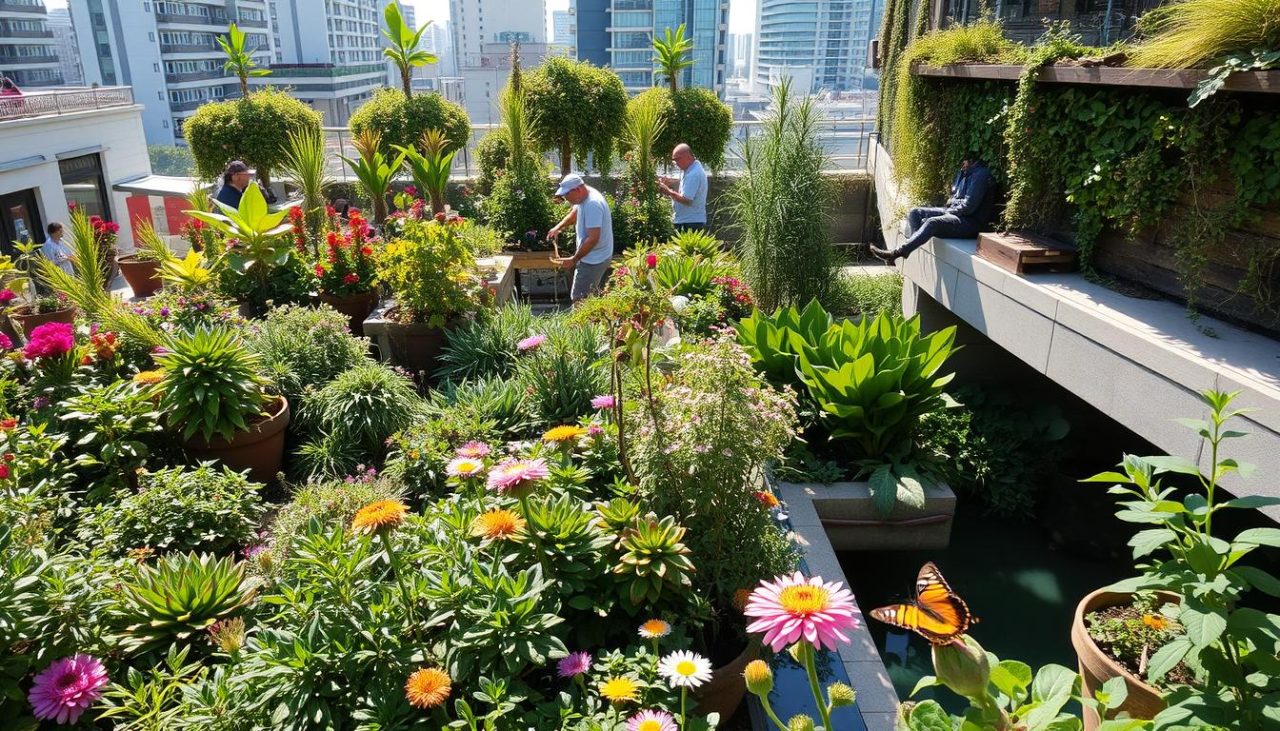
Architectural design is an essential part of boosting biodiversity in urban farming. Smart features in urban local help create ecosystems that foster many species. This not only help makes cities better but also helps with biodiversity conservation.

Creating habitats for pollinators and beneficial insects is a smart strategy. Designers can add plants that attract bees and butterflies. These green spaces are like mini-ecosystems, helping local wildlife and boosting biodiversity.

Urban and rural permaculture is another way to increase biodiversity. It uses natural systems to create self-sustaining environments. These systems often use native plants, which support local wildlife.

  • Rooftop gardens with diverse plant species
  • Vertical gardens integrated into building facades
  • Green corridors connecting urban green spaces

Even urban projects epic in scale can help with biodiversity. For example, eco-friendly airports have green spaces and exercise habitat preservation for wildlife. These areas are not just aesthetically pleasing; they also help migratory birds and support local ecosystems.

“Biodiversity-focused design is not just about creating green spaces; it’s about fostering interconnected ecosystems within our urban environments.”

By focusing on biodiversity in design, collectively we can make cities better. They become functional, beautiful, and help our planet’s ecosystems.

Environmental Impact and Carbon Capture Strategies

Urban farming is key to reducing environmental harm and supporting sustainable living. It uses carbon capture and green roofs to cut down cities’ carbon footprint. This helps improve food security too.
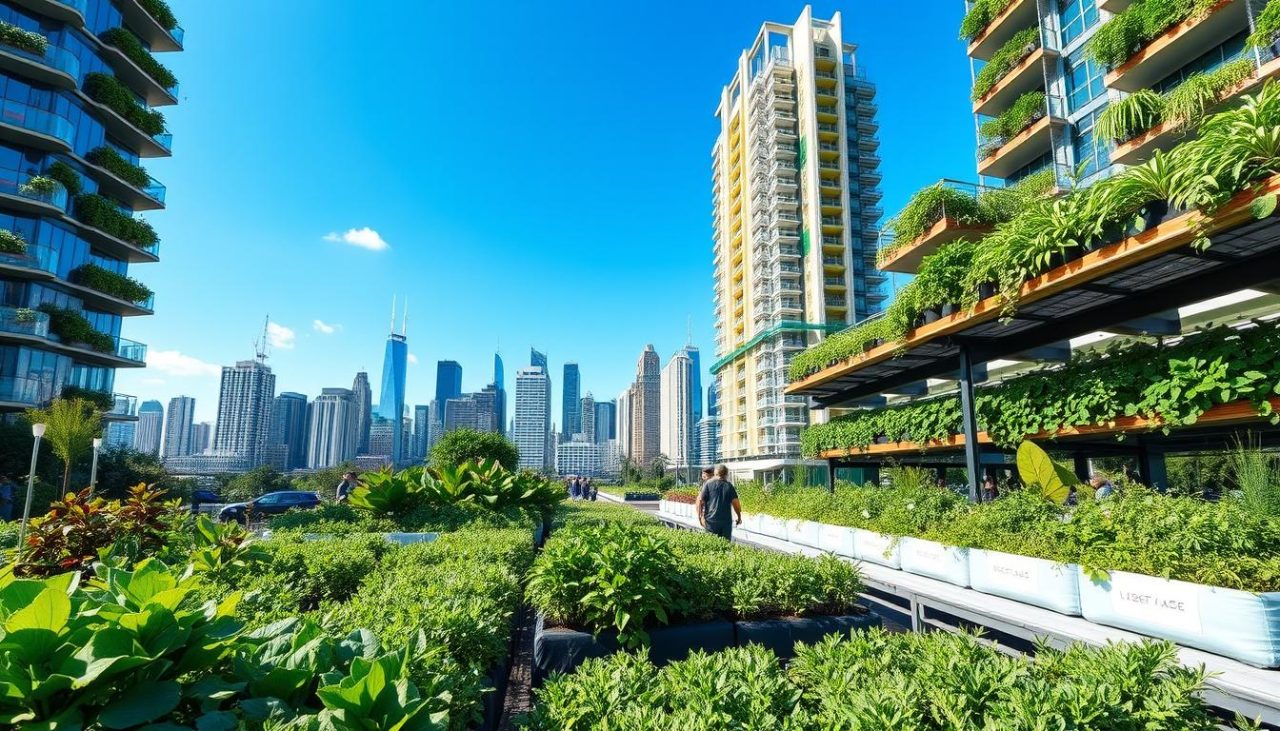
Carbon Footprint Reduction Techniques

Urban farming uses new and obscure ways to lower carbon emissions. Green roofs, canopies, and even hammocks act as natural carbon traps, pulling CO2 from the air. They also keep buildings warm in winter and cool in summer, saving energy.

Sustainable Material Selection

Using eco-friendly materials is vital in urban farming. Options like recycled steel, reclaimed wood, and biodegradable plastics are favored. They have a lower carbon footprint and need less energy to make and use.

  • Recycled steel for structural support
  • Reclaimed wood for planters and raised beds
  • Biodegradable plastics for temporary structures

Waste Management Solutions

Good waste management is a key practice in urban farming. Composting turns organic waste into soil, thus reducing landfill use. Harvesting rainwater and recycling greywater saves on resources overall, not just water. These processes help create sustainable, closed-loop systems.

“Urban farming isn’t just about growing food; it’s about growing sustainable cities.”

Urban farms and city based permaculture both play a major role in capturing carbon and protecting the environment. They help enforce cities to play a larger role in climate action, reduce greenhouse gas, and fight air pollution, thus becoming more resilient.

Conclusion

Sustainable architecture is evolving our cities which consequently adopt indigenous community practices such as ubuntu and sankofa. It also combines design with nature, making spaces for agriculture in unexpected places. This includes vertical farms and rooftop gardens, helping cities grow food and other plant life despite their size and resources.

Urban agriculture makes the case for positive impactful performance for many reasons. It cuts down on the logistic of food travel, boosts biodiversity, and makes the air cleaner. These green projects also help cool cities and manage water runoff. By farming in cities and the suburban area, we build stronger communities and connect with where our food grows locally.

The growth of urban farming supports global goals, like UNSDG#12 – Responsible Consumption, Production and UNSDG#11 – Sustainable Cities and Communities, and UNSDG#3 – Good Health and Well-Being. Cities and the greater Metros and county adopting these green solutions do more than feed the communities they serve; they build a sustainable future. Urban farming is essential to developing cities that are self-sufficient and care for the environment, even with climate change.

Key Takeaways

  • Urban farming integrates food production, consumption, and commerce into city landscapes
  • Sustainable architecture maximizes limited space for agriculture
  • Green roofs and vertical gardens transform unused urban space
  • Urban permaculture practices promote environmental sustainability
  • Eco-friendly urban agriculture enhances food security and community well-being
  • Innovative design solutions optimize resource use in city farming and eliminate blight
Solar & Geothermal Strategies: Energy-Efficient Solutions

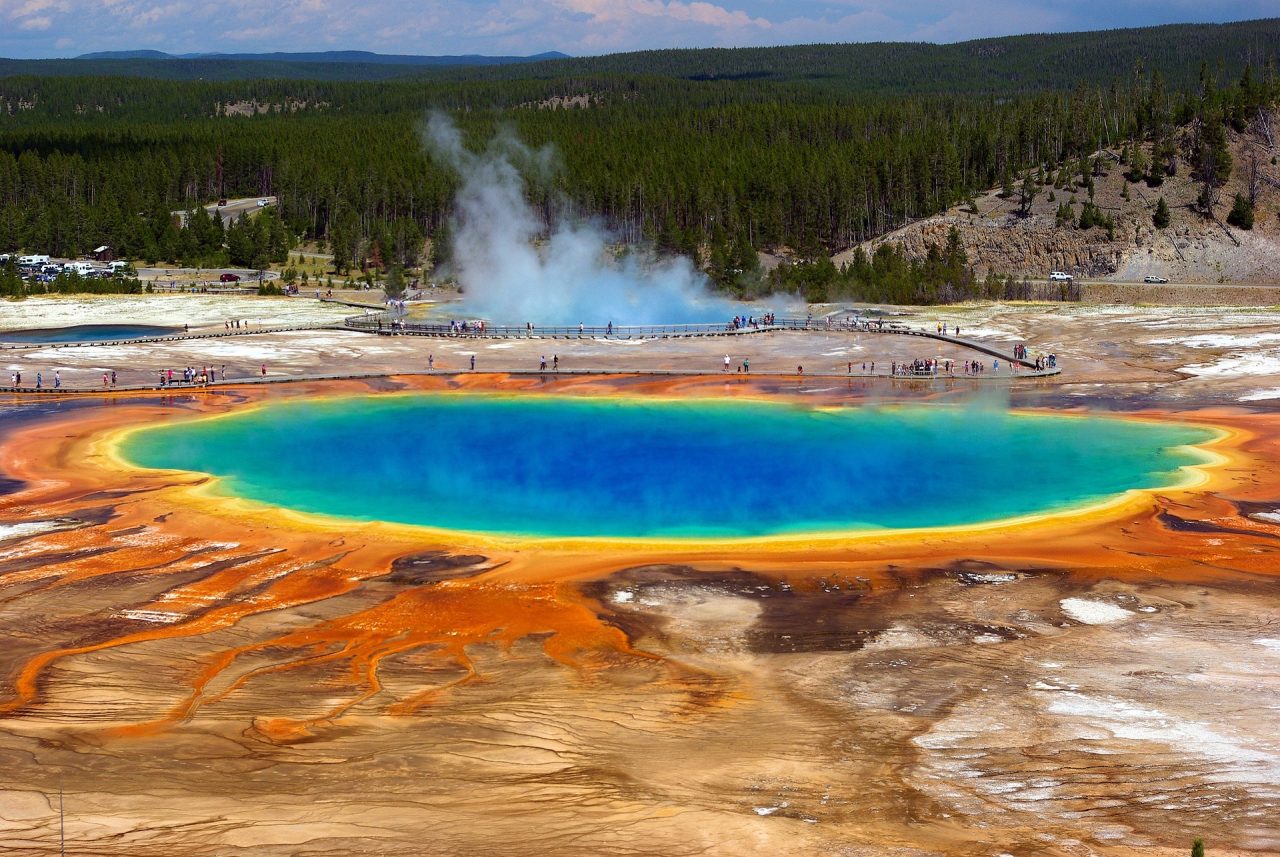
Grand prismatic spring, Thermal, Spring image. https://pixabay.com/photos/grand-prismatic-spring-thermal-3799785/

Looking for ways to live and thrive sustainably? Energy-efficient solar & geothermal strategies offer a direct pipeline to achieve these goals. Passive solar heating and geothermal cooling are key choices for premium eco-friendly homes. They keep your in house spaces cozy and often times, greatly reduce the utility bills.

Leveraging the sun’s warmth and the earth’s consistant yet variable temperatures, buildings save a lot of energy. Passive solar design spreads heat natural thus very seemlessly. Geothermal systems utilize the ground’s temperature for cooling and heating.

These green methods lower carbon footprints and save on cost, billing, and maintance in the long run. As energy costs increase rather internally or externally, these investments shine. Homeowners and businesses are choosing them to save cost and go green.

Understanding Solar and Geothermal Energy Integration

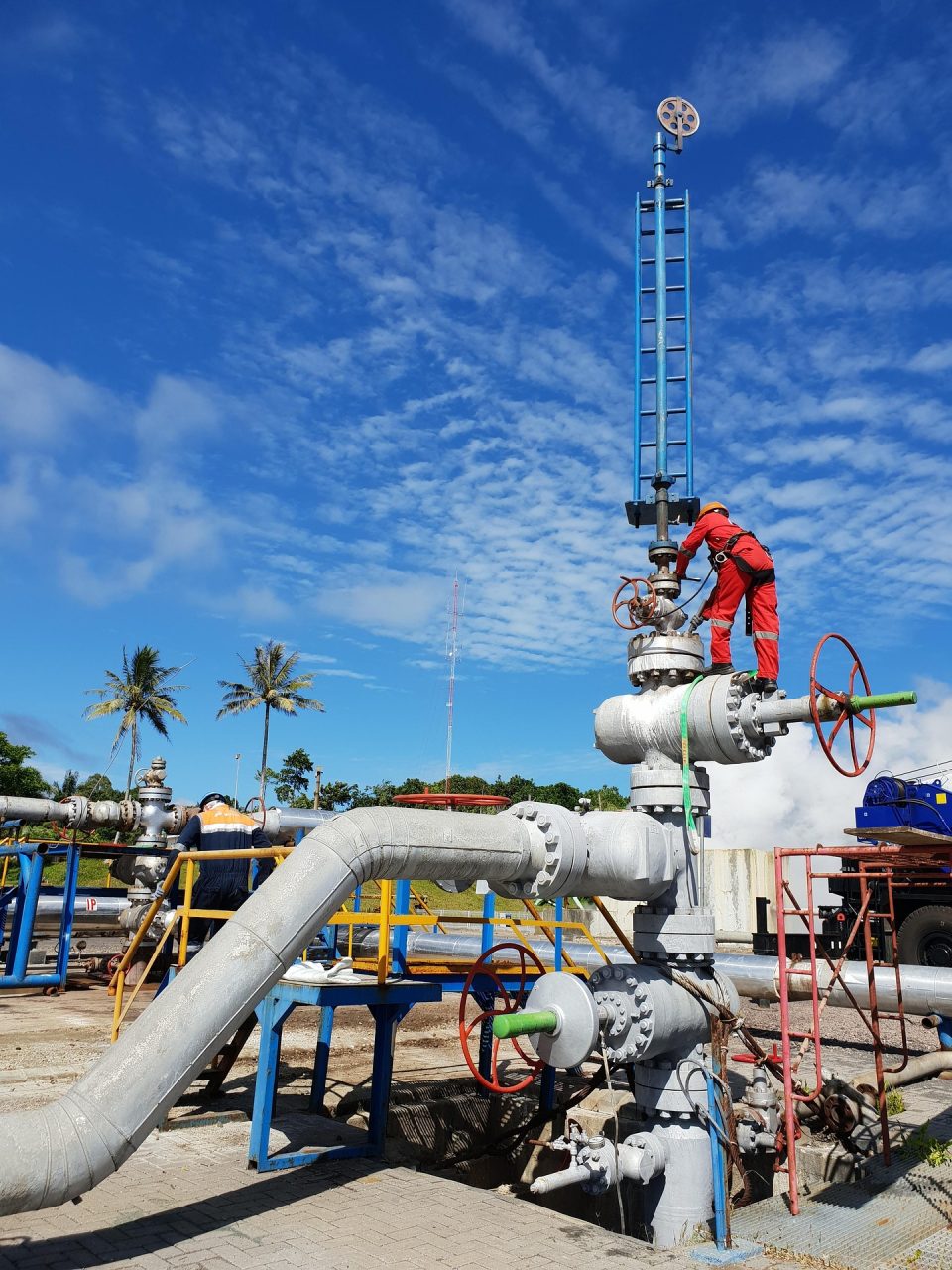
Geothermal, Geothermal well, Geothermal power plant image. https://pixabay.com/photos/geothermal-geothermal-well-3722840/

Solar energy harvesting and geothermal heat exchange are key technologies in overall sustainable development and in sustainability in general. They can positively influence our energy use for the better. Together, they present a green solution that’s also renewable while meeting UNSDG#7, aiming for clean and affordable energy for everyone.

Fundamentals of Solar Energy Harvesting

Solar energy harvesting uses the sun’s rays to make or generate electricity. It functions through photovoltaic panels that converts sunlight into direct current. Then, inverters change this current into alternating current for our homes and businesses.

Basics of Geothermal Heat Exchange

Geothermal heat exchange utilizes the Earth’s steady underground temperature. It has pipes filled with a unique fluid. During the winter season, it absorbs warmth from the ground. In summer, it relinquish heat, keeping our homes cozy yearly.

Synergistic Benefits of Combined Systems

Putting solar and geothermal together makes a synergize energy system. Solar panels channels electricity, while geothermal handles heating and cooling. This combo cuts down on fossil fuel use and saves cost on energy bills.

SystemPrimary FunctionEnergy SourceEnvironmental Impact
Solar Energy HarvestingElectricity GenerationSunlightLow Carbon Emissions
Geothermal Heat ExchangeHeating and CoolingEarth’s Thermal EnergyMinimal Environmental Disruption
Combined SystemsComprehensive Energy ManagementSun and EarthSignificant Reduction in Carbon Footprint

Energy-efficient strategies for passive solar heating & geothermal cooling

Passive solar heating and geothermal cooling are exemplary ways in helping buildings and houses be more energy-efficient. They use natural resources to keep buildings warm or cool, reducing on the need for traditional HVAC systems.

Passive solar heating uses the sun’s rays to warm buildings. By placing buildings to catch the most sunlight and using massive windows, they can get warm in winter. Materials like concrete floors or stone walls grasp onto heat during the day and release it at night, keeping the temperature steady.

Geothermal cooling uses the earth’s constant temperature. It involves a system of pipes that transfers fluid between the building and the ground. In summer, it cools the air coming from the building, conducting similar to a natural air conditioner.

As mentioned early, both methods together makes buildings even more energy-efficient. This approach also supports UNSDG#9, which aims for sustainable infrastructure and innovative building designs across various of industries.

  • Proper insulation and air sealing
  • Energy-efficient windows and doors
  • Smart thermostats and zoning systems
  • Natural ventilation techniques

These energy-saving strategies help lower carbon emissions and save money in the long run. As we aim for a greener future, using passive solar heating and geothermal cooling in buildings is key.

Optimizing Building Design for Solar Gain

Building design is key to using solar energy well. Architects focus on window placement, thermal mass, and natural light. This helps make spaces more energy-efficient and comfortable for people.

Window Placement and Orientation

Where you place windows is very important. Windows facing south get the most sunlight in the northern hemisphere, while windows facing north help keep heat in.

Windows facing east and west need careful thought. They must balance light and heat throughout the day.

Thermal Mass Implementation

Using materials like concrete, brick, or stone helps control indoor temperature. These materials soak up heat when it’s sunny and release it when it’s cold. This keeps the inside of buildings stable.

MaterialHeat Capacity (kJ/m³K)Thermal Conductivity (W/mK)
Concrete20601.28
Brick13600.72
Stone20002.07

Natural Light Management

Managing natural light well cuts down on the need for artificial light and heat. Using light shelves, clerestory windows, and skylights spreads sunlight inside buildings. This boosts energy efficiency and improves well-being.

By using these methods, architects can make buildings that use solar energy well. This reduces the need for artificial heating and cooling. It also makes spaces comfortable and well-lit for people.

Geothermal Heat Pump Systems

Geothermal heat pumps are a new way to heat and cool buildings. They use the earth’s stable temperature for efficient climate control all year. This helps meet UNSDG#12 by promoting responsible use and production.

These systems work by using underground pipes to move fluid. In winter, they pull heat from the earth and bring it inside. In summer, they move heat from the building to the cooler ground. This makes them great for both heating and cooling.

Geothermal heat pumps have many benefits. They save a lot of energy, cut down on greenhouse gases, and don’t need much upkeep. Here are some key advantages:

  • Energy savings up to 70% compared to traditional HVAC systems
  • Longer lifespan than conventional heating and cooling equipment
  • Quiet operation with no outdoor units
  • Consistent indoor comfort regardless of outdoor temperatures
System TypeEnergy EfficiencyEnvironmental ImpactMaintenance
Geothermal Heat PumpHighLowMinimal
Traditional HVACModerateHighRegular

Even though geothermal heat pumps cost more upfront, they save money and are good for the environment in the long run. As we aim to meet UNSDG#12, using these systems in our buildings is key.

Radiant Floor Heating Solutions

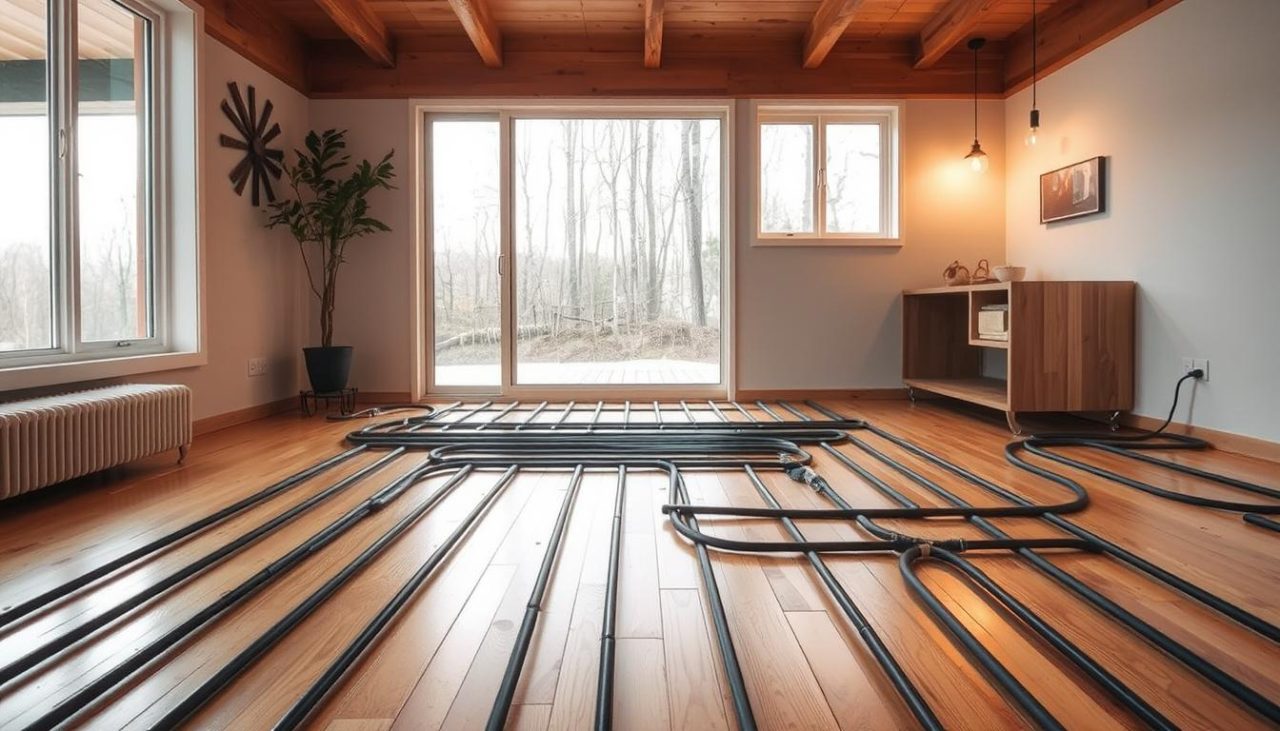
Radiant floor heating makes your home warm and cozy. It uses pipes or electric cables under your floors. This spreads heat evenly across your space.

Installation Requirements

Setting up radiant floor heating needs careful planning. You lay pipes or cables under your floor. It works well with tile, stone, or concrete, and most other floors too.

Energy Distribution Methods

Radiant floor heating uses two main ways to spread heat:

  • Hydronic systems: Circulate hot water through pipes
  • Electric systems: Use electric cables to heat up

Both methods are efficient, warming your home from the ground up.

Cost-Benefit Analysis

Though it costs more upfront, radiant floor heating saves money in the long run. Here’s a comparison:

FactorRadiant Floor HeatingTraditional Heating
Initial CostHigherLower
Energy EfficiencyHighModerate
Comfort LevelExcellentGood
MaintenanceLowModerate

Radiant floor heating supports UNSDG#11. It promotes sustainable cities and communities with energy-efficient heating.

Earth-Sheltered Design Principles

Earth-sheltered design is a unique way to build sustainably. It uses the earth’s natural insulation to make structures that save energy and are good for the environment.

Underground Building Techniques

There are different ways to build underground, depending on the site and design. Some use earth piled against walls, while others are fully buried. These methods help keep the inside temperature stable and cut down on energy use.

Thermal Stability Benefits

Earth-sheltered homes stay cool in summer and warm in winter. This is because the earth around them helps regulate the temperature. This natural cooling and heating saves a lot of money on energy bills, making these homes very efficient.

Environmental Impact Assessment

Earth-sheltered buildings are good for the environment. They don’t harm the view and can look like part of the landscape. They also need less space, which helps protect more natural areas.

AspectConventional BuildingEarth-Sheltered Design
Energy EfficiencyModerateHigh
Thermal StabilityVariableConsistent
Visual ImpactSignificantMinimal
Land UseMore surface area requiredLess surface area needed

Earth-sheltered designs are great for saving energy, keeping a stable temperature, and being kind to the environment. As we look for ways to build sustainably, these underground homes are a good choice.

Advanced Insulation and Air Sealing Technologies

New insulation and air sealing technologies are key for saving energy in buildings. They make homes more efficient and cozy, and cut down on energy bills.

Today’s insulation materials are way better than old ones. Stuff like aerogel, vacuum insulated panels, and phase change materials lead the pack. They offer great insulation with less thickness, perfect for updating old buildings.

Air sealing is also vital for saving energy. New methods like spray foam and advanced weatherstripping close up gaps and cracks. This keeps the air inside, making buildings more energy-efficient and keeping temperatures steady.

Material Mapping is a game-changer in where insulation goes. It looks at a building’s heat loss to find the best spots for insulation. This way, homeowners can save more energy and feel more comfortable.

TechnologyEnergy SavingsInstallation Complexity
Aerogel Insulation30-50%Moderate
Vacuum Insulated Panels40-60%High
Spray Foam Air Sealing20-40%Low

Using these cutting-edge insulation and air sealing methods can really boost a building’s energy use. By adding Material Mapping, homes can become super efficient, cozy, and green.

Natural Ventilation and Passive Cooling Strategies

Natural ventilation and passive cooling are green ways to keep buildings cool. They use smart design to cut down on air conditioning use.

Cross-Ventilation Techniques

Cross-ventilation uses wind to cool spaces. It works by placing windows on opposite sides of a room. This setup lets air flow through, pushing out warm air and bringing in cool breezes.

Stack Effect Utilization

The stack effect uses heat’s natural rise. In buildings, it drives air movement. Warm air rises and escapes through high openings, drawing cooler air in at lower levels. This creates a natural cooling cycle without mechanical help.

Night Cooling Methods

Night cooling uses cooler nighttime air. Opening windows after sunset lets cool air in. During the day, closing windows and shades keeps this coolness inside, reducing cooling needs.

StrategyKey BenefitBest Climate
Cross-VentilationImproves air qualityWindy areas
Stack EffectRemoves hot airMulti-story buildings
Night CoolingReduces daytime heat gainHot days, cool nights

By using these natural methods, buildings can stay cool all year while saving energy. These strategies show that smart design can work with nature, not against it, for sustainable living.

Sustainable Material Selection and Waste Management

Choosing the right materials and managing waste are key to green building. Sustainable materials help cut environmental impact and boost efficiency. Let’s explore smart choices for eco-friendly construction.

Biomass Integration

Biomass offers a renewable option for building. Wood, bamboo, and hemp create strong, earth-friendly structures. These materials store carbon and grow back fast, making them smart picks for green projects.

Recycled Material Applications

Recycled materials give new life to old products. Reclaimed wood, recycled steel, and plastic lumber reduce landfill waste. They also save energy and resources needed for new production. Using these materials shows commitment to sustainability.

Waste Reduction Strategies

Cutting waste is crucial in green building. Plan carefully to order just what you need. Use modular designs to minimize off-cuts. Set up on-site recycling to sort and reuse materials. These steps shrink your project’s footprint.

StrategyBenefitImplementation
Material AssessmentIdentifies sustainable optionsEvaluate lifecycle impacts
PrefabricationReduces on-site wasteAssemble components off-site
DeconstructionSalvages reusable materialsCarefully dismantle old structures

By focusing on sustainable materials, integrating biomass, using recycled products, and cutting waste, we build greener. These choices create buildings that last and protect our planet.

Implementation and Maintenance Guidelines

Setting up energy-efficient systems needs careful planning and following best practices. First, check how well your site can use solar and geothermal energy. This helps place and design your systems right.

Here are the main steps to follow:

  • Get advice from certified experts for your system design
  • Get all needed permits and approvals
  • Choose high-quality, long-lasting materials
  • Make sure your system is well-insulated and sealed

Keeping your system operations in good shape is essential for lasting efficiency. Regular checks keep everything running optiumally. Conduct inspections twice a year to spot problems early.

Using waste byproducts in your energy systems is key. This helps the greater ecosystem and can save money. For instance, recycled glass can be make into solar panels.

Maintenance TaskFrequencyBenefits
Clean solar panelsQuarterlyImproved efficiency
Check geothermal fluid levelsAnnuallyPrevent system failure
Inspect electrical connectionsBi-annuallyEnsure safety

By sticking to these guidelines, you’ll get to maxmize your energy systems. Remember, the right setup and upkeep are essential for short, mid, and long-term benefits including sustainability.

Solar, Panels, Solar energy image. https://pixabay.com/photos/solar-panels-solar-energy-8499874/

Conclusion

Solar & Geothermal strategies are key in today’s building world. Using passive solar heating and geothermal cooling is a smart move. These methods help keep buildings cool without using a lot of energy.

Passive solar heating works by using design tricks like where windows are placed and materials that hold heat. Geothermal cooling uses the earth’s steady temperature for cooling. Together, they make a system that works all year, cutting down on the need for old HVAC systems.

Choosing these energy-saving ways helps builders and homeowners lower their carbon footprint. They save money on bills, enjoy better indoor air, and help the planet. As we aim for a greener future, these methods will be essential for building energy-efficient solutions for green homes.

Renewable energy, Solar panels, Solar energy image. https://pixabay.com/photos/renewable-energy-solar-panels-8481165/

Key Takeaways

  • Passive solar heating and geothermal cooling are high key energy-efficient strategies
  • These methods both encourage and create a sustainable indoor environment
  • Integrating solar and geothermal solutions leads to significant energy and cost savings
  • Sustainable building practices reduce utility costs over the long term
  • Energy-efficient homes have a greatly reduced environmental impact
  • Solar and geothermal benefits expand beyond home and businesses from supply chain along with logistics to larger infrastructure and manufactoring practices

This website is saving the energy of your screen as it is not being used. It's part of a global effort to lower the planet's electrical consumption and CO2 emission level. Resume browsing
Click anywhere to resume browsing
Verified by MonsterInsights