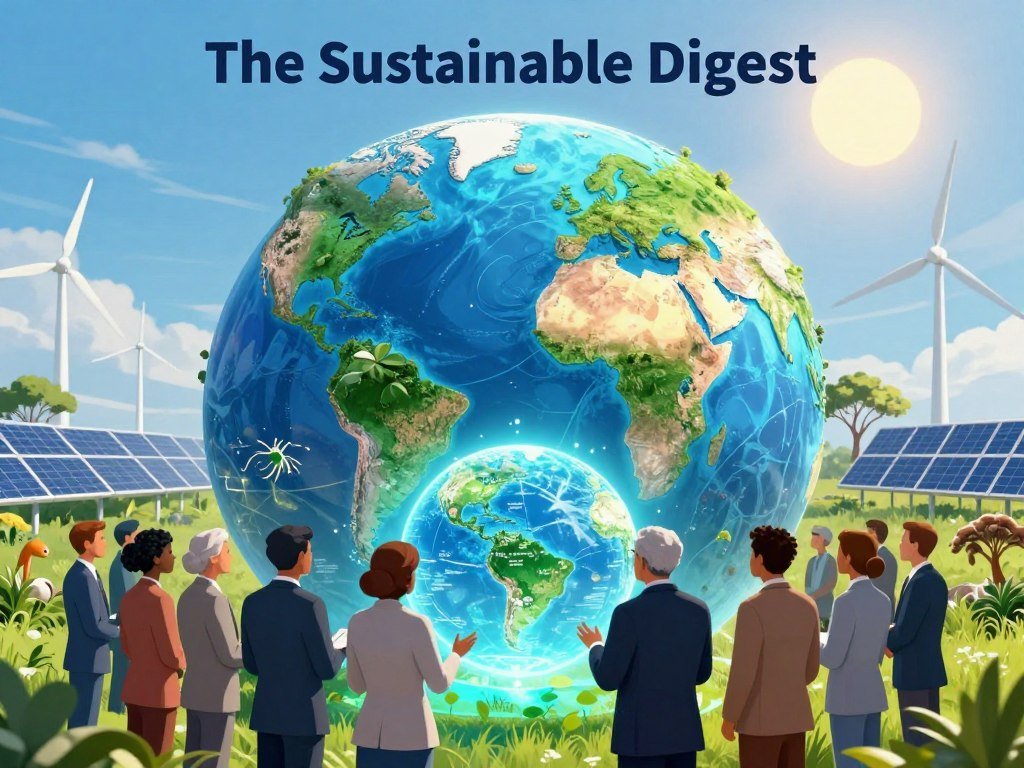
Ozone and Global South World Day for preservation, STEM, and Innovation

World Day of the Preservation of the Ozone Layer/STEM & Innovation for the South

Nearly 99 percent of banned ozone-depleting chemicals have now been phased out under a global treaty. That rare success shows what shared science, firm policy, and steady public action can achieve.

September 16 carries unusual weight. It marks an international day focused on atmospheric protection, while also recognizing a United Nations observance created through Resolution A/RES/78/259. Together, both themes link planetary health with fair access to knowledge.

Earth’s ozone shield absorbs much harmful ultraviolet radiation. Yet CFCs once used in refrigerators and aerosol cans helped create Antarctic ozone holes during southern-hemisphere winter and spring. That history makes environmental responsibility a practical public-health concern, including across Australia.

Science and technology can also support social progress. Higher-income economies still conduct much global research and development, leaving many communities with fewer tools to solve local challenges.

This article explores how treaty action, inclusive innovation, and Agenda 2030 goals can work together. Progress becomes stronger when clean air, digital skills, research funding, and community needs share one policy table; even bureaucracy occasionally discovers useful chemistry.

World Day of the Preservation of the Ozone Layer/STEM & Innovation for the South: Ozone Action and Shared Progress

September 16 links an international day with practical environmental action. In 1985, 28 countries signed the Vienna Convention. Two years later, they created the Montreal Protocol to control nearly 100 harmful chemicals, including CFCs, halons, methyl bromide, carbon tetrachloride, and HCFCs.

The United Nations General Assembly established this observance in 1994. Universal ratification arrived on September 16, 2009, marking a rare achievement in global cooperation. Science guided policy, while industry developed safer cooling systems.

โ€œThe Montreal Protocol is the single most successful international agreement in United Nations history.โ€

Kofi Annan

Cooling, Climate, and Community Benefits

HCFC removal ends in 2030 across developed countries and in 2040 across developing countries. The Kigali Amendment, agreed in Rwanda in 2016, also reduces HFCs, powerful greenhouse gases linked to climate change. Efficient cooling lowers bills, protects health, and strengthens sustainable development.

For Australia and nearby countries, daily data from Copernicus Atmosphere Monitoring Service supports sound decisions. Better equipment, trained workers, and shared resources help each sector move from policy to measurable change.

MilestoneActionBenefit
1985Vienna Convention signedResearch cooperation
1987Montreal Protocol adoptedChemical controls
2016Kigali Amendment agreedLower climate risk

International Day of Science, Technology and Innovation for the South and the Rise of Agenda 2030

A vibrant scene depicting a collaborative meeting of diverse scientists and technologists from the Global South, set against a backdrop of a large digital screen displaying Earth and ozone layer diagrams. In the foreground, a group of professionals in business attire is engaged in an animated discussion, highlighting the themes of science, technology, and innovation. The middle ground features interactive displays and models showcasing renewable energy solutions and sustainable technologies. The background is filled with greenery symbolizing environmental preservation, enhancing the theme of Agenda 2030. The atmosphere is one of hope and innovation, illuminated by warm, natural light filtering through large windows. The image should convey a sense of urgency and collaboration for a sustainable future, capturing the essence of The Sustainable Digest.

A new United Nations observance gives research equity a clear place in global policy. Resolution A/RES/78/259, adopted by the General Assembly, links September 16 with Agenda 2030 and the Addis Ababa Action Agenda. Its message is direct: shared knowledge can speed sustainable development.

Closing the Global STEM, Research, Technology, and Innovation Gap

High-income countries fund 77% of global research and development, while low-income countries provide only 0.3%. Global spending reached about $2.5 trillion in 2022, yet access remains uneven. Developing countries need laboratories, skilled teachers, reliable data, and affordable digital tools.

How United Nations Goals Support Inclusive Development

Better research systems can advance health, education, clean energy, climate action, and reduced inequality. United Nations partnersโ€”including UNDP, UNESCO, ITU, FAO, and the Technology Bankโ€”help turn policy into local achievements.

Policy Alignment Across Key Institutions

The OECD offers evidence-based advice. The World Economic Forum, US EPA, and IEA connect industry, climate policy, energy, and innovation. Australia benefits when regional cooperation turns these ideas into practical projects.

PriorityKey actionExpected benefit
Research accessFund local laboratoriesStronger health solutions
Digital skillsExpand technical trainingBroader employment
Clean technologyShare proven systemsLower emissions

Seventeen Global South Nations Linking STI, Ozone Protection, and the Sustainable Development Goals

National priorities shape how science, technology, and innovation support climate action. This group shows why a single policy formula rarely works; even a refrigerator cannot cool an entire city.

Argentina, Brazil, China, Egypt, India, Indonesia, Kenya, and Mexico

These nations span different economies, climates, and research systems. Their plans may focus on public health, digital access, clean energy, farming, or resilient industry. Such variety gives cooperation practical value for Australia and its regional partners.

Nigeria, Pakistan, South Africa, Thailand, Tรผrkiye, Vietnam, Bangladesh, Ethiopia, and Rwanda

These countries also face distinct needs. Rwanda hosted the October 15, 2016, agreement on the Kigali Amendment. That event shows how shared science can support climate policy while strengthening local skills and resources.

Highlightingย theย 17ย Globalย Southย Nationsย Drivingย Innovation

Additionally here are Seventeenย nations that some overlapย and areย also recognizedย asย leadersย inย innovation. Theyย contributingย significantlyย toย advancementsย inย renewableย energy,ย agriculturalย technology,ย andย digitalย infrastructure.ย Theseย countriesย include:

CountryKey Contributions
BrazilLeadership in biofuels and Amazon monitoring technologies.
IndiaRapid expansion of solar energy capacity and the International Solar Alliance.
ChinaDominance in photovoltaic manufacturing and electric vehicle production.
South AfricaHub for renewable energy innovation, including independent power programs.
MexicoLeveraging digital economies and climate-smart agricultural systems.
IndonesiaBuilding sustainable infrastructure and enhancing digital connectivity.
NigeriaInnovating in agriculture and renewable energy sectors.
EgyptAdvancing solar energy projects and green technologies.
ArgentinaPioneering lithium extraction and green hydrogen initiatives.
ChileLeading in biodiversity monitoring and sustainable practices.
ColombiaInnovating in agricultural technology and environmental conservation.
MalaysiaAdvancing digital infrastructure and renewable energy projects.
PhilippinesEnhancing climate resilience through innovative practices.
VietnamDriving sustainable agricultural practices and technology adoption.
ThailandInvesting in renewable energy and climate adaptation strategies.
KenyaInnovating in mobile technology and renewable energy solutions.
MoroccoLeading in solar energy initiatives and sustainable practices.

The General Assembly resolution supports projects that expand research capacity in developing countries. It complements, rather than replaces, links with developed countries. Direct alignment includes SDG 3 health, SDG 4 education, SDG 7 energy, SDG 9 industry, and SDG 13 climate action. Adjacent priorities include cooling, digital inclusion, and resilient infrastructure.

FocusSDG linkPractical result
Health and educationSDGs 3 and 4Skilled, healthier communities
Energy and climateSDGs 7 and 13Cleaner cooling systems
Industry and cooperationSDGs 9 and 17Stronger regional capacity

Conclusion

September 16 carries a clear shared message: a healthy atmosphere and fair access to knowledge support human well-being. This international day joins environmental duty with science-led progress, giving Australia and partner countries a practical reason to act together.

The Montreal Protocol and Kigali Amendment show what cooperation can achieve. Firm targets, trusted data, skilled workers, and safer cooling can deliver measurable gains in climate protection and public health. Their record also proves that long-term policy can outlast short political cycles.

Agenda 2030 becomes more credible when research funding, digital infrastructure, finance, and technical training reach developing communities. Inclusive science and innovation can strengthen health, education, energy, industry, and environment outcomes across 17 nations. United Nations leadership works best when local expertise shapes each solution. That approach turns shared responsibility into sustainable development and gives every community a stronger stake in tomorrow.

FAQ

Why does ozone protection matter?

Ozone protection reduces harmful ultraviolet exposure, supports public health, and protects crops, oceans, and natural systems. It also shows how international cooperation can address climate change and environmental risks.

What role does the Montreal Protocol play?

The Montreal Protocol phases out ozone-depleting substances through binding targets, technical support, and financial resources. Its Kigali Amendment also targets hydrofluorocarbons, which contribute to global warming.

How can sustainable cooling support development?

Efficient cooling lowers energy demand, cuts emissions, and improves access to safe food, medicine, housing, and workplaces. This approach links environmental action with social and economic progress.

What is International Day for Science, Technology and Innovation for the South?

This international observance highlights research, technology, and innovation across developing countries. It promotes fair access to knowledge, funding, digital tools, and skills that support sustainable development.

How can nations close the STEM and research gap?

Countries can expand science education, strengthen universities, fund local research, and improve digital access. Partnerships between developed and developing countries can also support training, patents, laboratories, and practical technology transfer.

Which nations link science, climate action, and development?

Argentina, Brazil, China, Egypt, India, Indonesia, Kenya, Mexico, Nigeria, Pakistan, South Africa, Thailand, Tรผrkiye, Vietnam, Bangladesh, Ethiopia, and Rwanda connect science policy with health, energy, industry, education, and climate priorities.

How do United Nations Sustainable Development Goals support inclusive development?

The goals provide a shared framework for reducing poverty, improving health, expanding education, protecting ecosystems, and building resilient infrastructure. A General Assembly resolution can help align national plans, finance, and international cooperation.

How do WEF, OECD, US EPA, and IEA efforts support progress?

These organizations contribute research, policy guidance, data, standards, and technical tools. Their work helps governments improve energy systems, reduce emissions, strengthen industry, and measure results across countries.

What practical actions can businesses and travelers take?

Businesses can select efficient cooling systems, reduce harmful refrigerants, and track environmental performance. Travelers can choose responsible operators, limit energy waste, and support local services that protect natural resources.

Why does cooperation matter for climate and technology policy?

Climate issues cross borders, while research capacity and finance remain uneven. Cooperation helps share expertise, improve access, and turn scientific achievements into reliable solutions for communities, industry, and the environment.
Key Takeaways

  • September 16 joins atmospheric care with inclusive research.
  • Ozone shields Earth from harmful ultraviolet radiation.
  • CFC controls offer a strong model for treaty action.
  • Research access supports fairer social development.
  • Agenda 2030 gains power through shared technical capacity.
  • Australia benefits from informed regional cooperation.

UN Global Days for Ozone Layer Preservation, Peace, World Clean Up, Democracy, w/ Science,Technology, and Innovation in the Global South

As stated in previous articles as a continuous series, The United Nations designates specific observances to focus global attention and unlock policy windows; these days are more than symbolism when tied to budgets, procurement, and reporting.

This introduction frames an evidence model that draws on UNEP, UNDP, UNESCO and ECOSOC for governance; the World Economic Forum for investment signals; CDC for health burden; and BLS for labor shifts.

When an international day is embedded in planning, it can seed multi-quarter programs that link clean air goals, democratic resilience, and local innovation ecosystems.

Practical constraints existโ€”short budget cycles and fragmented accountabilityโ€”but well-designed observances can impose discipline on timelines and boost measurable outcomes.

Executive Brief: Why UN International Days Matter for Clean Air, Democracy, and Peace Today

Designated international days act as accelerators; they compress attention, align communications, and create predictable moments for funding and procurement. General Assembly resolutions (and agency-led declarations) set the date; the follow-up often depends on specialized agencies and ECOSOC review cycles.

The business case is simple: an observance turns diffuse interest into joint action. UNEP, UNDP, and UNESCO provide programmatic evidence; the WEF frames risks that make those calls to fund solutions persuasive.

Health and labor signals matter. CDC tracking shows reduced cardiopulmonary burden when air improves; BLS trends flag jobs shifting as economies decarbonize. These data create co-benefits that observances highlight.

  • Institutional cadence: pairing a day international with planning years creates RFP and budget milestones.
  • Governance dividends: hearings, audits, and public participation often cluster around observance dates.
  • Peace linkages: shared environmental data and protocols reduce cross-border friction.

For U.S. agencies and cities, aligning campaigns with an international day turns communications into policy sprints that deliver measurable community gains across years and issues.

How the United Nations Uses International Days and Decades to Drive Awareness and Action

Member states often start the clock on observances by drafting resolutions that channel attention into action. The General Assembly formalizes an international day; specialized bodies then convert that date into programs and deliverables.

A vibrant scene depicting the United Nations' international day celebrations, showcasing diversity, unity, and environmental sustainability. In the foreground, people from different cultures engage in lively discussions, with colorful banners and flags adorning the space. The midground features a central stage with performances and speeches, surrounded by a bustling crowd. In the background, a striking skyline with modern architecture and lush greenery creates a dynamic backdrop, symbolizing the global reach and impact of the UN's initiatives. Warm, natural lighting illuminates the scene, conveying a sense of hope and optimism. This image, commissioned for "The Sustainable Digest," reflects the UN's efforts to drive awareness and action for the international day celebrations, particularly the 1st Day of National Hispanic Heritage Month and its connection to sustainability.

From Member State Resolutions to Specialized Agency Roles

The institutional order is simple and efficient: proposals originate with capitals; the united nations General Assembly ratifies them; then sectoral agencies execute within mandates.

UNEP stewards environmental coherence; UNDP aligns finance and capacity building; UNESCO mobilizes education and research networks; ECOSOC coordinates review cycles and data follow-up.

Linking Observances to Measurable Outcomes

Single days matter less than what agencies deliver on those dates. Pair an international day with indicator dropsโ€”emissions inventories, waste audits, or health burden summariesโ€”and the observance becomes a reporting milestone.

Decades extend that momentum, allowing pilots to scale and funding cycles to mature. Cross-agency choreography (policy briefs, dashboards, RFPs) turns attention into budgets and measurable policy adoption.

  • Map the pipeline: Member state proposal โ†’ GA resolution โ†’ agency rollout.
  • Pair communications with indicators to create auditable claims.
  • Pre-commit deliverables on observance dates to enforce discipline and visibility.

Ozone Layer Preservation: Policy Milestones, Clean Air Gains, and Remaining Risks

Treaties have a track record: negotiated limits spark industry transitions, regulatory scaffolds, and measurable health gains. UNEP and UNDP technical notes document steady declines in controlled substances and outline refrigerant transition plans aligned with Kigali timelines.

Phasing out harmful substances and aligning with climate goals

Diplomacy converted chemistry into compliance; the State Department cites agreements that phase out remaining compounds that harm the stratosphere. IPCC projections (temperature and sea-level ranges over coming years) frame why those controls matter beyond direct UV effects.

Data-driven messaging for the International Day for the Preservation of the Ozone Layer

Communications should quantify co-benefits: CDC-cited health reductions from better air and solvent controls; WEF framing on transition risks; BLS signals on green jobs and technician demand.

“Pair celebration with candid disclosure and next-step commitments.”

  • Milestones: treaty limits โ†’ Kigali refrigerant shifts โ†’ national inventories.
  • Risks: illegal production, aging equipment, uneven enforcement.
  • Practice: annual reporting, appliance labeling, and workforce training link policy to consumer action.

Peace, Democracy, and Environmental Security: A Governance Nexus

Environmental diplomacy now sits at the center of modern foreign policy, reshaping how embassies operate and how capitals prioritize risks. Five priorities dominate: climate change, toxic chemicals, species extinction, deforestation, and marine degradation.

Environmental diplomacy as mainstream foreign policy

U.S. missions have set up regional environmental hubs that work across years to coordinate science and policy. This reflects a shift toward core statecraft; policy choices now feed bilateral and multilateral order.

Linking institutions, health, and accountability

Transparent institutions reduce corruption in resource sectors; UNDP and UNESCO data show how capacity building improves enforcement. CDC metrics make the health-security link visibleโ€”degraded environments raise disease burdens and threaten jobs.

“Publish compliance reports and community feedback on the international day to build trust.”

  • Frame diplomacy as a tool for long-term risk reduction.
  • Use observances as governance rituals for audits and hearings.
  • Align embassy hubs with ECOSOC follow-up to sustain momentum.

World Cleanup and Waste Reduction: Systems Change Beyond a Single Day

Public attention can nudge budgets, but infrastructure and policy lock in durable waste reduction. Short-term volunteer efforts matter; durable change requires contracts, financing, and clear producer duties.

From awareness to infrastructure: waste, food loss, and circular economy priorities

UNEP circular economy guidance and UNDP local systems work recommend pairing audits with procurement milestones. Cities should publish city-level waste audits on an international day to link reports with budgets.

Reducing food loss cuts methane and household costs; audits turn a day into measurable policy steps.

Community mobilization and private sector coalitions under UN observances

Businesses can announce packaging redesigns and take-back targets on day international day moments. Coalitions that report targets avoid greenwashing by committing to finance and timelines.

Addressing toxic chemicals and marine degradation through multilateral agreements

U.S. diplomacy advanced phase-outs of PCBs and chlordane and helped launch POPs negotiations. Publish inventories of legacy contaminants, set time-bound remediation, and use fisheries data (70% fully to over-exploited) as a sobering prompt.

  • Recast volunteerism into municipal contracts and materials recovery financing.
  • Tie audits to procurement and certification for recycling jobs tracked by BLS.
  • Align hazardous-stream actions with multilateral bans and CDC exposure guidance.

Ozone Layer Peace Democracy World Cleanup Science Tech Innovation Global South

Affordable monitoring, distributed power, and nature-based projects offer concrete entry points for measurable change. Small sensors and open data make air and exposure management more democratic; communities can use timely readings to trigger enforcement and public health response.

A vibrant composition depicting affordable renewable energy sensors in a sustainable Global South setting. In the foreground, compact solar panels and wind turbines power a network of networked IoT sensors monitoring environmental data. The middle ground showcases a diverse array of green technology, from hydroelectric dams to biofuel refineries, all set against a backdrop of lush, verdant landscapes. Warm, diffused lighting and a lens flare effect evoke a sense of progress and optimism. This scene embodies the spirit of "Ozone Layer Peace Democracy World Cleanup Science Tech Innovation Global South" and the 1st Day of National Hispanic Heritage Month's focus on sustainability, as featured in The Sustainable Digest.

Agencies should align the international day calendar with pilot grants and procurement windows so that announcements become scalable programs rather than one-off headlines.

Capacity building with UNESCO and UNDP for local innovation ecosystems

UNESCO science networks and UNDP accelerator labs can pre-align curricula, maker spaces, and apprenticeship slots to build a pipeline of green skills.

  • Prioritize equitable diffusion: affordable sensors, open data, and community monitoring tied to funding commitments.
  • Pair systems: solar mini-grids plus mangrove or watershed restoration to boost resilience and livelihoods over decades.
  • Use agency networks: UNEP guidance, UNESCO chairs, UNDP labs, and WEF financing should coordinate deliverables for real action.

Track outcomes with BLS-style metrics adapted for partner jurisdictions and use CDC exposure monitoring to validate health co-benefits. Celebrate (global) south-south exchanges and replicate proven models through united nations platforms to ensure that observances catalyze long-term change, not just press coverage.

Biodiversity and Forests: Protecting Natural Capital to Safeguard Livelihoods

Forests and reefs function as the economy’s hidden infrastructure, and their loss erodes livelihoods fast. UNEP and UNESCO biodiversity programs frame species protection as a public good; UNDP forest governance work links tenure and finance to better outcomes.

Data remain stark: recent estimates count forests the size of four times Switzerland lost each year, a scale that compounds over years.

These are not only environmental issues; they are supply-chain shocks. The WEF flags habitat decline as a material risk to food systems and commodity stability.

Public observances such as an international day offer a simple mechanism: annual checkpoints where governments publish deforestation-free sourcing, restoration targets, and enforcement progress.

  • Economic framing: forests support water, carbon, and food securityโ€”treat them as infrastructure.
  • Supply chains: disclose sourcing and back restoration promises to protect buyers and producers.
  • Enforcement: protected areas need budgets, rangers, and community pacts tracked yearly.
  • Integration: align coral, wetland, and forest plans for unified financing and monitoring.
  • Livelihoods: celebrate co-managed forest enterprises that raise income and cut clearance pressure.

“Conserve with clear accounts; accountability turns commitments into results.”

Finally, link biodiversity action to public health: CDC guidance underscores that intact habitats reduce zoonotic spillover risk. Use observance dates to publish measurable steps, not just speeches.

U.S. Policy, Labor, and Public Health Implications

Observance moments can do more than mark a date; they can sync federal planning, workforce investments, and public-health messaging to deliver measurable benefits.

Health protection and clean air co-benefits

CDC burden estimates show that tighter standards reduce respiratory illness and avoid premature deaths. Time-limited advisories and dashboards released on an international day can translate those epidemiological gains into action.

Jobs of the transition: skills, sectors, and regional opportunities

BLS data point to growth in environmental compliance, monitoring, recycling, and clean-technology roles; wage gains follow as demand rises. Policy briefs that announce apprenticeships and regional grants on a day international day broaden access and help communities shift from legacy industries.

  • Translate diplomacy to domestic value: lower healthcare costs and fewer sick days.
  • Quantify co-benefits with CDC metrics to make budget cases.
  • Map job creation using BLS categories and fund workforce pipelines.
  • Prioritize equity so transition grants reach hard-hit regions.
  • Frame competitiveness with WEF indicators to bolster investment.
MetricSourcePolicy use
Avoided respiratory hospitalizationsCDCHealth advisories timed to observances
Green job growth (yrs 1โ€“5)BLSApprenticeships and retraining funding
Competitiveness scoreWEFInvestment case for sustainable industries
Program pilots fundedUNEP / UNDPModel replication and scale-up
A serene, sun-dappled landscape under a clear blue sky, with gently swaying trees and lush greenery in the foreground. In the distance, a modern cityscape with gleaming skyscrapers and clean, efficient transportation systems, symbolizing the harmonious integration of nature and technology. The scene embodies the spirit of clean air, sustainability, and the empowerment of diverse communities, as celebrated during the 1st Day of National Hispanic Heritage Month and the UN Global Days. The Sustainable Digest proudly presents this vision of a future where innovation and environmental stewardship go hand-in-hand.

“Align observances with program starts; a public date focuses agencies, funds, and communities.”

Action Roadmap for Agencies, Cities, and Business in the United States

Aligning calendars and data pipelines makes the international day a trigger for procurement, reporting, and measurable results. This section gives a tight playbook U.S. actors can use to convert observances into sustained programs.

Aligning observances with annual planning, reporting, and investment

Schedule discipline matters: agencies should time RFPs, grant awards, and rulemaking notices to cluster around a day international cadence. That concentrates staff effort and raises the odds that announcements become funded programs rather than applause lines.

Standardize deliverables so each observance issues a data update, a progress report, and a community engagement plan. Make independent audits routine; publish KPIs with clear baselines and timelines.

Data partnerships with multilateral institutions for transparency and accountability

Formalize MOUs with UNEP, UNDP, and UNESCO-linked repositories and tie reporting to ECOSOC review cycles. Integrate WEF risk indicators with CDC health metrics and BLS job tracking so independent analysts can validate claims.

“Publish open data on observance dates; transparency is the neatest engine of trust.”

  • Operationalize city actions: link observances to municipal waste and food recovery targets; include enforcement milestones and dashboards.
  • Engage business: require supplier audits and third-party assurance around day international events to curb greenwashing.
  • Resource the work: align staffing, budgets, and communications toolkits to observance peaks to ensure execution.
ActionLeadKPI
Observance-aligned RFP calendarFederal agencies% of grants awarded within 90 days of the day international
Standardized progress reportCities + AgenciesAnnual data update published with baseline metrics
Multilateral data MOUUSG / UNEP / UNDPOpen data feed operational within 12 months
Corporate disclosure pushPrivate sectorThird-party-verified supplier audits completed

Conclusion

A named day gains traction only when paired with contracts, audits, and verifiable data streams; that converts a date into an operational deadline and a public deliverable for agencies and partners.

The living framework should lean on WEF, CDC, BLS, UNEP, UNDP, UNESCO, and ECOSOC for metrics and verification and be updated annually as a public register of commitments. Use the international day calendar to schedule RFPs, audits, and open-data drops.

Observances are calendar anchors, not confetti. The ozone layer precedent shows how trade measures, finance, and multilateral enforcement solved a hard problem. Apply that template to refrigerant gaps and to reducing loss of biodiversity, food waste, and local livelihoods.

Measure outcomes across comparable years, publish corrections, and tie reports to real budgets and contracts. If a day international day can focus attention, then institutions must focus delivery; the rest is follow-through, data, and governance that earns public trust.

Key Takeaways

  • UN observances shape policy windows when tied to funding and procurement.
  • Evidence builds from UN system data, WEF signals, CDC health metrics, and BLS employment trends.
  • One day can catalyze quarter-to-year programs if embedded in budgets and plans.
  • Focus on co-creation with local ecosystems increases donor effectiveness.
  • Expect measurement gaps; design indicators up front to track operational outcomes.
This website is saving the energy of your screen as it is not being used. It's part of a global effort to lower the planet's electrical consumption and CO2 emission level. Resume browsing
Click anywhere to resume browsing
Verified by MonsterInsights