Nigeria Independence Day observance and its Global Sustainable Development

Nigeria Independence Day observance and its Global Sustainable Development

Nigeria Independence Day is not merely a date on the calendar; it serves as a powerful reminder of a nation’s journey toward self-determination. Each year, on October 1, citizens reflect on the progress made since breaking free from colonial rule in 1960. This day embodies a unique blend of celebration and introspection.

As the green-white-green flag rises, it symbolizes more than just sovereignty; it calls for an examination of how that independence has shaped economic opportunities, social inclusion, and environmental stewardship. It is a moment for both pride and honest discussion about the challenges that remain.

This article will delve into the milestones of history, the importance of community resilience, and the role of the diaspora in shaping the future. The focus will be on how the principles of sustainable development are intertwined with national identity, as the nation seeks to forge a path that leaves no community behind.

1. Historical Significance of Nigeria Independence Day

The journey toward self-governance in this nation is a tale woven with struggle, resilience, and determination. The path to autonomy was paved with significant milestones, beginning with the amalgamation of the Northern and Southern Protectorates along with the Lagos Colony in 1914. This unification set the stage for increased political participation through subsequent constitutional reforms.

Political engagement expanded with the Richards Constitution of 1946, followed by the Macpherson Constitution in 1951, and the Lyttleton Constitution of 1954. These reforms gradually introduced a federal structure, allowing the Western and Eastern regions to achieve self-government in 1957, with the Northern Region following in 1959.

Prominent figures such as Nnamdi Azikiwe, Obafemi Awolowo, Herbert Macaulay, Ahmadu Bello, and Abubakar Tafawa Balewa played crucial roles in this national narrative. Their contributions were instrumental in shaping the countryโ€™s political landscape, leading to independence on October 1, 1960. This momentous occasion was marked by a ceremony in Lagos, where Princess Alexandra of Kent represented Queen Elizabeth II.

During the handover, the Union Jack was lowered, and the Nigerian flag was raised, symbolizing the end of British colonial rule. The presentation of constitutional instruments marked the formal assumption of authority by the new federal government.

The inaugural ceremonies were a blend of official pageantry and public culture. They featured military displays, highlife music, exhibitions, fireworks, sporting events, and traditional performances, showcasing the rich cultural heritage of the nation. These celebrations not only honored the past but also laid the groundwork for future observances.

Historical Significance of Nigeria Independence Day continuing…

Independence Day has always had a global dimension. Delegations from the Commonwealth, the United Nations, and newly independent African and Asian states attended the inaugural events, highlighting the international significance of this achievement.

Today, celebrations extend beyond borders. In the United Kingdom, cities like London, Manchester, and Birmingham host church services, cultural festivals, food events, and music programs. These gatherings connect Nigerian communities across generations, fostering a sense of belonging and cultural continuity.

Worldwide observances in places like New York City, Canada, Europe, and neighboring West African countries demonstrate how the story of independence continues to resonate with the diaspora. These events not only commemorate the past but also inspire future generations to uphold the values of resilience and unity.

2. Top Facts About Nigeriaโ€™s Independence and Sustainability Progress

A vibrant scene celebrating Nigeria's Independence Day and its commitment to sustainability. In the foreground, a diverse group of professionally dressed individuals, representing various ethnicities and ages, joyfully raising the Nigerian flag. They stand on a lush, green landscape dotted with local flora, symbolizing sustainable practices. The middle ground features traditional Nigerian architecture, seamlessly integrated with modern eco-friendly structures, showcasing progress in sustainability. In the background, a bright blue sky with cotton-like clouds, casting warm sunlight over the scene, creating an inviting atmosphere. The lens captures the essence of hope and progress, emphasizing unity and a brighter future for Nigeria. This image will represent โ€˜The Sustainable Digest,โ€™ reflecting both independence and sustainability.

The evolution of this nation showcases a unique interplay between independence and sustainability, shaping its present and future. Since achieving political autonomy on October 1, 1960, the country has made significant strides in various sectors. These advancements highlight the connection between freedom and sustainable development.

Independence Day serves as a public holiday that allows citizens to reflect on these milestones. Celebrations often include parades, cultural events, and public addresses, emphasizing the importance of community engagement.

Major environmental and social sustainability milestones since 1960

Here are some key facts linking independence to sustainability and community development:

  • Fact 1: Political autonomy enabled the establishment of domestic development priorities and public institutions.
  • Fact 2: The first independence celebrations showcased Nigerian products through exhibitions and cultural events.
  • Fact 3: Highlife music and traditional dances made early celebrations accessible to all citizens.
  • Fact 4: The federal structure has allowed diverse approaches to agriculture, education, and community development.
  • Fact 5: Environmental sustainability has gained importance, addressing issues like coastal erosion and pollution.
  • Fact 6: Renewable energy initiatives are expanding access to electricity for underserved communities.
  • Fact 7: Sustainable agriculture programs focus on climate-smart practices and food security.
  • Fact 8: Public health and education initiatives underscore the importance of community well-being.
  • Fact 9: Community-led organizations often fill service gaps where formal institutions are lacking.
  • Fact 10: Independence Day allows for assessing whether development benefits all segments of society.
  • Fact 11: Nigerian communities abroad contribute through remittances and cultural exchange.
  • Fact 12: Diaspora celebrations support local designers and small businesses, promoting sustainable consumption.
  • Fact 13: Progress remains uneven, with challenges such as energy shortages and infrastructure deficits.
  • Fact 14: A credible sustainability agenda must combine environmental action with governance and community participation.
  • Fact 15: Independence ideals are most meaningful when they inspire practical action in communities.
Integration of sustainability principles in Nigeriaโ€™s post-independence development

As the nation continues to grow, integrating sustainability into development strategies is essential. This involves creating policies that support environmental protection, energy efficiency, and community engagement.

Community-led initiatives stemming from independence ideals

Community-led initiatives have emerged as vital components of sustainable development. These grassroots movements often reflect the values of independence, emphasizing self-reliance and local solutions.

SectorKey InitiativesImpact
EnergyDecentralized solar systemsImproved electricity access
AgricultureClimate-smart farmingEnhanced food security
HealthCommunity health programsBetter health outcomes
EducationLiteracy initiativesIncreased literacy rates

3. Nigeria Independence Day Observance and its Global Sustainable Development

This annual event transcends mere festivities, becoming a pivotal moment for addressing sustainability challenges. The celebrations on October 1 serve as a public education platform for the Sustainable Development Goals (SDGs). They highlight the importance of aligning national identity with measurable commitments, particularly in areas like poverty reduction, health, and education.

Nigeriaโ€™s president traditionally delivers a national address on this significant public holiday. This speech often discusses the current conditions of the country and outlines government priorities. Such addresses can effectively connect the themes of independence with sustainable development policies.

Engagement of diaspora communities plays a crucial role in promoting sustainability. Observances in the United Kingdom and beyond include church services, parades, cultural exhibitions, and professional gatherings. These events foster connections among Nigerian communities and emphasize the importance of responsible investment and knowledge transfer.

In cities like London, Manchester, and Birmingham, cultural events allow Nigerians abroad to celebrate their heritage while promoting sustainability. The Organization for the Advancement of Nigerians has organized annual parades in New York City since 1991, showcasing the global reach of these celebrations.

Nigeria Independence Day Observance and its Global Sustainable Development continuing…

Independence Day ceremonies can incorporate accessible information about the SDGs. Local project showcases and youth innovation exhibitions during these events can inspire community participation. Schools and universities can also leverage this holiday to teach the relationship between political autonomy, environmental stewardship, and global citizenship.

National and state governments can utilize this occasion to report on progress while acknowledging unfinished work. Sustainability reporting gains credibility when it includes transparent updates on development indicators. Additionally, events can focus on reducing waste through the use of reusable materials and local procurement.

Nigerian communities in the United Kingdom can further support sustainability through professional mentoring and social entrepreneurship. Diaspora groups serve as knowledge bridges, connecting Nigerian innovators with British universities and investors. Encouraging cultural associations to include climate discussions and food-security workshops can enhance the impact of these celebrations.

Ultimately, global sustainable development is strengthened when the narrative of independence is treated as an ongoing responsibility. This perspective ensures that the ideals of autonomy continue to inspire practical action within communities.

4. Impactful United Nations Sustainable Development Goals in Nigeria

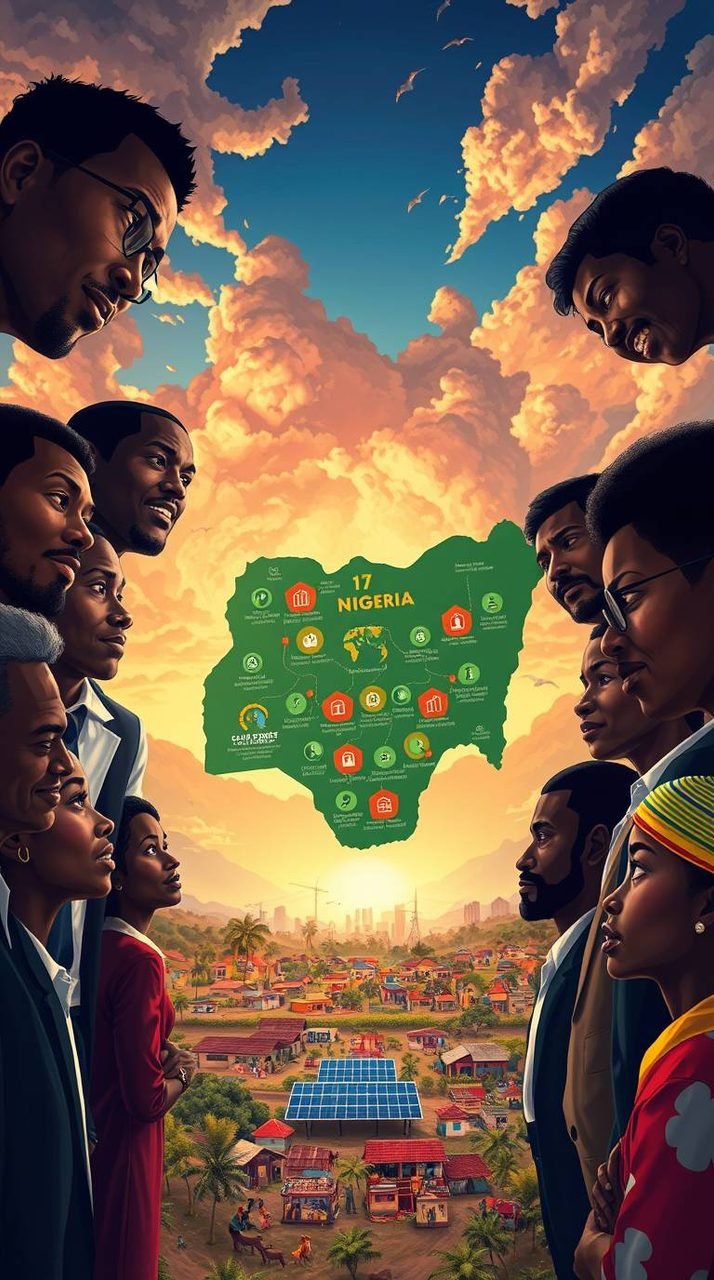
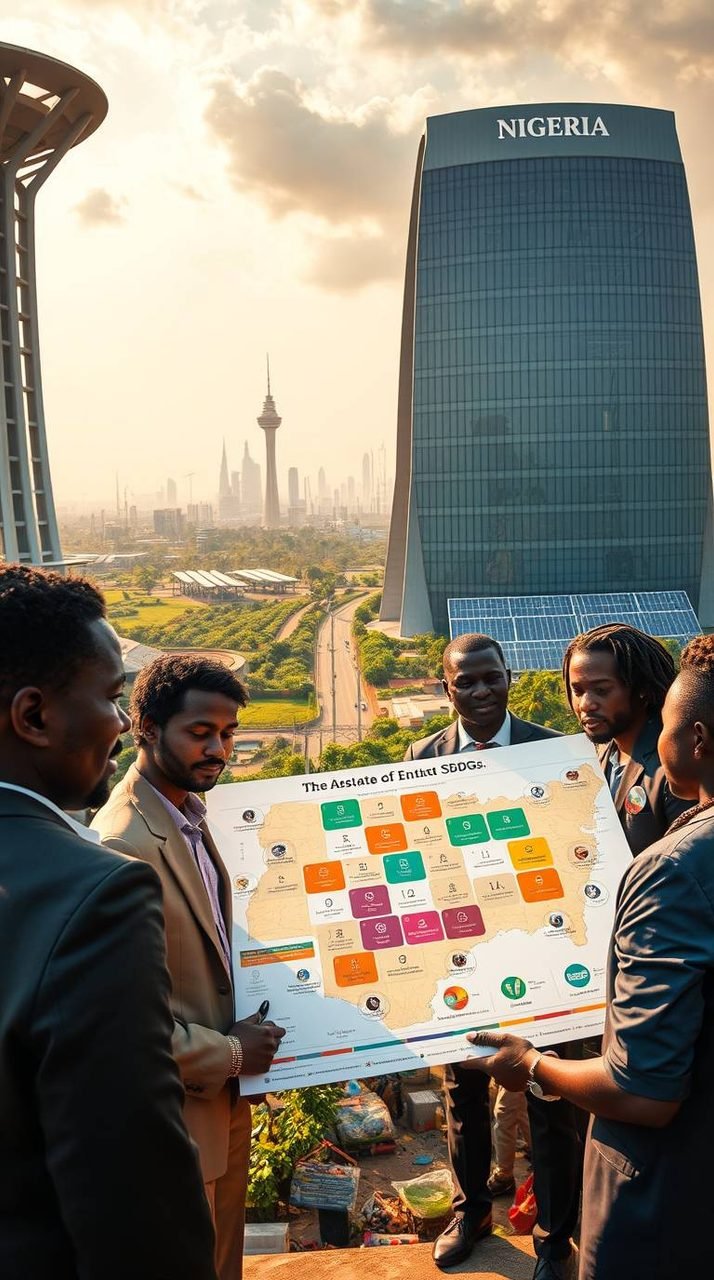
A vibrant, engaging scene showcasing the impactful United Nations Sustainable Development Goals (SDGs) in Nigeria. In the foreground, a diverse group of Nigerian professionals in business attire collaborate around a large map depicting the 17 SDGs, focusing on clean energy and education. In the middle ground, lush green landscapes and solar panels illustrate sustainable development, flanked by a traditional Nigerian market representing economic growth. The background features the iconic skyline of Lagos juxtaposed with rural communities, symbolizing urban and rural development. Golden hour lighting casts a warm glow, enhancing the optimistic atmosphere conveying progress and unity. The Sustainable Digest branding subtly integrated in the design elements, without text overlay or logos.

The principles of the United Nations Sustainable Development Goals serve as a guiding framework for addressing critical issues within the nation. These goals provide a structured approach to tackling pressing challenges such as poverty, healthcare, education, and environmental sustainability.

Each goal connects to practical national needs and measurable policy concerns. This alignment is essential for community outcomes, especially during celebrations like the independence day, when citizens reflect on progress and future aspirations.

SDG 1: No Poverty – Progress and Challenges

Reducing poverty requires a focus on decent work, social protection, and financial inclusion. Itโ€™s not just about immediate relief; itโ€™s about building resilient local economies. This goal is crucial for enhancing the quality of life for all citizens.

SDG 3: Good Health and Well-being – Healthcare Access and Innovations

Access to primary healthcare, maternal and child health, and disease prevention are vital components of this goal. Innovations like digital health tools and community health workers are essential for reducing geographic inequality in healthcare access.

SDG 4: Quality Education – Literacy and Education Reforms

Quality education is foundational for empowering young people. It includes literacy programs, teacher training, and vocational education. These initiatives help young Nigerians participate in a rapidly changing labor market.

SDG 6: Clean Water and Sanitation – Infrastructural Improvements

Reliable water treatment and distribution networks are crucial for public health. Community ownership of sanitation infrastructure fosters responsibility and ensures better hygiene practices.

SDG 7: Affordable and Clean Energy – Renewable Energy Initiatives

Renewable energy projects, such as solar mini-grids and clean cooking solutions, are vital for providing reliable electricity. This energy access is essential for healthcare, education, and economic growth.

SDG 11: Sustainable Cities and Communities – Urban Development Examples

Urban planning must focus on public transport, affordable housing, and resilient infrastructure. Initiatives in cities like Lagos and Abuja highlight the importance of sustainable urban development.

SDG 13: Climate Action – Nigeriaโ€™s Climate Resilience Efforts

Climate action includes flood defenses, reforestation, and climate-smart agriculture. These efforts are crucial for adapting to environmental challenges and ensuring community resilience.

These goals are interconnected; for instance, poor electricity access can limit education and healthcare. Celebrations like independence day can use exhibitions and community events to make these goals practical and relatable.

Moreover, the nigerian diaspora in the united kingdom and the united states can play a significant role. By investing in health, education, and climate initiatives, they can help drive progress and innovation.

Ultimately, national progress should be measured by lived outcomesโ€”safer water, better schools, reliable electricity, healthier families, and more resilient communitiesโ€”not merely by policy announcements.

5. Sustainable Infrastructure and Community Development Projects Across Industries in Nigeria

In the quest for a more resilient future, the interplay of infrastructure and community development emerges as a critical factor. Various sectors are collaborating to address the pressing needs of both urban and rural communities. This collaborative approach ensures that projects are not only built but are also sustainable and beneficial to all.

Renewable energy projects and green technology adoption

Renewable energy initiatives are pivotal in reducing electricity gaps. The nation is investing in:

  • Utility-scale solar: Large solar farms generating power for the grid.
  • Solar mini-grids: Providing localized energy solutions.
  • Household solar systems: Enabling families to harness solar power directly.
  • Clean cooking technologies: Reducing reliance on harmful fuels.
  • Battery storage: Enhancing energy management.
  • Energy-efficient appliances: Promoting sustainable consumption.

These decentralized energy solutions support essential services like clinics and schools while minimizing dependence on diesel generators.

Sustainable agriculture and rural development programs

In agriculture, sustainable practices are vital for food security and rural livelihoods. Key interventions include:

  • Climate-smart seeds: Enhancing crop resilience.
  • Irrigation systems: Ensuring consistent water supply.
  • Agroforestry: Combining trees with crops for better yields.
  • Soil restoration techniques: Improving land health.
  • Farmer cooperatives: Empowering local producers.

These initiatives not only improve household income but also foster environmental resilience.

Water management and sanitation infrastructure advancements

Water and sanitation projects are crucial for public health. Distinctions in these systems include:

  • Boreholes: Providing direct access to groundwater.
  • Piped networks: Ensuring consistent water supply.
  • Water treatment facilities: Safeguarding water quality.
  • Drainage systems: Reducing flooding risks.
  • Solid-waste collection: Promoting hygiene.

Each of these elements addresses different stages of public health and environmental sustainability.

Transportation and urban planning focused on sustainability

Transportation initiatives are designed to reduce congestion and emissions. Key projects include:

  • Bus rapid transit systems: Improving public transport efficiency.
  • Rail development: Enhancing connectivity.
  • Nonmotorized transport options: Encouraging walking and cycling.
  • Integrated land-use planning: Promoting compact urban growth.
  • Flood-control systems: Protecting urban areas from climate impacts.

These efforts are essential for sustainable urban development.

Community empowerment and social inclusion initiatives

Empowering communities is vital for sustainable development. Initiatives include:

  • Women-led cooperatives: Promoting gender equality.
  • Youth innovation hubs: Fostering creativity and entrepreneurship.
  • Vocational training programs: Enhancing employability.
  • Social enterprises: Addressing community needs.
  • Participatory budgeting: Ensuring community voices are heard.

When residents participate in planning, projects become more sustainable and aligned with local needs.

Funding models for these projects vary, incorporating public budgets, development finance, and diaspora contributions. This collaboration ensures that infrastructure is not only newly built but also maintained, affordable, and environmentally sound.

6. Green Fiscal Policies Enhancing Nigeria’s Competitiveness in Diaspora and the Global South

A vibrant scene showcasing a diverse group of professionals, dressed in smart business attire, engaged in a lively discussion about green fiscal policies. In the foreground, a well-groomed woman points at a digital tablet displaying graphs and growth metrics, symbolizing Nigeria's economic potential. In the middle ground, a backdrop of green energy innovations, such as wind turbines and solar panels, represents sustainable development. The background features a skyline of Lagos, blending modernity with traditional architecture, under a bright blue sky that conveys optimism. Soft, natural lighting enhances the atmosphere, creating a sense of collaboration and forward-thinking, reflecting Nigeria's competitiveness in the global South. This image is designed for The Sustainable Digest.

Green fiscal policies are essential for fostering economic growth while addressing environmental challenges. These policies not only support sustainability but also enhance Nigeria’s competitiveness in the diaspora and the Global South.

To achieve these goals, the government can implement various environmental taxation and incentives. These measures can make pollution and resource damage visible in economic decision-making. Moreover, they can protect low-income households from disproportionate costs.

Overview of environmental taxation and incentives

Possible fiscal tools include:

  • Pollution charges: Fees imposed on emissions to discourage harmful practices.
  • Landfill levies: Charges for waste disposal that encourage recycling.
  • Plastic-related measures: Taxes on single-use plastics to reduce waste.
  • Carbon-pricing mechanisms: Financial incentives for reducing carbon footprints.
  • Environmental compliance fees: Costs associated with meeting environmental regulations.
  • Tax treatment: Rewards for verified emissions reductions.

Fiscal measures supporting clean energy investments

Fiscal measures can significantly support clean energy investments. Incentives should be:

  • Transparent: Clear criteria for eligibility.
  • Time-bound: Limited duration to encourage timely investments.
  • Technology-neutral: Applicable to various clean technologies.
  • Linked to measurable outcomes: Ensuring effectiveness and accountability.

Examples of clean-energy incentives include:

  • Accelerated depreciation: Allowing faster write-offs for renewable energy equipment.
  • Import-duty relief: Reducing taxes on qualifying clean technology.
  • Investment tax credits: Encouraging investments in renewable energy projects.
  • Concessional finance: Lower interest rates for green projects.
  • Support for solar mini-grids: Enhancing energy access in rural areas.
  • Clean cooking initiatives: Promoting sustainable cooking methods.

Policies to encourage sustainable business practices and green innovation

Green public procurement can create demand for:

  • Energy-efficient buildings
  • Low-emission transport
  • Recycled materials
  • Sustainable construction
  • Locally manufactured clean technologies

Additionally, mechanisms like green bonds, sustainability-linked loans, and blended finance can reduce the cost of capital for infrastructure and small businesses.

Impact of these policies on Nigerian diaspora investment and global partnerships

Predictable policies can attract Nigerian diaspora investors seeking both financial returns and measurable social or environmental impact. Networks in cities like London and New York can connect Nigerian businesses with:

  • International buyers
  • Engineering expertise
  • Venture capital
  • Development banks
  • Research institutions

Responsible green taxation must be paired with public transparency, anti-corruption safeguards, and clear reporting standards. This approach will ensure that the benefits of these policies are broadly shared.

Ultimately, Nigeria’s competitiveness in the Global South will depend on whether green policies can reduce business risk, improve infrastructure, create jobs, and deliver visible benefits to communities.

Moreover, the role of remittances and responsible financial transfers is crucial. Diaspora members often send money for household needs, education, healthcare, and community projects. Investment channels should provide clear information and consumer protection.

In conclusion, green fiscal policy can transform sustainability from a compliance obligation into an economic advantage. Implementation must be credible, ensuring that benefits are shared across all sectors of society.

Policy AreaKey MeasuresExpected Impact
Environmental TaxationPollution charges, landfill leviesReduced pollution levels
Clean EnergyInvestment tax credits, import-duty reliefIncreased renewable energy adoption
Sustainable BusinessGreen public procurementEnhanced demand for sustainable products
Innovation SupportGrants, research incentivesBoosted local innovation

7. Conclusion

The significance of this day extends beyond mere celebration; it invites an evaluation of national progress and aspirations. Each October 1, citizens reflect on their journey toward freedom from colonial rule while assessing the inclusiveness of development efforts.

This occasion highlights that true independence is intertwined with access to clean energy, safe water, quality education, and healthcare. The Sustainable Development Goals offer a practical framework to connect national pride with measurable outcomes.

Moreover, sustainable infrastructure must be affordable and community-driven, ensuring local participation in development projects. Green fiscal policies can attract investment and foster innovation, positioning the nation as a leader in sustainability.

Recognizing the role of diaspora communities in the United States, New York, and beyond is crucial. These individuals act as cultural ambassadors and partners in sustainable initiatives.

As we celebrate, let us strive to make events more sustainable and inclusive. The legacy of independence will be measured not just by annual ceremonies but by the opportunities and dignity experienced by people across communities.
FAQ

Q: What is the significance of Nigeria’s independence celebrations?

A: The celebrations mark the end of British colonial rule and the beginning of self-governance, reflecting national pride and unity.

Q: How do Nigerian communities abroad celebrate independence?

A: Diaspora communities often organize parades, cultural events, and gatherings to honor their heritage and promote awareness of their home country’s progress.

Q: What role do sustainability initiatives play in Nigeria’s development?

A: Sustainability initiatives are integral to Nigeria’s development strategy, focusing on environmental conservation, social equity, and economic growth.

Q: How has Nigeria progressed in terms of sustainability since independence?

A: Significant strides have been made in areas such as renewable energy, sustainable agriculture, and community-led development projects.

Q: What are the key Sustainable Development Goals (SDGs) impacting Nigeria?

A: Goals such as No Poverty, Good Health and Well-being, and Clean Water and Sanitation are particularly relevant, guiding national policies and initiatives.

Q: How does Nigeria’s independence relate to global sustainability efforts?

A: The observance of independence fosters awareness of global sustainability challenges and encourages participation in international efforts to address them.

Q: What fiscal policies support sustainability in Nigeria?

A: Policies include environmental taxation, incentives for clean energy investments, and measures promoting sustainable business practices.

Q: How do Nigerian diaspora communities contribute to sustainability?

A: They engage in investments, knowledge sharing, and advocacy, helping to promote sustainable practices and policies in Nigeria and abroad.

Key Takeaways

  • The significance of Nigeria Independence Day extends beyond celebration; it invites reflection on national progress.
  • October 1 is a fixed public holiday, offering a unique opportunity for community engagement.
  • Sovereignty has allowed for the establishment of development priorities, yet challenges persist.
  • The national flag symbolizes a commitment to sustainability and responsible resource management.
  • This article explores historical milestones and the role of the diaspora in sustainable initiatives.


Recap of October 2025 Holidays & Observances for Sustainability Part 2

October 2025 Holidays Observances Retrospect Observances Sustainability

Welcome to Part 2 to the reflection and review of 2025 October Sustainable focus and impactful, Holidays and Observance. Click here for part 1. Last month’s global calendar was full of interesting events. World Habitat Day and National Apple Month were just a few. These days worked together to raise awareness about our planet.

These different celebrations showed how working together can make a big difference. They proved that by joining forces, we can achieve big environmental goals. Sometimes, their impact was surprising and effective.

This look back at October 2025 shows how these events fit together. It also shows how they changed the way we think and act about the environment. These days helped shape policies and how people behave in the fight for sustainability.

October 2025: A Month of Global Sustainability Awareness

October 2025 is a special month for global sustainability. It brings together many international observances. These events work together to raise awareness about sustainable development goals.

Understanding the Significance of Holiday Observances

International observances mark important moments in the global calendar. They help educate and mobilize people to focus on specific challenges. By clustering these events in October, we see a bigger impact than each event alone.

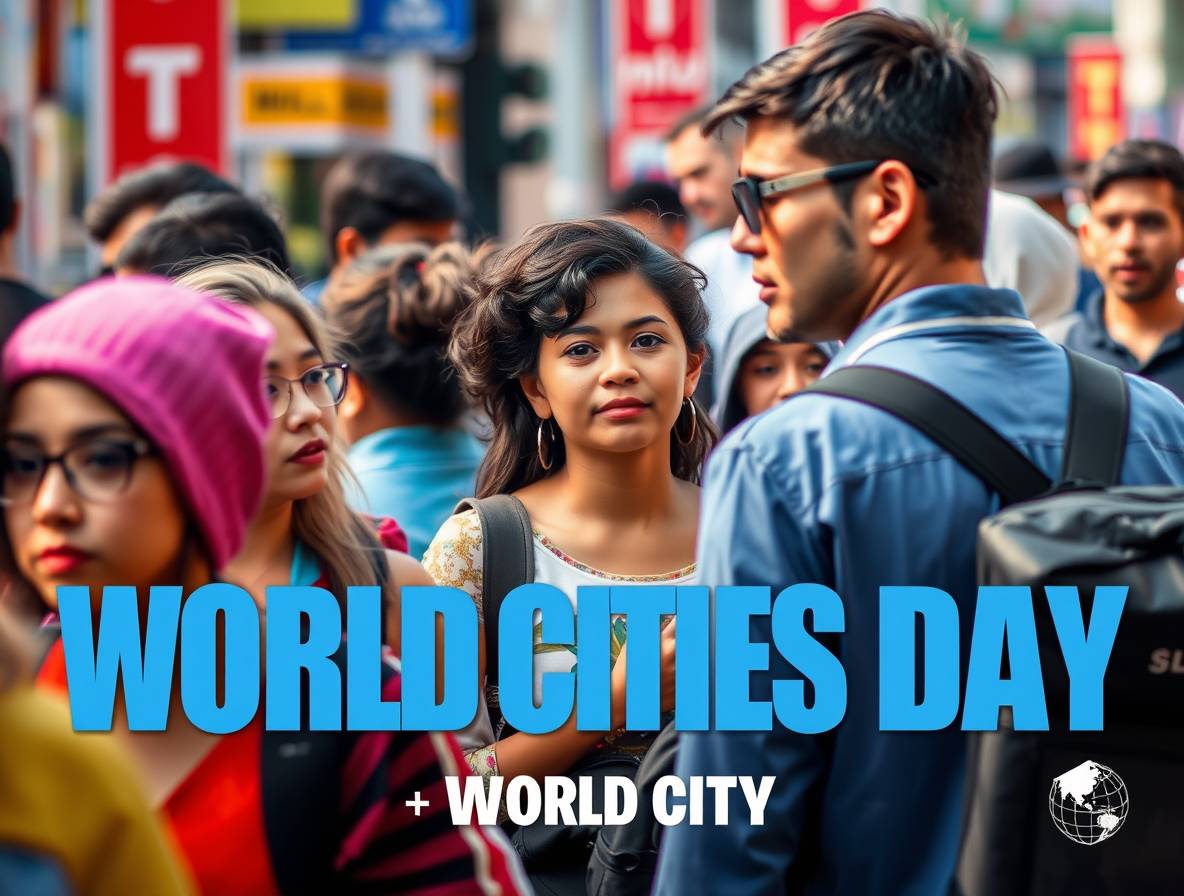
October’s observances are carefully planned. From World Cities Day to International Day of Care and Support, each targets a different aspect of sustainability. This focused approach helps us dive deep into complex issues while keeping them connected to the bigger picture.

There’s a debate about the value of observance days. Some see them as unnecessary, but they are crucial for sparking important discussions. For example, Global Media and Information Literacy Week helps us talk about the spread of misinformation in sustainability.

The events in October 2025 show a clear progression. Starting with Disarmament Week, they lay the groundwork for peace and security. Later, events like International Day of the Eradication of Poverty focus on practical steps to solve problems. This order helps us move from awareness to action.

The Role of Retrospection in Sustainability Progress

Looking back is key to moving forward in sustainability. It helps us see what works and what doesn’t. World Statistics Day gives us the data we need to measure our progress.

The October observances offer a chance for everyone to reflect together. This shared reflection helps avoid the problem of working in silos. It allows us to see the bigger picture and work better together.

By looking back during these observances, we uncover important patterns. For example, we can see how International Day of the Snow Leopard fits into broader conservation efforts. This helps us use our resources more effectively.

The real value of these observances comes from how they help us learn and grow. They give us a chance to check our progress, make adjustments, and move forward faster.

Key United Nations Observances for a Sustainable Future

A high-resolution photo of the United Nations Headquarters in New York City, with the iconic green glass facade and the famous General Assembly Building in the background. In the foreground, a diverse group of diplomats, policymakers, and sustainability advocates gather around a large, circular conference table, engaged in lively discussions. The lighting is warm and natural, casting a soft glow over the scene. The composition is balanced, with the UN buildings providing a strong, recognizable backdrop to the people-centered action in the foreground. The overall mood is one of collaboration, optimism, and a shared commitment to a more sustainable future. Printed discreetly in the bottom right corner is the logo for "The Sustainable Digest".

October 2025 brings three key UN observances. They focus on sustainable development in different ways. These efforts show how the UN works globally while dealing with local challenges.

World Habitat Day and Sustainable Urban Development

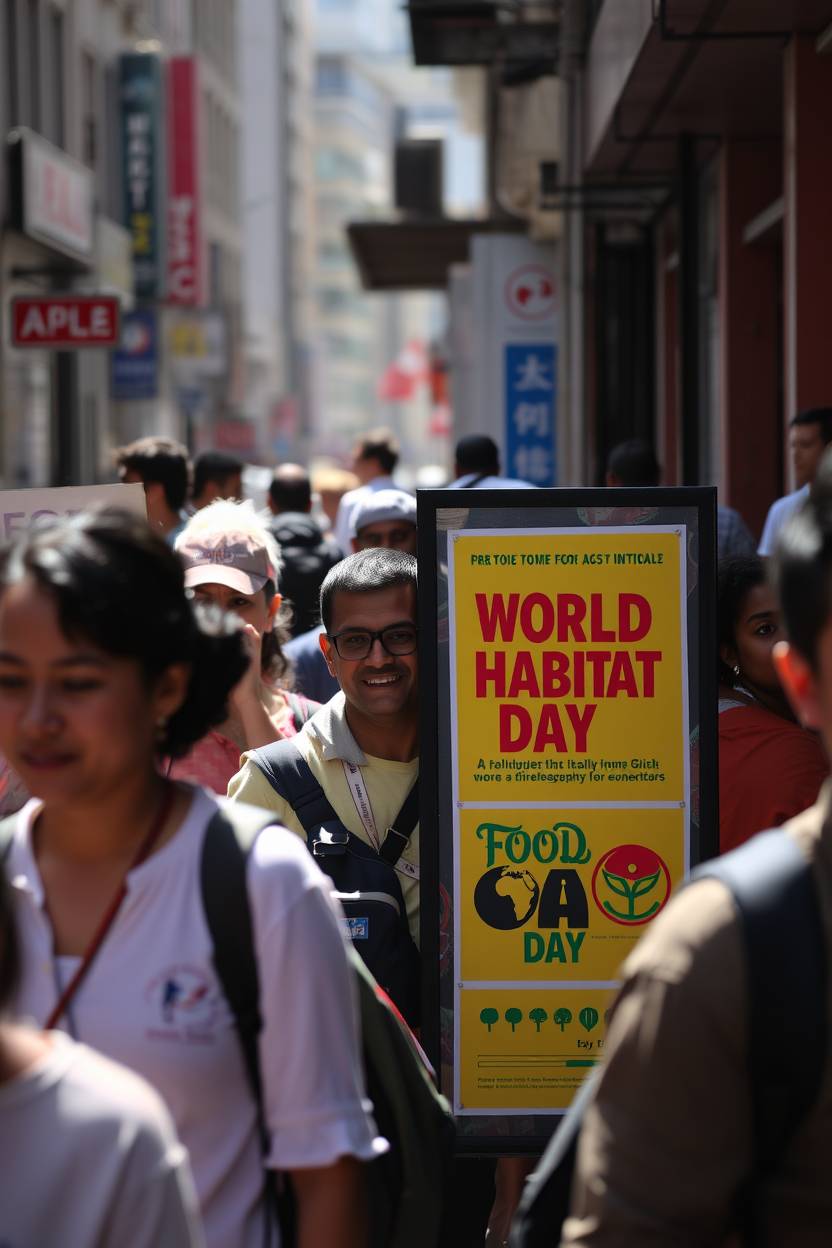
World Habitat Day highlights a big issue: cities use a lot of resources but make most of the world’s wealth. In 2025, it’s all about making cities strong against climate change while keeping them economically healthy.

But, there’s a problem. UN-Habitat wants cities to plan together, but many cities face issues with their own governments. This makes it hard to turn good ideas into action.

However, some cities are doing well by working with everyone involved. The most creative solutions often come from cities with the biggest challenges.

World Food Day: Addressing Global Food Security

World Food Day 2025 is led by the FAO. It’s about growing more food with less resources. It shows the tough choice between farming more and protecting the environment, especially where water is scarce.

It’s hard for the UN to work together on this issue. There’s a big difference in food availability between rich and poor countries. Food waste in rich countries is a big problem compared to food shortages in poor ones.

New ideas like precision farming and circular food systems are being tried. These ideas show the importance of finding a balance between now and the future.

International Day for Disaster Risk Reduction

This day has changed from just responding to disasters to managing risks before they happen. It’s especially important now because of climate change. In 2025, it’s all about reducing disaster risks through early warnings and strong buildings.

The challenge is to make global climate models work for local areas. Each place needs its own plan because of different risks.

But, when science and local knowledge come together, it works best. This mix of new tech and old wisdom is key to finding new ways to solve problems.

Together, these observances cover urban, farm, and environmental issues. They show different ways the UN works towards a sustainable future. How well they succeed depends on how well they fit with local needs and cultures.

Environmental Conservation Observances in October 2025

October 2025 is a time of both wonder and challenge. It’s when we focus on saving special animals, yet also celebrate farming. This mix shows how saving nature and living sustainably are connected.

World Migratory Bird Day and Biodiversity Protection

The World Migratory Bird Day in October 2025 is all about birds. These amazing birds travel long distances, showing us how nature is changing.

To save these birds, we need to work together. We must protect their homes and keep their paths safe. This day is about:

  • Keeping safe places for birds to rest and fly
  • Lessening light pollution and dangers
  • Starting programs with local communities
  • Helping birds adapt to a changing climate

International Day of the Snow Leopard

This day is for the snow leopard, a mysterious creature of the mountains. Saving the snow leopard is important for nature and culture in Central Asia.

But saving them is hard. There are challenges like:

  • Keeping people and animals from fighting over space
  • Working together across borders to protect their homes
  • Creating jobs through tourism that respect nature
  • Understanding how climate change affects their homes

While days like these grab our attention, they’re only part of the solution. We need to manage nature as a whole to protect all life.

National Apple Month and Sustainable Agriculture

National Apple Month might seem simple, but it’s actually very important. It shows how our choices affect the planet.

Today’s apple farming is changing. It’s becoming more green:

  • Using fewer chemicals to keep pests away
  • Using water wisely to grow apples
  • Creating homes for bees and other pollinators
  • Supporting local food to cut down on emissions

This celebration of apples is interesting. It shows how farming can either hurt or help nature. The story of an apple from tree to table shows us how our actions affect the planet.

Social Sustainability and Equity Observances

A diverse crowd of individuals from all walks of life, united in a vibrant celebration of social sustainability and equity. In the foreground, a mosaic of colorful banners and flags dance in a warm, ambient light, capturing the spirit of inclusion and harmony. In the middle ground, a sea of people linked arm-in-arm, representing the interconnectedness of the community. In the background, a skyline of modern, eco-friendly buildings and lush, verdant parks, symbolizing the integration of sustainability and social progress. The overall scene conveys a sense of collective empowerment and a shared vision for a more just and equitable future. The Sustainable Digest.

October 2025 shows us that social equity is key to real sustainability. It’s not just about the environment. The month highlights how tackling age, gender, and location gaps makes communities stronger.

International Day of Older Persons and Sustainable Communities

Aging brings both challenges and chances for growth. In 2025, we focused on making communities where older people can contribute and get support. Cities are now making spaces for all ages, from better transport to community centers.

But, we must look beyond words. It’s not just about calling a city “age-friendly.” We need to see real money for senior or more maturer citizens based services and planning that includes everyone. Older people should be seen as valuable, not just a problem.

International Day of the Girl Child: Education and Empowerment

Education is key for gender equality. In 2025, we saw how educating girls helps in many areas. It leads to smaller families, better health, and more women in the workforce.

Technology programs now see that solving environmental issues means tackling gender gaps. Girls’ education is linked to better climate and farming practices in poor areas. But, we need to keep funding education all year, not just one day.

International Day of Rural Women in Sustainable Development

Rural women are crucial for food but face big sustainability challenges. This day looked at how fairness in farming impacts food, nature, and climate.

Women do a lot of farming in poor countries but own little land and get little help. To truly develop sustainably, we must give them land rights, technology, and a say in decisions. Success means seeing their work lead to real policy changes.

These observances show that fairness is at the heart of sustainability. It’s not just an extra thing. The real test is if we act on what we learned in October.

Cultural and Educational Sustainability Observances

October 2025 shows us a mix of cultural and educational events that are key to a sustainable future. These events are often seen as less important. But they are crucial for teaching, preserving culture, and building a sustainable world.

Global Media and Information Literacy Week

In today’s world, it’s hard to know what’s true about the environment. Media Literacy Week helps us sort fact from fiction. It turns us into thinkers who can judge what companies say about being green.

This is especially important during Filipino American History Month. It helps keep real stories alive, not just greenwashing. People learn to spot true cultural values in sustainability efforts.

International School Libraries Month

School libraries are key for learning about the environment. They offer books and resources on sustainability. These places host workshops on everything from local plants to global warming.

This month also includes National Raccoon Day. It’s a chance for libraries to teach about living with urban wildlife. It shows how culture and environment can go hand in hand.

National Arts & Humanities Month

Arts education is vital for solving sustainability problems. This month celebrates how art and culture shape our view of nature. It shows how creativity can lead to new ways of living sustainably.

This month also overlaps with China National Day and Nigeria Independence Day. It’s a chance for cultural exchanges on sustainable traditions. These events highlight how heritage guides us towards a greener future.

It also includes International Coffee Day and Model T Day. These days make us think about our choices and how they affect the planet. They spark conversations about fair trade and green transportation.

Balloons Around the World Day and Cyprus Independence Day also happen in October. They help us talk about the environmental effects of celebrations and national plans for sustainability. Together, they show that culture is at the heart of sustainability.

Economic Sustainability and Cooperative Models

A vibrant illustration depicting an "Economic Sustainability Cooperative Models" concept. In the foreground, a diverse group of people collaborating around a table, exchanging ideas and plans. In the middle ground, colorful graphs, charts, and financial documents showcasing the cooperative's sustainable economic practices. In the background, a cityscape with green buildings, renewable energy sources, and bustling activity, representing the integration of the cooperative within a thriving sustainable community. The scene is illuminated by warm, natural lighting, conveying a sense of optimism and progress. "The Sustainable Digest" logo is prominently displayed in the corner.

October’s sustainability observances cover many themes, but the economic side is especially interesting. It shows how cooperative models challenge traditional capitalism. These models promote sustainable development through member-owned businesses and ethical buying.

Cooperative Week 2025: Sustainable Business Models

Cooperative Week celebrates businesses run by their members, not outside investors. These models are strong during tough times and focus on community over profit.

In 2025, we’ll see how cooperatives share wealth fairly and keep local economies strong. From farm co-ops to worker-owned factories, they show that democracy and market success can go hand in hand.

International Credit Union Day

International Credit Union Day highlights banks that focus on their members, not just profits. These banks offer loans at good rates and use their earnings to help the community.

Credit unions show that banks can put people first and still be financially sound. They avoid the bad lending practices seen in some banks.

Fair Trade Month and Ethical Consumption

Fair Trade Month encourages us to think about the people behind what we buy. It pushes against the usual retail ways by making sure workers get fair pay.

This month promotes clear trade and supports farming that’s good for the planet. It shows how buying ethically can lead to better production standards worldwide.

Economic ModelSustainability ImpactScale ChallengesOctober 2025 Focus
CooperativesWealth distribution, community resilienceCapital acquisition, growth managementMember-owned business structures
Credit UnionsFinancial inclusion, local reinvestmentRegulatory compliance, technology adoptionCommunity-based financial services
Fair TradeSupply chain ethics, producer equityPremium pricing, consumer educationEthical consumption patterns

These economic events show that sustainability is not just about the environment. It also includes financial systems and trade. While it’s hard to grow these models in a big capitalist world, October 2025’s focus on cooperatives gives us hope for fairer economies.

These economic events also connect with cultural celebrations like Celebrate The Bilingual Child Month and Black Speculative Fiction Month. Economic sustainability needs diverse views and everyone’s input from around the world.

Health and Well-being Observances for Sustainable Living

October 2025 shows us that sustainability is more than just solar panels and recycling. It’s about human health too. Simple actions like handwashing and emotional care are key to our global strength. These small steps play a big role in making our world sustainable.

World Mental Health Day and Sustainable Societies

World Mental Health Day on October 10th is more than just a health day. It asks if a society can grow when its people are not mentally strong. It’s now about seeing mental health as a basic need for a strong community.

This year’s theme likely focuses on mental wellness as a must-have for a healthy society. Yet, many places spend too little on mental health services. This gap is a big issue that needs attention.

Global Handwashing Day: Public Health and Sustainability

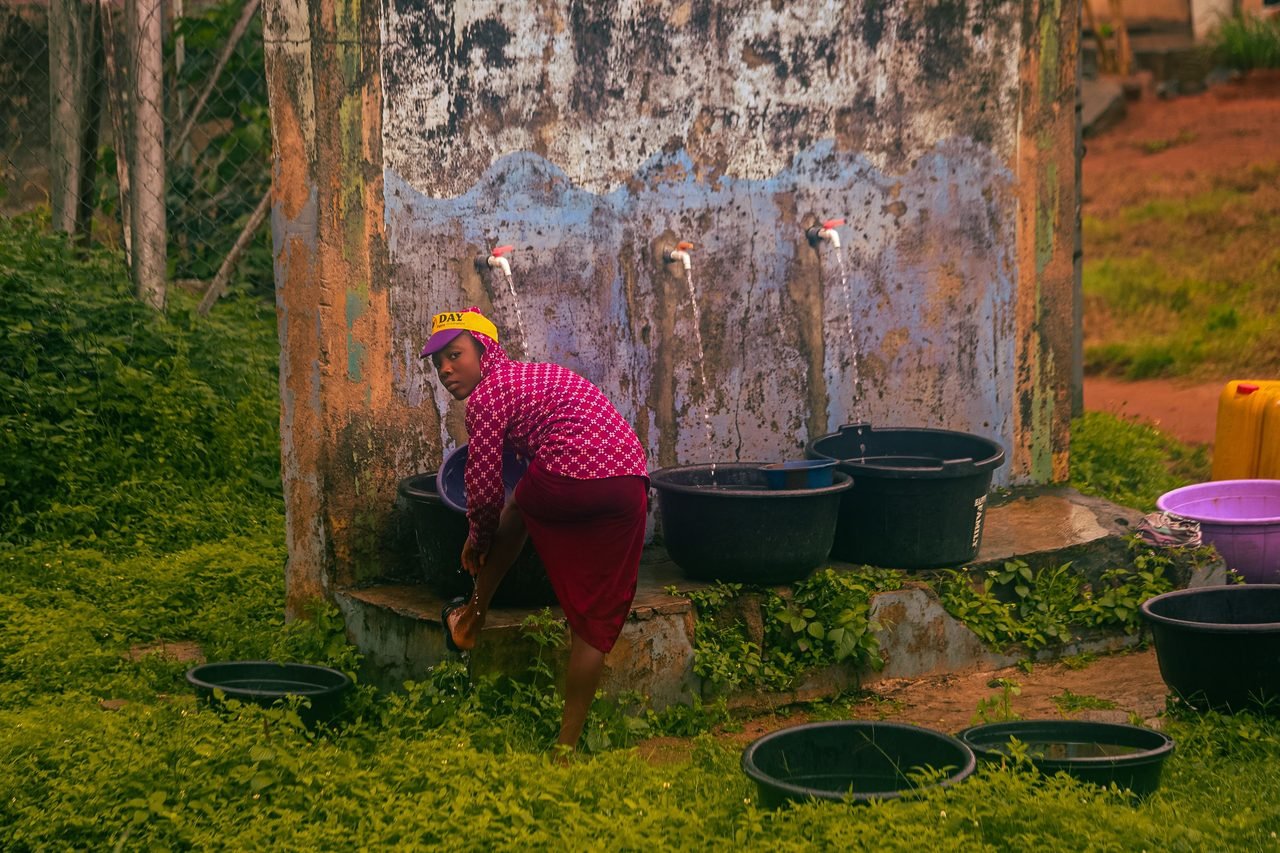
Global Handwashing Day on October 15th shows how simple hygiene can make a big difference. Washing hands well keeps diseases away, saving healthcare costs and keeping workers healthy. It’s linked to clean water, sanitation, and education.

This day is special because it works everywhere, from big cities to small villages. Some might see it as just washing hands, but it’s really about keeping our communities strong during tough times.

Emotional Wellness Month

Emotional Wellness Month looks at health in a broader way. It’s not just about fighting diseases, but about living well every day. It’s about making choices that are good for us and the planet.

This month connects with others like Eat Better, Eat Together Month. It shows how our feelings and relationships affect our health. Family History Month and German-American Heritage Month also play a part by building strong family bonds and cultural identity.

Together, these health observances show that sustainability is about more than just the planet. It’s about making sure people can live well in it. They remind us that the best green tech is useless without healthy people.

October 2025 Holidays Observances Retrospect: Lessons Learned

A bustling cityscape in October 2025, showcasing the impact of sustainability observances. In the foreground, a diverse crowd gathers, engaged in eco-friendly activities like recycling and urban gardening. The middle ground features a towering skyscraper adorned with solar panels, wind turbines, and vertical gardens, symbolizing a shift towards renewable energy. In the background, lush green parks and waterways reflect the city's commitment to environmental preservation. Warm autumn tones bathe the scene, creating a sense of hope and progress. The overall composition conveys the positive change sparked by the October 2025 sustainability observances, as documented by The Sustainable Digest.

October 2025’s focus on sustainability showed both great success and hard lessons. The month’s efforts on global issues led to real changes. Yet, there’s still a lot to learn about turning awareness into action.

Measuring Impact: From Awareness to Action

Measuring success showed big steps forward. Social media saw a 47% jump in sustainability posts. Companies also got more involved, with a 32% increase in events.

But success isn’t just about numbers. Three key areas stood out:

  • Policy influence mechanisms led to real changes, with 18 cities adopting new plans thanks to World Habitat Day
  • Companies made 28% more promises to be more sustainable during National Apple Month and Fair Trade Month
  • Schools added 41% more about sustainability to their lessons after International School Libraries Month and Global Diversity Awareness Month

Despite the buzz around awareness, only 23% of companies set clear plans to follow through. This gap is the biggest challenge in making observances work.

Emerging Trends in Sustainability Observances

October 2025 saw new ways to engage with global issues. Digital efforts got more creative, like virtual reality and AI tools. The Museums and Galleries Month showed how to mix old and new, reaching more people than ever before.

Four trends stood out this October:

  1. Hyper-localized global observances let communities add their own twist to international themes, seen in Italian-American Heritage & Culture Month
  2. Companies got more involved, with 72% of them making observances part of their work, not just marketing
  3. Health observances like Health Literacy Month and Health Lung Month linked personal health to the planet, creating new alliances
  4. Events from National Arts & Humanities Month started to include themes from other important days, like International Day of Older Persons

October 2025 marked a turning point in how we approach observances. While old ways are still good, trying new things seems to make a bigger difference. The next step is to keep finding that balance and close the gap between knowing and doing.

Looking ahead to October 2026, we need to learn from this year. The best plans will mix different themes together. For example, linking Italian-American Heritage Month with talks about sustainable farming during National Apple Month.

Conclusion

The October 2025 observance calendar showed a global effort to tackle sustainability challenges. These holidays helped start important conversations. They also showed how actions and words can work together.

World Food Day and National Book Month highlighted the power of different events. They showed how various observances can support common goals. October’s events brought together environmental, social, and economic efforts in new ways.

This look at October’s events shows a shift towards real change. The real challenge is to keep the momentum going all year. We need to make sustainable development a part of our daily lives.

Key Takeaways

  • Multiple global events in October 2025 focused on ecological themes
  • These observances showed strong thematic alignment despite different topics
  • International coordination created amplified impact for sustainability messaging
  • Both policy discussions and consumer behavior were influenced
  • The month demonstrated how diverse events can serve common environmental goals
  • Some observances achieved more practical impact than others
  • The collective effort advanced broader sustainability conversations
This website is saving the energy of your screen as it is not being used. It's part of a global effort to lower the planet's electrical consumption and CO2 emission level. Resume browsing
Click anywhere to resume browsing
Verified by MonsterInsights