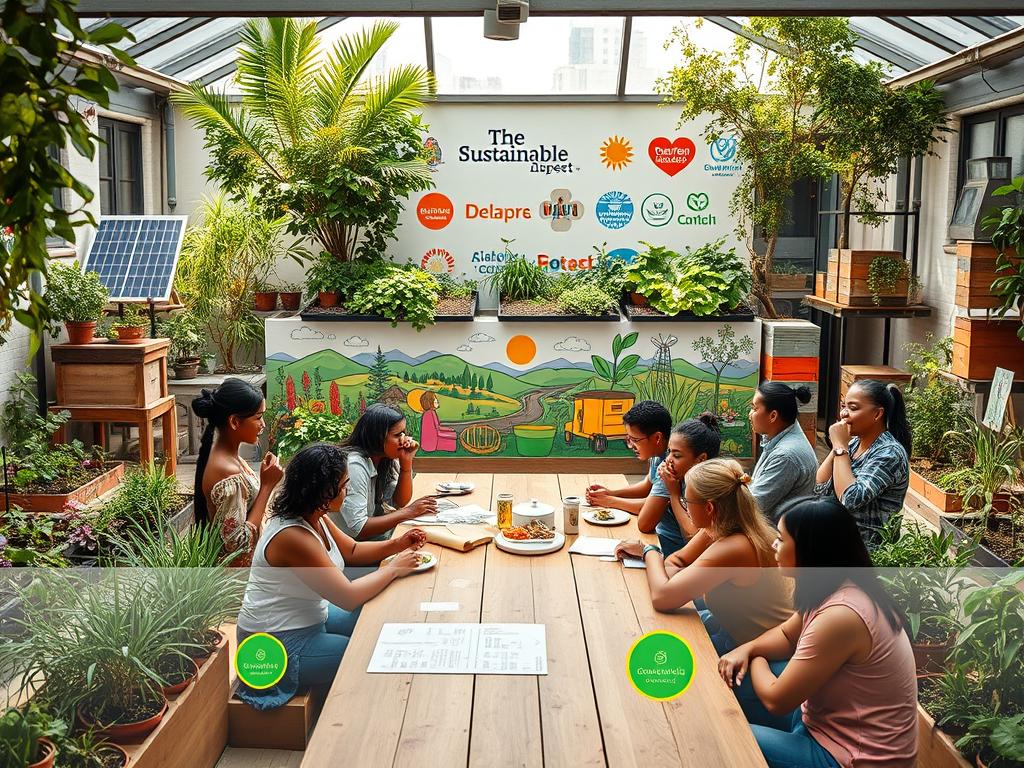
The U.S. of OMB proposal impact on Nonprofits, Sustainable Development, and Co-Ops

U.S. of OMB proposal impact on Nonprofits, Sustainable Development, and Co-Ops

The federal landscape for philanthropic groups faced a seismic shift in May 2026. The 2026 U.S. OMB proposal (office management budget) released a plan that fundamentally alters how groups manage their resources.

One might call it a bureaucratic makeover with a sharp edge. It shifts from collaborative partnerships toward a centralized model.

This specific proposal aims to implement executive orders. It focuses on tighter federal grantmaking oversight.

New changes tie funding directly to administration priorities rather than independent ones. Many organizations now face intense scrutiny that could disrupt their daily missions.

These shifts threaten the core regarding cooperative growth plus grassroots support across the nation. This regulatory framework carries profound implications for social equity plus economic cooperation.

A federal grant may soon require navigating complex political gatekeeping to remain active. International networks fear disruption in growth cooperation as American policies evolve.

Understanding the OMB Uniform Grants Regulation Proposal

A significant transformation is coming to the world of federal financial assistance through a new proposal from the Office of Management and Budget. This change signals a shift from a collaborative partnership toward a more rigid, compliance-heavy environment for all recipients.

The proposal would consolidate requirements into a single set of binding rules. This move affects how every organization, from local cooperatives to international nonprofits, interacts with the federal government.

What Is the Office of Management and Budget Proposal

The office management budget plan seeks to reframe federal financial assistance under the new Uniform Grants Regulation. It creates a unified framework that all agencies must adopt without exception.

By centralizing authority, the office management team aims to standardize the entire federal grantmaking lifecycle. This includes everything from the initial program design to the final project delivery and audit phase.

Historical Context: From 2014 Uniform Guidance to 2026 Proposed Regulation

For over a decade, the 2014 uniform guidance (2 CFR Part 200) provided a flexible framework for awards. It allowed universities and nonprofits to balance federal oversight with their own institutional policies.

The uniform guidance era focused on administrative requirements and cost principles through a lens of cooperation. Now, this historical pivot moves the needle toward a much more restrictive and centralized control model.

Timeline and Implementation Schedule for Fiscal Year 2027

The law-making process for these revisions targets an effective date of October 1, 2026. This timeline aligns with the start of federal fiscal year 2027 awards.

Organizations have only a short window to adjust their internal terms and policies before the new rules take effect. Future amendments will then apply government-wide automatically, bypassing individual agency rulemaking entirely.

Transformation from Advisory Guidance to Binding Federal Regulation

The most profound change is the reclassification of guidance into a formal regulation with full legal effect. This shift increases the potential liability for noncompliance across all agencies involved.

Under this regulation, a simple mistake could lead to terminations or even litigation under the False Claims Act. While guidance offered some discretion, these new mandates demand strict adherence to every provision.

The irony is palpable: while officials claim to enhance efficiency, these new layers actually increase administrative complexity and cost.

Feature2014 Framework2026 Proposed Shift
Legal StatusAdvisory GuidanceBinding Regulation
ControlAgency DiscretionCentralized OMB Authority
Liability RiskModerate FlexibilityHigh / Enforceable Law
ApplicationCollaborative ApproachCompliance-Focused

U.S. of OMB Proposal Impact on Nonprofits, Sustainable Development, and Co-Ops: Comprehensive Overview

A diverse group of professionals in business attire engaged in a collaborative discussion around a modern conference table. The foreground features a woman of Asian descent and a man of African descent actively pointing at a report titled "Sustainable Development and Nonprofits." In the middle ground, a screen displays diagrams illustrating the impact of policies on organizations, while a window allows soft natural light to filter into the room. The background shows lush greenery outside, symbolizing sustainability and growth. The atmosphere is focused and optimistic, with a sense of urgency to address important issues. This image is associated with "The Sustainable Digest."

The proposed revisions to federal grant-making represent a departure from mission-based funding toward a more politically filtered resource allocation model. This shift introduces a new era where technical merit might take a backseat to policy alignment. It essentially redefines the relationship between the government and the civic sector.

Executive Order 14332 and Administration Priorities

Executive Order 14332, titled “Improving Oversight of Federal Grantmaking,” acts as the foundational catalyst for this regulatory overhaul. It explicitly ties federal awards to the current administration and its specific policy priorities. This directive signals a transition from needs-based support to a more scrutinized oversight framework.

This policy moves away from traditional mission-aligned funding. It creates a filter that fundamentally alters which entities can secure support for their local communities. The goal appears to be a tighter alignment between federal spending and executive branch goals.

Which Organizations Face the Greatest Impact

The proposal would create a challenging environment for several distinct sectors. While all organizations receiving federal awards face increased scrutiny, those working on controversial social or environmental topics are most at risk. The uncertainty of these changes creates a looming shadow over long-term strategic planning.

Nonprofit Organizations Receiving Federal Awards

Traditional nonprofits often rely on stable, multi-year funding to maintain their daily operations and specialized staff. The proposed changes would likely introduce unpredictability that makes multi-year project management nearly impossible. These groups must now prepare for a landscape where financial stability is no longer guaranteed by performance alone.

Sustainability-Focused Institutions and Environmental Groups

Institutions focused on climate change and environmental justice are particularly vulnerable under these new rules. The proposal flags climate adaptation as a topic for enhanced review and potential disqualification. This specifically targets organizations whose core missions center on the renewable energy transition or ecological protection.

Cooperatives and Cooperative Development Organizations

Cooperatives promote democratic ownership and equitable community wealth. However, these alternative economic models may face skepticism under a regulatory framework that emphasizes narrowly defined national interests. Awards for cooperative development could be restricted if they are viewed as misaligned with current political objectives.

Grassroots Support Organizations and Community Outreach Centers

Community outreach centers often handle sensitive topics like immigration assistance and social equity. These agencies might find their grant eligibility threatened if their work clashes with the administration and its stated priorities. Their reliance on federal support makes them especially susceptible to sudden policy shifts.

Financial Instability and Operational Risks for Grant Recipients

The financial instability stemming from these changes would be significant for both service providers and their constituents. The proposal would allow for the sudden termination of funds without a clear appeal process or demonstrated cause. This creates a precarious environment where essential programs could vanish mid-performance.

Organization TypePrimary ConcernOperational Risk
Environmental NGOsClimate scrutinyImmediate disqualification
Community Co-opsEconomic model biasRestricted awards
Grassroots CentersViewpoint alignmentSudden funding loss

The proposal effectively enables a system where organizations can be disqualified based on political disfavor. This threatens the longevity of awards that have historically supported the most vulnerable populations. Such changes undermine the public-private partnership that has existed for decades.

“The proposal opens the door to government abuse and overreach, by allowing federal agencies to withhold, terminate, or suspend federal grants without cause, add new, onerous terms and conditions mid-performance, disqualify any grantee it disfavors, and threaten federal programs that address racial, social, and other inequities.”

โ€” Diane Yentel, President and CEO of the National Council of Nonprofits

By undermining this partnership, the government jeopardizes essential services including housing, health, and disaster recovery. The operational risks extend beyond money, impacting staff stability and community trust. Organizations must now navigate a world where their mission is subject to the whims of shifting political tides.

  • Loss of multi-year staffing commitments.
  • Mid-project termination of critical community aid.
  • Increased administrative burden for small nonprofits.
  • Reputational damage from politically motivated disqualification.

How the Grant Application Process Will Change Under the New Rules

Navigating the shifting sands of federal funding requires more than just a solid project plan; it now demands a keen eye for political weather vanes. The proposal would transform the grant landscape from a merit-based evaluation into a politically filtered selection system.

Applicants must look beyond technical excellence to ensure their missions mirror the current executive vision. This shift introduces a new layer of oversight that challenges the traditional independence of administrative reviews.

Political Appointee Pre-Issuance Review Requirements

Under the new framework, senior political appointees would conduct mandatory pre-issuance reviews. This review process ensures that every federal grant aligns with the executive branch’s vision before any funds are released.

While programmatic peer review remains, it effectively becomes advisory. The final decisions rest with officials who prioritize ideological harmony over technical excellence or community impact.

Mandatory Alignment with Presidential Policies and National Interest

Program planning must now mirror the presidentโ€™s policies rather than just an agency’s mission. Funding opportunities will require applicants to demonstrate how their work supports current administration goals.

This shift means that grants are no longer just about local community needs. Instead, they serve as tools to advance specific national priorities defined by the White House.

Expanded Risk Assessment Criteria and Affiliation Screening

The proposal broadens the risk assessment criteria used by federal agencies. An agency can now deny awards based on an applicant’s affiliation with organizations that supposedly threaten public safety.

These vague standards could be weaponized against advocacy groups or coalitions. Strategic dilemmas now face cooperatives that must decide if their partnerships trigger unwanted scrutiny.

Restrictions on Organizational Eligibility by Tax-Exempt Status

The Office of Management and Budget might categorically exclude certain tax-exempt groups from specific competitions. This includes 501(c)(3) and 501(c)(4) entities that were previously eligible for various grants. This proposal would narrow the field of potential partners based solely on their legal structure.

Topics Subject to Enhanced Scrutiny: Gender, Immigration, Climate Change, and DEI

Projects touching on sensitive cultural issues will face intense review. Any policy involving gender ideology or climate change could be flagged as inconsistent with the law or national interest.

Sensitive TopicScrutiny LevelPrimary Risk FactorAlignment Goal
Climate ChangeMaximumPolicy InconsistencyEconomic Interests
Diversity (DEI)MaximumIdeological ConflictAnti-American Characterization
ImmigrationHighNational SecurityEnforcement Priorities

Faith-Based Organizations and Viewpoint Neutrality Provisions

Ironically, the new rules mandate that agencies do not discriminate against faith-based groups. They must apply viewpoint neutrality to religious entities while screening other groups for national priorities. This creates a complex environment where some viewpoints are explicitly protected while others are sidelined.

“Award decisions would hinge on alignment with administration priorities… including whether a proposed award involves topics identified as demonstrating anti-American values.”

This chilling effect may lead organizations to modify their mission statements. They might avoid certain language to escape being deemed inconsistent with the current proposal.

New Funding Restrictions on DEI, Gender Ideology, and Disparate Impact Activities

A visually striking scene depicting a collection of federal awards on a polished wooden table in a well-lit office environment. In the foreground, several golden plaques and certificates shine, reflecting soft natural light, symbolizing achievement and recognition. In the middle ground, an open briefcase with papers related to nonprofit funding proposals sits beside a laptop displaying data on sustainable development initiatives. The background features a large window with a cityscape view, bathed in warm afternoon sunlight, conveying a sense of opportunity and growth. The atmosphere is professional yet inviting, suitable for an article by "The Sustainable Digest," focusing on the impact of funding restrictions on nonprofits and DEI.

Beneath the surface of administrative updates lies a sharp turn in the regulation of identity-based programming. This proposal signals a new era where social values are closely monitored through financial strings. Organizations must now balance their mission with high-stakes compliance hurdles.

Prohibited Uses of Federal Award Funds

The proposal would prohibit the use of federal awards to “fund, promote, encourage, subsidize, or facilitate” certain social agendas. This includes diversity, equity, and inclusion policies that the administration deems in violation of anti-discrimination law. Specifically, it targets “gender ideology” and any assistance for the medical transition of individuals under 19.

This reach extends into systemic analysis as well. A new provision bars support for theories of disparate-impact liability, which addresses unintentional discrimination. These restrictions aim to align recipient behavior with current presidential priorities.

What Constitutes Promotion or Facilitation of Restricted Activities

These restrictions cast a wide net over organizational activities. Even internal equity analysis could face scrutiny if linked to an award. This broad language might encompass everything from cultural competency training to targeted recruitment efforts.

The rules create a compliance minefield for leadership. Promotion is an elastic term that could apply to simple program descriptions or advocacy. Organizations must be cautious about how they frame their social impact goals.

Material Breach Consequences and Enforcement Mechanisms

Violating these terms is not a minor slip; it is a material breach. Such a designation gives agencies the power to terminate a grant immediately. This shift moves disagreements from simple audits to severe legal threats.

Furthermore, these violations could trigger the False Claims Act. This means an organization might face massive financial penalties beyond just losing their funding. The government’s enforcement toolkit has become significantly sharper.

Required Separation Between Federally Funded and Non-Federal Activities

Organizations must keep their federal funds strictly separate from non-federal money. This creates a logistical hurdle for community centers that offer a mix of services. Maintaining these artificial walls requires robust accounting to prove that no prohibited ideology is supported by taxpayer dollars.

Integrated organizations face the hardest path. A cooperative using funds for rural development must ensure its governance principles do not overlap with restricted equity concepts. The administrative burden of this separation is substantial.

Legal Ambiguities and Court-Upheld Practices

Many of these restricted practices remain legal under current court rulings. This creates a profound disconnect between federal mandates and judicial precedents. Nonprofits are often left in the middle of this tug-of-war.

Activity TypeProposal StatusLegal Context
Immigration Legal AidHighly ScrutinizedUpheld by Courts
Gender-Affirming CareProhibitedVaries by State
Disparate Impact AnalysisRestrictedEstablished Legal Doctrine

The proposal purports to bar any federal funding from being used to promote ‘unlawful’ diversity, equity, and inclusion (DEI) efforts or illegal immigration. However, many DEI-related practices and policies that the administration claims are unlawful have been upheld by courts as permissible under the law or can be administered lawfully.

National Council of Nonprofits

This legal grey area forces grantees to decide between their values and their survival. Without clearer definitions, many may avoid these activities entirely to stay safe. Strong legal counsel will be essential for those continuing their work.

Grant Termination and Suspension Powers: New Agency Discretion

Under the new OMB framework, the stability of federal funding becomes remarkably fragile as federal agencies gain the power to end projects at will. This shift transforms the grant relationship from a stable partnership into something far more precarious and unpredictable. Organizations must now navigate a landscape where their long-term survival depends on more than just meeting performance metrics.

Discretionary Termination for Convenience Without Cause

The proposal would grant the government the power to end an award whenever a project no longer fits “national interest” or “program goals.” This “termination for convenience” mimics corporate procurement contracts used in the defense sector. It allows the agency to walk away from grants mid-stream, even if the recipient remains in full compliance with all regulations.

Temporary Stop-Work Suspensions Up to 90 Days

Authorities could also freeze work for up to 90 days through temporary stop-work suspensions. While a defense contractor might easily pause a factory line, a nonprofit providing essential services cannot simply pause its care for a vulnerable community. Such interruptions create operational chaos and risk the safety of populations that rely on daily support.

Carved-Out Funding Categories: Entitlements, Disaster Recovery, and Infrastructure

Not all federal funding faces this constant threat of sudden cancellation. Certain awards remain protected, such as disaster recovery, CHIPS Act initiatives, and infrastructure programs. However, this leaves social services and environmental projects fully exposed to the whims of changing political priorities and administrative shifts.

Limited Appeal Rights and Court of Federal Claims Process

If a termination occurs, the recipient loses the right to a traditional administrative hearing or a standard appeal. Instead, entities must file money claims in the U.S. Court of Federal Claims. The court usually grants money for allowable costs rather than forcing the government to reinstate the program or honor the original timeline.

Funding CategoryTermination RiskPrimary Recourse
Discretionary GrantsHigh / DiscretionaryCourt of Federal Claims
Disaster RecoveryLow / Carved OutAdministrative Appeal
Infrastructure ProjectsLow / ProtectedContractual Remedies

Implications for Multi-Year Projects, Staffing, and Long-Term Commitments

Multi-year projects face an existential crisis under these new terms. Organizations often sign multi-year leases or hire permanent staff based on federal promises. A sudden termination leaves the organization legally bound to its creditors while its federal support simply vanishes into thin air.

Subrecipient and Vendor Contract Vulnerabilities

The impact trickles down through the entire nonprofit ecosystem, creating a domino effect of broken commitments. When a primary recipient loses an award, they must often terminate agreements with smaller local partners. This chain reaction disrupts community stability and can permanently damage the reputation of awards as a reliable source of public good.

Cost Restrictions and Administrative Requirements Affecting Daily Operations

A detailed office environment illustrating nonprofit administrative costs, featuring a diverse group of individuals in professional business attire engaged in discussion around a large conference table. Foreground: a laptop open with spreadsheets showcasing budget allocations, piles of paperwork, and colored financial charts. Middle: a whiteboard covered in brainstorming notes about cost-cutting strategies and sustainability initiatives. Background: large windows letting in soft natural light, plants adding a touch of green, and cityscape visible outside, conveying a sense of community impact. The mood is collaborative and focused, highlighting the daily operations and challenges faced by nonprofits. Ensure the logo of "The Sustainable Digest" is subtly integrated into the scene without being the focal point.

The federal government’s new approach to financial oversight places a heavy emphasis on line-item detail. These changes would transform public service into a meticulous exercise in accounting and granular reporting. Managing a daily budget is now a far more complex task; it is a challenge only a dedicated auditor could truly love.

Elimination of Fixed-Amount Awards and Subawards

The federal proposal would eliminate the use of fixed-amount awards that once simplified documentation by focusing on results. Organizations must now record and justify every minor expense rather than hitting pre-set milestones. This shift moves the administrative focus from helping people to managing endless piles of receipts.

Newly Unallowable Costs: Advertising, Public Relations, and Media Campaigns

New rules list specific costs that are no longer allowed under federal funding. You cannot use these funds for advertising activities unless a specific law requires the outreach. This restriction makes it very difficult for organizations to tell the community about their programs or recruit participants.

Expense TypeNew RequirementBusiness Impact
Public RelationsProhibited by defaultReduced community outreach
Staff TrainingPrior written approvalDelayed professional growth
Research PapersAdvance permission neededBarriers to open science

Conference Attendance and Professional Membership Fee Restrictions

Travel and training fees now require express prior approval from the federal agency in charge. Without written consent, staff may be unable to attend industry conferences or keep up their professional memberships. This oversight limits the professional growth needed to deliver high-quality services to the public.

Publication and Open-Access Fee Requirements

Publication fees also become impermissible without getting permission well in advance. This change creates significant hurdles for universities and policy groups that aim to share their research findings. It essentially turns the goal of open science into a long and difficult administrative negotiation.

E-Verify Enrollment for Contractors and Employees

Recipients must now enroll in E-Verify for all personnel performing work under a federal contract. This mandate adds extra layers to the hiring process and may complicate operations for diverse community groups. Compliance is no longer a choice; it is a mandatory prerequisite for participation.

Treasury Do Not Pay System Screening Requirements

Agencies must screen all recipients against the Treasury “Do Not Pay” system before releasing any funds. Such costs associated with vetting payees can delay essential cash flow for local programs and infrastructure projects. This process adds yet another gatekeeper to the already slow federal disbursement cycle.

Enhanced Pass-Through Entity Monitoring and Reporting Duties

Primary recipients, acting as pass-through entities, now face much higher reporting duties on SAM.gov. They must treat transfers to their own affiliates as formal subawards rather than simple internal transactions. Additionally, they must consult agencies before stopping any sub-recipient contract for reputational reasons.

Impact on Smaller Nonprofits with Limited Administrative Capacity

The cumulative costs of compliance often exceed the modest resources of grassroots groups. Without a large finance staff, a small grant or federal award feels like a burden instead of helpful assistance. High operational costs ensure that federal grants remain the domain of large organizations; meanwhile, smaller awards are slowly phased out.

International Ramifications and Perspectives from Global Institutions

As the world becomes more interconnected, the proposed federal regulations could ironically disconnect American researchers from the global knowledge economy. This shift signals a departure from the collaborative spirit that has long defined scientific leadership. The international community now watches as these internal policy changes threaten to ripple across borders.

Impact on International Research Collaborations and Scientific Partnerships

The proposed changes fundamentally disrupt how scientific research happens across national boundaries. Collaborative research efforts often rely on a seamless exchange of data and expertise. Under these new rules, the very act of sharing research findings with a foreign peer could face heavy scrutiny.

Covered Foreign Collaboration Prohibitions and Screening Requirements

The proposal would add a new provision prohibiting the use of federal funds for covered foreign collaborations. This restriction impacts travel, joint research, and technical assistance. Even benign research partnerships might now require extensive screening and prior approvals from federal agencies.

Expansion of Wolf Amendment Beyond NASA to All Federal Agencies

Previously, the Wolf Amendment only restricted NASA from partnering with specific foreign entities. This expansion applies that logic to all federal agencies that distribute research grants. It creates a massive hurdle for university research teams seeking to co-author papers with top global scientists.

Effects on Co-Publication and Joint Technical Assistance Programs

Joint technical assistance programs are vital for global progress but now face a murky future. The administrative burden on organizations could lead to a decline in international co-publications. AAU President Barbara R. Snyder highlights the gravity of this shift in the grantmaking landscape:

Taken together, the changes in the guidance have the potential to reshape the framework within which universities, federal agencies, and other stakeholders conduct and support America’s scientific research.

โ€” Barbara R. Snyder, Association of American Universities

World Economic Forum Perspectives on Sustainability Funding

The World Economic Forum expresses concern that these restrictions undermine global sustainability efforts. Collaborative research is essential for circular economy transitions and green energy innovation. Isolating American research talent slows down the global response to shared ecological challenges.

United Nations and Subsidiary Organizations’ Concerns

United Nations agencies like UNESCO and the FAO rely on partnerships with American nonprofits. These organizations fear that federal funds will no longer support vital global initiatives. The loss of American research participation could weaken international development projects significantly.

Implications for UN Sustainable Development Goals Implementation

Progress on the Sustainable Development Goals (SDGs) requires intense cross-border cooperation. Specifically, Goal 13 on climate action depends on shared climate research data. New restrictions on international research activities could stall progress toward these 2030 targets.

Global Cooperative Networks and International Development Programs

Global cooperative networks thrive on the mutual exchange of governance models and support. When American partners are constrained, the entire international cooperative movement feels the impact. This isolation limits the transfer of knowledge that strengthens cooperative enterprises worldwide.

Local Community Services with International Supply Chains

Even local services with international ties face new compliance hurdles. A food cooperative sourcing fair-trade goods must now navigate complex proposal rules. These regulations impact any entity whose routine activities involve international partners or supply chains.

Impact AreaInstitutional ConcernAffected Activity
Scientific ResearchReduced competitiveness and innovationCo-authoring and joint research
SustainabilitySlowed progress on climate goalsGreen technology development
Supply ChainsIncreased administrative burdensFair-trade and international sourcing

Taking Action: How to Comment and Protect Your Organization

As the regulatory clock ticks toward the July deadline, the collective power of formal feedback remains the most potent tool for organizational survival. Nearly 16,000 stakeholders have already voiced their concerns, yet the Office of Management Budget requires more evidence of real-world disruption. Nonprofits and cooperatives must act now to ensure their missions survive these systemic changes.

Official Comment Submission Process and July 13 Deadline

A high-resolution close-up of a digital laptop screen displaying the Regulations.gov "Submit a Comment" page, professional desk setting with a morning coffee, soft natural lighting, photorealistic style.

Learn More

Stakeholders must submit a comment directly through the federal rulemaking portal before July 13. These comments enter the permanent administrative record and force agencies to respond to specific concerns. Your comments should describe how the proposal would specifically hinder your ability to serve the local community. Agencies often ignore generic templates, so personalized comments carry the most weight.

National Council of Nonprofits Letter and Campaign Resources

An elegant, professional advocacy letter with the National Council of Nonprofits logo resting on a dark wood table, a fountain pen nearby, cinematic depth of field, 4k resolution.

Learn More

Joining a sector-wide response can amplify your individual voice without exhausting your staff. Adding your name to the National Council of Nonprofits letter helps show the breadth of opposition across various organizations. This collective action ensures that even the smallest community groups have their perspectives heard at the highest levels of government.

Congressional Outreach and Legislative Advocacy Strategies

Direct communication with your representatives can trigger much-needed legislative oversight. Explain how shifts in federal funding will impact constituents in their specific districts. Members of Congress can request hearings or demand clarifications that effectively slow down the implementation of restrictive rules.

Documenting Specific Impact on Your Organization’s Programs and Constituents

Generic objections rarely survive a rigorous legal review. Instead, use concrete data, such as the exact number of jobs lost if a cooperative program vanishes. An effective comment provides a clear link between the new rules and a decline in public services.

Organizational Preparedness: Risk Management and Contingency Planning

Preparedness requires identifying alternative revenue streams before the new rules take effect. Organizations should start building cash reserves to handle potential mid-project terminations. Every individual comment submitted now helps build the case for those who manage federal awards under the new framework.

Grant Management Software and Compliance Tools

A sleek, modern tablet showing a data-rich grant management dashboard with compliance alerts and financial charts, clean UI/UX design, professional office background, isolated on table.

Learn More

Evaluating your current grant management software is a vital step in staying compliant. New rules often demand better tracking of subrecipients and stricter E-Verify integration. Investing in robust digital tools today prevents costly administrative errors tomorrow.

Legal Resources and Anticipated Court Challenges

Many experts believe parts of this guidance exceed statutory authority and will face litigation. Stay connected with legal alliances to understand how a formal comment can support future lawsuits. Protecting your mission requires both administrative engagement and a readiness to defend your rights in court.

Conclusion

The proposed overhaul of grant rules signifies a departure from collaborative partnership toward a more rigid regulatory environment. This binding federal grant framework forces nonprofits and cooperatives to rethink their daily operations. Such changes would create significant hurdles for organizations that rely on federal grants to survive.

The impact also reaches across borders, potentially stalling global research and sustainable development initiatives. Securing future funding now depends on proactive advocacy and careful planning. Every organization must act before the July 13 deadline to protect its mission and long-term viability.

Protecting the integrity of the sector ensures that public resources serve genuine needs. By submitting comments, we can demand that federal support remains free from political litmus tests. Together, we can shape a future where sustainable development remains a shared priority for all partners.

Action ItemImportanceKey Deadline
Submit Public CommentsDirectly influences final regulation languageJuly 13
Congressional OutreachEncourages legislative oversight and checksOngoing
Internal Risk AssessmentIdentifies specific operational vulnerabilitiesImmediate
Coalition BuildingStrengthens the collective voice of nonprofitsOngoing

FAQ

What is the main goal regarding the new management budget rules?

The Office Management Budget (OMB) wants to change how federal grantmaking works. This regulation helps align federal awards with national priorities. It ensures funding goes to entities following specific policy goals; however, the law demands strict oversight.

How will these changes affect small organizations plus cooperatives?

Many organizations face high risk regarding financial assistance. The administration plans new criteria for grant eligibility. Smaller entities might struggle with high costs plus compliance. Strict rules will govern all funds distributed by each bureau.

What are the new restrictions regarding diversity plus inclusion?

The proposal would limit spending for diversity plus inclusion activities. New rules focus on preventing certain ideology from receiving federal grant money. Agencies like the Department Labor will review how funds support equity programs.

Can an agency terminate an award without a specific reason?

Yes, the uniform guidance gives an agency power to end a grant for convenience. This means work regarding sustainable development could stop suddenly. This change creates uncertainty for research teams plus global services.

How does this affect international research plus scientific programs?

The Wolf Amendment might expand to more agencies beyond NASA. This restricts work with certain foreign entities. International research projects may face higher fees plus stricter screening to protect national interests.

What should we know about the comment process?

Groups like the National Council Nonprofits urge everyone to submit a comment. The deadline is July 13. Sharing how these changes would affect your work helps the administration understand the real-world impact.

Will there be new requirements for hiring plus staff?

New office management rules require E-Verify for all employees. Agencies will also use the Treasury Do Not Pay System to screen entities. These policies aim to reduce fraud in federal awards.

Key Takeaways

  • The rule arrived May 29, 2026, to change grant management.
  • Executive Order 14332 drives these new oversight plus priority shifts.
  • Nearly 16,000 public comments reflect deep concern from various sectors.
  • Federal support will align more closely with specific administration goals.
  • International networks fear disruption in growth cooperation.
  • New regulations take effect starting October 1, 2026.

Insights from the Global Innovation Co-op Summit Portugal review retrospect reflection UNSDGs

Torres Vedras recently hosted a remarkable gathering of cooperative minds. Around 350 participants from 24 countries came together to explore new solutions. They focused on how cooperatives can tackle today’s biggest challenges.

The event highlighted three powerful phases of cooperative action. First, empowering individuals and communities to drive meaningful change. Second, building trust through complete transparency and accountability. Finally, co-creating inclusive systemic solutions that last.

This convergence demonstrated that cooperatives are far from outdated models. They represent sophisticated social innovation with strong ethical foundations. The gathering ironically blended traditional values with cutting-edge technological solutions.

Cooperatives emerged not as niche enterprises but as structural answers to global inequality. They address climate change and institutional distrust through practical innovation. This approach bridges business success with sustainable development goals.

Event Overview: Global Innovation Coop Summit in Portugal

A diverse assembly of cooperative professionals converged in Torres Vedras for pivotal discussions on October 27-28. This gathering brought together leaders, academics, and practitioners from across the cooperative spectrum.

Summit Attendance and International Participation

The event attracted 350 participants representing 24 different countries. This international composition created a microcosm of worldwide cooperative diversity.

Attendees shared a common purpose despite their geographic differences. The professional mix included cooperative executives, researchers, and field practitioners.

Torres Vedras served as a symbolic setting where traditional Portuguese culture met forward-thinking approaches. The location beautifully balanced historical charm with contemporary cooperative innovation.

Keynote Addresses by Dignitaries and Leaders

Paulo Rangel, Portugal’s Minister of Foreign Affairs, delivered the opening address. He provocatively declared cooperatives as “the most sophisticated form of social innovation.”

International Cooperative Alliance president Ariel Guarco contributed via video message. His remote presentation positioned cooperatives as modern innovation leaders rather than historical artifacts.

Climate expert Yuill Herbert presented on cooperative responses to environmental challenges. He argued that cooperative models offer structural solutions without requiring radical upheaval.

The professional depth of plenary sessions blended academic theory with practical applications. Workshops provided hands-on learning opportunities for all attendees.

Participant CategoryNumber of AttendeesPrimary Focus Areas
Cooperative Leaders120Governance & Strategy
Academic Researchers85Theory & Development
Field Practitioners95Implementation & Operations
Government Representatives50Policy & Regulation

The summit’s international scope reflected growing recognition of cooperative solutions. Local models demonstrated clear relevance for global challenges facing modern societies.

There was noticeable irony in government officials praising cooperative structures. These models often challenge conventional economic frameworks yet received official endorsement.

Key Takeaways from the Global Innovation Coop Summit Portugal Review Retrospect Reflection UNSDGs

A serene and harmonious scene depicting a "cooperative empowerment framework" against the backdrop of a vibrant, sun-drenched landscape. In the foreground, a group of people stand hand-in-hand, their faces radiating a sense of unity and shared purpose. The middle ground features an intricate web of interconnected shapes and lines, symbolizing the intricate systems and structures that support this collaborative approach. In the distance, a towering mountain range bathes in the warm glow of the setting sun, creating an atmosphere of tranquility and inspiration. Blending photorealistic, cinematic, impressionistic, and expressionistic elements, this image embodies the essence of "The Sustainable Digest" and its commitment to driving positive change through collective action.

The assembly’s framework revealed a sophisticated three-part progression. This structure served as both practical roadmap and philosophical statement about cooperative evolution.

Each phase built upon the previous, creating a comprehensive approach to modern challenges. The framework demonstrated how traditional values adapt to contemporary realities.

Empowering Individuals and Communities to Act

Workshops focused on leveraging human capitalโ€”because apparently machines haven’t completely replaced people yet. Sessions explored creating cultures of accountability and integrating ESG principles.

Artificial intelligence emerged as a surprising ally in decision-making processes. The technology supported rather than replaced human judgment in cooperative governance.

This phase emphasized that empowerment begins with recognizing individual potential. It then scales this recognition to community-wide impact through structured cooperation.

Building Trust Through Transparency and Accountability

In an era where institutions face widespread distrust, cooperation requires genuine trust. The gathering explored this paradoxical challenge with remarkable candor.

Digital transformation presented both opportunities and obstacles for trust-building. Technology often erodes trust yet offers unprecedented transparency tools.

International partnerships and global knowledge networks emerged as trust amplifiers. These connections demonstrated how shared purpose transcends geographic and cultural boundaries.

“Innovation means promoting human progress,” observed Cooperatives Europe president Giuseppe Guerini. “Cooperatives know how to create real trust among people while meeting regulatory requirementsโ€”no small feat.”

Co-Creating Inclusive and Lasting Systemic Change

This final phase moved beyond incremental improvements to transformative redesign. Participants debated integrating ecological solutions and circular economy principles.

Artificial intelligence’s role in energy transition sparked particularly lively discussions. The technology offered pathways to climate solutions without sacrificing cooperative values.

The gathering positioned cooperatives as “schools of democracy” building accountability. This approach addresses misinformation while creating sustainable business models.

European models demonstrated how innovation coexists with regulatory compliance. Their success offers valuable news for organizations navigating complex governance landscapes.

Innovative Cooperative Models Highlighted at the Summit

The summit showcased remarkable cooperative innovations that challenge conventional business paradigms. These models demonstrated how traditional cooperative principles adapt to modern economic realities while maintaining ethical foundations.

Participants examined multi-stakeholder cooperatives that expand mutuality beyond single-stakeholder limitations. This approach creates more inclusive decision-making structures while addressing complex capital requirements.

Renewable Energy and Platform Cooperatives

Renewable energy cooperatives emerged as powerful responses to climate challenges. These organizations democratize energy ownershipโ€”because apparently sunlight and wind shouldn’t be corporate monopolies.

Platform cooperatives like Smart Belgium provide social security for independent workers. This innovation actually lives up to its name by prioritizing worker security over investor returns.

These models represent significant advances in how cooperatives approach contemporary energy and employment challenges. They blend social mission with financial sustainability through innovative capital structures.

Case Studies: SOCAPS, Coopernico, and Acodea

Three organizations stood out as living laboratories of cooperative innovation. SOCAPS in France demonstrates how multi-stakeholder models create enlarged mutuality.

Coopernico in Portugal showcases renewable energy democratization in action. This cooperative proves that community-owned energy solutions can compete with traditional utilities.

Acodea in France illustrates innovative approaches to capital management while maintaining cooperative values. These case studies offer practical blueprints for organizations facing similar challenges.

Role of Artificial Intelligence in Cooperative Innovation

Artificial intelligence applications sparked particularly insightful discussions. Workshops explored using AI for optimizing renewable energy solutions and supporting energy transition.

Manuel Josรฉ Guerreiro, Chair of host Caixa Agricola, argued that digital technology can humanize rather than dehumanize when guided by cooperative principles. His perspective highlighted how artificial intelligence becomes an ally rather than threat.

The technology supports data-driven decision making without compromising cooperative transparency. It promotes regenerative approaches while maintaining community benefitsโ€”a delicate balance that many conventional businesses struggle to achieve.

These innovations demonstrate how cooperatives can leverage artificial intelligence while preserving their core values. The approach turns technological challenges into opportunities for strengthened cooperation.

Conclusion

The final plenary transformed insights into commitments. Participants translated cooperative values into actionable pledges extending beyond the event.

Manuel Josรฉ Guerreiroโ€™s closing remark framed cooperativism as both humane and intelligent. His bridge metaphor resonated deeply with a movement built on connection rather than division.

This gathering demonstrated that local solutions thrive through global networks. The news here isnโ€™t just what was discussed, but what will be implemented.

Cooperatives continue proving business can succeed without destruction. Sometimes the most sophisticated solution is simply human cooperation scaled effectively.

Key Takeaways

  • Cooperatives from 24 countries demonstrated global relevance in addressing modern challenges
  • The event highlighted three core phases: empowerment, trust-building, and co-creation of lasting change
  • Traditional cooperative values effectively combine with contemporary technological solutions
  • Cooperatives represent structural solutions to inequality, climate issues, and institutional distrust
  • The summit successfully connected cooperative principles with sustainable development frameworks
  • Cooperatives offer a business model that creates value without destruction
  • Community-focused innovation maintains ethical foundations while adapting to new economic realities

International Cooperative Alliance (ICA) 2024 Annual Report 2025 Analysis: Key Insights into Sustainable Development

International Cooperative Alliance Annual Report 2024 analysis and reflections

The International Cooperative Alliance (ICA) Annual Report 2024 offers a comprehensive overview of the global cooperative movement’s progress toward sustainable development. Cooperatives worldwide are demonstrating significant growth and resilience, contributing substantially to achieving the United Nations’ Sustainable Development Goals.

The report highlights the data-driven achievements of cooperatives across various sectors, showcasing their role in promoting economic resilience and social inclusion. With a focus on sustainable development, the report provides insights into how cooperatives are addressing global challenges.

The Global Cooperative Landscape in 2024

As we navigate 2024, the world’s cooperatives are presenting a diverse and dynamic landscape, shaped by various geographical and economic factors. The cooperative movement continues to play a vital role in the global economy, with a significant presence in multiple regions.

Key Statistics and Growth Trends

The global cooperative landscape is characterized by robust growth trends, with cooperatives demonstrating resilience in the face of economic challenges. Key statistics highlight the sector’s strength, including an increasing number of world members and a rising turnover among top cooperatives.

“Cooperatives are member-owned businesses that operate for the benefit of their members, providing essential services and support to local communities,” as emphasized in the International Cooperative Alliance’s reports. This member-centric approach has contributed to the sector’s stability and growth.

Geographic Distribution of Cooperatives

The geographical distribution of cooperatives reveals a diverse landscape, with various regions hosting significant numbers of cooperative enterprises. Europe continues to host the highest concentration of large cooperatives, with 45% of the Top 300 enterprises headquartered in the region, particularly in France, Italy, Germany, and Spain.

  • North America accounts for 27% of the world’s largest cooperatives, with significant clusters in agricultural and financial service sectors.
  • The Asia Pacific region shows the most dynamic growth, increasing its representation in the Top 300 from 18% to 22% since 2020, with Japan, South Korea, and Australia leading this expansion.
  • Africa’s cooperative sector demonstrates promising development, with 15 enterprises now ranking among the global Top 300, primarily in agricultural and financial services.

International Cooperative Alliance Annual Report 2024 Analysis and Reflections

A vibrant landscape showcasing the diverse nature of cooperatives, set against a backdrop of rolling hills and a warm, golden sky. In the foreground, a bustling farmer's market teeming with an array of locally-sourced produce, artisanal goods, and people engaged in lively exchanges. The middle ground features a modern, energy-efficient cooperative housing complex, its sleek, eco-friendly design in harmony with the natural surroundings. In the distance, a wind farm stands tall, its spinning turbines a symbol of the cooperative's commitment to renewable energy and sustainability. The overall scene exudes a sense of community, empowerment, and a shared vision for a more sustainable future, as captured by "The Sustainable Digest".

The 2024 Annual Report by the International Cooperative Alliance sheds new light on the global cooperative movement, offering insights into the current state and future prospects of cooperatives.

Methodology and Data Collection Process

The World Cooperative Monitor project collects data from large cooperative enterprises and aggregations of cooperatives worldwide. Data collection involves online research, financial statements, and annual reports integrated with national/regional datasets. This comprehensive approach enables a thorough understanding of the cooperative landscape.

Major Findings and Highlights

The report reveals several key findings that highlight the resilience and adaptability of cooperatives. Some of the major highlights include:

  • Cooperatives with strong democratic governance structures demonstrated 23% higher resilience during economic volatility.
  • A significant 78% of cooperatives have implemented substantial digital transformation initiatives.
  • Environmental sustainability is a growing focus, with 82% of surveyed cooperatives having formal climate action plans, a 15% increase from 2023.
  • Financial data shows that cooperatives maintain stronger capital reserves than comparable conventional businesses.
  • A correlation exists between cooperative density in a region and higher social cohesion metrics, indicating broader community benefits.

These findings underscore the impact of cooperatives on both local economies and the environment, reinforcing the value of the cooperative model in achieving sustainable development goals.

Economic Performance of Top Cooperatives

The economic performance of top cooperatives is a crucial indicator of their overall health and contribution to the global economy. Cooperatives have demonstrated significant economic resilience and impact across various sectors.

Top 300 Cooperatives by Turnover

The ranking of the Top 300 cooperatives by turnover highlights the dominance of certain sectors and the financial prowess of these enterprises. Agricultural cooperatives and financial service cooperatives are among the top performers, showcasing their substantial economic influence.

Turnover to GDP Ratio Analysis

The turnover-to-GDP ratio analysis offers a nuanced understanding of the economic impact of cooperatives relative to national economic conditions. Key findings include:

  • Agricultural cooperatives lead this ranking with 103 enterprises in the Top 300, underscoring their economic importance in developing economies.
  • Financial service cooperatives show improved positioning in the turnover-to-GDP ratio ranking, with 45 enterprises in the Top 300.
  • The analysis reveals that cooperatives in emerging economies often have a larger economic footprint relative to their national GDP.

This data provides valuable insights into the economic impact of cooperatives and their role in local economies, highlighting their significance beyond absolute turnover figures.

Sectoral Analysis of Cooperative Performance

A sleek, modern data visualization dashboard showcasing key performance metrics for a diverse array of cooperatives, set against a backdrop of lush, sustainable landscapes. In the foreground, clean infographic panels display insightful sectoral analyses, the data points illustrated with elegant, minimalist icons. The middle ground features a tactile, hand-drawn world map, pinpointing the global reach of the cooperative movement. In the background, a serene panorama of rolling hills, verdant forests, and shimmering bodies of water, captured through the lens of a high-quality, wide-angle camera. The overall mood is one of technological sophistication, environmental consciousness, and a commitment to the cooperative principles of self-help, self-responsibility, democracy, equality, equity, and solidarity. Branding for "The Sustainable Digest" is subtly incorporated into the design.

The International Cooperative Alliance Annual Report 2024 provides a comprehensive sectoral analysis of cooperative performance across various industries. This analysis highlights the strengths and challenges faced by cooperatives in different sectors.

Insurance and Financial Services

Cooperatives in the insurance and financial services sector have demonstrated resilience and adaptability. They have maintained strong member engagement and implemented innovative financial products. The report notes that these cooperatives have a significant impact on the global financial landscape.

Agricultural Cooperatives

Agricultural cooperatives faced significant challenges, particularly during the COVID-19 pandemic. For instance, in Japan, the sudden drop in demand for school meals led to stockpiled inventory for milk producers. However, these cooperatives have shown resilience by adapting to new market conditions and finding alternative demand channels. Agricultural cooperatives play a crucial role in supporting farmers and rural communities.

Retail and Consumer Cooperatives

Retail and consumer cooperatives have shown strong growth, with combined revenues increasing by 7.8%. They have outperformed conventional retail by 2.3 percentage points. Key strengths include high member engagement, with an average active membership rate of 76%. The sector is also leading in sustainable supply chain management, with 83% of large consumer cooperatives implementing comprehensive ethical sourcing policies.

SectorGrowth RateMember Engagement
Retail and Consumer Cooperatives7.8%76%
Agricultural CooperativesN/AHigh
Insurance and Financial ServicesN/AStrong

The report highlights the digital transformation in retail cooperatives, with 91% now offering integrated online shopping platforms. This has resulted in a 34% increase in digital sales channels. Furthermore, consumer cooperatives are pioneering circular economy initiatives, with 64% implementing packaging reduction programs and 58% developing product take-back schemes.

Financial Stability and Capital Structure

Financial stability is a hallmark of cooperatives, thanks to their distinct capital structure and operational model. This stability is rooted in their unique approach to financial management, which prioritizes member value over external investor interests.

Debunking the Undercapitalization Myth

The notion that cooperatives are undercapitalized is a misconception. In reality, they often generate resources internally, making them more financially sound than traditional corporations. Data shows that cooperatives maintain lower leverage ratios, averaging 2.1 compared to 3.4 for conventional businesses, providing greater resilience during credit market disruptions.

Investment Patterns and Resource Generation

Large cooperatives demonstrate distinctive investment patterns, with 73% of capital expenditures funded through internally generated resources. The report highlights a trend toward increased research and development investment, with $78 billion allocated to innovation initiatives in 2023. Member capital contributions remain significant, with $32 billion raised through member shares and certificates, underscoring the strength of the cooperative funding model, which benefits its members.

Cooperative Resilience Post-Pandemic

A vibrant landscape of cooperative resilience post-pandemic. In the foreground, a group of diverse individuals stand hand-in-hand, their faces radiating determination and unity. The middle ground showcases thriving community gardens, renewable energy installations, and shared workspaces - symbols of the cooperative's commitment to sustainable development. In the background, a cityscape rises, its skyline dotted with innovative cooperative housing and social enterprises, all bearing the logo of "The Sustainable Digest". Warm, natural lighting illuminates the scene, casting a hopeful glow and conveying a sense of optimism and collective strength.

The pandemic era tested the resilience of cooperatives globally, pushing them to adapt to unprecedented challenges. Cooperatives had to navigate the complexities of maintaining operational continuity while ensuring the health and safety of their members and stakeholders.

Recovery Strategies Implemented

Cooperatives implemented various recovery strategies to mitigate the impact of the pandemic. A significant number accelerated their technology adoption plans, with 92% recognizing the importance of digital infrastructure for resilience. As stated in the report, “cooperatives with strong digital infrastructure recovered more quickly.” This strategic shift enabled cooperatives to continue their operations effectively despite social distancing measures.

The importance of member engagement was also highlighted, as democratic decision-making processes facilitated consensus around difficult adaptation measures. Cooperatives that maintained higher equity ratios demonstrated greater resilience, underscoring the value of financial reserves.

Lessons Learned from COVID-19 Crisis

The COVID-19 crisis taught cooperatives valuable lessons about resilience and adaptability. Diversification emerged as a key factor, with multi-stakeholder cooperatives showing 27% less revenue volatility. The crisis also accelerated innovation, with 63% of cooperatives developing new products or services in response to pandemic-related needs. As one cooperative leader noted, “The pandemic forced us to rethink our business model and innovate for the future.” Cooperatives that work closely with their members and adapt to challenges are better positioned to overcome future crises.

The experience of cooperatives during the pandemic highlights the importance of resilience and the need for continued innovation and adaptation in the face of challenges.

Cooperatives and Sustainable Development Goals

Cooperatives play a vital role in achieving the Sustainable Development Goals (SDGs) through various initiatives. They act on multiple fronts, including gender equity, combating economic inequalities, and implementing more sustainable models of production and consumption.

Alignment with the 2030 Agenda

The 2024 report by the International Cooperative Alliance underscores the alignment of cooperatives with the 2030 Agenda for Sustainable Development. Cooperatives have demonstrated their ability to support local communities through their robust social networks, promoting collective risk perception and new strategies to address challenges. 73% of cooperatives implement initiatives that advance multiple SDGs simultaneously, showcasing their effectiveness in addressing interconnected sustainability goals.

Measuring SDG Contributions

The report introduces a standardized framework for measuring cooperative contributions to the SDGs, enhancing impact reporting across the sector. Refined data collection methodologies capture both direct impacts, such as emissions reductions, and indirect contributions, like community capacity building. For instance, cooperatives collectively reduced carbon emissions by 187 million tons in 2023 through renewable energy adoption and sustainable practices.

SDG AreaCooperative InitiativesImpact
Renewable EnergyAdoption of solar and wind energyReduction in carbon emissions
Sustainable AgriculturePromotion of organic farming practicesImproved soil health and biodiversity
Community DevelopmentCapacity building and training programsEnhanced community resilience

The data highlights the significant role cooperatives play in achieving the SDGs, emphasizing the need for continued support and development of these organizations to maximize their impact on sustainable development.

Rural Energy Cooperatives: Emerging Models

A rural landscape at golden hour, featuring a cluster of energy cooperatives nestled among rolling hills and lush greenery. In the foreground, a weathered wooden barn with solar panels adorning its roof. Nearby, a small wind turbine spins gently, casting long shadows across the scene. In the middle ground, a group of cooperatives stand tall, their distinctive architecture blending seamlessly with the natural surroundings. The background is dominated by a picturesque mountain range, its peaks bathed in warm, diffused light. The overall mood is one of harmony and sustainability, showcasing "The Sustainable Digest"'s vision for the future of rural energy production.

Rural energy cooperatives are emerging as pivotal models for sustainable energy transitions globally. These cooperatives are not only facilitating the adoption of renewable energy technologies but are also ensuring that the benefits are equitably distributed among community members.

Global Analysis of Rural Energy Initiatives

A recent global study by RMI, in collaboration with the International Cooperative Alliance Asia and Pacific (ICA-AP), highlights the success of rural energy cooperatives. The study found that community-led energy transitions facilitated by cooperatives demonstrate 34% higher adoption rates for renewable technologies compared to top-down approaches. The report also documents innovative ownership models that ensure sustainable operations and equitable distribution of benefits.

Community-Led Energy Transitions

Community-led energy transitions are achieving significant energy efficiency outcomes. Participating households have reduced their energy consumption by an average of 12% through behavioral changes and improved management. The analysis identifies key success factors, including accessible financing mechanisms, supportive policy frameworks, and technical capacity building programs. These factors are crucial for the success and scalability of rural energy cooperatives.

Digital Transformation in Cooperatives

The COVID-19 pandemic has accelerated the adoption of digital tools in cooperatives, changing how they interact with members. As cooperatives navigate this new landscape, they are finding innovative ways to balance digital convenience with traditional engagement methods.

Technology Adoption Trends

Cooperatives are increasingly adopting digital technologies to enhance member participation. Key trends include:

  • 76% of cooperatives are implementing multi-channel participation strategies.
  • Online voting and virtual general assemblies have increased member participation rates by an average of 34%.
  • 82% of cooperatives are preserving or expanding local offices and service points, maintaining a strong physical presence in communities.

Balancing Digital and Traditional Member Engagement

As cooperatives adopt digital tools, they are also focusing on creating a seamless integration between digital and traditional engagement channels. This includes:

  • 68% of cooperatives implementing unified member experience strategies.
  • Developing targeted approaches to meet diverse members‘ expectations across different demographic segments.

Governance and Democratic Member Control

The International Cooperative Alliance’s (ICA) Annual Report 2024 highlights significant developments in governance and democratic member control across the cooperative sector. Cooperatives are continually adapting their governance models to meet the evolving needs of their members.

Evolving Governance Models

Innovative governance models are emerging, with cooperatives adopting new approaches to deepen member engagement. 81% of cooperatives are implementing new strategies to enhance participation beyond traditional general assemblies.

Member Participation Strategies

Cooperatives are leveraging digital platforms to facilitate continuous member input, with 63% maintaining year-round consultation mechanisms. Education is also critical, with cooperatives investing $4.2 billion in member education programs focused on cooperative principles and governance.

  • Participatory budgeting and strategic planning are becoming more prevalent, with 47% of cooperatives involving members in major resource allocation decisions.
  • The analysis reveals a correlation between participation rates and member loyalty, with cooperatives achieving high engagement levels reporting 24% lower member turnover.

Climate Action and Environmental Sustainability

A bustling community of energy-efficient cooperatives, their sleek solar panels gleaming in the warm afternoon sun. In the foreground, a group of diverse residents gather, discussing sustainable solutions over cups of locally-sourced tea. The middle ground showcases a modern, eco-friendly apartment complex, its faรงade adorned with lush, verdant greenery. In the background, a cityscape of towering wind turbines and hydro-electric dams, all working in harmony to power "The Sustainable Digest" - a thriving, self-sufficient community. The scene is bathed in a soft, golden light, conveying a sense of optimism and environmental harmony.

As the world grapples with climate change, cooperatives are emerging as key players in the transition to a more sustainable future. The International Cooperative Alliance Annual Report 2024 highlights significant strides made by cooperatives in reducing their environmental impact.

Carbon Footprint Reduction Initiatives

Cooperatives are actively working to minimize their carbon footprint through various initiatives. Data shows that cooperatives are achieving energy efficiency improvements averaging 3.2% annually, outpacing the general business sector average of 1.8%. The report also notes that cooperatives in energy-intensive sectors are developing sector-specific decarbonization roadmaps, with agricultural cooperatives focusing on regenerative practices and manufacturing cooperatives implementing circular economy principles.

Clean Energy Transitions

Clean energy adoption is accelerating across the cooperative sector, with 79% of large cooperatives implementing renewable energy projects and 52% setting 100% renewable energy targets. The report documents $34.2 billion in cooperative investments in renewable energy infrastructure, including both on-site generation and power purchase agreements. Energy cooperatives are pioneering community-based clean energy models, with 1,850 energy cooperatives now operating worldwide, serving over 42 million member-consumers.

CategoryStatisticCooperative Performance
Renewable Energy Adoption79%Large cooperatives implementing renewable energy projects
100% Renewable Energy Targets52%Cooperatives setting ambitious renewable energy targets
Energy Efficiency Improvements3.2%Annual energy efficiency improvements by cooperatives

Social Impact and Community Development

A vibrant community center in a thriving cooperative neighborhood. In the foreground, a group of diverse residents gather around a table, engaged in lively discussion. Warm lighting filters through large windows, casting a welcoming glow. The middle ground features colorful murals adorning the walls, depicting scenes of collaboration and shared prosperity. In the background, a bustling street scene showcases local businesses, their signs proudly displaying "The Sustainable Digest" logo. An atmosphere of inclusivity, empowerment, and collective impact permeates the scene.

Cooperatives are making significant contributions to community development through various social impact initiatives. These efforts are transforming communities worldwide by addressing social and economic needs.

Local Community Investments

Cooperatives are investing in local communities through various programs. For instance, financial cooperatives have provided services to 857 million previously unbanked or underbanked individuals worldwide, significantly enhancing financial inclusion. These investments have a direct impact on the quality of life in these communities.

Social Inclusion Practices

Cooperatives are implementing comprehensive social inclusion strategies. 84% of cooperatives maintain formal policies to ensure accessibility and participation across diverse community segments. Gender equity initiatives have shown significant progress, with women representing 43% of cooperative board members and 47% of senior management positions. Additionally, cooperatives are engaging 12.3 million young people in cooperative activities and governance, fostering a culture of inclusion within communities and contributing to civil society.

Policy Frameworks and Enabling Environments

A vibrant, harmonious scene of international cooperation and policy frameworks. In the foreground, representatives from diverse nations gather around a table, engaged in thoughtful discussion under warm, diffused lighting. The middle ground features a backdrop of modern, sustainable architecture - clean lines, green roofs, and energy-efficient designs. In the distance, a panoramic view of a bustling city skyline, symbolizing the interconnected, global nature of these policy initiatives. An atmosphere of collaboration, innovation, and a shared commitment to sustainable development permeates the frame. Subtle branding for "The Sustainable Digest" can be seen in the background.

The ICA Annual Report 2024 underscores the importance of creating an enabling environment for cooperatives to thrive. Cooperatives operate within a complex regulatory landscape that can either support or hinder their development.

Supportive Policy Developments

Recent years have seen positive developments in policy frameworks that support cooperatives. Some governments have implemented regulations that recognize the unique characteristics of cooperative business models. For instance, specific laws and regulations have been enacted to facilitate the growth of cooperatives in various sectors, including agriculture and finance.

Key supportive policy developments include:

  • Regulatory frameworks that accommodate cooperative business models
  • Tax incentives for cooperatives
  • Programs to enhance cooperative visibility and awareness

Regulatory Challenges

Despite these advancements, cooperatives continue to face significant regulatory challenges. The report highlights that 68% of cooperatives find existing legal frameworks inadequate for their business models. One-size-fits-all regulations often disadvantage cooperatives, particularly in areas like capital formation and governance.

Regulatory ChallengeImpact on Cooperatives
One-size-fits-all regulationsDisadvantages in capital formation and governance
Inconsistent cross-border regulationsBarriers to international growth
Complex digital regulationsDifficulties in data protection and digital financial services

The analysis recommends policy reforms to create a level playing field for cooperatives, including regulatory impact assessments that consider cooperative business models.

Innovation and Future Opportunities

A sleek, modern office space filled with cooperative-themed visuals. In the foreground, a team of diverse professionals collaborating intently around a holographic display table, their faces alight with innovative ideas. In the middle ground, floor-to-ceiling windows offer a panoramic view of a thriving city skyline, symbolizing the global reach of cooperative movements. The background features wall art and sculptures depicting stylized cooperative symbols, conveying a sense of unity and shared purpose. Subtle, warm lighting casts a thoughtful glow, and the atmosphere exudes a spirit of progress and possibility. The logo "The Sustainable Digest" is discreetly integrated into the scene.

The International Cooperative Alliance’s annual report for 2024 highlights significant advancements in innovation and future opportunities for cooperatives worldwide. As the cooperative landscape continues to evolve, new business models and research priorities are emerging.

Emerging Business Models

Cooperatives are exploring new business models that leverage technological advancements and digital infrastructure. The report identifies a significant focus on agricultural technology, with investments in sustainable farming practices and precision agriculture. Digital platforms are being developed to enhance democratic governance, member engagement, and cooperative-to-cooperative collaboration.

Research and Development Priorities

The report highlights that research and development priorities are increasingly focusing on technological innovation, with collective R&D investments reaching $78 billion in 2023. Cooperatives are investing $23.4 billion in sustainable farming practices, precision agriculture, and climate-resilient crop varieties. The analysis also notes the strengthening of cooperative research networks, with 87 university-cooperative partnerships and 23 dedicated research centers advancing the theoretical and practical knowledge base for cooperative development.

Challenges Facing the Cooperative Movement

A bustling urban setting, conveying the challenges facing the cooperative movement. In the foreground, a diverse group of co-op members engaged in a lively discussion, their faces etched with concern. The middle ground showcases a series of cooperative storefronts, their signage partially obscured by bureaucratic red tape. In the background, towering skyscrapers loom, symbolic of the encroaching influence of corporate giants. Warm, golden lighting casts an air of determination, as the co-op members work to overcome the obstacles before them. Lens: 35mm. Angle: low, capturing the scene from street level. The Sustainable Digest.

The cooperative movement is currently facing a multitude of challenges that threaten its stability and growth. As cooperatives work to address these issues, they must navigate complex internal and external factors.

Organizational Challenges Within Cooperatives

Internally, cooperatives face challenges related to governance and member engagement. Effective governance models are crucial for making strategic decisions that benefit the cooperative. Cooperatives work tirelessly to maintain democratic control and member participation, which can be a complex task.

The table below highlights some key internal challenges faced by cooperatives:

ChallengeDescriptionImpact
GovernanceEnsuring effective decision-making processesStrategic direction
Member EngagementMaintaining active member participationDemocratic control
Capital ManagementManaging financial resources efficientlyFinancial stability

External Pressures on Cooperatives

Externally, cooperatives are impacted by market concentration and corporate consolidation, which present significant competitive challenges. Cooperatives work to differentiate themselves through their values and community connections. The report notes that 68% of cooperatives find existing legal structures inadequate for their business models.

The International Cooperative Alliance 2024 report provides a spotlight of what democratic enterprises are facing. Cooperatives are responding to these pressures through inter-cooperation, digital innovation, and strategic differentiation. As they work to address global challenges, cooperatives are finding new ways to thrive in a competitive landscape.

Conclusion: The Future of Cooperative Development

The latest International Cooperative Alliance (ICA) Annual Report for 2024 underscores the expanding impact of cooperatives across various dimensions of sustainable development. As the report demonstrates, cooperatives are not only maintaining their economic significance but are also making substantial contributions to achieving global goals.

Looking to the future, the cooperative movement is well-positioned to address emerging global challenges through its unique blend of economic efficiency, democratic governance, and community orientation. Key priorities for the future include accelerating digital transformation and enhancing inter-cooperation across sectors.

The analysis concludes that cooperatives are increasingly relevant models for addressing complex challenges in the 21st century, thanks to their demonstrated resilience and adaptability. As we move forward, cooperatives will play a crucial role in shaping a more sustainable future.

Key Takeaways

  • The International Cooperative Alliance (ICA) Annual Report 2024 highlights the significant growth of cooperatives globally.
  • Cooperatives are making substantial contributions to sustainable development goals.
  • The report emphasizes the importance of data in understanding cooperative performance.
  • Cooperatives are driving economic resilience and social inclusion.
  • The report provides insights into cooperatives’ role in promoting sustainable development.

Promoting Solidarity Through Cooperatives & Collectives

In the United States and across the world, communities are coming together through cooperatives and collectives. As discussed in prior blogs here, these groups focus on shared goals, not just making money. They help everyone involved by working together and making decisions as a team.

promoting solidarity through cooperatives and collectives

Cooperatives and collectives tackle major issues like wealth gaps and environmental damage. They give people a chance to work together on solutions that big businesses often ignore. From small farms to big credit unions, these groups make communities stronger and fairer.

Understanding the Foundations of Cooperatives and Collectives

It is essential to know the value Cooperatives and collectives are to fair economic systems. They focus on shared goals, not just personal gain. This way, everyone has a say, like in community cooperatives. Let’s see how these models work and why they’re important.

Defining Cooperative Business Models

Cooperative business models are built around what members need. They’re different from regular companies because members own and run them together. Think of worker-owned restaurants or farmer groups. Each one fits local needs and keeps decisions democratic.

The Structure of Collective Ownership

Collective ownership means everyone has an equal share in assets, like a grocery store or housing. Decisions need everyone’s agreement to avoid one person controlling everything. Any profits go back to members as discounts or dividends, not to outside investors.

Key Differences Between Cooperatives and Traditional Businesses

Traditional businesses aim for shareholder profits, but cooperatives care more about member well-being. Here’s how they differ:

  • Control: Members decide big issues, not just executives.
  • Profits: Any extra money goes back to members or is used to improve services.
  • Purpose: They aim for goals like job security, not just making money.

Cooperatives put people before profit, ensuring decisions benefit everyone involved.

The Historical Evolution of the Cooperative Movement

The cooperative movement started in 19th-century Europe as a response to industrialization’s unfairness. In 1844, the Rochdale Equitable Pioneers Society in England opened a store to fight high prices. Their ideasโ€”like democratic control and benefits for membersโ€”became a model for cooperatives worldwide.

  • Rochdale Pioneers set values that still guide cooperatives today.
  • During the Great Depression, U.S. farmers created agricultural cooperatives. They fought against free market failures, keeping food prices stable.
  • In the 1960s and 1970s, worker cooperatives grew. They combined social justice with economic survival.
  • Now, modern social enterprises like Equal Exchange and Weaver Street Market mix profit with community goals.

These key moments show cooperatives adapt to tough times while keeping their social goals. They work in competitive markets but focus on fairness. From 19th-century England to today, their story is one of strength. It shows cooperatives are more than businessesโ€”they’re tools for lasting change.

Seven Core Cooperative Principles That Drive Solidarity

The International Cooperative Allianceโ€™s seven principles guide cooperatives worldwide. These cooperative principles make sure member voices and community needs are at the heart of every decision. This creates organizations that promote solidarity and serve the community.

“Cooperatives are autonomous associations where members act together to achieve their common economic, social, and cultural needs.” โ€“ International Cooperative Alliance

Voluntary and Open Membership

Members join freely without discrimination. The Weaverโ€™s Cooperative in Vermont welcomes all residents. This ensures everyone can participate in local food systems.

Democratic Member Control

Each member has one vote in decisions. Equal Voice, a Minneapolis worker cooperative, holds quarterly votes. Here, all members shape policies together.

Member Economic Participation

Members contribute equitably. The Cooperative Home Care Associates in New York shares profits equally among its 2,000 worker-owners.

Autonomy and Independence

Cooperatives operate free from external control. The Mondragon Corporation in Spain remains member-controlled, even with 74,000 employees.

Education, Training, and Information

Regular training empowers members. The US Federation of Worker Cooperatives offers free leadership workshops for member education.

Cooperation Among Cooperatives

Cooperatives collaborate to strengthen the movement. The Ohio Employee Cooperatives Network connects 45+ groups to share resources.

Concern for Community

Environmental and social goals guide decisions. The Evergreen Cooperatives in Cleveland invest 10% of profits in local green energy projects.

PrincipleKey ActionImpact
Voluntary MembershipBarrier-free entryExpands inclusivity
Democratic ControlOne member, one voteEnsures equity
Economic ParticipationEquitable profit-sharingReduces wealth gaps
AutonomyMember-driven governanceMaintains mission focus
EducationTraining programsBuilds leadership capacity
Cooperation Among CooperativesNetwork partnershipsStrengthens collective influence
Concern for CommunitySocially responsible investmentsCreates lasting social impact

These principles turn into actions that make a difference. From worker-owned businesses to housing collectives, they ensure cooperatives are forces for positive change. Cooperatives show that ethical business models can have lasting social impact and foster inclusive economies.

Types of Cooperatives Transforming American Communities

In the U.S., community cooperatives are changing local economies with new cooperative business models. These models focus on what members need and aim for economic fairness. From big cities to small towns, different types show how working together can bring about real change.

Worker-Owned Cooperatives

Worker-owned businesses, like Cooperative Home Care Associates in New York, give employees a say in how things are run. They vote on big decisions, share profits, and grow wealth together. This approach helps close income gaps and brings stability.

Consumer Cooperatives

Big names like REI are member-owned social enterprises. They put profits back into the community. Members get discounts and help decide what to buy. This model strengthens local bonds and supports ethical shopping.

Housing Cooperatives

Housing groups like Champlain Housing Trust in Vermont offer homes that are always affordable. People buy shares instead of houses, keeping costs down. These community cooperatives fight against homelessness and build welcoming communities.

Agricultural Cooperatives

Groups like Land Oโ€™Lakes and Organic Valley help farmers by sharing resources and market access. Small farmers can compete better by working together. These efforts keep rural areas strong and support green farming.

Credit Unions and Financial Cooperatives

Places like Navy Federal Credit Union focus on people over profits. They offer low-interest loans and no-fee accounts. This makes banking more accessible and helps people financially.

  • Worker co-ops cut income inequality by 20โ€“40% compared to traditional firms
  • Consumer co-ops reinvest 30% of profits back into community programs
  • Housing co-ops preserve affordable units for generations

Promoting Solidarity Through Cooperatives and Collectives

The solidarity economy grows when communities focus on helping each other more than making money. Cooperatives show this by making decisions and sharing resources for everyone’s benefit. This way, members trust each other and gain strength together.

  1. Emergency relief funds managed by members during crises
  2. Knowledge-sharing networks for skill development
  3. Resource pooling for shared infrastructure projects

โ€œSolidarity isnโ€™t a buzzwordโ€”itโ€™s the engine driving our success,โ€ said a member of the Weaverโ€™s Cooperative in New York City. โ€œWhen we support each other, we all thrive.โ€

These actions have a big social impact by first helping local needs. For example, cooperatives in rural Appalachia have helped towns by sharing land and tools. This shows that promoting solidarity through cooperatives and collectives makes both people and places stronger.

Decisions in cooperatives are about caring for each other, not just competing. By choosing to help each other, cooperatives make the solidarity economy real every day. This approach is not just a dream; it’s working and growing across the country.

How Grassroots Cooperatives Address Economic Justice

Grassroots cooperatives are changing the way we think about money and community. They focus on fairness and the well-being of everyone involved. These groups are owned by their members, not just for making money.

They share wealth and power, which is different from big businesses. This way, they fight against unfair distribution of resources.

โ€œCooperatives are not just businessesโ€”theyโ€™re engines of economic justice that empower the marginalized to build lasting wealth.โ€ โ€“ National Cooperative Business Association

Reducing Wealth Inequality

Worker-owned cooperatives help reduce income gaps. In Jackson, Mississippi, the Cooperation Jackson network has cut poverty by 15% in five years. They share profits fairly, keeping money in the community.

Creating Sustainable Livelihoods

These cooperatives offer good wages and protection. Twin Oaks Cooperative in the Twin Cities pays members 40% above minimum wage. They also provide health benefits and training. Over 85% of members say they are financially stable for the long term.

Building Resilient Local Economies

Cooperatives like Evergreen in Cleveland invest 90% of their money locally. This creates jobs and protects communities from economic ups and downs. Studies show co-op clusters can increase local GDP by 12% each year.

Grassroots cooperatives are more than just businesses. They are solutions to big problems. Their growth shows we can work together for economic justice.

Environmental Impact: Cooperatives Leading Ecological Preservation

Cooperatives are changing how we protect the environment. They make decisions that benefit the planet for the long run. This way, they help achieve environmental justice and support the UNSDGs.

The Missouri-based Solar Holler cooperative is a great example. They produce clean energy, reducing our need for fossil fuels. The Dr. Bronnerโ€™s Fair Trade co-op buys organic ingredients, helping farmers and protecting nature.

These examples show that caring for the environment and making money can go hand in hand.

  • Philadelphiaโ€™s Weaverโ€™s Circle recycles textiles without waste.
  • Rural Electric Cooperatives invest in solar, cutting emissions and expanding energy access.

โ€œCooperatives bridge gaps in environmental justice by centering marginalized communities in sustainability efforts.โ€ โ€” UN Environment Programme, 2023

Cooperatives work to fix unfairness in how resources are shared. They focus on fair trade and green energy. This helps those who need it most and moves us closer to global sustainability goals.

Challenges and Solutions in Cooperative Development

Cooperative development faces many hurdles, but there are solutions. These social enterprises can overcome funding gaps and legal complexities. The answers lie in innovation and working together.

Access to Capital and Financing

Traditional lenders often ignore cooperatives. But, there are other ways to get funding. Many turn to:

  • Community-based crowdfunding platforms
  • Grants from organizations like the National Cooperative Business Association
  • Specialized loan programs through CDFIs (Community Development Financial Institutions)

These options help cooperatives get the money they need. They don’t have to rely only on the free market.

Legal and Regulatory Hurdles

Cooperatives face challenges in legal and tax rules. Legal clinics like the Democracy at Work Institute offer help. Some choose to form LLCs or B Corps to make things easier.

Education and Skill Development

โ€œEducation is the backbone of cooperative success.โ€ โ€“ Cooperative Development Institute

Programs like the University of Wisconsinโ€™s cooperative studies provide training. Workshops on governance and financial management help leaders. This way, cooperatives can keep running smoothly.

Scaling While Maintaining Values

Growing doesn’t have to mean losing values. Cooperatives work with other social enterprises. They use open decision-making and get advice from groups like the Twin Citiesโ€™ Cooperative Development Initiative.

These strategies show that cooperatives can succeed. They turn challenges into chances for growth and member focus.

Success Stories: Thriving Cooperatives and Collectives in the U.S.

Grassroots cooperatives across the U.S. show that community-driven models can succeed. They face local challenges and promote economic fairness. Here are three examples that stand out.

Urban Case Studies

In Cleveland, the Evergreen Cooperatives turned a food desert into an opportunity zone. They have community cooperatives that employ over 200 people in green businesses. This includes a solar-powered laundry and an urban farm.

Over 70% of workers live close by, keeping money and jobs local.

Rural and Agricultural Successes

Land Oโ€™Lakes is a century-old cooperative that helps 4,000 dairy farmers in 46 states. By working together, members get fair prices and sustainable practices. โ€œWeโ€™re not just farmersโ€”weโ€™re a movement,โ€ says CEO Beth Ford.

This cooperative makes $17 billion a year. It shows that grassroots cooperatives can grow while staying true to their mission.

Innovative Cooperative Models

Stocksy United is a photographer-owned agency that changes how creative work is done. It’s a platform cooperative that shares profits fairly among 50,000+ members. This model cuts out middlemen, letting creators earn 50% of sales.

TypeNameMembersAnnual Impact
UrbanEvergreen Cooperatives200+ workers$12M in local wages
RuralLand Oโ€™Lakes4,000 farmers$17B revenue
InnovativeStocksy United50,000+ creators50% artist profit share

How to Start or Join a Cooperative in Your Community

Ready to join the cooperative movement? Whether starting a cooperative or joining existing ones, your community can thrive through cooperative development. Explore community cooperatives and cooperative business models to create shared success.

  1. Assess local needs: Identify gaps in services or goods your community lacks.
  2. Build a planning team: Gather members passionate about the cause.
  3. Choose a business model: Select from worker, consumer, or housing cooperative business models.
  4. Legal structure: Register as a cooperative under state laws.
  5. Raise funds: Seek grants, loans, or member investments.

Joining existing cooperatives? Start by:

  • Visiting NCBA CLUSAโ€™s directory to find nearby community cooperatives.
  • Attend local meetings to learn membership requirements.
  • Volunteer to build relationships and understand operations.

โ€œEvery member makes a cooperative stronger. Start small, act together, and grow impact.โ€ โ€“ National Cooperative Business Association

ResourceFocusContact
National Cooperative Business Association (NCBA CLUSA)Education, Advocacyncba.co
USDA Rural DevelopmentGrants, Technical Supportrurdev.usda.gov
Local Initiatives Support CorporationCommunity Developmentlisc.org

Begin today. Local cooperative development networks provide free guides and workshops. Your first step could be attending a webinar or meeting. Together, cooperatives turn ideas into thriving ventures.

Conclusion: Embracing Shared Prosperity Through Collective Action

The solidarity economy grows when communities support cooperative models. These models put people first, not just profit. Cooperatives and collectives show that working together can solve big problems like wealth gaps and harm to the environment.

By sharing resources and making decisions together, members create economies that help everyone. These structures also create jobs, protect nature, and promote growth for all. This way, people can build economies that reflect their values.

Starting or joining a cooperative is a step into a world of innovation. Groups like the National Cooperative Business Association help newcomers. Success stories from Equal Exchange and Mondragon show real progress.

Every step towards supporting cooperatives makes communities stronger. It’s a choice to build a future where everyone has a say in the economy. By choosing cooperatives, we invest in a world where profit and purpose go hand in hand. Together, we can make a difference and create a more just society.

Key Takeaways

  • Cooperatives and collectives reduce economic disparities by ensuring equitable profit sharing.
  • These structures align with the solidarity economy to address systemic inequities.
  • They create long-term social impact through democratic decision-making.
  • Examples like Mondragon Corporation and REI show their global success.
  • They foster local resilience against economic downturns and corporate dominance.

Types of Cooperatives: Leading Sustainable, Climate, & ESG Solutions

There a numerous set types of Cooperatives that, enterprises & democratic governed organizations are becoming key players in solving global environmental problems. They are owned by their members and lead in promoting green business practices and eco-friendly goods and services. These businesses are making big strides in creating a more sustainable future.

Multi-storey parking garage, Building, Modern image. https://pixabay.com/photos/multi-storey-parking-garage-building-7228120/

Cooperatives are changing how we tackle environmental justice and ecological stewardship issues, both locally and internationally. They focus on renewable and clean energy and sustainable farming. This shows that making money, community outreach, and protecting the planet can go hand in hand.

As we face climate change and use up resources, cooperatives are discovering new ways to help. They are more than just businesses and non-profits; they are communities working together for a greener world. Through their collective efforts, cooperatives are making a real difference in so many areas.

Understanding Modern Cooperative Models in Sustainability

The sustainable types of cooperatives are changing how we face environmental challenges. They bring diverse groups of people together to fight climate change and support green practices. Environmental, habitat preservation, produce, and sustainable agriculture cooperatives are leading this green movement.

Core Principles of Sustainable Cooperatives

Sustainability-focused cooperatives stand out with their key principles. They focus on stewarding the environment, fair labor practices, and community involvement. These groups aim to reduce carbon footprints and support clean energy.

By focusing on sustainability, they make a lasting positive impact on our planet.

Economic and Environmental Benefits

These types of cooperatives offer more than just environmental and social benefits. They create jobs, boost local economies, and provide affordable green goods and service. Environmental cooperatives save money through shared resources and bulk purchases.

Sustainable agriculture cooperatives help farmers and ranchers use eco-friendly methods. This leads to healthier food, minerals, and soils.

BenefitEnvironmental ImpactEconomic Impact
Renewable Energy UseReduced Carbon EmissionsLower Energy Costs
Sustainable FarmingImproved Soil HealthHigher Crop Yields
Resource SharingLess WasteIncreased Savings

Governance Structure and Member Participation

Cooperatives succeed because of owner-member involvement. Everyone has a say in decisions, ensuring objectives and actions meet community needs. This democratic structure encourages humanitarianism, innovation, and accountability.

Owner-members of environmental cooperatives often join eco-projects. Those in sustainable agriculture cooperatives share farming and ranching techniques.

“In a cooperative, every member’s voice counts. It’s not just about profit, but about creating a sustainable future for all.”

Different types of Cooperatives in Sustainability, ESG, Climate, and resiliency

Cooperatives are key in solving big sustainability, ESG, climate, carbon, and resiliency problems. They bring people together from all walks of life to work on big environmental issues. Let’s explore more about the three types of cooperatives that are making a big difference in sustainable development.

Worker-Owned Environmental Cooperatives

Worker-owned environmental cooperatives let employees take action for the eco-system of the planet. They focus on green practices, clean and renewable energy, and cutting down waste. This way, workers feel invested in the company’s success and work harder to meet environmental and social impact goals.

Consumer Green Cooperatives

Consumer green cooperatives serve those who care about the planet. They sell sustainable products like organic food and green household items. By working together, they can get better deals on these products, making green living easier for more people.

Multi-Stakeholder Climate Initiatives

Multi-stakeholder climate initiatives team up different groups to tackle big environmental issues. These cooperatives include local governments, businesses, and residents working together. They create new solutions that help the whole community.

Cooperative TypeKey FocusPrimary Stakeholders
Worker-Owned EnvironmentalSustainable practices, renewable energyEmployees
Consumer GreenEco-friendly products and servicesCustomers
Multi-Stakeholder ClimateCommunity-wide climate adaptationLocal government, businesses, residents

Renewable Energy Cooperative Solutions

Renewable, Roof, Energy image. https://pixabay.com/photos/renewable-roof-energy-solar-6811970/

Renewable Energy Cooperatives are changing the energy scene and causing a ripple effect across the monopolies and cooperative communities alike. They let locals who are owner-members control their energy future. Owner-members pool resources to fund clean and green energy projects, helping the planet and their pockets.

Solar Energy Cooperative Models

Solar cooperatives are becoming the most popular nationwide and globally. Owner-members split the cost of solar panels, making green energy affordable. Some networks even sell their surplus power, earning money for owner-members.

Wind Power Community Projects

Wind power cooperatives, like other clean energy coops, rely on community strength. They thrive in rural areas and in the flat plains with strong winds. Farmers get extra income by leasing land for turbines, helping produce renewable energy.

Energy Storage Initiatives

Energy storage is extremely key for Renewable Energy Cooperatives. Battery systems store extra energy for when it’s needed most during off-peak hours. This boosts grid reliability, durability, and cuts down fossil fuel use.

Cooperative TypeKey BenefitsChallenges
SolarLower installation costs, shared maintenanceSpace requirements, initial investment
WindHigh energy output, land lease incomeWind variability, noise concerns
Energy StorageIncreased reliability, peak shavingTechnology costs, regulatory hurdles

Renewable Energy Cooperatives pave a sustainable path. They help communities cut carbon emissions, lower energy bills, greenhouse gases, and fight climate change.

Sustainable Agriculture and Food Cooperatives

Sustainable Agriculture Cooperatives are invaluable in promoting green farming, ranching, and food making. They unite local farmers, creating a strong community effort in agriculture. This focus is on caring for the environment, preserving the local habitat, and ensuring everyone has food.

Environmental Cooperatives in farming use organic methods, cut down on chemicals, and save natural resources. By working together, members get access to new, green technologies and practices. These are often too expensive for one farmer to afford alone.

“Sustainable Agriculture Cooperatives empower farmers to produce food responsibly while protecting our planet for future generations.”

These groups often connect farms directly to tables, cutting down on transportation and emissions. They support a wide range of crops and protect natural habitats. Many also save and share seeds, keeping rare varieties alive and making crops stronger.

Benefits of Sustainable Agriculture CooperativesImpact
Reduced chemical useImproved soil and water quality
Increased biodiversityEnhanced ecosystem resilience
Shorter supply chainsLower carbon emissions
Knowledge sharingImproved farming practices

Environmental Cooperatives in farming also reach out beyond the fields. They teach people about sustainable food systems and encourage eco-friendly choices. This broad effort helps make the food chain more sustainable, from the farm to our plates.

Green Housing and Eco-Community Cooperatives

Green Housing Cooperatives are changing city living. They mix green living with cooperative ideas. People come together to build eco-friendly homes and lively areas.

Sustainable Building Practices

These cooperatives focus on green building. They use recycled stuff, solar panels, and smart designs. This lowers energy bills and helps the planet.

Community Garden Integration

Many have shared gardens or mini-gardens and hoop houses. These spots give fresh food and build community. People learn to farm sustainably and enjoy their harvest and investments.

Shared Resource Management

Cooperatives are great at sharing resources and exchanges. They have systems for preserving water, reducing waste, and managing energy. This teamwork makes the overall infrastructure more efficient and cuts down on waste.

“Our cooperative’s shared resource system has cut our utility costs by 40% while bringing neighbors closer together,” says a member of a thriving Green Housing Cooperative in Seattle.

Green Housing Cooperatives are at the forefront of green and smart city growth. They mix green living with community efforts. This creates strong, livable places for tomorrow.

Environmental Manufacturing and Production Cooperatives

Eco-friendly manufacturing cooperatives are changing the game in industrial production. They mix sustainable practices with a worker-owned model. This approach aims to cut waste, save resources, and make eco-friendly products.

Worker-owners in these cooperatives care about making money, productivity, and protecting the environment. This setup leads to new ways of production and output. For instance, many use closed-loop systems, where waste is converted into new inputs.

“Our cooperative model allows us to prioritize long-term sustainability over short-term gains. We’re not just employees; we’re stewards of our environment and our community.”

These cooperatives focus on making sustainable and/or eco-friendly versions of common products. They produce everything from biodegradable packaging to solar-powered gadgets. They’re leading the charge of green innovation and sustainable development.

Cooperative TypeKey Focus AreasEnvironmental Impact
Recycling CooperativesWaste reduction, Material recoveryLandfill diversion, Resource conservation
Green Tech CooperativesRenewable energy products, Energy-efficient devicesCarbon footprint reduction, Energy savings
Eco-textile CooperativesOrganic fabrics, Sustainable dyeing processesWater conservation, Chemical pollution reduction

The success of Eco-Friendly Manufacturing Cooperatives shows that generating capital and saving the planet can work together. As people become more eco-aware, these cooperatives are ready to lead in sustainable production and development.

Climate Action and Resilience Cooperative Networks

Climate Action Cooperatives and Community Resilience Cooperatives collaborate together for sustainability projects from human rights to conservation to fight climate change. They create robust systems for getting ready for disasters, adapting to climate change, and responding to emergencies.

Disaster Preparedness Programs

Climate Action Cooperatives make detailed plans for disaster readiness. They do risk checks, plan evacuations, and store important items. Owner-members learn first aid and emergency steps, so they can act fast during disasters.

Climate Adaptation Strategies

Community Resilience Cooperatives work on short-term and long-term climate solutions. They start habitat preservation and green projects like urban forests and rain gardens to fight flooding and heat. They also support farming and permaculture-facing agendas that’s good for the planet, to keep food safe in changing climates.

Community Emergency Response

When disasters hit, Climate Action Cooperatives act quickly. They work with local groups, manage shelters, and share resources. Their community focus means they respond fast and effectively, meeting local needs.

Cooperative TypeFocus AreaKey Activities
Climate Action CooperativesDisaster PreparednessRisk assessment, evacuation planning, emergency training
Community Resilience CooperativesClimate AdaptationGreen infrastructure, sustainable agriculture, resource management
BothEmergency ResponseShelter management, resource distribution, community coordination

“Our cooperative network turns climate challenges into opportunities for community growth and resilience,” says Emma Chen, leader of the Bay Area Climate Action Cooperative.

Together, these networks make communities stronger and more ready to face climate challenges.

ESG Integration in Cooperative Business Models

Those types of Cooperatives in general are, at the forefront of sustainability and economic development. They leverage Environmental, Social, and Governance (ESG) principles into their daily work. This approach helps them measure and enhance their positive impact.

Environmental Impact Measurement

Cooperative enterprise organization use advanced tools to measure their environmental impact. They track energy use, waste, water, and carbon emissions. Life cycle assessments and life cycle cost analysis both help them understand the full effect of their activities.

Social Responsibility Programs

Cooperatives focus on social responsibility through community efforts and engagement. They promote fair labor, diversity, international relations, and local economic growth. Some even offer education and training to empower members and encourage sustainable practices.

Governance Best Practices

Cooperatives are known for their transparent, scalable, and democratic governance. They ensure all owner-members have a say in decisions. Regular audits for checks and balances with open communication build trust and accountability.

“Cooperatives are not just businesses; they’re catalysts for positive change in sustainability and climate action.”

By embracing both CSR and ESG, cooperatives are raising the bar for sustainable business. Their structure allows them to succeed economically while protecting the environment and advancing society. This makes them key players in the battle against climate change/pollution/environmental impact and social inequality.

Conclusion

The various types of Cooperatives are a key factor in making our world more sustainable and resilient. They range from customer/producer/worker-owned groups to renewable energy projects. These efforts are crucial for a greener future for the next generations.

Cooperatives continue to tackle imposing global issues in unique ways. They focus on sustainable farming, green homes, and eco-friendly manufacturing. Their goal is to protect our planet and support communities.

In a world facing many challenges in labor, economic, politics, law, and education to name a few; cooperatives offer hope in something very attainable. They use democratic rules, share resources, foster innovation, and engage communities. By adopting these cooperative models, we can create a better world for all and for future generations to come.

Key Takeaways

  • Cooperatives play a crucial role in promoting sustainability, green production, and ESG practices
  • Member-owned structures enable democratic economics for decision-making in environmental initiatives
  • Various types of cooperatives address different aspects of labor, ecology, climate change and resiliency
  • Cooperatives combine economic success with ecological responsibility through social impact
  • Cooperative organizations as internal operations offer innovative solutions to global environmental challenges
This website is saving the energy of your screen as it is not being used. It's part of a global effort to lower the planet's electrical consumption and CO2 emission level. Resume browsing
Click anywhere to resume browsing
Verified by MonsterInsights