
Today, companies face a big challenge in showing they care about the planet. It’s like trying to solve a puzzle with many pieces that keep changing. They need to show they’re good for the environment, but it’s hard because of all the confusing terms and rules.
Knowing how to cut down on carbon emissions is now a must for big players worldwide. They have to understand the different ways emissions are measured. This is important for being open and sustainable in the long run.
Many companies get confused between being Carbon Neutral and Net Zero. Both goals are about reducing harm to the environment. But they mean different things for a company’s future. It’s key for leaders to know the difference to succeed in a green economy.
Understanding the Hierarchy of Emissions: Scope 1, 2, and 3
To understand environmental accountability, we need to know about carbon emissions. The Greenhouse Gas Protocol sets a global standard for measuring climate impact. It breaks down emissions into three main areas, helping companies make real progress.
Defining Direct and Indirect Emissions
Scope 1 emissions come from sources the company owns or controls. This includes fuel used in boilers and company vehicles. If the smoke comes from your own chimney, it’s a direct emission.
Scope 2 emissions are indirect. They come from the electricity, steam, and cooling the company buys. Even though the company doesn’t burn the fuel, it’s responsible for the energy demand.
“Sustainability is no longer just a moral imperative; it is a fundamental metric of operational efficiency and long-term business viability.”
The Progression from Operational to Value Chain Impact
Scope 3 emissions are the most complex and largest part of a company’s footprint. They include indirect emissions in the value chain, from raw material extraction to product disposal. This category is vast, covering all activities in the supply chain.
Switching to value chain management requires a new way of thinking. Companies must influence suppliers and logistics partners. This shift is crucial for anyone wanting to fully understand their environmental impact.
Category
Primary Source
Control Level
Scope 1
Direct fuel combustion
High
Scope 2
Purchased energy
Medium
Scope 3
Value chain activities
Low to Moderate
Managing these areas well helps companies find hidden risks and new opportunities. By tackling all emissions, companies show they’re serious about global climate goals.
Defining the Sustainability Milestones: Carbon Neutral, Net Zero, and Net Positive
The path to caring for our planet is marked by three key milestones. These terms, though often mixed up, show different levels of commitment. Knowing these steps is key for any company wanting to be eco-friendly.
The Evolution of Corporate Climate Ambition
Companies’ efforts to fight climate change have grown from a simple marketing tactic to a serious plan. At first, many focused on being Carbon Neutral. This meant buying credits to offset their emissions. But it didn’t fix the real problems in their business.
As people started to notice more, companies aimed for Net Zero. This goal means cutting emissions as much as possible, with just a bit left to offset. Now, the best companies aim for Net Positive. They want to make the planet better, not just not harm it.
Distinguishing Between Offsetting and Absolute Reduction
There’s a big difference between using carbon credits and really cutting emissions. Relying on offsets lets companies feel good without changing. True sustainability means changing how a company works, like using green energy or making products that can be recycled.
Changing how a company works is called absolute reduction. It’s about making real changes, not just paying for them. The table below shows how these three goals differ.
Milestone
Primary Focus
Reduction Strategy
Outcome
Carbon Neutral
Balancing emissions
High reliance on offsets
Neutral impact
Net Zero
Deep decarbonization
Science-based targets
Minimal residual impact
Net Positive
Regenerative impact
Restorative business models
Positive ecological gain
Analyzing the Relationship Between Scope 1 and Carbon Neutrality
Direct emissions are the biggest challenge for companies wanting to be Carbon Neutral. Many focus on the whole value chain, but Scope 1 emissions are key. Ignoring these while using offsets is like cleaning up while the mess keeps happening.
Direct Emissions and the Carbon Neutral Framework
To achieve neutrality, companies must track all fuel use, company cars, and leaks. These direct sources are under their control. Without accurate data, any claim of neutrality is shaky.
Companies use offsets to balance their carbon output. But, relying only on offsets without cutting Scope 1 emissions is not seen as genuine. True Carbon Neutral status means cutting emissions first, then using offsets.
Similarities and Contrasts in Operational Accountability
Being accountable means showing real change, not just numbers. Scope 1 deals with the physical act of burning fuels. The Carbon Neutral goal is the bigger picture that makes these efforts valid. Here’s how they differ in corporate strategy.
Feature
Scope 1 Management
Carbon Neutral Goal
Primary Focus
Direct fuel combustion
Net balance of emissions
Control Level
High (Internal assets)
Variable (Includes offsets)
Strategic Role
Operational baseline
Public-facing milestone
Success Metric
Absolute reduction
Net zero balance
Using Scope 1 and Carbon Neutral best practices means moving from just reporting to real management. Companies should see direct emissions as something to constantly improve. By linking these two, businesses can go beyond just following rules and become more resilient.
Connecting Scope 2 Emissions to Net Zero Targets
Direct emissions are easy to see, but Scope 2 energy use is harder to track. Many think just being energy-efficient is enough for Net Zero. But, it’s more complicated, needing a detailed look at every energy source.
Energy Procurement and the Net Zero Mandate
Going from saving energy to cutting all carbon is key for a strong sustainability plan. Companies must check their energy procurement as carefully as their finances. To follow Scope 2 and Net Zero best practices, they should switch to renewable energy and long-term power deals.
Just buying green energy certificates isn’t enough anymore. Companies must show they’re adding to the clean energy mix. This makes energy a powerful tool for fighting climate change.
Bridging the Gap Between Indirect Energy Use and Global Goals
To meet global goals, businesses need to change how they buy energy. By matching their energy buys with the grid’s clean-up plans, they can cut their emissions. This is key for reaching Net Zero without just using carbon offsets.
The table below shows how to move from old energy use to clean energy:
Strategy Level
Energy Source
Impact on Net Zero
Complexity
Basic Efficiency
Standard Grid Mix
Minimal
Low
RECs Purchase
Renewable Credits
Moderate
Medium
Direct PPA
Dedicated Renewables
High
High
Grid Transformation
Systemic Renewables
Very High
Very High
The future is about making smart choices with electricity. Companies that understand their indirect energy use will lead in a changing world.
Addressing Scope 3 Challenges and the Path to Net Positive
Most companies struggle with Scope 3 emissions. Yet, this is where they can make the biggest change. While they can control their own emissions, the value chain is complex and hard to manage.
The Complexity of Value Chain Emissions
Tracking value chain emissions is tough because they happen outside the company. They include raw materials and energy used by customers. Transparency often suffers in this system.
Companies need to work closely with partners to get accurate data. Without it, they can’t report on their sustainability efforts. Using averages is no longer enough for stakeholders who want detailed information.
Moving Beyond Neutrality Toward Net Positive Impact
Going from carbon neutrality to Net Positive is a big change. Neutrality aims to minimize harm, while Net Positive seeks to help the environment more than it takes. This shift requires a new way of thinking about business.
Companies must do more than just offset carbon. They need to restore ecosystems and support regenerative practices. The table below shows the key differences between these approaches.
Strategy Focus
Scope 3 Management
Net Positive Ambition
Primary Goal
Reduction of indirect impact
Active environmental restoration
Operational Scope
Value chain transparency
Regenerative business models
Best Practices
Scope 3 and Net Positive best practices
Holistic ecosystem investment
Success Metric
Lowered carbon intensity
Measurable net gain
By following Scope 3 and Net Positive best practices, companies can overcome old accounting limits. Seeing the value chain as a chance to restore the environment is key. This is not just a trend; it’s the new standard for leadership.
The Theoretical Evolution: Exploring the Concept of Scope 4
Scope 4 goes beyond the usual Scope 1, 2, and 3. It changes how we see corporate climate responsibility. Instead of just looking at past damage, Scope 4 looks at the chance for positive climate intervention. It’s a shift from just accounting for damage to actively caring for the environment.
Defining Avoided Emissions
Avoided emissions, or Scope 4, are about reducing greenhouse gases outside a company’s direct chain. It’s about the theoretical gains when a customer picks a greener option. For example, a software company helps reduce emissions by making remote work possible.
To be accurate, companies need a solid baseline to compare against. They must show what emissions would have been without their innovation. Without this clear analytical baseline, Scope 4 could be used to deceive rather than truly measure progress.
The Role of Innovation in Future Sustainability Frameworks
Innovation drives this change. By focusing on circular design and energy-saving tech, companies can change their clients’ carbon footprint. This makes businesses think about their impact on the global economy.
As reporting standards grow, Scope 4 will give a fuller picture of a company’s environmental value. It rewards those who make high-carbon habits outdated. The table below shows how these scopes differ in focus and responsibility.
Scope Category
Primary Focus
Accountability Level
Scope 1
Direct operational emissions
High (Direct control)
Scope 2
Purchased energy use
Moderate (Procurement)
Scope 3
Value chain impact
Complex (Influence)
Scope 4
Avoided emissions
Theoretical (Innovation)
Global Timelines: Parallels Between 2030 UNSDGs and 2050 Net Zero
Global progress is a balance between short-term goals and the big goal of cutting carbon by 2050. Companies see these dates as key steps, not just goals. By matching their plans with these global targets, they turn big climate promises into real success.
The 2030 Milestone: UN Sustainable Development Goals
The UN Sustainable Development Goals guide global efforts. These seventeen goals tackle poverty, inequality, and environmental harm. Reaching these by 2030 is key for a stable climate.
Companies that focus on Sustainable Development lay a strong base for growth. These early wins are crucial. They help build a solid base for deeper cuts in carbon emissions.
The 2050 Horizon: Long-term Decarbonization Strategies
By 2050, the goal is to reach Net Zero emissions. This long-term aim requires a big change in how industries use energy and resources. It’s a big test of corporate strength and strategic foresight.
The 2030 goals focus on quick Sustainable Development wins. But, the 2050 goal needs a complete change in the value chain. Companies that track their progress against the UN Sustainable Development Goals will be ready for a carbon-free world. These timelines help guide through a complex world.
Strategic Implementation of Carbon footprint reduction Scope 1, 2, 3 Carbon Neutral, Net Positive
Turning environmental goals into business wins starts with managing Scope 1, 2, and 3 emissions well. It’s not about big actions but the small, daily steps. By going beyond just following rules, companies can find new ways to save money and help the planet.
Best Practices for Measuring and Reporting
Accurate measurement is key to a strong climate plan. Companies should use frameworks like the Greenhouse Gas Protocol. This makes sure their carbon footprint reduction efforts are real and can be checked.
Being open about emissions is not just for rules. It builds trust with investors and customers. Good reporting needs a strong system to track emissions from start to finish. This helps spot and fix hidden problems.
Integrating Sustainability into Core Business Strategy
Real Net Positive impact comes when sustainability is part of the company’s mission. Instead of having a separate green team, successful companies make sustainable practices part of everything they do. This way, every part of the business helps reduce carbon.
Making sustainability a core part of strategy makes a business strong and ready for change. Companies that focus on this are better at handling climate risks and finding new green opportunities. Here’s a table showing the key steps in this journey.
Stage
Primary Focus
Strategic Outcome
Measurement
Data Collection
Baseline Accuracy
Reporting
Transparency
Stakeholder Trust
Integration
Operational Change
Competitive Advantage
Optimization
Net Positive Impact
Long-term Resilience
Conclusion
Dealing with carbon accounting is more than just tracking numbers. It’s about turning data into plans that meet global climate goals. Real progress means moving from just following rules to being truly accountable.
For businesses to succeed in a world focused on reducing carbon, they must lead by example. Companies like Patagonia and Microsoft show how making sustainability a core part of their work pays off. This approach helps them meet their ambitious goals for 2050.
The goal for companies should be to leave a positive mark on the environment. This means measuring and reducing all types of emissions. Doing so not only helps the planet but also gives businesses a competitive edge in a market that values sustainability.
Today, people want clear, measurable actions from companies, not just empty promises. By working with these standards, businesses can help achieve the United Nations’ Sustainable Development Goals by 2030. The future belongs to those who are ready to use data and innovation to make a difference.
Key Takeaways
Corporate climate accountability requires a deep understanding of emission categorization.
Distinguishing between various environmental targets is vital for strategic planning.
Scope frameworks provide the necessary structure for tracking organizational impact.
Global professionals must prioritize clarity over buzzwords to drive real change.
Effective sustainability strategies balance immediate actions with long-term systemic goals.
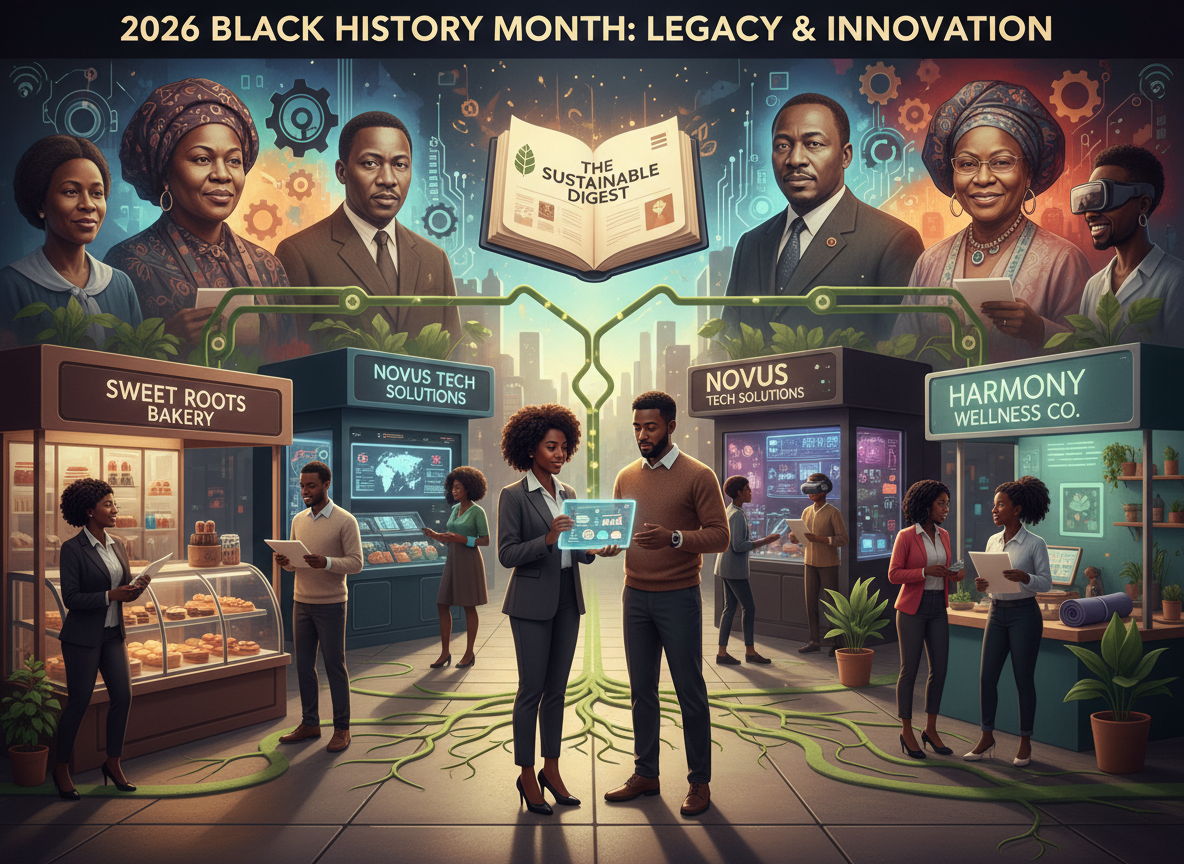
The 2026 Black History Month reveals a clear truth regarding our shared environmental future. Modern sustainability is not a new trend but a reclaimed legacy rooted in ancestral wisdom. This era marks a shift where mission-driven work aligns with long-standing traditions of community care.
In Illinois, the impact of this movement is clear, with over 180,000 firms currently operating today. These entities represent 13% of all state businesses and employ 54,000 people. This innovation reflects a deep commitment to both people and the planet (and perhaps a bit of savvy).
The world now recognizes that ecological health requires economic justice. By exploring Enterprise Development through a historical lens, we see how early systems inform today’s leaders. This analysis examines how these traditions continue to shape a more resilient society while building generational wealth.
The Historical Arc of Black Sustainability Leadership: Pre-Colonial to Contemporary Times
To appreciate modern green initiatives, one must trace the resilient thread of sustainability through the vast timeline of the African diaspora. This journey reveals that black history is deeply intertwined with ecological stewardship and communal care. From ancient agricultural methods to urban business cooperatives, the commitment to the environment remains a constant feature of the Black experience.
Pre-Colonial African Environmental Wisdom and Resource Management
Long before modern technology, African societies mastered intricate environmental management systems. They utilized communal land stewardship and complex crop rotation to preserve vital resources. These methods ensured that the earth remained fertile for future generations.
These systems supported people and ecosystems for centuries without causing ecological degradation. Their sophisticated biodiversity preservation techniques sustained life effectively. Modern sustainability experts are only now beginning to fully appreciate the depth of this ancestral knowledge.
Survival and Sustainability During the Industrial Revolution
Forced migration disrupted many traditional practices, yet the spirit of resilience ensured their survival in new environments. Enslaved communities adapted African agricultural knowledge to cultivate provision grounds. They also created herbal medicine systems using indigenous plants to maintain community health.
During the industrial era, Black Americans faced exclusion from mainstream economic opportunities. In response, pioneers like Anthony Overton and Jesse Binga created cooperative business models that prioritized community wealth. They proved that social entrepreneurship could thrive even under systemic oppression.
Leader
Key Achievement
Era/Year
Jesse Binga
Founded the first private Black-owned bank (Binga State Bank)
1921
John H. Johnson
First African American to appear on the Forbes 400
1982
Anthony Overton
Established Overton Hygienic Company and Chicago Bee
1898
Ida B. Wells
Challenged discriminatory practices for inclusive business
1893
Civil Rights Era to Modern Environmental Justice Movements
The struggle for equality evolved over many years to address the harsh reality of environmental racism. Advocacy highlighted how discriminatory policies left Black communities exposed to toxic waste and pollution. This realization galvanized a movement that connected civil rights to ecological health.
This era remains a pivotal chapter in black history, showing how activism secures a healthier future for all. Leaders fought for the right to clean air and safe water in marginalized neighborhoods. Their efforts paved the way for modern policies that link social equity with environmental protection.
Contemporary Black Innovation in Sustainable Business Practices
Today, a new wave of social entrepreneurship reflects a rich culture of learning and adaptation. Modern business leaders synthesize ancestral wisdom with cutting-edge technology to drive progress. They create enterprises that address climate change while building economic power.
During history month, we celebrate this continuous arc of innovation and leadership. By honoring black history, we recognize a legacy of stewardship that remains vital for global sustainability over time. This ongoing, time-tested commitment ensures that future generations will inherit both a thriving planet and a more equitable economy.
“The success of the community is built upon the sustainable management of our shared assets.”
Enterprise Development, 2026 Black History Month, Social Entrepreneurship: The Current Economic Landscape
Peering through the analytical lens of 2026, one finds that Black social entrepreneurs are no longer just filling gaps; they are constructing entire ecosystems of equity. This year’s black history month serves as a vital checkpoint for progress, highlighting how the community uses commerce to solve ancient problems. These leaders blend profit with purpose, ensuring that every dollar spent circulates back into local neighborhoods.
The shift toward sustainable models suggests a deep-seated desire to move beyond traditional retail. Entrepreneurs now prioritize long-term ecological health and social welfare over short-term financial gains. This analytical shift marks a new era in the American economic story.
By the Numbers: Black-Owned Business Impact in 2026
Current data from the state of Illinois reveals a robust landscape of entrepreneurial activity. Black-owned firms now make up 13% of all businesses in the region, totaling over 180,000 active units. These enterprises generate a significant impact by employing more than 54,000 residents across various sectors.
Longevity remains a cornerstone of this economic success. Nearly one-third of these firms have operated for over a decade, proving that resilience is a standard feature, not a fluke. When provided the right opportunity, these ventures act as anchors for generational wealth and local stability.
Black Women as Catalysts for Sustainable Enterprise Development
Black women currently stand at the vanguard of this movement. They represent 64% of Black business owners, leveraging unique perspectives to solve complex social issues. Their representation in the market signals a fundamental shift toward leadership that values empathy and sustainability.
Social entrepreneurship is not just about a product; it is about the courage to rewrite the social contract through the power of the marketplace.
These women often lead firms in education, social services, and professional consulting. Their focus on the collective good drives significant growth in the green economy. By centering community needs, they create a blueprint for future generations to follow.
Spotlighting Sustainable Black-Owned Businesses
Concrete examples of this philosophy abound in 2026. These businesses demonstrate how social entrepreneurship principles work in the real world. They show that ethical sourcing and community-driven missions are viable paths to success.
Southside Blooms: Youth Employment Through Sustainable Agriculture
Southside Blooms operates as a farm-to-vase nonprofit that tackles youth unemployment and urban blight. Their expansion into North Lawndale in early 2026 shows how a mission-rooted business can scale effectively. They transform vacant lots into productive flower farms, proving that environmental care can coexist with job creation.
Based in Peoria, this company represents the cutting edge of the plant-based revolution. As the city’s first 100% vegan bakery, Riley’s combines cultural innovation with environmental consciousness. They challenge conventional food industry norms while providing delicious, sustainable alternatives to their customers.
The Irie Cup: Sustainable Sourcing and Holistic Self-Care
The Irie Cup uses a family-owned model to promote ethical tea procurement. This home-based entrepreneurial tradition has evolved into a community wellness resource that educates the public on holistic health. They prioritize transparent supply chains, ensuring that their growth never comes at the expense of global farmers.
Business Name
Primary Focus
Social Impact Pillar
Southside Blooms
Sustainable Floriculture
Youth Employment
Riley’s Vegan Sweets
Plant-Based Food
Environmental Health
The Irie Cup
Ethical Tea Sourcing
Holistic Wellness
Illinois Tech Firms
Professional Services
Economic Equity
The 17 UN Sustainable Development Goals: Practical Applications in Black Social Entrepreneurship
Mapping the 17 UN Sustainable Development Goals onto the landscape of Black social enterprise reveals a sophisticated alignment between global targets and local activism. These goals are not just abstract ideals; they are active blueprints for impact within the African American business sector. By examining these connections, we see how entrepreneurs transform global mandates into neighborhood realities.
Goals 1-3: No Poverty, Zero Hunger, and Good Health
The initial cluster of UN goals addresses the most fundamental human needs. During black history month, it is vital to recognize how social enterprises serve as primary engines for these essential requirements. They bridge the gap between systemic neglect and community-driven abundance.
Community Employment Programs and Economic Opportunity
Enterprises like Southside Blooms create immediate economic opportunity by employing at-risk youth in the floral industry. This model provides more than a paycheck; it builds a stable community through meaningful work. By offering dignified jobs, these businesses directly combat poverty while fostering a sense of purpose.
Sustainable Food Systems and Nutrition Access
Riley’s Vegan Sweets & Eats serves as Peoria’s first 100% vegan bakery, proving that health-conscious options are a right, not a luxury. Such businesses improve access to nutritious food in areas often overlooked by traditional retailers. They demonstrate that healthy people are the foundation of a thriving, sustainable economy.
Goals 4-6: Quality Education, Gender Equality, and Clean Water
The pursuit of education and equality is a cornerstone of the Black entrepreneurial spirit. These goals ensure that the next generation of leaders has the tools and the equity required to succeed. By centering these values, businesses become more than commercial entities; they become institutions of social change.
Educational Programming and Leadership Development
Many Black-owned businesses integrate learning directly into their operational models through formal programs. Whether it is teaching sustainable farming or business management, these initiatives provide the resources needed for self-sufficiency. This focus on education ensures that knowledge remains a communal asset rather than a private privilege.

Women-Led Business Advancement
In Illinois, 64% of Black-owned businesses are led by women, highlighting a significant shift in leadership demographics. These enterprises provide vital support for gender equality by placing women at the helm of economic development. This leadership ensures that diverse perspectives guide the future of education and community health.
Business Name
Primary SDG Focus
Core Community Benefit
Southside Blooms
Goal 8: Decent Work
Youth employment and urban greening
Riley’s Vegan Sweets
Goal 3: Good Health
Plant-based nutrition in food deserts
The Irie Cup
Goal 12: Consumption
Sustainable sourcing and self-care
Goals 7-9: Affordable Energy, Decent Work, and Industry Innovation
Innovation in Black enterprises often involves reimagining how industries can serve the public good. These goals focus on building resilient infrastructure and fostering sustainable industrialization. This approach ensures that economic growth does not come at the expense of environmental or social well-being.
Green Business Practices and Job Creation
Sustainable flower growth and design businesses exemplify how green industries can revitalize urban spaces. These models prove that environmental opportunity and job creation can go hand-in-hand. By prioritizing planet-friendly methods, they set a new standard for responsible commercial operations.
Technological Innovation in Black Enterprises
Innovation is not always about high-tech gadgets; sometimes it is about the way a business interacts with its environment. Black entrepreneurs are leading the way by adopting clean energy and efficient production methods. This forward-thinking approach ensures long-term viability in a rapidly changing global market.
Goals 10-12: Reduced Inequalities, Sustainable Cities, and Responsible Consumption
Reducing inequality requires a deliberate effort to redistribute access to wealth and power. Black social entrepreneurs tackle this by demanding equitable access to capital for their ventures. They build businesses that serve as anchors for sustainable city development and ethical consumption.
Equitable Access to Capital and Resources
Despite historical barriers, nearly one-third of Black-owned businesses in Illinois have thrived for over a decade. This longevity depends on securing the financial resources necessary to scale and sustain operations. Providing a fair community investment landscape is essential for reaching these global equity targets.
Community-Centered Urban Development
Businesses that prioritize the local community transform urban landscapes into vibrant, sustainable hubs. By repurposing vacant lots for agriculture or retail, they create a sense of belonging and ownership. This way of developing cities ensures that growth benefits the residents who have lived there the longest.
Goals 13-15: Climate Action, Life Below Water, and Life on Land
Environmental stewardship is deeply rooted in the history of Black land ownership and agricultural wisdom. Many social enterprises use their programs to reconnect learning with the natural world. They treat climate action as a non-negotiable part of their business DNA.
Environmental Stewardship in Business Operations
Companies like The Irie Cup emphasize sustainable sourcing as a fundamental business principle. They recognize that protecting “Life on Land” is critical for the long-term health of their supply chains. This commitment shows that environmental care is a core part of modern Black social entrepreneurship.
Sustainable Sourcing and Conservation Practices
Conservation is not a secondary thought but a primary strategy for mission-driven Black businesses. By choosing ethically sourced ingredients and materials, they reduce their overall carbon footprint. This practice honors ancestral relationships with the earth while protecting future biodiversity.
Goals 16-17: Peace, Justice, and Partnerships for the Goals
The final UN goals emphasize that progress requires collective action and systemic justice. No business is an island, especially when the goal is widespread social change. During black history month, the focus on collaborative networks becomes even more pronounced.
Advocacy for Policy Change and Economic Justice
Black entrepreneurs often lead the charge for change in local and national policy. They advocate for laws that promote economic justice and fair market access for all people. This advocacy ensures that the legal framework supports, rather than hinders, sustainable development.
Collaborative Networks for Sustainable Development
Sustainable progress is only possible through strong partnerships between businesses, government, and citizens. Collaborative networks allow Black social entrepreneurs to amplify their impact and share best practices. By working together, these people ensure that the vision of a sustainable future becomes a shared reality.
Black-Led Organizations and Chambers Driving Sustainable Economic Equity
In the landscape of 2026, Black-led organizations serve as the essential scaffolding for equitable economic development across Illinois. These institutions provide the infrastructure that individual entrepreneurs need to scale their impact effectively. By offering coordinated support, they ensure that this history month is defined by progress rather than just reflection.
Illinois Black Chamber of Commerce and Statewide Networks
The Illinois Black Chamber of Commerce acts as a powerful engine for state level change. It provides advocacy that helps small firms navigate complex regulatory environments. Experienced leaders within the network offer mentorship to bridge the gap between startup ideas and sustainable growth.
Membership offers more than just a directory listing. It provides direct access to capital resources and procurement opportunities. This collective power allows business owners to compete for large-scale contracts that were previously out of reach.
Regional efforts through the Black Business AllianceโPeoria Chapter ensure that growth is not limited to the largest cities. These organizations recognize that economic equity matters across all geographic boundaries. They connect local talent with regional supply chains to boost resilience.
The Quad County African American Chamber expands these opportunities across Kane, Kendall, DuPage, and Will counties. This alliance fosters a collaborative business environment. It transforms isolated local efforts into a unified regional economic force.
Chicago Urban League and Community Economic Development
The Chicago Urban League represents the evolution of civil rights into modern economic empowerment. Their programs focus on community development as the foundation for entrepreneurship. They provide technical training that helps founders master financial literacy and digital transformation.
By connecting emerging leaders with established corporate partners, they create a pipeline for success. Their work proves that systemic equity requires intentional investment in human capital. This approach turns historical challenges into future economic opportunities.
Cultural Celebrations Amplifying Black Business Success
Cultural events serve a dual purpose by blending economic support with social culture. They turn public awareness into direct revenue for local creators and artisans. This engagement ensures that the spirit of the history month translates into tangible financial growth.
From February 8-22, 2026, this event focuses on uplifting the food and beverage sector. It is a time to celebrate black culinary excellence through direct consumer action. This recognition builds lasting relationships between owners and the neighborhoods they serve.
During black history month, this initiative transforms passive observation into active spending. It highlights the vital role that restaurants play in local economies. These celebrations create a cycle of visibility that supports long-term sustainability.
Leadership, Advocacy, and Mentorship: Building the Next Generation of Social Entrepreneurs
Building a sustainable future for Black social entrepreneurship relies on a triple threat: historical wisdom, contemporary leadership, and the relentless advocacy of mentors. These elements combine to form a robust framework where individual success fuels collective growth. When we look back, we see that the seeds of modern enterprise were sown by those who refused to accept the status quo.
Every moment spent studying these pioneers reveals a blueprint for resilience. Their stories teach us that social change and economic power are often two sides of the same coin. By integrating these lessons today, we ensure that the next generation of people in the industry has a solid foundation to stand on.
Pioneering Black Business Leaders: From Jesse Binga to Oprah Winfrey
Institutional legacy began with pioneers like Jesse Binga, who opened the first privately-owned African American bank in 1921. Others like Anthony Overton, who established his hygienic company in 1898, and Ida B. Wells challenged discriminatory practices through journalism. These leaders demonstrated Black economic capacity over many years of intense struggle.
These early successes provided the template for John H. Johnson, who became the first African American on the Forbes 400 in 1982. Oprah Winfrey later expanded what was believed possible by becoming the first Black woman billionaire. Her leadership through Harpo Productions showed how media content can drive both profit and social change.
Leader
Historical Milestone
Economic Impact
Jesse Binga
Binga State Bank (1921)
First private Black-owned bank
John H. Johnson
Forbes 400 List (1982)
Validated Black publishing power
Oprah Winfrey
Billionaire Status
Global media institution building
Today’s Corporate and Community Leaders Shaping Sustainable Futures
Modern leadership continues through figures like Nicholas Bruce and Sirmara Campbell, who use their access to shape sustainable futures. Today, leaders like Brandon Fair and Shalisa Humphrey occupy vital positions in finance and the industry. Their professional experience allows them to advocate for systemic equity in every company they serve.
Furthermore, Otto Nichols and Zaldwaynaka Scott bridge the gap between real estate, education, and economic development. They use their leadership roles to mentor emerging entrepreneurs who face unique questions in the current market. This experience is crucial for maintaining representation in high-level corporate programs.
The Power of Platforms: Entertainment and Social Change
The entertainment industry serves as more than just culture; it is a massive driver of economic growth. During a Howard University event, Renata Colbert noted that the film industry supports over 2,000,000 jobs in the world. Productions like “Superman” bringing $82 million to Georgia prove that creative content matters for local stability.
“Policy creates that avenue… even the most innovative business content can be constrained by regulatory frameworks.”
โ Renata Colbert, Motion Picture Association
Economic impact extends to cities like D.C., where “House of Dynamite” infused $5 million into the local home economy. This part of the industry proves that culture and commerce are deeply intertwined. Such an event highlights how platforms can provide recognition for marginalized voices while creating jobs.
Mentorship as a Cornerstone of Sustainable Success
Effective mentorship requires more than sharing advice; it involves creating a support system for the next generation. During history month, it matters to recognize how intergenerational dialogue fosters deep learning. Experienced leaders help students navigate the way toward professional recognition and success.
Through years of experience, mentors provide the access that formal education often misses. They answer difficult questions about navigating corporate programs and staying true to one’s mission. This learning process is a vital part of sustaining leadership across decades.
Understanding Policy and Its Impact on Enterprise Development
Mentors must teach that advocacy for better policy creates the necessary avenues for success. Policy literacy ensures that social growth is not limited by legislative barriers. In every history month, we see that the most successful people were those who understood the rules of the game.
Creating Safe Spaces for Artists and Entrepreneurs
Monique Davis-Carey emphasized that our responsibility is creating a safe space for creators to thrive. This environment allows for authentic expression and protects the integrity of the artistic moment. Such a home for innovation ensures that representation remains a priority in the industry.
Authentic Networking and Resource Mobilization
Authentic networking, as modeled by the rapper Noochie, focuses on genuine connection rather than transactions. This way of building relationships reflects cultural values of community and shared access. It helps mobilize resources to ensure every moment contributes to the collective good in the space of social enterprise.
Conclusion
As history month 2026 begins, it becomes clear that the legacy of Black social entrepreneurship is the ultimate roadmap for global progress. This time allows us to celebrate black history by acknowledging that sustainability is a reclaimed legacy of resilience. Today, modern innovation draws directly from centuries of community-centered resource management that sustained people through every era.
Mission-driven organizations use the 17 UN Sustainable Development Goals to create a new way of doing business. These visionary leaders ensure that every individual has the opportunity to thrive while protecting our collective future. During this history month 2026, we recognize that mission-driven enterprises create comprehensive community impact rather than focusing on narrow profit generation.
Within our state, access to resources and mentorship helps new ventures flourish into sustainable landmarks. We celebrate black excellence and support local events like Restaurant Week to drive real economic change. This content reminds us that history month 2026 transforms a simple celebration into a powerful engine for long-term engagement.
When we celebrate black history during black history month, we invest in an equitable and inclusive future. Every history month reminds us that resilience requires both individual excellence and the strength of collective support. During this history month 2026, we honor the past by empowering the business leaders of today. As black history month concludes, this history month serves as a permanent reminder that prosperity and purpose are complementary goals for all.
Core Pillar
Business Application
Sustainable Goal
Heritage
Reclaiming ancestral wisdom
Climate Action
Economy
Mission-driven growth
Decent Work
Equity
Inclusive leadership
Reduced Inequality
Key Takeaways
Ecological care is a long-standing tradition within these communities.
Local firms in Illinois drive significant employment and regional growth.
Social Entrepreneurship mission-driven business models reclaim ancestral economic power.
Upcoming celebrations highlight the link between justice and ecology.
Progress is rooted in cultural memory and community resilience.
Impact-focused ventures act as vehicles for systemic change.
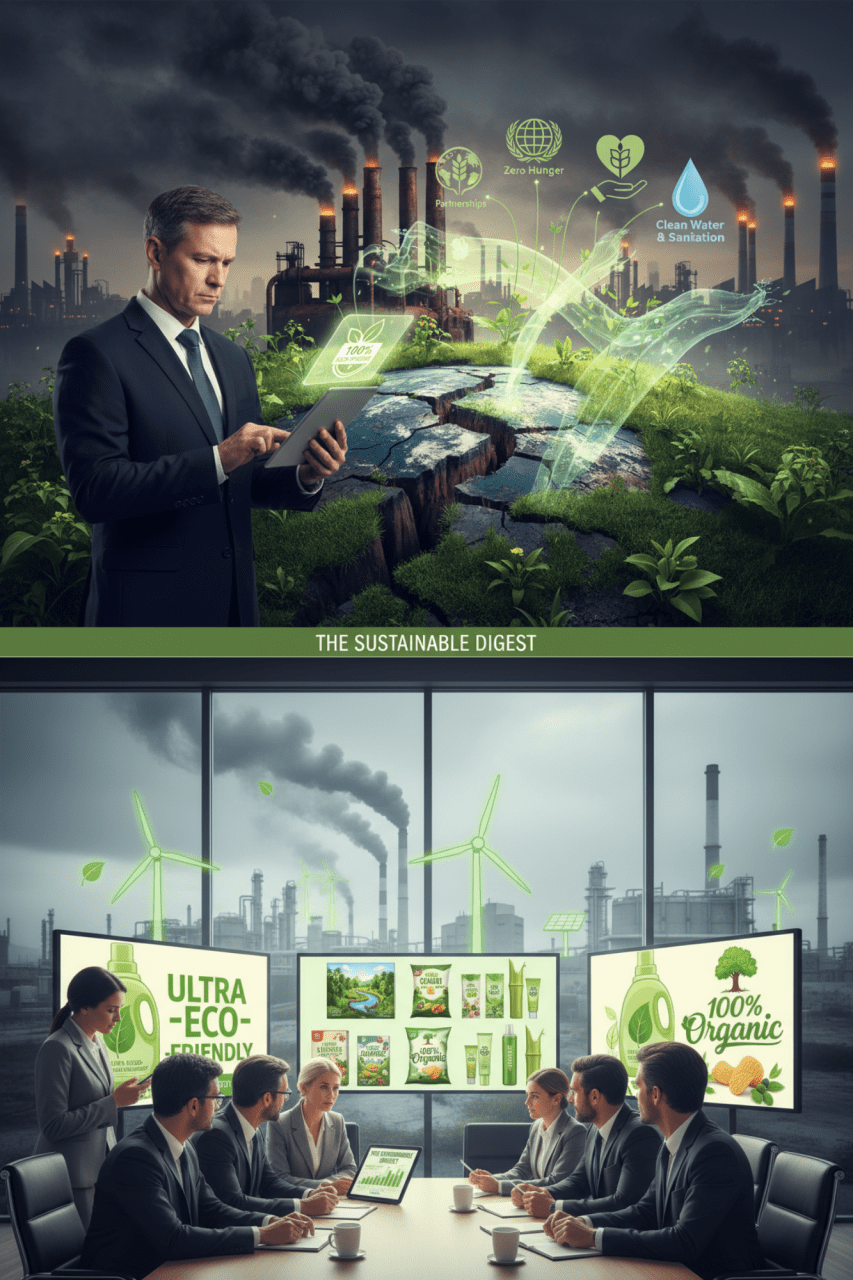
Over 40% of corporate environmental claims might be misleading or not backed up. It’s not just about lies versus truth. It’s a complex world where fake green claims hide many wrongdoings.
For global professionals and eco-aware consumers, it’s not enough to just be skeptical. You need a clear guide. Knowing the variants of greenwashing is key to avoiding them. This detailed breakdown shows us that greenwashing is not one thing, but many, each affecting society in different ways.
Understanding these types helps us move from vague worries to real actions. It lets us tell real progress from fake green promises. This knowledge is crucial for a market where true green efforts, not fake ones, lead the way.
What Is Greenwashing? Defining Modern Environmental Deception
Greenwashing is more than just false advertising. It’s a big problem that makes a huge gap between what companies say they do and what they really do. It uses tricks like unclear information and feelings to make people think companies are doing more for the environment than they are.
The Core Definition of Greenwashing in Today’s Market
The term greenwashing originally meant making false claims about being good for the environment. Now, it’s a complex strategy. It’s when companies make it seem like their products or actions are better for the planet than they actually are.
Greenwashing is the “disinformation disseminated by an organization so as to present an environmentally responsible public image.”
Source: Oxford Languages
This trickery isn’t always a clear lie. Often, it’s about picking and choosing what to say, using vague words, or doing small gestures that don’t really help. The goal is to look good without actually changing much.
Why Greenwashing Has Become Pervasive in Consumer Industries
There are many reasons greenwashing is everywhere. First, people want to buy things that are good for the planet, making companies want to look like they care. Sometimes, companies try to keep up with what people want without really changing.
Second, the rules for being green are not clear everywhere. This lets companies play by different rules in different places. Third, it’s hard to know what’s really going on in complex supply chains. A company might focus on one green thing while ignoring the rest.
Lastly, things meant to help like eco-labels and reports can be used to trick people. If not checked, they can help greenwashing instead of stopping it.
Distinguishing Between Authentic Sustainability and Greenwashing
It’s hard to tell the real deal from just a show. Real sustainability means making big changes and showing how they help. It’s honest and says what it’s going to do to get better.
Here’s how to tell the difference:
Specificity vs. Vagueness: Real claims are clear, like “cut carbon emissions by 40% by 2023”. Greenwashing uses vague terms like “eco-friendly” without explaining what it means.
Substance vs. Symbolism: True sustainability means changing how things are done and using clean technology. Greenwashing is about looking good with marketing or one-off projects that don’t really help.
Lifecycle vs. Highlight Reel: Real efforts look at and improve a product’s whole life, from start to end. Greenwashing picks one good thing to hide the bad.
Knowing the difference is key to spotting greenwashing. It’s about what a company does, not just what it says. And especially, what it proves.
The Evolution and Devolution of Greenwashing Strategies
Greenwashing has evolved, becoming more sophisticated while ethical standards have declined. This shows how technology and ethics have moved in opposite directions. It’s important to understand this to spot hidden environmental harm.
Early greenwashing was obvious. Now, it’s designed to trick people’s minds. This change shows companies are adapting to consumer awareness and rules.
Historical Perspective: How Greenwashing Tactics Have Changed
In the 1970s and 1980s, greenwashing was simple. Companies made big claims without proof. There were no strict rules, making it a free-for-all in environmental marketing.
From Blatant False Claims to Subtle Psychological Manipulation
Old greenwashing was based on false claims. A product might be called “100% eco-friendly” without proof. These claims were easy to spot.
Now, companies use tricks like the halo effect. They link products to nature to seem green. They also use vague terms like “green” to confuse people.
Companies use psychology to sell more. They make offers seem limited to create a sense of urgency. They also make more expensive products seem better for the planet.

Regulatory Attempts and Corporate Counter-Strategies
Regulators have tried to stop greenwashing. The U.S. Federal Trade Commission’s Green Guides aim to stop false claims. They cover topics like biodegradability and carbon offsets.
Companies have found ways to avoid being honest. They make claims that are technically true but misleading. This is called “claim splitting.”
“The most dangerous greenwashing isn’t the lie you can spot, but the half-truth you believe because it contains a fragment of reality.”
Companies also use “regulation arbitrage.” They follow the weakest environmental rules in different places. This makes them seem green in some markets while polluting in others.
The Increasing Sophistication of Greenwashing Techniques
Digital technology has made greenwashing better and accountability worse. Big data and social media let companies target their lies more effectively. They can tell different stories to different people.

Data-Driven Greenwashing in the Digital Age
Companies use data to tailor their green messages. They look at what you buy and what you like on social media. This way, they can make messages that seem personal.
They test different messages to see what works best. This makes it seem like they care about what you want, when really they just want to sell more.
They even predict what green issues will be big. They use machines to find out before everyone else does. This way, they can seem ahead of the curve.
How Social Media Has Transformed Greenwashing Approaches
Social media has changed greenwashing a lot. Companies use real people to promote their green messages. These people seem genuine, making it hard to tell what’s real.
Platforms like Instagram focus on looks over real change. They show off green products to make it seem like companies care. But, the reality is often different.
Algorithms on social media make certain content more popular. This means small actions get more attention than big changes. It’s all about making a good impression, not really helping the planet.
Historical Greenwashing (Pre-2000)
Contemporary Greenwashing (Post-2010)
Psychological Mechanism
Blatant false claims (“100% biodegradable”)
Technically true but misleading statements
Exploits trust in factual accuracy
Generic nature imagery
Personalized environmental narratives
Creates false personal connection
One-size-fits-all messaging
Demographically targeted content
Confirms existing biases
Regulatory avoidance
Regulatory loophole exploitation
Creates illusion of compliance
Static printed materials
Algorithmically optimized social content
Exploits engagement psychology
The table shows how greenwashing has changed. It’s moved from being obvious to being very subtle. The best lies are those that seem true.
This is a big problem. It shows companies are more interested in tricks than being honest. The battle against greenwashing is getting harder.
Greenwashing Types with Variants: A Complete Framework
To understand greenwashing better, we need a clear framework. Saying a company is “faking it” isn’t enough anymore. This section shows a detailed way to sort out greenwashing into three main types. Knowing this helps us check things more closely and make better choices.
Organizing Greenwashing by Method and Mechanism
Greenwashing isn’t all the same. It changes a lot based on how it’s done. By sorting it by method, we can find it more easily. This way, we go from just guessing to really looking into it.
Communication and Messaging-Based Variants
This type uses words and stories to trick us. It changes how we see environmental info. It uses vague words, feelings, and stories to make us think something is green when it’s not. The goal is to change what we think through what we hear.
Labeling, Certification and Claim Manipulation
This type plays on trust in labels and special terms. It uses fake eco-labels, wrong uses of certifications, and confusing terms. Companies might make their own labels or stretch the meaning of a certification. It tricks us by using trust symbols in the market.
The sneakiest types change how companies act and how we see them. They’re not just about one claim. They hide bad actions, blend in with the crowd, or use small green steps to hide big problems. We need to look at what companies do, not just what they say.
โA taxonomy of greenwashing is not academic; it’s a diagnostic tool. You need to know if you’re dealing with a surface-level marketing lie or a deep, strategic diversion to prescribe the right remedy.โ
โ Sustainability Governance Analyst
The Importance of Recognizing These Specific Variants
Why is it important to know the different types of greenwashing? A simple approach can’t catch all the tricks. Knowing the greenwashing types helps us become more careful. It lets us match our checks to what companies are doing.
How Different Variants Target Different Consumer Vulnerabilities
Each type uses different ways to trick us. Messaging tricks use stories and pictures. Labeling tricks use symbols of trust and knowledge to make choices easier.
Behavioral tricks, like blaming others, play on our sense of doing the right thing. Knowing what trick is being used helps us defend ourselves better.
Why a One-Size-Fits-All Approach to Detection Fails
Being skeptical of all green claims is not smart. A simple check might miss some tricks. For example, a fake label check won’t catch a company that’s just trying to look good by comparison.
Companies might use many tricks at once. They might use green talk to hide label tricks. To really spot these, we need to look closely. We must figure out if it’s a simple mistake, a fake label, or a big trick. The answer tells us what to do next. Real greenwashing is often a mix of these, and our framework helps sort it out.
Communication Manipulation: Greenhushing, Greenspinning and Greenlighting
Companies are getting better at hiding their true environmental impact. They use greenwashing tactics like greenhushing, greenspinning, and greenlighting. These methods distort the truth without making obvious lies. They work by using silence, strategic framing, and selective highlighting.
Unlike old-fashioned greenwashing, these new tactics control what information gets out. They are tricky to spot and challenge. Knowing about these tactics helps us see through fake green claims.
Greenhushing: The Strategic Withholding of Information
Greenhushing means companies hide environmental info to avoid being criticized. This is the opposite of making big green claims but serves the same goal: to fool people about their real impact. Companies fear that being too open would show they’re not doing enough.
How Companies Use Silence to Avoid Scrutiny
Greenhushing uses selective sharing and hiding. Companies might publish reports that just meet the minimum but leave out key details. They might not talk about big climate goals because they’re worried they can’t reach them.
This trick is popular in industries with big carbon footprints or complex supply chains. By saying less, they avoid harsh criticism and activist pressure. The silence is often more helpful than making bold claims that might backfire.
Some common greenhushing tricks include:
Leaving out Scope 3 emissions from carbon counts
Only sharing positive environmental news while ignoring the bad
Not talking about long-term climate risks in talks with investors
Using vague language that doesn’t make clear, measurable promises
Real Examples of Greenhushing in Major Corporations
Big tech companies are known for greenhushing. They only report direct emissions from their operations, ignoring the huge carbon footprint of their supply chains and products. This is a common practice.
The car industry also uses greenhushing. Some car makers focus on electric cars but quietly scale back plans to stop using gas engines. They talk about future plans but downplay current actions.
Banks have been accused of greenhushing too. They promote green investments but don’t share how much they still fund fossil fuels. This selective sharing gives a misleading view of their environmental impact.
Greenspinning: Repackaging Environmental Failures as Successes
Greenspinning turns environmental failures into wins. It’s like PR magic that changes how we see things. Unlike outright lies, greenspinning changes how we think by how things are framed.
The Art of Environmental Public Relations Manipulation
Greenspinning uses smart communication tricks. Companies might highlight small wins as big deals. They compare current performance to a worse past, making it seem like they’re doing great.
Language plays a big role in this trick. Words like “transition,” “journey,” and “evolution” make progress seem real, even if it’s not. Vague promises to go “net-zero by 2050” look ambitious but delay real action for decades.
Effective greenspinning often involves:
Calling small pollution cuts “environmental achievements” instead of just meeting rules
Showing delayed phase-outs of harmful practices as “responsible transitions”
Calling small changes “transformational breakthroughs”
Using future language (“we aim to,” “we plan to”) to seem committed without doing much
Case Studies: Greenspinning in Oil and Fashion Industries
The energy sector is great at greenspinning. Big oil companies now call themselves “energy companies” or “energy solutions providers.” They highlight small green investments while still growing fossil fuel use. One big oil company talks about going “net-zero” but keeps finding new oil fields.
Fast fashion is another example of greenspinning. Brands might launch a small “sustainable” line but market it a lot. This makes it seem like they’ve changed their whole business, even though they haven’t.
These examples show how greenspinning lets companies keep doing harm while looking good. It confuses consumers who see mixed messages about green responsibility.
Greenlighting: Emphasizing Minor Green Initiatives
Greenlighting shines a light on small green actions to hide bigger problems. It’s like theater lighting that focuses on some actors while others are in the dark. This tactic uses small steps as distractions from bigger issues.
How Small Actions Are Used to Divert Attention from Larger Issues
The psychology behind greenlighting is based on the “spotlight effect.” By focusing on a small, appealing action, companies draw attention away from bigger problems. This makes them seem more green than they really are.
Airlines are a perfect example of greenlighting. They promote carbon offset programs to make flying seem green. But they keep growing their fleets and routes, increasing emissions.
The food and drink industry uses similar tricks. A big food company might push paper straws or lightweight bottles a lot. These small changes get a lot of attention, hiding bigger environmental issues.
Greenlighting works because it offers clear, appealing actions that match what people want. Removing plastic straws or starting recycling programs are real improvements. But they get all the attention, hiding bigger environmental problems.
This tactic is especially useful in industries that can’t change their whole business model. By focusing on small green steps, companies can look like they’re making progress without really changing.
Labeling Deception: Greenrinsing, Greenlabeling and Greenclaim Inflation
When companies play with words, they also play with symbols. This leads to confusing labels and stats that we all have to deal with. Seals, badges, and promises are often used to trick us.
These tricks target our trust in different ways. Greenrinsing messes with long-term plans, greenlabeling confuses us right away, and greenclaim inflation distorts what we can measure. Together, they make it hard to make smart choices.
Greenrinsing: The Cycle of Changing Sustainability Goals
Imagine running on a treadmill where the finish line keeps moving back. That’s what greenrinsing is like. Companies set big goals but then change them before they have to do anything.
This makes it seem like they’re always making progress, even if they’re not. A goal to be carbon neutral by 2030 becomes 2040. Or, a plan to reduce plastic is replaced by something else. It never ends.
How Companies Repeatedly Reset Targets to Avoid Accountability
Corporate reports often start with big promises. These promises get a lot of attention and approval. But when the deadline comes, they find excuses to change their goals.
They say things like “market changes” or “new science” to justify the changes. This way, they look like they’re making responsible choices, even if they’re not.
Three common ways companies change their goals include:
Scope redefinition: Making the goal smaller
Timeline extension: Pushing the deadline back
Metric substitution: Changing the goal to something easier
Documented Cases of Greenrinsing in Corporate Sustainability Reports
Many big companies have been caught in greenrinsing. For example, a global drink company pushed back its goal to use 100% recycled packaging from 2025 to 2030. This change came after they didn’t make much progress on the original goal.
A fast-fashion brand kept lowering its goal for organic cotton. Each time, they set a new, less ambitious target. This made them less accountable.
“Sustainability targets should be milestones, not moving finish lines. When goals consistently shift further away, we must question whether the commitment is to improvement or merely to the appearance of improvement.”
Sustainability Reporting Analyst
The car industry shows clear examples too. Many car makers have delayed their plans for electric cars while making more SUVs. This shows they’re not really committed to change.
Greenlabeling: Misuse of Environmental Terminology and Certifications
Every supermarket aisle is filled with green promises. Greenlabeling uses confusing terms and fake certifications to trick us. It’s all about looking good without actually doing anything.
This works because we don’t have time to check everything. A quick look at the packaging decides if we buy it. Greenlabeling uses words and symbols to trick us into thinking it’s better than it is.
Common Misleading Labels: “Eco-Friendly,” “Natural,” “Green”
These terms sound good but mean nothing. “Natural” might mean a product has 1% plant stuff and 99% synthetic stuff. “Eco-friendly” could mean they used a little less packaging, but it’s still toxic.
The problem goes beyond just words. Some companies make their own “green” seals without anyone checking them. These fake badges look real but don’t mean much.
Consider these misleading claims:
“Contains natural ingredients” (which could be petroleum-derived)
“Green technology” (without lifecycle assessment)
“Environmentally conscious” (based on undefined criteria)
How to Verify Authentic Environmental Certifications
Real certifications are clear and checked by others. They need regular checks and follow strict rules. The best ones look at the whole life of a product, not just one part.
Certification
Governing Body
Key Focus Areas
Verification Process
Cradle to Cradle Certifiedยฎ
Cradle to Cradle Products Innovation Institute
Material health, renewable energy, water stewardship, social fairness
Third-party assessment, multiple achievement levels (Basic to Platinum)
TRUE Certification
Green Business Certification Inc.
Zero waste, diversion from landfills, circular economy
Laboratory testing, manufacturer verification, random sampling
Look for certifications with clear standards. Make sure the group giving the certification isn’t just friends with the company. Real programs show their numbers and codes online.
If greenlabeling tricks us with words, greenclaim inflation tricks us with numbers. It makes big claims about how green a product or company is. A small change is called a “game-changer.”
This trick works because we want to believe our choices help the planet. Companies make these big claims to make us feel good about buying from them.
The Psychology Behind Overstated Sustainability Claims
Research shows these tricks work by playing on our minds. The halo effect makes us think a product is better just because it has one good thing. Saying a product is “30% recycled” might make us think it’s much greener.
Proportional distortion is another trick. Saying a product is “dramatically reduced” might sound big, but it might not be. The language makes it seem like a big change, even if it’s not.
Three ways these tricks work include:
Optimism bias: We want to believe in a greener world
Numerical innumeracy: We struggle to understand numbers and percentages
Trust in authority: We assume companies wouldn’t lie
Quantifying the Gap Between Claims and Reality
There’s a big difference between what companies say and what they actually do. A study found that “carbon neutral” shipping claims only covered 15-40% of emissions. This gap is because of mistakes or on purpose.
Another study looked at “water-saving” appliances. Marketing said they saved 30%, but real use showed only 8-12% savings. This difference is because of ideal lab tests versus real use.
Here’s a comparison of common exaggerated claims:
Claim Made
Typical Reality
Inflation Factor
Common Justification
“Carbon neutral” product
Partially offset emissions
2-3x
“Based on lifecycle assessment” (using favorable boundaries)
“Significantly reduced waste”
5-10% reduction
3-4x
“Compared to previous version” (without industry context)
“Renewable energy powered”
Partial renewable mix
1.5-2x
“Matching renewable certificates” (not direct procurement)
To spot greenclaim inflation, look for real numbers and context. Don’t trust vague claims like “greener” or “more sustainable.” Look for specific, detailed information.
The tricks of greenrinsing, greenlabeling, and greenclaim inflation are a big problem. They make us trust companies more than we should. But if we know these tricks, we can demand better.
Behavioral Greenwashing: Greenshifting, Greencrowding and Greenmasking
Greenwashing has evolved from simple tricks to complex social engineering. It now manipulates behavior and perception at a deep level. This shift targets the psychological and social sides of sustainability.
These tactics include shifting blame to consumers, hiding in a sea of mediocrity, and using charity to hide wrongdoings. It’s key to spot when these tactics are used to hinder progress.
Greenshifting: Transferring Environmental Responsibility to Consumers
Greenshifting is a trick where companies make you think you’re responsible for the environment. It makes big problems seem like they can be solved by changing your own habits.
The “Your Carbon Footprint” Narrative and Its Flaws
The idea of carbon footprints started with BP in 2004. It made people think climate change is all about personal choices. This idea has spread, distracting from the real problem of corporate emissions.
Studies show that just 100 companies cause 71% of global emissions. This makes it clear that greenshifting shifts blame away from big polluters.
“The greatest trick the fossil fuel industry ever pulled was convincing the world that climate change was about your choices, not theirs.”
Environmental Sociologist Dr. Rebecca Jones
How Greenshifting Appears in Advertising and Corporate Messaging
Greenshifting uses certain words and images in ads and messages:
Imperative language: “You can make a difference,” “Your choice matters,” “Be part of the solution”
Visual framing: Images focusing on consumer actions rather than production processes
Product positioning: “Eco-friendly” options that require premium prices from consumers
Educational campaigns: Teaching consumers about recycling while opposing extended producer responsibility laws
Fast food companies are a good example. They promote reusable cups and plant-based options but keep unsustainable practices. This makes consumers feel guilty and responsible for environmental issues.
Greencrowding: Hiding Within Industry-Wide Mediocrity
Greencrowding happens when companies all agree on low environmental standards. This way, no one feels pressured to do better. It’s a collective problem where everyone stays stuck in place.
The Collective Action Problem in Environmental Standards
Industries often set their own environmental standards. These standards are usually the lowest common denominator. This way, everyone can meet them easily.
The greencrowding pattern is clear:
Industry leaders resist strict rules by proposing weak standards
These standards are set at levels that even the least progressive members can meet
Companies celebrate “industry-wide progress” while secretly opposing stricter rules
The mediocre standard becomes the new goal, slowing down real progress
This approach turns environmental progress into a collective shield. When everyone moves slowly together, no one gets left behindโand no one gets ahead.
Examples of Greencrowding in Fast Fashion and Plastics Industries
The fashion and plastics industries show classic greencrowding. Major brands set modest goals like 30% recycled content by 2030. Critics say these goals are too easy to achieve.
Industry
Collective Initiative
Actual Impact
Greenwashing Mechanism
Fast Fashion
Fashion Pact (2019)
Vague commitments with no enforcement
Safety in numbers against regulation
Plastics
Alliance to End Plastic Waste
Focuses on waste management, not production reduction
Redirects attention from source problem
Automotive
Voluntary fuel efficiency standards
Slower progress than regulatory mandates would achieve
Industry-controlled timeline
The plastics industry is a clear example. Big producers promote recycling while increasing virgin plastic production. This greencrowding strategy has delayed bans on single-use plastics and extended producer responsibility laws in many places.
Greenmasking: Using CSR to Conceal Harmful Practices
Greenmasking uses Corporate Social Responsibility (CSR) to hide environmental harm. It’s the philanthropic side of greenwashing, where good deeds cover up ongoing damage.
Corporate Social Responsibility as a Smokescreen
CSR can be good, but it’s used to hide wrongdoings. Companies might fund reforestation while clear-cutting forests elsewhere. They might support environmental education while fighting climate laws.
Greenmasking works because of several psychological factors:
The halo effect: Good deeds in one area make the whole company seem better
Attention diversion: Media focuses on charity efforts, not on the company’s wrongdoings
Moral licensing: People think they can do wrong because they’ve done something good
Complexity overwhelm: Many initiatives make it hard to see the real picture
This creates the CSR paradox. The biggest environmental offenders often have the most visible sustainability efforts.
How to Identify When CSR Is Being Used for Greenmasking
To spot greenmasking, look for these signs:
Strategic alignment: Do CSR efforts really address the company’s environmental impacts?
Proportionality: Is the charity spending meaningful compared to the harm caused?
Transparency: Are both good and bad impacts reported fairly?
Policy consistency: Does the company support environmental laws that match its CSR claims?
Long-term commitment: Are the CSR efforts sustained beyond just publicity?
The fossil fuel industry is a prime example. Big oil companies have renewable divisions and climate funds but still grow their fossil fuel business. Their reports highlight these efforts while downplaying their emissionsโa classic greenmasking tactic that slows down the energy shift.
Greenshifting, greencrowding, and greenmasking are the most advanced greenwashing tactics. They don’t just lie; they change how we see and act. Spotting these tricks is the first step to taking back environmental responsibility.
Additional Greenwashing Variants: Greenwishing and Green Botching
There’s a gray area where good intentions go wrong. Greenwishing and green botching are terms for when plans fail. They can hurt trust as much as lies, needing careful thought to tell them apart.
Greenwishing: Hopeful But Empty Sustainability Promises
Greenwishing is when companies make big environmental promises without a solid plan. They say things like they’ll be carbon-neutral by 2050 or use 100% recyclable packaging. But they don’t show how they’ll get there.
The difference between a good goal and greenwashing is clear. A good goal has steps to follow, money to spend, and progress to report. Greenwashing just promises without showing how it will happen.
The Difference Between Aspiration and Deception
Good goals push us forward. They need clear steps, regular updates, and someone to be accountable. Greenwashing, on the other hand, just promises without showing how it will happen.
“A pledge without a plan is merely a PR statement. It asks for credit today for work that may never be done.”
It’s about claiming to lead in sustainability without doing the hard work. It’s about getting credit now for something that might never happen.
How Greenwishing Manifests in Corporate Planning
Greenwishing shows up in business plans and talks to investors. A company might say they’re going green without actually doing it. They might promise to be carbon-neutral but keep using fossil fuels.
This way, they can keep doing things as usual. They just pretend to be thinking about the future.
Green Botching: Incompetent Implementation of Green Initiatives
Green botching is when good ideas go wrong. It happens when a plan is so poorly done that it hurts the environment. It’s ironic: something meant to help ends up causing harm.
When Poor Execution Becomes a Form of Greenwashing
When does a mistake become greenwashing? It happens when a company chooses to highlight the good idea instead of fixing the problem. They market the failed project as a green success, misleading everyone.
Case Examples of Well-Intentioned But Poorly Executed Sustainability
There are many examples of green botching:
Biodegradable Plastics Contaminating Streams: Some plastics are marketed as biodegradable but need special facilities to break down. When thrown away normally, they ruin recyclables.
Carbon-Offset Reforestation Failures: Projects that plant trees to capture carbon often harm local ecosystems. They use non-native species that damage soil and biodiversity.
Inefficient Green Products: Some energy-saving appliances use more power than they save. Eco-products can also create more waste than regular ones.
These examples show that results matter, not just good intentions. The Explorer looks for new solutions, but the Sage makes sure they work. This way, good ideas don’t turn into failures.
The Greenwashing Effect on Sustainability and UNSDGs
Greenwashing is more than just misleading consumers. It harms the global effort for sustainability, affecting the United Nations Sustainable Development Goals. This damage is what we call the greenwashing effect of sustainability overall. It confuses people and diverts resources away from real progress.
Companies that greenwash are not just bending marketing rules. They are part of a bigger problem that threatens the 2030 Agenda for Sustainable Development. This section looks at how these tricks damage trust, slow down innovation, and hurt key UNSDGs.
Long-Term Consequences of Greenwashing for Sustainable Development
The greenwashing variants’ long term effect in sustainable development goes beyond just tricking consumers. It creates lasting barriers to progress, changing markets and policies in negative ways.
Erosion of Public Trust in Environmental Science and Policy
When people see exaggerated green claims that don’t match reality, they start to doubt everything. This doubt affects both real environmental science and corporate spin. It leads to “claim fatigue,” where even true sustainability information is questioned.
This erosion has real effects. Support for tough environmental policies drops. People are less willing to pay more for sustainable products. As one sustainability analyst said,
“Greenwashing doesn’t just sell a false product; it sells a false narrative about what’s possible, making real solutions seem either insufficient or unnecessarily extreme.”
How Greenwashing Slows Genuine Technological and Social Innovation
Greenwashing creates bad incentives in the market. When companies make superficial changes or make vague “carbon neutral” claims, they don’t have to invest in real innovation. Money goes to marketing instead of research and development.
This hurts breakthrough technologies that need a lot of investment. Why spend on real circular production when just adding a recycling symbol works? The greenwashing effect of sustainability overall acts like a tax on innovation, slowing down the development and use of real solutions.
Greenwashing’s Impact on Specific United Nations Sustainable Development Goals
Greenwashing harms the UNSDGs in specific ways. Each goal has a target that greenwashing can undermine through different means.
UNSDG 12: Responsible Consumption and Production
Goal 12 aims for sustainable consumption and production. Greenwashing tricks like greenlabeling and greenclaim inflation directly harm this goal. They distort the information needed for consumers to make good choices.
When products have misleading environmental certifications or exaggerated claims, the market signals are wrong. Consumers trying to follow UNSDG 12 principles find themselves lost in a sea of false claims.
UNSDG 13: Climate Action
Goal 13 calls for urgent action on climate change. The greenwashing trick greenshifting is a big threat to this goal. It shifts the responsibility for carbon reduction from companies to consumers, letting companies avoid making real changes.
This creates “responsibility diffusion,” where everyone is supposed to be responsible but big polluters don’t change. The greenwashing variants’ long term effect in sustainable development here is especially bad: it keeps emissions high while making it seem like everyone is doing something about climate change.
UNSDG 14: Life Below Water and UNSDG 15: Life on Land
Goals 14 and 15, about aquatic and terrestrial ecosystems, face threats from greenmasking. Companies doing harm to biodiversity often do big conservation projects. They plant trees while cutting down forests elsewhere, or fund coral research while polluting waterways.
These CSR projects create “offset mythology,” the idea that environmental harm in one place can be balanced by benefits in another. This misunderstands ecosystem specifics and undermines the holistic approach needed by UNSDGs 14 and 15.
Greenwashing Variant
Primary UNSDG Undermined
Mechanism of Undermining
Greenlabeling
UNSDG 12 (Responsible Consumption)
Corrupts consumer information needed for sustainable choices
Greenshifting
UNSDG 13 (Climate Action)
Transfers corporate responsibility to individuals, avoiding systemic change
Greencrowding
UNSDG 14/15 (Life Below Water/On Land)
Allows industry-wide mediocre standards that collectively harm ecosystems
Greenmasking
Multiple UNSDGs
Uses superficial CSR projects to conceal ongoing harmful practices
Using UNSDGs to Elude Greenwashing Tactics
The UNSDGs can be a powerful tool against greenwashing. Their comprehensive and interconnected nature helps cut through false claims and find real sustainability.
How UNSDG Frameworks Help Identify Authentic vs. Deceptive Efforts
The UNSDGs work as a systemโprogress in one goal often depends on progress in others. This interconnectedness shows the narrow, siloed claims of greenwashing. A company claiming sustainability progress should show positive impacts across multiple goals, not just one.
For example, a fashion brand might highlight water reduction (touching UNSDG 6) while ignoring poor labor conditions (contradicting UNSDG 8). The UNSDG framework forces a holistic assessment that reveals such selective reporting. This approach is a strong way to UNSDGs in eluding greenwashingโusing the goals’ comprehensive nature as a verification tool.
UNSDGs as Tools to Counter Greencrowding and Greenmasking Specifically
Two variants are especially vulnerable to UNSDG-based analysis. Greencrowdingโhiding in industry-wide mediocrityโfalls apart when measured against specific UNSDG targets. While a whole sector might claim “industry average” sustainability, UNSDG metrics demand real progress toward concrete targets like specific emission reductions or conservation areas.
Similarly, UNSDGs for eluding greenmasking work by requiring a real connection between CSR initiatives and core business impacts. A mining company’s tree-planting program doesn’t offset habitat destruction if measured against UNSDG 15’s specific biodiversity indicators. The goals provide the detailed metrics needed to tell real integration from superficial decoration.
Investors and regulators are using UNSDG alignment as a due diligence filter. Funds focused on UNSDGs to elude greencrowding check if companies do better than sector benchmarks. This creates market pressure for real leadership, not just average performance.
The irony is clear: the framework that greenwashing threatens may become its most effective constraint. As UNSDG reporting standards get better, they create “claim accountability”โwhere environmental claims must show real progress toward global targets, not just sound good.
Conclusion
Greenwashing is a complex issue, not just one trick. It includes many strategies like greenhushing and greenspinning. Knowing these tactics is key to holding companies accountable.
This framework helps us check if companies are really doing what they say. It lets us look beyond their marketing to see if they’re taking real action. The United Nations Sustainable Development Goals are a good way to measure if they’re making progress.
True sustainability means being open and showing real results, not just talking about it. The real impact on the environment is more important than any greenwashing campaign. By carefully checking these claims, we can push for real change.
Key Takeaways
Corporate sustainability claims are often misleading, creating a complex landscape of environmental deception.
Understanding the specific variants of greenwashing is essential for effective navigation and critical assessment.
This knowledge acts as a taxonomy, mapping a diverse ecosystem of deceptive practices beyond a single definition.
Recognizing these types empowers professionals and consumers to make informed, responsible choices.
The ultimate goal is to advance genuine sustainability progress in line with global frameworks like the UNSDGs.
Greenwashing is when companies make false claims about their products being good for the environment and the great ecosystem. This is a major problem in the world of green and eco-friendly marketing and advertising. It tricks people into thinking products and supply chain are better for the planet than they really are.
Companies use greenwashing to make more money and sometimes peer approval. They want to sell and generate revenue by making their products seem eco-friendly. This can harm both consumers, stakeholders, and the environment.
In green marketing, greenwashing can be very subtle and manipulative. Companies might say in advertising production or state in their marketing materials that their products are much better for the environment than they actually are. It’s important to know how companies lie to the but the public and private customers and how to spot these lies.
By learning and understanding about greenwashing, we can make better choices. We can support companies and institutions that truly care about the environment. This helps to promote real ethical green marketing.
Understanding the Green Deception: What is Greenwashing?
To reinerate, Greenwashing is when companies make false claims about their goods or services being good for sustainability and sustainable principles. They might say they’re eco-friendly but falsely use labeling or catch phrases to draw in the consumer and/or the customer. Or they might talk and promote via labels and press material about corporate social responsibility, but it’s just for show. As people care more about the planet, companies use green marketing strategies to seem better or often superior to other products, but neither of those practices is true.
Studies show greenwashing hurts trust with customers and ultimately the end users. If a company not matter how large or small, is caught and exposed to lying, people lose faith and buy less. It is important to note, companies that really care about the planet gain loyal customers and other stakeholders, thus accessing more money.
Misleading labeling: Using labels or certifications that are not recognized by reputable third-party organizations.
Hidden trade-offs: Focusing on one environmental benefit while ignoring other negative environmental impacts.
Vagueness: Making general claims about environmental benefits without providing specific details or evidence.
As consumers, we need to know about these tricks. We should support companies that are truly eco-friendly and care about corporate social responsibility. This way, we help make marketing that’s real and helps our planet.
Company
Greenwashing Practice
Impact on Consumer Trust
Company A
Misleading labeling
Loss of credibility
Company B
Hidden trade-offs
Decrease in sales
Company C
Vagueness
Loss of customer loyalty
The Major Players Behind Greenwashing Practices
Many companies have been accused of greenwashing. This is when they make false claims about their products or services being good for the environment. This environmental deception hurts both consumers and the planet, making people doubt sustainable marketing.
ExxonMobil, Chevron, and BP are some big names accused of greenwashing. They’ve faced criticism for lying about their products’ environmental benefits.
Unsubstantiated claims about environmental benefits
Lack of transparency about production processes
Use of misleading or false labeling
Knowing these signs helps you choose better. You can support companies that really care about the planet and are honest in their marketing.
Companies must be transparent and honest in their marketing efforts, and avoid engaging in greenwashing practices that can damage consumer trust and harm the environment.
Company
Accusation
ExxonMobil
False claims about climate change
Chevron
Misleading labeling of products
BP
Lack of transparency about production processes
The Psychology of Green Marketing Manipulation
Green marketing is a big deal for companies today. It helps them look good to people who care about the planet. But, some companies use it to trick people into buying things they don’t really need.
They play on our feelings and make us feel guilty or nostalgic. This makes us more likely to buy their products. For instance, they might show pictures of nature to make us feel good about buying their stuff.
Consumer Vulnerability Points
Some companies take advantage of people who don’t know much about the environment. They use hard-to-understand language to make their products seem better than they are. It’s important for us to learn about eco-friendly practices so we can spot these tricks.
The Power of Eco-Friendly Imagery
Images of recycling or green energy are very powerful in marketing. Companies use them to make their brand look good. By doing good for the planet and using these images, companies can win our trust and build a strong reputation.
Essential Greenwashing Identifying Tactics, Greenwashing Avoidance Strategies and Methods
To spot and dodge greenwashing, you need to think critically and understand media well. This means checking if companies’ claims are true or just tricks. Greenwashing can be sneaky, but you can spot it by looking for vague or unproven claims about being green.
Here are some ways to avoid greenwashing:
Research companies and their environmental records
Look for third-party checks on their green claims
Be cautious of claims that seem too good to be true
By doing these things, you can choose better and avoid supporting greenwashing. Remember, greenwashing hurts the environment too. It makes people doubt real green efforts and slows down our move towards a greener future. Environmental deception is serious, and we all must watch out and demand truth from companies.
In short, fighting greenwashing needs critical thinking, media smarts, and research. By knowing how companies greenwash and checking their claims, we can help the planet. We can also support real green marketing.
Company
Greenwashing Claim
Reality
Example Company
“Eco-friendly packaging”
Packaging is not biodegradable and contributes to waste
Another Company
“Sustainable sourcing practices”
Sources materials from suppliers with poor environmental track records
The Seven Sins of Greenwashing
Companies often try to look good by doing eco-friendly things. But, some might lie to make their brand seem better. The seven sins of greenwashing help spot when they do this.
These sins include hidden trade-offs. This means a product might be good in one way but bad in another. For instance, a product might say it’s biodegradable, but it only breaks down under certain conditions. These conditions are not always clear.
Other sins are no proof and vagueness. Companies might say their products are eco-friendly without showing any proof. Or, they might use terms like “eco-friendly” without explaining what they mean. False labels are also a problem, where companies make up labels to look green.
Hidden trade-offs
No proof
Vagueness
False labels
Knowing these seven sins helps us make better choices. We can choose to support companies that really care about the environment. This way, we help them use honest green marketing.
FAQ
Q: What is greenwashing and why is it important?
A: Greenwashing is when companies make their products seem more eco-friendly than they really are. It’s a big deal because it breaks trust with customers. It also stops real efforts to be green and causes more harm to the environment.
Q: What are some common greenwashing tactics?
A: Companies use tricks like making vague claims or picking only the good parts of their impact. They might also use fake labels or certifications. This way, they hide their true environmental harm.
Q: How can consumers spot greenwashing?
A: To spot greenwashing, look for vague or unverifiable claims. Also, watch for a big gap between what a company says and what it does. Checking for real certifications and doing your homework can help too.
Q: What are the consequences of greenwashing?
A: Greenwashing can hurt trust in companies. It also makes it harder for real green efforts to succeed. Plus, it makes the environment worse by making it seem like companies are doing good when they’re not.
Q: How can companies avoid being accused of greenwashing?
A: Companies can stay clear of greenwashing by being open about their environmental impact. They should set clear goals and get third-party checks to prove their claims. Being honest and authentic is key to earning trust.
Q: What are the “seven sins of greenwashing”?
A: The “seven sins of greenwashing” are: hiding the bad, no proof, being vague, using fake labels, being irrelevant, choosing the lesser evil, and lying. These tricks make it hard to believe a company’s green claims.
Q: What resources are available to help identify and combat greenwashing?
A: To fight greenwashing, use online tools, check for real certifications, and talk to environmental groups. You can also report greenwashing and support real green efforts. These steps help keep companies honest.
Real-World Examples of Corporate Greenwashing
Companies often use sustainable marketing to look green but are actually greenwashing. This trick can be found in many fields, like energy and consumer goods.
Some examples include:
Volkswagen’s emission scandal, where they said their diesel cars were green but they were really polluting.
ExxonMobil’s claims of investing in green energy, but they only spent a tiny part of their budget on it.
Procter & Gamble’s false claims about eco-friendly packaging, which turned out to be greenwashing.
These cases show how crucial it is to hold companies accountable in sustainable marketing. They also highlight the need for consumers to spot environmental deception.
Learning from these greenwashing examples helps consumers make better choices. It encourages them to support companies that really care about the planet.
Tools and Resources for Spotting Green Marketing Deception
To spot greenwashing, you need the right tools and resources. Today, eco-friendly practices are key, not just a trend. Companies must show corporate social responsibility and use green marketing strategies that are clear and reliable.
Digital Verification Tools
There are many digital tools to help find greenwashing. These tools include online platforms that share info on companies’ green efforts and certifications. Some top ones are:
Environmental Defense Fund’s Scorecard
Greenpeace’s Guide to Greener Electronics
ClimateWorks Foundation’s Climate Scorecard
Certification Standards
Certification standards are key to proving eco-friendly practices are real. Some well-known ones are:
Certification
Description
ISO 14001
International standard for environmental management systems
LEED
Leadership in Energy and Environmental Design certification for buildings
Energy Star
Certification for energy-efficient products
Environmental Watch Groups
Environmental watch groups keep an eye on companies’ green actions. They offer useful info and resources for smart choices. Some notable groups are:
Sierra Club
World Wildlife Fund
Friends of the Earth
Taking Action Against Greenwashing
To fight greenwashing and support sustainable marketing, we can all do something. It’s key to report any false environmental claims. You can tell the Federal Trade Commission (FTC) or your local consumer protection agency about any ads that seem off.
It’s also important to back real green initiatives. Look for products with the EPA’s Safer Choice label. This shows the company cares about the environment. Supporting groups that uncover environmental deception helps too.
Here are some ways to fight greenwashing:
Check if companies’ green claims are backed by third-party certifications.
Support laws that make marketing more honest and accountable.
Help your loved ones make smart choices about what they buy.
Together, we can make a better future and stop greenwashing. As more people spot environmental deception, companies will have to be more open and green in their marketing.
Conclusion: Building a Greener Future Through Informed Choices
The world of green marketing and corporate social responsibility is complex. It’s often clouded by greenwashing. But, a greener future is possible with informed consumers who seek truth and hold companies to their promises.
Knowing how greenwashing works helps us make better choices. We can support real green initiatives by using digital tools and checking for certifications. This way, we can spot false claims and back up the real deal.
It’s a team effort between businesses and consumers to create a better world. When companies are open and focus on the environment, and we choose to buy from them, we’re all moving forward. Together, we can make a brighter, greener future.
Key Takeaways
Greenwashing is a form of environmental deception used to manipulate the end user/customer’s perception.
It can have serious consequences for long term revenue generation, consumers and the planet.
Understanding and identifying greenwashing tactics is essential for making informed choices.
Sustainable marketing practices can be promoted and advertised by avoiding greenwashing.
Ongoing education is key to recognizing and preventing greenwashing.
Greenwashing can take many forms, including exaggerated or lofty claims, and outright lies.
There a numerous set types of Cooperatives that, enterprises & democratic governed organizations are becoming key players in solving global environmental problems. They are owned by their members and lead in promoting green business practices and eco-friendly goods and services. These businesses are making big strides in creating a more sustainable future.
Cooperatives are changing how we tackle environmental justice and ecological stewardship issues, both locally and internationally. They focus on renewable and clean energy and sustainable farming. This shows that making money, community outreach, and protecting the planet can go hand in hand.
As we face climate change and use up resources, cooperatives are discovering new ways to help. They are more than just businesses and non-profits; they are communities working together for a greener world. Through their collective efforts, cooperatives are making a real difference in so many areas.
Understanding Modern Cooperative Models in Sustainability
The sustainable types of cooperatives are changing how we face environmental challenges. They bring diverse groups of people together to fight climate change and support green practices. Environmental, habitat preservation, produce, and sustainable agriculture cooperatives are leading this green movement.
Core Principles of Sustainable Cooperatives
Sustainability-focused cooperatives stand out with their key principles. They focus on stewarding the environment, fair labor practices, and community involvement. These groups aim to reduce carbon footprints and support clean energy.
By focusing on sustainability, they make a lasting positive impact on our planet.
Economic and Environmental Benefits
These types of cooperatives offer more than just environmental and social benefits. They create jobs, boost local economies, and provide affordable green goods and service. Environmental cooperatives save money through shared resources and bulk purchases.
Sustainable agriculture cooperatives help farmers and ranchers use eco-friendly methods. This leads to healthier food, minerals, and soils.
Benefit
Environmental Impact
Economic Impact
Renewable Energy Use
Reduced Carbon Emissions
Lower Energy Costs
Sustainable Farming
Improved Soil Health
Higher Crop Yields
Resource Sharing
Less Waste
Increased Savings
Governance Structure and Member Participation
Cooperatives succeed because of owner-member involvement. Everyone has a say in decisions, ensuring objectives and actions meet community needs. This democratic structure encourages humanitarianism, innovation, and accountability.
Owner-members of environmental cooperatives often join eco-projects. Those in sustainable agriculture cooperatives share farming and ranching techniques.
“In a cooperative, every member’s voice counts. It’s not just about profit, but about creating a sustainable future for all.”
Different types of Cooperatives in Sustainability, ESG, Climate, and resiliency
Cooperatives are key in solving big sustainability, ESG, climate, carbon, and resiliency problems. They bring people together from all walks of life to work on big environmental issues. Let’s explore more about the three types of cooperatives that are making a big difference in sustainable development.
Worker-Owned Environmental Cooperatives
Worker-owned environmental cooperatives let employees take action for the eco-system of the planet. They focus on green practices, clean and renewable energy, and cutting down waste. This way, workers feel invested in the company’s success and work harder to meet environmental and social impact goals.
Consumer Green Cooperatives
Consumer green cooperatives serve those who care about the planet. They sell sustainable products like organic food and green household items. By working together, they can get better deals on these products, making green living easier for more people.
Multi-Stakeholder Climate Initiatives
Multi-stakeholder climate initiatives team up different groups to tackle big environmental issues. These cooperatives include local governments, businesses, and residents working together. They create new solutions that help the whole community.
Cooperative Type
Key Focus
Primary Stakeholders
Worker-Owned Environmental
Sustainable practices, renewable energy
Employees
Consumer Green
Eco-friendly products and services
Customers
Multi-Stakeholder Climate
Community-wide climate adaptation
Local government, businesses, residents
Renewable Energy Cooperative Solutions
Renewable Energy Cooperatives are changing the energy scene and causing a ripple effect across the monopolies and cooperative communities alike. They let locals who are owner-members control their energy future. Owner-members pool resources to fund clean and green energy projects, helping the planet and their pockets.
Solar Energy Cooperative Models
Solar cooperatives are becoming the most popular nationwide and globally. Owner-members split the cost of solar panels, making green energy affordable. Some networks even sell their surplus power, earning money for owner-members.
Wind Power Community Projects
Wind power cooperatives, like other clean energy coops, rely on community strength. They thrive in rural areas and in the flat plains with strong winds. Farmers get extra income by leasing land for turbines, helping produce renewable energy.
Energy Storage Initiatives
Energy storage is extremely key for Renewable Energy Cooperatives. Battery systems store extra energy for when it’s needed most during off-peak hours. This boosts grid reliability, durability, and cuts down fossil fuel use.
Cooperative Type
Key Benefits
Challenges
Solar
Lower installation costs, shared maintenance
Space requirements, initial investment
Wind
High energy output, land lease income
Wind variability, noise concerns
Energy Storage
Increased reliability, peak shaving
Technology costs, regulatory hurdles
Renewable Energy Cooperatives pave a sustainable path. They help communities cut carbon emissions, lower energy bills, greenhouse gases, and fight climate change.
Sustainable Agriculture and Food Cooperatives
Sustainable Agriculture Cooperatives are invaluable in promoting green farming, ranching, and food making. They unite local farmers, creating a strong community effort in agriculture. This focus is on caring for the environment, preserving the local habitat, and ensuring everyone has food.
Environmental Cooperatives in farming use organic methods, cut down on chemicals, and save natural resources. By working together, members get access to new, green technologies and practices. These are often too expensive for one farmer to afford alone.
“Sustainable Agriculture Cooperatives empower farmers to produce food responsibly while protecting our planet for future generations.”
These groups often connect farms directly to tables, cutting down on transportation and emissions. They support a wide range of crops and protect natural habitats. Many also save and share seeds, keeping rare varieties alive and making crops stronger.
Benefits of Sustainable Agriculture Cooperatives
Impact
Reduced chemical use
Improved soil and water quality
Increased biodiversity
Enhanced ecosystem resilience
Shorter supply chains
Lower carbon emissions
Knowledge sharing
Improved farming practices
Environmental Cooperatives in farming also reach out beyond the fields. They teach people about sustainable food systems and encourage eco-friendly choices. This broad effort helps make the food chain more sustainable, from the farm to our plates.
Green Housing and Eco-Community Cooperatives
Green Housing Cooperatives are changing city living. They mix green living with cooperative ideas. People come together to build eco-friendly homes and lively areas.
Sustainable Building Practices
These cooperatives focus on green building. They use recycled stuff, solar panels, and smart designs. This lowers energy bills and helps the planet.
Community Garden Integration
Many have shared gardens or mini-gardens and hoop houses. These spots give fresh food and build community. People learn to farm sustainably and enjoy their harvest and investments.
Shared Resource Management
Cooperatives are great at sharing resources and exchanges. They have systems for preserving water, reducing waste, and managing energy. This teamwork makes the overall infrastructure more efficient and cuts down on waste.
“Our cooperative’s shared resource system has cut our utility costs by 40% while bringing neighbors closer together,” says a member of a thriving Green Housing Cooperative in Seattle.
Green Housing Cooperatives are at the forefront of green and smart city growth. They mix green living with community efforts. This creates strong, livable places for tomorrow.
Environmental Manufacturing and Production Cooperatives
Eco-friendly manufacturing cooperatives are changing the game in industrial production. They mix sustainable practices with a worker-owned model. This approach aims to cut waste, save resources, and make eco-friendly products.
Worker-owners in these cooperatives care about making money, productivity, and protecting the environment. This setup leads to new ways of production and output. For instance, many use closed-loop systems, where waste is converted into new inputs.
“Our cooperative model allows us to prioritize long-term sustainability over short-term gains. We’re not just employees; we’re stewards of our environment and our community.”
These cooperatives focus on making sustainable and/or eco-friendly versions of common products. They produce everything from biodegradable packaging to solar-powered gadgets. They’re leading the charge of green innovation and sustainable development.
Cooperative Type
Key Focus Areas
Environmental Impact
Recycling Cooperatives
Waste reduction, Material recovery
Landfill diversion, Resource conservation
Green Tech Cooperatives
Renewable energy products, Energy-efficient devices
Carbon footprint reduction, Energy savings
Eco-textile Cooperatives
Organic fabrics, Sustainable dyeing processes
Water conservation, Chemical pollution reduction
The success of Eco-Friendly Manufacturing Cooperatives shows that generating capital and saving the planet can work together. As people become more eco-aware, these cooperatives are ready to lead in sustainable production and development.
Climate Action and Resilience Cooperative Networks
Climate Action Cooperatives and Community Resilience Cooperatives collaborate together for sustainability projects from human rights to conservation to fight climate change. They create robust systems for getting ready for disasters, adapting to climate change, and responding to emergencies.
Disaster Preparedness Programs
Climate Action Cooperatives make detailed plans for disaster readiness. They do risk checks, plan evacuations, and store important items. Owner-members learn first aid and emergency steps, so they can act fast during disasters.
Climate Adaptation Strategies
Community Resilience Cooperatives work on short-term and long-term climate solutions. They start habitat preservation and green projects like urban forests and rain gardens to fight flooding and heat. They also support farming and permaculture-facing agendas that’s good for the planet, to keep food safe in changing climates.
Community Emergency Response
When disasters hit, Climate Action Cooperatives act quickly. They work with local groups, manage shelters, and share resources. Their community focus means they respond fast and effectively, meeting local needs.
Cooperative Type
Focus Area
Key Activities
Climate Action Cooperatives
Disaster Preparedness
Risk assessment, evacuation planning, emergency training
Community Resilience Cooperatives
Climate Adaptation
Green infrastructure, sustainable agriculture, resource management
Both
Emergency Response
Shelter management, resource distribution, community coordination
“Our cooperative network turns climate challenges into opportunities for community growth and resilience,” says Emma Chen, leader of the Bay Area Climate Action Cooperative.
Together, these networks make communities stronger and more ready to face climate challenges.
ESG Integration in Cooperative Business Models
Those types of Cooperatives in general are, at the forefront of sustainability and economic development. They leverage Environmental, Social, and Governance (ESG) principles into their daily work. This approach helps them measure and enhance their positive impact.
Environmental Impact Measurement
Cooperative enterprise organization use advanced tools to measure their environmental impact. They track energy use, waste, water, and carbon emissions. Life cycle assessments and life cycle cost analysis both help them understand the full effect of their activities.
Social Responsibility Programs
Cooperatives focus on social responsibility through community efforts and engagement. They promote fair labor, diversity, international relations, and local economic growth. Some even offer education and training to empower members and encourage sustainable practices.
Governance Best Practices
Cooperatives are known for their transparent, scalable, and democratic governance. They ensure all owner-members have a say in decisions. Regular audits for checks and balances with open communication build trust and accountability.
“Cooperatives are not just businesses; they’re catalysts for positive change in sustainability and climate action.”
By embracing both CSR and ESG, cooperatives are raising the bar for sustainable business. Their structure allows them to succeed economically while protecting the environment and advancing society. This makes them key players in the battle against climate change/pollution/environmental impact and social inequality.
Conclusion
The various types of Cooperatives are a key factor in making our world more sustainable and resilient. They range from customer/producer/worker-owned groups to renewable energy projects. These efforts are crucial for a greener future for the next generations.
Cooperatives continue to tackle imposing global issues in unique ways. They focus on sustainable farming, green homes, and eco-friendly manufacturing. Their goal is to protect our planet and support communities.
In a world facing many challenges in labor, economic, politics, law, and education to name a few; cooperatives offer hope in something very attainable. They use democratic rules, share resources, foster innovation, and engage communities. By adopting these cooperative models, we can create a better world for all and for future generations to come.
Key Takeaways
Cooperatives play a crucial role in promoting sustainability, green production, and ESG practices
Member-owned structures enable democratic economics for decision-making in environmental initiatives
Various types of cooperatives address different aspects of labor, ecology, climate change and resiliency
Cooperatives combine economic success with ecological responsibility through social impact
Cooperative organizations as internal operations offer innovative solutions to global environmental challenges
This website is saving the energy of your screen as it is not being used. It's part of a global effort to lower the planet's electrical consumption and CO2 emission level. Resume browsing