
June 2026 Sustainability adjacent/themed holidays/observances

June is filled with important days that can make a real difference. This guide helps you plan for June 2026’s Sustainability days. It’s for people who want to make a real change, not just celebrate.

This guide focuses on the U.S. but is global in its thinking. It considers issues like climate change and supply chains worldwide. This way, June 2026 Sustainability is not just for the U.S. but for the world.

You’ll find big days like UN Environment Days and cultural celebrations. These are chances to make a difference, like choosing sustainable food or reducing waste. Days like Portugal Day and Philippines Independence Day are great for this.

It also covers smaller but important days. These include days for awareness about batteries and safety. The goal is to help with things like reducing waste and using less energy.

Each day on this calendar offers ways to take action. You can do things like reduce event waste or choose eco-friendly travel. The idea is to make a lasting impact, not just for one day.

June 2026 Sustainability adjacent Sustainable themed holidays observances

June is filled with awareness days. It’s also a chance for U.S. teams to plan ahead. These holidays give a reason to act without seeking attention.

These observances can be useful for planning. But, they can also be just another thing to ignore.

What โ€œsustainability-adjacentโ€ means for holidays and observances

The term sustainability-adjacent is simple. It refers to days that may not seem green but still impact the environment. Things like health, mobility, and food systems all play a role.

A corporate ESG calendar in June is more than just dates. It’s a chance to make real changes. This includes updates to procurement and facilities.

International Supply Chain Professionals Day is also important. It focuses on improving supplier standards and reducing waste.

How to use this guide for environmentally conscious holidays June 2026

For June’s environmentally conscious holidays, focus on a few key dates. This helps build momentum and makes real changes.

  1. Pick 3โ€“5 anchor dates that match real workstreams (policy, travel, food, waste, or community).
  2. Add one local action that staff can join without heroics (trail volunteering or watershed citizen science).
  3. Add one operational upgrade that changes default behavior (battery take-back, travel policy refresh, sustainable catering rules).

Putting these choices on a corporate ESG calendar June helps with timing. It’s not just decoration; it’s a tool for planning.

Planning moveWho typically owns itWhat to line up in advanceWhat โ€œdoneโ€ looks like
Anchor date selection (3โ€“5)ESG lead + CommsAudience goal, simple message, internal FAQOne-page brief tied to the corporate ESG calendar June
Local/community actionHR + Volunteer committeeRisk waiver, transit plan, heat plan, accessibility checkEvent signup capped to capacity; clear safety steps
Operational upgradeProcurement + FacilitiesVendor quotes, contract clause updates, hauling logisticsPolicy or contract updated; measurement plan assigned
Supply chain spotlightOperations + LogisticsCarrier data, packaging specs, supplier scorecardsInternational Supply Chain Professionals Day used to launch one measurable change

Quick ways to make any observance more sustainable

A sustainable event planning checklist is key. It helps avoid waste and surprises, not just self-praise.

  • Cut single-use at the source: reusables, deposit-return cups, and fewer โ€œjust in caseโ€ extras.
  • Right-size food orders; store safely, then donate where rules allow and logistics are clear.
  • Electrify logistics where possible: e-cargo bike deliveries for nearby drop-offs, or consolidated shipments to reduce trips.
  • Plan for heat and access: shade, hydration, indoor backup space, and mobility-friendly routes.
  • Verify claims: FSC-certified paper when printing is unavoidable, credible ecolabels, and transparent nonprofits.

When the checklist is tied to procurement and waste, it becomes real work. This is where sustainability-adjacent efforts truly make a difference.

Signature global environment days in June 2026

A vibrant and engaging scene capturing the essence of World Oceans Day, set in June 2026. In the foreground, diverse individuals in professional attire gather on a beautiful beach, participating in a clean-up activity, showcasing teamwork and environmental stewardship. The middle ground features sparkling blue ocean waves, with marine life such as dolphins and colorful fish swimming gracefully near the surface. In the background, a clear sky transitioning from soft morning light to a bright midday sun radiates warmth and hope. Lush coastal vegetation frames the scene, hinting at the natural beauty of our oceans. The atmosphere is uplifting and inspiring, emphasizing the importance of sustainability. The image is framed for a cinematic feel, inviting viewers to appreciate the beauty and significance of ocean conservation. The Sustainable Digest logo subtly incorporated in the corner without text overlays or distractions.

June’s big days are about making real changes, not just posting on social media. They help us plan, work together, and measure our success. In the U.S., this means better rules for buying things, smarter ways to handle waste, and teamwork with schools and outdoor stores.

To keep the momentum going, we need to know who we’re working with and what we’re trying to achieve. We should track things like how much waste we avoid, how many people help out, and how many refill stations we add. This work may not be glamorous, but it’s important.

World Environment Day: community actions, cleanups, and policy engagement

World Environment Day is all about making big changes in our systems. This means working on things like how we handle waste, use energy, and move around. We need to make plans and set deadlines to get things done.

  • Individual: run a home waste audit for one week; note the top three items driving the bin.
  • Workplace: update purchasing rules (reusables by default, packaging limits, and clearer vendor requirements).
  • Community: coordinate cleanups with safety guidance, sorting stations, and a weigh-in for diverted material.
  • Civic: submit public comment; support local ordinances on single-use items, compost access, or recycling contamination rules.

For our messages, it’s better to have a clear plan. We should have one message for our team, one for our partners, and one for the public. Each message should be connected to real actions we’re taking.

World Oceans Day: plastic reduction, coastal stewardship, and ocean literacy

World Oceans Day is about thinking ahead. We focus on reducing plastic waste before it reaches the ocean. This means using reusable items and setting standards for packaging.

Working together with groups from inland areas is key. We team up with river groups, marinas, and local businesses. We also teach people about watersheds, microplastics, and how they affect our oceans.

World Reef Awareness Day: reef-safe choices and coral-friendly travel

World Reef Awareness Day is about making choices that help reefs. This includes using reef-safe sunscreen and choosing responsible snorkeling and diving operators. Small actions like not touching coral can make a big difference.

Reefs need us to make real changes, not just wish for them. This means reducing pollution, using less carbon, and enforcing rules. We should track how our actions affect reefs, like by supporting conservation-friendly travel.

Observance focusHigh-impact movesPartners that scale resultsMetrics that stay honest
World Environment DayWaste audits; procurement updates; fleet and electricity commitmentsCity sustainability offices; schools; facilities teams; waste haulersPounds diverted; contract changes; policy milestones; staff participation rate
World Oceans DayPlastic reduction initiatives; reusable systems; refill station rolloutsWatershed groups; aquariums; park agencies; event organizersItems phased out; stations installed; litter counts by category; training sessions delivered
World Reef Awareness DayReef-safe sunscreen choices; operator standards; coral-friendly travel behaviorsDive shops; outdoor retailers; tourism boards; conservation nonprofitsPledge-to-purchase conversion; operator compliance checks; incident reports; education reach

Nature, biodiversity, and wildlife advocacy observances

June’s wildlife observances might seem like just a feel-good calendar item. But they can really change how we shop, travel, and make laws. The biggest impact comes when our personal choices and work systems align, especially in the U.S. where our buying power can shape the world.

These dates also encourage us to think clearly. We should measure what changes, fund what works, and skip the guilt trips. For teams, this means matching donations, starting adopt-a-habitat campaigns, or setting retail standards that reduce deforestation risk.

World Sea Turtle Day: beach etiquette, lighting, and responsible tourism

On World Sea Turtle Day, how we act on the beach is crucial. Leaving coolers, chairs, and toys overnight can block turtles’ paths. Also, loose plastic and fishing line can harm them silently. A simple rule is to pack everything in and out, and keep dunes and signed areas untouched.

At night, the stakes get even higher. Reducing light pollution near beaches helps turtles find their way to the ocean. Communities can help by using shielded lights, warmer bulbs, and turning off lights during nesting season. This is less expensive and helps the turtles.

Travelers can also make a difference. Choosing responsible coastal tourism operators is key. Look for those who respect distance, avoid flash photography at night, and follow local rules. Also, tip places that care about litter and outdoor lighting.

World Giraffe Day and Rainforest Day: habitat protection and ethical giving

World Giraffe Day and Rainforest Day highlight the same issue: land loss due to demand for commodities. Losing habitats is not just a conservation problem; it’s also a supply-chain issue. There are gaps in traceability, weak disclosure, and too much “trust us” marketing.

Ethical giving matters when done right. Look for audited financials, clear goals, and transparent reports. In the U.S., matching donations can double the impact, and procurement teams can reduce deforestation by setting stricter standards for paper, packaging, and food.

International Day of Action for Elephants in Zoos: ethical wildlife experiences

The International Day of Action for Elephants in Zoos focuses on welfare, not entertainment. Elephant care depends on space, social grouping, enrichment, vet care, and evidence-based management. “Close encounters” often sacrifice welfare for ticket sales, with a wink and a waiver.

Consumers can make better choices by avoiding hands-on interactions, asking about training methods, and looking for third-party accreditation and clear welfare policies. Businesses can guide staff to avoid exploitative venues and choose sanctuaries with proven care practices.

ObservancePersonal actions that travel wellWorkplace actions (U.S.)What to scrutinize
World Sea Turtle DayPack out all gear; keep dunes clear; choose responsible coastal tourism operators; support light pollution reduction by requesting shielded outdoor lights.Fund local beach cleanups; sponsor dark-sky compliant lighting near facilities; include litter controls in vendor expectations.Nesting-season lighting, beach access compliance, and whether โ€œeco-toursโ€ ban flash photos and keep distance.
World Giraffe DayBuy lower-risk goods; reduce waste from paper and packaging; give to groups with audited reports and measurable outcomes.Activate corporate donation matching; run an adopt-a-habitat drive; update procurement policies to cut deforestation-linked commodities.Traceability claims, deforestation disclosure, and whether impact reporting includes clear baselines and timelines.
Rainforest DayShift purchases toward certified or lower-impact products; avoid impulse โ€œsave the rainforestโ€ campaigns with vague spending plans.Supplier questionnaires; packaging redesign targets; internal buying guides that prioritize lower-deforestation materials.Green labels without verification, missing sourcing regions, and charity appeals that skip budget transparency.
International Day of Action for Elephants in ZoosSkip rides and selfies; favor sanctuaries with published welfare standards and a clear no-contact policy.Set ethical travel rules for staff; screen event venues; direct giving toward welfare-focused facilities with independent oversight.โ€œInteractiveโ€ elephant programs, vague training methods, and accreditation claims that are not independently verifiable.

Low-carbon transportation and active mobility celebrations

A vibrant urban scene showcasing low-carbon commuting, featuring a diverse group of individuals in professional business attire and modest casual clothing. In the foreground, a cyclist in a sleek helmet pedals past, while another person fixes their electric scooter. The middle ground presents a bustling pedestrian pathway lined with greenery, solar-powered bike racks, and a community of people strolling, rollerblading, and jogging. In the background, a skyline of eco-friendly buildings with rooftop gardens under a clear blue sky. The lighting is bright and cheery, mimicking a sunlit afternoon. The atmosphere is lively and optimistic, reflecting a celebration of sustainable transportation methods. The Sustainable Digest.

June’s mobility observances make travel a big deal for the planet and workplaces. Yet, many companies still see commuting as a personal choice. But, low-carbon commuting is something we can measure, budget for, and link to keeping employees.

The best celebrations focus on making travel better. This means safer streets, more travel options, and clear rules for shared spaces. When done right, it cuts down on pollution, makes parking easier, and reduces stress during busy times.

World Bicycle Day: safer streets, bike-to-work planning, and local routes

World Bicycle Day is best when it talks about making streets safer, not just about biking. Things like protected bike lanes, safe bike parking, and basic facilities like lockers and showers are key. These details make biking a real option.

In U.S. cities, planning bike routes is all about finding quiet streets. Group rides can help by teaching safety basics like staying in line and using hand signals. This makes biking to work feel safer.

E-bikes make biking to work easier, especially in hot weather, hills, or long distances. Employers can help by offering perks like bike storage and flexible work hours to avoid busy traffic times.

National Trails Day: Leave No Trace basics and trail volunteering

National Trails Day teaches us that trails are more than just for fun. They help protect our environment and keep our trails safe. Well-kept trails prevent erosion and protect wildlife habitats.

Leave No Trace is all about being kind to nature. This means staying on paths, taking out trash, and keeping wildlife safe. Small actions can make a big difference, especially on busy days.

Volunteer days help fix trails by repairing paths and removing invasive plants. These efforts keep trails open, especially when we need them most. It’s a way to give back to nature and enjoy the outdoors.

National Commuter Challenge: carpooling, transit, and remote-work options

National Commuter Challenge turns commuting into a challenge for companies. It tracks how many people switch to greener ways of getting to work. This data helps companies make real changes.

Good programs offer things like transit discounts, carpooling, and flexible work hours. Remote work can also help reduce emissions. Adding support for the last part of the journey, like shuttles and bike parking, keeps people using public transport.

Workplace leverHow it supports low-carbon commutingWhat to measureCommon friction point
Transit subsidiesReduces out-of-pocket cost and stabilizes ridership demandBenefit enrollment rate; monthly pass utilizationService gaps outside core downtown hours
Carpool matchingCuts single-occupancy trips while preserving door-to-door convenienceActive carpools; average vehicle occupancySchedule changes and childcare pickups
Flexible schedulesShifts trips away from peak congestion; improves safety for cyclists and walkersPeak-hour commute reduction; arrival-time spreadManager resistance to nontraditional hours
Remote-work optionsEliminates trips on selected days; lowers parking and road demandRemote days logged; avoided commute milesUneven eligibility across roles
End-of-trip facilitiesMakes biking and walking viable in heat, rain, and long shiftsBike parking occupancy; locker/shower access requestsSpace constraints and security concerns

World Bicycle Day, National Trails Day, and National Commuter Challenge all show the same thing: design matters. When routes are safe, policies are fair, and expectations are clear, commuting becomes a system that works.

Home, garden, and city sustainability moments

June is a time when home and city meet in a positive way. It’s the peak season for urban sustainability. This reduces heat, cuts down on stormwater runoff, and makes neighborhoods quieter.

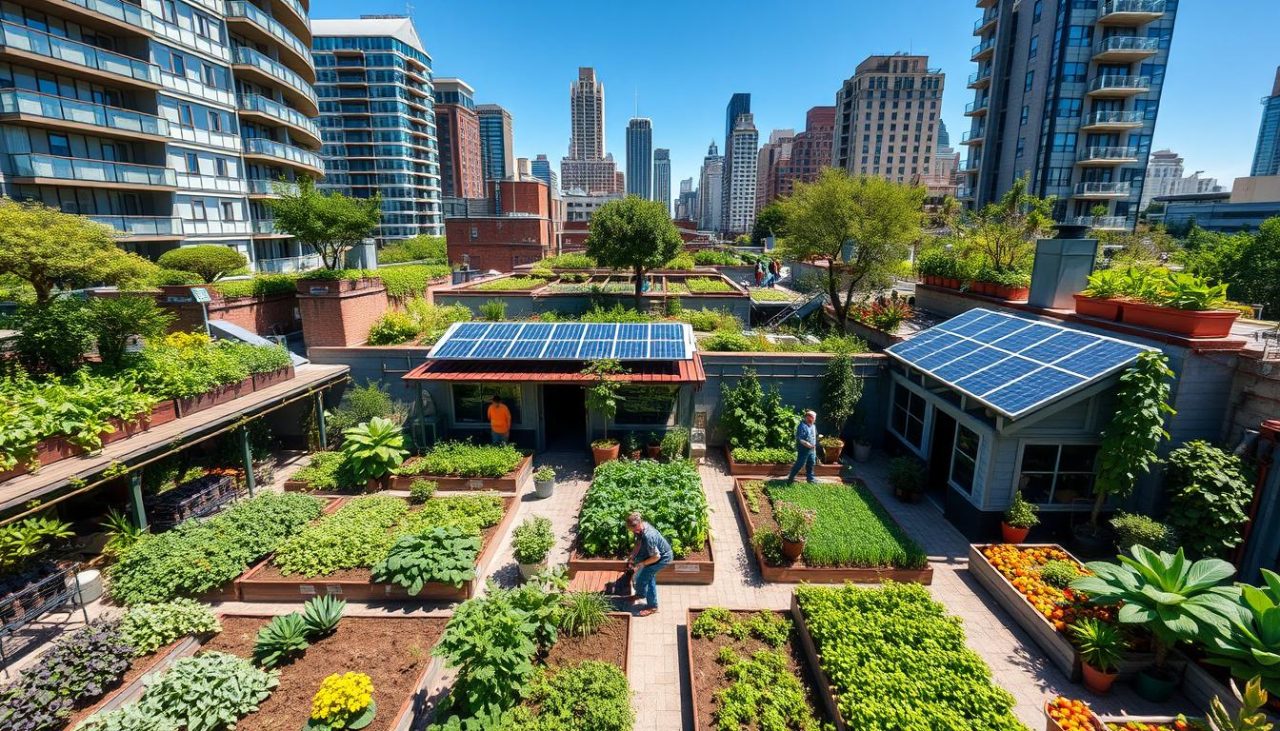
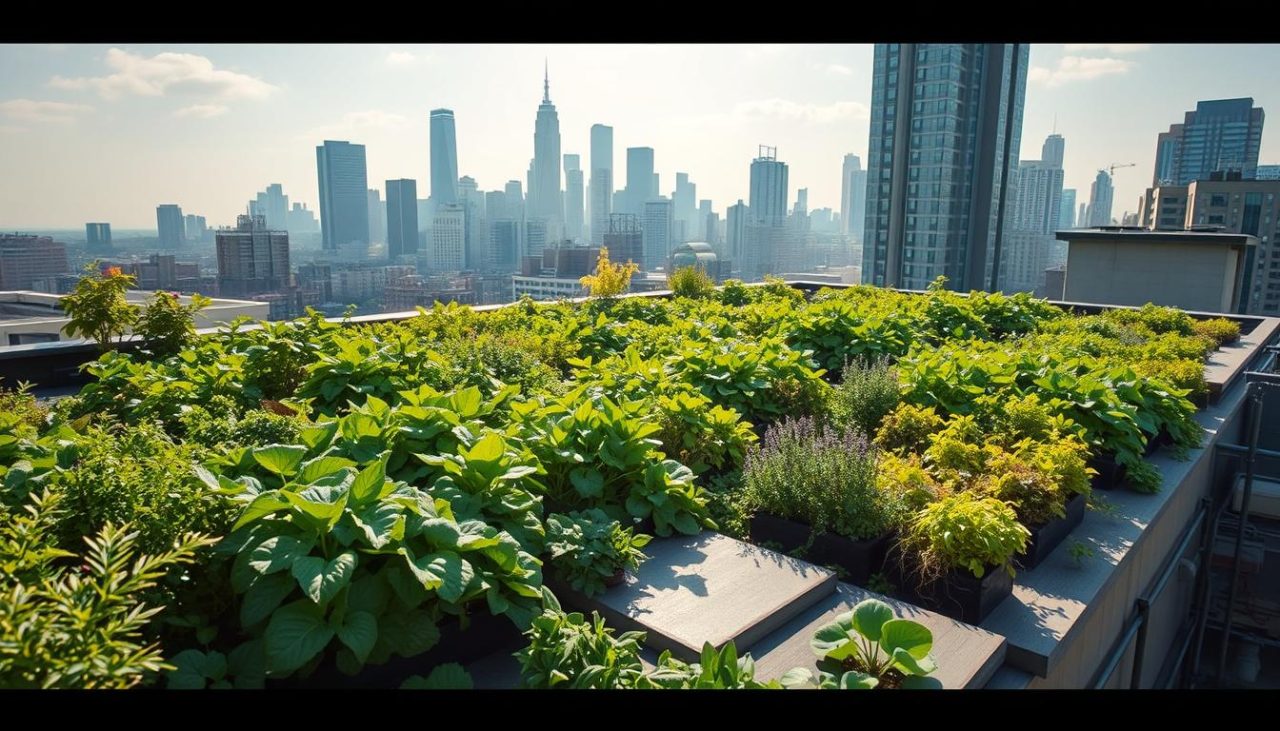
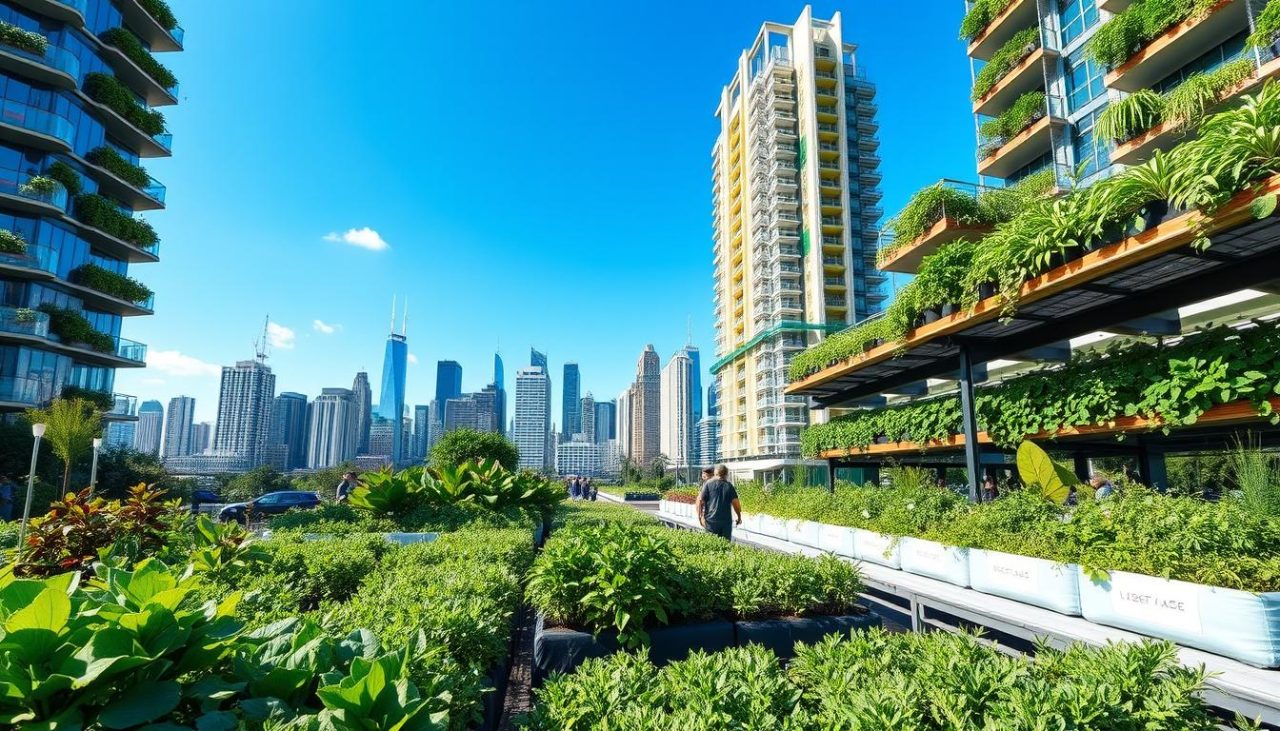
World Green Roof Day is perfect for this time. Most U.S. rooftops are wasted space. A green roof slows rain, supports pollinators, and reduces heat island effect.

For commercial buildings and apartments, the challenge is not the plants but the planning. You need to consider loads, drainage, irrigation, and maintenance. This is crucial when summer storms hit back-to-back.

National Weed Your Garden Day is a quiet stand against chemical yards. Using mulch, hand tools, and native plants is smarter. It keeps pesticides out of soil and water.

National Gardening Exercise makes yard work feel like training. Composting, drip watering, and choosing drought-tough plants reduce waste and lower water bills.

Skyscraper Month reminds us that tall buildings should perform well. Energy audits, electrification, and standards lead to savings. They also highlight the importance of embodied carbon.

At the city level, small actions add up to big resilience. Programs like community compost, rain barrels, and tree canopy drives cool streets. They also help with heat island reduction.

Home, garden, and city sustainability moments continuing…

June momentHigh-impact moveWhy it worksWhat to watch
World Green Roof DayAssess roof capacity; choose hardy sedums or native mixes; set a seasonal maintenance planBuilds green infrastructure, reduces runoff, and supports heat island reductionDrainage design, waterproofing, and access for upkeep on multifamily roofs
National Weed Your Garden DaySheet-mulch beds; pull weeds after rain; edge paths to stop spreadReduces herbicide use and protects soil microbes that drive plant healthIdentify invasives first; some โ€œweedsโ€ are just volunteers with bad PR
National Gardening ExerciseCompost on-site; plant natives; convert turf strips to beds; use drip irrigationLowers waste, saves water, and boosts backyard biodiversity in urban sustainability plansKeep compost balanced (greens/browns) to avoid odor and pests
Skyscraper MonthUpgrade to heat-pump systems; seal ducts; tune controls; improve envelope insulationDelivers reliable energy cuts without waiting for new construction cyclesCoordinate tenant needs; verify results with submetering and commissioning

Consumers can make a difference with simple actions. Using ENERGY STAR appliances, tightening insulation, and smart thermostats are effective. Low-VOC paints also improve indoor air quality.

During heat waves, outreach and neighbor check-ins are crucial. These actions enhance comfort and city readiness. They are key to urban sustainability, especially when it’s hot.

Food systems and climate-smart eating

A vibrant and engaging image depicting climate-smart eating, centered around a diverse, colorful table filled with fresh, organic produce, legumes, and whole grains. In the foreground, a neatly arranged platter showcases a variety of seasonal fruits and vegetables, emphasizing sustainability. The middle ground features a group of individuals in modest casual clothing discussing food choices, gesturing enthusiastically towards the ingredients, highlighting community engagement in sustainable practices. The background includes a lush garden setting with radiant sunlight filtering through the leaves, creating a warm and inviting atmosphere. The image should evoke a sense of hope and community spirit, capturing the essence of mindful consumption. Soft, natural lighting enhances the colors and textures of the food, perfect for illustrating the concept of climate-smart eating. This artwork is created by The Sustainable Digest.

Food is where climate goals meet real life. It’s about grocery budgets, family traditions, and a hot grill. In June, we can make climate-smart eating practical. We can swap, buy second, and waste less without making dinner a lecture.

Sustainable Gastronomy Day: seasonal menus, plant-forward swaps, and food waste

Sustainable Gastronomy Day is about real actions, not just words. It’s about using seasonal produce, choosing plant-forward options, and serving smaller portions. This approach is both good for the planet and your wallet.

Reducing food waste starts with planning. Know how many people you’re serving, use the right-sized trays, and label leftovers. Set up a donation plan when you can. Composting is great, but prevention comes first.

Caribbean-American Heritage Month: celebrating cuisine with sustainable sourcing

Caribbean-American Heritage Month teaches us about smart sourcing. Bold flavors don’t need a big environmental footprint. Choose sustainable seafood, support Caribbean-owned businesses, and use spices from transparent suppliers.

Packaging can ruin cultural events. Use bulk stations for drinks, skip extra plastic, and limit takeout containers. Our food deserves better than ending up in the trash.

Juneteenth gatherings: zero-waste cookouts and community mutual aid

A Juneteenth zero-waste cookout shows sustainability as community care. Use reusables, set up drink stations, and choose compostables only where they’re collected. Otherwise, they’re just themed trash.

Keep the party going with messages that matter. Play Black Music Month playlists and have open-mic nights. Support Black-led projects and neighborhood food initiatives. You can also donate food safely and tip generously.

For U.S. hosts, the details are key. Label allergens on serving cards, keep cold foods cool, and keep hot foods hot. Use chafing dishes or a steady grill.

MomentMenu moveWaste-station setupHost detail that saves the day
Sustainable Gastronomy DaySeasonal sides; plant-forward mains; smaller protein portions with a clear add-on optionThree bins with pictures: landfill, recycling, compost; lids sized to match what belongsTray sizes matched to RSVP count; leftovers cooled fast in shallow pans
Caribbean-American Heritage MonthBeans, rice, and greens as anchors; seafood chosen with sustainability guidance; spice blends mixed in bulkโ€œNo single-use extrasโ€ table sign; bulk condiments in squeeze bottles instead of packetsAllergen labels for nuts, dairy, shellfish; tongs per dish to prevent cross-contact
Juneteenth zero-waste cookoutGrilled vegetables and fruit; lower-carbon proteins; refillable drink station with citrus and herbsVolunteer โ€œbin buddyโ€ for the first 20 minutes; clear signs that compostables go in landfill if compost pickup is absentHandwashing station; coolers in shade; food rotated off the grill in smaller batches

Water stewardship, oceans policy, and conservation weeks

In June, we see many water and ocean observances. The challenge is to act responsibly. U.S. cities, businesses, and homes should see water as a shared resource, not just a utility.

These weeks connect our daily choices to larger systems. They reward good actions and punish bad ones.

Oxfam Water Week: water access, WASH equity, and donation transparency

Oxfam Water Week highlights the importance of safe water, sanitation, and hygiene. It’s about making sure these services work long-term, not just for photos. WASH equity means everyone gets access, not just those in the spotlight.

Donors and companies should look for transparency in their giving. They should see how funds are used, what’s measured, and how local partners are supported. The less glamorous details, like maintenance and training, often make a project last.

National Week of the Ocean: local watershed groups and citizen science

National Week of the Ocean reminds us that the ocean starts with our rivers. Rivers carry everything, including pollutants, to our oceans. Storm drains are not magical; they send pollutants to our waters.

Local groups help by monitoring and cleaning up our waters. Citizen science lets volunteers collect data on water quality and pollution. It’s about consistent efforts to help fix our problems.

International Day for the Fight against Illegal, Unreported and Unregulated Fishing: seafood choices

International Day for the Fight against Illegal Unreported and Unregulated Fishing sheds light on cheap seafood. IUU fishing harms ecosystems, weakens labor laws, and distorts markets. It leads to depleted fish stocks and unfair prices for law-abiding fishers.

Consumers and buyers can demand sustainable seafood. Ask for proof of legality and traceability. This means knowing the species, where it was caught, and how it got to you. Restaurants and companies can choose verified sources and reduce packaging to prevent microplastics.

ObservanceWhat it targetsSmart U.S. actions (households, companies, and cities)Simple proof points to request
Oxfam Water WeekReliable services and WASH equity across water, sanitation, and hygieneFund long-term upkeep; support hygiene access in workplaces; align giving with measurable public health outcomesBudget for maintenance; monitoring metrics; local partner role and training plans
National Week of the OceanWatershed-to-ocean pathways, stormwater impacts, and microplastic leakageAdopt stormwater controls; run cleanup routes near outfalls; join citizen science monitoring with consistent protocolsBaseline and follow-up measurements; disposal plans for collected waste; documented sampling methods
International Day for the Fight against Illegal Unreported and Unregulated FishingSupply chain integrity, ecosystem health, and labor risk reductionSet procurement standards; require traceability; train buyers on species substitution; prioritize sustainable seafood in menusTraceability records; chain-of-custody documentation; clear labeling for species and harvest area

Community resilience, justice, and people-centered observances

A vibrant community scene showcasing resilience and unity, set in the foreground with a diverse group of people engaged in sustainable activitiesโ€”planting trees, tending to community gardens, and sharing resources. In the middle ground, a colorful farmer's market displays locally grown produce, surrounded by cheerful vendors in modest casual clothing. The background features a skyline of green buildings and solar panels, with sunlight filtering through a clear blue sky, creating a warm, hopeful atmosphere. The scene captures joy and collaboration under warm, natural lighting, with a focus on inclusivity and community spirit. This image illustrates the theme of justice and community-centered observances, representing the essence of "The Sustainable Digest."

June has observances that test local systems. But, community resilience is real. It keeps people safe, housed, and connected when times are tough.

These moments reward hard work over flashy campaigns. But, if done poorly, they become empty gestures with little impact.

Refugee Week: sustainable support, ethical volunteering, and local resources

Refugee Week reminds us that “welcome” is ongoing. It’s about stable housing, language help, and job paths that fit local needs.

Ethical volunteering is key. It fails when it turns into voluntourism. Good programs work with local groups, have clear roles, and listen to refugees.

  • Capacity over charity: invest in interpretation, job prep, and workforce coaching that lasts.
  • Smart logistics: give transit passes, tech help, and childcare for training or interviews.
  • Shared governance: involve refugees in planning to ensure services meet their needs.

World Elder Abuse Awareness Day: heat safety, preparedness, and community checks

World Elder Abuse Awareness Day highlights heat safety in summer. Older adults face risks from heat, isolation, and medication. Heat safety is a dignity issue.

Neighborhood checks should be routine and with consent. Local groups can plan cooling centers, rides, and backup power for medical devices.

Risk areaWhat it looks like in summerCommunity-level response
Extreme heat exposureIndoor temperatures rise; hydration drops; symptoms are missedCooling center maps, phone-tree check-ins, and fan or AC distribution aligned with local guidance
Emergency disruptionStorms and outages interrupt care routines and pharmacy accessPreparedness kits, medication refill planning, and transport coordination with trusted contacts
Isolation and exploitationFewer visitors; more pressure from scams or coercive โ€œhelpersโ€Regular wellness calls, caregiver support, and referral pathways through county services

National Indigenous Peoples Day and related observances: respectful participation and land acknowledgments

National Indigenous Peoples Day is powerful when done right. It’s about avoiding tokenism and following cultural rules. Support Indigenous-led groups instead of speaking over them.

Land acknowledgments are a start, but they need action. Many institutions support Native businesses and respect Tribal sovereignty.

Native American/American Indian Citizenship Day connects history to today’s rights. It highlights land care, climate leadership, and valuing Indigenous expertise.

Renewable energy, climate awareness, and outdoor culture

June is a great time to enjoy the outdoors and support clean energy. Global Wind Day is a perfect example. Wind turbines might look simple, but the planning behind them is complex. In the U.S., renewable energy adoption is boosted by faster connections and steady demand.

Community solar subscriptions are a big help for renters and condo owners. They support new energy without needing to install panels. Choosing renewable energy options pushes the market towards real growth, not just empty promises.

International Surfing Day reminds us of the importance of clean coasts. We need to reduce plastic, use refill stations, and promote public transit. Protecting our oceans is essential for keeping beaches beautiful.

Nature Photography Day encourages us to capture nature responsibly. We should keep a safe distance, avoid disturbing wildlife, and not reveal sensitive areas. The goal is to support conservation without harming the environment.

International Day of the Celebration of the Solstice/Yoga Day is a chance for low-impact gatherings. Using reusables, sharing water, and providing shade are key. Planning routes for walking, biking, and transit is also a clean wellness upgrade.

Andean New Year and Aymara New Year Day are important to honor with respect. They connect us to nature and long-standing traditions. In the U.S., it’s crucial to listen and give credit where it’s due. This approach improves our climate work and avoids empty marketing.

Renewable energy, climate awareness, and outdoor culture continuing…

June observanceLow-impact engagement ideaSimple measurement to trackRenewables angle (what to say clearly)
Global Wind DayHost a grid basics talk; highlight transmission and interconnection queues.Renewable electricity share for the event; interconnection letters sent to state regulators.Explain the difference between on-site generation, community solar, and RECs (each plays a different role).
International Surfing DayBeach cleanup with refill stations and waste sorting; coordinate with local access groups.Trash weight by category; percent of attendees arriving without solo driving.Connect cleaner air from renewable energy adoption to coastal health and reduced fossil emissions.
Nature Photography DayPhoto walk with wildlife distance rules and no geotags for sensitive habitats.Number of images shared with ethics notes; sensitive locations protected.Use visuals to show local energy impacts without overstating claims or erasing tradeoffs.
International Day of the Celebration of the Solstice/Yoga DayPark session with reusables, shade, and a transit-first meetup point.Estimated event emissions; reusable use rate.Set a procurement target (percent matched with renewables) and report it plainly.
Andean New Year / Aymara New Year DayAttend or amplify vetted cultural programming; focus on listening and context.Partner vetting steps documented; donations or support tracked.Link seasonal cycles to planning discipline; avoid turning tradition into โ€œvibes-onlyโ€ messaging.

For communications, clarity is key. A REC purchase is different from on-site solar, and community solar is unique too. Keeping these terms straight helps build trust in renewable energy and prevents greenwashing.

National and cultural holidays with sustainability tie-ins

A vibrant scene celebrating sustainable holidays, featuring a community gathering in an open park adorned with eco-friendly decorations made of natural materials. In the foreground, diverse individuals dressed in modest casual clothing are engaging in activities like crafting decorations from recycled materials and sharing locally sourced food. In the middle ground, tables display colorful dishes made from organic ingredients, surrounded by flowering plants and trees promoting biodiversity. The background shows a clear blue sky with sunlight filtering through leaves, creating a warm and inviting atmosphere. Soft shadows cast by the trees enhance the sense of depth. The overall mood is joyful and inclusive, epitomizing a sense of community and environmental consciousness. This image reflects the essence of sustainable celebrations by The Sustainable Digest.

National days can be loud and wasteful. But, they also offer a chance to make a difference. In the U.S., we can choose to use fewer disposables and make better choices.

Zero-waste party planning helps keep our environment clean. It also makes events simpler and more enjoyable. With a little extra planning, we can have better celebrations.

Independence and national days: hosting greener celebrations and reducing single-use items

Start with reusable items and a return system. Use cloth banners and rented linens. They last longer and look great in photos.

For travel, encourage using public transit. For events in smoky areas, choose drone light shows over fireworks. They’re safer for the air and still fun.

Examples across June: Iceland Independence Day, Russia Day, Portugal Day, Philippines Independence Day

For events like Iceland Independence Day, buy local. Support neighborhood bakeries and small grocers. This way, we use less packaging and support our community.

For Philippines Independence Day, mix culture with fundraising. Be clear about your goals and who you’re helping. This way, donations help make a real difference.

Work with vendors as partners. Ask them to use compostable items and provide reusable containers. This way, we all do our part to reduce waste.

June observanceLower-waste hosting moveFood and vendor approachTravel and program angle
Iceland Independence DayReusable dish kits with a simple deposit-return setupSeasonal baking orders and bulk coffee/tea stations to cut packagingGroup transit meetups; add a short talk on clean energy literacy
Russia DayCloth flags and shared dรฉcor stored for next yearLocal deli catering with tray returns and minimal single-serve itemsCarpool sign-ups; replace fireworks with music and outdoor film
Portugal DayWater refill points and clearly labeled sorting binsVendor stalls that prioritize refillable condiments and durable cutleryWalkable parade routes; highlight coastal stewardship and fisheries policy basics
Philippines Independence Day / Linggo ng KalayaanBorrowed/rented tableware and a volunteer wash stationCommunity potluck rules: no mini plastic bottles; bulk drinks and shared dessertsTransit-first invites; pair performances with a transparent fundraising target

Regional observances: Queensland Day, Western Australia Day, Luxembourg National Day

These days are great for sharing sustainability stories. Use them for cultural events that focus on the environment. Think tastings, repair demos, or Q&As on recycling.

These events fit well with other June celebrations. They all share a focus on waste reduction and cultural connection. It’s a way to show pride in planning for a better future.

Safety, awareness, and โ€œsmall but mightyโ€ eco-adjacent days

A vibrant and informative illustration for "National Button Battery Awareness Day," centered on a collection of colorful button batteries in various sizes, arranged artistically on a clean, sustainable wooden surface. In the foreground, a magnifying glass highlights a battery with a small recycling symbol, symbolizing eco-consciousness. The middle area features educational diagrams or icons representing safety tips, such as a warning sign, a child-proof lock, and a recycling bin. The background is softly blurred, showcasing an eco-friendly workshop environment with plants and natural light filtering through large windows. The atmosphere is optimistic and proactive, conveying a sense of safety and awareness in sustainability. This image is created for The Sustainable Digest, embodying themes of education and eco-awareness.

June’s calendar shows us that small things can lead to big changes. A tiny battery, a quick storm, or a forgotten snack can affect health, waste, and nature. These days remind us that sustainability is more than just recycling. It’s about making smart choices to avoid problems.

National Button Battery Awareness Day: safe disposal and circular-economy habits

National Button Battery Awareness Day highlights a hidden danger: small batteries can be harmful. Keep them safe by storing them properly and recycling them. Don’t throw them away in the trash.

By recycling, we teach the value of the circular economy. It helps reduce waste and protects the environment. It shows that even small actions can make a big difference.

Lightning Safety Awareness Week: outdoor safety planning for summer events

Lightning Safety Awareness Week reminds us that safety is key at outdoor events. Make sure to have a plan for bad weather. This includes knowing where to go for safety.

Good planning keeps everyone safe and reduces waste. It’s about being prepared and communicating clearly. This way, we can enjoy the outdoors without risks.

National Black Bear Day and National Prairie Day: coexistence and habitat education

National Black Bear Day teaches us to respect wildlife. Keep trash secure and food away from bears. This helps avoid conflicts and keeps both humans and bears safe.

National Prairie Day focuses on protecting grasslands. These areas help fight climate change and support pollinators. Learning about local habitats is key to conservation.

Upcycling Day encourages us to reuse what we have. Fixing things instead of throwing them away helps the environment. It’s a simple way to make a difference every day.

ObservancePrimary risk or focusPractical actions that scaleHow it supports sustainability outcomes
National Button Battery Awareness DayChild safety; fires and toxins from improper disposalStore batteries locked; tape terminals; use battery recycling drop-offs and take-back programsReinforces circular economy habits; reduces landfill contamination and recycling facility incidents
Lightning Safety Awareness WeekSevere weather injury; event disruptionWeather monitoring; shelter assignments; clear postponement triggers; staff communication treeBuilds resilience planning; prevents damage-driven waste and emergency travel emissions
National Black Bear DayWildlife conflict tied to food and trash accessBear-resistant storage; trash discipline; keep cooking areas clean; educate visitors on behaviorReduces human-wildlife incidents; supports safer recreation and community coexistence
National Prairie DayHabitat loss; grassland fragmentationSupport local restoration; choose native plants; avoid off-trail damage; learn regional prairie speciesProtects biodiversity; strengthens pollinator corridors linked to National Pollinator Week and Insect Week
Upcycling DayOverconsumption; textile and gear wasteRepair and repurpose clothing; swap outdoor gear; donate usable items; buy fewer replacementsCuts material demand; lowers waste volumes while normalizing reuse culture

Conclusion

June 2026 has a lot of sustainability days, but they’re useful for planning. The big days get people’s attention. The smaller ones help keep the momentum going.

In just one month, we can link together many important themes. These include oceans, wildlife, mobility, food, water, and justice. They all fit into a single, achievable plan.

The key takeaway is simple: the best sustainability efforts are those we can keep up. This means making smart choices when we shop, creating safer streets, and reducing waste. It also means supporting conservation efforts that last beyond budget cuts.

For companies, the goal is to make sustainability a regular part of business. This means audits and employees can see the progress. It’s about making sustainability a habit, not just a one-time event.

Creating a balanced approach is more effective than trying to do everything at once. Start with one advocacy or policy change. Then, add a local volunteer effort and a lasting operational improvement. Finally, celebrate in a way that’s good for the planet, whether at home or at work.

Building community climate resilience is serious work, not a party. But using real observances to focus efforts is a smart strategy. June shows us that focusing on actions we can repeat is key.

Key Takeaways

  • This June 2026 Sustainability adjacent Sustainable themed holidays observances guide is built for action, not just awareness.
  • It uses a U.S. planning lens while staying global, because supply chains and climate impacts are international.
  • Sustainable themed holidays/observances can support real tools like procurement checklists and event waste audits.
  • Environmentally conscious holidays June 2026 include both major UN-style days and overlooked awareness dates that influence markets.
  • The United States sustainability calendar June 2026 ties observances to waste prevention, low-carbon mobility, water stewardship, and ethical giving.
  • Expect practical guidance on commuting challenges, reef-safe travel choices, and donation transparency.

Africa’s Path to Sustainable Development & Growth

As presented through ongoing media, Africa is at a pivotal moment in its journey toward sustainable development. The continent has great potential and faces unique challenges. By adopting sustainable practices, African nations are working toward the 2030 United Nations Sustainable Development Goals. This sets the stage for lasting progress.

International business is key to Africa’s growth, from big cities to small villages. It involves 54 countries working together. By building partnerships and attracting investments, countries are setting the stage for strong economic growth. This not only boosts local economies but also helps the global economy.

The journey to sustainable development in Africa needs a balanced approach. It’s about using natural resources wisely, investing in renewable energy, and ensuring everyone benefits. By focusing on these areas, African nations can create a successful blueprint that meets both environmental and economic needs.

Understanding Africa’s Development Landscape

Africa’s path to sustainable development is influenced by its rich history and culture. The continent faces unique challenges but also has powerful principles guiding its progress.

Historical Context and Development Challenges

Africa’s development has been shaped by colonialism, resource exploitation, and political instability. These issues have hindered economic growth and social progress. Yet, many African nations are now using new approaches to overcome these barriers.

Ubuntu: Community-Centered Development Models

Ubuntu teaches us that “I am because we are.” It promotes Sustainable Community Development through teamwork. In Rwanda, shared farming cooperatives apply this idea to increase crop yields and reduce inequality.

These networks make sure resources help the whole village, not just a few.

Sankofa: Learning from Traditional Practices

Sankofa’s “return and retrieve” philosophy encourages us to learn from our ancestors. In Ghana, mangrove restoration projects use ancient wisdom and modern science to fight coastal erosion.

Integrating Indigenous Knowledge with Modern Approaches

Cultural Diplomacy connects these traditions with global sustainability efforts. A table below shows how these philosophies are used today:

ConceptOriginCore IdeaModern Application
UbuntuSouth African Bantu traditionsInterdependence of individualsCommunity-led renewable energy grids
SankofaAkan peoples of West AfricaWisdom from the pastTraditional water harvesting systems

โ€œUbuntu and Sankofa are not relics of the pastโ€”they are blueprints for tomorrow.โ€

โ€“ African Union Sustainable Development Report 2023

By blending these philosophies with global goals, Africa creates solutions that honor its heritage. This approach ensures development is both culturally and ecologically responsible.

Cultural Foundations: Sankofa and Ubuntu Principles

Two crucial cultural concepts drive Africa’s development: Sankofa and Ubuntu. Sankofa, from Ghana, teaches learning from the past to build a better future. Ubuntu, from South Africa, focuses on collective well-being and interconnectedness.

Sankofa and Ubuntu work together. Sankofa encourages looking back for wisdom, while Ubuntu promotes working together for growth. These principles are a strong base for sustainable development across Africa.

Regional Economic Communities and Their Role

African coalitions, consortia, and federations are key in fostering regional cooperation. They boost trade, share resources, and coordinate development efforts. Through cooperative enterprise development, they create chances for economic and social growth.

These communities act as platforms for implementing continent-wide strategies. They help share knowledge, develop infrastructure, and harmonize policies. By using their collective strengths, they push Africa toward a sustainable and prosperous future.

Sustainable Development among all 54 African countries, regions, and islands

Africa’s diverse nations are embracing sustainable development in their own ways. From the bustling cities of Kenya and Tanzania to the landlocked nations of Uganda, Rwanda, and Burundi, each country faces unique challenges and opportunities.

In East Africa, Kenya and Tanzania are leading with renewable energy. Kenya has the largest wind farm in Africa, while Tanzania is focusing on solar power. Uganda, Rwanda, and Burundi are working together to protect the Virunga Mountains, home to endangered mountain gorillas.

Southern African nations like Lesotho and Swaziland are focusing on water resource management. Namibia, Angola, and Zambia are teaming up to protect the Okavango Delta, a UNESCO World Heritage site.

CountryKey Sustainable Initiative
Cape Verde100% Renewable Energy Goal by 2025
Sao Tome & PrincipeSustainable Cocoa Production
SeychellesBlue Economy Strategy
ComorosCoral Reef Restoration
MauritiusSmart Cities Development
MadagascarBiodiversity Conservation

Island nations like Cape Verde and Sao Tome & Principe are focusing on sustainable tourism and agriculture. Seychelles is pioneering the blue economy concept. Comoros is investing in coral reef protection. Mauritius is developing smart cities, and Madagascar is prioritizing biodiversity conservation.

“Africa’s sustainable development journey reflects the continent’s rich diversity and shared commitment to a greener future.”

These varied approaches show Africa’s adaptability and determination in pursuing sustainable development across its 54 nations.

Environmental Conservation and Climate Action Initiatives

Africa is tackling its environmental challenges with new sustainable and innovative ideas. It’s turning to renewable energy, protecting wildlife, and building green spaces to fight climate change.

Renewable Energy Implementation

African countries are quickly moving to renewable energy. Morocco’s solar farms and Kenya’s wind projects show their dedication. These efforts cut down on carbon emissions and bring clean energy to many people.

Biodiversity Protection Measures

Keeping Africa’s ecosystems safe is key. Tanzania and Botswana are leading in this area. They’ve set up protected areas and work with local people to save endangered animals.

Green Infrastructure Development

Green building is becoming more common in Africa. Cities like Nairobi and Cape Town are using nature’s designs in their planning. These designs make buildings that are good for the environment and last long.

Climate Change Adaptation Strategies

African countries are taking steps to adapt to climate change. Ethiopia’s Great Green Wall is fighting desertification. Coastal areas are building defenses against floods. These actions help protect people and nature from climate change.

InitiativeCountryImpact
Solar Power PlantMoroccoProvides clean energy to 2 million homes
Wildlife CorridorTanzaniaProtects elephant migration routes
Green Building CodeSouth AfricaReduces urban energy consumption by 30%
Mangrove RestorationSenegalEnhances coastal protection against sea-level rise

Economic Growth and Social Equity

Africa is working to grow its economy and make society fairer. This plan aims to help communities and support sustainable growth across the continent.

Empowering MSMEs and Social Enterprises

Micro, Small, and Medium Enterprises (MSMEs) are crucial for Africa’s economy. They create jobs and spark new ideas. Social enterprises help by solving social problems through business.

Together, they push for economic growth that includes everyone and makes a positive impact.

Entity TypeEconomic ImpactSocial Impact
MSMEsJob creation, local economic stimulationIncome generation for families
Social EnterprisesSustainable business modelsDirect solutions to community challenges

Tackling Poverty Through Targeted Programs

Poverty programs in Africa focus on building skills and creating lasting jobs. They offer training, small loans, and support to help people and communities overcome poverty.

Sustainable Agriculture in Africa

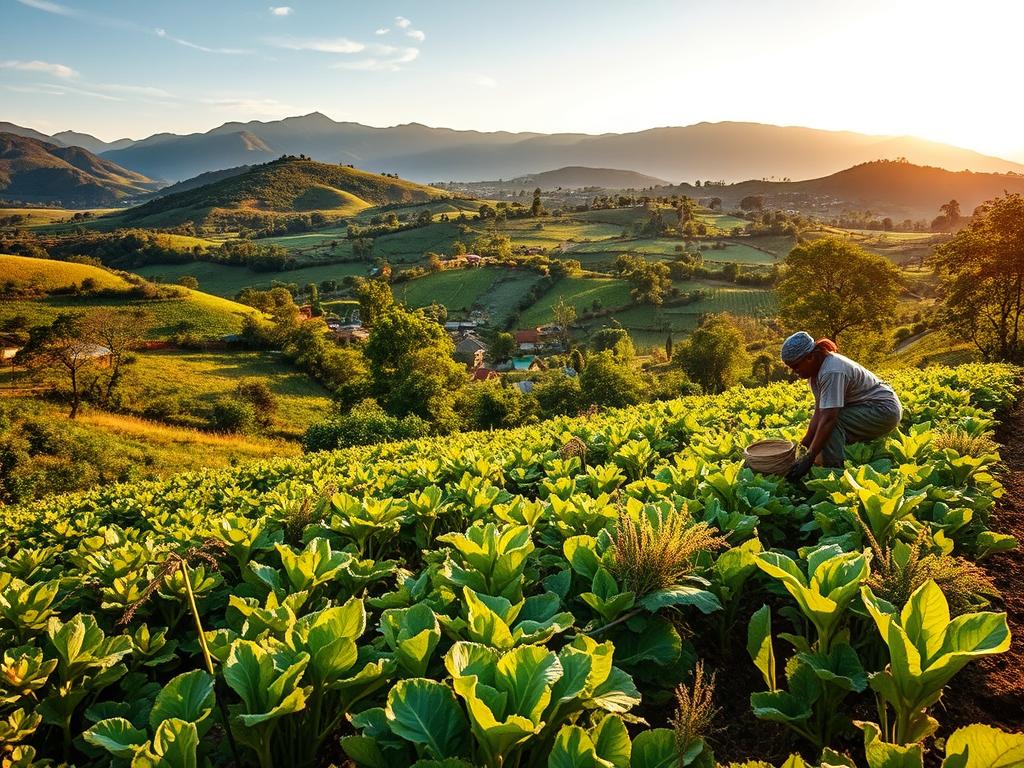
Advancing Sustainable Agriculture

Good farming practices are vital for food security and economic stability in rural areas. Projects in sustainable horticulture, permaculture, and farming help farmers grow more while saving the environment. These efforts increase food production and protect the planet for the future.

Regional Cooperation and Integration

Africa is moving towards sustainable development through regional cooperation. Countries are working together to face common challenges and find new opportunities. This teamwork is changing how development happens within the continent.

The Democratic Republic of the Congo and the Republic of Congo are a great example. They have different economies but are working together on projects and trade. This shows how countries can find common ground despite their differences.

Cameroon, Central African Republic, and Gabon are also working together. They are fighting deforestation and protecting the Congo Basin rainforest. Their efforts show how cooperation can help the environment across borders.

In the Sahel region, Mali, Republic of the Niger, Chad, and Burkina Faso are facing challenges together. They are working on security and economic growth. Their goal is to bring stability and prosperity to a tough area.

Regional GroupKey Focus AreasNotable Achievements
DRC & Republic of CongoInfrastructure, TradeJoint road network expansion
Cameroon, CAR, GabonEnvironmental ConservationCongo Basin Forest Partnership
Mali, Niger, Chad, Burkina FasoSecurity, Economic DevelopmentG5 Sahel Joint Force

These partnerships are driving development across Africa. By sharing resources and markets, countries are making the continent stronger. The future of Africa depends on strengthening these ties and working together towards a common goal.

Technology and Innovation in African Development

Africa is moving forward with new technology and creative ideas. It’s using Green IT Infrastructure and Digital Transformation to make progress and work better.

Green IT Infrastructure

African countries are building eco-friendly Data Centers. These centers use less energy and cut down on pollution. They help grow digital services without harming the environment.

Digital Transformation Initiatives

Both governments and businesses are starting Digital Transformation projects. They want to make services better, connect people more, and grow the economy. Digital tools like mobile banking and e-governance are changing African life.

Sustainable Supply Chain Solutions

African companies are focusing on Sustainable Supply Chains. They use Green logistics to cut down on emissions. And they adopt Green and Responsible Manufacturing to reduce waste and pollution. These steps help make the African economy stronger and greener.

Technology AreaImpact on Sustainability
Green IT InfrastructureReduced energy consumption, lower carbon emissions
Digital TransformationImproved efficiency, enhanced service delivery
Sustainable Supply ChainsResponsible resource use, reduced environmental impact

By using these new technologies, Africa is growing its economy and securing a green future for all.

International Partnerships and Global Alignment

Africa’s path to sustainable development depends on global partnerships. These alliances bring in resources, expertise, and support. They help the continent grow.

UN Sustainable Development Goals Implementation

The United Nations Development Programme (UNDP) and United Nations Environment Programme (UNEP) are key players. They help Africa reach the Sustainable Development Goals. They offer funding, technical help, and policy advice to African countries.

Cultural Diplomacy and Cross-Border Collaboration

Cultural Diplomacy helps African nations understand and work together. Countries like Algeria, Tunisia, Libya, Morocco, and Mauritania share cultures. This builds peace, trade, and development goals across borders.

Global Economic Integration

Africa’s role in the World Economic Forum (WEF) shows its commitment to global markets. Countries like Egypt and Sudan use these platforms to attract investors. They aim to align with international markets and standards.

CountryKey Economic FocusGlobal Partnership Initiative
EgyptRenewable EnergyGreen Investment Partnerships
MoroccoDigital EconomyTech Startup Collaborations
TunisiaSustainable TourismEco-Tourism Alliances

These partnerships and alignments are crucial for Africa’s sustainable growth. They create a future of shared prosperity and care for the environment.

Sustainable Resource Management

Africa’s future depends on managing resources wisely. Countries across the continent are using new ways to keep their natural wealth safe. They also want to grow their economies.

Zero Waste Initiatives

African nations are working hard on waste management. Benin and Togo are leading with zero waste programs. They focus on eco-friendly products and cut down on landfills.

Water Conservation Efforts

Water is very important in Africa’s dry areas. Sierra Leone, Liberia, and Cote d’Ivoire are finding new ways to save water. They use rainwater harvesting and efficient irrigation.

This ensures everyone has access to clean water.

Responsible Mining Practices

Countries with lots of minerals are mining in a better way. Guinea Bissau and Equatorial Guinea have set strict rules for mining. These rules protect the environment and local people while helping the economy.

CountrySustainable Resource InitiativeImpact
BeninPlastic recycling program50% reduction in plastic waste
Sierra LeoneCommunity-based water managementImproved access to clean water for 1 million people
Guinea BissauEco-friendly bauxite mining30% decrease in environmental damage

These efforts show Africa’s dedication to protecting the environment while growing. By focusing on zero waste, saving water, and mining responsibly, African countries are working towards a greener future.

Conclusion

Africa is on a path to sustainable development, facing both hurdles and chances. The continent’s varied countries are using new methods to grow while keeping their natural resources safe. From South Africa to Botswana, and Gambia to Senegal, they’re working on economic growth and protecting the environment.

The 2025 International Year of Cooperatives is a big opportunity for African nations to work together more. This event matches the continent’s growing focus on good governance and sustainable community development. Countries like Mozambique, Zimbabwe, and Malawi are improving their governance and empowering local communities.

In the Horn of Africa, countries like South Sudan, Somalia, Djibouti, and Somaliland have big challenges. Ethiopia and Eritrea are trying to solve old conflicts and start sustainable growth. These efforts show how important regional cooperation is for solving common problems and promoting long-term development.

As Africa moves ahead, it’s key to keep focusing on sustainable practices, innovation, and working together across borders. By using their rich cultural heritage and new technologies, African nations can create a prosperous and sustainable future.

Key Takeaways

  • Africa’s sustainable development aligns with UN 2030 goals
  • International business drives continental growth
  • Balanced approach needed for long-term progress
  • Responsible resource management is crucial
  • Renewable energy investments support sustainability
  • Inclusive growth promotes economic stability

Green Building Certifications: Discovering its Benefits

Green Building Certifications show how buildings are made to be green and sustainable. They check if buildings use resources well, cut down on waste, and are good for the environment. With more people wanting to be green, these certifications are key. They help meet environmental goals while keeping costs down.

Understanding Green Building Certifications and Their Growing Importance

Green building certifications have become a dominant focus in modern construction. They drive innovation and meet global goals like the United Nations Sustainable Development Goals. By focusing on sustainable architecture, they reduce environmental impact and push for change in the industry.

The Evolution of Sustainable Construction Standards

Efforts started in the 1970s with energy research. By the 2000s, Leadership in Energy and Environmental Design came along. It set standards for sustainable design benefits. Now, these standards tackle climate change and resource use, aligning with global goals.

How Green Certifications Are Reshaping the Building Industry

“LEED has changed how we design and run buildings,” says the U.S. Green Building Council. Certifications now shape zoning laws and what people want. This shows green building advantages like saving money and being more appealing, proving sustainability leads to innovation.

Across several American cities, Universities, and college campuses, green building certification have been increasingly more desired. It’s being proved more and more that working conditions (and living environments especial post-pandemic) that meet greater sustainable objective are vital. Healthier designed and focused structures prove that productivity increases along with mental clarity and societal impact. Psychological and emotional welfare is strongly backed by the tangibles of the ecosystem within the physical structures.

Across America green building standard help keep America globally competitive while increasing the standard what compliance can mean in Sustainable Development and more specifically, In the Southeast portion of the United States for the past 15 to 18 year via the Sub-Prime crisis and pandemic, has experience a massive migrantation increase. Cities such as Atlanta, Austin, Nashville, and Charlotte gain an influx in infrastructure development, residency, and international influence.

Acquiring a green building certification status is an entry point for commercial, residential, and industrial operators to inform the public the value of environmental impact. Abnormal and irregular climate change needs to be address which is impacting the natural habitat. Gratefully, there are creative and pragmatic business based community solutions to apply to sustain and establish growth. We will continue share more what Green Building certification are and their direct value.

Key Stakeholders in the Green Building Movement

  • Architects: Designing sustainable architecture to meet LEED standards.
  • Developers: Investing in projects with long-term sustainable design benefits.
  • Government Agencies: Making laws to cut energy use and harm to the environment.
  • Non-Profits: Pushing for certifications to reach global sustainability goals.
  • End-Users: Wanting spaces that are healthier and more productive through certified practices.

The Who, What, When, Where, Why, & How of Green Building Certifications

Green building certification programs offer clarity for anyone seeking to adopt sustainable building standards. Hereโ€™s a breakdown of their core elements:

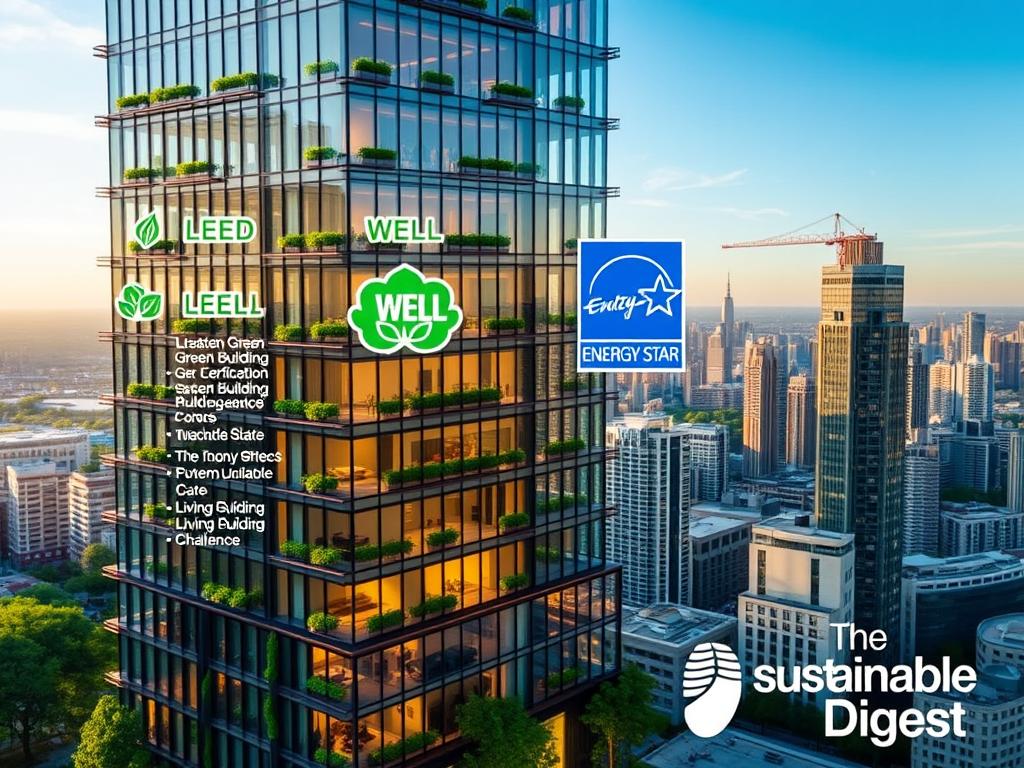
Who leads these efforts? Organizations like the U.S. Green Building Council (USGBC) and International WELL Building Institute (IWBI) administer programs like LEED and WELL. Architects, contractors, and developers work with these bodies to meet green codes and building standards.

What do these programs cover? They assess energy efficiency, water use, and indoor air quality. Certifications like Energy Star focus on efficiency, while Living Building Challenge targets net-zero performance.

When to start? Early planning is highly essentialโ€”certification requirements often influence design phases. Renewal timelines vary; some require checks every 3โ€“5 years, sometimes every 24 months.

Where do standards differ? While LEED is global, local green codes adapt to regional climates. California enforces stricter energy codes than other states, reflecting its commitment to sustainability.

Why pursue certification? Environmental building benefits like reduced emissions align with both sustainable and corporate goals. Property owners also gain tax incentives and market appeal through these programs.

How to begin? Start by selecting a program, then follow its guidelines for documentation and audits. Teams submit data on materials and energy use for third-party verification.

Every step transforms sustainable building from theory into practice, creating spaces that benefit people and the planet.

Environmental and Financial Benefits of Green Building Certifications

Green building certifications like LEED and WELL offer big wins for the planet and massive gains/savings for your wallet. They cut down on emissions, lower costs, and increase property value. Plus, they make spaces healthier for everyone inside.

Reduced Environmental Impact and Resource Conservation

Buildings with energy-efficient building certifications use 30โ€“50% less energy than usual ones. They use renewable energy and save water, helping the environment. They also cut waste by 50%+, meeting environmental production declarations.

Long-Term Cost Savings and ROI for Building Owners

Energy efficiency upgrades save money over time. A 2023 study found green energy investments save 15โ€“20% on utilities each year. These savings can be 2โ€“4 times the cost of getting certified over 20 years.

CategoryConventional BuildingsGreen Certified
Energy UseHigh utility costs30โ€“50% savings
Water UseHigh consumption30% reduction
WasteMore landfill waste50%+ diversion

Improved Occupant Health and Productivity

Offices with health product declarations see 8% higher productivity and 10% fewer sick days.

Natural light and clean materials make the air better. This reduces health problems and sick days.

Enhanced Property Values and Marketability

  • Certified buildings command 7โ€“10% higher rental rates
  • Resale values rise 15% on average
  • Higher occupancy rates (95%+ vs. 80% conventional)

Every dollar spent on clean energy upgrades brings back $2โ€“$6 over 20 years. This shows that being green and profitable can go together.

Leading Green Building Certification Programs in the United States

Choosing the right certification program depends on your project goals. Each system has its own benefits, tailored to different priorities. Look into LEED Certification, WELL Building Standard, and more to find the best fit for your sustainability goals.

LEED Certification: The Gold Standard in Sustainable Building

LEED Certification uses a point system to check energy, water, and material use. Projects can get levels like Platinum for being top-notch. It’s flexible for schools, offices, and homes.

WELL Building Standard: Focusing on Occupant Health

WELL focuses on health through better air, WaterSense-approved fixtures, and lighting. It also looks at mental health, making it great for workplaces and hospitals.

Energy Star for Buildings: Optimizing Energy Efficiency

Energy Star gives buildings a score based on energy use. It’s a good start for places looking to save on utility bills.

Living Building Challenge: The Most Rigorous Sustainability Standard

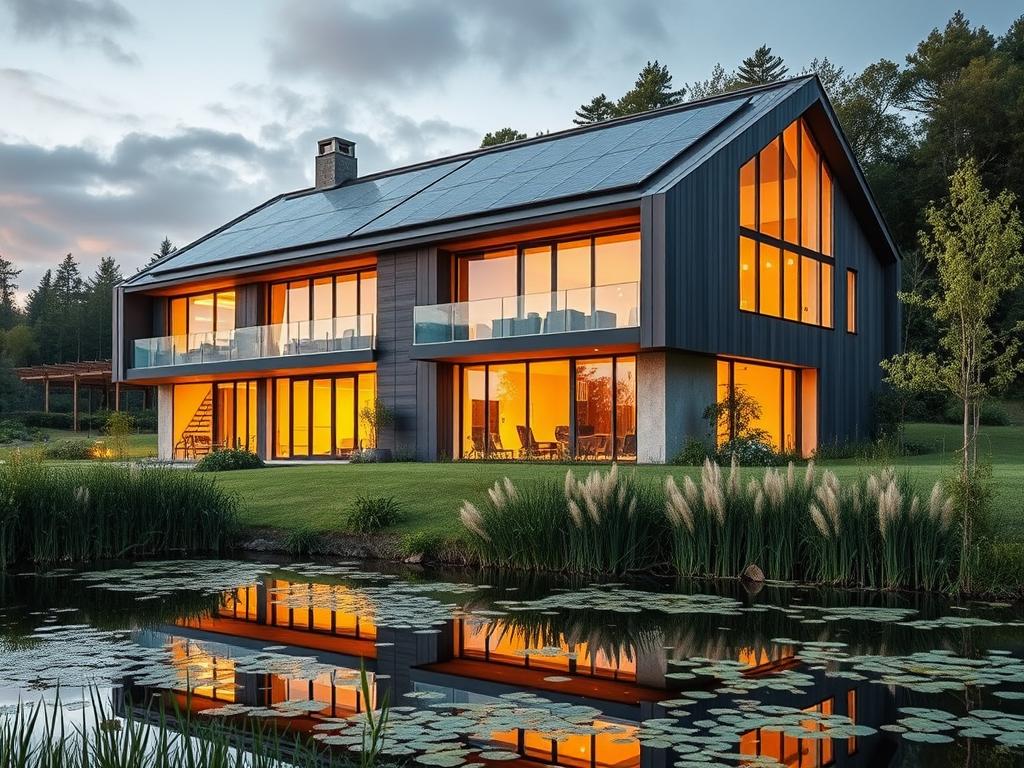
This program requires buildings to use more energy and water than they make. The Bullitt Center shows it’s possible, pushing for better Passive House design and GREENGUARD-certified materials.

  • BREEAM looks at the whole picture of sustainability.
  • Green Globes uses an online tool for assessment.
  • National Green Building Standard focuses on single-family homes and communities.

Compare these programs to find the best match for your vision. Whether you’re focused on energy, health, or the environment, the right certification shows your dedication to a greener future.

How Businesses and Homeowners Can Begin the Certification Process

Starting your green certification journey begins with a preliminary assessment. First, evaluate your project goals, budget, and building type. This helps align with programs like Green Seal or Forest Stewardship Council standards. Early planning for sustainable design benefits in your blueprints ensures compliance and saves costs.

  1. Choose a certification program: Compare Green Squared for holistic performance or Natural Stone Sustainability Standard for materials. Research requirements for urban or rural development projects.
  2. Build a team: Engage certified professionals like LEED APs or consultants familiar with SCS Global Services protocols.
  3. Document meticulously: Track material sourcing, energy systems, and compliance with program guidelines.

Don’t underestimate the time needed. Allow 6โ€“12 months for documentation and audits to avoid delays. Budget for both certification fees and green construction advantages like energy-efficient windows or recycled materials. Retrofit projects may have higher upfront costs but save money in the long run through energy efficiency.

โ€œPlanning for certifications from day one ensures smoother implementation,โ€ says a sustainability advisor. โ€œThis approach avoids costly retrofits later.โ€

Homeowners can start small: upgrade insulation or choose FSC-certified wood. Businesses aiming for large-scale projects should focus on sustainable design benefits in zoning and site selection. The U.S. Green Building Councilโ€™s guides offer free tools to make the process easier.

Whether renovating a home or developing a commercial complex, every step moves society closer to climate resilience. Take the first step todayโ€”your buildingโ€™s future and the planetโ€™s will thank you.

Beyond Certification: Implementing Sustainable Practices in Everyday Building Operations

Keeping buildings green is an ongoing task, not just a one-time achievement. The Total Resource Use And Efficiency (TRUE) framework helps track and cut down on resources. Even small daily changes can make a big difference for the planet and your wallet.

Renewable Energy Integration

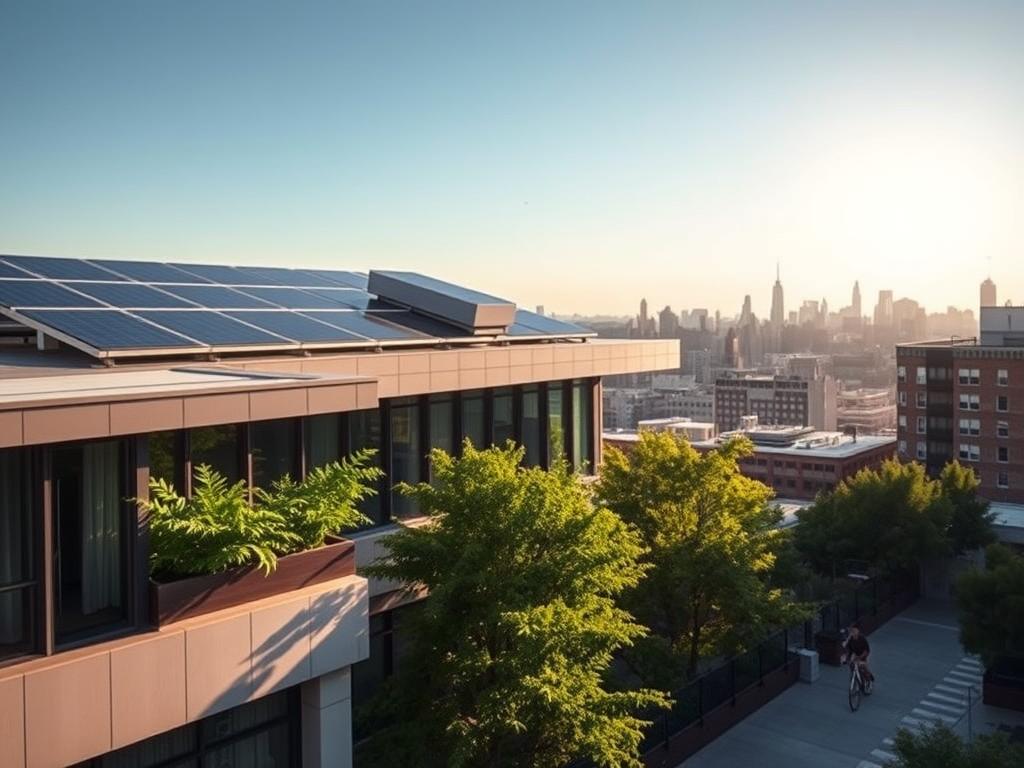
Starting with renewable energy means first figuring out what your building needs. Adding solar panels or geothermal systems cuts down on fossil fuel use. For example, green energy setups can save money on bills in 5-10 years. Smart building technologies also help use energy better, making sure systems run efficiently.

Water Conservation Strategies

Water savings start with using less water. A water conservation table shows how effective it can be:

StrategyAnnual Savings
Low-flow toilets4,000+ gallons/household
Rainwater harvestingUp to 30% outdoor water reduction
Smart irrigation20-40% landscape water savings

Waste Reduction and Management

Good waste reduction comes from both the right systems and changing how we act. Starting composting programs and recycling stations helps. Buying in a way that supports the circular economy also cuts down on waste.

โ€œEven small changes, like switching to LED lights, can cut energy costs by 25% in a year.โ€

Keeping green systems in good shape is key. Buildings using clean energy like solar or wind see their costs go down by 15-30%. This shows that being green and saving money can go together.

Green Building Materials and Technologies Transforming the Construction Industry

Recycled steel and self-healing concrete are changing how we build. Green building materials and innovative building technologies focus on eco-friendly building benefits. They help meet climate goals.

Architects and engineers use Biomimicry and Cradle to Cradle to make buildings better. They create spaces that are strong and use resources wisely.

Innovative Eco-Friendly Building Materials

Builders use earth ships from recycled tires, cobb house walls from clay and straw, and container homes from shipping containers. These choices cut down on waste and save money. Here’s a look at some options:

TypeMaterialKey Benefit
RecycledSteel/PlasticCuts landfill waste by 70%
BiobasedMycelium insulationNatural fire resistance
RenewableBamboo flooringGrows 3x faster than wood

Smart Building Technologies for Sustainability

Smart sensors in smart cities watch energy use closely. AI helps HVAC systems save energy by adjusting based on who’s there. Siemensโ€™ Desigo CC combines controls for lighting, water, and air quality.

Biomimicry and Nature-Inspired Design Solutions

The Eastgate Center in Zimbabwe uses nature’s cooling without air conditioning. Buildings like treehouses have vertical gardens to clean the air. Architect Michael Pawlyn says,

โ€œNatureโ€™s 3.8 billion years of R&D offer solutions for every design challenge.โ€

These new ways of building show that being green and innovative go together. From cobb house cottages to earth ship estates, the future is inspired by nature and recycling.

Case Studies: Successful Green Building Projects and Their Impact

Real-world projects show how zero energy building and urban regeneration can change communities. Here are three global examples that are making a big difference:

ProjectLocationCertificationKey FeaturesImpact
Bullitt CenterSeattleLiving Building ChallengeZero energy use, rainwater harvesting100% renewable energy, 25% cost savings
Parkroyal HotelSingaporeInternational Green Mark (IGM)Vertical gardens, solar panels30% lower energy use, urban habitat preservation
Alabama Rural StudioArkadelphia, ALNet Positive DevelopmentsRecycled materials, net-zero waterRevitalized rural areas, 50% lower energy costs

These designs arenโ€™t just eco-friendlyโ€”theyโ€™re economically smart. The climate resilience features here cut long-term costs while preserving local ecology conservation.

Each project faced unique challenges. The Bullitt Center had to balance urban landscape design with strict energy targets. Rural Studioโ€™s rural revival used local labor and materials.

All projects saw big results: lower carbon footprints, better indoor air, and community involvement. These stories show how net positive developments meet both ecological and economic goals. Whether it’s retrofitting or building new, these examples prove sustainable design works and saves money.

Future Trends in Sustainable Building Design and Certification

The green building movement is growing fast. Certifications are changing to meet global sustainability goals. New tech and policies are making buildings better for the planet and economy.

Expect big changes in the next decade. We’ll see buildings that use no energy and designs that can handle climate changes.

โ€œThe future belongs to those who build not just sustainably, but regeneratively.โ€ โ€“ Maria Torres, Director of Global Sustainability at the International Green Building Council

Zero Energy Buildings and Net Positive Developments

Certifications like CASBEE and DGNB now give points for buildings that make more energy than they use. Zero energy building designs use the latest solar tech and smart grids. This creates extra energy.

Such projects help the local economy by creating jobs in green energy. They also attract investments in green communities.

Climate Resilience in Building Standards

Building standards are now focusing on climate resilience. Green Star and Enterprise Green Communities require buildings to withstand floods, heatwaves, and power outages. New materials and cooling systems are becoming common.

These innovations are especially important in frontier markets. There, infrastructure needs are high, and proactive solutions are key.

Integration with Smart City Initiatives

Smart cities are combining building certifications with urban systems. This is happening in emerging markets in Asia and U.S. cities. Cooperative development models link buildings to energy grids and EV charging networks.

These systems reduce emissions and boost local economies. They use technology to improve infrastructure.

While there are still costs, early adopters show it’s worth it. As standards improve, staying updated is crucial. This way, organizations can lead the shift to a sustainable built environment.

Conclusion: Embracing Green Building Certifications for a Sustainable Future

Green building certifications are more than just building standards. They are the way to a sustainable future. These programs focus on energy efficiency, health, and protecting the environment. They help in international development and global affairs.

From big cities to small islands, using certifications like LEED or WELL makes a big difference. Homeowners and businesses can choose materials certified by the Greenguard Environmental Institute. This ensures better indoor air quality. Companies like Active Design Advisors, Inc. offer strategies to meet global sustainability goals.

These efforts tackle environmental and social challenges. Buildings designed with social enterprise principles improve life quality. They reduce healthcare costs and increase productivity.

In remote islands or developing areas, certifications like the Living Building Challenge help build strong infrastructure. Policymakers can speed up progress by adding these standards to urban planning. This encourages innovation in designs that fight climate change.

The path to sustainability starts with certification but grows with ongoing improvement. Homeowners can begin with Energy Star upgrades. Companies can aim for net-zero goals.

Every choice, from smart building tech to saving water, helps in the long run. Look for resources, work with experts, and focus on certifications. Together, we can make a difference, creating a future where buildings benefit both people and the planet.

FAQ

Q: What are green building certifications?

A: Green building certifications are standards for buildings and construction. They ensure buildings meet environmental and sustainability criteria. These standards look at energy use, resource saving, and health, leading to greener buildings.

Q: Why are green building certifications important?

A: They are key because they promote sustainable building. This helps reduce carbon emissions and saves resources. It also improves air quality, benefiting both the planet and people.

Buildings with these certifications also cost less to run and are worth more.

Q: Who administers green building certifications?

A: Organizations like the U.S. Green Building Council (LEED) and Green Seal offer certifications. Each has its own criteria for sustainability, such as energy use and water saving.

Q: What are some common types of green building certifications?

A: LEED, WELL Building Standard, and Energy Star are well-known certifications. There’s also Green Globes, NABERS, and BREEAM. Each focuses on different sustainability areas, promoting green construction.

Q: When should a building project seek certification?

A: It’s best to seek certification early, during planning and design. This makes it easier to meet requirements. Many programs offer benefits for early adoption of green practices.

Q: How can businesses and homeowners start the green certification process?

A: Start by assessing which certification fits your goals and budget. Then, gather a team that includes sustainability experts. Early planning and detailed documentation are key for success.

Q: What are the financial benefits of green building certifications?

A: Certifications can save money on energy and water. They also increase property value and may offer tax breaks. Certified buildings often have higher occupancy rates and can charge more rent.

Q: How do green certifications impact occupant health?

A: Green buildings improve air quality and natural light. This boosts health and productivity, reducing absenteeism. It also increases well-being, benefiting businesses and owners financially.

Q: Are there specific materials recommended for green buildings?

A: Yes, use eco-friendly materials like recycled items and sustainably sourced wood. Low-VOC finishes and bio-based insulation are also recommended. These materials help make buildings more sustainable.

Q: What are emerging trends in sustainable building certifications?

A: Trends include zero energy buildings and climate resilience. There’s also more focus on integrating green building with smart city initiatives. These aim to enhance urban sustainability.

Key Takeaways

  • Green building certifications measure a projectโ€™s commitment to sustainability and resource efficiency.
  • Benefits of green building certifications include lower operating costs and improved public health outcomes.
  • Sustainable building certifications like LEED and WELL guide eco-friendly design and construction decisions.
  • Certifications boost property values while supporting global climate action goals.
  • Builders and owners gain competitive advantages through recognized environmental design standards.

Sustainable Architecture Techniques for Urban Farming

Urban areas in cosmopolitan and downtown settings are changing to meet the need for fresh, local food. Sustainable architecture for biomimicry, habitat preservation, urban farming and green roofs are turning cities into green spaces. These new methods mix eco-friendly farming with smart design, blending city life with permaculture and food production.

Cities all over are using urban both agriculture and permaculture to solve food security while reducing carbon emissions. Architects, urban landscape designers, and planners are finding new ways to use space in both smaller and crowded cities. This change not only increases food access but also draws communities together and helps the environment.

Vertical gardens, rooftop farms, and new growing systems showcase the power of sustainable architecture in urban food making and permaculture. These methods use resources wisely, cut down on waste, and make green spots in the city. As cities expand, adding urban farming to building design is key for strong, self-sufficient communities.

Understanding the Evolution of Urban Agricultural Architecture

Urban farming has a long history. It started with ancient Mesopotamian and ancient Central and South America hanging gardens and now includes skyscrapers with greenhouses. This shows our desire for sustainable food in cities.

Historical Development of Urban Farming Structures

Early farming in cities were simpler. Ancient people used rooftops and courtyards for gardens. As cities expanded, so did the need for new farming ideas. The 1st Industrial Revolution introduced materials and methods for bigger urban farms.

Modern Challenges in Metropolitan Food Production

Today, cities face big challenges in growing food. Space is limited, pollution is high, and the weather is changing. To solve these problems, cities are using rooftop gardens and green roofs. These methods use space wisely and help the environment.

The Rise of Architectural Innovation in Urban Agriculture

Architecture is changing urban farming. Vertical farming is becoming popular, allowing food to be grown in tall buildings. Green roofs are also being used, turning buildings into green spaces.

Urban Farming MethodSpace EfficiencyWater UsageYield Potential
Rooftop GardensMediumHighMedium
Green Roof SystemsHighLowLow
Vertical FarmsVery HighVery LowHigh

As cities grow, these new farming methods are key to food security and sustainability. The future of urban farming is in smart, integrated designs that are both beautiful and functional.

Sustainable Architecture Techniques for Urban Farming & Green Roofs

Urban farming is getting a boost from new architectural ideas. Eco-friendly urban agriculture turns empty spaces into green areas. These spaces not only grow food but also make cities better.

Green roof systems are a key part of sustainable city design. They use rooftops for growing plants, keeping buildings warm, and handling rainwater. This turns unused space into lively, useful areas.

Architects are adding vertical gardens to buildings. These walls grow food, clean the air, and look good. They help cities become more diverse and green.

“Urban farming architecture is not just about food production; it’s about creating resilient, livable cities for the future.”

New materials are important in these designs. They help plants grow without harming buildings. Smart water systems also save water, making these farms very efficient.

TechniqueBenefitsChallenges
Green RoofsInsulation, Stormwater Management, Food ProductionStructural Load, Maintenance
Vertical GardensSpace Efficiency, Air Purification, AestheticsIrrigation, Plant Selection
Integrated GreenhousesYear-round Production, Energy EfficiencyInitial Cost, Climate Control

These green architecture methods are changing cities. They mix growing food with helping the environment. This makes cities greener and stronger for the future.

Vertical Farming Integration in Contemporary Building Design

Vertical farming is changing urban agriculture. It makes the most of space in busy cities, bringing food closer to people. Let’s see how modern buildings use these new growing systems.

Space-Efficient Growing Systems

Vertical farms stack layers to grow crops up. This way, they produce more food per square foot than traditional farming. Architects now design buildings with growing spaces, turning walls and unused areas into farms.

Hydroponic and Aeroponic Technologies

Hydroponics and aeroponics are big changes in farming. They use water or mist to feed plants, saving water and speeding up growth. They also let plants grow all year in controlled spaces.

SystemWater UsageGrowth RateSpace Efficiency
Traditional SoilHighNormalLow
HydroponicsLowFastHigh
AeroponicsVery LowVery FastVery High

Light Management and Natural Ventilation Strategies

Good light is key for plants. Designers use solar energy for LED grow lights, giving plants the best light. They also use cooling systems and natural air flow to keep temperatures right and save energy. These work together to make urban farms in modern buildings.

Rooftop Gardening: Advanced Design and Implementation

Rooftop gardens are changing urban farming. They turn empty rooftops into green spaces, helping cities grow food sustainably. New designs make these gardens productive and eco-friendly.

Urban permaculture is key in rooftop garden design. It creates gardens that work like nature, needing little care. Techniques like companion planting and vertical growing are used.

“Rooftop gardens are not just about growing food; they’re about creating interconnected urban ecosystems that benefit both people and the environment.”

Soil is vital for rooftop gardens. Special soils support plants without harming buildings. Composting helps keep the soil healthy and cuts down on waste.

Choosing the right plants is important. Plants that handle heat and wind well do best. Dwarf varieties and plants with shallow roots are perfect for containers.

Rooftop gardens help meet UNSDG#12 goals. They cut down on food transport, reduce packaging, and promote green living in cities.

Rooftop Gardening ElementBenefitsChallenges
Vertical Growing SystemsSpace efficiency, increased yieldIrrigation complexity, weight considerations
Rainwater HarvestingWater conservation, reduced costsStorage limitations, filtration needs
Permaculture DesignEcosystem balance, low maintenanceInitial planning complexity, specialized knowledge required

Advanced rooftop gardening is changing cities. It turns rooftops into green spaces that help make cities more sustainable.

Smart Water Management and Rainwater Harvesting Systems

Urban farming in big cities faces big water challenges. Smart water systems and rainwater harvesting are new ways to help. They save water and support growing food in cities.

Automated Irrigation Technologies

Modern urban farms use smart irrigation. Sensors check soil moisture and plant needs. This ensures plants get the right water amount.

Greywater Recycling Methods

Greywater recycling is becoming more common. It uses treated water from sinks and showers for plants. It’s a great way to save water in crowded cities.

Water Conservation Techniques

Urban farmers use many ways to conserve water. These include:

  • Vertical and horizontal Drip irrigation systems
  • Mulching to keep soil moist
  • Choosing plants that are minimal water efficient
  • Using surfaces that allow water to soak in

These methods assist urban farms to grow well while using less water.

Water Management MethodWater SavingsImplementation Cost
Rainwater HarvestingUp to 40%Medium
Automated Irrigation20-30%High
Greywater Recycling30-50%Medium-High

By leveraging these water-saving methods, urban farms and by city planner’s influence can lessen their impact on the environment. This supports growth in major cities and promotes green farming practices.

Energy-Efficient Solutions for Urban Agricultural Spaces

Urban agriculture is slowly turning cities into future green food production centers. There is more work to be done regarding both public policy, greenways, and advocacy for urban garden innovation. To be truly sustainable, resource-efficient solutions are essential. Let’s continue to explore new ways to make urban farming greener and more productive.

Solar Integration for Growing Systems

Solar energy is helping to advance urban agriculture at a rapid rate. Rooftop gardens, and vertical farms maximize sunlight for natural lighting, irrigation, and climate control. This reduces dependance on grid electricity use and lowers costs.

Passive Climate Control Methods

Passive cooling systems, like urban agriculture, are changing urban farming for the better. They use natural airflow and thermal mass for temperature control with no need of ample amount of energy. Green walls and roof gardens help keep temperatures stable, reducing the need for HVAC heating and cooling.

Reliable energy storage is an invaluable component for urban farming. Advanced batteries save renewable energy for cloudy days or nighttime. Smart grids and solar power spread this energy around, making sure it’s used well and not wasted.

Energy SolutionBenefitsApplication
Solar PanelsRenewable energy source, reduced electricity costsRooftop gardens, vertical farms
Passive CoolingLower energy consumption, natural temperature regulationGreenhouse designs, building integrated agriculture
Energy StorageContinuous power supply, energy independenceOff-grid urban farms, community gardens

These energy-saving solutions are both accessible and scalable beyond small urban farms. They’re also used in industrial size projects, such as sustainable aviation. As cities scale vertically, these technologies will help create resilient, self-sustaining food systems.

Biodiversity Enhancement Through Architectural Design

Architectural design is an essential part of boosting biodiversity in urban farming. Smart features in urban local help create ecosystems that foster many species. This not only help makes cities better but also helps with biodiversity conservation.

Creating habitats for pollinators and beneficial insects is a smart strategy. Designers can add plants that attract bees and butterflies. These green spaces are like mini-ecosystems, helping local wildlife and boosting biodiversity.

Urban and rural permaculture is another way to increase biodiversity. It uses natural systems to create self-sustaining environments. These systems often use native plants, which support local wildlife.

  • Rooftop gardens with diverse plant species
  • Vertical gardens integrated into building facades
  • Green corridors connecting urban green spaces

Even urban projects epic in scale can help with biodiversity. For example, eco-friendly airports have green spaces and exercise habitat preservation for wildlife. These areas are not just aesthetically pleasing; they also help migratory birds and support local ecosystems.

“Biodiversity-focused design is not just about creating green spaces; it’s about fostering interconnected ecosystems within our urban environments.”

By focusing on biodiversity in design, collectively we can make cities better. They become functional, beautiful, and help our planet’s ecosystems.

Environmental Impact and Carbon Capture Strategies

Urban farming is key to reducing environmental harm and supporting sustainable living. It uses carbon capture and green roofs to cut down cities’ carbon footprint. This helps improve food security too.

Carbon Footprint Reduction Techniques

Urban farming uses new and obscure ways to lower carbon emissions. Green roofs, canopies, and even hammocks act as natural carbon traps, pulling CO2 from the air. They also keep buildings warm in winter and cool in summer, saving energy.

Sustainable Material Selection

Using eco-friendly materials is vital in urban farming. Options like recycled steel, reclaimed wood, and biodegradable plastics are favored. They have a lower carbon footprint and need less energy to make and use.

  • Recycled steel for structural support
  • Reclaimed wood for planters and raised beds
  • Biodegradable plastics for temporary structures

Waste Management Solutions

Good waste management is a key practice in urban farming. Composting turns organic waste into soil, thus reducing landfill use. Harvesting rainwater and recycling greywater saves on resources overall, not just water. These processes help create sustainable, closed-loop systems.

“Urban farming isn’t just about growing food; it’s about growing sustainable cities.”

Urban farms and city based permaculture both play a major role in capturing carbon and protecting the environment. They help enforce cities to play a larger role in climate action, reduce greenhouse gas, and fight air pollution, thus becoming more resilient.

Conclusion

Sustainable architecture is evolving our cities which consequently adopt indigenous community practices such as ubuntu and sankofa. It also combines design with nature, making spaces for agriculture in unexpected places. This includes vertical farms and rooftop gardens, helping cities grow food and other plant life despite their size and resources.

Urban agriculture makes the case for positive impactful performance for many reasons. It cuts down on the logistic of food travel, boosts biodiversity, and makes the air cleaner. These green projects also help cool cities and manage water runoff. By farming in cities and the suburban area, we build stronger communities and connect with where our food grows locally.

The growth of urban farming supports global goals, like UNSDG#12 – Responsible Consumption, Production and UNSDG#11 – Sustainable Cities and Communities, and UNSDG#3 – Good Health and Well-Being. Cities and the greater Metros and county adopting these green solutions do more than feed the communities they serve; they build a sustainable future. Urban farming is essential to developing cities that are self-sufficient and care for the environment, even with climate change.

Key Takeaways

  • Urban farming integrates food production, consumption, and commerce into city landscapes
  • Sustainable architecture maximizes limited space for agriculture
  • Green roofs and vertical gardens transform unused urban space
  • Urban permaculture practices promote environmental sustainability
  • Eco-friendly urban agriculture enhances food security and community well-being
  • Innovative design solutions optimize resource use in city farming and eliminate blight

This website is saving the energy of your screen as it is not being used. It's part of a global effort to lower the planet's electrical consumption and CO2 emission level. Resume browsing
Click anywhere to resume browsing
Verified by MonsterInsights