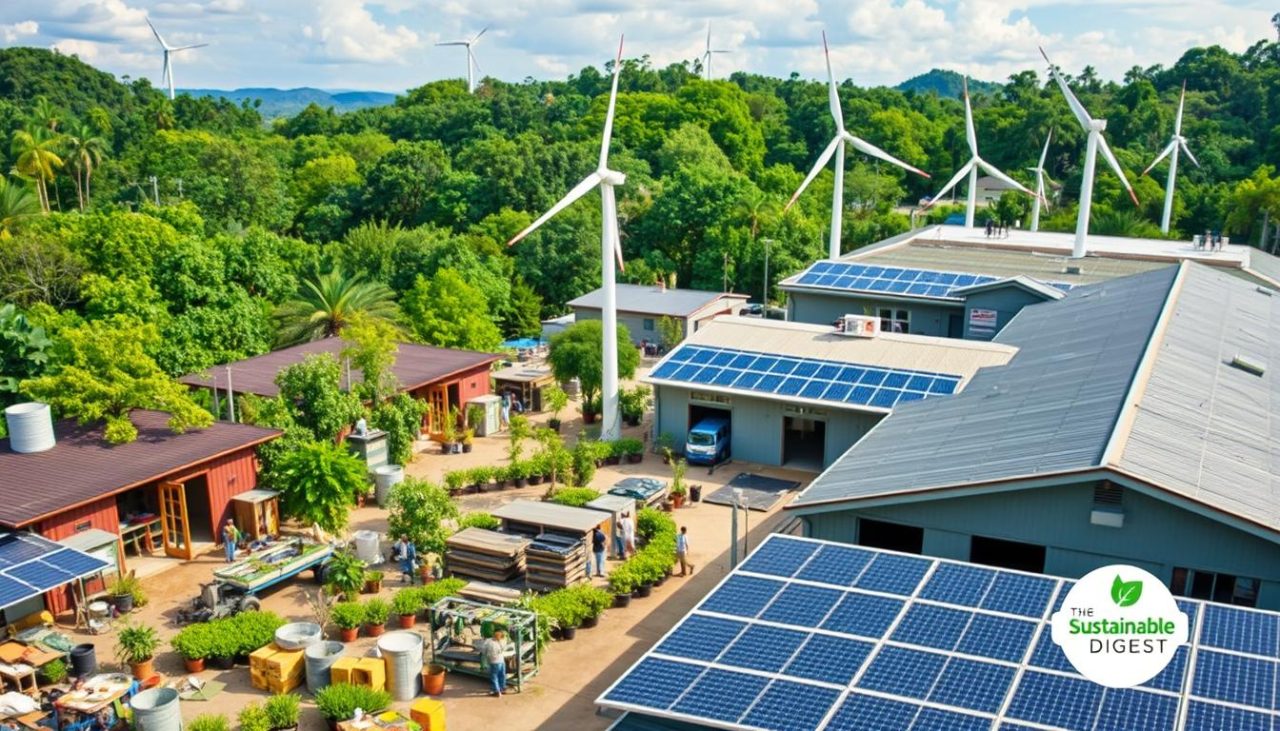
Africa’s Path to Sustainable Development & Growth

As presented through ongoing media, Africa is at a pivotal moment in its journey toward sustainable development. The continent has great potential and faces unique challenges. By adopting sustainable practices, African nations are working toward the 2030 United Nations Sustainable Development Goals. This sets the stage for lasting progress.

International business is key to Africa’s growth, from big cities to small villages. It involves 54 countries working together. By building partnerships and attracting investments, countries are setting the stage for strong economic growth. This not only boosts local economies but also helps the global economy.

The journey to sustainable development in Africa needs a balanced approach. It’s about using natural resources wisely, investing in renewable energy, and ensuring everyone benefits. By focusing on these areas, African nations can create a successful blueprint that meets both environmental and economic needs.

Understanding Africa’s Development Landscape

Africa’s path to sustainable development is influenced by its rich history and culture. The continent faces unique challenges but also has powerful principles guiding its progress.

Historical Context and Development Challenges

Africa’s development has been shaped by colonialism, resource exploitation, and political instability. These issues have hindered economic growth and social progress. Yet, many African nations are now using new approaches to overcome these barriers.

Ubuntu: Community-Centered Development Models

Ubuntu teaches us that “I am because we are.” It promotes Sustainable Community Development through teamwork. In Rwanda, shared farming cooperatives apply this idea to increase crop yields and reduce inequality.

These networks make sure resources help the whole village, not just a few.

Sankofa: Learning from Traditional Practices

Sankofa’s “return and retrieve” philosophy encourages us to learn from our ancestors. In Ghana, mangrove restoration projects use ancient wisdom and modern science to fight coastal erosion.

Integrating Indigenous Knowledge with Modern Approaches

Cultural Diplomacy connects these traditions with global sustainability efforts. A table below shows how these philosophies are used today:

ConceptOriginCore IdeaModern Application
UbuntuSouth African Bantu traditionsInterdependence of individualsCommunity-led renewable energy grids
SankofaAkan peoples of West AfricaWisdom from the pastTraditional water harvesting systems

“Ubuntu and Sankofa are not relics of the past—they are blueprints for tomorrow.”

– African Union Sustainable Development Report 2023

By blending these philosophies with global goals, Africa creates solutions that honor its heritage. This approach ensures development is both culturally and ecologically responsible.

Cultural Foundations: Sankofa and Ubuntu Principles

Two crucial cultural concepts drive Africa’s development: Sankofa and Ubuntu. Sankofa, from Ghana, teaches learning from the past to build a better future. Ubuntu, from South Africa, focuses on collective well-being and interconnectedness.

Sankofa and Ubuntu work together. Sankofa encourages looking back for wisdom, while Ubuntu promotes working together for growth. These principles are a strong base for sustainable development across Africa.

Regional Economic Communities and Their Role

African coalitions, consortia, and federations are key in fostering regional cooperation. They boost trade, share resources, and coordinate development efforts. Through cooperative enterprise development, they create chances for economic and social growth.

These communities act as platforms for implementing continent-wide strategies. They help share knowledge, develop infrastructure, and harmonize policies. By using their collective strengths, they push Africa toward a sustainable and prosperous future.

Sustainable Development among all 54 African countries, regions, and islands

Africa’s diverse nations are embracing sustainable development in their own ways. From the bustling cities of Kenya and Tanzania to the landlocked nations of Uganda, Rwanda, and Burundi, each country faces unique challenges and opportunities.

In East Africa, Kenya and Tanzania are leading with renewable energy. Kenya has the largest wind farm in Africa, while Tanzania is focusing on solar power. Uganda, Rwanda, and Burundi are working together to protect the Virunga Mountains, home to endangered mountain gorillas.

Southern African nations like Lesotho and Swaziland are focusing on water resource management. Namibia, Angola, and Zambia are teaming up to protect the Okavango Delta, a UNESCO World Heritage site.

CountryKey Sustainable Initiative
Cape Verde100% Renewable Energy Goal by 2025
Sao Tome & PrincipeSustainable Cocoa Production
SeychellesBlue Economy Strategy
ComorosCoral Reef Restoration
MauritiusSmart Cities Development
MadagascarBiodiversity Conservation

Island nations like Cape Verde and Sao Tome & Principe are focusing on sustainable tourism and agriculture. Seychelles is pioneering the blue economy concept. Comoros is investing in coral reef protection. Mauritius is developing smart cities, and Madagascar is prioritizing biodiversity conservation.

“Africa’s sustainable development journey reflects the continent’s rich diversity and shared commitment to a greener future.”

These varied approaches show Africa’s adaptability and determination in pursuing sustainable development across its 54 nations.

Environmental Conservation and Climate Action Initiatives

Africa is tackling its environmental challenges with new sustainable and innovative ideas. It’s turning to renewable energy, protecting wildlife, and building green spaces to fight climate change.

Renewable Energy Implementation

African countries are quickly moving to renewable energy. Morocco’s solar farms and Kenya’s wind projects show their dedication. These efforts cut down on carbon emissions and bring clean energy to many people.

Biodiversity Protection Measures

Keeping Africa’s ecosystems safe is key. Tanzania and Botswana are leading in this area. They’ve set up protected areas and work with local people to save endangered animals.

Green Infrastructure Development

Green building is becoming more common in Africa. Cities like Nairobi and Cape Town are using nature’s designs in their planning. These designs make buildings that are good for the environment and last long.

Climate Change Adaptation Strategies

African countries are taking steps to adapt to climate change. Ethiopia’s Great Green Wall is fighting desertification. Coastal areas are building defenses against floods. These actions help protect people and nature from climate change.

InitiativeCountryImpact
Solar Power PlantMoroccoProvides clean energy to 2 million homes
Wildlife CorridorTanzaniaProtects elephant migration routes
Green Building CodeSouth AfricaReduces urban energy consumption by 30%
Mangrove RestorationSenegalEnhances coastal protection against sea-level rise

Economic Growth and Social Equity

Africa is working to grow its economy and make society fairer. This plan aims to help communities and support sustainable growth across the continent.

Empowering MSMEs and Social Enterprises

Micro, Small, and Medium Enterprises (MSMEs) are crucial for Africa’s economy. They create jobs and spark new ideas. Social enterprises help by solving social problems through business.

Together, they push for economic growth that includes everyone and makes a positive impact.

Entity TypeEconomic ImpactSocial Impact
MSMEsJob creation, local economic stimulationIncome generation for families
Social EnterprisesSustainable business modelsDirect solutions to community challenges

Tackling Poverty Through Targeted Programs

Poverty programs in Africa focus on building skills and creating lasting jobs. They offer training, small loans, and support to help people and communities overcome poverty.

Sustainable Agriculture in Africa

Advancing Sustainable Agriculture

Good farming practices are vital for food security and economic stability in rural areas. Projects in sustainable horticulture, permaculture, and farming help farmers grow more while saving the environment. These efforts increase food production and protect the planet for the future.

Regional Cooperation and Integration

Africa is moving towards sustainable development through regional cooperation. Countries are working together to face common challenges and find new opportunities. This teamwork is changing how development happens within the continent.

The Democratic Republic of the Congo and the Republic of Congo are a great example. They have different economies but are working together on projects and trade. This shows how countries can find common ground despite their differences.

Cameroon, Central African Republic, and Gabon are also working together. They are fighting deforestation and protecting the Congo Basin rainforest. Their efforts show how cooperation can help the environment across borders.

In the Sahel region, Mali, Republic of the Niger, Chad, and Burkina Faso are facing challenges together. They are working on security and economic growth. Their goal is to bring stability and prosperity to a tough area.

Regional GroupKey Focus AreasNotable Achievements
DRC & Republic of CongoInfrastructure, TradeJoint road network expansion
Cameroon, CAR, GabonEnvironmental ConservationCongo Basin Forest Partnership
Mali, Niger, Chad, Burkina FasoSecurity, Economic DevelopmentG5 Sahel Joint Force

These partnerships are driving development across Africa. By sharing resources and markets, countries are making the continent stronger. The future of Africa depends on strengthening these ties and working together towards a common goal.

Technology and Innovation in African Development

Africa is moving forward with new technology and creative ideas. It’s using Green IT Infrastructure and Digital Transformation to make progress and work better.

Green IT Infrastructure

African countries are building eco-friendly Data Centers. These centers use less energy and cut down on pollution. They help grow digital services without harming the environment.

Digital Transformation Initiatives

Both governments and businesses are starting Digital Transformation projects. They want to make services better, connect people more, and grow the economy. Digital tools like mobile banking and e-governance are changing African life.

Sustainable Supply Chain Solutions

African companies are focusing on Sustainable Supply Chains. They use Green logistics to cut down on emissions. And they adopt Green and Responsible Manufacturing to reduce waste and pollution. These steps help make the African economy stronger and greener.

Technology AreaImpact on Sustainability
Green IT InfrastructureReduced energy consumption, lower carbon emissions
Digital TransformationImproved efficiency, enhanced service delivery
Sustainable Supply ChainsResponsible resource use, reduced environmental impact

By using these new technologies, Africa is growing its economy and securing a green future for all.

International Partnerships and Global Alignment

Africa’s path to sustainable development depends on global partnerships. These alliances bring in resources, expertise, and support. They help the continent grow.

UN Sustainable Development Goals Implementation

The United Nations Development Programme (UNDP) and United Nations Environment Programme (UNEP) are key players. They help Africa reach the Sustainable Development Goals. They offer funding, technical help, and policy advice to African countries.

Cultural Diplomacy and Cross-Border Collaboration

Cultural Diplomacy helps African nations understand and work together. Countries like Algeria, Tunisia, Libya, Morocco, and Mauritania share cultures. This builds peace, trade, and development goals across borders.

Global Economic Integration

Africa’s role in the World Economic Forum (WEF) shows its commitment to global markets. Countries like Egypt and Sudan use these platforms to attract investors. They aim to align with international markets and standards.

CountryKey Economic FocusGlobal Partnership Initiative
EgyptRenewable EnergyGreen Investment Partnerships
MoroccoDigital EconomyTech Startup Collaborations
TunisiaSustainable TourismEco-Tourism Alliances

These partnerships and alignments are crucial for Africa’s sustainable growth. They create a future of shared prosperity and care for the environment.

Sustainable Resource Management

Africa’s future depends on managing resources wisely. Countries across the continent are using new ways to keep their natural wealth safe. They also want to grow their economies.

Zero Waste Initiatives

African nations are working hard on waste management. Benin and Togo are leading with zero waste programs. They focus on eco-friendly products and cut down on landfills.

Water Conservation Efforts

Water is very important in Africa’s dry areas. Sierra Leone, Liberia, and Cote d’Ivoire are finding new ways to save water. They use rainwater harvesting and efficient irrigation.

This ensures everyone has access to clean water.

Responsible Mining Practices

Countries with lots of minerals are mining in a better way. Guinea Bissau and Equatorial Guinea have set strict rules for mining. These rules protect the environment and local people while helping the economy.

CountrySustainable Resource InitiativeImpact
BeninPlastic recycling program50% reduction in plastic waste
Sierra LeoneCommunity-based water managementImproved access to clean water for 1 million people
Guinea BissauEco-friendly bauxite mining30% decrease in environmental damage

These efforts show Africa’s dedication to protecting the environment while growing. By focusing on zero waste, saving water, and mining responsibly, African countries are working towards a greener future.

Conclusion

Africa is on a path to sustainable development, facing both hurdles and chances. The continent’s varied countries are using new methods to grow while keeping their natural resources safe. From South Africa to Botswana, and Gambia to Senegal, they’re working on economic growth and protecting the environment.

The 2025 International Year of Cooperatives is a big opportunity for African nations to work together more. This event matches the continent’s growing focus on good governance and sustainable community development. Countries like Mozambique, Zimbabwe, and Malawi are improving their governance and empowering local communities.

In the Horn of Africa, countries like South Sudan, Somalia, Djibouti, and Somaliland have big challenges. Ethiopia and Eritrea are trying to solve old conflicts and start sustainable growth. These efforts show how important regional cooperation is for solving common problems and promoting long-term development.

As Africa moves ahead, it’s key to keep focusing on sustainable practices, innovation, and working together across borders. By using their rich cultural heritage and new technologies, African nations can create a prosperous and sustainable future.

Key Takeaways

  • Africa’s sustainable development aligns with UN 2030 goals
  • International business drives continental growth
  • Balanced approach needed for long-term progress
  • Responsible resource management is crucial
  • Renewable energy investments support sustainability
  • Inclusive growth promotes economic stability

The who, what, when, where, why, and how of greenwashing

Greenwashing is when companies make false claims about their products being good for the environment and the great ecosystem. This is a major problem in the world of green and eco-friendly marketing and advertising. It tricks people into thinking products and supply chain are better for the planet than they really are.

Companies use greenwashing to make more money and sometimes peer approval. They want to sell and generate revenue by making their products seem eco-friendly. This can harm both consumers, stakeholders, and the environment.

In green marketing, greenwashing can be very subtle and manipulative. Companies might say in advertising production or state in their marketing materials that their products are much better for the environment than they actually are. It’s important to know how companies lie to the but the public and private customers and how to spot these lies.

By learning and understanding about greenwashing, we can make better choices. We can support companies and institutions that truly care about the environment. This helps to promote real ethical green marketing.

Understanding the Green Deception: What is Greenwashing?

To reinerate, Greenwashing is when companies make false claims about their goods or services being good for sustainability and sustainable principles. They might say they’re eco-friendly but falsely use labeling or catch phrases to draw in the consumer and/or the customer. Or they might talk and promote via labels and press material about corporate social responsibility, but it’s just for show. As people care more about the planet, companies use green marketing strategies to seem better or often superior to other products, but neither of those practices is true.

Studies show greenwashing hurts trust with customers and ultimately the end users. If a company not matter how large or small, is caught and exposed to lying, people lose faith and buy less. It is important to note, companies that really care about the planet gain loyal customers and other stakeholders, thus accessing more money.

  • Misleading labeling: Using labels or certifications that are not recognized by reputable third-party organizations.
  • Hidden trade-offs: Focusing on one environmental benefit while ignoring other negative environmental impacts.
  • Vagueness: Making general claims about environmental benefits without providing specific details or evidence.

As consumers, we need to know about these tricks. We should support companies that are truly eco-friendly and care about corporate social responsibility. This way, we help make marketing that’s real and helps our planet.

CompanyGreenwashing PracticeImpact on Consumer Trust
Company AMisleading labelingLoss of credibility
Company BHidden trade-offsDecrease in sales
Company CVaguenessLoss of customer loyalty

The Major Players Behind Greenwashing Practices

Many companies have been accused of greenwashing. This is when they make false claims about their products or services being good for the environment. This environmental deception hurts both consumers and the planet, making people doubt sustainable marketing.

ExxonMobil, Chevron, and BP are some big names accused of greenwashing. They’ve faced criticism for lying about their products’ environmental benefits.

  • Unsubstantiated claims about environmental benefits
  • Lack of transparency about production processes
  • Use of misleading or false labeling

Knowing these signs helps you choose better. You can support companies that really care about the planet and are honest in their marketing.

Companies must be transparent and honest in their marketing efforts, and avoid engaging in greenwashing practices that can damage consumer trust and harm the environment.

CompanyAccusation
ExxonMobilFalse claims about climate change
ChevronMisleading labeling of products
BPLack of transparency about production processes

The Psychology of Green Marketing Manipulation

Green marketing is a big deal for companies today. It helps them look good to people who care about the planet. But, some companies use it to trick people into buying things they don’t really need.

They play on our feelings and make us feel guilty or nostalgic. This makes us more likely to buy their products. For instance, they might show pictures of nature to make us feel good about buying their stuff.

Consumer Vulnerability Points

Some companies take advantage of people who don’t know much about the environment. They use hard-to-understand language to make their products seem better than they are. It’s important for us to learn about eco-friendly practices so we can spot these tricks.

The Power of Eco-Friendly Imagery

Images of recycling or green energy are very powerful in marketing. Companies use them to make their brand look good. By doing good for the planet and using these images, companies can win our trust and build a strong reputation.

Essential Greenwashing Identifying Tactics, Greenwashing Avoidance Strategies and Methods

To spot and dodge greenwashing, you need to think critically and understand media well. This means checking if companies’ claims are true or just tricks. Greenwashing can be sneaky, but you can spot it by looking for vague or unproven claims about being green.

Here are some ways to avoid greenwashing:

  • Research companies and their environmental records
  • Look for third-party checks on their green claims
  • Be cautious of claims that seem too good to be true

By doing these things, you can choose better and avoid supporting greenwashing. Remember, greenwashing hurts the environment too. It makes people doubt real green efforts and slows down our move towards a greener future. Environmental deception is serious, and we all must watch out and demand truth from companies.

In short, fighting greenwashing needs critical thinking, media smarts, and research. By knowing how companies greenwash and checking their claims, we can help the planet. We can also support real green marketing.

CompanyGreenwashing ClaimReality
Example Company“Eco-friendly packaging”Packaging is not biodegradable and contributes to waste
Another Company“Sustainable sourcing practices”Sources materials from suppliers with poor environmental track records

The Seven Sins of Greenwashing

Companies often try to look good by doing eco-friendly things. But, some might lie to make their brand seem better. The seven sins of greenwashing help spot when they do this.

These sins include hidden trade-offs. This means a product might be good in one way but bad in another. For instance, a product might say it’s biodegradable, but it only breaks down under certain conditions. These conditions are not always clear.

Other sins are no proof and vagueness. Companies might say their products are eco-friendly without showing any proof. Or, they might use terms like “eco-friendly” without explaining what they mean. False labels are also a problem, where companies make up labels to look green.

  • Hidden trade-offs
  • No proof
  • Vagueness
  • False labels

Knowing these seven sins helps us make better choices. We can choose to support companies that really care about the environment. This way, we help them use honest green marketing.

FAQ

Q: What is greenwashing and why is it important?

A: Greenwashing is when companies make their products seem more eco-friendly than they really are. It’s a big deal because it breaks trust with customers. It also stops real efforts to be green and causes more harm to the environment.

Q: What are some common greenwashing tactics?

A: Companies use tricks like making vague claims or picking only the good parts of their impact. They might also use fake labels or certifications. This way, they hide their true environmental harm.

Q: How can consumers spot greenwashing?

A: To spot greenwashing, look for vague or unverifiable claims. Also, watch for a big gap between what a company says and what it does. Checking for real certifications and doing your homework can help too.

Q: What are the consequences of greenwashing?

A: Greenwashing can hurt trust in companies. It also makes it harder for real green efforts to succeed. Plus, it makes the environment worse by making it seem like companies are doing good when they’re not.

Q: How can companies avoid being accused of greenwashing?

A: Companies can stay clear of greenwashing by being open about their environmental impact. They should set clear goals and get third-party checks to prove their claims. Being honest and authentic is key to earning trust.

Q: What are the “seven sins of greenwashing”?

A: The “seven sins of greenwashing” are: hiding the bad, no proof, being vague, using fake labels, being irrelevant, choosing the lesser evil, and lying. These tricks make it hard to believe a company’s green claims.

Q: What resources are available to help identify and combat greenwashing?

A: To fight greenwashing, use online tools, check for real certifications, and talk to environmental groups. You can also report greenwashing and support real green efforts. These steps help keep companies honest.

Real-World Examples of Corporate Greenwashing

Companies often use sustainable marketing to look green but are actually greenwashing. This trick can be found in many fields, like energy and consumer goods.

Some examples include:

  • Volkswagen’s emission scandal, where they said their diesel cars were green but they were really polluting.
  • ExxonMobil’s claims of investing in green energy, but they only spent a tiny part of their budget on it.
  • Procter & Gamble’s false claims about eco-friendly packaging, which turned out to be greenwashing.

These cases show how crucial it is to hold companies accountable in sustainable marketing. They also highlight the need for consumers to spot environmental deception.

Learning from these greenwashing examples helps consumers make better choices. It encourages them to support companies that really care about the planet.

Tools and Resources for Spotting Green Marketing Deception

To spot greenwashing, you need the right tools and resources. Today, eco-friendly practices are key, not just a trend. Companies must show corporate social responsibility and use green marketing strategies that are clear and reliable.

Digital Verification Tools

There are many digital tools to help find greenwashing. These tools include online platforms that share info on companies’ green efforts and certifications. Some top ones are:

  • Environmental Defense Fund’s Scorecard
  • Greenpeace’s Guide to Greener Electronics
  • ClimateWorks Foundation’s Climate Scorecard

Certification Standards

Certification standards are key to proving eco-friendly practices are real. Some well-known ones are:

CertificationDescription
ISO 14001International standard for environmental management systems
LEEDLeadership in Energy and Environmental Design certification for buildings
Energy StarCertification for energy-efficient products

Environmental Watch Groups

Environmental watch groups keep an eye on companies’ green actions. They offer useful info and resources for smart choices. Some notable groups are:

  • Sierra Club
  • World Wildlife Fund
  • Friends of the Earth

Taking Action Against Greenwashing

To fight greenwashing and support sustainable marketing, we can all do something. It’s key to report any false environmental claims. You can tell the Federal Trade Commission (FTC) or your local consumer protection agency about any ads that seem off.

It’s also important to back real green initiatives. Look for products with the EPA’s Safer Choice label. This shows the company cares about the environment. Supporting groups that uncover environmental deception helps too.

Here are some ways to fight greenwashing:

  • Check if companies’ green claims are backed by third-party certifications.
  • Support laws that make marketing more honest and accountable.
  • Help your loved ones make smart choices about what they buy.

Together, we can make a better future and stop greenwashing. As more people spot environmental deception, companies will have to be more open and green in their marketing.

Conclusion: Building a Greener Future Through Informed Choices

The world of green marketing and corporate social responsibility is complex. It’s often clouded by greenwashing. But, a greener future is possible with informed consumers who seek truth and hold companies to their promises.

Knowing how greenwashing works helps us make better choices. We can support real green initiatives by using digital tools and checking for certifications. This way, we can spot false claims and back up the real deal.

It’s a team effort between businesses and consumers to create a better world. When companies are open and focus on the environment, and we choose to buy from them, we’re all moving forward. Together, we can make a brighter, greener future.

Key Takeaways

  • Greenwashing is a form of environmental deception used to manipulate the end user/customer’s perception.
  • It can have serious consequences for long term revenue generation, consumers and the planet.
  • Understanding and identifying greenwashing tactics is essential for making informed choices.
  • Sustainable marketing practices can be promoted and advertised by avoiding greenwashing.
  • Ongoing education is key to recognizing and preventing greenwashing.
  • Greenwashing can take many forms, including exaggerated or lofty claims, and outright lies.

Solar & Geothermal Strategies: Energy-Efficient Solutions

Grand prismatic spring, Thermal, Spring image. https://pixabay.com/photos/grand-prismatic-spring-thermal-3799785/

Looking for ways to live and thrive sustainably? Energy-efficient solar & geothermal strategies offer a direct pipeline to achieve these goals. Passive solar heating and geothermal cooling are key choices for premium eco-friendly homes. They keep your in house spaces cozy and often times, greatly reduce the utility bills.

Leveraging the sun’s warmth and the earth’s consistant yet variable temperatures, buildings save a lot of energy. Passive solar design spreads heat natural thus very seemlessly. Geothermal systems utilize the ground’s temperature for cooling and heating.

These green methods lower carbon footprints and save on cost, billing, and maintance in the long run. As energy costs increase rather internally or externally, these investments shine. Homeowners and businesses are choosing them to save cost and go green.

Understanding Solar and Geothermal Energy Integration

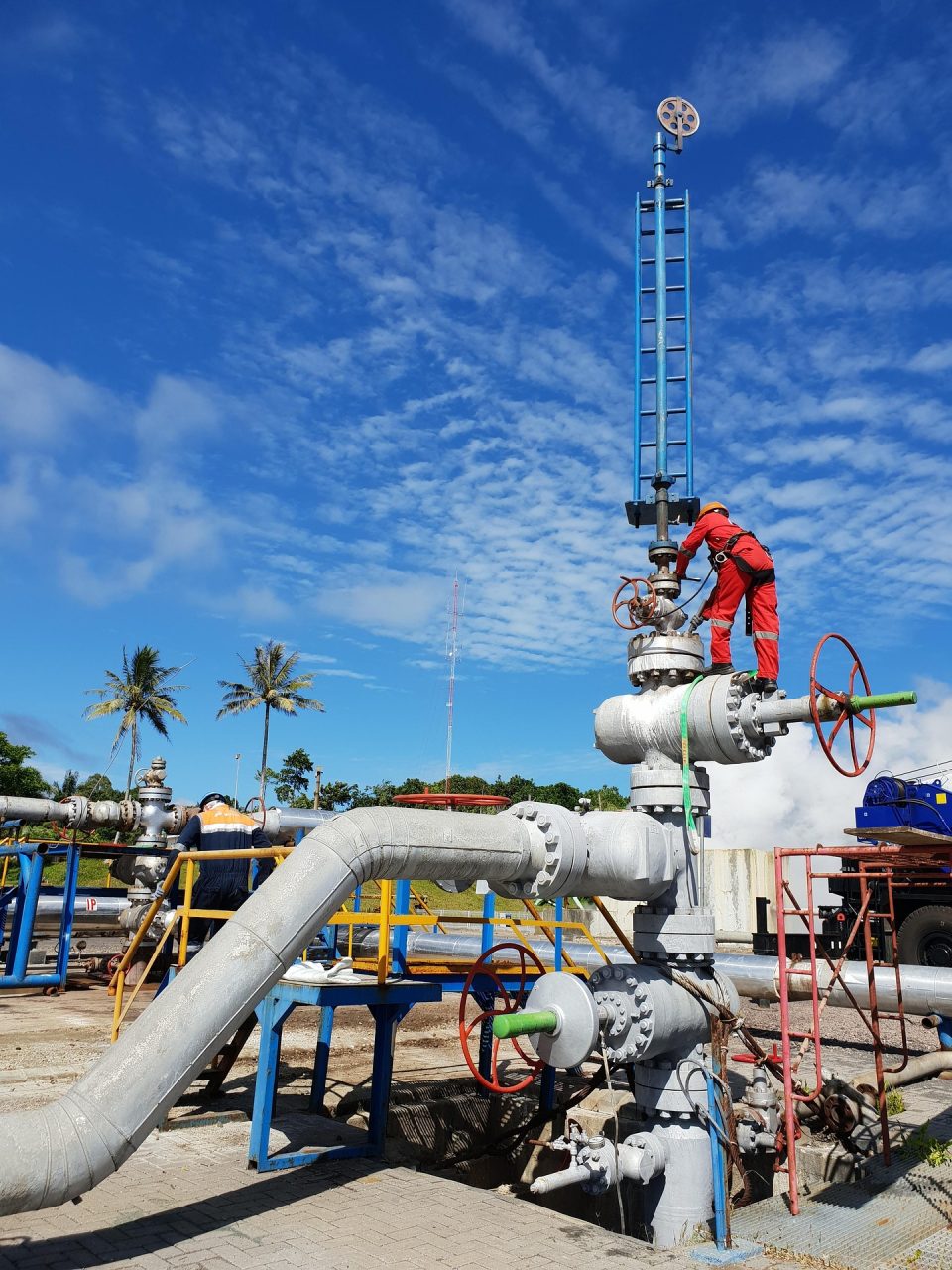
Geothermal, Geothermal well, Geothermal power plant image. https://pixabay.com/photos/geothermal-geothermal-well-3722840/

Solar energy harvesting and geothermal heat exchange are key technologies in overall sustainable development and in sustainability in general. They can positively influence our energy use for the better. Together, they present a green solution that’s also renewable while meeting UNSDG#7, aiming for clean and affordable energy for everyone.

Fundamentals of Solar Energy Harvesting

Solar energy harvesting uses the sun’s rays to make or generate electricity. It functions through photovoltaic panels that converts sunlight into direct current. Then, inverters change this current into alternating current for our homes and businesses.

Basics of Geothermal Heat Exchange

Geothermal heat exchange utilizes the Earth’s steady underground temperature. It has pipes filled with a unique fluid. During the winter season, it absorbs warmth from the ground. In summer, it relinquish heat, keeping our homes cozy yearly.

Synergistic Benefits of Combined Systems

Putting solar and geothermal together makes a synergize energy system. Solar panels channels electricity, while geothermal handles heating and cooling. This combo cuts down on fossil fuel use and saves cost on energy bills.

SystemPrimary FunctionEnergy SourceEnvironmental Impact
Solar Energy HarvestingElectricity GenerationSunlightLow Carbon Emissions
Geothermal Heat ExchangeHeating and CoolingEarth’s Thermal EnergyMinimal Environmental Disruption
Combined SystemsComprehensive Energy ManagementSun and EarthSignificant Reduction in Carbon Footprint

Energy-efficient strategies for passive solar heating & geothermal cooling

Passive solar heating and geothermal cooling are exemplary ways in helping buildings and houses be more energy-efficient. They use natural resources to keep buildings warm or cool, reducing on the need for traditional HVAC systems.

Passive solar heating uses the sun’s rays to warm buildings. By placing buildings to catch the most sunlight and using massive windows, they can get warm in winter. Materials like concrete floors or stone walls grasp onto heat during the day and release it at night, keeping the temperature steady.

Geothermal cooling uses the earth’s constant temperature. It involves a system of pipes that transfers fluid between the building and the ground. In summer, it cools the air coming from the building, conducting similar to a natural air conditioner.

As mentioned early, both methods together makes buildings even more energy-efficient. This approach also supports UNSDG#9, which aims for sustainable infrastructure and innovative building designs across various of industries.

  • Proper insulation and air sealing
  • Energy-efficient windows and doors
  • Smart thermostats and zoning systems
  • Natural ventilation techniques

These energy-saving strategies help lower carbon emissions and save money in the long run. As we aim for a greener future, using passive solar heating and geothermal cooling in buildings is key.

Optimizing Building Design for Solar Gain

Building design is key to using solar energy well. Architects focus on window placement, thermal mass, and natural light. This helps make spaces more energy-efficient and comfortable for people.

Window Placement and Orientation

Where you place windows is very important. Windows facing south get the most sunlight in the northern hemisphere, while windows facing north help keep heat in.

Windows facing east and west need careful thought. They must balance light and heat throughout the day.

Thermal Mass Implementation

Using materials like concrete, brick, or stone helps control indoor temperature. These materials soak up heat when it’s sunny and release it when it’s cold. This keeps the inside of buildings stable.

MaterialHeat Capacity (kJ/m³K)Thermal Conductivity (W/mK)
Concrete20601.28
Brick13600.72
Stone20002.07

Natural Light Management

Managing natural light well cuts down on the need for artificial light and heat. Using light shelves, clerestory windows, and skylights spreads sunlight inside buildings. This boosts energy efficiency and improves well-being.

By using these methods, architects can make buildings that use solar energy well. This reduces the need for artificial heating and cooling. It also makes spaces comfortable and well-lit for people.

Geothermal Heat Pump Systems

Geothermal heat pumps are a new way to heat and cool buildings. They use the earth’s stable temperature for efficient climate control all year. This helps meet UNSDG#12 by promoting responsible use and production.

These systems work by using underground pipes to move fluid. In winter, they pull heat from the earth and bring it inside. In summer, they move heat from the building to the cooler ground. This makes them great for both heating and cooling.

Geothermal heat pumps have many benefits. They save a lot of energy, cut down on greenhouse gases, and don’t need much upkeep. Here are some key advantages:

  • Energy savings up to 70% compared to traditional HVAC systems
  • Longer lifespan than conventional heating and cooling equipment
  • Quiet operation with no outdoor units
  • Consistent indoor comfort regardless of outdoor temperatures
System TypeEnergy EfficiencyEnvironmental ImpactMaintenance
Geothermal Heat PumpHighLowMinimal
Traditional HVACModerateHighRegular

Even though geothermal heat pumps cost more upfront, they save money and are good for the environment in the long run. As we aim to meet UNSDG#12, using these systems in our buildings is key.

Radiant Floor Heating Solutions

Radiant floor heating makes your home warm and cozy. It uses pipes or electric cables under your floors. This spreads heat evenly across your space.

Installation Requirements

Setting up radiant floor heating needs careful planning. You lay pipes or cables under your floor. It works well with tile, stone, or concrete, and most other floors too.

Energy Distribution Methods

Radiant floor heating uses two main ways to spread heat:

  • Hydronic systems: Circulate hot water through pipes
  • Electric systems: Use electric cables to heat up

Both methods are efficient, warming your home from the ground up.

Cost-Benefit Analysis

Though it costs more upfront, radiant floor heating saves money in the long run. Here’s a comparison:

FactorRadiant Floor HeatingTraditional Heating
Initial CostHigherLower
Energy EfficiencyHighModerate
Comfort LevelExcellentGood
MaintenanceLowModerate

Radiant floor heating supports UNSDG#11. It promotes sustainable cities and communities with energy-efficient heating.

Earth-Sheltered Design Principles

Earth-sheltered design is a unique way to build sustainably. It uses the earth’s natural insulation to make structures that save energy and are good for the environment.

Underground Building Techniques

There are different ways to build underground, depending on the site and design. Some use earth piled against walls, while others are fully buried. These methods help keep the inside temperature stable and cut down on energy use.

Thermal Stability Benefits

Earth-sheltered homes stay cool in summer and warm in winter. This is because the earth around them helps regulate the temperature. This natural cooling and heating saves a lot of money on energy bills, making these homes very efficient.

Environmental Impact Assessment

Earth-sheltered buildings are good for the environment. They don’t harm the view and can look like part of the landscape. They also need less space, which helps protect more natural areas.

AspectConventional BuildingEarth-Sheltered Design
Energy EfficiencyModerateHigh
Thermal StabilityVariableConsistent
Visual ImpactSignificantMinimal
Land UseMore surface area requiredLess surface area needed

Earth-sheltered designs are great for saving energy, keeping a stable temperature, and being kind to the environment. As we look for ways to build sustainably, these underground homes are a good choice.

Advanced Insulation and Air Sealing Technologies

New insulation and air sealing technologies are key for saving energy in buildings. They make homes more efficient and cozy, and cut down on energy bills.

Today’s insulation materials are way better than old ones. Stuff like aerogel, vacuum insulated panels, and phase change materials lead the pack. They offer great insulation with less thickness, perfect for updating old buildings.

Air sealing is also vital for saving energy. New methods like spray foam and advanced weatherstripping close up gaps and cracks. This keeps the air inside, making buildings more energy-efficient and keeping temperatures steady.

Material Mapping is a game-changer in where insulation goes. It looks at a building’s heat loss to find the best spots for insulation. This way, homeowners can save more energy and feel more comfortable.

TechnologyEnergy SavingsInstallation Complexity
Aerogel Insulation30-50%Moderate
Vacuum Insulated Panels40-60%High
Spray Foam Air Sealing20-40%Low

Using these cutting-edge insulation and air sealing methods can really boost a building’s energy use. By adding Material Mapping, homes can become super efficient, cozy, and green.

Natural Ventilation and Passive Cooling Strategies

Natural ventilation and passive cooling are green ways to keep buildings cool. They use smart design to cut down on air conditioning use.

Cross-Ventilation Techniques

Cross-ventilation uses wind to cool spaces. It works by placing windows on opposite sides of a room. This setup lets air flow through, pushing out warm air and bringing in cool breezes.

Stack Effect Utilization

The stack effect uses heat’s natural rise. In buildings, it drives air movement. Warm air rises and escapes through high openings, drawing cooler air in at lower levels. This creates a natural cooling cycle without mechanical help.

Night Cooling Methods

Night cooling uses cooler nighttime air. Opening windows after sunset lets cool air in. During the day, closing windows and shades keeps this coolness inside, reducing cooling needs.

StrategyKey BenefitBest Climate
Cross-VentilationImproves air qualityWindy areas
Stack EffectRemoves hot airMulti-story buildings
Night CoolingReduces daytime heat gainHot days, cool nights

By using these natural methods, buildings can stay cool all year while saving energy. These strategies show that smart design can work with nature, not against it, for sustainable living.

Sustainable Material Selection and Waste Management

Choosing the right materials and managing waste are key to green building. Sustainable materials help cut environmental impact and boost efficiency. Let’s explore smart choices for eco-friendly construction.

Biomass Integration

Biomass offers a renewable option for building. Wood, bamboo, and hemp create strong, earth-friendly structures. These materials store carbon and grow back fast, making them smart picks for green projects.

Recycled Material Applications

Recycled materials give new life to old products. Reclaimed wood, recycled steel, and plastic lumber reduce landfill waste. They also save energy and resources needed for new production. Using these materials shows commitment to sustainability.

Waste Reduction Strategies

Cutting waste is crucial in green building. Plan carefully to order just what you need. Use modular designs to minimize off-cuts. Set up on-site recycling to sort and reuse materials. These steps shrink your project’s footprint.

StrategyBenefitImplementation
Material AssessmentIdentifies sustainable optionsEvaluate lifecycle impacts
PrefabricationReduces on-site wasteAssemble components off-site
DeconstructionSalvages reusable materialsCarefully dismantle old structures

By focusing on sustainable materials, integrating biomass, using recycled products, and cutting waste, we build greener. These choices create buildings that last and protect our planet.

Implementation and Maintenance Guidelines

Setting up energy-efficient systems needs careful planning and following best practices. First, check how well your site can use solar and geothermal energy. This helps place and design your systems right.

Here are the main steps to follow:

  • Get advice from certified experts for your system design
  • Get all needed permits and approvals
  • Choose high-quality, long-lasting materials
  • Make sure your system is well-insulated and sealed

Keeping your system operations in good shape is essential for lasting efficiency. Regular checks keep everything running optiumally. Conduct inspections twice a year to spot problems early.

Using waste byproducts in your energy systems is key. This helps the greater ecosystem and can save money. For instance, recycled glass can be make into solar panels.

Maintenance TaskFrequencyBenefits
Clean solar panelsQuarterlyImproved efficiency
Check geothermal fluid levelsAnnuallyPrevent system failure
Inspect electrical connectionsBi-annuallyEnsure safety

By sticking to these guidelines, you’ll get to maxmize your energy systems. Remember, the right setup and upkeep are essential for short, mid, and long-term benefits including sustainability.

Solar, Panels, Solar energy image. https://pixabay.com/photos/solar-panels-solar-energy-8499874/

Conclusion

Solar & Geothermal strategies are key in today’s building world. Using passive solar heating and geothermal cooling is a smart move. These methods help keep buildings cool without using a lot of energy.

Passive solar heating works by using design tricks like where windows are placed and materials that hold heat. Geothermal cooling uses the earth’s steady temperature for cooling. Together, they make a system that works all year, cutting down on the need for old HVAC systems.

Choosing these energy-saving ways helps builders and homeowners lower their carbon footprint. They save money on bills, enjoy better indoor air, and help the planet. As we aim for a greener future, these methods will be essential for building energy-efficient solutions for green homes.

Renewable energy, Solar panels, Solar energy image. https://pixabay.com/photos/renewable-energy-solar-panels-8481165/

Key Takeaways

  • Passive solar heating and geothermal cooling are high key energy-efficient strategies
  • These methods both encourage and create a sustainable indoor environment
  • Integrating solar and geothermal solutions leads to significant energy and cost savings
  • Sustainable building practices reduce utility costs over the long term
  • Energy-efficient homes have a greatly reduced environmental impact
  • Solar and geothermal benefits expand beyond home and businesses from supply chain along with logistics to larger infrastructure and manufactoring practices

Types of Cooperatives: Leading Sustainable, Climate, & ESG Solutions

There a numerous set types of Cooperatives that, enterprises & democratic governed organizations are becoming key players in solving global environmental problems. They are owned by their members and lead in promoting green business practices and eco-friendly goods and services. These businesses are making big strides in creating a more sustainable future.

Multi-storey parking garage, Building, Modern image. https://pixabay.com/photos/multi-storey-parking-garage-building-7228120/

Cooperatives are changing how we tackle environmental justice and ecological stewardship issues, both locally and internationally. They focus on renewable and clean energy and sustainable farming. This shows that making money, community outreach, and protecting the planet can go hand in hand.

As we face climate change and use up resources, cooperatives are discovering new ways to help. They are more than just businesses and non-profits; they are communities working together for a greener world. Through their collective efforts, cooperatives are making a real difference in so many areas.

Understanding Modern Cooperative Models in Sustainability

The sustainable types of cooperatives are changing how we face environmental challenges. They bring diverse groups of people together to fight climate change and support green practices. Environmental, habitat preservation, produce, and sustainable agriculture cooperatives are leading this green movement.

Core Principles of Sustainable Cooperatives

Sustainability-focused cooperatives stand out with their key principles. They focus on stewarding the environment, fair labor practices, and community involvement. These groups aim to reduce carbon footprints and support clean energy.

By focusing on sustainability, they make a lasting positive impact on our planet.

Economic and Environmental Benefits

These types of cooperatives offer more than just environmental and social benefits. They create jobs, boost local economies, and provide affordable green goods and service. Environmental cooperatives save money through shared resources and bulk purchases.

Sustainable agriculture cooperatives help farmers and ranchers use eco-friendly methods. This leads to healthier food, minerals, and soils.

BenefitEnvironmental ImpactEconomic Impact
Renewable Energy UseReduced Carbon EmissionsLower Energy Costs
Sustainable FarmingImproved Soil HealthHigher Crop Yields
Resource SharingLess WasteIncreased Savings

Governance Structure and Member Participation

Cooperatives succeed because of owner-member involvement. Everyone has a say in decisions, ensuring objectives and actions meet community needs. This democratic structure encourages humanitarianism, innovation, and accountability.

Owner-members of environmental cooperatives often join eco-projects. Those in sustainable agriculture cooperatives share farming and ranching techniques.

“In a cooperative, every member’s voice counts. It’s not just about profit, but about creating a sustainable future for all.”

Different types of Cooperatives in Sustainability, ESG, Climate, and resiliency

Cooperatives are key in solving big sustainability, ESG, climate, carbon, and resiliency problems. They bring people together from all walks of life to work on big environmental issues. Let’s explore more about the three types of cooperatives that are making a big difference in sustainable development.

Worker-Owned Environmental Cooperatives

Worker-owned environmental cooperatives let employees take action for the eco-system of the planet. They focus on green practices, clean and renewable energy, and cutting down waste. This way, workers feel invested in the company’s success and work harder to meet environmental and social impact goals.

Consumer Green Cooperatives

Consumer green cooperatives serve those who care about the planet. They sell sustainable products like organic food and green household items. By working together, they can get better deals on these products, making green living easier for more people.

Multi-Stakeholder Climate Initiatives

Multi-stakeholder climate initiatives team up different groups to tackle big environmental issues. These cooperatives include local governments, businesses, and residents working together. They create new solutions that help the whole community.
Cooperative TypeKey FocusPrimary Stakeholders
Worker-Owned EnvironmentalSustainable practices, renewable energyEmployees
Consumer GreenEco-friendly products and servicesCustomers
Multi-Stakeholder ClimateCommunity-wide climate adaptationLocal government, businesses, residents

Renewable Energy Cooperative Solutions

Renewable, Roof, Energy image. https://pixabay.com/photos/renewable-roof-energy-solar-6811970/

Renewable Energy Cooperatives are changing the energy scene and causing a ripple effect across the monopolies and cooperative communities alike. They let locals who are owner-members control their energy future. Owner-members pool resources to fund clean and green energy projects, helping the planet and their pockets.

Solar Energy Cooperative Models

Solar cooperatives are becoming the most popular nationwide and globally. Owner-members split the cost of solar panels, making green energy affordable. Some networks even sell their surplus power, earning money for owner-members.

Wind Power Community Projects

Wind power cooperatives, like other clean energy coops, rely on community strength. They thrive in rural areas and in the flat plains with strong winds. Farmers get extra income by leasing land for turbines, helping produce renewable energy.

Energy Storage Initiatives

Energy storage is extremely key for Renewable Energy Cooperatives. Battery systems store extra energy for when it’s needed most during off-peak hours. This boosts grid reliability, durability, and cuts down fossil fuel use.

Cooperative TypeKey BenefitsChallenges
SolarLower installation costs, shared maintenanceSpace requirements, initial investment
WindHigh energy output, land lease incomeWind variability, noise concerns
Energy StorageIncreased reliability, peak shavingTechnology costs, regulatory hurdles

Renewable Energy Cooperatives pave a sustainable path. They help communities cut carbon emissions, lower energy bills, greenhouse gases, and fight climate change.

Sustainable Agriculture and Food Cooperatives

Sustainable Agriculture Cooperatives are invaluable in promoting green farming, ranching, and food making. They unite local farmers, creating a strong community effort in agriculture. This focus is on caring for the environment, preserving the local habitat, and ensuring everyone has food.

Environmental Cooperatives in farming use organic methods, cut down on chemicals, and save natural resources. By working together, members get access to new, green technologies and practices. These are often too expensive for one farmer to afford alone.

“Sustainable Agriculture Cooperatives empower farmers to produce food responsibly while protecting our planet for future generations.”

These groups often connect farms directly to tables, cutting down on transportation and emissions. They support a wide range of crops and protect natural habitats. Many also save and share seeds, keeping rare varieties alive and making crops stronger.

Benefits of Sustainable Agriculture CooperativesImpact
Reduced chemical useImproved soil and water quality
Increased biodiversityEnhanced ecosystem resilience
Shorter supply chainsLower carbon emissions
Knowledge sharingImproved farming practices

Environmental Cooperatives in farming also reach out beyond the fields. They teach people about sustainable food systems and encourage eco-friendly choices. This broad effort helps make the food chain more sustainable, from the farm to our plates.

Green Housing and Eco-Community Cooperatives

Green Housing Cooperatives are changing city living. They mix green living with cooperative ideas. People come together to build eco-friendly homes and lively areas.

Sustainable Building Practices

These cooperatives focus on green building. They use recycled stuff, solar panels, and smart designs. This lowers energy bills and helps the planet.

Community Garden Integration

Many have shared gardens or mini-gardens and hoop houses. These spots give fresh food and build community. People learn to farm sustainably and enjoy their harvest and investments.

Shared Resource Management

Cooperatives are great at sharing resources and exchanges. They have systems for preserving water, reducing waste, and managing energy. This teamwork makes the overall infrastructure more efficient and cuts down on waste.

“Our cooperative’s shared resource system has cut our utility costs by 40% while bringing neighbors closer together,” says a member of a thriving Green Housing Cooperative in Seattle.

Green Housing Cooperatives are at the forefront of green and smart city growth. They mix green living with community efforts. This creates strong, livable places for tomorrow.

Environmental Manufacturing and Production Cooperatives

Eco-friendly manufacturing cooperatives are changing the game in industrial production. They mix sustainable practices with a worker-owned model. This approach aims to cut waste, save resources, and make eco-friendly products.

Worker-owners in these cooperatives care about making money, productivity, and protecting the environment. This setup leads to new ways of production and output. For instance, many use closed-loop systems, where waste is converted into new inputs.

“Our cooperative model allows us to prioritize long-term sustainability over short-term gains. We’re not just employees; we’re stewards of our environment and our community.”

These cooperatives focus on making sustainable and/or eco-friendly versions of common products. They produce everything from biodegradable packaging to solar-powered gadgets. They’re leading the charge of green innovation and sustainable development.

Cooperative TypeKey Focus AreasEnvironmental Impact
Recycling CooperativesWaste reduction, Material recoveryLandfill diversion, Resource conservation
Green Tech CooperativesRenewable energy products, Energy-efficient devicesCarbon footprint reduction, Energy savings
Eco-textile CooperativesOrganic fabrics, Sustainable dyeing processesWater conservation, Chemical pollution reduction

The success of Eco-Friendly Manufacturing Cooperatives shows that generating capital and saving the planet can work together. As people become more eco-aware, these cooperatives are ready to lead in sustainable production and development.

Climate Action and Resilience Cooperative Networks

Climate Action Cooperatives and Community Resilience Cooperatives collaborate together for sustainability projects from human rights to conservation to fight climate change. They create robust systems for getting ready for disasters, adapting to climate change, and responding to emergencies.

Disaster Preparedness Programs

Climate Action Cooperatives make detailed plans for disaster readiness. They do risk checks, plan evacuations, and store important items. Owner-members learn first aid and emergency steps, so they can act fast during disasters.

Climate Adaptation Strategies

Community Resilience Cooperatives work on short-term and long-term climate solutions. They start habitat preservation and green projects like urban forests and rain gardens to fight flooding and heat. They also support farming and permaculture-facing agendas that’s good for the planet, to keep food safe in changing climates.

Community Emergency Response

When disasters hit, Climate Action Cooperatives act quickly. They work with local groups, manage shelters, and share resources. Their community focus means they respond fast and effectively, meeting local needs.

Cooperative TypeFocus AreaKey Activities
Climate Action CooperativesDisaster PreparednessRisk assessment, evacuation planning, emergency training
Community Resilience CooperativesClimate AdaptationGreen infrastructure, sustainable agriculture, resource management
BothEmergency ResponseShelter management, resource distribution, community coordination

“Our cooperative network turns climate challenges into opportunities for community growth and resilience,” says Emma Chen, leader of the Bay Area Climate Action Cooperative.

Together, these networks make communities stronger and more ready to face climate challenges.

ESG Integration in Cooperative Business Models

Those types of Cooperatives in general are, at the forefront of sustainability and economic development. They leverage Environmental, Social, and Governance (ESG) principles into their daily work. This approach helps them measure and enhance their positive impact.

Environmental Impact Measurement

Cooperative enterprise organization use advanced tools to measure their environmental impact. They track energy use, waste, water, and carbon emissions. Life cycle assessments and life cycle cost analysis both help them understand the full effect of their activities.

Social Responsibility Programs

Cooperatives focus on social responsibility through community efforts and engagement. They promote fair labor, diversity, international relations, and local economic growth. Some even offer education and training to empower members and encourage sustainable practices.

Governance Best Practices

Cooperatives are known for their transparent, scalable, and democratic governance. They ensure all owner-members have a say in decisions. Regular audits for checks and balances with open communication build trust and accountability.

“Cooperatives are not just businesses; they’re catalysts for positive change in sustainability and climate action.”

By embracing both CSR and ESG, cooperatives are raising the bar for sustainable business. Their structure allows them to succeed economically while protecting the environment and advancing society. This makes them key players in the battle against climate change/pollution/environmental impact and social inequality.

Conclusion

The various types of Cooperatives are a key factor in making our world more sustainable and resilient. They range from customer/producer/worker-owned groups to renewable energy projects. These efforts are crucial for a greener future for the next generations.

Cooperatives continue to tackle imposing global issues in unique ways. They focus on sustainable farming, green homes, and eco-friendly manufacturing. Their goal is to protect our planet and support communities.

In a world facing many challenges in labor, economic, politics, law, and education to name a few; cooperatives offer hope in something very attainable. They use democratic rules, share resources, foster innovation, and engage communities. By adopting these cooperative models, we can create a better world for all and for future generations to come.

Key Takeaways

  • Cooperatives play a crucial role in promoting sustainability, green production, and ESG practices
  • Member-owned structures enable democratic economics for decision-making in environmental initiatives
  • Various types of cooperatives address different aspects of labor, ecology, climate change and resiliency
  • Cooperatives combine economic success with ecological responsibility through social impact
  • Cooperative organizations as internal operations offer innovative solutions to global environmental challenges
This website is saving the energy of your screen as it is not being used. It's part of a global effort to lower the planet's electrical consumption and CO2 emission level. Resume browsing
Click anywhere to resume browsing
Verified by MonsterInsights