A global financing pact drew delegates from 174 United Nations member states, while 28 senior national leaders attended. That scale shows how much cooperation sustainable development can demand. The scope on the other hand, displays what international relations and global affairs can supply.
In 2015, the Third International Conference on Financing for Development took place in Addis Ababa, Ethiopia. On July 15, heads of state and government adopted the Addis Ababa Action Agenda. Its international conference financing framework set out how public resources, private investment, and global cooperation could support development.
The agreement followed the 2002 Monterrey Consensus and the 2008 Doha Declaration on Financing for Development. Those earlier commitments shaped a wider effort to turn financing development into practical results.
This article explores how funding choices affect communities, environmental justice, and inclusive, eco-friendly growth. For Singapore and other island economies, such choices can influence climate resilience as well as local needs. The agenda’s value rests not only in its goals, but in whether institutions put them to work. Money matters most when it reaches people and places facing real challenges.
How the Addis Ababa Action Agenda Connects Financing to Sustainable Development
The path began with the 2002 Monterrey Consensus, followed by the 2008 Doha Declaration. At the third international conference on financing development in 2015, countries built on those commitments. The Addis Ababa Action Agenda set out a connected system for funding progress, not a single source of cash.
Adopted three months before the 2030 Agenda, it linked development financing to the sustainable development goals. It also extended work beyond the millennium development goals. Its central insight was practical: public revenue, private investment, trade, debt, technology, and cooperation shape one another.
“We commit to a new global framework for financing sustainable development.”
From Earlier Pacts to a Shared Framework
The United Nations Department of Economic and Social Affairs supported follow-up through an inter-agency task force, with partners such as the World Bank. This structure helped track implementation and means of implementation.
Seven Connected Areas
The framework grouped choices into seven areas. Together, they offered countries a way to connect funding decisions with sustainable development targets.
Area
Focus
Contribution
Public resources; private business and finance
Domestic revenue; investment
Funding for public services and enterprise
Development cooperation; international trade
Partnerships; market access
Shared capacity and wider opportunity
Debt; systemic issues
Debt sustainability; financial rules
More stable financing conditions
Science, technology, innovation, capacity building
Knowledge; skills; tools
Practical means to deliver progress
Addis Ababa Action Agenda and 20 reasons why its important
Global financing promises matter when they fund clinics, schools, clean water, plus local climate plans. Reliable commitments help many countries plan around public needs instead of short-term gaps. For Singapore, this offers a useful lens: sound finance links national planning with shared resilience.
Financing Commitments for Communities
The Addis Ababa Action Agenda supports, complements, plus contextualizes the 2030 Agenda’s means of implementation. Through financing development, it links public revenue with community priorities. Funding choices can also advance environmental justice when they reach people facing greater risks.
Connecting Targets to Real Progress
The sustainable development goals set measurable targets, yet delivery lagged. In the 2024 Financing for Sustainable Development Report, only 15% of assessable targets were on track. Nearly 600 million people could still face extreme poverty in 2030; more than half may be women. This gap shows how development goals shape daily life.
Cooperation, Accountability, Shared Results
The 2030 Agenda links follow-up recommendations from the ECOSOC Forum on Financing for Development to the High-Level Political Forum. That reporting path can help developed countries, developing countries, the private sector, plus least developed countries align investment with inclusive growth. Past lessons from the millennium development goals also show that clear review can guide better choices.
Implementation Progress, Financing Gaps, and the Case for Reform
Implementation began in 2016, after the inter-agency task force formed in late 2015. The United Nations Department of Economic and Social Affairs coordinated its work with the World Bank Group, International Monetary Fund, World Trade Organization, UNCTAD, plus UNDP.
Reviewing Commitments Each Year
The ECOSOC Forum on Financing for Development reviewed the Addis Ababa Action Agenda each year. It tracked sustainable development goals, targets, plus means of implementation under the 2030 Agenda. Regular review helped turn conference financing into a public record of progress.
Debt, Climate Risk, and Investment Needs
The 2024 report estimated annual financing gaps had grown from about $2.5 trillion before COVID-19 to around $4 trillion. Poor countries paid twice as much interest on total debt as developed countries. From 2021 to 2025, developing countries averaged just over 4% annual GDP growth, below the roughly 6% rate before the 2009 crisis.
For least developed countries, median debt service rose from 3.1% of revenue in 2010 to 12% in 2023. Such pressure can crowd out climate plans. Green fiscal policy works best when it supports resilience, basic services, plus environmental justice.
Indicator
Earlier level
Later level
Annual financing gap
$2.5 trillion before COVID-19
About $4 trillion in 2024
Least developed countries’ debt service
3.1% of revenue in 2010
12% in 2023
Developing-country GDP growth
About 6% before the 2009 crisis
Just over 4% in 2021–2025
Cooperatives and Community Mobilization for Inclusive, Eco-Friendly Development
Cooperative enterprise gives residents a practical way to shape local priorities. Member-owned farms, shops, credit groups, or energy projects can pool skills, share risk, keep value nearby. Such work can support sustainable development when communities help set the course.
Cooperative Enterprise, Civil Society, and Local Self-Development
The 2015 conference brought governments, business leaders, civil society leaders, plus other stakeholders together. That broad mix showed how community mobilization can guide financing talks. Local groups can weigh domestic public resources against private investment, while international cooperation supports locally chosen goals.
Indigenous Peoples’ climate activism brings lived knowledge into environmental justice debates. Pan-Africanism links shared identity with cooperation among countries; humanitarian solidarity extends that spirit during hardship. For Singapore, the lesson is clear: local voices can guide green enterprise while strengthening regional ties. Cooperative work can build self-reliance without replacing public oversight.
Approach
Community role
Link to local priorities
Cooperative enterprise
Share skills, costs, and risk
Keep value close to residents
Community mobilization
Set goals and review choices
Guide public or private financing
Climate activism
Bring local knowledge to debate
Advance environmental justice
Green Fiscal Policy, Climate Action, and Decent Work and Leisure for a Just Transition
The 2015 framework called for financing flows to reflect economic, social, plus environmental needs. Green taxes, public spending, or incentives can support climate goals when they also protect people facing the greatest risks. This approach links environmental justice with practical development choices.
The 2024 Financing for Sustainable Development Report noted slow progress on climate action. It also described substantial financing needs for the Sustainable Development Goals plus climate work in developing countries. Public revenue, science, technology, innovation, plus skills can help meet those needs; sound plans must still weigh who benefits.
Aligning Public Finance with Environmental Justice
A just transition connects climate investment with decent work, fair access, plus community well-being. The International Labour Organization’s decent-work priorities can inform this discussion. The World Leisure Organization’s agenda and operations also offer a relevant lens on leisure as part of quality of life. This connection does not claim any specific program or policy.
Assess who gains from climate spending.
Include workers in transition planning.
Consider leisure alongside jobs, health, and resilience.
For Singapore, this lens supports a broader view of financing: climate progress should strengthen livelihoods, not treat them as a side issue.
Conclusion
In 2015, the Addis Ababa Action Agenda linked financing choices with economic, social, plus environmental needs. Its seven areas, aligned with the 2030 agenda, gave the United Nations a route to turn commitments into practical development. For Singapore, that model shows how global rules can support local resilience.
Annual ECOSOC reviews plus the Inter-agency Task Force tracked progress; still, wide funding gaps plus debt costs limited room for public investment. Reporting helped, but numbers alone could not ease pressure on households or climate plans.
Cooperatives, civil society, Indigenous activism, plus humanitarian solidarity bring local voices into policy. Lasting climate action depends on fair green taxes, decent work, environmental justice, plus community-led growth—not promises left on paper. Sustained cooperation makes shared goals more than well-worded text.
Key Takeaways
The agreement created a global financing framework in 2015.
Delegates from 174 member states took part.
Twenty-eight senior national leaders attended.
The framework built on earlier global commitments.
Financing choices can support climate resilience, environmental justice, and community needs.
Did you know that the Global South, comprising 134 countries, is home to about 80 percent of the world’s population? Despite generating over 40 percent of global economic output, a staggering 3.4 billion people live in nations where debt payments exceed combined spending on health and education. This stark reality highlights the pressing need for innovative solutions to tackle inequality.
As we delve into the complexities of reducing disparities, it’s crucial to recognize the unique position of South-South partnerships. Unlike traditional aid models, these collaborations are rooted in mutual benefit and respect for national sovereignty. They offer a fresh approach to addressing the persistent challenges faced by developing nations.
Moreover, the emergence of advanced technologies like artificial intelligence and blockchain presents unprecedented opportunities. These tools can empower countries historically sidelined in previous industrial revolutions, enabling them to leapfrog into a more equitable future.
In this article, we will explore how the principles of cooperation and innovation can forge pathways to a more inclusive world, ultimately addressing the elusive goal of reducing inequalities.
Understanding SDG #10 and the United Nations Day of South-South Cooperation
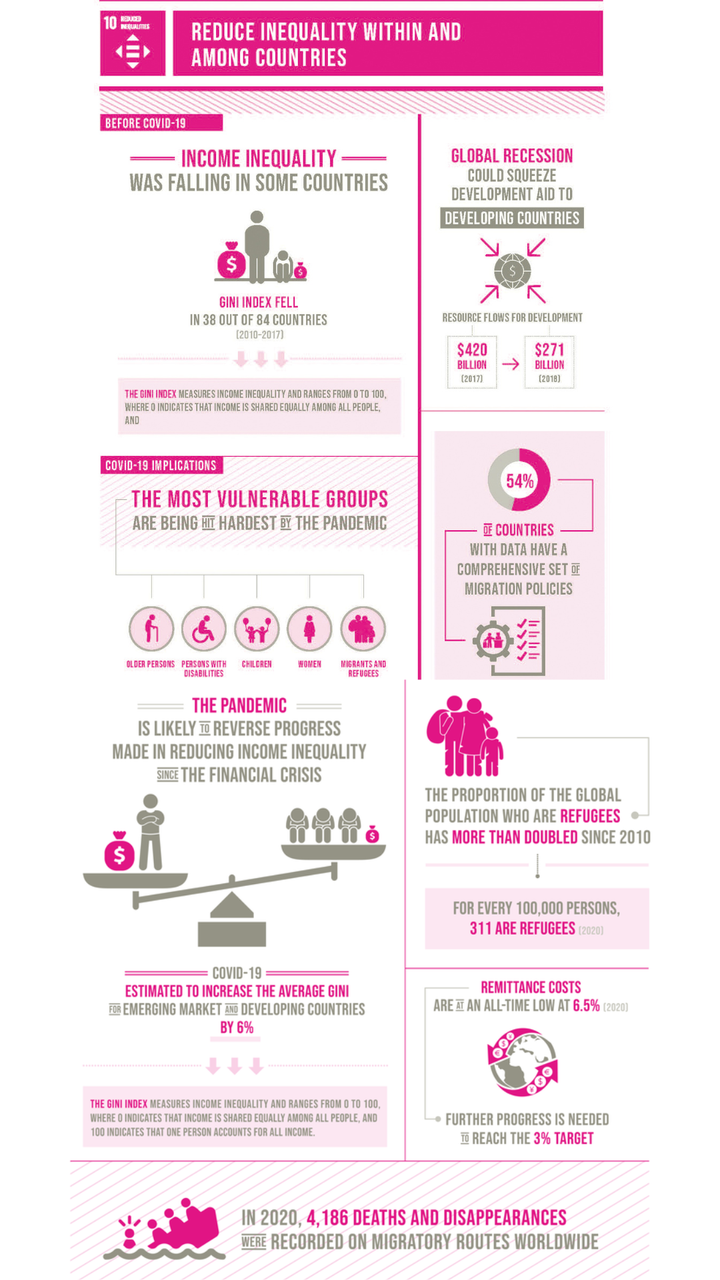
The Global South is a vibrant tapestry of 134 nations, representing about 80% of the world’s population. This region faces significant challenges, particularly regarding inequality. The Sustainable Development Goal of reduced inequalities also known as SDG #10 focuses on reducing inequalities both within and among countries. It emphasizes the need to address income disparities, social exclusion, and unequal representation in global governance.
This goal serves as a crucial link between various sustainable development objectives. Unlike goals that target specific sectors like health or education, SDG #10 confronts the very structure of inequality. It aligns seamlessly with the foundational principles of South-South partnerships, which advocate for equitable knowledge and resource sharing among developing nations.
Overview of SDG #10: Reducing Inequalities
SDG #10 is not merely a standalone target; it is the connective tissue linking all other sustainable development goals. It seeks to address:
Income disparities across nations.
Social exclusion affecting marginalized communities.
Discriminatory policies that perpetuate inequality.
Unequal representation in global governance structures.
The Significance of the United Nations Day for South-South Cooperation
The United Nations Day for South-South Cooperation is pivotal in recognizing the importance of collaborative efforts among developing countries. This day highlights how South-South partnerships can effectively tackle global challenges. The Buenos Aires Plan of Action, established in 1978, laid the groundwork for these cooperative initiatives. It promotes mutual support and knowledge exchange among nations, fostering a spirit of solidarity.
Role of South-South and Triangular Cooperation in Sustainable and International Development
South-South and triangular cooperation play vital roles in implementing the 2030 Agenda. These forms of collaboration are not just supplementary mechanisms; they are strategic means of achieving sustainable development goals. The recent engagement of over 130 countries at the 22nd Session of the High-level Committee on South-South Cooperation illustrates the growing recognition of these partnerships. Member states increasingly view these collaborations as essential to navigating the complexities of global challenges.
Triangular cooperation, which involves partnerships between developing countries supported by developed nations, emphasizes respect for national sovereignty and mutual benefit. This approach complements traditional North-South cooperation by fostering a more inclusive development landscape.
In conclusion, the emphasis on reducing inequalities found in SDG #10 finds its most natural expression in South-South cooperation. This model recognizes that every country is both a provider and a recipient of knowledge, creating a more equitable global community.
The Nexus of 4th Industrial Technologies and Sustainable Development in the Global South
In the rapidly evolving landscape of the Global South, innovative technologies are emerging as key drivers of sustainable development. The convergence of artificial intelligence, machine learning, blockchain, the metaverse, and Web 3.0 presents unique opportunities for developing countries. These technologies are not only reshaping traditional sectors but also offering new solutions to long-standing challenges.
Emerging Technologies: AI, Machine Learning, Blockchain, Metaverse, and Web 3.0
The fourth industrial revolution can be a great equalizer. Unlike past revolutions that concentrated wealth and technology in the Global North, these emerging technologies are inherently distributed. Countries in the Global South can adopt and adapt these innovations without needing extensive legacy infrastructure.
For instance, AI and machine learning applications are transforming agriculture and permaculture. Predictive crop modeling and soil health monitoring are being shared among developing nations through south-south triangular cooperation. This reduces reliance on proprietary technologies from the North.
Integration of Technology with Key Sectors: Data Centers, Ecotourism, and Agriculture
Blockchain technology is enhancing supply chain transparency in ecotourism. Immutable ledgers allow small island developing states to verify sustainable practices and ensure that tourism revenue benefits local communities. This shift is crucial for maintaining the integrity of ecotourism and fostering economic growth.
Data centers are becoming critical infrastructure in the Global South. With foreign direct investment flows quadrupling since the 1990s, countries are increasingly directing resources toward digital infrastructure. This enables them to host their own data, addressing sovereignty issues related to data exportation.
Addressing Challenges in Small Island Developing States and Remote Rural Communities
Small island developing states face unique challenges such as rising sea levels and limited land mass. However, these nations are also motivated to adopt renewable energy microgrids and AI-driven disaster preparedness systems. Such initiatives are often facilitated through south-south triangular cooperation, enabling shared knowledge and resources.
Remote rural communities are leveraging satellite-enabled connectivity and drone-based logistics to bridge infrastructure gaps. These advancements allow isolated populations to engage in digital economies without waiting for traditional infrastructure development.
Technology
Sector Impacted
Key Benefits
AI & Machine Learning
Agriculture
Improved crop yields, climate resilience
Blockchain
Ecotourism
Transparency, local revenue retention
Data Centers
Digital Infrastructure
Data sovereignty, economic growth
Renewable Energy
Energy
Reduced dependence on imports, sustainability
Remote Sensing
Forestry
Deforestation monitoring, conservation
These technological integrations are not just theoretical. The surge in south-south trade, projected to reach US$6.8 trillion by 2025, demonstrates that developing countries are exchanging goods, services, and digital solutions at an unprecedented scale. This evolution transforms south-south cooperation from a mere knowledge-sharing exercise into a vibrant ecosystem of technology transfer and co-innovation.
Environmental and Social Impacts on Inequalities (SDG #10): Challenges and Opportunities
Environmental factors have become critical players in the growing inequalities faced by developing nations. The countries least responsible for historical carbon emissions are suffering the most severe consequences of climate change. This creates a feedback loop where environmental degradation deepens economic and social disparities.
Climate change operates as an inequality multiplier. Droughts destroy agricultural livelihoods in remote rural communities, while floods displace populations in Small Island Developing States. Extreme weather events strain public health systems that are already weakened by debt service obligations exceeding health and education spending for 3.4 billion people.
Forestry presents a dual-edged sword. Deforestation driven by global commodity demand strips developing countries of natural capital. However, reforestation and permaculture initiatives—often shared through south-south cooperation—offer pathways to carbon sequestration, biodiversity restoration, and sustainable livelihoods.
Environmental and Social Impacts on Inequalities (SDG #10): Challenges and Opportunities continuing…
Permaculture is a specifically Southern innovation. Regenerative agricultural practices that mimic natural ecosystems are being exchanged among developing countries through south-south triangular cooperation. This reduces dependence on expensive synthetic inputs and builds climate resilience from the ground up.
Shifting to social dimensions, responsible travel and aviation are not neutral industries. They carry embedded inequalities in who travels, who benefits from tourism revenue, and whose carbon footprint is externalized onto communities that never board a plane.
Community-based ecotourism models can positively affect inequalities. Verified through blockchain-based certification, these models ensure that tourism revenue circulates within local economies rather than leaking to foreign-owned resorts and international tour operators.
Aviation plays a crucial role in global relations. Direct south-south air routes reduce the time and cost of cooperation among developing countries. Sustainable aviation fuel initiatives and carbon offset programs, if designed equitably, can channel resources from high-emitting travelers to conservation projects in the Global South.
…Continuing of Environmental and Social Impacts on Inequalities (SDG #10): Challenges and Opportunities
The Dushanbe Water Conference highlighted that water security is no longer solely an environmental issue but a major socio-economic, peace, and security priority. This illustrates how environmental and social impacts are inseparable in the inequality equation.
At the World Urban Forum in Baku, rapid urbanization in the Global South was discussed. This creates new inequalities related to housing, infrastructure, and services that require south-south triangular cooperation approaches to address effectively.
Social impact can affect inequalities in both directions. Exclusionary policies, discriminatory practices, and unequal access to technology widen gaps. Conversely, inclusive governance, participatory design, and equitable technology deployment can narrow them.
Finally, leveraging technology offers concrete mechanisms to mitigate the environmental and social impacts driving inequality. AI for climate modeling, blockchain for transparent climate finance, renewable energy microgrids for energy access, and telemedicine for public health are all solutions that can be deployed through south-south cooperation frameworks prioritizing equity over extraction.
Conclusion: Advancing SDG #10 through South-South Cooperation and Emerging Technologies
As we navigate the complexities of global development, the role of collaborative frameworks becomes increasingly vital. The Global Alliance for South-South and Triangular Cooperation embodies a structural response to the pressing challenges identified throughout this article. This initiative, launched on the 2026 observance, connects countries with the expertise and resources needed to foster real-world solutions.
By leveraging emerging technologies like AI and blockchain, nations can address inequalities more effectively. The Global Alliance facilitates partnerships that scale proven innovations and supports implementation through knowledge sharing and technical exchanges.
Ultimately, the future of inclusive sustainable development hinges on abandoning outdated models. The collective action emphasized in the 2026 theme, “Solidarity Rising,” reflects the necessity for cooperation across all sectors. The solutions and innovations required to advance these goals already exist within the Global South; the challenge lies in connecting them.
Countries that have contributed least to global inequality are leading the way in pioneering solutions. Through collaboration, there is much to learn from their experiences, paving the path toward a more equitable future.
Key Takeaways
The Global South generates over 40% of global economic output.
3.4 billion people live in countries prioritizing debt service over health and education.
South-South cooperation emphasizes mutual benefit and respect for sovereignty.
Advanced technologies can democratize opportunities for developing nations.
Innovative solutions are essential for addressing persistent inequalities.
The world’s nations agreed on a set of ambitious targets to steer collective progress. Known as the Sustainable Development Goals, this framework aims for a more sustainable and equitable planet by 2030. Among these, the eighth goal, holds a distinct position. The focus on the UN SDG#8 global economy theme is rather important for the aggregation of multi-regional and continental events all at once.
It champions sustained, inclusive, and sustainable economic growth. More importantly, it pushes for full, productive employment and decent work for every person. This focus makes it a cornerstone of the entire global agenda.
Yet, the path to this ideal is fraught with modern challenges. A volatile international landscape, marked by rapid technological change and geopolitical tensions, tests traditional models. Achieving true prosperity now requires a fundamental rethink of how we define growth.
The real test lies in moving from lofty policy to ground-level action. It’s about bridging the gap between international boardrooms and local realities. Major institutions and evolving tech are powerful forces reshaping labor markets.
This analysis digs into that complex transformation. It explores how the unique demands of our era shape the pursuit of dignified work and resilient development.
Overview of UN SDG#8 Global Economy through Volatility
Economic headlines often celebrate falling unemployment, but the deeper story of job quality tells a different tale. Pursuing decent work for all now unfolds against a backdrop of stark recovery and lingering fragility.
Examining the Global Economic Landscape
The global unemployment rate hit a record low of 5.0% in 2024. Yet, this statistic masks a less celebrated reality. Agencies like the International Labour Organization and UNCTAD highlight that over half of all workers—57.8%—remain in informal employment.
This vast informal sector lacks basic social security. It represents a critical gap in achieving true employment decent work.
Indicator
2015 Benchmark
Post-Pandemic Peak (2021)
Recent Trend (2023-2024)
Global Real GDP per Capita Growth
Moderate
5.5%
Slowed to 1.9%
Global Unemployment Rate
6.0%
Improving
5.0% (Record Low)
Workforce in Informal Employment
High
Persistent
57.8%
Post-Pandemic Economic Recovery Trends
The powerful GDP rebound of 2021 proved fleeting. Growth slowed markedly by 2023. Analyses from the UNDP and UNEP point to persistent trade tensions and soaring debt as brakes on sustainable economic growth.
“Recovery must be measured not just in output, but in the security and dignity of jobs created.”
UN Agency Synthesis
Institutions like the WTO and UN Economic and Social Council stress that lasting progress requires fixing structural gaps widened by the crisis. The goal is economic growth that lifts the most vulnerable.
Bodies such as UNIDO and the World Tourism Organization now focus on aligning national policies with this broader vision of decent work.
Decent Work and Economic Growth in Uncertain Times
Social justice in the workplace has become a litmus test for true economic progress. In an era of volatility, the quality of jobs defines resilience more than their quantity.
Worker Protections and Social Justice
Advocacy groups like the Board of Peace argue that protecting labor rights is foundational to social justice. Global compliance with these rights has, ironically, fallen by 7 percent since 2015.
This decline exposes a gap between policy and practice. The stark figure of 160 million children in child labor underscores the urgent need for stronger enforcement.
Linking Productivity to Sustainable Development
True productivity is not just about output. It requires a shift toward productive employment decent models that value people’s well-being.
Consider the 21.7 percent of young people classified as NEET in 2023. Providing them with meaningful decent work is a top priority for lasting economic growth.
Integrating social justice into employment decent work strategies is no longer optional. It is the core of building a workforce that can withstand uncertainty.
Influence of Global Institutions on SDG8 Policies
Policy doesn’t emerge from a vacuum. It’s forged in the meetings of influential global bodies. These institutions set the tone for national labor and growth policies worldwide.
UN Agencies and World Economic Forum Initiatives
The World Economic Forum facilitates high-level dialogues on technology’s role in the future of working. It pushes for digital integration into global frameworks.
UN agencies often collaborate with this forum. Their joint aim is to ensure economic growth doesn’t undermine human rights. The goal is to anchor decent work in tech-driven progress.
Institution
Primary Focus
Key Stakeholders
Policy Influence
World Economic Forum
Tech integration & elite consensus
Corporate leaders, governments
Shapes high-level agenda
World Social Forum
Equity & grassroots advocacy
Civil society, unions
Challenges market-centric models
The Role of the World Social Forum and Regional Alliances
The World Social Forum provides a loud counterpoint. It champions the informal sector and marginalized communities. This platform challenges top-down economic models.
Regional alliances, like ASEAN or the African Union, increasingly adopt international guidelines. They harmonize labor standards to promote sustainable development. Aligning these varied efforts is key to achieving broad decent work targets.
UN SDG#8 global economy’s peculiar adaptationto amulti-layered paradigm shift
Measuring a nation’s health by GDP alone is like judging a book by its cover. The real story of progress is found in the quality of life for its people. This represents a fundamental paradigm shift in how success is defined.
The new approach values unpaid labor, care work, and community support systems. It recognizes the massive, often invisible, informal economy. These elements form the bedrock of social stability, especially in emerging nations.
Fostering decent work is central to this new vision. Jobs must offer security, fair pay, and dignity to build resilient labor markets. This focus on quality, not just quantity, is essential for sustainable growth.
Old Metrics Focus
New Metrics Focus
Gross Domestic Product (GDP) growth rate
Social reproduction & environmental health
Formal employment numbers
Quality of all work, including informal sectors
Short-term financial output
Long-term community & ecosystem resilience
Ultimately, this shift ensures that the pursuit of economic advancement strengthens, rather than depletes, our social and natural foundations. It is the only path to genuine, lasting development.
Geopolitical Impacts on Economic Policy
Recent years have provided stark, real-world lessons on how geopolitics can unravel decades of economic planning. National strategies for prosperity are now rigorously tested by external shocks far beyond any single government’s control.
Sri Lanka vs. Venezuela: A Comparative Analysis
Sri Lanka’s collapse showcased the dangers of unsustainable debt. It damaged and comprised essential public services and shattered job security for millions.
Venezuela’s trajectory highlights a different peril. Deep political instability has systematically corroded labor rights and the state’s ability to foster productive employment. Both cases devastated their national economies.
Consequences of the Ukraine and Iran Wars
The war in Ukraine triggered massive volatility in global energy and food markets. This directly hampered stable economic growth in many developing countries.
Ongoing tensions related to Iran further complicate international trade routes. They create an environment where securing and maintaining decent work becomes a formidable challenge.
These conflicts prove that true development is inextricably linked to global peace. Policymakers must now design national strategies that can withstand such turmoil to protect the pursuit of decent work.
Technological Disruption and the 4th Industrial Revolution
Automation and AI are rewriting the rulebook for what constitutes valuable labour in the 21st century. This era, often called the Fourth Industrial Revolution, merges digital, physical, and biological systems.
Global labour productivity growth rebounded to 1.5 percent in 2024. This signals a shift from the near stagnation of the previous two years.
AI’s Influence on Global Productivity
Artificial intelligence is the central force in this transformation. It drives efficiency in manufacturing and service sectors alike.
This boost in output, however, carries a significant caveat. While AI enhances productivity, it simultaneously threatens traditional job security for millions.
Ensuring decent work in this automated age demands proactive strategy. Policies must prioritize reskilling workforces to meet new technological demands.
Managed carefully, this integration can prevent widened inequality. The benefits of development must be shared broadly to sustain progress.
By leveraging this revolution, nations can unlock new avenues for economic growth. The goal remains a future where the human element of working is not lost but elevated.
Emerging Economic Models and Cooperative Business Approaches
When a major airline teeters on the brink, it reveals more than financial distress—it exposes the fragility of traditional corporate structures. This vulnerability is sparking interest in more resilient alternatives. Cooperative business models, where employees hold ownership stakes, are gaining serious traction.
These approaches fundamentally rewire a company’s priorities. They place the security and dignity of the workforce at the center of operations. This shift is particularly relevant in volatile sectors like aviation.
Case Study: Spirit Airlines and the Cooperative Model
Spirit Airlines’ well-publicized financial struggles led to a radical proposal. Discussions emerged about restructuring not through another merger, but as an airline cooperative. This model would give workers a direct stake in the company’s success.
Such a transition could transform unstable work into more secure, decent work. Employees would gain a voice in decisions affecting their livelihoods. This fosters a sense of ownership that often boosts productivity and service quality.
The cooperative path aligns with broader goals of inclusive economic growth. It ensures the benefits of development are shared more fairly. For industries in flux, it offers a viable blueprint for preserving essential services while creating better opportunities.
The Role of Subsidies and Financial Reforms in Stimulating Growth
Subsidies and financial overhauls are not just economic levers; they’re strategic bets on a nation’s future stability. The right mix can unlock stalled progress, while the wrong one deepens fiscal holes.
Targeted financial support for small businesses is a prime example. It helps informal ventures join the formal economy, creating more decent work opportunities. This direct injection is crucial for local economic growth.
Broader financial reforms are equally vital. They tackle crippling debt burdens that strangle ambition in many regions. Clearing this red tape allows capital to flow toward sustainable development projects.
The goal is a system where businesses thrive and workers gain formal protections. This transition from precarious gigs to secure, decent work is the bedrock of a resilient labor market.
Smart policies must balance support with responsibility. Strategic subsidies for key affiliates, like green tech firms, should avoid long-term debt traps. The fiscal discipline ensures today’s stimulus doesn’t become tomorrow’s crisis.
Subsidy Focus
Primary Target
Intended Outcome
Small Business Grants
Informal Sector SMEs
Formalization & Job Creation
Training & Reskilling
Existing Workforce
Higher Productivity & Security
Green Technology
Sustainable Enterprises
Long-term Ecological Resilience
Regional Alliances Shaping Economic Policies
The chessboard of international economics is increasingly dominated by powerful regional blocs. These alliances move beyond mere trade agreements to craft shared rules for prosperity.
Their collective influence now rivals that of traditional global institutions. They coordinate strategies that directly impact labor markets and investment flows.
BRICS, ASEAN, African Union, and the European Union
The BRICS coalition promotes South-South cooperation, challenging older financial architectures. It offers member countries a platform to advocate for alternative models of development.
ASEAN and the European Union are standard-setters. They export stringent labor and environmental regulations through their vast trade networks.
In Africa, the African Union and the newer Alliance of Sahel States (AES) prioritize market integration. Their goal is to boost regional stability and economic growth by reducing internal barriers.
These blocs provide crucial forums for sharing best practices on worker rights. Harmonizing standards is a key step toward ensuring decent work across diverse economies.
Ultimately, their collaboration amplifies voices in global governance. It ensures policies better reflect local needs, fostering more inclusive progress and decent work opportunities.
Integrating Environmental Sustainability into Economic Policies
True resilience in any economy now depends on its ability to harmonize industrial output with ecological limits. This integration is no longer optional; it’s the foundation for long-term growth environmental stability.
Consider tourism, which contributed 3.1 percent to global GDP in 2022. Its future relies on adopting sustainable practices. More broadly, improving global resourceefficiency consumption production is critical. It decouples economic growth from environmental harm.
Resource Efficiency and Green Technology Initiatives
Green technology is the practical engine of this shift. Initiatives help industries boost their resource efficiency consumption. This reduces waste and lowers operational costs.
The 10-year framework on sustainable consumption and production provides a vital roadmap. It guides nations in enhancing global resourceefficiency while pursuing development.
Prioritizing resource efficiency does more than protect the planet. It sparks innovation and creates new avenues for decent work. Jobs in renewable energy and circular economies offer security and purpose.
Ultimately, smart efficiency consumption strategies build economies that thrive within planetary boundaries. They ensure that progress today doesn’t compromise tomorrow’s decent work opportunities.
Challenges in Formalizing Informal Employment Globally
Formalizing the world’s informal jobs is like trying to map a shadow—the task is enormous and progress is painfully slow. Over two billion workers operated informally in 2023, representing a staggering 58% of the global workforce.
This vast informal sector is the primary barrier to achieving universal decent work. People in these roles typically lack legal contracts, social security, and basic safety protections.
The informality rate has declined by less than one percentage point since 2015. This glacial pace highlights the deep structural roots of the problem.
Governments need targeted development strategies that incentivize formalization. Simplifying business registration and offering tax benefits can encourage the transition.
Key Challenge
Impact on Labour
Potential Policy Lever
Lack of Legal Recognition
No access to justice or minimum wage
Streamlined formalization pathways
Absence of Social Security
High vulnerability to economic shocks
Portable benefit schemes
Limited Access to Finance
Inability to grow or invest
Micro-credit and grant programs
Addressing these root causes is essential. It transforms precarious labour into secure, decent work, fueling more stable and inclusive economic growth.
Bridging the Gender Gap in Decent Work Environments
A 14 percent pay differential might seem like a statistic, but it represents a systemic leak in the global economy’s productivity pipeline. Achieving true decent work for all is impossible while this gap persists.
Promoting Equal Pay and Career Advancement
The median gender pay gap across 102 countries sits at about 14 percent. This isn’t just unfair; it’s inefficient. Equal pay for communities and cultures doing comparable work is a fundamental correction to a flawed market.
Furthermore, women are twice as likely as men to be classified as NEET—not in employment, education, or training. This represents a massive waste of talent and ambition.
Disparity
Impact
Policy Focus
14% Pay Gap
Reduced lifetime earnings & consumption
Transparent salary ranges & audits
2x NEET Rate
Lost productivity & social exclusion
Targeted re-entry programs & childcare
Underrepresentation in Leadership
Narrowed decision-making perspective
Mentorship & inclusive promotion pathways
Bridging these divides is essential for inclusive economic growth. When women advance, economies diversify and strengthen. Smart development strategy must actively dismantle the barriers holding half the workforce back.
This creates more robust and equitable decent work environments for all genders and ethnicities alike.
The Intersection of AI and Economic Development
The quiet revolution in banking isn’t happening on Wall Street; it’s unfolding on smartphones across the developing world. This digital shift is a foundational layer for modern progress.
Access to formal financial services is a powerful catalyst. It moves people from the economic sidelines into the active marketplace.
Digital Transformation of Financial Services
Global account ownership tells a clear story of rapid inclusion. In just seven years, access to banks or regulated institutions jumped significantly.
Year
Adults with an Account
Notable Change
2014
62%
Baseline
2021
76%
+14 percentage points
This isn’t just about storing money. Digital tools are transforming how individuals secure loans and insurance, building personal resilience.
Innovative Strategies for Enhanced Productivity
Artificial intelligence drives the next wave. It powers sophisticated credit assessments, reaching those previously deemed ‘unbankable’.
These AI-driven innovations do more than streamline processes. They create entirely new categories of decent work in the digital economy.
Roles in fintech support, data analysis, and cybersecurity emerge. This expands opportunities for secure, productive work.
Continued investment in digital infrastructure is non-negotiable. It ensures the benefits of this technological leap are shared widely, fueling broader economic growth and more decent work opportunities.
Policy Implications for a Sustainable Future
Effective national reforms are the missing link between ambitious global targets and the lived reality of workers. Moving from paper promises to tangible progress requires a clear-eyed look at what actually works.
Recommendations for National Economic Reforms
Many nations have launched youth employment strategies, but proof of their success remains thin. The next step is rigorous, evidence-based implementation that creates genuine decent work opportunities for young people.
A wholesale reform of the financial system is non-negotiable. It must tackle crippling national debts and ensure equitable pay for the next generation. This fiscal overhaul is the bedrock for sustainable economic growth.
Governments should implement policies that foster innovation and support formalizing the economy. This protects the rights of all working people. Strengthening social safety nets and investing in education are also critical.
These reforms prepare people for the modern labor market. By aligning national policies with broader goals, countries build a more resilient framework. It benefits all people.
A sustainable future hinges on executing these policies effectively. The goal is inclusive development where growth lifts everyone. This is how nations translate high ideals into better lives for their people.
Conclusion
True prosperity is not a statistic; it is the experience of secure and meaningful employment. Reaching this goal demands a concerted global effort to tackle deep structural challenges.
Policies must actively protect worker rights and share the benefits of development widely. Integrating technology and formalizing informal sectors are critical steps.
These actions build a more inclusive and resilient economy. International bodies, regional alliances, and national governments must collaborate.
Their shared commitment can forge a future where work is a universal source of dignity. This is the foundation for sustained economic growth and genuine decent work for all.
Key Takeaways
The Sustainable Development Goals provide a shared blueprint for global progress toward a 2030 deadline.
Goal 8 uniquely ties broad economic advancement to the concrete reality of decent work for all.
Current global volatility necessitates new models for sustainable and inclusive growth.
Successful implementation is as critical as the policy design itself.
International organizations and technological innovation are key drivers changing the future of work.
Building economic systems that are both inclusive and resilient is a modern imperative.
January 2026 Sustainability Events & Summits USA is a guide for those with big goals in the U.S. It helps plan domestic flights and explain emissions. It also offers a plan to reduce emissions that can pass a budget meeting.
This guide maps sustainable events across the country. It includes conferences and community days that focus on environmentalism.
The United States sustainability calendar focuses on three areas: learning, influencing, and community action. It lists events from multi-day summits to one-day trainings and eco-friendly observances.
In 2026, sustainability focuses on real actions like decarbonization and climate risk. It’s not just about slogans. This guide looks for venues that use 100% renewables without bragging about it.
To find valuable events, this guide checks credibility. It looks at who organizes the event, the agenda, speakers, and outcomes. The goal is to attend fewer events but get more value and partnerships.
Eco-friendly travel and planning are key. This guide helps find ROI by focusing on networking and clean follow-ups. It’s a practical guide for those who want action, not just tote bags.
January 2026 events observances summits holidays conferences in Sustainability
In the U.S., January is a big month for sustainability. It’s when we start planning, making lists, and setting goals. It’s the time to get serious about making a difference.
For teams, January sets the stage for the first quarter. The best events are those that turn words into action.
What to expect
Summits are for big decisions and announcements. They focus on strategy and partnerships. Conferences offer more variety, with many topics and vendors.
Workshops and trainings are all about getting things done. They teach you how to use tools and follow best practices. Holidays and observances are for connecting with people and building community.
This guide helps you plan for green conferences in January 2026. Start by setting a goal, like learning or making deals. Then, find events that match your goals and audience.
Check the credibility of event organizers. Look at their past events, sponsors, and speakers. Plan your travel to reduce carbon emissions. Use virtual passes or shared rides when possible.
Pick the win: define one outcome that can be measured within 30 days.
Filter by theme: match sessions to your 2026 roadmap and reporting cycle.
Validate the host: confirm track depth, not just big logos.
Plan low-carbon: choose routes, lodging, and attendance modes that reduce emissions.
Capture and share: turn notes into action items, not a forgotten folder.
Key themes
January focuses on three main themes. Sustainable development includes planning and adapting to climate change. Environmentalism is about protecting nature and biodiversity.
Eco-friendly innovation is all about clean energy and sustainable technology. These themes are everywhere in January’s events, helping us stay focused and motivated.
Top environmental conferences January 2026 across the USA
In the U.S. calendar, environmental conferences in January 2026 often seem the same. They have big venues, big claims, and a tote bag that lasts longer than the keynote. To find the best, look for substance over style.
Good agendas dive deep into technical topics. They offer useful takeaways and feature real people on stage, not just presentations. The best events also show results, like working groups and pilots, that last beyond the event.
Climate, clean energy, and decarbonization tracks to prioritize
For climate action, focus on clean energy systems. Look for talks on grid modernization, renewable energy, storage, demand response, and building electrification. These sessions should highlight challenges, not just achievements.
Industrial decarbonization is also key. Look for discussions on industrial heat, process efficiency, and hydrogen. It’s important to check lifecycle emissions too.
Carbon management should go beyond slogans. It should cover Scope 1–3 emissions, supplier engagement, and reductions versus offsets. Real examples should include baselines, timeframes, and what didn’t work the first time.
Corporate sustainability and ESG leadership sessions to look for
Corporate sustainability sessions are worth attending if they focus on governance. Look for clear board oversight, accountability, and plans for when targets are missed. ESG talks should include ways to prevent greenwashing and ensure data accuracy.
Reporting that works for everyone is crucial. Look for practical solutions to meet investor, customer, and regulator demands without overwhelming reports.
Primary data plans; incentives; contract language examples
ESG assurance
Controls, audit trails, materiality, governance
Audit-ready workflows; system boundaries; accountability owners
Research, policy, and cross-sector collaboration opportunities
The best sustainable development events in January 2026 bring together different sectors. Look for university-government-industry partnerships, pilots, and standards work. In the U.S., funding and regional climate alliances are key to turning ideas into action.
For evaluation, check what gets published after the event. Look for proceedings, policy briefs, working groups, and post-event deliverables. When clean energy and decarbonization are treated as operational programs, the next steps are clear, owned, and measurable.
Sustainability summits January 2026 focused on policy, diplomacy, and global affairs
At the sustainability summits in January 2026, sustainability is seen as a way to govern, secure, and develop. It’s not just about adding a green touch to products. The discussions are more like policy talks, with a focus on global issues and carbon limits. For those in the U.S., these meetings are about turning climate goals into real rules and actions.
In U.S.-based events, diplomacy and international relations are very real. The talks often focus on climate promises, energy safety, and finding new resources. They also cover how to deal with climate-related migration, international funding, and trade rules.
These events are important for more than just governments. Companies look for clues on new rules that could affect their business. Non-profits seek chances to work together, and researchers follow the money and the topics that get attention. Cities and states look for ideas to use in their own policies.
To understand the impact, it’s key to know who’s making decisions. Big meetings set the tone, while secret talks shape the policies. Getting ready means having clear, short briefs and solid evidence that can stand up to questions.
Overall Sustainability focused global affairs impact
Stakeholder blocs: federal, state, and local agencies; multilateral institutions; business councils; civil society networks
Where leverage shows up: working groups, ministerial side meetings, draft communiqués, procurement and standards discussions
What to bring: data that travels, a one-page summary, and a realistic timeline for implementation
At these events in January 2026, the main goal is to translate big climate ideas into real policies. It’s about turning climate goals into rules for markets and public systems. This way, diplomacy is not just about talking but about designing systems that make promises real.
Eco-friendly events January 2026 for communities, campuses, and families
In the United States, eco-friendly events in January 2026 are more like neighborhood experiments than lectures. Libraries host repair cafés, and campuses have swap spots. City halls run campaigns that make the bus look cool. The goal is to make low-carbon choices seem normal, not special.
Many events focus on everyday things like food, energy, and materials. This is where we can really make a difference. For example, cooking demos can reduce food waste and improve grocery shopping. Home energy clinics can help you save money by making small changes.
Circular-economy pop-ups also appear in January. They help us think about our spending and what we really need.
Local sustainable living events January 2026 and citywide eco-initiatives
Local events often have practical programs that work well indoors and on a budget. The best events are clear about what to do, how much it costs, and how to measure success.
Low-waste challenges run by campuses or neighborhood groups; tracking is usually weekly, not daily, to keep participation realistic.
Buy-nothing swaps and reuse fairs that keep textiles and small appliances circulating; donation rules matter for safety and sorting.
Transit and commute drives that pair route planning with incentives; behavior change is easier when the schedule is clear.
Home efficiency clinics that cover insulation basics, smart thermostats, and rebate navigation; fewer surprises, fewer abandoned projects.
Nature, conservation, and wildlife observances to spotlight
Wildlife-themed dates anchor community programs without making conservation a fleeting trend. National Bird Day sparks talks about bird-safe buildings. Simple steps like reducing nighttime lighting and adding window markers can help.
SAVE THE EAGLES DAY connects with watershed health and responsible recreation. Eagles help track fish populations and water quality. Monitoring efforts and funding keep these connections real.
SQUIRREL APPRECIATION DAY and NATIONAL HOUSEPLANT APPRECIATION DAY make learning about biodiversity fun. Urban ecology lessons cover native trees and invasive plants. Indoor plant talks focus on care basics and improving air quality.
Volunteer-friendly cleanups, restoration days, and citizen science events
January offers many volunteer opportunities, but they vary by region and weather. Park and beach cleanups, invasive plant removal, and habitat restoration days happen even in cold weather. Tree planting is seasonal and location-dependent. Winter wildlife counts and community science projects also occur, focusing on quality data.
Activity type
Typical January setup
Partners that often host
Impact to track (beyond optics)
Key safety and quality notes
Park or beach cleanup
2–3 hours; check-in, route map, sorting station
City parks departments; watershed groups; Surfrider Foundation chapters
Item counts by category; repeat hotspot trends; disposal method
Gloves, sharps protocol, and disposal coordination; bags collected is not the same as waste prevented
Invasive removal
Small crews; tool briefing; bag-and-haul plan
County conservation districts; local land trusts; campus sustainability offices
Area cleared; regrowth checks; native replant survival rate
Species ID training; permits on protected land; avoid spreading seeds on boots and tools
Habitat restoration
Staged tasks; erosion control; planting where conditions allow
State parks; The Nature Conservancy programs; community nonprofits
Weather plan, PPE, and site boundaries; document methods for continuity
Citizen science (winter counts)
Short survey windows; defined protocols; shared reporting
Nature centers; universities; local conservation nonprofits
Complete checklists; observation effort; data verification rate
Stay on protocol; record conditions; use consistent timing to reduce bias
For organizers, the best collaborations involve parks departments, campus sustainability offices, and watershed groups. They handle permits, access, and data standards. For participants, the key is to show up prepared, follow the protocol, and measure progress seriously. Real progress is not accidental, even at eco-friendly events in January 2026.
Sustainability workshops January 2026 for professionals and teams
The most useful sustainability work is often not glamorous. Workshops in January 2026 focus on the basics: creating routines, cleaning up data, and aligning teams. It’s where good intentions meet the reality of spreadsheets.
In the U.S., these workshops lead to better decision-making and clearer roles. They help teams avoid last-minute scrambles before reports are due. When done right, they create a common language among finance, operations, legal, and sourcing teams, starting the momentum.
Practical trainings: reporting, lifecycle thinking, and sustainable procurement
Good programs treat ESG reporting as a workflow, not just a presentation. They cover data management, internal controls, and audit-ready documents. They also teach how to collect supplier data without it falling apart.
Teams also need to understand lifecycle assessments to make informed choices. A good module explains how to set boundaries, choose units, and interpret results. It helps avoid turning uncertainty into marketing.
For sourcing, training focuses on creating sustainable procurement plans. It teaches how to design policies, score bids, and write contracts that encourage sustainable purchasing. The best sessions use terms buyers understand, like lead time and total cost.
Operations workshops: waste reduction, water stewardship, and energy management
Operations workshops are direct and to the point. Waste reduction starts with audits and tracking contamination. They focus on how sites actually operate, including shifts and vendor constraints.
Water stewardship training begins with risk mapping. It looks at where facilities are, water basin stress, and demand from processes. Teams then create stewardship plans with clear goals and supplier connections.
Energy management workshops focus on systems and practices. They cover metering, baselines, and commissioning. Many also include building performance and fleet electrification planning to go beyond simple posters.
Career-building: certificates, continuing education, and leadership development
Certificates and CEUs are valuable if they lead to real influence. Leadership development helps managers handle challenges like budget tradeoffs and pushback. It teaches how to answer the question: “Is this required, or just nice?”
When picking a program, look for instructor expertise, real-world projects, and a strong peer group. Avoid programs that promise too much, like net-zero in a weekend. It’s best to keep your credit card safe.
Workshop focus
What participants practice
Artifacts to bring back to the job
Signals of a credible program
ESG reporting workflows
Data ownership maps, control checks, supplier data requests
RACI chart, reporting calendar, sample evidence log
Real datasets, scenario drills, review of internal controls
Lifecycle assessment
System boundaries, functional units, interpreting sensitivity
Energy roadmap, measurement plan, project pipeline with payback bands
Operations-friendly playbooks, verified savings methods, toolkits for teams
Prioritize trainings that include templates, datasets, scenario exercises, and outcomes that can be measured within a quarter.
Look for applied capstones that connect reporting, sourcing, and operations instead of treating each team as a separate planet.
Choose formats that fit the work: short sprints for busy teams, or multi-week cohorts when change management is the real constraint.
January 2026 sustainability observances and holidays to include in your content calendar
January observances are great as a content operations tool, not just for fun. They help teams, NGOs, universities, and creators share important messages. These messages should focus on making real changes in our daily lives.
When used right, these dates can make sustainability a part of our daily plans. But, if not, they can just be forgotten by the end of the day.
Clean energy and education
The International Day of Clean Energy is a chance to talk about important issues in the U.S. We can discuss grid reliability, high energy rates, and the slow process of getting permits.
This day also supports topics like training workers for clean energy jobs, managing the grid, and making sure everyone has access to clean energy upgrades.
The International Day of Education is a great time to share how we can make sustainability happen. We can talk about teaching people about sustainability, creating career paths, and quickly training people to adapt to climate change.
Wellness and community
Wellness content is more impactful when it talks about environmental issues like air quality, extreme heat, and safe water. It’s also important to focus on how communities come together during disasters.
World Religion Day and the International Day of Peaceful Coexistence can help us talk about climate action in a way that feels like a shared value. Sustainability is a social project, so it’s important to involve the community in taking care of our planet.
Nature and wildlife
National Bird Day and other animal appreciation days can help us talk about biodiversity. We can discuss creating habitats, monitoring urban wildlife, and planting native plants.
These days also give us a chance to talk about responsible pet and plant care. Even a post about houseplants can mention the importance of not introducing invasive species and using sustainable potting mixes.
Civic, tech, and ethics
DATA PRIVACY DAY is a great time to talk about the tech side of sustainability. We can discuss how smart meters, mobility data, and climate-risk platforms can help us save energy. But we also need to make sure we’re using data ethically, so we don’t turn “green” into surveillance.
National Technology Day and NATIONAL SECURITY TECHNICIAN DAY can help us talk about the impact of digital infrastructure. We can discuss the energy use of data centers, the lifecycle of devices, and the importance of responsible recycling.
NATIONAL HUMAN TRAFFICKING AWARENESS DAY is a chance to talk about the importance of responsible sourcing in our supply chains. We need to make sure we’re protecting workers and being transparent about where our products come from.
Additional January observances
National Green Juice Day is a chance to talk about food systems and packaging waste. It’s also a reminder that “green” doesn’t always mean sustainable.
NATIONAL CUT YOUR ENERGY COSTS DAY is all about sharing tips to save energy and money. We can talk about weatherizing homes, using smart thermostats, and managing energy demand.
National Imagination Day and National Thesaurus Day can help us improve our innovation and communication. When we use clear language and avoid jargon, sustainability can sound like a real plan, not just a buzzword.
Observance
Best content angle
Strong U.S. proof points to include
Simple activation format
International Day of Clean Energy
Reliability, affordability, permitting, and equitable access
Peak demand planning; interconnection timelines; weatherization and electrification tradeoffs
Short explainer series with one metric per post
International Day of Education
Skills-to-jobs bridge for clean tech and adaptation
Apprenticeships; community college programs; employer-led upskilling
Profile a training pathway and its outcomes
DATA PRIVACY DAY
Ethical data governance in sustainability tech
Smart meter protections; mobility data minimization; retention policies
One-page “data trust” checklist in plain language
National Technology Day
Digital sustainability and lifecycle impact
Data center efficiency; device reuse; responsible recycling
Before/after inventory snapshot with reduction targets
NATIONAL HUMAN TRAFFICKING AWARENESS DAY
Supply-chain due diligence and worker protection
Supplier codes of conduct; audits with remediation; traceability controls
Policy explainer with clear commitments and timelines
NATIONAL CUT YOUR ENERGY COSTS DAY
Household and workplace savings with verified actions
“Do three things this week” micro-campaign with tracking
State and heritage observances that can anchor regional sustainability storytelling
State and heritage observances are great for region-specific narrative anchors. They give local groups a timely topic that feels connected. For example, on NATIONAL MISSOURI DAY and NATIONAL ARKANSAS DAY, stories can focus on watershed health and soil resilience.
National Michigan Day and National Florida Day offer different views. Michigan highlights Great Lakes protection and cleaner manufacturing. Florida focuses on coastal resilience and hurricane readiness, which tourists notice.
Use simple, repeatable, and measurable formats. This means tracking water use, grid mix, and waste diversion. Highlighting innovations in utilities, universities, or small manufacturers is also effective.
State and heritage observances continuing
Observance
Regional sustainability angle
Story formats that travel well
Metrics that keep it credible
NATIONAL MISSOURI DAY
Watershed health and floodplain planning along major rivers; cleaner logistics and industrial efficiency
Policy update; community event roundup; place-based climate risk explainer
Nutrient runoff trends; flood loss estimates; facility energy intensity (kWh per unit output)
NATIONAL ARKANSAS DAY
Agriculture and soil resilience; forest stewardship and rural energy upgrades
Local innovation profile; “state of the state” snapshot; farm-to-market decarbonization brief
Coastal resilience; hurricane preparedness; biodiversity conservation and heat adaptation
Destination guide with low-impact options; resilience project roundup; insurance-and-risk explainer
Sea level rise projections; urban tree canopy; resilient building retrofits completed
Heritage and civics observances add depth without being too showy. KOREAN AMERICAN DAY is a chance to talk about diaspora entrepreneurship and clean-tech collaboration. Focus on real programs and outcomes, not just symbols.
RATIFICATION DAY and NATIONAL RELIGIOUS FREEDOM DAY offer a civic view on climate policy. They highlight public participation, community benefits, and fair decision-making.
Lifestyle events can still share important info. NATIONAL SHOP FOR TRAVEL DAY is a good time to discuss low-carbon travel. This includes sustainable hospitality and emissions-aware itineraries.
NATIONAL BALLOON ASCENSION DAY can also share important messages. Celebrations might seem light, but they can focus on waste prevention and sustainability standards.
How to choose the right green conferences January 2026 for your goals
Finding the right green conferences in January 2026 can feel overwhelming. It’s like trying to drink from a firehose while getting calendar invites. A better way is to focus on what fits your role, the total cost, and what you can bring back to work. This way, sustainability summits in January 2026 won’t just be expensive trips with a badge.
Audience fit: practitioners, executives, researchers, students, and advocates
Choosing the right audience is key. Many environmental conferences in January 2026 have different tracks. It’s important to check which tracks are most important and who will be there.
Practitioners benefit most from implementation clinics, vendor demos with hard specs, and peer problem-solving.
Executives should look for governance, risk, and benchmarking sessions that compare real operating models.
Researchers need methods-heavy panels, poster time, and cross-disciplinary critique that holds up under review.
Students gain from career fairs, mentorship hours, and applied case competitions.
Advocates should prioritize coalition spaces, policy access, and community-led programming.
Budgeting and logistics: registration, travel emissions, and eco-friendly lodging
When budgeting, consider the total cost of attending, not just the registration fee. Add travel, lodging, meals, and time away from work. Suddenly, what seemed like a good deal might not be.
Travel emissions should be part of your budget. For sustainability summits in January 2026, reduce emissions by choosing rail or public transit. Also, pick venues with good operations, like energy management and waste diversion.
Finding eco-friendly lodging is easier than you think. Look for venues with clear sustainability policies, efficient buildings, and refill options. These signs show they’re serious about being green.
Networking strategy: speaker outreach, side events, and partnerships
Networking is about making connections, not just collecting business cards. For environmental conferences in January 2026, send a brief note to speakers or organizers. This can lead to side events where real deals and research plans are made.
Request 15-minute meetings tied to a clear purpose (pilot scope, data sharing, procurement fit).
Use attendee lists with care; opt-in norms and respectful follow-ups beat spam every time.
Prioritize partnerships with mutual value, such as field trials, joint grant concepts, or supplier introductions.
Content strategy: how to turn sessions into blog posts, newsletters, and social clips
Planning your content is key to making green conferences in January 2026 useful after they’re over. The best attendees turn sessions into assets. This includes recap posts, executive memos, internal lunch-and-learns, newsletter briefs, and short social clips.
Good governance makes your content credible. Always attribute ideas, confirm permission before quoting, and avoid passing off marketing as analysis. This shortcut rarely ages well.
Decision lens
What to check before registering
Best-fit outcome
Common pitfall
Role alignment
Track depth, speaker mix, workshop vs. keynote balance
Skills, benchmarks, or research feedback matched to the attendee’s job
Choosing by hype instead of agenda density
Total cost
Registration, meals, local transit, time out of office
Blog posts, newsletters, and clips that support ongoing strategy
Publishing quotes without approval or context
Conclusion
This guide sees January as a starting point, not just a feel-good moment. It shows the key events in Sustainability across the U.S. These events include learning, networking, and local actions that make plans real.
It’s wise to pick fewer events with clear goals. For January 2026, aim to make one new partner, learn one new skill, fund one pilot, and close one reporting gap. Track progress in emissions, community hours, and decisions made.
Community actions should be just as serious as attending events. Eco-friendly activities in January help operations and reduce waste. They make a real difference in how we work and live.
Progress may not be dramatic, but it’s steady and team-based. January offers a chance to start fresh and set goals that can be measured. Use Sustainability events in January to create a rhythm that shows in results, not just words.
Key Takeaways
This guide sets January 2026 Sustainability Events & Summits USA as a long-form, U.S.-based planning resource.
The United States sustainability calendar is grouped by learning, influence, and community activation opportunities.
Expect a mix of multi-day conferences, one-day workshops, and eco-friendly observances with strong content value.
Credibility matters; organizers, agendas, speaker mix, and published outcomes help validate events.
The core 2026 focus areas include decarbonization, ESG disclosure, circularity, biodiversity, water stewardship, and tech ethics.
Planning is framed to support networking, partnerships, and content repurposing from sustainable development events January 2026.
November 2025 is set to be a month of big environmental and cultural focus. Global Entrepreneurship Week and National Recycling Week will be key. Around the world, many holidays and observances will stress the need for sustainability.
From Antigua’s Independence Day to Cambodia’s, and All Saints’ Day, the month is packed with different traditions. These events not only celebrate rich cultures but also encourage us to think about sustainable practices.
As we mark these important days, there’s a push to make eco-friendly living a part of our daily lives. It’s a chance to reflect and make a positive change.
The Global Tapestry of November Celebrations
November is filled with celebrations from around the world. These events show the diversity of cultures and the connections between people. They highlight the richness of human experiences and our global unity.
Cultural Significance of November Observances
November is a month of great cultural importance. It is filled with celebrations that reflect the history and traditions of different societies.
Diversity of Global Celebrations
The variety of November celebrations shows our world’s multicultural nature. Events like Diwali in India and Thanksgiving in the United States each hold unique cultural meanings.
Historical Context of November Holidays
Many November holidays have deep historical roots. For example, All Saints’ Day and All Souls’ Day come from Christian traditions. Bonfire Night remembers a key event in the UK.
Sustainability as a Lens for Traditional Celebrations
As we focus more on the environment, we’re looking at old celebrations in a new way. This change helps reduce the environmental impact of our celebrations.
Evolving Practices for Environmental Consciousness
Celebrations are changing to be more eco-friendly. For instance, Diwali now uses eco-friendly materials, and Thanksgiving aims to reduce waste.
Balancing Tradition with Ecological Responsibility
It’s a challenge to keep traditions alive while being green. But, we can do it by using local materials, cutting down on energy, and choosing eco-friendly transport. This is especially true on World Sustainable Transport Day.
Celebration
Traditional Practice
Sustainable Alternative
Diwali
Using non-biodegradable decorations
Using biodegradable or recycled materials for decorations
Thanksgiving
Excessive food waste
Planning meals, using up leftovers, and composting food waste
Bonfire Night
Using traditional fireworks
Opting for eco-friendly fireworks or alternative celebrations
Independence Days Across Continents: Sustainable Commemorations
Countries around the world are now celebrating their independence in greener ways. As they mark their freedom, they’re also thinking about the planet. This shift shows a growing focus on eco-friendly celebrations.
Caribbean and Latin American Independence Celebrations
In the Caribbean and Latin America, independence days are filled with joy and pride. These events honor history and also encourage green practices.
Antigua, Dominican Republic, and Barbados Independence Days
Antigua, the Dominican Republic, and Barbados celebrate their freedom with great fanfare. Their November days highlight cultural traditions. By cutting down on plastic and supporting local crafts, these celebrations can be greener.
Revolution Day Mexico and Independence of Cuenca
Mexico’s Revolution Day and Ecuador’s Cuenca Independence on November 3rd are big deals. Adding eco-friendly touches like energy-saving lights and green decorations can make these events better for the environment.
African and Asian Nations’ Sovereignty Observances
African and Asian countries also celebrate their freedom with passion. These events are a chance to blend tradition with sustainability.
Angola, Mauritania, and Cambodia Independence Days
Angola, Mauritania, and Cambodia mark their freedom with cultural festivities. Using digital invites and local materials can help reduce waste and carbon emissions.
Lebanon Independence Day and Bosnia & Herzegovina National Day
Lebanon and Bosnia & Herzegovina celebrate their freedom with joy. By choosing eco-friendly fireworks and decorations, they can make their celebrations more sustainable.
Eco-Friendly National Celebrations
As countries celebrate their freedom, they’re making a conscious effort to be kinder to the planet. This includes cutting down on waste and finding green alternatives to old traditions.
Reducing Carbon Footprint of Public Events
Public events during independence celebrations can be made greener. Using energy-efficient tools and encouraging people to travel together or by bike can help.
Sustainable Alternatives to Fireworks and Decorations
There are many sustainable alternatives to fireworks and decorations. Drone shows and decorations made from biodegradable or recycled materials can make celebrations more eco-friendly.
Festival of Lights: Diwali and Sustainable Practices
Diwali, a festival deeply rooted in Hindu tradition, is being reimagined with eco-friendly practices. This is to reduce its environmental footprint. As we celebrate the triumph of light over darkness, it’s crucial to think about our impact on the planet.
Diwali Celebrations Around the World
Diwali is celebrated with great fervor across the globe. Different cultures add their unique twist to the traditional practices. It’s a time for family gatherings, feasting, and illuminating homes with diyas and lights.
Lakshmi Puja and Naraka Chaturdashi Traditions
Lakshmi Puja is a significant part of Diwali celebrations. It involves worshiping Goddess Lakshmi for prosperity and good fortune. Naraka Chaturdashi marks the victory of Lord Krishna over the demon Narakasura.
Kali Puja and Govardhan Puja Observances
In some regions, Diwali is associated with Kali Puja, honoring Goddess Kali. Govardhan Puja is celebrated to commemorate Lord Krishna’s lifting of the Govardhan Hill. This symbolizes the importance of nature and conservation.
Eco-Friendly Alternatives to Traditional Celebrations
As Diwali celebrations evolve, there’s a growing shift towards eco-friendly practices. Some of these include:
Using LED lights, which consume less energy and last longer than traditional bulbs.
Opting for sustainable decorations that can be reused or recycled.
LED Lights and Sustainable Decorations
LED lights are not only energy-efficient but also reduce carbon emissions. Sustainable decorations, such as those made from natural materials or recycled products, add to the festive ambiance while minimizing waste.
Non-Toxic Colors and Eco-Friendly Rangoli
The use of non-toxic colors and eco-friendly materials for Rangoli designs is becoming increasingly popular. This reduces the environmental impact of traditional Diwali celebrations.
Community Initiatives for Sustainable Diwali
Communities are playing a vital role in promoting sustainable Diwali practices through various initiatives.
Noise and Air Pollution Reduction Campaigns
Campaigns aimed at reducing noise and air pollution during Diwali are gaining momentum. They encourage the use of eco-friendly fireworks and limit firecracker usage.
Waste Management Strategies for Festivals
Effective waste management strategies are being implemented to handle the increased waste generated during Diwali. This includes recycling programs and proper disposal methods.
Indigenous and Cultural Heritage Observances
November is a time to remember the importance of keeping indigenous cultures alive. It’s a month filled with celebrations that honor the traditions and contributions of indigenous communities around the world.
National Native American Heritage Month
In the United States, November is National Native American Heritage Month. It’s a time to recognize the rich cultural diversity and historical significance of Native American communities. This month is key for promoting understanding and appreciation of indigenous cultures.
Honoring Indigenous Ecological Knowledge
Native American communities have traditional ecological knowledge that’s crucial for sustainable environmental practices. Their understanding of nature and conservation methods offer valuable insights into managing natural resources effectively.
Sustainable Practices from Native American Traditions
Many Native American traditions focus on living in harmony with nature. For example, “mitakuye oyasin,” or “we are all related,” shows the interconnectedness of all living beings. It encourages sustainable practices.
Regional Cultural Celebrations
Besides National Native American Heritage Month, November also hosts various regional cultural celebrations. These events showcase the unique cultural identities of different communities.
Kannada Rajyothsava and Karnataka Cultural Identity
In India, Karnataka celebrates Kannada Rajyothsava on November 1st. This day commemorates the formation of the state. It’s marked by cultural events that highlight the region’s rich heritage.
Kut Festival and Kamehameha I’s Birthday Observances
The Kut Festival, celebrated in some parts of India, and the observance of Kamehameha I’s birthday in Hawaii, are examples of regional cultural celebrations in November. These events honor historical figures and cultural traditions.
Preserving Heritage Through Sustainable Practices
It’s vital to preserve cultural heritage while adopting sustainable practices. This ensures the long-term conservation of indigenous cultures. Various means, like using sustainable materials in traditional crafts and promoting eco-friendly cultural tourism, can help achieve this.
Traditional Crafts and Sustainable Materials
Using sustainable materials in traditional crafts preserves cultural heritage and supports environmental conservation. Artisans are increasingly adopting eco-friendly materials and practices.
Cultural Tourism and Environmental Conservation
Cultural tourism, when managed sustainably, can support the conservation of cultural heritage sites and promote environmental stewardship. It’s essential to balance tourism with conservation efforts.
Cultural Celebration
Date
Significance
National Native American Heritage Month
November
Honors Native American cultures and contributions
Kannada Rajyothsava
November 1st
Celebrates the formation of Karnataka state
Kamehameha I’s Birthday
June 11th (sometimes observed in November in some contexts)
Honors the historical figure Kamehameha I
Religious Observances and Eco-Spirituality
The month of November is filled with religious events that show a deep link between faith and caring for the Earth. These events offer chances for spiritual growth and taking care of our planet.
All Saints Day and All Souls Day Traditions
All Saints Day and All Souls Day are important in many Christian traditions. They honor the dead and pray for their souls. Now, there’s a shift towards more eco-friendly ways to celebrate.
Day of the Dead Celebrations and Sustainability
The Day of the Dead is celebrated in some Latin American cultures. It blends indigenous and Catholic traditions. People use local materials and eco-friendly decorations to celebrate.
Eco-Friendly Memorial Practices
There’s a growing trend towards eco-friendly ways to remember loved ones. This includes biodegradable decorations and sustainable funeral services. It’s a way to honor them while being kind to the Earth.
Eastern Religious Celebrations
Eastern religions also highlight the importance of caring for the Earth. Celebrations like Sage Nanak Jayanti in Sikhism and Hindu festivals show the link between faith and the environment.
The Enlightened Sage Nanak Jayanti and Sustainable Langar
SageNanak Jayanti is celebrated with langar, community kitchens serving vegetarian meals. Many gurdwaras are now using sustainable practices, like reducing food waste and eco-friendly servingware.
Sigd Day and Chhath Puja Eco-Practices
Events like Sigd Day in Ethiopian Orthodox tradition and Chhath Puja in Hinduism encourage eco-friendly actions. For example, using natural materials and saving water during rituals.
Spiritual Connections to Environmental Stewardship
Many religions teach the importance of taking care of the Earth. Faith-based environmental projects are becoming more common. Religious groups are leading in sustainability and conservation efforts.
Faith-Based Environmental Initiatives
Faith-based environmental projects aim to reduce waste and conserve resources. They promote eco-friendly practices within religious communities. These efforts are driven by spiritual values and a sense of responsibility.
Religious Communities Leading Sustainability Efforts
Religious groups are now at the forefront of sustainability. They have green roofs and community gardens. These projects show the strong bond between faith and caring for the Earth.
November 2025 Holidays Observances in Retrospect of Sustainability: Global Impact
The global impact of November 2025 holidays on sustainability is complex. The world celebrates many cultural, religious, and national events. These celebrations have a big environmental footprint.
Carbon Footprint Analysis of Global Celebrations
An in-depth look at November’s global celebrations shows key concerns. Massive energy use and travel are major contributors to the carbon footprint.
Energy Consumption During Holiday Seasons
Energy use goes up during holidays with more lighting and heating. LED lights can cut energy use by up to 75% compared to old bulbs.
Travel and Transportation Environmental Impacts
Holiday travel and transport lead to more greenhouse gas emissions. Eco-friendly transportation options like electric or hybrid cars help reduce this.
Sustainable Transformation of Traditional Practices
Changing traditional practices to be more sustainable is key. This can happen through policy changes, government efforts, and global cooperation.
Policy Changes and Government Initiatives
Governments can support sustainable holiday practices. They can offer benefits for using renewable energy.
International Cooperation for Sustainable Celebrations
Working together internationally is crucial. It helps share best practices and set global standards for green celebrations.
Case Studies of Eco-Friendly Holiday Initiatives
Many places have started eco-friendly holiday projects. These examples show how to lessen environmental harm.
Success Stories from Different Regions
Scandinavia leads in eco-friendly Christmas markets. They use sustainable materials and energy-saving lights.
Measuring and Reporting Sustainability Improvements
It’s important to track and share how green initiatives are doing. Regular checks and clear reports help see progress.
Environmental Awareness Observances in November
November is a key month for environmental awareness. It’s filled with observances that focus on important environmental issues. These efforts aim to promote sustainability and encourage conservation worldwide.
Wildlife Conservation Awareness Events
November sees several events for wildlife conservation. These events highlight endangered species and their habitats. They are essential for educating people and boosting conservation efforts.
Manatee Awareness Month Initiatives
November is Manatee Awareness Month. It’s dedicated to protecting these gentle creatures and their homes. Educational programs, habitat restoration, and advocacy for manatee conservation are key initiatives.
Polar Bear Week and Climate Change Education
Polar Bear Week in November focuses on climate change’s impact on polar bears. Educational programs and campaigns aim to raise awareness about the need for climate action.
Sustainability-Focused Observances
November also features several sustainability observances. These events promote eco-friendly practices and sustainable living. They encourage individuals and organizations to adopt environmentally responsible behaviors.
National Recycling Week Programs
National Recycling Week in November encourages recycling and waste reduction. It includes community recycling drives, educational workshops, and campaigns to cut down on waste.
World Sustainable Transport Day Innovations
World Sustainable Transport Day highlights the need for green transport solutions. It showcases innovations in electric vehicles, public transport, and non-motorized transport. These efforts aim to create a greener future for travel.
Grassroots Movements and Corporate Sustainability
Grassroots movements and corporate entities are crucial for environmental sustainability. Their efforts and commitments are key to driving change.
Community-Led Environmental Campaigns
Community-led campaigns mobilize local communities to address environmental issues. They often focus on local concerns like pollution, deforestation, or wildlife conservation.
Business Sector Sustainability Commitments
The business sector is making significant sustainability commitments. They include reducing carbon footprints, implementing sustainable supply chains, and promoting eco-friendly products.
Food and Agricultural Celebrations: Sustainable Gastronomy
November is filled with food and agricultural celebrations that focus on eco-friendly eating. These events celebrate local food traditions and the need for sustainable food systems.
Beverage and Food Festivals
November sees many beverage and food festivals worldwide. These festivals celebrate local food and traditions while encouraging sustainable eating.
Beaujolais Nouveau Day and Sustainable Viticulture
Beaujolais Nouveau Day, on the third Thursday of November, is a wine festival that supports sustainable viticulture. Winemakers use eco-friendly methods like organic farming and lower carbon footprints.
National Louisiana Day and Mississippi Day Culinary Traditions
National Louisiana Day and Mississippi Day celebrate the rich food traditions of these areas. They promote using sustainable seafood and local ingredients in traditional dishes.
Agricultural Fairs and Sustainable Farming
Agricultural fairs in November showcase sustainable farming. These events highlight eco-friendly farming methods and new farming techniques.
Pushkar Camel Fair Eco-Initiatives
The Pushkar Camel Fair has started eco-initiatives like waste management and sustainable livestock care. These efforts aim to lessen the fair’s environmental impact.
Sustainable Livestock Management Practices
Sustainable livestock management is key in farming today. Practices like rotational grazing and less antibiotic use are being used to make farming more sustainable.
Celebration
Sustainable Practice
Impact
Beaujolais Nouveau Day
Organic viticulture
Reduced chemical use
Pushkar Camel Fair
Waste management
Reduced environmental impact
National Louisiana Day
Sustainable seafood
Promotes eco-friendly seafood practices
Plant-Based Traditions and Dietary Sustainability
November also celebrates plant-based traditions and dietary sustainability. Events like World Vegan Day encourage eating plant-based.
World Vegan Day Impact and Growth
World Vegan Day has grown a lot, with more people choosing veganism. This growth helps reduce greenhouse gas emissions and improves animal welfare.
Traditional Plant-Based Celebrations Across Cultures
Many cultures have traditional plant-based celebrations. These events show the variety of plant-based food and encourage sustainable eating.
Economic and Social Sustainability in November Observances
November is filled with celebrations that show us the importance of economic and social sustainability. The world comes together to support entrepreneurship, inclusivity, and community service. These efforts are key to creating a better future for all.
Entrepreneurship and Sustainable Business
Entrepreneurship drives economic growth, and November is a big month for it. Global Entrepreneurship Week happens then, focusing on green business and sustainable practices.
Global Entrepreneurship Week Green Initiatives
During Global Entrepreneurship Week, we see new eco-friendly startups and sustainable business ideas. It encourages entrepreneurs to be green, helping our planet and economy.
Social Enterprise Day and Triple Bottom Line
Social Enterprise Day, part of Global Entrepreneurship Week, talks about the triple bottom line: people, planet, and profit. It shows that businesses can make money while helping society and the environment.
Inclusive Economic Observances
November also celebrates inclusive economic practices. Women Entrepreneurship Day and Africa Industrialization Day highlight the need for diverse and fair economic growth.
Women Entrepreneurship Day and Sustainable Leadership
Ideally, Women Entrepreneurship Day honors women in business and promotes sustainable leadership. It helps make the economy more fair and sustainable by empowering women.
Africa Industrialization Day and Green Manufacturing
Africa Industrialization Day focuses on green manufacturing and sustainable practices in Africa. It shows the balance between economic growth and protecting our environment.
Community Service and Social Sustainability
November is also about community service and social sustainability. Uniquely, National Philanthropy Day and Family Volunteer Day encourage people to help others and give back.
National Philanthropy Day Impact
National Philanthropy Day celebrates the good work of giving and volunteering. It promotes a culture of helping others and community service.
Family Volunteer Day Environmental Projects
Family Volunteer Day is about family projects that help the environment. It teaches young people about taking care of our planet and helping others.
Observance
Date
Focus
Global Entrepreneurship Week
November 16-22
Sustainable Business Practices
Women Entrepreneurship Day
November 19
Women in Business
Africa Industrialization Day
November 20
Green Manufacturing
In conclusion, November’s events remind us of the importance of sustainability. By supporting entrepreneurship, inclusivity, and community service, we work towards a better world.
Conclusion: Embracing Sustainable Traditions for Future Generations
November holidays and observances are a chance to focus on the environment. Celebrations around the world show us the value of green traditions. They teach us to care for our planet.
By being eco-friendly, we cut down on waste and save resources. This makes our celebrations better for the Earth. It also keeps our cultural traditions alive.
Making our celebrations sustainable keeps them exciting for future generations. We can enjoy our cultural roots while protecting the environment. This way, we build a greener future together.
Thanks to our efforts, future generations will celebrate their heritage and care for the Earth. This is because we started using green practices in November’s holidays and observances.
Key Takeaways
Diverse cultural celebrations in November 2025 promote sustainability.
Global Entrepreneurship Week and National Recycling Week highlight eco-friendly practices.
Antigua and Cambodia’s Independence Days showcase cultural heritage.
All Saints’ Day encourages reflection on sustainable living.
Sustainability is increasingly integrated into global observances.
Welcome to part 2 of the pre analysis blog. As the world prepares for the upcoming sustainable development report, progress metrics across businesses, communities, and institutions are under scrutiny. Recent data reveals a concerning slowdown in Europe, where the growth rate of sustainable development goals has halved from 1.9 points (2016-2019) to 0.8 points (2020-2023). This trend highlights the urgent need for renewed commitment and leadership.
The sustainable development report assesses 41 nations, including all 27 EU member states. Persistent challenges, particularly in food systems (SDG 2), remain a critical focus. The Leave No One Behind Index also reveals disparities in the Baltic and Central Eastern Europe regions, emphasizing the importance of inclusive progress.
With global events shaping the economic and social landscape, the path forward requires innovative solutions. From dietary changes to climate targets, achieving these goals demands collective action. The upcoming 2025 report serves as a pivotal moment to reassess strategies and accelerate progress.
Introduction to the United Nations SDGs Report 2025
Sustainability reporting has become a cornerstone of global development strategies. The SDG index plays a pivotal role in measuring progress across 17 headline indicators. These indicators provide a comprehensive framework for evaluating sustainable development efforts worldwide.
Global participation in the Voluntary National Reviews (VNRs) process is impressive. Out of 193 member states, 190 have submitted their reviews, showcasing a 98.4% engagement rate. Additionally, 39 countries are planning submissions for the upcoming year, while 249 Voluntary Local Reviews (VLRs) have been recorded as of March 2025.
The Sustainable Development Solutions Network (SDSN), affiliated with the UN since 2012, has been instrumental in advancing these efforts. Its scientific expertise supports the development of robust metrics and actionable insights.
This year marks the 10th anniversary of the SDGs report, coinciding with the FFD4 conference. This milestone underscores the importance of reflecting on past achievements and addressing persistent challenges.
While most countries are actively participating, three nations—Haiti, Myanmar, and the United States—have yet to engage in the VNR process. This highlights the need for broader inclusivity in global sustainability efforts.
An emerging trend is the rise of subnational reporting through VLRs. Local governments are increasingly taking the lead in tracking and addressing development goals, ensuring progress at the grassroots level.
Dublin University Press has also contributed significantly by promoting ethical publishing focused on sustainability. Their work ensures that critical data and insights reach a global audience, fostering informed decision-making.
Global Progress on Sustainability Reporting Standards
The global push for sustainability has seen varied adoption rates across industries. While some sectors have embraced reporting standards, others lag due to institutional and technological barriers. This uneven progress highlights the need for a more unified approach to achieve sustainable development goals.
Adoption Rates Across Different Sectors
Northern Europe leads the way, with Finland topping the sustainability index for the fifth consecutive year. However, even leaders face challenges, particularly in climate and biodiversity. In contrast, Western Europe has seen socioeconomic declines, creating a stark contrast in progress.
Corporate adoption of reporting standards varies widely. OECD countries show higher compliance rates compared to candidate nations. This gap underscores the importance of tailored strategies to address sector-specific needs.
Challenges in Implementation
One major hurdle is the lack of access to advanced technologies, especially for small and medium enterprises (SMEs). Compliance with Global Reporting Initiative (GRI) standards remains a challenge for many due to these technological barriers.
Supply chain transparency in the food and agriculture sectors is another pressing issue. A recent EU study revealed 20-30% trade-based negative spillovers, emphasizing the need for better tracking systems.
Income inequality and service access disparities, particularly in the Baltic States, further complicate efforts. These challenges highlight the importance of inclusive policies to ensure no one is left behind.
“Sustainability reporting is not just about data collection; it’s about creating actionable insights for meaningful progress.”
Addressing these issues requires a collaborative effort. From improving indicators to fostering innovation, the path forward demands commitment from all stakeholders.
Impact of Sustainability Reporting Frameworks
Leading organizations are leveraging frameworks to drive measurable outcomes. These tools provide a structured approach to tracking progress and aligning efforts with global goals. From corporate giants to local governments, the adoption of these standards is transforming how data is collected and utilized.
Case Studies from Leading Institutions
Spain’s role as the host of the FFD4 conference showcased its commitment to reforming the Global Financial Architecture. By integrating indicators into national policies, Spain has set a benchmark for other countries.
Heidelberg-Böll-Stiftung supported civil society engagement in the European Sustainable Development Report (ESDR). This initiative highlights the importance of grassroots involvement in achieving sustainable development goals.
Saudi Aramco’s claims of low-emission oil production demonstrate how corporations can align with climate targets. Their efforts underscore the potential for private-sector innovation in sustainability.
Effectiveness in Driving Change
The EU’s Clean Industrial Deal proposals have shown promising results. Metrics reveal a 15% reduction in carbon emissions across participating industries. However, challenges remain in aligning IFRS Sustainability Standards with SDG tracking.
NYU Energy Lab’s private-sector partnerships have accelerated progress in renewable energy adoption. Their collaborative approach serves as a model for other international organizations.
Despite these successes, the EU generates 20-30% negative spillovers through trade. Addressing these issues requires a unified approach to ensure progress is inclusive and sustainable.
Institution
Initiative
Outcome
Spain
FFD4 Host Role
Reformed Global Financial Architecture
Heidelberg-Böll-Stiftung
Civil Society Engagement
Enhanced ESDR Participation
Saudi Aramco
Low-Emission Oil Production
Aligned with Climate Targets
NYU Energy Lab
Private-Sector Partnerships
Accelerated Renewable Energy Adoption
These examples illustrate the transformative power of sustainability frameworks. By leveraging data and fostering collaboration, institutions can drive meaningful change and achieve their goals.
United Nations Sustainable Development Goals: A Status Update
Recent updates on sustainability efforts highlight both significant achievements and persistent gaps. East and South Asia lead regional progress with a 7.3% increase in their SDG Index scores. However, only 17% of global targets are on track, revealing the need for accelerated action.
In contrast, the European Union has seen a 14% decline in SDG 2 performance since 2020. This underscores the uneven progress across regions and sectors. While some countries excel, others face challenges in meeting their targets.
Key Achievements and Milestones
Benin has achieved a remarkable 22% acceleration in sustainable development goals within Sub-Saharan Africa. Saudi Arabia leads the G20 with an impressive UN-Mi Index score of 84.6. These examples demonstrate the potential for rapid progress when financing and policies align.
Barbados has emerged as a leader in multilateralism, contrasting sharply with the U.S. withdrawal from the Paris Agreement. Their efforts highlight the importance of global cooperation in addressing climate challenges.
Areas Lagging Behind
Despite these successes, significant gaps remain. Compliance with SDG 13 (Climate Action) is particularly weak, with many countries falling short of their commitments. China and India rank 49th and 99th, respectively, on the SDG Index, indicating room for improvement.
The global public goods sector faces a critical funding gap of $2.3 trillion annually. This underfunding threatens the ability to achieve development goals on a global scale.
Region/Country
Key Achievement
Challenge
East/South Asia
+7.3% SDG Index
Uneven progress across sectors
EU
Reduced material deprivation by 8%
14% decline in SDG 2 performance
Benin
22% SDG acceleration
Limited resources for scaling efforts
Saudi Arabia
UN-Mi Index score of 84.6
Persistent gaps in climate action
These findings emphasize the need for targeted strategies to address disparities and accelerate progress toward global sustainability.
Businesses and the SDGs: A Synergistic Approach
Businesses worldwide are increasingly aligning their strategies with global sustainability objectives. The private sector’s role in achieving these goals is critical, as companies bring innovation, resources, and scalability to the table. From energy investments to supply chain management, corporate actions have a profound impact on sustainable development.
Corporate Contributions to SDG Achievement
Leading companies are setting benchmarks for sustainability. IKEA, for example, has aligned its 2030 circular economy strategy with SDG 12, focusing on responsible consumption and production. Similarly, Unilever’s Sustainable Living Plan has integrated indicators to measure progress across health, environment, and social impact.
State-owned enterprises also play a significant role. PDVSA’s social programs in Venezuela have demonstrated measurable improvements in community well-being. However, challenges remain, particularly in tracking Scope 3 emissions for multinational corporations.
Measuring Business Impact on Sustainability
Accurate measurement is essential for driving meaningful progress. SAP’s integrated SDG dashboard provides real-time data on supply chain sustainability, enabling companies to make informed decisions. Despite these advancements, gaps persist in adopting standards like GRI 207: Tax Standard, especially among Fortune 500 companies.
The energy sector faces unique challenges. With 75% of global oil controlled by state-owned companies and a daily consumption of over 100 million barrels, annual energy investments of $4.2 trillion are required. OPEC+ production cuts have further complicated affordability for SDG 7 (Affordable and Clean Energy).
Company
Initiative
Outcome
IKEA
2030 Circular Economy
Aligned with SDG 12
Unilever
Sustainable Living Plan
Improved health and environmental metrics
SAP
Integrated SDG Dashboard
Enhanced supply chain transparency
PDVSA
Social Programs
Community well-being improvements
These examples highlight the transformative potential of corporate engagement in achieving sustainable development. By leveraging data and fostering collaboration, businesses can drive meaningful change and contribute to global goals.
Communities Driving Sustainable Development
Local communities are proving to be the backbone of sustainable development efforts worldwide. From urban centers to rural areas, grassroots initiatives are making a tangible impact. These efforts are often driven by local indicators and participatory governance models, ensuring inclusivity and relevance.
Grassroots Initiatives and Their Impact
Barcelona’s superblock initiative has reduced transport emissions by 33%, showcasing how urban planning can align with goals for cleaner cities. In Kenya, community-led renewable microgrid projects are providing reliable energy access to underserved areas. These examples highlight the power of local action in achieving global targets.
Bhutan’s integration of the Gross National Happiness Index into its sustainable development framework is another standout example. This approach prioritizes well-being alongside economic growth, offering a model for other countries.
Community Engagement and Participation
Participatory budgeting models, like those in Porto Alegre, empower citizens to influence financing decisions for local projects. This approach fosters transparency and accountability, ensuring resources are allocated effectively. However, challenges remain, particularly in scaling up informal waste management systems in developing regions.
Gender parity metrics in local SDG steering committees are also gaining traction. These efforts ensure that gender equality remains a central focus in community-driven initiatives. Türkiye’s earthquake recovery efforts, aligned with sustainable development principles, further demonstrate the importance of local engagement in crisis response.
Initiative
Location
Impact
Superblock Initiative
Barcelona
33% reduction in transport emissions
Renewable Microgrids
Kenya
Improved energy access
Participatory Budgeting
Porto Alegre
Enhanced transparency and accountability
Gross National Happiness Index
Bhutan
Prioritized well-being and economic growth
These initiatives underscore the critical role of communities in driving progress toward global sustainability. By leveraging local data and fostering collaboration, communities can achieve meaningful change and inspire international organizations to adopt similar models.
Institutional Efforts in Achieving the SDGs
Institutional efforts are shaping the future of global sustainability. Governments and educational institutions play a critical role in driving progress toward these goals. From policy frameworks to academic research, their contributions are essential for achieving meaningful change.
Government Policies and Programs
Governments worldwide are implementing policies to align with sustainable development objectives. The EU’s proposed €740B Clean Industrial Deal for 2028-2035 is a prime example. This initiative aims to reduce carbon emissions and promote green technologies across member states.
Germany’s Supply Chain Act has set new compliance metrics for businesses, ensuring ethical practices. Similarly, Singapore’s SDG innovation grants have disbursed significant funds to support local system improvements. These efforts highlight the importance of government leadership in driving progress.
Educational Institutions’ Role in Sustainability
Academic institutions are also making significant contributions. Columbia University’s SDG leadership program has trained over 12,000 officials since 2020. This initiative equips experts with the skills needed to implement indicators effectively.
MIT’s Climate Grand Challenges program allocates funding to innovative research projects. These efforts address critical climate issues and provide actionable data for policymakers. Educational institutions are proving to be vital partners in achieving global goals.
Institution
Initiative
Impact
EU
Clean Industrial Deal
€740B investment in green technologies
Germany
Supply Chain Act
Improved compliance metrics
Columbia University
SDG Leadership Program
12,000+ officials trained
MIT
Climate Grand Challenges
Funding for innovative research
These examples demonstrate the transformative power of institutional efforts. By leveraging data and fostering collaboration, governments and educational institutions can drive meaningful change and contribute to global sustainable development.
United Nations SDGs Report 2025 Implications, Consequences, and Anticipations
The future of global sustainability hinges on addressing critical gaps and leveraging emerging opportunities. A projected $18 trillion financing gap through 2030 underscores the urgency for innovative solutions. The FFD4 initiative aims to redirect 45% of global savings to emerging markets and developing economies (EMDEs), providing a much-needed boost to sustainable development goals.
Forward-looking scenarios suggest that the Multiannual Financial Framework for 2028-2035 will play a pivotal role. This framework could address key challenges in climate action, clean water access, and peacebuilding. Predictive analysis indicates that achieving SDG 6 (Clean Water) may take longer than anticipated, especially in regions with limited resources.
Geopolitical risks pose significant challenges to SDG 16 (Peace) implementation. Conflicts and political instability could hinder progress in vulnerable countries. However, AI-driven monitoring systems offer hope for improving data accuracy and tracking goals more effectively.
Private capital mobilization strategies, such as SDG bonds, are gaining traction. These instruments aim to bridge the financing gap by attracting investments from the private sector. Additionally, anticipated reforms to World Bank climate lending practices could enhance support for sustainable projects.
“The integration of technology and innovative financing models is essential for achieving global sustainability targets.”
Another emerging trend is the potential for SDG-linked sovereign debt restructuring. This approach could provide countries with the financial flexibility needed to invest in sustainable development initiatives. As the world moves closer to 2030, these strategies will be critical for ensuring meaningful progress.
Conclusion
With only five years left until 2030, the urgency to accelerate global sustainability efforts has never been greater. Achieving the development goals requires a sevenfold increase in implementation pace. Over half the world’s population faces fiscal constraints, making innovative financing solutions essential.
G20 leadership is critical in expanding SDG bond markets. Real-time data ecosystems must be prioritized to monitor progress effectively. Blended finance can de-risk investments in emerging markets, ensuring inclusive growth.
Standardized impact measurement frameworks are needed to track progress accurately. SMEs must be strategically engaged to drive local action. Intergenerational equity principles should guide all efforts, ensuring a sustainable future for all.
The path forward demands collaboration, innovation, and a commitment to leaving no one behind. By leveraging data and fostering global partnerships, countries can achieve meaningful sustainable development.
Key Takeaways
Europe’s SDG progress rate has slowed significantly in recent years.
The report covers 41 nations, including EU members and candidates.
Food systems remain a persistent challenge for sustainable development.
Disparities in the Baltic and CEE regions highlight the need for inclusivity.
Dietary changes are crucial for achieving health and climate targets.
This website is saving the energy of your screen as it is not being used. It's part of a global effort to lower the planet's electrical consumption and CO2 emission level. Resume browsing