
COP 31 Recap Challenges in Global Sustainable Development

COP31 in Antalya delivered a sobering paradox for global diplomacy: two weeks of fractious negotiations produced no headline political pact, yet technical mandates and commercial clean energy continued their inexorable advance. The summit ended on November 22, 2026, after two full days of overtime. A cover decision is a formal overarching political declaration negotiated at a climate summit that captures collective political consensus beyond routine technical mandates. This gathering marked the first time since Copenhagen in 2009 that formal talks failed to produce such a text.

COP31 recap challenges opportunities in global sustainable development

The machinery of international governance met rising diplomatic deadlock inside the halls. Real progress occurred outside the plenary floor through business deals and practical programs. As multilateral climate talks grapple with deepening geopolitical fractures, the boundary between political posturing and real-world implementation has never been more conspicuous.

The Antalya Summit Breakdown and COP31 Recap Challenges Opportunities in Global Sustainable Development

The marathon summit in Antalya concluded as the longest climate conference in United Nations history, running two full days beyond its scheduled deadline before collapsing without an agreed cover decision. Tรผrkiye hosted the summit under COP31 President Murat Kurum. Australia served as co-host, with Chris Bowen acting as President of Negotiations.

The proposed Antalya pact failed when the European Union, the United Kingdom, and several climate-vulnerable nations rejected the draft pact in the final hours. The dispute centered on weak mitigation wording and an absence of clear financial roadmaps. Several island delegates walked out when draft texts omitted firm language on moving away from fossil fuels.

Diplomatic walkouts proved that vulnerable nations will no longer accept hollow declarations that ignore fossil fuel phase-outs.

Negotiators still preserved basic operations through routine committee decisions. Close to two hundred nations adopted technical texts listed in the official UNFCCC advance unedited decisions before leaving Antalya. These procedural choices kept core workstreams alive across mitigation, finance, and technology transfer.

  • Extended the UAE Just Transition Work Programme for three additional years with enhanced guidelines.
  • Agreed to launch the global just transition mechanism in distinct stages, targeting formal adoption at COP32.
  • Passed procedural rules for the Warsaw International Mechanism to accelerate local disaster support.
  • Started procedural work for the second global stocktake across all technical committees.

These smaller steps offered modest relief to negotiators after days of round-the-clock talks. They helped developing countries protect administrative support for urgent adaptation programs. When the gavel finally fell, delegates settled for unglamorous technical survival over a hollow political consensus.

The Fossil Fuel Deadlock and the Strained Machinery of the Paris Agreement

Diplomatic consensus on phasing out hydrocarbons proved remarkably ephemeral in Antalya, where petrostates systematically purged references to moving away from fossil fuels. Negotiators refused to repeat the Dubai language on moving away from fossil energy. That retreat created intense anger among vulnerable states facing direct damage from the climate crisis.

A projection screen displays graphs of rising temperatures, CO2 levels, Paris Agreement emissions cuts, and reduction targets. Environmentalists and policymakers discuss the charts and take notes in a conference room with large windows overlooking a city skyline; The Sustainable Digest logo appears nearby.

The 2026 synthesis report confirmed that national targets submitted by 154 parties remain dangerously inadequate. The analysis evaluated 127 new NDCs representing 71% of global greenhouse emissions from 2019. Unconditional pledges lower 2035 emissions by only 6% compared to 2019 levels. Conditional plans offer a 9% cut, lowering greenhouse output by an extra 3.5 gigatonnes.

Framework MetricReported AmbitionProjected 2035 ImpactTemperature Path by 2100
Paris TargetKeep warming within 1.5ยฐC45% cut below 2010 levels1.5ยฐC limit
Unconditional PledgesIndependent national plans0% to 12% cut below 20192.1ยฐC to 2.8ยฐC warming
Conditional ElementsPlans backed by climate finance9% average cut below 20191.7ยฐC to 2.3ยฐC warming
Adaptation Floor$120 billion annual proposalNo collective agreementHigh adaptation gap

Major economies also refused to establish a dedicated $120 billion annual adaptation funding floor. Developing states argued that voluntary pledges without money leave poor communities defenseless. Parties formally opened the second global stocktake, which will assess collective progress at COP33 in 2028. A treaty structure that depends entirely on peer pressure and national voluntary plans reveals severe strain when major emitters retreat behind procedural shields.

Action Agenda Breakthroughs Across Global Energy and Nature Finance

Outside the deadlocked negotiating chambers, commercial momentum and regional coalitions demonstrated that market forces are decoupling from ministerial stalemate. Private investors, cities, and regional coalitions launched powerful projects without waiting for global cover text consensus. These independent programs proved that clean energy expansion continues through pure economic merit.

Around eighty nations joined a historic pact to lift electricity to 35% of total final energy consumption by 2035. The International Energy Agency calculates that hitting this target will cut global emissions by at least eight gigatonnes. This reduction occurs even if nations replace fossil power generation at a moderate speed.

The 35 by 35 Electrification Drive and Grid Upgrades

The electrification drive focuses on heavy transport, home heating, and light industry. Participating governments agreed to upgrade high-voltage transmission grids and back rapid battery storage rollout. Grid modernization helps developing countries bypass dirty fuel systems while cutting local air pollution.

Regional development banks promised fresh loans to support interconnector cables between partner states. These direct wires balance power loads across different borders during peak demand hours. Modern power lines turn clean electricity into a reliable backbone for emerging markets.
Tropical Forest Forever Facility and Adaptation Roadmaps

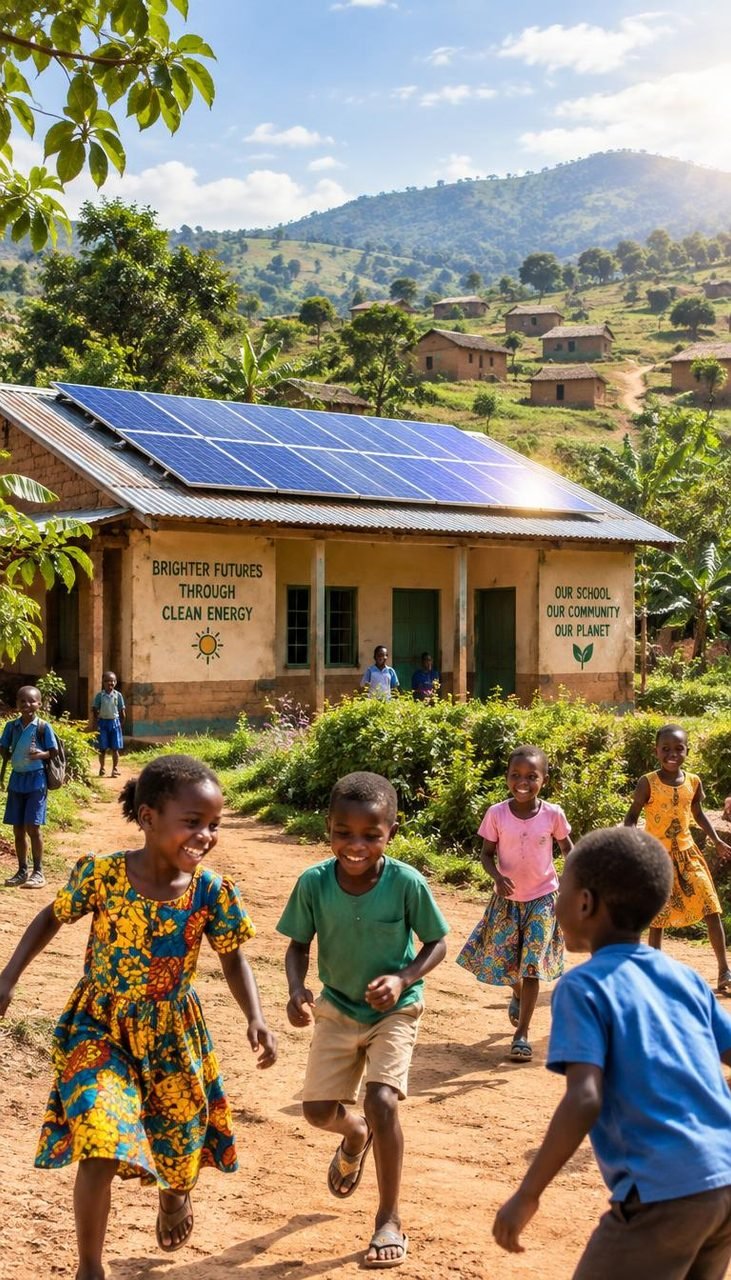
Forest protection advanced when sponsor contributions for the nature facility jumped to $8.3 billion. The Tropical Forest Forever Facility rewards developing nations for keeping tropical forest standing through direct yearly payments. Sovereign wealth funds and national treasuries supplied initial equity to guarantee stable returns.

  • Secured $8.3 billion in sponsor pledges for the Tropical Forest Forever Facility to reward standing forest conservation.
  • Adopted the 59 Belรฉm Adaptation Indicators through a voluntary testing program and expert advisory group.
  • Advanced the Baku Adaptation Road Map to speed up infrastructure funding between 2026 and 2028.
  • Expanded direct loss and damage grants to ensure fast cash reaches vulnerable island communities.

These voluntary initiatives deliver practical help where official diplomacy falters. They show how targeted finance builds resilience against floods, storms, and rising sea levels. Capital flows increasingly disregard diplomatic squabbling when clean technology offers superior returns and strategic security.

Tรผrkiyeโ€™s Domestic Green Transition Between Fossil Dependency and Clean Ambition

Hosting COP31 cast an unforgiving spotlight on Tรผrkiye’s contradictory energy landscape, where ambitious clean technology development clashes with rising fossil fuel consumption. The country raised wind and solar output from 12% in 2020 to 22% by 2025. Yet fossil fuels still generated 56% of total electricity in 2025.

White wind turbines stand on gently rolling green hills in Turkey, with high-voltage transmission lines crossing the landscape behind them. Wildflowers dot the foreground beneath a clear blue sky.

The latest Climate Action Tracker assessment rates Tรผrkiye’s overall climate action as “Critically insufficient” and its domestic policies as “Highly insufficient.” Official forecasts indicate 2035 emissions will rise 7% to 25% above 2018 levels. Reaching a true 1.5ยฐC path demands national cuts of 31% by 2030 and 48% by 2035.

Energy Sector MetricCurrent Turkish StatusOfficial 2035 Target1.5ยฐC Aligned Pathway
Wind and Solar Share22% in 2025120 GW capacity150 GW minimum capacity
Fossil Power Share56% of electricity in 2025No formal coal exit dateRapid phase-out by 2035
Electrification Share21.8% in 202024.9% of final energyOver 35% of final energy
ETS Compliance PenaltyPilot starts in late 2026Double allowance priceStrict declining carbon cap

The Turkish parliament enacted its first Climate Law on July 2, 2025, to build an emissions trading system. Regulated power plants and factories must submit verified carbon credits or face administrative fines equal to twice the market allowance price. The statute channels up to 10% of carbon revenues into community transition funds. Establishing statutory emissions trading provides Tรผrkiye with an institutional foundation, but meaningful decarbonization requires halting the expansion of fossil power.

Bridging NATO Alignment and Global South Climate Diplomacy

Operating at the physical and diplomatic crossroads of East and West, Tรผrkiye pursued a delicate balancing act at COP31 that mirrored its broader foreign policy. The republic joined NATO in 1952 and maintains close military ties with Western governments. Ankara also expands trade and political ties across Africa, the Middle East, and Central Asia.

This dual posture allowed Turkish summit leaders to mediate between wealthy donor states and emerging economies. Developing countries demanded outright grant money rather than loans that increase sovereign debt burdens. Western nations insisted that middle-income economies should also pay into multilateral climate funds.

Turkish diplomats pushed compromise drafts that combined private green bonds with state guarantees. Many developing delegates welcomed Ankara’s willingness to challenge rigid Western positions on climate finance. Others observed that Tรผrkiye hesitated to support swift fossil fuel phase-outs because of its own industrial goals.

Middle powers often find their geopolitical leverage tested when economic interests clash with climate targets. Ankara sought to project regional authority without alienating vital trade partners. Serving as a bridge between competing global blocs carries distinct value, yet middle powers discover that diplomatic goodwill cannot substitute for financial capital.

Geopolitical Fractures and Adjacent Pressures on Global Sustainability

Multilateral climate diplomacy no longer operates in a diplomatic vacuum, as regional conflicts and volatile commodity markets dictated the negotiating atmosphere in Antalya. Shipping disruptions in the Strait of Hormuz created sharp shocks across international oil and gas markets. These energy scares forced many finance ministries to hoard short-term fuel reserves rather than fund international projects.

Large energy ships dock at a busy container port as workers in practical clothing coordinate the unloading of cargo. Stacked containers fill the foreground, with a coastal city skyline beyond the harbor.

Clean energy investment reached $2.2 trillion in 2026, which was roughly double the money entering oil, gas, and coal. Economic interest drove this spending rather than United Nations treaties. Cheap solar panels, heat pumps, and batteries offered lower power costs and shield countries from wild market swings.

High-level political interest was noticeably weak throughout the Antalya summit halls. UK Prime Minister Andy Burnham arrived as the only registered head of government from the G7 group. Most major world leaders chose to stay home to manage domestic inflation and regional security disputes.

Trade barriers also cast a long shadow over clean technology supply chains. Disputes over solar manufacturing and minerals caused friction between industrial powerhouses and importing nations. When sovereign energy security aligns with cost-effective electrification, national industrial policies accelerate far faster than treaties can mandate.

Assessing the 2030 Sustainable Development Goals, Green Buildings, and Ecological Initiatives

With only four years remaining before the 2030 deadline for the United Nations Sustainable Development Goals, the international scorecard displays an unmistakable divergence between techno-economic goals and social equity mandates. Clean power deployment broke historical records across major markets. Social programs and poverty reduction measures fell badly behind their stated targets.

Renewables overtook coal as the world’s largest electricity source in 2025, marking an undeniable bright spot for global progress. That milestone proves industrial capacity can shift quickly when prices drop. Progress on ending poverty and reducing wealth inequality remains far too slow.

Clean power broke historical records in 2025, but social equity programs face severe financing deficits across emerging markets.
Evaluating SDG Progress and Targets

The United Nations agenda divides into clear winners and lagging mandates as 2030 draws near. Market-driven programs attract massive private capital while public assistance initiatives languish without resources. Governments must confront these uneven results before setting future global priorities.

  • SDG 7 Clean Energy advances rapidly as wind, solar, and batteries become the cheapest power options.
  • SDG 9 Industry and Innovation expands through electric vehicle manufacturing and battery gigafactories.
  • SDG 1 No Poverty lags severely due to debt distress and high food prices across low-income states.
  • SDG 10 Reduced Inequalities stalls as clean investment concentrates in North America, Europe, and China.
  • SDG 13 Climate Action suffers from weak national targets that leave the planet on a 2ยฐC trajectory.

Green Buildings and Practical Environmental Standards

The built environment produces roughly 37% of worldwide operational and embodied carbon emissions. Slashing energy use in buildings offers quick savings through smart heating, cooling, and heat pumps. Cutting embodied carbon in steel, cement, and glass remains an uphill battle.

Developing nations face severe administrative backlogs when trying to enforce modern green building codes. Municipalities often lack trained inspectors to check thermal insulation and energy efficiency rules. Retrofitting the built environment and enforcing stringent green building codes remains the quiet linchpin that will determine whether sustainable development goals succeed or stagnate.
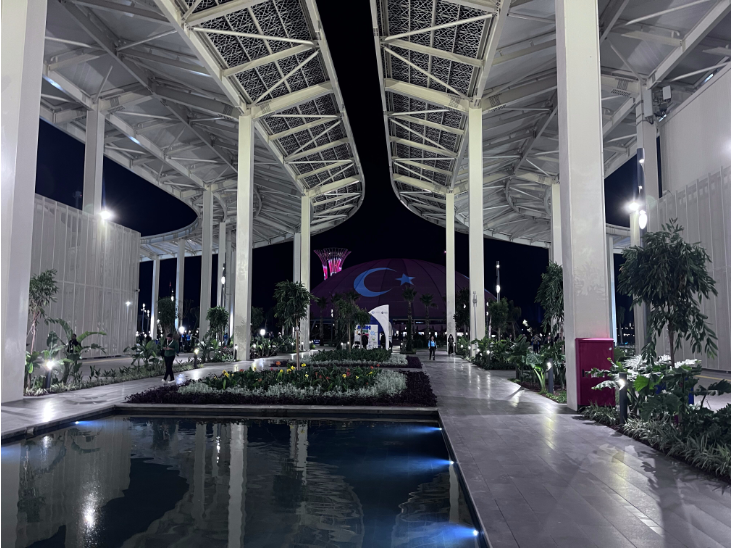
Conclusion

COP31 demonstrated conclusively that while international climate diplomacy remains bogged down in semantic disputes, the economic foundations of the global energy transition are advancing under their own momentum. Market forces now drive clean energy faster than ministerial consensus, as shown by record global investments in solar power, batteries, and industrial electrification. The failure in Antalya shows that international negotiations cannot force fossil fuel reductions without genuine political will from major producers.

International attention now turns to Addis Ababa for COP32, where developing nations and multilateral institutions must resolve the adaptation financing deficit before political trust evaporates entirely.
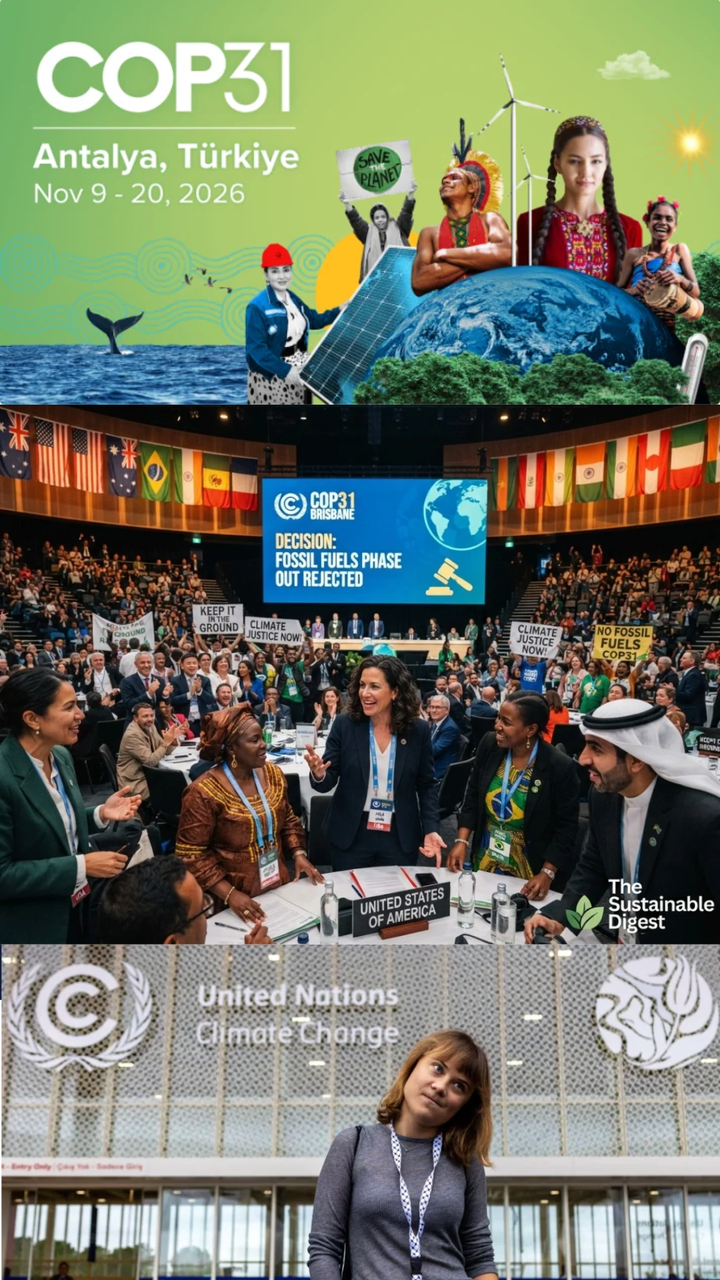
FAQ

Why did COP31 conclude without an official cover decision?

Parties could not agree on omitting language about moving away from fossil fuels and setting adaptation finance targets. The European Union, the United Kingdom, and several climate-vulnerable island nations rejected the draft text during the final hours. Negotiators chose to let the overarching political text collapse rather than accept an agreement that ignored the phase-out of hydrocarbons and lacked firm money commitments.

What was the main energy agreement achieved under the Action Agenda in Antalya?

Around eighty nations signed the 35 by 35 electrification pledge outside the formal treaty negotiations. This coalition committed to securing 35% of final energy consumption from electricity by 2035. The International Energy Agency estimated that hitting this electrification target can cut worldwide carbon emissions by eight gigatonnes, even if nations retire fossil power plants at a modest pace over the coming decade.

How does Tรผrkiye’s domestic climate performance compare to its summit leadership?

Tรผrkiye holds a Critically Insufficient rating from Climate Action Tracker despite hosting the conference. Wind and solar power supplied 22% of Turkish electricity in 2025, but fossil fuels generated 56% of power. National policies point to emissions rising up to 25% above 2018 levels by 2035, which conflicts directly with the cuts needed to match the 1.5ยฐC Paris Agreement warming threshold.

What key progress was made on nature finance during COP31?

The Tropical Forest Forever Facility saw its sponsor commitments rise to $8.3 billion in initial capital pledges. This nature facility rewards tropical nations with annual payments for keeping standing forests intact. It blends sovereign funds and private capital to create predictable income streams for conservation, offering practical protection for ecosystems while political talks on broader finance remain deadlocked.

When will the second global stocktake under the Paris Agreement finish?

The second global stocktake was formally launched at COP31 in Antalya and will conclude at COP33 in November 2028. This multi-year process reviews collective progress toward Paris Agreement goals across mitigation, adaptation, and finance. It will examine updated national targets and tell governments whether their policies are enough to keep global warming from passing dangerous thresholds.

How does Tรผrkiye’s 2025 Climate Law enforce its emissions trading system?

The Climate Law passed in July 2025 sets up an emissions trading system run by a Carbon Market Board. Industrial installations and power plants must surrender verified emissions allowances each year to cover their carbon footprint. Operators that fail to surrender adequate allowances face mandatory administrative fines set at twice the prevailing market allowance price under the statute.

Key Takeaways

  • Antalya closed without a Presidency-led cover decision after talks broke down over fossil fuel language.
  • Nations approved practical mandates on adaptation metrics, carbon market accounting, and disaster response.
  • The 35 by 35 energy target gathered eighty nations pledging 35% electricity in final energy by 2035.
  • Sponsor funding for the Tropical Forest Forever Facility climbed to $8.3 billion in capital pledges.
  • Tรผrkiye enacted its first Climate Law while facing high reliance on coal and gas power.
  • The second global stocktake began its official cycle, aiming to finish at COP33 in 2028.

UN SDG#8 global economic peculiarity

UN SDG#8 multi-layered paradigm shift pecuilar adaptation economic development

The world’s nations agreed on a set of ambitious targets to steer collective progress. Known as the Sustainable Development Goals, this framework aims for a more sustainable and equitable planet by 2030. Among these, the eighth goal, holds a distinct position. The focus on the UN SDG#8 global economy theme is rather important for the aggregation of multi-regional and continental events all at once.

It champions sustained, inclusive, and sustainable economic growth. More importantly, it pushes for full, productive employment and decent work for every person. This focus makes it a cornerstone of the entire global agenda.

Yet, the path to this ideal is fraught with modern challenges. A volatile international landscape, marked by rapid technological change and geopolitical tensions, tests traditional models. Achieving true prosperity now requires a fundamental rethink of how we define growth.

The real test lies in moving from lofty policy to ground-level action. It’s about bridging the gap between international boardrooms and local realities. Major institutions and evolving tech are powerful forces reshaping labor markets.

This analysis digs into that complex transformation. It explores how the unique demands of our era shape the pursuit of dignified work and resilient development.

Overview of UN SDG#8 Global Economy through Volatility

Economic headlines often celebrate falling unemployment, but the deeper story of job quality tells a different tale. Pursuing decent work for all now unfolds against a backdrop of stark recovery and lingering fragility.

Examining the Global Economic Landscape

The global unemployment rate hit a record low of 5.0% in 2024. Yet, this statistic masks a less celebrated reality. Agencies like the International Labour Organization and UNCTAD highlight that over half of all workersโ€”57.8%โ€”remain in informal employment.

This vast informal sector lacks basic social security. It represents a critical gap in achieving true employment decent work.

Indicator2015 BenchmarkPost-Pandemic Peak (2021)Recent Trend (2023-2024)
Global Real GDP per Capita GrowthModerate5.5%Slowed to 1.9%
Global Unemployment Rate6.0%Improving5.0% (Record Low)
Workforce in Informal EmploymentHighPersistent57.8%

Post-Pandemic Economic Recovery Trends

The powerful GDP rebound of 2021 proved fleeting. Growth slowed markedly by 2023. Analyses from the UNDP and UNEP point to persistent trade tensions and soaring debt as brakes on sustainable economic growth.

“Recovery must be measured not just in output, but in the security and dignity of jobs created.”

UN Agency Synthesis

Institutions like the WTO and UN Economic and Social Council stress that lasting progress requires fixing structural gaps widened by the crisis. The goal is economic growth that lifts the most vulnerable.

Bodies such as UNIDO and the World Tourism Organization now focus on aligning national policies with this broader vision of decent work.

Decent Work and Economic Growth in Uncertain Times

A contemplative scene illustrating "Decent Work and Economic Growth in Uncertain Times" features a diverse group of professionals in a modern office setting. In the foreground, a middle-aged woman in a smart blazer reviews reports on a digital tablet, while a young man in a neat button-up shirt discusses strategies with her. In the middle ground, a large window reveals a city skyline under a cloudy sky, symbolizing uncertainty. The background shows distant figures engaged in brainstorming, with graphs and charts projected on screens, indicating economic growth. Soft, natural lighting filters through the window, creating a thoughtful, optimistic atmosphere. The composition captures the essence of professional collaboration against the backdrop of a fluctuating economy. The Sustainable Digest.

Social justice in the workplace has become a litmus test for true economic progress. In an era of volatility, the quality of jobs defines resilience more than their quantity.

Worker Protections and Social Justice

Advocacy groups like the Board of Peace argue that protecting labor rights is foundational to social justice. Global compliance with these rights has, ironically, fallen by 7 percent since 2015.

This decline exposes a gap between policy and practice. The stark figure of 160 million children in child labor underscores the urgent need for stronger enforcement.

Linking Productivity to Sustainable Development

True productivity is not just about output. It requires a shift toward productive employment decent models that value people’s well-being.

Consider the 21.7 percent of young people classified as NEET in 2023. Providing them with meaningful decent work is a top priority for lasting economic growth.

Integrating social justice into employment decent work strategies is no longer optional. It is the core of building a workforce that can withstand uncertainty.

Influence of Global Institutions on SDG8 Policies

Policy doesn’t emerge from a vacuum. It’s forged in the meetings of influential global bodies. These institutions set the tone for national labor and growth policies worldwide.

UN Agencies and World Economic Forum Initiatives

The World Economic Forum facilitates high-level dialogues on technology’s role in the future of working. It pushes for digital integration into global frameworks.

UN agencies often collaborate with this forum. Their joint aim is to ensure economic growth doesn’t undermine human rights. The goal is to anchor decent work in tech-driven progress.

InstitutionPrimary FocusKey StakeholdersPolicy Influence
World Economic ForumTech integration & elite consensusCorporate leaders, governmentsShapes high-level agenda
World Social ForumEquity & grassroots advocacyCivil society, unionsChallenges market-centric models

The Role of the World Social Forum and Regional Alliances

The World Social Forum provides a loud counterpoint. It champions the informal sector and marginalized communities. This platform challenges top-down economic models.

Regional alliances, like ASEAN or the African Union, increasingly adopt international guidelines. They harmonize labor standards to promote sustainable development. Aligning these varied efforts is key to achieving broad decent work targets.

UN SDG#8 global economy’s peculiar adaptation to a multi-layered paradigm shift

A vibrant cityscape at dawn reflecting a multi-layered paradigm shift in economic development, symbolizing UN SDG#8. In the foreground, diverse professionals in business attire collaborate around a transparent digital interface, showcasing innovative solutions. The middle ground features modern buildings integrated with greenery, representing sustainable practices. Background skyscrapers symbolize growth and stability against a soft pastel sky. Warm, golden lighting bathes the scene, enhancing the optimistic and forward-looking atmosphere. Use a slightly elevated angle to capture the bustling streets below and the interaction among people. This composition conveys a sense of progress and collaboration within todayโ€™s global economy, inspired by โ€œThe Sustainable Digest.โ€

Measuring a nation’s health by GDP alone is like judging a book by its cover. The real story of progress is found in the quality of life for its people. This represents a fundamental paradigm shift in how success is defined.

The new approach values unpaid labor, care work, and community support systems. It recognizes the massive, often invisible, informal economy. These elements form the bedrock of social stability, especially in emerging nations.

Fostering decent work is central to this new vision. Jobs must offer security, fair pay, and dignity to build resilient labor markets. This focus on quality, not just quantity, is essential for sustainable growth.

Old Metrics FocusNew Metrics Focus
Gross Domestic Product (GDP) growth rateSocial reproduction & environmental health
Formal employment numbersQuality of all work, including informal sectors
Short-term financial outputLong-term community & ecosystem resilience

Ultimately, this shift ensures that the pursuit of economic advancement strengthens, rather than depletes, our social and natural foundations. It is the only path to genuine, lasting development.

Geopolitical Impacts on Economic Policy

Recent years have provided stark, real-world lessons on how geopolitics can unravel decades of economic planning. National strategies for prosperity are now rigorously tested by external shocks far beyond any single government’s control.

Sri Lanka vs. Venezuela: A Comparative Analysis

Sri Lanka’s collapse showcased the dangers of unsustainable debt. It damaged and comprised essential public services and shattered job security for millions.

Venezuela’s trajectory highlights a different peril. Deep political instability has systematically corroded labor rights and the state’s ability to foster productive employment. Both cases devastated their national economies.

Consequences of the Ukraine and Iran Wars

The war in Ukraine triggered massive volatility in global energy and food markets. This directly hampered stable economic growth in many developing countries.

Ongoing tensions related to Iran further complicate international trade routes. They create an environment where securing and maintaining decent work becomes a formidable challenge.

These conflicts prove that true development is inextricably linked to global peace. Policymakers must now design national strategies that can withstand such turmoil to protect the pursuit of decent work.

Technological Disruption and the 4th Industrial Revolution

A futuristic cityscape representing technological disruption and the 4th Industrial Revolution. In the foreground, diverse professionals in business attire collaborate around advanced holographic displays, showcasing graphs and data. In the middle, autonomous vehicles navigate smart streets lined with solar-powered buildings and drone corridors. The background features towering skyscrapers intertwined with greenery, symbolizing sustainability and innovation. Bright, dynamic lighting conveys a sense of optimism and progress, casting colorful reflections on glass surfaces. The lens angle captures both the bustling street level and the impressive skyline, creating depth. The atmosphere radiates energy and transformation, demonstrating the intersection of technology and urban life. The image is intended for "The Sustainable Digest," emphasizing the impact of technology on todayโ€™s global economy.

Automation and AI are rewriting the rulebook for what constitutes valuable labour in the 21st century. This era, often called the Fourth Industrial Revolution, merges digital, physical, and biological systems.

Global labour productivity growth rebounded to 1.5 percent in 2024. This signals a shift from the near stagnation of the previous two years.

AI’s Influence on Global Productivity

Artificial intelligence is the central force in this transformation. It drives efficiency in manufacturing and service sectors alike.

This boost in output, however, carries a significant caveat. While AI enhances productivity, it simultaneously threatens traditional job security for millions.

Ensuring decent work in this automated age demands proactive strategy. Policies must prioritize reskilling workforces to meet new technological demands.

Managed carefully, this integration can prevent widened inequality. The benefits of development must be shared broadly to sustain progress.

By leveraging this revolution, nations can unlock new avenues for economic growth. The goal remains a future where the human element of working is not lost but elevated.

Emerging Economic Models and Cooperative Business Approaches

When a major airline teeters on the brink, it reveals more than financial distressโ€”it exposes the fragility of traditional corporate structures. This vulnerability is sparking interest in more resilient alternatives. Cooperative business models, where employees hold ownership stakes, are gaining serious traction.

These approaches fundamentally rewire a company’s priorities. They place the security and dignity of the workforce at the center of operations. This shift is particularly relevant in volatile sectors like aviation.

Case Study: Spirit Airlines and the Cooperative Model

Spirit Airlines’ well-publicized financial struggles led to a radical proposal. Discussions emerged about restructuring not through another merger, but as an airline cooperative. This model would give workers a direct stake in the company’s success.

Such a transition could transform unstable work into more secure, decent work. Employees would gain a voice in decisions affecting their livelihoods. This fosters a sense of ownership that often boosts productivity and service quality.

The cooperative path aligns with broader goals of inclusive economic growth. It ensures the benefits of development are shared more fairly. For industries in flux, it offers a viable blueprint for preserving essential services while creating better opportunities.

The Role of Subsidies and Financial Reforms in Stimulating Growth

A dynamic scene illustrating the concept of subsidies and financial reforms driving economic growth. In the foreground, a diverse group of professionals in business attire collaborates around a table, surrounded by digital screens displaying upward-trending graphs and economic data. In the middle ground, vibrant icons of industries such as renewable energy, agriculture, and technology symbolize the sectors benefiting from subsidies. The background features a skyline of modern buildings, representing a thriving urban economy. Soft, warm lighting enhances the optimistic atmosphere, creating a sense of innovation and collaboration. The image conveys a message of progress and sustainability, reflecting the importance of financial strategies in achieving economic growth. The Sustainable Digest logo subtly framed in the corner, without any text or watermarks.

Subsidies and financial overhauls are not just economic levers; they’re strategic bets on a nation’s future stability. The right mix can unlock stalled progress, while the wrong one deepens fiscal holes.

Targeted financial support for small businesses is a prime example. It helps informal ventures join the formal economy, creating more decent work opportunities. This direct injection is crucial for local economic growth.

Broader financial reforms are equally vital. They tackle crippling debt burdens that strangle ambition in many regions. Clearing this red tape allows capital to flow toward sustainable development projects.

The goal is a system where businesses thrive and workers gain formal protections. This transition from precarious gigs to secure, decent work is the bedrock of a resilient labor market.

Smart policies must balance support with responsibility. Strategic subsidies for key affiliates, like green tech firms, should avoid long-term debt traps. The fiscal discipline ensures today’s stimulus doesn’t become tomorrow’s crisis.

Subsidy FocusPrimary TargetIntended Outcome
Small Business GrantsInformal Sector SMEsFormalization & Job Creation
Training & ReskillingExisting WorkforceHigher Productivity & Security
Green TechnologySustainable EnterprisesLong-term Ecological Resilience

Regional Alliances Shaping Economic Policies

The chessboard of international economics is increasingly dominated by powerful regional blocs. These alliances move beyond mere trade agreements to craft shared rules for prosperity.

Their collective influence now rivals that of traditional global institutions. They coordinate strategies that directly impact labor markets and investment flows.

BRICS, ASEAN, African Union, and the European Union

The BRICS coalition promotes South-South cooperation, challenging older financial architectures. It offers member countries a platform to advocate for alternative models of development.

ASEAN and the European Union are standard-setters. They export stringent labor and environmental regulations through their vast trade networks.

In Africa, the African Union and the newer Alliance of Sahel States (AES) prioritize market integration. Their goal is to boost regional stability and economic growth by reducing internal barriers.

These blocs provide crucial forums for sharing best practices on worker rights. Harmonizing standards is a key step toward ensuring decent work across diverse economies.

Ultimately, their collaboration amplifies voices in global governance. It ensures policies better reflect local needs, fostering more inclusive progress and decent work opportunities.

Integrating Environmental Sustainability into Economic Policies

A vibrant, futuristic cityscape showcasing resource-efficient green technology initiatives. In the foreground, diverse professionals in business attire collaborate over a digital tablet, analyzing sustainability data, surrounded by greenery and eco-friendly elements like solar panels and wind turbines. The middle ground features sleek, modern buildings with vertical gardens and green roofs, harmonizing with nature. The background reveals a clear blue sky and gently curving pathways lined with automated electric vehicles and lush foliage. Utilize soft, natural lighting to create an optimistic and inspiring atmosphere. The perspective is slightly elevated, providing a panoramic view of this innovative urban environment, emphasizing the integration of sustainability in economic policies. This image reflects the theme of "The Sustainable Digest."

True resilience in any economy now depends on its ability to harmonize industrial output with ecological limits. This integration is no longer optional; it’s the foundation for long-term growth environmental stability.

Consider tourism, which contributed 3.1 percent to global GDP in 2022. Its future relies on adopting sustainable practices. More broadly, improving global resource efficiency consumption production is critical. It decouples economic growth from environmental harm.

Resource Efficiency and Green Technology Initiatives

Green technology is the practical engine of this shift. Initiatives help industries boost their resource efficiency consumption. This reduces waste and lowers operational costs.

The 10-year framework on sustainable consumption and production provides a vital roadmap. It guides nations in enhancing global resource efficiency while pursuing development.

Prioritizing resource efficiency does more than protect the planet. It sparks innovation and creates new avenues for decent work. Jobs in renewable energy and circular economies offer security and purpose.

Ultimately, smart efficiency consumption strategies build economies that thrive within planetary boundaries. They ensure that progress today doesn’t compromise tomorrow’s decent work opportunities.

Challenges in Formalizing Informal Employment Globally

A bustling urban scene illustrating the challenges of formalizing informal employment globally. In the foreground, a diverse group of individuals dressed in professional business attire are engaging in a discussion, showcasing determination and the complexities of transitioning from informal to formal employment. The middle ground features a busy marketplace with informal workers, such as street vendors, highlighting the contrast between informal and formal sectors. In the background, tall office buildings symbolize the formal economy, under a cloudy sky that suggests both opportunity and uncertainty. Utilize soft, natural lighting to create a realistic atmosphere while capturing the mood of ambition and struggle. The image should be rich in detail, depicting various elements like paperwork, business tools, and the vibrant energy of city life. The Sustainable Digest prominently reflected through subtle branding in the environment.

Formalizing the world’s informal jobs is like trying to map a shadowโ€”the task is enormous and progress is painfully slow. Over two billion workers operated informally in 2023, representing a staggering 58% of the global workforce.

This vast informal sector is the primary barrier to achieving universal decent work. People in these roles typically lack legal contracts, social security, and basic safety protections.

The informality rate has declined by less than one percentage point since 2015. This glacial pace highlights the deep structural roots of the problem.

Governments need targeted development strategies that incentivize formalization. Simplifying business registration and offering tax benefits can encourage the transition.

Key ChallengeImpact on LabourPotential Policy Lever
Lack of Legal RecognitionNo access to justice or minimum wageStreamlined formalization pathways
Absence of Social SecurityHigh vulnerability to economic shocksPortable benefit schemes
Limited Access to FinanceInability to grow or investMicro-credit and grant programs

Addressing these root causes is essential. It transforms precarious labour into secure, decent work, fueling more stable and inclusive economic growth.

Bridging the Gender Gap in Decent Work Environments

A vibrant and inspiring office scene depicting a diverse group of professionals collaborating to bridge the gender gap in decent work environments. In the foreground, two women of different ethnicities, one Asian and one Black, are engaging in a focused discussion over a laptop at a sleek conference table, both dressed in smart business attire. In the middle ground, a mixed-gender team is brainstorming ideas on a whiteboard, showcasing a harmonious workplace atmosphere. The background features large windows with natural light streaming in, highlighting a bright and open office space adorned with plants and motivational posters. The overall mood is positive and forward-thinking, emphasizing equality and collaboration. Capture this scene with a warm color palette and a slightly blurred depth of field to focus on the subjects. The Sustainable Digest.

A 14 percent pay differential might seem like a statistic, but it represents a systemic leak in the global economy’s productivity pipeline. Achieving true decent work for all is impossible while this gap persists.

Promoting Equal Pay and Career Advancement

The median gender pay gap across 102 countries sits at about 14 percent. This isn’t just unfair; it’s inefficient. Equal pay for communities and cultures doing comparable work is a fundamental correction to a flawed market.

Furthermore, women are twice as likely as men to be classified as NEETโ€”not in employment, education, or training. This represents a massive waste of talent and ambition.

DisparityImpactPolicy Focus
14% Pay GapReduced lifetime earnings & consumptionTransparent salary ranges & audits
2x NEET RateLost productivity & social exclusionTargeted re-entry programs & childcare
Underrepresentation in LeadershipNarrowed decision-making perspectiveMentorship & inclusive promotion pathways

Bridging these divides is essential for inclusive economic growth. When women advance, economies diversify and strengthen. Smart development strategy must actively dismantle the barriers holding half the workforce back.

This creates more robust and equitable decent work environments for all genders and ethnicities alike.

The Intersection of AI and Economic Development

A futuristic financial hub showcasing the intersection of artificial intelligence and economic development. In the foreground, a diverse group of professionals in business attire engages in a collaborative discussion around holographic data displays. The middle ground features a sleek, modern office filled with digital interfaces illustrating economic growth metrics, AI algorithms, and sustainability models. In the background, a vibrant city skyline represents progress and innovation, with green spaces intertwined among towering skyscrapers. The lighting is bright and optimistic, emanating from the holographic displays and large windows that let in natural light. The mood conveys a sense of collaboration, forward-thinking, and ambition, encapsulating the essence of AI-driven financial services in today's global economy. The Sustainable Digest.

The quiet revolution in banking isn’t happening on Wall Street; it’s unfolding on smartphones across the developing world. This digital shift is a foundational layer for modern progress.

Access to formal financial services is a powerful catalyst. It moves people from the economic sidelines into the active marketplace.

Digital Transformation of Financial Services

Global account ownership tells a clear story of rapid inclusion. In just seven years, access to banks or regulated institutions jumped significantly.

YearAdults with an AccountNotable Change
201462%Baseline
202176%+14 percentage points

This isn’t just about storing money. Digital tools are transforming how individuals secure loans and insurance, building personal resilience.

Innovative Strategies for Enhanced Productivity

Artificial intelligence drives the next wave. It powers sophisticated credit assessments, reaching those previously deemed ‘unbankable’.

These AI-driven innovations do more than streamline processes. They create entirely new categories of decent work in the digital economy.

Roles in fintech support, data analysis, and cybersecurity emerge. This expands opportunities for secure, productive work.

Continued investment in digital infrastructure is non-negotiable. It ensures the benefits of this technological leap are shared widely, fueling broader economic growth and more decent work opportunities.

Policy Implications for a Sustainable Future

A professional business meeting set in a modern office environment, focused on policy discussions for a sustainable future. In the foreground, a diverse group of three individuals in professional attire is engaged in animated conversation around a sleek conference table, with digital devices displaying data visualizations. The middle layer features a large window with greenery and solar panels visible outside, symbolizing environmental integration. In the background, a city skyline with sustainable architecture provides a visionary outlook. Soft, natural lighting filters through the window, creating a warm and hopeful atmosphere, while a sense of collaboration is emphasized. This image reflects the essence of "policy implications for a sustainable future." The Sustainable Digest.

Effective national reforms are the missing link between ambitious global targets and the lived reality of workers. Moving from paper promises to tangible progress requires a clear-eyed look at what actually works.

Recommendations for National Economic Reforms

Many nations have launched youth employment strategies, but proof of their success remains thin. The next step is rigorous, evidence-based implementation that creates genuine decent work opportunities for young people.

A wholesale reform of the financial system is non-negotiable. It must tackle crippling national debts and ensure equitable pay for the next generation. This fiscal overhaul is the bedrock for sustainable economic growth.

Governments should implement policies that foster innovation and support formalizing the economy. This protects the rights of all working people. Strengthening social safety nets and investing in education are also critical.

These reforms prepare people for the modern labor market. By aligning national policies with broader goals, countries build a more resilient framework. It benefits all people.

A sustainable future hinges on executing these policies effectively. The goal is inclusive development where growth lifts everyone. This is how nations translate high ideals into better lives for their people.

Conclusion

True prosperity is not a statistic; it is the experience of secure and meaningful employment. Reaching this goal demands a concerted global effort to tackle deep structural challenges.

Policies must actively protect worker rights and share the benefits of development widely. Integrating technology and formalizing informal sectors are critical steps.

These actions build a more inclusive and resilient economy. International bodies, regional alliances, and national governments must collaborate.

Their shared commitment can forge a future where work is a universal source of dignity. This is the foundation for sustained economic growth and genuine decent work for all.

Key Takeaways

  • The Sustainable Development Goals provide a shared blueprint for global progress toward a 2030 deadline.
  • Goal 8 uniquely ties broad economic advancement to the concrete reality of decent work for all.
  • Current global volatility necessitates new models for sustainable and inclusive growth.
  • Successful implementation is as critical as the policy design itself.
  • International organizations and technological innovation are key drivers changing the future of work.
  • Building economic systems that are both inclusive and resilient is a modern imperative.
This website is saving the energy of your screen as it is not being used. It's part of a global effort to lower the planet's electrical consumption and CO2 emission level. Resume browsing
Click anywhere to resume browsing
Verified by MonsterInsights