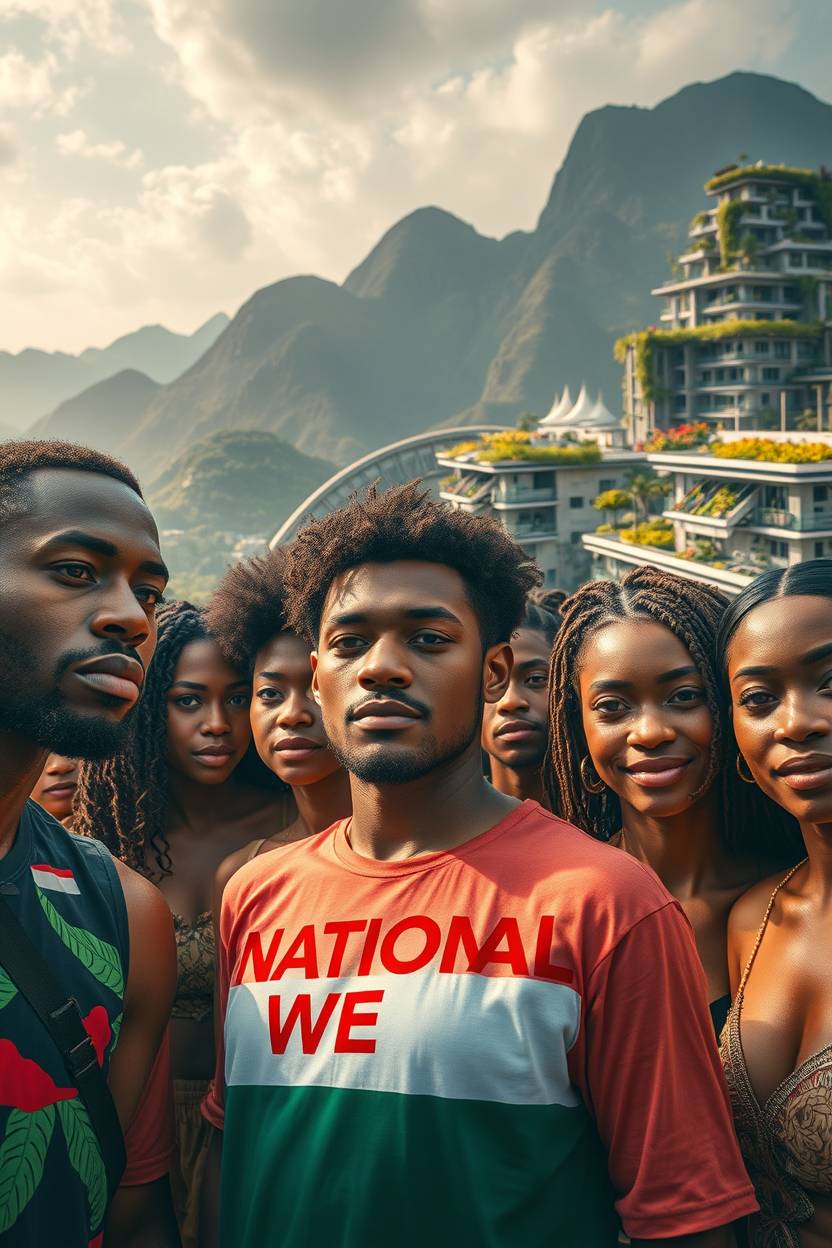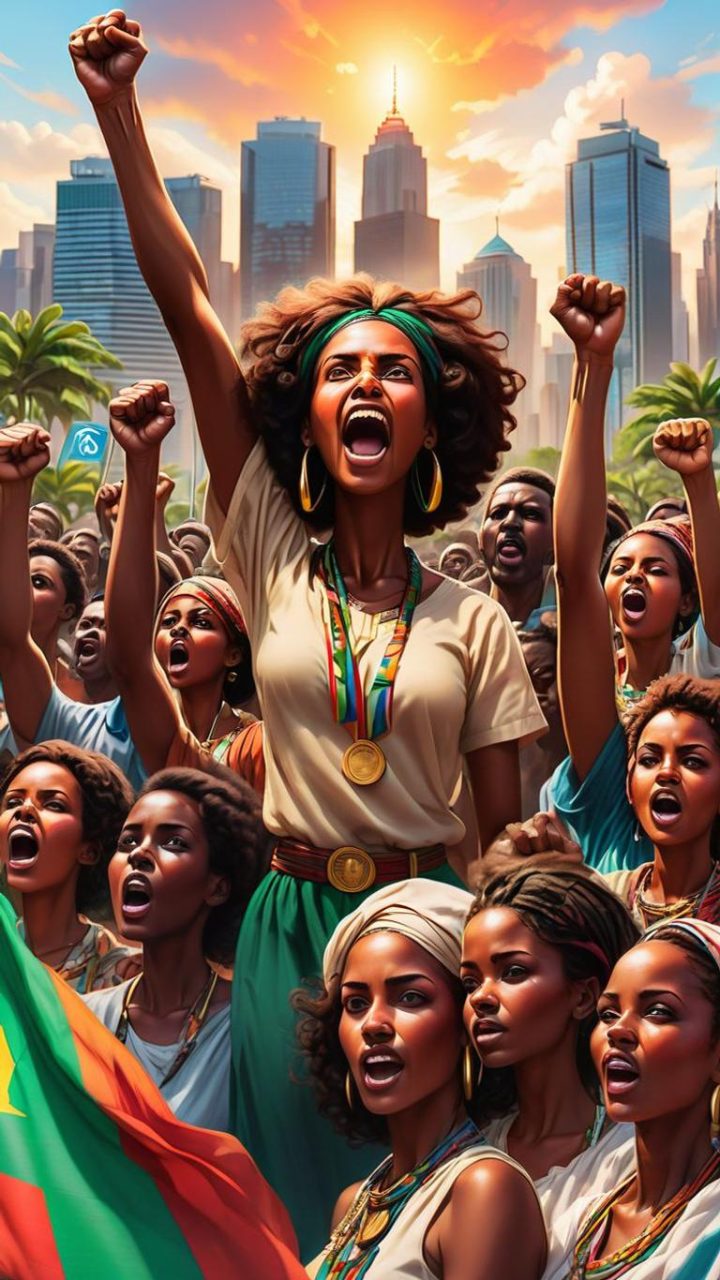
The convergence of significant observances on May 25, 2026, presents a unique moment for reflection and action. This day marks the intersection of Global African, African Liberation, and Memorial Day, creating a profound opportunity for millions worldwide. Each observance carries its own weight, but together, they symbolize a collective journey toward justice and remembrance.
Historically, this date is rich with meaning. It commemorates the first Congress of Independent African States. In which, it was held in 1958 in Accra, Ghana. A half a decade later, the founding of the Organization of African Unity in 1963 took place. These milestones laid the groundwork for a modern understanding of identity and liberation.
As we approach this pivotal day, the solemnity of Memorial Day aligns with the revolutionary spirit of African Liberation. Observers note that this year’s events will resonate deeply. In particularly in light of ongoing discussions about historical justice and systemic reform. By exploring the significance of this Liberation Day, we can appreciate how these movements progressed. Thus having shaped political identities across the diaspora.
Introduction to Global Celebrations on May 25, 2026
On May 25, 2026, a unique convergence of celebrations offers a profound opportunity for communities to engage and reflect. This date will not only mark the observance of Africa Day and African Liberation but also highlight the ongoing journey toward justice and equity.
The significance of this day is amplified by recent events. In 2026, the United Nations General Assembly recognized the transatlantic slave trade as a crime against humanity. This pivotal acknowledgment transforms every Africa Day celebration, urging communities to reflect on historical injustices.
Moreover, the African Union has launched a Decade of Reparations, which will span from 2026 to 2036. This initiative emphasizes that the struggle for sovereignty is an ongoing process. As people around the world prepare for this event, it serves as a reminder that the fight for justice continues today.
Key Points to Consider
The UN’s recognition of the slave trade reshapes the narrative of Africa Day.
Communities in the United States and the diaspora reflect on reparations.
The African Union’s focus on liberation highlights ongoing struggles.
Events in Accra, Ghana, will showcase how the diaspora organizes for change.
This celebration reinforces that justice is a current and active pursuit.
Historical Origins and Unique Significance
A closer look at the historical context of African unity uncovers a rich tapestry of struggle and triumph. The transition from the 1958 African Freedom Day to the 1963 formation of the Organization of African Unity marked a pivotal shift in continental strategy. This evolution demonstrates how African countries moved from fragmented resistance to a unified front against colonial exploitation.
In 1963, 31 independent African heads of state met in Addis Ababa to solidify the foundation for what we now recognize as the African Union. This gathering aimed to support freedom fighters and diminish military access for colonial nations across the continent. By renaming the event to African Liberation Day, the founders ensured that the focus remained on the ongoing struggle for total sovereignty.
Today, the world recognizes that the charter signed by these representatives in 1963 was intended to improve living standards for all member states. This legacy of unity and liberation continues to inspire movements across the globe.
Year
Event
Significance
1958
African Freedom Day Established
Symbolized the determination to end foreign domination
1963
Formation of OAU
Foundation for African unity and cooperation
2002
Establishment of AU
Continued commitment to sovereignty and development
2026 Global African Day 2026 African Liberation Day 2026 Memorial Day: A Convergence of Legacy and Modern Impact
On this pivotal date, various observances converge, creating a rich tapestry of remembrance and activism. The proximity of Memorial Day to Juneteenth sparks essential discussions about the United States’ role in both historical and contemporary oppression.
In 1833, the UK government paid ยฃ20 million in compensation to enslavers after abolishing slavery. This act underscores the ongoing economic ramifications of slavery that resonate today.
The close timing of these observances compels a dialogue on historical injustices.
The UKโs abstention from the 2026 UN reparations vote highlights enduring anti-Blackness in institutional frameworks.
For the African diaspora, this year symbolizes a defiance against the narrative that slavery’s end brought immediate equality.
The fight for liberation day recognition addresses not only the past but also the current practices of global governments.
Linking Memorial Day’s tribute to the broader fight for freedom day calls for a more truthful recounting of history.
Awareness is growing that the wealth transferred in 1833 remains central to modern reparations discussions.
Social Impact and Community Mobilization: Ubuntu, Sakofa, and Global Unity
The celebration of liberation serves as a reminder of the strength found in collective action and shared histories. This year’s observance emphasizes the power of community mobilization through the metaphors of Ubuntu and Sakofa.
The summit in Accra, Ghana, under the theme of sustainable peace, illustrates how nationalism and socialism can be harmonized for the collective good. Local initiatives, such as those in Philadelphia, showcase the work of leaders like Dr. Molefi K. Asante, bridging theory and grassroots action.
Moreover, the African Union’s support for the Africans Rising movement aligns with the goal of integrating globalism and internationalism to uplift the diaspora. This event is not just a celebration; it is a platform for cultural empowerment, urging collaboration between government and civil society.
Ubuntu, a Southern African philosophy encapsulated in the phrase “I am because we are,” emphasizes that the liberation of African peoples is a collective endeavor. This principle resonates profoundly during the celebrations, as the freedom of one is intertwined with the freedom of all. The coordinated global mobilization on this day illustrates the collective spirit that Ubuntu embodies.
Sankofa, represented by a bird looking backward while moving forward, serves as a metaphor for the need to learn from the past. This philosophy is particularly relevant in 2026, as it aligns with the UN’s reparations resolution and the African Union’s Decade of Reparations. The insistence on historical accountability is crucial for building a meaningful future.
Nationalism presents another layer of complexity. The Casablanca Group’s vision of immediate continental federation contrasts sharply with the Monrovia Group’s preference for gradual economic cooperation. This ongoing debate shapes the African Union’s Agenda 2063 and the Decade of Reparations, as leaders strive to balance national sovereignty with the quest for unity.
Contemporary diaspora movements embody these philosophies through what can be termed “Sankofa internationalism.” This practice involves looking back to the organizational models of the Pan-African Congress while building transnational networks. For instance, Africans Rising’s African Liberation Week 2026 connects organizations across the UK, US, Canada, and the Caribbean with groups on the continent.
The symbolic interpretation of the convergence reveals that the presence of Memorial Day alongside African Liberation Day expands the meaning of both observances. Ubuntu challenges us to extend our remembrance beyond national boundaries, recognizing that the sacrifices honored on both days are part of a single, interconnected human struggle for dignity.
As we approach this pivotal moment, the ideological foundations of Ubuntu, Sankofa, globalism, and socialism guide real-world mobilization. From leadership forums in Nairobi to reparations advocacy in Accra, the events of May 25 demand global attention and action.
Sustainability, Environmentalism, and Cooperative Development for the Future
The observances surrounding liberation highlight the urgent need for sustainable practices in our communities. Events such as the African Liberation Walk in Kenya serve as a call to action, emphasizing the necessity for sustainable infrastructure. This walk from KICC to Uhuru Park symbolizes a commitment to environmental stewardship.
Moreover, the Accra summit’s theme of “Assuring Sustainable Water, Technology, Peace & Security for Agenda 2063” directly addresses critical institutional improvements. By focusing on water and technology, leaders aim to ensure that African countries can thrive independently, without the burden of external debt.
As the diaspora in the United States and beyond contributes to funding local environmental initiatives, we must recognize that the legacy of the Organization of African Unity is incomplete without a modern commitment to sustainability. This time of reflection reminds us that the realization of true freedom depends on our ability to build systems that endure beyond any single event.
Conclusion
The intersection of historic observances invites people worldwide to engage in a renewed commitment to liberation. This unique moment offers a chance to integrate lessons from the past with future aspirations, enabling communities to foster resilience and equity.
Africa Day remains a vital institution for promoting unity; however, it must be paired with the radical action inherent in the African Liberation tradition. As we advance, the diaspora must lead the charge in advocating for reparations and sustainable development for all nations.
This liberation day serves as a final call to action, reminding us that our collective destiny is shaped by the work we do today. Together, we can forge a path toward a more just and equitable world.
Key Takeaways
The convergence of these observances creates a unique moment for reflection.
May 25 holds historical significance tied to African independence movements.
This day unites solemn remembrance with a call for liberation.
Ongoing global discourse enhances the relevance of these events.
Understanding this day can illuminate the political identity of the diaspora.
October 2025 was a month of great change. It brought together awareness campaigns and traditional celebrations in a unique way. The calendar showed a mix of old customs and new environmental messages. This is Part 1 of a 2 part series of the October 2025’s global impact in
World Animal Month and World Habitat Awareness highlighted the importance of protecting our planet’s biodiversity. At the same time, National Cybersecurity Awareness Month showed us how digital actions can affect our environment.
This month showed us how old traditions can take on new meanings. By looking at them through an environmental lens, they became more meaningful.
This look back shows how these events shaped our global conversation about the environment. The mix of different observances created a lasting impact that went beyond the month.
October’s Sustainability Landscape: A Global Overview
October 2025 was a special month. It brought together cultural celebrations and a focus on the environment. This mix showed how old traditions can include new green values without losing their essence.
The Intersection of Cultural Events and Environmental Awareness
National days became chances to talk about the planet. Guinea Independence Day had tree-planting alongside parades. Iraq Independence Day showed off clean energy in its celebrations.
The Albuquerque International Balloon Fiesta went green. It used carbon-neutral ways and planted trees to make up for its gas use. This mix of old and new showed the month’s complex story.
Three big trends were seen worldwide:
Old events now include green practices
Independence days highlight the environment
Cultural events teach about sustainability
Why October 2025 Was Pivotal for Sustainability Movements
This October was special because many things came together. National Unity Day focused on working together for the planet. Animal Welfare Week got more people involved than ever before.
Lesotho Independence Day was linked with saving mountains. Boqueron Battle Victory Day and Francisco Morazan Day also added green to their stories.
This mix of events made a big wave of support for the planet. It showed that caring for the earth can make cultural events even better.
October 2025 saw more than just one-day events. It had month-long observances that kept environmental awareness high. These events touched on digital, agricultural, cultural, and ecological areas. They gave us chances to dive deep into the many sides of sustainability.
National Cybersecurity Awareness Month: Digital Sustainability
Cybersecurity and environmental protection merged as key topics. Today, digital tools help us monitor the environment. They track climate changes and manage renewable energy.
Protecting Digital Infrastructure for Environmental Systems
Environmental monitoring networks face cyber threats. Keeping these systems safe is crucial. It ensures climate data and renewable energy grid integrity. This digital defense helps meet sustainability goals by avoiding environmental service disruptions.
National Non-GMO Month and Vegetarian Month: Food System Sustainability
These two observances looked at food’s environmental impact from different sides. Non-GMO Month focused on how food is made. Vegetarian Month looked at what we eat. Together, they show how food choices affect our planet.
Agricultural Practices and Dietary Choices for Planetary Health
Modern diets often have big environmental costs. Yet, traditional farming methods are being rediscovered. They are often more sustainable than today’s large-scale farming.
National Indigenous Peoples Month: Traditional Ecological Wisdom
This month celebrated ancient ways of living in harmony with nature. Indigenous knowledge helps us manage resources and protect biodiversity. It also builds community resilience.
Ancient Sustainability Practices in Modern Context
Old practices like controlled burning and seed saving are still useful today. They help us adapt to climate change. These methods show the value of traditional knowledge in modern sustainability.
This observance might seem small, but it’s really about big urban issues. Squirrels help us understand the health of urban forests and how to connect habitats.
Local Wildlife Management and Habitat Preservation
Managing urban wildlife is a delicate balance. It involves creating green spaces and teaching communities. These efforts make every day a chance to care for our local ecosystems, like National Be Nice Day.
Animal Welfare and Biodiversity Conservation Events
October 2025 becomes a global stage for animal advocacy. It shows how conservation efforts reveal ecological interdependencies. The month’s events highlight how protection campaigns affect entire ecosystems.
World Animal Month and World Animal Day: Global Protection Efforts
World Animal Month makes October the top time for protecting animals worldwide. It ends on October 4th with World Animal Day. On this day, groups from 100 countries come together through education.
International Campaigns for Endangered Species and Habitats
Big partnerships launched to save endangered species. They worked on restoring habitats and involved local communities. This created lasting protection plans.
The “Last Chance” project aimed at species with less than 500 left. It used new tracking tech and genetic programs to save them from extinction.
Animal Welfare Week: Comprehensive Animal Rights Advocacy
Animal Welfare Week is all-inclusive, covering pets and wild animals. It shows that all animals deserve respect and care.
From Domestic Pets to Wildlife Conservation
People learned how caring for pets helps the environment. Programs showed how to keep pets safe and healthy. This reduces harm to wildlife.
Urban conservation efforts also grew. They showed how city folks can help nature by improving their own spaces.
Special Species Days: Sloths, Badgers, Frogs, and Reptiles
October focuses on specific animals. National Badger Day shows badgers’ role in ecosystems. International Sloth Day highlights their importance in rainforests.
Targeted Conservation for Specific Ecosystem Roles
These days focus on unique roles in nature. Frog days tackle their declining numbers. Reptile days talk about how temperature affects them.
Each day has its own conservation plan. It shows that saving species means understanding their roles in nature.
Wolf Awareness Week: Predator Ecology and Balance
Wolf Awareness Week shows how predators keep ecosystems balanced. It talks about how wolves control vegetation by managing prey.
Reintroduction Programs and Ecosystem Management
Wolf reintroduction projects are working well. They combine science and community education. This helps change old beliefs about predators.
The best projects involve local people in monitoring and sharing benefits. This turns potential conflicts into partnerships for conservation.
Conservation Event
Primary Focus
Ecological Impact Level
Community Involvement
World Animal Day
Comprehensive Protection
Global
High
National Badger Day
Ecosystem Engineering
Regional
Medium
Wolf Awareness Week
Predator-Prey Balance
Landscape
High
Frog Conservation Day
Amphibian Health
Watershed
Medium
Reptile Awareness Day
Temperature Sensitivity
Microhabitat
Low
These events sometimes overlap with other October celebrations. Local Government Day helps with conservation partnerships. National Energy Geek Day inspires new tech for wildlife tracking.
October 2025 shows that animal welfare and conservation are connected. It proves that saving nature needs both science and community involvement.
Environmental Awareness and Habitat Conservation
In October 2025, we saw how space technology helps protect our planet. This month showed how global tech and local actions work together for the environment.
World Habitat Awareness: Sustainable Urban Development
World Habitat Awareness aimed to make cities green. Cities around the world started projects to make their spaces better for both people and nature.
Green Cities and Ecological Planning Initiatives
Cities started using new plans for the environment. They added green energy, parks, and ways to move around that don’t harm the planet. This made cities better for people and animals.
World Space Week: Technology for Earth Monitoring
World Space Week showed how space tech helps us protect Earth. Satellites gave us tools to watch over our planet like never before.
Satellite Applications in Environmental Conservation
Satellites track deforestation, pollution, and animal movements. This info helps groups protect nature. It gives us a big picture of Earth’s health.
National Energy Geek Day: Renewable Energy Advocacy
National Energy Geek Day honored those who make clean energy possible. It showed how important these experts are for a green future.
Community Engagement in Energy Transition
People and energy experts worked together to use clean energy. They made solar groups, small power grids, and ways to use less energy. This made sure clean tech fit each community’s needs.
Initiative
Technology Used
Community Impact
Environmental Benefit
Urban Green Spaces
GIS Mapping
Improved air quality
Carbon sequestration
Satellite Monitoring
Remote Sensing
Early warning systems
Habitat protection
Community Solar
Photovoltaic Systems
Energy cost reduction
Fossil fuel displacement
Green Infrastructure
Smart Grid Technology
Enhanced resilience
Biodiversity support
This month showed us how to protect our planet. By using new tech and working together, we can tackle big environmental problems.
Cultural Diversity and Indigenous Heritage Celebrations
October 2025 brings to light how ancient knowledge tackles today’s environmental problems. These celebrations are more than just rituals. They hold the secrets of environmental wisdom passed down through generations.
Indigenous Peoples’ Day and Indigenous Resistance Day
These days celebrate the strength of native communities. Their ways of living the earth predate today’s green movements. They show us how to protect nature for centuries.
Native Stewardship Models for Modern Environmentalism
Old ways of managing land are still useful today. Native practices show a deep understanding of nature’s balance. This knowledge is only now being fully recognized by science.
Seven-generation thinking challenges our quick fixes. It focuses on the future of the earth, not just today’s profits.
Cultural Diversity Observances: Pluralistic Environmental Approaches
Days like the day of the pluricultural nation and day of respect for cultural diversity show the value of many views on saving the planet. Each culture brings its own solutions to environmental problems, shaped by its history and place.
Multicultural Perspectives on Sustainability Challenges
Global events show how culture influences our environmental actions. For example, National Heritage Day in Turks and Caicos focuses on saving island ecosystems. Meanwhile, Lotu a Tamaiti Holiday combines religious and environmental values.
These diverse views create a rich mix of ways to protect the planet. They can be applied in many places and ecosystems.
Heritage Months and Cultural Days: Traditional Practices
Celebrations like Prince Louis Rwagasore Day and Mwalimu Nyerere Day highlight leaders who blended cultural values with protecting the environment. They remind us that true leadership often comes from deep cultural roots.
Historical Sustainability Methods in Contemporary Context
Old ways still work today. Native water management, agroforestry, and community conservation are effective even now.
The table below shows how different cultural events help us understand the environment:
Cultural Observance
Environmental Focus
Modern Application
Yemen Liberation Day
Agricultural resilience
Drought-resistant farming techniques
Evacuation Day Tunisia
Coastal preservation
Sustainable tourism development
Day of Dignity (Bolivia)
Mountain ecosystem protection
Altitude-adapted agriculture
Cultural Diversity Days
Biocultural diversity
Community-based conservation
These events show that we don’t have to start from scratch to solve environmental problems. We can learn from the wisdom of traditional communities. Modern sustainability efforts often rediscover what has been known for centuries.
Cultural heritage months are like living labs for sustainable living. They show us how to live in harmony with nature. These models are worth more attention in today’s environmental talks.
National Observances with Environmental Significance
October 2025 brings national observances that highlight more than just patriotism. They show how countries mix sovereignty with sustainability. These events give us a peek into how nations balance their past with today’s environmental issues.
The independence days of Guinea, Iraq, Lesotho, and Equatorial Guinea are interesting. They show how these countries managed their natural resources after gaining freedom. Each country’s path from colonial rule to freedom has shaped their approach to the environment.
Post-Colonial Environmental Policies and Challenges
These countries struggle to change old ways of using resources and build green economies. Equatorial Guinea’s oil wealth makes it hard to protect the environment while growing its economy.
Lesotho uses its water wisely, showing how countries can work together. Iraq is rebuilding its environment after war.
Island Nation Observances: Curacao Day and Caribbean Civility Day
Island days like Curacao Day and Caribbean Civility Day show the special challenges small islands face. These events mix old ways of living with new green ideas.
Unique Sustainability Challenges for Island Ecosystems
Island nations deal with big climate change effects, even though they don’t pollute much. Sea levels are rising, affecting water and buildings.
With little land, islands must choose between growing food, building homes, or saving nature. Heroes’ Day in Jamaica celebrates those who protect the island’s wildlife.
State and Regional Days: Local Environmental Initiatives
Days like National Kentucky Day show how local pride can lead to green ideas. These events often highlight local projects that could help the whole country.
Community-Based Sustainability Programs Across States
Local events often focus on recycling, making cities greener, and using clean energy. The chung yeung festival in many places shows how traditions can teach us about caring for the planet.
These local efforts show that change starts with communities. They are real examples of ideas shared during United Nations Week.
Peace, Unity, and Humanitarian Observances
October focuses on peace and working together for the planet. It’s a time when helping others and taking care of the environment go hand in hand. This month, we see how important it is to work together for a better world.
United Nations Week: Global Sustainability Cooperation
United Nations Week is key for talking about the planet. It’s when countries come together to make plans for a greener future. This shows how global efforts can lead to big changes.
International Agreements and Environmental Diplomacy
Now, protecting the environment is part of peace talks and trade deals. The Paris Agreement and the Convention on Biological Diversity are examples. They show how diplomacy can help the planet.
World Humanitarian Action Day: Sustainable Crisis Response
World Humanitarian Action Day shows how we respond to emergencies is changing. Now, we consider the environment in our relief work. This is because helping people and saving the planet go together.
Environmental Considerations in Humanitarian Work
Today, aid groups have environmental focal points. They make sure our help doesn’t harm the planet. This shows that helping people and protecting nature are both important.
National Unity Day and Local Government Day
Celebrations like Kenya’s Mashujaa Day and Local Government Days worldwide show the power of community. They show how coming together can help the environment. These events inspire people to work for a greener future.
Collective Action for Community Sustainability
Local governments are key in making our communities sustainable. They turn global plans into local actions. For example, the Philippine-British Friendship observance now includes working together on climate issues.
Even events like Guatemala’s Revolution Day now focus on the environment. And World Statistics Day helps us track our progress. This shows how peace and unity efforts now include caring for the planet.
October 2025 Holidays Observances Retrospect Observances Sustainability
Looking back at October’s events, we see interesting trends in how people got involved and how policies changed. This deep dive looks at numbers and the real effects of different observances.
Comprehensive Impact Assessment of October’s Events
Quantitative and Qualitative Environmental Outcomes
October 2025 saw real steps forward for the environment. For example, a 12% drop in carbon footprint was recorded during National Non-GMO Month. This was thanks to more people choosing eco-friendly food.
Also, over 3,000 community projects were started during National Indigenous Peoples Month. This was a record high.
People learned more about how everything is connected through sustainability. National Pescatarian Month taught folks about choosing sustainable seafood. National Work & Family Month showed how flexible work can help the planet.
Comparative Analysis Across Different Observance Types
Effectiveness of Various Approaches to Sustainability Awareness
Longer observances, like National Disability Employment Awareness Month, were key for big changes. They offered a chance for deep learning and pushing for policy changes. This led to 45% more media coverage than one-day events.
But, single-day events were great at making a big splash. Support Your Local Chamber of Commerce Day boosted local businesses by 28%. National Ergonomics Month showed how focusing on the workplace can lead to more green practices.
Policy Implications and Future Directions
How October 2025 Events Influenced Environmental Legislation
October’s events led to three big policy wins. National Learning & Development Month helped set new green standards in five states. National Pregnancy & Infant Loss Awareness Month teamed up with environmental groups to talk about reducing toxins.
The biggest win was the Sustainable Business Practices Act. It’s moving through Congress and combines ideas from many observances. This act aims to make companies more eco-friendly.
Now, the policy world sees the value of combining different sustainability efforts. Lawmakers are starting to understand how these observances shape public opinion and policy.
Lessons Learned and Best Practices Emerged
October 2025 showed us how to make a big impact on the environment. We saw how different events, from cultural celebrations to days focused on nature, can work together. They help us reach our global goals for a better planet.
Most Effective Awareness Campaigns and Their Strategies
The best campaigns used a mix of online and local actions. They made a real difference by asking people to take specific steps.
Case Studies of Successful Sustainability Observances
Polish American Heritage Month was a great example. It combined keeping cultural traditions alive with caring for the environment. People planted heritage gardens and talked about growing food in a sustainable way.
Squirrel Awareness Month was fun and serious at the same time. It got people involved through fun science projects about city wildlife.
Vegetarian Month showed that food can be both tasty and good for the planet. Chefs and bloggers shared yummy, plant-based recipes.
Community Engagement Models That Worked
The best models made everyone feel included. They let people help in their own way, based on what they could do.
Grassroots Movements Inspired by October Events
Local armed forces day events led to new projects. Veterans started working on environmental projects on military bases.
The discovery of america day talks led to new ways to care for the land. Indigenous groups worked with science to protect their lands.
National Badger Day helped people create safe paths for animals. Neighbors worked together to make their area better for wildlife.
International Collaboration Success Stories
October brought countries together like never before. Events happening at the same time helped them work together.
Cross-Border Environmental Initiatives Born in October
The October Indian Napal Pakistan Bangladesh Hindi Cultural & Religious Holidays and Observance time led to a big clean energy project. Four countries started a joint solar power project together.
National Energy Geek Day brought scientists from around the world together. They formed a group to share ideas on clean energy.
The October Liberatory War days turned into efforts to heal the environment. Old conflict areas became places for planting trees together.
October showed us that different events can lead to amazing things. It’s a time when culture, history, and nature come together to make a difference.
Conclusion
October 2025 was a month of deep exploration into sustainability. It started with Turkmenistan Earthquake Memorial Day and ended with celebrations like Cuba Independence Day and Curacao Day. Each event showed how caring for the environment is part of our culture and history.
National days like Equatorial Guinea Independence Day and Hispanic Day showed the link between heritage and nature. Indigenous Resistance Day highlighted the importance of traditional knowledge. Meanwhile, Local Government Day and Huduma Day showed how communities work together for a greener future.
This month proved that sustainability is more than just a goal. It’s a connection between peace, culture, and how we govern ourselves. October 2025’s events remind us that every day can be a chance to think about and act on the environment.
Key Takeaways
October 2025 was a special time for environmental awareness.
Traditional holidays took on new meanings with a focus on sustainability.
World Animal Month and habitat awareness told a powerful story together.
Cybersecurity talks unexpectedly joined the conversation about the environment.
The month showed how traditions can adapt to today’s global challenges.
Many events together created a strong push for environmental action.
This mix showed how different areas can work together for sustainability.
Three powerful observances mark milestones in the journey toward liberation. Each carries deep meaning for communities worldwide. These events remind people of progress made and work still ahead.
The first became a federal holiday in 2021, recognizing the end of slavery. The second commemorates democratic reforms in 1993. The third, founded in 2016, focuses on spiritual healing and reconciliation.
Frederick Douglass once said, “We have to do with the past only as we can make it useful to the present.” These celebrations do exactly that. They transform history into living lessons for today’s challenges.
Recent polls show growing awareness about these important dates. Nearly 90% of Americans now recognize one of them. This growing understanding helps unite people across different backgrounds.
The Intersection of Liberation and Reflection
Liberation movements worldwide share deep connections through cultural remembrance. These observances honor the past while shaping futures. They reveal how struggles for justice intertwine across borders.
Honoring History Through Sankofa
The Akan concept of Sankofaโ”go back and fetch it”โguides these celebrations. It teaches that understanding history strengthens community resilience. For 31 million African Americans, this philosophy fuels Juneteenthโs revival.
William H. Wiggins Jr. documented how freedom observances combat erasure. His work shows how traditions like parades and readings keep history alive.
Emancipation and Institutional Accountability
From Texas to Seychelles, emancipation took different forms. Juneteenth marked slaveryโs end in 1865. Seychellesโ 1993 constitution established democratic reforms. Both milestones demanded accountability from institutions.
Event
Key Theme
Impact
Juneteenth
Proto-nationalism
Revived by 1970s Black Power movement
Seychelles Constitution
Democratic rights
Inspired global justice movements
Repentance Day
Spiritual healing
Calls for reparations and reconciliation
The 1972 African Liberation Day drew 60,000 participants. It proved collective action could redefine freedom. Today, these events continue to spark debates about reparations and equality.
Black Americaโs Day of Repentance: A Call to Collective Healing
A movement for collective healing emerged in 2016, blending faith with justice. Bishop Tolton, inspired by protests against police brutality, called for a national day of reflection. His vision merged Catholic teachings with social activism.
Origins in 2016: A Vision for Reconciliation
Bishop Tolton framed repentance as teshuvahโa Hebrew term meaning “return.” He emphasized that real change requires actions, not just words. The 2025 theme, “Repair. Rise. Build,” echoes this call.
Faith and Public Confession
Churches in Atlanta host multi-faith services where leaders confess historical harms. Viral TikTok videos show CEOs acknowledging systemic biases.
“Repentance is active, not passive,”
writes scholar Jonathan S. Rose.
Modern Observances
Schools teach repentance through historical literacy programs. The #RepentForBlackAmericans campaign trends annually. Below, key practices compared:
Practice
Description
Impact
Vigils
Interfaith prayer gatherings
Fosters unity
Education
Curriculum on racial justice
Builds awareness
Social Media
Public confessions
Amplifies accountability
Californiaโs reparations efforts now align with the dayโs goals. For many, itโs a step toward healing centuries of wounds.

Seychelles Constitution Day: A Global Perspective on Freedom
Democratic reforms transformed a nation’s political landscape three decades ago. The 1993 constitution empowered citizens with new freedoms while honoring cultural identity. This milestone offers lessons for global justice movements.
Birth of a Multi-Party Democracy
Seventy-three percent of voters approved the historic referendum, ending single-party rule. The document guaranteed fundamental rights like assembly and Creole language protections. Article 5 specifically recognized Seychellois Creole as a national language.
Inspired by South Africa’s anti-apartheid movement, the reforms established independent institutions. These included:
An electoral commission ensuring fair elections
Judicial safeguards against government overreach
Media freedom provisions
Transatlantic Echoes of Liberation
The voting rights struggle mirrored African American battles against Jim Crow laws. Both movements overcame systemic barriers through grassroots organizing. The table below shows key parallels:
Challenge
Seychelles Solution
U.S. Equivalent
Voter suppression
International election observers
1965 Voting Rights Act
Language barriers
Multilingual ballots
Bilingual education programs
Modern connections continue through student exchange programs. Universities in Atlanta and Victoria jointly study constitutional history. The 2024 climate justice amendments also reflect shared concerns with U.S. environmental justice campaigns.
As Bishop Desmond Tutu observed, “Hope is being able to see that there is light despite all of the darkness.” These intertwined journeys toward equality prove his words true.
Juneteenth: From Regional Jubilee to Federal Holiday
Galvestonโs 1865 announcement became the foundation for a cultural phenomenon. General Order No. 3, issued on June 19, marked the delayed emancipation of enslaved Texans. This was pivotal event ignited annual gatherings that now span generations.
1865 Origins in Texas and General Order No. 3
Reedy Chapel AME Church hosted the first official celebration in 1866. Freed communities gathered for prayers, spirituals and songs passed down from West Africa. By 1898, Booker T. Washington Park was purchased as a permanent site for festivities.
Traditional Celebrations: Barbecues, Parades, and Spirituals
The annual celebration blends West African culinary roots with local traditions. Historian Michael Twitty notes,
Post-Civil War, 557 freedom colonies emerged, fostering self-reliance. These communities embodied emancipation beyond legal terms. In 2021, Juneteenth was elevated to a federal holiday, cementing its national significance.
Today, voter registration drives echo 15th Amendment rallies held during early observances. While corporate participation grows, grassroots efforts ensure the dayโs deeper meaning endures.
Rituals That Bind: How These Observances Are Celebrated
From solemn prayers to vibrant festivals, these observances come alive through meaningful customs. Each tradition carries layers of history, transforming anniversaries into living experiences. Communities worldwide adapt these practices while preserving their core significance.
Prayer and Fasting Across Faiths
The 2025 Day of Reflection will feature 24-hour prayer chains spanning time zones. Christian, Muslim, and Jewish participants unite through fasting rituals. Digital repentance journals now allow global participation.
Atlanta churches host “healing circles” where people share testimonies. “Silence speaks louder than words during these vigils,” notes Pastor Laila D. Wright. The practice echoes ancestral traditions of contemplative resistance.
Island Nation’s Patriotic Displays
Seychelles marks its democratic milestone with a 21-gun salute at Unity Monument. Creole moutya dancers perform in Victoria’s streets, their rhythms fusing gospel and sega music. Schools host constitutional debates alongside flag-raising ceremonies.
Local chefs prepare katkat banane – a symbolic dish representing unity. The celebration blends political pride with cultural heritage, attracting visitors worldwide.
Freedom’s Flavor and Shared Stories
Red velvet cake and hibiscus tea dominate Juneteenth tables, their color symbolizing resilience. Houston parks host intergenerational story circles where elders pass down oral histories. Community readings of emancipation documents connect past and present.
Critics warn against commercializing the holiday. Grassroots groups respond by teaching traditional barbecue techniques. As chef Marcus Samuelsson observes, “Food preserves history when words fail.”
Element
Symbolism
Modern Adaptation
Red foods
West African vitality
Vegan soul food pop-ups
Moutya dance
Resistance artistry
TikTok challenges
Prayer chains
Collective healing
Global Zoom services
These living traditions prove that celebration can be both joyful and profound. They remind people that freedom requires constant nurturing across generations.
The Ongoing Fight for Justice and Recognition
Justice movements continue evolving with new strategies for change. While celebrating progress, communities worldwide confront unfinished work. These efforts connect past struggles to present-day solutions.
Reparations as Active Reconciliation
The HR40 bill has become a focus for activists seeking tangible change. Evanston, Illinois pioneered a housing reparations model that others now study. Their approach combines direct actions with historical acknowledgment.
Seychelles established Africa’s first truth commission in 2009. Its success informs Louisiana’s new constitutional literacy programs. Both emphasize education as key to addressing systemic inequities.
Preserving Meaning in Commercial Spaces
With 63% of mostly black themed products made by non-affected businesses, concerns grow about cultural appropriation. Grassroots responses include Black-owned marketplaces like BuyBlack365. These platforms ensure economic benefits reach descendant communities.
Scholar Sundiata Keita Cha-Jua warns against divorcing celebrations from their liberation roots. His proto-nationalism theory explains how symbols lose power when disconnected from their original context.
Democratic Models for Progress
Seychelles leads Africa in press freedom, showing how constitutional rights create lasting change. Their multi-party system overcame challenges similar to U.S. voter suppression tactics.
Modern surveillance concerns echo 1960s COINTELPRO operations. Both reveal how systems resist accountability. Yet from slavery to today, communities persist in demanding fair treatment.
The fight continues through economic empowerment and policy reforms. Each victory honors those who endured slavery while building a more just future.
Conclusion: Honoring the Past to Shape the Future
These observances teach powerful lessons about resilience and renewal. Frederick Douglassโ words still ring trueโhistory becomes meaningful when applied to todayโs challenges. Black young leaders and others now carry these traditions forward with fresh energy.
In 2025, milestones will highlight how far people have come. The 160th anniversary of one event and the 30th of another show progress across generations. Each celebration connects personal reflection with collective action.
Augustus Wood once noted, “Labor rights and freedom struggles share the same roots.” This truth unites diverse movements. A proposed global calendar could strengthen these bonds further.
The future depends on understanding the past. Healing comes through acknowledging hard truths. When communities honor their history, they build a brighter tomorrow together.
FAQ
What is the significance of these three observances?
Each event highlights different aspects of freedom, justice, and reconciliation. Black America’s Day of Repentance focuses on healing, Seychelles Constitution Day celebrates democratic progress, and Juneteenth marks emancipation from slavery.
How do faith communities participate in Black Americaโs Day of Repentance?
Many gather for prayer vigils, public confessions, and educational events to address historical injustices and promote racial reconciliation through spiritual reflection.
Why is Seychelles Constitution Day relevant to African American history?
Both movements share struggles for civil rights and self-determination. Seychellesโ 1993 constitution symbolizes democratic ideals that resonate with global freedom movements.
What are traditional Juneteenth celebration customs?
Primarily black communities host barbecues, parades, and readings of the Emancipation Proclamation. Red foods like strawberry soda symbolize resilience, while spirituals honor ancestral struggles.
How did Juneteenth become a federal holiday?
After decades of grassroots advocacy, it was officially recognized in 2021, elevating a Texas-based emancipation celebration into a national symbol of liberation.
What challenges do these observances face today?
Issues include commercialization of Juneteenth, ensuring Repentance Dayโs message isnโt diluted, and applying Seychellesโ constitutional lessons to ongoing justice movements.
Key Takeaways
Three distinct observances celebrate freedom in different ways
Federal recognition came recently for one major event
Island nation’s democratic reforms hold global significance
Black America’s spiritual movement addresses racial healing through reflection
The United Nations marks May 24th and 25th as key days for pushing forward global Sustainable Development initiatives. These days focus on the Sustainable Development Goals (SDGs) and encourage worldwide efforts for sustainable and inclusive progress. The observances on these dates highlight the global community’s work to tackle big issues like poverty, inequality, climate change, and peace.
By recognizing these events, we help spread the word about the UN SDG goals. This awareness encourages both personal and group actions to reach these goals.

Understanding United Nations SDG and Their Importance
The United Nations plays a key role in improving Global Economic Development through the Sustainable Development Goals (SDGs). These goals aim to solve big problems like poverty, inequality, and climate change. The UN works hard to bring together governments, civil society, and international groups to make the world more sustainable and fair.
The Role of United Nations in Global Development
UNESCO and other UN agencies like UNICEF and the United Nations Environment Programme are key players. They help achieve the UN Sustainable Development Goals. These groups create policies, offer resources, and start projects that help in many areas, such as education, healthcare, and protecting the environment.
UN SDG Goals: A Brief Overview
The 17 UN Sustainable Development Goals cover a broad range of targets. They aim to improve life quality and protect the planet. Goals include ending poverty and hunger, promoting sustainable farming, ensuring healthy lives and quality education, achieving gender equality, and encouraging innovation.
Each goal is linked, showing the importance of tackling global challenges in a comprehensive way. The United Nations and its partners work together to create a brighter future for everyone.
Key Observances on May 24th: Global Implications
May 24th is a big day for the United Nations Sustainable Development Goals (SDGs). It shows the world’s commitment to a better future. Groups like the Organization of American States (OAS) and the Union of South American Nations (UNASUR) play a big role.
Specific Events and Their Significance
On May 24th, many events focus on sustainability and working together globally. There are workshops, policy talks, and activities to protect the environment. These events are key to reaching the UN SDGs.
Historical Context of May 24th Observances
May 24th has a rich history. It started with the Union of South American Nations’ goal to celebrate sustainable development. Over time, it has grown, bringing people together to tackle big challenges. The Organization of American States has helped make it even stronger.
Here’s a table showing the main events and their impact on May 24th:
Event
Organizer
Significance
Environmental Conservation Workshop
Organization of American States
Promotes sustainable practices and biodiversity preservation
Policy Discussion Panels
Union of South American Nations
Facilitates dialogue on implementing UN SDGs at the national level
Educational Seminars
Various NGOs
Raises public awareness about the importance of sustainable development
Community Service Activities
Local Governments
Engages citizens in grassroots sustainability projects
May 25th Day Observances for United Nations SDG & Sustainable Development
May 25th is a big day for celebrating the United Nations Sustainable Development Goals (SDGs). It’s filled with international celebrations that help our planet. These events are all about working together for a better world.
International Celebrations and Their Impact
On May 25th, we celebrate many important days. African Liberation Day, Samoan Language Week, and Eritrean Independence Day are among them. They help us focus on sustainable development and the SDGs.
These celebrations show our dedication to the SDGs. They bring us together, reminding us of our shared goals for a sustainable future.
The Role of May 25th in Promoting Global Goals
May 25th is a key day for the SDGs. It brings people together to work towards a common goal. It shows us the power of teamwork and sustainability.
Celebration
Location
Impact on SDGs
African Liberation Day
International
Promotes peace, justice, and strong institutions (SDG 16)
Samoan Language Week
New Zealand
Preserves cultural heritage and promotes quality education (SDG 4)
Eritrean Independence Day
Eritrea
Fosters national unity and sustainable development (SDG 11)
By celebrating these days, we make the SDGs more visible. We encourage more people to join in and help achieve these global goals.
The Intersection of African Liberation Day and Global African Day
African Liberation Day and Global African Day are key in the fight for freedom and growth. They are backed by groups like the African Development Bank Group. These days show the ongoing push for equality and freedom in Africa.
Historical Significance
African Liberation Day started in 1963, when the Organization of African Unity (OAU) was founded. It honors the hard work and sacrifices against colonial rule. It celebrates African unity and strength.
Modern-day Relevance and Observances
Today, these days inspire progress and self-rule. The African Development Bank Group leads in promoting growth and development. They are more than just celebrations; they remind us of our commitment to empower Africa.
Environmental Awareness: International Day of the Markhor
The International Day of the Markhor is celebrated worldwide. It highlights the urgent need to protect endangered species. It also shows the work of the United Nations Environment Programme in promoting biodiversity and sustainability.
The markhor, a majestic wild goat, is found in Central Asia’s mountains. It is on the endangered list. International groups and local conservation efforts are working to save it. The United Nations Environment Programme is leading the way with plans to stop biodiversity loss.
Environmental Awareness is key to these efforts. It encourages people around the world to live sustainably. Through campaigns and education, the day’s message reaches far, teaching us about our planet’s challenges.
This day also shows the United Nations Environment Programme’s role. They work to gather resources and form partnerships for environmental protection. Their work supports the Sustainable Development Goals, showing the importance of working together to save our natural world.
Aspect
Details
Objective
Raise awareness about the markhor and the need for conservation efforts.
Key Players
United Nations Environment Programme, local conservation organizations.
Activities
Educational initiatives, community engagement, policy advocacy.
The International Day of the Markhor reminds us of our duty to protect wildlife. By joining global events and supporting the United Nations Environment Programme, we help achieve environmental sustainability.
The Battle of Pichincha Day: Historical and Cultural Impact
The Battle of Pichincha Day is celebrated on May 24th every year. It’s a significant event in South American history. It honors those who fought for Ecuador’s freedom.
Historical Background
The Battle of Pichincha took place in 1822 on the Pichincha volcano. Led by Antonio Josรฉ de Sucre, the Ecuadorian forces won a major victory. This victory helped Ecuador gain independence from Spain.
It also inspired other South American countries to fight for their freedom. This battle is remembered as a turning point in history.
Cultural Significance in Modern Times
Today, The Battle of Pichincha Day is deeply meaningful in Ecuador. It’s celebrated with parades, educational events, and ceremonies. These events strengthen national pride and identity.
They also remind people of the sacrifices made by their ancestors. This day is crucial for keeping Ecuador’s history alive. It brings the nation together, celebrating their shared heritage.
Revolutionary Movements: May Revolution Day in Argentina
The May Revolution Day, or Argentina Revolution Day, is a key event in Argentina’s history. It celebrates the start of the Argentine War of Independence. This was a turning point that helped create a free Argentina.
The revolution started on May 25, 1810. People wanted to create a government that was free from Spanish rule. This movement led to Argentina declaring its independence in 1816.
Historical Overview
The May Revolution Day began in the early 19th century. People were unhappy with Spanish rule. The situation in Spain, worsened by the Napoleonic wars, fueled the desire for change in Argentina.
On May 25, 1810, a junta was formed. This was the start of Argentina’s path to freedom. It showed the people’s dream for freedom and self-governance.
Modern-day Celebrations and Observances
Today, May Revolution Day is celebrated with joy and pride in Argentina. There are parades, concerts, and public events. Schools teach the next generation about this important day.
Traditional foods, music, and dances are also part of the celebrations. These activities show Argentina’s rich culture. They also bring people together, celebrating their shared history and values.
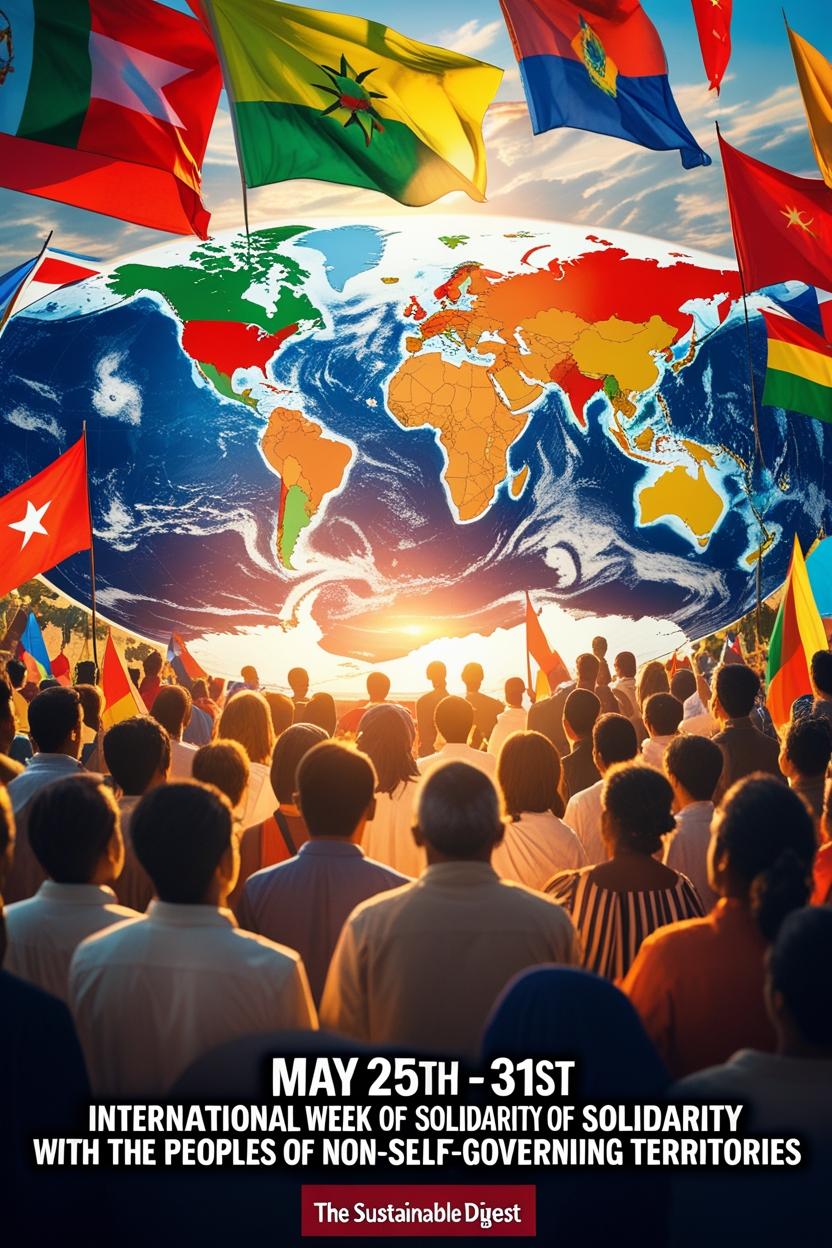
Global Solidarity: May 25th-31st International Week of Solidarity
Every year, the May 25th-31st International Week of Solidarity is a key event. It is backed by the United Nations Economic and Social Council. This week aims to raise awareness and support for territories fighting for self-determination and decolonization.
Goals and Objectives
This week-long event aims to unite the world in Global Solidarity. It also aims to make the voices of Non-Self-Governing Territories heard. The International Bank for Reconstruction and Development supports these efforts, focusing on economic and social development.
Impact on Non-Self-Governing Territories
The May 25th-31st International Week of Solidarity has a big impact. It shows support and gets financial help from places like the International Bank for Reconstruction and Development. This support boosts the morale and helps in the fight for self-determination and economic freedom.
By showing Global Solidarity, countries can help Non-Self-Governing Territories achieve self-governance and economic independence.
Conclusion
The observances on May 24th and 25th are key for global awareness and action. They focus on the United Nations Sustainable Development Goals (SDGs). These days show how groups like the United Nations, the Association of Southeast Asian Nations (ASEAN), and UNICEF work together.
May 24th is important for many reasons. It’s about environmental awareness and celebrating big historical events. For example, the International Day of the Markhor highlights the need to protect endangered species. African Liberation Day and Global Africa Day also remind us of the importance of freedom and equality, aligning with the UN SDGs.
May 25th is all about celebrating global goals. In Argentina, the Battle of Pichincha Day and May Revolution Day remind us of the fight for independence and democracy. The International Week of Solidarity, from May 25th to 31st, stresses the importance of global unity and support, especially for Non-Self-Governing Territories.
In summary, these United Nations observances show our ongoing commitment to sustainable development and global solidarity. By participating in these initiatives, we can help create a more equitable and sustainable future. Together, with the help of groups like ASEAN and UNICEF, we can work towards the United Nations’ SDGs. This will ensure a better world for all, now and in the future.
Key Takeaways
May 24th and 25th observances and holidays are significant for promoting Sustainable Development initiatives globally.
United Nations SDG events highlight vital areas such as poverty, inequality, and climate change.
These observances aim to educate and mobilize action towards the Sustainable Development Goals.
Global events on these dates foster collective action for social and environmental progress.
Raising UN SDG awareness is essential for achieving the 2030 Agenda for Sustainable Development.
This website is saving the energy of your screen as it is not being used. It's part of a global effort to lower the planet's electrical consumption and CO2 emission level. Resume browsing