

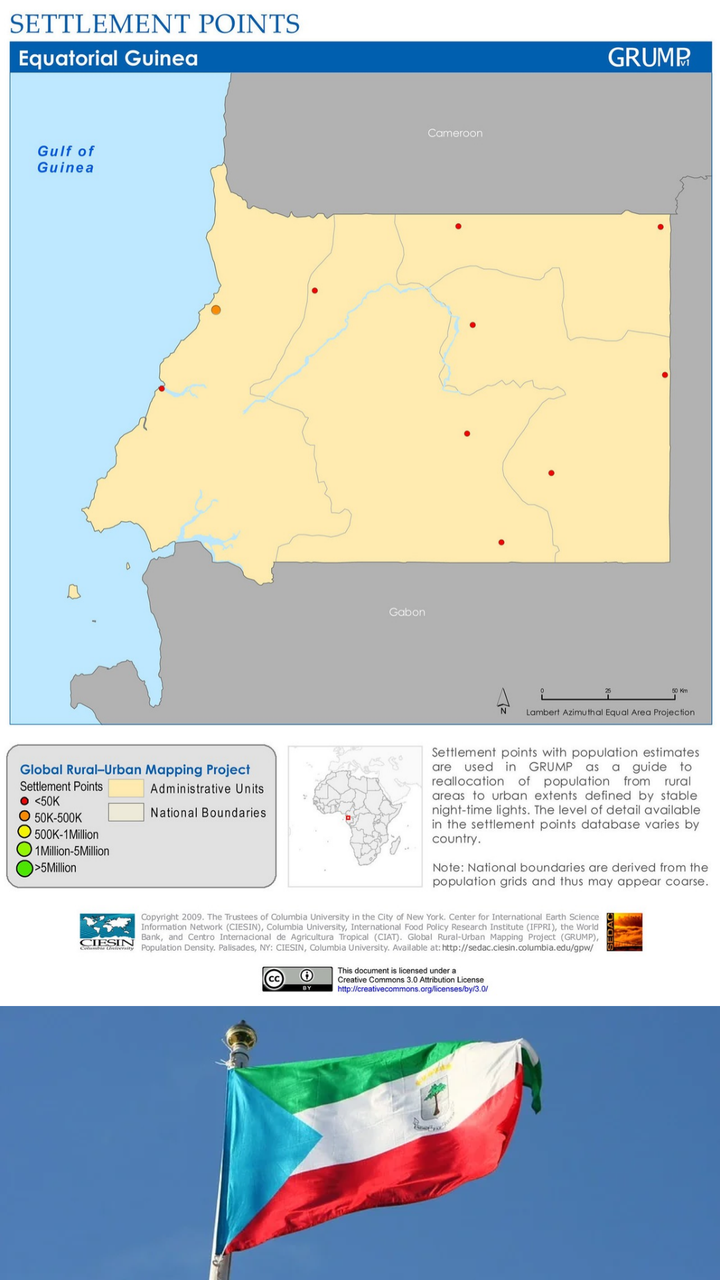
On October 12, a nation of 1,938,431 people marks a milestone that began in 1968. For Equatorial Guinea, the shift to self-rule still shapes national identity and public memory. Its small land area—28,050 square kilometers—holds two distinct settings: Bioko, once called Fernando Poo, and mainland Río Muni, also known as Mbini.
These island and continental landscapes raise different questions about natural resources, infrastructure, and community resilience. Oil has brought wealth, yet turning that income into broad development remains a complex task. The government has cited fiscal discipline, transparent reporting, published accounts, and infrastructure investment as tools to support progress and improve living conditions. Resource wealth matters most when people can see its benefits in daily life.
This overview considers cultural identity, social impact, and regional ties, including links to the 2030 Agenda. It separates documented policy from wider opportunities and recommendations. For Canadian readers, that distinction offers a useful way to assess how national priorities connect with regional cooperation—without treating plans as results.
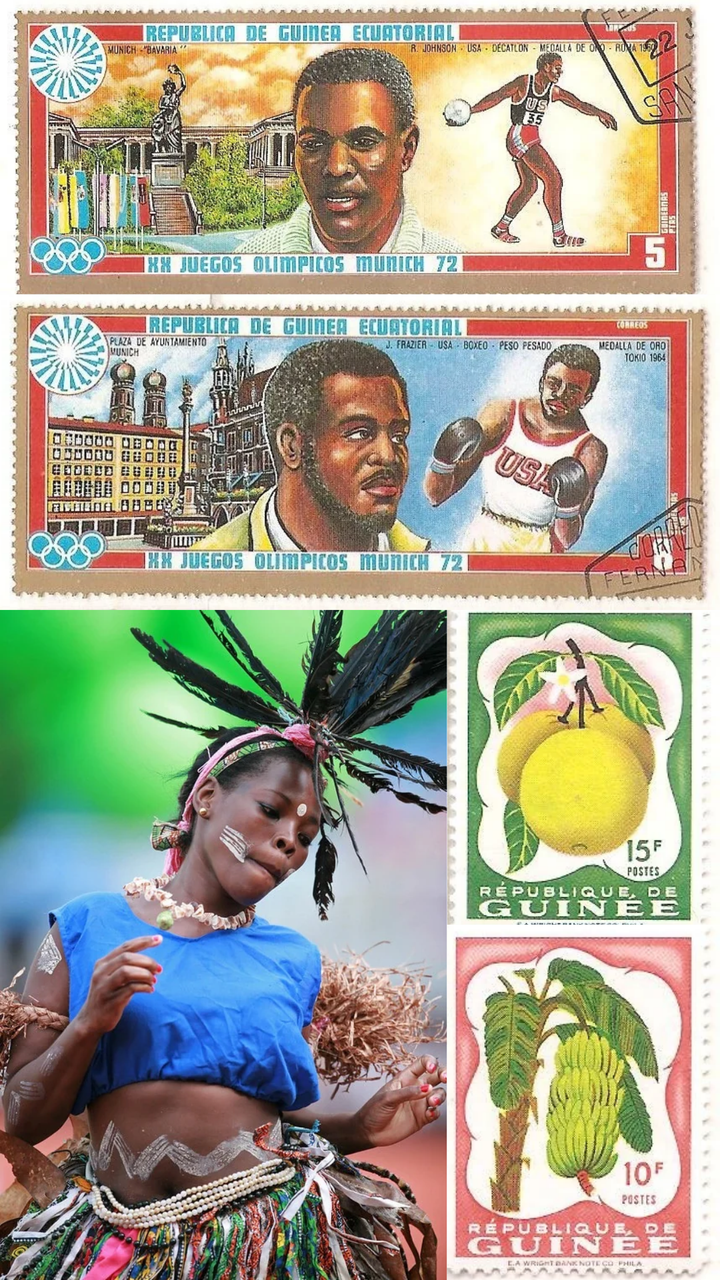
Equatorial Guinea Independence Day observance, Sustainability & Global Relations
The path from Spanish colonial rule to self-government unfolded in stages. Internal autonomy began in 1963, followed by a referendum on August 11, 1968. About 63% of voters backed independence, which took effect two months later. October 12 became the annual Independence Day, linking a political shift to a lasting public tradition.
October 12 and the transition from Spanish colonial rule
For this country, the vote marked a turning point in the 20th century. It also placed Equatorial Guinea among African nations that reshaped their political futures during the 1960s.
National celebrations and a complex political legacy
Francisco Macías Nguema became the first president in 1968. His role in the transition stands apart from his later authoritarian rule, which lasted nearly eleven consecutive years. History rarely offers a simple celebration; public memory can hold pride and painful lessons at once.
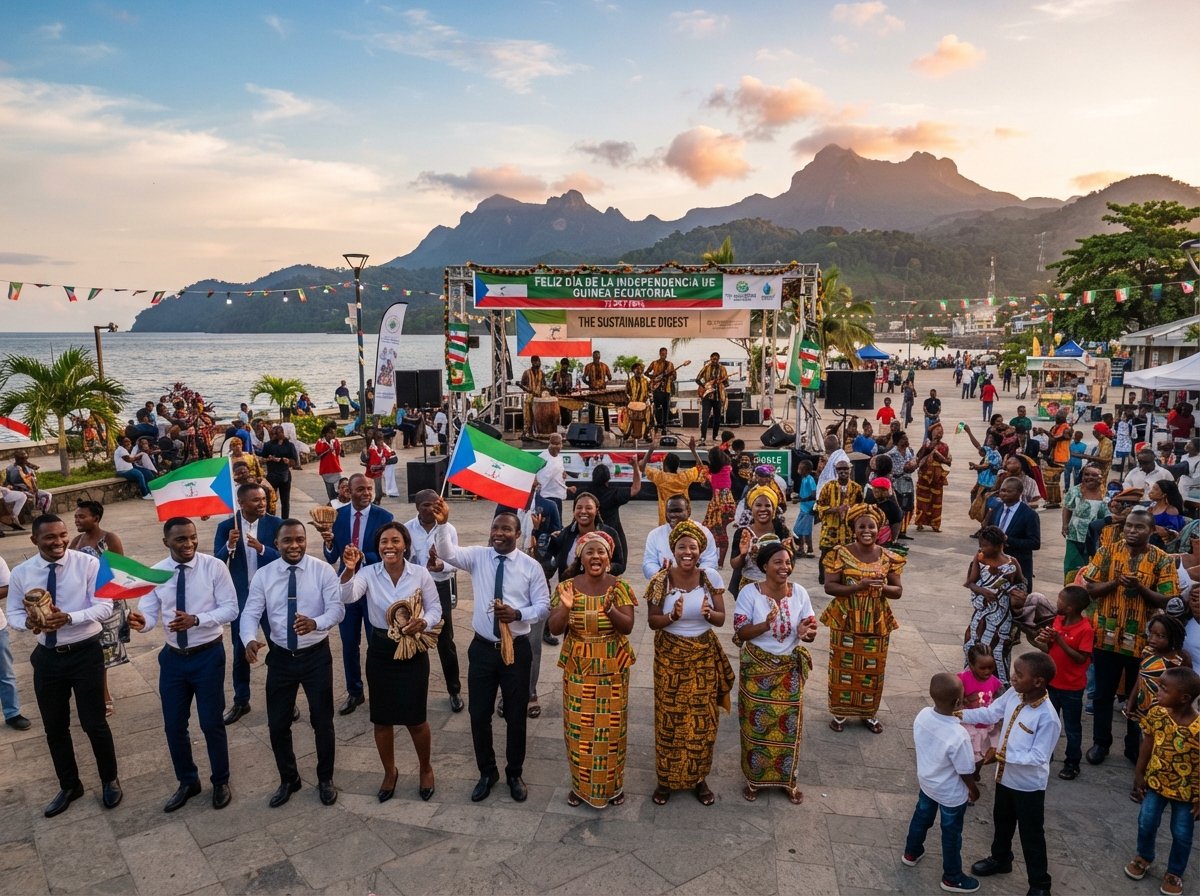
Celebrations move to a different city each year and feature military and popular parades, cultural events, and social activities. In the period covered here, Teodoro Obiang Nguema Mbasogo had led the nation since 1979. For Canadian readers, the annual event offers a view of how civic ritual can express identity while reflecting a longer political story.
| Milestone | Date or period | Significance |
|---|---|---|
| Internal autonomy | 1963 | Expanded local self-government |
| Referendum | August 11, 1968 | 63% supported independence |
| Annual celebration | October 12 | Marks the formal transition |
Ten Essential Facts About Equatorial Guinea’s Sustainability Story

These ten facts link economic choices with the landscapes, people, and traditions that shape the nation. They offer useful context for Canadian readers assessing development priorities and regional cooperation.
Oil wealth, economic diversification, and development priorities
- Oil revenue has supported infrastructure plans; diversification matters if growth is to improve daily life.
- The nation has seven provinces and 18 districts, with an area of 28,050 square kilometers.
- Its population was 1,938,431 in June 2025, with reported annual growth of 2.37%.
- A fertility rate of 4.3 children per woman in 2021, and rising immigration since the 1990s, add social context—not proof of progress.
Island and mainland geography, biodiversity, and environmental stewardship
- Bioko is an island; Río Muni forms the mainland. Their varied habitats make careful environmental stewardship important.
- Spanish, French, and Portuguese are official languages; more than 18 Indigenous languages include Fang, Bubi, Benga, and Annobonese.
- Fernão do Pó arrived in 1472. Later cacao plantations relied on forced Indigenous labor, a history that deserves honest attention.
Language, African identity, and community celebrations
- The 1960s transition to independence shaped modern identity; Francisco Macías Nguema became the first president.
- The 2012 Africa Cup of Nations ran from January 21 to February 12. Malabo hosted the Music Day Festival on July 28; a hip-hop event ran for ten days in December.
- Christmas celebrations include Bioko’s balélé dance. Regional partnerships and the UN Sustainable Development Goals offer frameworks for shared action.
“Resource wealth is only a starting point; lasting progress depends on who benefits.”
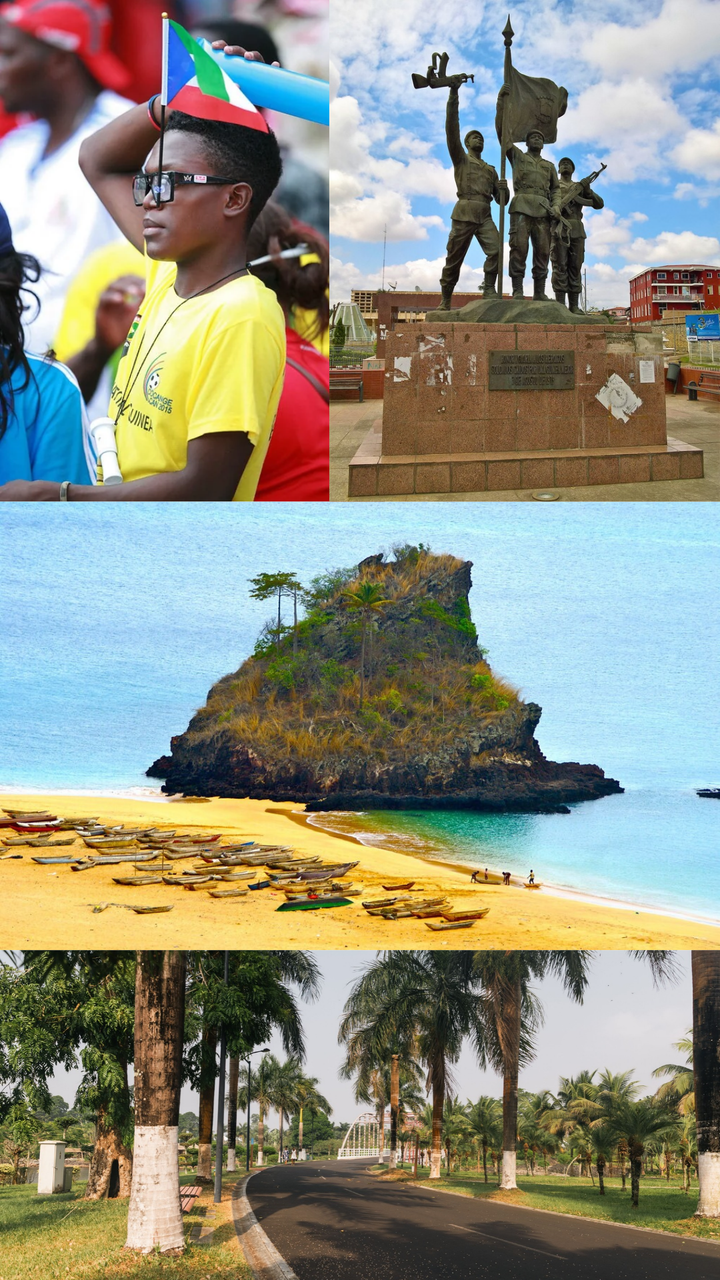
Conservation, Ecotourism, and Environmental Projects
A visit to wild landscapes can aid conservation, but a scenic itinerary alone proves little. In Equatorial Guinea, ecotourism means lower-impact travel that aims to support nature protection and local livelihoods. Habitat protection is different: it can happen without visitors or tourism businesses.
Travel and habitat protection serve different roles
The country covers 28,050 square kilometers and includes Bioko and mainland Río Muni. These distinct settings may call for different travel plans and conservation choices. The available sources name no specific ecotourism or habitat-protection projects. Claims about established programs therefore need verification before they guide travel or funding decisions.
Local voices help shape responsible travel
In this region, a useful test is whether local people help make decisions, share benefits, and protect natural and cultural assets. Conservation pressures also deserve careful study; the supplied facts do not quantify them. Travelers from Canada can ask who manages a project, how funds are used, and whether residents support it. Responsible travel starts with evidence and local consent, not attractive promises. That simple check can help visitors avoid treating an unverified claim as a conservation result.
Resilience, Cooperatives, and Community Development

Resilient communities need steady livelihoods, useful public services, and ways to manage economic or environmental shocks. In Equatorial Guinea, these needs can differ across regions; a single plan may miss local priorities. The country has seven provinces and eighteen districts, which makes inclusive planning especially important.
Local livelihoods and community-led resilience
Cooperatives can help people share resources, build enterprises, and shape local decisions. However, the available sources do not identify any named cooperatives in Equatorial Guinea. Their potential should not be confused with evidence of specific local results. The annual independence day may express shared identity, while daily resilience depends on practical choices and access to support.
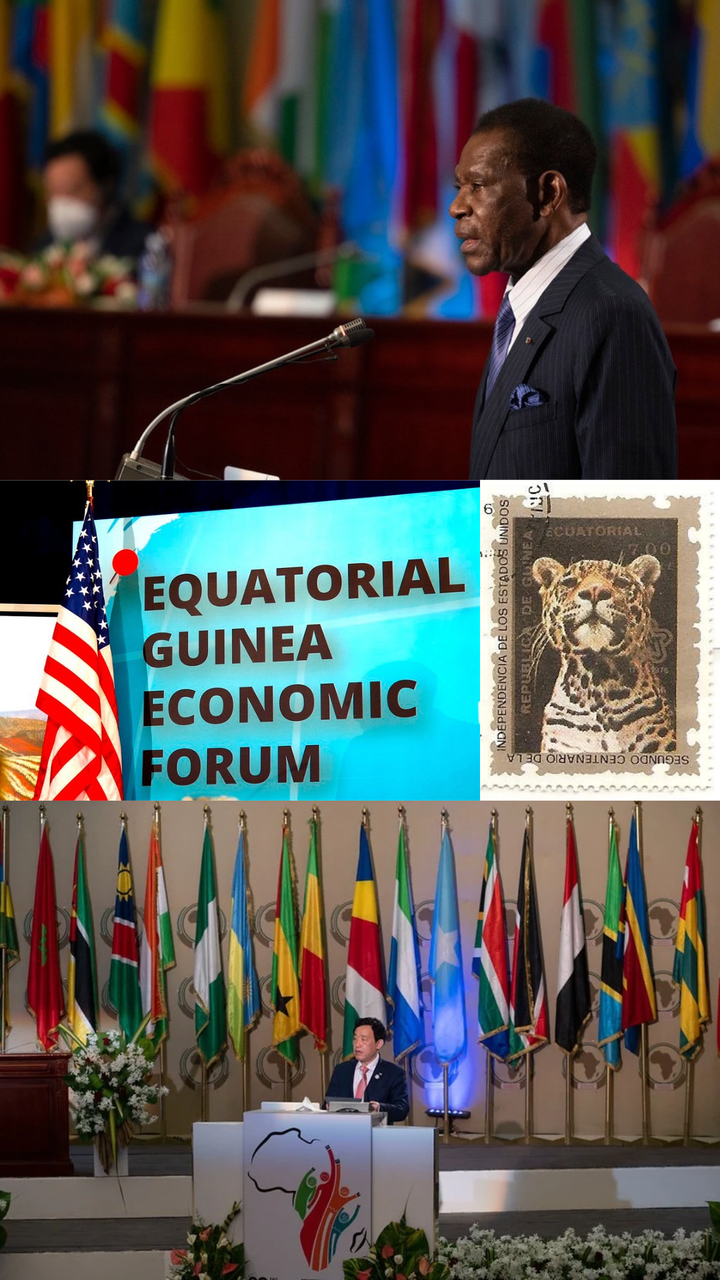
CAFRAD held capacity-building programs for senior officials at its headquarters and on-site in Malabo. This reflects institutional training, not community-led work; both can matter, but they serve different roles.
Infrastructure, public services, and inclusive development
The government stated that it invested oil revenues in physical infrastructure and better living conditions. That is a stated priority, not proof that every community benefited equally. Roads and services can support livelihoods, but planning must reflect local needs in each city and district.
- Track who can access new services.
- Invite residents into planning and review.
Resilience grows when communities help shape the choices that affect them.
How the United Nations Sustainable Development Goals Apply
The 17 UN Sustainable Development Goals offer a framework for asking clear questions about national progress. For Equatorial Guinea, they can guide an assessment, but they do not prove results. Canadian readers can use the same lens to compare stated plans with public evidence.
Human development goals: health, education, equality, and work
Goals 1, 2, 3, 4, 5, and 8 cover poverty, food, health, schooling, gender equality, and decent work. Together, they help assess whether oil income supports wider development and improves daily life.
Environmental goals: energy, climate, land, and water
Goals 6, 7, 11, and 12 frame questions about water, clean energy, cities, and resource use. Goals 13, 14, and 15 focus on climate action, marine life, and land habitats. Available facts do not confirm specific national outcomes.
Institutions and partnerships across all 17 goals
Goals 9, 10, and 16 help examine infrastructure, fairness, and strong institutions. The government stated it was working to improve transparency, fiscal discipline, and published accounts. CAFRAD, a Pan-African intergovernmental organization, trained senior officials in Malabo and at its headquarters. This work connects to Goal 17 and its focus on partnerships among members. These goals are useful measures, not proof of progress.
| Assessment area | Relevant goals | Key question |
|---|---|---|
| People and work | 1, 2, 3, 4, 5, 8 | Are basic needs and opportunities improving? |
| Services and resources | 6, 7, 11, 12 | Are services and resource use responsible? |
| Nature and climate | 13, 14, 15 | Are climate, sea, and land priorities addressed? |
| Systems and partnerships | 9, 10, 16, 17 | Are institutions inclusive and accountable? |
Regional Cooperation, Global Ties, and Green Fiscal Policy

Regional ties can support trade, policy learning, and cultural exchange, but nearby states are not interchangeable. For Canadian readers, clear distinctions help separate geography from confirmed cooperation.
Connections across Central Africa and the Gulf of Guinea
Equatorial Guinea can be compared with Cameroon, São Tomé and Príncipe, Gabon, and the Central African Republic. These countries share a regional frame, yet differ in geography, language, and political context. Nigeria, the Democratic Republic of the Congo, and the Republic of the Congo offer wider reference points; the available details do not confirm specific joint programs.
Oil revenue, public policy, and wider engagement
The government said it pursued fiscal discipline, transparency, published accounts, infrastructure investment, and better living conditions. These steps describe stated oil-revenue reforms, not proof of a formal green fiscal policy. Sustainable competitiveness also calls for open reporting and a more diverse economy.
Spanish is an official language, alongside a distinct African identity. That mix could support dialogue with the African diaspora and the Global South, though the supplied facts identify no specific outreach programs. Under President Teodoro Obiang Nguema Mbasogo, the country’s independence day also offered a public moment to express national identity; it does not, on its own, show how international ties worked.
Conclusion
October 12 marked the 1968 shift to self-rule and remained a meaningful time to reflect on national identity. Each year, Independence Day connected a historic milestone with the country’s public memory.
For Equatorial Guinea, oil wealth posed a hard test: turning revenue into broad gains. The president’s government cited fiscal discipline, transparency, infrastructure, and better living conditions. These commitments still called for clear public evidence.
Bioko and Río Muni offered distinct settings for conservation, responsible travel, and environmental research. Community input, cooperatives, and fair access to public services also mattered, though the sources named no cooperative programs.
The 17 SDGs offered a useful framework for linking national priorities with regional partnerships and the Global South. For Canadian readers, the occasion invited deeper questions about sustainability and who benefited. Independence Day carried meaning beyond ceremony; reliable evidence remained key to judging progress.
FAQ
Q: When did Equatorial Guinea become independent?
A: The country became independent from Spain on October 12, 1968. Francisco Macías Nguema became its first president after the transition.
Q: How do people mark the national anniversary?
A: Celebrations may include official events, music, dance, and community gatherings. These occasions highlight the nation’s cultural identity and shared history.
Q: Who were Francisco Macías Nguema and Teodoro Obiang Nguema Mbasogo?
A: Macías led the country from 1968 until 1979, when a coup brought his rule to an end. Teodoro Obiang Nguema Mbasogo took power that year and later became president. Their time in office remains central to the country’s modern political history.
Q: How has oil shaped the country’s development?
A: Oil production brought major revenue and supported infrastructure investment. It also left the economy exposed to price swings, making diversification, public services, and broader job creation important priorities.
Q: What is the significance of oil revenues in the country’s economy?
A: Oil revenues are critical for economic growth, but there is a pressing need for diversification to ensure a sustainable economic future beyond fossil fuels.
Q: What makes the country’s landscapes and wildlife notable?
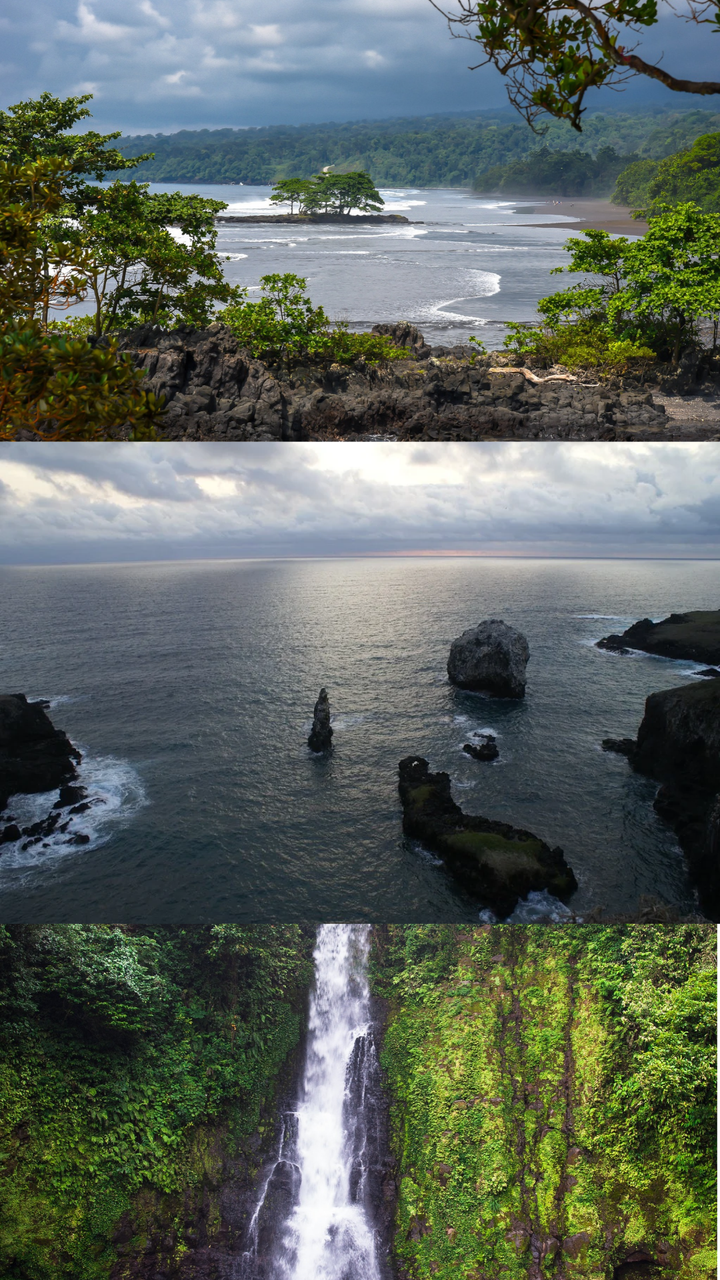
A: Its territory includes Bioko Island and the mainland region of Río Muni. Forests, coastal habitats, and marine ecosystems support rich biodiversity; protecting them requires long-term planning and local involvement.
Q: How does ecotourism differ from conservation?
A: Ecotourism aims to limit travel’s impact while supporting local communities and nature-based experiences. Conservation focuses directly on protecting habitats and species; responsible tourism can help, but it cannot replace strong protection.
Q: How can communities benefit from development projects?
A: Cooperatives and community-led projects can support local livelihoods and help residents respond to economic or environmental pressures. Fair access to infrastructure, health care, education, and decent work also shapes lasting progress.
Q: How do the United Nations Sustainable Development Goals apply?
A: The 17 goals offer a framework for work on health, education, equality, jobs, clean energy, climate action, and biodiversity. Progress depends on effective institutions and partnerships that turn plans into measurable results.
Q: Which regional ties matter, and what role can oil-revenue policy play?
A: The country shares regional ties with Cameroon, Gabon, São Tomé and Príncipe, and the Central African Republic; it also connects with Nigeria and both Congos. Transparent oil-revenue rules can support public priorities, while cooperation with the African diaspora can widen expertise and investment.
Q: What historical connections exist with Nigeria & the Republic of the Congo?
A: Historical ties with Nigeria and both the Republic and Democratic Republic of the Congo involve cultural exchanges and economic partnerships that shape regional dynamics.
Key Takeaways
- The national holiday falls on October 12 and recalls the 1968 transition to self-rule.
- The nation includes Bioko and mainland Río Muni, each with distinct geographic settings.
- Oil revenue can support prosperity, but it also creates a challenge for lasting progress.
- Officials have cited fiscal discipline, public reporting, and infrastructure investment as policy tools.
- The article examines community resilience, cultural identity, living conditions, and regional ties.
