Global efforts to combat climate change involve both mandatory policies and voluntary standards in which, the Paris Agreement Crediting Mechanism was designed for. While international agreements set binding targets, corporate initiatives often follow flexible guidelines. This creates an interesting dynamic in sustainability efforts.
The push for sustainable development has led to new ways of measuring progress. Organizations now balance compliance with strict regulations while adopting best practices from industry benchmarks. The challenge lies in aligning these approaches effectively.
Recent discussions highlight the need for harmonization between different systems. As climate action accelerates, understanding how these frameworks interact becomes crucial. This analysis explores their roles in shaping a greener future.
Understanding the Frameworks: Definitions and Core Objectives
Two distinct approaches shape modern climate strategies: one for nations, another for businesses. While international accords set binding targets, voluntary standards offer corporations a playbook for action. Bridging these systems could unlock faster progress toward shared goals.
A Tool for Global Climate Commitments
The first framework transforms national pledges into measurable outcomes. It’s a geopolitical ledger where countries trade progress toward emissions cuts. Recent updates, like NDCs 3.0, now explicitly link climate targets to broader sustainable development milestones.
Denmark’s 2025 conference will spotlight this integration, decoding how bureaucratic processes translate pledges into tangible SDG gains. The irony? Even standardized carbon math faces wild variations in UN verification rooms.
Standardizing Carbon Neutrality Claims
Contrast this with the corporate world’s new rulebook. Here, companies navigate carbon neutrality with guidelines designed for boardrooms, not treaty negotiations. The standard simplifies complex emissions data into auditable claims—though skeptics note its “flexible” math.
When WEF’s 2025 risk report reframed both frameworks as financial safeguards, it revealed a shared truth: climate action is now risk management.
Alignment with Broader Priorities
These systems aren’t rivals but complementary tools. The climate sdg synergies discussed in Copenhagen highlight how policy and corporate action can amplify each other. For instance, a nation’s renewable investments might align with a company’s supply-chain decarbonization.
The real comedy? Watching rigid UNCC validators grapple with Fortune 500 carbon reports. Yet beneath the friction lies genuine progress—proof that development and climate goals can co-evolve.
Key Differences Between the Paris Agreement Crediting Mechanism and ISO 14068
Through the rise of the Paris Agreement sans the United States, nations and corporations navigate climate commitments through fundamentally different rulebooks. One operates under diplomatic scrutiny, the other in boardrooms where voluntary approaches often clash with regulatory realities. The gap between these systems reveals why climate sdg synergies remain elusive.
Scope and Applicability: National vs. Organizational Levels
The treaty framework binds governments to territorial emissions cuts verified by UN technical committees. Meanwhile, corporate standards let multinationals cherry-pick operational boundaries—a flexibility that sparks debates about development equity.
Regulatory vs. Voluntary Approaches
One system threatens sanctions for missed targets; the other offers marketing benefits for participation. WEF data shows 73% of carbon offsets under voluntary schemes lack third-party audits—a statistic that would give UNCC validators migraines.
The irony? Both frameworks cite the same IPCC science but interpret it through opposing lenses: compliance versus opportunity.
Measurement and Reporting Methodologies
National inventories track economy-wide flows down to landfill methane. Corporate reports often exclude Scope 3 emissions—the elephant in every ESG report. This methodological minefield explains why two entities claiming carbon neutrality might have radically different footprints.
At the Fourth International Conference on FFD, experts noted how these disparities skew climate financing. A ton of sequestered CO₂ isn’t always just a ton when crossing bureaucratic borders.
Synergies and Collaborative Potential: Paris Agreement Crediting Mechanism vs ISO 14068 UNCC, UNSDGs, WEF Comparison
The intersection of policy and corporate action creates unexpected opportunities for climate progress. Roundtables at the *6th Global Conference* revealed how blending rigid frameworks with flexible standards accelerates development. Coastal megacities, for instance, now use both systems to fund resilience projects.
Leveraging SDG Synergies for Integrated Climate Action
Water, food, and energy form a critical nexus for climate sdg synergies. Denmark’s 2025 agenda highlights how solar-powered desalination plants address SDG 6 (water) while cutting emissions. The irony? Corporate ESG teams often outpace national planners in deploying these solutions.
Case Studies from the 6th Global Conference
Jakarta’s public-private flood barriers—funded through carbon credits—show how approaches merge. The project reduced disaster risks (SDG 13) while creating jobs (SDG 8). Similar initiatives in Lagos turned mangrove restoration into a corporate offset goldmine.
Initiative
Policy Framework
Corporate Standard
SDGs Addressed
Jakarta Flood Barriers
National Adaptation Plan
ISO 14068
6, 8, 13
Lagos Mangroves
NDC Targets
Voluntary Carbon Market
13, 14, 15
Financing Climate and Development
World Bank data shows 40% of climate funds misalign with local development needs. The *6th Global Conference* proposed a “Rosetta Stone” method to redirect capital. For example, renewable microgrids now bundle SDG 7 (energy) with emissions trading.
Key recommendations from May 2025 sessions:
Harmonize corporate carbon accounting with national inventories
Scale blended finance for coastal resilience
Adopt nexus-based metrics for SDG progress
Conclusion: Pathways to Unified Climate and Sustainable Development Strategies
The journey toward sustainable development demands smarter alignment between policy and practice. A proposed Synergy Index could bridge gaps, turning regulatory targets into actionable corporate steps. Copenhagen’s latest findings suggest this fusion accelerates progress.
Watch for greenwashing traps where frameworks overlap—transparency remains key. The evolution of national climate plans may soon incorporate voluntary standards, creating clearer climate action roadmaps.
Final recommendations? Treat these systems as compasses, not rigid maps. Their true power lies in adapting to local needs while driving global change. The future belongs to those who harness their synergies wisely.
Key Takeaways
Global climate efforts combine binding rules and optional standards.
Sustainability requires balancing compliance with innovation.
Different frameworks serve complementary purposes in development.
Alignment between the Paris Agreement and systems drives more effective climate action.
Progress depends on both policy and practical implementation.
The world comes together to observe various significant days that promote awareness and action towards critical issues. Two such observances, the International Day of Action for Elephants in Zoos and National Flag Week, hold importance in the context of animal welfare and national identity.
These days are connected to the broader goals outlined in the UN Sustainable Development Goals (UNSDGs) framework, which aims at protecting the environment and promoting nature conservation. By understanding the link between these observances and the UNSDGs, we can foster a more comprehensive approach to addressing the challenges faced by animals and the planet.
The Significance of International Day of Action for Elephants in Zoos
The International Day of Action for Elephants in Zoos serves as a crucial reminder of the plight faced by these majestic creatures in captivity. As we observe this day, it is essential to delve into the purpose and origins of this international day of action.
Understanding the Purpose and Origins
The International Day of Action for Elephants in Zoos was established to raise awareness about the challenges faced by elephants in captive environments. It aims to bring together conservationists, animal welfare organizations, and the general public to advocate for better treatment and living conditions for elephants in zoos.
Current Challenges Facing Captive Elephants
Captive elephants face numerous challenges, including inadequate living spaces, poor management practices, and the psychological impacts of captivity. Research has shown that elephants in zoos often suffer from reduced lifespans and deteriorating brain function due to the constraints of their environments.
Key Statistics on Elephant Welfare in Zoos
Studies have revealed stark statistics regarding the welfare of elephants in zoos. For instance, a study analyzing data from over 4,500 elephants found that those in European zoos live approximately half as long as their counterparts in protected wild populations. Additionally, captive elephants are often confined to spaces that are a fraction of the size of their natural habitats, with some having access to as little as 1.6 to 10 acres compared to the minimum 2,470 acres enjoyed by their wild counterparts.
These statistics underscore the need for continued advocacy and action to improve the lives of elephants in captivity. By understanding the challenges they face and the statistics that highlight their plight, we can work towards creating better futures for these incredible animals.
Elephant Conservation Efforts and Awareness Initiatives
In response to the growing threats faced by elephant populations, conservationists are adopting a multi-faceted approach to protection and awareness. This involves a range of strategies aimed at protecting both wild and captive elephants.
The Contrast Between Wild and Captive Elephant Lives
Wild elephants roam freely in their natural habitats, whereas captive elephants are often confined to zoos or sanctuaries. The lives of wild elephants are marked by complex social structures and diverse habitats. This contrast with the more controlled environments of captivity.
Major Threats to Elephant Populations
Elephant populations face numerous threats, including habitat loss, poaching, and human-wildlife conflict. Countries such as Thailand, India, Vietnam, and Myanmar have implemented legislation to curb these threats. In which including bans on the capture of elephants for trade and entertainment.
Conservation Programs and Sanctuary Alternatives
Conservation programs are focusing on protecting wild elephant habitats and mitigating human-wildlife conflict. Elephant sanctuaries offer alternative models for conservation, prioritizing welfare while providing public education. These sanctuaries incorporate environmental enrichment techniques, such as varied terrain and sensory stimulation, to promote natural behaviors.
By adopting a combination of these strategies, conservation efforts can effectively protect elephant populations. This also raises awareness about the importance of conservation.
Celebrating National Flag Week and Its Importance
During National Flag Week, communities come together to honor the national flag and its symbolism. This week-long celebration is not just about patriotism; it also presents an opportunity to connect national pride with environmental awareness.
History and Significance of National Flag Week in the United States
National Flag Week has its roots in American history. It is also celebrated to commemorate the adoption of the United States flag. It is observed during the week of June 14th, which is Flag Day. The significance of this week lies in its ability to bring communities together, fostering a sense of unity and patriotism. Educational programs during this week often highlight the historical development of environmental protection in America. This includes legislation that has helped preserve habitats for native wildlife.
Events and Observances During National Flag Week
National Flag Week features numerous public ceremonies and flag-raising events at government buildings, schools, and community centers across the United States. Many communities combine Flag Week celebrations with environmental awareness activities, recognizing that the protection of natural resources is an important aspect of national heritage and future security. Veterans’ organizations often participate in Flag Week events, sharing perspectives on how the protection of national interests includes safeguarding environmental resources and addressing climate issues that affect national security.
Furthermore, digital and social media campaigns during National Flag Week increasingly incorporate messages about environmental stewardship, connecting patriotic values with the protection of biodiversity and endangered animals both domestically and globally. This integration of patriotism and environmental awareness serves to educate the public on the importance of conservation efforts.
Connecting Conservation to United Nations Sustainable Development Goals
The United Nations SDGs provide a comprehensive framework that connects elephant conservation to broader environmental, social, and economic objectives.
Elephant conservation efforts contribute to multiple SDGs, including SDG13 (Climate Action) and SDG15 (Life on Land). These efforts not only protect elephant habitats but also address threats such as habitat loss and climate change.
The plight of elephants highlights the interconnectedness of SDG12 (Responsible Consumption and Production) and the need for action to raise awareness about the impact of consumer choices on elephant populations.
International cooperation on elephant conservation exemplifies SDG17 (Partnerships for the Goals), emphasizing the need for coordinated action across all SDGs to address biodiversity loss and promote a healthy environment.
Key Takeaways
Raising awareness about elephant welfare in zoos is crucial for their conservation.
National Flag Week is an opportunity to reflect on national heritage and shared values.
The UNSDGs provide a framework for addressing environmental and conservation challenges.
Connecting these observances to the UNSDGs promotes a holistic approach to sustainability.
Education and action are key to protecting animals and the environment.
As presented through ongoing media, Africa is at a pivotal moment in its journey toward sustainable development. The continent has great potential and faces unique challenges. By adopting sustainable practices, African nations are working toward the 2030 United Nations Sustainable Development Goals. This sets the stage for lasting progress.
International business is key to Africa’s growth, from big cities to small villages. It involves 54 countries working together. By building partnerships and attracting investments, countries are setting the stage for strong economic growth. This not only boosts local economies but also helps the global economy.
The journey to sustainable development in Africa needs a balanced approach. It’s about using natural resources wisely, investing in renewable energy, and ensuring everyone benefits. By focusing on these areas, African nations can create a successful blueprint that meets both environmental and economic needs.
Understanding Africa’s Development Landscape
Africa’s path to sustainable development is influenced by its rich history and culture. The continent faces unique challenges but also has powerful principles guiding its progress.
Historical Context and Development Challenges
Africa’s development has been shaped by colonialism, resource exploitation, and political instability. These issues have hindered economic growth and social progress. Yet, many African nations are now using new approaches to overcome these barriers.
Ubuntu: Community-Centered Development Models
Ubuntu teaches us that “I am because we are.” It promotes Sustainable Community Development through teamwork. In Rwanda, shared farming cooperatives apply this idea to increase crop yields and reduce inequality.
These networks make sure resources help the whole village, not just a few.
Sankofa: Learning from Traditional Practices
Sankofa’s “return and retrieve” philosophy encourages us to learn from our ancestors. In Ghana, mangrove restoration projects use ancient wisdom and modern science to fight coastal erosion.
Integrating Indigenous Knowledge with Modern Approaches
Cultural Diplomacy connects these traditions with global sustainability efforts. A table below shows how these philosophies are used today:
Concept
Origin
Core Idea
Modern Application
Ubuntu
South African Bantu traditions
Interdependence of individuals
Community-led renewable energy grids
Sankofa
Akan peoples of West Africa
Wisdom from the past
Traditional water harvesting systems
“Ubuntu and Sankofa are not relics of the past—they are blueprints for tomorrow.”
– African Union Sustainable Development Report 2023
By blending these philosophies with global goals, Africa creates solutions that honor its heritage. This approach ensures development is both culturally and ecologically responsible.
Cultural Foundations: Sankofa and Ubuntu Principles
Two crucial cultural concepts drive Africa’s development: Sankofa and Ubuntu. Sankofa, from Ghana, teaches learning from the past to build a better future. Ubuntu, from South Africa, focuses on collective well-being and interconnectedness.
Sankofa and Ubuntu work together. Sankofa encourages looking back for wisdom, while Ubuntu promotes working together for growth. These principles are a strong base for sustainable development across Africa.
Regional Economic Communities and Their Role
African coalitions, consortia, and federations are key in fostering regional cooperation. They boost trade, share resources, and coordinate development efforts. Through cooperative enterprise development, they create chances for economic and social growth.
These communities act as platforms for implementing continent-wide strategies. They help share knowledge, develop infrastructure, and harmonize policies. By using their collective strengths, they push Africa toward a sustainable and prosperous future.
Sustainable Development among all 54 African countries, regions, and islands
Africa’s diverse nations are embracing sustainable development in their own ways. From the bustling cities of Kenya and Tanzania to the landlocked nations of Uganda, Rwanda, and Burundi, each country faces unique challenges and opportunities.
In East Africa, Kenya and Tanzania are leading with renewable energy. Kenya has the largest wind farm in Africa, while Tanzania is focusing on solar power. Uganda, Rwanda, and Burundi are working together to protect the Virunga Mountains, home to endangered mountain gorillas.
Southern African nations like Lesotho and Swaziland are focusing on water resource management. Namibia, Angola, and Zambia are teaming up to protect the Okavango Delta, a UNESCO World Heritage site.
Country
Key Sustainable Initiative
Cape Verde
100% Renewable Energy Goal by 2025
Sao Tome & Principe
Sustainable Cocoa Production
Seychelles
Blue Economy Strategy
Comoros
Coral Reef Restoration
Mauritius
Smart Cities Development
Madagascar
Biodiversity Conservation
Island nations like Cape Verde and Sao Tome & Principe are focusing on sustainable tourism and agriculture. Seychelles is pioneering the blue economy concept. Comoros is investing in coral reef protection. Mauritius is developing smart cities, and Madagascar is prioritizing biodiversity conservation.
“Africa’s sustainable development journey reflects the continent’s rich diversity and shared commitment to a greener future.”
These varied approaches show Africa’s adaptability and determination in pursuing sustainable development across its 54 nations.
Environmental Conservation and Climate Action Initiatives
Africa is tackling its environmental challenges with new sustainable and innovative ideas. It’s turning to renewable energy, protecting wildlife, and building green spaces to fight climate change.
Renewable Energy Implementation
African countries are quickly moving to renewable energy. Morocco’s solar farms and Kenya’s wind projects show their dedication. These efforts cut down on carbon emissions and bring clean energy to many people.
Biodiversity Protection Measures
Keeping Africa’s ecosystems safe is key. Tanzania and Botswana are leading in this area. They’ve set up protected areas and work with local people to save endangered animals.
Green Infrastructure Development
Green building is becoming more common in Africa. Cities like Nairobi and Cape Town are using nature’s designs in their planning. These designs make buildings that are good for the environment and last long.
Climate Change Adaptation Strategies
African countries are taking steps to adapt to climate change. Ethiopia’s Great Green Wall is fighting desertification. Coastal areas are building defenses against floods. These actions help protect people and nature from climate change.
Initiative
Country
Impact
Solar Power Plant
Morocco
Provides clean energy to 2 million homes
Wildlife Corridor
Tanzania
Protects elephant migration routes
Green Building Code
South Africa
Reduces urban energy consumption by 30%
Mangrove Restoration
Senegal
Enhances coastal protection against sea-level rise
Economic Growth and Social Equity
Africa is working to grow its economy and make society fairer. This plan aims to help communities and support sustainable growth across the continent.
Empowering MSMEs and Social Enterprises
Micro, Small, and Medium Enterprises (MSMEs) are crucial for Africa’s economy. They create jobs and spark new ideas. Social enterprises help by solving social problems through business.
Together, they push for economic growth that includes everyone and makes a positive impact.
Entity Type
Economic Impact
Social Impact
MSMEs
Job creation, local economic stimulation
Income generation for families
Social Enterprises
Sustainable business models
Direct solutions to community challenges
Tackling Poverty Through Targeted Programs
Poverty programs in Africa focus on building skills and creating lasting jobs. They offer training, small loans, and support to help people and communities overcome poverty.
Advancing Sustainable Agriculture
Good farming practices are vital for food security and economic stability in rural areas. Projects in sustainable horticulture, permaculture, and farming help farmers grow more while saving the environment. These efforts increase food production and protect the planet for the future.
Regional Cooperation and Integration
Africa is moving towards sustainable development through regional cooperation. Countries are working together to face common challenges and find new opportunities. This teamwork is changing how development happens within the continent.
The Democratic Republic of the Congo and the Republic of Congo are a great example. They have different economies but are working together on projects and trade. This shows how countries can find common ground despite their differences.
Cameroon, Central African Republic, and Gabon are also working together. They are fighting deforestation and protecting the Congo Basin rainforest. Their efforts show how cooperation can help the environment across borders.
In the Sahel region, Mali, Republic of the Niger, Chad, and Burkina Faso are facing challenges together. They are working on security and economic growth. Their goal is to bring stability and prosperity to a tough area.
Regional Group
Key Focus Areas
Notable Achievements
DRC & Republic of Congo
Infrastructure, Trade
Joint road network expansion
Cameroon, CAR, Gabon
Environmental Conservation
Congo Basin Forest Partnership
Mali, Niger, Chad, Burkina Faso
Security, Economic Development
G5 Sahel Joint Force
These partnerships are driving development across Africa. By sharing resources and markets, countries are making the continent stronger. The future of Africa depends on strengthening these ties and working together towards a common goal.
Technology and Innovation in African Development
Africa is moving forward with new technology and creative ideas. It’s using Green IT Infrastructure and Digital Transformation to make progress and work better.
Green IT Infrastructure
African countries are building eco-friendly Data Centers. These centers use less energy and cut down on pollution. They help grow digital services without harming the environment.
Digital Transformation Initiatives
Both governments and businesses are starting Digital Transformation projects. They want to make services better, connect people more, and grow the economy. Digital tools like mobile banking and e-governance are changing African life.
Sustainable Supply Chain Solutions
African companies are focusing on Sustainable Supply Chains. They use Green logistics to cut down on emissions. And they adopt Green and Responsible Manufacturing to reduce waste and pollution. These steps help make the African economy stronger and greener.
Technology Area
Impact on Sustainability
Green IT Infrastructure
Reduced energy consumption, lower carbon emissions
By using these new technologies, Africa is growing its economy and securing a green future for all.
International Partnerships and Global Alignment
Africa’s path to sustainable development depends on global partnerships. These alliances bring in resources, expertise, and support. They help the continent grow.
UN Sustainable Development Goals Implementation
The United Nations Development Programme (UNDP) and United Nations Environment Programme (UNEP) are key players. They help Africa reach the Sustainable Development Goals. They offer funding, technical help, and policy advice to African countries.
Cultural Diplomacy and Cross-Border Collaboration
Cultural Diplomacy helps African nations understand and work together. Countries like Algeria, Tunisia, Libya, Morocco, and Mauritania share cultures. This builds peace, trade, and development goals across borders.
Global Economic Integration
Africa’s role in the World Economic Forum (WEF) shows its commitment to global markets. Countries like Egypt and Sudan use these platforms to attract investors. They aim to align with international markets and standards.
Country
Key Economic Focus
Global Partnership Initiative
Egypt
Renewable Energy
Green Investment Partnerships
Morocco
Digital Economy
Tech Startup Collaborations
Tunisia
Sustainable Tourism
Eco-Tourism Alliances
These partnerships and alignments are crucial for Africa’s sustainable growth. They create a future of shared prosperity and care for the environment.
Sustainable Resource Management
Africa’s future depends on managing resources wisely. Countries across the continent are using new ways to keep their natural wealth safe. They also want to grow their economies.
Zero Waste Initiatives
African nations are working hard on waste management. Benin and Togo are leading with zero waste programs. They focus on eco-friendly products and cut down on landfills.
Water Conservation Efforts
Water is very important in Africa’s dry areas. Sierra Leone, Liberia, and Cote d’Ivoire are finding new ways to save water. They use rainwater harvesting and efficient irrigation.
This ensures everyone has access to clean water.
Responsible Mining Practices
Countries with lots of minerals are mining in a better way. Guinea Bissau and Equatorial Guinea have set strict rules for mining. These rules protect the environment and local people while helping the economy.
Country
Sustainable Resource Initiative
Impact
Benin
Plastic recycling program
50% reduction in plastic waste
Sierra Leone
Community-based water management
Improved access to clean water for 1 million people
Guinea Bissau
Eco-friendly bauxite mining
30% decrease in environmental damage
These efforts show Africa’s dedication to protecting the environment while growing. By focusing on zero waste, saving water, and mining responsibly, African countries are working towards a greener future.
Conclusion
Africa is on a path to sustainable development, facing both hurdles and chances. The continent’s varied countries are using new methods to grow while keeping their natural resources safe. From South Africa to Botswana, and Gambia to Senegal, they’re working on economic growth and protecting the environment.
The 2025 International Year of Cooperatives is a big opportunity for African nations to work together more. This event matches the continent’s growing focus on good governance and sustainable community development. Countries like Mozambique, Zimbabwe, and Malawi are improving their governance and empowering local communities.
In the Horn of Africa, countries like South Sudan, Somalia, Djibouti, and Somaliland have big challenges. Ethiopia and Eritrea are trying to solve old conflicts and start sustainable growth. These efforts show how important regional cooperation is for solving common problems and promoting long-term development.
As Africa moves ahead, it’s key to keep focusing on sustainable practices, innovation, and working together across borders. By using their rich cultural heritage and new technologies, African nations can create a prosperous and sustainable future.
Key Takeaways
Africa’s sustainable development aligns with UN 2030 goals
International business drives continental growth
Balanced approach needed for long-term progress
Responsible resource management is crucial
Renewable energy investments support sustainability
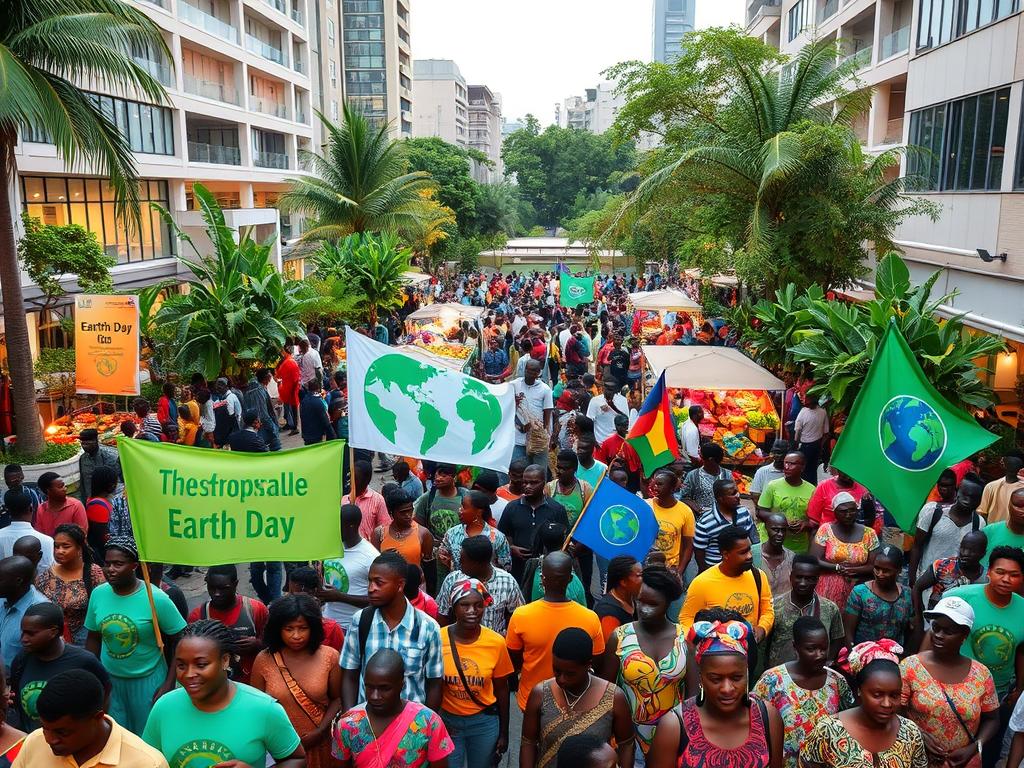
Every year, millions unite to celebrate a movement dedicated to protecting the planet. What began as a small U.S. initiative in 1970 has grown into a worldwide phenomenon. In 2025, over a billion people from 190+ countries will participate in activities promoting climate awareness.
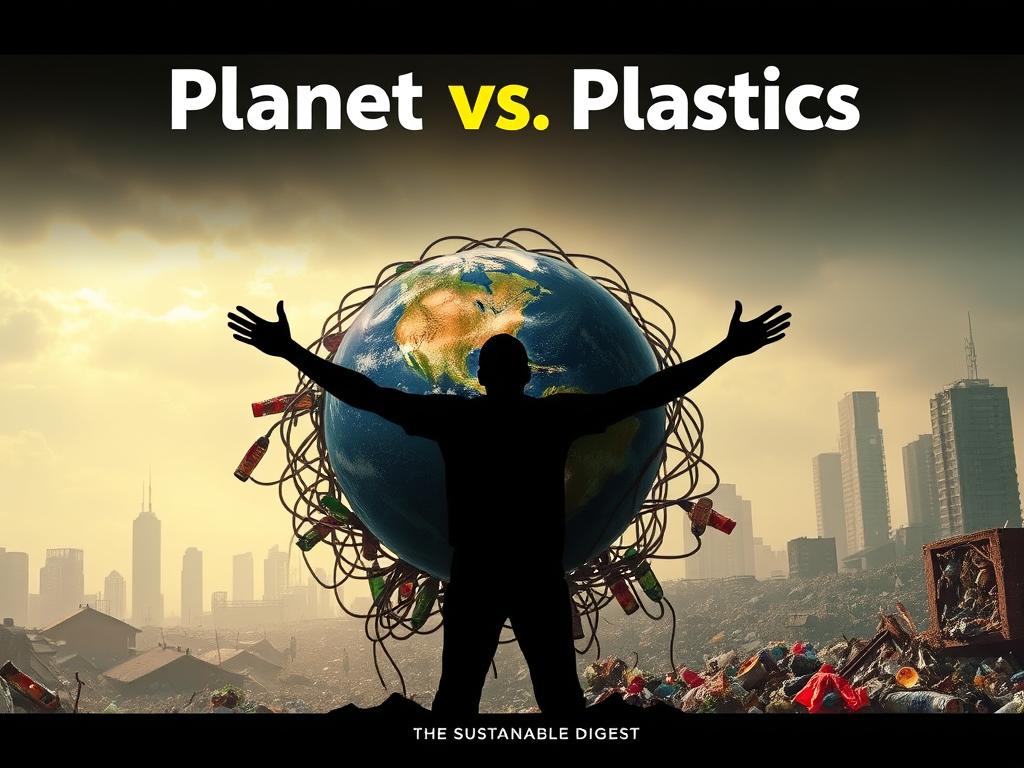
The 2025 theme, “Planet vs. Plastics,” aims to reduce plastic waste by 60% before 2040. From cleanups to policy discussions, each action contributes to a larger goal. Major organizations like the EPA and National Park Service support these efforts through education and hands-on projects.
Whether planting trees or attending workshops, every activity makes a difference. Explore how different regions honor this cause and join the movement shaping a greener future.
The Origins and Significance of Earth Day
Senator Gaylord Nelson sparked a movement that bridged activism with ecological awareness. Inspired by the devastating 1969 Santa Barbara oil spill, he channeled the energy of anti-war protests into a fight for the environment. His vision united students, scientists, and policymakers under one cause.
Rachel Carson’s *Silent Spring* played a pivotal role. The 1962 book exposed the dangers of pesticides, awakening public concern about pollution. By 1970, this awareness culminated in the first Earth Day—20 million Americans participated, nearly 10% of the U.S. population.
The event’s success led to tangible change. Within decades, laws like the Clean Air Act and Endangered Species Act were passed. The Environmental Protection Agency (EPA) was established to safeguard natural resources.
Today, the movement tackles broader issues like climate change. EarthDay.org ensures its legacy endures, mobilizing generations through education and advocacy. What began as a single day now inspires year-round action.
Earth Day 2025 Theme: Planet vs. Plastics
Plastic pollution takes center stage in the 2025 Earth Day campaign. EarthDay.org’s “Planet vs. Plastics” theme aims to slash plastic production by 60% before 2040. This aligns with UN sustainability goals, targeting single-use items and microplastics.
Microplastics threaten marine species and human health. These tiny particles invade water systems, harming ecosystems and entering food chains. NOAA research identifies ocean hotspots where plastic waste clusters, endangering marine life.
Corporate giants like Coca-Cola and Unilever pledge to reduce plastic packaging. They’re investing in biodegradable alternatives and reusable containers. Legislative efforts also gain momentum, with proposed bans on non-recyclable materials in multiple states.
The climate crisis intensifies the urgency. Plastics contribute to carbon emissions during production and disposal. By tackling this issue, future generations inherit a healthier planet.
From science-backed policies to grassroots cleanups, the 2025 theme unites diverse efforts. Every action—whether swapping plastic bottles or supporting bans—builds a sustainable home for all.
How Earth Day Has Shaped Environmental Policies
Decades of activism have turned Earth Day into a powerful force for policy change. The 1970 rallies spurred the creation of the EPA, a landmark achievement in conservation history.
“The public demanded action, and Earth Day made it possible,”
The Clean Air Act of 1970 slashed industrial emissions by 50% within 20 years. This law, directly tied to Earth Day momentum, set a global precedent. By 2015, the movement’s influence helped secure public backing for the Paris Agreement.
In 2022, President Biden signed an executive order to restore 20 million acres of lands. Announced on Earth Day, it prioritized reforestation and parks maintenance. Local policies also reflect this legacy—Seattle banned plastic straws after 2018 campaigns.
Volunteer programs thrive under the National Park Service, removing invasive species. Schools integrate these stories into curricula, ensuring future generations learn their part in protecting the environment.
Earth Day Celebrations in North America
North America leads with vibrant initiatives during this annual environmental push. Cities blend education with action, offering immersive experiences for all ages. From guided hikes to cultural exhibits, each event fosters deeper community ties to nature.
United States
Montgomery Zoo’s safari (April 24–25) teaches wildlife conservation through interactive tours. Phoenix Mountain Reserve’s sunrise hike (April 22) rewards participants with panoramic desert views. St. Louis hosts a two-day festival (April 26–27) featuring live music and recycling workshops.
Anchorage Museum spotlights Indigenous heritage with a Yup’ik mask exhibit. Boston’s Earth Day n Night Experience merges art with climate science. EPA-backed cleanups at American River Parkway invite volunteers to restore parks.
Canada
Toronto Botanical Garden’s native plant workshop emphasizes sustainable landscaping. Vancouver’s shoreline project removes debris while educating on marine ecosystems. Montreal’s climate march draws thousands advocating for policy reforms.
Indigenous partnerships enrich Toronto’s ceremonies, honoring traditional land stewardship. These efforts reflect a shared vision—protecting places that sustain future generations.
Earth Week Events in Europe
Europe showcases bold sustainability efforts during Earth Week. Cities blend tradition with innovation, offering diverse ways to protect the planet. From cleanups to tech expos, each activity strengthens the region’s green legacy.
United Kingdom
London’s Thames River cleanups draw thousands yearly. Volunteers remove debris while learning about marine conservation. The city’s markets feature upcycled goods, turning waste into art.
Manchester’s youth-led climate strike on April 24 demands policy changes. Schools join the action, hosting workshops on carbon footprints. Bristol’s Green Capital initiative plants urban gardens to boost biodiversity.
Germany
Berlin’s *Plastic-Free Spree* campaign targets single-use waste. Local businesses pledge to eliminate plastic packaging by 2025. Hamburg’s renewable energy expo highlights solar and wind innovations.
Frankfurt promotes bike-to-work challenges, reducing emissions. Bavaria partners with schools for reforestation drives. These efforts reflect Germany’s commitment to a cleaner world.
UK Highlights: Thames cleanups, Manchester strikes, Bristol gardens.
Germany’s Focus: Plastic-free Berlin, Hamburg energy expos, Frankfurt biking.
Asia-Pacific Region’s Earth Day Activities
Innovative projects across Australia and Japan highlight Earth Day’s growing influence. The region blends technology with tradition, creating impactful solutions for a sustainable future. From urban solar farms to cultural conservation, these efforts inspire global change.
Australia
Sydney’s Harbour Bridge now hosts solar panels, powering nearby districts with renewable energy. Melbourne’s *Plastic-Free Yarra* initiative removes waste from the river, protecting aquatic health. Perth offers Aboriginal-led bushland tours, fostering awareness of Indigenous land stewardship.
Japan
Kyoto’s cherry blossom season doubles as a waste reduction campaign, urging visitors to minimize trash. Osaka’s corporations pledged carbon neutrality by 2030, investing in clean water systems. Tokyo’s Zero Waste workshops teach families to repurpose household items.
Country
Initiative
Impact
Australia
Harbour Bridge Solar Panels
Reduces 200+ tons of CO₂ annually
Japan
Osaka Carbon Pledge
30% emissions cut by 2026
These efforts prove how local actions resonate worldwide. By addressing climate challenges, the Asia-Pacific region secures a healthier place for future generations.
Latin America’s Commitment to Earth Day
From rainforests to urban centers, Latin America embraces sustainability. The region blends cultural heritage with innovative conservation projects. Each event strengthens the bond between communities and their natural resources.
Brazil
Rio de Janeiro’s Tijuca Forest reforestation project revives 3,000 acres of degraded lands. Volunteers track biodiversity through citizen science programs in the Amazon. São Paulo’s urban gardens now span 50+ rooftops, reducing heat islands.
Mexico
Mexico City banned single-use plastics in 2024, cutting waste by 30%. Oaxaca protects endangered sea turtle nesting sites with volunteer patrols. Guadalajara artists paint eco-awareness murals, turning streets into environmental classrooms.
Country
Initiative
Impact
Brazil
Amazon Citizen Science
Monitors 200+ species annually
Mexico
Oaxaca Turtle Protection
Saved 5,000+ hatchlings since 2022
These efforts prove local actions safeguard our shared home. By honoring traditions and pioneering change, Latin America sets a global example.
African Cities Joining the Earth Day Movement
Africa emerges as a vital player in sustainability efforts, with cities embracing eco-conscious activities. From cleanups to education, these initiatives unite people for a greener future. Local projects prove even small actions create lasting change.
South Africa
Cape Town’s Table Mountain cleanup removes tons of waste annually. Volunteers restore trails while learning about native flora. The effort strengthens community ties to natural spaces.
Johannesburg integrates sustainability into school curricula. Green Schools teach recycling and energy conservation. Durban transforms beach plastic into art, raising awareness through creativity.
Kenya
Nairobi’s solar lamp drives provide clean energy to off-grid homes. Over 5,000 lamps distributed since 2023 cut kerosene use. Lake Victoria’s program recycles fishing nets into durable fabrics.
Mombasa’s mangroves thrive with EarthDay.org-funded restoration. These trees prevent coastal erosion and shelter marine life. Each project highlights Africa’s part in global conservation.
Simple actions create big impacts during this annual environmental push. Whether joining a cleanup or advocating for policy changes, every effort counts. The EPA recommends reducing waste by recycling and composting daily.
Use EarthDay.org’s event map to find cleanups or tree plantings nearby.
Host a neighborhood workshop on sustainable habits.
Washington state parks waive Discover Pass fees on April 22.
Digital options expand accessibility. Attend virtual climate lectures or join social media challenges like #PlanetVsPlastics. Share tips to inspire others.
Advocacy drives systemic change. EarthDay.org provides template letters to push for local plastic bans. Volunteers can also sign up for National Park Service projects until April 27.
Activity Type
How to Take Part
Cleanups
Join organized events or solo efforts in parks.
Education
Watch webinars or host school workshops.
Policy Support
Email lawmakers using pre-drafted letters.
From small daily swaps to large-scale projects, participation strengthens community resilience. Start today—future generations depend on these choices.
The Role of Technology in Modern Earth Day Celebrations
Digital tools amplify the impact of sustainability efforts worldwide. Apps like iNaturalist, used in Woodland Park Zoo’s City Nature Challenge, crowdsource biodiversity data. Volunteers snap photos of local wildlife, contributing to science-backed conservation.
Earth Challenge 2025 takes this further. It gathers air quality metrics from smartphones, creating global pollution maps. Schools use this to teach climate literacy, turning students into citizen scientists.
Augmented reality (AR) reveals hidden damage. Apps overlay virtual plastic waste in oceans, making pollution tangible. This boosts awareness and drives behavioral change.
Seattle’s drone initiative: Partners with UW to map reforestation progress. Drones pinpoint areas needing tree planting, optimizing green projects.
Blockchain transparency: Tracks corporate pledges, like Unilever’s plastic reduction. Public ledgers ensure accountability.
These innovations prove tech is a critical part of environmental solutions. From classrooms to boardrooms, they turn stories into action.
FAQ
What is the history behind Earth Day?
Founded in 1970 by Senator Gaylord Nelson, Earth Day began as a response to environmental neglect. It mobilized millions to demand stronger protections for the planet.
What is the theme for Earth Day 2025?
The 2025 theme, Planet vs. Plastics, focuses on reducing plastic pollution and promoting sustainable alternatives worldwide.
How has Earth Day influenced environmental policies?
The movement led to landmark laws like the Clean Air Act and the creation of the EPA. It continues to drive global climate action today.
Where can I find Earth Day events in the U.S.?
Major cities like New York and Los Angeles host festivals, cleanups, and educational workshops. Local parks and schools often organize activities too.
How does Europe celebrate Earth Week?
Countries like the UK and Germany hold tree-planting drives, eco-fairs, and sustainability talks. Many cities also promote car-free days.
What role does technology play in Earth Day now?
Apps like Ecosia and virtual campaigns amplify awareness. Solar-powered events and digital activism are increasingly common.
How can businesses participate in Earth Day?
Companies can reduce waste, sponsor cleanups, or switch to renewable energy. Employee volunteer programs also make a big impact.
Are there Earth Day activities for kids?
Yes! Schools often host nature walks, recycling projects, and art contests. Families can visit botanical gardens or start a home compost bin.
Conclusion
What began as a single day of teach-ins now unites over a billion people worldwide. The importance of collective action shines through park cleanups, policy advocacy, and energy-saving habits. Small steps create ripples, shaping a healthier planet.
Sustained efforts matter beyond April. The EPA’s year-round education portals offer tools for lasting change. From recycling guides to climate workshops, resources empower every generation to contribute.
Denis Hayes, a key organizer, captures the spirit: “Earth Day isn’t a day—it’s a gateway to lifelong stewardship.” Together, we can secure a brighter future for our shared world.
Key Takeaways
Earth Day 2025 engages 1+ billion participants globally.
The 1970 grassroots campaign now spans 190+ nations.
2025 focuses on cutting plastic waste by 60% by 2040.
Events range from local cleanups to policy advocacy.
Government agencies actively promote sustainable habits.
The idea of sustainability started in the Enlightenment era. Philosophers and thinkers were thinking about how human actions affect nature. As society moved from farming to industry, it became clear we needed to care for the environment and grow economically.
The Dawn of Environmental Consciousness in the Enlightenment Era
This article looks at how sustainability evolved from Enlightenment ideas to industrial practices. It shows how changes in society, technology, and the environment in the 18th and 19th centuries led to today’s sustainability efforts.
The Enlightenment era was a time of great intellectual growth. It set the stage for today’s environmental awareness. Many thinkers began to see how humans and nature are connected, leading to a greener future.
Key Enlightenment Philosophers and Their Environmental Views
Jean-Jacques Rousseau was a key Enlightenment thinker. He believed nature is valuable and must be protected. He warned about the harm of industrial growth and city life.
Henry David Thoreau, an American thinker, also valued nature. His book “Walden” called for caring for the environment and saving natural resources.
Early Theories of Natural Resource Management
During the Enlightenment, ideas about managing resources started to form. These early thinkers knew resources are limited and needed to last. They pushed for ways to use them wisely.
Gifford Pinchot was a leader in this area. He is known as the founder of scientific forestry. His work helped create today’s environmental laws and policies.
Environmental Ethics in the 18th Century
The Enlightenment also saw the start of environmental ethics. Philosophers like Immanuel Kant and John Stuart Mill thought deeply about our duty to nature. They explored what it means to care for the environment.
These early ideas sparked the modern environmental movement. They encouraged people to protect our planet and its resources for future generations.
Transition from Agricultural to Industrial Society
The 18th and 19th centuries saw big changes in how societies worked and lived. The agricultural revolution led to the rise of the industrial society. This change had a big environmental impact. It changed how people used natural resources.
New technologies like steam power and mechanized factories were key. They helped make lots of goods quickly. This led to more cities and a new class of industrial leaders. But, this growth hurt the environment.
Deforestation and soil damage: The need for wood and land for farming hurt forests and soil.
Air and water pollution: Burning fossil fuels and dumping waste into water harmed air and water quality.
Resource depletion: Using up coal, minerals, and fossil fuels fast raised concerns about sustainability.
The shift to an industrial society was a big moment in history. It had big effects on the environment. This time set the stage for today’s talks about being green and sustainable.
Key Factors
Agricultural Society
Industrial Society
Economic Structure
Primarily agrarian-based
Industrialized and urban-centric
Energy Sources
Reliance on renewable energy (e.g., animal power, water mills)
Increased use of fossil fuels (e.g., coal, oil)
Environmental Impact
Relatively low, with sustainable resource management practices
Significant, with increased resource extraction, pollution, and environmental degradation
“The industrial revolution transformed not only the economy but the very fabric of society, with profound implications for the environment.”
Sustainability Origins at the Enlightenment, Gilded, and 1st Industrial Ages
Sustainability ideas started in the Enlightenment, Gilded Age, and First Industrial Age. These times saw social reforms, new technologies, and early efforts to protect nature. These efforts helped create today’s environmental awareness.
Social Reform Movements and Environmental Awareness
In the late 19th century, the Gilded Age brought social reforms that tackled environmental problems. Leaders like Theodore Roosevelt and John Muir pushed for nature protection. They saw how fast industrial growth harmed the environment.
Impact of Technological Advancements
The technological advancements of the Gilded Age and first industrial age had mixed effects. New inventions like the steam engine helped industries grow. But they also led to more pollution and used up resources. This showed how technology and progress can affect the environment.
Early Conservation Efforts
The creation of Yellowstone National Park in 1872 was a big conservation effort.
George Perkins Marsh wrote “Man and Nature” (1864), showing how humans affect nature and the need for sustainable use.
The Gilded Age also saw the start of groups like the Sierra Club. They fought to save wild places and habitats.
These early conservation efforts and growing awareness set the stage for future sustainability movements and policies.
The Rise of Industrial Cities and Environmental Challenges
The world saw a big change in the 19th and early 20th centuries. Industrial cities grew fast, becoming centers of work and life. But, this growth also brought big environmental challenges to people and the planet.
More people moved to these cities, leading to crowded slums. These areas had bad sanitation and limited resources. This caused diseases and health problems. Also, factories and power plants polluted the air and water, harming both.
Environmental Issue
Impact
Air pollution
Respiratory diseases, smog, acid rain
Water pollution
Waterborne illnesses, ecosystem degradation
Overcrowding
Spread of disease, lack of affordable housing
Resource depletion
Deforestation, mineral extraction, energy shortages
The environmental challenges of industrial cities were huge. They changed the look and feel of cities. To fix these problems, cities needed to be planned and built differently. This would help create better, greener cities for everyone.
“The great cities of the world are not the result of chance and spontaneous growth, but the effect of an organic growth process guided by deliberate policies and planning.” – Patrick Geddes, Scottish urban planner
Environmental Impact of the First Machine Age
The First Machine Age, starting with the Industrial Revolution, brought big changes. But it also led to big environmental problems. The fast growth of factories and cities harmed air and water, causing health issues and the need for new rules.
Air and Water Pollution in Industrial Centers
Factories and mills in cities caused a lot of pollution. The air was thick with smog, and water was filled with industrial waste. This pollution hurt the health of city people.
Public Health Concerns and Reform Movements
The bad environment in cities made people very sick. Diseases and high death rates were common. This led to movements to make life better for city folks.
Early Environmental Regulations
As problems grew, governments started making rules to help. The Alkali Act in the UK in 1863 was one of the first. It tried to cut down on pollution. These early rules were a start to protecting the environment.
Indicator
First Machine Age
Contemporary Period
Air Pollution
High levels of particulate matter, sulfur dioxide, and other pollutants
Significant reduction in air pollutants due to stricter regulations and technological advancements
Water Pollution
Widespread contamination of water bodies from industrial waste and untreated sewage
Improved water quality due to wastewater treatment and stricter regulations on industrial effluents
Public Health Concerns
Increased prevalence of respiratory diseases, waterborne illnesses, and other health issues
Improved public health outcomes due to better environmental regulations, medical advancements, and public awareness
The First Machine Age showed us the importance of caring for the environment. The problems it caused led to better rules and ongoing efforts to protect our planet.
Resource Exploitation During the Industrial Revolution
The industrial revolution was a key time in history, with fast growth and new tech. But, it had a big price – the exploitation of natural resources on a huge scale. As more factories and industries grew, the need for raw materials and energy went up. This led to the use of all the natural resources we had.
The environmental impact was very bad. Forests were cut down for wood and land, and rivers got polluted. The air in cities was filled with smoke and soot. The use of coal, oil, and other fossil fuels harmed the environment and started the global climate crisis we see today.
Deforestation and the loss of biodiversity
Water pollution from industrial waste and sewage
Air pollution from the burning of coal and other fossil fuels
Soil depletion and erosion due to intensive agricultural practices
Depletion of non-renewable resources, such as minerals and metals
Even with these big environmental problems, people didn’t worry much about them at first. They saw the good things about industrial growth. It took a long time for people to really see how bad the industrial revolution’s effects were on nature.
“The history of every country begins in the heart of a man or a woman.” – Willa Cather
The Ottoman Empire’s Decline and Environmental Legacy
The Ottoman Empire was once a powerful force in the Middle East and parts of Europe. It left a lasting impact on the environment. As it modernized, it moved away from sustainable practices, harming the ecosystems.
Traditional Sustainable Practices
The Ottoman Empire was known for its green practices. It had developed these over centuries to deal with tough climates and resources. They managed water and forests well, showing they cared about the environment.
Sophisticated irrigation networks that minimized water waste and ensured equitable distribution
Selective harvesting of timber that maintained the health and resilience of forests
Sustainable agricultural practices that integrated livestock, crops, and natural cycles
Impact of Modernization
When the Ottoman Empire started to decline, it quickly modernized and industrialized. This brought progress but harmed the environment. Old sustainable ways were forgotten for more aggressive methods.
Aspect
Traditional Practices
Modernization Impact
Water Management
Efficient irrigation systems, water conservation
Increased water usage, pollution, and mismanagement
Forestry
Selective, sustainable timber harvesting
Deforestation and unsustainable logging practices
Agriculture
Integrated, circular farming systems
Intensive monoculture farming, soil degradation
The Ottoman Empire left a complex legacy. It shows the struggle between traditional sustainability and modernization. Learning from the past could help the region find a greener future.
Pre-War Environmental Consciousness (1900-1914)
As the 20th century began, people started to care more about the environment. They noticed how industrial growth and resource use were harming nature. This was a big change from the past century.
During this time, conservation movements began to grow. Pioneering environmentalists and scientists pushed for protecting nature in which would later birth Sustainability. They wanted to save forests, wildlife, and water. Their work helped shape future laws and policies.
The early 1900s also saw more countries working together on environmental issues. Events like the 1911 Convention for the Protection of Birds Useful to Agriculture showed the need for global action. This was a step towards solving environmental problems together.
But, the era had its environmental downsides. Fast industrial growth and city growth caused a lot of air and water pollution. This made people sick. At the same time, the push for economic growth and new technology made saving the environment harder.
Even with these challenges, the pre-World War I era was important. It laid the groundwork for today’s environmental movement. The seeds of modern environmentalism were planted, ready to grow after the war.
Interwar Period: Emerging Environmental Concerns
The interwar period was between World War I and World War II. It was a time when people started to notice environmental problems. They began to think about how to protect nature and deal with the effects of industrial growth.
Conservation Movements
During this time, people around the world started to care more about the environment. Scientists, activists, and leaders worked together to save natural resources and protect ecosystems. Their efforts helped create laws and programs to protect the environment for the future.
National parks and wildlife refuges were set up in places like the United States and Canada to protect habitats.
Efforts to stop deforestation, reduce pollution, and use resources wisely grew stronger.
The world started to see the need for global action to solve environmental problems together.
Industrial Expansion and Environmental Degradation
Even as people became more aware of environmental issues, the world was getting more industrialized. The need for resources and products kept going up, causing more damage to the environment.
Getting raw materials like coal and oil hurt ecosystems and habitats.
More cities and factories led to more pollution, harming health and the environment.
New technologies and ways to move things, like cars, made pollution and resource use worse.
The interwar period was a key time for realizing the importance of environmental issues. It saw the start of conservation efforts and understanding the harm of industrial growth. This period prepared the world for a bigger effort to tackle environmental problems in the future.
“The conservation of natural resources is the fundamental problem. Unless we solve that problem, it will avail us little to solve all others.”
– Theodore Roosevelt, 26th President of the United States
Post-World War II Environmental Awakening
After World War II, we began to see the Earth in a new light. Science and technology showed us how fragile our planet is. This led to the start of modern environmentalism, as people became more aware of the need to protect our planet.
Rachel Carson’s “Silent Spring” was a turning point. It highlighted the dangers of pesticides and industrial harm to nature. Groups like the Sierra Club and the Wilderness Society sprang up, pushing for environmental laws.
Then, satellite images and the “Earthrise” photo from Apollo 8 changed everything. They showed us our planet’s beauty and how vulnerable it is. This made it clear we need to work together to save our home.
Key Takeaways
Philosophers and thinkers during this period grappled with the relationship between human activity and the natural world.
The Enlightenment era laid the groundwork for early environmental consciousness and sustainability concepts.
Early theories of natural resource management and environmental ethics began to take shape in the 18th century.
The transition from an agrarian to an industrial society highlighted the need to balance economic progress with environmental stewardship.
The first industrial age saw the rise of social reform movements and early conservation efforts, setting the stage for modern sustainability practices.
This website is saving the energy of your screen as it is not being used. It's part of a global effort to lower the planet's electrical consumption and CO2 emission level. Resume browsing