World Cities Day 2026 for Cooperatives, Global Development, & International Affairs

World Cities Day 2026 for Cooperatives, Global Sustainability Development

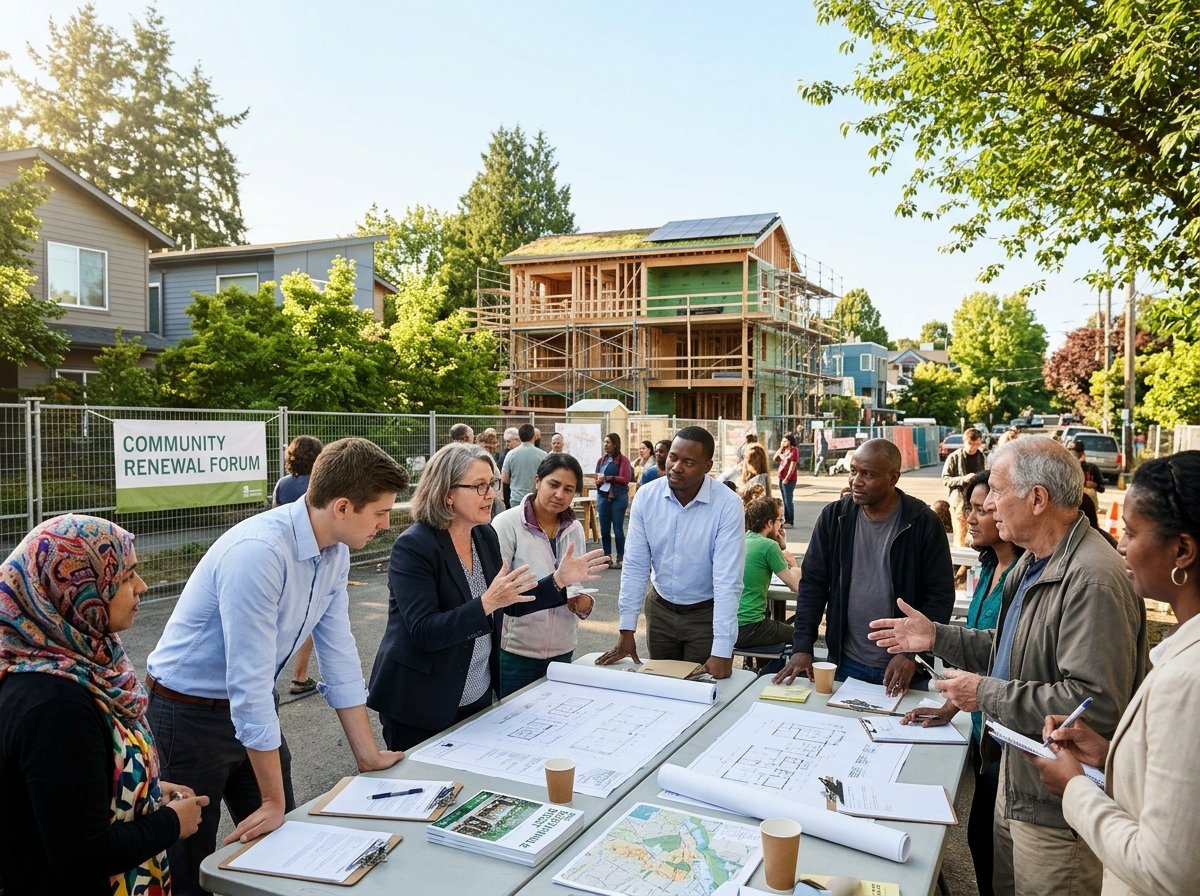
A city’s housing plan can reshape access to work, services, and civic life long before it changes the skyline. A family may gain a new home nearby, or lose a familiar route to school and work. Renewal looks different from each front door.

This week we take structurally how the observance of World Cities Day 2026 cross pollinate various sustainability adjacent movements and institutions. Utilize this week’s blog as both a framework and perspective the ongoing value of sustainable development. As the month of international cooperatives came to a conclusion, World Cities Day provides the ideal dialog for infrastructure scaling and advancing community scope.
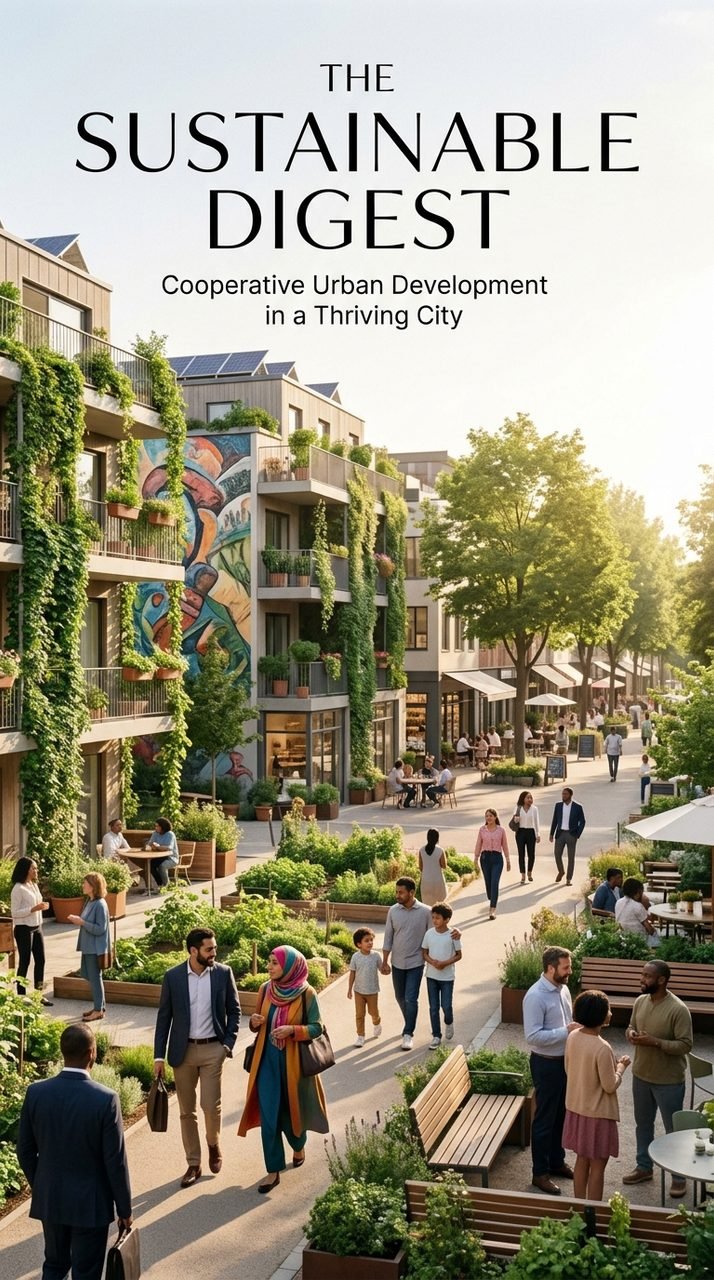
The 2026 observance puts housing, diplomacy, cooperatives, and digital governance into one urban debate. It asks how global development can support better homes without making residents pay for progress through displacement. That question matters across the Global South, where cities and communities face varied needs.

The fourth industrial revolution, or 4IR, integrates digital, physical, and data technologies into production, infrastructure, and services. Those tools can guide housing choices, but they cannot decide whose needs count. The practical test is whether residents can gain a secure home and better services without being pushed out by the renewal meant to help.

What Is World Cities Day 2026 for Cooperatives, Global Sustainability Development?

World Cities Day is the United Nations’ annual urban observance, held on October 31. It began in 2014, and its 2026 theme is “Regenerating the City: Adequate Housing for All.” The housing challenge reaches up to 3.4 billion people who lack adequate homes, secure tenure, basic services, or affordable living conditions.

The observance puts housing access at the center of urban development. CoopsDay is a separate international day for cooperatives, not a second name or date for this event.

The date, origin, and 2026 focus

The United Nations designated October 31 through General Assembly resolution 68/239. The first observance took place in 2014. In 2026, the program framework runs October 31-November 2, with adequate housing as its central concern.

World Cities Day and CoopsDay are separate observances, with different dates and agendas.

Ten facts that frame the observance

  • 1. The United Nations designated October 31. 2. The first observance took place in 2014.
  • 3. The 2026 theme is “Regenerating the City: Adequate Housing for All.” 4. Up to 3.4 billion people lack adequate housing or related essentials.
  • 5. The program framework runs October 31-November 2. 6. World Cities Day concludes Urban October, which begins with World Habitat Day.
  • 7. SDG 11 calls for inclusive, safe, resilient, and sustainable cities. 8. November 1 forums cover housing delivery, New Urban Agenda reporting, and inclusive housing finance.
  • 9. The opening ceremony will present the fourth-cycle Shanghai Award for Sustainable Development in Cities. 10. CoopsDay 2026 falls on July 4, the first Saturday of July.

CoopsDay has its own history and calendar; the international day cooperatives observe is not part of the October urban program. The November 1 discussions connect local housing plans with wider policy and funding choices.

For event planning, label a local activity as part of the official global program only when its organizer confirms that status.

How Can Cities Connect All 17 SDGs to Housing and Regeneration?

Housing planners collaborate around a large table in a modern urban office, analyzing a detailed map showcasing sustainable development goals for a city. In the foreground, diverse planners in professional business attire point at various highlighted areas of the map, discussing strategies. The middle ground features a digital screen displaying charts and graphs related to ecological impact and community growth. The background includes large windows with cityscape views, bathed in warm, natural light that creates an inviting atmosphere. The mood is focused and collaborative, emphasizing innovation in urban planning. The overall composition highlights the importance of strategic development, symbolizing progress towards sustainability. This image is designed for "The Sustainable Digest."

A housing decision can connect several global goals at once, from health and water access to climate resilience. Policy choices shape those links, but no single project delivers all 17 goals by itself.

More than half the world’s population lives in cities, and that share may reach two-thirds by 2050. The international day cooperatives discuss can bring urban needs into a wider sustainable development debate.

Map the goals to everyday urban needs

  • SDGs 1-3 link housing to poverty reduction, food access, and health.
  • SDGs 4-6 connect safe homes with education, gender equality, and clean water.
  • SDGs 7-9 involve energy, decent work, and resilient infrastructure.
  • SDGs 10-12 address inequality, inclusive cities, and responsible consumption.
  • SDGs 13-17 connect climate action, oceans, ecosystems, strong institutions, and partnerships.

These are possible policy links, not a claim that every urban project affects every goal equally. A home near transit may support work access; a poorly planned renewal may weaken existing ties.
Turn global goals into accountable local decisions

UN-Habitat’s 2026 SDG 11 Global Report runs 108 pages and finds that SDG 11 remains off track overall. It includes an experimental AI-assisted review of Voluntary National Reviews, offering a supplementary view of how countries frame SDG 11 priorities.

Public bodies can turn those broad aims into decisions with named duties and clear checks:

Governance levelTypical leverHousing or regeneration decisionAccountability route
Local or municipalZoning and permitsSet affordable housing termsPublic hearings and council votes
State, provincial, or regionalLand rules and grantsFund repairs across districtsLegislative review and audits
National or federalHousing law and budgetsSet tenure protectionsParliamentary review and reporting
International or multilateralShared goals and financeGuide inclusive regeneration fundingCountry reports and public review

A regeneration proposal is stronger when each mapped goal has an accountable public body and a measurable local outcome.

What Roles Do Cooperatives, Diplomacy, and the 4IR Play?

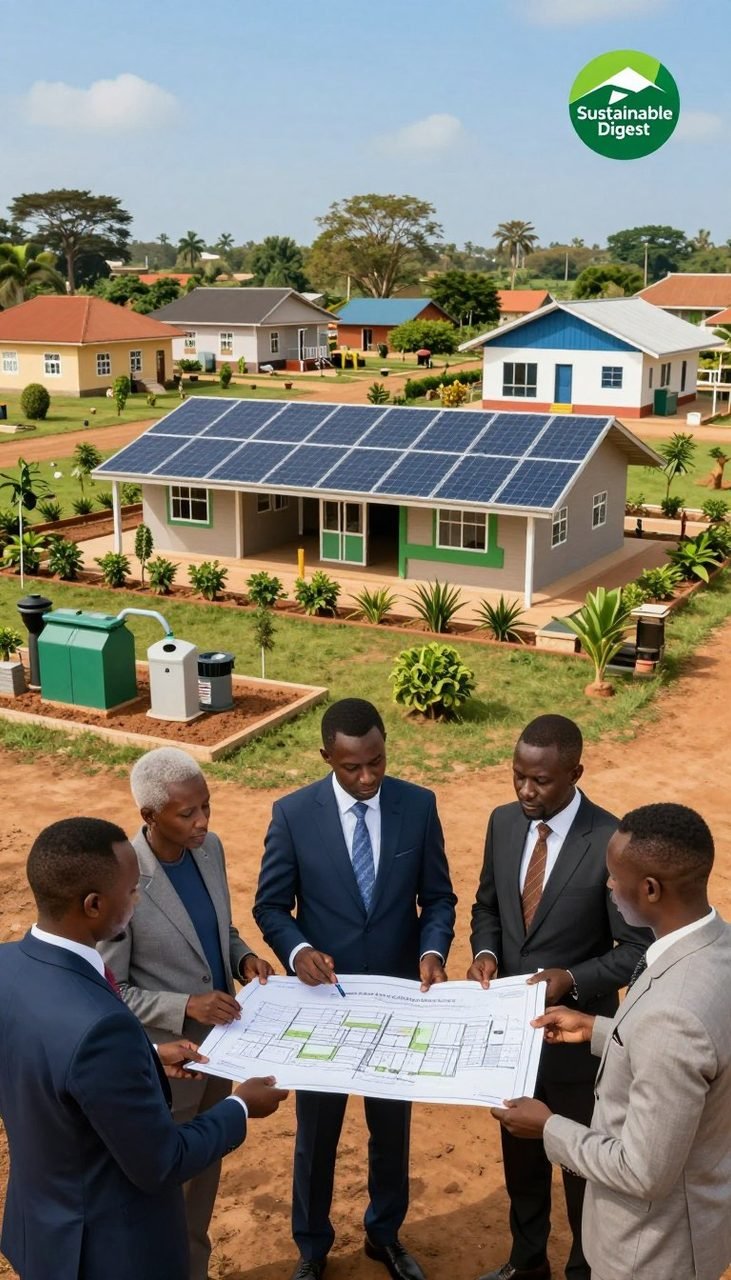
A housing cooperative can make residents participants in local decisions, not only recipients of services. Shared control can support housing, local services, and social cohesion, while grassroots groups bring neighborhood needs into public debate.

CoopsDay has been celebrated since 1923; the United Nations proclaimed the International Day of Cooperatives in 1995. Its 2026 theme, “Cooperatives for a Peaceful World,” aligns with SDG 16. The International Cooperative Alliance, or ICA, works on CoopsDay through COPAC, the Committee for the Promotion and Advancement of Cooperatives. COPAC includes UN DESA, the International Labour Organization, FAO, ITC, UNRISD, and ICA.

Those documented cooperative links do not make every civic group an event organizer. Sister Cities International, the World Affairs Council of America, and the World Leisure Organization offer useful civic or international-affairs lenses. The UN sets agreed development goals; the World Economic Forum convenes public and private leaders. They are not inherently opposed, but priority-setting and accountability still matter.

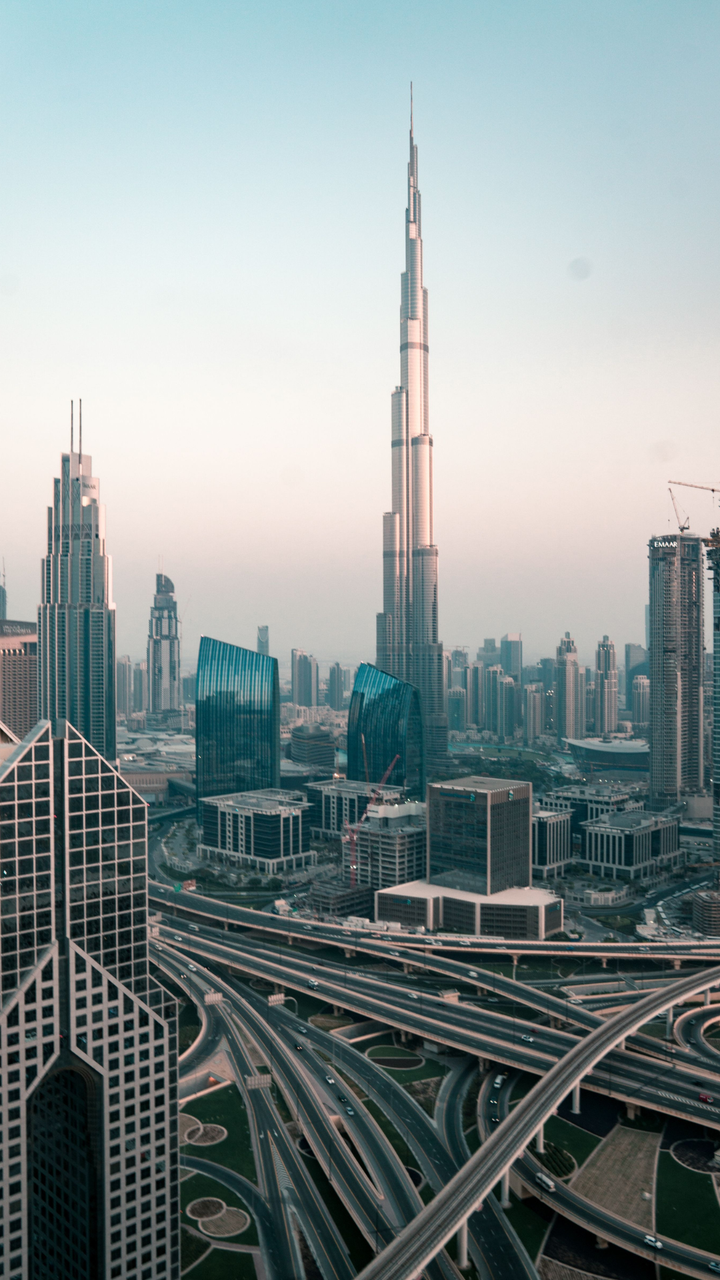
NATO offers a security-policy lens, not an organizing role. Global South cities have varied priorities, from housing access to climate risk. Dubai shows how an AI-enabled digital city model can test housing policy before spending is committed or families are displaced. A model informs choices; it cannot replace public participation.

A digital model is a tool for testing choices, not a substitute for public consent.

The ICA Global Conference 2026 theme is “Building Bridges: Cooperative Contributions to a Peaceful World.” Before endorsing digital regeneration, residents should be able to see the model’s assumptions and know who can challenge them.
Conclusion

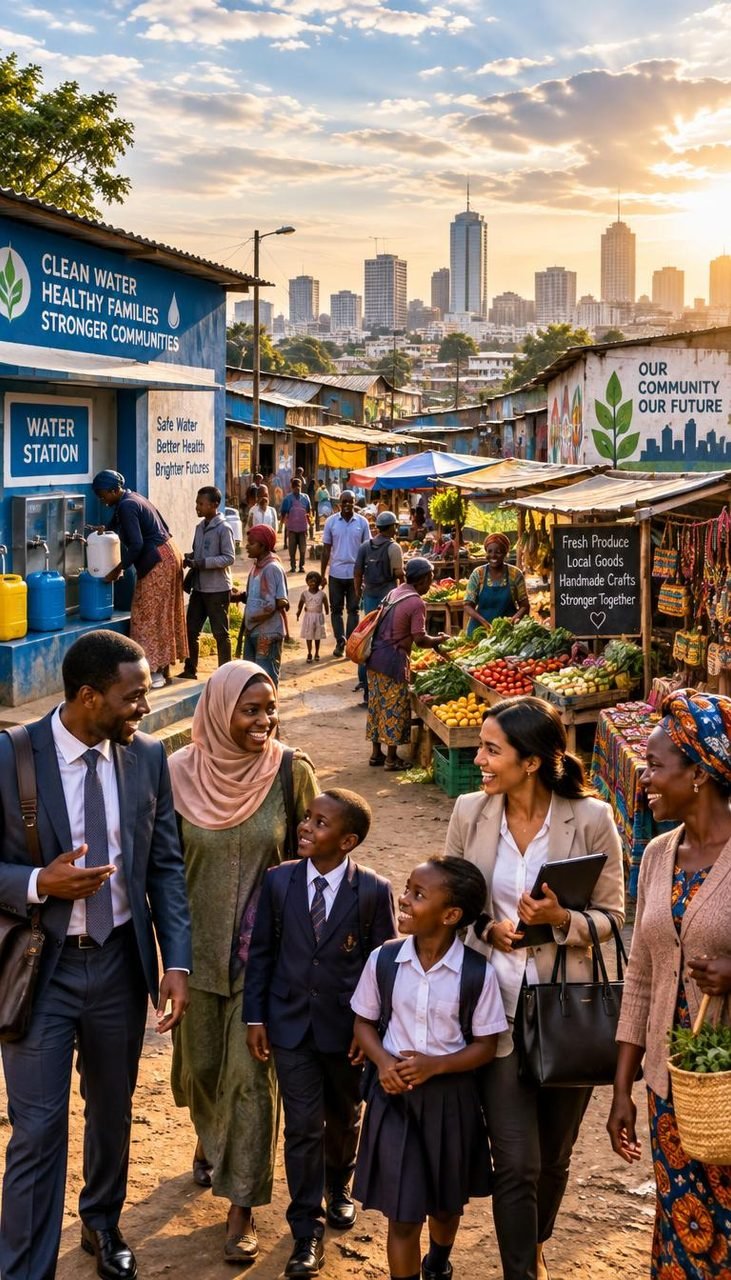
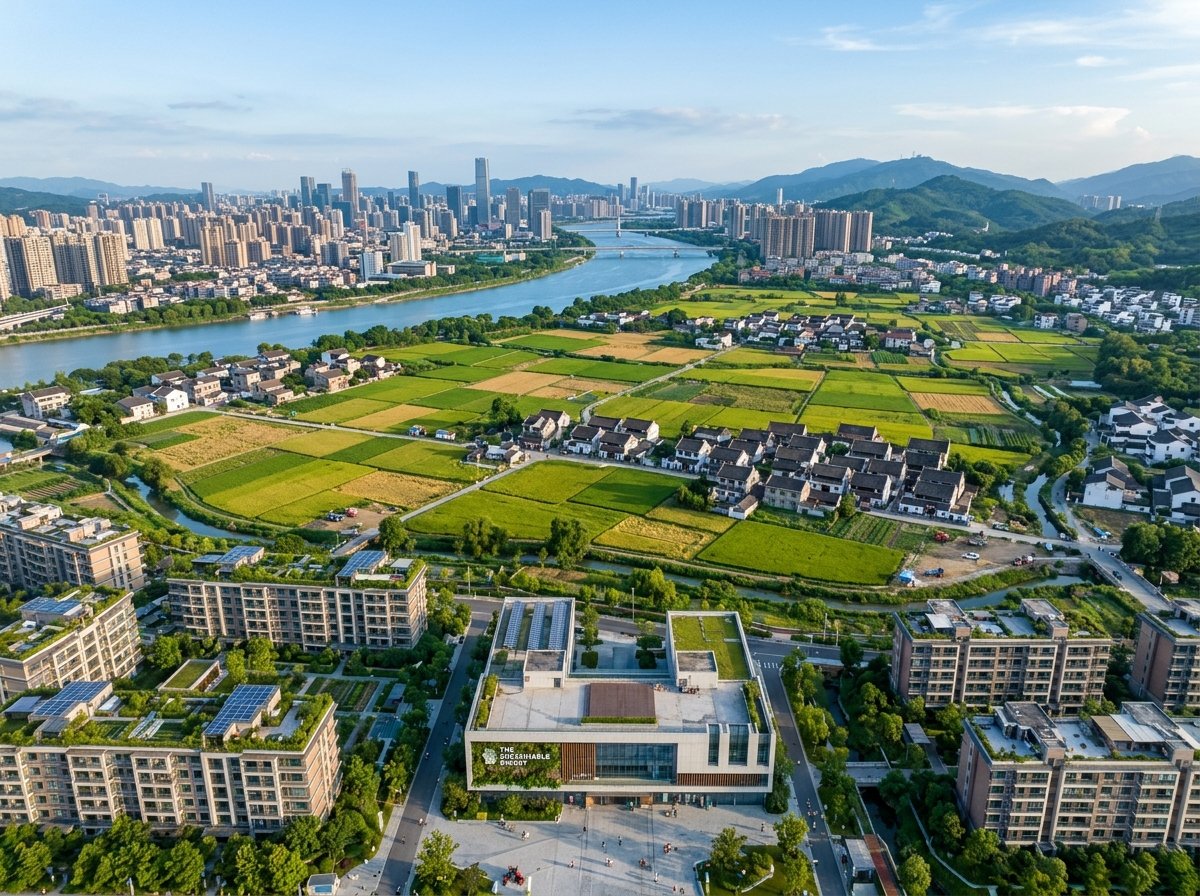
Urban renewal is most credible when residents gain security and opportunity, not just a redesigned skyline. New tools matter only when they support affordable homes, reliable services, and meaningful resident participation.

A cooperative or neighborhood group can compare a local plan against four tests: secure tenure, affordability, service access, and participation. That check can make a public consultation more useful than a polished rendering alone.

A cooperative or neighborhood group can begin by checking one local plan against those four tests before the next public consultation.
FAQ

What does adequate housing mean in the World Cities Day theme?

Adequate housing means more than building enough homes. It includes secure tenure, affordability, basic services, and living conditions fit for people. A home may exist on paper yet remain inadequate if residents face unsafe conditions or lack water and essential services. The theme looks at whether housing supports daily life, not only the number of units built.

Is World Cities Day the same as CoopsDay?

No, World Cities Day and CoopsDay are separate observances. World Cities Day takes place on October 31 and focuses on urban issues. CoopsDay 2026 is July 4, the first Saturday of July, and highlights cooperatives. Their dates, themes, and organizing links differ, even when both observances touch on housing and community needs.
What is the New Urban Agenda?

The New Urban Agenda is the United Nations’ global framework for sustainable urban development, adopted in 2016. It sets broad guidance for how countries and cities can plan inclusive, safe, resilient, and sustainable communities. Its focus is wider than housing alone, but housing policy can shape how well cities meet those aims.

Can a housing cooperative contribute to SDG 11?

Yes, a housing cooperative can contribute to SDG 11 when it supports inclusive, safe, resilient, and sustainable communities. Secure, affordable housing can help residents stay connected to local services and one another. Resident participation also gives people a role in shaping decisions that affect their homes and neighborhoods.

Can an AI-enabled city model guarantee that regeneration will not displace residents?

No, an AI-enabled city model cannot guarantee that regeneration will avoid displacement. It can test policy scenarios before spending or relocation begins, helping decision-makers compare possible effects. Outcomes still depend on public choices and safeguards. A model can show risks, but it cannot enforce protections or replace residents’ voices.

Does NATO organize World Cities Day?

No, NATO does not organize World Cities Day. The observance is a United Nations urban event, while NATO may offer a security-policy lens on city issues. That lens is distinct from the observance’s housing agenda. Treating NATO as an organizer would confuse a possible analytical connection with a formal event role.
Key Takeaways

  • World Cities Day 2026 focuses on adequate housing and urban regeneration.
  • Cooperatives can support housing, services, and resident participation.
  • Housing policy can connect to several Sustainable Development Goals.
  • Digital city models can test policy choices before major spending.
  • Residents need a real role in plans that may reshape their neighborhoods.

Guinea Independence Day observance and its Global Sustainable Development

Guinea Independence Day observance and its Global Sustainable Development

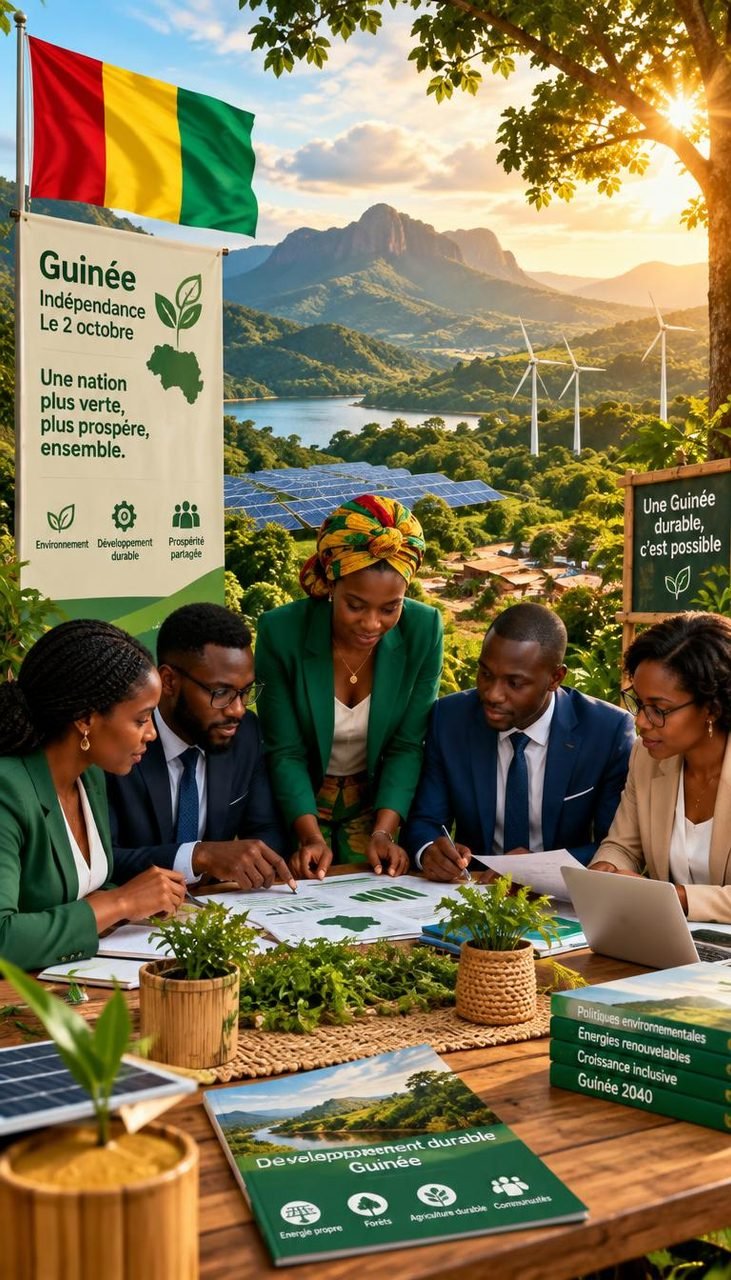
Did you know that in 1958, a pivotal moment occurred when a West African nation became the first French-speaking country to break free from colonial rule? This event marked a turning point in the quest for sovereignty and self-determination. The date, October 2, is not merely a ceremonial occasion; it symbolizes a profound rejection of limited autonomy and a commitment to full national independence.

This anniversary serves as a platform to explore pressing issues surrounding resource management, environmental policy, and cultural identity. The connection between political sovereignty and effective governance is crucial. As this nation continues to navigate the complexities of its identity, it remains a focal point for discussions about economic self-determination and social progress.

Moreover, the capital city plays a vital role in shaping the political and cultural landscape. Observances of this anniversary, such as the recent celebration at a military college, emphasize unity and dignity among the people. These events highlight the ongoing journey towards sustainable development and responsible resource management.

Historical and Environmental Significance of Guinea’s Independence on Guinea Independence Day

In 1958, a transformative event reshaped the landscape of West Africa, marking the first significant step towards autonomy for a French-speaking nation. This pivotal moment laid the groundwork for national responsibility over vital resources, such as forests and biodiversity. The implications of this independence resonate deeply, connecting political sovereignty with environmental stewardship.

Top 10 Facts Linking Independence to Environmental Policy and Forestry for Guinea Independence Day

Understanding the connection between independence and environmental policy is essential. Here are ten key facts:

  • Political Foundation: Independence serves as the cornerstone for national responsibility over forests and protected areas.
  • Mount Nimba: The Mount Nimba Strict Nature Reserve symbolizes ecological wealth and the need for balanced economic development.
  • Forest Protection: Safeguarding forests is vital for rural livelihoods, as communities depend on land and water for sustenance.
  • Sustainable Agriculture: This approach can enhance food security through soil conservation and climate-resilient crops.
  • Beyond Expansion: Sustainable farming must prioritize soil and forest protection to maintain economic stability.
  • Cultural Identity: Landscapes and local traditions enrich environmental stewardship, giving it a human dimension.
  • Ecotourism Potential: Responsible tourism can provide income and conservation funding, benefiting local communities.
  • Regional Cooperation: Shared environmental challenges unite nations in West Africa, promoting collaboration.
  • Educational Exchanges: Partnerships with countries like Rwanda foster professional skills and diplomatic ties.
  • Durable Sovereignty: A nation’s ability to protect its natural assets is crucial for improving the lives of its people.

Role of Sustainable Agriculture since Sovereignty

Sustainable agriculture has emerged as a critical component of national development. By prioritizing eco-friendly practices, communities can secure food sources while reducing pressure on forests. This dual approach not only enhances food security but also fosters rural livelihoods, showcasing the interdependence of agriculture and environmental health.

The Role of International Observances in Advancing SDGs

UN observances act as communication tools that simplify complex development targets. They create accessible public conversations in schools, communities, and civil society. By linking national celebrations with measurable SDG commitments, such as tree-planting survival rates and school attendance, awareness can be transformed into action.

However, it is essential to distinguish public awareness from actual progress. While campaigns can spark conversations, only budgets, institutions, and data can drive meaningful change.

SDGDescriptionRelevance to Guinea
SDG 1No PovertyFocus on reducing poverty levels through economic growth.
SDG 2Zero HungerEnsuring food security and improved nutrition.
SDG 3Good Health and Well-BeingPromoting health and well-being for all ages.
SDG 4Quality EducationProviding inclusive and equitable quality education.
SDG 5Gender EqualityAchieving gender equality and empowering women.
SDG 6Clean Water and SanitationEnsuring availability and sustainable management of water.
SDG 7Affordable and Clean EnergyEnsuring access to affordable, reliable energy.
SDG 8Decent Work and Economic GrowthPromoting sustained economic growth and full employment.
SDG 9Industry, Innovation and InfrastructureBuilding resilient infrastructure and fostering innovation.
SDG 13Climate ActionTaking urgent action to combat climate change.

Cultural Identity and Ecotourism Rooted in Independence

The landscapes and heritage of the nation are intertwined with its cultural identity. Historic sites, music, and community traditions enrich the understanding of environmental stewardship. Ecotourism offers a promising avenue for economic growth, provided it is managed responsibly and includes local participation.

Regional Cooperation Shaping Environmental and Political Landscape

Collaboration across West Africa is vital for addressing shared challenges such as climate stress and biodiversity loss. The partnerships formed through educational and defense exchanges enhance diplomatic relations and promote unity among nations. Such cooperation underscores the importance of collective efforts in achieving sustainable development goals.

Guinea Independence Day observance and its Global Sustainable Development: The Role of UN SDGs

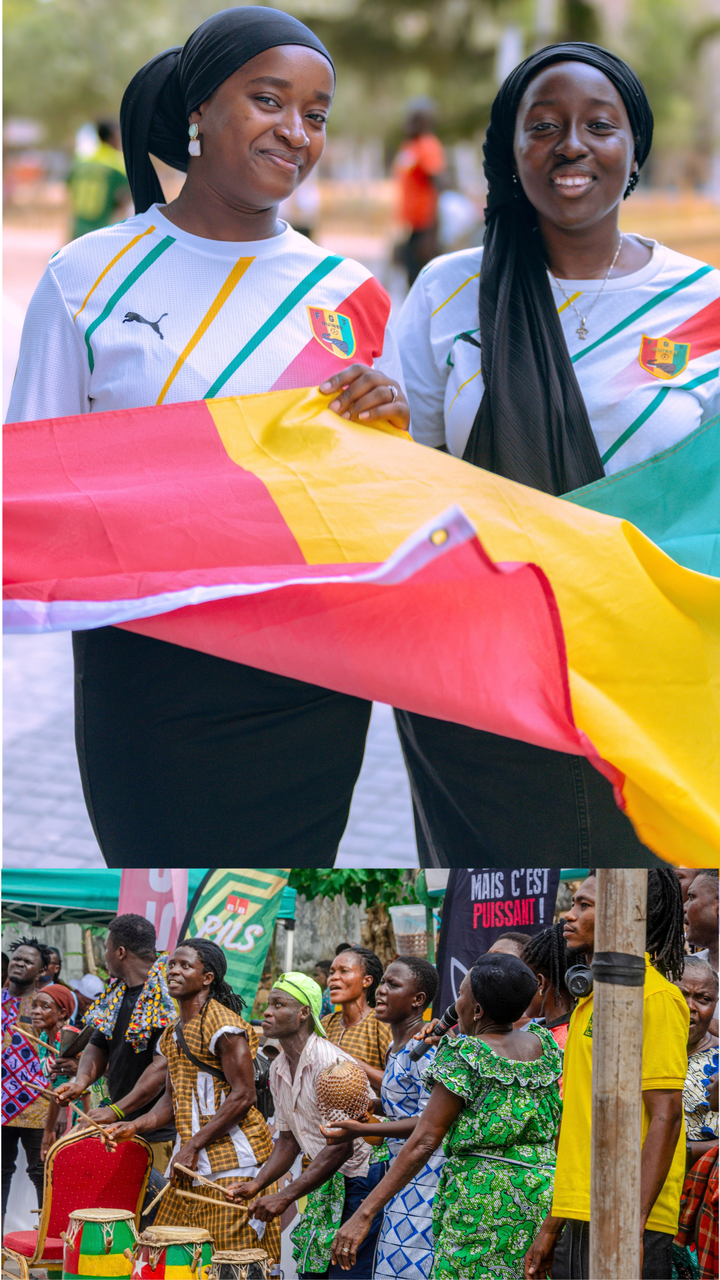
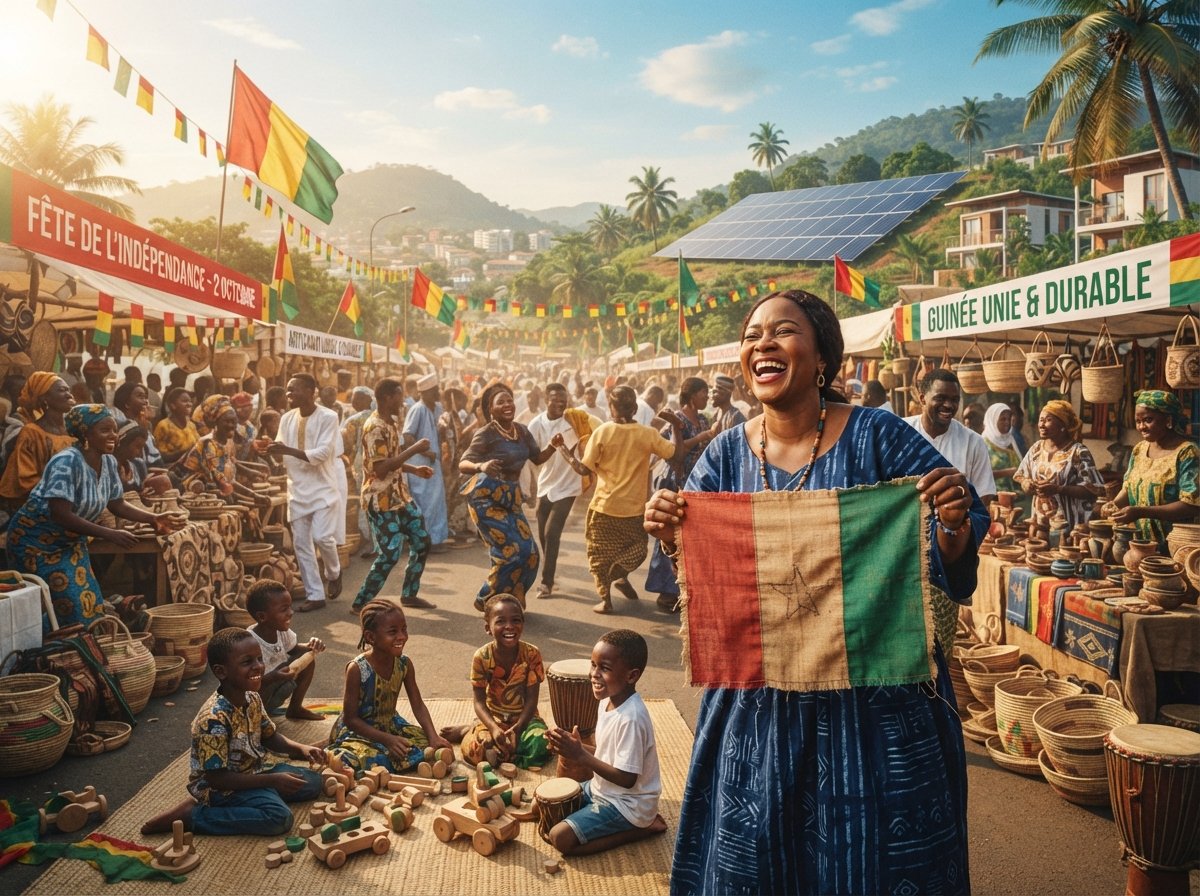
A vibrant scene capturing Guinea Independence Day observance, showcasing a diverse group of people in professional attire, joyfully celebrating in an outdoor setting. In the foreground, men and women hold traditional Guinean flags and engage in community activities, all smiles and unity. The middle ground features decorations like colorful banners symbolizing the United Nations Sustainable Development Goals (SDGs), blending seamlessly with local cultural elements. In the background, a historic Guinean monument stands tall, bathed in warm golden light of late afternoon sun. The atmosphere conveys festivity and hope for sustainable development, with lush greenery framing the composition. The image is well-lit with a soft focus that draws attention to the joyful expressions, encapsulating the spirit of celebration and progress. The Sustainable Digest.

The journey towards sustainable development in West Africa has gained momentum, particularly following the significant strides made in the years since the nation achieved sovereignty. This progress aligns closely with the United Nations Sustainable Development Goals (SDGs), which serve as a framework for addressing critical national priorities.

Understanding the ten most impactful SDGs for the nation is essential. These goals not only reflect global aspirations but also resonate with local needs. Here are the key SDGs relevant to the nation:

Impactful Top 10 United Nations Sustainable Development Goals in Guinea

  • SDG 1: Focus on poverty reduction and improving rural livelihoods.
  • SDG 2: Address food security and promote sustainable agriculture to enhance access beyond the capital.
  • SDG 3: Prioritize healthcare improvements, ensuring access to trained professionals and resilient clinics.
  • SDG 4: Enhance education opportunities, emphasizing vocational programs for students.
  • SDG 5: Promote gender equality as a means to strengthen household resilience and community engagement.
  • SDG 6: Ensure water security and sanitation for public health protection.
  • SDG 7: Expand access to reliable electricity and renewable energy sources.
  • SDG 8: Create decent work opportunities and foster responsible industrialization.
  • SDG 13: Focus on climate action, addressing environmental risks and promoting forest protection.
  • SDG 16: Strengthen accountable institutions and transparent resource management.

These goals illustrate a comprehensive approach to development, directly impacting the lives of the people. President Mamadi Doumbouya’s announcement in 2025 of achieving a B+ sovereign credit rating highlights the nation’s growing economic stature in Francophone West Africa. This achievement, along with the establishment of a Guinea Sovereign Fund, reflects a commitment to intergenerational resource management.

Advancements in education and healthcare are crucial post-independence. While progress has been made, gaps still exist in public services and economic opportunities. The emphasis on training professionals and building resilient infrastructures remains vital for future growth.

Advancements in Education, Healthcare, and Economic Growth Post-Independence

Education and healthcare systems have seen notable improvements, yet challenges persist. Expanding access to quality education and healthcare services is essential for empowering the youth and ensuring their contributions to the economy.

Integration of SDGs with National Development Programs like Simandou 2040

The Simandou 2040 national development program aims to bridge mineral wealth with inclusive growth. By aligning resource development with human capital and transparent revenue management, this initiative seeks to foster long-term social value. The president emphasizes that economic sovereignty should support unity, fairness, and sustainable development.

Contemporary Sustainable Projects and Green Fiscal Policies in Guinea

Today, the focus on sustainable initiatives is reshaping the landscape of development in West Africa. These projects are crucial for ensuring long-term resilience and economic stability. The government is actively pursuing a range of sustainable infrastructure projects that aim to enhance the quality of life for its people.

President Mamadi Doumbouya’s vision for the future includes a comprehensive approach to infrastructure and community development. The Simandou 2040 initiative stands out as a transformative program. It aims to link infrastructure investments with human capital development, ensuring that the benefits reach local communities.

Initiatives in Sustainable Infrastructure and Resiliency

Infrastructure projects encompass transport corridors, ports, and energy systems. These systems are essential for economic growth and connectivity. However, resilience planning goes beyond mere infrastructure. It prepares communities for climate, economic, and social shocks, ensuring they can withstand various challenges.

Community Development Programs Empowering Local Populations

Community development programs play a vital role in enhancing local participation. These initiatives focus on employment, health, education, and women’s economic inclusion. By empowering local populations, the government fosters unity and shared prosperity.

Diverse Green Fiscal Policies Supporting Competitiveness in Global South and Diaspora

Green fiscal policies are essential for maintaining competitiveness in the Global South. They include responsible resource revenue management and transparent public procurement. These policies not only attract investment but also ensure that economic transformation improves the lives of ordinary people.

Project TypeDescriptionImpact
Sustainable InfrastructureTransport corridors and energy systemsEnhances connectivity and economic growth
Community DevelopmentPrograms focusing on health and educationEmpowers local populations and fosters unity
Green Fiscal PoliciesResponsible resource managementAttracts investment and improves lives

Conclusion

The anniversary of Guinea independence Day is not just a moment of reflection; it serves as a vital opportunity to assess how sovereignty translates into meaningful progress. This nation’s rich environmental assets—forests, biodiversity, and mineral resources—are crucial for sustainable prosperity. Careful governance is essential to protect these treasures from unchecked exploitation.

Implementing the ten priority SDGs can align national strategies with global standards for poverty reduction, health, and education. Initiatives like Simandou 2040 and the proposed sovereign fund aim to foster long-term transformation, but their success hinges on transparency and community involvement.

As this nation celebrates its journey, it must remember that true independence means enhancing livelihoods, education, and healthcare. Green fiscal policies can attract responsible investment and strengthen regional partnerships, ensuring that the benefits of sovereignty are felt by all. The commitment to political freedom must be matched by ecological stewardship and social dignity, marking this Guinea Independence day as a continuing pledge to progress.

FAQ

Q: What is the significance of Guinea’s national observance?

A: The observance serves as a celebration of national identity, cultural diversity, and historical milestones, fostering unity among the people.

Q: What is the significance of Guinea’s independence in relation to sustainable development?

A: Guinea’s independence marks a pivotal moment in its journey towards sustainable development, emphasizing sovereignty and self-determination. It has led to initiatives that focus on economic growth, environmental stewardship, and social equity.

Q: How has the observance of independence influenced the nation’s infrastructure?

A: The observance of independence has spurred investments in infrastructure, fostering connectivity and access to essential services. This development enhances the quality of life for citizens and supports economic activities.

Q: What are some key Sustainable Development Goals impacting Guinea?

A: Key SDGs include those focused on poverty alleviation, quality education, and environmental sustainability, which are essential for the country’s development trajectory.

Q: How does the observance inspire commitment to these goals?

A: The celebration of independence reinforces the collective responsibility to achieve these goals, motivating citizens and leaders alike to take action.

Q: What role does education play in Guinea’s post-independence development?

A: Education is crucial for Guinea’s development, as it empowers students with knowledge and skills. This investment in human capital is vital for fostering innovation and sustainable economic growth.

Q: How does Guinea’s independence relate to healthcare advancements?

A: Since gaining independence, Guinea has made strides in healthcare, focusing on improving access and quality of services. This commitment is essential for enhancing the dignity and well-being of its people.

Q: What are some key initiatives supporting community development in Guinea?

A: Various community development programs aim to empower local populations through sustainable practices. These initiatives focus on improving livelihoods and fostering unity among diverse groups.

Q: How does Guinea’s independence impact its cultural identity?

A: Independence has played a significant role in shaping Guinea’s cultural identity, promoting pride and unity among its people. This cultural richness is also a foundation for ecotourism, attracting global visitors.

Q: How do green fiscal policies impact Guinea’s competitiveness?

A: Green fiscal policies aim to balance economic growth with environmental responsibility, enhancing Guinea’s global standing and fostering relationships with the diaspora.

Key Takeaways

  • October 2 marks a significant rejection of colonial rule.
  • The anniversary connects to contemporary issues of resource control.
  • Political sovereignty is central to national identity and development.
  • The capital serves as a hub for cultural and political activities.
  • Recent celebrations highlight themes of unity and dignity.
This website is saving the energy of your screen as it is not being used. It's part of a global effort to lower the planet's electrical consumption and CO2 emission level. Resume browsing
Click anywhere to resume browsing
Verified by MonsterInsights