

Did you know that in 1958, a pivotal moment occurred when a West African nation became the first French-speaking country to break free from colonial rule? This event marked a turning point in the quest for sovereignty and self-determination. The date, October 2, is not merely a ceremonial occasion; it symbolizes a profound rejection of limited autonomy and a commitment to full national independence.
This anniversary serves as a platform to explore pressing issues surrounding resource management, environmental policy, and cultural identity. The connection between political sovereignty and effective governance is crucial. As this nation continues to navigate the complexities of its identity, it remains a focal point for discussions about economic self-determination and social progress.
Moreover, the capital city plays a vital role in shaping the political and cultural landscape. Observances of this anniversary, such as the recent celebration at a military college, emphasize unity and dignity among the people. These events highlight the ongoing journey towards sustainable development and responsible resource management.
Historical and Environmental Significance of Guinea’s Independence on Guinea Independence Day
In 1958, a transformative event reshaped the landscape of West Africa, marking the first significant step towards autonomy for a French-speaking nation. This pivotal moment laid the groundwork for national responsibility over vital resources, such as forests and biodiversity. The implications of this independence resonate deeply, connecting political sovereignty with environmental stewardship.
Top 10 Facts Linking Independence to Environmental Policy and Forestry for Guinea Independence Day
Understanding the connection between independence and environmental policy is essential. Here are ten key facts:
- Political Foundation: Independence serves as the cornerstone for national responsibility over forests and protected areas.
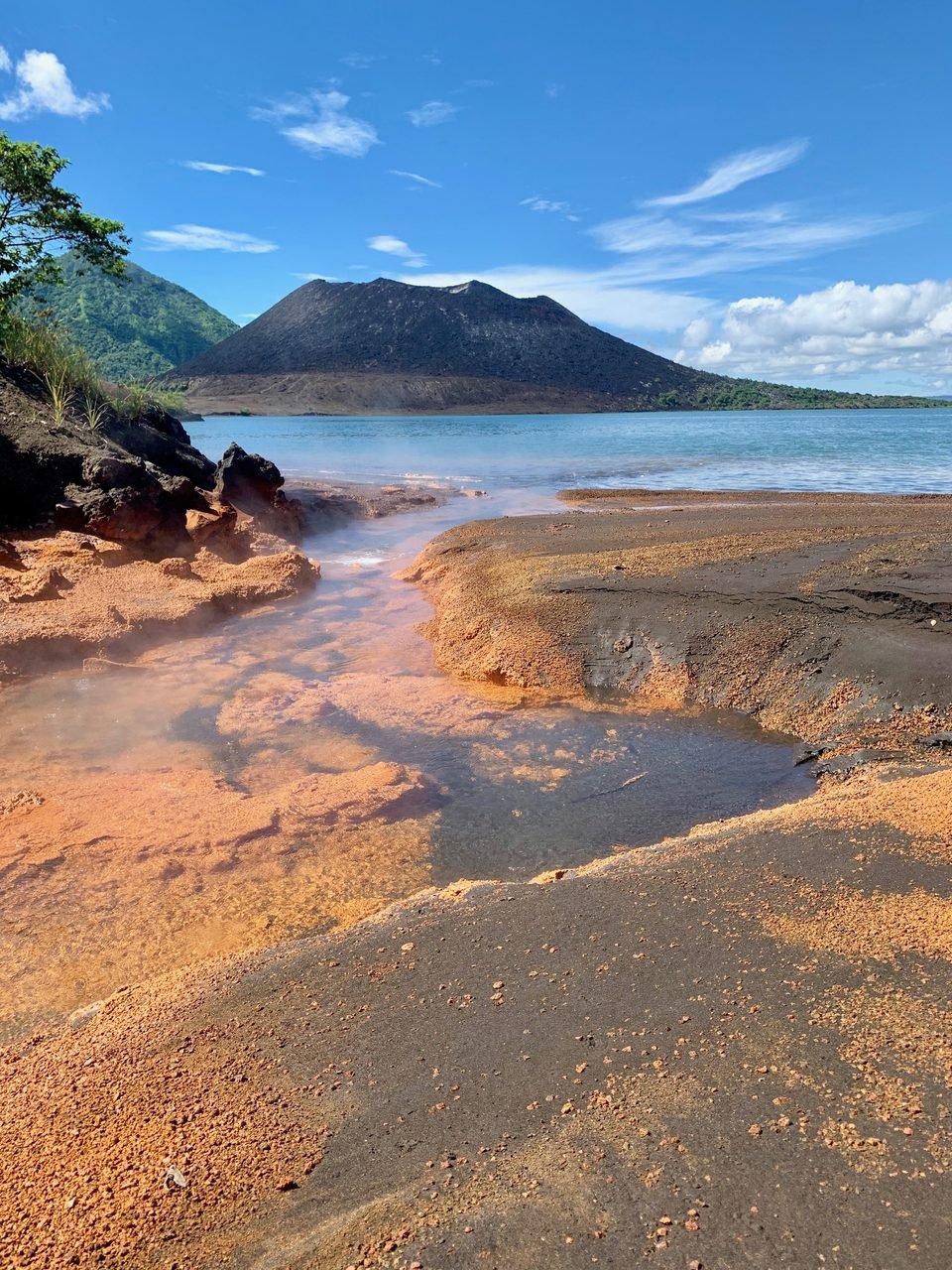
- Mount Nimba: The Mount Nimba Strict Nature Reserve symbolizes ecological wealth and the need for balanced economic development.
- Forest Protection: Safeguarding forests is vital for rural livelihoods, as communities depend on land and water for sustenance.
- Sustainable Agriculture: This approach can enhance food security through soil conservation and climate-resilient crops.
- Beyond Expansion: Sustainable farming must prioritize soil and forest protection to maintain economic stability.
- Cultural Identity: Landscapes and local traditions enrich environmental stewardship, giving it a human dimension.
- Ecotourism Potential: Responsible tourism can provide income and conservation funding, benefiting local communities.
- Regional Cooperation: Shared environmental challenges unite nations in West Africa, promoting collaboration.
- Educational Exchanges: Partnerships with countries like Rwanda foster professional skills and diplomatic ties.
- Durable Sovereignty: A nation’s ability to protect its natural assets is crucial for improving the lives of its people.
Role of Sustainable Agriculture since Sovereignty
Sustainable agriculture has emerged as a critical component of national development. By prioritizing eco-friendly practices, communities can secure food sources while reducing pressure on forests. This dual approach not only enhances food security but also fosters rural livelihoods, showcasing the interdependence of agriculture and environmental health.
The Role of International Observances in Advancing SDGs
UN observances act as communication tools that simplify complex development targets. They create accessible public conversations in schools, communities, and civil society. By linking national celebrations with measurable SDG commitments, such as tree-planting survival rates and school attendance, awareness can be transformed into action.
However, it is essential to distinguish public awareness from actual progress. While campaigns can spark conversations, only budgets, institutions, and data can drive meaningful change.
| SDG | Description | Relevance to Guinea |
| SDG 1 | No Poverty | Focus on reducing poverty levels through economic growth. |
| SDG 2 | Zero Hunger | Ensuring food security and improved nutrition. |
| SDG 3 | Good Health and Well-Being | Promoting health and well-being for all ages. |
| SDG 4 | Quality Education | Providing inclusive and equitable quality education. |
| SDG 5 | Gender Equality | Achieving gender equality and empowering women. |
| SDG 6 | Clean Water and Sanitation | Ensuring availability and sustainable management of water. |
| SDG 7 | Affordable and Clean Energy | Ensuring access to affordable, reliable energy. |
| SDG 8 | Decent Work and Economic Growth | Promoting sustained economic growth and full employment. |
| SDG 9 | Industry, Innovation and Infrastructure | Building resilient infrastructure and fostering innovation. |
| SDG 13 | Climate Action | Taking urgent action to combat climate change. |
Cultural Identity and Ecotourism Rooted in Independence
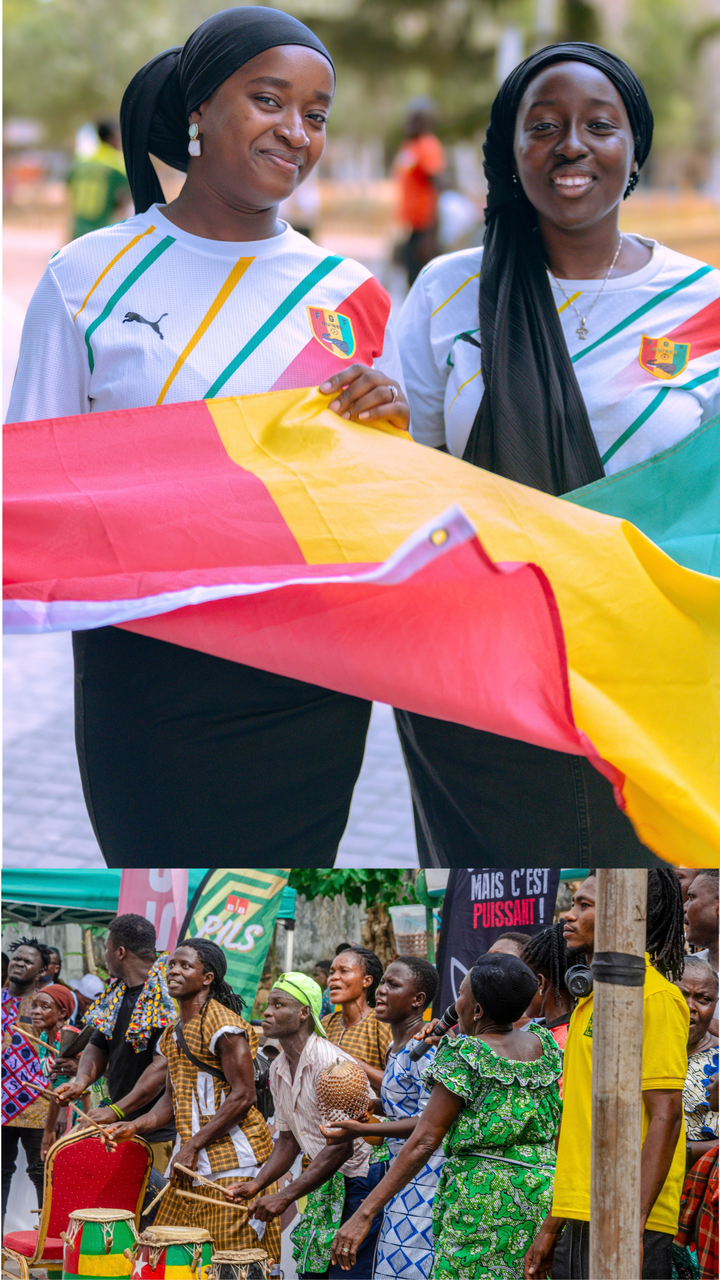
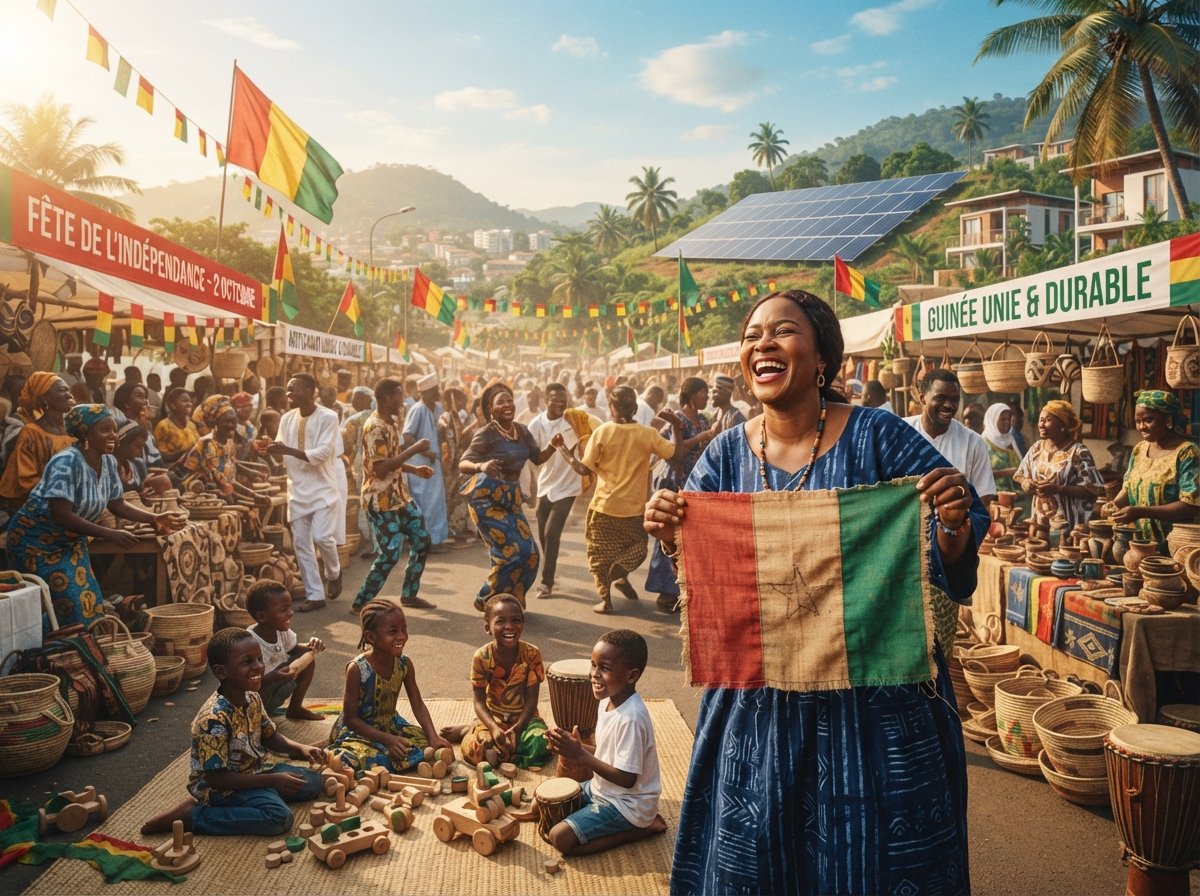
The landscapes and heritage of the nation are intertwined with its cultural identity. Historic sites, music, and community traditions enrich the understanding of environmental stewardship. Ecotourism offers a promising avenue for economic growth, provided it is managed responsibly and includes local participation.
Regional Cooperation Shaping Environmental and Political Landscape
Collaboration across West Africa is vital for addressing shared challenges such as climate stress and biodiversity loss. The partnerships formed through educational and defense exchanges enhance diplomatic relations and promote unity among nations. Such cooperation underscores the importance of collective efforts in achieving sustainable development goals.
Guinea Independence Day observance and its Global Sustainable Development: The Role of UN SDGs

The journey towards sustainable development in West Africa has gained momentum, particularly following the significant strides made in the years since the nation achieved sovereignty. This progress aligns closely with the United Nations Sustainable Development Goals (SDGs), which serve as a framework for addressing critical national priorities.
Understanding the ten most impactful SDGs for the nation is essential. These goals not only reflect global aspirations but also resonate with local needs. Here are the key SDGs relevant to the nation:
Impactful Top 10 United Nations Sustainable Development Goals in Guinea
- SDG 1: Focus on poverty reduction and improving rural livelihoods.
- SDG 2: Address food security and promote sustainable agriculture to enhance access beyond the capital.
- SDG 3: Prioritize healthcare improvements, ensuring access to trained professionals and resilient clinics.
- SDG 4: Enhance education opportunities, emphasizing vocational programs for students.
- SDG 5: Promote gender equality as a means to strengthen household resilience and community engagement.
- SDG 6: Ensure water security and sanitation for public health protection.
- SDG 7: Expand access to reliable electricity and renewable energy sources.
- SDG 8: Create decent work opportunities and foster responsible industrialization.
- SDG 13: Focus on climate action, addressing environmental risks and promoting forest protection.
- SDG 16: Strengthen accountable institutions and transparent resource management.
These goals illustrate a comprehensive approach to development, directly impacting the lives of the people. President Mamadi Doumbouya’s announcement in 2025 of achieving a B+ sovereign credit rating highlights the nation’s growing economic stature in Francophone West Africa. This achievement, along with the establishment of a Guinea Sovereign Fund, reflects a commitment to intergenerational resource management.
Advancements in education and healthcare are crucial post-independence. While progress has been made, gaps still exist in public services and economic opportunities. The emphasis on training professionals and building resilient infrastructures remains vital for future growth.
Advancements in Education, Healthcare, and Economic Growth Post-Independence
Education and healthcare systems have seen notable improvements, yet challenges persist. Expanding access to quality education and healthcare services is essential for empowering the youth and ensuring their contributions to the economy.
Integration of SDGs with National Development Programs like Simandou 2040
The Simandou 2040 national development program aims to bridge mineral wealth with inclusive growth. By aligning resource development with human capital and transparent revenue management, this initiative seeks to foster long-term social value. The president emphasizes that economic sovereignty should support unity, fairness, and sustainable development.
Contemporary Sustainable Projects and Green Fiscal Policies in Guinea
Today, the focus on sustainable initiatives is reshaping the landscape of development in West Africa. These projects are crucial for ensuring long-term resilience and economic stability. The government is actively pursuing a range of sustainable infrastructure projects that aim to enhance the quality of life for its people.
President Mamadi Doumbouya’s vision for the future includes a comprehensive approach to infrastructure and community development. The Simandou 2040 initiative stands out as a transformative program. It aims to link infrastructure investments with human capital development, ensuring that the benefits reach local communities.
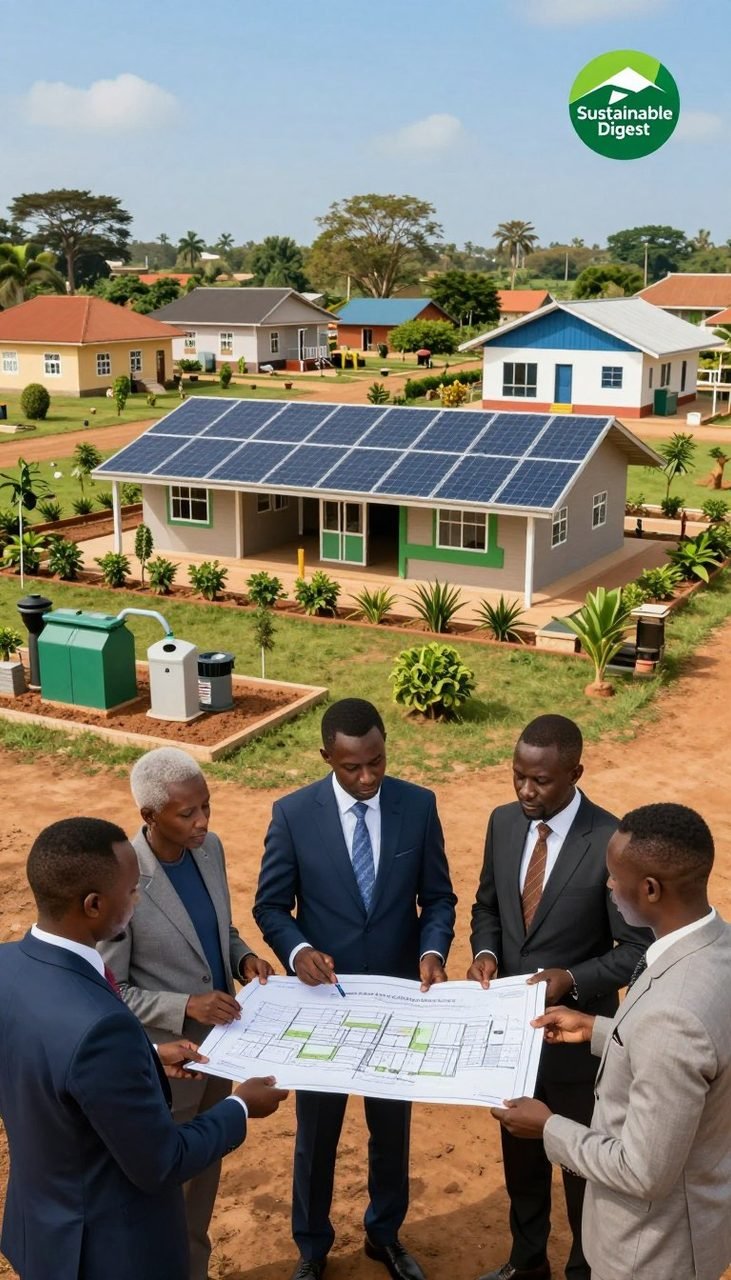
Initiatives in Sustainable Infrastructure and Resiliency
Infrastructure projects encompass transport corridors, ports, and energy systems. These systems are essential for economic growth and connectivity. However, resilience planning goes beyond mere infrastructure. It prepares communities for climate, economic, and social shocks, ensuring they can withstand various challenges.
Community Development Programs Empowering Local Populations
Community development programs play a vital role in enhancing local participation. These initiatives focus on employment, health, education, and women’s economic inclusion. By empowering local populations, the government fosters unity and shared prosperity.
Diverse Green Fiscal Policies Supporting Competitiveness in Global South and Diaspora
Green fiscal policies are essential for maintaining competitiveness in the Global South. They include responsible resource revenue management and transparent public procurement. These policies not only attract investment but also ensure that economic transformation improves the lives of ordinary people.
| Project Type | Description | Impact |
|---|---|---|
| Sustainable Infrastructure | Transport corridors and energy systems | Enhances connectivity and economic growth |
| Community Development | Programs focusing on health and education | Empowers local populations and fosters unity |
| Green Fiscal Policies | Responsible resource management | Attracts investment and improves lives |
Conclusion
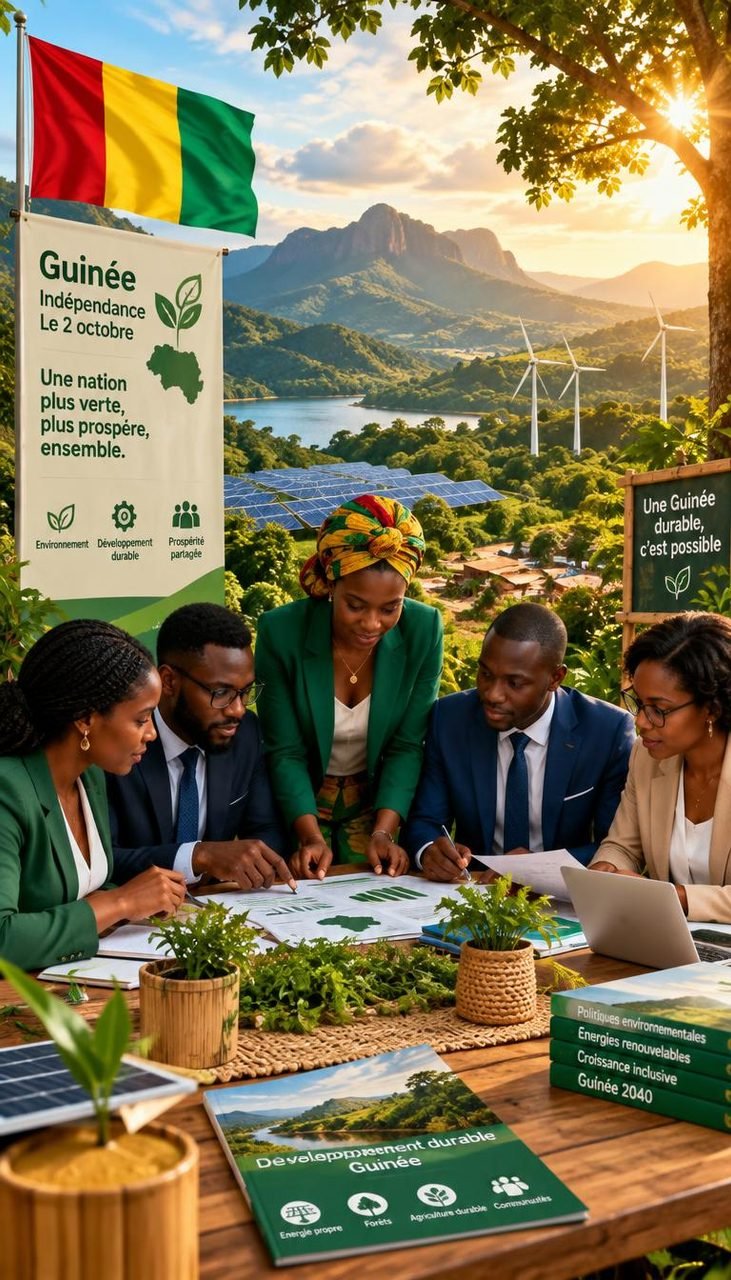
The anniversary of Guinea independence Day is not just a moment of reflection; it serves as a vital opportunity to assess how sovereignty translates into meaningful progress. This nation’s rich environmental assets—forests, biodiversity, and mineral resources—are crucial for sustainable prosperity. Careful governance is essential to protect these treasures from unchecked exploitation.
Implementing the ten priority SDGs can align national strategies with global standards for poverty reduction, health, and education. Initiatives like Simandou 2040 and the proposed sovereign fund aim to foster long-term transformation, but their success hinges on transparency and community involvement.
As this nation celebrates its journey, it must remember that true independence means enhancing livelihoods, education, and healthcare. Green fiscal policies can attract responsible investment and strengthen regional partnerships, ensuring that the benefits of sovereignty are felt by all. The commitment to political freedom must be matched by ecological stewardship and social dignity, marking this Guinea Independence day as a continuing pledge to progress.
FAQ
Q: What is the significance of Guinea’s national observance?
A: The observance serves as a celebration of national identity, cultural diversity, and historical milestones, fostering unity among the people.
Q: What is the significance of Guinea’s independence in relation to sustainable development?
A: Guinea’s independence marks a pivotal moment in its journey towards sustainable development, emphasizing sovereignty and self-determination. It has led to initiatives that focus on economic growth, environmental stewardship, and social equity.
Q: How has the observance of independence influenced the nation’s infrastructure?
A: The observance of independence has spurred investments in infrastructure, fostering connectivity and access to essential services. This development enhances the quality of life for citizens and supports economic activities.
Q: What are some key Sustainable Development Goals impacting Guinea?
A: Key SDGs include those focused on poverty alleviation, quality education, and environmental sustainability, which are essential for the country’s development trajectory.
Q: How does the observance inspire commitment to these goals?
A: The celebration of independence reinforces the collective responsibility to achieve these goals, motivating citizens and leaders alike to take action.
Q: What role does education play in Guinea’s post-independence development?
A: Education is crucial for Guinea’s development, as it empowers students with knowledge and skills. This investment in human capital is vital for fostering innovation and sustainable economic growth.
Q: How does Guinea’s independence relate to healthcare advancements?
A: Since gaining independence, Guinea has made strides in healthcare, focusing on improving access and quality of services. This commitment is essential for enhancing the dignity and well-being of its people.
Q: What are some key initiatives supporting community development in Guinea?
A: Various community development programs aim to empower local populations through sustainable practices. These initiatives focus on improving livelihoods and fostering unity among diverse groups.
Q: How does Guinea’s independence impact its cultural identity?
A: Independence has played a significant role in shaping Guinea’s cultural identity, promoting pride and unity among its people. This cultural richness is also a foundation for ecotourism, attracting global visitors.
Q: How do green fiscal policies impact Guinea’s competitiveness?
A: Green fiscal policies aim to balance economic growth with environmental responsibility, enhancing Guinea’s global standing and fostering relationships with the diaspora.

Key Takeaways
- October 2 marks a significant rejection of colonial rule.
- The anniversary connects to contemporary issues of resource control.
- Political sovereignty is central to national identity and development.
- The capital serves as a hub for cultural and political activities.
- Recent celebrations highlight themes of unity and dignity.