Global efforts to combat climate change involve both mandatory policies and voluntary standards in which, the Paris Agreement Crediting Mechanism was designed for. While international agreements set binding targets, corporate initiatives often follow flexible guidelines. This creates an interesting dynamic in sustainability efforts.
The push for sustainable development has led to new ways of measuring progress. Organizations now balance compliance with strict regulations while adopting best practices from industry benchmarks. The challenge lies in aligning these approaches effectively.
Recent discussions highlight the need for harmonization between different systems. As climate action accelerates, understanding how these frameworks interact becomes crucial. This analysis explores their roles in shaping a greener future.
Understanding the Frameworks: Definitions and Core Objectives
Two distinct approaches shape modern climate strategies: one for nations, another for businesses. While international accords set binding targets, voluntary standards offer corporations a playbook for action. Bridging these systems could unlock faster progress toward shared goals.
A Tool for Global Climate Commitments
The first framework transforms national pledges into measurable outcomes. It’s a geopolitical ledger where countries trade progress toward emissions cuts. Recent updates, like NDCs 3.0, now explicitly link climate targets to broader sustainable development milestones.
Denmark’s 2025 conference will spotlight this integration, decoding how bureaucratic processes translate pledges into tangible SDG gains. The irony? Even standardized carbon math faces wild variations in UN verification rooms.
Standardizing Carbon Neutrality Claims
Contrast this with the corporate world’s new rulebook. Here, companies navigate carbon neutrality with guidelines designed for boardrooms, not treaty negotiations. The standard simplifies complex emissions data into auditable claims—though skeptics note its “flexible” math.
When WEF’s 2025 risk report reframed both frameworks as financial safeguards, it revealed a shared truth: climate action is now risk management.
Alignment with Broader Priorities
These systems aren’t rivals but complementary tools. The climate sdg synergies discussed in Copenhagen highlight how policy and corporate action can amplify each other. For instance, a nation’s renewable investments might align with a company’s supply-chain decarbonization.
The real comedy? Watching rigid UNCC validators grapple with Fortune 500 carbon reports. Yet beneath the friction lies genuine progress—proof that development and climate goals can co-evolve.
Key Differences Between the Paris Agreement Crediting Mechanism and ISO 14068
Through the rise of the Paris Agreement sans the United States, nations and corporations navigate climate commitments through fundamentally different rulebooks. One operates under diplomatic scrutiny, the other in boardrooms where voluntary approaches often clash with regulatory realities. The gap between these systems reveals why climate sdg synergies remain elusive.
Scope and Applicability: National vs. Organizational Levels
The treaty framework binds governments to territorial emissions cuts verified by UN technical committees. Meanwhile, corporate standards let multinationals cherry-pick operational boundaries—a flexibility that sparks debates about development equity.
Regulatory vs. Voluntary Approaches
One system threatens sanctions for missed targets; the other offers marketing benefits for participation. WEF data shows 73% of carbon offsets under voluntary schemes lack third-party audits—a statistic that would give UNCC validators migraines.
The irony? Both frameworks cite the same IPCC science but interpret it through opposing lenses: compliance versus opportunity.
Measurement and Reporting Methodologies
National inventories track economy-wide flows down to landfill methane. Corporate reports often exclude Scope 3 emissions—the elephant in every ESG report. This methodological minefield explains why two entities claiming carbon neutrality might have radically different footprints.
At the Fourth International Conference on FFD, experts noted how these disparities skew climate financing. A ton of sequestered CO₂ isn’t always just a ton when crossing bureaucratic borders.
Synergies and Collaborative Potential: Paris Agreement Crediting Mechanism vs ISO 14068 UNCC, UNSDGs, WEF Comparison
The intersection of policy and corporate action creates unexpected opportunities for climate progress. Roundtables at the *6th Global Conference* revealed how blending rigid frameworks with flexible standards accelerates development. Coastal megacities, for instance, now use both systems to fund resilience projects.
Leveraging SDG Synergies for Integrated Climate Action
Water, food, and energy form a critical nexus for climate sdg synergies. Denmark’s 2025 agenda highlights how solar-powered desalination plants address SDG 6 (water) while cutting emissions. The irony? Corporate ESG teams often outpace national planners in deploying these solutions.
Case Studies from the 6th Global Conference
Jakarta’s public-private flood barriers—funded through carbon credits—show how approaches merge. The project reduced disaster risks (SDG 13) while creating jobs (SDG 8). Similar initiatives in Lagos turned mangrove restoration into a corporate offset goldmine.
Initiative
Policy Framework
Corporate Standard
SDGs Addressed
Jakarta Flood Barriers
National Adaptation Plan
ISO 14068
6, 8, 13
Lagos Mangroves
NDC Targets
Voluntary Carbon Market
13, 14, 15
Financing Climate and Development
World Bank data shows 40% of climate funds misalign with local development needs. The *6th Global Conference* proposed a “Rosetta Stone” method to redirect capital. For example, renewable microgrids now bundle SDG 7 (energy) with emissions trading.
Key recommendations from May 2025 sessions:
Harmonize corporate carbon accounting with national inventories
Scale blended finance for coastal resilience
Adopt nexus-based metrics for SDG progress
Conclusion: Pathways to Unified Climate and Sustainable Development Strategies
The journey toward sustainable development demands smarter alignment between policy and practice. A proposed Synergy Index could bridge gaps, turning regulatory targets into actionable corporate steps. Copenhagen’s latest findings suggest this fusion accelerates progress.
Watch for greenwashing traps where frameworks overlap—transparency remains key. The evolution of national climate plans may soon incorporate voluntary standards, creating clearer climate action roadmaps.
Final recommendations? Treat these systems as compasses, not rigid maps. Their true power lies in adapting to local needs while driving global change. The future belongs to those who harness their synergies wisely.
Key Takeaways
Global climate efforts combine binding rules and optional standards.
Sustainability requires balancing compliance with innovation.
Different frameworks serve complementary purposes in development.
Alignment between the Paris Agreement and systems drives more effective climate action.
Progress depends on both policy and practical implementation.
The week of June 22-28 is a key time for global events focused on sustainability. It brings together different sectors and communities. They all work together to meet the United Nations Sustainable Development Goals (UNSDGs).
Sustainability is the main focus during these important days. It gives people and groups chances to tackle big environmental, social, and economic issues. From new sea technologies to saving rainforests, these events show how our planet’s problems are linked.
People around the world will look at ways to fight climate change and save nature. They will also find ways to make industries more sustainable. This week’s efforts are a big step towards making the world a better place.
Week of June 22-28 through global observances, UNSDGs, and sustainability
The week of June 22-28 is a key time for global awareness and action. It focuses on sustainable development. These events bring attention to important challenges and encourage progress in many areas.
Several important global events happen during this week. They show our dedication to solving big environmental and social problems:
International Day of the Seafarer honors the vital role of sailors in trade and protecting our oceans
World Rainforest Day emphasizes the need to save our rainforests
United Nations Public Service Day celebrates new ways to govern sustainably
International Women in Engineering Day encourages more women in tech
Each event ties into the United Nations Sustainable Development Goals (UNSDGs). This creates a strong plan to tackle global issues. These events show how focused efforts can lead to real change.
“Sustainable development needs everyone working together and sharing goals.”
These observances highlight achievements, protect our environment, honor public service, and push for tech inclusion. They weave a story of global unity and advancement.
International Day of the Seafarer: Advancing Maritime Sustainability
The maritime industry is key to global sustainable development. It plays a big role in protecting the environment and conserving marine life. Every year, the International Day of the Seafarer celebrates the vital work of maritime professionals. They help keep global trade flowing and protect our planet.
Global Maritime Industry’s Commitment to Sustainability
The maritime world is changing with new ways to fish sustainably and protect the environment. It knows it must lessen its ecological impact. Yet, it also needs to keep global trade moving smoothly.
Implementing advanced fuel-efficient technologies
Reducing carbon emissions in shipping routes
Developing marine conservation strategies
Protecting marine ecosystems through responsible practices
Sustainable Shipping Practices
Shipping companies are using new tech to lessen their environmental harm. Cutting-edge solutions include:
Alternative low-carbon fuels
Advanced hull designs for improved efficiency
Waste management systems
Digital tracking for optimized routes
Environmental Protection in Maritime Operations
Marine conservation is now a big part of maritime work. Sustainable fishing and protecting ecosystems are top goals for responsible maritime groups around the world.
“Our oceans are our planet’s lifeblood. Protecting them is not just an option, but a necessity.” – Maritime Sustainability Expert
The maritime industry shows it cares about the environment. It proves that making money and protecting nature can go hand in hand.
World Rainforest Day: Protecting Earth’s Green Lungs
World Rainforest Day reminds us of the crucial role rainforests play. They are not just trees but complex systems vital to our planet. They provide essential services that keep our world healthy.
Rainforests are key to fighting Climate Change. They act as massive carbon sinks, absorbing billions of tons of carbon dioxide each year. This makes them vital in the battle against global warming. These green lungs of our planet are home to about 50% of the world’s plant and animal species.
Support critical Biodiversity preservation
Regulate global climate patterns
Provide habitat for millions of species
Generate oxygen and absorb carbon dioxide
Conservation efforts are growing globally. Indigenous communities, environmental groups, and governments are working together. They aim to protect these vital ecosystems. Sustainable forest management helps preserve rainforests while supporting local economies.
“Protecting rainforests is not just an environmental challenge, but a global responsibility.” – Environmental Research Institute
Strategies to reduce deforestation and promote sustainable agriculture are being implemented. These efforts create economic options for communities that rely on forests. By investing in rainforest preservation, we ensure a healthy future for our planet and the life that depends on these landscapes.
United Nations Public Service Day: Fostering Sustainable Governance
The United Nations Public Service Day celebrates the vital role of public servants. They help advance sustainable development worldwide. This day shows how new governance and digital solutions tackle global issues.
Public service groups use technology to make systems better and more efficient. They support the United Nations Sustainable Development Goals. By changing old ways, governments can be more inclusive and flexible.
Innovation in Public Service Delivery
Today’s public service aims to meet complex needs with user-focused solutions. Key innovations include:
Digital platforms for easy citizen interactions
Data-driven policy making
Transparent and easy-to-access government services
Digital Transformation for Sustainable Development
Digital tech is key in making cities sustainable. Smart city projects show how tech can better manage resources, improve infrastructure, and enhance life quality.
Building Resilient Public Institutions
Climate resilience programs are now crucial in public service plans. Governments are building frameworks that:
Anticipate environmental challenges
Create responsive infrastructure
Protect vulnerable communities
By adopting innovation and tech, public institutions can make real progress toward sustainable goals.
International Women in Engineering Day: Championing Sustainable Innovation
International Women in Engineering Day honors women leading in sustainable innovation. They are changing Renewable Energy, Sustainable Urban Development, and Climate Action with new technologies.
Women engineers are key in solving big global problems. They work in many important areas:
Creating new renewable energy tech
Building green infrastructure
Developing climate resilience plans
The field of engineering is changing fast. Women leaders are breaking down old barriers. They bring new ideas that mix tech with caring for the planet. Their work helps a lot in Urban Development and Clean Energy.
“Innovation knows no gender. Women engineers are reshaping our sustainable future.” – Dr. Emily Rodriguez, Renewable Energy Expert
Women engineers focus on several key areas:
Designing green infrastructure
Improving renewable energy systems
Creating climate adaptation tech
Planning sustainable cities
Companies around the world see the value of diverse views in engineering. By supporting women in tech, we move faster toward Climate Action and sustainable solutions globally.
National Pollinator Week: Safeguarding Biodiversity
National Pollinator Week shines a light on the vital role of pollinators. These small creatures are key to keeping our ecosystems healthy. They help keep our food systems running and support biodiversity around the world.
Importance of Pollinators in Ecosystem Health
Pollinators like bees, butterflies, and hummingbirds are crucial for plants to reproduce and for food to grow. They help plants adapt to changing environments. This is important for climate action.
Approximately 75% of global crops depend on animal pollination
Pollinators support over 180,000 plant species worldwide
Economic value of pollination services exceeds $500 billion annually
Conservation Strategies for Pollinator Protection
Protecting pollinators requires many different strategies. Scientists and experts are working hard to keep these important creatures safe. They are coming up with new ways to protect them.
Strategy
Impact
Habitat Restoration
Creates safe environments for pollinators
Reduced Pesticide Use
Minimizes chemical threats to pollinator health
Native Plant Cultivation
Provides natural food sources and shelter
Community Engagement in Pollinator Conservation
Local communities are vital in helping pollinators. Citizen science programs and grassroots efforts let people help directly. They empower individuals to make a difference in preserving biodiversity.
By protecting pollinators, we help keep our ecosystems healthy. This supports global efforts to protect our environment.
Sustainable Cultural Celebrations: Midsummer and Traditional Observances
Cultural celebrations around the world show us how to live in harmony with nature. Events like Inti Raymi and Midsummer show deep ties between people and the earth.
Summer solstice is celebrated in many ways, each highlighting the importance of caring for our planet:
Inti Raymi: An ancient Incan festival honoring the sun god, emphasizing agricultural sustainability
Jani: Baltic midsummer celebration focusing on nature worship and ecological balance
St. John’s Day: European tradition celebrating summer’s peak with environmental reverence
St. Jean Baptiste Day: Canadian cultural event connecting community and natural heritage
These celebrations are more than just fun. They show a deep understanding of the environment. Traditional observances often integrate sustainable practices that we can learn from today.
Cultural Event
Region
Sustainability Focus
Inti Raymi
Peru
Agricultural sustainability
Midsummer
Scandinavia
Natural cycle appreciation
St. John’s Day
Europe
Community ecological awareness
Keeping these traditions alive helps communities stay connected to nature. They show us how our heritage can guide us in caring for the earth today.
Climate Action and Environmental Protection Initiatives
The world is changing fast with new ways to fight climate change. New ideas are helping communities and groups tackle big environmental problems. This is leading to big steps forward in using renewable energy and making places more sustainable.
Renewable Energy Advancement
Renewable energy is growing fast in many areas. Countries are working hard to change their energy systems to clean and green ones.
Solar panel efficiency has increased by 25% in the past three years
Wind energy capacity expanded by 14% globally in 2023
Geothermal power projects are gaining significant momentum
Sustainable Urban Development
Cities are key for protecting the environment and being ready for climate change. Urban planners are using new designs to cut down carbon emissions and make communities better.
Urban Sustainability Strategy
Implementation Rate
Carbon Reduction Potential
Green Building Standards
62%
30-40% emissions reduction
Public Transportation Electrification
45%
25% emissions reduction
Urban Green Space Expansion
38%
15-20% local temperature mitigation
Climate Resilience Programs
Groups and governments are creating plans to help communities and nature deal with climate change. Strategic investments in these plans are making our environment more sustainable.
Community-based adaptation initiatives
Advanced early warning systems
Ecosystem restoration projects
The future of environmental protection lies in collaborative, innovative approaches that unite technology, policy, and community engagement.
Global Unity Through National Celebrations
National independence days are moments of pride and unity. Countries like Croatia, Mozambique, Somalia, Madagascar, and Djibouti celebrate their paths to freedom. They share stories of overcoming challenges and growth.
These days are more than just remembering history. They are chances to talk about progress and dreams for the future. Each day is a time to look back and think about what’s next.
Croatia Independence Day highlights national determination
Mozambique Independence Day celebrates cultural resilience
Somalia Independence Day represents national rebirth
Madagascar Independence Day embraces ecological diversity
Djibouti Independence Day symbolizes strategic geopolitical significance
These celebrations mean a lot beyond their own borders. They show how each country’s story adds to a bigger story of global unity and shared experiences. By celebrating different cultures, we learn to respect and work together.
Country
Independence Significance
Global Impact
Croatia
1991 Independence
European Integration
Mozambique
1975 Liberation
Post-Colonial Development
Somalia
1960 Independence
Regional Stability
Madagascar
1960 Independence
Biodiversity Conservation
Djibouti
1977 Independence
Maritime Strategic Importance
Through these celebrations, countries show their dedication to growth, culture, and working together. Each day is a light of hope, encouraging us to come together and understand each other better.
Conclusion
The Week of June 22-28 was a key time for global events. It showed us important steps toward a better future. Each event tackled big challenges like ocean safety and saving bees.
Sustainability is a team effort. The United Nations Sustainable Development Goals (UNSDGs) help us work together. They show how important it is to care for our planet, people, and economy.
Every person can make a difference. By supporting green energy, protecting nature, or fighting for fairness, we help create a better world. This week reminded us that together, we can make big changes.
We must keep working together. We need to keep learning, supporting new ideas, and staying informed about big issues. Our dedication is what will make the world a fairer, greener place.
Key Takeaways
Global events during June 22-28 spotlight critical sustainability initiatives
United Nations Sustainable Development Goals drive collaborative action
Diverse sectors engage in meaningful environmental protection strategies
Individual and community participation is crucial for sustainable change
Innovative approaches emerge to address global environmental challenges
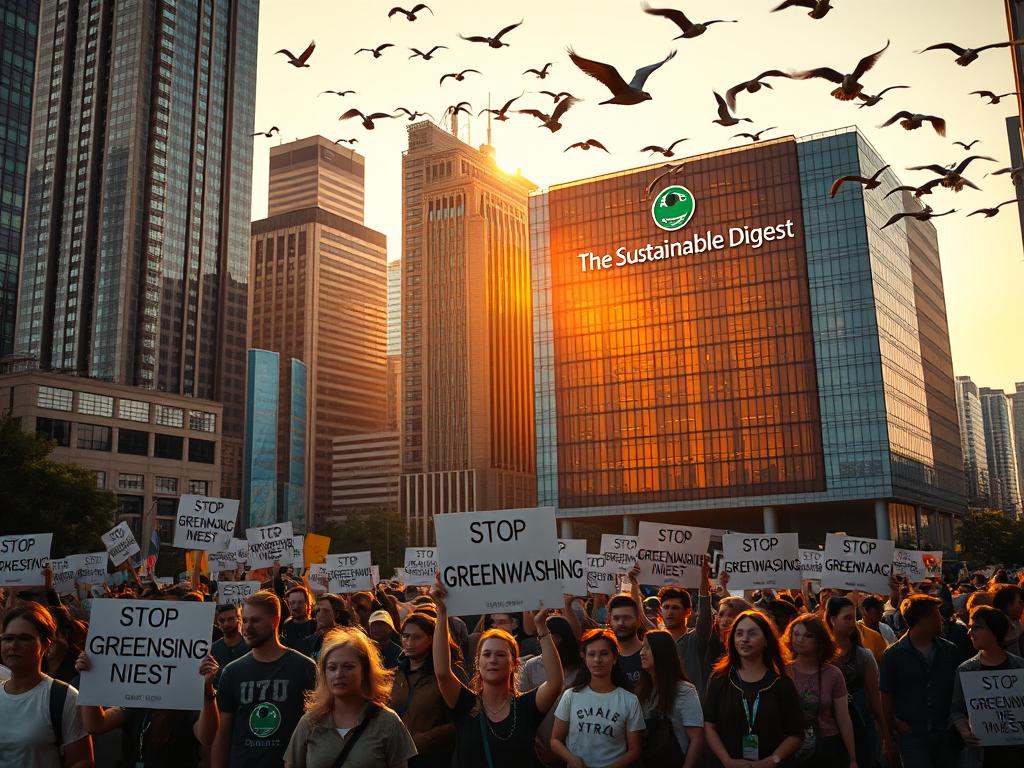
Greenwashing is when companies make false claims about their products being good for the environment and the great ecosystem. This is a major problem in the world of green and eco-friendly marketing and advertising. It tricks people into thinking products and supply chain are better for the planet than they really are.
Companies use greenwashing to make more money and sometimes peer approval. They want to sell and generate revenue by making their products seem eco-friendly. This can harm both consumers, stakeholders, and the environment.
In green marketing, greenwashing can be very subtle and manipulative. Companies might say in advertising production or state in their marketing materials that their products are much better for the environment than they actually are. It’s important to know how companies lie to the but the public and private customers and how to spot these lies.
By learning and understanding about greenwashing, we can make better choices. We can support companies and institutions that truly care about the environment. This helps to promote real ethical green marketing.
Understanding the Green Deception: What is Greenwashing?
To reinerate, Greenwashing is when companies make false claims about their goods or services being good for sustainability and sustainable principles. They might say they’re eco-friendly but falsely use labeling or catch phrases to draw in the consumer and/or the customer. Or they might talk and promote via labels and press material about corporate social responsibility, but it’s just for show. As people care more about the planet, companies use green marketing strategies to seem better or often superior to other products, but neither of those practices is true.
Studies show greenwashing hurts trust with customers and ultimately the end users. If a company not matter how large or small, is caught and exposed to lying, people lose faith and buy less. It is important to note, companies that really care about the planet gain loyal customers and other stakeholders, thus accessing more money.
Misleading labeling: Using labels or certifications that are not recognized by reputable third-party organizations.
Hidden trade-offs: Focusing on one environmental benefit while ignoring other negative environmental impacts.
Vagueness: Making general claims about environmental benefits without providing specific details or evidence.
As consumers, we need to know about these tricks. We should support companies that are truly eco-friendly and care about corporate social responsibility. This way, we help make marketing that’s real and helps our planet.
Company
Greenwashing Practice
Impact on Consumer Trust
Company A
Misleading labeling
Loss of credibility
Company B
Hidden trade-offs
Decrease in sales
Company C
Vagueness
Loss of customer loyalty
The Major Players Behind Greenwashing Practices
Many companies have been accused of greenwashing. This is when they make false claims about their products or services being good for the environment. This environmental deception hurts both consumers and the planet, making people doubt sustainable marketing.
ExxonMobil, Chevron, and BP are some big names accused of greenwashing. They’ve faced criticism for lying about their products’ environmental benefits.
Unsubstantiated claims about environmental benefits
Lack of transparency about production processes
Use of misleading or false labeling
Knowing these signs helps you choose better. You can support companies that really care about the planet and are honest in their marketing.
Companies must be transparent and honest in their marketing efforts, and avoid engaging in greenwashing practices that can damage consumer trust and harm the environment.
Company
Accusation
ExxonMobil
False claims about climate change
Chevron
Misleading labeling of products
BP
Lack of transparency about production processes
The Psychology of Green Marketing Manipulation
Green marketing is a big deal for companies today. It helps them look good to people who care about the planet. But, some companies use it to trick people into buying things they don’t really need.
They play on our feelings and make us feel guilty or nostalgic. This makes us more likely to buy their products. For instance, they might show pictures of nature to make us feel good about buying their stuff.
Consumer Vulnerability Points
Some companies take advantage of people who don’t know much about the environment. They use hard-to-understand language to make their products seem better than they are. It’s important for us to learn about eco-friendly practices so we can spot these tricks.
The Power of Eco-Friendly Imagery
Images of recycling or green energy are very powerful in marketing. Companies use them to make their brand look good. By doing good for the planet and using these images, companies can win our trust and build a strong reputation.
Essential Greenwashing Identifying Tactics, Greenwashing Avoidance Strategies and Methods
To spot and dodge greenwashing, you need to think critically and understand media well. This means checking if companies’ claims are true or just tricks. Greenwashing can be sneaky, but you can spot it by looking for vague or unproven claims about being green.
Here are some ways to avoid greenwashing:
Research companies and their environmental records
Look for third-party checks on their green claims
Be cautious of claims that seem too good to be true
By doing these things, you can choose better and avoid supporting greenwashing. Remember, greenwashing hurts the environment too. It makes people doubt real green efforts and slows down our move towards a greener future. Environmental deception is serious, and we all must watch out and demand truth from companies.
In short, fighting greenwashing needs critical thinking, media smarts, and research. By knowing how companies greenwash and checking their claims, we can help the planet. We can also support real green marketing.
Company
Greenwashing Claim
Reality
Example Company
“Eco-friendly packaging”
Packaging is not biodegradable and contributes to waste
Another Company
“Sustainable sourcing practices”
Sources materials from suppliers with poor environmental track records
The Seven Sins of Greenwashing
Companies often try to look good by doing eco-friendly things. But, some might lie to make their brand seem better. The seven sins of greenwashing help spot when they do this.
These sins include hidden trade-offs. This means a product might be good in one way but bad in another. For instance, a product might say it’s biodegradable, but it only breaks down under certain conditions. These conditions are not always clear.
Other sins are no proof and vagueness. Companies might say their products are eco-friendly without showing any proof. Or, they might use terms like “eco-friendly” without explaining what they mean. False labels are also a problem, where companies make up labels to look green.
Hidden trade-offs
No proof
Vagueness
False labels
Knowing these seven sins helps us make better choices. We can choose to support companies that really care about the environment. This way, we help them use honest green marketing.
FAQ
Q: What is greenwashing and why is it important?
A: Greenwashing is when companies make their products seem more eco-friendly than they really are. It’s a big deal because it breaks trust with customers. It also stops real efforts to be green and causes more harm to the environment.
Q: What are some common greenwashing tactics?
A: Companies use tricks like making vague claims or picking only the good parts of their impact. They might also use fake labels or certifications. This way, they hide their true environmental harm.
Q: How can consumers spot greenwashing?
A: To spot greenwashing, look for vague or unverifiable claims. Also, watch for a big gap between what a company says and what it does. Checking for real certifications and doing your homework can help too.
Q: What are the consequences of greenwashing?
A: Greenwashing can hurt trust in companies. It also makes it harder for real green efforts to succeed. Plus, it makes the environment worse by making it seem like companies are doing good when they’re not.
Q: How can companies avoid being accused of greenwashing?
A: Companies can stay clear of greenwashing by being open about their environmental impact. They should set clear goals and get third-party checks to prove their claims. Being honest and authentic is key to earning trust.
Q: What are the “seven sins of greenwashing”?
A: The “seven sins of greenwashing” are: hiding the bad, no proof, being vague, using fake labels, being irrelevant, choosing the lesser evil, and lying. These tricks make it hard to believe a company’s green claims.
Q: What resources are available to help identify and combat greenwashing?
A: To fight greenwashing, use online tools, check for real certifications, and talk to environmental groups. You can also report greenwashing and support real green efforts. These steps help keep companies honest.
Real-World Examples of Corporate Greenwashing
Companies often use sustainable marketing to look green but are actually greenwashing. This trick can be found in many fields, like energy and consumer goods.
Some examples include:
Volkswagen’s emission scandal, where they said their diesel cars were green but they were really polluting.
ExxonMobil’s claims of investing in green energy, but they only spent a tiny part of their budget on it.
Procter & Gamble’s false claims about eco-friendly packaging, which turned out to be greenwashing.
These cases show how crucial it is to hold companies accountable in sustainable marketing. They also highlight the need for consumers to spot environmental deception.
Learning from these greenwashing examples helps consumers make better choices. It encourages them to support companies that really care about the planet.
Tools and Resources for Spotting Green Marketing Deception
To spot greenwashing, you need the right tools and resources. Today, eco-friendly practices are key, not just a trend. Companies must show corporate social responsibility and use green marketing strategies that are clear and reliable.
Digital Verification Tools
There are many digital tools to help find greenwashing. These tools include online platforms that share info on companies’ green efforts and certifications. Some top ones are:
Environmental Defense Fund’s Scorecard
Greenpeace’s Guide to Greener Electronics
ClimateWorks Foundation’s Climate Scorecard
Certification Standards
Certification standards are key to proving eco-friendly practices are real. Some well-known ones are:
Certification
Description
ISO 14001
International standard for environmental management systems
LEED
Leadership in Energy and Environmental Design certification for buildings
Energy Star
Certification for energy-efficient products
Environmental Watch Groups
Environmental watch groups keep an eye on companies’ green actions. They offer useful info and resources for smart choices. Some notable groups are:
Sierra Club
World Wildlife Fund
Friends of the Earth
Taking Action Against Greenwashing
To fight greenwashing and support sustainable marketing, we can all do something. It’s key to report any false environmental claims. You can tell the Federal Trade Commission (FTC) or your local consumer protection agency about any ads that seem off.
It’s also important to back real green initiatives. Look for products with the EPA’s Safer Choice label. This shows the company cares about the environment. Supporting groups that uncover environmental deception helps too.
Here are some ways to fight greenwashing:
Check if companies’ green claims are backed by third-party certifications.
Support laws that make marketing more honest and accountable.
Help your loved ones make smart choices about what they buy.
Together, we can make a better future and stop greenwashing. As more people spot environmental deception, companies will have to be more open and green in their marketing.
Conclusion: Building a Greener Future Through Informed Choices
The world of green marketing and corporate social responsibility is complex. It’s often clouded by greenwashing. But, a greener future is possible with informed consumers who seek truth and hold companies to their promises.
Knowing how greenwashing works helps us make better choices. We can support real green initiatives by using digital tools and checking for certifications. This way, we can spot false claims and back up the real deal.
It’s a team effort between businesses and consumers to create a better world. When companies are open and focus on the environment, and we choose to buy from them, we’re all moving forward. Together, we can make a brighter, greener future.
Key Takeaways
Greenwashing is a form of environmental deception used to manipulate the end user/customer’s perception.
It can have serious consequences for long term revenue generation, consumers and the planet.
Understanding and identifying greenwashing tactics is essential for making informed choices.
Sustainable marketing practices can be promoted and advertised by avoiding greenwashing.
Ongoing education is key to recognizing and preventing greenwashing.
Greenwashing can take many forms, including exaggerated or lofty claims, and outright lies.
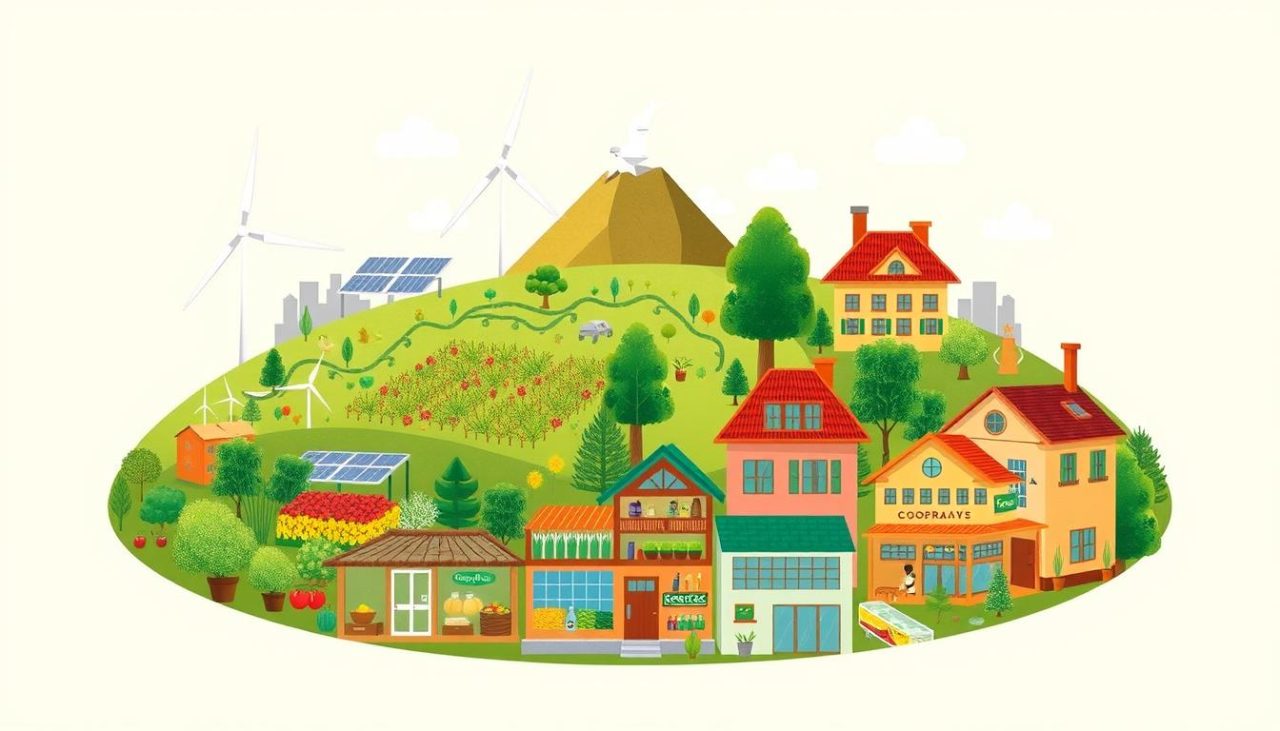
There a numerous set types of Cooperatives that, enterprises & democratic governed organizations are becoming key players in solving global environmental problems. They are owned by their members and lead in promoting green business practices and eco-friendly goods and services. These businesses are making big strides in creating a more sustainable future.
Cooperatives are changing how we tackle environmental justice and ecological stewardship issues, both locally and internationally. They focus on renewable and clean energy and sustainable farming. This shows that making money, community outreach, and protecting the planet can go hand in hand.
As we face climate change and use up resources, cooperatives are discovering new ways to help. They are more than just businesses and non-profits; they are communities working together for a greener world. Through their collective efforts, cooperatives are making a real difference in so many areas.
Understanding Modern Cooperative Models in Sustainability
The sustainable types of cooperatives are changing how we face environmental challenges. They bring diverse groups of people together to fight climate change and support green practices. Environmental, habitat preservation, produce, and sustainable agriculture cooperatives are leading this green movement.
Core Principles of Sustainable Cooperatives
Sustainability-focused cooperatives stand out with their key principles. They focus on stewarding the environment, fair labor practices, and community involvement. These groups aim to reduce carbon footprints and support clean energy.
By focusing on sustainability, they make a lasting positive impact on our planet.
Economic and Environmental Benefits
These types of cooperatives offer more than just environmental and social benefits. They create jobs, boost local economies, and provide affordable green goods and service. Environmental cooperatives save money through shared resources and bulk purchases.
Sustainable agriculture cooperatives help farmers and ranchers use eco-friendly methods. This leads to healthier food, minerals, and soils.
Benefit
Environmental Impact
Economic Impact
Renewable Energy Use
Reduced Carbon Emissions
Lower Energy Costs
Sustainable Farming
Improved Soil Health
Higher Crop Yields
Resource Sharing
Less Waste
Increased Savings
Governance Structure and Member Participation
Cooperatives succeed because of owner-member involvement. Everyone has a say in decisions, ensuring objectives and actions meet community needs. This democratic structure encourages humanitarianism, innovation, and accountability.
Owner-members of environmental cooperatives often join eco-projects. Those in sustainable agriculture cooperatives share farming and ranching techniques.
“In a cooperative, every member’s voice counts. It’s not just about profit, but about creating a sustainable future for all.”
Different types of Cooperatives in Sustainability, ESG, Climate, and resiliency
Cooperatives are key in solving big sustainability, ESG, climate, carbon, and resiliency problems. They bring people together from all walks of life to work on big environmental issues. Let’s explore more about the three types of cooperatives that are making a big difference in sustainable development.
Worker-Owned Environmental Cooperatives
Worker-owned environmental cooperatives let employees take action for the eco-system of the planet. They focus on green practices, clean and renewable energy, and cutting down waste. This way, workers feel invested in the company’s success and work harder to meet environmental and social impact goals.
Consumer Green Cooperatives
Consumer green cooperatives serve those who care about the planet. They sell sustainable products like organic food and green household items. By working together, they can get better deals on these products, making green living easier for more people.
Multi-Stakeholder Climate Initiatives
Multi-stakeholder climate initiatives team up different groups to tackle big environmental issues. These cooperatives include local governments, businesses, and residents working together. They create new solutions that help the whole community.
Cooperative Type
Key Focus
Primary Stakeholders
Worker-Owned Environmental
Sustainable practices, renewable energy
Employees
Consumer Green
Eco-friendly products and services
Customers
Multi-Stakeholder Climate
Community-wide climate adaptation
Local government, businesses, residents
Renewable Energy Cooperative Solutions
Renewable Energy Cooperatives are changing the energy scene and causing a ripple effect across the monopolies and cooperative communities alike. They let locals who are owner-members control their energy future. Owner-members pool resources to fund clean and green energy projects, helping the planet and their pockets.
Solar Energy Cooperative Models
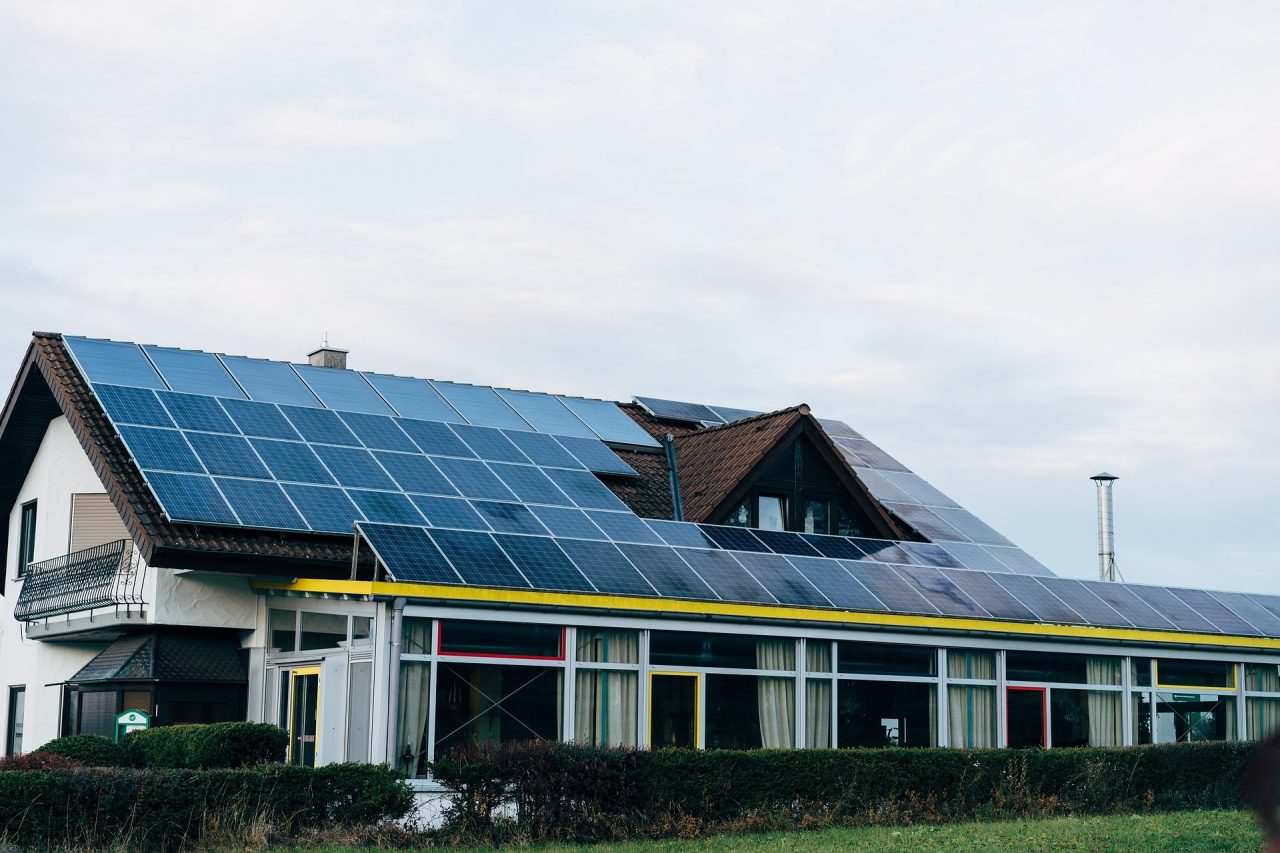
Solar cooperatives are becoming the most popular nationwide and globally. Owner-members split the cost of solar panels, making green energy affordable. Some networks even sell their surplus power, earning money for owner-members.
Wind Power Community Projects
Wind power cooperatives, like other clean energy coops, rely on community strength. They thrive in rural areas and in the flat plains with strong winds. Farmers get extra income by leasing land for turbines, helping produce renewable energy.
Energy Storage Initiatives
Energy storage is extremely key for Renewable Energy Cooperatives. Battery systems store extra energy for when it’s needed most during off-peak hours. This boosts grid reliability, durability, and cuts down fossil fuel use.
Cooperative Type
Key Benefits
Challenges
Solar
Lower installation costs, shared maintenance
Space requirements, initial investment
Wind
High energy output, land lease income
Wind variability, noise concerns
Energy Storage
Increased reliability, peak shaving
Technology costs, regulatory hurdles
Renewable Energy Cooperatives pave a sustainable path. They help communities cut carbon emissions, lower energy bills, greenhouse gases, and fight climate change.
Sustainable Agriculture and Food Cooperatives
Sustainable Agriculture Cooperatives are invaluable in promoting green farming, ranching, and food making. They unite local farmers, creating a strong community effort in agriculture. This focus is on caring for the environment, preserving the local habitat, and ensuring everyone has food.
Environmental Cooperatives in farming use organic methods, cut down on chemicals, and save natural resources. By working together, members get access to new, green technologies and practices. These are often too expensive for one farmer to afford alone.
“Sustainable Agriculture Cooperatives empower farmers to produce food responsibly while protecting our planet for future generations.”
These groups often connect farms directly to tables, cutting down on transportation and emissions. They support a wide range of crops and protect natural habitats. Many also save and share seeds, keeping rare varieties alive and making crops stronger.
Benefits of Sustainable Agriculture Cooperatives
Impact
Reduced chemical use
Improved soil and water quality
Increased biodiversity
Enhanced ecosystem resilience
Shorter supply chains
Lower carbon emissions
Knowledge sharing
Improved farming practices
Environmental Cooperatives in farming also reach out beyond the fields. They teach people about sustainable food systems and encourage eco-friendly choices. This broad effort helps make the food chain more sustainable, from the farm to our plates.
Green Housing and Eco-Community Cooperatives
Green Housing Cooperatives are changing city living. They mix green living with cooperative ideas. People come together to build eco-friendly homes and lively areas.
Sustainable Building Practices
These cooperatives focus on green building. They use recycled stuff, solar panels, and smart designs. This lowers energy bills and helps the planet.
Community Garden Integration
Many have shared gardens or mini-gardens and hoop houses. These spots give fresh food and build community. People learn to farm sustainably and enjoy their harvest and investments.
Shared Resource Management
Cooperatives are great at sharing resources and exchanges. They have systems for preserving water, reducing waste, and managing energy. This teamwork makes the overall infrastructure more efficient and cuts down on waste.
“Our cooperative’s shared resource system has cut our utility costs by 40% while bringing neighbors closer together,” says a member of a thriving Green Housing Cooperative in Seattle.
Green Housing Cooperatives are at the forefront of green and smart city growth. They mix green living with community efforts. This creates strong, livable places for tomorrow.
Environmental Manufacturing and Production Cooperatives
Eco-friendly manufacturing cooperatives are changing the game in industrial production. They mix sustainable practices with a worker-owned model. This approach aims to cut waste, save resources, and make eco-friendly products.
Worker-owners in these cooperatives care about making money, productivity, and protecting the environment. This setup leads to new ways of production and output. For instance, many use closed-loop systems, where waste is converted into new inputs.
“Our cooperative model allows us to prioritize long-term sustainability over short-term gains. We’re not just employees; we’re stewards of our environment and our community.”
These cooperatives focus on making sustainable and/or eco-friendly versions of common products. They produce everything from biodegradable packaging to solar-powered gadgets. They’re leading the charge of green innovation and sustainable development.
Cooperative Type
Key Focus Areas
Environmental Impact
Recycling Cooperatives
Waste reduction, Material recovery
Landfill diversion, Resource conservation
Green Tech Cooperatives
Renewable energy products, Energy-efficient devices
Carbon footprint reduction, Energy savings
Eco-textile Cooperatives
Organic fabrics, Sustainable dyeing processes
Water conservation, Chemical pollution reduction
The success of Eco-Friendly Manufacturing Cooperatives shows that generating capital and saving the planet can work together. As people become more eco-aware, these cooperatives are ready to lead in sustainable production and development.
Climate Action and Resilience Cooperative Networks
Climate Action Cooperatives and Community Resilience Cooperatives collaborate together for sustainability projects from human rights to conservation to fight climate change. They create robust systems for getting ready for disasters, adapting to climate change, and responding to emergencies.
Disaster Preparedness Programs
Climate Action Cooperatives make detailed plans for disaster readiness. They do risk checks, plan evacuations, and store important items. Owner-members learn first aid and emergency steps, so they can act fast during disasters.
Climate Adaptation Strategies
Community Resilience Cooperatives work on short-term and long-term climate solutions. They start habitat preservation and green projects like urban forests and rain gardens to fight flooding and heat. They also support farming and permaculture-facing agendas that’s good for the planet, to keep food safe in changing climates.
Community Emergency Response
When disasters hit, Climate Action Cooperatives act quickly. They work with local groups, manage shelters, and share resources. Their community focus means they respond fast and effectively, meeting local needs.
Cooperative Type
Focus Area
Key Activities
Climate Action Cooperatives
Disaster Preparedness
Risk assessment, evacuation planning, emergency training
Community Resilience Cooperatives
Climate Adaptation
Green infrastructure, sustainable agriculture, resource management
Both
Emergency Response
Shelter management, resource distribution, community coordination
“Our cooperative network turns climate challenges into opportunities for community growth and resilience,” says Emma Chen, leader of the Bay Area Climate Action Cooperative.
Together, these networks make communities stronger and more ready to face climate challenges.
ESG Integration in Cooperative Business Models
Those types of Cooperatives in general are, at the forefront of sustainability and economic development. They leverage Environmental, Social, and Governance (ESG) principles into their daily work. This approach helps them measure and enhance their positive impact.
Environmental Impact Measurement
Cooperative enterprise organization use advanced tools to measure their environmental impact. They track energy use, waste, water, and carbon emissions. Life cycle assessments and life cycle cost analysis both help them understand the full effect of their activities.
Social Responsibility Programs
Cooperatives focus on social responsibility through community efforts and engagement. They promote fair labor, diversity, international relations, and local economic growth. Some even offer education and training to empower members and encourage sustainable practices.
Governance Best Practices
Cooperatives are known for their transparent, scalable, and democratic governance. They ensure all owner-members have a say in decisions. Regular audits for checks and balances with open communication build trust and accountability.
“Cooperatives are not just businesses; they’re catalysts for positive change in sustainability and climate action.”
By embracing both CSR and ESG, cooperatives are raising the bar for sustainable business. Their structure allows them to succeed economically while protecting the environment and advancing society. This makes them key players in the battle against climate change/pollution/environmental impact and social inequality.
Conclusion
The various types of Cooperatives are a key factor in making our world more sustainable and resilient. They range from customer/producer/worker-owned groups to renewable energy projects. These efforts are crucial for a greener future for the next generations.
Cooperatives continue to tackle imposing global issues in unique ways. They focus on sustainable farming, green homes, and eco-friendly manufacturing. Their goal is to protect our planet and support communities.
In a world facing many challenges in labor, economic, politics, law, and education to name a few; cooperatives offer hope in something very attainable. They use democratic rules, share resources, foster innovation, and engage communities. By adopting these cooperative models, we can create a better world for all and for future generations to come.
Key Takeaways
Cooperatives play a crucial role in promoting sustainability, green production, and ESG practices
Member-owned structures enable democratic economics for decision-making in environmental initiatives
Various types of cooperatives address different aspects of labor, ecology, climate change and resiliency
Cooperatives combine economic success with ecological responsibility through social impact
Cooperative organizations as internal operations offer innovative solutions to global environmental challenges
This website is saving the energy of your screen as it is not being used. It's part of a global effort to lower the planet's electrical consumption and CO2 emission level. Resume browsing