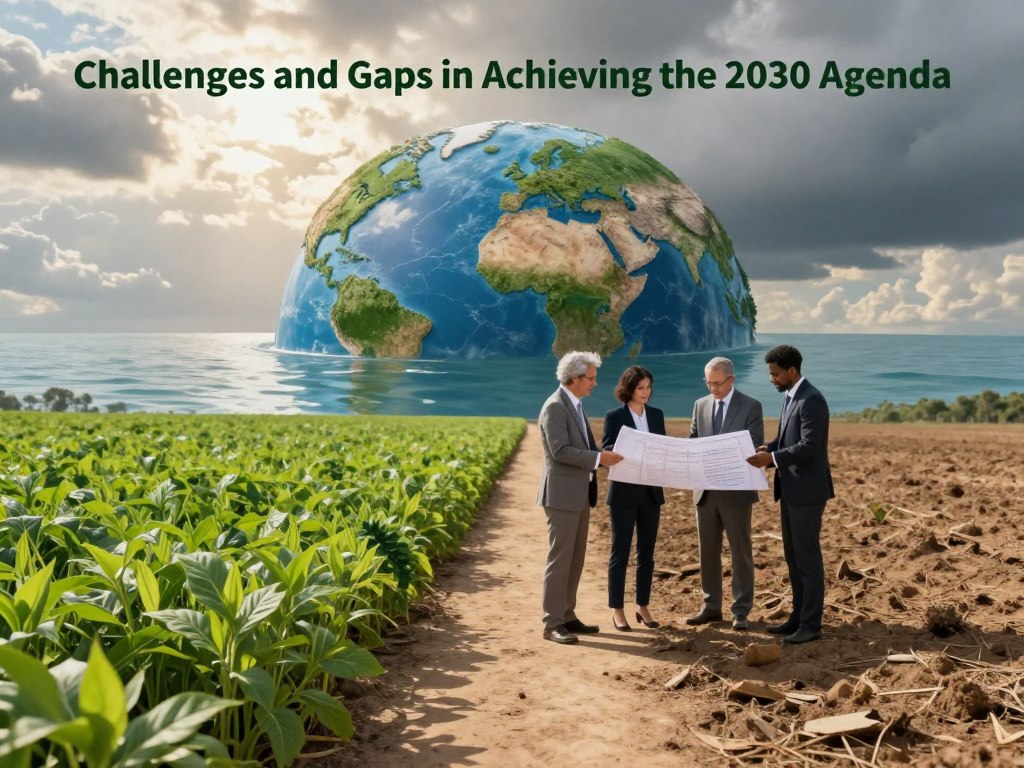
The latest edition of the 2026 SDSN Sustainable Development Report marks a significant moment in global efforts toward a more equitable future. It reflects a decade of data and progress since the adoption of the 2030 Agenda by all UN Member States. This document serves as a crucial tool for understanding the trajectory of development across nations.
In this year’s report, the SDSN Sustainable Development Solutions Network has identified eight key priorities aimed at accelerating progress through 2030 and beyond. This strategic shift emphasizes the importance of looking forward, rather than solely reflecting on past achievements.
Moreover, the report features insights from two innovative surveys that gauge both expert opinions and public perceptions regarding the barriers to implementing these vital goals. As nations navigate complex challenges, the findings serve as a guide for policymakers and stakeholders alike.
As we delve into the details, it becomes clear that the rankings of countries such as Finland, Sweden, and Denmark are not just a celebration of their achievements. They represent a commitment to long-term strategies that foster positive impacts both domestically and internationally.
1. Introduction to the SDSN and UN DESA Roles in Sustainable Development
At the forefront of global initiatives, the Sustainable Development Solutions Network and the United Nations Department of Economic and Social Affairs collaborate to advance significant goals. Their combined efforts have shaped the landscape of international development, particularly since the adoption of the 2030 Agenda in 2015.
1.1 Historical Background of the Sustainable Development Solutions Network
The Sustainable Development Solutions Network emerged as a brain trust under UN auspices. Since 2015, it has mobilized global academic and research expertise to tackle the most intractable challenges facing all 193 member states. This initiative emphasizes collaborative approaches to sustainable development.
1.2 Overview of the United Nations Department of Economic and Social Affairs
UN DESA’s long-term history as the Secretariat’s economic social arm stretches back decades. However, its role crystallized dramatically after 2015, when it became the backbone for the High-Level Political Forum. This forum serves as the custodian of the Voluntary National Review process across 193 member states.
1.3 Synergies between SDSN and UN DESA in Global SDG Efforts
The synergy between SDSN and UN DESA is evident in their complementary data collection efforts. SDSN leverages its global network of academics to track the evolving landscape of sustainable development. Meanwhile, UN DESA maintains the official SDG indicator framework that informs monitoring processes.
Since 2016, both organizations have strengthened governance systems through bilateral relationships with national and regional governments. This collaboration is crucial for effective implementation of the sustainable development goals.
Organization
Role
Key Contributions
Sustainable Development Solutions Network
Mobilizes research expertise
Addresses complex challenges in 193 member states
United Nations Department of Economic and Social Affairs
Serves as the Secretariat’s economic social arm
Custodian of Voluntary National Review process
Collaboration
Data collection and governance
Strengthens systems for sustainable development
Short-term progressions have seen both institutions grappling with the declining emphasis on sustainable development in high-level discussions. This trend underscores the urgency of their collaborative efforts in fostering a sustainable future.
2. Evolution and Annual Development of the 2026 SDSN Sustainable Development Report
The evolution of these reports mirrors the dynamic nature of global development efforts and the pressing need for accountability. Since 2015, the series has transformed from a basic scorecard into a comprehensive tool for assessing progress across nations.
2.1 The Report’s Genesis and Long-Term Development Since 2015
The sustainable development report series began its journey in 2015. It aimed to hold all 193 UN Member States accountable to the newly established SDGs. Over the years, it has evolved into a multidimensional analytical framework, as seen in the latest edition.
2.2 Annual Update Process and Collaborative Mechanisms (2016-2026)
Each annual update since 2016 has introduced methodological refinements. The early editions primarily focused on country rankings. However, later versions incorporated spillover indices and trend analyses. By the latest edition, comprehensive survey data from expert networks and the public have been included.
The collaborative mechanisms behind the annual updates involve a well-coordinated effort. SDSN’s secretariat collaborates with regional offices in Asia, Europe, and North America. An expanding network of local chairs and managers ensures the accuracy of data across all 193 countries.
2.3 Integration of Expert and Public Surveys in Report Refinement
The integration of expert and public surveys marks a significant methodological evolution. The latest edition includes the “2026 Expert Survey on Government Efforts for the SDGs,” covering 64 countries and the European Union. Additionally, it features the “2026 Survey on SDG Challenges and Means for Implementation,” which gathered insights from 1,098 respondents across 127 countries.
Annual decisions have been influenced by the shifting landscape of international development. For instance, the 2019 edition introduced the six SDG Transformations framework, while the 2020 edition addressed the impacts of the COVID-19 pandemic. The latest edition now pivots toward priorities beyond 2030 as the deadline approaches.
Initially affiliated with a university press, the report has matured into a globally recognized authority on SDG progress. Each edition builds on the previous year’s lessons, expanding the universe of data available for cross-country comparisons.
Importantly, all report materials—including the full PDF, Excel database with scores and ratings, codebook, and methodology documentation—are available for free. This commitment to democratizing data reflects the guiding principles that have shaped the report’s evolution since 2016.
3. Analysis of SDSN Expert and Large-Scale Surveys on SDG Implementation
The recent expert survey sheds light on the effectiveness of government initiatives related to the SDGs. It highlights how these efforts have been integrated into public management practices. This analysis draws on qualitative data collected from experts across various countries, providing a nuanced understanding of SDG implementation challenges.
3.1 The 2026 Expert Survey on Government Efforts
This year’s expert survey represents a methodological triumph in qualitative data collection. It mobilized 65 responses across 64 countries and the European Union. The survey assessed how deeply the SDG framework has penetrated national public management practices since 2018.
Countries like Canada, Denmark, Ghana, and Italy have made significant strides in incorporating the SDG framework into their governmental practices. In contrast, Australia, the United States, and Venezuela have not prioritized the SDGs in their public management frameworks.
3.2 Insights from the 2026 Large-Scale Survey on SDG Challenges
The large-scale survey, encompassing 1,098 respondents from 127 countries, provides a broader perspective on SDG outcomes. An overwhelming 78% of respondents believe that SDG outcomes in their countries have either improved or stagnated from 2015 to 2025.
However, the survey also identified significant barriers to SDG implementation. Notably, 89% of respondents pointed to the failure to implement approved strategies as a critical challenge. Additionally, 87% highlighted the shifting geopolitical landscape as another major hurdle.
3.3 Implications of Survey Findings on Policy and Implementation Practices
The findings from both surveys underscore the unique value of the SDSN in curating insights for the updated report. By triangulating expert assessments, public perceptions, and quantitative indicators, the network provides a multidimensional picture of government efforts.
This comprehensive approach informs the eight priorities for accelerating SDG progress through 2030 and beyond. It reveals that while bureaucratic structures remain in place, the political commitment at the highest levels is waning, as evidenced by the decline in heads of state referencing the SDGs in official speeches.
4. Role and Impact of Voluntary National and Local Reviews in Global SDG Monitoring
The mechanisms for Voluntary National and Local Reviews have emerged as pivotal tools in tracking global progress. Since 2016, 190 countries have participated in the Voluntary National Review (VNR) process. This achievement represents a remarkable feat of global accountability architecture, particularly in contrast to the three holdouts: Haiti, Myanmar, and the United States.
In 2026, 36 countries are scheduled to present updated reviews of their SDG action plans. Notably, there are no first-time presenters this year. Togo and Uruguay will present their fifth VNRs, showcasing their sustained engagement with this important mechanism. This evolution reflects how the VNR process has transformed from a one-off reporting exercise into an iterative policy learning cycle over the past decade.
The growth of Voluntary Local Reviews (VLRs) tells an equally compelling story. Subnational authorities in 48 countries have produced 386 VLRs from 2016 to 2026. Brazil, Malaysia, Mexico, and Argentina alone account for nearly half of these reviews. The number of VLR submissions surged by 69% from 62 in 2024 to 105 in 2025, indicating a robust local-level momentum for sustainable development.
4.5 Role and Impact of Voluntary National and Local Reviews in Global SDG Monitoring continuing..
UN DESA’s role as the institutional custodian of both VNRs and VLRs has expanded significantly. The Department maintains comprehensive databases tracking participation trends and provides technical support to governments preparing their reviews. This support ensures that these accountability mechanisms feed into the broader SDG implementation monitoring ecosystem.
The absence of the United States from the VNR process, alongside Haiti and Myanmar, highlights a significant gap in global SDG progress monitoring. This is particularly concerning given the country’s influence on international spillover effects, which the SDSN’s spillover index tracks across multiple indicators.
Ultimately, the VNR and VLR mechanisms embody the principle of country-led accountability that underpins the 2030 Agenda. UN DESA’s support infrastructure has evolved from basic reporting templates to sophisticated data platforms, enabling cross-country comparisons and peer learning among the 190 participating countries.
Country
VNR Presentations
VLR Count
Togo
5
15
Uruguay
5
10
Brazil
4
72
Malaysia
4
44
Mexico
4
35
Argentina
4
34
United States
0
0
5. 2026 SDSN Sustainable Development Report Annual Update Review Analysis: Key Findings and Priorities
In this edition, we explore the vital discoveries and strategic priorities emerging from the latest global development evaluations. The 2026 findings reaffirm the Nordic dominance in sustainable development, with Finland, Sweden, and Denmark topping the rankings. However, the sdg index dashboards reveal a more complex narrative.
The spillover index illustrates how the consumption patterns of wealthier nations can negatively impact progress towards achieving the sustainable development goals in the Global South. This nuance is crucial for understanding the interconnectedness of global development efforts.
5.1 Overview of 2026 SDSN Report Rankings and Trends
The rankings from the development report 2026 indicate that while some countries excel, there are underlying issues that need addressing. The interactive maps within the report showcase the performance of nations on each of the 17 goals, providing a clear picture of where efforts are succeeding and where they are lacking.
5.2 Priority Areas and Emerging Issues in the Post-2030 Sustainable Development Agenda
The report identifies eight key priorities for accelerating sdg progress through 2030 and beyond. A remarkable consensus among experts reveals that at least 75% agree on six critical priorities for the post -2030 agenda. These include:
Strengthening means for implementation, focusing on governance and data.
Developing international guidelines on SDG synergies and trade-offs.
Incorporating artificial intelligence into future frameworks.
Reforming the global financial architecture to address budgeting gaps.
Ensuring stability in the framework while maintaining continuity in goals.
Better reflecting and incorporating international spillovers.
5.3 SDSN and UN DESA’s Collaborative Role in Shaping International Development Policies
The collaborative dynamic between SDSN and UN DESA plays a pivotal role in shaping international development policies. Their joint efforts highlight the importance of aligning government strategies with budget allocations. The findings indicate a persistent gap between adopting strategies and allocating necessary resources, which must be addressed in future negotiations.
Dr. Guillaume Lafortune’s recent publication emphasizes the need for a credible framework to guide the post -2030 agenda. This intellectual groundwork will help bridge the gap between academic rigor and practical policy applications, ensuring that future efforts are both informed and effective.
As we look toward 2030 and beyond, the sdg index dashboards serve not just as a report card but as a strategic compass. They provide actionable insights on where government efforts have succeeded and where they have stalled, guiding priorities for the future.
6. Conclusion
The synthesis of findings highlights the intricate tapestry of global initiatives at play. This edition showcases how the collaborative efforts of key organizations have matured over time. The convergence of expertise from various countries and institutions illustrates a commitment to advancing meaningful progress.
Moreover, the eight identified priorities serve as a roadmap for future actions. They not only address past shortcomings but also pave the way for innovative solutions. The free availability of data further exemplifies a dedication to transparency and accessibility.
As we navigate the path toward a more equitable future, the development process between these organizations stands as a model. It demonstrates how ongoing collaboration can yield actionable insights, ensuring that the global dialogue on sustainable development remains vibrant and impactful.
Key Takeaways
This report synthesizes ten years of data since the 2015 adoption of the 2030 Agenda.
It identifies eight priorities to enhance progress toward global goals.
Insights from expert and public surveys inform actionable strategies.
Top-ranking countries showcase effective long-term commitments.
Interactive tools allow for exploration of historical data trends.
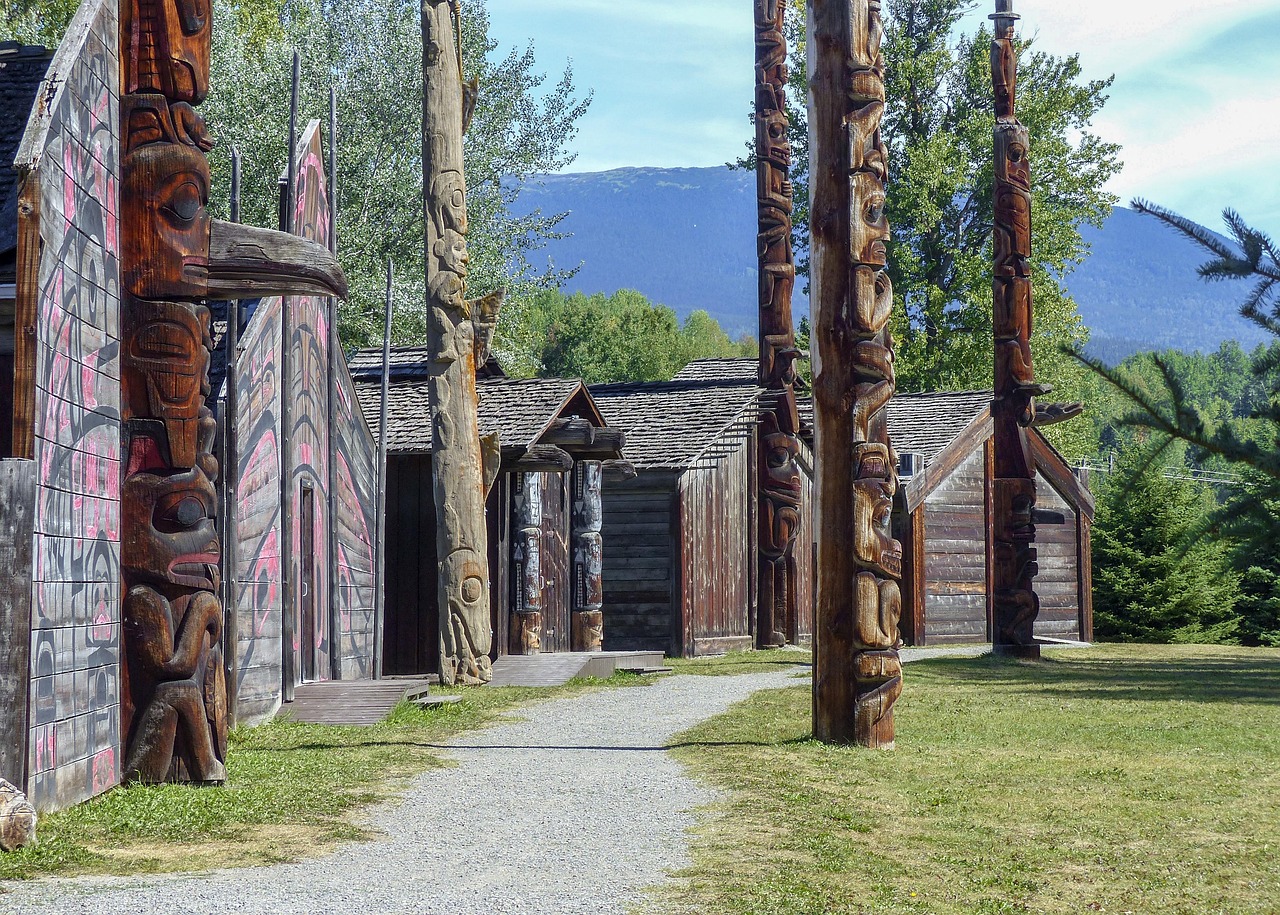
Long before we called it “green building,” Indigenous architecture in what’s now the United States was already doing it right. These ancient homes were built to withstand extreme weather, using local materials and careful observation. They outperformed many modern “eco” homes in terms of cost and efficiency.
This article looks at proto-sustainability as a way to understand ancient wisdom. We explore how buildings were designed to work with their environment, respecting the cultures that built them. Every detail, like a wall assembly, is part of a larger system of care for the land.
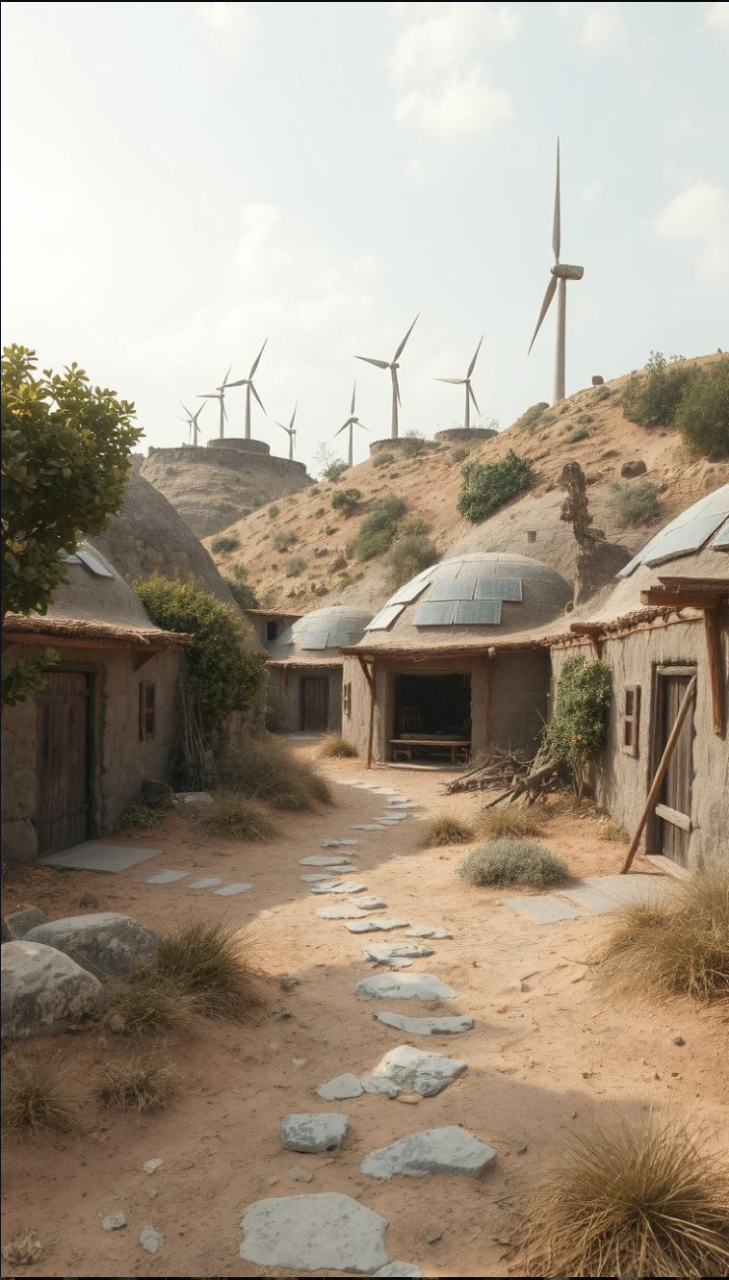
We compare traditional U.S. buildings with modern off-grid homes like earthships and cob houses. Both use natural materials and smart designs to stay cool and warm. But, they differ in how they use industrial materials and follow building codes.
Next, we’ll take you on a tour of U.S. climates and dive into materials like cob, adobe, and rammed earth. We’ll also focus on water, site selection, and how buildings fit into their landscapes. Finally, we’ll offer advice on how to draw inspiration without disrespecting other cultures.
What Proto-Sustainability Means in Architecture
The concept of proto-sustainability is best understood by looking back. These buildings were designed to work well with local ecosystems and to be easily repaired. The goal was to keep them running year after year, without taking too much from the future.
Defining proto-sustainability vs. modern green building
Today, we often focus on modern green building standards. These include LEED scores and net-zero goals. Yet, the debate between green building and traditional architecture remains important.
Proto-sustainable design is more like a practical guide. It uses materials that are easy to find and maintain locally. These materials are also better for the environment because they don’t end up in landfills.
Lens
Proto-sustainable practice
Modern green building frameworks
Primary proof
Long performance in one place across generations
Modeled performance plus third-party rating or certification
Supply chain
Local sourcing; short transport; seasonal availability
Often global sourcing; specialized assemblies and imports
Maintenance model
Planned upkeep as routine community work
Scheduled service; sometimes specialist-driven maintenance
Materials mindset
Life-cycle building materials chosen for repair and reuse
Mix of low- and high-embodied-energy products, depending on budget and goals
Risk profile
Known performance under local weather patterns
Can be excellent, yet may rely on tight tolerances and precise installation
Why Indigenous knowledge systems matter today
Indigenous knowledge systems are not just stories. They are valuable data gathered through hard experience. This includes learning from weather and natural events.
Traditional ecological knowledge (TEK) offers insights that go beyond numbers. It connects the health of habitats, settlement patterns, and daily life. This approach tests design choices over seasons, not marketing cycles.
How climate, culture, and materials shaped design
In climate-adaptive architecture, design follows weather patterns. Buildings use thick walls, overhangs, and tight entries to manage temperature and wind. Raised floors help deal with moisture.
Culture also influences design. Buildings are designed to organize people, not just air. They reflect shared labor, privacy, and ceremonial life. In many places, “sustainable” meant “works here, repeatedly,” without harming local resources.
Proto-Sustainability ancient housing indigenous buildings earthships cob houses
The term Proto-Sustainability sounds new, but its roots are ancient. Builders long ago designed homes to work with nature. They aimed for comfort using less energy.
Today, we’re rediscovering these old ideas. They focus on how buildings work and use resources wisely. Indigenous architecture is more than just a prototype; it’s a living part of our culture.
Connecting ancient building logic to earthships and cob houses
Indigenous buildings managed heat with thick walls and smart openings. Earthships use earth-berming and heavy walls to keep temperatures stable. It’s like engineering a house to work like a system.
Cob houses are built with clay, sand, and straw. Their walls are dense and can be fixed in place. This method is not regress; it’s a smart use of materials.
Shared principles: thermal mass, passive solar, and local sourcing
Across time, the same ideas keep coming back. Passive solar homes use sun to warm them in winter and cool them in summer. Thermal mass walls store heat and release it slowly.
Building with local materials is key. It reduces transport needs and makes repairs easier. The right material choice is crucial for success.
Design focus
Common thread in older practices
How earthship design applies it
How cob house principles apply it
Typical constraint in the U.S.
Heat storage and release
Thick envelopes buffer daily temperature swings
Uses bermed shells and interior mass to stabilize indoor temps
Relies on dense earthen walls to moderate peaks and dips
Thermal mass walls can underperform without added insulation in cold zones
Solar orientation
Openings and room layout follow seasonal sun paths
Targets sun-facing glazing for winter gain and controlled shading
Pairs window placement with wall mass to reduce overheating
Lot shape, setbacks, and neighboring shade can limit exposure
Material sourcing
Use what is nearby and workable; replace parts over time
Often mixes local earth with salvaged industrial inputs like tires or bottles
Uses site or regional soil blends; repairs can reuse the same mix
Soil testing, moisture detailing, and lender expectations add friction
Moisture management
Form, roof lines, and site drainage protect walls
Depends on membranes, drainage layers, and precise detailing
Depends on plasters, capillary breaks, and roof overhangs
Building codes may require specific assemblies and inspections
Where modern interpretations diverge from traditional practice
Today’s buildings often focus on individual needs, not community. This is different from Indigenous structures, which were deeply connected to their people and land.
Modern builds might use industrial materials, while traditional ones relied on local resources. This can lead to higher environmental impacts, especially if materials are imported.
In cold climates, mass alone may not be enough to keep buildings warm. This doesn’t mean the ideas are wrong; it just shows they need to be adapted for today’s conditions.
Indigenous Building Principles That Reduce Environmental Impact
Before we worried about carbon, Indigenous builders built smartly. They used what was easy to carry and avoided hard-to-get resources. This simple rule helped many communities in the U.S. build sustainably.
Building with local, renewable, and salvaged materials
They chose materials based on what was nearby. They used earth, wood, reeds, grasses, stone, and hides. This choice saved time, tools, and energy.
Salvage building was also key. They reused materials after storms or repairs. This way, they didn’t waste anything. Today, we call this circular construction.
Designing for durability, repairability, and reuse
They built to last, not just to look good. They made walls thick, roofs overhang, and floors raised. This made their homes last longer with less work.
They also made houses easy to fix. They could replace parts without tearing everything down. This was better than modern buildings that hide problems until they’re expensive to fix.
Principle
Traditional performance logic
Environmental effect
Maintenance pattern
Use what the site offers
Earth, stone, timber, reeds, and grasses selected for climate fit and availability (local materials)
Less transport demand; fewer processing steps for low-impact building
Periodic harvesting and careful replenishment of renewable materials
Protect the structure
Thick walls, raised floors, and roof overhangs reduce sun, rain, and splash-back damage
Longer lifespan means fewer replacement cycles and less waste
Routine inspections; small fixes prevent large rebuilds
Make parts replaceable
Finish layers and sacrificial elements can be renewed without disturbing the core (repairable housing)
Lower material throughput over time; fewer landfill-bound removals
Re-plastering, patching, re-thatching done with basic tools
Keep materials in circulation
Recovered poles, stones, and boards reused when possible (salvage building)
Supports circular construction by extending component life
Sorting, storing, and reusing parts as needs change
Low-waste construction methods and closed-loop thinking
They built on-site to reduce waste. This meant less packaging and offcuts. They also made sure materials could go back to nature easily.
This way of building is still smart today. It’s about planning well and avoiding waste. It makes buildings last longer and need less fixing.
Earth-Based Materials: Cob, Adobe, Rammed Earth, and Clay
Earth can be a great material for building, but it needs careful handling. The success of earthen buildings depends on the soil, wall shape, and climate. It’s important to get the details right, especially with flashing.
Start with a solid base and a strong roof. This includes raised foundations, capillary breaks, and big roof overhangs. Then, focus on how the walls handle heat and moisture.
Cob house composition and performance basics
A cob house is made from clay-rich soil, sand, straw, and water. The mixture is pressed into walls by hand. These walls can hold weight if they’re thick enough.
The thickness of cob walls is not just for looks. It also helps with keeping warm and managing moisture. You can shape the walls easily, but remember to add lintels over openings.
Adobe bricks vs. cob walls in different climates
Adobe uses sun-dried bricks, making it easier to plan and fix. You can replace a single brick without redoing the whole wall.
Cob walls are built on-site, fitting well with unique designs. In hot areas, both types keep the inside cool. But in wet places, they need extra care to handle moisture.
Rammed earth: density, strength, and thermal stability
Rammed earth walls are made by pressing damp soil into forms. They are strong and keep heat well. You can even make them look modern.
Old mixes just used soil and compaction. Now, some add cement for strength. But this can increase carbon emissions.
Breathability, moisture control, and natural plasters
Earthen walls can handle indoor humidity. But they need protection from too much water. Also, they should be able to breathe.
Clay plaster is a good finish because it’s easy to fix. Lime can make it last longer in wet spots. Both work best when the wall can dry and the roof keeps rain away.
Material approach
How it is made
Strength and structure notes
Moisture and finish strategy
Best-fit climate signal in the U.S.
cob house walls
Clay-rich soil, sand, fiber, and water placed as a continuous mass
Thick walls carry load; curves add stability; openings need lintels and thoughtful reinforcement
Relies on drying potential; clay plaster or lime finish protects while staying compatible with vapor permeability
Performs well where rain is manageable with overhangs; needs extra care in humid or flood-prone areas
adobe construction
Sun-dried bricks laid with earthen mortar in modular courses
Predictable units support standard details; seismic strategies often include reinforcement and bond beams
Requires raised bases and durable exterior coats; finish choices should respect hygrothermal design
Strong match for hot-arid zones with high diurnal swing; detailing becomes decisive in mixed-wet climates
rammed earth walls
Soil compacted in forms in thin lifts; sometimes stabilized with cement
High density and compressive strength; stabilized mixes increase consistency but change the carbon story
Surface can be left exposed if protected from splash and runoff; compatible sealers must not trap moisture
Works across many regions when protected from driving rain; excels where thermal mass is a priority
Passive Heating, Cooling, and Ventilation Before Modern HVAC
Long before thermostats, Indigenous builders in North America used simple rules for comfort. They let the site do the work. This meant buildings faced the sun and winds, and were built to fit the climate.
Walls and floors used thermal mass to keep temperatures steady. Earth-berming and partial burial helped by using the ground’s stable temperatures. Shading strategies, like overhangs, cut glare and heat gain.
Ventilation was designed with purpose. Openings were placed to let in cool air and let out warm air. This natural flow was key to comfort.
In hot, dry areas, cooling was clever. Thermal mass absorbed heat during the day. At night, it released heat by opening pathways for cool air.
Cold comfort came from smart design. Buildings were placed to catch winter sun and were built to keep drafts out. This made heating more efficient.
Passive toolkit
How it works in practice
Primary comfort payoff
Orientation to sun and prevailing winds
Places entrances, courtyards, and main rooms where winter sun helps and harsh winds are deflected
Better solar gain with less infiltration
Operable openings for natural ventilation
Uses cross-breezes and adjustable vents to match daily and seasonal conditions
Lower indoor heat and improved air freshness
High/low vent pairing using stack effect
Lets rising warm air escape high while pulling cooler air in low, especially during cooking
More reliable airflow without fans
Thermal mass and night flushing
Stores heat in dense materials by day; releases and resets with cool night air
Cooler evenings and steadier temperatures
Shading strategies and sheltered outdoor space
Blocks high summer sun with overhangs, porches, and recessed walls
Reduced overheating and glare
Modern passive-house thinking is similar. It starts by reducing loads before adding equipment. The difference is in approach. Indigenous methods treated buildings as living systems, adjusted daily.
Regional Case Studies Across the United States
Across the map, Indigenous architecture United States shows how climate shapes buildings. The shape, material, and labor all depend on the local climate.
What works in one place might not work in another. Copying a design without adapting it is like wearing a parka in Phoenix. It’s not practical.
Southwest adobe and pueblo-style communities
In Southwest adobe pueblos, thick walls slow down temperature changes. This helps keep the inside temperature steady.
Small openings help control heat gain and loss. Shared walls also protect against wind and sun.
Building up instead of out is smart. Stacked rooms create shaded areas and stable temperatures all day.
Plains and Plateau earth lodges and seasonal strategies
On the Plains and Plateau, earth lodges were built with timber frames and soil layers. This helped keep out wind and hold warmth.
These lodges were built to move with the seasons. People followed the food and fuel cycles, not a calendar.
Entrances were low and layouts were compact. This helped manage drafts in open areas where wind was always strong.
Pacific Northwest plank houses and rain-ready design
In the Pacific Northwest, plank houses were built with lots of timber and big interiors. They were made for long, wet seasons.
Steep roofs and raised floors kept water out. Rain-screen traditions were used in the design to manage water.
Wood was chosen for its durability. It could shed moisture and dry out, unlike other materials.
Arctic and Subarctic snow and sod structures for insulation
Farther north, buildings were designed for survival. They had less surface area and fewer leaks to lose heat.
Snow shelters and earth-sheltered forms kept heat in. Insulation with sod was used when timber was scarce.
Region
Primary form
Key materials
Climate pressure addressed
Built-in performance tactic
Southwest
Southwest adobe pueblos
Adobe, clay plaster, local stone
Hot days, cool nights, intense sun
Thermal mass walls; small openings; shared, clustered massing
Steep roofs; raised edges; rain-screen traditions for drainage and drying
Arctic & Subarctic
Snow and sod structures
Snow, sod, earth, limited wood
Extreme cold and heat loss risk
Compact volume; reduced openings; insulation with sod to seal and buffer
Site Selection and Landscape Integration
In many Indigenous traditions, picking a site was not about a pretty view. It was about avoiding harsh weather. Builders looked at slope, soil, and shade like we read reports today. Landscape integration was a practical choice, not just for looks.
Designing for microclimates started with the sun. Winter sun is free and always there. South-facing slopes extended daylight warmth. Trees and shadows kept summer heat away.
Wind sheltering was simple yet effective. A hill, trees, or rocks could block wind without needing upkeep. Homes were placed where breezes could cool in summer but not freeze in winter.
Access to water was key, but it came with a risk of floods. Settlements were near water but also on higher ground. This kept homes safe from heavy rains.
The land was like a type of infrastructure. Berms, plants, and natural shapes guided water and kept temperatures steady. This approach disturbed the land as little as possible while meeting needs.
Landscape Integration processes
Terrain cues helped find where cold air settled and where sun hit first.
Resource proximity cut down on waste and unnecessary roads.
Patterned placement spread out risks and made access better over time.
Today, we use tools like solar studies and wind roses to understand what the land says. This approach is not just about looking back. It’s about respecting the land’s wisdom before we build on it.
Site factor
Observed Indigenous approach
Modern analysis equivalent
Performance benefit
Sun path
Preference for south-facing exposure and controlled shade
Solar orientation study with seasonal shading review
More winter warmth; less summer overheating
Wind and storms
Use of landforms and vegetation for wind sheltering
Wind rose + setback modeling + storm tracking
Lower heat loss; calmer outdoor work areas
Water and drainage
Near water sources, but with flood-aware placement
Watershed mapping + floodplain and runoff modeling
Reliable access; reduced flood and erosion risk
Soil and ground stability
Building on firm ground with predictable drainage
Geotechnical review + infiltration and slope checks
Fewer cracks and settlement issues; better moisture control
Habitat impact
Minimize disturbance to support ecological fit over time
Site disturbance limits + habitat assessment
Healthier soils; stronger long-term resilience
Movement and access
Placement aligned with travel routes and shared resources
Circulation planning + service access evaluation
Less energy spent moving goods; smoother daily routines
Community-Centered Design, Cultural Continuity, and Stewardship
In many Indigenous building traditions, sustainability was more than just a list of materials. It was a way of life. Buildings were tied to family, place, and work, carrying culture through generations. Decisions were made with care, resources were gathered wisely, and everyone was responsible when weather tested the walls.
Building as a communal process and knowledge transfer
Building together was like building social bonds. People worked, learned, and passed on skills as they went. Tasks were shared, so everyone knew how to fix things when needed.
This way of building taught patience and respect for nature. Materials were chosen based on the season, fitting the climate and terrain. This approach became part of their culture, not just a building phase.
Respecting sacred landscapes and cultural protocols
Where a home sits can hold deep meaning. Indigenous protocols guide what and where to build, to avoid disturbing sacred places. Modern designers must respect these rules, getting consent and understanding sovereignty.
This respect is key to stewardship ethics. It’s about who decides, who benefits, and who takes the risk. It’s not just about following rules, but about understanding the land and its people.
Longevity through maintenance traditions and shared responsibility
Long-lasting homes need regular care, not just repairs. Traditional practices keep homes healthy and strong. Modern promises of “maintenance-free” often mean higher costs and harder fixes.
Practice focus
Community approach
What it supports over time
Routine inspections after storms
Shared checklists and quick fixes during seasonal gatherings
Early detection of moisture, settling, and wind damage
Surface renewal (plaster, limewash, clay)
Local mixes adjusted to humidity, sun, and wall behavior
Moisture control, breathability, and easier repair cycles
Sacrificial components
Replaceable layers designed to wear out first
Protection of structural members and reduced material waste
Responsibility and governance
Clear norms for who maintains what and when
Continuity of care; fewer deferred repairs and failures
Durability is a shared effort, not just a product claim. Community design and communal building make this effort clear. Traditional maintenance and stewardship ethics keep it going strong. Together, they build a lasting legacy that goes beyond trends.
Water Wisdom: Harvesting, Drainage, and Resilience
In many Indigenous settlements, water planning was a top priority. This was because having water to drink was essential. The way water was managed showed a deep understanding of how to handle water effectively.
Rainwater collection concepts in traditional settlements
Rainwater harvesting was key in these communities. Roofs, courtyards, and footpaths directed water to storage areas. This approach reduced the need for a single water source.
Conservation was a big part of this system. It helped manage water use without wasting it. This careful approach shaped daily life, from water carrying to rationing.
Managing runoff, erosion, and flood risk with landform cues
Managing runoff was like reading the weather. Communities avoided floodplains and used terraces to control water flow. This kept homes safe from water damage.
Today, this approach is still important. It helps buildings withstand heavy rain and dry spells. Proper roof edges and grading are crucial for keeping foundations safe.
Material choices that support moisture resilience
Earthen buildings lasted long with the right care. Moisture management was key. Raised foundations and overhangs protected walls from water damage.
Modern practices follow similar principles. Good drainage and durable finishes are essential. This approach helps buildings last longer and withstand harsh weather.
Water challenge
Traditional response
Comparable modern practice in the United States
What it protects
Short, intense rainfall
Directed roof runoff to safe paths; kept wall bases dry through overhangs
Graded swales, downspout routing, and distributed infiltration
Foundations and earthen wall protection
Seasonal scarcity and drought
Rainwater harvesting with storage; careful household conservation
Cisterns, demand management, and drought planning
Reliable daily supply
Slope-driven washouts
Terraces, berms, and planted edges for erosion control
Check dams, vegetated buffers, and slope stabilization
Topsoil and access routes
Water at wall base
Sacrificial plasters; raised plinths; breathable finishes for moisture detailing
Capillary breaks, lime-based renders, and repairable claddings
Wall strength and indoor comfort
Overflow during storms
Clear drainage corridors; avoided natural low points for flood-resilient design
Floodplain avoidance, freeboard, and overflow routing
Living space and critical utilities
Comparing Traditional Indigenous Buildings and Modern Earthships
When we look at traditional Indigenous buildings and earthships, we see a big difference in purpose. Indigenous homes were built for community and shared work. Earthships, on the other hand, focus on individual freedom and avoiding utility bills.
Materials also play a key role in this comparison. Traditional buildings used natural materials like soil and wood. Earthships, while using natural materials, also include items like tires and bottles, making them more complex.
Systems thinking is another area where earthships and traditional buildings differ. Earthships can be very efficient in the right climate, especially with a well-designed greenhouse. But, they can also struggle with moisture and overheating, unlike traditional buildings that were often tested over time.
Traditional vs. Modern sustainable dwelling
Comparison lens
Traditional Indigenous buildings
Modern earthships
Primary purpose
Community continuity, shared skills, seasonal rhythms, and long-term stewardship
Off-grid experimentation, household autonomy, and integrated systems under one roof
Typical material profile
Biogenic and earthen materials; minimal processing and straightforward repair
Hybrid salvage plus industrial inputs (tires, bottles, concrete, liners); detailing is more technical
Operational strategy
Seasonal operation and climate-tuned form; comfort managed with habits and architecture
Indoor climate managed through mass, glazing, and water/air systems; earthship performance varies by region
Embodied impact
Lower embodied carbon in many cases; simpler end-of-life pathways and reuse
Potential landfill reduction; embodied carbon can rise with cement and specialized components
Regulatory and health friction
Often compatible with natural-material codes when properly engineered
Permitting can be harder; tire walls and airtight zones can raise air-quality and inspection concerns
Design meaning
Strong cultural context in architecture; forms reflect place, identity, and protocol
Aesthetic is often mistaken for tradition; borrowing principles differs from borrowing identity
It’s important to understand the cultural context of architecture. Climate design can be universal, but cultural symbols should not be used lightly. This is because cultural context in architecture is not just about looks.
For those planning and building, the choice between traditional and earthship homes is not easy. Simple designs are often easier to maintain, but earthships offer a unique challenge. Even a well-designed greenhouse can be a blessing or a curse, depending on how it’s built and the climate.
Design Takeaways for Sustainable Homebuilding Today
Building homes sustainably is simpler when we first ask: what does this site demand? Designing for the climate starts with understanding the sun, wind, rain, and soil. Using materials that fit the site is key, even if they seem natural.
When deciding between thermal mass and insulation, form is as important as material. A deep porch can be as effective as any technology in hot weather. It’s all about how well the design fits the climate.
The choice between thermal mass and insulation is a puzzle. Heavy walls can keep temperatures steady, but only if they’re right for the site. Insulation cuts energy use, but can trap moisture if not designed to dry.
Ventilation
A good ventilation strategy is crucial for air quality and moisture control. Even the smallest duct or vent can do the most important work.
Design teams should work together, not against each other. Using operable windows and heat pumps can reduce energy needs. The best design is like a weather forecast, guiding how the house interacts with the environment.
Ethical building strategies
Ethical design means more than just inspiration. It’s about respect and responsibility. Using Indigenous wisdom is valuable, but it must be done with care and consent.
In the U.S., building codes and insurers set the rules. A smart approach includes small tests and clear documentation. Understanding soil and moisture behavior is essential, no matter how beautiful the designs.
Decision point
Common option
What to check early
Why it matters in the U.S.
Form and orientation
Compact massing with tuned glazing
Overhang depth, summer shading, winter solar access
Supports climate-appropriate design across hot-arid, cold, and mixed-humid zones
Wall assembly
High mass wall, insulated frame, or hybrid
Thermal mass vs insulation balance; drying potential; dew-point risk
Reduces comfort swings and moisture damage without overbuilding
Fresh air and moisture
Natural + mechanical ventilation
Ventilation strategy, filtration needs, exhaust locations, makeup air
Improves indoor air quality and helps control humidity during wildfire smoke and humid summers
Permitting pathway
Prototype wall, lab tests, early plan review
Building codes earthen homes, engineering sign-off, insurer requirements
Prevents redesign late in the process, when budgets become “historical artifacts”
Keeps ethical design inspiration grounded in respect and real accountability
Prototype first: build a small wall or shed to observe drying, cracking, and detailing before scaling up.
Test what is local: confirm soil performance and stabilizer needs rather than trusting assumptions about “natural.”
Meet reviewers early: a short conversation can surface code paths, required reports, and inspection expectations.
Conclusion
This summary shows a key truth: many Indigenous buildings in the United States were made for the climate, not just for looks. They used the sun, wind, and shade wisely. Their walls were made from local materials and controlled moisture well.
Waste was low because they focused on fixing, reusing, and seasonal care. This approach made their buildings last long.
The lessons from Indigenous architecture teach us about care, not just warranties. Earth-friendly homes work best when they see maintenance as part of life. These sustainable design principles are seen in small details that prove their worth in storms.
Earthships and cob houses can be good choices if they fit the site and handle local weather. But, Indigenous architecture is more than just a style. It’s about the land, community, and freedom.
When we borrow Indigenous designs without understanding their context, we harm. This turns design into a form of taking without giving back.
The main lesson for building homes in the United States is to learn from the site. Respect its limits and design for repair from the start. Sustainability is about building a relationship with the land, not just adding features.
Build homes that last as long as the landscape, because they will. This approach is not just practical but also respectful of the environment.
Key Takeaways
proto-sustainability helps explain why many Indigenous architecture systems perform so well in local climates.
ancient housing often relied on thermal mass, passive solar gains, and smart airflow instead of mechanical systems.
sustainable building history looks different when vernacular design is treated as engineering, not folklore.
climate-responsive homes share principles across regions, but details change with weather, soils, and available fibers.
United States traditional buildings can inform modern practice without copying cultural meaning or sacred forms.
earthships and cob houses echo older strategies, yet diverge through industrial materials and code-driven constraints.
The coming year represents a pivotal moment for planetary climate action and international cooperation. Major gatherings will convene in strategic locations worldwide, bringing together diverse stakeholders to address our most pressing environmental challenges.
These events focus on practical solutions rather than mere pledges. From the Amazon rainforest to urban centers, leaders will tackle financing mechanisms, technology transfer, and indigenous knowledge integration.
The irony of flying thousands to remote locations for climate talks isn’t lost on observers. Yet these gatherings remain essential for multilateral progress and policy alignment across business sectors and civil society.
Introduction to the 2025 Sustainability Events Landscape
The calendar fills with gatherings that attempt to match urgency with action. These events create spaces where diplomacy meets practical implementation.
The Critical Role of Global Gatherings in Climate Action
Face-to-face negotiations remain irreplaceable despite digital alternatives. The chemistry of personal interaction drives breakthroughs that virtual meetings cannot achieve.
These assemblies function as diplomatic pressure valves. They allow for the nuanced conversations that build trust among nations and sectors.
The United Nations Ocean Conference exemplifies this approach. Scheduled for June in Nice, France, it focuses on mobilizing all actors for ocean conservation.
Similarly, the High-level Political Forum in July advances science-based solutions for the 2030 Agenda. Both events emphasize moving from talk to tangible progress.
Why This Period Represents a Pivotal Moment for Policy
Multiple convergence points create unprecedented momentum. The halfway mark to 2030 development goals demands honest assessment of what works.
Public pressure for measurable results has never been higher. Citizens and businesses alike demand accountability beyond mere pledges.
The geographic distribution of events signals important shifts. Host locations increasingly reflect climate justice principles rather than traditional Western hubs.
Conference Feature
Traditional Approach
2025 Evolution
Location Strategy
Western financial centers
Climate-vulnerable regions
Participation
Sector-specific silos
Cross-sector integration
Outcome Focus
Pledge creation
Implementation tracking
Accountability
Voluntary reporting
Built-in monitoring frameworks
This strategic sequencing creates a narrative arc from technical discussions to political decisions. Specialized meetings address implementation challenges that often hinder real-world impact.
The irony of discussing ecosystem collapse in air-conditioned centers isn’t lost on participants. Yet these necessary gatherings continue to drive the multilateral progress that piecemeal digital meetings cannot achieve.
Analysis reveals increasing cross-pollination between climate, development, and business sectors. While silos persist, the boundaries between these domains are becoming more permeable.
This period marks a clear shift from pledge-making to implementation monitoring. Most conferences now incorporate stocktake mechanisms and accountability frameworks that track real-world impact.
Flagship United Nations Climate and Development Conferences
The United Nations convenes several cornerstone gatherings that shape international environmental policy. These assemblies represent the formal machinery of multilateral cooperation, where diplomatic protocols meet urgent ecological realities.
Each event serves a distinct purpose within the broader ecosystem of global governance. From technical negotiations to high-level decision-making, they create the frameworks that guide national actions.
COP30: The Amazon Hosted Climate Summit in Brazil
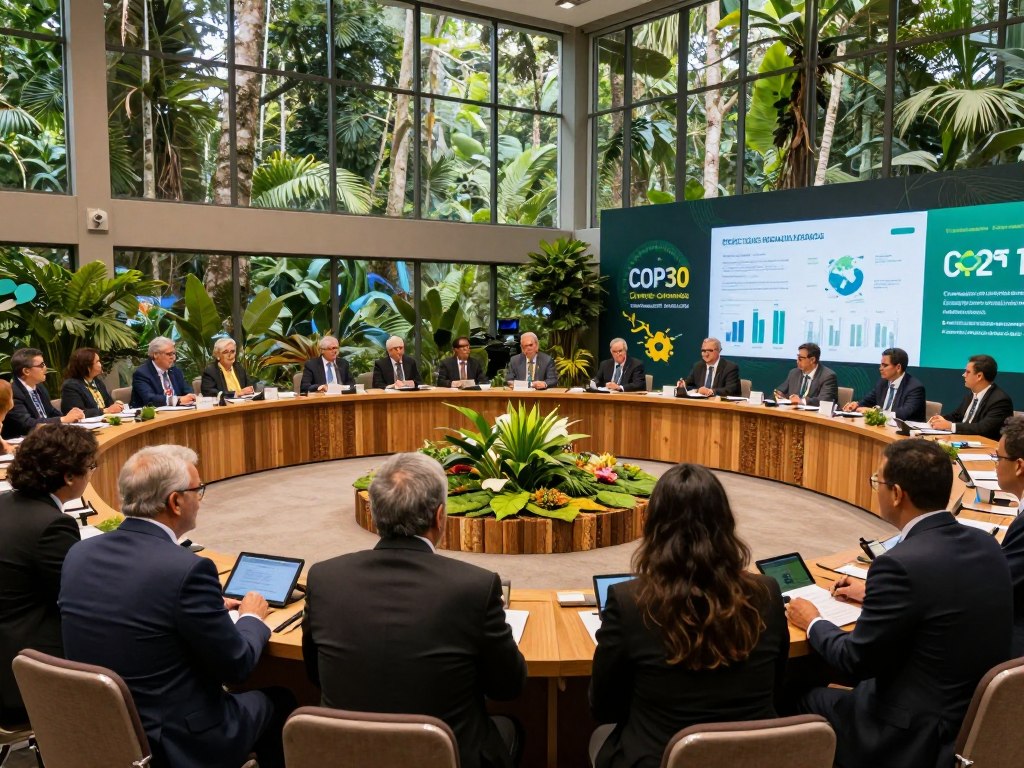
Belém, Brazil hosts the thirtieth Conference of Parties in November. This location represents both poetic justice and logistical complexity.
Delegates will confront the Amazon’s ecological richness while negotiating its protection. The setting forces direct engagement with the ecosystems under discussion.
This gathering follows what many consider disappointing outcomes from previous meetings. The pressure for tangible results has never been higher.
UN Ocean Conference: Conserving Marine Ecosystems
Nice, France welcomes ocean advocates in June for this critical gathering. France and Costa Rica co-host the event focused on marine conservation.
The conference continues the tradition of discussing blue ecosystems in landlocked venues. However, the 2025 agenda emphasizes accelerating action over dialogue.
Participants will address pressing issues like overfishing and pollution. The focus remains on practical solutions rather than theoretical discussions.
UN Food Systems Summit +4 Stocktake: Assessing Progress
This evaluation occurs at a crucial juncture for global food security. It measures whether ambitious 2021 commitments translated into real agricultural changes.
The stocktake examines implementation across production, distribution, and consumption systems. It represents a honest assessment of what works and what doesn’t.
Food security remains one of our most pressing challenges. This meeting brings together diverse stakeholders to address systemic issues.
High-level Political Forum on Sustainable Development
This forum represents the UN’s mechanism for maintaining relevance amid criticism. It focuses particularly on Sustainable Development Goals 3, 5, 8, 14, and 17.
The gathering assesses progress toward the 2030 Agenda for Sustainable Development. It combines technical analysis with political decision-making.
Participants examine implementation gaps and financing mechanisms. The forum serves as a reality check for international commitments.
Bonn Climate Change Conference and AI for Good Global Summit
The Bonn conference in June serves as technical preparation for COP30. Negotiators work through detailed language that ultimately makes or breaks agreements.
Meanwhile, the AI for Good Summit in March explores technological applications for environmental protection. It examines how artificial intelligence can monitor deforestation and biodiversity loss.
These gatherings demonstrate the range of approaches needed for effective climate action. From technical details to innovative technologies, they collectively drive progress.
Regional and Specialized Sustainability Summits
Beyond the flagship United Nations gatherings, a diverse ecosystem of regional and specialized events addresses unique geographical and sectoral needs. These assemblies often produce more targeted outcomes than their global counterparts.
Africa Climate Summit: Continental Solutions in Ethiopia
Addis Ababa hosts the Africa Climate Summit from September 8-10. The event focuses on “Financing for Africa’s Resilient and Green Development.”
This gathering represents the continent’s assertive entry into climate leadership. It emphasizes practical solutions rather than victimhood narratives.
African leaders will address funding gaps and investment opportunities. The summit aims to position Africa as a hub for green innovation.
World Sustainable Development Summit: Asian Leadership
New Delhi welcomes participants from March 5-7 for this important gathering. The theme emphasizes “partnerships for accelerating sustainable development.”
India’s unique position as both major emitter and climate-vulnerable nation creates fascinating tensions. The summit attempts to position South Asia as an innovation hub for green technology.
This event brings together diverse stakeholders from across the region. It addresses specific challenges facing developing economies.
European assemblies continue their tradition of thorough documentation and incremental progress. While sometimes frustrating, this methodical approach yields consistent results.
These gatherings focus on policy implementation rather than grand declarations. European nations demonstrate how to translate climate commitments into actionable plans.
The careful balancing act between economic growth and environmental protection remains central. European events showcase both successes and ongoing struggles.
Sector-Specific Forums: Energy, Oceans, and Biodiversity
Specialized gatherings address the ironic reality that expertise often leads to fragmentation. Energy experts sometimes talk past biodiversity specialists despite obvious interconnections.
These forums attempt to bridge disciplinary divides through focused dialogue. They produce practical insights that larger conferences might overlook.
Key sector-specific events include:
World Bamboo Summit focusing on sustainable materials
Clean energy conferences addressing renewable transition
Circular economy workshops redesigning production systems
The Osaka World Expo 2025 attempts to rebrand world’s fairs as sustainability showcases. Its theme “Designing Future Society for Our Lives” faces scrutiny given the carbon footprint of such events.
Regional summits increasingly serve as testing grounds for innovative policies. They create what might be called “policy laboratories” for climate action.
The proliferation of specialized gatherings reflects both maturation and fragmentation. While expertise deepens, coordination challenges ironically require more events to solve.
Economic and Business-Focused Sustainability Gatherings
Corporate boardrooms and financial centers increasingly host discussions traditionally confined to environmental circles. These gatherings represent the business world’s growing engagement with ecological challenges.
They attempt to reconcile profit motives with planetary boundaries. The results often reveal fascinating tensions between economic growth and environmental protection.
World Economic Forum Annual Meeting: Corporate Leadership
The Davos gathering continues its delicate balancing act between genuine climate action and perceived greenwashing. Private jets ferry executives to discuss carbon reduction strategies.
This irony isn’t lost on observers yet the forum remains influential. It brings together corporate leaders who control significant resources for environmental projects.
The event focuses on practical solutions rather than theoretical debates. Discussions address supply chain sustainability and clean energy transitions.
Global Innovation and Technology Summits
Technology gatherings increasingly confront their own environmental footprint. They examine whether digital solutions genuinely reduce ecological impact.
These events explore fascinating paradoxes of modern environmentalism. Can we innovate our way out of problems created by previous innovations?
Key discussion topics include:
Artificial intelligence for monitoring deforestation
Blockchain for supply chain transparency
Energy-efficient data centers
Circular economy business models
Financial and Investment Conferences: Money 20/20 and Beyond
Financial gatherings finally acknowledge that climate risk equals financial risk. The conversion of this awareness into actual investment flows remains slow.
Money 20/20 represents this belated recognition within banking sectors. It addresses the growing divide between traditional and impact investors.
“Sustainable investing requires patience that conflicts with quarterly earnings expectations.”
These conferences reveal the financial sector’s struggle to align short-term profits with long-term planetary health. Financing mechanisms for green projects dominate discussions.
This gathering showcases companies addressing problems their business models helped create. Consumer goods firms profit from consumption while seeking to reduce its environmental impact.
The forum emphasizes supply chain transparency and waste reduction. Participants share strategies for sustainable packaging and responsible sourcing.
Key focus areas include:
Plastic reduction commitments
Carbon-neutral logistics
Water conservation techniques
Ethical labor practices
These efforts attempt to bridge the notorious “say-do gap” in corporate environmentalism. Measurable progress often lags behind ambitious announcements.
The World Green Economy Summit addresses the central paradox of sustainable economics. How can we maintain economic growth while reducing environmental impact?
Similarly, the Semafor World Economy Summit attempts to connect economic policymakers with ecological realities. Both events face challenges overcoming entrenched growth paradigms.
Business gatherings increasingly serve as laboratories for sustainable practices. They test whether environmental responsibility can coexist with profit generation.
Grassroots and Community-Led Initiatives
While high-level gatherings dominate headlines, the most authentic climate action often emerges from community roots. These gatherings represent the vital counterbalance to top-down approaches, bringing diverse voices into the conversation.
Youth Climate Action: Global Youth Climate Summit
Belo Horizonte hosts 500 young leaders from the Global South in April. This gathering embodies the poignant reality that those least responsible for environmental damage must lead the cleanup.
The summit focuses on practical solutions rather than symbolic protests. Participants develop strategies for local implementation of global goals.
Young delegates address climate change with remarkable optimism despite inheriting complex challenges. Their energy injects fresh perspectives into often-stagnant discussions.
Cooperatives Movement: International Day and Banking Summit
The International Cooperative Alliance demonstrates that alternative economic models already exist. These time-tested approaches align perfectly with modern sustainability principles.
Cooperative gatherings explore how member-owned businesses can drive progress. They showcase democratic control and equitable distribution of resources.
“Cooperatives prove that economic success needn’t come at environmental expense.”
The movement’s longevity offers valuable insights for contemporary development models. Its emphasis on community benefit contrasts sharply with extractive practices.
Social Development and Innovation Gatherings
These events confront the uncomfortable truth that environmental and social issues are inseparable. The Second World Summit for Social Development addresses this interconnection directly.
Innovation forums like SXSW and Web Summit represent technology’s awkward relationship with climate action. They attempt to position tech as solution-provider rather than problem-source.
Key gatherings include:
Social Innovation Summit addressing grassroots solutions
Creative Problem Solving Institute fostering new approaches
Local Solutions: Model Forest Network and Regional Forums
The International Model Forest Network Forum in Canada demonstrates place-based conservation. This approach recognizes that effective climate action must respect local contexts.
Regional forums emphasize that global challenges require localized responses. They bridge the gap between international policy and community implementation.
Initiative Type
Traditional Approach
Grassroots Evolution
Decision Making
Top-down directives
Community consultation
Resource Allocation
Centralized funding
Local control
Success Metrics
Economic indicators
Holistic well-being
Knowledge Sources
Expert opinions
Lived experience
These gatherings prove that small-scale action can create large-scale change. They often achieve more with limited funding than better-resourced initiatives.
The ICBA Conference in Poland represents growing recognition that financial systems must serve sustainability goals. It explores how banking can support rather than undermine ecological health.
Grassroots movements demonstrate that meaningful progress often begins at community level. Their success challenges assumptions about where real climate action originates.
Implementation and Financing: From Policy to Action
The transition from ambitious declarations to tangible outcomes represents the ultimate test of international environmental commitments. This critical phase separates rhetorical flourishes from measurable impact on the ground.
Effective implementation requires sophisticated financing structures and robust accountability mechanisms. The gap between pledged amounts and actual needs remains starkly evident across all sectors.
Climate Finance Mechanisms and Funding Strategies
Financial commitments continue to demonstrate ironic disparities between responsibility and contribution. Nations most responsible for historical emissions often prove least willing to fund solutions.
The $300 billion pledged at recent gatherings represents both progress and profound inadequacy. This amount falls dramatically short of the estimated $1.3 trillion actually required for meaningful climate action.
Fourth International Conference on Financing for Development in Seville assesses progress since 2002. This gathering examines whether financial promises have translated into actual resource allocation.
Technology and Innovation for Sustainable Development
Technological gatherings confront the patent paradox that could determine planetary future. Proprietary solutions remain locked behind intellectual property barriers despite their potential value.
Transfer mechanisms face dual challenges of Northern protectionism and Southern capacity limitations. This creates implementation gaps that hinder global progress toward sustainable development goals.
Clean energy innovations demonstrate particular promise for reducing emissions. However, scaling these technologies requires overcoming significant financial and logistical challenges.
Public-Private Partnerships and Multi-stakeholder Approaches
These collaborations represent uncomfortable marriages between profit motives and planetary survival. Results vary dramatically depending on regulatory frameworks and oversight mechanisms.
Multi-stakeholder approaches frequently degenerate into talking shops rather than decision-making bodies. Participants often express frustration with the slow pace of concrete action.
“Effective partnerships require balancing corporate interests with environmental imperatives.”
Successful models demonstrate that cross-sector collaboration can drive meaningful change. They combine business efficiency with ecological responsibility in innovative ways.
Monitoring and Accountability Frameworks
These systems suffer from the “what gets measured gets managed” problem in environmental governance. Easy-to-quantify metrics often overshadow more important but complex outcomes.
Modern frameworks increasingly incorporate artificial intelligence and satellite monitoring technologies. This creates unprecedented transparency while raising legitimate privacy concerns.
Key monitoring challenges include:
Balancing quantitative data with qualitative assessments
Ensuring independent verification of reported progress
Adapting global standards to local contexts
Protecting community privacy while ensuring accountability
Accountability mechanisms must evolve beyond mere reporting requirements. They need to demonstrate actual environmental improvement rather than procedural compliance.
The integration of these various elements—financing, technology, partnerships, and monitoring—creates the foundation for effective implementation. Their successful coordination separates symbolic gestures from genuine progress.
Conclusion: The Collective Path Forward for Global Sustainability
The year’s gatherings demonstrate both the promise and paradox of international cooperation. These events bring together diverse voices yet face implementation gaps between pledges and real-world action.
Success hinges on translating dialogue into measurable progress. The true test lies not in declarations but in emission reductions and conservation outcomes.
Moving forward requires blending high-level policy with grassroots innovation. Effective climate action demands both global frameworks and local implementation.
These gatherings provide crucial platforms for collaboration across sectors. They create space for unexpected partnerships that drive meaningful change.
The path ahead acknowledges conferences as necessary but insufficient. Lasting impact comes from combining diplomatic efforts with community engagement and private sector commitment.
Key Takeaways
2025 features critical gatherings for climate action and sustainable development goals
COP30 in Brazil’s Amazon represents a symbolic and practical milestone
Events increasingly focus on implementation rather than pledging
Climate finance mobilization emerges as a central theme across conferences
Geographic distribution shows deliberate emphasis on Global South leadership
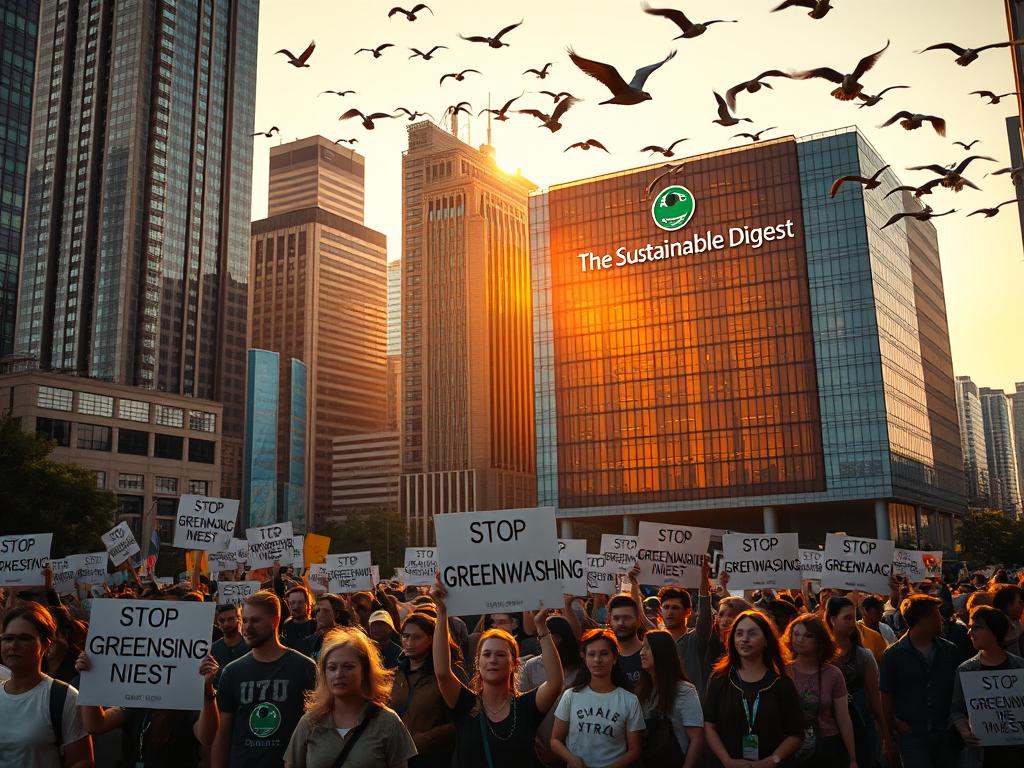
Greenwashing is when companies make false claims about their products being good for the environment and the great ecosystem. This is a major problem in the world of green and eco-friendly marketing and advertising. It tricks people into thinking products and supply chain are better for the planet than they really are.
Companies use greenwashing to make more money and sometimes peer approval. They want to sell and generate revenue by making their products seem eco-friendly. This can harm both consumers, stakeholders, and the environment.
In green marketing, greenwashing can be very subtle and manipulative. Companies might say in advertising production or state in their marketing materials that their products are much better for the environment than they actually are. It’s important to know how companies lie to the but the public and private customers and how to spot these lies.
By learning and understanding about greenwashing, we can make better choices. We can support companies and institutions that truly care about the environment. This helps to promote real ethical green marketing.
Understanding the Green Deception: What is Greenwashing?
To reinerate, Greenwashing is when companies make false claims about their goods or services being good for sustainability and sustainable principles. They might say they’re eco-friendly but falsely use labeling or catch phrases to draw in the consumer and/or the customer. Or they might talk and promote via labels and press material about corporate social responsibility, but it’s just for show. As people care more about the planet, companies use green marketing strategies to seem better or often superior to other products, but neither of those practices is true.
Studies show greenwashing hurts trust with customers and ultimately the end users. If a company not matter how large or small, is caught and exposed to lying, people lose faith and buy less. It is important to note, companies that really care about the planet gain loyal customers and other stakeholders, thus accessing more money.
Misleading labeling: Using labels or certifications that are not recognized by reputable third-party organizations.
Hidden trade-offs: Focusing on one environmental benefit while ignoring other negative environmental impacts.
Vagueness: Making general claims about environmental benefits without providing specific details or evidence.
As consumers, we need to know about these tricks. We should support companies that are truly eco-friendly and care about corporate social responsibility. This way, we help make marketing that’s real and helps our planet.
Company
Greenwashing Practice
Impact on Consumer Trust
Company A
Misleading labeling
Loss of credibility
Company B
Hidden trade-offs
Decrease in sales
Company C
Vagueness
Loss of customer loyalty
The Major Players Behind Greenwashing Practices
Many companies have been accused of greenwashing. This is when they make false claims about their products or services being good for the environment. This environmental deception hurts both consumers and the planet, making people doubt sustainable marketing.
ExxonMobil, Chevron, and BP are some big names accused of greenwashing. They’ve faced criticism for lying about their products’ environmental benefits.
Unsubstantiated claims about environmental benefits
Lack of transparency about production processes
Use of misleading or false labeling
Knowing these signs helps you choose better. You can support companies that really care about the planet and are honest in their marketing.
Companies must be transparent and honest in their marketing efforts, and avoid engaging in greenwashing practices that can damage consumer trust and harm the environment.
Company
Accusation
ExxonMobil
False claims about climate change
Chevron
Misleading labeling of products
BP
Lack of transparency about production processes
The Psychology of Green Marketing Manipulation
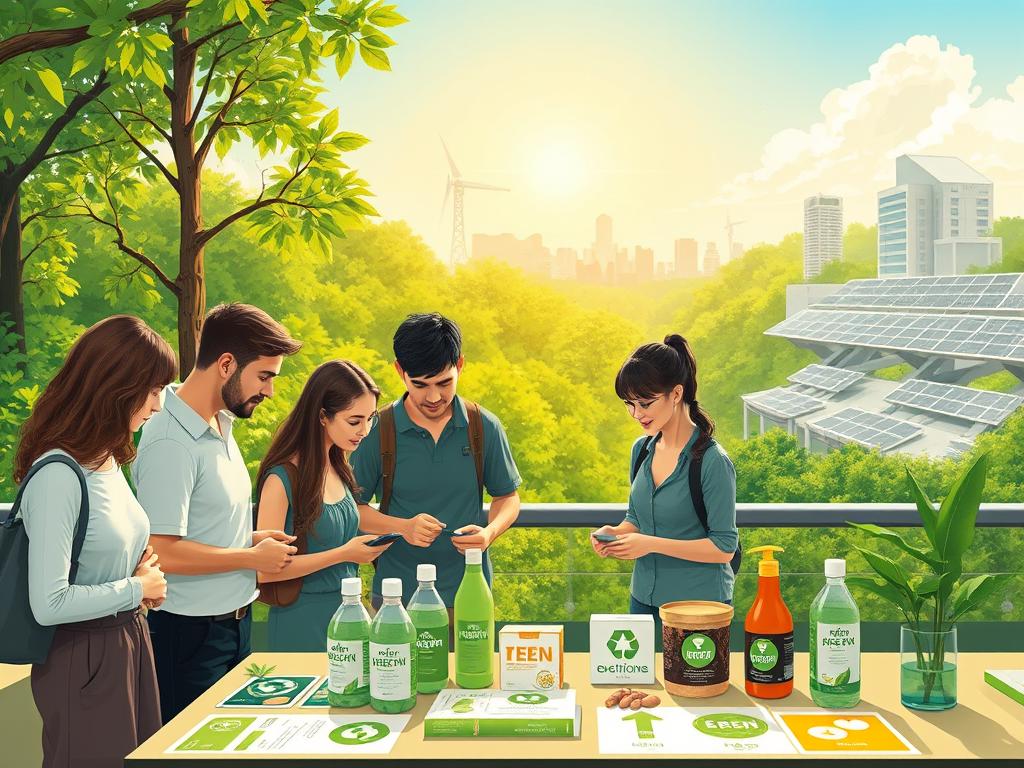
Green marketing is a big deal for companies today. It helps them look good to people who care about the planet. But, some companies use it to trick people into buying things they don’t really need.
They play on our feelings and make us feel guilty or nostalgic. This makes us more likely to buy their products. For instance, they might show pictures of nature to make us feel good about buying their stuff.
Consumer Vulnerability Points
Some companies take advantage of people who don’t know much about the environment. They use hard-to-understand language to make their products seem better than they are. It’s important for us to learn about eco-friendly practices so we can spot these tricks.
The Power of Eco-Friendly Imagery
Images of recycling or green energy are very powerful in marketing. Companies use them to make their brand look good. By doing good for the planet and using these images, companies can win our trust and build a strong reputation.
Essential Greenwashing Identifying Tactics, Greenwashing Avoidance Strategies and Methods
To spot and dodge greenwashing, you need to think critically and understand media well. This means checking if companies’ claims are true or just tricks. Greenwashing can be sneaky, but you can spot it by looking for vague or unproven claims about being green.
Here are some ways to avoid greenwashing:
Research companies and their environmental records
Look for third-party checks on their green claims
Be cautious of claims that seem too good to be true
By doing these things, you can choose better and avoid supporting greenwashing. Remember, greenwashing hurts the environment too. It makes people doubt real green efforts and slows down our move towards a greener future. Environmental deception is serious, and we all must watch out and demand truth from companies.
In short, fighting greenwashing needs critical thinking, media smarts, and research. By knowing how companies greenwash and checking their claims, we can help the planet. We can also support real green marketing.
Company
Greenwashing Claim
Reality
Example Company
“Eco-friendly packaging”
Packaging is not biodegradable and contributes to waste
Another Company
“Sustainable sourcing practices”
Sources materials from suppliers with poor environmental track records
The Seven Sins of Greenwashing
Companies often try to look good by doing eco-friendly things. But, some might lie to make their brand seem better. The seven sins of greenwashing help spot when they do this.
These sins include hidden trade-offs. This means a product might be good in one way but bad in another. For instance, a product might say it’s biodegradable, but it only breaks down under certain conditions. These conditions are not always clear.
Other sins are no proof and vagueness. Companies might say their products are eco-friendly without showing any proof. Or, they might use terms like “eco-friendly” without explaining what they mean. False labels are also a problem, where companies make up labels to look green.
Hidden trade-offs
No proof
Vagueness
False labels
Knowing these seven sins helps us make better choices. We can choose to support companies that really care about the environment. This way, we help them use honest green marketing.
FAQ
Q: What is greenwashing and why is it important?
A: Greenwashing is when companies make their products seem more eco-friendly than they really are. It’s a big deal because it breaks trust with customers. It also stops real efforts to be green and causes more harm to the environment.
Q: What are some common greenwashing tactics?
A: Companies use tricks like making vague claims or picking only the good parts of their impact. They might also use fake labels or certifications. This way, they hide their true environmental harm.
Q: How can consumers spot greenwashing?
A: To spot greenwashing, look for vague or unverifiable claims. Also, watch for a big gap between what a company says and what it does. Checking for real certifications and doing your homework can help too.
Q: What are the consequences of greenwashing?
A: Greenwashing can hurt trust in companies. It also makes it harder for real green efforts to succeed. Plus, it makes the environment worse by making it seem like companies are doing good when they’re not.
Q: How can companies avoid being accused of greenwashing?
A: Companies can stay clear of greenwashing by being open about their environmental impact. They should set clear goals and get third-party checks to prove their claims. Being honest and authentic is key to earning trust.
Q: What are the “seven sins of greenwashing”?
A: The “seven sins of greenwashing” are: hiding the bad, no proof, being vague, using fake labels, being irrelevant, choosing the lesser evil, and lying. These tricks make it hard to believe a company’s green claims.
Q: What resources are available to help identify and combat greenwashing?
A: To fight greenwashing, use online tools, check for real certifications, and talk to environmental groups. You can also report greenwashing and support real green efforts. These steps help keep companies honest.
Real-World Examples of Corporate Greenwashing
Companies often use sustainable marketing to look green but are actually greenwashing. This trick can be found in many fields, like energy and consumer goods.
Some examples include:
Volkswagen’s emission scandal, where they said their diesel cars were green but they were really polluting.
ExxonMobil’s claims of investing in green energy, but they only spent a tiny part of their budget on it.
Procter & Gamble’s false claims about eco-friendly packaging, which turned out to be greenwashing.
These cases show how crucial it is to hold companies accountable in sustainable marketing. They also highlight the need for consumers to spot environmental deception.
Learning from these greenwashing examples helps consumers make better choices. It encourages them to support companies that really care about the planet.
Tools and Resources for Spotting Green Marketing Deception
To spot greenwashing, you need the right tools and resources. Today, eco-friendly practices are key, not just a trend. Companies must show corporate social responsibility and use green marketing strategies that are clear and reliable.
Digital Verification Tools
There are many digital tools to help find greenwashing. These tools include online platforms that share info on companies’ green efforts and certifications. Some top ones are:
Environmental Defense Fund’s Scorecard
Greenpeace’s Guide to Greener Electronics
ClimateWorks Foundation’s Climate Scorecard
Certification Standards
Certification standards are key to proving eco-friendly practices are real. Some well-known ones are:
Certification
Description
ISO 14001
International standard for environmental management systems
LEED
Leadership in Energy and Environmental Design certification for buildings
Energy Star
Certification for energy-efficient products
Environmental Watch Groups
Environmental watch groups keep an eye on companies’ green actions. They offer useful info and resources for smart choices. Some notable groups are:
Sierra Club
World Wildlife Fund
Friends of the Earth
Taking Action Against Greenwashing
To fight greenwashing and support sustainable marketing, we can all do something. It’s key to report any false environmental claims. You can tell the Federal Trade Commission (FTC) or your local consumer protection agency about any ads that seem off.
It’s also important to back real green initiatives. Look for products with the EPA’s Safer Choice label. This shows the company cares about the environment. Supporting groups that uncover environmental deception helps too.
Here are some ways to fight greenwashing:
Check if companies’ green claims are backed by third-party certifications.
Support laws that make marketing more honest and accountable.
Help your loved ones make smart choices about what they buy.
Together, we can make a better future and stop greenwashing. As more people spot environmental deception, companies will have to be more open and green in their marketing.
Conclusion: Building a Greener Future Through Informed Choices
The world of green marketing and corporate social responsibility is complex. It’s often clouded by greenwashing. But, a greener future is possible with informed consumers who seek truth and hold companies to their promises.
Knowing how greenwashing works helps us make better choices. We can support real green initiatives by using digital tools and checking for certifications. This way, we can spot false claims and back up the real deal.
It’s a team effort between businesses and consumers to create a better world. When companies are open and focus on the environment, and we choose to buy from them, we’re all moving forward. Together, we can make a brighter, greener future.
Key Takeaways
Greenwashing is a form of environmental deception used to manipulate the end user/customer’s perception.
It can have serious consequences for long term revenue generation, consumers and the planet.
Understanding and identifying greenwashing tactics is essential for making informed choices.
Sustainable marketing practices can be promoted and advertised by avoiding greenwashing.
Ongoing education is key to recognizing and preventing greenwashing.
Greenwashing can take many forms, including exaggerated or lofty claims, and outright lies.
This website is saving the energy of your screen as it is not being used. It's part of a global effort to lower the planet's electrical consumption and CO2 emission level. Resume browsing