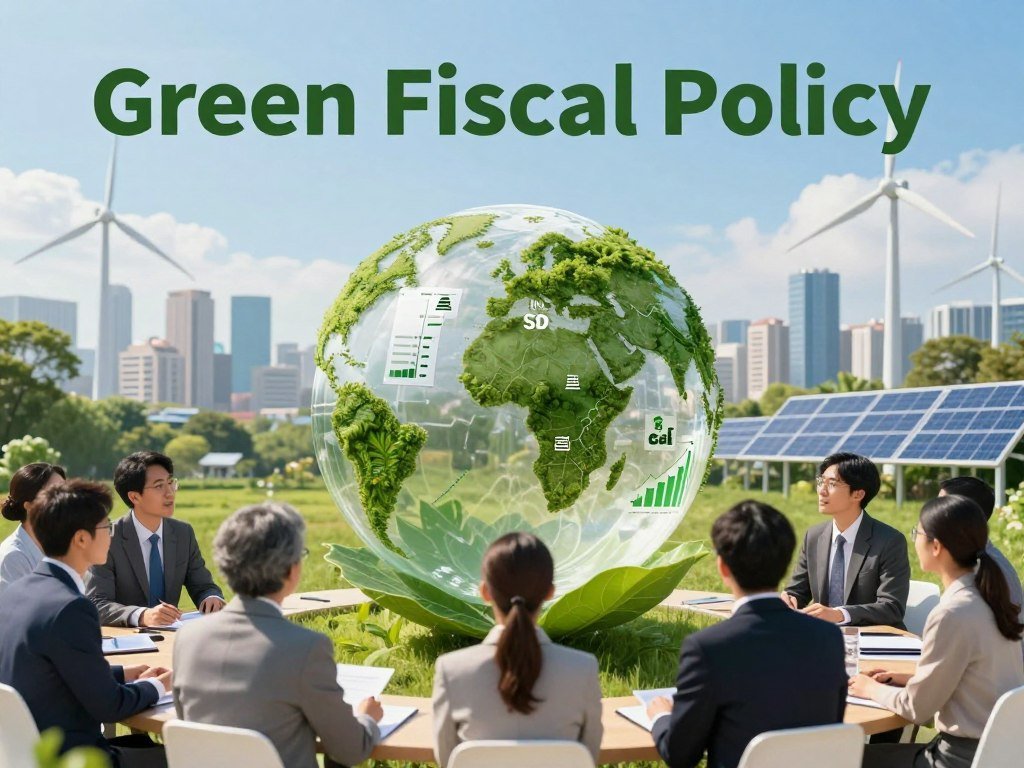
The U.S. of OMB proposal impact on Nonprofits, Sustainable Development, and Co-Ops

U.S. of OMB proposal impact on Nonprofits, Sustainable Development, and Co-Ops

The federal landscape for philanthropic groups faced a seismic shift in May 2026. The 2026 U.S. OMB proposal (office management budget) released a plan that fundamentally alters how groups manage their resources.

One might call it a bureaucratic makeover with a sharp edge. It shifts from collaborative partnerships toward a centralized model.

This specific proposal aims to implement executive orders. It focuses on tighter federal grantmaking oversight.

New changes tie funding directly to administration priorities rather than independent ones. Many organizations now face intense scrutiny that could disrupt their daily missions.

These shifts threaten the core regarding cooperative growth plus grassroots support across the nation. This regulatory framework carries profound implications for social equity plus economic cooperation.

A federal grant may soon require navigating complex political gatekeeping to remain active. International networks fear disruption in growth cooperation as American policies evolve.

Understanding the OMB Uniform Grants Regulation Proposal

A significant transformation is coming to the world of federal financial assistance through a new proposal from the Office of Management and Budget. This change signals a shift from a collaborative partnership toward a more rigid, compliance-heavy environment for all recipients.

The proposal would consolidate requirements into a single set of binding rules. This move affects how every organization, from local cooperatives to international nonprofits, interacts with the federal government.

What Is the Office of Management and Budget Proposal

The office management budget plan seeks to reframe federal financial assistance under the new Uniform Grants Regulation. It creates a unified framework that all agencies must adopt without exception.

By centralizing authority, the office management team aims to standardize the entire federal grantmaking lifecycle. This includes everything from the initial program design to the final project delivery and audit phase.

Historical Context: From 2014 Uniform Guidance to 2026 Proposed Regulation

For over a decade, the 2014 uniform guidance (2 CFR Part 200) provided a flexible framework for awards. It allowed universities and nonprofits to balance federal oversight with their own institutional policies.

The uniform guidance era focused on administrative requirements and cost principles through a lens of cooperation. Now, this historical pivot moves the needle toward a much more restrictive and centralized control model.

Timeline and Implementation Schedule for Fiscal Year 2027

The law-making process for these revisions targets an effective date of October 1, 2026. This timeline aligns with the start of federal fiscal year 2027 awards.

Organizations have only a short window to adjust their internal terms and policies before the new rules take effect. Future amendments will then apply government-wide automatically, bypassing individual agency rulemaking entirely.

Transformation from Advisory Guidance to Binding Federal Regulation

The most profound change is the reclassification of guidance into a formal regulation with full legal effect. This shift increases the potential liability for noncompliance across all agencies involved.

Under this regulation, a simple mistake could lead to terminations or even litigation under the False Claims Act. While guidance offered some discretion, these new mandates demand strict adherence to every provision.

The irony is palpable: while officials claim to enhance efficiency, these new layers actually increase administrative complexity and cost.

Feature2014 Framework2026 Proposed Shift
Legal StatusAdvisory GuidanceBinding Regulation
ControlAgency DiscretionCentralized OMB Authority
Liability RiskModerate FlexibilityHigh / Enforceable Law
ApplicationCollaborative ApproachCompliance-Focused

U.S. of OMB Proposal Impact on Nonprofits, Sustainable Development, and Co-Ops: Comprehensive Overview

A diverse group of professionals in business attire engaged in a collaborative discussion around a modern conference table. The foreground features a woman of Asian descent and a man of African descent actively pointing at a report titled "Sustainable Development and Nonprofits." In the middle ground, a screen displays diagrams illustrating the impact of policies on organizations, while a window allows soft natural light to filter into the room. The background shows lush greenery outside, symbolizing sustainability and growth. The atmosphere is focused and optimistic, with a sense of urgency to address important issues. This image is associated with "The Sustainable Digest."

The proposed revisions to federal grant-making represent a departure from mission-based funding toward a more politically filtered resource allocation model. This shift introduces a new era where technical merit might take a backseat to policy alignment. It essentially redefines the relationship between the government and the civic sector.

Executive Order 14332 and Administration Priorities

Executive Order 14332, titled “Improving Oversight of Federal Grantmaking,” acts as the foundational catalyst for this regulatory overhaul. It explicitly ties federal awards to the current administration and its specific policy priorities. This directive signals a transition from needs-based support to a more scrutinized oversight framework.

This policy moves away from traditional mission-aligned funding. It creates a filter that fundamentally alters which entities can secure support for their local communities. The goal appears to be a tighter alignment between federal spending and executive branch goals.

Which Organizations Face the Greatest Impact

The proposal would create a challenging environment for several distinct sectors. While all organizations receiving federal awards face increased scrutiny, those working on controversial social or environmental topics are most at risk. The uncertainty of these changes creates a looming shadow over long-term strategic planning.

Nonprofit Organizations Receiving Federal Awards

Traditional nonprofits often rely on stable, multi-year funding to maintain their daily operations and specialized staff. The proposed changes would likely introduce unpredictability that makes multi-year project management nearly impossible. These groups must now prepare for a landscape where financial stability is no longer guaranteed by performance alone.

Sustainability-Focused Institutions and Environmental Groups

Institutions focused on climate change and environmental justice are particularly vulnerable under these new rules. The proposal flags climate adaptation as a topic for enhanced review and potential disqualification. This specifically targets organizations whose core missions center on the renewable energy transition or ecological protection.

Cooperatives and Cooperative Development Organizations

Cooperatives promote democratic ownership and equitable community wealth. However, these alternative economic models may face skepticism under a regulatory framework that emphasizes narrowly defined national interests. Awards for cooperative development could be restricted if they are viewed as misaligned with current political objectives.

Grassroots Support Organizations and Community Outreach Centers

Community outreach centers often handle sensitive topics like immigration assistance and social equity. These agencies might find their grant eligibility threatened if their work clashes with the administration and its stated priorities. Their reliance on federal support makes them especially susceptible to sudden policy shifts.

Financial Instability and Operational Risks for Grant Recipients

The financial instability stemming from these changes would be significant for both service providers and their constituents. The proposal would allow for the sudden termination of funds without a clear appeal process or demonstrated cause. This creates a precarious environment where essential programs could vanish mid-performance.

Organization TypePrimary ConcernOperational Risk
Environmental NGOsClimate scrutinyImmediate disqualification
Community Co-opsEconomic model biasRestricted awards
Grassroots CentersViewpoint alignmentSudden funding loss

The proposal effectively enables a system where organizations can be disqualified based on political disfavor. This threatens the longevity of awards that have historically supported the most vulnerable populations. Such changes undermine the public-private partnership that has existed for decades.

“The proposal opens the door to government abuse and overreach, by allowing federal agencies to withhold, terminate, or suspend federal grants without cause, add new, onerous terms and conditions mid-performance, disqualify any grantee it disfavors, and threaten federal programs that address racial, social, and other inequities.”

— Diane Yentel, President and CEO of the National Council of Nonprofits

By undermining this partnership, the government jeopardizes essential services including housing, health, and disaster recovery. The operational risks extend beyond money, impacting staff stability and community trust. Organizations must now navigate a world where their mission is subject to the whims of shifting political tides.

  • Loss of multi-year staffing commitments.
  • Mid-project termination of critical community aid.
  • Increased administrative burden for small nonprofits.
  • Reputational damage from politically motivated disqualification.

How the Grant Application Process Will Change Under the New Rules

Navigating the shifting sands of federal funding requires more than just a solid project plan; it now demands a keen eye for political weather vanes. The proposal would transform the grant landscape from a merit-based evaluation into a politically filtered selection system.

Applicants must look beyond technical excellence to ensure their missions mirror the current executive vision. This shift introduces a new layer of oversight that challenges the traditional independence of administrative reviews.

Political Appointee Pre-Issuance Review Requirements

Under the new framework, senior political appointees would conduct mandatory pre-issuance reviews. This review process ensures that every federal grant aligns with the executive branch’s vision before any funds are released.

While programmatic peer review remains, it effectively becomes advisory. The final decisions rest with officials who prioritize ideological harmony over technical excellence or community impact.

Mandatory Alignment with Presidential Policies and National Interest

Program planning must now mirror the president’s policies rather than just an agency’s mission. Funding opportunities will require applicants to demonstrate how their work supports current administration goals.

This shift means that grants are no longer just about local community needs. Instead, they serve as tools to advance specific national priorities defined by the White House.

Expanded Risk Assessment Criteria and Affiliation Screening

The proposal broadens the risk assessment criteria used by federal agencies. An agency can now deny awards based on an applicant’s affiliation with organizations that supposedly threaten public safety.

These vague standards could be weaponized against advocacy groups or coalitions. Strategic dilemmas now face cooperatives that must decide if their partnerships trigger unwanted scrutiny.

Restrictions on Organizational Eligibility by Tax-Exempt Status

The Office of Management and Budget might categorically exclude certain tax-exempt groups from specific competitions. This includes 501(c)(3) and 501(c)(4) entities that were previously eligible for various grants. This proposal would narrow the field of potential partners based solely on their legal structure.

Topics Subject to Enhanced Scrutiny: Gender, Immigration, Climate Change, and DEI

Projects touching on sensitive cultural issues will face intense review. Any policy involving gender ideology or climate change could be flagged as inconsistent with the law or national interest.

Sensitive TopicScrutiny LevelPrimary Risk FactorAlignment Goal
Climate ChangeMaximumPolicy InconsistencyEconomic Interests
Diversity (DEI)MaximumIdeological ConflictAnti-American Characterization
ImmigrationHighNational SecurityEnforcement Priorities

Faith-Based Organizations and Viewpoint Neutrality Provisions

Ironically, the new rules mandate that agencies do not discriminate against faith-based groups. They must apply viewpoint neutrality to religious entities while screening other groups for national priorities. This creates a complex environment where some viewpoints are explicitly protected while others are sidelined.

“Award decisions would hinge on alignment with administration priorities… including whether a proposed award involves topics identified as demonstrating anti-American values.”

This chilling effect may lead organizations to modify their mission statements. They might avoid certain language to escape being deemed inconsistent with the current proposal.

New Funding Restrictions on DEI, Gender Ideology, and Disparate Impact Activities

A visually striking scene depicting a collection of federal awards on a polished wooden table in a well-lit office environment. In the foreground, several golden plaques and certificates shine, reflecting soft natural light, symbolizing achievement and recognition. In the middle ground, an open briefcase with papers related to nonprofit funding proposals sits beside a laptop displaying data on sustainable development initiatives. The background features a large window with a cityscape view, bathed in warm afternoon sunlight, conveying a sense of opportunity and growth. The atmosphere is professional yet inviting, suitable for an article by "The Sustainable Digest," focusing on the impact of funding restrictions on nonprofits and DEI.

Beneath the surface of administrative updates lies a sharp turn in the regulation of identity-based programming. This proposal signals a new era where social values are closely monitored through financial strings. Organizations must now balance their mission with high-stakes compliance hurdles.

Prohibited Uses of Federal Award Funds

The proposal would prohibit the use of federal awards to “fund, promote, encourage, subsidize, or facilitate” certain social agendas. This includes diversity, equity, and inclusion policies that the administration deems in violation of anti-discrimination law. Specifically, it targets “gender ideology” and any assistance for the medical transition of individuals under 19.

This reach extends into systemic analysis as well. A new provision bars support for theories of disparate-impact liability, which addresses unintentional discrimination. These restrictions aim to align recipient behavior with current presidential priorities.

What Constitutes Promotion or Facilitation of Restricted Activities

These restrictions cast a wide net over organizational activities. Even internal equity analysis could face scrutiny if linked to an award. This broad language might encompass everything from cultural competency training to targeted recruitment efforts.

The rules create a compliance minefield for leadership. Promotion is an elastic term that could apply to simple program descriptions or advocacy. Organizations must be cautious about how they frame their social impact goals.

Material Breach Consequences and Enforcement Mechanisms

Violating these terms is not a minor slip; it is a material breach. Such a designation gives agencies the power to terminate a grant immediately. This shift moves disagreements from simple audits to severe legal threats.

Furthermore, these violations could trigger the False Claims Act. This means an organization might face massive financial penalties beyond just losing their funding. The government’s enforcement toolkit has become significantly sharper.

Required Separation Between Federally Funded and Non-Federal Activities

Organizations must keep their federal funds strictly separate from non-federal money. This creates a logistical hurdle for community centers that offer a mix of services. Maintaining these artificial walls requires robust accounting to prove that no prohibited ideology is supported by taxpayer dollars.

Integrated organizations face the hardest path. A cooperative using funds for rural development must ensure its governance principles do not overlap with restricted equity concepts. The administrative burden of this separation is substantial.

Legal Ambiguities and Court-Upheld Practices

Many of these restricted practices remain legal under current court rulings. This creates a profound disconnect between federal mandates and judicial precedents. Nonprofits are often left in the middle of this tug-of-war.

Activity TypeProposal StatusLegal Context
Immigration Legal AidHighly ScrutinizedUpheld by Courts
Gender-Affirming CareProhibitedVaries by State
Disparate Impact AnalysisRestrictedEstablished Legal Doctrine

The proposal purports to bar any federal funding from being used to promote ‘unlawful’ diversity, equity, and inclusion (DEI) efforts or illegal immigration. However, many DEI-related practices and policies that the administration claims are unlawful have been upheld by courts as permissible under the law or can be administered lawfully.

National Council of Nonprofits

This legal grey area forces grantees to decide between their values and their survival. Without clearer definitions, many may avoid these activities entirely to stay safe. Strong legal counsel will be essential for those continuing their work.

Grant Termination and Suspension Powers: New Agency Discretion

Under the new OMB framework, the stability of federal funding becomes remarkably fragile as federal agencies gain the power to end projects at will. This shift transforms the grant relationship from a stable partnership into something far more precarious and unpredictable. Organizations must now navigate a landscape where their long-term survival depends on more than just meeting performance metrics.

Discretionary Termination for Convenience Without Cause

The proposal would grant the government the power to end an award whenever a project no longer fits “national interest” or “program goals.” This “termination for convenience” mimics corporate procurement contracts used in the defense sector. It allows the agency to walk away from grants mid-stream, even if the recipient remains in full compliance with all regulations.

Temporary Stop-Work Suspensions Up to 90 Days

Authorities could also freeze work for up to 90 days through temporary stop-work suspensions. While a defense contractor might easily pause a factory line, a nonprofit providing essential services cannot simply pause its care for a vulnerable community. Such interruptions create operational chaos and risk the safety of populations that rely on daily support.

Carved-Out Funding Categories: Entitlements, Disaster Recovery, and Infrastructure

Not all federal funding faces this constant threat of sudden cancellation. Certain awards remain protected, such as disaster recovery, CHIPS Act initiatives, and infrastructure programs. However, this leaves social services and environmental projects fully exposed to the whims of changing political priorities and administrative shifts.

Limited Appeal Rights and Court of Federal Claims Process

If a termination occurs, the recipient loses the right to a traditional administrative hearing or a standard appeal. Instead, entities must file money claims in the U.S. Court of Federal Claims. The court usually grants money for allowable costs rather than forcing the government to reinstate the program or honor the original timeline.

Funding CategoryTermination RiskPrimary Recourse
Discretionary GrantsHigh / DiscretionaryCourt of Federal Claims
Disaster RecoveryLow / Carved OutAdministrative Appeal
Infrastructure ProjectsLow / ProtectedContractual Remedies

Implications for Multi-Year Projects, Staffing, and Long-Term Commitments

Multi-year projects face an existential crisis under these new terms. Organizations often sign multi-year leases or hire permanent staff based on federal promises. A sudden termination leaves the organization legally bound to its creditors while its federal support simply vanishes into thin air.

Subrecipient and Vendor Contract Vulnerabilities

The impact trickles down through the entire nonprofit ecosystem, creating a domino effect of broken commitments. When a primary recipient loses an award, they must often terminate agreements with smaller local partners. This chain reaction disrupts community stability and can permanently damage the reputation of awards as a reliable source of public good.

Cost Restrictions and Administrative Requirements Affecting Daily Operations

A detailed office environment illustrating nonprofit administrative costs, featuring a diverse group of individuals in professional business attire engaged in discussion around a large conference table. Foreground: a laptop open with spreadsheets showcasing budget allocations, piles of paperwork, and colored financial charts. Middle: a whiteboard covered in brainstorming notes about cost-cutting strategies and sustainability initiatives. Background: large windows letting in soft natural light, plants adding a touch of green, and cityscape visible outside, conveying a sense of community impact. The mood is collaborative and focused, highlighting the daily operations and challenges faced by nonprofits. Ensure the logo of "The Sustainable Digest" is subtly integrated into the scene without being the focal point.

The federal government’s new approach to financial oversight places a heavy emphasis on line-item detail. These changes would transform public service into a meticulous exercise in accounting and granular reporting. Managing a daily budget is now a far more complex task; it is a challenge only a dedicated auditor could truly love.

Elimination of Fixed-Amount Awards and Subawards

The federal proposal would eliminate the use of fixed-amount awards that once simplified documentation by focusing on results. Organizations must now record and justify every minor expense rather than hitting pre-set milestones. This shift moves the administrative focus from helping people to managing endless piles of receipts.

Newly Unallowable Costs: Advertising, Public Relations, and Media Campaigns

New rules list specific costs that are no longer allowed under federal funding. You cannot use these funds for advertising activities unless a specific law requires the outreach. This restriction makes it very difficult for organizations to tell the community about their programs or recruit participants.

Expense TypeNew RequirementBusiness Impact
Public RelationsProhibited by defaultReduced community outreach
Staff TrainingPrior written approvalDelayed professional growth
Research PapersAdvance permission neededBarriers to open science

Conference Attendance and Professional Membership Fee Restrictions

Travel and training fees now require express prior approval from the federal agency in charge. Without written consent, staff may be unable to attend industry conferences or keep up their professional memberships. This oversight limits the professional growth needed to deliver high-quality services to the public.

Publication and Open-Access Fee Requirements

Publication fees also become impermissible without getting permission well in advance. This change creates significant hurdles for universities and policy groups that aim to share their research findings. It essentially turns the goal of open science into a long and difficult administrative negotiation.

E-Verify Enrollment for Contractors and Employees

Recipients must now enroll in E-Verify for all personnel performing work under a federal contract. This mandate adds extra layers to the hiring process and may complicate operations for diverse community groups. Compliance is no longer a choice; it is a mandatory prerequisite for participation.

Treasury Do Not Pay System Screening Requirements

Agencies must screen all recipients against the Treasury “Do Not Pay” system before releasing any funds. Such costs associated with vetting payees can delay essential cash flow for local programs and infrastructure projects. This process adds yet another gatekeeper to the already slow federal disbursement cycle.

Enhanced Pass-Through Entity Monitoring and Reporting Duties

Primary recipients, acting as pass-through entities, now face much higher reporting duties on SAM.gov. They must treat transfers to their own affiliates as formal subawards rather than simple internal transactions. Additionally, they must consult agencies before stopping any sub-recipient contract for reputational reasons.

Impact on Smaller Nonprofits with Limited Administrative Capacity

The cumulative costs of compliance often exceed the modest resources of grassroots groups. Without a large finance staff, a small grant or federal award feels like a burden instead of helpful assistance. High operational costs ensure that federal grants remain the domain of large organizations; meanwhile, smaller awards are slowly phased out.

International Ramifications and Perspectives from Global Institutions

As the world becomes more interconnected, the proposed federal regulations could ironically disconnect American researchers from the global knowledge economy. This shift signals a departure from the collaborative spirit that has long defined scientific leadership. The international community now watches as these internal policy changes threaten to ripple across borders.

Impact on International Research Collaborations and Scientific Partnerships

The proposed changes fundamentally disrupt how scientific research happens across national boundaries. Collaborative research efforts often rely on a seamless exchange of data and expertise. Under these new rules, the very act of sharing research findings with a foreign peer could face heavy scrutiny.

Covered Foreign Collaboration Prohibitions and Screening Requirements

The proposal would add a new provision prohibiting the use of federal funds for covered foreign collaborations. This restriction impacts travel, joint research, and technical assistance. Even benign research partnerships might now require extensive screening and prior approvals from federal agencies.

Expansion of Wolf Amendment Beyond NASA to All Federal Agencies

Previously, the Wolf Amendment only restricted NASA from partnering with specific foreign entities. This expansion applies that logic to all federal agencies that distribute research grants. It creates a massive hurdle for university research teams seeking to co-author papers with top global scientists.

Effects on Co-Publication and Joint Technical Assistance Programs

Joint technical assistance programs are vital for global progress but now face a murky future. The administrative burden on organizations could lead to a decline in international co-publications. AAU President Barbara R. Snyder highlights the gravity of this shift in the grantmaking landscape:

Taken together, the changes in the guidance have the potential to reshape the framework within which universities, federal agencies, and other stakeholders conduct and support America’s scientific research.

— Barbara R. Snyder, Association of American Universities

World Economic Forum Perspectives on Sustainability Funding

The World Economic Forum expresses concern that these restrictions undermine global sustainability efforts. Collaborative research is essential for circular economy transitions and green energy innovation. Isolating American research talent slows down the global response to shared ecological challenges.

United Nations and Subsidiary Organizations’ Concerns

United Nations agencies like UNESCO and the FAO rely on partnerships with American nonprofits. These organizations fear that federal funds will no longer support vital global initiatives. The loss of American research participation could weaken international development projects significantly.

Implications for UN Sustainable Development Goals Implementation

Progress on the Sustainable Development Goals (SDGs) requires intense cross-border cooperation. Specifically, Goal 13 on climate action depends on shared climate research data. New restrictions on international research activities could stall progress toward these 2030 targets.

Global Cooperative Networks and International Development Programs

Global cooperative networks thrive on the mutual exchange of governance models and support. When American partners are constrained, the entire international cooperative movement feels the impact. This isolation limits the transfer of knowledge that strengthens cooperative enterprises worldwide.

Local Community Services with International Supply Chains

Even local services with international ties face new compliance hurdles. A food cooperative sourcing fair-trade goods must now navigate complex proposal rules. These regulations impact any entity whose routine activities involve international partners or supply chains.

Impact AreaInstitutional ConcernAffected Activity
Scientific ResearchReduced competitiveness and innovationCo-authoring and joint research
SustainabilitySlowed progress on climate goalsGreen technology development
Supply ChainsIncreased administrative burdensFair-trade and international sourcing

Taking Action: How to Comment and Protect Your Organization

As the regulatory clock ticks toward the July deadline, the collective power of formal feedback remains the most potent tool for organizational survival. Nearly 16,000 stakeholders have already voiced their concerns, yet the Office of Management Budget requires more evidence of real-world disruption. Nonprofits and cooperatives must act now to ensure their missions survive these systemic changes.

Official Comment Submission Process and July 13 Deadline

A high-resolution close-up of a digital laptop screen displaying the Regulations.gov "Submit a Comment" page, professional desk setting with a morning coffee, soft natural lighting, photorealistic style.

Learn More

Stakeholders must submit a comment directly through the federal rulemaking portal before July 13. These comments enter the permanent administrative record and force agencies to respond to specific concerns. Your comments should describe how the proposal would specifically hinder your ability to serve the local community. Agencies often ignore generic templates, so personalized comments carry the most weight.

National Council of Nonprofits Letter and Campaign Resources

An elegant, professional advocacy letter with the National Council of Nonprofits logo resting on a dark wood table, a fountain pen nearby, cinematic depth of field, 4k resolution.

Learn More

Joining a sector-wide response can amplify your individual voice without exhausting your staff. Adding your name to the National Council of Nonprofits letter helps show the breadth of opposition across various organizations. This collective action ensures that even the smallest community groups have their perspectives heard at the highest levels of government.

Congressional Outreach and Legislative Advocacy Strategies

Direct communication with your representatives can trigger much-needed legislative oversight. Explain how shifts in federal funding will impact constituents in their specific districts. Members of Congress can request hearings or demand clarifications that effectively slow down the implementation of restrictive rules.

Documenting Specific Impact on Your Organization’s Programs and Constituents

Generic objections rarely survive a rigorous legal review. Instead, use concrete data, such as the exact number of jobs lost if a cooperative program vanishes. An effective comment provides a clear link between the new rules and a decline in public services.

Organizational Preparedness: Risk Management and Contingency Planning

Preparedness requires identifying alternative revenue streams before the new rules take effect. Organizations should start building cash reserves to handle potential mid-project terminations. Every individual comment submitted now helps build the case for those who manage federal awards under the new framework.

Grant Management Software and Compliance Tools

A sleek, modern tablet showing a data-rich grant management dashboard with compliance alerts and financial charts, clean UI/UX design, professional office background, isolated on table.

Learn More

Evaluating your current grant management software is a vital step in staying compliant. New rules often demand better tracking of subrecipients and stricter E-Verify integration. Investing in robust digital tools today prevents costly administrative errors tomorrow.

Legal Resources and Anticipated Court Challenges

Many experts believe parts of this guidance exceed statutory authority and will face litigation. Stay connected with legal alliances to understand how a formal comment can support future lawsuits. Protecting your mission requires both administrative engagement and a readiness to defend your rights in court.

Conclusion

The proposed overhaul of grant rules signifies a departure from collaborative partnership toward a more rigid regulatory environment. This binding federal grant framework forces nonprofits and cooperatives to rethink their daily operations. Such changes would create significant hurdles for organizations that rely on federal grants to survive.

The impact also reaches across borders, potentially stalling global research and sustainable development initiatives. Securing future funding now depends on proactive advocacy and careful planning. Every organization must act before the July 13 deadline to protect its mission and long-term viability.

Protecting the integrity of the sector ensures that public resources serve genuine needs. By submitting comments, we can demand that federal support remains free from political litmus tests. Together, we can shape a future where sustainable development remains a shared priority for all partners.

Action ItemImportanceKey Deadline
Submit Public CommentsDirectly influences final regulation languageJuly 13
Congressional OutreachEncourages legislative oversight and checksOngoing
Internal Risk AssessmentIdentifies specific operational vulnerabilitiesImmediate
Coalition BuildingStrengthens the collective voice of nonprofitsOngoing

FAQ

What is the main goal regarding the new management budget rules?

The Office Management Budget (OMB) wants to change how federal grantmaking works. This regulation helps align federal awards with national priorities. It ensures funding goes to entities following specific policy goals; however, the law demands strict oversight.

How will these changes affect small organizations plus cooperatives?

Many organizations face high risk regarding financial assistance. The administration plans new criteria for grant eligibility. Smaller entities might struggle with high costs plus compliance. Strict rules will govern all funds distributed by each bureau.

What are the new restrictions regarding diversity plus inclusion?

The proposal would limit spending for diversity plus inclusion activities. New rules focus on preventing certain ideology from receiving federal grant money. Agencies like the Department Labor will review how funds support equity programs.

Can an agency terminate an award without a specific reason?

Yes, the uniform guidance gives an agency power to end a grant for convenience. This means work regarding sustainable development could stop suddenly. This change creates uncertainty for research teams plus global services.

How does this affect international research plus scientific programs?

The Wolf Amendment might expand to more agencies beyond NASA. This restricts work with certain foreign entities. International research projects may face higher fees plus stricter screening to protect national interests.

What should we know about the comment process?

Groups like the National Council Nonprofits urge everyone to submit a comment. The deadline is July 13. Sharing how these changes would affect your work helps the administration understand the real-world impact.

Will there be new requirements for hiring plus staff?

New office management rules require E-Verify for all employees. Agencies will also use the Treasury Do Not Pay System to screen entities. These policies aim to reduce fraud in federal awards.

Key Takeaways

  • The rule arrived May 29, 2026, to change grant management.
  • Executive Order 14332 drives these new oversight plus priority shifts.
  • Nearly 16,000 public comments reflect deep concern from various sectors.
  • Federal support will align more closely with specific administration goals.
  • International networks fear disruption in growth cooperation.
  • New regulations take effect starting October 1, 2026.

LEED v5 improvements LEED v4.1 drawbacks vs. Living Building, BREEN, Energy Star

LEED v5 improvements LEED v4.1 drawbacks vs. Living Building, BREEN, Energy Star

The sustainable design world often feels like a high-stakes race where the finish line is a moving target. Recently, the industry witnessed a significant shift as the April 2025 update replaced older frameworks. This evolution signals a fundamental change in how the built environment addresses urgent climate imperatives.

Choosing the right rating system requires looking beyond the usual marketing brochures. While many experts analyze the LEED v5 improvements LEED v4.1 drawbacks vs. Living Building, BREEN, Energy Star comparison, each path offers unique benefits for modern buildings. These choices reflect whether a project focuses on strict nature protection or simple utility.

Navigating these choices involves more than just collecting points for a wall plaque. It represents a strategic move toward global sustainability goals and enhanced long-term asset value. For a modern green building, achieving a high-tier certification signals genuine leadership in a carbon-conscious marketplace.

Understanding LEED v4.1 Drawbacks and Limitations

Navigating the intricacies of leed v4.1 often felt like driving with a rearview mirror. It told you where you had been, but rarely where you were heading. While the system introduced the innovative Arc platform, it relied heavily on a 12-month performance window to assess utility metrics and indoor air quality.

This approach provided a clear view of current operations based on utility data and tenant feedback. However, it lacked a robust lens for long-term impact. The transition to the new version represents a vital shift from these static snapshots toward a forward-looking, impact-driven framework.

Performance Snapshot Approach vs. Long-Term Impact

The reliance on short-term snapshots creates an inherent temporal myopia within many projects. Certification rests on a single year of operational history, which may not reflect how a building handles aging systems over time. Seasonal variations and shifting tenant behaviors can quickly render these annual scores obsolete.

Without a mechanism to track efficiency as infrastructure evolves, the “gold standard” can lose its luster. Performance must be an enduring commitment rather than a temporary achievement captured in a single window of time.

Limited Carbon Reduction Focus in v4.1

In this version, carbon reduction often acted as a subsidiary consideration rather than the organizing principle. Projects could achieve high certification levels while still maintaining substantial footprints through on-site combustion systems. This created a “sustainability halo” that did not always translate to meaningful climate impact.

The framework allowed for high scores without requiring a total divorce from fossil fuels. Consequently, the actual carbon intensity of certified spaces remained a secondary concern for many developers.

Energy Modeling and Baseline Constraints

The energy modeling requirements were frequently anchored to older versions of ASHRAE 90.1. This outdated baseline inadvertently lowered the performance bar as building science advanced rapidly. Designers could claim significant percentage improvements against a weak baseline while still underperforming compared to modern best practices.

Featurev4.1 ApproachOperational Limitation
Timeframe12-Month SnapshotIgnores long-term system aging
Metric GoalUtility ReductionFails to mandate net-zero paths
Focus AreaOperational DataLacks actionable future decarbonization

Operational and Maintenance Challenges

Post-certification, many building operators found themselves without a clear roadmap for sustained improvement. The compliance structure focused on meeting current points rather than establishing long-term strategies for decarbonization. This gap becomes particularly problematic for owners pursuing portfolio-wide net-zero commitments.

Furthermore, the building management teams often faced heavy data collection burdens. These tasks documented current conditions but rarely offered the structured frameworks needed to drive future operational changes.

LEED v5 Improvements LEED v4.1 Drawbacks vs. Living Building, BREEN, Energy Star: Key Advancements

Professional architectural office with high-tech energy modeling screens showing carbon reduction graphs for a LEED v5 project, cinematic lighting, ultra-realistic, 8k resolution.

Learn More

Stepping into the LEED v5 framework feels like upgrading from a flip phone to a supercomputer in terms of environmental data and strategic planning. This version addresses the technical gaps found in v4.1, moving beyond simple checklists to prioritize measurable impact. While Living Building Challenge and BREEAM have long pushed boundaries, this update finally brings LEED into the same weight class regarding aggressive carbon reduction.

Carbon Reduction as Primary Objective

LEED v5 shifts the focus from “doing less harm” to active climate restoration. Every project must now view its footprint through a multi-decade lens rather than a single-year snapshot. This change forces design teams to consider the long-term reality of their structures.

Operational Carbon Projection and Decarbonization Plan (EAp1)

The EAp1 prerequisite embeds operational management into the heart of the compliance process. It transforms carbon management from an optional goal into a mandatory foundation for all buildings. You can no longer ignore the future cost of emissions during the initial build phase.

25-Year Decarbonization Strategy Requirements

Teams must now document a 25-year decarbonization strategy to ensure long-term performance. This requirement forces project leaders to confront potential intervention costs while they are still manageable. It is forward-thinking at its finest, ensuring buildings remain relevant as grids evolve.

Enhanced Energy and Atmosphere Credits

The Energy and Atmosphere category received a significant overhaul to align with modern requirements. By restructuring these credits, LEED v5 creates a more intuitive path for engineers. It rewards holistic systems thinking rather than isolated equipment upgrades.

Electrification Credit (EAc1) and All-Electric Systems

A new dedicated credit rewards the elimination of on-site combustion for heating and cooking. Prioritizing heat pumps and electric processes represents the most direct pathway to deep decarbonization. It essentially future-proofs the building against coming fossil fuel regulations.

Renewable Energy Credit (EAc4) Strengthened Requirements

LEED v5 demands a more rigorous approach to renewable energy sourcing. It creates a powerful synergy with efficiency, as optimized envelopes reduce the capacity needed for net-zero goals. This ensures energy investments are actually effective rather than just compensatory.

Enhanced Energy Efficiency Credit (EAc3) Updates

The new baseline anchors requirements to the latest ASHRAE 90.1-2019 or 2022 standards. Raising this performance floor means projects can no longer coast on outdated efficiency benchmarks. It maintains compliance with global standards while pushing for genuine innovation.

Platinum Certification: Net-Zero and All-Electric Mandate

Achieving platinum status is now an uncompromising statement of climate leadership. It requires a perfect marriage of energy efficiency and clean power generation. This level of certification separates aspirational marketing from verified, high-performance reality.

100% Energy Offset Requirements

Top-tier projects must achieve a 100% energy offset through approved Tier 1 or Tier 2 sources. This mandate ensures that a building’s total consumption is balanced by renewable energy production. It is a strict but necessary step for any project claiming true sustainability.

Minimum Eight Points Under Enhanced Energy Efficiency

To stay on track for the highest honors, buildings must earn at least eight points in the EAc3 category. This ensures that energy efficiency remains the core priority before adding offsets. Without high-level design, hitting these points becomes nearly impossible for modern developers.

Comparative Analysis: LEED v5 vs. Living Building Challenge, BREEAM, Energy Star, and EDGE

The green building landscape is a crowded theater where LEED v5 now seeks the center stage among its global rivals. While most frameworks share common goals, their methods of achieving a sustainable rating vary significantly. Understanding these differences allows project teams to select a rating system that matches their specific environmental ambitions and budget constraints.

Living Building Challenge: The Most Rigorous Standard

Learn More

The Living Building Challenge (LBC) is the philosophical opposite of the flexible point-based leed 4.1 approach. It functions as the mountaineering equivalent of a certification, where projects must meet every requirement without compromise. LBC addresses embodied carbon through its Materials Petal, which mandates the elimination of Red List chemicals and demands deep life cycle assessments.

Seven Performance Categories and Petals System

LBC organizes its requirements into seven “Petals,” including Place, Water, Energy, Health & Happiness, Materials, Equity, and Beauty. Unlike other systems, there is no point trading allowed to hide weak energy performance. A building must achieve all imperatives to reach the highest levels of this rigorous system.

Actual vs. Predicted Performance Requirements

LBC requires 12 months of actual operational data before granting a rating. This approach eliminates the gap between design models and reality by measuring real-world water capture and net-positive energy. It forces project teams to prove that embodied carbon reduction and energy targets are met in practice, not just on paper.

BREEAM: European-Focused Comprehensive Assessment

Learn More

BREEAM utilizes a weighted scoring method that adapts to different regions and building types. This system incorporates embodied carbon across several categories, using sophisticated data from environmental product declarations. It offers a rating that reflects the mature sustainability policies found in European markets.

Ten Assessment Categories and Weighted Scoring

The rating system evaluates ten categories, ranging from Management to Waste and Land Use. These categories emphasize embodied carbon management to ensure long-term environmental performance. Projects earn points that are weighted based on their local environmental impact.

Regional Variations and International Adaptations

BREEAM excels at localization, offering specific credits that address local ecological priorities. This flexibility helps projects stay relevant in diverse global markets while maintaining compliance with high standards. It integrates embodied carbon tracking into the building design phase more deeply than many early versions of LEED.

Energy Star: Operational Performance Benchmark

Learn More

Energy Star focuses entirely on operational performance through its Portfolio Manager tool. Interestingly, LEED v5 O+M now requires an Energy Star score of 60 for basic certification. For those chasing Platinum levels, the building must score 69 or higher while showing a clear reduction in embodied carbon from retrofits.

Portfolio Manager and Performance Scoring

The Energy Star system provides a 1-to-100 score that communicates efficiency to stakeholders instantly. While it ignores building design aesthetics, it provides the statistical rigor needed for verified performance. However, this benchmark does not directly measure embodied carbon within the existing structure.

Integration with LEED v5 Energy Performance

The synergy between these systems allows project teams to use Energy Star data for LEED documentation. LEED v5 also mandates continuous air quality monitoring to ensure occupant health remains a priority. This integration rewards projects that maintain high operational standards over many years.

EDGE: Emerging Markets and Developing Nations Solution

Learn More

EDGE simplifies the green building process for developing economies by focusing on resource efficiency. It requires a 20% improvement threshold in energy, water, and embodied carbon. This pragmatic approach makes sustainable design accessible to projects with limited consultancy budgets.

Resource Efficiency Focus for International Development

The EDGE software helps teams calculate the embodied carbon of their material choices quickly. It prioritizes practical goals over the complex documentation found in more established systems. This focus drives market transformation in regions where embodied carbon data might be scarce.

20% Improvement Threshold and Simplified Compliance

By hitting the 20% mark, projects prove they are significantly better than local baselines. This binary compliance model offers a clear target for every project. While it lacks the breadth of LEED, it effectively reduces embodied carbon in rapidly growing urban centers.

Point Systems and Certification Level Comparisons

The choice between a pass/fail system and a tiered rating scale depends on project strategy. LEED offers 110 points, providing flexibility for different building design styles and budgets. In contrast, LBC’s zero-tolerance policy on embodied carbon and energy waste limits its use to the most dedicated owners.

Cost and Time Investment Trade-offs

Advanced systems require a massive commitment to tracking embodied carbon and operational data. These requirements can extend project timelines by over a year after construction ends. Teams must weigh the prestige of a high rating against the rising costs of documentation and embodied carbon reporting.

Sophisticated projects now use multiple certification paths to satisfy different investor goals. They might use Energy Star for performance and BREEAM for its deep embodied carbon analysis. This multi-tool approach ensures the building remains competitive in an increasingly green global marketplace.

Alignment with UN Sustainable Development Goals and International Development

A futuristic cityscape showcasing sustainability strategies in building design, emphasizing eco-friendly architecture. The foreground features innovative green buildings with lush vertical gardens and solar panels, inhabited by diverse professionals in smart business attire engaged in discussions. The middle ground displays integrated renewable energy sources, such as wind turbines and photovoltaic systems, implemented alongside public green spaces and eco-transport solutions. In the background, the skyline is adorned with dynamic structures that embody the alignment with UN Sustainable Development Goals. The scene is bathed in warm, natural light during golden hour, creating a hopeful atmosphere. Captured from a slightly elevated angle to evoke a sense of progress and community, emphasizing the importance of sustainable development for the future. The Sustainable Digest logo subtly integrated in the corner, ensuring a professional presentation without text overlays.

When the UN drafted its 2030 agenda, building designers unknowingly became the primary executors of global sustainability mandates. The U.S. Green Building Council (USGBC) transformed these high-level strategies into practical tools. By administering LEED, the Green Building Council created a universal language for environmental excellence. Every certified building now serves as a localized response to a global crisis.

How LEED v5 and Global Certifications Address UN SDGs

Modern rating systems did not just measure efficiency; they actively pushed for decarbonization. These frameworks translated diplomatic promises into measurable carbon metrics. Developers finally had a clear roadmap to meet international climate agreements through physical assets.

Climate Action (SDG 13) Through Carbon Reduction

LEED v5 prioritized a massive reduction in operational emissions to meet SDG 13. While BREEAM focused on carbon performance, the Living Building Challenge demanded net-positive results. These combined reductions proved that decarbonization was technically possible on a massive scale. Experts still wonder if these strategies moved fast enough to satisfy the climate scientists tracking our warming planet.

To reach these goals, LEED v5 strengthened its requirements for renewable energy integration. Most certification systems accelerated the deployment of clean energy while proving it was economically smart. In developing nations, every carbon-neutral project acted as a proof-of-concept for local governments. These sites often influenced national building codes more effectively than international treaties ever did.

Sustainable Cities and Communities (SDG 11)

The U.S. Green Building movement expanded its scope to include entire urban areas. By using LEED for Cities, planners managed energy and waste across municipal boundaries. This shift recognized that a high-performance building design meant little if the surrounding city was failing. Effective project management at this scale required a total rethink of urban infrastructure.

SDG GoalLEED v5 FocusEDGE FocusBREEAM Focus
SDG 13 ClimateCarbon ReductionsEfficiency BenchmarksCarbon Performance
SDG 7 EnergyRenewable Energy20% Savings ThresholdLow-Carbon Energy
SDG 6 WaterIntensity MetricsUsage ReductionConsumption Quality

Resilient Infrastructure and Inclusive Building Design

The design construction phase evolved to address the needs of vulnerable populations. Developers utilized sustainability protocols to create structures that survived extreme weather events. Incorporating inclusive design ensured that communities remained functional during environmental shifts. This approach challenged the old habit of making incremental changes only when disaster struck.

Water Efficiency and Responsible Consumption (SDG 6 and 12)

Stringent water requirements across various platforms helped advance these critical goals. LEED v5 introduced space-type comparisons to drive a significant reduction in water waste. Meanwhile, the Living Building Challenge championed on-site water treatment and rainwater harvesting. These interventions became vital in water-stressed regions where demand often outpaced supply.

International Development and Green Building Standards

Practitioners saw green building standards as the ultimate vehicle for technology transfer. When finance institutions required EDGE certification, they forced a leap toward modern building design. This did not just improve performance; it trained a new generation of local experts.

Technology Transfer and Capacity Building

The design construction industry in emerging markets gained sophisticated energy modeling capabilities. Each project introduced workers to advanced installation techniques that boosted the entire region. These quality assurance protocols persisted long after the construction crews left the site. Such developments created a virtuous cycle that lowered the entry barrier for future green efforts.

Market Transformation in Developing Economies

The U.S. Green Building Council provided a global symbol of leadership that investors craved. In many markets, the u.s. green brand acted as a signal of quality to international tenants. This reputational value often mattered more to developers than the direct operational savings. Ultimately, the building council helped developing nations bypass the inefficient practices of the 20th century.

Conclusion

As the sun sets on the leed v4.1 era, the industry enters a phase of deeper decarbonization. New projects must register by June 30, 2027, before the global mandate shifts entirely to LEED v5. This update represents a bold leap toward meaningful carbon reduction and climate accountability.

While v4.1 relied on a baseline performance snapshot, v5 introduces strict requirements for design construction. Reaching Platinum now demands a net-zero approach and all-electric energy systems. These reductions ensure that project teams align their earned points with actual climate impact rather than simple checklists.

Navigating this certification landscape requires data to prove real-world energy efficiency and performance. Project success relies on high quality credits that support the UN Sustainable Development Goals. Achieving a Platinum level today means securing a future where design construction and operational data validate every earned credit.

Project teams must choose between the breadth of BREEAM or the performance focus of Energy Star. Yet, global projects aiming for massive carbon reduction will find v5 helpful for energy saving. With these reductions, every earned points certification signifies a commitment to change and the use of diverse credits.

Key Takeaways

  • The latest framework shifts the industry focus toward deep decarbonization and grid electrification.
  • The April 2025 update directly addresses several years of critical industry feedback.
  • Project teams must carefully balance certification costs with specific environmental goals.
  • Comparing global systems helps developers meet specific regional market demands effectively.
  • Sustainability credentials now directly influence tenant attraction and long-term investment value.
  • Modern building frameworks align more closely with United Nations Sustainable Development Goals.

Carbon footprint reduction via Scope 1, 2, 3 with Carbon Neutral, Net Zero, Net Positive

Carbon footprint reduction Scope 1, 2, 3 Carbon Neutral, Net Zero, Net Positive

Today, companies face a big challenge in showing they care about the planet. It’s like trying to solve a puzzle with many pieces that keep changing. They need to show they’re good for the environment, but it’s hard because of all the confusing terms and rules.

Knowing how to cut down on carbon emissions is now a must for big players worldwide. They have to understand the different ways emissions are measured. This is important for being open and sustainable in the long run.

Many companies get confused between being Carbon Neutral and Net Zero. Both goals are about reducing harm to the environment. But they mean different things for a company’s future. It’s key for leaders to know the difference to succeed in a green economy.

Understanding the Hierarchy of Emissions: Scope 1, 2, and 3

To understand environmental accountability, we need to know about carbon emissions. The Greenhouse Gas Protocol sets a global standard for measuring climate impact. It breaks down emissions into three main areas, helping companies make real progress.

Defining Direct and Indirect Emissions

Scope 1 emissions come from sources the company owns or controls. This includes fuel used in boilers and company vehicles. If the smoke comes from your own chimney, it’s a direct emission.

Scope 2 emissions are indirect. They come from the electricity, steam, and cooling the company buys. Even though the company doesn’t burn the fuel, it’s responsible for the energy demand.

“Sustainability is no longer just a moral imperative; it is a fundamental metric of operational efficiency and long-term business viability.”

The Progression from Operational to Value Chain Impact

Scope 3 emissions are the most complex and largest part of a company’s footprint. They include indirect emissions in the value chain, from raw material extraction to product disposal. This category is vast, covering all activities in the supply chain.

Switching to value chain management requires a new way of thinking. Companies must influence suppliers and logistics partners. This shift is crucial for anyone wanting to fully understand their environmental impact.

CategoryPrimary SourceControl Level
Scope 1Direct fuel combustionHigh
Scope 2Purchased energyMedium
Scope 3Value chain activitiesLow to Moderate

Managing these areas well helps companies find hidden risks and new opportunities. By tackling all emissions, companies show they’re serious about global climate goals.

Defining the Sustainability Milestones: Carbon Neutral, Net Zero, and Net Positive

A visually striking representation of carbon neutrality, net zero, and net positive sustainability milestones, set in a futuristic urban landscape. In the foreground, a diverse group of professionals in smart business attire are engaged in a discussion, reviewing digital charts showcasing sustainability metrics. The middle ground features green technologies like solar panels and wind turbines, seamlessly integrated into the cityscape. The background is a skyline with lush vertical gardens and clear blue skies, symbolizing a healthy environment. Soft sunlight bathes the scene, creating a warm, hopeful atmosphere. The image embodies innovation and collaboration in achieving sustainability goals, reflecting themes of progress and responsibility, with a clear focus on "The Sustainable Digest".

The path to caring for our planet is marked by three key milestones. These terms, though often mixed up, show different levels of commitment. Knowing these steps is key for any company wanting to be eco-friendly.

The Evolution of Corporate Climate Ambition

Companies’ efforts to fight climate change have grown from a simple marketing tactic to a serious plan. At first, many focused on being Carbon Neutral. This meant buying credits to offset their emissions. But it didn’t fix the real problems in their business.

As people started to notice more, companies aimed for Net Zero. This goal means cutting emissions as much as possible, with just a bit left to offset. Now, the best companies aim for Net Positive. They want to make the planet better, not just not harm it.

Distinguishing Between Offsetting and Absolute Reduction

There’s a big difference between using carbon credits and really cutting emissions. Relying on offsets lets companies feel good without changing. True sustainability means changing how a company works, like using green energy or making products that can be recycled.

Changing how a company works is called absolute reduction. It’s about making real changes, not just paying for them. The table below shows how these three goals differ.

MilestonePrimary FocusReduction StrategyOutcome
Carbon NeutralBalancing emissionsHigh reliance on offsetsNeutral impact
Net ZeroDeep decarbonizationScience-based targetsMinimal residual impact
Net PositiveRegenerative impactRestorative business modelsPositive ecological gain

Analyzing the Relationship Between Scope 1 and Carbon Neutrality

Direct emissions are the biggest challenge for companies wanting to be Carbon Neutral. Many focus on the whole value chain, but Scope 1 emissions are key. Ignoring these while using offsets is like cleaning up while the mess keeps happening.

Direct Emissions and the Carbon Neutral Framework

To achieve neutrality, companies must track all fuel use, company cars, and leaks. These direct sources are under their control. Without accurate data, any claim of neutrality is shaky.

Companies use offsets to balance their carbon output. But, relying only on offsets without cutting Scope 1 emissions is not seen as genuine. True Carbon Neutral status means cutting emissions first, then using offsets.

Similarities and Contrasts in Operational Accountability

Being accountable means showing real change, not just numbers. Scope 1 deals with the physical act of burning fuels. The Carbon Neutral goal is the bigger picture that makes these efforts valid. Here’s how they differ in corporate strategy.

FeatureScope 1 ManagementCarbon Neutral Goal
Primary FocusDirect fuel combustionNet balance of emissions
Control LevelHigh (Internal assets)Variable (Includes offsets)
Strategic RoleOperational baselinePublic-facing milestone
Success MetricAbsolute reductionNet zero balance

Using Scope 1 and Carbon Neutral best practices means moving from just reporting to real management. Companies should see direct emissions as something to constantly improve. By linking these two, businesses can go beyond just following rules and become more resilient.

Connecting Scope 2 Emissions to Net Zero Targets

A clean, modern office environment represents the theme of "Scope 2 and Net Zero best practices." In the foreground, a diverse group of professionals in business attire collaborates around a sleek table, analyzing charts and graphs related to carbon emissions and sustainability goals. The middle ground features a digital display showcasing positive metrics for Scope 2 emissions and visualizing a pathway to net zero. The background contains floor-to-ceiling windows with a view of a green cityscape, symbolizing progress towards sustainability. Soft, natural lighting highlights the scene, creating an optimistic mood. The entire atmosphere conveys a sense of teamwork and commitment to reducing carbon footprints. Incorporate elements like potted plants on the table, enhancing the eco-friendly vibe. The brand "The Sustainable Digest" is integrated subtly into the design.

Direct emissions are easy to see, but Scope 2 energy use is harder to track. Many think just being energy-efficient is enough for Net Zero. But, it’s more complicated, needing a detailed look at every energy source.

Energy Procurement and the Net Zero Mandate

Going from saving energy to cutting all carbon is key for a strong sustainability plan. Companies must check their energy procurement as carefully as their finances. To follow Scope 2 and Net Zero best practices, they should switch to renewable energy and long-term power deals.

Just buying green energy certificates isn’t enough anymore. Companies must show they’re adding to the clean energy mix. This makes energy a powerful tool for fighting climate change.

Bridging the Gap Between Indirect Energy Use and Global Goals

To meet global goals, businesses need to change how they buy energy. By matching their energy buys with the grid’s clean-up plans, they can cut their emissions. This is key for reaching Net Zero without just using carbon offsets.

The table below shows how to move from old energy use to clean energy:

Strategy LevelEnergy SourceImpact on Net ZeroComplexity
Basic EfficiencyStandard Grid MixMinimalLow
RECs PurchaseRenewable CreditsModerateMedium
Direct PPADedicated RenewablesHighHigh
Grid TransformationSystemic RenewablesVery HighVery High

The future is about making smart choices with electricity. Companies that understand their indirect energy use will lead in a changing world.

Addressing Scope 3 Challenges and the Path to Net Positive

Most companies struggle with Scope 3 emissions. Yet, this is where they can make the biggest change. While they can control their own emissions, the value chain is complex and hard to manage.

The Complexity of Value Chain Emissions

Tracking value chain emissions is tough because they happen outside the company. They include raw materials and energy used by customers. Transparency often suffers in this system.

Companies need to work closely with partners to get accurate data. Without it, they can’t report on their sustainability efforts. Using averages is no longer enough for stakeholders who want detailed information.

Moving Beyond Neutrality Toward Net Positive Impact

Going from carbon neutrality to Net Positive is a big change. Neutrality aims to minimize harm, while Net Positive seeks to help the environment more than it takes. This shift requires a new way of thinking about business.

Companies must do more than just offset carbon. They need to restore ecosystems and support regenerative practices. The table below shows the key differences between these approaches.

Strategy FocusScope 3 ManagementNet Positive Ambition
Primary GoalReduction of indirect impactActive environmental restoration
Operational ScopeValue chain transparencyRegenerative business models
Best PracticesScope 3 and Net Positive best practicesHolistic ecosystem investment
Success MetricLowered carbon intensityMeasurable net gain

By following Scope 3 and Net Positive best practices, companies can overcome old accounting limits. Seeing the value chain as a chance to restore the environment is key. This is not just a trend; it’s the new standard for leadership.

The Theoretical Evolution: Exploring the Concept of Scope 4

A futuristic and conceptual illustration of "The Theoretical Evolution of Scope 4 and Avoided Emissions". In the foreground, depict an abstract representation of carbon reduction technologies, such as solar panels and wind turbines, illuminating the scene with a warm, golden glow. In the middle ground, visualize graphs and charts symbolizing emission reduction progress, overlaid on a vibrant green landscape. The background features a skyline of a smart, eco-friendly city with innovative architecture. Use soft, natural lighting to create a hopeful and inspiring atmosphere, focusing on sustainability and advancement. The composition should convey professionalism, with smooth, clean lines, capturing the essence of environmental responsibility. The Sustainable Digest logo should be subtly integrated into the bottom corner, ensuring elegance without distractions.

Scope 4 goes beyond the usual Scope 1, 2, and 3. It changes how we see corporate climate responsibility. Instead of just looking at past damage, Scope 4 looks at the chance for positive climate intervention. It’s a shift from just accounting for damage to actively caring for the environment.

Defining Avoided Emissions

Avoided emissions, or Scope 4, are about reducing greenhouse gases outside a company’s direct chain. It’s about the theoretical gains when a customer picks a greener option. For example, a software company helps reduce emissions by making remote work possible.

To be accurate, companies need a solid baseline to compare against. They must show what emissions would have been without their innovation. Without this clear analytical baseline, Scope 4 could be used to deceive rather than truly measure progress.

The Role of Innovation in Future Sustainability Frameworks

Innovation drives this change. By focusing on circular design and energy-saving tech, companies can change their clients’ carbon footprint. This makes businesses think about their impact on the global economy.

As reporting standards grow, Scope 4 will give a fuller picture of a company’s environmental value. It rewards those who make high-carbon habits outdated. The table below shows how these scopes differ in focus and responsibility.

Scope CategoryPrimary FocusAccountability Level
Scope 1Direct operational emissionsHigh (Direct control)
Scope 2Purchased energy useModerate (Procurement)
Scope 3Value chain impactComplex (Influence)
Scope 4Avoided emissionsTheoretical (Innovation)

Global Timelines: Parallels Between 2030 UNSDGs and 2050 Net Zero

Global progress is a balance between short-term goals and the big goal of cutting carbon by 2050. Companies see these dates as key steps, not just goals. By matching their plans with these global targets, they turn big climate promises into real success.

The 2030 Milestone: UN Sustainable Development Goals

The UN Sustainable Development Goals guide global efforts. These seventeen goals tackle poverty, inequality, and environmental harm. Reaching these by 2030 is key for a stable climate.

Companies that focus on Sustainable Development lay a strong base for growth. These early wins are crucial. They help build a solid base for deeper cuts in carbon emissions.

The 2050 Horizon: Long-term Decarbonization Strategies

By 2050, the goal is to reach Net Zero emissions. This long-term aim requires a big change in how industries use energy and resources. It’s a big test of corporate strength and strategic foresight.

The 2030 goals focus on quick Sustainable Development wins. But, the 2050 goal needs a complete change in the value chain. Companies that track their progress against the UN Sustainable Development Goals will be ready for a carbon-free world. These timelines help guide through a complex world.

Strategic Implementation of Carbon footprint reduction Scope 1, 2, 3 Carbon Neutral, Net Positive

A serene landscape illustrating the concept of carbon footprint reduction, focusing on Scope 1, 2, and 3 emissions. In the foreground, a diverse group of professionals in business attire enthusiastically collaborating around a digital tablet showing a carbon tracking dashboard. The middle ground features modern wind turbines and solar panels basking in the warm glow of the setting sun, symbolizing renewable energy. In the background, a vibrant green forest merges with a clear blue sky, contributing to a sense of sustainability and hope. Soft, golden lighting enhances the atmosphere of innovation and determination. The image encapsulates the essence of strategic implementation for a carbon neutral and net positive future, reflecting the mission of The Sustainable Digest.

Turning environmental goals into business wins starts with managing Scope 1, 2, and 3 emissions well. It’s not about big actions but the small, daily steps. By going beyond just following rules, companies can find new ways to save money and help the planet.

Best Practices for Measuring and Reporting

Accurate measurement is key to a strong climate plan. Companies should use frameworks like the Greenhouse Gas Protocol. This makes sure their carbon footprint reduction efforts are real and can be checked.

Being open about emissions is not just for rules. It builds trust with investors and customers. Good reporting needs a strong system to track emissions from start to finish. This helps spot and fix hidden problems.

Integrating Sustainability into Core Business Strategy

Real Net Positive impact comes when sustainability is part of the company’s mission. Instead of having a separate green team, successful companies make sustainable practices part of everything they do. This way, every part of the business helps reduce carbon.

Making sustainability a core part of strategy makes a business strong and ready for change. Companies that focus on this are better at handling climate risks and finding new green opportunities. Here’s a table showing the key steps in this journey.

StagePrimary FocusStrategic Outcome
MeasurementData CollectionBaseline Accuracy
ReportingTransparencyStakeholder Trust
IntegrationOperational ChangeCompetitive Advantage
OptimizationNet Positive ImpactLong-term Resilience

Conclusion

Dealing with carbon accounting is more than just tracking numbers. It’s about turning data into plans that meet global climate goals. Real progress means moving from just following rules to being truly accountable.

For businesses to succeed in a world focused on reducing carbon, they must lead by example. Companies like Patagonia and Microsoft show how making sustainability a core part of their work pays off. This approach helps them meet their ambitious goals for 2050.

The goal for companies should be to leave a positive mark on the environment. This means measuring and reducing all types of emissions. Doing so not only helps the planet but also gives businesses a competitive edge in a market that values sustainability.

Today, people want clear, measurable actions from companies, not just empty promises. By working with these standards, businesses can help achieve the United Nations’ Sustainable Development Goals by 2030. The future belongs to those who are ready to use data and innovation to make a difference.

Key Takeaways

  • Corporate climate accountability requires a deep understanding of emission categorization.
  • Distinguishing between various environmental targets is vital for strategic planning.
  • Scope frameworks provide the necessary structure for tracking organizational impact.
  • Global professionals must prioritize clarity over buzzwords to drive real change.
  • Effective sustainability strategies balance immediate actions with long-term systemic goals.

This website is saving the energy of your screen as it is not being used. It's part of a global effort to lower the planet's electrical consumption and CO2 emission level. Resume browsing
Click anywhere to resume browsing
Verified by MonsterInsights